Browse NASA Astronomy Picture of the Day archive by date and media: Archive Discoveries
Browse the NASA APOD archive without needing the exact date first. Filter by media type and keep moving deeper into older images and videos.
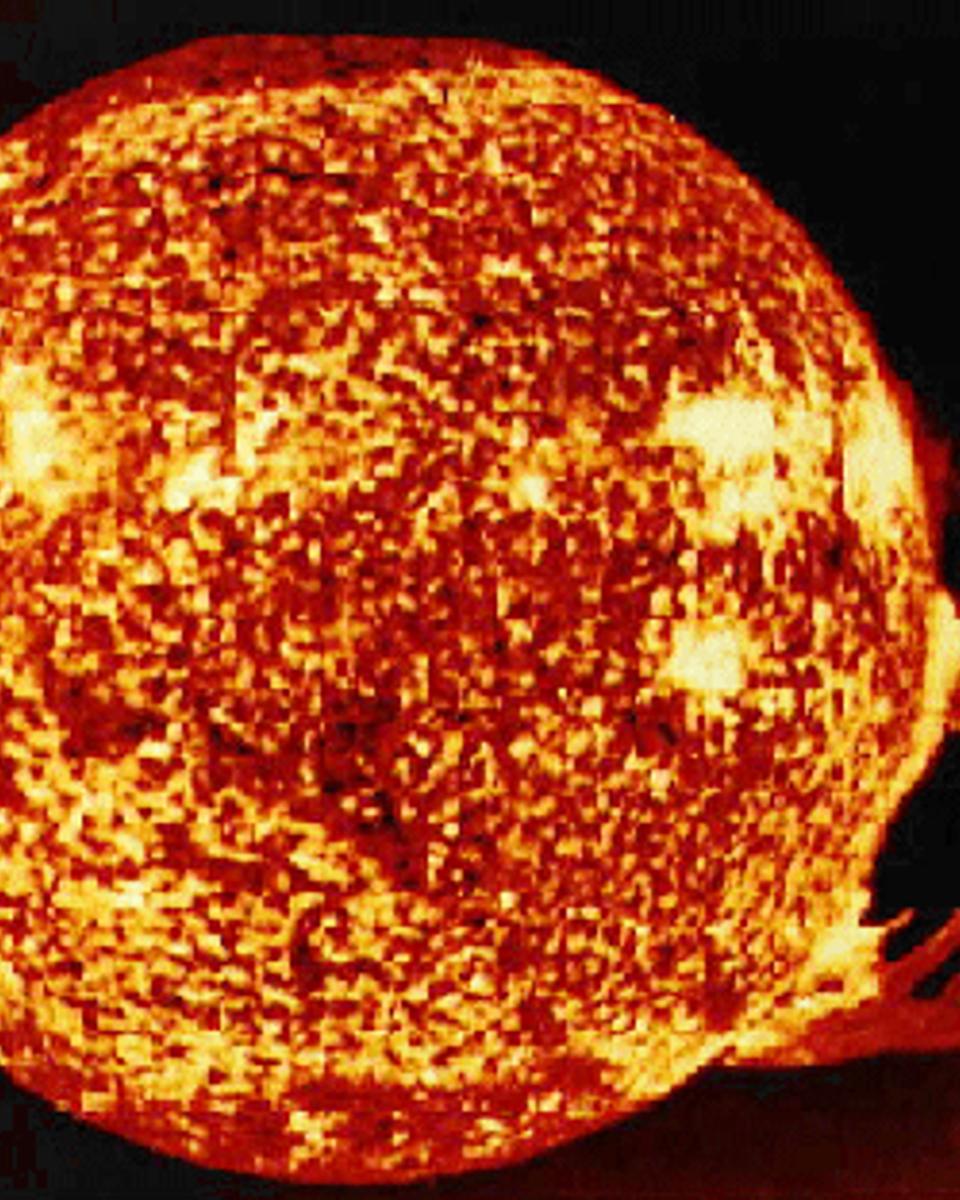
The Sun Erupts
The sun was captured in 1973 throwing one of the largest eruptive prominences ever recorded. Sol, our sun, is a normal star. It formed about 5 billion years ago, and will last…
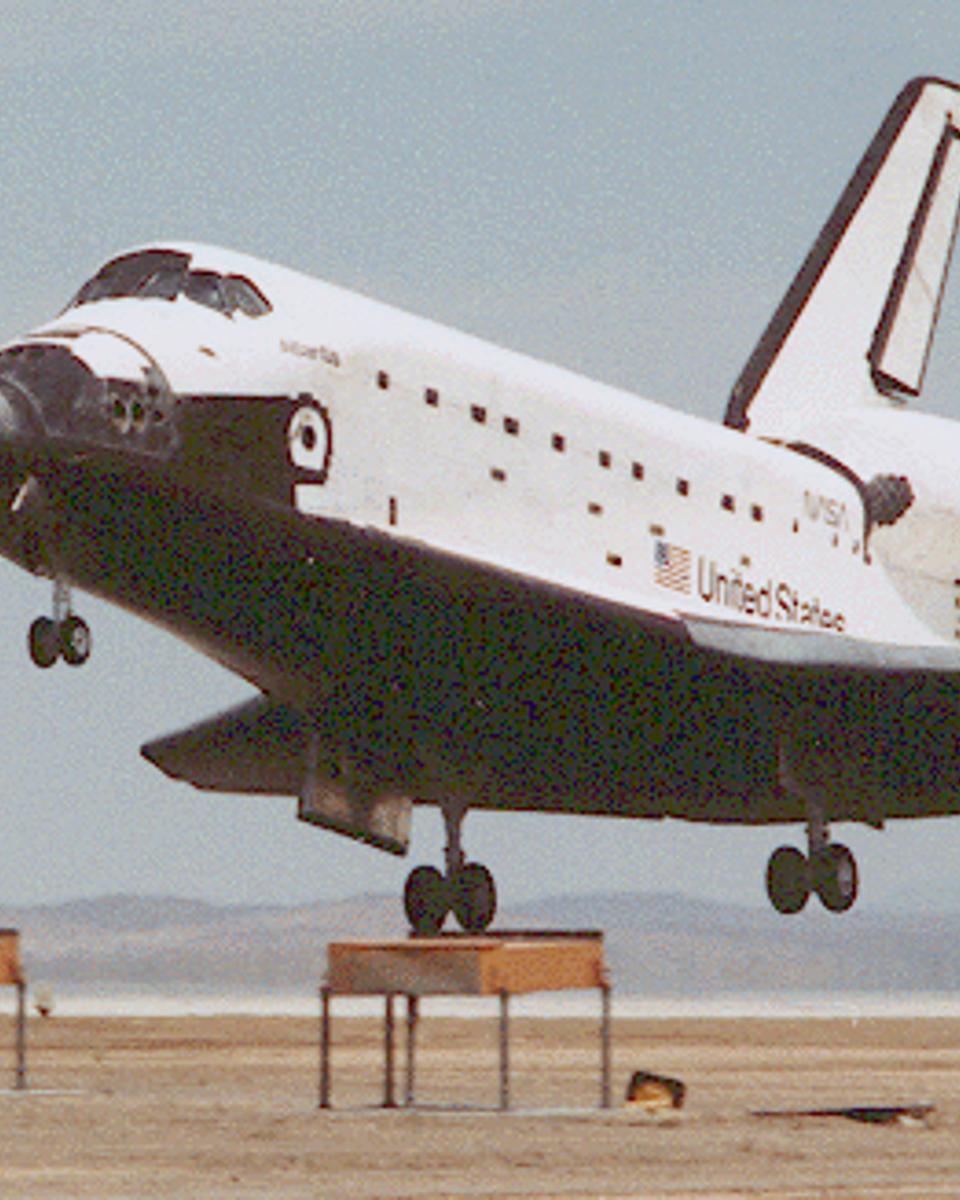
Atlantis Landing
Space Shuttle Atlantis lands at Edwards Air Force Base in California. The Space Shuttle is the first orbital space vehicle to land on a runway like an airplane. Space Shuttles…
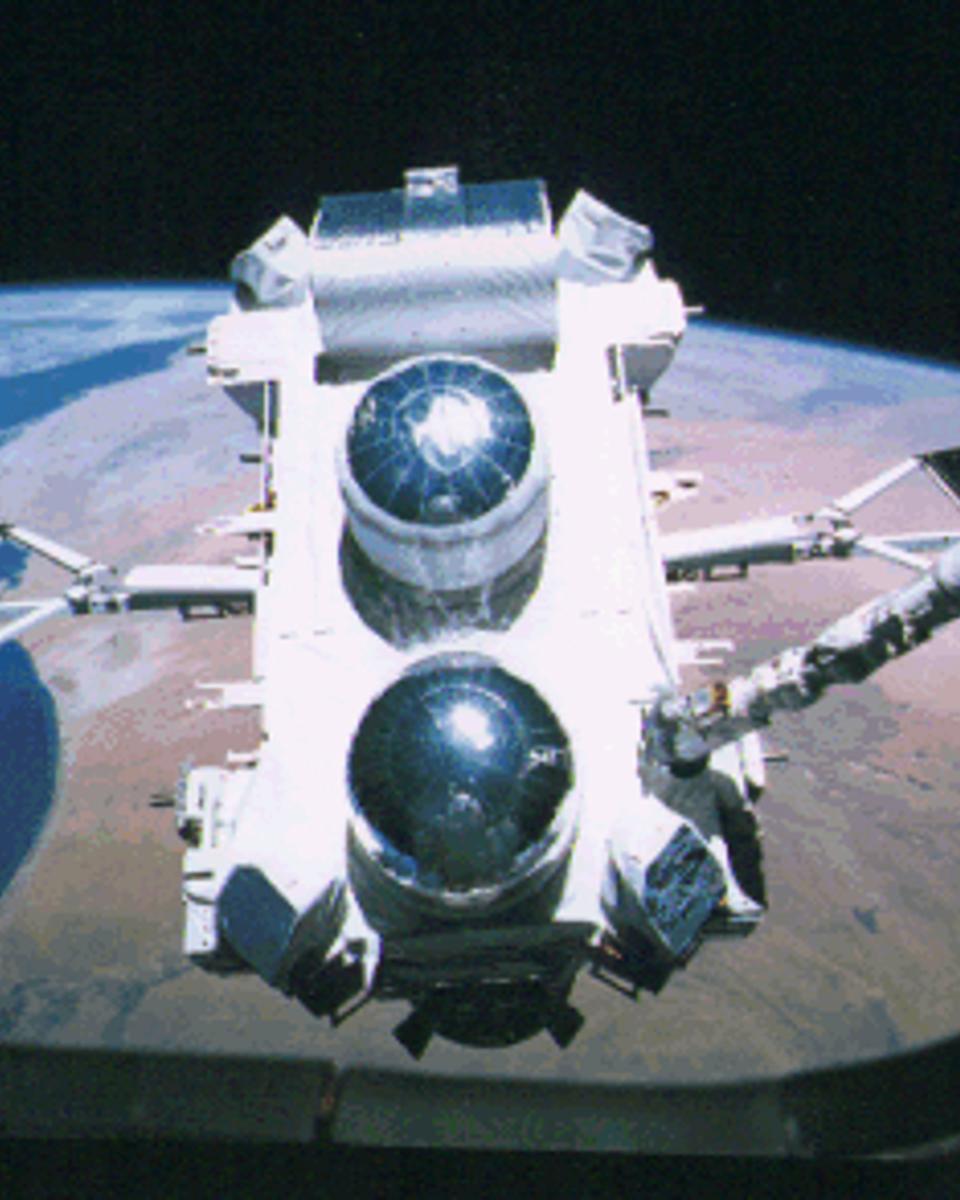
The Compton Gamma Ray Observatory
The Compton Gamma Ray Observatory (CGRO) was the most massive instrument ever launched by a NASA Space Shuttle and continues to revolutionize gamma-ray astronomy. This orbiting…
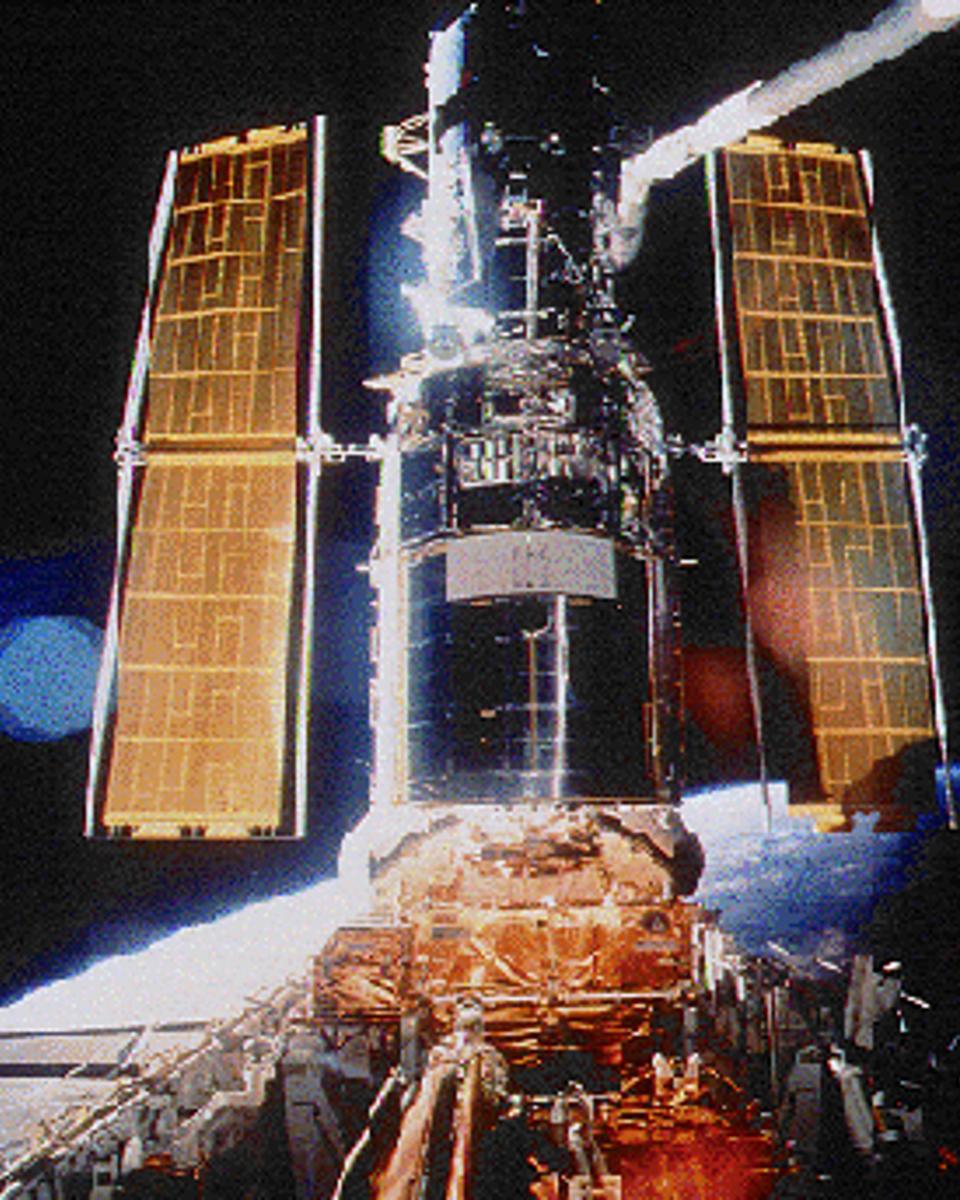
The Orbiting Hubble Space Telescope
The Hubble Space Telescope (HST) is the largest orbiting public optical telescope in history. Its 2.4 meter diameter reflecting mirror and its perch above Earth's atmosphere allow…
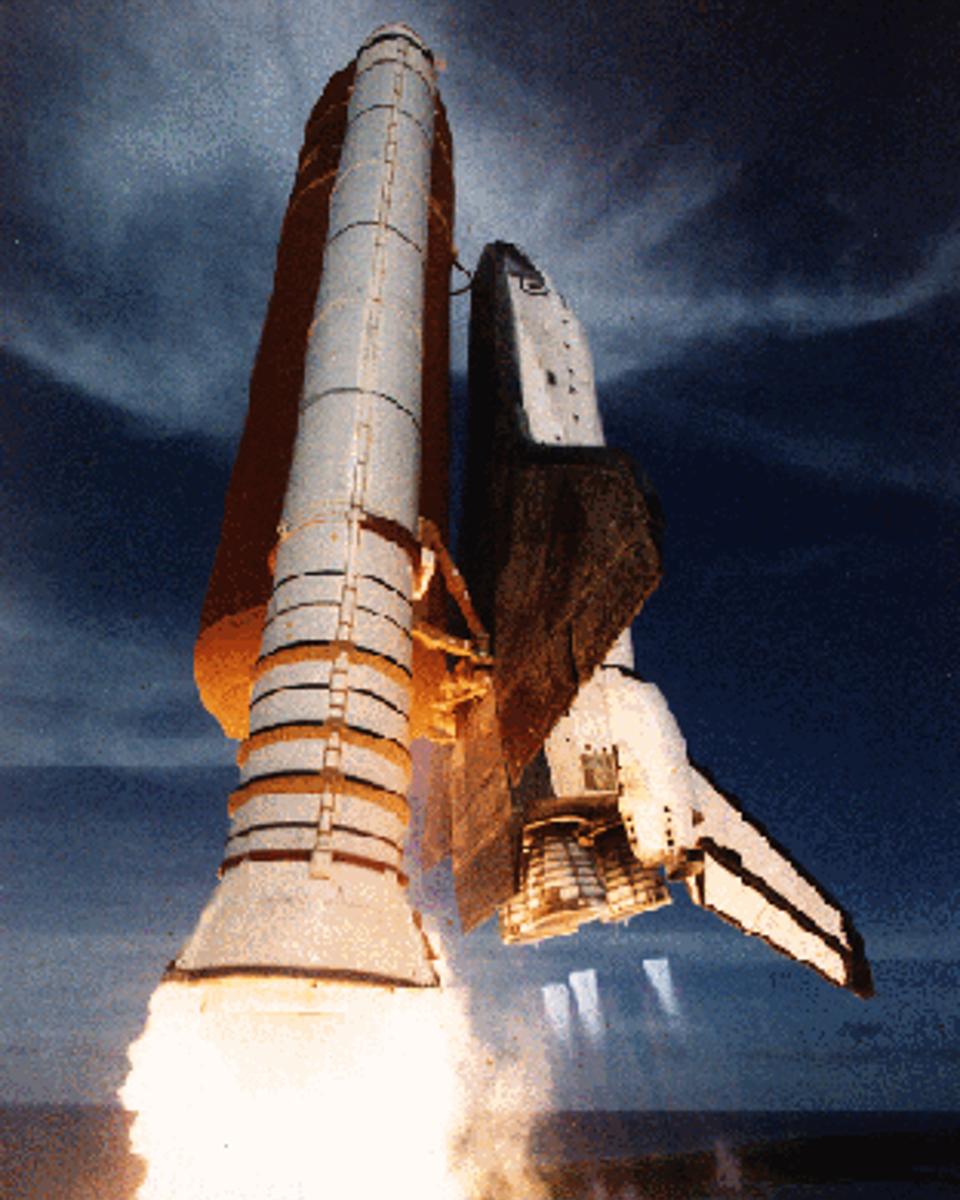
Challenger Launches Spacelab 2
Space Shuttle Challenger jumps off the launch pad in 1985 to begin a successful mission. The main purpose of this mission was to test a new space based laboratory named Spacelab…
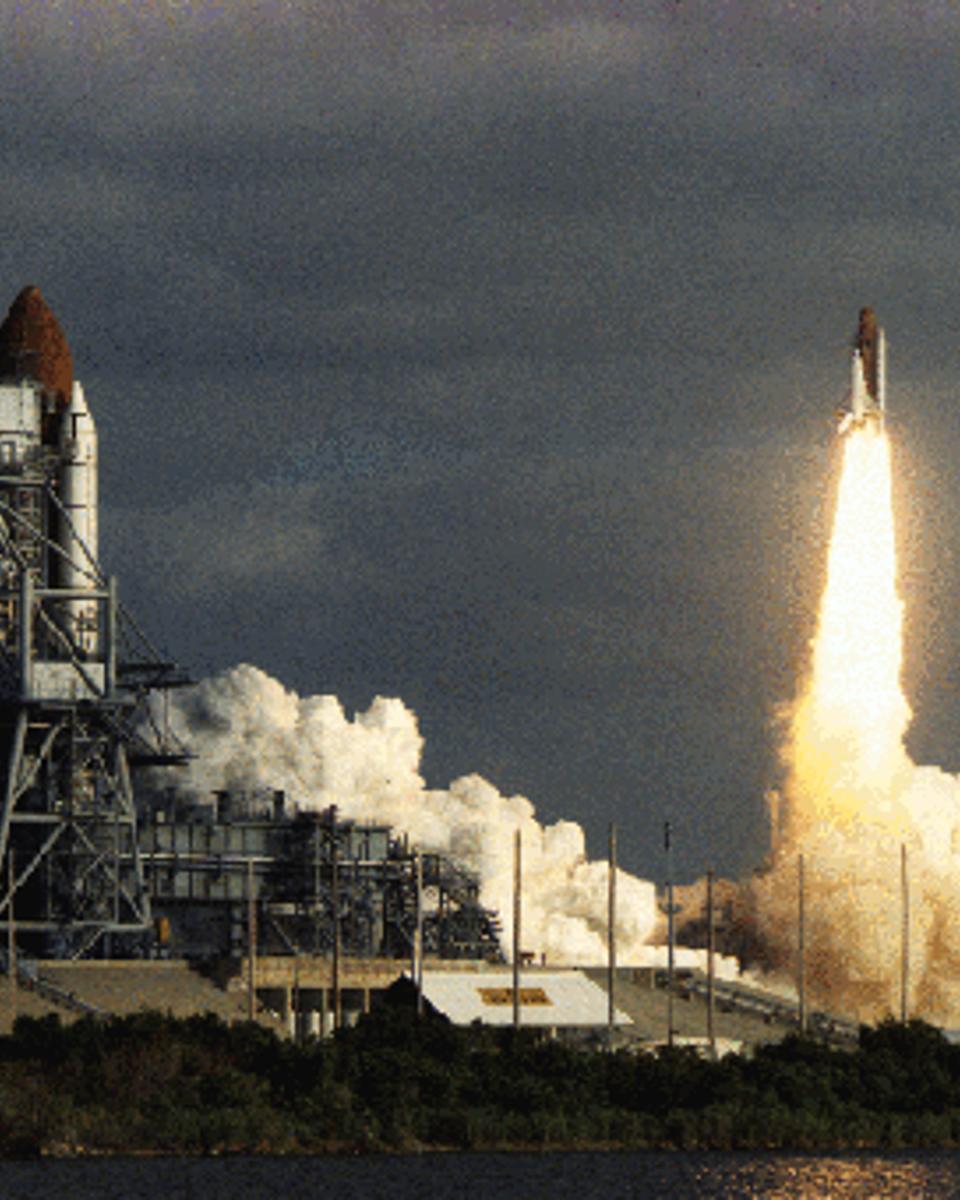
Columbia Waits, Discovery Launches
Space Shuttle Discovery launches while the Space Shuttle Columbia is readied for a future mission. Space shuttles are launched from the Kennedy Space Center in Florida. At this…
Night Launch of Endeavour
Space Shuttle Endeavour thunders off into orbit in a rare night launch. This March 1995 mission is most famous for operating the set of astronomical telescopes known as Astro-2 .…
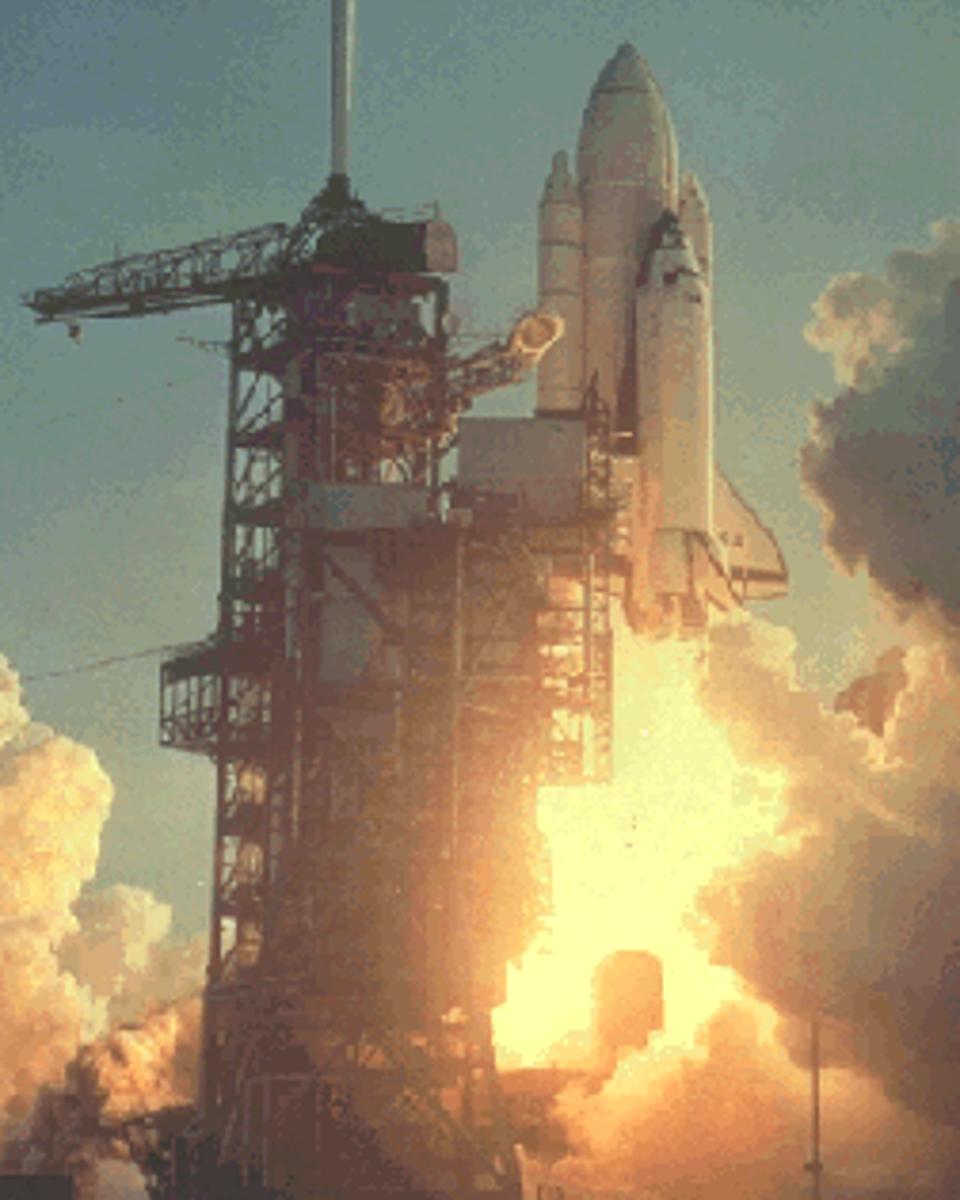
Liftoff of Space Shuttle Columbia
On April 12, 1981, space flight entered a new era with the first launch of Space Shuttle Columbia , shown above. NASA's Space Shuttles land like a normal plane, carry a heavy…
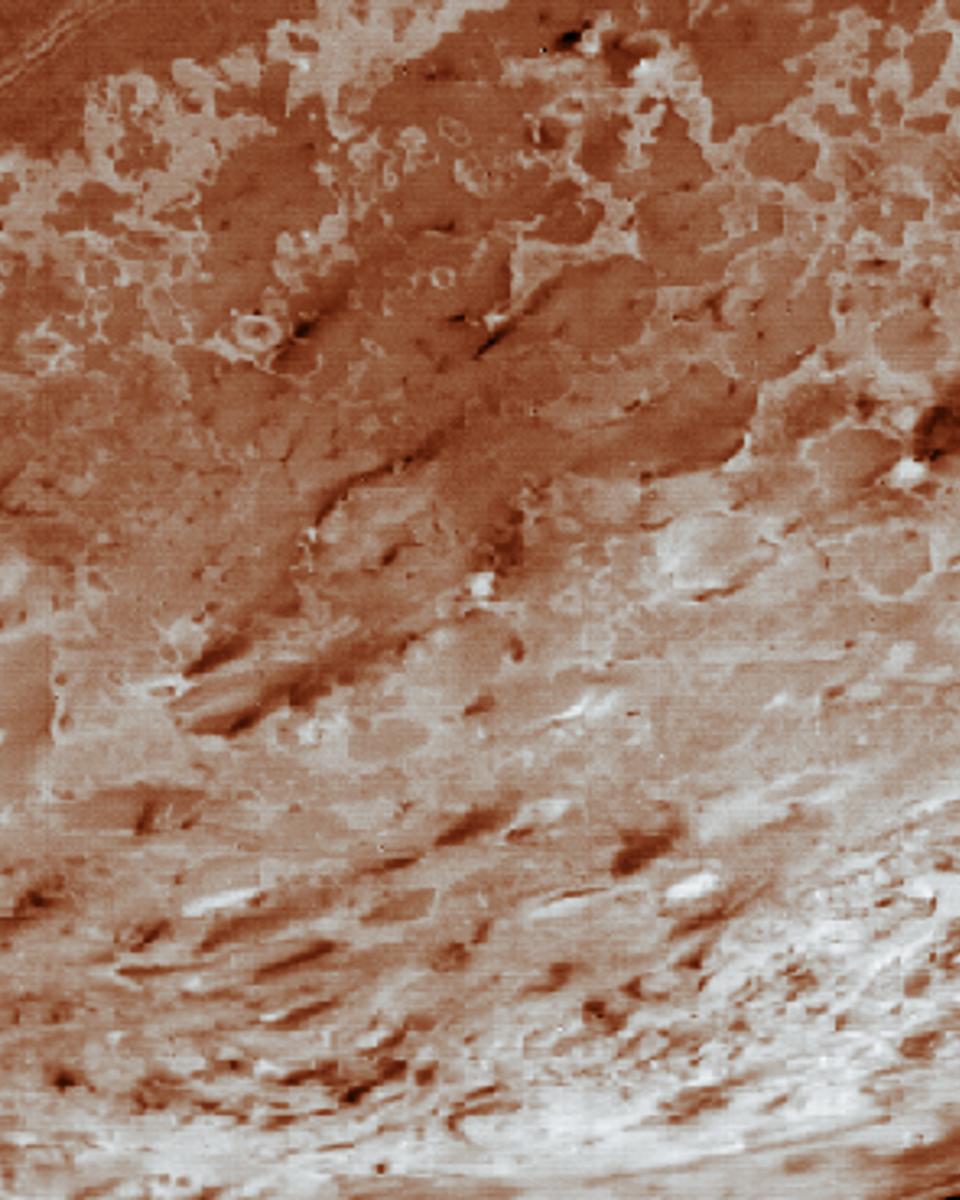
Geysers on Triton
In August of 1989 NASA's Voyager 2 spacecraft passed by Neptune, the most distant of the solar system's gas giant planets. Its encounter with Neptune climaxed with its closest…
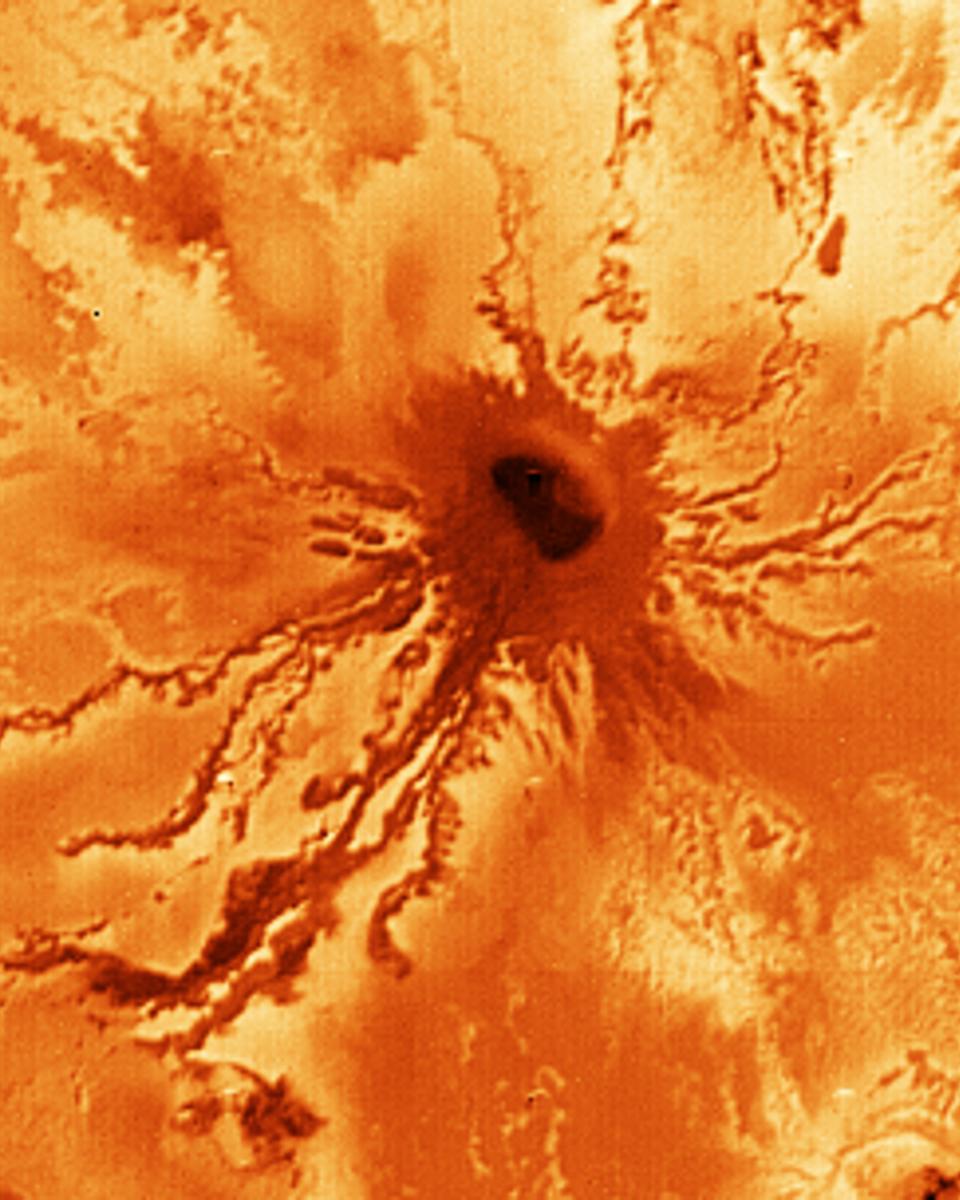
Closeup of an Io Volcano
In 1979, one of NASA's Voyager spacecraft made a spectacular and unexpected discovery. Io, the innermost Galilean moon of Jupiter, was covered with volcanoes and some of them were…
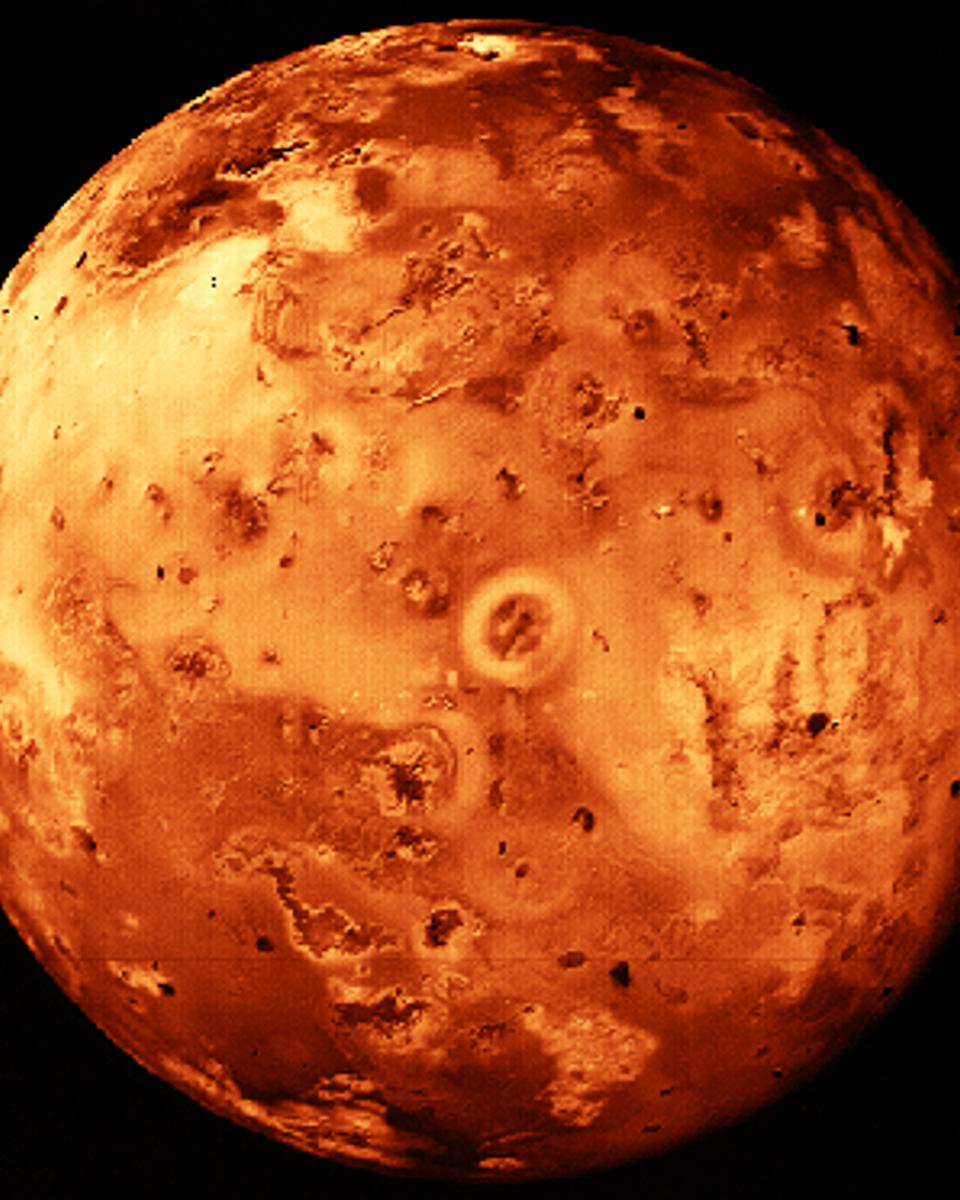
Io: A Volcanic Moon
In 1610, Galileo turned his telescope to the heavens and discovered that the planet Jupiter had four bright moons. The innermost of these Galilean moons, Io , turned out to be one…
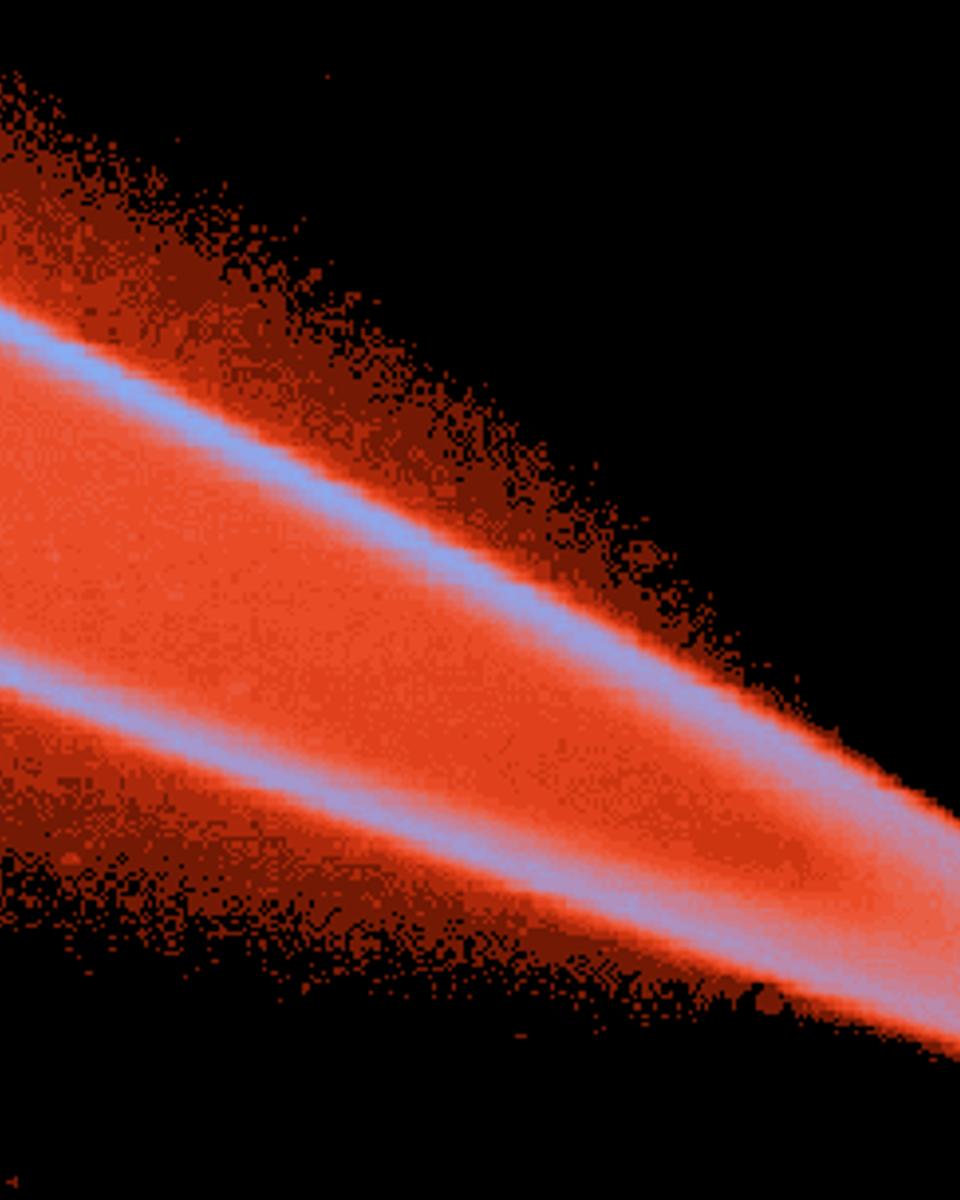
Jupiter's Rings
Astronomers using NASA's Voyager spacecraft to search for a ring system around Jupiter discovered these faint rings in 1979. Unlike Saturn's bright rings which are composed of…
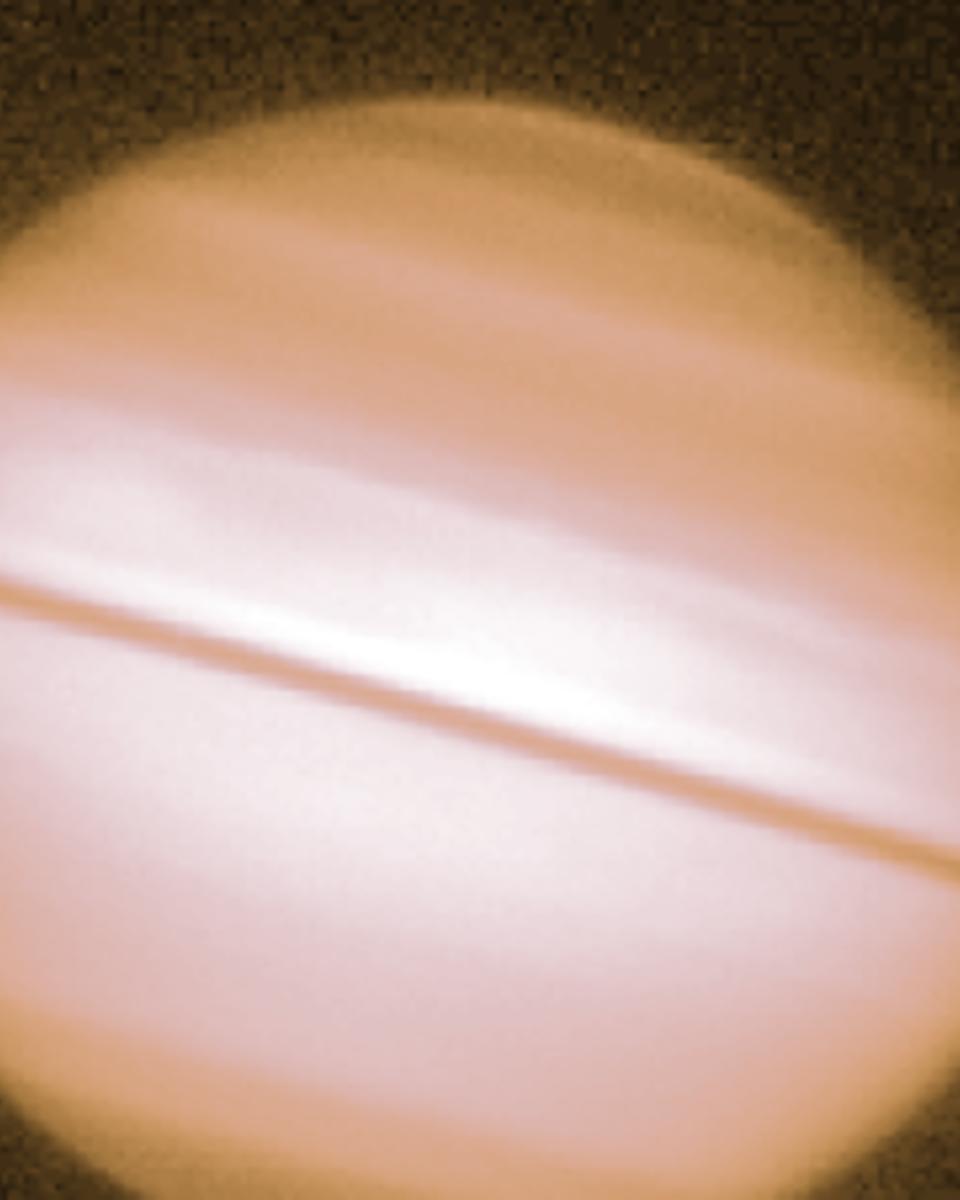
Crossing The Ring Plane
“I do not know what to say in a case so surprising, so unlooked for and so novel.” announced Galileo when Saturn's rings appeared to vanish in 1612. In fact, every 15 years…
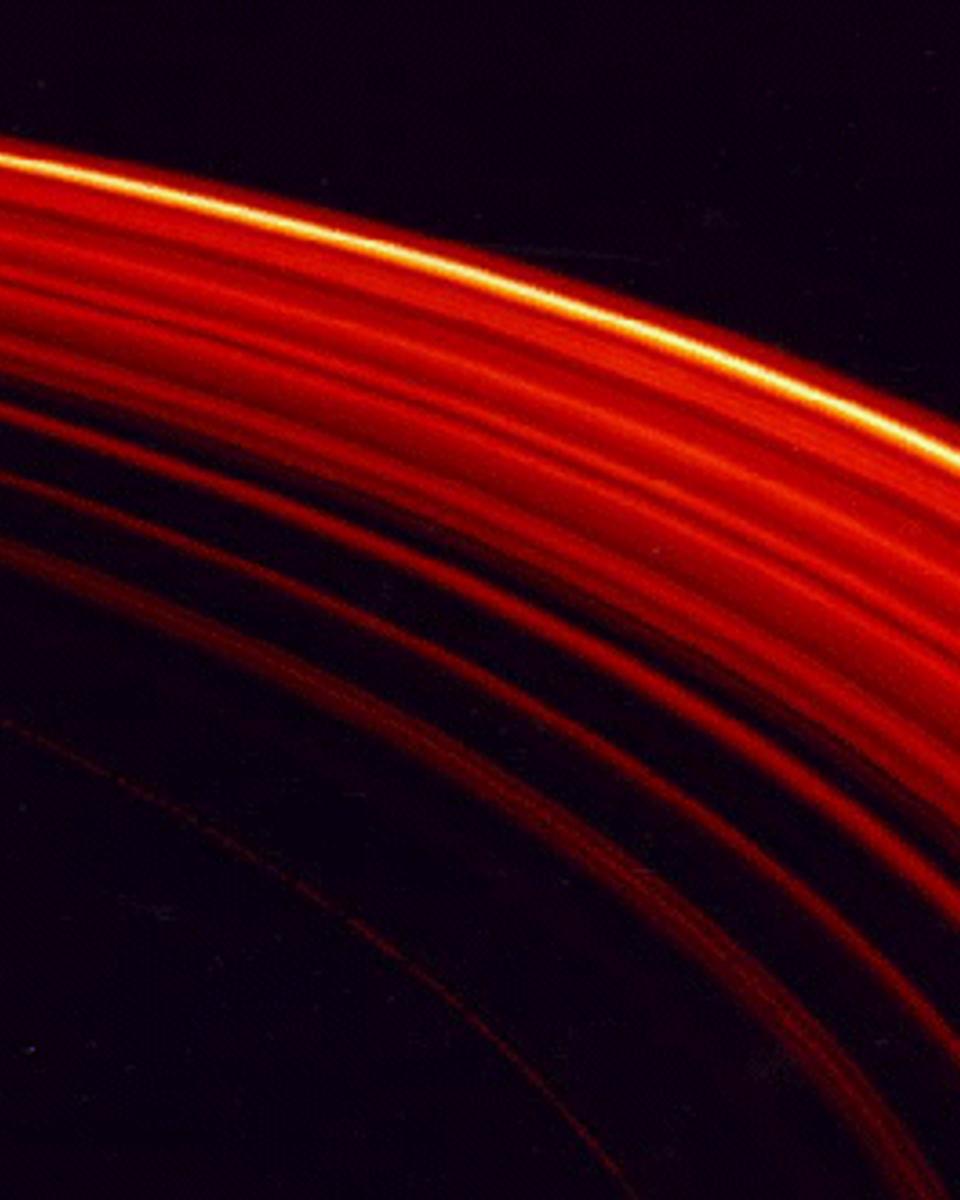
Exploring Saturn's Rings
By watching a star flicker and fade as it passed behind Saturn's rings, NASA's Voyager 2 spacecraft was able explore the ring system in amazing detail. Data produced by Voyager's…
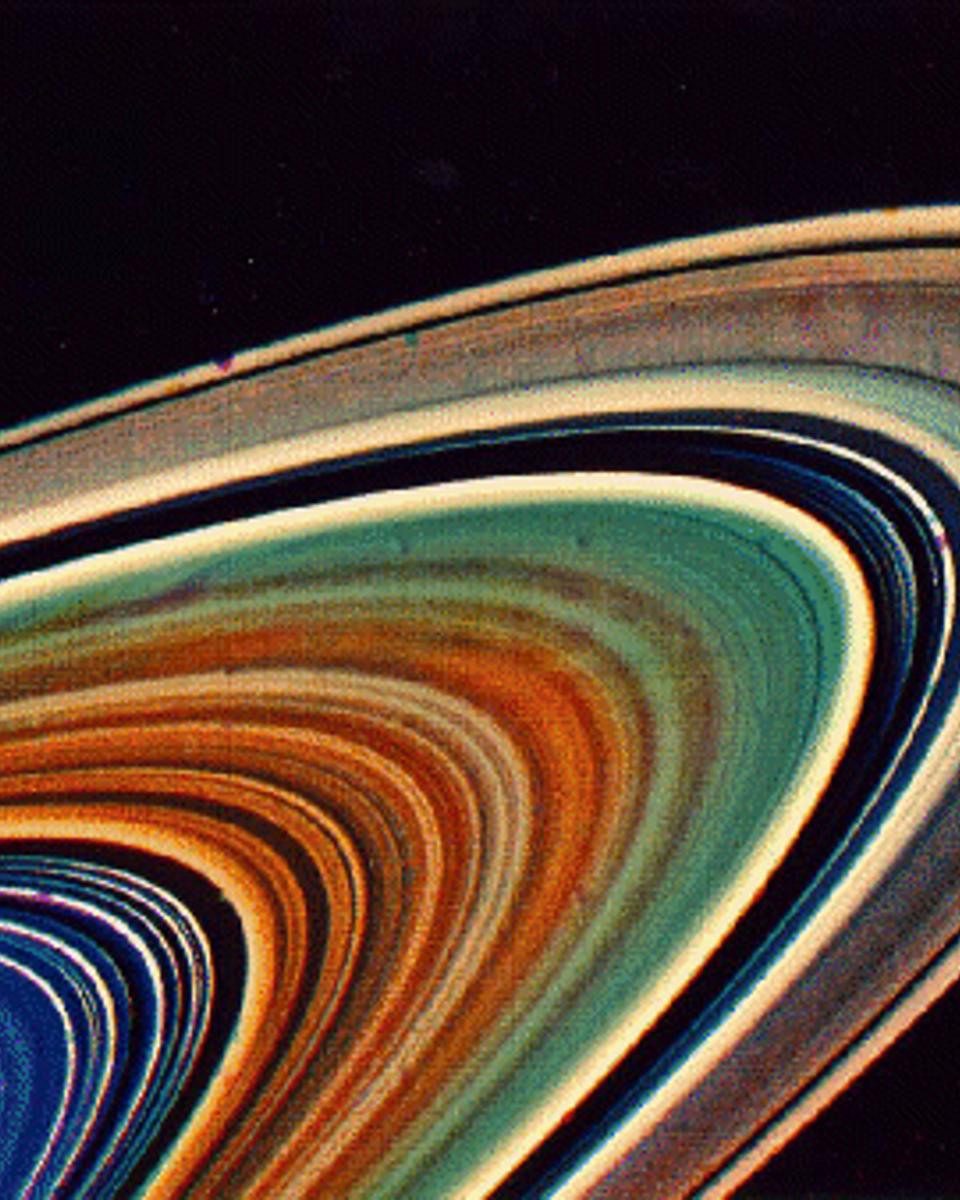
The Rings of Saturn
Saturn's spectacular system of bright rings has been the subject of study and wonder since Galileo first turned his telescope on the ringed planet in 1610. To Galileo, the blurry…
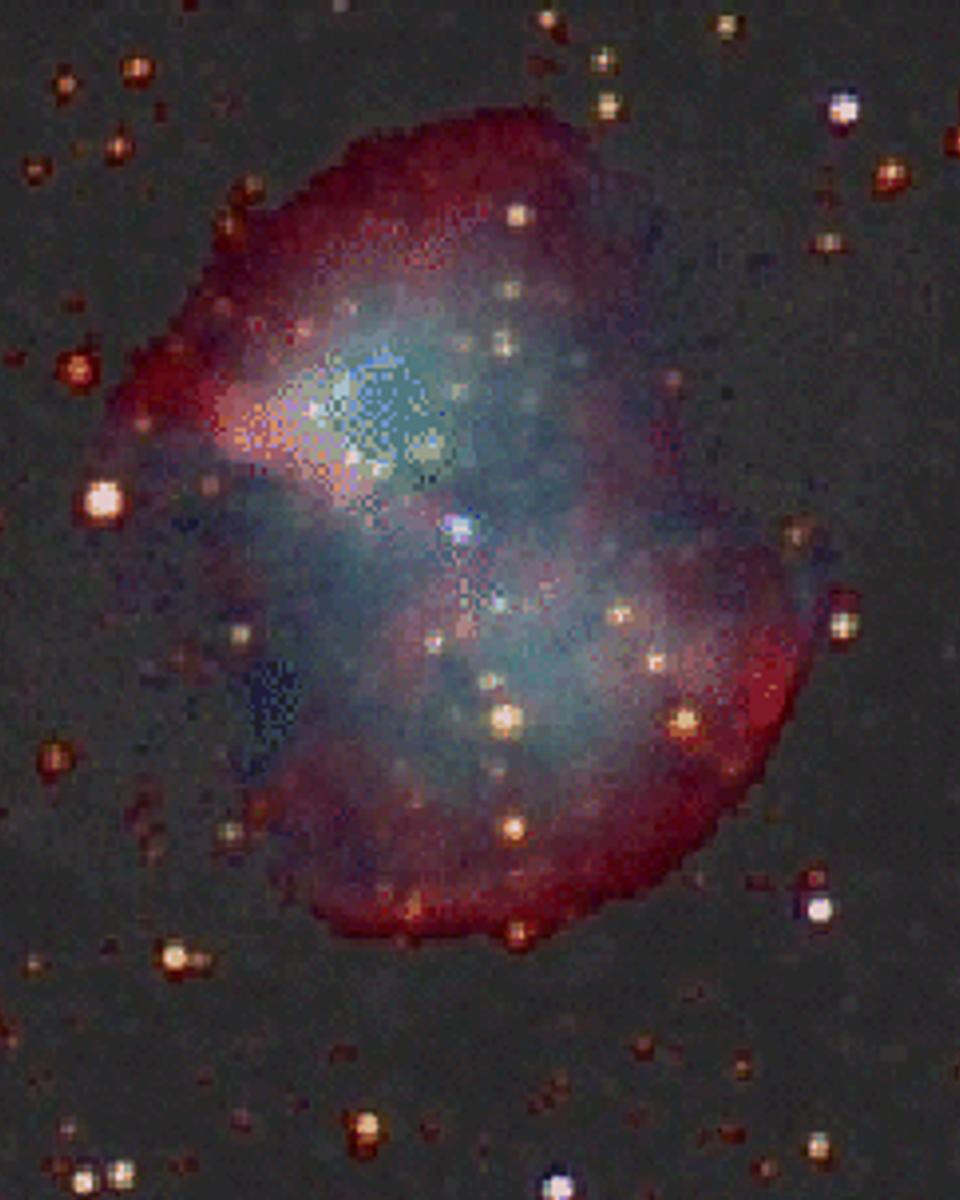
M27: The Dumbbell Nebula
The Dumbbell Nebula is a beautiful red and blue planetary nebula in the constellation of Vulpecula. It is the 27th object on Charles Messier's list of diffuse sky objects, and so…
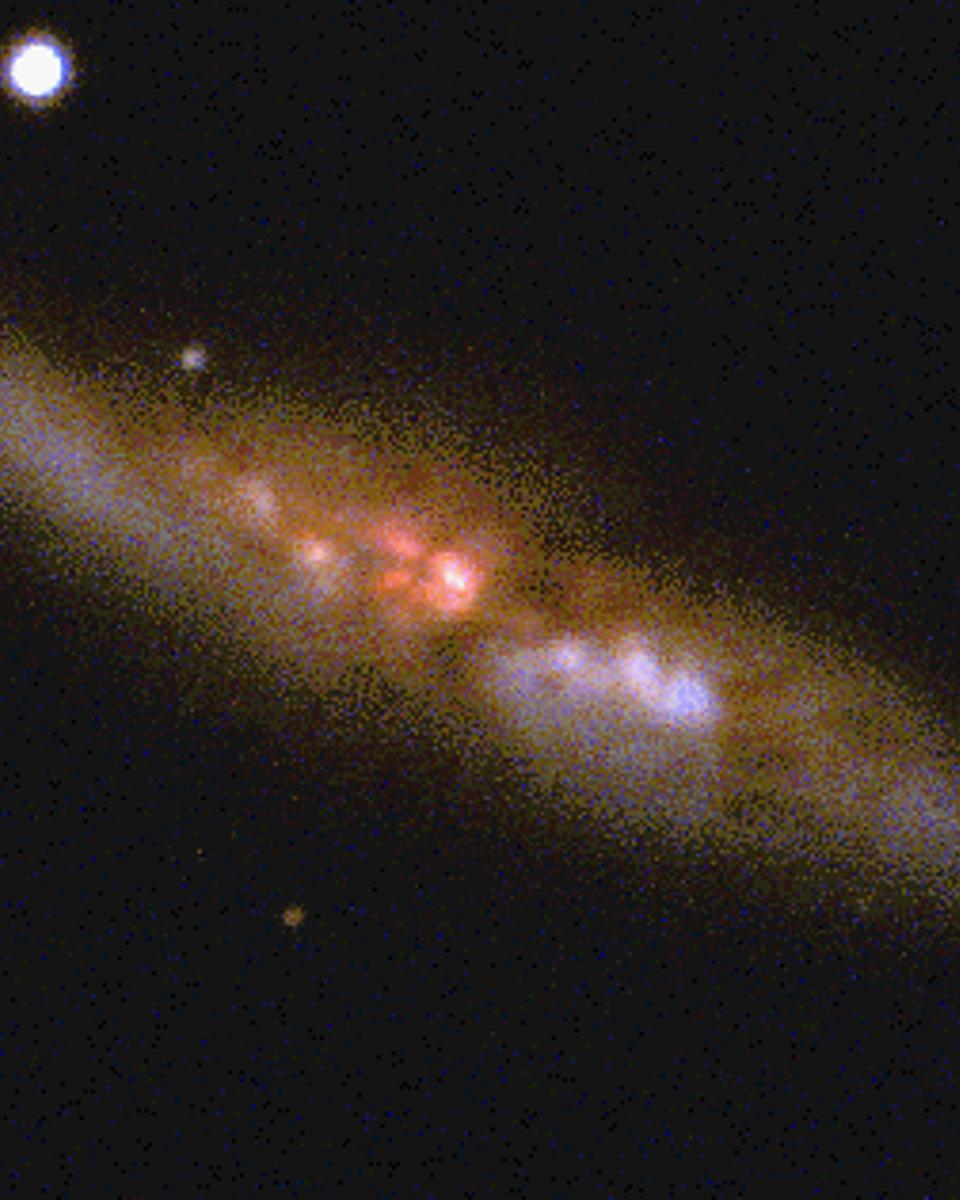
M82: An Irregular Galaxy
Not all galaxies have spiral structure like our Milky Way. Many have smooth elliptical shapes, but also many have irregular shapes such as the bright sky object M82, the 82nd…
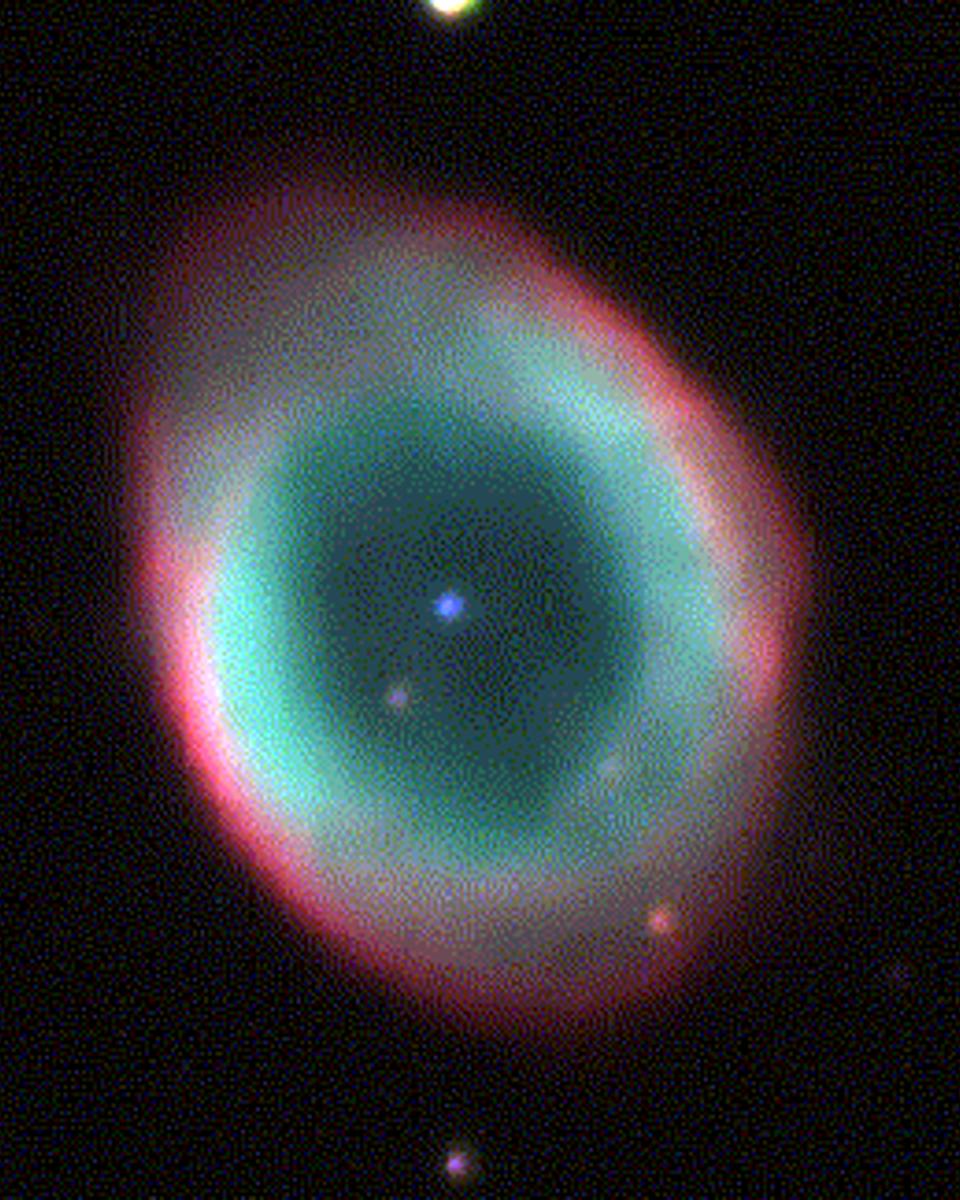
M57: The Ring Nebula
A star with mass similar to that of our Sun will throw off its outer gasses after fusion has stopped in its core. Possibly the most visually spectacular of these planetary nebula…
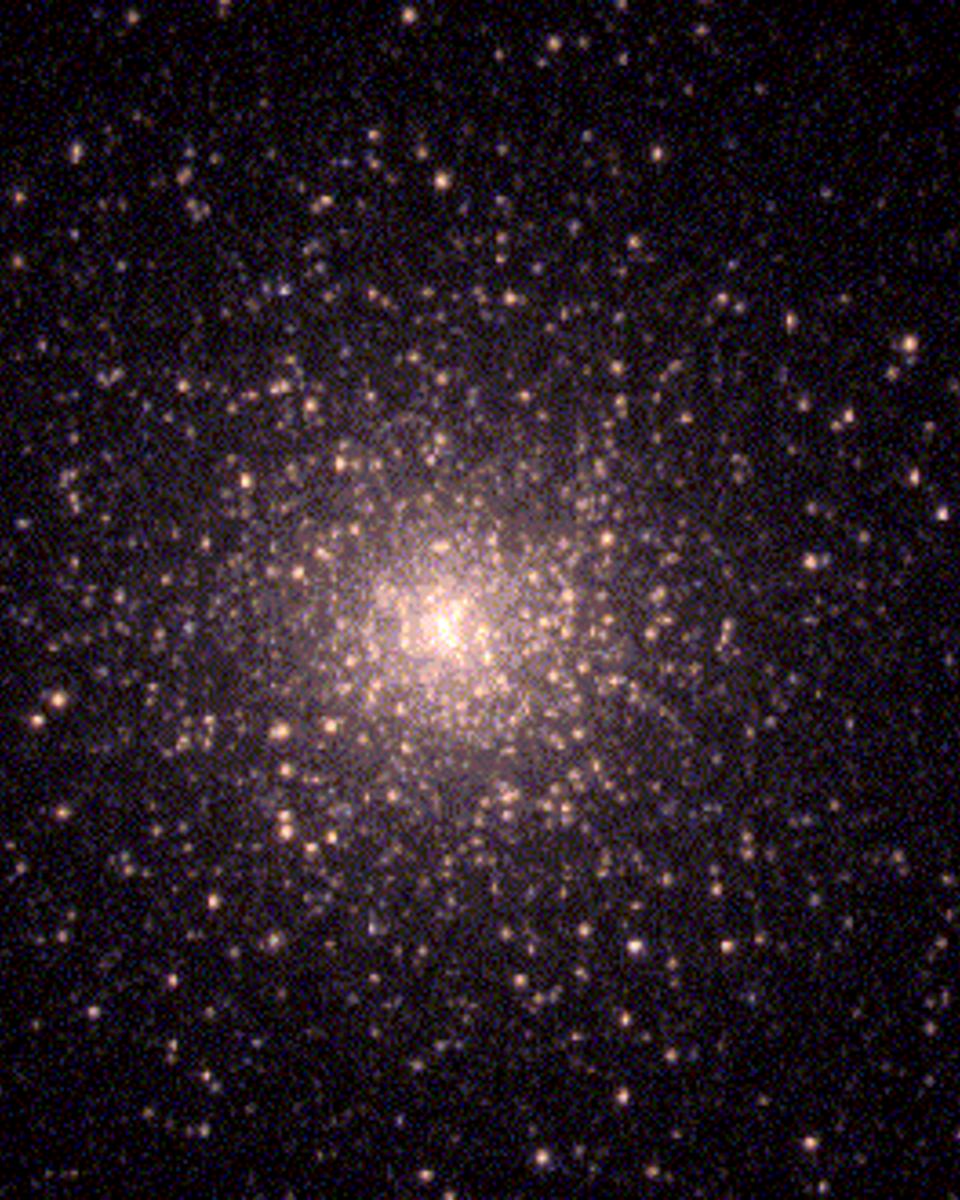
M15: A Great Globular Cluster
A globular cluster is a system of about one million stars that together orbit a galaxy. One of the brightest globular clusters in our Milky Way galaxy is the pictured M15, the…
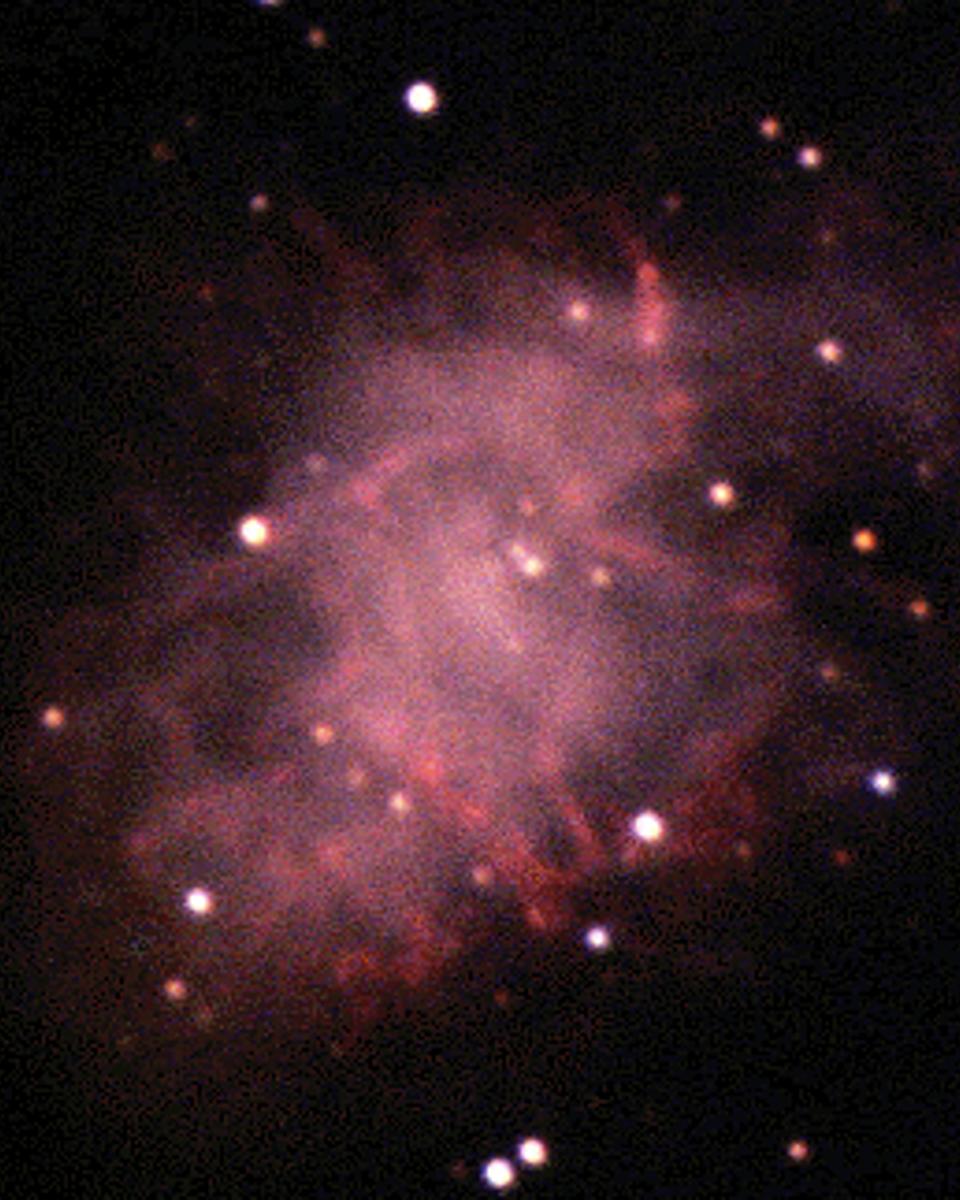
M1: The Crab Nebula
In the year 1054 a star in the constellation of Taurus exploded in a spectacular supernova so bright it appeared to dominate the sky except for the Sun and Moon for many days. It…
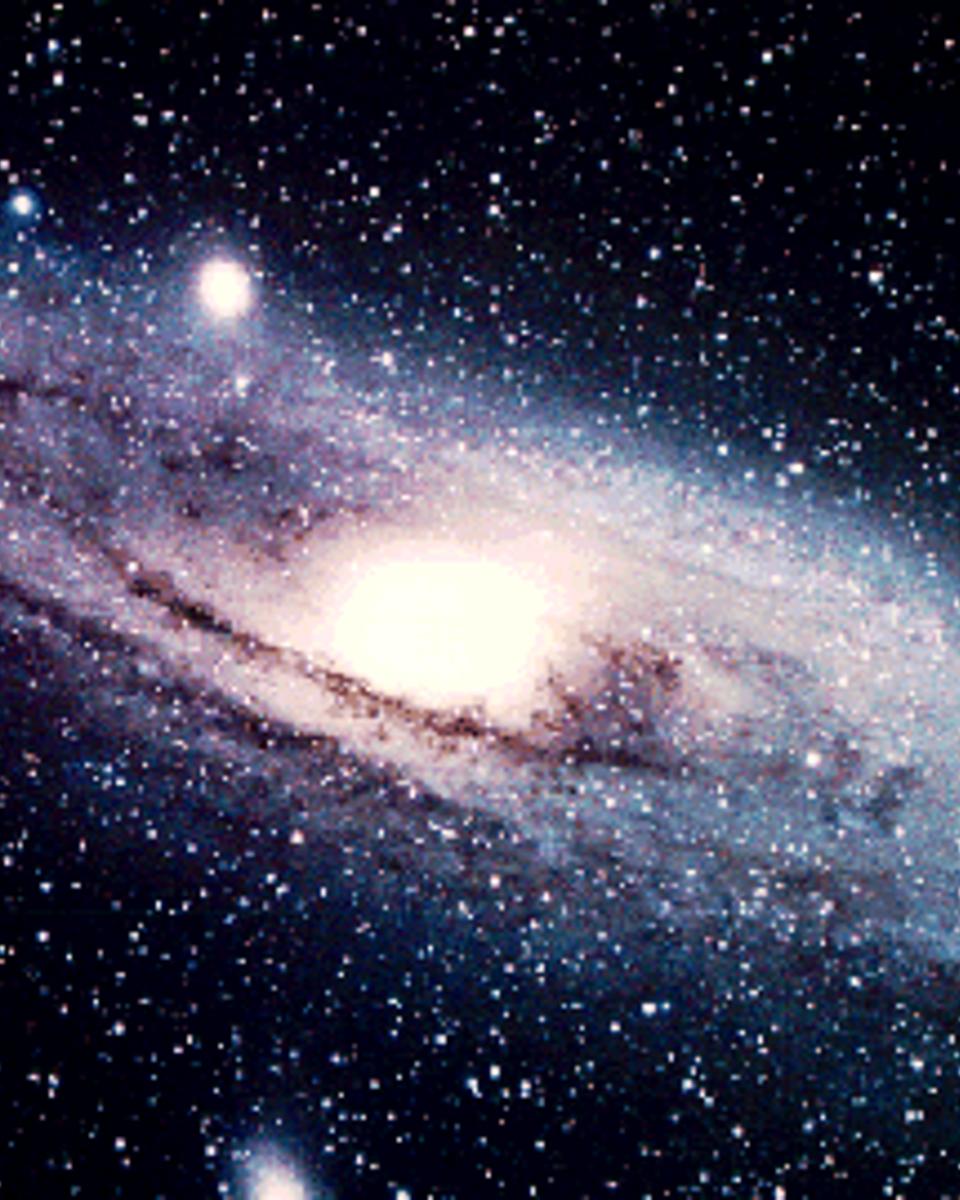
M31: The Andromeda Galaxy
Andromeda is the nearest major galaxy to our own Milky Way Galaxy. Our Galaxy is thought to look much like Andromeda. Together these two galaxies dominate the Local Group of…
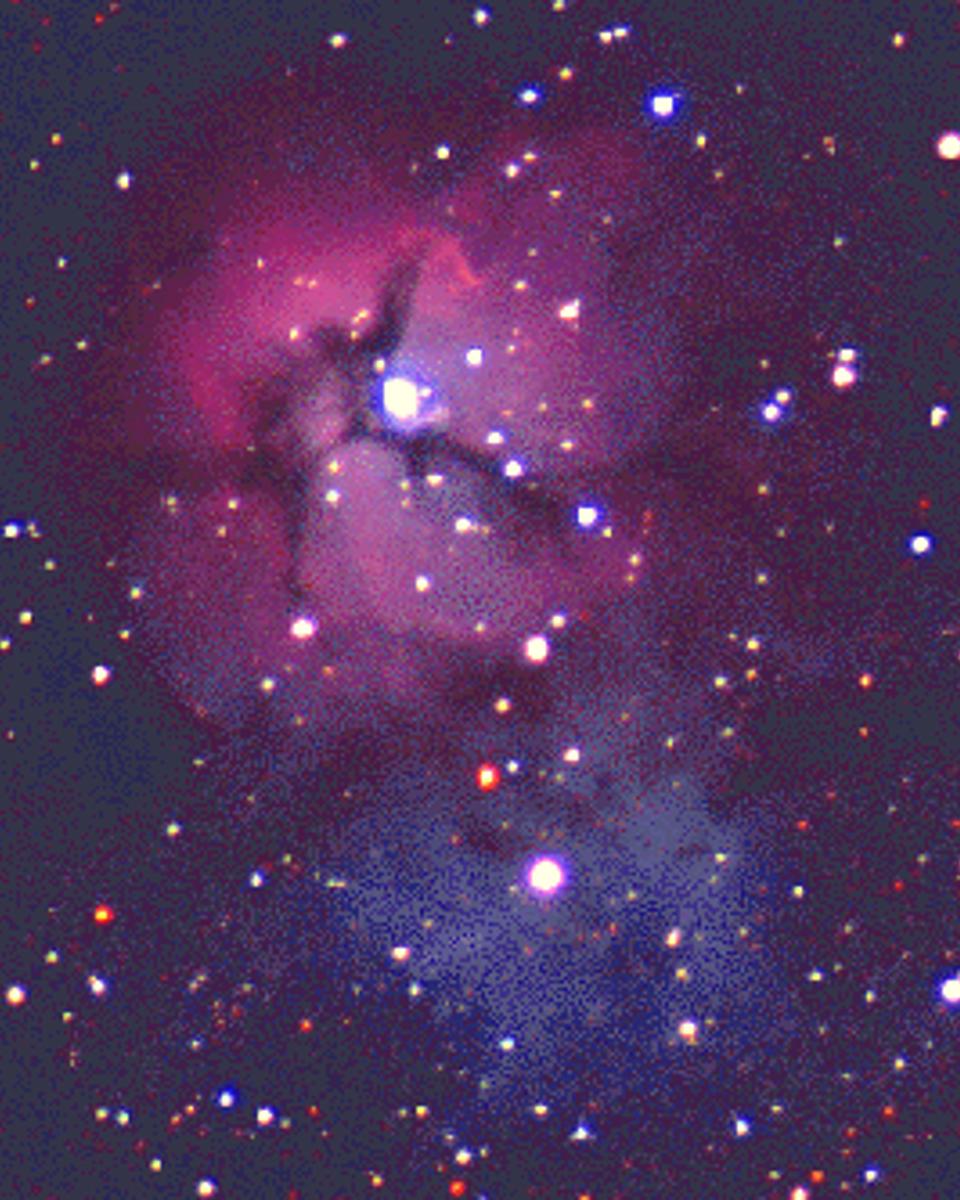
M20: The Trifid Nebula
The vivid blue and violet colors present in the Trifid Nebula result from the abundance of young stars there. The light from young massive stars is quite blue and has the ability…

The Face on Mars
This image, showing what looks to be a human face sculpted on the martian surface, was produced using data from NASA's Viking 1 orbiter in 1976. Described in a press release as a…
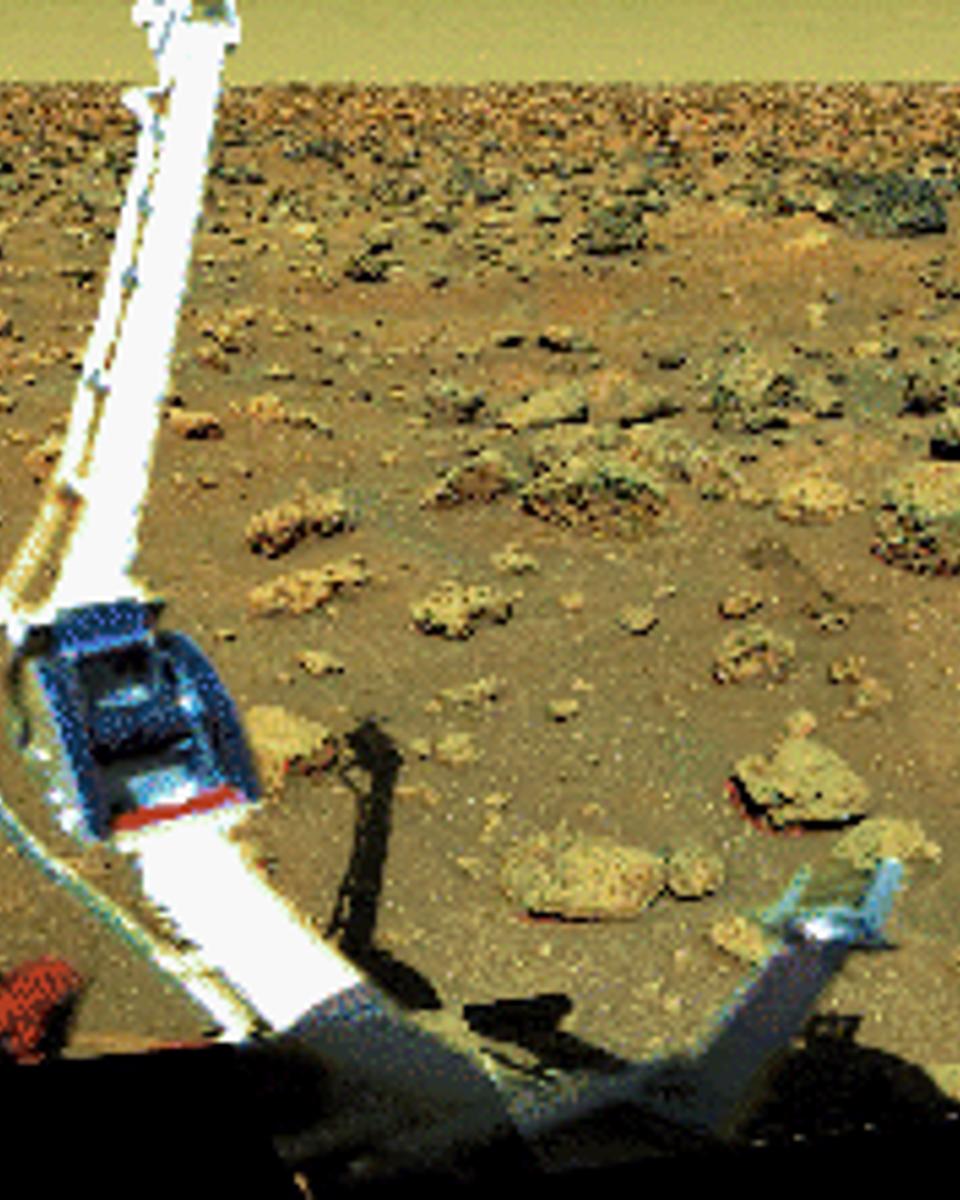
The Search for Life on Mars
Although images of Mars taken from space revealed the planet to have a barren and cratered surface, scientists did not give up the search for martian life. In 1976 NASA's Viking…
Viewing discoveries from 13 August 1995 through 21 July 1995.