Browse NASA Astronomy Picture of the Day archive by date and media: Archive Discoveries
Browse the NASA APOD archive without needing the exact date first. Filter by media type and keep moving deeper into older images and videos.
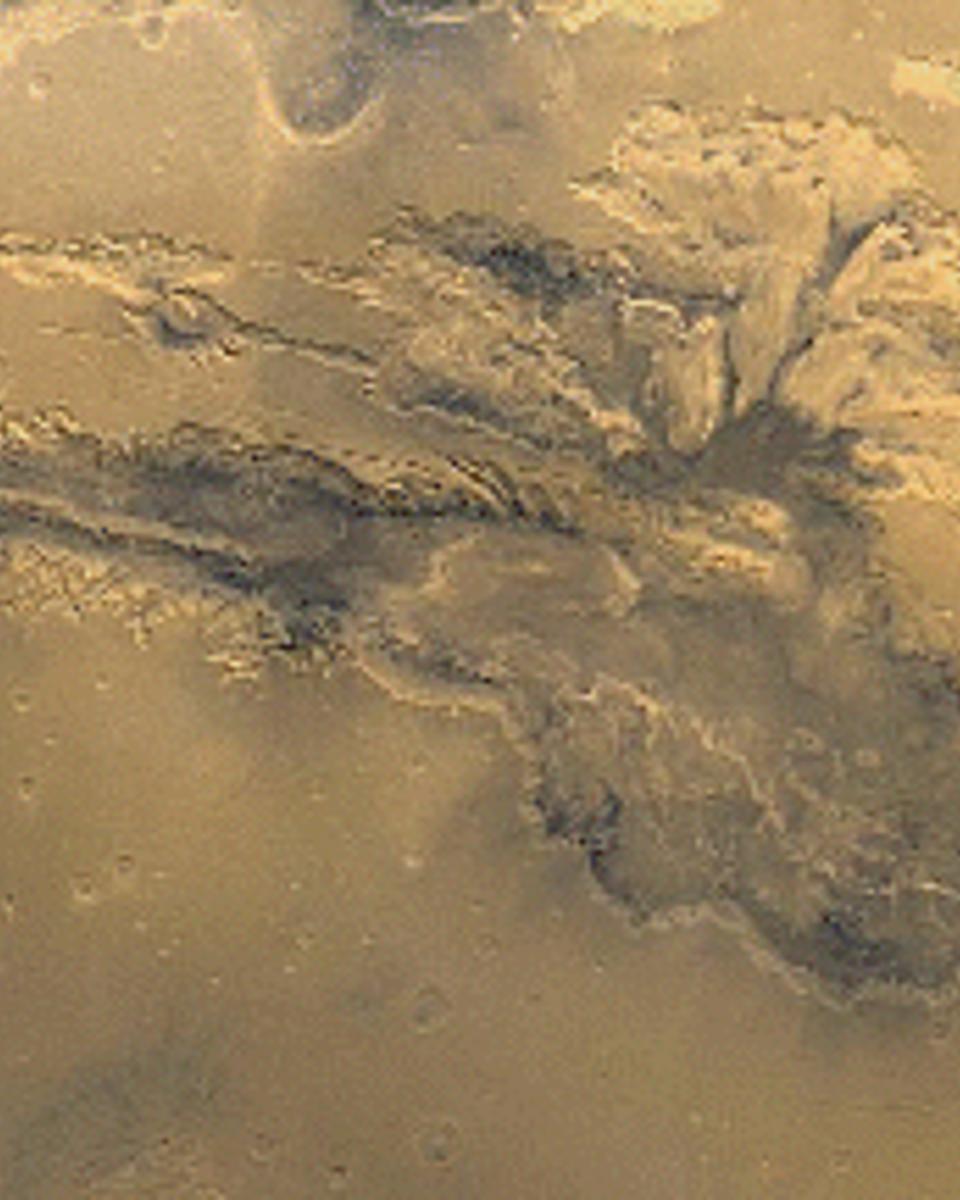
The Grand Canyon of Mars
The Mariner Valley, also known as the Valles Marineris canyon system, appears in this mosaic of images from NASA's Viking spacecraft as a huge gouge across the red planet. This…
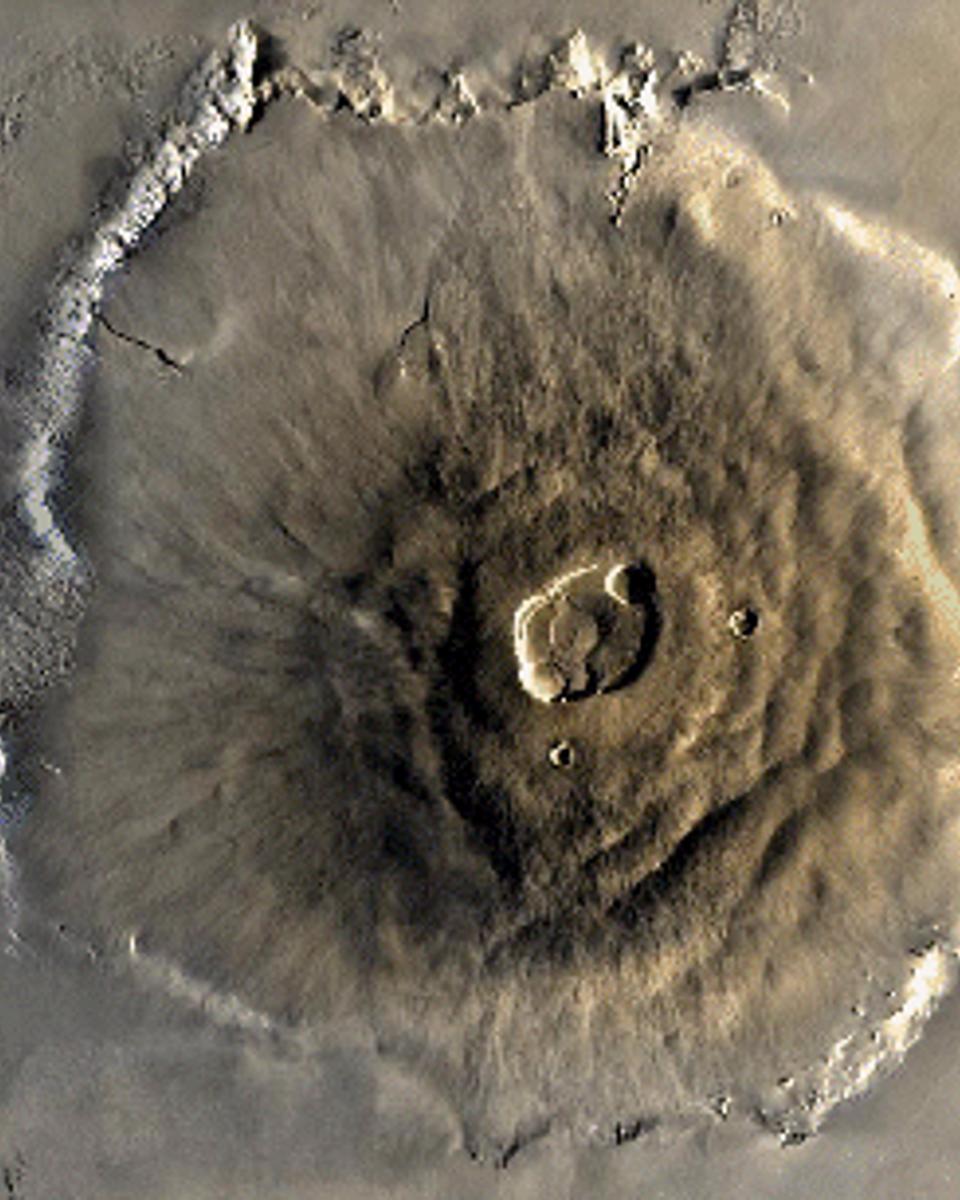
The Mountains of Mars
Volcanic activity on Mars has produced towering mountains. The largest one, Olympus Mons, is pictured here in this Viking Orbiter image. Olympus Mons is a shield volcano nearly 15…
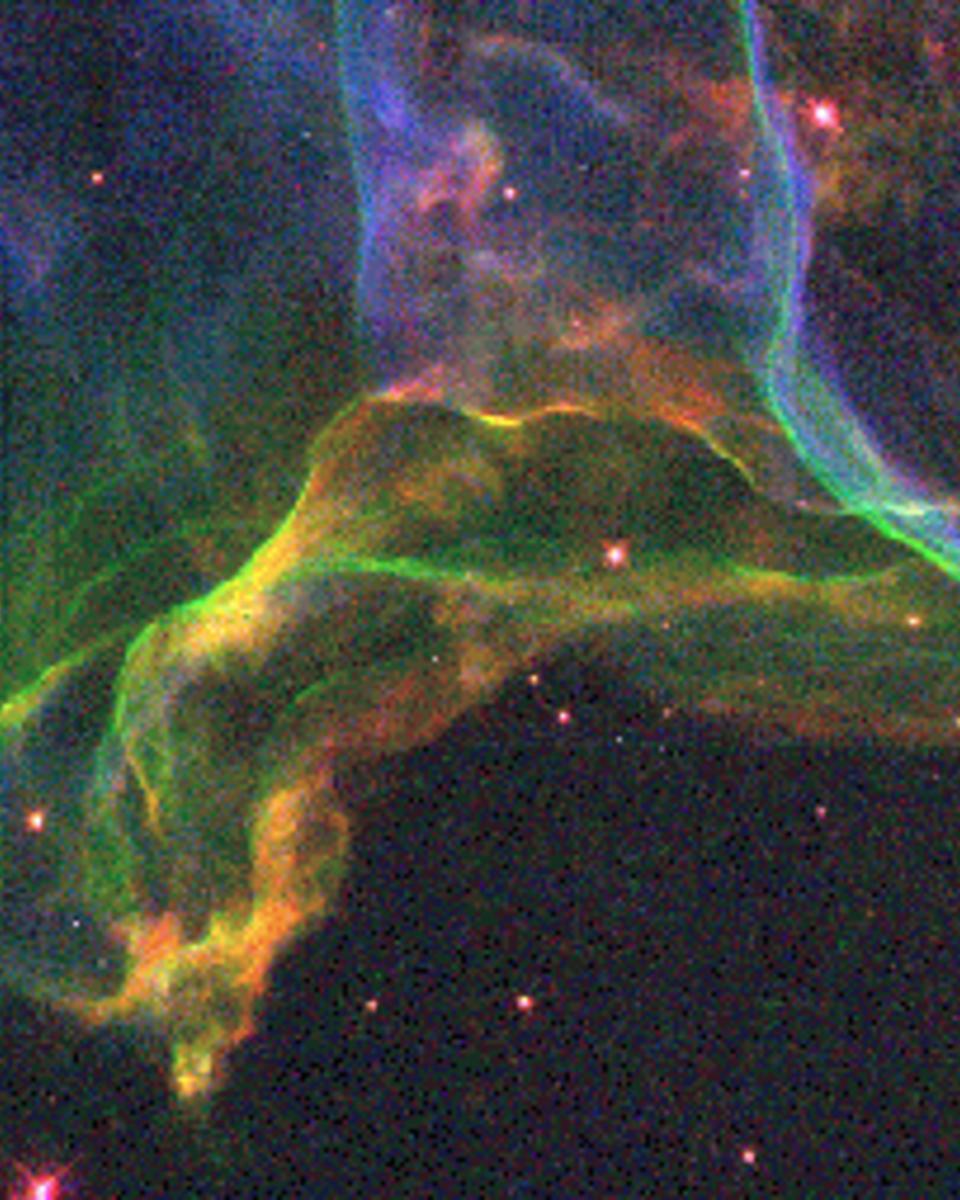
Cygnus Loop Supernova Shockwave
15,000 years ago a star in the constellation of Cygnus exploded. This picture shows a portion of a shockwave from this supernova explosion still expanding past nearby stars. The…
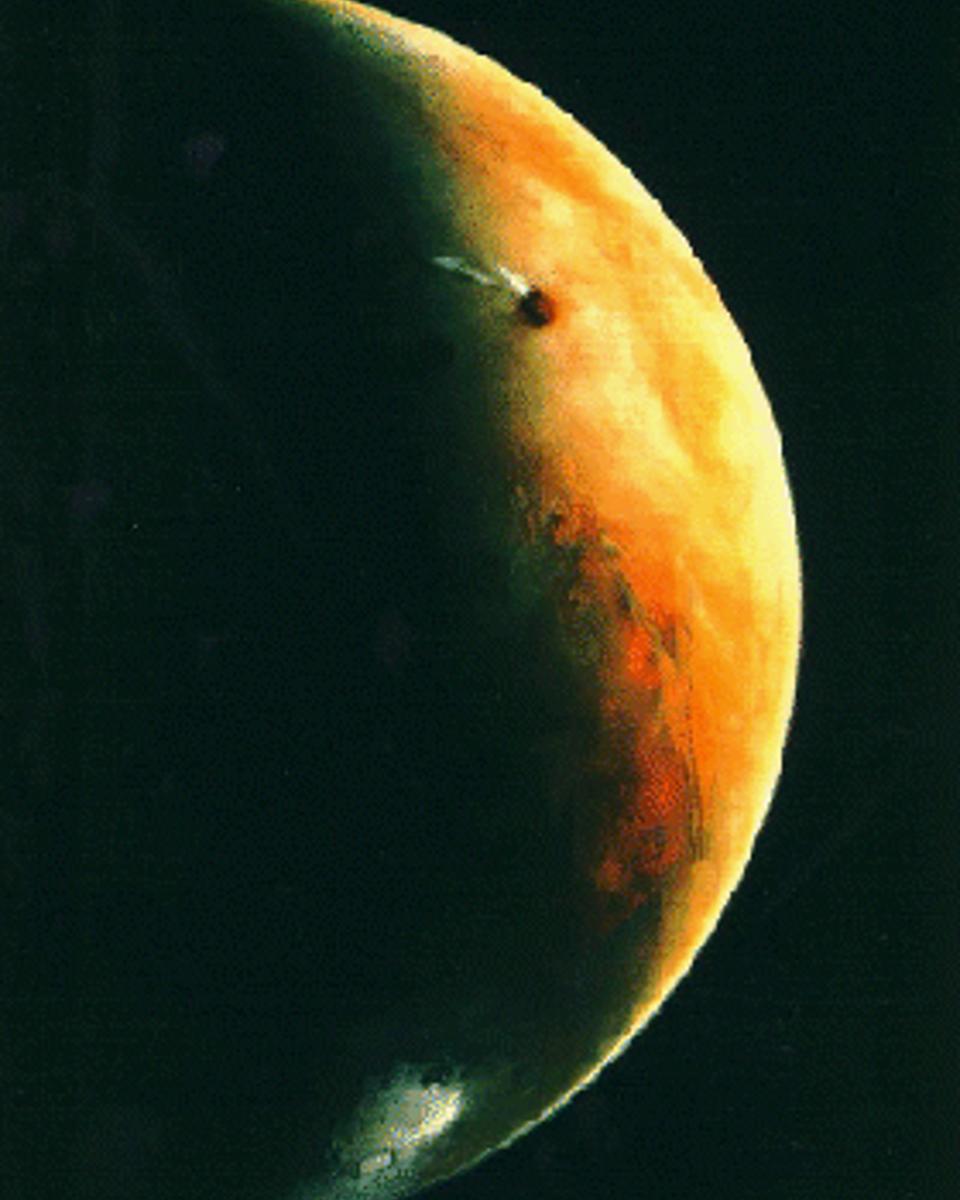
Barsoom
“Yes, I have been to Barsoom again ...” begins John Carter in Edgar Rice Burroughs' 1913 science fiction classic “The Gods of Mars”. In Burroughs' novels describing Carter's…
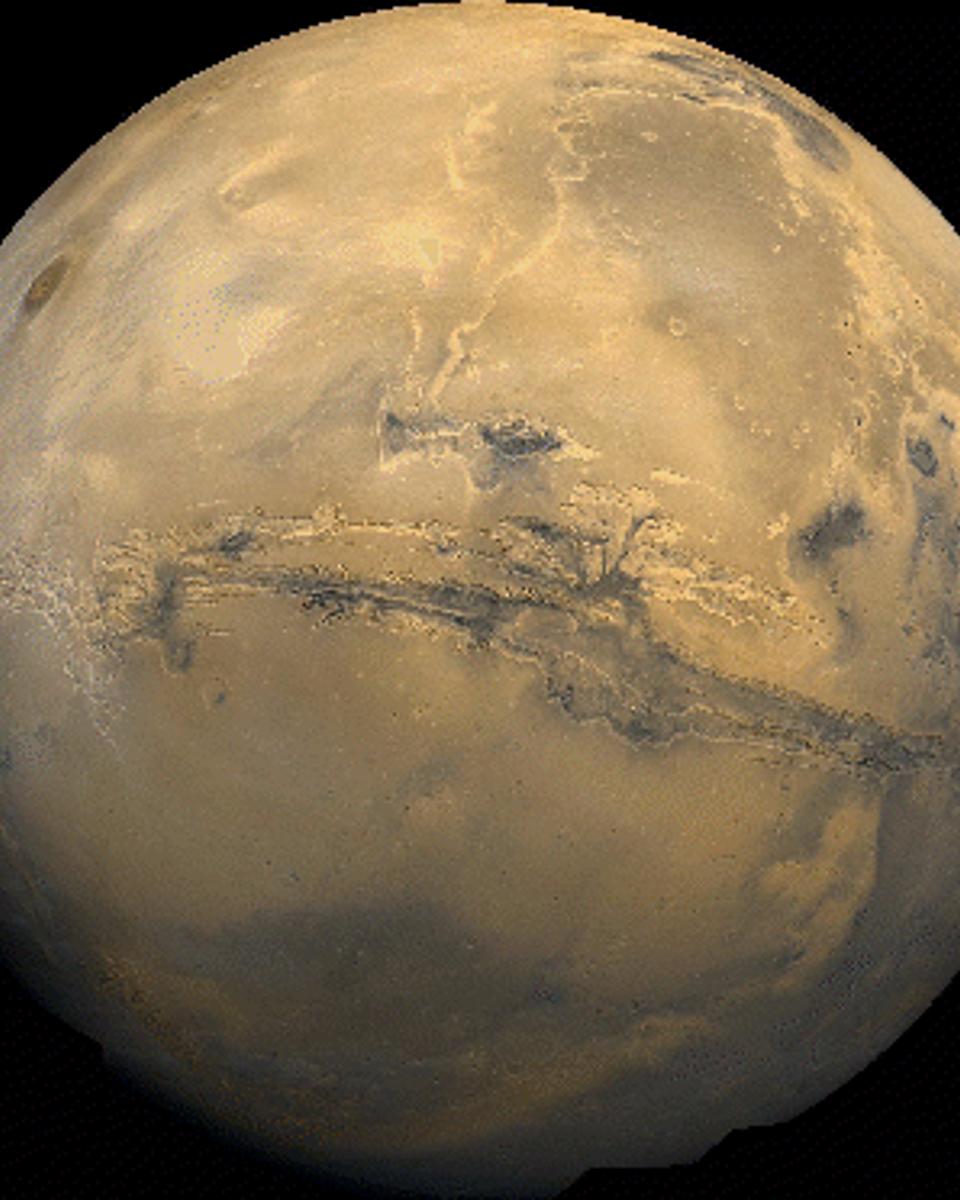
The Exploration of Mars
Thirty years ago NASA's exploration of Mars began. In July of 1965 the Mariner 4 spacecraft flew within 6,000 miles of Mars and returned 21 pictures of the mysterious red planet.…
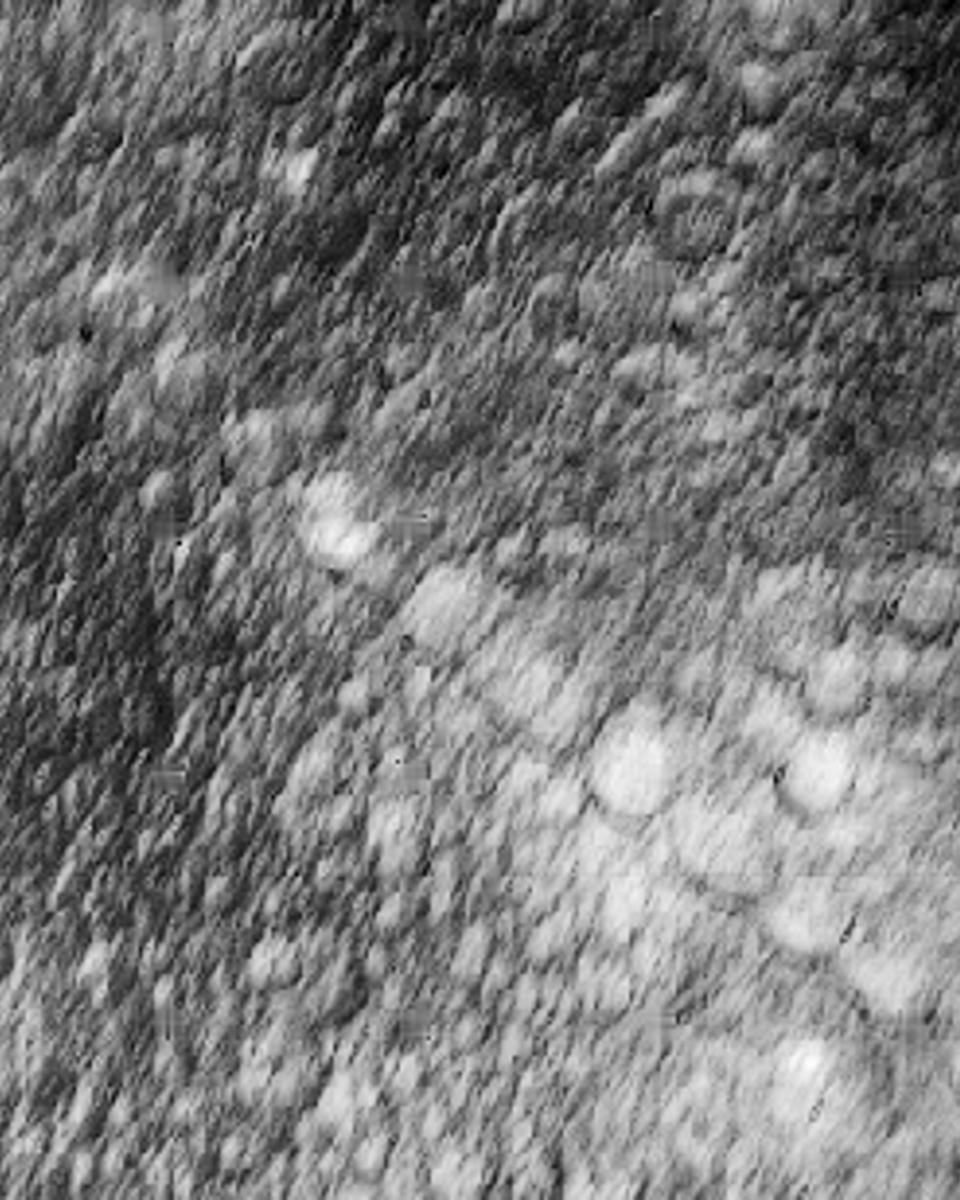
The Crater Chain
NASA's robot spaceprobe Voyager 1 , took this closeup image of the surface of Jupiter's crater scarred moon Callisto in 1979. A mysterious chain of craters is seen to extend…
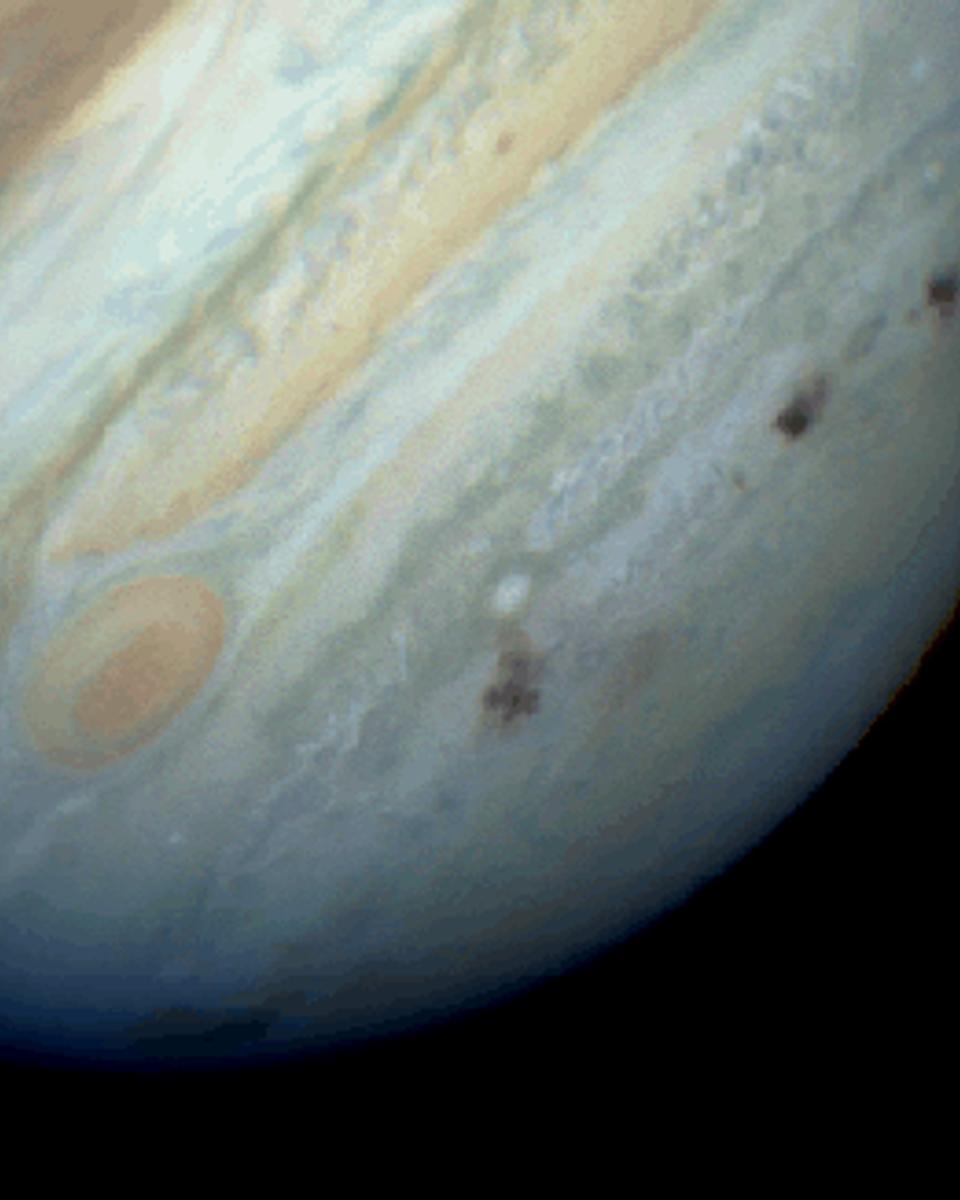
Comet Impacts on Jupiter
In July of 1994, pieces of Comet Shoemaker-Levy 9 , also known as the “string of pearls” comet, collided with the planet Jupiter. As the comet fragments smashed in to Jupiter, the…
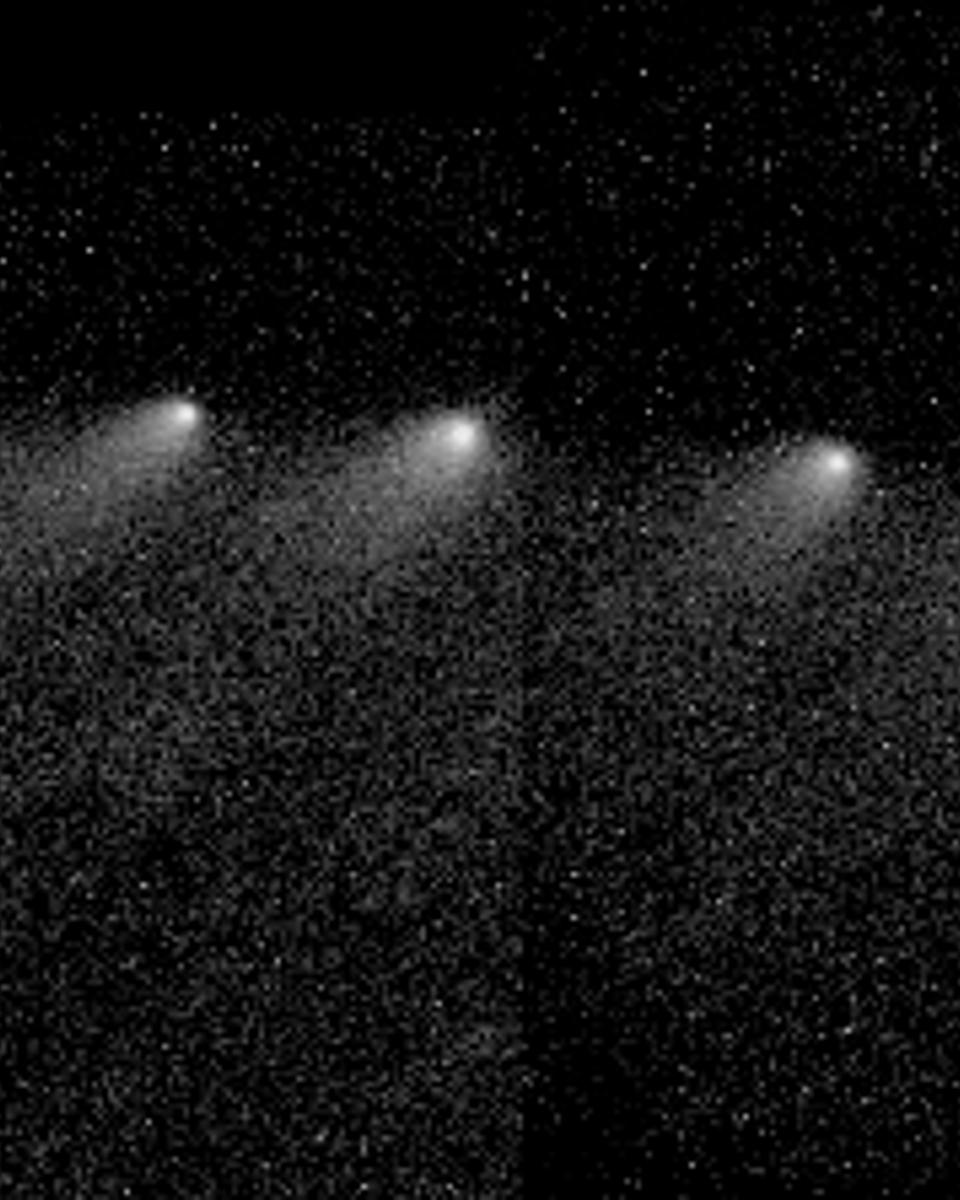
A String Of Pearls
Comet Shoemaker-Levy 9 , named after its co-discoverers, was often referred to as the “string of pearls” comet. It is famous for its unusual appearance as well as its collision…
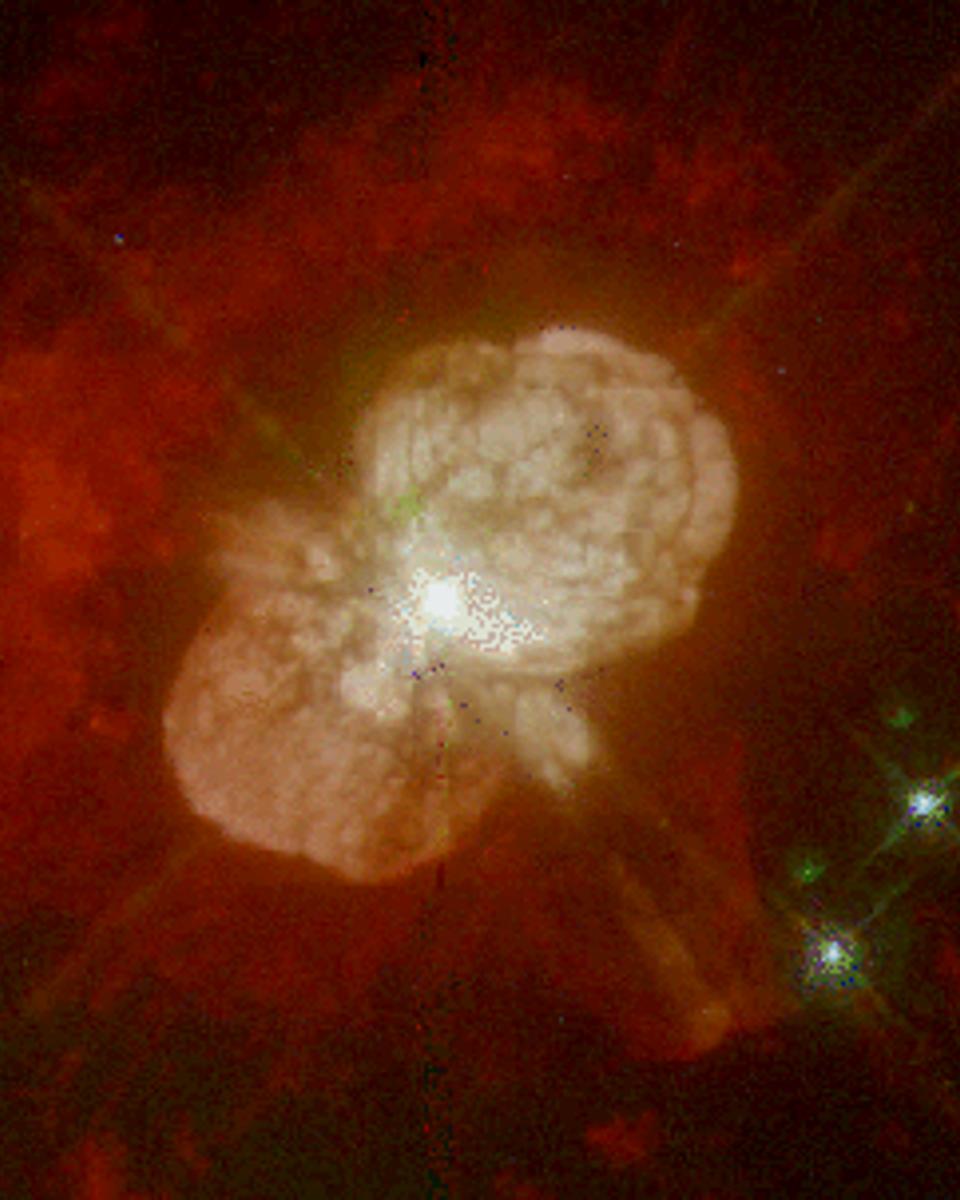
Eta Carinae Before Explosion
The star Eta Carinae, at the center of the photo, will likely destroy itself in a spectacular explosion in a few million years - or sooner! Currently it is one of the brightest,…
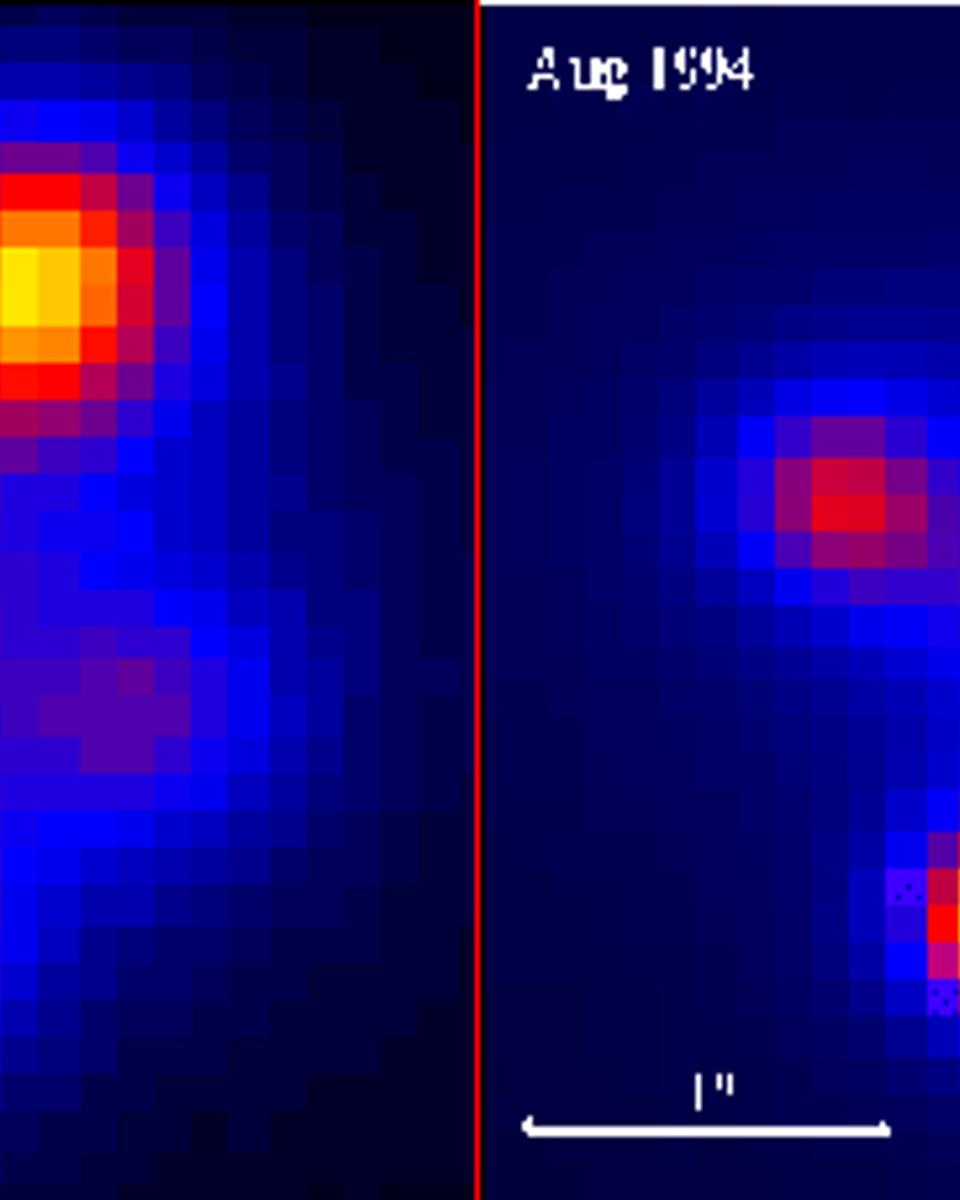
Microlensing of the Einstein Cross
The famous “Einstein Cross” is a case where a single object is seen four times. Here a very distant QSO happened to be placed right behind a massive galaxy. The gravitational…
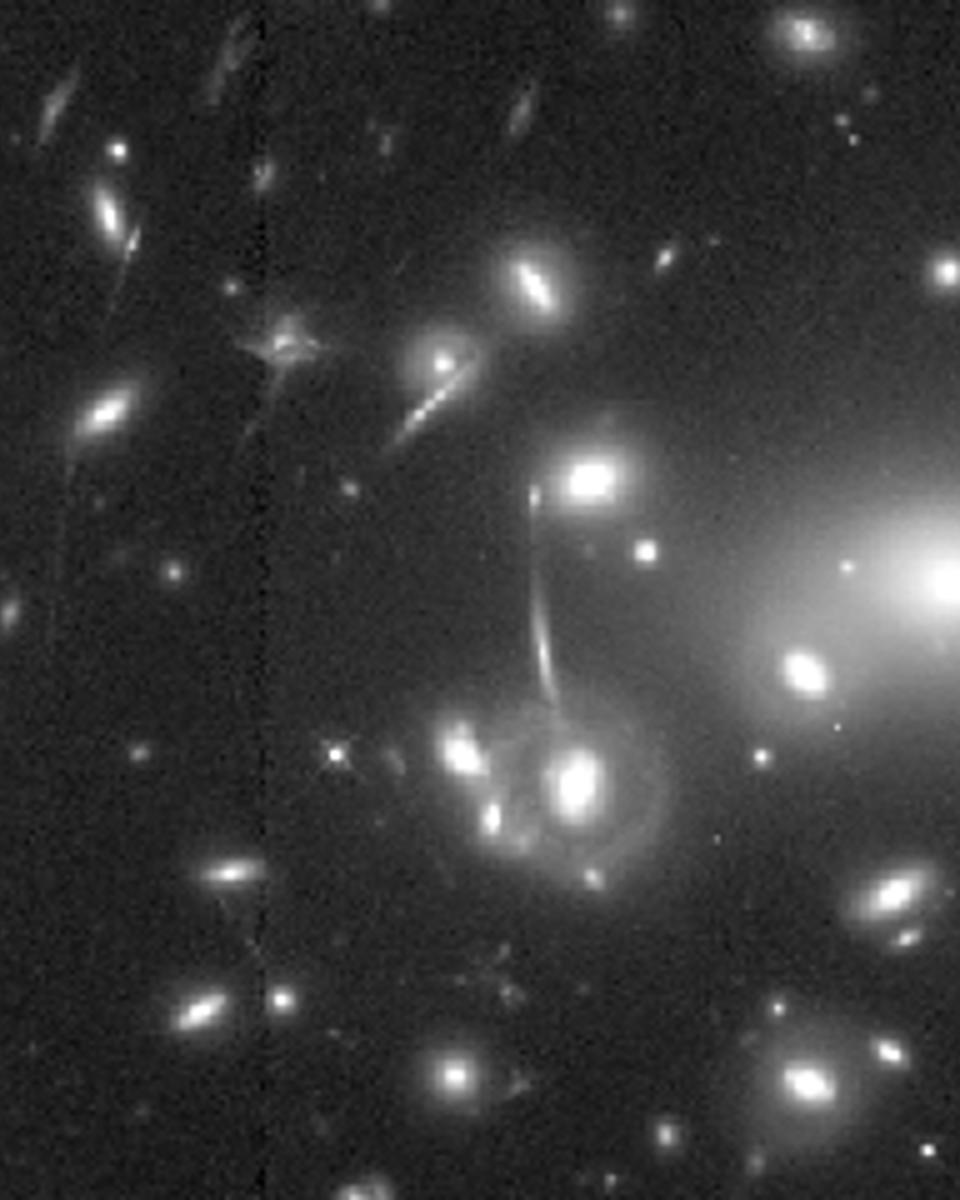
Abell 2218: A Galaxy Cluster Lens
Sometimes one of the largest concentrations of mass known can act like a lens. Almost all of the bright objects in this image are galaxies in the cluster known as Abell 2218. The…
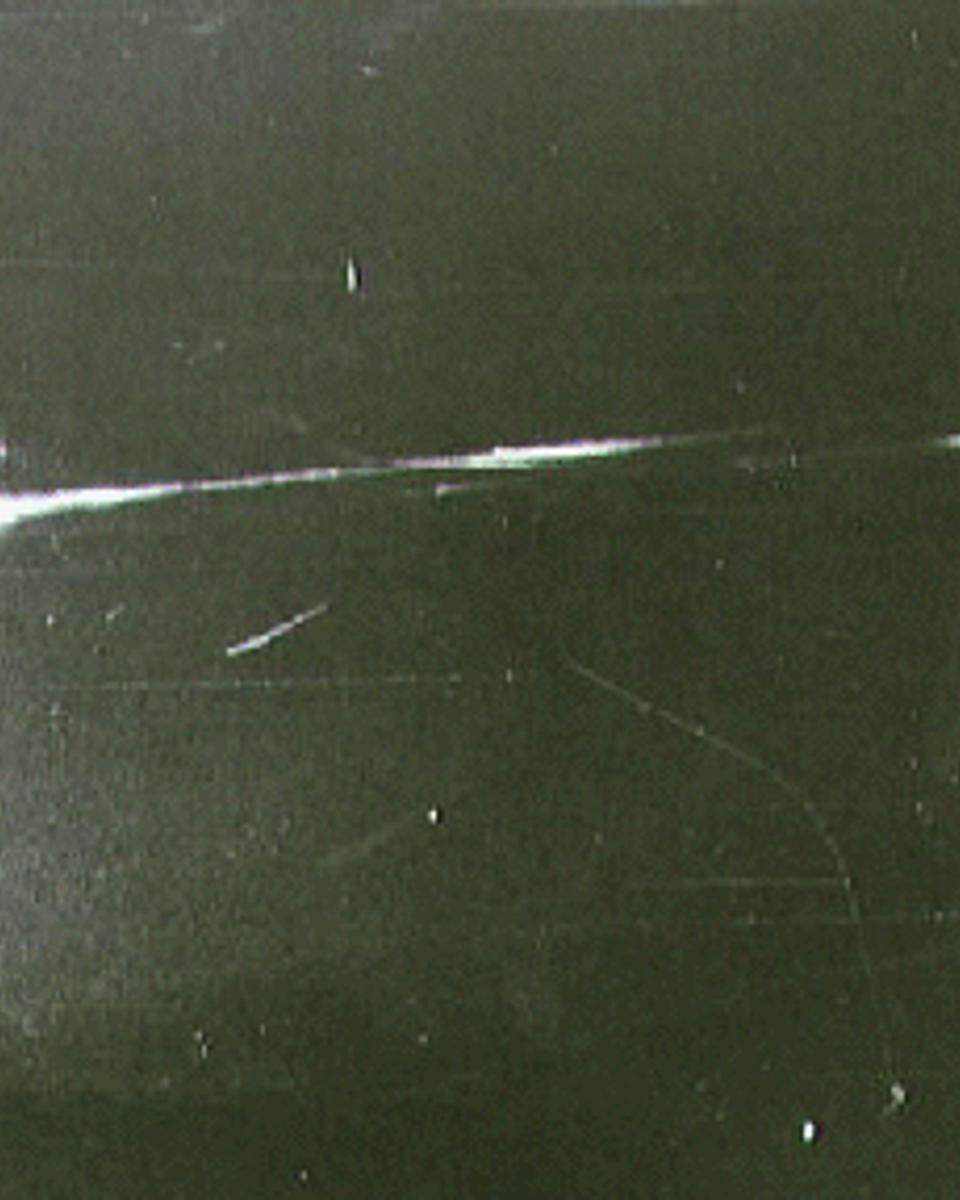
A Meteoric View of Apollo 13
Meteors, also called shooting stars, normally begin as bits of dust from the tails of comets or even small pieces chipped off asteroids. Falling toward Earth, these particles…
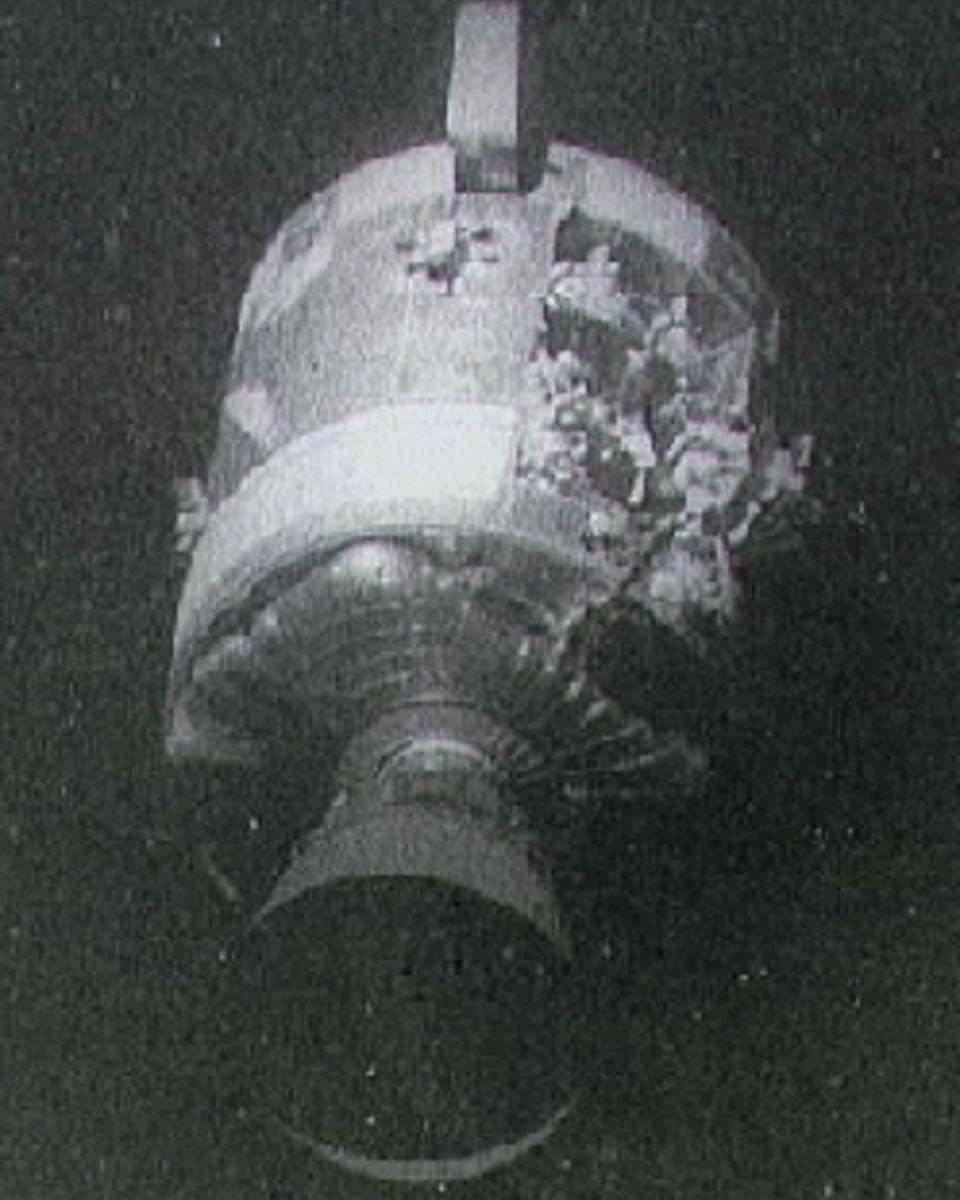
Damage to Apollo 13
In April of 1970, after an oxygen tank exploded and damaged their service module, the Apollo 13 astronauts were forced to abandon their plans to make the third manned lunar…
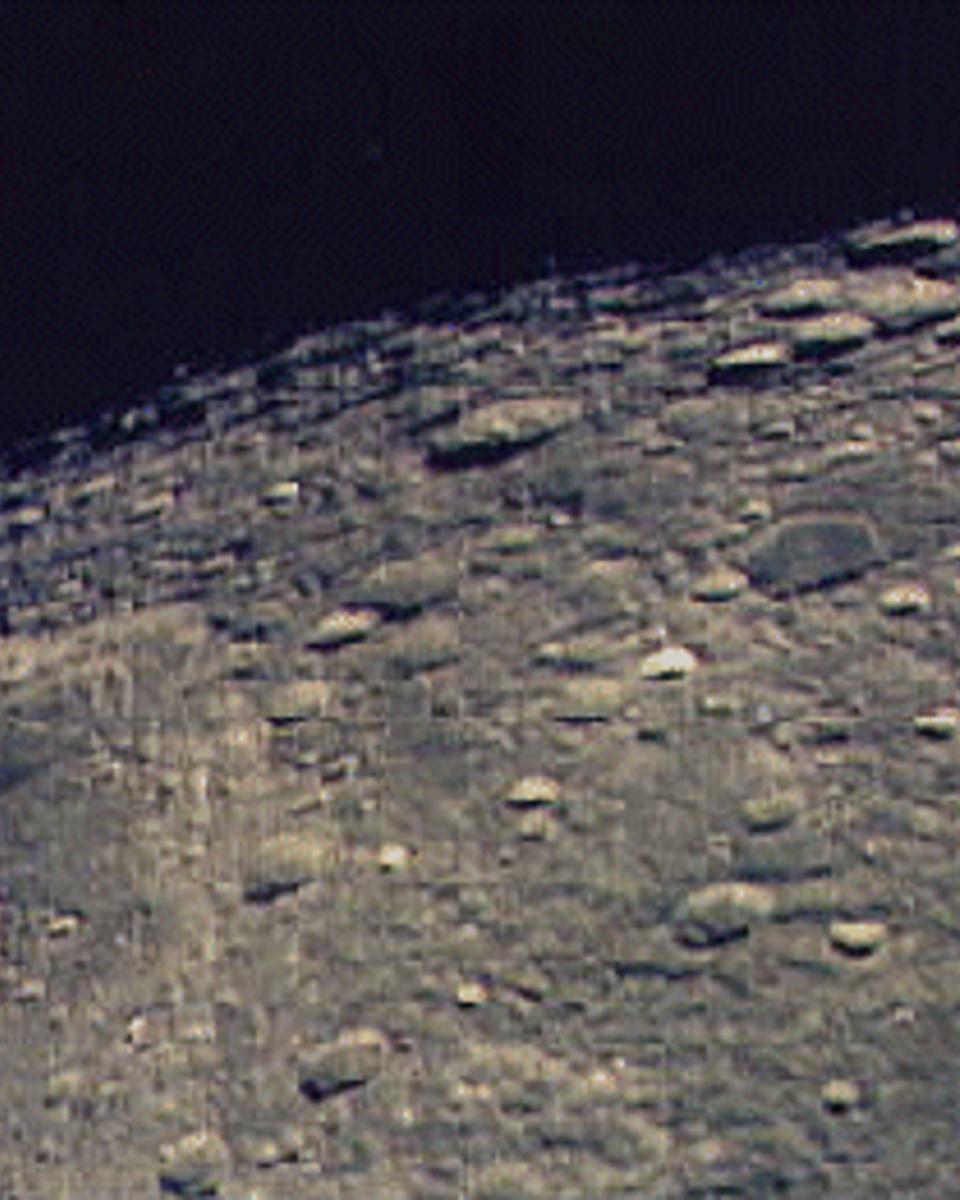
Lunar Farside from Apollo 13
In April of 1970, after an explosion damaged their spacecraft, the Apollo 13 astronauts were forced to abandon their plans to make the third manned lunar landing. Still, while…
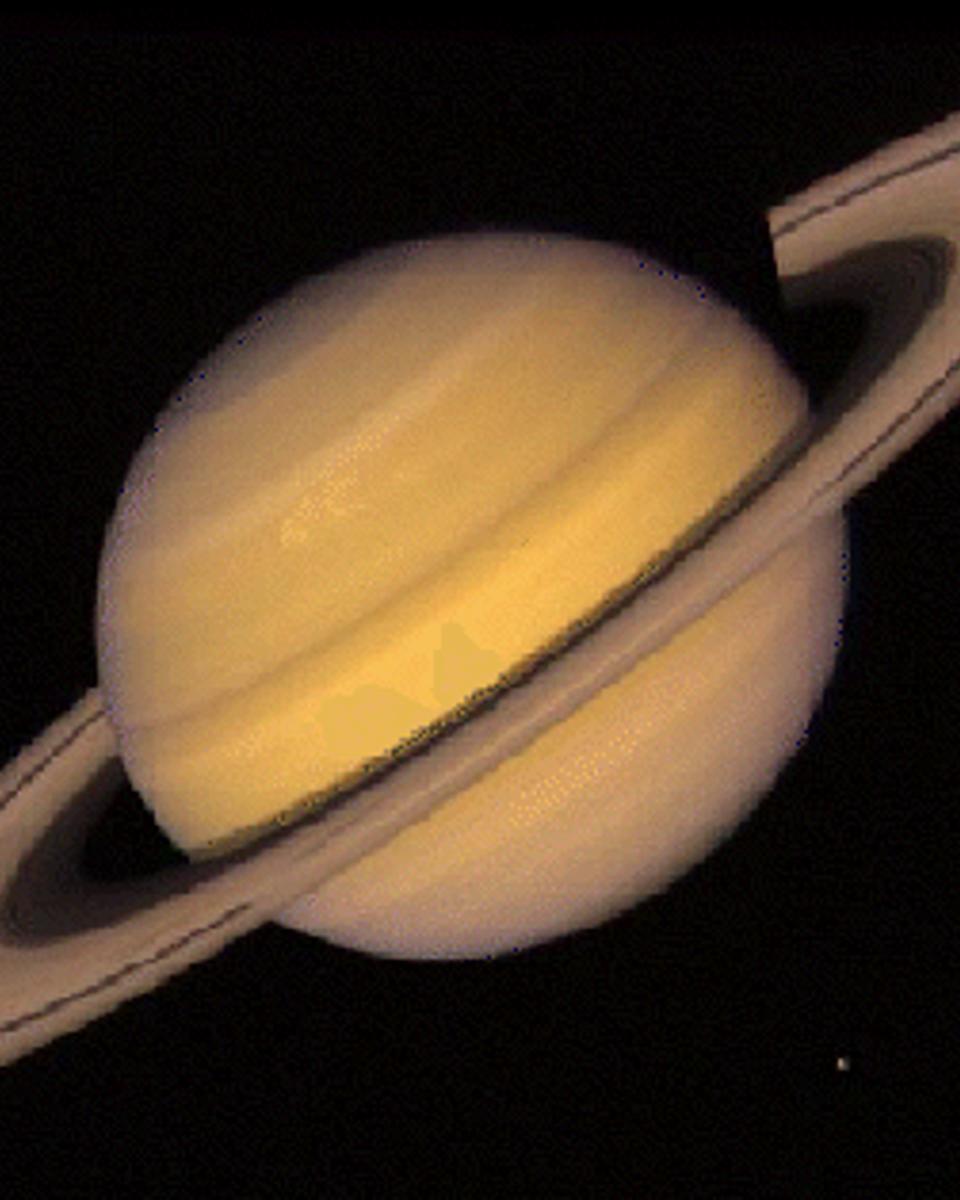
Saturn, Rings, and Two Moons
This image of Saturn was made by NASA's robot spacecraft Voyager 2 as it began to explore the Saturn system in 1981. Saturn's famous rings are visible along with two of its moons,…
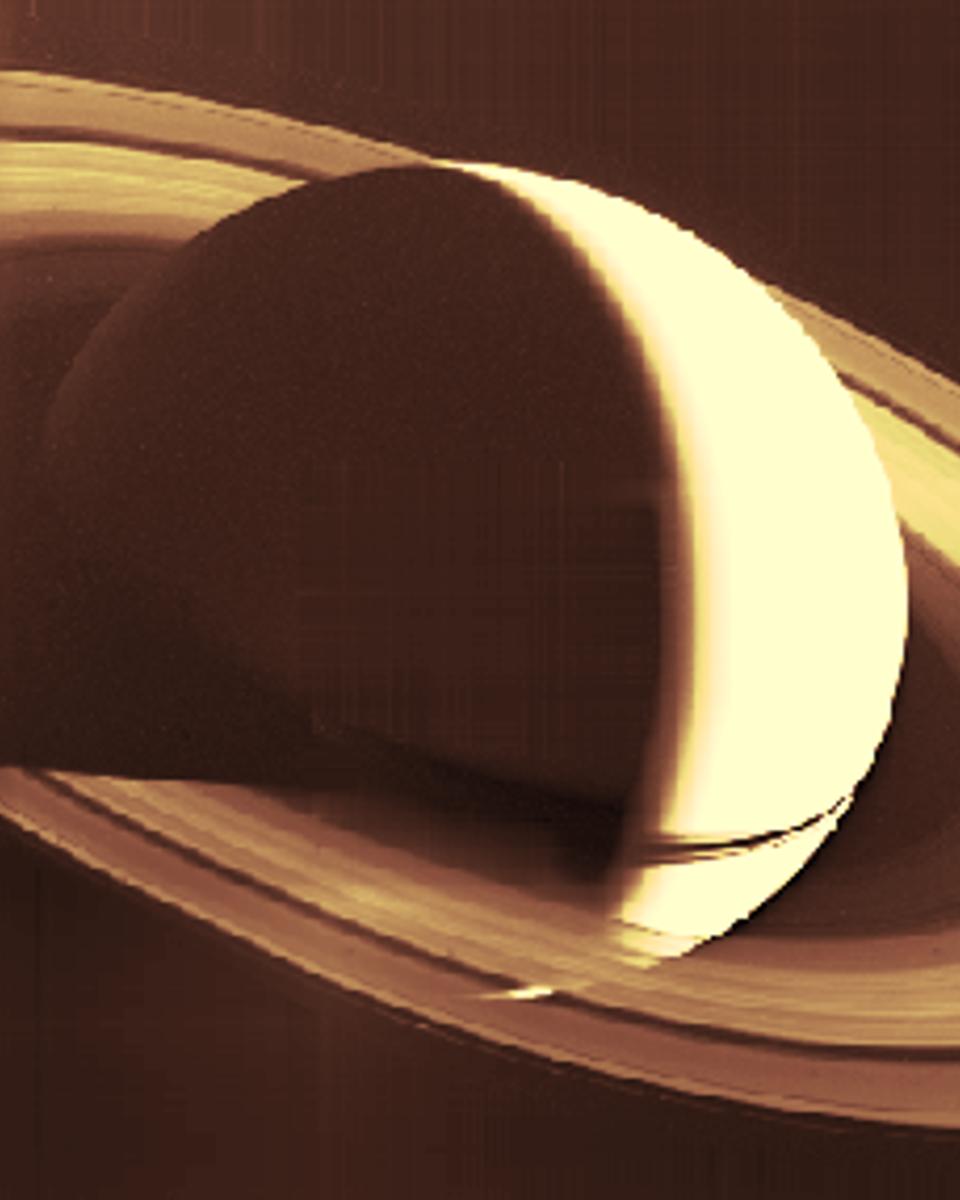
The Night Side of Saturn
This image of Saturn was made in November 1980 by the Voyager 1 spacecraft as it flew past the ringed gas giant planet. From a spectacular vantage point, looking back toward the…
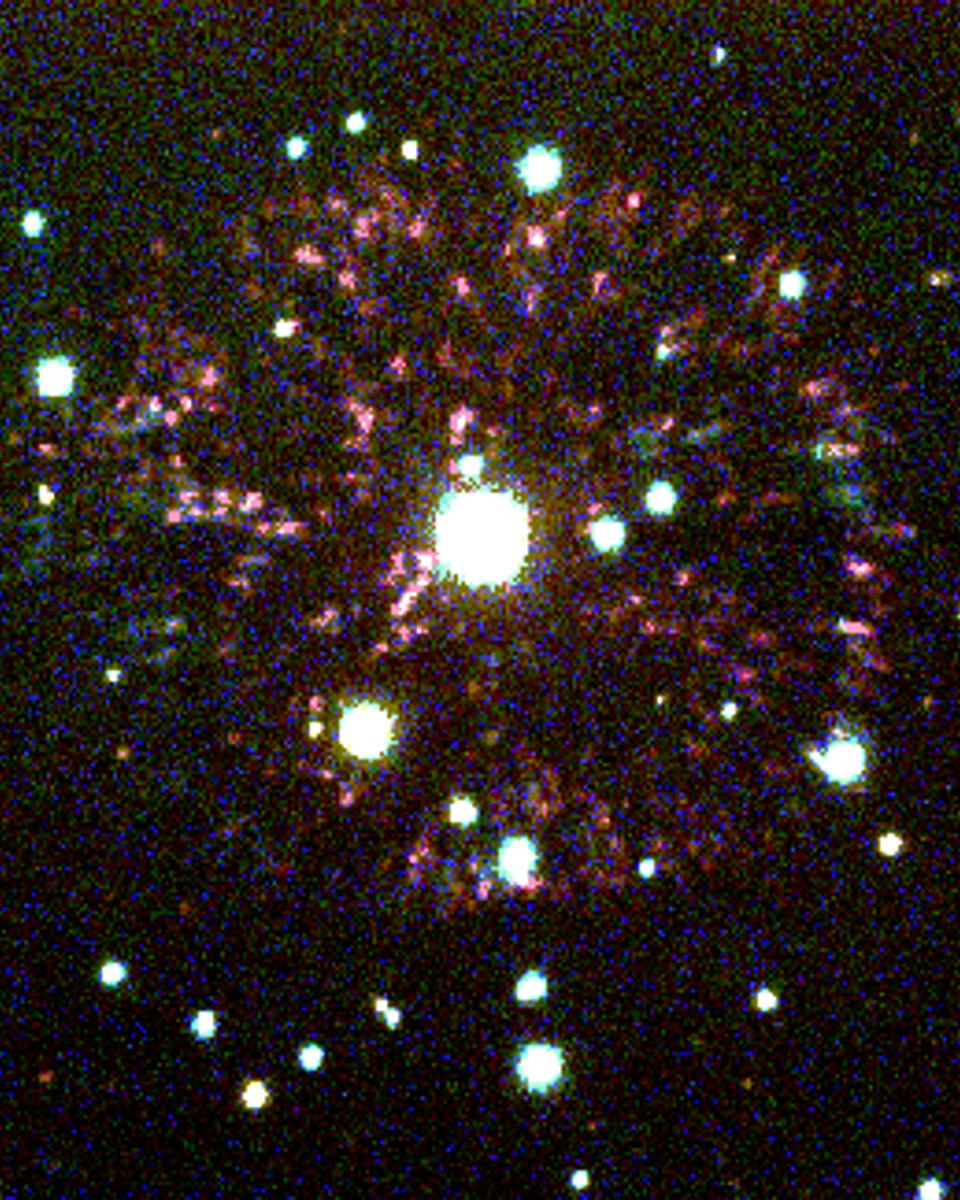
The Firework Nebula
The Firework Nebula, known to astronomers as “GK Per”, is the result of a type of stellar explosion called a nova. In a nova, a very compact star called a white dwarf blasts away…
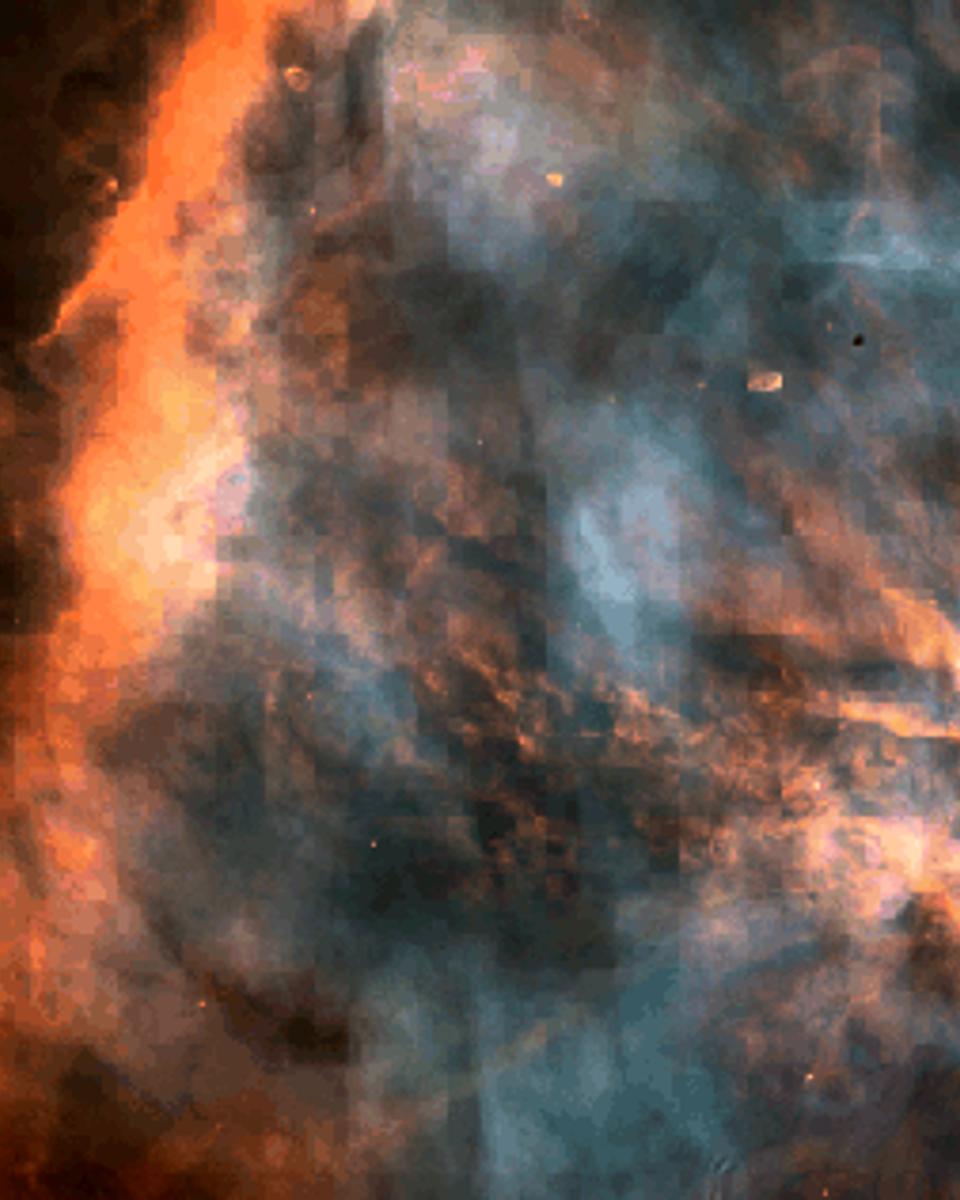
The Great Nebula in Orion
The Great Nebula in Orion, M42, can be found on the night sky just below and to the left of the easily identifiable belt of three stars in the popular constellation Orion. This…
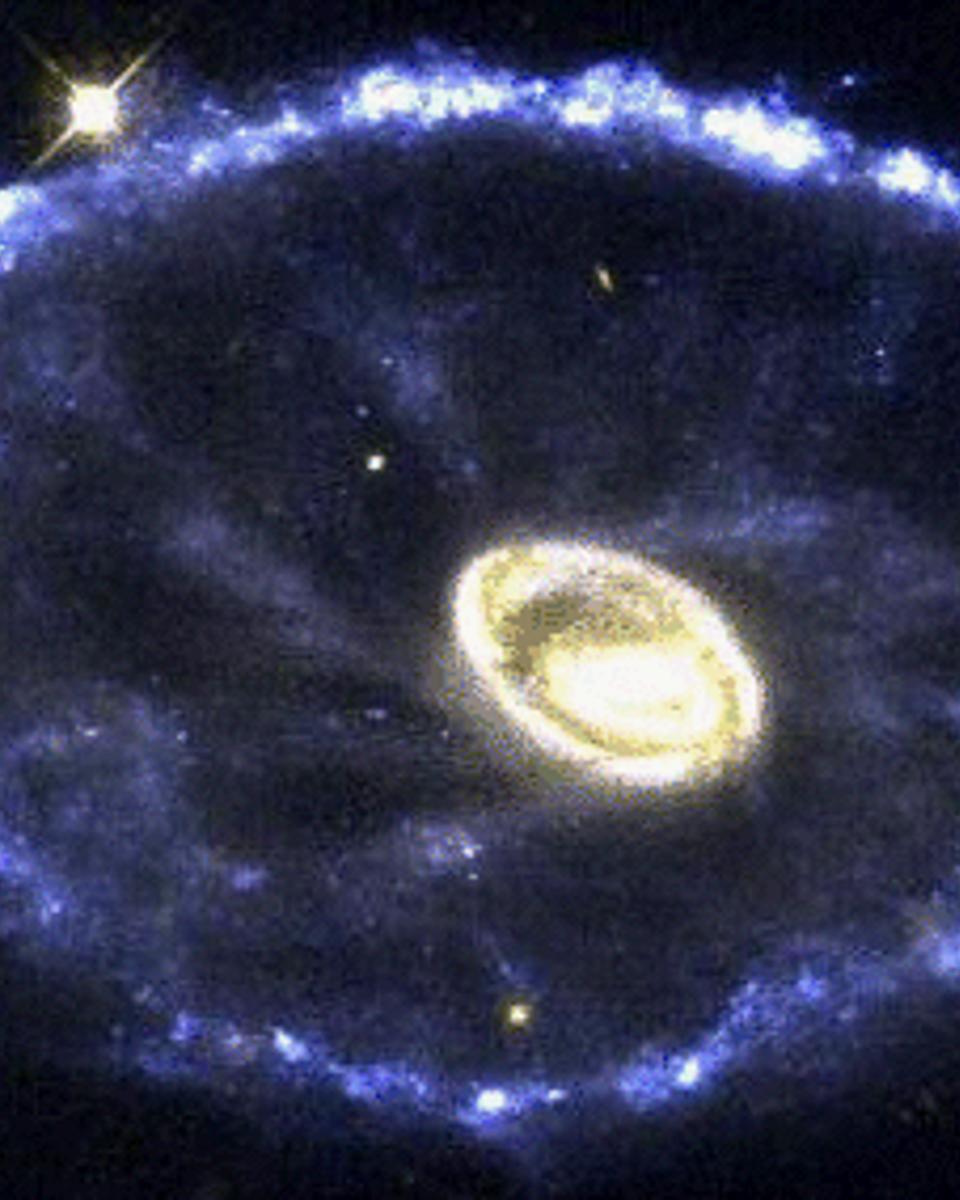
The Cartwheel Galaxy
The Cartwheel Galaxy shows a ring that is the result of a collision between a small and a large galaxy. After a small galaxy has moved through a big galaxy - in this case one that…
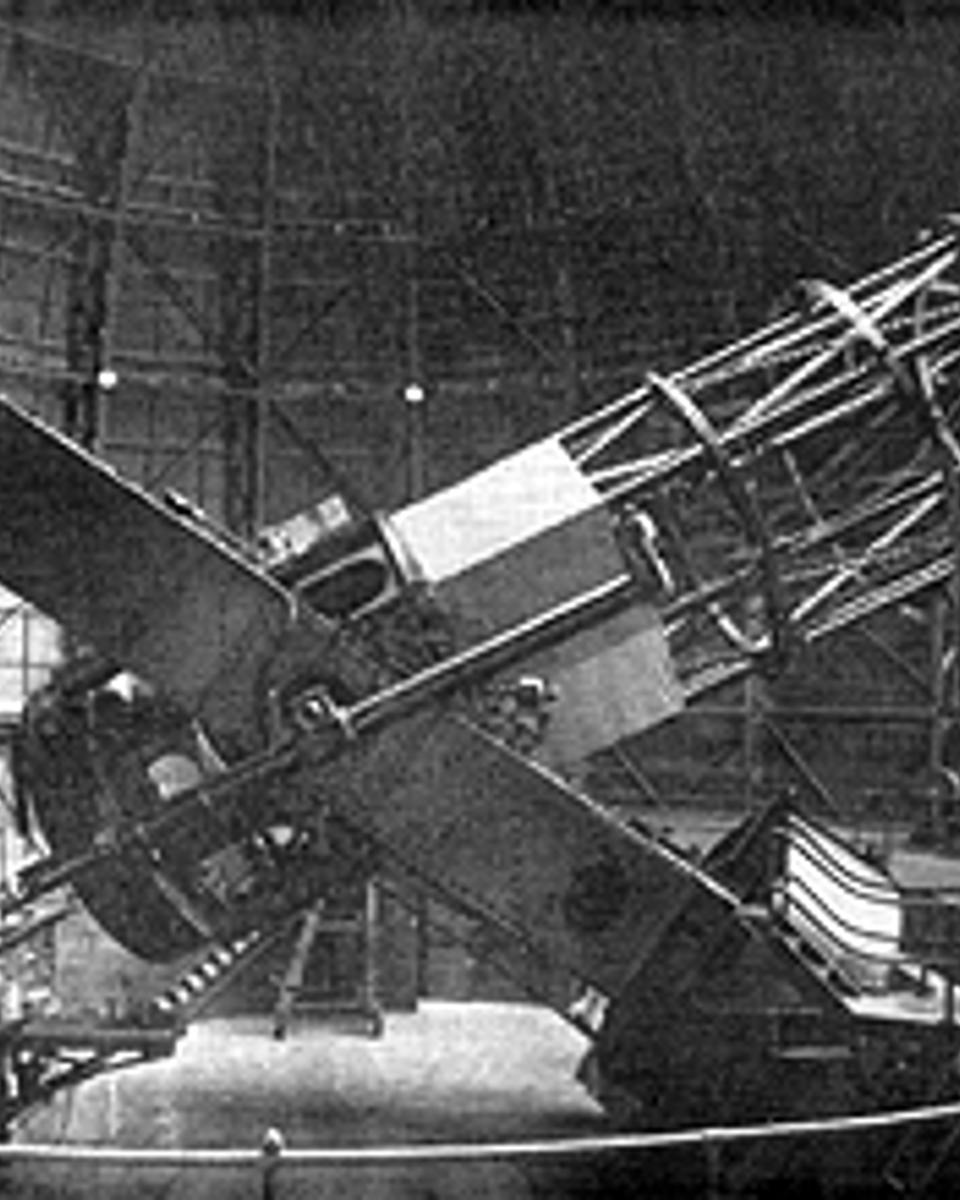
The Hooker Telescope on Mt. Wilson
In the 1920s, pictures from the Hooker Telescope on Mt. Wilson fundamentally changed our understanding of the cosmos. Astronomer Edwin Hubble , using photographs he took with this…
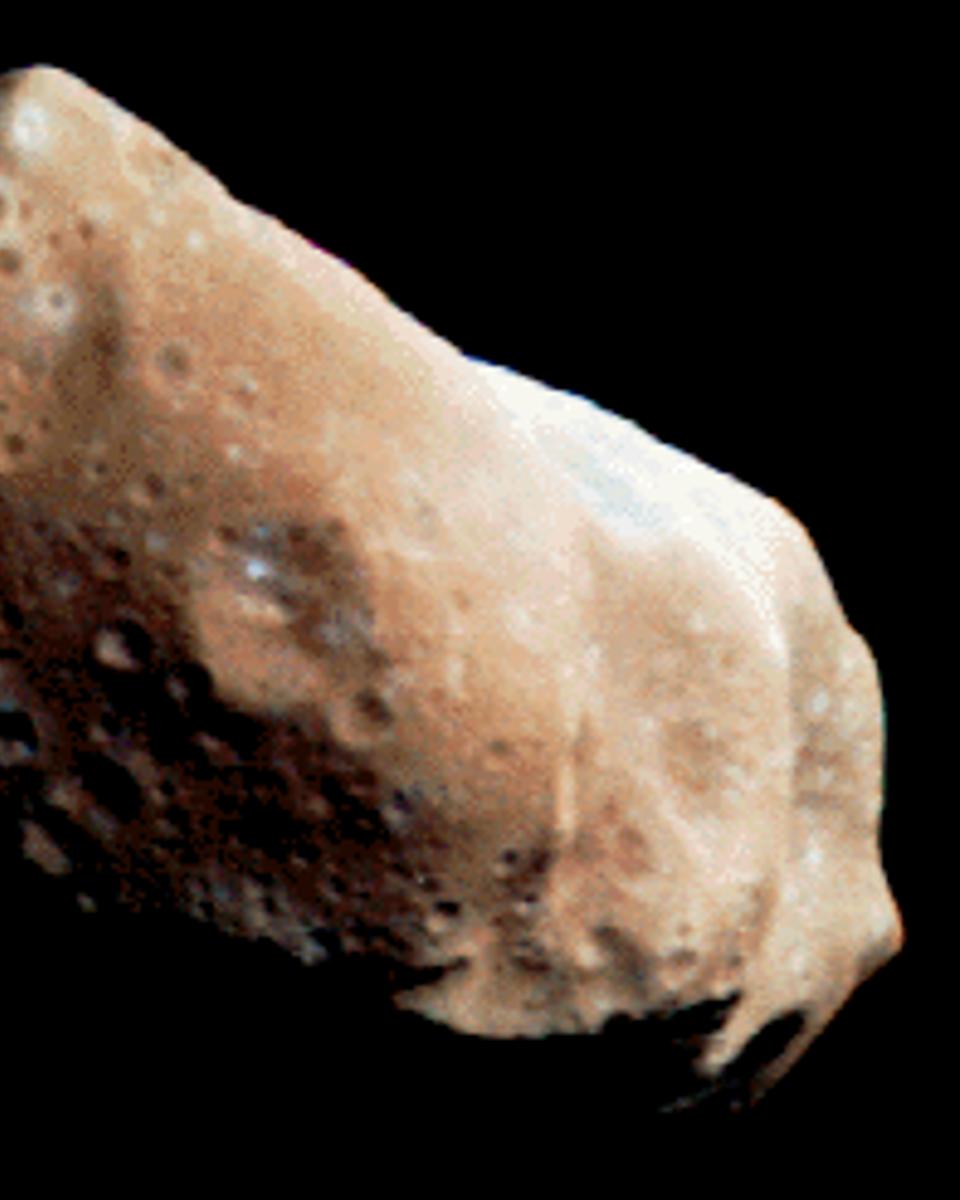
Ida and Dactyl: Asteroid and Moon
An asteroid with a moon! The robot spacecraft Galileo whose primary mission is to explore the Jupiter system, has encountered and photographed two asteroids during its long…
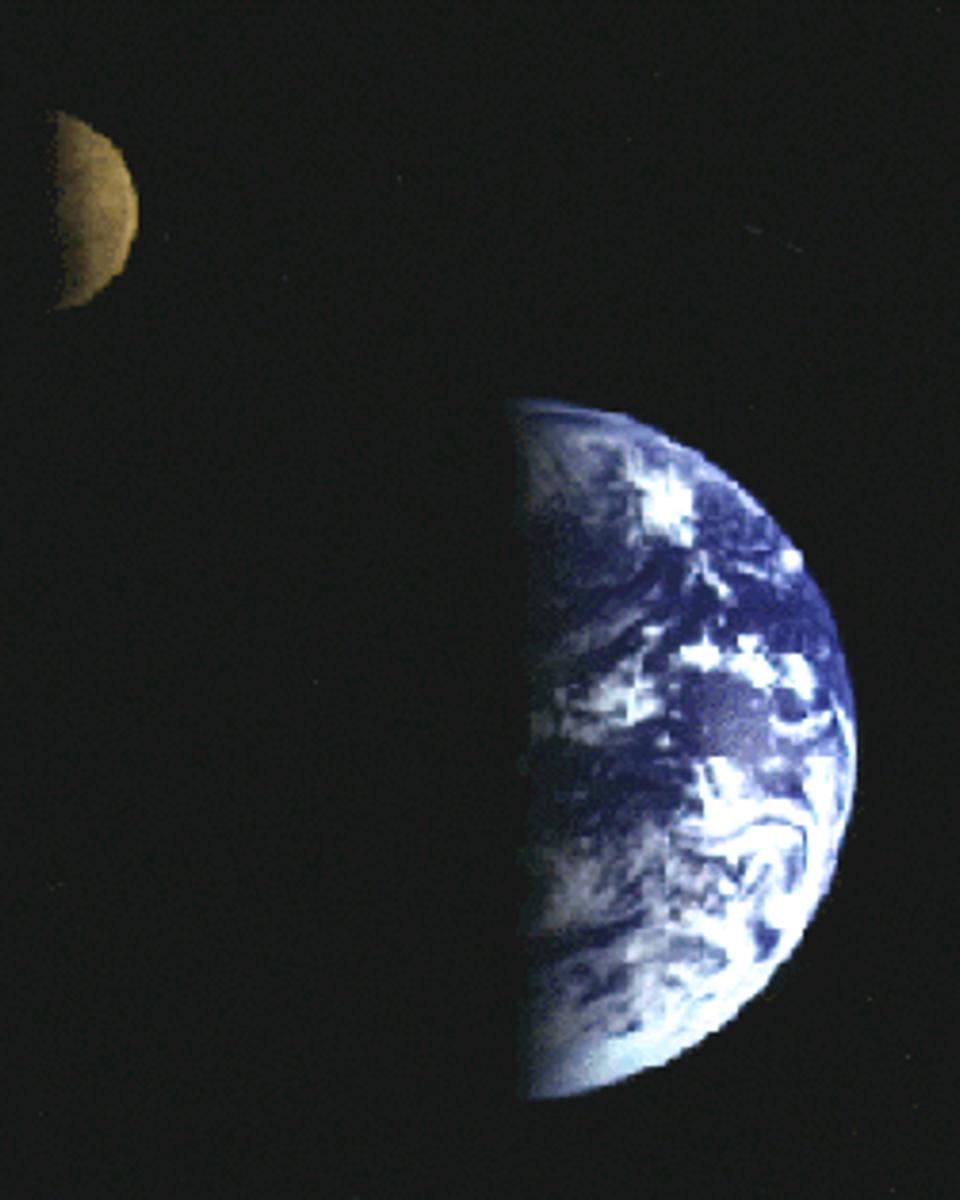
The Earth-Moon System
A double planet? From 4 million miles away on December 16, 1992, NASA's robot spacecraft Galileo took this picture of the Earth-moon system. The bright, sunlit half of the Earth…
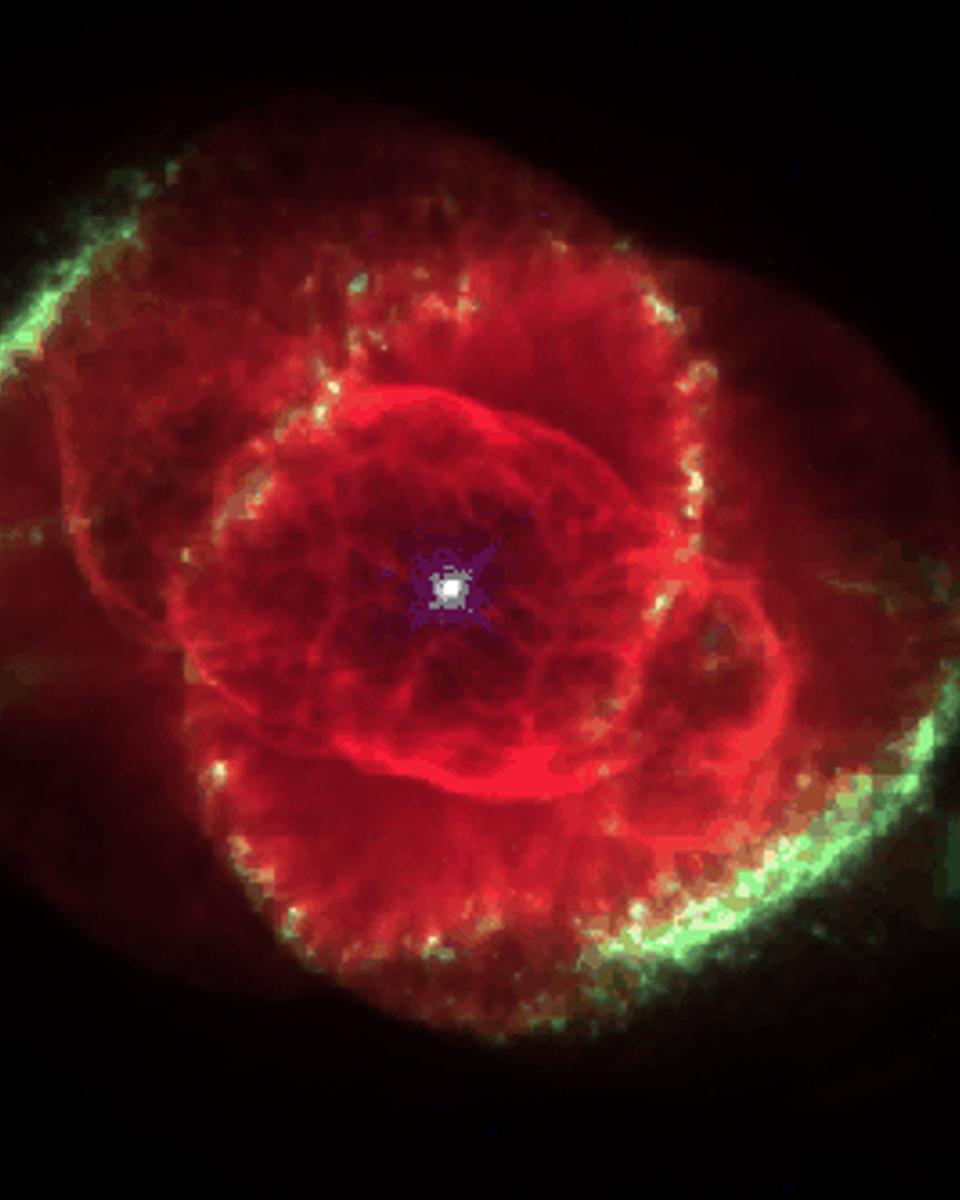
The Cat's Eye Nebula
Three thousand light years away, a dying star throws off shells of glowing gas. This Hubble Space Telescope image reveals “The Cat's Eye Nebula” to be one of the most complex…
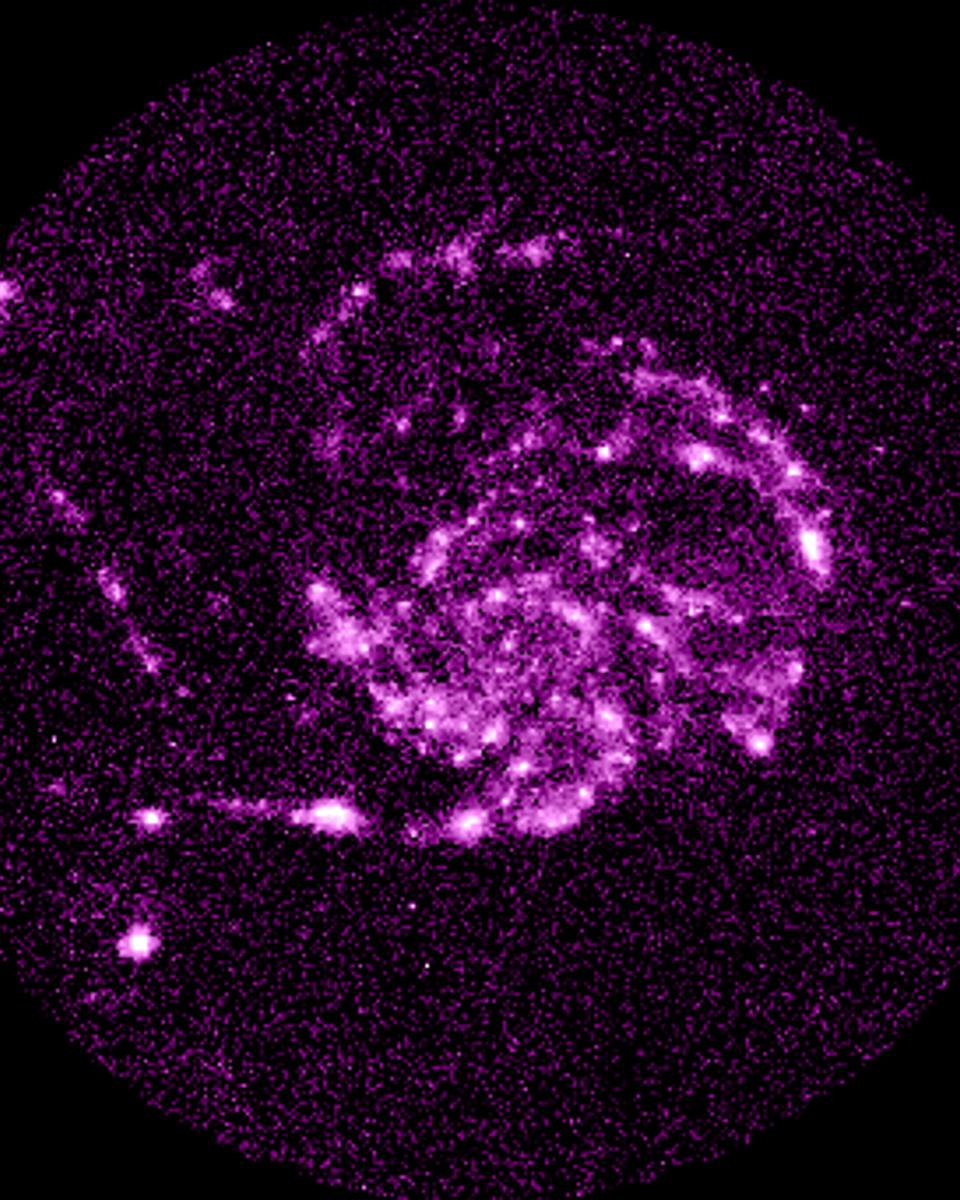
An Ultraviolet Image of Messier 101
This giant spiral galaxy, Messier 101 (M101), was photographed by the Ultraviolet Imaging Telescope onboard the Space Shuttle Endeavour during the Astro-2 mission (March 2 - 18,…
Viewing discoveries from 20 July 1995 through 27 June 1995.