Browse NASA Astronomy Picture of the Day archive by date and media: Archive Discoveries
Browse the NASA APOD archive without needing the exact date first. Filter by media type and keep moving deeper into older images and videos.
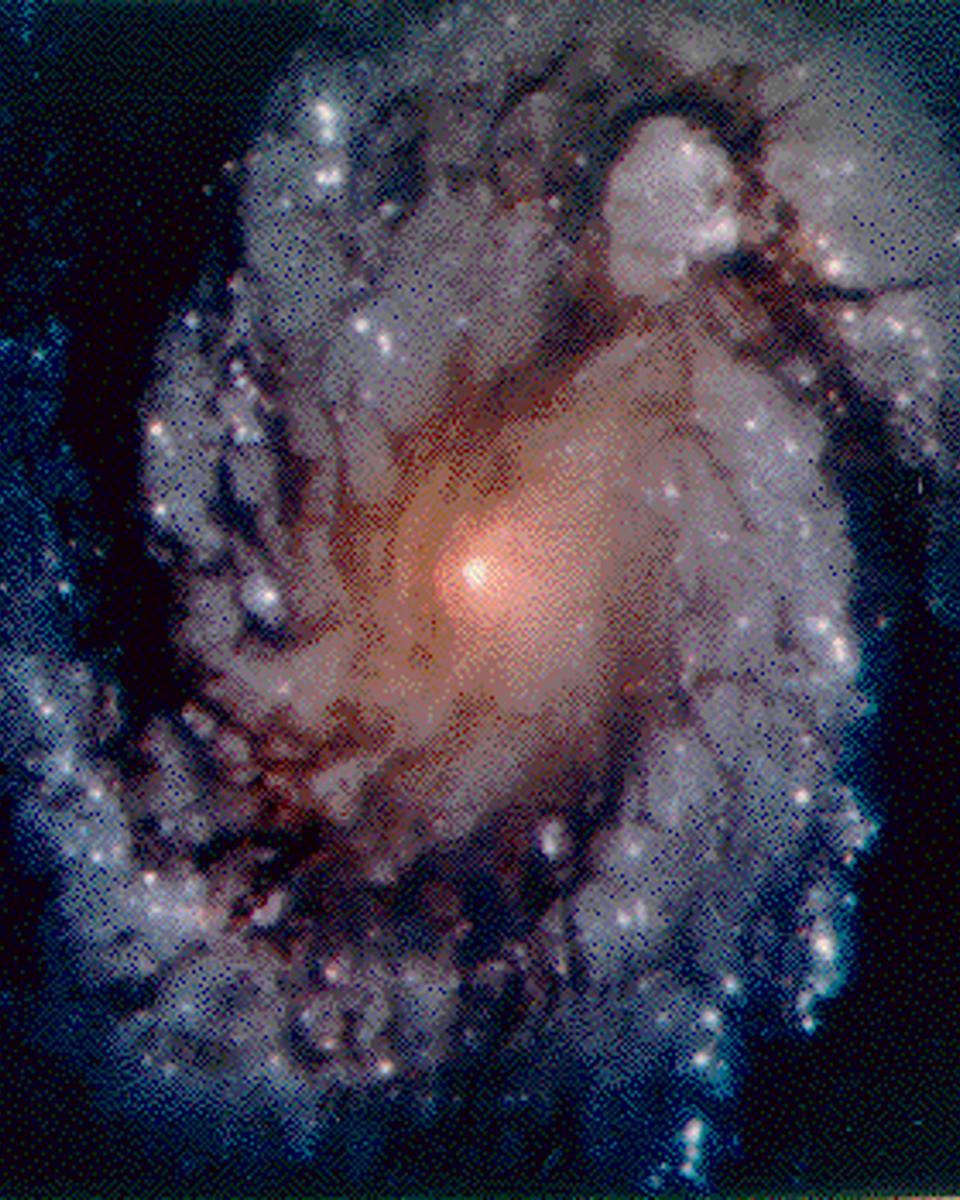
The Spiral Galaxy M100
The M100 galaxy is a large spiral galaxy similar to our own Milky Way, containing over 100 billion stars. It is over 150 million light years away, so the light we see left when…
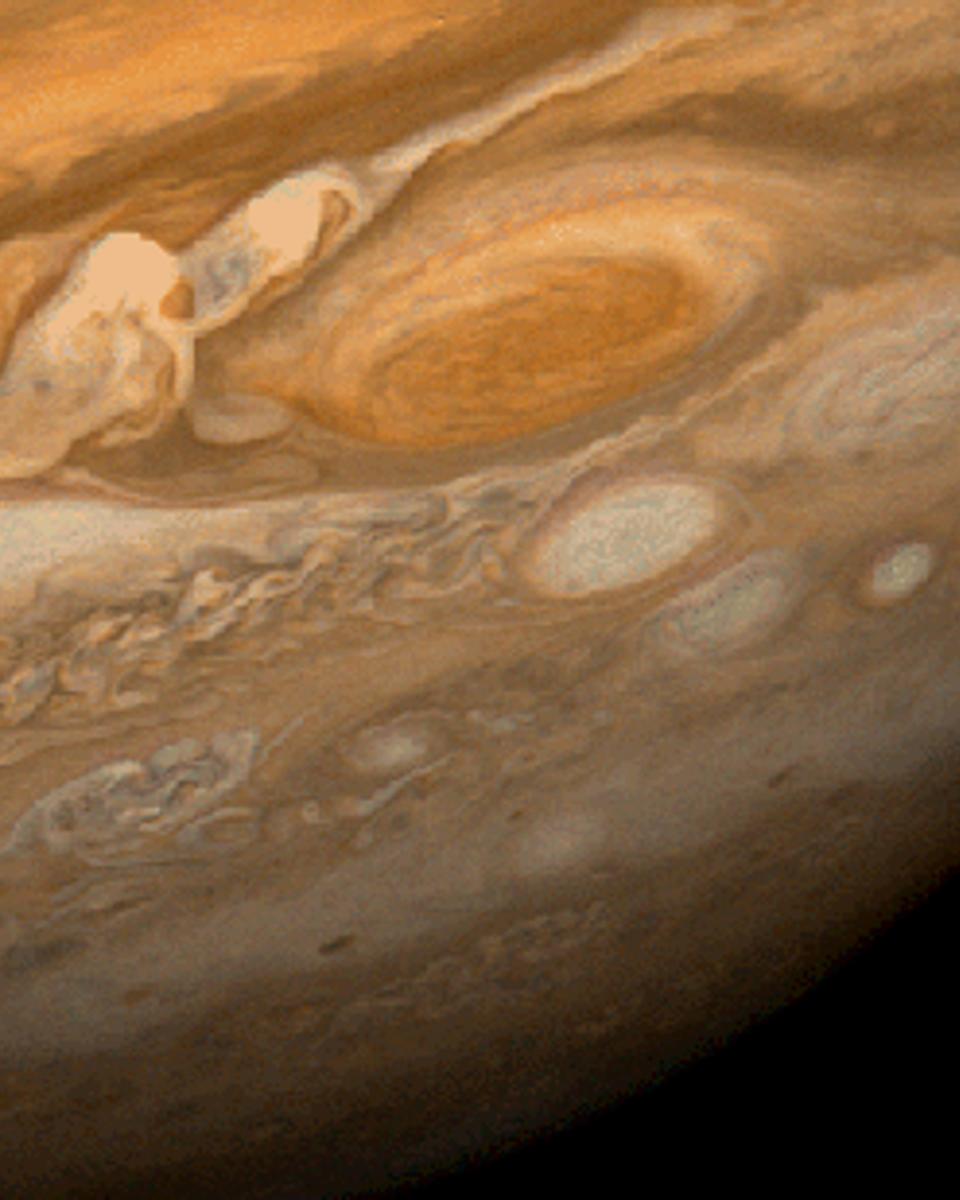
Jupiter from Voyager
Imagine a hurricane that lasted for 300 years! This picture of the planet Jupiter was taken by the Voyager 1 spacecraft as it passed the planet in 1979. Jupiter, a gas giant…
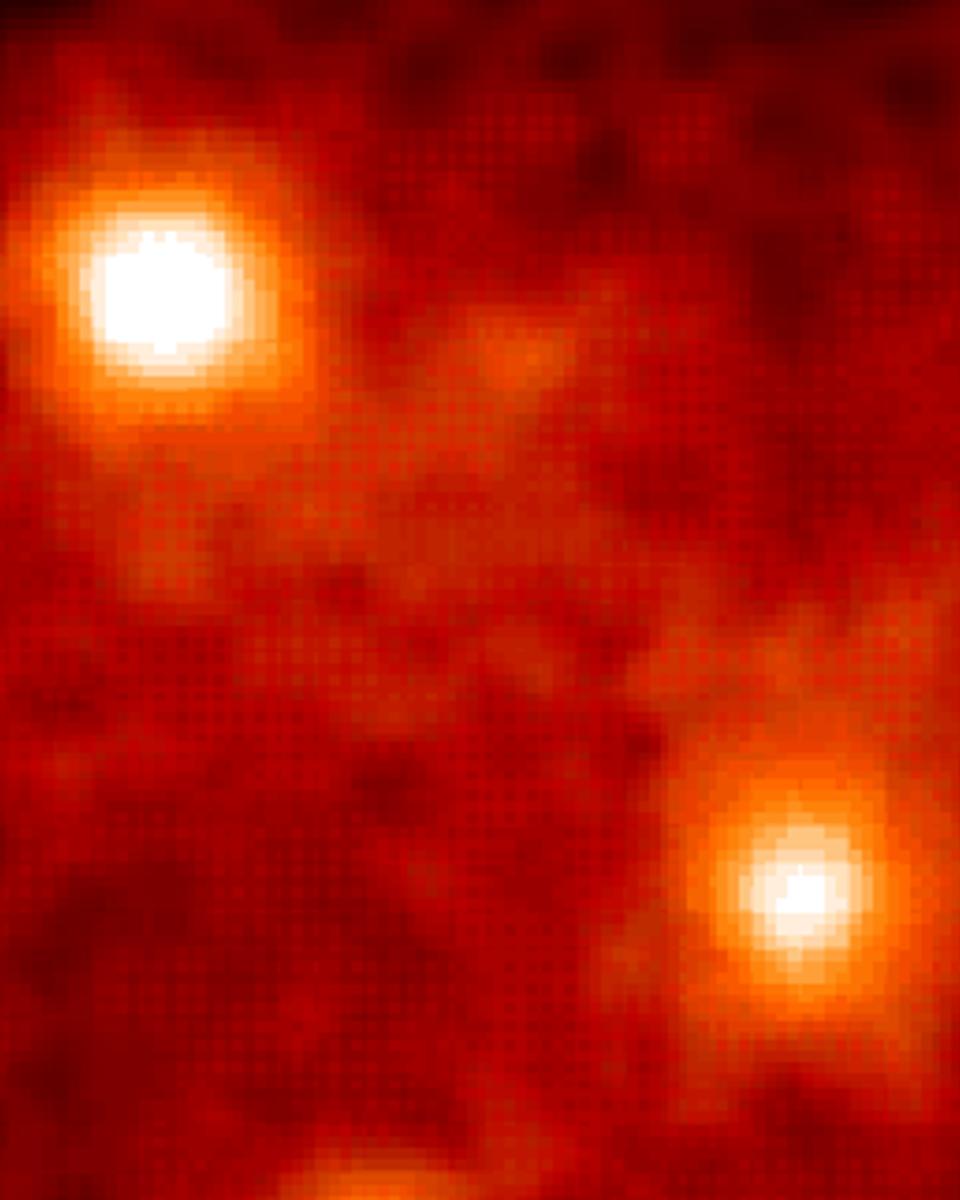
The Crab Nebula and Geminga in Gamma Rays
What if you could “see” in gamma-rays? If you could, these two spinning neutron stars or pulsars would be among the brightest objects in the sky. This computer processed image…
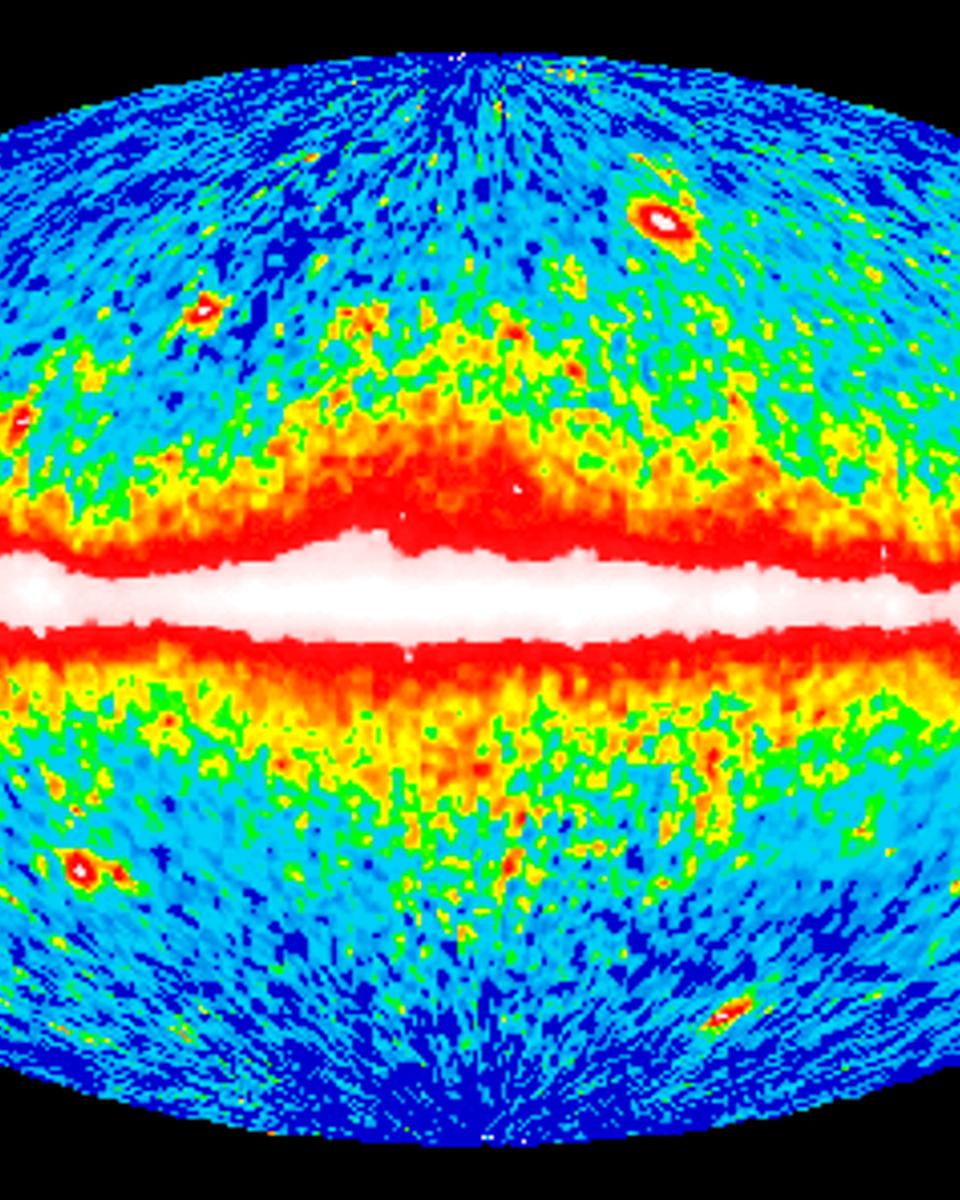
Gamma Ray All Sky Map
What if you could “see” gamma rays? This computer processed image represents a map of the entire sky at photon energies above 100 million electron Volts. These gamma-ray photons…
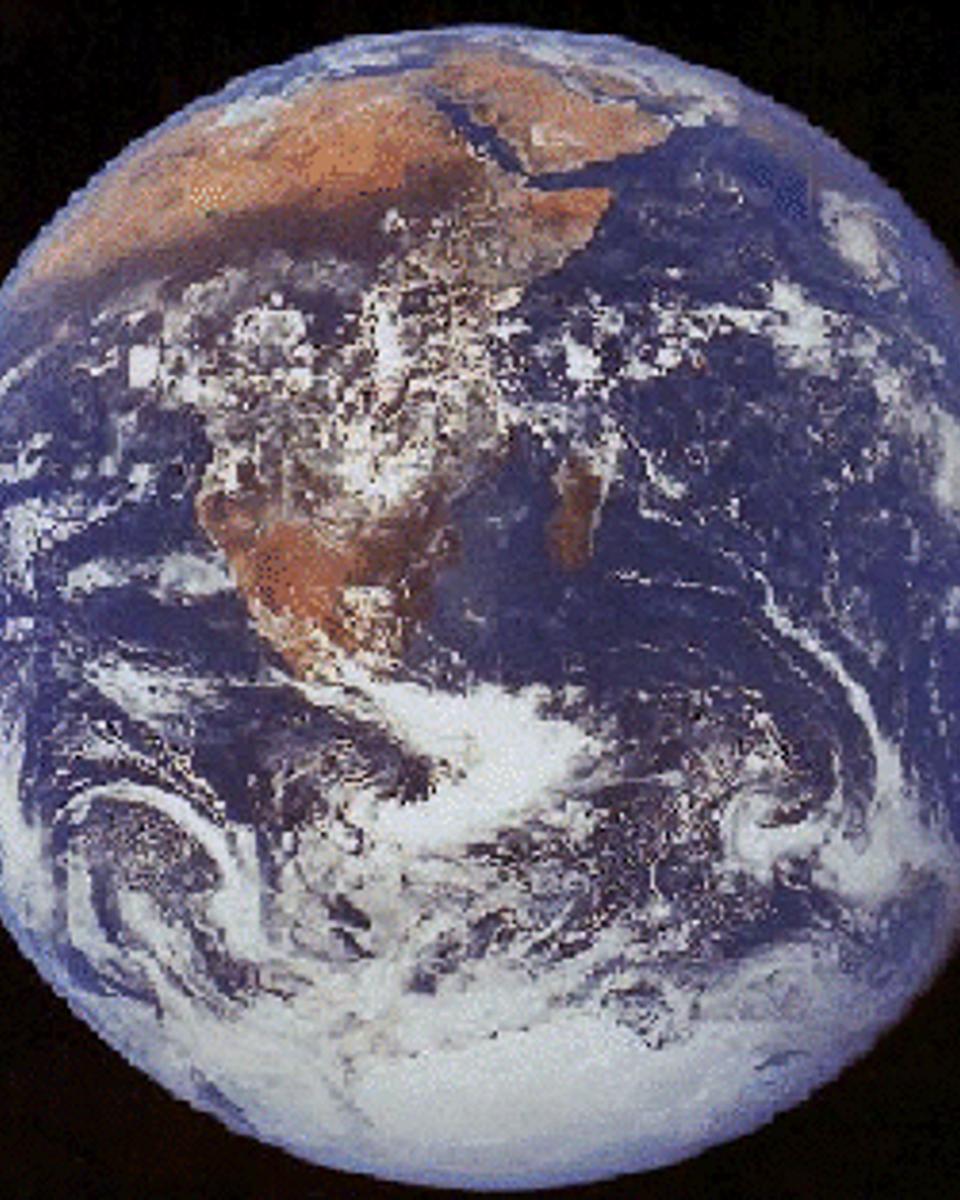
The Earth from Apollo 17
In 1972 Astronauts on the United States's last lunar mission, Apollo 17, took this picture looking back at the Earth on their way to the moon. The continents of Antarctica and…
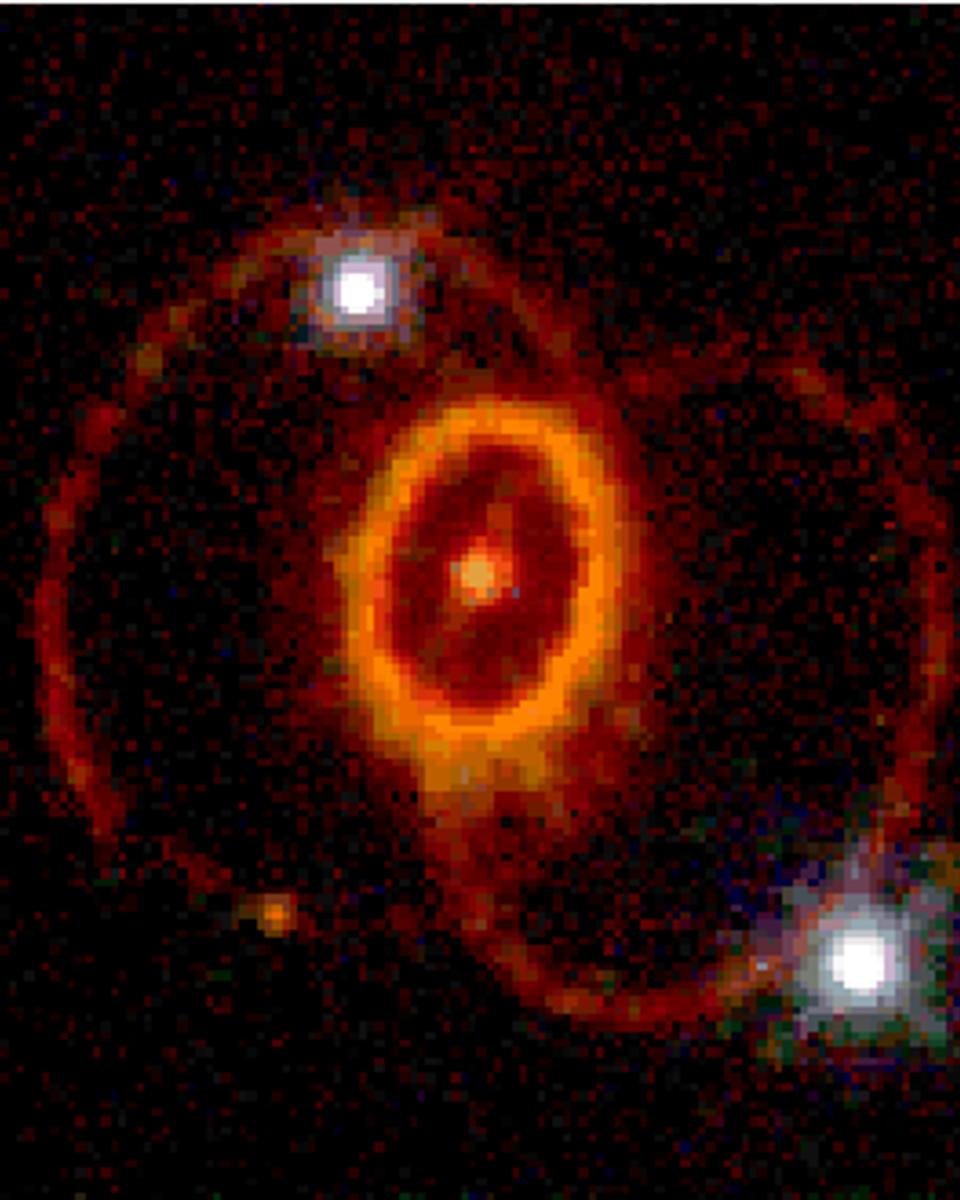
The Aftermath of the Great Supernova in 1987
In 1987 a star in one of the Milky Way's satellite galaxies exploded. In 1994 the Hubble Space Telescope, in orbit around the earth, took a very detailed picture of the remnants…
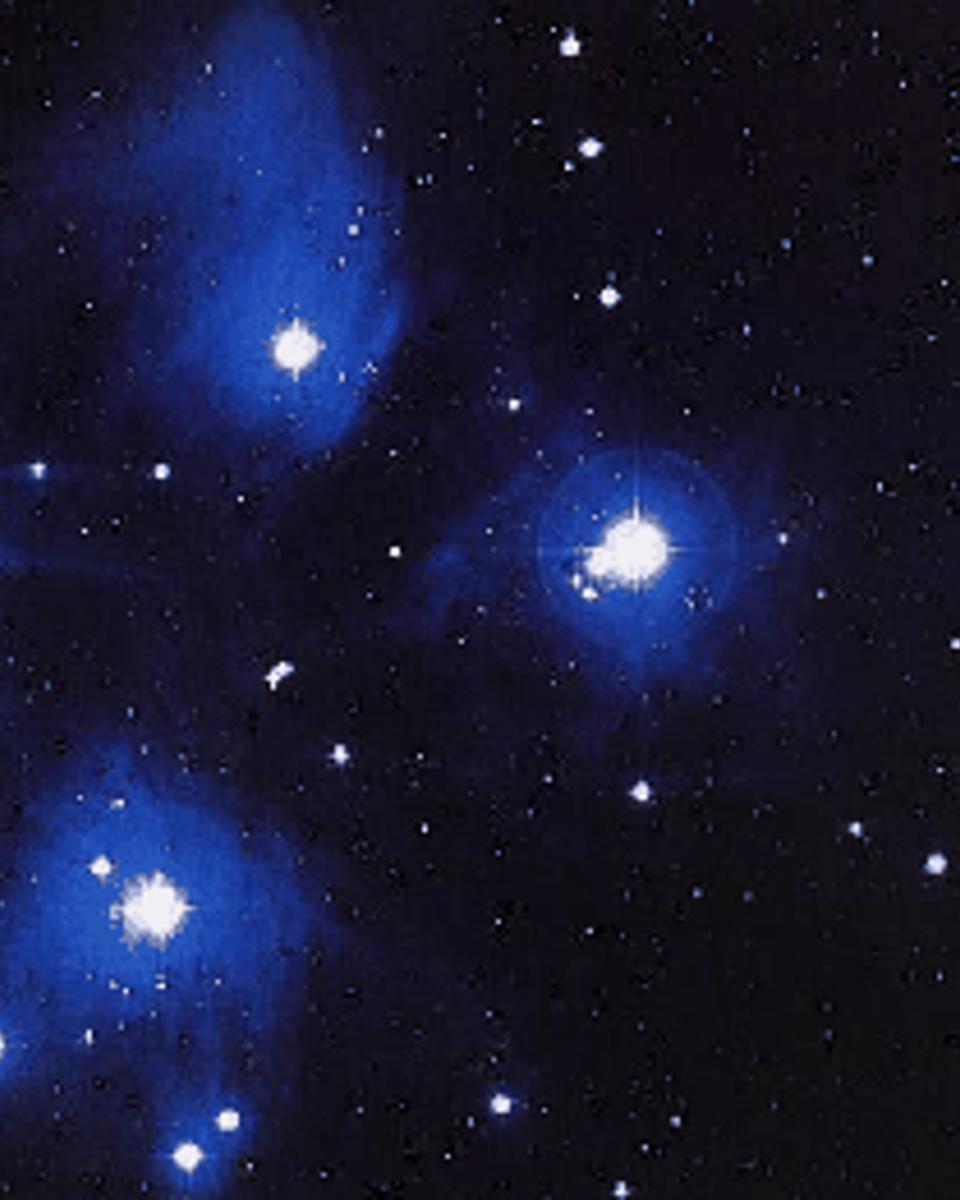
The Pleiades Star Cluster
The Pleiades star cluster, M45, is one of the brightest star clusters visible in the northern hemisphere. It consists of many bright, hot stars that were all formed at the same…
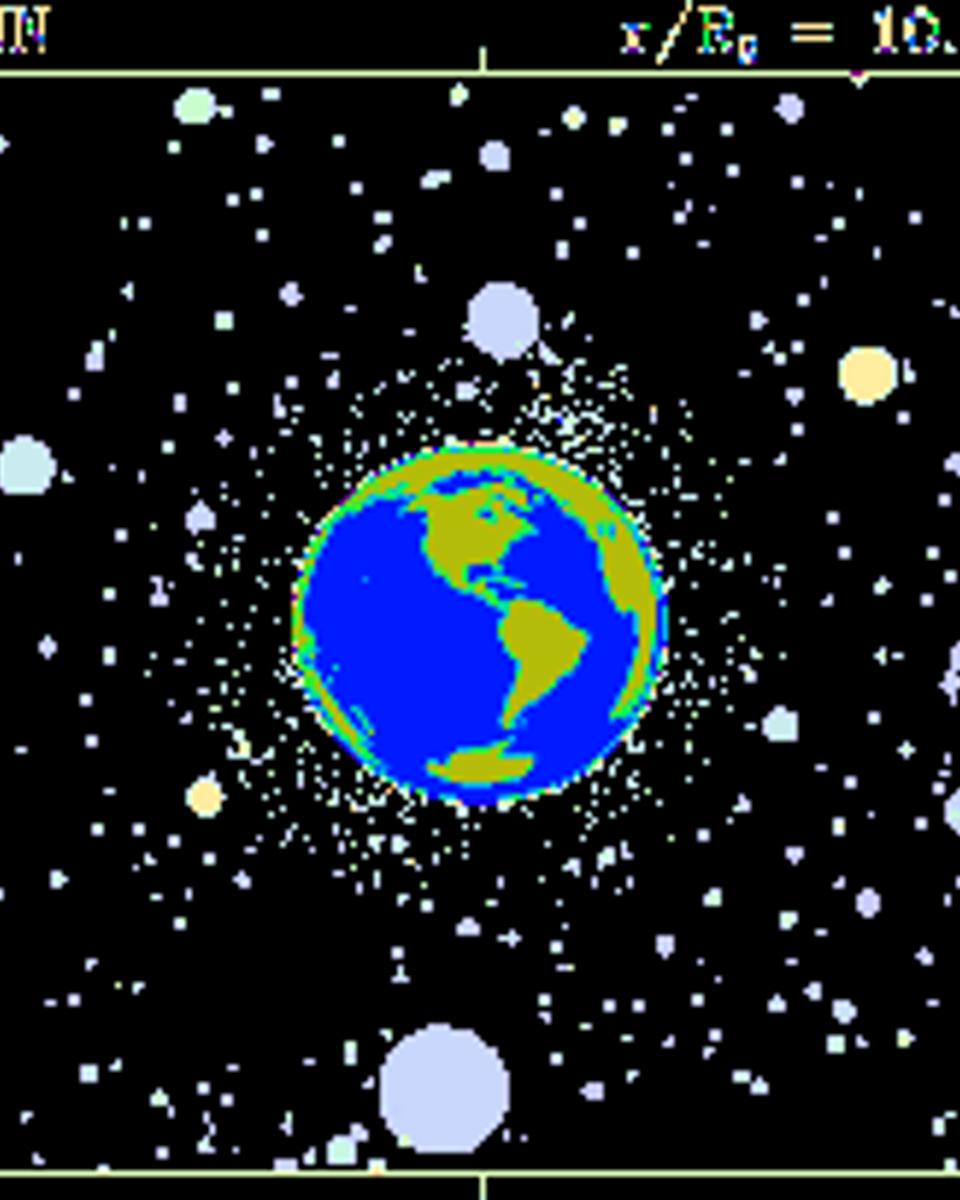
Neutron Star Earth
If the Earth could somehow be transformed to the ultra-high density of a neutron star, it might appear as it does in the above computer generated figure. Due to the very strong…
Viewing discoveries from 26 June 1995 through 16 June 1995.