Browse NASA Astronomy Picture of the Day archive by date and media: Archive Discoveries
Browse the NASA APOD archive without needing the exact date first. Filter by media type and keep moving deeper into older images and videos.
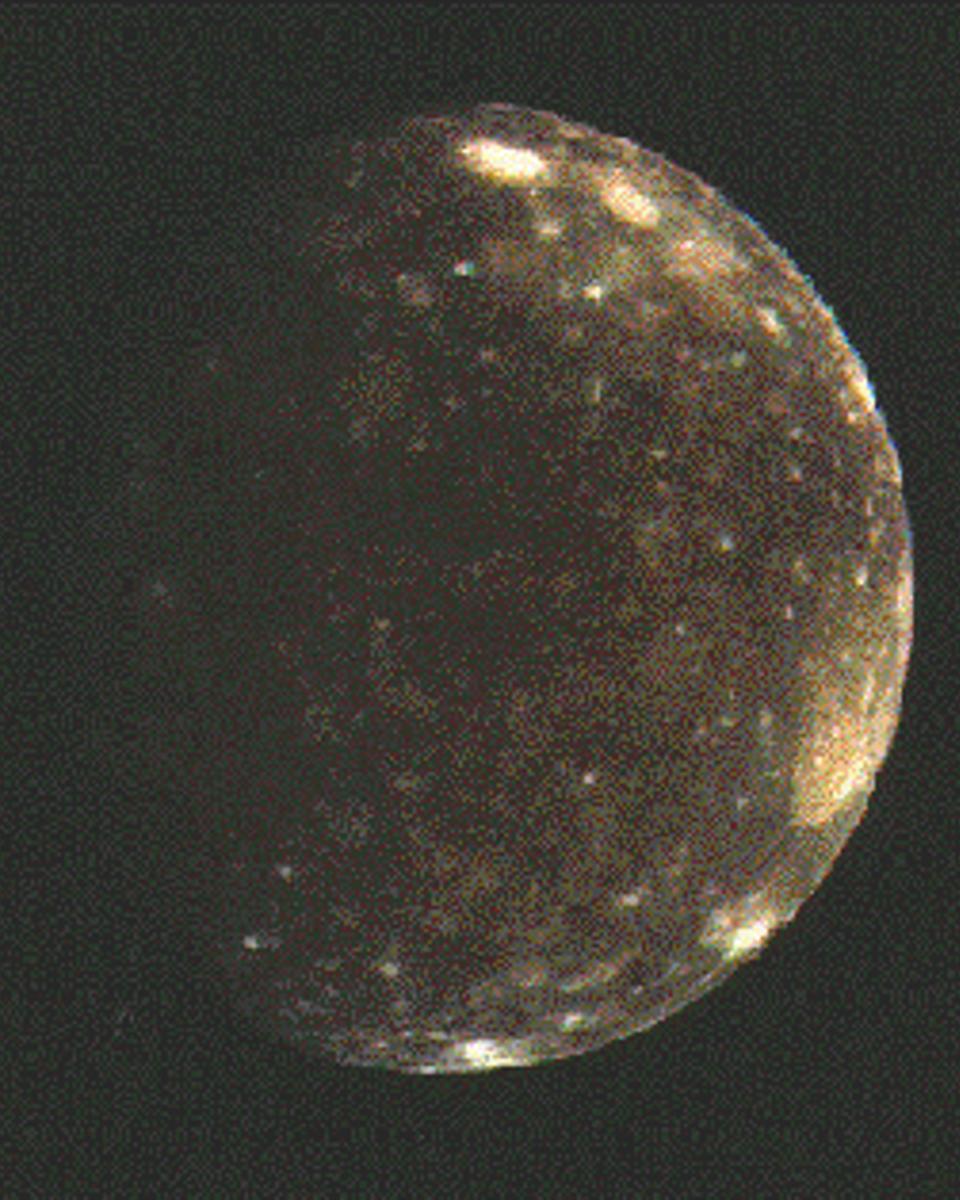
Callisto: Dark Smashed Iceball
Callisto is a dirty battered world, showing the most beaten surface of Jupiter 's major moons. Made of a rocky core covered by fractured ice, Callisto 's past collisions with…
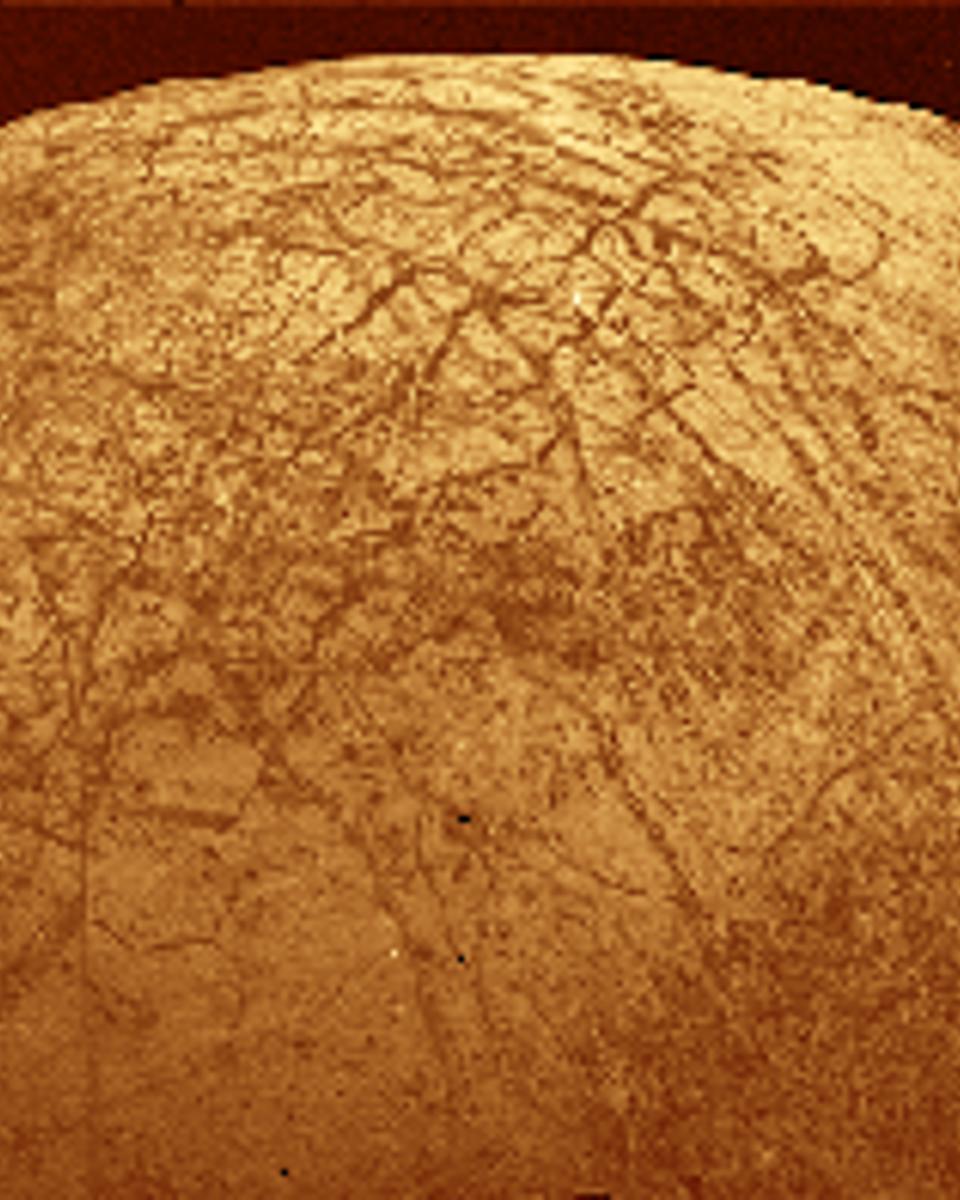
Europa: Ancient Water World
Beneath the cold icy surface of Jupiter 's moon Europa are probably the only oceans of water in our Solar System outside of Earth . These oceans, possibly 50 kilometers deep,…
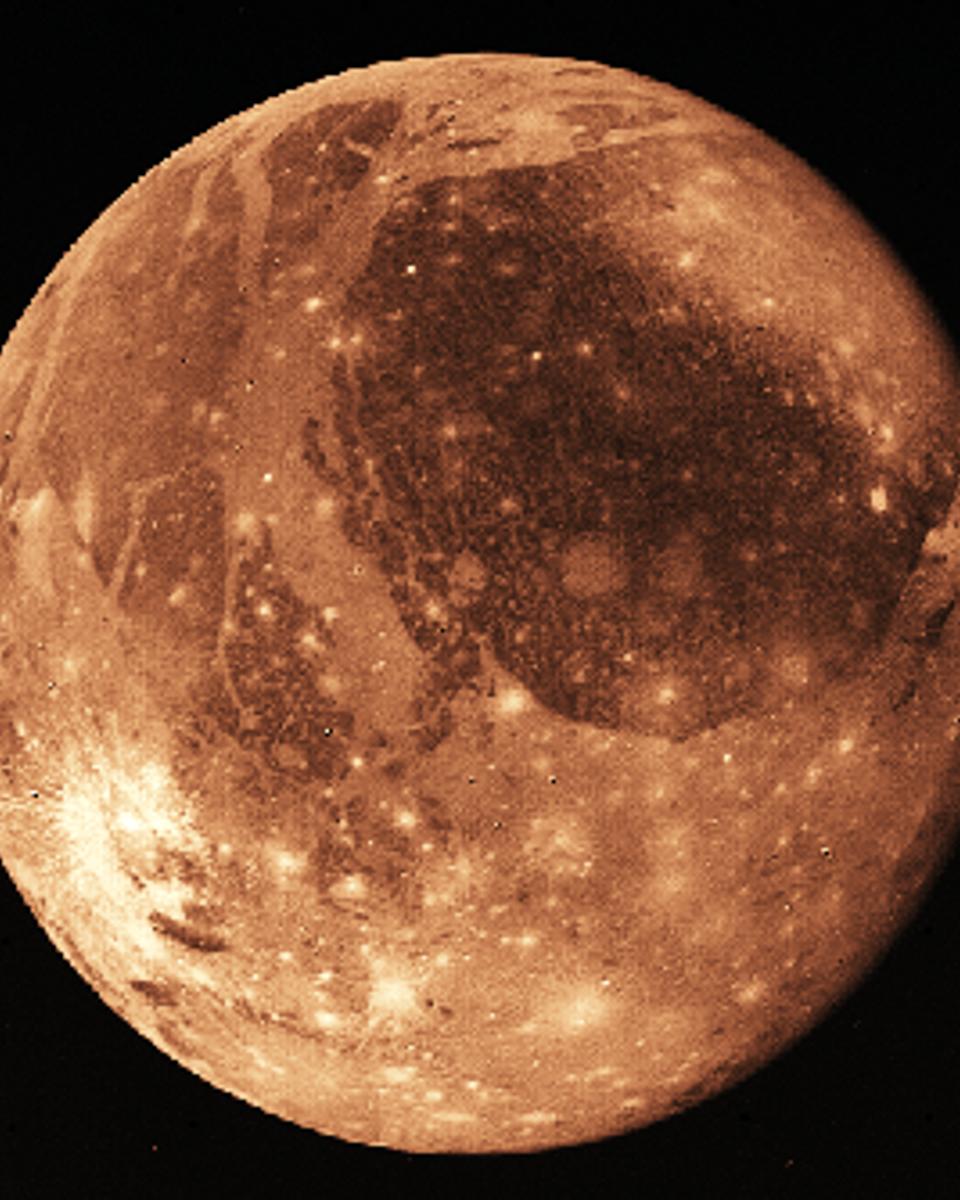
Ganymede: Moonquake World
Ganymede probably undergoes frequent ground shaking events not unlike terrestrial earthquakes. Ganymede , the largest moon of Jupiter and the Solar System , has a thick outer…
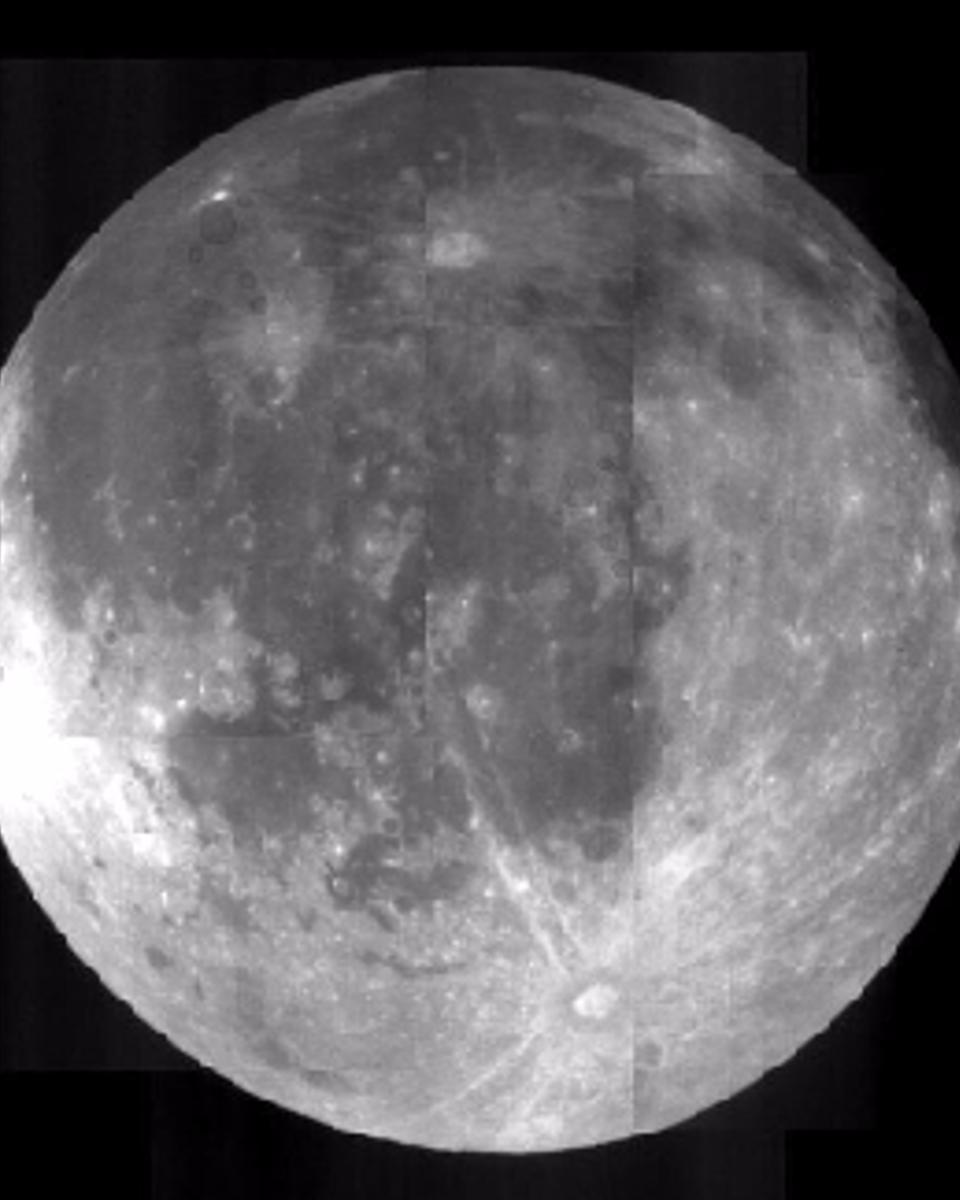
Earth's Moon, A Familiar Face
The above mosaic of the Earth's Moon was compiled from photos taken by the spacecraft Clementine in 1994. This image represents the side of the Moon familiar to Earth dwellers.…
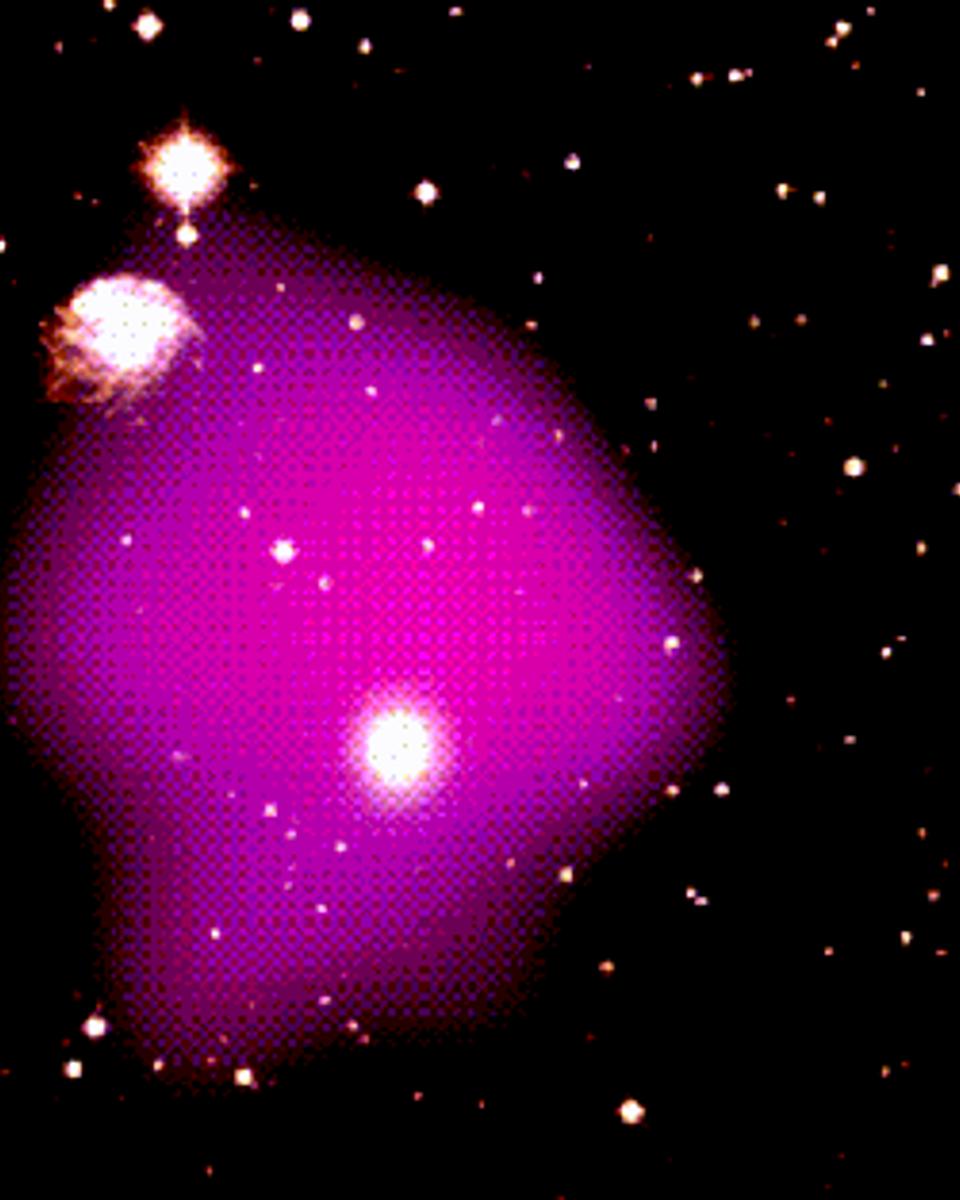
Hot Gas and Dark Matter
Is the gravity of the above galaxies high enough to contain the glowing hot gas? Superposed on an optical picture of a group of galaxies is an image taken in X-ray light. The…

Subrahmanyan Chandrasekhar 1910-1995
On August 21, 1995 one of the greatest astrophysicists of modern times passed away. Subrahmanyan Chandrasekhar was a creative, prolific genius whose ability to combine…
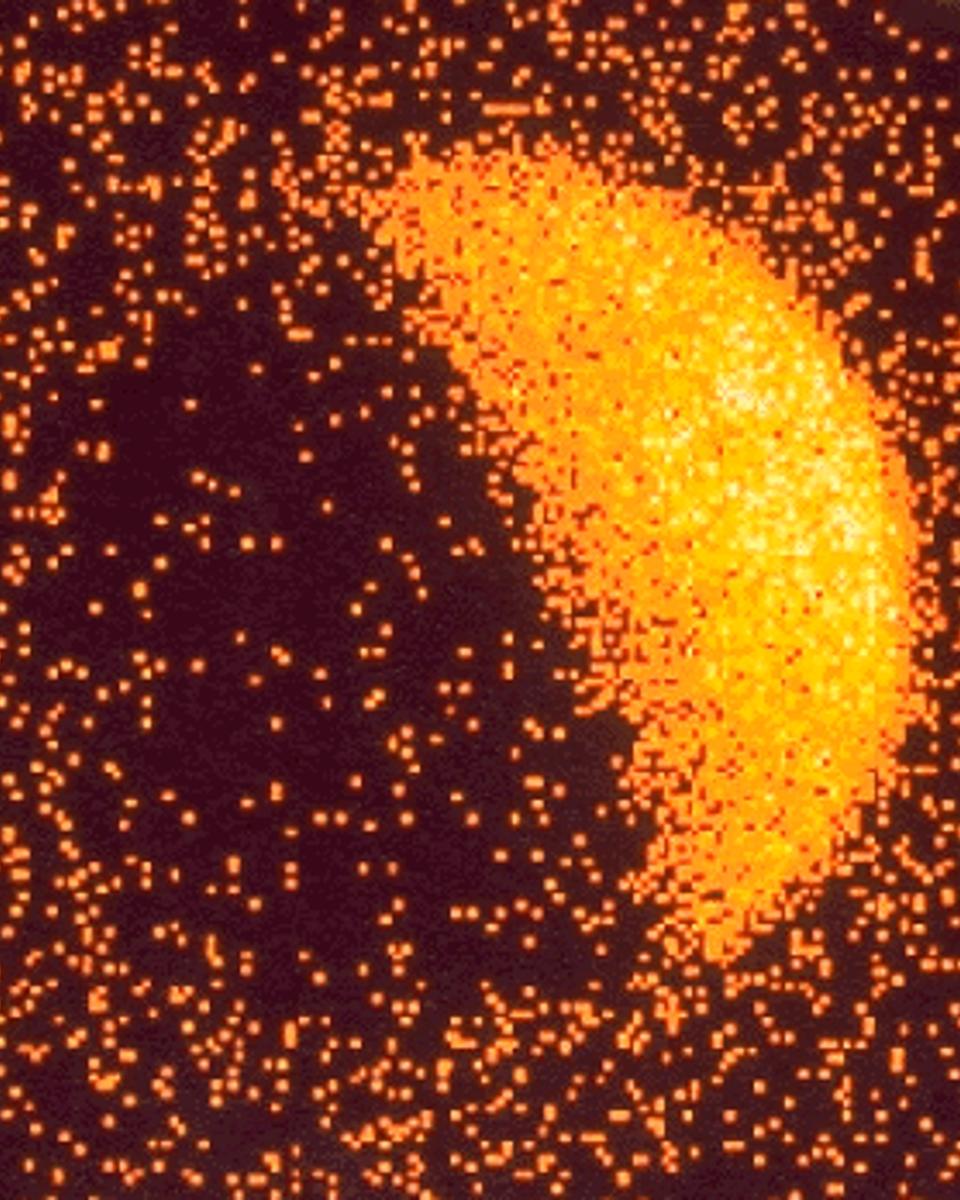
X-Raying the Moon
Above is a picture of the Moon taken in X-rays by the Roentgen Observatory Satellite ROSAT in 1990. This famous picture shows three distinct regions: a bright X-ray sky, a bright…
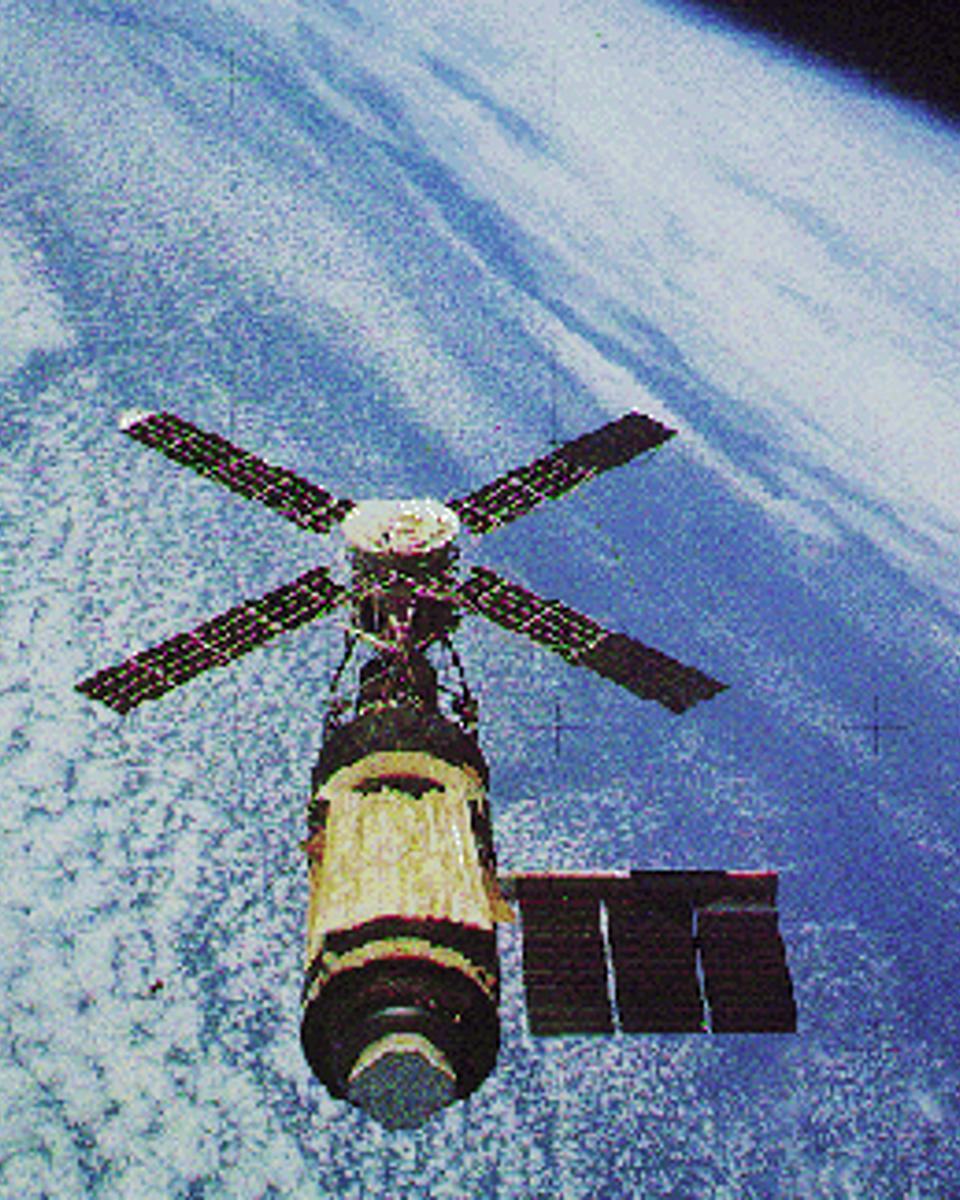
Skylab Over Earth
Skylab was an orbiting laboratory launched by a Saturn V rocket in May 1973. Skylab was visited three times by NASA astronauts who sometimes stayed as long as two and a half…
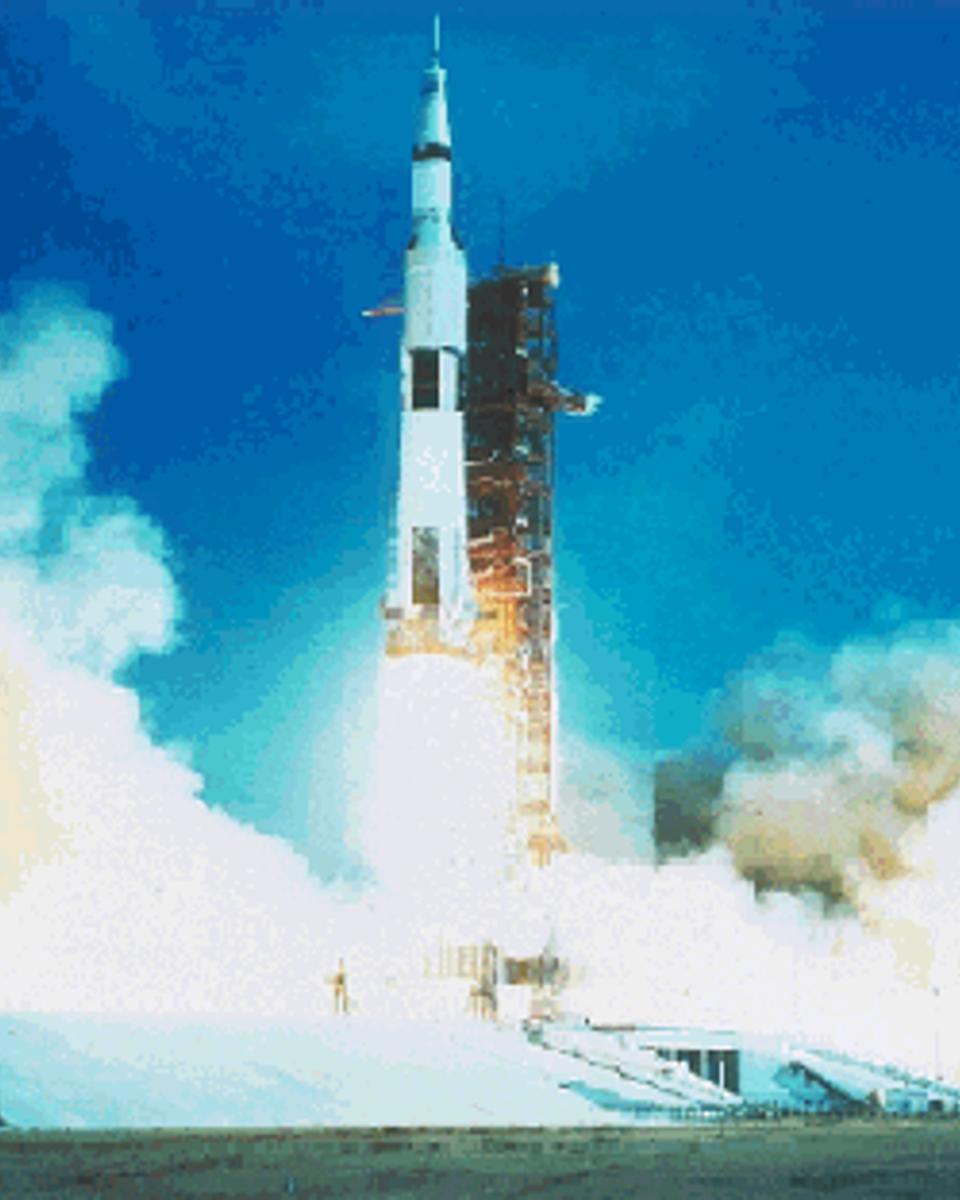
Saturn V: NASA's Largest Rocket
Pictured, a NASA Saturn V rocket blasts off on July 16th, 1969 carrying the crew of Apollo 11 to the Moon . The Saturn V rocket was the largest rocket ever used by NASA, and the…
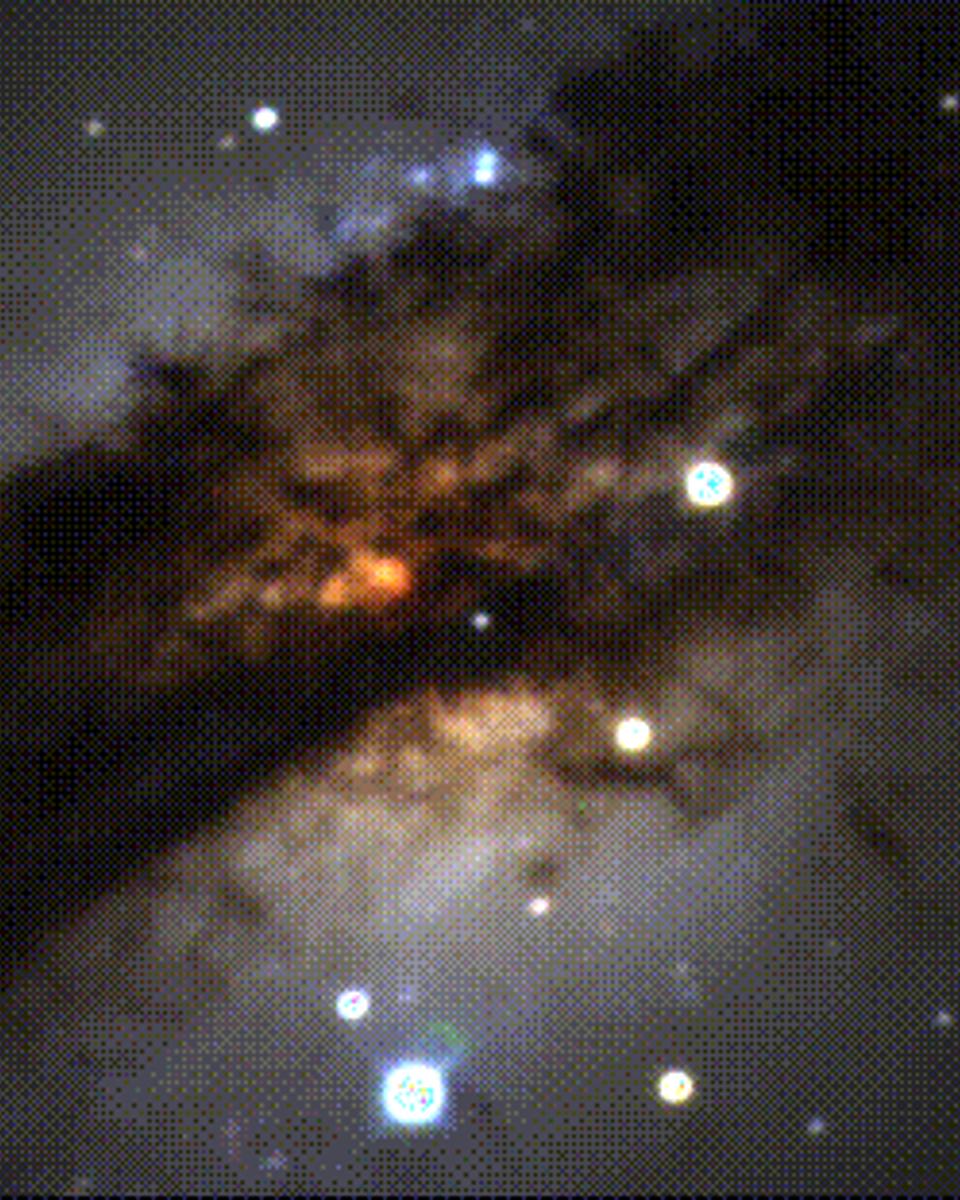
Dusty Galaxy Centaurus A
One of the most unusual galaxies known, Centaurus A , is pictured above. Cen A is marked by dramatic dust lanes that run across the galaxy's center. These dust lanes are so thick…
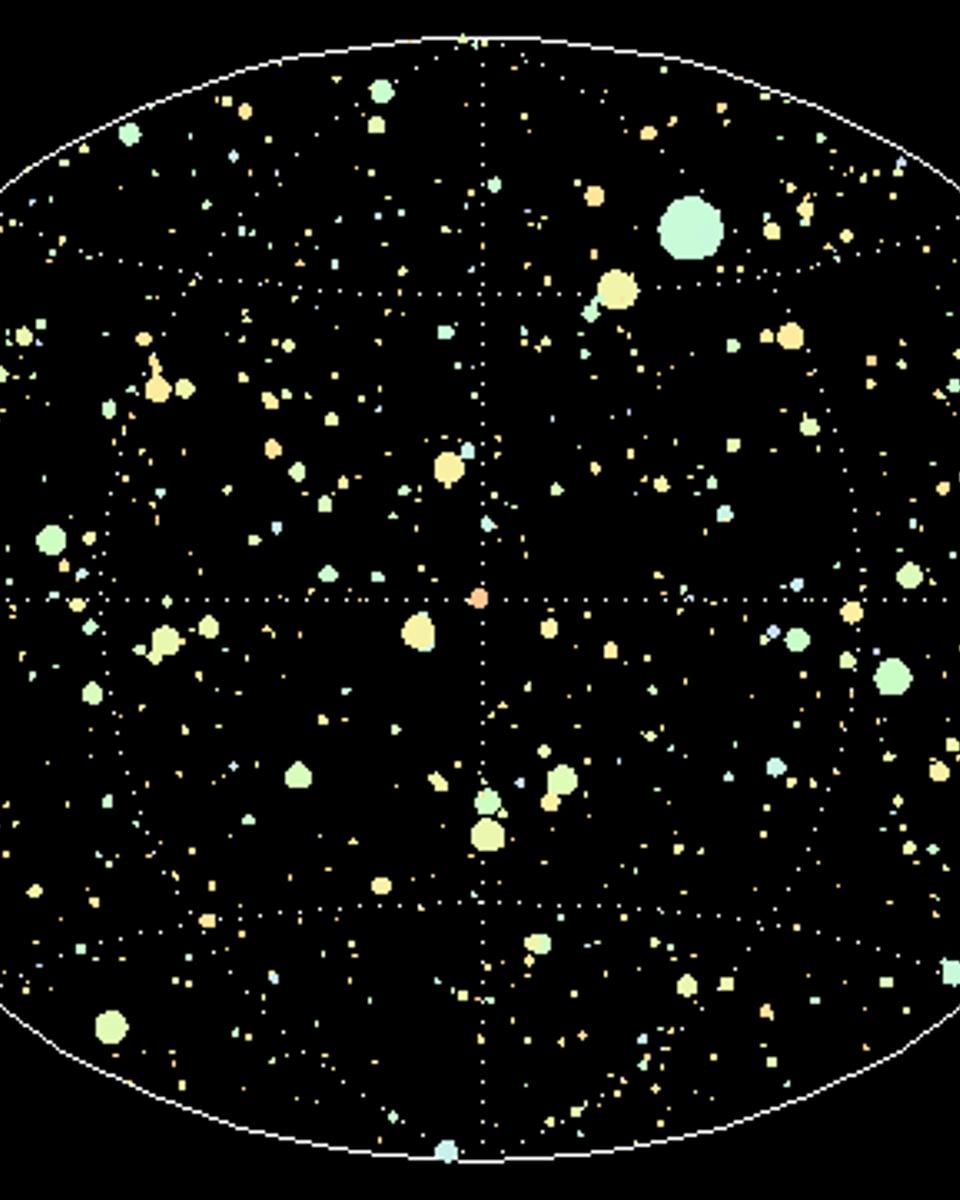
Gamma Ray Bursts from the Unknown
Gamma Ray Bursts (GRBs) pose one of the greatest mysteries of modern astronomy. About once a day, the gamma-ray sky lights up with a spectacular explosion. No one knows what…
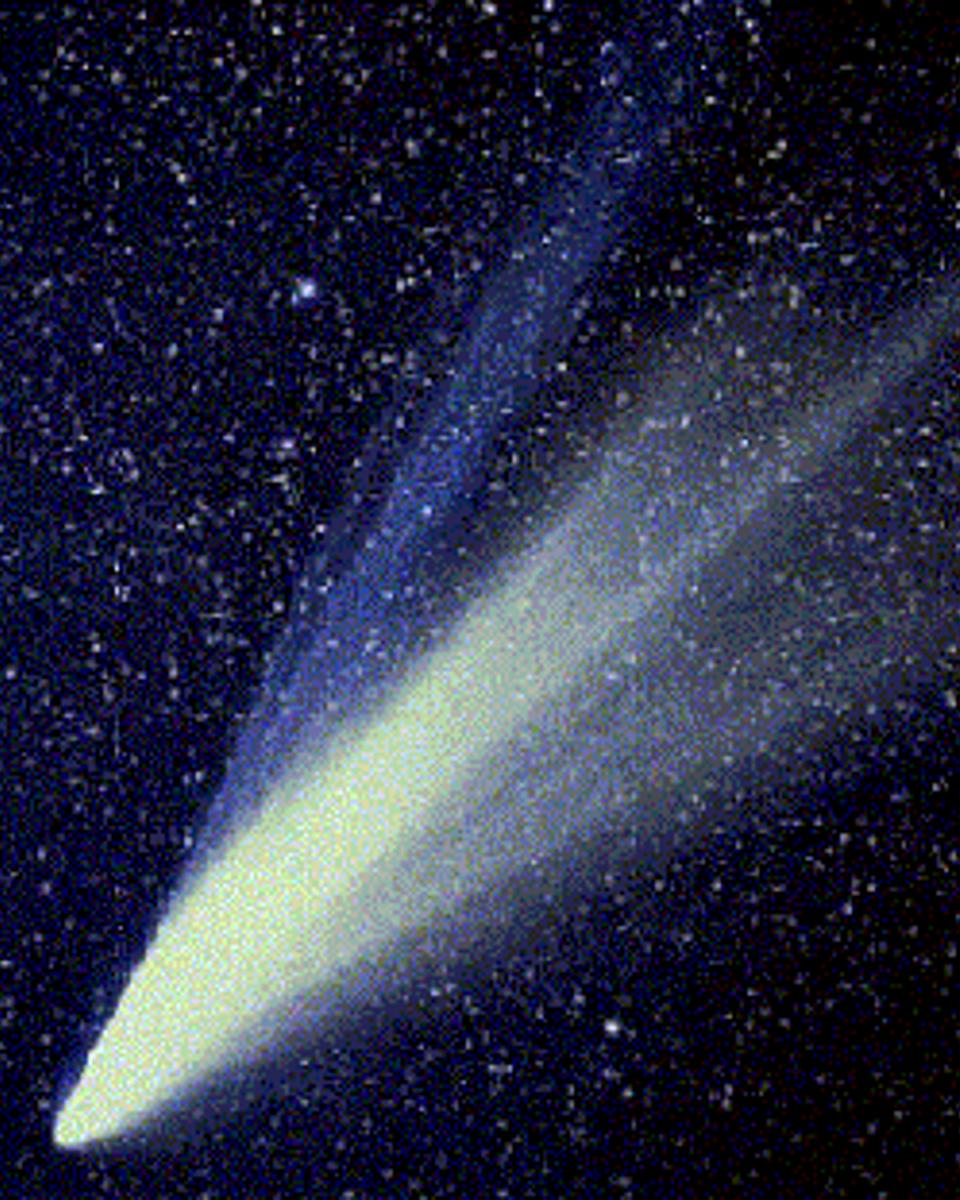
Two Tails of Comet West
Here Comet West is seen showing two enormous tails that wrap around the sky. The ion tale of a comet usually appears more blue and always points away from the Sun . The dust tail…
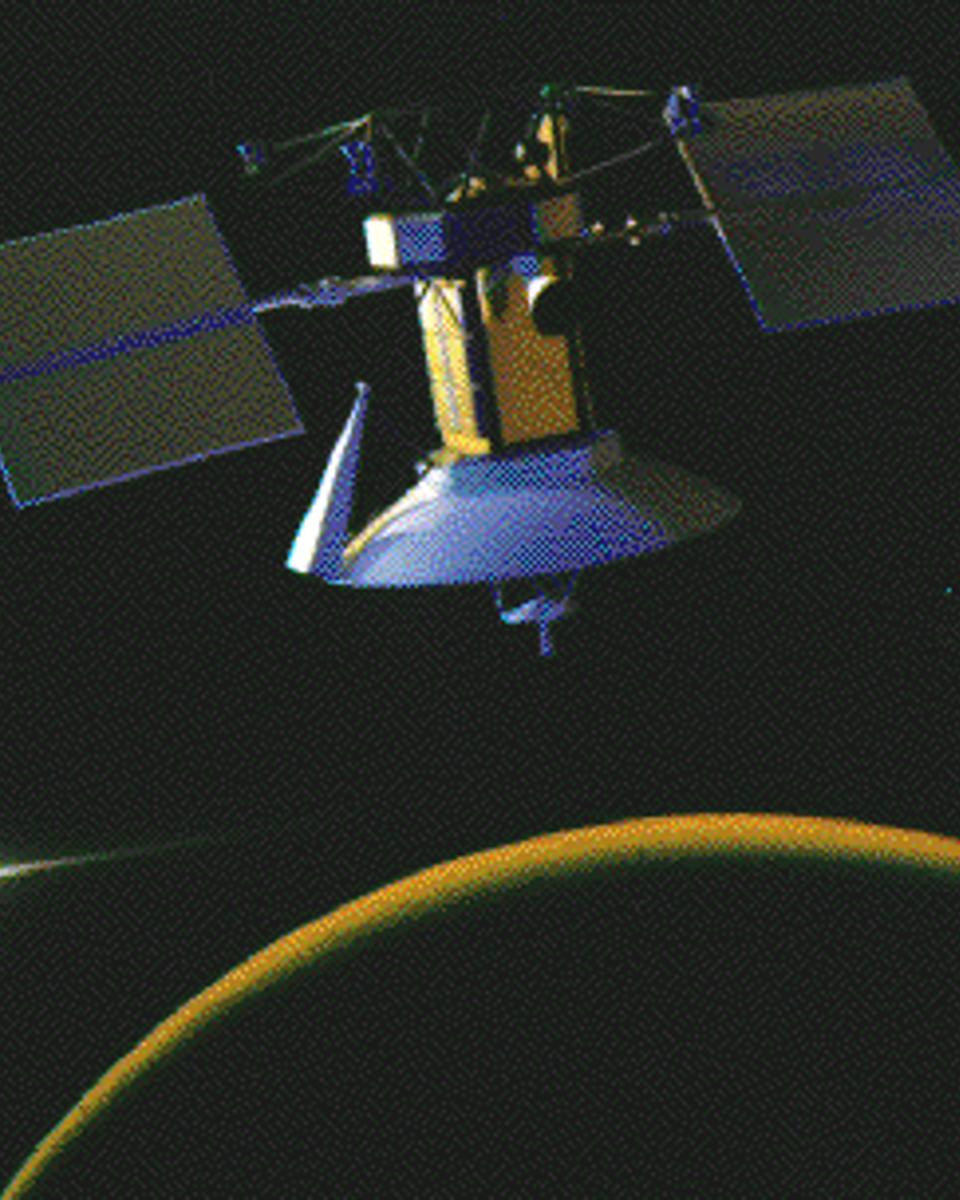
A World Explorer
Ferdinand Magellan was a world explorer. Many consider him the greatest navigator of Europe's 16th century age of sea going exploration and credit his expedition with the first…
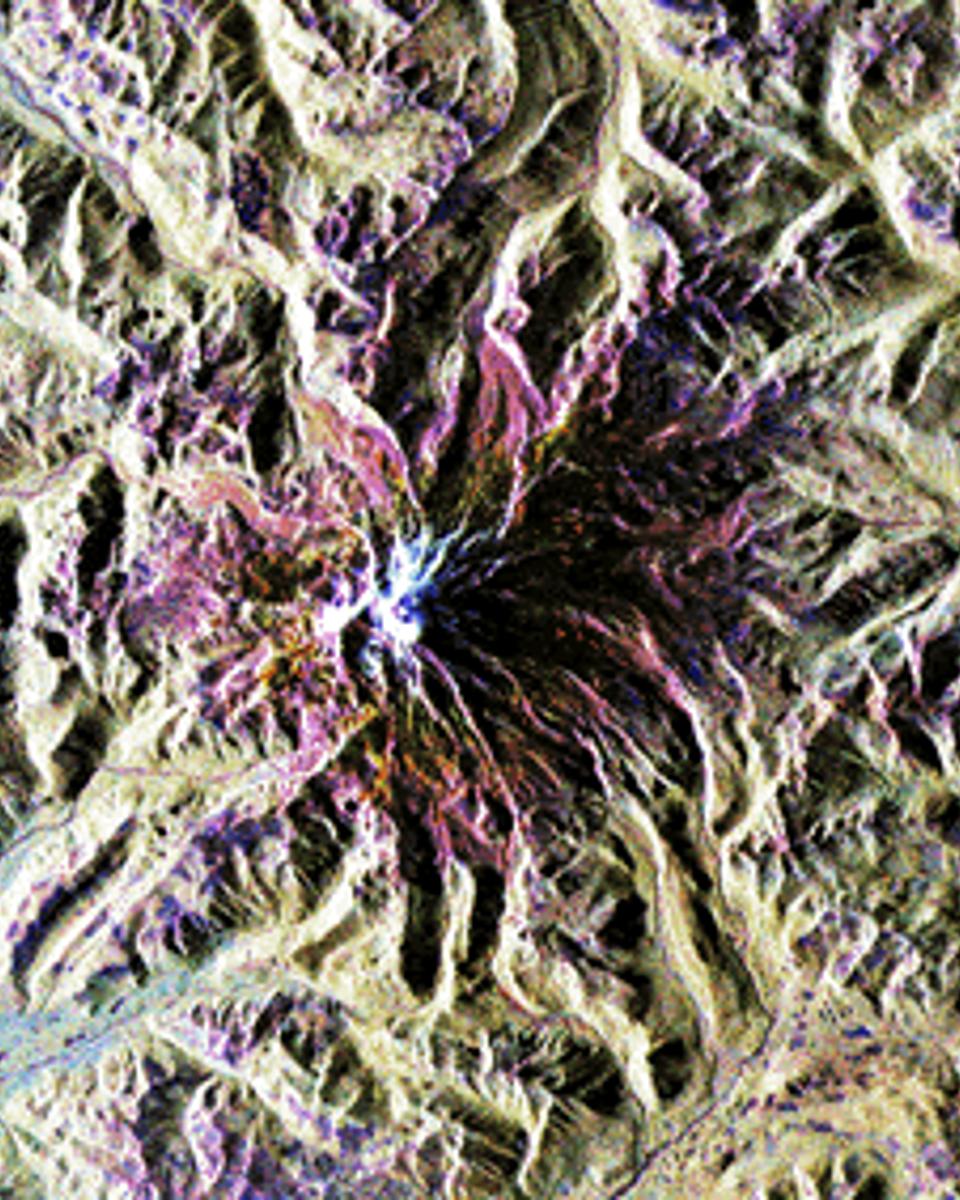
A Radar Image of Planet Earth
This image of Mt. Rainier, Washington USA, planet Earth , was produced by the Spaceborne Radar Laboratory which flew on the Space Shuttle Endeavour in 1994. Radar, short for RAdio…
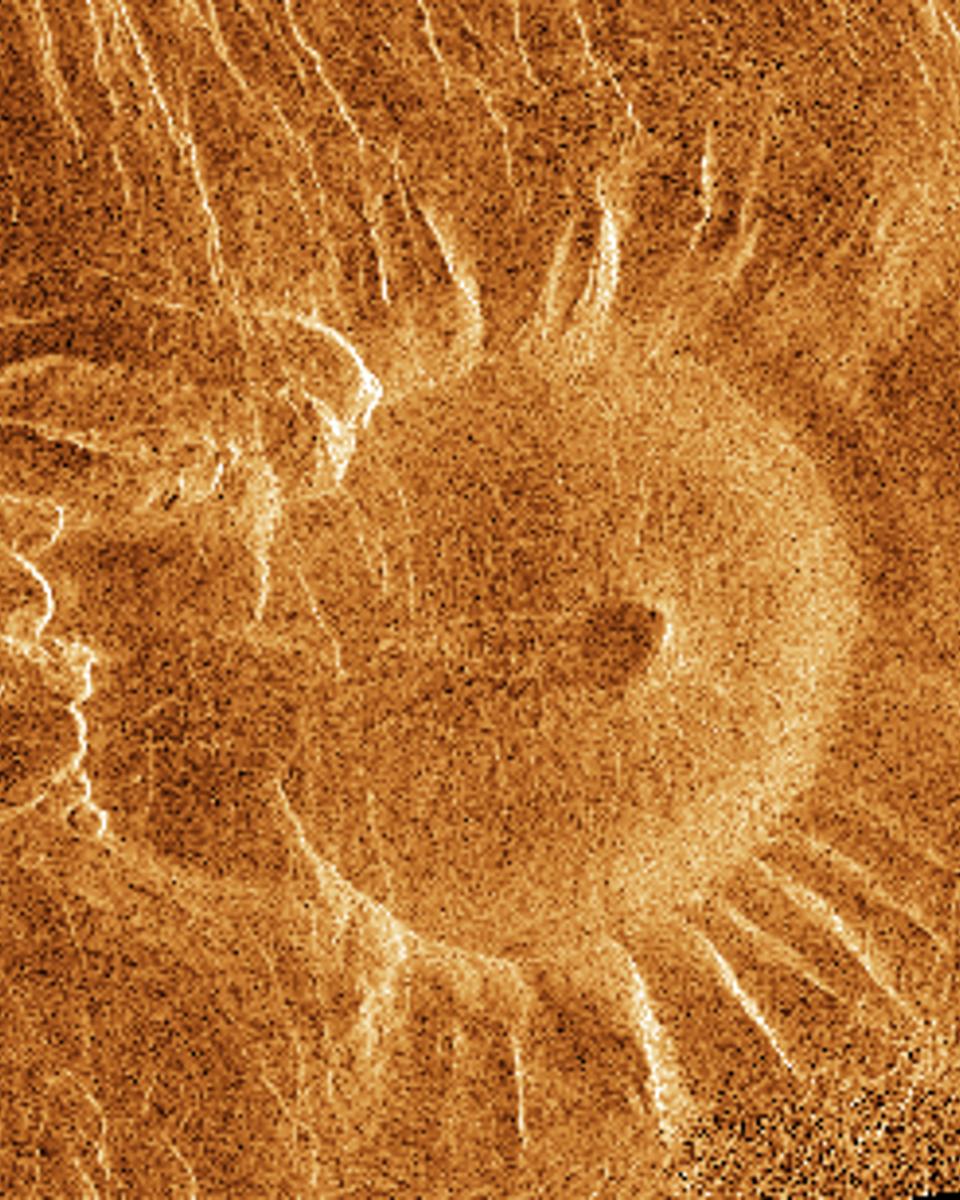
A Venusian Tick
Data from the Magellan spacecraft has shown the Face of Venus to contain a host of volcanic features. This image shows an example of a fairly common type of venusian volcanic…
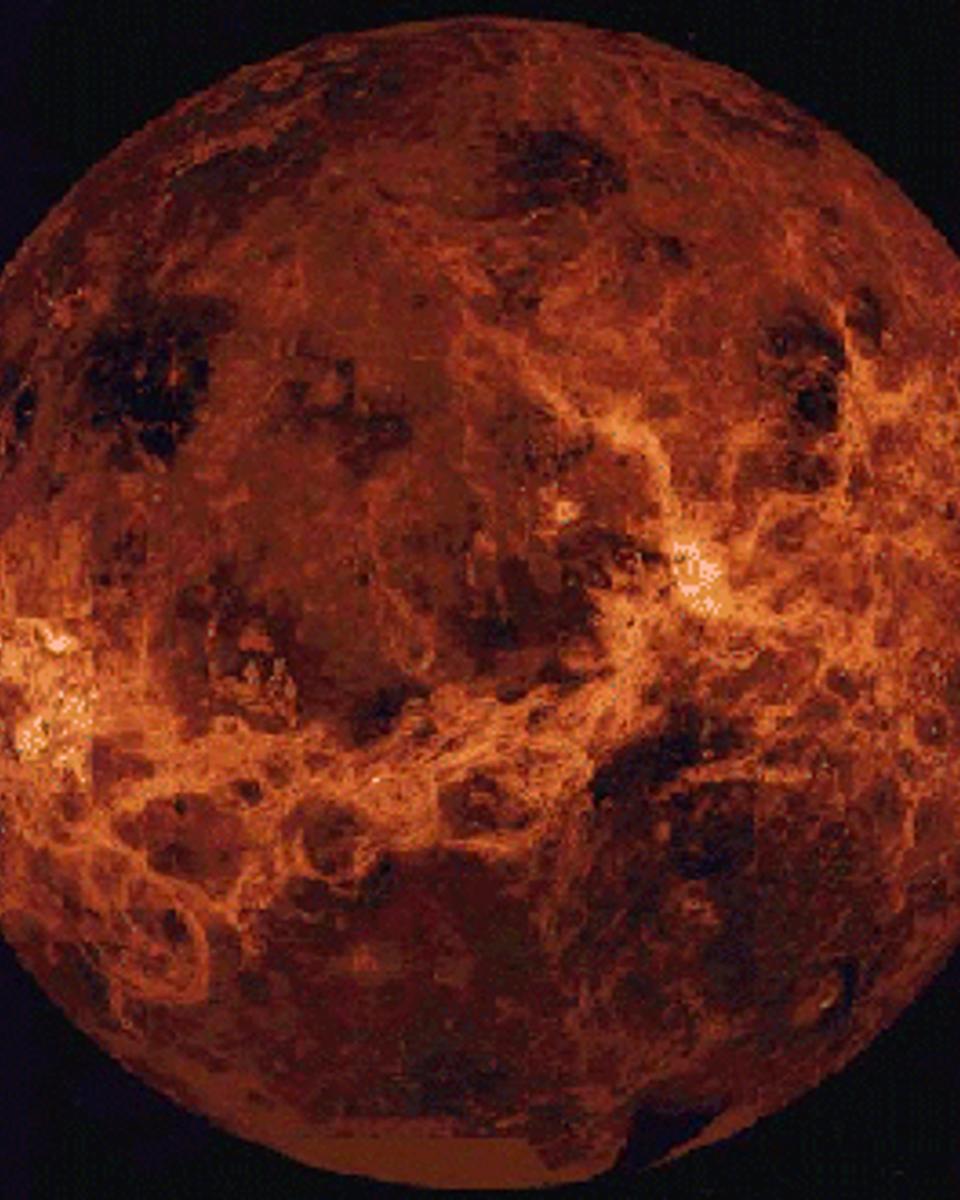
Venus UnVeiled
The surface of Venus is perpetually covered by a veil of thick clouds and remains hidden from even the powerful telescopic eyes of earth-based astronomers. However, using an…
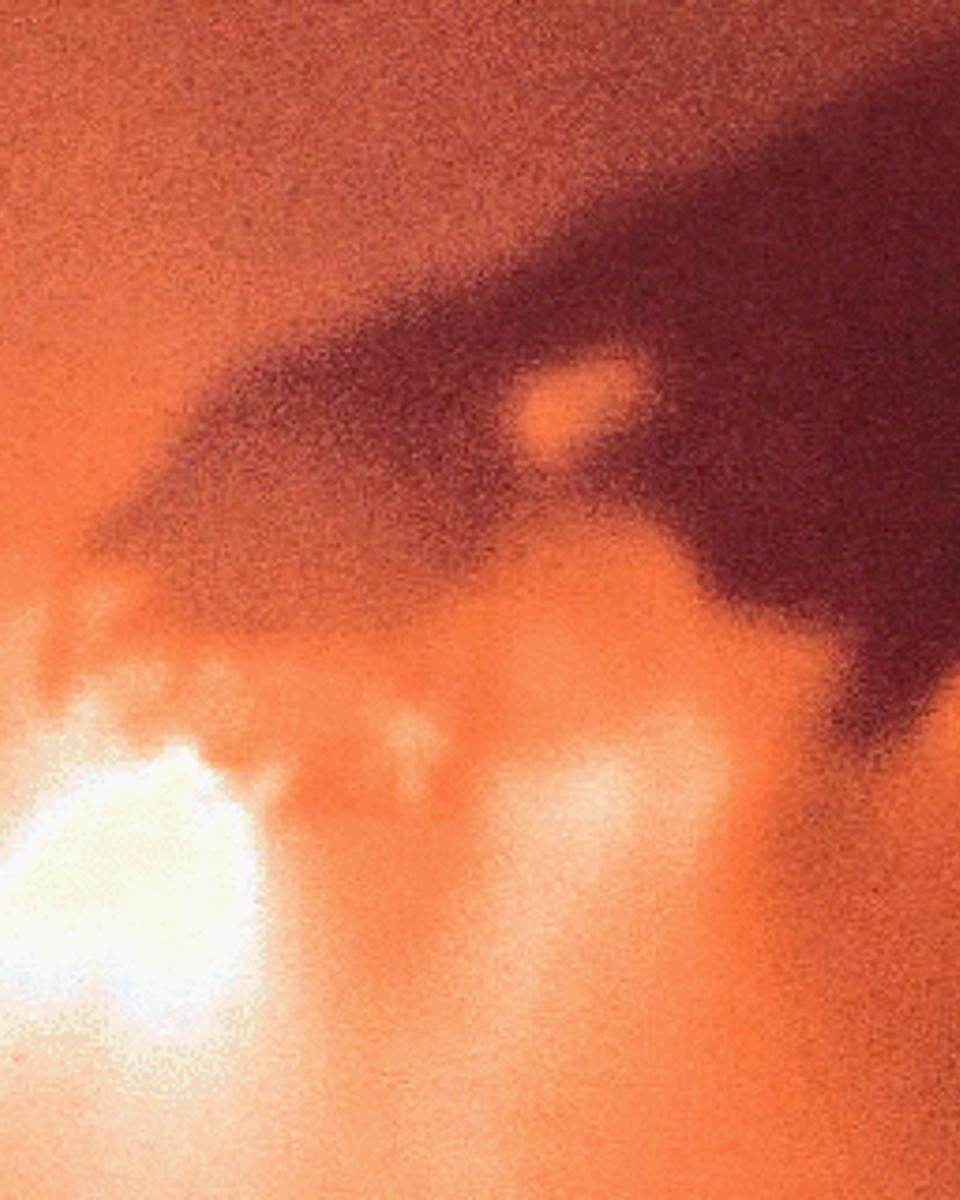
An Orbiting Iceberg
A comet nucleus , formed from the primordial stuff of the solar system, resembles a very dirty iceberg. Orbiting far from our Sun, it can remain frozen, preserved for billions of…
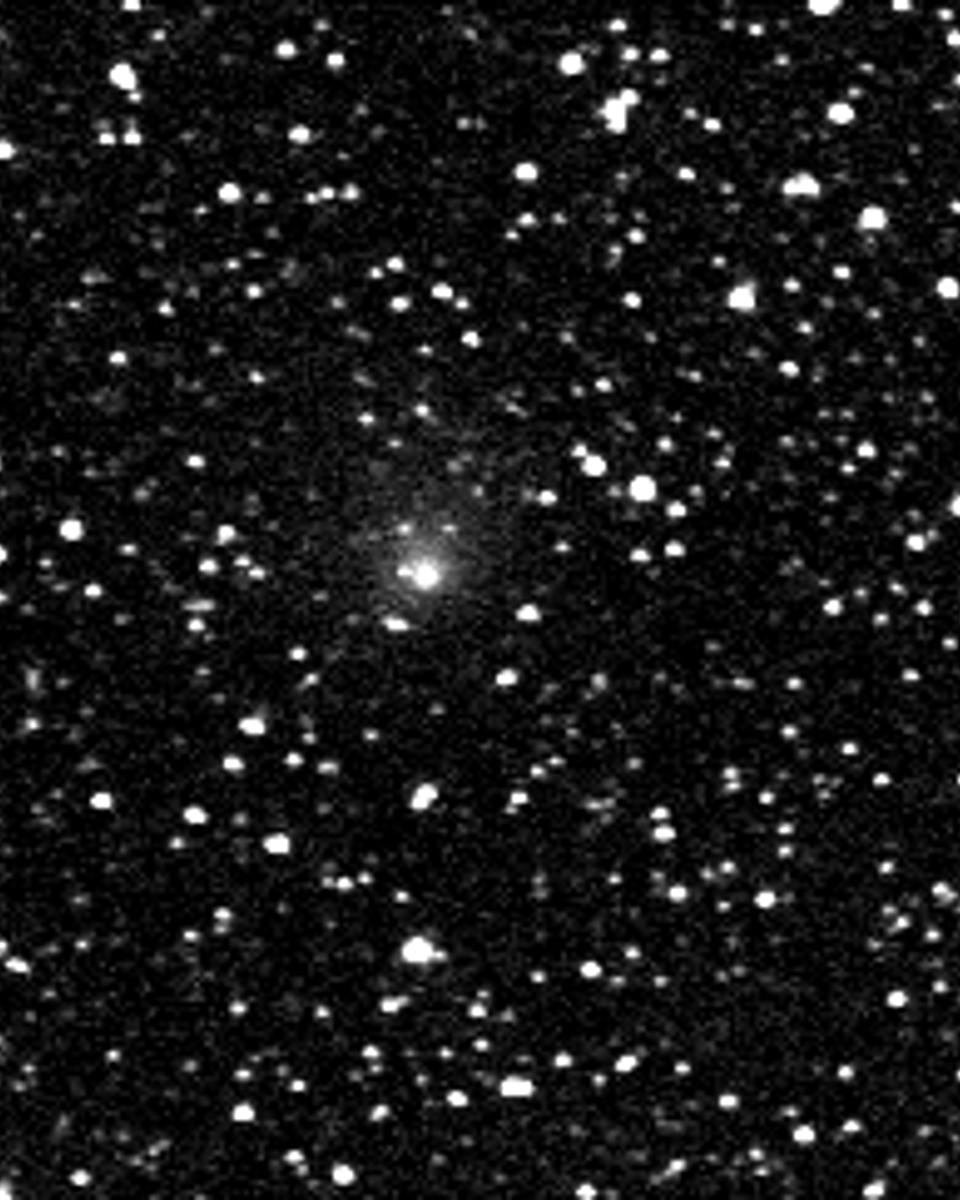
Announcing Comet Hale-Bopp
The pictured fuzzy patch may become one of the most spectacular comets this century. Although it is very hard to predict how bright a comet will become, Comet Hale-Bopp , named…
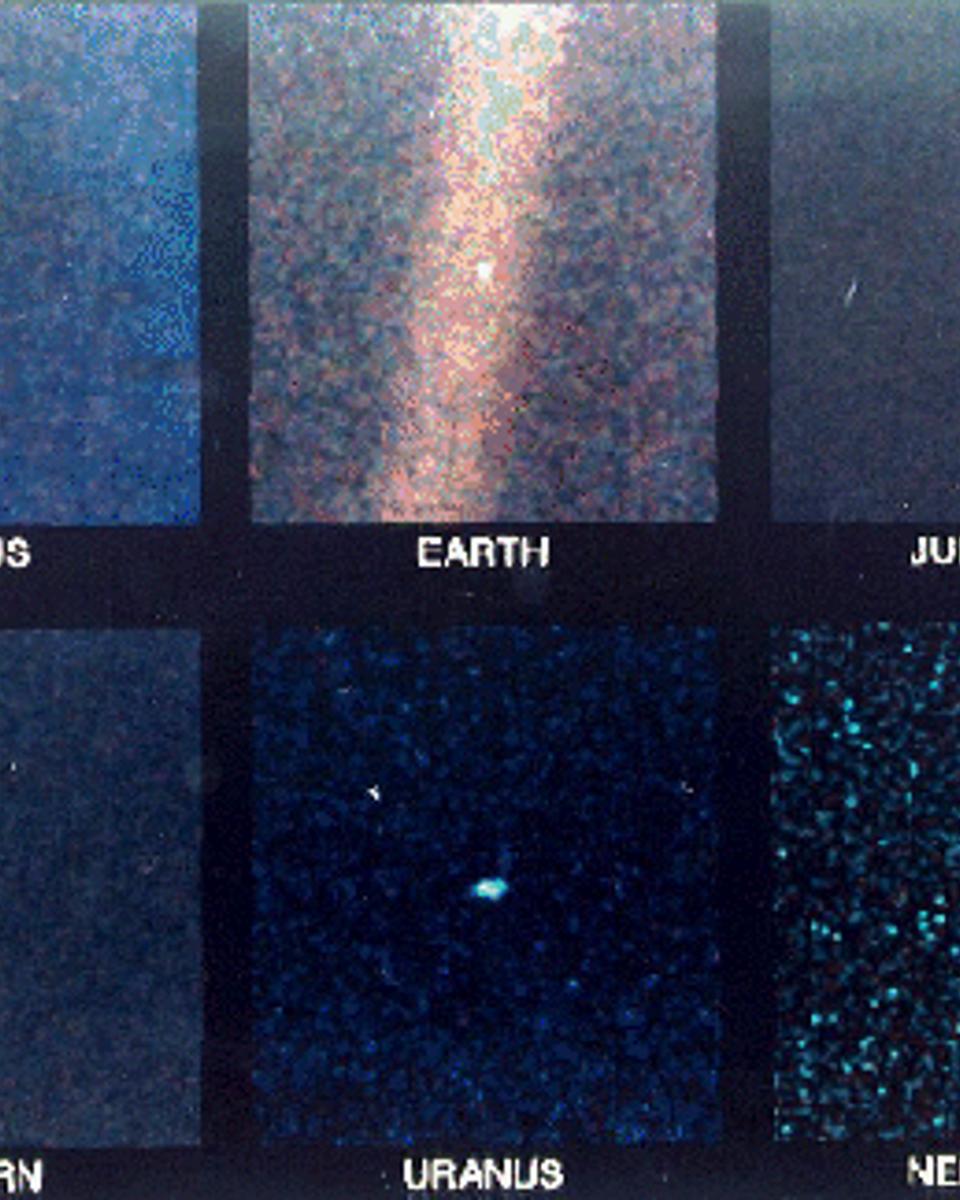
Our Solar System from Voyager
After taking its spectacular pictures of the outer solar system planets, Voyager 1 looked back at six planets from the inner solar system. Here Venus , Earth , Jupiter , Saturn ,…

Pluto: The Frozen Planet
The Hubble Space Telescope imaged Pluto and its moon Charon in 1994. Pluto is usually the most distant planet from the Sun but because of its elliptic orbit Pluto crossed inside…
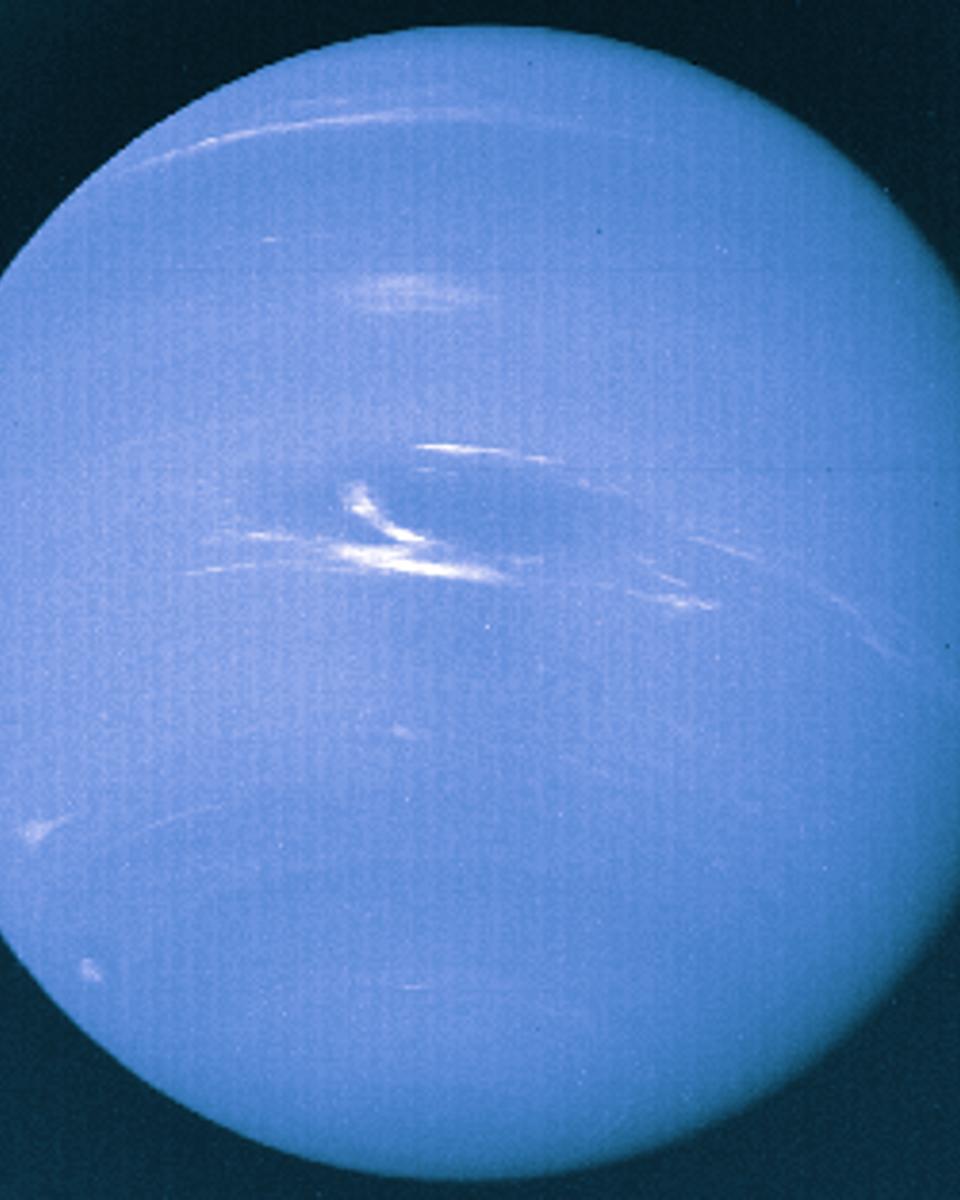
Neptune: Big Blue Giant
This picture was taken by the Voyager 2 spacecraft in 1986 - the only spacecraft ever to visit Neptune. Neptune will be the farthest planet from the Sun until 1999, when the…
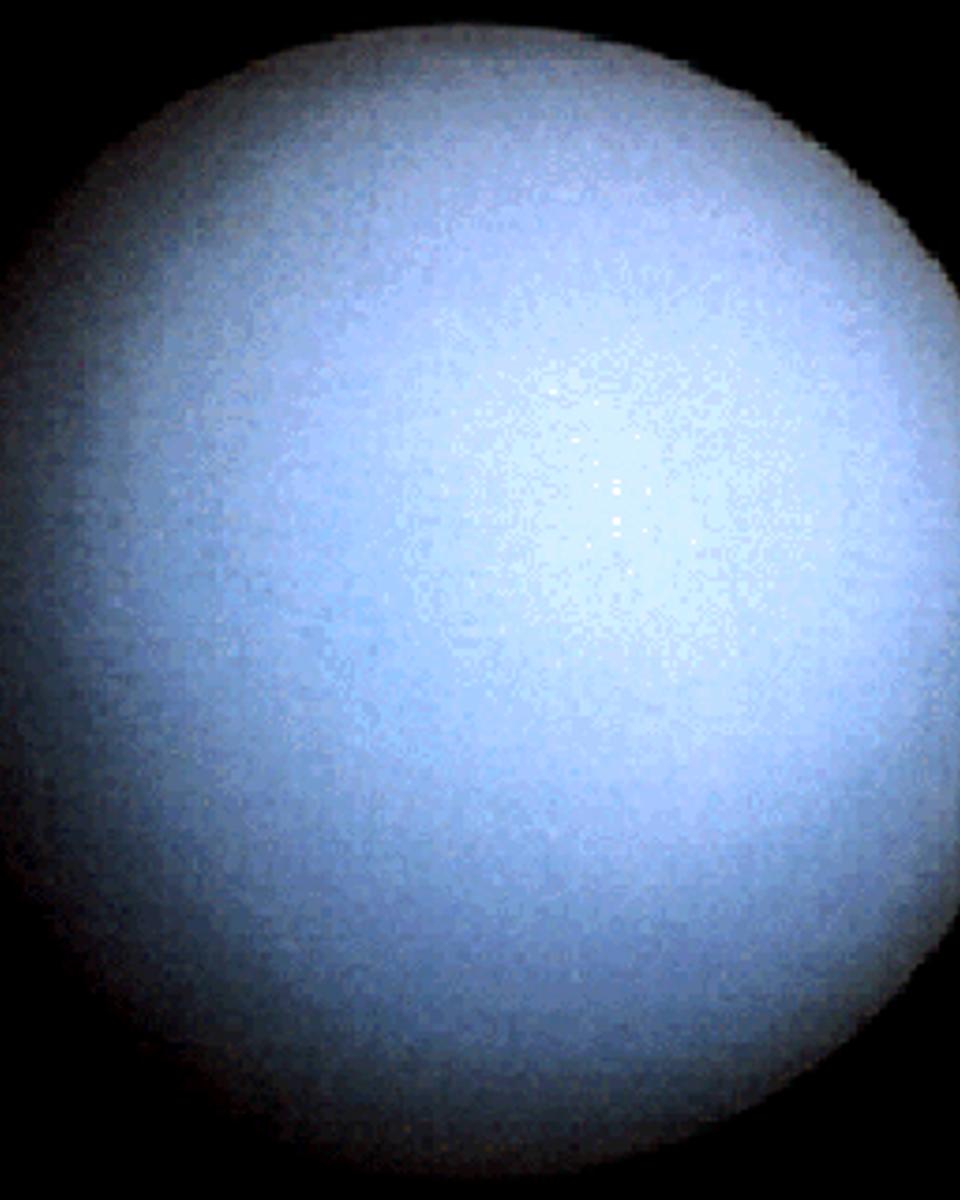
Uranus: The Tilted Planet
This picture was snapped by the Voyager 2 spacecraft in 1986 - the only spacecraft ever to visit Uranus. Uranus is the third largest planet after Jupiter and Saturn . Uranus has…
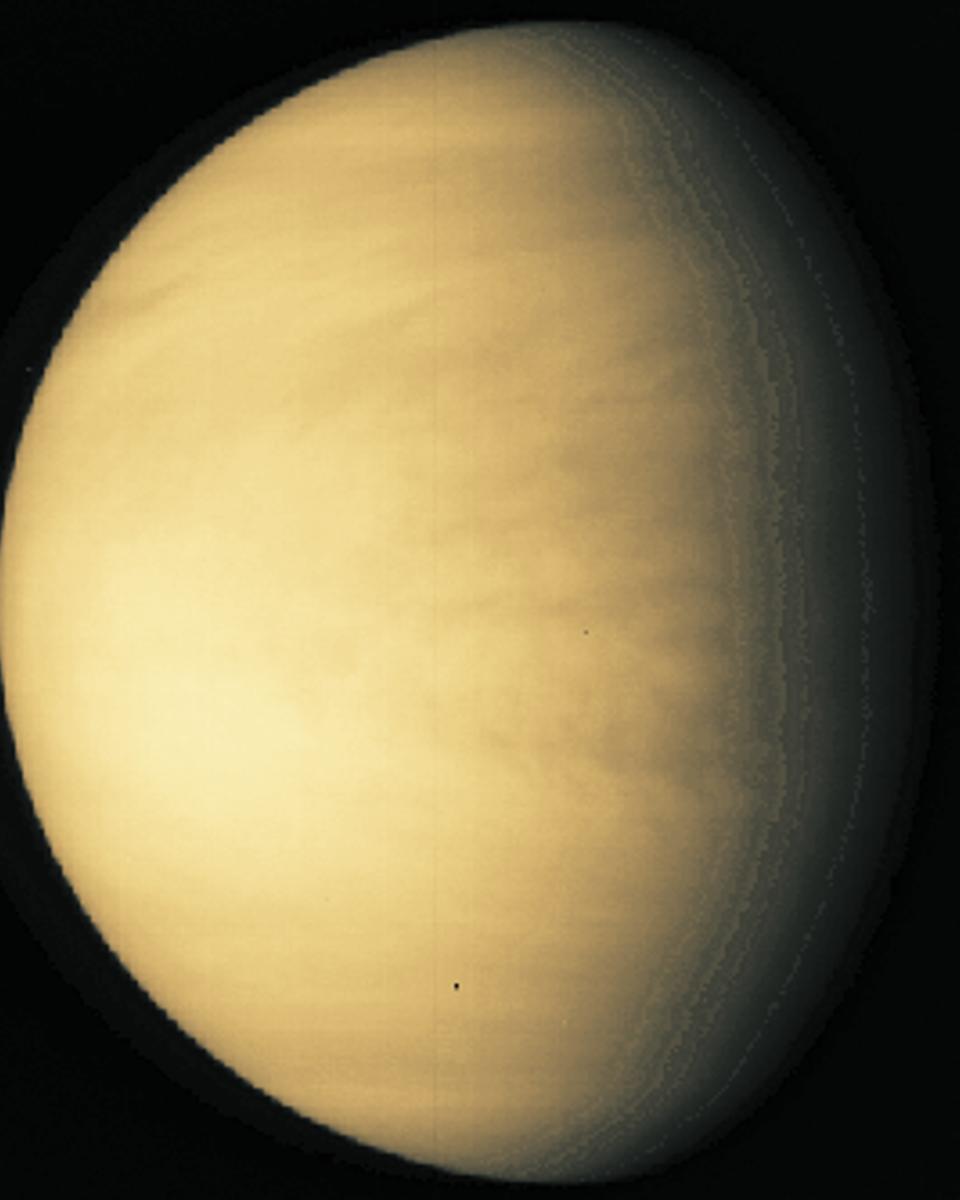
Venus: Earth's Sister Planet
This picture in visible light was taken by the Galileo spacecraft. Venus is very similar to Earth in size and mass - and so is sometimes referred to as Earth's sister planet - but…
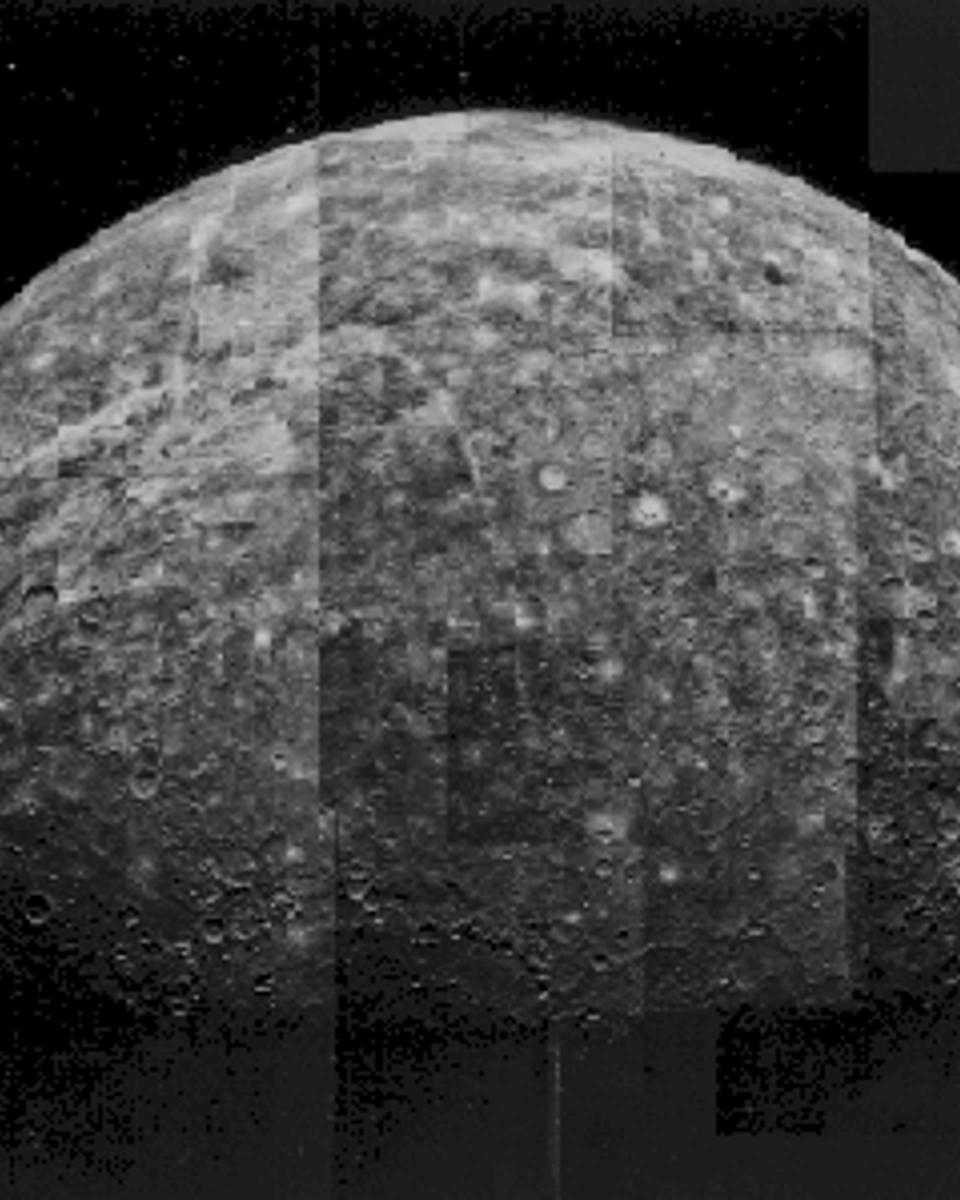
Mercury: Closest Planet to the Sun
This picture was compiled from images taken by the NASA spacecraft Mariner 10 which flew by the planet three times in 1974. Mercury is the closest planet to the Sun , the second…
Viewing discoveries from 6 September 1995 through 14 August 1995.