Browse NASA Astronomy Picture of the Day archive by date and media: Archive Discoveries
Browse the NASA APOD archive without needing the exact date first. Filter by media type and keep moving deeper into older images and videos.
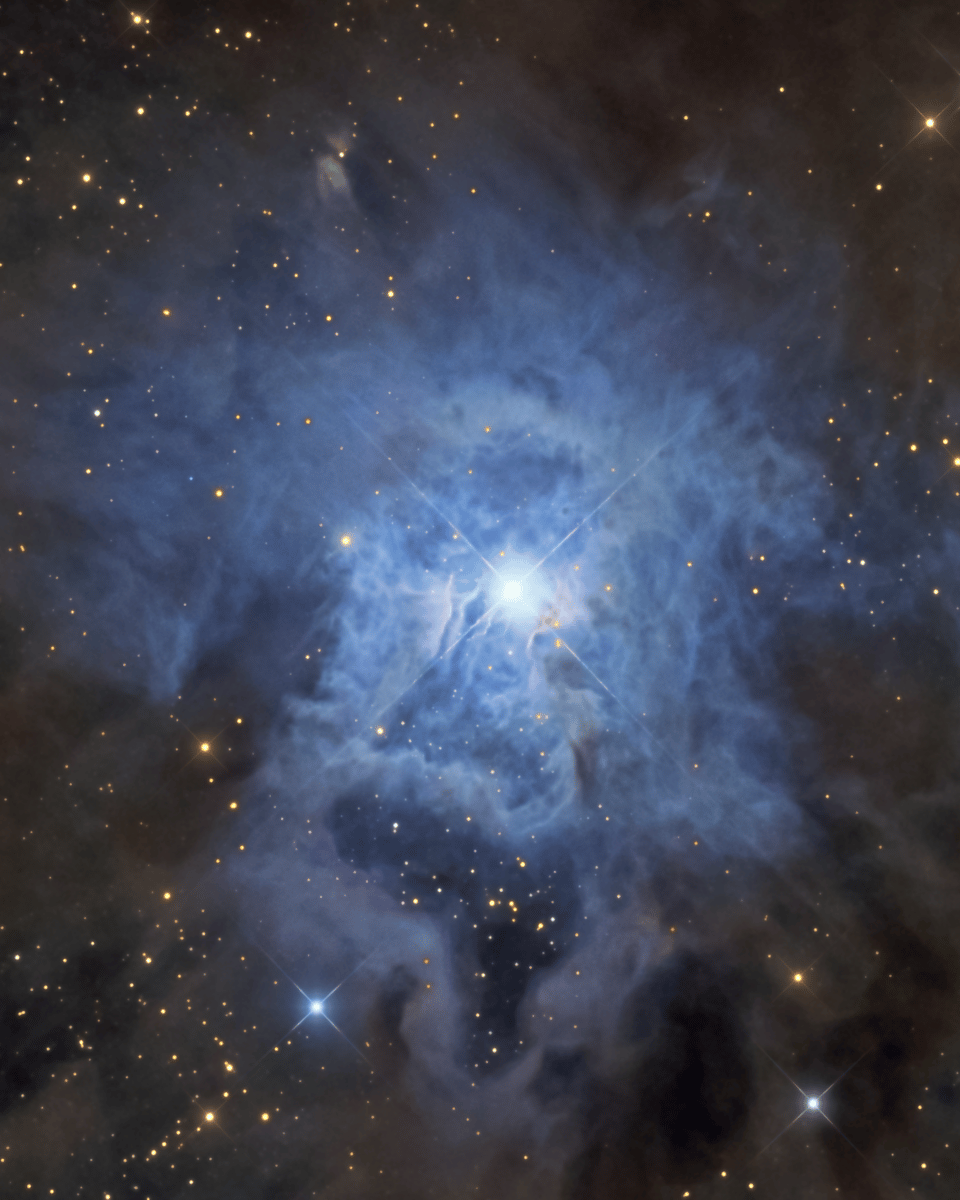
NGC 7023: The Iris Nebula
These cosmic clouds have blossomed 1,300 light-years away, in the fertile starfields of the constellation Cepheus . Called the Iris Nebula, NGC 7023 is not the only nebula to…
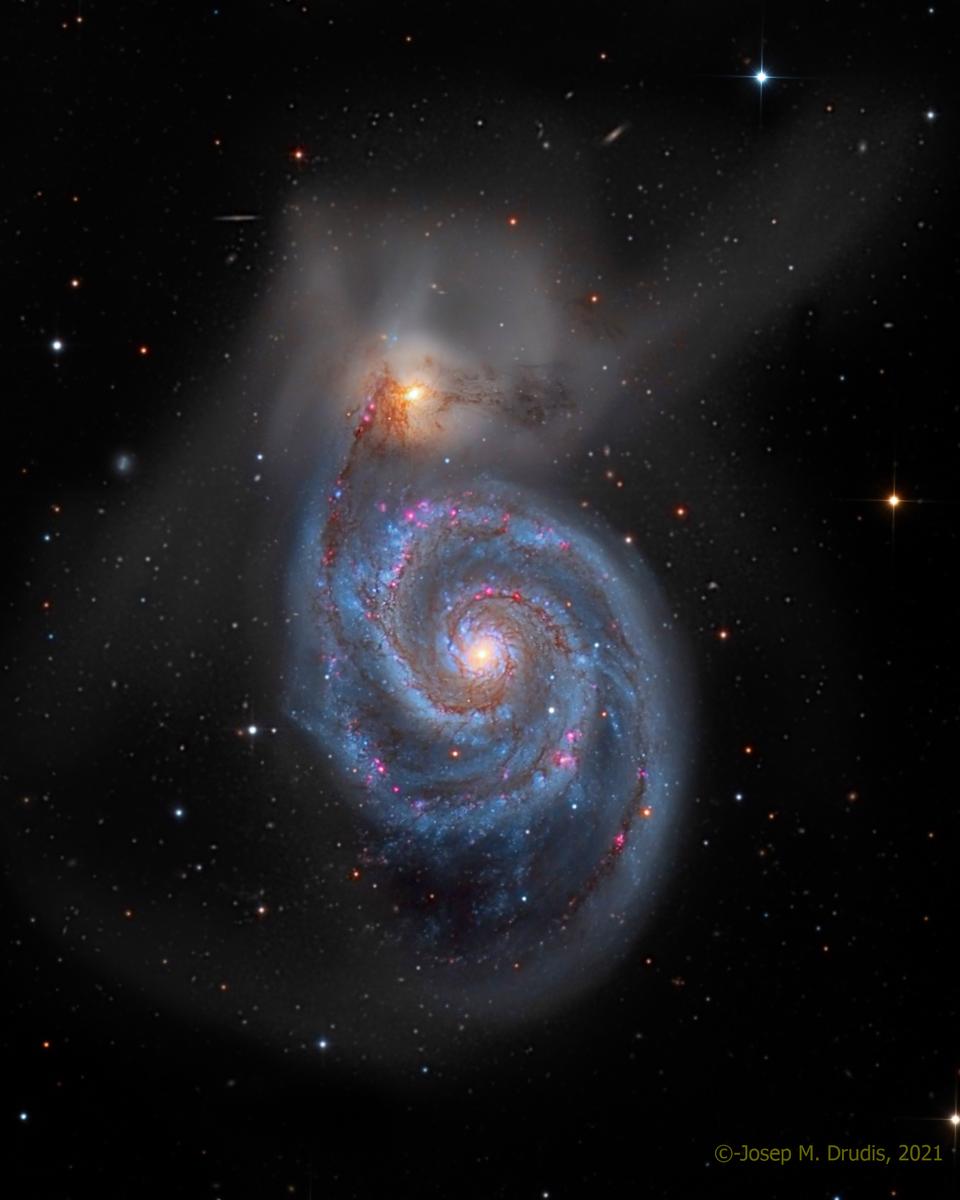
M51: The Whirlpool Galaxy
Find the Big Dipper and follow the handle away from the dipper's bowl until you get to the last bright star. Then, just slide your telescope a little south and west and you'll…
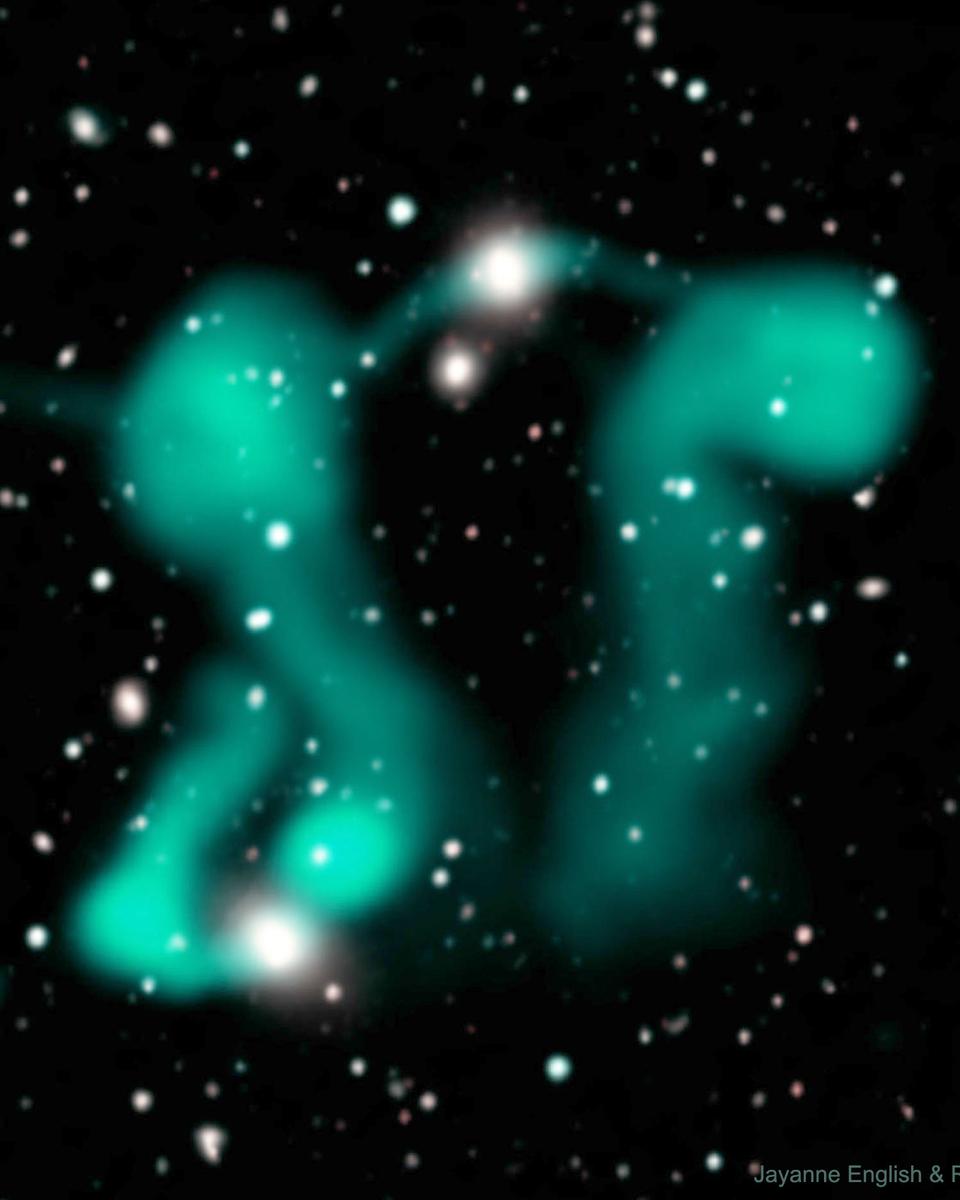
Dancing Ghosts: Curved Jets from Active Galaxies
Why would galaxies emit jets that look like ghosts? And furthermore, why do they appear to be dancing ? The curled and fluffy jets from the supermassive black holes at the centers…
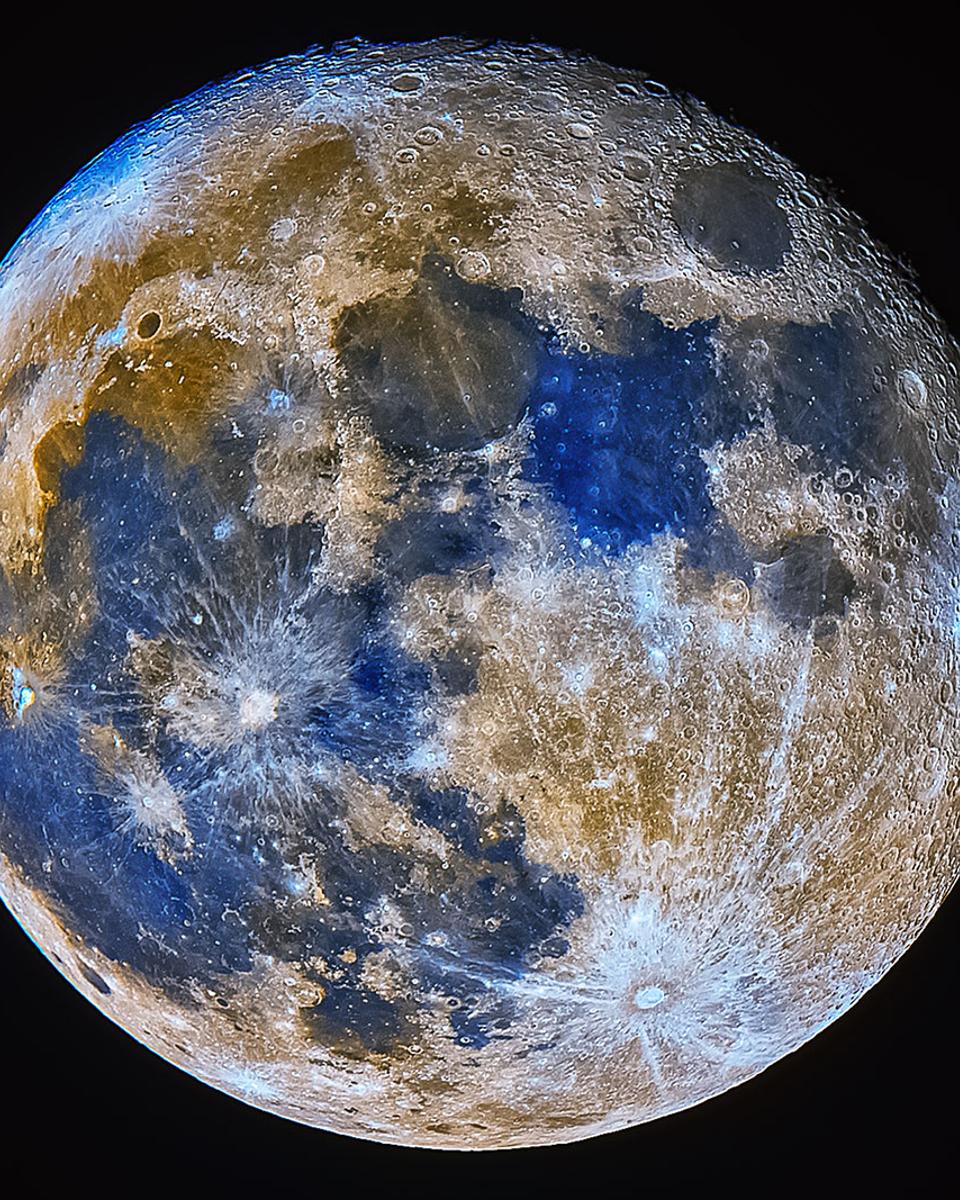
A Blue Moon in Exaggerated Colors
The Moon is normally seen in subtle shades of grey or gold . But small, measurable color differences have been greatly exaggerated to make this telescopic, multicolored, moonscape…
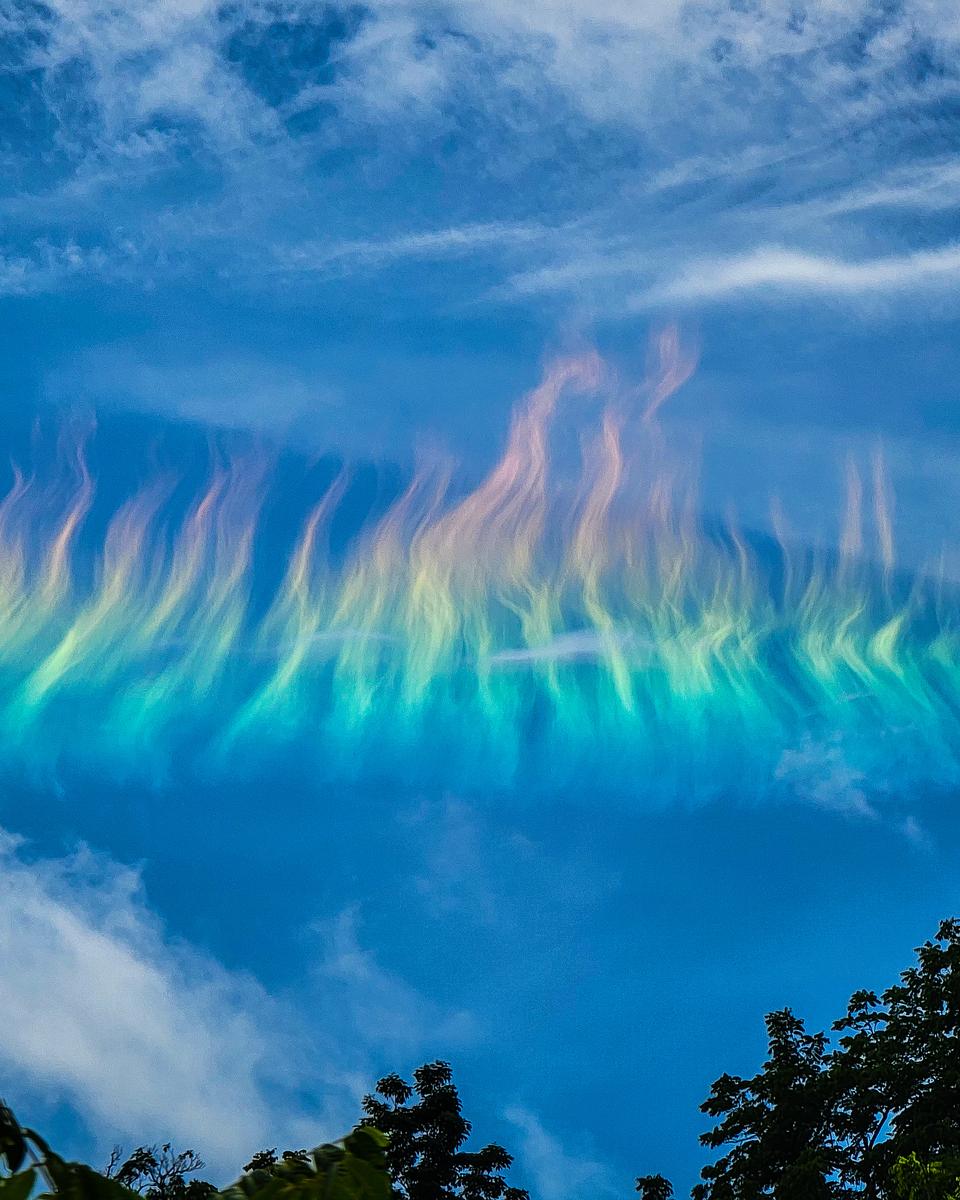
A Fire Rainbow over West Virginia
What's happening to this cloud? Ice crystals in a distant cirrus cloud are acting like little floating prisms . Known informally as a fire rainbow for its flame-like appearance, a…
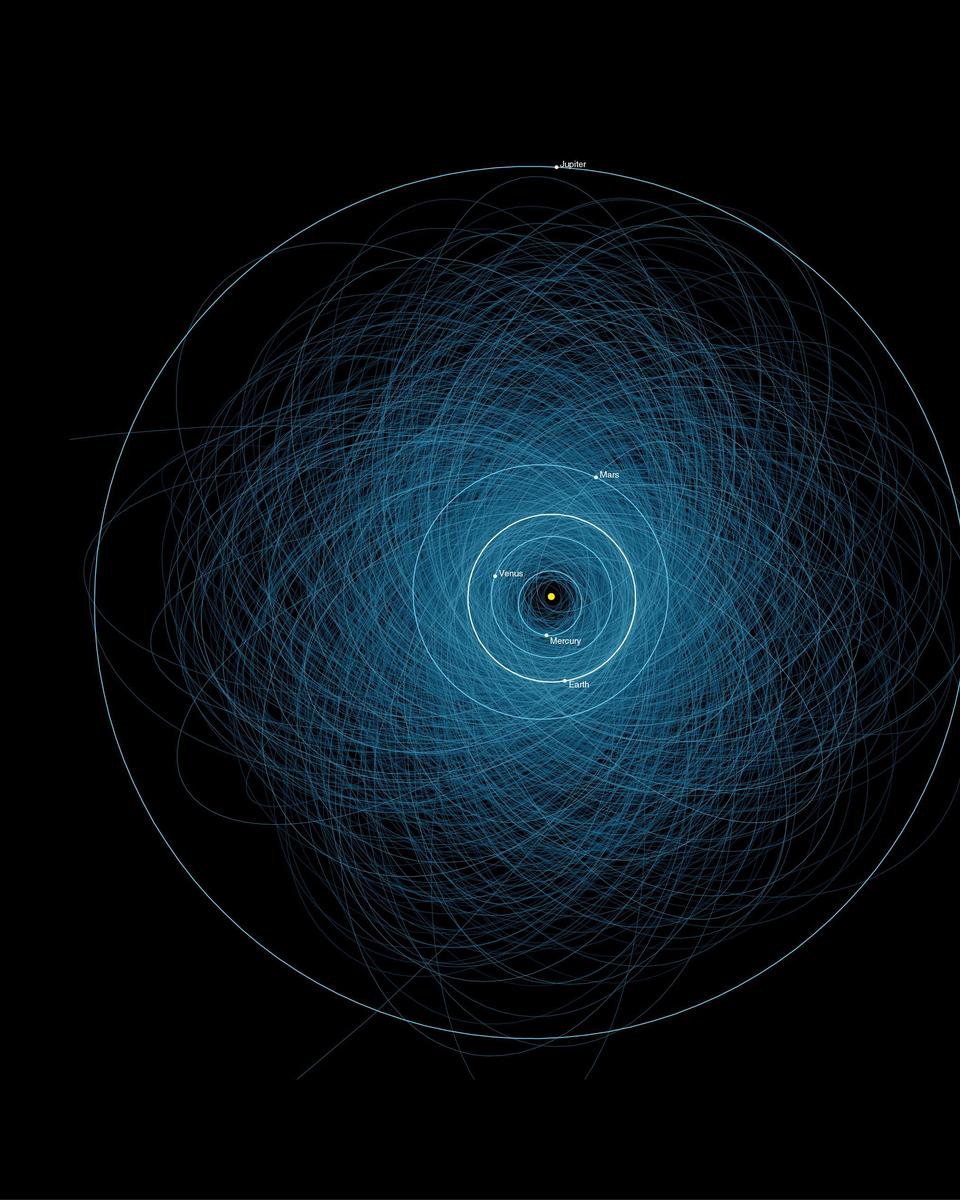
Orbits of Potentially Hazardous Asteroids
Are asteroids dangerous? Some are, but the likelihood of a dangerous asteroid striking the Earth during any given year is low. Because some past mass extinction event s have been…

Mars Rock Rochette
Taken on mission sol 180 (August 22) this sharp image from a Hazard Camera on the Perseverance rover looks out across a rock strewn floor of Jezero crater on Mars. At 52.5…
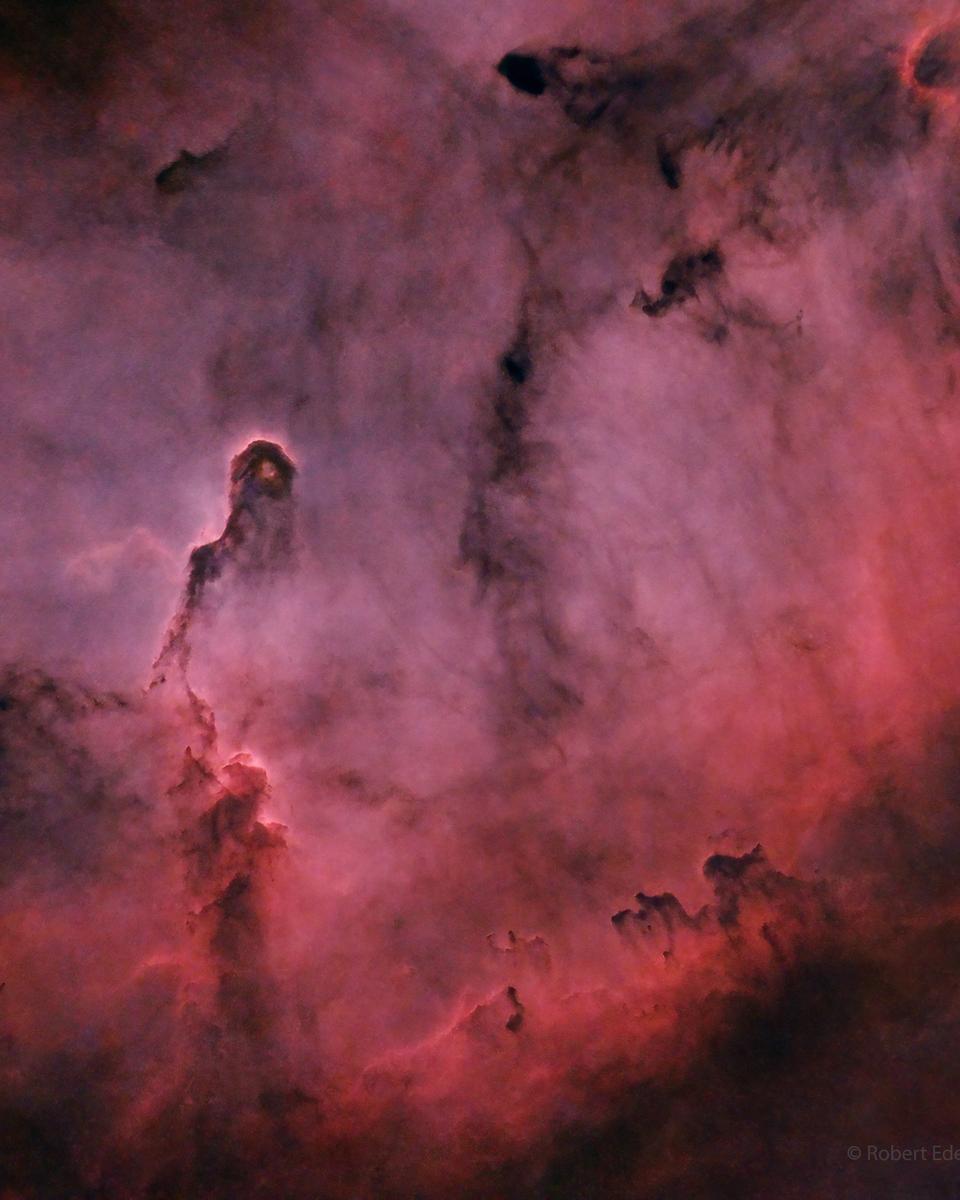
Elephant's Trunk and Caravan
Like an illustration in a galactic Just So Story , the Elephant's Trunk Nebula winds through the emission nebula and young star cluster complex IC 1396 , in the high and far off…
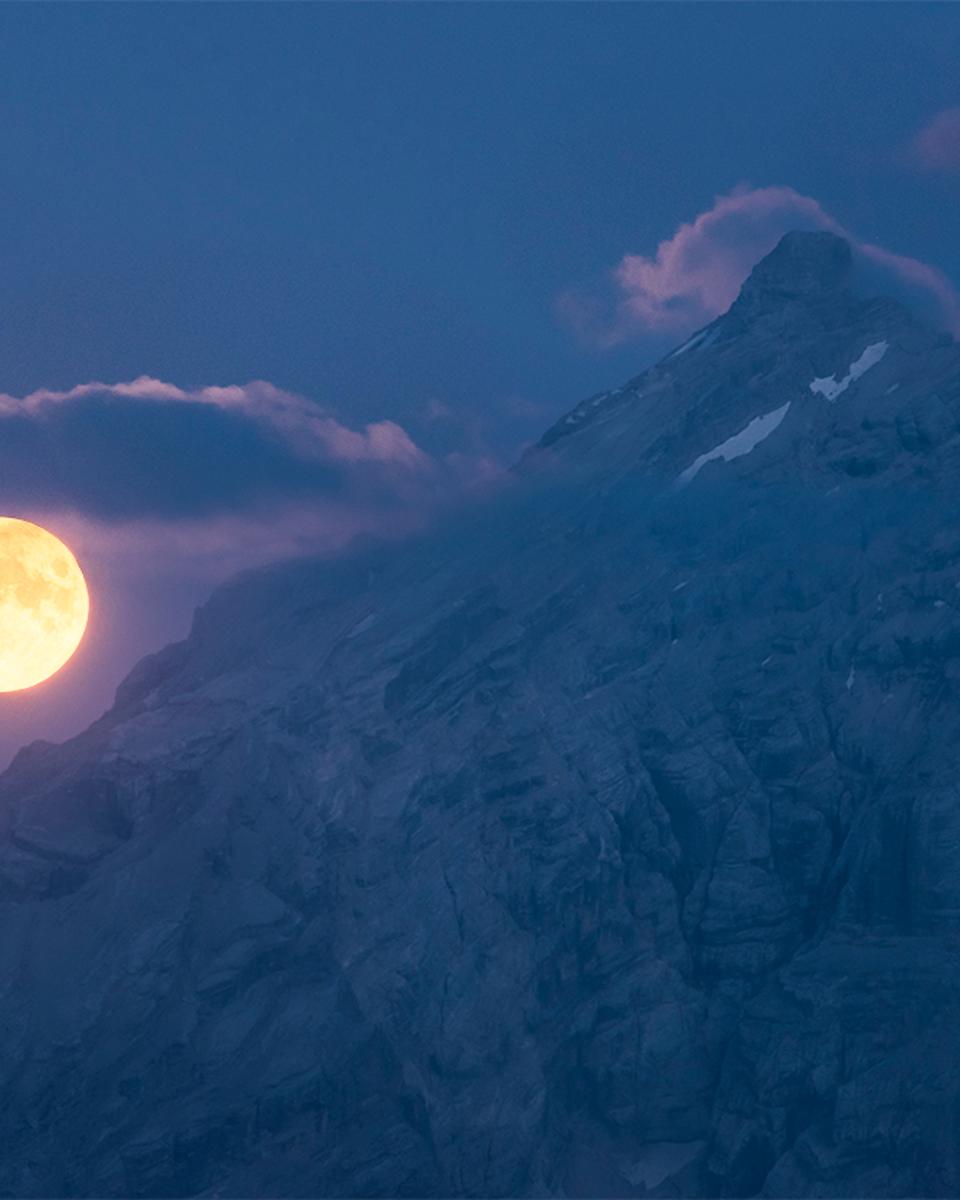
A Blue Hour Full Moon
Nature photographers and other fans of planet Earth always look forward to the blue hour . That's the transition in twilight , just before sunrise or after sunset, when the Sun is…
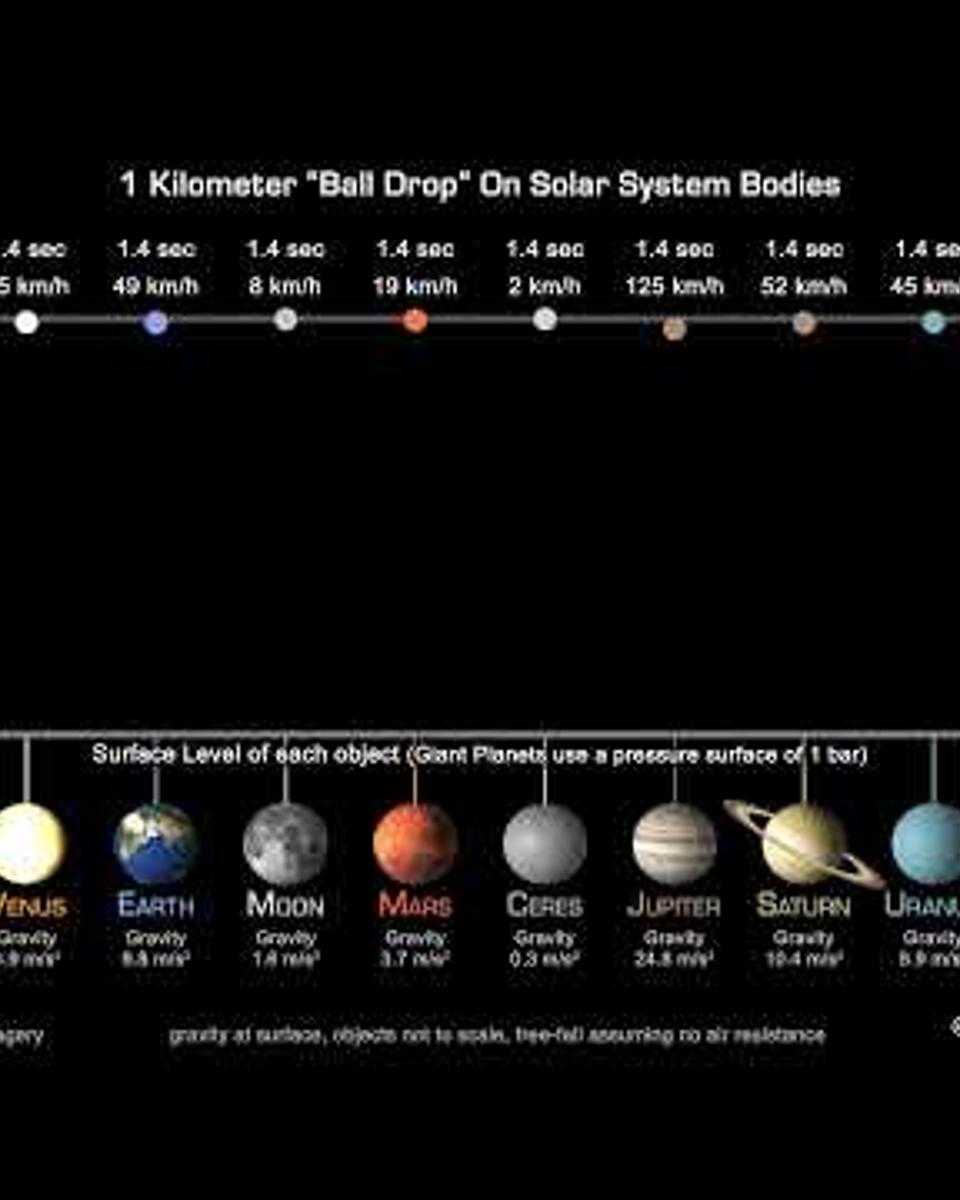
Solar System Ball Drop
Does a ball drop faster on Earth, Jupiter, or Uranus? The featured animation shows a ball dropping from one kilometer high toward the surfaces of famous solar system bodies,…
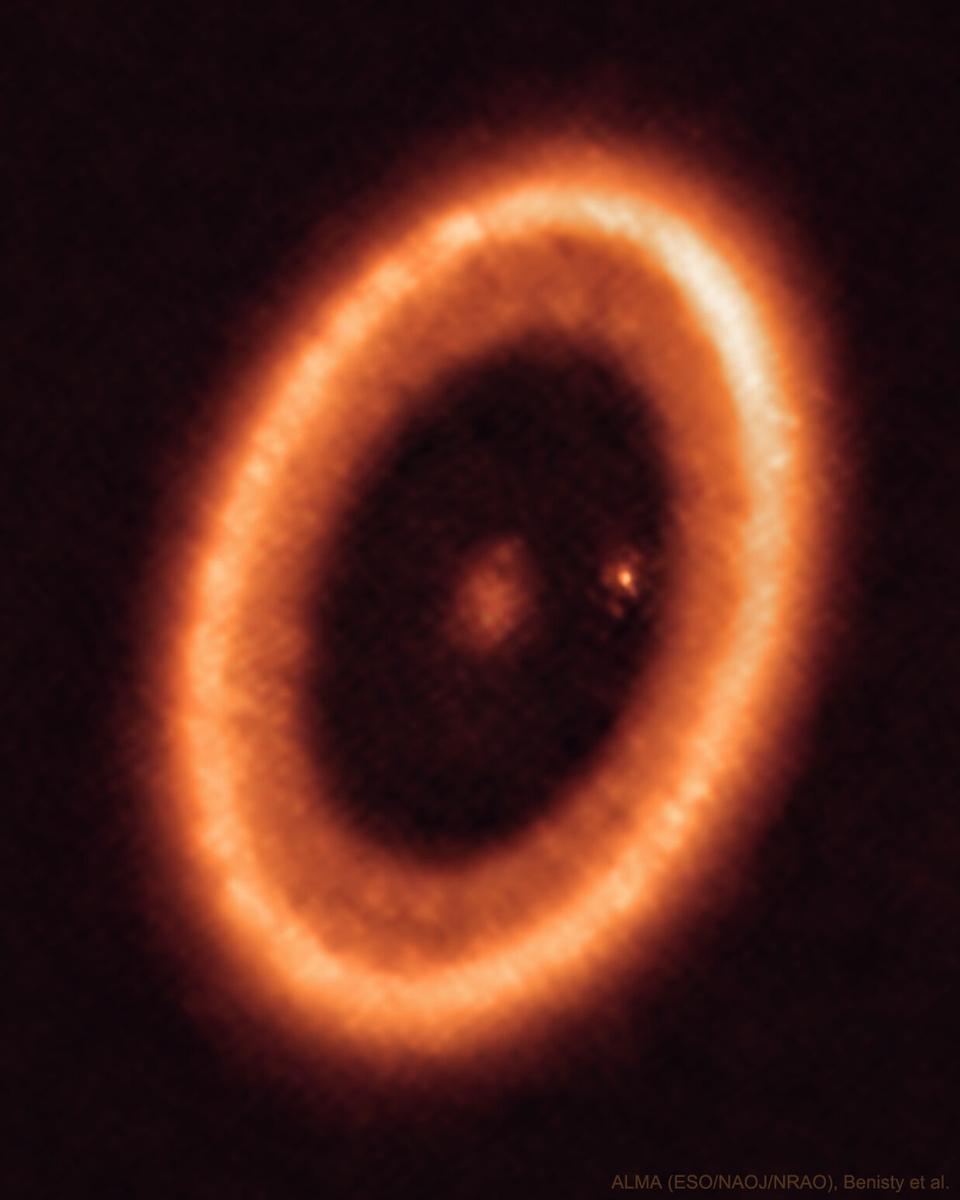
PDS 70: Disk, Planets, and Moons
It's not the big disk that's attracting the most attention. Although the big planet-forming disk around the star PDS 70 is clearly imaged and itself quite interesting. It's also…
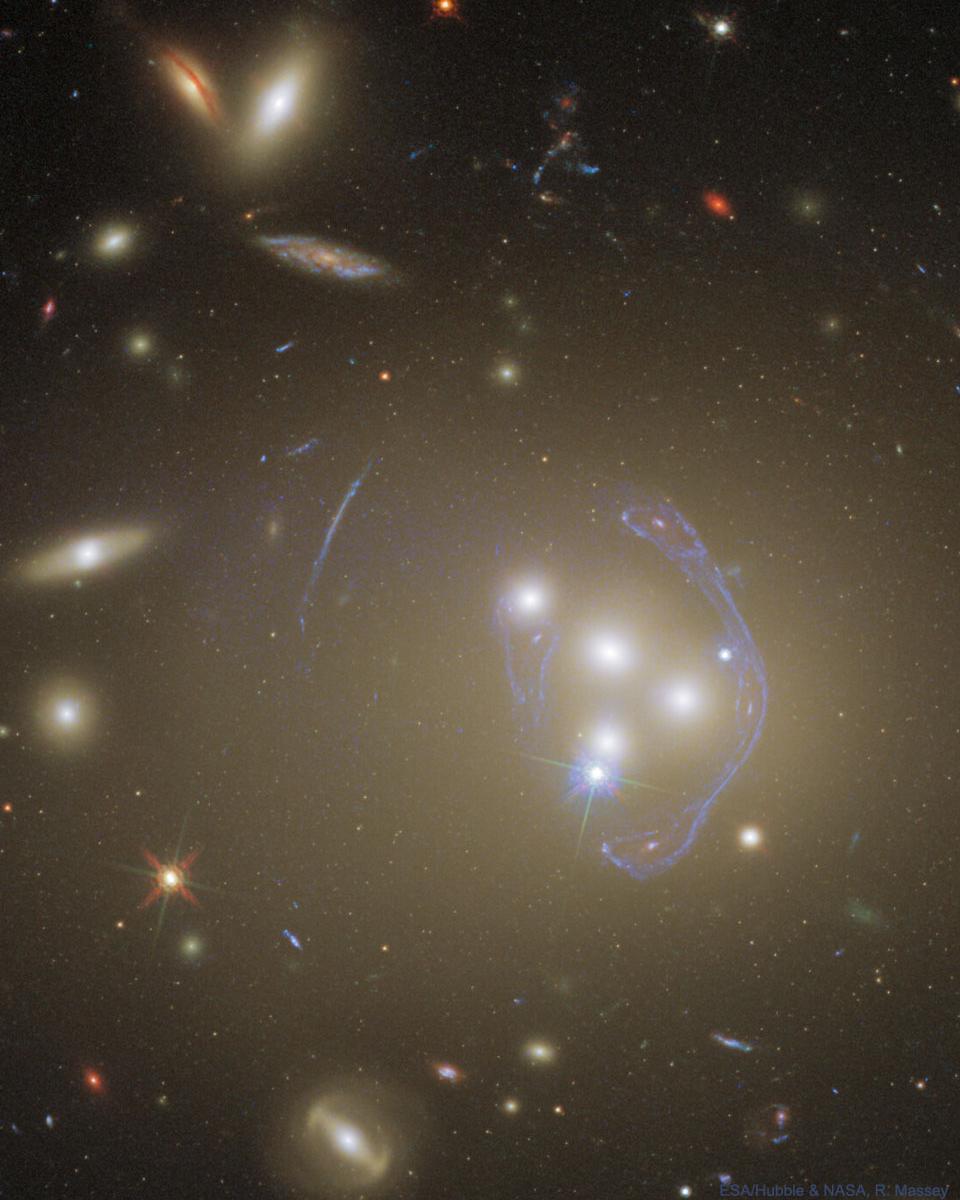
Abell 3827: Cannibal Cluster Gravitational Lens
Is that one galaxy or three? Toward the right of the featured Hubble image of the massive galaxy cluster Abell 3827 is what appears to be a most unusual galaxy -- curved and with…
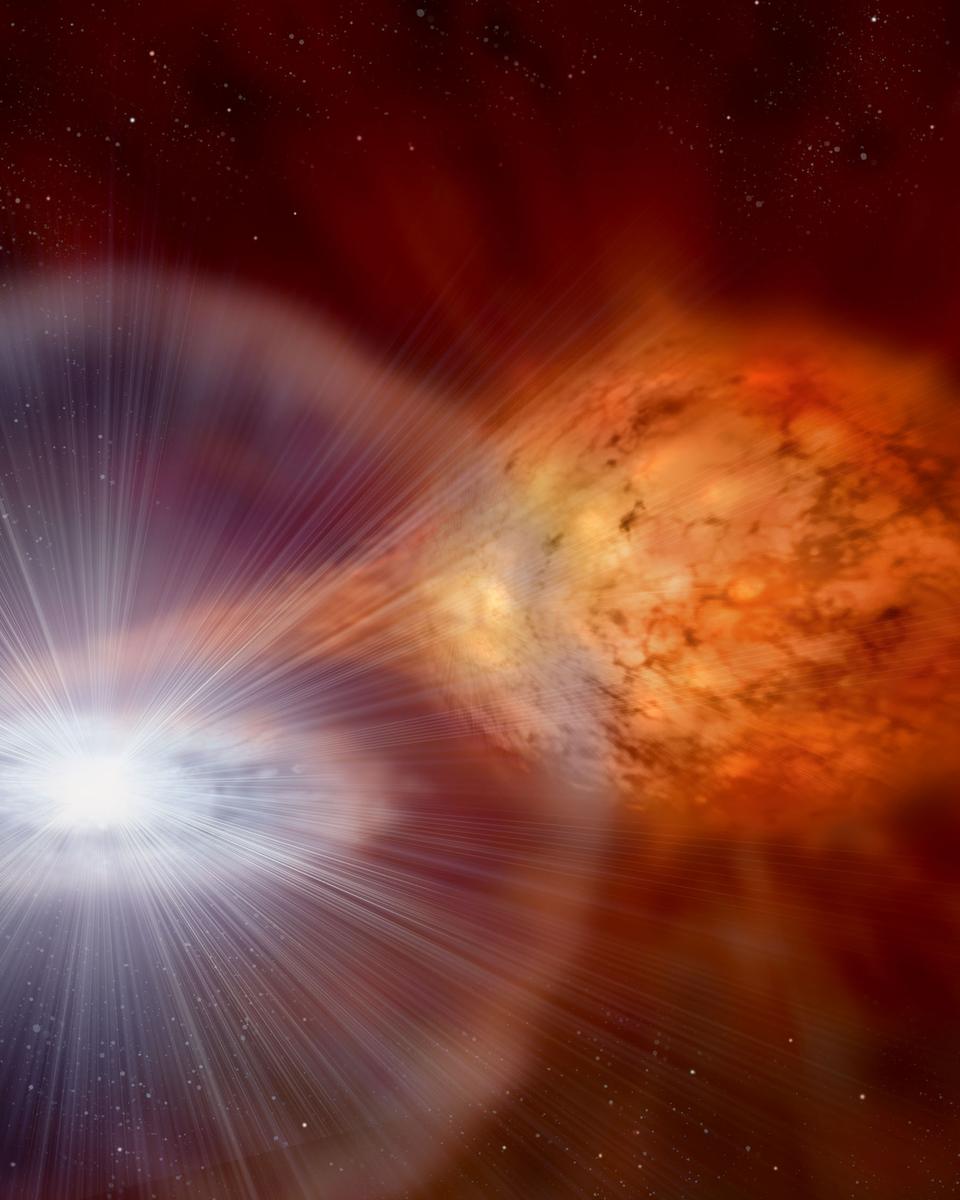
Explosions from White Dwarf Star RS Oph
Spectacular explosions keep occurring in the binary star system named RS Ophiuchi . Every 20 years or so, the red giant star dumps enough hydrogen gas onto its companion white…
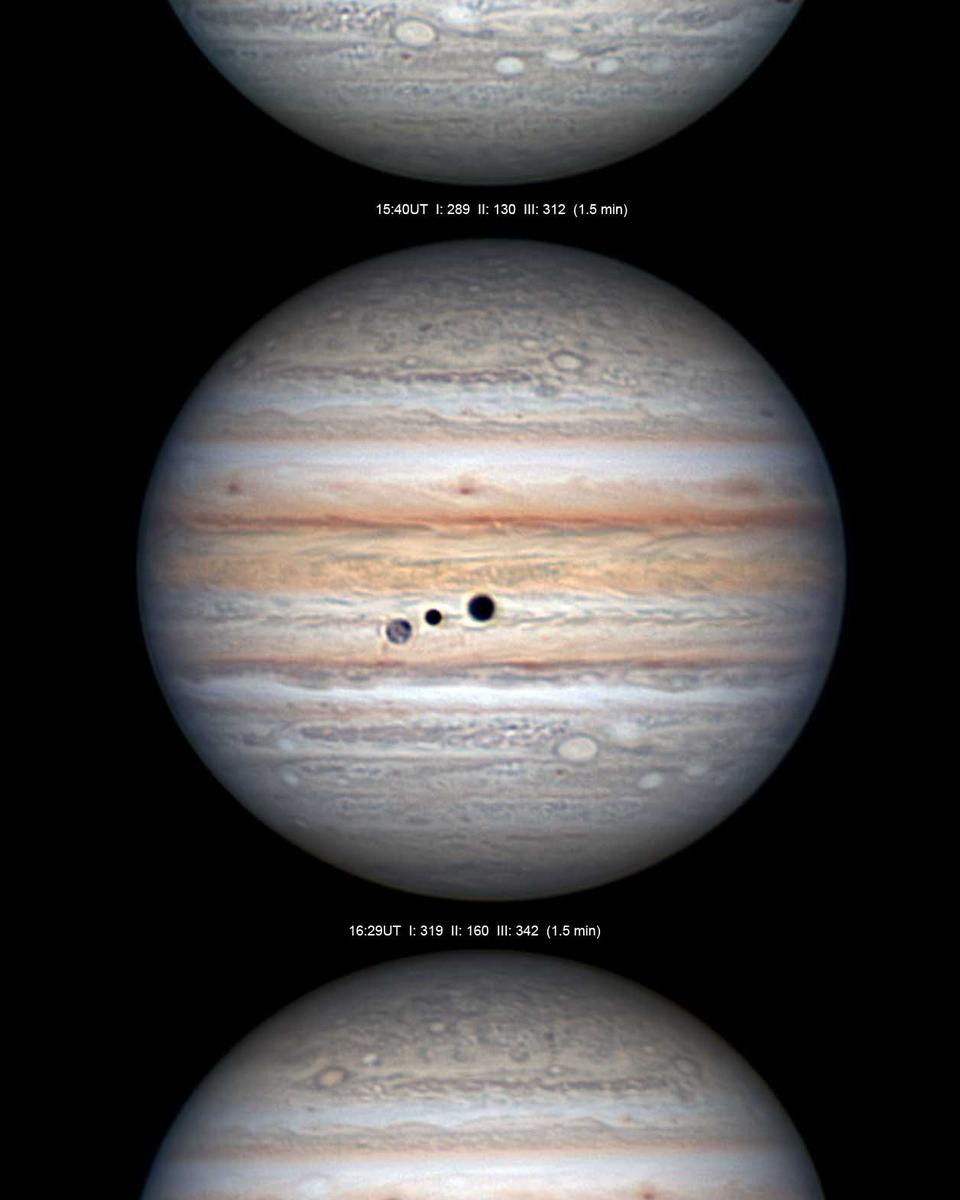
Triple Transit and Mutual Events
These three panels feature the Solar System's ruling gas giant Jupiter on August 15 as seen from Cebu City, Philippines, planet Earth. On that date the well-timed telescopic views…
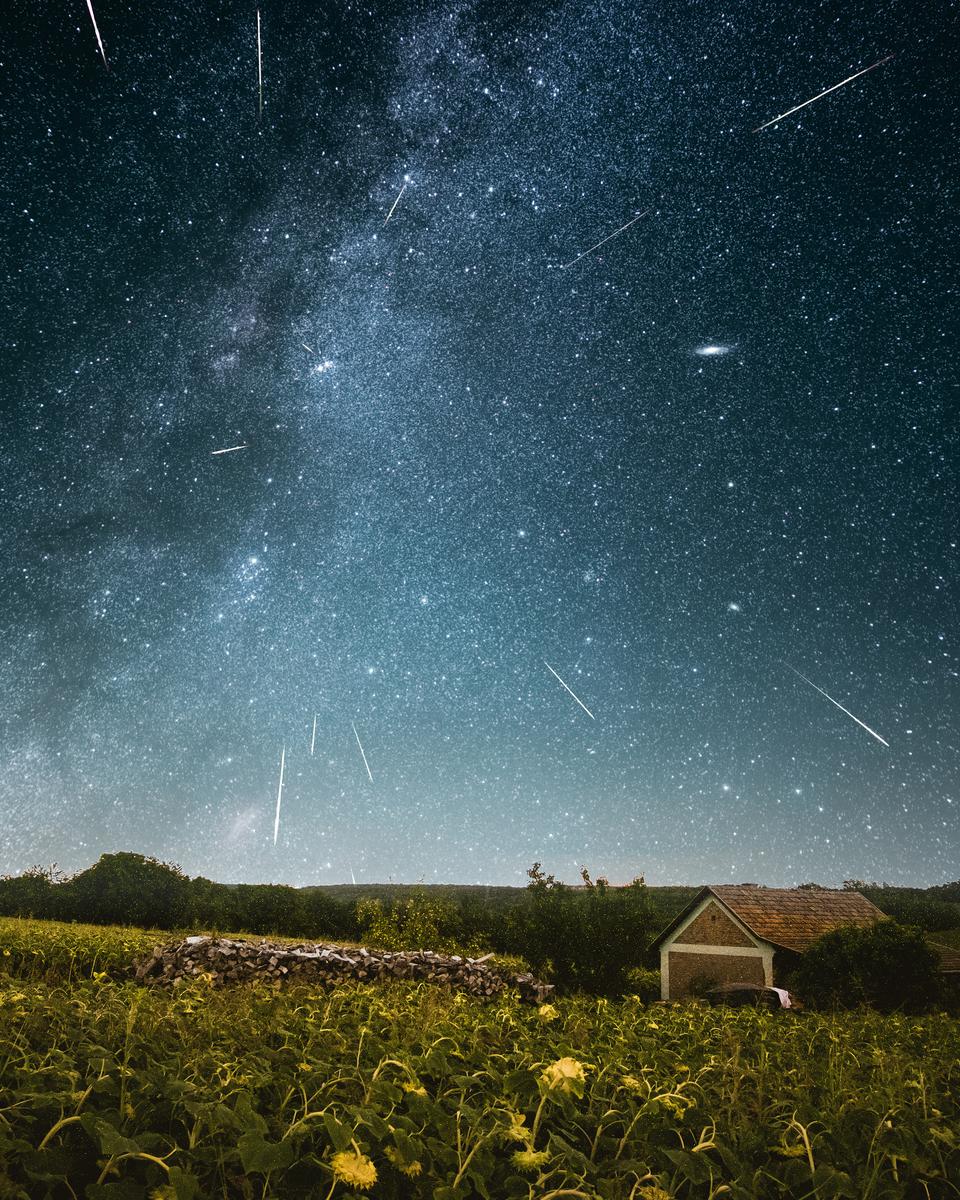
Three Perseid Nights
Frames from a camera that spent three moonless nights under the stars create this composite night skyscape. They were recorded during August 11-13 while planet Earth was sweeping…
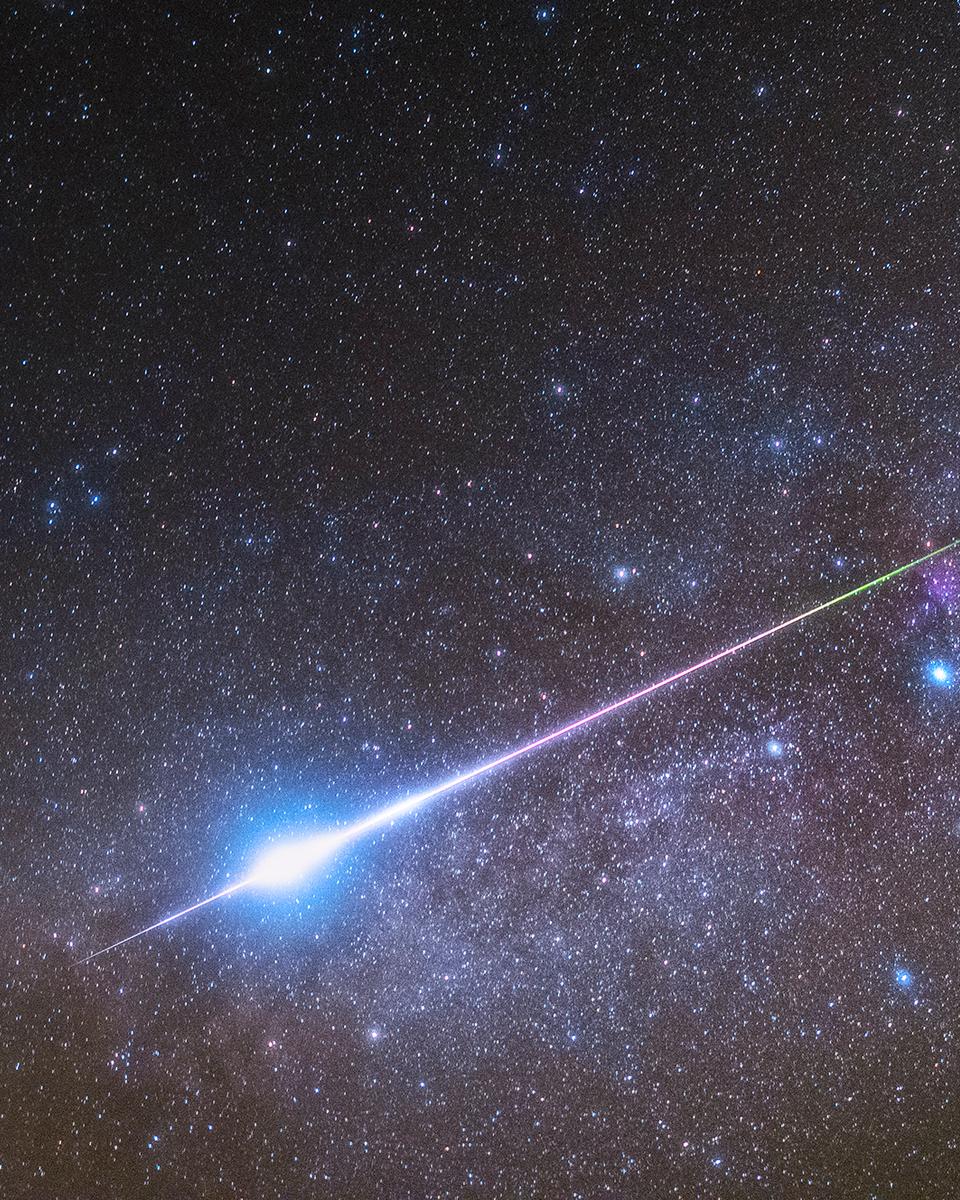
Bright Meteor, Starry Sky
Plowing through Earth's atmosphere at 60 kilometers per second, this bright perseid meteor streaks along a starry Milky Way. Captured in dark Portugal skies on August 12, it moves…
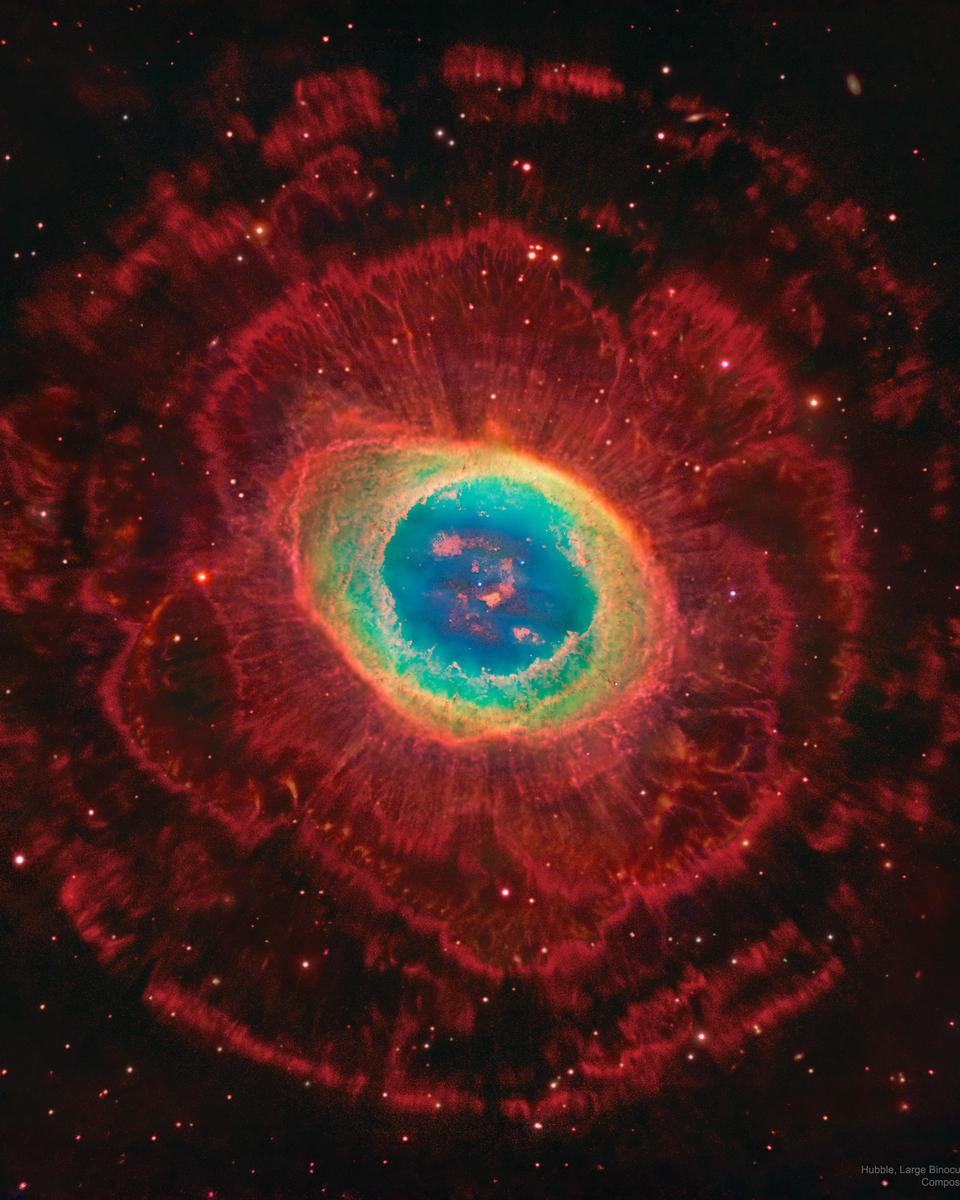
Rings Around the Ring Nebula
The Ring Nebula (M57) , is more complicated than it appears through a small telescope. The easily visible central ring is about one light-year across, but this remarkably deep…
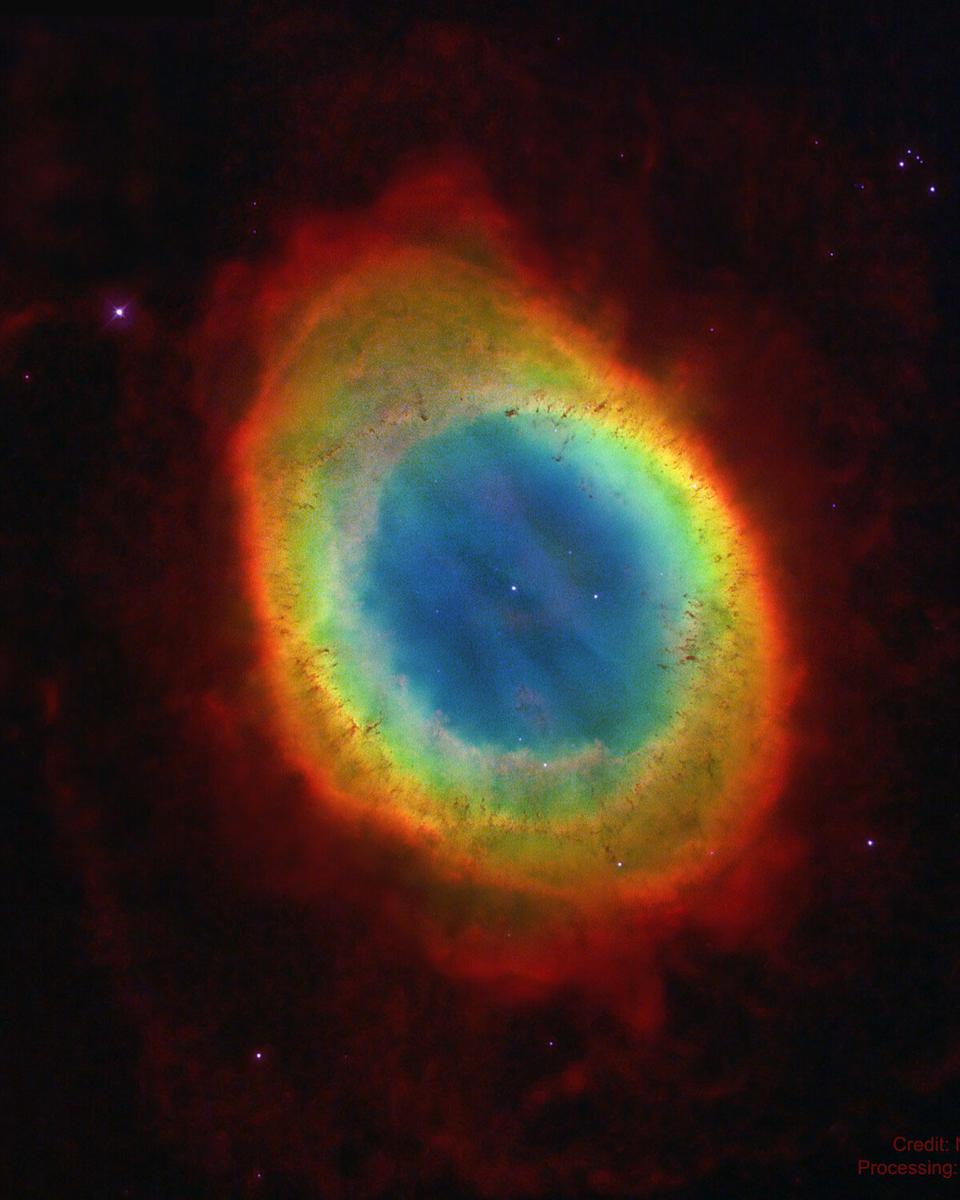
M57: The Ring Nebula from Hubble
Except for the rings of Saturn , the Ring Nebula (M57) is probably the most famous celestial circle. Its classic appearance is understood to be due to our own perspective, though.…

Perseid Meteor, Red Sprites, and Nova RS Ophiuchus
This was an unusual sky. It wasn't unusual because of the central band the Milky Way Galaxy , visible along the image left. Most dark skies show part of the Milky Way . It wasn't…
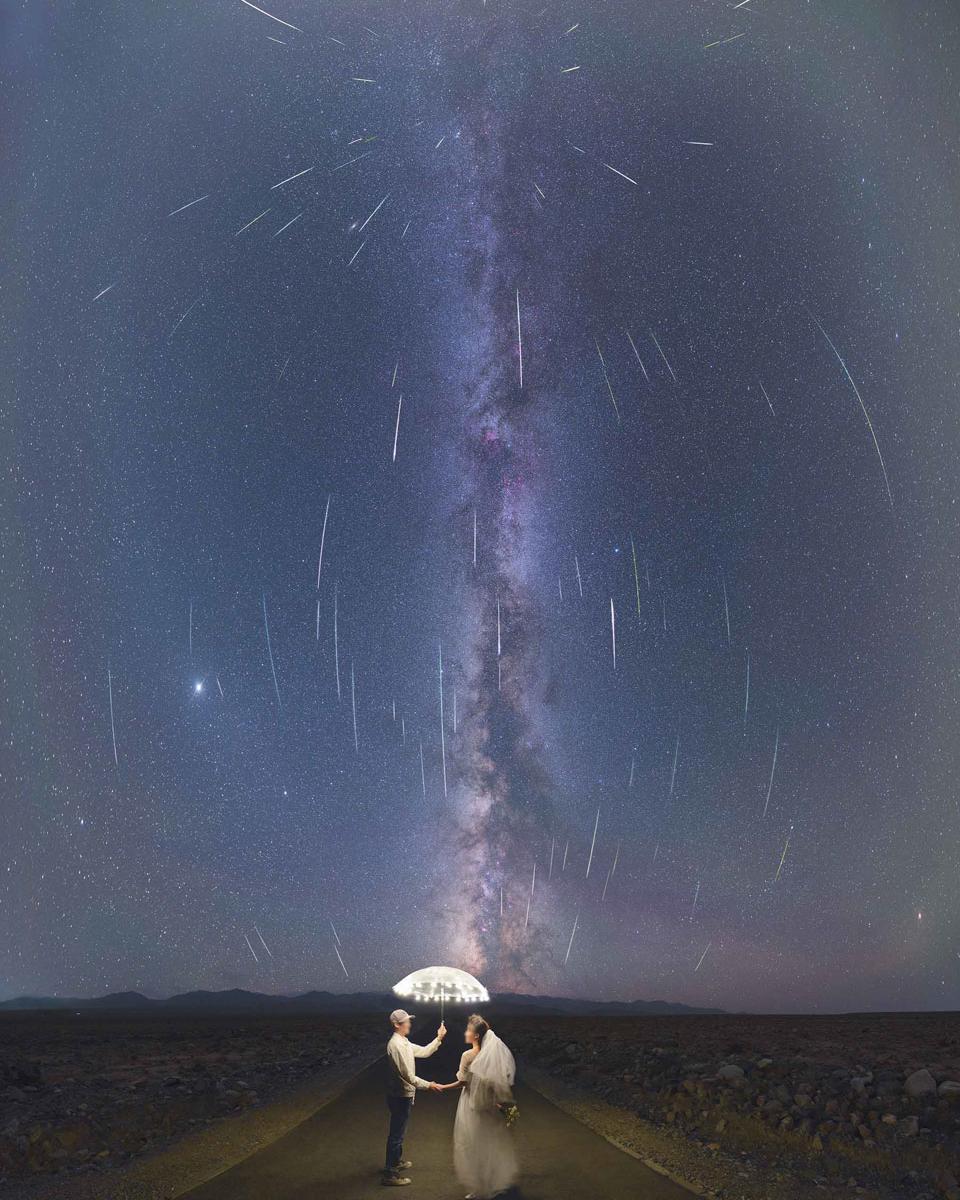
Perseid Rain
Comet dust rained down on planet Earth last week, streaking through dark skies in the annual Perseid meteor shower. The featured picture is a composite of many images taken from…
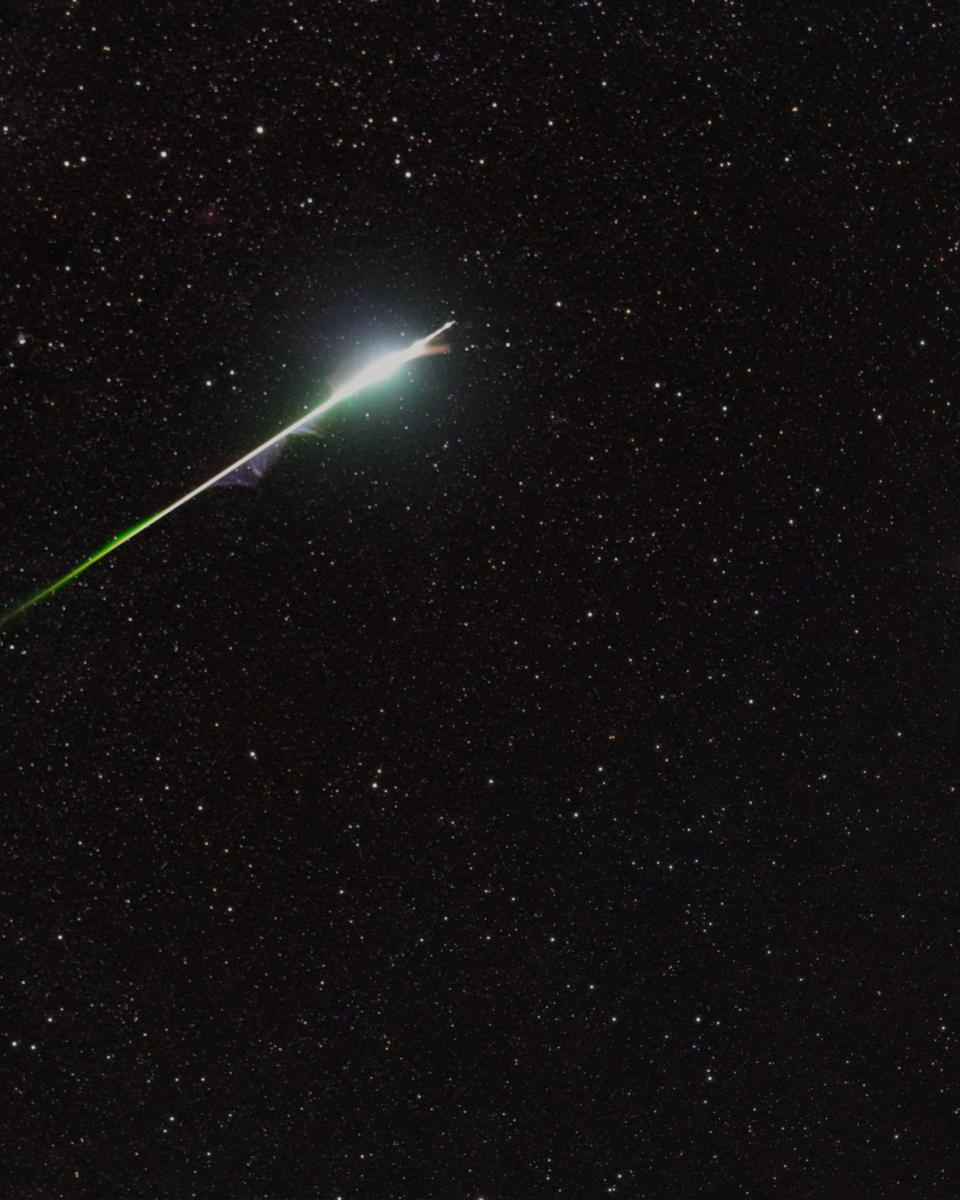
Island Universe, Cosmic Sand
Stars in our own Milky Way Galaxy are scattered through this eye-catching field of view. From the early hours after midnight on August 13, the 30 second exposure of the night sky…
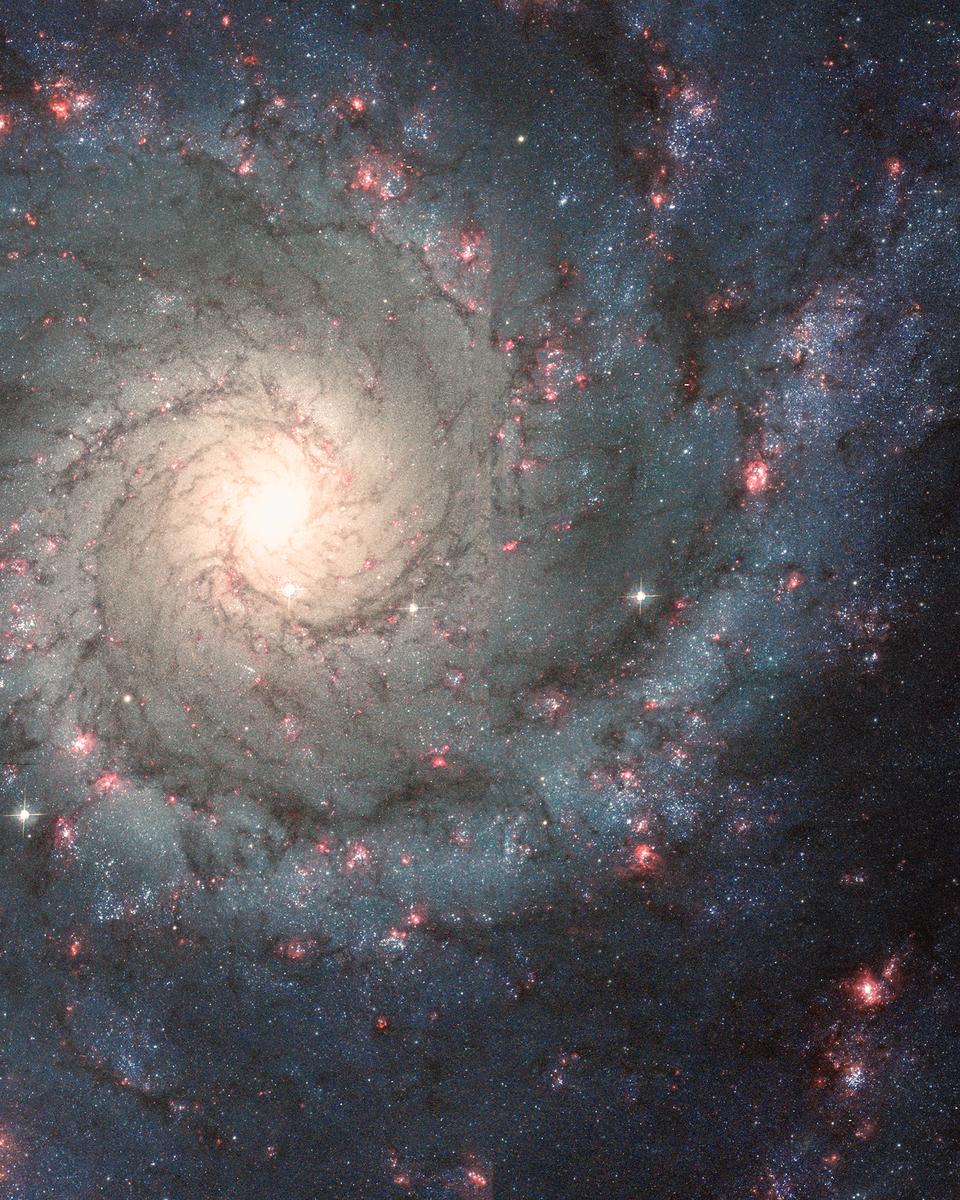
A Perfect Spiral
If not perfect then this spiral galaxy is at least one of the most photogenic. An island universe of about 100 billion stars, 32 million light-years away toward the constellation…
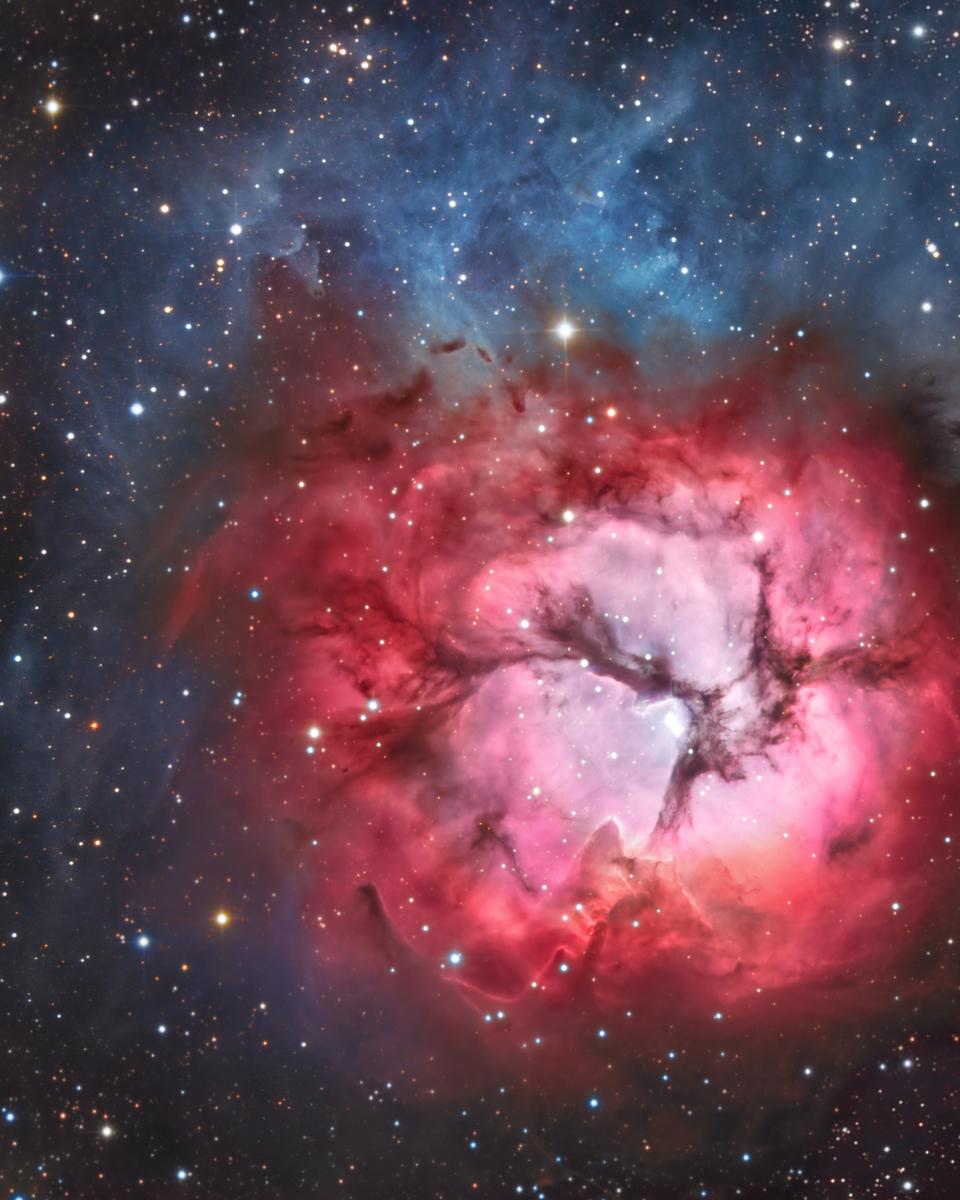
A Beautiful Trifid
The beautiful Trifid Nebula is a cosmic study in contrasts . Also known as M20, it lies about 5,000 light-years away toward the nebula rich constellation Sagittarius. A star…
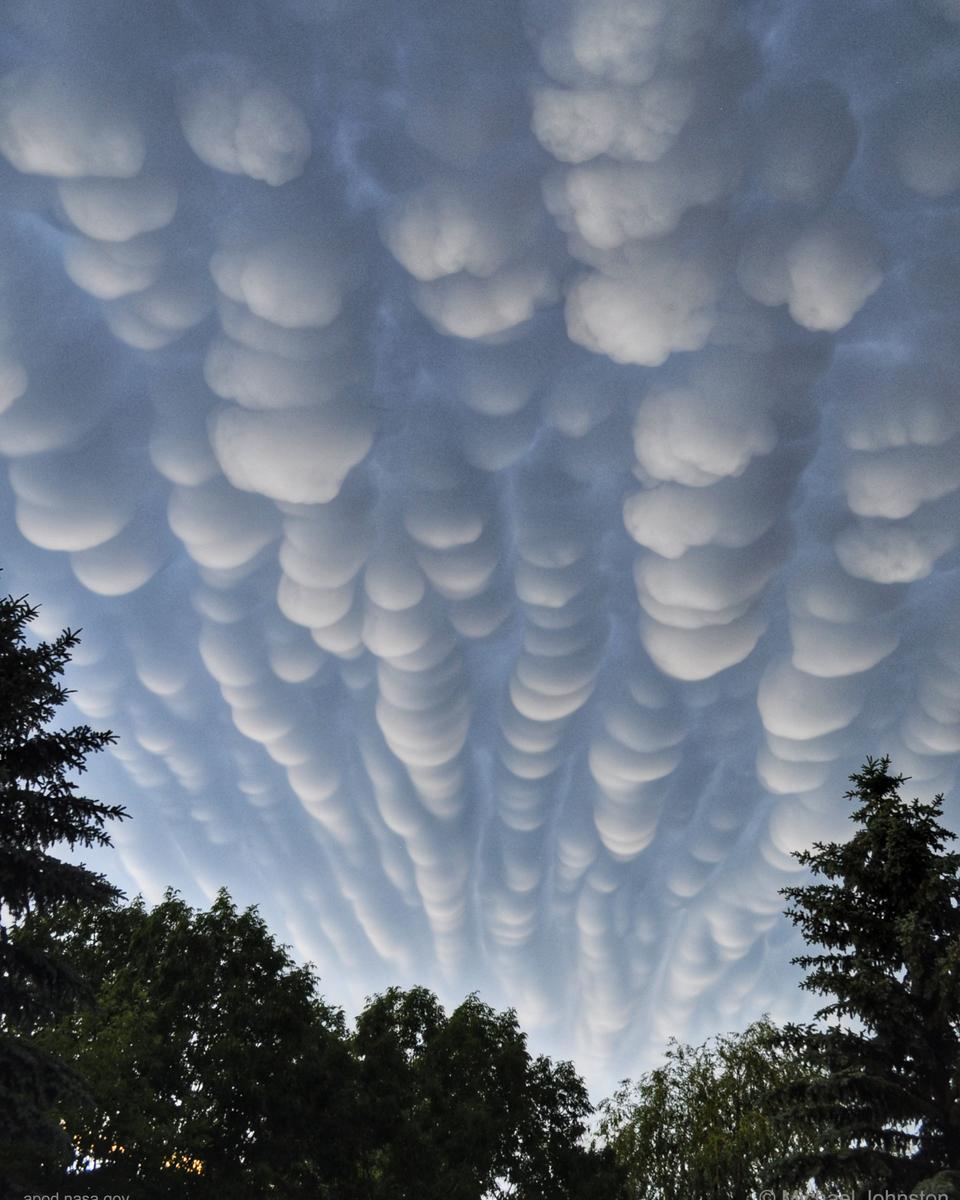
Mammatus Clouds over Saskatchewan
When do cloud bottoms appear like bubbles? Normally, cloud bottoms are flat . This is because moist warm air that rises and cools will condense into water droplets at a specific…
Viewing discoveries from 3 September 2021 through 11 August 2021.