Browse NASA Astronomy Picture of the Day archive by date and media: Archive Discoveries
Browse the NASA APOD archive without needing the exact date first. Filter by media type and keep moving deeper into older images and videos.
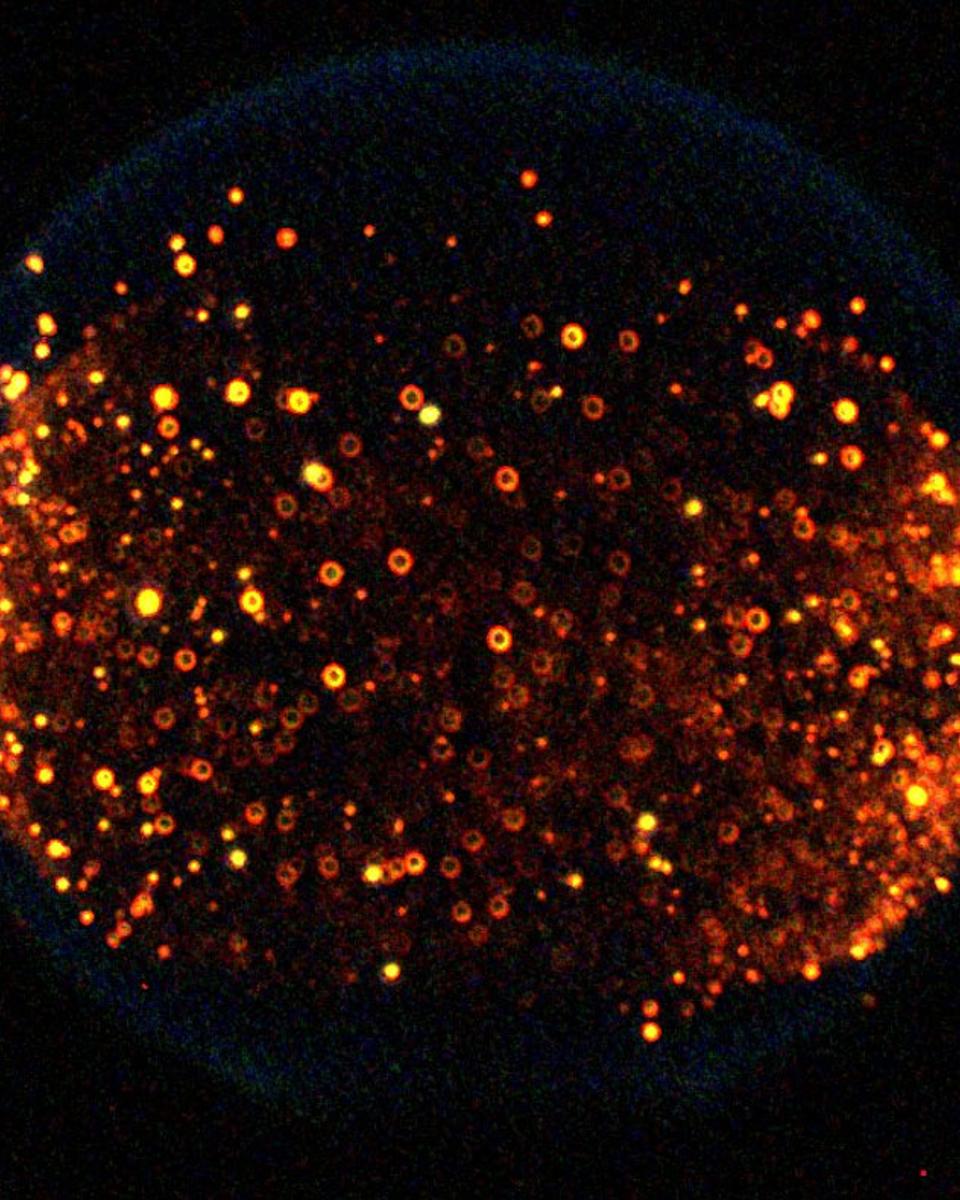
Fire in Space
What does fire look like in space? In the gravity on Earth , heated air rises and expands, causing flames to be teardrop shaped . In the microgravity of the air-filled…
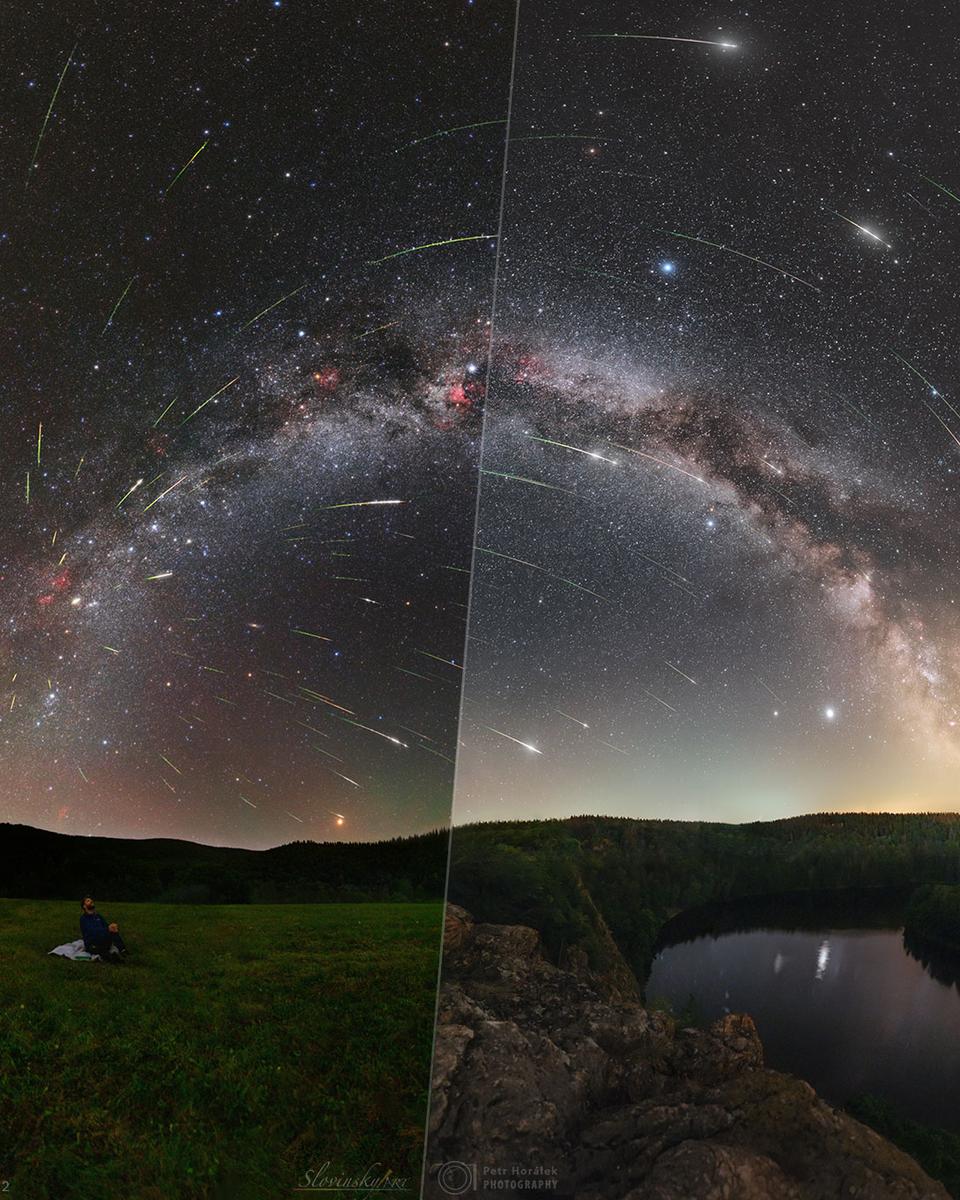
Perseus and the Lost Meteors
What's the best way to watch a meteor shower? This question might come up later this week when the annual Perseid Meteor Shower peaks. One thing that is helpful is a dark sky, as…
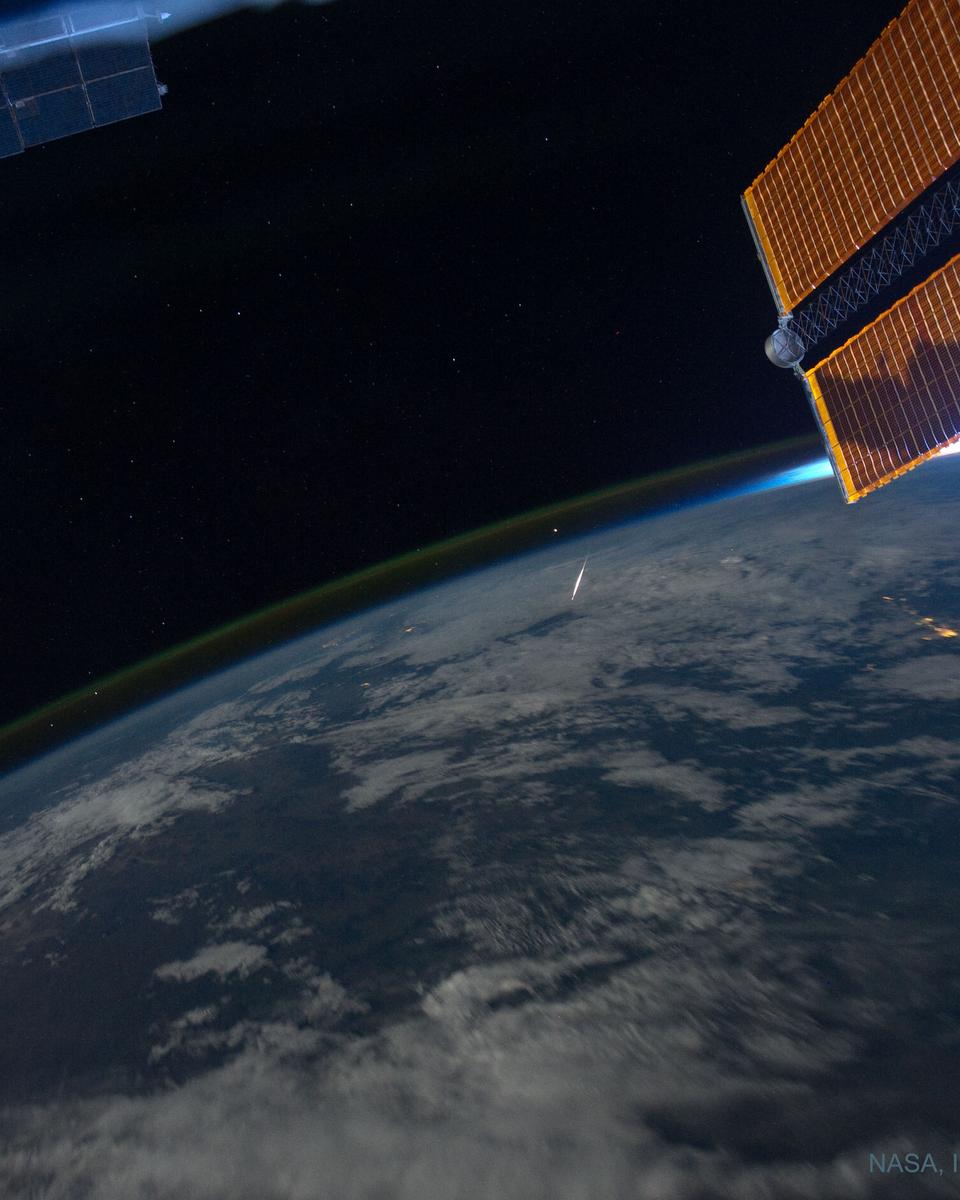
A Perseid Below
Earthlings typically watch meteor showers by looking up. But this remarkable view , captured on August 13, 2011 by astronaut Ron Garan , caught a Perseid meteor by looking down.…
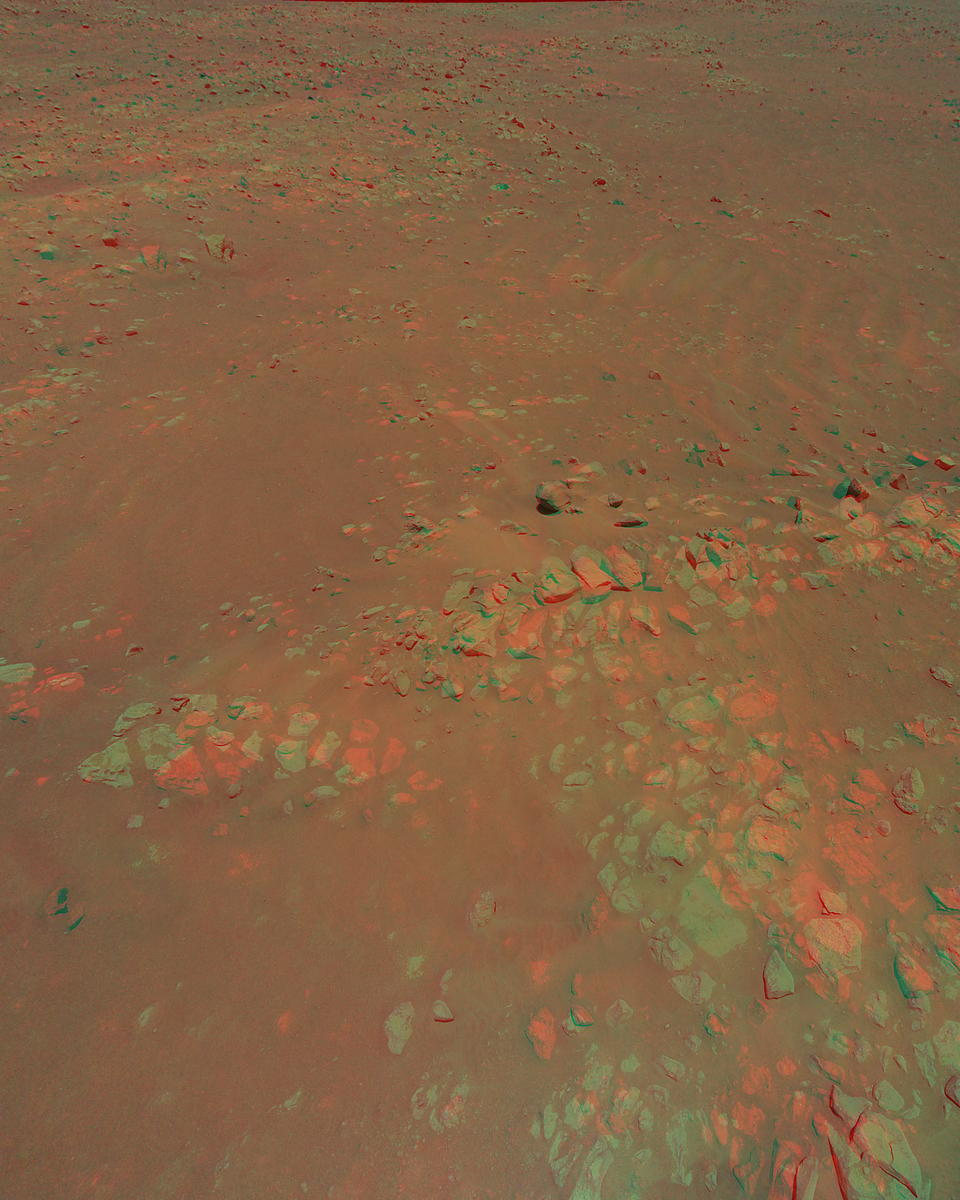
Jezero Crater: Raised Ridges in 3D
Get out your red-blue glasses and hover over the surface of Mars . Taken on July 24, the 3D color view is from the Mars Ingenuity Helicopter's 10th flight above the Red Planet .…
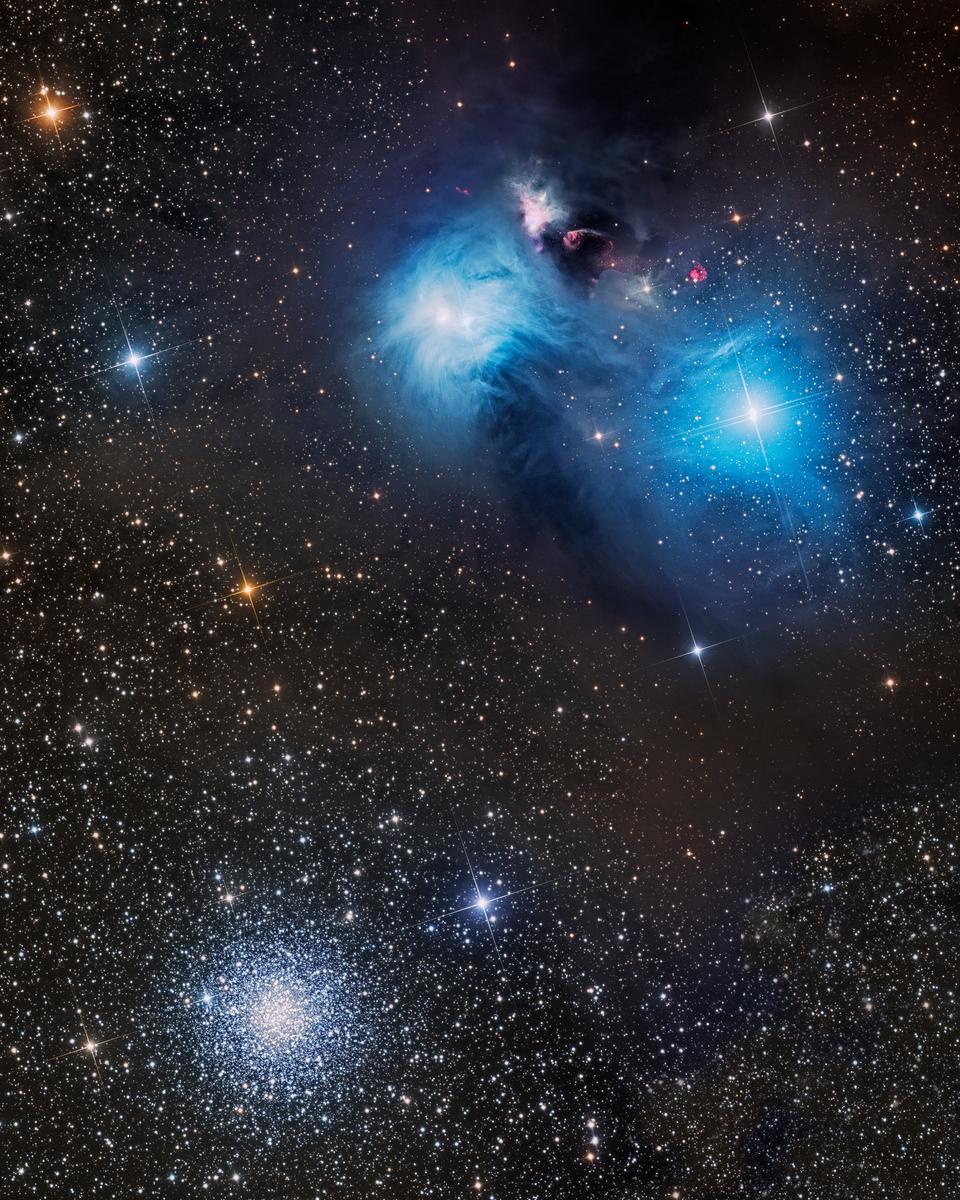
Stars and Dust Across Corona Australis
Cosmic dust clouds cross a rich field of stars in this telescopic vista near the northern boundary of Corona Australis , the Southern Crown. Less than 500 light-years away the…
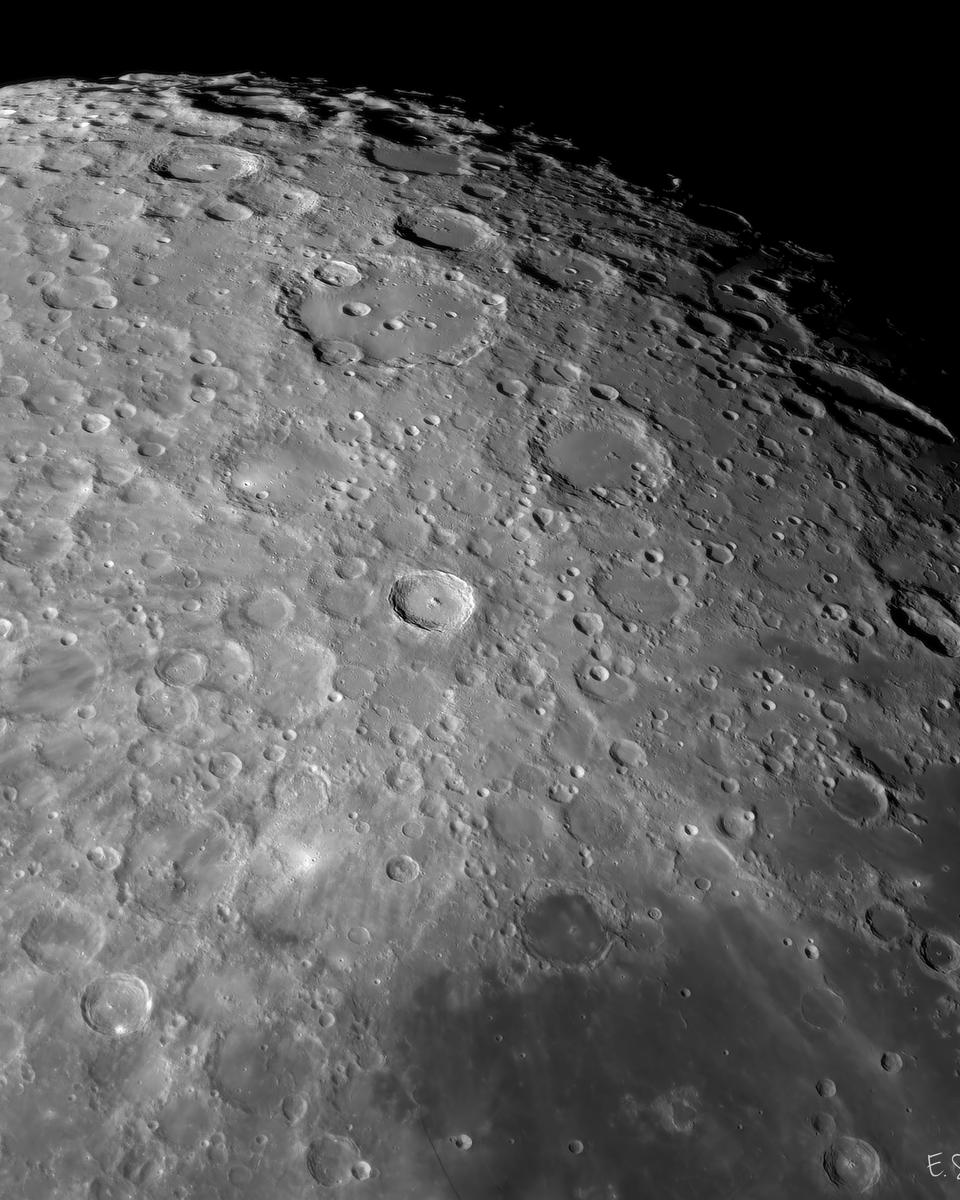
Tycho and Clavius
South is up in this detailed telescopic view across the Moon's rugged southern highlands. Captured on July 20, the lunar landscape features the Moon's young and old, the large…
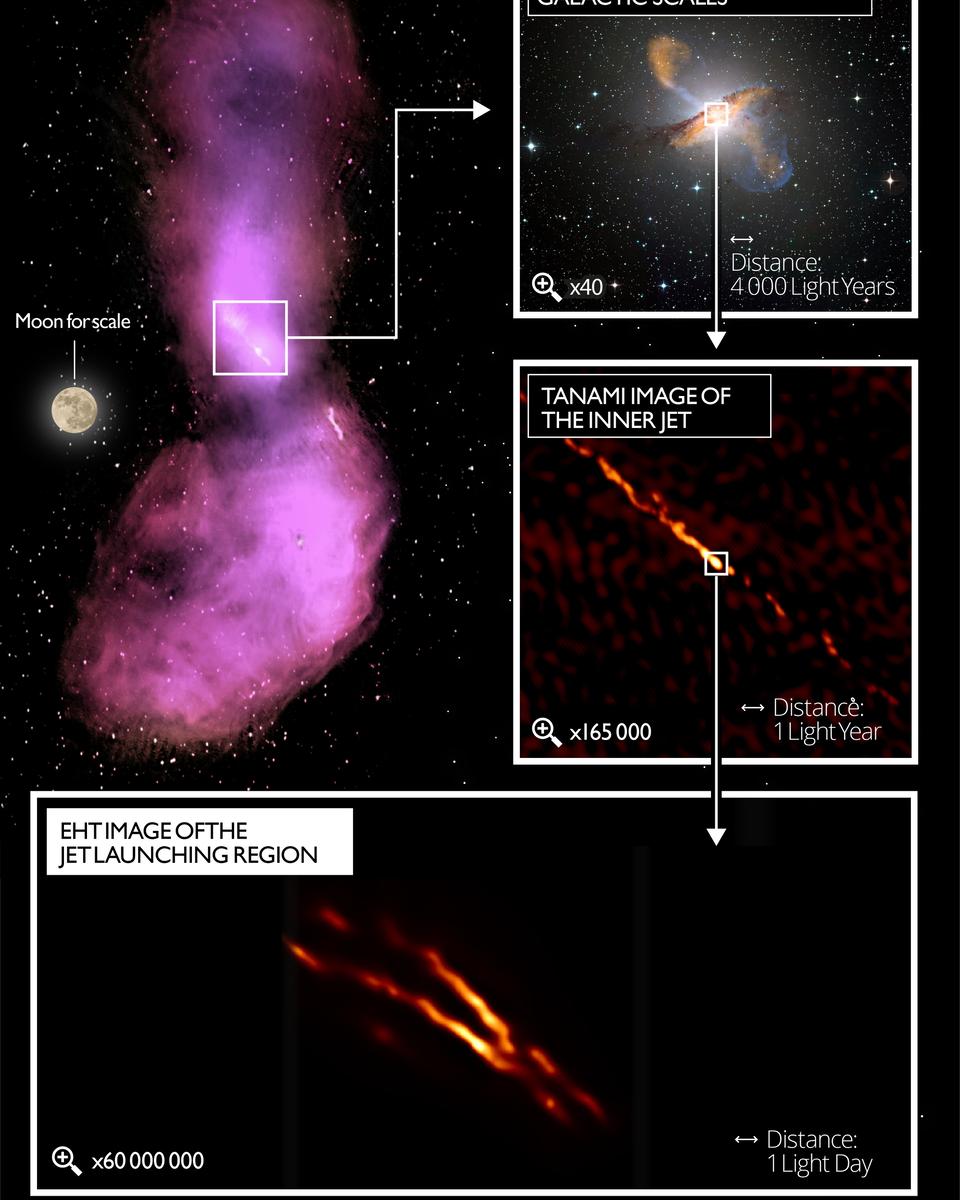
EHT Resolves Central Jet from Black Hole in Cen A
How do supermassive black holes create powerful jets? To help find out, the Event Horizon Telescope (EHT) imaged the center of the nearby active galaxy Centaurus A . The cascade…
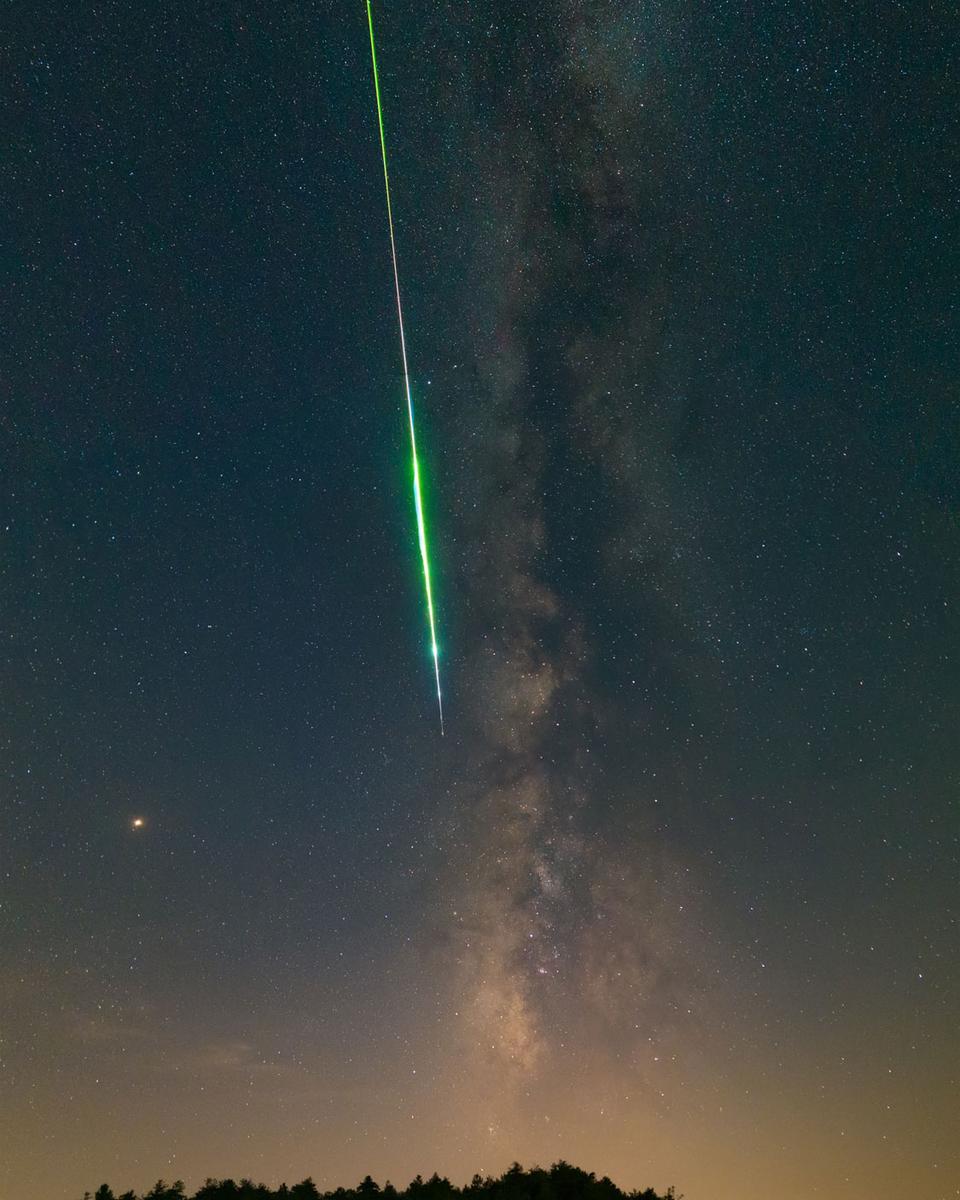
A Perseid Fireball and the Milky Way
It was bright and green and flashed as it moved quickly along the Milky Way. It left a trail that took 30 minutes to dissipate. Given the day, August 12, and the direction, away…
Preview unavailable
Open the archive entry to view the source media.
The Hubble Ultra Deep Field in Light and Sound
Have you heard about the Hubble Ultra-Deep Field? Either way, you've likely not heard about it like this -- please run your cursor over the featured image and listen! The Hubble…
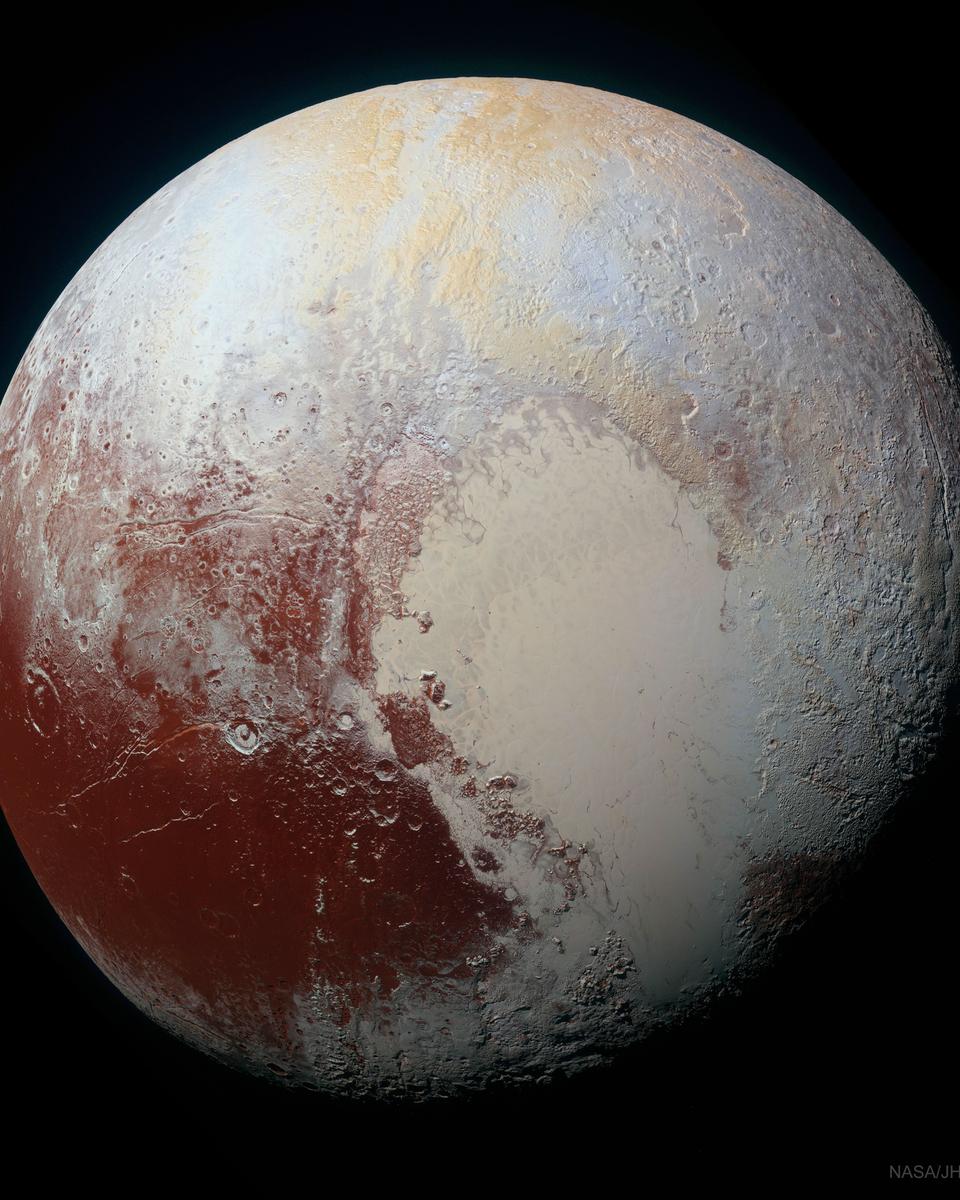
Pluto in Enhanced Color
Pluto is more colorful than we can see. Color data and high-resolution images of our Solar System's most famous dwarf planet , taken by the robotic New Horizons spacecraft during…
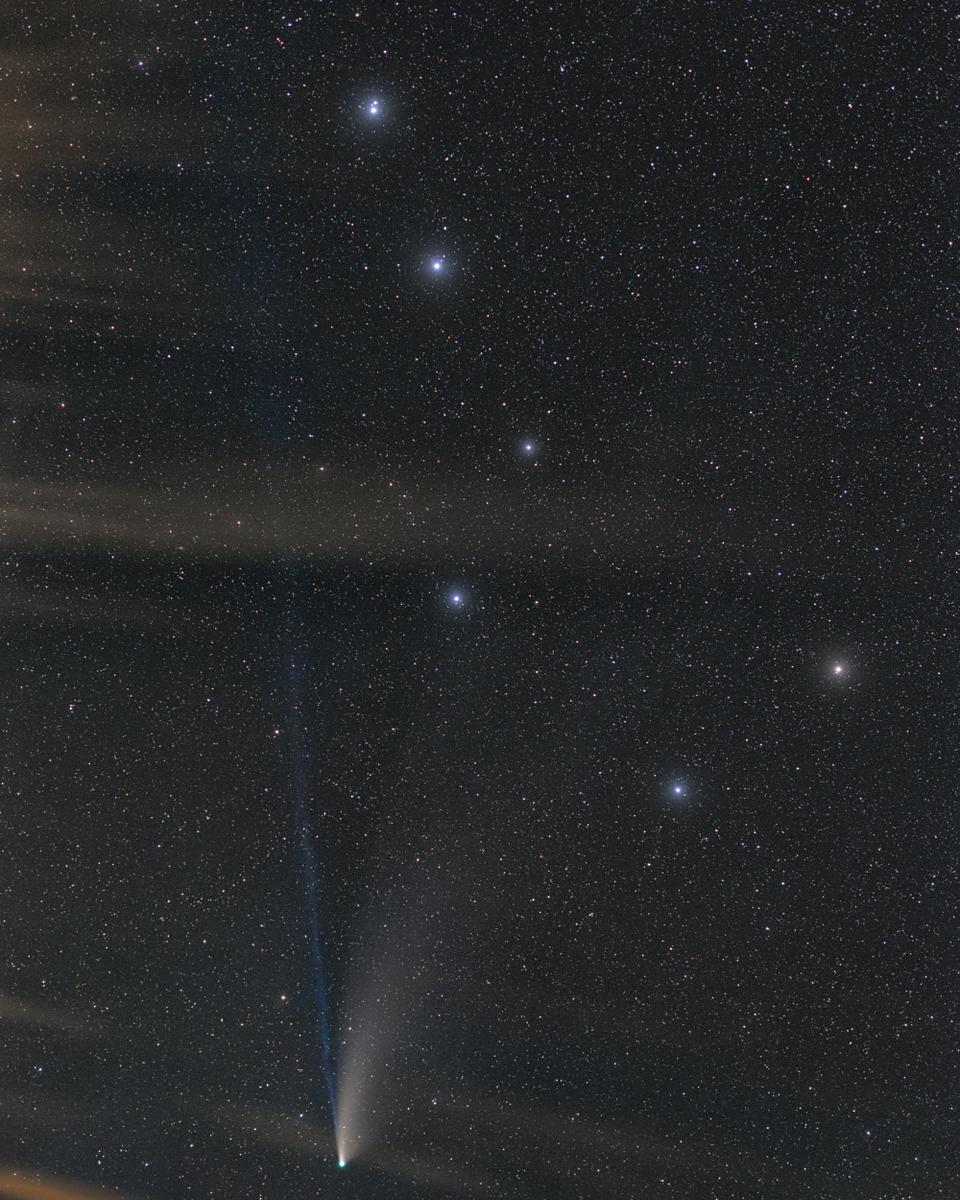
Remembering NEOWISE
It was just last July. If you could see the stars of the Big Dipper , you could find Comet NEOWISE in your evening sky. After sunset denizens of the north could look for the…
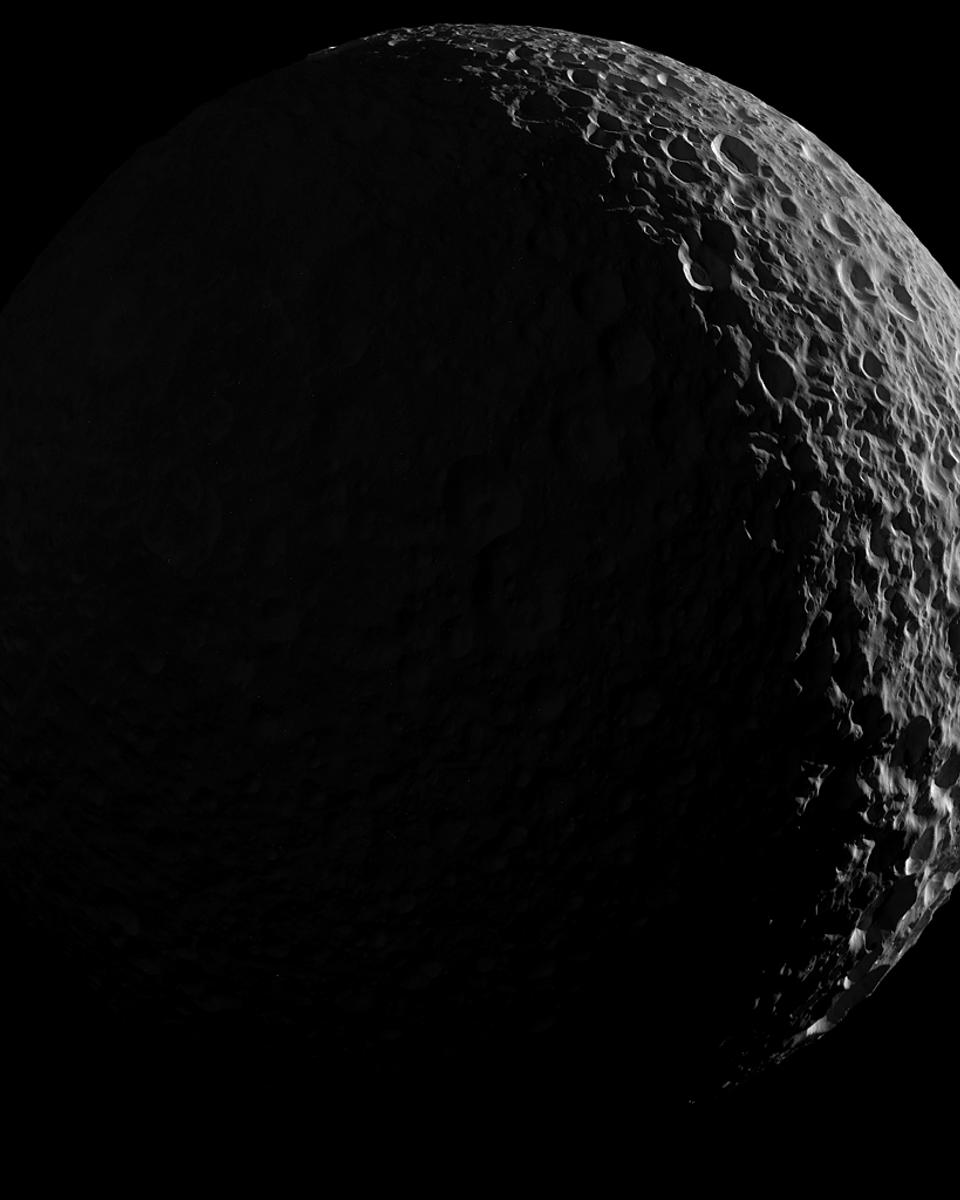
Mimas in Saturnlight
Peering from the shadows, the Saturn-facing hemisphere of Mimas lies in near darkness alongside a dramatic sunlit crescent . The mosaic was captured near the Cassini spacecraft's…
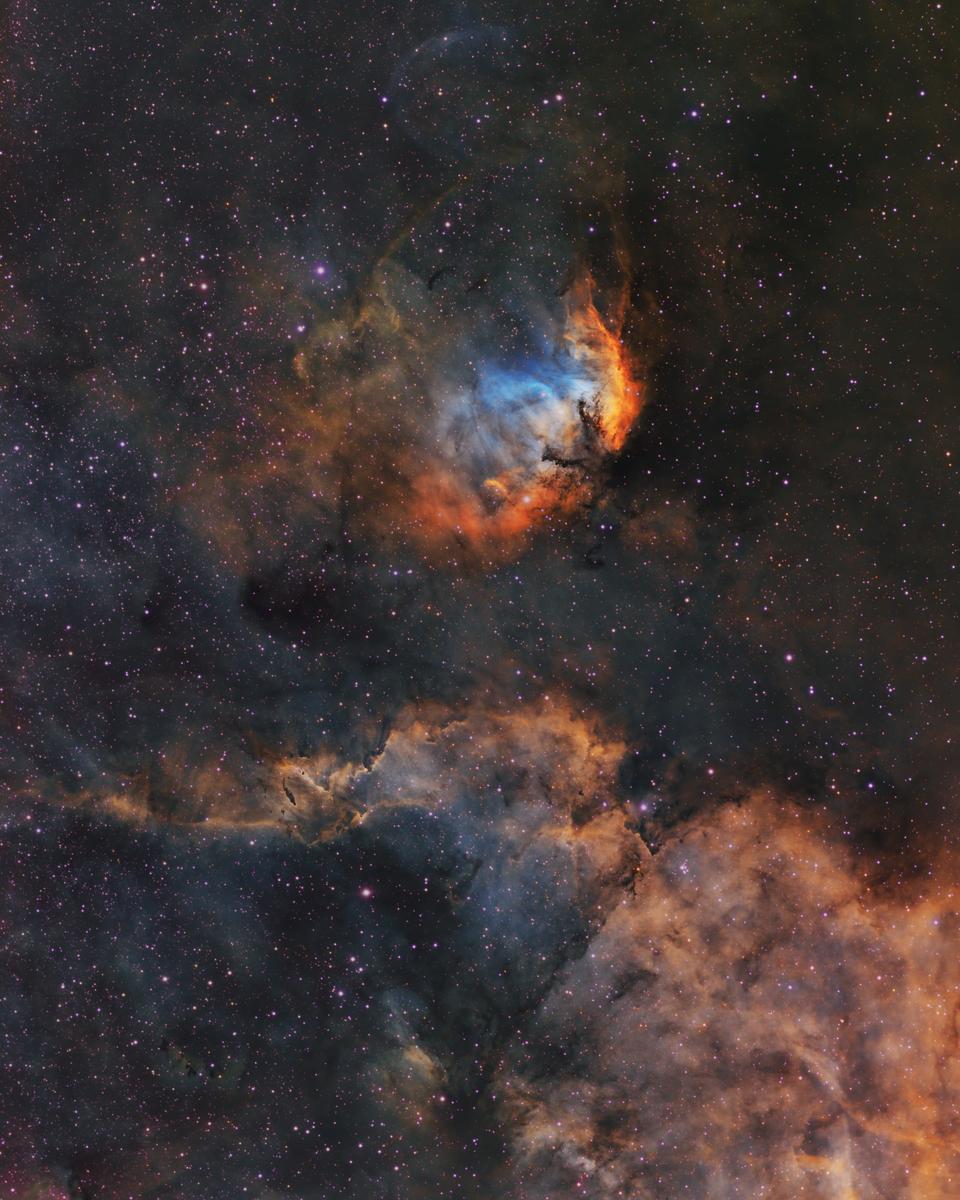
The Tulip and Cygnus X-1
This tall telescopic field of view looks out along the plane of our Milky Way Galaxy toward the nebula rich constellation Cygnus the Swan . Popularly called the Tulip Nebula, the…
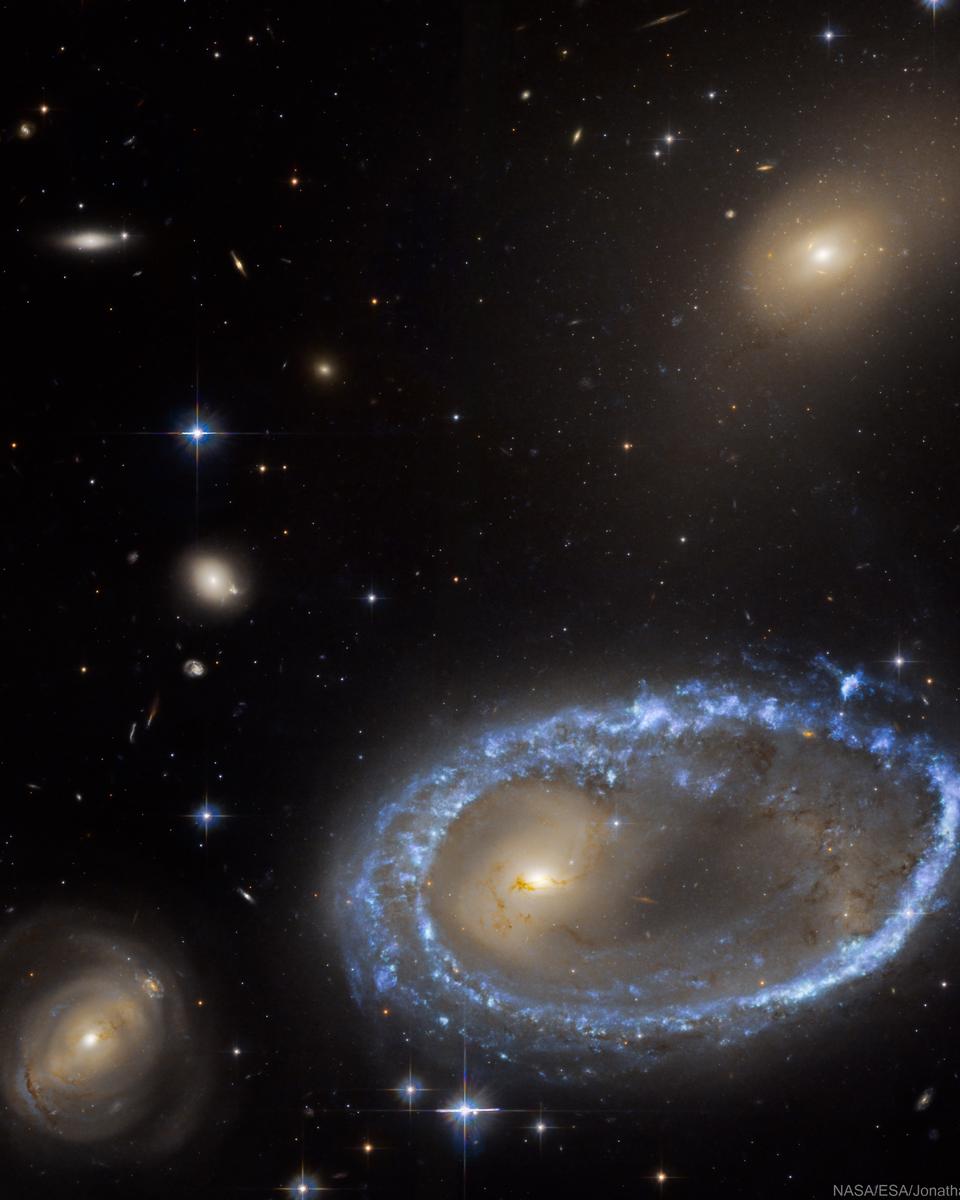
Ring Galaxy AM 0644-741
The rim of the large blue galaxy at the right is an immense ring-like structure 150,000 light years in diameter composed of newly formed, extremely bright, massive stars. AM…
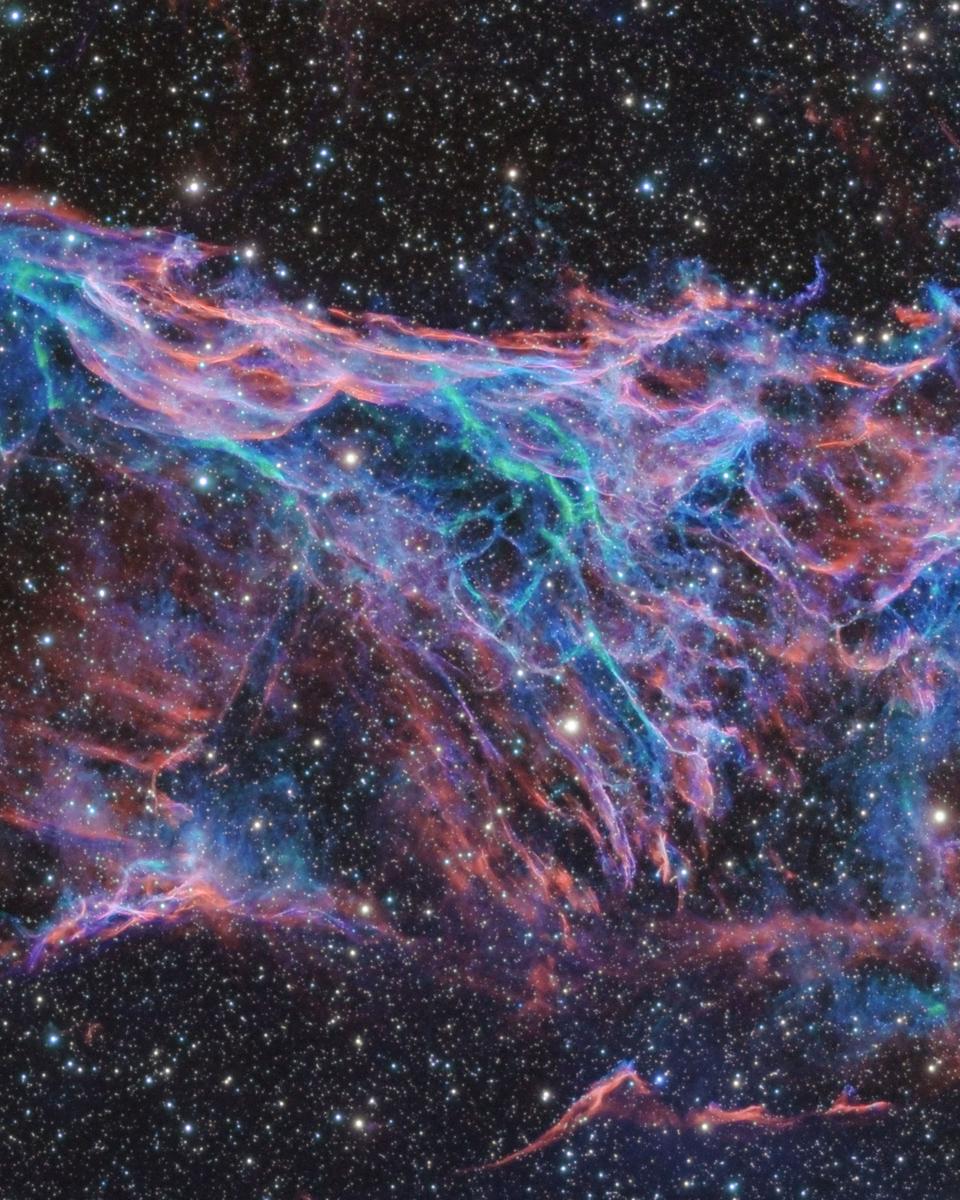
Fleming's Triangular Wisp
Chaotic in appearance, these tangled filaments of shocked, glowing gas are spread across planet Earth's sky toward the constellation of Cygnus as part of the Veil Nebula . The…
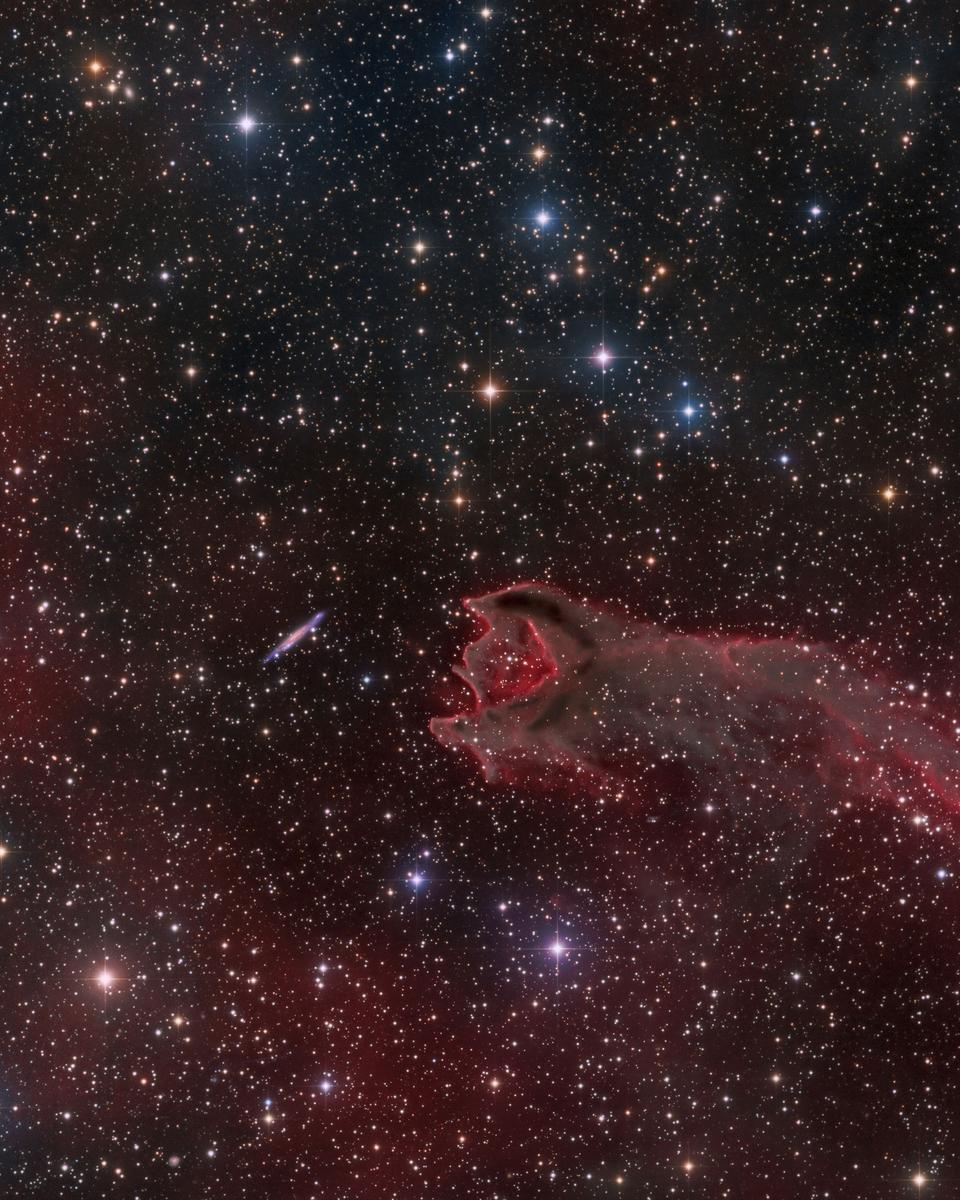
CG4: A Ruptured Cometary Globule
Can a gas cloud grab a galaxy? It's not even close. The “claw” of this odd looking “creature” in the featured photo is a gas cloud known as a cometary globule . This globule,…
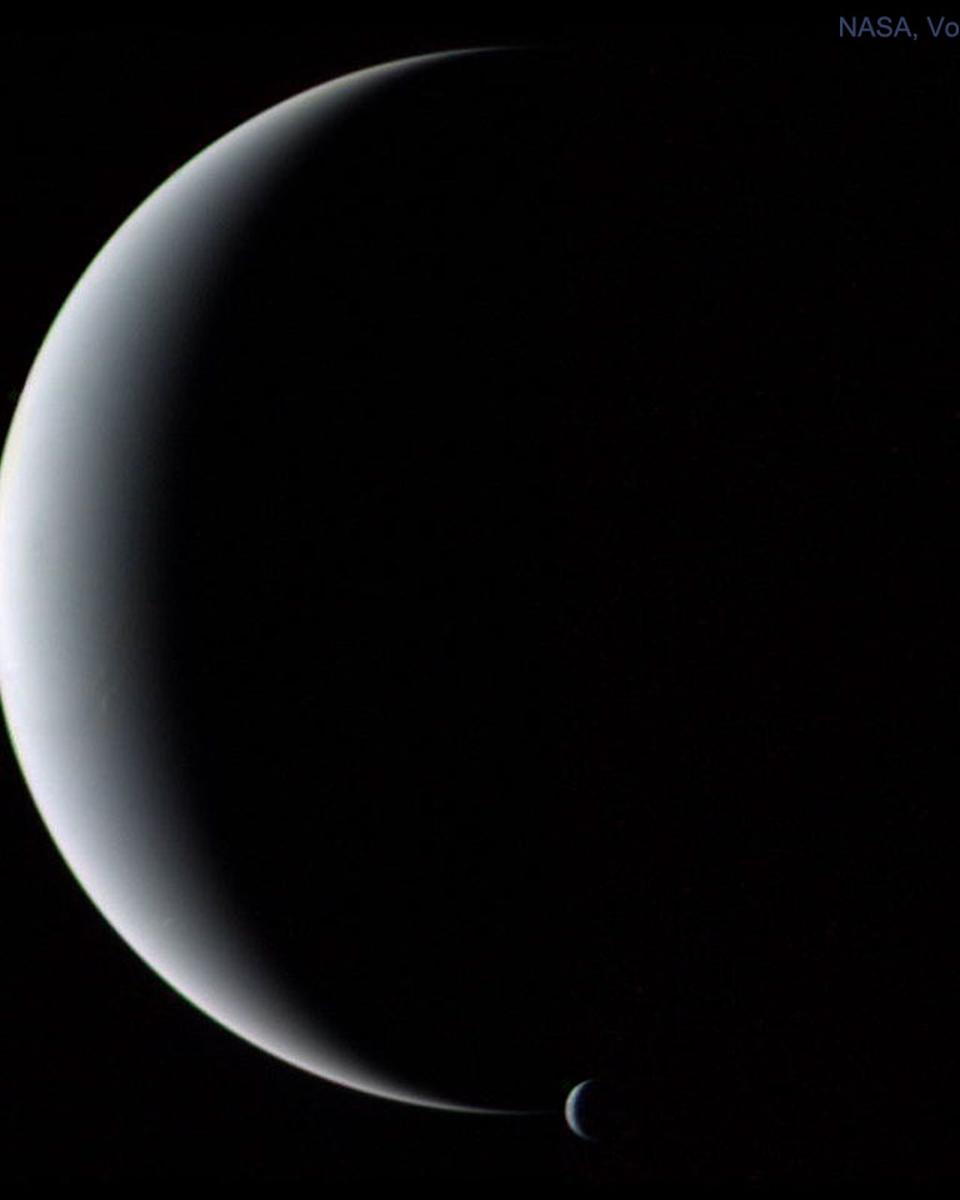
Crescent Neptune and Triton
Gliding silently through the outer Solar System , the Voyager 2 spacecraft camera captured Neptune and Triton together in crescent phase. The elegant picture of the ice-giant…
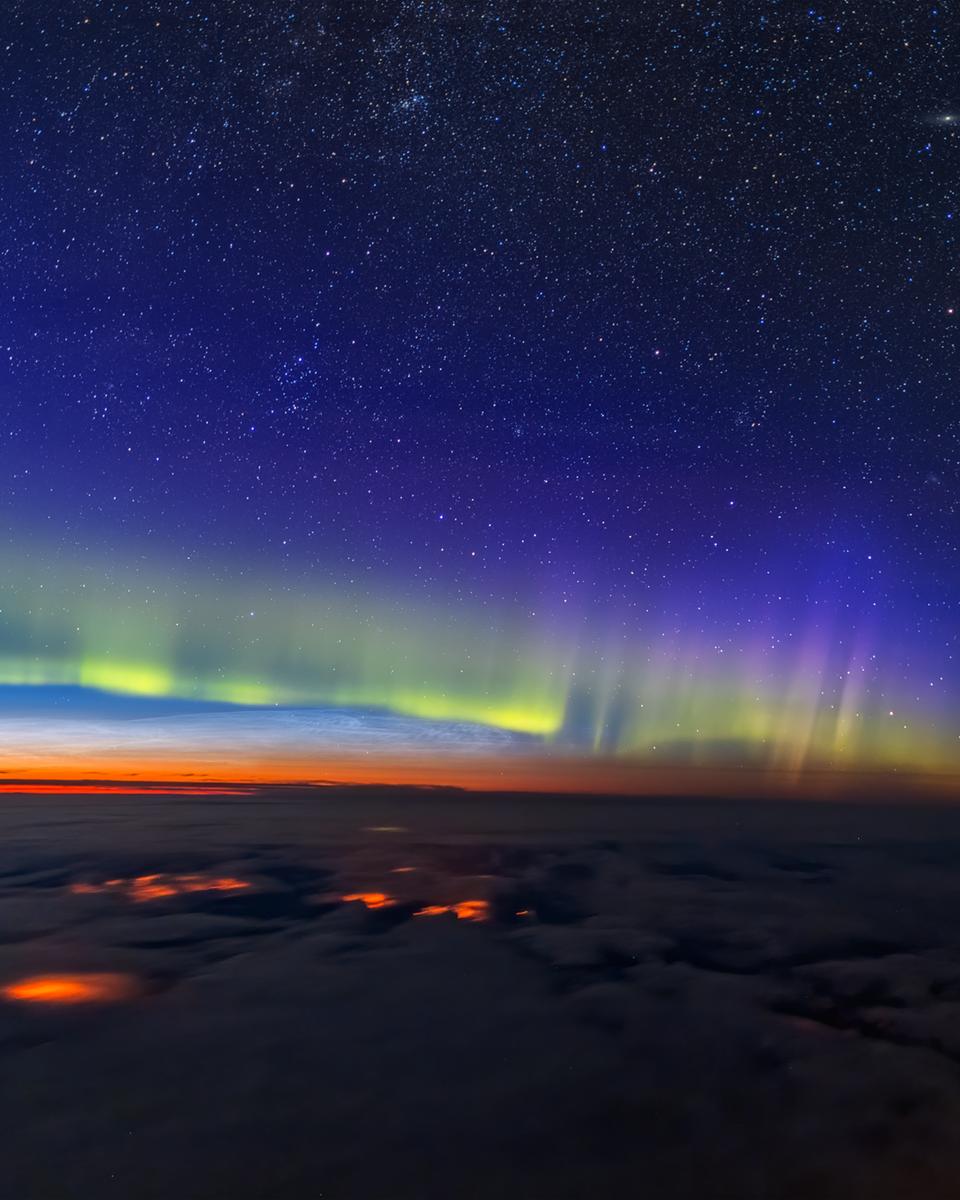
The Edge of Space
Where does space begin? For purposes of spaceflight some would say at the Karman line , currently defined as an altitude of 100 kilometers (60 miles). Others might place a line 80…
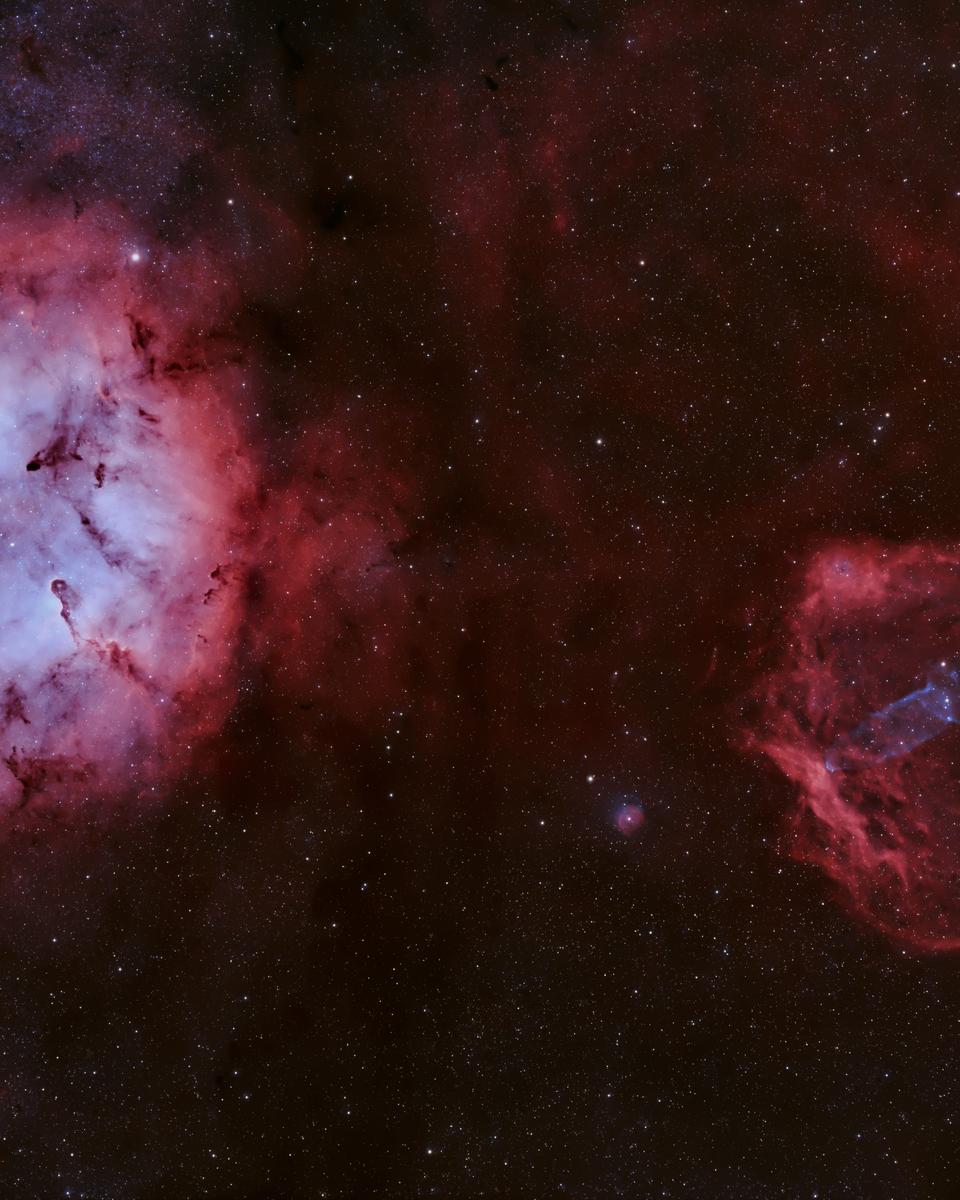
Elephant, Bat, and Squid
Sprawling emission nebulae IC 1396 and Sh2-129 mix glowing interstellar gas and dark dust clouds in this 10 degree wide field of view toward the northern constellation Cepheus the…
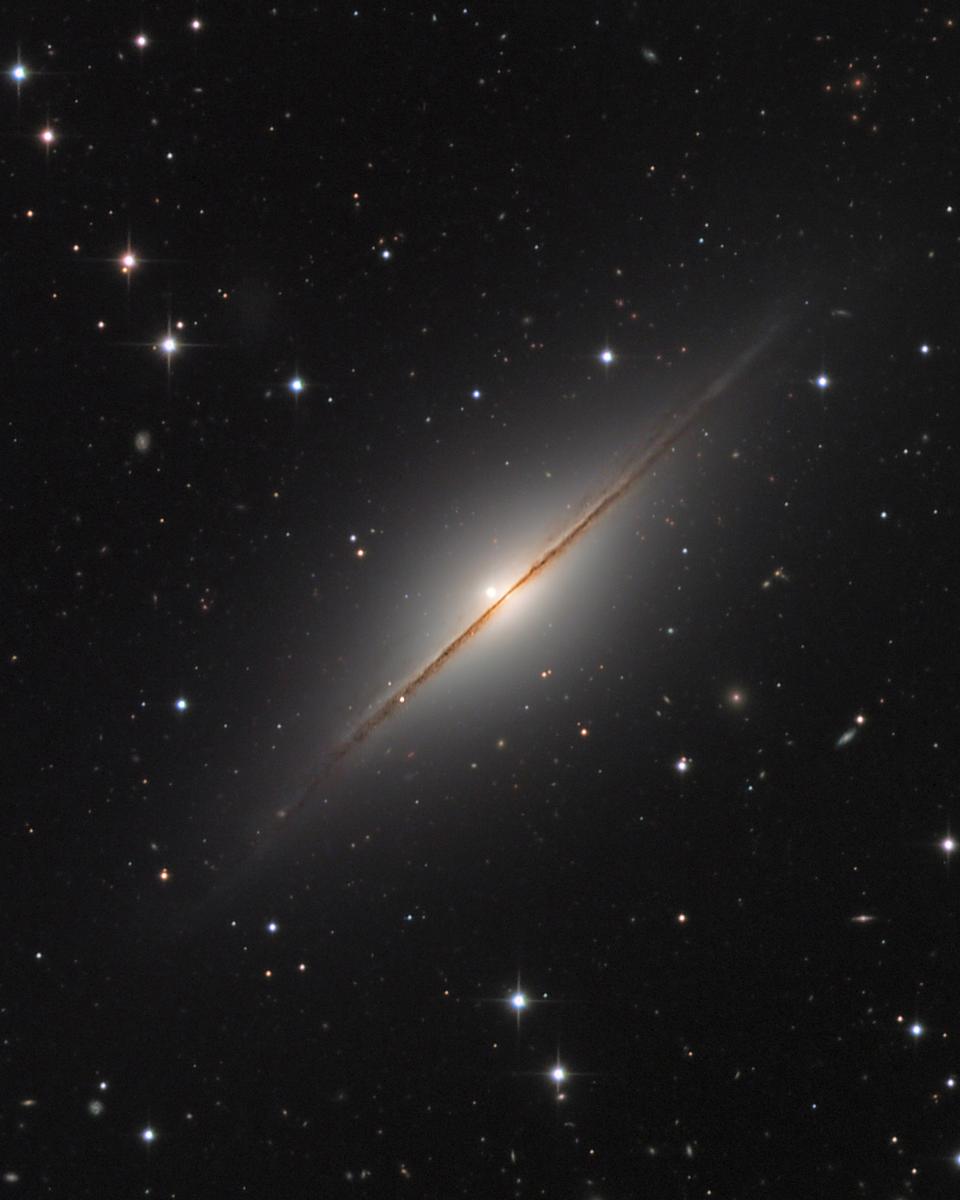
NGC 7814: Little Sombrero with Supernova
Point your telescope toward the high flying constellation Pegasus and you can find this expanse of Milky Way stars and distant galaxies . NGC 7814 is centered in the pretty field…
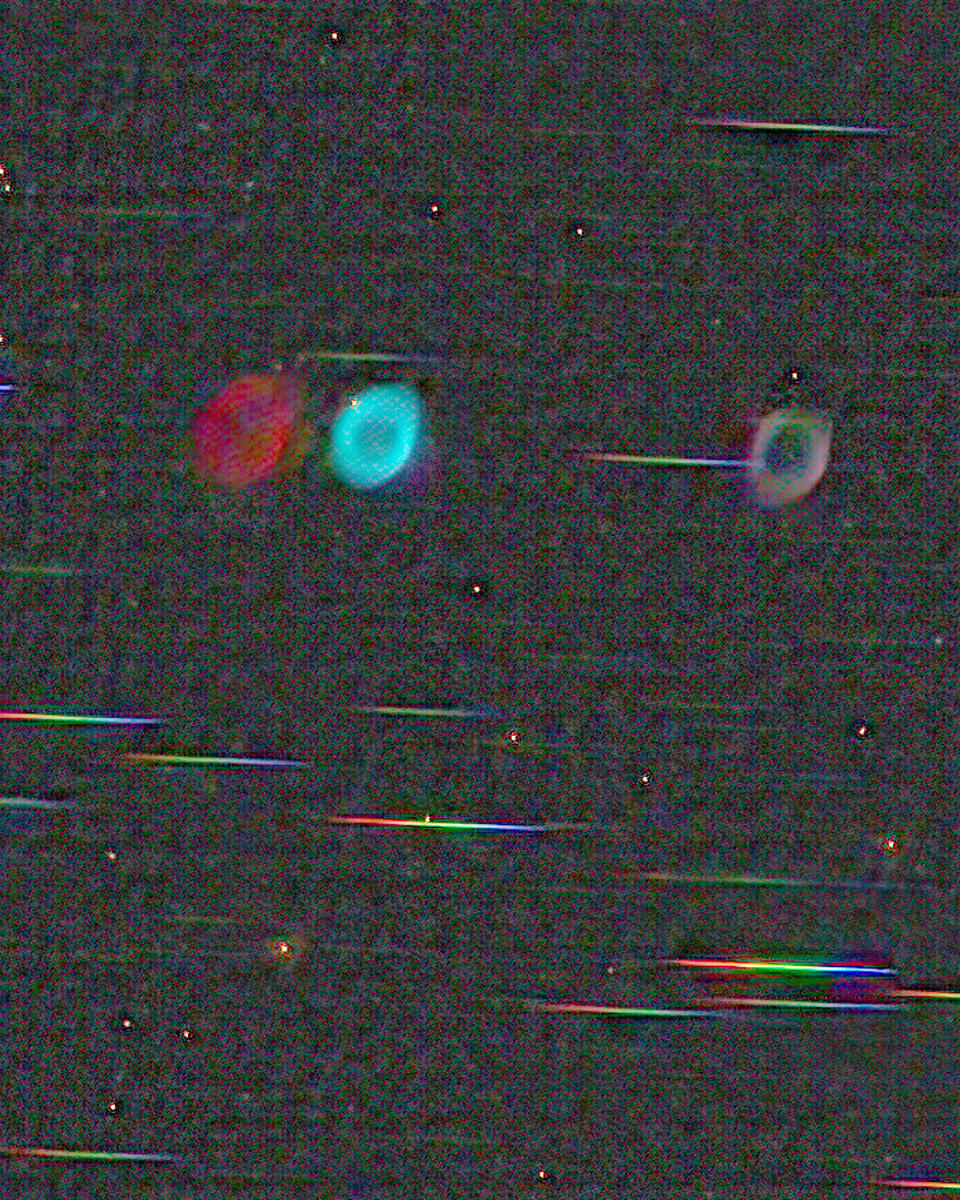
Colors: Ring Nebula versus Stars
What if you could see, separately, all the colors of the Ring? And of the surrounding stars? There's technology for that. The featured image shows the Ring Nebula (M57) and nearby…
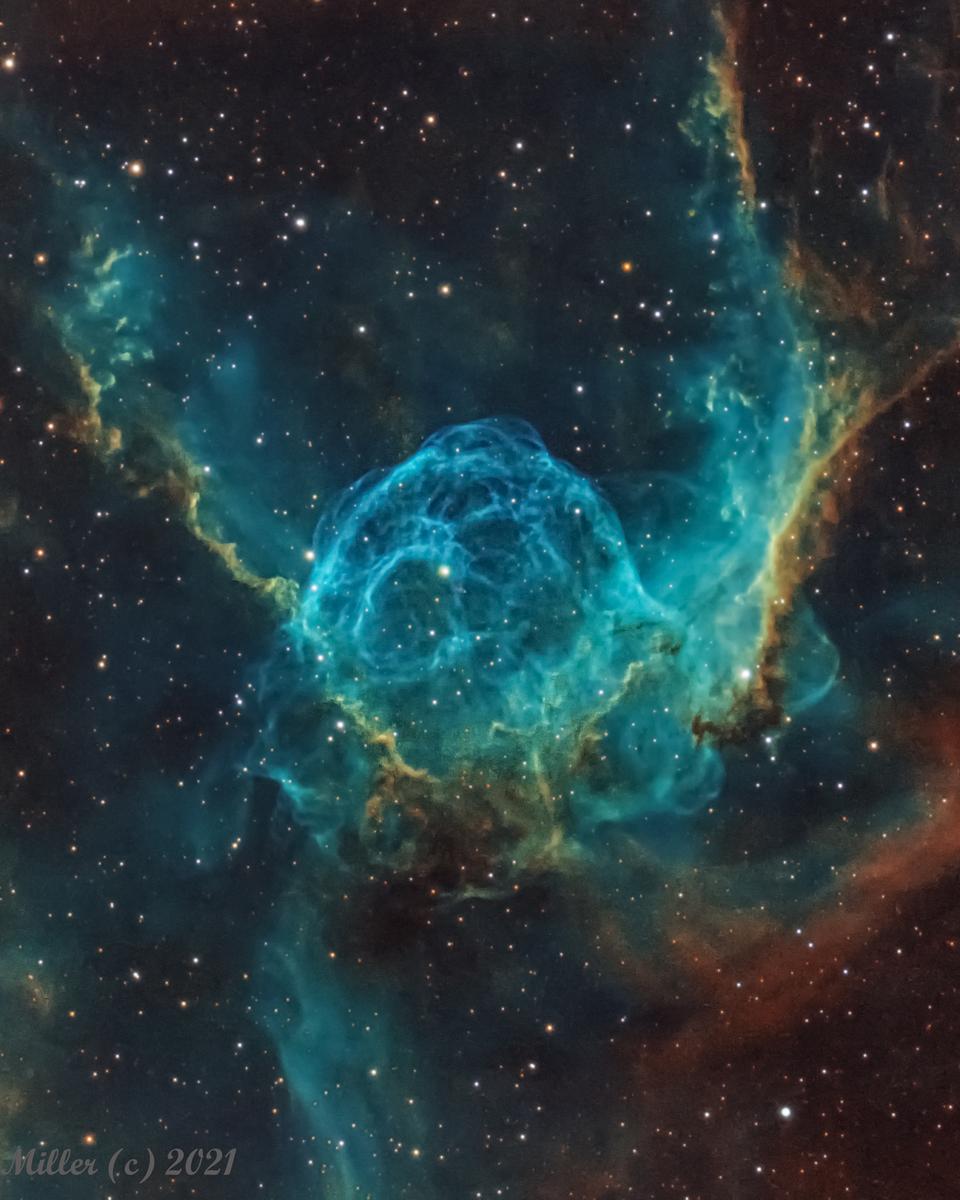
Thor's Helmet
Thor not only has his own day (Thursday), but a helmet in the heavens. Popularly called Thor's Helmet, NGC 2359 is a hat-shaped cosmic cloud with wing-like appendages. Heroically…
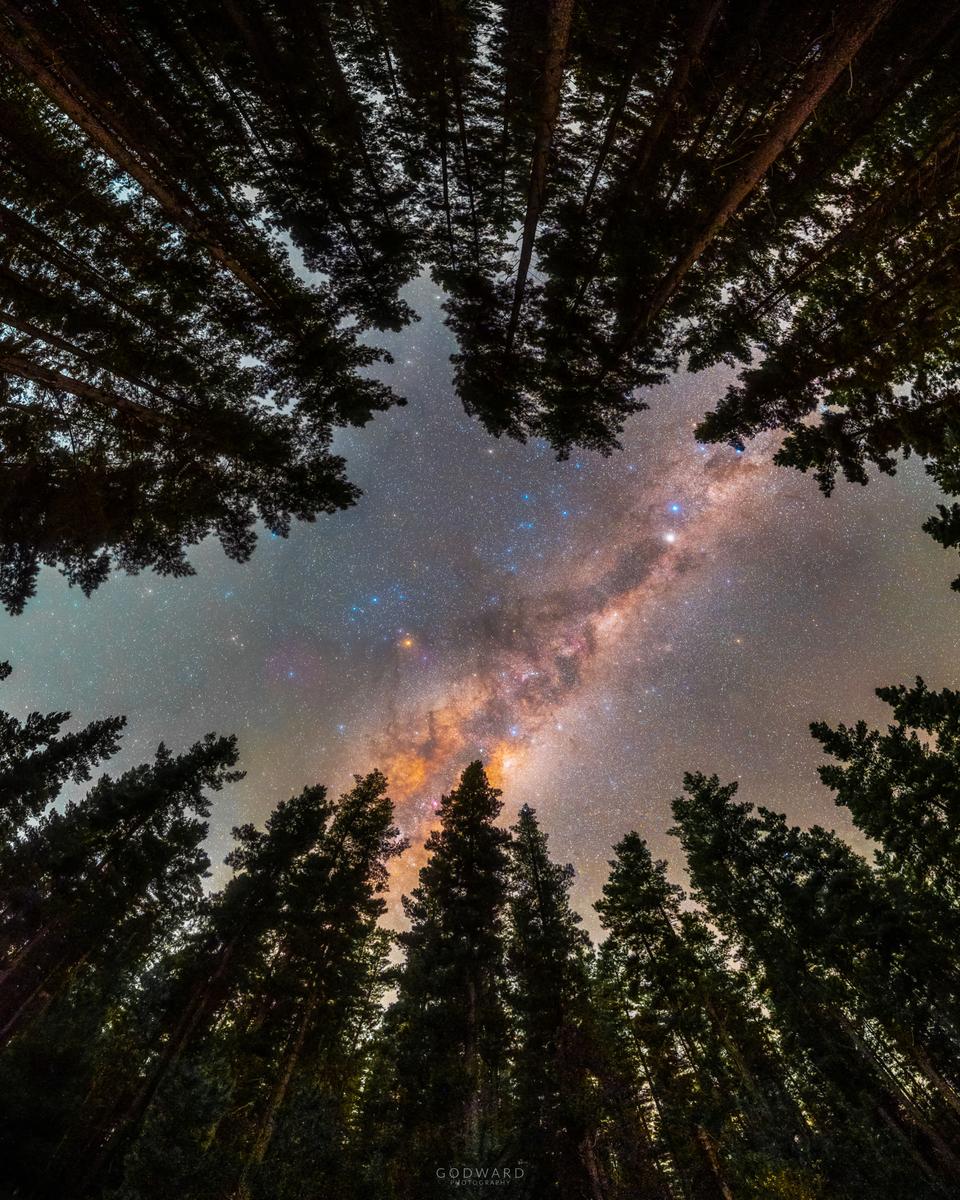
Framed by Trees: A Window to the Galaxy
The photographer had this shot in mind for some time. He knew that objects overhead are the brightest -- since their light is scattered the least by atmospheric air . He also that…
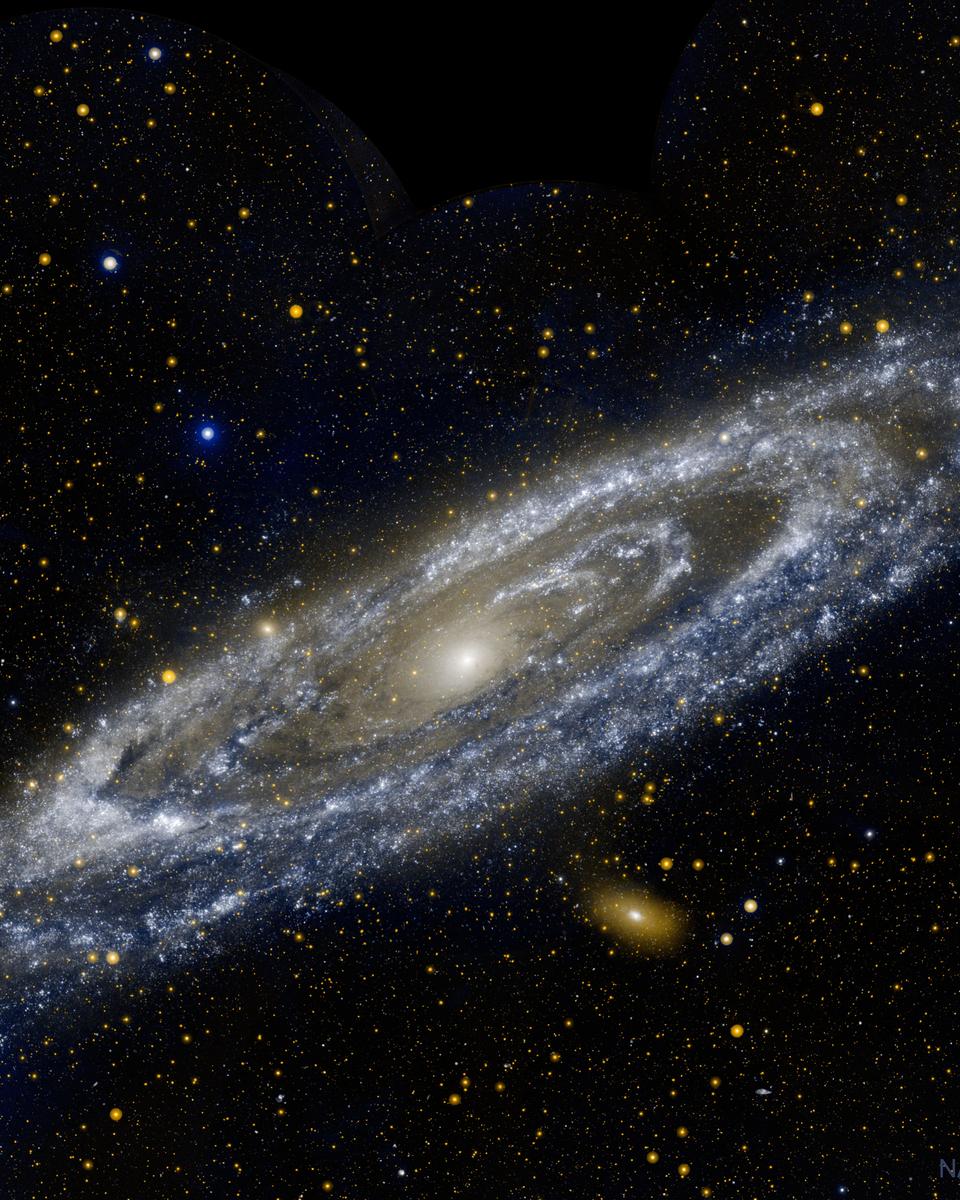
The Andromeda Galaxy in Ultraviolet
What does the Andromeda galaxy look like in ultraviolet light? Young blue stars circling the galactic center dominate. A mere 2.5 million light-years away, the Andromeda Galaxy ,…
Viewing discoveries from 10 August 2021 through 18 July 2021.