Browse NASA Astronomy Picture of the Day archive by date and media: Archive Discoveries
Browse the NASA APOD archive without needing the exact date first. Filter by media type and keep moving deeper into older images and videos.
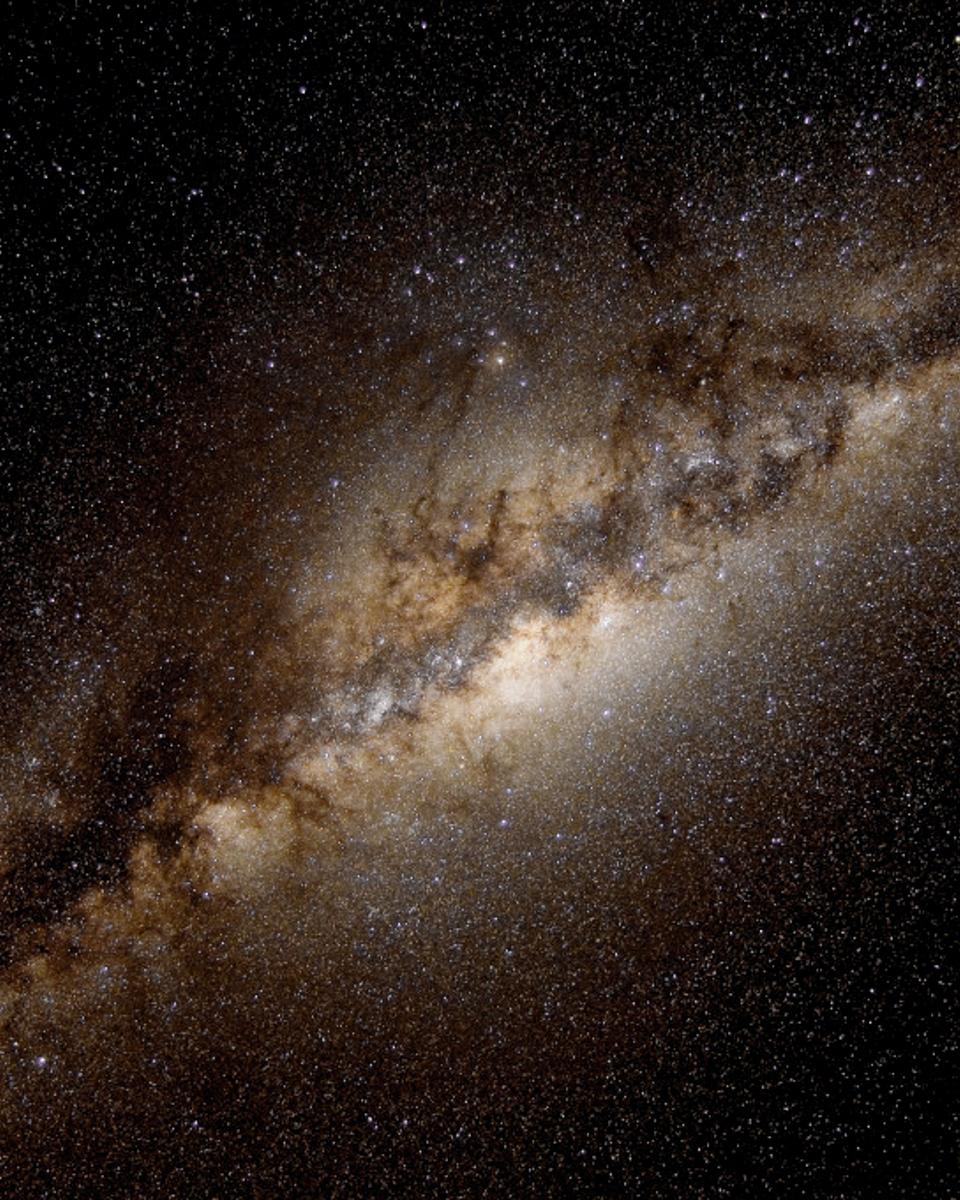
The Milky Way in Stars and Dust
The disk of our Milky Way Galaxy is home to hot nebulae, cold dust, and billions of stars. This disk can be seen from a dark location on Earth as a band of diffuse light across…
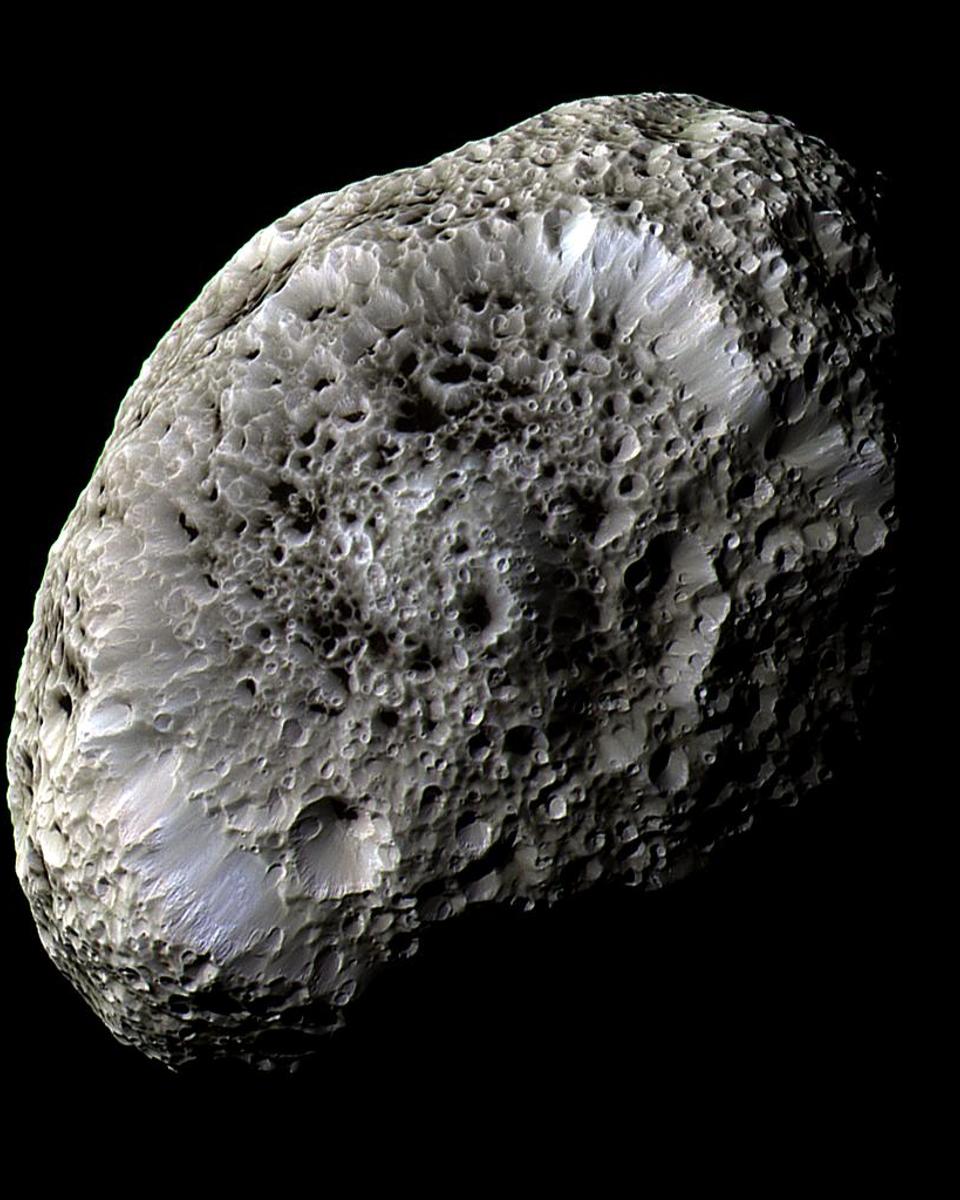
Saturn's Hyperion: A Moon with Odd Craters
What lies at the bottom of Hyperion 's strange craters? Nobody knows. To help find out, the robot Cassini spacecraft now orbiting Saturn swooped past the sponge-textured moon…
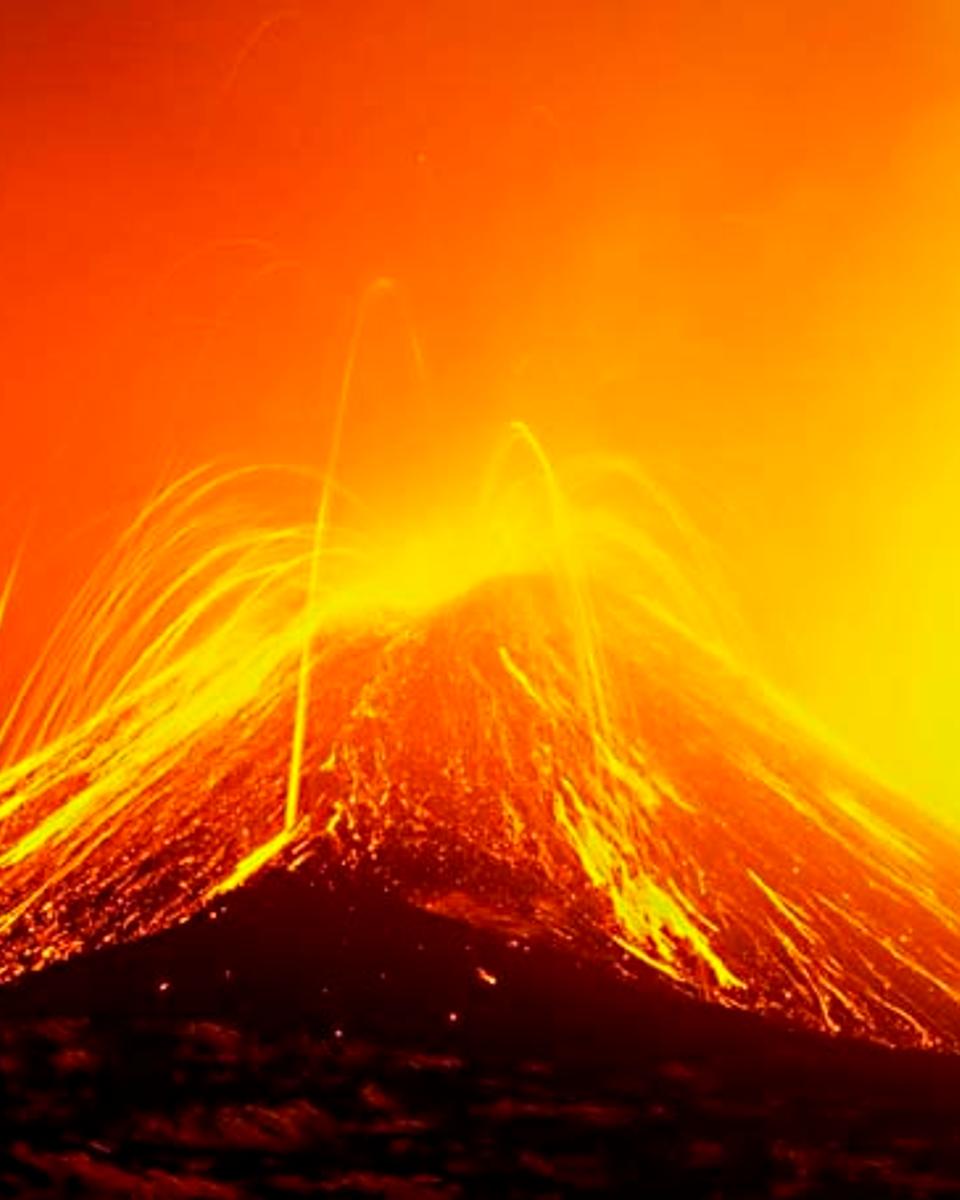
Magma Bubbles from Mt. Etna
Mt. Etna erupted spectacularly in 2001 June. Pictured above , the volcano was photographed expelling bubbles of hot magma, some of which measured over one meter across. One reason…
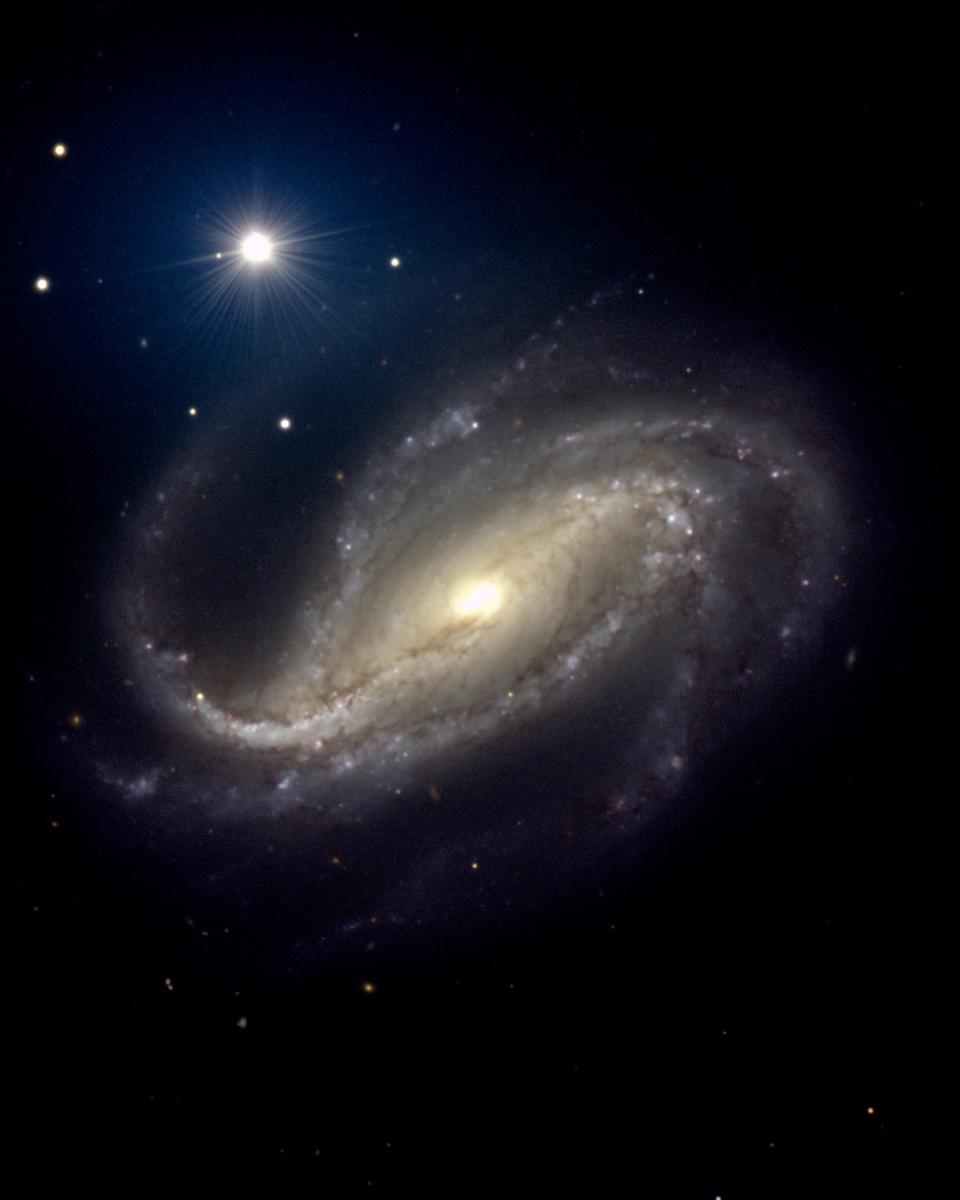
NGC 613: Spiral of Dust and Stars
When morning twilight came to the Paranal Observatory in Chile, astronomers Mark Neeser and Peter Barthel interrupted their search for faint quasars , billions of light-years…
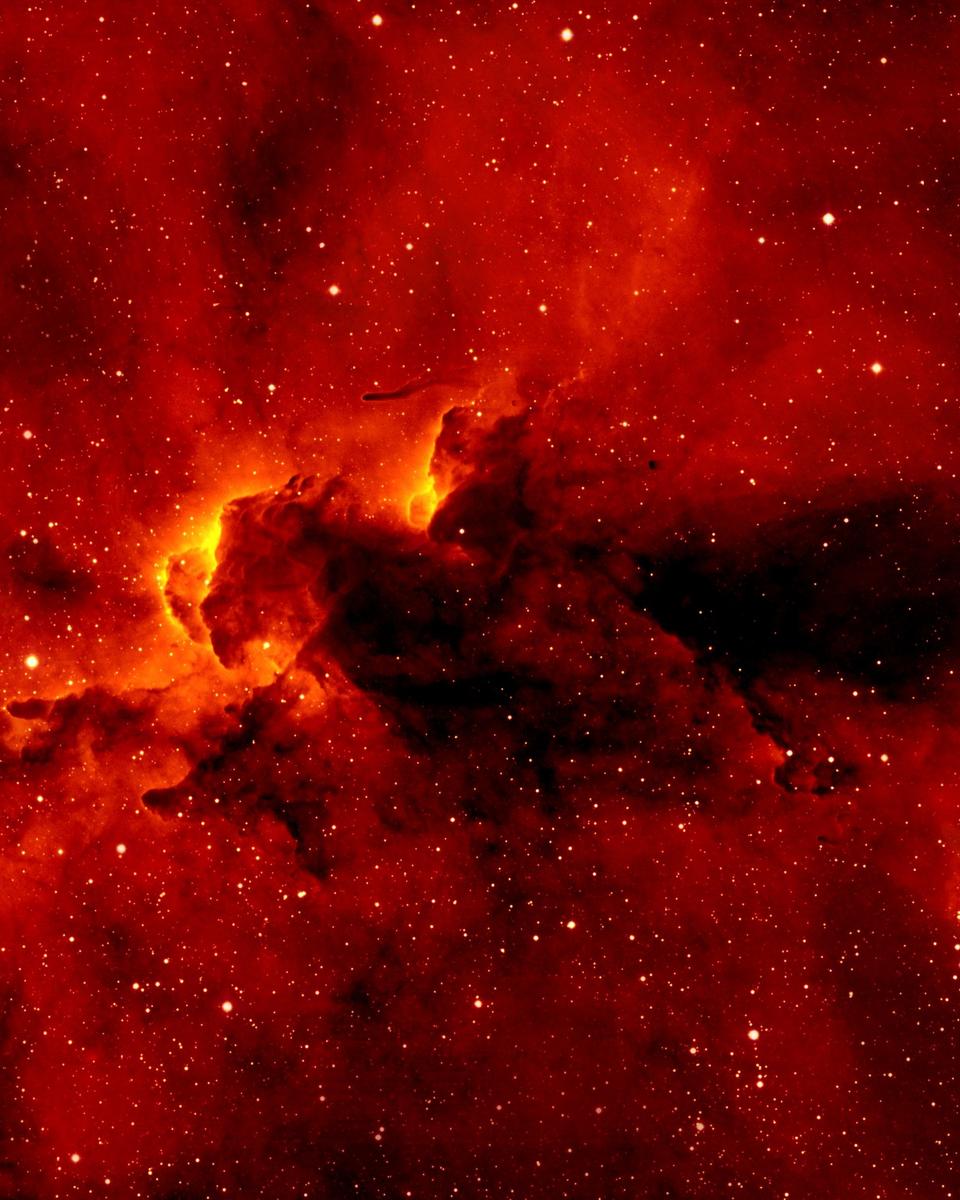
IC 1396 H-Alpha Close-Up
Clouds of glowing hydrogen gas mingle ominously with dark dust lanes in this close-up of IC 1396 , an active star forming region some 2,000 light years away in the constellation…
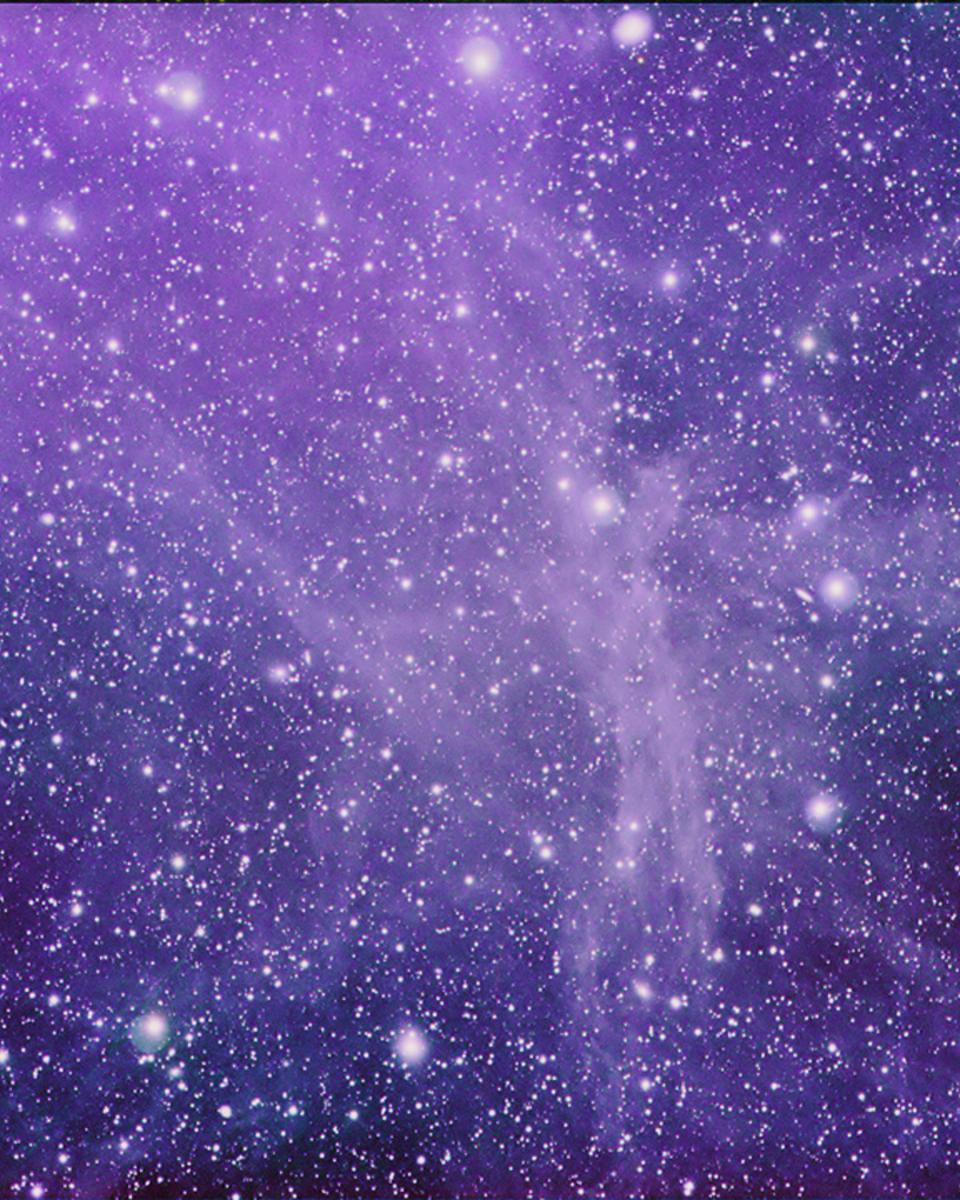
An Unexplored Nebula
The combined light of the stars of the Milky Way are reflected by this cosmic dust cloud that soars some 300 light-years above the plane of our Galaxy. Dubbed the Angel Nebula by…
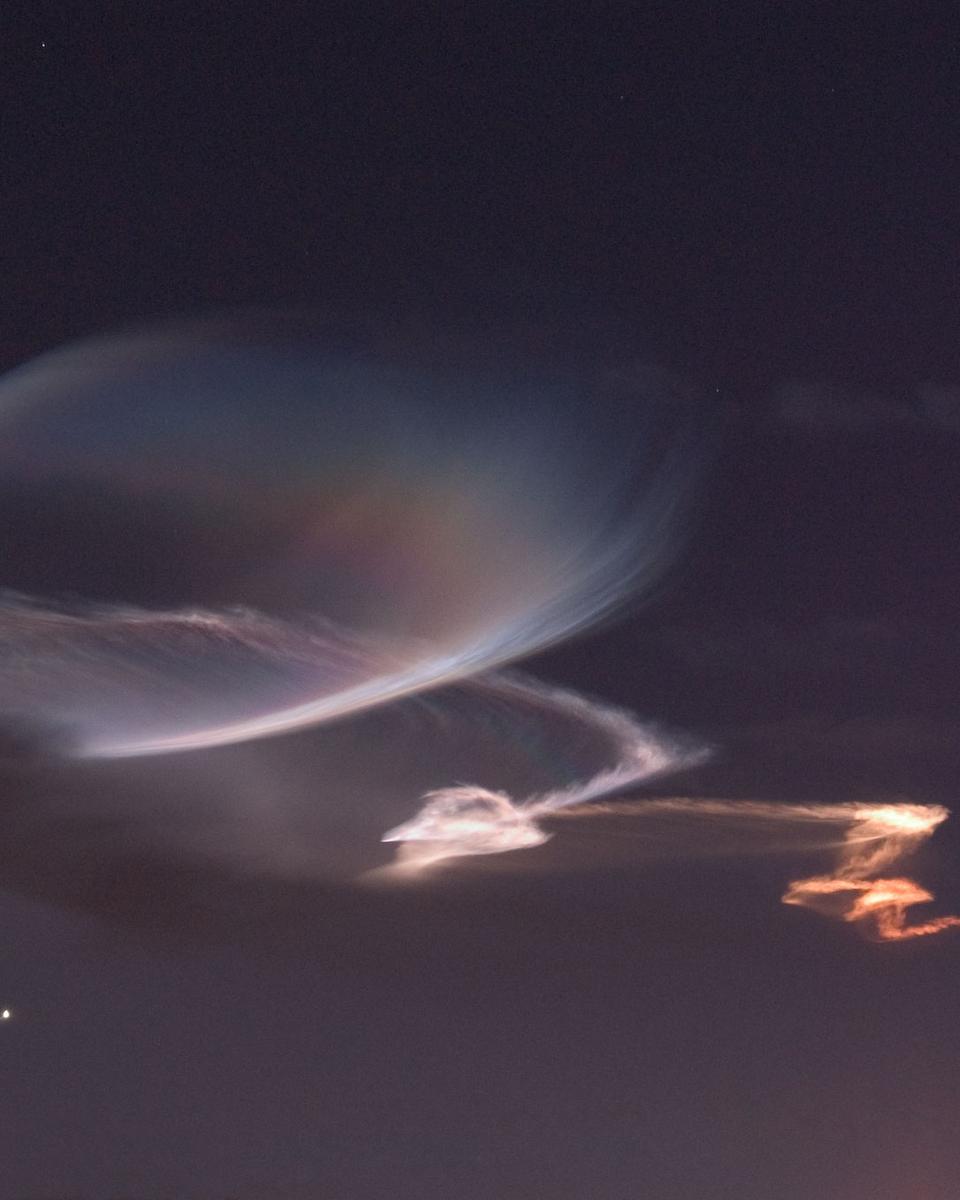
A Rocket Launch at Sunset
What kind of cloud is that? Last week, a sunset rocket launch lit up the sky and was photographed by sky enthusiasts as far as hundreds of miles away. The lingering result was a…
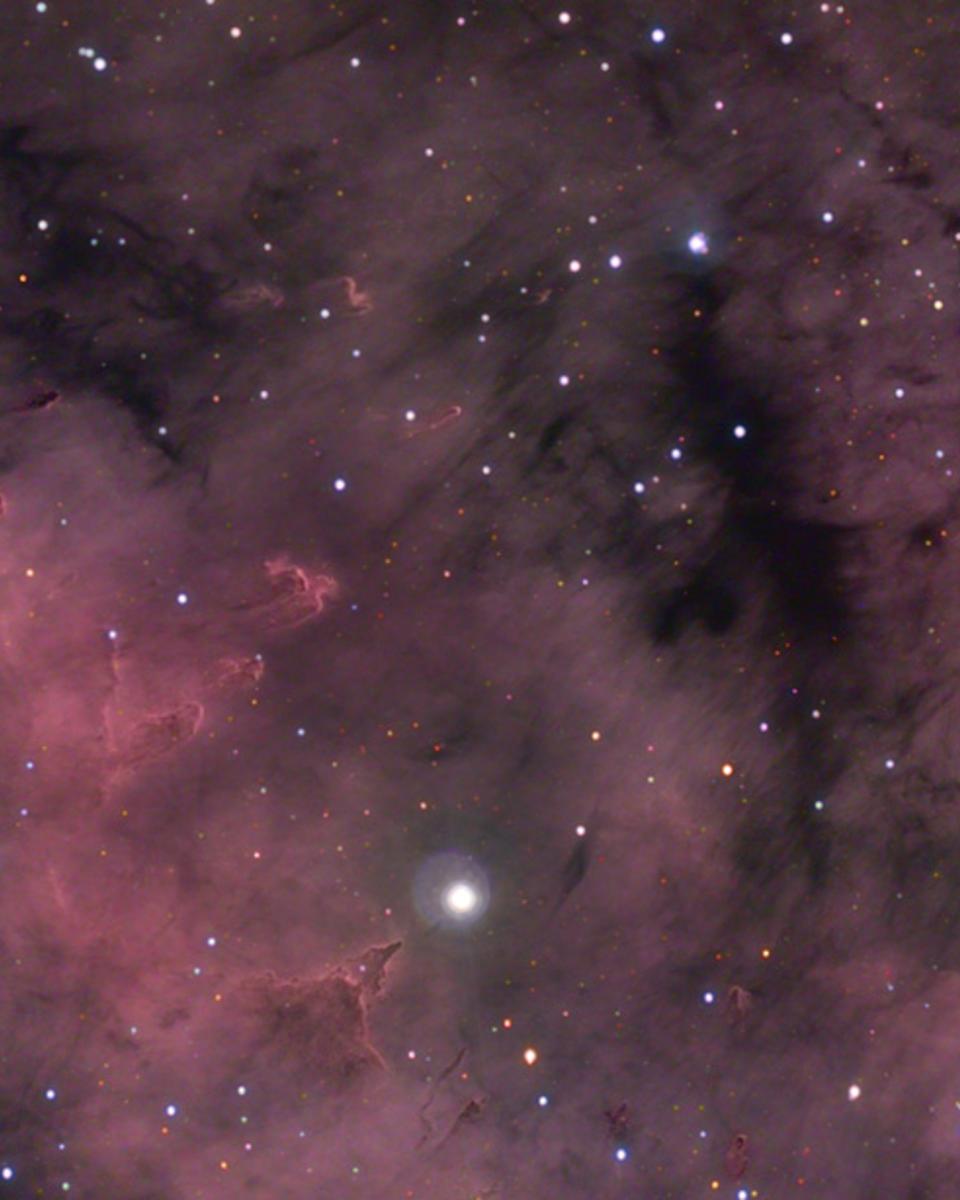
The Star Pillars of Sharpless 171
Towering pillars of cold gas and dark dust adorn the center star forming region of Sharpless 171. An open cluster of stars is forming there from the gas in cold molecular clouds .…
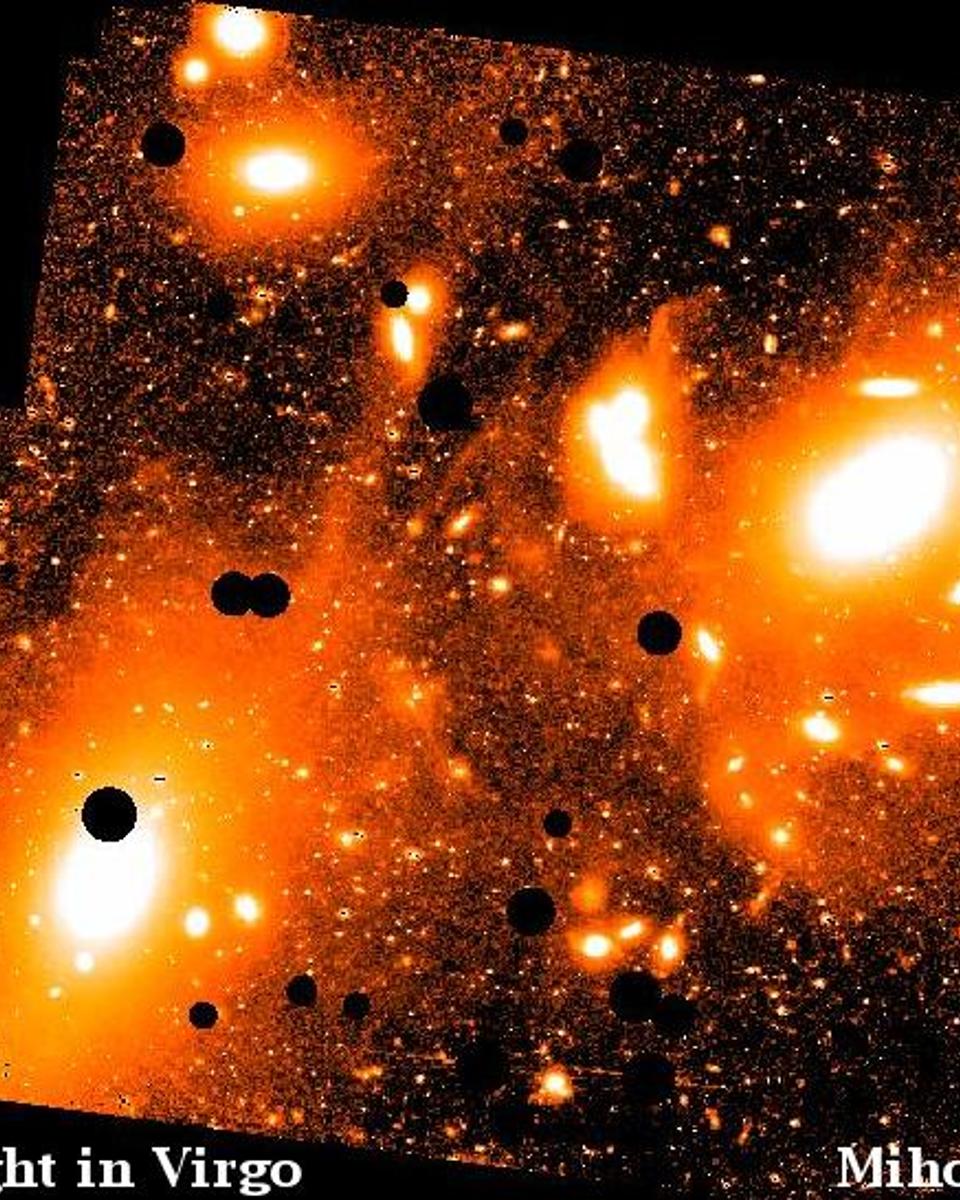
Streams of Stars in the Virgo Cluster of Galaxies
How do huge clusters of galaxies evolve? To help find out, astronomers pointed the wide-angle Burrell-Schmidt telescope on Kitt Peak National Observatory in Arizona , USA at the…
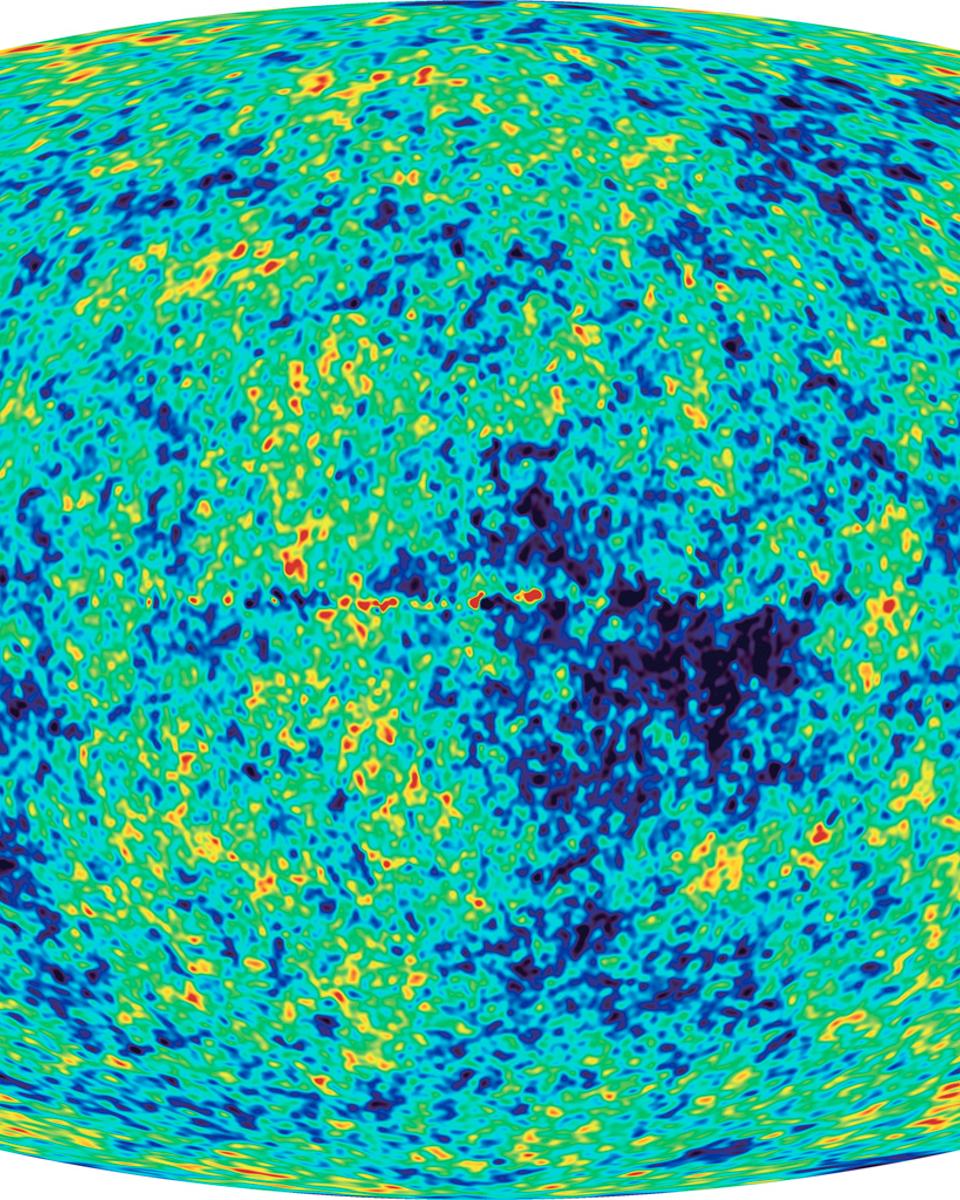
WMAP Resolves the Universe
Analyses of a new high-resolution map of microwave light emitted only 380,000 years after the Big Bang appear to define our universe more precisely than ever before. The eagerly…
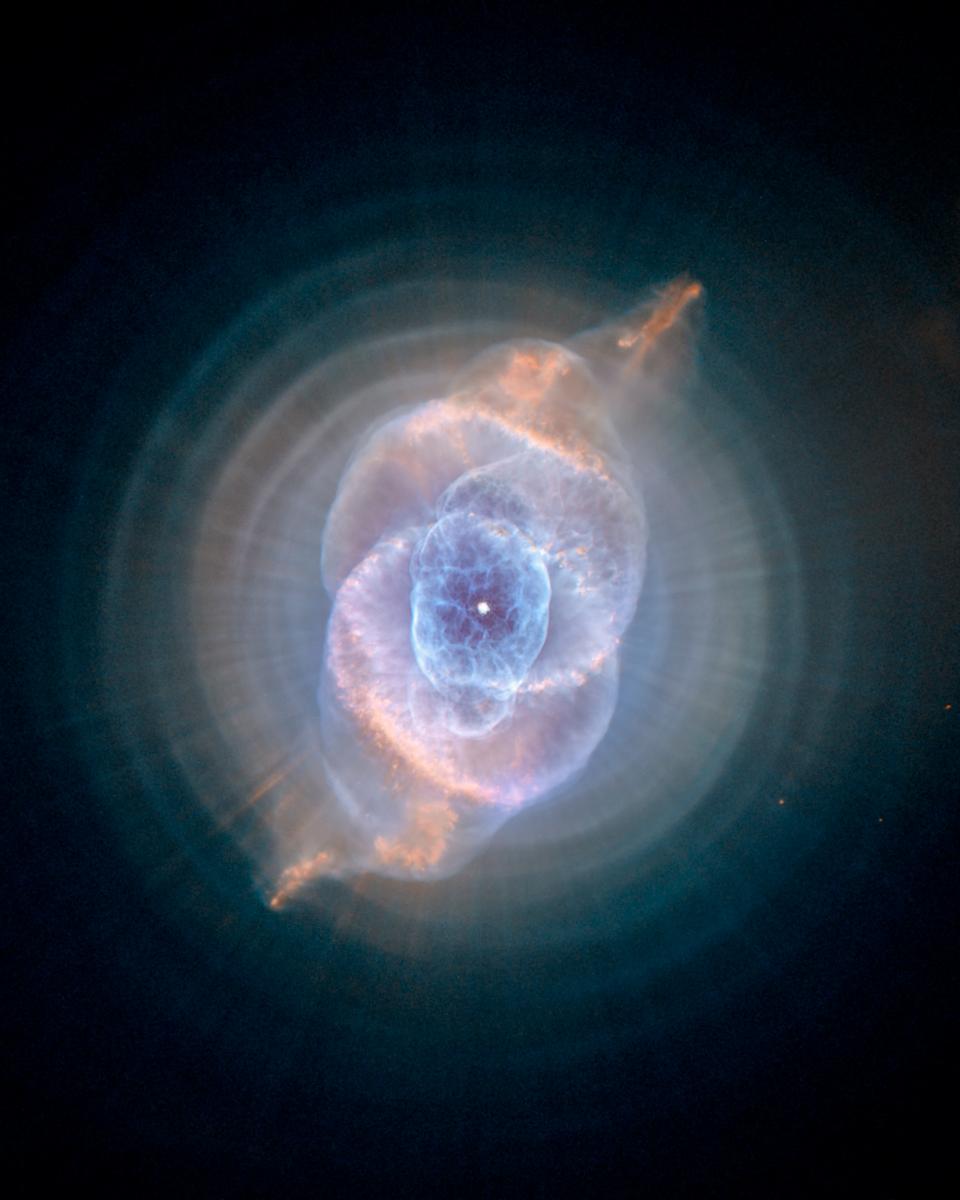
Cat's Eye
Staring across interstellar space, the alluring Cat's Eye nebula lies three thousand light-years from Earth. A classic planetary nebula , the Cat's Eye (NGC 6543) represents a…
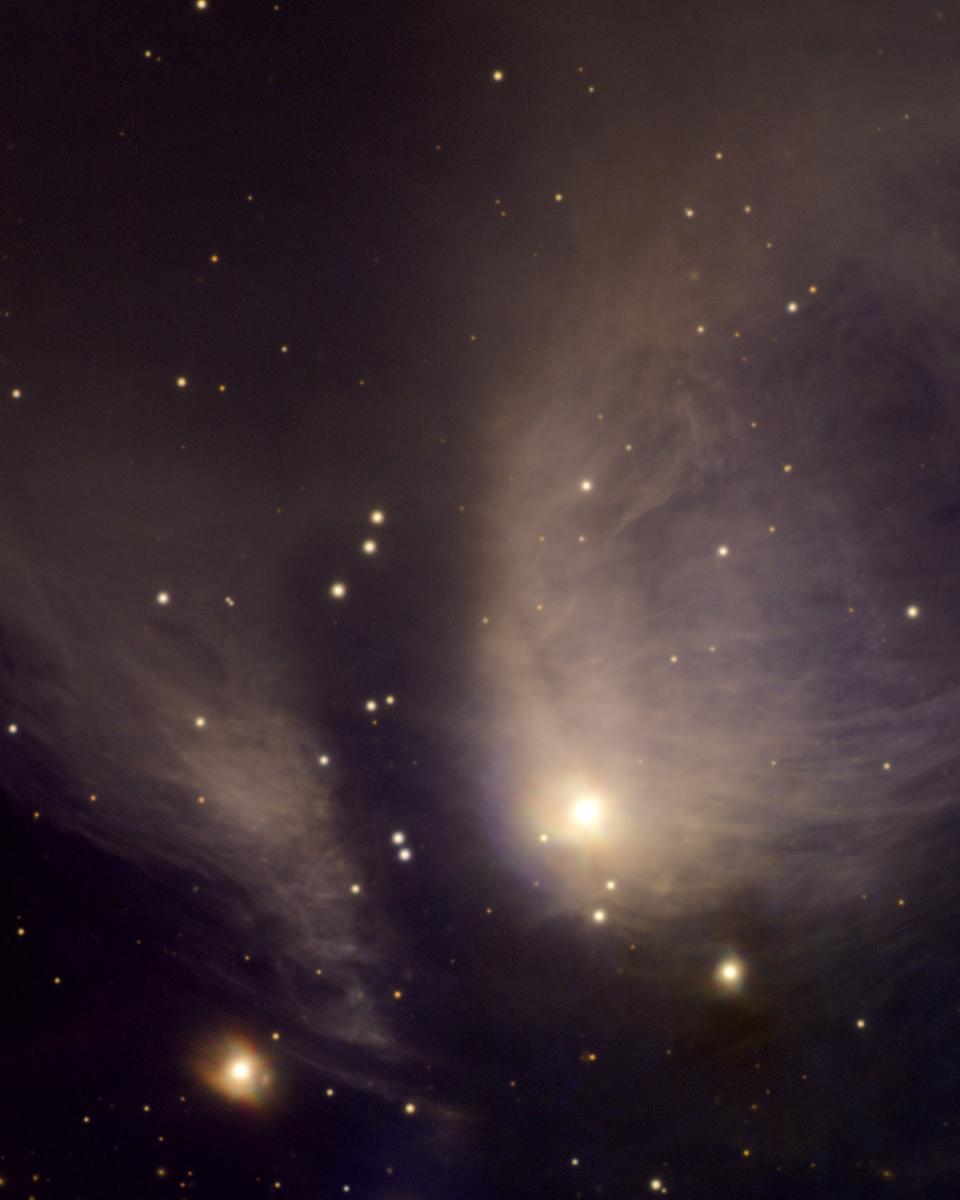
Portrait of RY Tauri
A star emerges from its natal cloud of gas and dust in this tantalizing portrait of RY Tauri, a small stellar nursery at the edge of the Taurus molecular cloud, a mere 450…
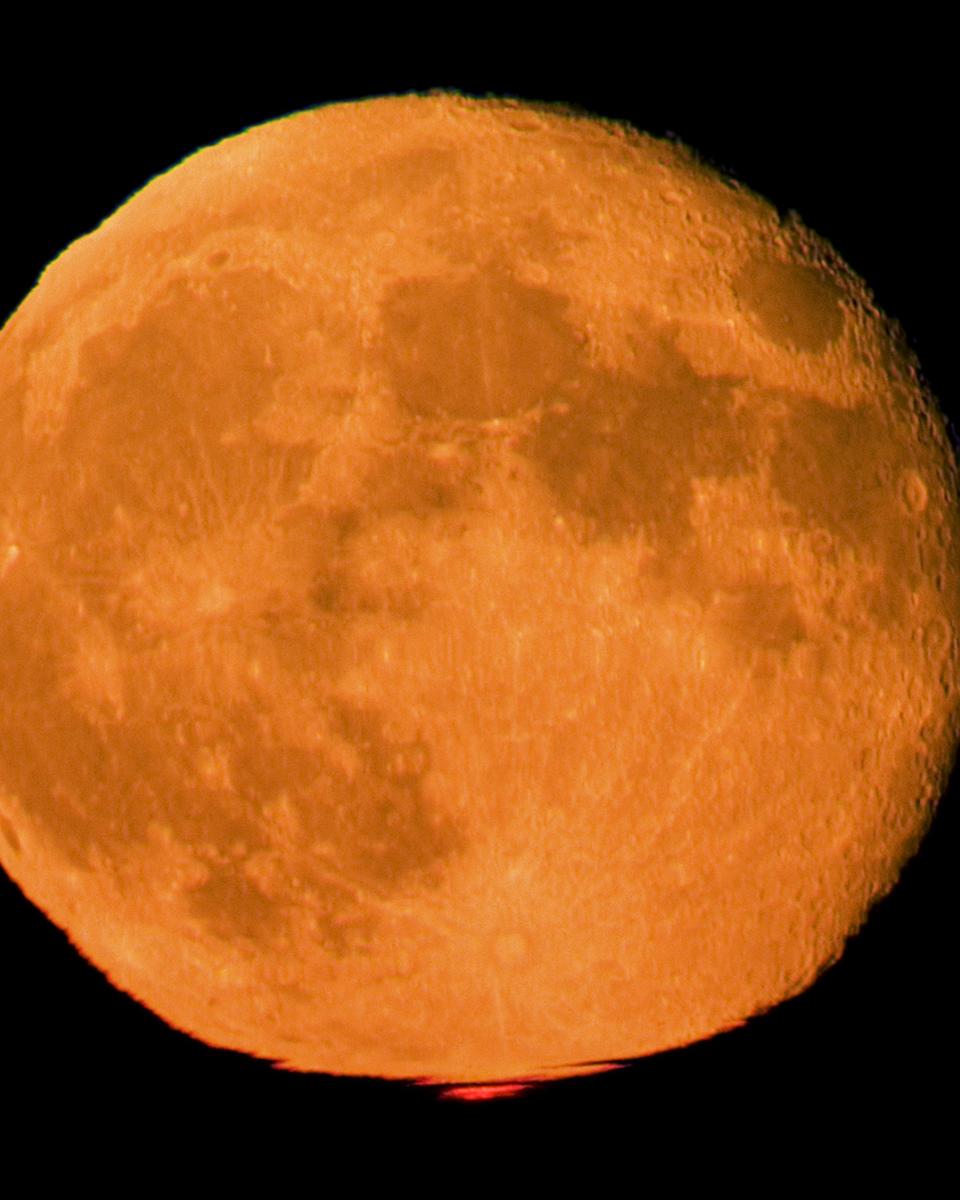
Orange Moon, Red Flash
This remarkable telescopic image highlights the deep orange cast of a waning gibbous Moon seen very close to the eastern horizon earlier this week, on September 19. In fact ,…
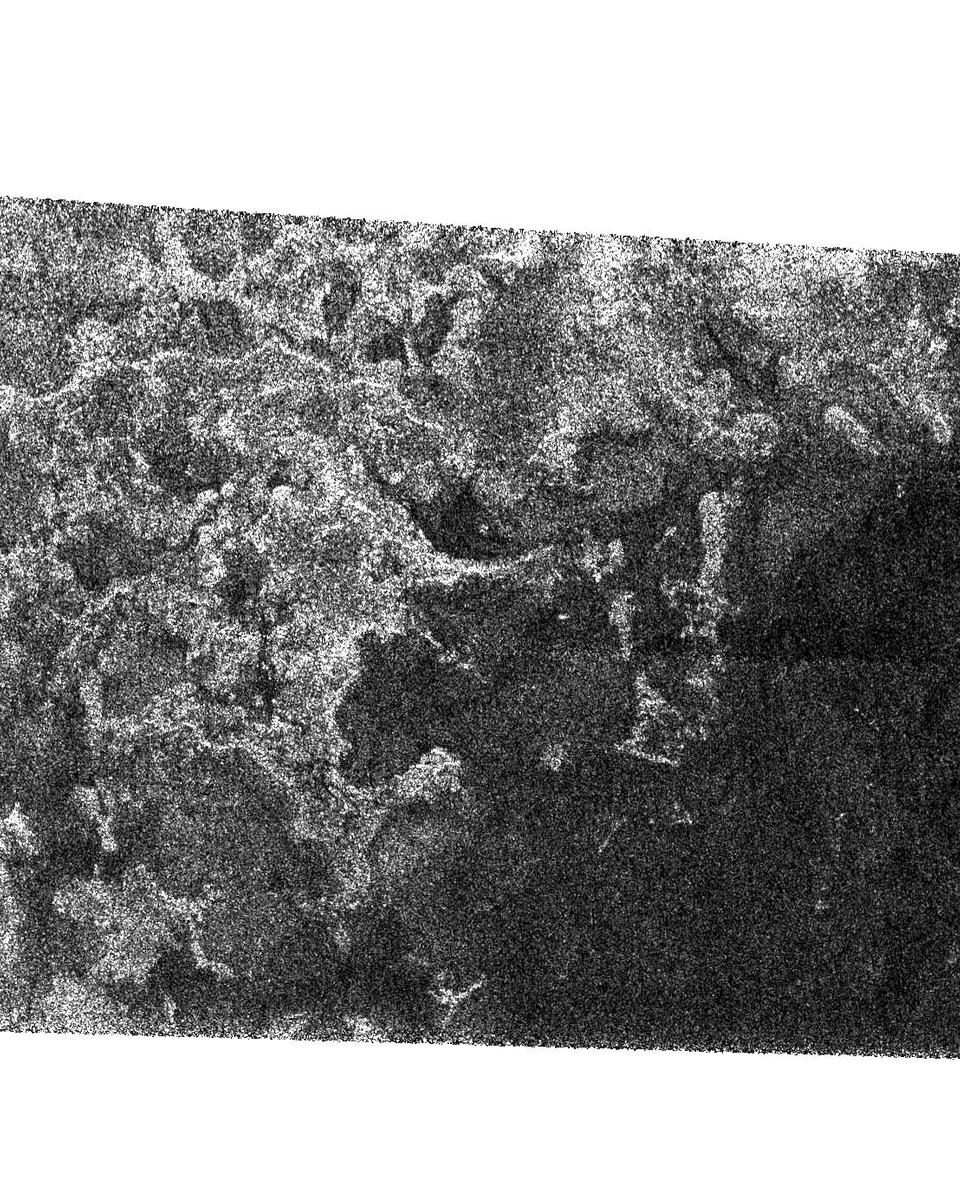
Shoreline Terrain on Saturn's Titan
What could have created this unusual terrain on Saturn's moon Titan? The robotic Cassini spacecraft now orbiting Saturn swooped once again, earlier this month, past the Solar…
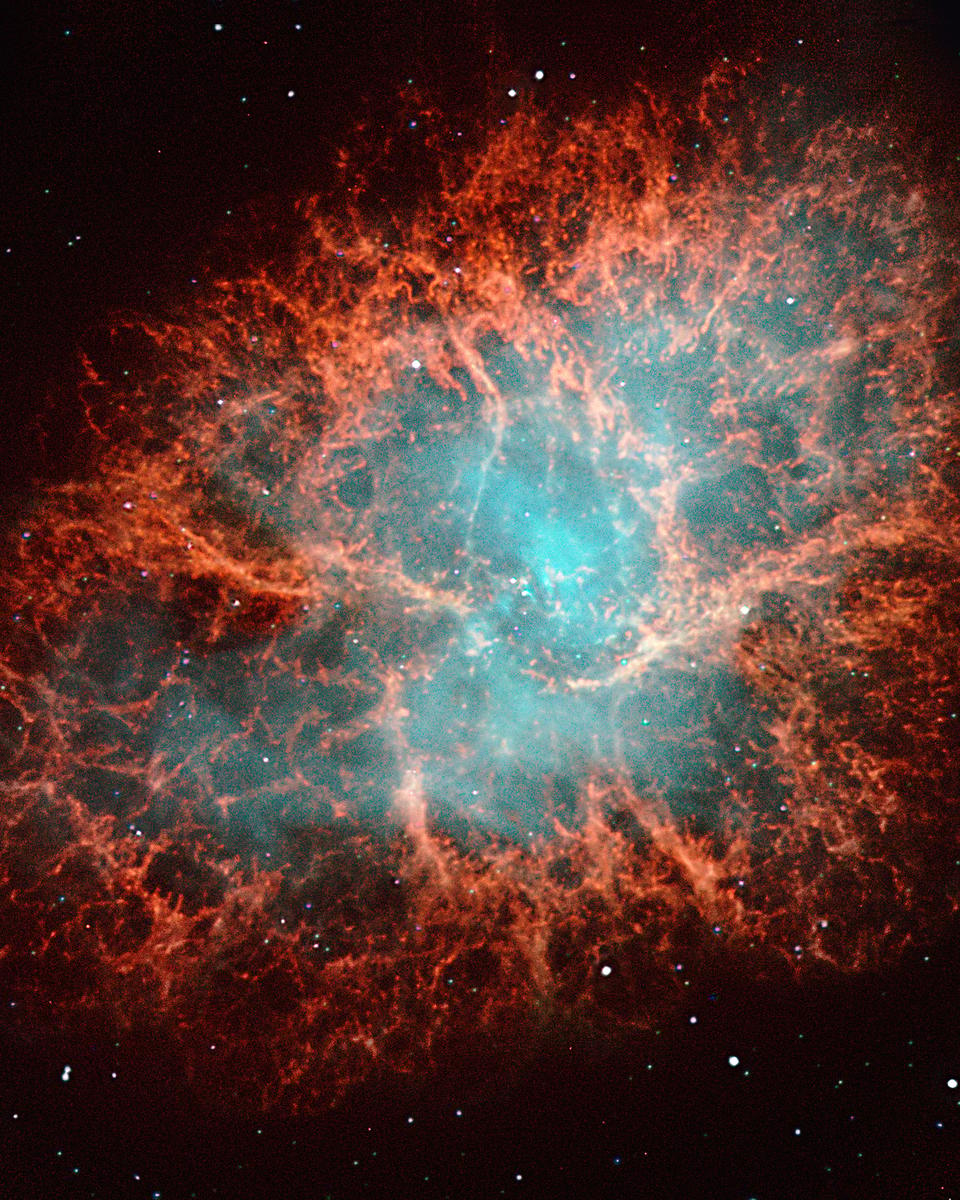
M1: The Crab Nebula from NOT
This is the mess that is left when a star explodes. The Crab Nebula , the result of a supernova seen in 1054 AD , is filled with mysterious filaments. The filaments are not only…
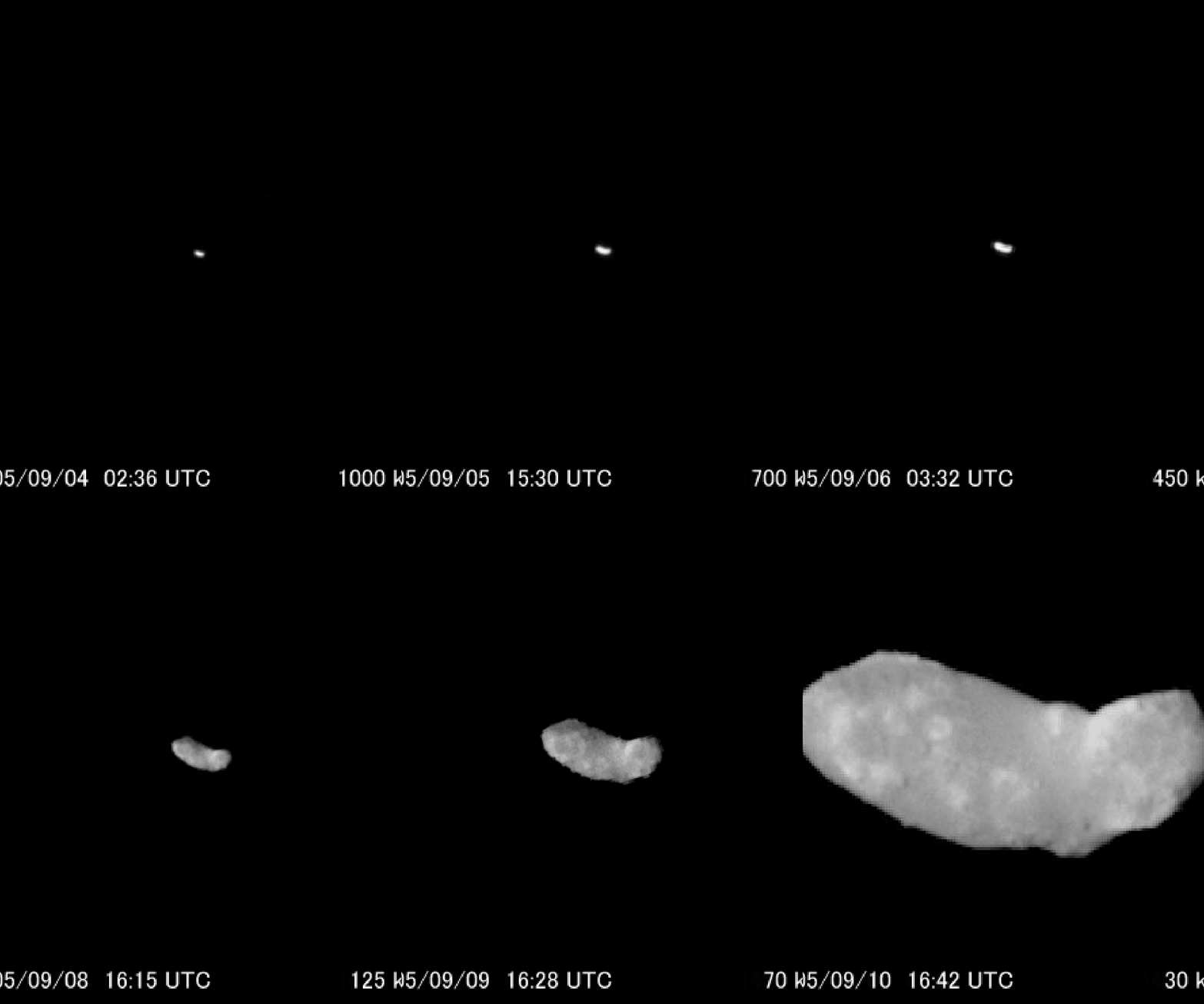
Approaching Asteroid Itokawa
What are asteroids made of? To help find out, Japan 's JAXA space agency launched the Hayabusa mission to rendezvous with asteroid Itokawa . Last week, the small robotic Hayabusa…
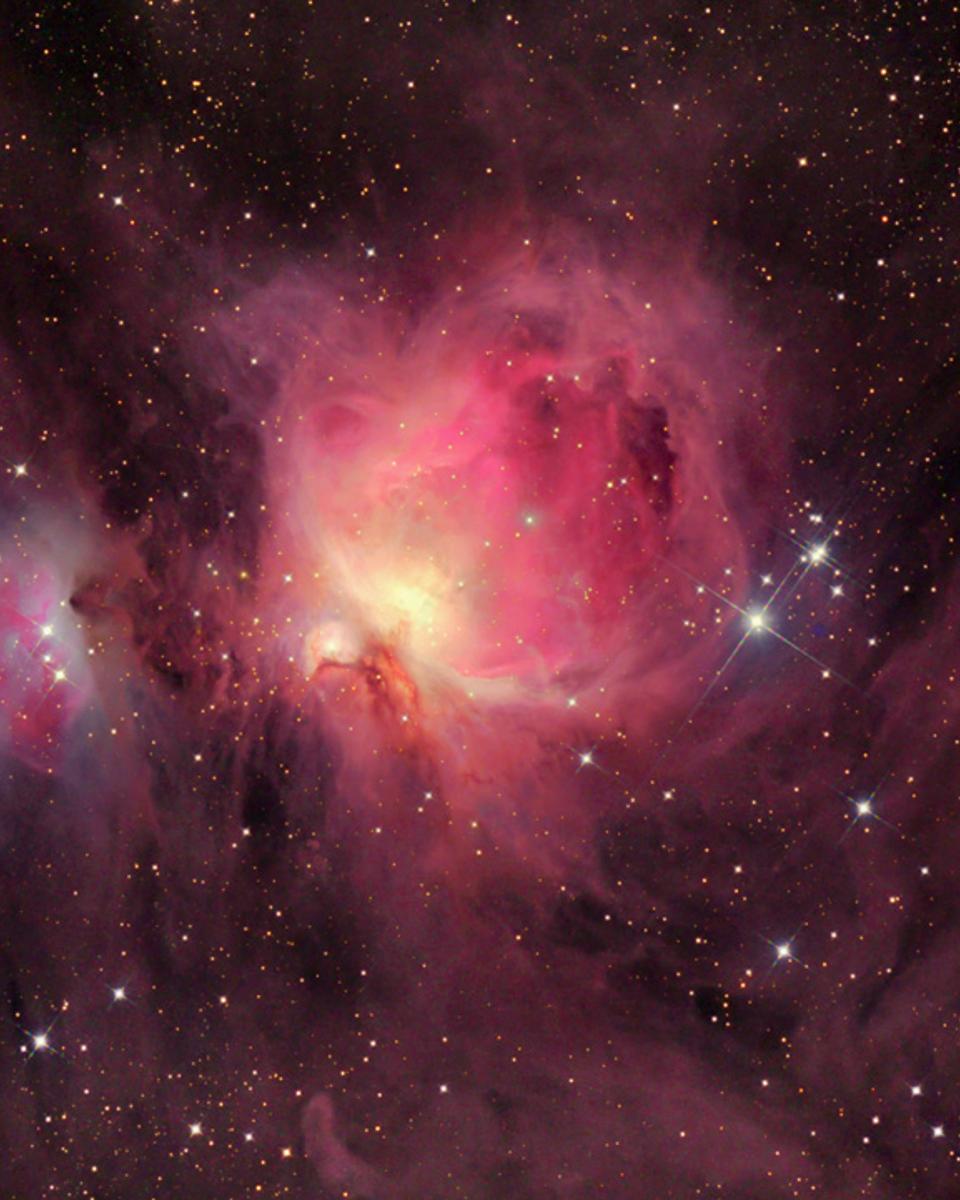
M42: Wisps of the Orion Nebula
The Great Nebula in Orion , an immense, nearby starbirth region , is probably the most famous of all astronomical nebulas . Here, glowing gas surrounds hot young stars at the edge…
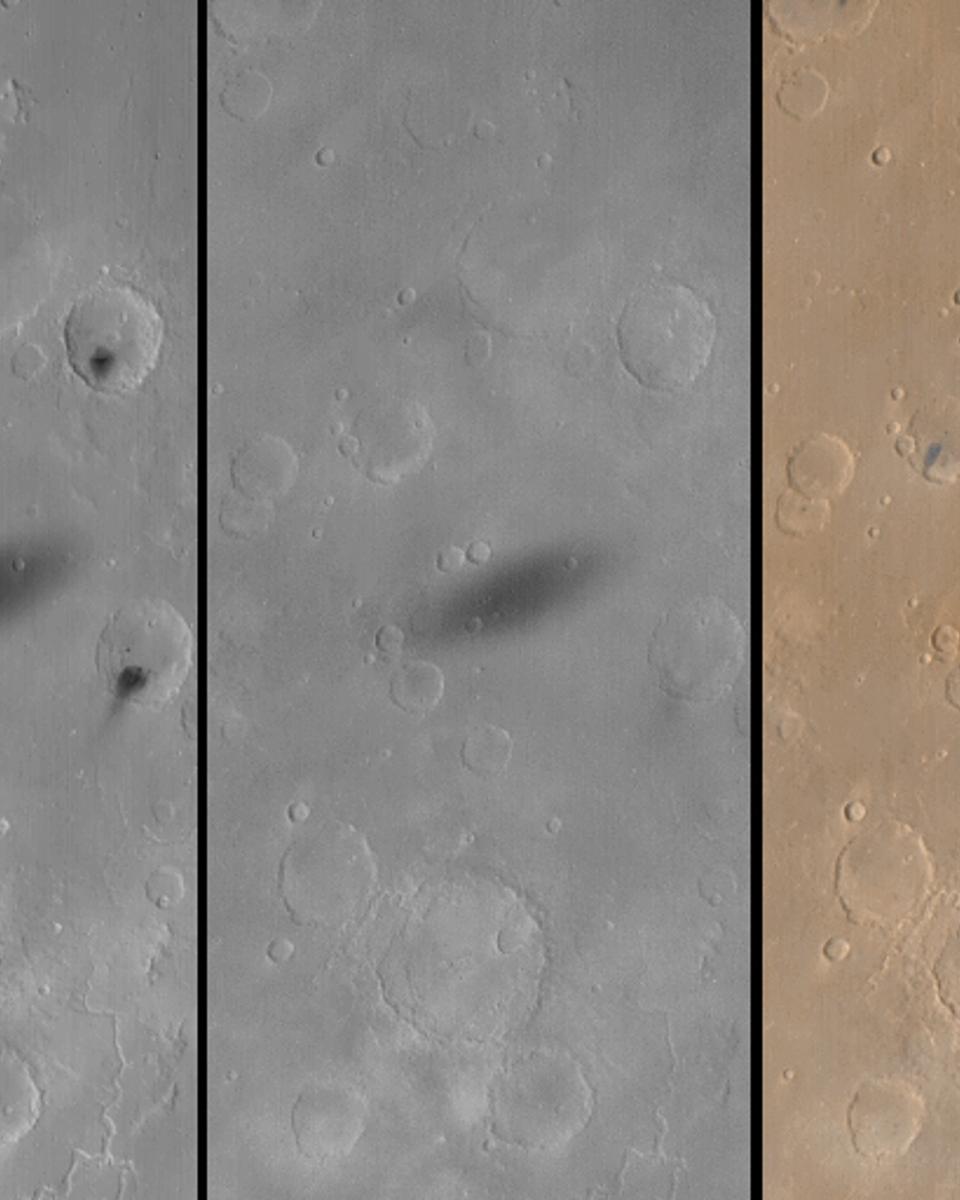
The Shadow of Phobos
Hurtling through space above the Red Planet , potato-shaped Phobos completes an orbit of Mars in less than eight hours. In fact, since its orbital period is shorter than the…
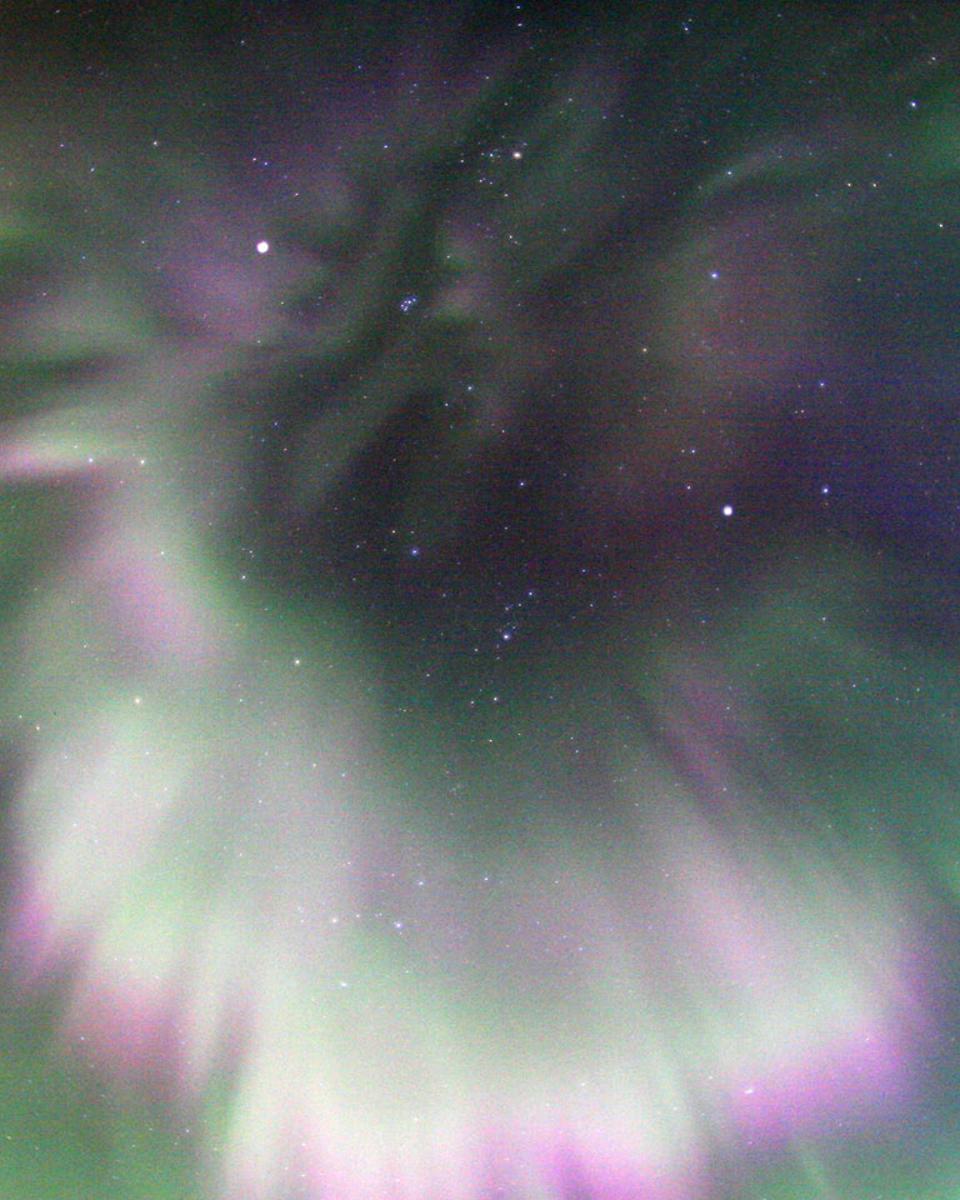
Northern Lights, September Skies
So far, the Aurora Borealis or Northern Lights have made some remarkable visits to September's skies . The reason, of course, is the not-so-quiet Sun . In particular, a large…
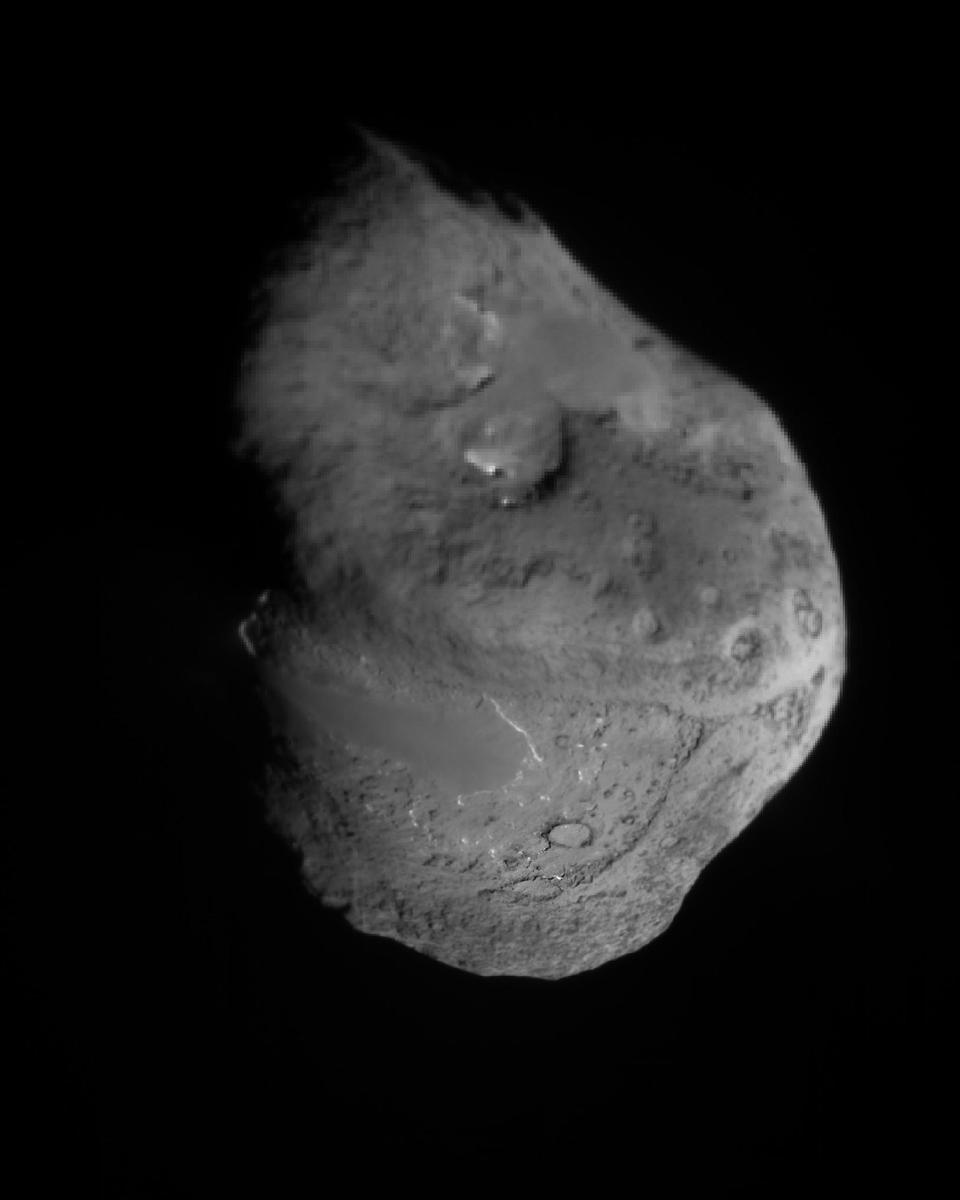
The Nucleus of Comet Tempel 1
Approaching the nucleus of comet Tempel 1 at ten kilometers per second , the Deep Impact probe's targeting camera recorded a truly dramatic series of images. Successive pictures…
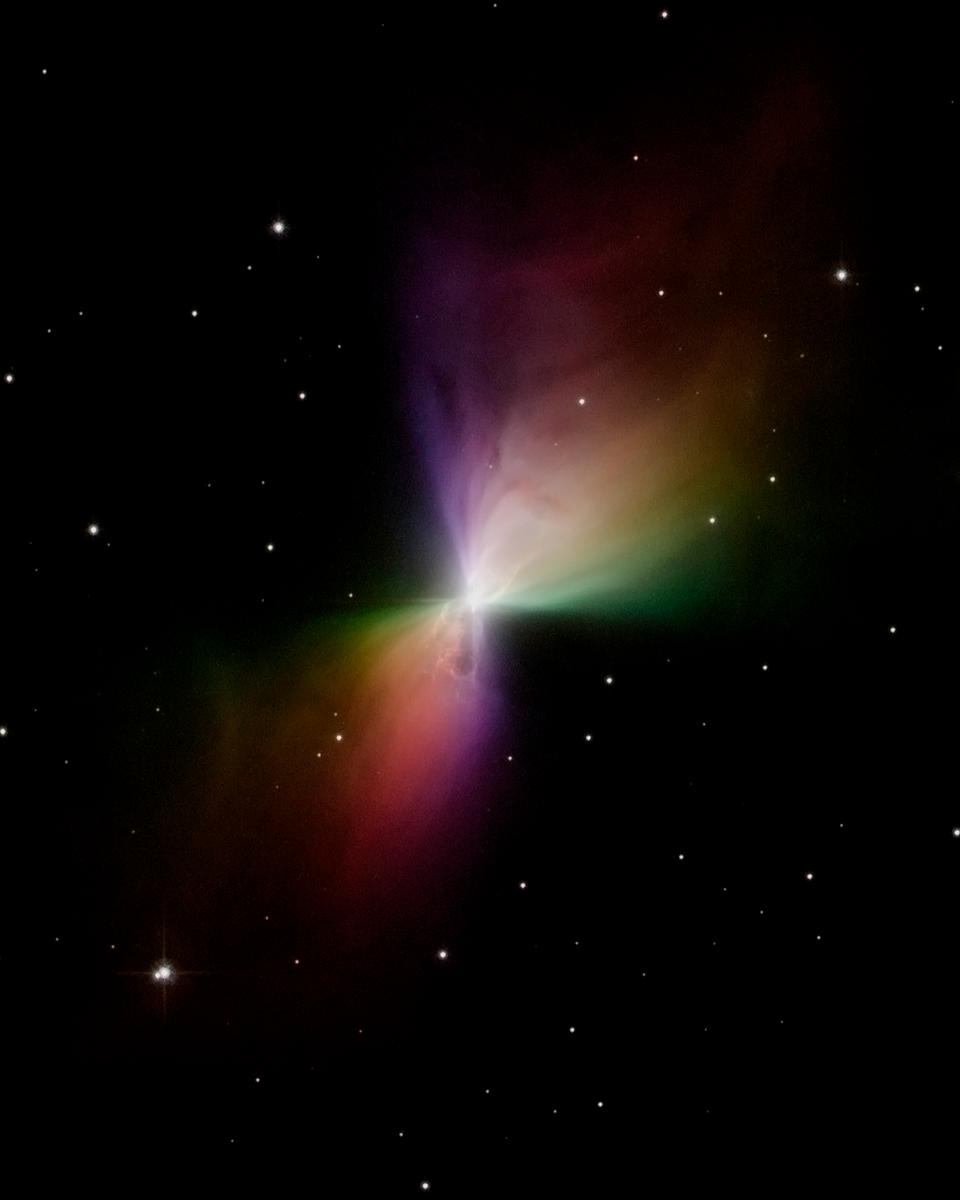
The Boomerang Nebula in Polarized Light
Why did the Boomerang Nebula form? The symmetric cloud dubbed the Boomerang appears to have been created by a high-speed wind of gas and dust blowing from an aging central star at…
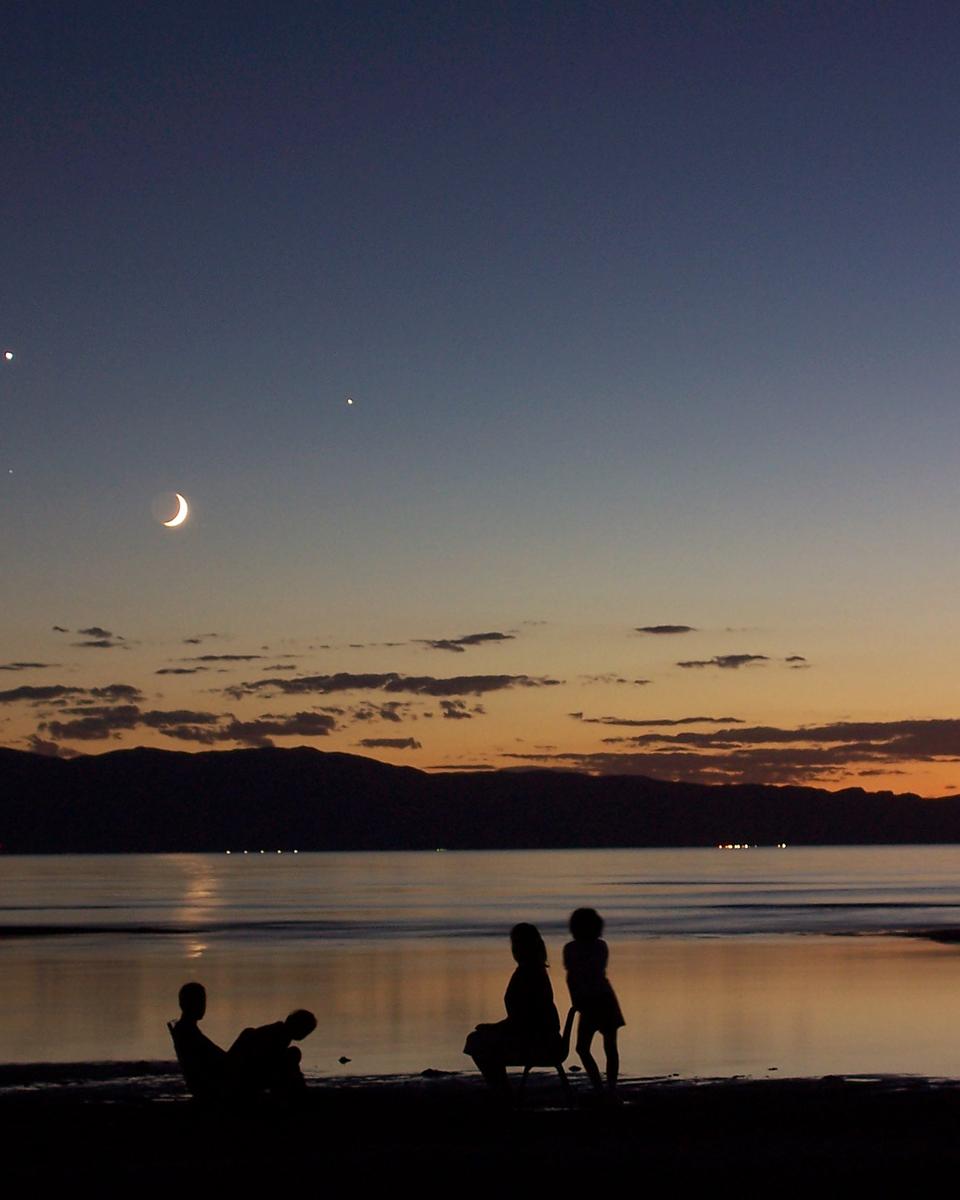
A Quadruple Sky Over Great Salt Lake
This was a sky to show the kids. All in all, three children, three planets, the Moon, a star, an airplane and a mom were all captured in one image near Great Salt Lake in Utah ,…
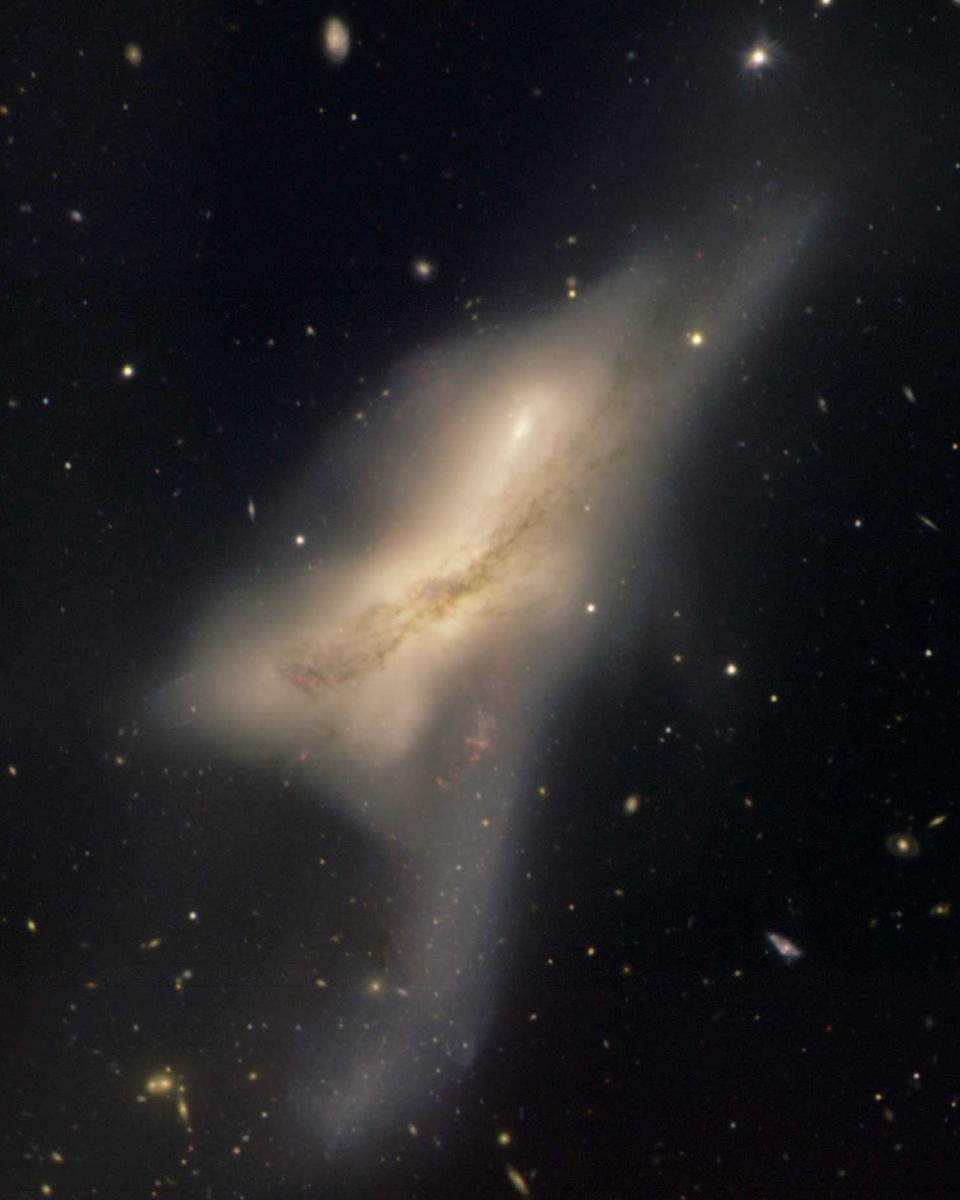
The Colliding Galaxies of NGC 520
Is this one galaxy or two? The jumble of stars, gas, and dust that is NGC 520 is now thought to incorporate the remains of two separate galaxies. A combination of observations and…
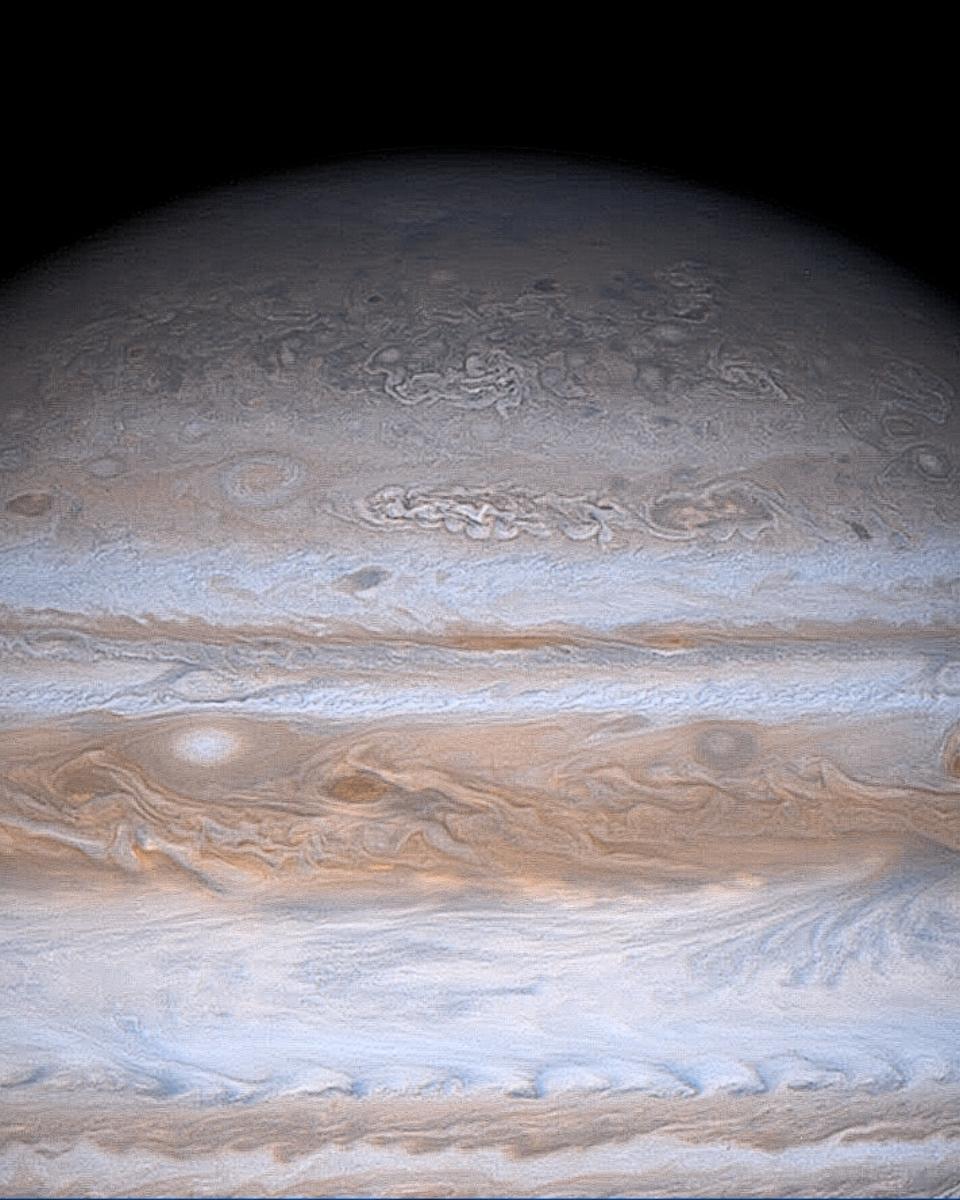
Jupiter's Clouds from Cassini
Gas giant Jupiter is the solar system's largest world with about 320 times the mass of planet Earth . Famous for its Great Red Spot , Jupiter is also known for its regular,…
Viewing discoveries from 4 October 2005 through 11 September 2005.