Browse NASA Astronomy Picture of the Day archive by date and media: Archive Discoveries
Browse the NASA APOD archive without needing the exact date first. Filter by media type and keep moving deeper into older images and videos.
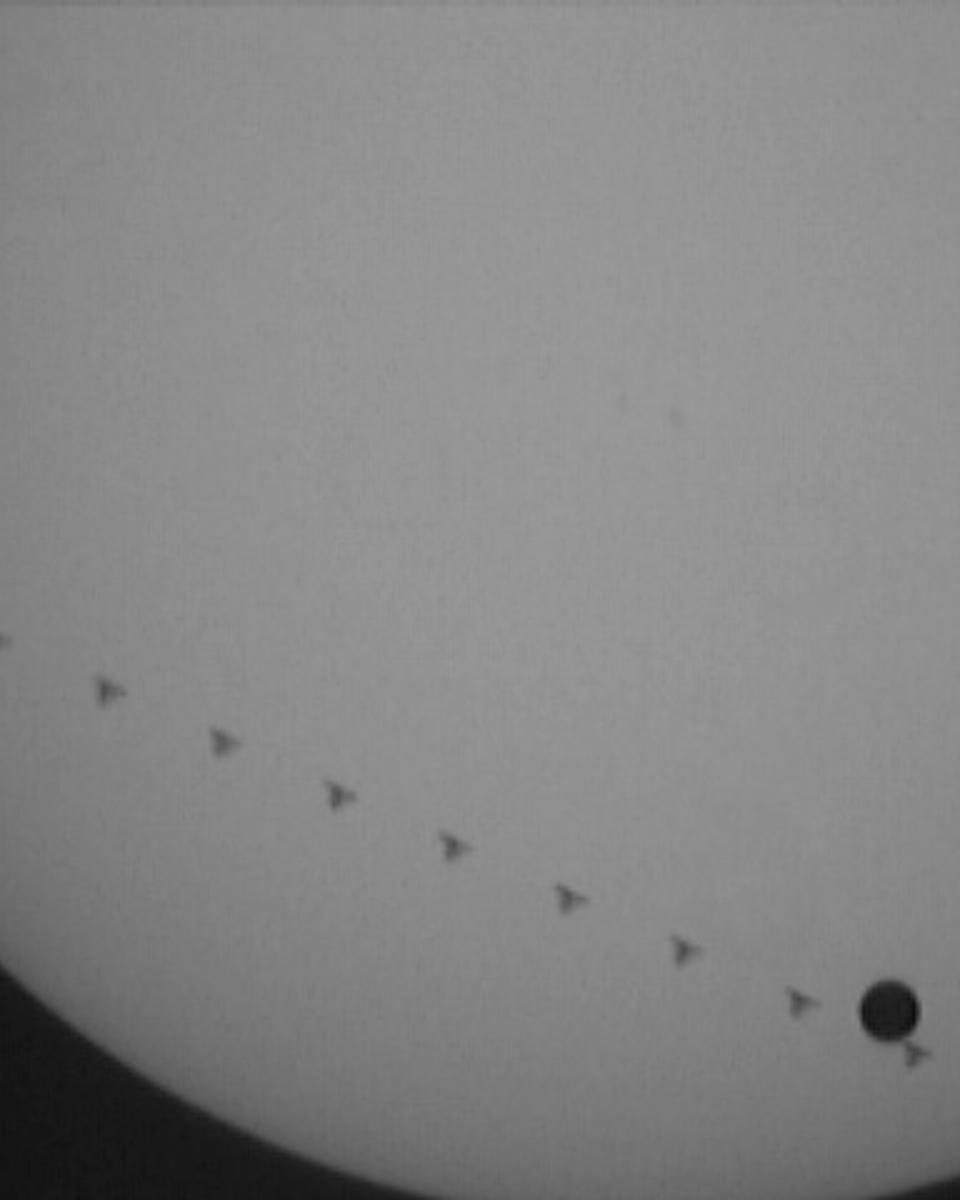
Space Station, Venus, Sun
On June 8, Venus was not the only celestial object to pass in front of the Sun. A few well-situated photographers caught the International Space Station also crossing the Sun…
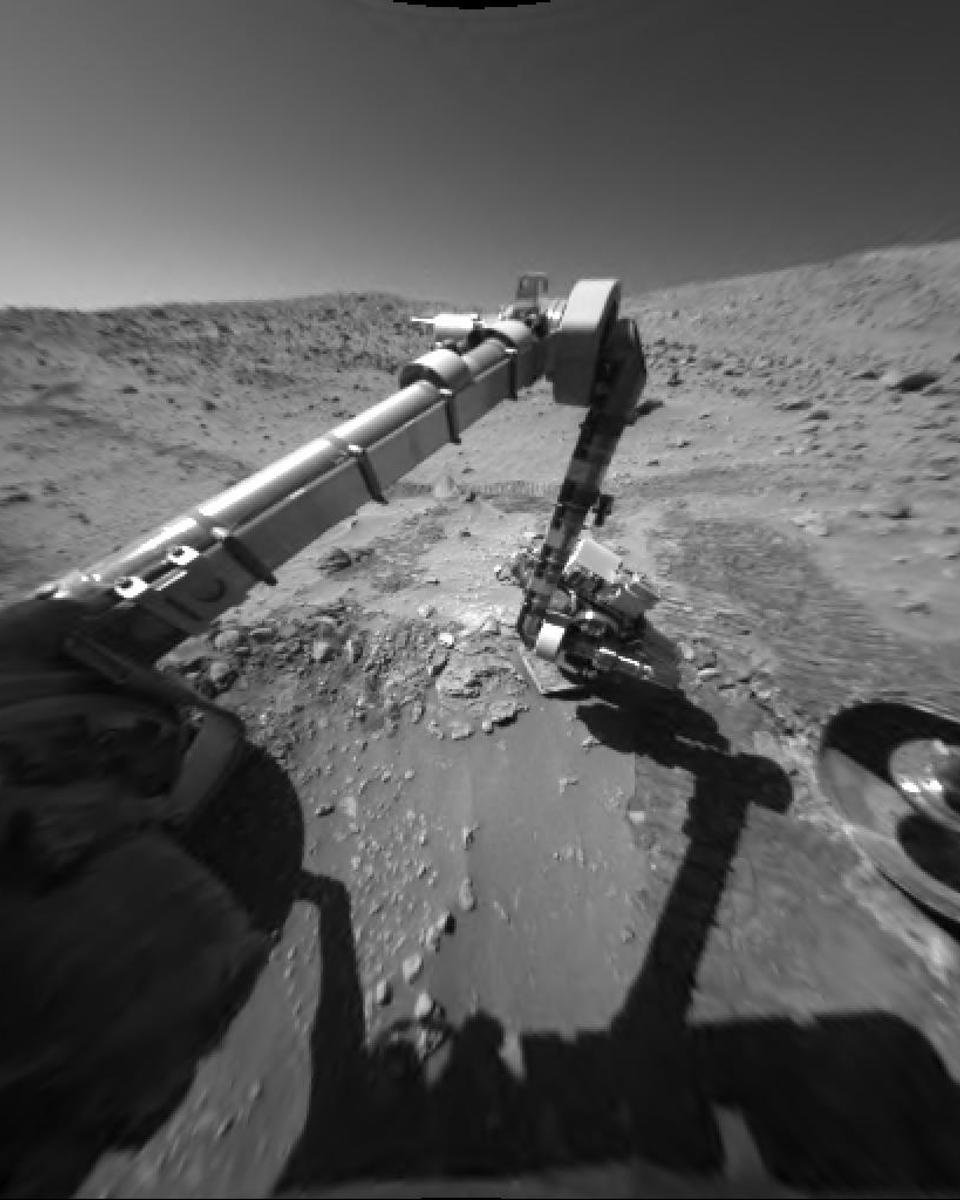
Attacking Mars
The Spirit rover attacked Mars again late last month. What might look, above, like a military attack, though, was once again just a scientific one - Spirit was instructed to…
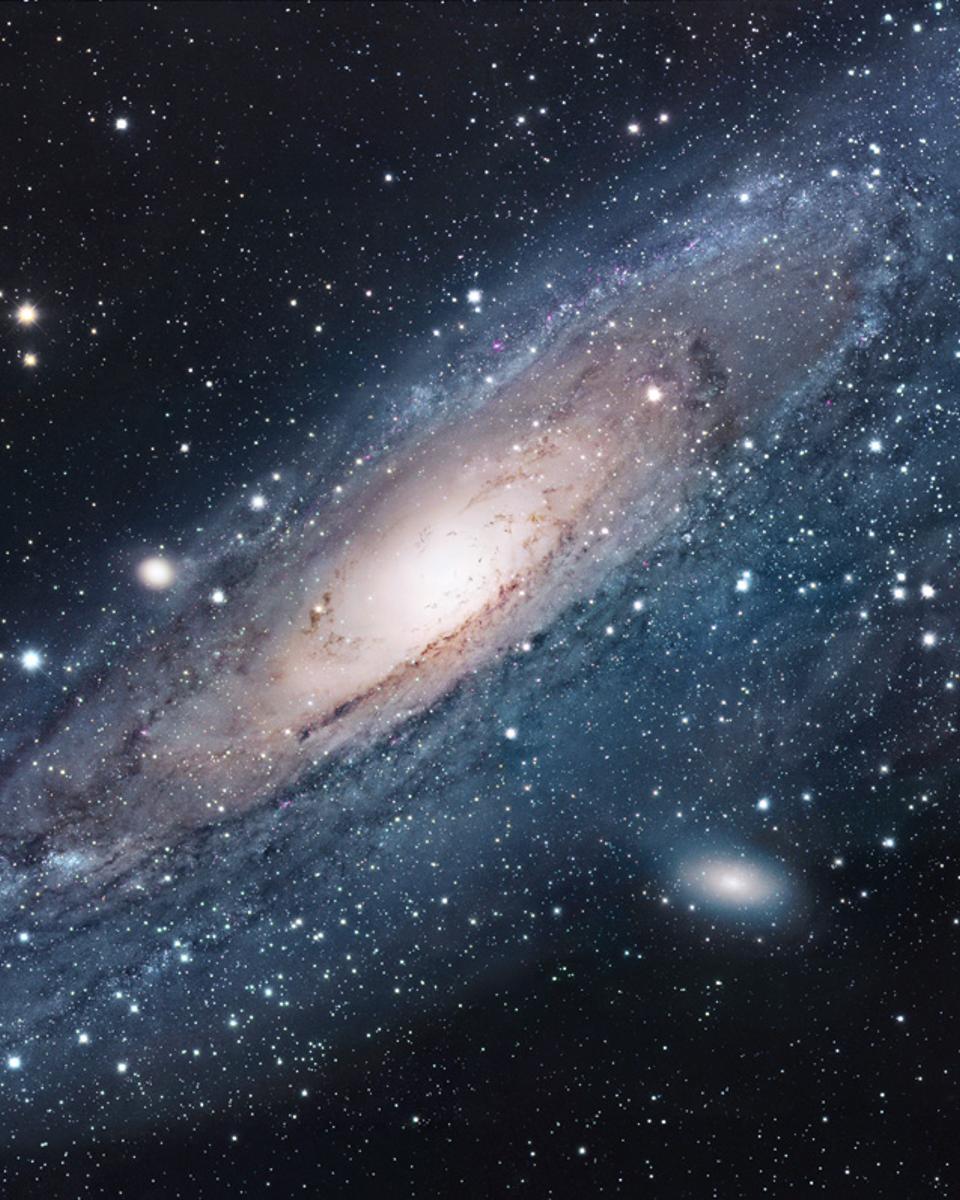
M31: The Andromeda Galaxy
Andromeda is the nearest major galaxy to our own Milky Way Galaxy . Our Galaxy is thought to look much like Andromeda . Together these two galaxies dominate the Local Group of…
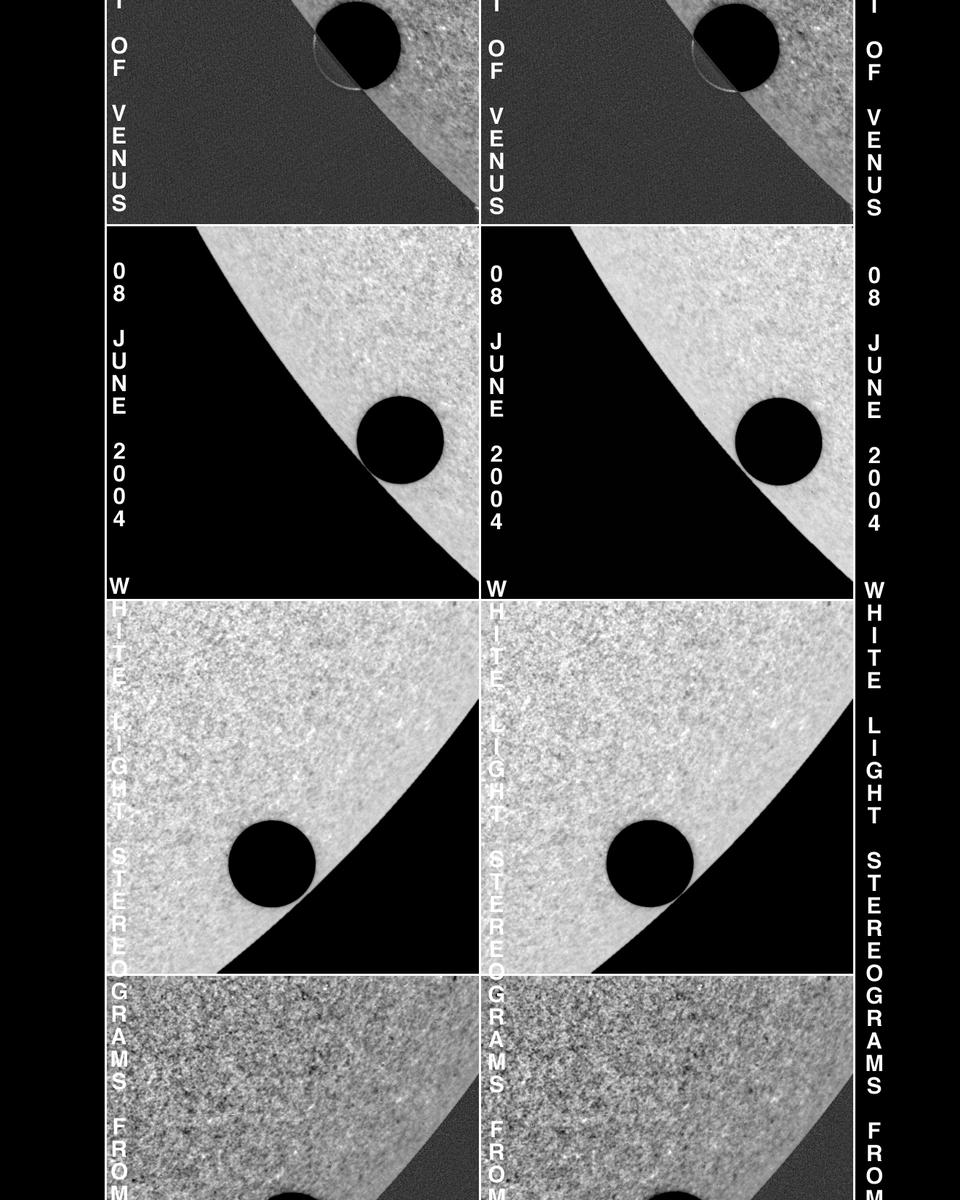
Transit of Venus Stereogram
Venus glides in front of an enormous solar disk in these two frames from the TRACE satellite imaging of the inner planet's 2004 transit . Arranged in a “right/left” stereogram,…
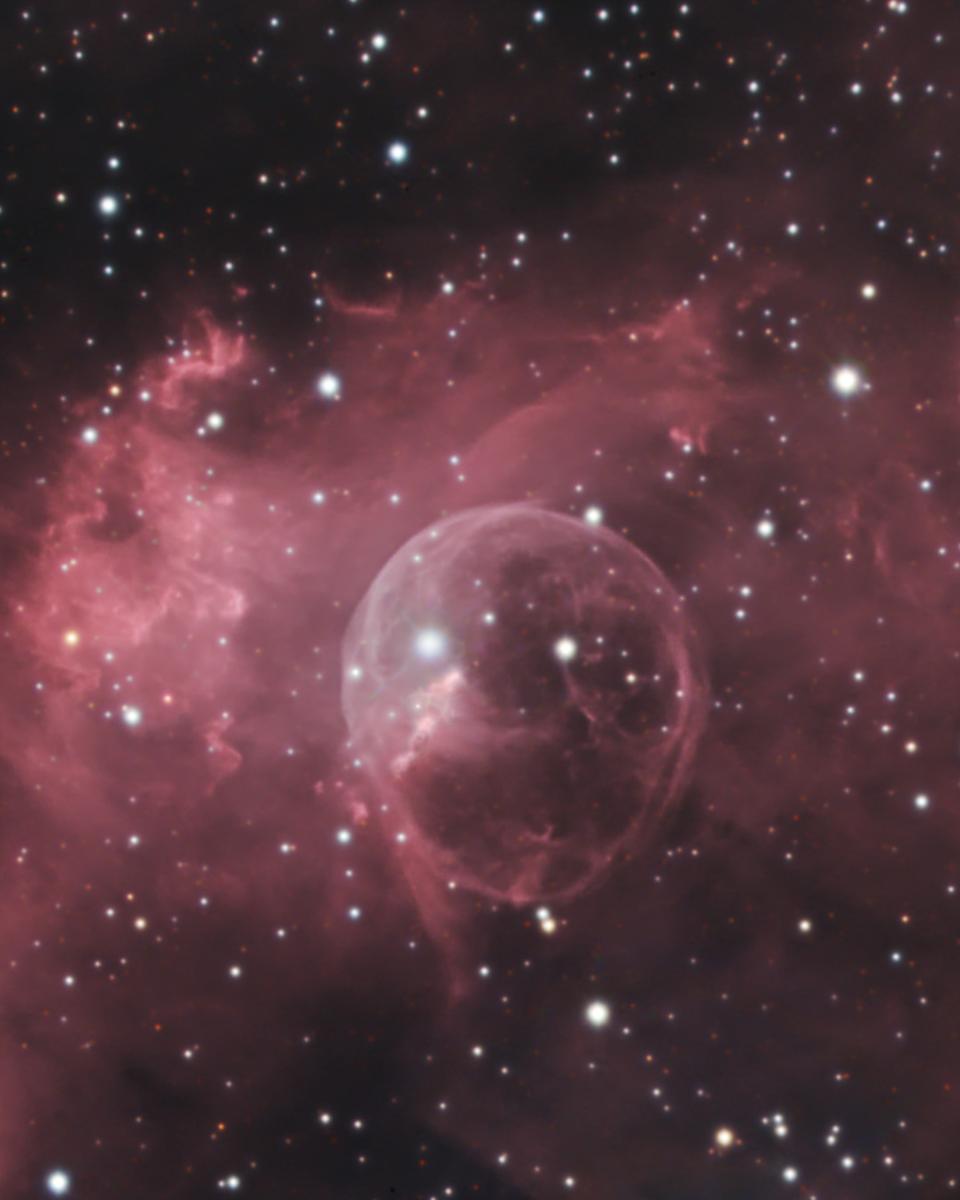
The Bubble
Blown by the wind from a star, this tantalizing , ghostly apparition is cataloged as NGC 7635, but known simply as The Bubble Nebula . Astronomer Ken Crawford's striking view…
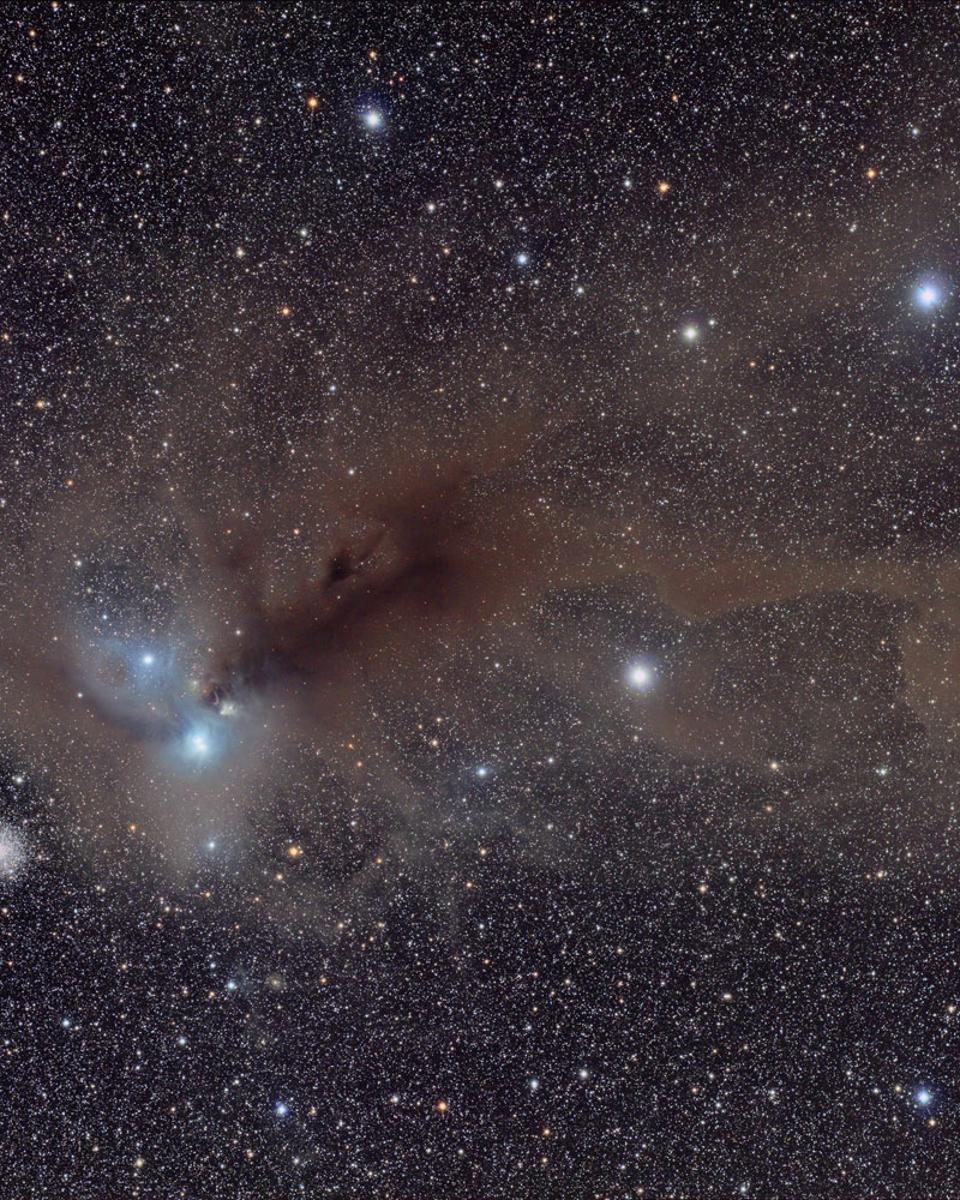
Stars and Dust in Corona Australis
A cosmic dust cloud sprawls across a rich field of stars in this gorgeous wide field telescopic vista looking toward Corona Australis , the Southern Crown. Probably less than 500…
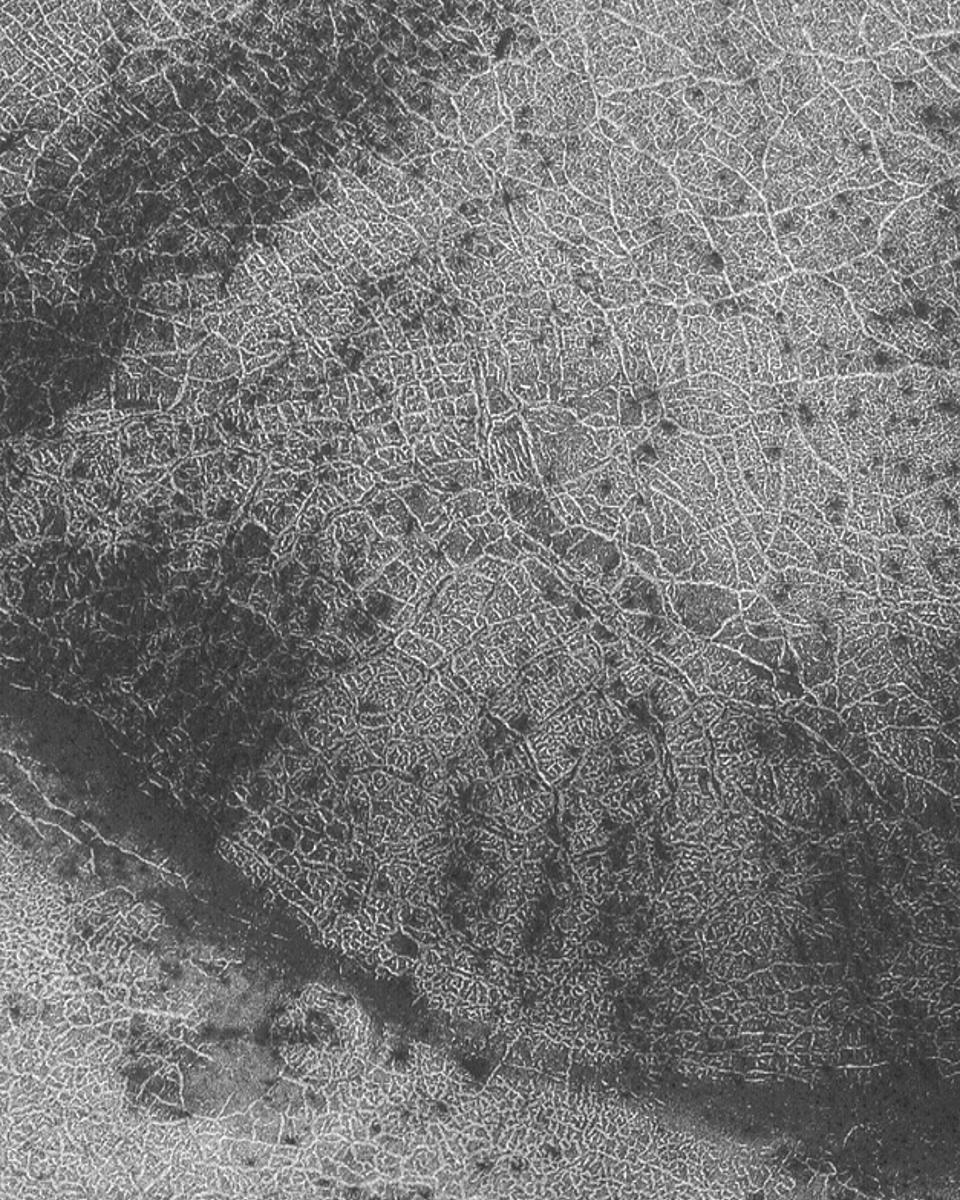
Polar Polygons on Mars
What's the best way to the city center? What looks like a street map of some city on Earth is actually a series of naturally-formed fragmented polar polygons on Mars . The…
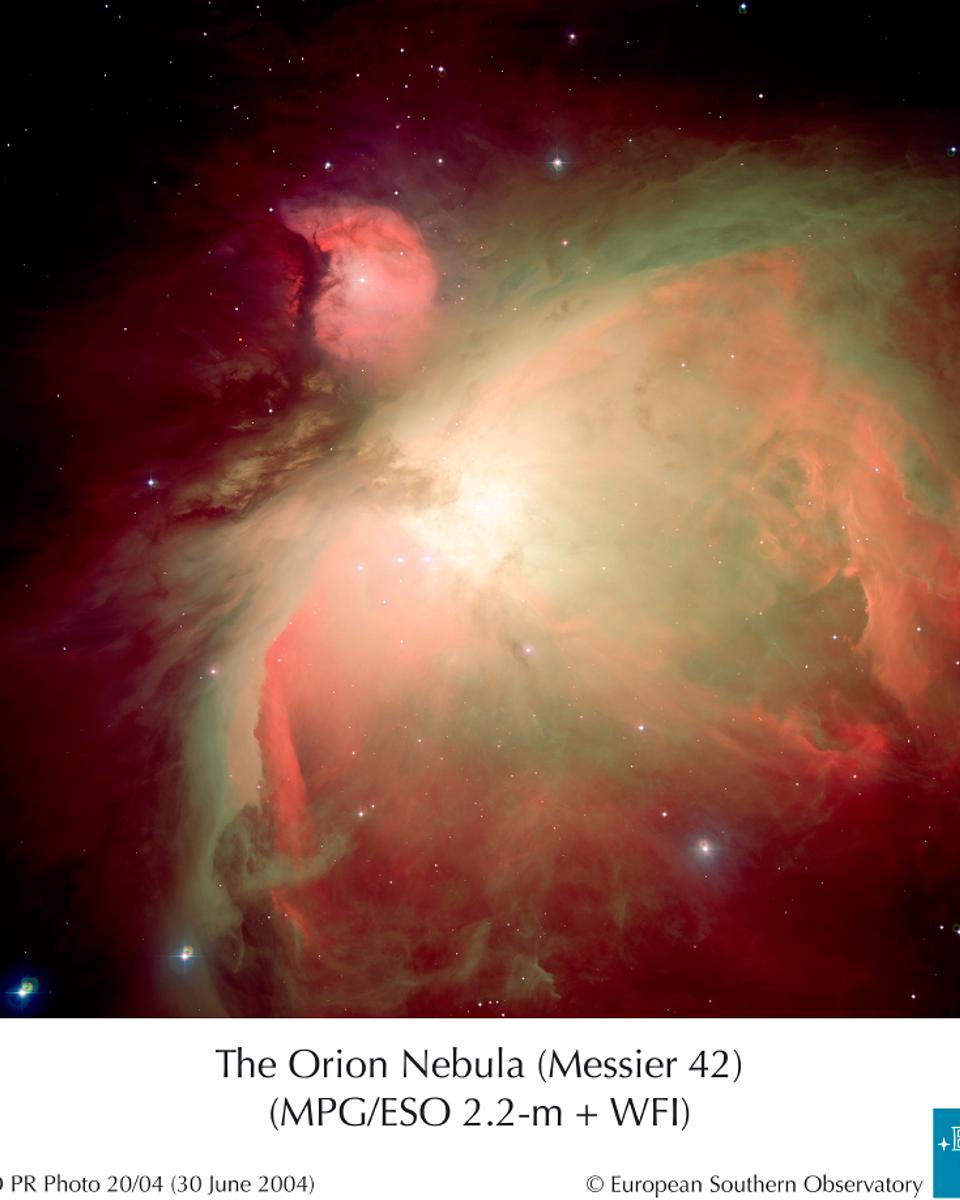
Orion Nebula in Oxygen, Hydrogen, and Sulfur
The Great Nebula in Orion , an immense , nearby starbirth region, is arguably the most famous of all astronomical nebulae. The Orion Nebula , also known as M42, is shown above…
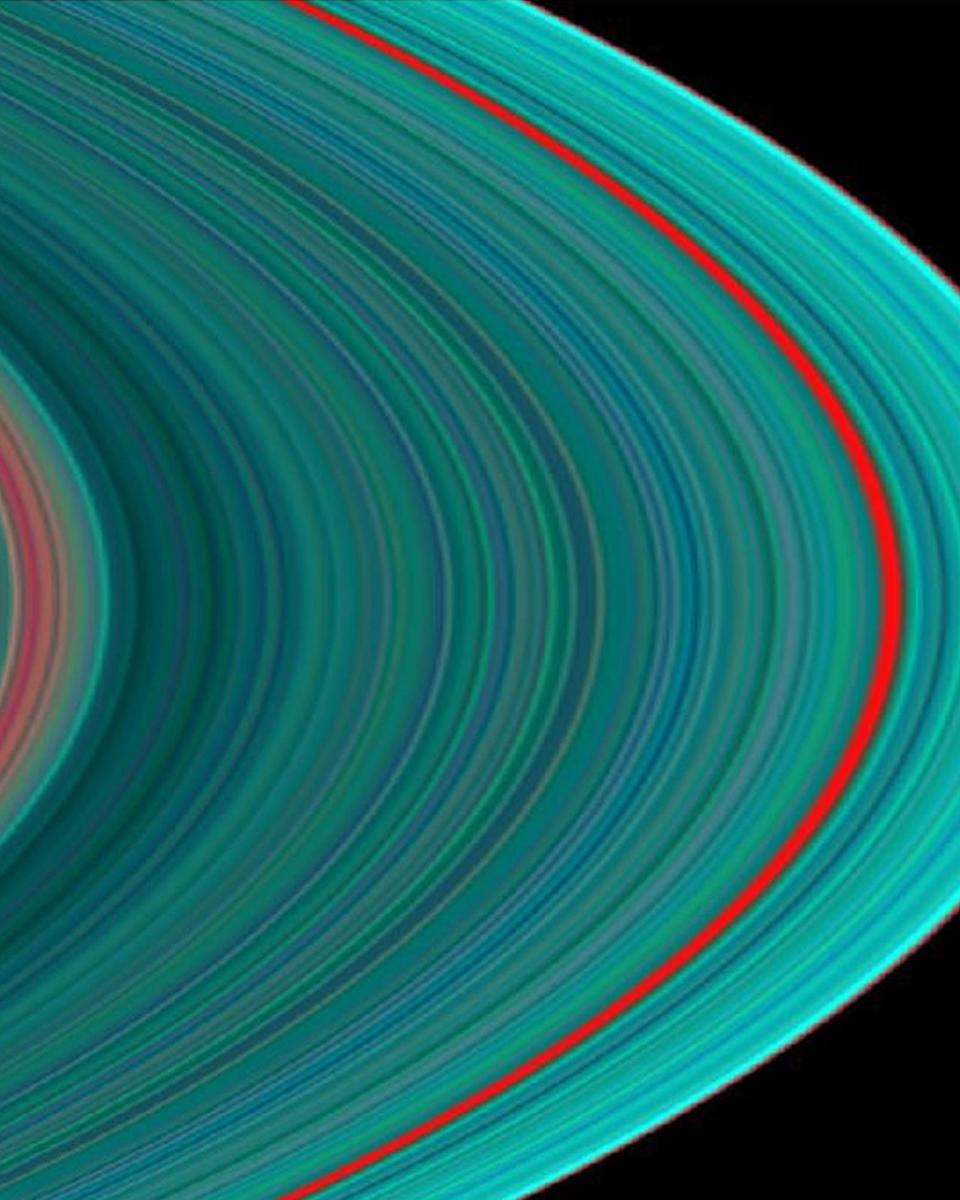
Cassini Images Saturn's A Ring
What are Saturn's rings made of? In an effort to find out, the robot spacecraft Cassini that entered orbit around Saturn two weeks ago took several detailed images of the area…
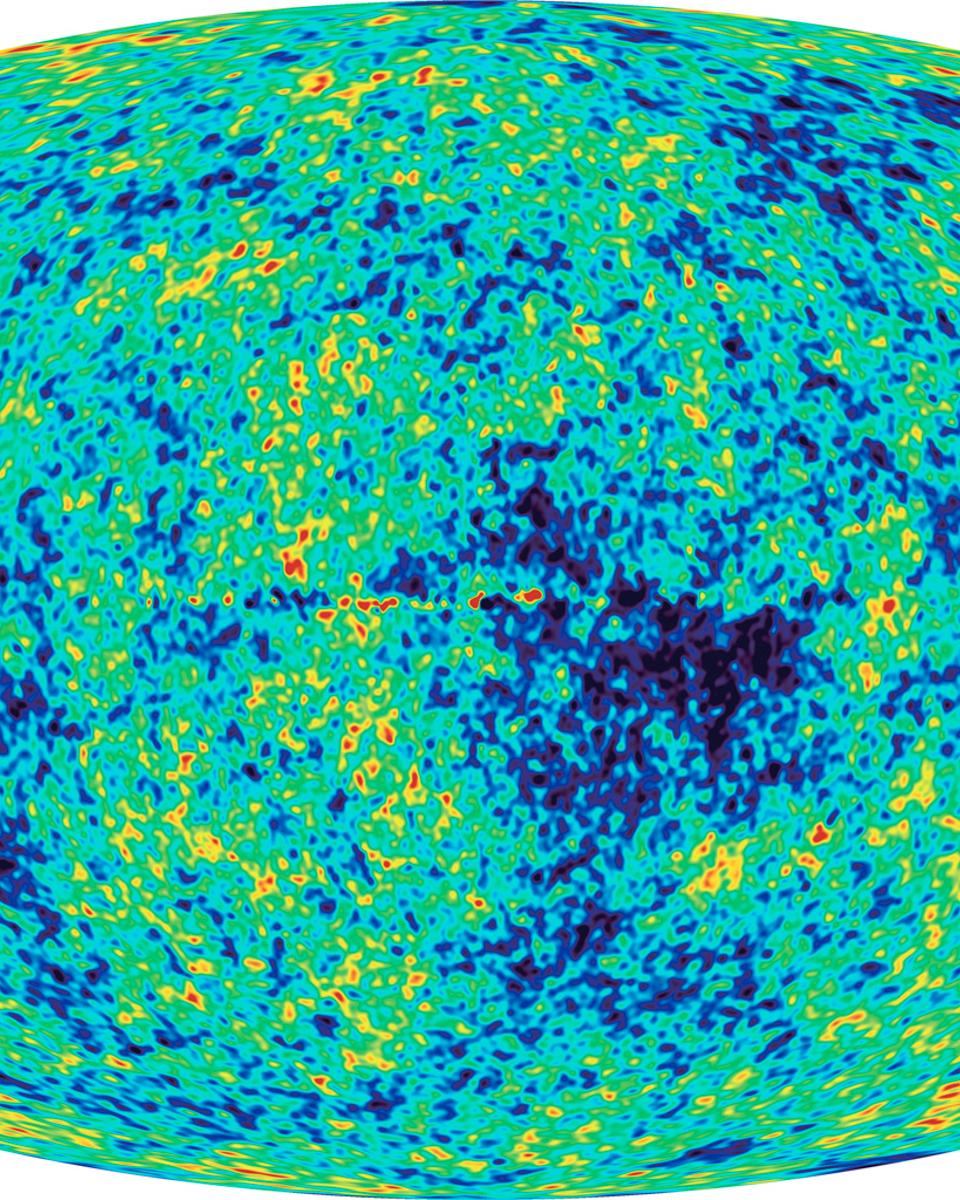
WMAP Resolves the Universe
Analyses of a new high-resolution map of microwave light emitted only 380,000 years after the Big Bang appear to define our universe more precisely than ever before. The eagerly…
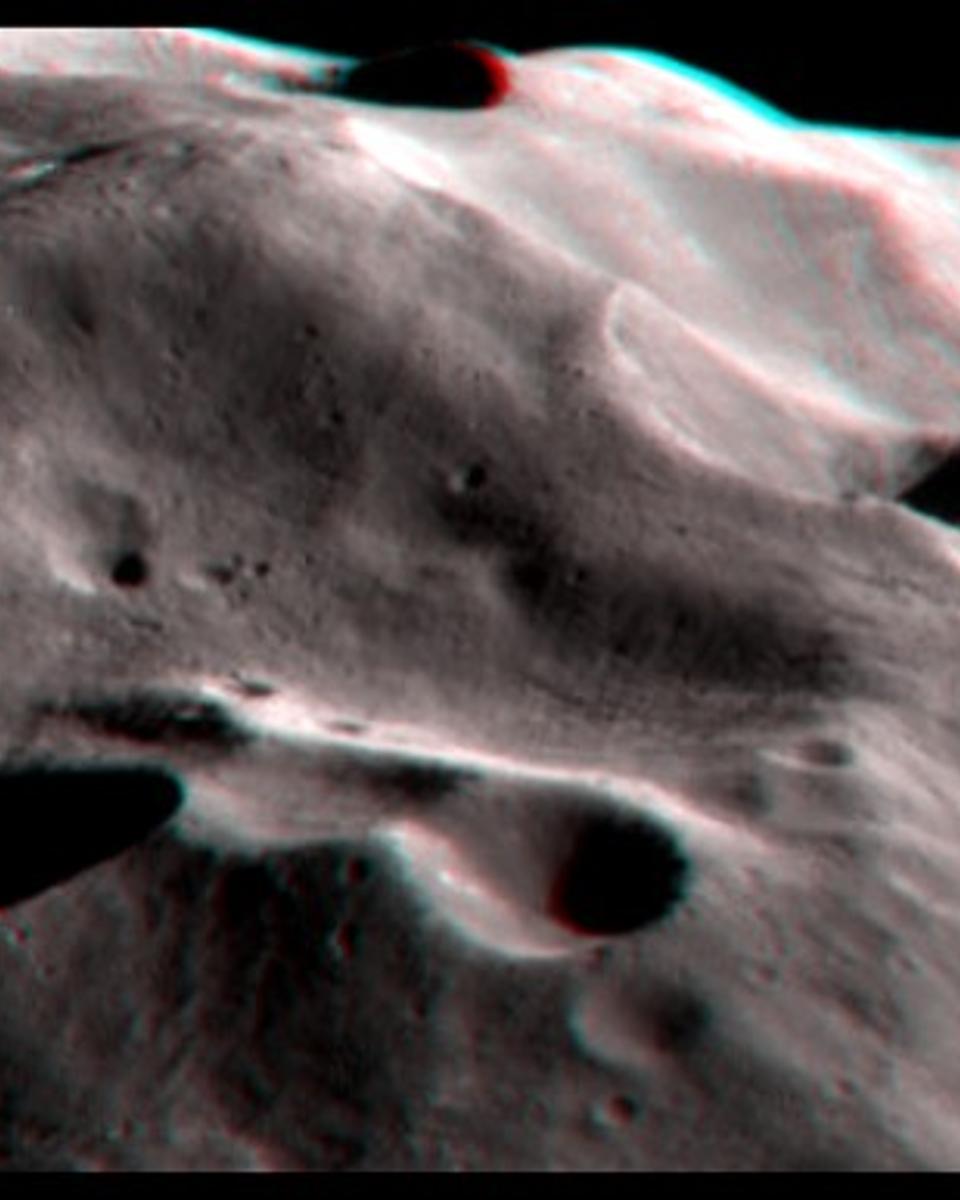
Phoebe Craters in Stereo
Get out your red/blue glasses and gaze across the spectacular, cratered terrain of Saturn's icy moon Phoebe in stereo. The dramatic 3-D perspective spans roughly 50 kilometers and…
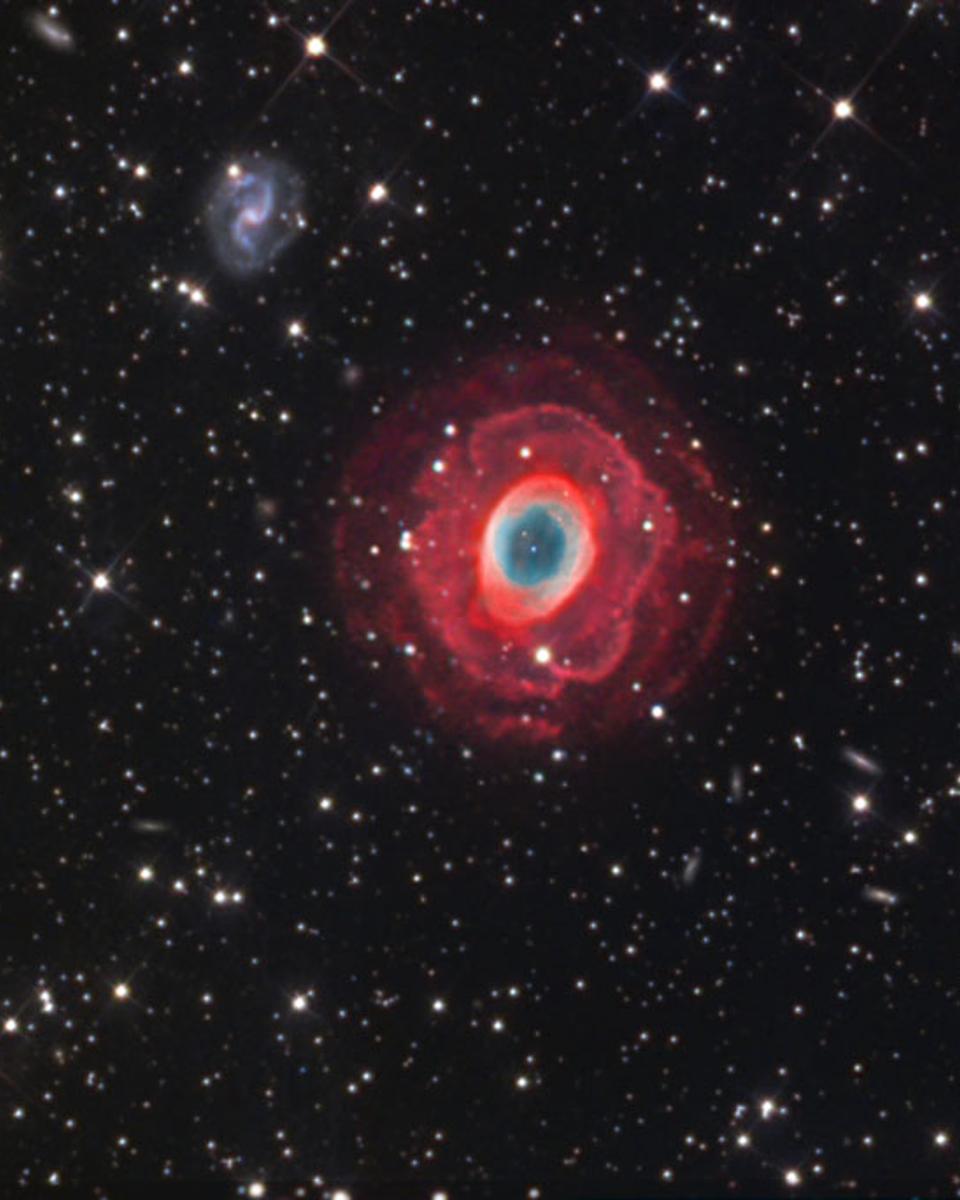
Ringed Nebulae
Have you heard a lot about ringed planets lately? Well, consider this gorgeous celestial vista centered on the Milky Way's own planetary nebula M57, the famous Ring Nebula . The…
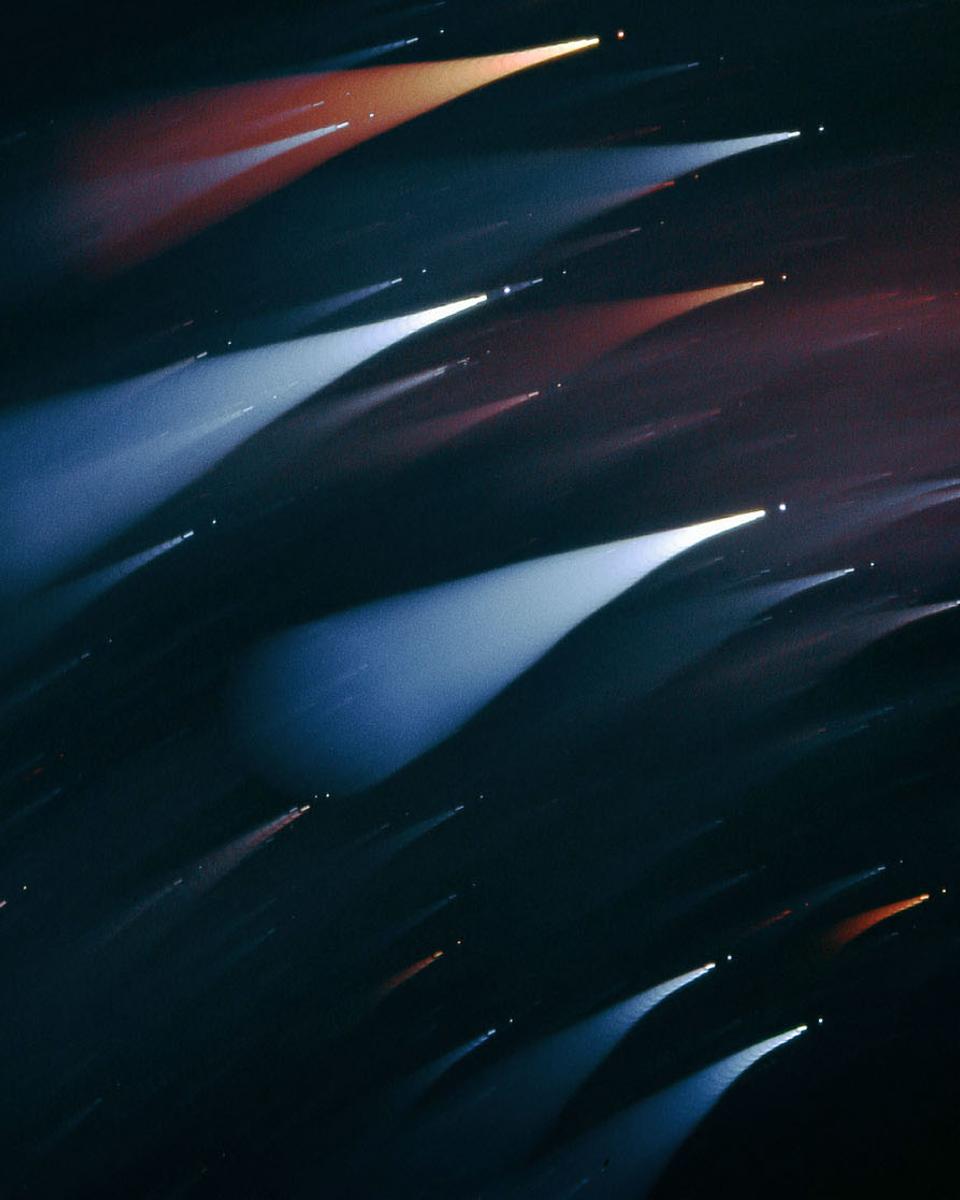
Southern Cross Star Colors
Fix your camera to a tripod, lock the shutter open, and you can easily record an image of star trails , the graceful concentric arcs traced by the stars as planet Earth rotates on…
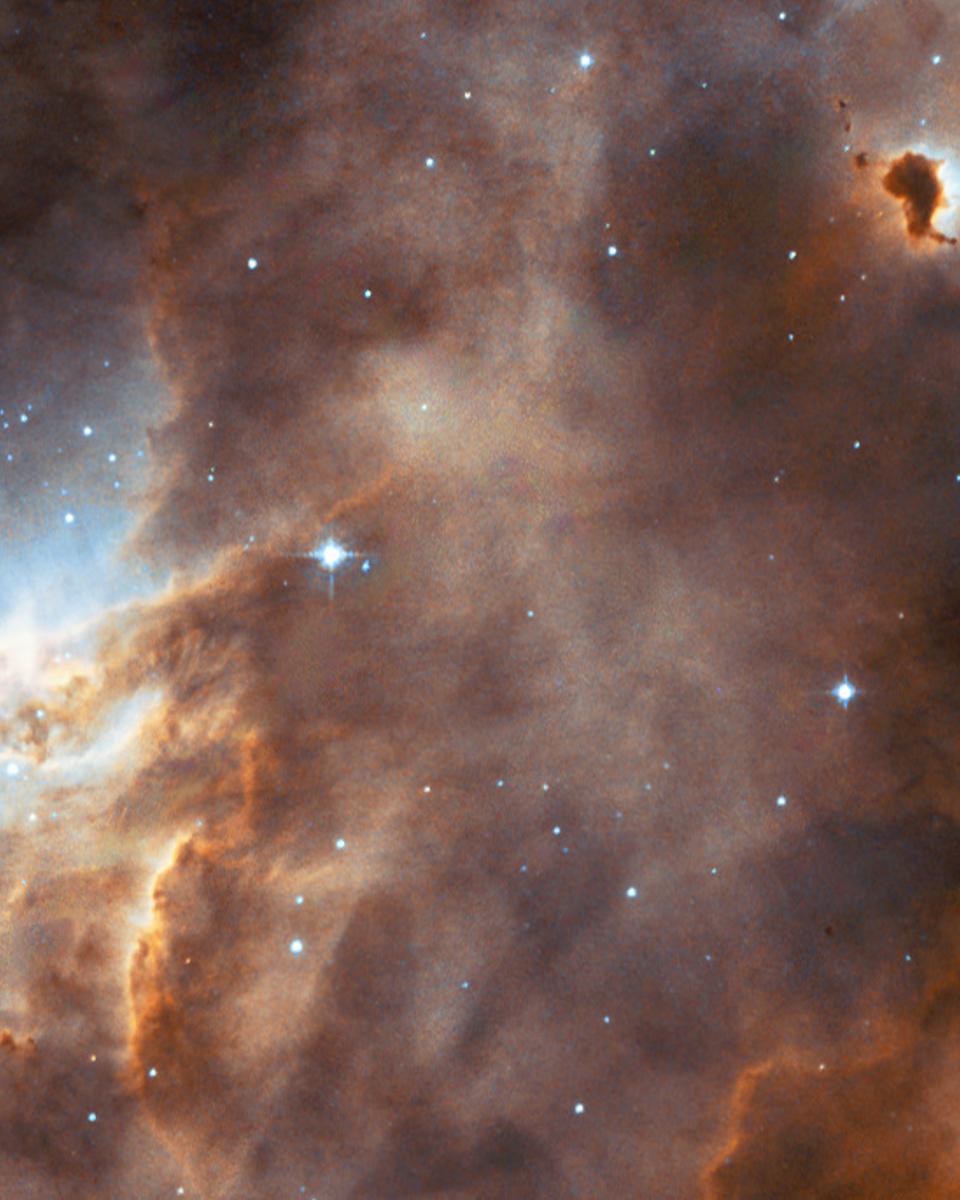
N11B: Star Cloud of the LMC
Massive stars, abrasive winds , mountains of dust , and energetic light sculpt one of the largest and most picturesque regions of star formation in the Local Group of Galaxies .…
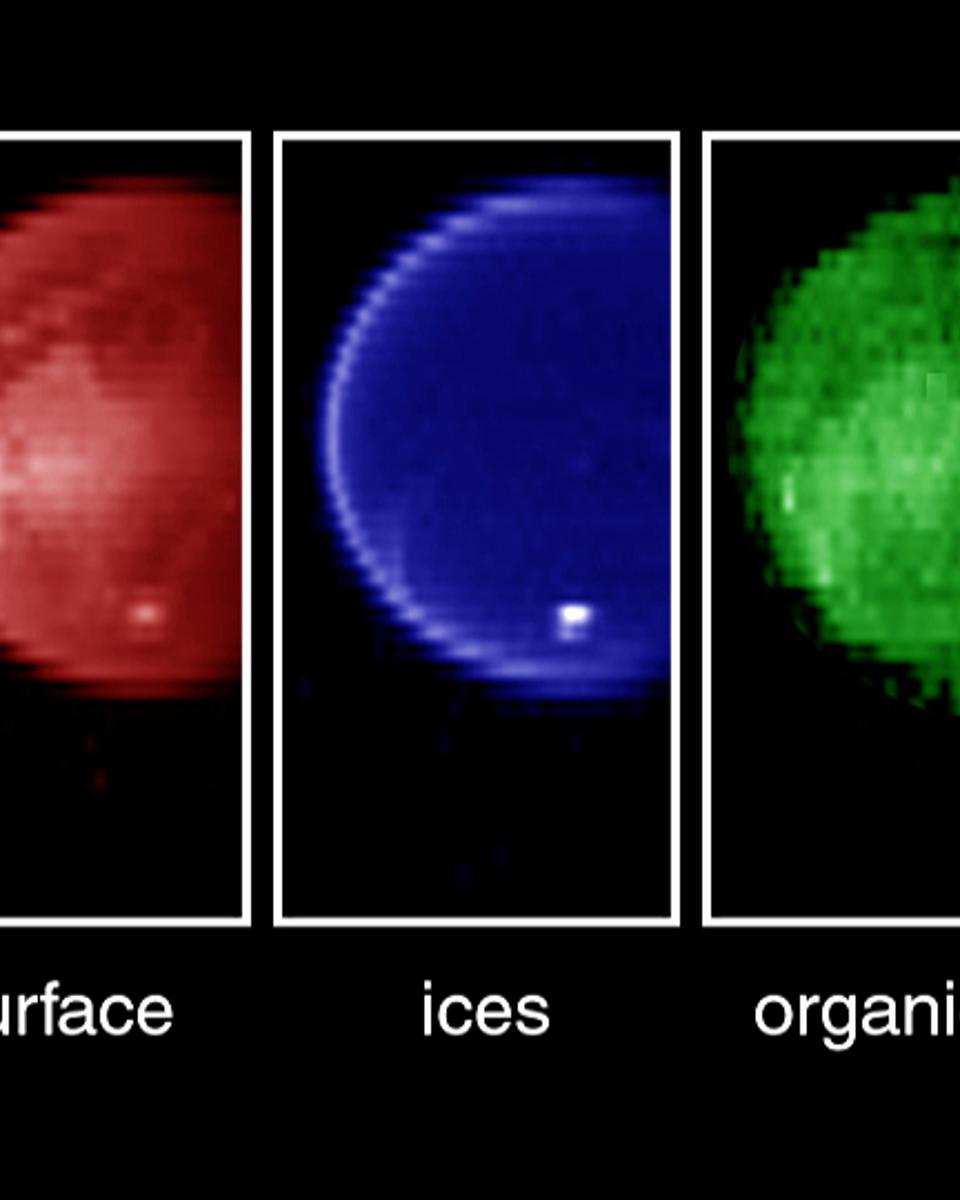
Titan from Cassini in Infrared
Could the building blocks of life exist under the smog of Titan ? What is creating all of the methane ? To help answer these questions , the largest and most mysterious moon of…
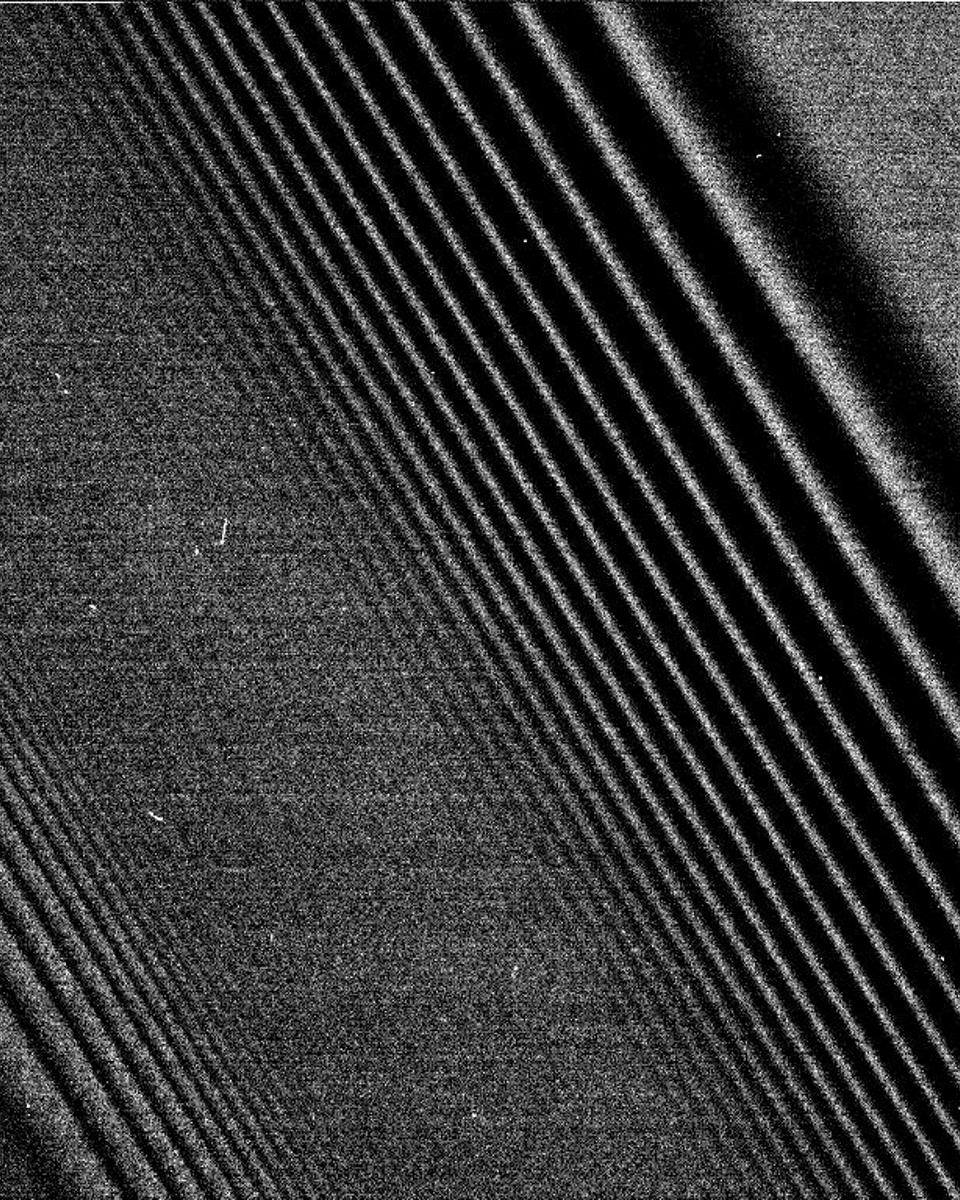
Cassini Images Density Waves in Saturn's Rings
What causes the patterns in Saturn's rings? The Cassini spacecraft just entering orbit around Saturn has started sending back spectacular images of Saturn's immense ring system in…
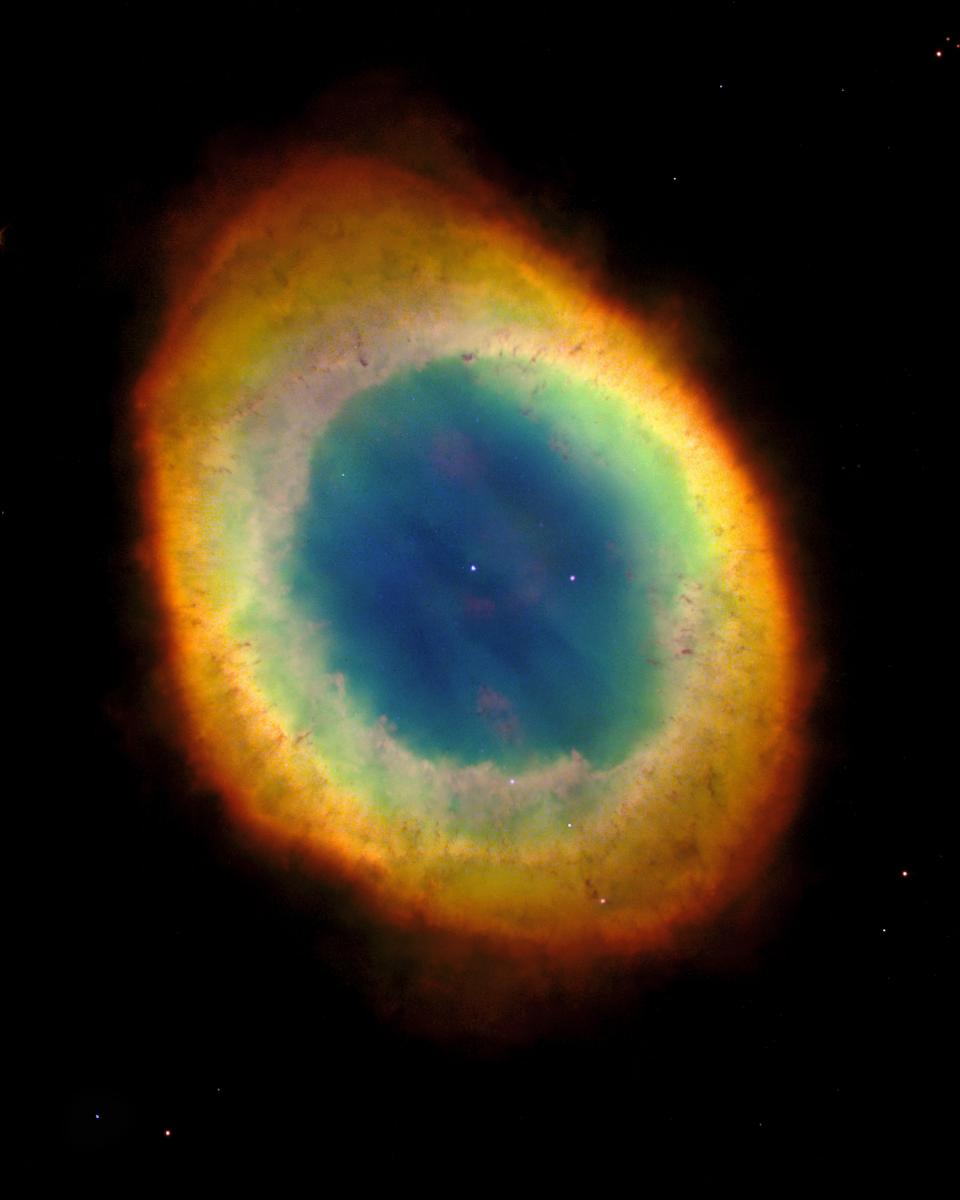
M57: The Ring Nebula
Except for the rings of Saturn , the Ring Nebula (M57) is probably the most famous celestial band. This planetary nebula's simple, graceful appearance is thought to be due to…
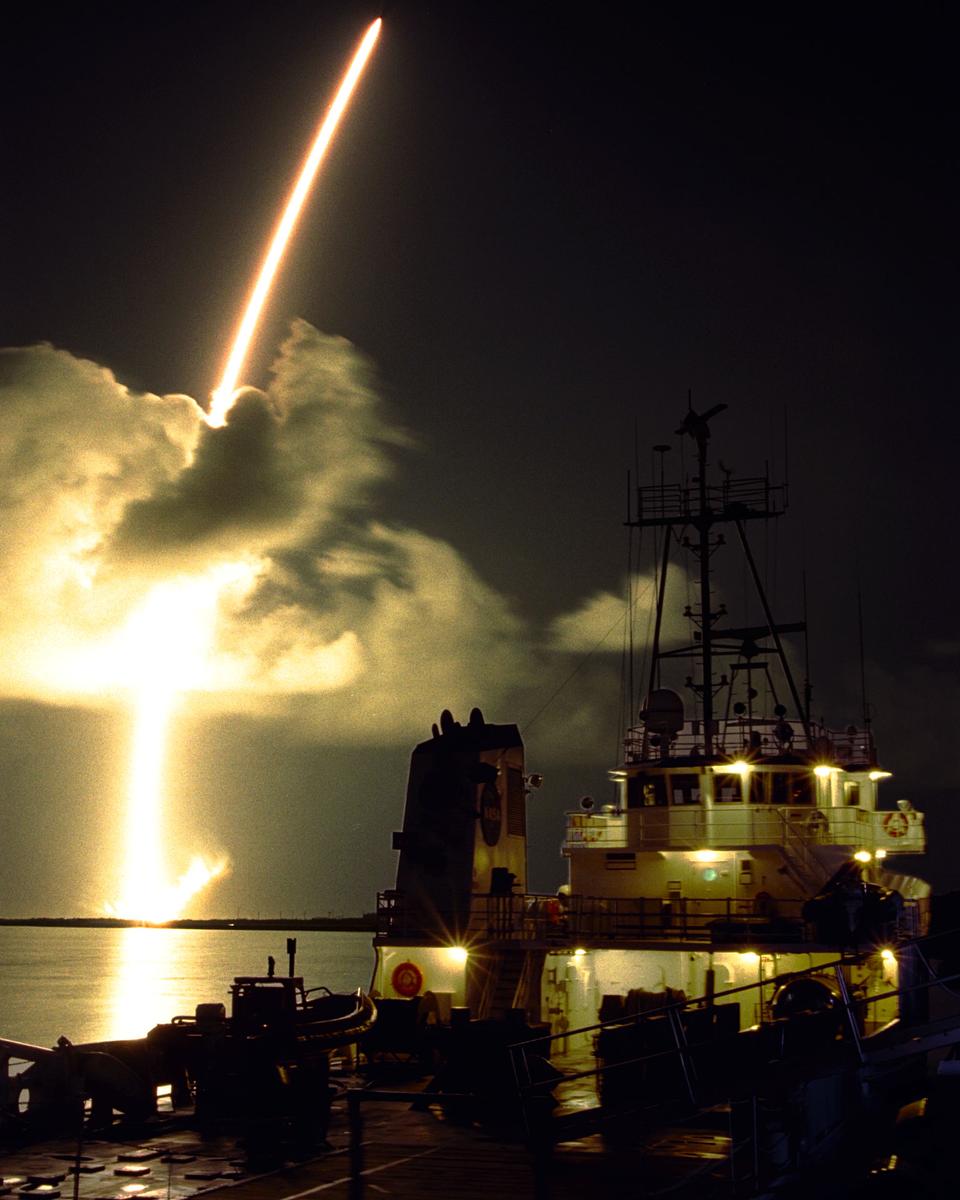
Cassini To Venus
Saturn Orbiter Cassini with Titan Probe Huygens attached rocketed into early morning skies on October 15, 1997. The mighty Titan 4B Centaur rocket is seen here across the water,…
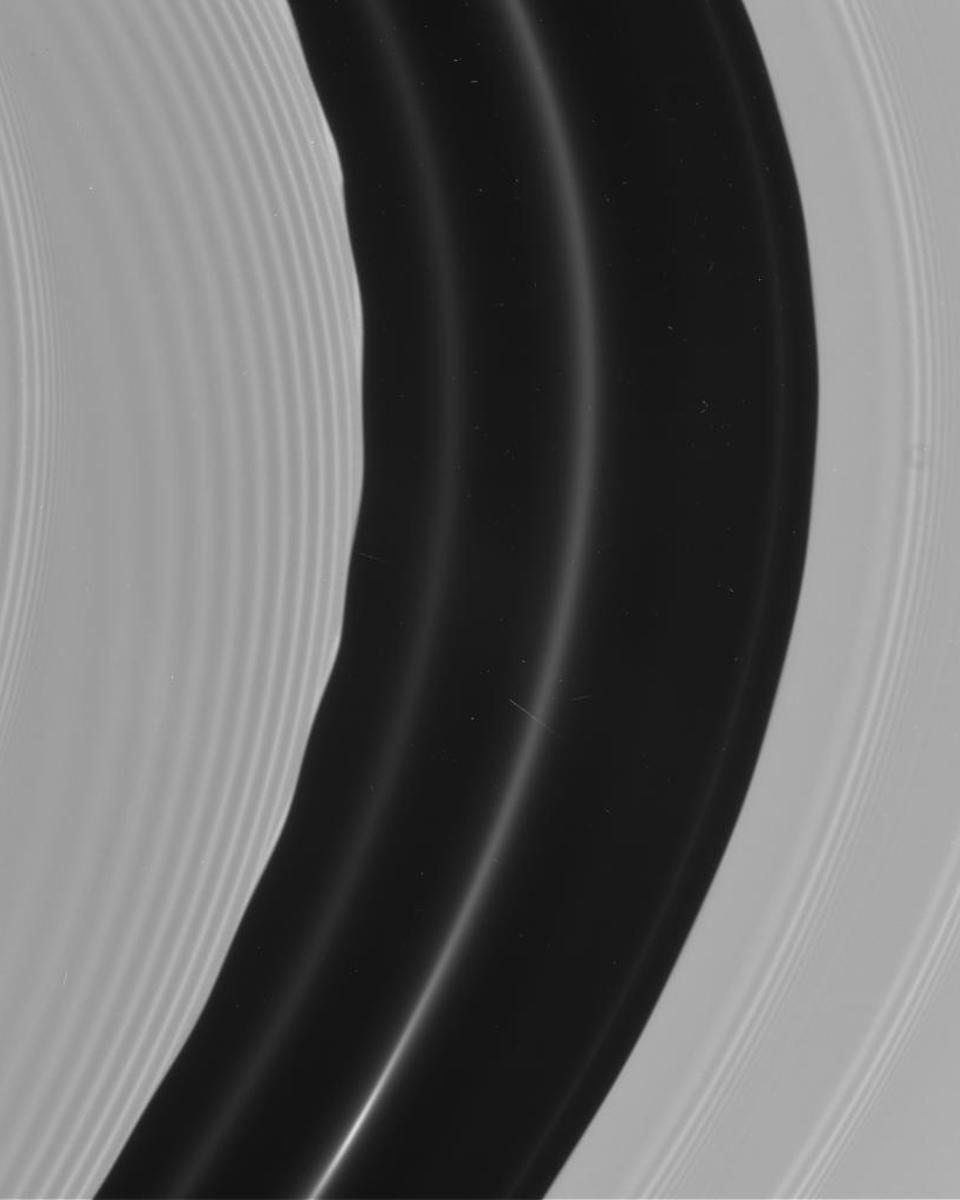
The Encke Gap: A Moon Goes Here
Yesterday, Cassini became the first spacecraft to enter orbit around gas giant Saturn , rocketing through a 25,000 kilometer wide gap in the distant planet's magnificent system of…
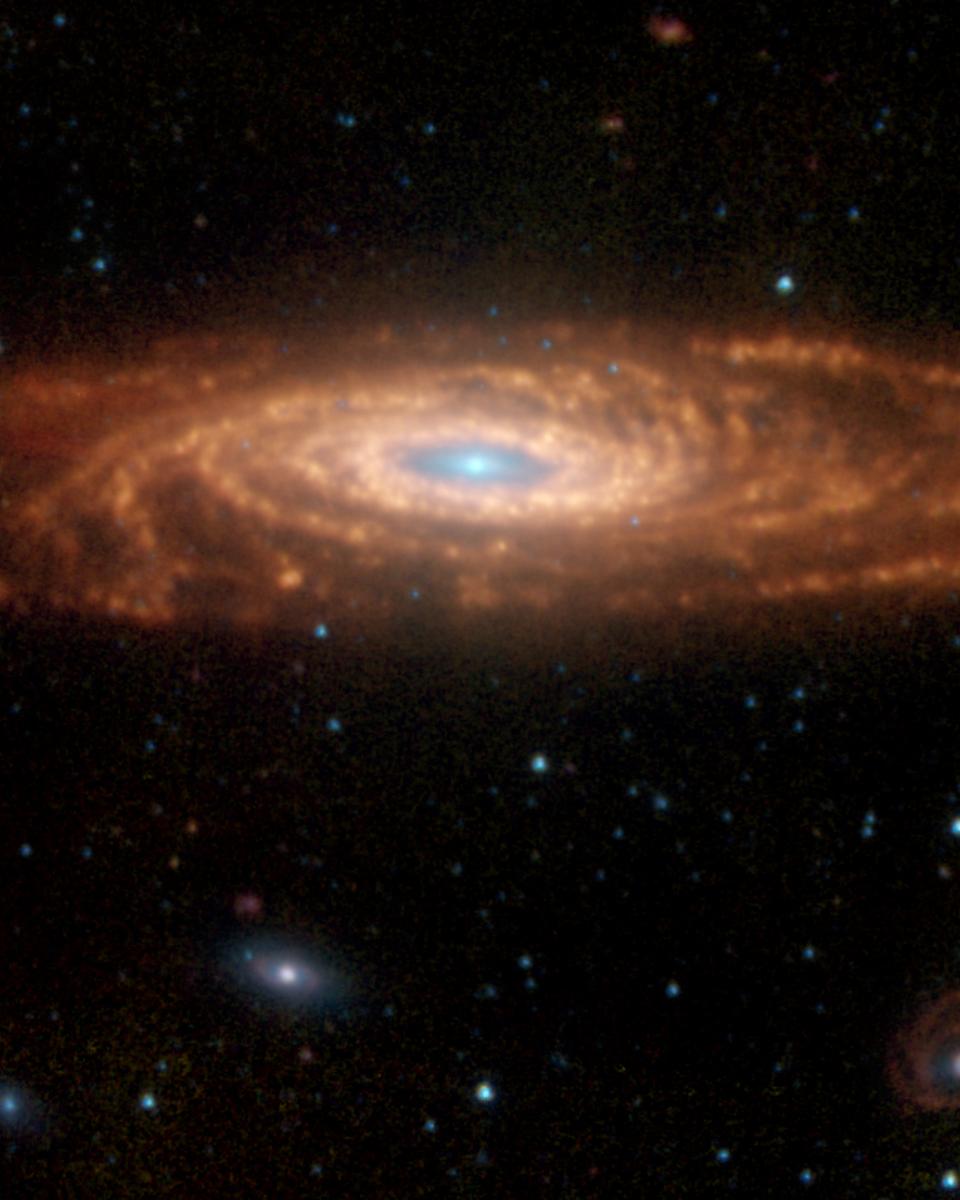
NGC 7331: A Galaxy So Inclined
If our own Milky Way galaxy were 50 million light-years away with its disk inclined slightly to our line of sight, it would look a lot like large spiral galaxy NGC 7331 . In fact,…
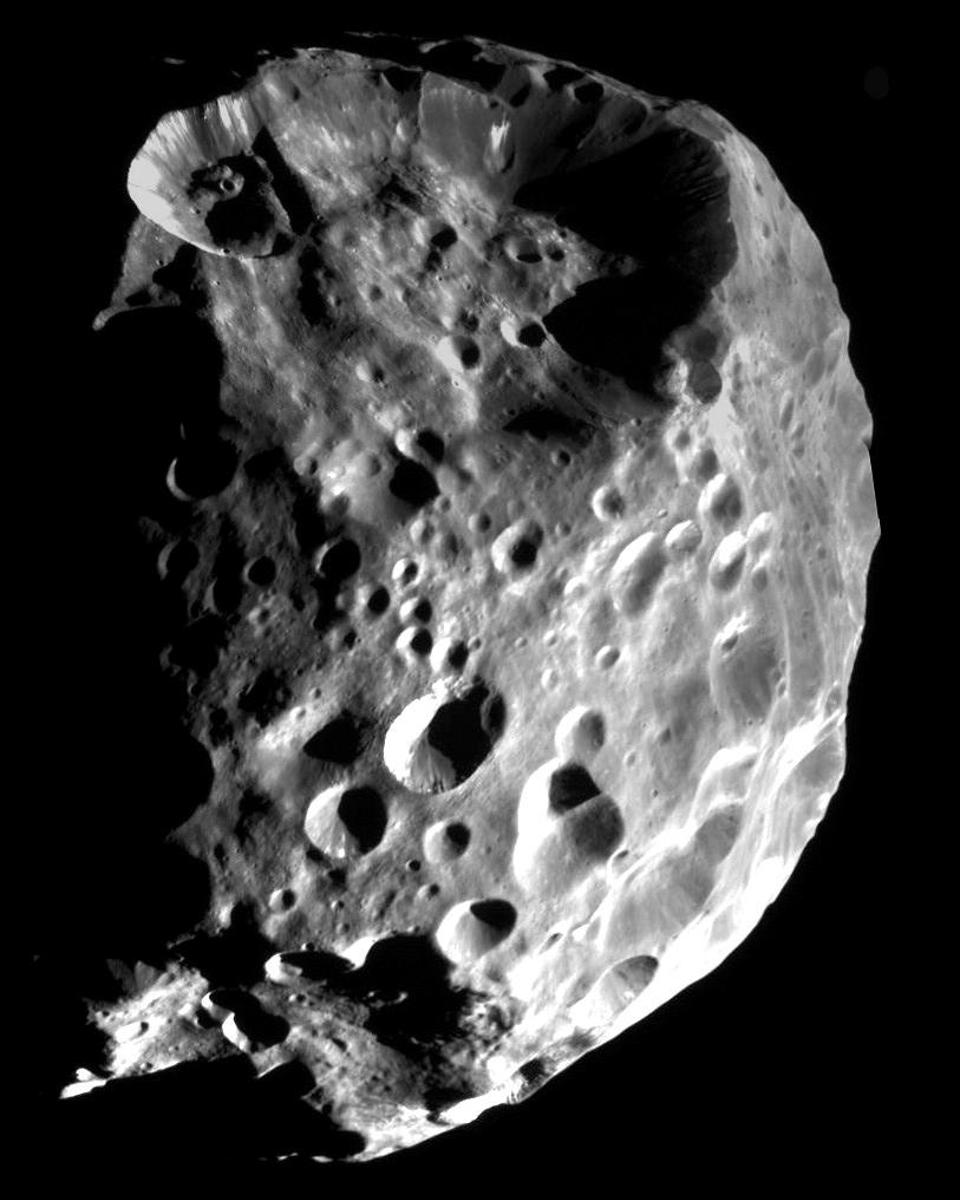
Phoebe: Comet Moon of Saturn
Was Saturn's moon Phoebe once a comet? Images from the robotic Cassini spacecraft taken two weeks ago when entering the neighborhood of Saturn indicate that Phoebe may have…
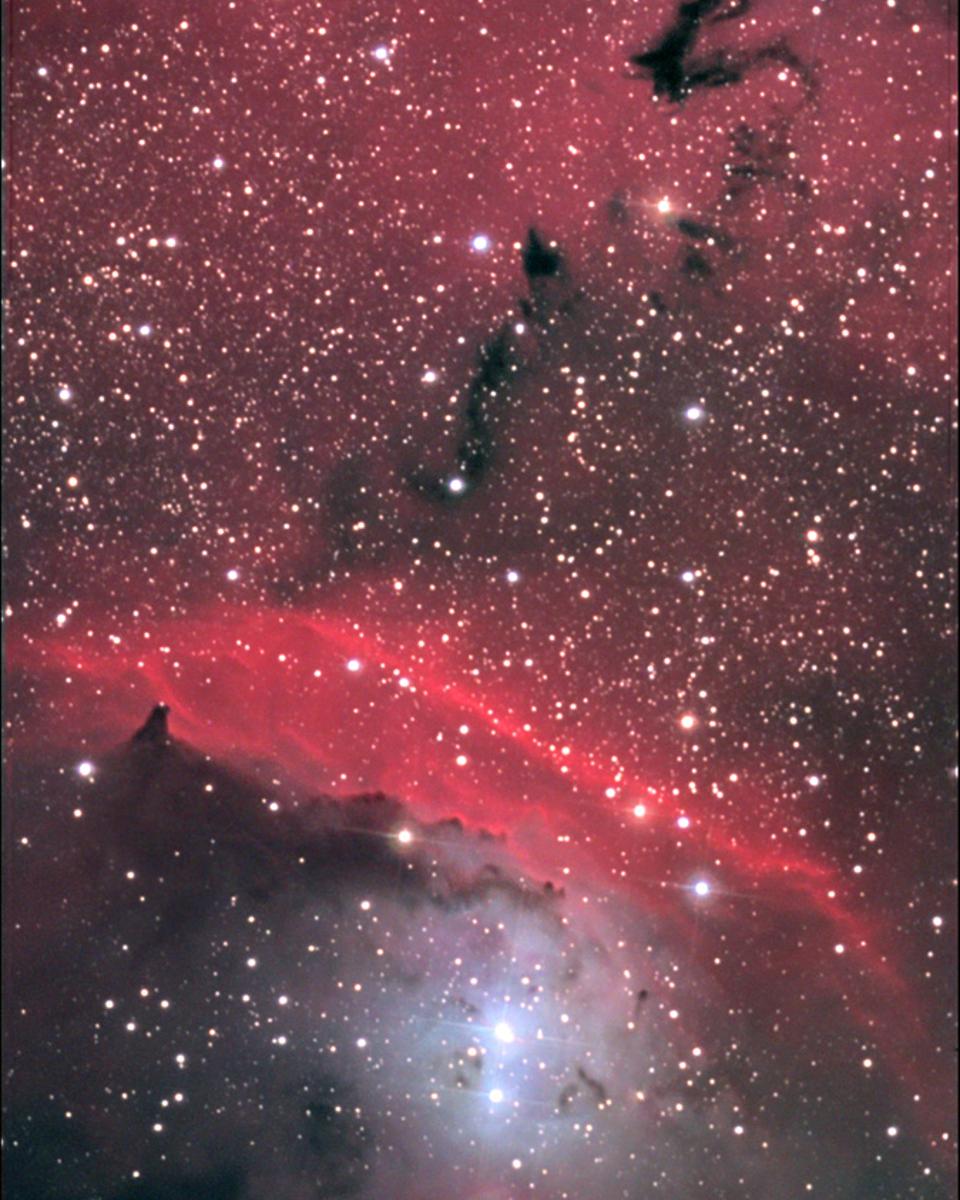
In the Center of NGC 6559
Bright gas and dark dust permeate the space between stars in the center of a nebula known as NGC 6559 . The gas, primarily hydrogen , is responsible for the diffuse red glow of…
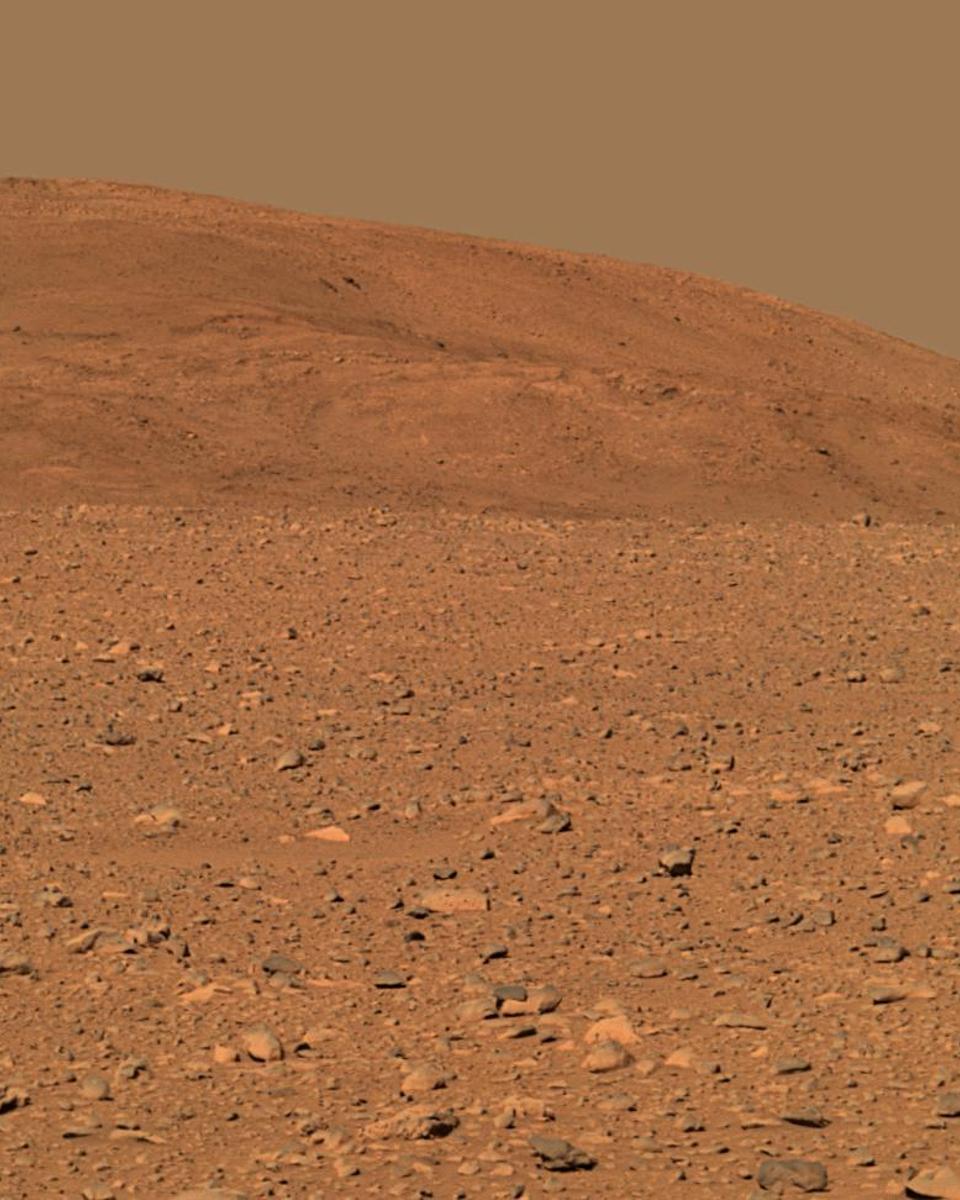
Spirit Rover Reaches the Columbia Hills on Mars
The Spirit robotic rover on Mars has now reached the Columbia Hills on Mars. Two of the hills are shown on approach near the beginning of June. The above true-color picture shows…
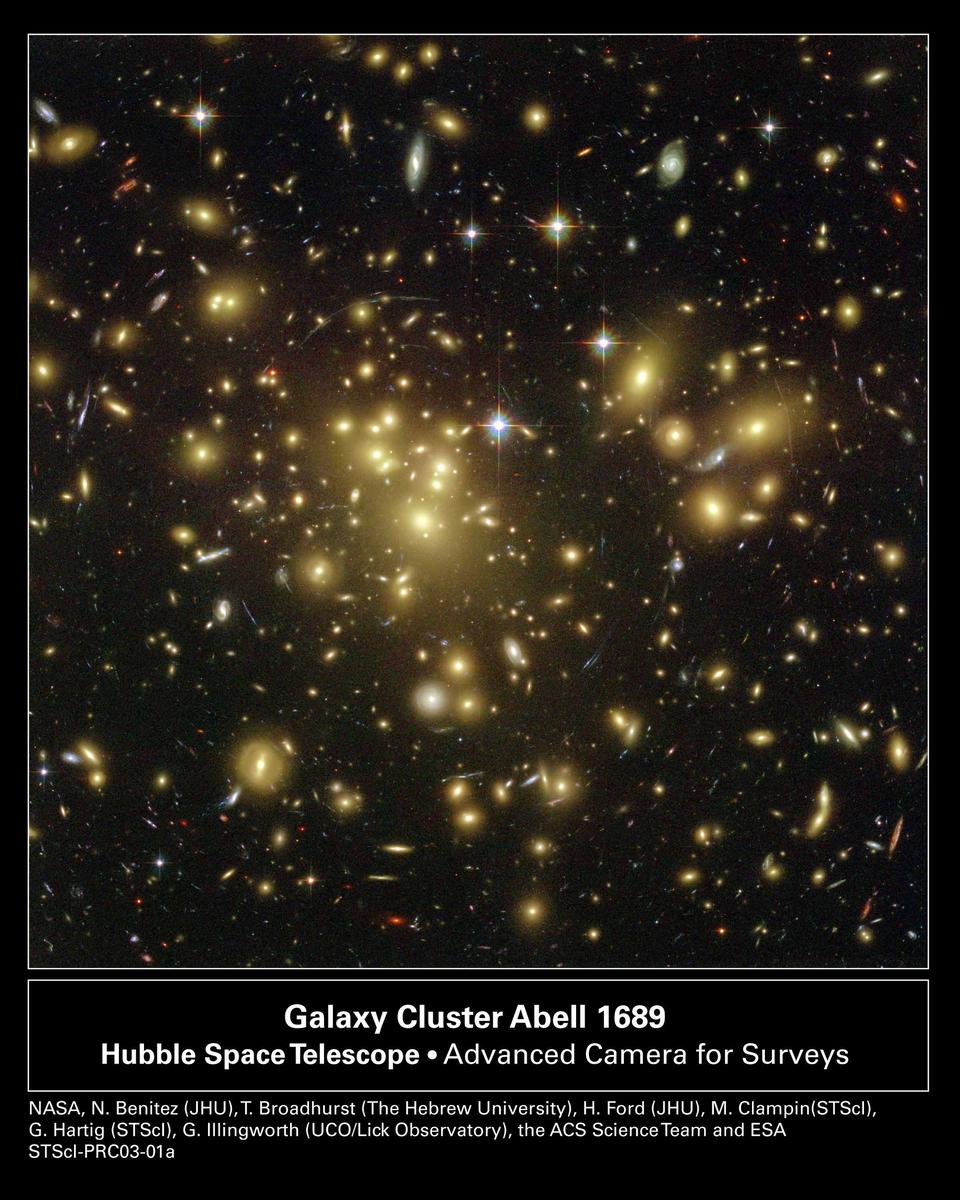
Galaxy Cluster Abell 1689 Warps Space
Two billion light-years away, galaxy cluster Abell 1689 is one of the most massive objects in the Universe. In this view from the Hubble Space Telescope's Advanced Camera for…
Viewing discoveries from 20 July 2004 through 27 June 2004.