Browse NASA Astronomy Picture of the Day archive by date and media: Archive Discoveries
Browse the NASA APOD archive without needing the exact date first. Filter by media type and keep moving deeper into older images and videos.
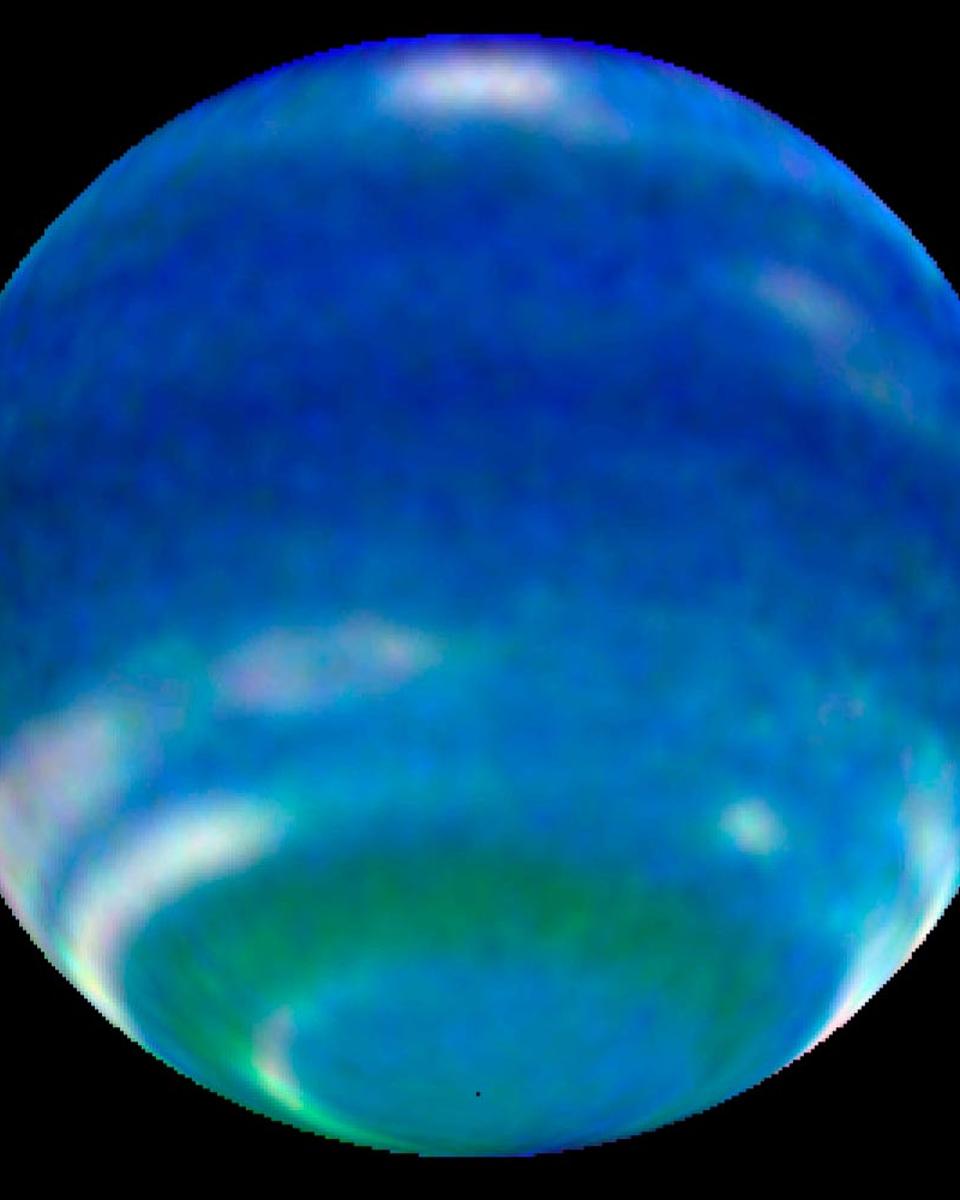
Neptune: Still Springtime After All These Years
In the 1960s spring came to the southern hemisphere of Neptune, the Solar System's outermost gas giant planet. Of course, since Neptune orbits the Sun once every 165 earth-years ,…
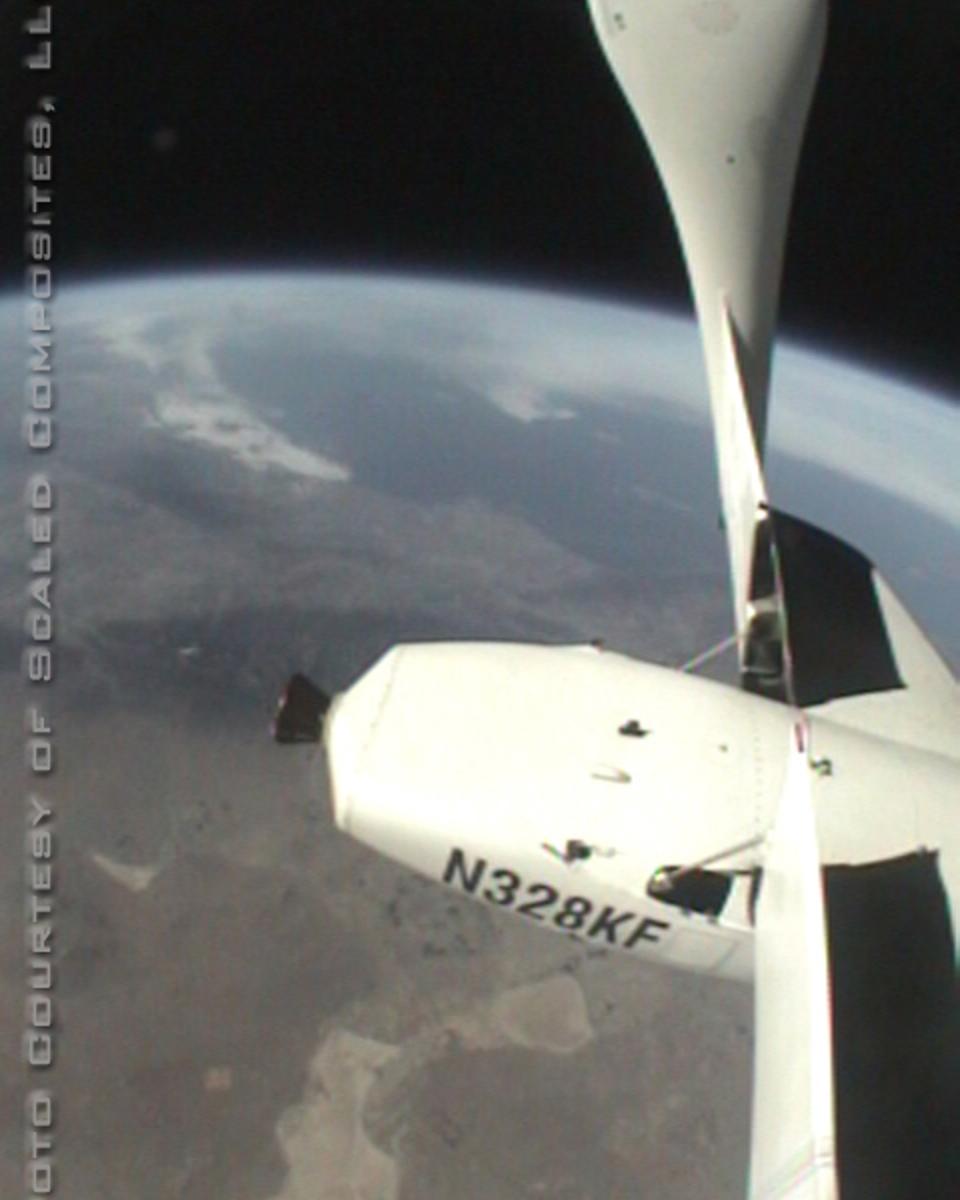
Planet Earth from SpaceShipOne
On June 21st , pilot Mike Melvill made a historic flight in the winged craft dubbed SpaceShipOne -- the first private manned mission to space. The spaceship reached an altitude of…
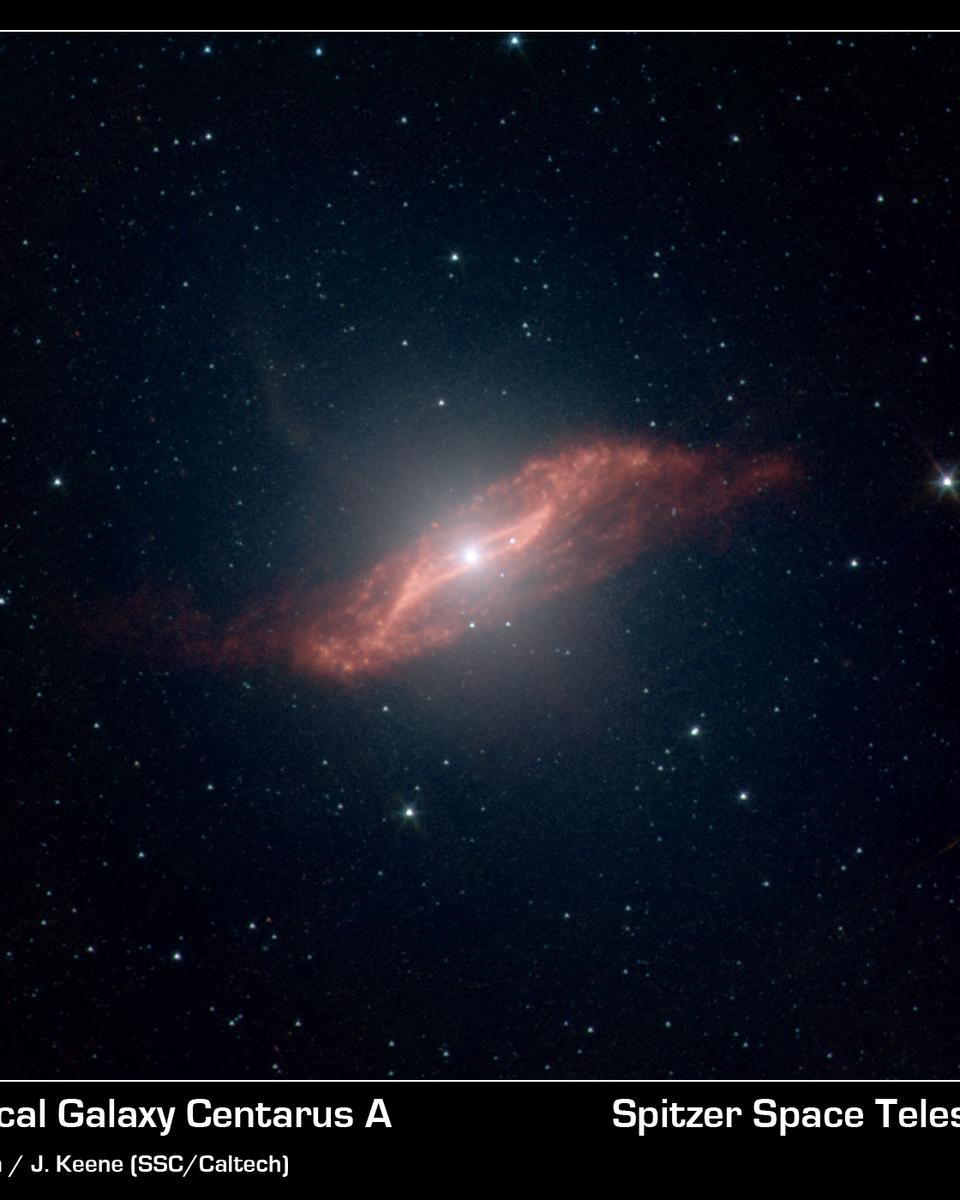
The Galaxy Within Centaurus A
Peering deep inside Centaurus A, the closest active galaxy to Earth, the Spitzer Space Telescope's penetrating infrared cameras recorded this startling vista . About 1,000…
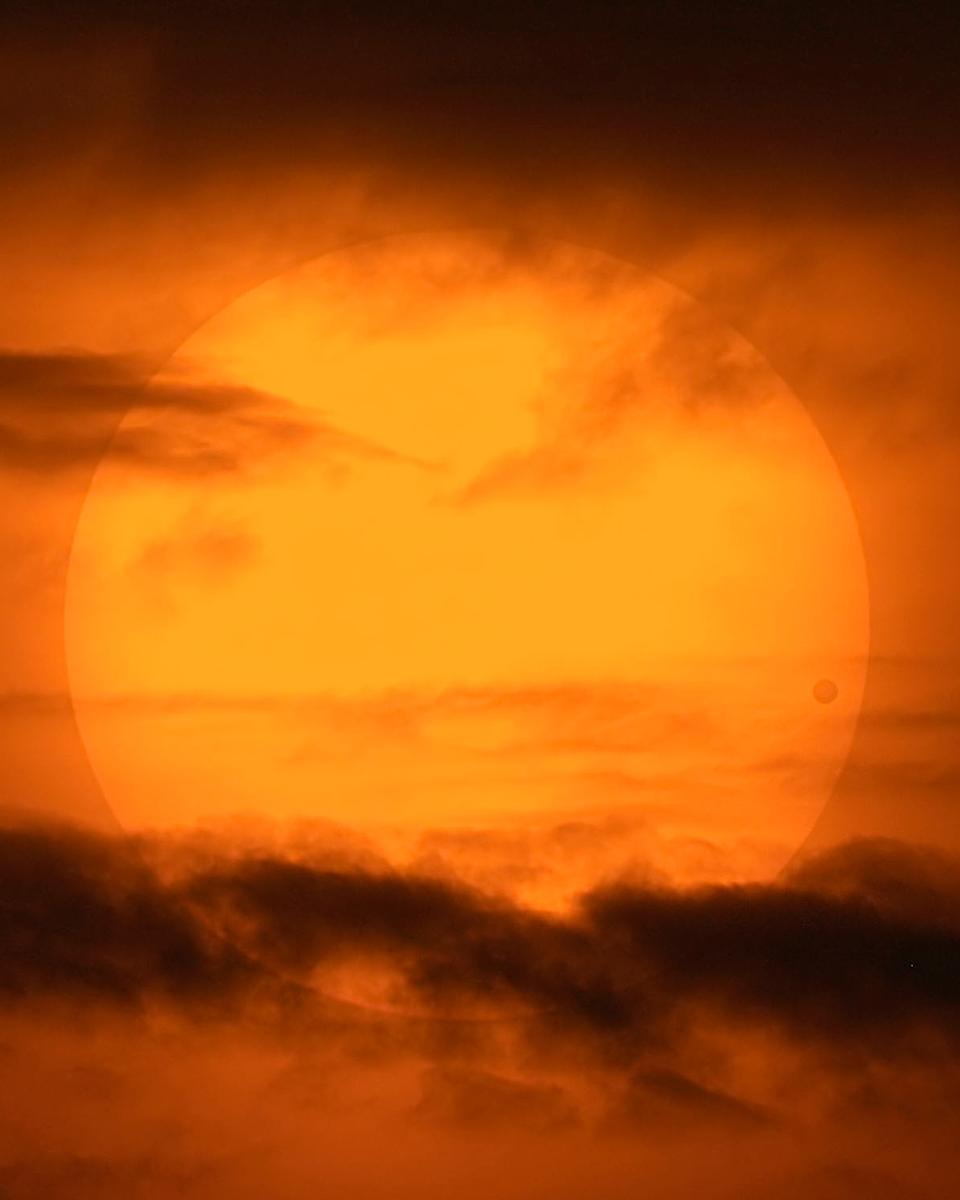
A Picturesque Venus Transit
The rare transit of Venus across the face of the Sun earlier this month was one of the better-photographed events in sky history. Both scientific and artistic images have been…
Unusual Spires Found on Comet Wild 2
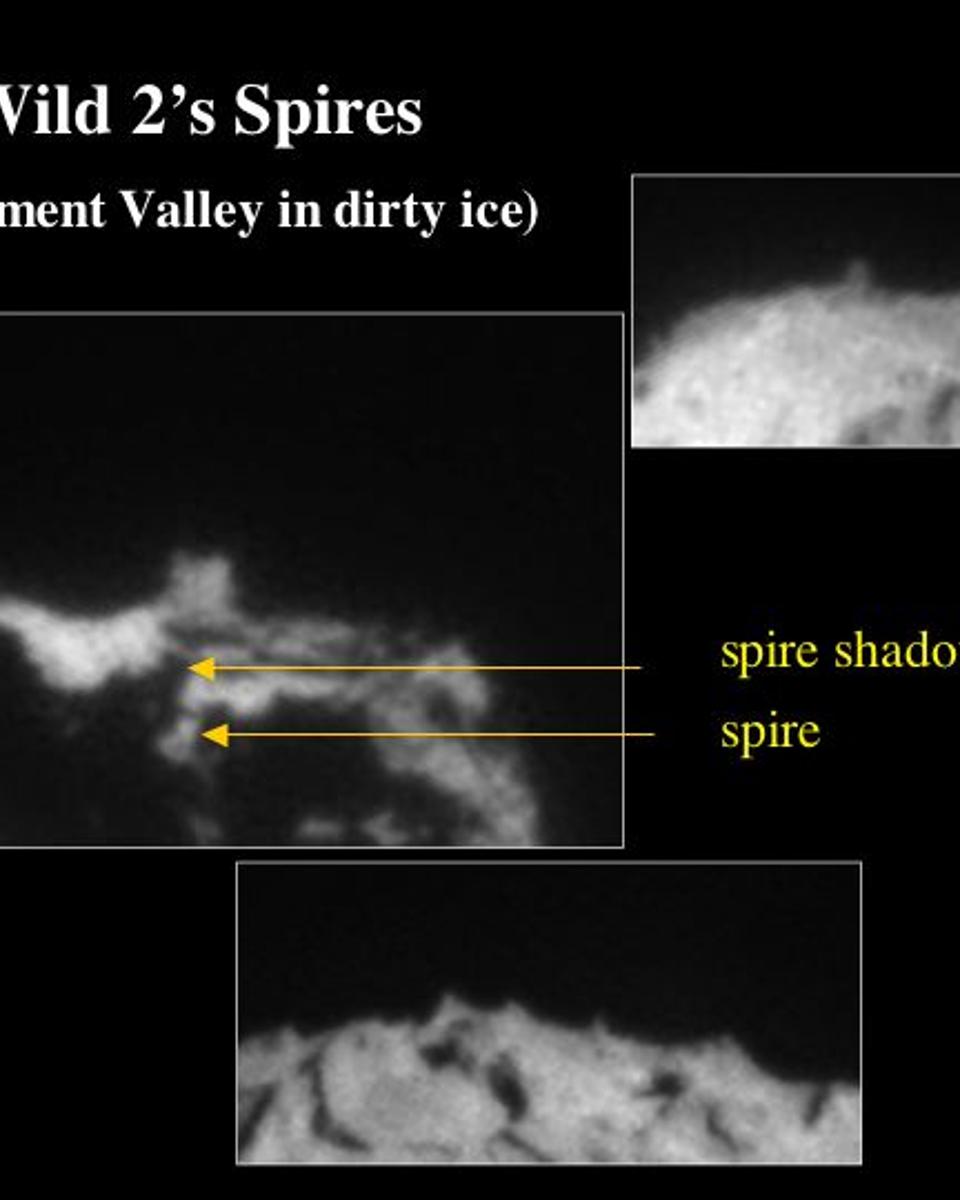
How did unusual spires form on comet Wild 2 ? Close inspection of images taken of Comet Wild 2 by the passing Stardust spacecraft in January show numerous strange pinnacles as…
Analemma over Ancient Nemea
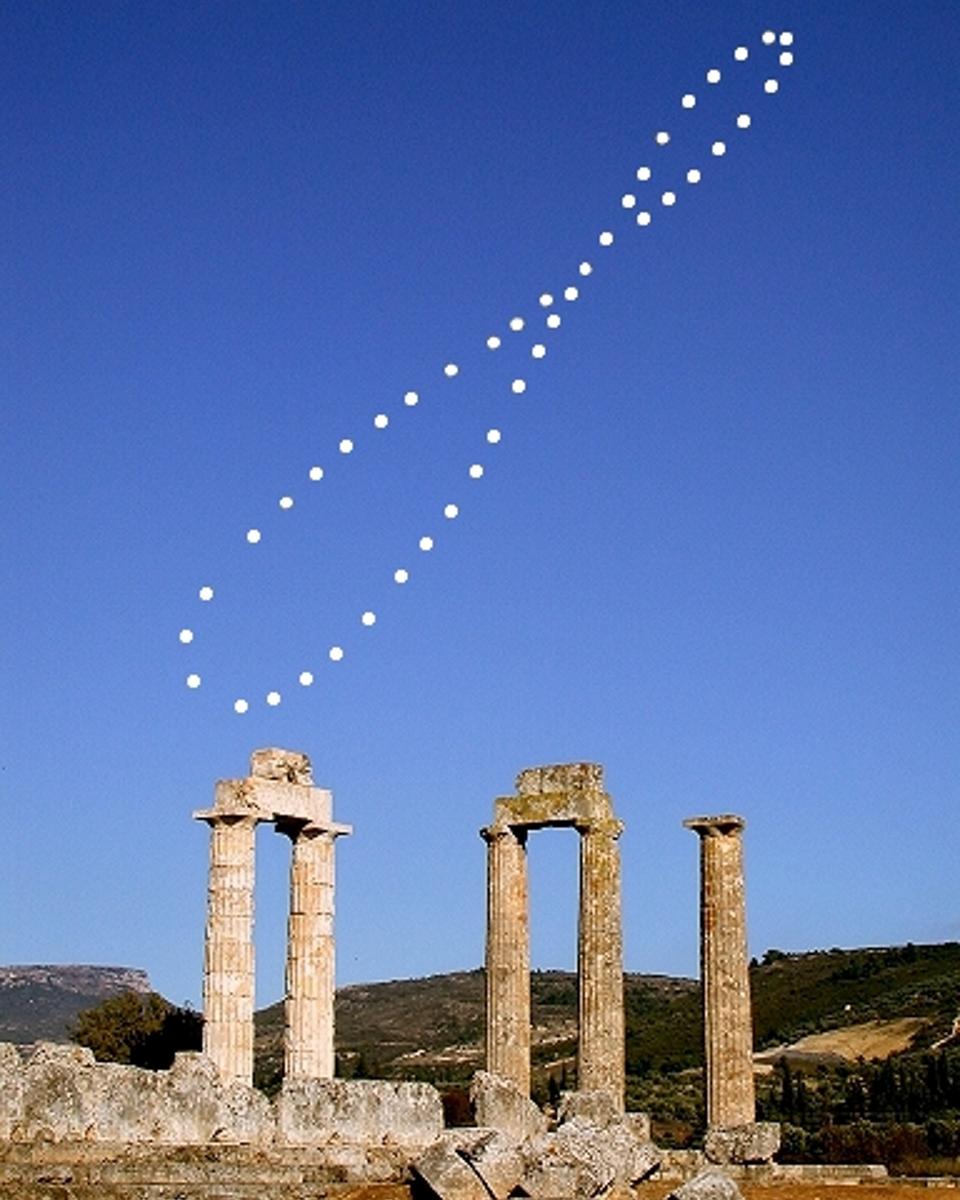
An analemma is that figure-8 curve that you get when you mark the position of the Sun at the same time each day throughout planet Earth's year. Above, 44 separate exposures (plus…
Solstice Celebration
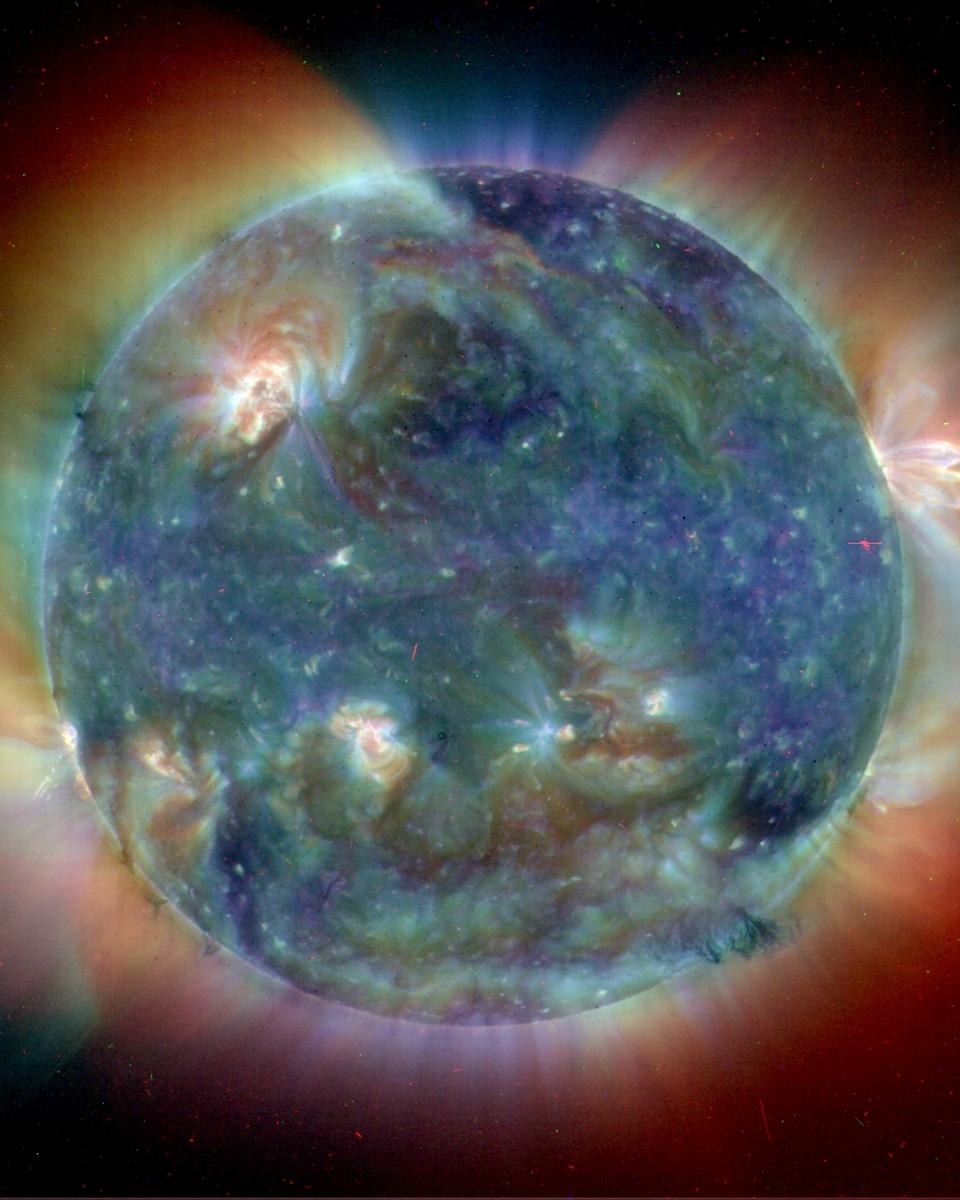
Season's greetings! Today or tomorrow, depending on your time zone, the Sun reaches its northernmost point in planet Earth's sky marking a season change and the first solstice of…
Ida and Dactyl: Asteroid and Moon
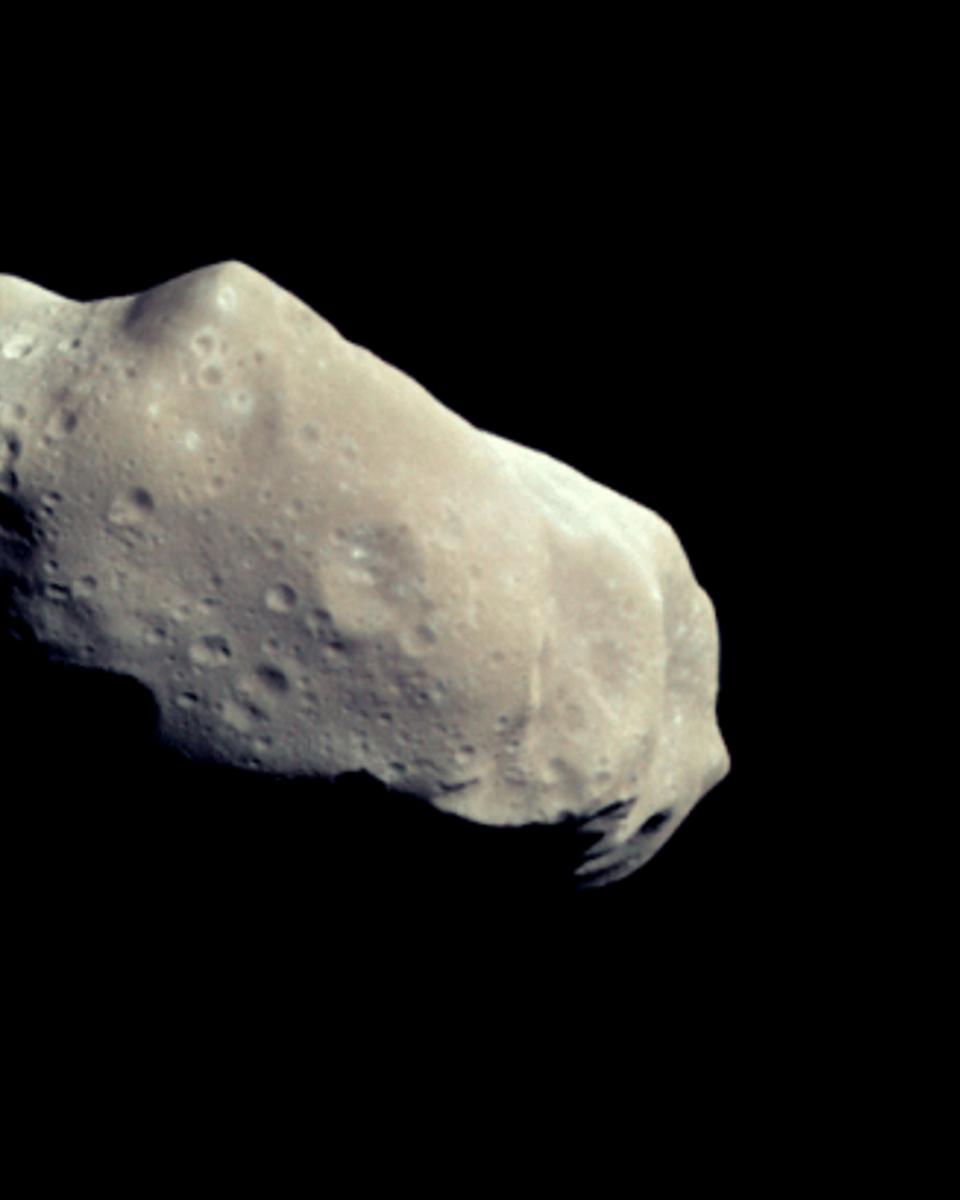
This asteroid has a moon! The robot spacecraft Galileo destined to explore the Jovian system, encountered and photographed two asteroids during its long interplanetary voyage to…
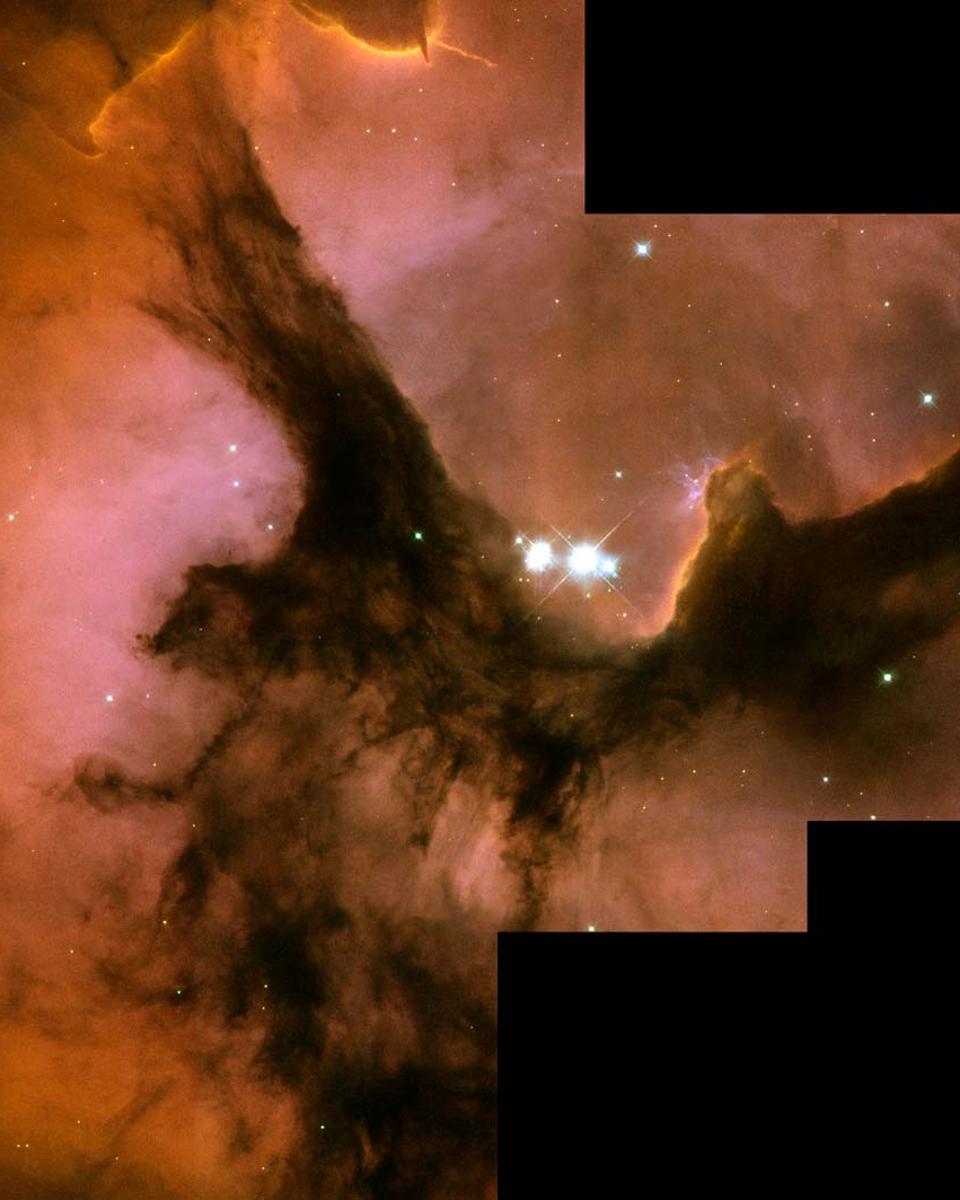
The Trifid Nebula from Hubble
Clouds of glowing gas mingle with lanes of dark dust in the Trifid Nebula , a star forming region toward the constellation of Sagittarius . In the center, the three huge dark dust…
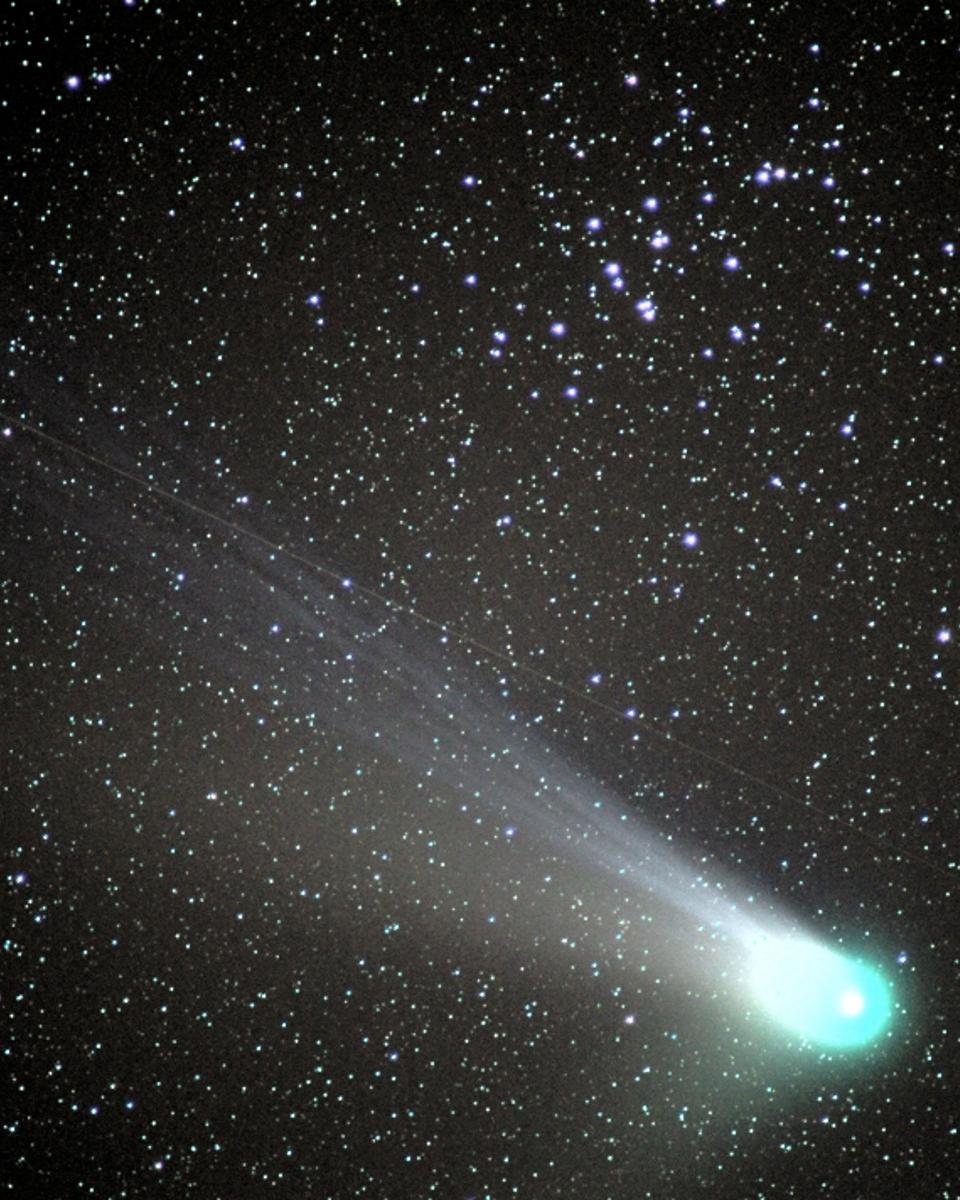
Comet NEAT and the Beehive Cluster
To the unaided eye, they appeared as similar fuzzy patches. But when a bright comet passed in front of a bright star cluster last month, binoculars and cameras were able to show…
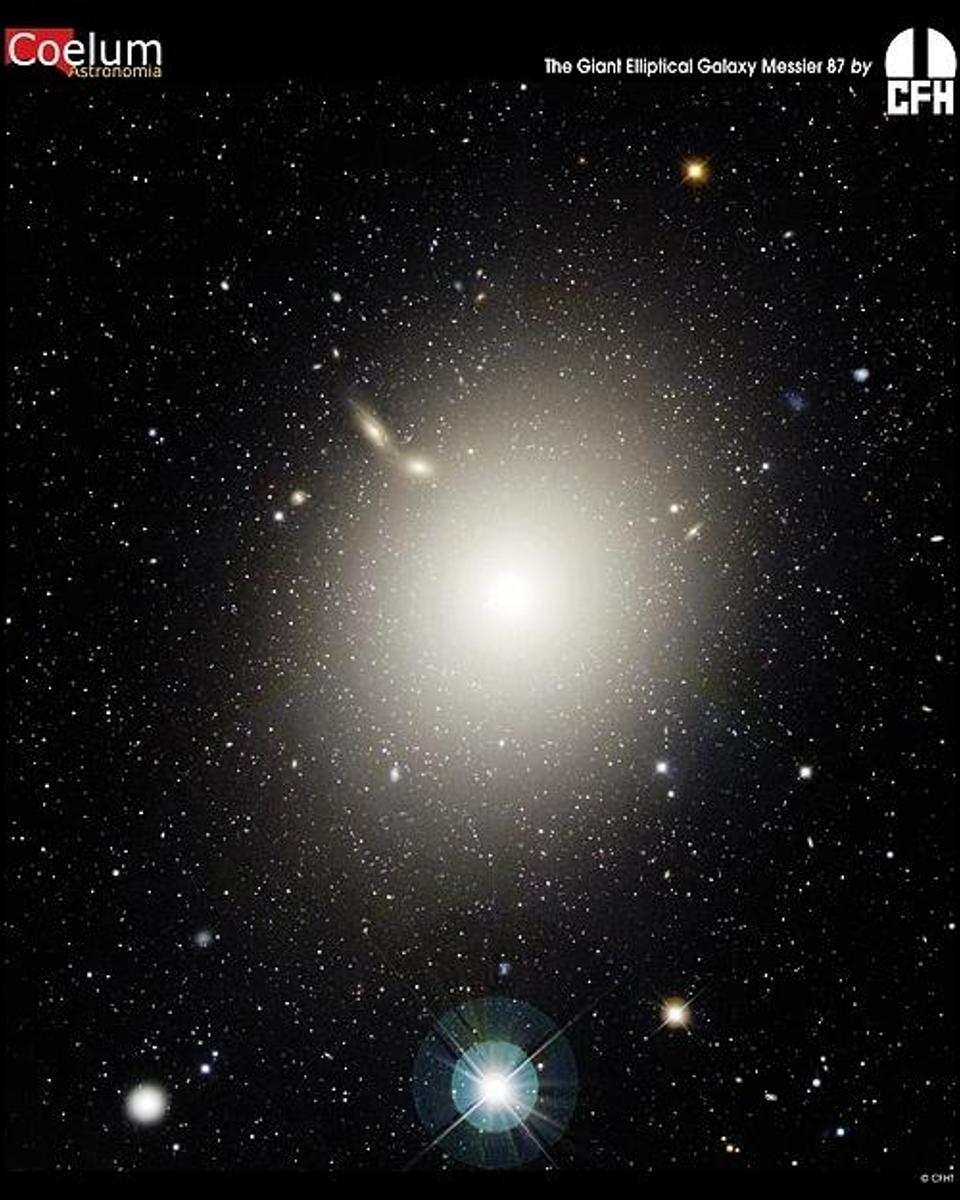
Elliptical Galaxy M87
Elliptical galaxy M87 is a type of galaxy that looks much different than our own Milky Way Galaxy . Even for an elliptical galaxy , though, M87 is peculiar. M87 is much bigger…
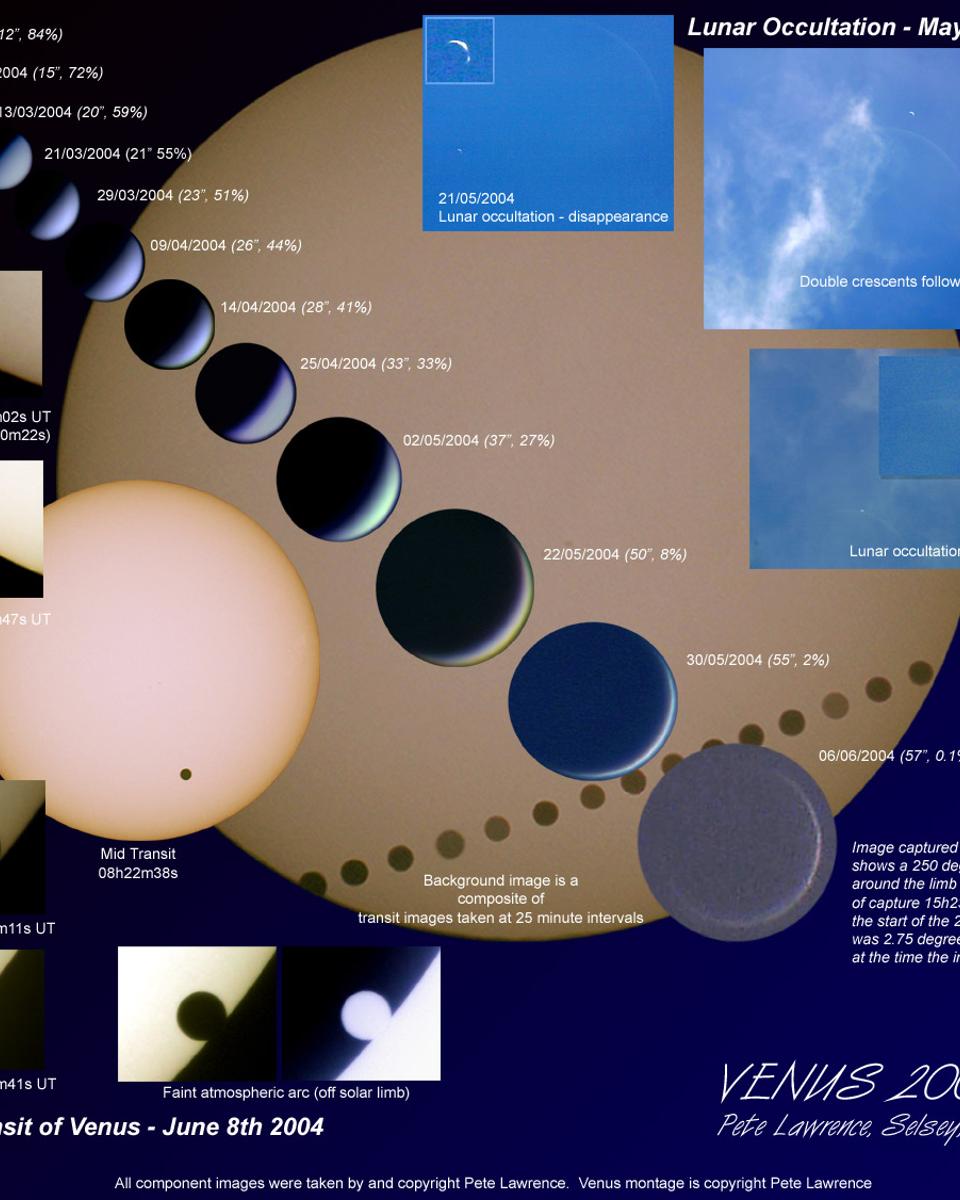
A Rare Annular Venusian Solar Eclipse
An unusual type of solar eclipse occurred last week. Usually it is the Earth's Moon that eclipses the Sun. Last week, for the first time in over 100 years, the planet Venus took a…
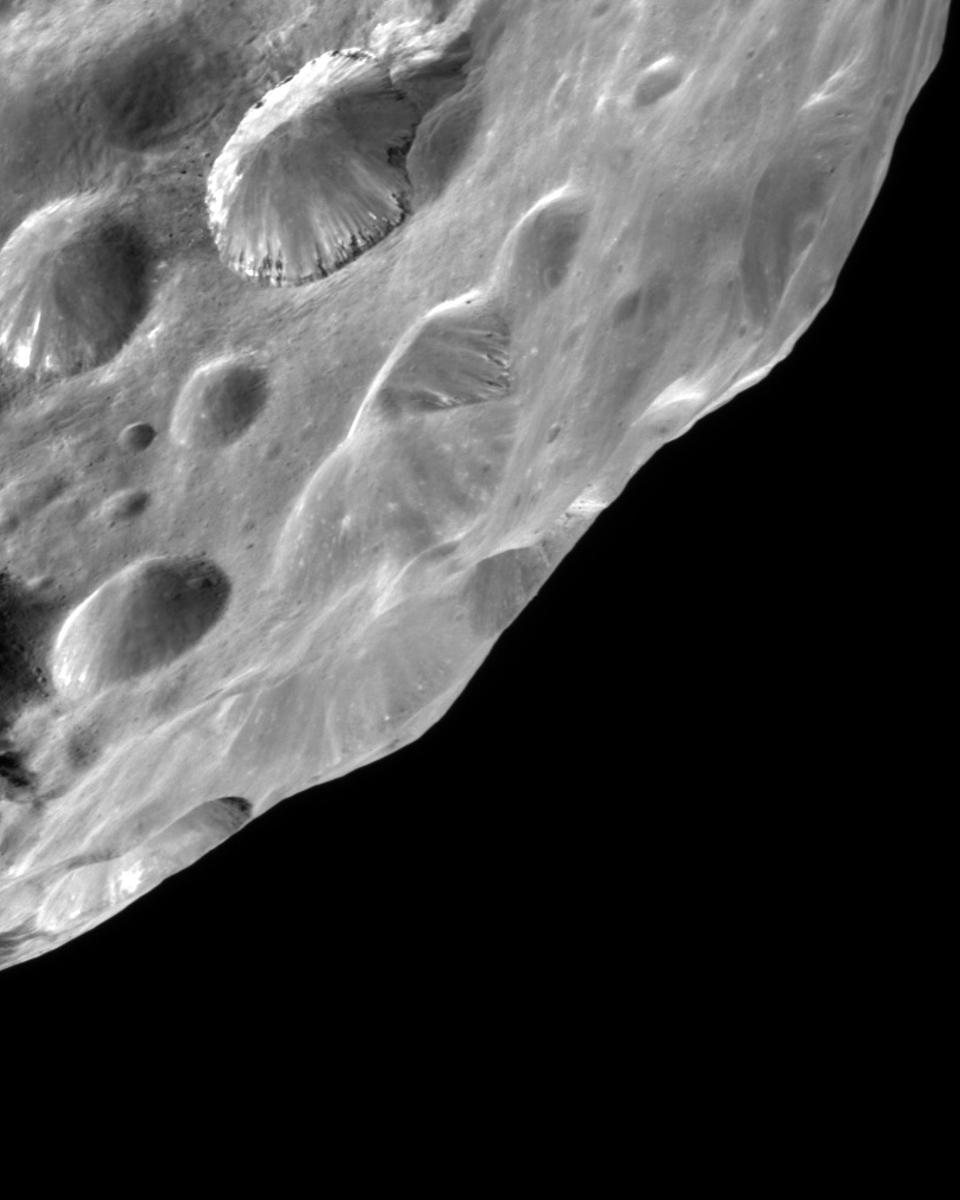
Unusual Layers on Saturn's Moon Phoebe
What caused the unusual light and dark layers on Saturn 's moon Phoebe ? The layers were discovered just Friday during the Cassini spacecraft flyby of the small moon. Such…
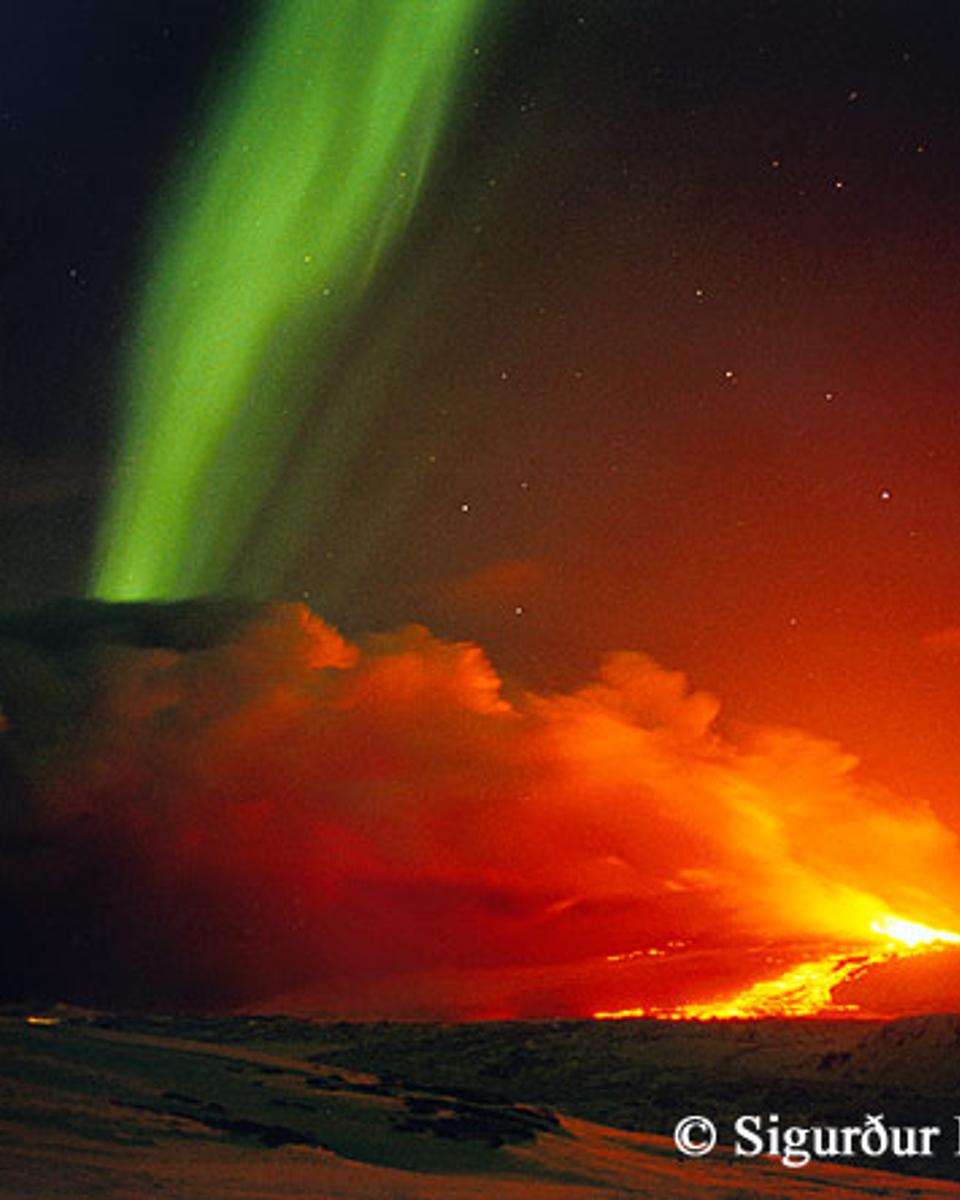
Volcano and Aurora in Iceland
Sometimes both heaven and Earth erupt. In Iceland in 1991, the volcano Hekla erupted at the same time that auroras were visible overhead. Hekla , one of the most famous volcanoes…
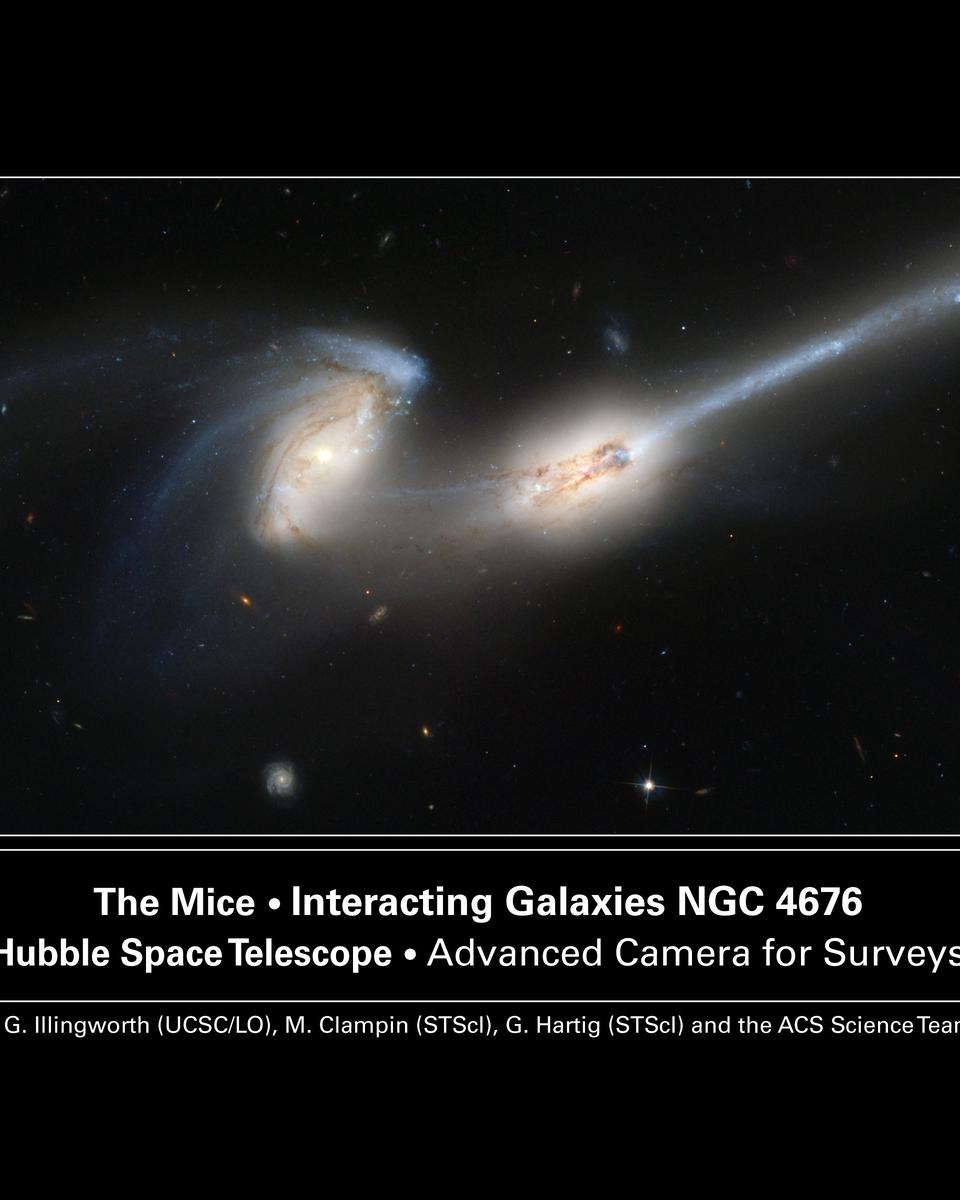
NGC 4676: When Mice Collide
These two mighty galaxies are pulling each other apart. Known as “ The Mice ” because they have such long tails, each spiral galaxy has likely already passed through the other.…
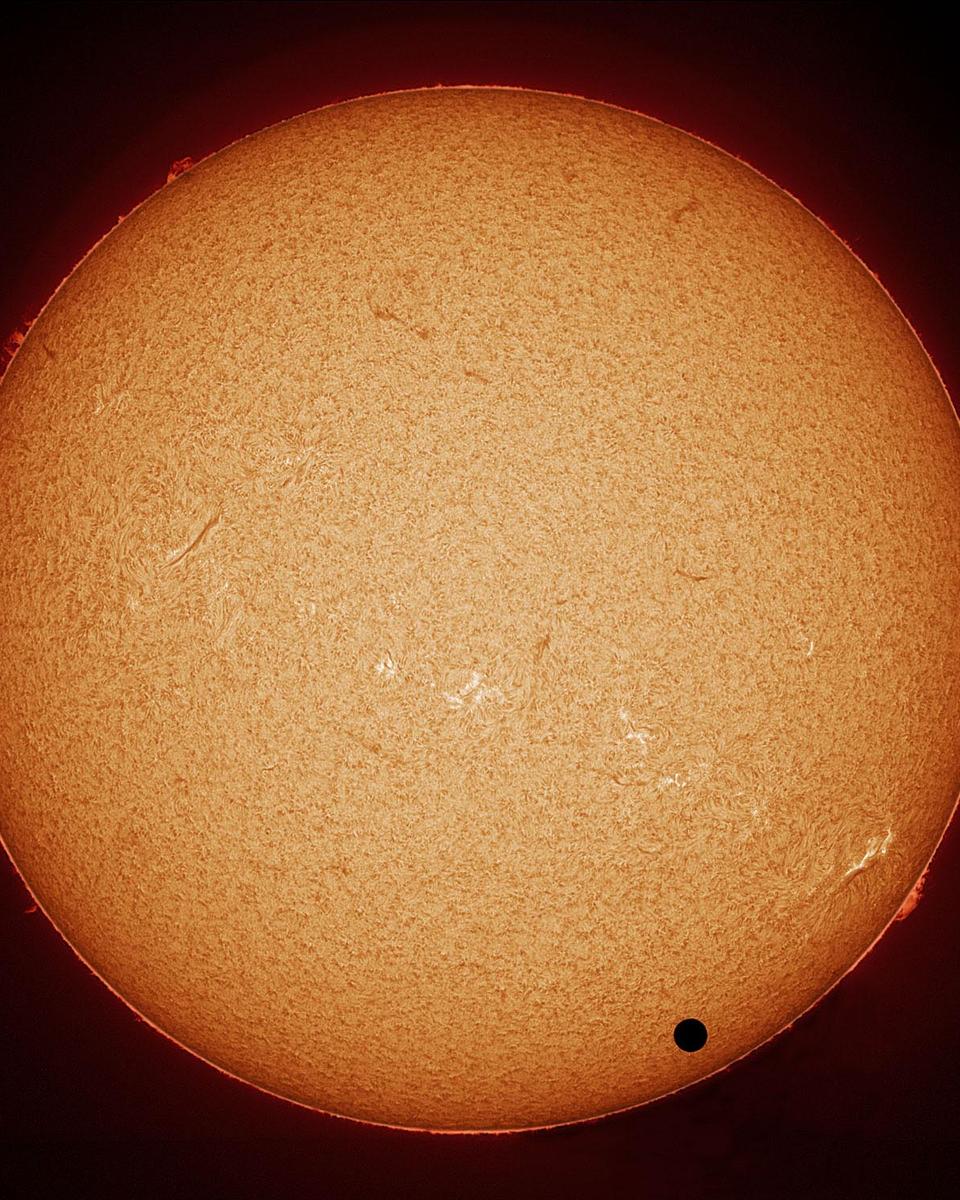
Venus and the Chromosphere
Enjoying the 2004 Transit of Venus from Stuttgart, Germany, astronomer Stefan Seip recorded this fascinating, detailed image of the Sun. Revealing a network of cells and dark…
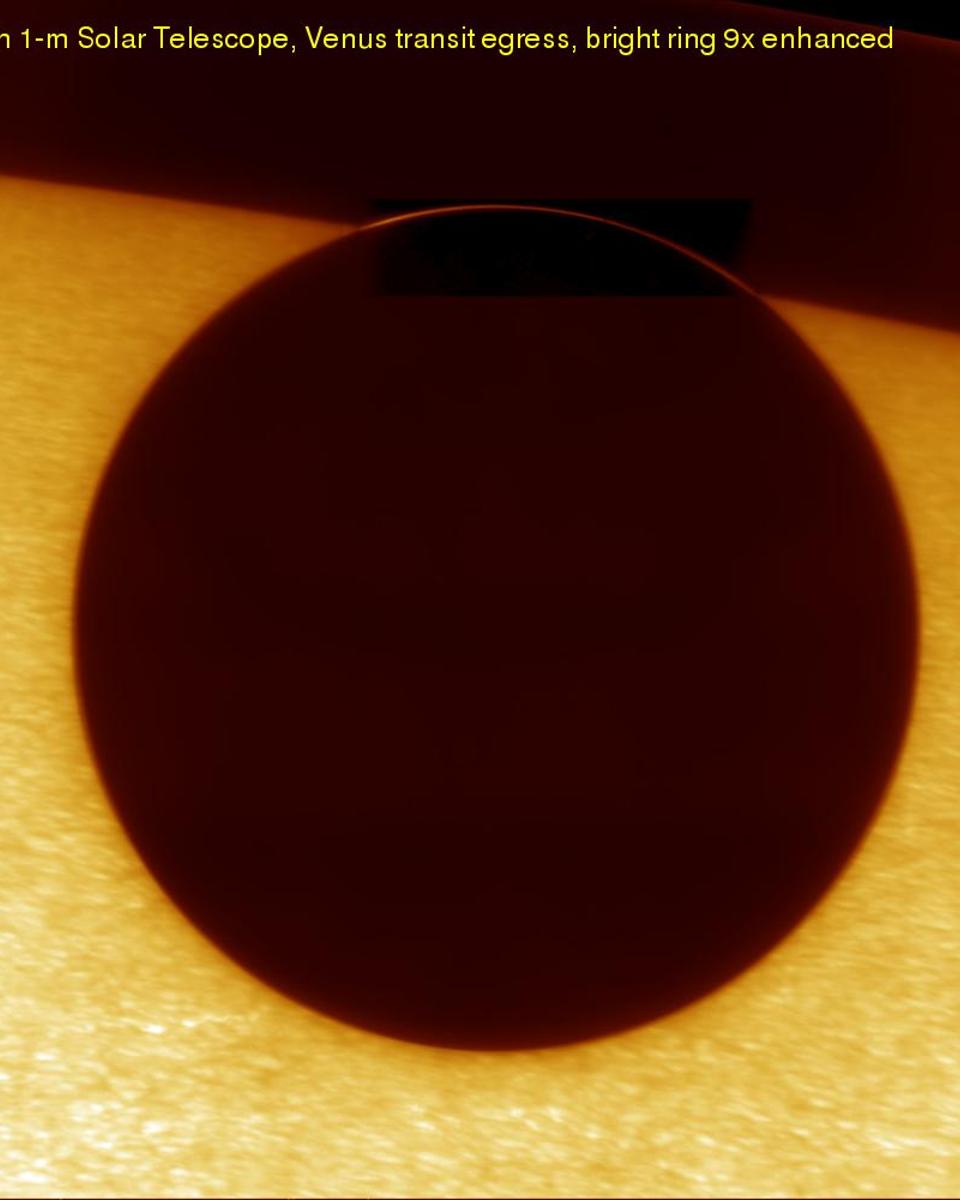
Venus at the Edge
With Venus in transit at the Sun's edge on June 8th, astronomers captured this tantalizing close-up view of the bright solar surface and partially silhouetted disk . Enhanced in…
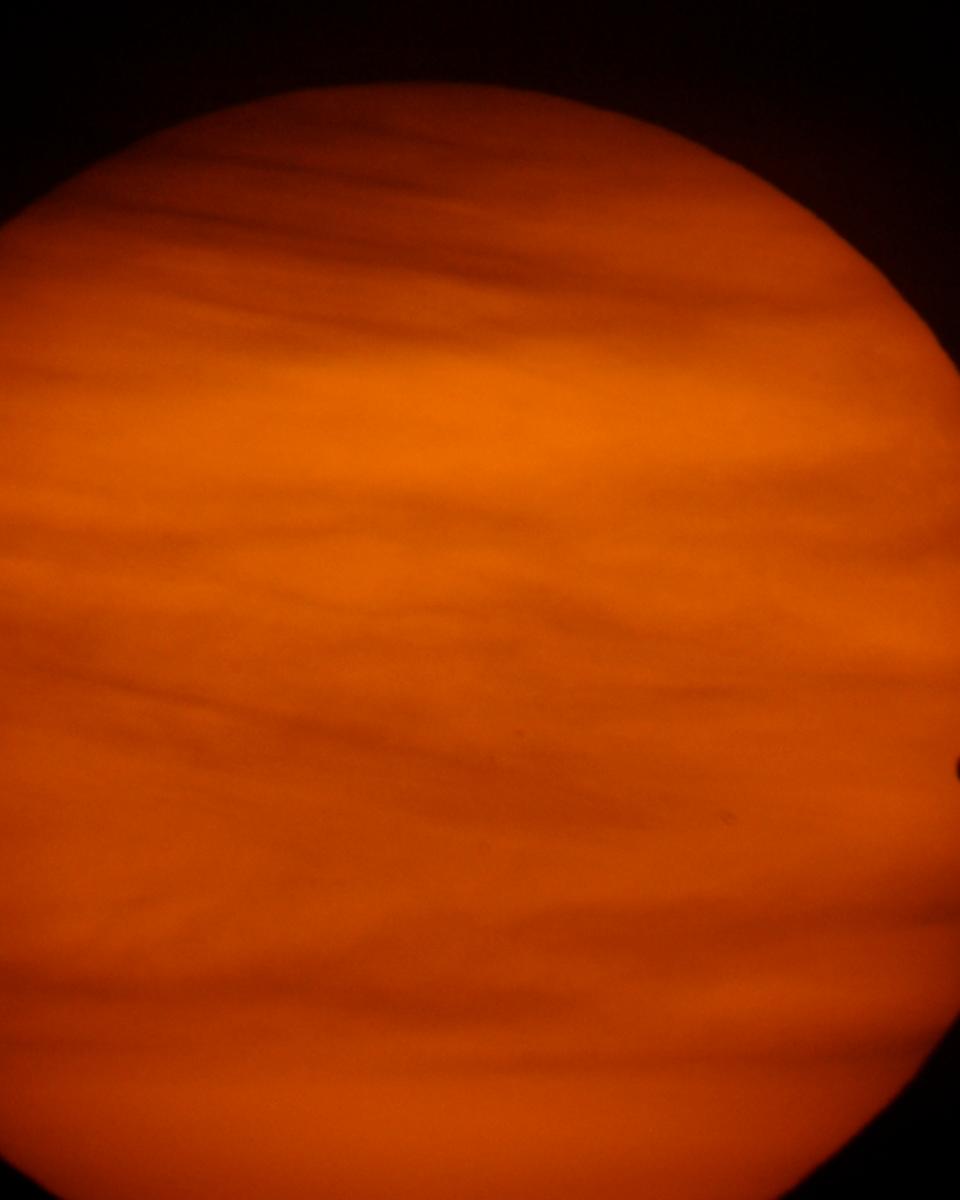
Venus Transit at Sunrise
Did you see the transit? While some watched by webcast, sky gazers in Europe, the Middle East, Africa, and Asia were able to witness the complete 6 hour journey of Venus'…
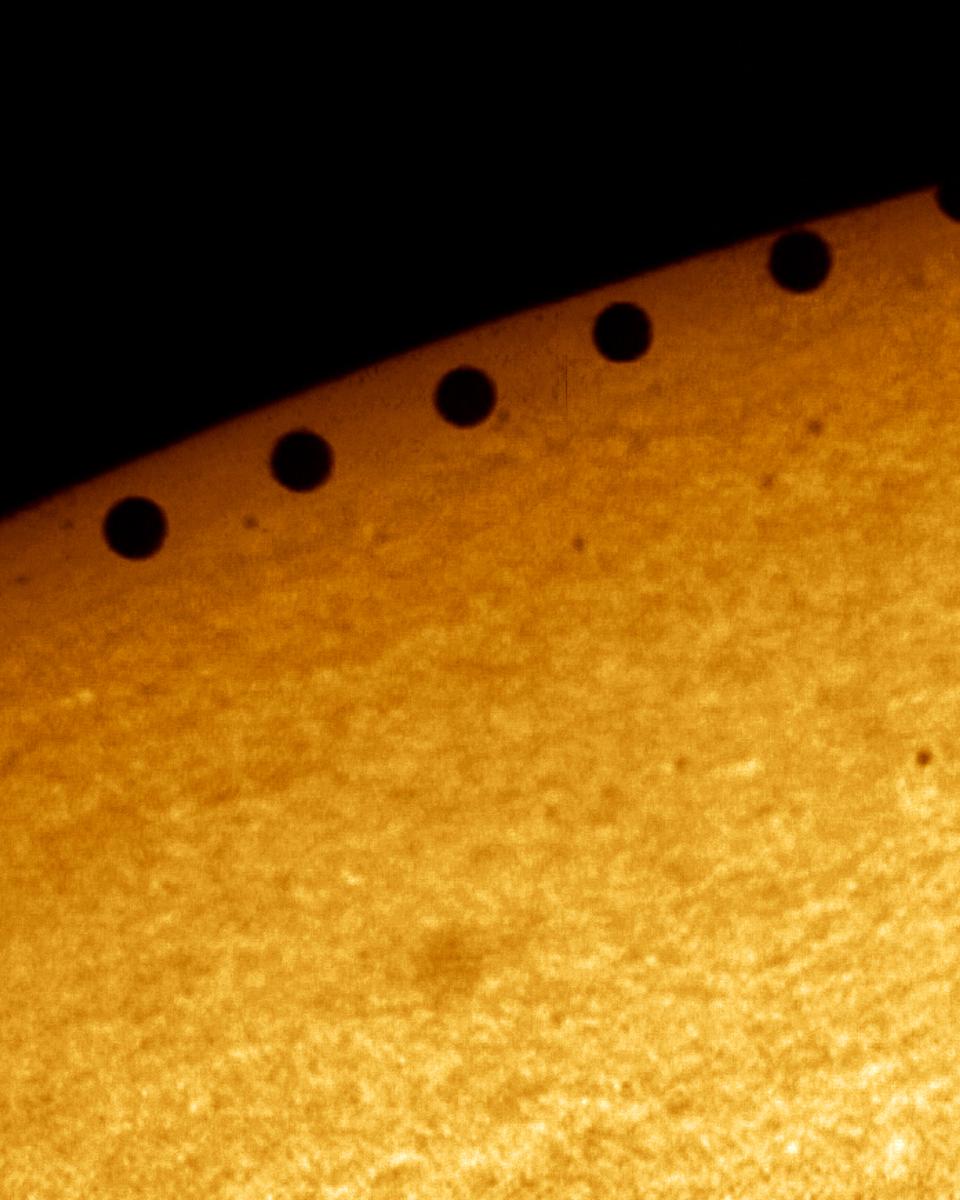
A Planet Transits the Sun
Today an astronomical event will occur that no living person has ever seen: Venus will cross directly in front of the Sun. A Venus crossing , called a transit, last occurred in…
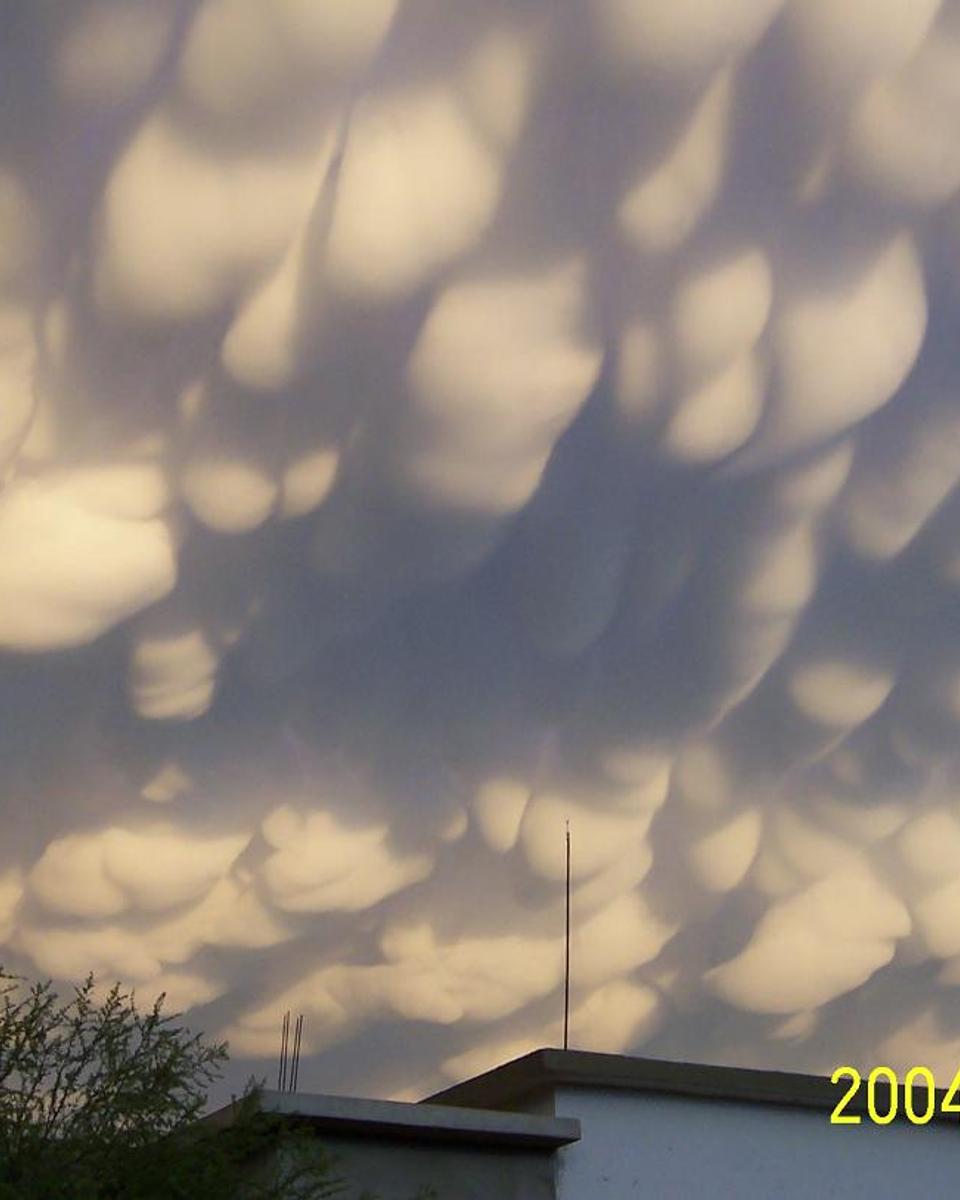
Mammatus Clouds Over Mexico
When do cloud bottoms appear like bubbles? Normal cloud bottoms are flat because moist warm air that rises and cools will condense into water droplets at a very specific…
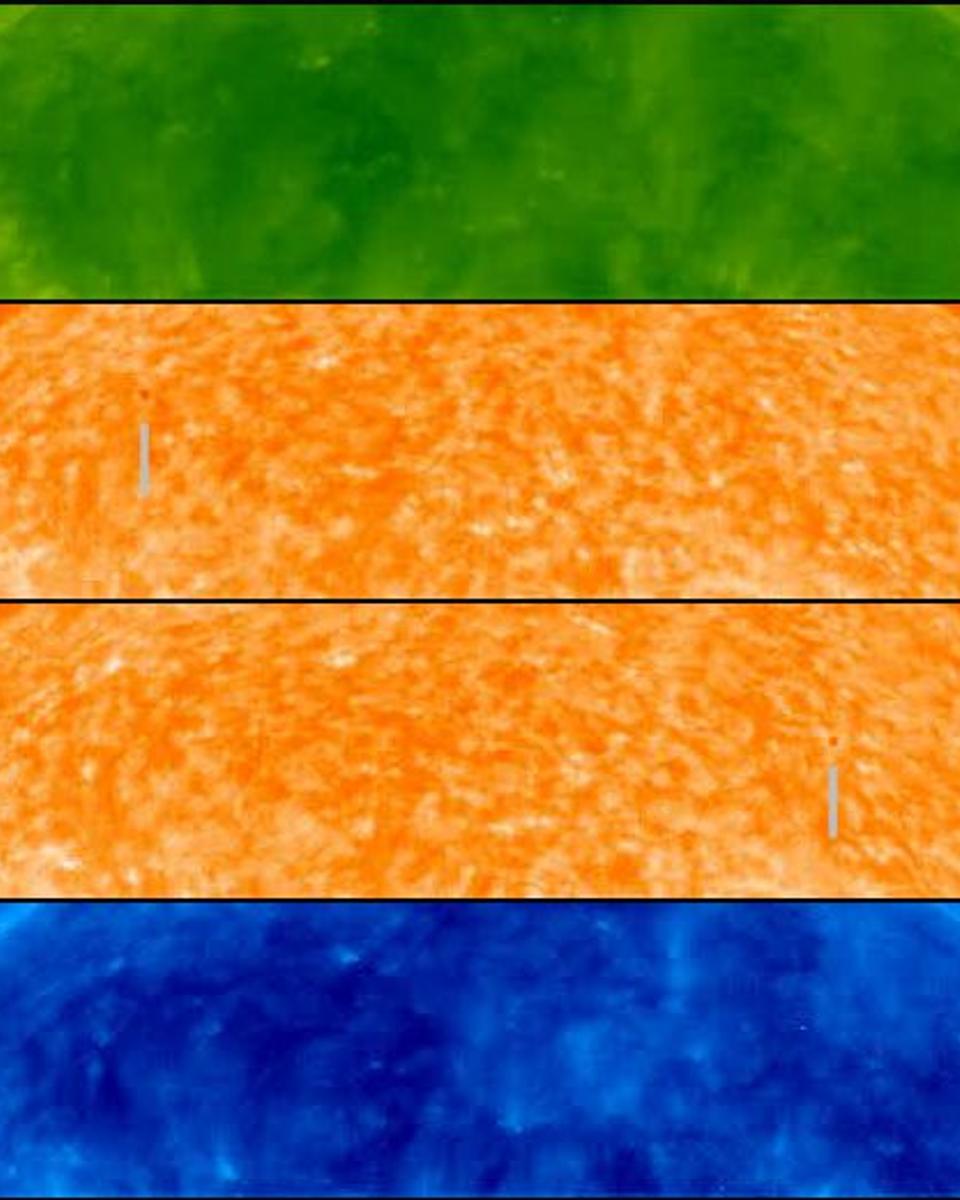
Mercury Spotting
Can you spot the planet? The diminutive disk of Mercury, the solar system's innermost planet, spent about five hours crossing in front of the enormous solar disk on 2003 May 7, as…
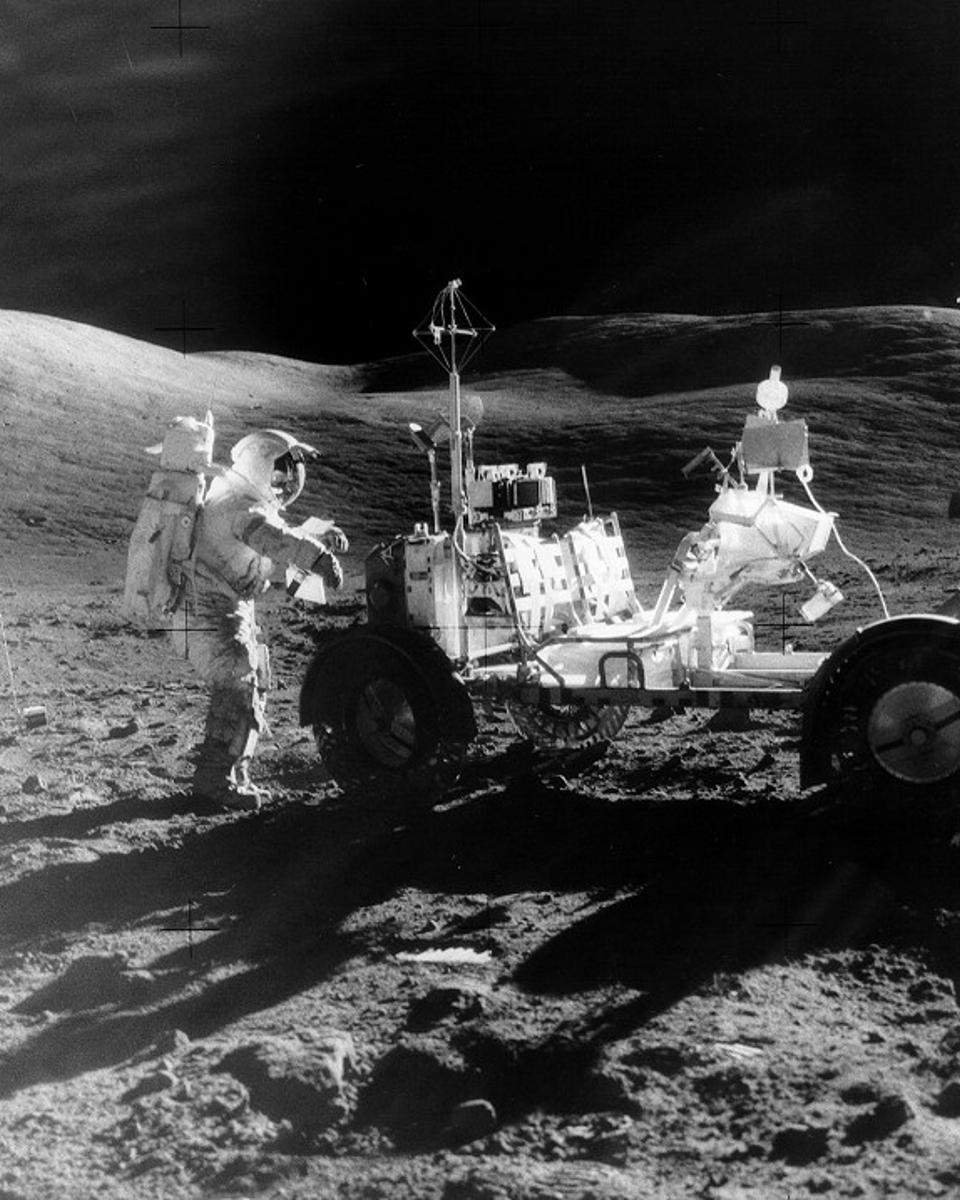
Apollo 17's Lunar Rover
In December of 1972, Apollo 17 astronauts Eugene Cernan and Harrison Schmitt spent about 75 hours exploring the Moon's Taurus-Littrow valley while colleague Ronald Evans orbited…
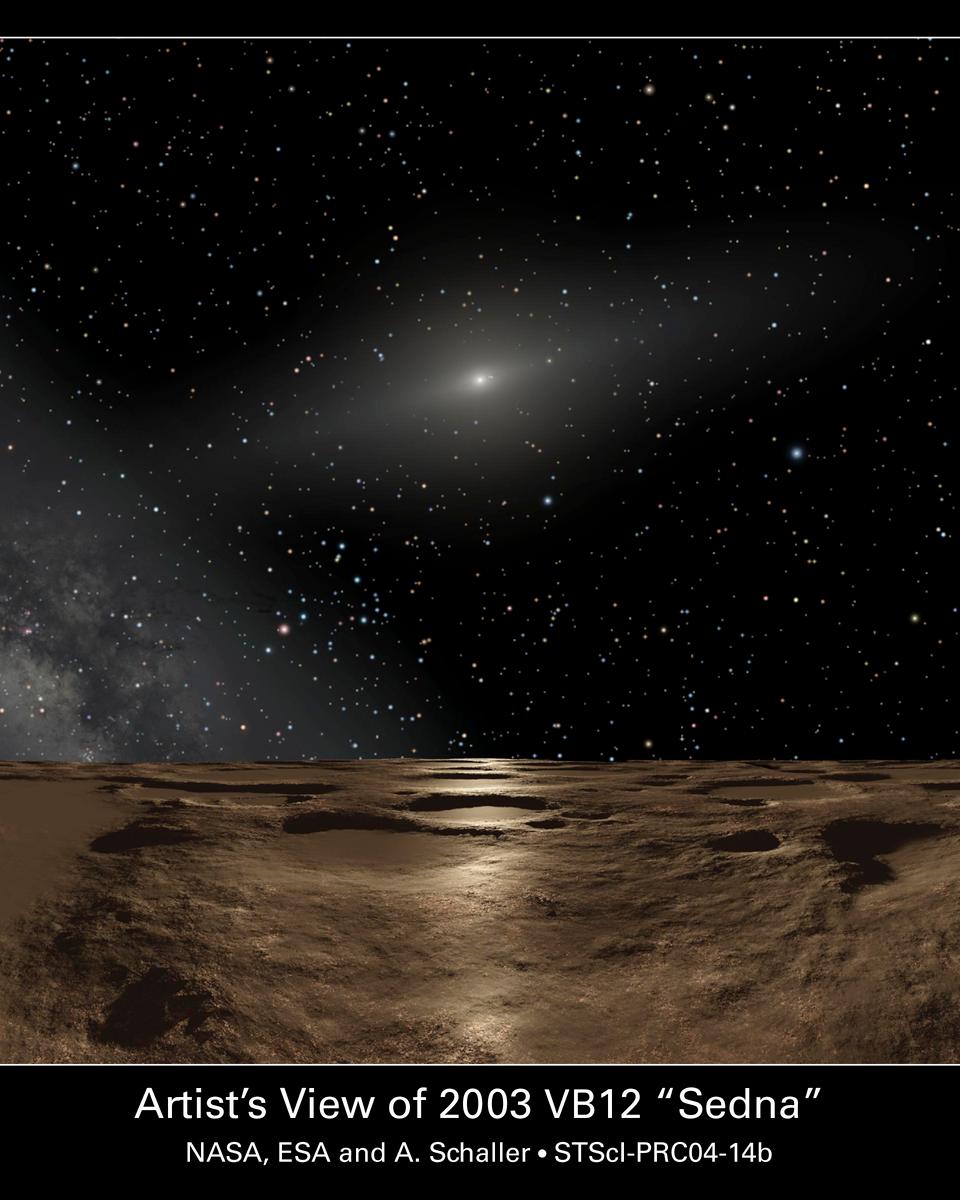
Sedna at Noon
Standing on Sedna - the solar system's most distant known planetoid - your view of the Sun at high noon might look something like this. An artist's dramatic vision, the picture…
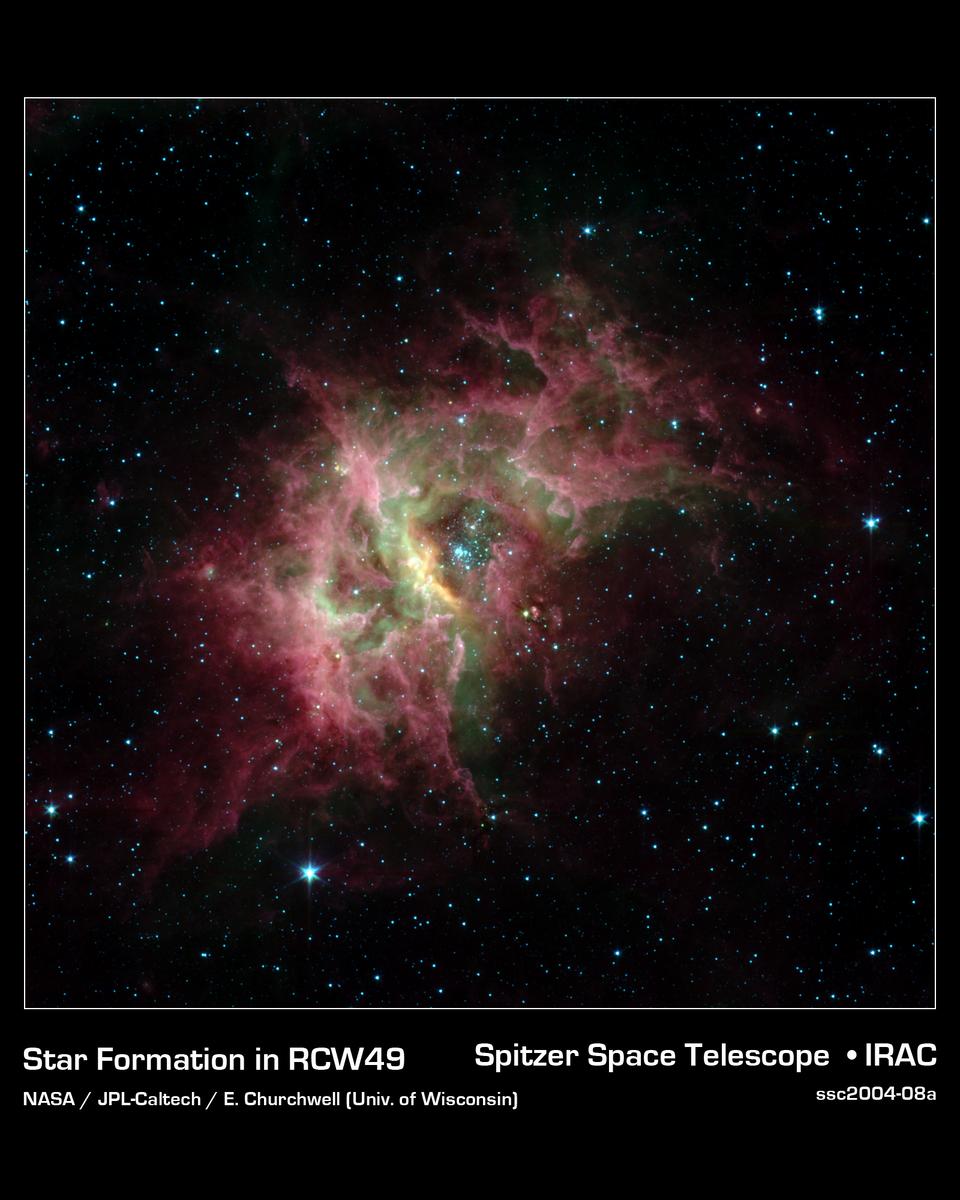
Cosmic Construction Zone RCW 49
Stars and planets appear to be under construction in dusty nebula RCW 49. This Spitzer Space Telescope false-color infrared view of the nearby stellar nursery shows that known,…
Viewing discoveries from 26 June 2004 through 3 June 2004.