Browse NASA Astronomy Picture of the Day archive by date and media: Archive Discoveries
Browse the NASA APOD archive without needing the exact date first. Filter by media type and keep moving deeper into older images and videos.
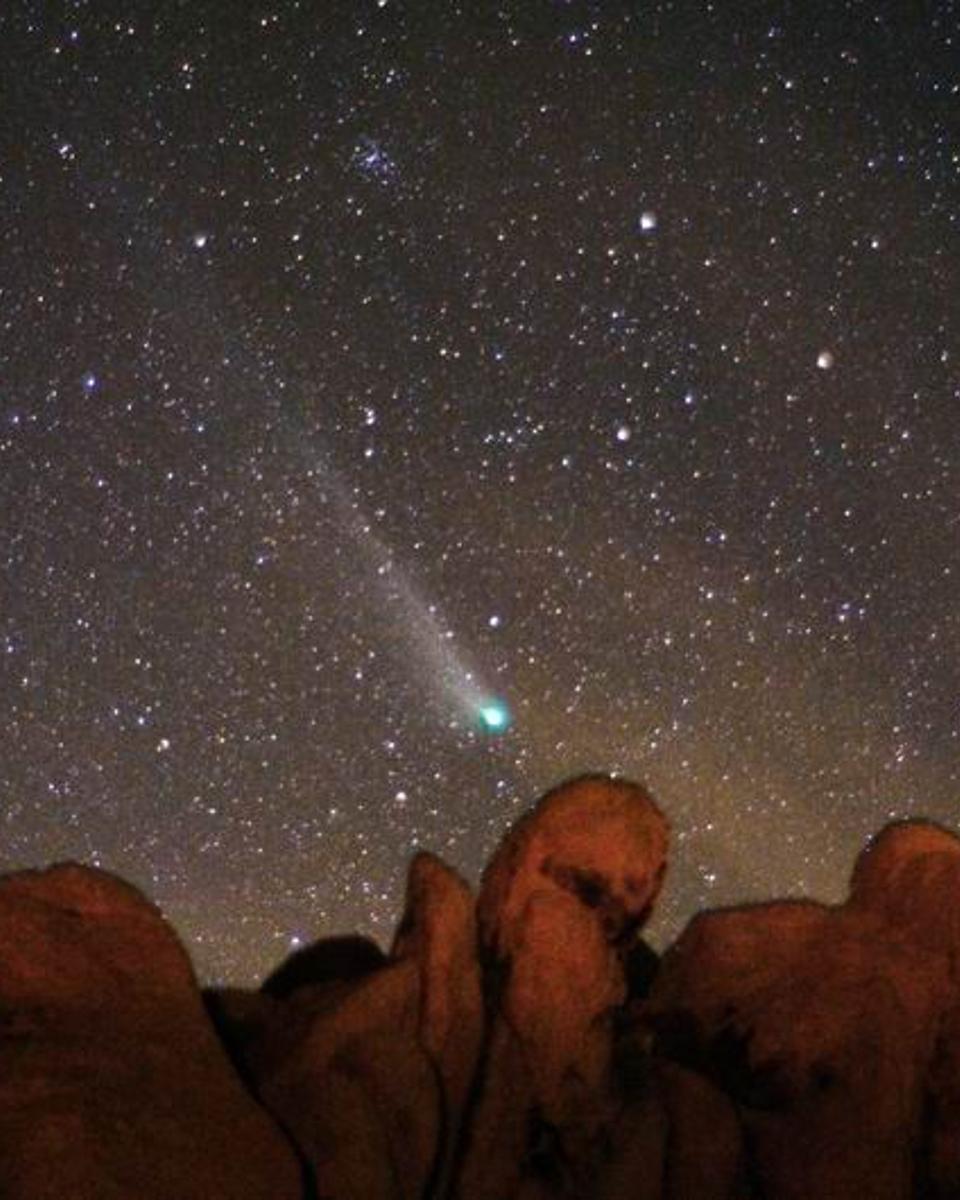
Comet NEAT (Q4) Over Indian Cove
Comet NEAT (Q4) was quite photogenic earlier this month. Although the head and part of the tails of Comet C/2001 Q4 (NEAT) were visible to the unaided eye, the best views of the…
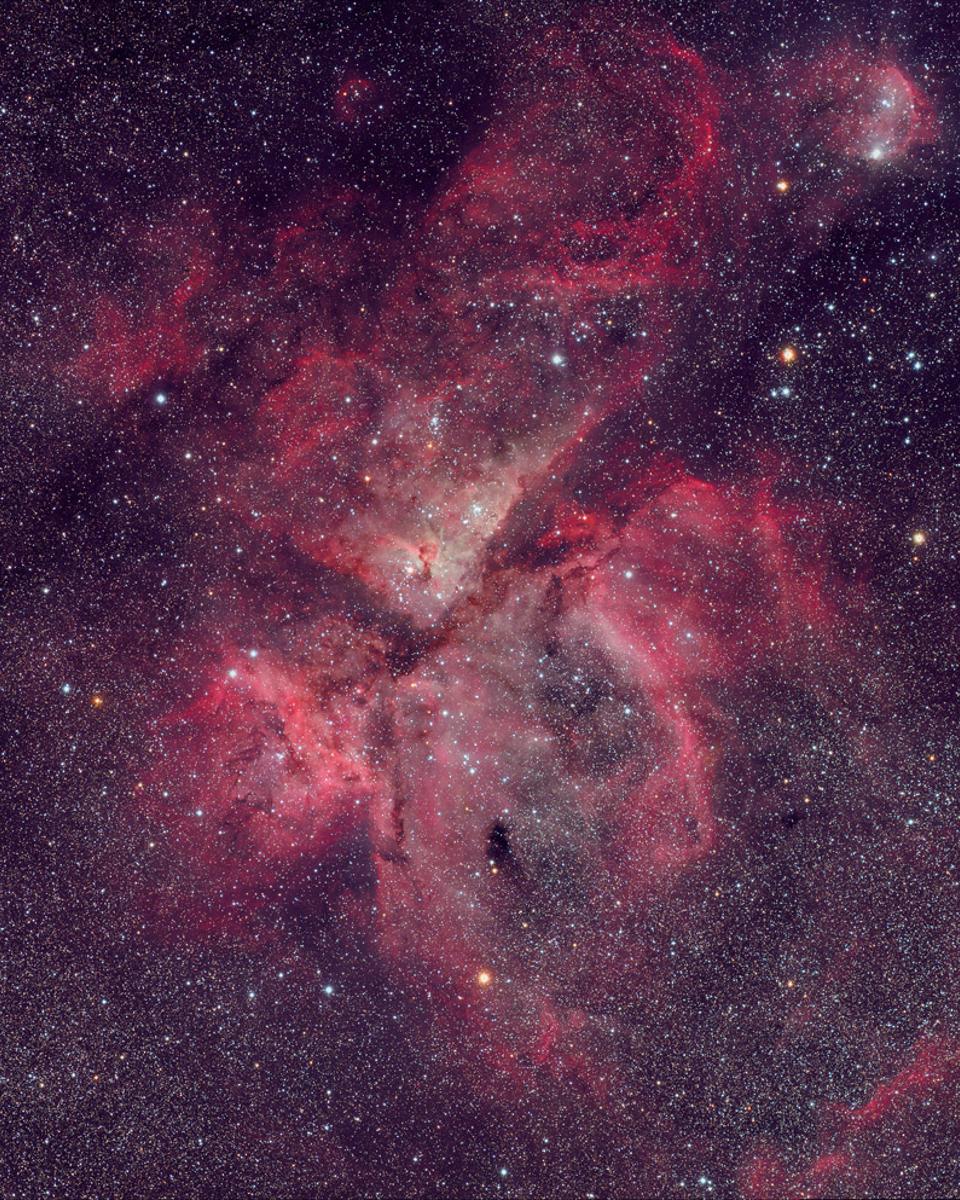
NGC 3372: The Great Nebula in Carina
In one of the brightest parts of the Milky Way lies a nebula where some of the oddest things occur. NGC 3372, known as the Great Nebula in Carina , is home to massive stars and…
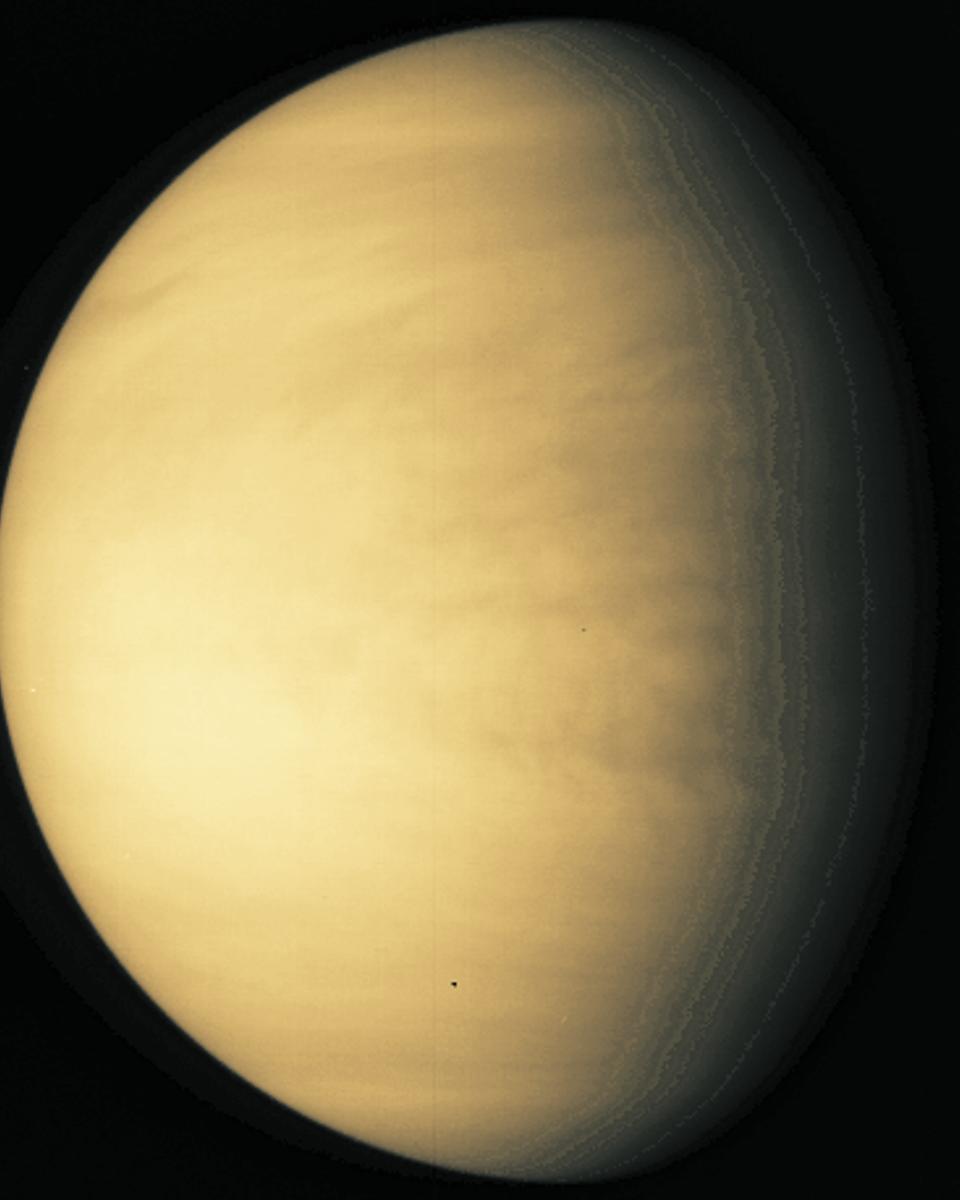
Venus: Earth's Cloudy Twin
This picture by the Galileo spacecraft shows just how cloudy Venus is. Venus is very similar to Earth in size and mass - and so is sometimes referred to as Earth's sister planet -…
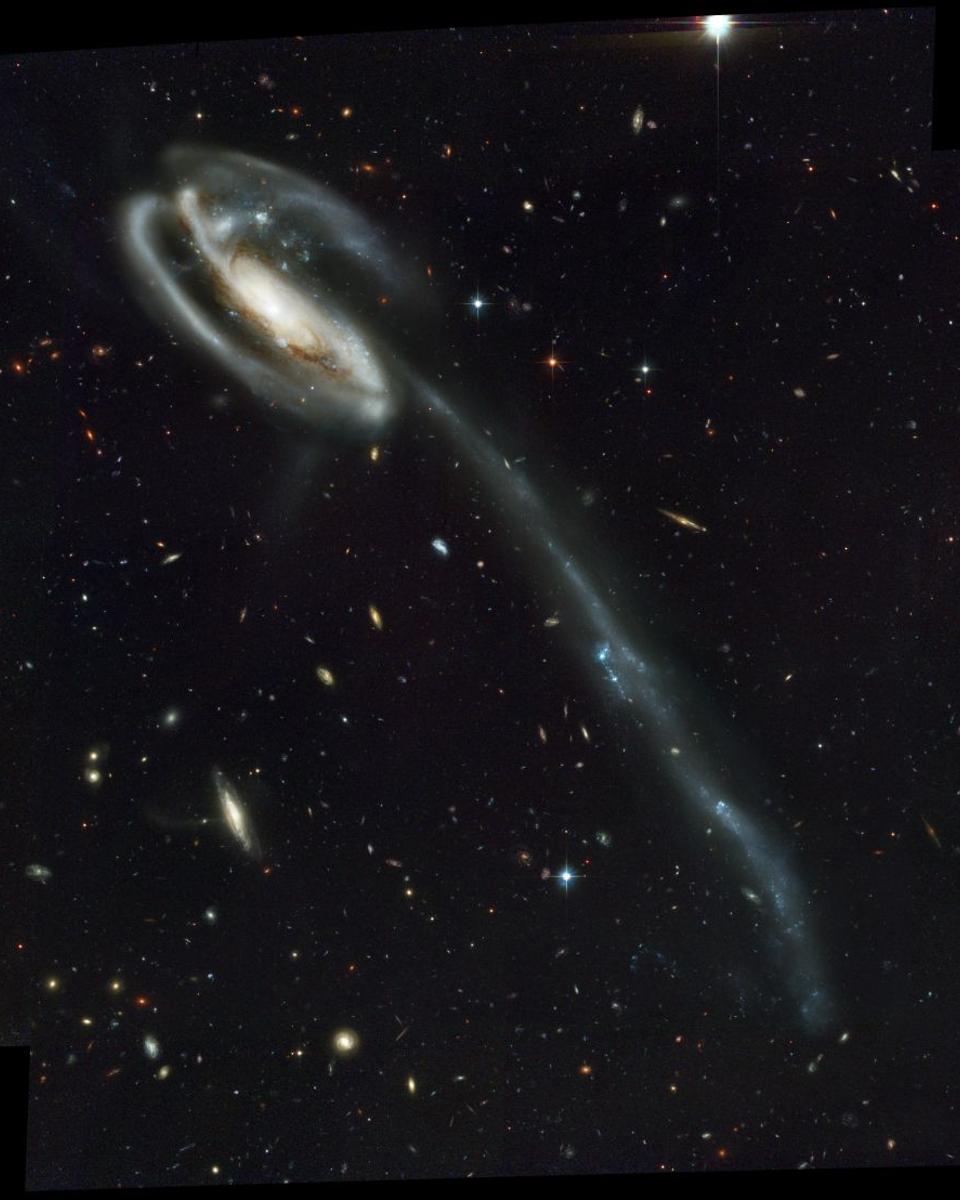
Arp 188 and the Tadpole's Tidal Tail
In this stunning vista recorded with the Hubble Space Telescope's Advanced Camera for Surveys , distant galaxies form a dramatic backdrop for disrupted spiral galaxy Arp 188, the…
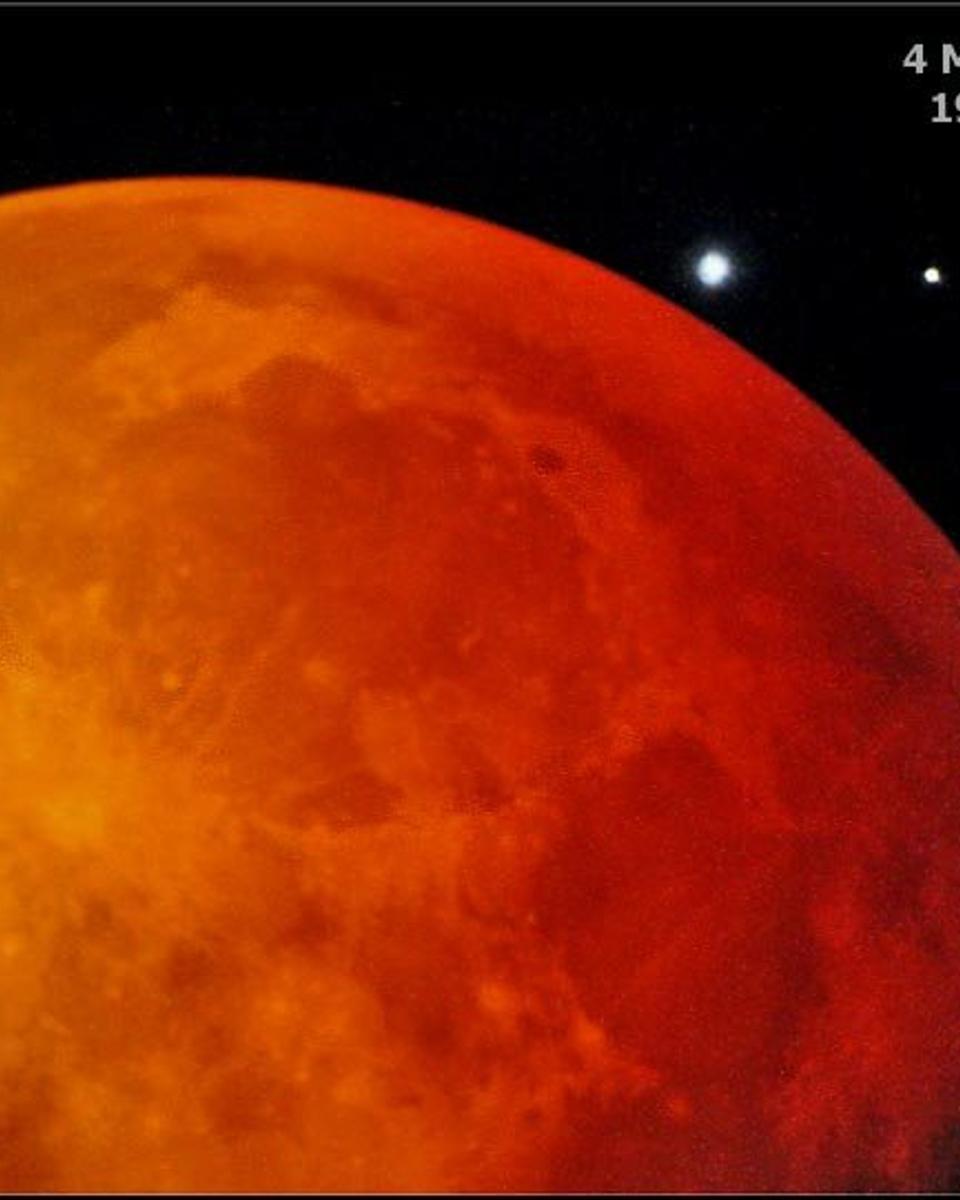
Zubenelgenubi and Friends
Moderately bright Zubenelgenubi is the star just off the upper right hand limb of an eclipsed Moon in this telescopic view from Port Elizabeth, South Africa. Actually the second…
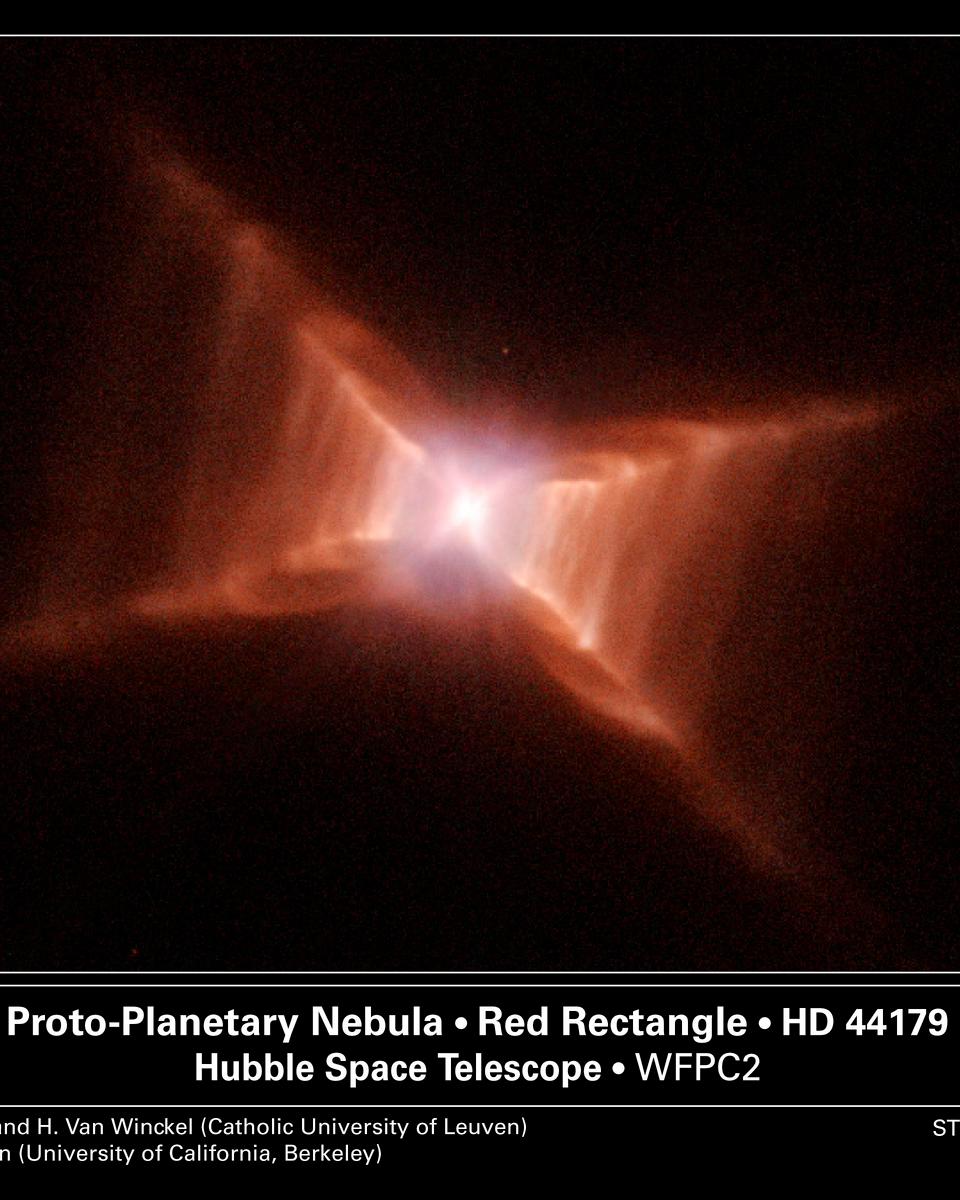
Rungs of the Red Rectangle
A distinctive X-shape and ladder-like rungs appear in this Hubble Space Telescope image of the intriguing Red Rectangle Nebula . The dusty cosmic cloud was originally identified…
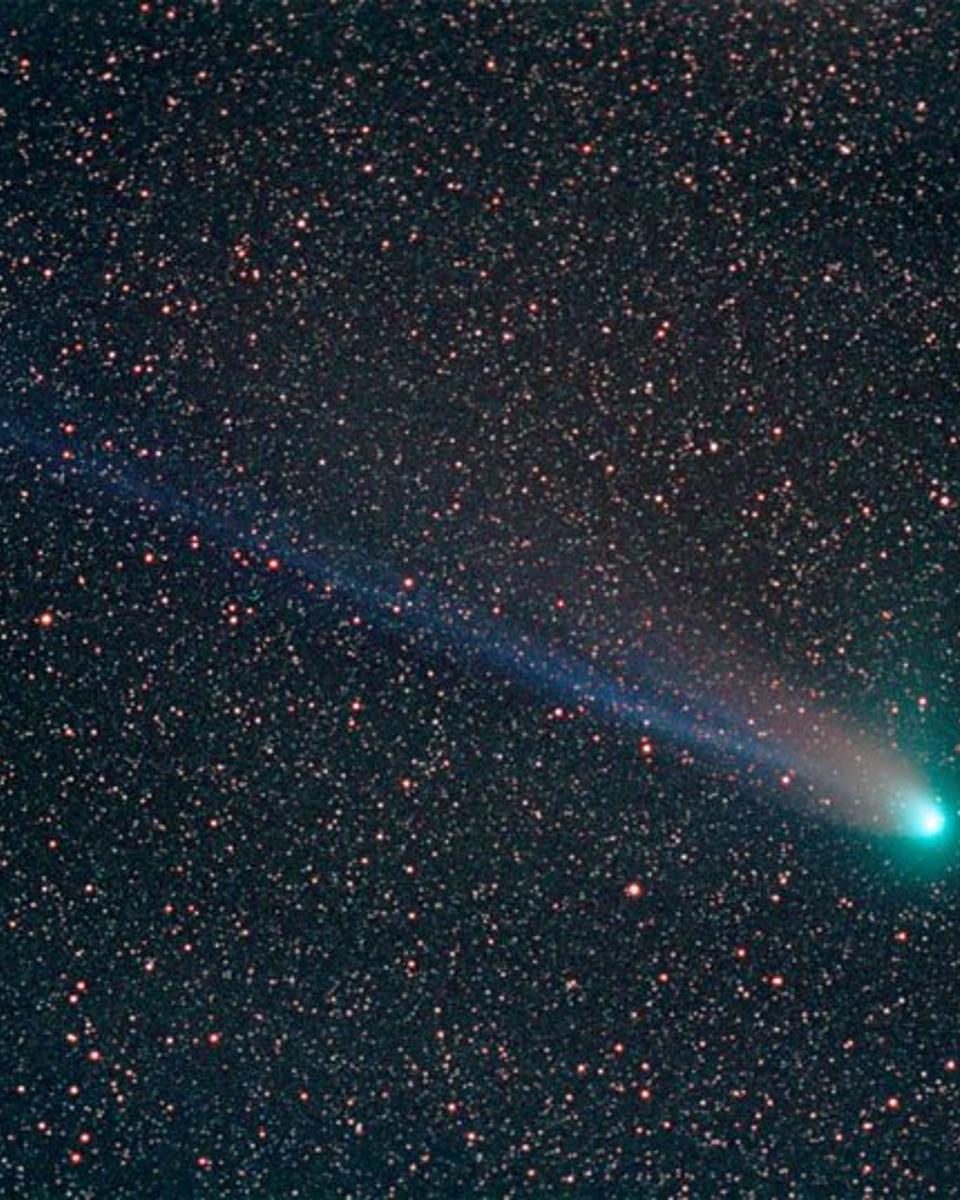
The Tails of Comet NEAT (Q4)
Comet NEAT (Q4) is showing its tails . As the large snowball officially dubbed Comet C/2001 Q4 (NEAT) falls toward the inner Solar System , it has already passed the Earth and…
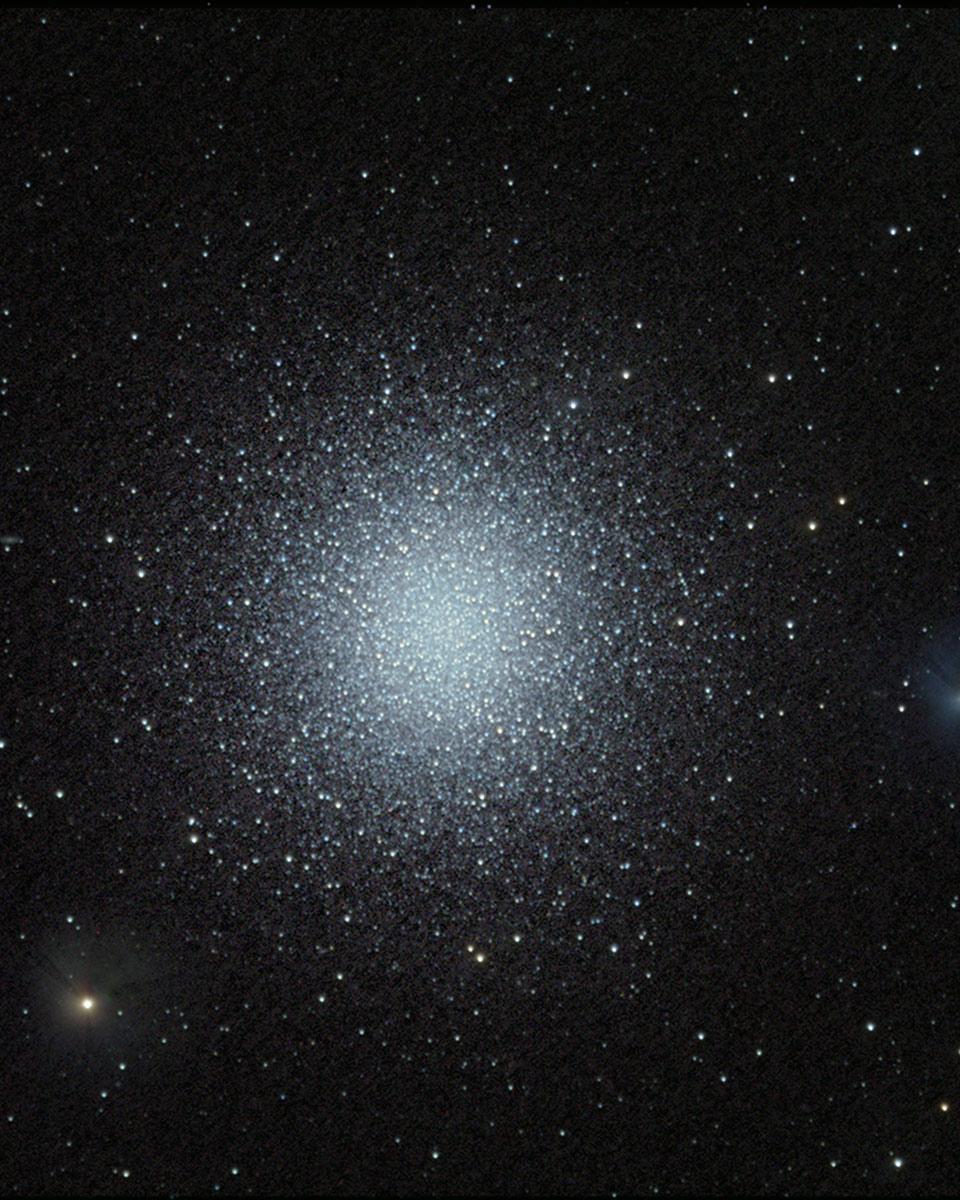
M13: The Great Globular Cluster in Hercules
M13 is one of the most prominent and best known globular clusters . Visible with binoculars in the constellation of Hercules , M13 is frequently one of the first objects found by…
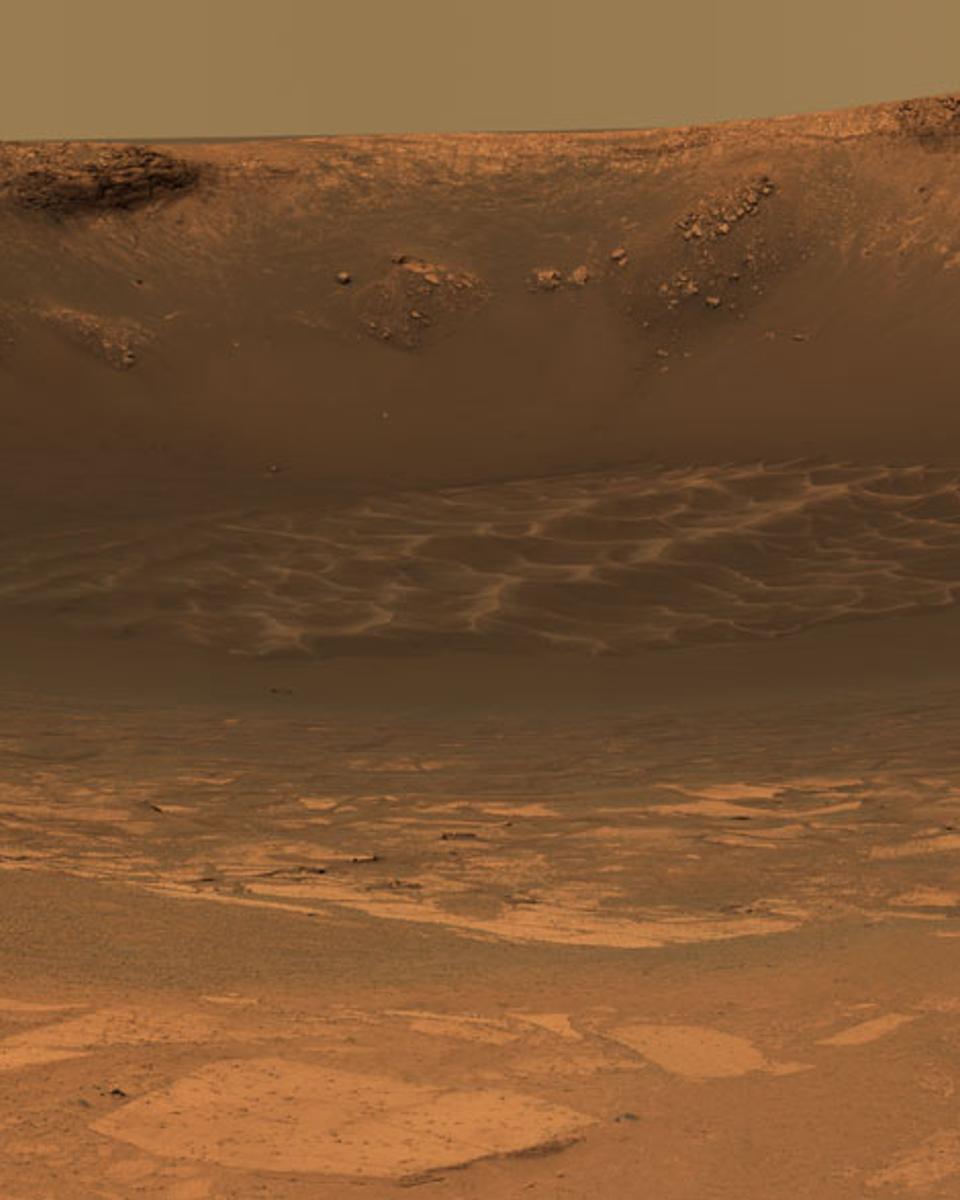
Endurance Crater on Mars
Scroll right to see the inside of Endurance Crater , the large impact feature now being investigated by the Opportunity rover rolling across Mars . The crater's walls show areas…
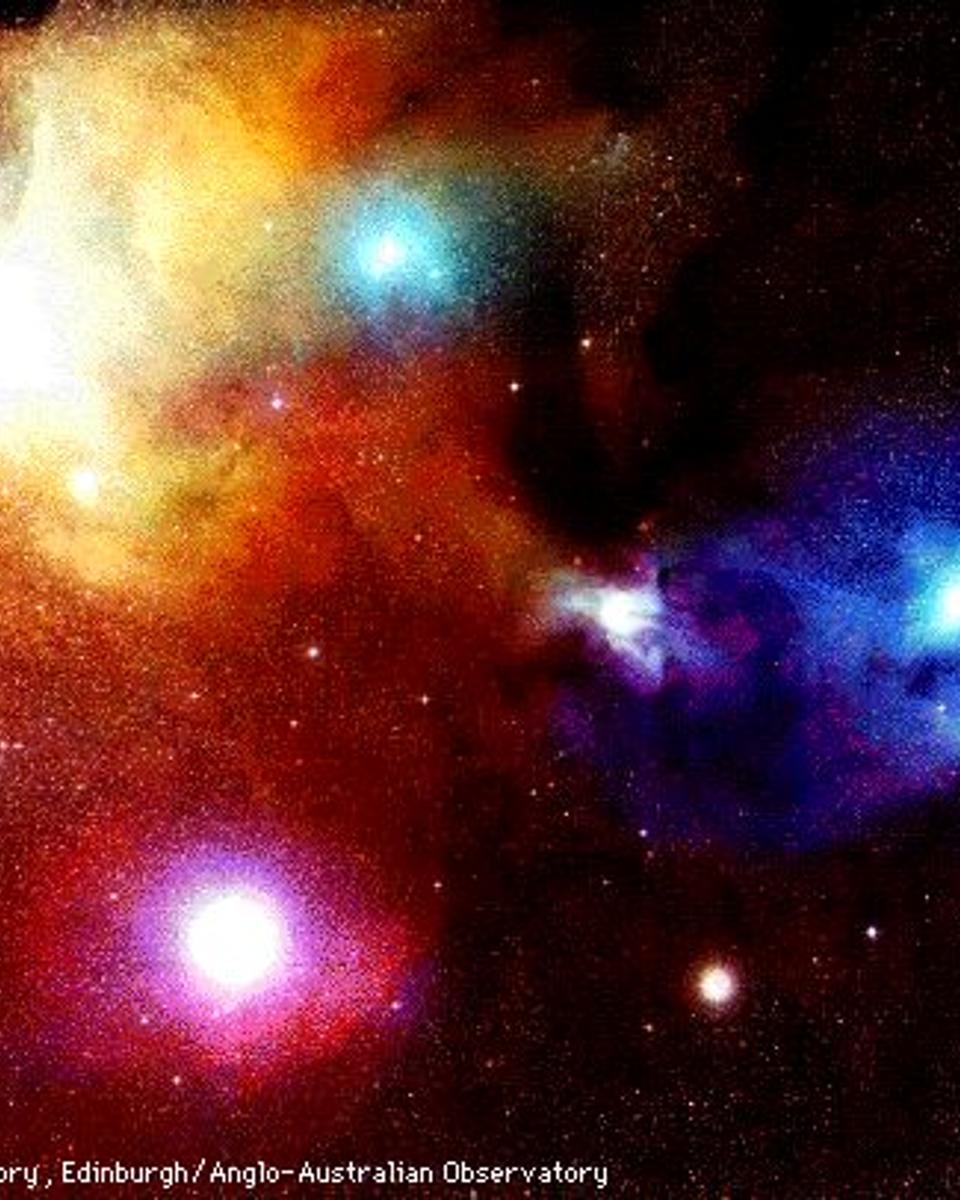
Antares and Rho Ophiuchi
Why is the sky near Antares and Rho Ophiuchi so colorful? The colors result from a mixture of objects and processes. Fine dust illuminated from the front by starlight produces…
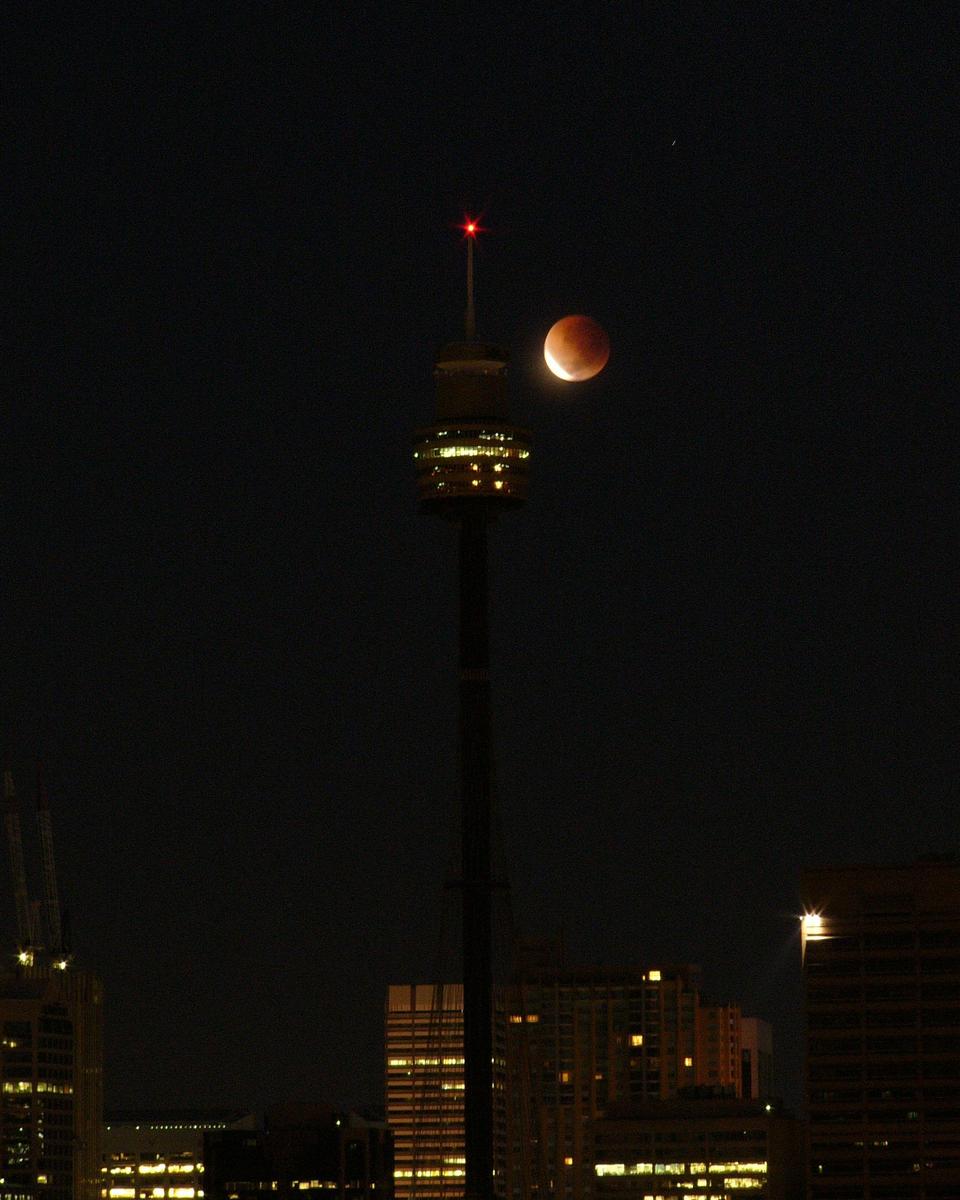
Good Morning Sydney
Rising before dawn on May 5th, Stephen Thorley looked out across the skyline of Sydney, Australia . And while a leisurely lunar eclipse was clearly in progress, from his vantage…
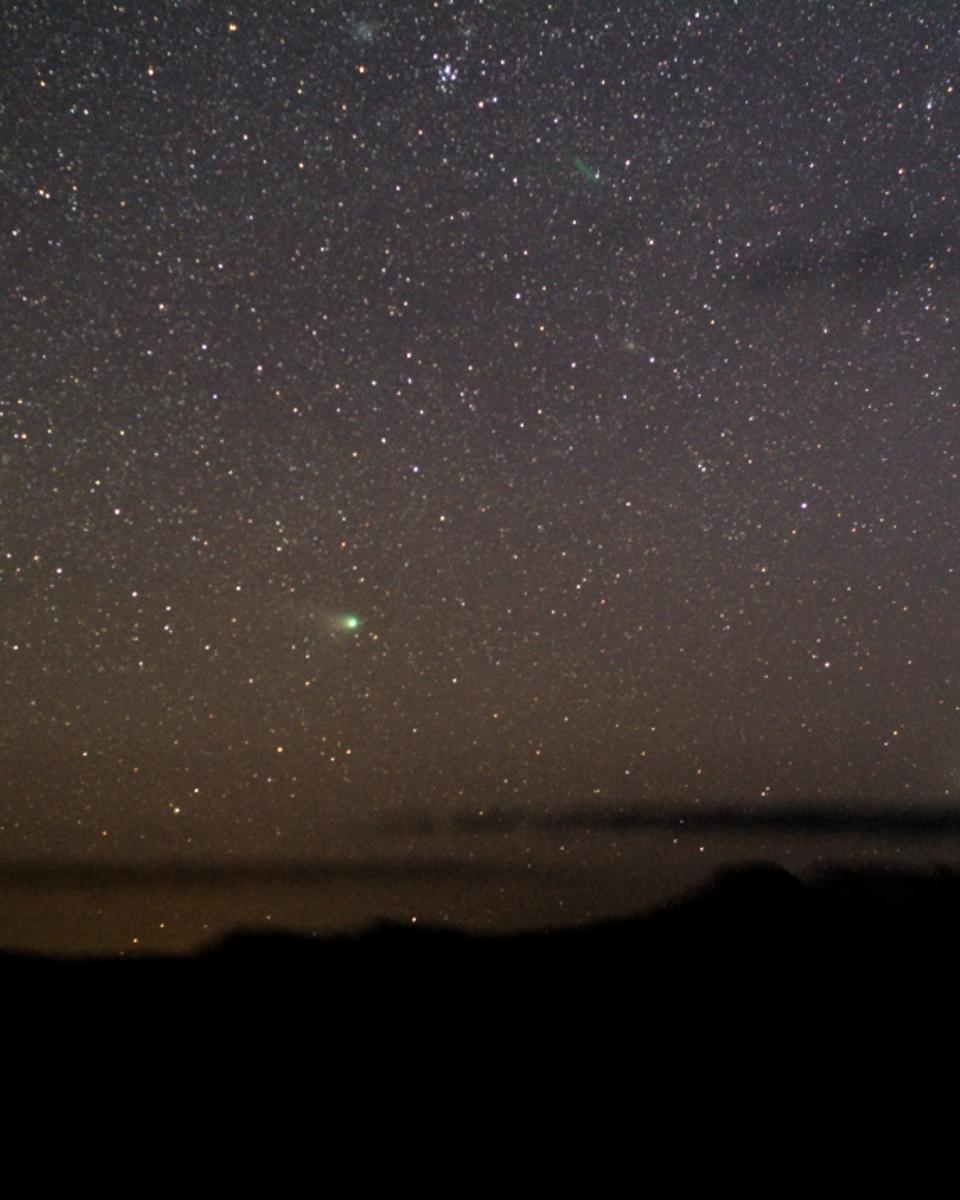
Look West for a NEAT Comet
On May 5th, while scanning western skies after sunset, astronomer Jimmy Westlake was glad to spot a visitor from the outer solar system, Comet NEAT , with his own eyes. Taken with…
A Lunar Eclipse Mosaic
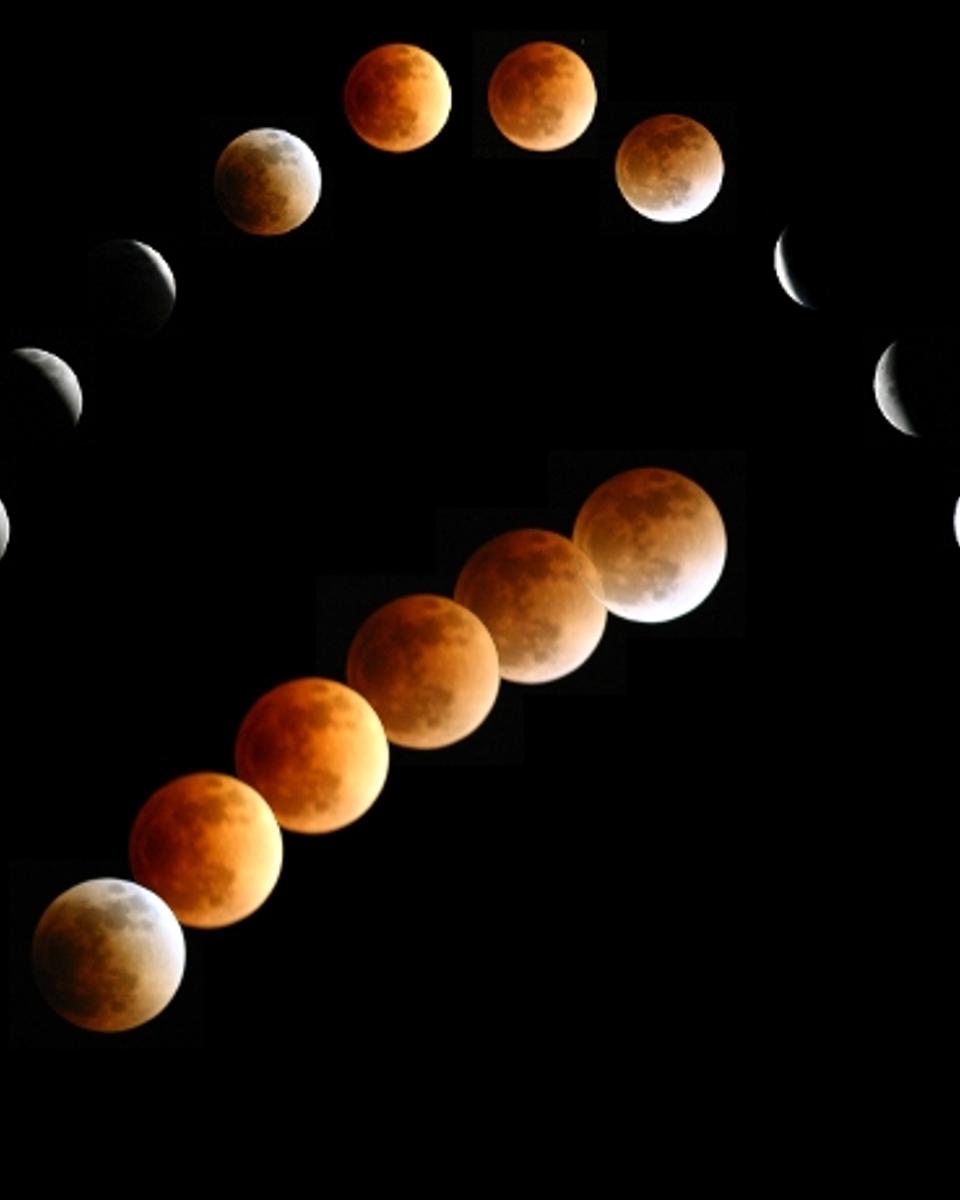
From start to finish, this impressive digital mosaic covers May 4th's total eclipse of the Moon. Astronomer Anthony Ayiomamitis reports that the eclipse viewing was wonderful from…
NGC 6302: Big, Bright, Bug Nebula
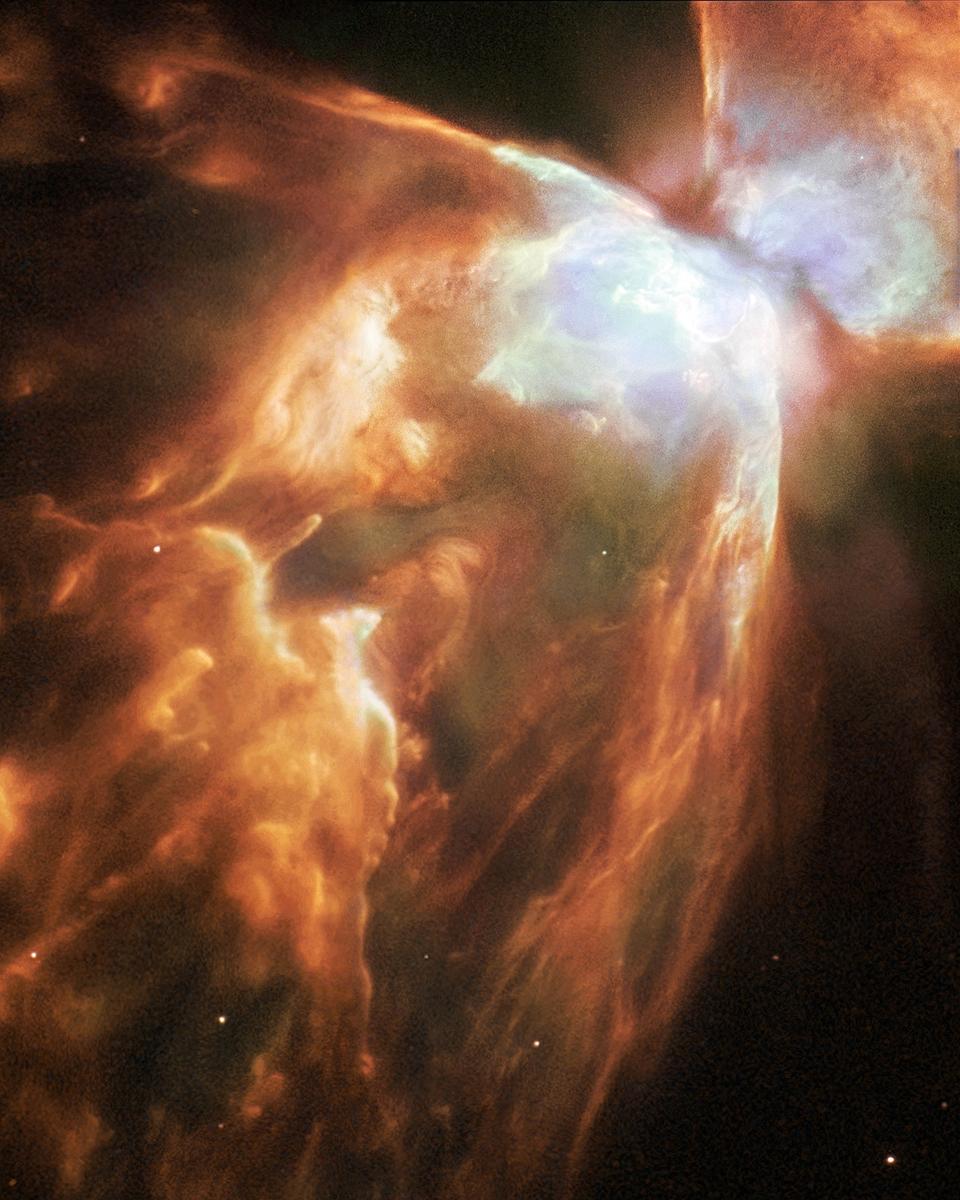
The bright clusters and nebulae of planet Earth's night sky are often named for flowers or insects , and NGC 6302 is no exception. With an estimated surface temperature of about…
Missoula Crater on Mars
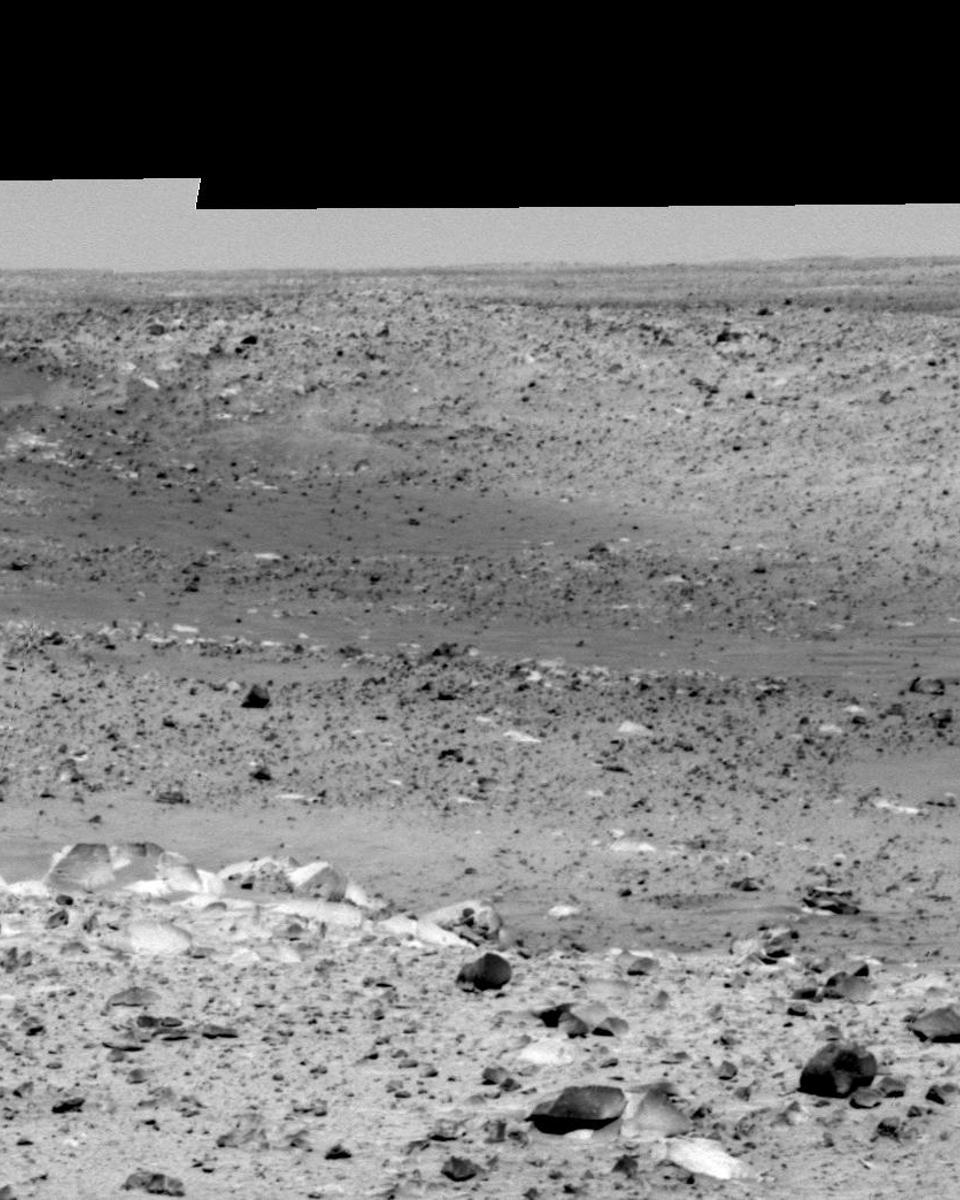
Scroll right to see the rocks , craters , and hills that were in view for the Spirit rover last week as it continued its trek across Mars . Missoula crater, taking up much of the…
Comets Bradfield and LINEAR Rising
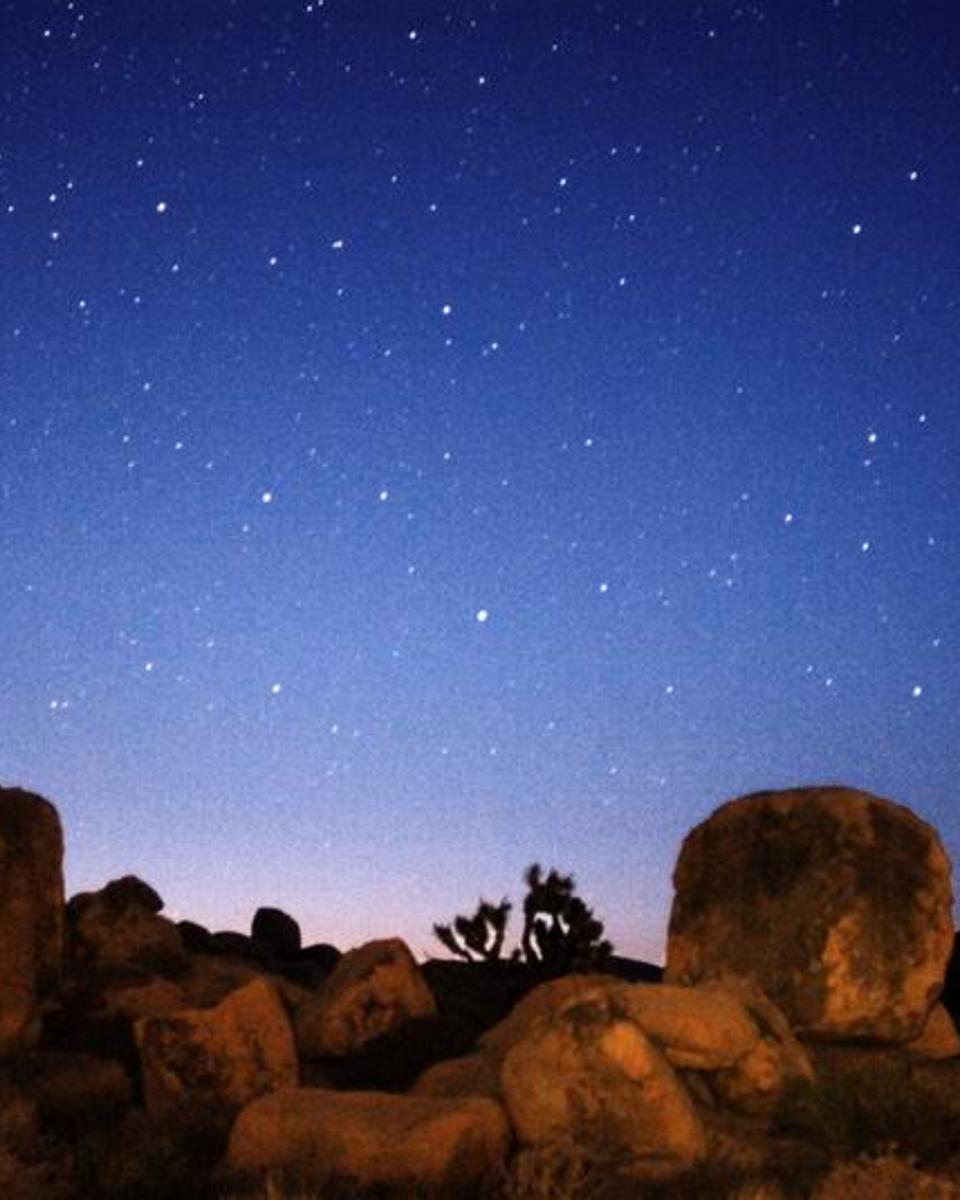
Comet Bradfield is easy to see on the left, but can you find Comet LINEAR on the right? Last week, just before sunrise from the northern hemisphere, two bright comets were visible…
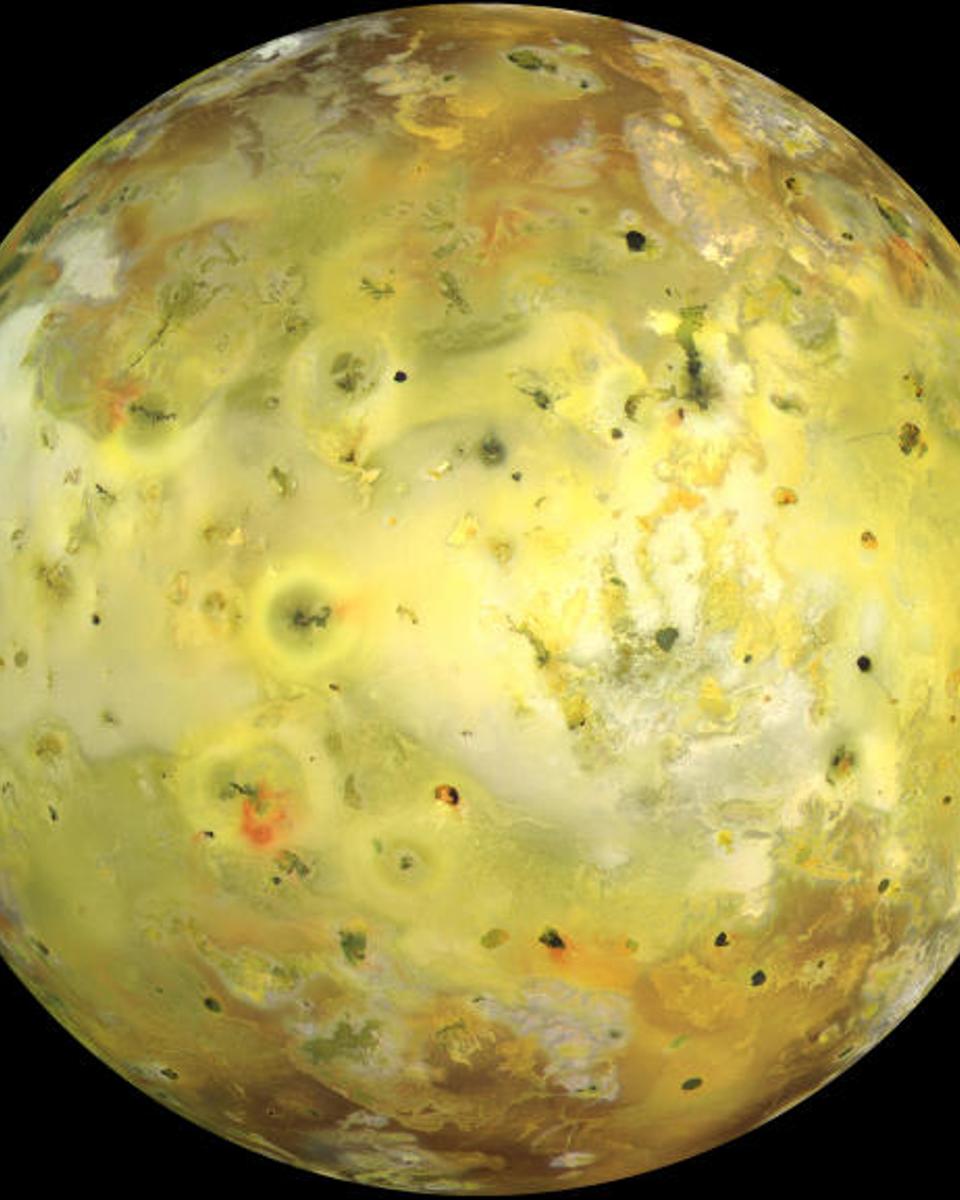
Io in True Color
The strangest moon in the Solar System is bright yellow. This picture , showing Io's true colors, was taken in 1999 July by the Galileo spacecraft that orbited Jupiter from 1995…
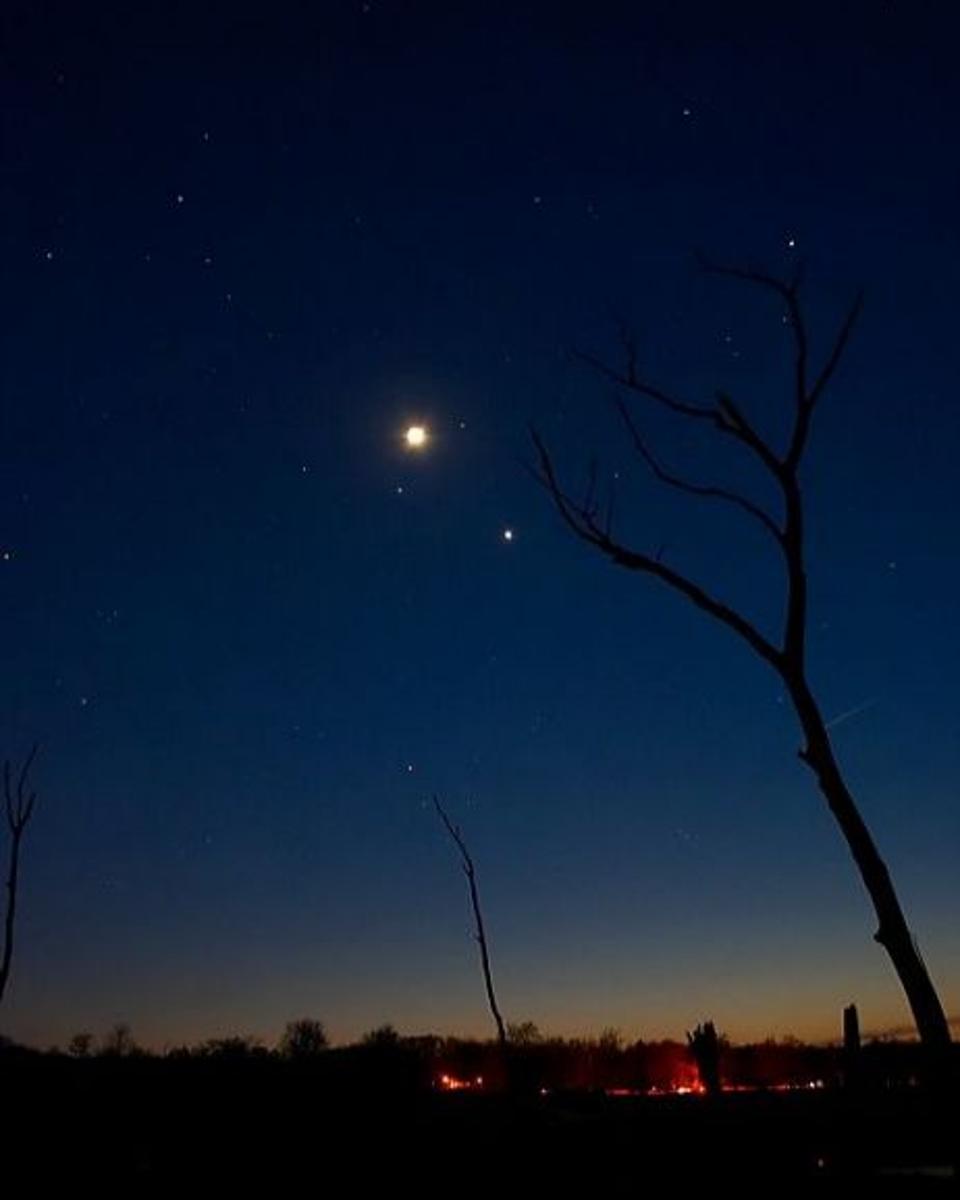
A Western Sky at Twilight
On April 23rd, the Moon along with planets Saturn, Mars, and Venus (and planet Earth of course ...) were all visible in the west at twilight, captured here from a site near…
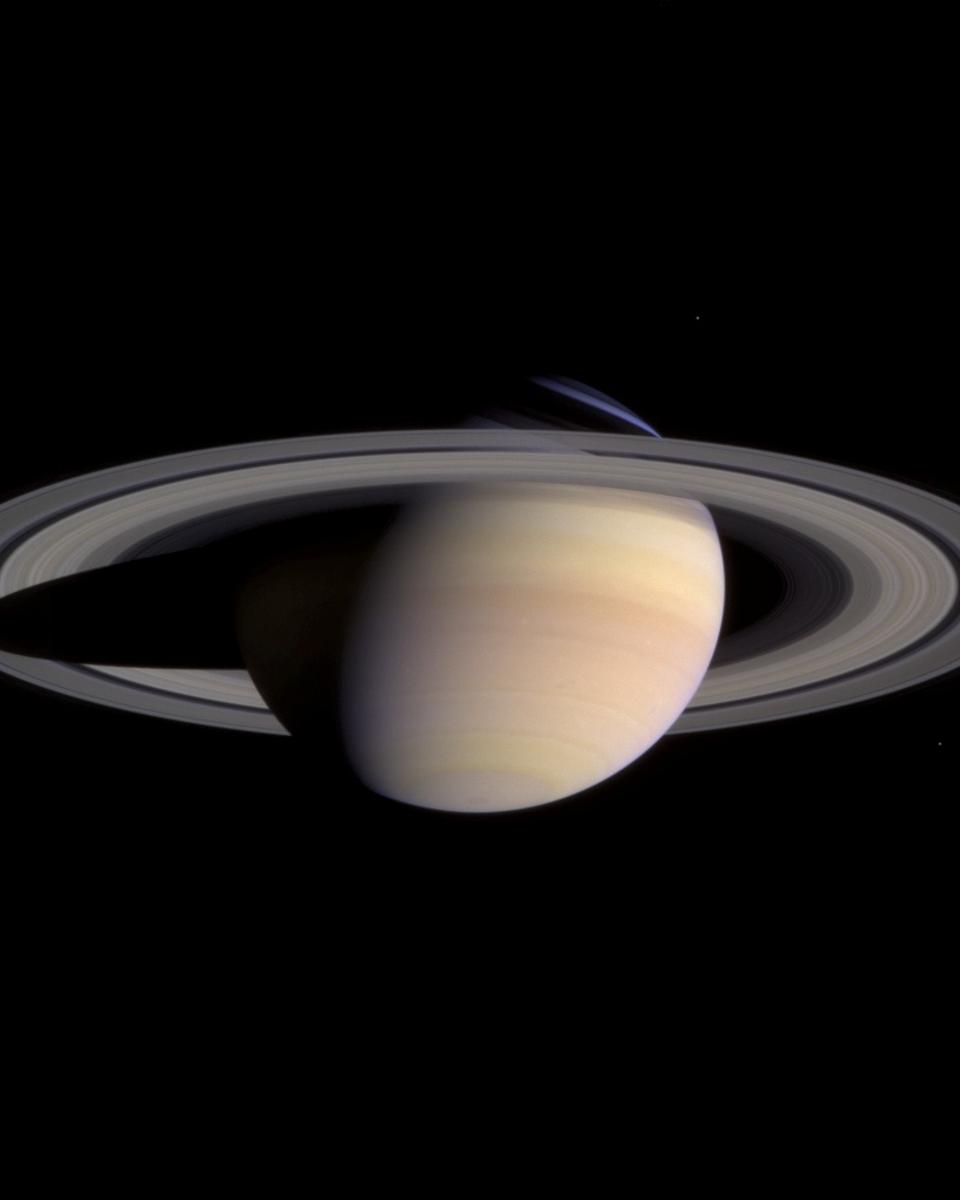
Eyeful of Saturn
Now a bright speck of light wandering through Earth's night sky, magnificent planet Saturn lies nearly 1.5 billion kilometers from the Sun . But after an interplanetary voyage of…
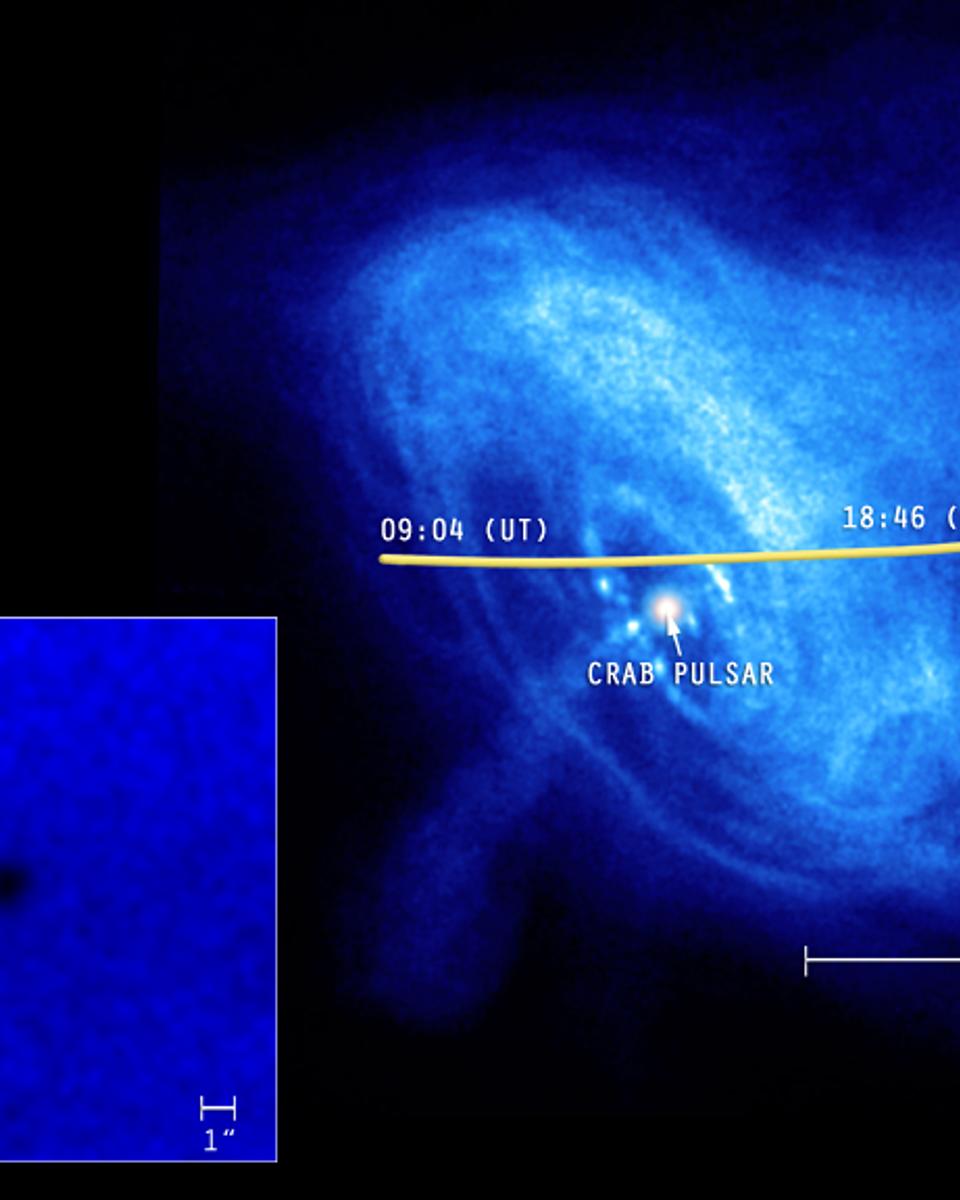
Titan's X-Ray
This June's rare and much heralded transit of Venus will feature our currently brilliant evening star in silhouette, as the inner planet glides across the face of the Sun. But on…
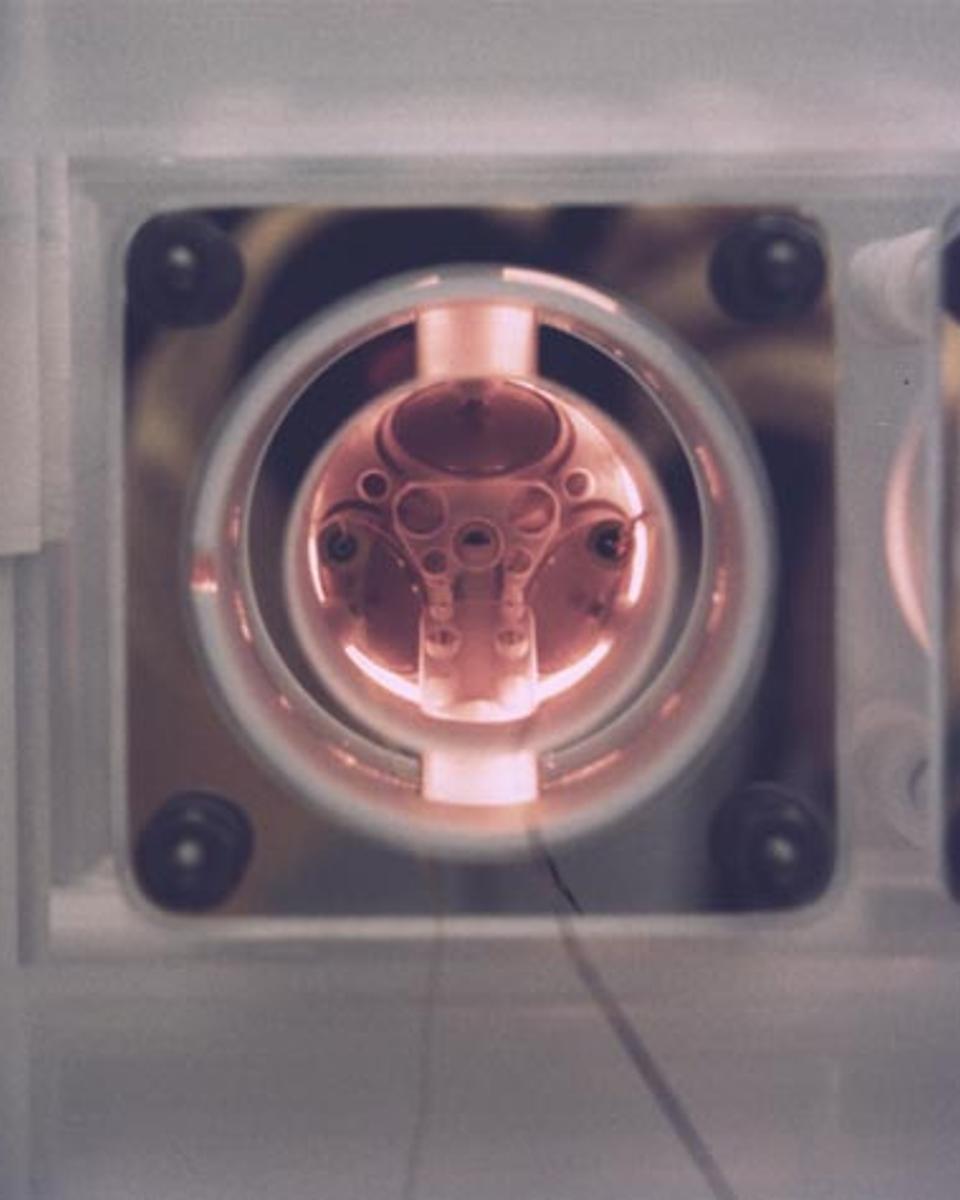
The Smooth Spheres of Gravity Probe B
Does gravity have a magnetic counterpart? Spin any electric charge and you get a magnetic field. Spin any mass and, according to Einstein, you should get a very slight effect that…
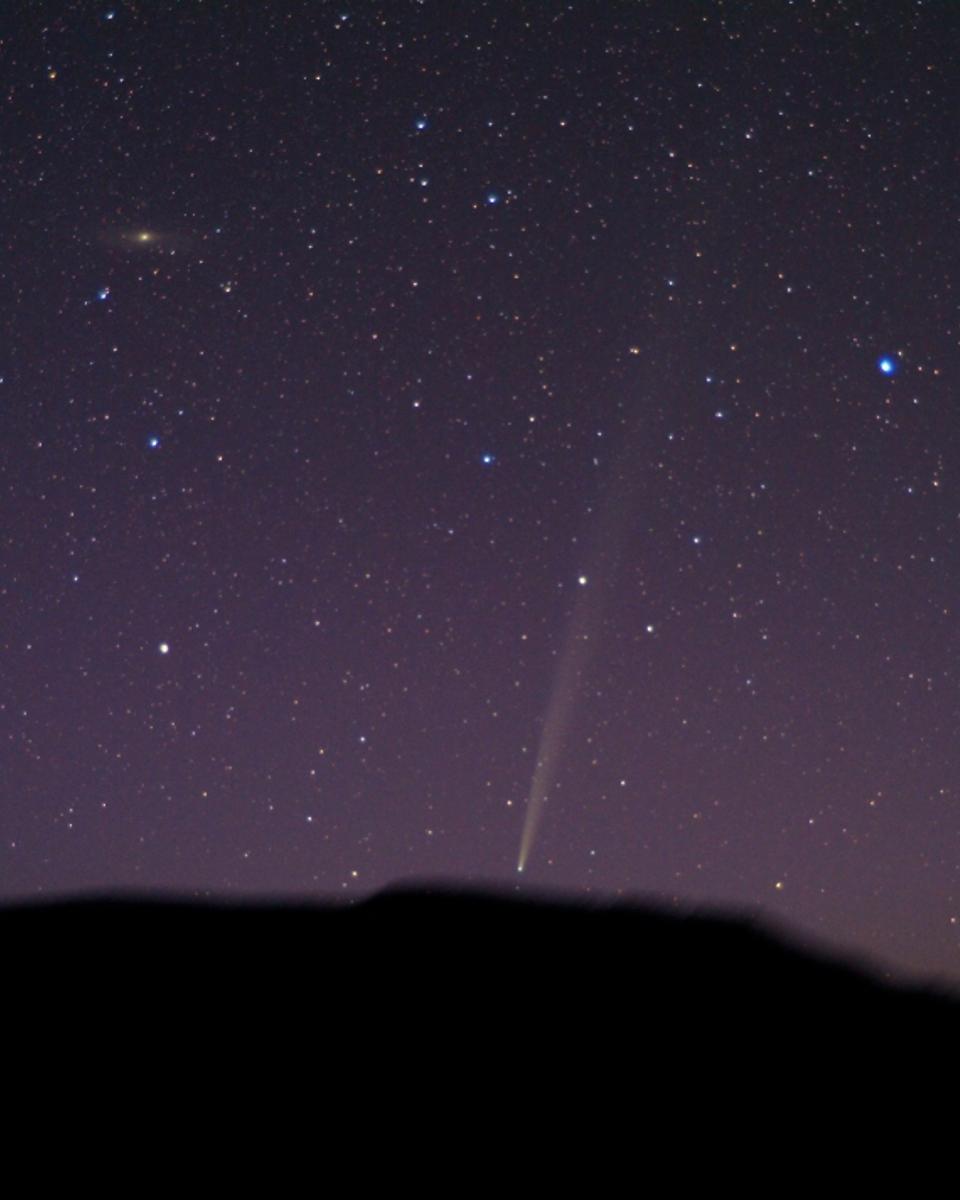
Comet Bradfield Rising
Comet Bradfield has become quite a sight just before sunrise -- for those with binoculars or cameras. Although fading noticeably each day, a sky chart , a northern location, and…
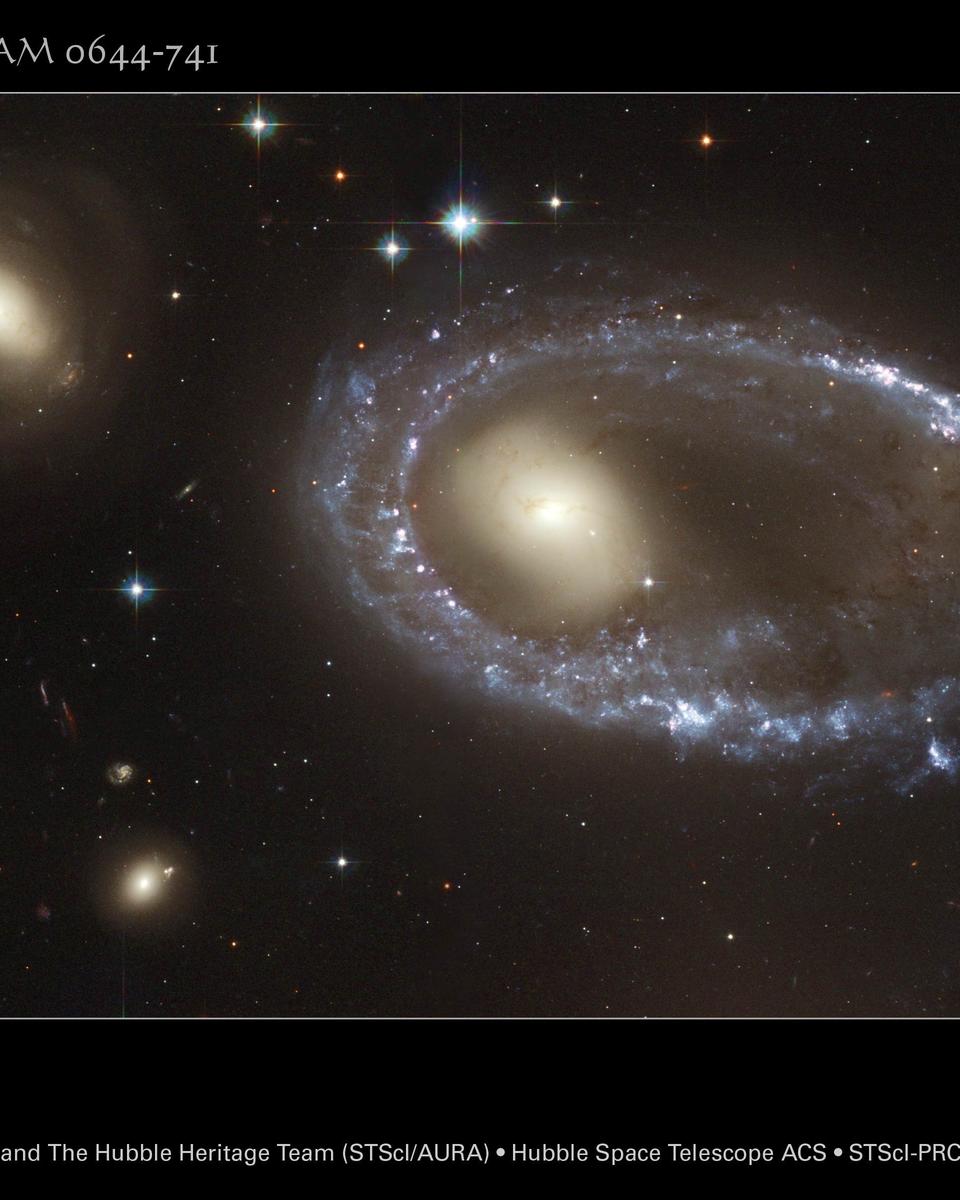
Ring Galaxy AM 0644-741 from Hubble
How could a galaxy become shaped like a ring? The rim of the blue galaxy pictured on the right is an immense ring-like structure 150,000 light years in diameter composed of newly…

D. rad Bacteria: Candidate Astronauts
These bacteria could survive on another planet. In an Earth lab, Deinococcus radiodurans (D. rad) survive extreme levels of radiation , extreme temperatures, dehydration , and…
Viewing discoveries from 18 May 2004 through 25 April 2004.