Browse NASA Astronomy Picture of the Day archive by date and media: Archive Discoveries
Browse the NASA APOD archive without needing the exact date first. Filter by media type and keep moving deeper into older images and videos.
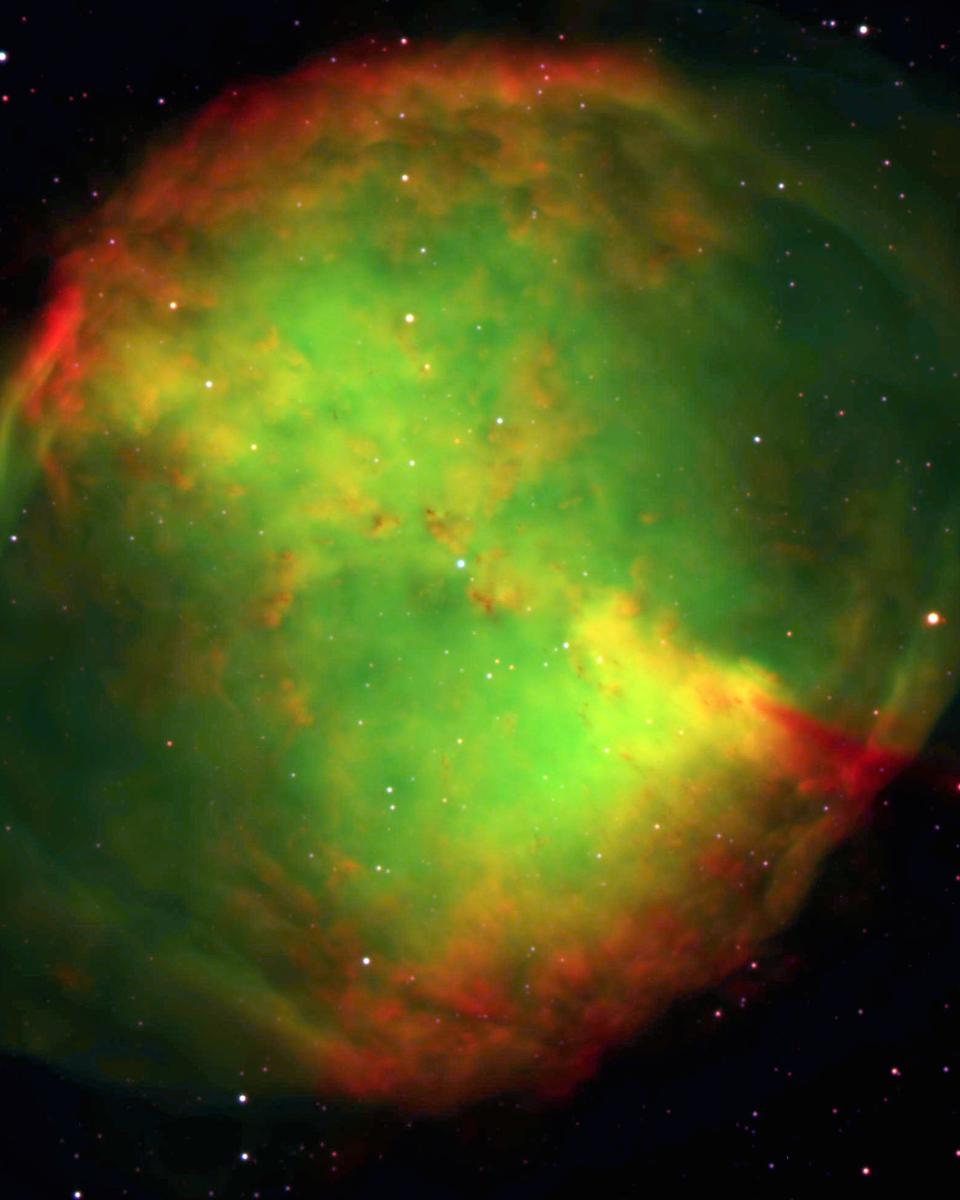
M27: Not A Comet
While searching the skies above 18th century France for comets, astronomer Charles Messier diligently recorded this object as number 27 on his list of things which are definitely…
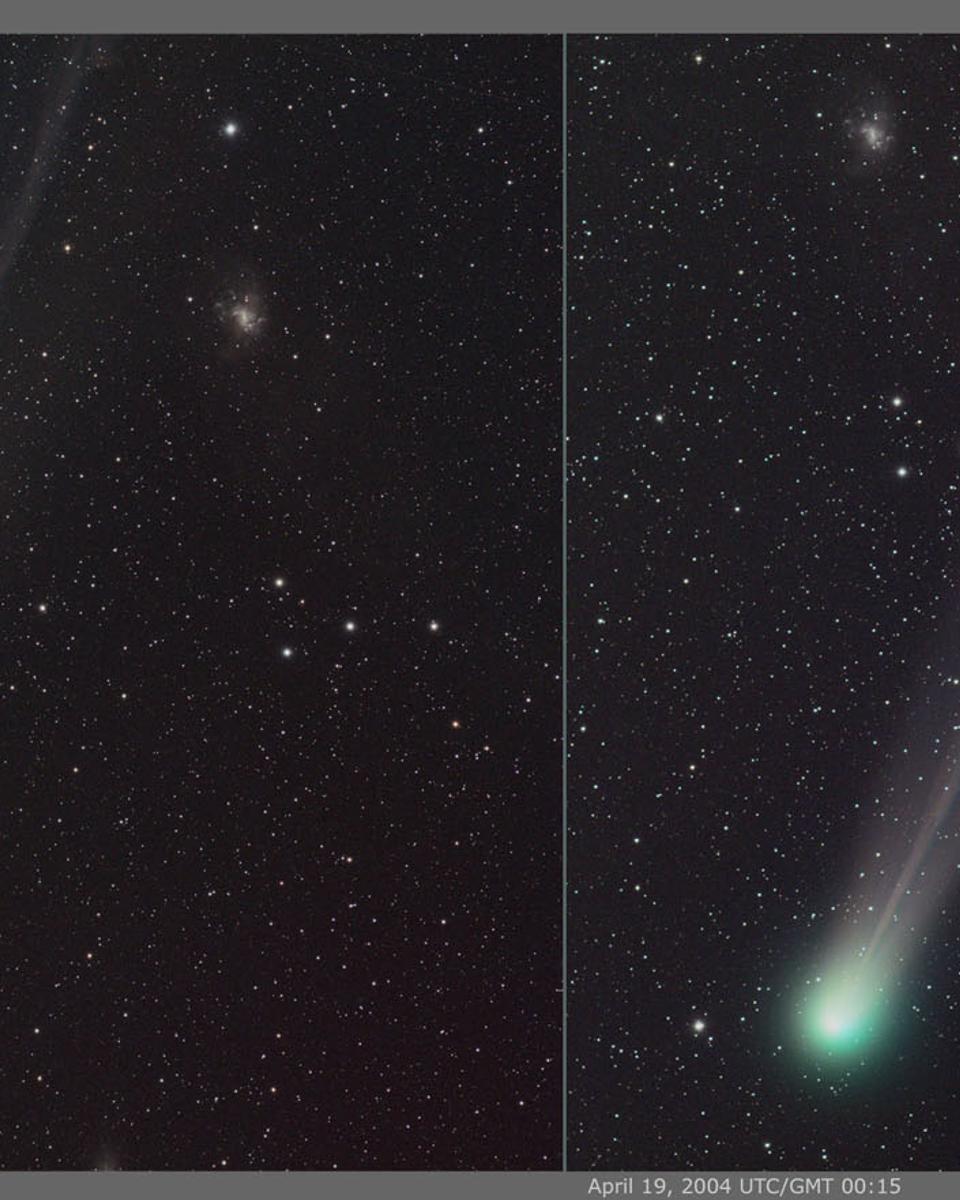
Comet C/2001 Q4 (NEAT)
Inbound from the distant solar system, comet C/2001 Q4 will soon pass just inside planet Earth's orbit and should be one of two bright , naked-eye comets visible in southern skies…
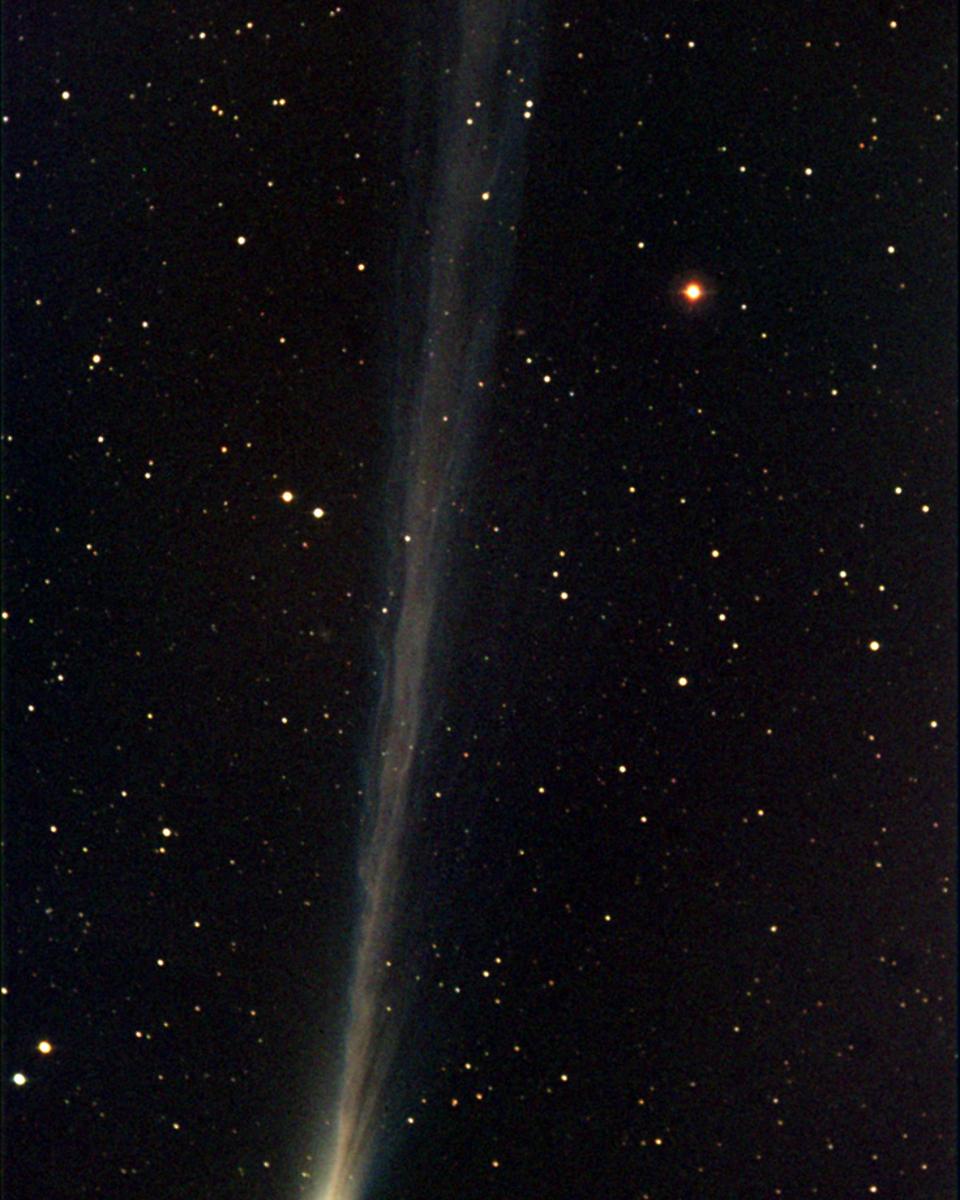
Comet C/2002 T7 (LINEAR)
Discovered by the the Lincoln Near Earth Asteroid Research (LINEAR) project in October of 2002, comet C/2002 T7 is now visiting the inner solar system, making its closest approach…
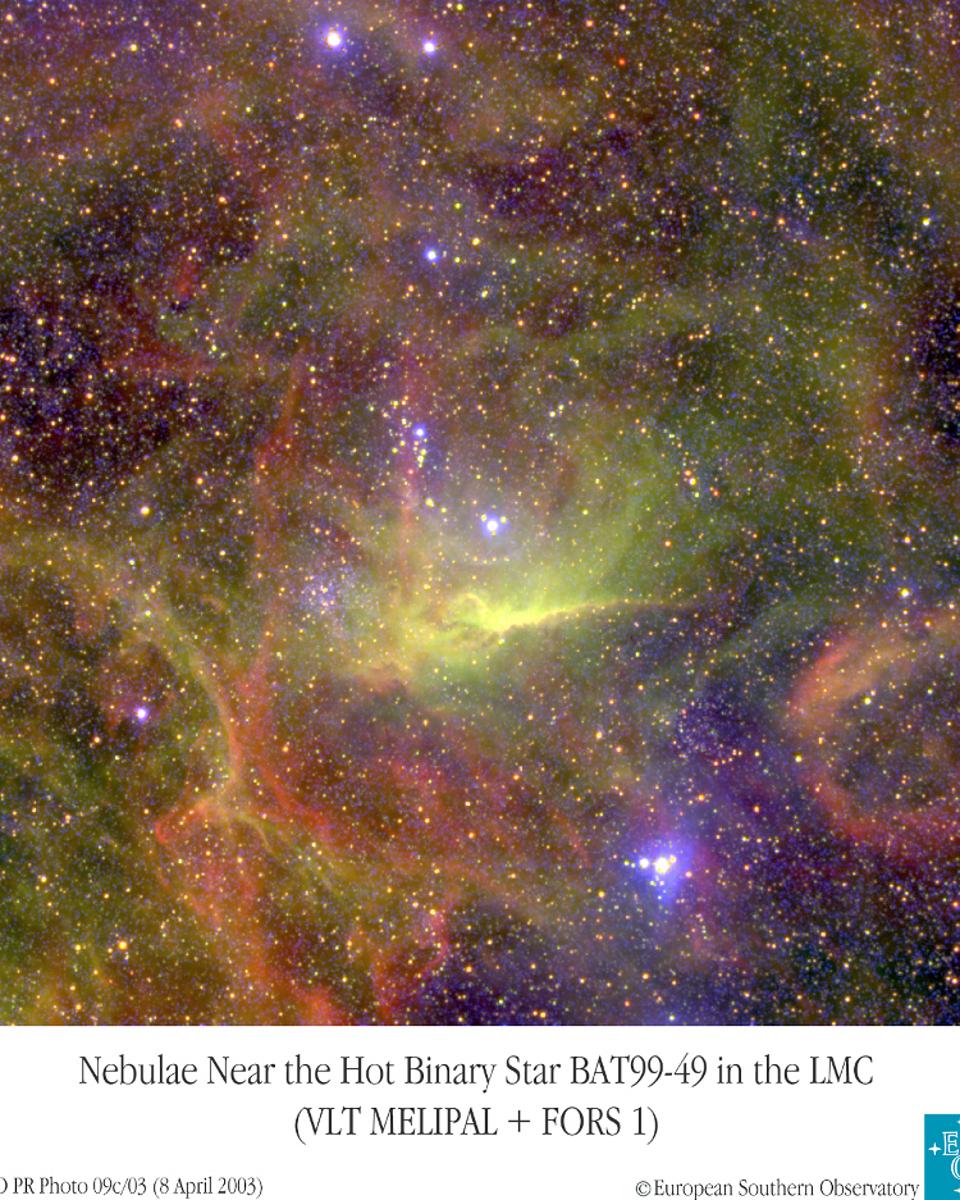
Nebulas Surrounding Wolf-Rayet Binary BAT99-49
How could two young stars power these colorful interstellar gas clouds? Although hidden by thick dust , the stars spew forceful ions and energetic radiation that cause the clouds…
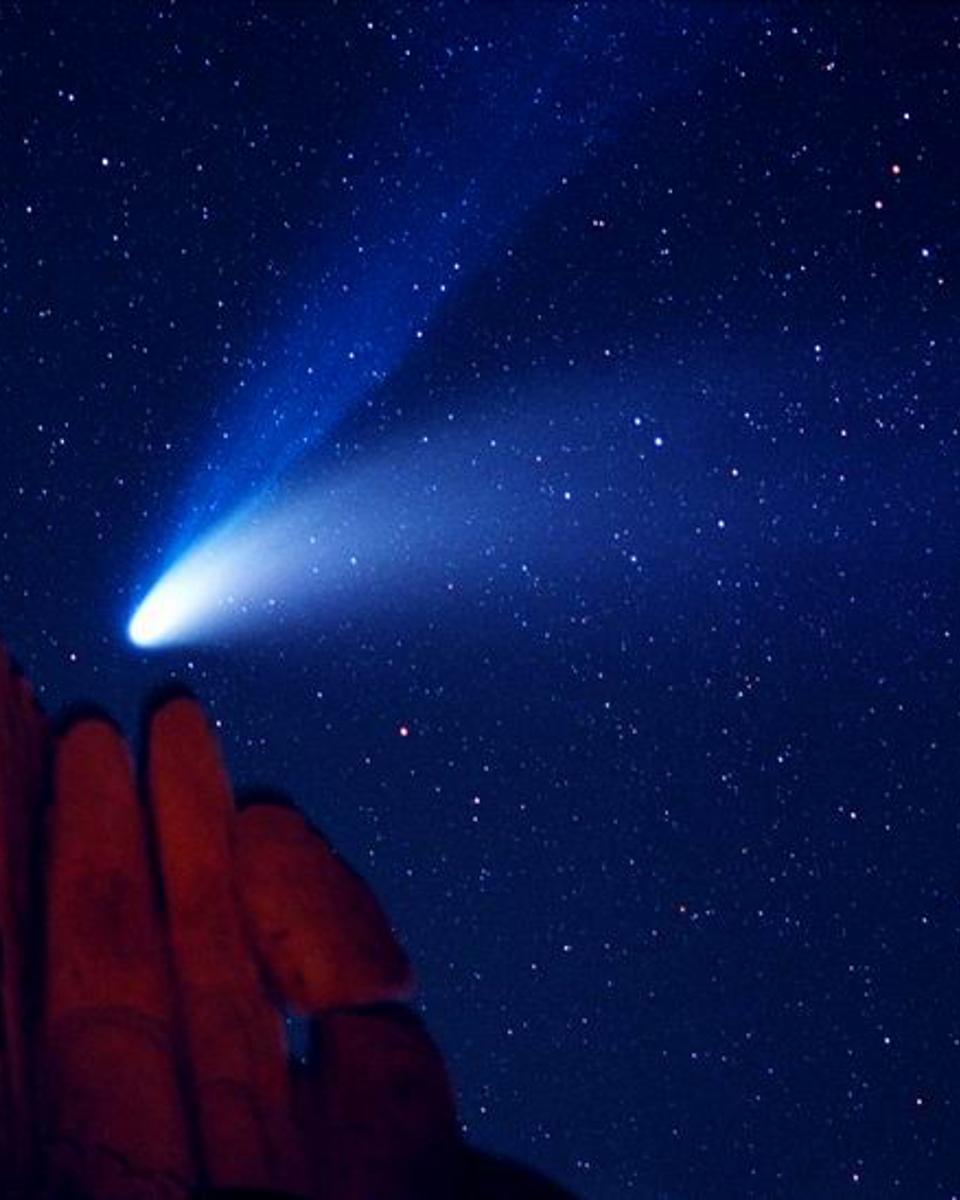
Comet Hale-Bopp Over Indian Cove
Comet Hale-Bopp, the Great Comet of 1997 , was quite a sight. No comets of comparable brightness have graced the skies of Earth since then. During this next month, however, even…
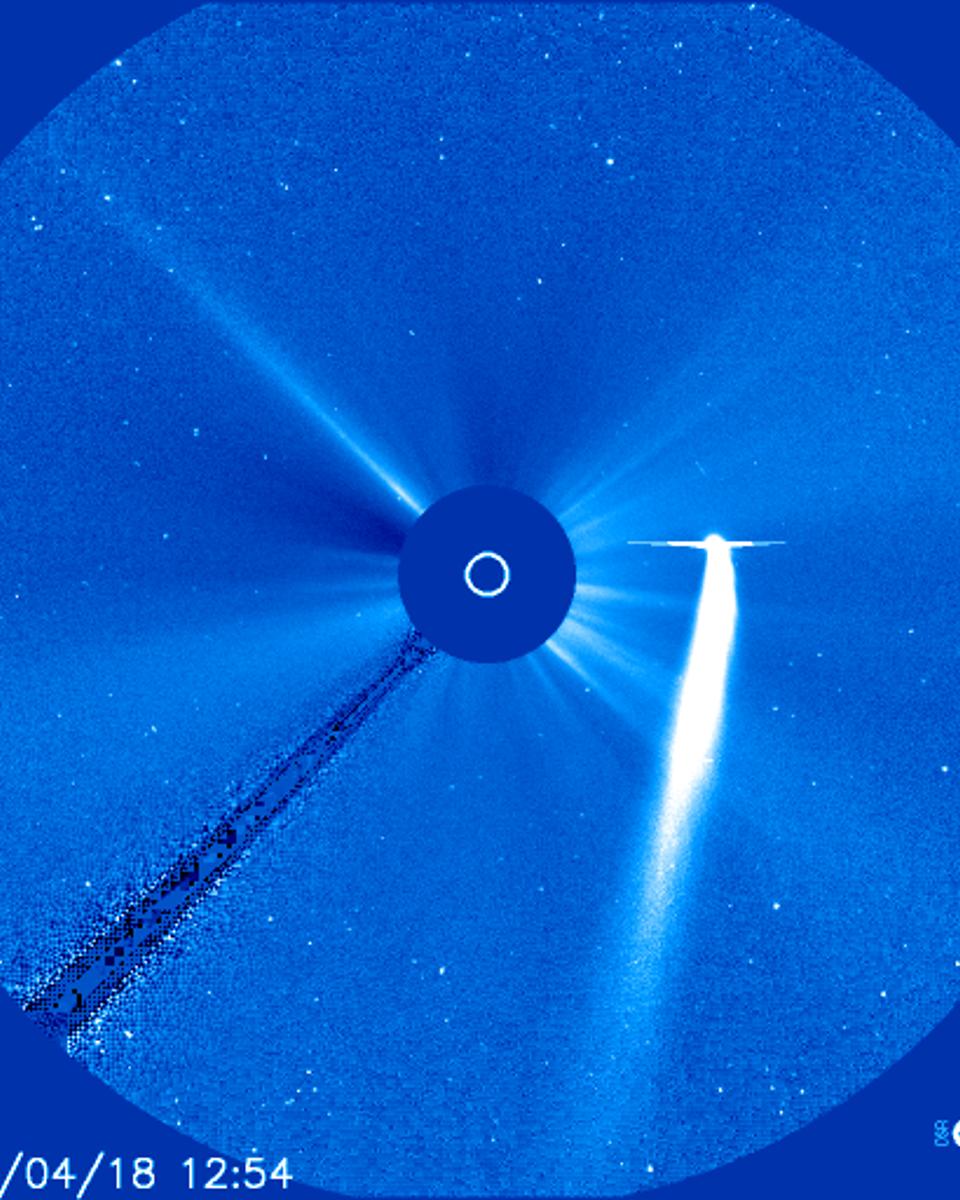
Comet Bradfield Passes the Sun
Today, Comet Bradfield is passing the Sun. The above image, taken yesterday in the direction of the Sun by the SOHO LASCO instrument, shows the comet and its dust tail as the…
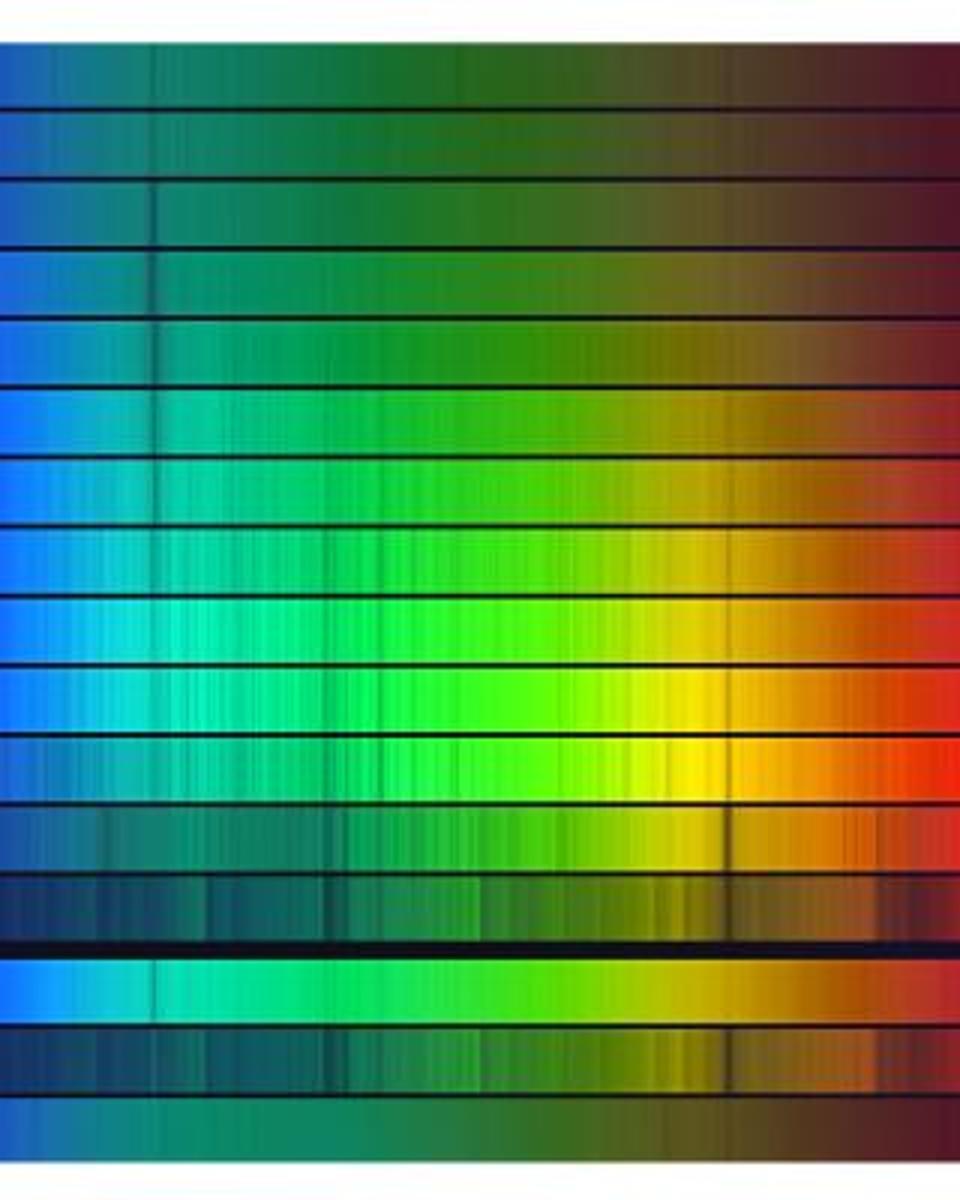
Stellar Spectral Types: OBAFGKM
Astronomers divide stars into different spectral types . First started in the 1800s, the spectral type was originally meant to classify the strength of hydrogen absorption lines .…
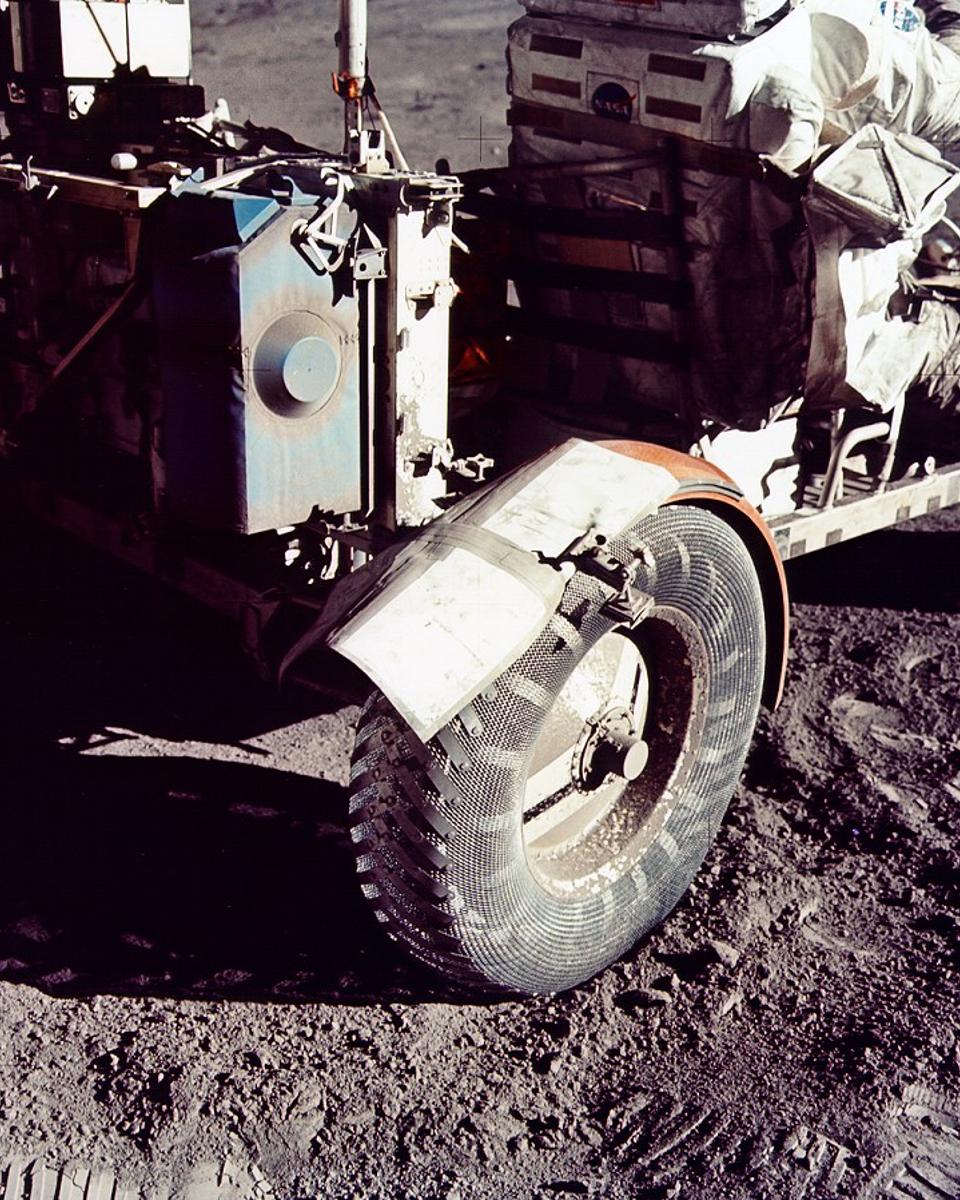
Lunar Dust and Duct Tape
Why is the Moon dusty ? On Earth, rocks are weathered by wind and water, creating soil and sand. On the Moon , the long history of micrometeorite bombardment has blasted away at…
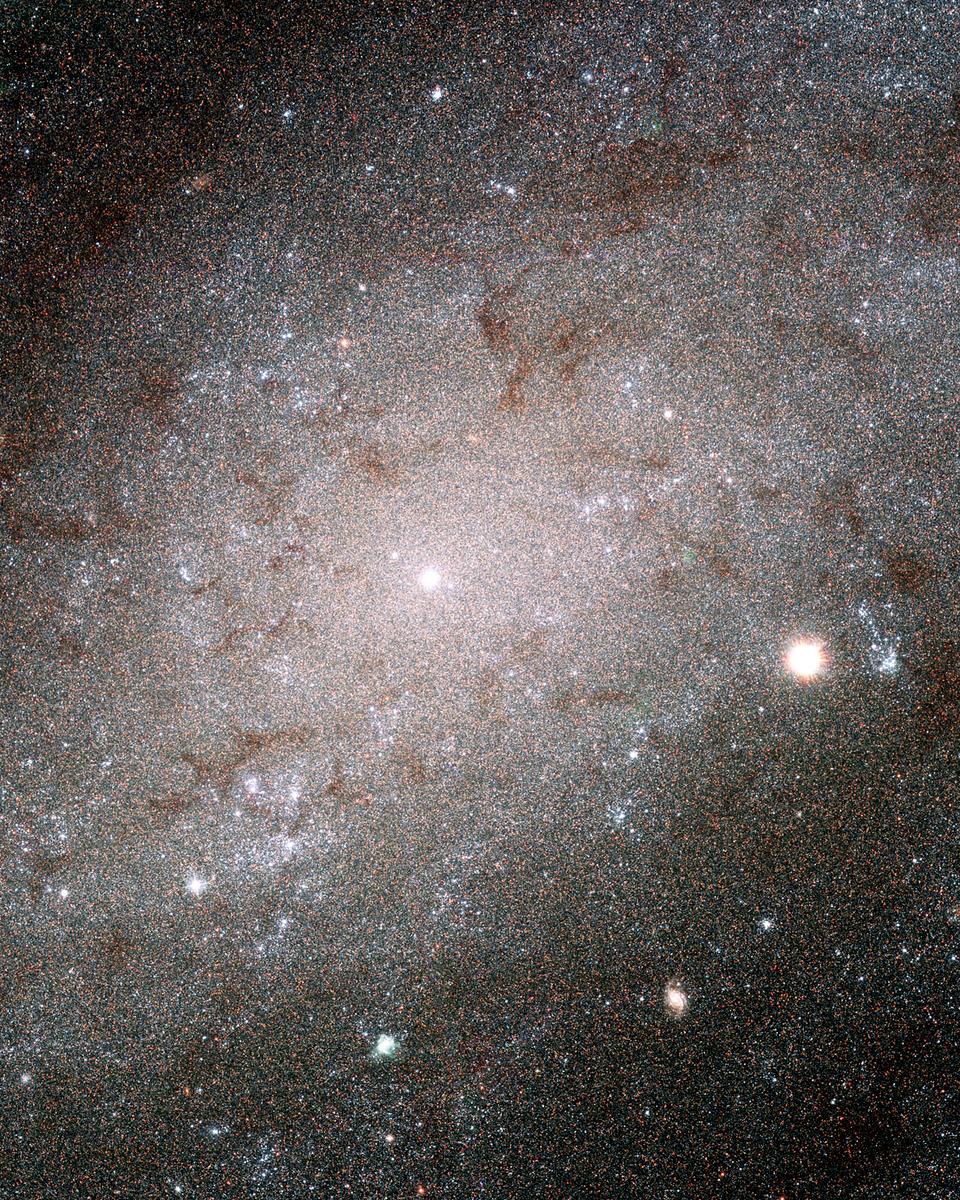
The Stars of NGC 300
Like grains of sand on a cosmic beach, individual stars of large spiral galaxy NGC 300 are resolved in this sharp image from the Hubble Space Telescope's Advanced Camera for…
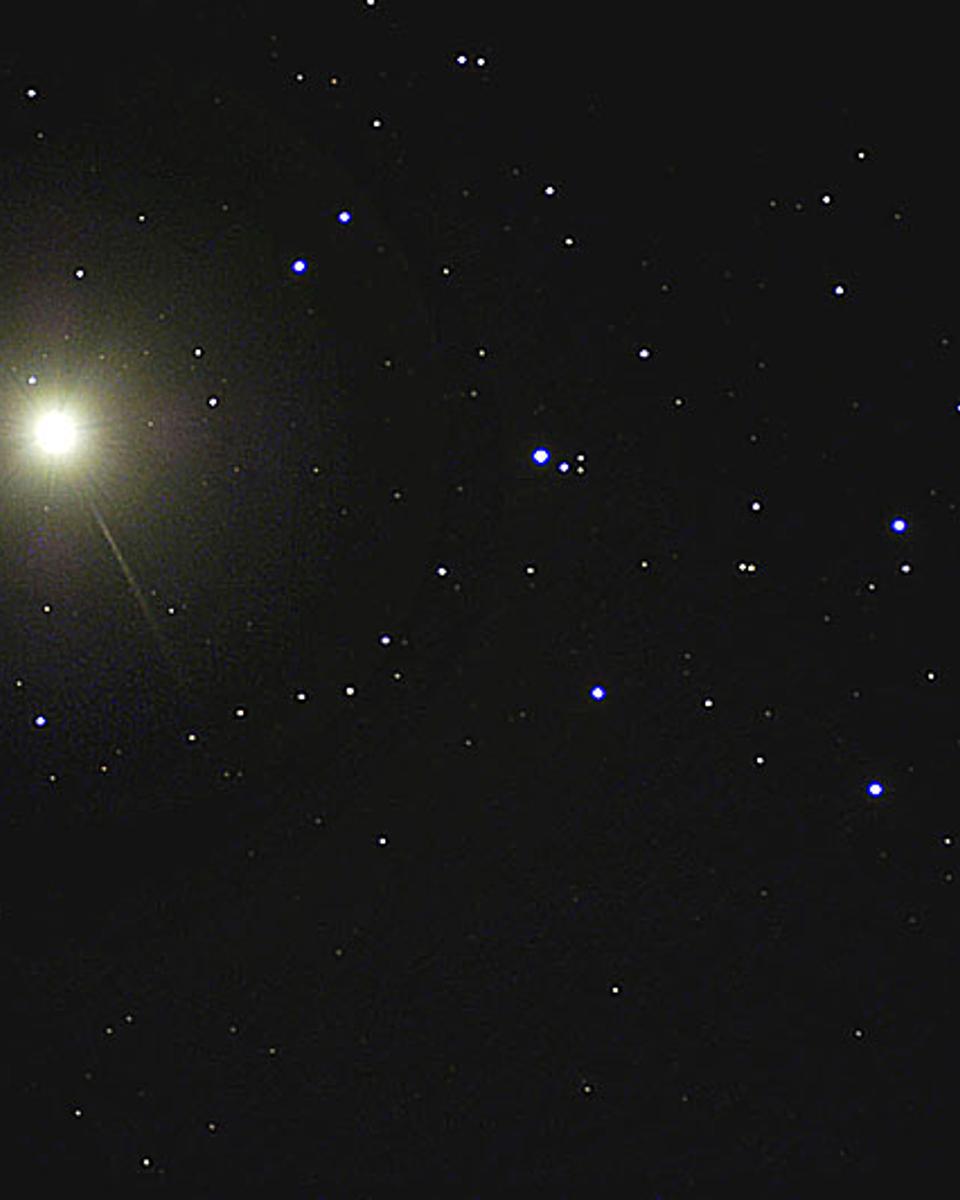
Venus and the Pleiades
Venus still rules the western skies after sunset as the brilliant evening star. While wandering the ecliptic with its fellow naked-eye planets earlier this month, it passed near…
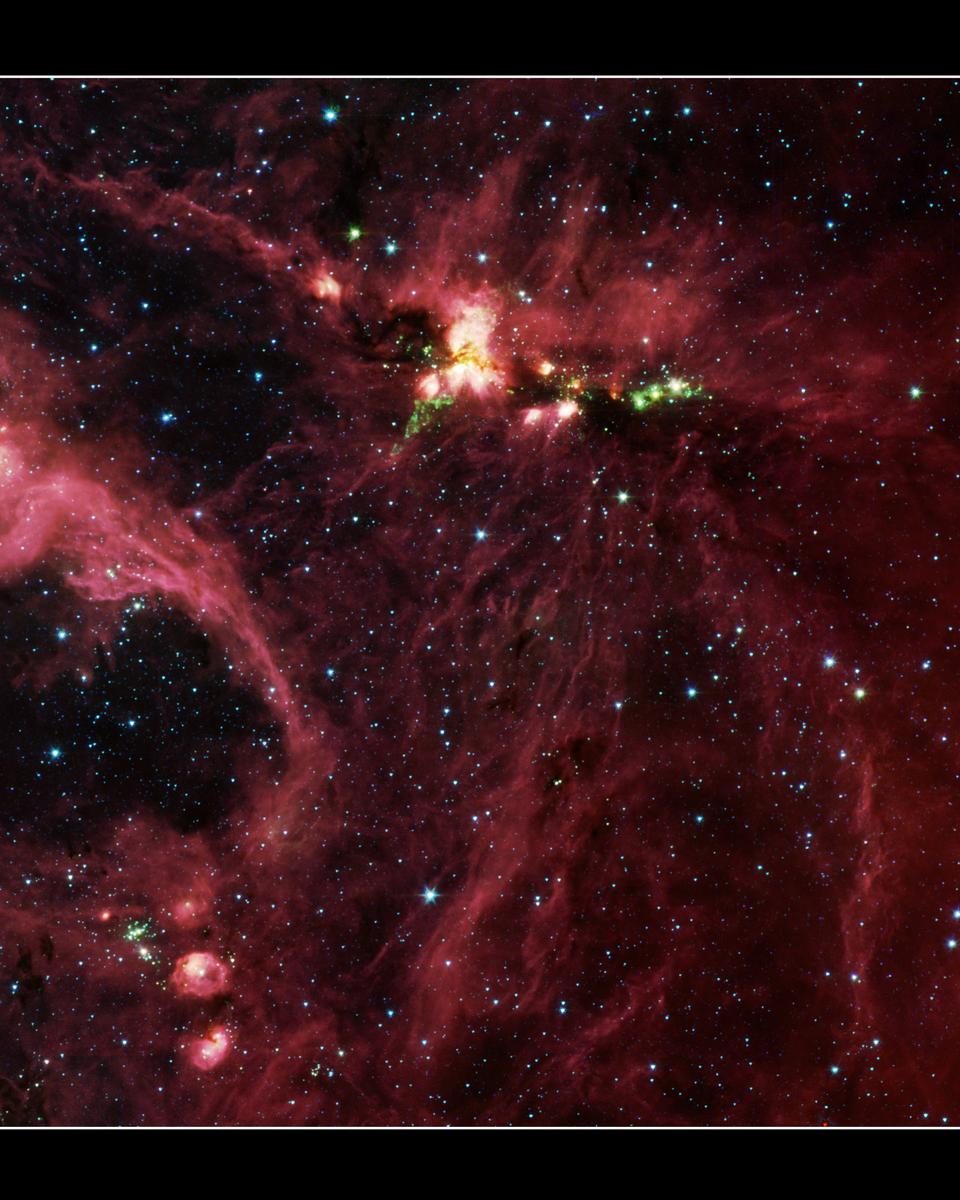
Massive Star Forming Region DR21 in Infrared
Deep in the normally hidden recesses of giant molecular cloud DR21, a stellar nursery has been found creating some of the most massive stars yet recorded. The orbiting Spitzer…
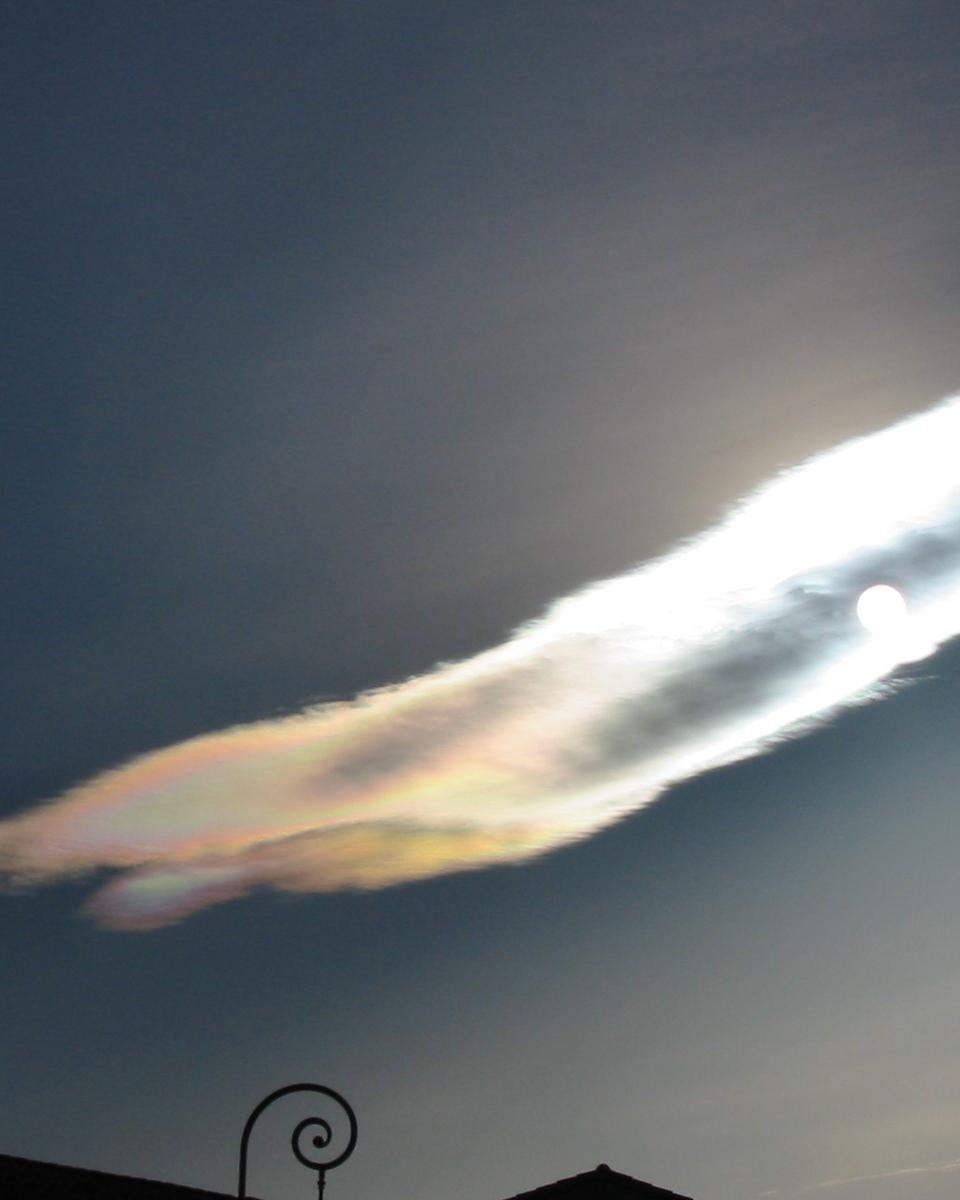
An Iridescent Cloud Over France
Why would a cloud appear to be different colors? A relatively rare phenomenon known as iridescent clouds can show unusual colors vividly or a whole spectrum of colors…
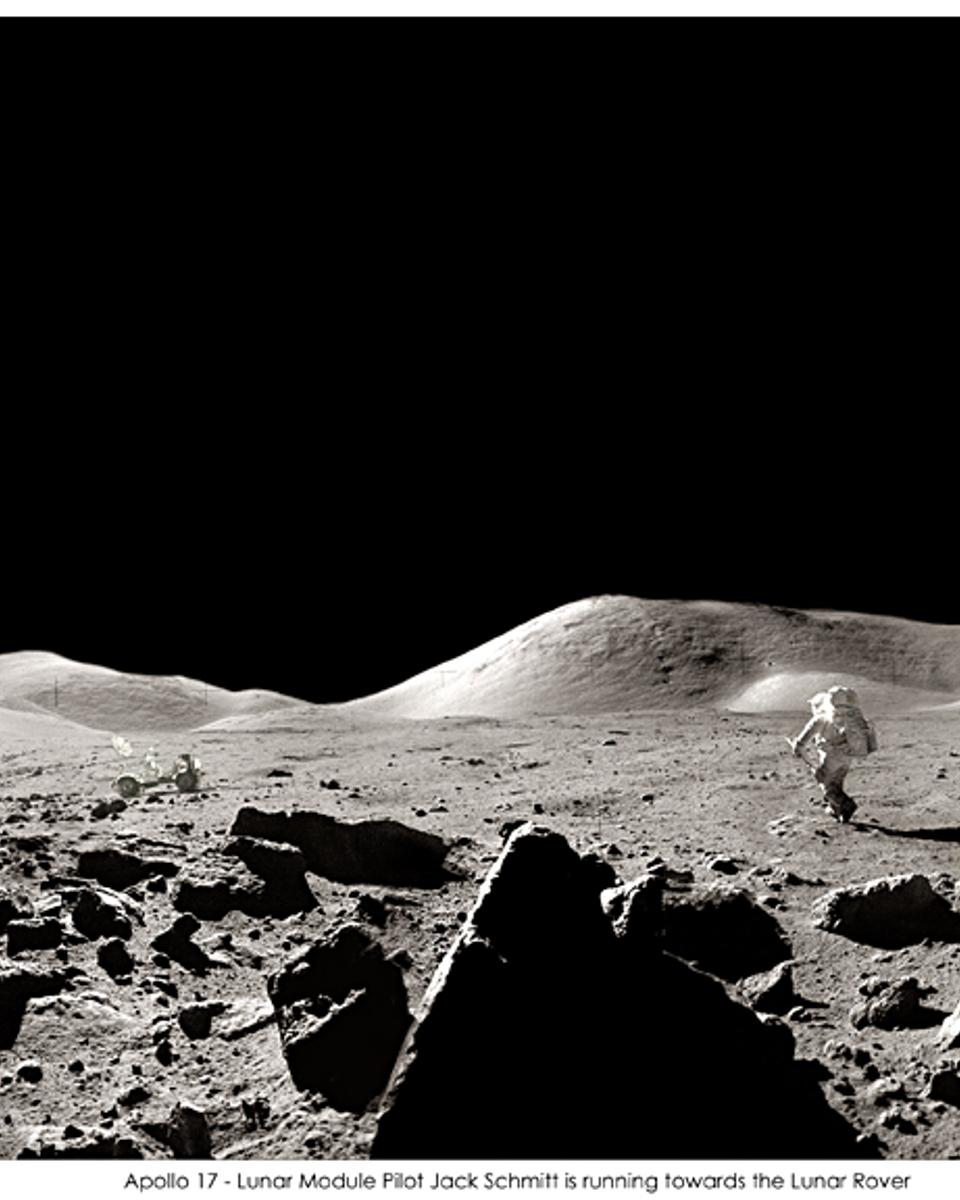
Apollo 17 Panorama: Astronaut Running
What would it be like to explore the surface of another world? In 1972 during the Apollo 17 mission, astronaut Harrison Schmitt found out first hand. In this case, the world was…
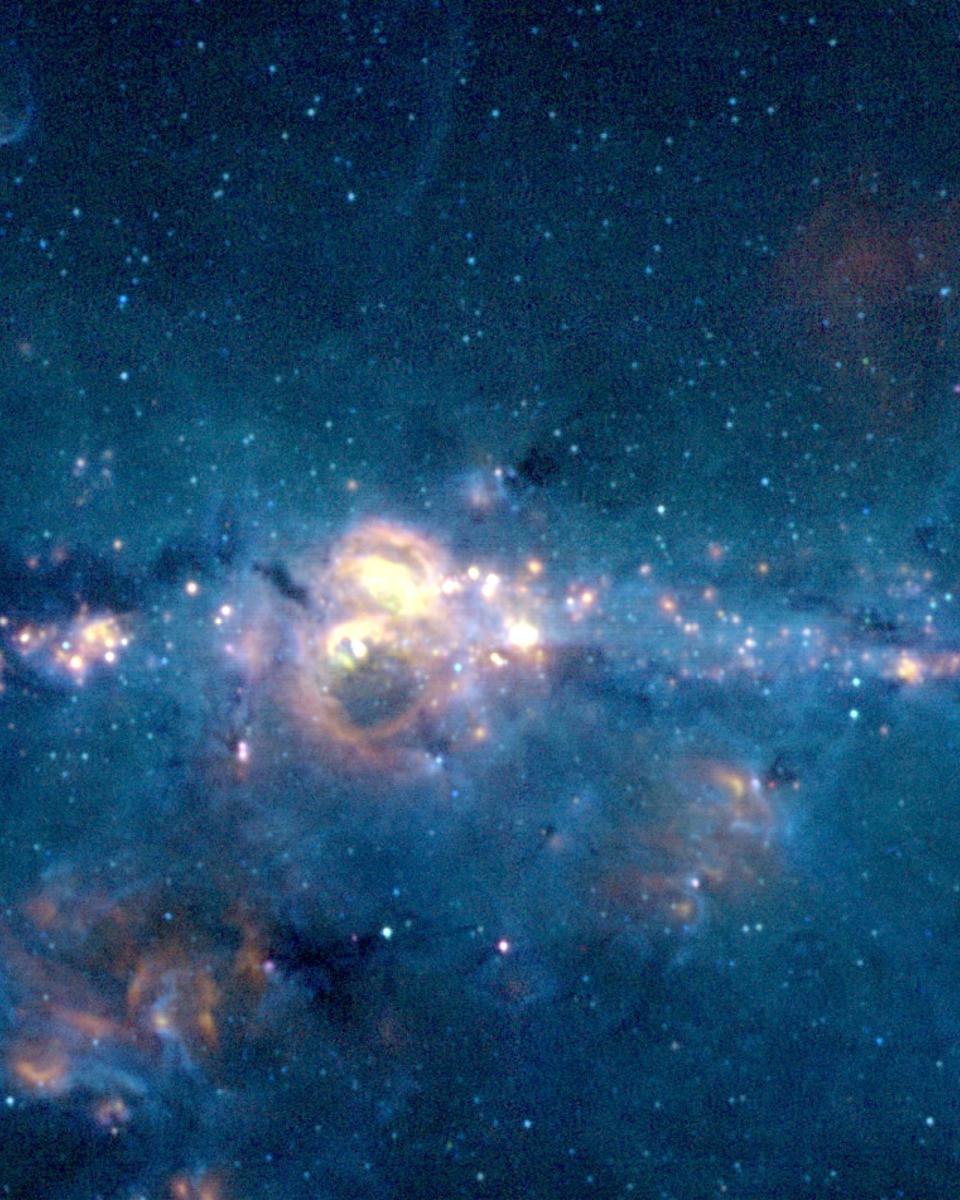
Journey to the Center of the Galaxy
In Jules Verne 's science fiction classic A Journey to the Center of the Earth , Professor Liedenbrock and his fellow explorers encounter many strange and exciting wonders. What…
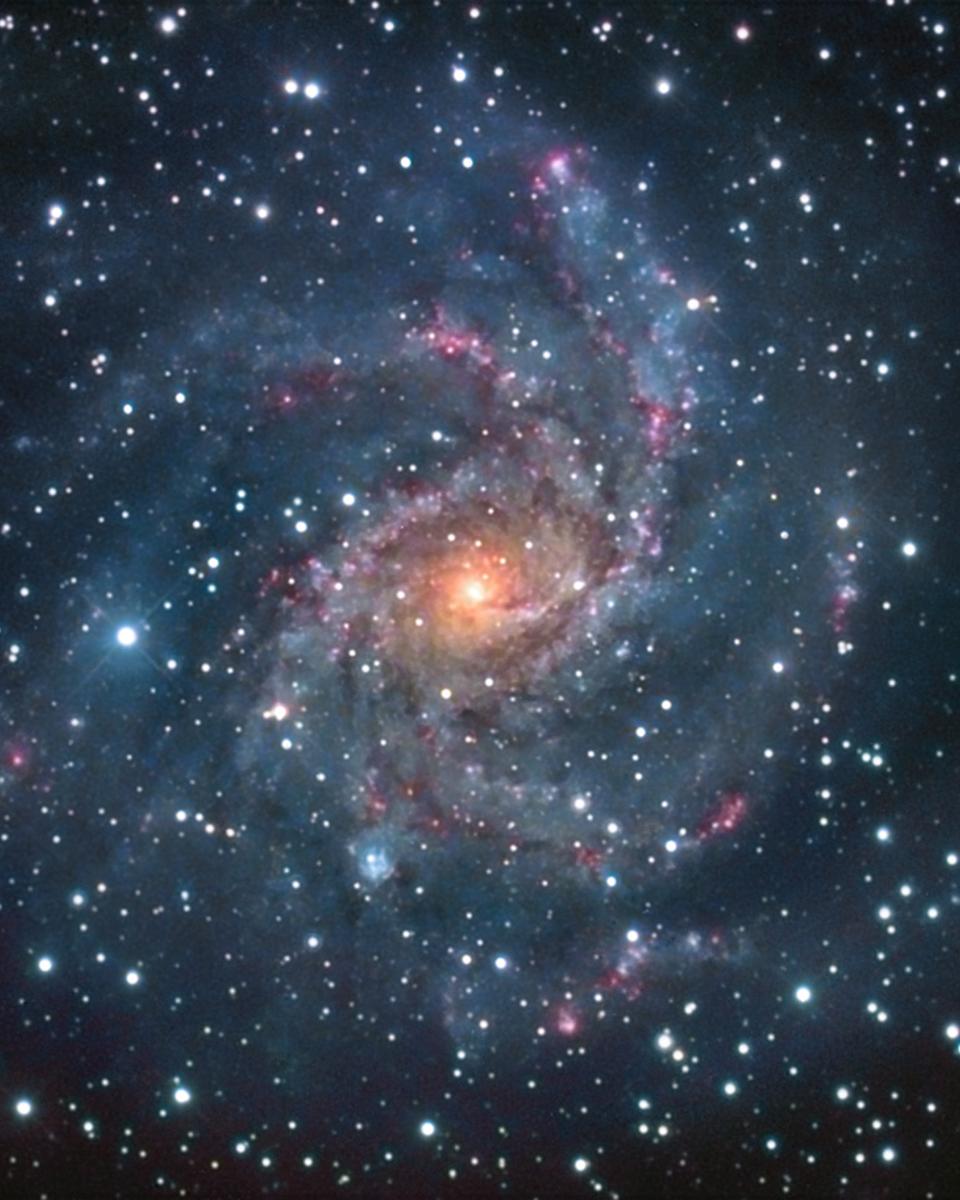
Facing NGC 6946
From our vantage point in the Milky Way Galaxy , we see NGC 6946 face-on. The big beautiful spiral galaxy is located just 10 million light-years away, behind a veil of foreground…
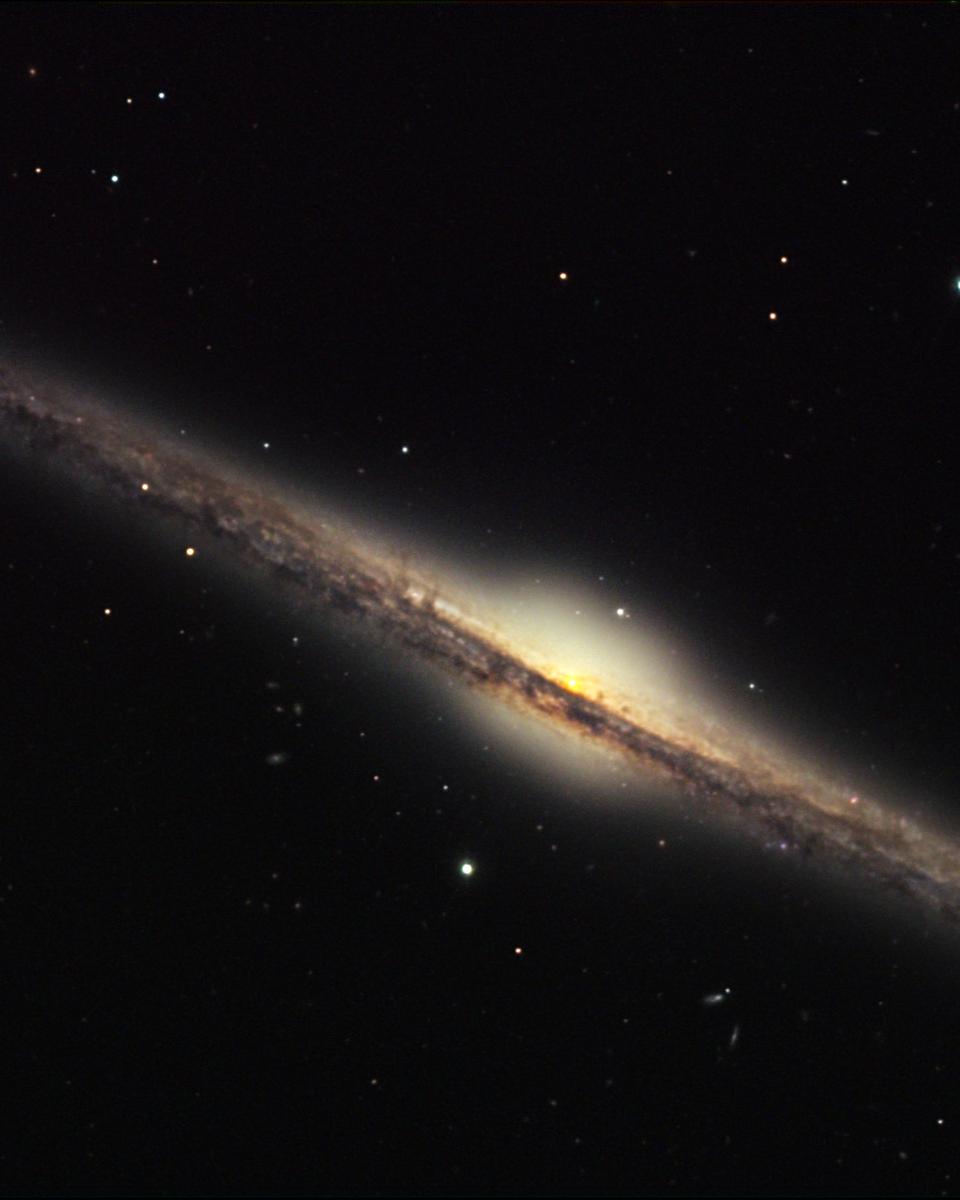
NGC 4565: Galaxy on the Edge
Magnificent spiral galaxy NGC 4565 is viewed edge-on from planet Earth. Also known as the Needle Galaxy for its narrow profile, bright NGC 4565 is a stop on many springtime…
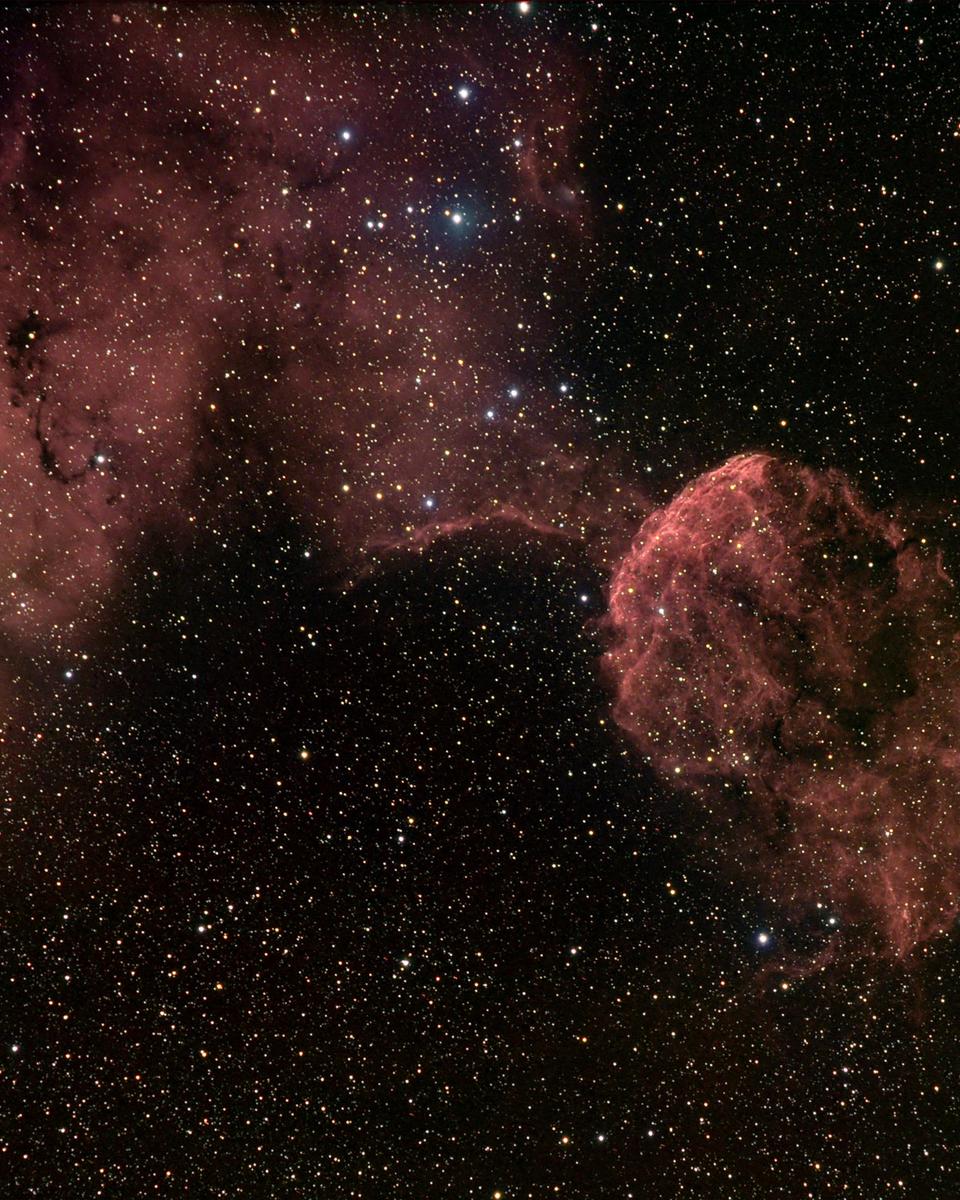
Elusive Jellyfish Nebula
Normally faint and elusive, the Jellyfish Nebula is caught in the net of this spectacular wide-field telescopic view. Flanked by two yellow-tinted stars at the foot of a celestial…
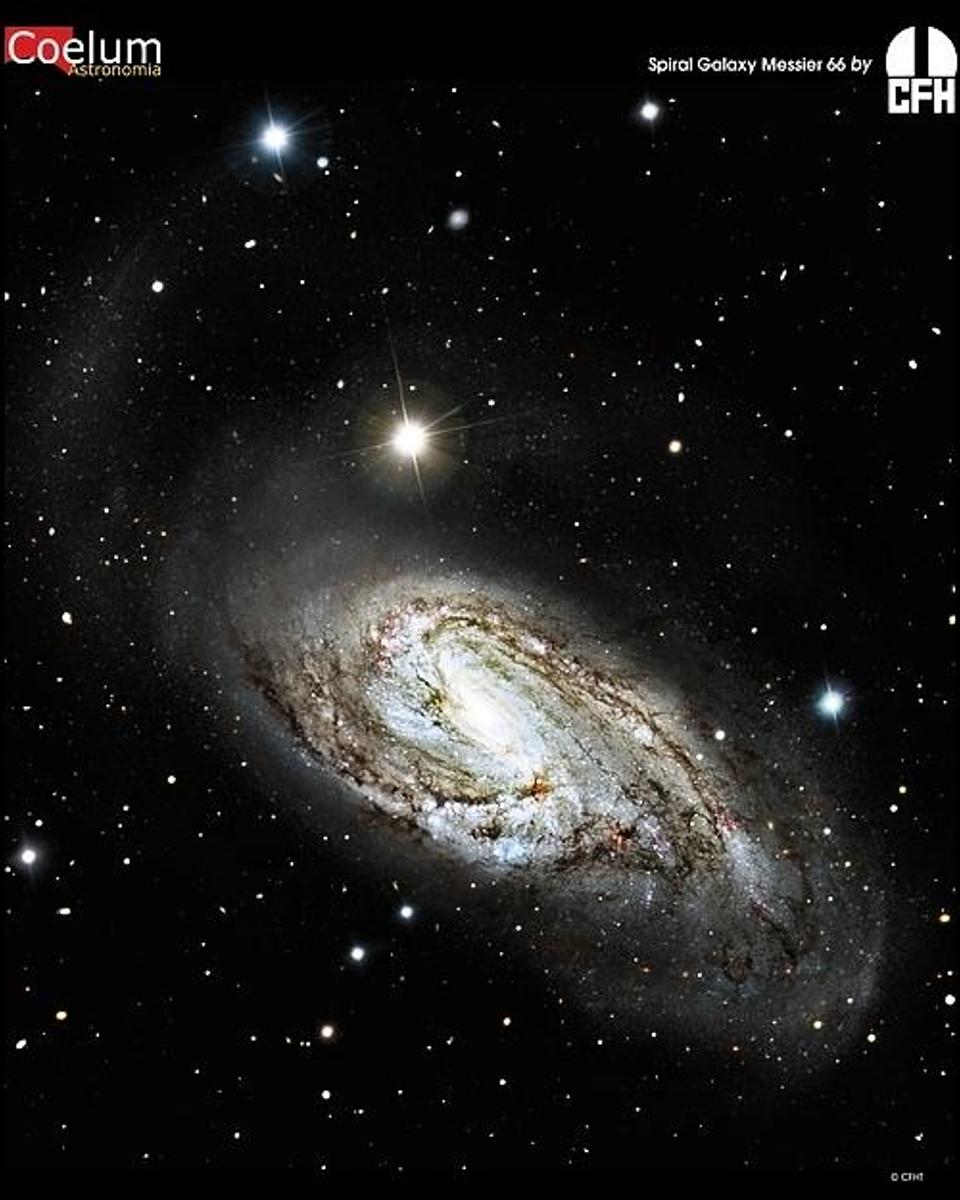
Unusual Spiral Galaxy M66
Why isn't spiral galaxy M66 symmetric? Usually density waves of gas, dust, and newly formed stars circle a spiral galaxy 's center and create a nearly symmetric galaxy . The…
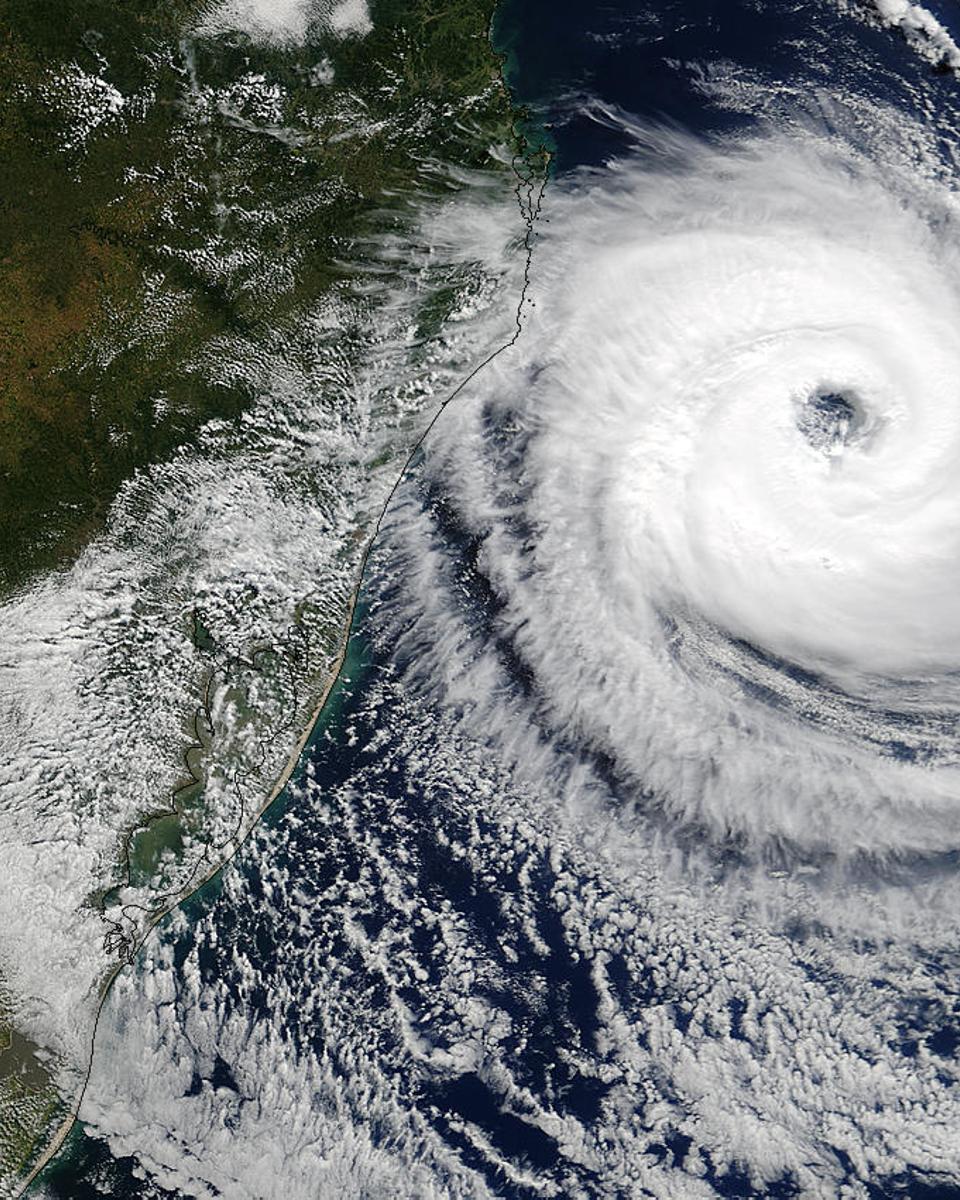
Unusually Strong Cyclone Off the Brazilian Coast
How did this huge cyclone form? An unusually strong storm -- perhaps the strongest storm in the recorded history of the South Atlantic Ocean -- crossed the coast of Brazil last…
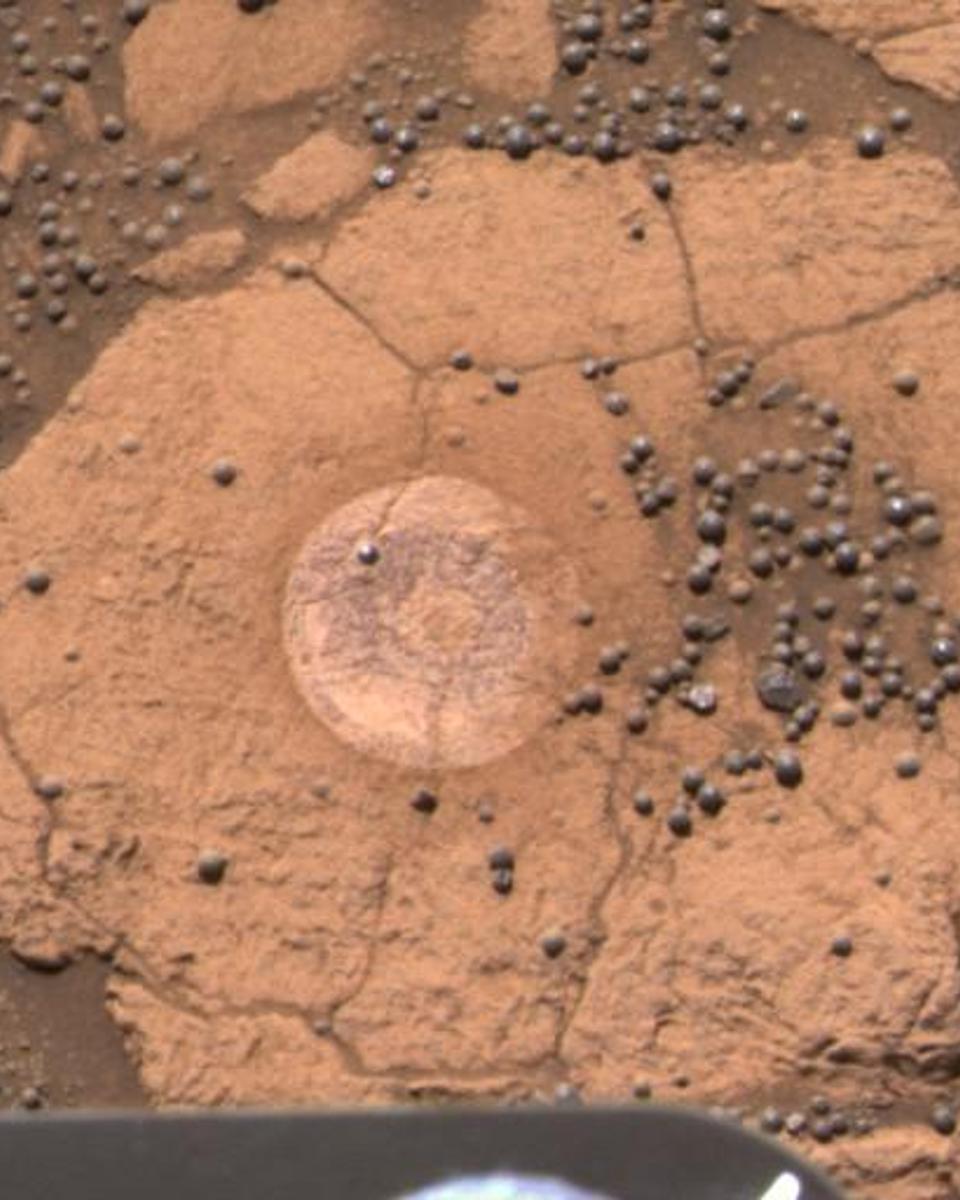
A Berry Bowl of Martian Spherules
How were these unusual Martian spherules created? Thousands of unusual gray spherules , made of iron and rock but dubbed blueberries , were found embedded in and surrounding rocks…
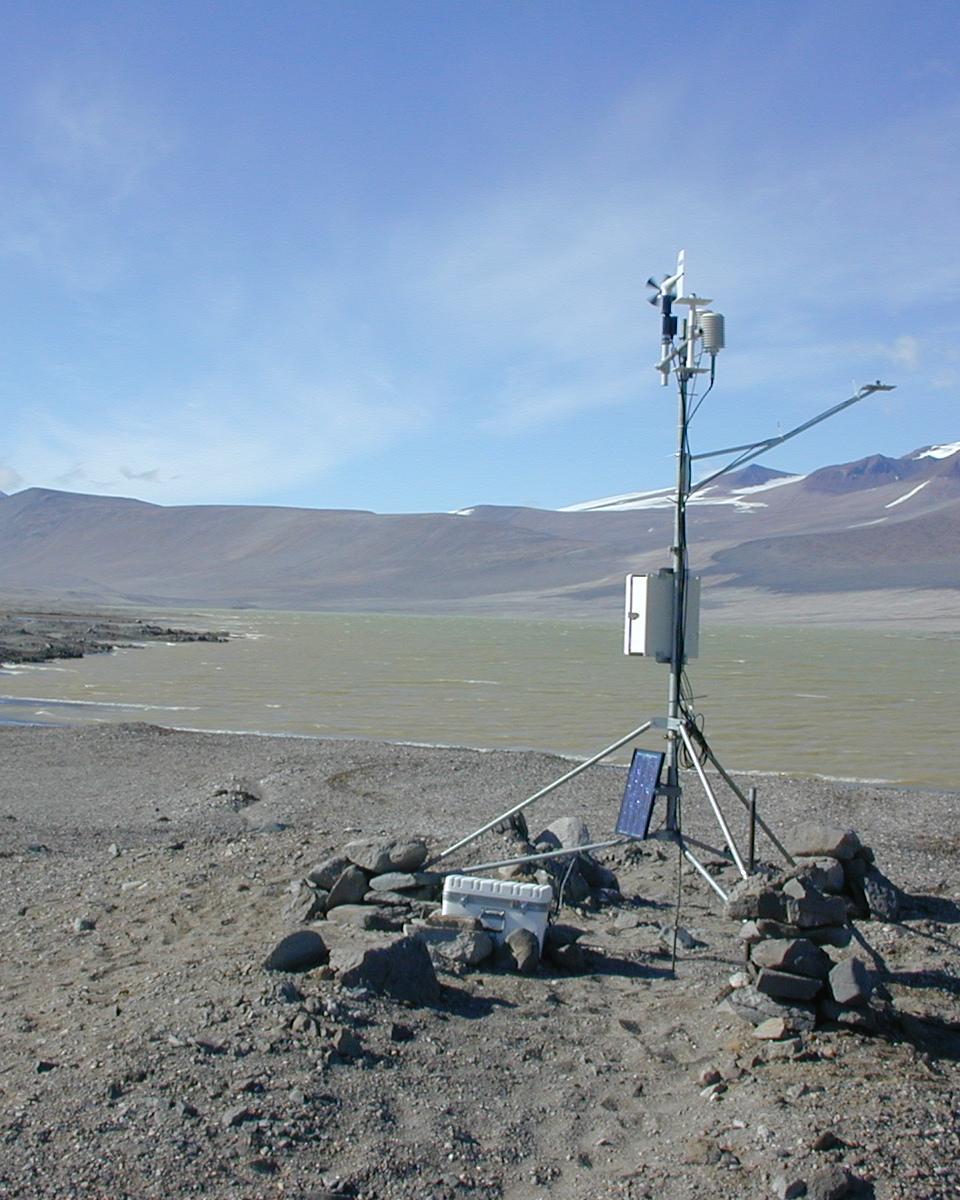
The Lost World of Lake Vida
A lake hidden beneath 19 meters of ice and gravel has been found near the bottom of the world that might contain an ecosystem completely separate from our own. In a modern version…
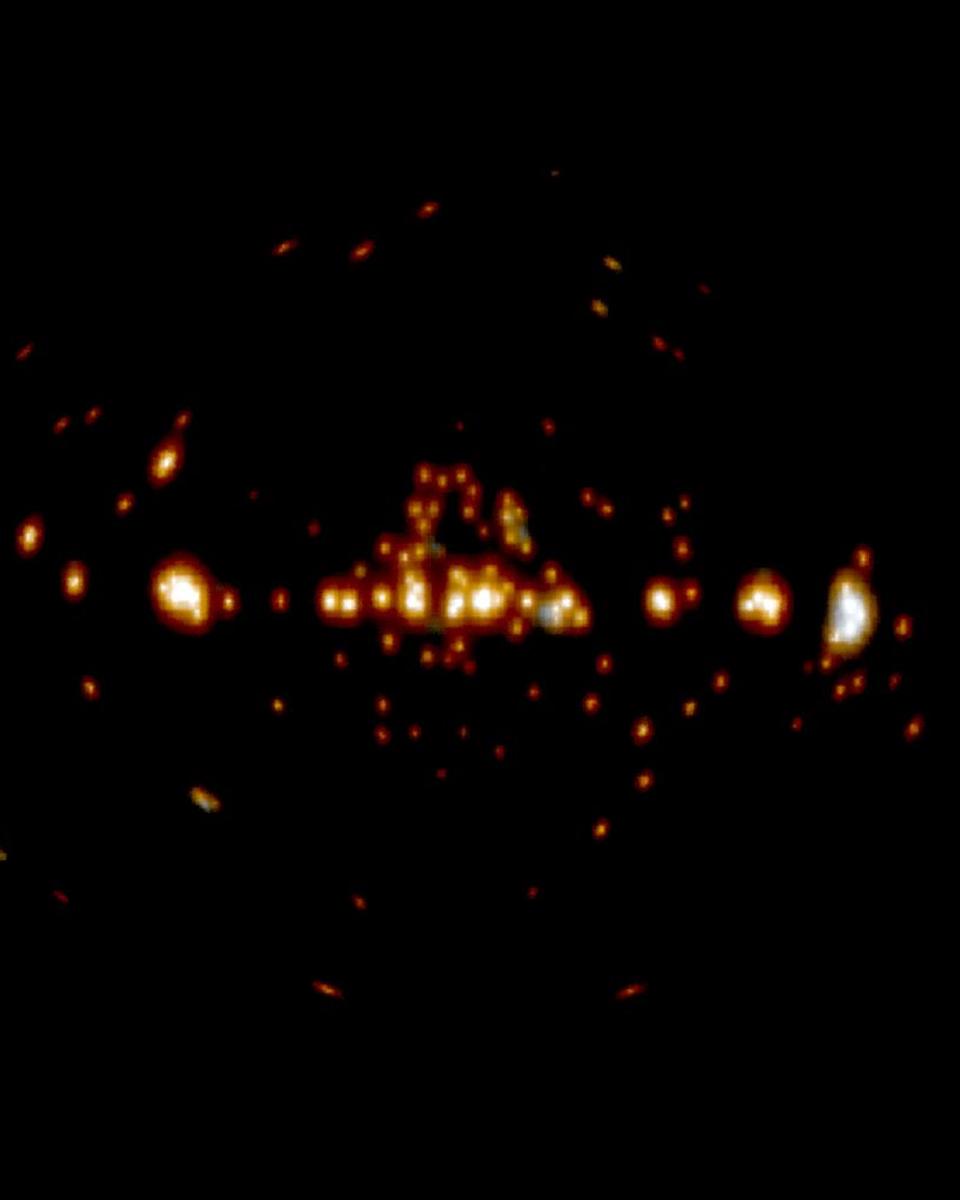
A Mystery In Gamma Rays
Gamma rays are the most energetic form of light, packing a million or more times the energy of visible light photons. If you could see gamma rays, the familiar skyscape of steady…
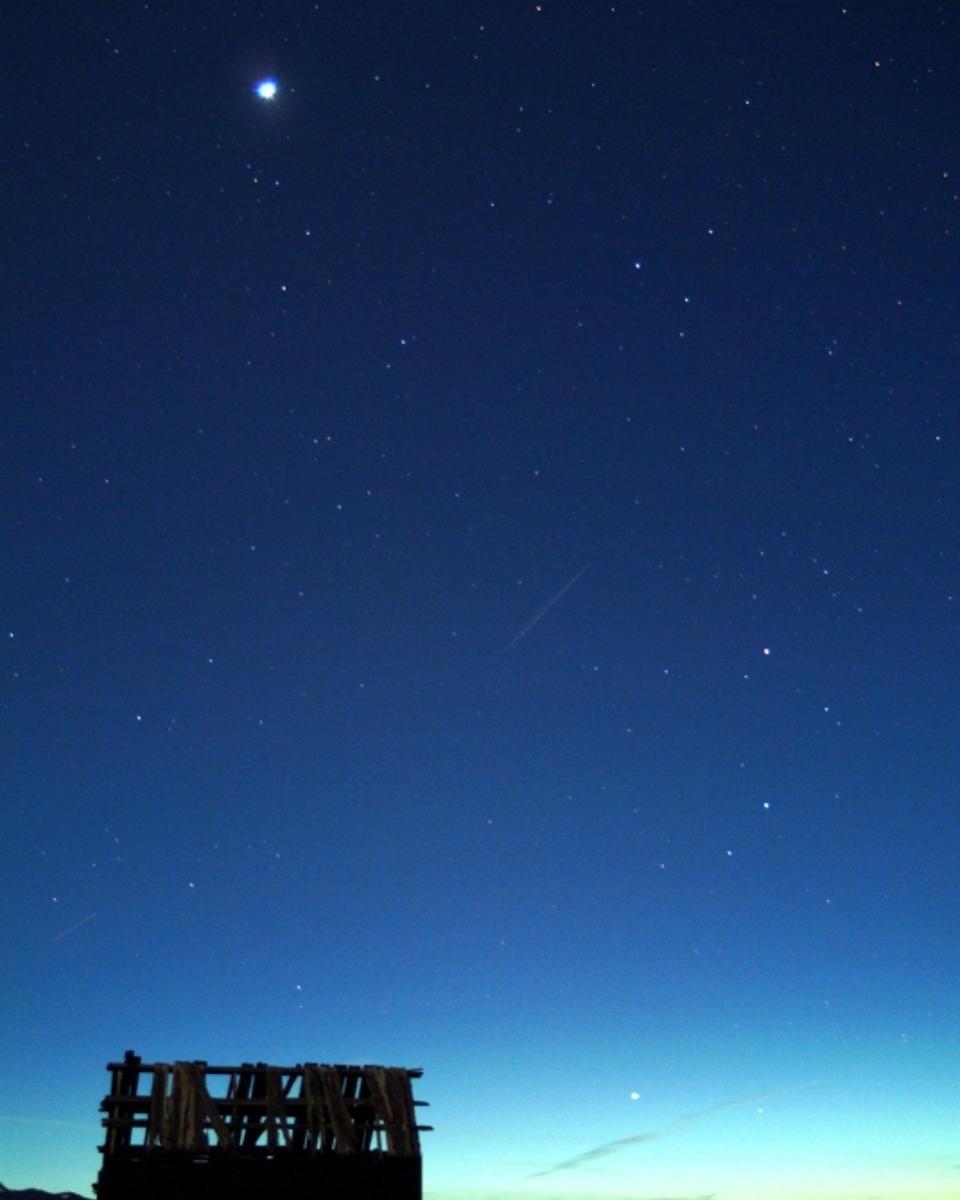
Mercury and Venus in the West
Doing their part in the ongoing dance of the planets , Mercury and Venus both reached their greatest elongation or maximum apparent distance from the Sun only a few days ago, on…
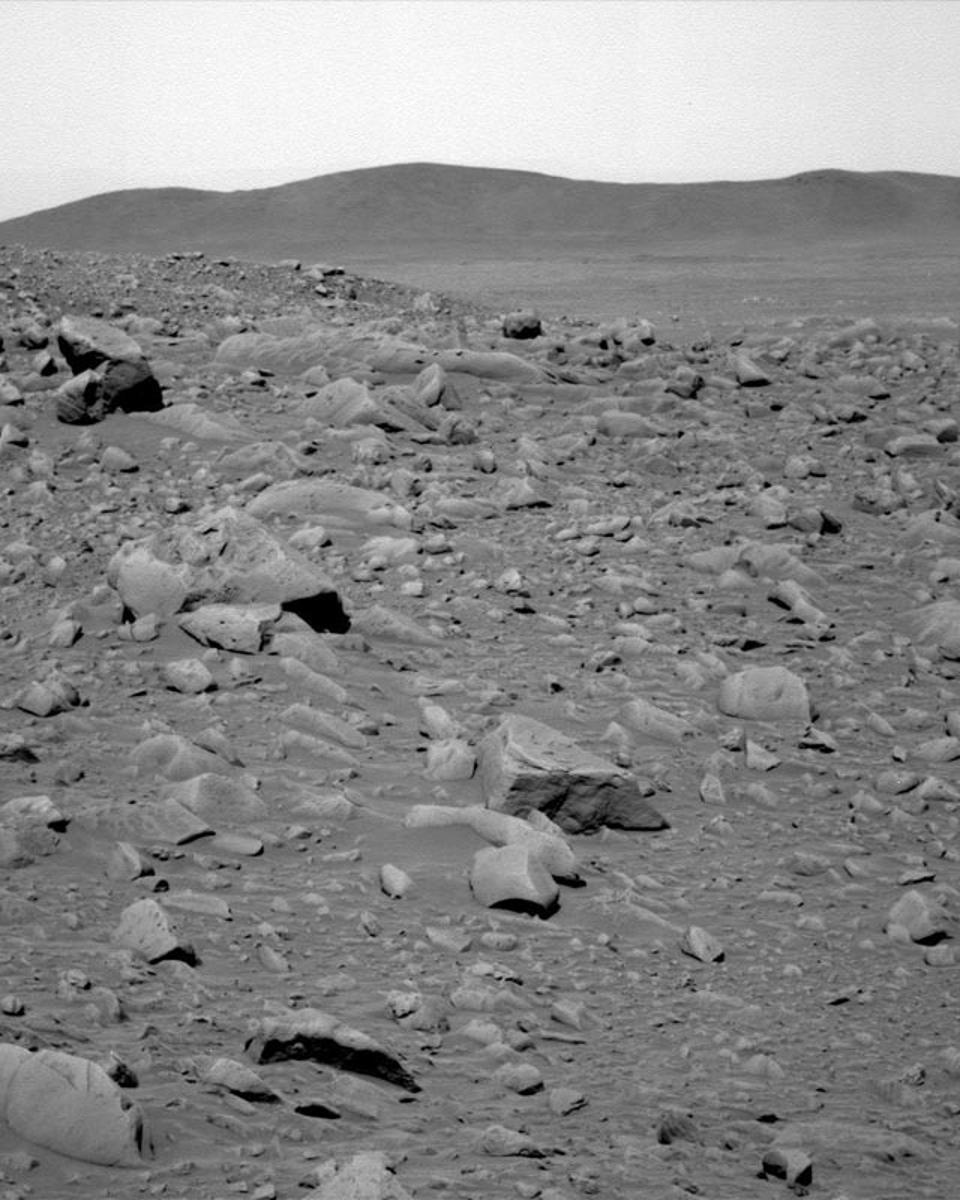
April Fools Day More Intense On Mars
Today, April 1st, astrophysicists have announced a surprising discovery - April Fools Day is more intense on Mars! Though the discovery is contrary to accepted theories of April…
Viewing discoveries from 24 April 2004 through 1 April 2004.