Browse NASA Astronomy Picture of the Day archive by date and media: Archive Discoveries
Browse the NASA APOD archive without needing the exact date first. Filter by media type and keep moving deeper into older images and videos.
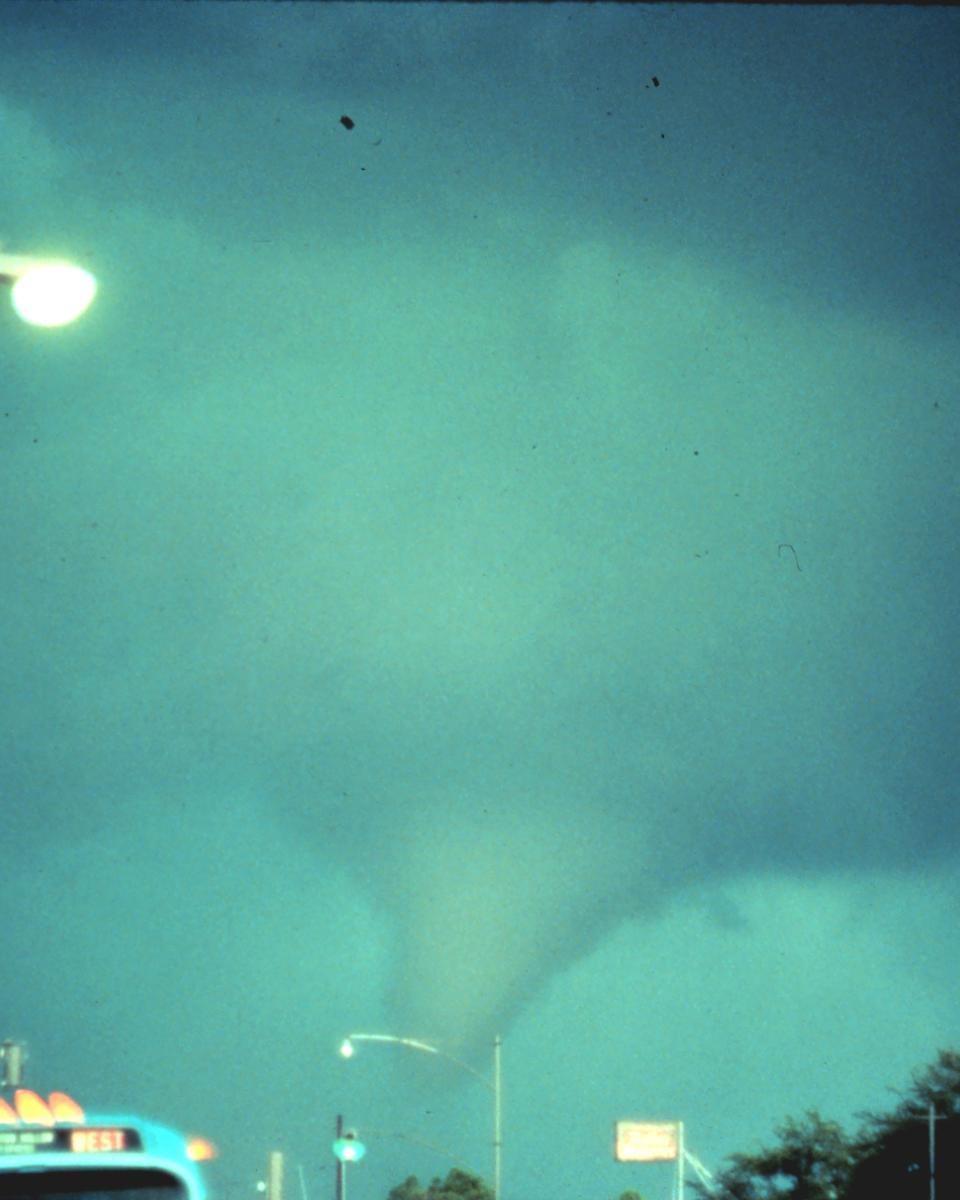
A Tornado on Planet Earth
Large storms on Earth can spawn unusual, small, violent clouds known as tornadoes. Tornado clouds swirl as fast as hundreds of kilometers per hour and, when they touch down, can…
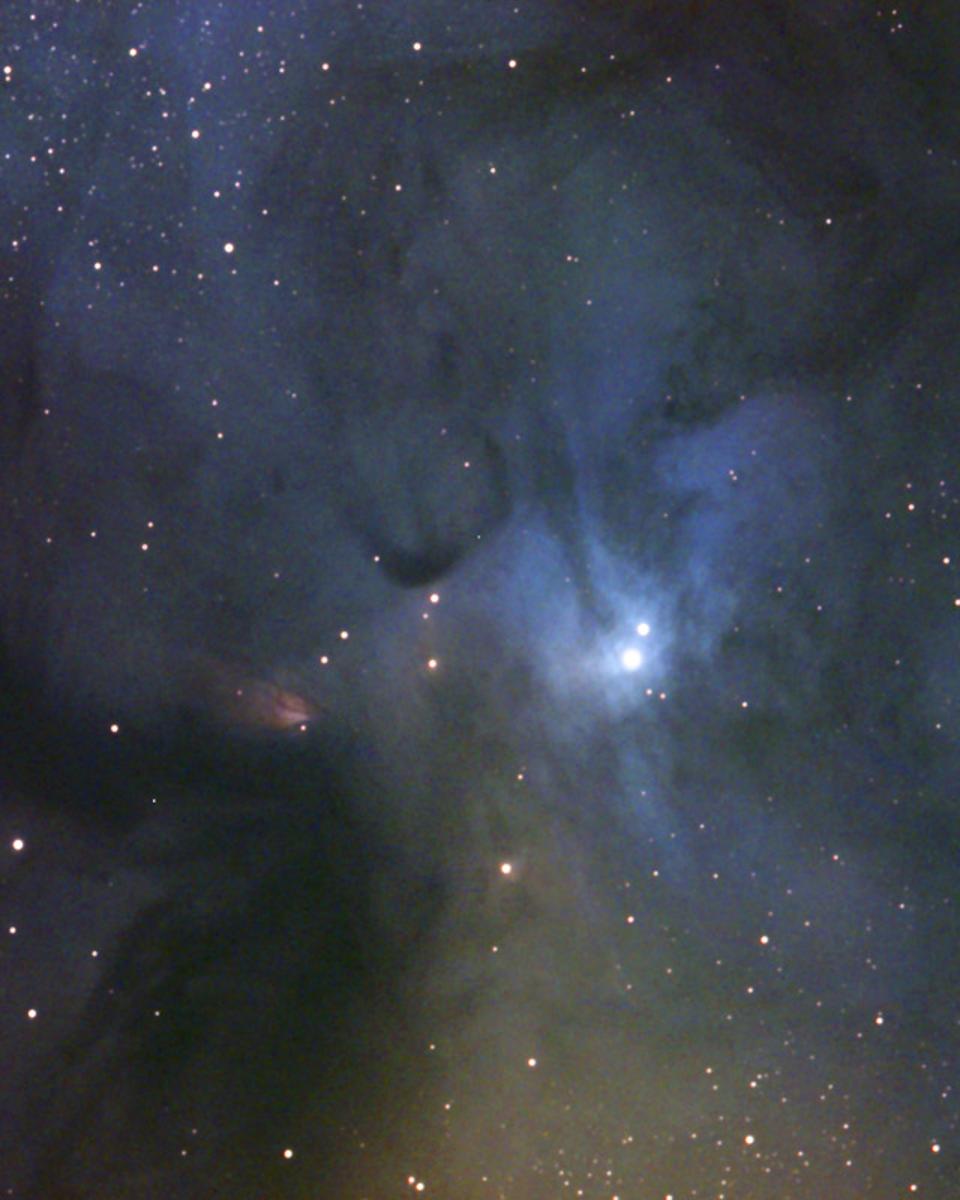
IC 4603: Reflection Nebula in Ophiuchius
Why does this starfield photograph resemble an impressionistic painting ? The effect is created not by digital trickery but by large amounts of interstellar dust . Dust, minute…
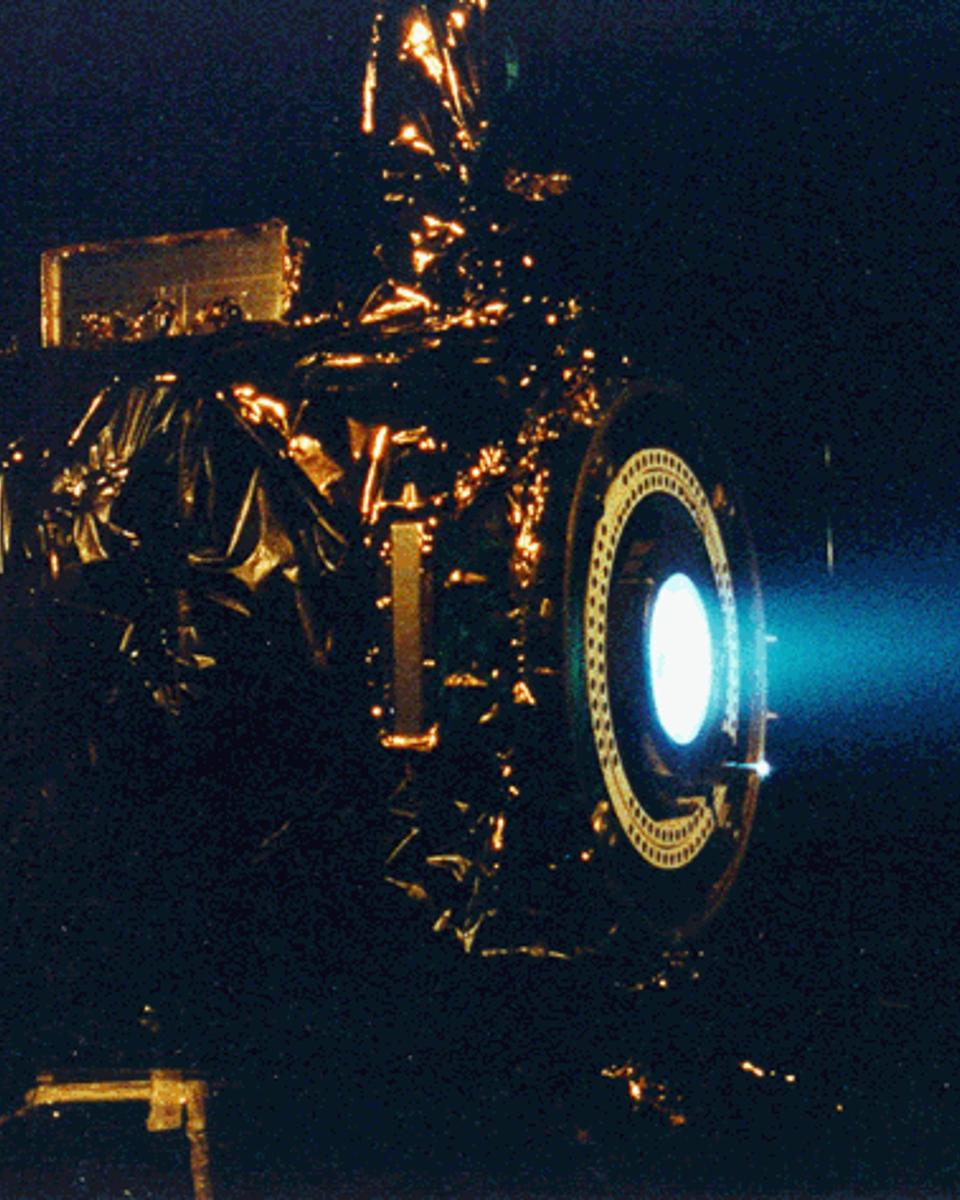
An Ion Drive for Deep Space 1
Space travel entered the age of the ion drive in 1998 with the launch of Deep Space 1 , a NASA mission designed primarily to test new technologies. Although the ion drive on Deep…
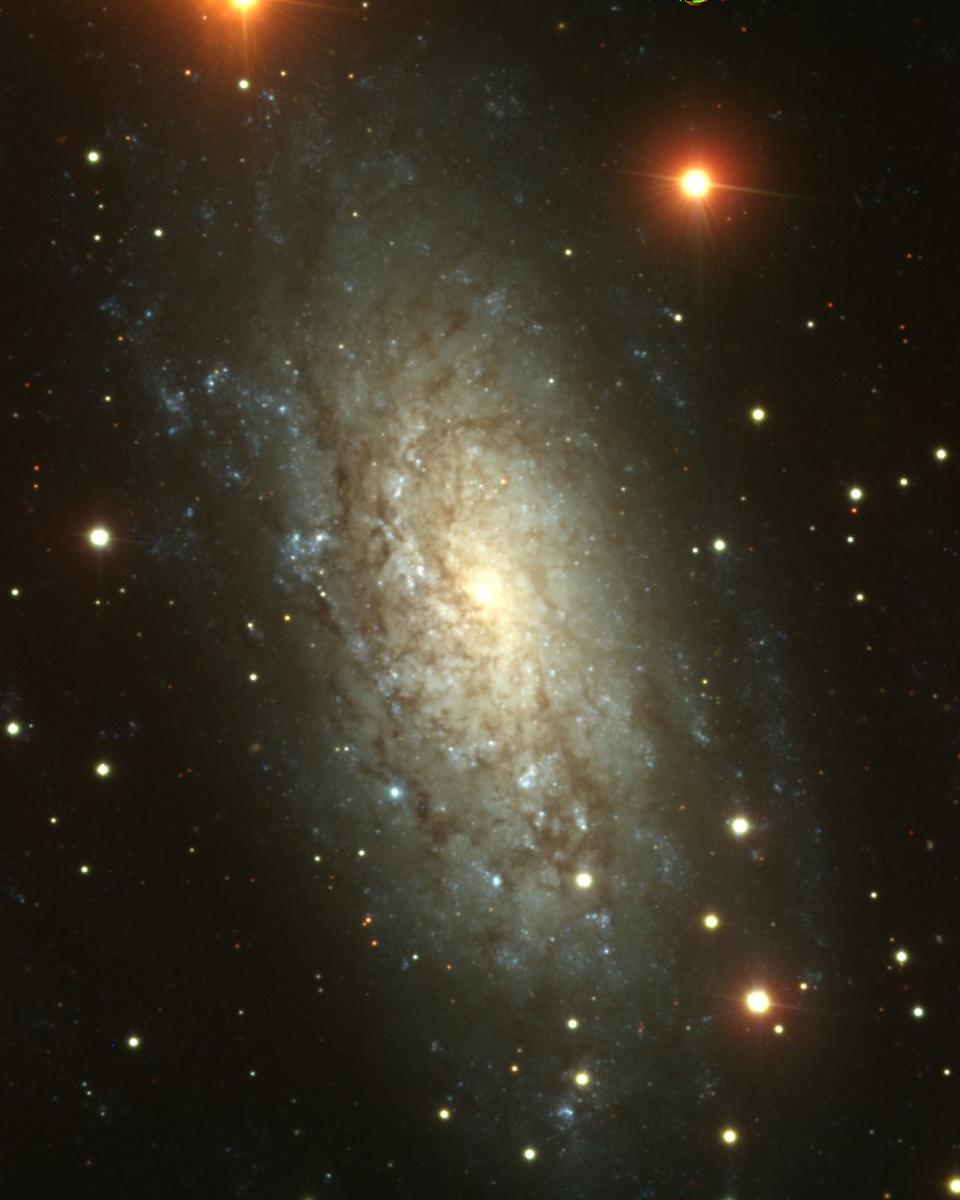
NGC 3621: Far Beyond the Local Group
Far beyond the local group of galaxies lies NGC 3621 , some 22 million light-years away. Found in the serpentine southern constellation Hydra , the loose spiral arms of this…
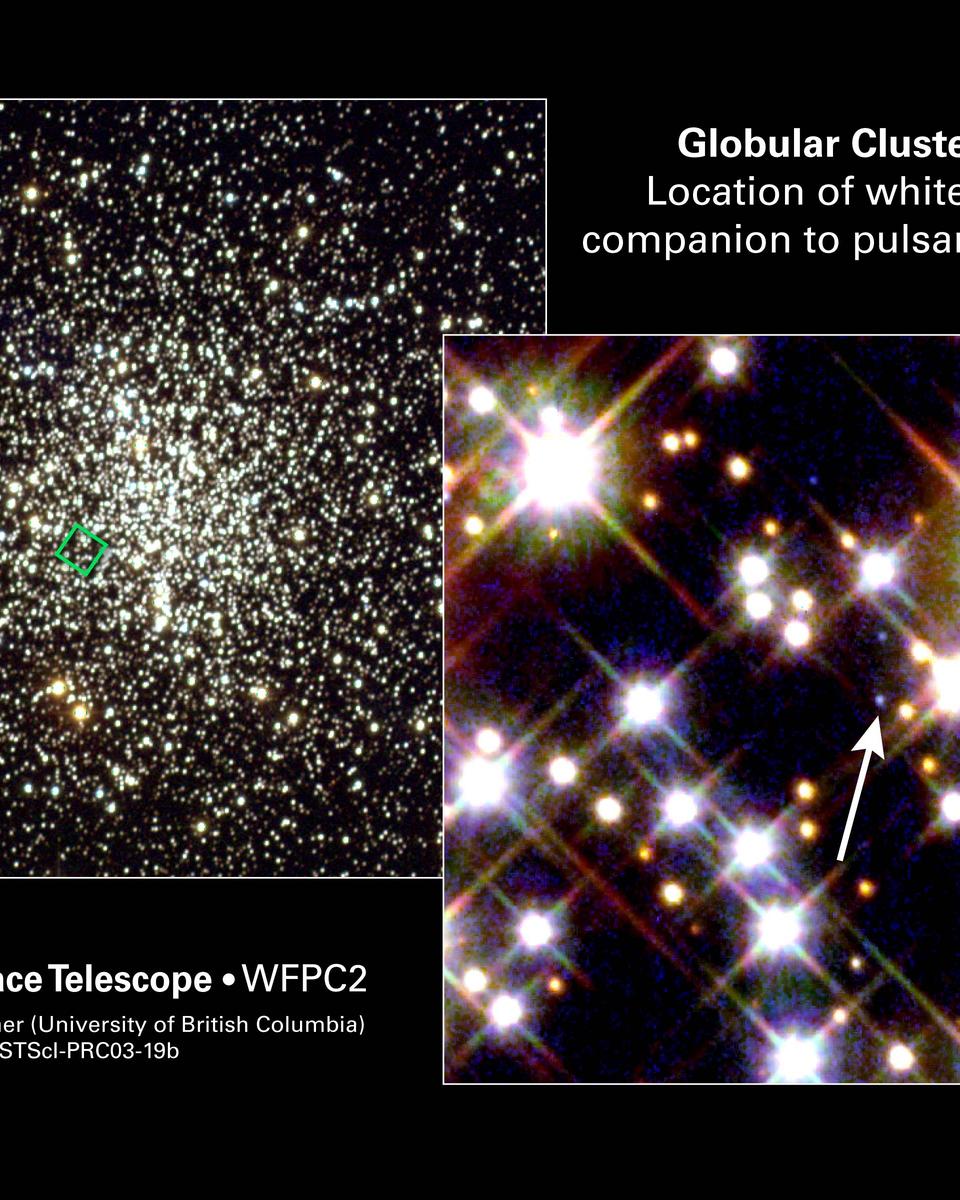
The Planet, the White Dwarf, and the Neutron Star
A planet , a white dwarf , and a neutron star orbit each other in the giant globular star cluster M4 , some 5,600 light-years away. The most visible member of the trio is the…
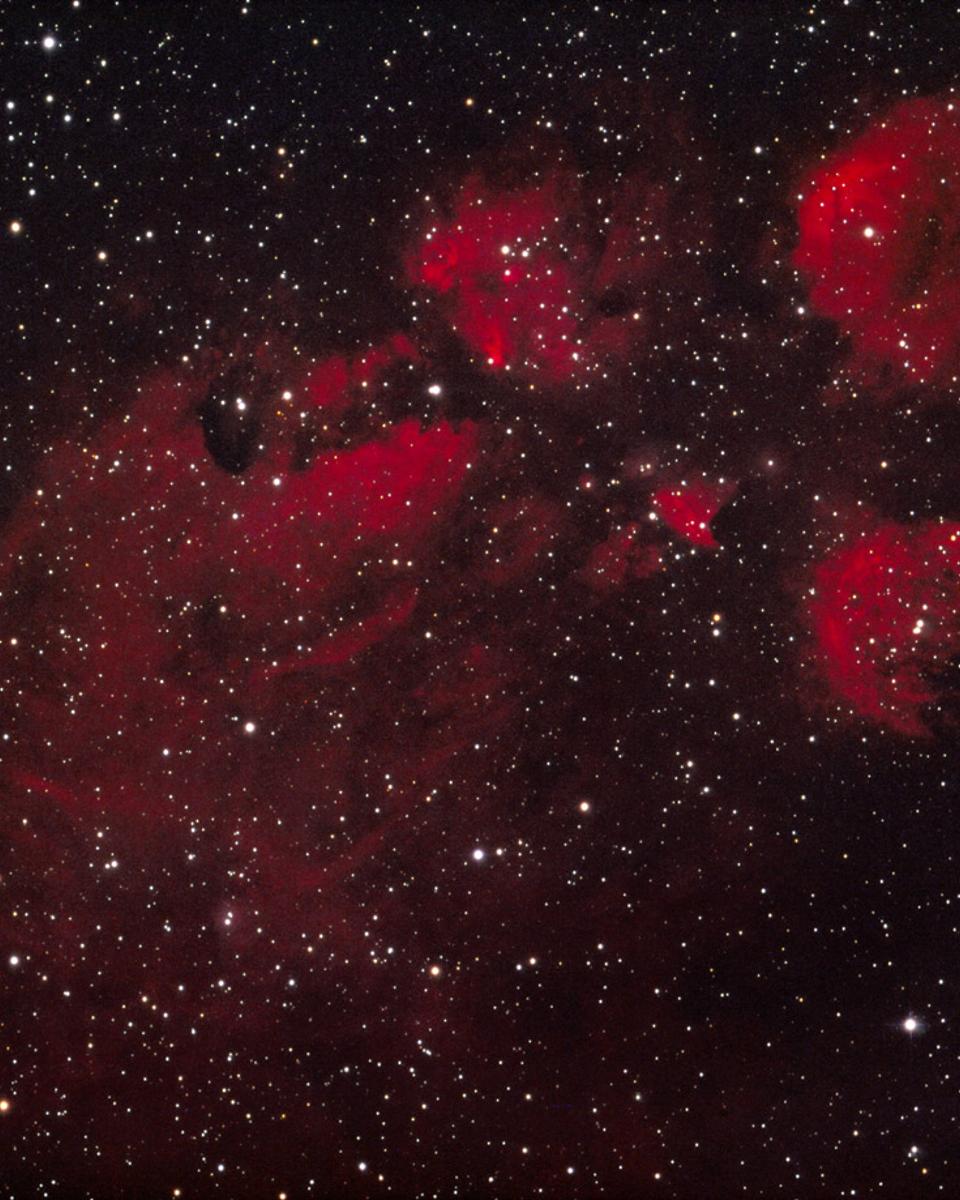
The Cat's Paw Nebula
As soon as we find out whose cat did this . . . Nebulae are as famous for being identified with familiar shapes as perhaps cats are for getting into trouble. No cat, though, could…
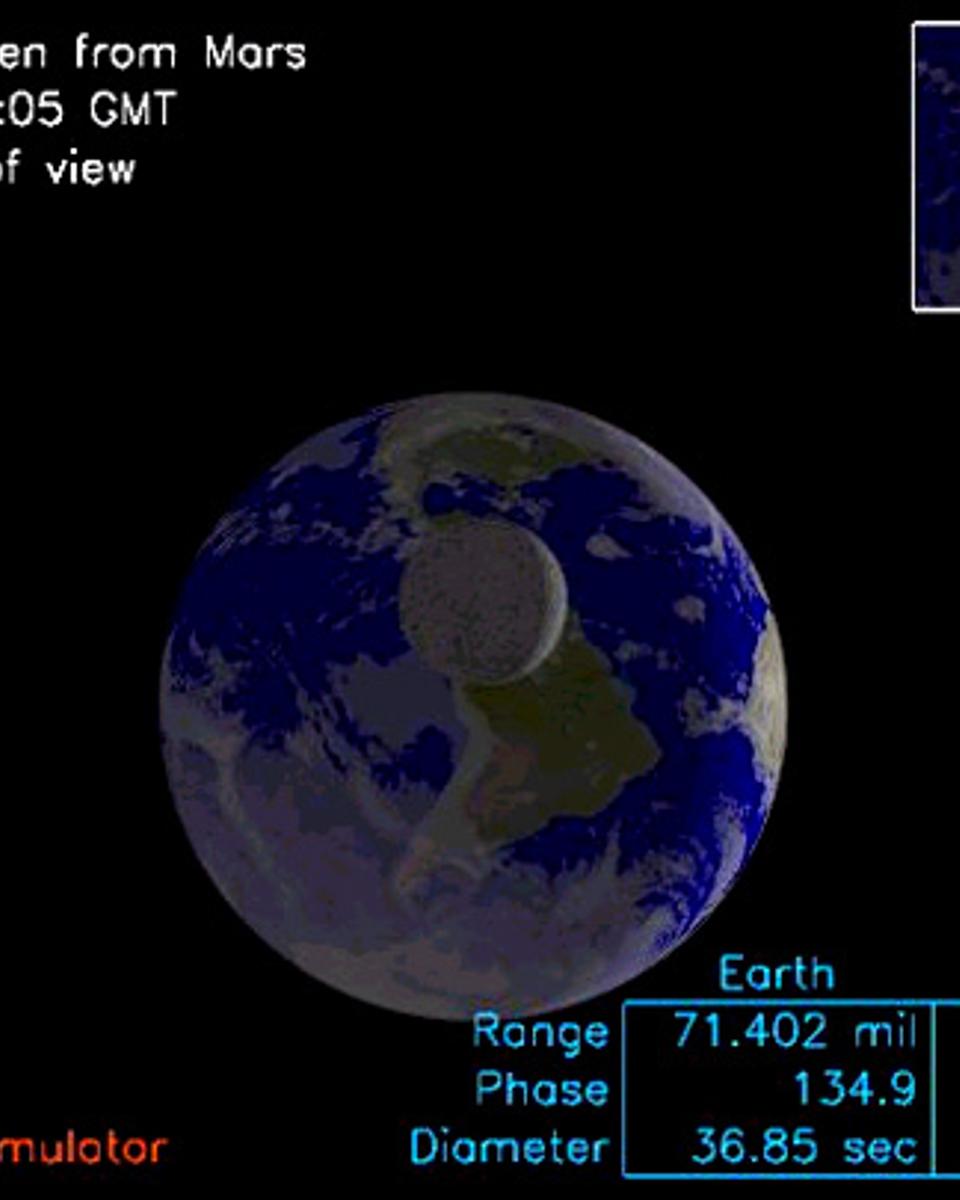
Mars' Simulated View
When earthdweller Patrick Vantuyne wondered what his home planet's single large moon would look like if viewed from Mars on July 17, he availed himself of the JPL Solar System…
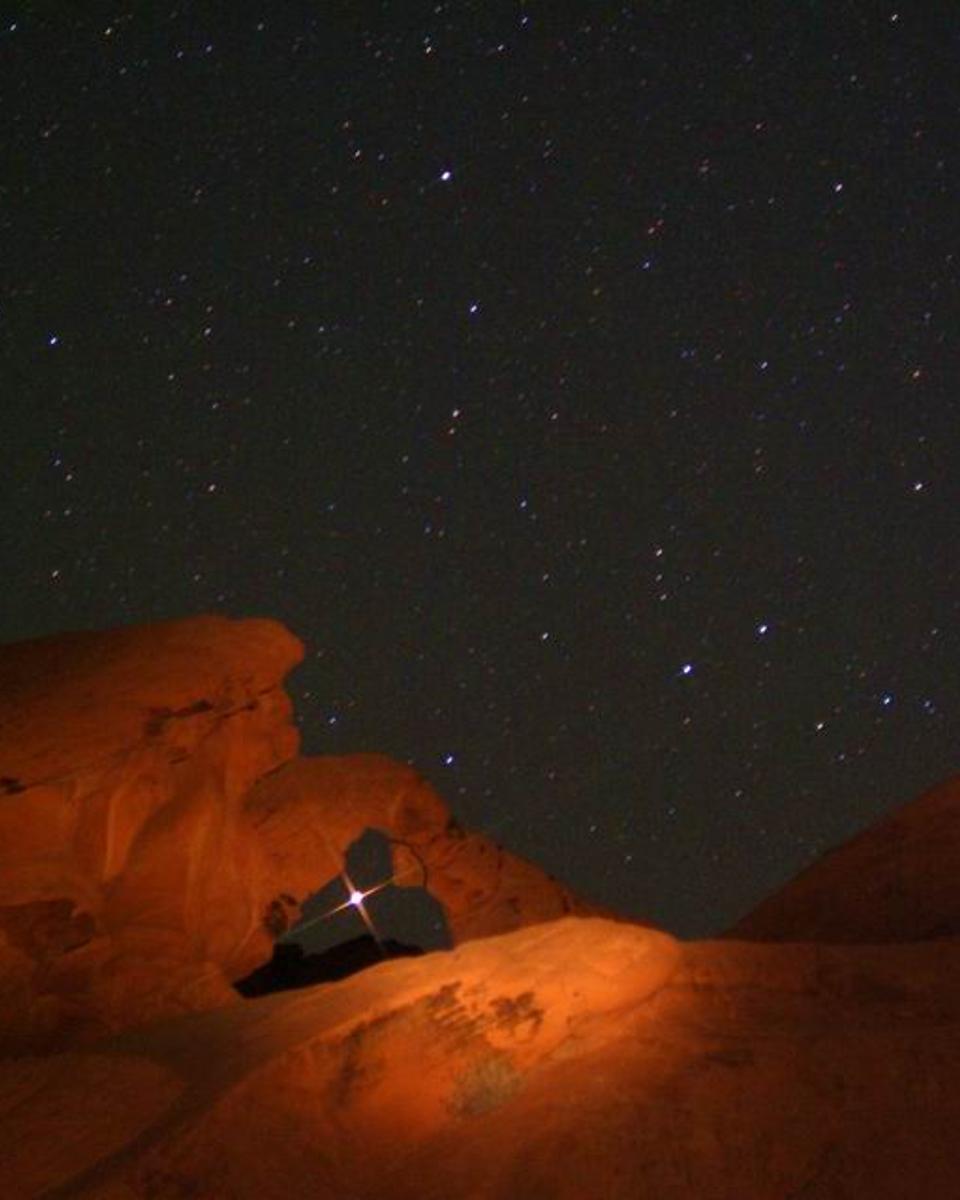
Mars Rising Through Arch Rock
Mars is heading for its closest encounter with Earth in over 50,000 years. Although Mars and Earth continue in their normal orbits around the Sun , about every two years Earth and…
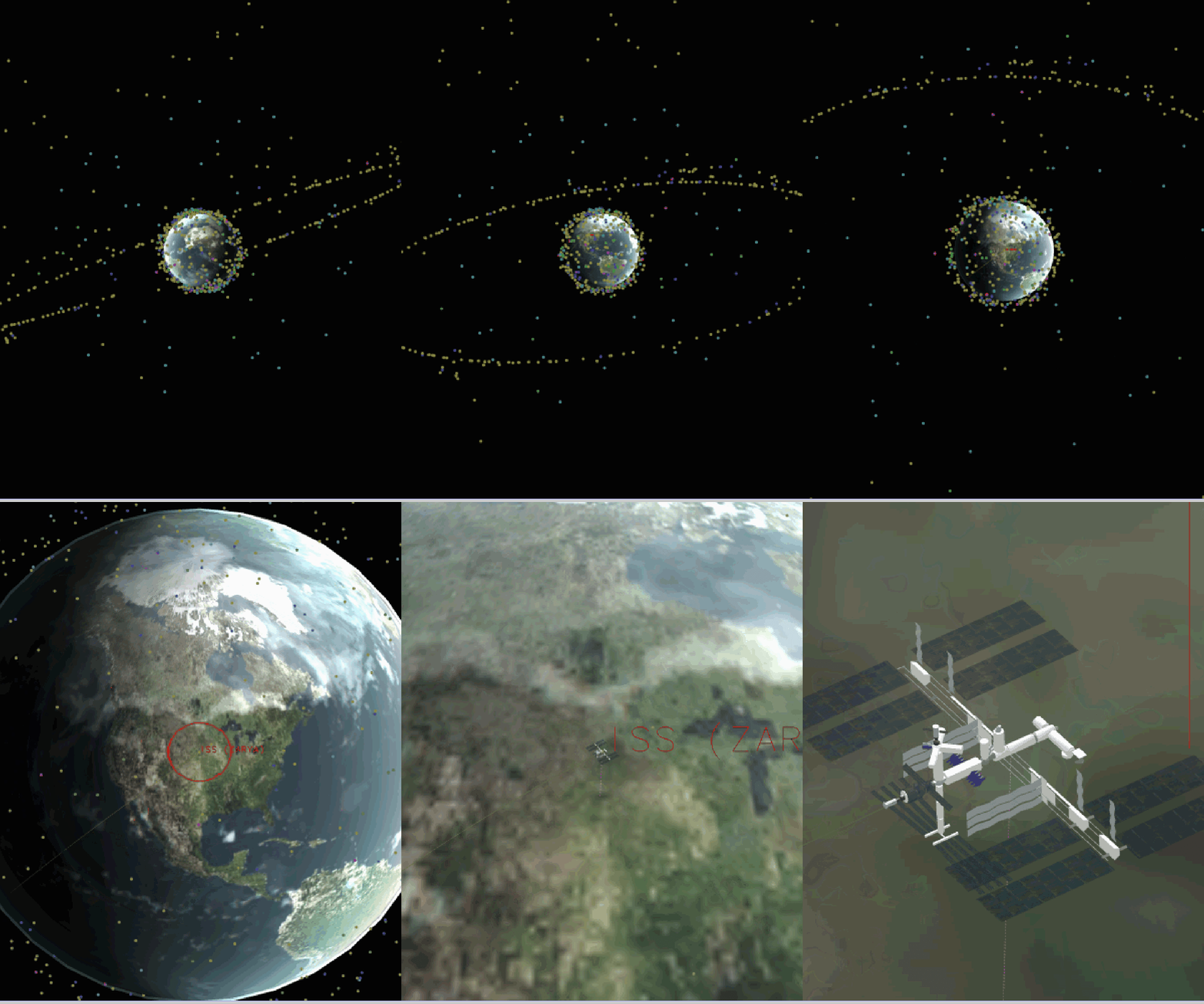
The Satellites that Surround Earth
Thousands of satellites orbit the Earth. Costing billions of dollars, this swarm of high altitude robots is now vital to communication , orientation , and imaging both Earth and…
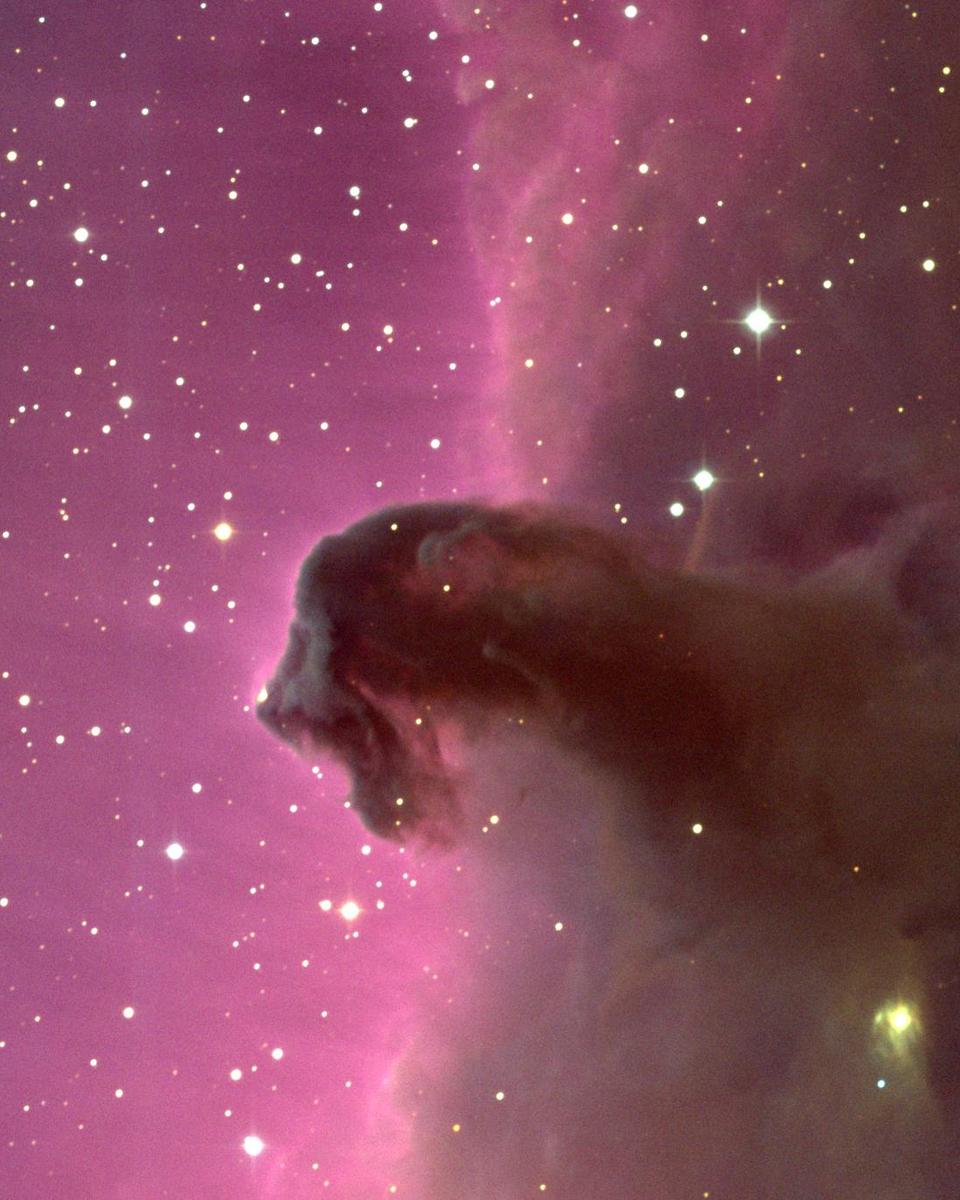
The Horsehead Nebula
One of the most identifiable nebulae in the sky, the Horsehead Nebula in Orion , is part of a large, dark, molecular cloud . Also known as Barnard 33, the unusual shape was first…
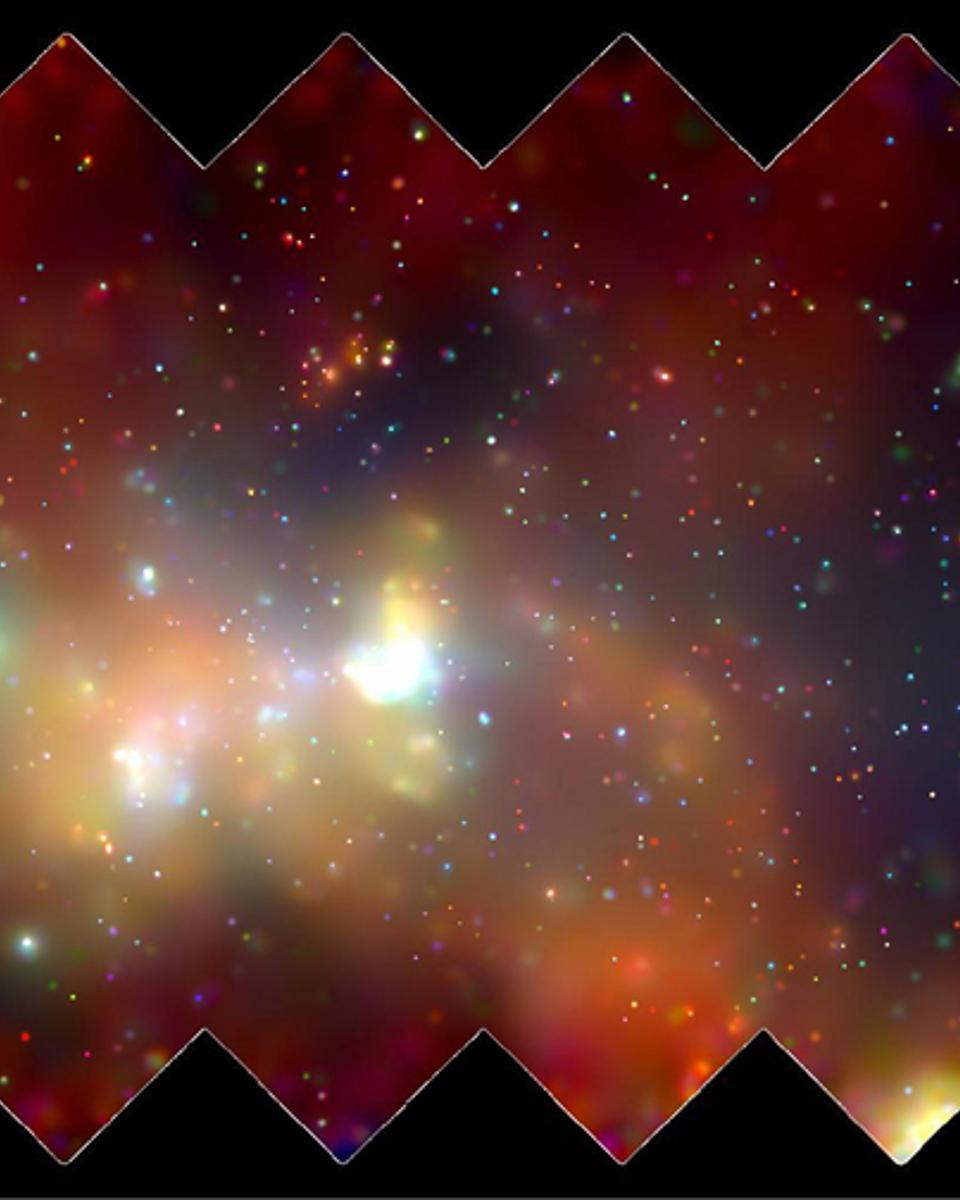
X-Ray Milky Way
If you had x-ray vision, the center regions of our Galaxy would not be hidden from view by the immense cosmic dust clouds opaque to visible light. Instead , the Milky Way toward…
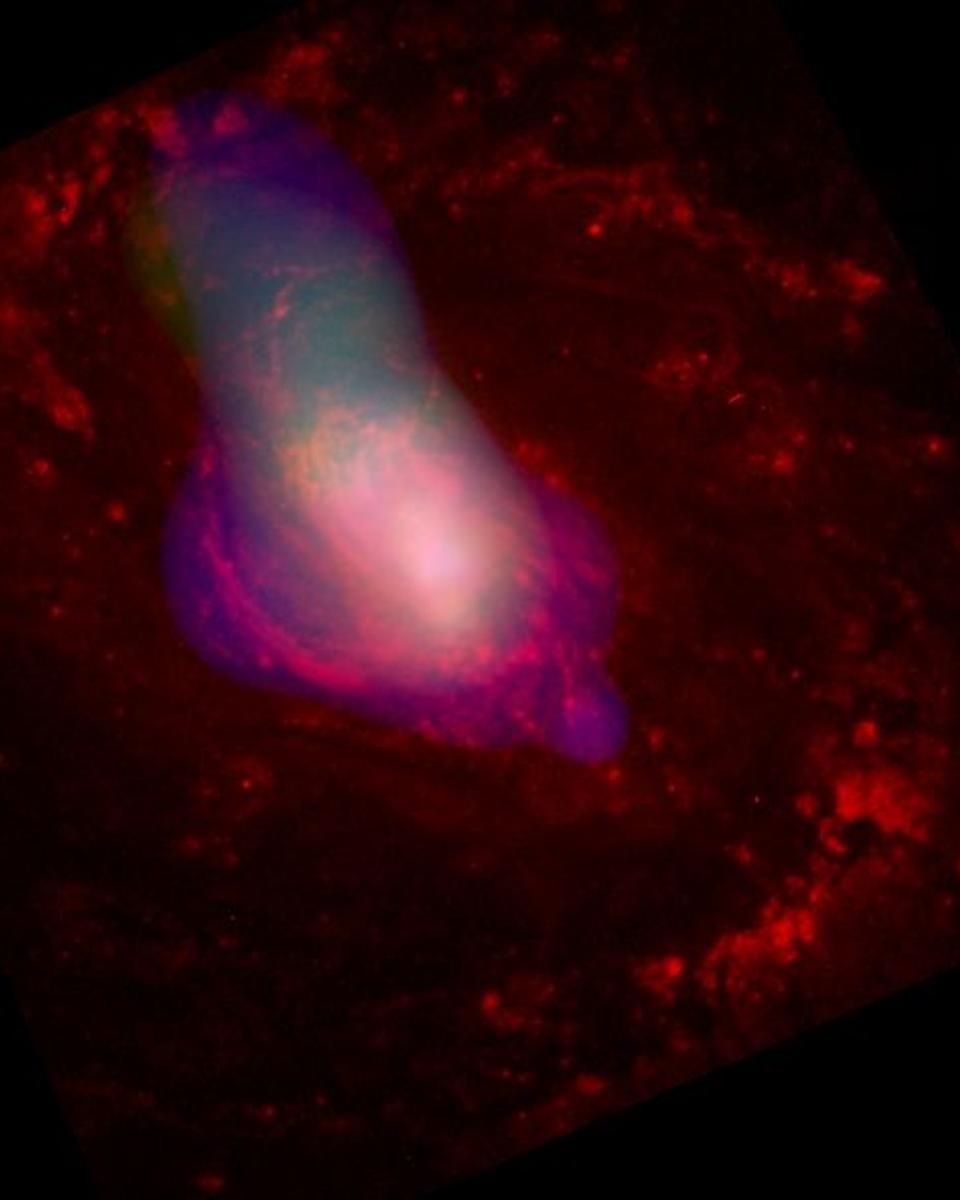
NGC 1068 and the X-Ray Flashlight
At night , tilting a flashlight up under your chin hides the glowing bulb from the direct view of your friends. Light from the bulb still reflects from your face though, and can…
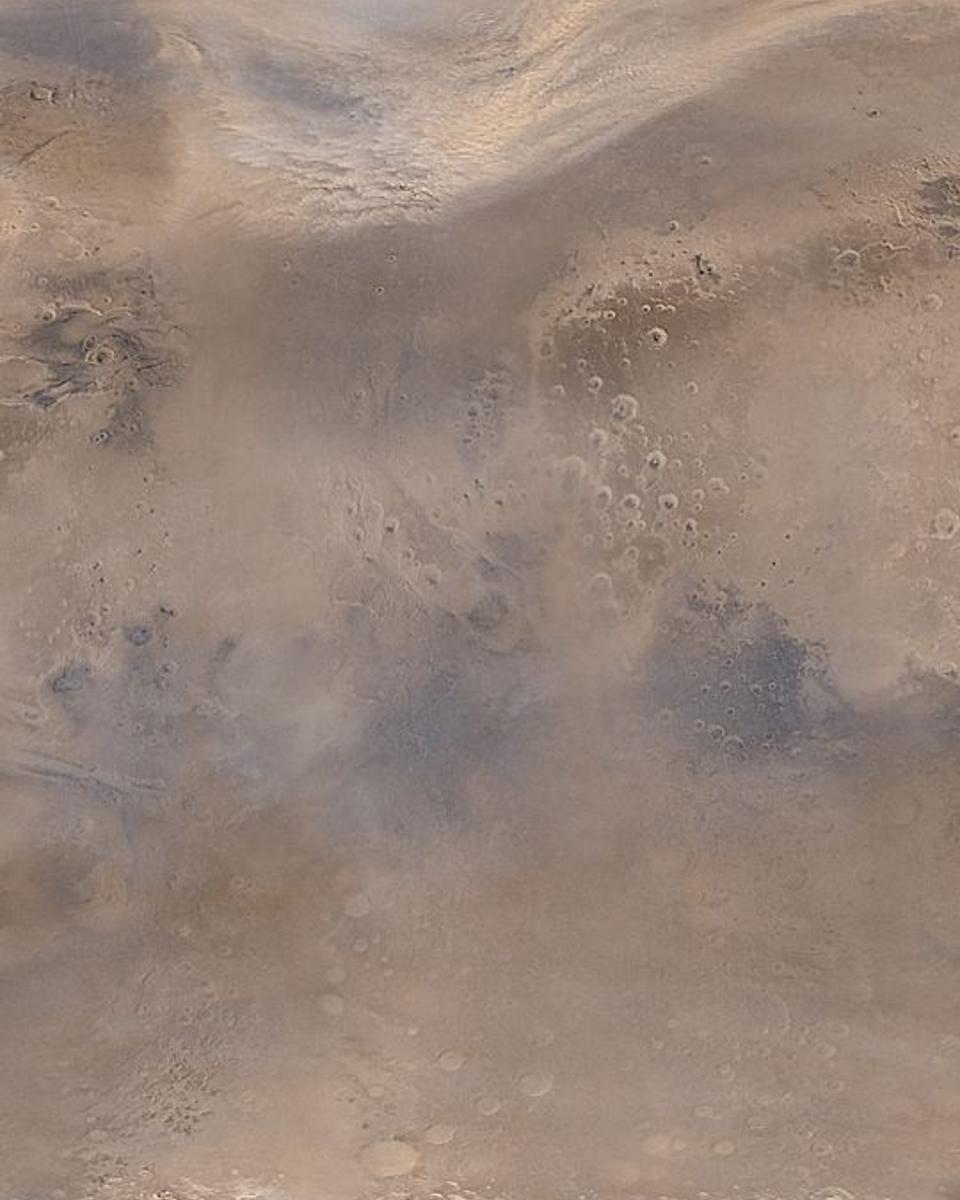
Dust Storm Over Northern Mars
Almost on cue , as Mars nears its closest approach to planet Earth in recorded history, ominous seasonal dust storms are beginning to kick up. Observers worry that the activity…
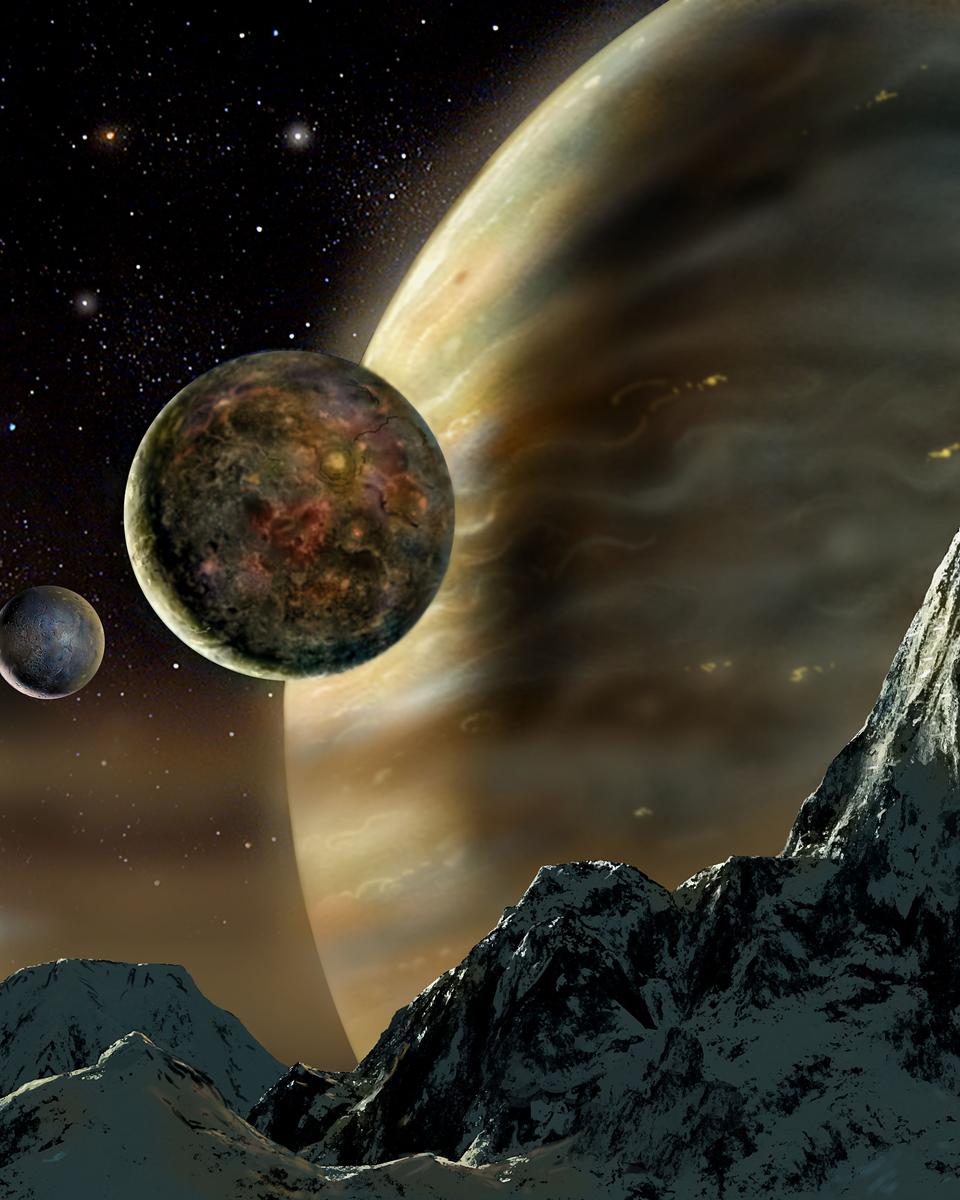
HD70642: A Star with Similar Planets
Astronomers have discovered a planetary system more similar to our own Solar System than any known previously . The bright star HD70642 , visible with binoculars toward the…

Mt. Anatahan Erupts
Nobody suspected that this volcano would erupt. Mt. Anatahan has not erupted in recorded history. Nevertheless, on May 10, the small volcano in the Northern Mariana Islands of the…
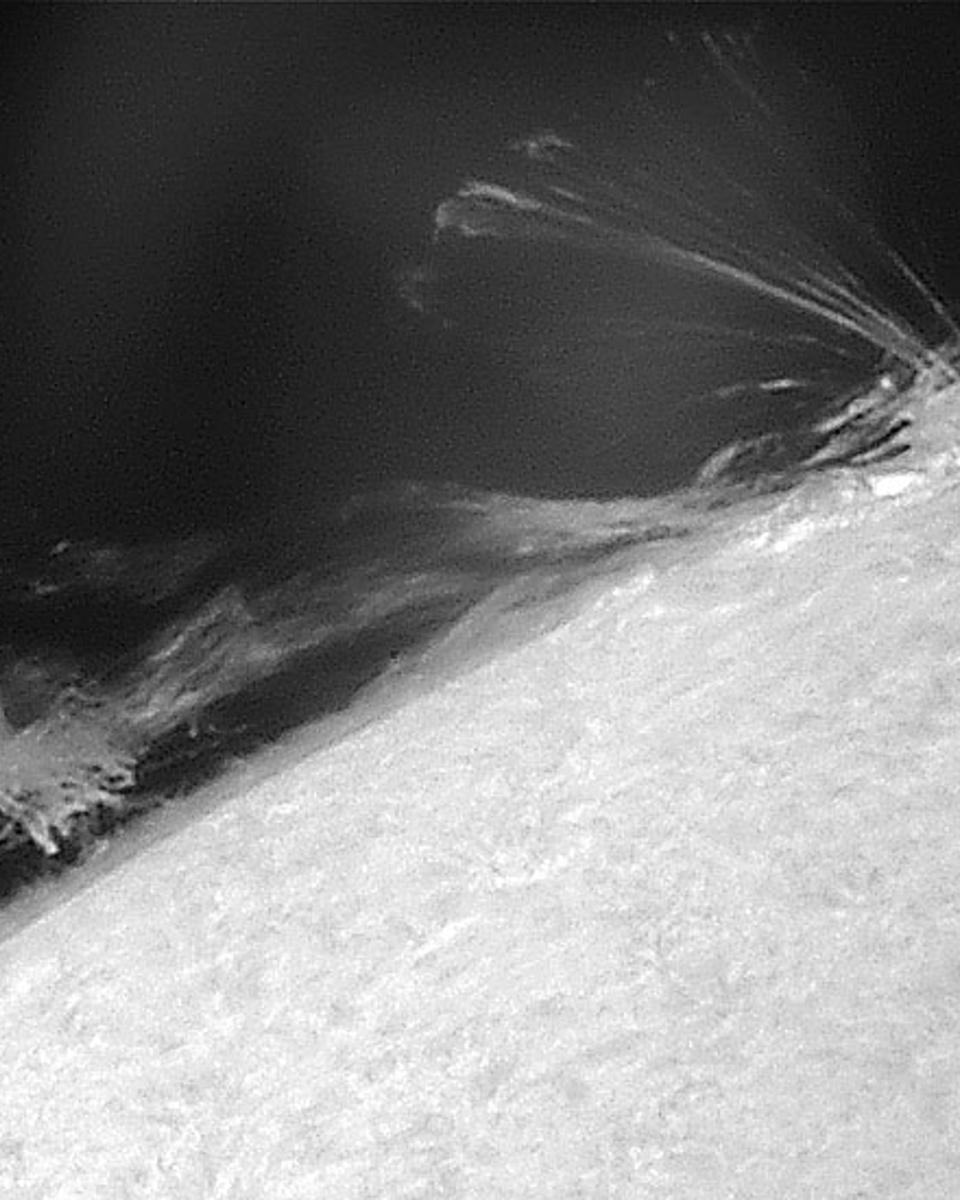
At the Edge of the Sun
Dramatic prominences can sometimes be seen looming just beyond the edge of the sun. A solar prominence is a cloud of solar gas held just above the surface by the Sun's magnetic…

Fractal Interstellar Dust Up-Close
Our universe is a very dusty place. Dust usually shows its presence by blocking out light emitted from stars or nebulae behind it, sometimes creating the illusion of a horse's…

Centaurus A: X-Rays from an Active Galaxy
Its core hidden from optical view by a thick lane of dust, the giant elliptical galaxy Centaurus A was among the first objects observed by the orbiting Chandra X-ray Observatory .…
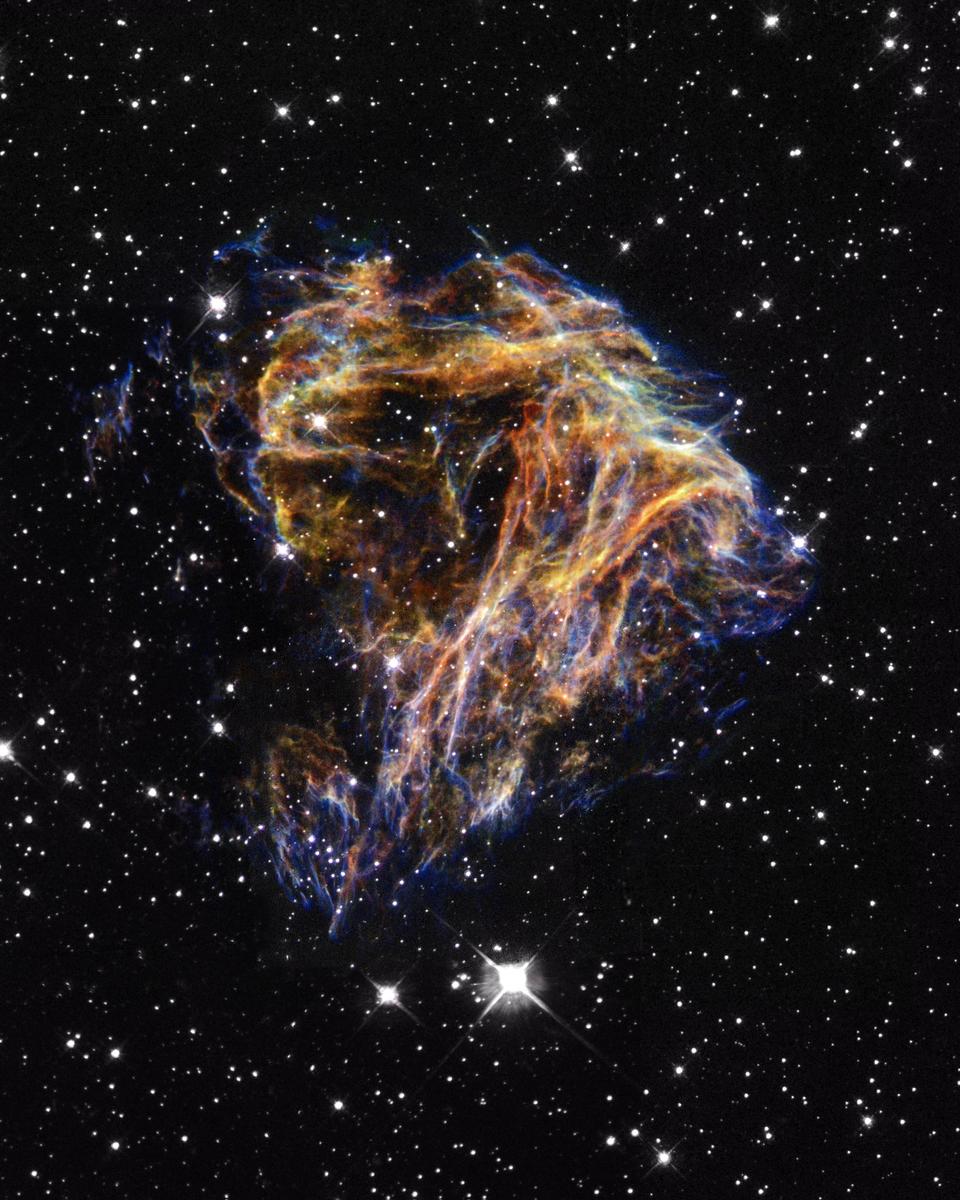
N49's Cosmic Blast
Scattered debris from a cosmic supernova explosion lights up the sky in this gorgeous composited image based on data from the Hubble Space Telescope. Cataloged as N49, these…
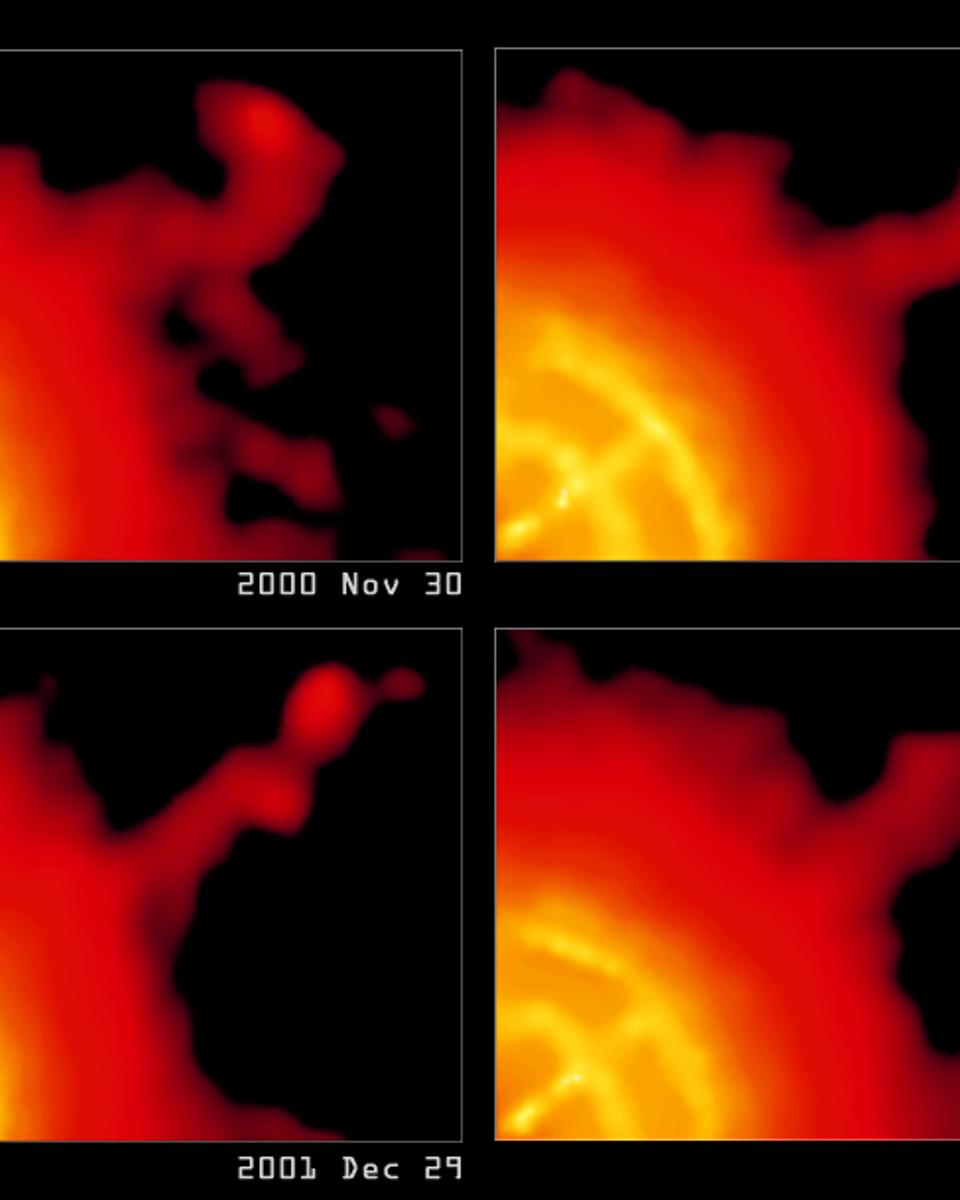
The Vela Pulsar's Dynamic Jet
The Vela pulsar is a neutron star born over 10,000 years ago in a massive supernova explosion . Above, false-color x-ray images from the Chandra Observatory reveal details of this…
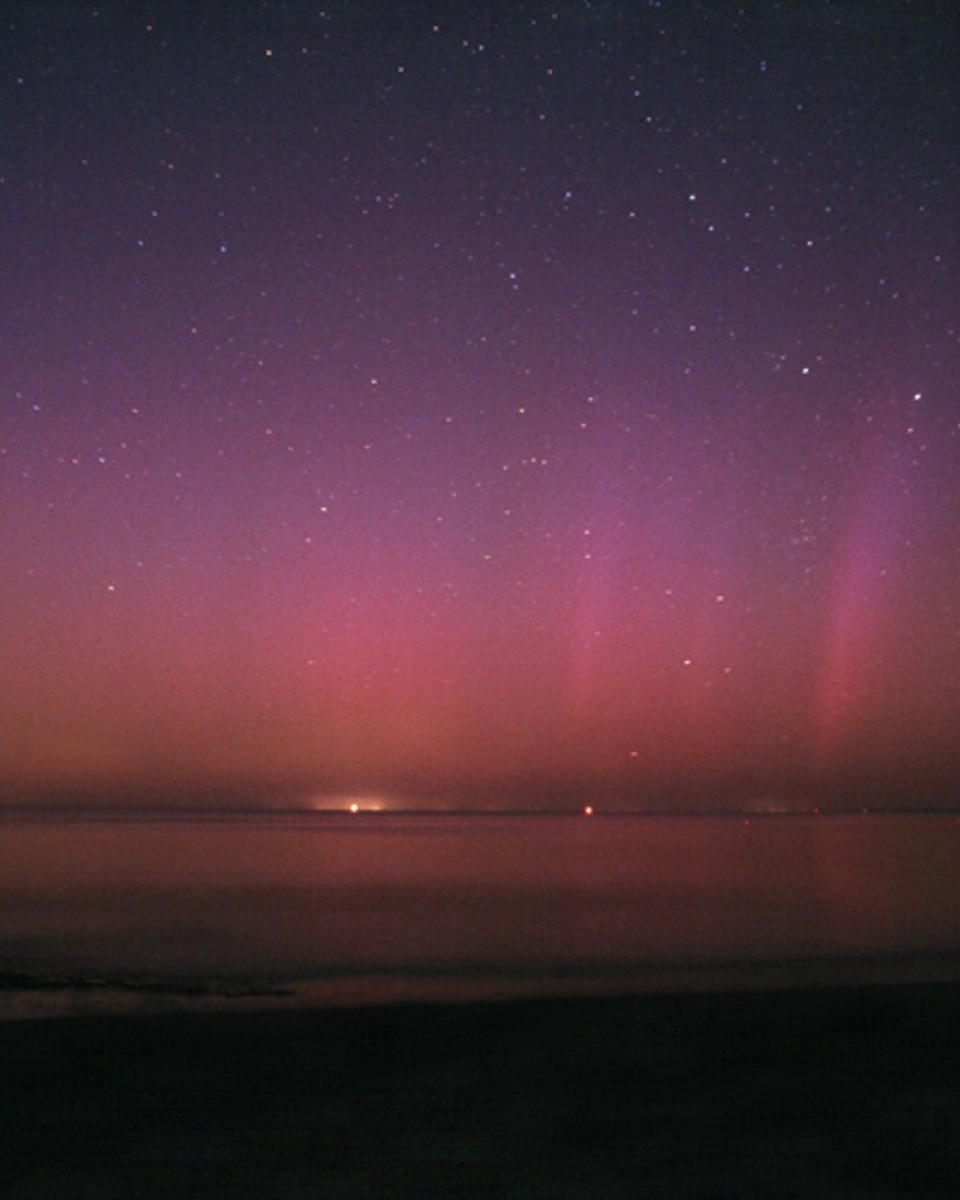
Aurora Over Cape Cod
Active pillars of colorful aurora were captured dancing over a serenely smooth and nearly colorless Cape Cod Bay last month. North is straight ahead so that the town lights near…
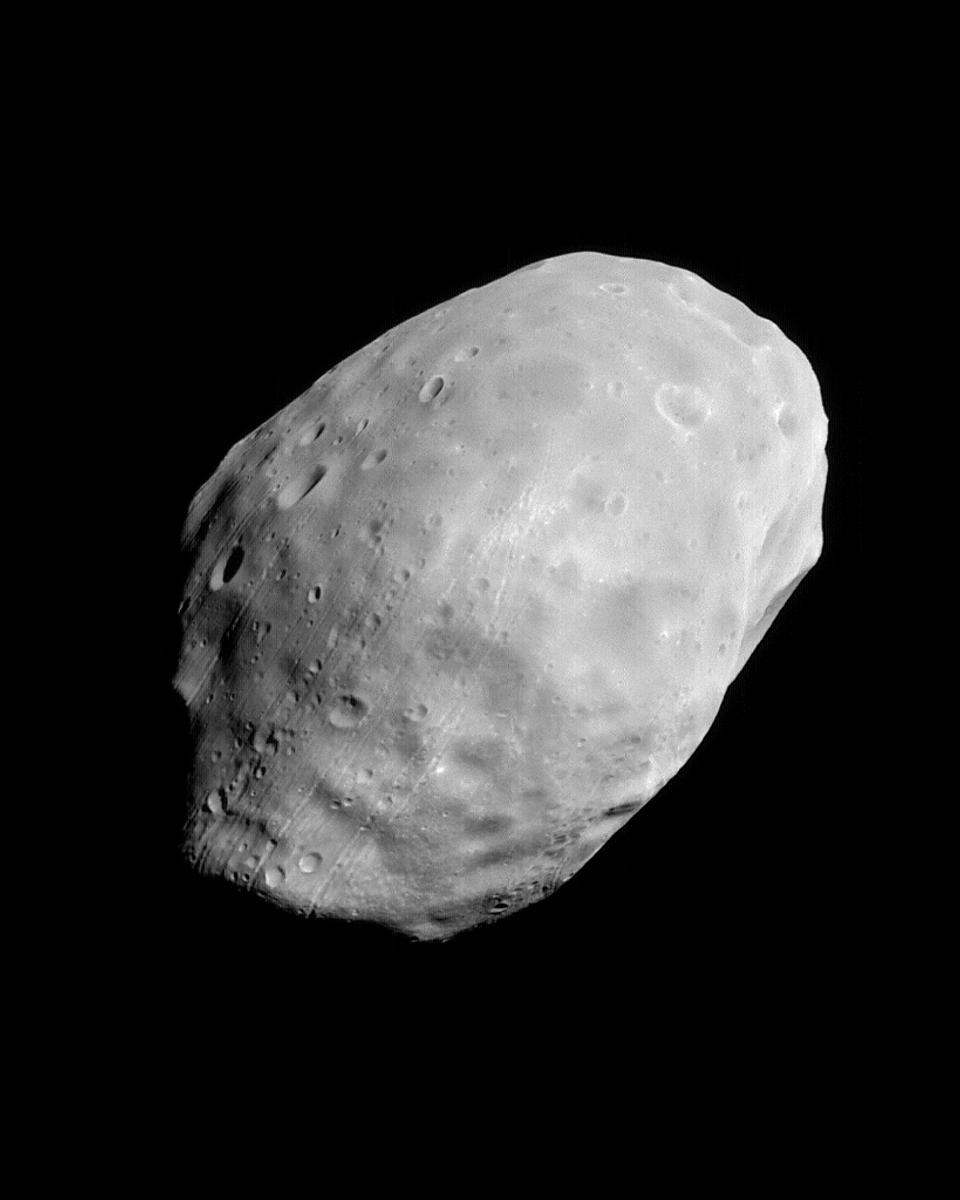
Martian Moon Phobos from MGS
Why is Phobos so dark? Phobos , the largest and innermost of two Martian moons, is the darkest moon in the entire Solar System . Its unusual orbit and color indicate that it may…
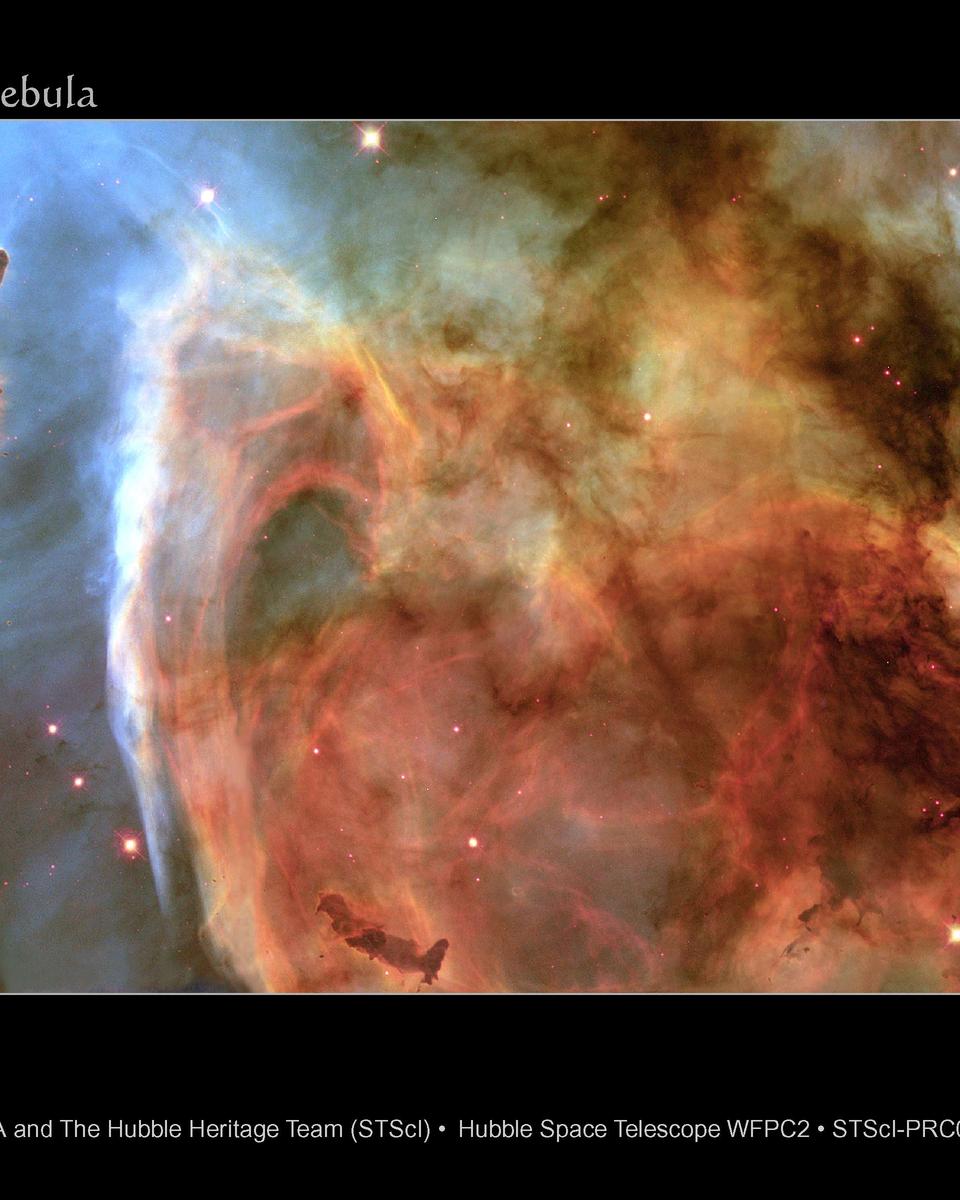
Disappearing Clouds in Carina
This dense cloud of gas and dust is being deleted. Likely, within a few million years, the intense light from bright stars will have boiled it away completely. Stars not yet…
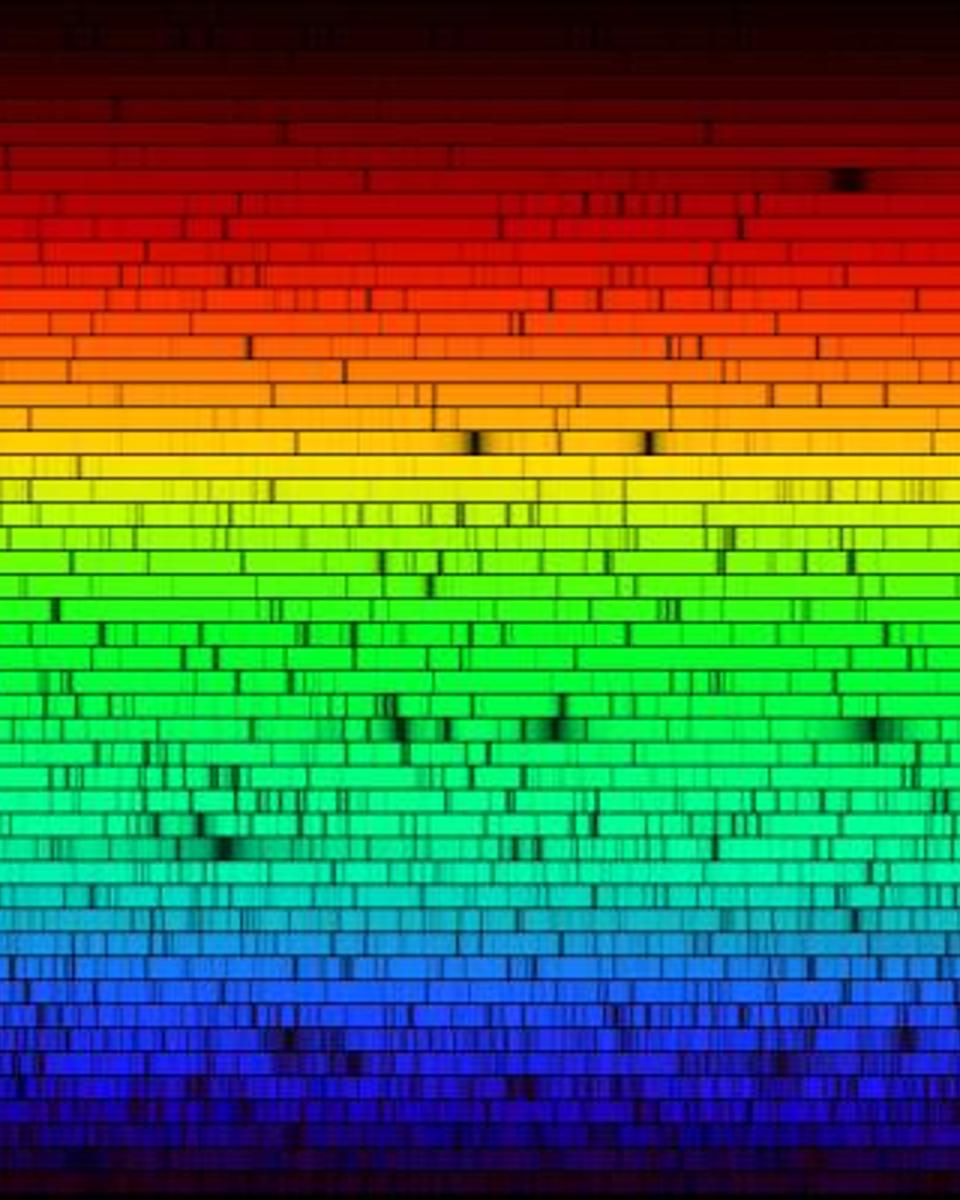
The Solar Spectrum
It is still not known why the Sun's light is missing some colors. Shown above are all the visible colors of the Sun , produced by passing the Sun's light through a prism -like…
Viewing discoveries from 22 July 2003 through 29 June 2003.