Browse NASA Astronomy Picture of the Day archive by date and media: Archive Discoveries
Browse the NASA APOD archive without needing the exact date first. Filter by media type and keep moving deeper into older images and videos.
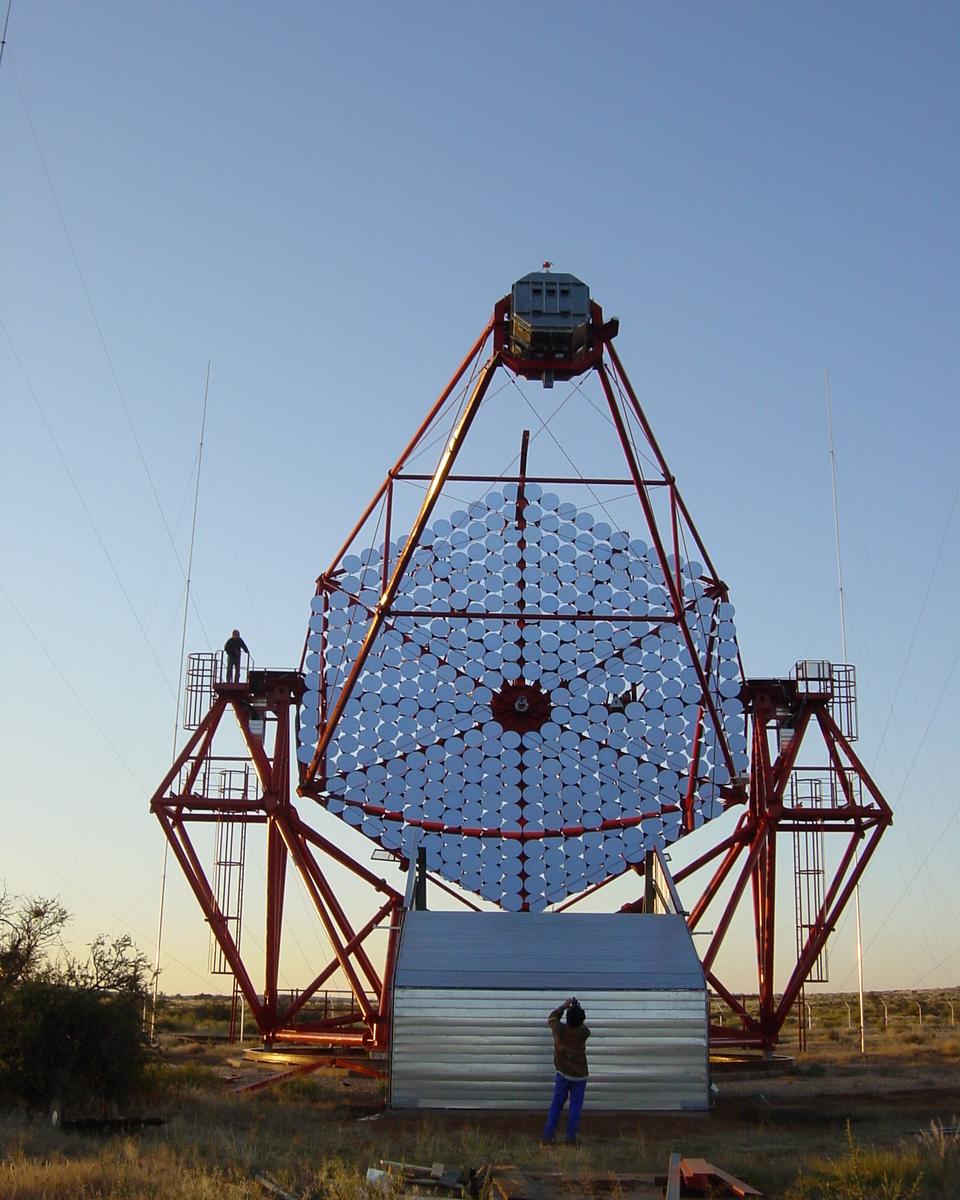
HESS Gamma-Ray Telescope
Most ground-based telescopes with lenses and mirrors are hindered by the Earth's nurturing, protective atmosphere that blurs images and scatters and absorbs light. But this…
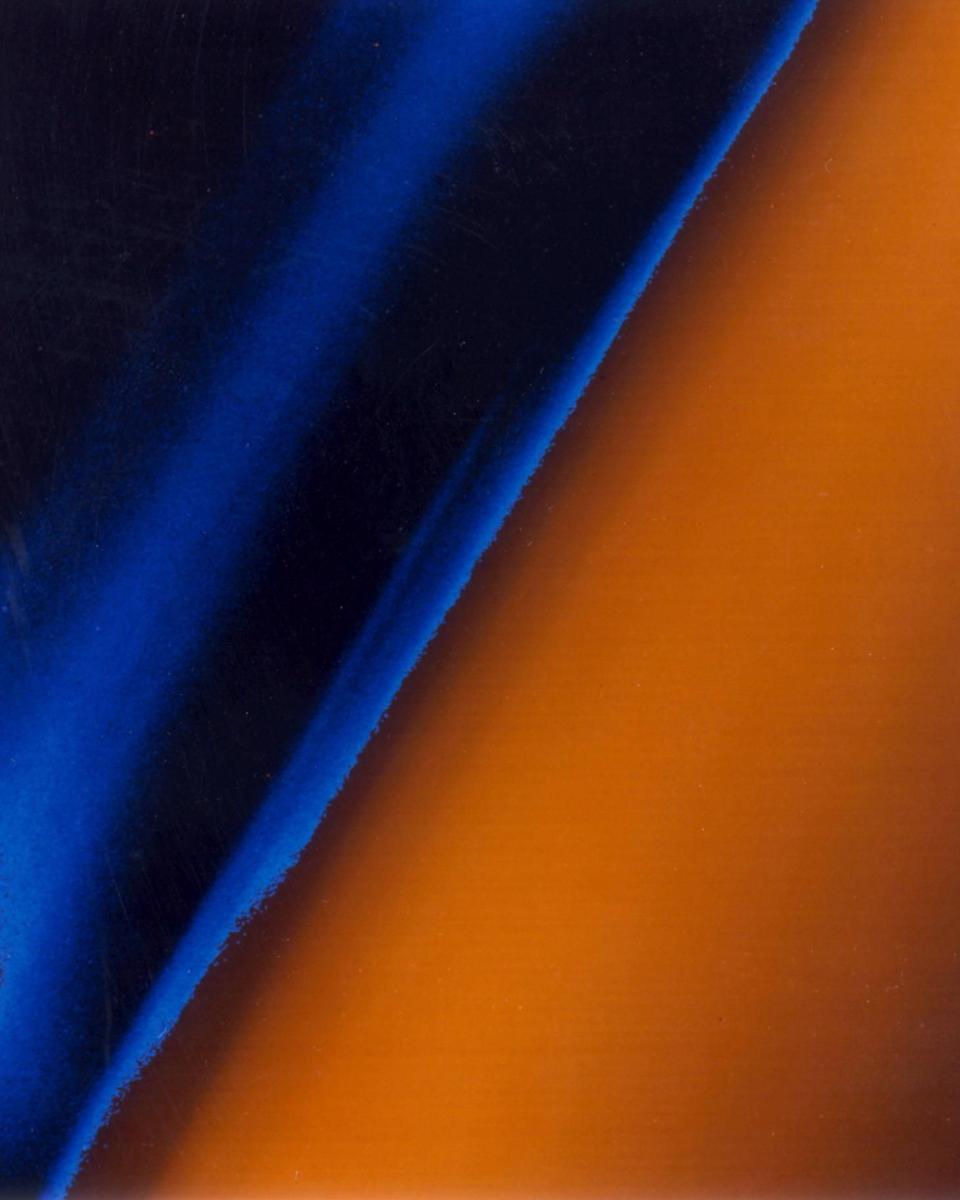
Voyager Views Titan's Haze
Launched in 1977, 25 years ago today, the Voyager 1 spacecraft's historic tour of the outer Solar System took it past Saturn in late 1980. On November 12, 1980, Voyager 1 recorded…
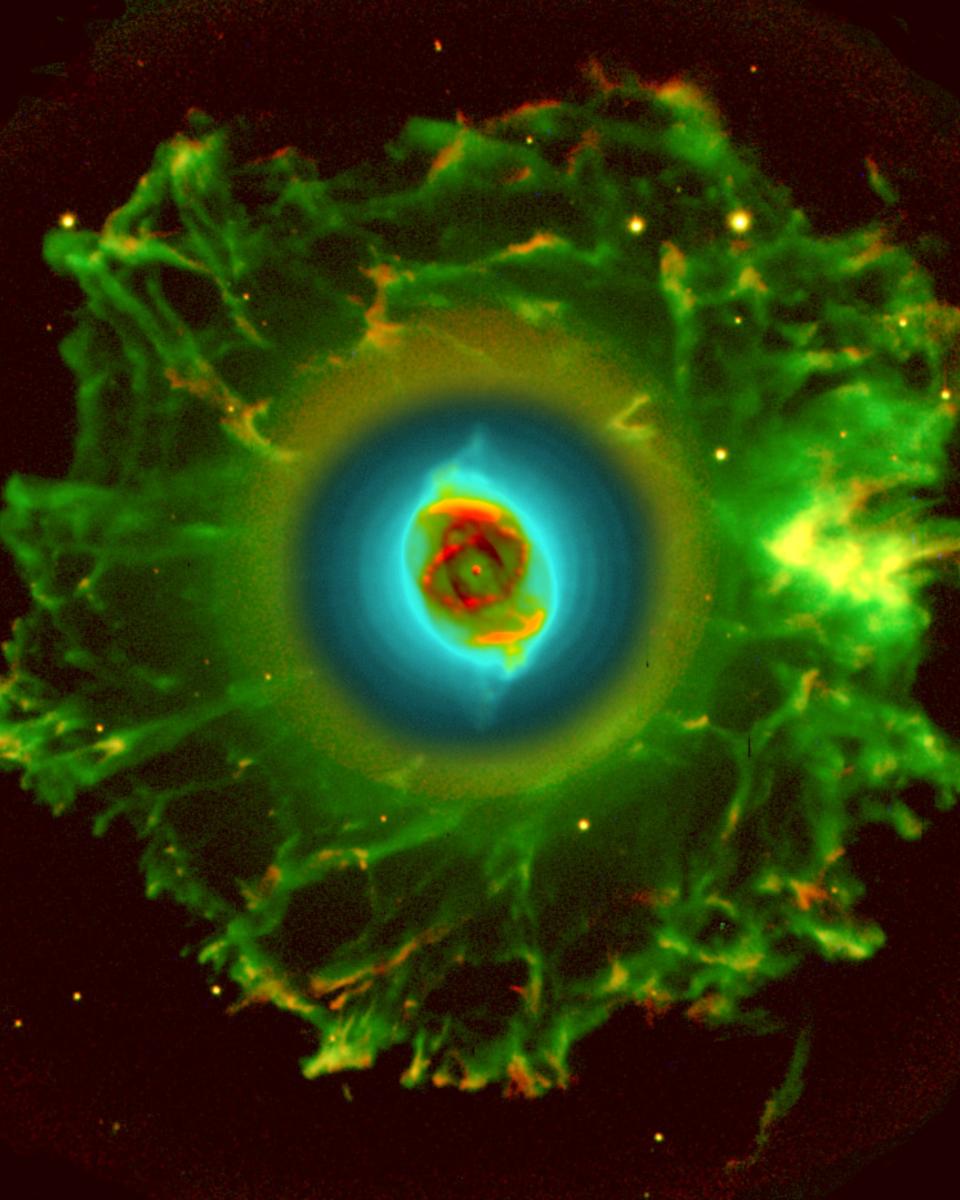
Halo of the Cat's Eye
The Cat's Eye Nebula (NGC 6543) is one of the best known planetary nebulae in the sky . Its haunting symmetries are seen in the very central region of this stunning false-color…
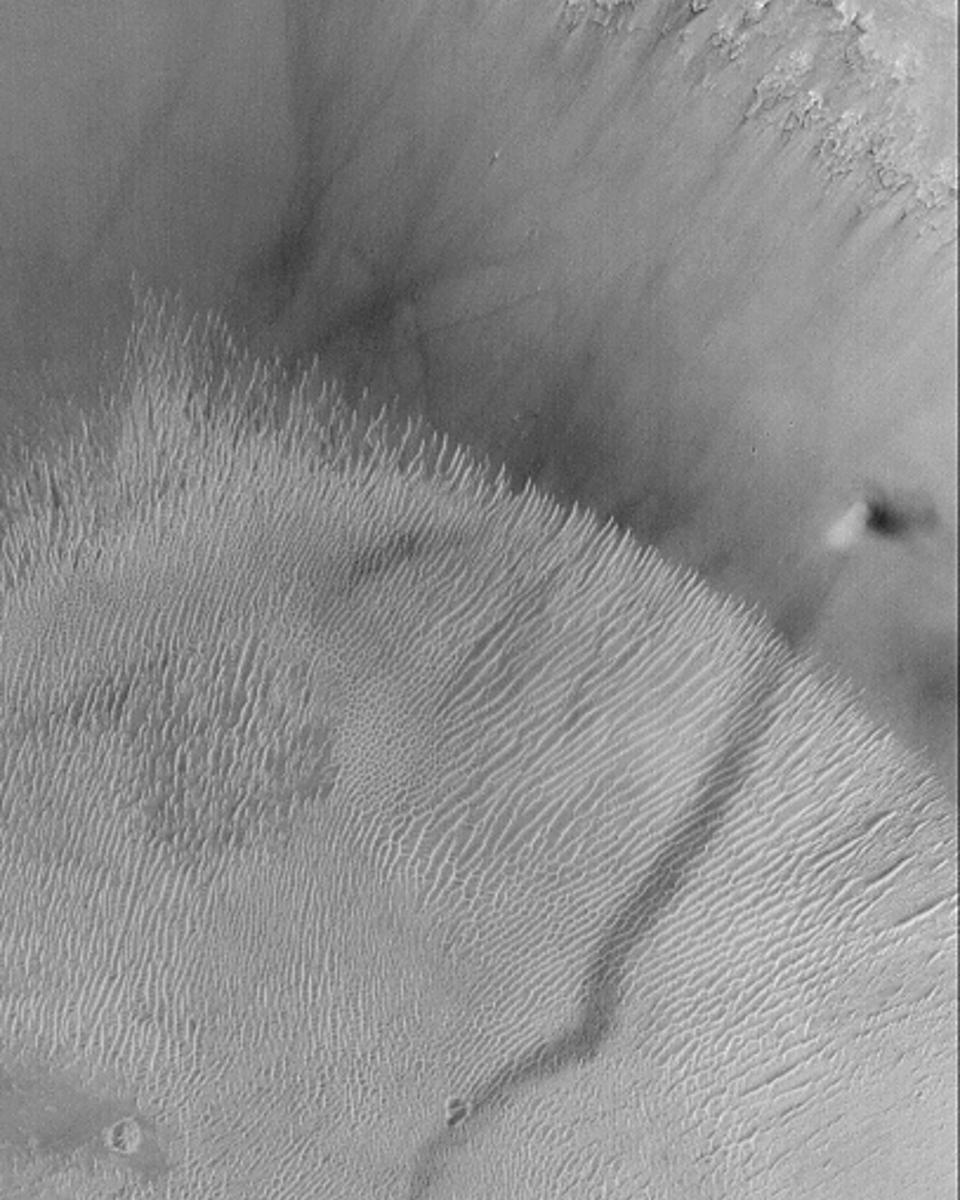
A Dust Devil on Mars
Does the surface of Mars change? When inspecting yearly images of the Martian surface taken by the robot spacecraft Mars Global Surveyor currently orbiting Mars , sometimes new…
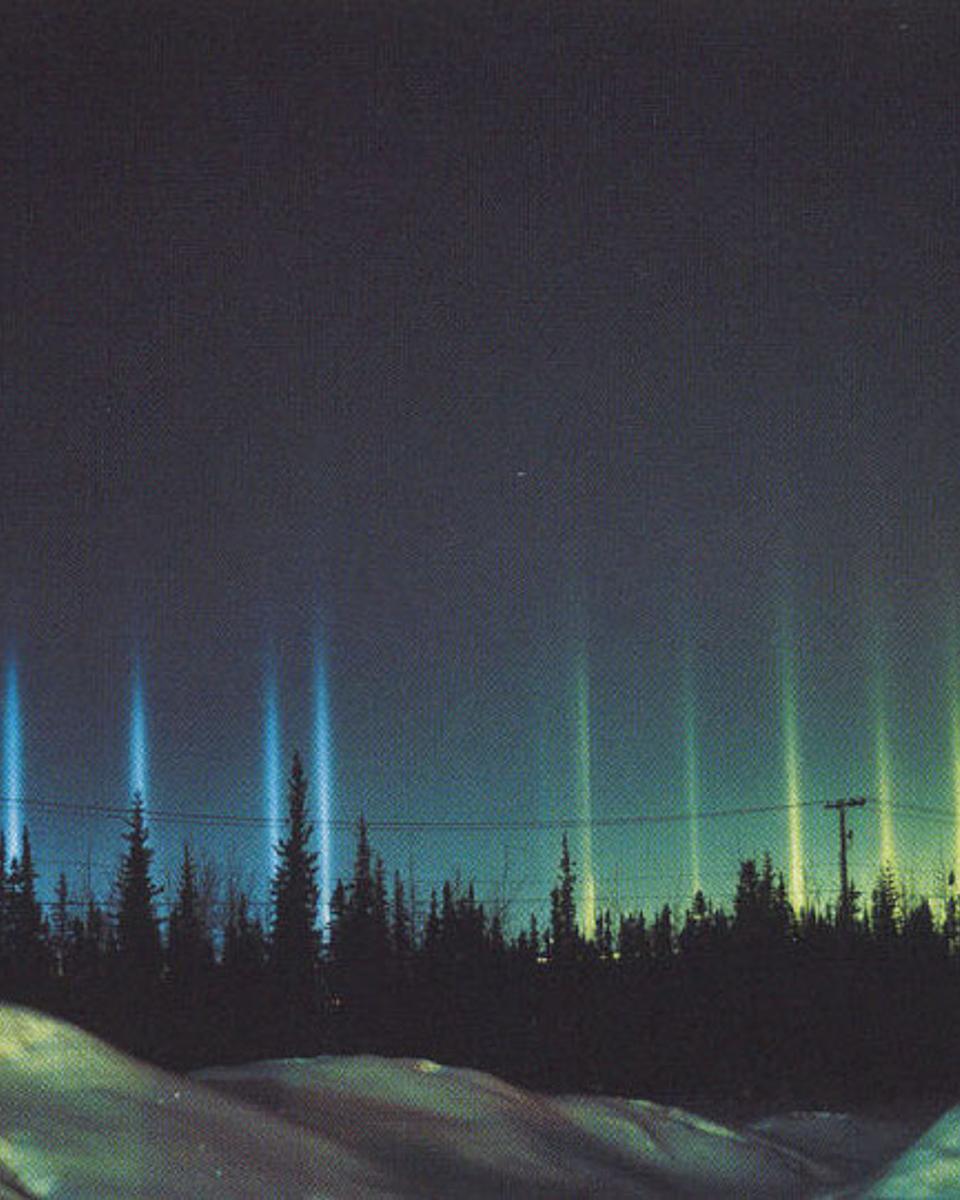
Colorful Light Pillars
How can an aurora appear so near the ground? Pictured above are not aurora but nearby light pillars , a local phenomenon that can appear as a distant one. In most places on Earth,…
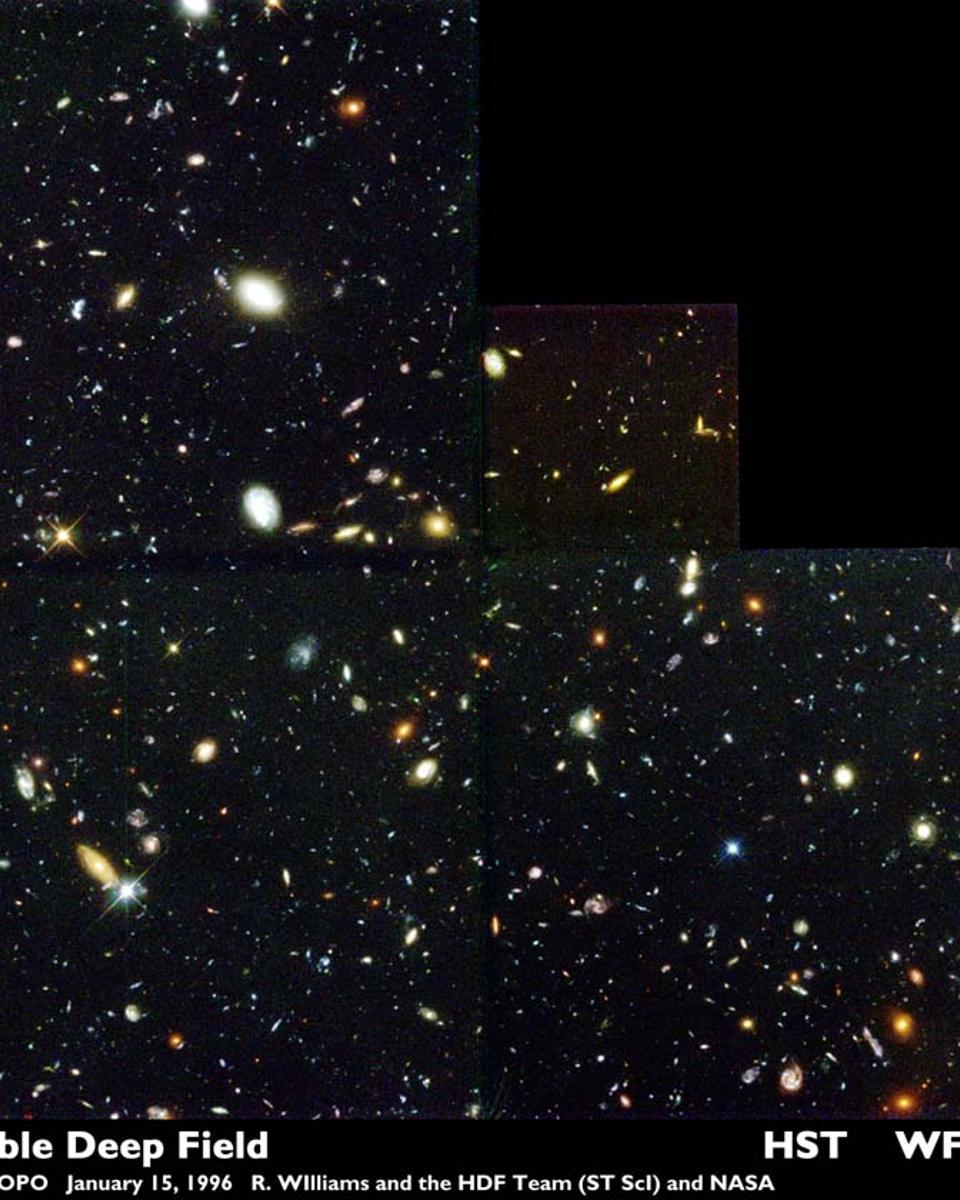
The Hubble Deep Field
Galaxies like colorful pieces of candy fill the Hubble Deep Field - one of humanity's most distant optical views of the Universe . The dimmest, some as faint as 30th magnitude…
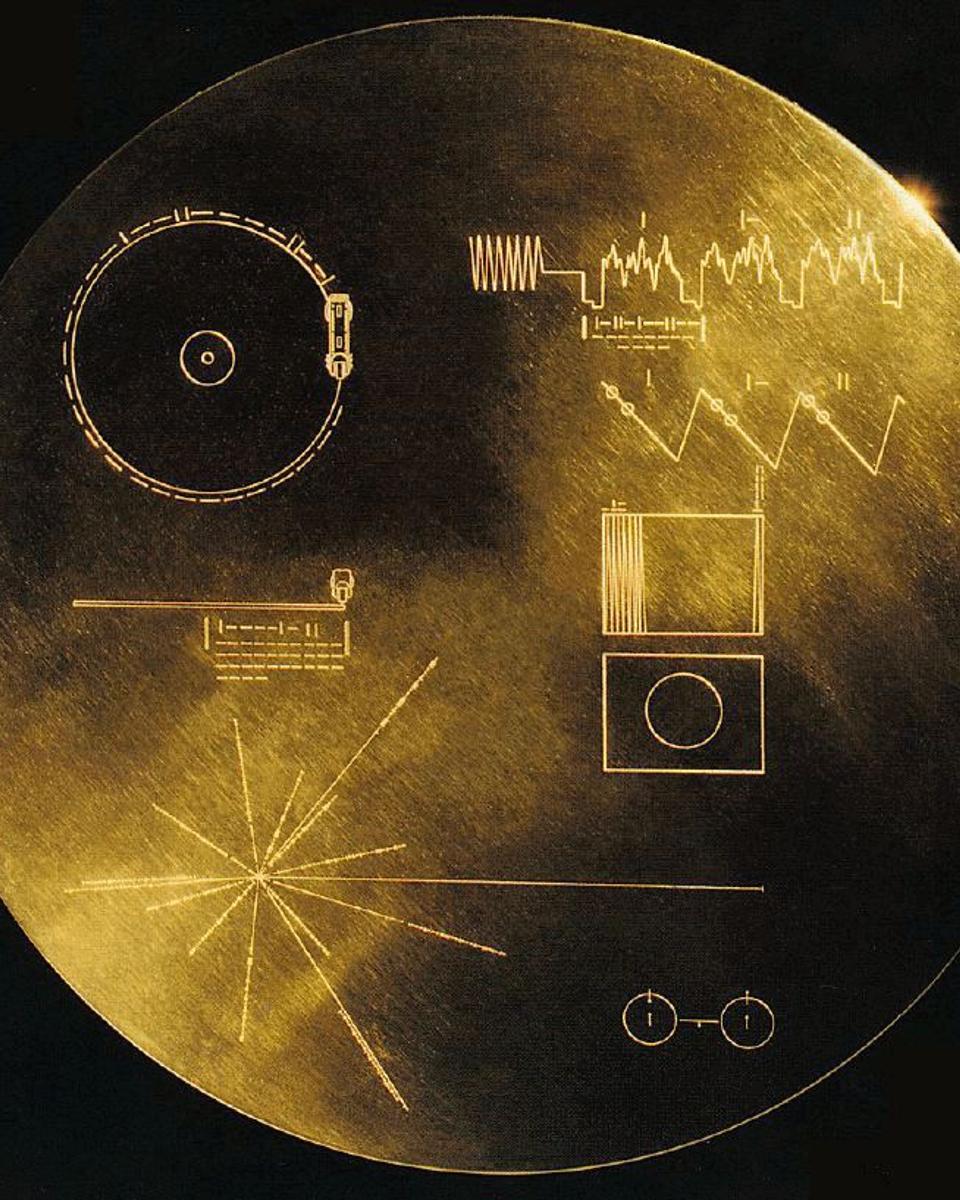
The Voyagers' Message in a Bottle
Launched twenty-five years ago , NASA's Voyager 1 and 2 spacecraft are now over 10 billion kilometers from the Sun. Still operational , the Voyagers are being tracked and…
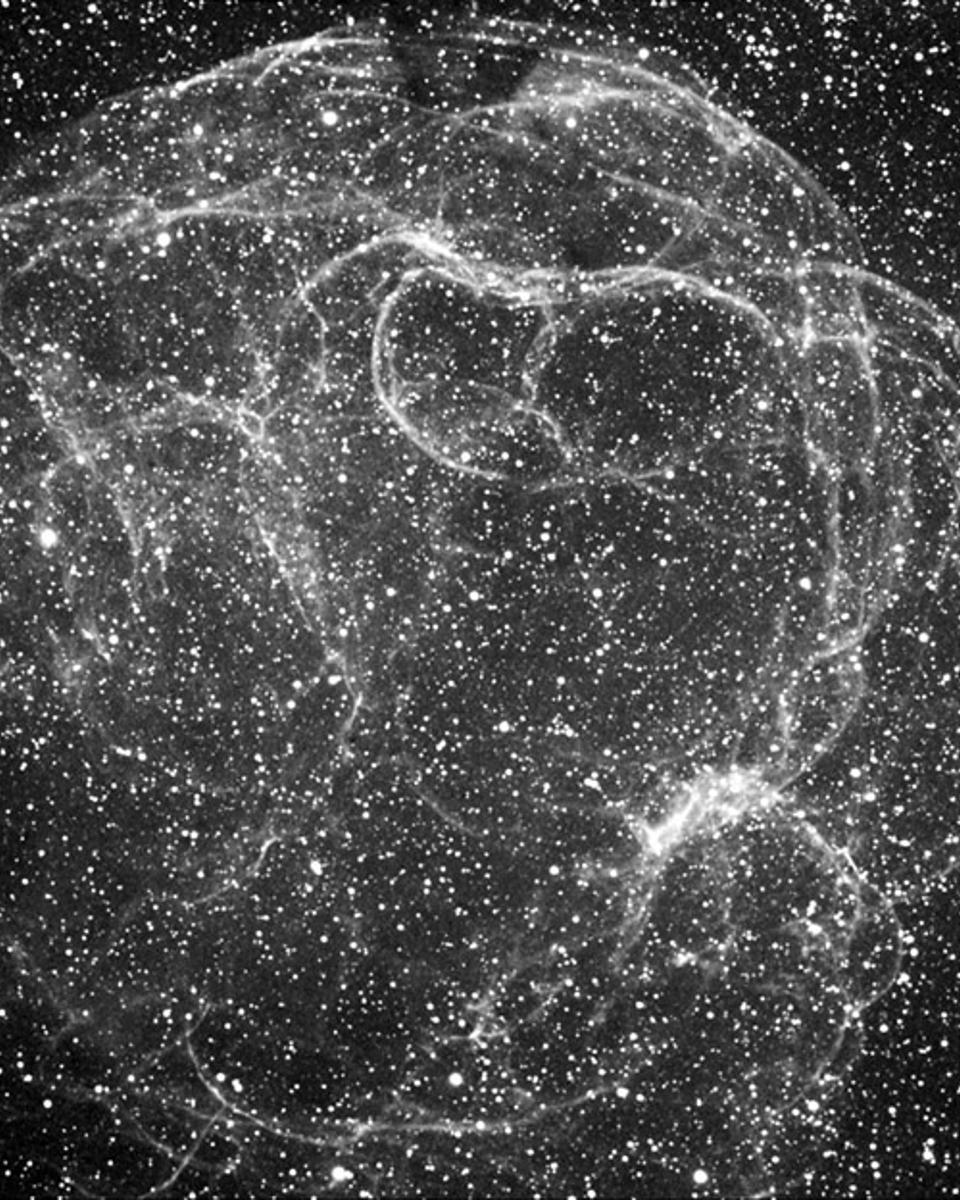
Semeis 147: Supernova Remnant
It's easy to get lost following the intricate filaments in this stunningly detailed image of faint supernova remnant Simeis 147. Seen towards the constellation Taurus it covers…
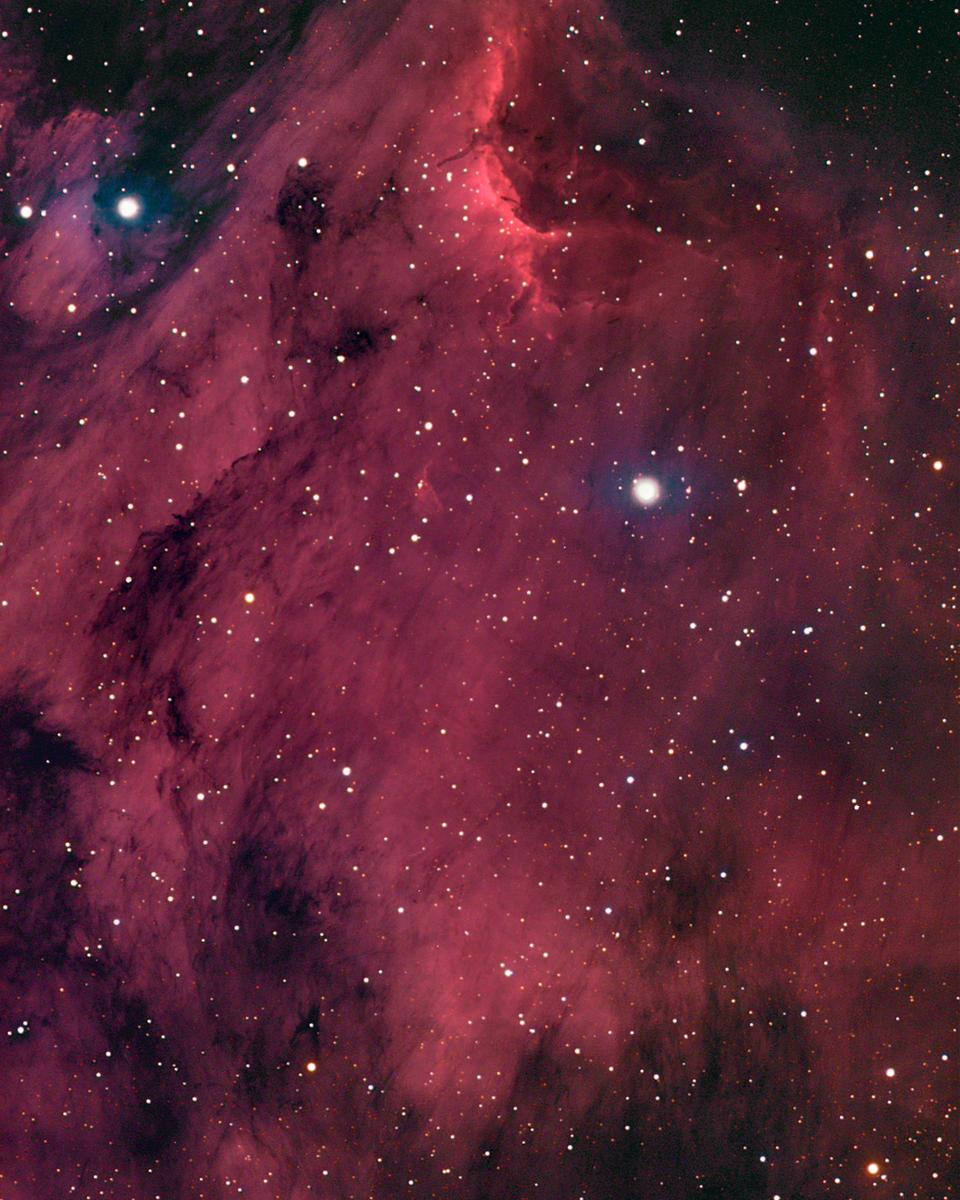
The Pelican in the Swan
The Pelican Nebula, also known as IC 5070, lies about 2,000 light-years away in the high and far-off constellation of Cygnus, the Swan . This picture spans a portion of the…
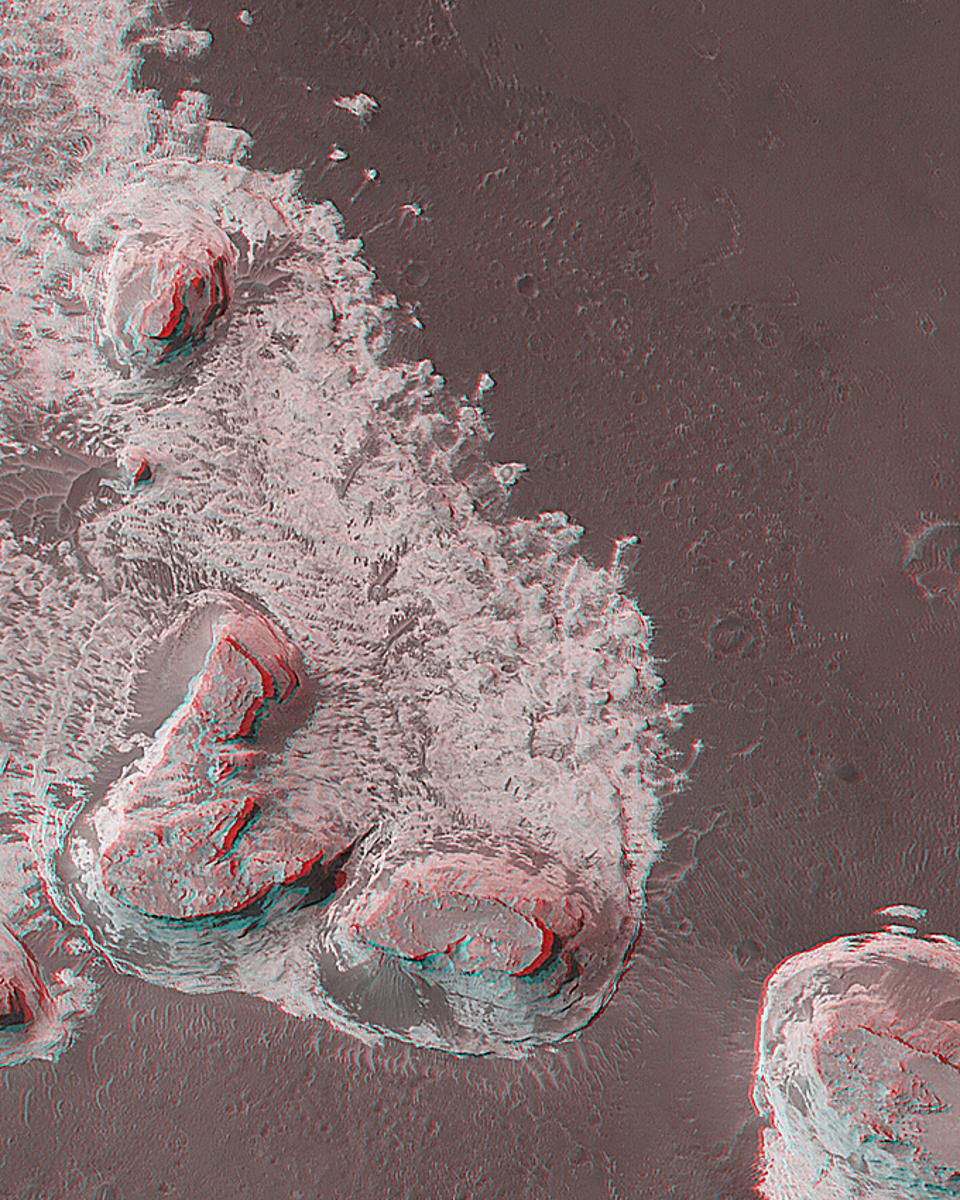
3D Mars: Northern Terra Meridiani
In this spectacular 3D stereoscopic view from orbit , steep-sided, flat-topped hills stand above the Terra Meridiani region of Mars. Seen best with red/blue glasses (red for the…
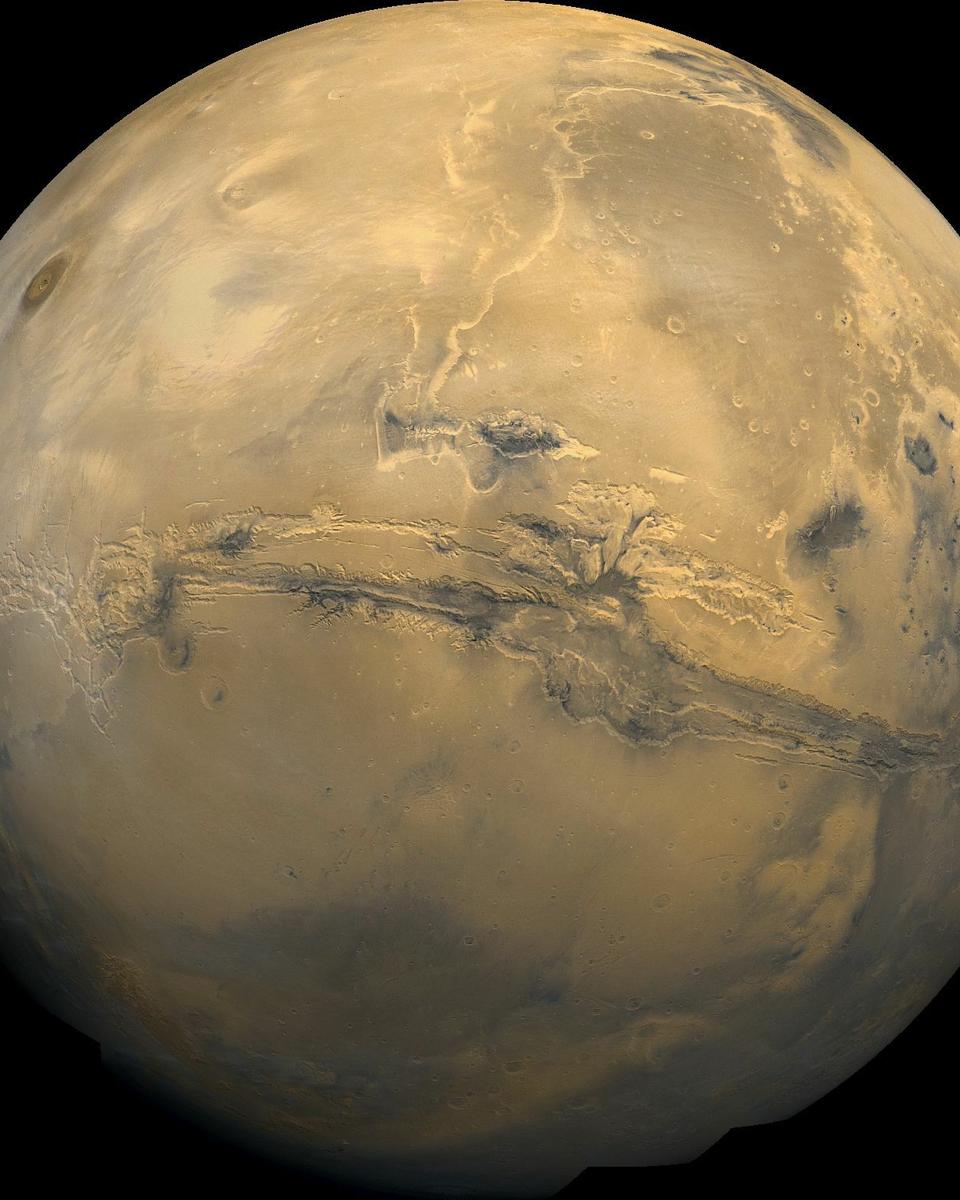
Valles Marineris: The Grand Canyon of Mars
The largest canyon in the Solar System cuts a wide swath across the face of Mars . Named Valles Marineris , the grand valley extends over 3,000 kilometers long, spans as much as…
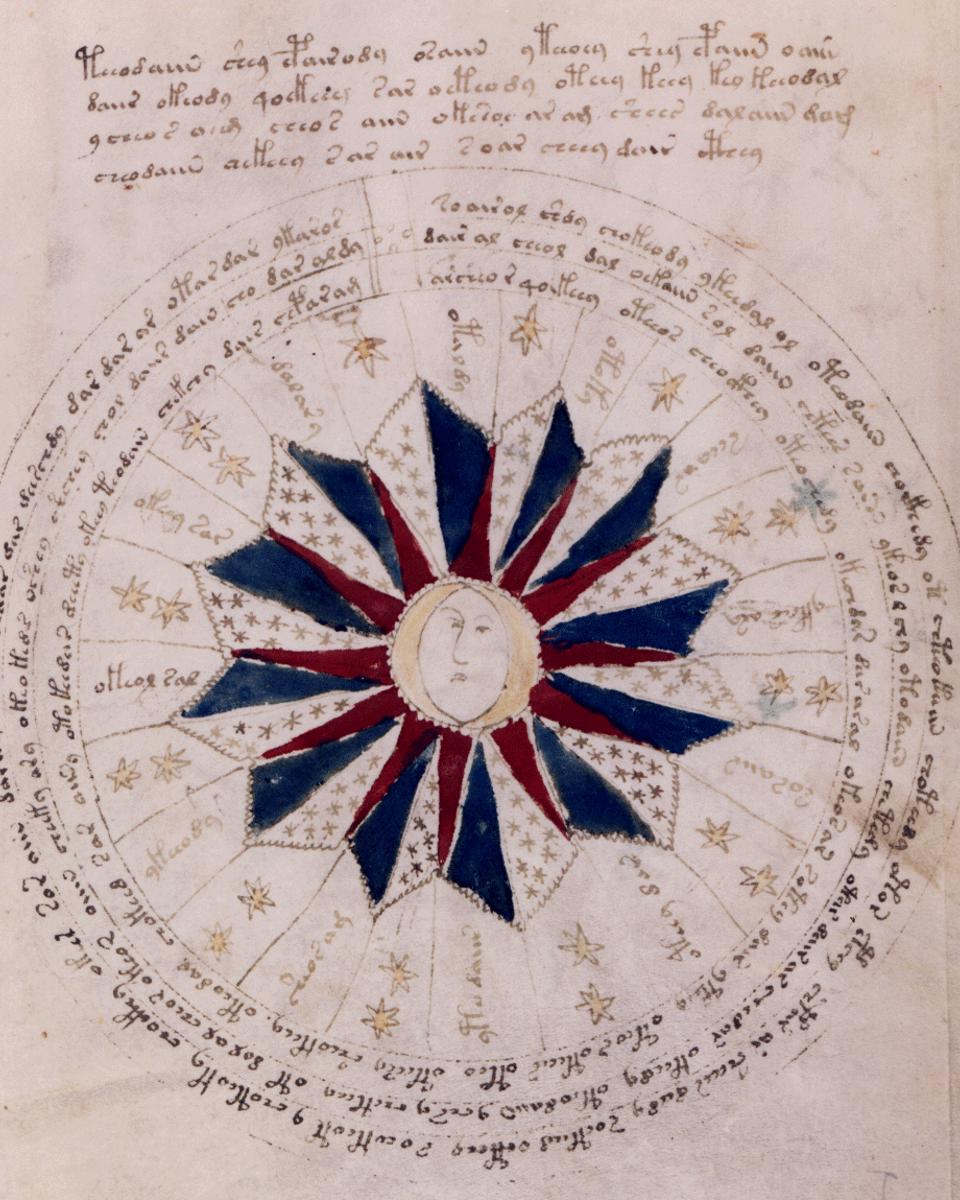
The Mysterious Voynich Manuscript
The ancient text has no known title, no known author, and is written in no known language: what does it say and why does it have many astronomy illustrations? The mysterious book…
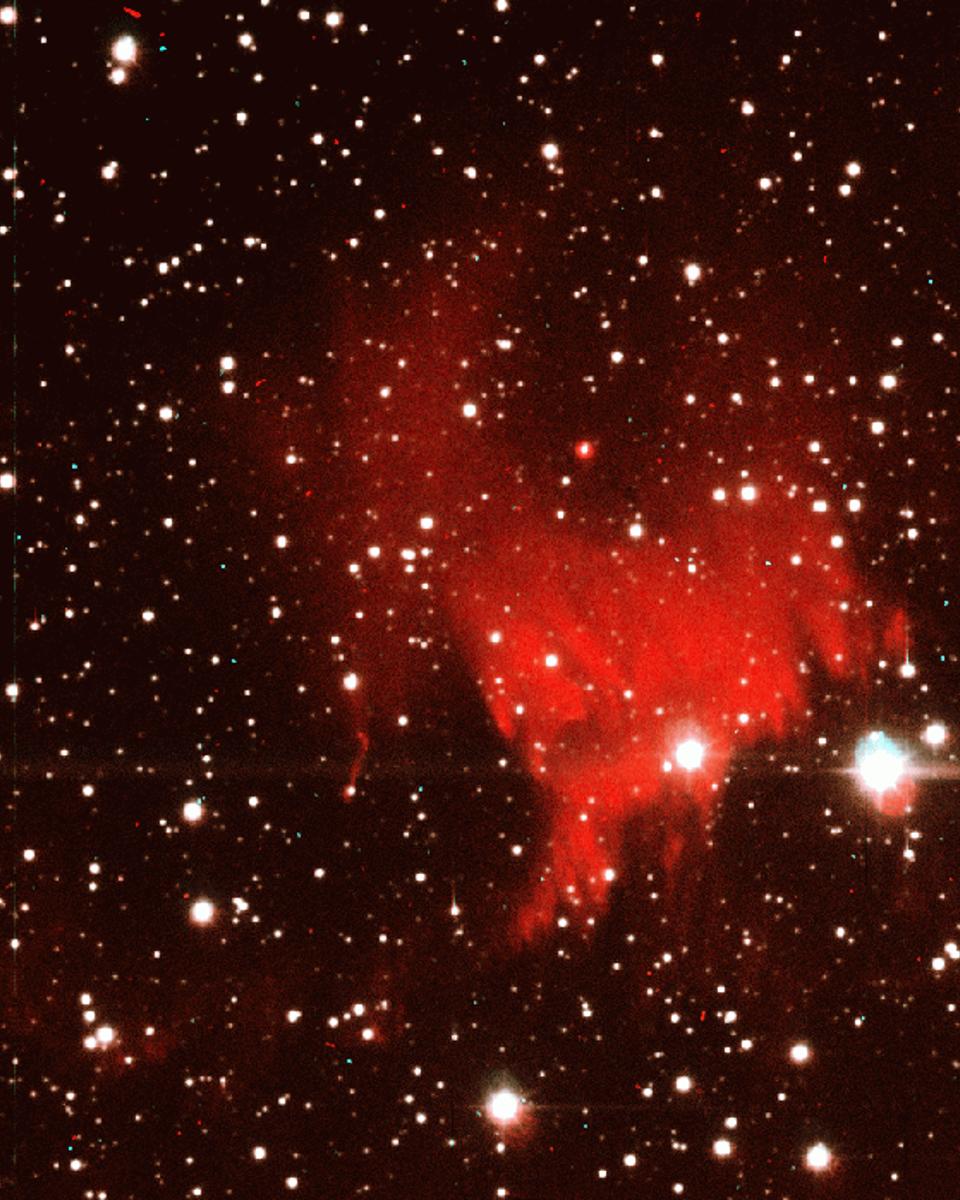
Nebula Nova Cygni Turns On
Old photographs show no evidence of the above nebula. In 1992, a white dwarf star toward the constellation of Cygnus blew off its outer layers in a classical nova explosion: an…
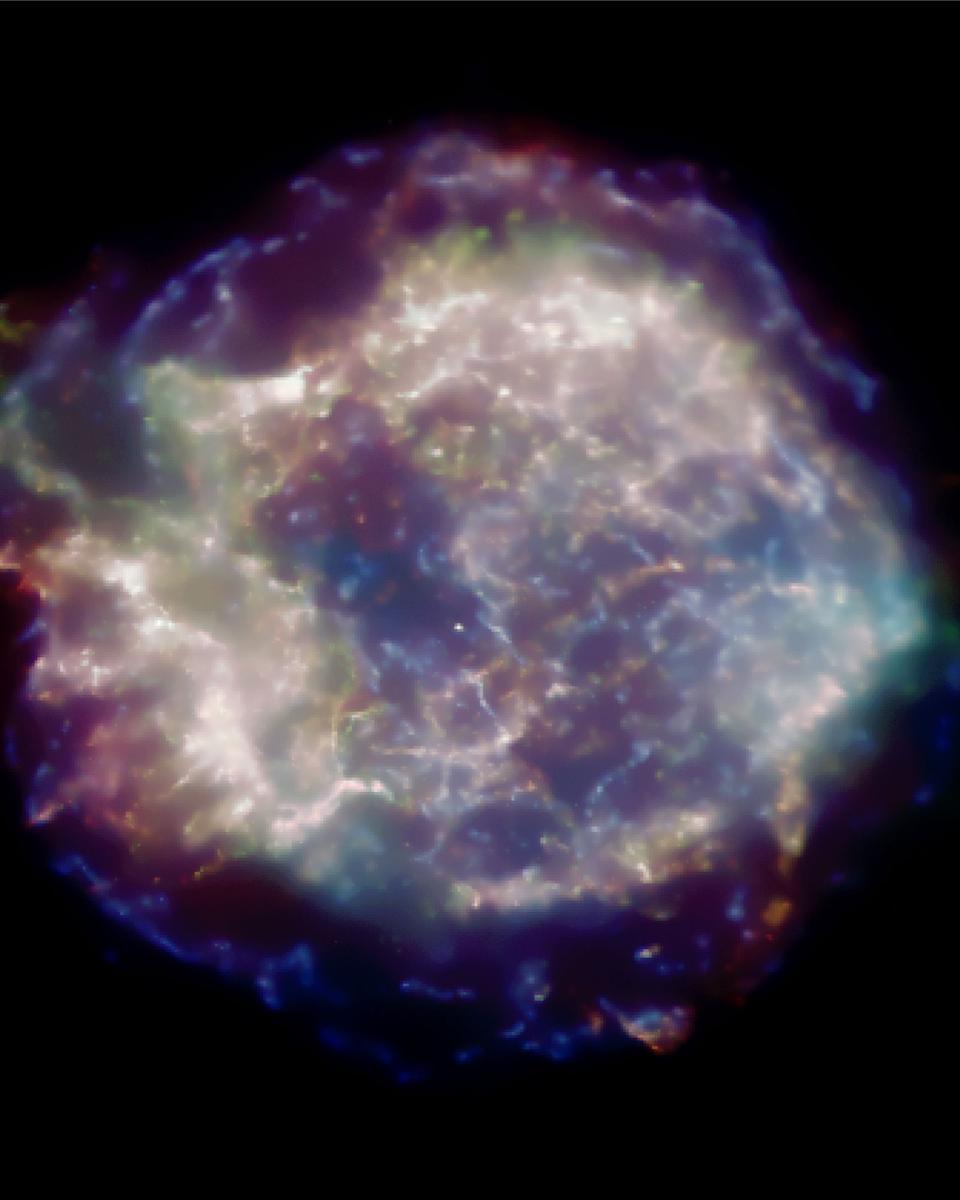
Cas A Supernova Remnant in X-Rays
The complex shell of a star seen to explode 300 years ago is helping astronomers to understand how that star exploded. This Chandra Observatory image of supernova remnant…
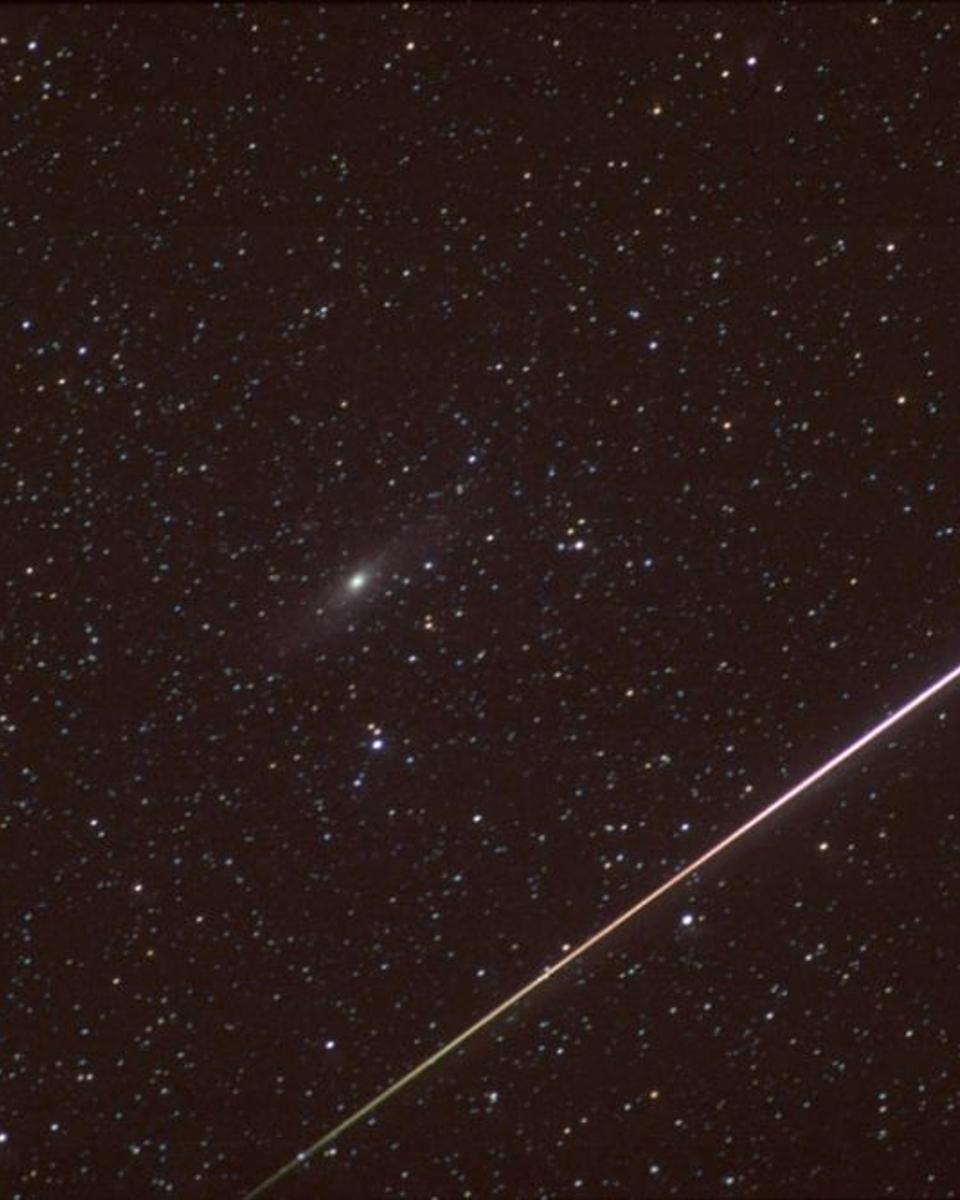
Island Universe, Cosmic Sand
On August 13, while counting Perseid meteors under dark , early morning Arizona skies, Rick Scott set out to photograph their fleeting but fiery trails. The equipment he used…
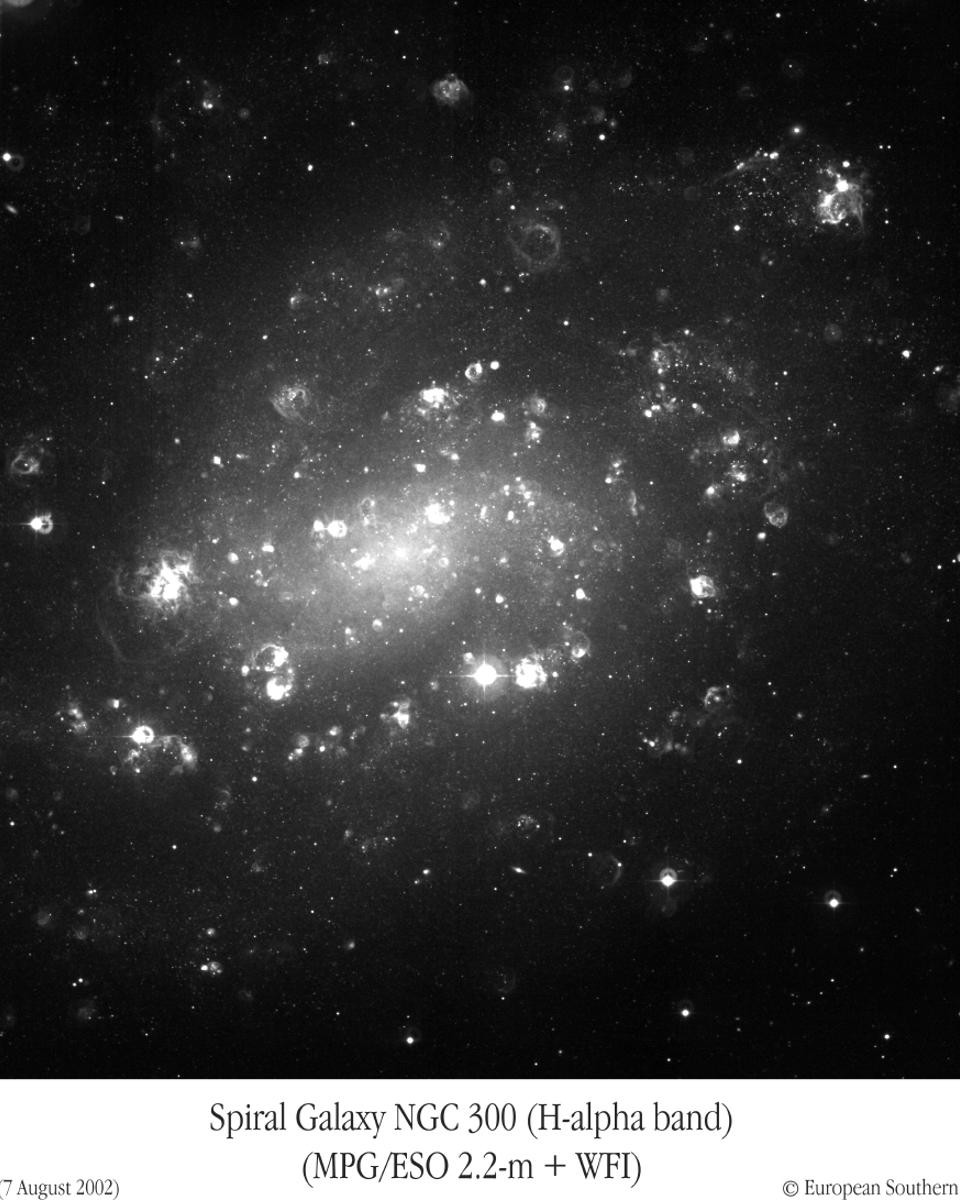
Shell Game in NGC 300
Featured in color in yesterday's episode, big, beautiful, face-on spiral galaxy NGC 300 is seen here through a narrow filter that transmits only the red light of hydrogen atoms .…
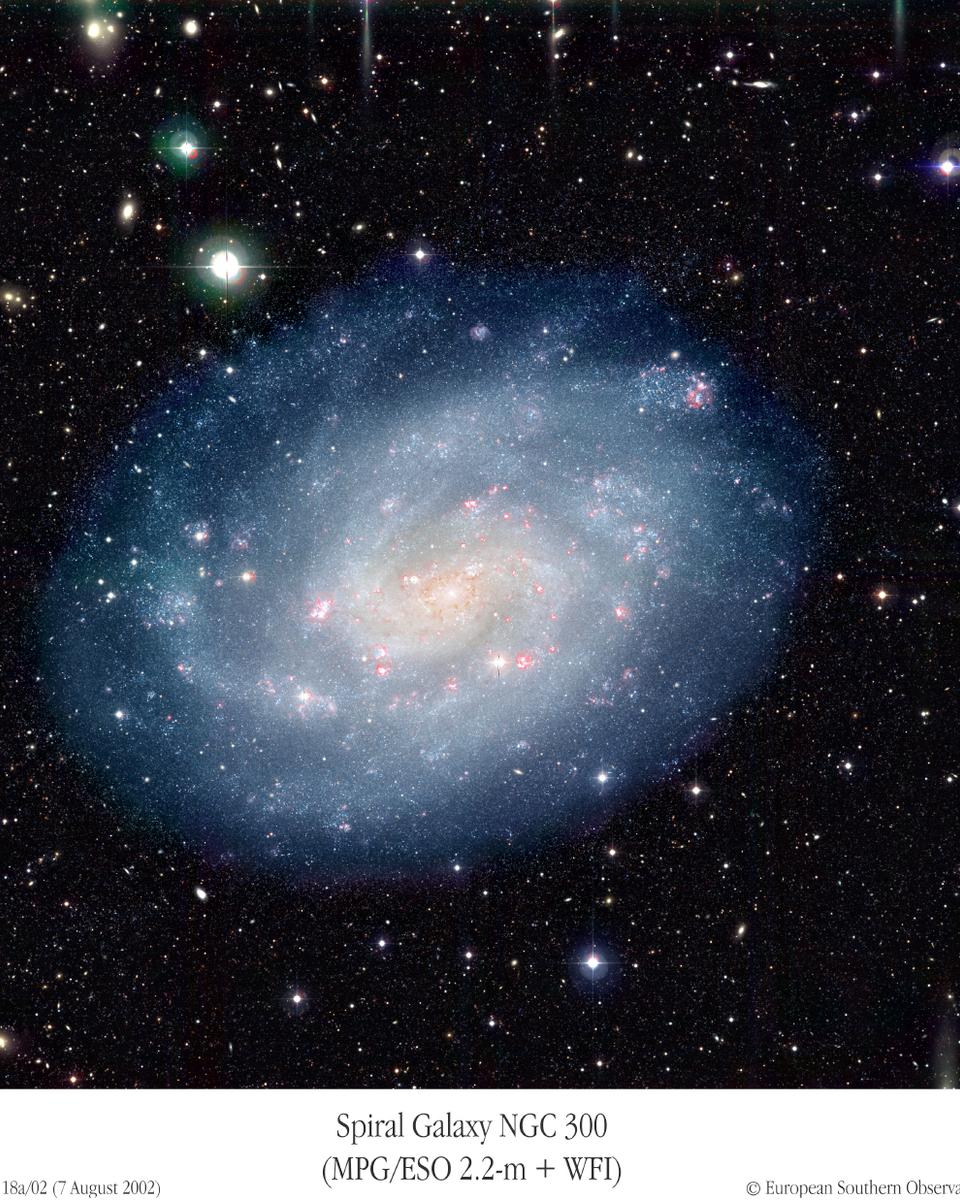
Spiral Galaxy NGC 300
NGC 300 is so interesting because it is so normal. An Sc-type spiral galaxy in the nearby Sculptor group of galaxies , NGC 300 shows typical flowing blue spiral arms , an expected…
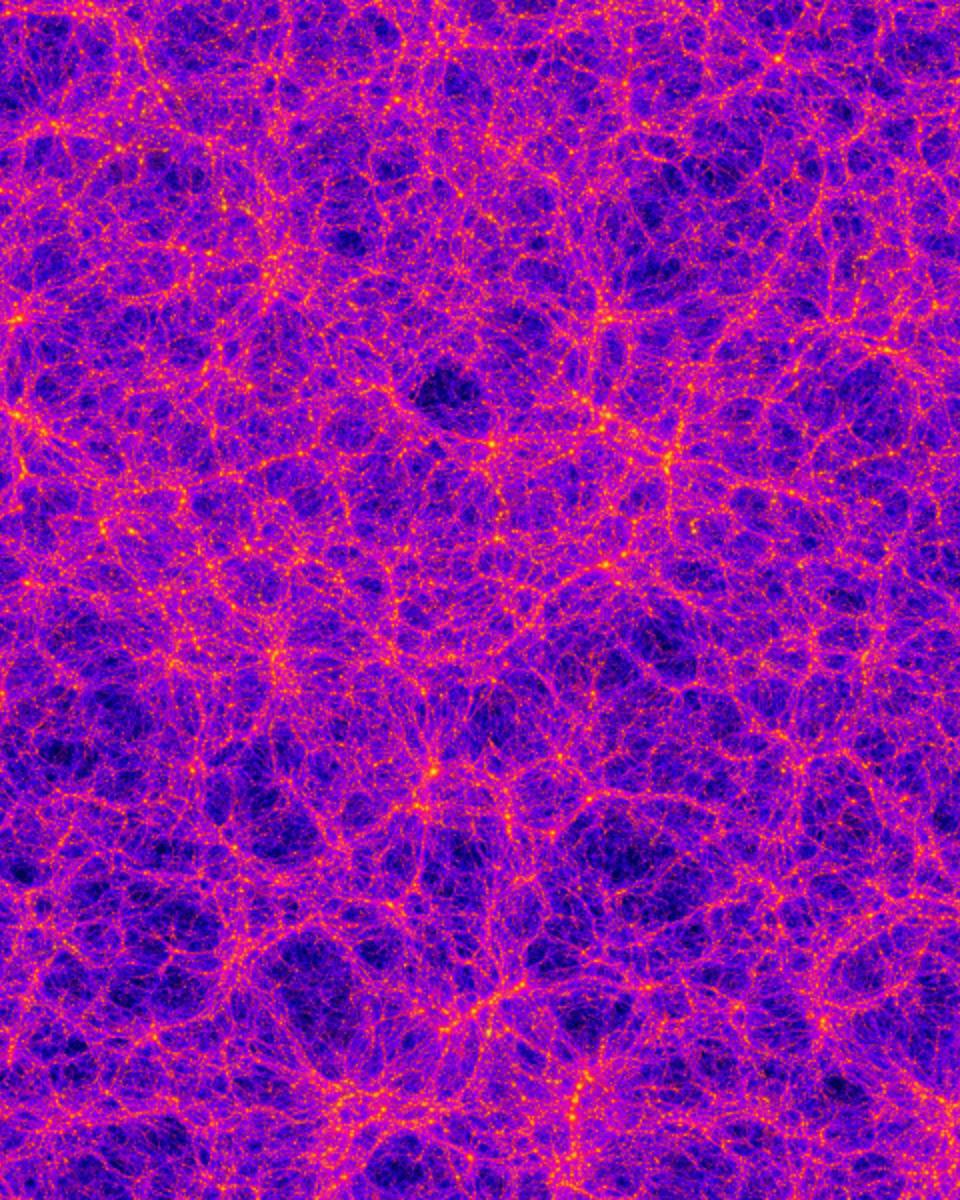
The Universe in Hot Gas
Where is most of the normal matter in the Universe? Recent observations from the Chandra X-ray Observatory confirm that it is in hot gas filaments strewn throughout the universe.…
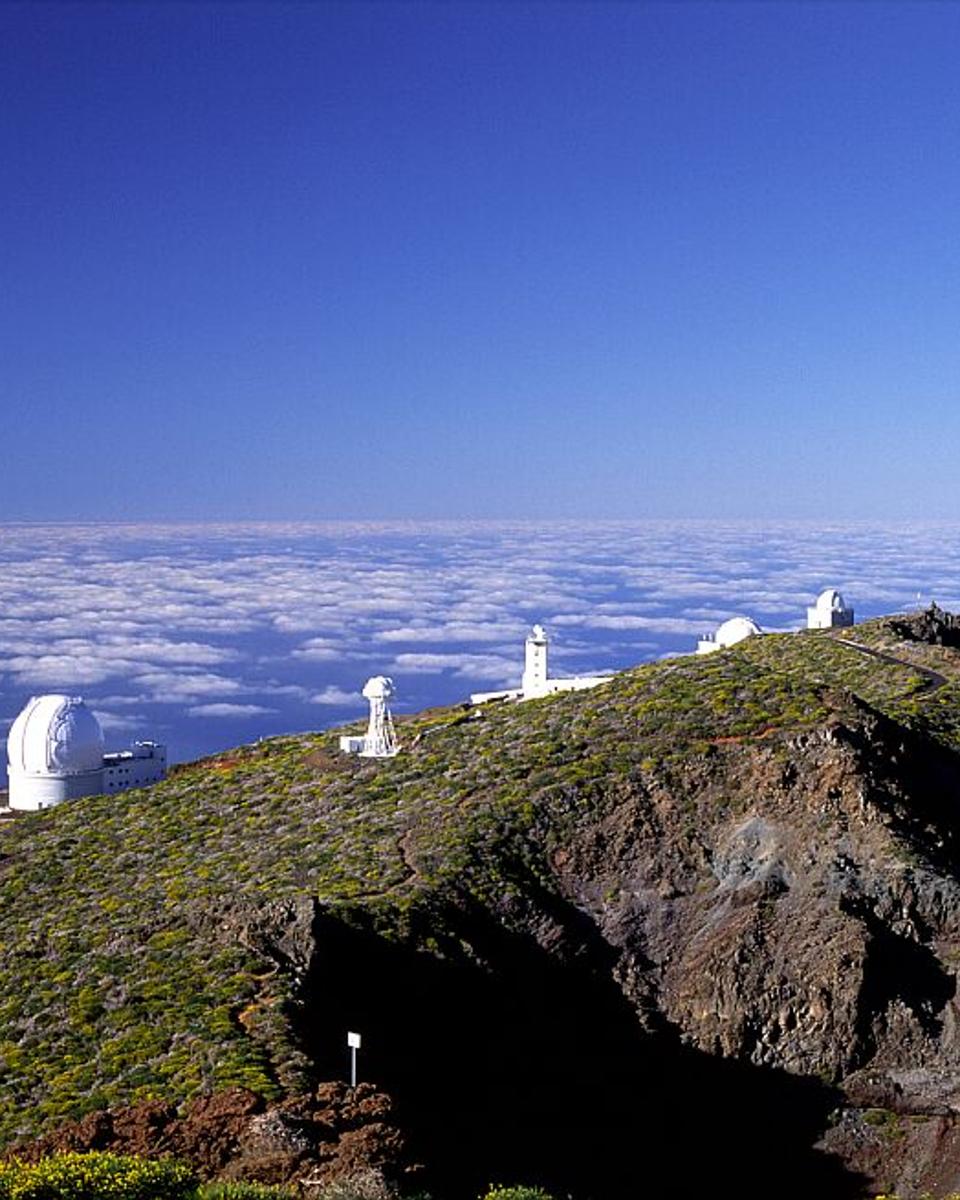
Roque de los Muchachos Observatory
Above the clouds, atop an island off the coast of Africa, a group of cutting-edge telescopes inspects the universe. Pictured above are telescopes at Roque de los Muchachos…
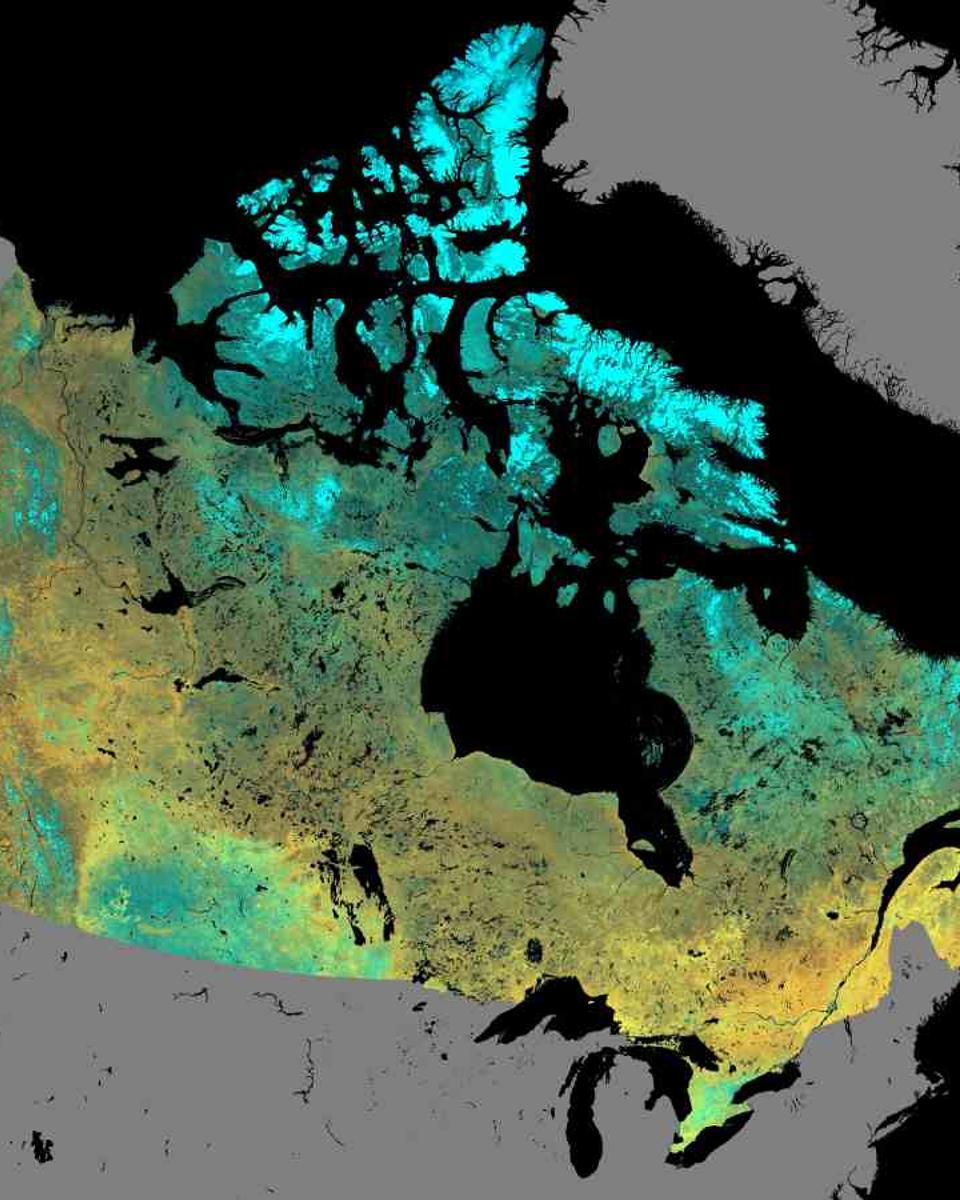
Earth's North Magnetic Pole
A magnetic compass does not point toward the true North Pole of the Earth. Rather, it more closely points toward the North Magnetic Pole of the Earth. The North Magnetic Pole is…
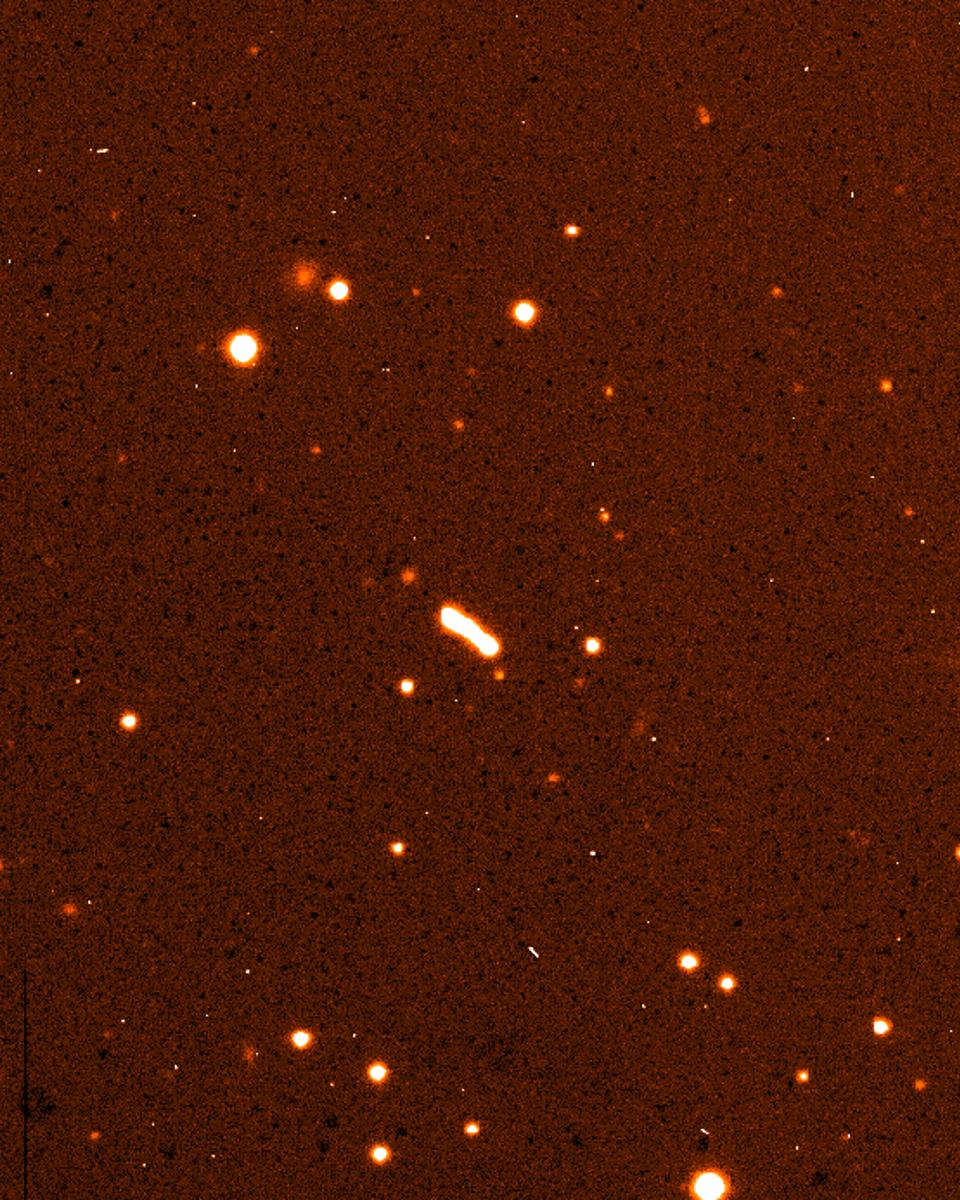
Asteroid 2002 NY40
Asteroid 2002 NY40 will fly by planet Earth early in the morning August 18 Universal Time (late in the evening August 17 Eastern Daylight Time). Approaching to within about…
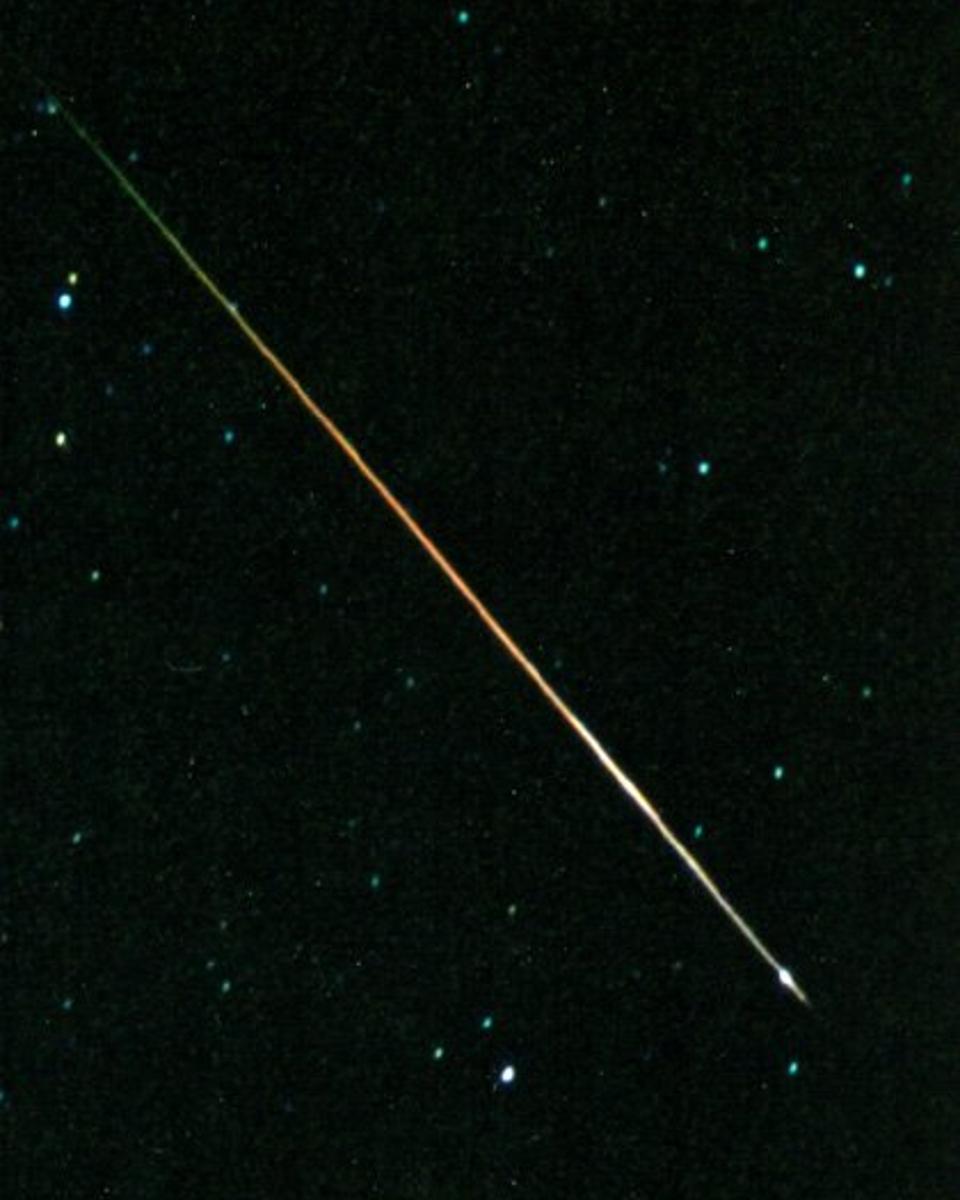
Rainbow Perseid
While meteors do show colors, the colors aren't always seen with the unaided eye. Still, high speed color film recorded this rainbow-like trail as a meteor streaked through the…
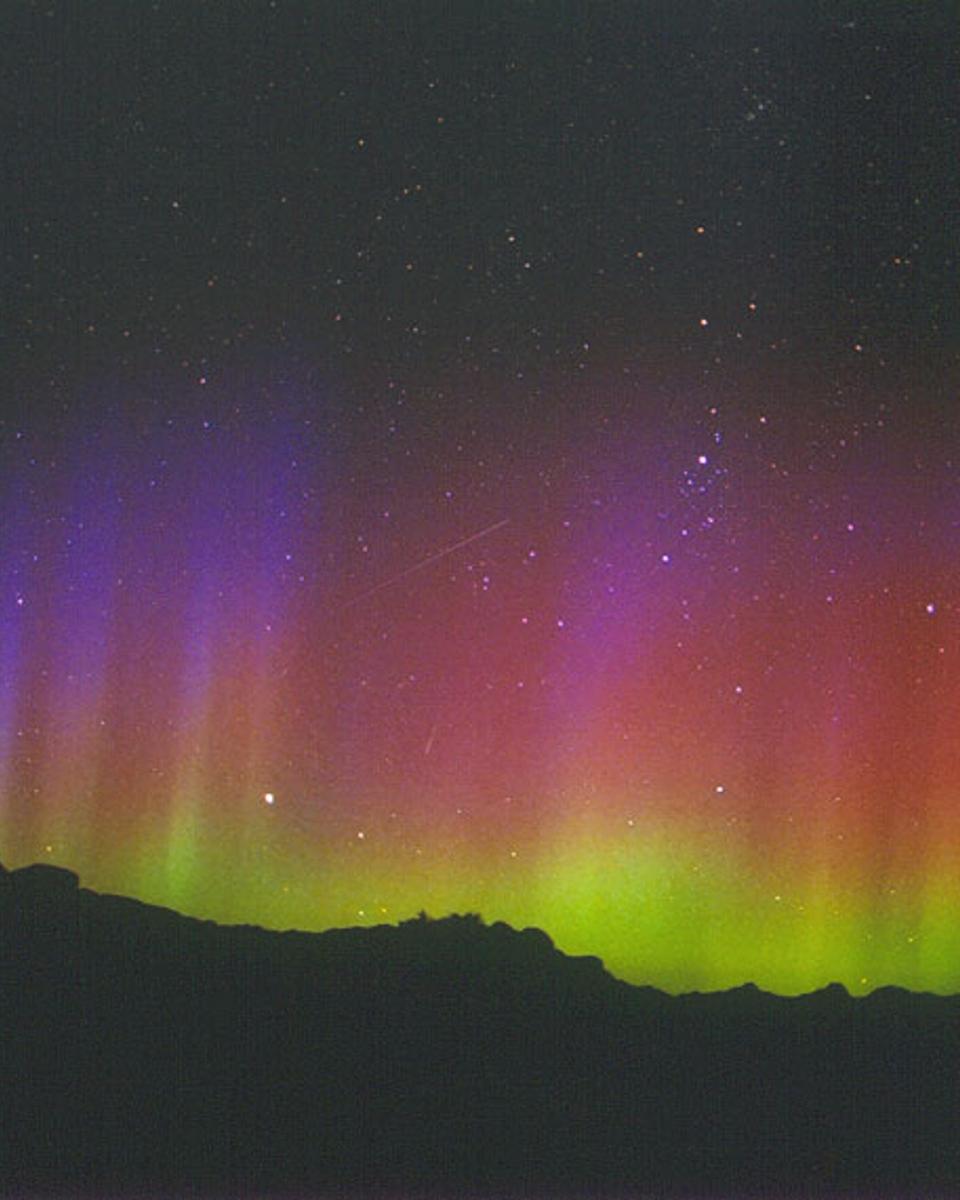
Meteors and Northern Lights
Skygazers report that the annual Perseid meteor shower went pretty much as predicted, producing a meteor every few minutes during the dark early morning hours of August 12 and 13.…
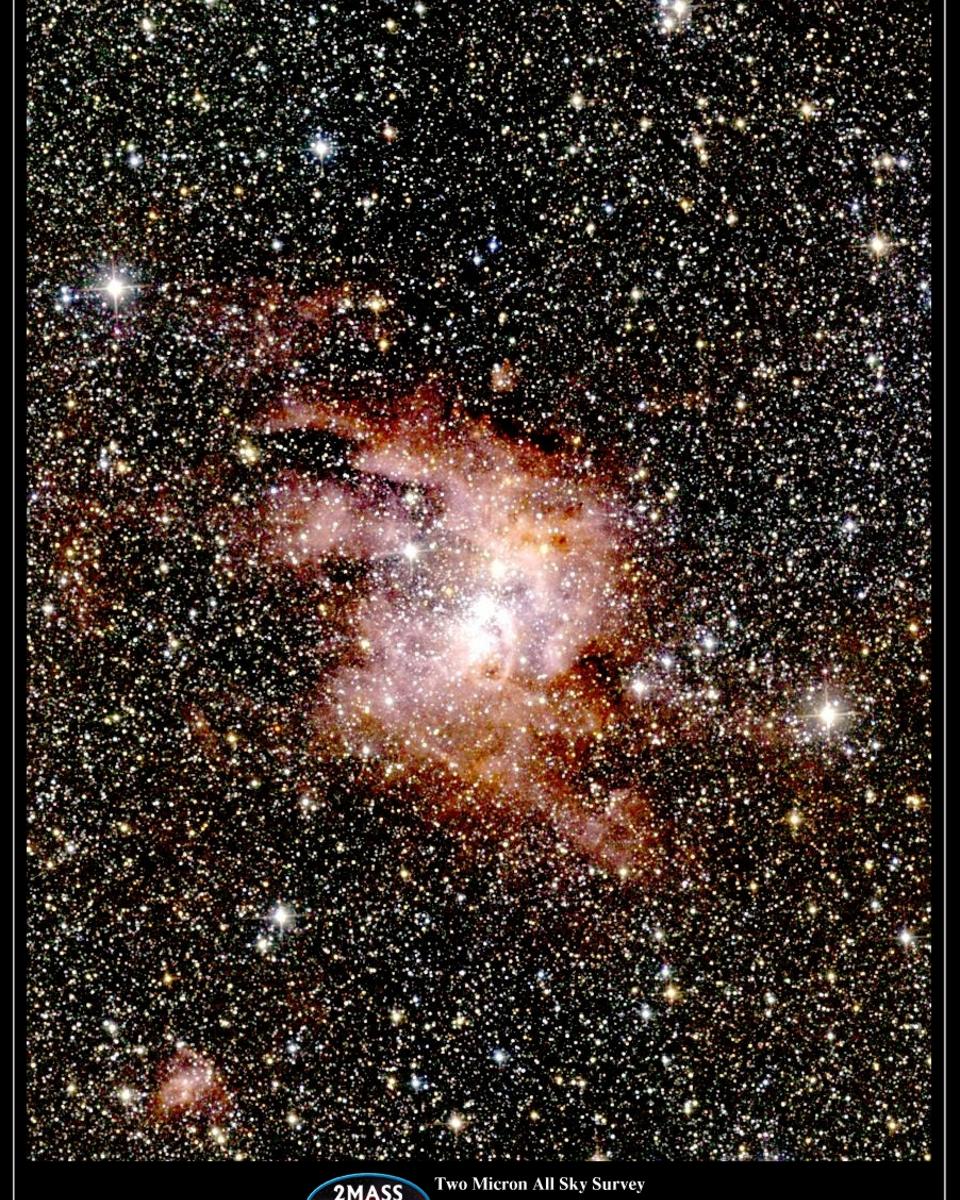
Giant Emission Nebula NGC 3603 in Infrared
NGC 3603 is the largest region of glowing gas in our Milky Way galaxy . Spanning over 20 light years across, the giant emission nebula (HII region) is home to a massive star…
Viewing discoveries from 6 September 2002 through 14 August 2002.