Browse NASA Astronomy Picture of the Day archive by date and media: Archive Discoveries
Browse the NASA APOD archive without needing the exact date first. Filter by media type and keep moving deeper into older images and videos.
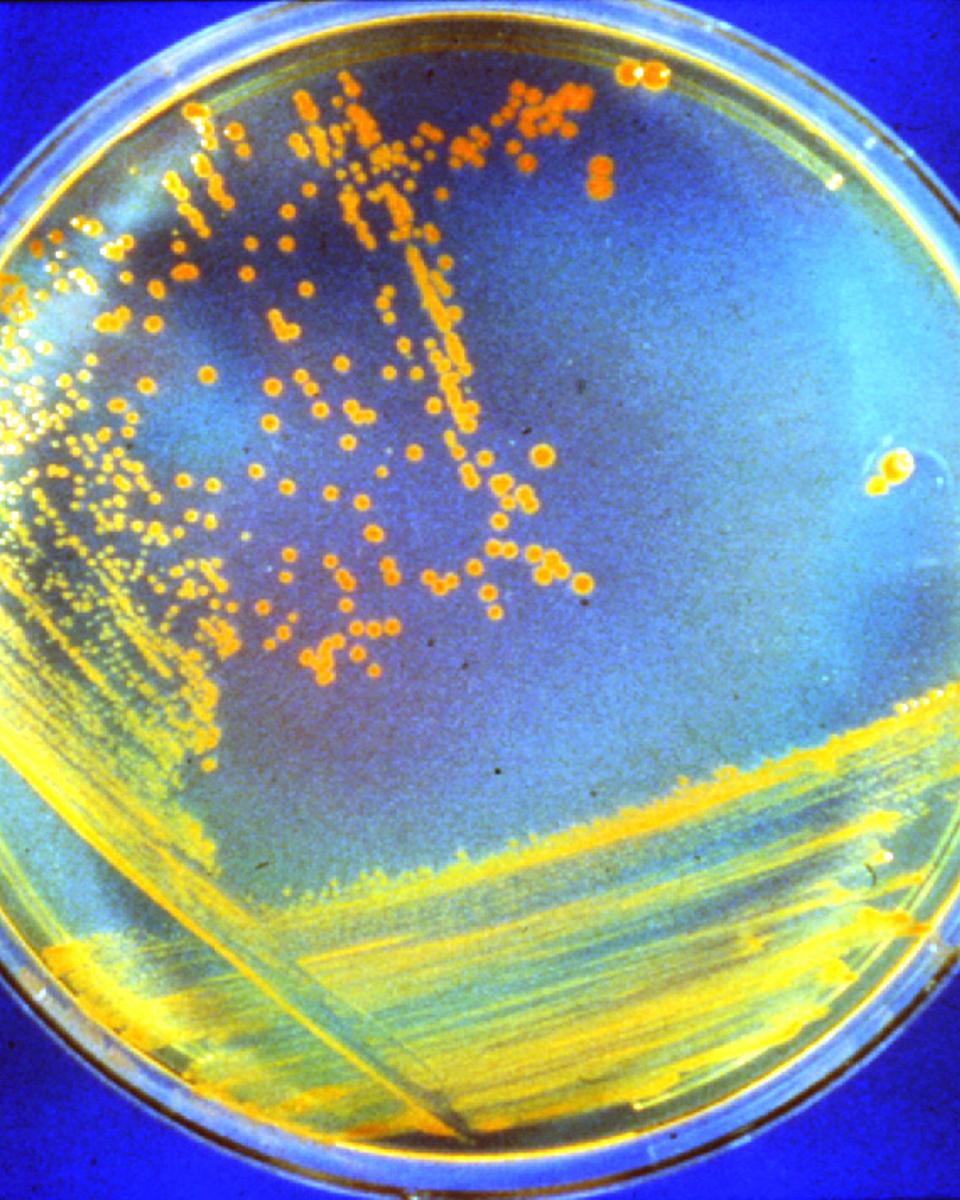
D. rad Bacteria: Candidate Astronauts
These bacteria could survive on another planet. In an Earth lab, Deinococcus radiodurans (D. rad) survive extreme levels of radiation , extreme temperatures, dehydration , and…
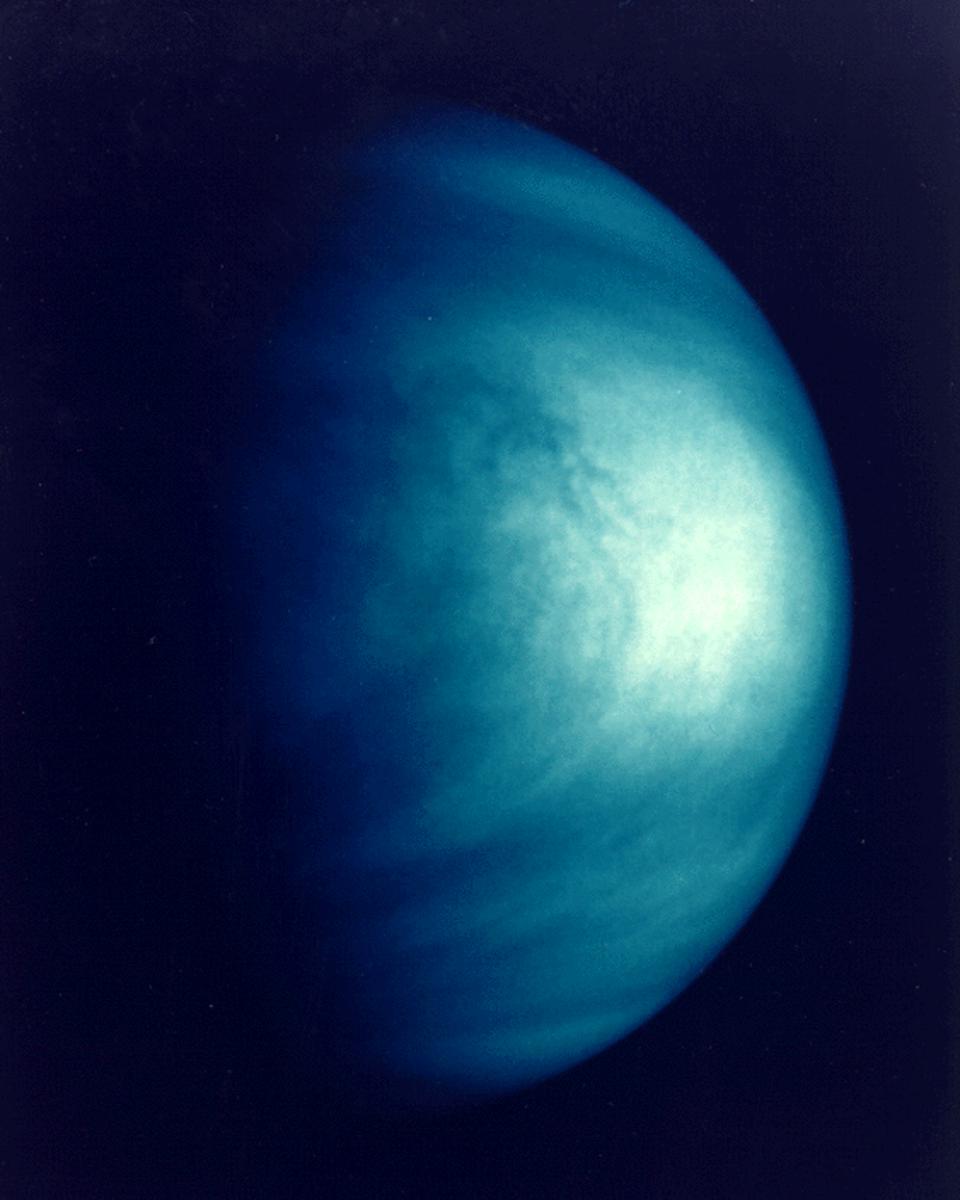
Venus: Just Passing By
Venus, the second closest planet to the Sun , is a popular way-point for spacecraft headed for the gas giant planets in the outer reaches of the solar system. Why visit Venus…
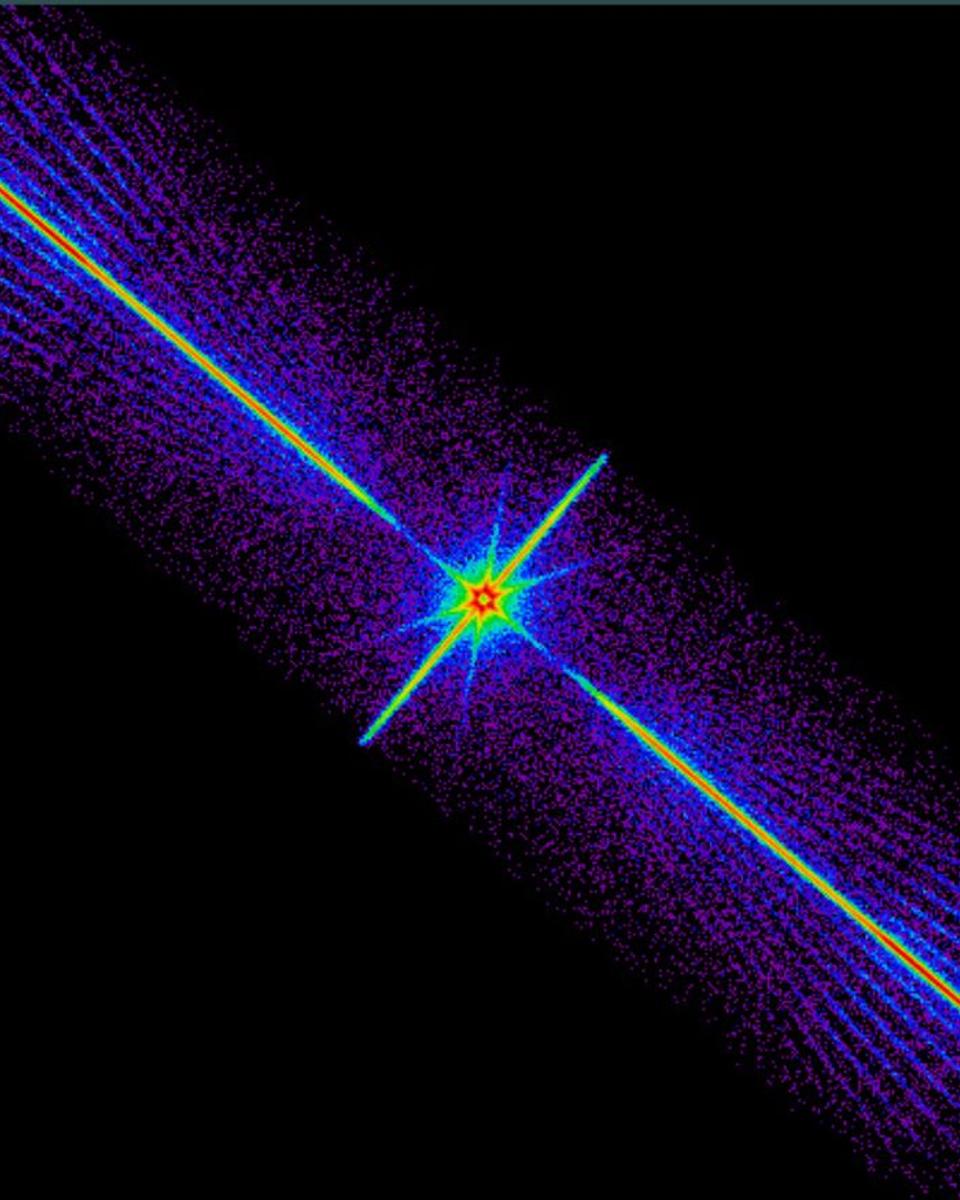
X-Ray Rainbows
A drop of water or prism of glass can spread out visible sunlight into a rainbow of colors . In order of increasing energy, the well known spectrum of colors in a rainbow runs…
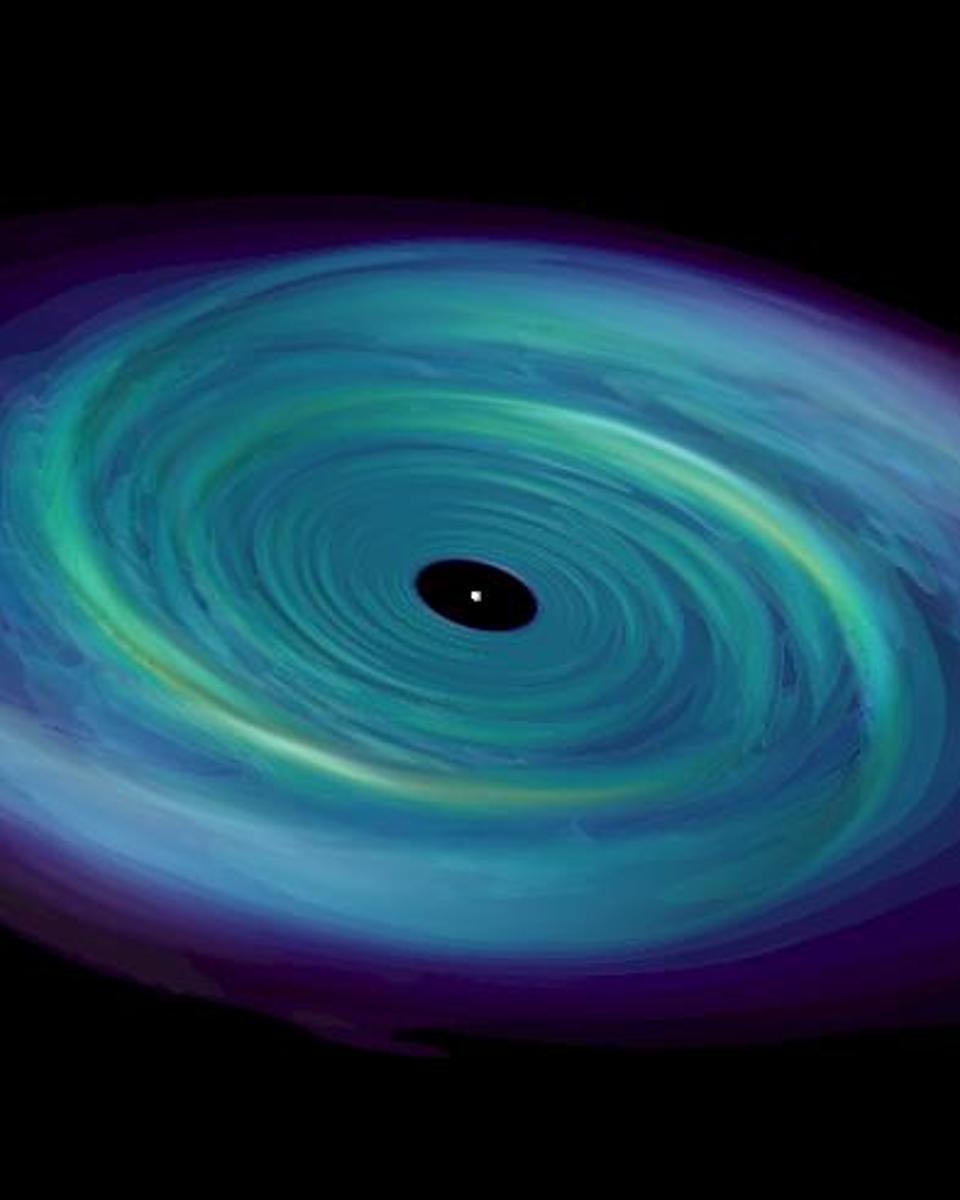
Accretion Disk Simulation
Don't be fooled by the familiar symmetry. The graceful spiral structure seen in this computer visualization does not portray winding spiral arms in a distant galaxy of stars .…
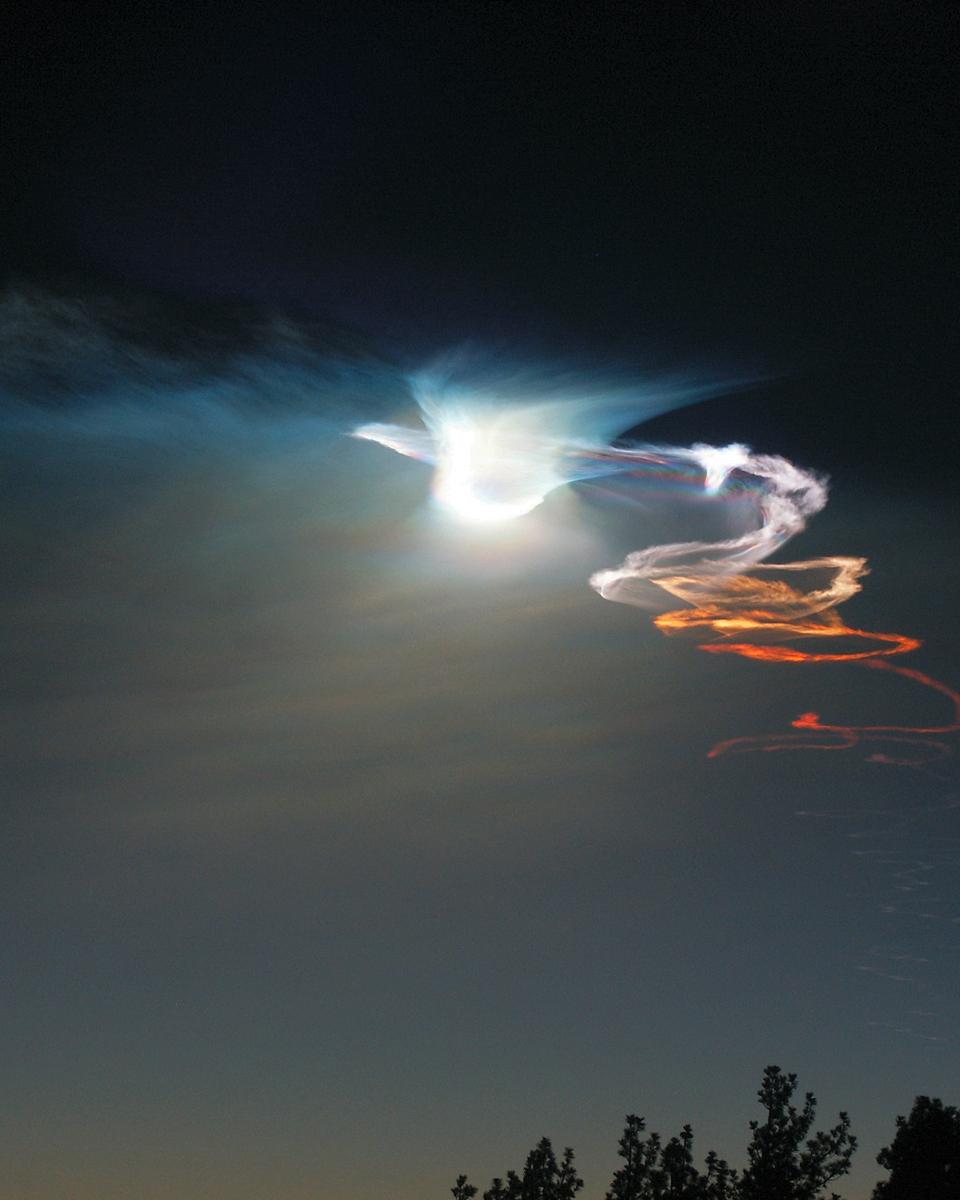
Rocket Trail at Sunset
Bright light from a setting Sun and pale glow from a rising Moon both contribute to this stunning picture of a rocket exhaust trail twisting and drifting in the evening sky.…
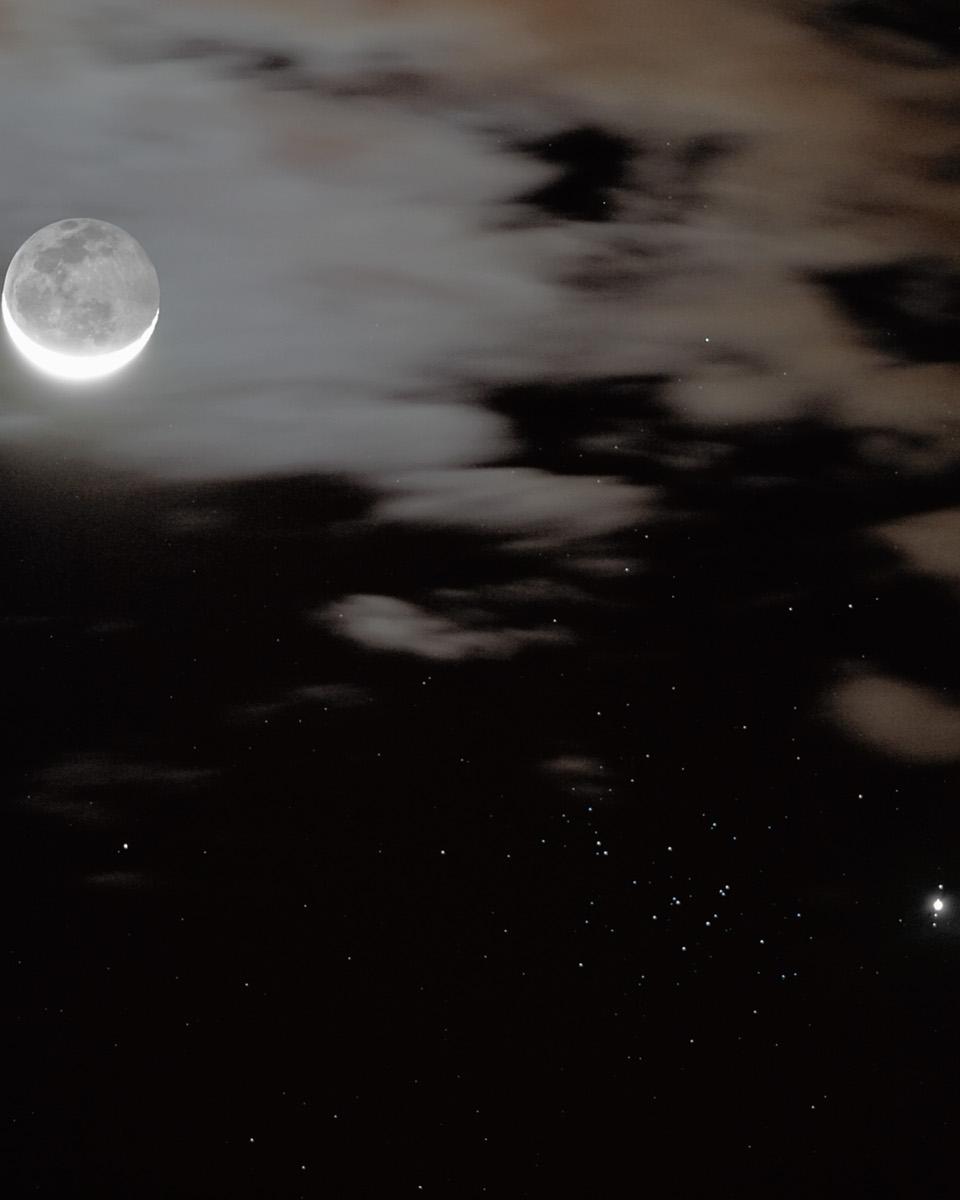
Jupiter, Moons and Bees
Rising before the Sun on September 4, Jupiter and an old cresent Moon gathered in the dim constellation of Cancer . Watching from a hillside near Austin, Texas, planet Earth ,…
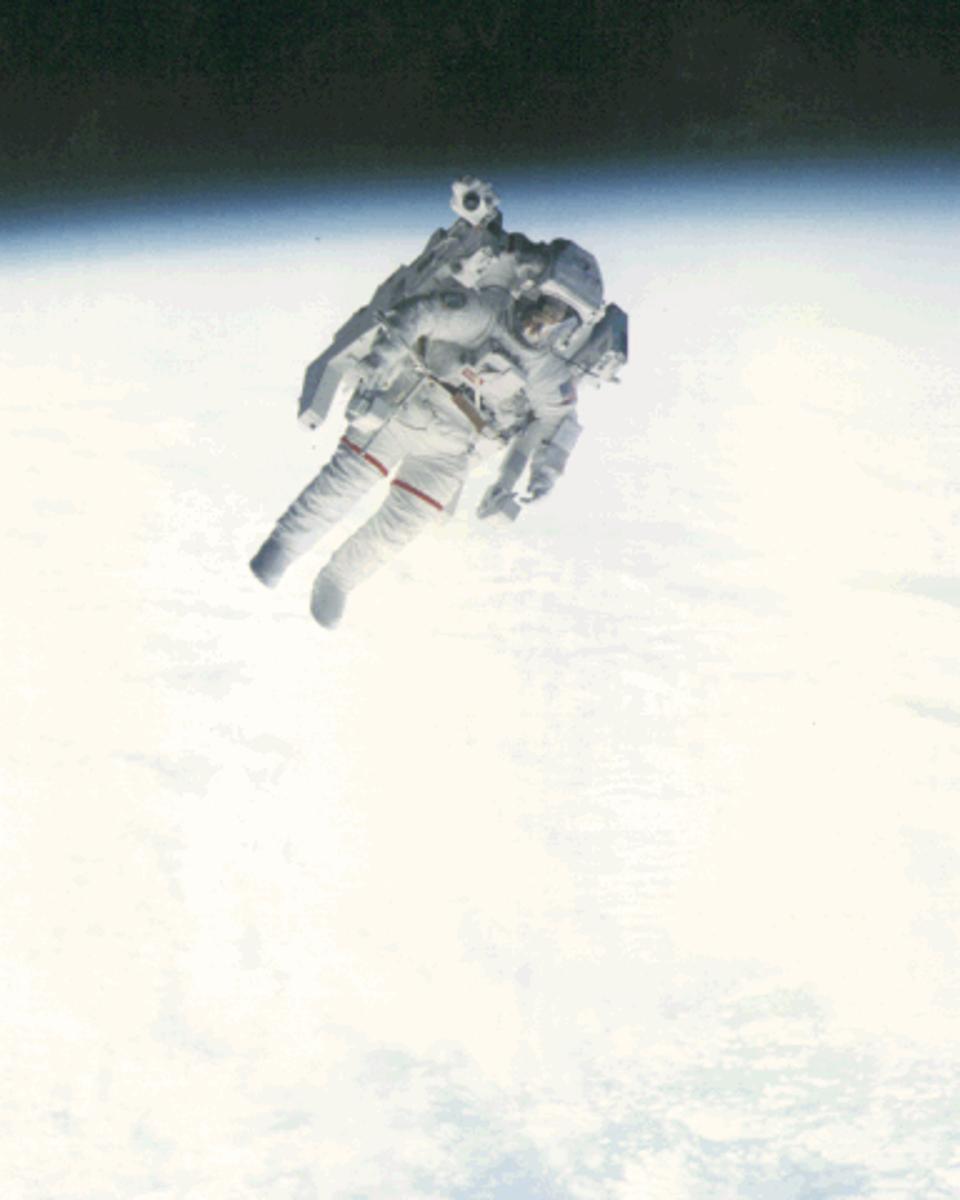
To Fly Free in Space
What would it be like to fly free over the seas and clouds of Earth? The first to experience such an “un tether ed space walk ” were NASA astronauts Bruce McCandless and Robert…
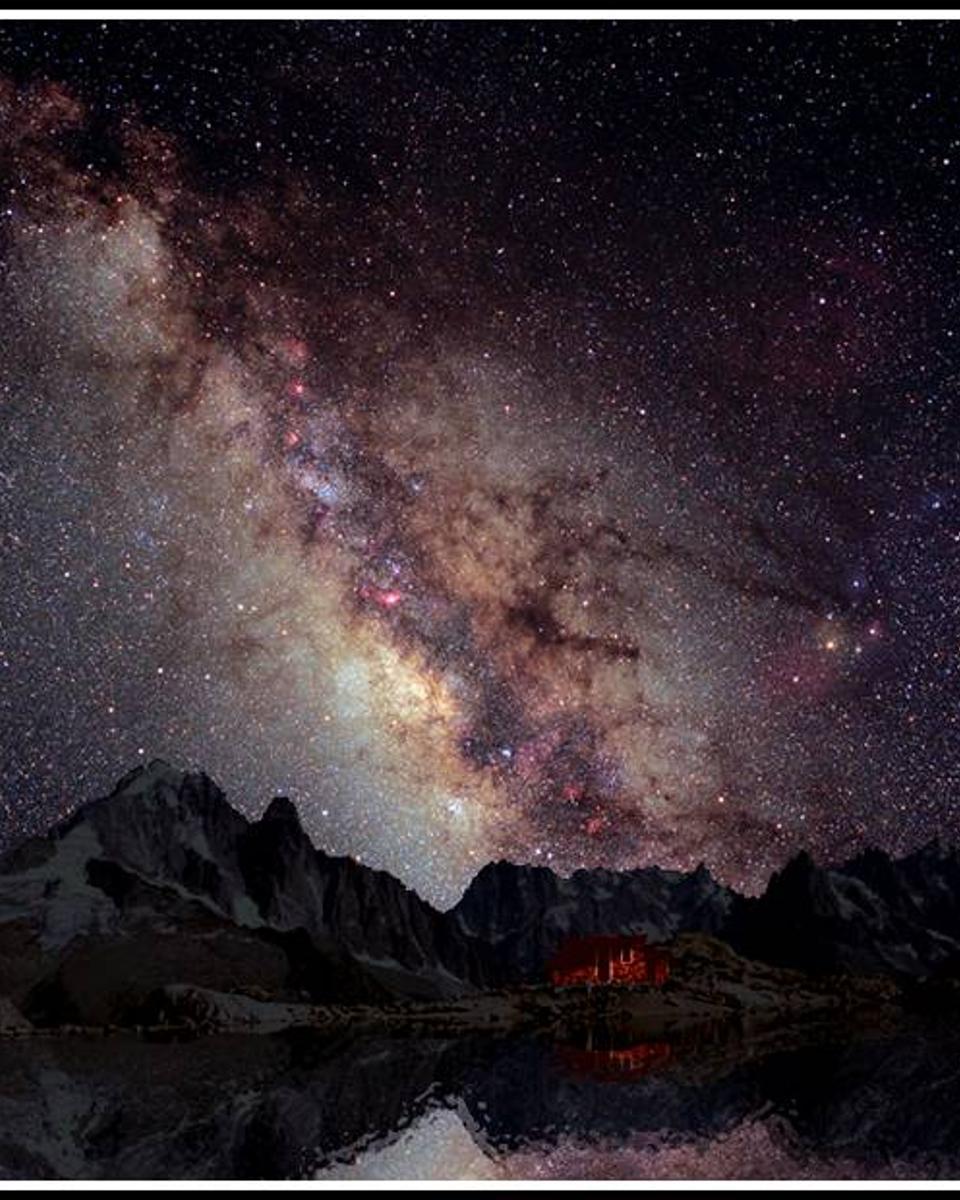
The Milky Way Over the French Alps
Have you ever seen the band of our Milky Way Galaxy ? Chances are you have never seen it like this -- nor could you. In a clear sky from a dark location at the right time, a faint…
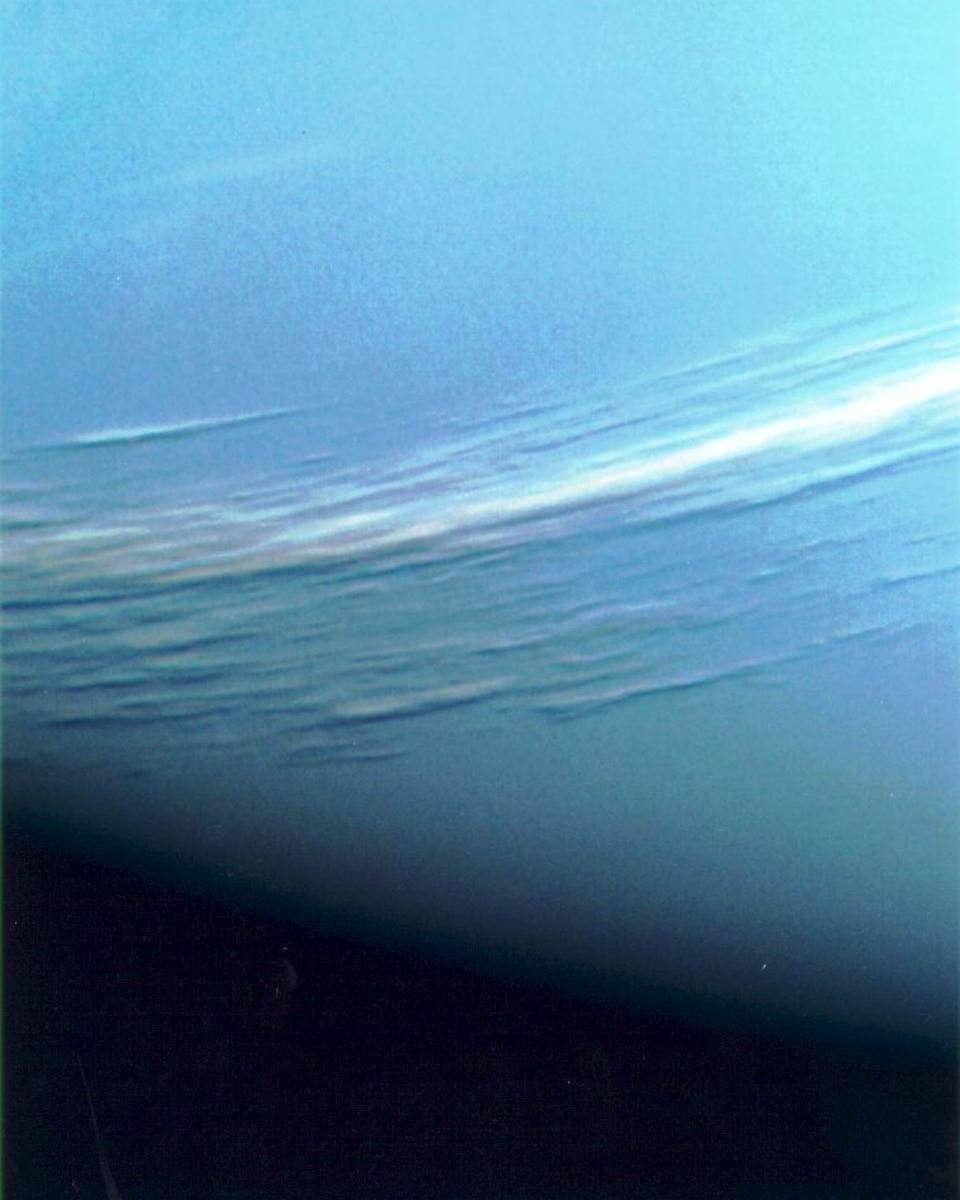
Two Hours Before Neptune
Two hours before closest approach to Neptune in 1989, the Voyager 2 robot spacecraft snapped this picture . Clearly visible for the first time were long light-colored cirrus -type…
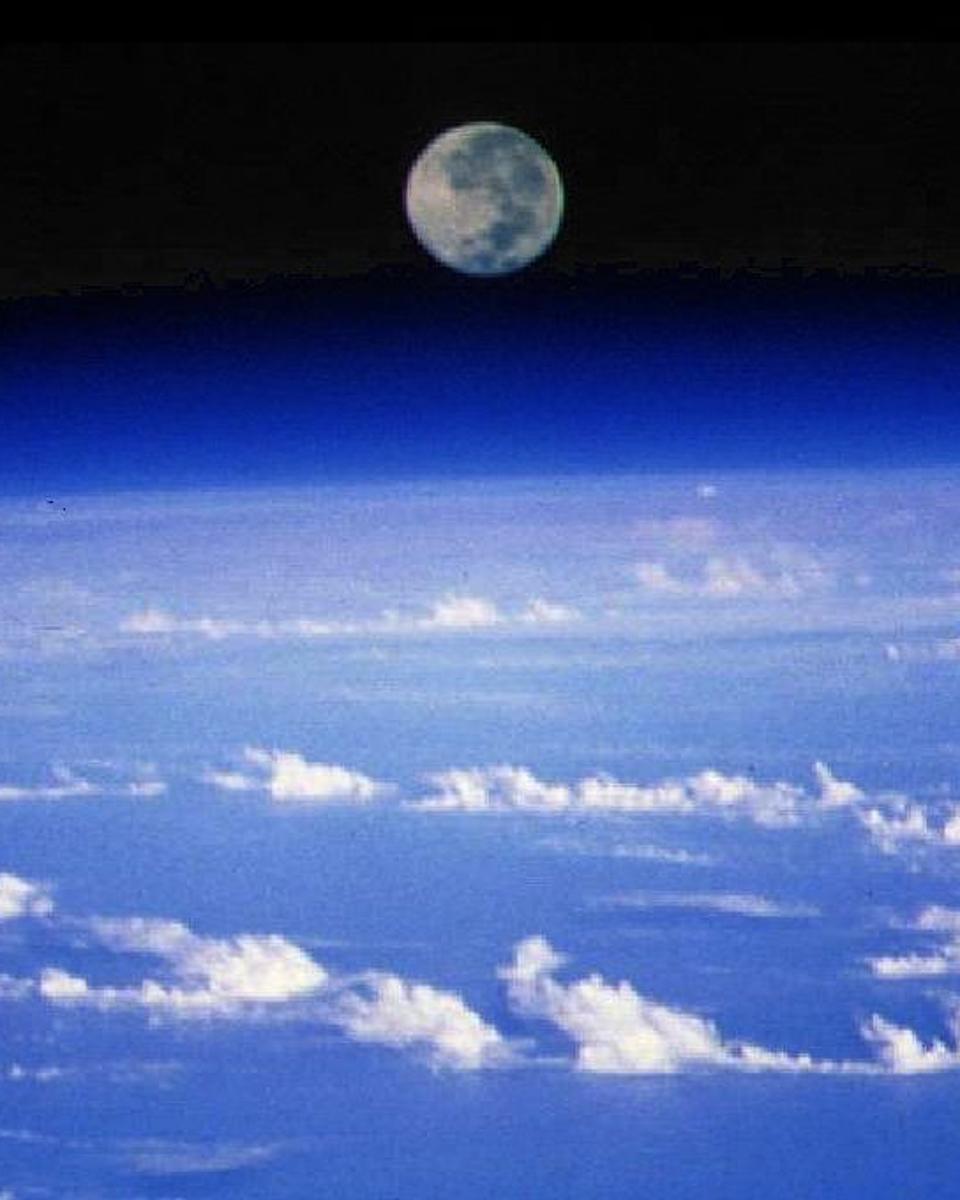
Moonset, Planet Earth
During the Astro-1 astronomy mission of December, 1990, Space Shuttle astronauts photographed this stunning view of the setting full moon poised above the Earth's limb. In the…
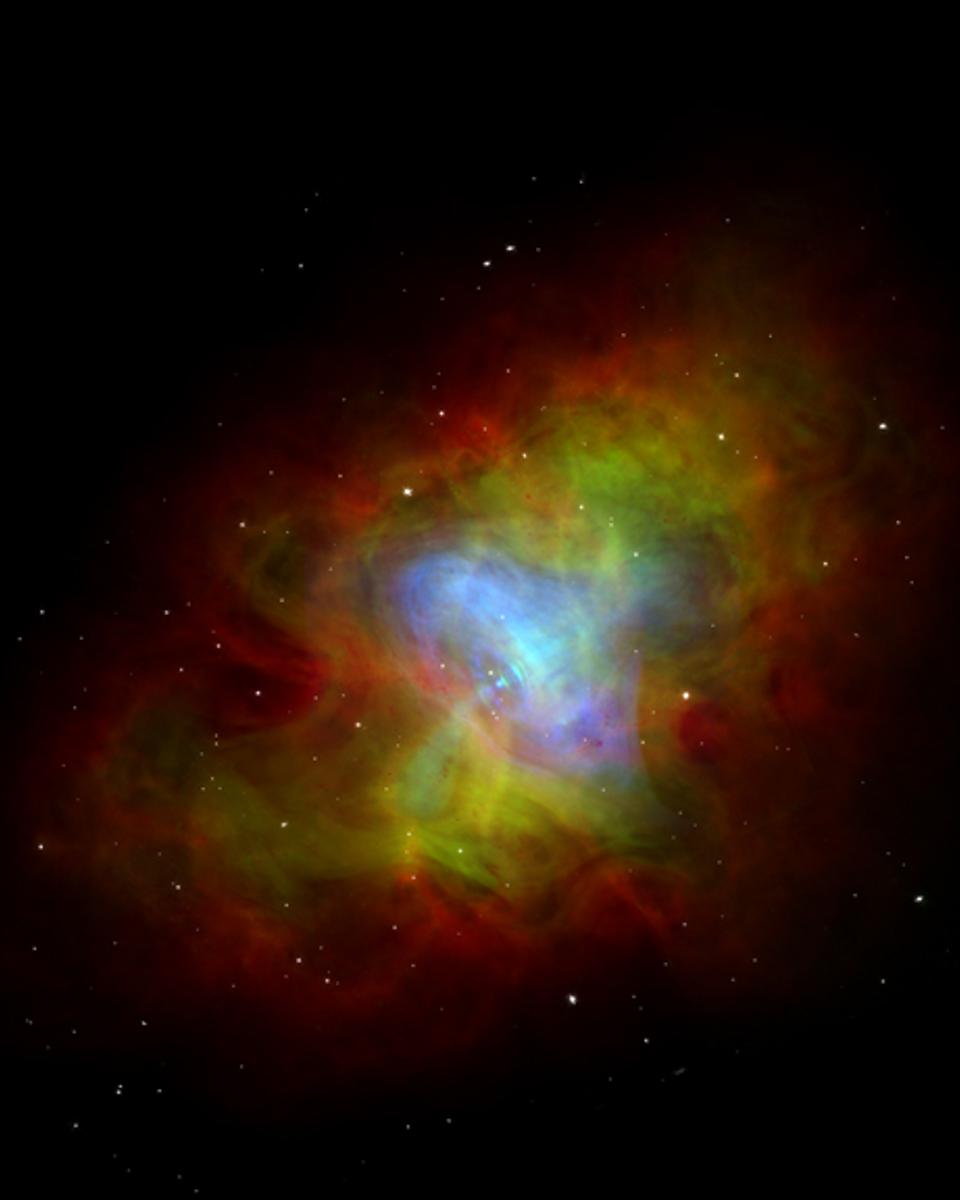
The Crab Nebula Pulsar Shrugs
How does a city-sized neutron star power the vast Crab Nebula ? The expulsion of wisps of hot gas at high speeds appears to be at least part of the answer. Yesterday time-lapse…
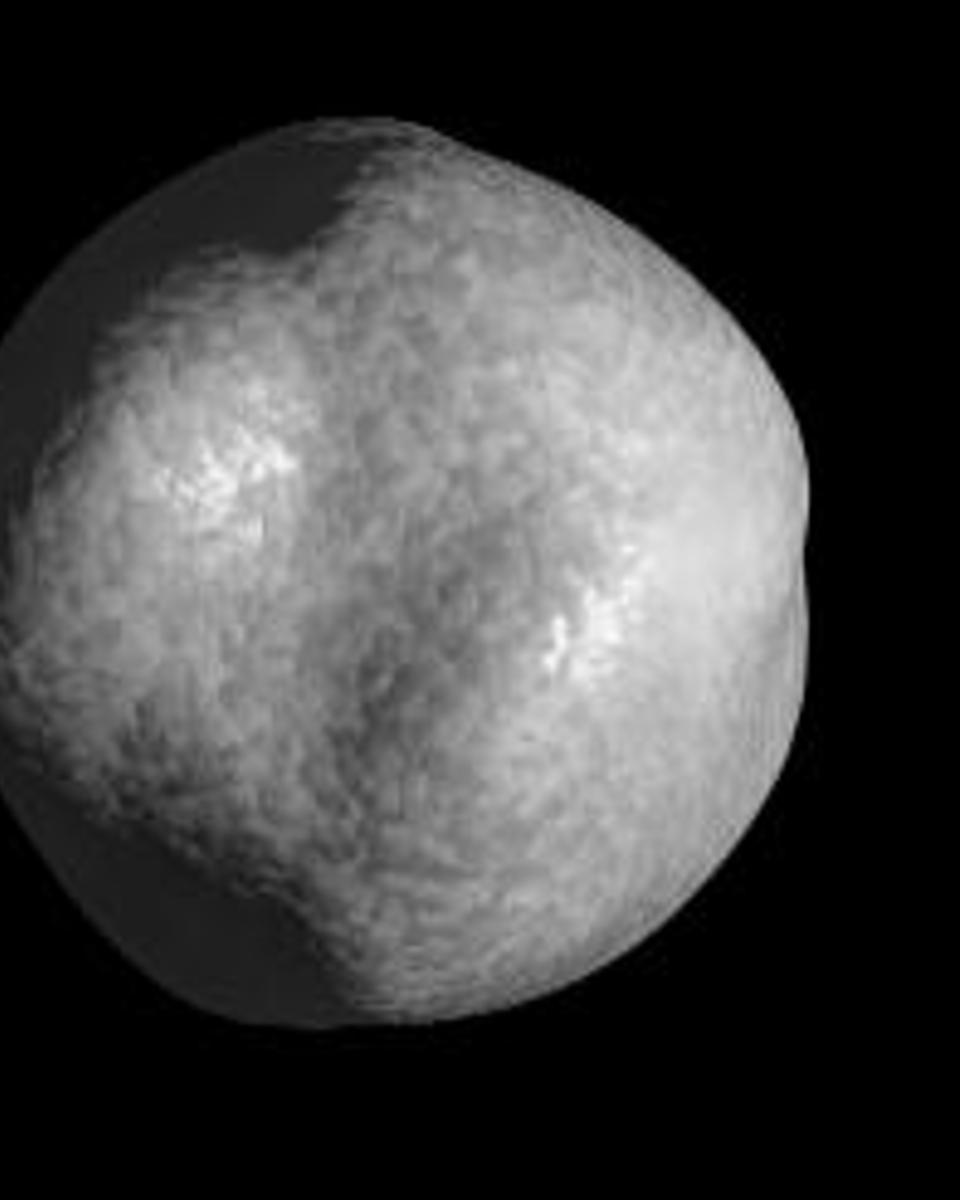
Asteroid 1998 KY26
A day is just under 11 minutes long on 1998 KY26 , a 30 meter wide, fast-spinning, water-rich asteroid. This computer simulated view of its lumpy surface has a resolution of about…
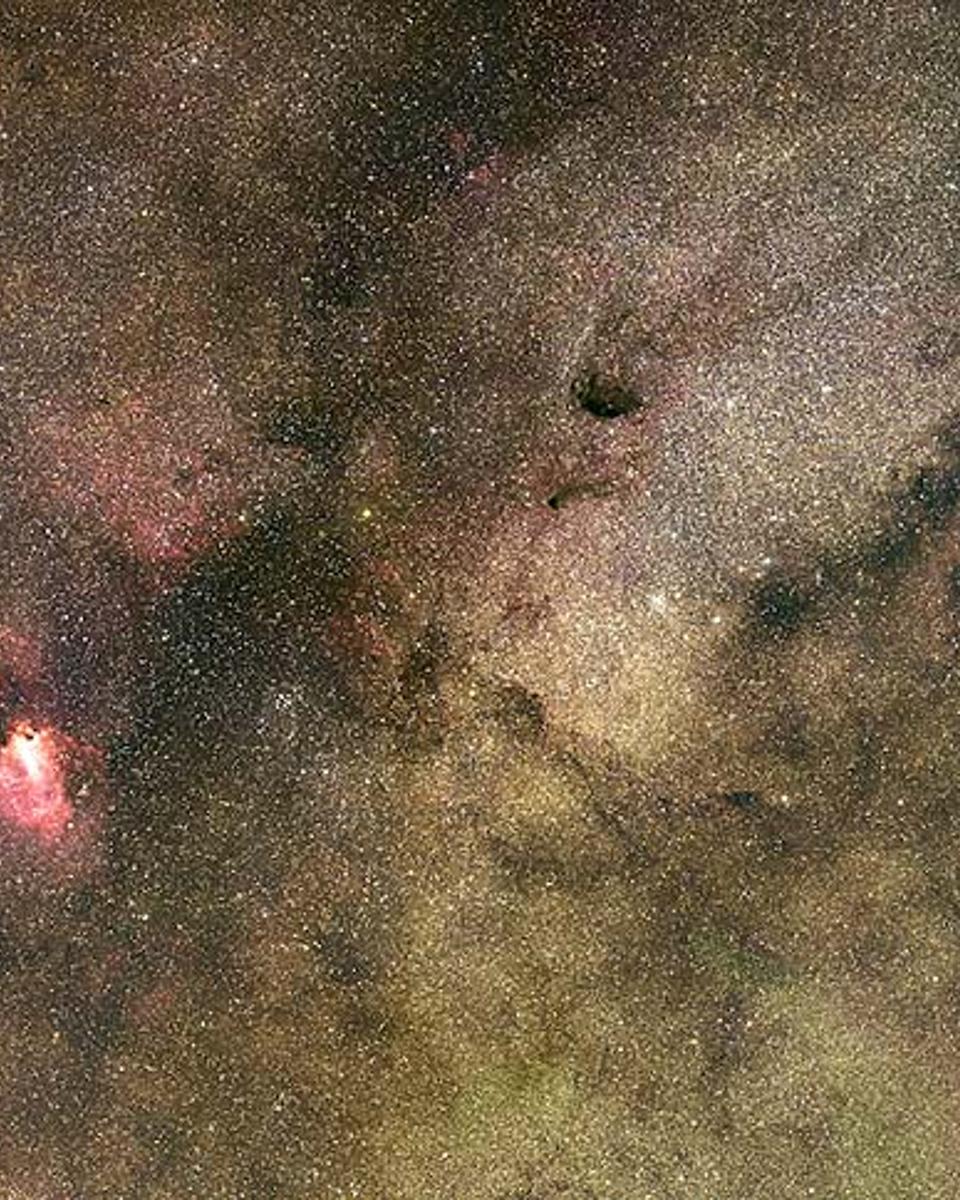
A Sagittarius Starscape
Many vast star fields in the plane of our Milky Way Galaxy are rich in clouds of stars, dust, and gas. First and foremost, visible in the above picture are millions of stars, many…
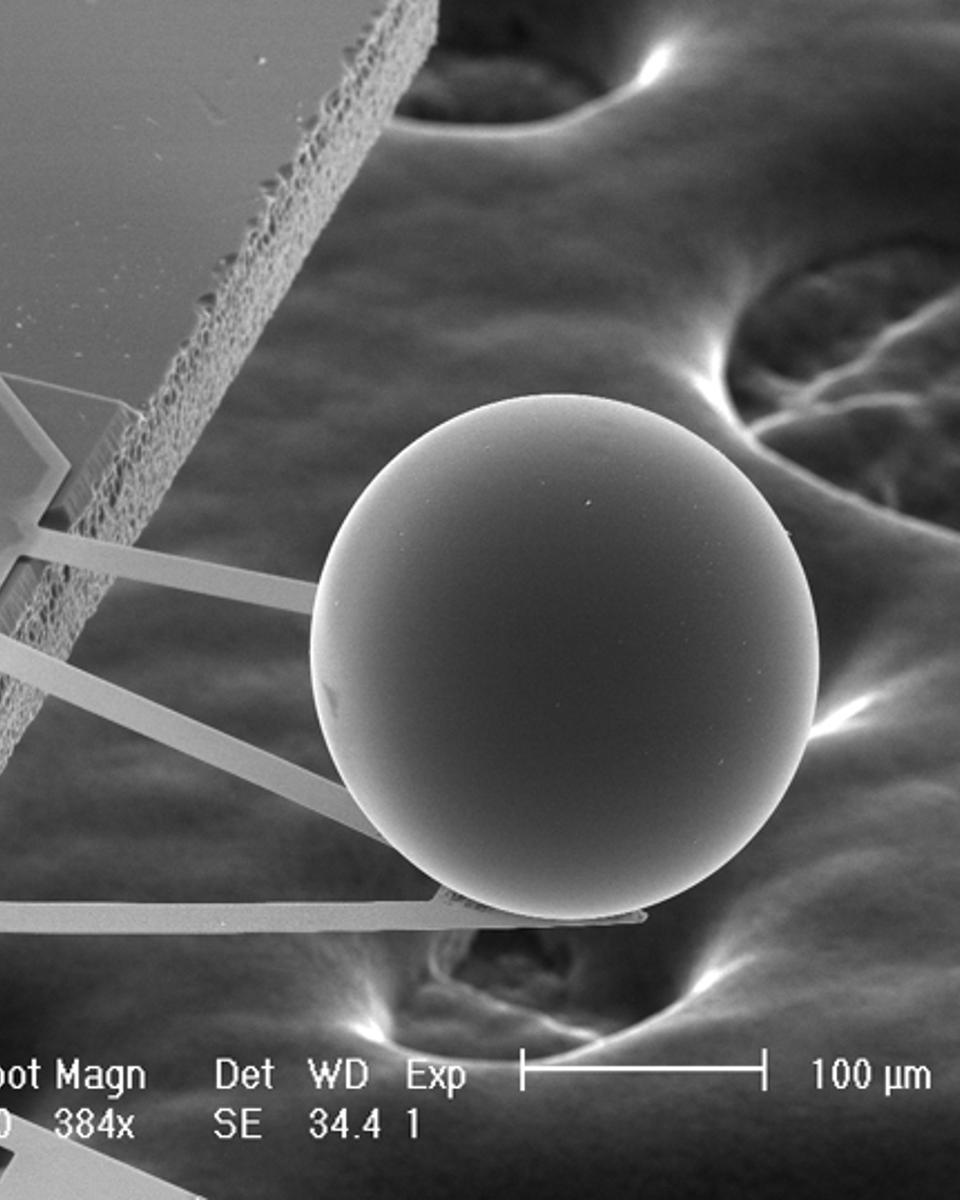
A Force from Empty Space: The Casimir Effect
This tiny ball provides evidence that the universe will expand forever. Measuring slightly over one tenth of a millimeter, the ball moves toward a smooth plate in response to…
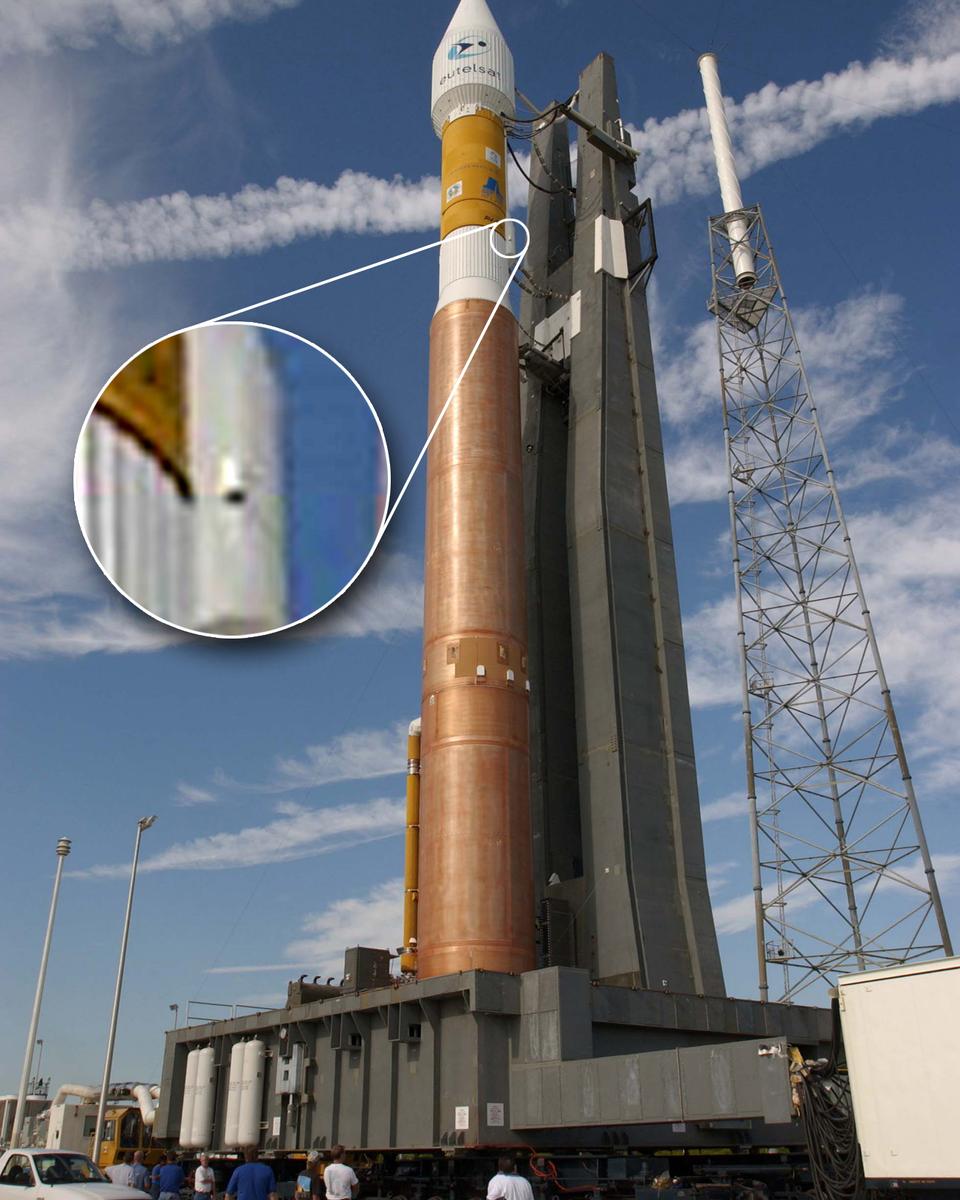
An Atlas V Rocket Prepares to Launch
The first launch of an Atlas V rocket occurred last month. The Atlas V , built by Lockheed Martin , is the first rocket in the U. S. Air Force 's Evolved Expendable Launch Vehicle…
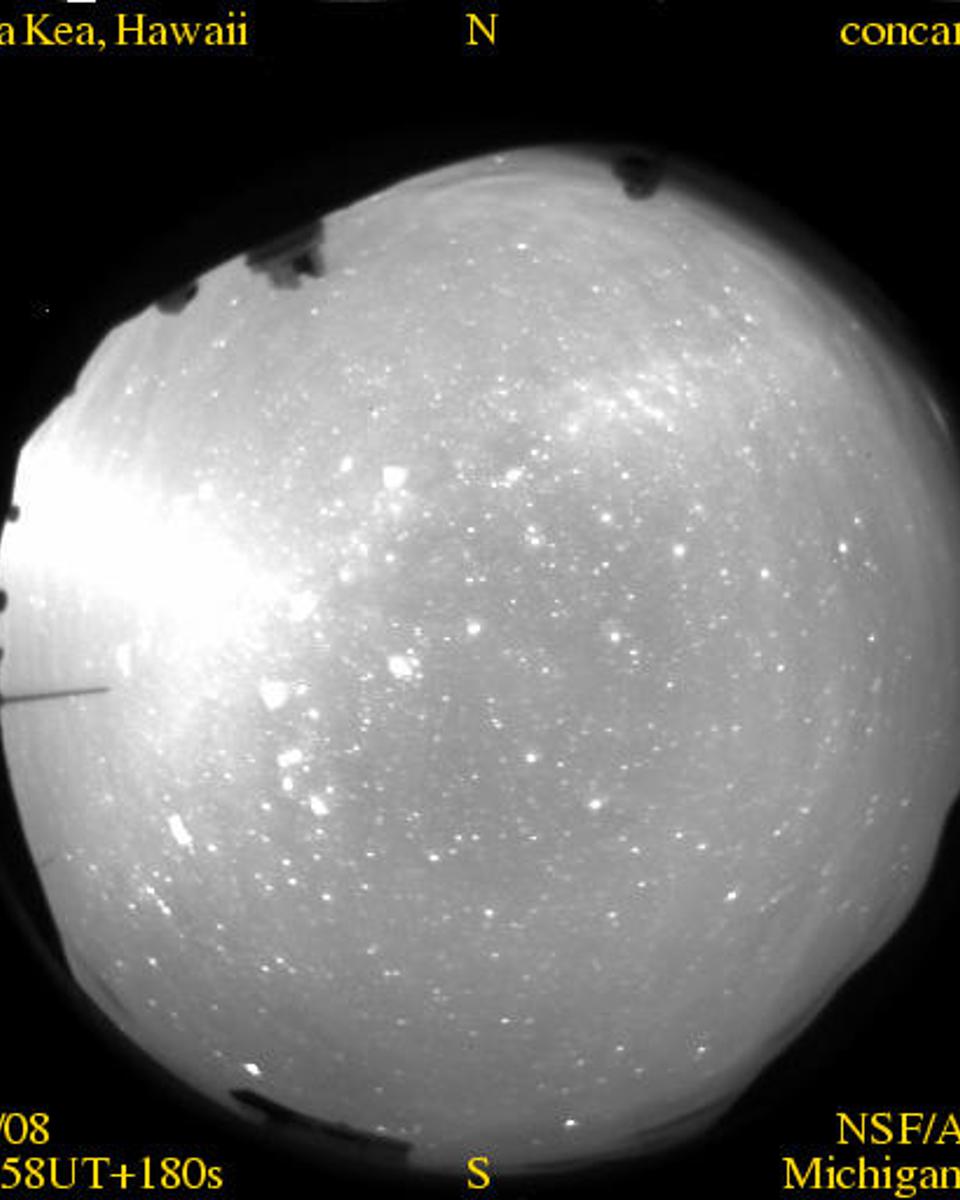
Zodiacal Light and the False Dawn
An unusual triangle of light will be particularly bright near the eastern horizon before sunrise during the next two months for observers in Earth's northern hemisphere. Once…
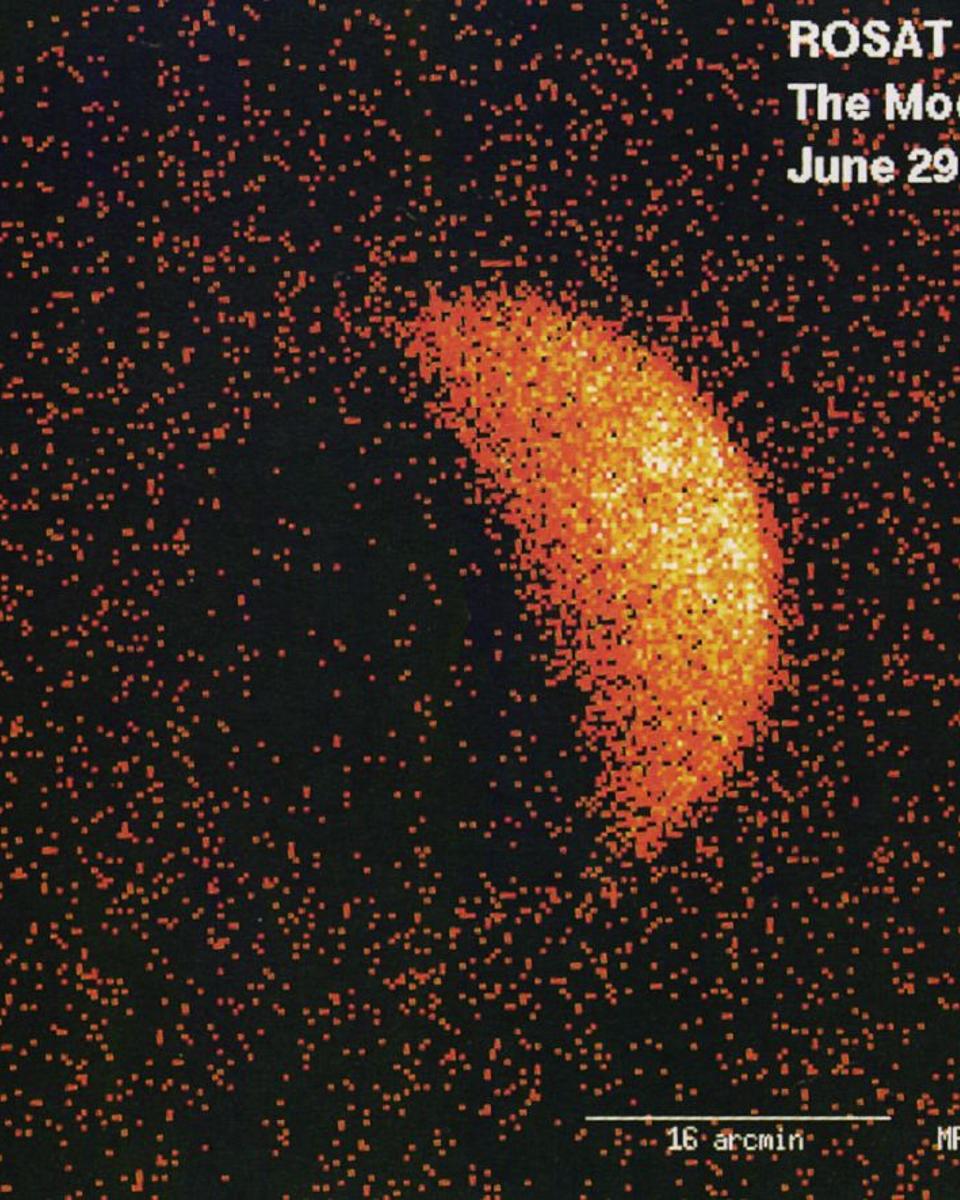
X-Ray Moon
This x-ray image of the Moon was made by the orbiting ROSAT ( Röntgensatellit ) Observatory in 1990. In this digital picture, pixel brightness corresponds to x-ray intensity.…
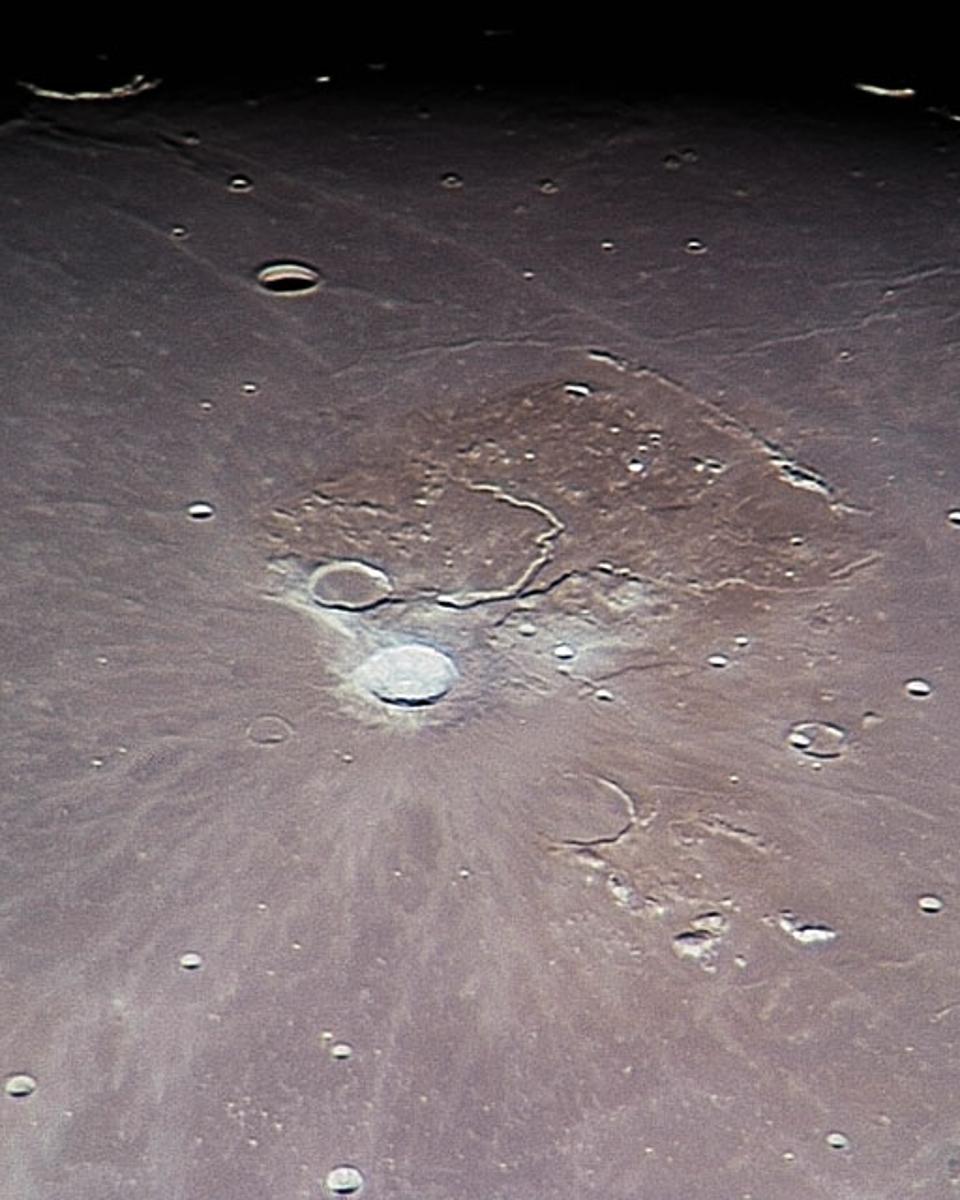
Aristarchus Plateau
Anchored in the vast lava flows of the Moon's Oceanus Procellarum lies the Aristarchus Plateau . Recorded from a backyard observatory on planet Earth, this sharp, amazingly…
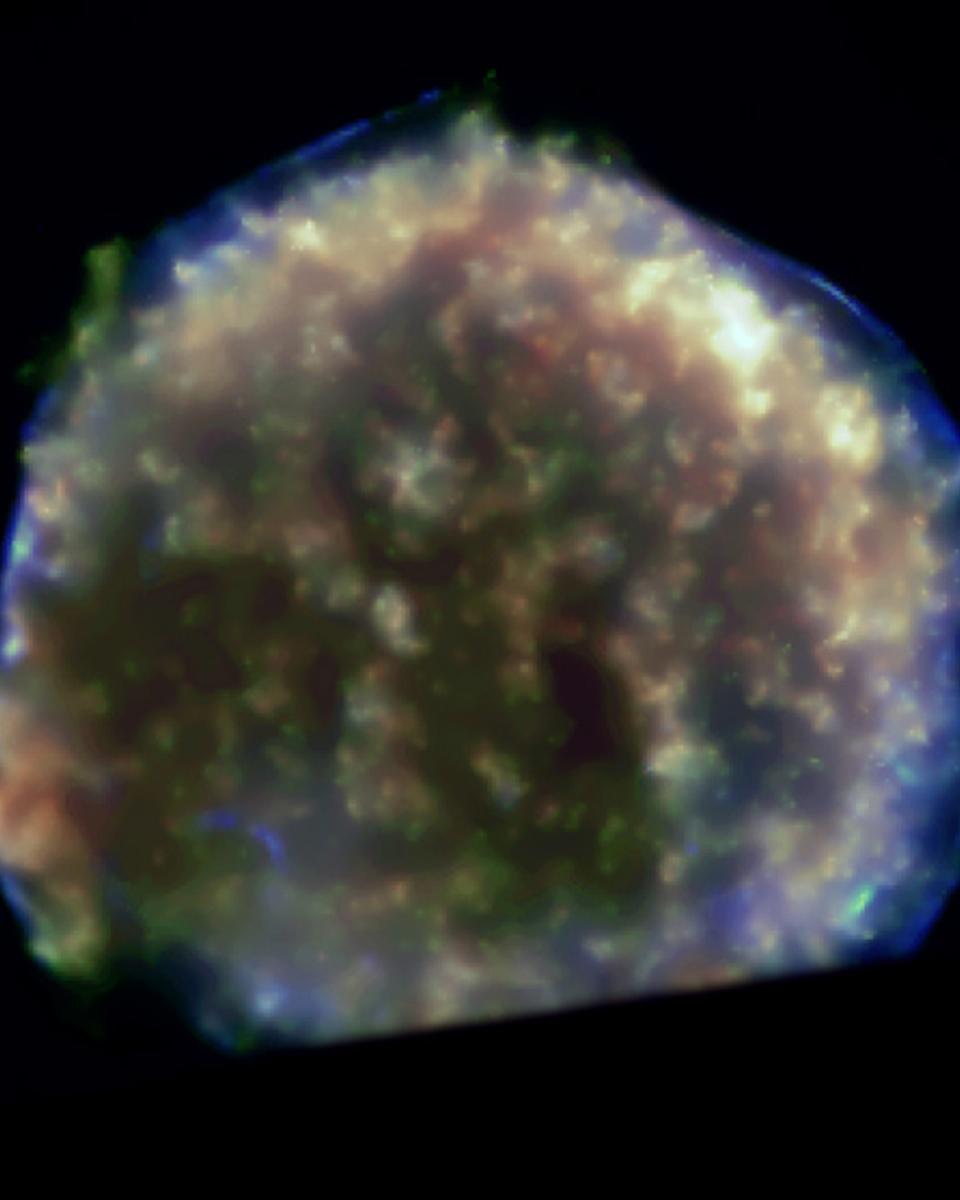
X-Rays From Tycho's Supernova Remnant
In 1572, Danish astronomer Tycho Brahe recorded the sudden appearance of a bright new star in the constellation Cassiopeia. The new star faded from view over a period of months…
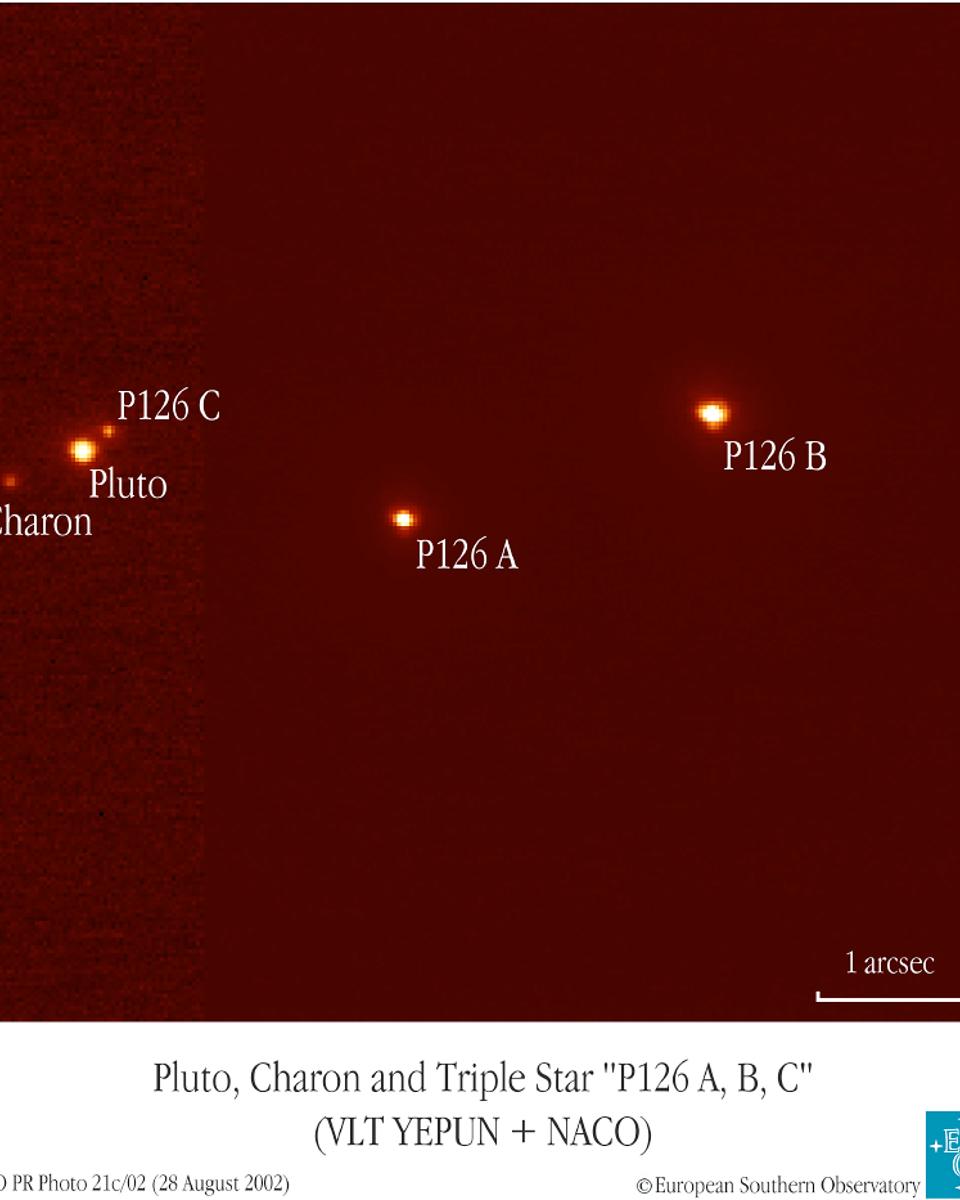
Pluto & Charon Eclipse a Triple Star
Occasionally, a planet in our Solar System will pass in front of a bright star. Since stars and planets take up so little space on the sky, such events are quite rare. Two months…
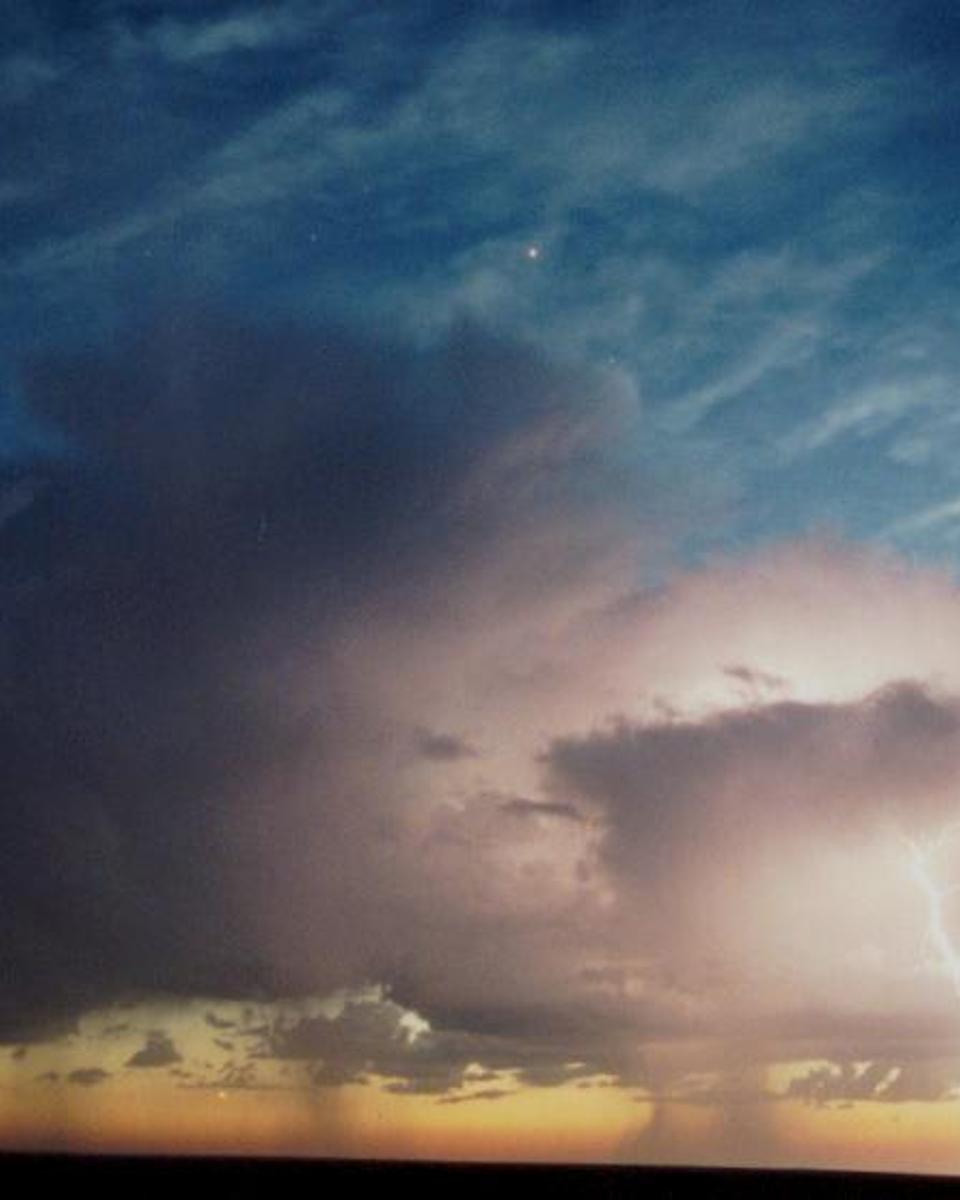
Venus Beyond the Storm
A thunderstorm, lightning, a bright star and a bright planet all graced an evening sky for a short while near Bismarck , North Dakota , USA two weeks ago. Thick thunderclouds from…
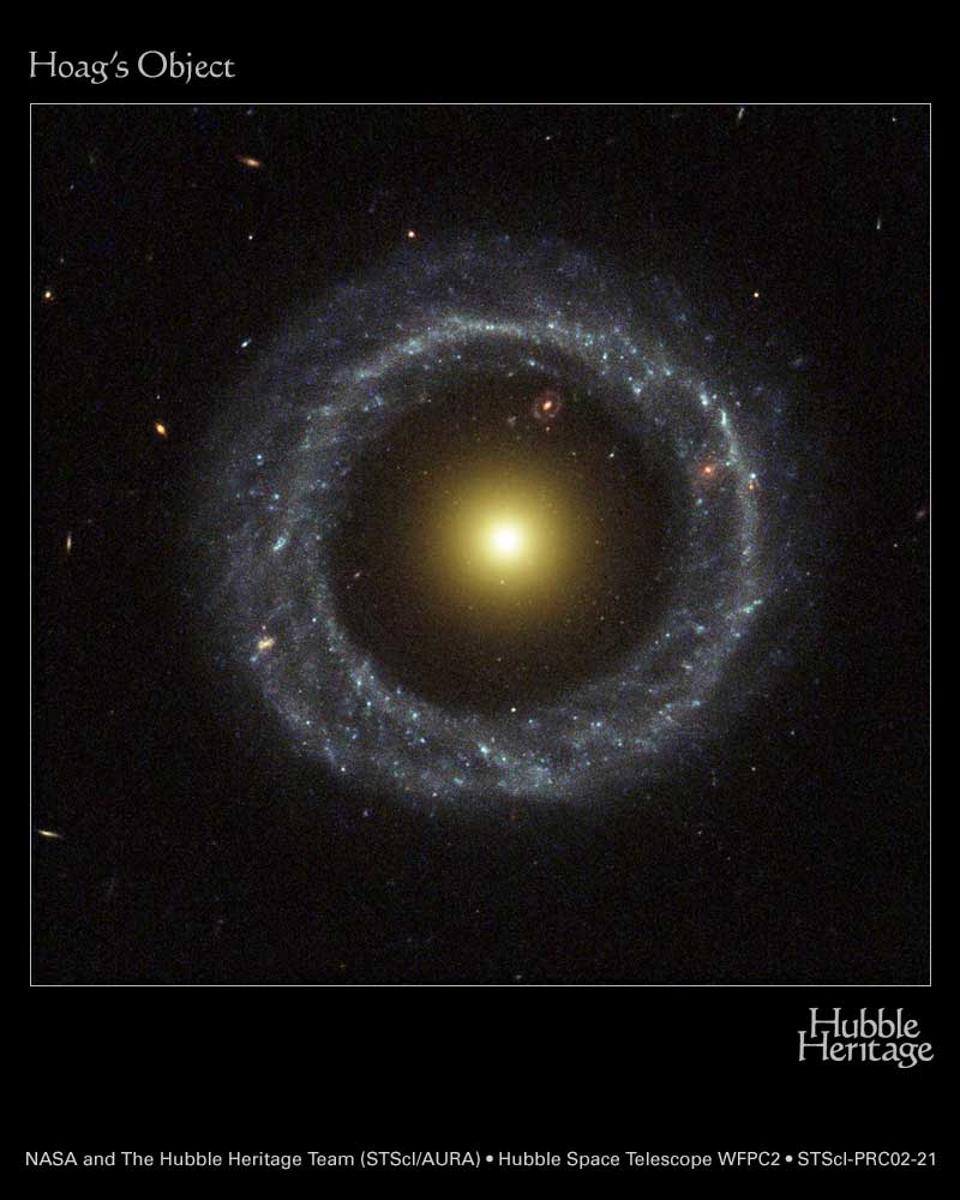
Hoag's Object: A Strange Ring Galaxy
Is this one galaxy or two? This question came to light in 1950 when astronomer Art Hoag chanced upon this unusual extragalactic object. On the outside is a ring dominated by…
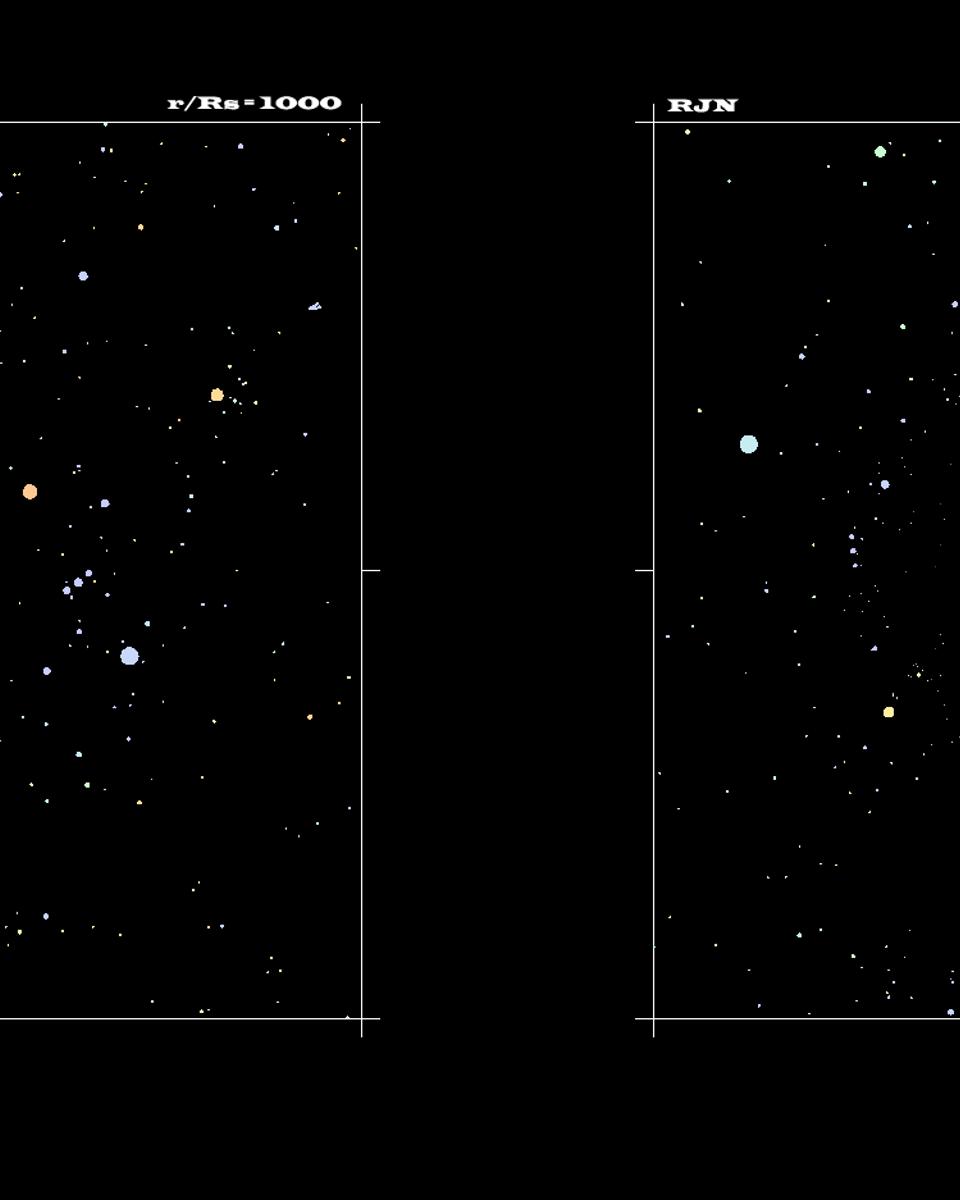
Too Close to a Black Hole
What would you see if you went right up to a black hole ? Above are two computer generated images highlighting how strange things would look. On the left is a normal star field…
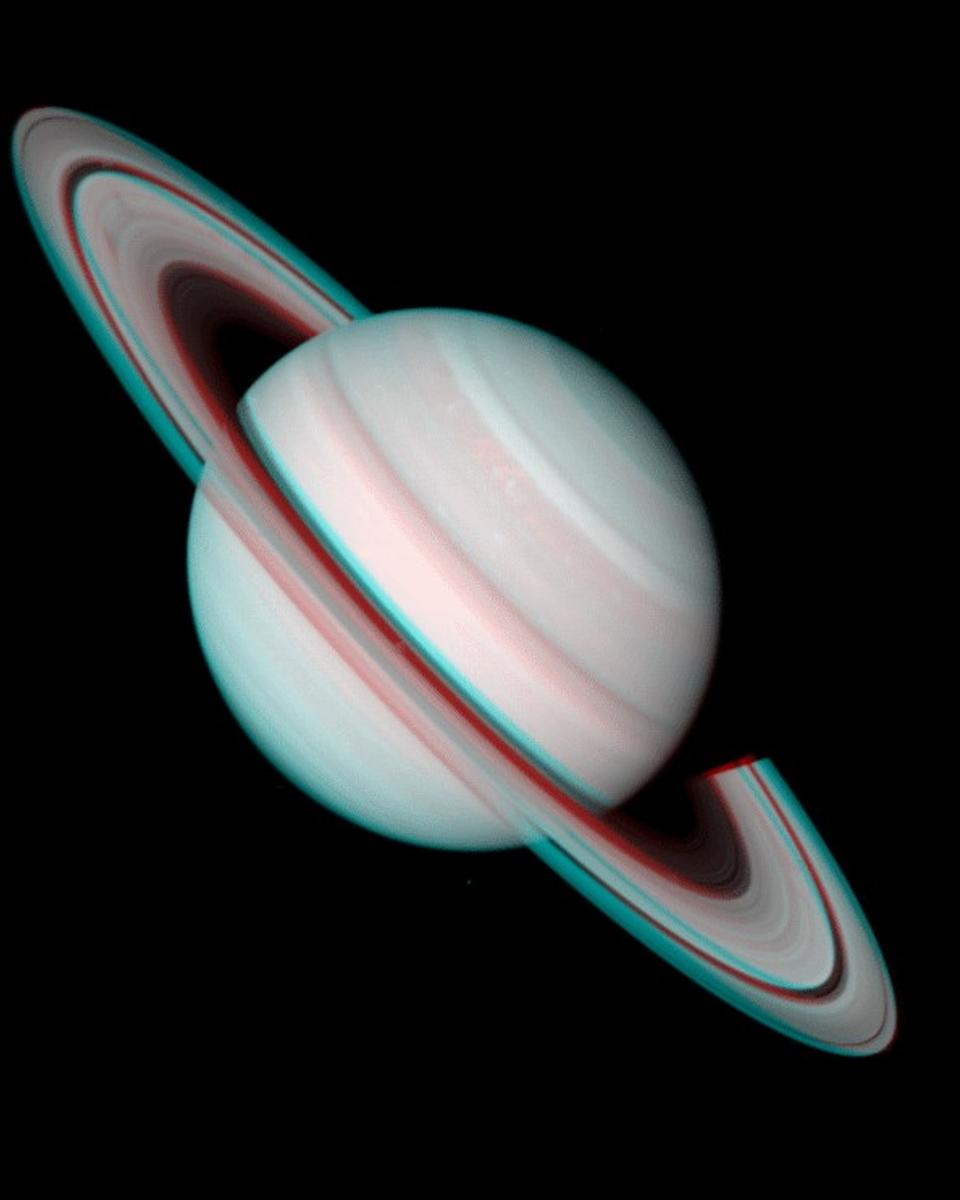
Stereo Saturn
Get out your red/blue glasses and launch yourself into this stereo picture of Saturn! The picture is actually composed from two images recorded weeks apart by the Voyager 2…
Viewing discoveries from 30 September 2002 through 7 September 2002.