Browse NASA Astronomy Picture of the Day archive by date and media: Archive Discoveries
Browse the NASA APOD archive without needing the exact date first. Filter by media type and keep moving deeper into older images and videos.
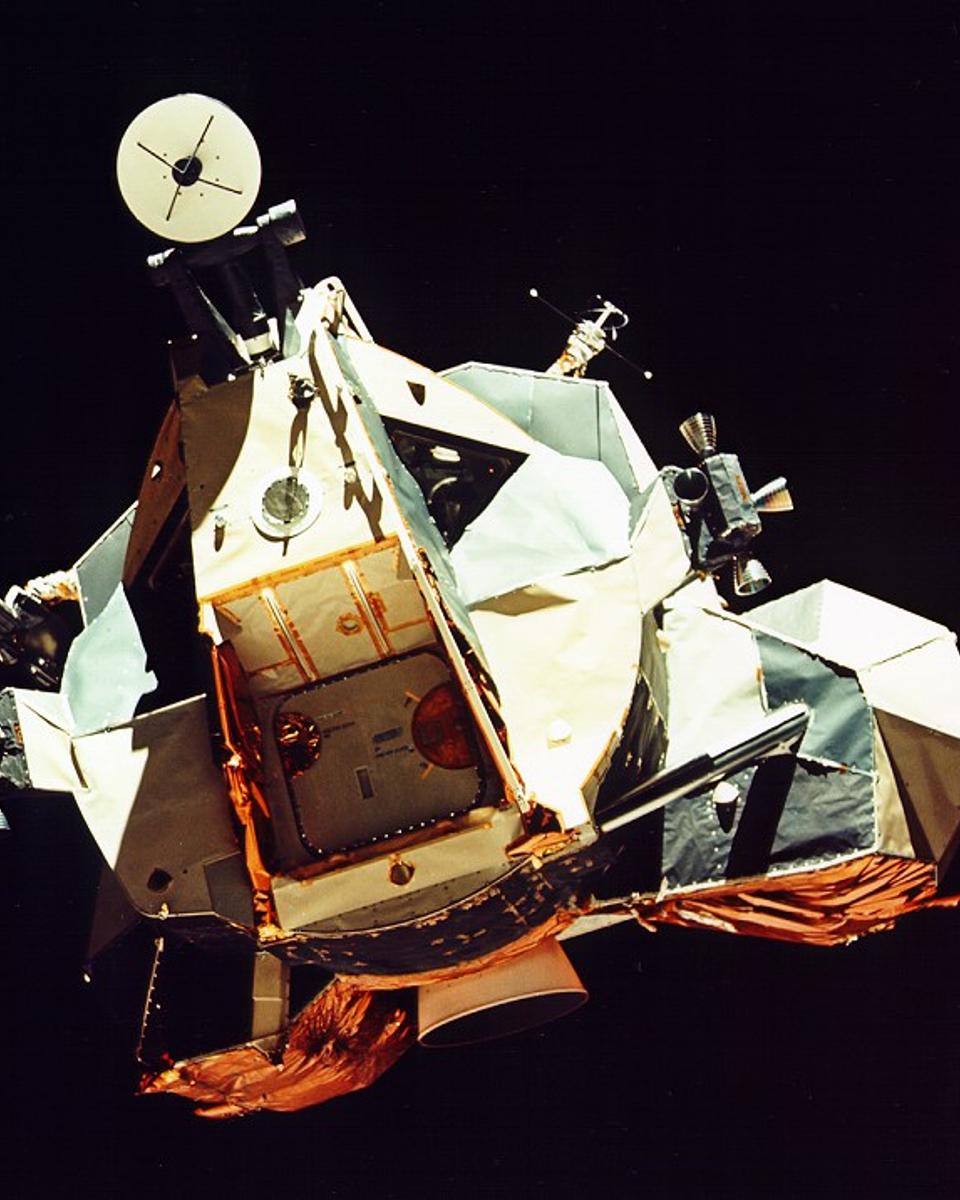
Apollo 17's Moonship
Awkward and angular looking, Apollo 17's lunar module Challenger was designed for flight in the vacuum of space. This sharp picture from the command module America , shows…
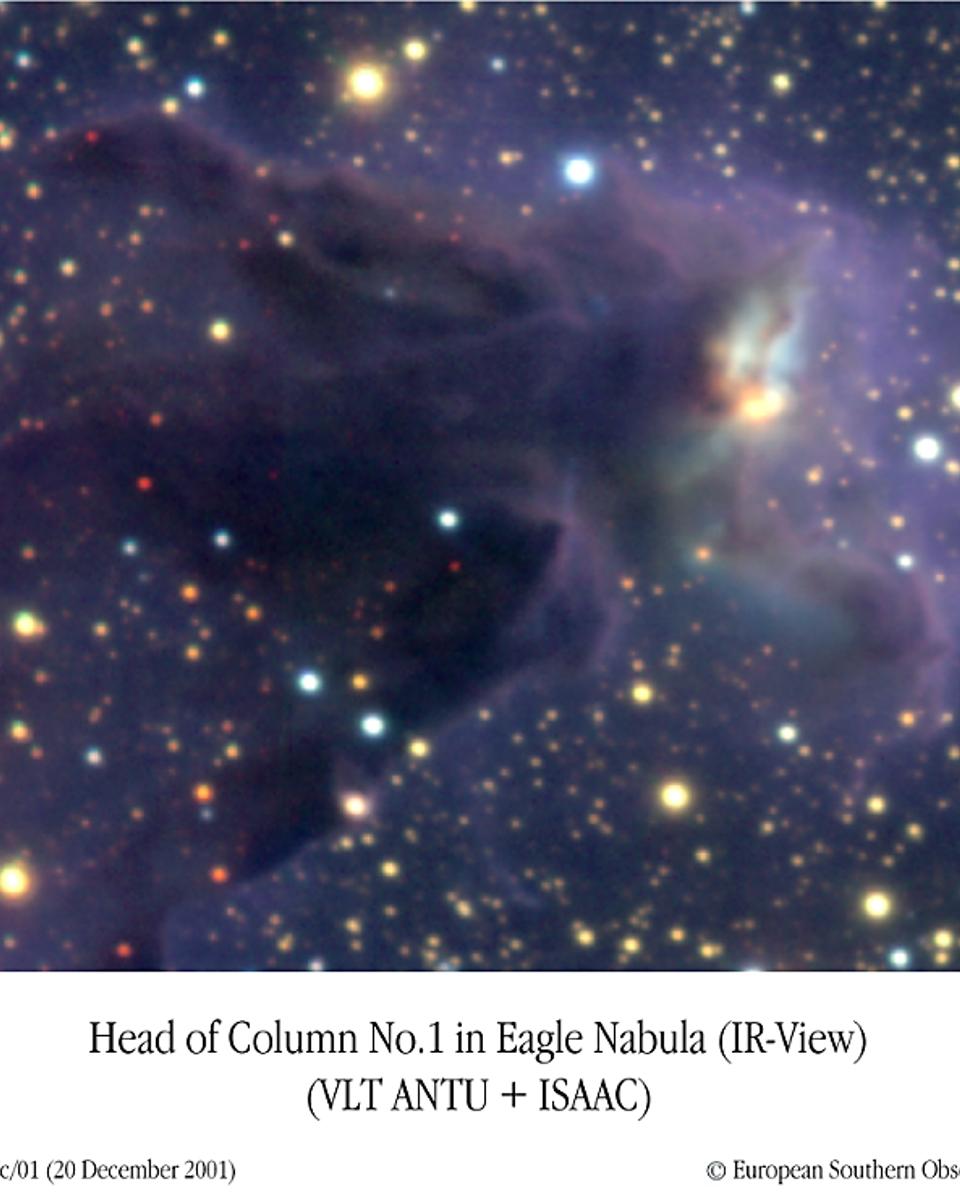
M16: Infrared Star Hunt
The head of an interstellar gas and dust cloud is shown here in false-color, a near-infrared view recorded by astronomers hunting for stars within M16's Eagle Nebula . Made famous…
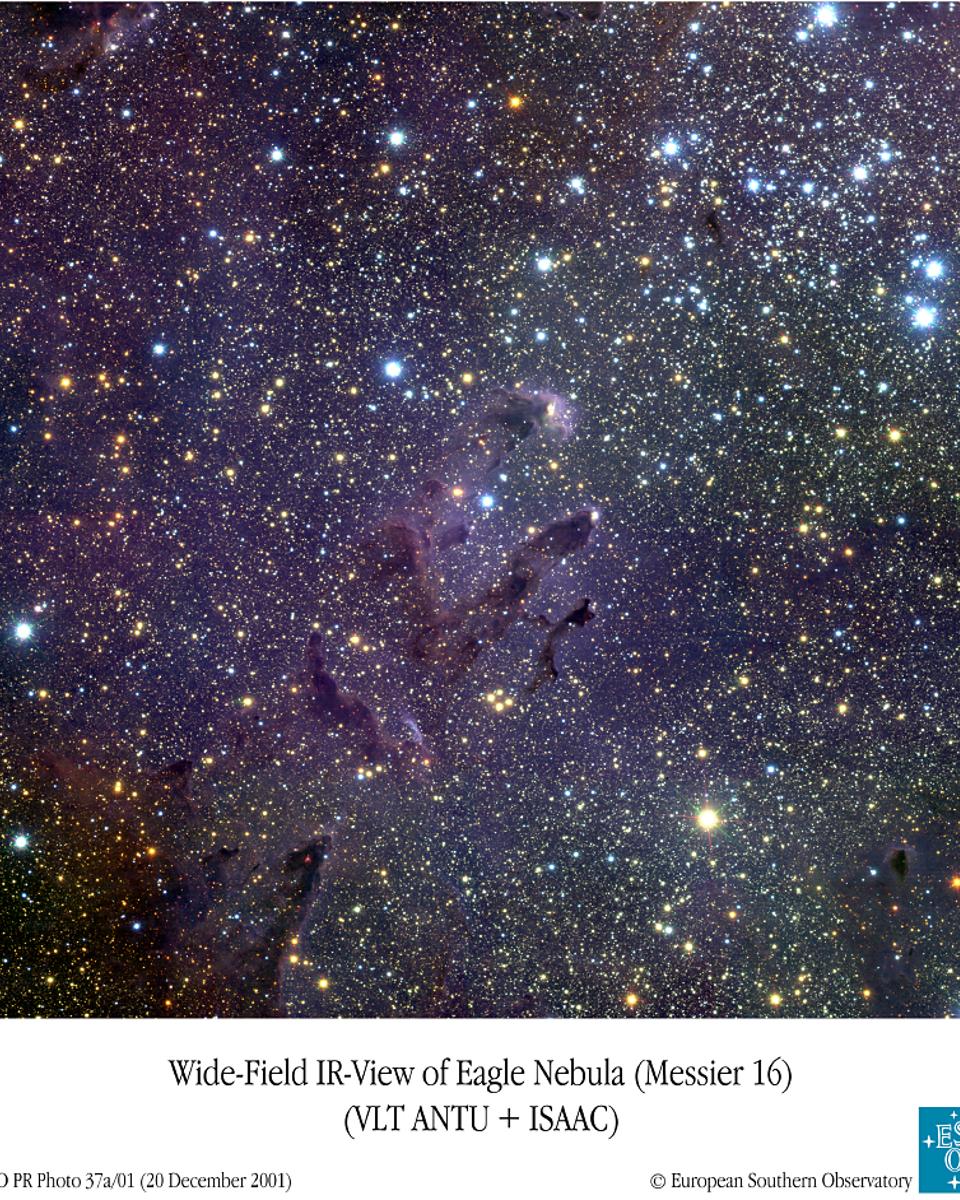
M16: Stars, Pillars, and the Eagle's EGGs
The Hubble Space Telescope's 1995 image of pillars of dust and gas, light-years long, within the Eagle Nebula ( M16 ) was sensational. The three prominent pillars in that close-up…
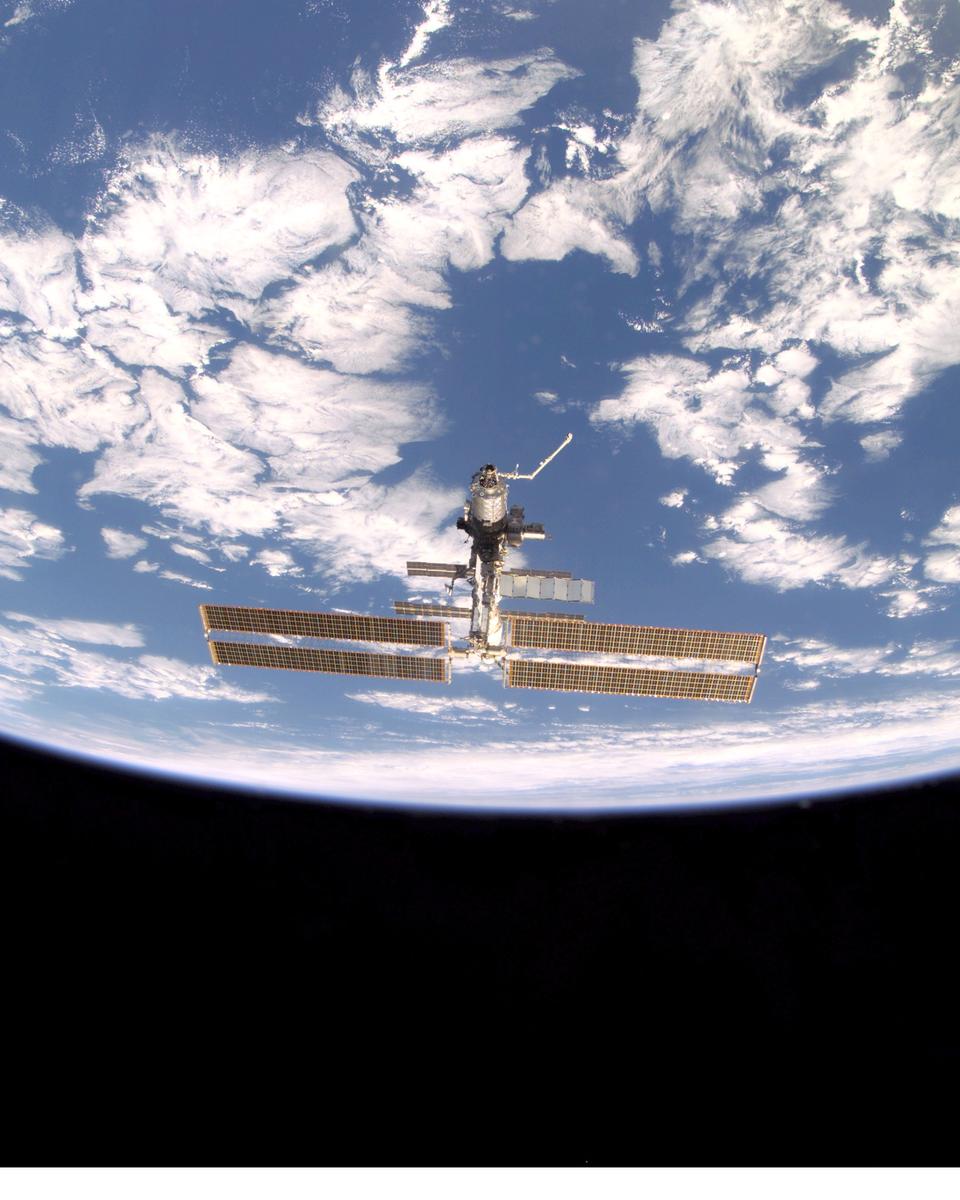
International Space Station Over Earth
High above a cloudy Earth, the International Space Station (ISS) orbits silently. The Space Shuttle Endeavor Crew took the above picture as they departed the space station in…
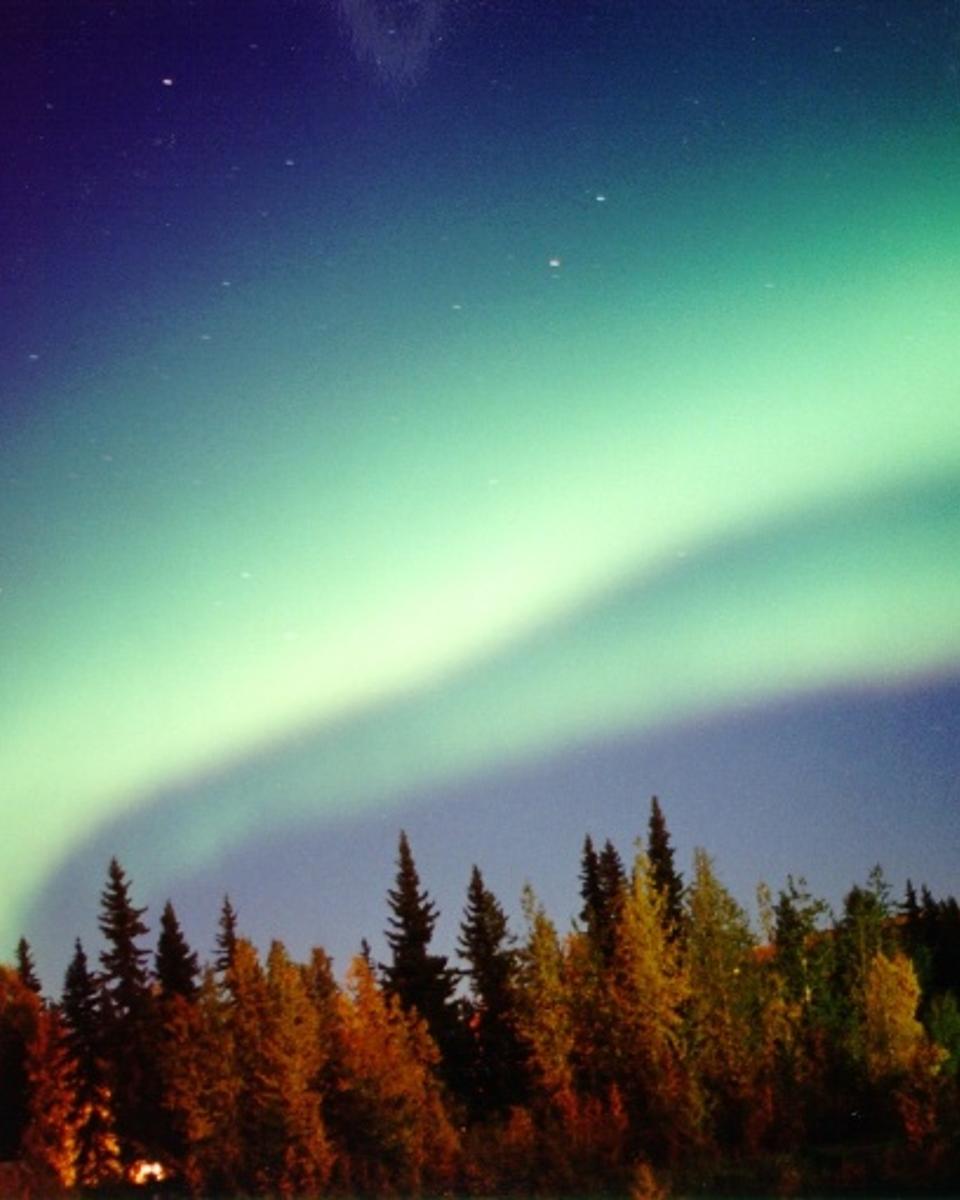
The Secret of the Black Aurora
What causes black aurora? These gaps in normal bright aurora are frequently recorded but rarely questioned. Recent research using data from four Cluster spacecraft orbiting the…
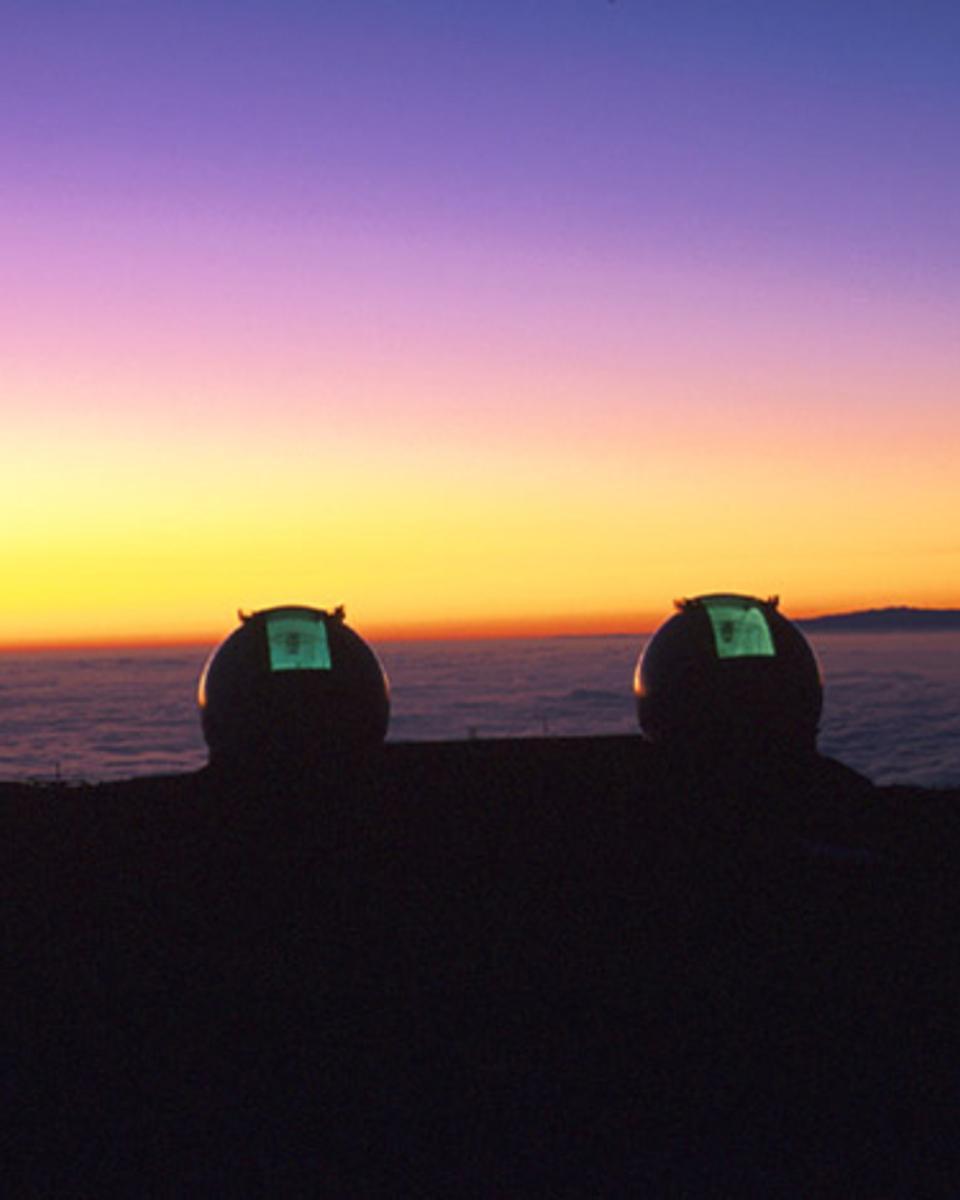
A Year of Dark Cosmology
We live in the exciting time when humanity discovers the nature of our entire universe. During this year, in particular, however, the quest for cosmological understanding appears…
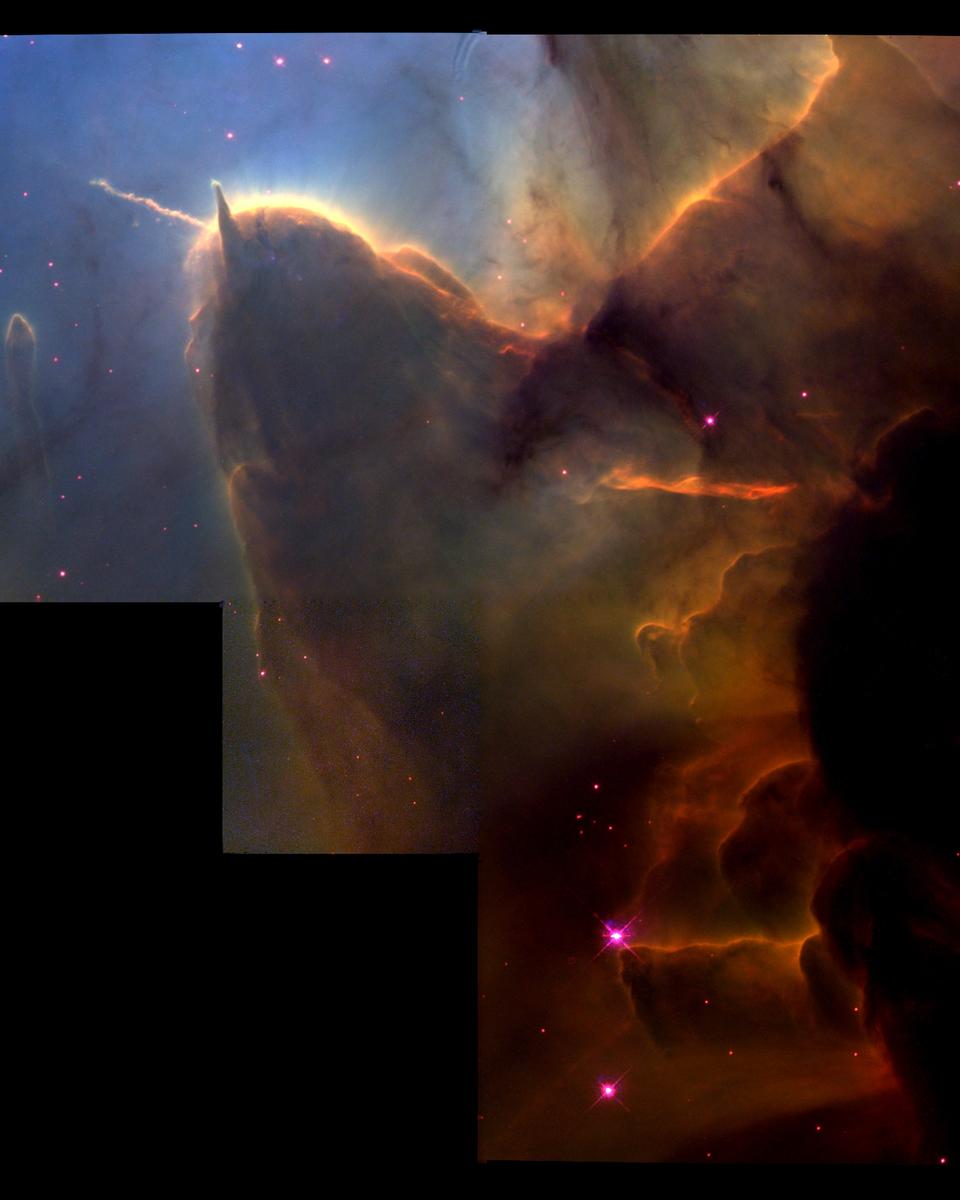
Trifid Pillars & Jets
Dust pillars are like interstellar mountains . They survive because they are more dense than their surroundings, but they are being slowly eroded away by a hostile environment.…
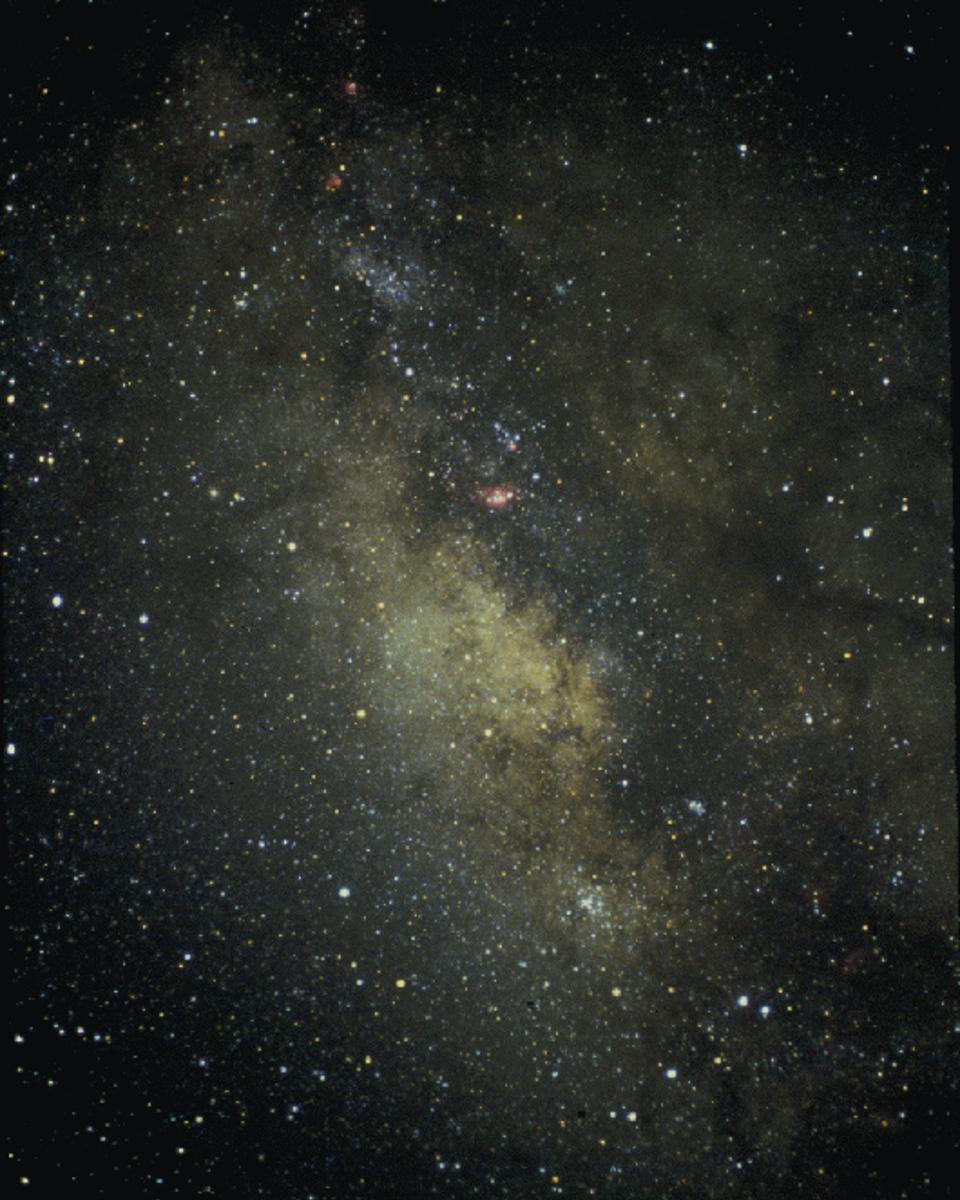
The Annotated Galactic Center
The sky toward the center of our Galaxy is filled with a wide variety of celestial wonders . Many are easily visible with binoculars. Constellations near the galactic center…
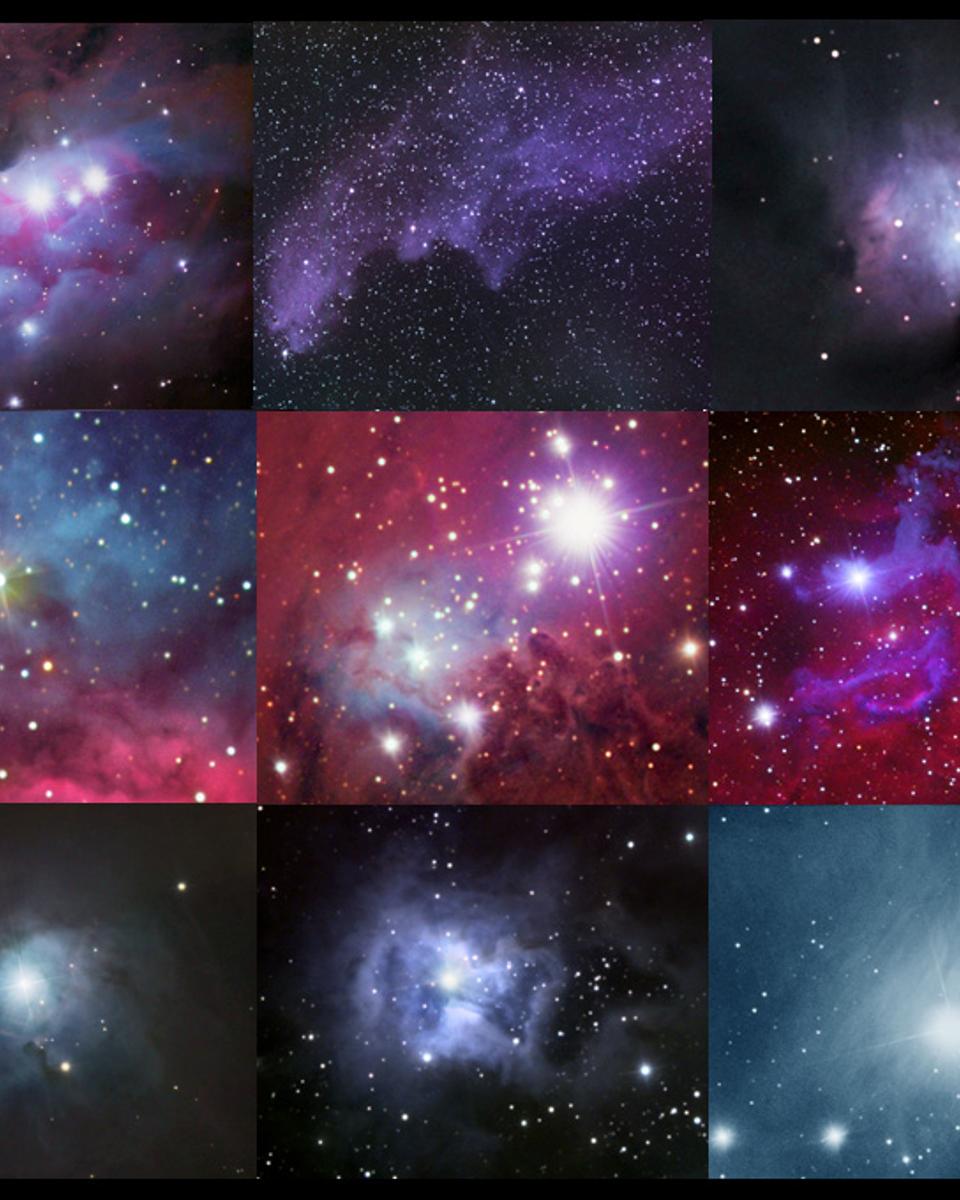
Starlight Reflections
Interstellar dust grains often find themselves in a reflective “mood”. Near a bright star, clouds of these dust particles scatter short wavelengths of visible starlight more…
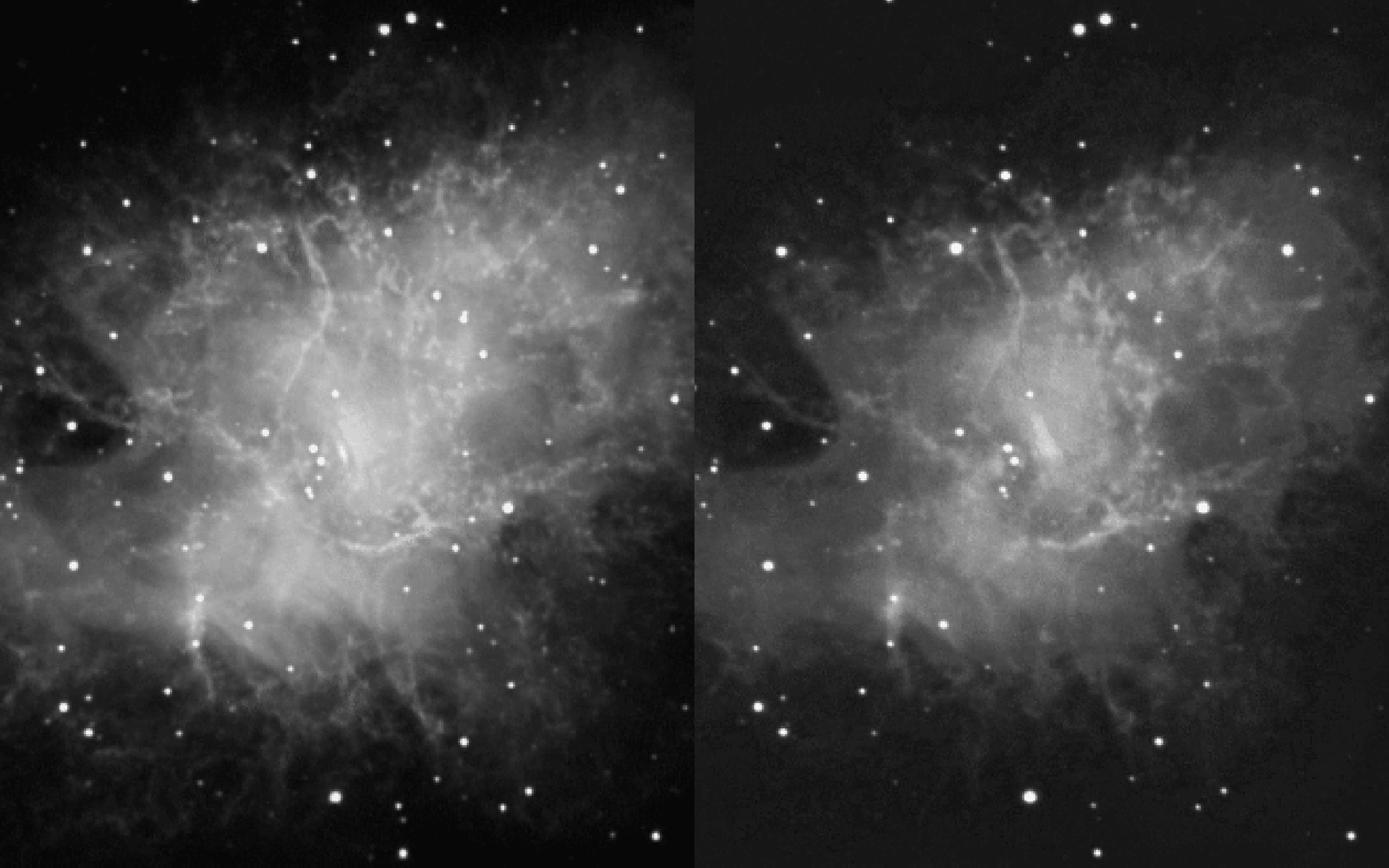
The Incredible Expanding Crab
The Crab Nebula is cataloged as M1, the first on Charles Messier's famous list of things which are not comets. In fact, the Crab is now known to be a supernova remnant, an…
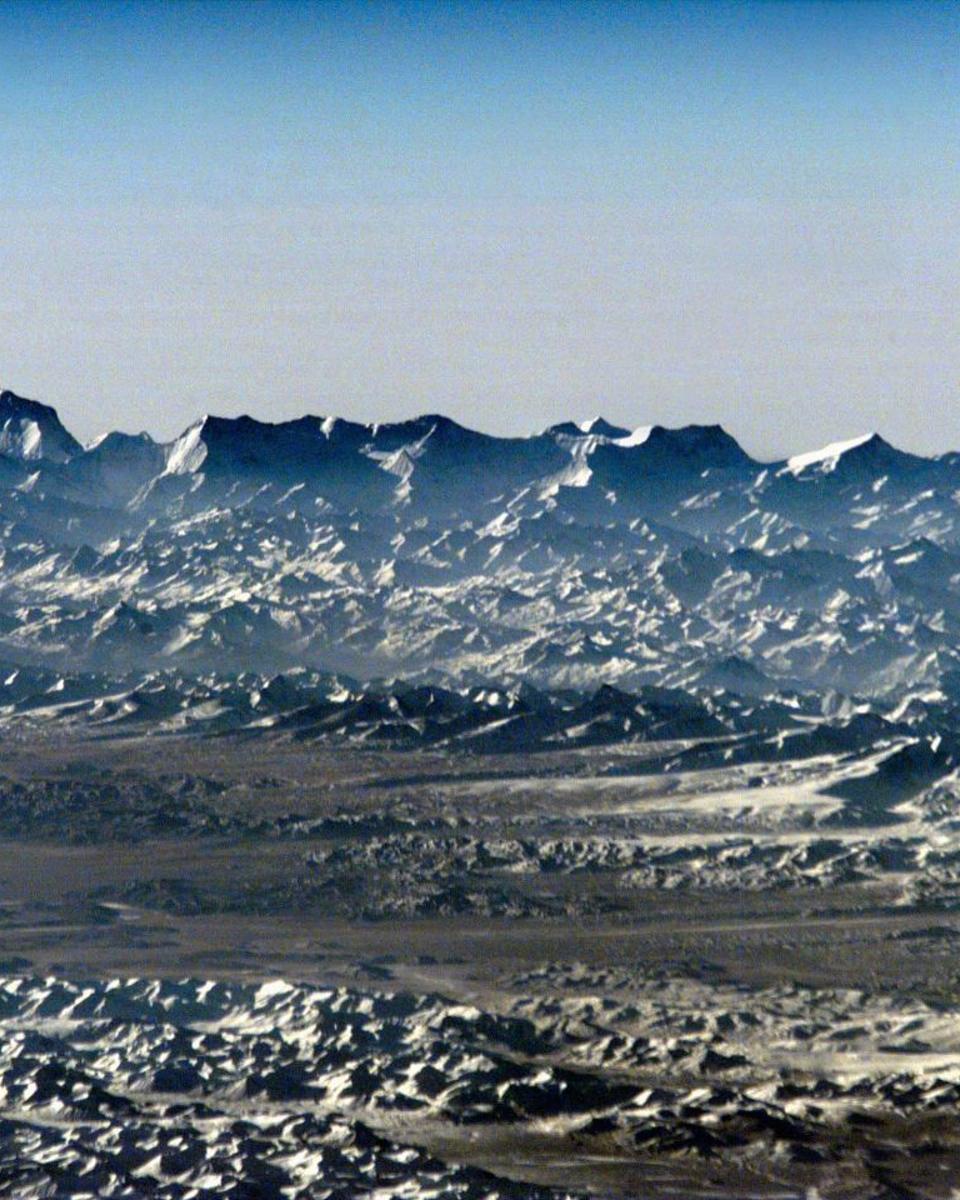
Himalayan Horizon From Space
This stunning aerial view shows the rugged snow covered peaks of a Himalayan mountain range in Nepal. The seventh-highest peak on the planet , Dhaulagiri, is the high point on the…
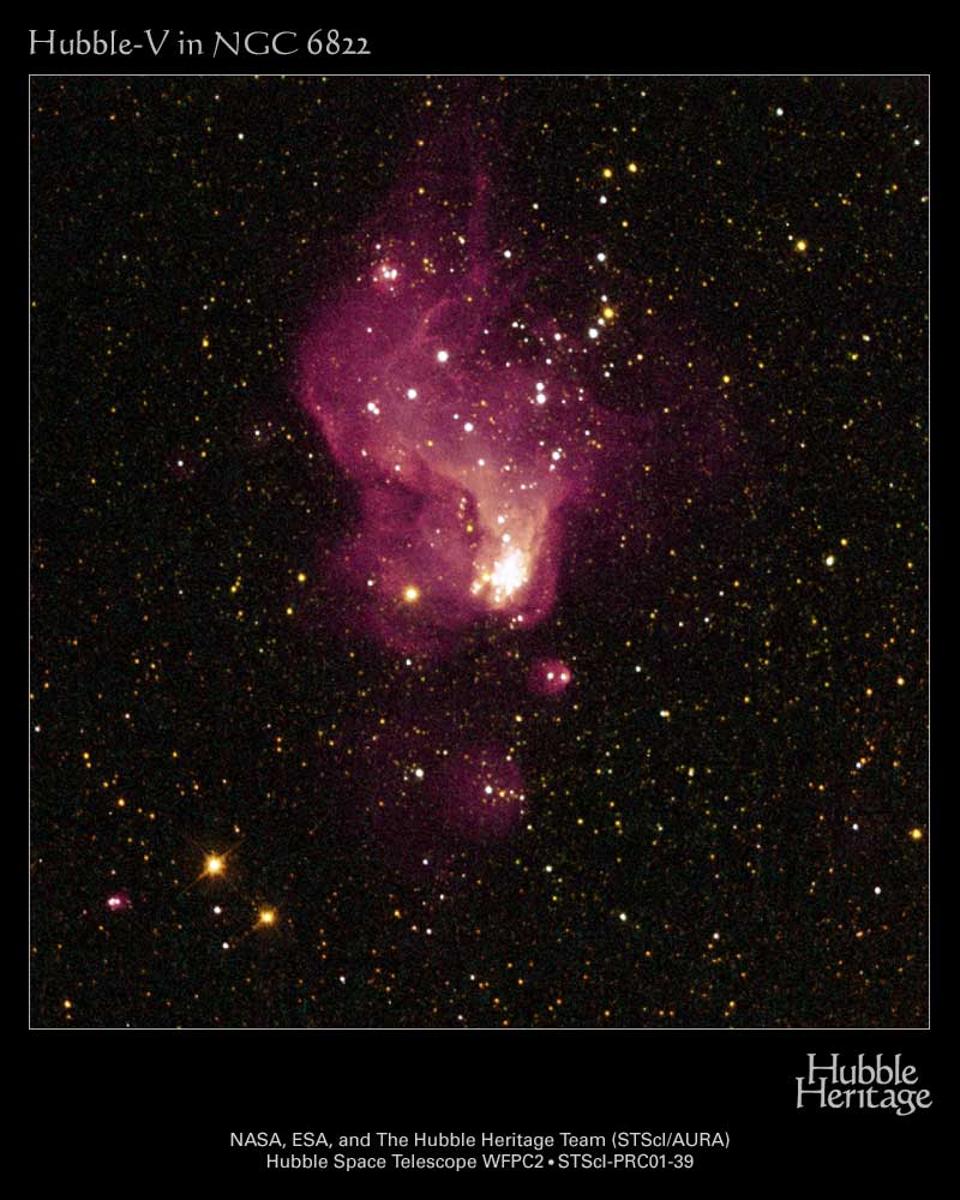
Star Forming Region Hubble-V
How did stars form in the early universe? Astronomers are gaining insight by studying NGC 6822 , a nearby galaxy classified as irregular by modern standards but appearing more…
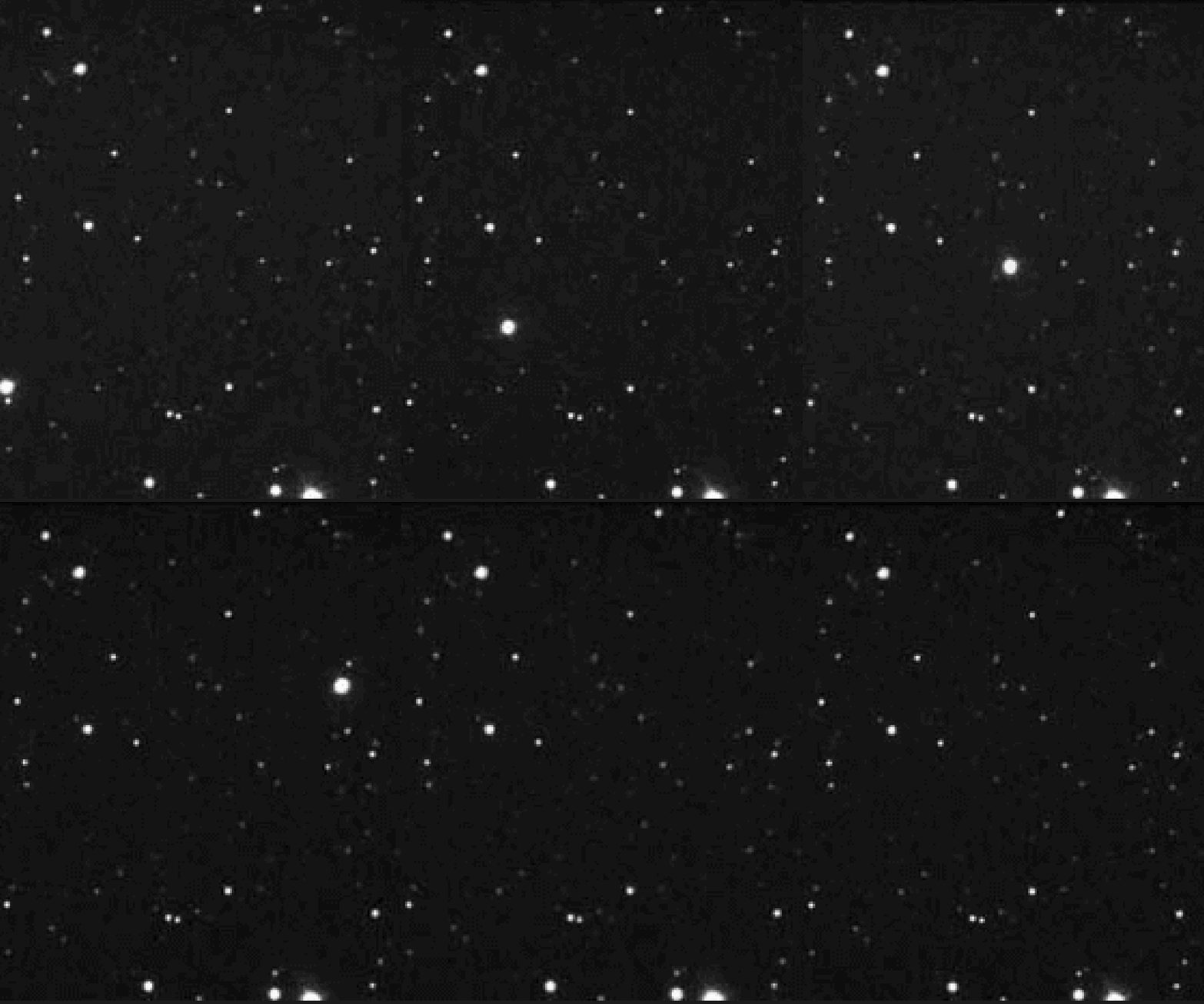
Asteroid 1998 WT24 Passes Near Earth
Last week, an asteroid approached unusually close to the Earth. Passing well outside the orbit of our Moon, Asteroid 1998 WT24 posed no danger, but became bright enough to see…
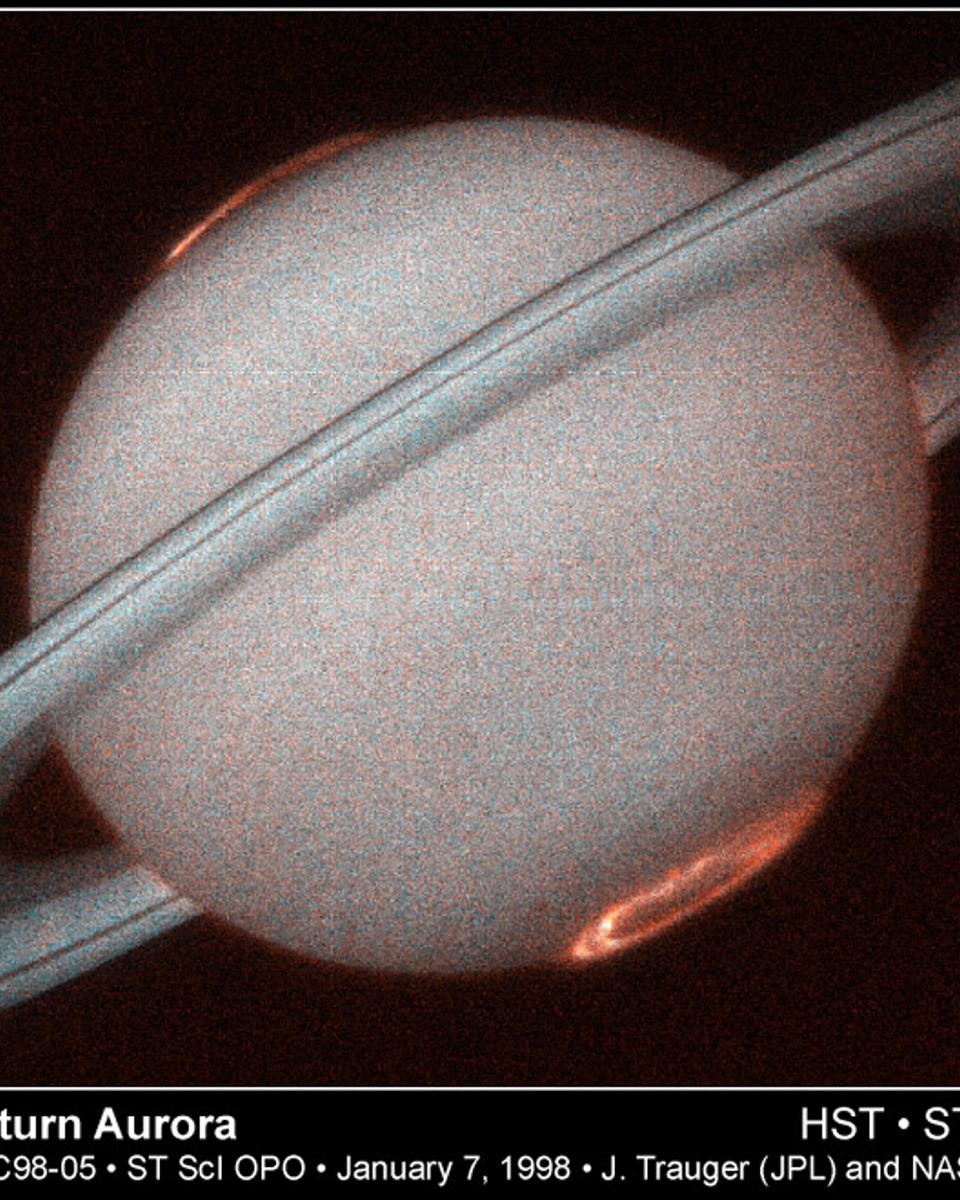
Saturn Aurora
the second largest planet in the Solar System, Saturn's Rings are one of the most spectacular sights for earthbound telescopes. This image from the orbiting Hubble Space Telescope…
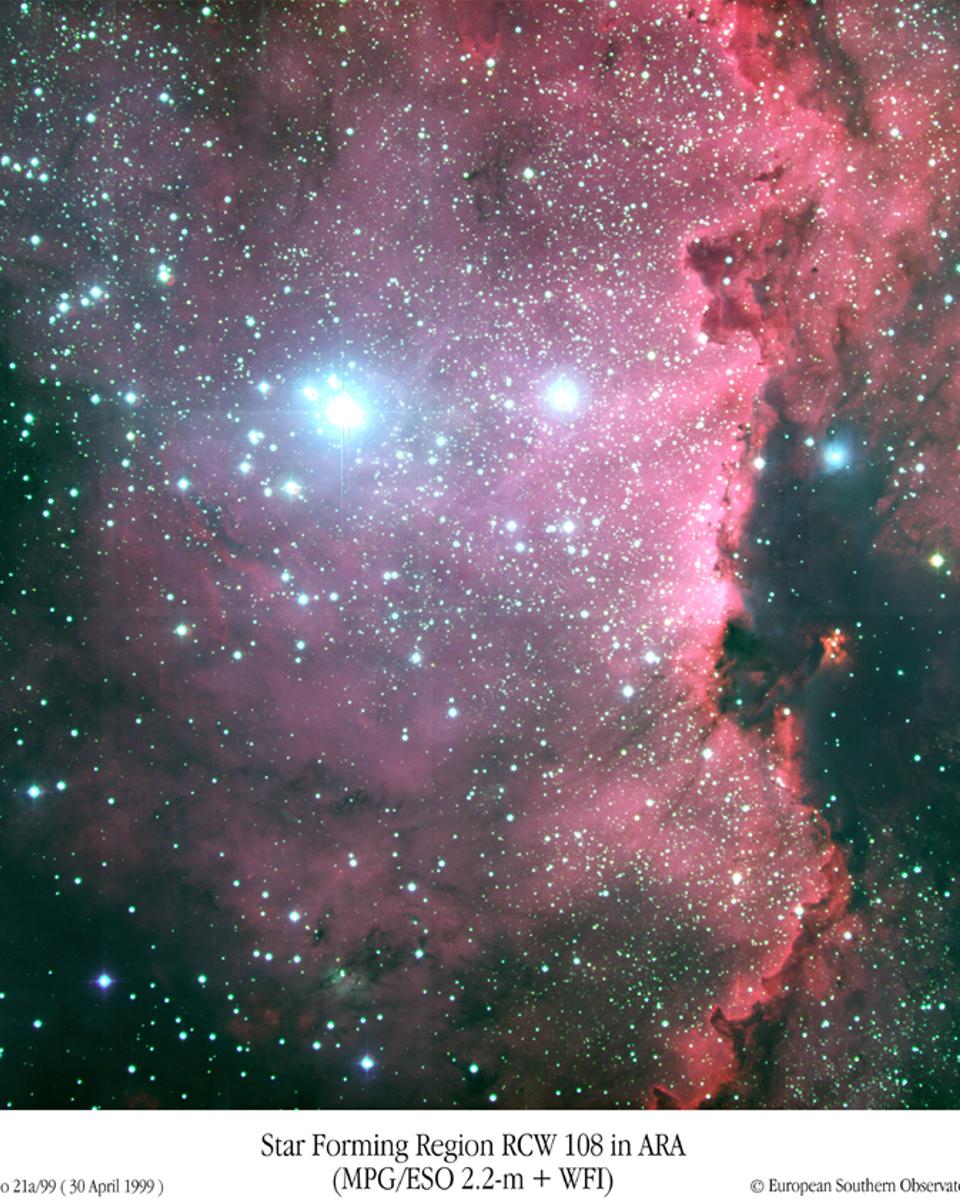
Hot Stars in the Southern Milky Way
Hot blue stars, red glowing hydrogen gas, and dark, obscuring dust clouds are strewn through this dramatic region of the Milky Way in the southern constellation of Ara (the Altar)…
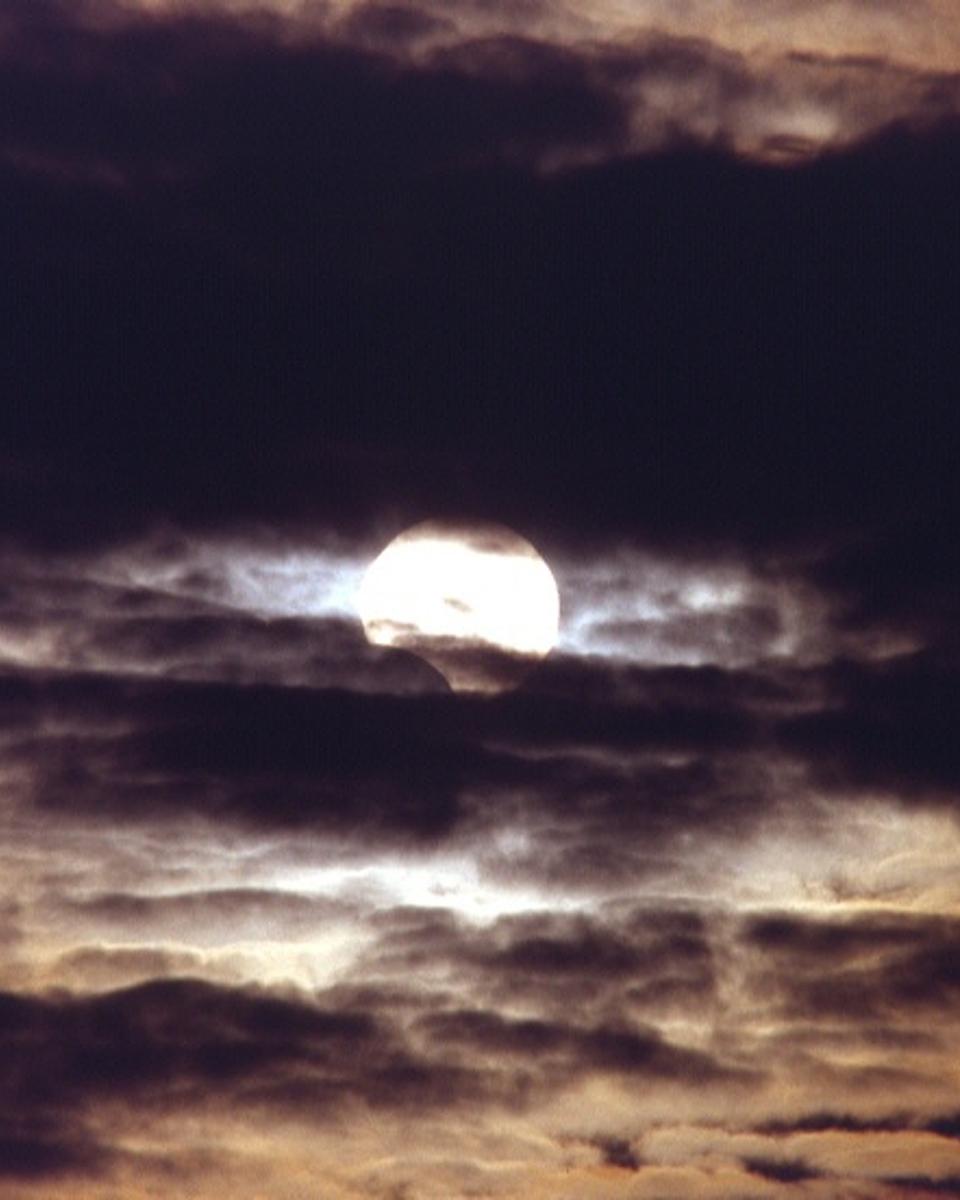
Partial Eclipse, Cloudy Day
Welcome to the December Solstice , first day of winter in the north and summer in the southern hemisphere of planet Earth. Today the Sun reaches its southernmost declination in…
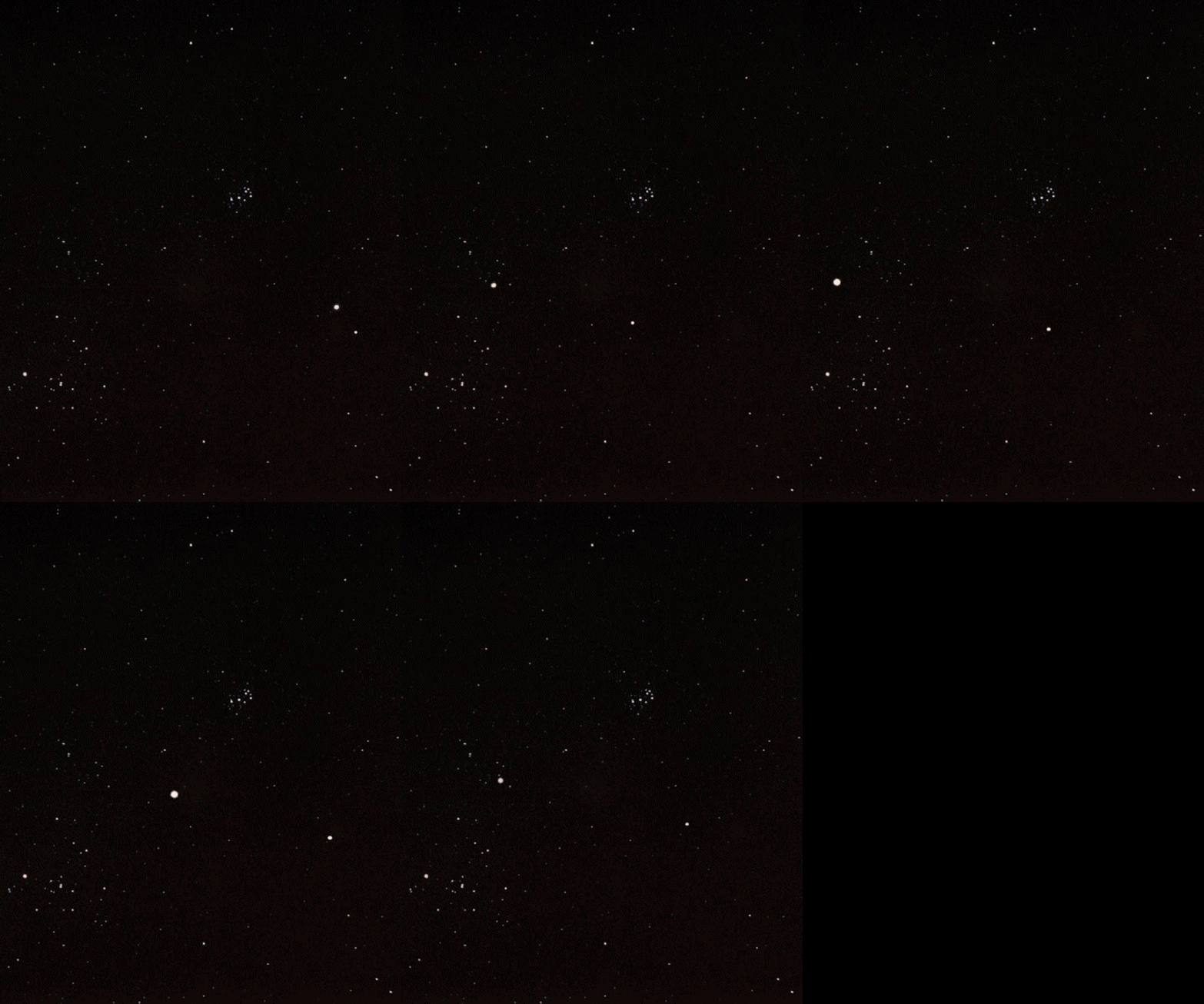
Jupiter and Saturn Pas de Deux
Viewed from Earth, the solar system's planets do a cosmic dance that is hard to appreciate on any single night. But consider this well planned animated sequence combining 23…
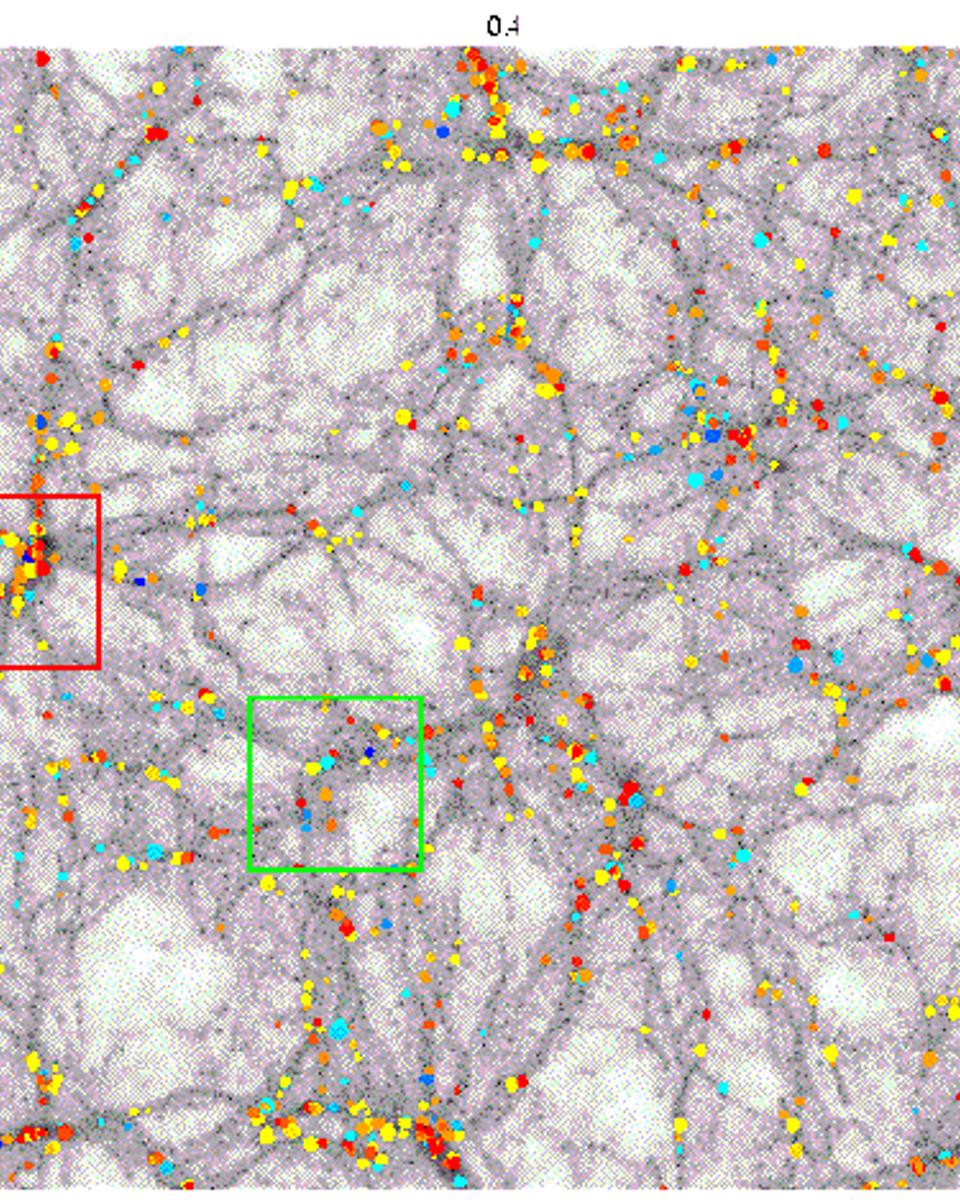
Finding Dark Matter
Where is dark matter ? Galaxies rotate and move in clusters as if a tremendous amount of unseen matter is present. But does dark matter exist in the greater universe too -- and if…
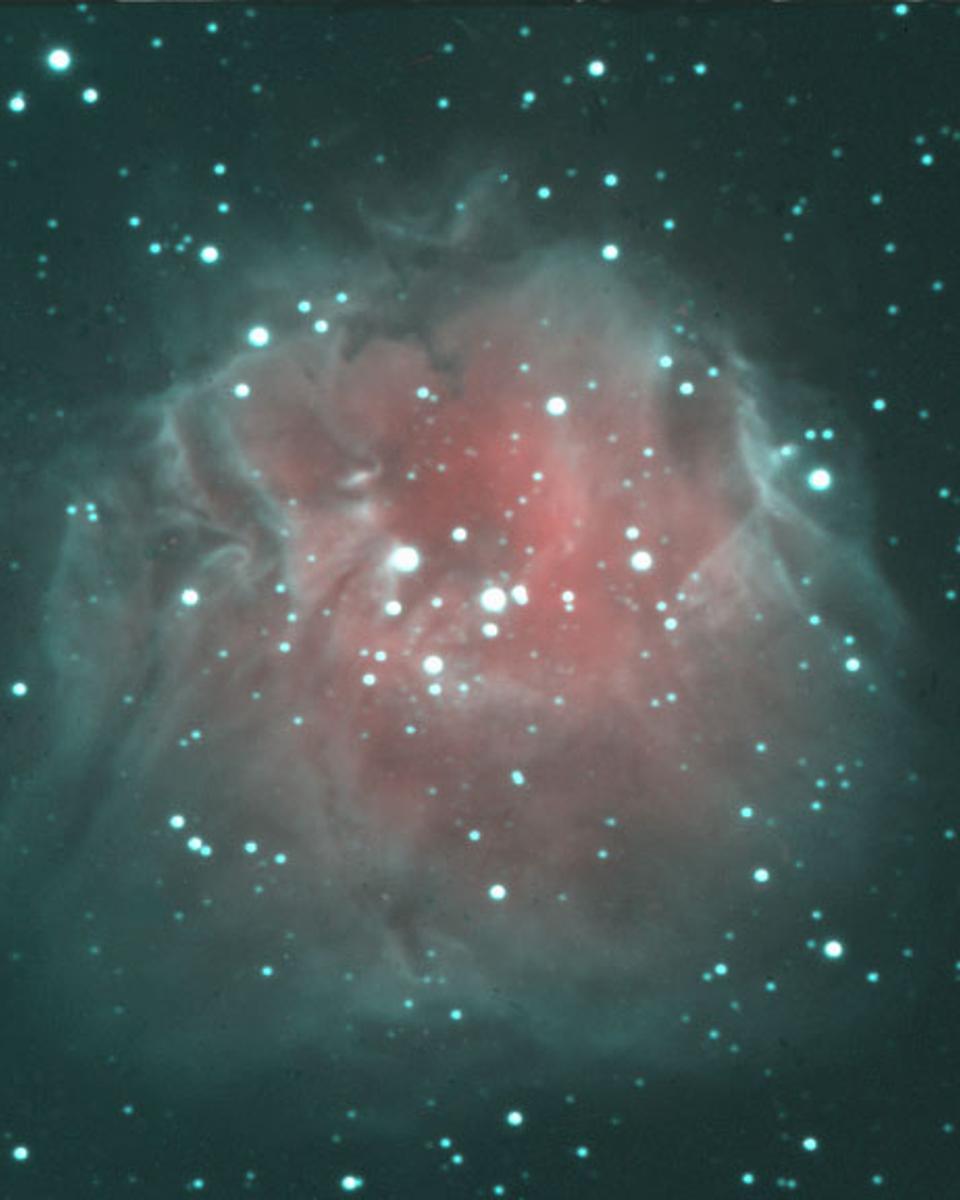
Sharpless 212 in Hydrogen and Sulfur
Where do the most massive stars form? Observational evidence indicates that the outskirts of developing open clusters of stars are primary locations. Pictured above is one such…
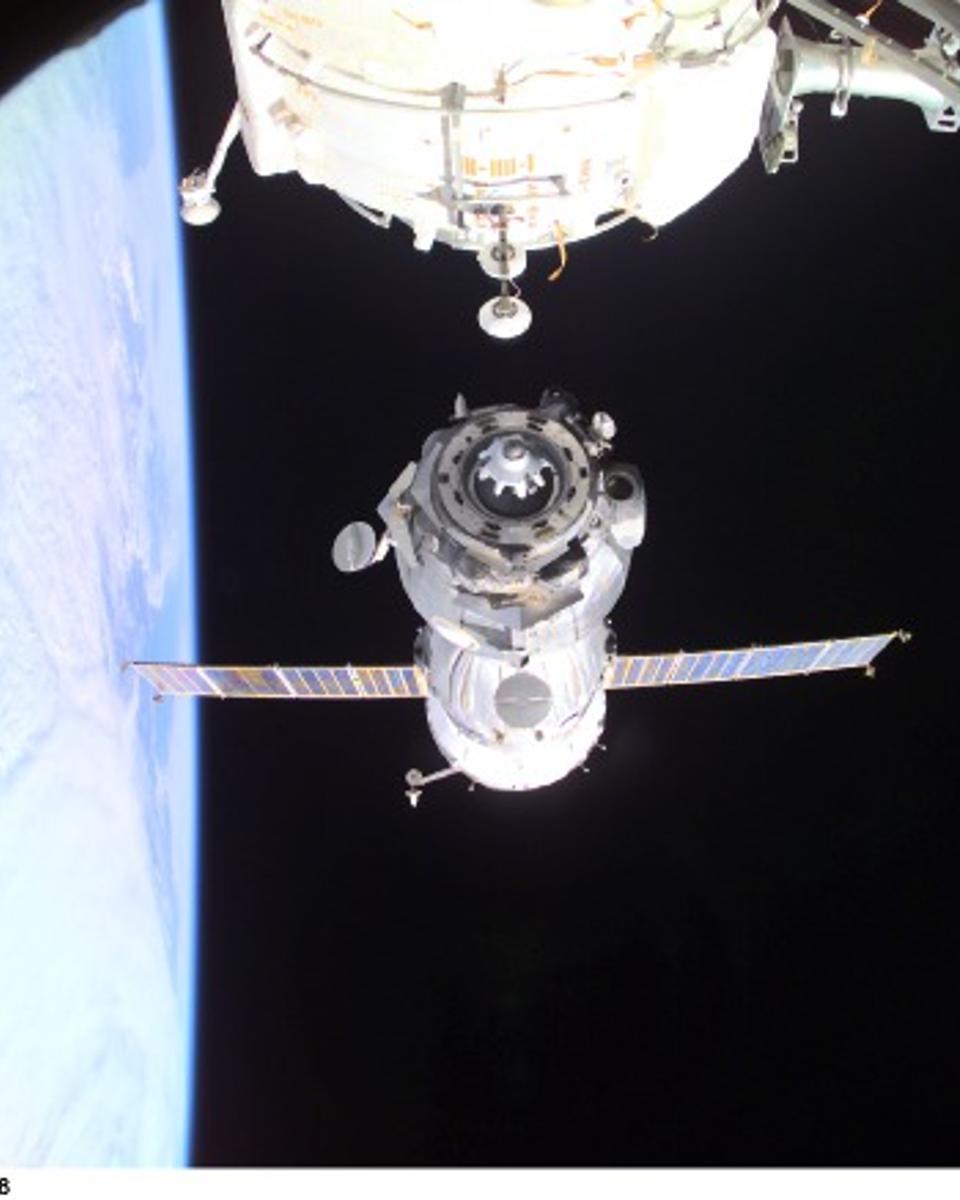
Leaving the International Space Station
It was time to go home. During their eight days aboard the Earth- orbiting International Space Station (ISS), ESA Flight Engineer Claudie Haigner , Russian Commander Victor…
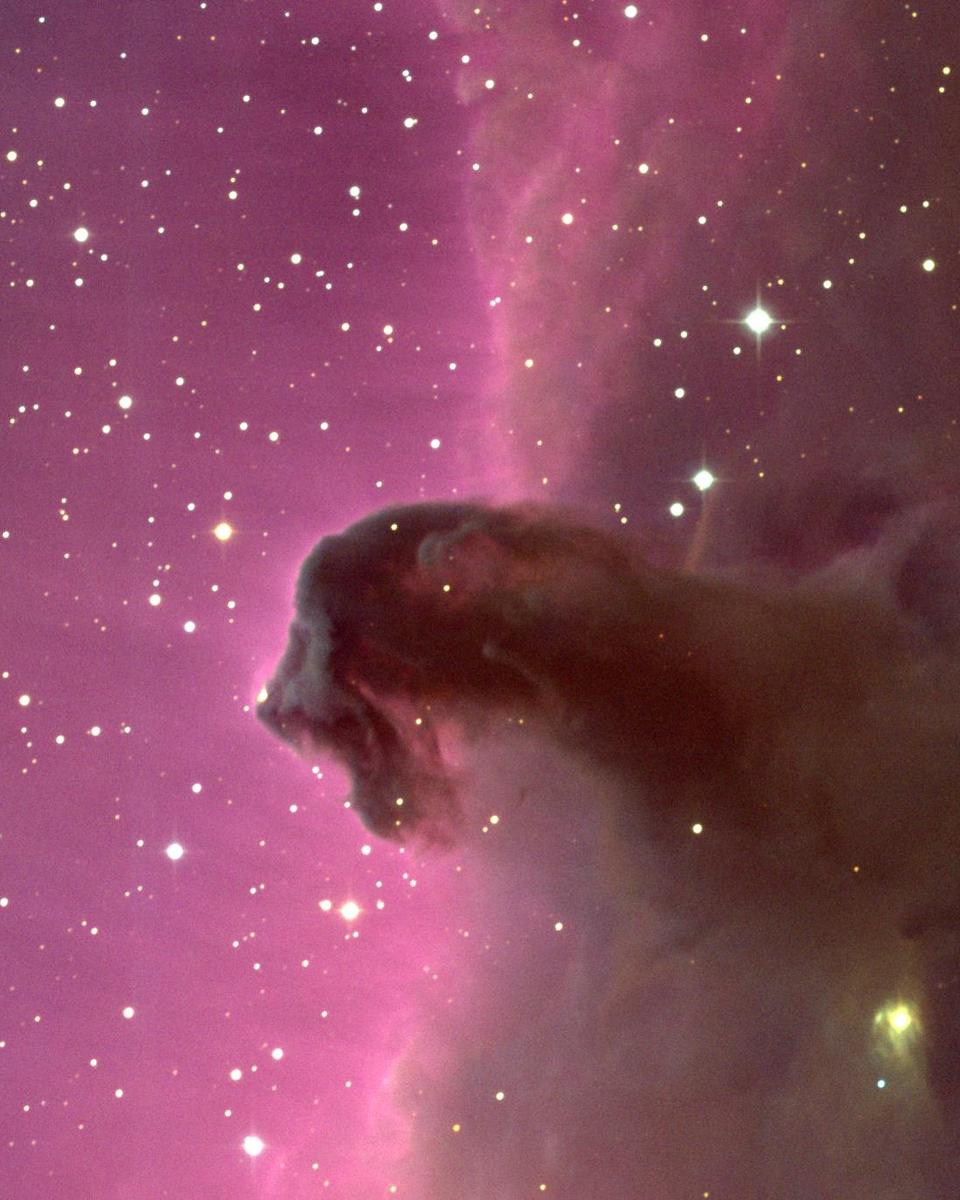
The Horsehead Nebula
One of the most identifiable nebulae in the sky, the Horsehead Nebula in Orion , is part of a large, dark, molecular cloud . Also known as Barnard 33, the unusual shape was first…
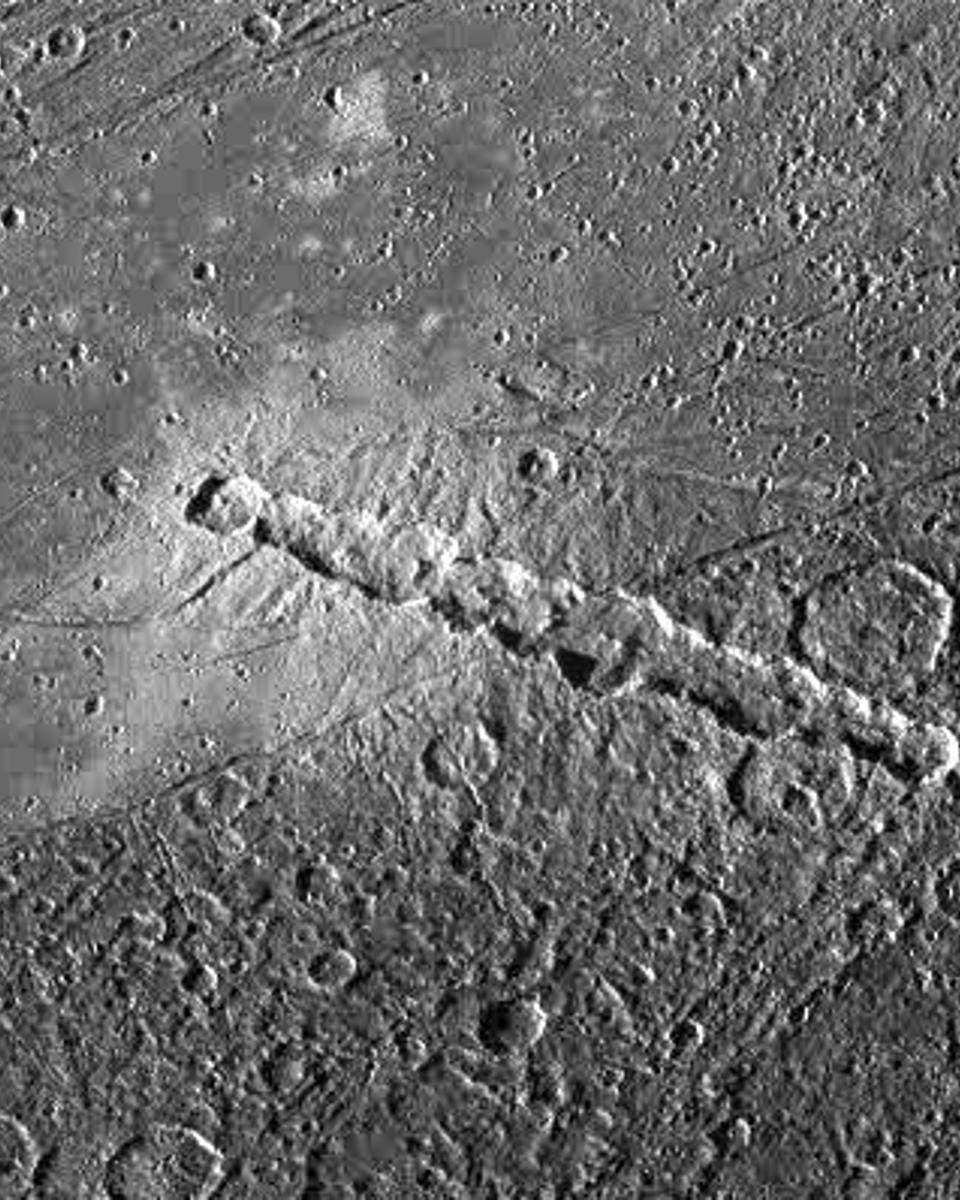
Ganymede: Torn Comet - Crater Chain
This striking line of 13 closely spaced craters on Jupiter's moon Ganymede was photographed by the Galileo spacecraft in 1997. The picture covers an area about 120 miles wide and…
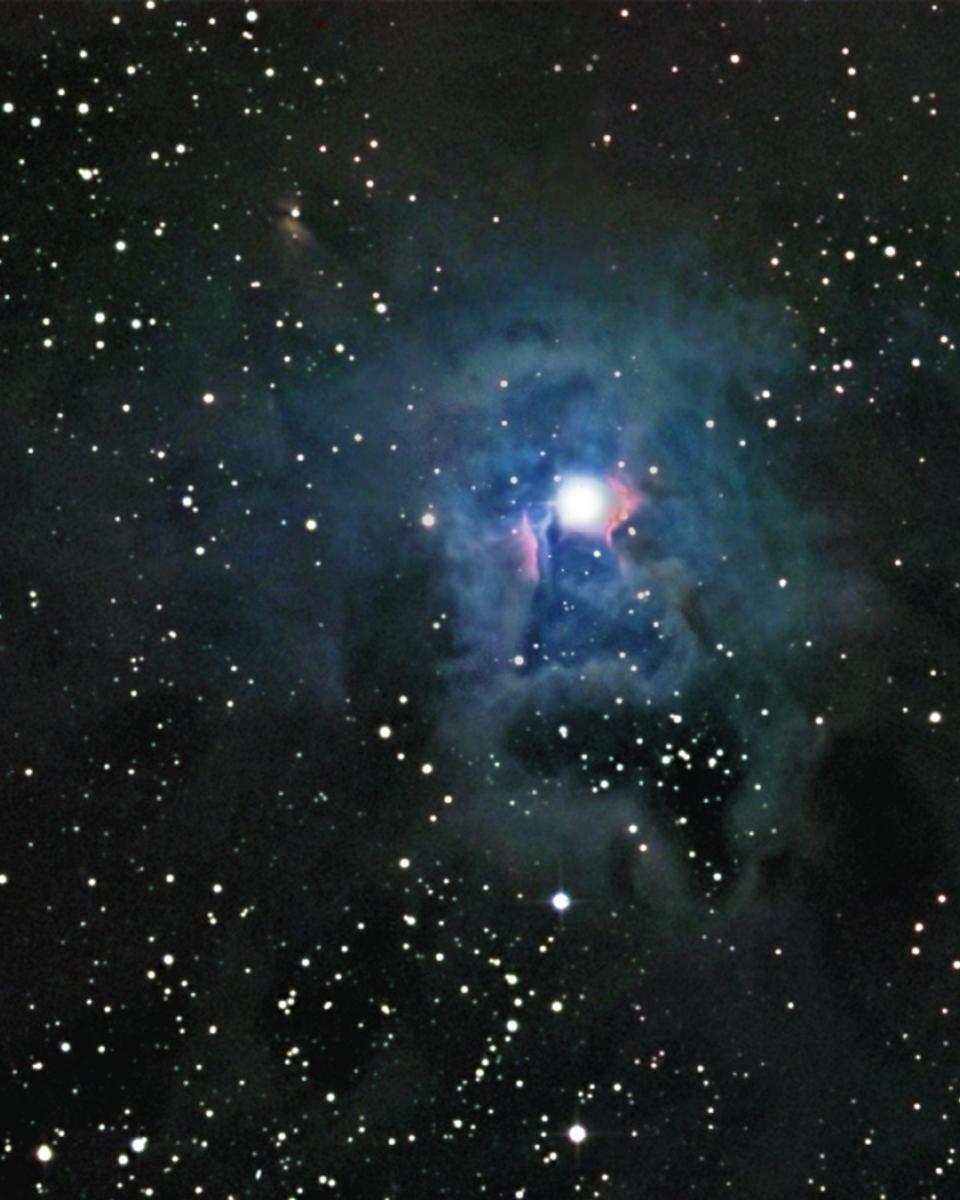
NGC 7023: The Iris Nebula
Like delicate cosmic petals, these clouds of interstellar dust and gas have blossomed 1,300 light-years away in the fertile star fields of the constellation Cepheus . Sometimes…
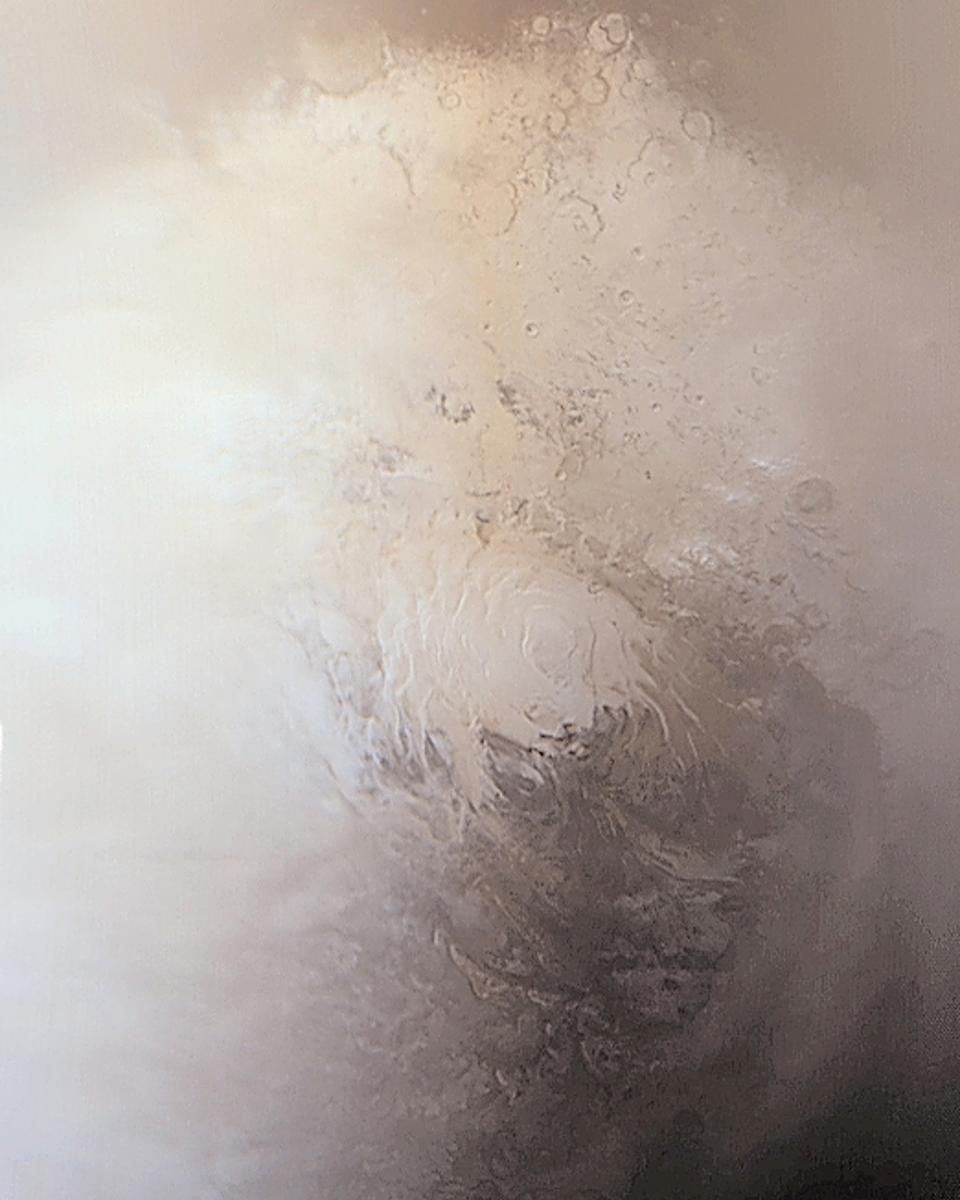
The South Pole of Mars
The south pole of Mars is the bright area near the center of the detailed, subtly shaded color image above. Recorded in September of this year by the Mars Global Surveyor (MGS)…
Viewing discoveries from 5 January 2002 through 13 December 2001.