Browse NASA Astronomy Picture of the Day archive by date and media: Archive Discoveries
Browse the NASA APOD archive without needing the exact date first. Filter by media type and keep moving deeper into older images and videos.
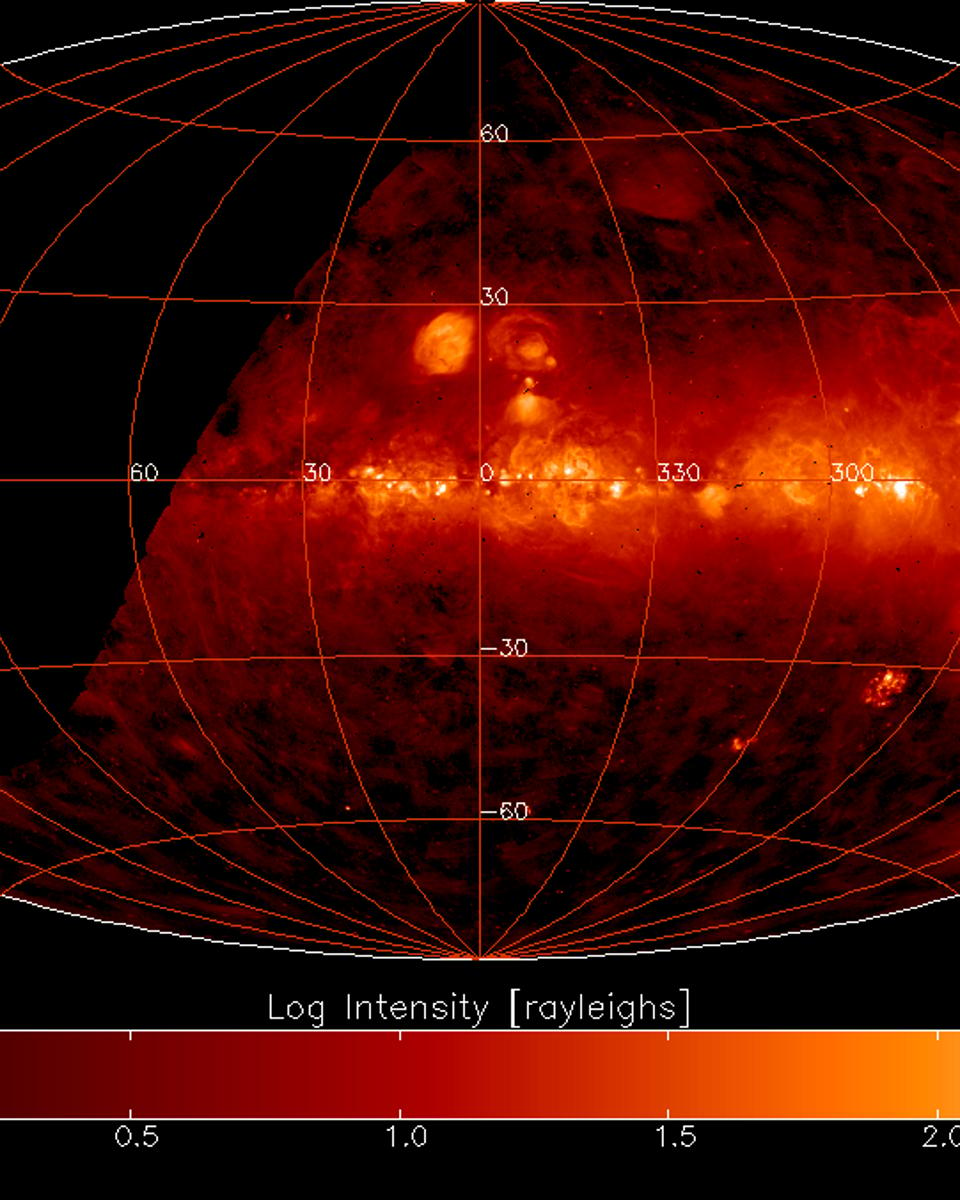
The Southern Sky in Warm Hydrogen
A robotic telescope with red sunglasses in Chile has been photographing the entire southern sky for years. The result, shown above , is the most complete sky map of the most…
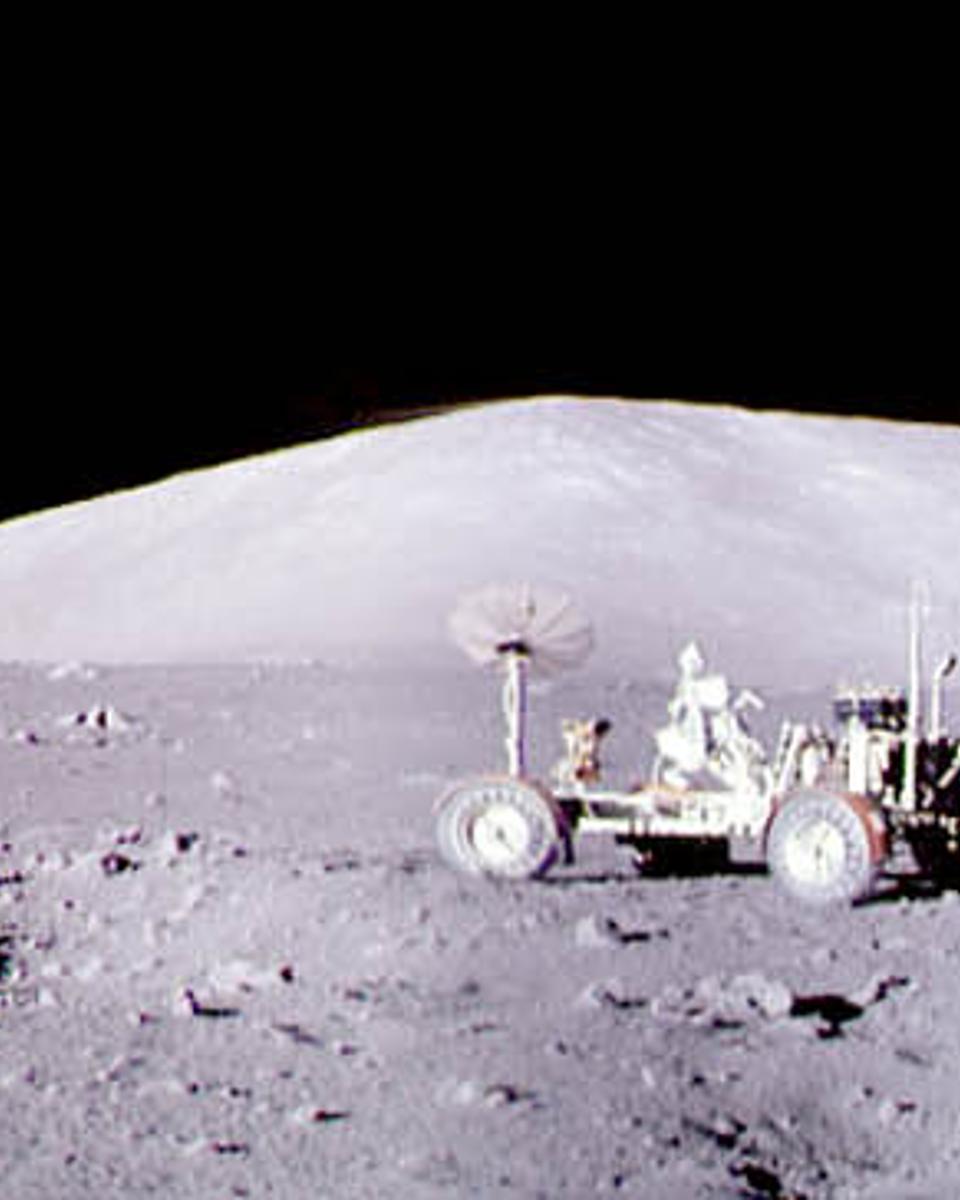
An Apollo 17 Panorama
What would it be like to stand on the surface of another world, to look all around you, and to try to figure out how this world got there? To get an idea, scroll right. In 1972…
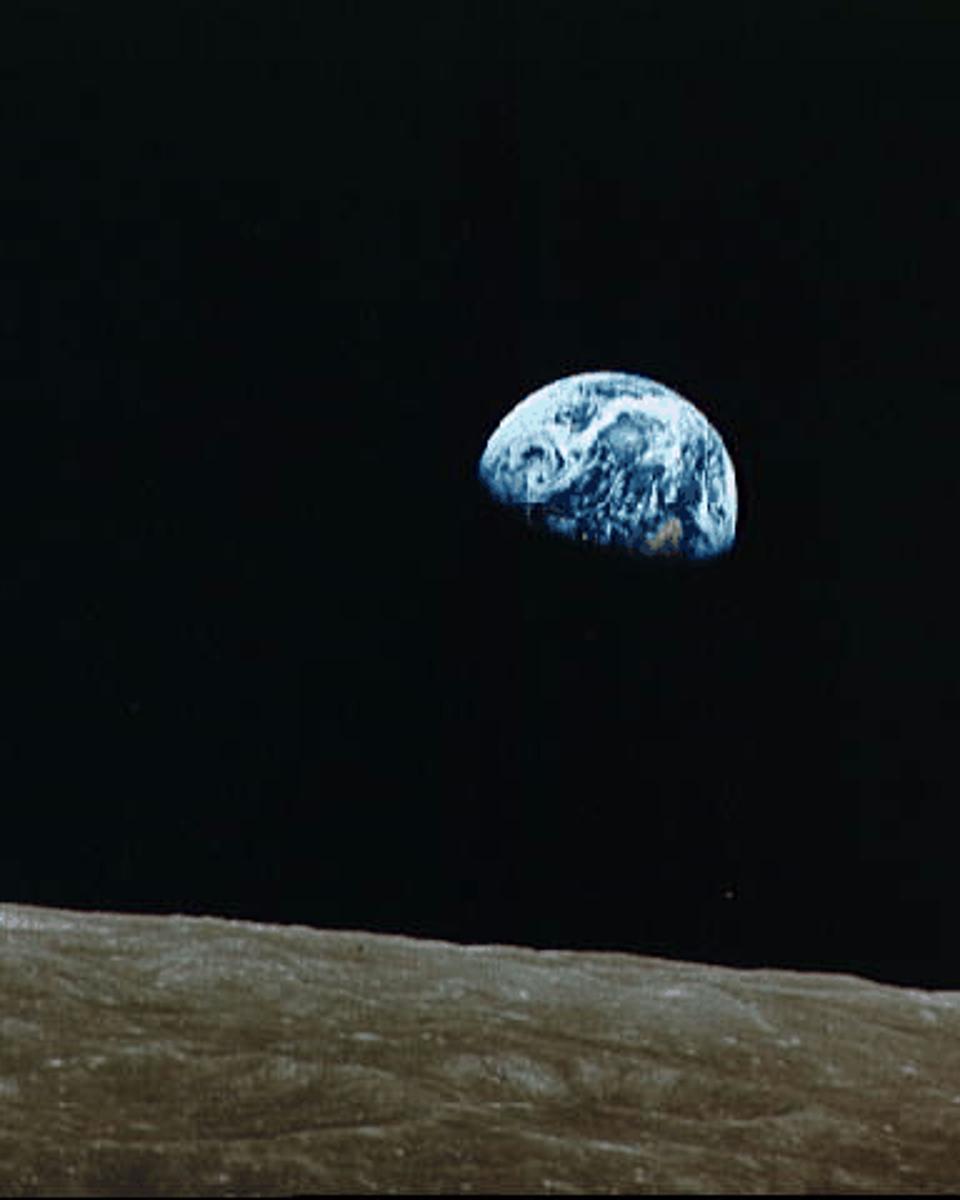
Earth Rise
During 1968, the Apollo 8 crew flew from the Earth to the Moon and back. The crew, consisting of Frank Borman , James Lovell , and William Anders , were launched atop a Saturn V…
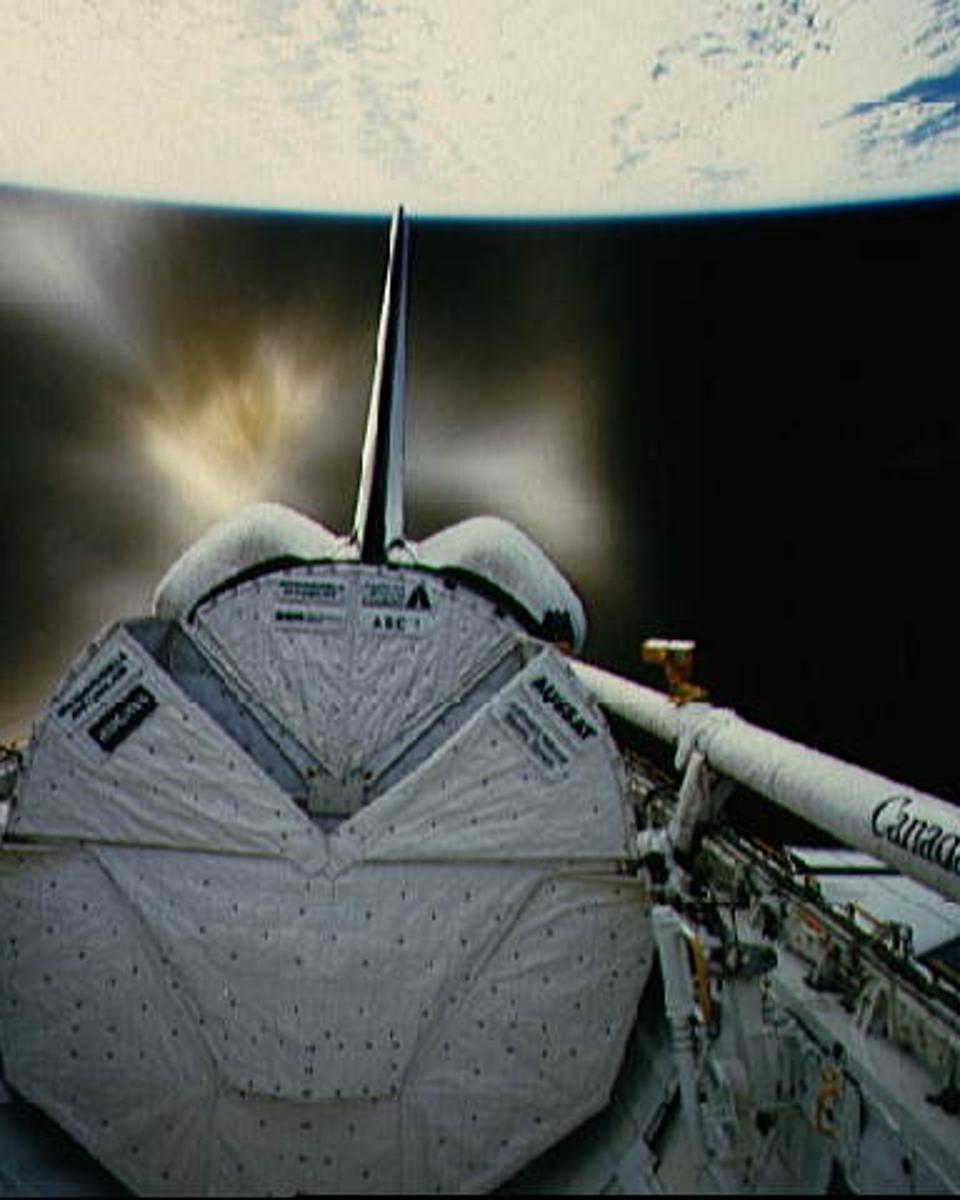
Shuttle Engine Blast
The Space Shuttle Discovery 's orbital maneuvering system (OMS) engine firing produced this dramatic flare as it cruised “upside down” in low Earth orbit. Discovery was named for…
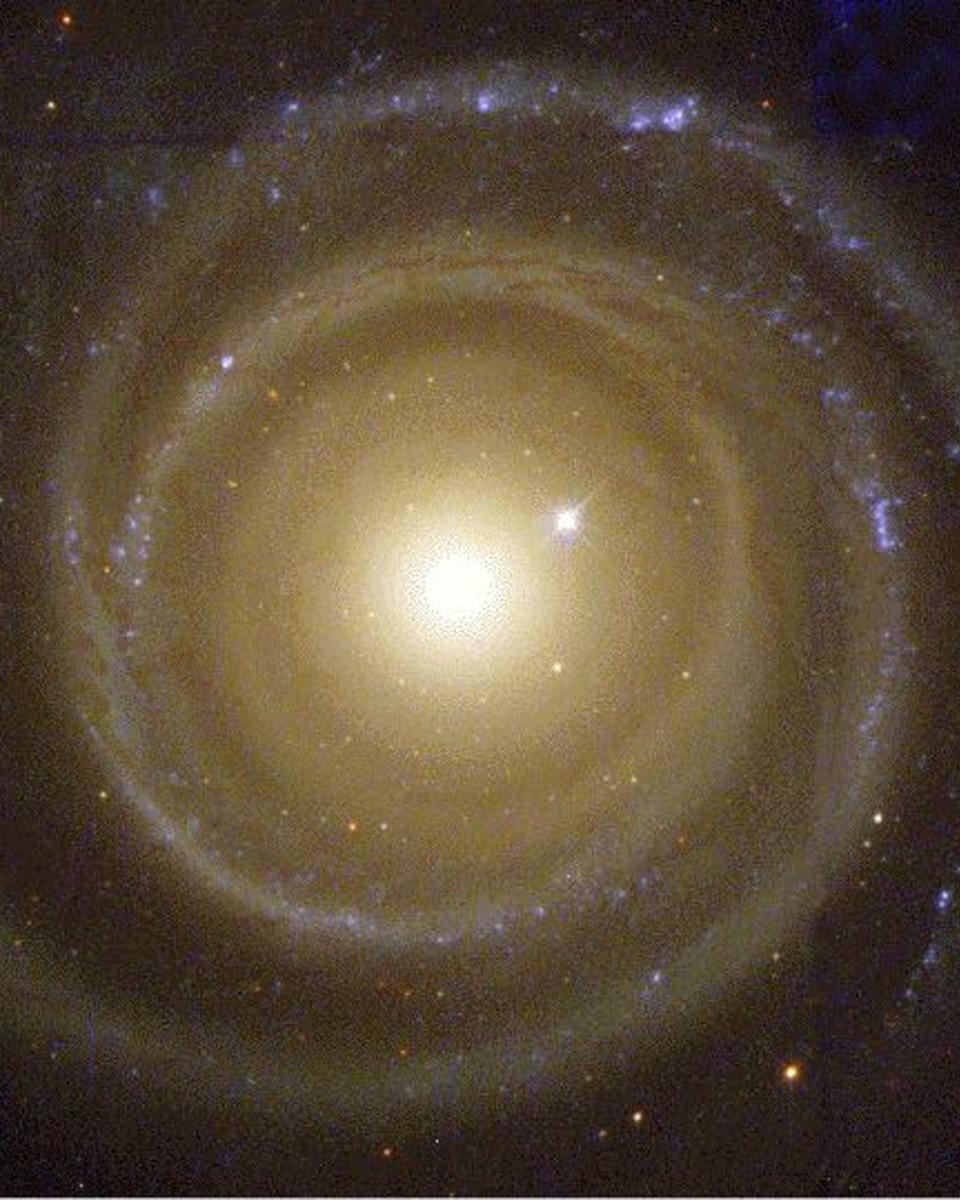
The Spiral Arms of NGC 4622
While stirring a morning cup of coffee and thinking cosmic thoughts many astronomers would glance at this Hubble Space Telescope image of spiral galaxy NGC 4622 and assume that…
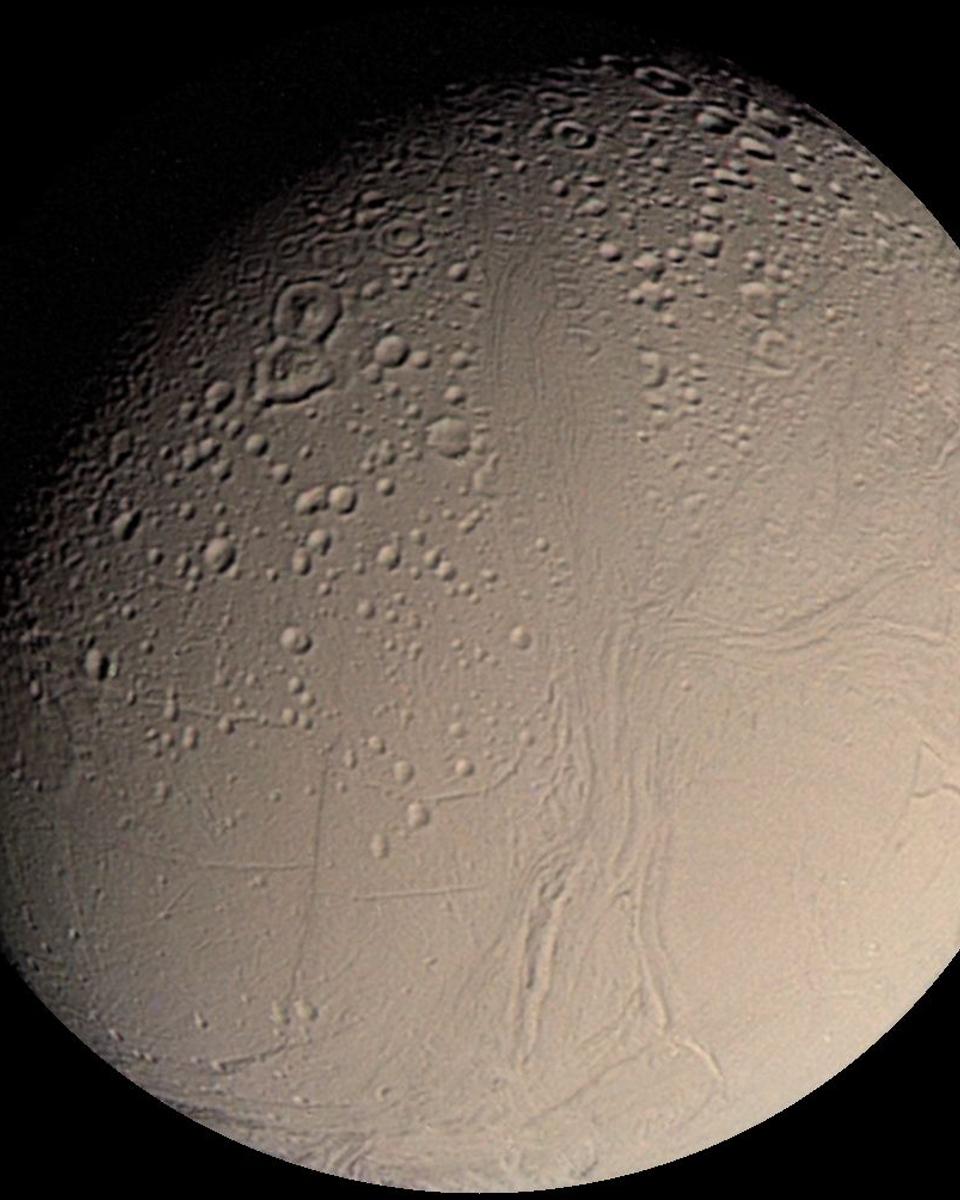
Ski Enceladus
A small inner moon of Saturn , Enceladus is only about 500 kilometers in diameter. But the cold, distant world does reflect over 90 percent of the sunlight it receives, giving its…
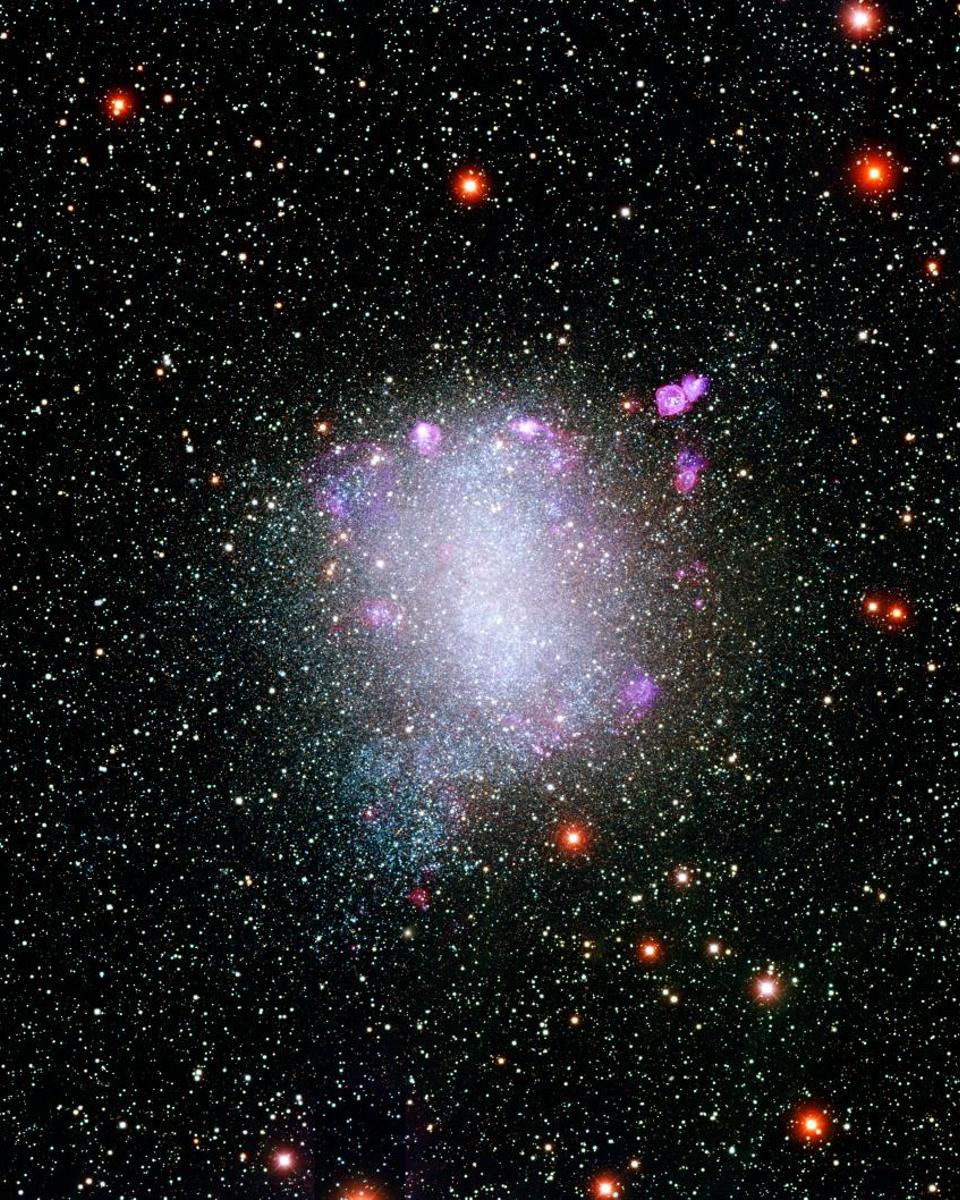
Local Group Galaxy NGC 6822
Nearby galaxy NGC 6822 is irregular in several ways. First, the galaxy's star distribution merits a formal classification of dwarf irregular , and from our vantage-point the small…
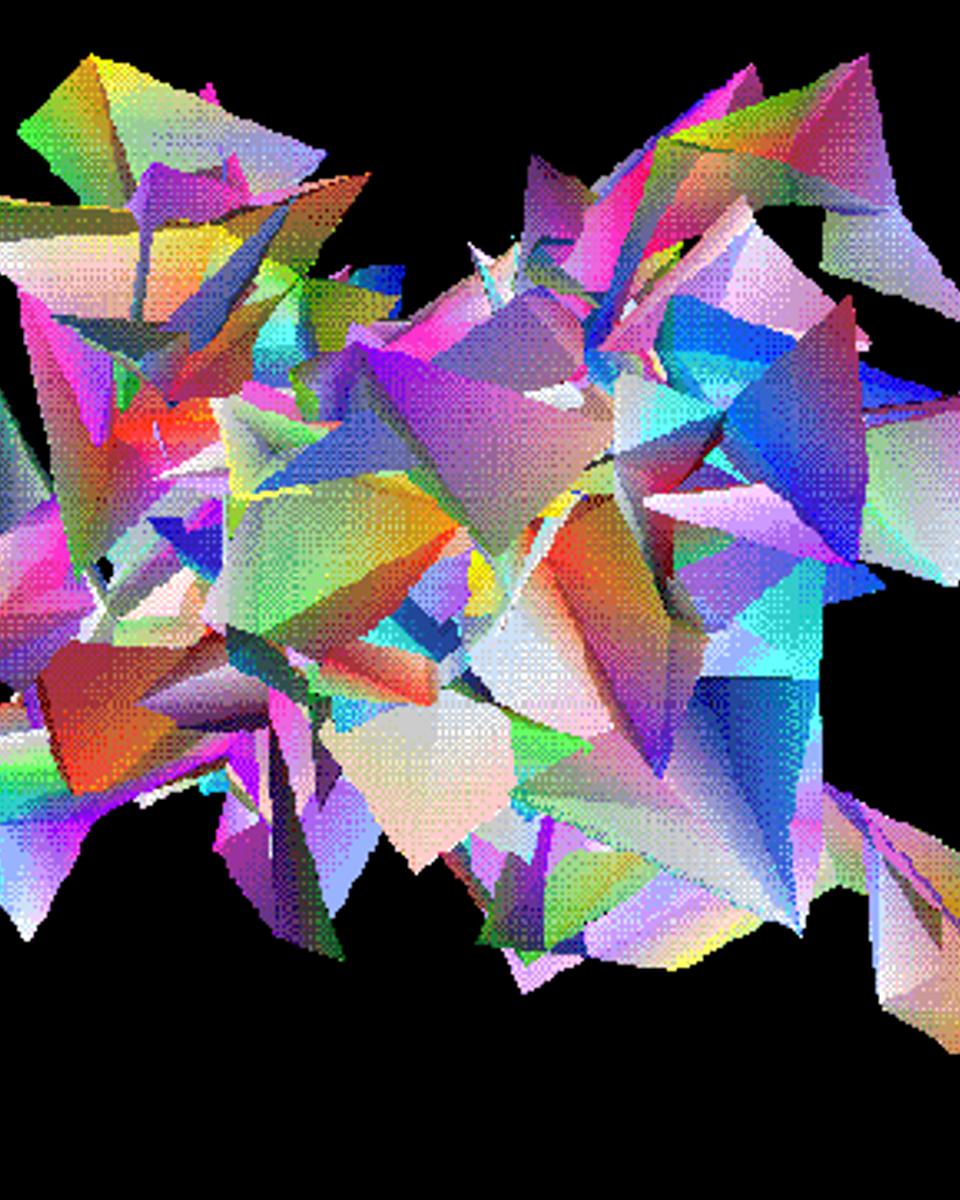
Neutron Bounce Quantized in Earth Gravity
For the first time, Earth's gravity has been used to isolate quantum energy levels of the neutron. The effect may be used in the future to test for slightly different effects of…
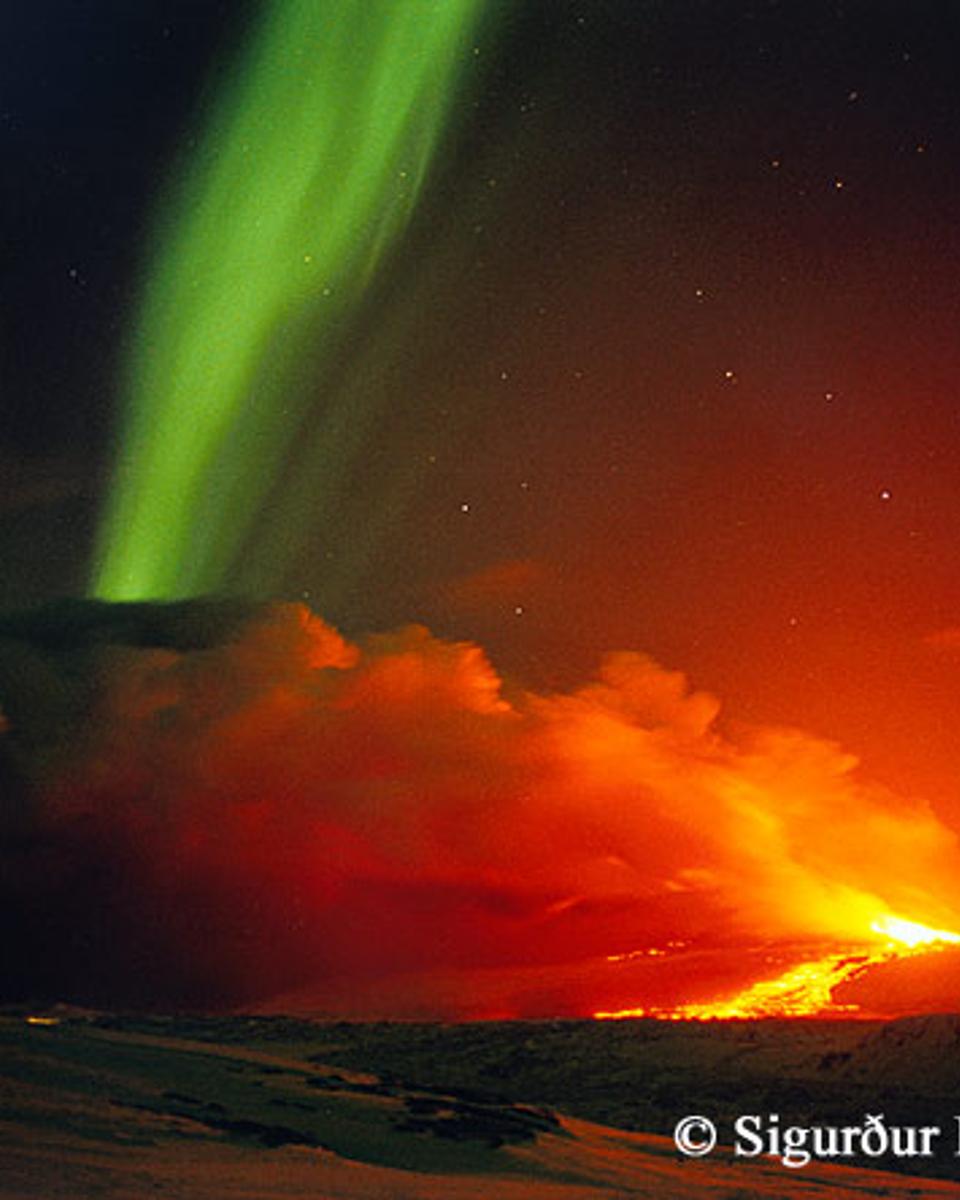
Volcano and Aurora in Iceland
Sometimes both heaven and Earth erupt. In Iceland in 1991, the volcano Hekla erupted at the same time that auroras were visible overhead. Hekla , one of the most famous volcanoes…
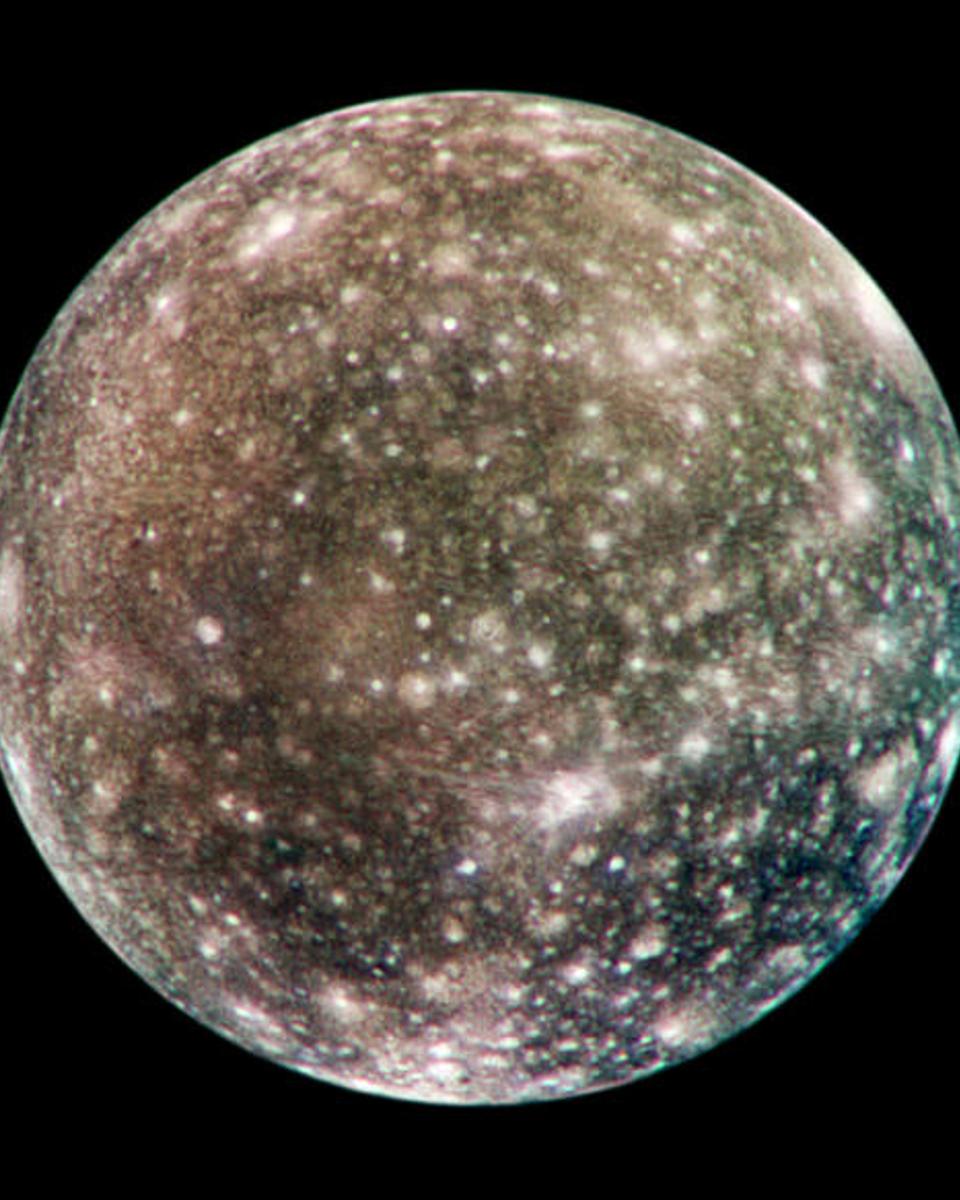
Callisto Full Face
Callisto 's surface shows its age. While probably formed at the same time as Io , the difference between the surfaces of these two moons of Jupiter could hardly be greater. Io's…
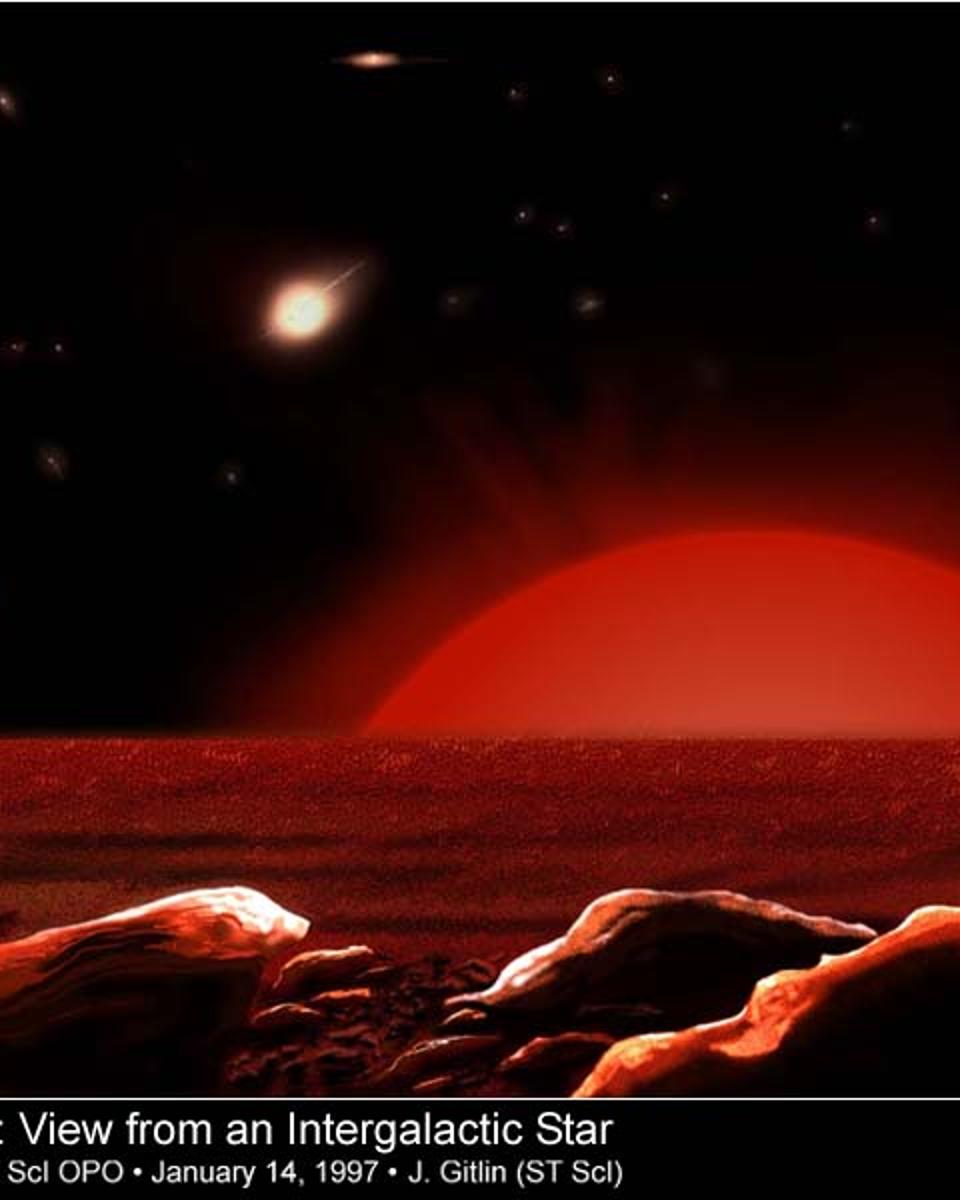
Stars Without Galaxies
Galaxies are made up of stars, but are all stars found within galaxies? Using the Hubble Space Telescope, researchers exploring the Virgo Cluster of galaxies have found about 600…
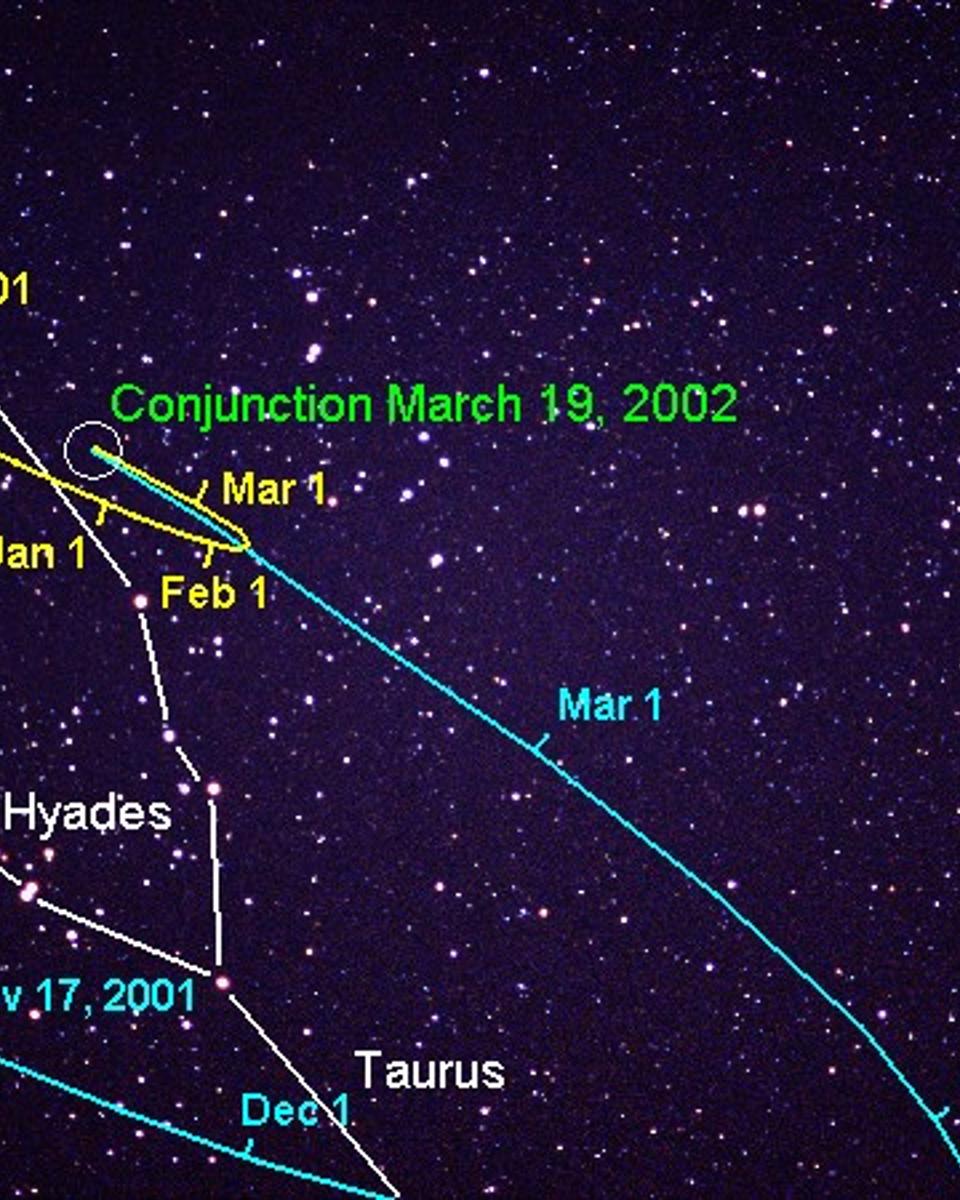
Saturn and Vesta in Taurus
Last November, while skygazing toward the constellation Taurus , astrophotographer Joe Orman arranged this time exposure to include the lovely Hyades and Pleiades star clusters in…
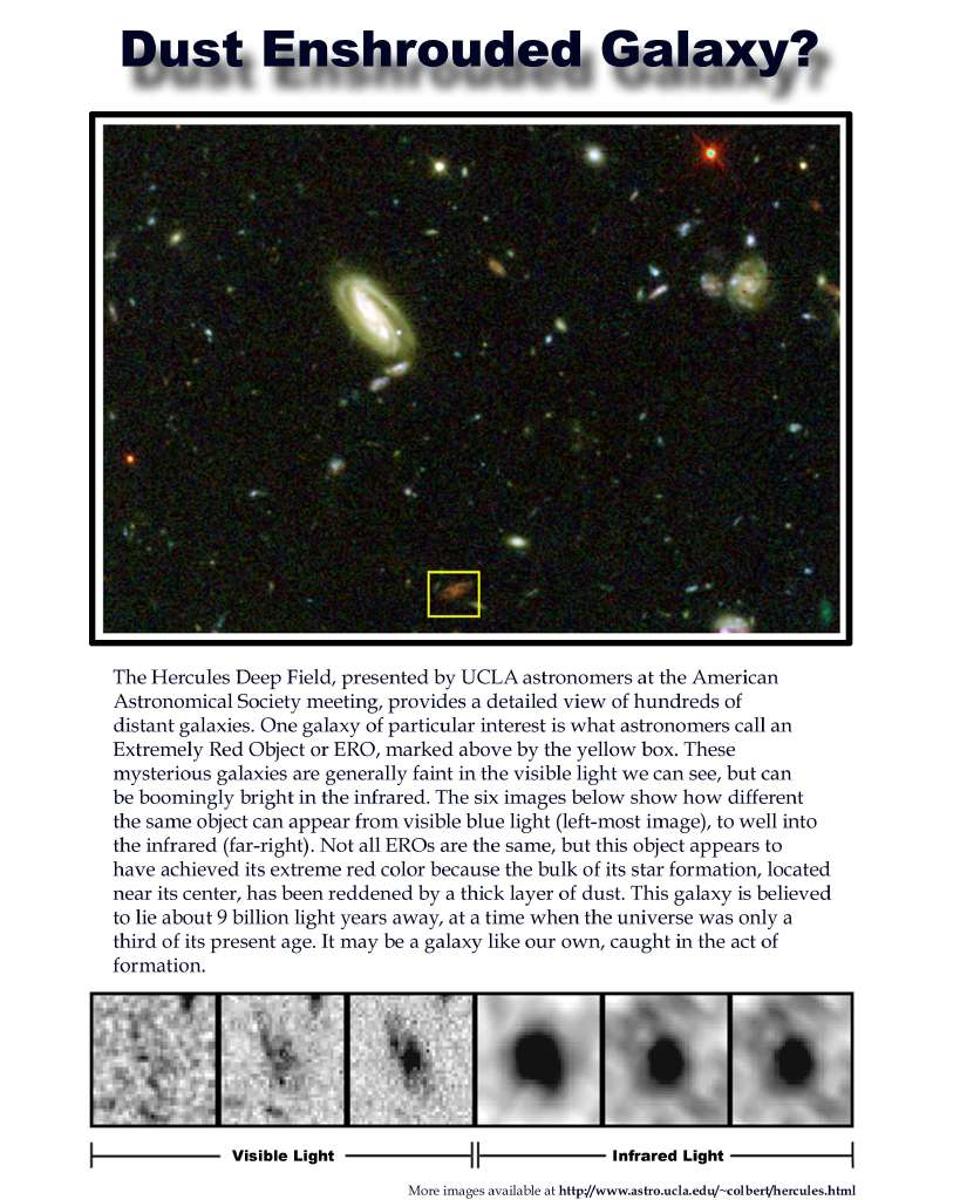
Pick a Galaxy, Any Galaxy
Pick a galaxy , any galaxy. In the top panel you can choose from a myriad of distant galaxies revealed in a deep Hubble Space Telescope image of a narrow slice of the cosmos…
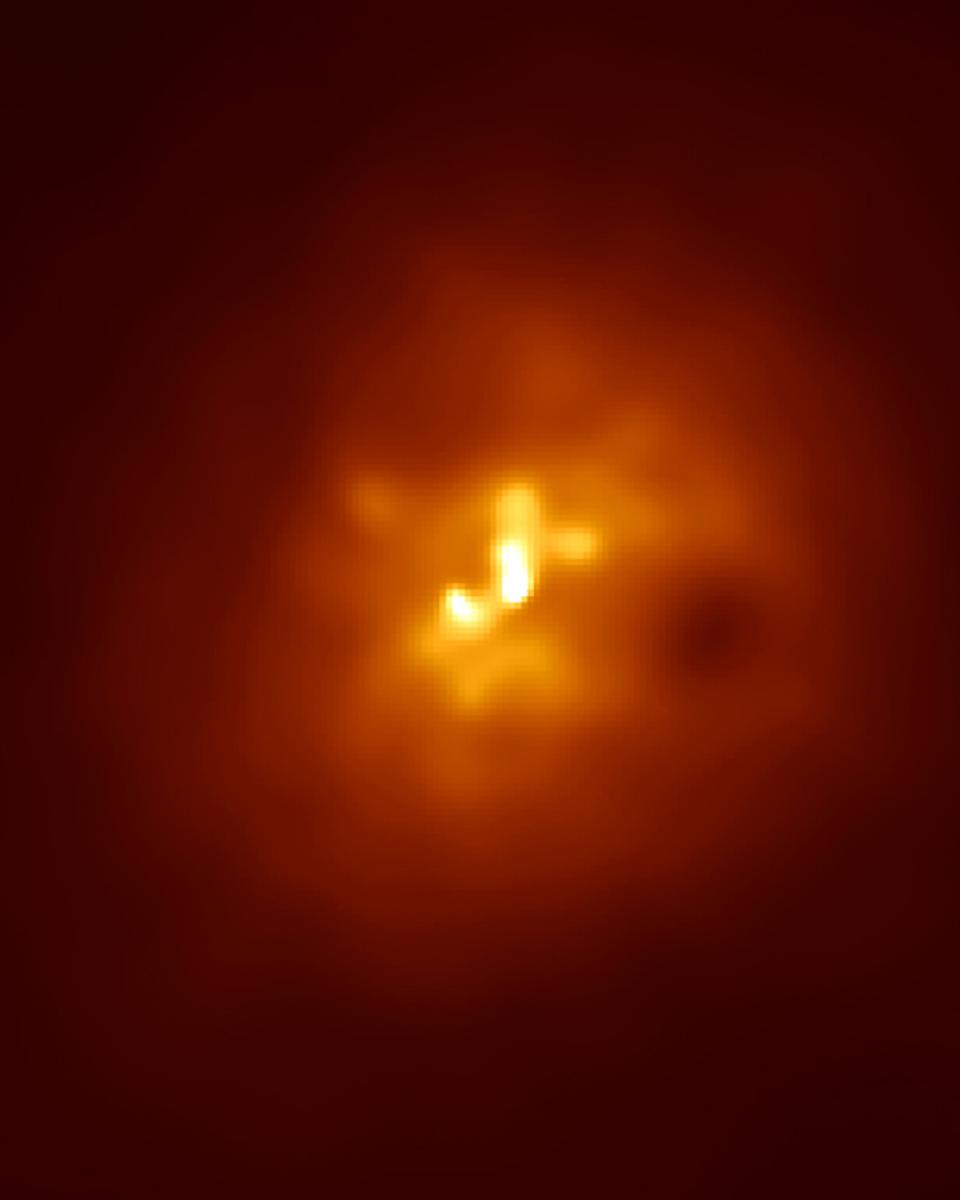
Abell 2597's Cosmic Cavities
Typical of large galaxy clusters billions of light-years away, Abell 2597 features hundreds of galaxies embedded in a cloud of multimillion degree gas which glows in x-rays. This…
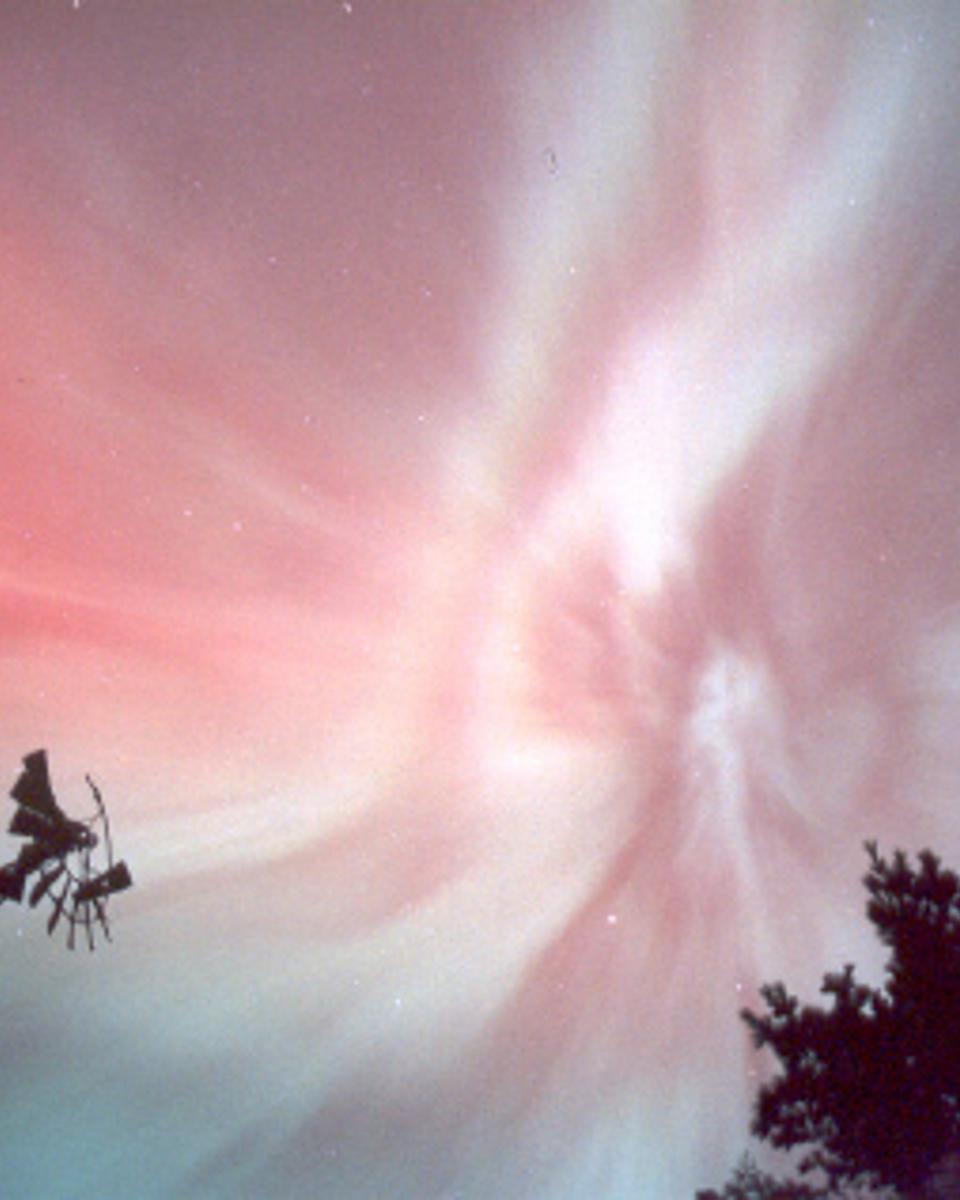
Red Auroral Corona
Few auroras show this level of detail. This unusual display of an auroral corona occurred on Earth three days after an unusual solar event -- the fifth most powerful explosion yet…
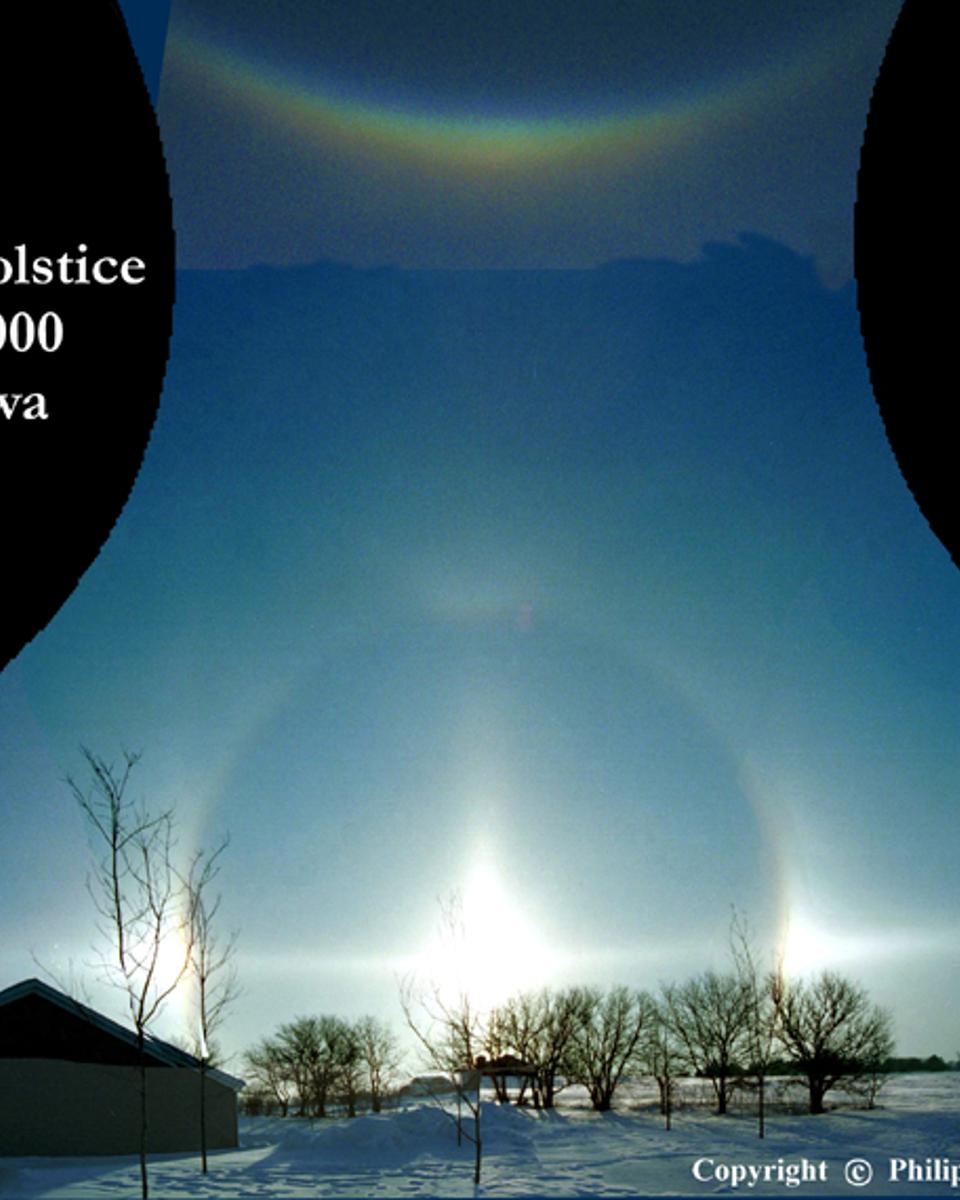
Sun Halo at Winter Solstice
Sometimes it looks like the Sun is being viewed through a large lens . In the above case, however, there are actually millions of lenses: ice crystals . As water freezes in the…
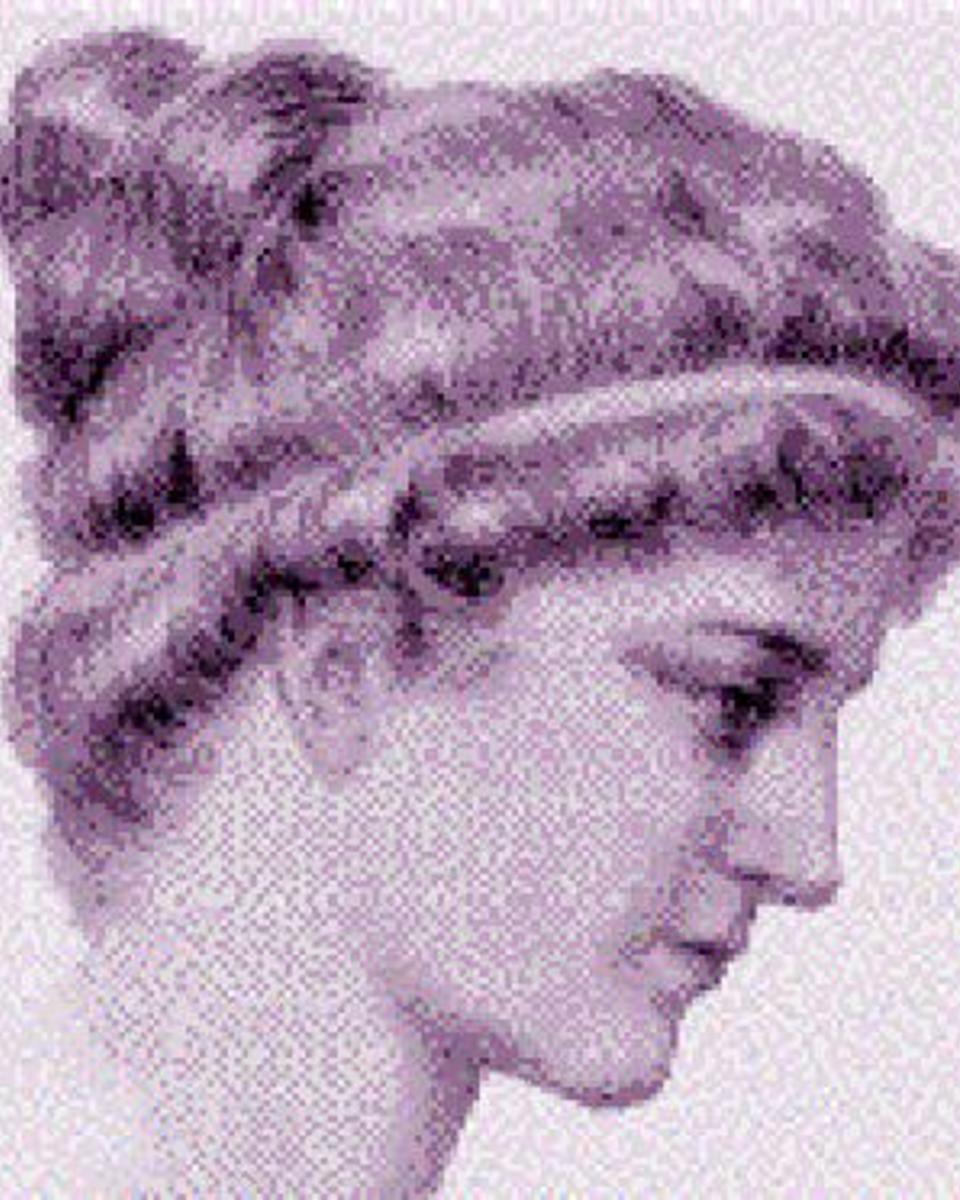
Hypatia of Alexandria
Sixteen hundred years ago, Hypatia became one of the world's leading scholars in mathematics and astronomy. Hypatia 's legendary knowledge, modesty, and public speaking ability…
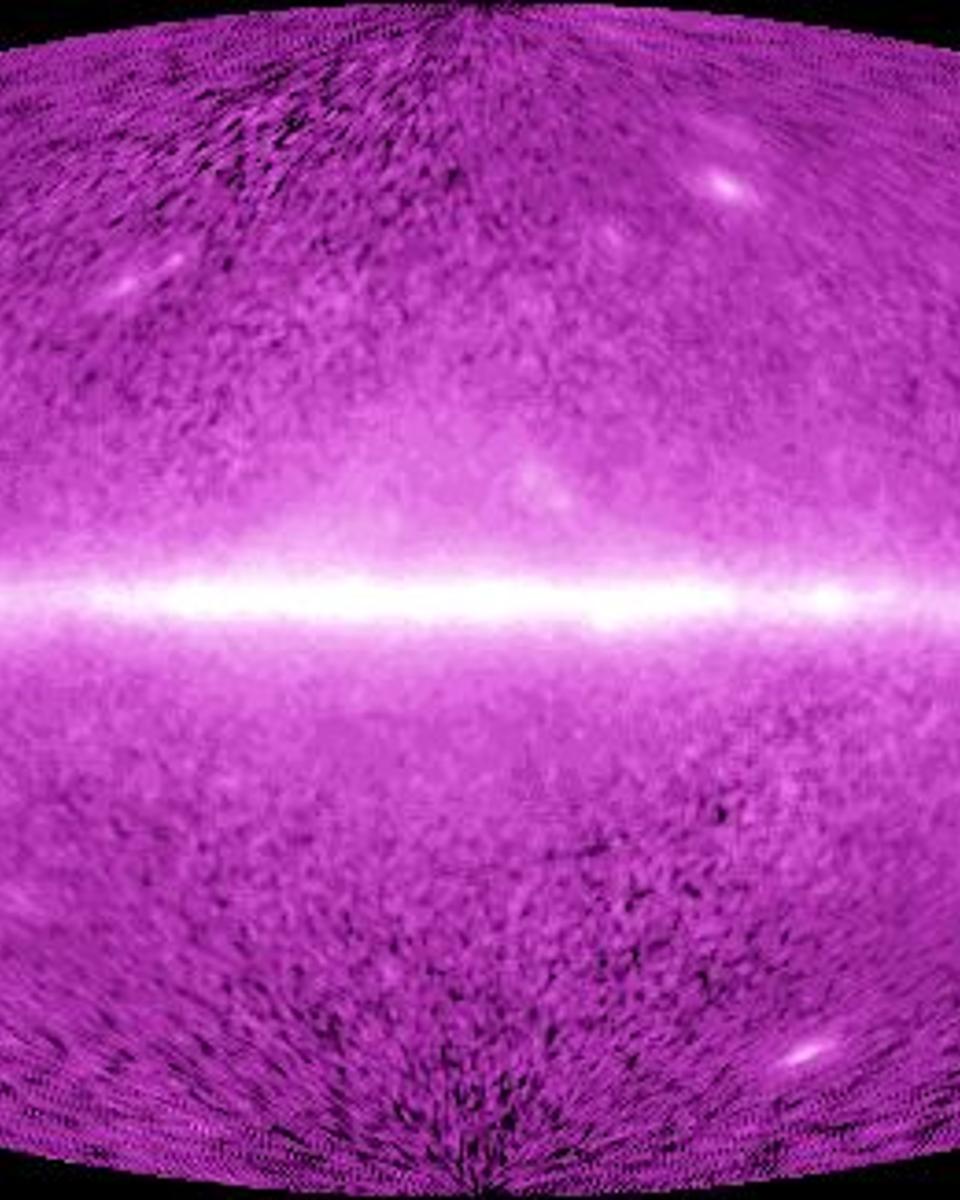
The Gamma Ray Sky
What if you could see gamma rays ? If you could, the sky would seem to be filled with a shimmering high-energy glow from the most exotic and mysterious objects in the Universe. In…
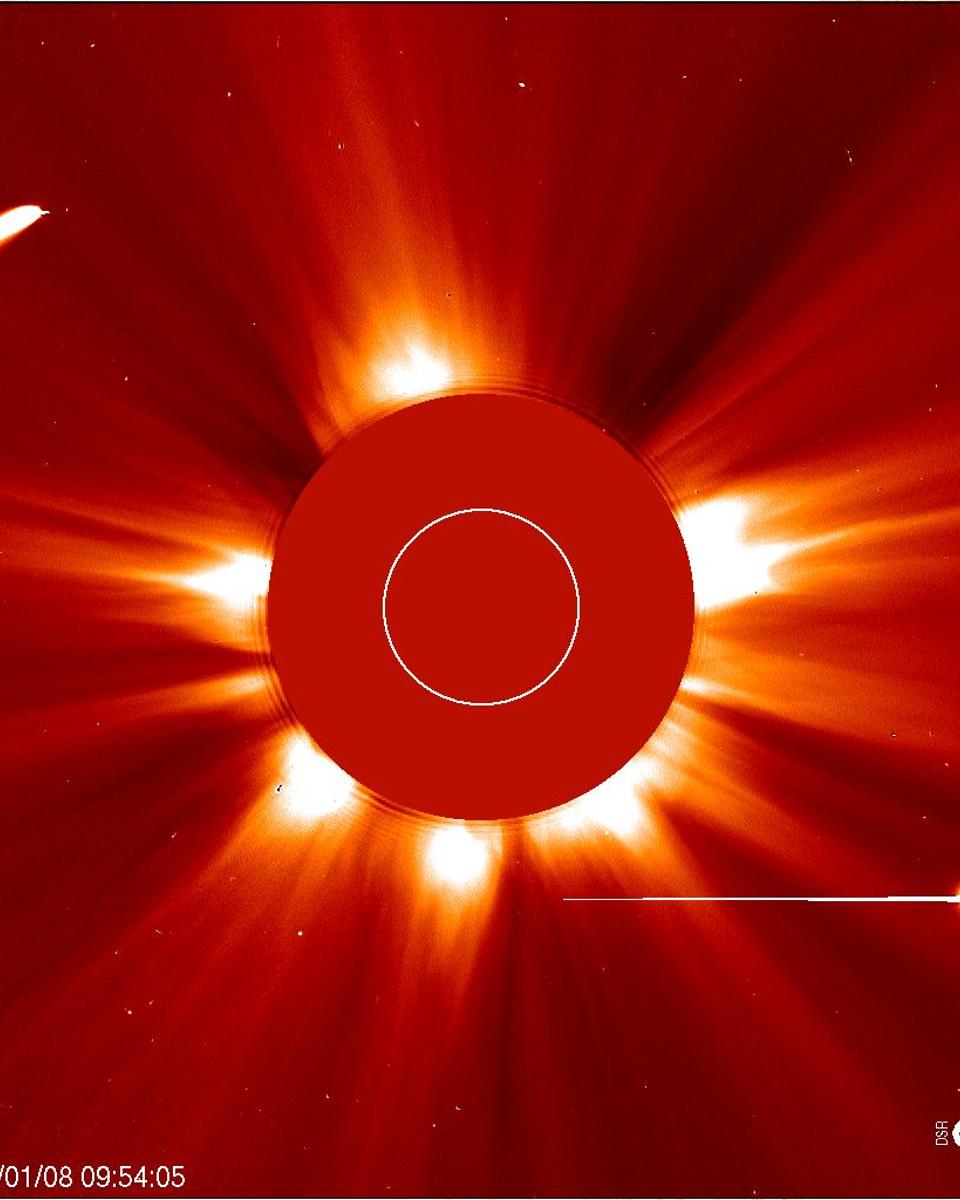
Sunbather
Intense and overwhelming, the direct glare of the Sun is blocked by the smooth disk centered in this image from the sun-staring SOHO spacecraft. Taken on January 8, the picture…
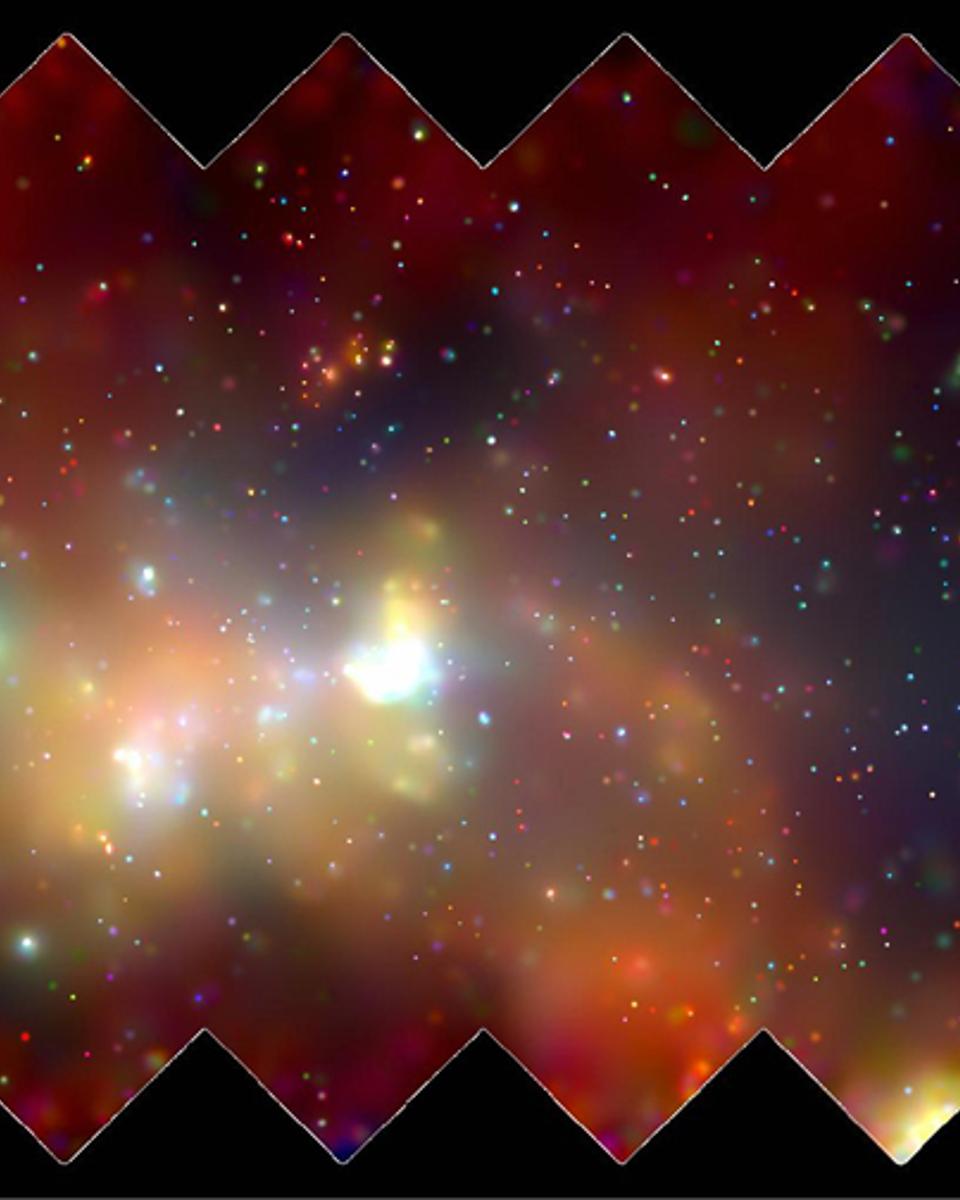
X-Ray Milky Way
If you had x-ray vision, the center regions of our Galaxy would not be hidden from view by immense cosmic dust clouds opaque to visible light. Instead , the Milky Way toward…
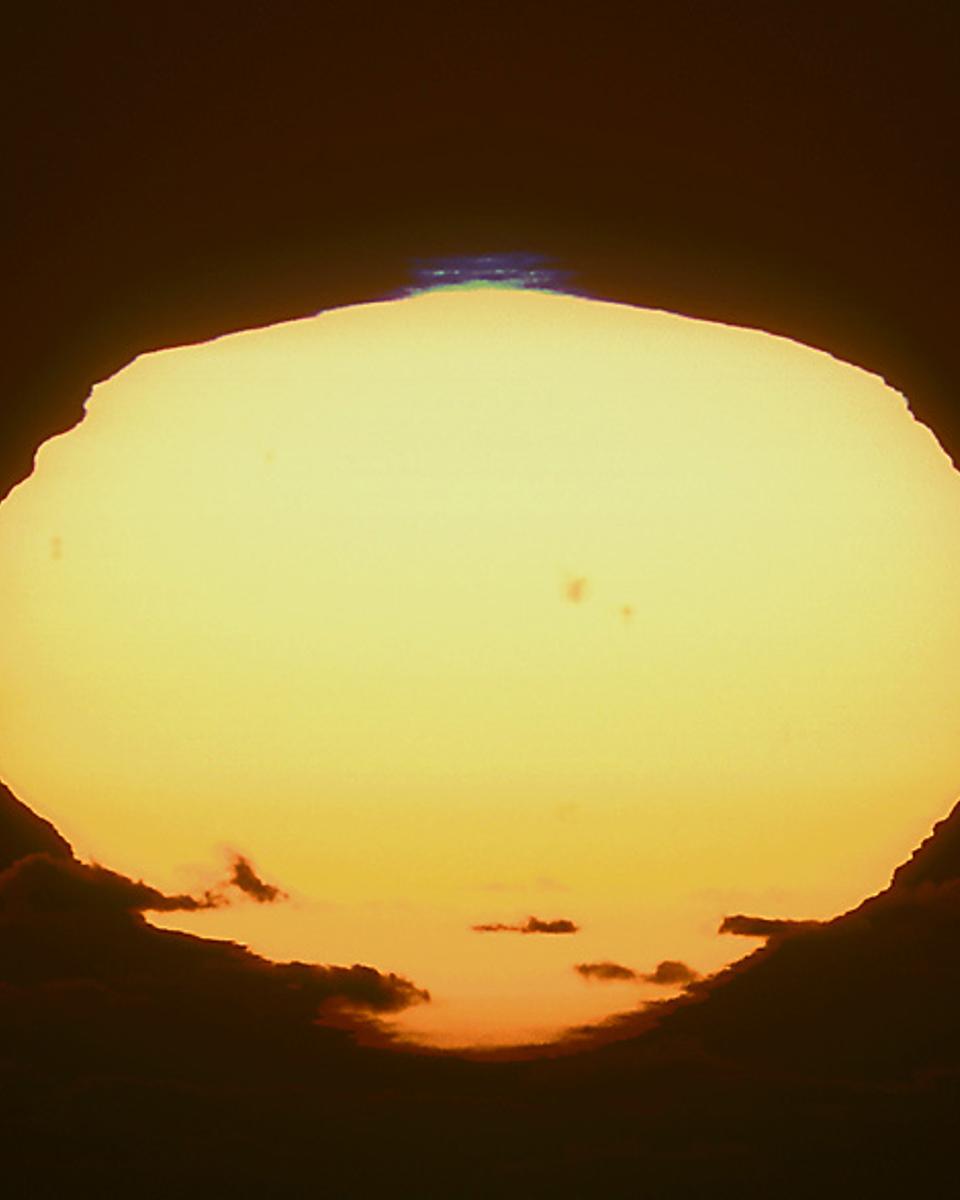
Blue Flash
Difficult to observe, the momentary green flash above the rising or setting sun has been documented as a phenomenon caused by the atmospheric bending or refraction of sunlight.…
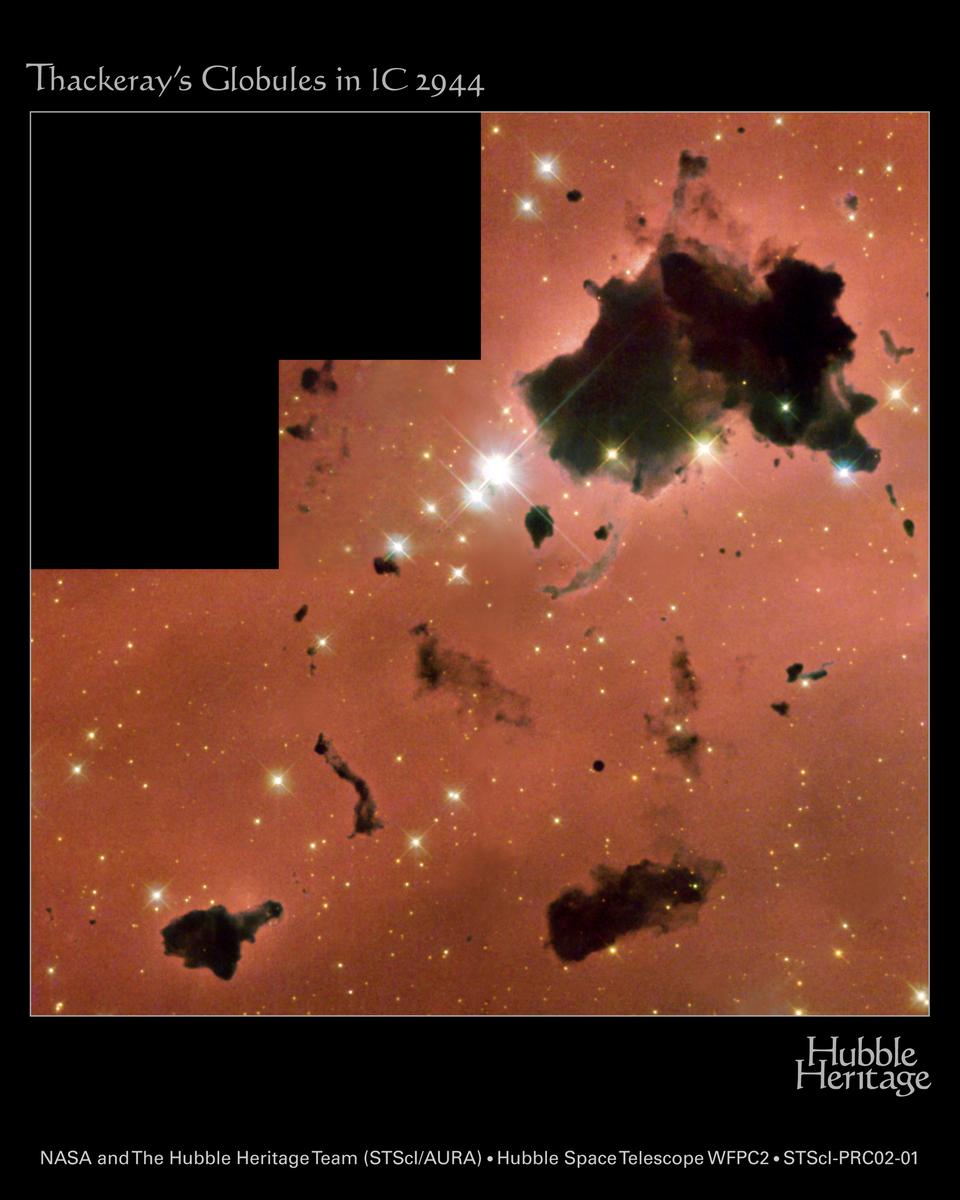
Thackeray's Globules
Rich star fields and glowing hydrogen gas silhouette dense, opaque clouds of interstellar gas and dust in this Hubble Space Telescope close-up of IC 2944 , a bright star forming…
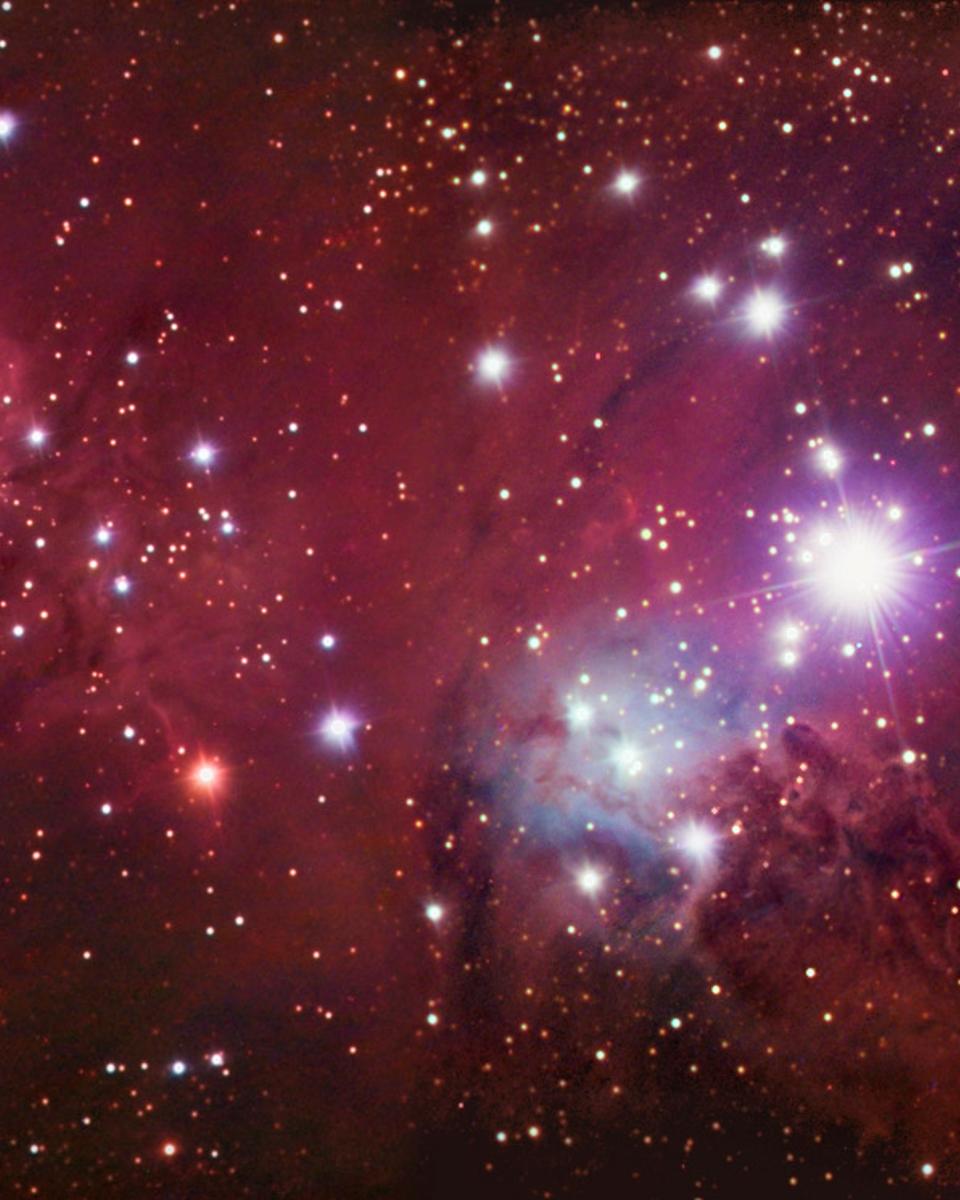
The Mysterious Cone Nebula
Sometimes the simplest shapes are the hardest to explain. For example, the origin of the mysterious cone-shaped region seen on the far left remains a mystery. The interstellar…
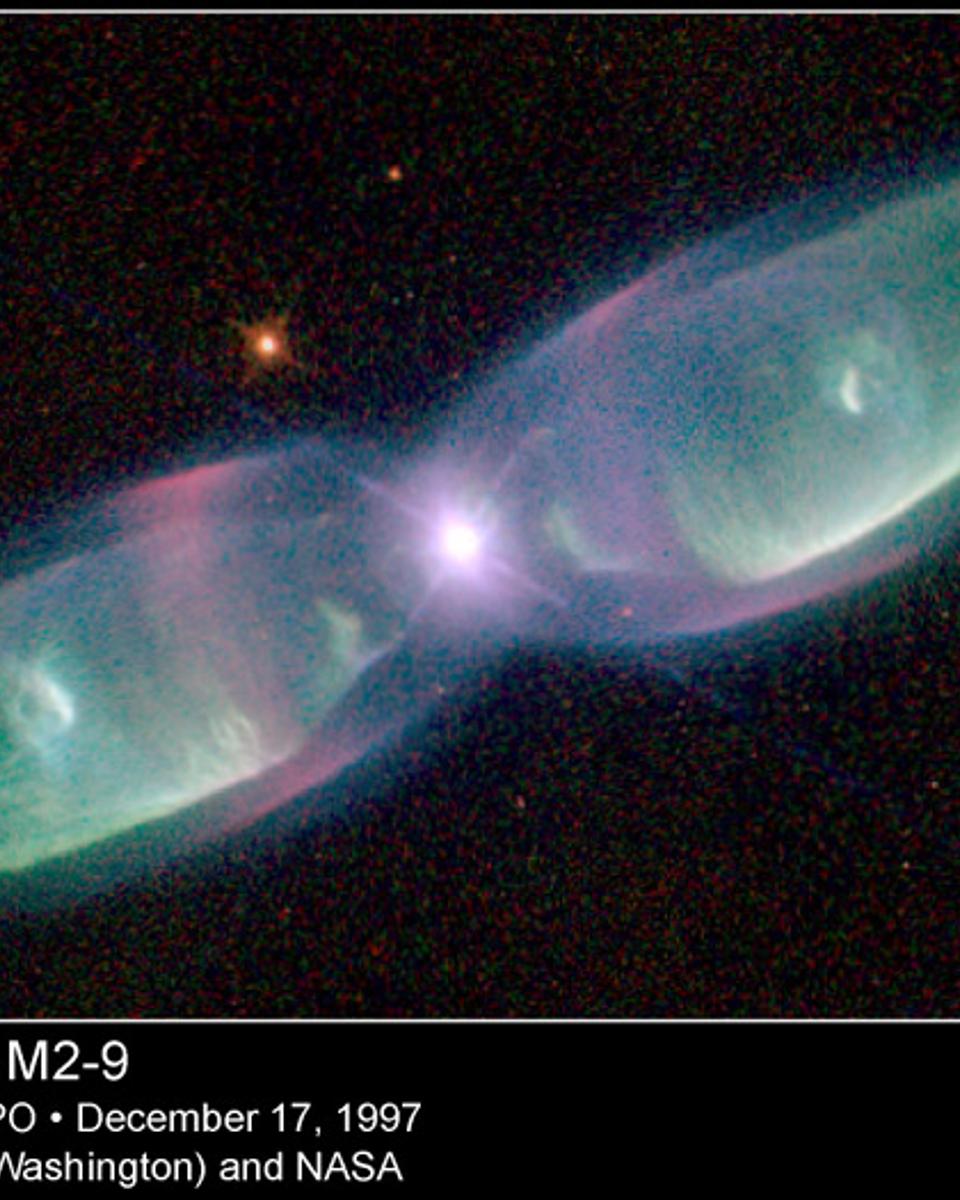
M2-9: Wings of a Butterfly Nebula
Are stars better appreciated for their art after they die? Actually, stars usually create their most artistic displays as they die. In the case of low-mass stars like our Sun and…
Viewing discoveries from 29 January 2002 through 6 January 2002.