Browse NASA Astronomy Picture of the Day archive by date and media: Archive Discoveries
Browse the NASA APOD archive without needing the exact date first. Filter by media type and keep moving deeper into older images and videos.
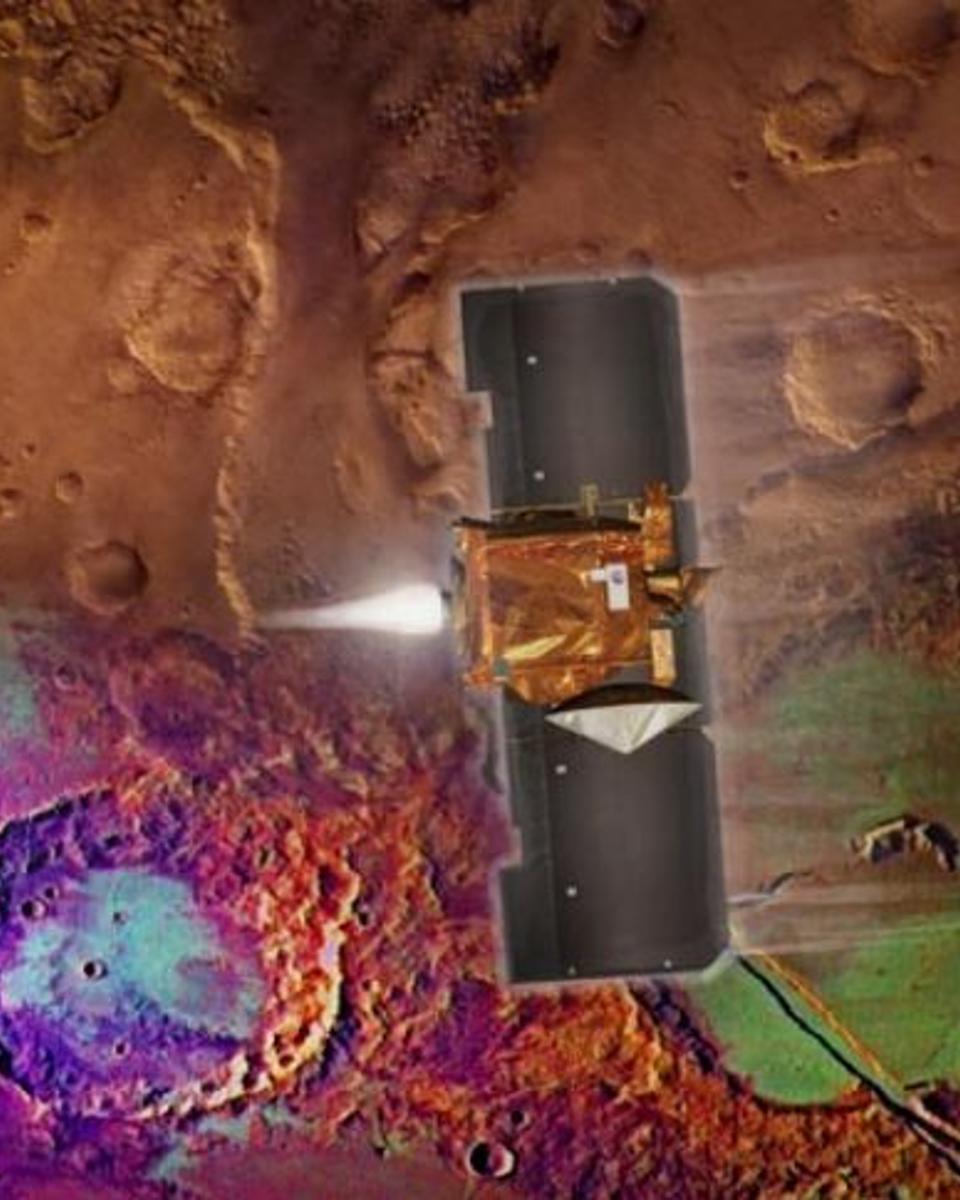
Odyssey at Mars
After an interplanetary journey lasting 200 days, the Mars Odyssey spacecraft has entered orbit around the Red Planet. This latest success is welcome as in the past, Mars has…
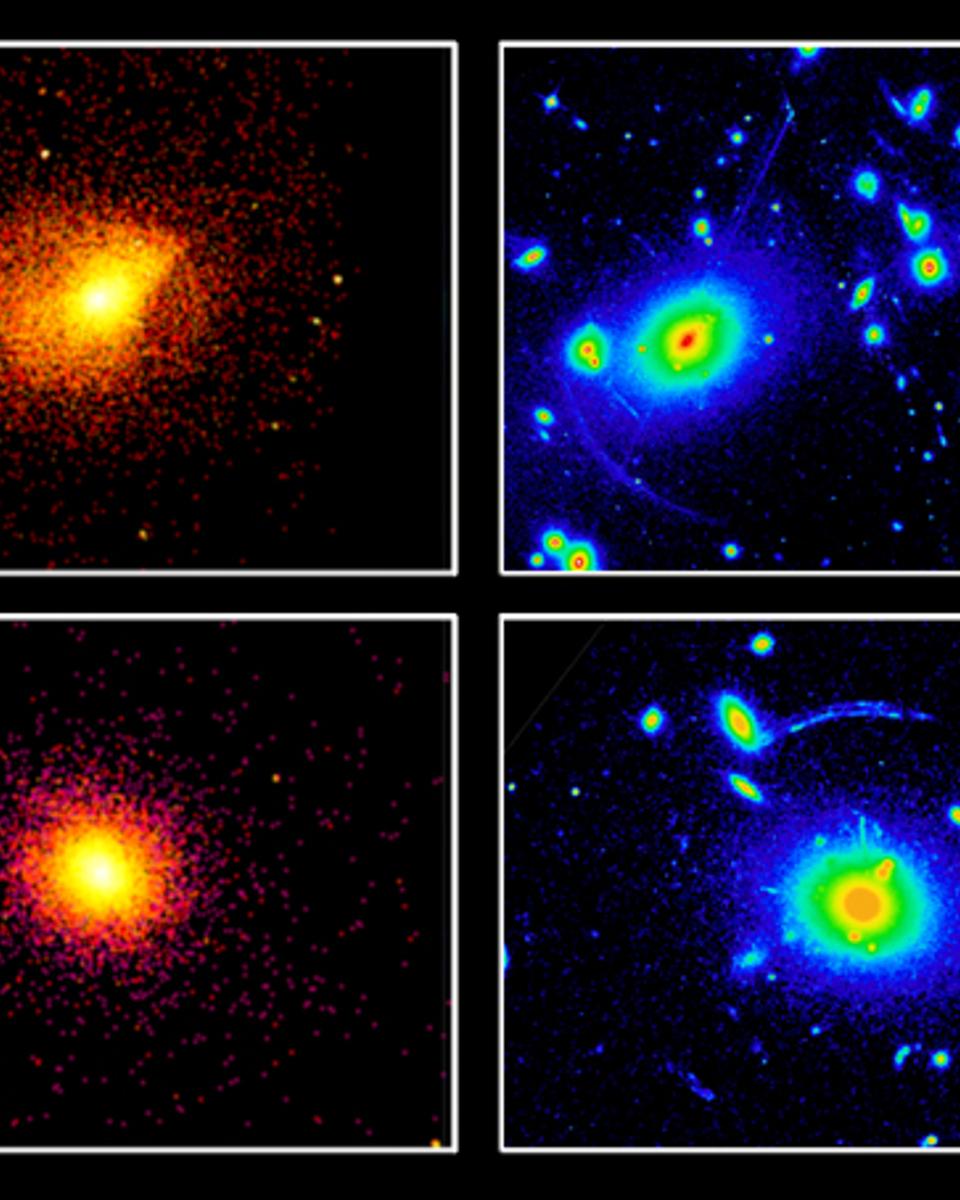
The Matter Of Galaxy Clusters
Situated over 2,000,000,000 ( two billion ) light-years from Earth, galaxies in cluster Abell 2390 (top) and MS2137.3-2353 (bottom) are seen in the right hand panels above,…
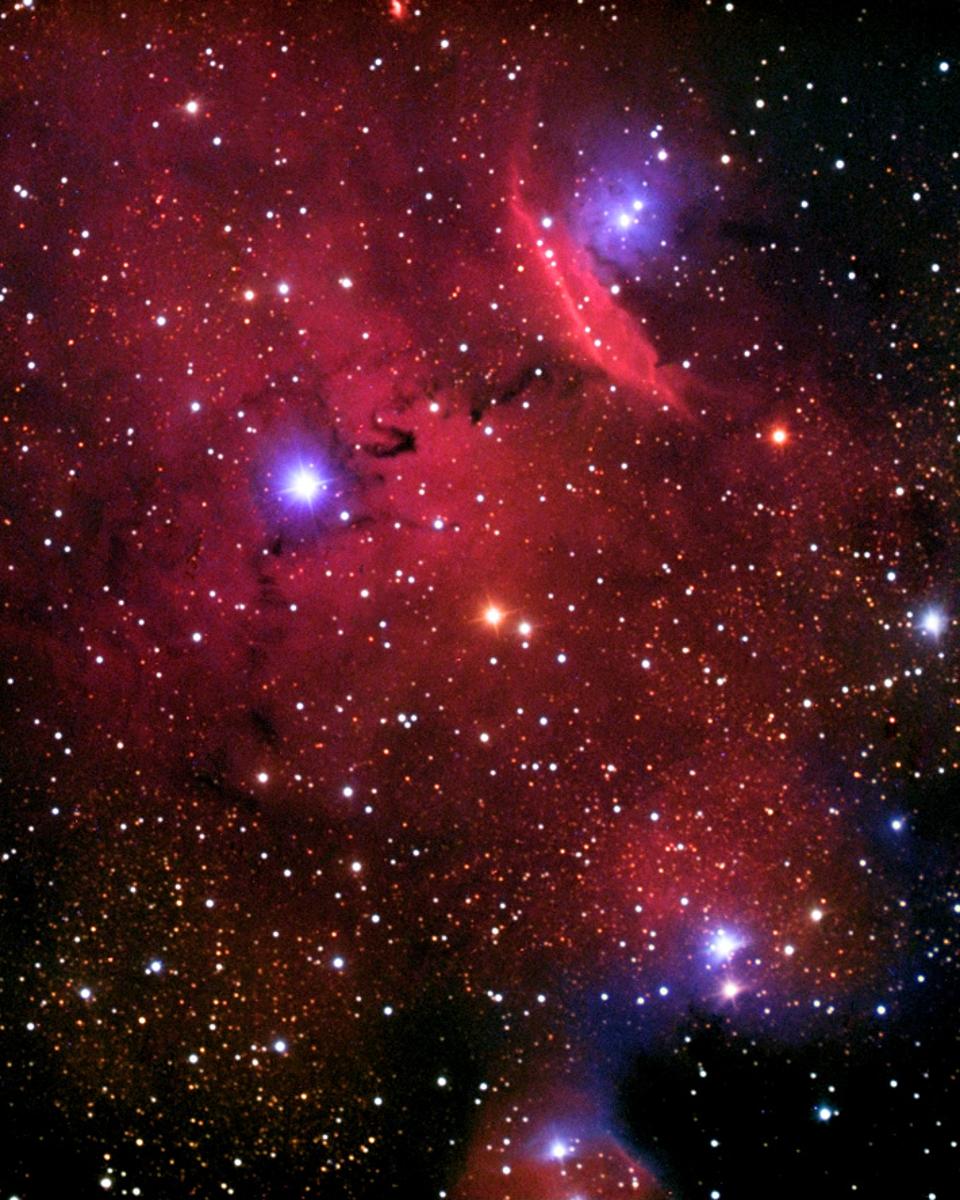
Emission and Reflection in NGC 6559
Bright gas and dark dust permeate the space between stars in a nebula known as NGC 6559 . The gas, primarily hydrogen , is responsible for the diffuse red glow of the emission…
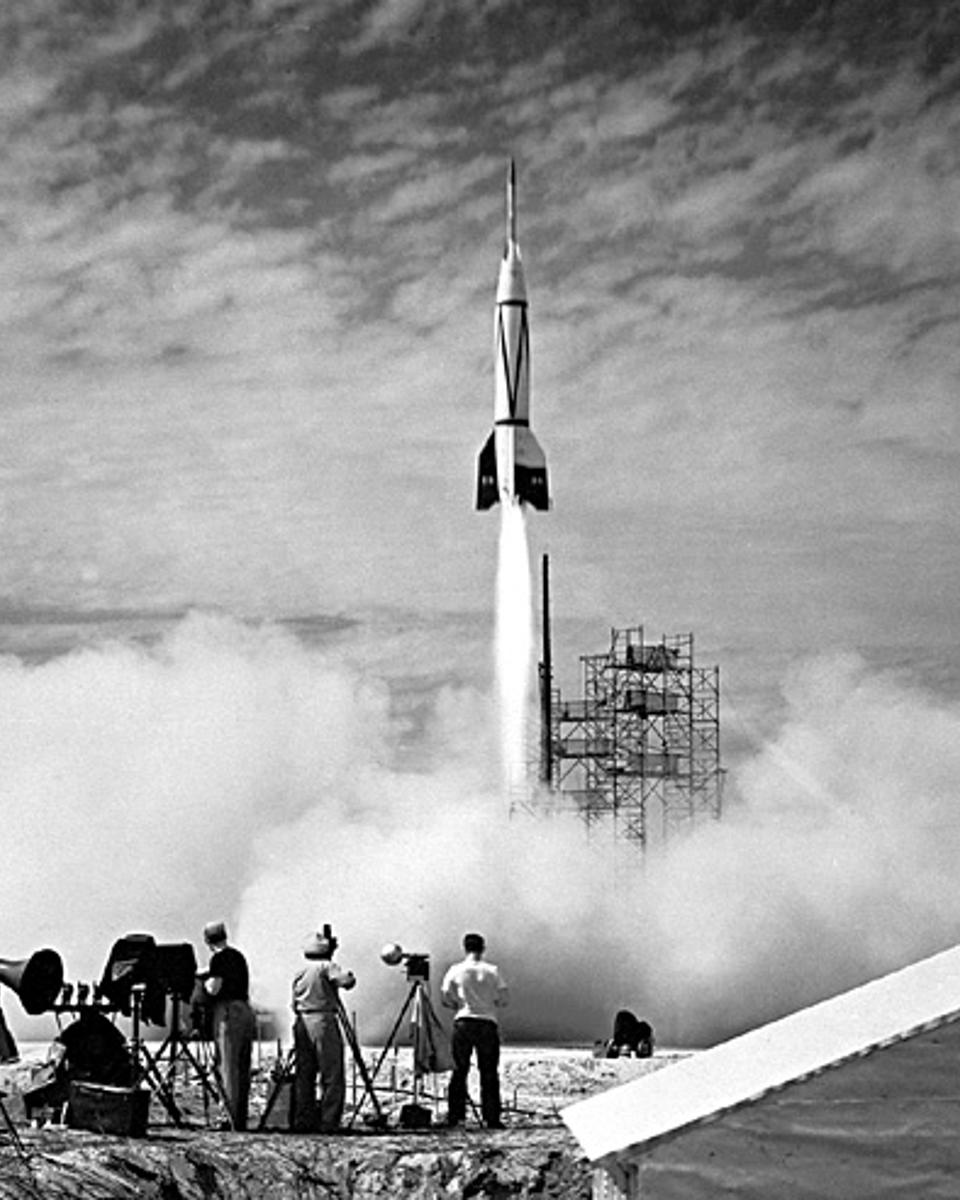
The First Rocket Launch from Cape Canaveral
A new chapter in space flight began on 1950 July with the launch of the first rocket from Cape Canaveral , Florida : the Bumper 2. Shown above , the Bumper 2 was an ambitious…
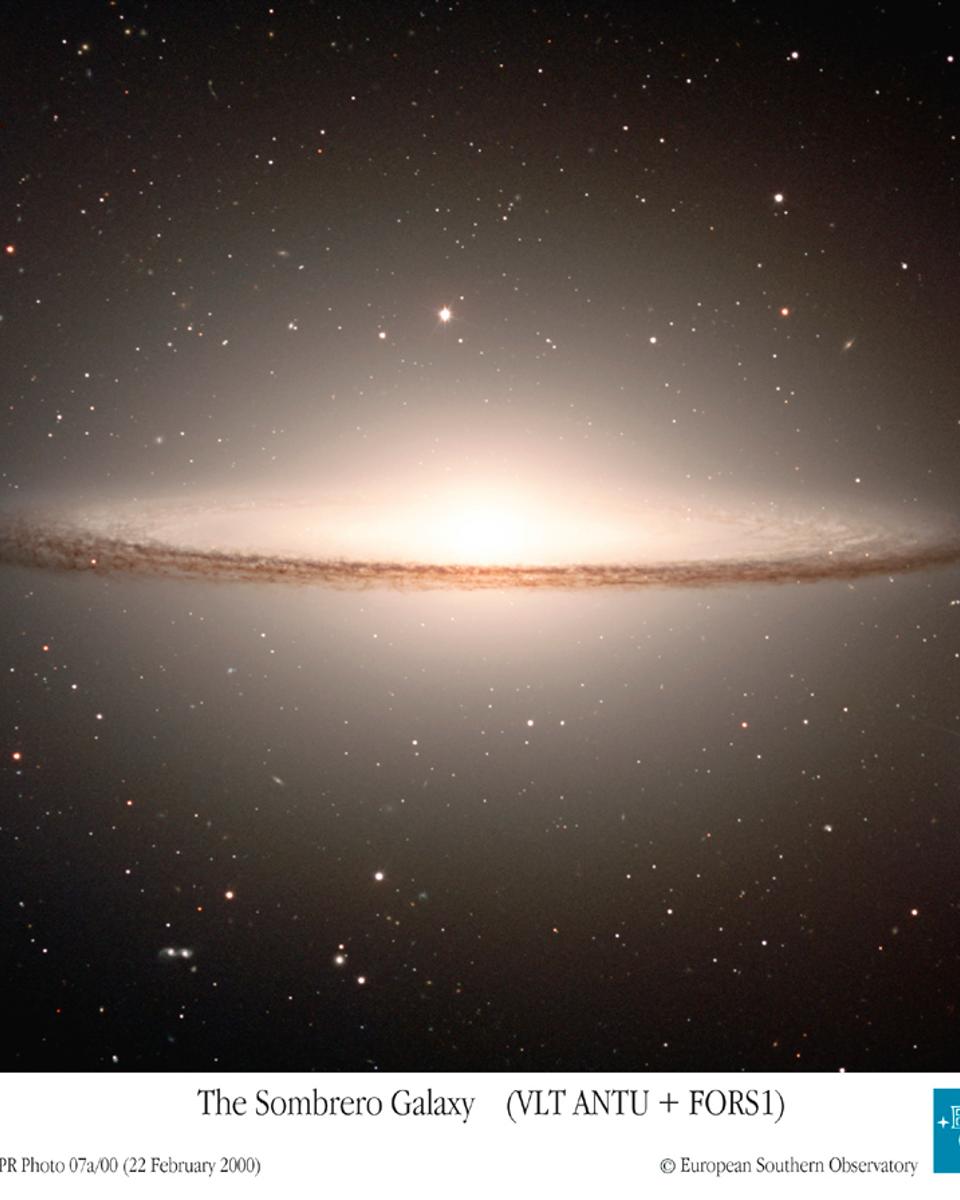
The Sombrero Galaxy from VLT
Why does the Sombrero Galaxy look like a hat? Reasons include the Sombrero 's unusually large and extended central bulge of stars, and dark prominent dust lanes that appear in a…
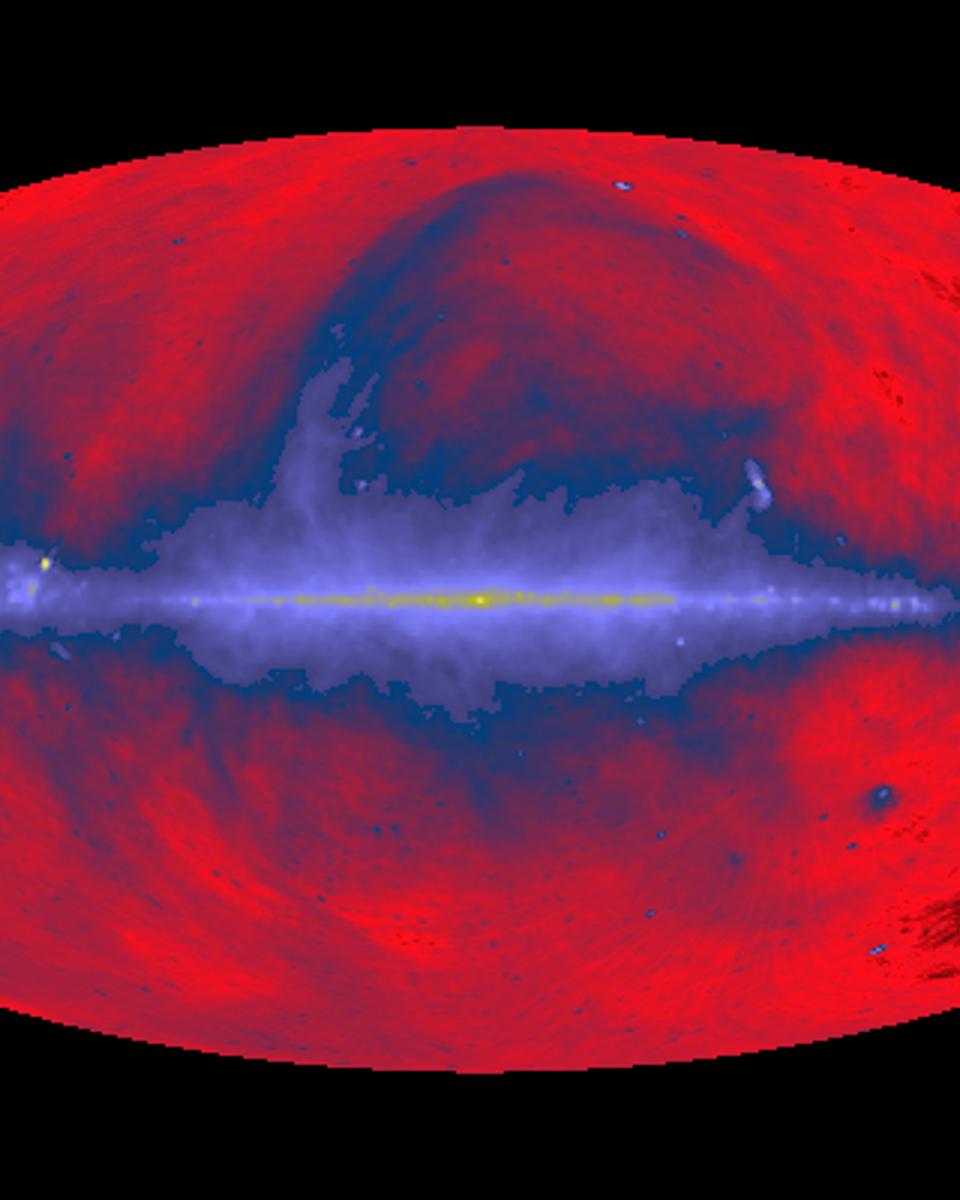
The Radio Sky: Tuned to 408MHz
Tune your radio telescope to 408MHz (408 million cycles per second) and check out the Radio Sky! You should find that frequency on your dial somewhere between US broadcast…
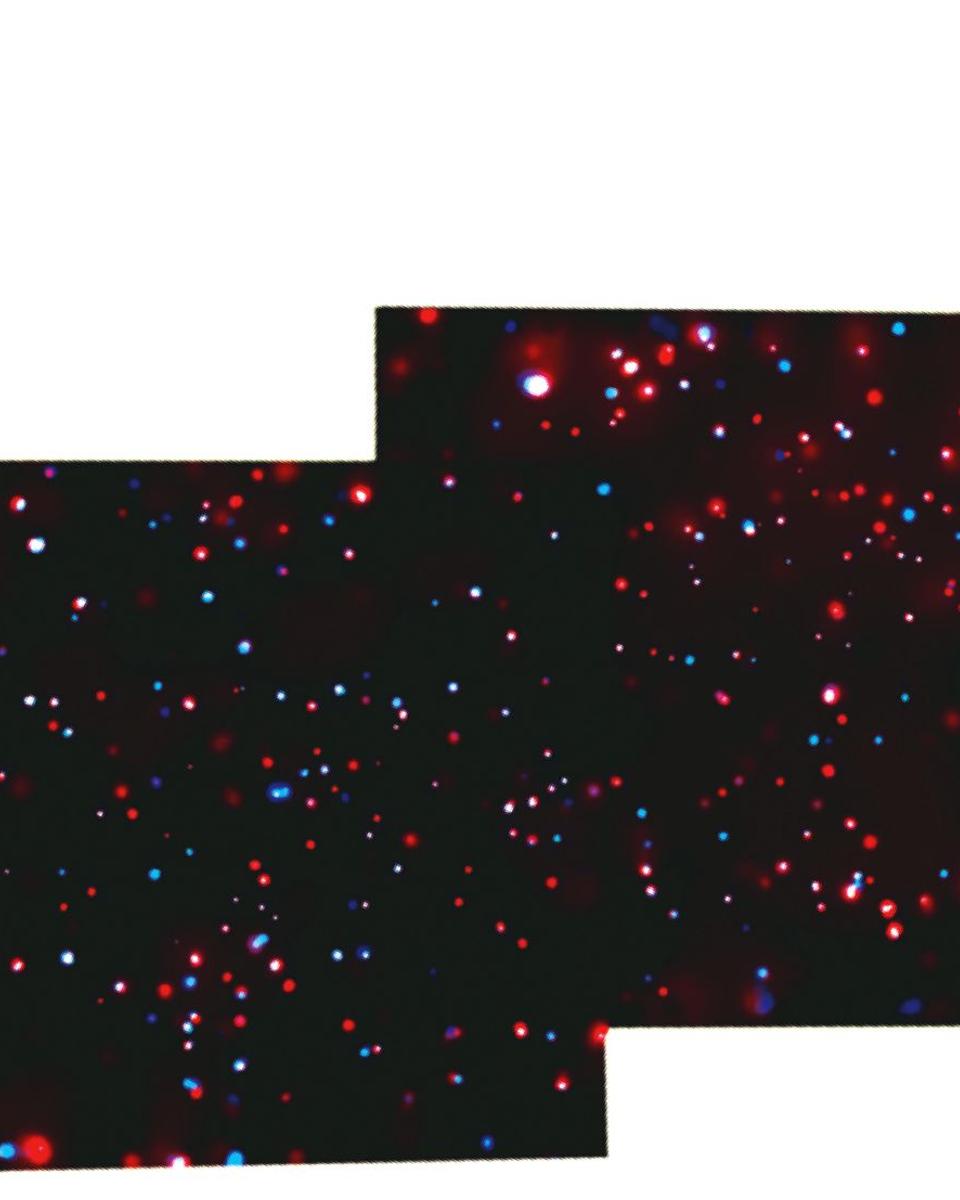
X-Ray Stars and Winds in the Rosette Nebula
This mosaic of x-ray images cuts a swath across the photogenic Rosette Nebula, a stellar nursery 5,000 light-years from Earth in the constellation Monoceros, the Unicorn .…
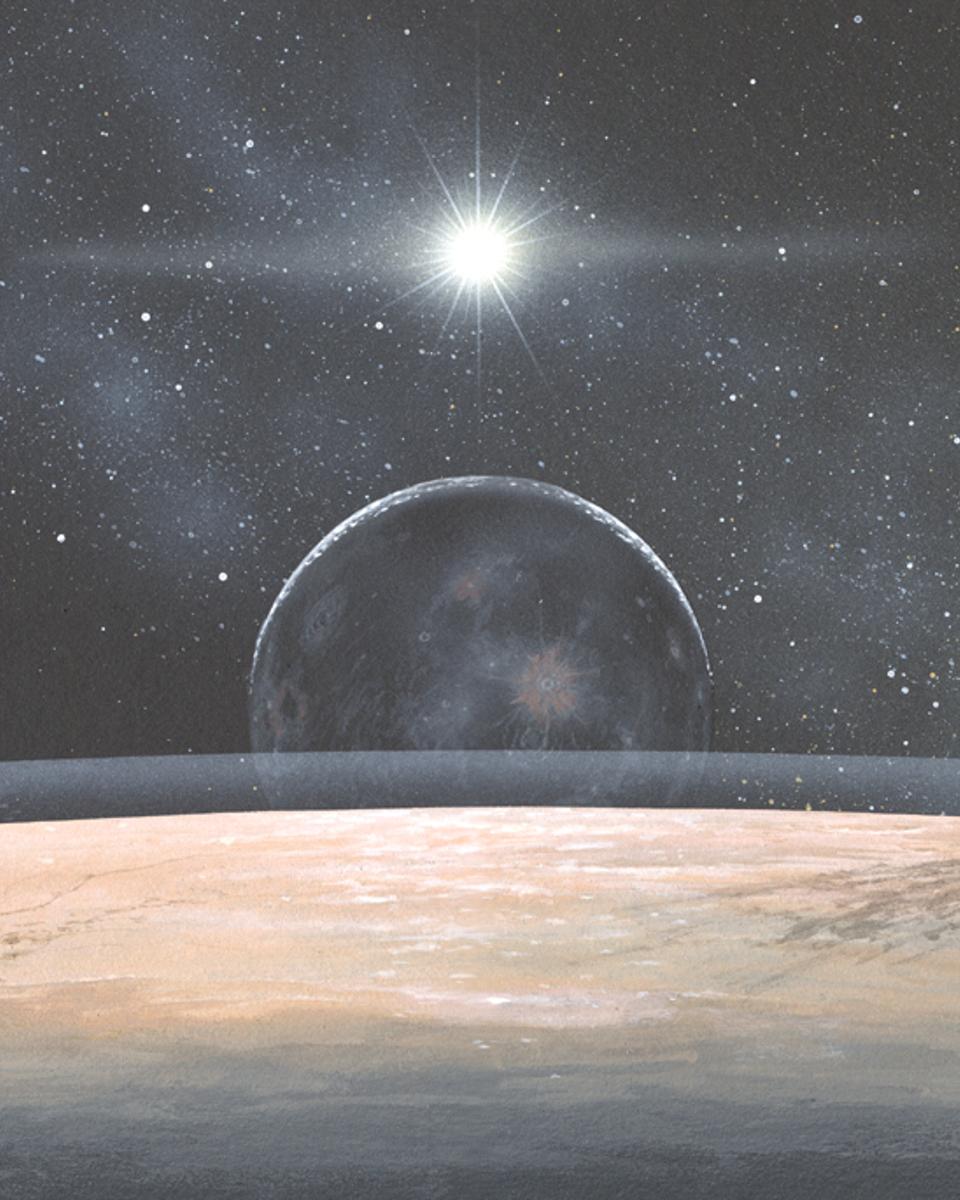
Pluto: New Horizons
Pluto's horizon spans the foreground in this artist's vision, gazing sunward across that distant and not yet explored world. Titled New Horizons, the painting also depicts Pluto's…
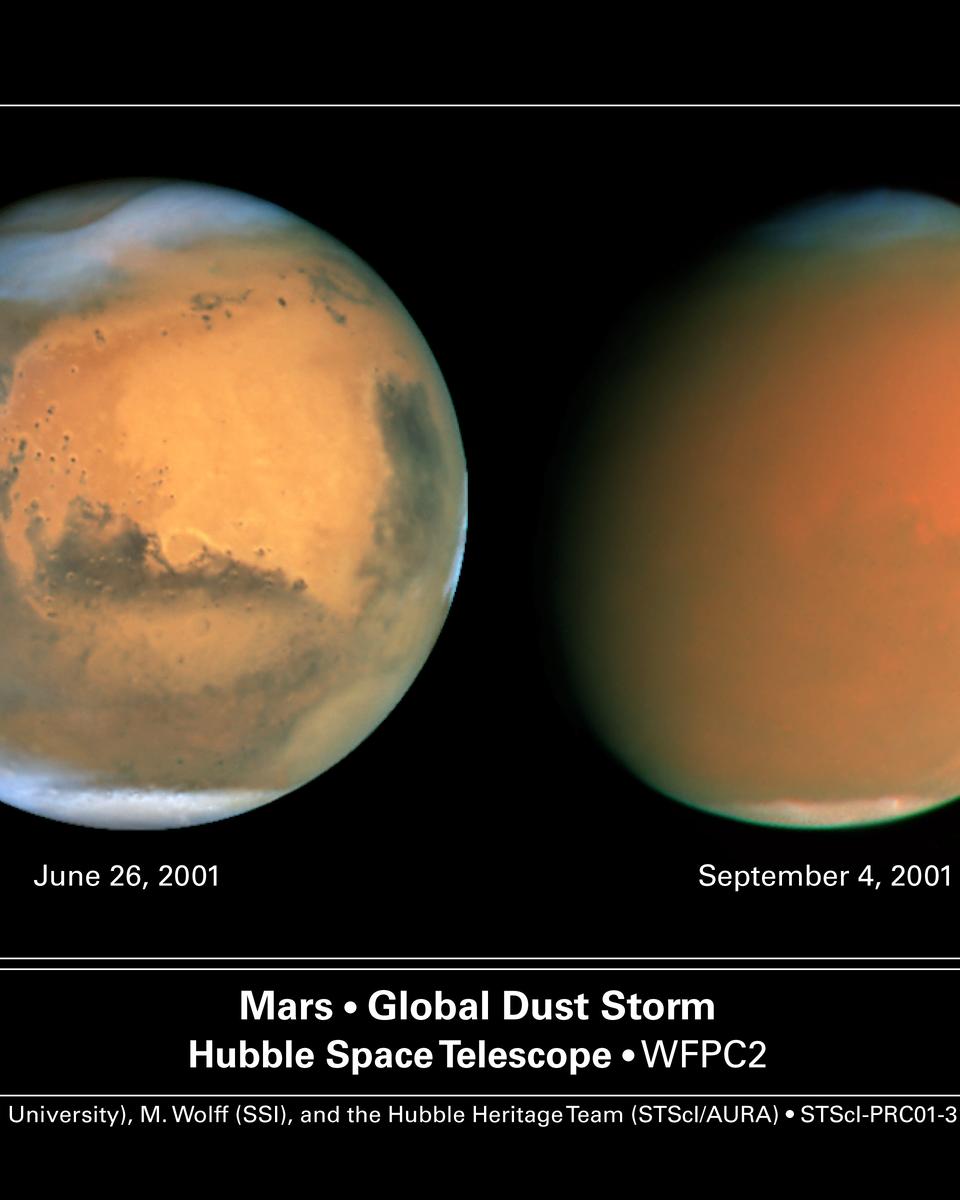
Mars Engulfed
For months now, Mars has been engulfed by a great dust storm, the biggest seen raging across the Red Planet in decades . As a result, these two Hubble Space Telescope storm watch…
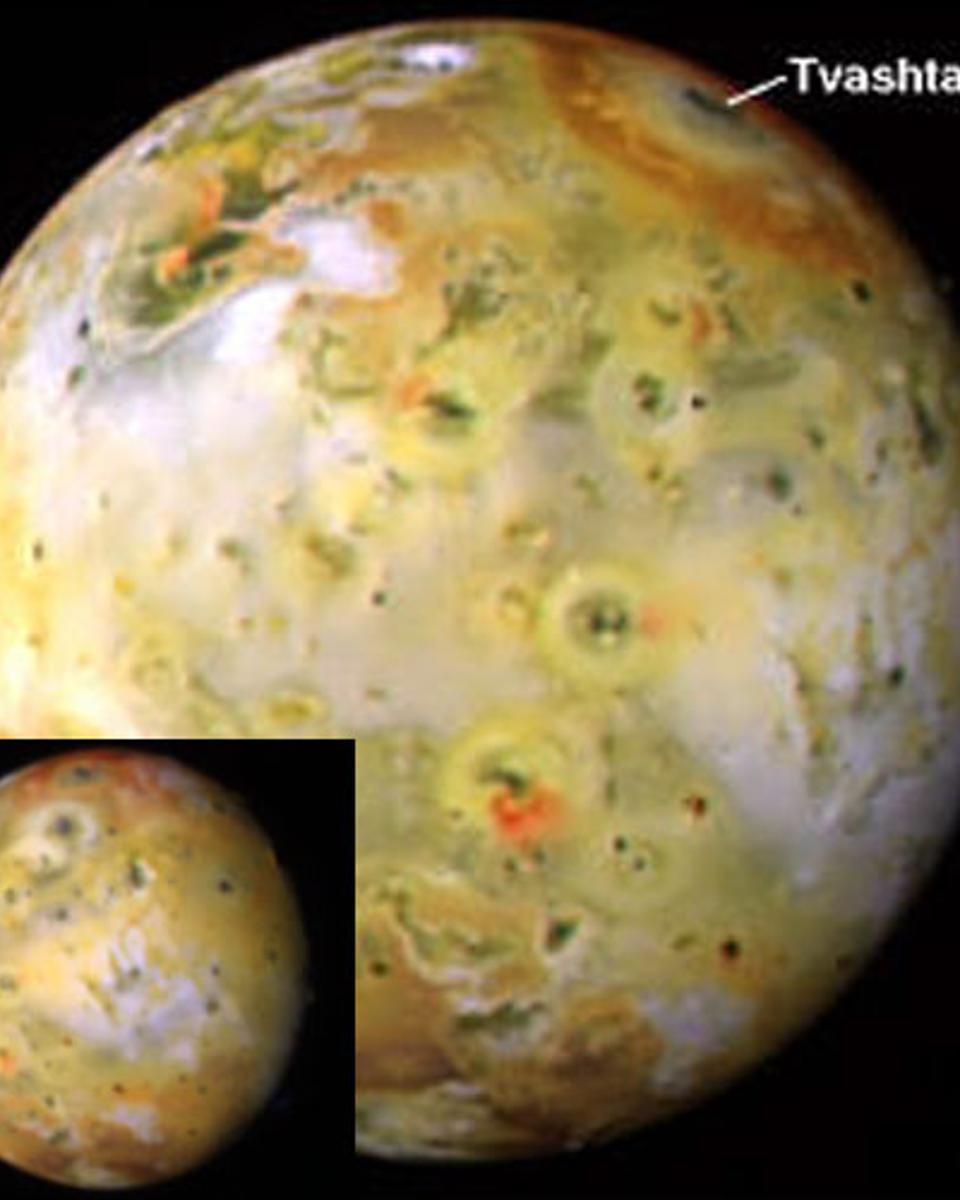
A Newly Active Volcano on Jupiter's Io
Would a volcano plume discovered in January above Jupiter's Moon Io still be active months later? To answer this question, the robot spacecraft Galileo currently in orbit around…
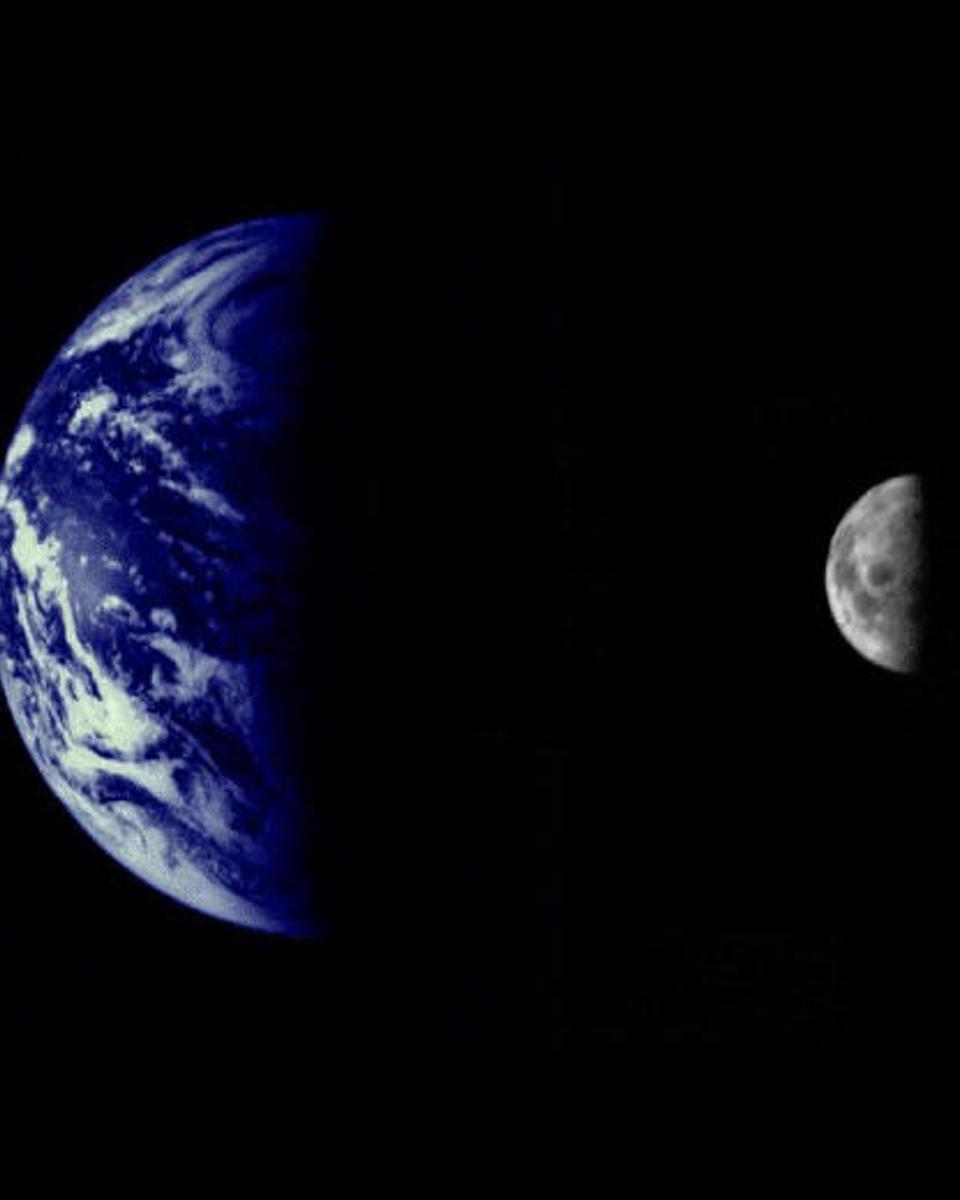
The Earth and Moon Planetary System
How similar in size are the Earth and the Moon ? A dramatic visual answer to this question is found by combining photographs taken by the Mariner 10 spacecraft that headed out…
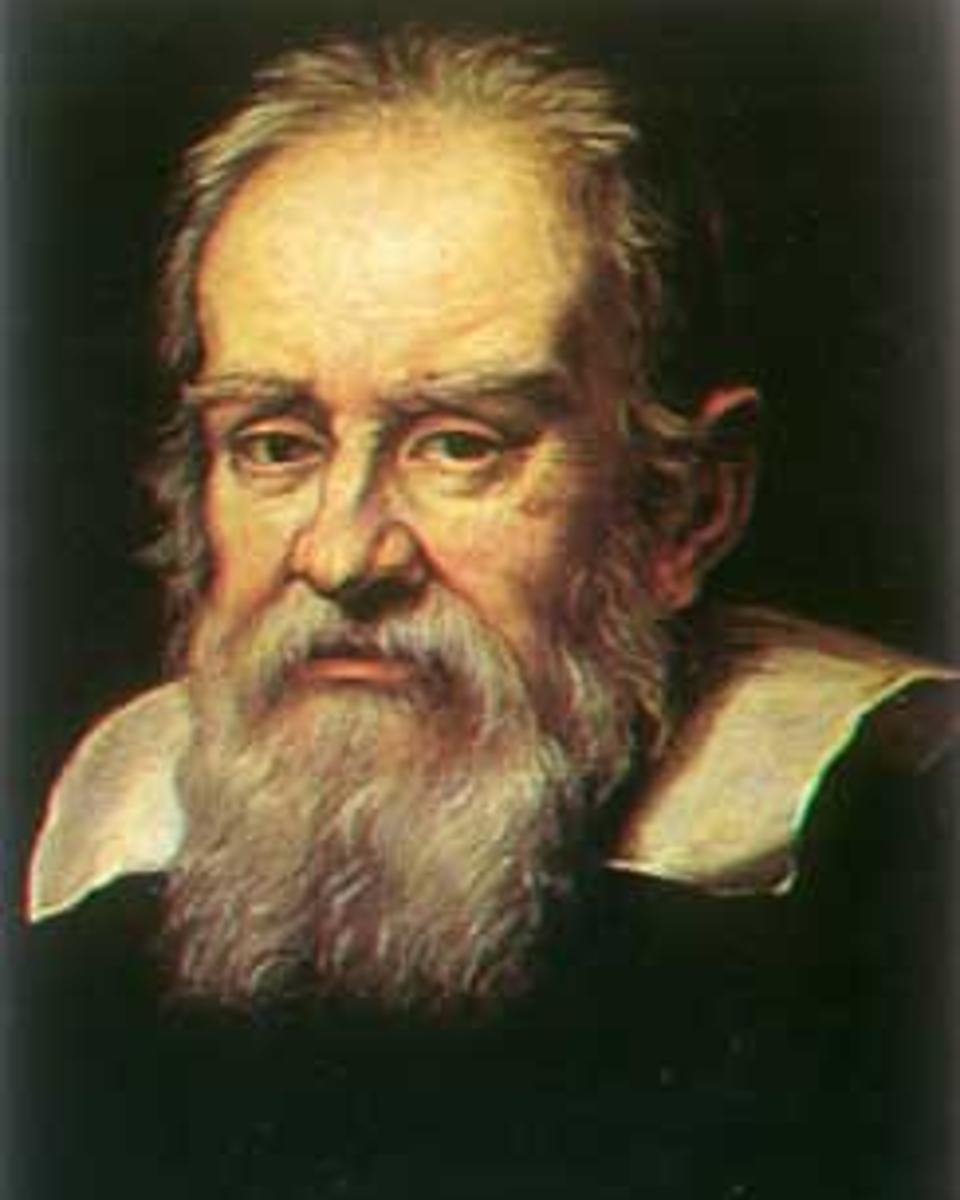
Galileo Demonstrates the Telescope
Galileo Galilei made a good discovery great. Upon hearing at age 40 that a Dutch optician had invented a glass that made distant objects appear larger, Galileo crafted his own…
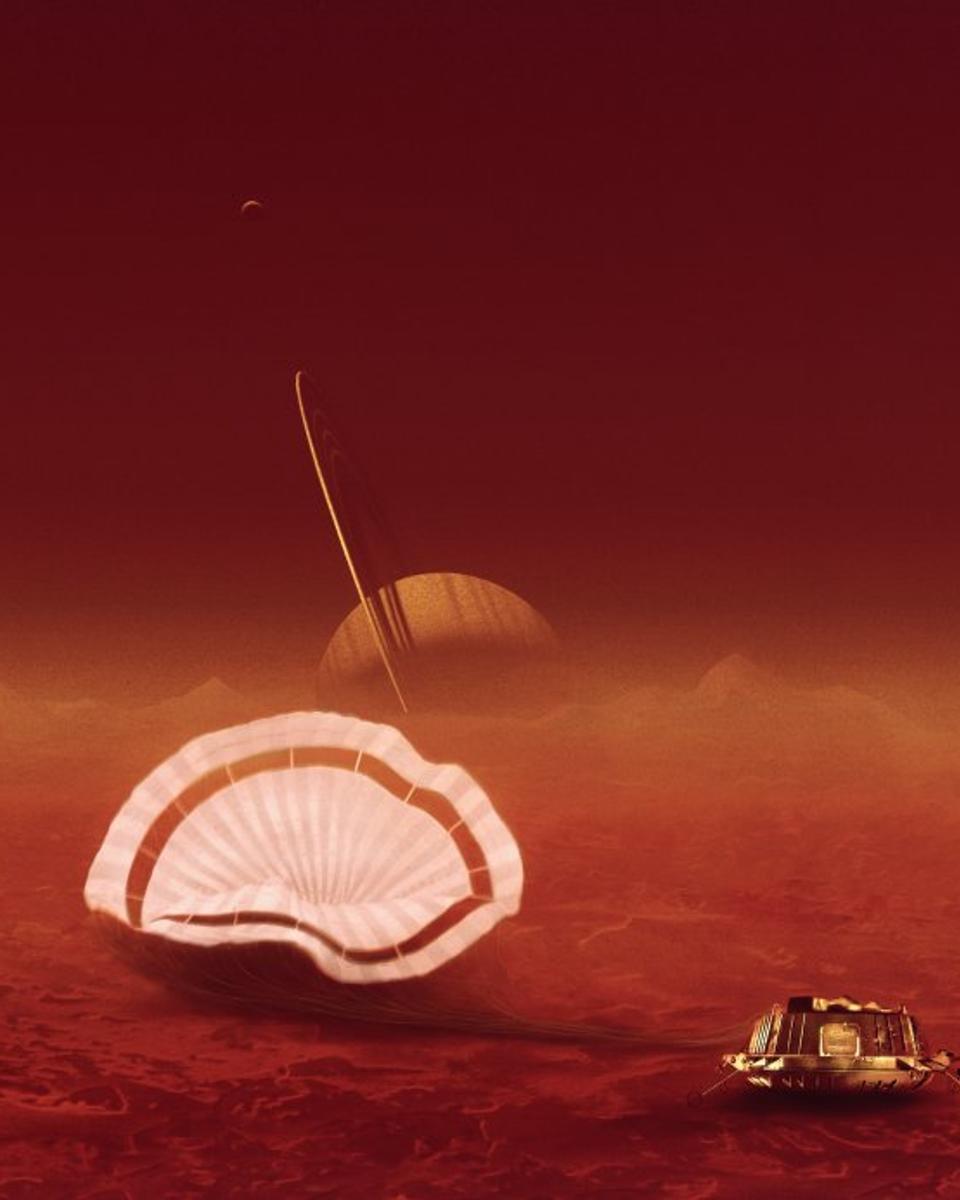
A Portrait of Saturn from Titan
This artistic portrait of Saturn depicts how it might look from Titan , Saturn's largest moon. In the foreground sits ESA's Huygens probe , which will be released by NASA's…
Space Station and Space Shuttle: Backyard View
Knowing when and where to look, many enthusiastic sky gazers have been able to spot the International Space Station (ISS) as a bright star streaking through the twilight. But with…
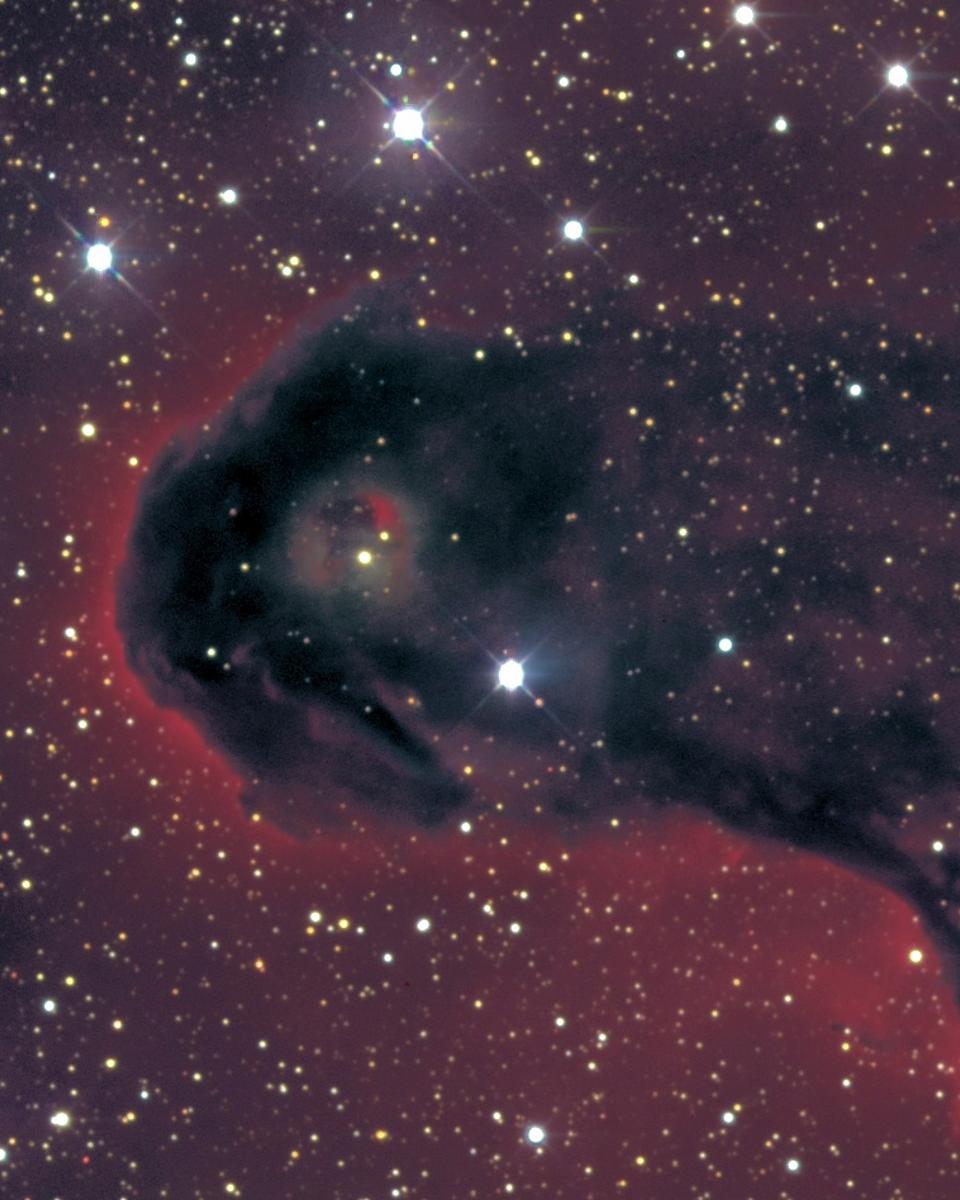
VDB 142 in Cepheus
A gorgeous collection of dust and gas nebulae in the Northern Milky Way graces the high and far off constellation of Cepheus. With colors based on astronomical filters, this close…
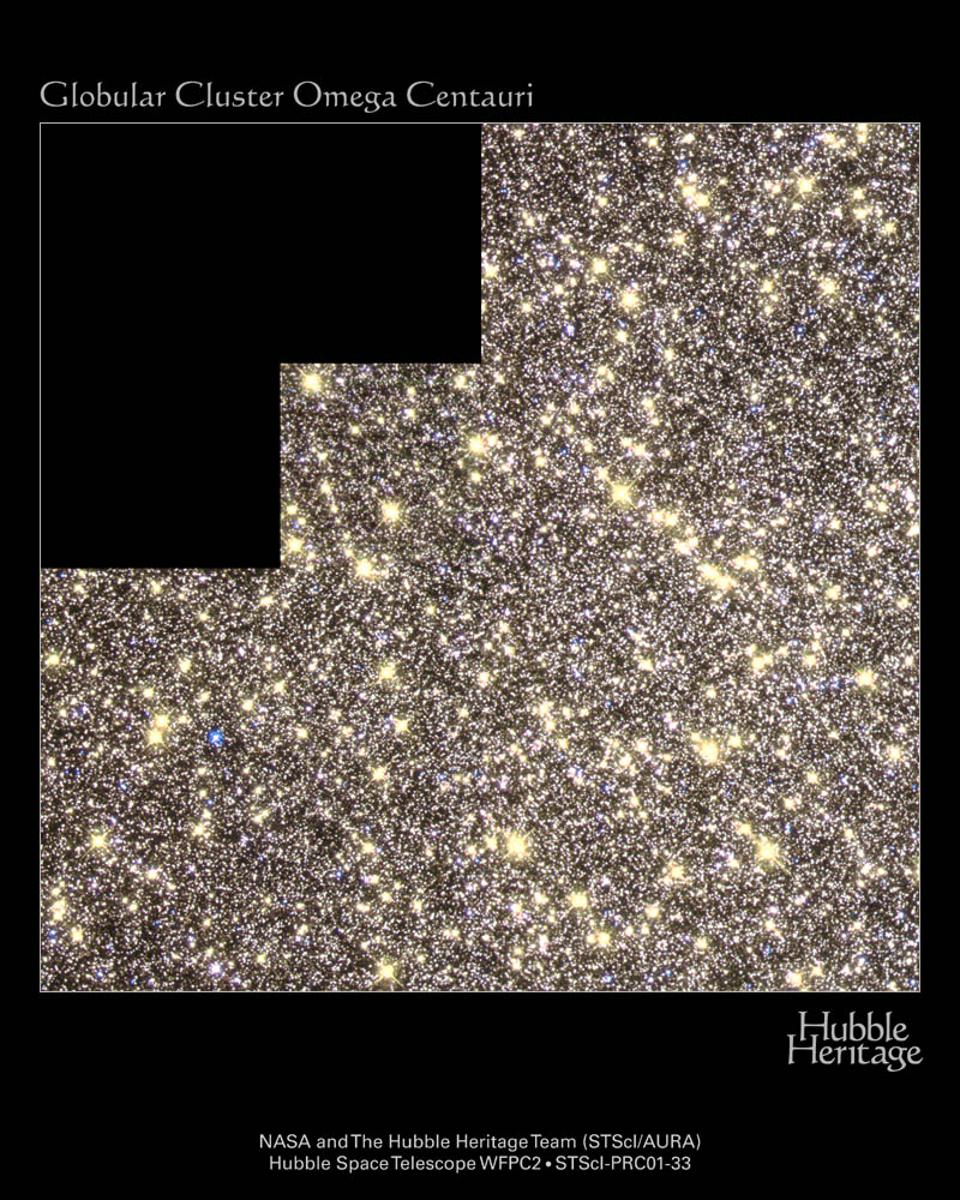
The Center of Globular Cluster Omega Centauri
What is left over after stars collide? To help answer this question, astronomers have been studying the center of the most massive ball of stars in our Milky Way Galaxy . In the…
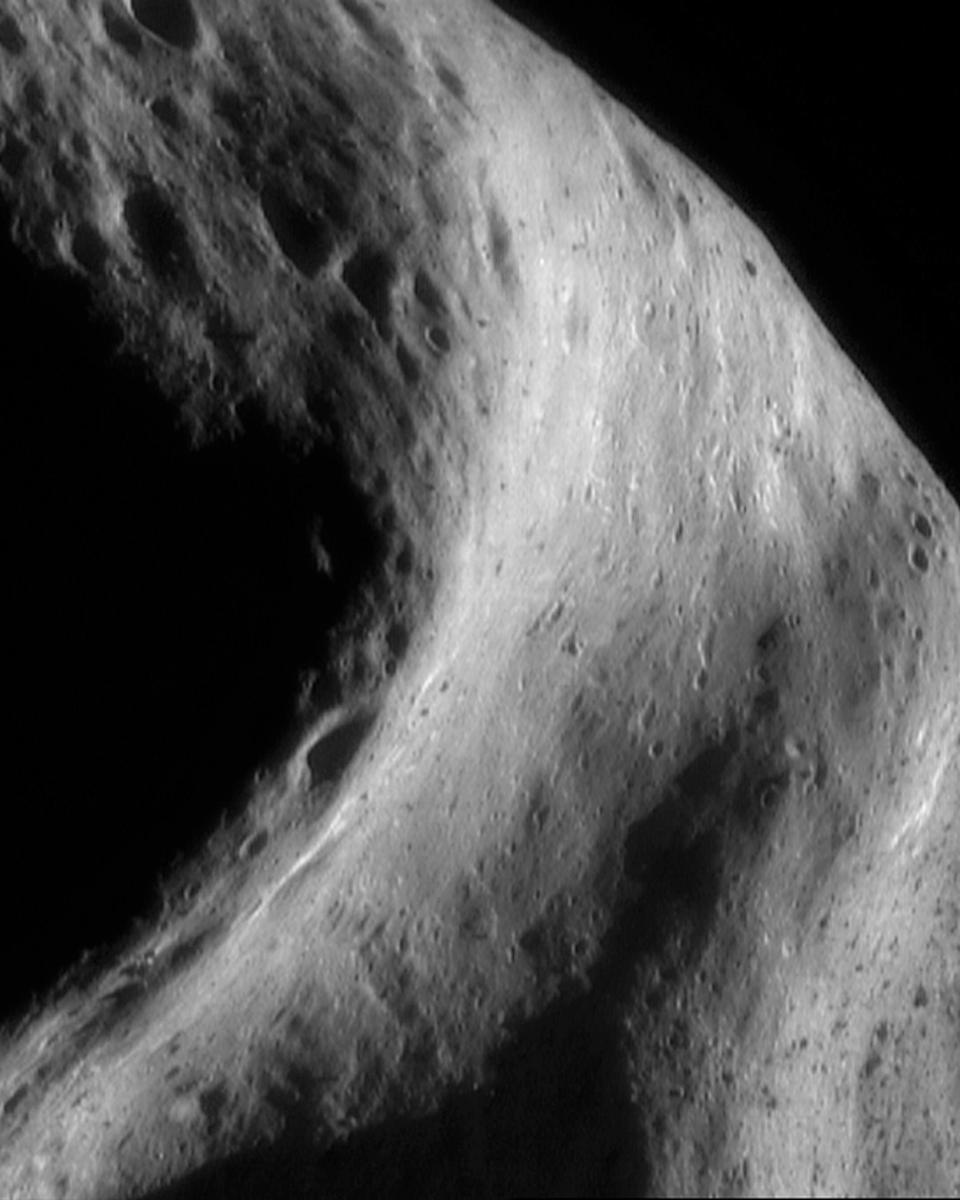
The Past of Asteroid Eros
How did large rocks come to be scattered on the surface of asteroid Eros? Eros stands out not only because of its proximity to Earth but also because it was visited recently by…
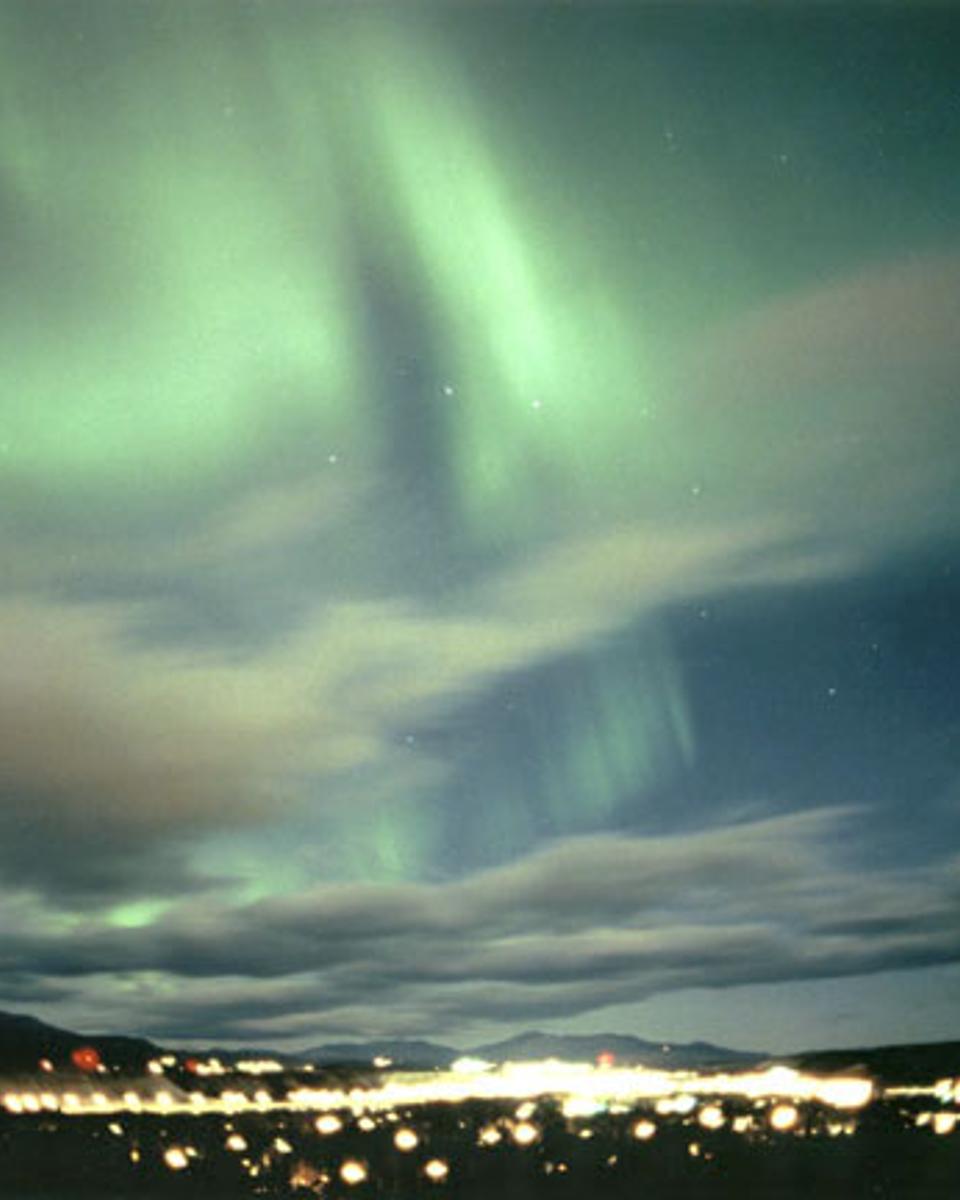
A Yukon Aurora
Last week was another good week for auroras . The story began about two weeks ago when two large Coronal Mass Ejections exploded off the Sun . Waves of elementary particles and…
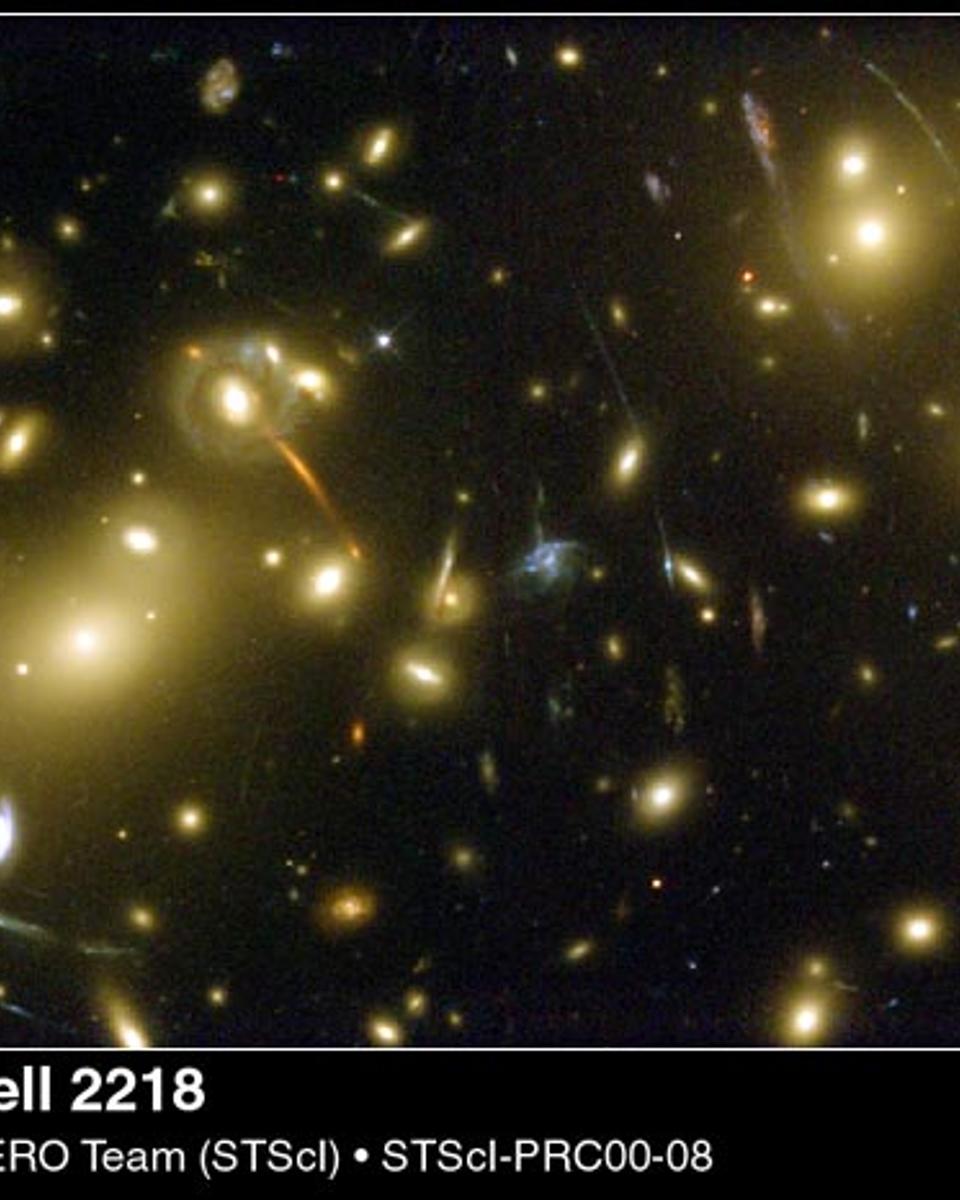
Abell 2218: A Galaxy Cluster Lens
Gravity can bend light, allowing huge clusters of galaxies to act as telescopes. Almost all of the bright objects in this released Hubble Space Telescope image are galaxies in the…
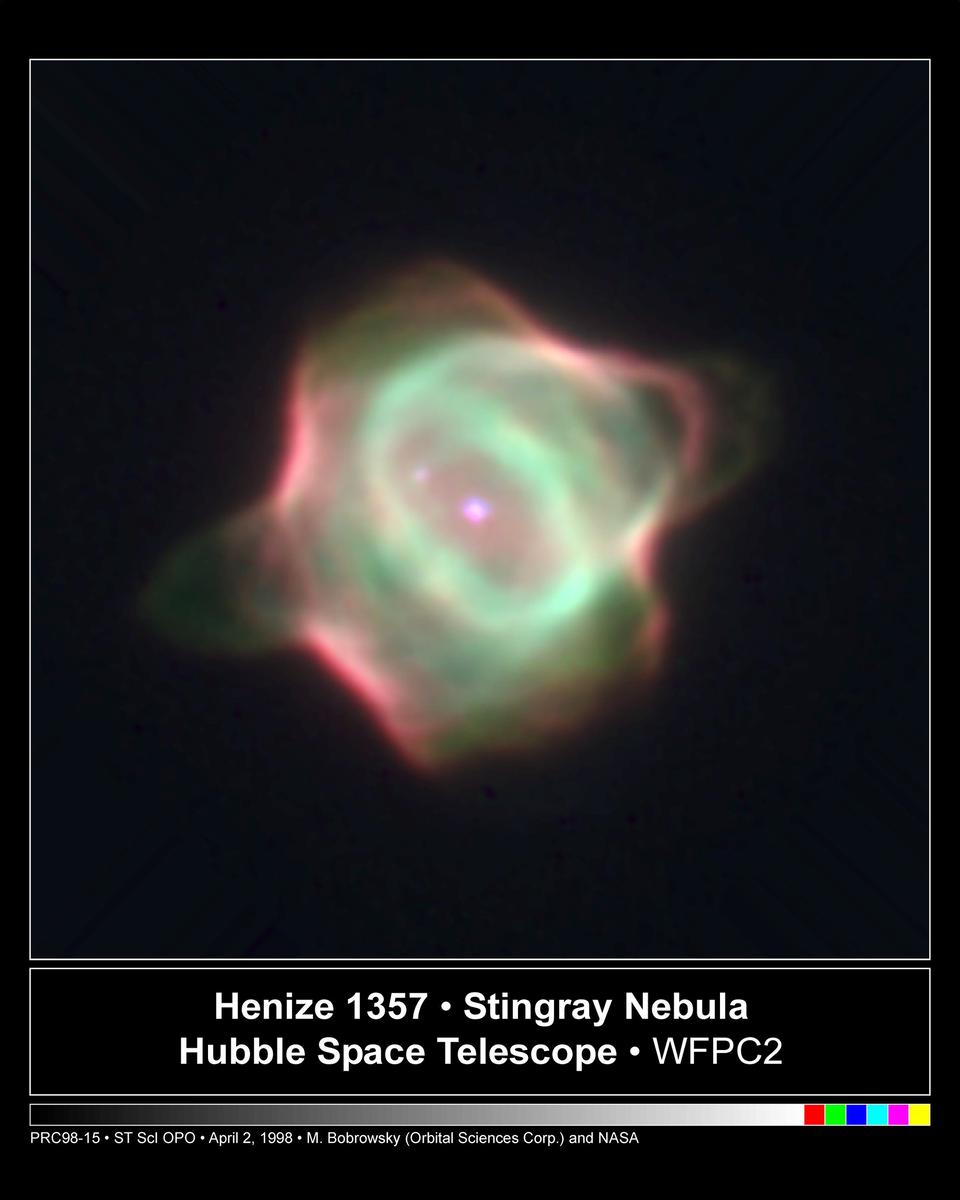
Hen 1357: New Born Nebula
This Hubble Space Telescope snapshot shows Hen-1357, the youngest known planetary nebula . Graceful, gentle curves and symmetry suggest its popular name - The Stingray Nebula .…
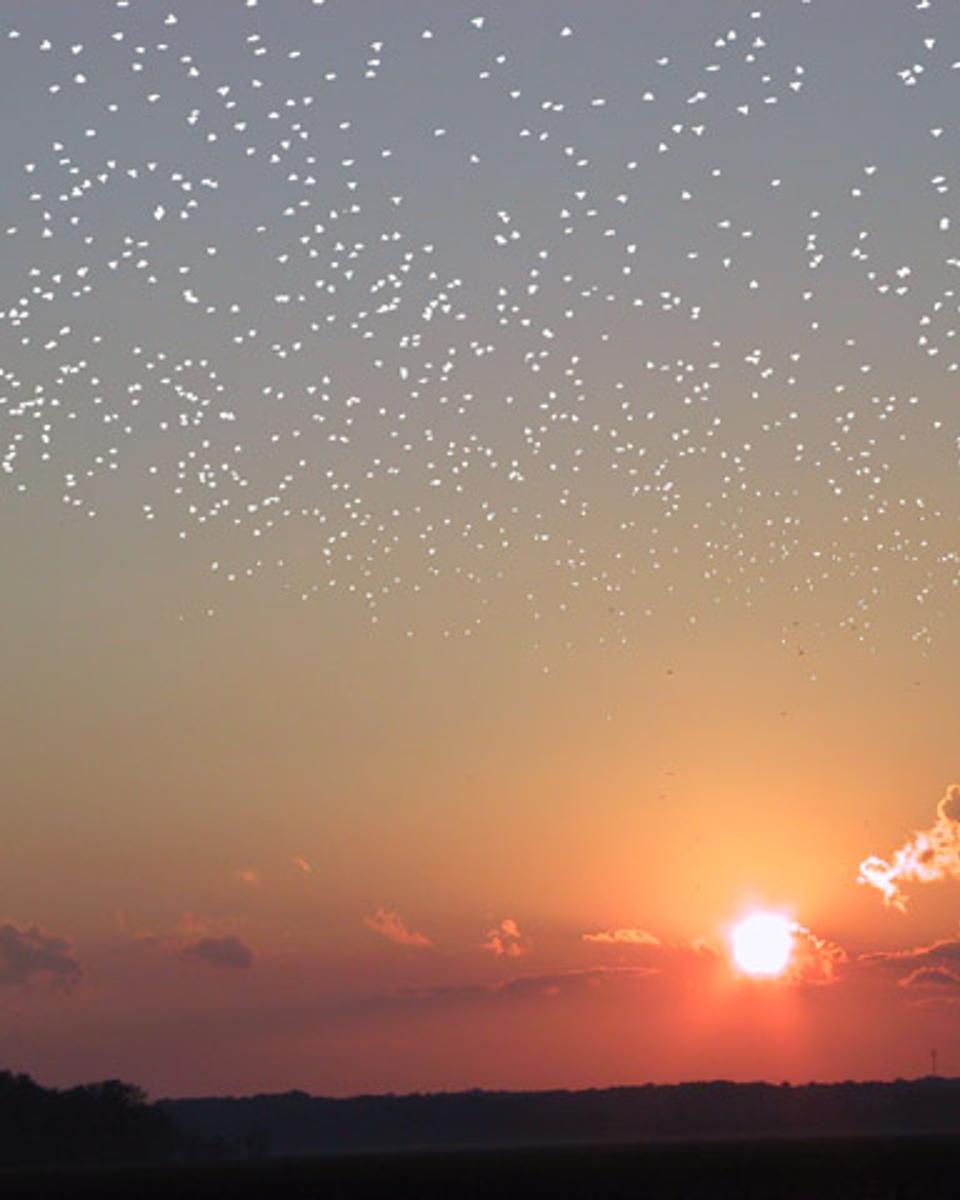
A Flock of Stars
Only a few stars can be found within ten light-years of our lonely Sun, situated near an outer spiral arm of the Milky Way galaxy. But if the Sun were found within one of our…
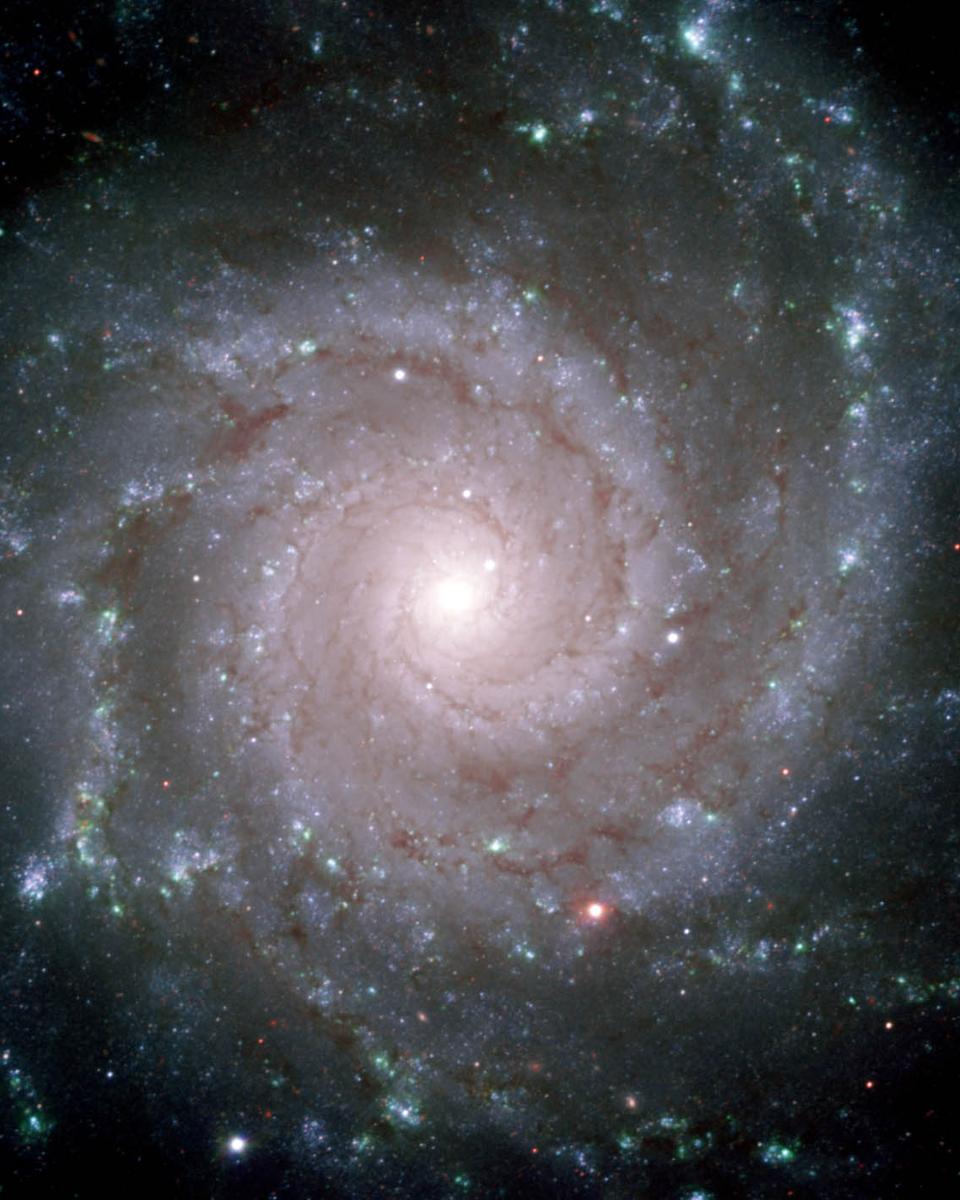
M74: The Perfect Spiral
If not perfect, then this spiral galaxy is at least one of the most photogenic. An island universe of about 100 billion stars, 30 million light-years away toward the constellation…
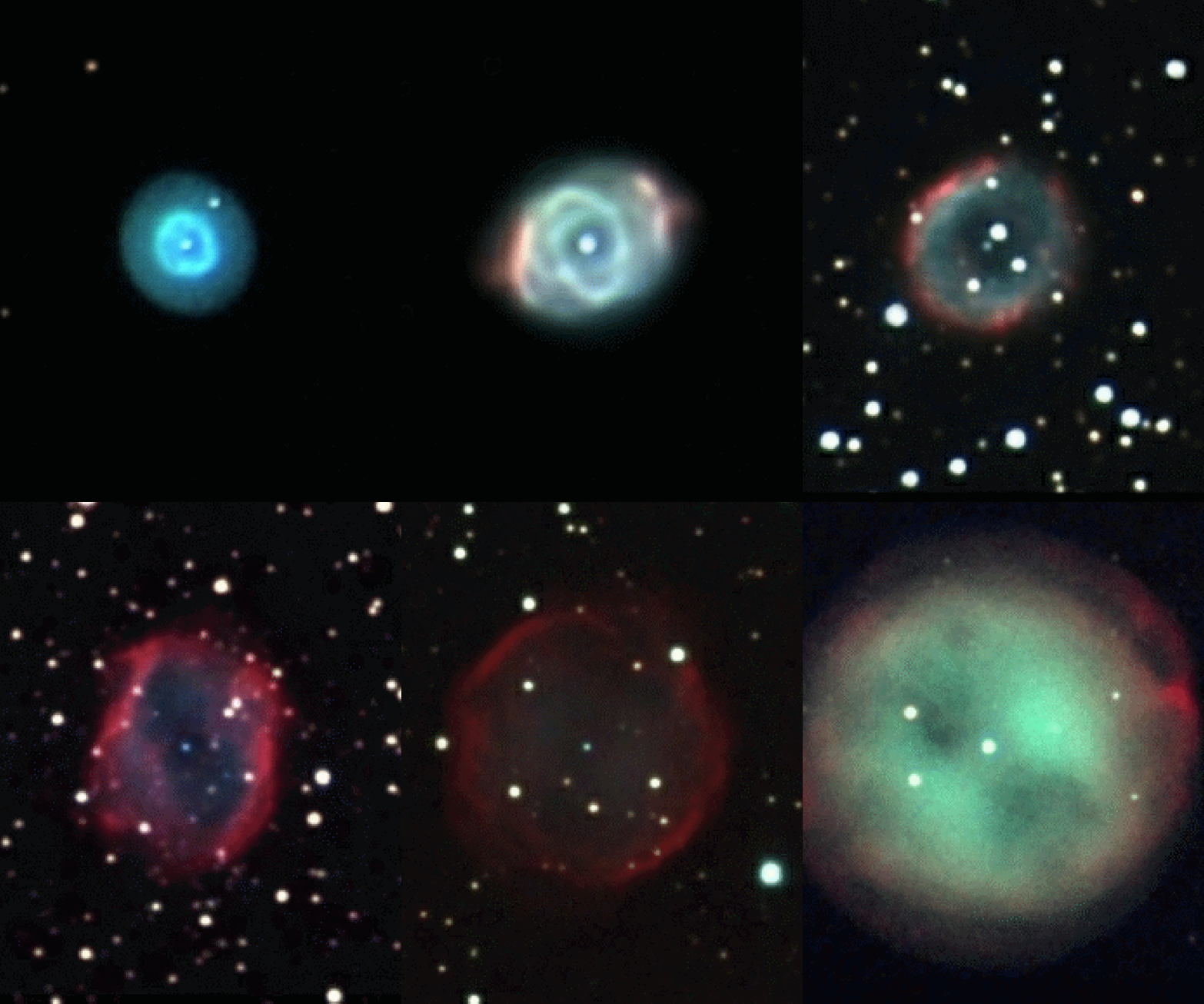
The Planetary Nebula Show
What do the Owl, the Cat's Eye, the Ghost of Jupiter, and Saturn have in common? They're all planetary nebulae of course(!), glowing gaseous shrouds shed by dying sun-like stars…
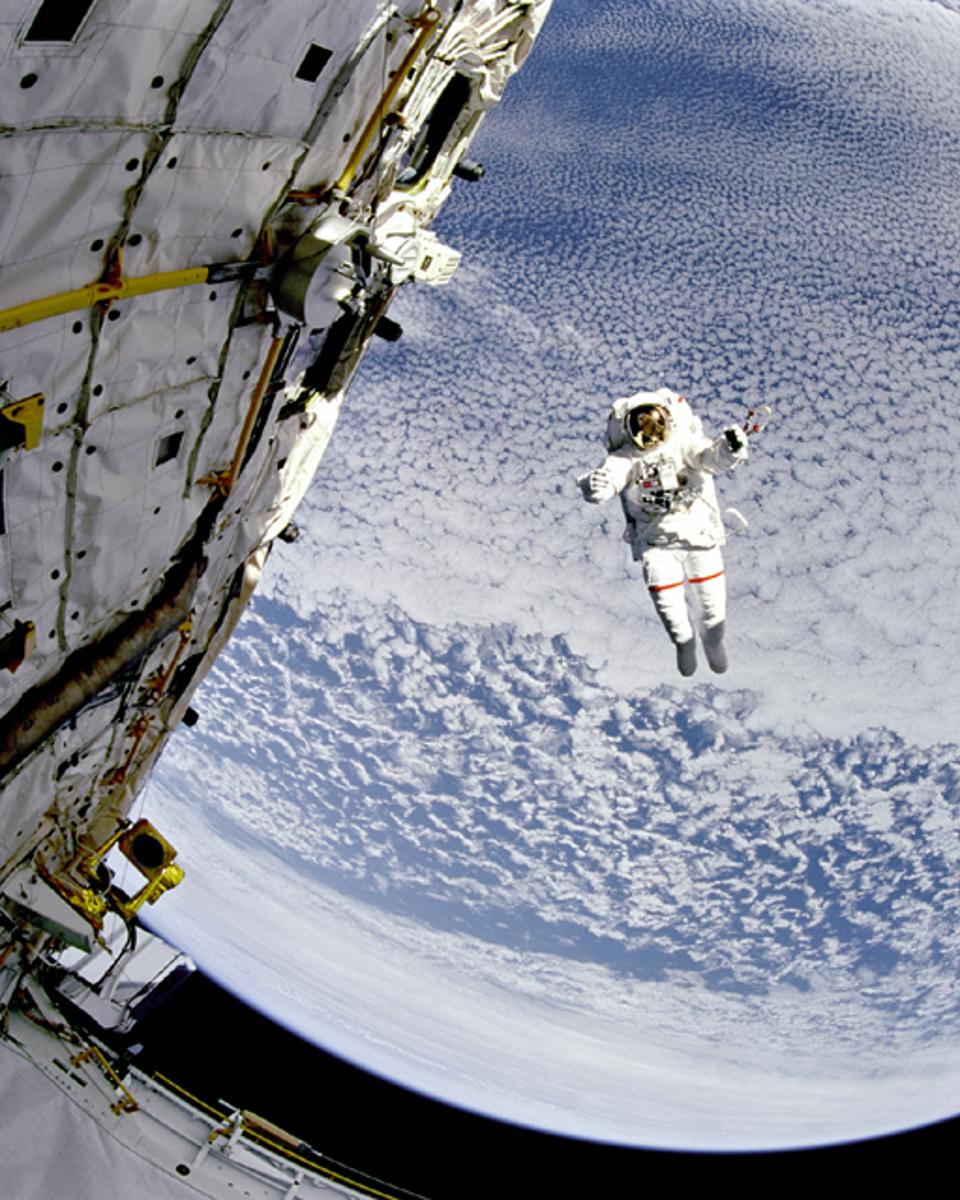
A Flying Astronaut Over Earth
What would it be like to fly free over the seas and clouds of Earth? In 1994 astronaut Mark Lee found out when he tested the Simplified Aid for EVA Rescue (SAFER) system for NASA…
Viewing discoveries from 25 October 2001 through 2 October 2001.