Browse NASA Astronomy Picture of the Day archive by date and media: Archive Discoveries
Browse the NASA APOD archive without needing the exact date first. Filter by media type and keep moving deeper into older images and videos.
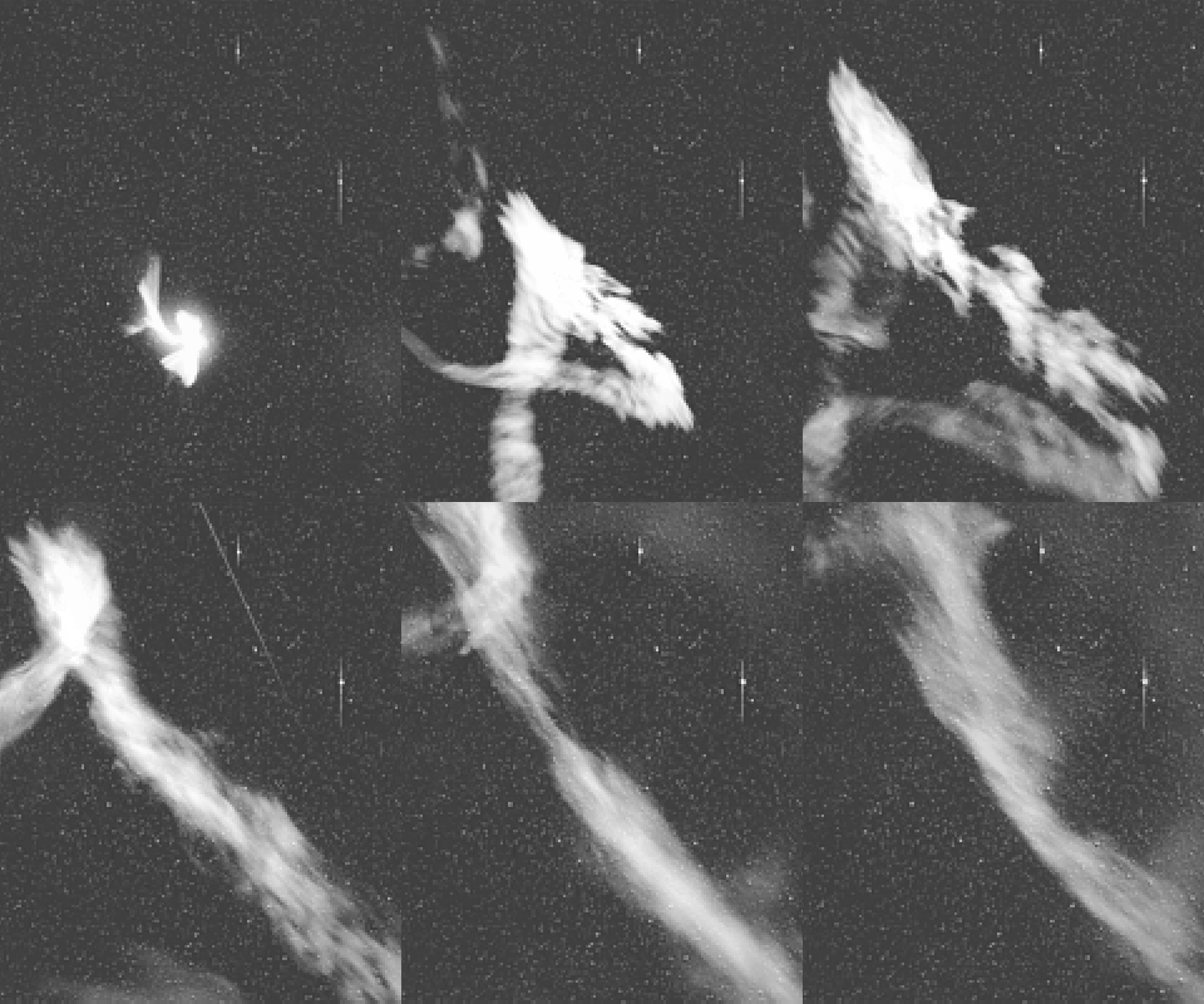
A Leonid Meteor Explodes
Last night and tonight, a lucky few may see a meteor explode. As our Earth passes unusually close to debris expelled from Comet Tempel-Tuttle , many sand-sized particles from this…
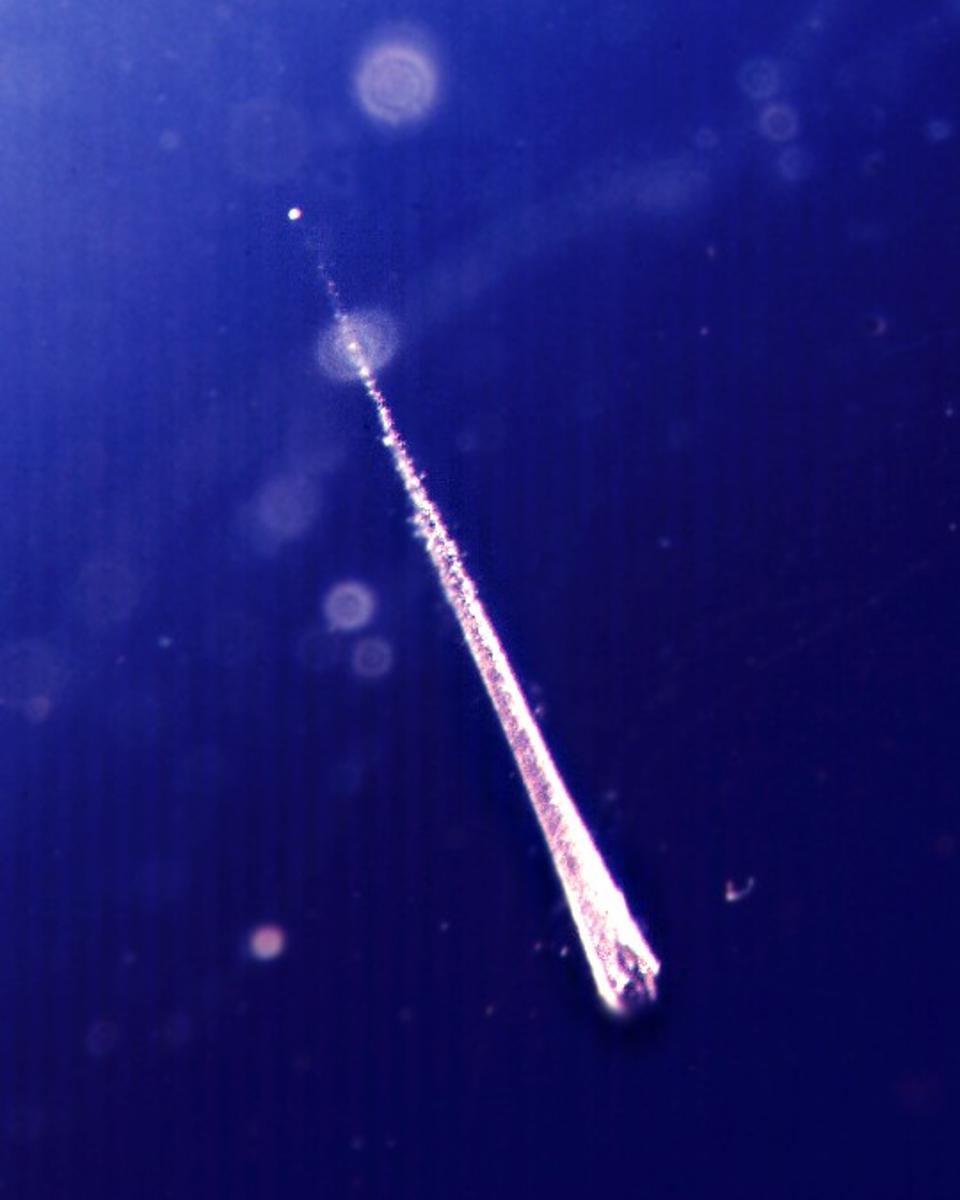
Catching Falling Stardust
This carrot-shaped track is actually little more than 5 hundredths of an inch long. It is the trail of a meteroid through the high-tech substance aerogel exposed to space by the…
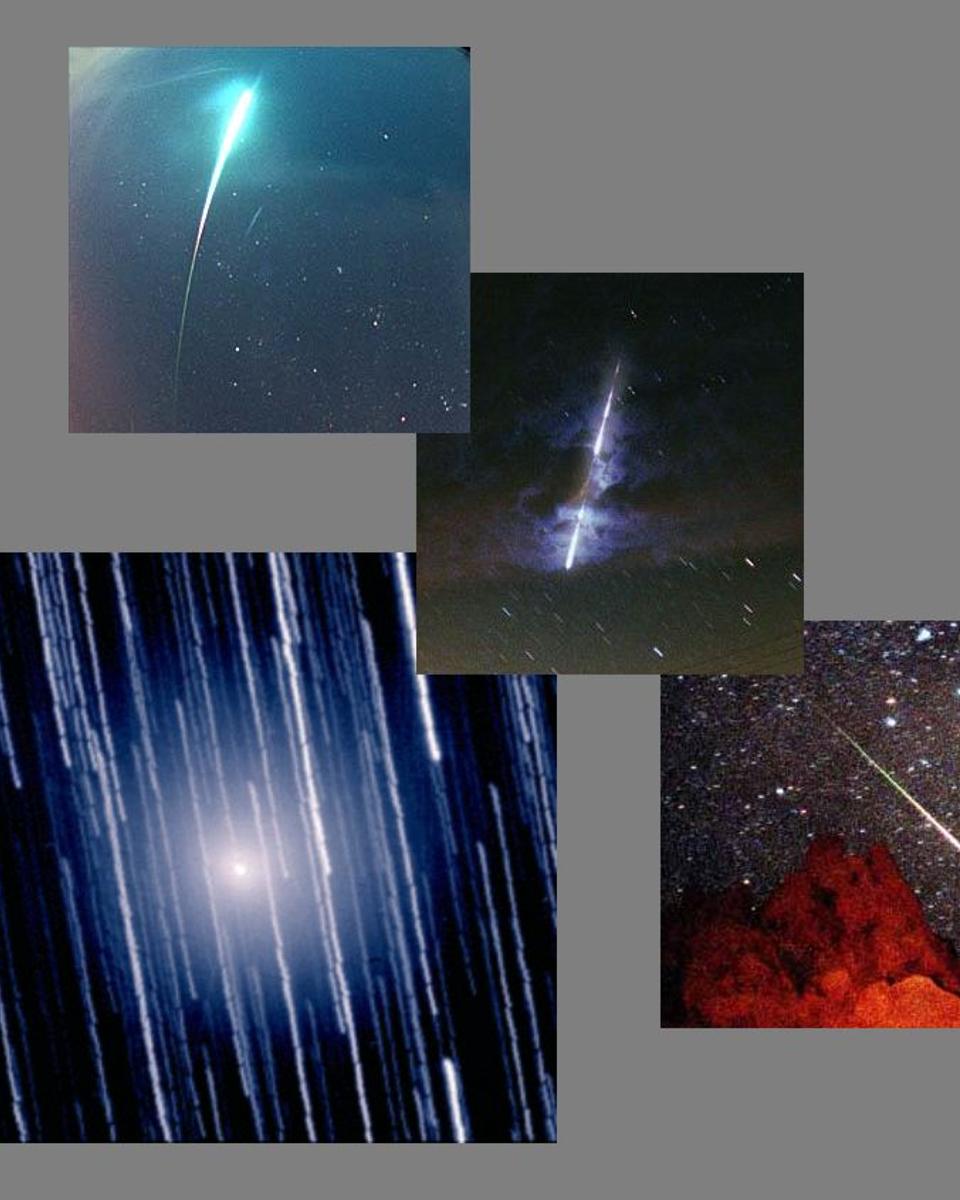
Leonid Watching
Will the Leonids storm this year? The annual Leonid meteor shower should peak this weekend and some predictions suggest that “storm” rates of a thousand or more meteors per hour…
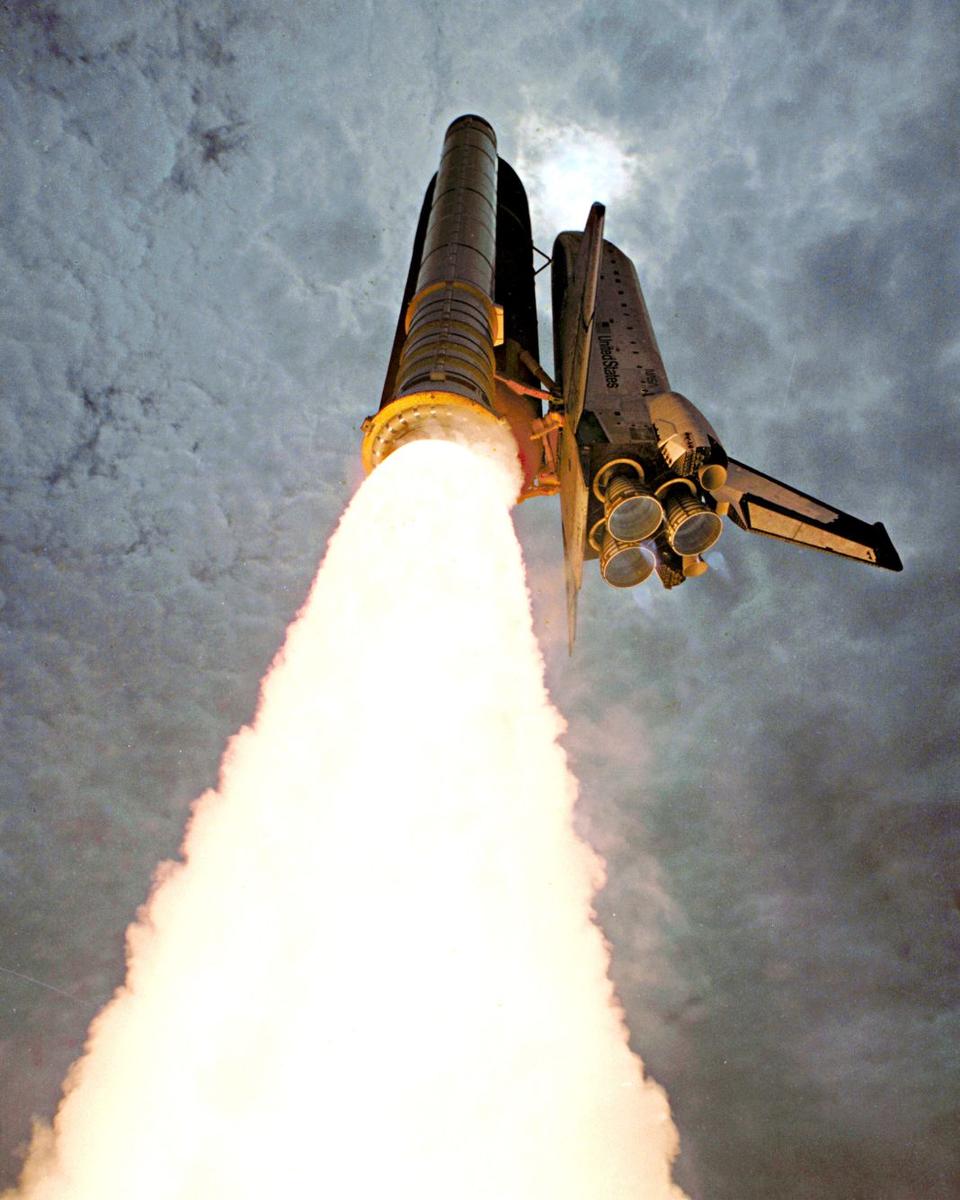
Recycling Columbia
Twenty years ago this week, the Space Shuttle Columbia became the first reusable spaceship . Its second trip to low Earth orbit and back again began on November 12, 1981,…
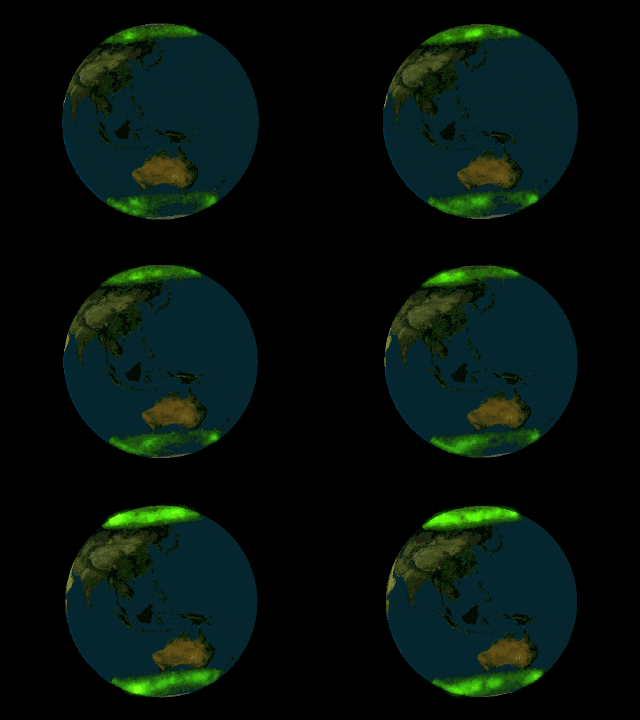
Auroras Over Both Earth Poles
Auroras in the north and south can be nearly mirror images of each other. Such mirroring had been suspected for centuries but dramatically confirmed only last month by detailed…
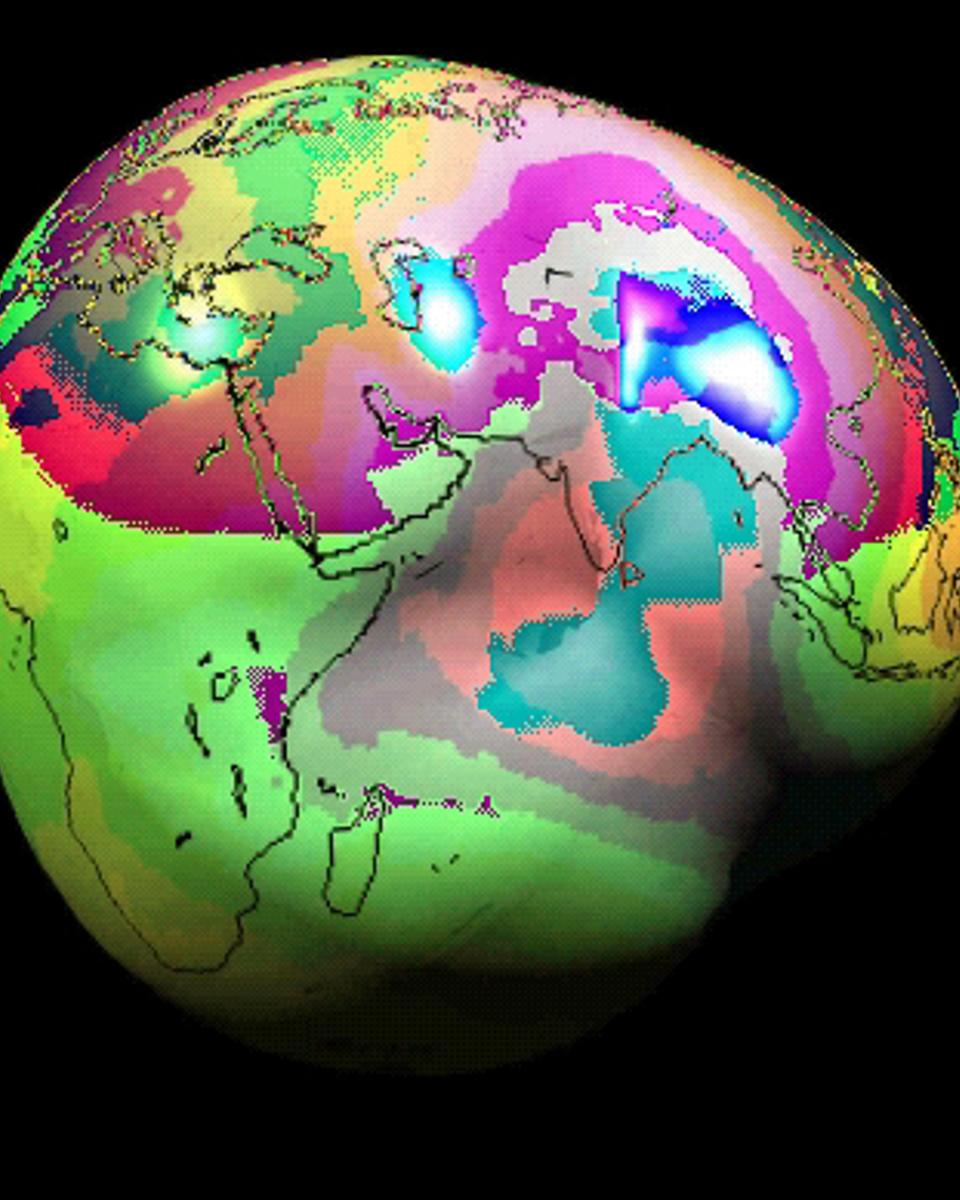
A Gravity Map of Earth
Is gravity the same over the surface of the Earth ? No -- it turns out that in some places you will feel slightly heavier than others. The above relief map shows in exaggerated…
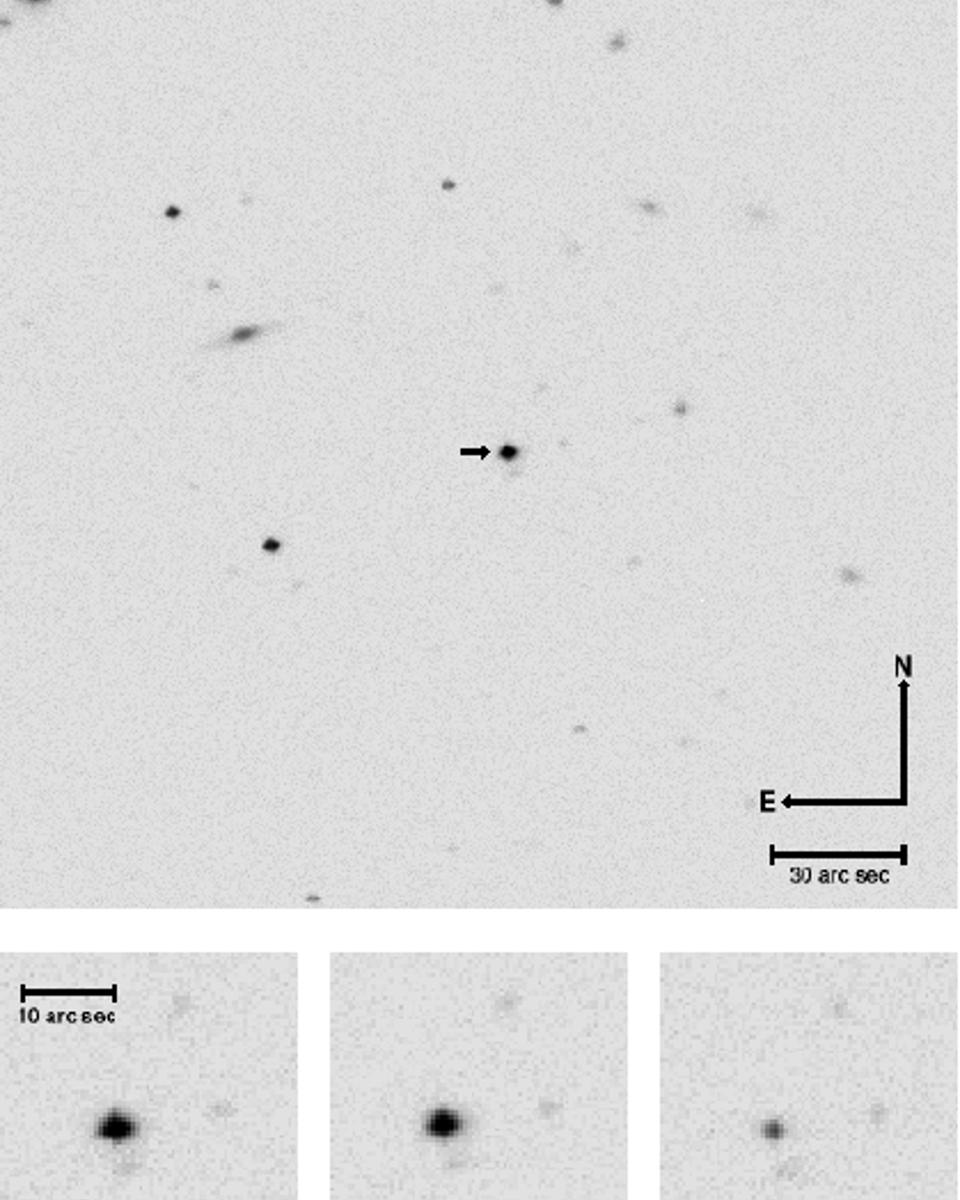
Is Mystery Object an Orphan Afterglow?
What is that unusual object? Astronomers can identify most objects that are imaged on the sky, but not all. Pictured above is one that currently defies classification. Attributes…
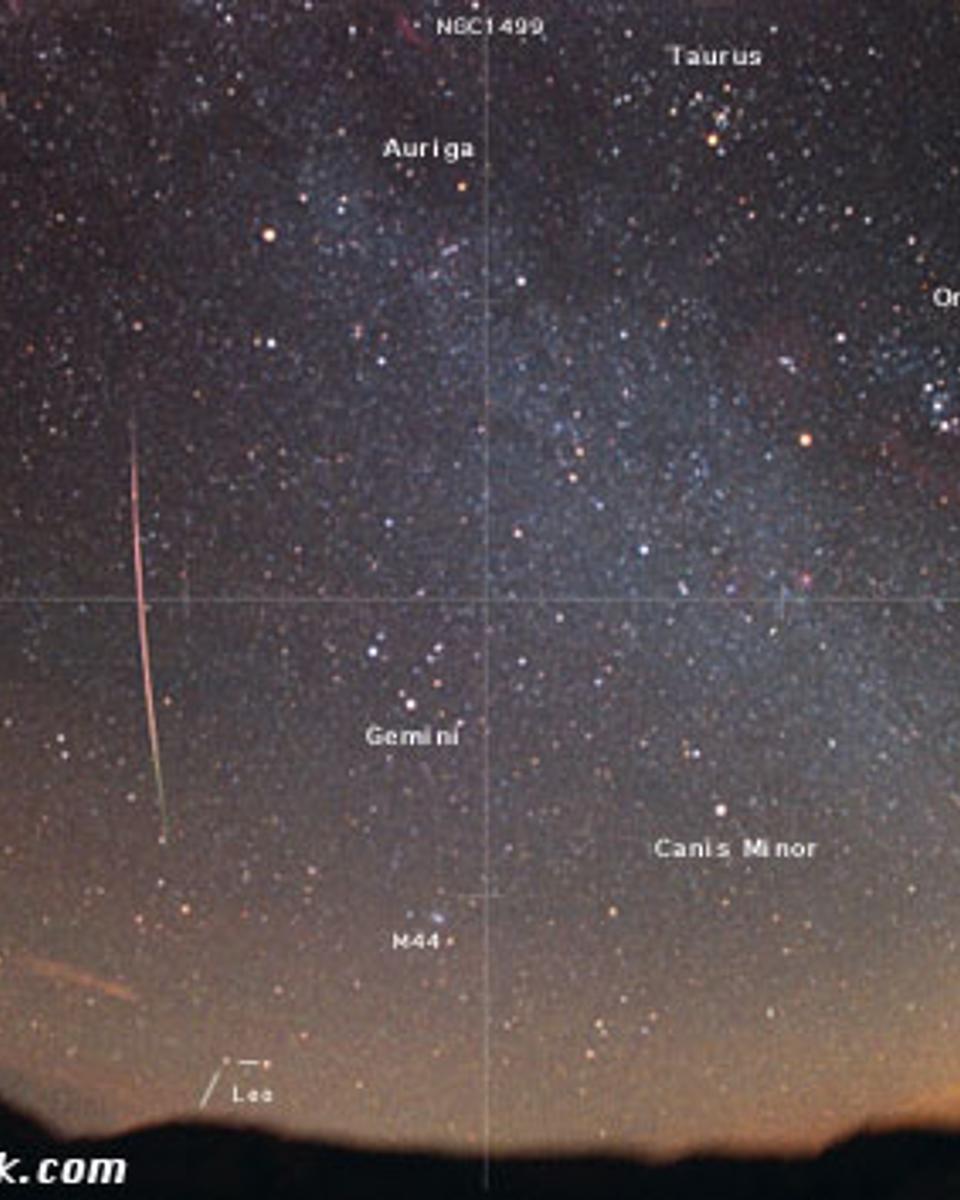
An Annotated Leonid
The 1998 Leonids Meteor Shower was one of the most photographed meteor events in history. Patient observers saw bright meteors streak across dark skies every few minutes,…
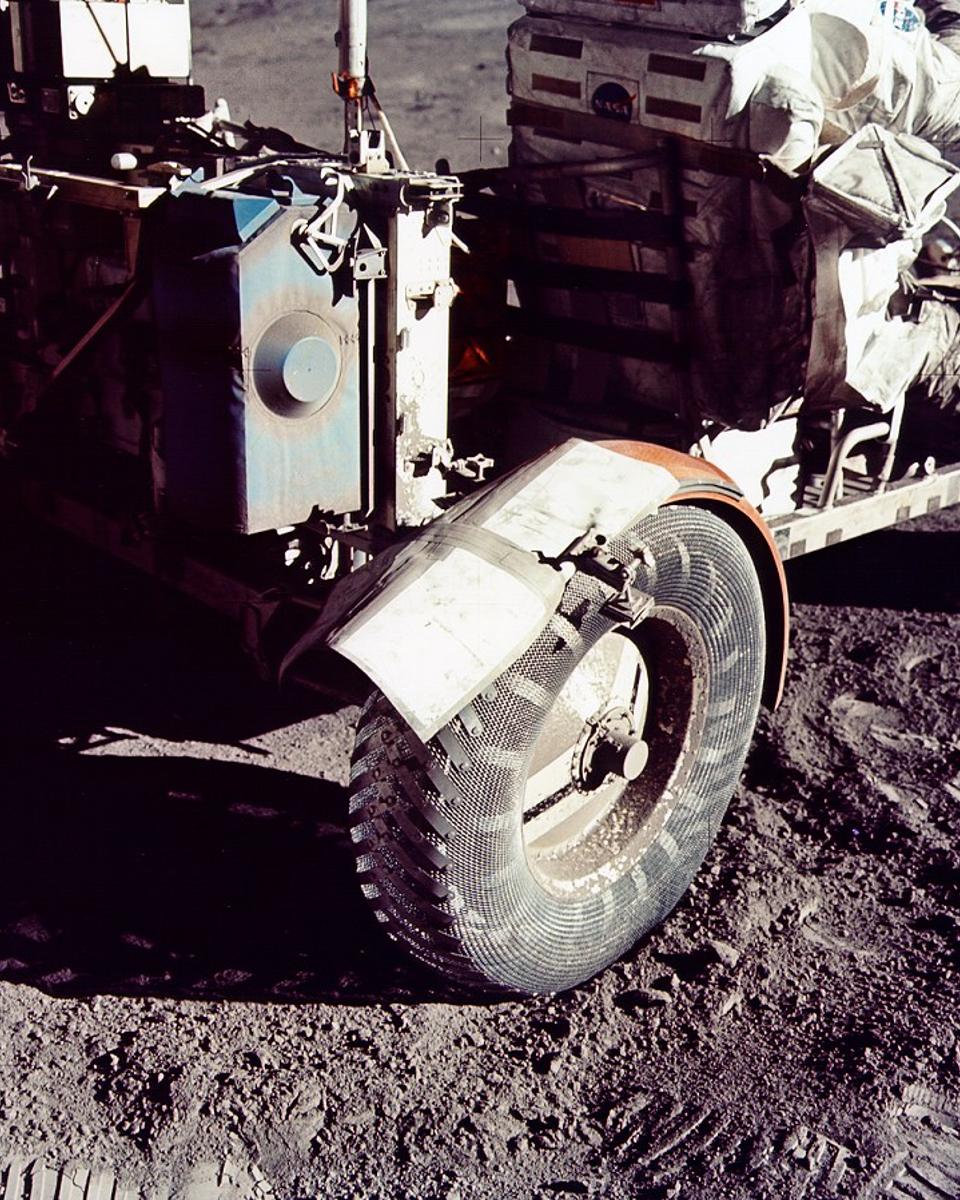
Lunar Dust and Duct Tape
Why is the Moon dusty ? On Earth, rocks are weathered by wind and water, creating soil and sand. On the Moon, the long history of micrometeorite bombardment has blasted away at…
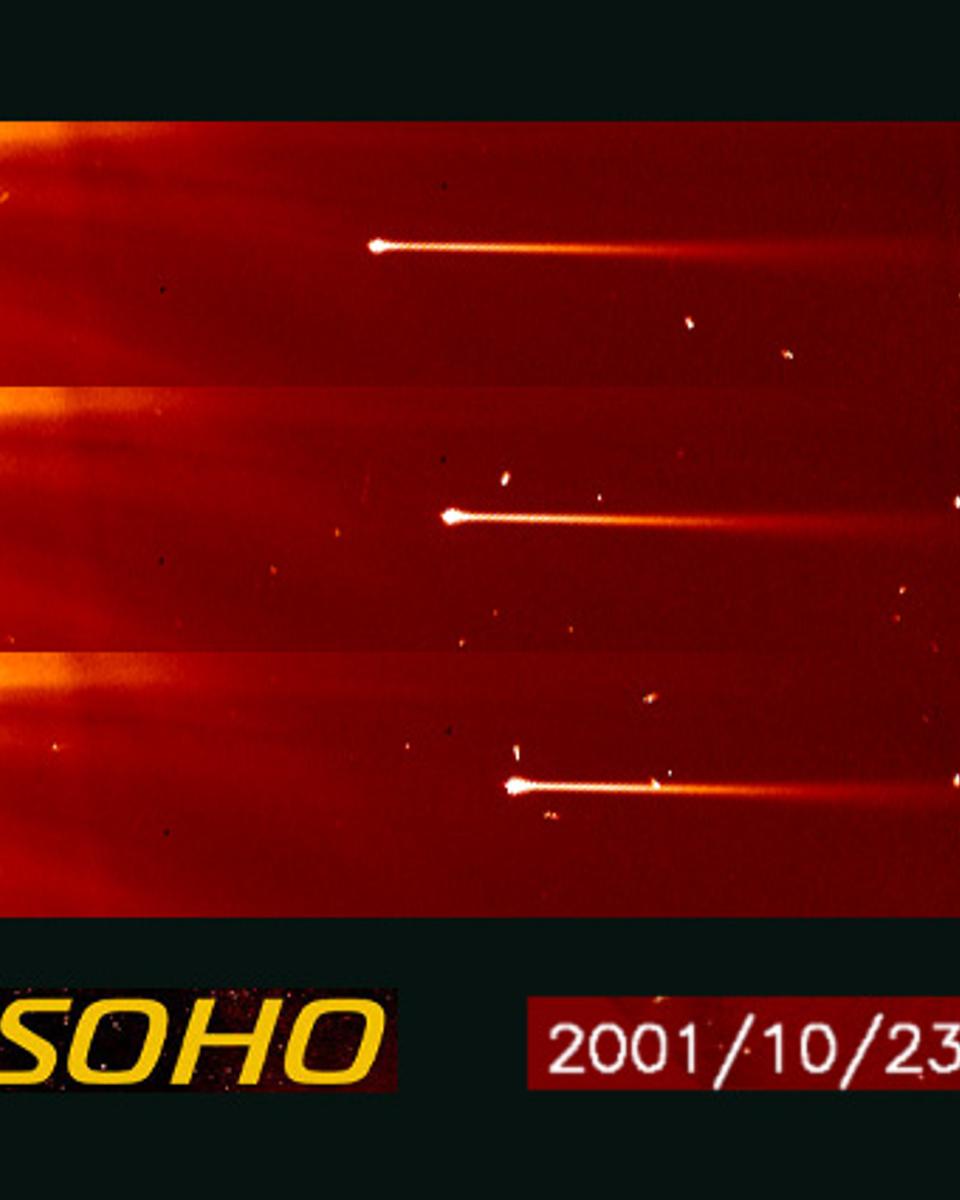
SOHO Comet 367: Sungrazer
The most prolific comet discovering instrument in history rides aboard the sun-staring SOHO spacecraft, 1.5 million kilometers sunward of planet Earth. Of course, most of these…
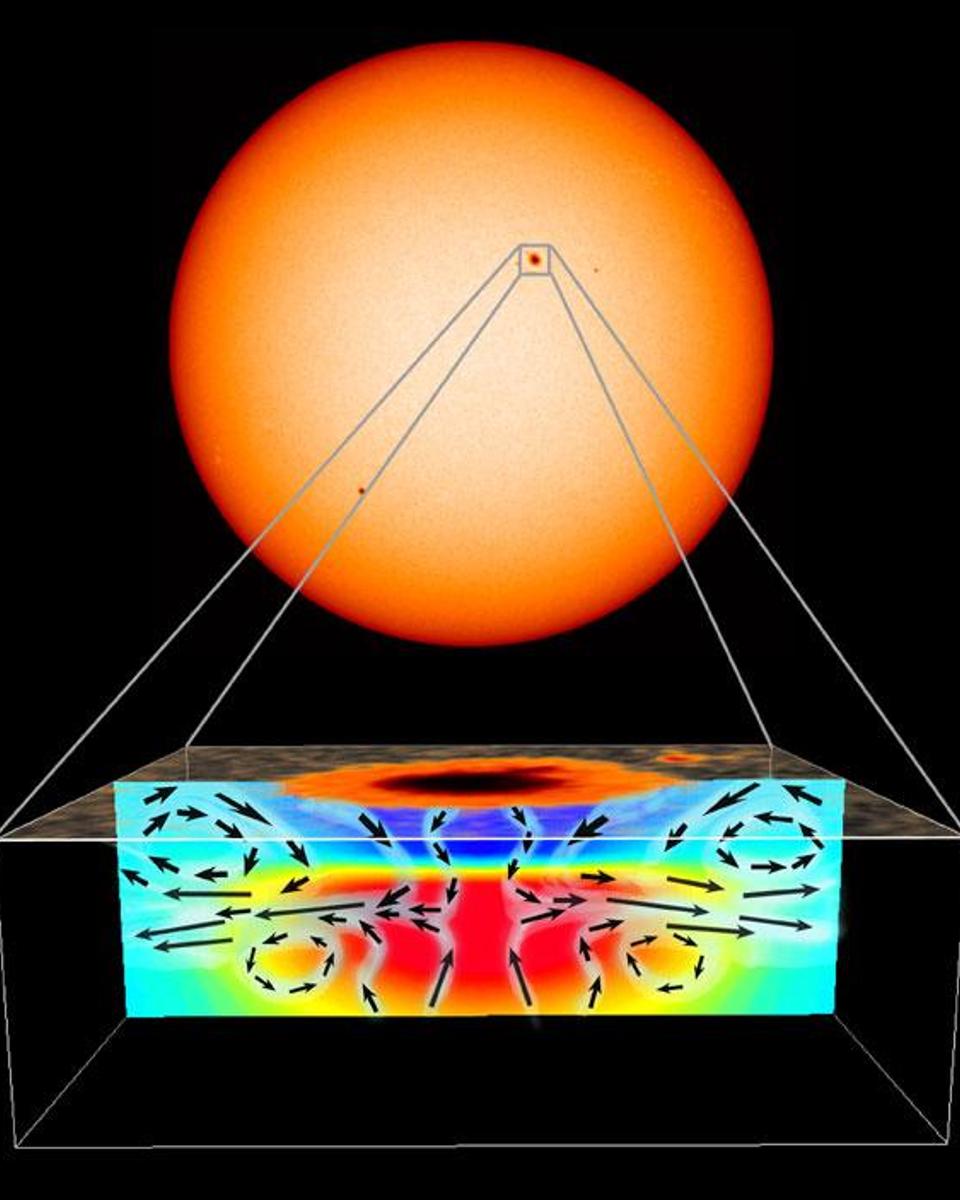
Under A Sunspot
At the Sun's surface, sunspots are known to be dark, planet-sized regions of intense magnetic fields. But what lies below ? Using observations from the Michelson Doppler Imager…
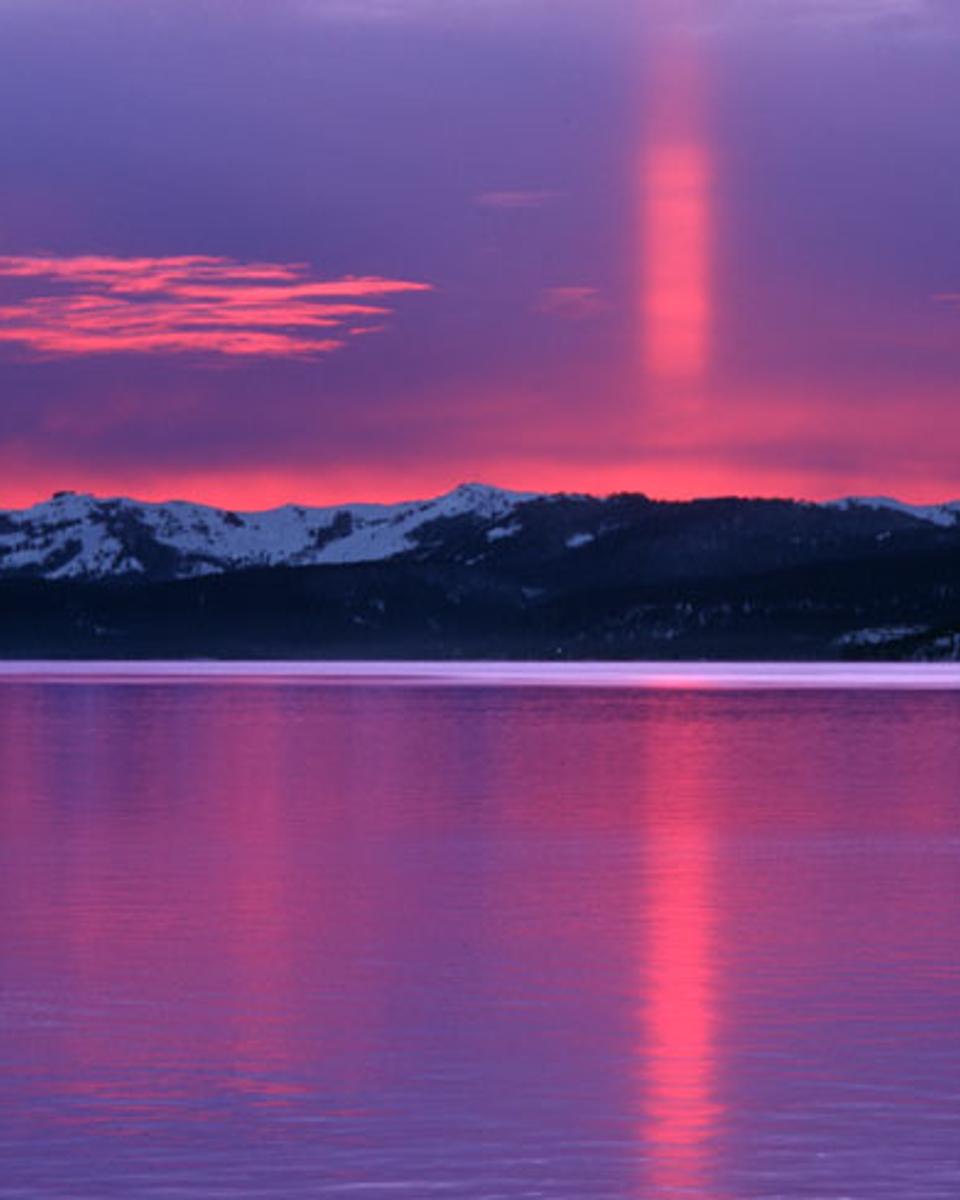
A Sun Pillar in Red and Violet
Sometimes the unknown is beautiful. In 2000 February near Lake Tahoe, Nevada , two amateur photographers noticed an unusual red column of light rise mysteriously from a setting…
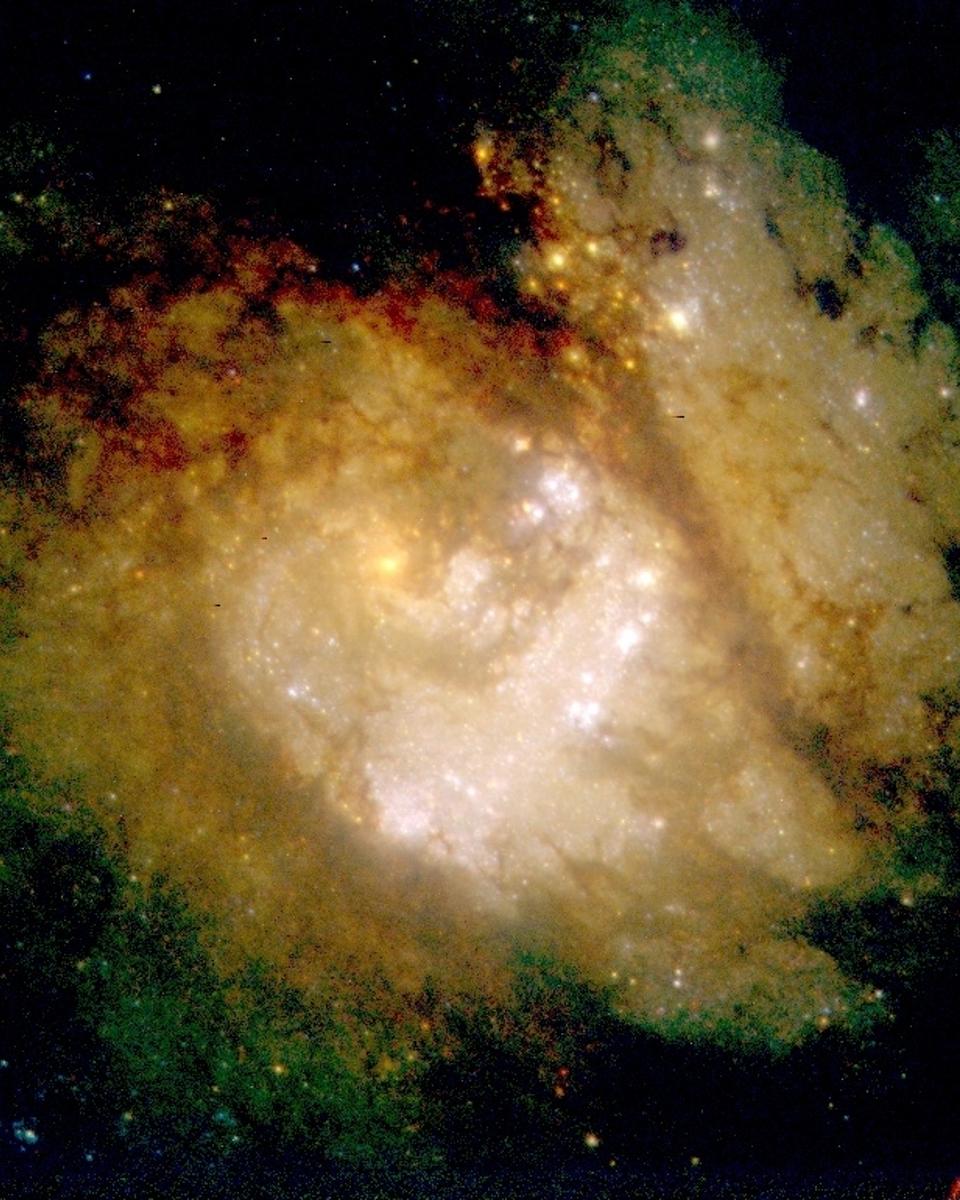
In the Center of Spiral Galaxy M83
What's happening at the center of spiral galaxy M83? Just about everything, from the looks of it. M83 , visible in the inset image on the upper left, is one of the closest spiral…
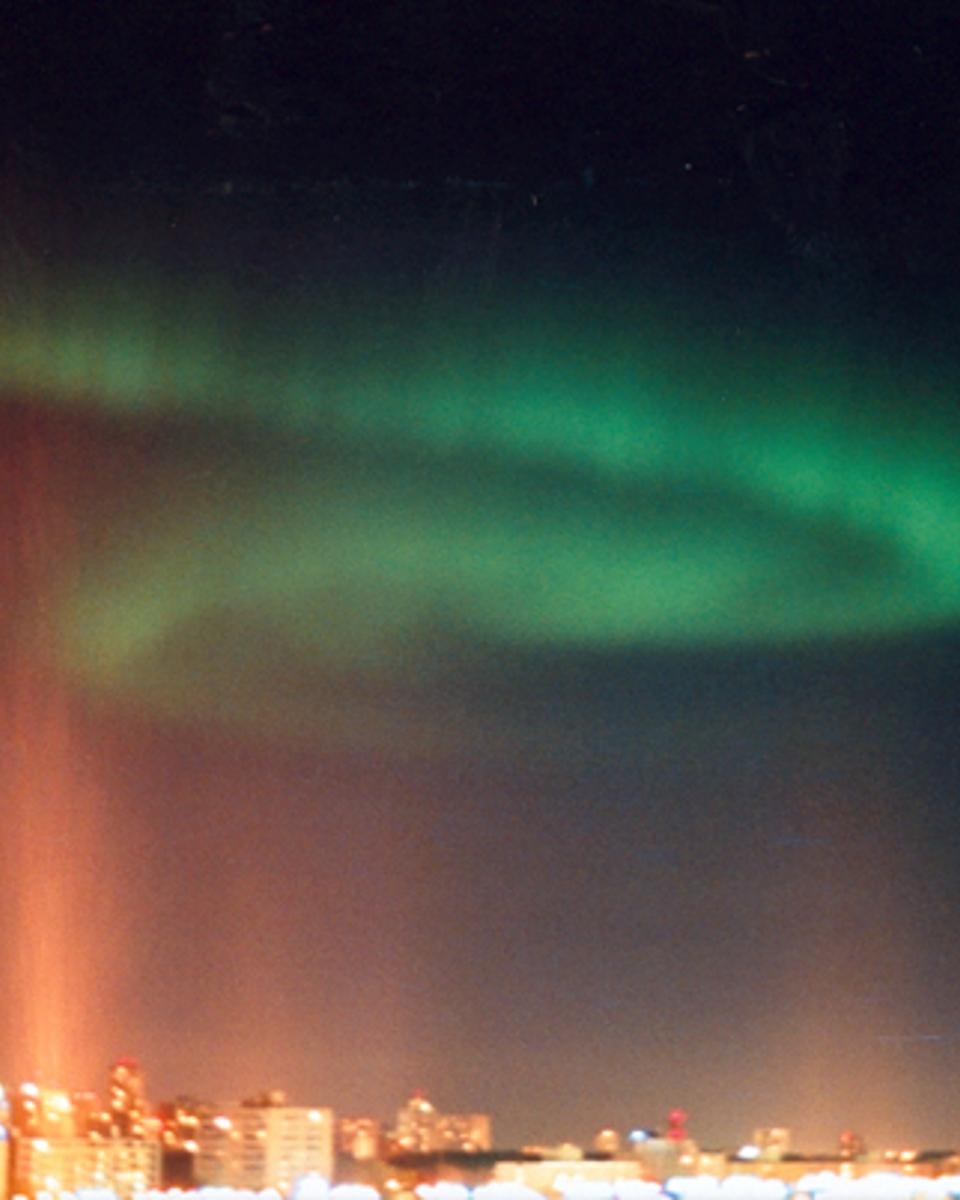
Aurora Over Winnipeg
What's happening above that city? The city is Winnipeg , Canada , and the phenomenon is aurora . These past few months have been active ones for our Sun , producing several…
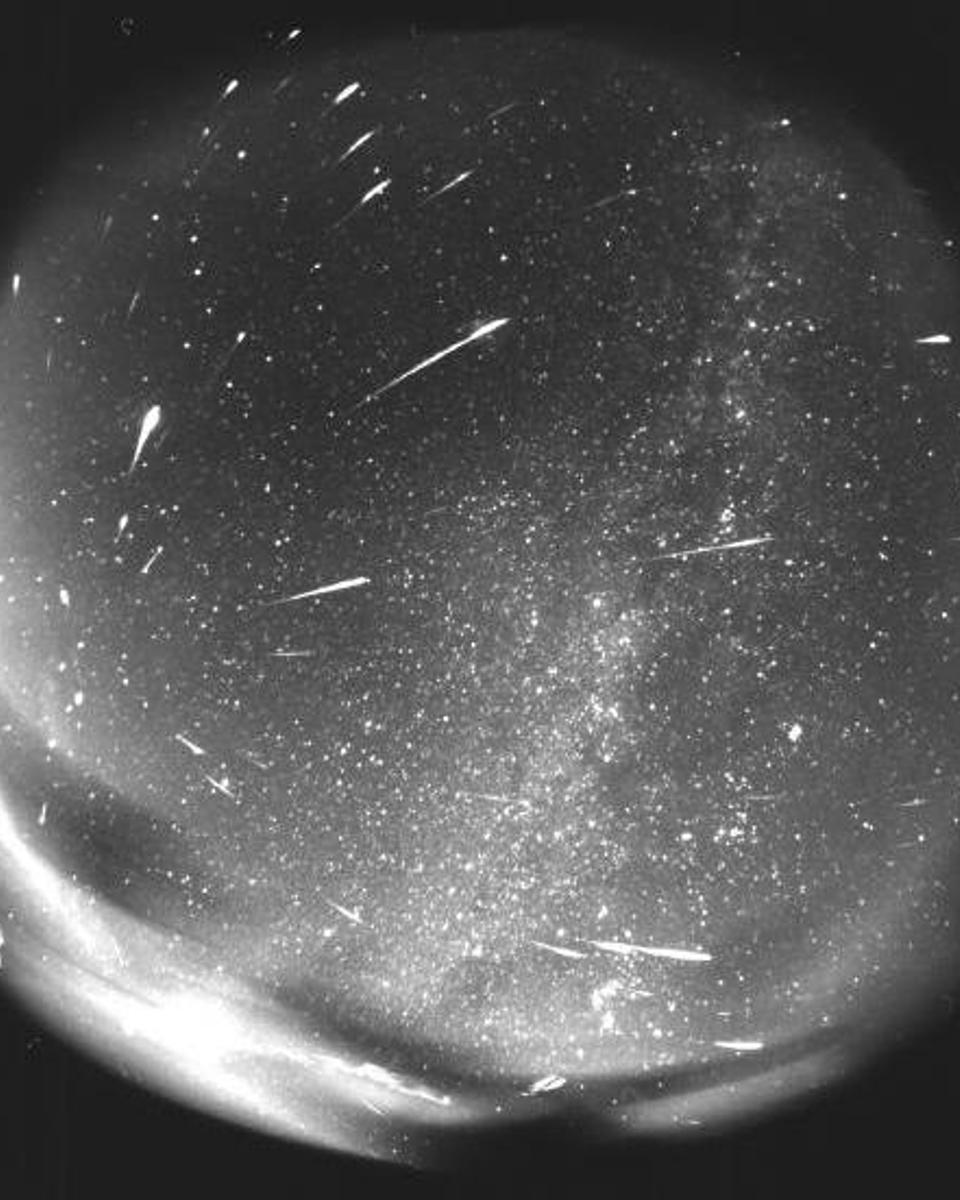
Leonids from Leo
Is Leo leaking? Leo , the famous sky constellation visible on the left of the above all-sky photograph , appears to be the source of all the meteors seen in 1998's Leonids Meteor…
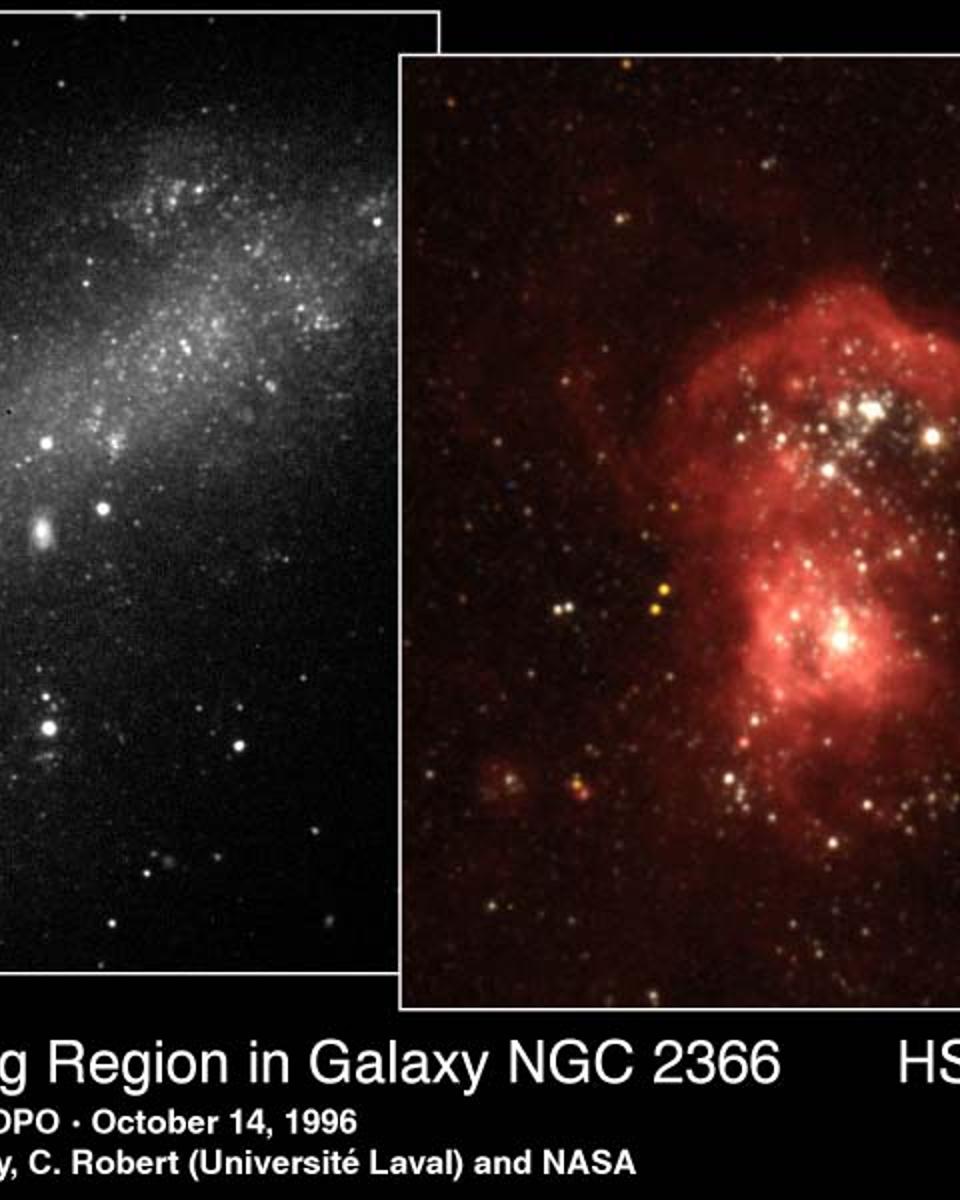
Bright Stars, Dim Galaxy
These two clusters of bright, newly formed stars surrounded by a glowing nebula lie 10 million light-years away in the dim, irregular galaxy cataloged as NGC 2366. The Hubble…
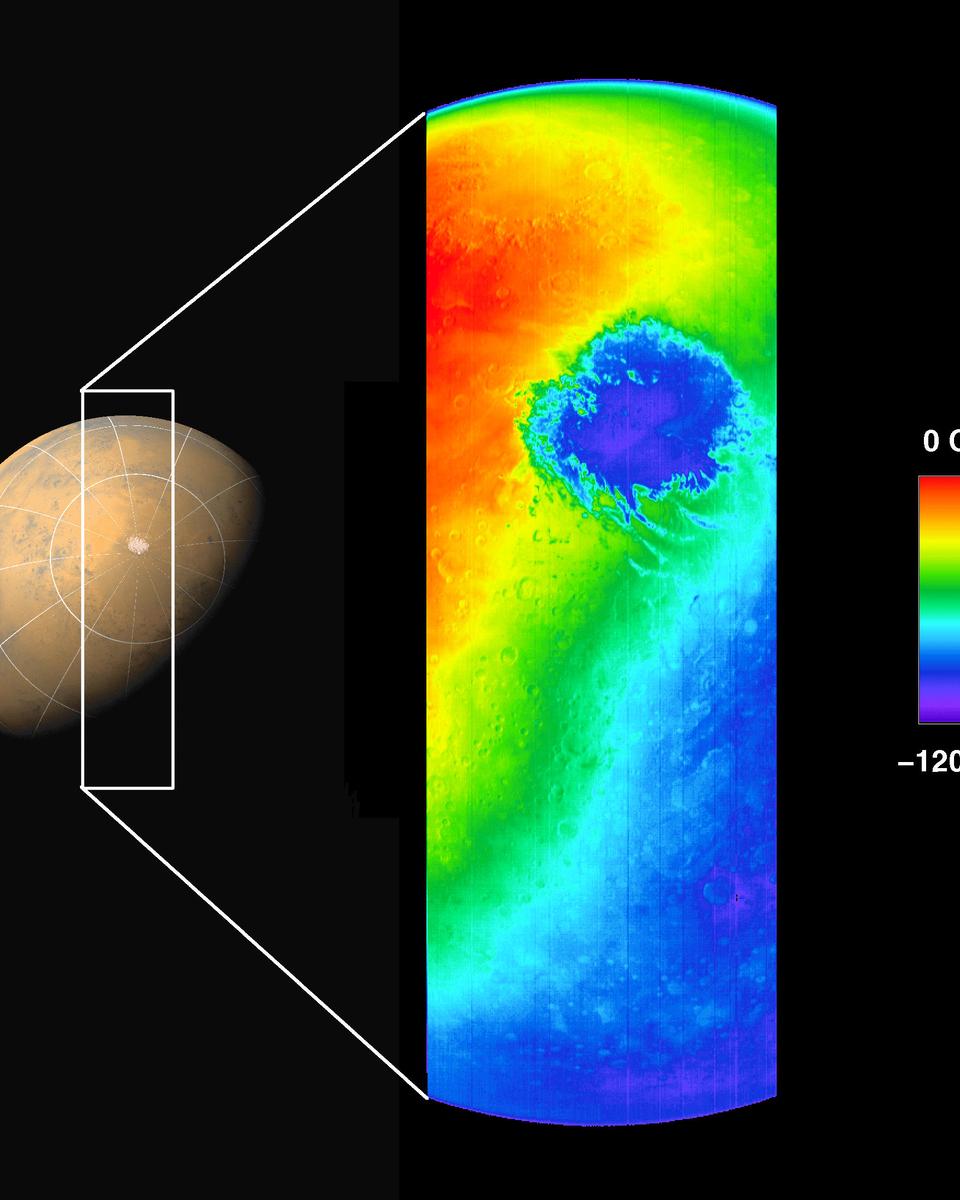
THEMIS of Mars
Not an ancient Greek goddess, THEMIS is modern acronese for THermal EMission Imaging System . Above is this remarkable instrument's premier infrared image of Mars, from the newly…
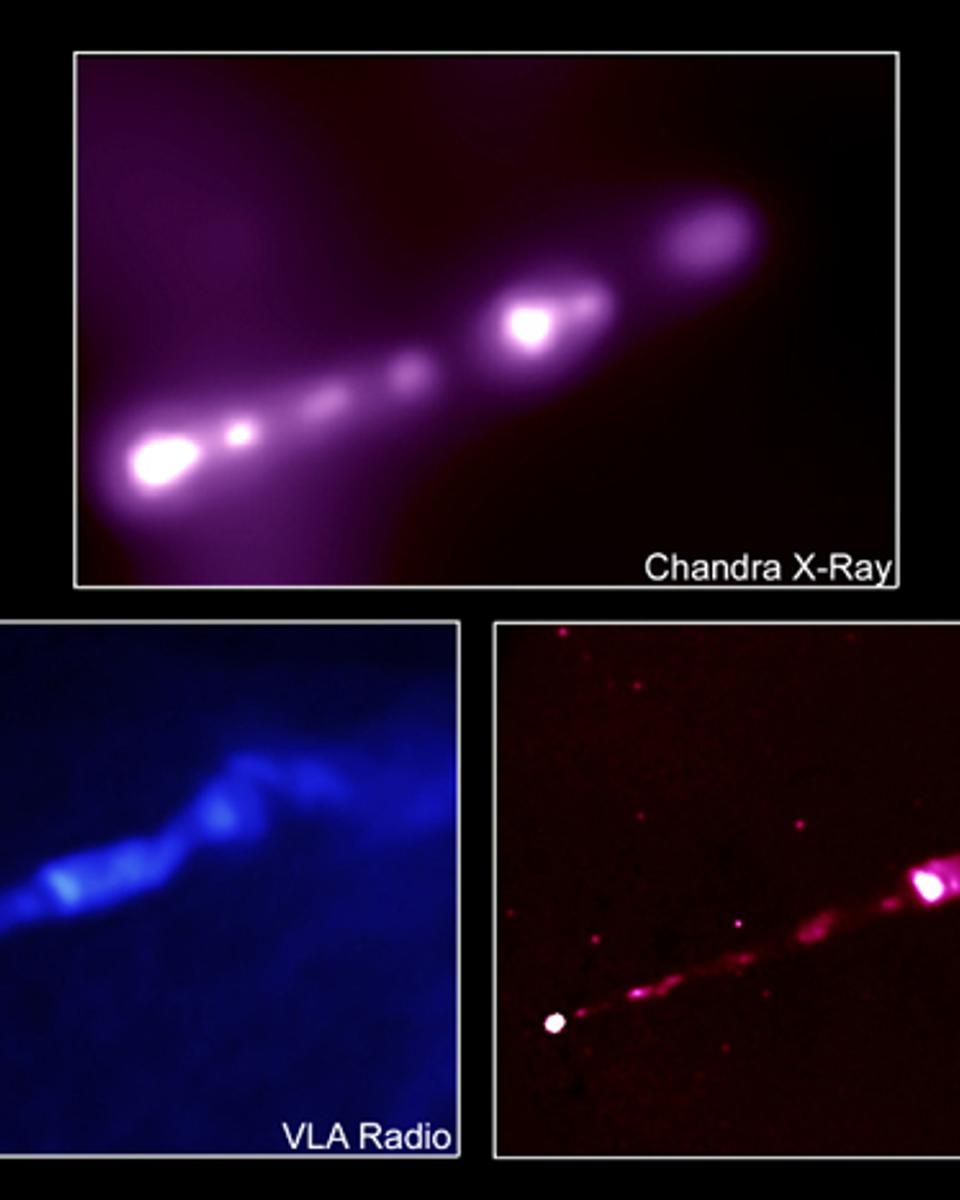
M87's Energetic Jet
An energetic jet from the core of giant elliptical galaxy M87 stretches outward for 5,000 light-years. This monstrous jet appears in the panels above to be a knotted and irregular…
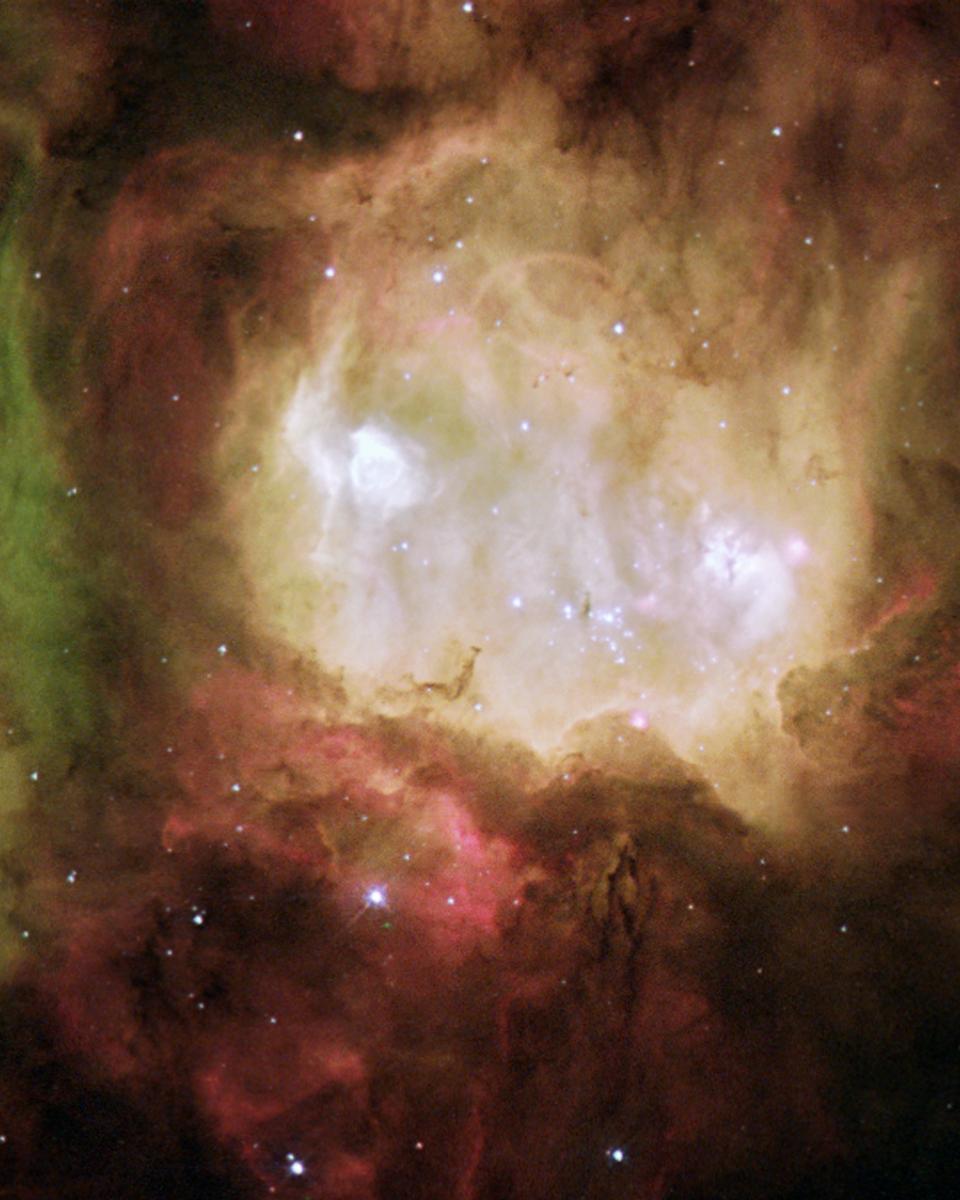
Halloween and the Ghost Head Nebula
Halloween's origin is ancient and astronomical. Since the fifth century BC, Halloween has been celebrated as a cross-quarter day , a day halfway between an equinox (equal day /…
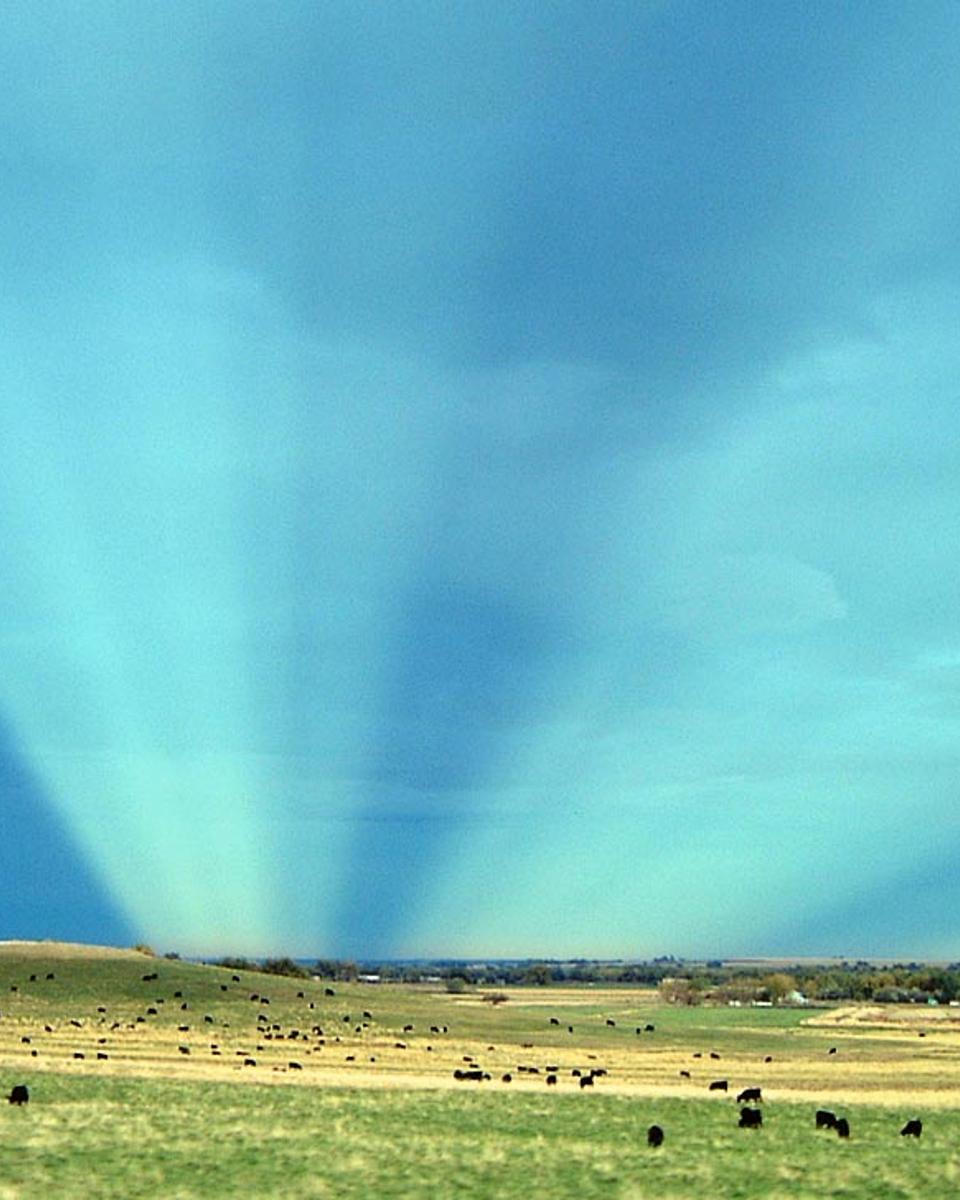
Anticrepuscular Rays Over Colorado
What's happening over the horizon? Although the scene may appear somehow supernatural , nothing more unusual is occurring than a setting Sun and some well placed clouds. Pictured…
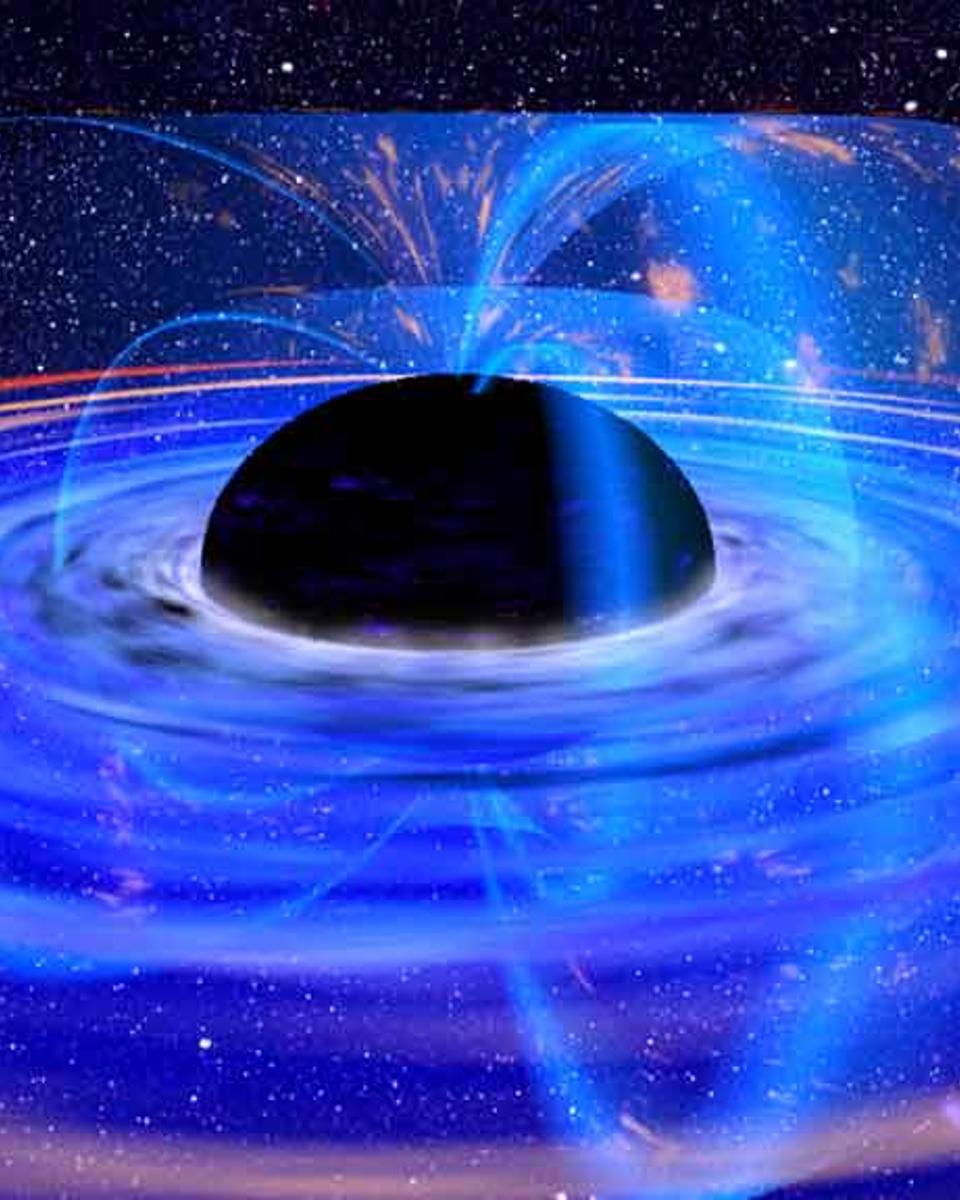
Spinning Black Holes and MCG-6-30-15
What makes the core of galaxy MCG-6-30-15 so bright? Some astronomers believe the answer is a massive spinning black hole . If so, this would be the first observational indication…
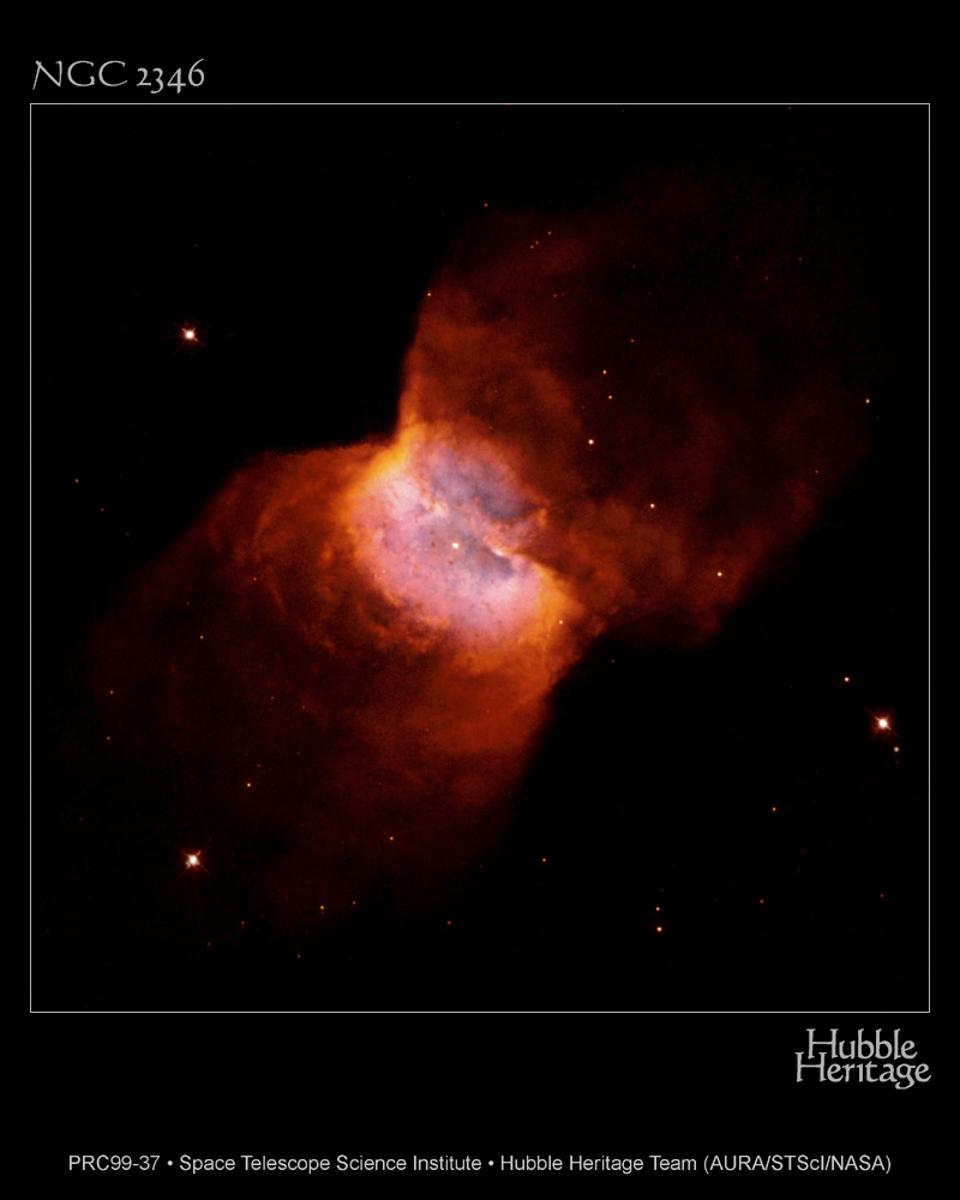
NGC 2346: A Butterfly-Shaped Planetary Nebula
It may look like a butterfly, but it's bigger than our Solar System . NGC 2346 is a planetary nebula made of gas and dust that has evolved into a familiar shape . At the heart of…
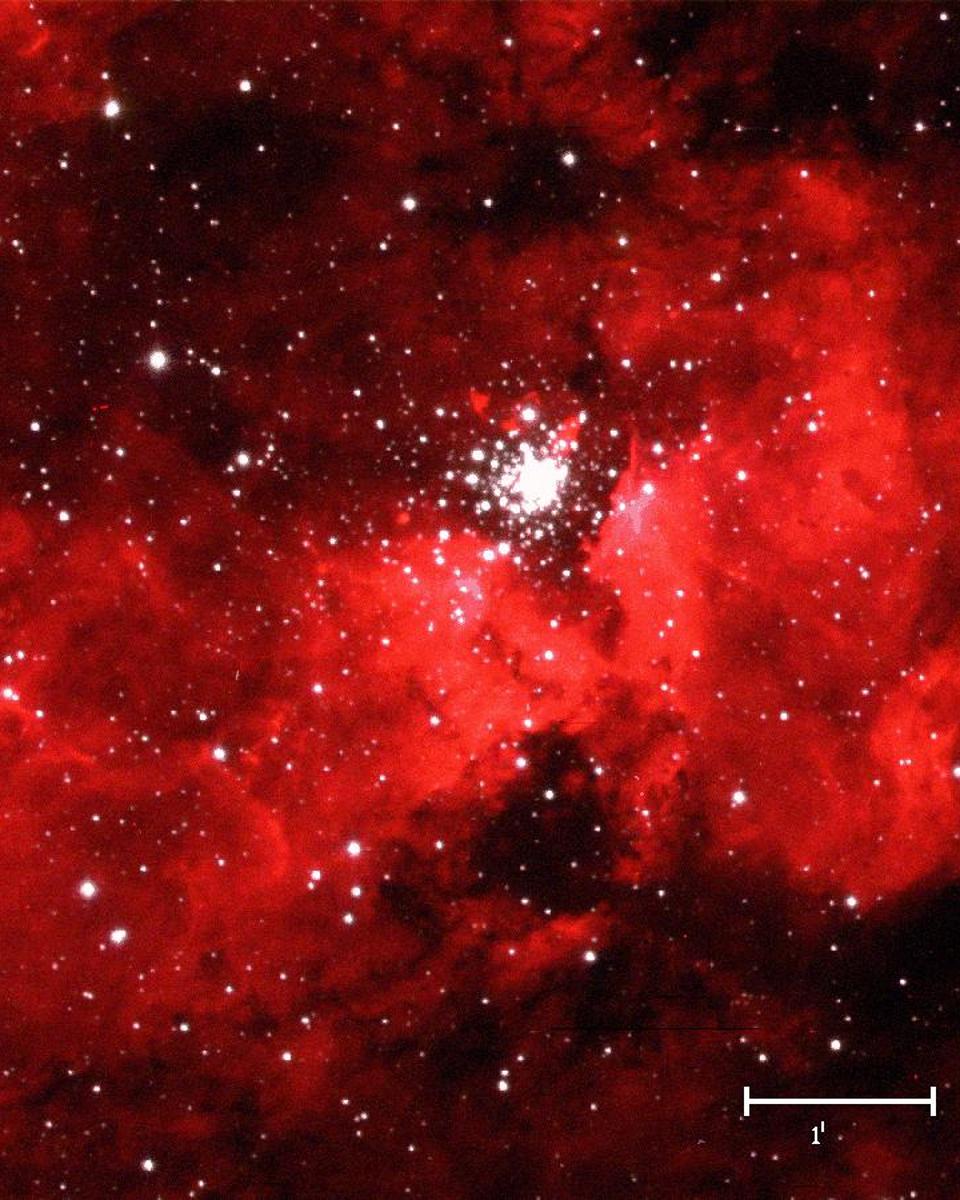
Sher 25: A Pending Supernova?
No supernova has ever been predicted. These dramatic stellar explosions that destroy stars and disperse elements that compose people and planets are not so well understood that…
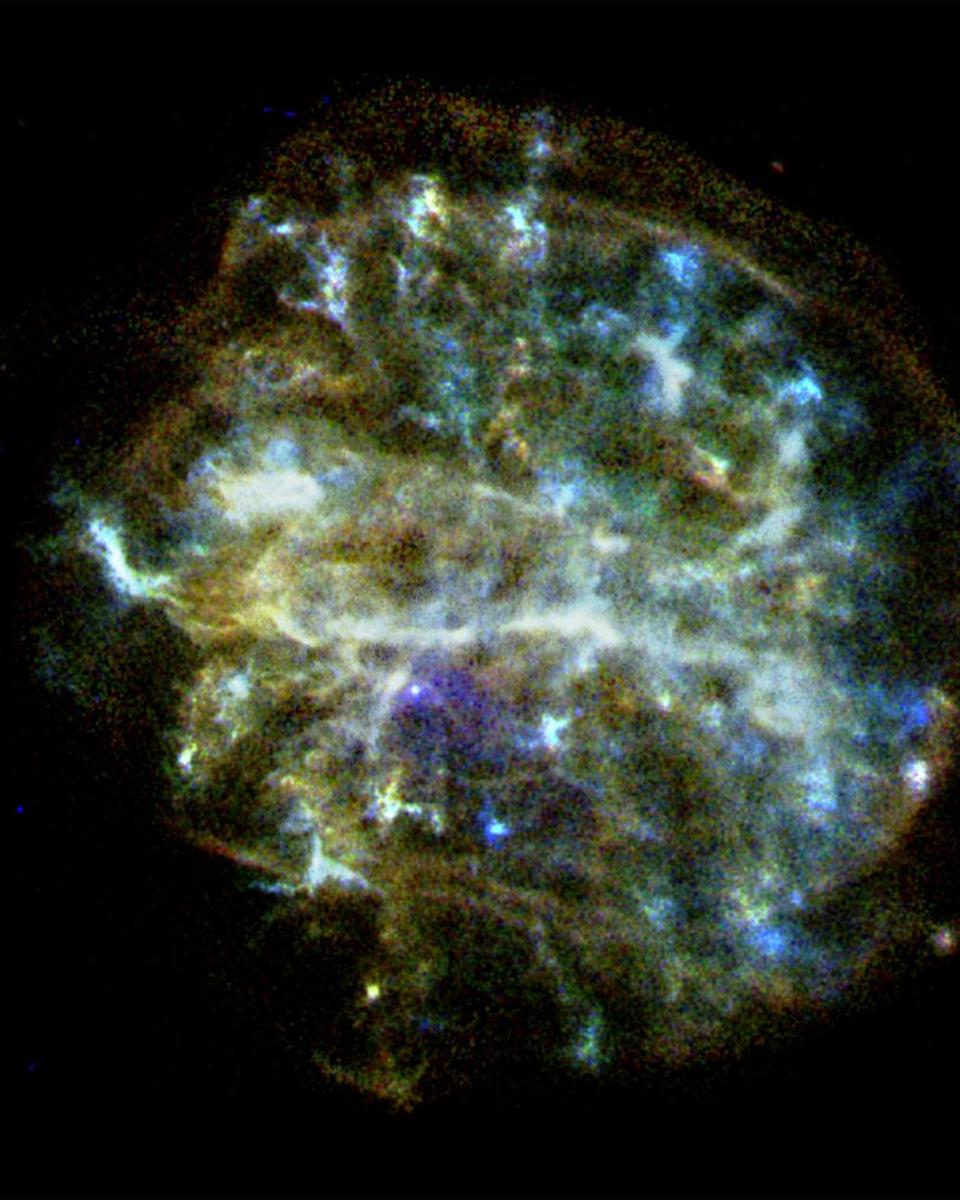
Elements in the Aftermath
Massive stars spend their brief lives furiously burning nuclear fuel. Through fusion at extreme temperatures and densities surrounding the stellar core, nuclei of light elements…
Viewing discoveries from 18 November 2001 through 26 October 2001.