Browse NASA Astronomy Picture of the Day archive by date and media: Archive Discoveries
Browse the NASA APOD archive without needing the exact date first. Filter by media type and keep moving deeper into older images and videos.
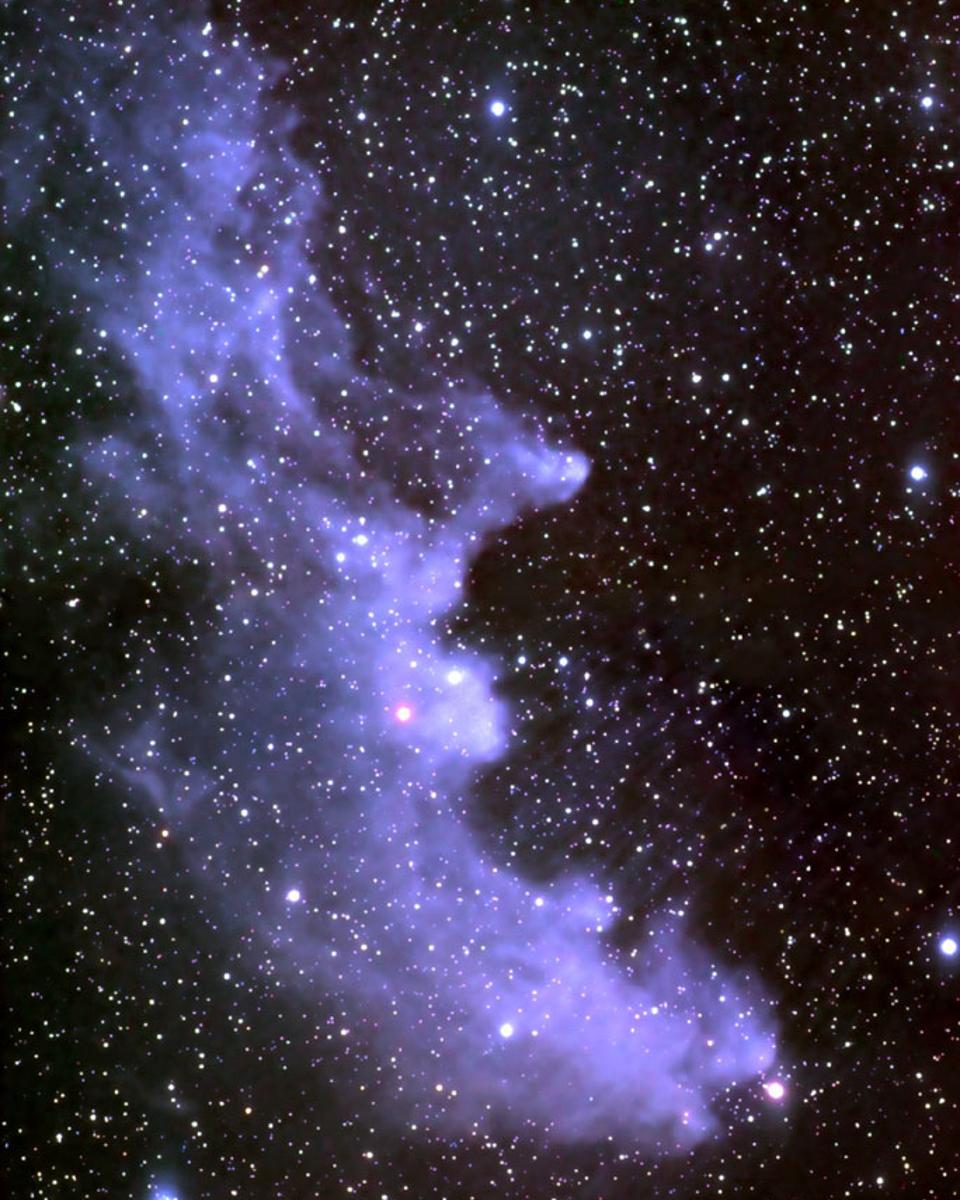
The Witch Head Nebula
Double, double toil and trouble; Fire burn, and cauldron bubble -- maybe Macbeth should have consulted the Witch Head Nebula. This suggestively shaped reflection nebula is…
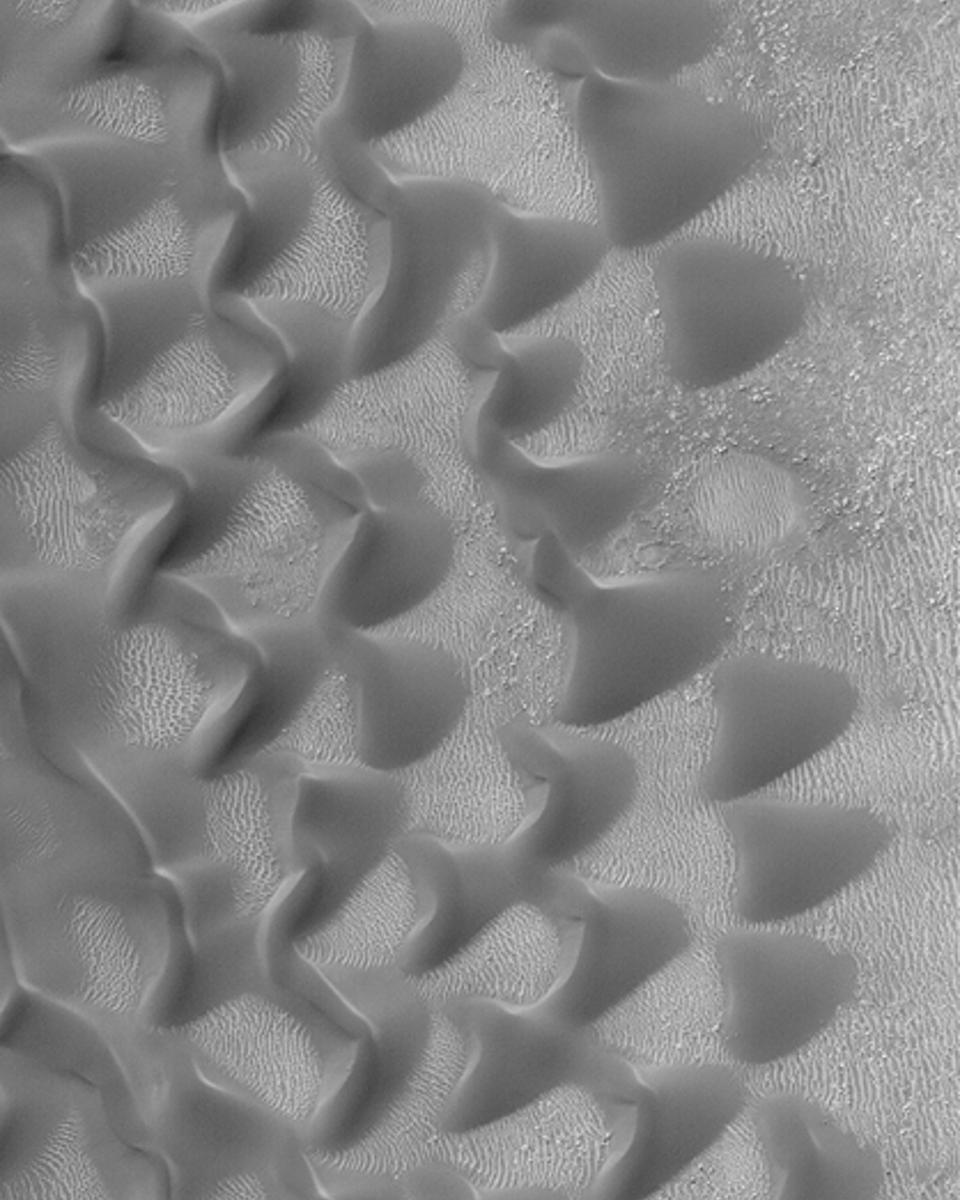
Sand Dunes on Mars
Sand dunes on Mars can appear exotic. The dark dunes above might be compared to shark's teeth or chocolate confections . In reality, they arise from the complex relationship…
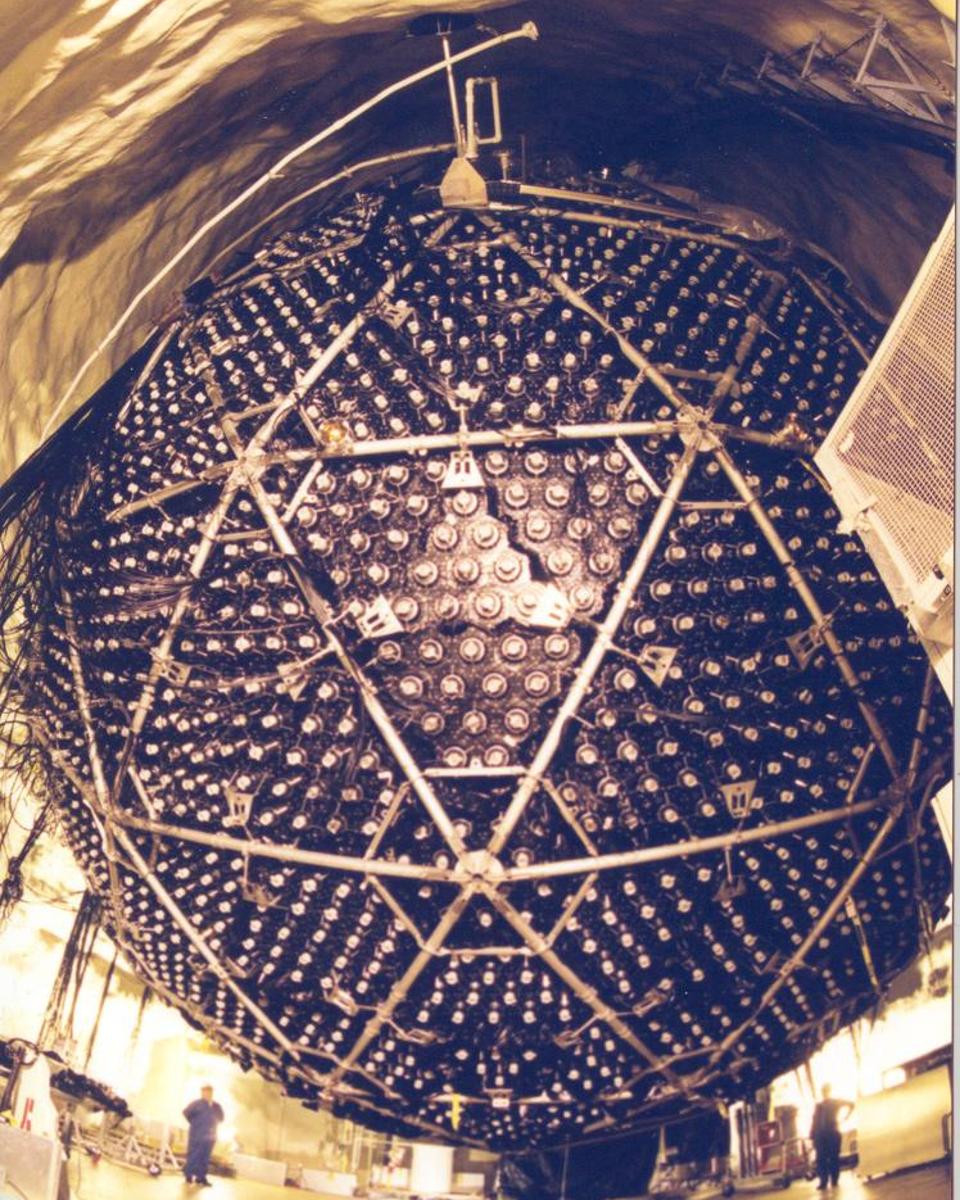
The Sudbury Neutrino Detector
Two thousand meters below the ground, a giant sphere has begun to detect nearly invisible particles. These particles, neutrinos , are extremely abundant in the universe but…
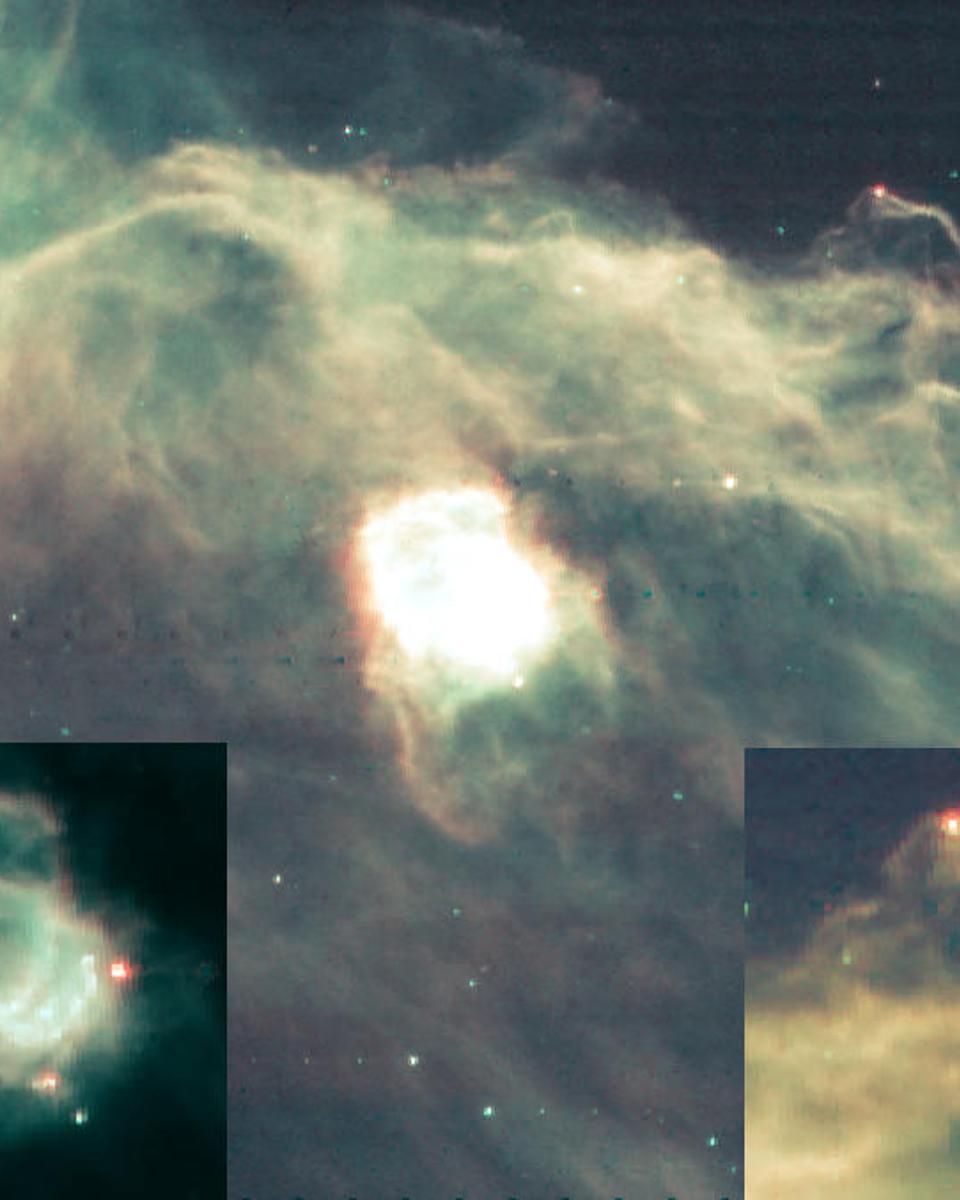
Infrared Horsehead
This famous cosmic dust cloud was imaged in infrared light by the European Space Agency's Infrared Space Observatory (ISO) satellite. The false-color picture shows the bright…
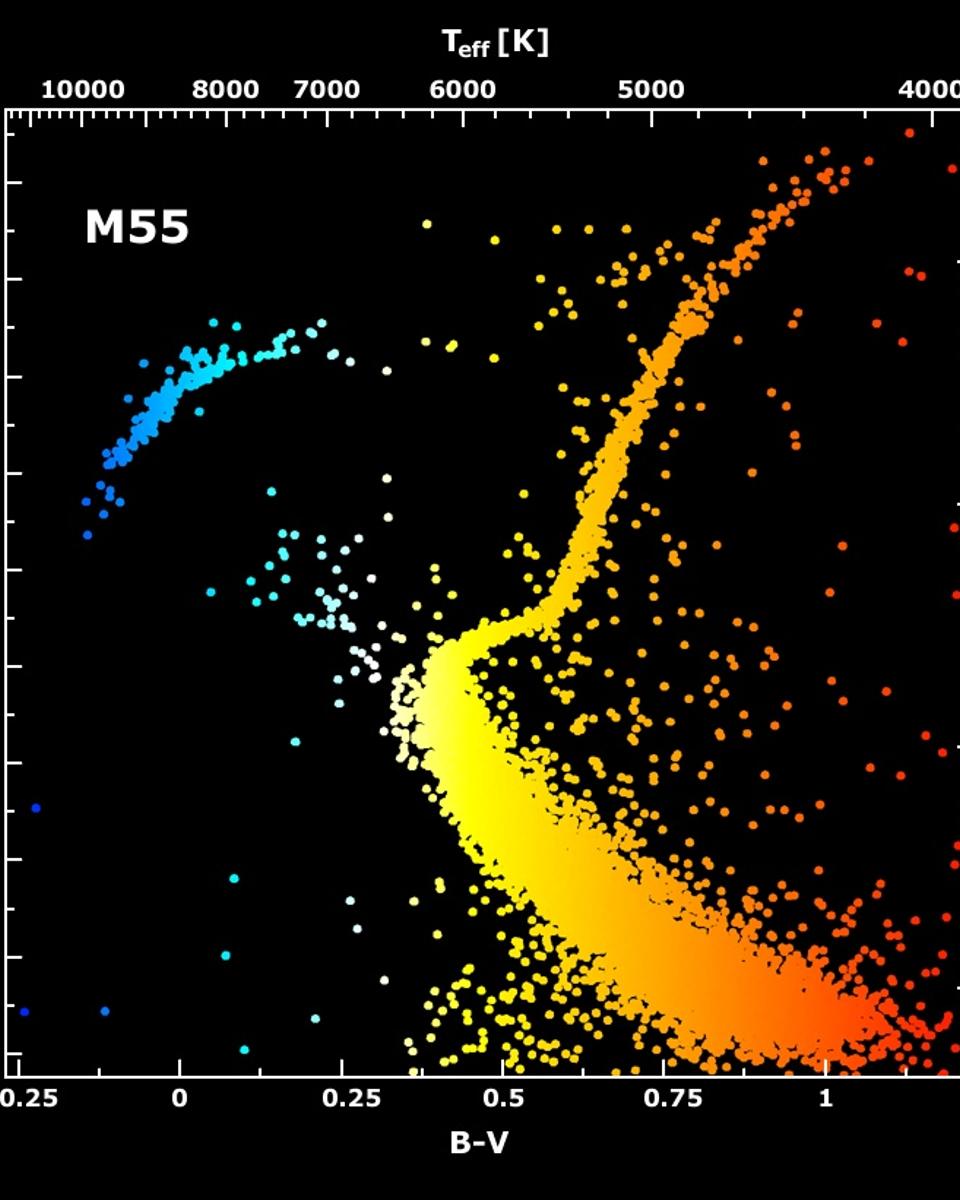
M55: Color Magnitude Diagram
This color “picture” of globular star cluster M55 may not look like any star cluster you've ever seen. Still, it shows a most fundamental view for students of stellar astronomy.…
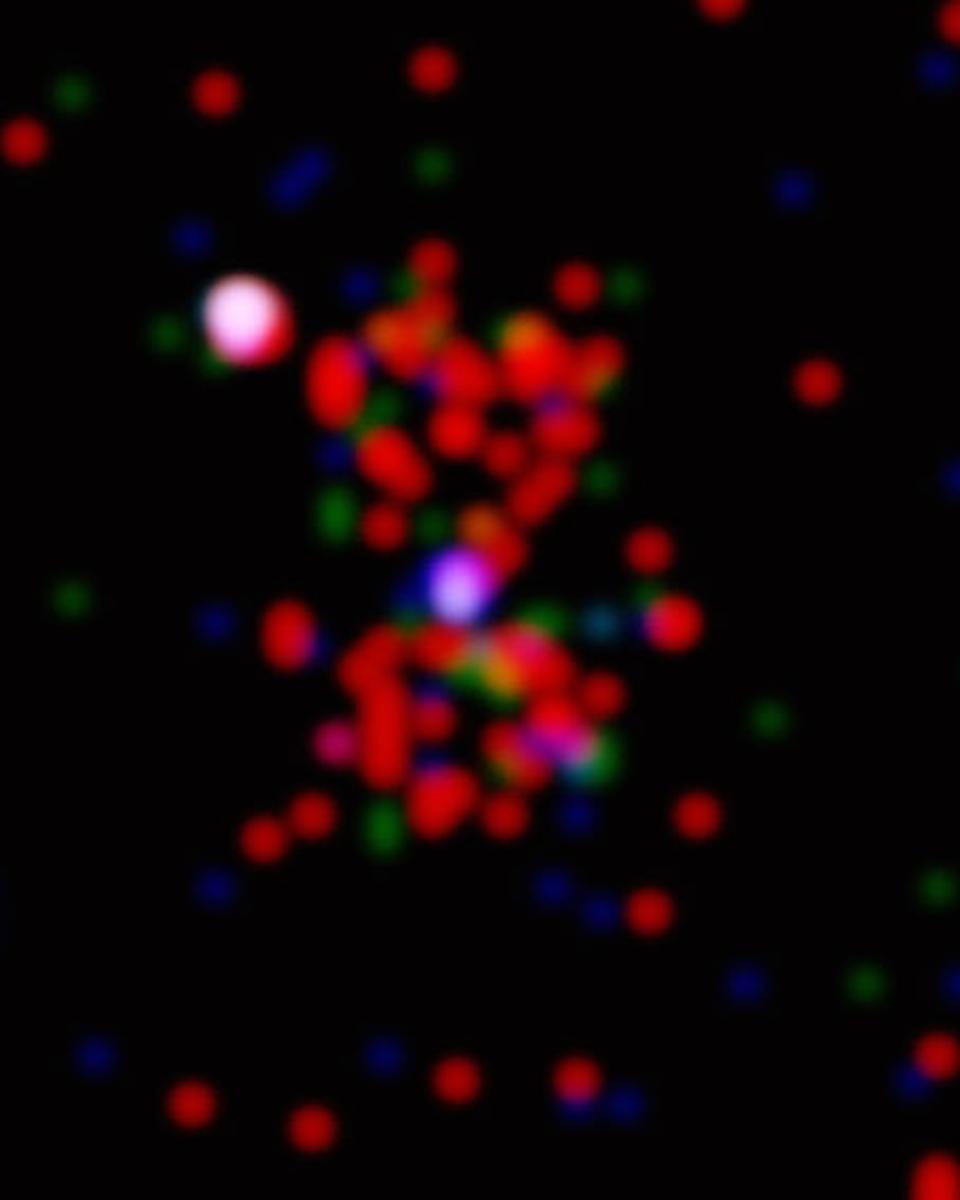
3C294: Distant X-Ray Galaxy Cluster
Large clusters of galaxies are the most massive objects in the universe. Astronomers now realize that a hallmark of these cosmic behemoths are gas clouds with temperatures of tens…
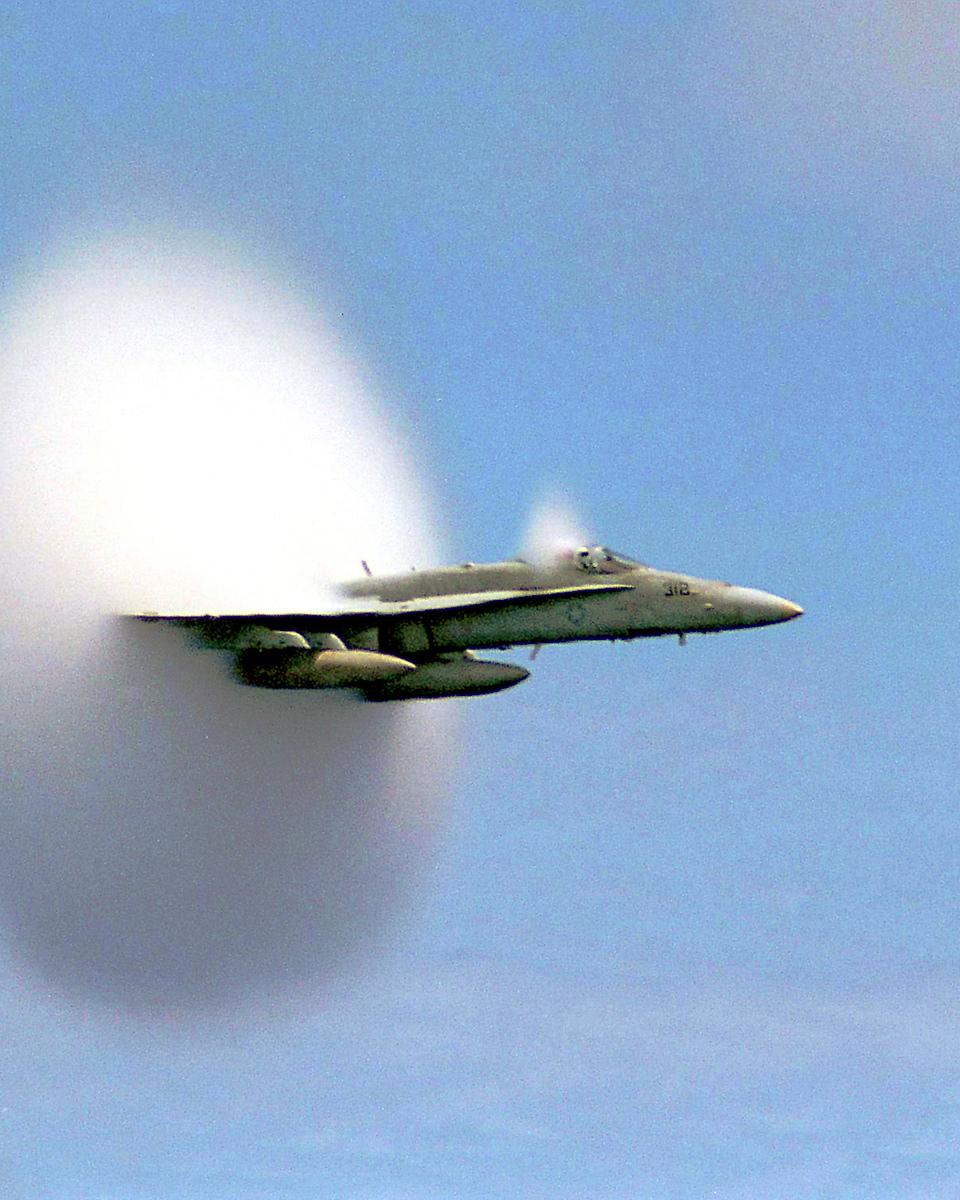
A Sonic Boom
Many people have heard a sonic boom, but few have seen one. When an airplane travels at a speed faster than sound, density waves of sound emitted by the plane cannot precede the…
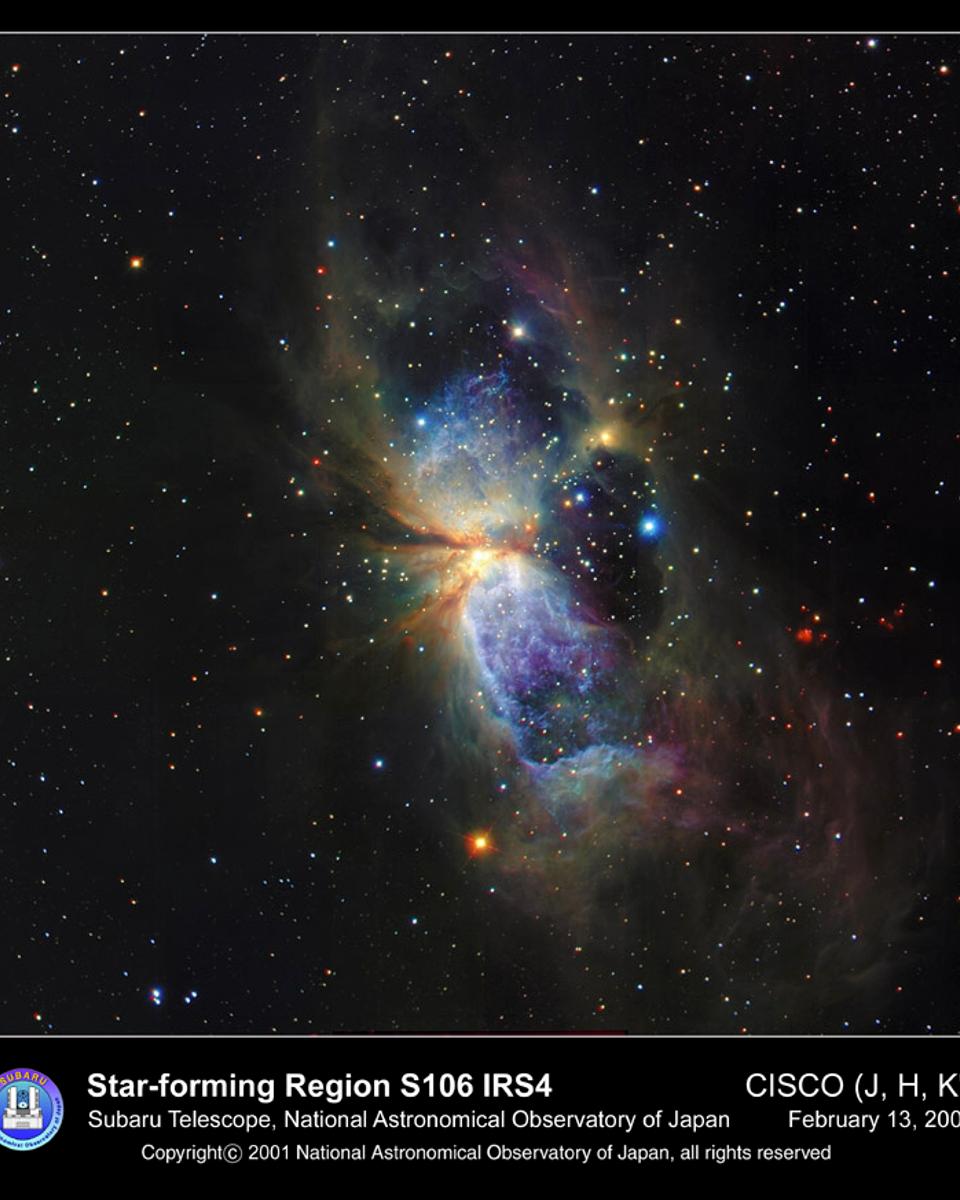
Star Forming Region S106
Massive star IRS4 is beginning to spread its wings. Born only about 100,000 years ago, material streaming out from this newborn star has formed the nebula dubbed Sharpless 106…
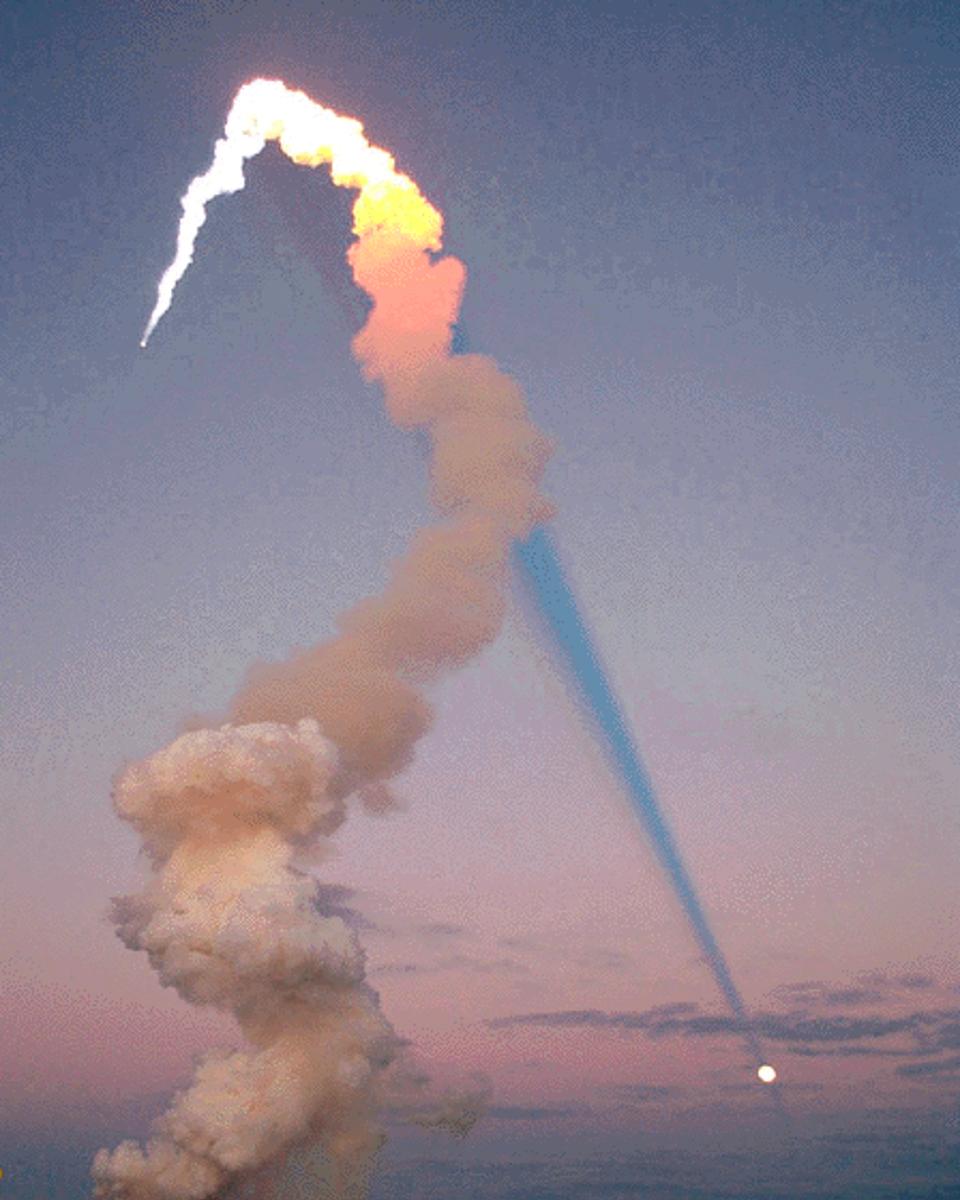
Shuttle Plume Shadow Points to Moon
Why would the shadow of a space shuttle launch plume point toward the Moon? Two weeks ago during the launch of Atlantis , the Sun , Earth , Moon , and rocket were all properly…

Lunation
Our Moon's appearance changes nightly. This slow-loading time-lapse sequence shows what our Moon looks like during a lunation , a complete lunar cycle. As the Moon orbits the…
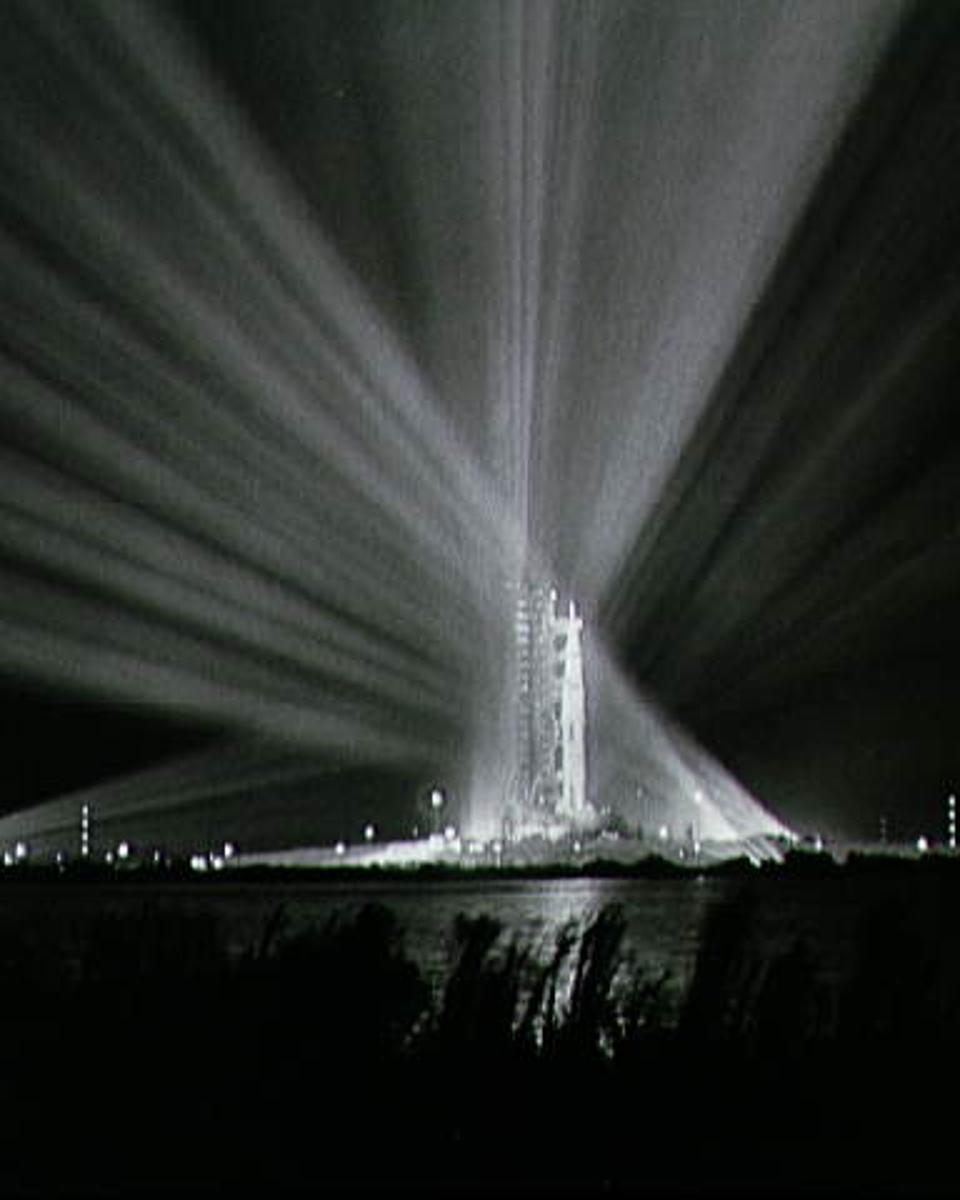
Happy Birthday Jules Verne
One hundred seventy-three years ago on February 8th, Jules Verne was born in Nantes, France. Inspired by a lifelong fascination with machines, Verne wrote visionary works about…
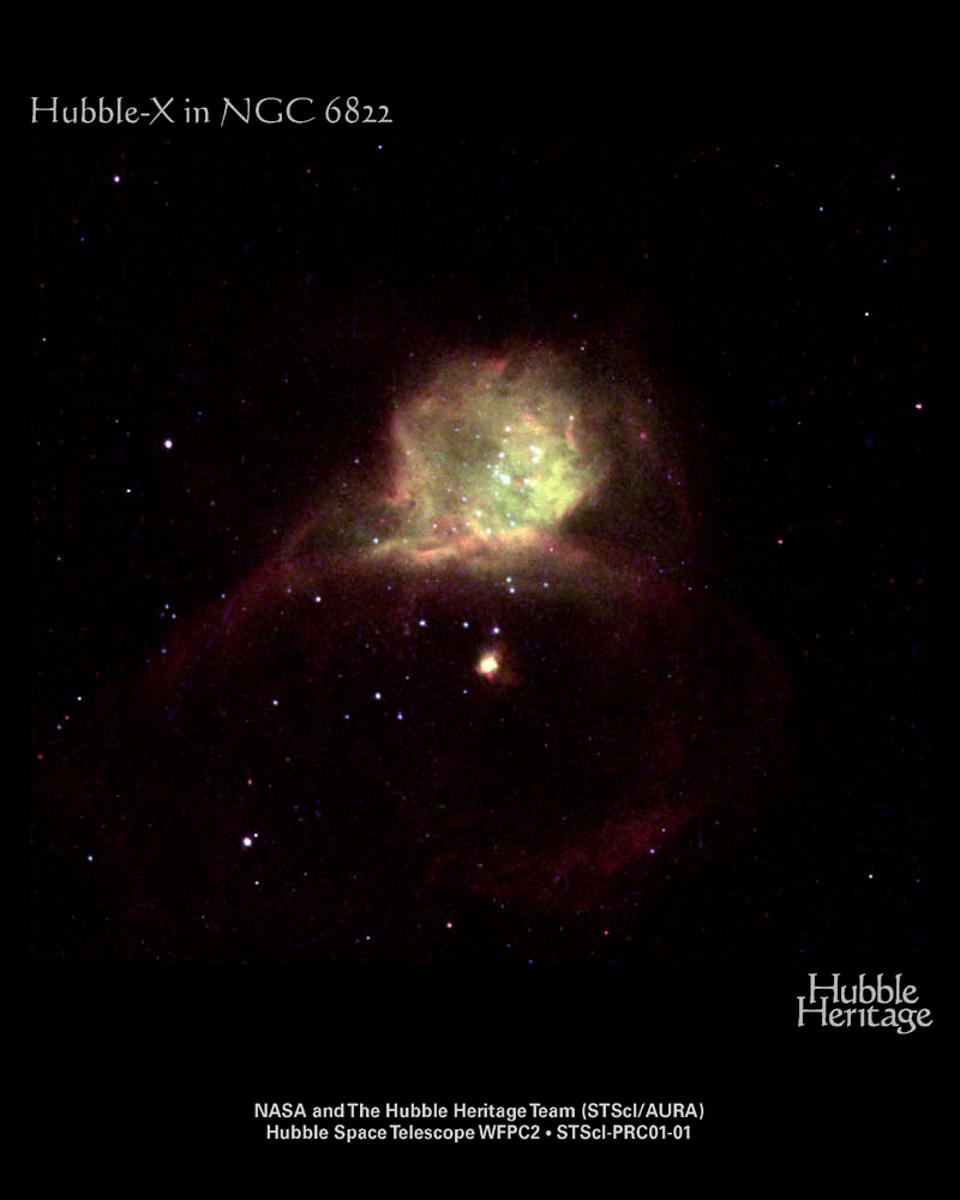
Star Forming Region Hubble-X
In nearby galaxy NGC 6822, this glowing emission nebula complex surrounds bright, massive, newborn stars. A mere 4 million years young, these stars condensed from the galaxy's…
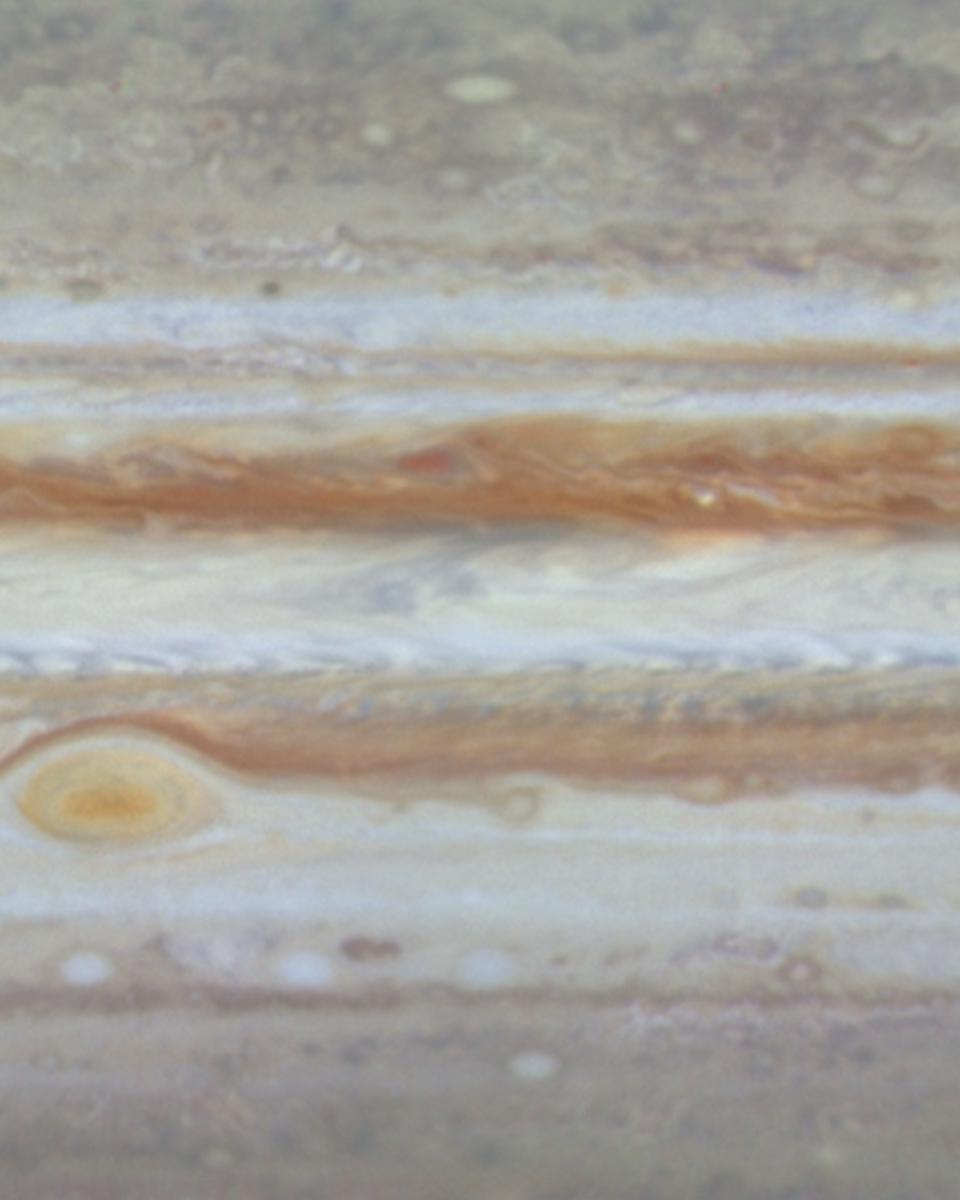
Jupiter Unpeeled
Slice Jupiter from pole to pole, peel back its outer layers of clouds , stretch them onto a flat surface ... and for all your trouble you'd end up with something that looks a lot…
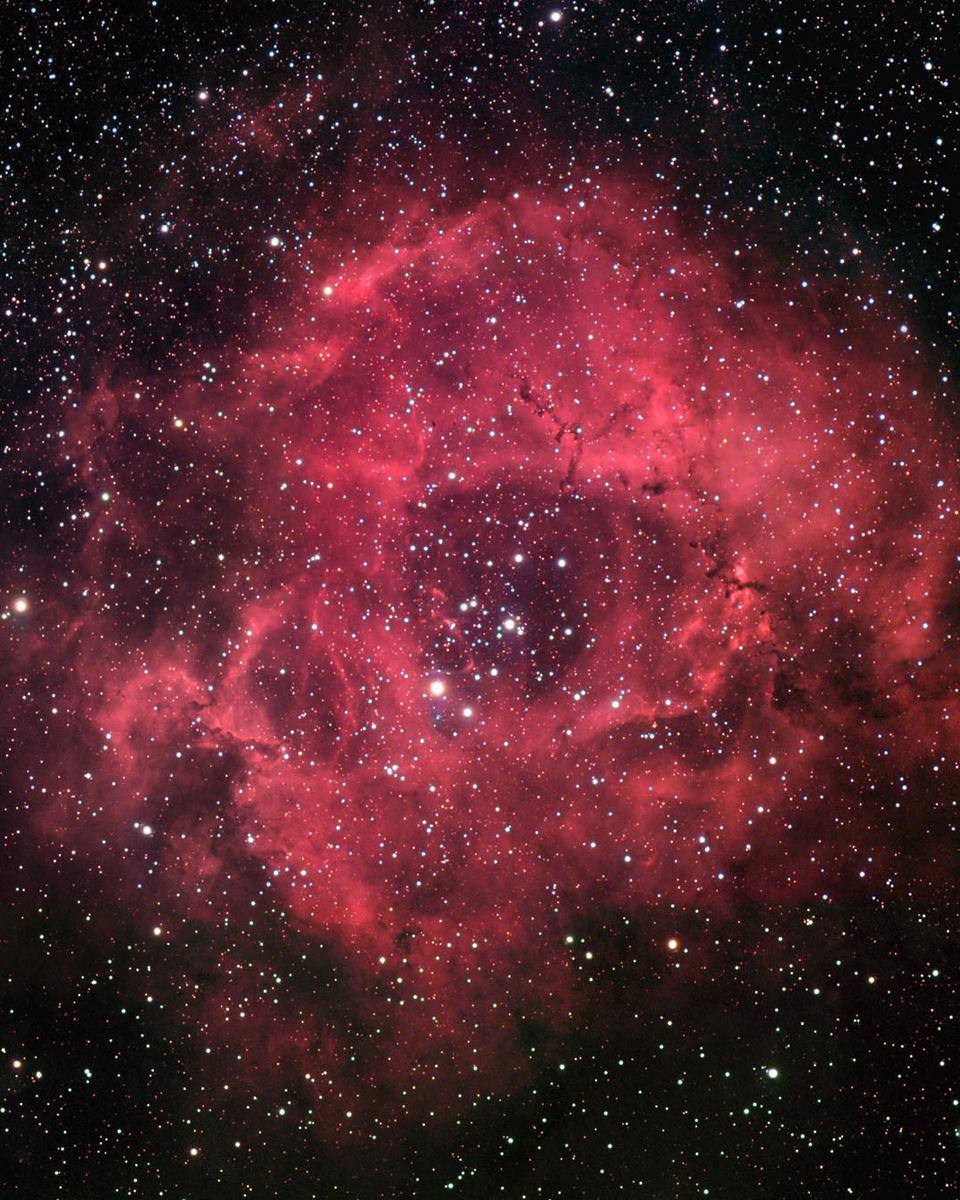
The Rosette Nebula
Would the Rosette Nebula by any other name look as sweet ? The bland New General Catalog designation of NGC 2237 doesn't appear to diminish the appearance of the this flowery…
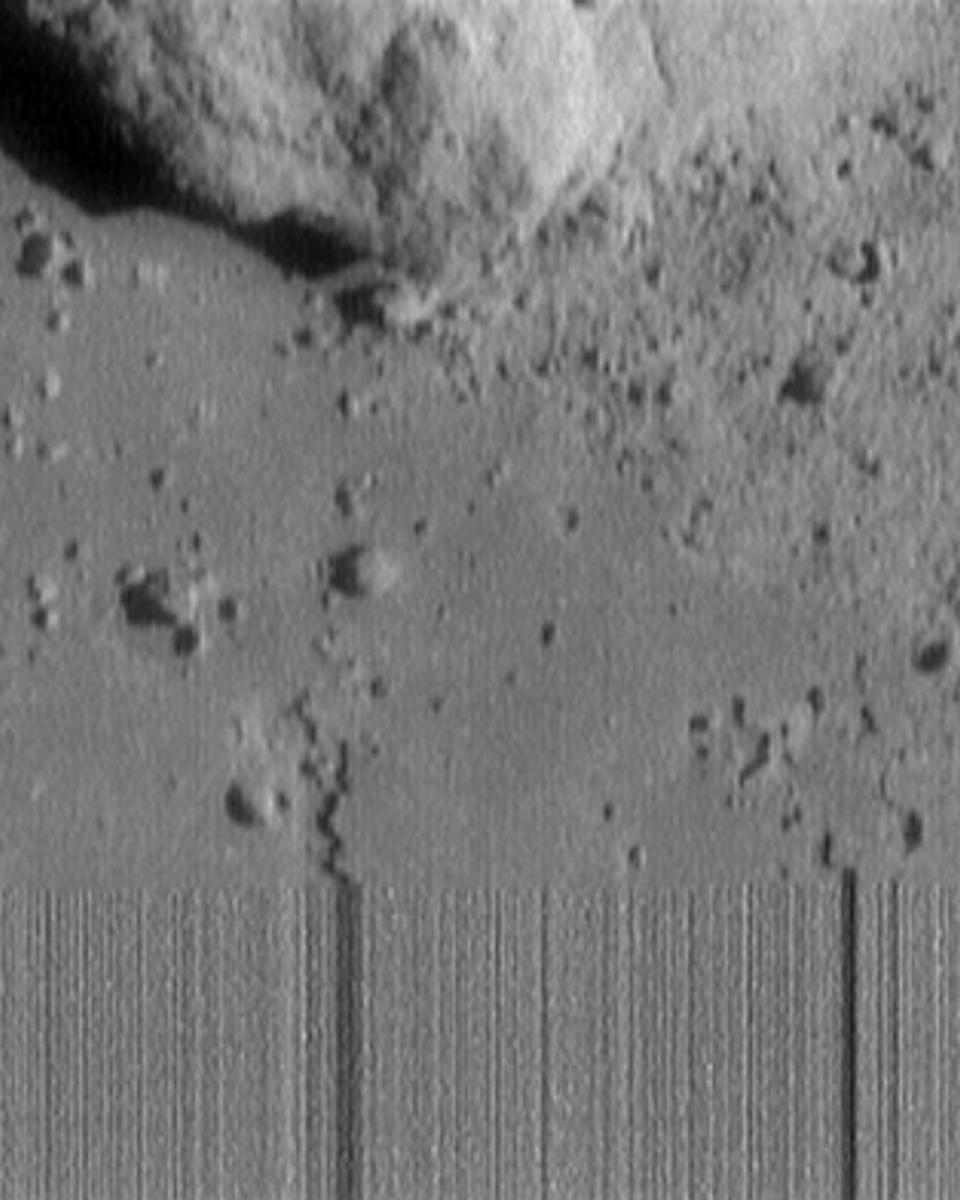
NEAR Spacecraft Survives Landing on Asteroid Eros
Yesterday NEAR-Shoemaker became the first spacecraft to land on an asteroid and send signals back from its surface. Since the robot spacecraft was not designed for such a…
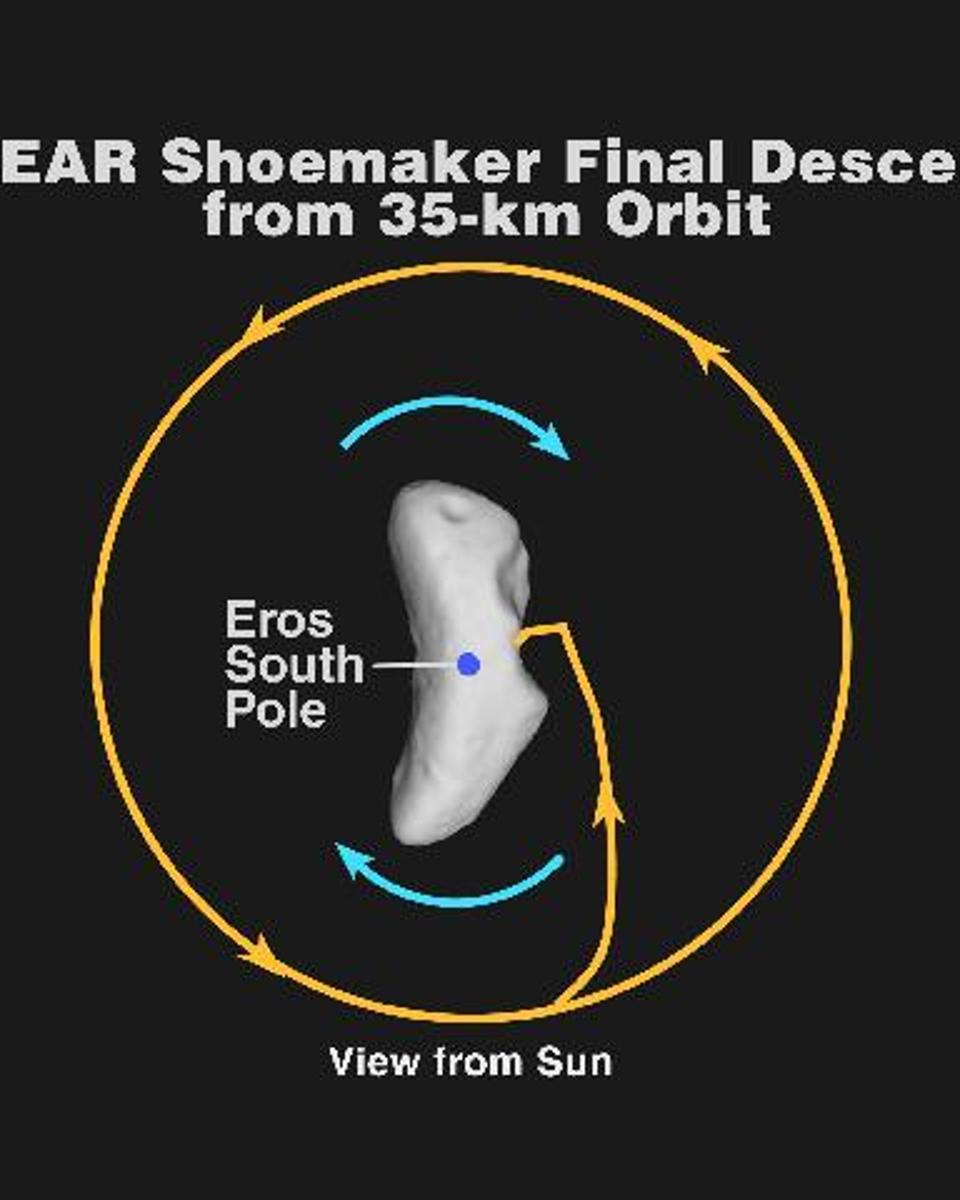
Approaching Asteroid Eros
Today, at about 3 pm EST, the first human-made spacecraft is scheduled to touchdown on an asteroid . At an impact speed of 8 kilometers per hour, it is most probable that the…
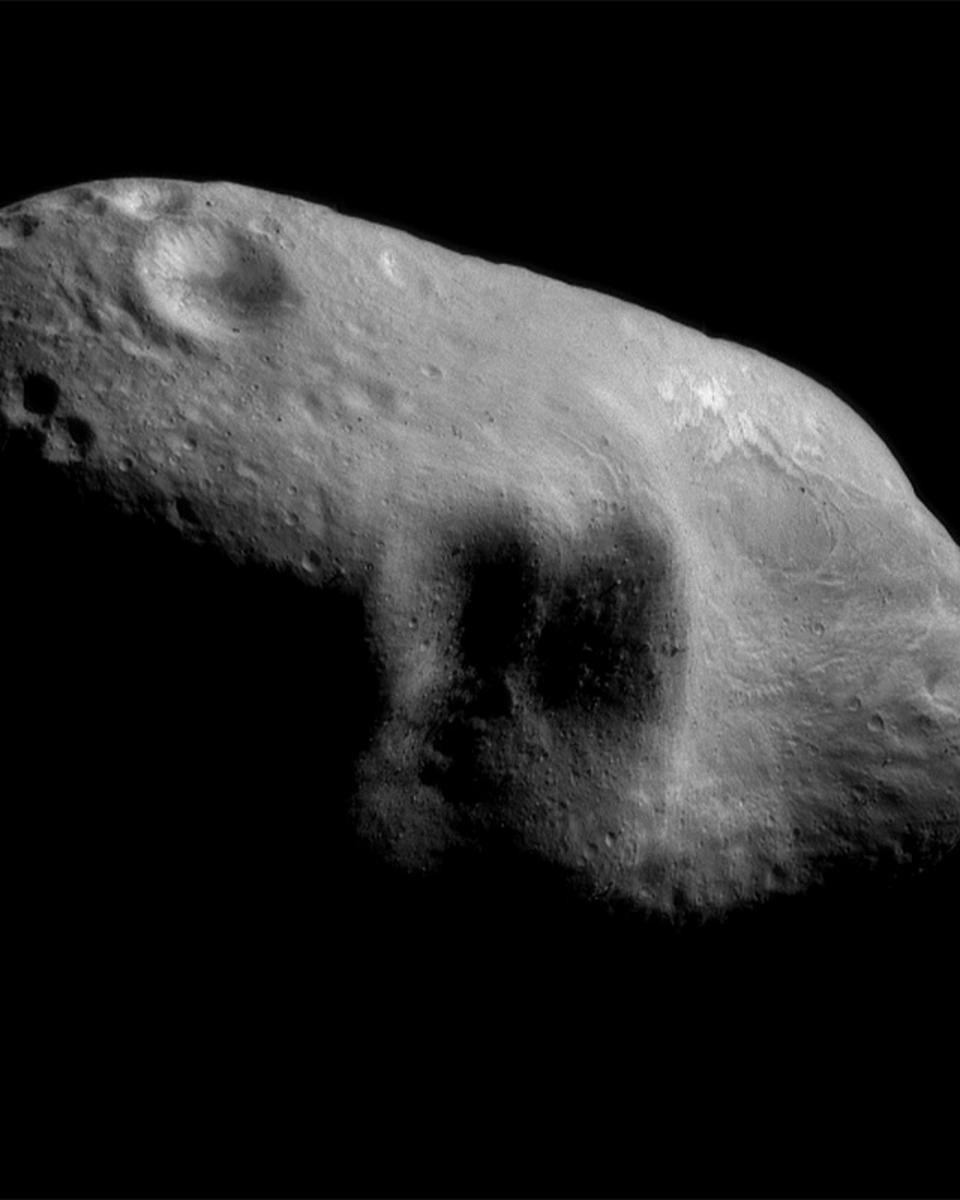
Near-Shoemaker Views Eros
Orbiting asteroid 433 Eros, 145 million miles from Earth, NASA's NEAR spacecraft has been returning stunning views as its year long mission of exploration nears completion . A…
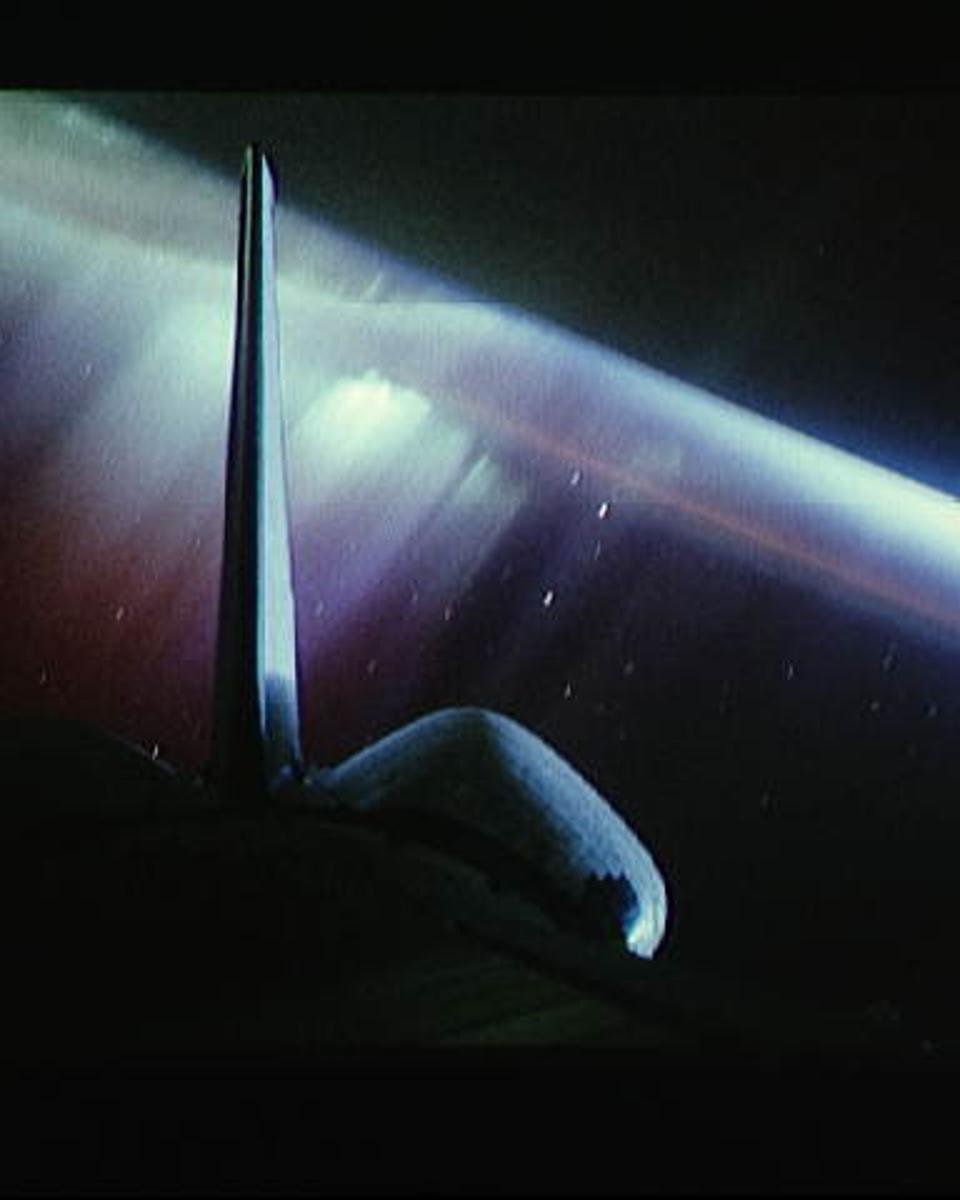
Aurora Astern
Sailing upside down, 115 nautical miles above Earth, the crew of the Space Shuttle Endeavour made this spectacular time exposure of the southern aurora (aurora australis) in…
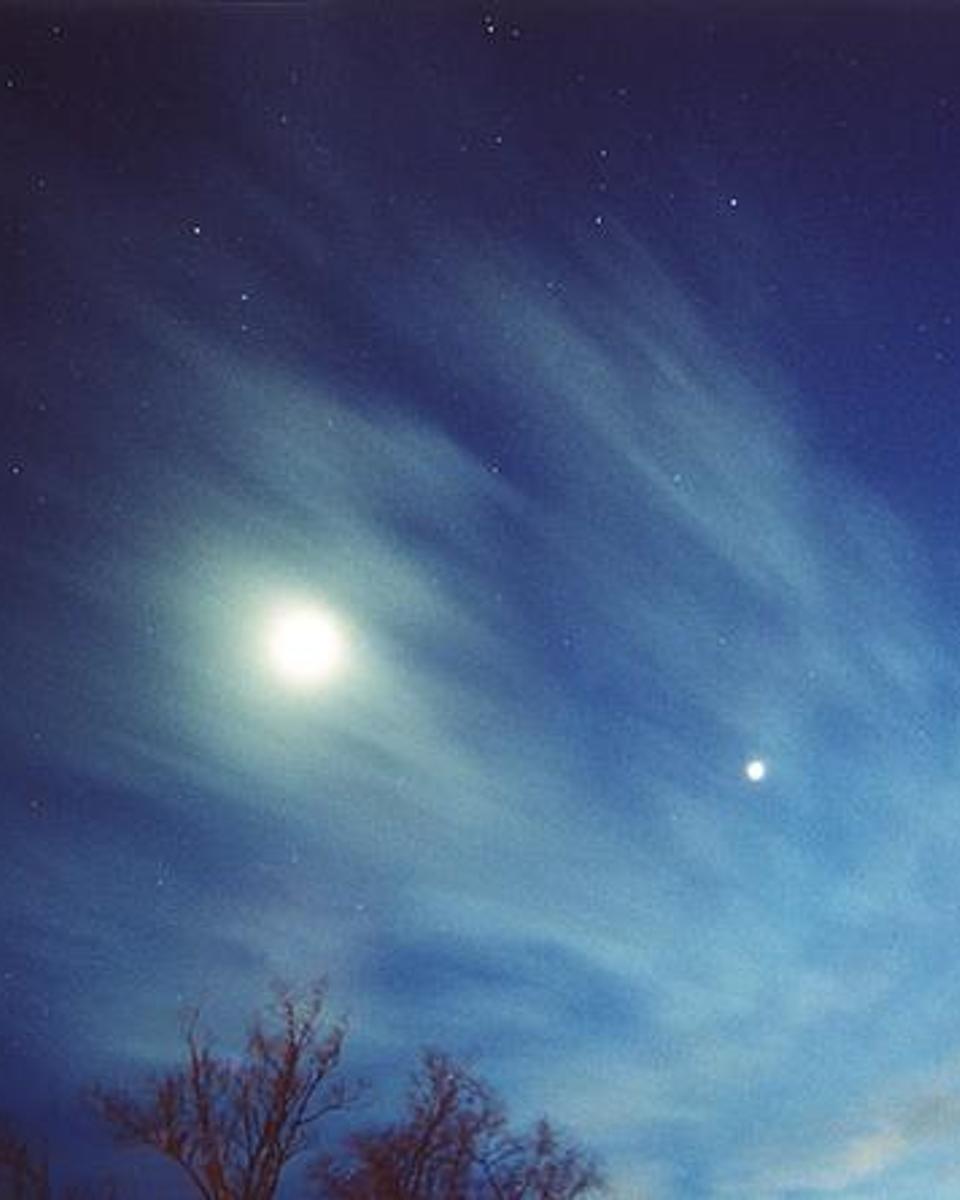
Nashville Four Planet Skyline
So far this February, evening skies have been blessed with a glorious Moon and three bright planets; Venus , Jupiter, and Saturn. But just last week, on January 30th, an extreme…
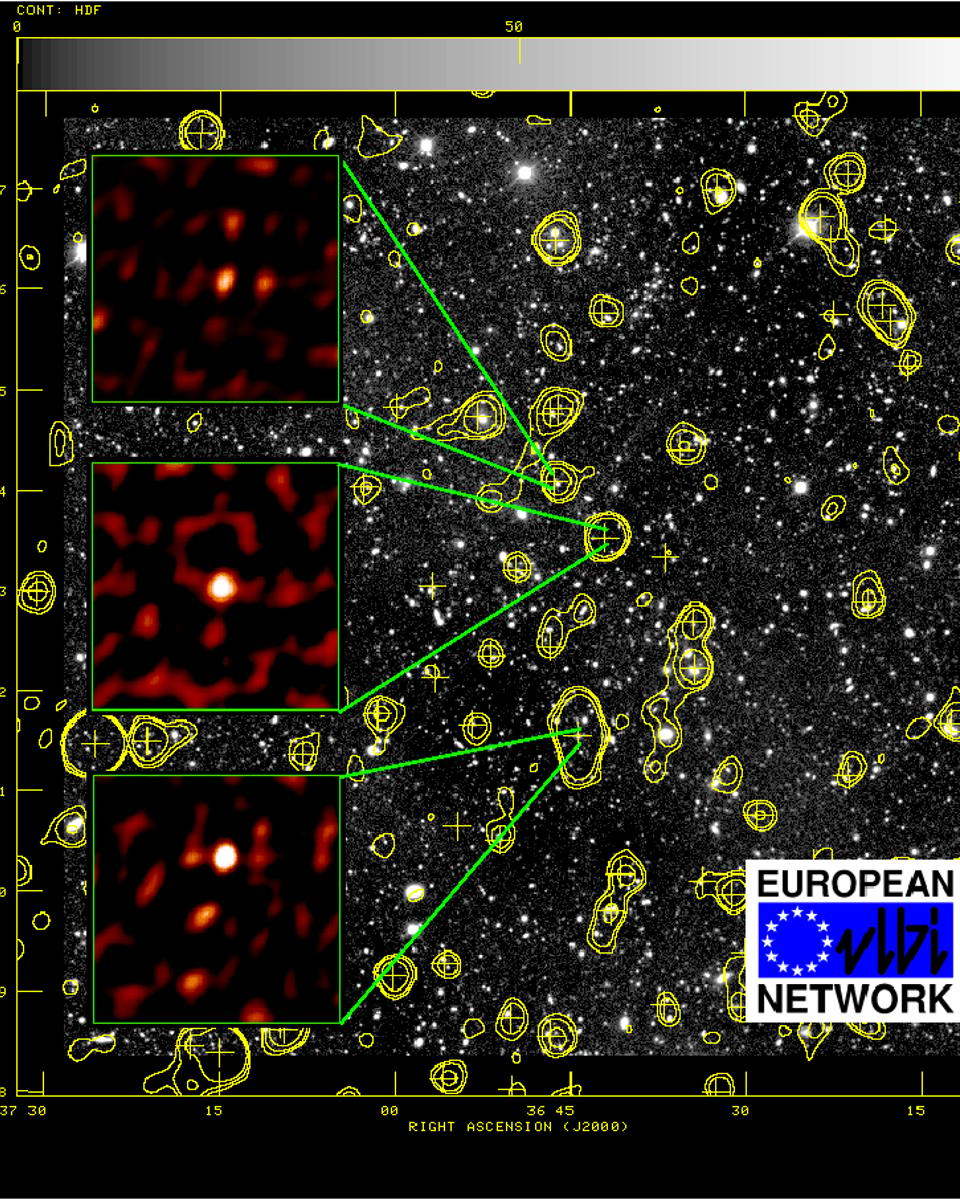
Distant Galaxies in Radio Vision
Radio waves , like visible light, are electromagnetic radiation and radio telescopes can “see” -- their signals translate into radio images of the cosmos. While individually even…
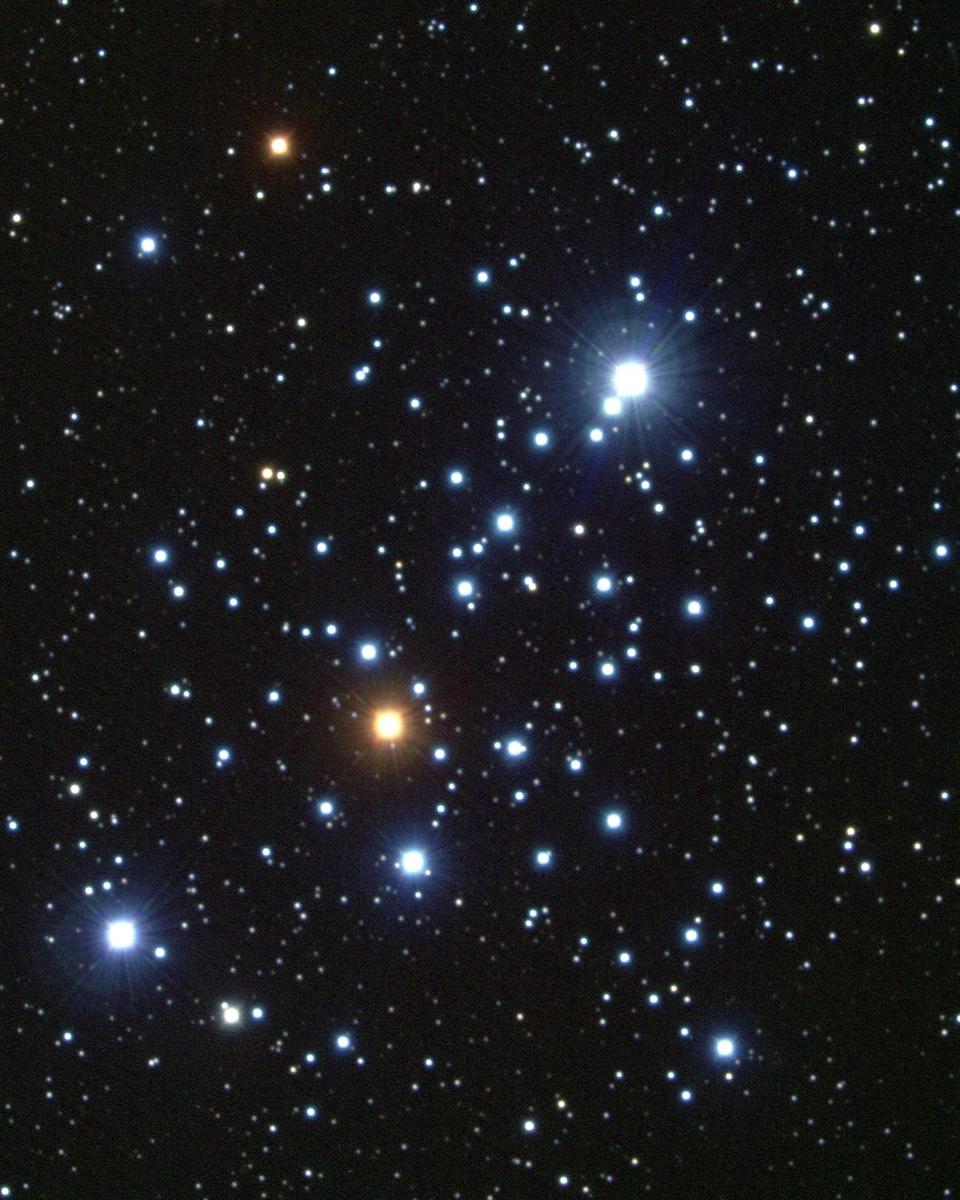
Distant Open Cluster M103
Bright blue stars highlight the open cluster known as M103 . The gas clouds from which these stars condensed has long dispersed. Of the stars that were formed, the brightest,…
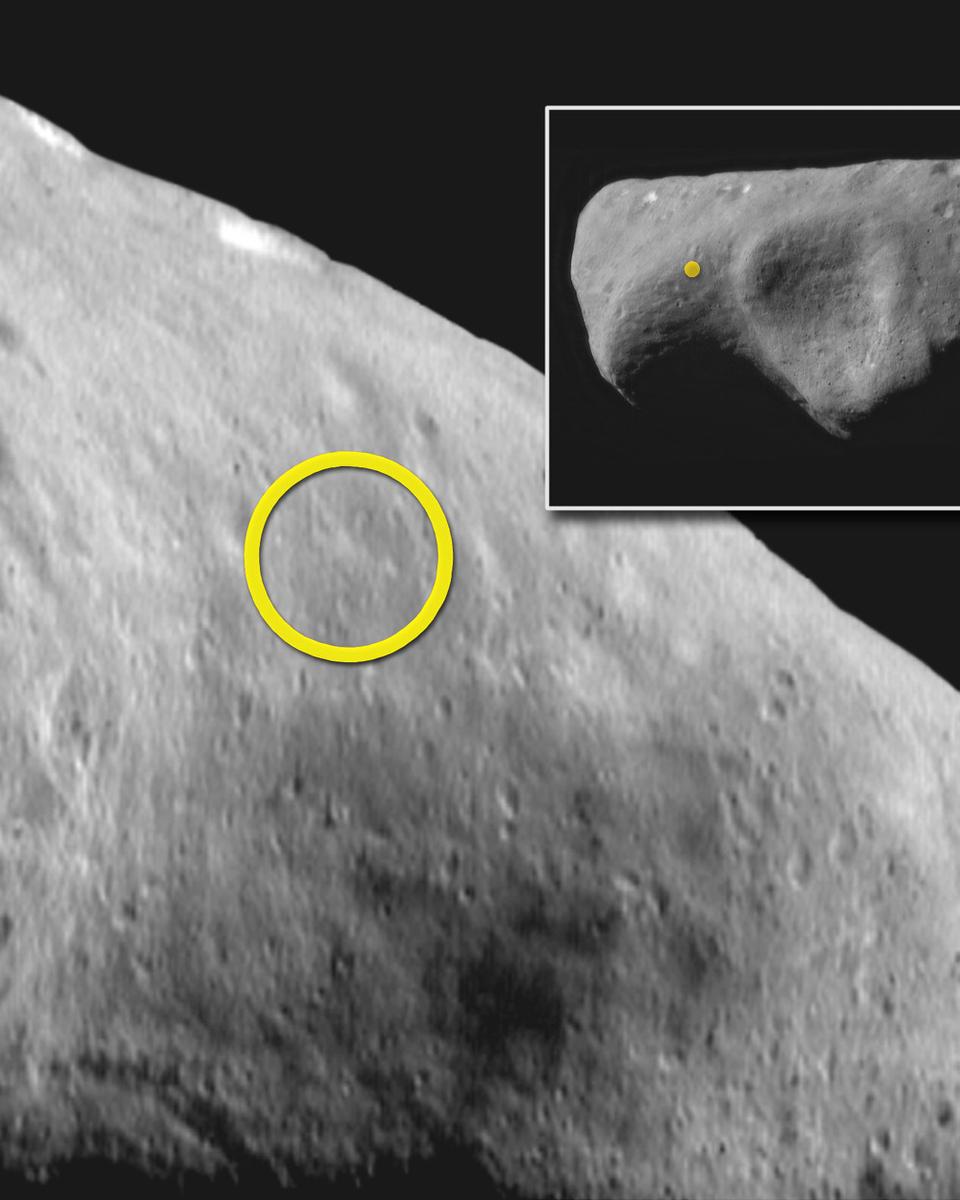
Touchdown Site on Asteroid Eros
The first controlled descent of a spacecraft onto an asteroid is scheduled to occur next week. The robot spacecraft NEAR-Shoemaker has been orbiting asteroid Eros for nearly one…
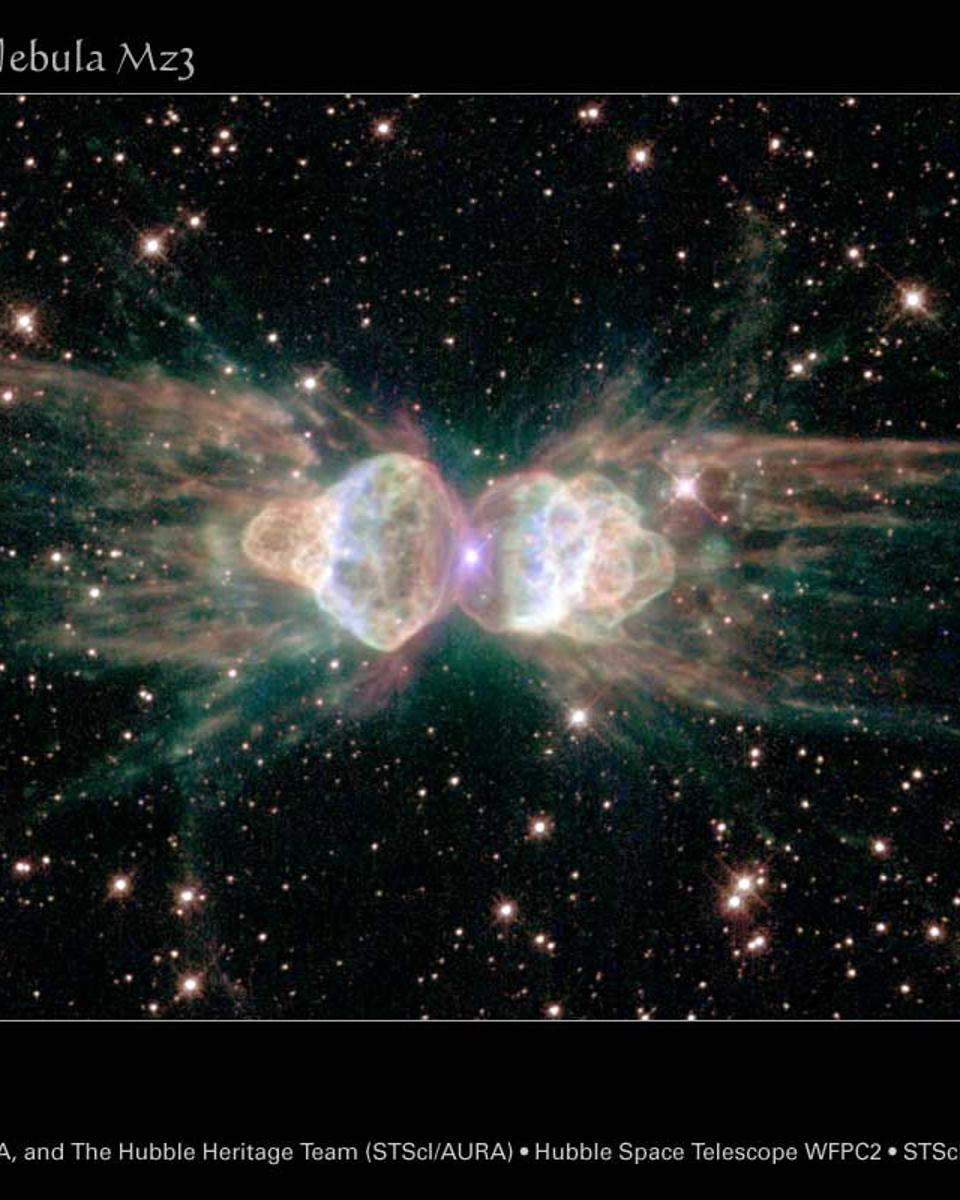
Planetary Nebula Mz3: The Ant Nebula
Why isn't this ant a big sphere? Planetary nebula Mz3 is being cast off by a star similar to our Sun that is, surely, round. Why then would the gas that is streaming away create…
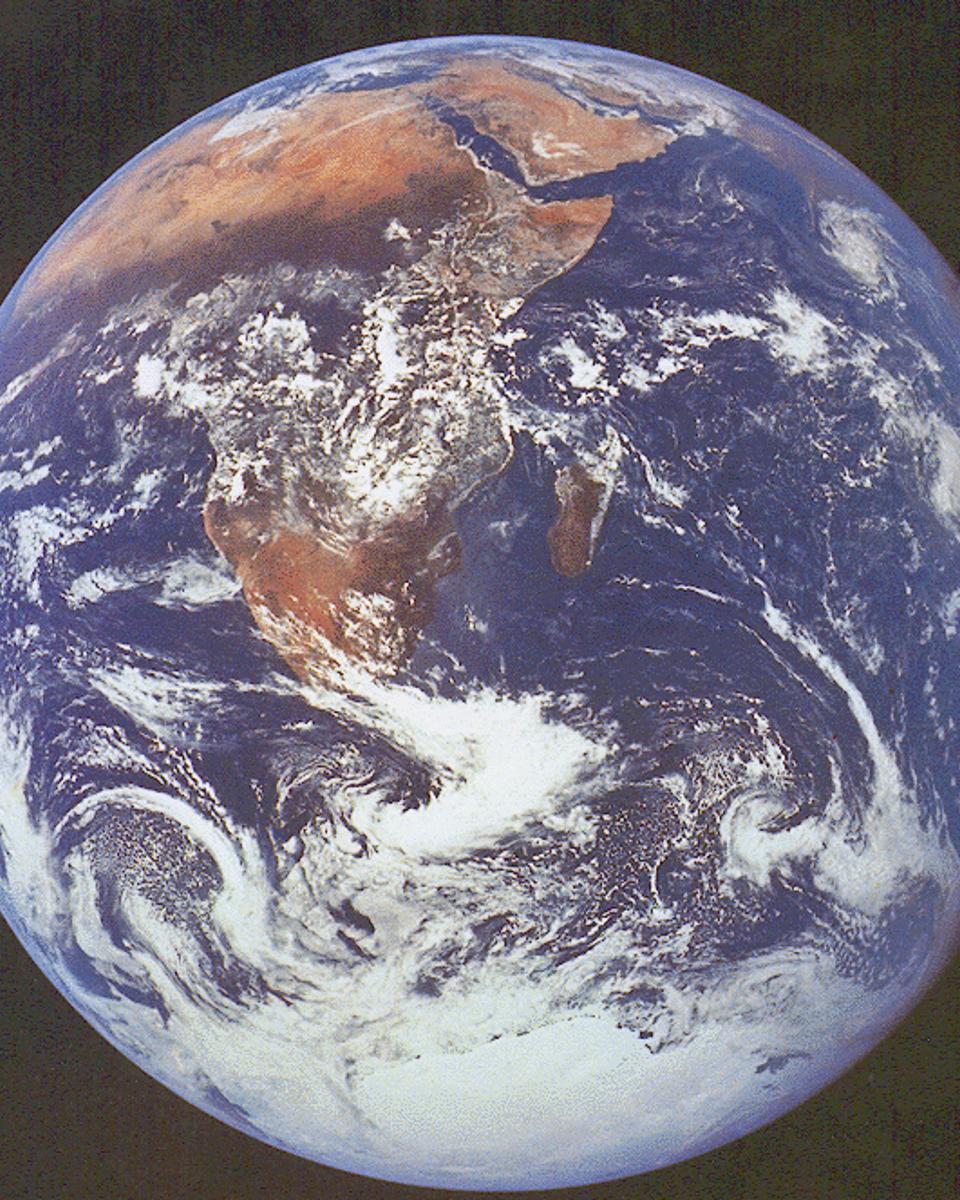
Welcome to Planet Earth
Welcome to Planet Earth , the third planet from a star named the Sun . The Earth is shaped like a sphere and composed mostly of rock . Over 70 percent of the Earth's surface is…
Viewing discoveries from 27 February 2001 through 4 February 2001.