Browse NASA Astronomy Picture of the Day archive by date and media: Archive Discoveries
Browse the NASA APOD archive without needing the exact date first. Filter by media type and keep moving deeper into older images and videos.
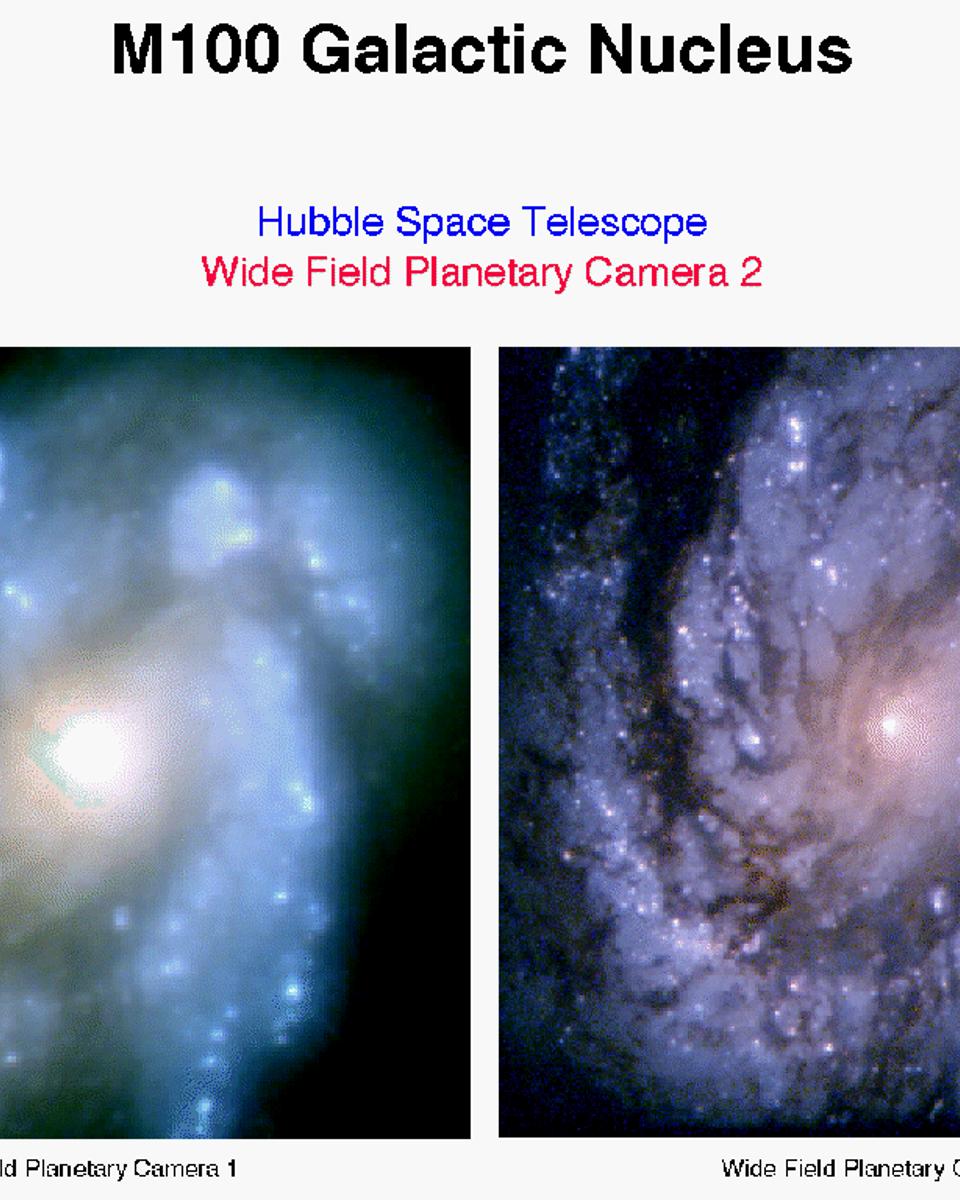
M100: A Grand Design
Majestic on a truly cosmic scale, M100 is appropriately known as a Grand Design spiral galaxy. A large galaxy of over 100 billion or so stars with well defined spiral arms , it is…
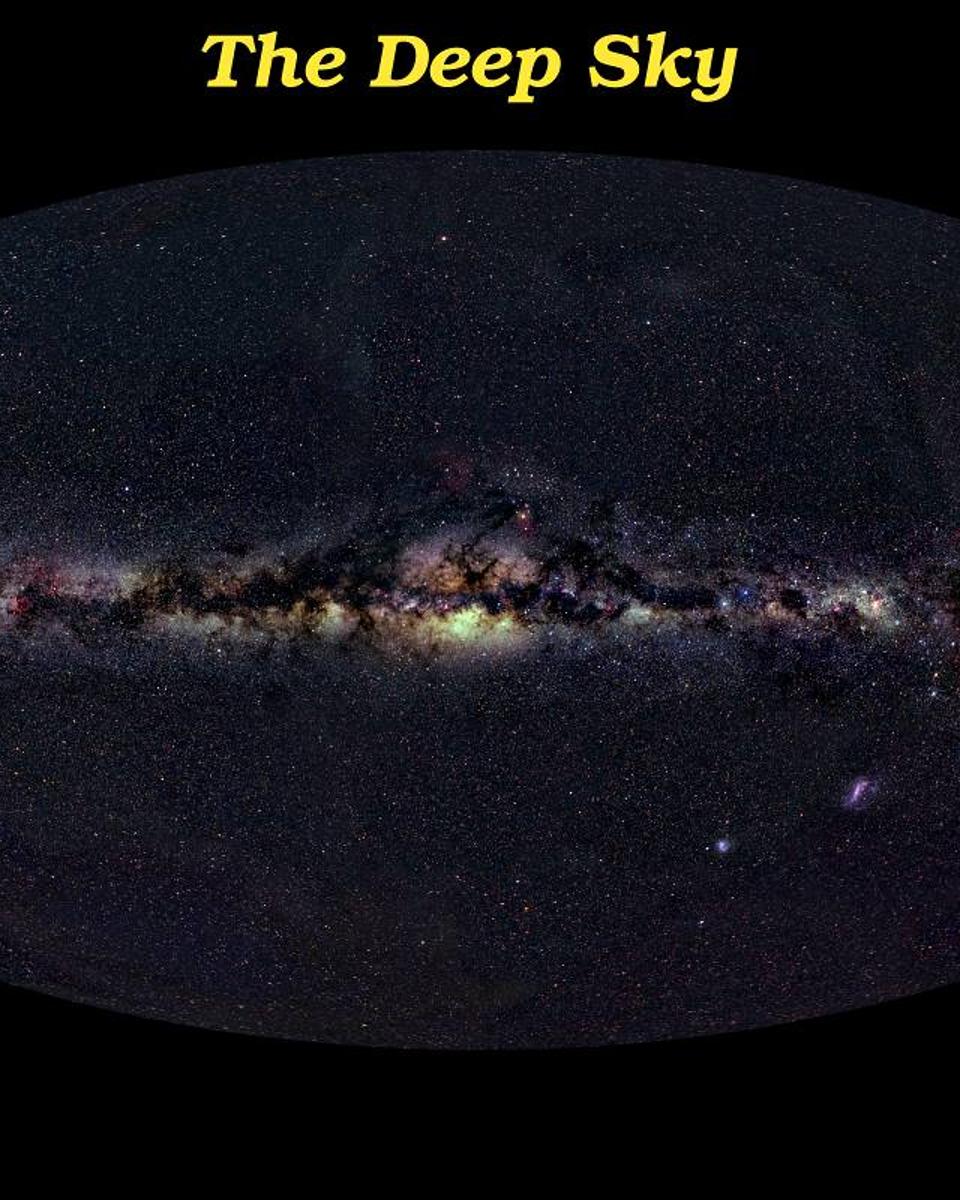
All-Sky Panorama
This quite stunning panorama of the entire sky is a mosaic of 51 wide-angle photographs . Made over a three year period from locations in California (USA), South Africa, and…
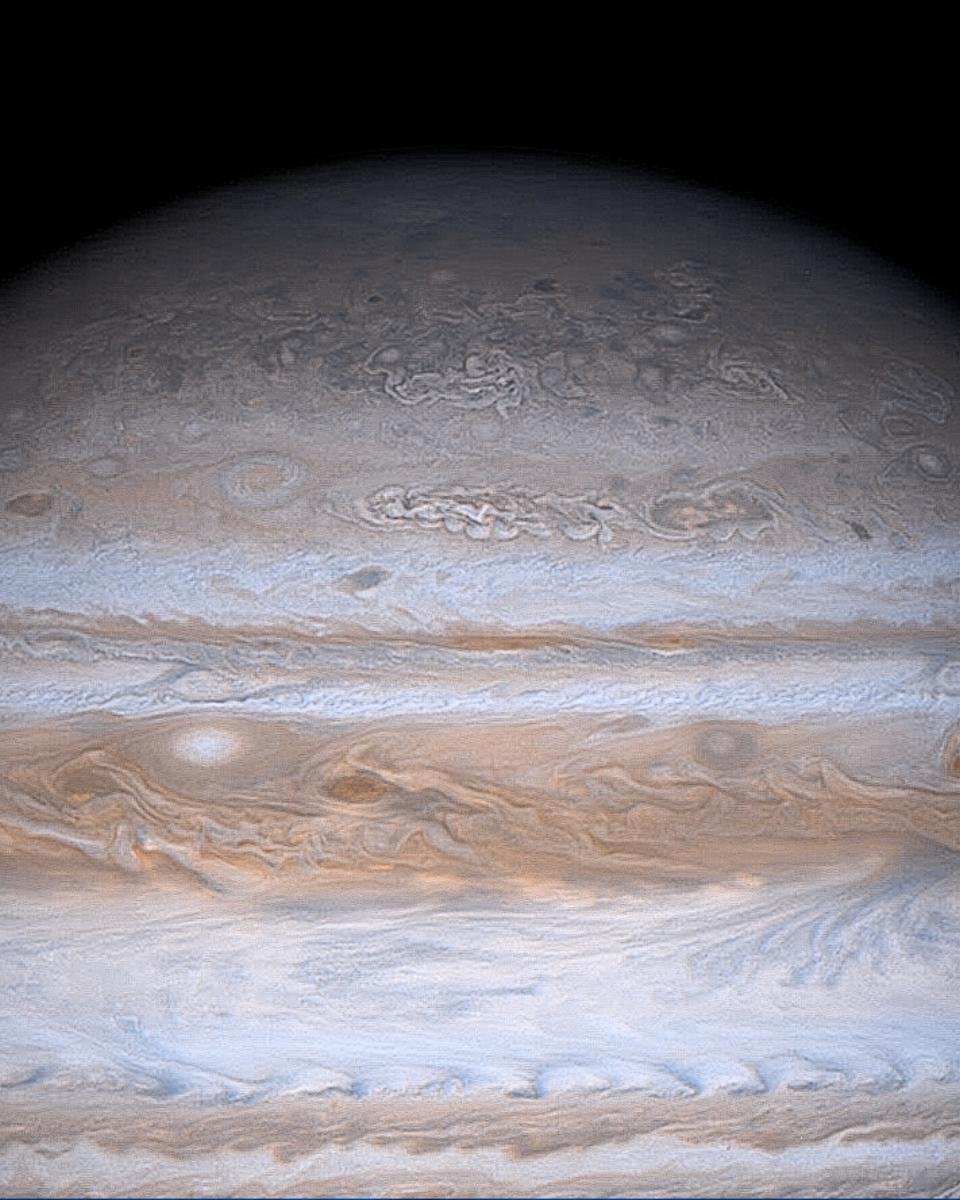
Jupiter's Brain
Gas giant Jupiter is the solar system's largest world with about 320 times the mass of planet Earth . Famous for its Great Red Spot , Jupiter is also known for its regular,…
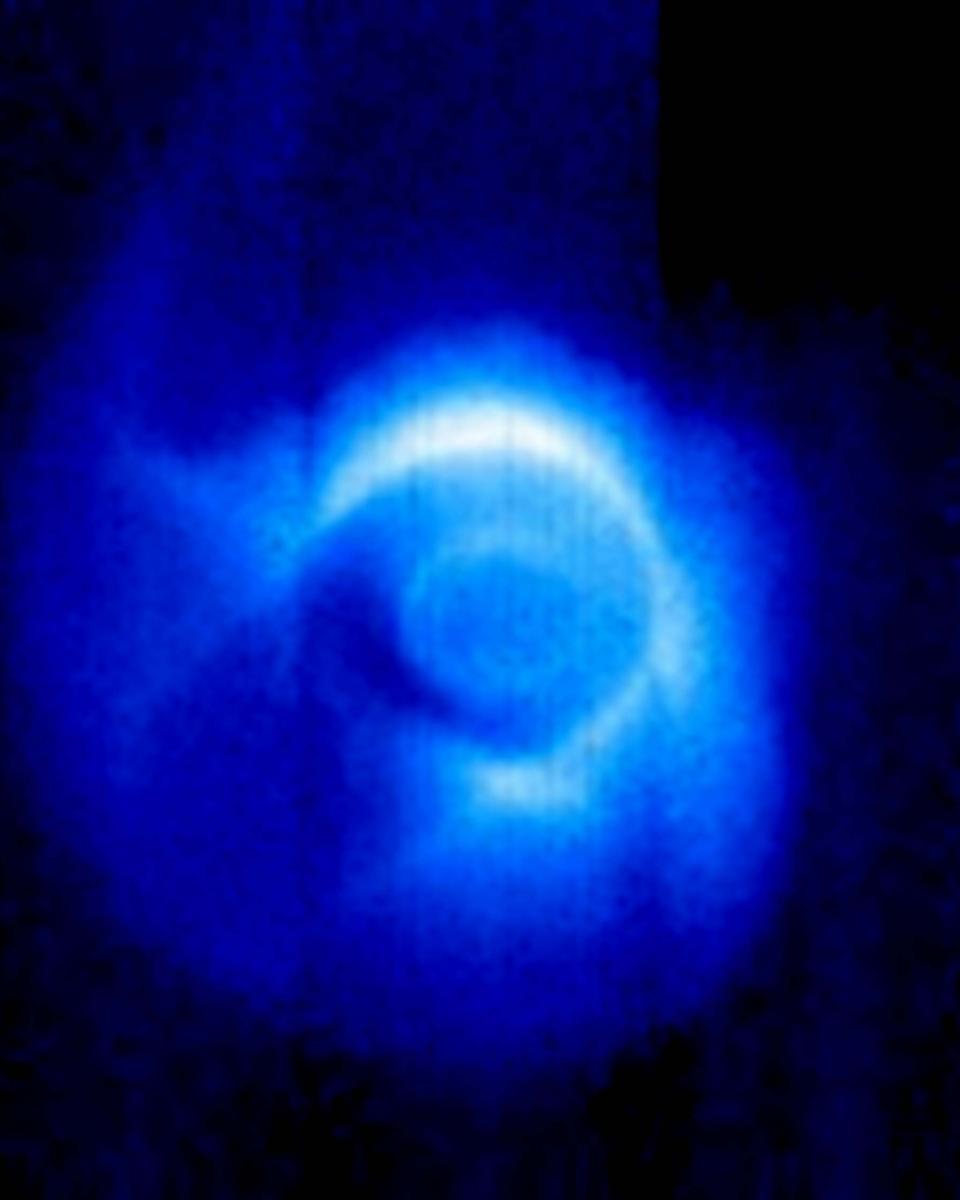
Earth's Plasmasphere
Our Earth is surrounded by plasma . The overall shape that this ionized gas plasmasphere takes was discovered last year by NASA 's robot IMAGE spacecraft , and shown in the…
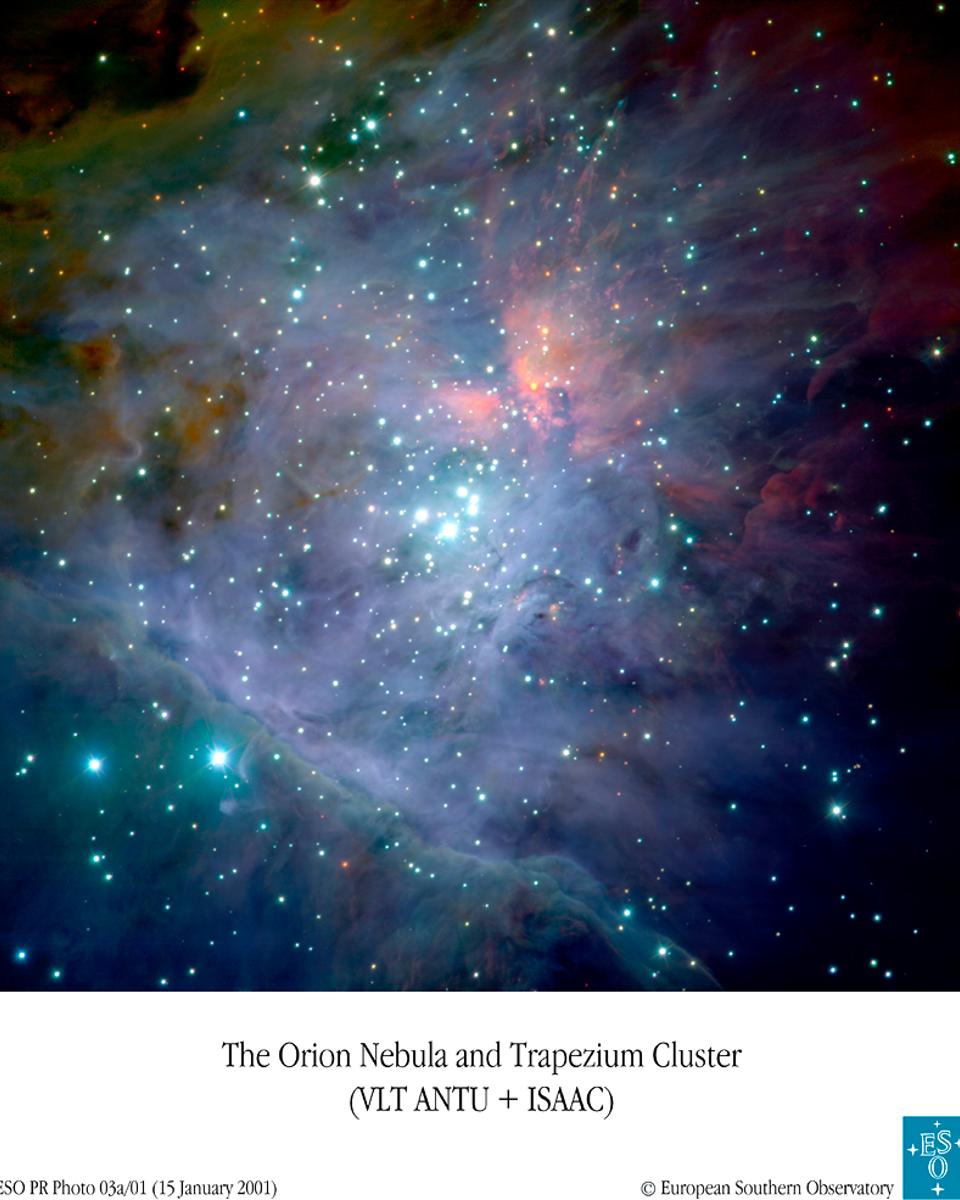
The Orion Nebula from VLT
The Great Nebula in Orion is a colorful place. Visible to the unaided eye, it appears as a small fuzzy patch in the constellation of Orion . But this image , a…
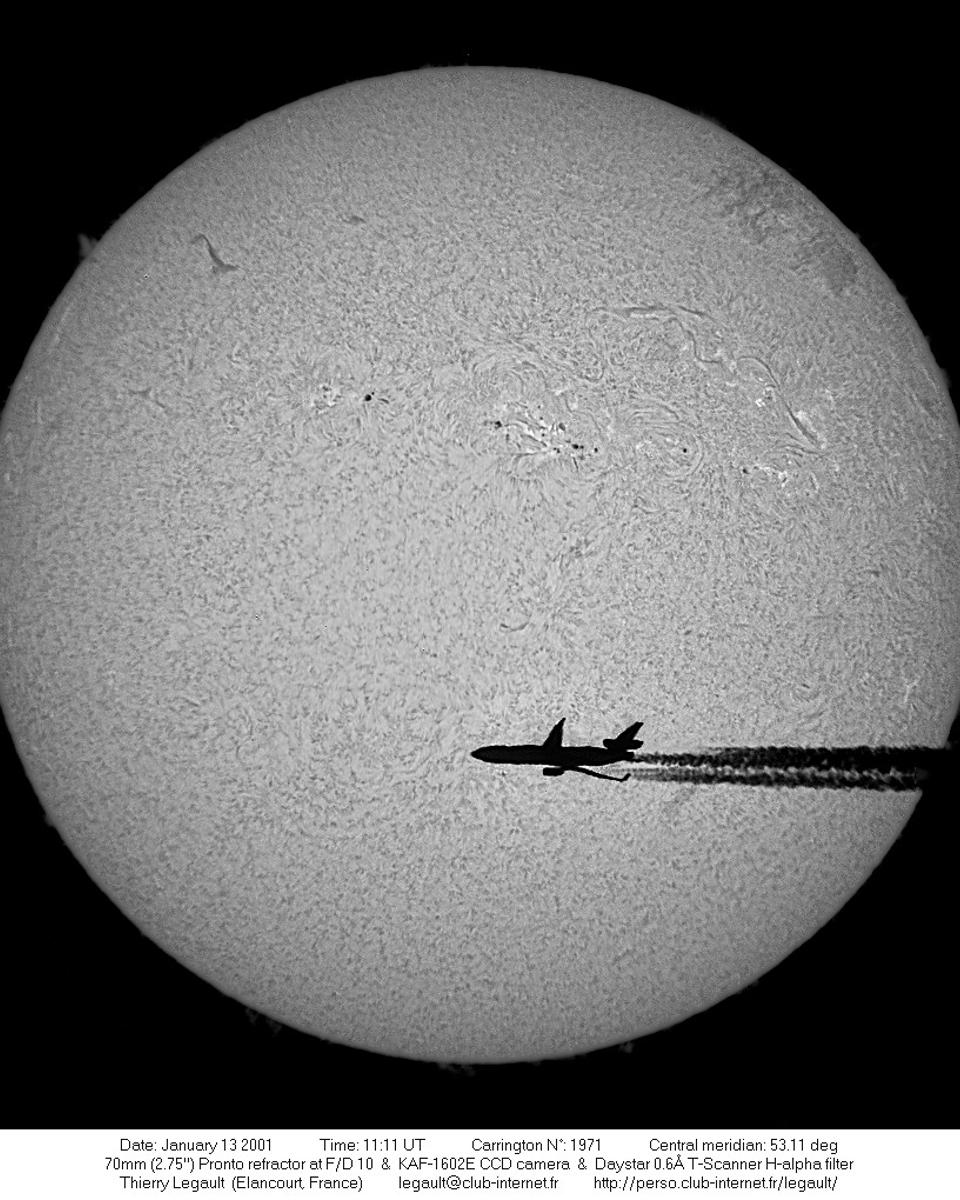
An Airplane in Front of the Sun
Sometimes, good planes come to those who wait. Experienced solar photographer Thierry Lagault had noticed planes crossing in front of the Sun from his home in suburban Paris . He…
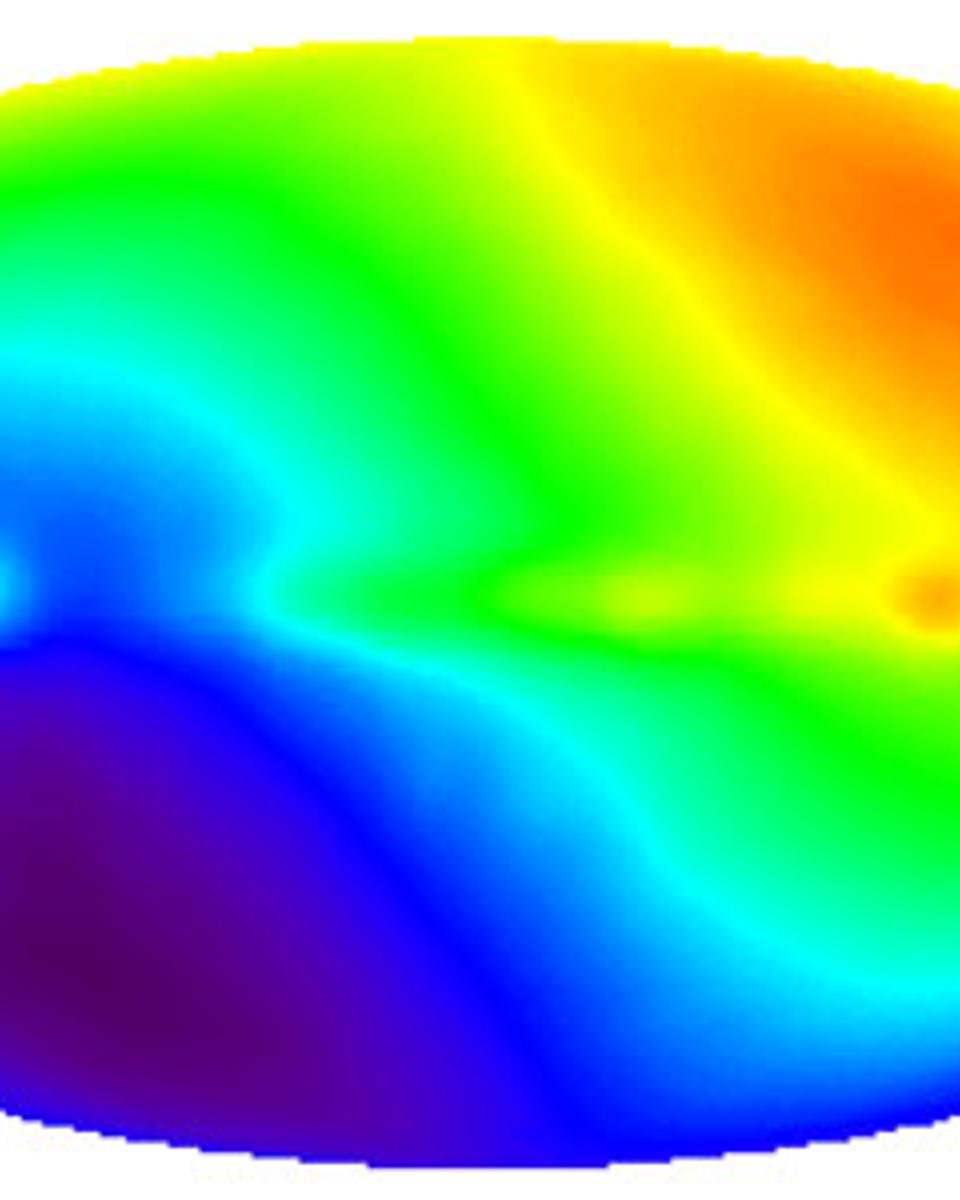
CMB Dipole: Speeding Through the Universe
Our Earth is not at rest. The Earth moves around the Sun . The Sun orbits the center of the Milky Way Galaxy . The Milky Way Galaxy orbits in the Local Group of Galaxies . The…
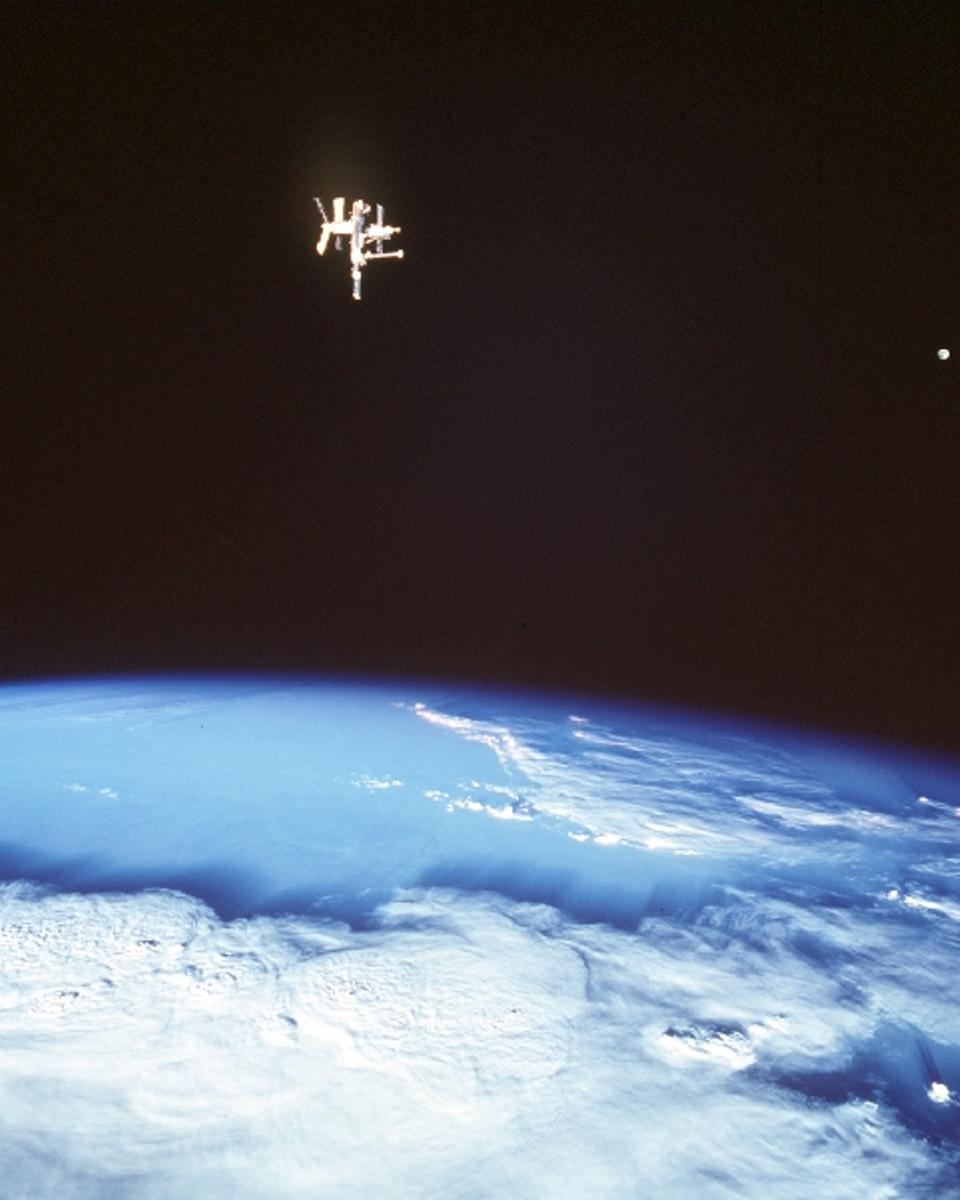
The Moons Of Earth
While orbiting the planet during their June 1998 mission, the crew of the Space Shuttle Discovery photographed this view of two moons of Earth. Thick storm clouds are visible in…
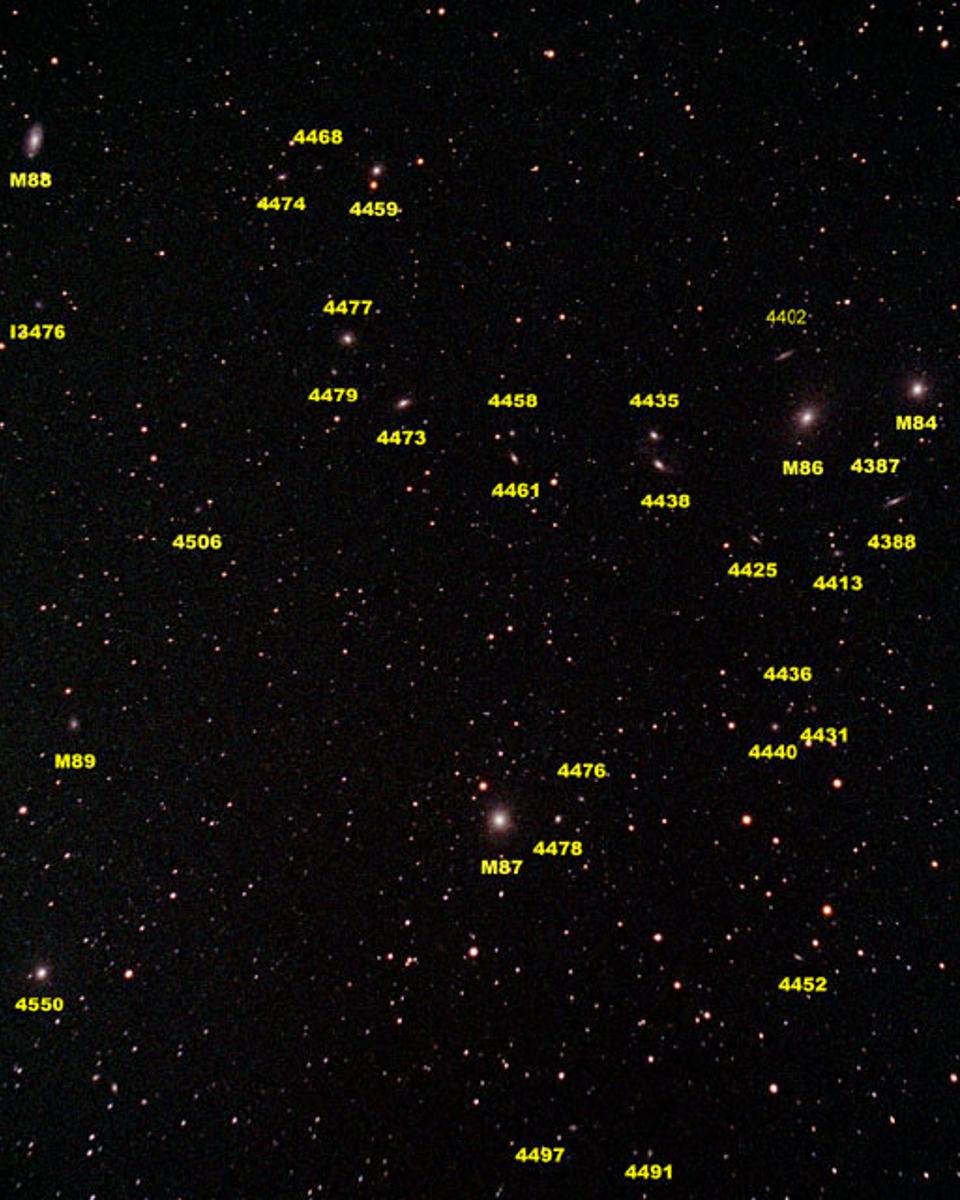
Galaxies Of The Virgo Cluster
Well over a thousand galaxies are known members of the Virgo Cluster , the closest large cluster of galaxies to our own local group . The galaxy cluster is difficult to see all at…
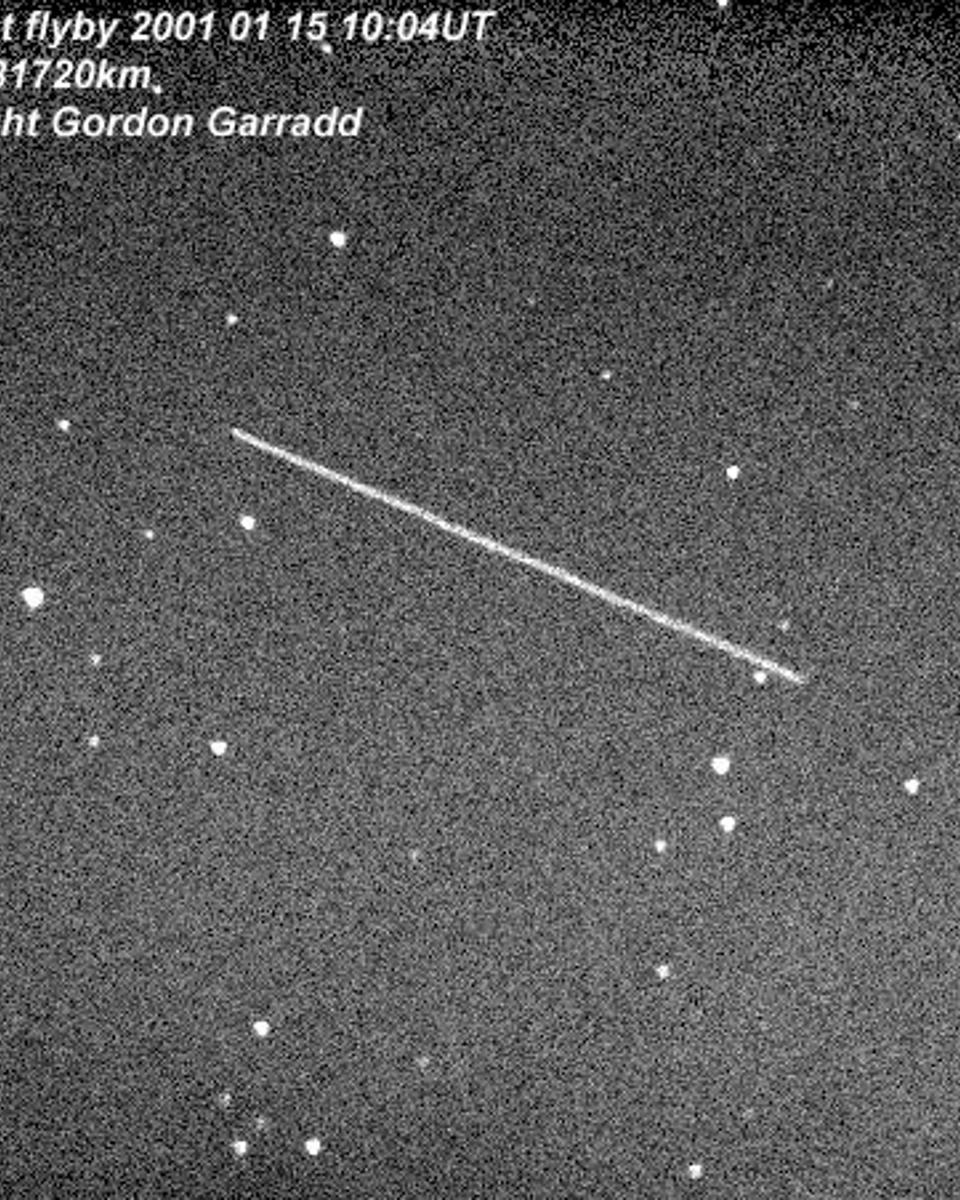
Sail On, Stardust
Spacecraft on long interplanetary voyages often use the planets themselves as gravitational “sling shots” to boost them along their way. Launched in February of 1999 on a historic…
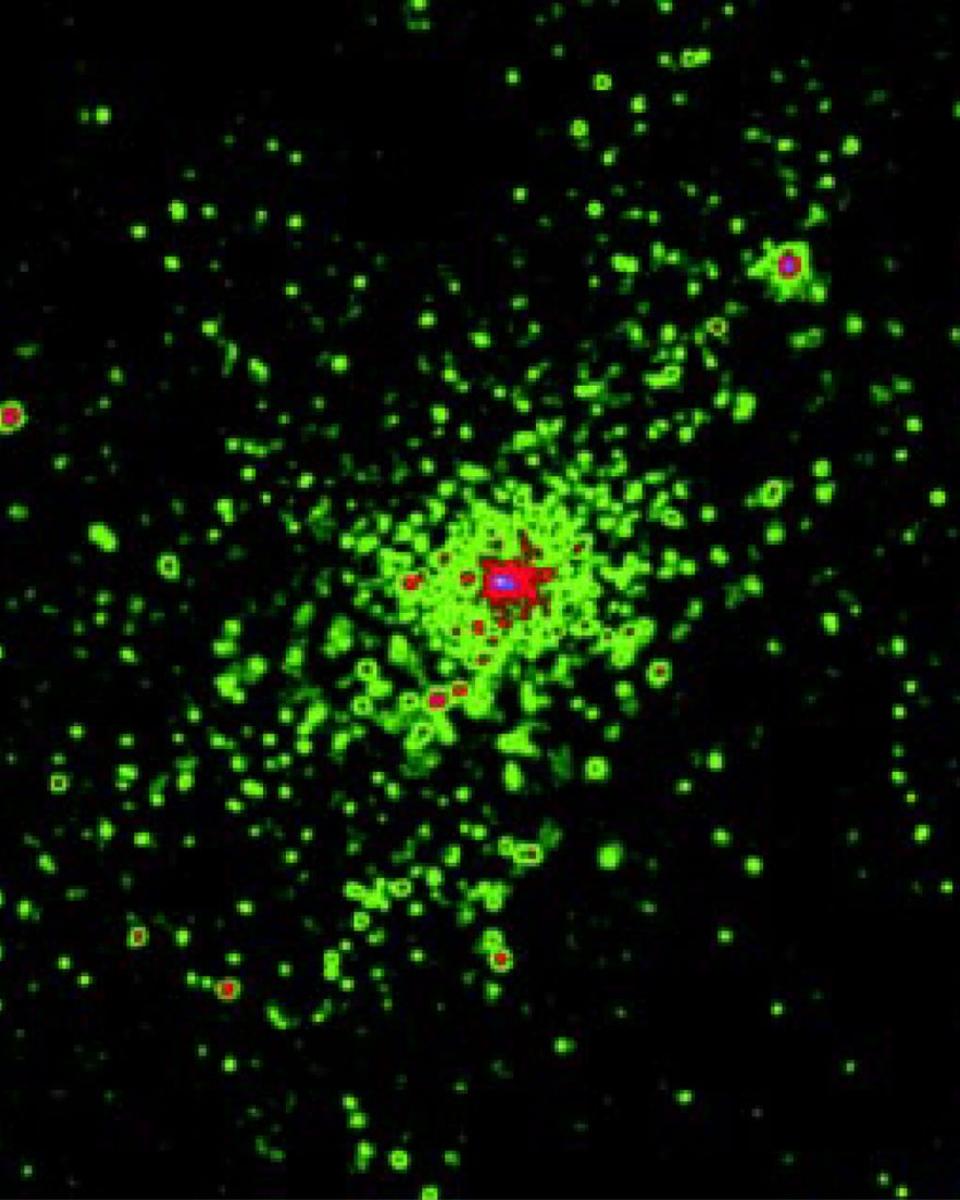
NGC 3603: X-Rays From A Starburst Cluster
A mere 20,000 light-years from the Sun lies the NGC 3603 star cluster, a resident of the nearby Carina spiral arm of our Milky Way galaxy . Seen here in this recent false-color…
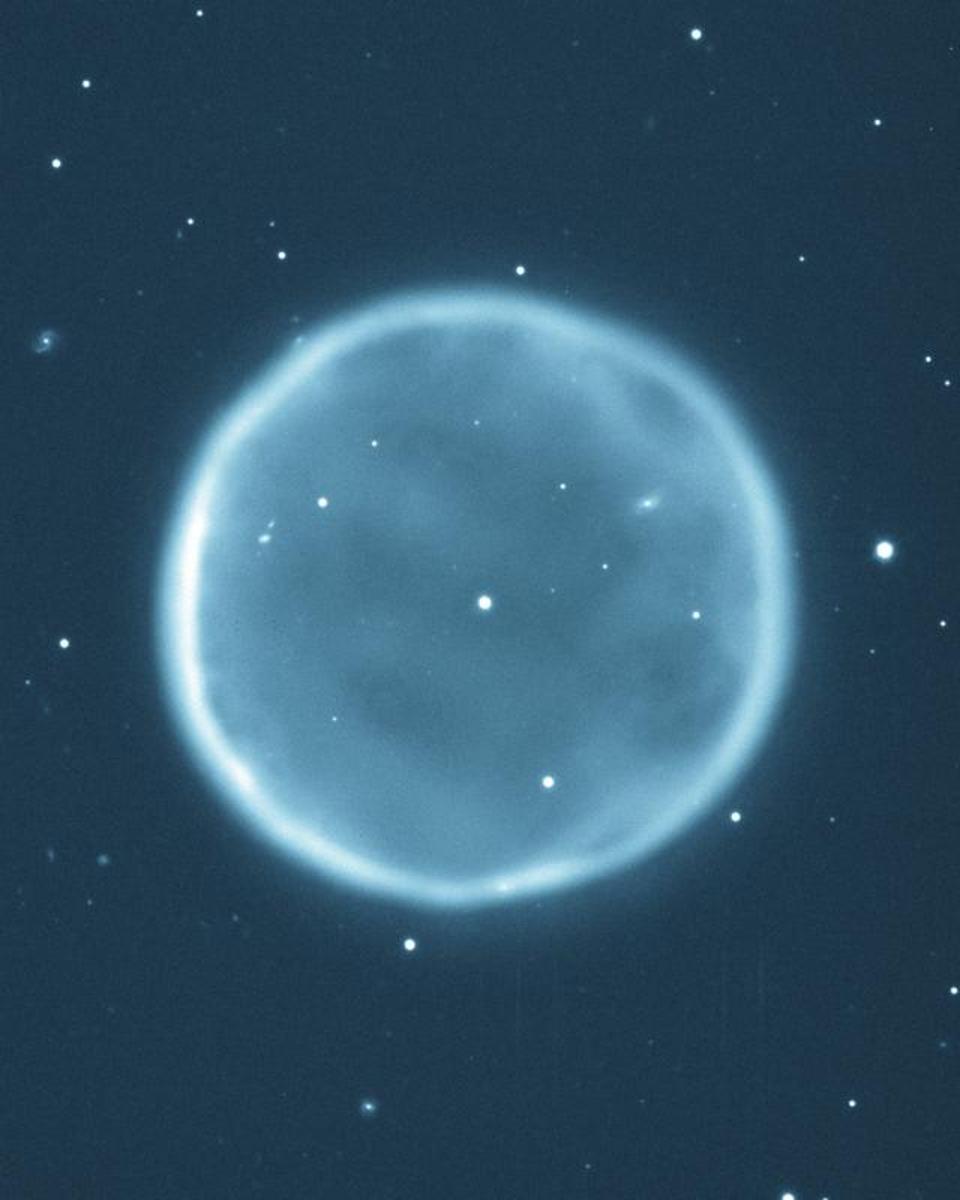
Spherical Planetary Nebula Abell 39
One of the largest spheres in our Galaxy is giving valuable clues about the chemical composition of stars by its very shape. Planetary nebula Abell 39 , now six light-years…
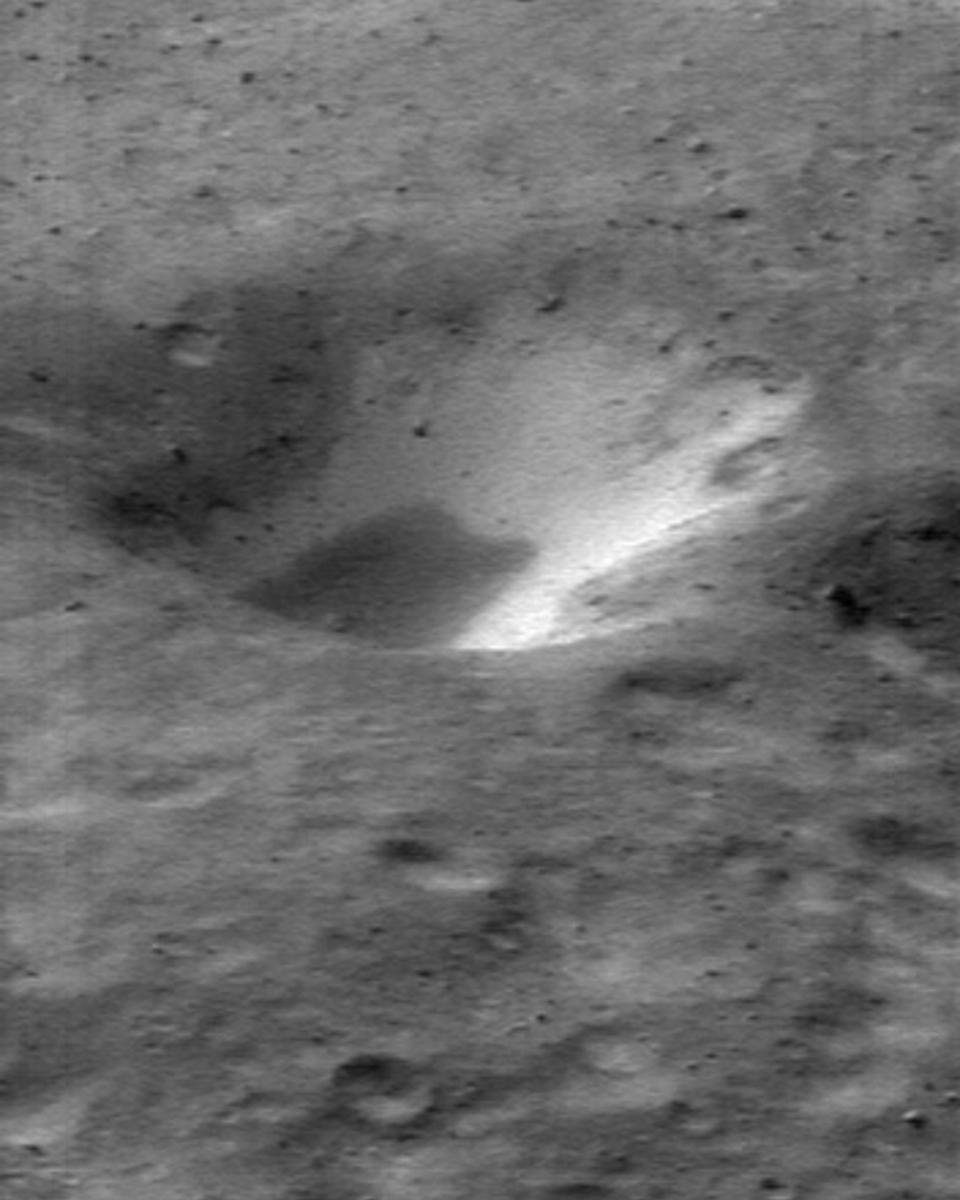
A Two-toned Crater on Asteroid Eros
What lies beneath the surface of asteroid Eros? This image taken two weeks ago by the robot NEAR spacecraft orbiting the dark asteroid shows a kilometer-wide crater where some…
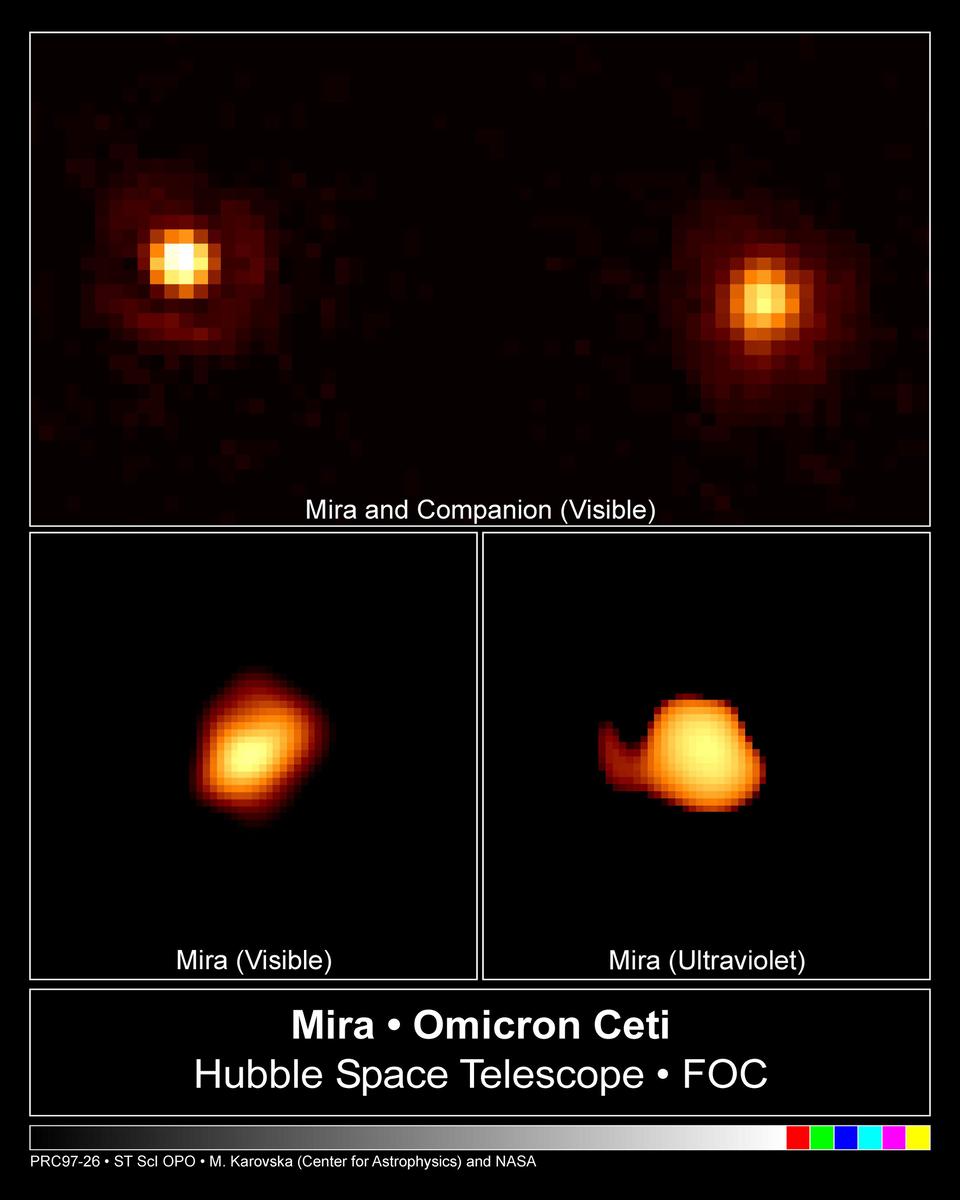
Resolving Mira
Most stars appear only as points of light. In 1995, Betelgeuse became the second star, after our Sun , to have it surface resolved. Later that year, Mira was added to the list.…
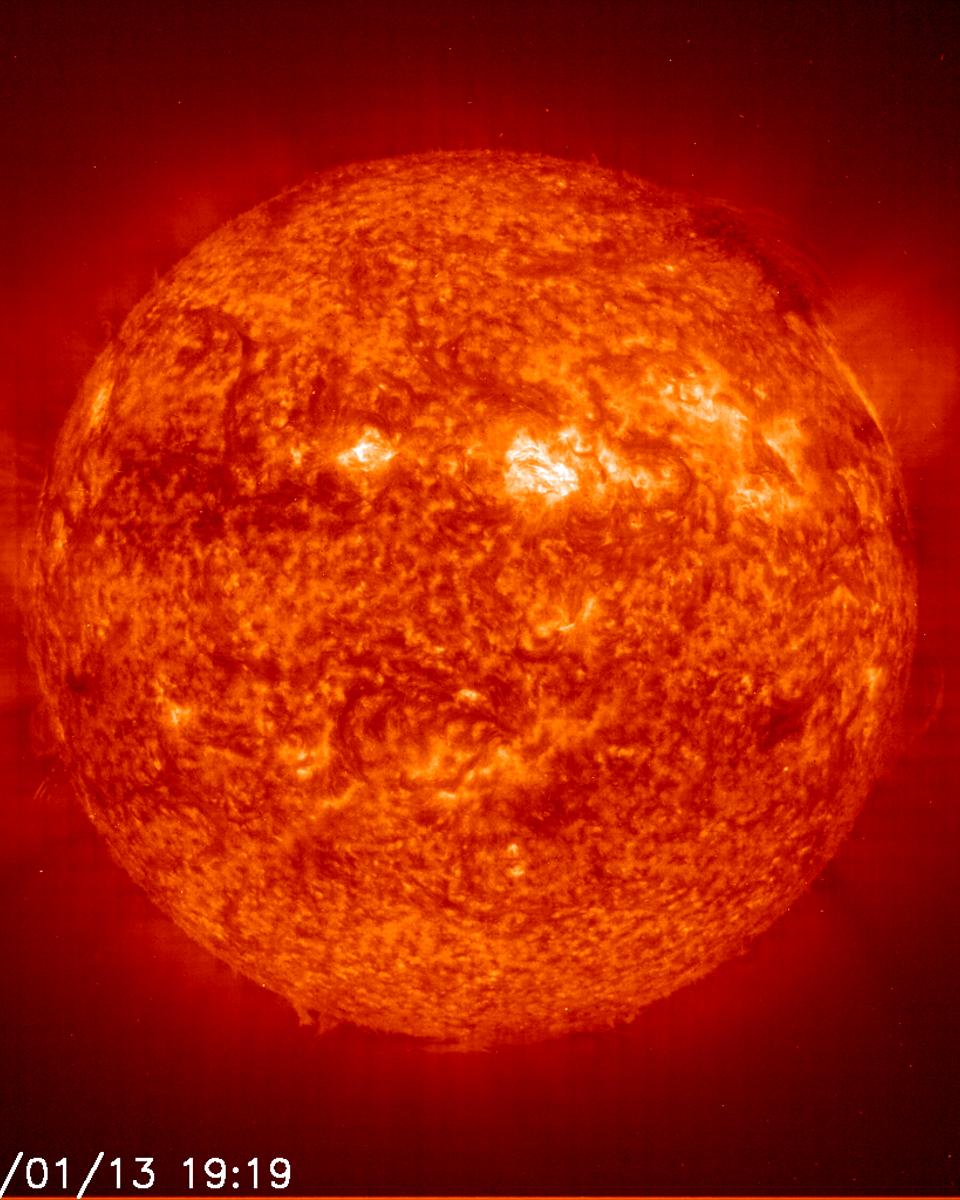
Helios Helium
This image of the active Sun was made using ultraviolet light emitted by ionized Helium atoms in the Solar chromosphere . Helium was first discovered in the Sun in 1868, its name…
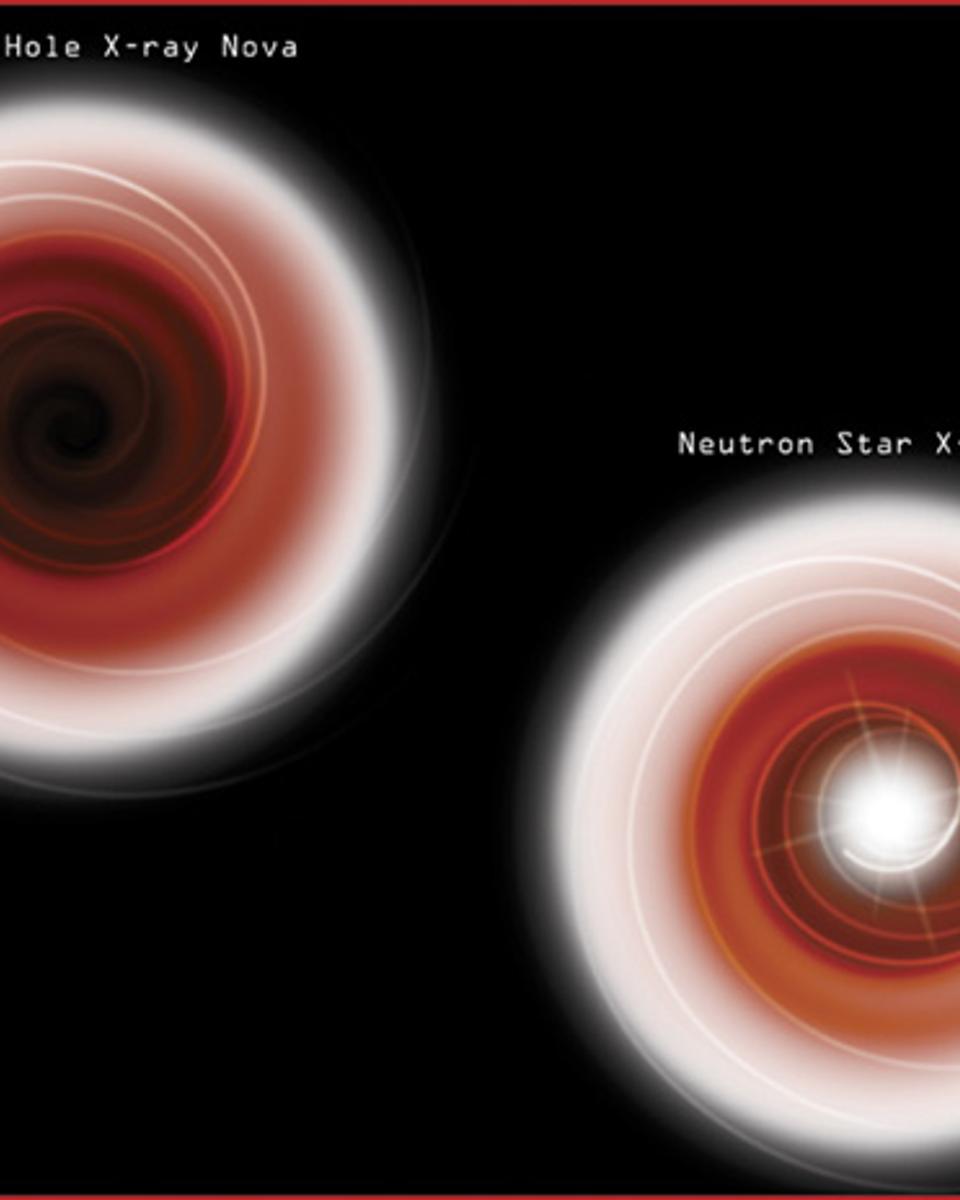
Black Holes Are Black
Q: Why are black holes black? A: Because they have an event horizon . The event horizon is that one-way boundary predicted by general relativity beyond which nothing, not even…
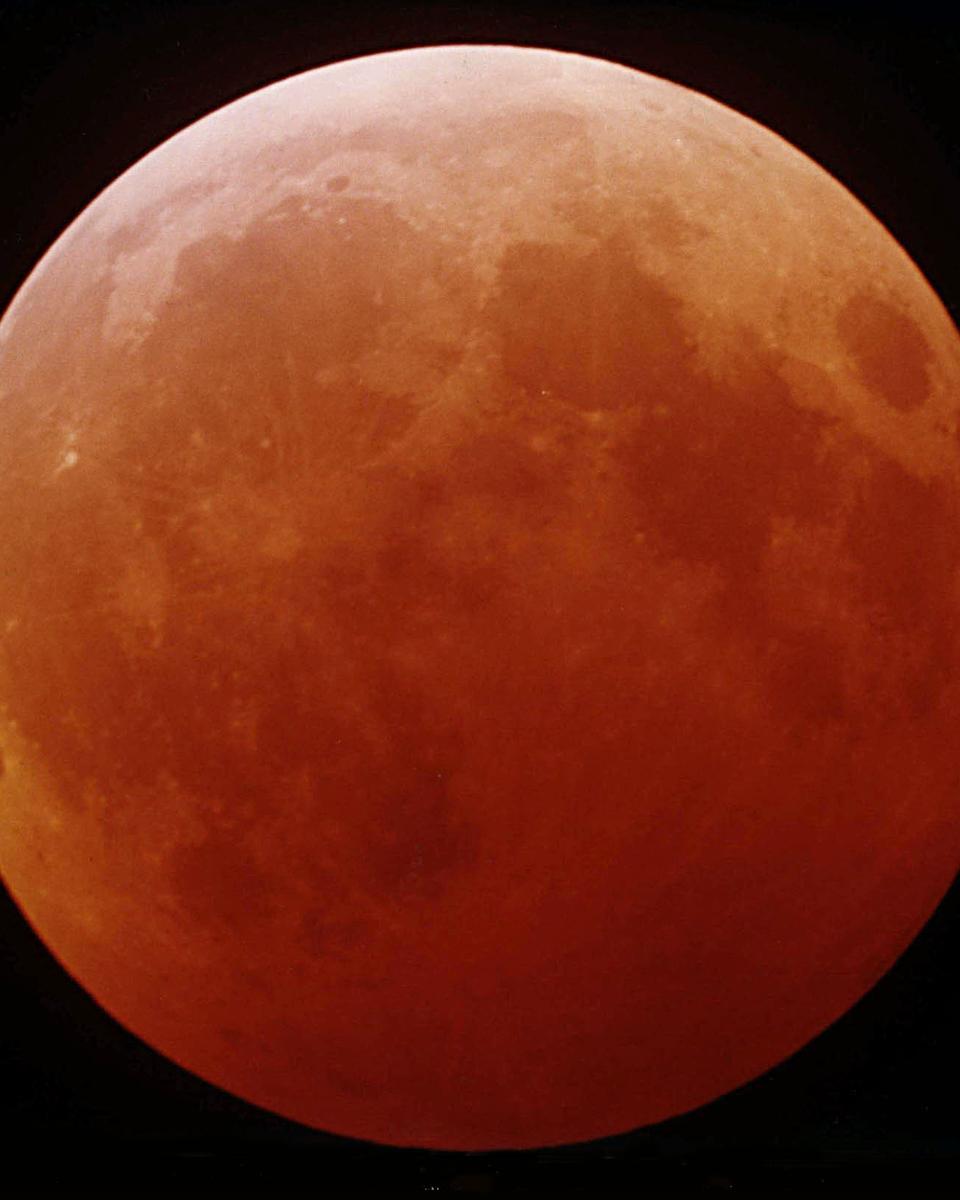
2001: A Total Lunar Eclipse
The first and only total lunar eclipse for the year 2001 occured on the evening of January 9/10 as the full Moon glided through Earth's shadow. Unlike a total solar eclipse, a…
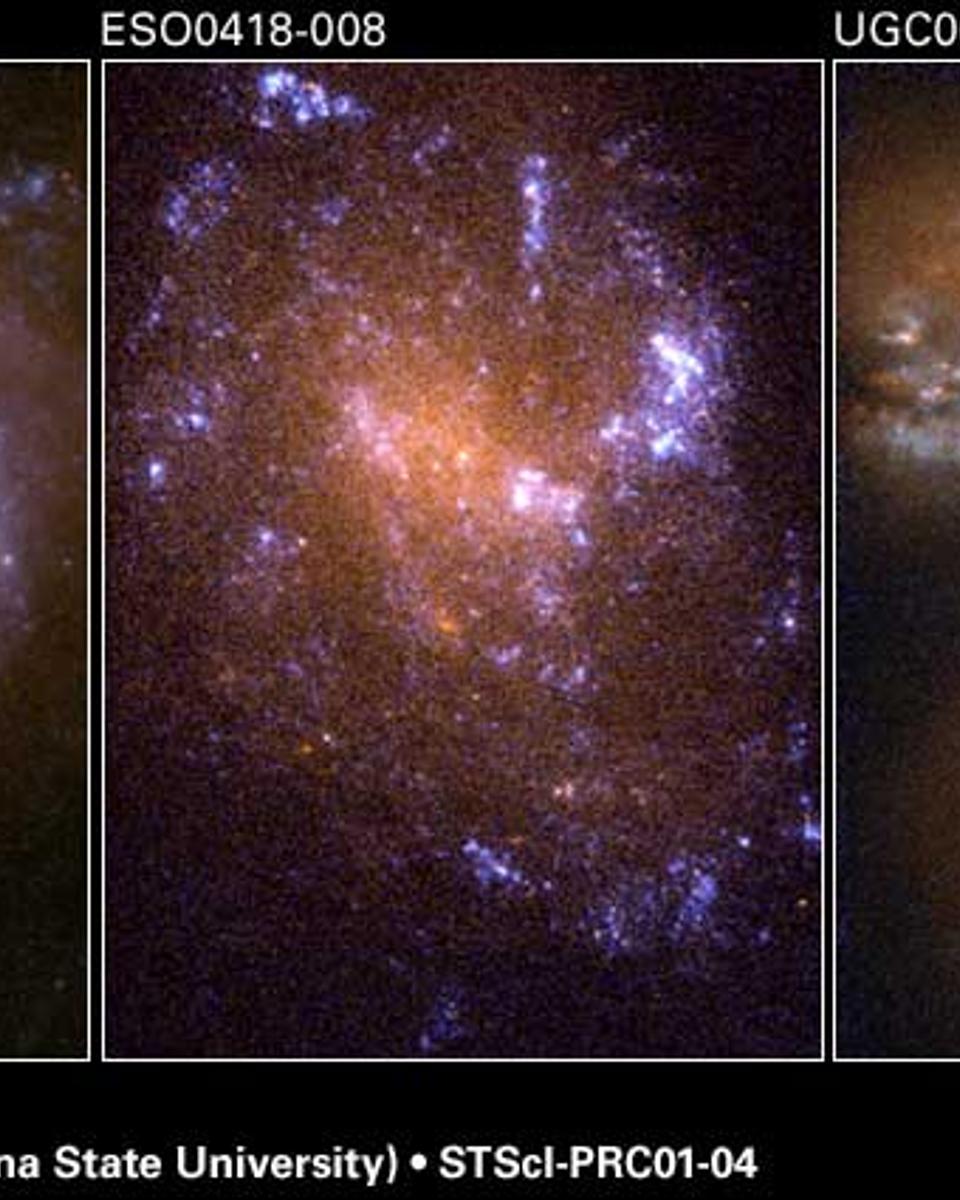
Spiral Galaxy NGC 3310 in Ultraviolet
Why is NGC 3310 bursting with young stars? The brightest of these new stars are so hot that they light up this spiral galaxy not only in blue light, but in light so blue humans…
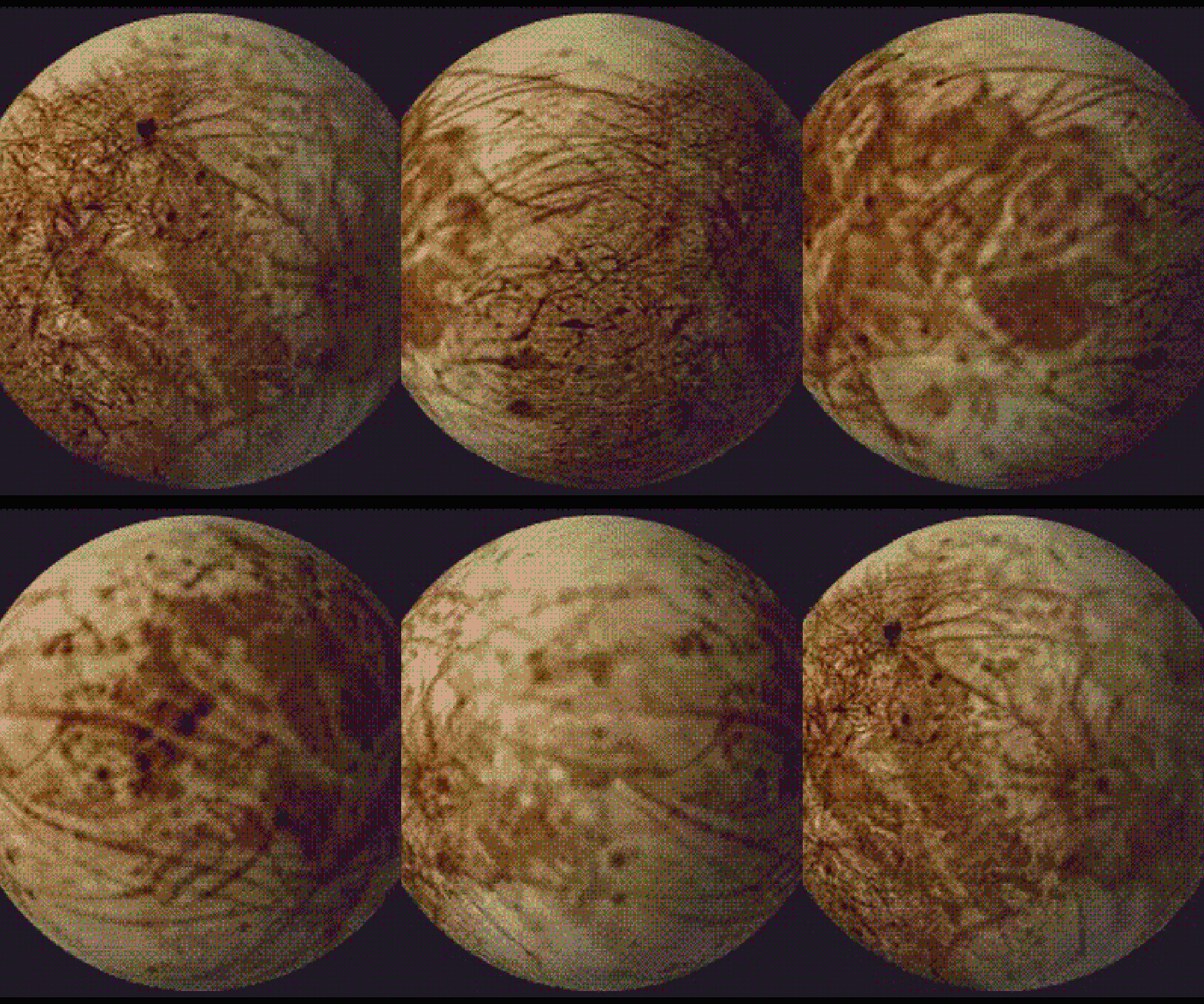
Europa Rotating
Evidence has been mounting that beneath the vast planes of ice that cover Europa lies water -- liquid oceans that might be home to alien life . The smallest of Jupiter 's Galilean…
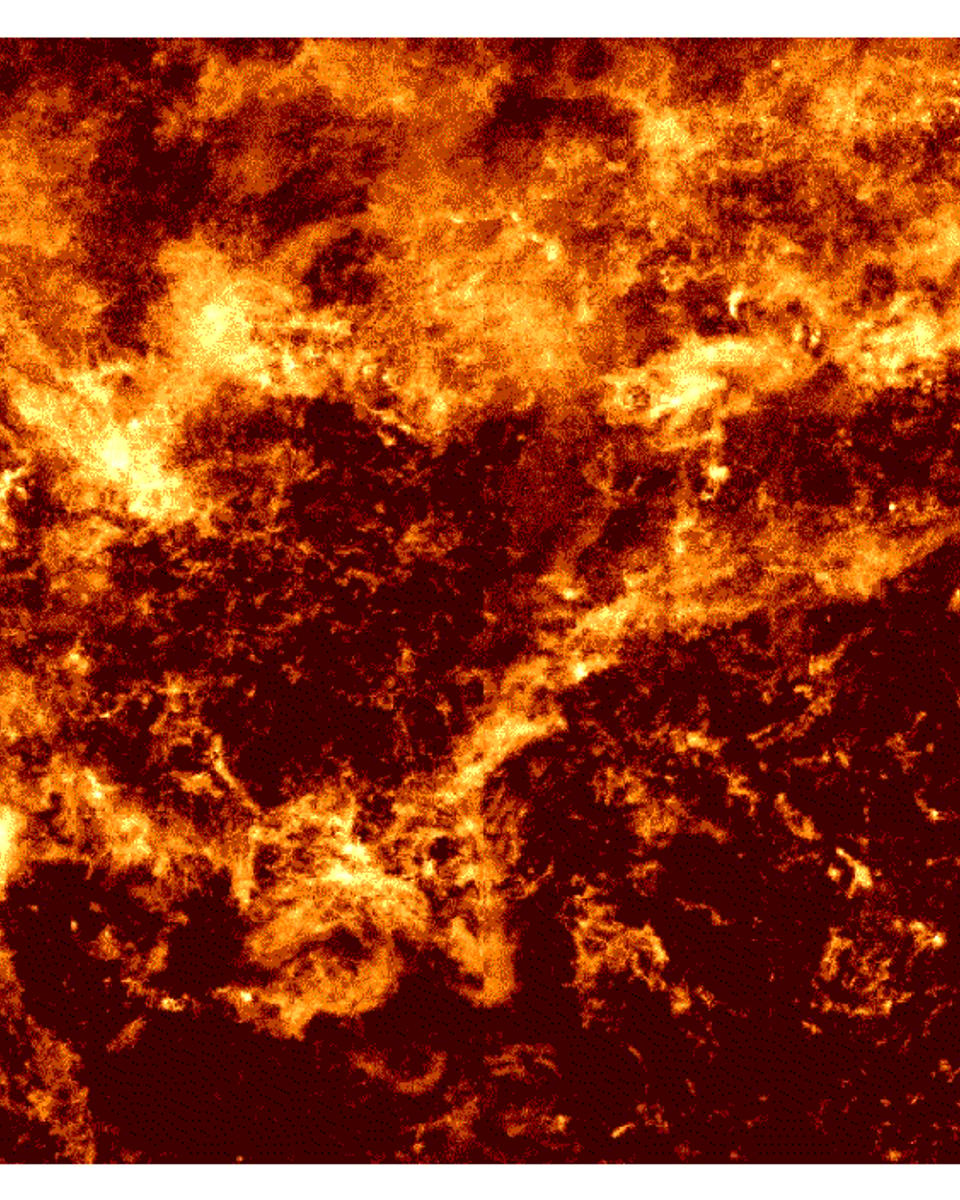
Billows of Smog in the Outer Galaxy
Our Galaxy is filled with gas . Most of this gas is hydrogen , some is helium , but there is a trace amount of relatively heavy molecules, including carbon monoxide (CO) - a…
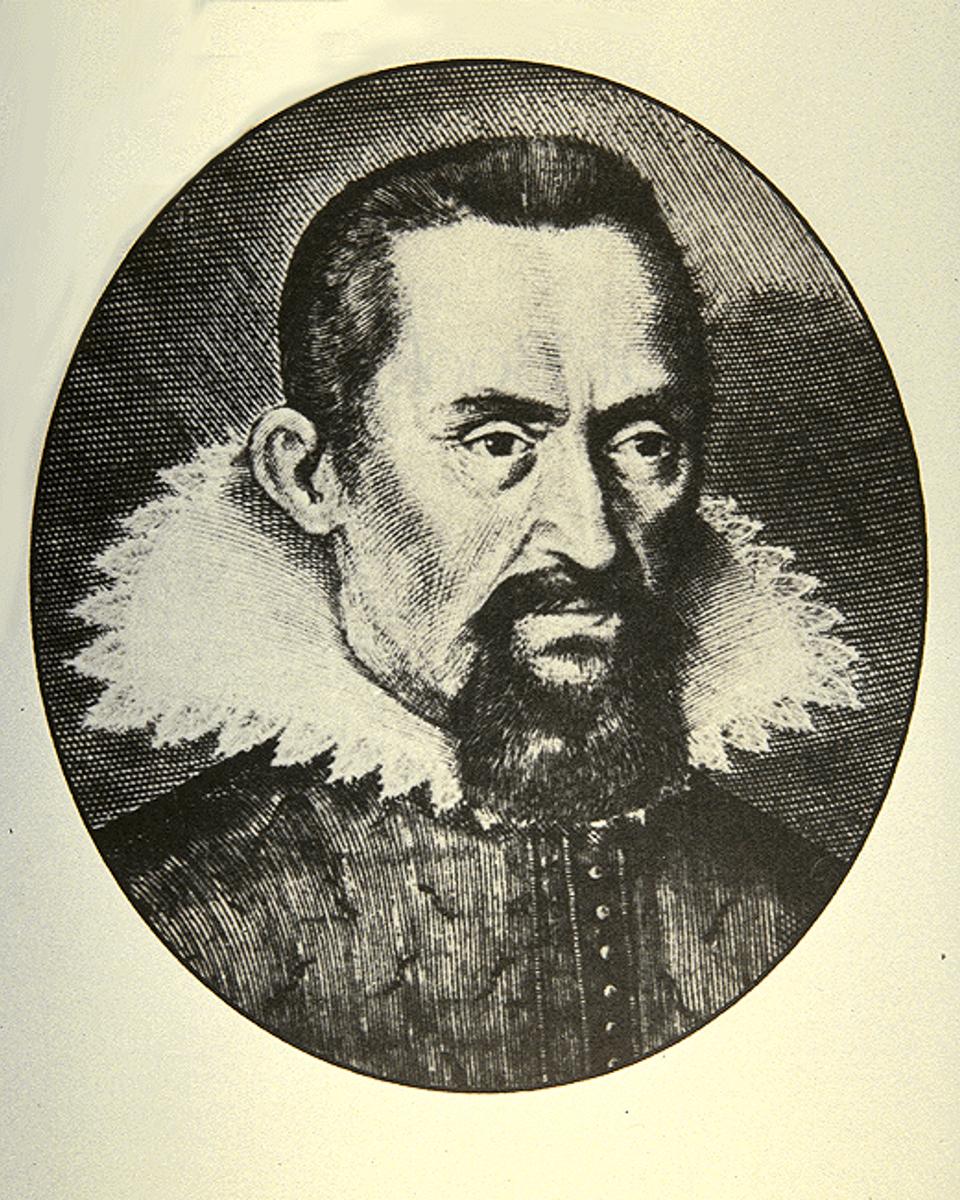
Kepler Discovers How Planets Move
Johannes Kepler used simple mathematics to describe how planets move. Kepler was an assistant to the most accurate astronomical observer of the time, Tycho Brahe . Kepler was able…
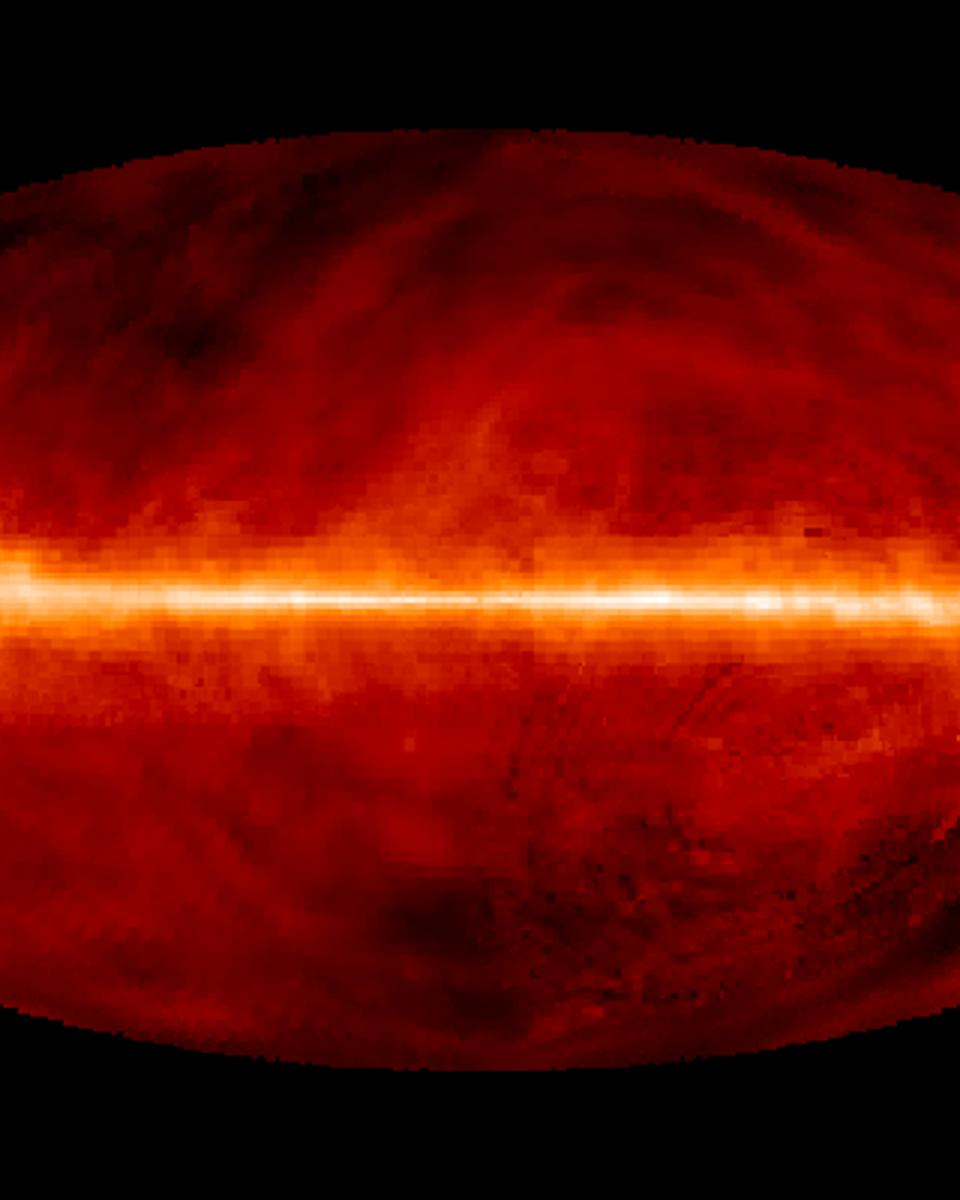
A Sky Full Of Hydrogen
Interstellar space is filled with extremely tenuous clouds of gas which are mostly Hydrogen. The neutral Hydrogen atom (HI in astronomer's shorthand) consists of 1 proton and 1…
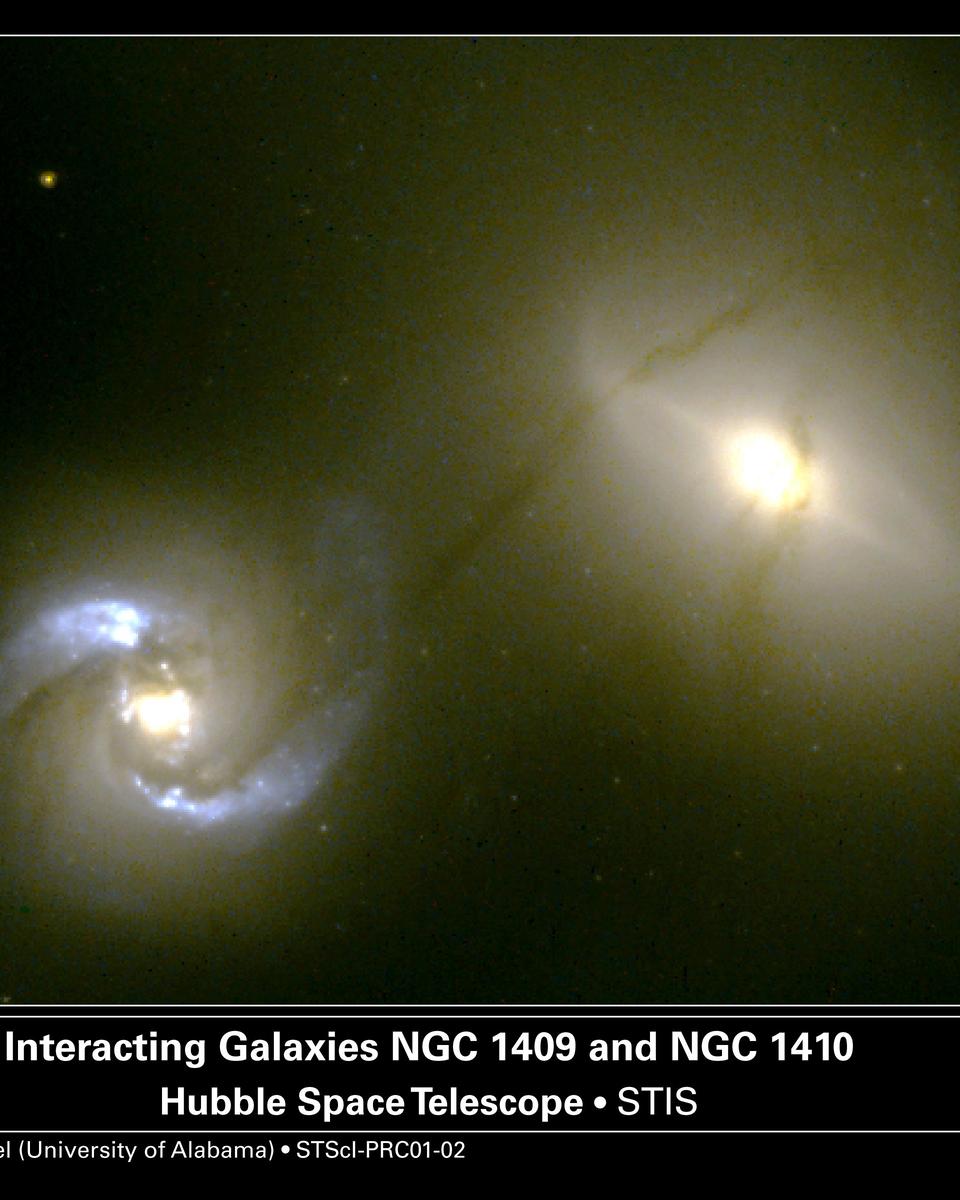
NGC 1410/1409: Intergalactic Pipeline
These two galaxies are interacting in a surprising way, connected by a “pipeline” of obscuring material that runs between them over 20,000 light-years of intergalactic space.…
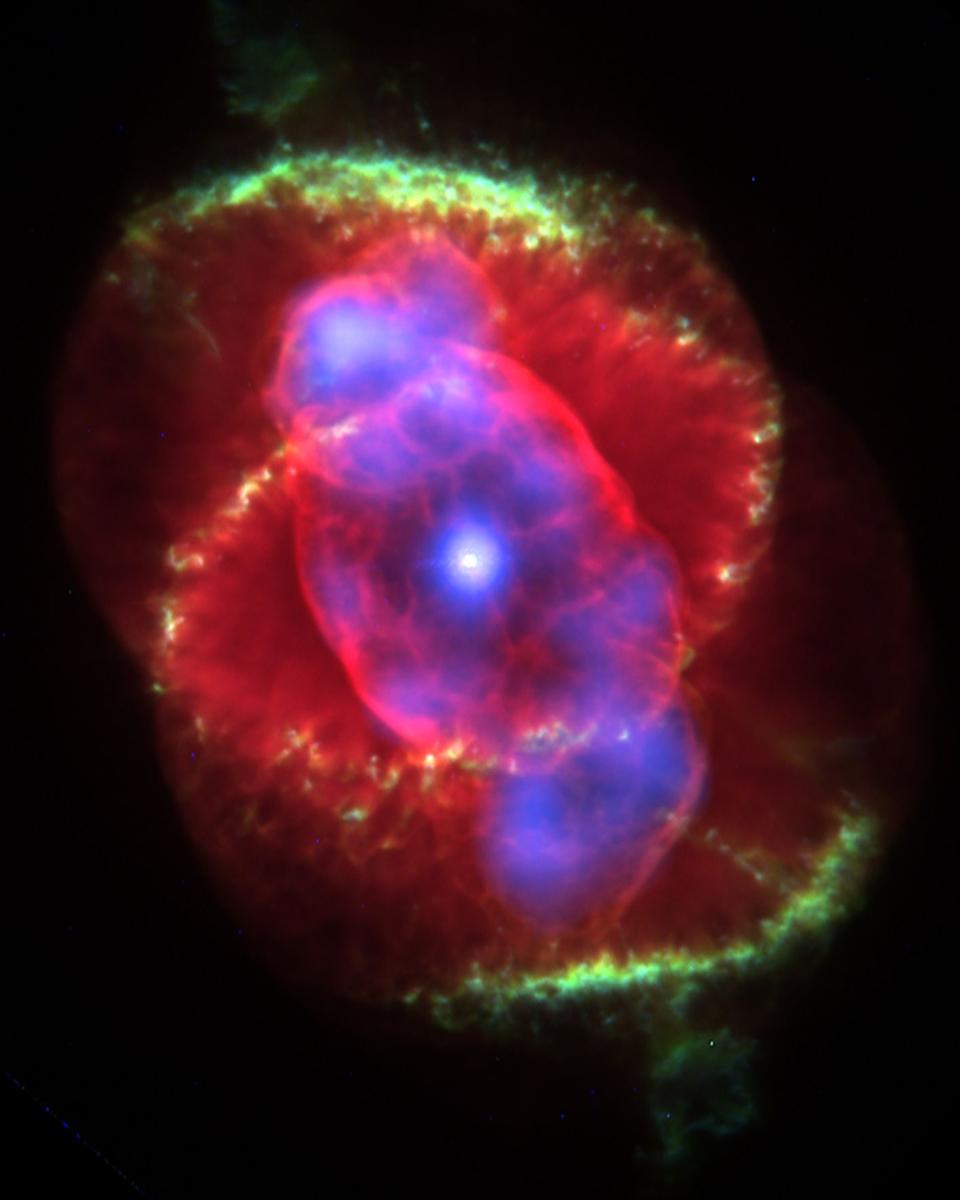
X-rays From The Cat's Eye
Haunting patterns within planetary nebula NGC 6543 readily suggest its popular moniker -- the Cat's Eye nebula. In 1995, a stunning false-color optical image from the Hubble Space…
Viewing discoveries from 3 February 2001 through 11 January 2001.