Browse NASA Astronomy Picture of the Day archive by date and media: Archive Discoveries
Browse the NASA APOD archive without needing the exact date first. Filter by media type and keep moving deeper into older images and videos.
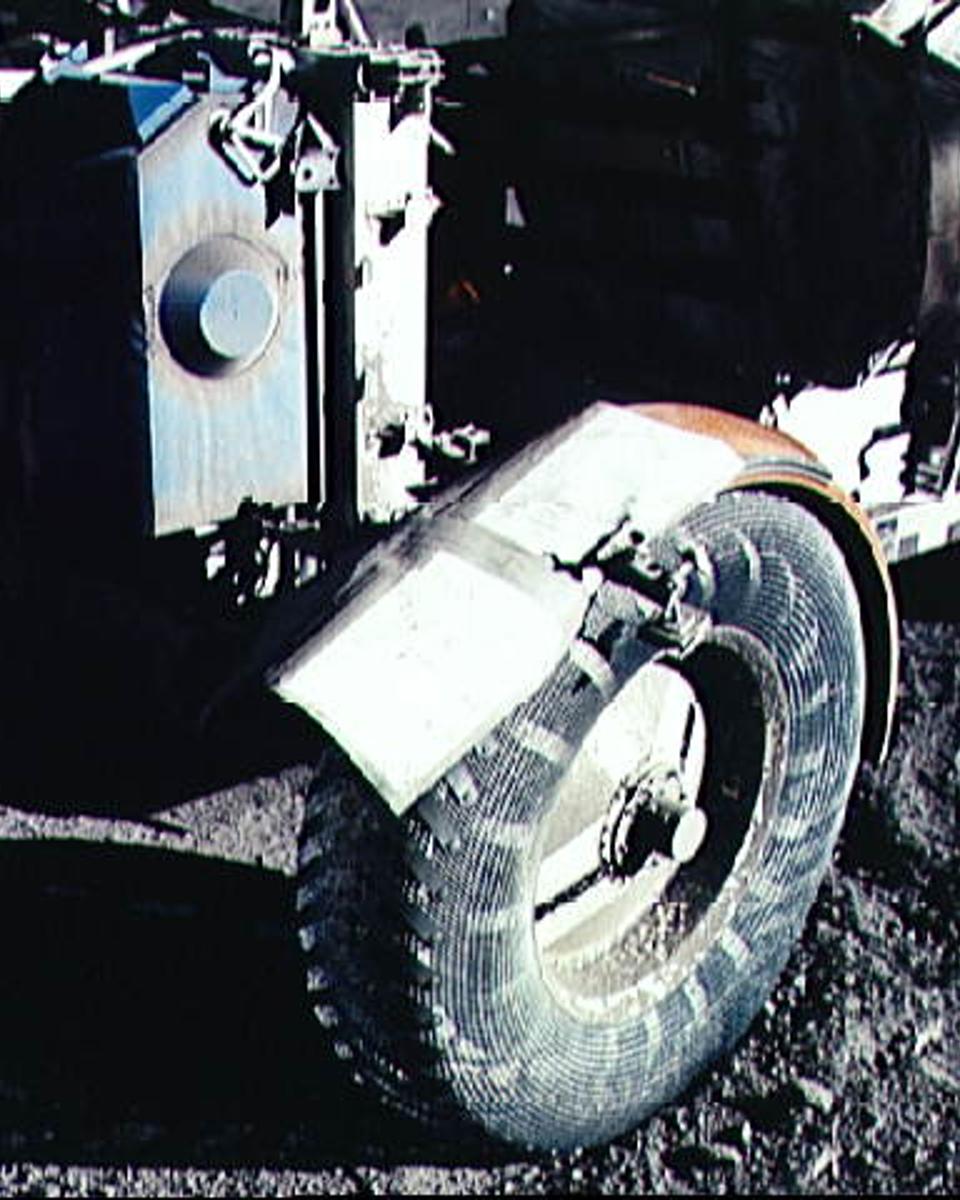
Lunar Dust and Duct Tape
Why is the Moon dusty ? On Earth, rocks are weathered by wind and water, creating soil and sand. On the Moon, the long history of micrometeorite bombardment has blasted away at…
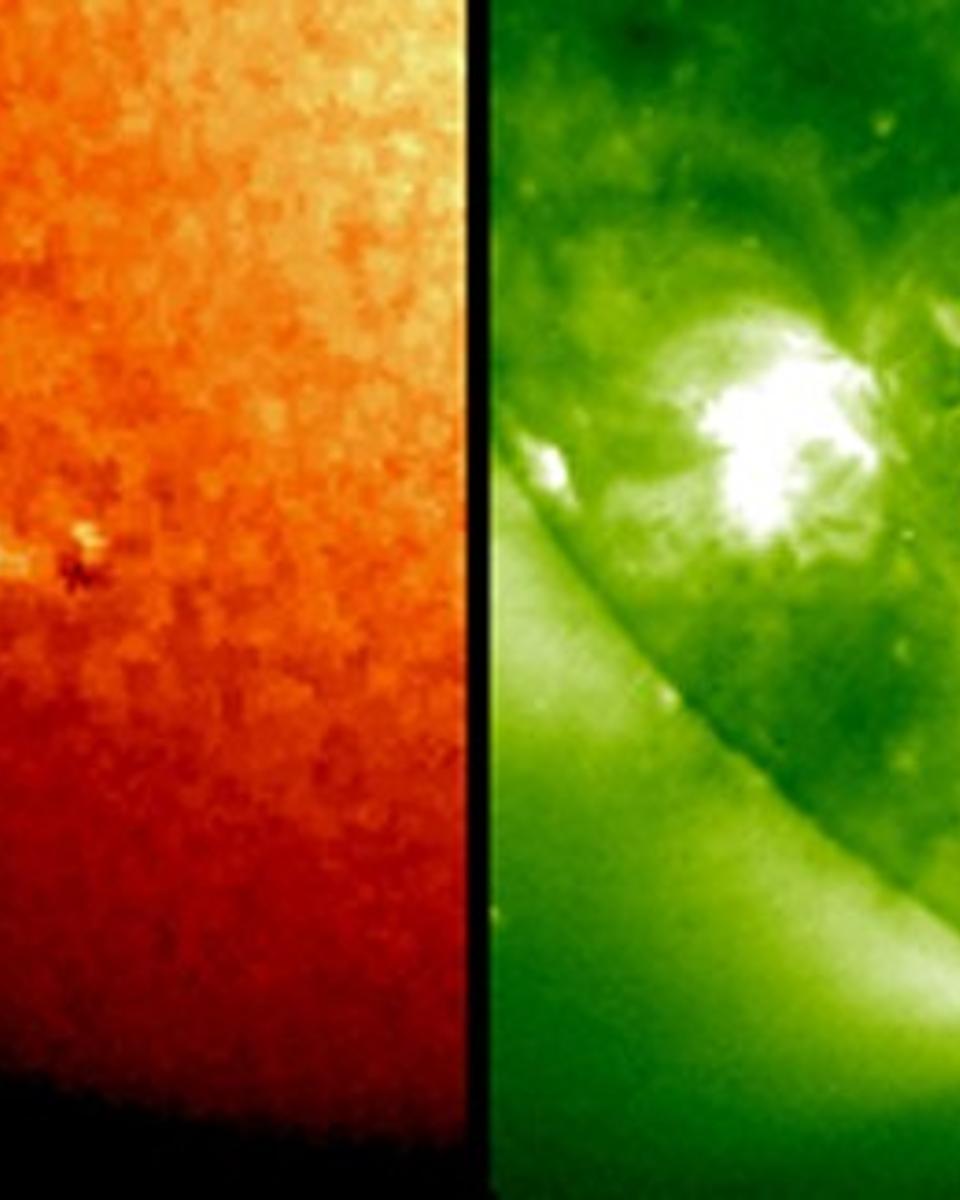
Solar Shock Wave
On September 24, 1997 a shock wave blasted across the surface of the sun at speeds of 250 to 600 kilometers per second . On planet Earth, observer Barry Reynolds photographed the…
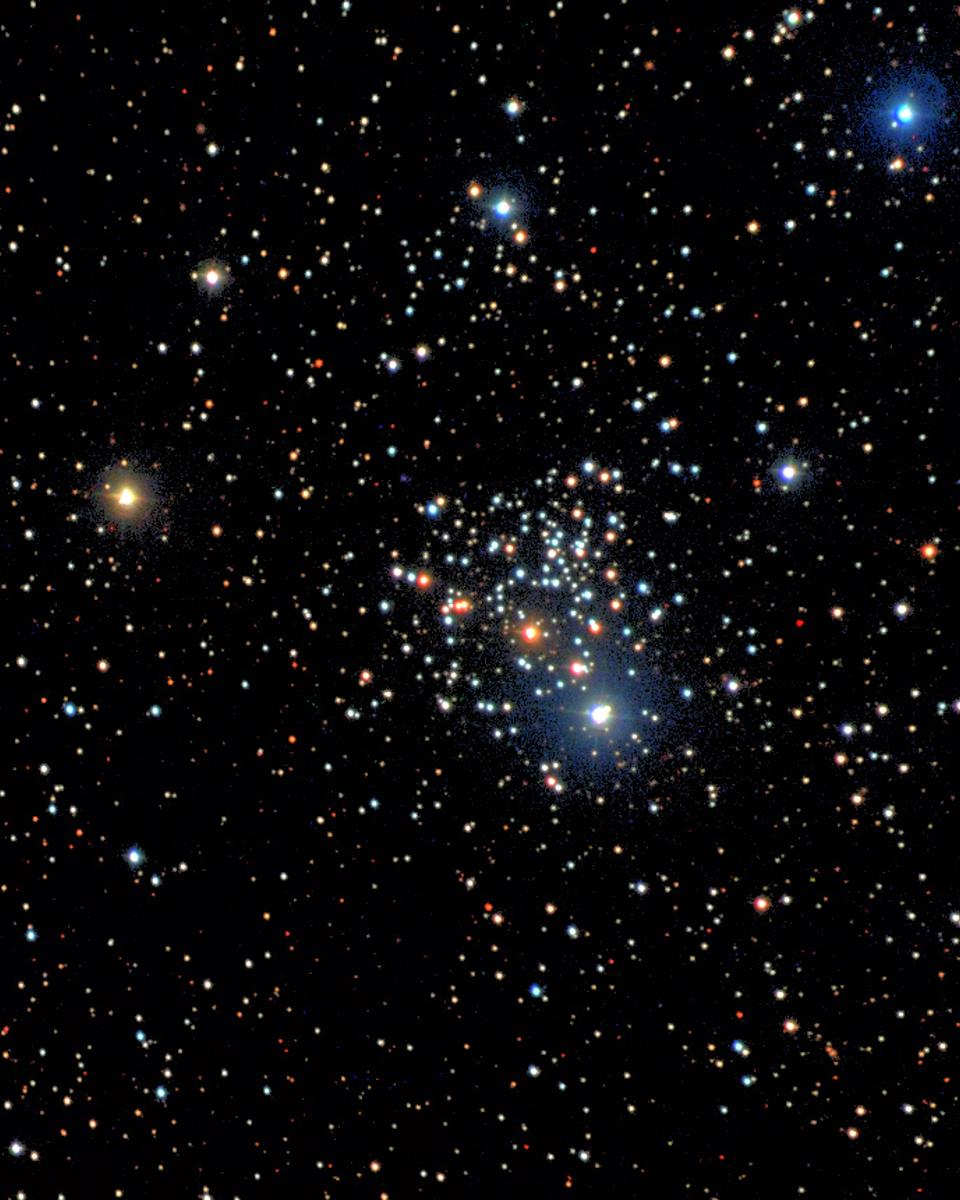
NGC 2266: Old Cluster in the New General Catalog
The New General Catalog of star clusters and nebulae really isn't so new. In fact, it was published in 1888 - an attempt by J. L. E. Dreyer to consolidate the work of astronomers…
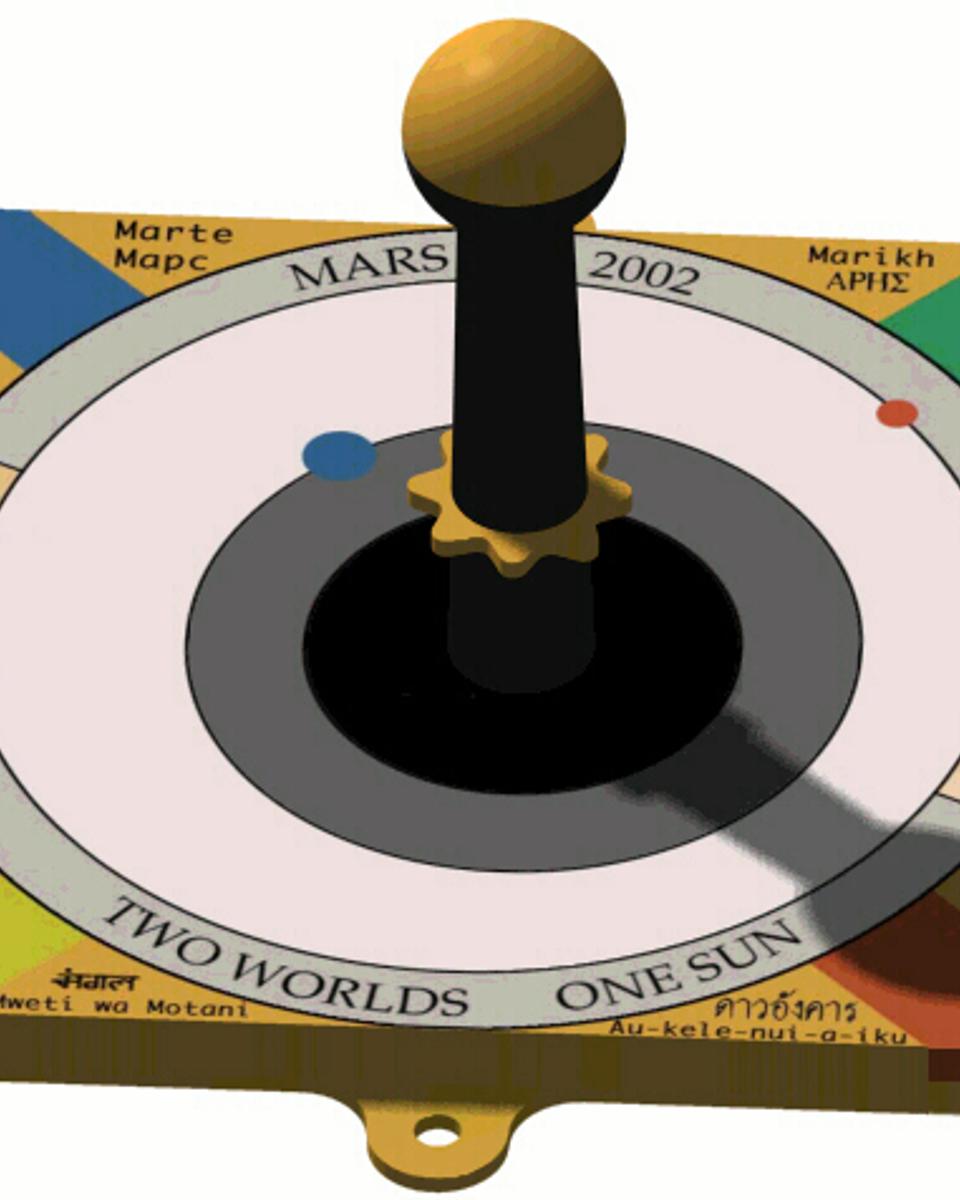
A Sundial for Mars
When Mars Surveyor arrives at Mars in 2002, it will carry a sundial. Even though batteries and a solar array will power the Mars Surveyor Lander , the sundial has been included to…
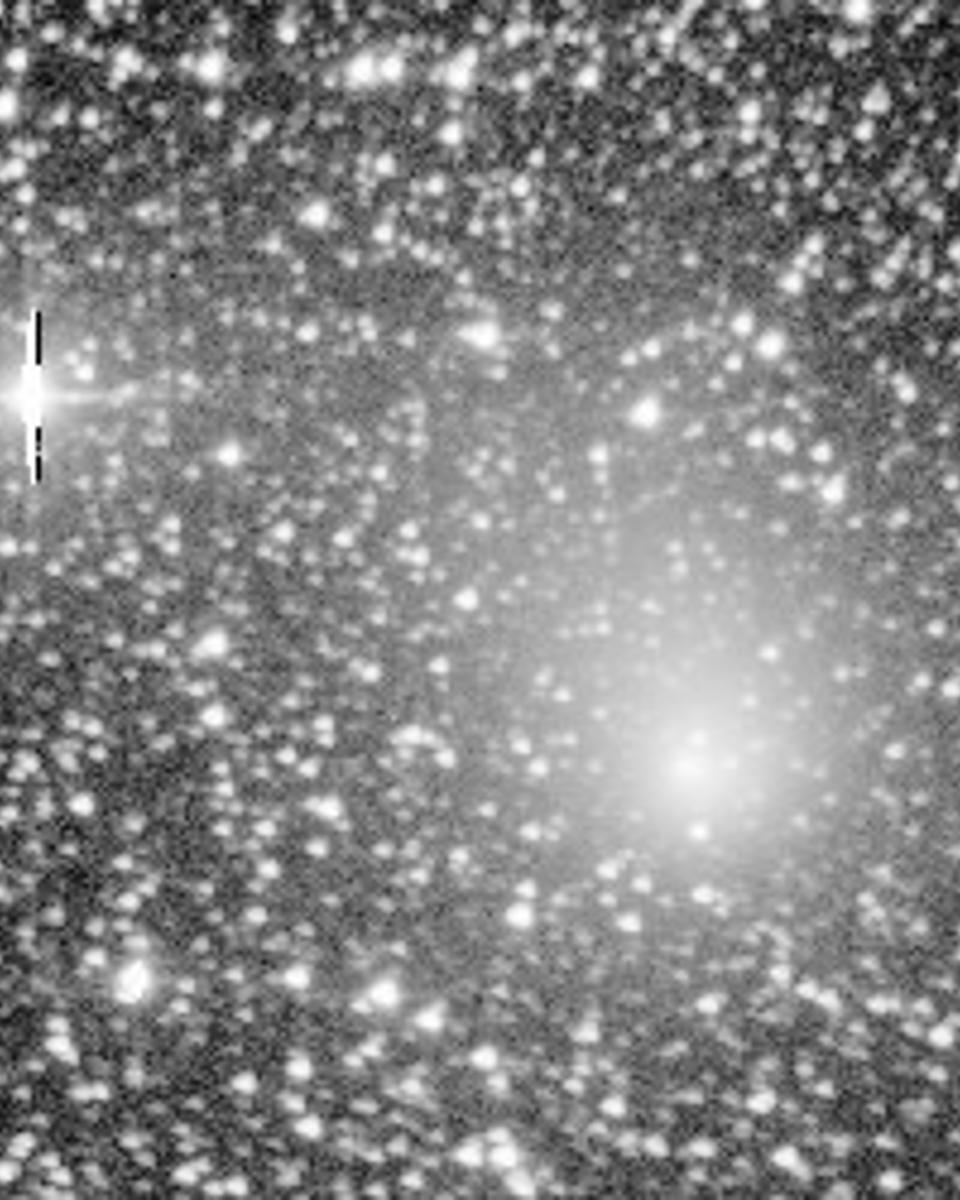
Introducing Comet Lee
Another large snowball is falling toward the Sun. Comet Lee was discovered two weeks ago by Steve Lee ( AAO ) in Australia , and is expected to brighten as it approaches the inner…
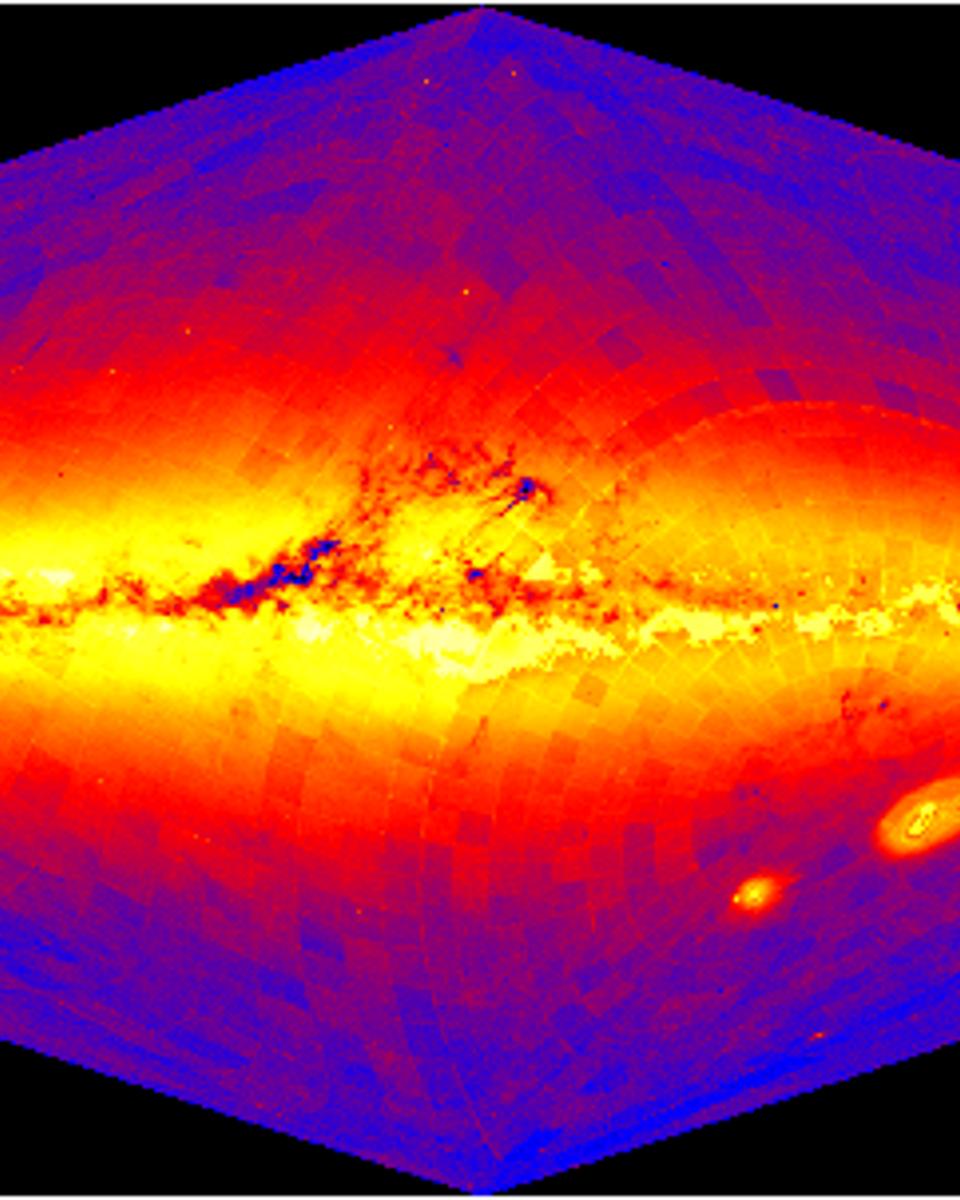
USNO-A2.0 Catalog: A Digital Sky
Here lie 526,230,881 of the brightest stars known. The US Naval Observatory has deployed their monster Precision Measuring Machine to digitize photographic plates covering the…
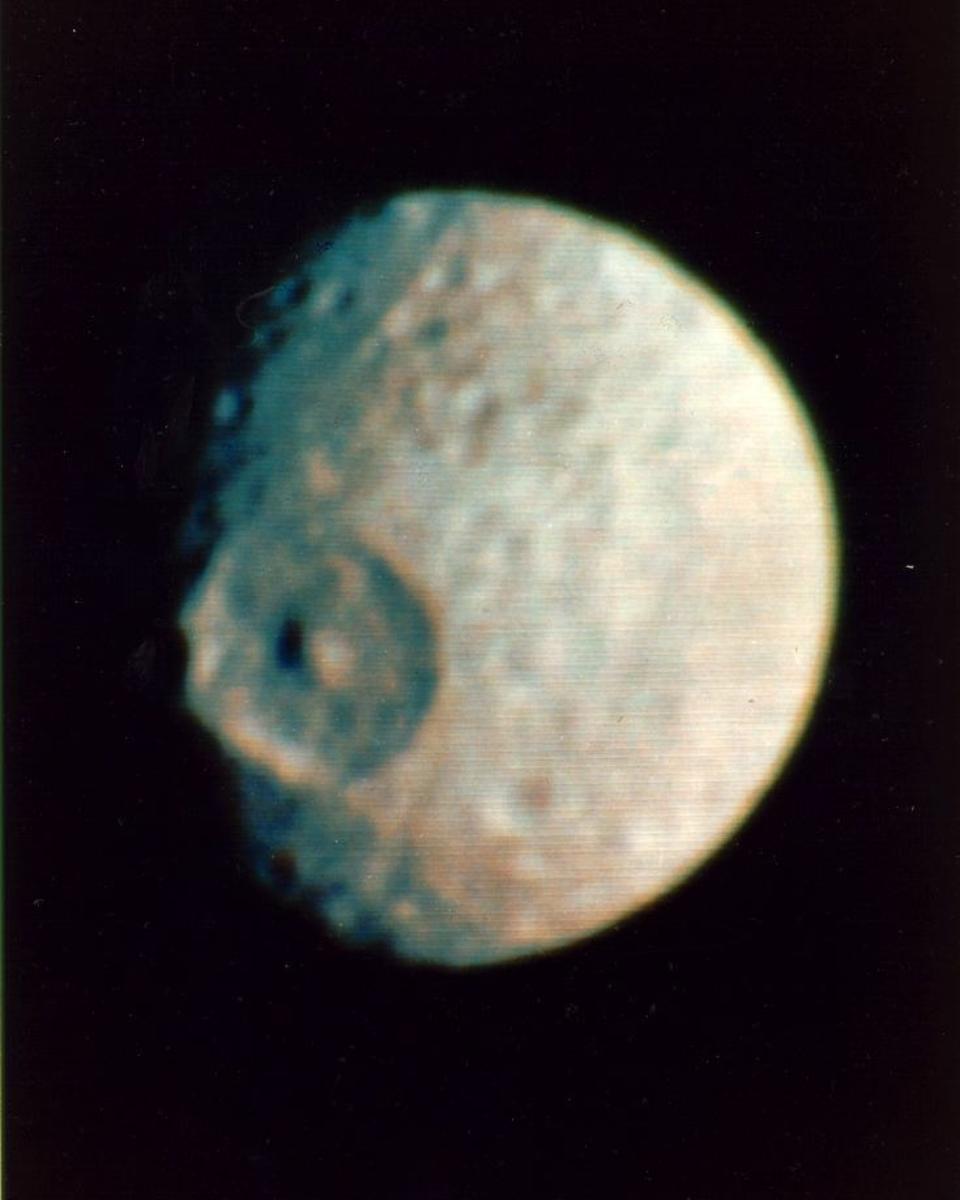
Mimas: Small Moon with a Big Crater
Mimas is one of the smaller moons of Saturn but shows one of the largest impact craters. In fact, if the impact had been much greater, it would have disrupted the entire satellite…
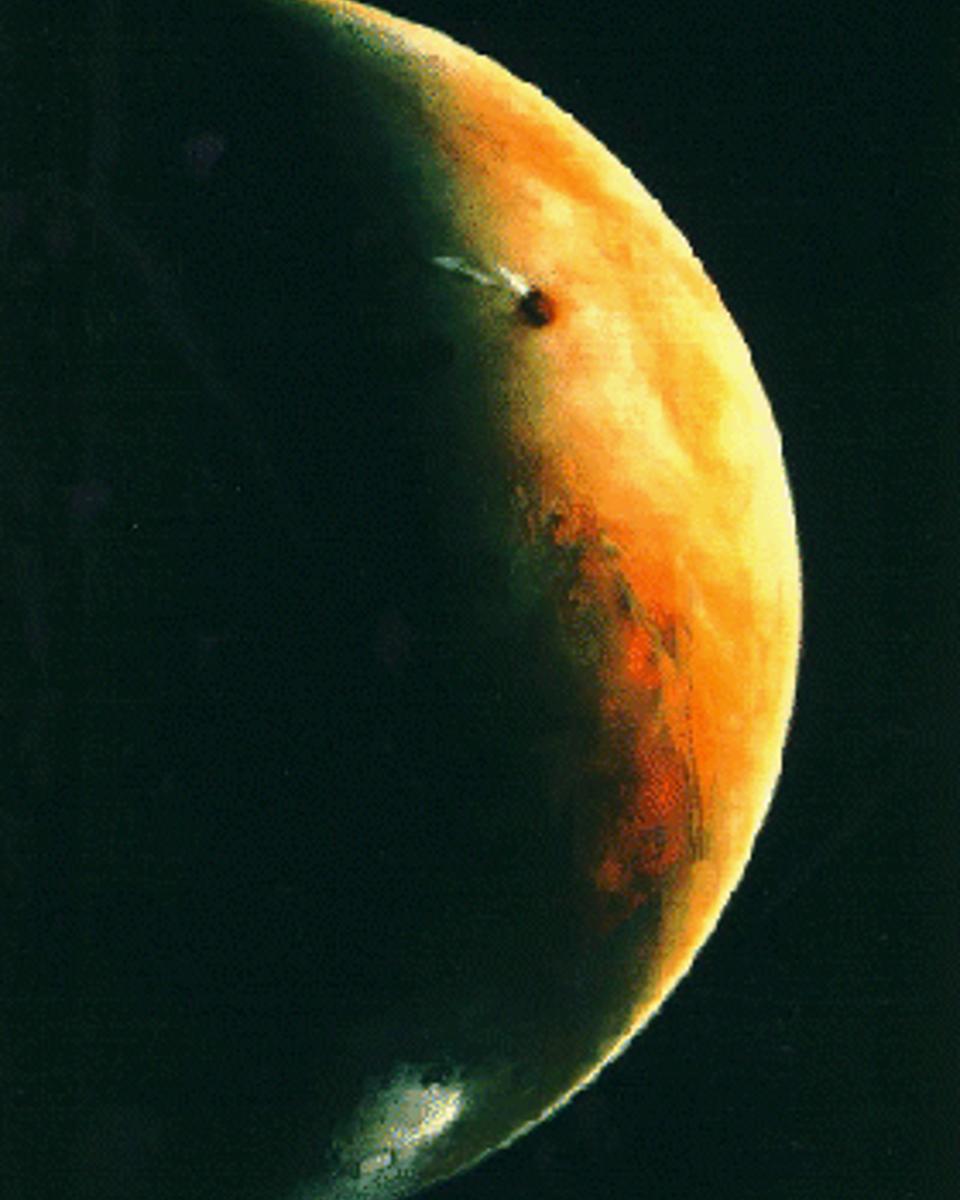
Barsoom
“Yes, I have been to Barsoom again ...” begins John Carter in Edgar Rice Burroughs' 1913 science fiction classic “The Gods of Mars” . In Burroughs' novels describing Carter's…
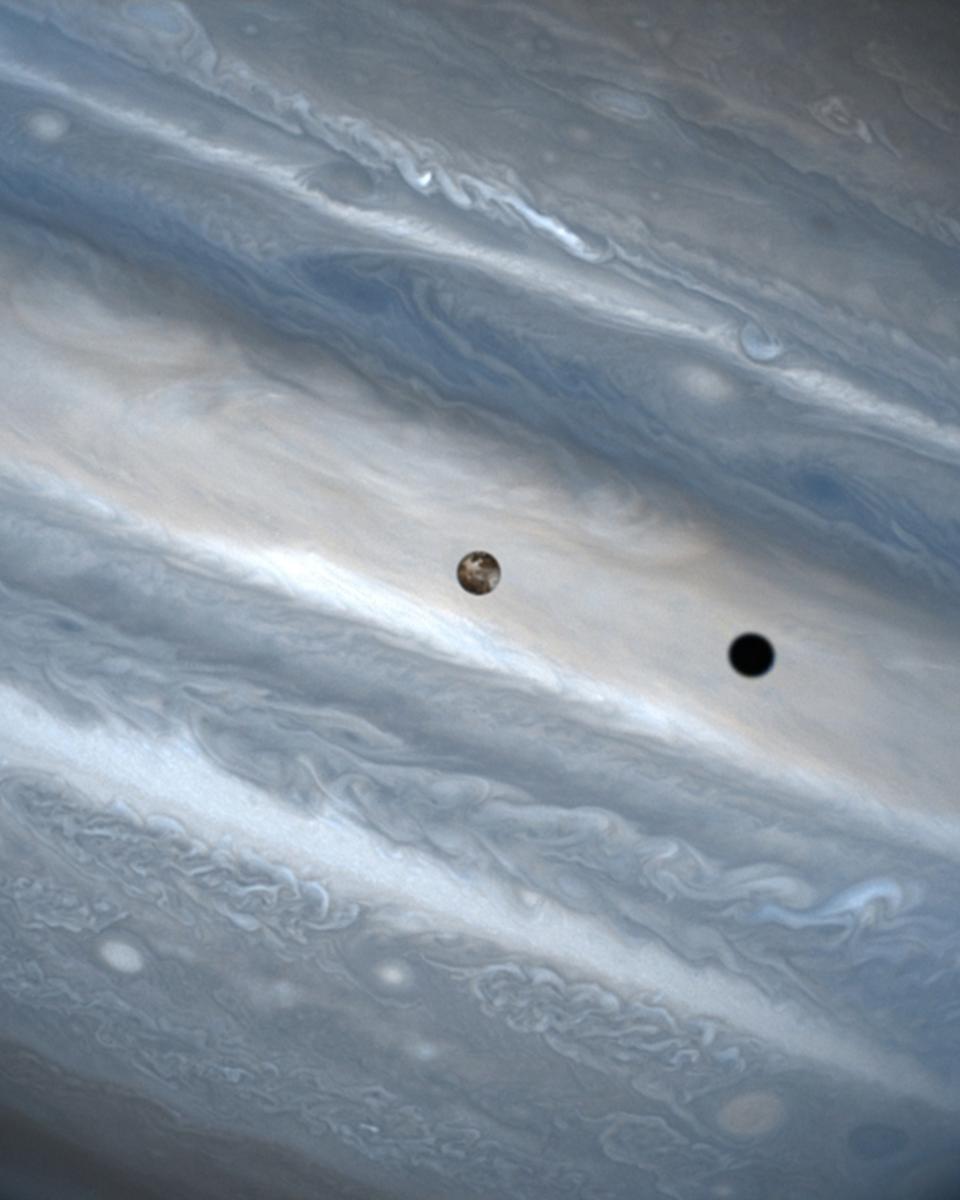
Io Shadow
Orbiting Jupiter once every 43 hours, the volcanic moon Io cruises 500,000 kilometers above swirling, banded cloud-tops. Orbiting Earth once every 1.5 hours, the Hubble Space…
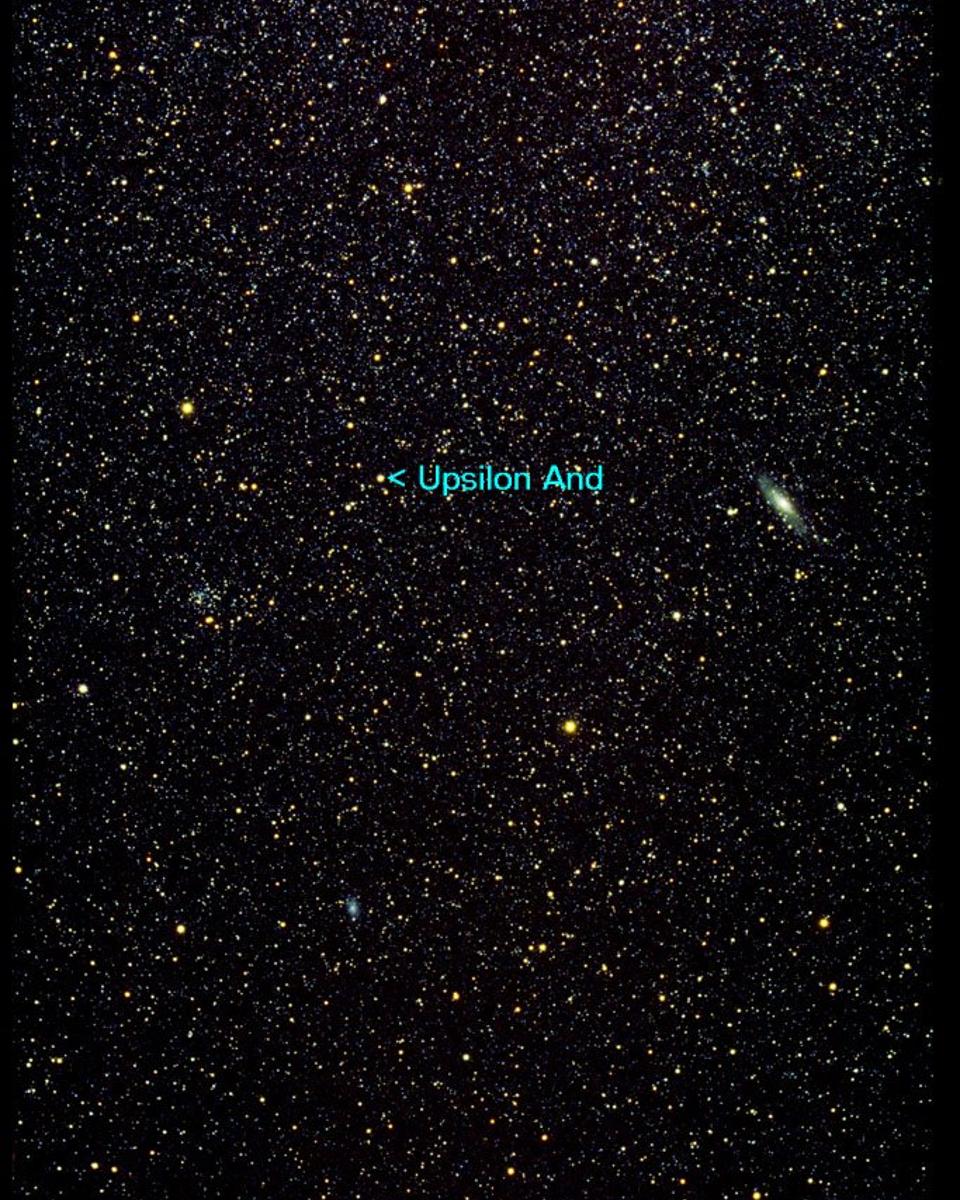
Where is Upsilon Andromedae?
Astronomers recently announced the detection of three large planets orbiting the star Upsilon Andromedae - the first planetary system known to orbit a normal star other than our…
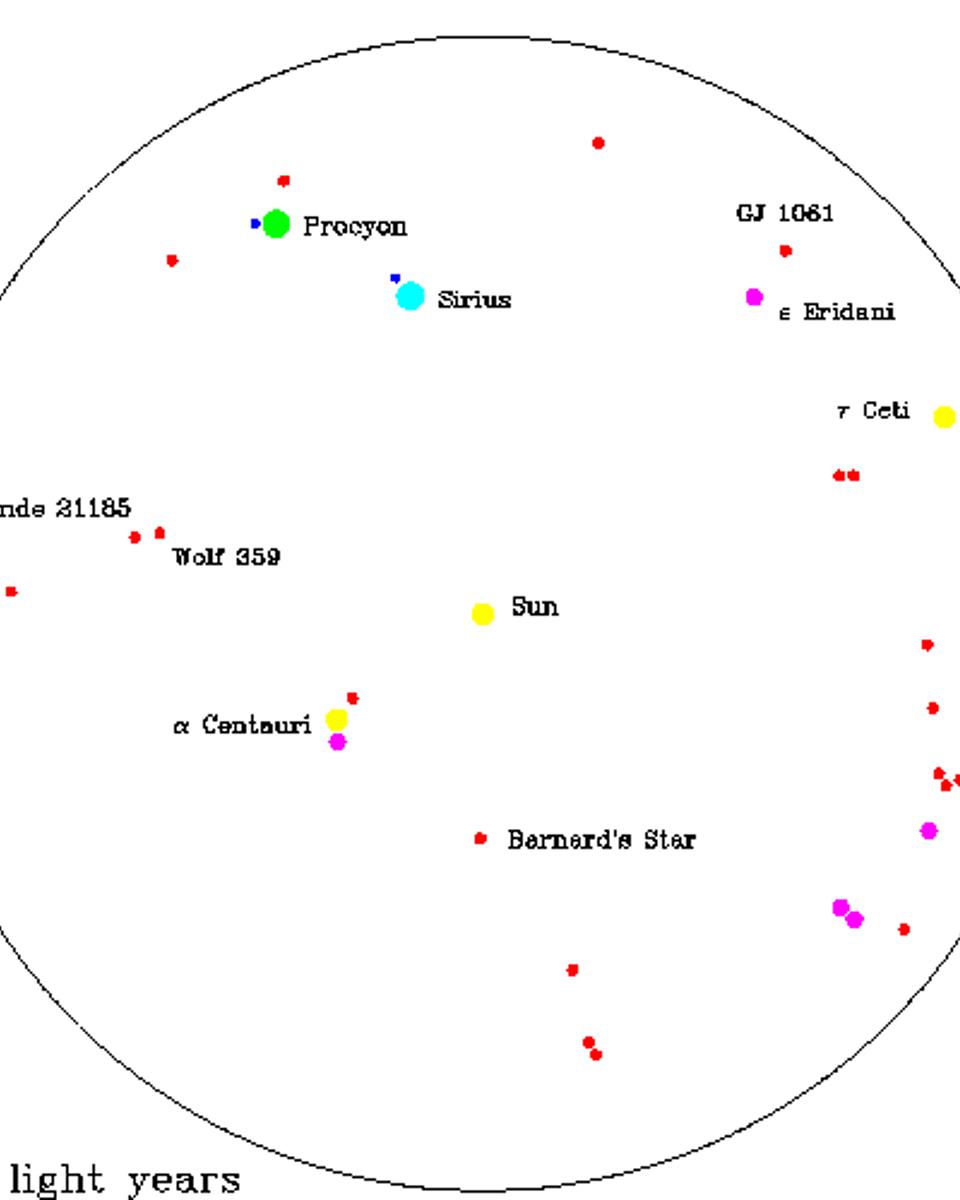
The Nearest Stars
Which stars are closest to the Sun? The closest is Proxima Centauri , one of three stars that orbit each other about 4 light-years away in the Alpha-Centauri system. Alpha…
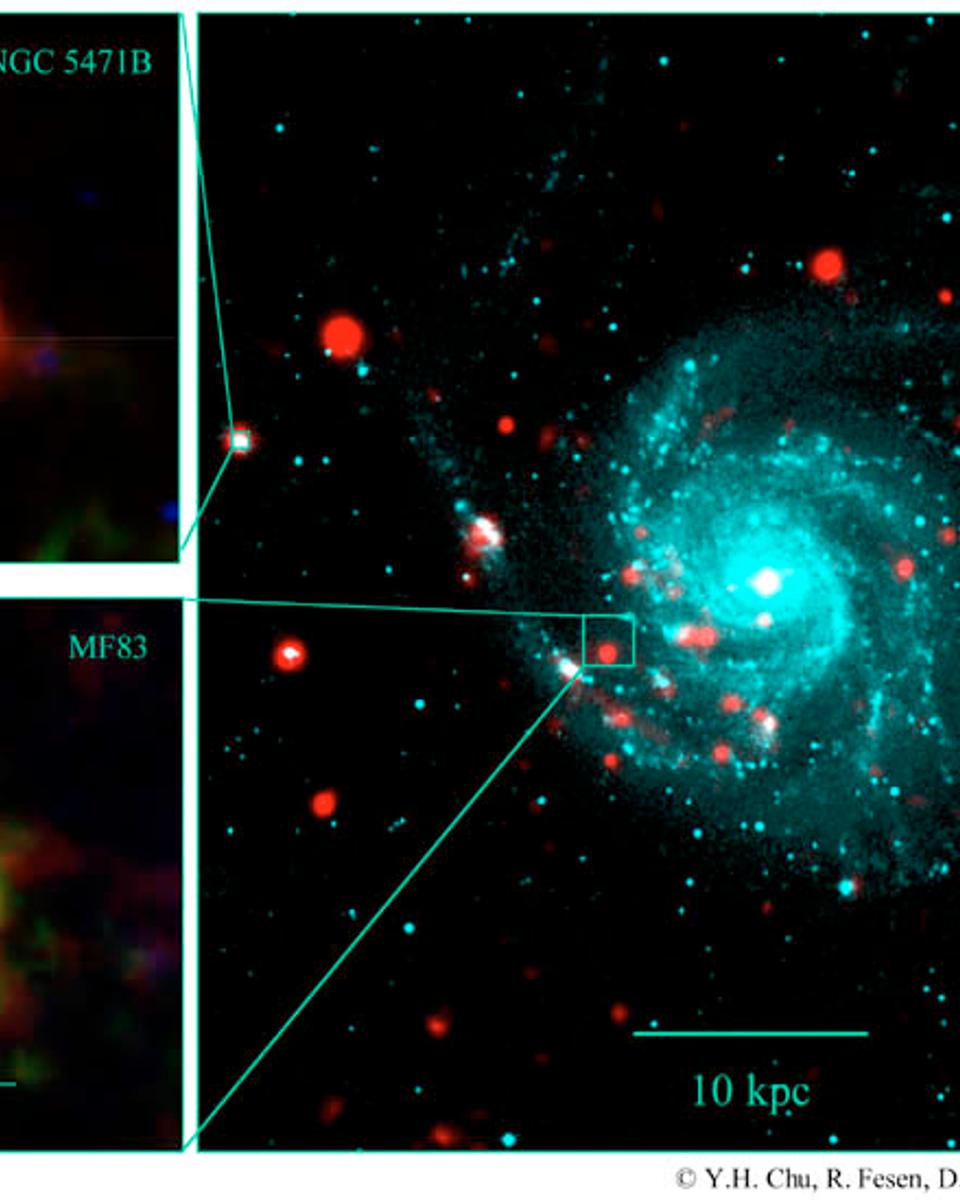
Candidates for a Hypernova
What created these huge explosion remnants? Speculation has been building recently that outbursts even more powerful than well-known supernovae might occur. Dubbed hypernovae ,…
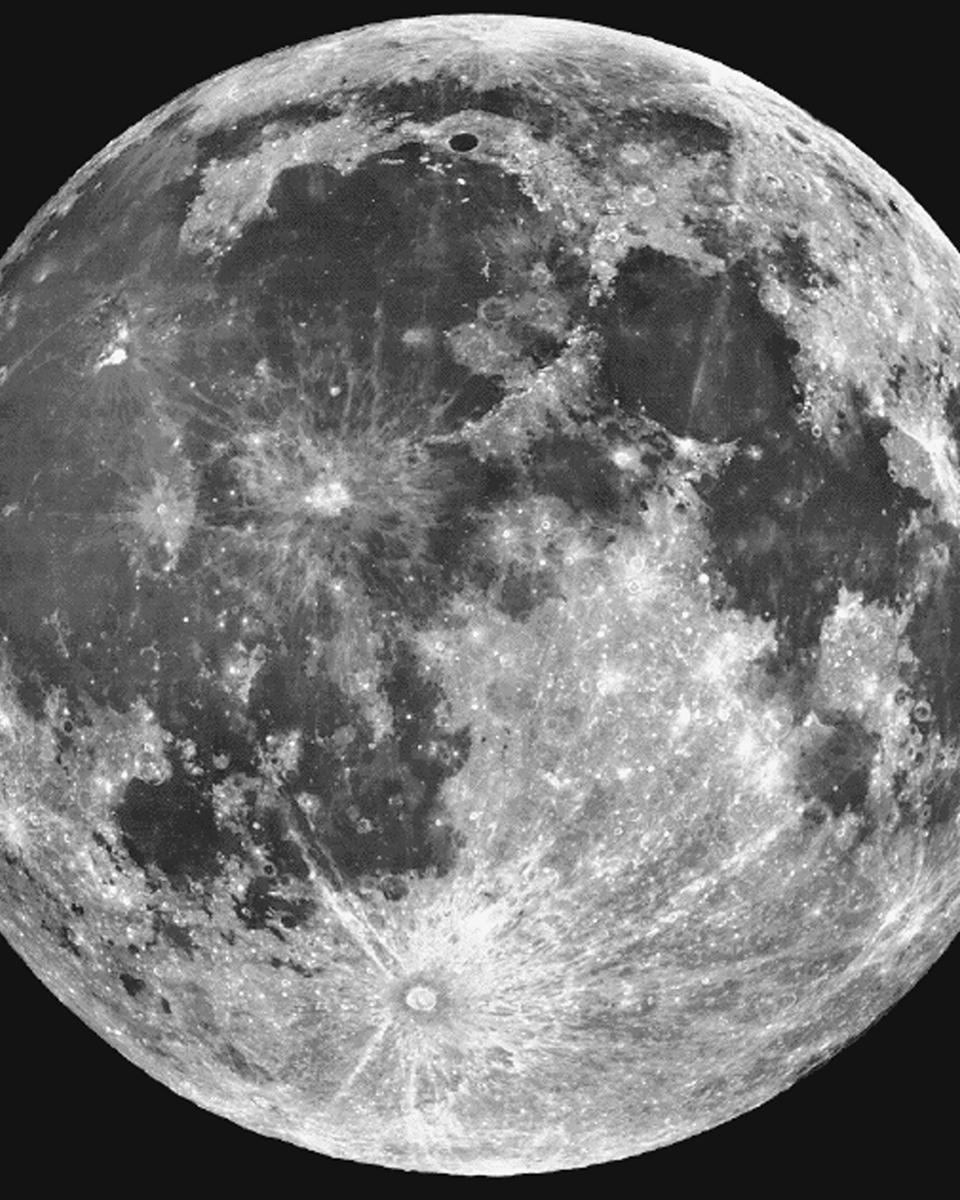
The Full Moon
Earth has one moon. A symbol in famous love songs , movies , poems , and folklore , many myths about the Moon date back to ancient history. In fact, the name Monday originates…
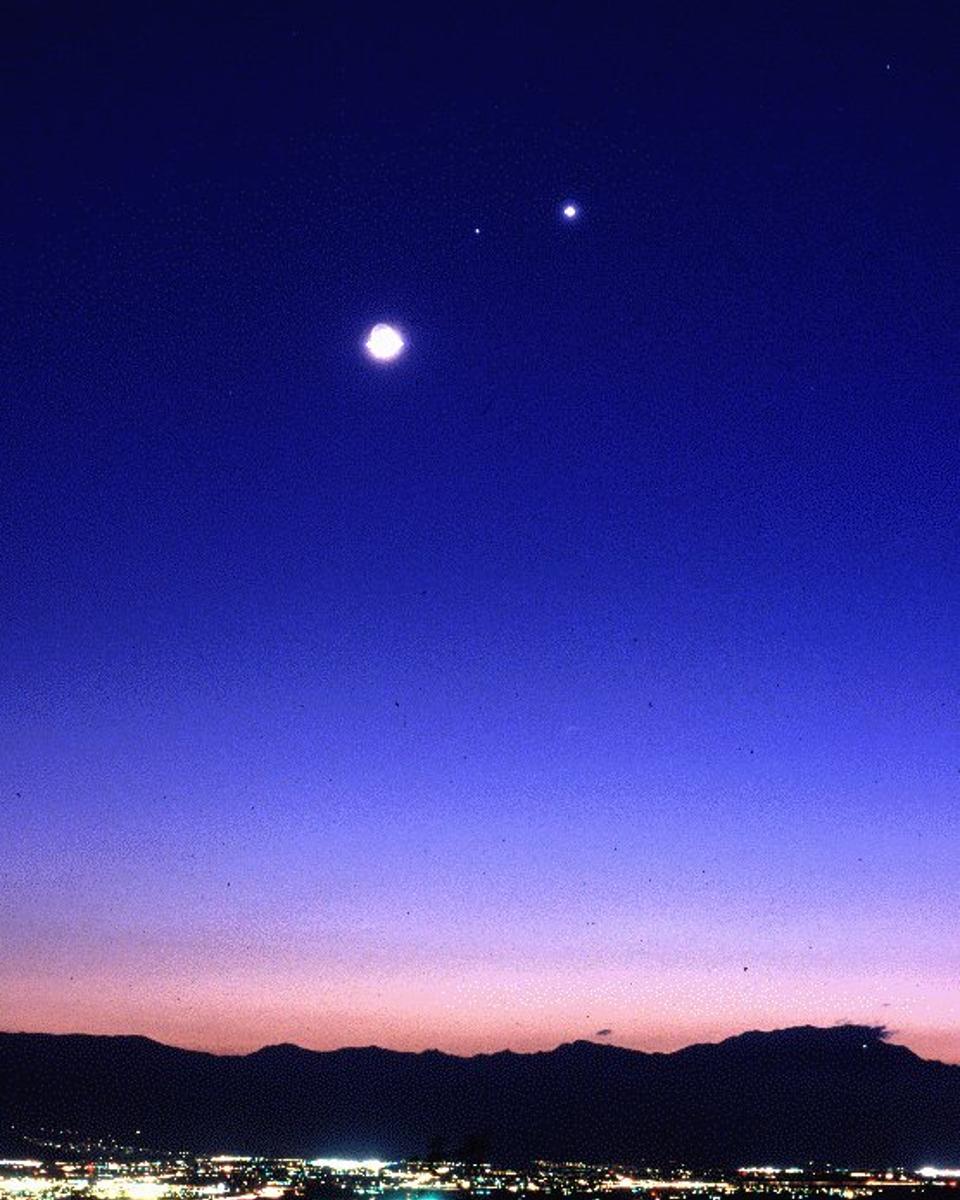
Moon Over California
The Moon, Saturn, and Venus shine above while city lights twinkle below in the deepening twilight of March 19. Taken from outside Indio, California, the photo shows the city…
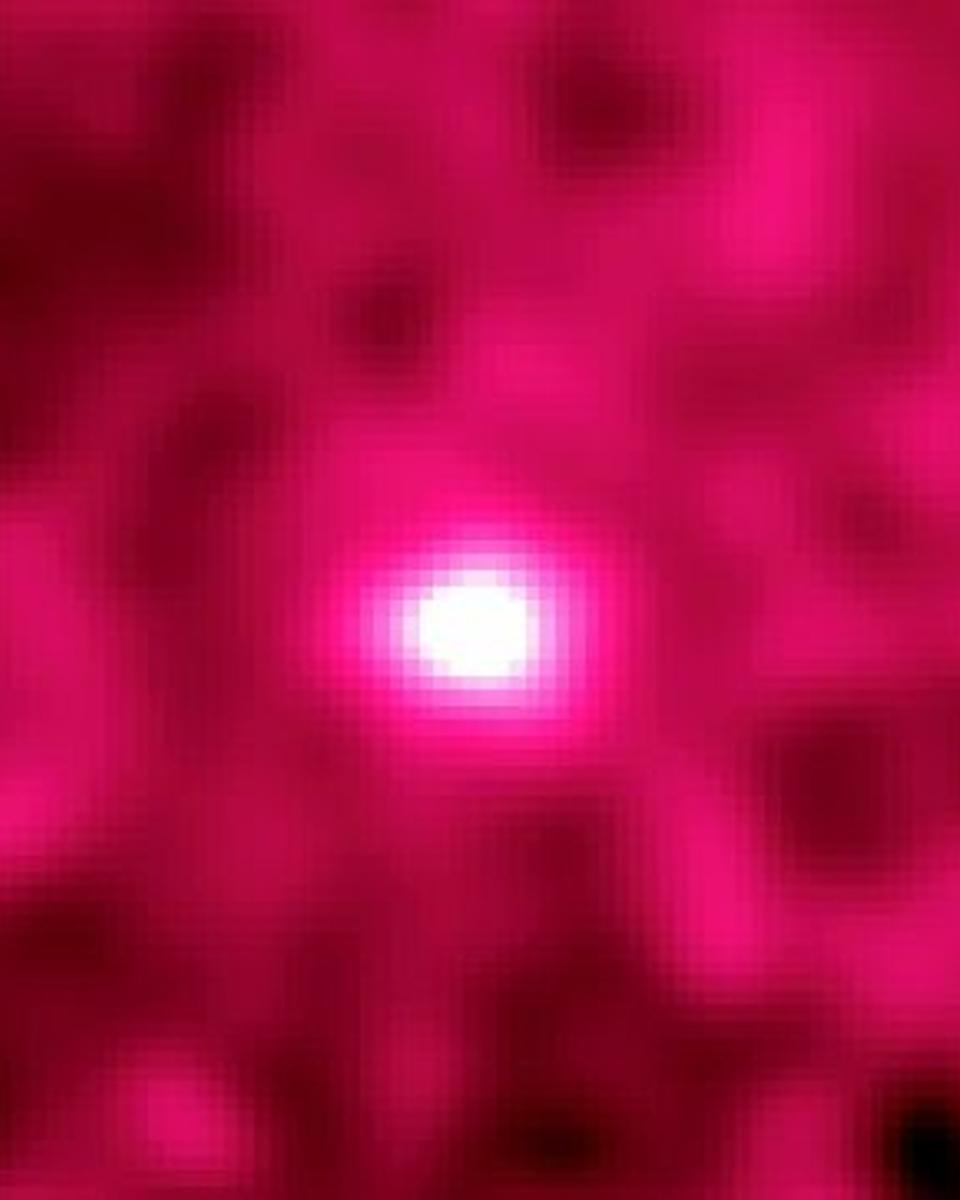
Gamma Ray Moon
What if you could see gamma rays (photons with more than 40 million times the energy of visible light)? If you could, the Moon would appear brighter than the Sun! This startling…
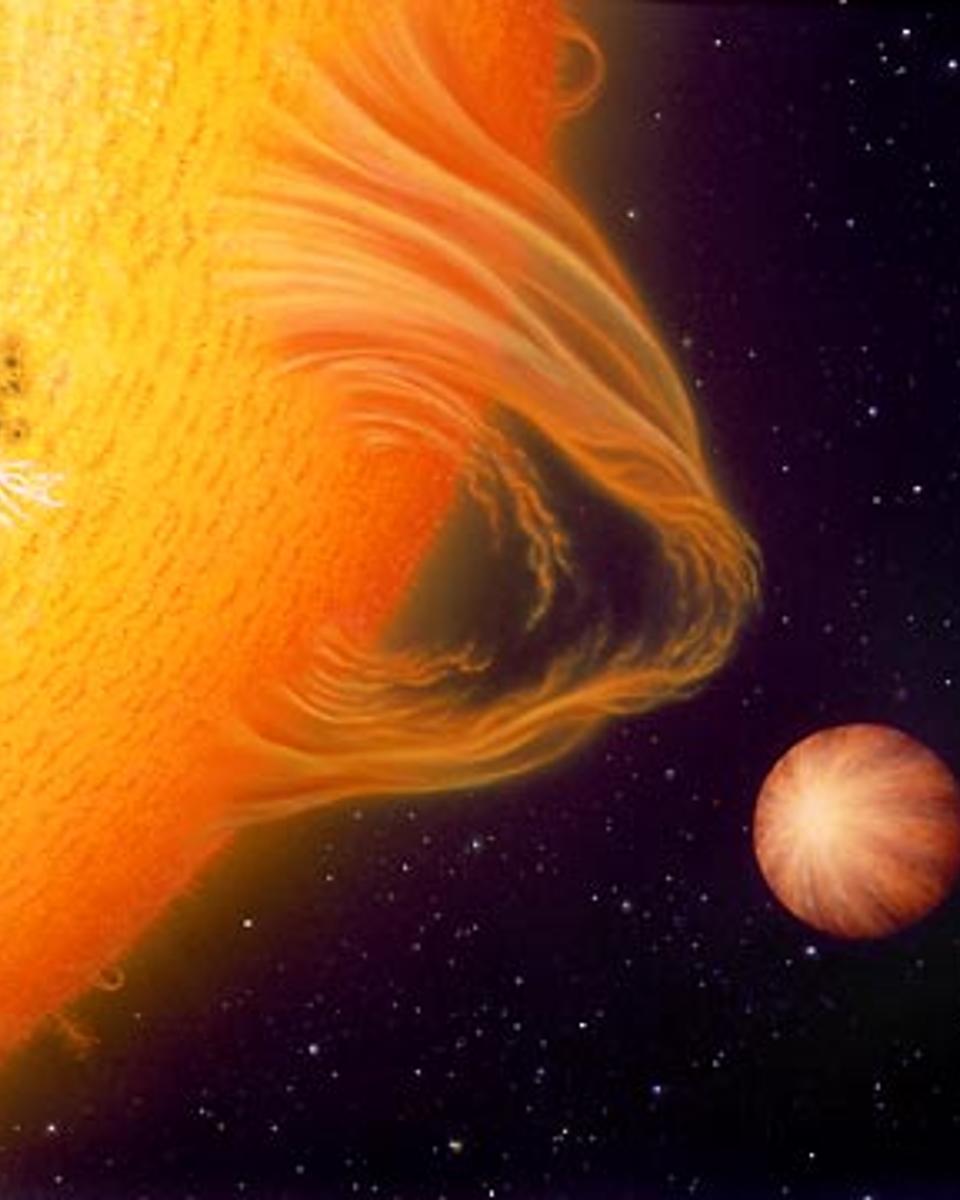
Upsilon Andromedae: An Extra-Solar System
Yesterday, astronomers announced the discovery of the first system of planets around a normal star other than our Sun . Previously, only single planet star systems had been found.…
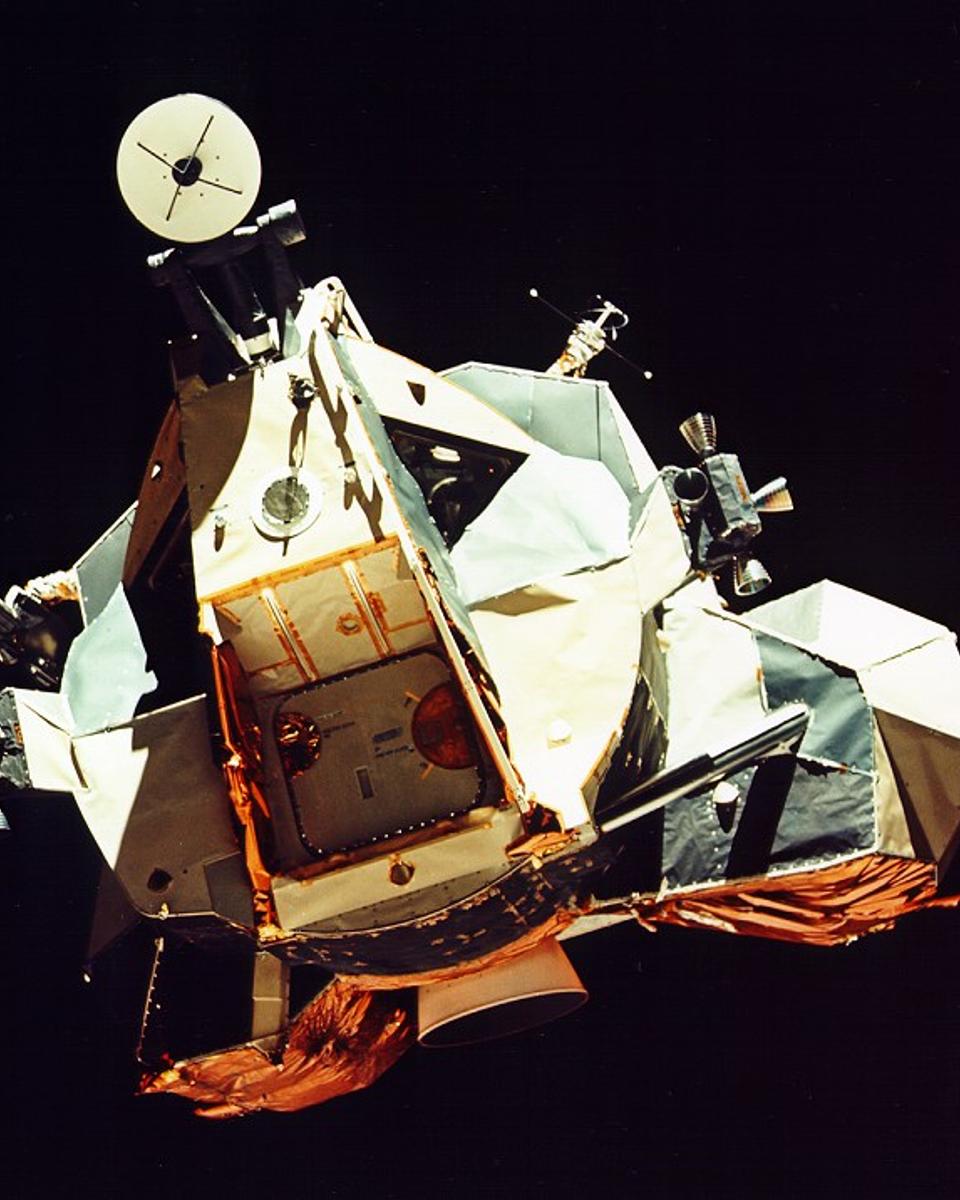
Apollo 17's Moonship
Awkward and angular looking, Apollo 17's lunar module Challenger was designed for flight in the vacuum of space. This sharp picture from the command module America , shows…
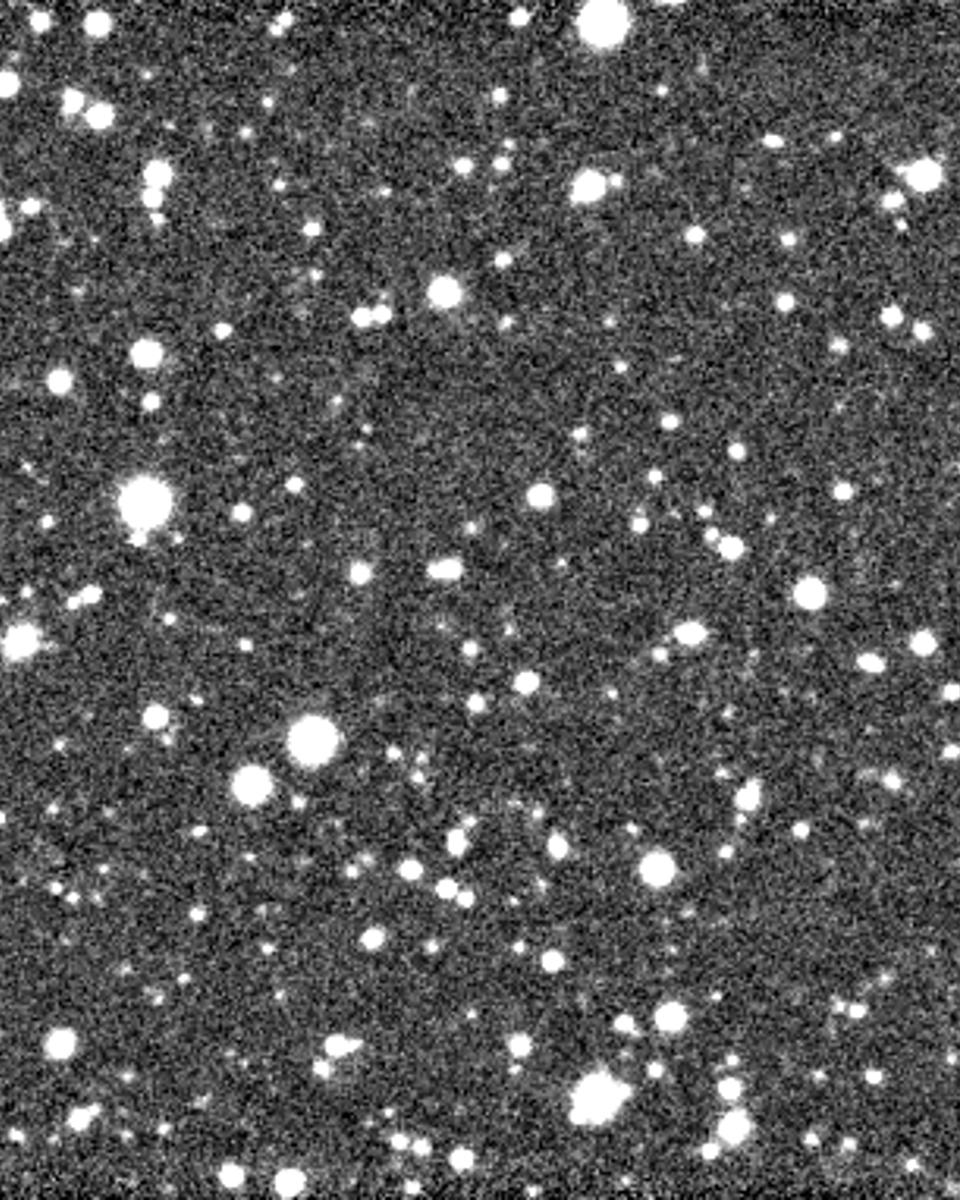
The Backyard Universe
How far can you see from your own backyard? Across the Solar System, even across our Galaxy, these sights are not difficult. Recently, however, amateur Paul Boltwood gazed across…
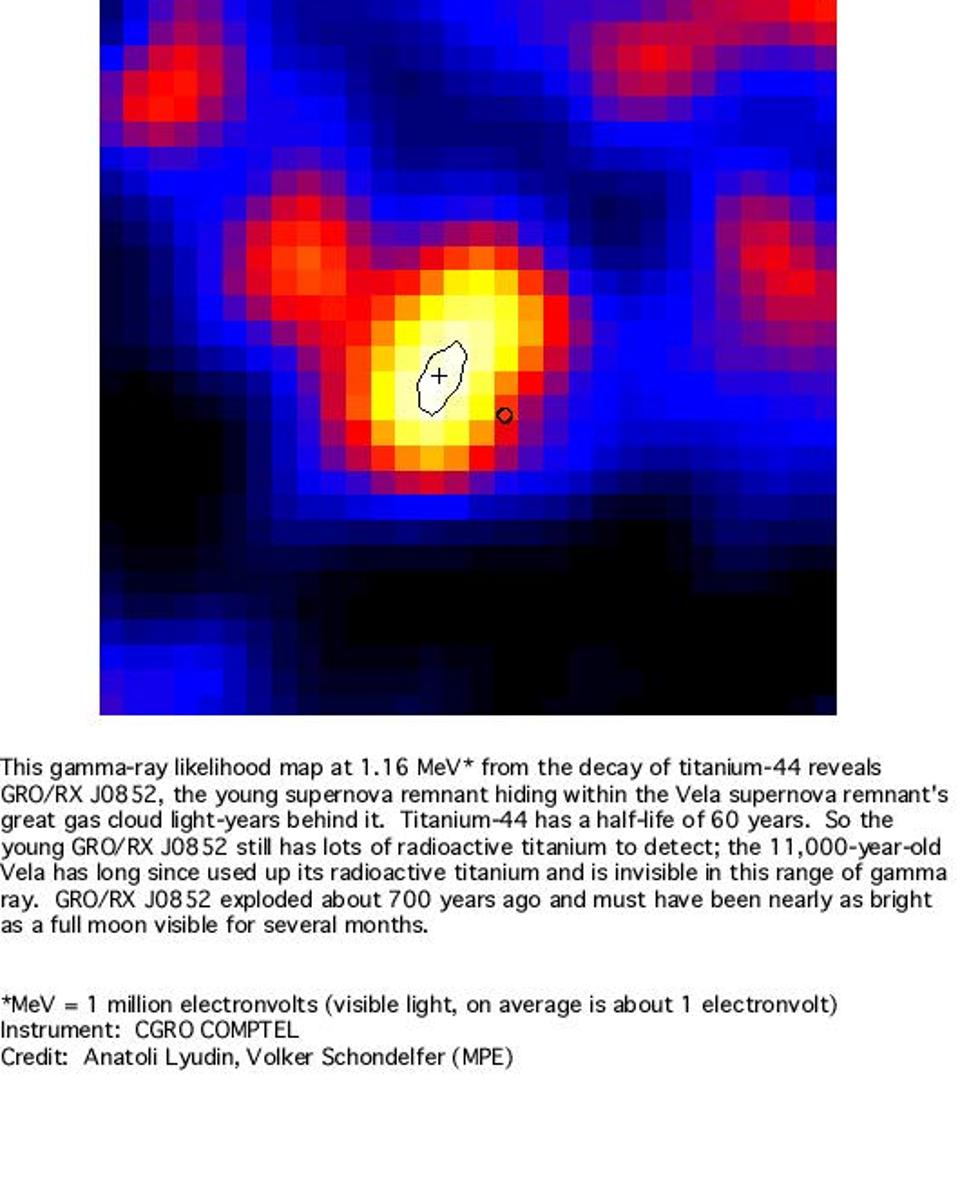
The Case of the Missing Supernova
Would you notice a second Moon in the sky? About 700 years ago, light from a tremendous explosion reached Earth that should have appeared almost as bright as a full Moon. The…
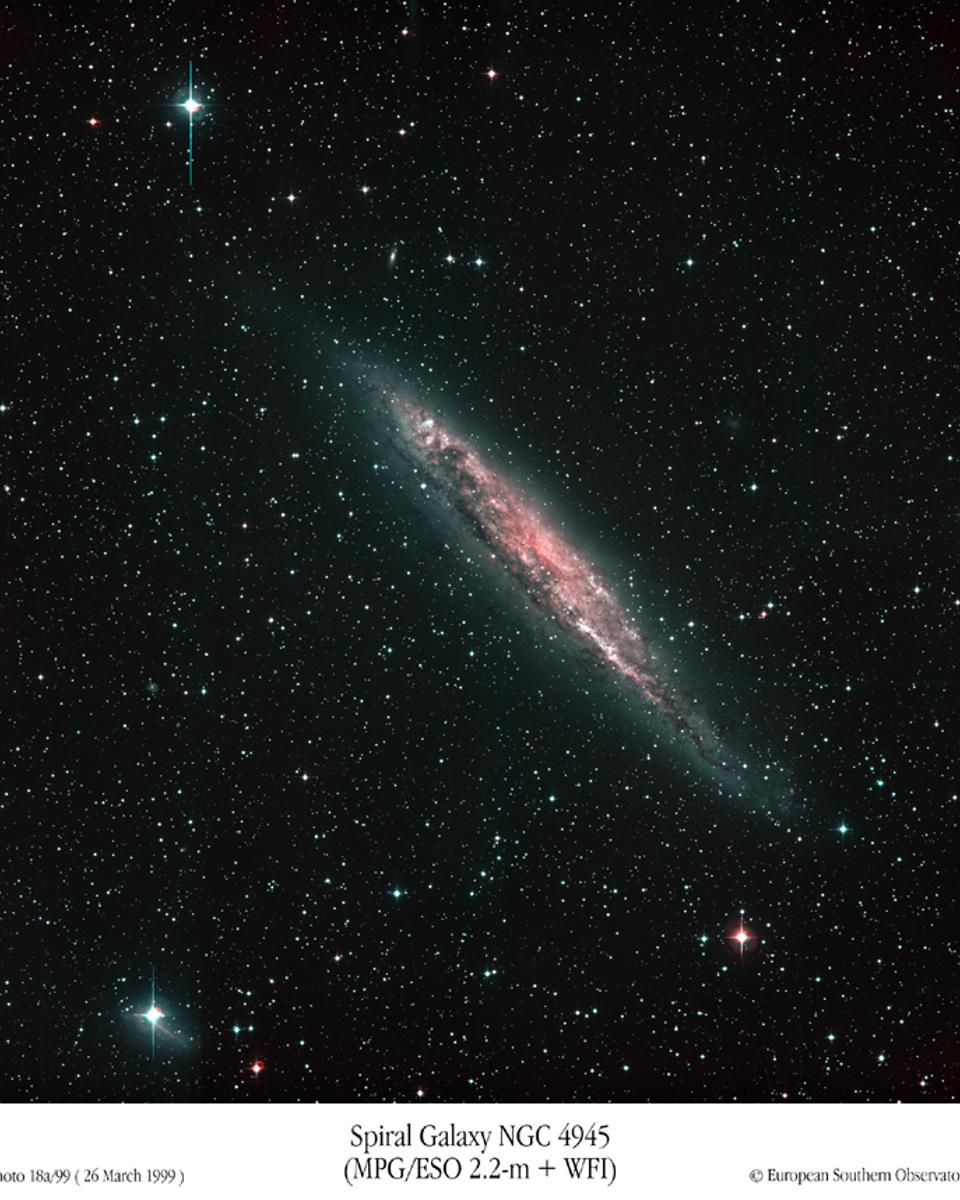
Nearby Spiral Galaxy NGC 4945
For such a close galaxy, NGC 4945 is easy to miss. NGC 4945 is a spiral galaxy in the Centaurus Group of galaxies, located only six times farther away than the prominent Andromeda…
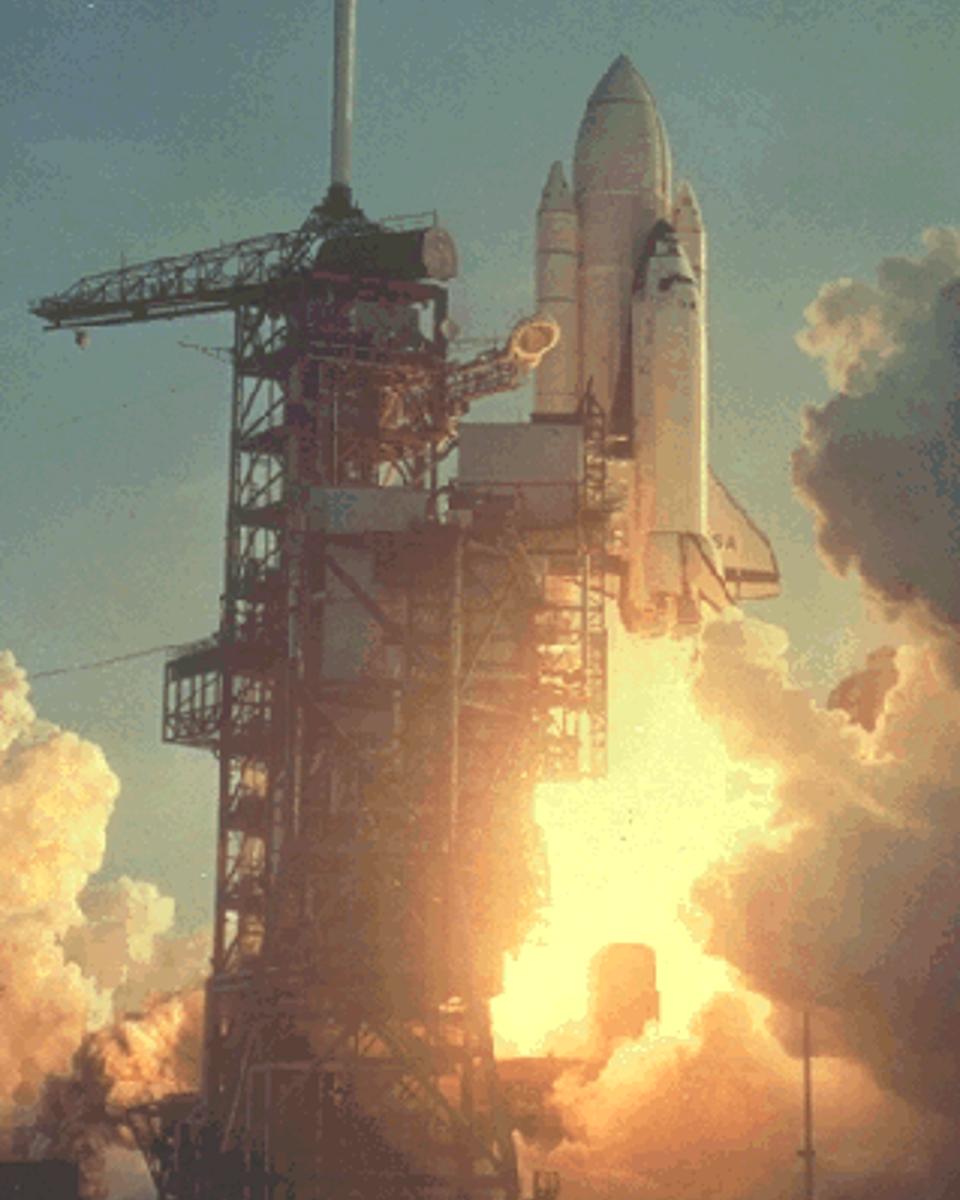
Liftoff of Space Shuttle Columbia
On April 12, 1981, space flight entered a new era with the first launch of Space Shuttle Columbia . NASA's Space Shuttles land like a normal airplane, carry a heavy cargo, carry a…
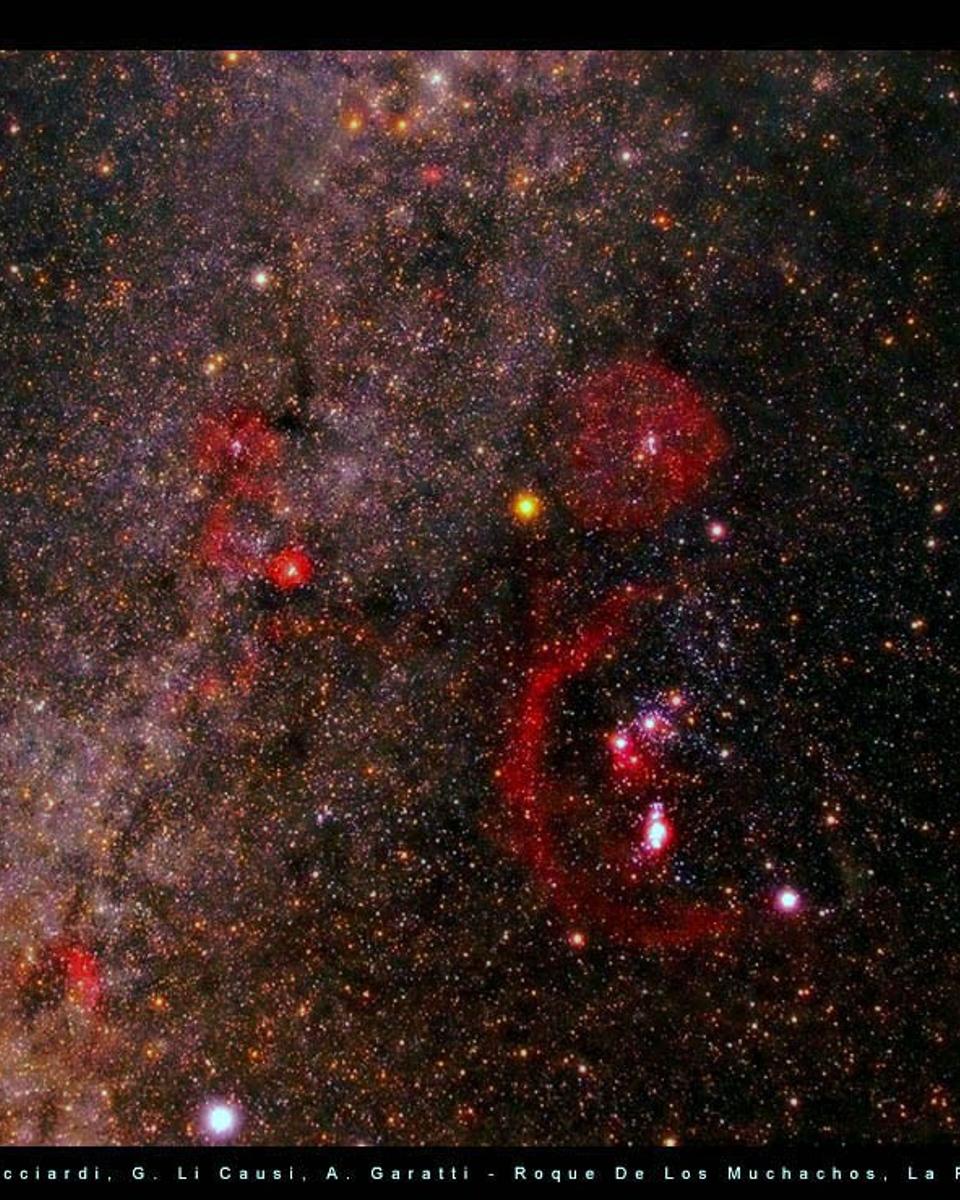
Canaries Sky
This gorgeous view of stars, nebulae, and the Milky Way comes from the dark night sky above the lovely island of La Palma in the Canaries archipelago . The picture was made by a…
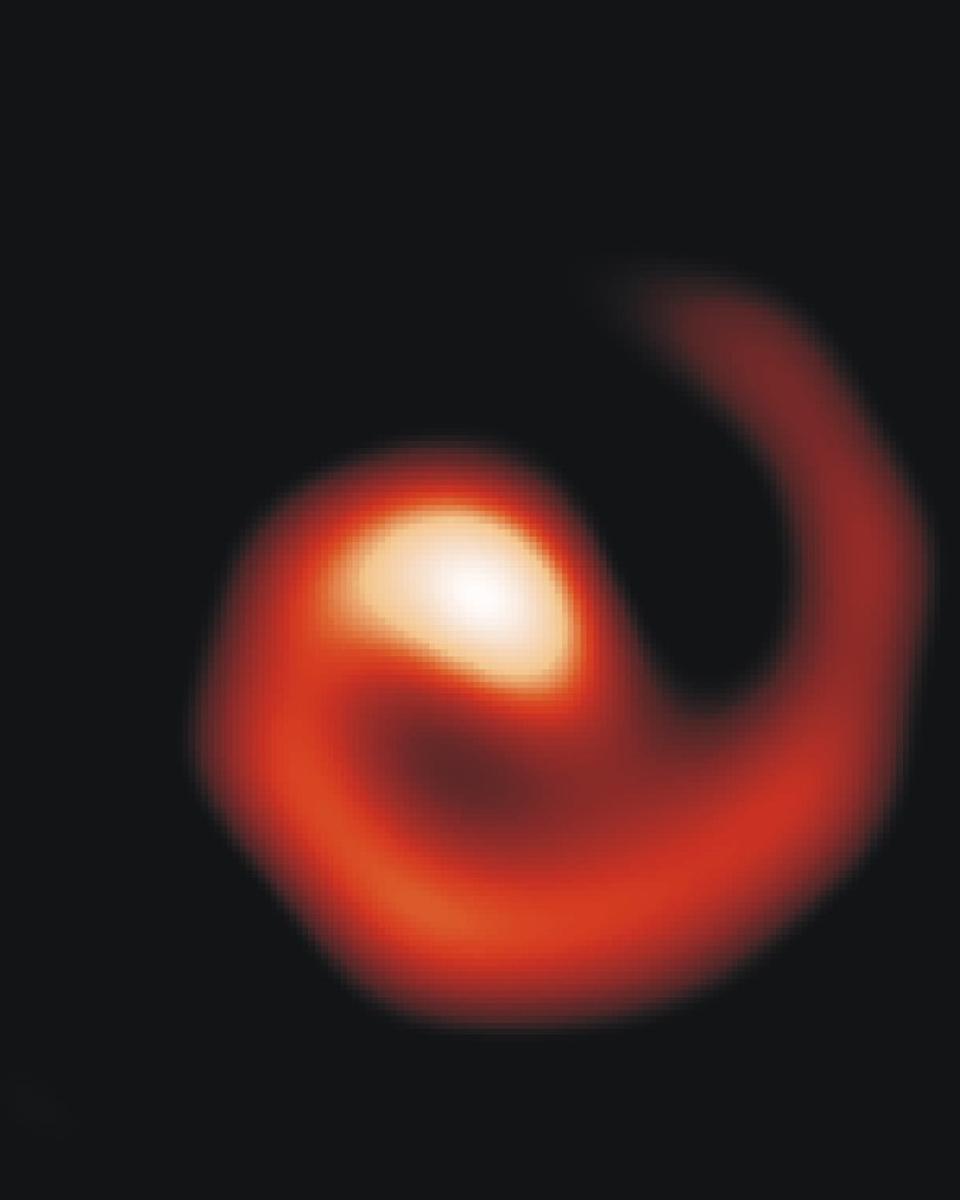
WR 104: Pinwheel Star
Like a cosmic lawn sprinkler, dust streaming from a rotating star system creates a pinwheel pattern in this false color infrared image . Astronomers discovered the surprising star…
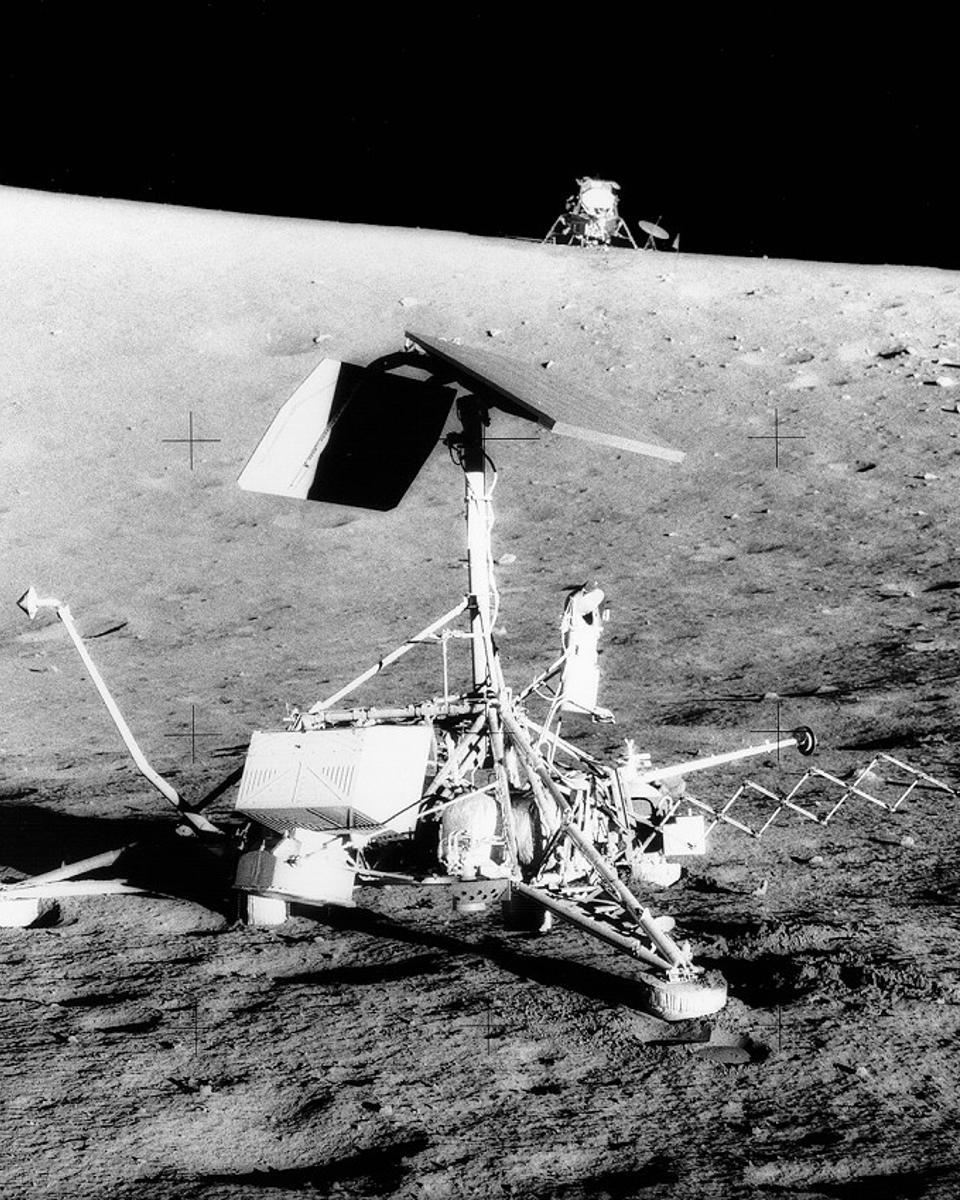
Apollo 12: Surveyor 3 and Intrepid
On April 20, 1967, NASA's robot spacecraft Surveyor 3 landed on the moon, touching down on the inside slope of a small lunar crater in the Ocean of Storms. Over 2 1/2 years later,…
Viewing discoveries from 1 May 1999 through 8 April 1999.