Browse NASA Astronomy Picture of the Day archive by date and media: Archive Discoveries
Browse the NASA APOD archive without needing the exact date first. Filter by media type and keep moving deeper into older images and videos.
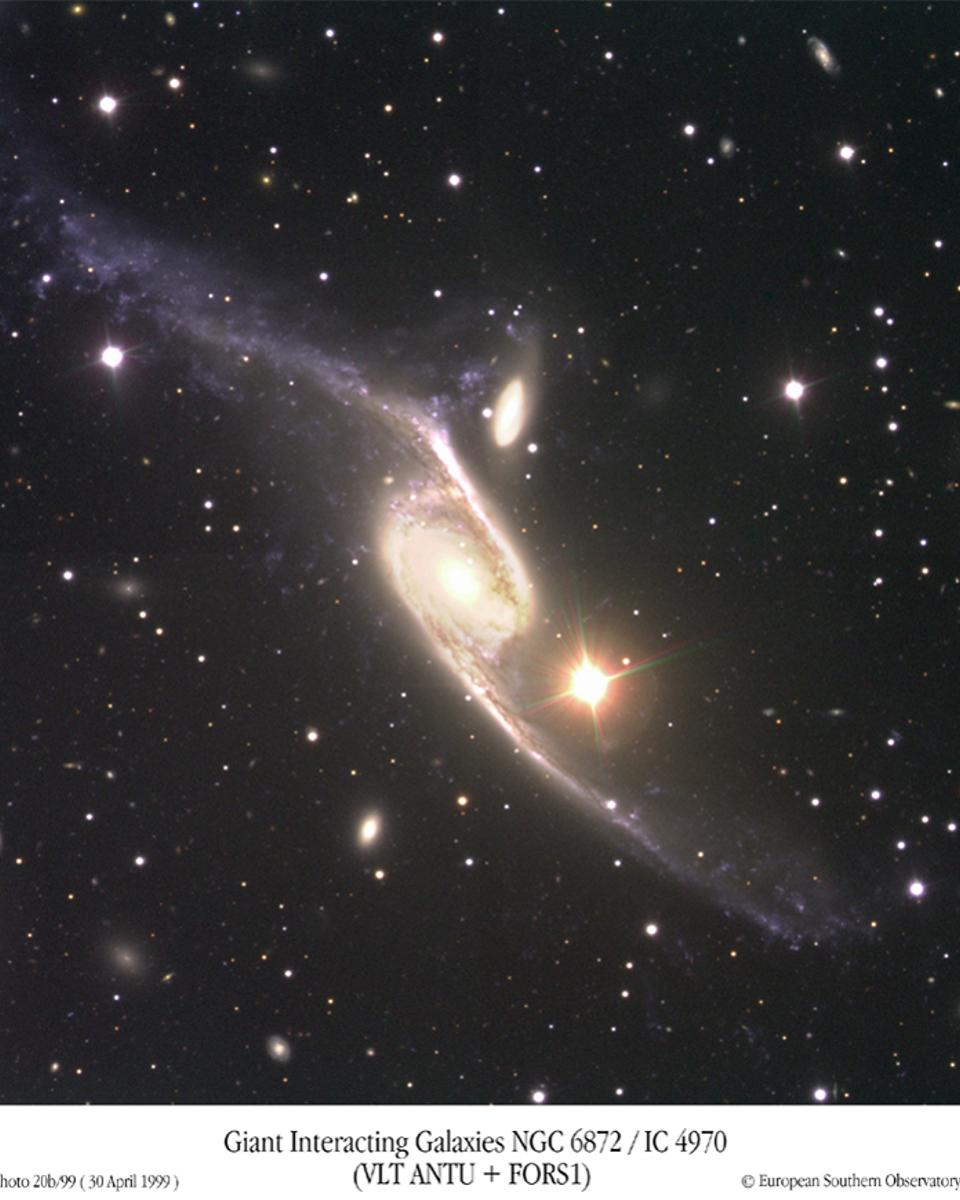
NGC 6872: A Stretched Spiral
What makes NGC 6872 so long? Measuring over 700,000 light years across from top to bottom, NGC 6872 is one of the largest barred spiral galaxies known. The galaxy's elongated…
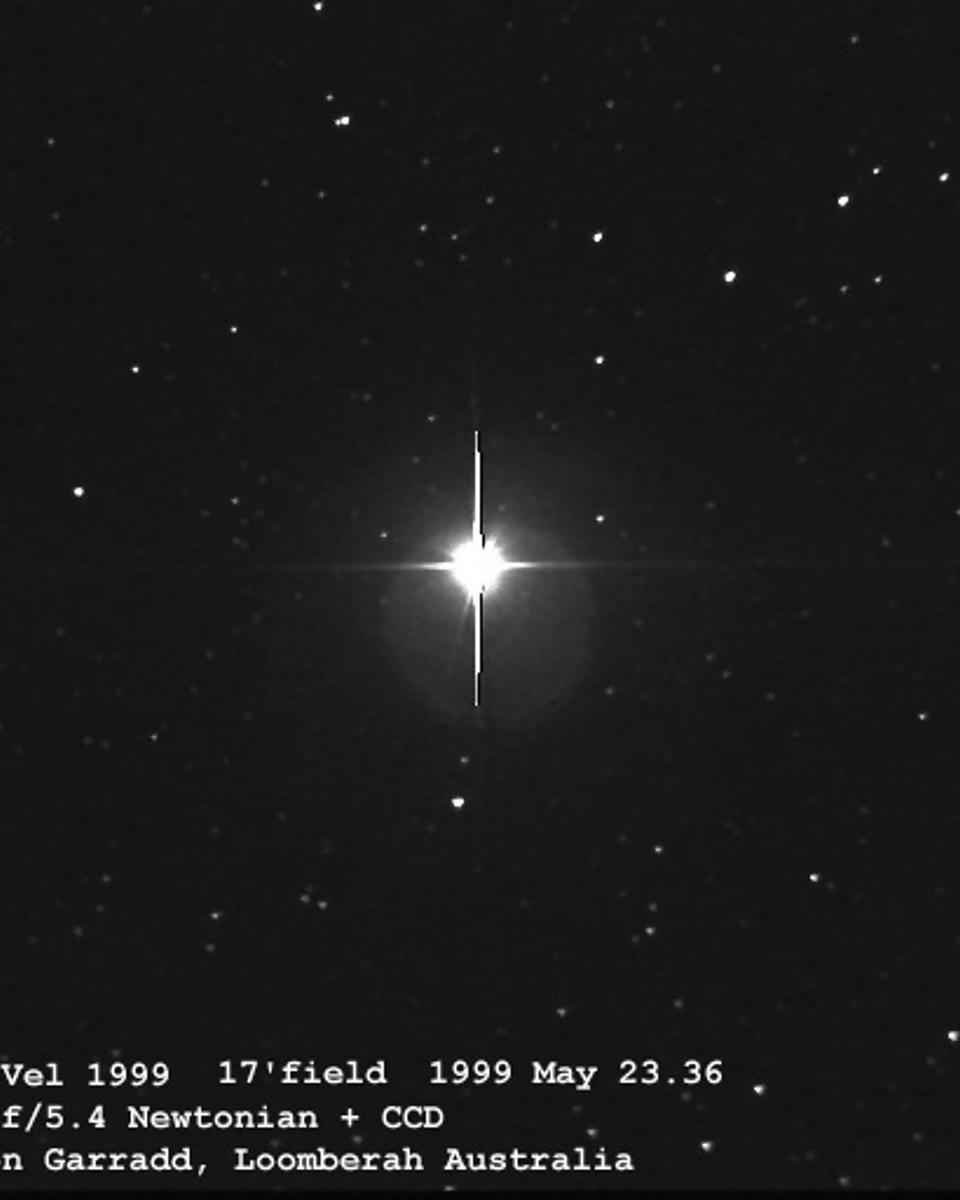
Introducing Nova Velorum 1999
A bright nova was discovered Saturday that is currently visible to the unaided eye in southern skies. Nova Velorum 1999 was recorded near visual magnitude 3 independently by…
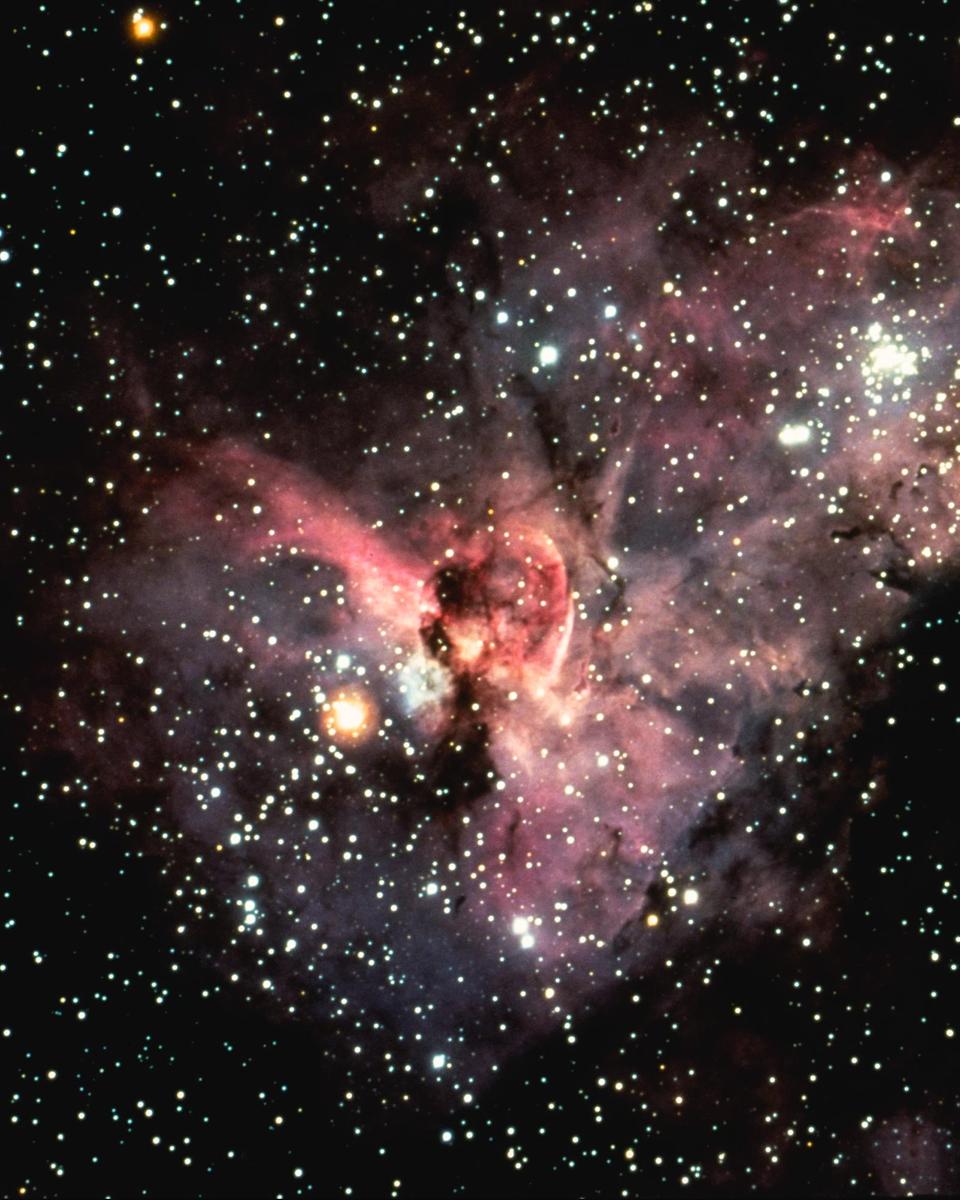
The Keyhole Nebula
The dark dusty Keyhole Nebula gets its name from its unusual shape. Officially designated NGC 3324, the Keyhole Nebula is a smaller region superposed on the larger Eta Carina…
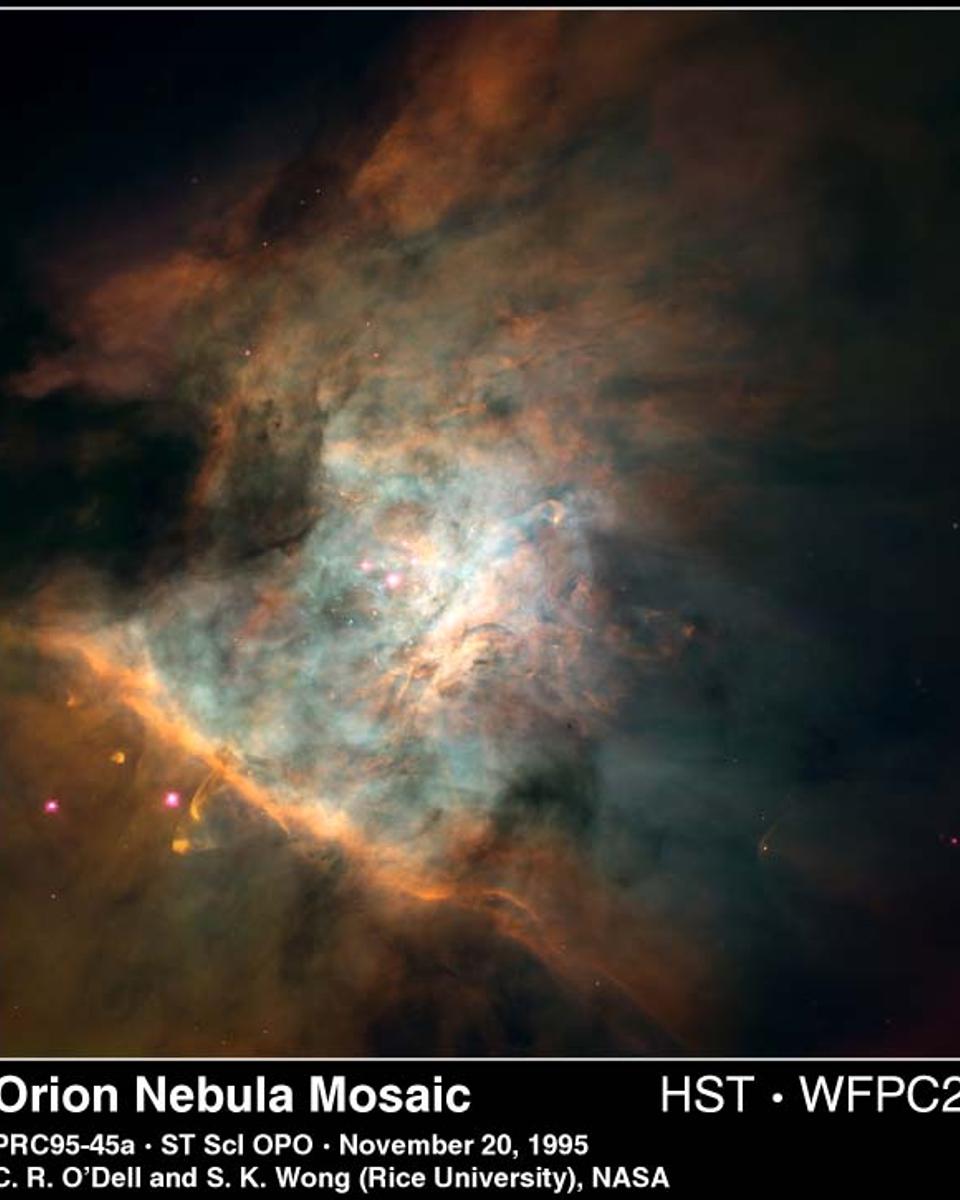
M42: A Mosaic of Orion's Great Nebula
The Great Nebula in Orion , an immense, nearby starbirth region, is probably the most famous of all astronomical nebulae. Here, 15 pictures from the Hubble Space Telescope have…
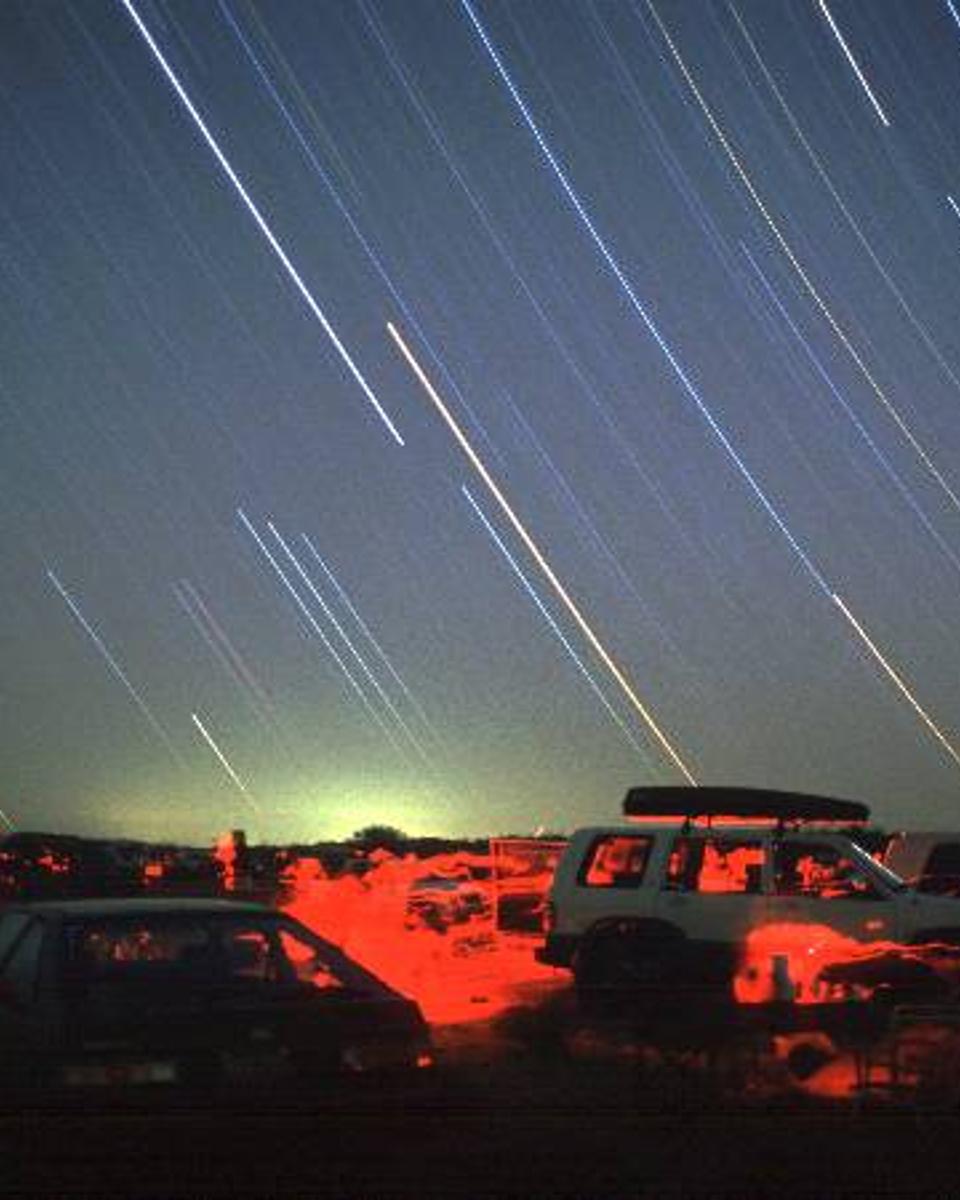
Star Party Trails
Stargazing is fun! If you'd like to try it, this weekend may be your chance as many astronomy clubs and organizations will be hosting public celebrations of Astronomy Day on…
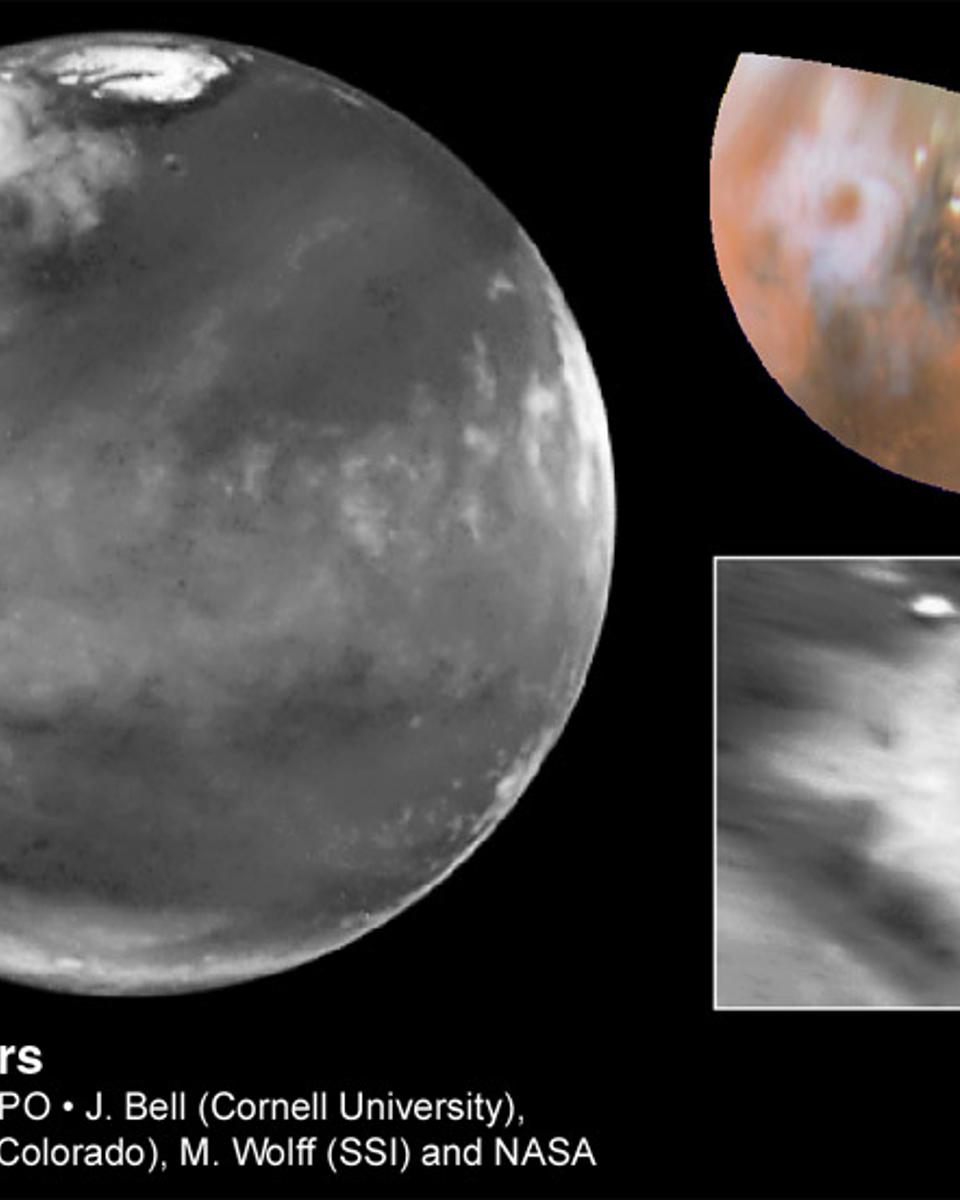
Cyclone on Mars
Late last month a team of Mars-watching astronomers sighted an immense cyclonic storm system raging near the Red Planet's north pole. Their discovery picture , made with the…
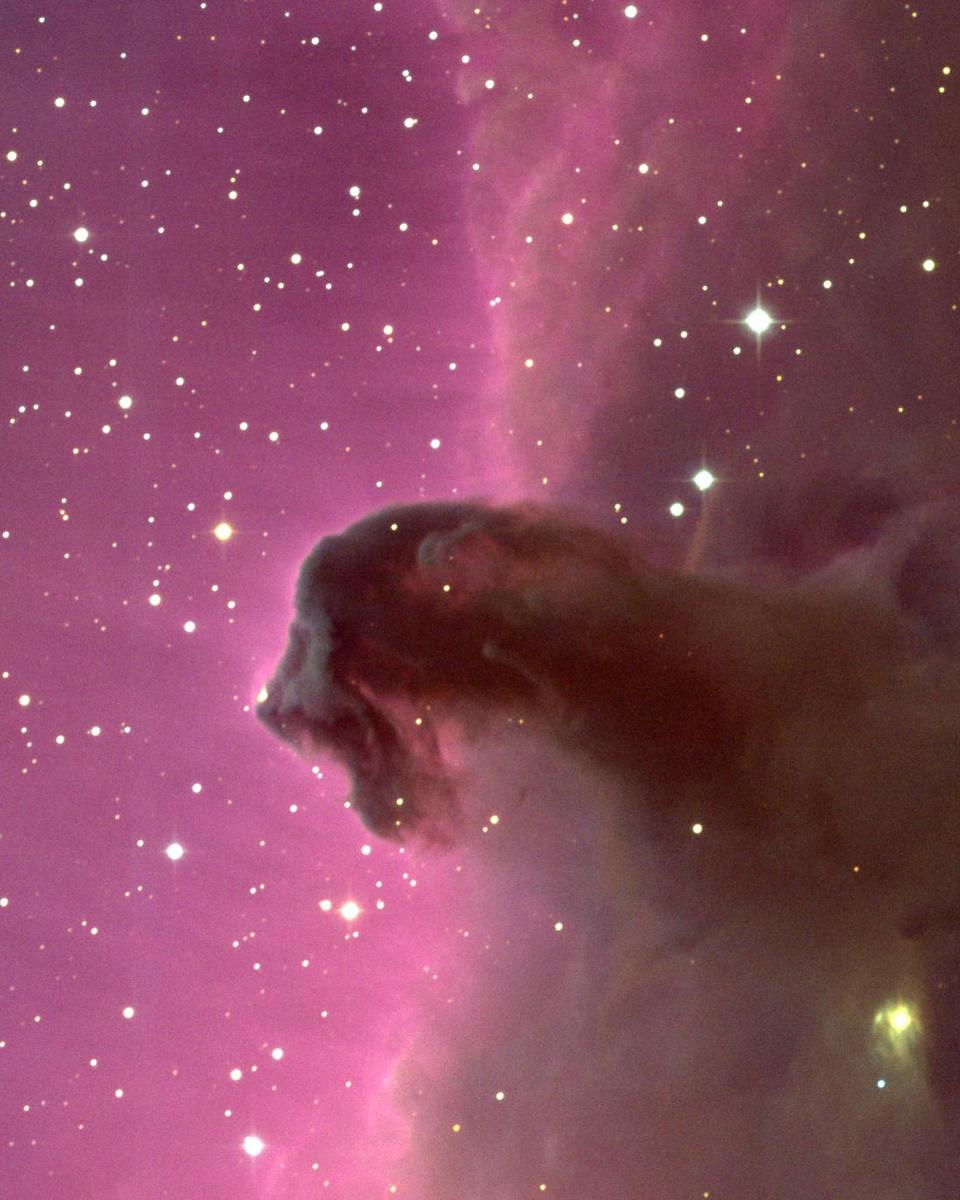
The Horsehead Nebula
One of the most identifiable nebulae in the sky, the Horsehead Nebula in Orion , is part of a large, dark, molecular cloud . Also known as Barnard 33, the unusual shape was first…
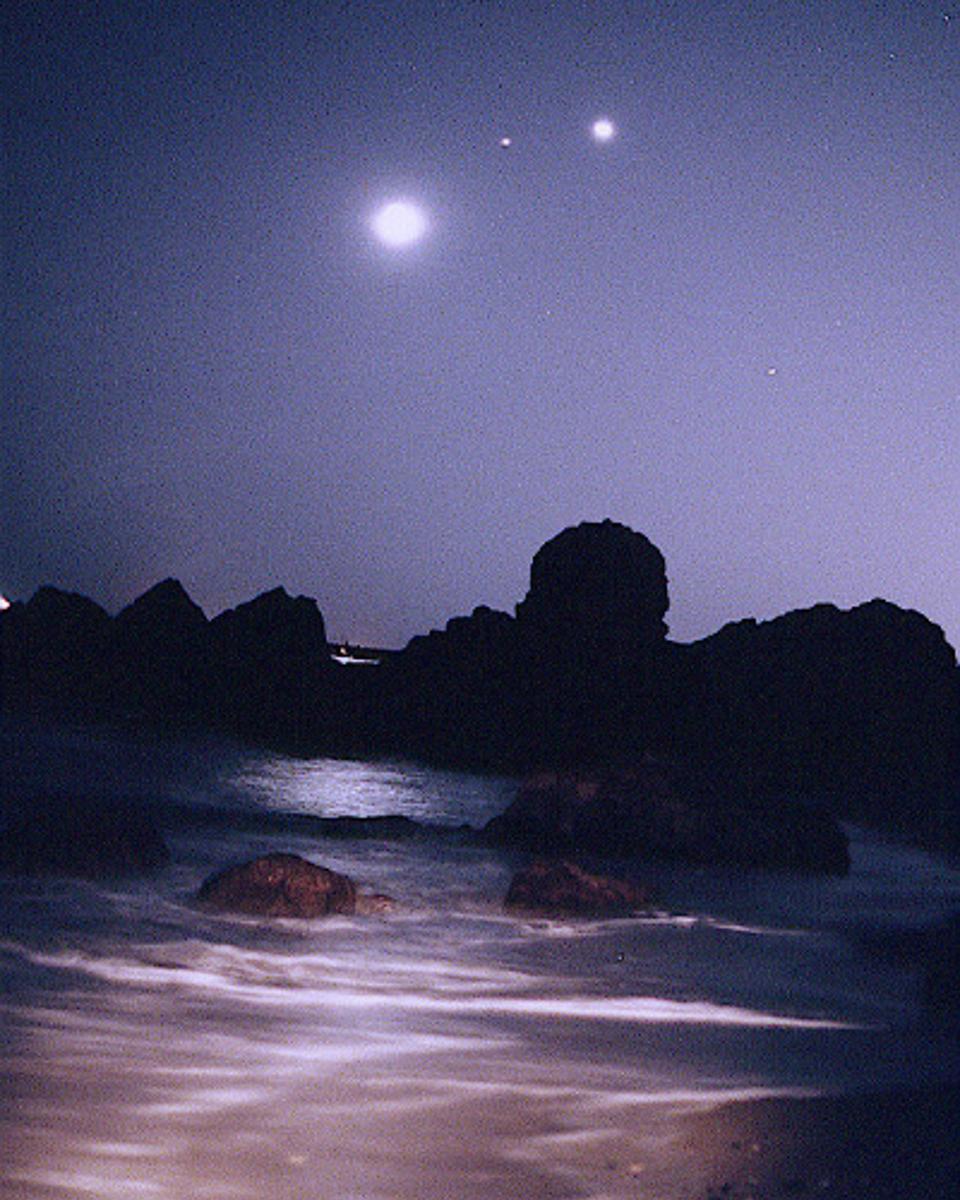
A Laguna Triangle
High above Laguna Beach last month hung bright celestial orbs. Visible after the California sunset were, from left to right, the Moon , Saturn , and Venus . Tonight and for the…
How to Search for Aliens
“Mom, can I use our computer to search for aliens?” Last week, the SETI@home project released free software that enables many home computers to search for signals from intelligent…
Europe at Night
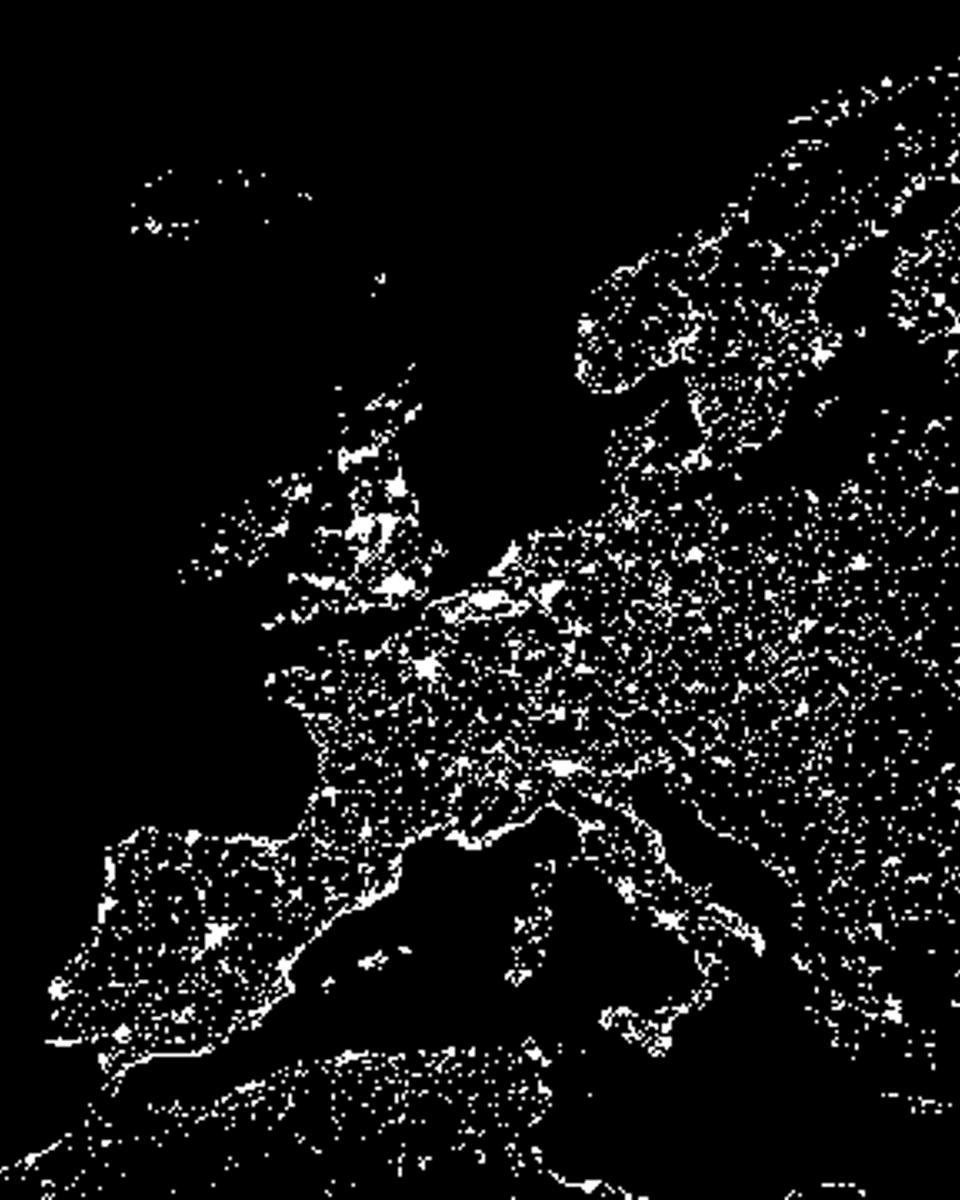
This is what Europe looks like at night! Can you find your favorite European city? Although not all of Europe is shown, city lights might make this task possible. The above…
Star Wars in NGC 664
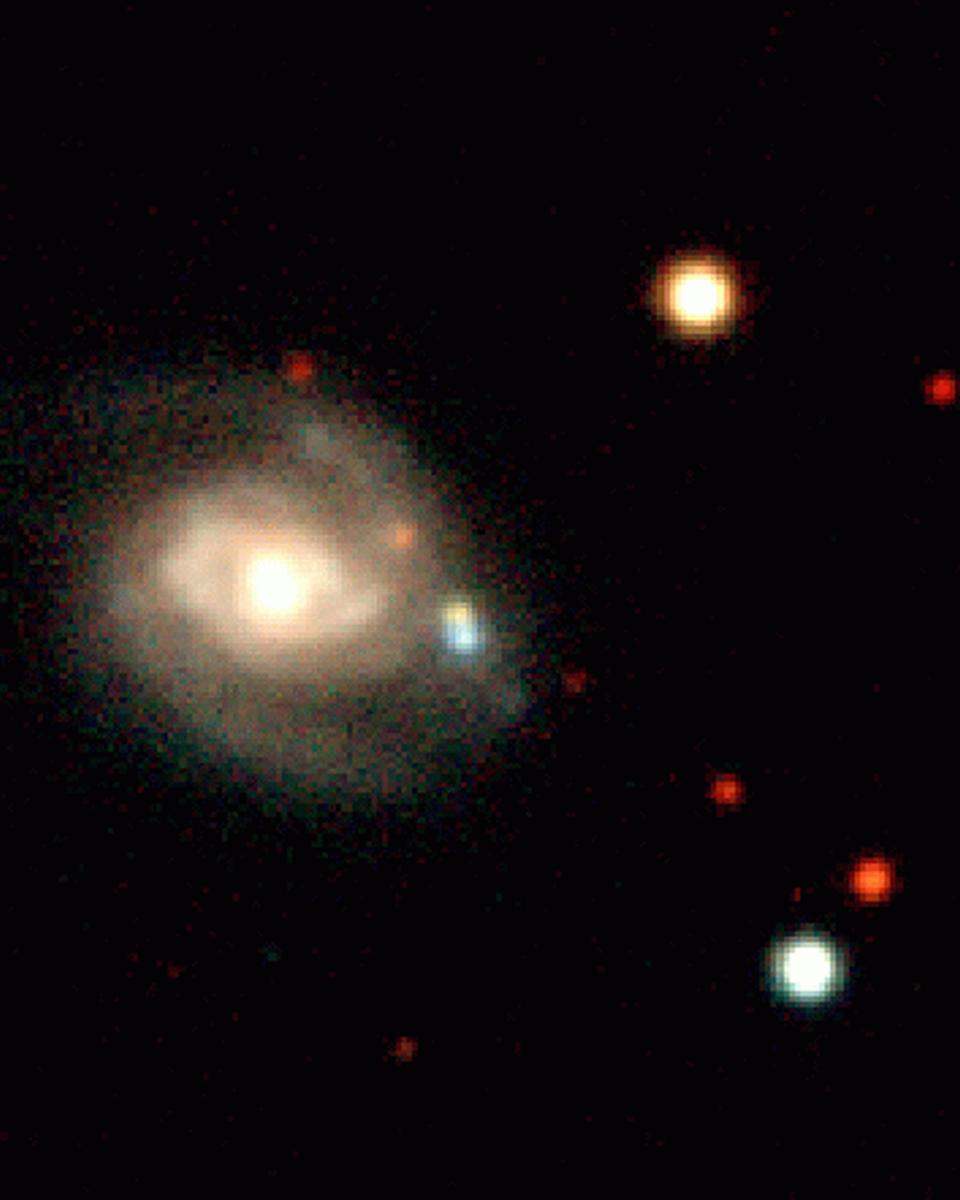
Long ago in a galaxy far, far away, locked in their final desperate struggle against the force of gravity ... two stars exploded! stellar explosions - Supernovae - are among the…
Landsat 7 Views Planet Earth
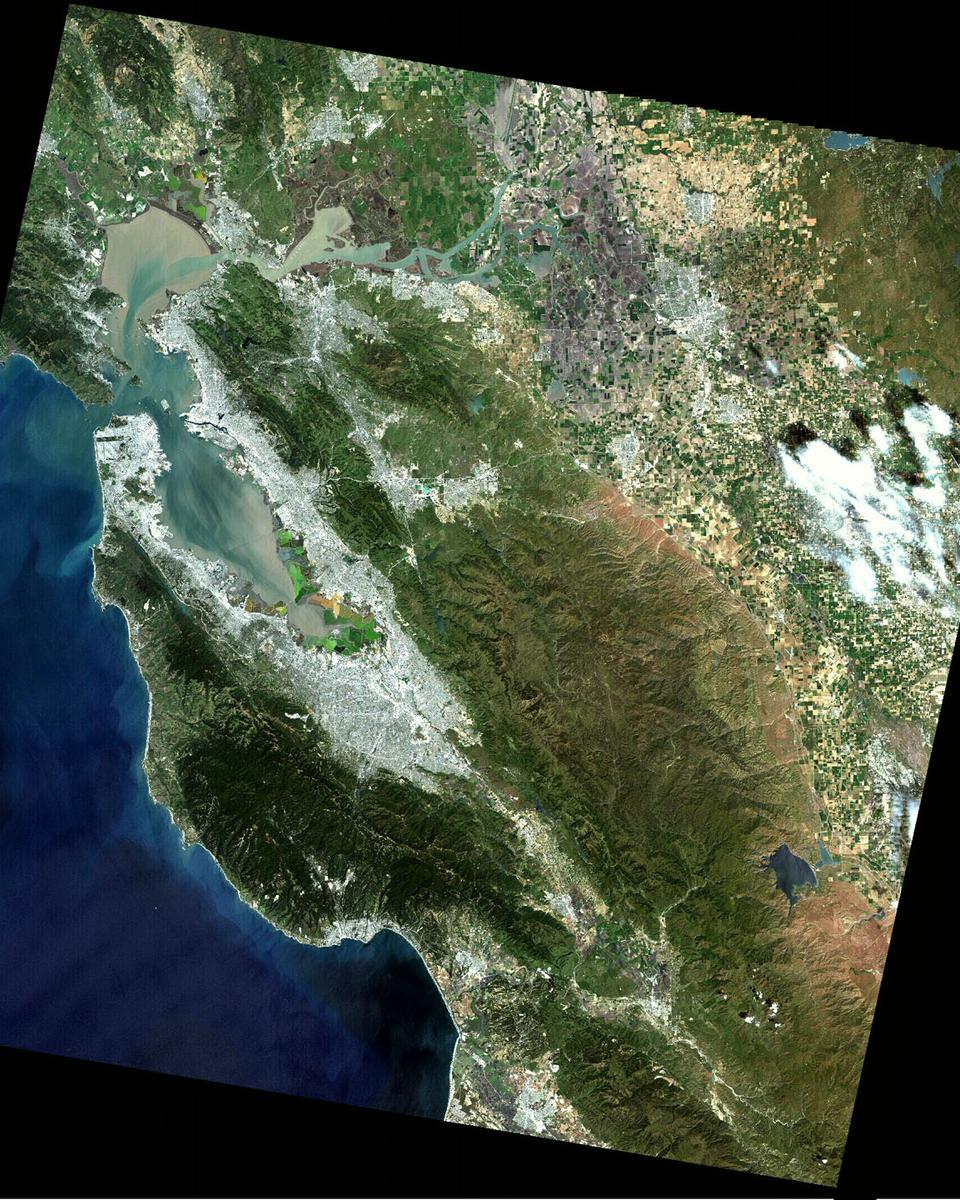
Launched last month, NASA's Landsat 7 spacecraft now orbits planet Earth . Looking down from an altitude of 700 km, Landsat 7 can map the planet's surface in visible and infrared…
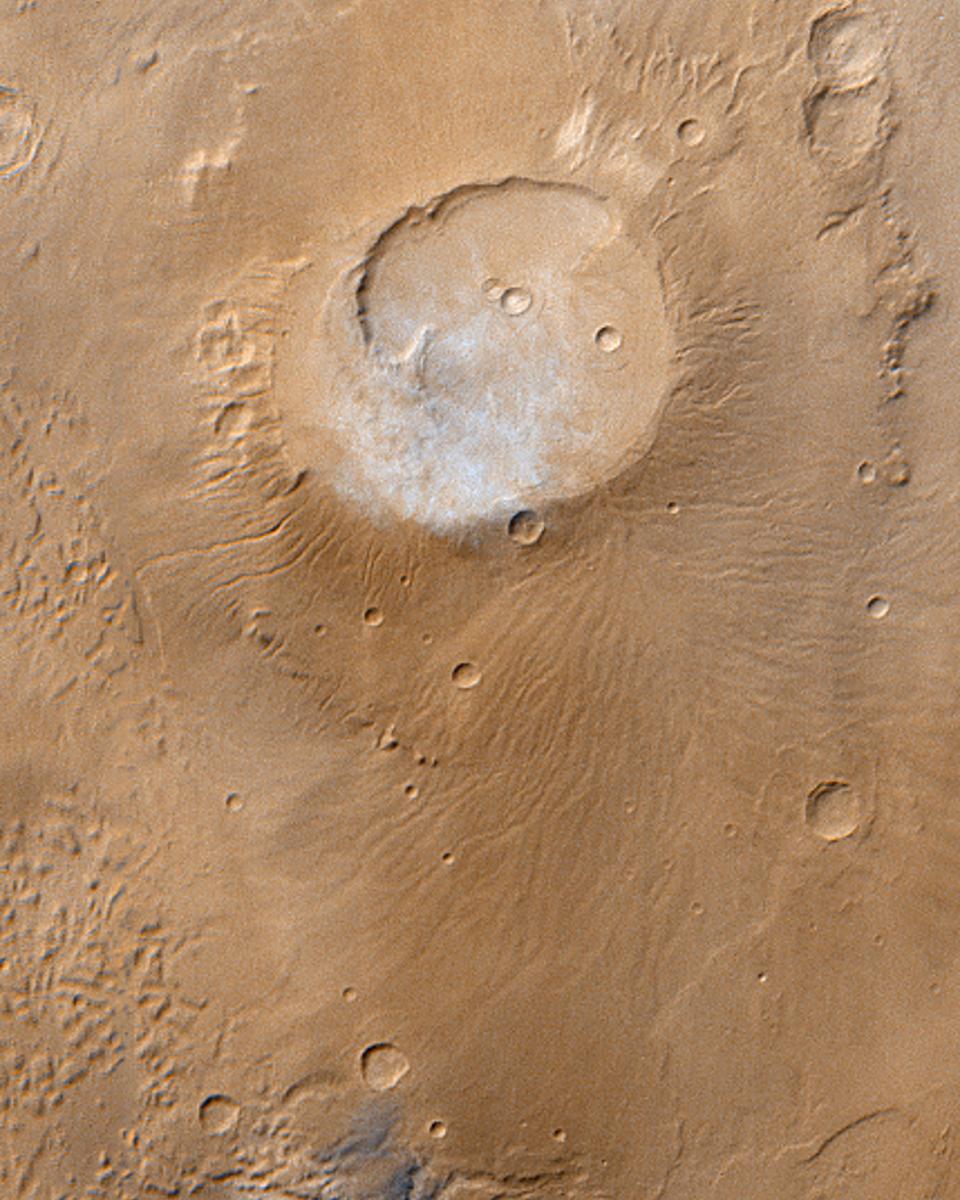
Mars Volcano Apollinaris Patera
Dwarfed by Olympus Mons and the other immense shield volcanos on Mars , Apollinaris Patera rises only 3 miles or so into the thin martian atmosphere, but bright water-ice clouds…
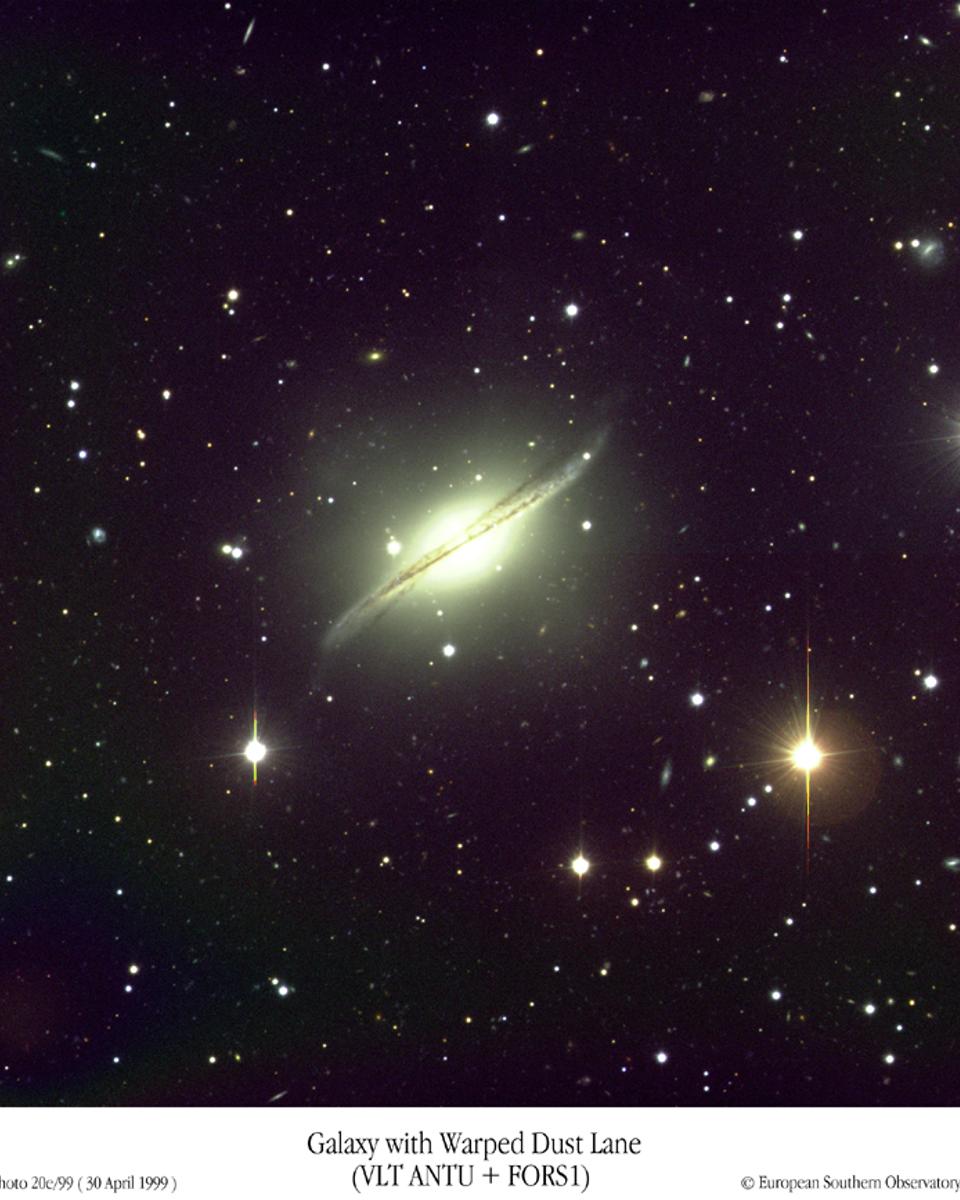
Warped Spiral Galaxy ESO510-13
How did spiral galaxy ESO510-13 get bent out-of-shape? The disks of many spirals are thin and flat , but not solid. Spiral disks are loose conglomerations of billions of stars and…
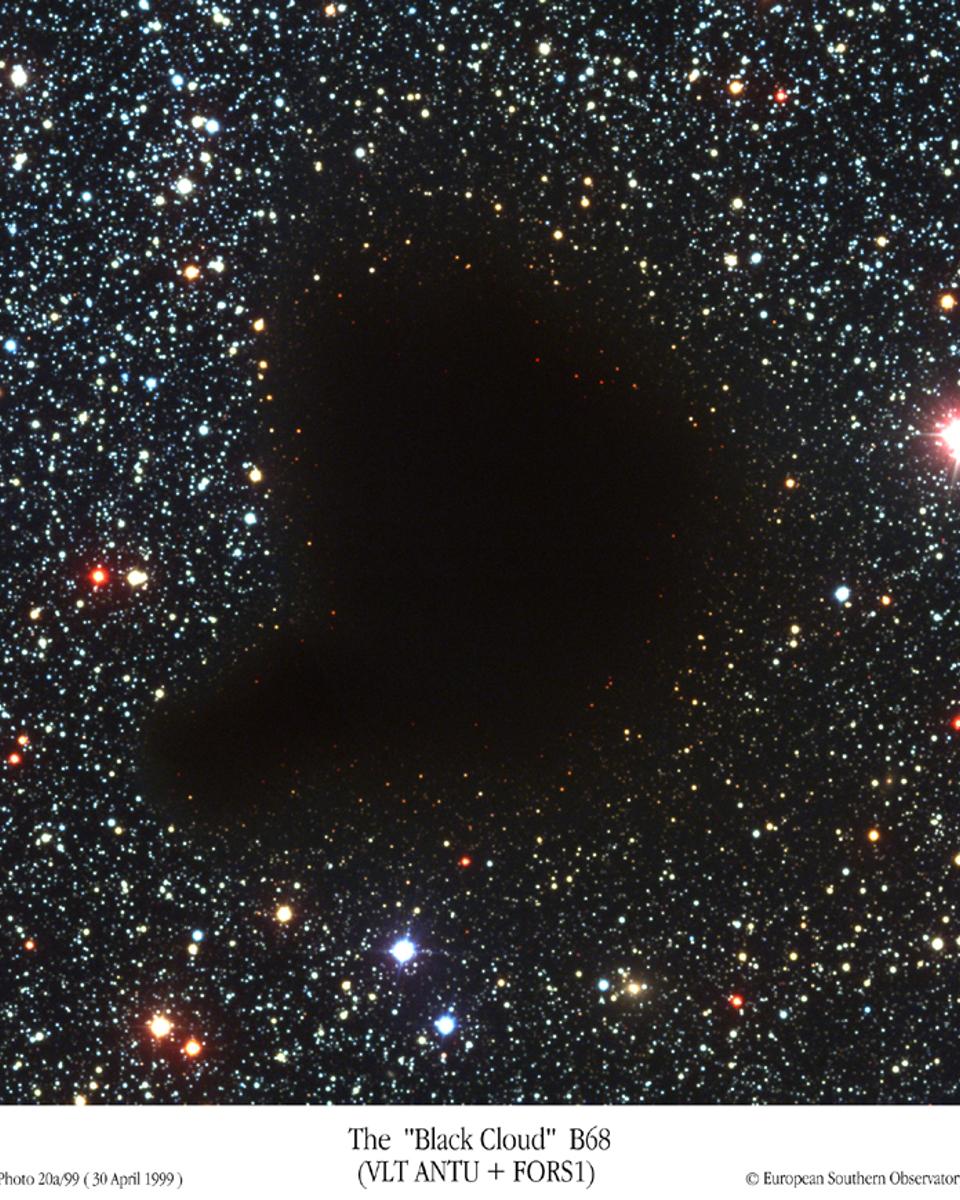
Molecular Cloud Barnard 68
Where did all the stars go? What used to be considered a hole in the sky is now known to astronomers as a dark molecular cloud . Here, a high concentration of dust and molecular…
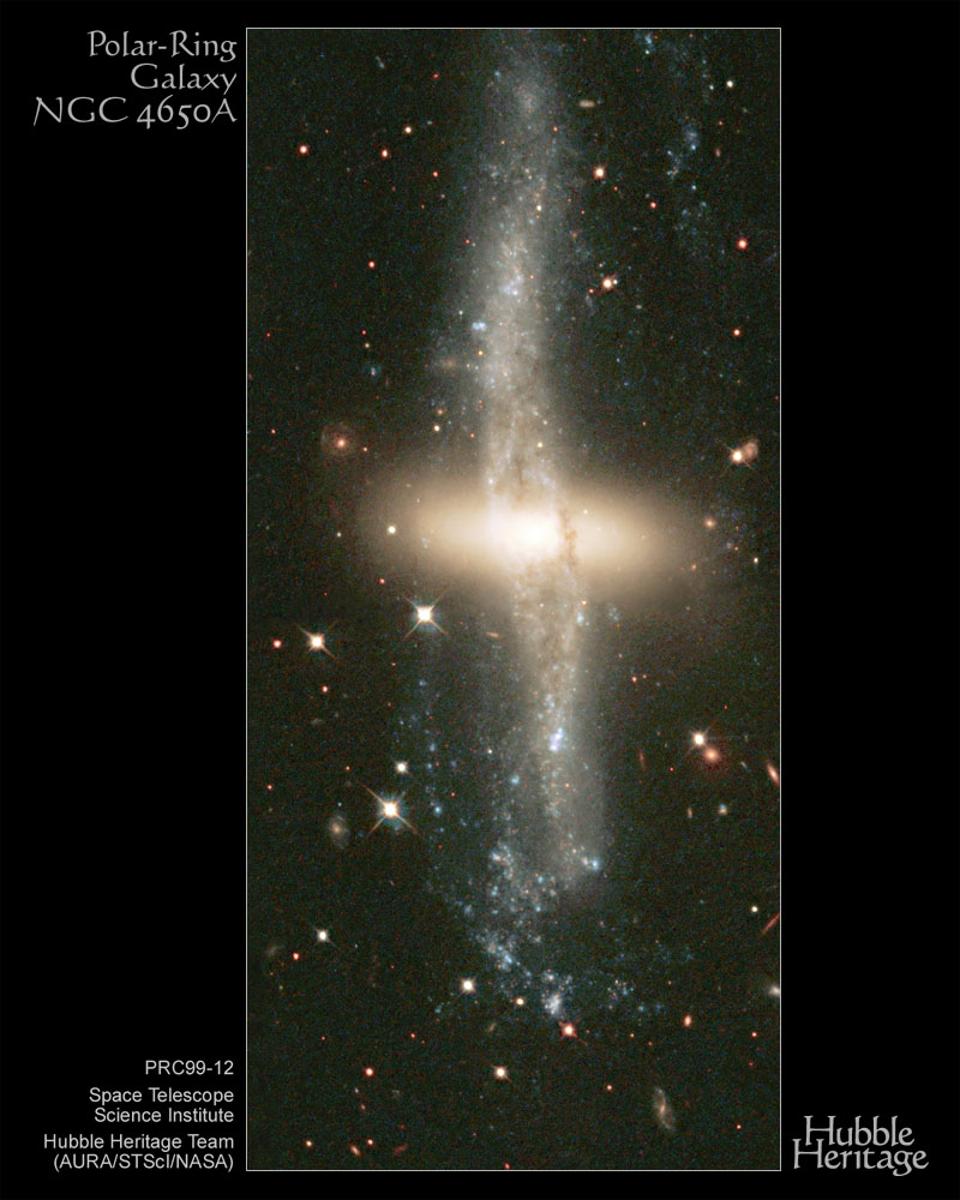
Polar Ring Galaxy NGC 4650A
NGC 4650A appears to be two galaxies in one. A rare type of galaxy known as a Polar Ring , NGC 4650A is composed of an old central group of stars and a young ring of stars…
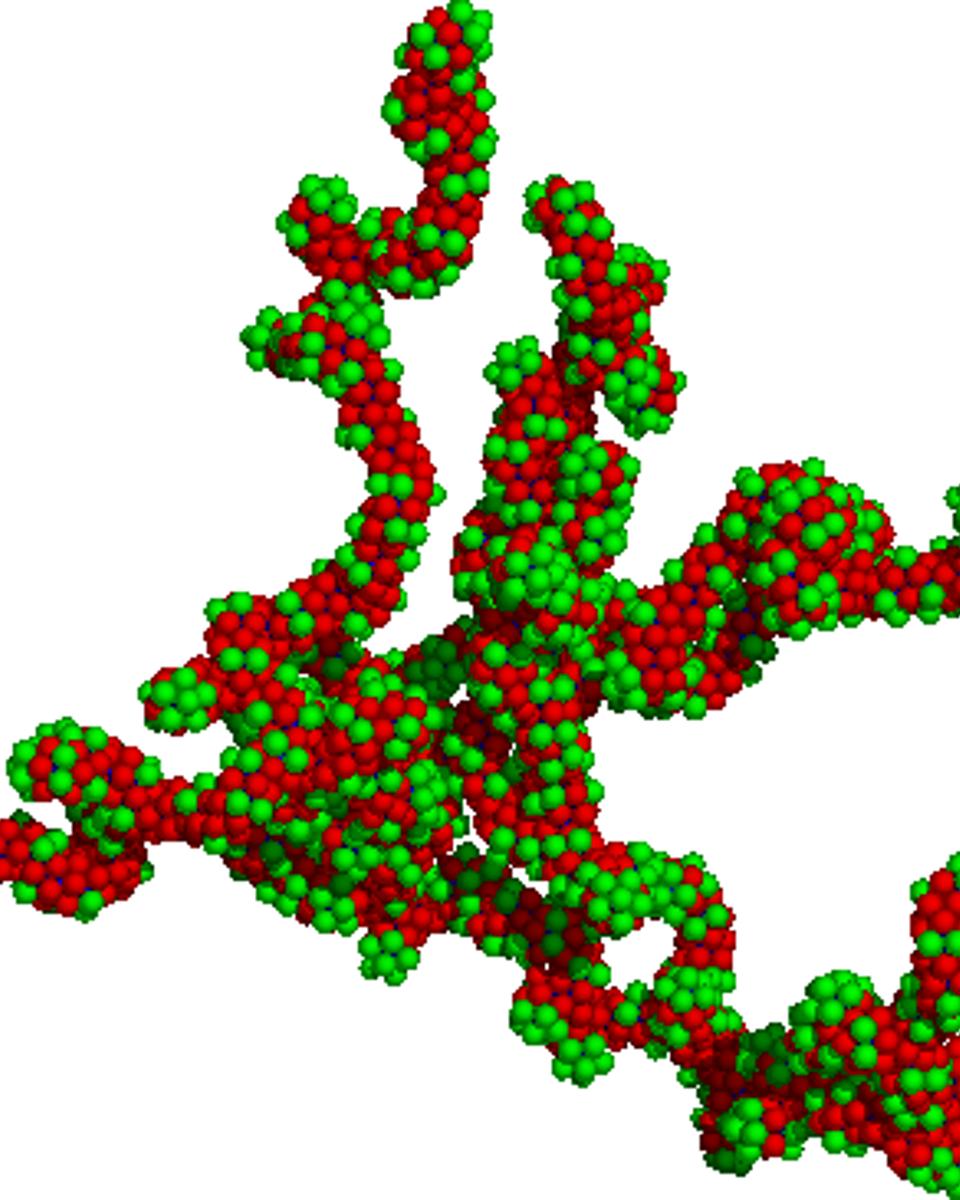
Fractal Interstellar Dust Up-Close
Our universe is a very dusty place. Dust usually shows its presence by blocking out light emitted from stars or nebulae behind it, sometimes creating the illusion of a horse's…
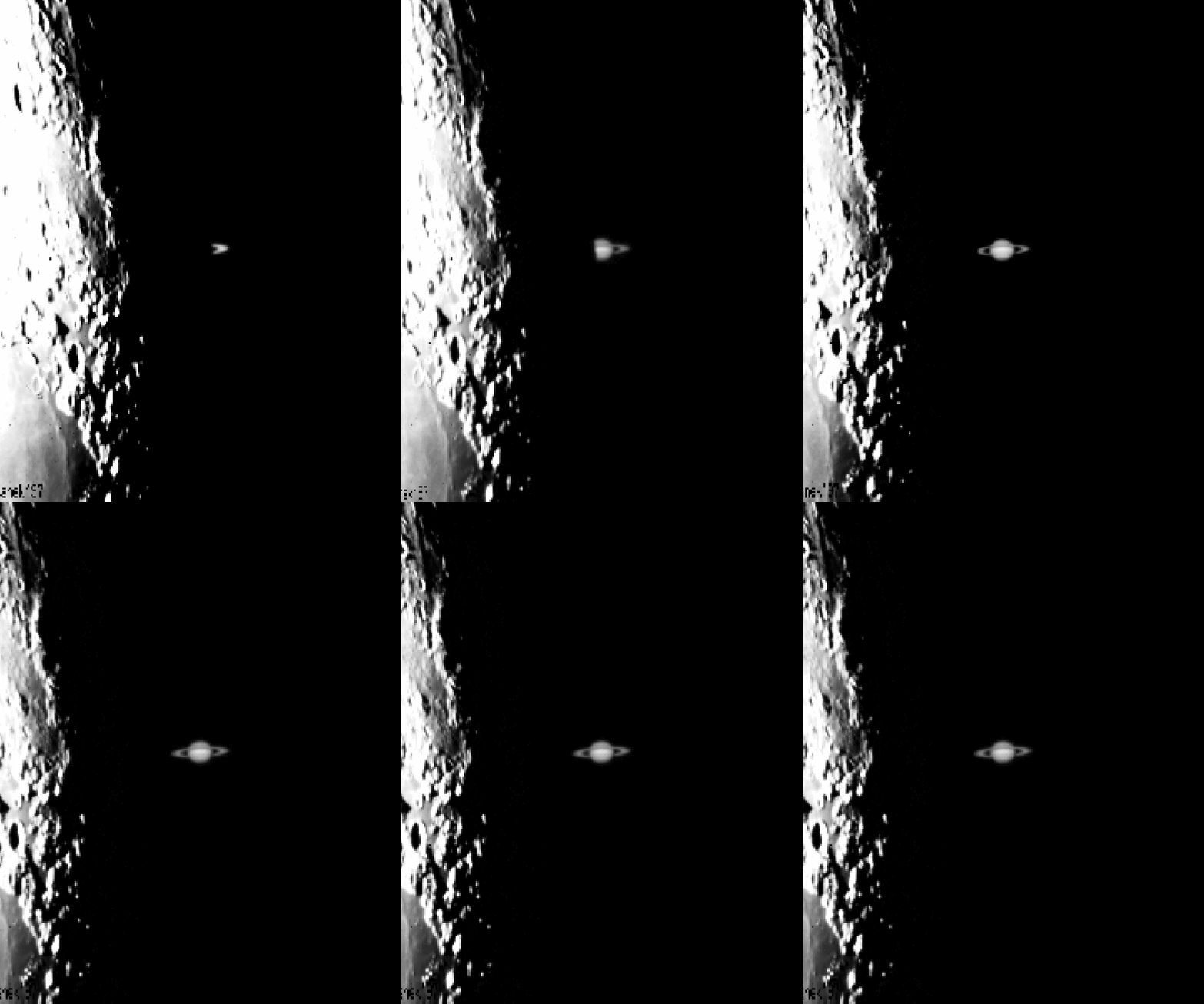
Moon Occults Saturn
On September 18, 1997, many stargazers in the U. S. were able to watch a lovely early morning lunar occultation as a bright Moon passed in front of Saturn. Using a 1.2 meter…
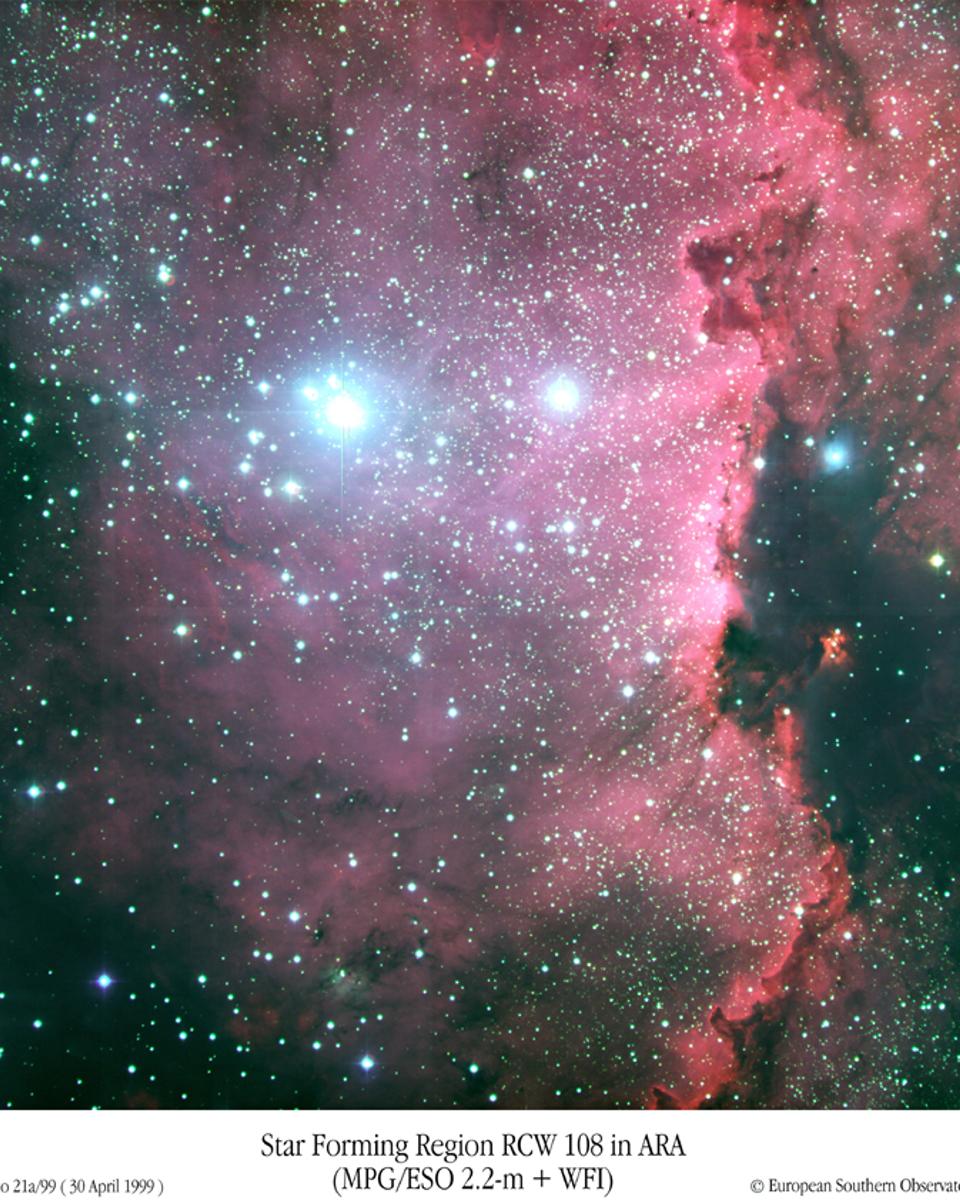
Hot Stars in the Southern Milky Way
Hot blue stars, red glowing hydrogen gas, and dark, obscuring dust clouds are strewn through this dramatic region of the Milky Way in the southern constellation of Ara (the Altar)…
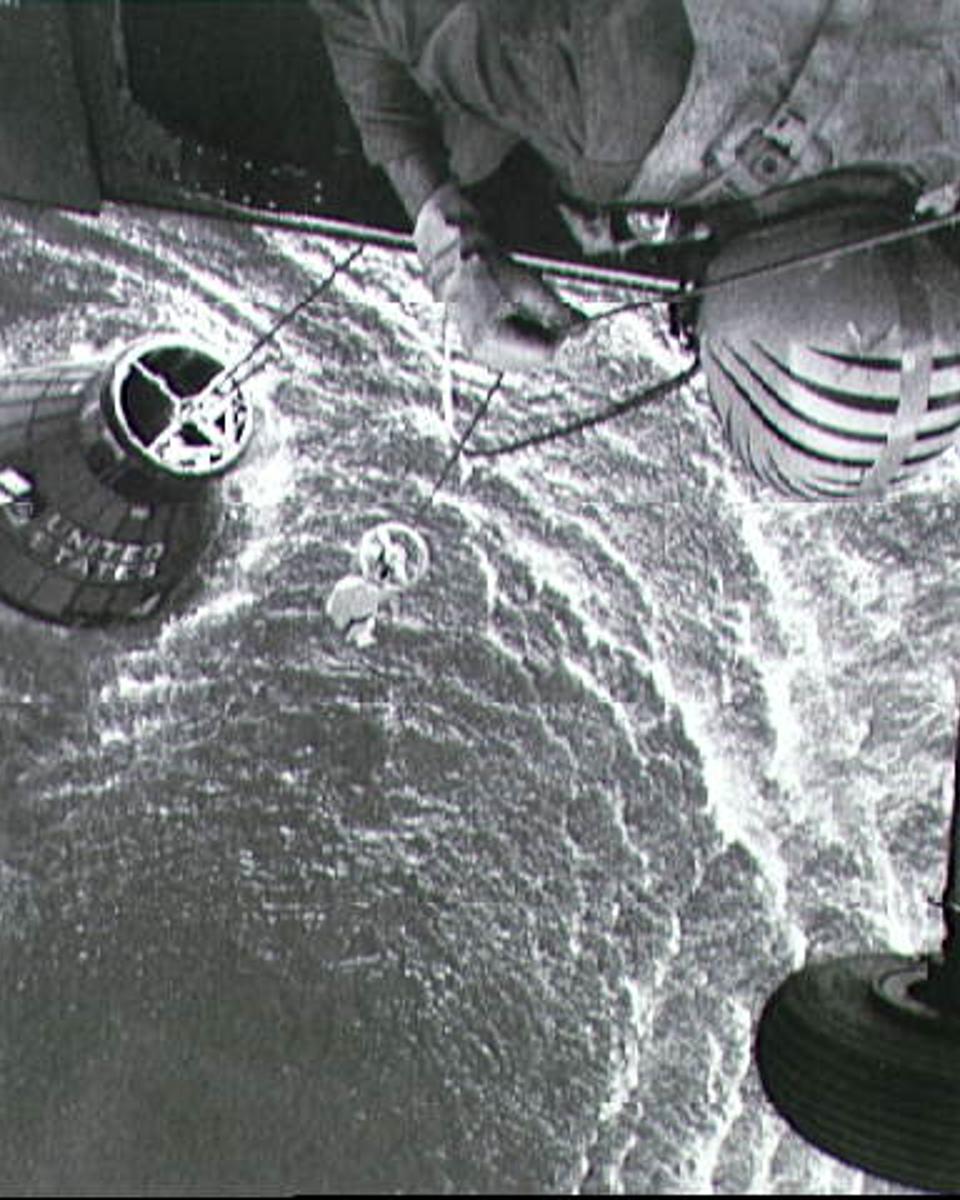
Liberty Bell 7
Today, the space capsule Liberty Bell 7 rests about 3 miles below the surface of the Atlantic Ocean. But on July 21, 1961 , astronaut Virgil I. “Gus” Grissom rode this tiny craft…
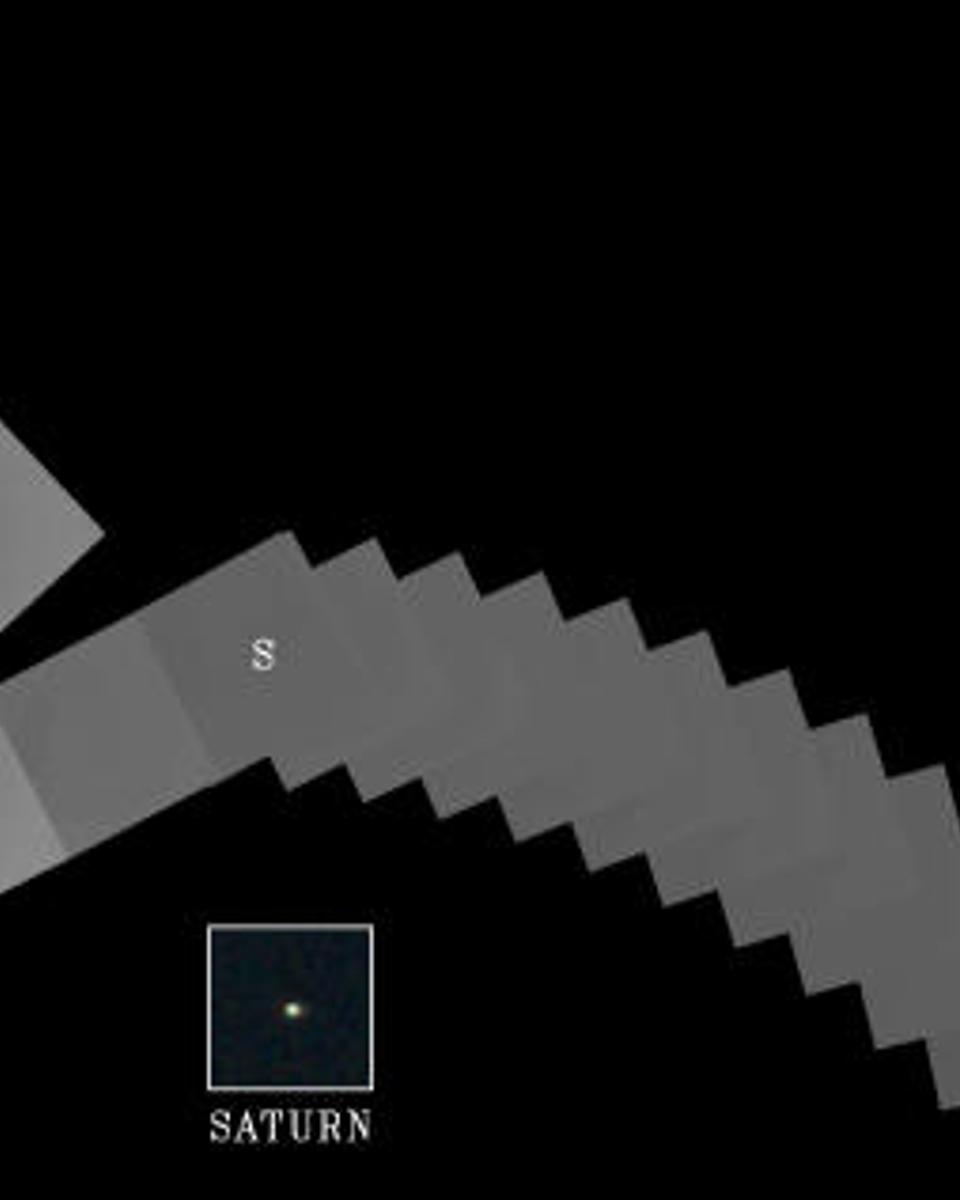
A Solar System Portrait
As the Voyager 1 spacecraft headed out of our Solar System , it looked back and took a parting family portrait of the Sun and planets. From beyond Pluto , our Solar System looks…
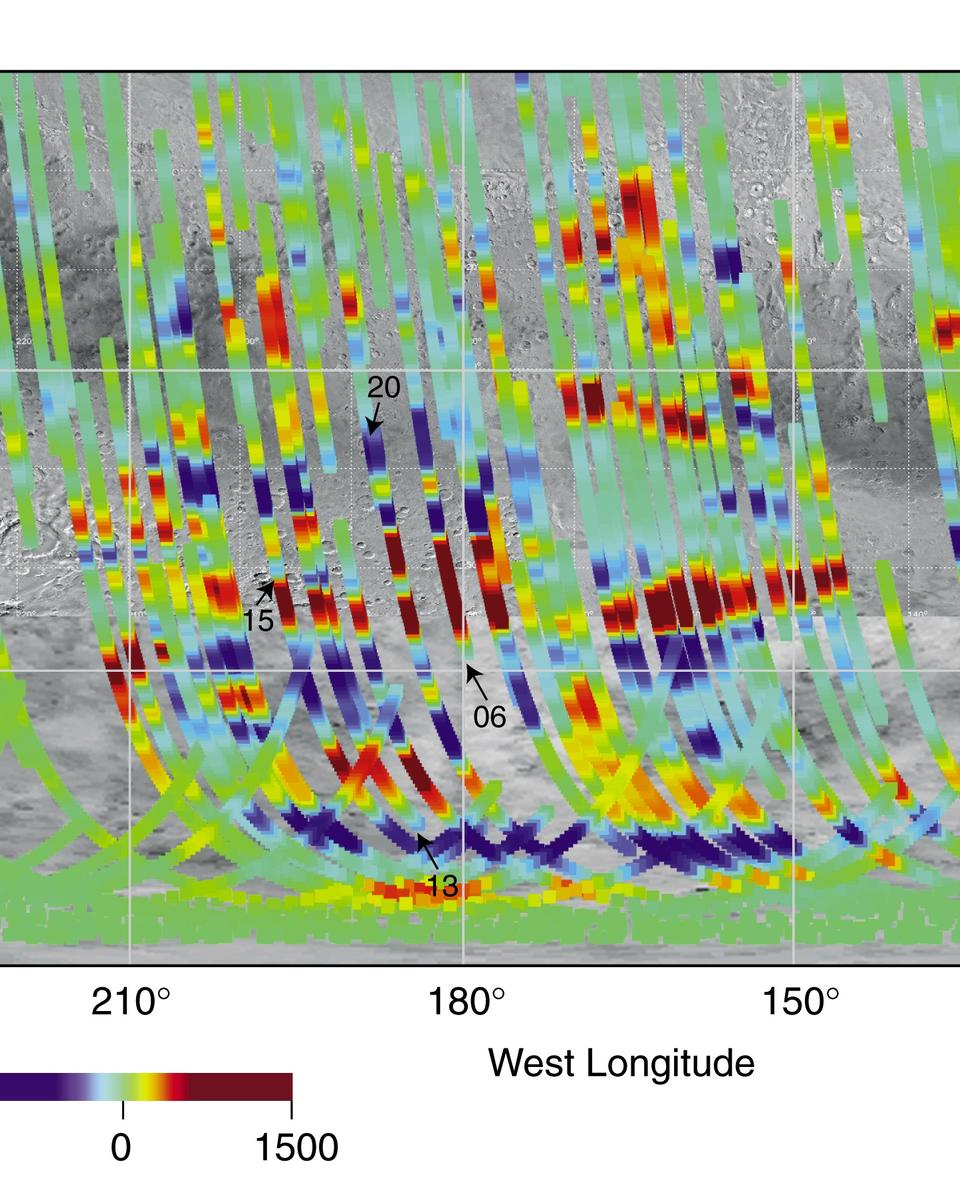
Magnetic Mars
Mapping Mars from orbit, instruments on the Mars Global Surveyor (MGS) spacecraft have recently revealed banded magnetic field patterns - a startling and unanticipated suggestion…
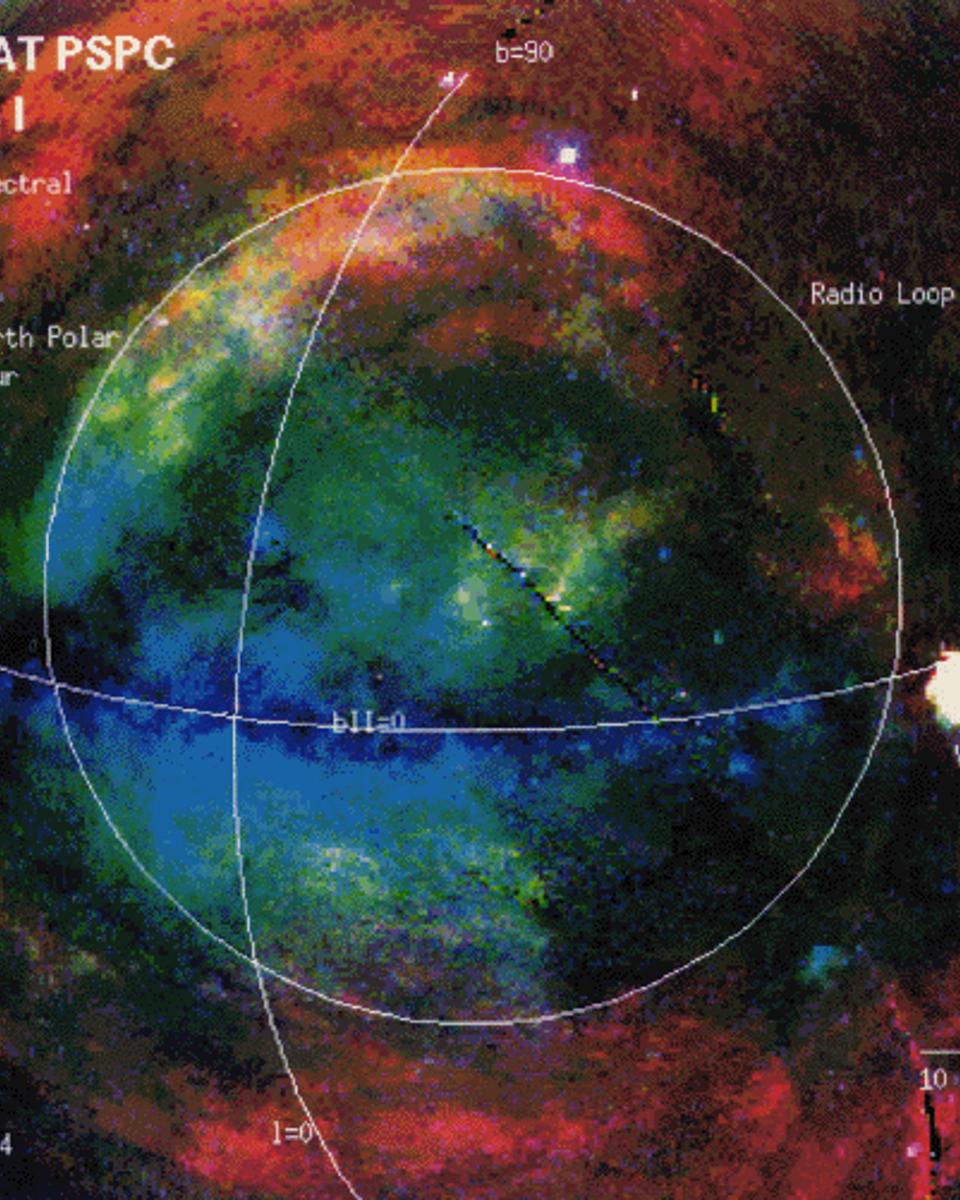
Loop I in the Northern Sky
One of the largest coherent structures on the sky is known simply as Loop I and can best be seen in radio and X-ray maps. Spanning over 100 degrees, part of Loop I appears so…
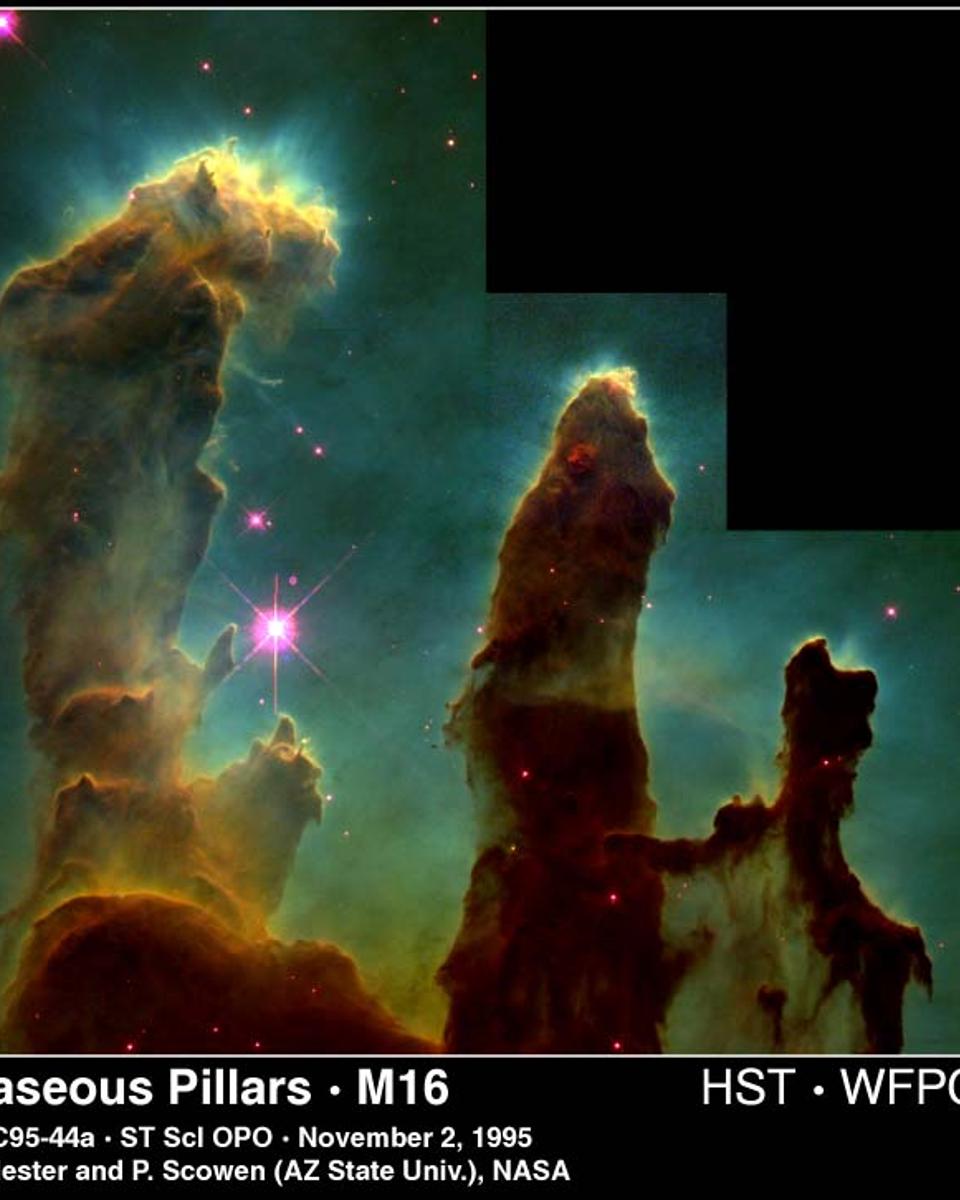
Stars from Eagle's Eggs
Newborn stars are forming in the Eagle Nebula. This image , taken with the Hubble Space Telescope in 1995, shows evaporating gaseous globules (EGGs) emerging from pillars of…
Viewing discoveries from 25 May 1999 through 2 May 1999.