Browse NASA Astronomy Picture of the Day archive by date and media: Archive Discoveries
Browse the NASA APOD archive without needing the exact date first. Filter by media type and keep moving deeper into older images and videos.
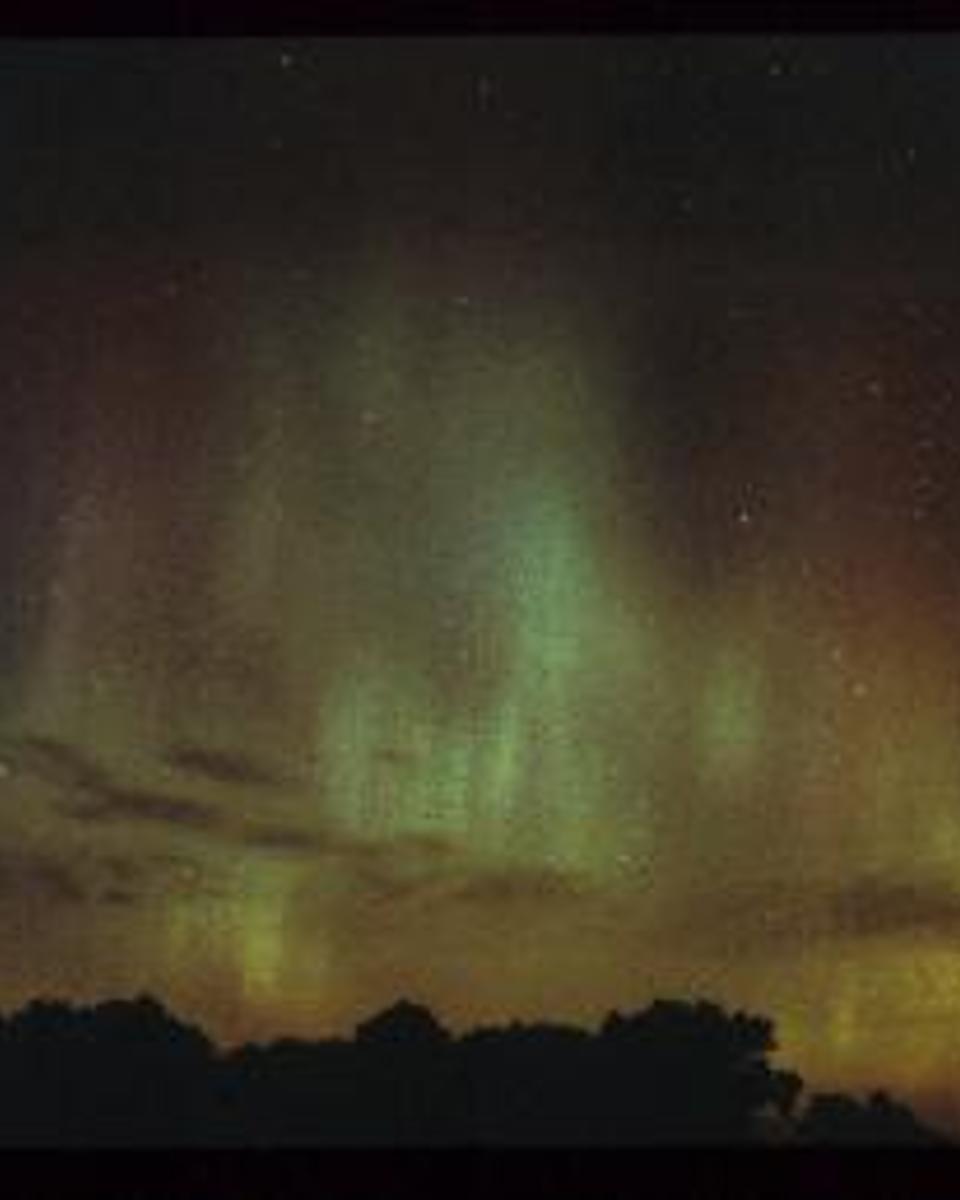
The Case of the Missing Aurora
Sometimes, near midnight, auroras suddenly stop . Nobody knows why. This nightside gap in aurora was confirmed recently by D. Chua ( U. Washington ) and colleagues in data from…
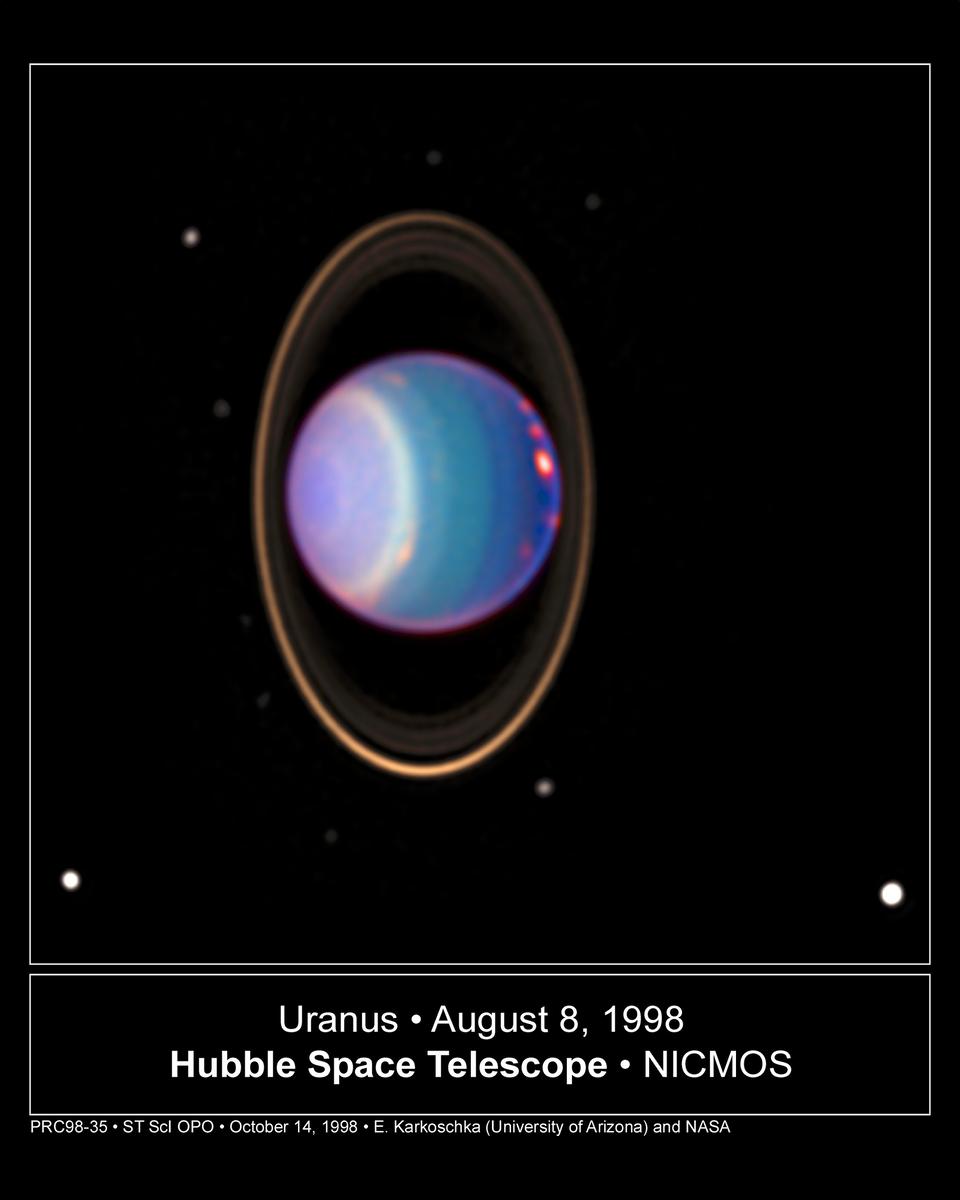
Infrared Uranus
The Sun 's third largest planet usually looks quite dull. Uranus typically appears as a featureless small spot in a small telescope or a featureless large orb in a large…
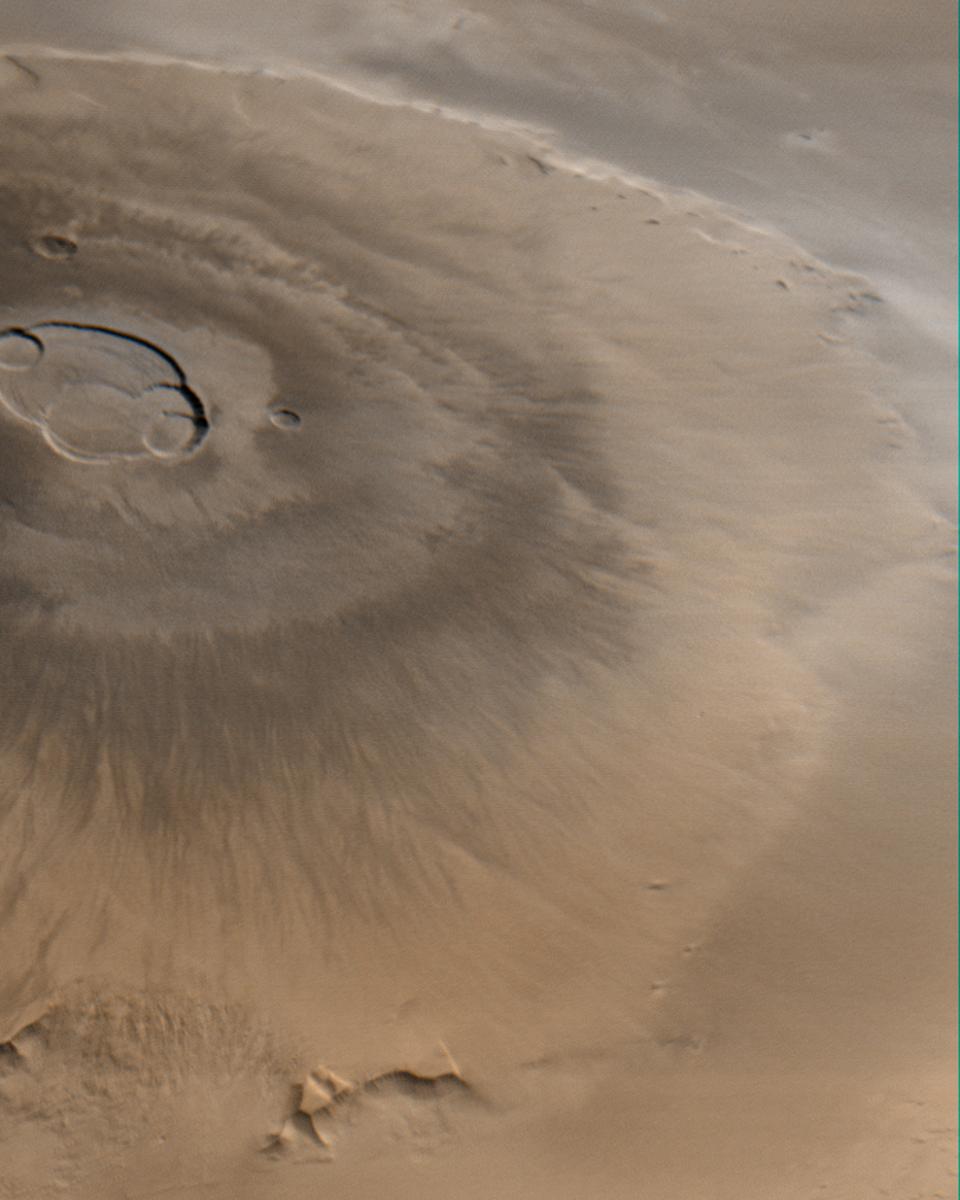
Olympus Mons from Orbit
Olympus Mons on Mars is the largest volcano in the Solar System . Although three times higher than Earth's Mount Everest , Olympus Mons would not be difficult to climb because of…
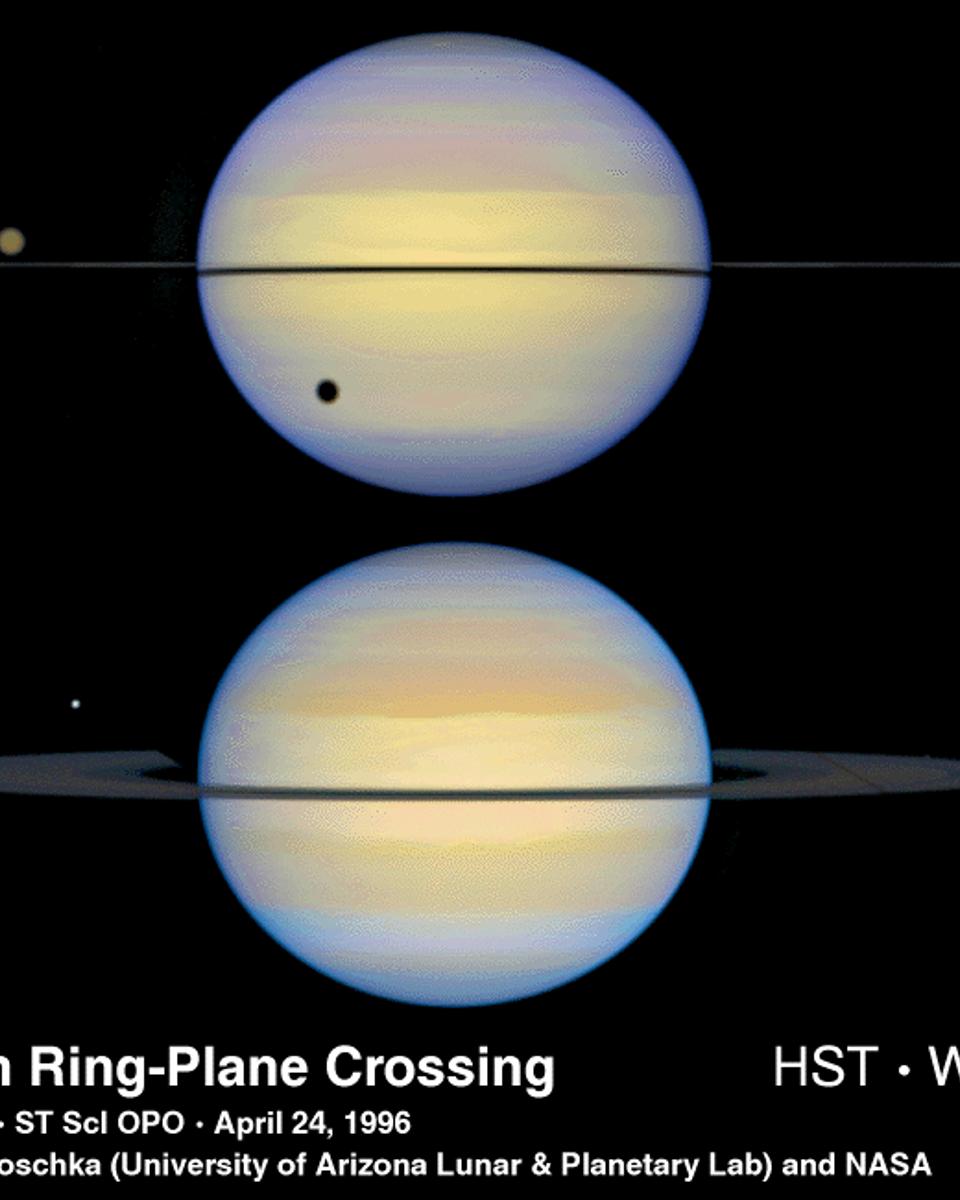
Saturn's Rings Seen Sideways
Saturn's rings are actually very thin. This picture from the Hubble Space Telescope was taken on August 6, 1995 when the rings lined up sideways as seen from Earth . Saturn 's…
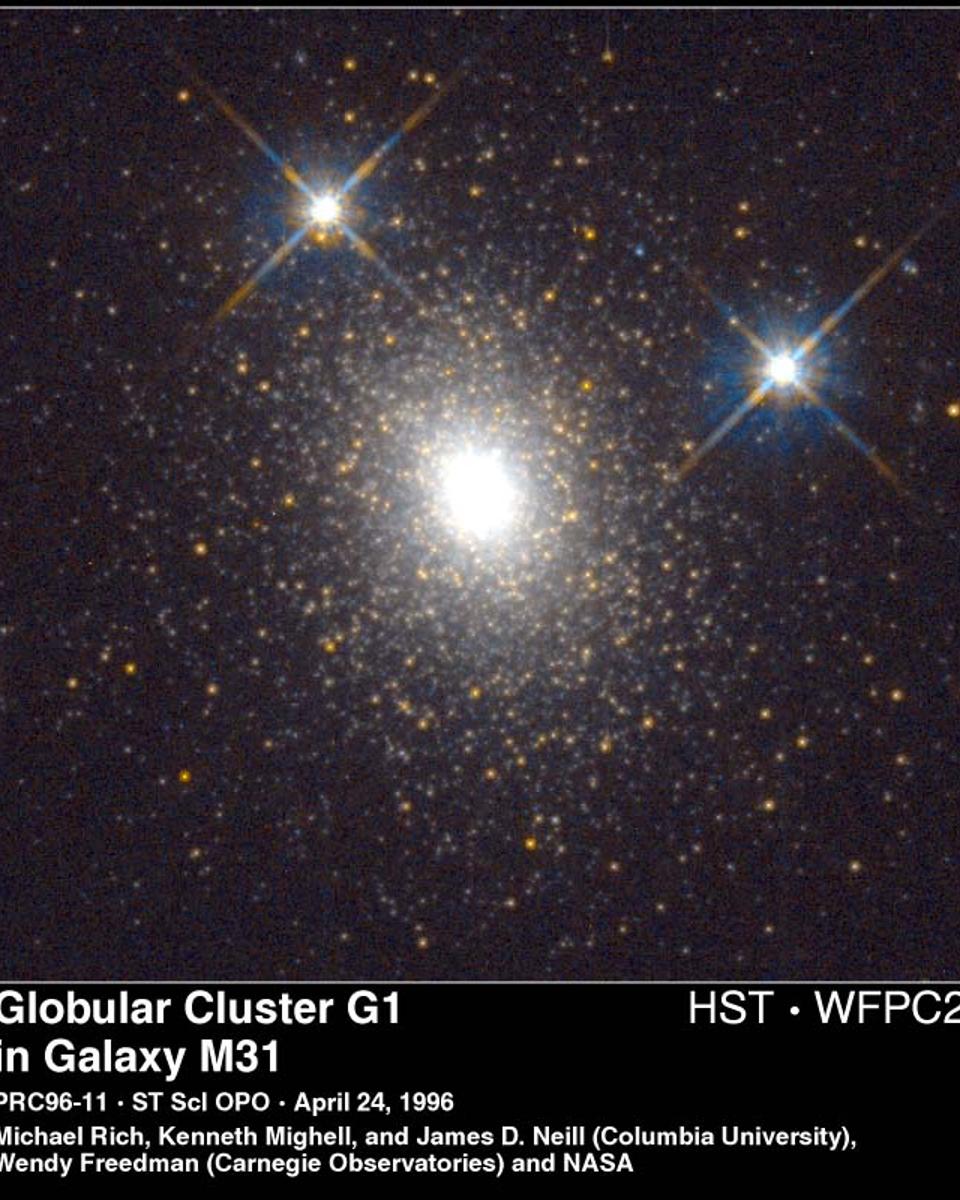
A Giant Globular Cluster in M31
This cluster of stars, known as G1, is the brightest globular cluster in the whole Local Group of galaxies. Also called Mayall II, it orbits the center of the largest nearby…
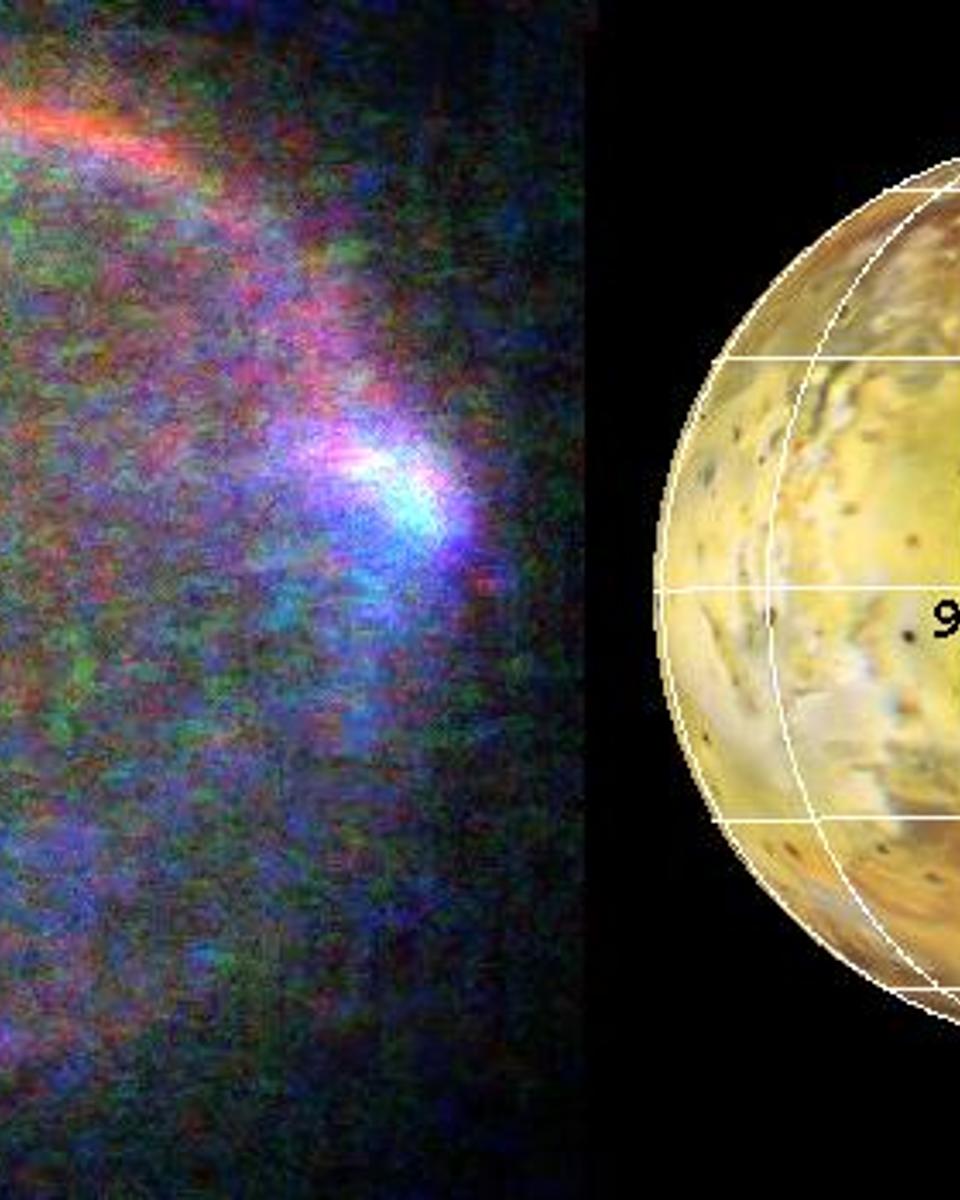
Io Aurora
Alluring aurora surrounding Io (eye-oh) appear as a ghostly glow while the volcanic moon orbits within Jupiter's dark shadow. Gas giant Jupiter is off to the right of this image,…
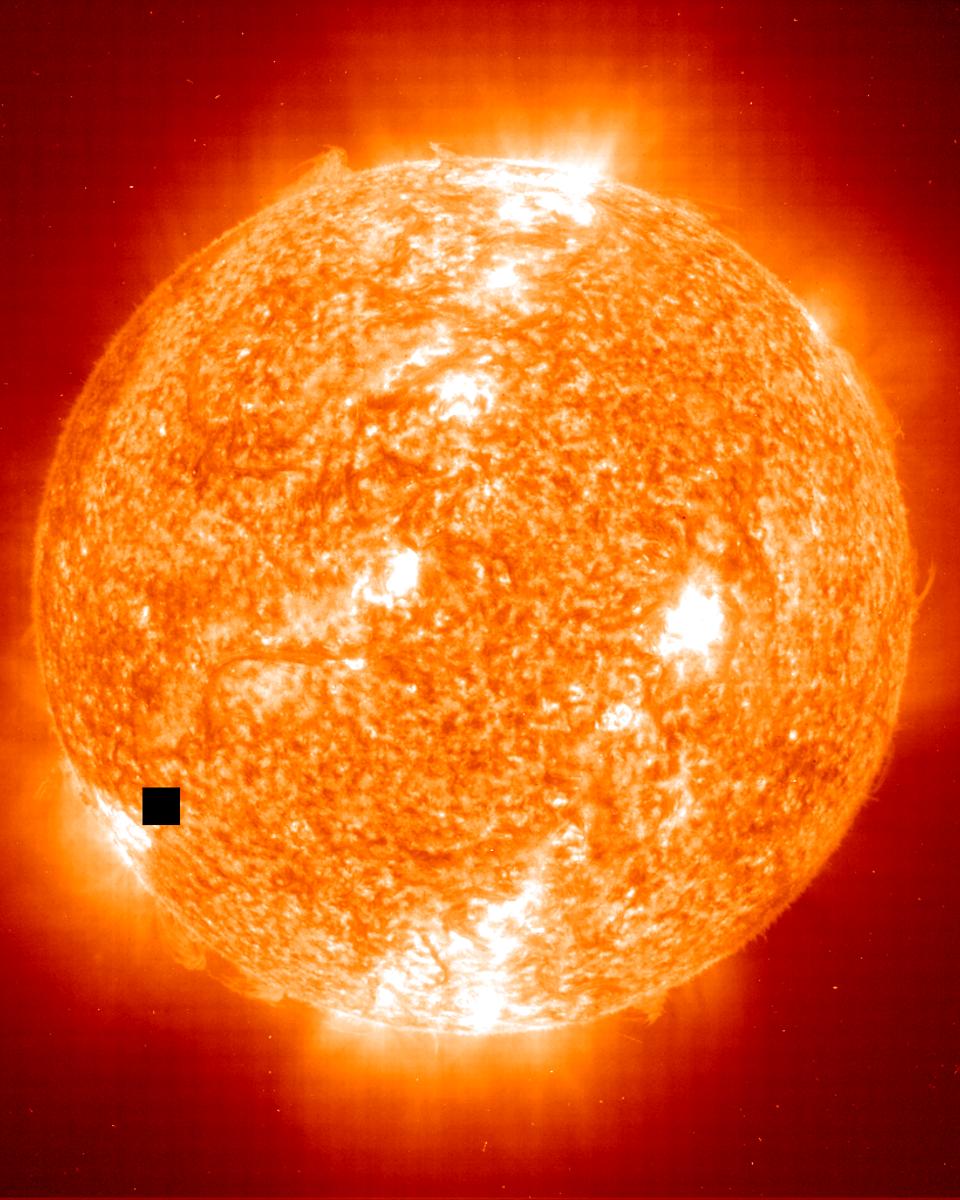
A Great Day For SOHO
The last 10 days have been great days for SOHO , the space-based SOlar and Heliospheric Observatory. Contact was completely lost with this international research spacecraft over 3…
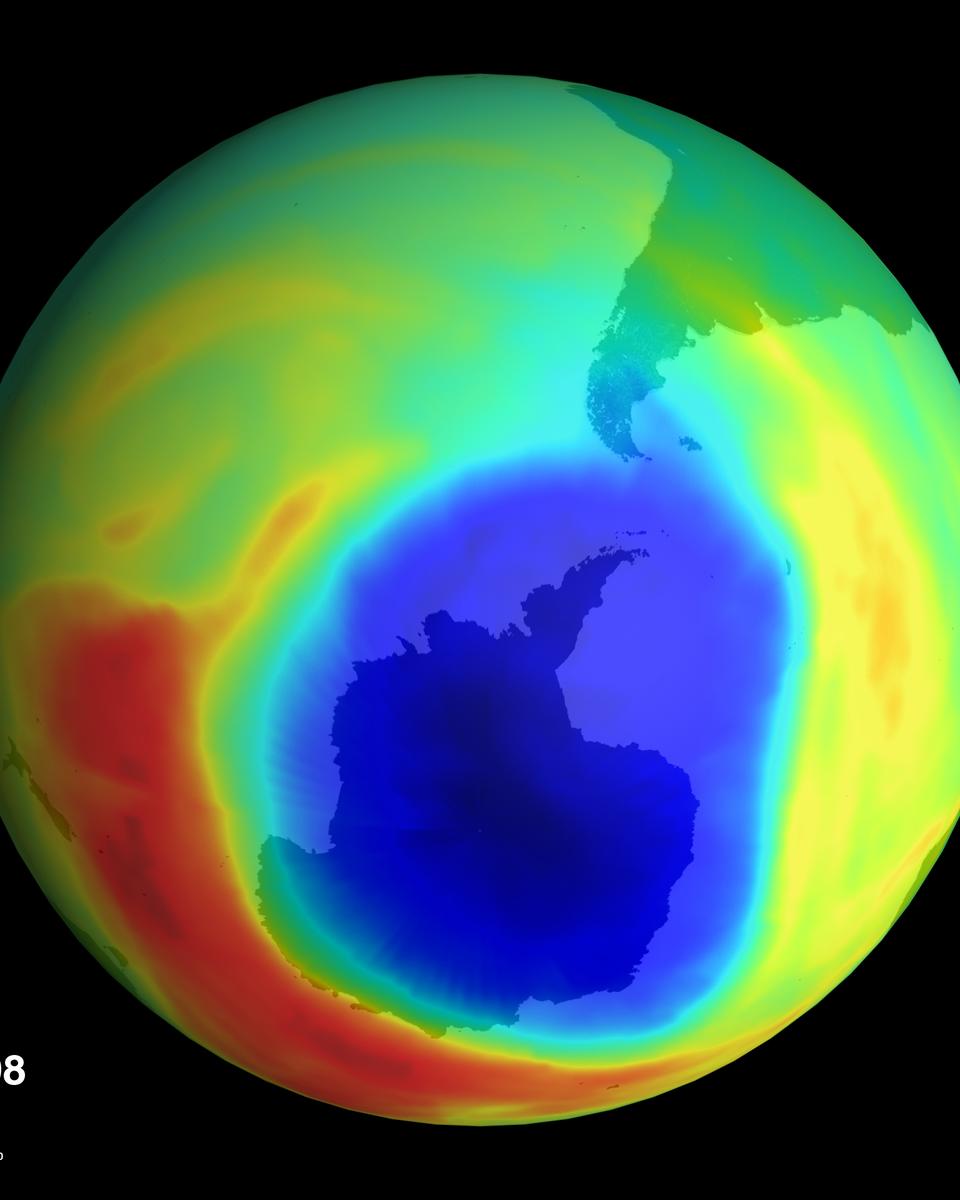
The World's Largest Ozone Hole
It's back, and it's bigger than ever. The ozone hole that has been a cause of concern in recent years has again reformed over Earth's South Pole . The seasonal recurrence of the…
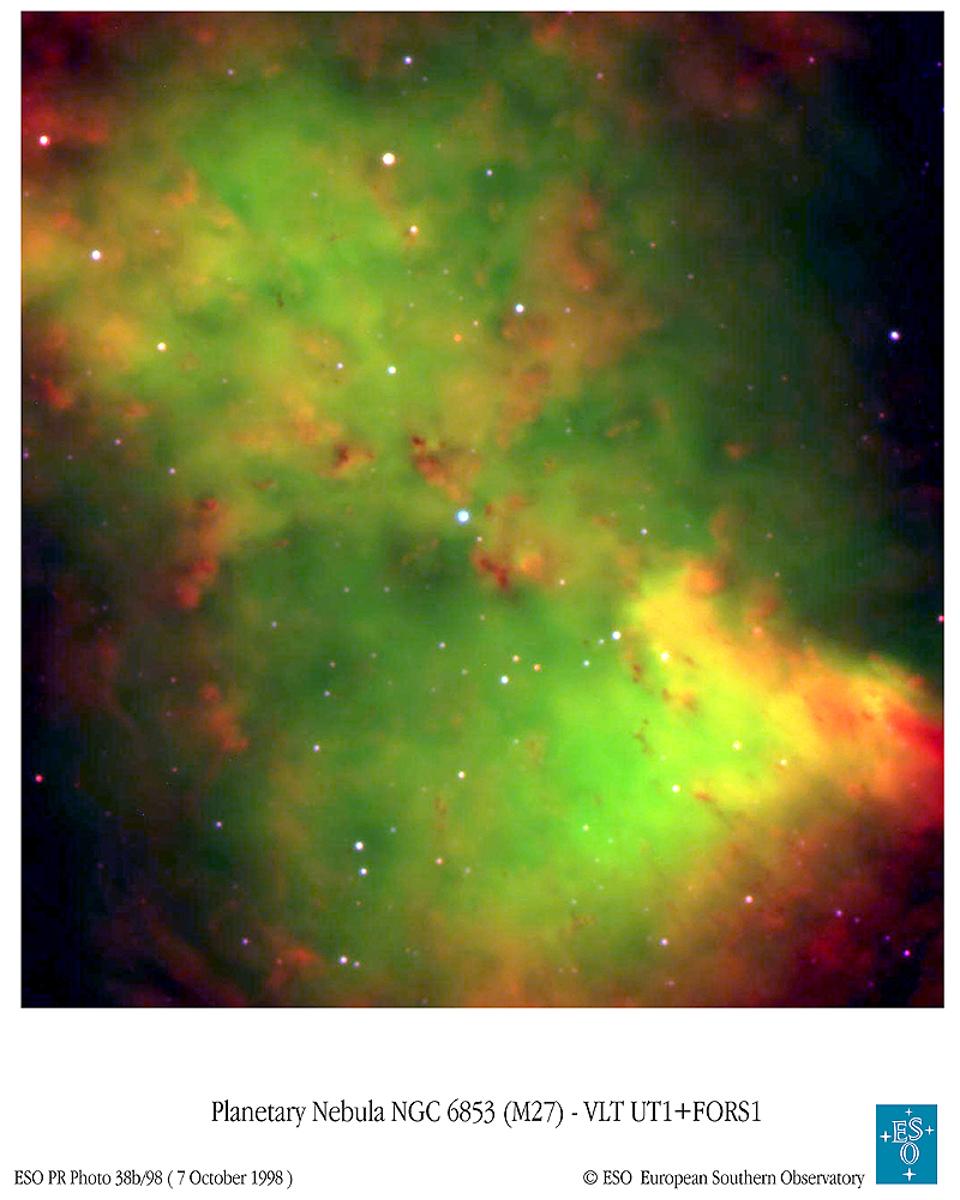
In the Center of the Dumbbell Nebula
Here's part of the Dumbbell Nebula that you can't see through binoculars . To see this, we suggest a sophisticated spectrograph attached to a telescope with an 8-meter aperture.…
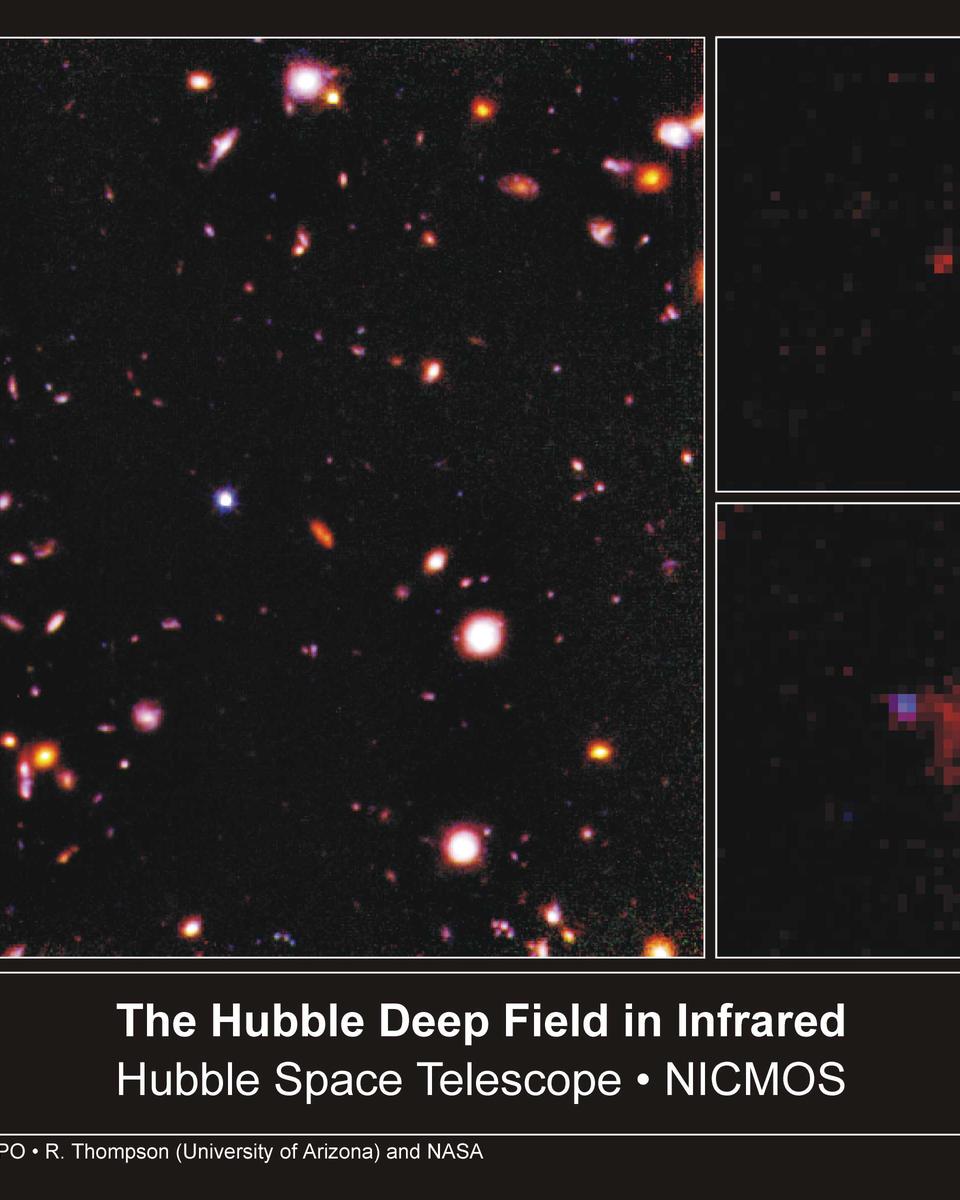
The Hubble Deep Field in Infrared
Galaxies this faint have never been seen before. In 1996 the Hubble Space Telescope (HST) created one of the most famous pictures of modern astronomy, the Hubble Deep Field (HDF).…
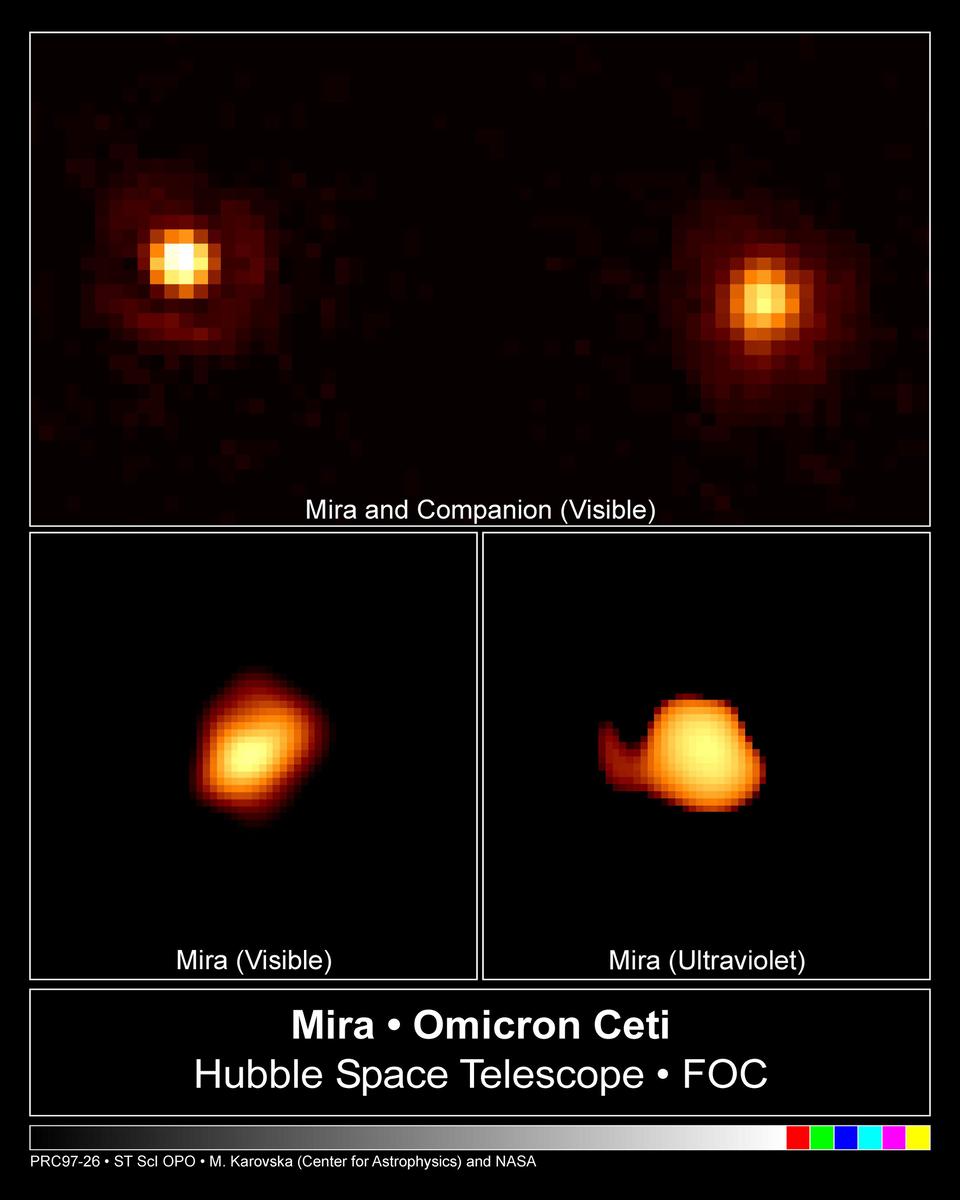
Resolving Mira
Most stars appear only as points of light. Early last year, Betelgeuse became the second star, after our Sun , to have it surface resolved. Later last year, Mira was added to the…

Maria Mitchell Inspires a Generation
“Do not look at stars as bright spots only - try to take in the vastness of the universe.” October 1st was the 151st anniversary of the day Maria Mitchell swept the sky with her…
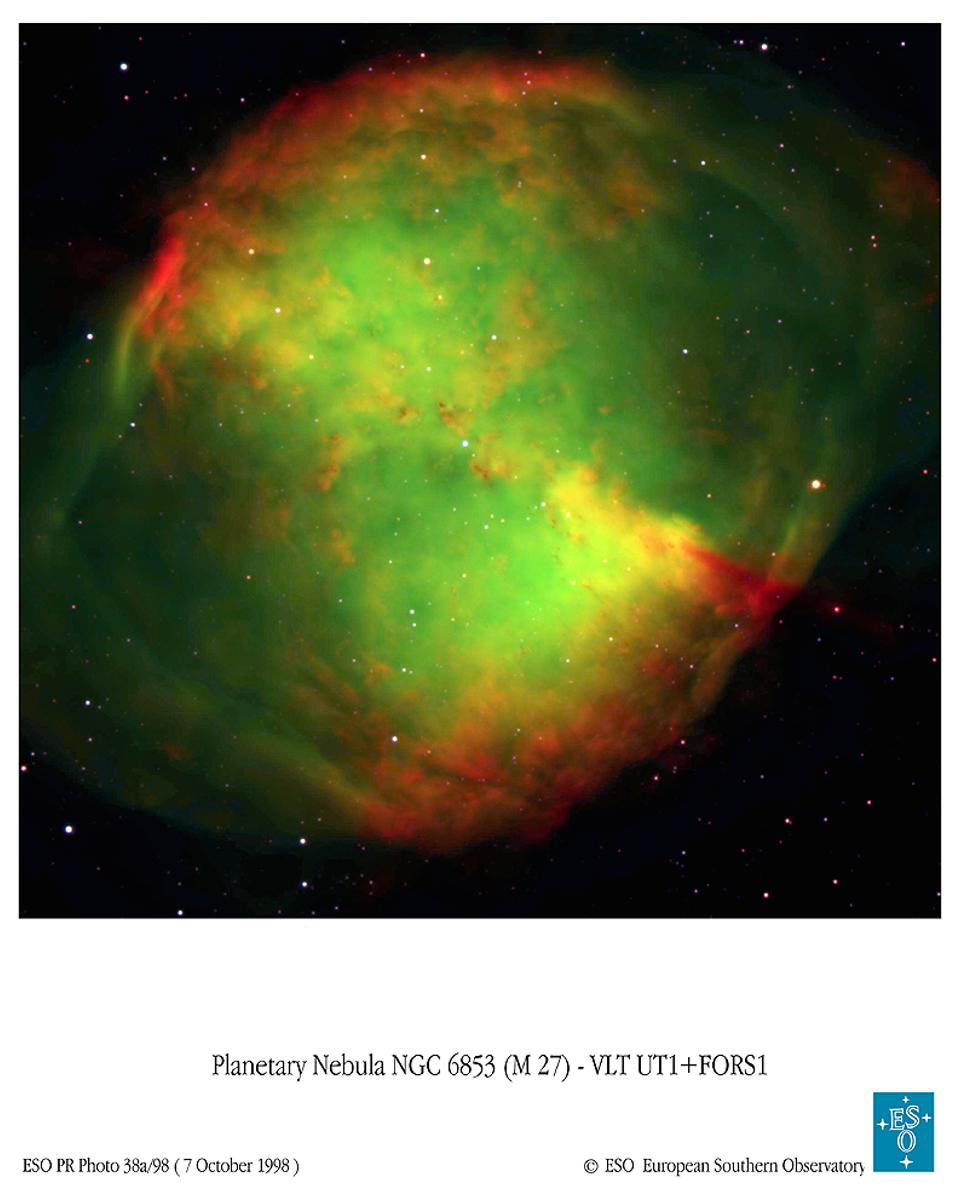
M27: Not A Comet
While searching the skies above 18th century France for comets, astronomer Charles Messier diligently recorded this object as number 27 on his list of things which are definitely…
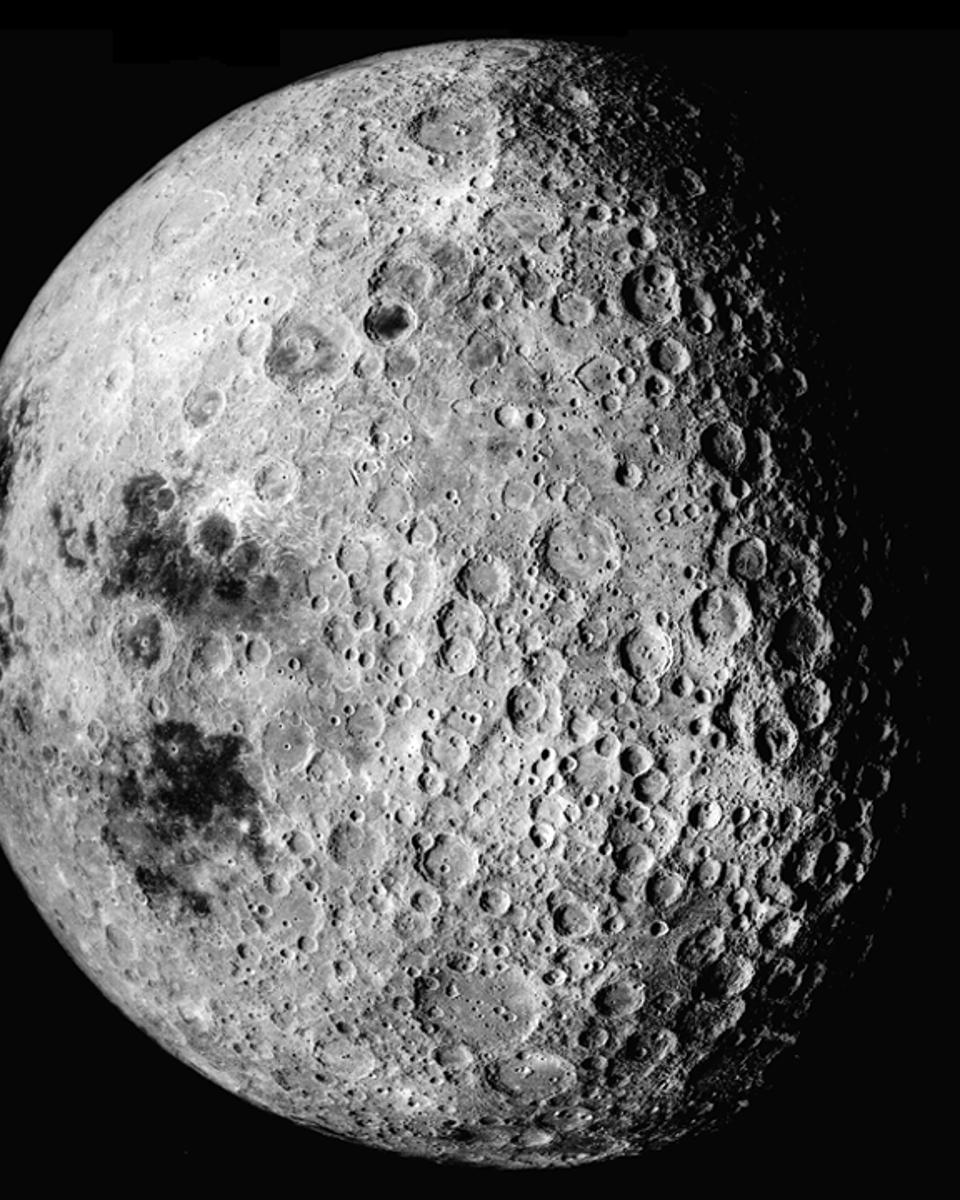
Far Side of the Moon
Locked in synchronous rotation, the Moon always presents its well-known near side to Earth. But from lunar orbit, Apollo astronauts also grew to know the Moon's far side. This…
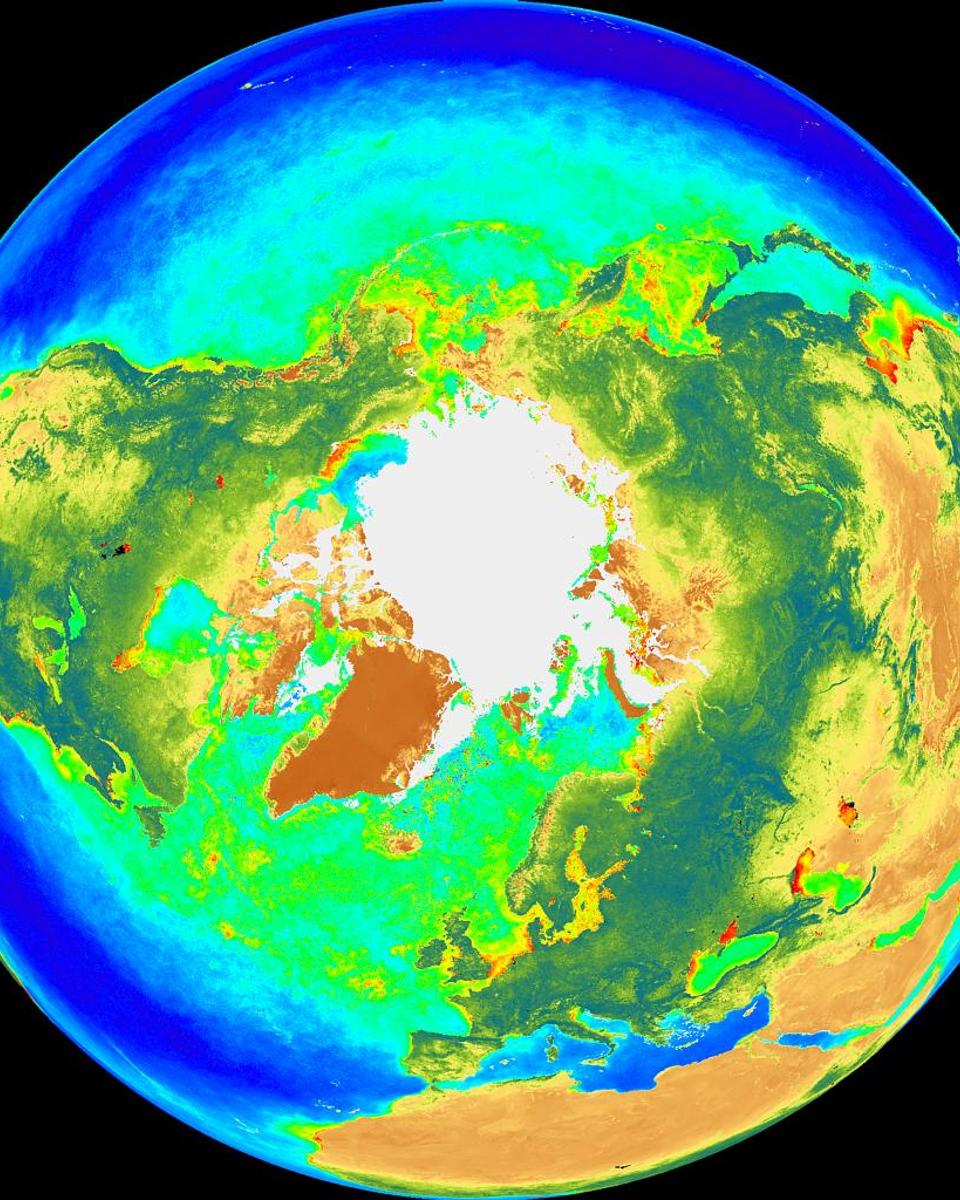
Ocean Planet Pole To Pole
The Sea-viewing Wide Field-of-view Sensor (SeaWiFS) instrument onboard the orbiting SeaStar spacecraft can map subtle differences in Earth's ocean color . These North (left) and…
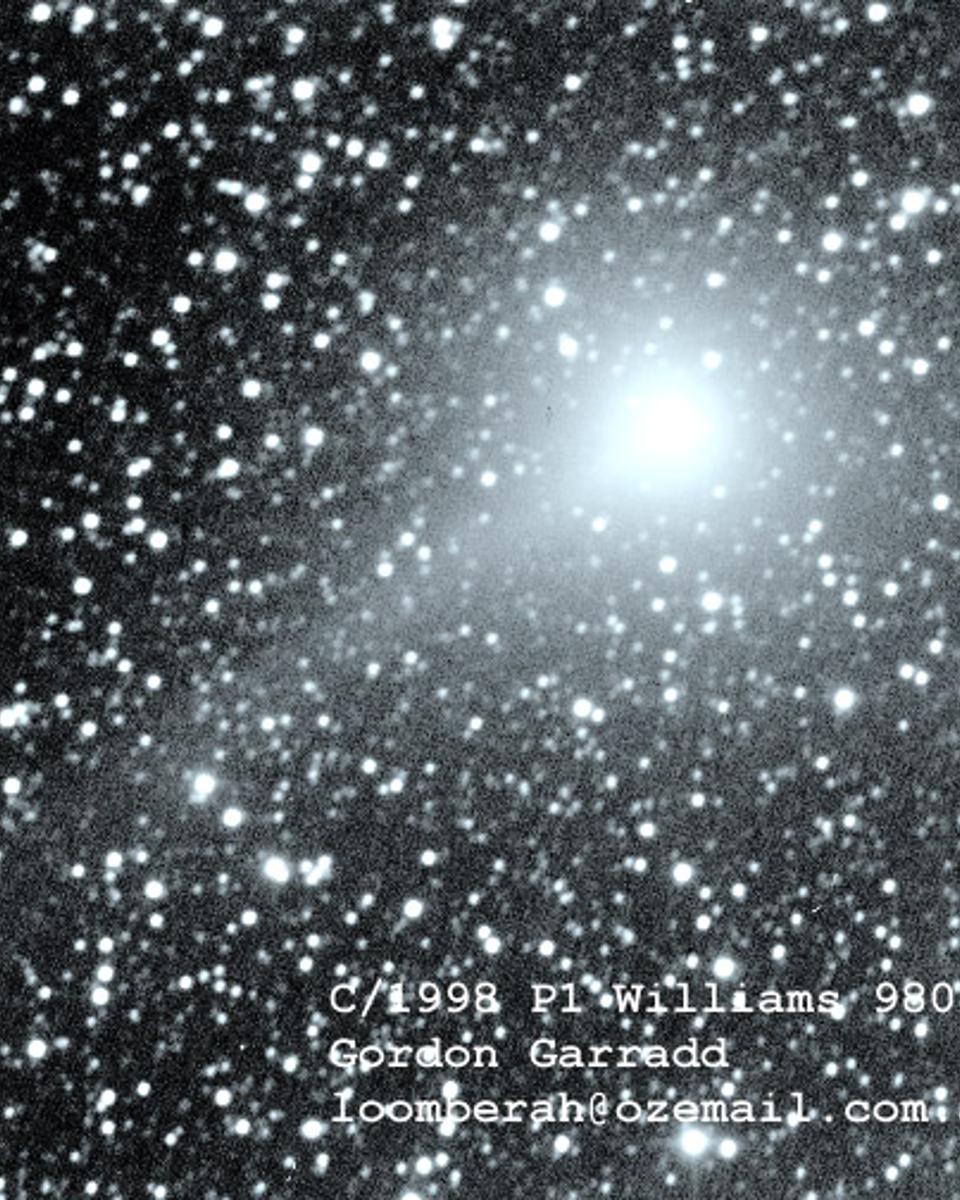
Comet Williams in 1998
The brightest comet in the sky right now is Comet Williams . Moving slowly though the constellation of Centaurus , Comet Williams, at magnitude 8, is visible to Southern…
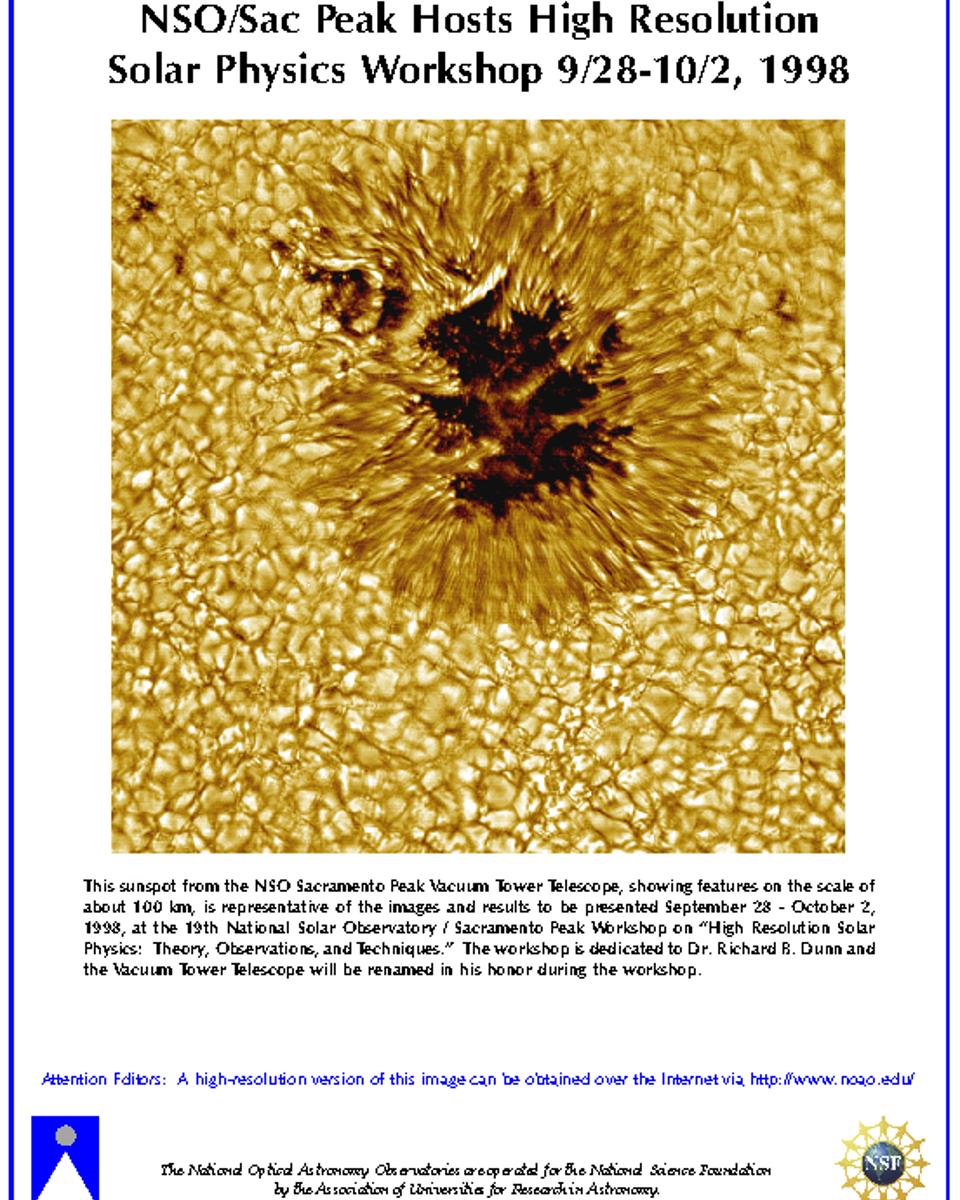
A Sunspot Up Close
Sometimes, small regions of the Sun appear unusually dark. Visible above is a close-up picture of a sunspot , a depression on the Sun's face that is slightly cooler and less…
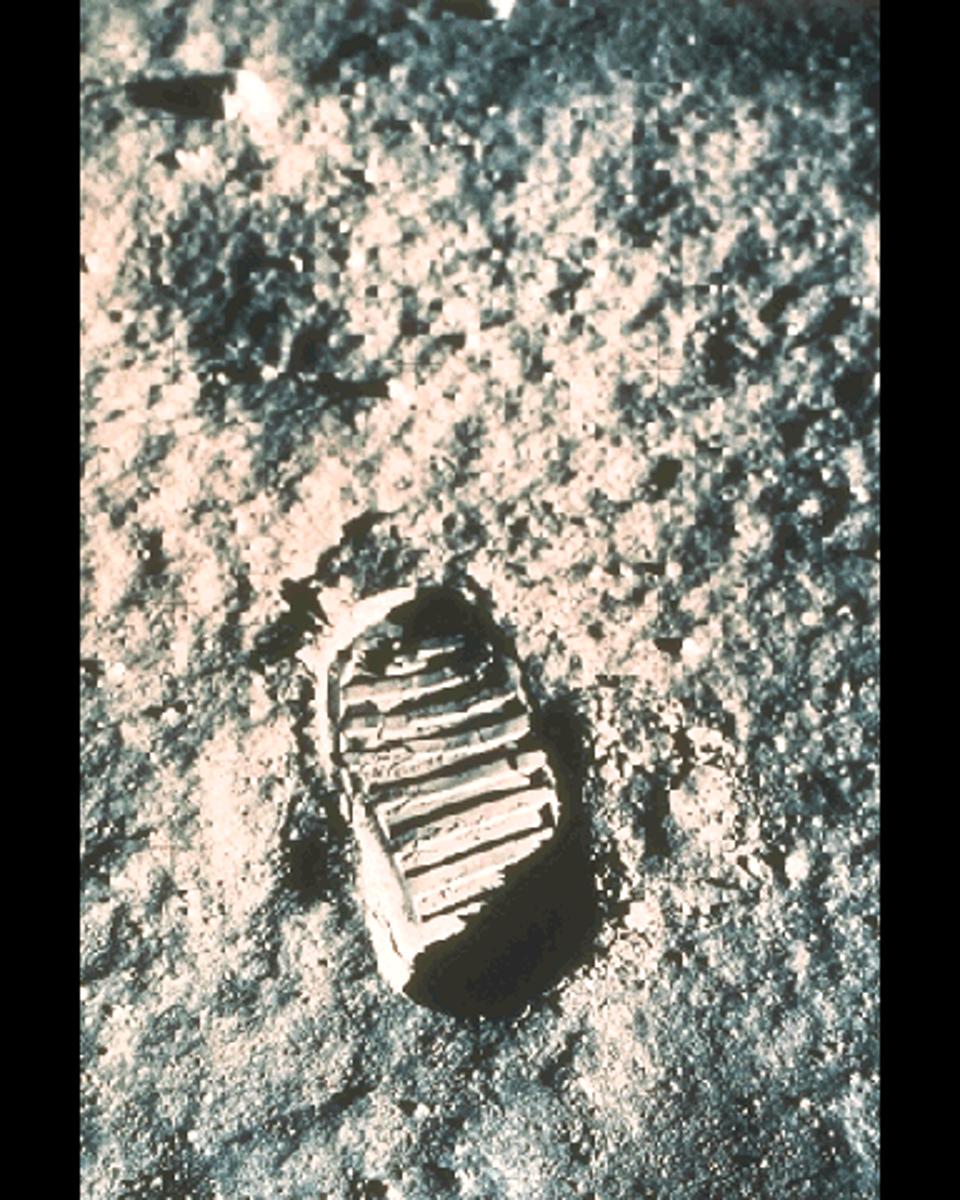
One Small Step
On July 20th, 1969, a human first set foot on the Moon . Pictured above is the first lunar footprint. The footprint and distinction of the first person to walk on the Moon belong…
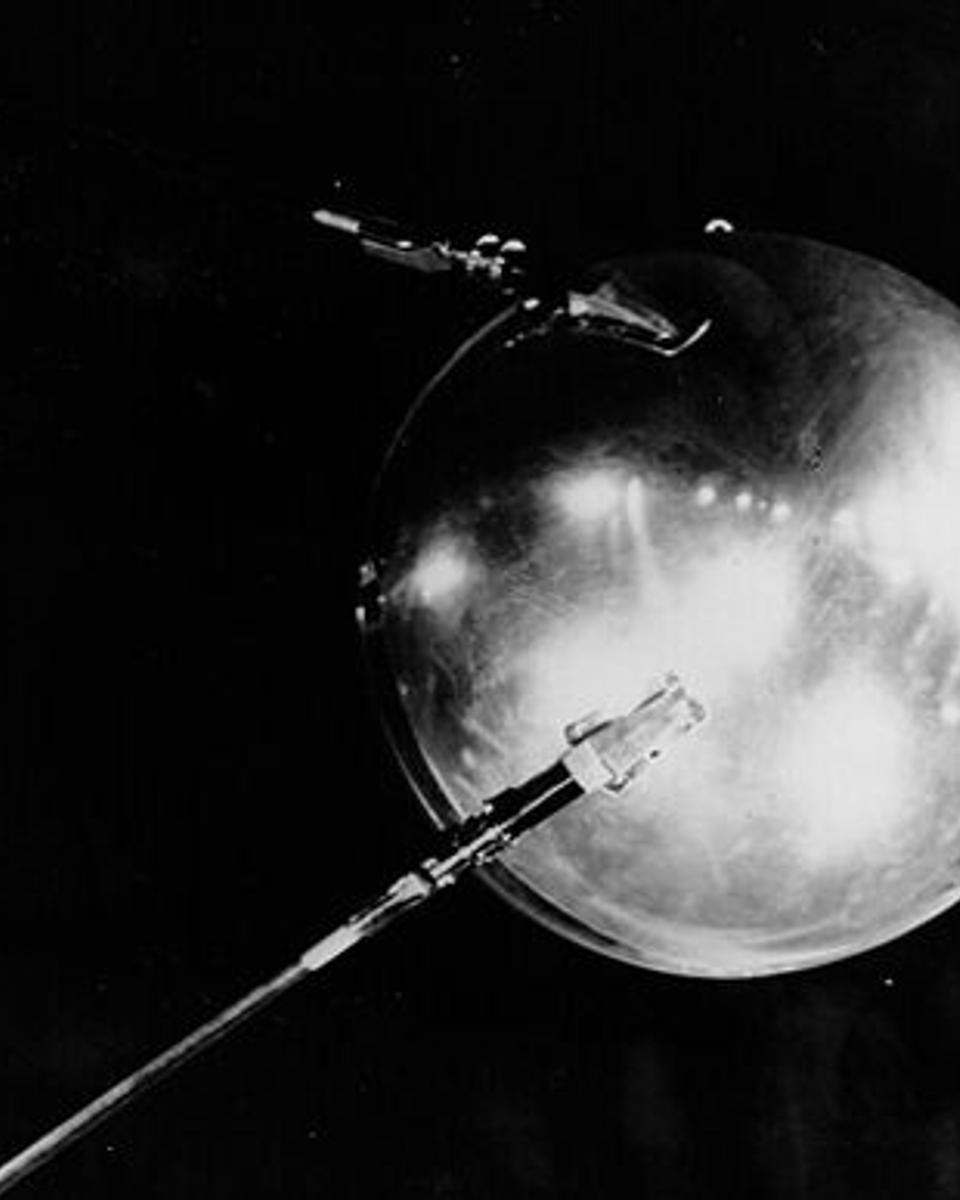
Sputnik: Traveling Companion
Sputnik means “traveling companion”. Despite the innocuous sounding name, the launch of the Earth's first “artificial moon”, Sputnik 1 , by the Soviets on October 4, 1957 shocked…
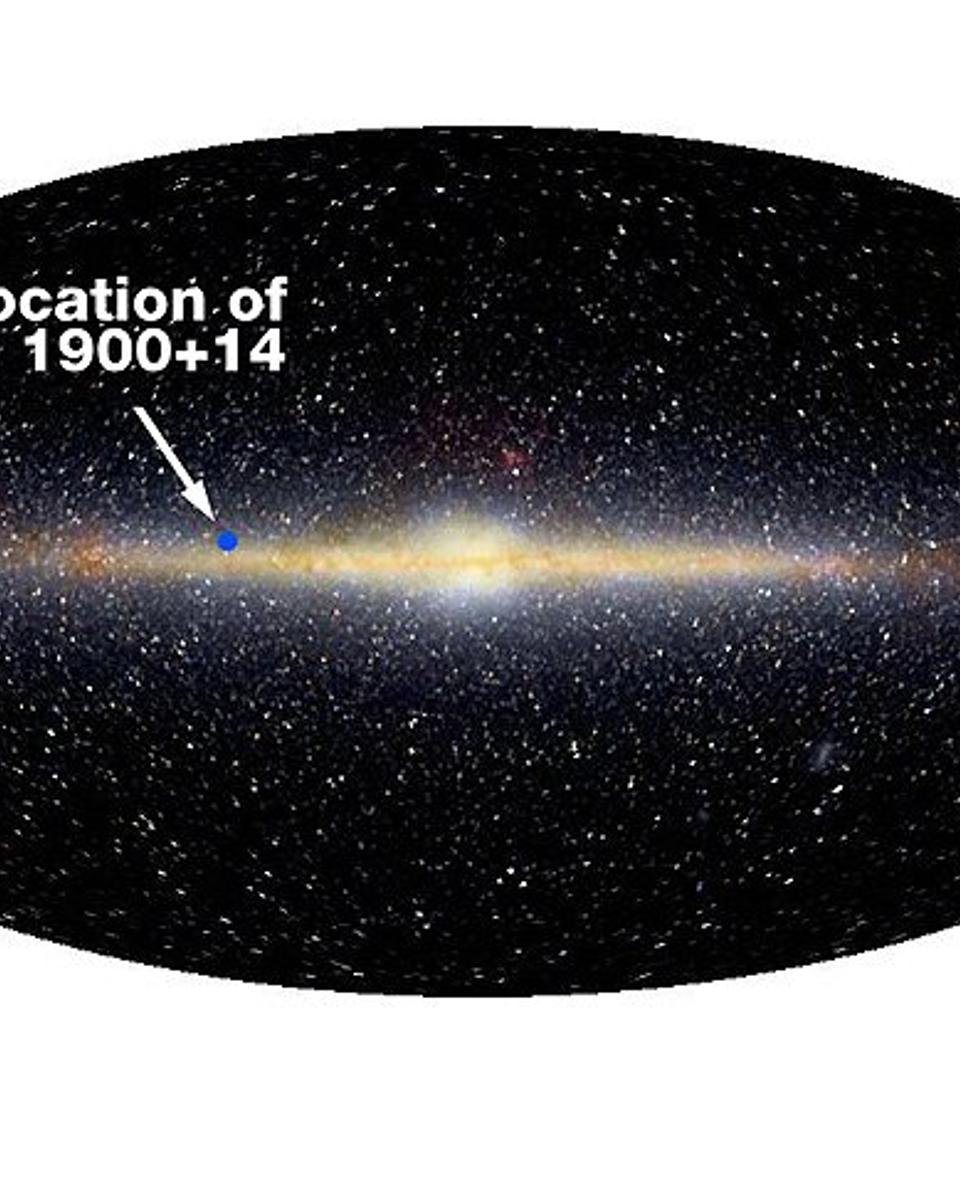
Magnetar In The Sky
Indicated on this infrared image of the galactic center region is the position of SGR 1900+14 - the strongest known magnet in the galaxy. SGR 1900+14 is believed to be a…
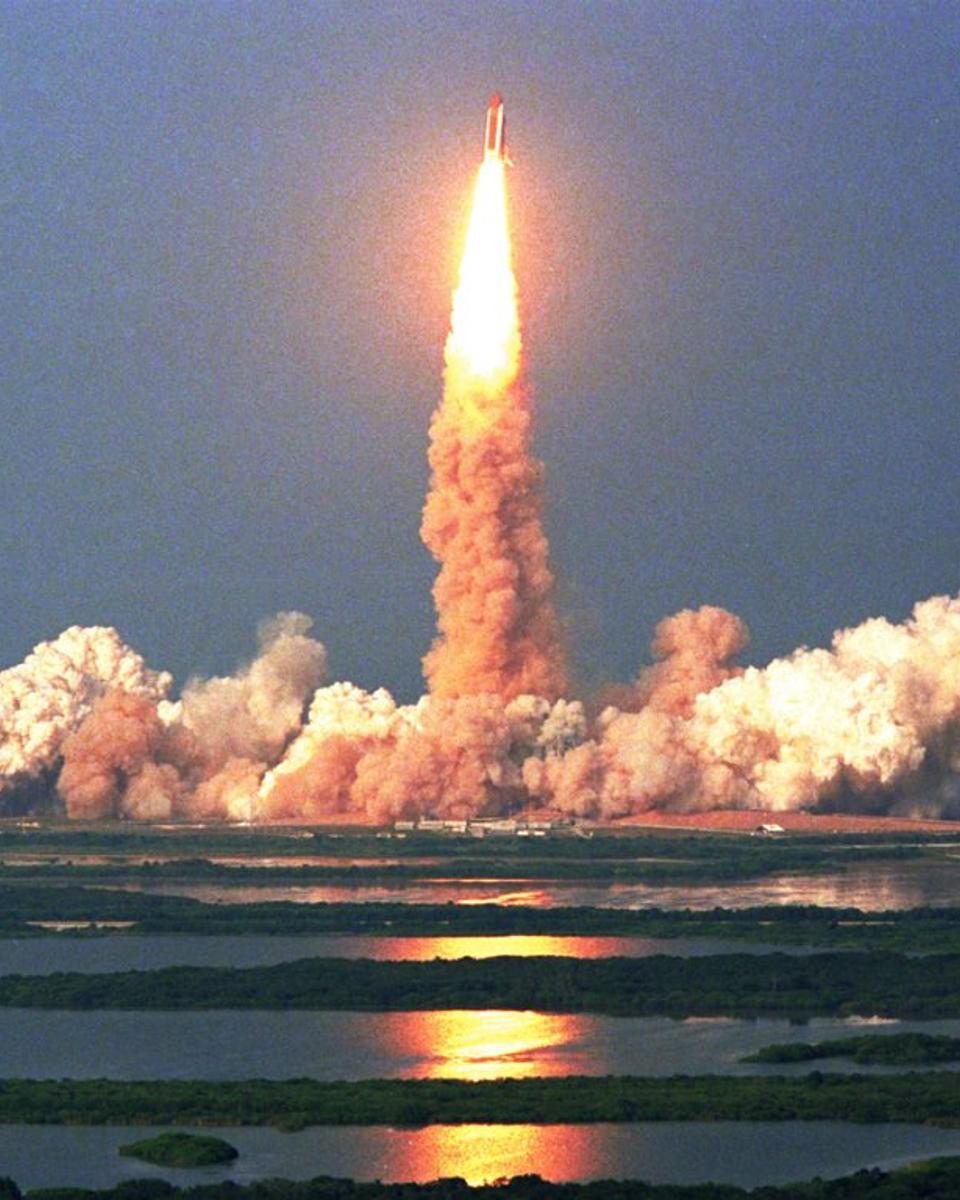
Happy 40th Birthday, NASA!
Happy Birthday, NASA ! The National Aeronautics and Space Administration officially began operations on October 1, 1958, absorbing its forerunner organization the National…
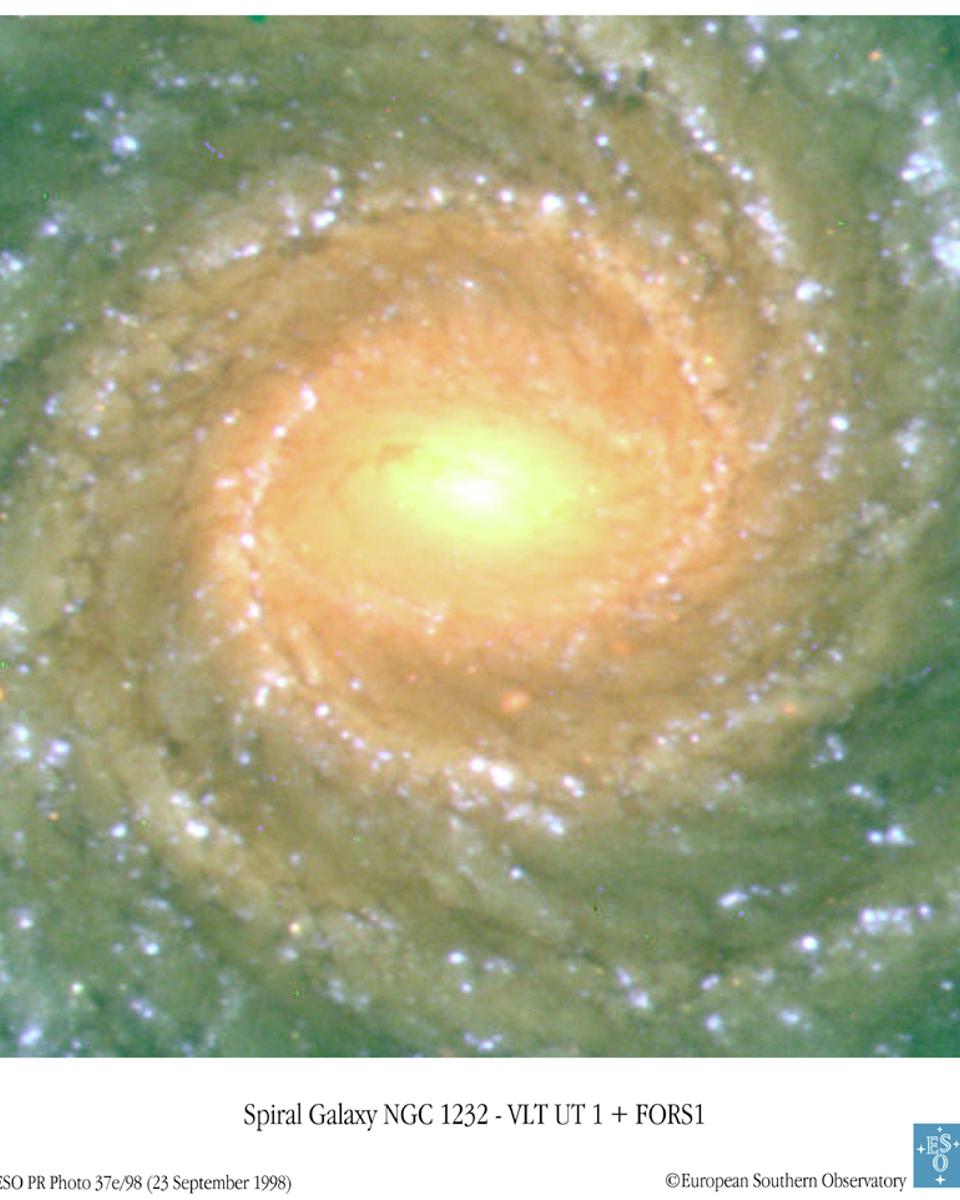
Spiral Galaxy NGC 1232
Galaxies are fascinating not only for what is visible, but for what is invisible. Grand spiral galaxy NGC 1232 , recently captured in detail by the new Very Large Telescope , is a…
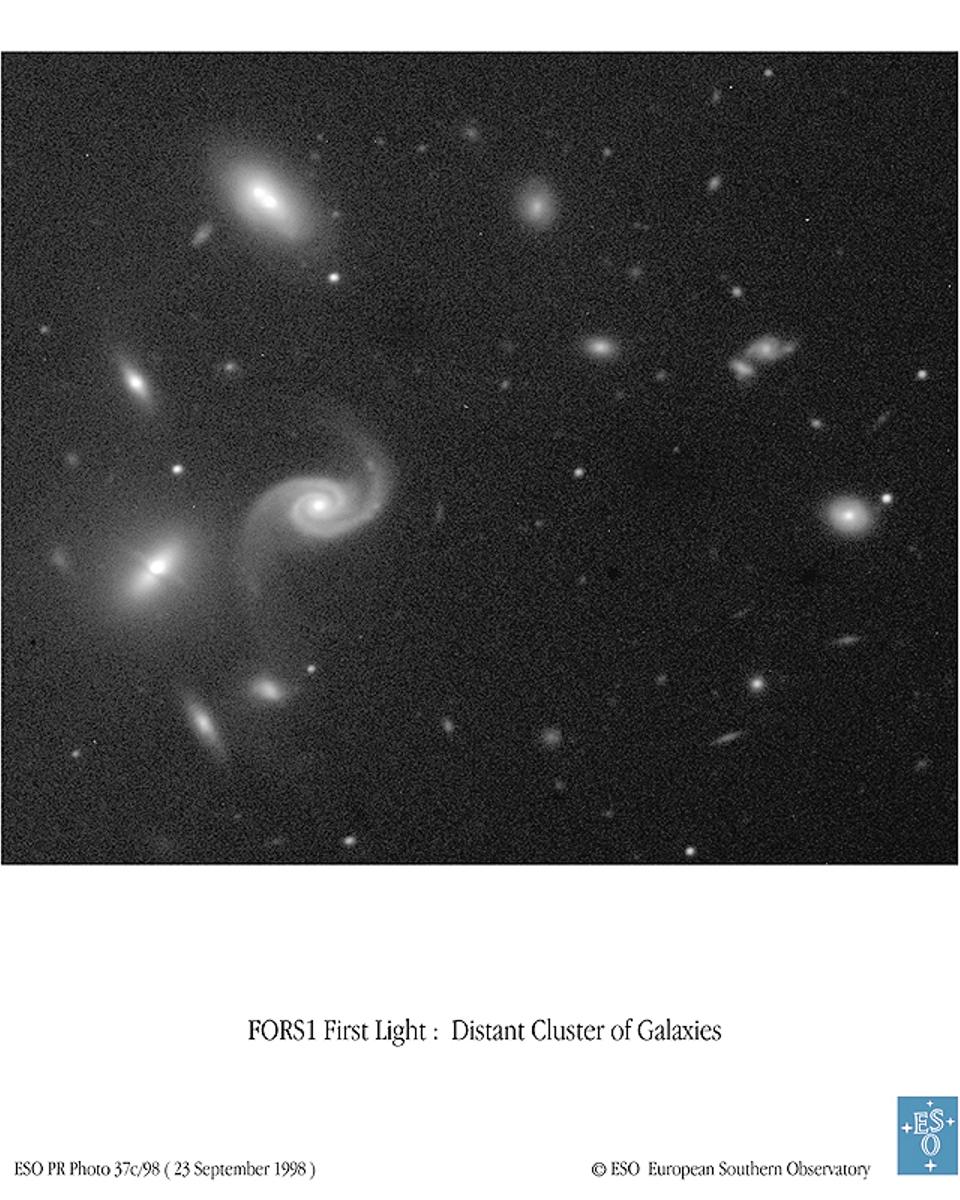
A Peculiar Cluster of Galaxies
Far across the universe, an unusual cluster of galaxies has been evolving. A diverse group of galaxies populate this cluster, including, on the left, an unusual galaxy showing an…
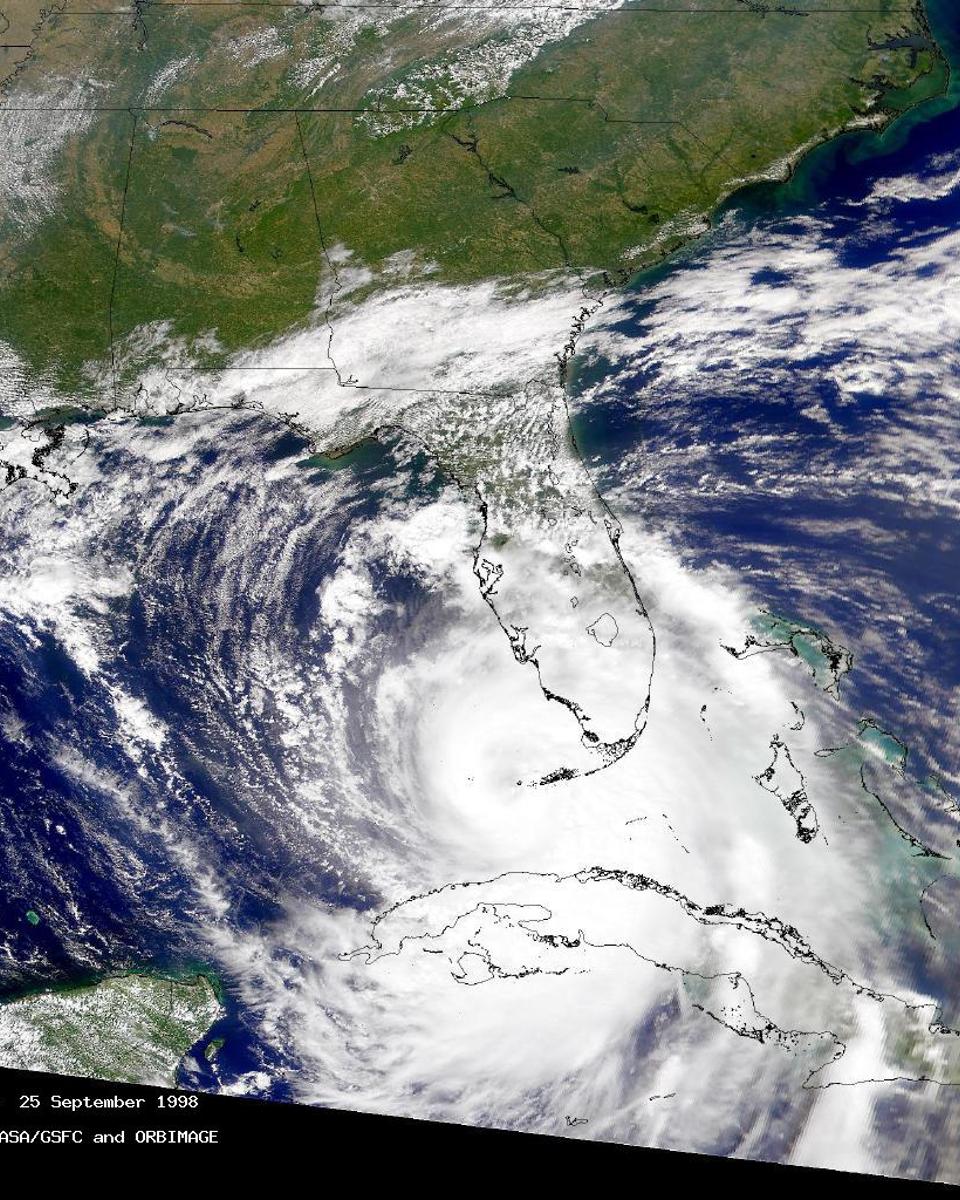
A Hurricane in the Gulf
Last Friday, Hurricane Georges was photographed from space entering the Gulf of Mexico . This immense storm system , larger than most states, is expected to make landfall today.…
Viewing discoveries from 21 October 1998 through 28 September 1998.