Browse NASA Astronomy Picture of the Day archive by date and media: Archive Discoveries
Browse the NASA APOD archive without needing the exact date first. Filter by media type and keep moving deeper into older images and videos.
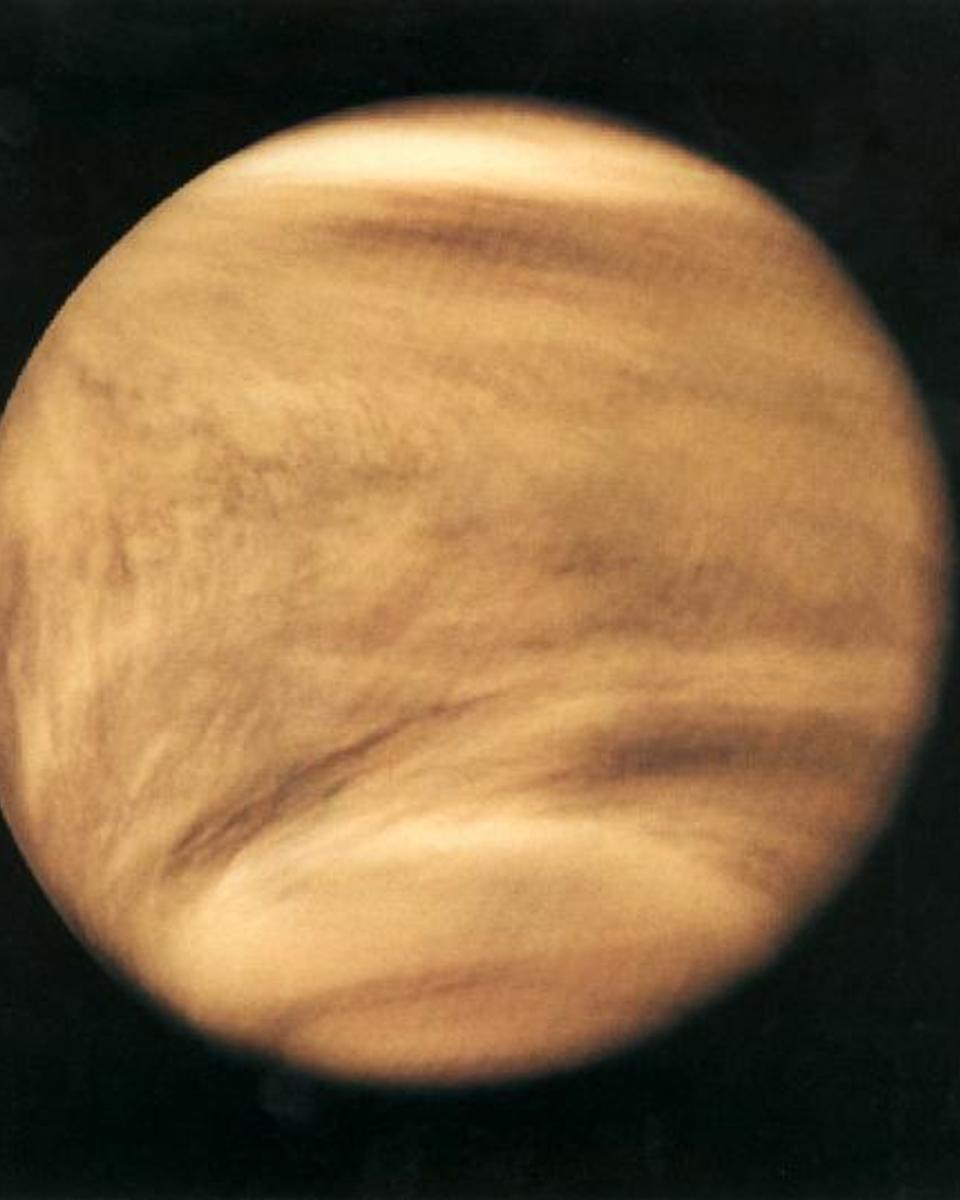
Ultraviolet Venus
Explanation : The forecast for Venus is cloudy, cloudy, cloudy. Although similar to the Earth in size and mass, Venus ' slightly closer orbit to the Sun create for it a much…
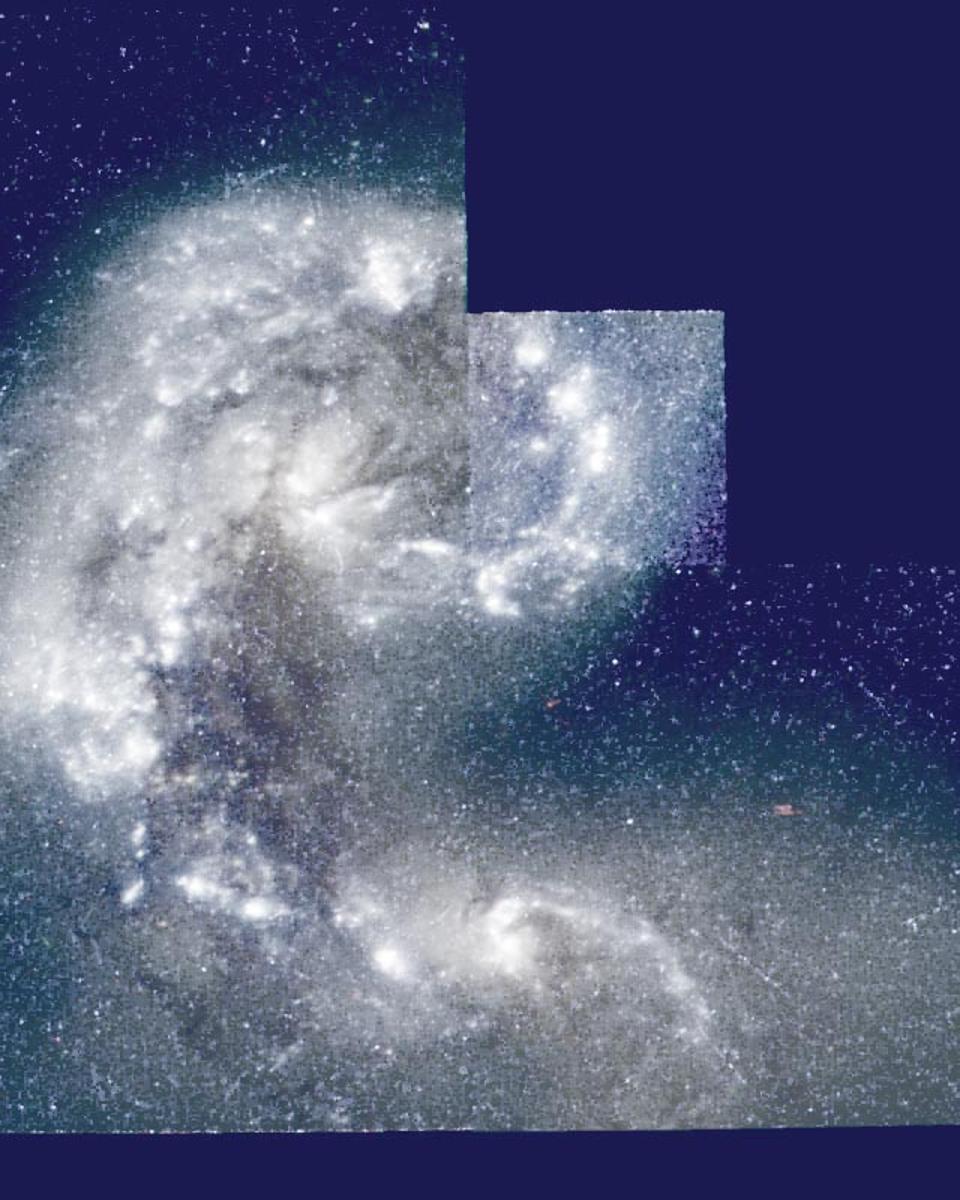
NGC4039: Starbirth and Galaxy Death
Explanation : Do star clusters form when galaxies collide? Quite possibly, according to Hubble Space Telescope observations of the “ Antennae ”, two galaxies thought to be in the…
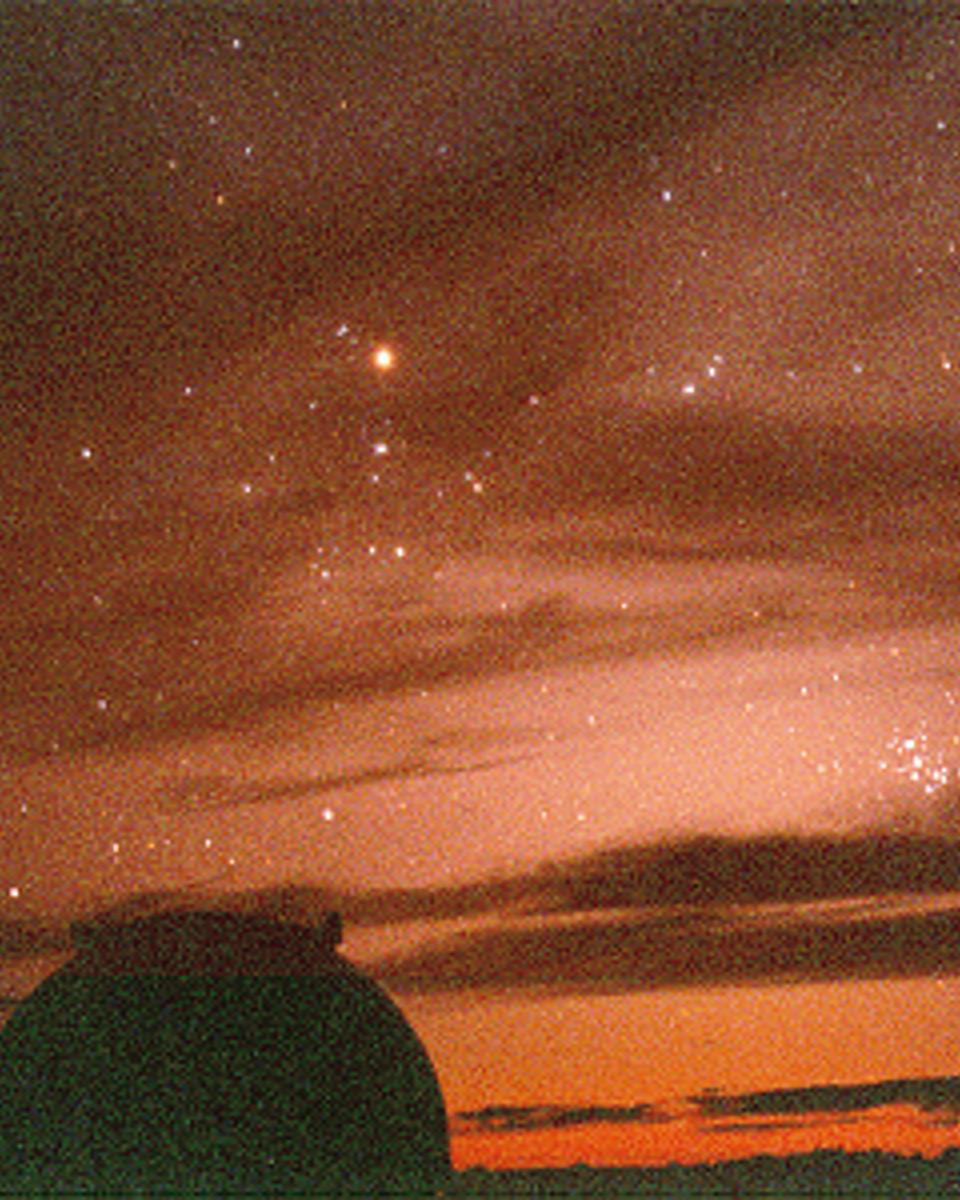
Sunset with Hale-Bopp at Keck
Explanation : A famous star cluster and observatory highlight this picture of Comet Hale-Bopp. Taken last week from the observatory summit of Hawaii 's Mauna Kea Volcano, the dome…
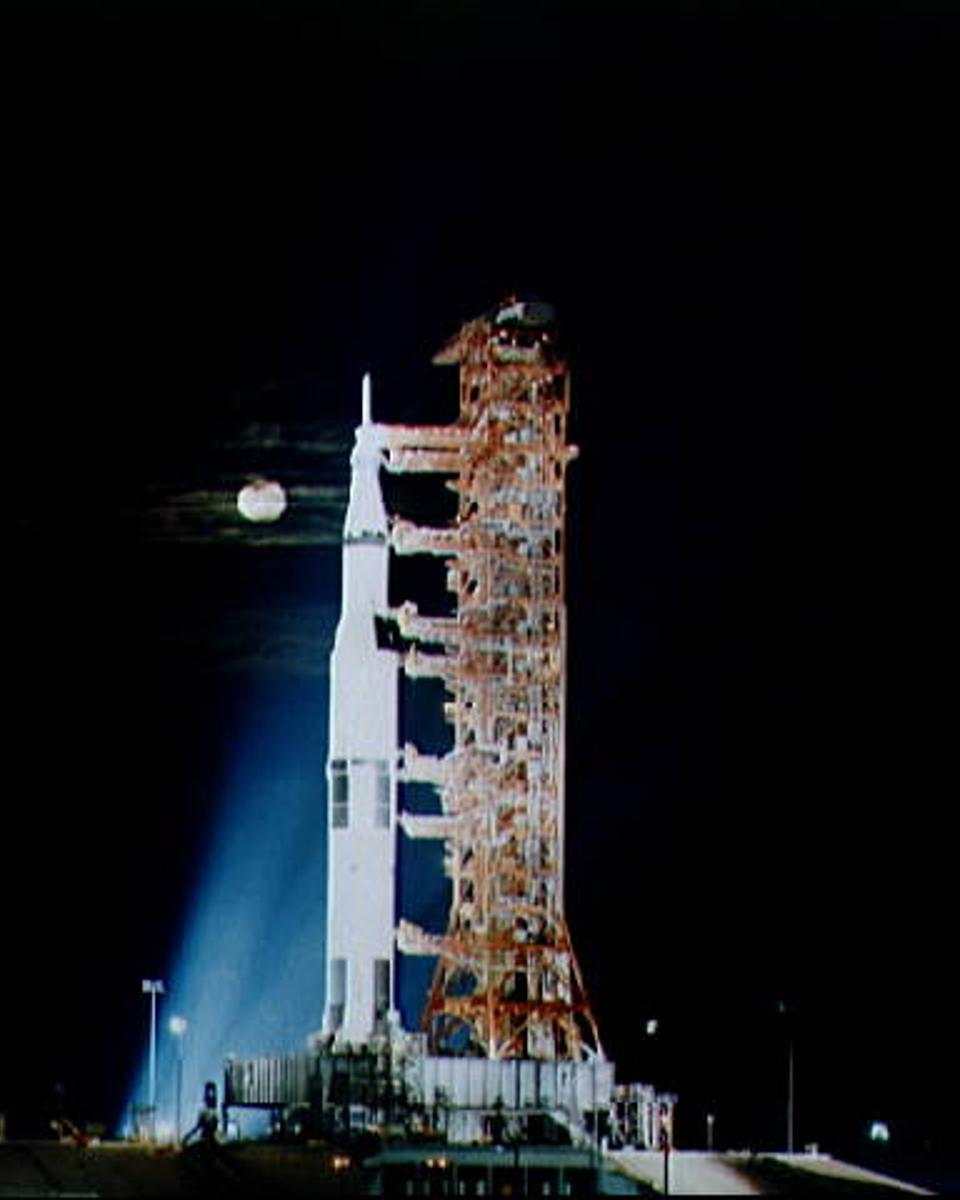
The Last Moon Shot
Explanation : In 1865 Jules Verne predicted the invention of a space capsule that could carry people. In his science fiction story “From the Earth to the Moon” , he outlined his…
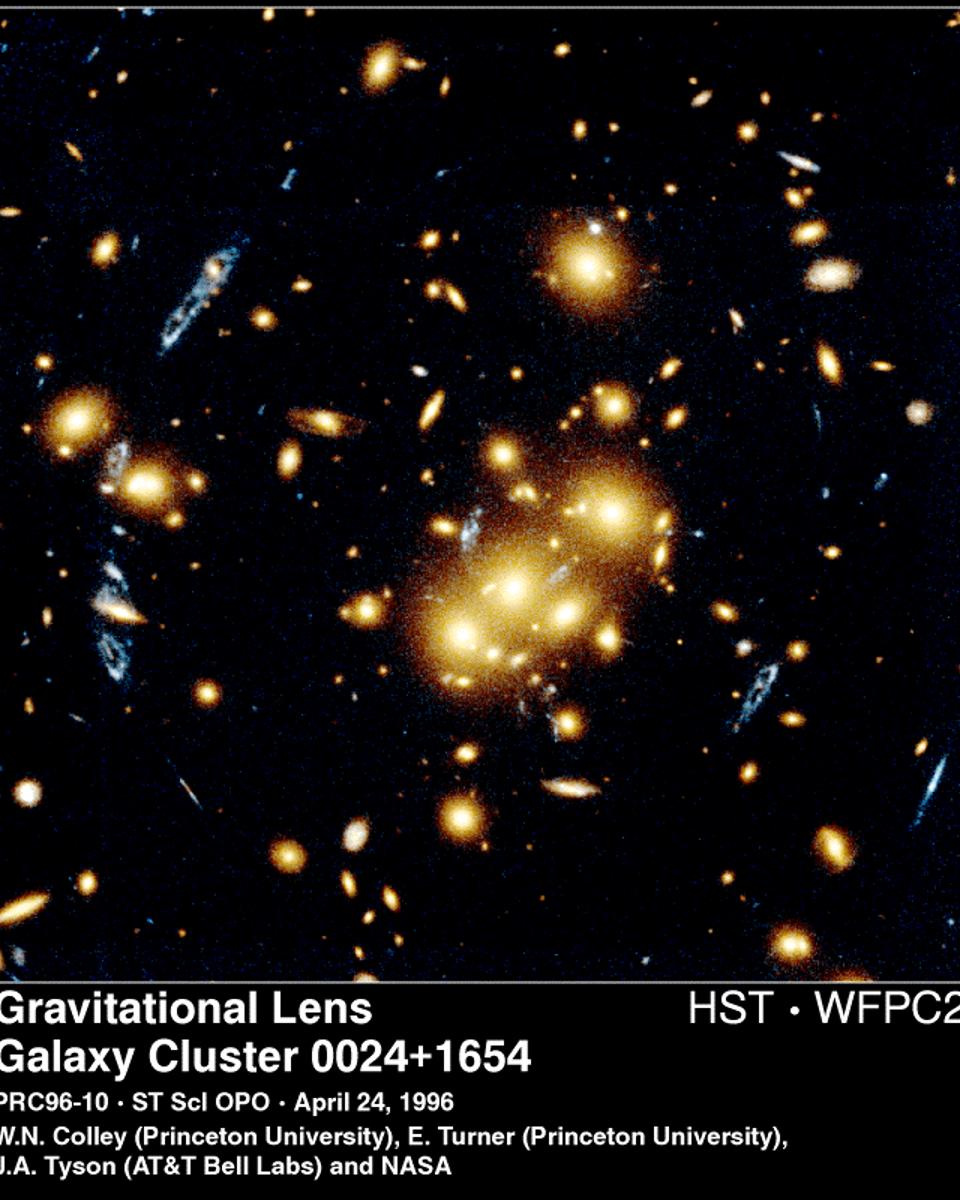
Giant Cluster Bends, Breaks Galaxy Images
Explanation : What are those strange blue objects? Many are images of a single, unusual, beaded, blue, ring-like galaxy which just happens to line-up behind a giant cluster of…
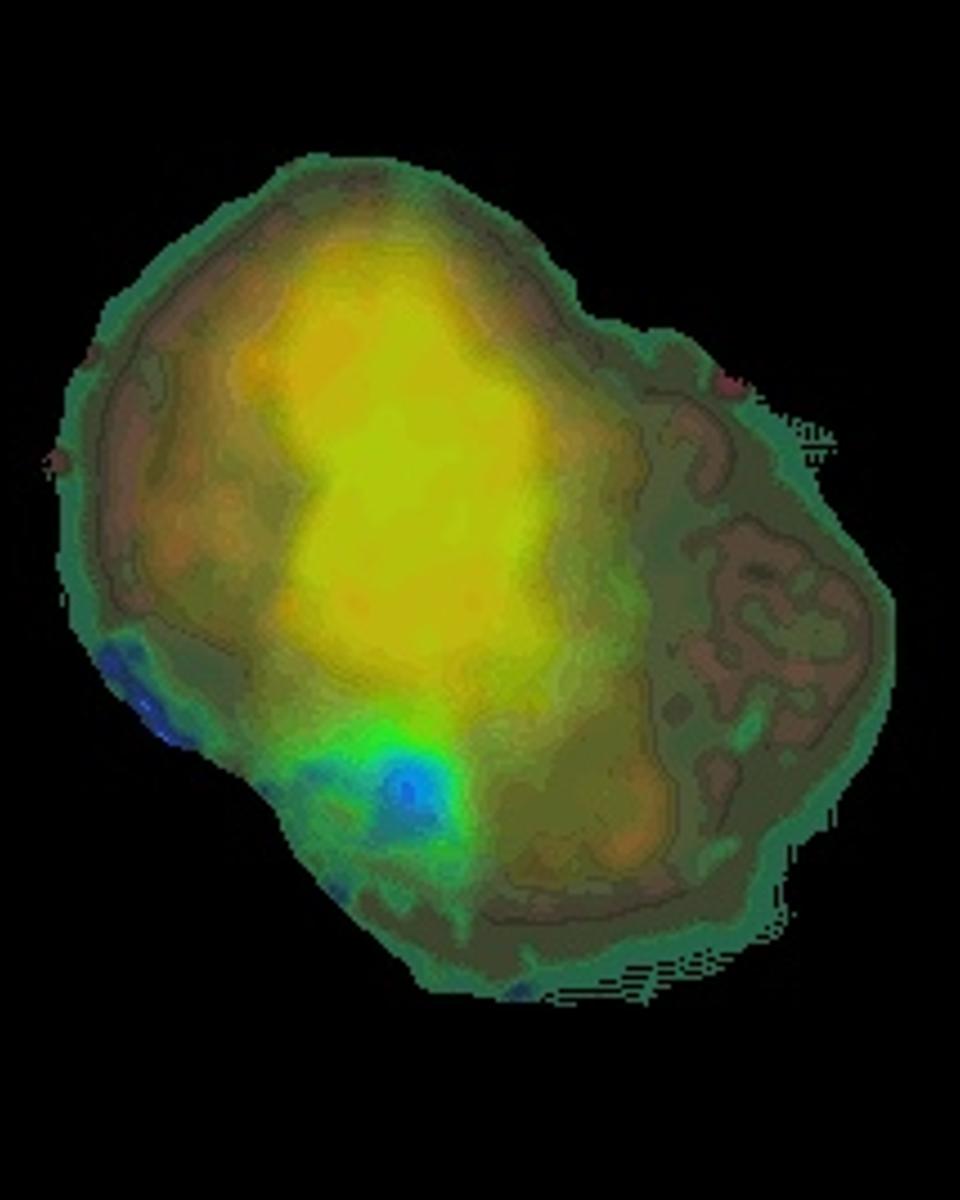
X-Rays From IC 443
Explanation : The life-cycles of stars help drive the ecology of our Galaxy, churning, processing, and redistributing matter . Massive stars reach a spectacular evolutionary…
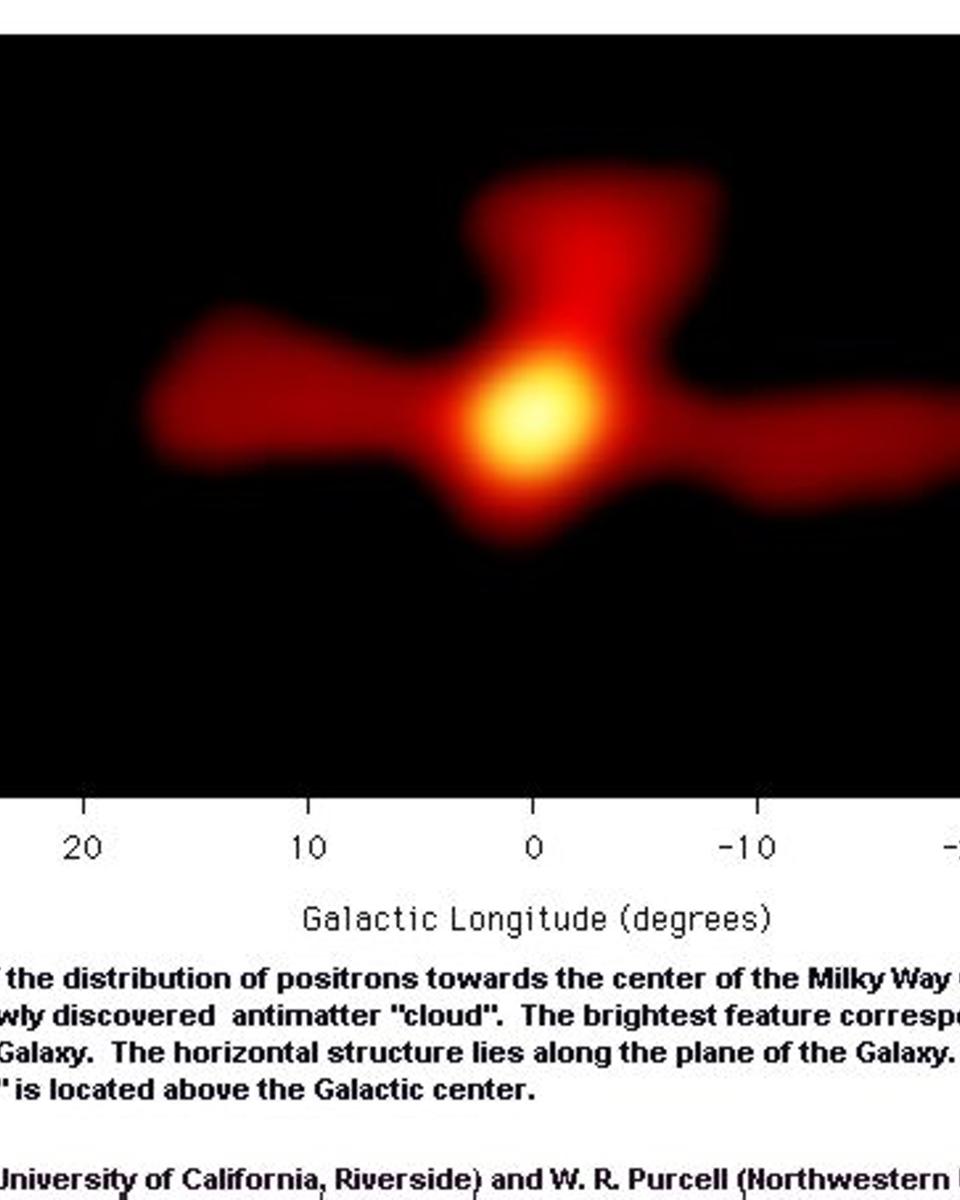
A Galactic Cloud of Antimatter
Explanation : The center of our Milky Way Galaxy is full of surprises . Its latest spectacular is a mysterious cloud glowing in gamma rays produced by annihilating antimatter…
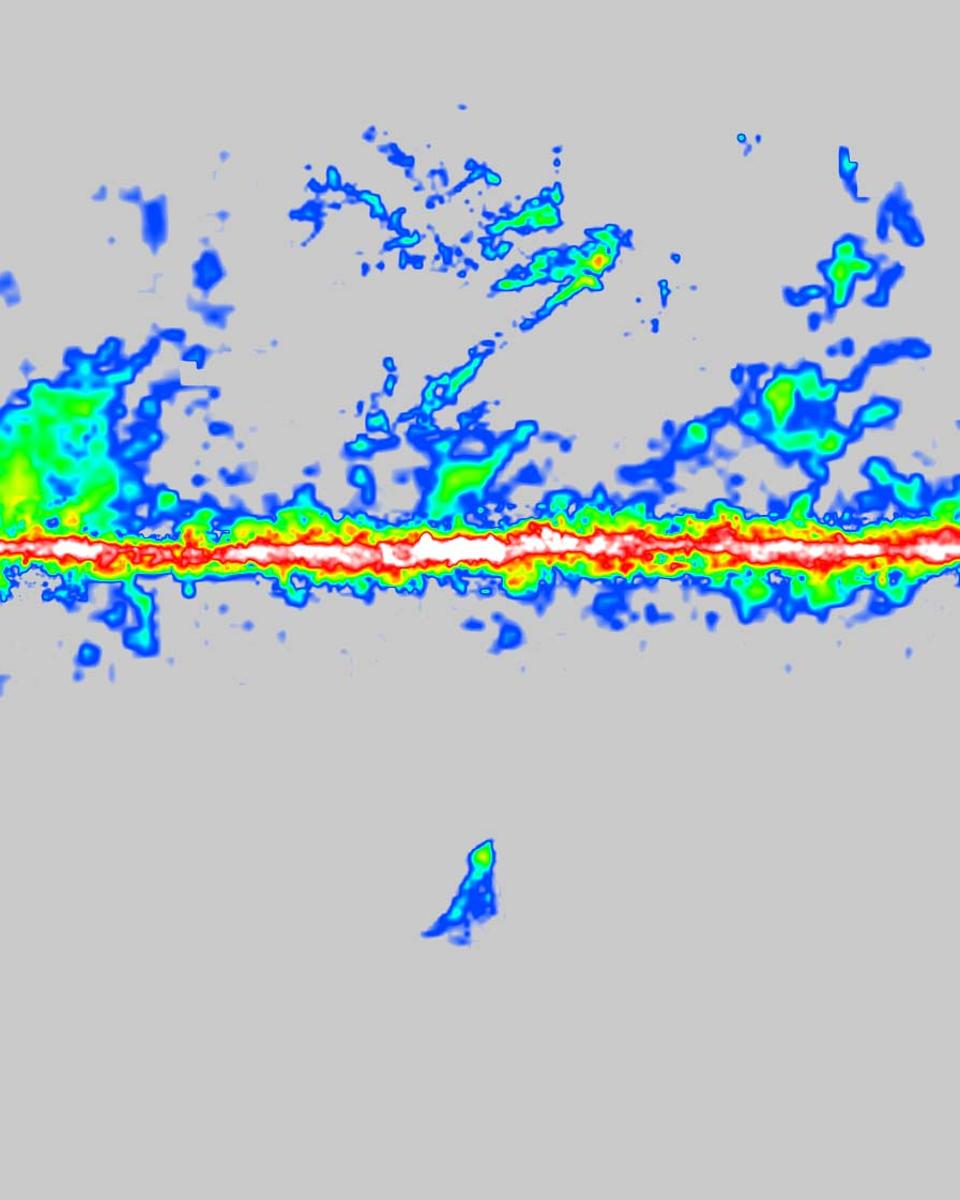
Milky Way Molecule Map
Explanation : Where are the Milky Way's gas clouds and where are they going? Stars form in gas clouds , and the motion of gas clouds tell us about the size and rotation speed of…

Hale-Bopp and Orion
Explanation : Comet Hale-Bopp is still brighter than most constellations . In fact, Comet Hale-Bopp may now hold the record for staying bright the longest . Last week the comet…
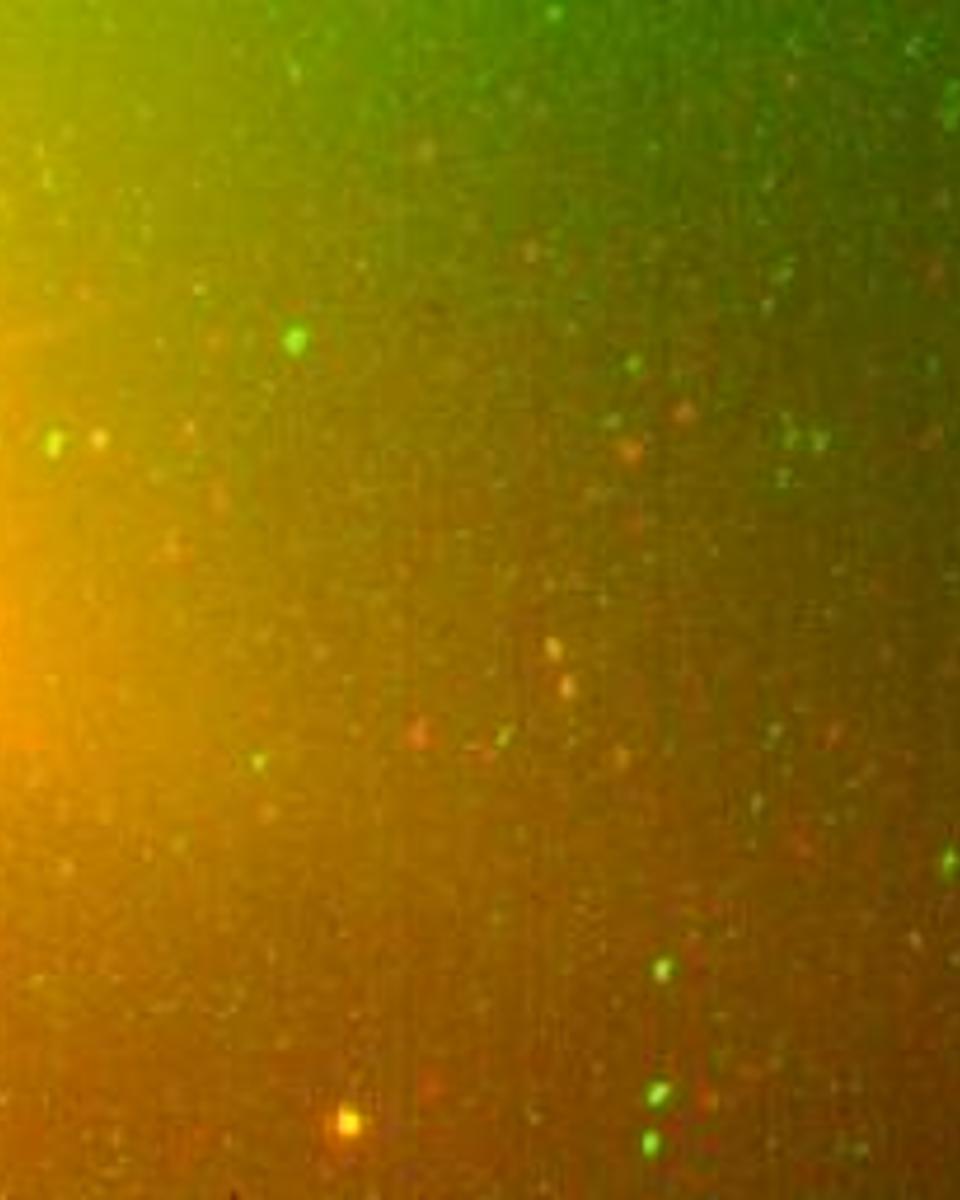
Io's Sodium Cloud
Explanation : Io has its own cloud. Jupiter 's most active moon is visible on the left of the above false-color photograph , with its left side illuminated by sunlight. But what…
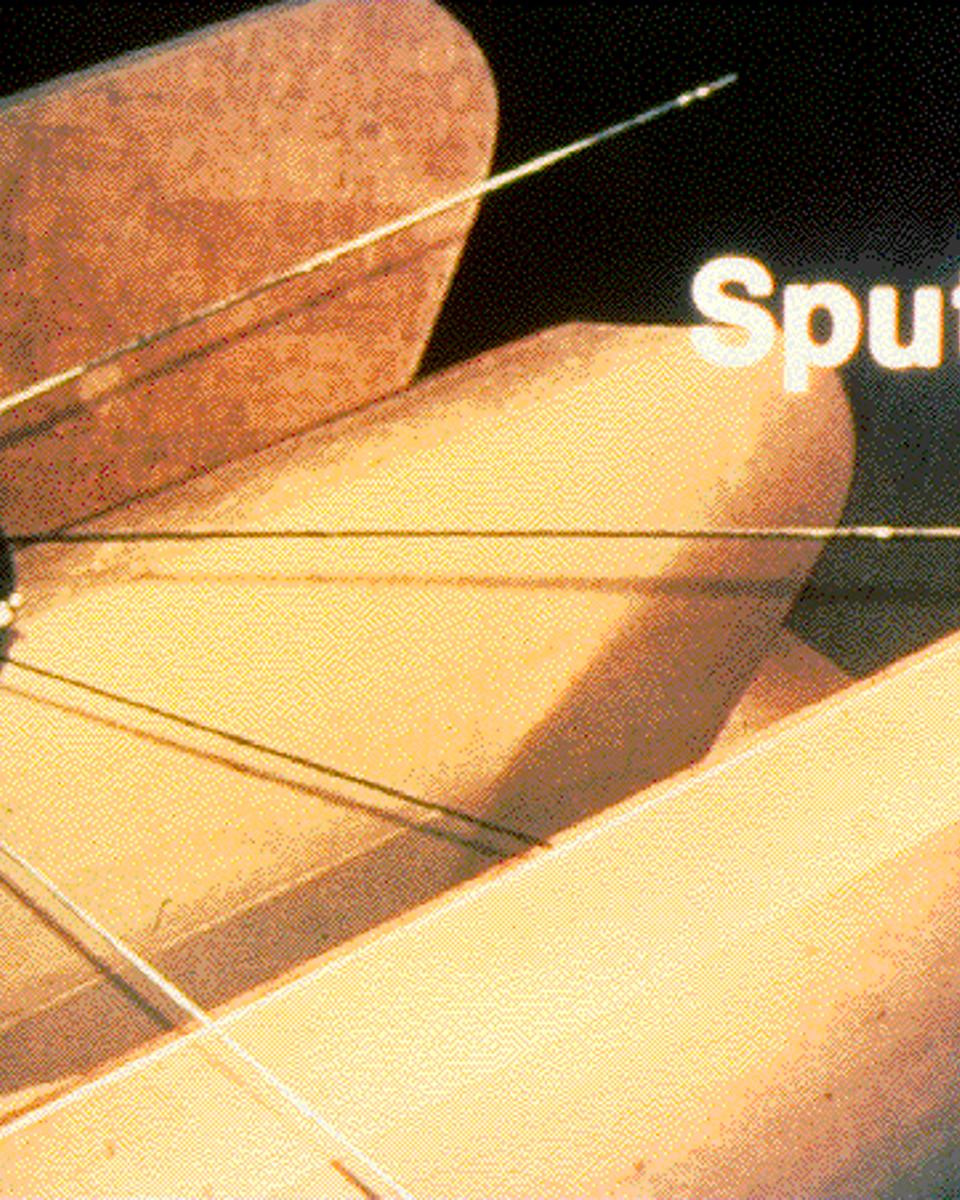
Sputnik: Traveling Companion Courtesy:
Explanation : Sputnik means “traveling companion”. Despite the innocuous sounding name, the launch of the Earth's first “artificial moon”, Sputnik 1 , by the Soviets on October 4,…
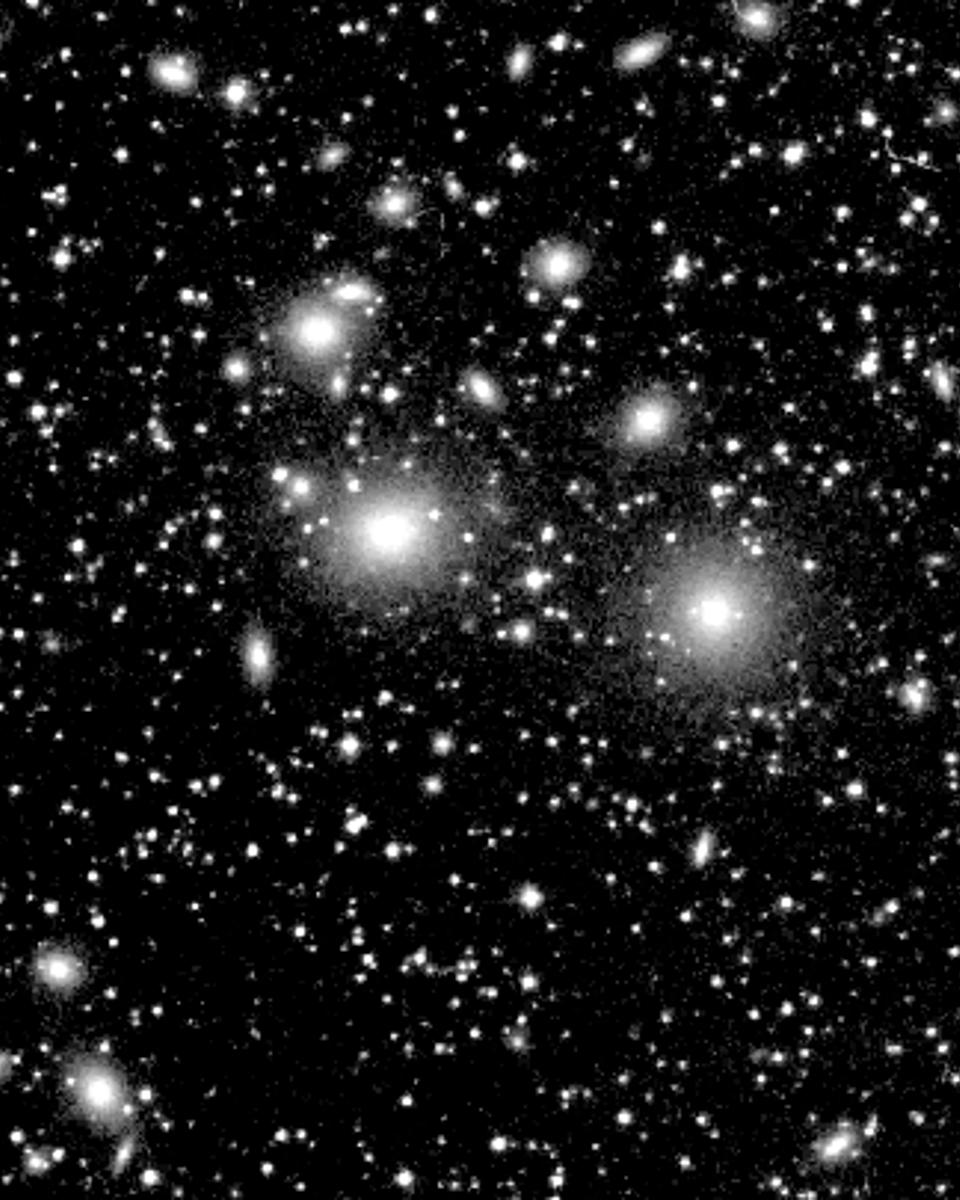
The Perseus Cluster of Galaxies
Explanation : Here is one of the largest objects that anyone will ever see on the sky. Each of the fuzzy blobs in the above picture is a galaxy , together making up the Perseus…
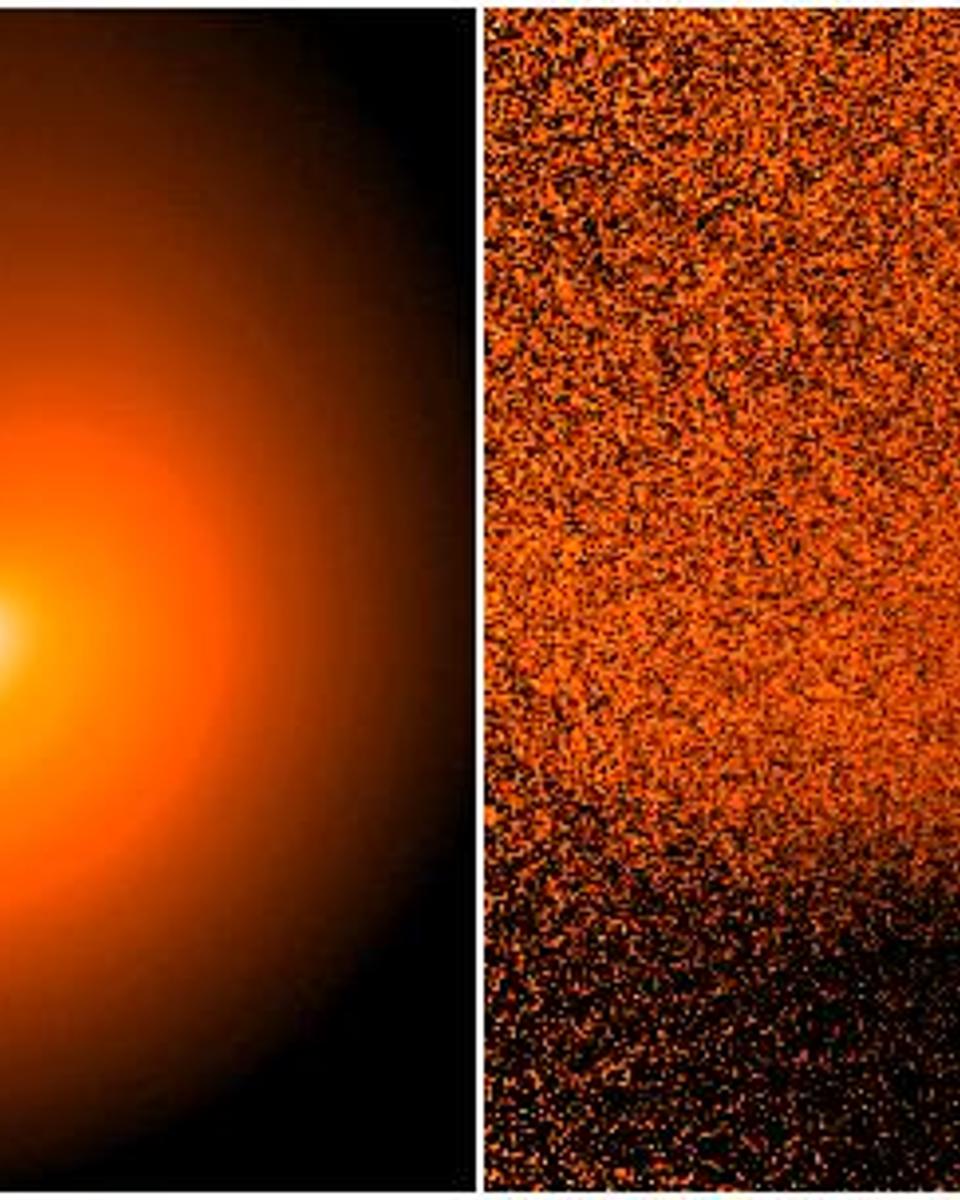
Hale-Bopp Polarized
Explanation : Light polarization is familiar to many outdoor enthusiasts who use polarizing sunglasses to cut the glare of reflected light. These two views of comet Hale-Bopp also…
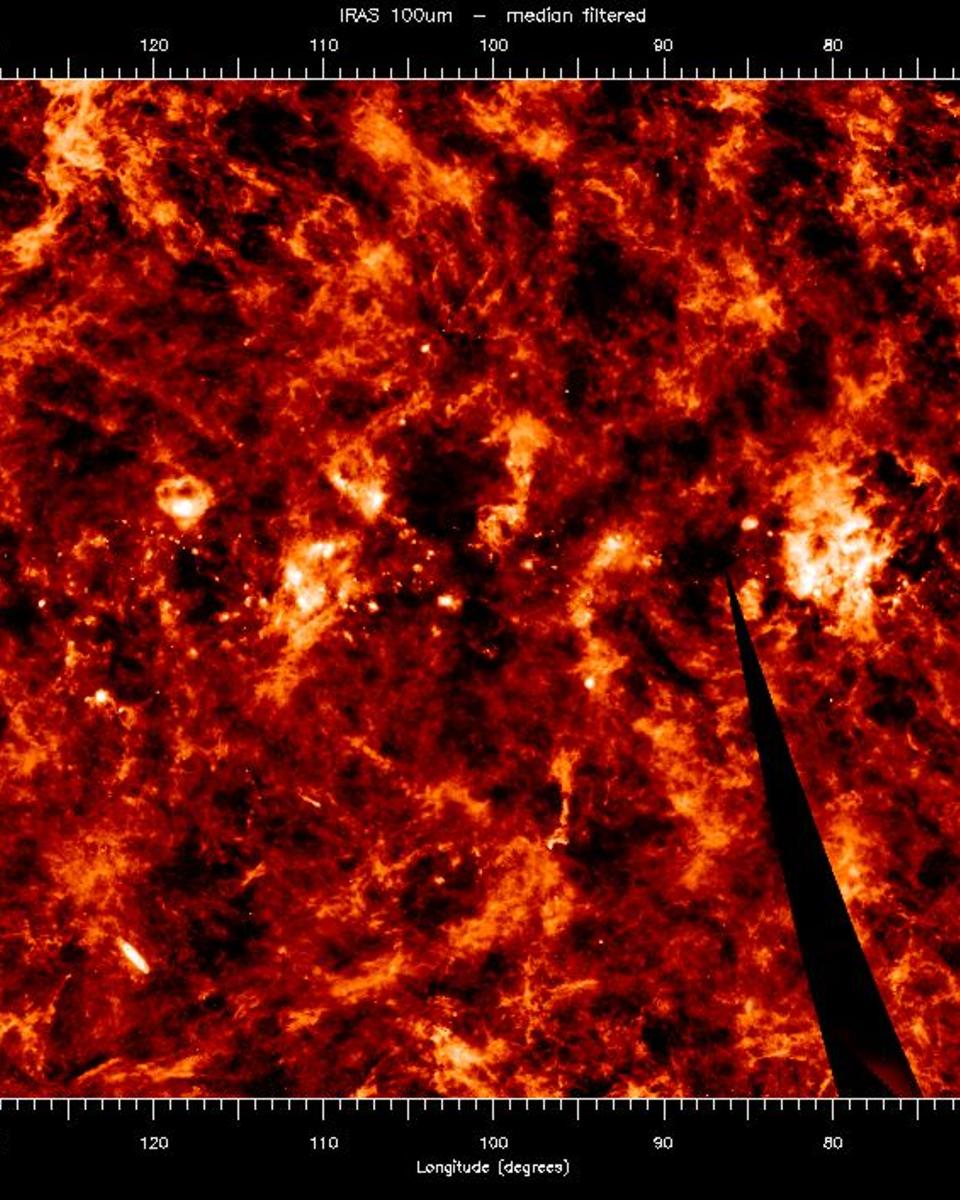
The Frothy Milky Way
Explanation : Astronomers have recently discovered that looking at dust along the plane of our Milky Way Galaxy is a bit like looking into a frothy glass of beer. The dust between…
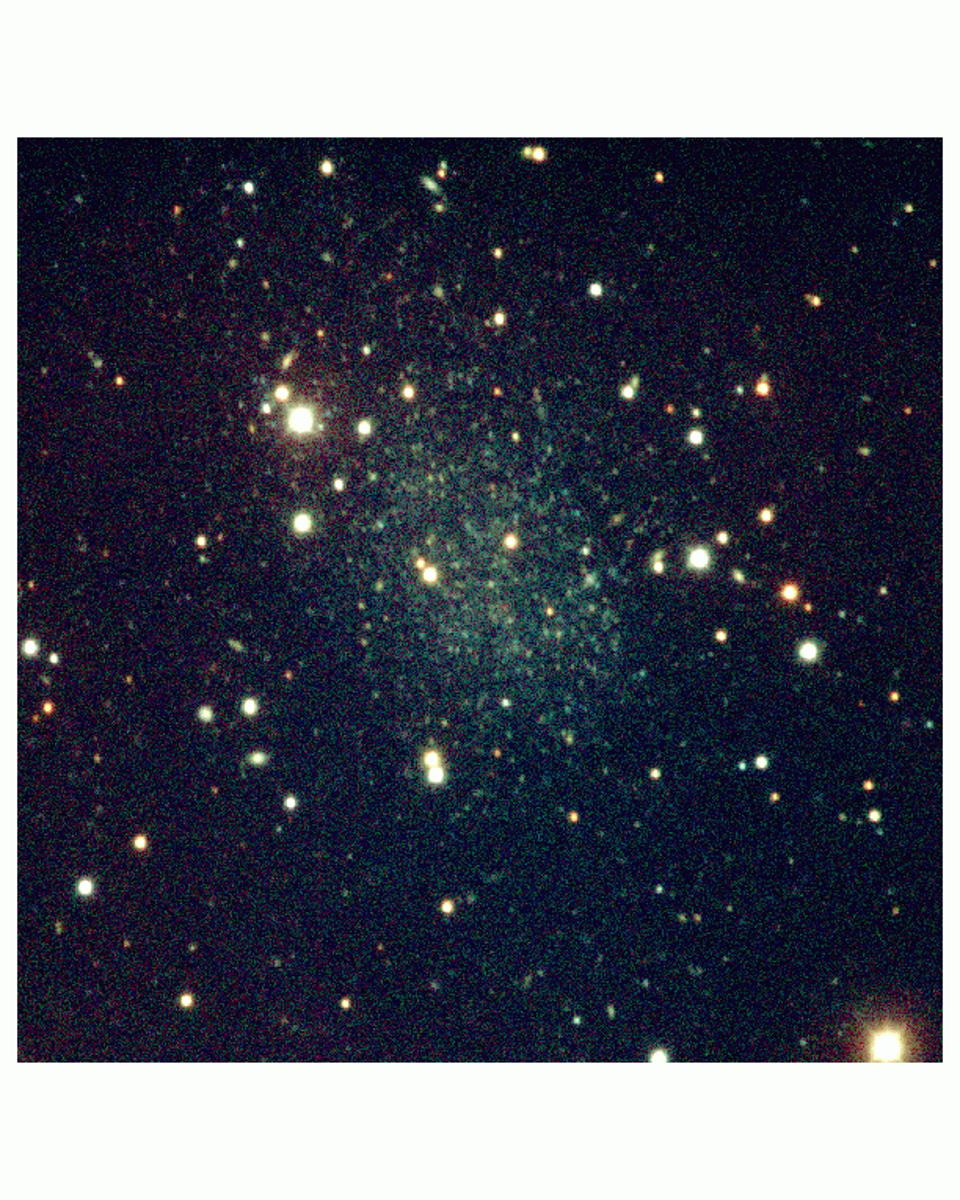
Antlia: A New Galactic Neighbor
Explanation : Meet Antlia, a newly discovered neighbor of our Milky Way Galaxy. Announced just last week, this faint member of our Local Group of Galaxies has only about one…
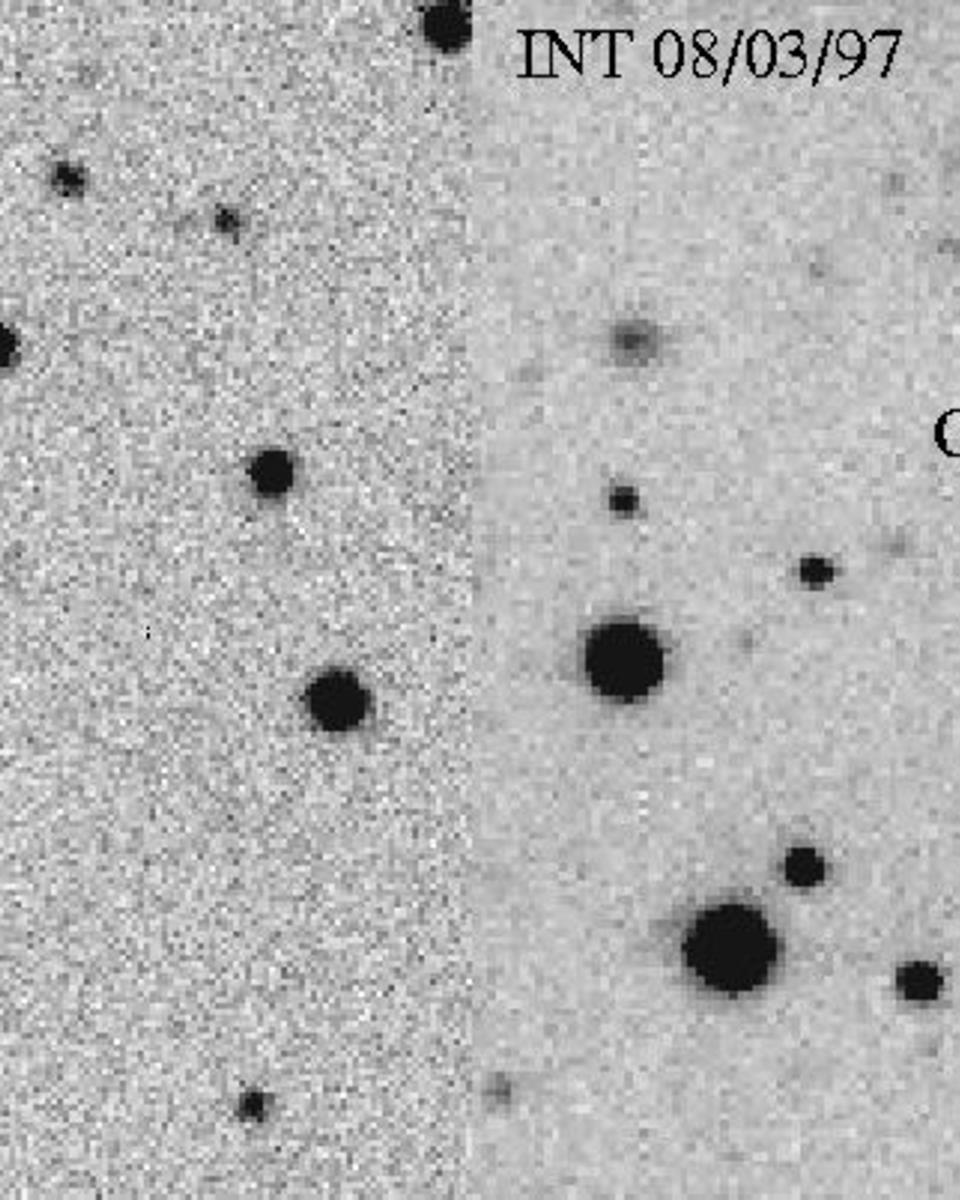
Historic Optical Flash Fades
Explanation : The largest telescopes in the world have scrambled to point toward this faint, fading object. Why? Because it may well be the first active optical counterpart ever…
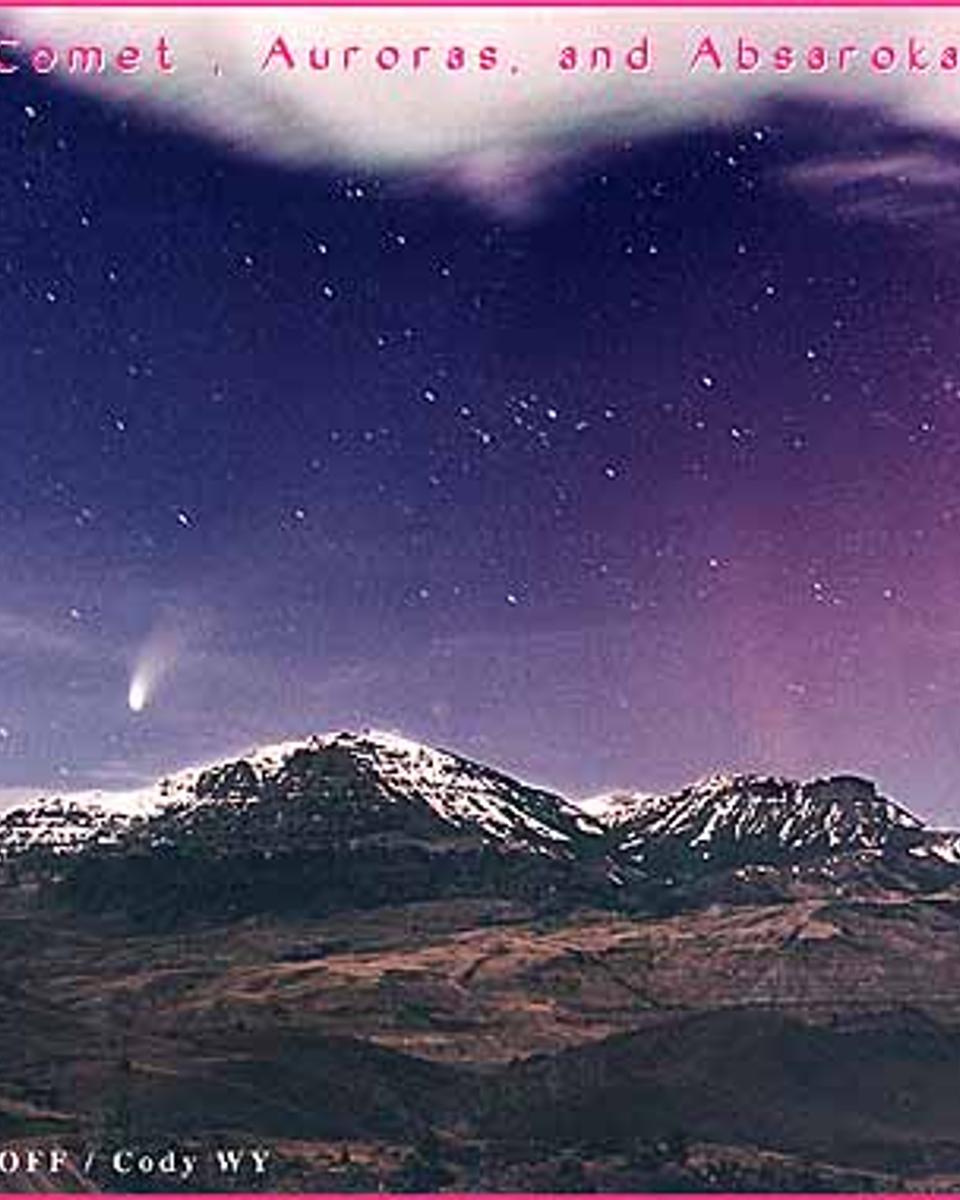
Big Sky Comet
Explanation : On April 17 th , “Big Sky” country sure lived up to its name. The dark skies over the US states of Wyoming, Montana and the Dakotas were quite busy, as shown by this…
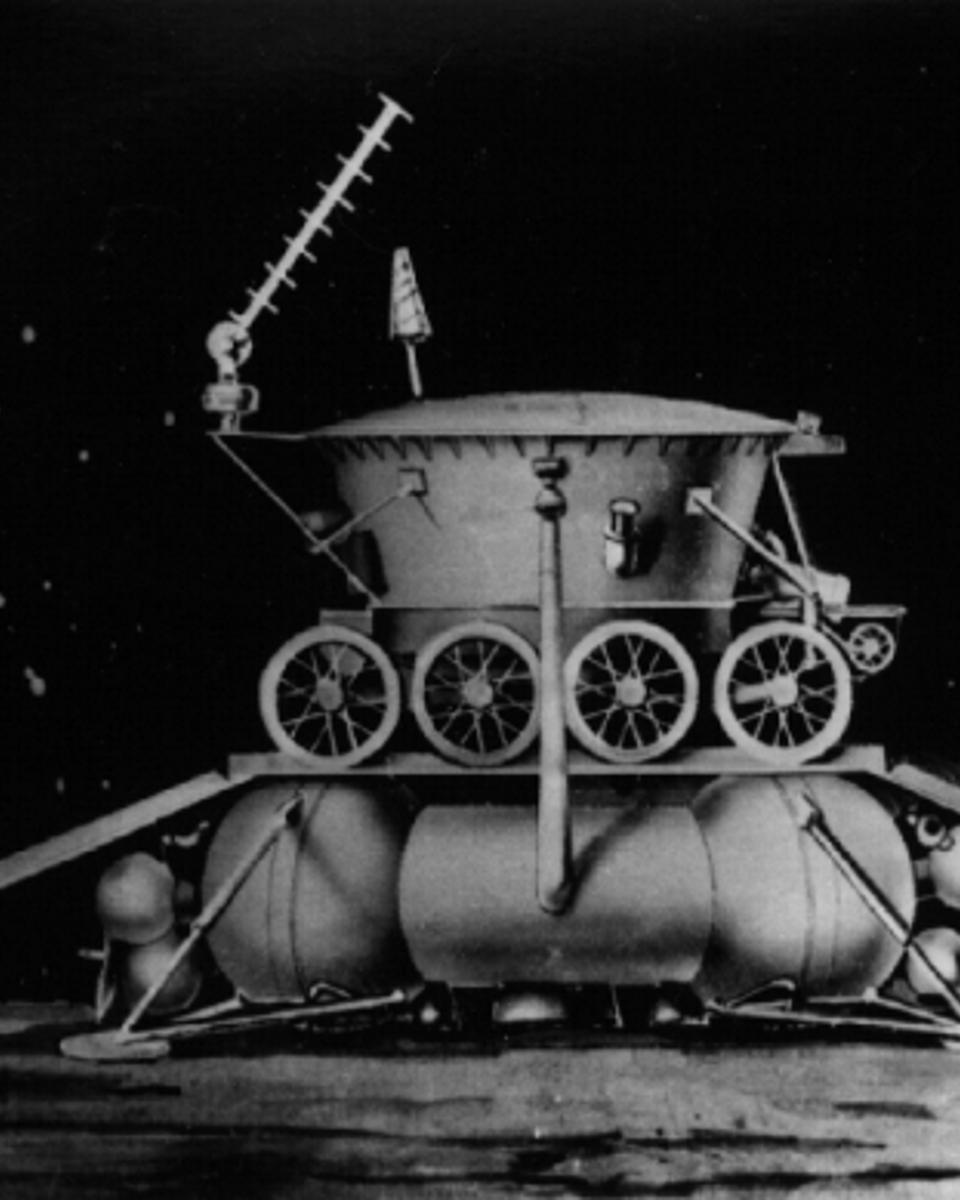
Moon Robot: Lunokhod 1
Explanation : On November 17, 1970 the Soviet Luna 17 spacecraft landed the first roving remote-controlled robot on the Moon . Known as Lunokhod 1, it weighed just under 2,000…
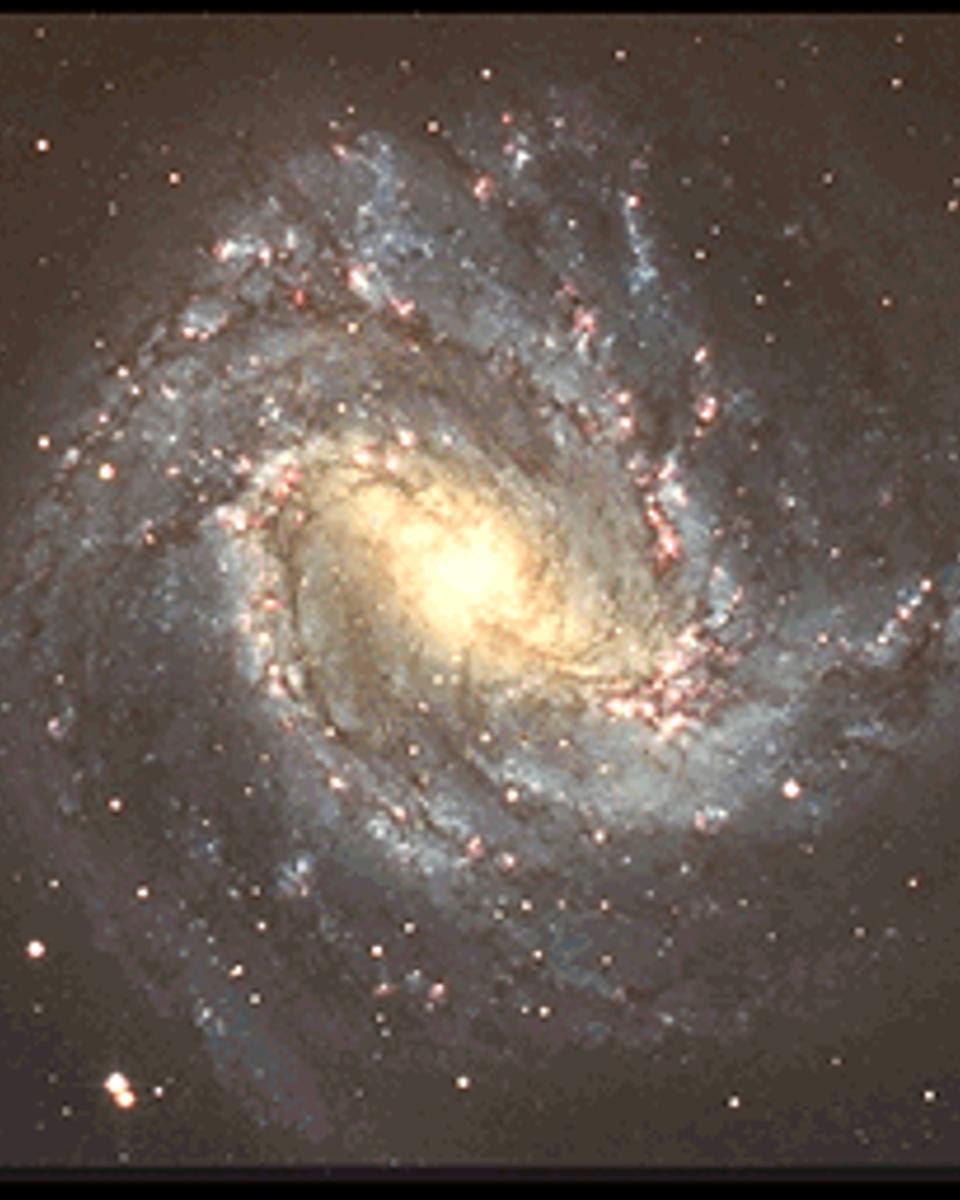
Spiral Galaxy M83
Explanation : The long winding arms of this nearby spiral galaxy define it as the “Southern Pinwheel.” But M83 is quite a typical spiral - much like our own Milky Way Galaxy.…
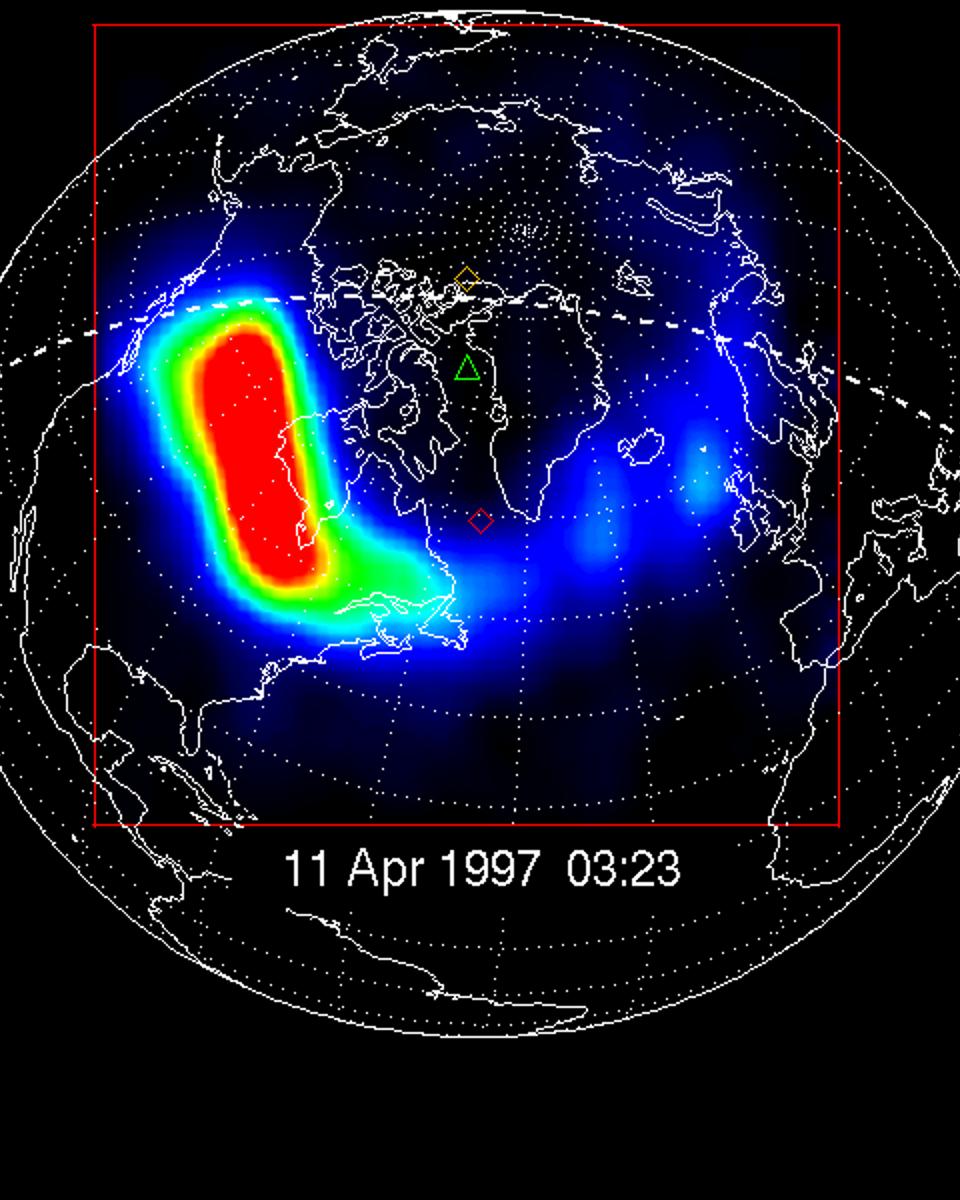
Solar Storm Causes X-Ray Aurora
Explanation : On April 7 , the SOHO spacecraft spotted a Solar Storm ejecting a cloud of energetic particles toward planet Earth. The plasma cloud's center missed Earth, but high…
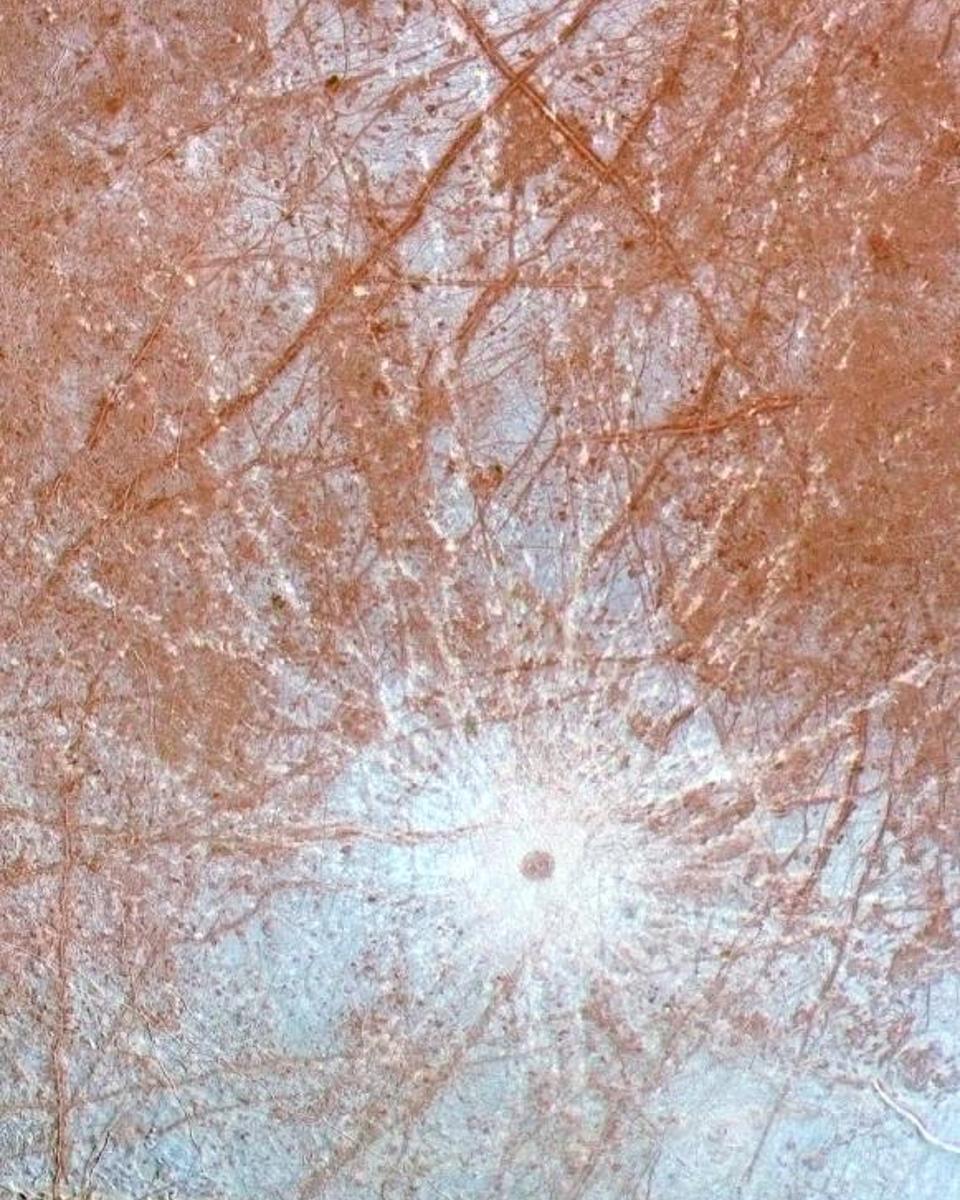
Pwyll: Icy Crater of Europa
Explanation : The impact crater Pwyll ( a name from Celtic Mythology ) is thought to represent one of the youngest features on the surface of Jupiter's moon Europa . A combination…
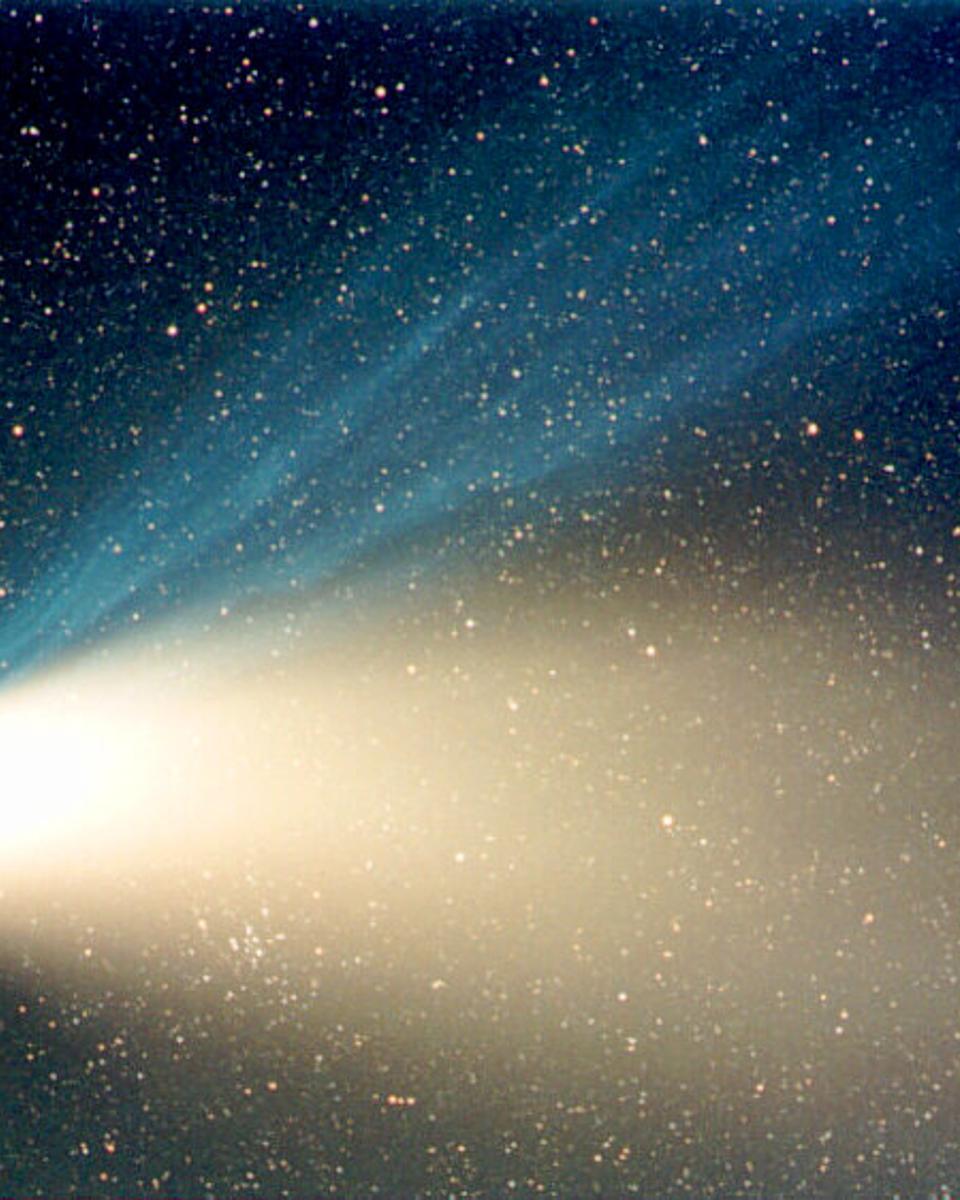
A Star Cluster Through Hale-Bopp's Tail
Explanation : Comet Hale-Bopp continues to look impressive. The photograph above captured the comet on April 7 th passing nearly in front of M34 , a star cluster in the…
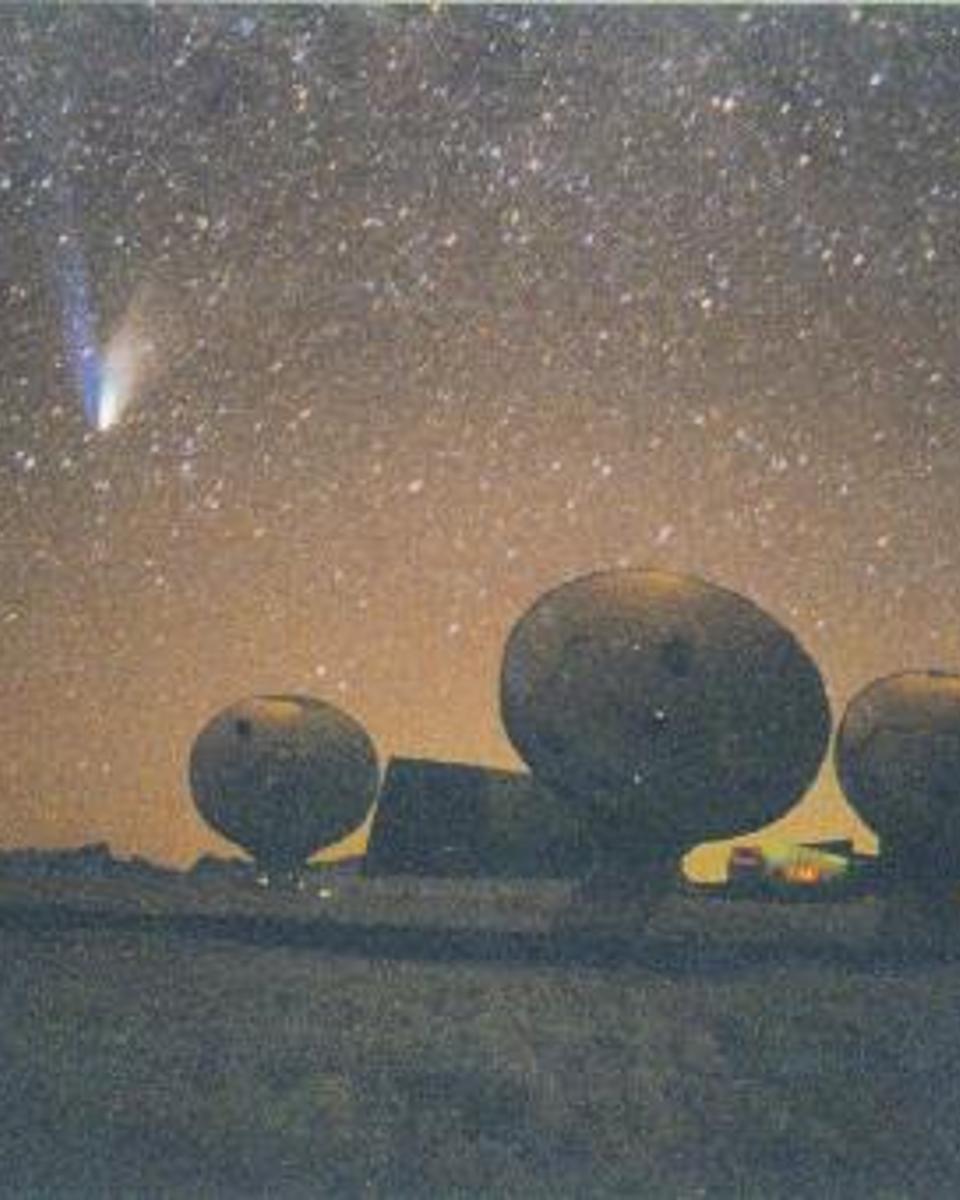
Hale-Bopp and the Plateau de Bure Interferometer
Explanation : Comet Hale-Bopp is being observed by many different telescopes. Here the comet is pictured behind the array of radio telescopes which compose the Plateau de Bure…
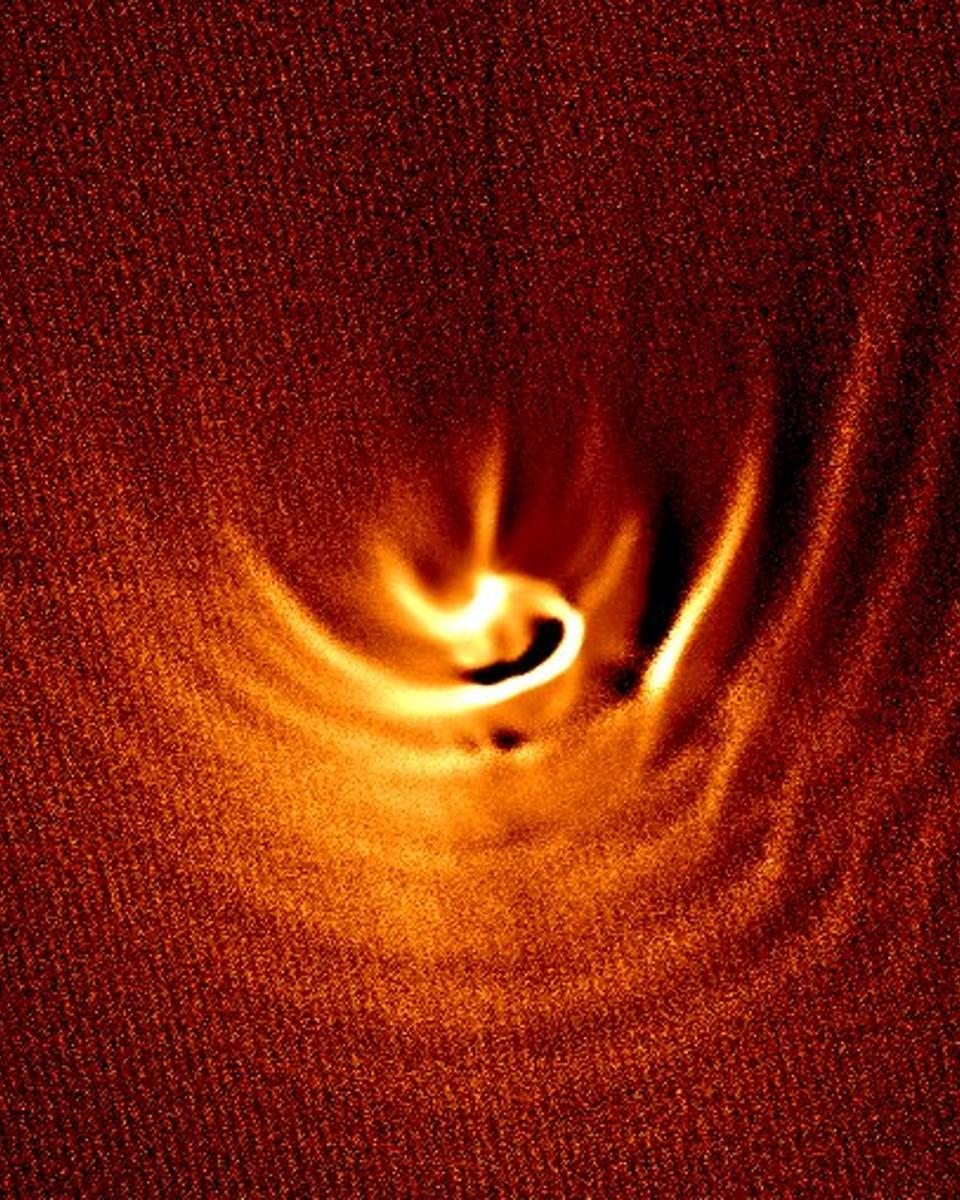
Hale-Bopp's Hoods
Explanation : Comet Hale-Bopp is spinning. The nucleus of the comet is a dirty snowball about 25 miles in diameter that spins about once every 12 hours . As Comet Hale-Bopp spins,…
Viewing discoveries from 7 May 1997 through 14 April 1997.