Browse NASA Astronomy Picture of the Day archive by date and media: Archive Discoveries
Browse the NASA APOD archive without needing the exact date first. Filter by media type and keep moving deeper into older images and videos.
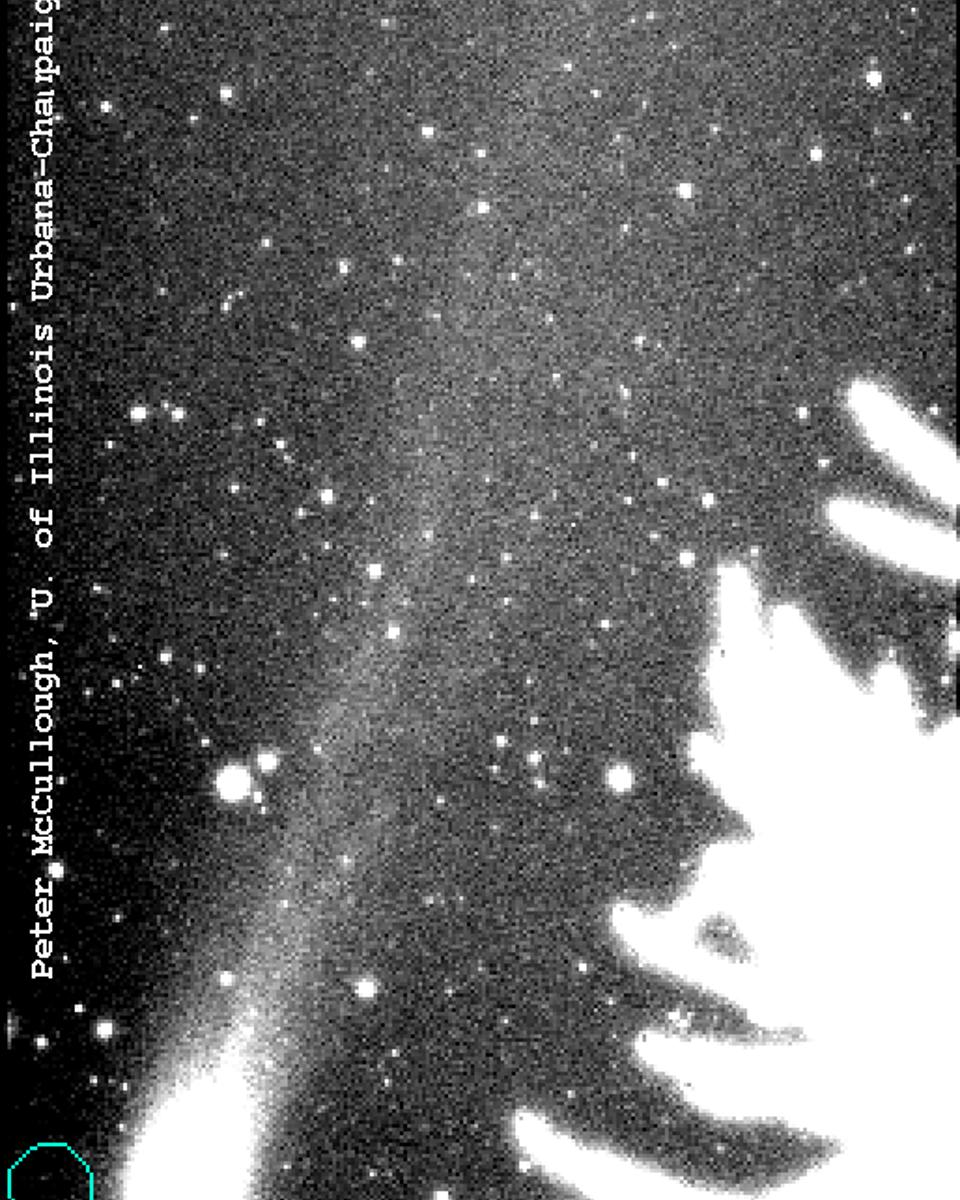
Comet Hyakutake Passes the Earth
This picture of Comet Hyakutake taken the night of March 21/22 in Illinois, USA shows the enormous tail that has already developed. The silhouette on the right is a foreground…
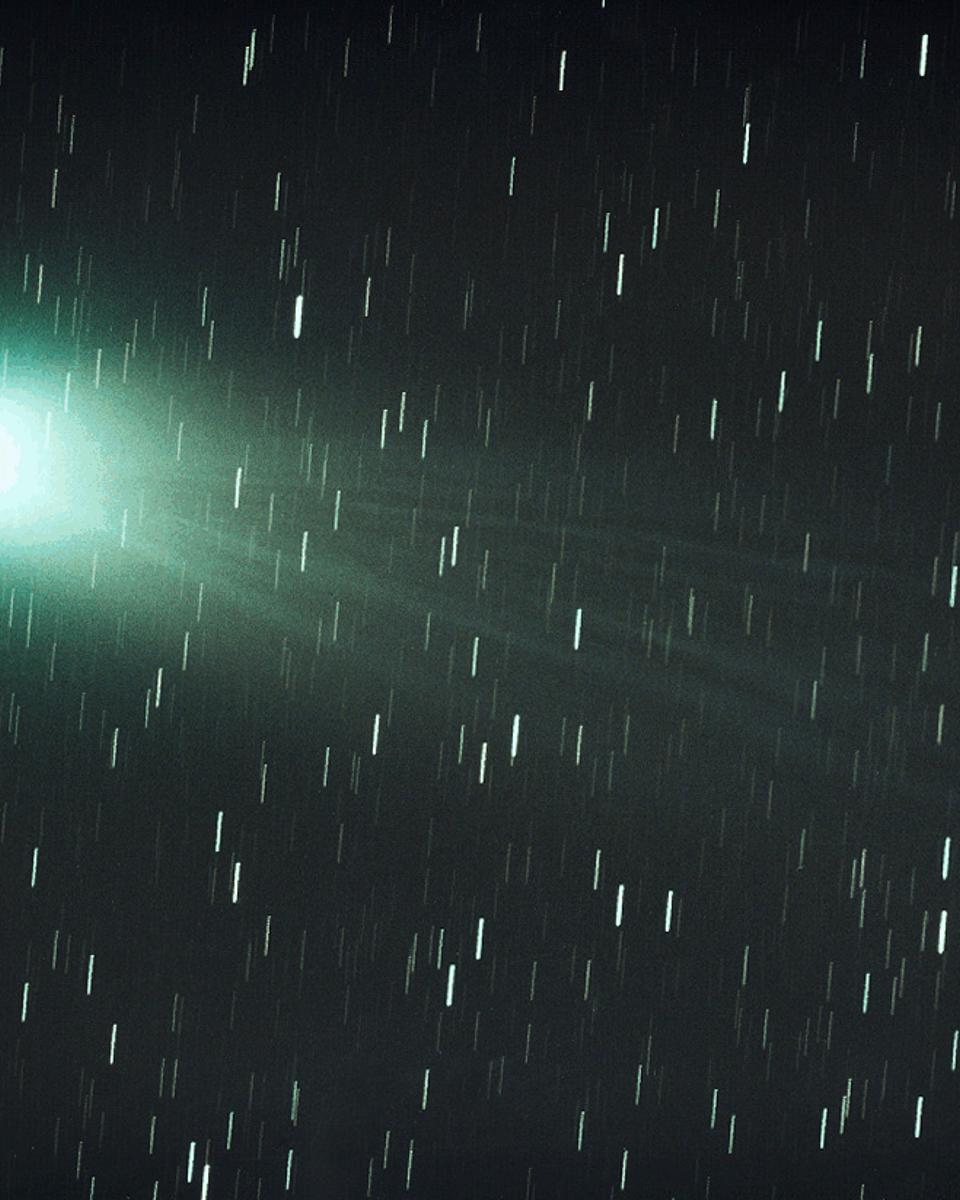
Comet Hyakutake's Closest Approach
The above true color image of Comet Hyakutake was taken the night of March 21/22. Tonight, Comet Hyakutake will make its nearest approach to Earth, closing to a mere 10 million…
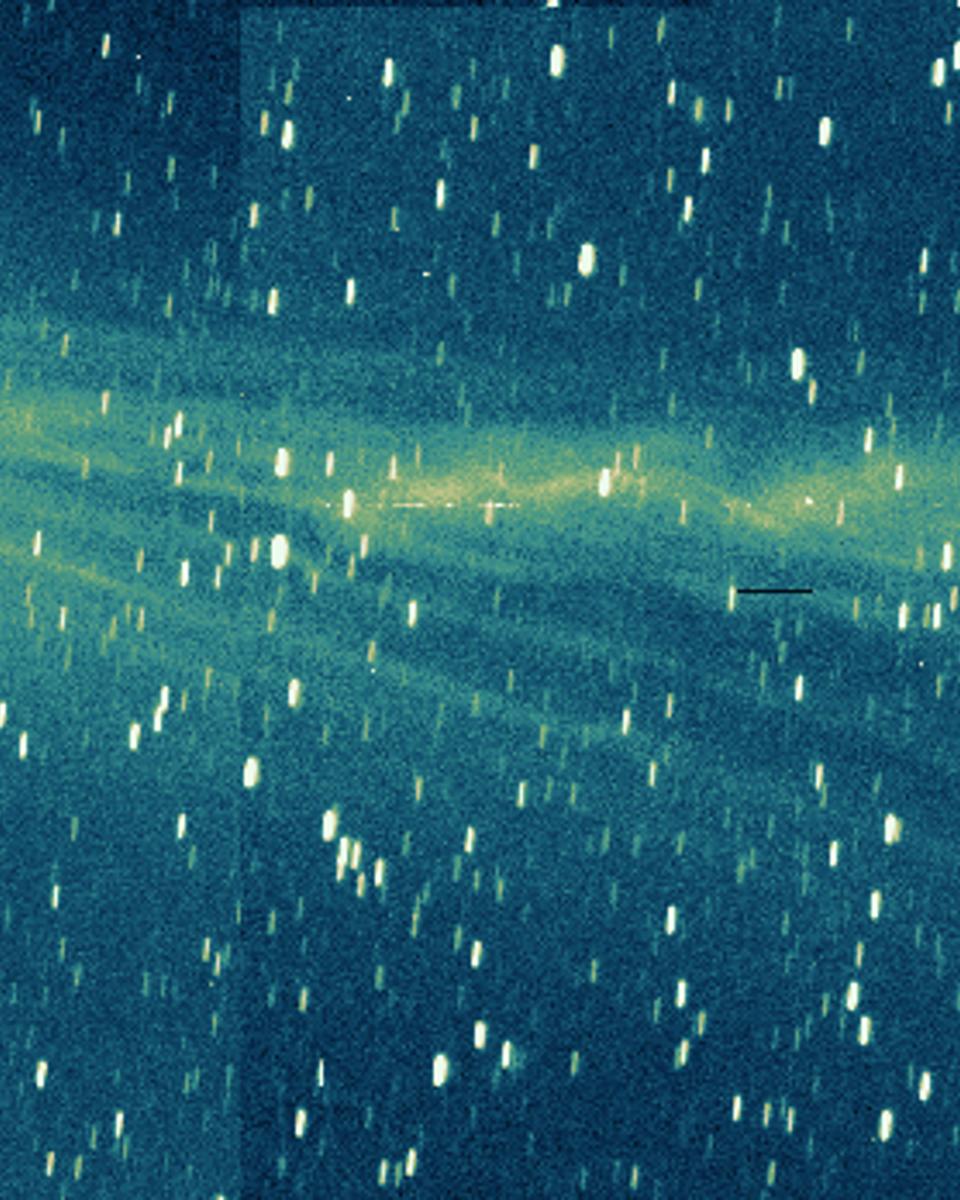
Comet Hyakutake's Past and Future
The above false-color picture of Comet Hyakutake taken just two days ago shows its rapidly developing tail. The comet now has a substantial coma with a bright center, lending it a…
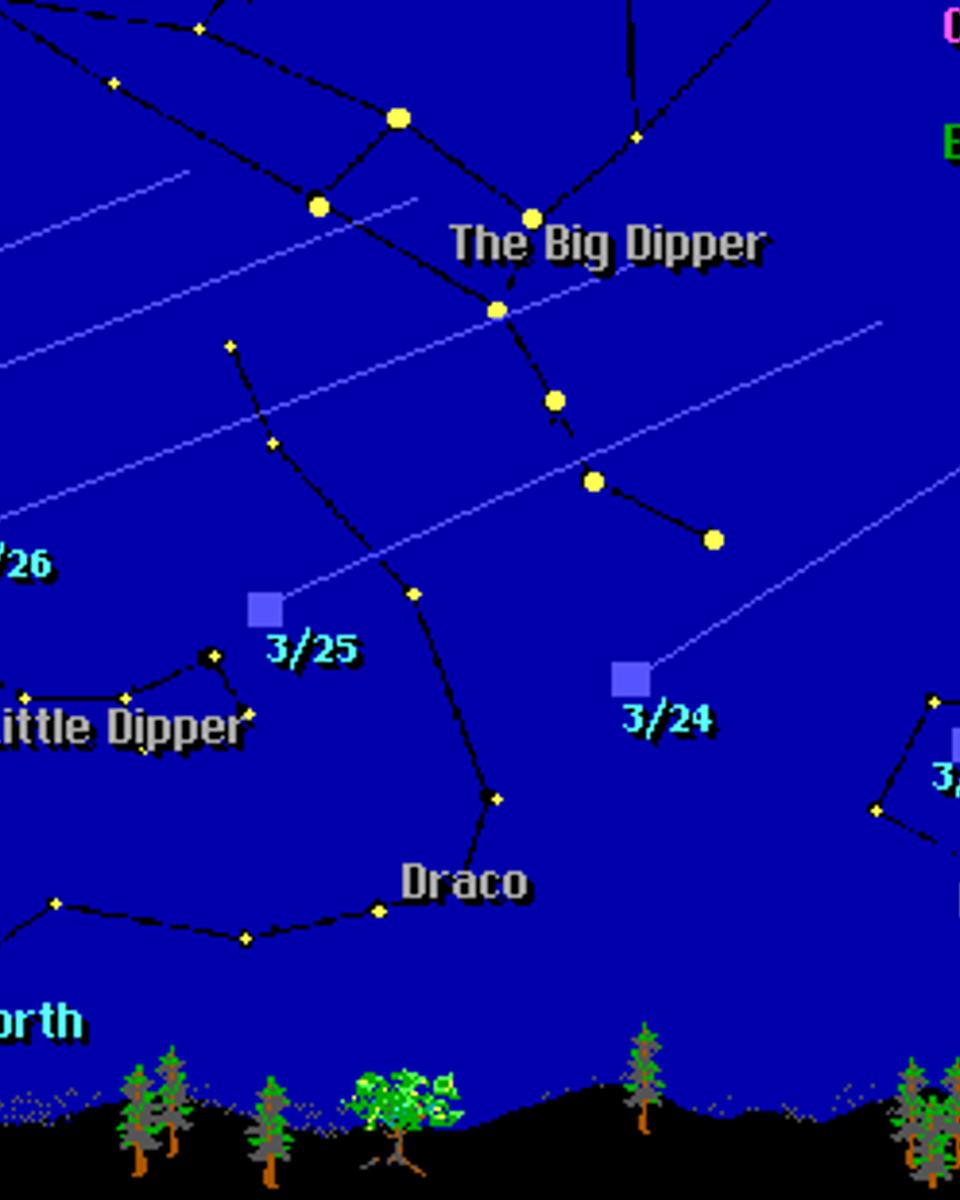
Where to See Comet Hyakutake
People the world over are preparing to witness the closest approach of the brightest comet of the past twenty years. Comet Hyakutake , discovered just two months ago, will pass…
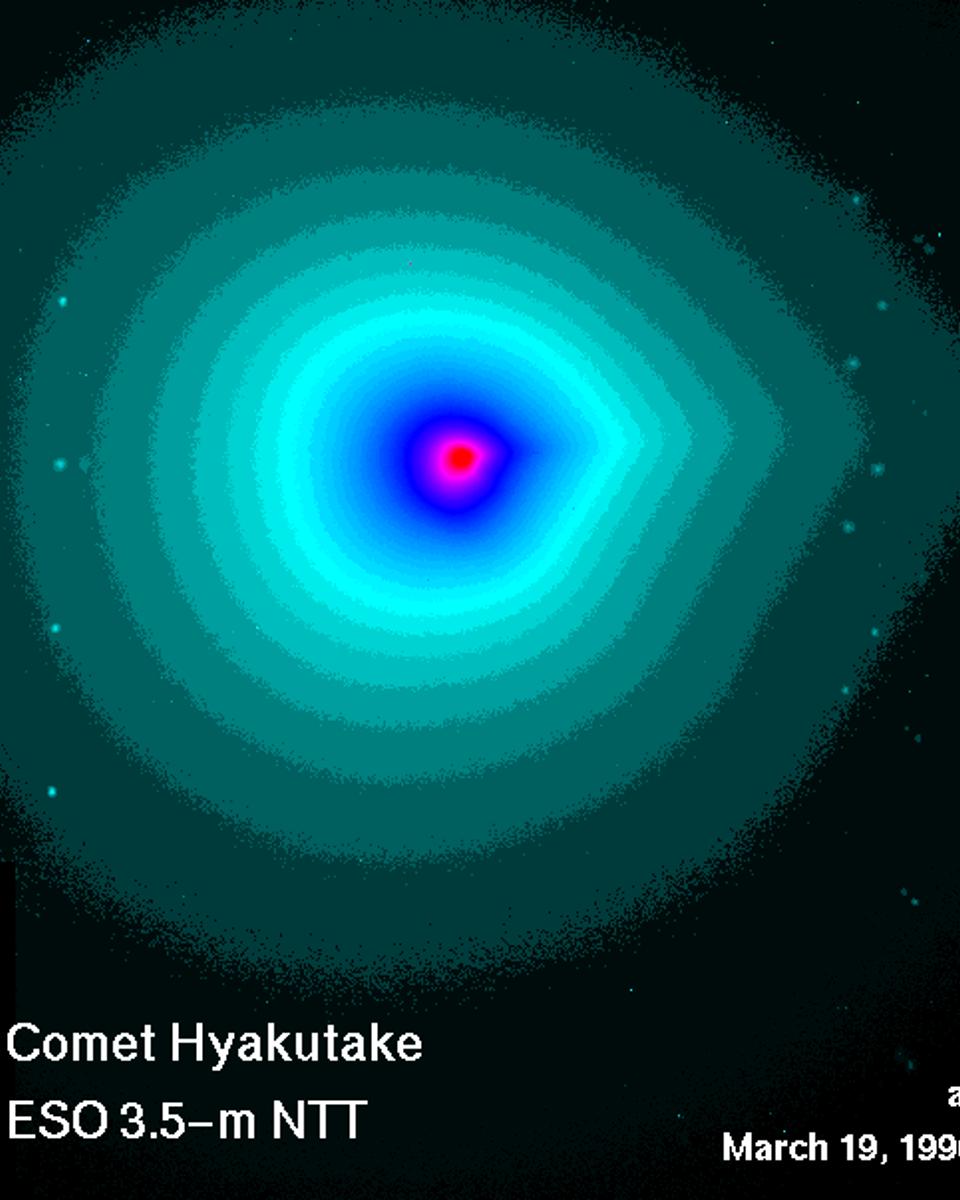
Near Comet Hyakutake's Nucleus
This March 19th false-color picture of Comet Hyakutake from one of the most sophisticated ground based telescopes captures the area surrounding the comet's nucleus . A comet's…
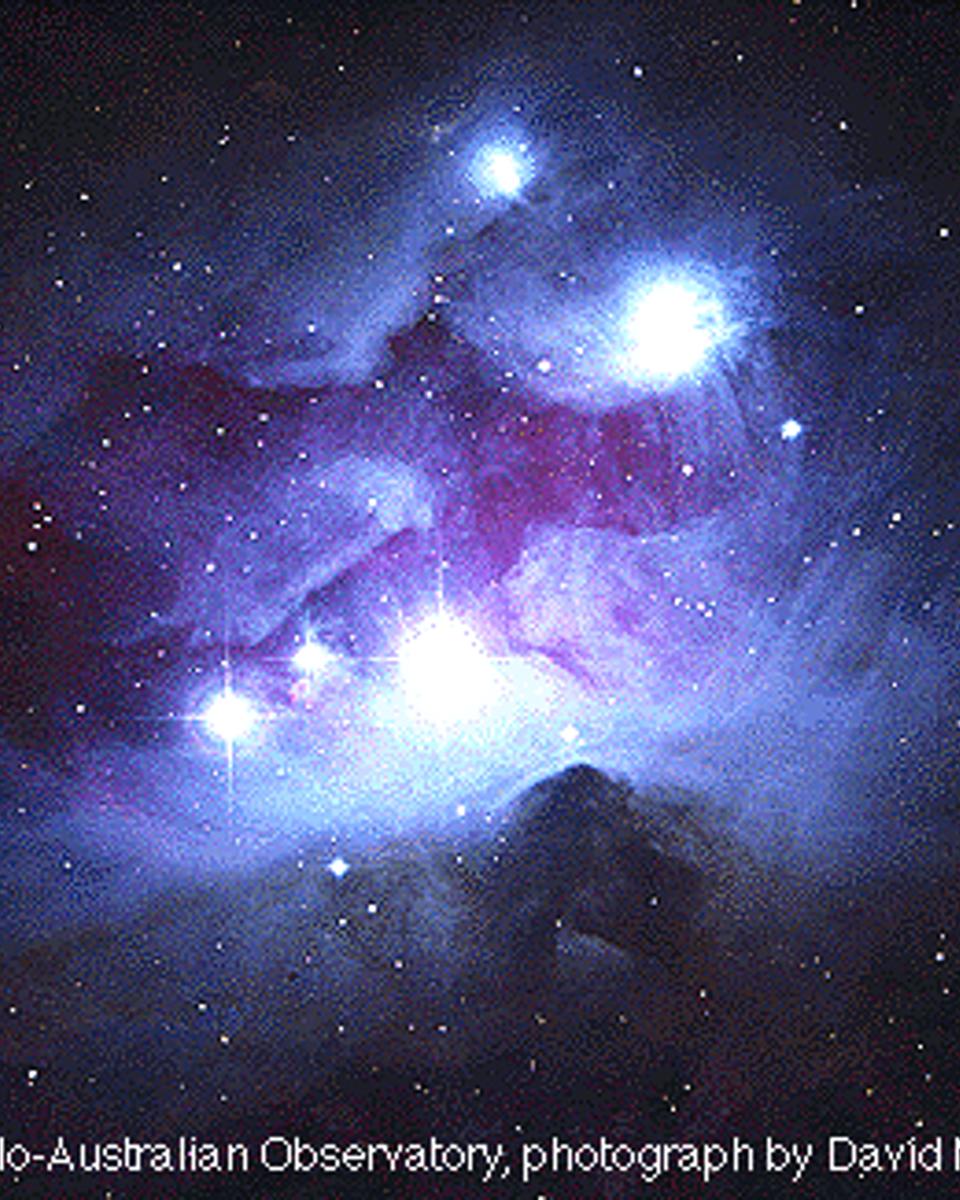
NGC 1977: Blue Reflection Nebula in Orion
The Orion Nebula is visible to the unaided eye as a fuzzy patch near the famous belt of three stars in the constellation Orion. The above picture captures a part of the Orion…
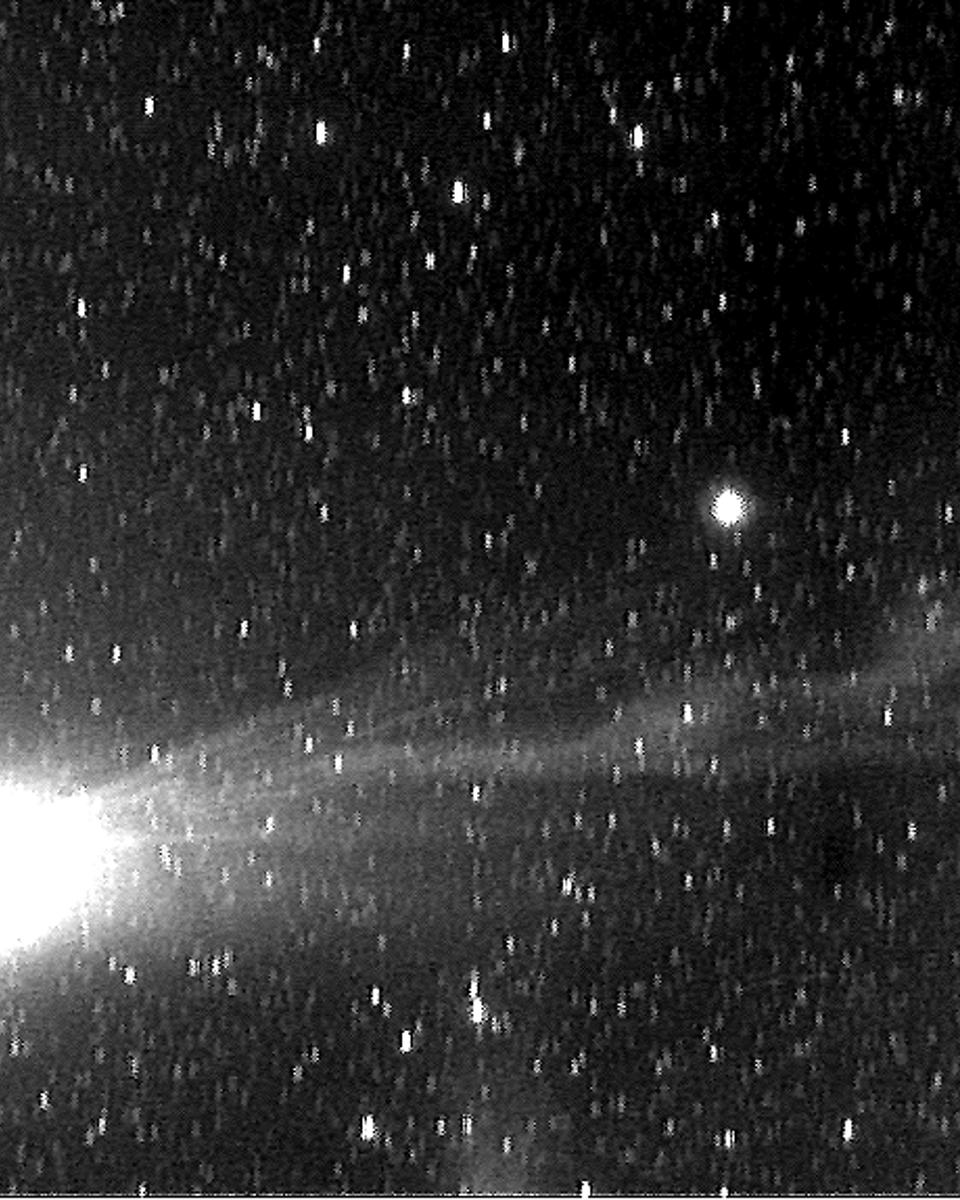
The Ion Tail of Comet Hyakutake
This picture of Comet Hyakutake was taken on March 14, 1996. Structure in the ion tale of Comet Hyakutake is now clearly visible. An ion tale forms as a comet nears the Sun .…
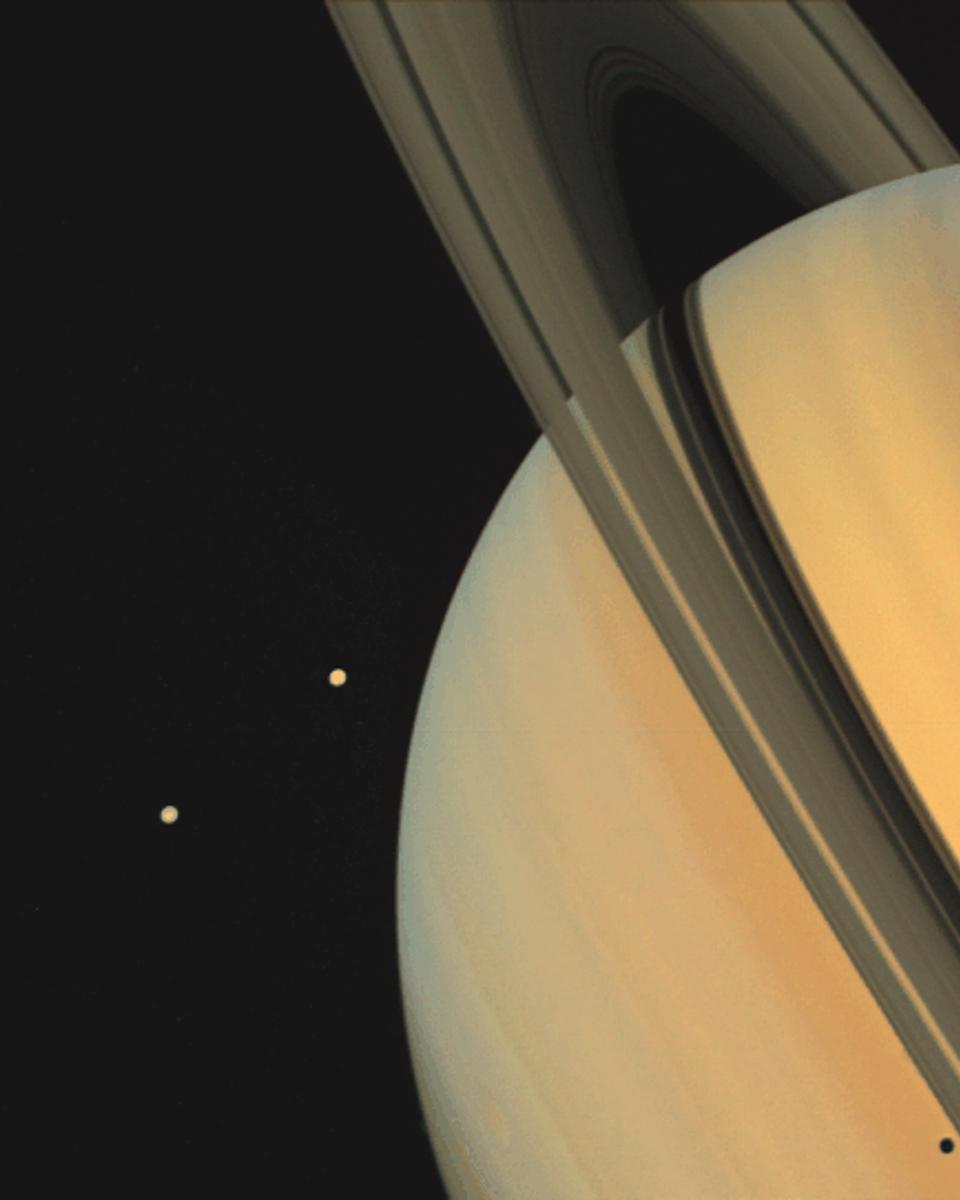
Saturn with Moons Tethys and Dione
Saturn and two of its larger moons - Tethys and Dione - were photographed by the Voyager 1 spacecraft which flew by the planet in November of 1980. This picture gives an…
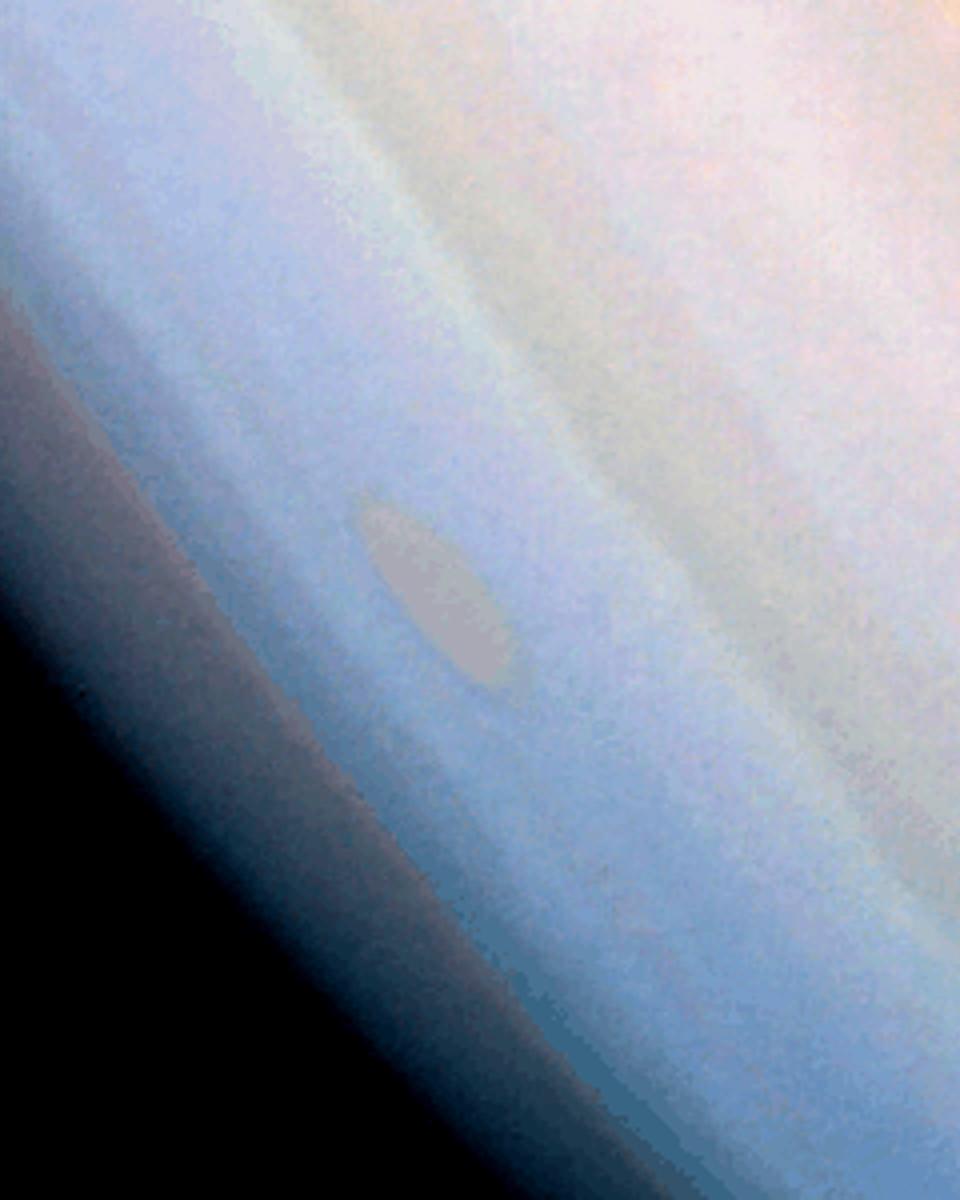
Saturn's Cloud Tops
This close-up of the tops of Saturn 's clouds was taken by the Voyager 1 robot spacecraft as it passed the giant planet in November 1980. Saturn's clouds are mostly composed of…
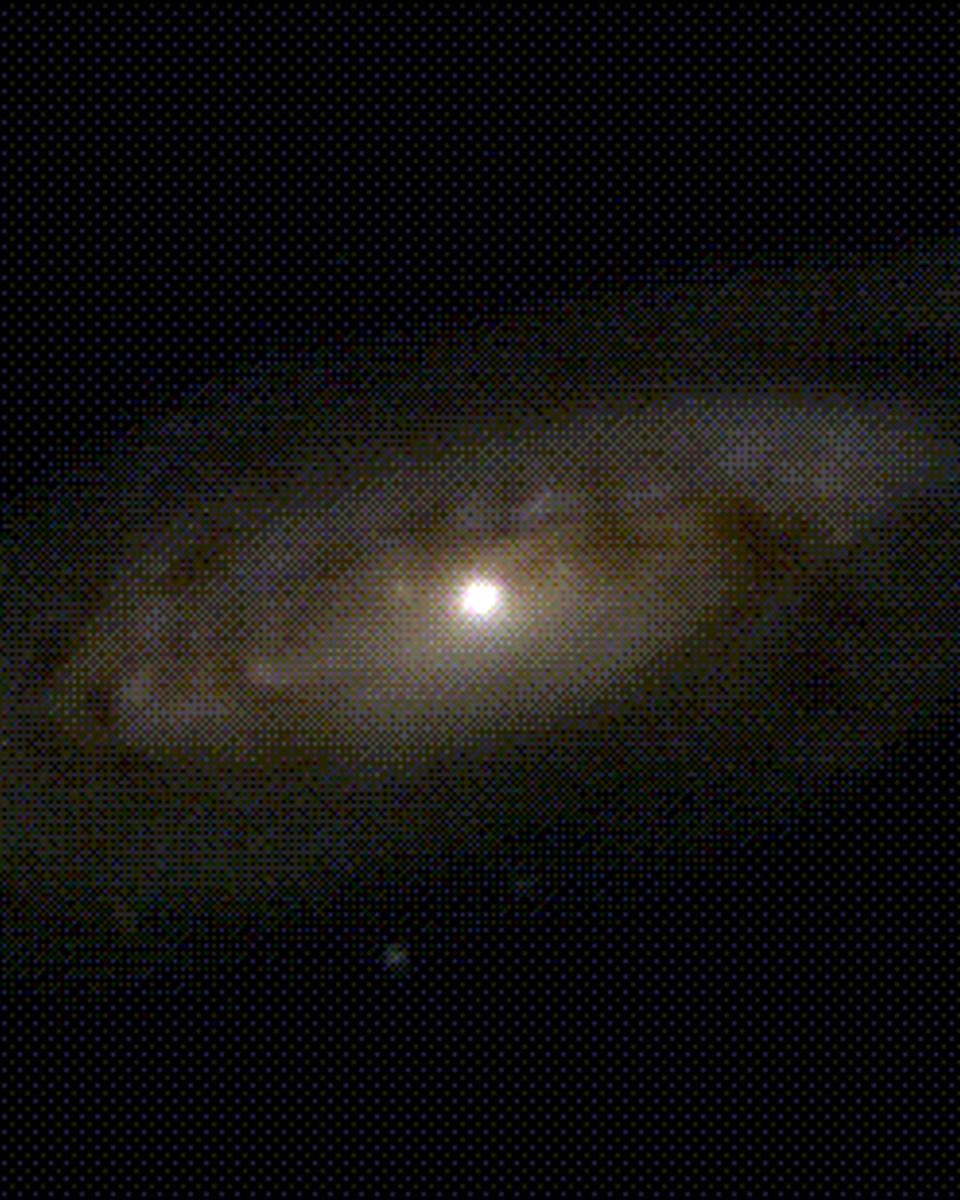
Spiral Galaxy M90
Spiral galaxy M 90 is near the center of the Virgo Cluster of Galaxies - the closest cluster of galaxies to the our own Milky Way Galaxy . Also dubbed NGC 4569, this galaxy has a…
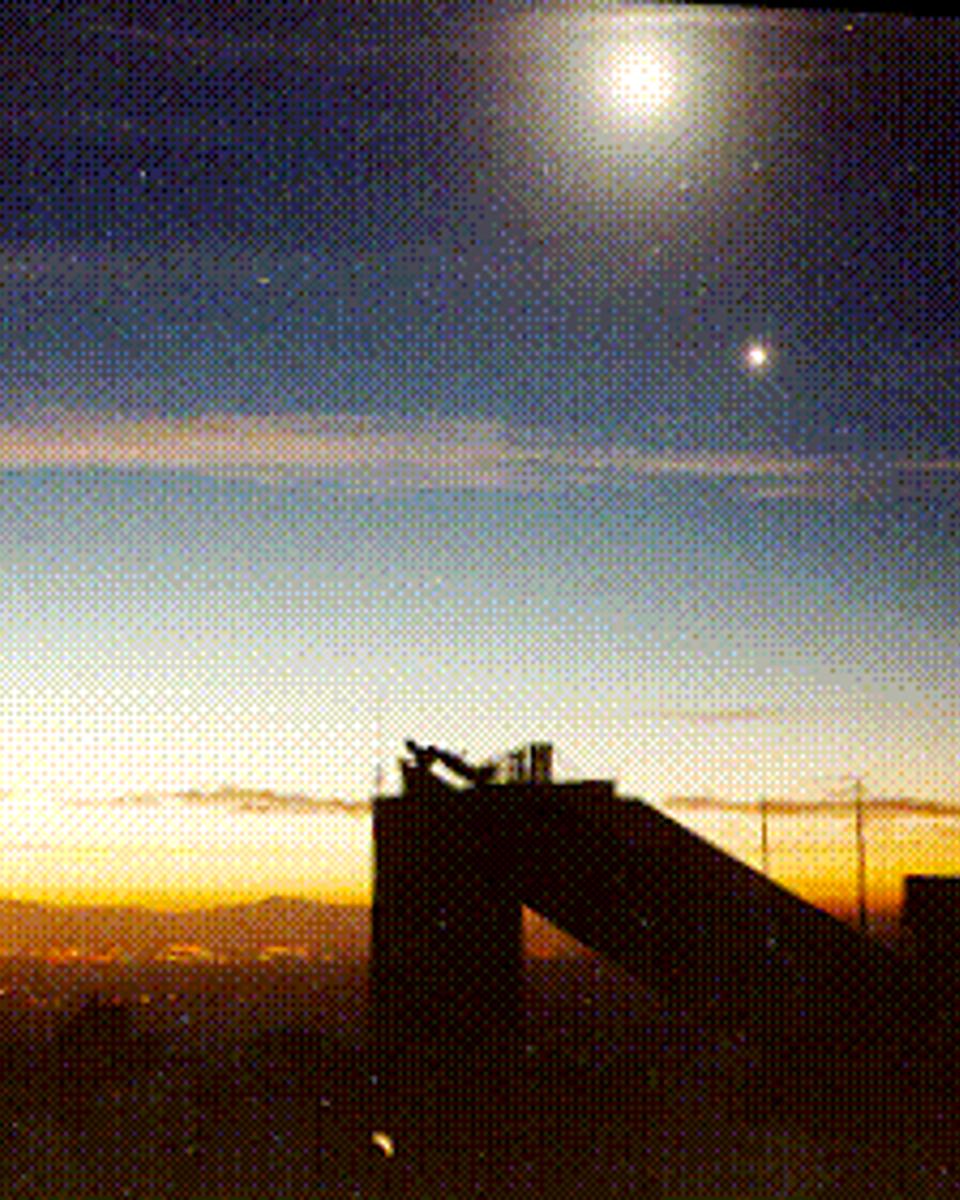
The McMath-Pierce Solar Observatory
This odd-looking structure silhouetted in the foreground houses the three largest solar telescopes in the world. Located in Kitt Peak , Arizona, the largest telescope inside the…
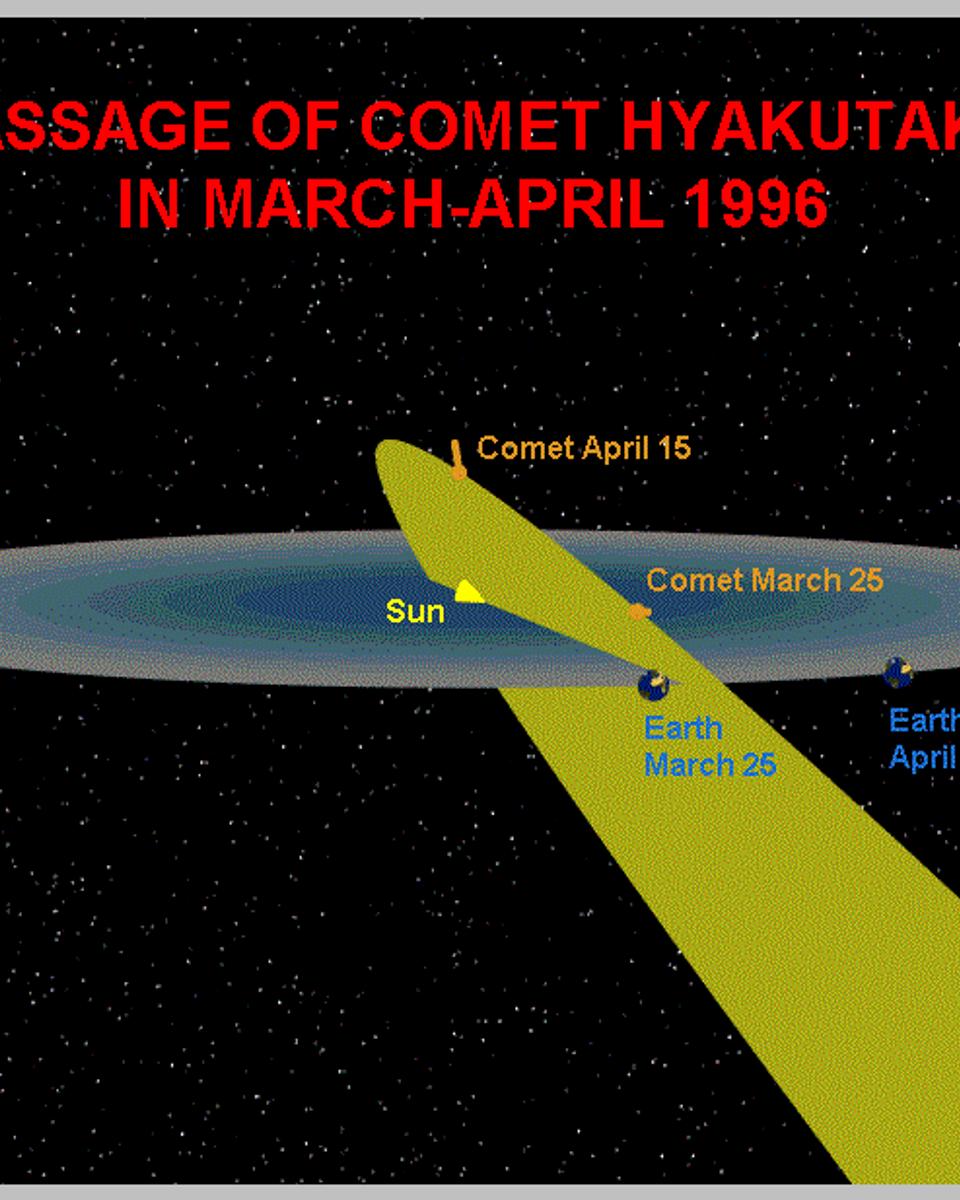
Comet Hyakutake's Orbit
Where did Comet Hyakutake come from? The orbits of the Earth and this brightening comet are shown in the above diagram. The blue disk is bounded by the circular orbit of the Earth…
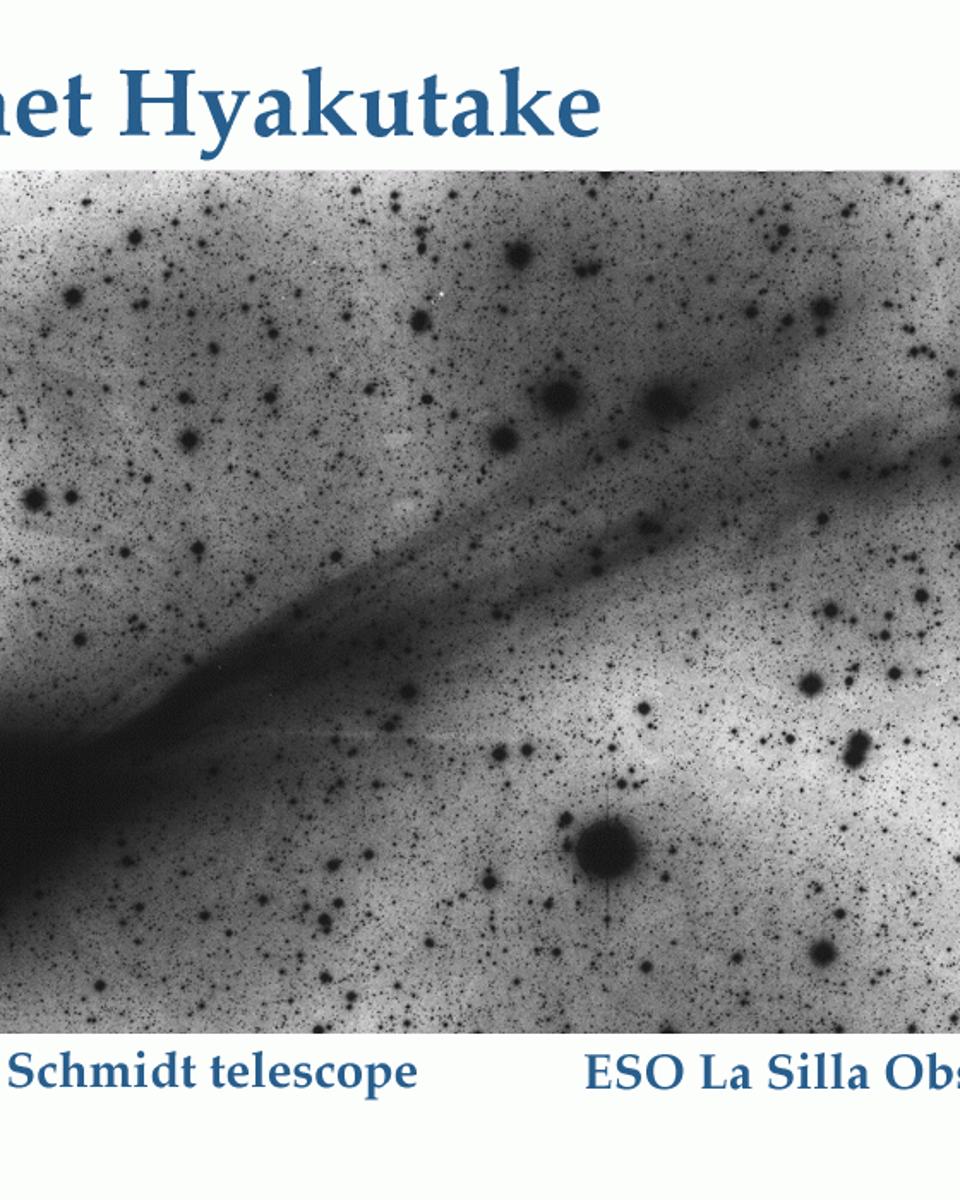
Here Comes Comet Hyakutake
The reaction of ancient peoples to the appearance of bright comets has toppled empires, de-throned kings, and been taken as a sign of great things to come. Probably some of these…
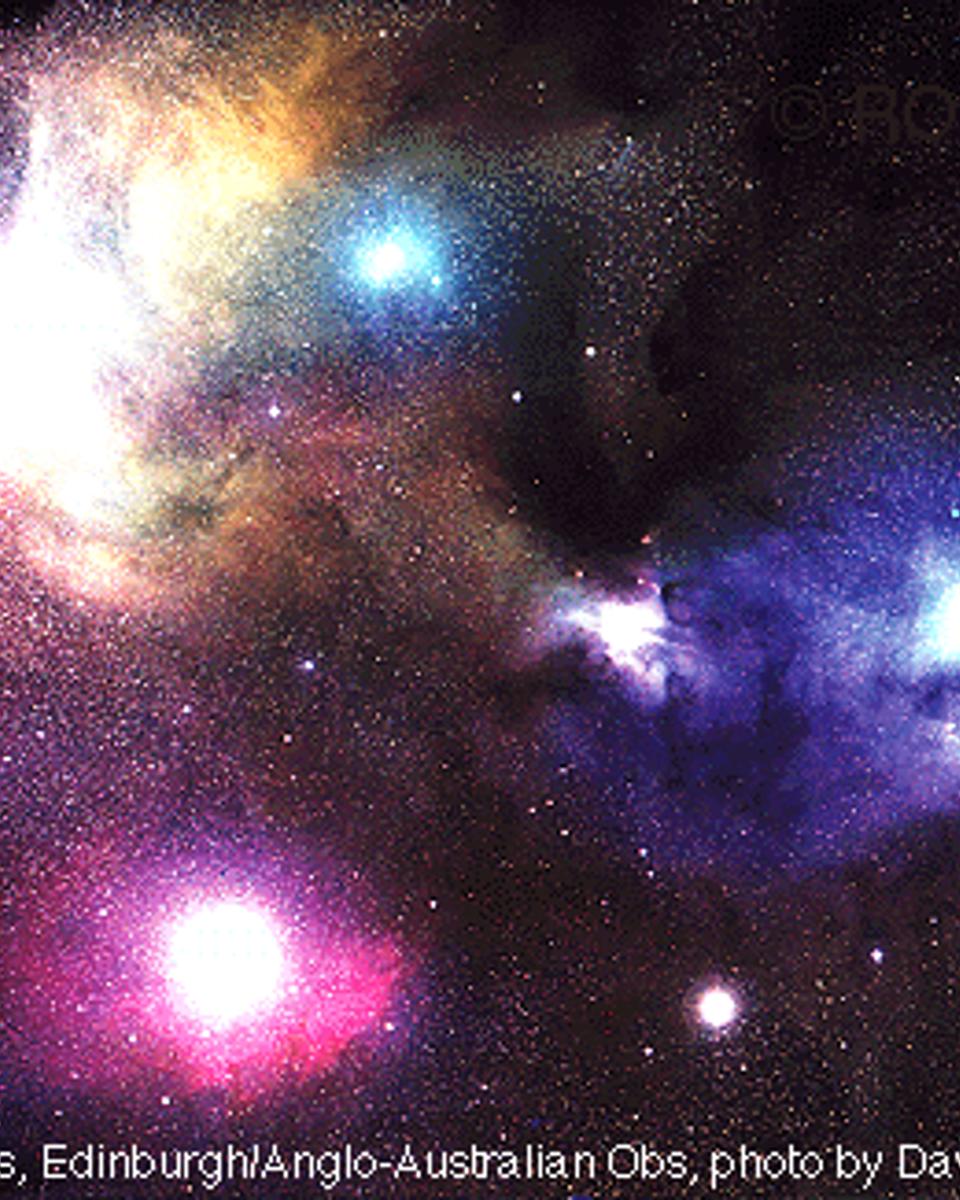
The Colorful Clouds of Rho Ophiuchi
The many spectacular colors of the Rho Ophiuchi (oh'-fee-yu-kee) clouds highlight the many processes that occur there. The blue regions shine primarily by reflected light. Blue…
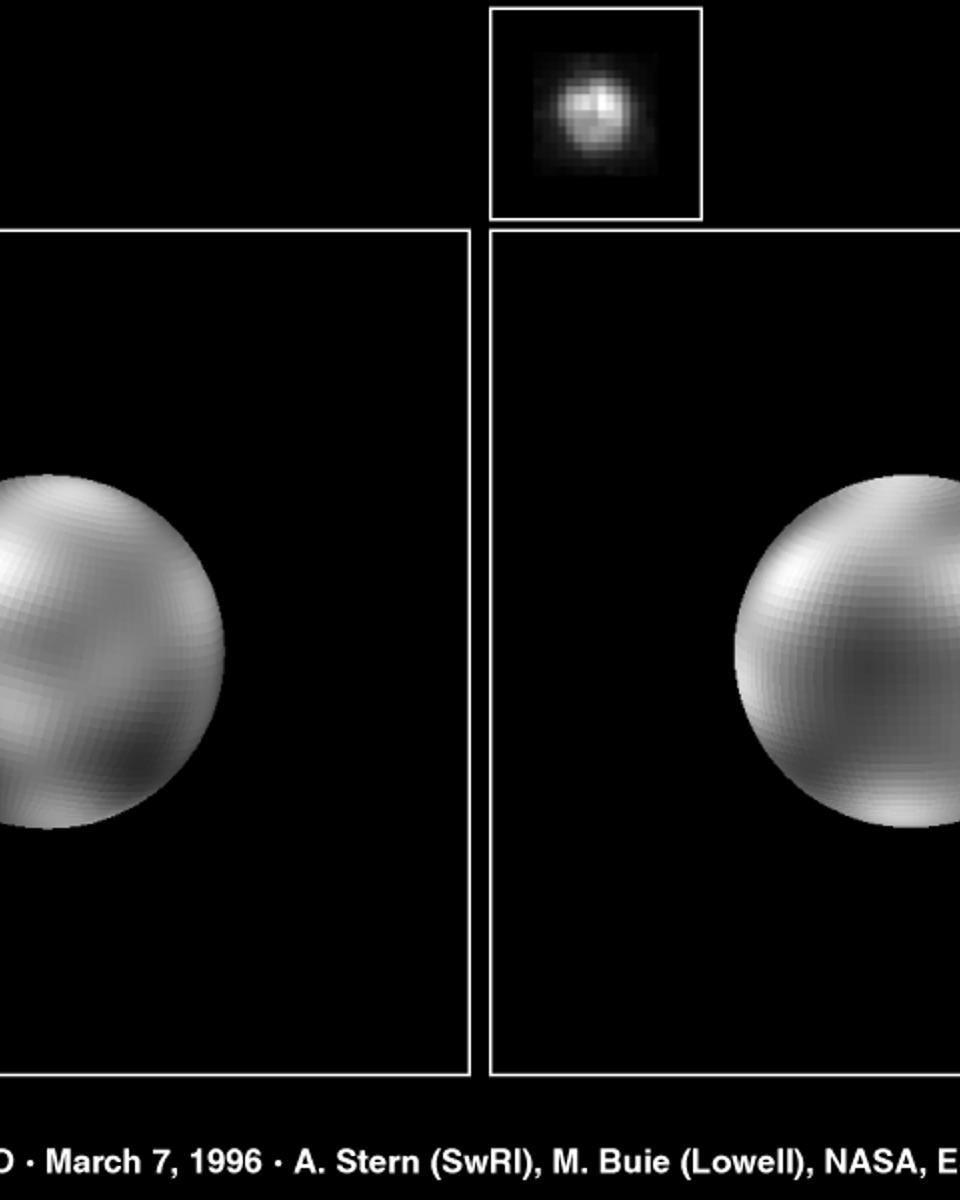
Hubble Telescope Maps Pluto
No spacecraft from Earth has yet explored Pluto but astronomers have found ways of mapping its surface . A stunning map of this distant, diminutive planet , the first based on…
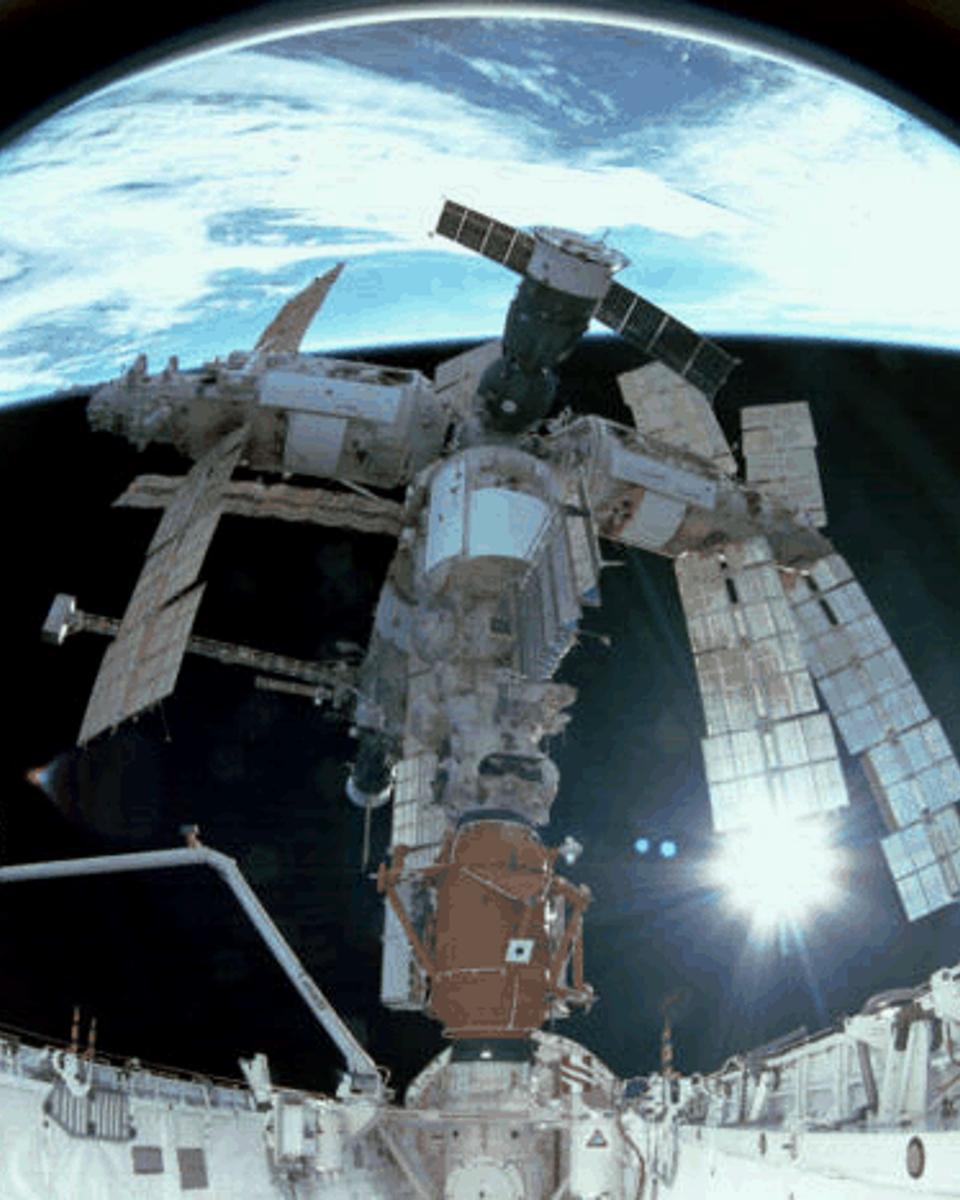
Mir is 10
The first module of the Russian Space Agency's Mir Space Station was launched into orbit 10 years ago (on February 20, 1986). Mir has since been substantially expanded in orbit by…
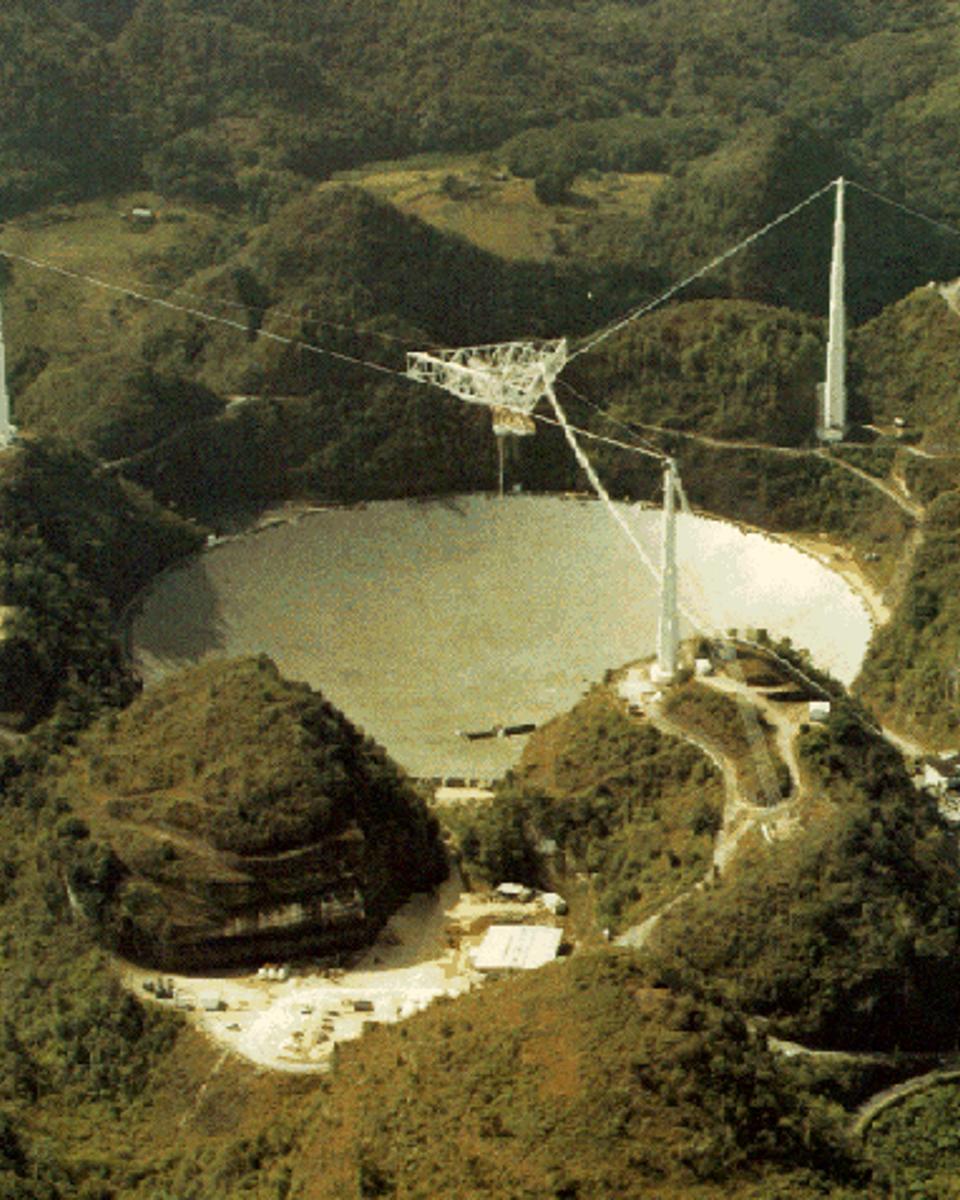
Arecibo: The Largest Telescope
The Arecibo radio telescope is currently the largest single-dish telescope in the world. First opening in 1963, this 305 meter (1000 foot) radio telescope resides in a natural…
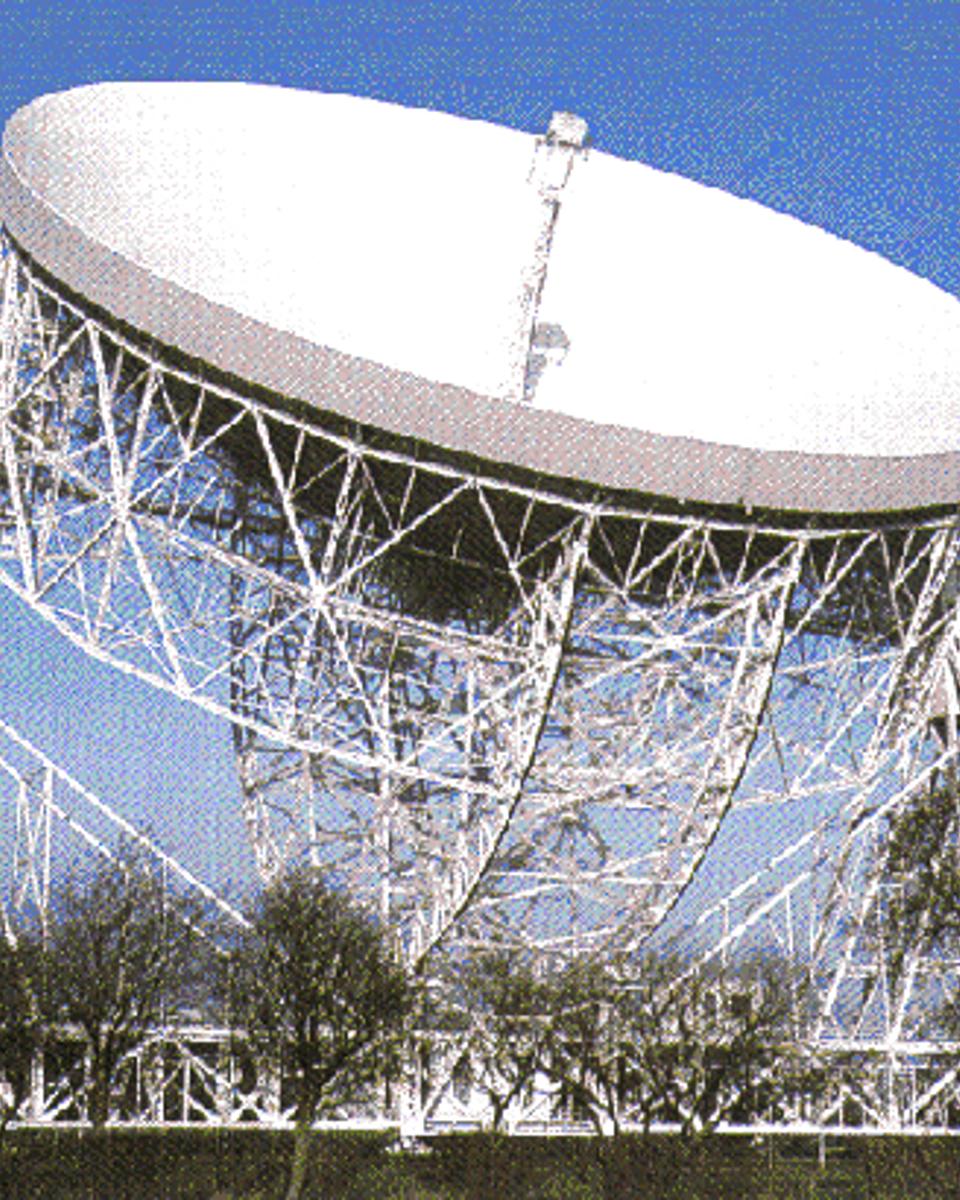
The 76 Meter Lovell Radio Telescope
Jodrell Bank in England is the home of the Lovell Telescope one of the largest radio telescopes in the world. Completed in 1957 under the direction of Bernard Lovell, the 250 ft.…
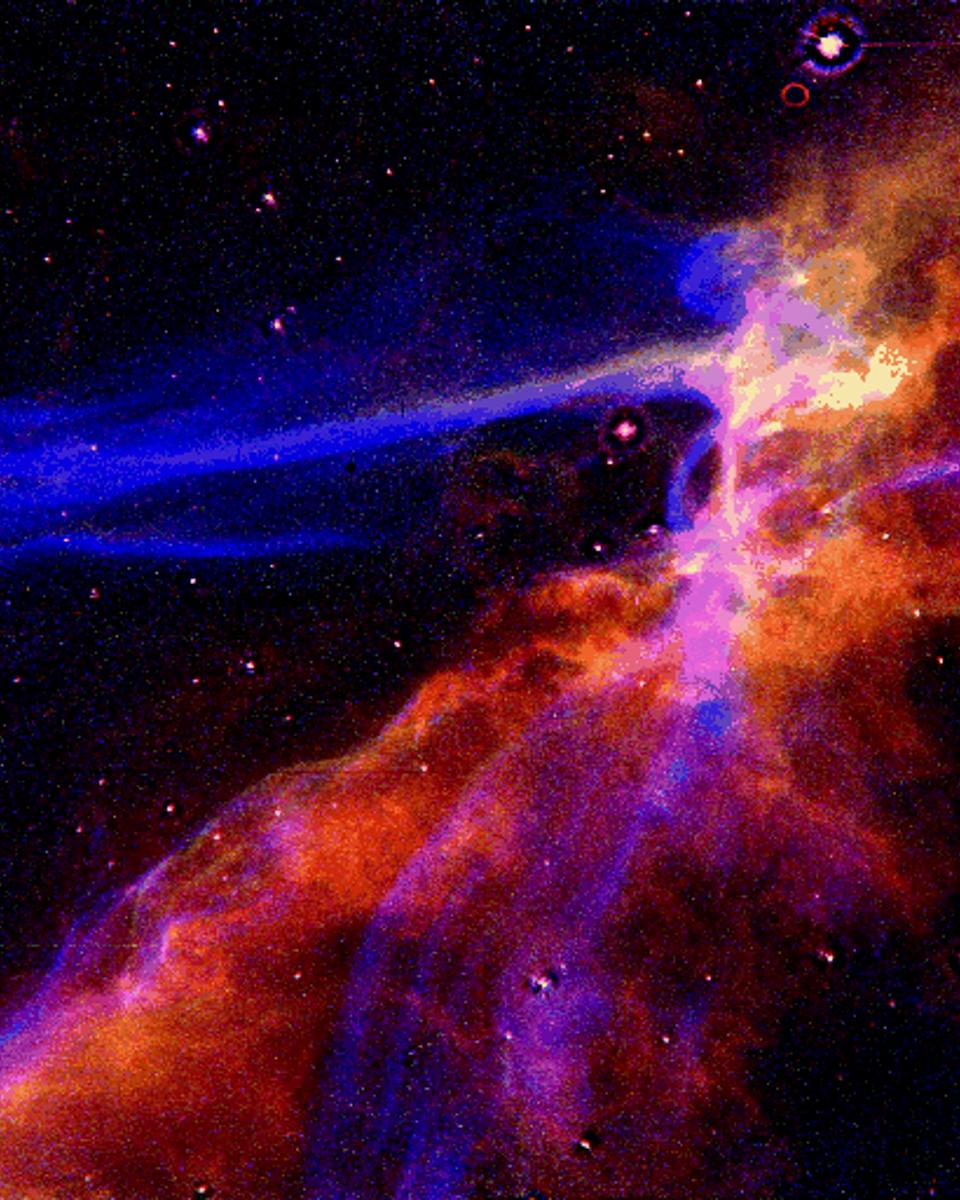
Rampaging Fronts of the Veil Nebula
A supernova explosion of a high-mass star results in fast moving blast waves. At the front of the waves shown above, ionized gas in the Veil Supernova Remnant rushes out from the…
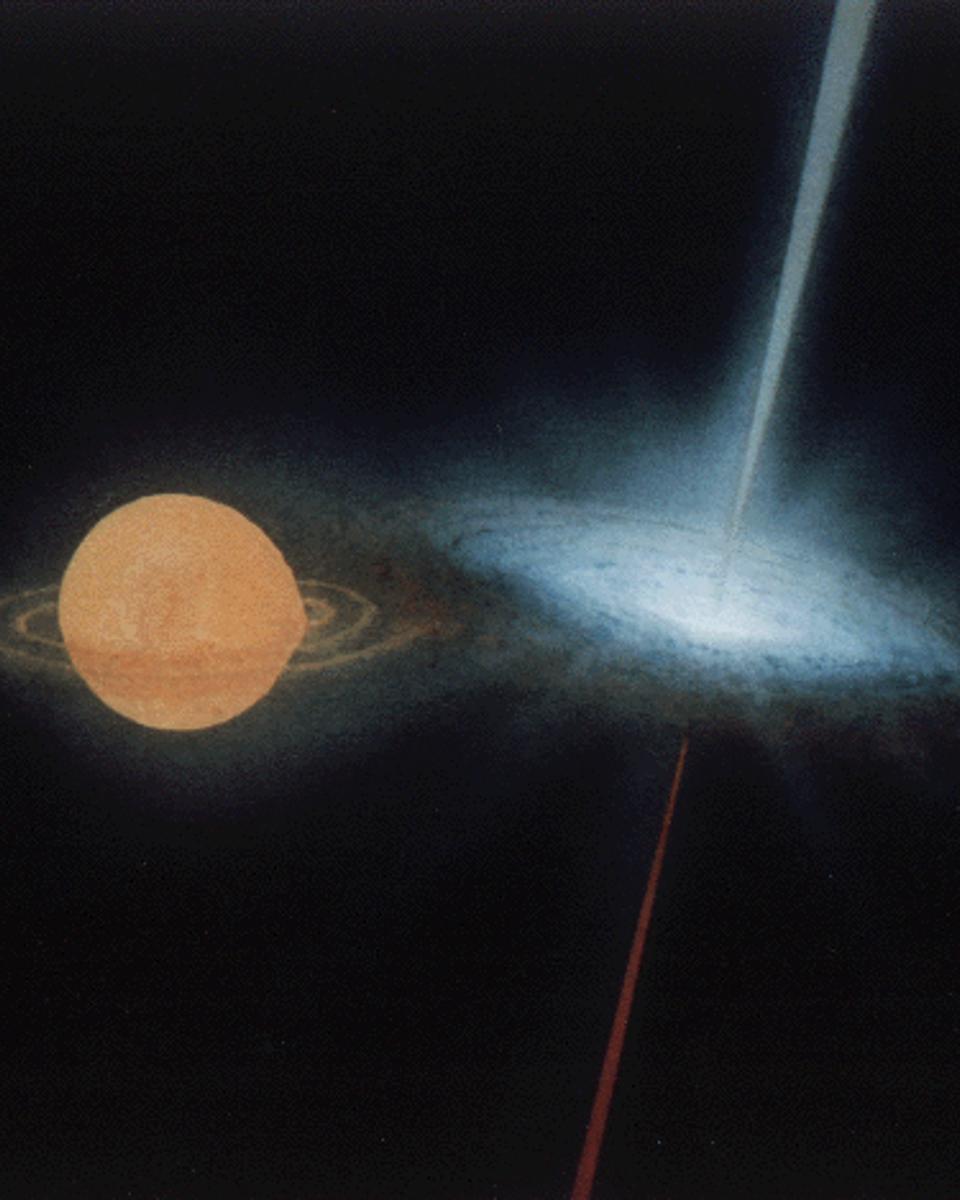
Jets From SS433
SS433 is one of the most exotic star systems known to astronomers. Its unremarkable name stems from its inclusion in a catalog of stars which emit radiation characteristic of…
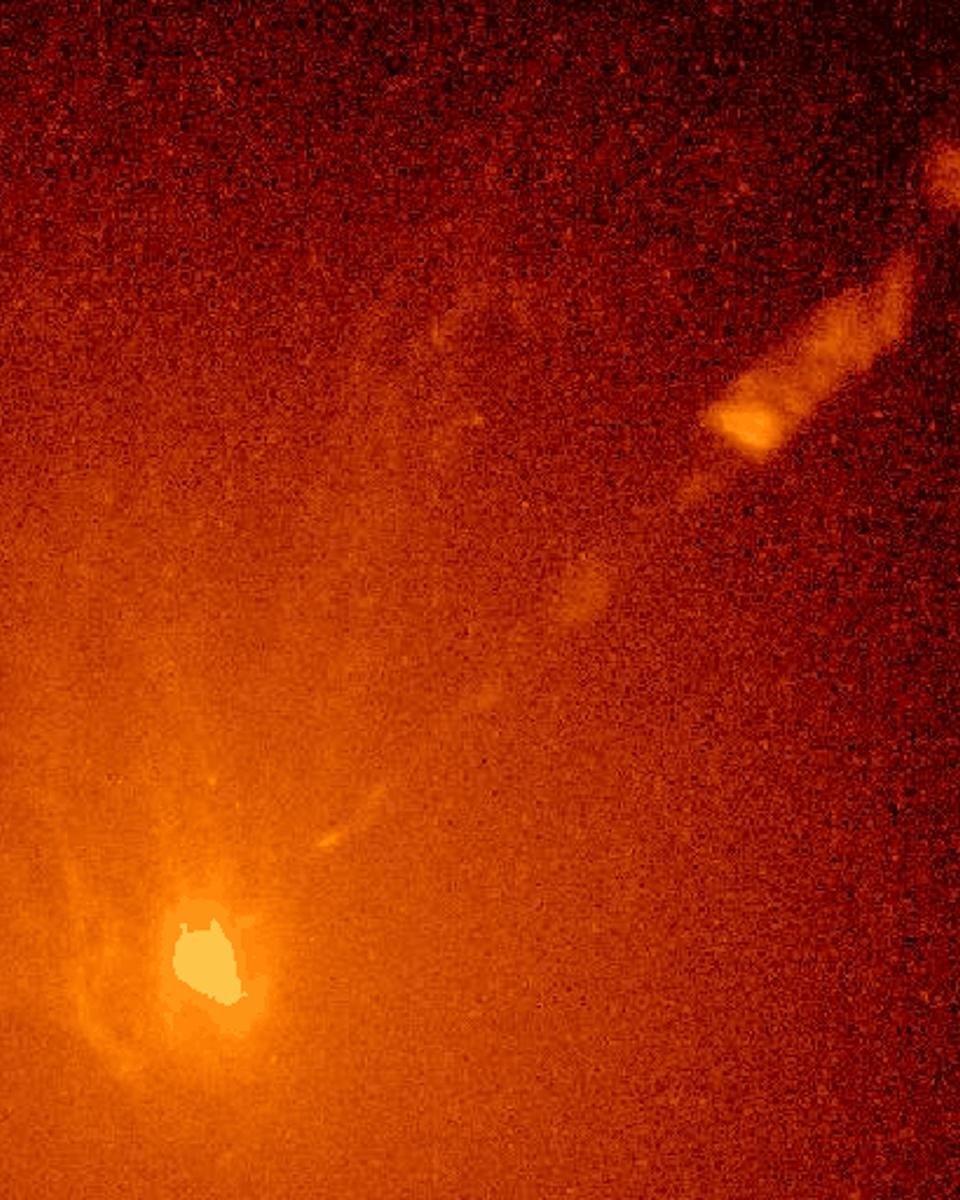
A Black Hole in M87's Center?
The center of nearby giant galaxy M87 is a dense and violent place. In this 1994 photograph by the Hubble Space Telescope , a disk of hot gas was found to be orbiting at the…
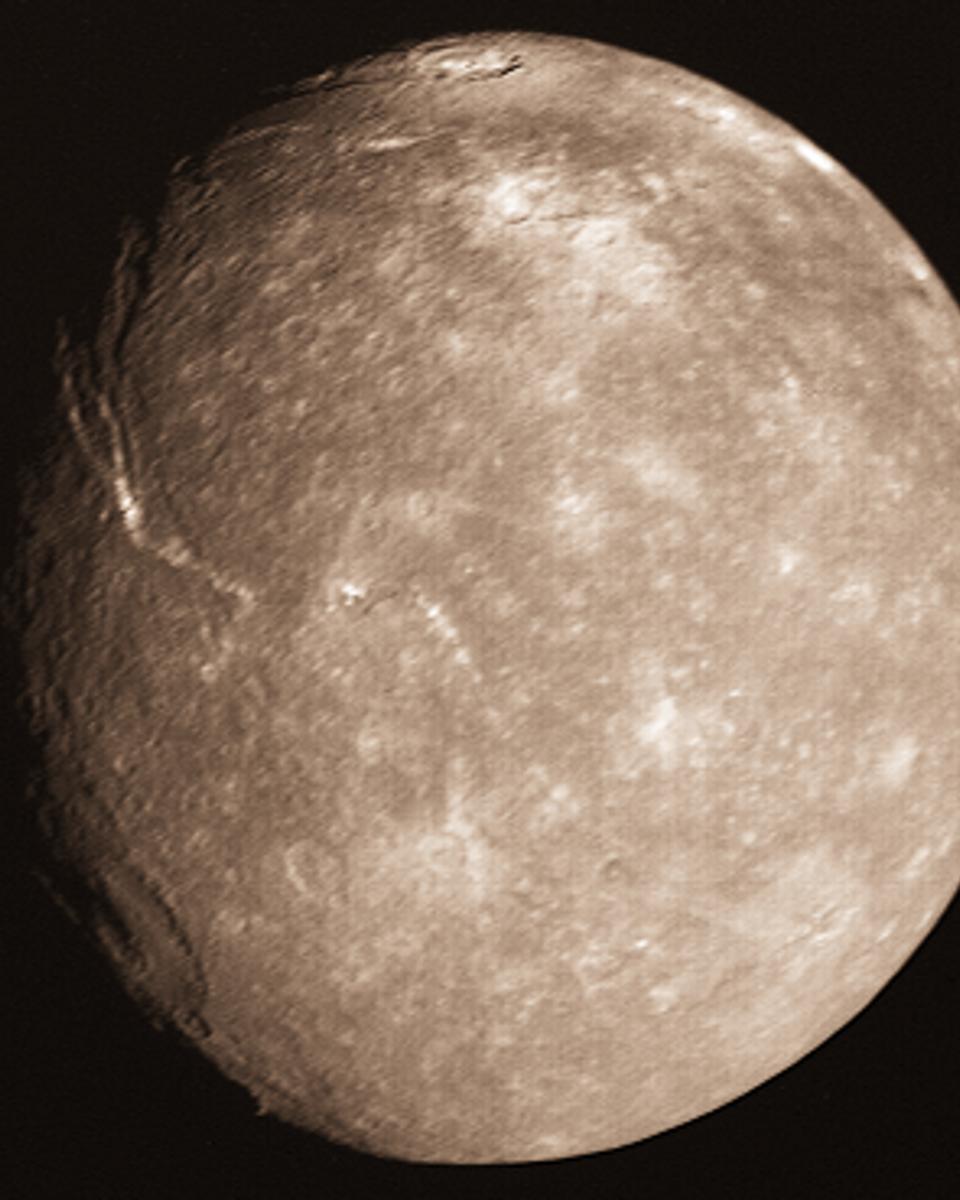
Uranus' Largest Moon: Titania
Titania's tortured terrain is a mix of valleys and craters. NASA's interplanetary robot spacecraft Voyager 2 passed this moon of Uranus in 1986 and took the above photograph. The…
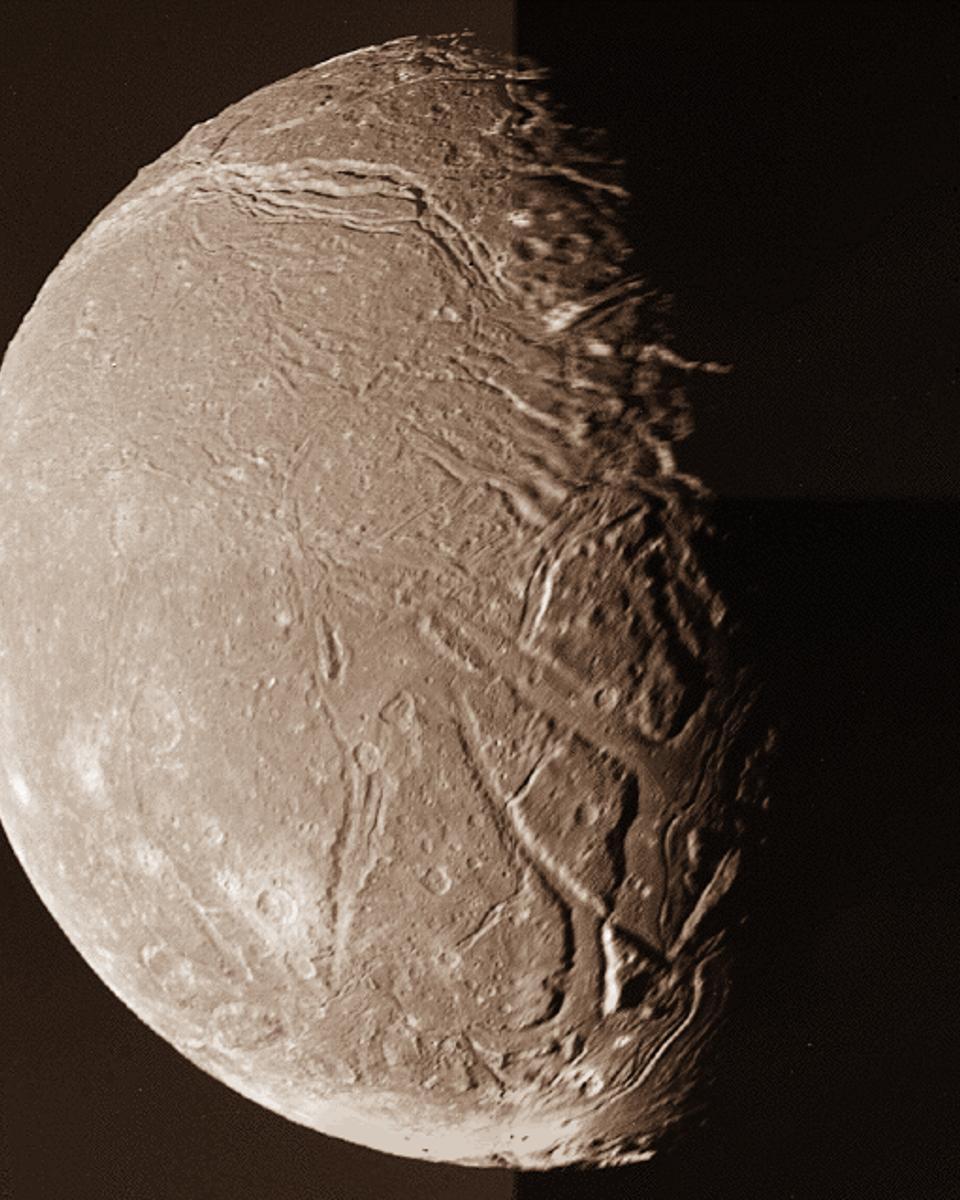
Uranus' Moon Ariel: Valley World
What formed Ariel 's valleys? This question presented itself when Voyager 2 passed this satellite of Uranus in January 1986. Speculation includes that heating caused by the…
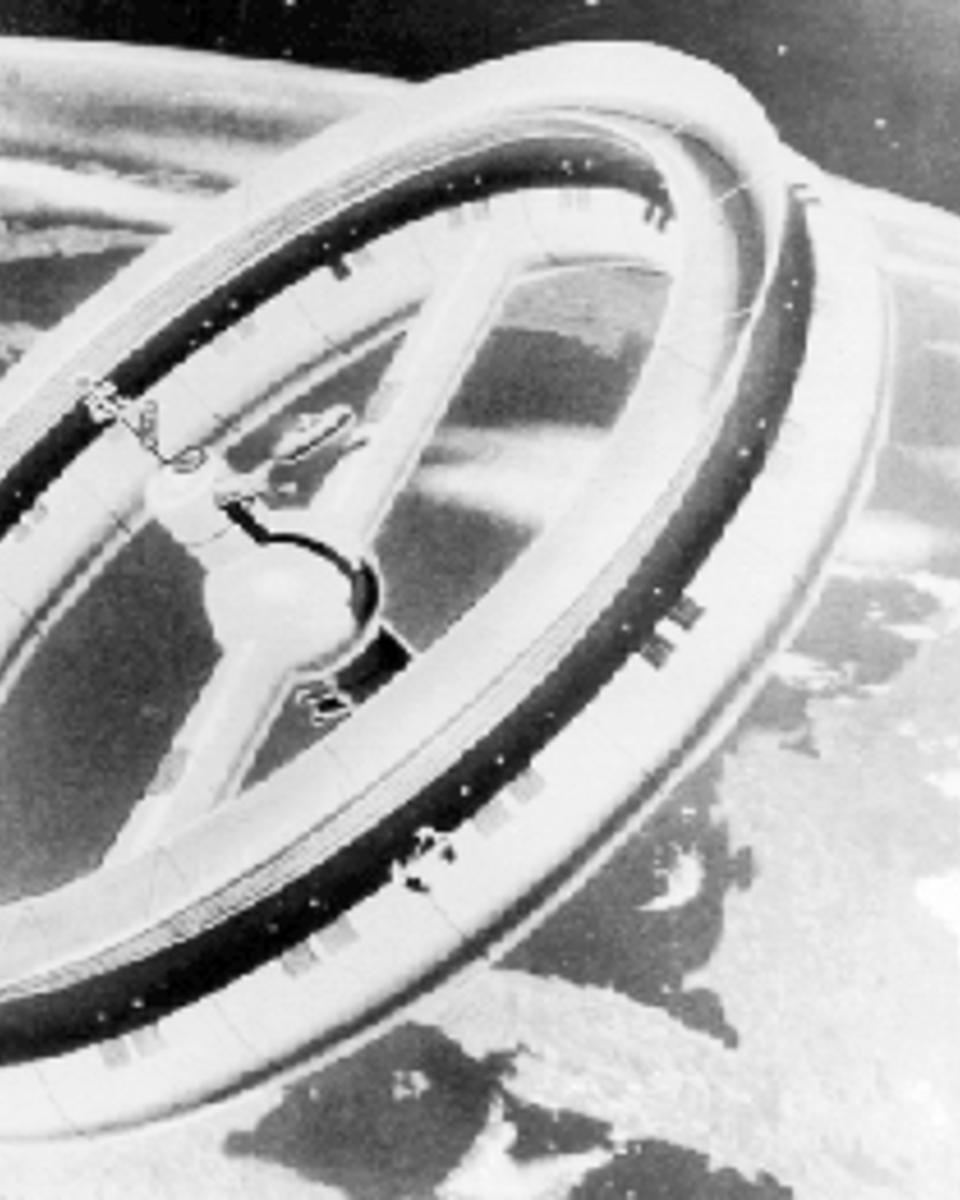
Von Braun's Wheel
Orbiting 1,075 miles above the Earth, a 250 foot wide, inflated, reinforced nylon “wheel” was conceived in the early 1950s to function as a navigational aid, meteorological…
Viewing discoveries from 25 March 1996 through 2 March 1996.