Browse NASA Astronomy Picture of the Day archive by date and media: Archive Discoveries
Browse the NASA APOD archive without needing the exact date first. Filter by media type and keep moving deeper into older images and videos.
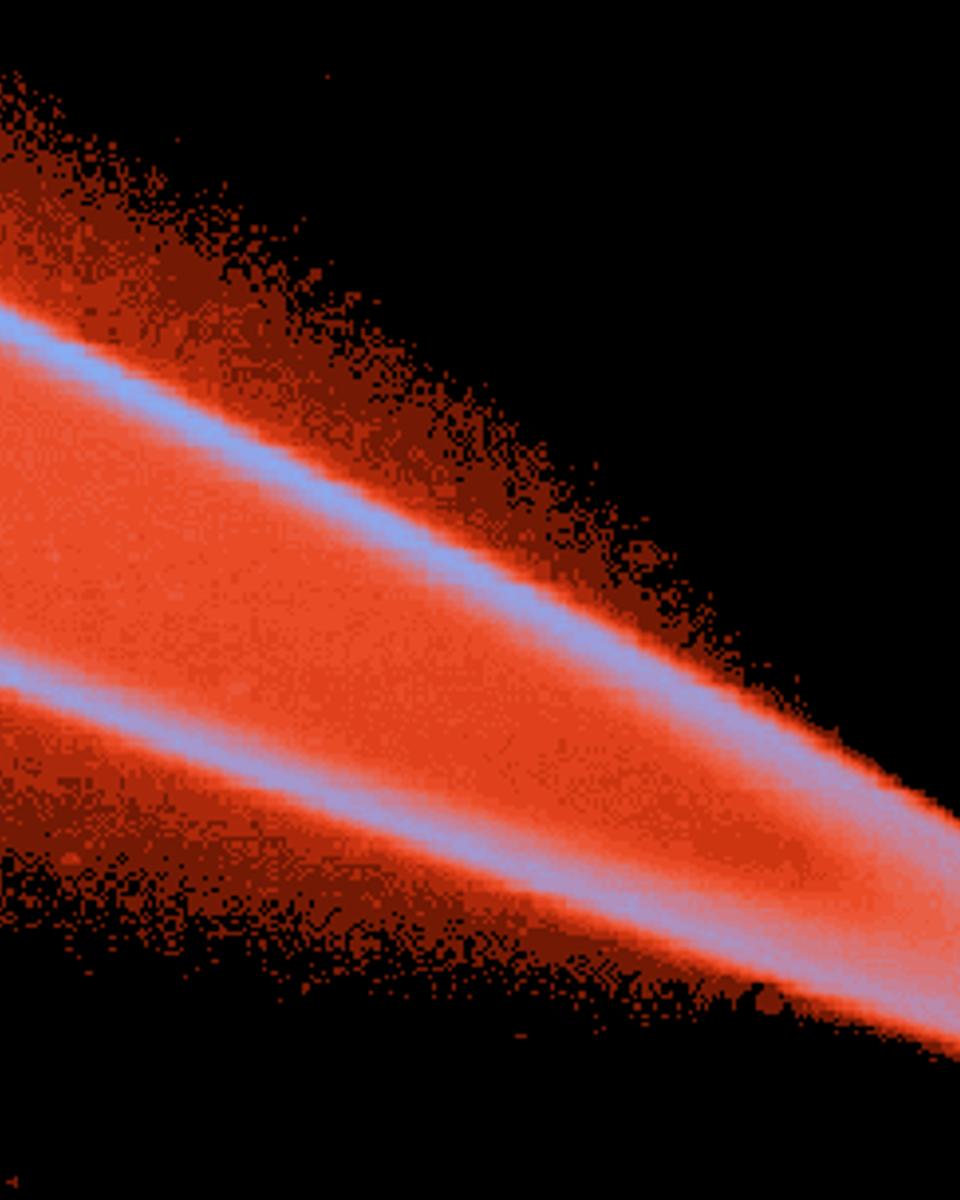
Jupiter's Rings
Astronomers using NASA's Voyager spacecraft to search for a ring system around Jupiter discovered these faint rings in 1979. Unlike Saturn's bright rings which are composed of…
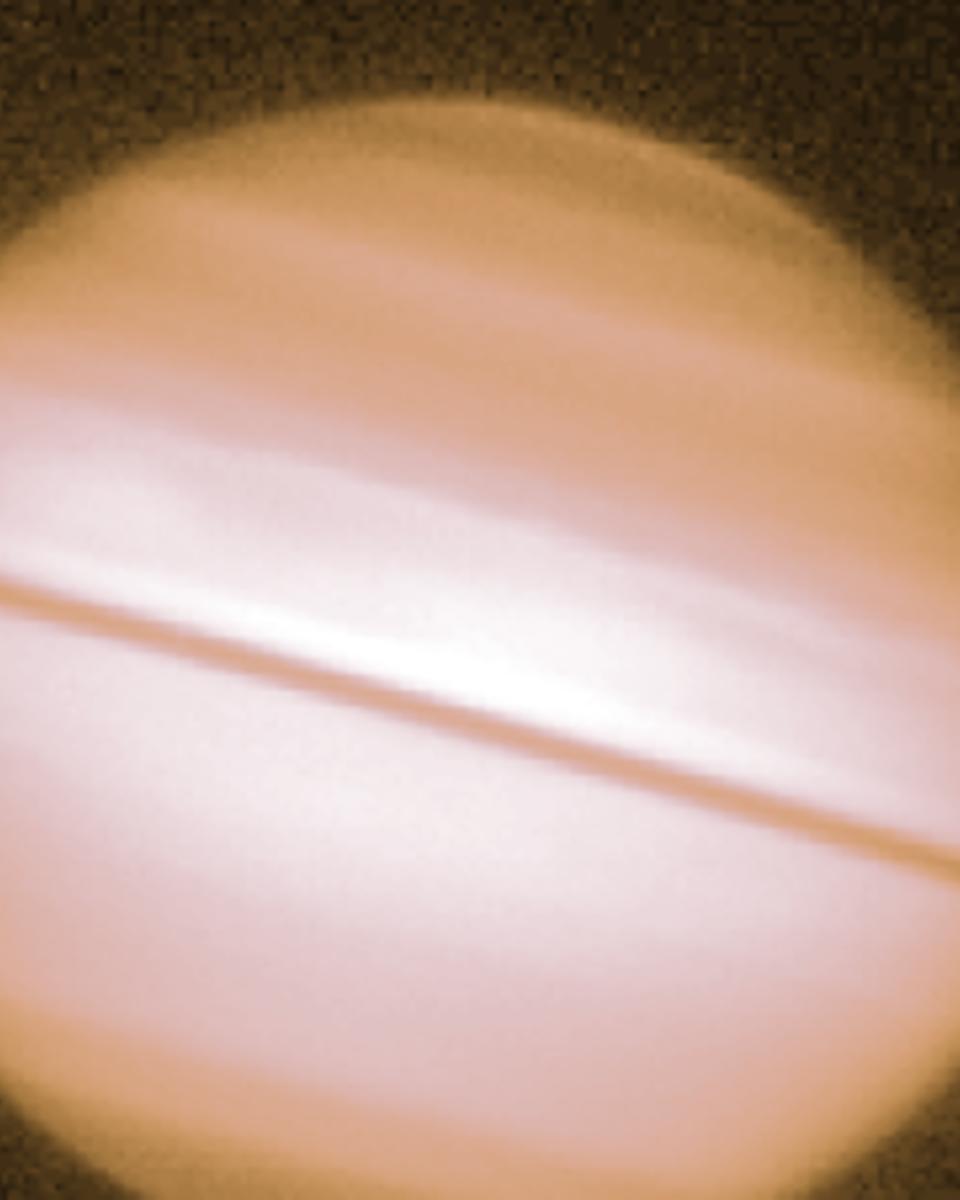
Crossing The Ring Plane
“I do not know what to say in a case so surprising, so unlooked for and so novel.” announced Galileo when Saturn's rings appeared to vanish in 1612. In fact, every 15 years…
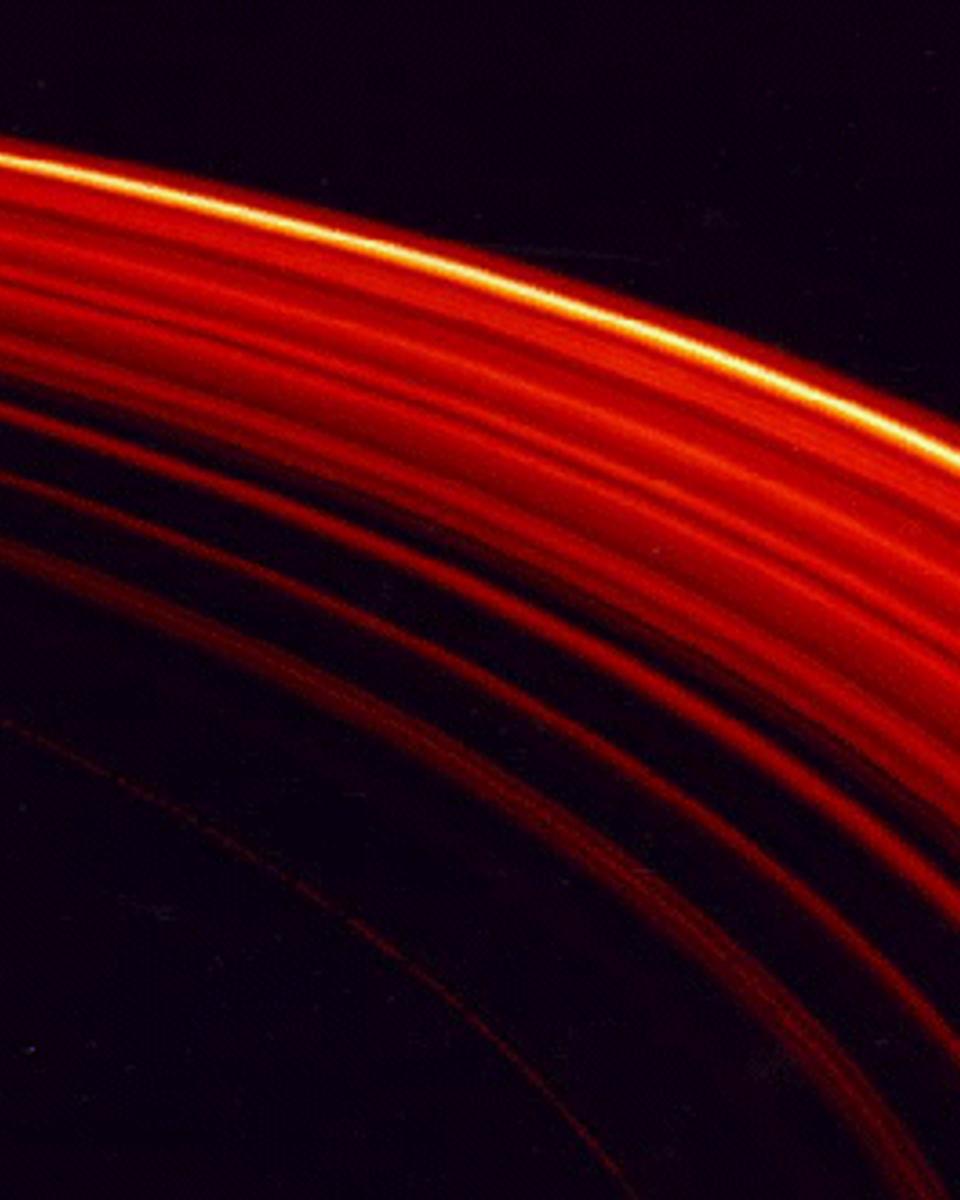
Exploring Saturn's Rings
By watching a star flicker and fade as it passed behind Saturn's rings, NASA's Voyager 2 spacecraft was able explore the ring system in amazing detail. Data produced by Voyager's…
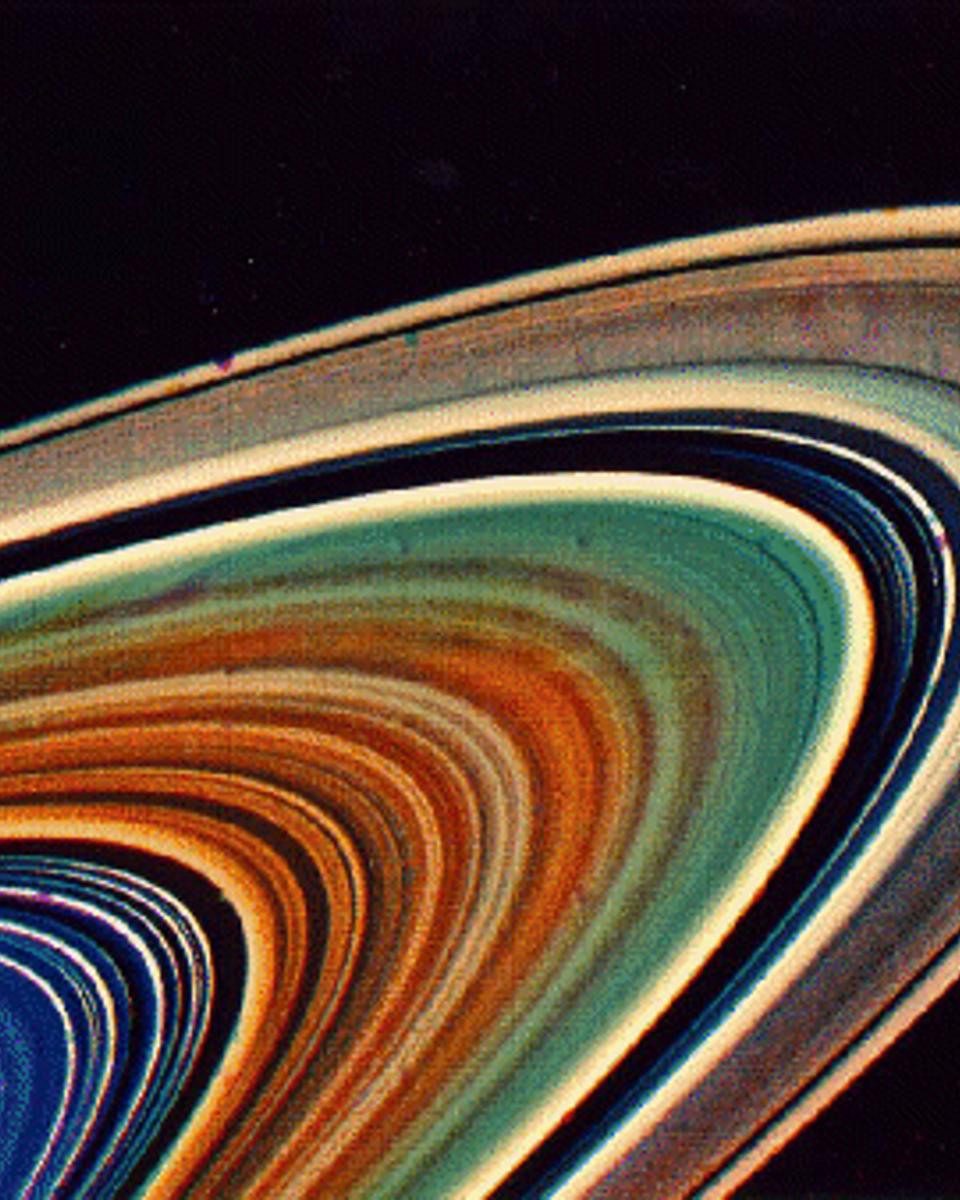
The Rings of Saturn
Saturn's spectacular system of bright rings has been the subject of study and wonder since Galileo first turned his telescope on the ringed planet in 1610. To Galileo, the blurry…
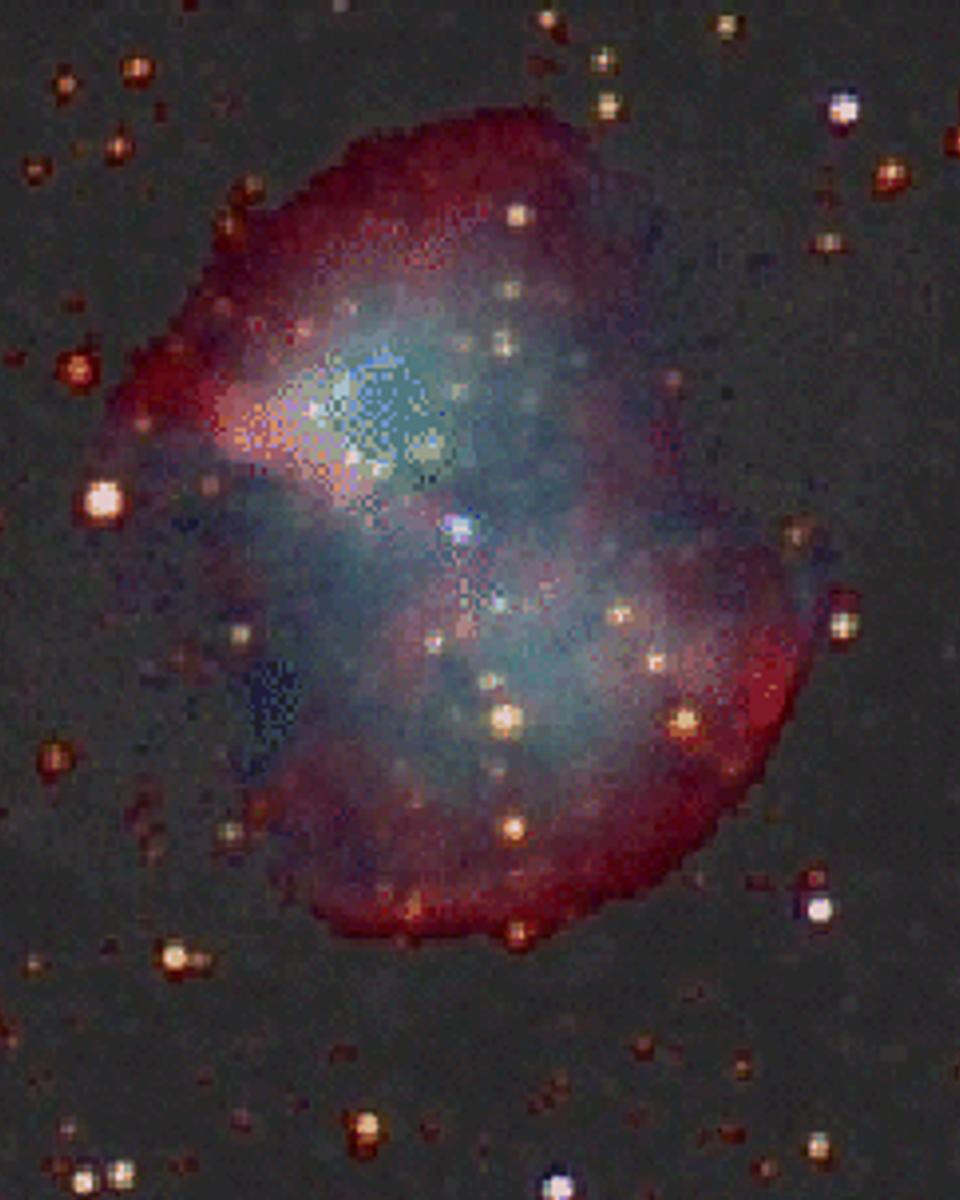
M27: The Dumbbell Nebula
The Dumbbell Nebula is a beautiful red and blue planetary nebula in the constellation of Vulpecula. It is the 27th object on Charles Messier's list of diffuse sky objects, and so…
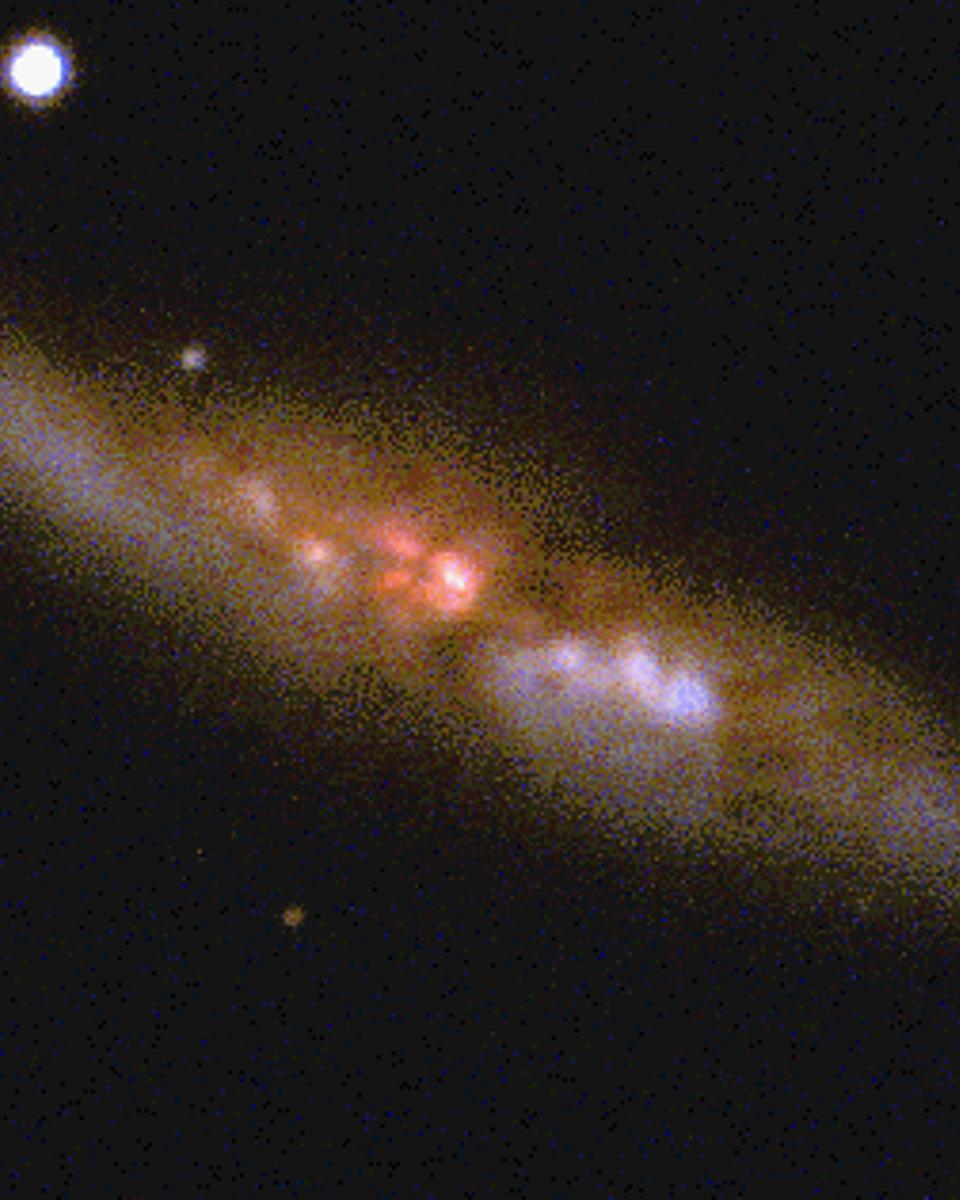
M82: An Irregular Galaxy
Not all galaxies have spiral structure like our Milky Way. Many have smooth elliptical shapes, but also many have irregular shapes such as the bright sky object M82, the 82nd…
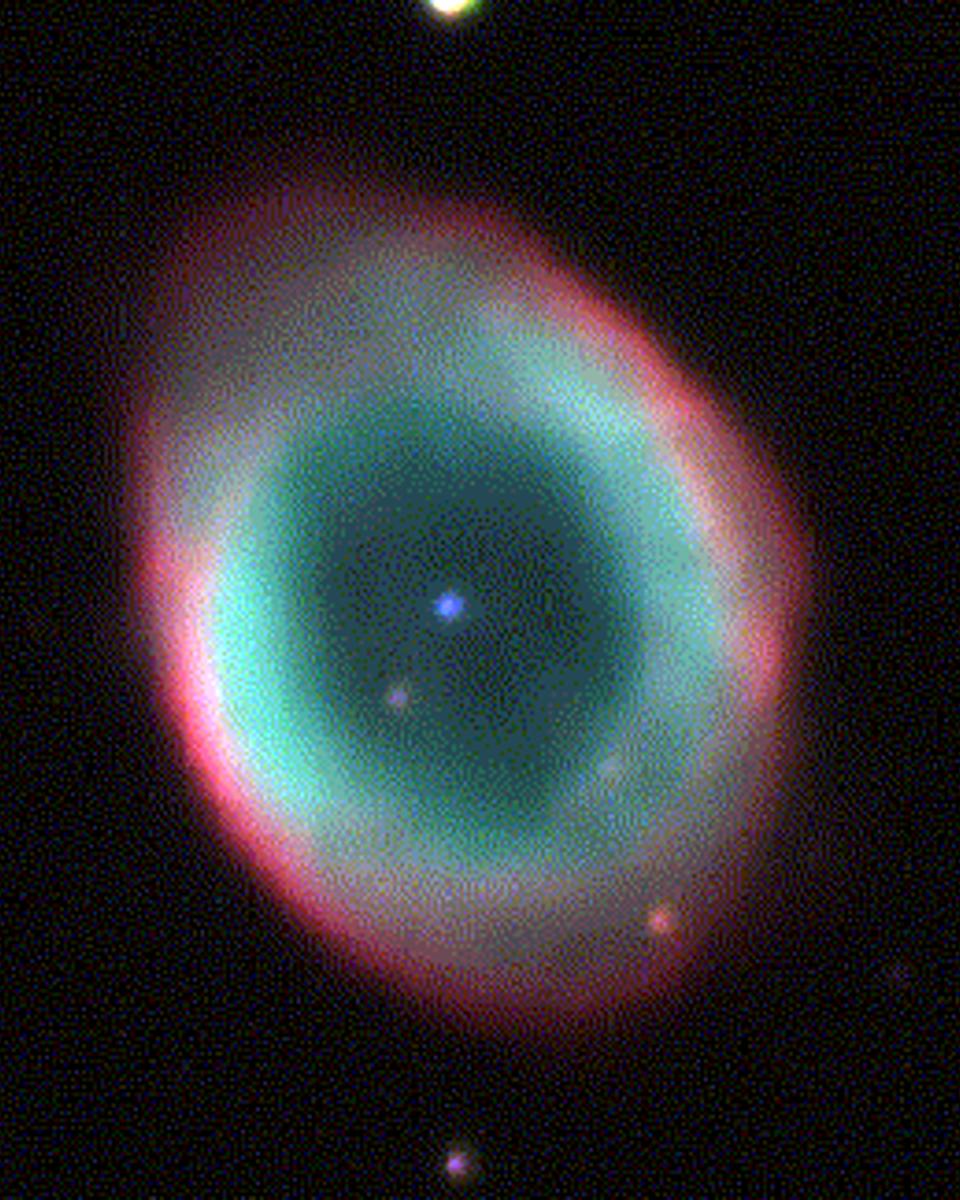
M57: The Ring Nebula
A star with mass similar to that of our Sun will throw off its outer gasses after fusion has stopped in its core. Possibly the most visually spectacular of these planetary nebula…
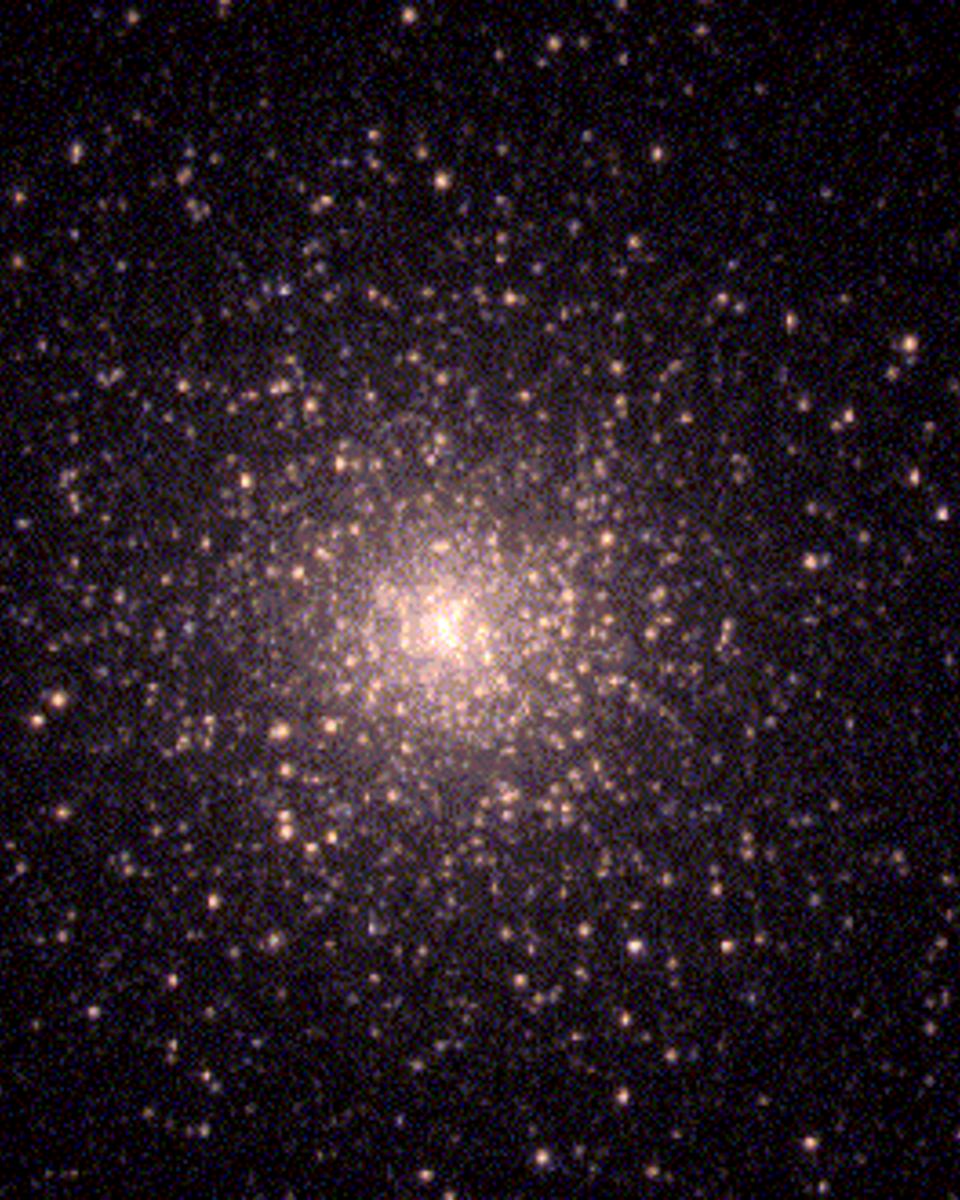
M15: A Great Globular Cluster
A globular cluster is a system of about one million stars that together orbit a galaxy. One of the brightest globular clusters in our Milky Way galaxy is the pictured M15, the…
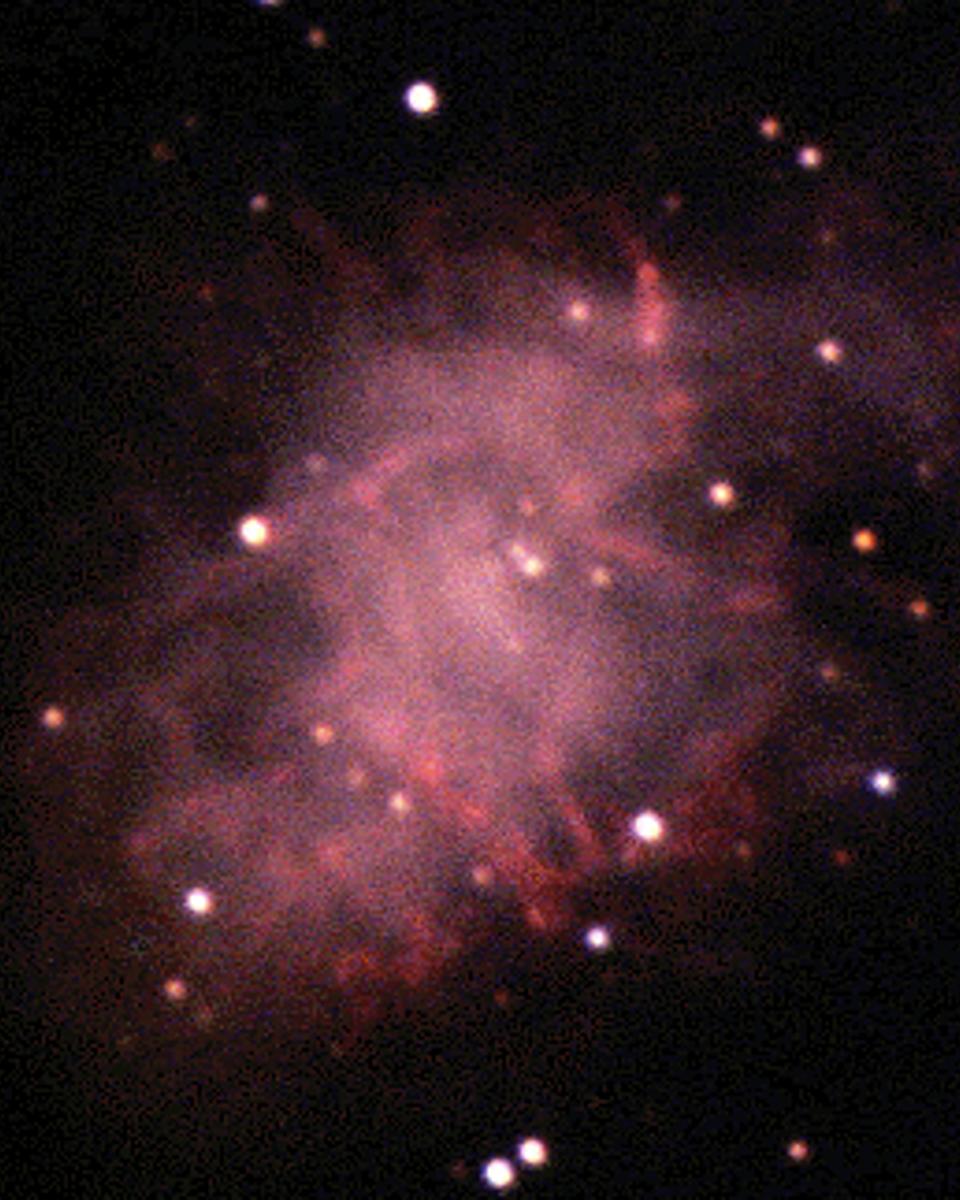
M1: The Crab Nebula
In the year 1054 a star in the constellation of Taurus exploded in a spectacular supernova so bright it appeared to dominate the sky except for the Sun and Moon for many days. It…
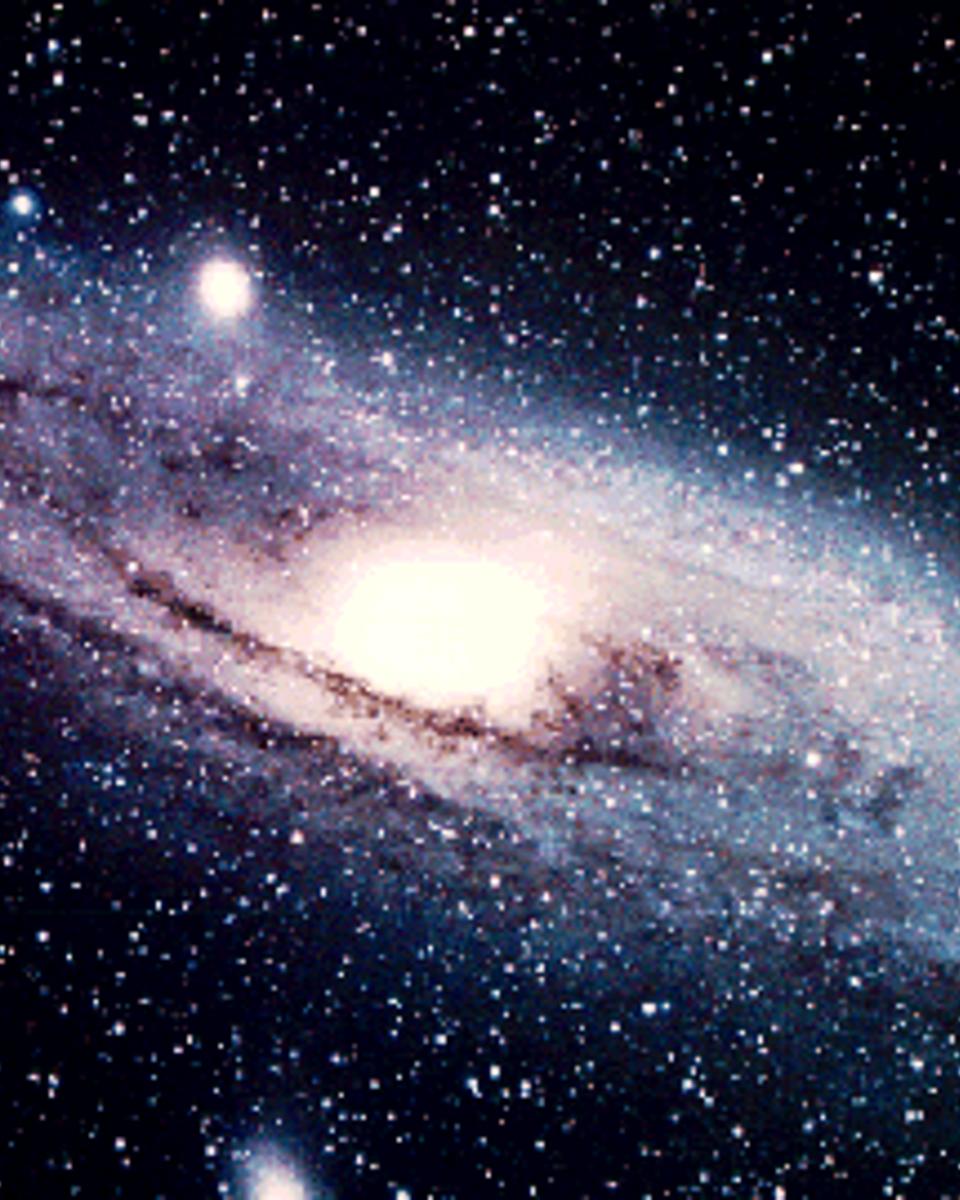
M31: The Andromeda Galaxy
Andromeda is the nearest major galaxy to our own Milky Way Galaxy. Our Galaxy is thought to look much like Andromeda. Together these two galaxies dominate the Local Group of…
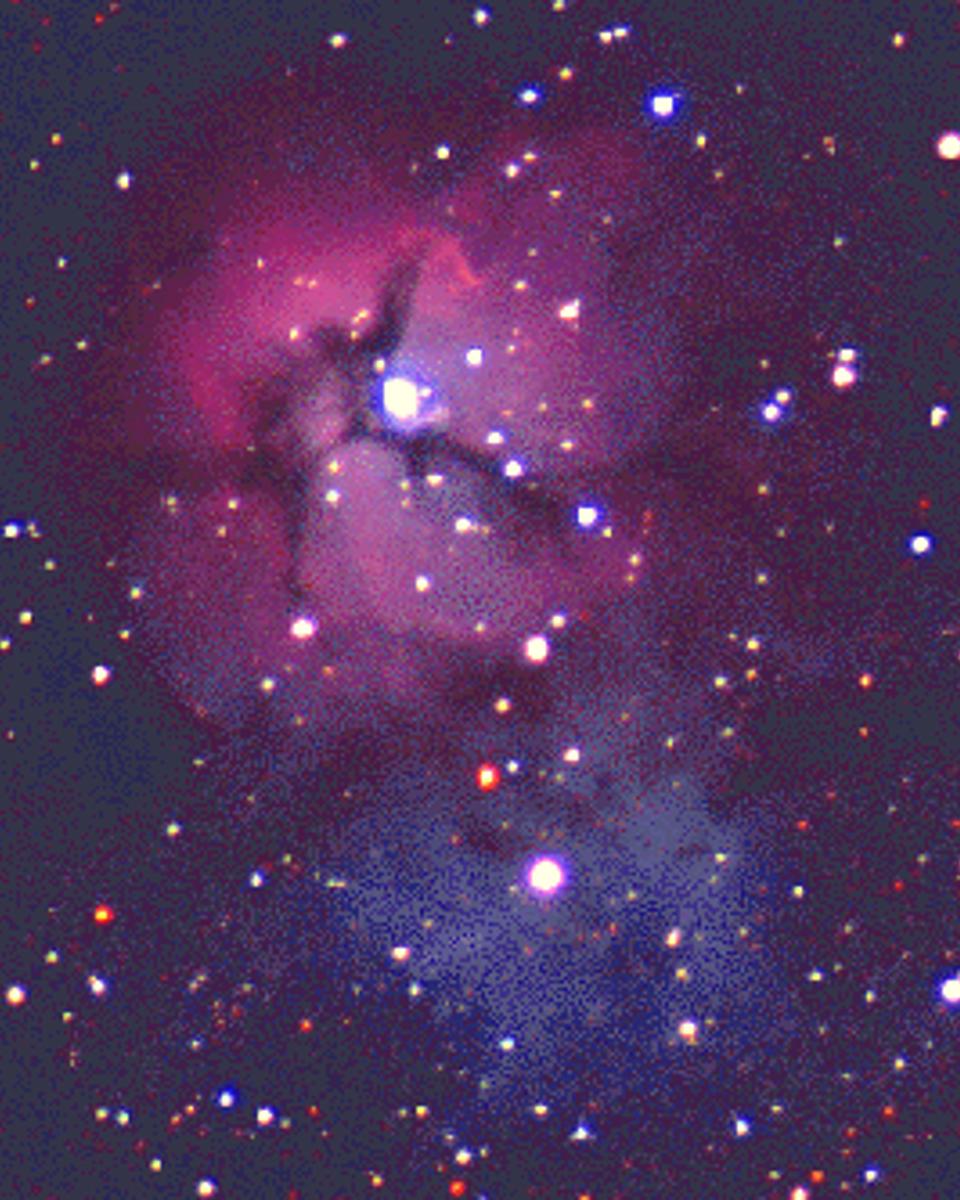
M20: The Trifid Nebula
The vivid blue and violet colors present in the Trifid Nebula result from the abundance of young stars there. The light from young massive stars is quite blue and has the ability…

The Face on Mars
This image, showing what looks to be a human face sculpted on the martian surface, was produced using data from NASA's Viking 1 orbiter in 1976. Described in a press release as a…
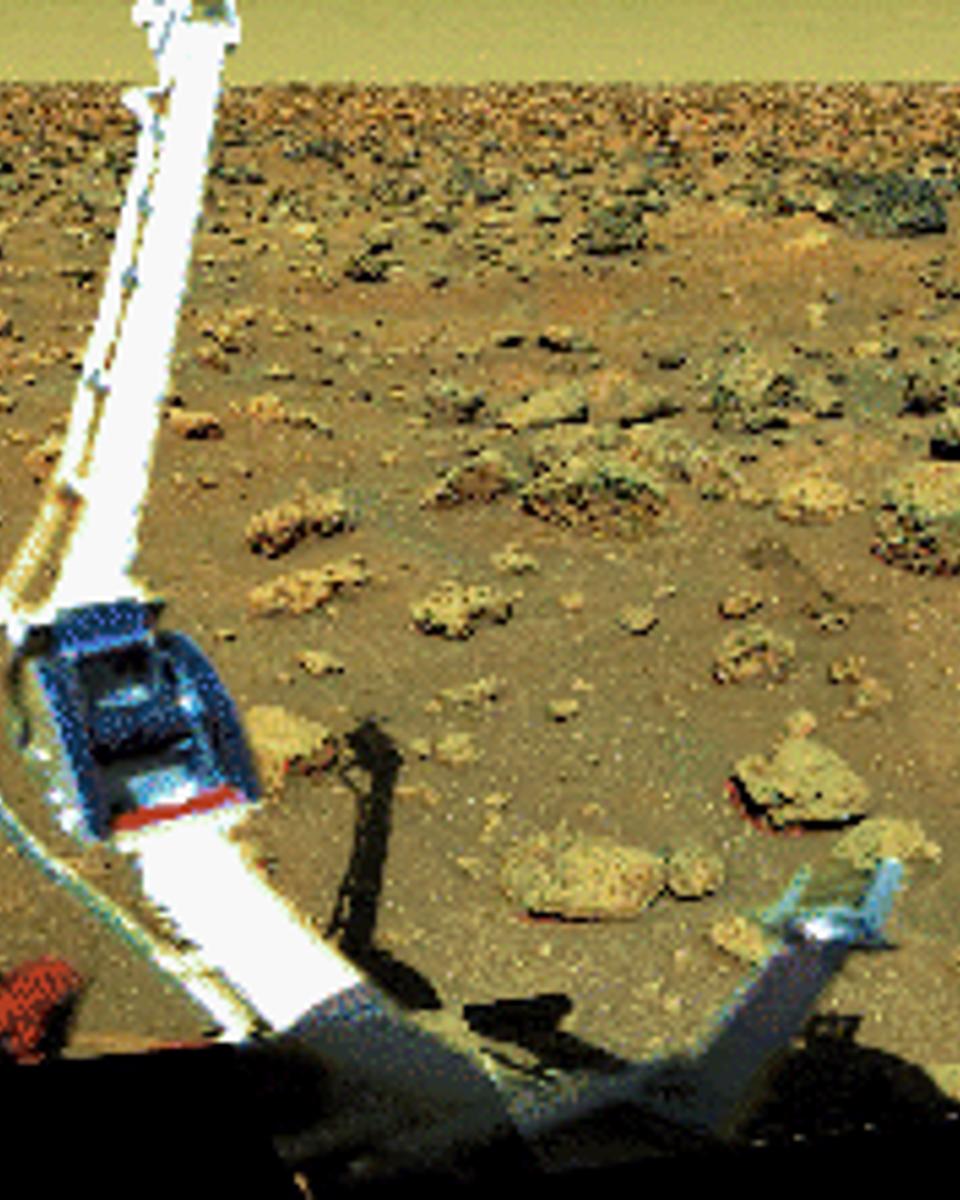
The Search for Life on Mars
Although images of Mars taken from space revealed the planet to have a barren and cratered surface, scientists did not give up the search for martian life. In 1976 NASA's Viking…
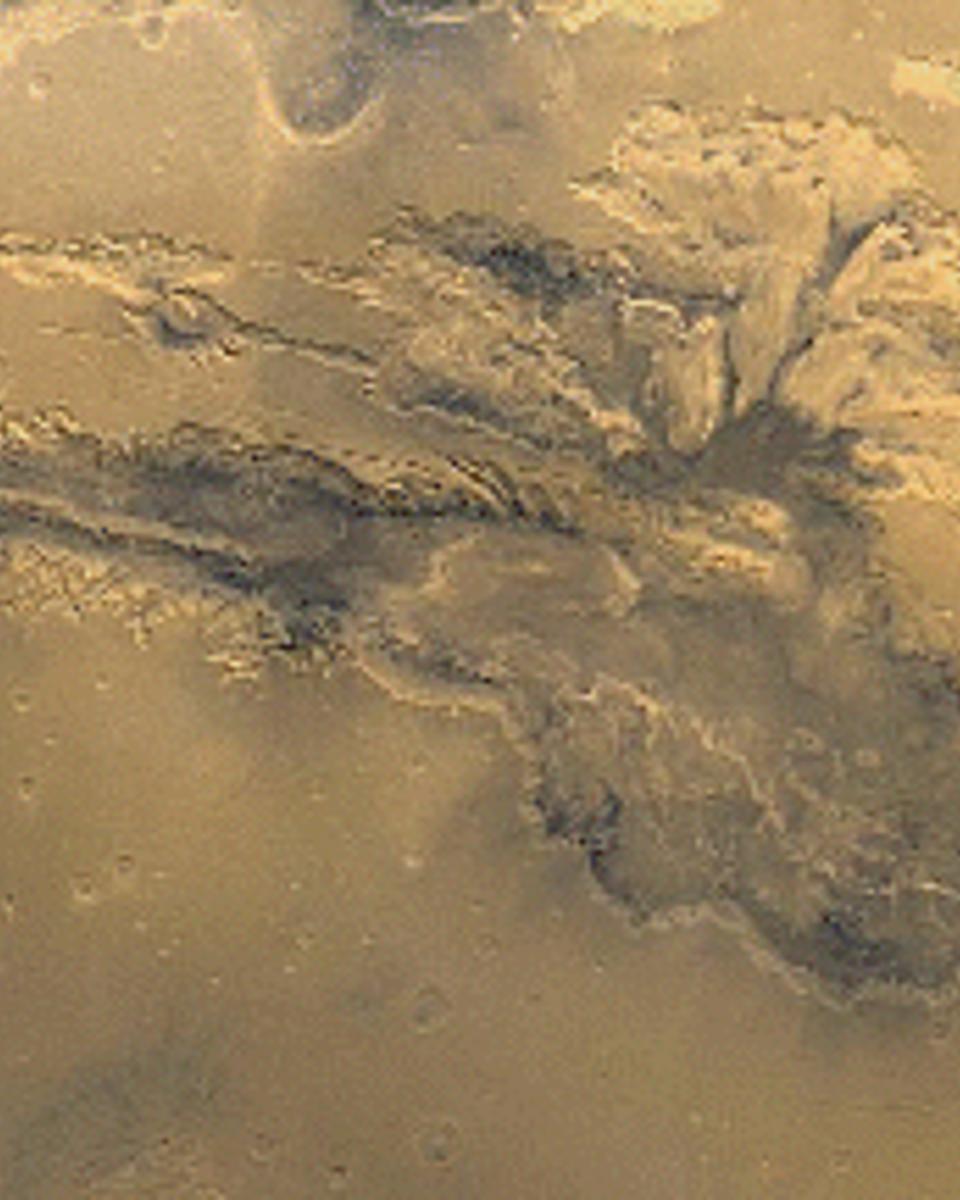
The Grand Canyon of Mars
The Mariner Valley, also known as the Valles Marineris canyon system, appears in this mosaic of images from NASA's Viking spacecraft as a huge gouge across the red planet. This…
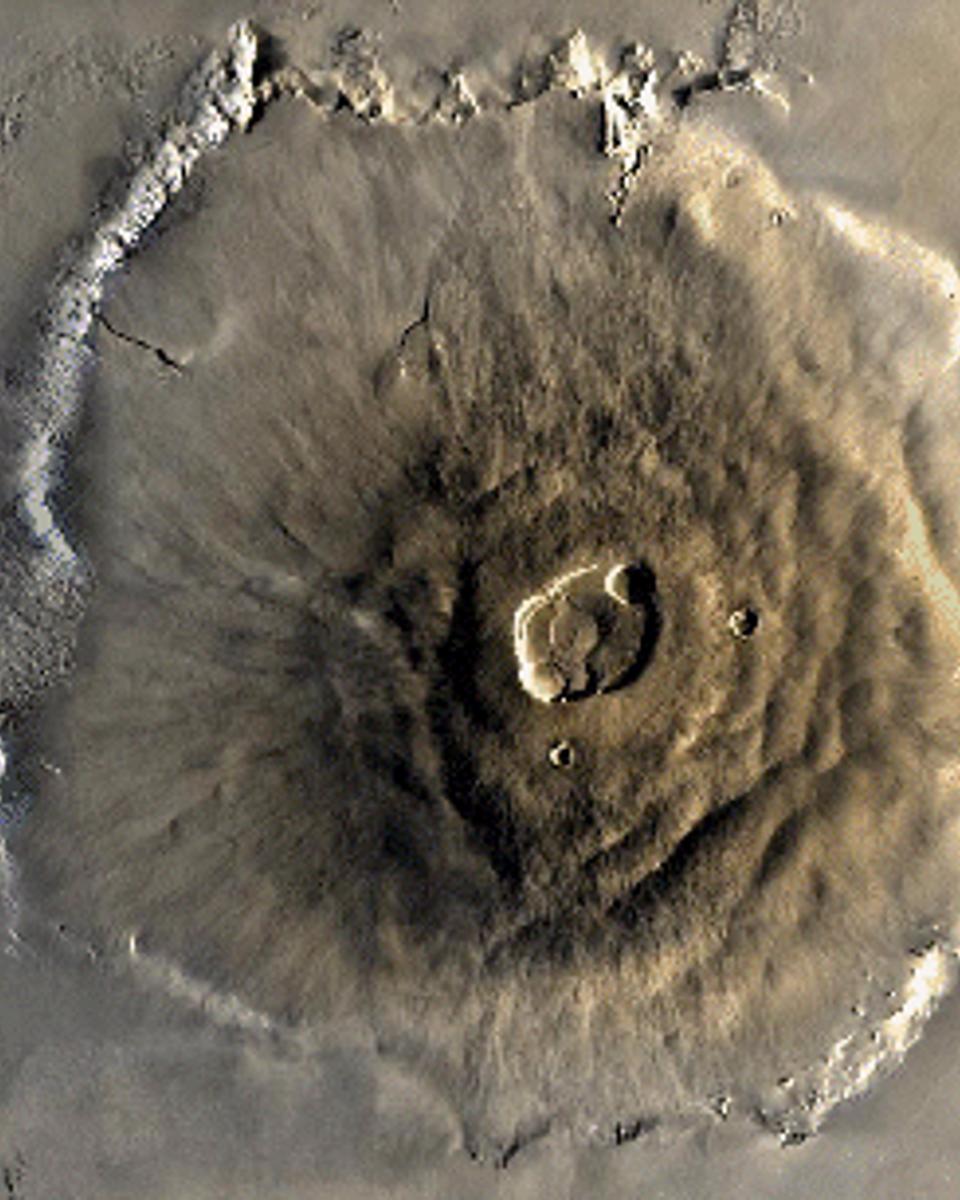
The Mountains of Mars
Volcanic activity on Mars has produced towering mountains. The largest one, Olympus Mons, is pictured here in this Viking Orbiter image. Olympus Mons is a shield volcano nearly 15…
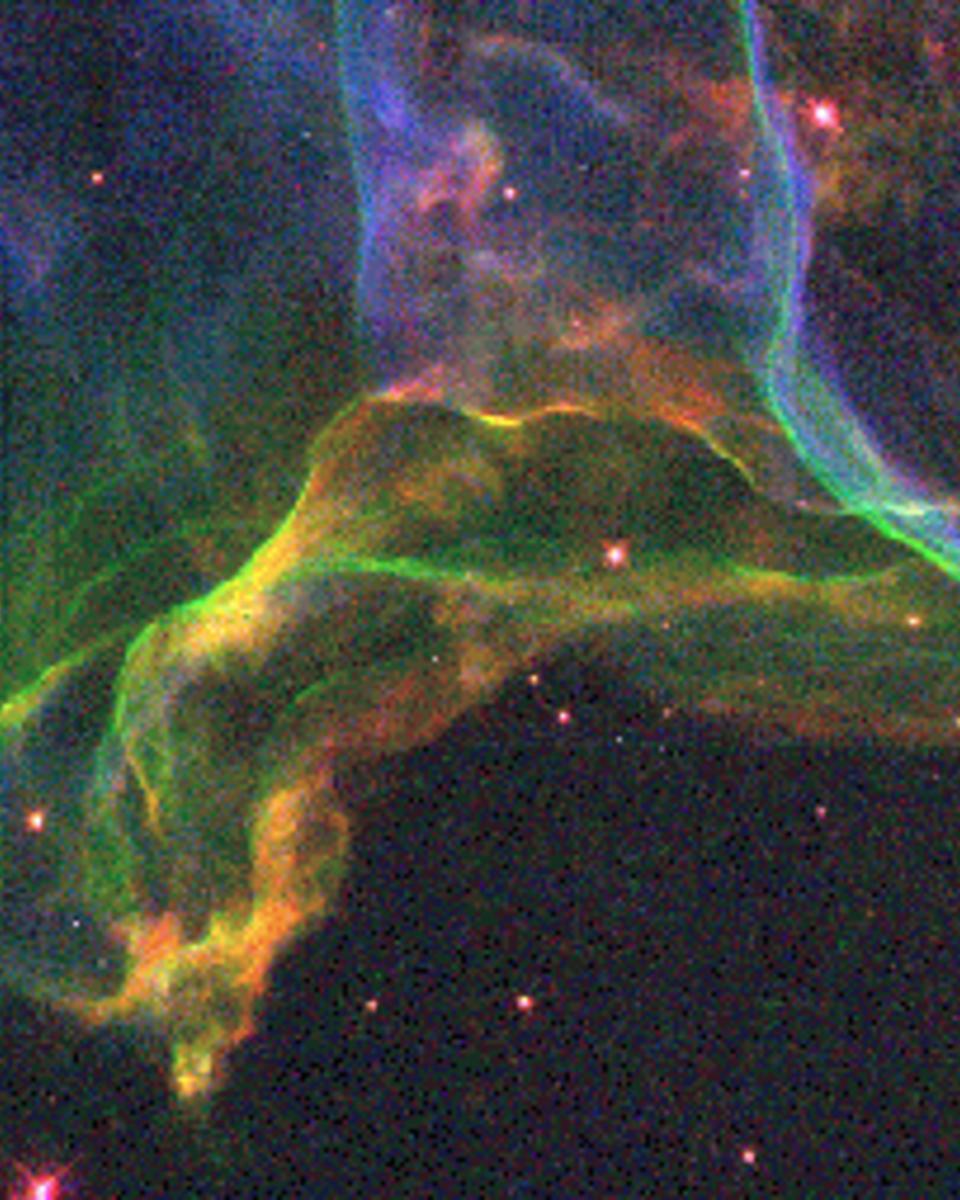
Cygnus Loop Supernova Shockwave
15,000 years ago a star in the constellation of Cygnus exploded. This picture shows a portion of a shockwave from this supernova explosion still expanding past nearby stars. The…
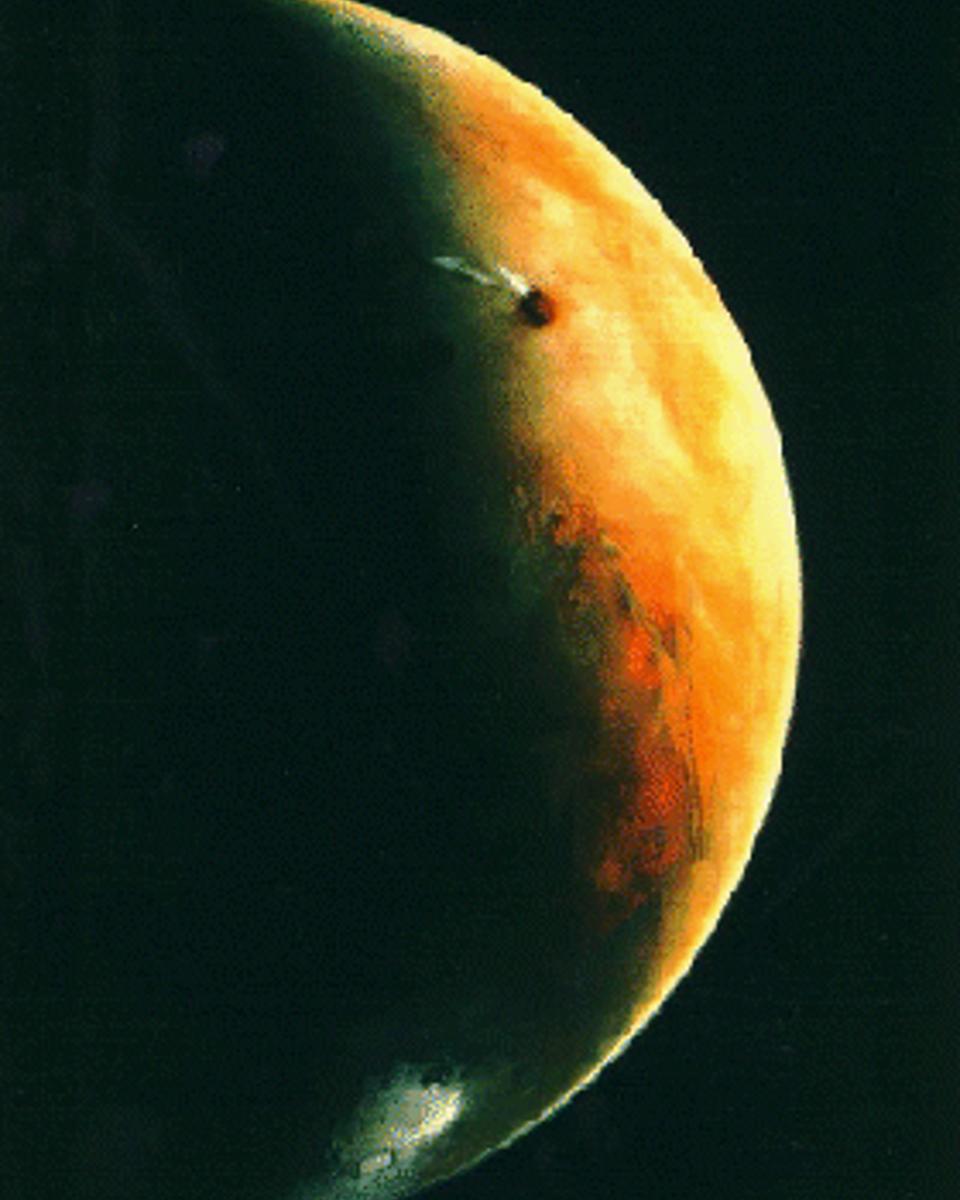
Barsoom
“Yes, I have been to Barsoom again ...” begins John Carter in Edgar Rice Burroughs' 1913 science fiction classic “The Gods of Mars”. In Burroughs' novels describing Carter's…
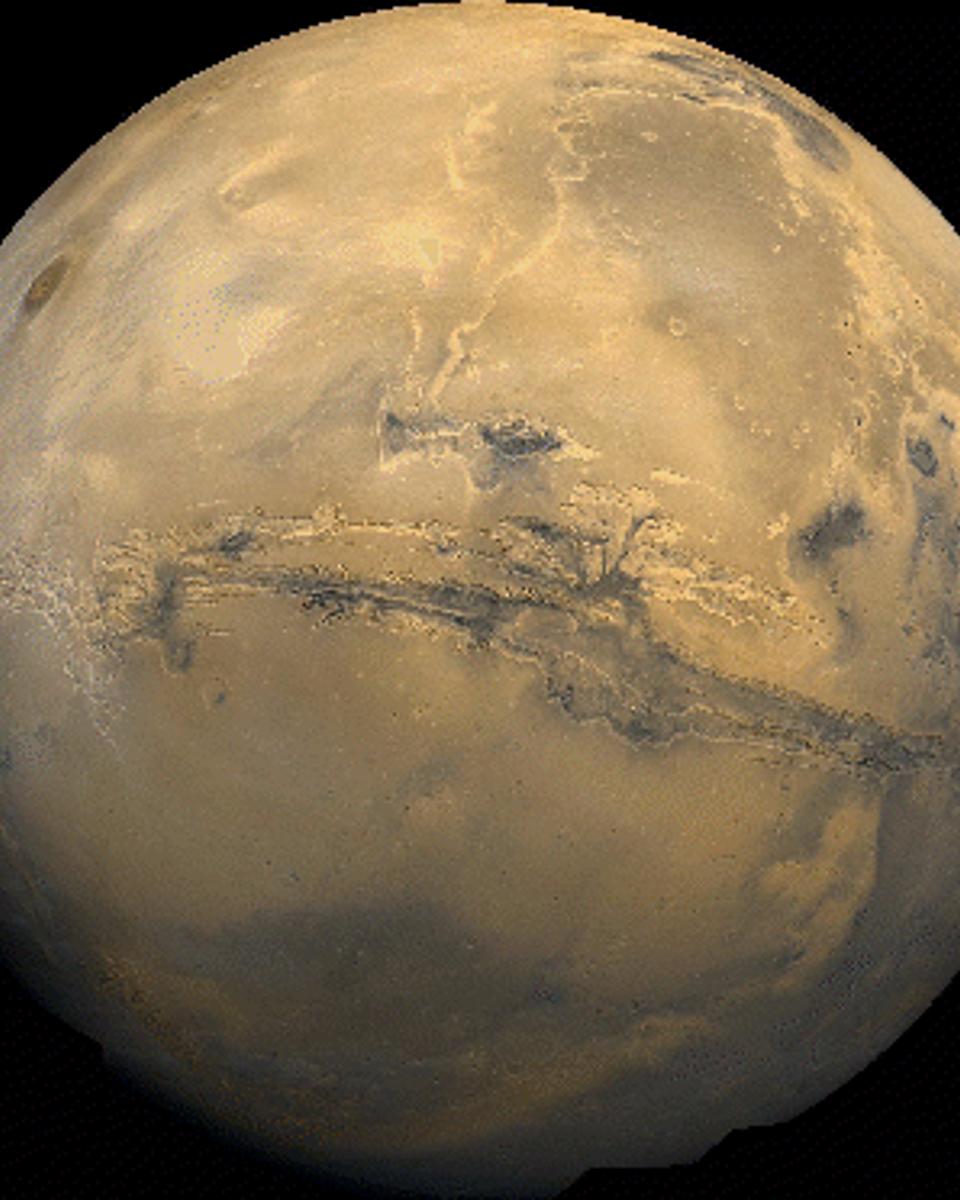
The Exploration of Mars
Thirty years ago NASA's exploration of Mars began. In July of 1965 the Mariner 4 spacecraft flew within 6,000 miles of Mars and returned 21 pictures of the mysterious red planet.…
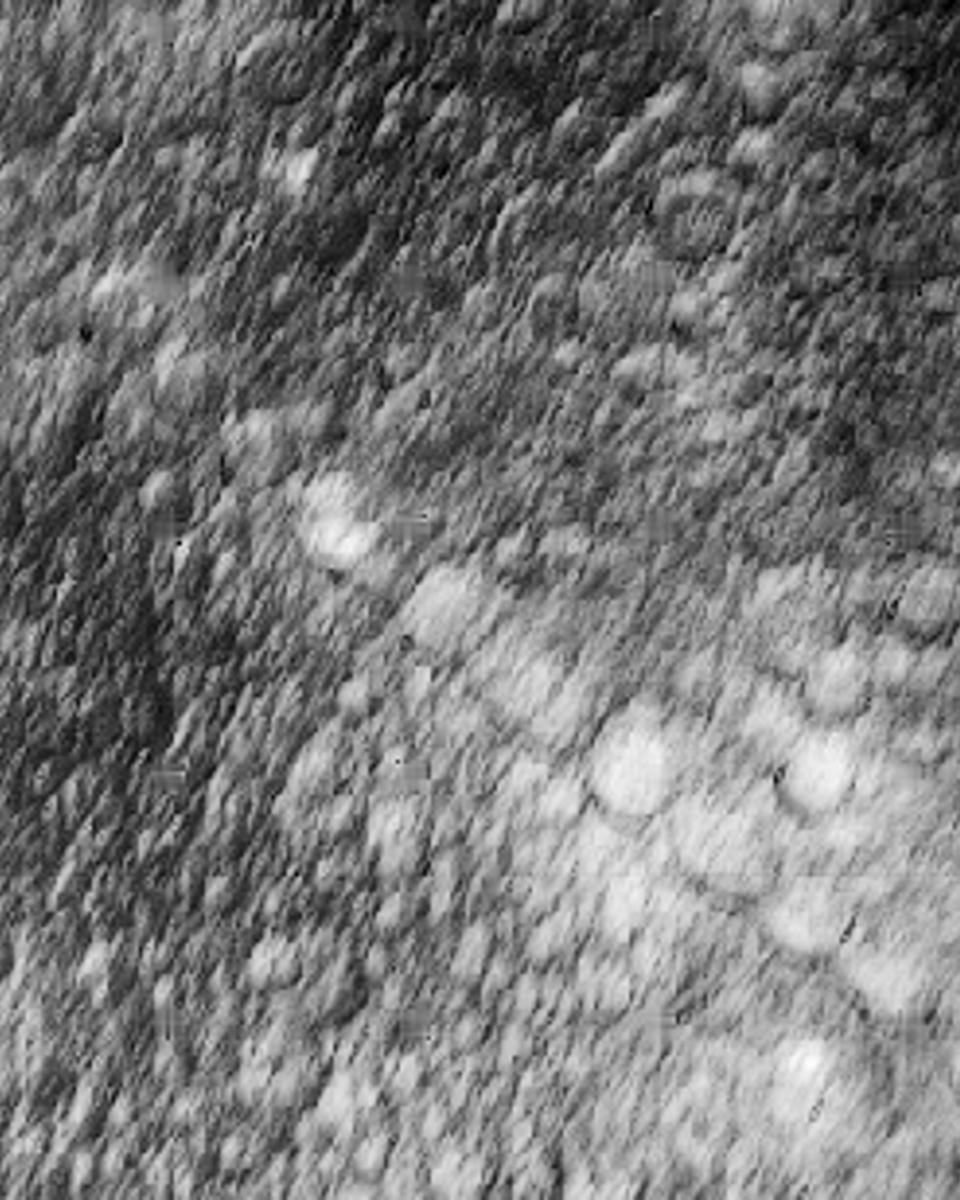
The Crater Chain
NASA's robot spaceprobe Voyager 1 , took this closeup image of the surface of Jupiter's crater scarred moon Callisto in 1979. A mysterious chain of craters is seen to extend…
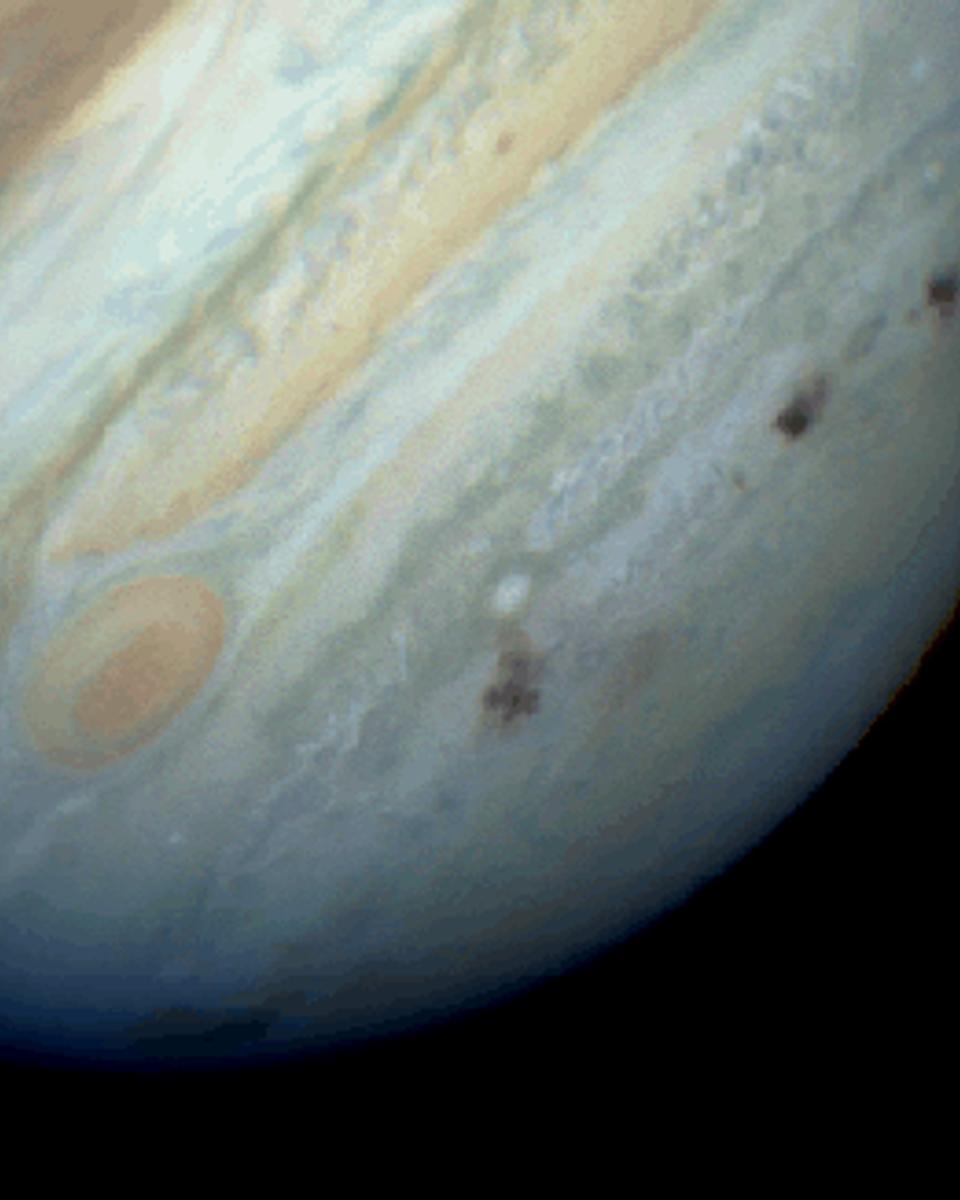
Comet Impacts on Jupiter
In July of 1994, pieces of Comet Shoemaker-Levy 9 , also known as the “string of pearls” comet, collided with the planet Jupiter. As the comet fragments smashed in to Jupiter, the…
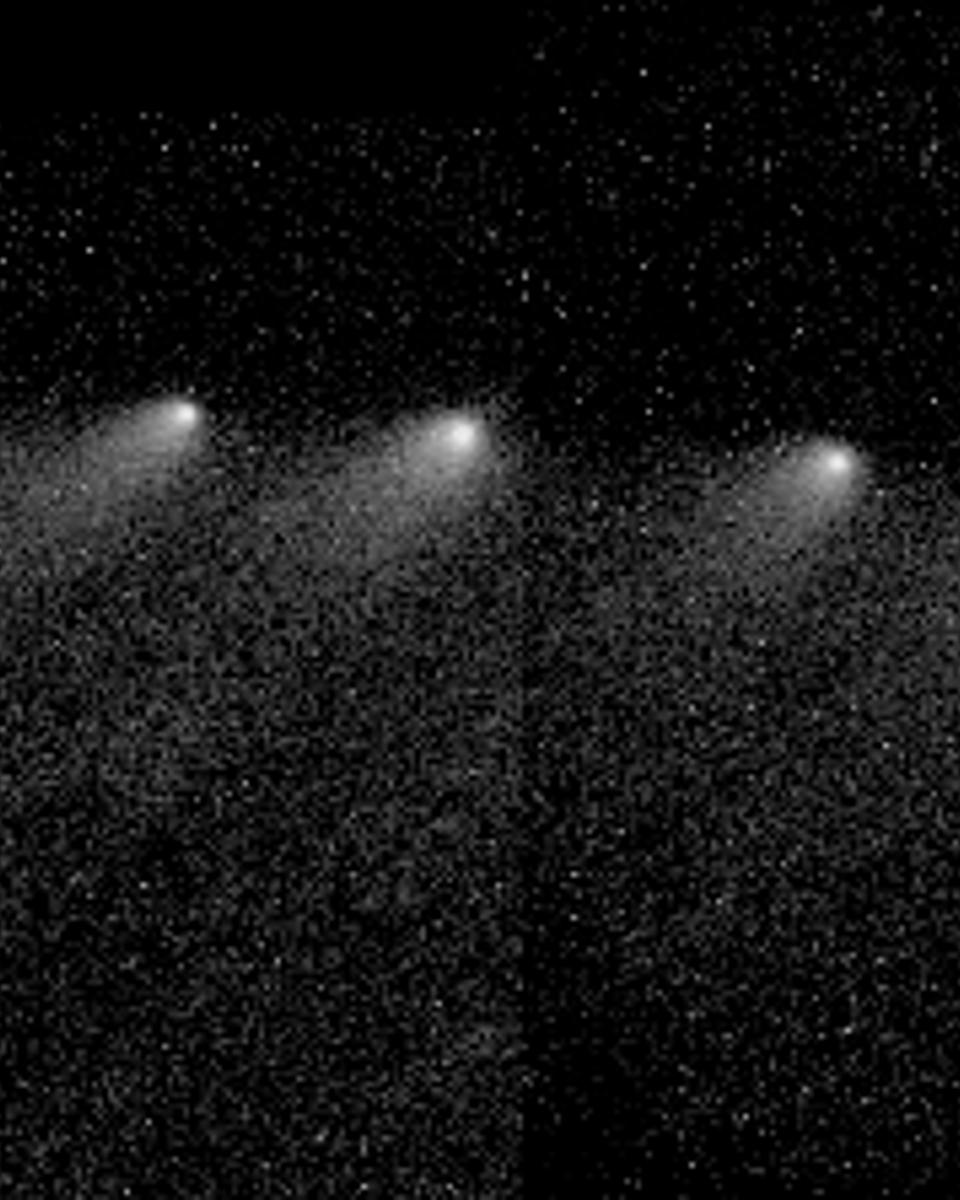
A String Of Pearls
Comet Shoemaker-Levy 9 , named after its co-discoverers, was often referred to as the “string of pearls” comet. It is famous for its unusual appearance as well as its collision…
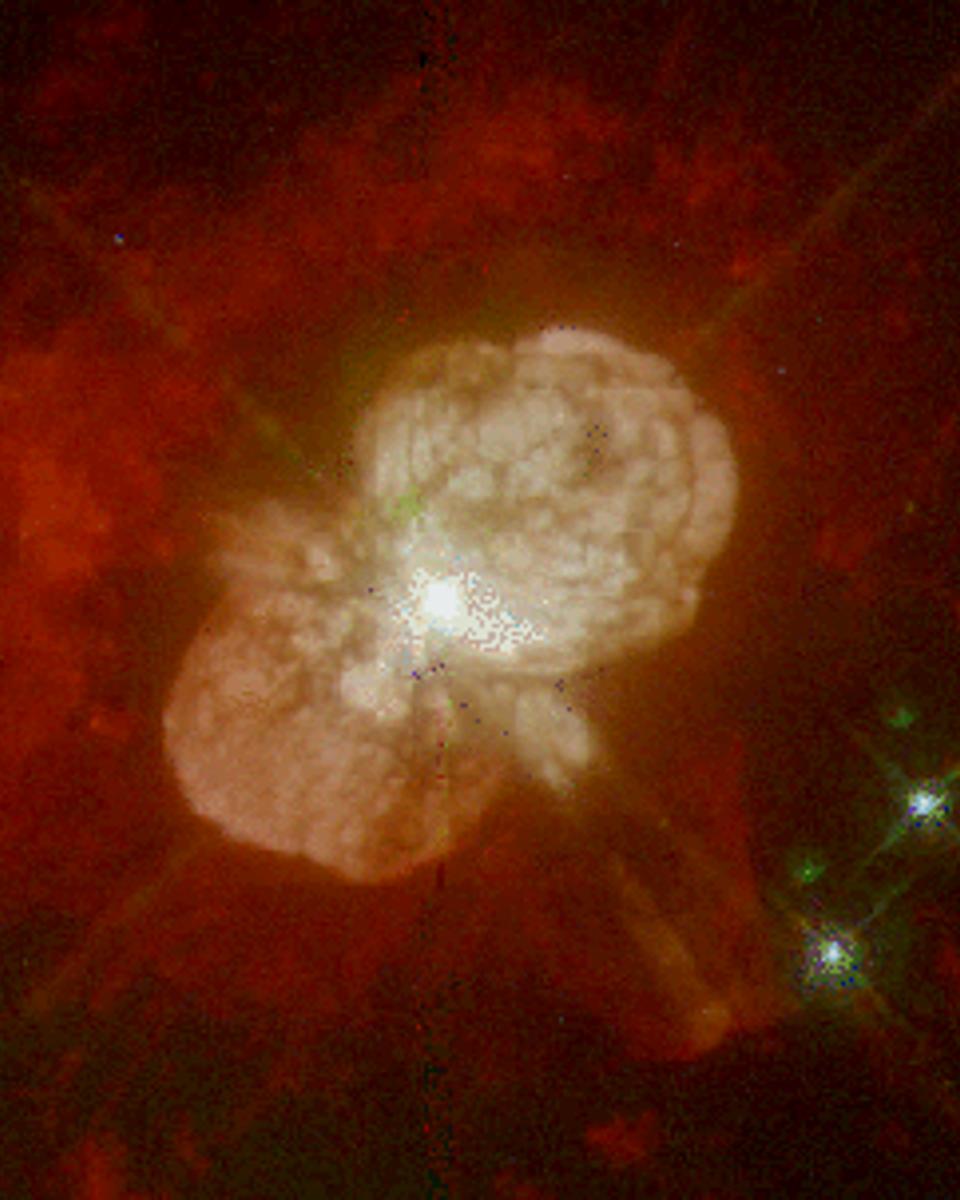
Eta Carinae Before Explosion
The star Eta Carinae, at the center of the photo, will likely destroy itself in a spectacular explosion in a few million years - or sooner! Currently it is one of the brightest,…
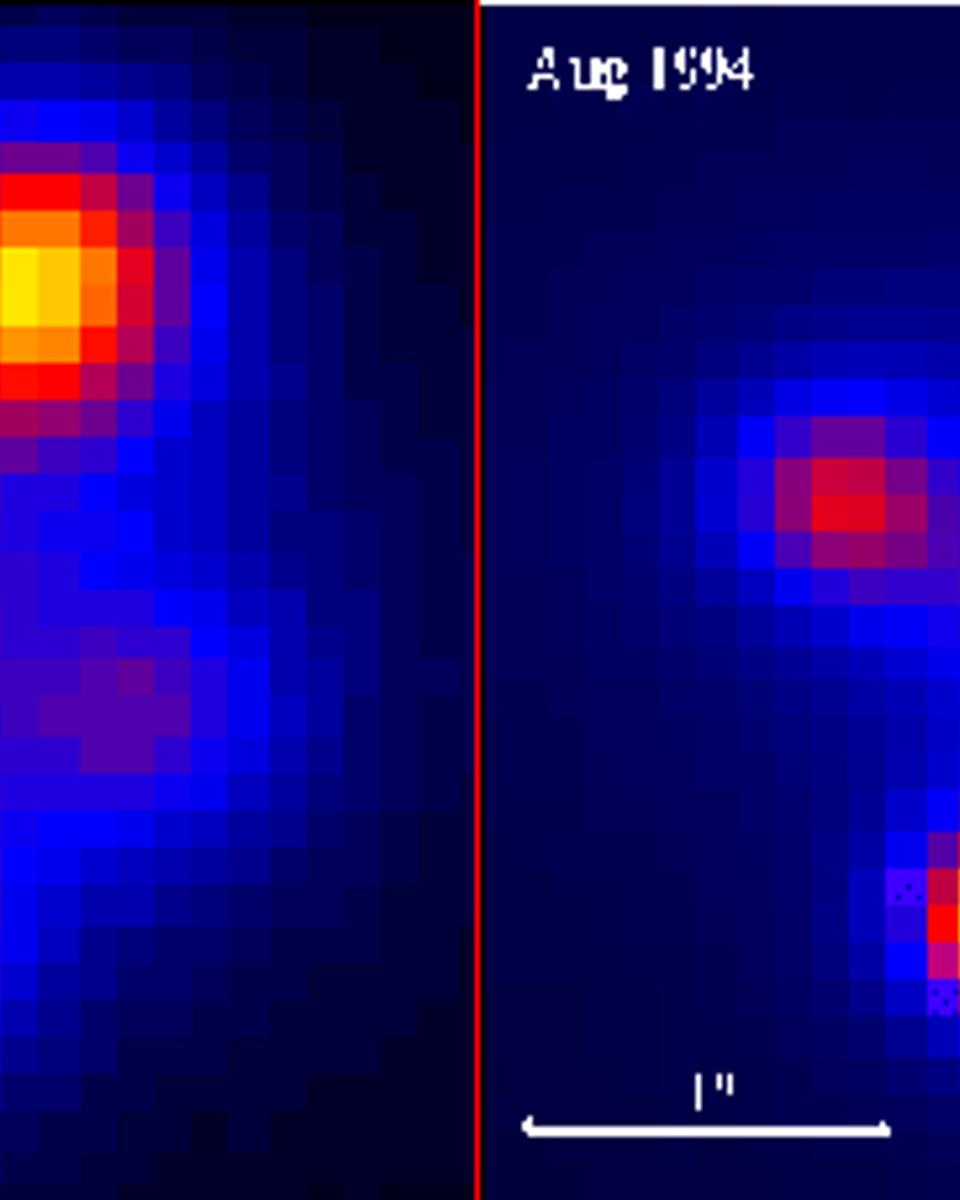
Microlensing of the Einstein Cross
The famous “Einstein Cross” is a case where a single object is seen four times. Here a very distant QSO happened to be placed right behind a massive galaxy. The gravitational…
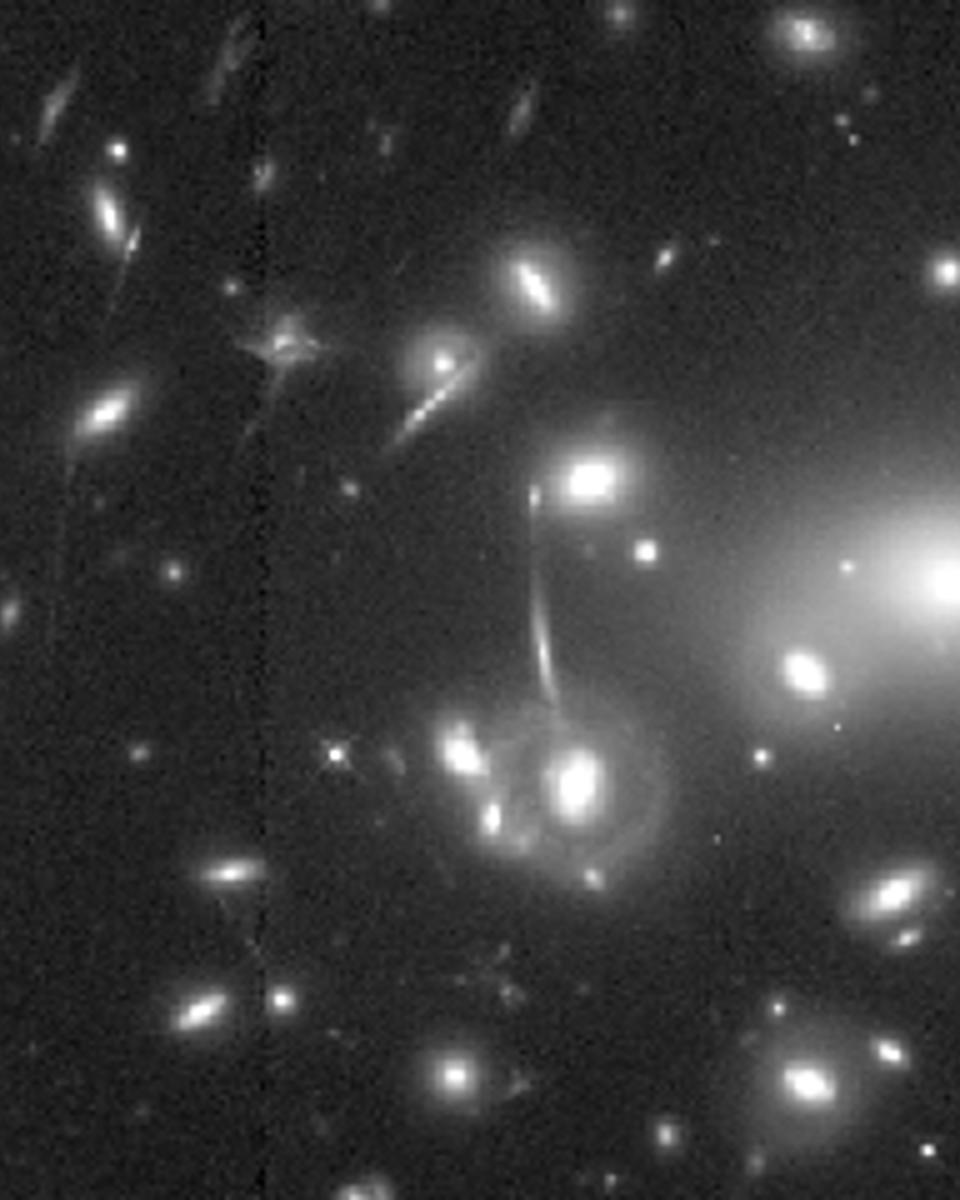
Abell 2218: A Galaxy Cluster Lens
Sometimes one of the largest concentrations of mass known can act like a lens. Almost all of the bright objects in this image are galaxies in the cluster known as Abell 2218. The…
Viewing discoveries from 2 August 1995 through 10 July 1995.