Browse NASA Astronomy Picture of the Day archive by date and media: Archive Discoveries
Browse the NASA APOD archive without needing the exact date first. Filter by media type and keep moving deeper into older images and videos.
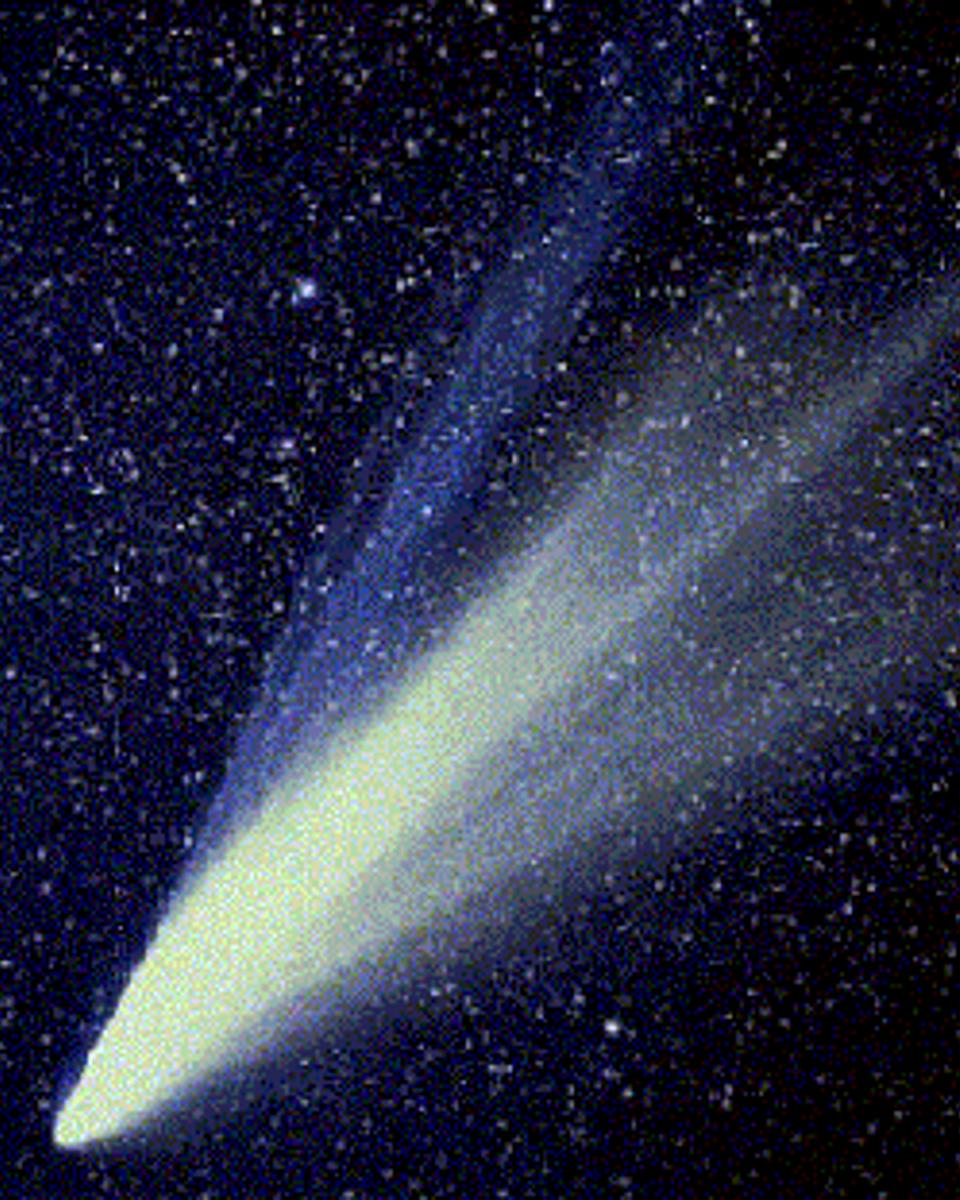
Two Tails of Comet West
Here Comet West is seen showing two enormous tails that wrap around the sky. The ion tale of a comet usually appears more blue and always points away from the Sun . The dust tail…
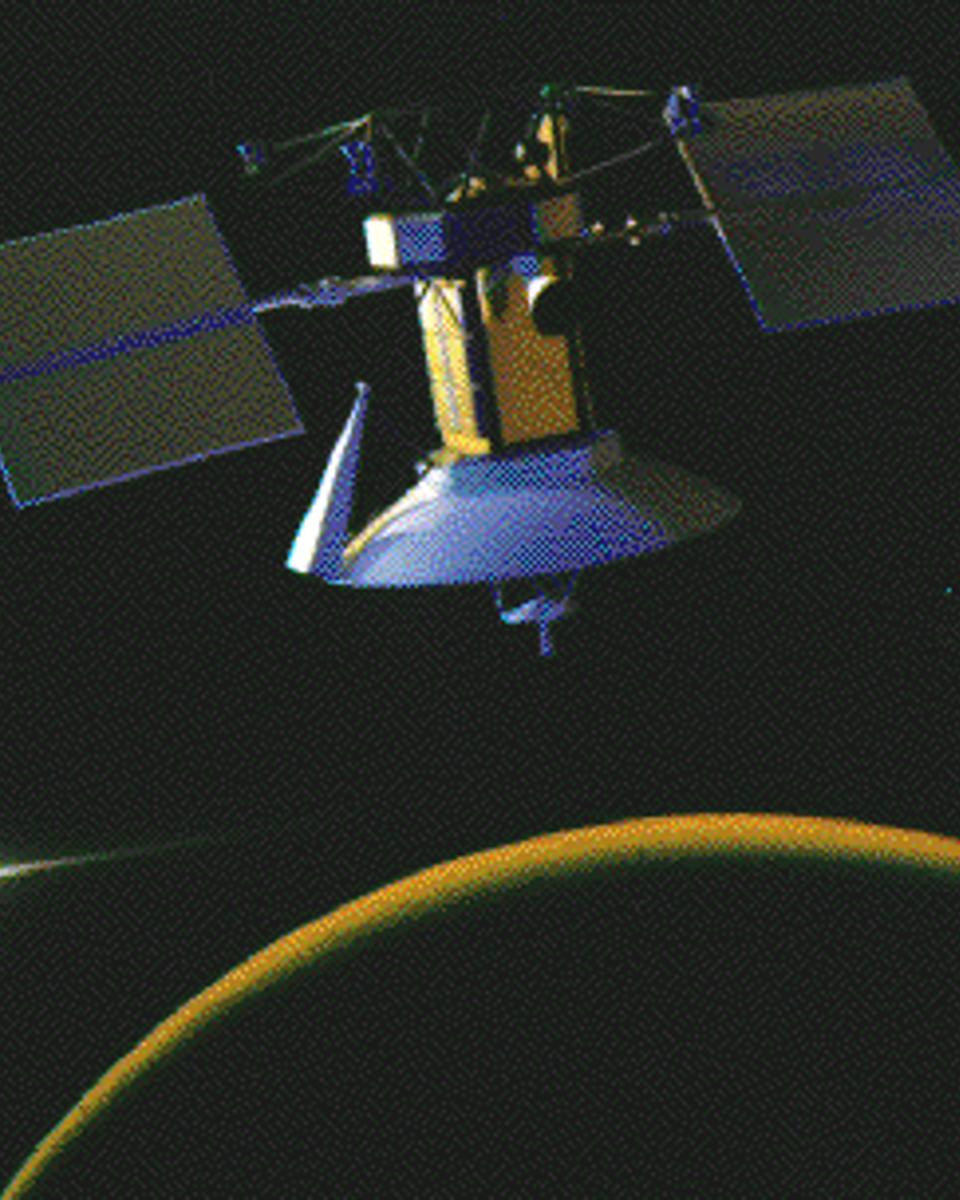
A World Explorer
Ferdinand Magellan was a world explorer. Many consider him the greatest navigator of Europe's 16th century age of sea going exploration and credit his expedition with the first…
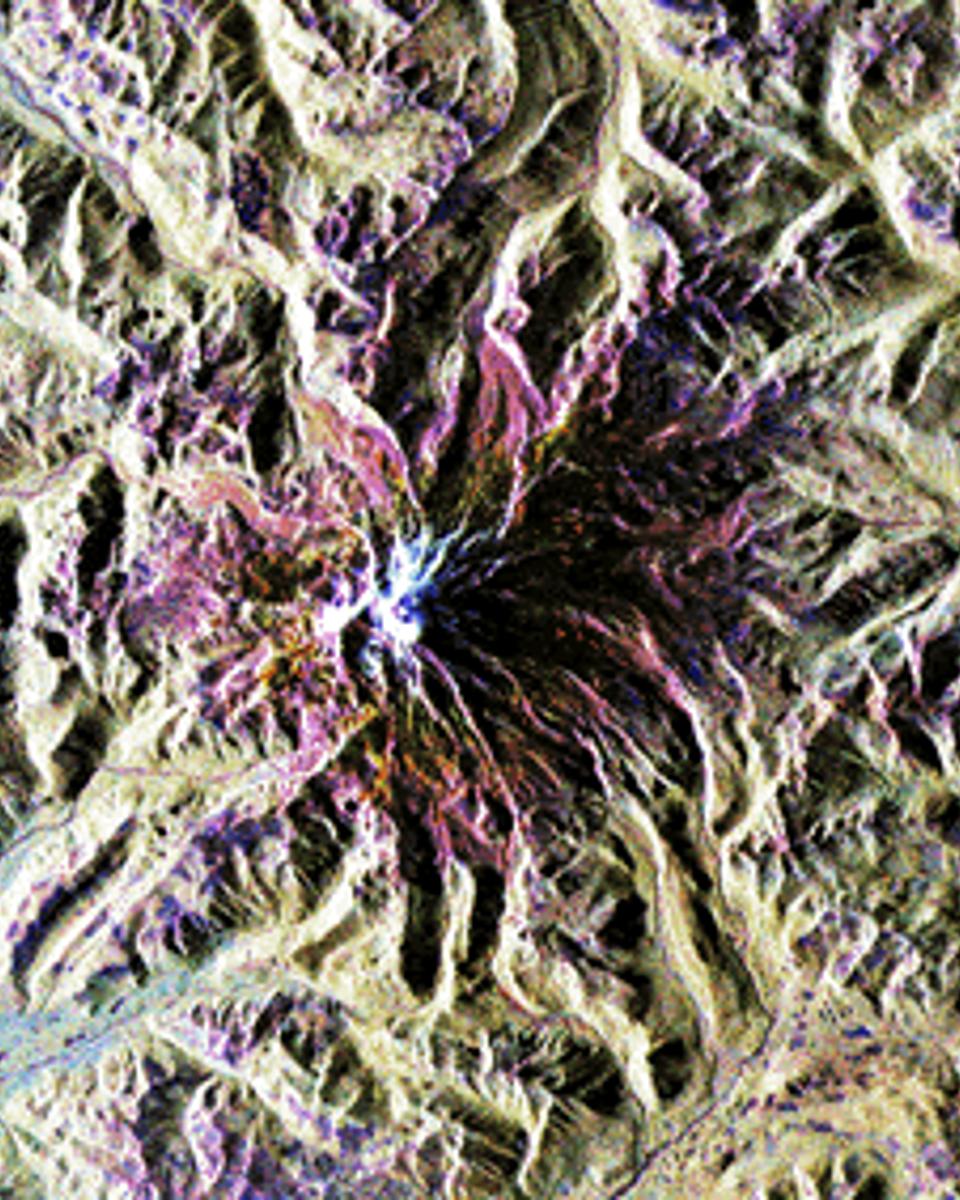
A Radar Image of Planet Earth
This image of Mt. Rainier, Washington USA, planet Earth , was produced by the Spaceborne Radar Laboratory which flew on the Space Shuttle Endeavour in 1994. Radar, short for RAdio…
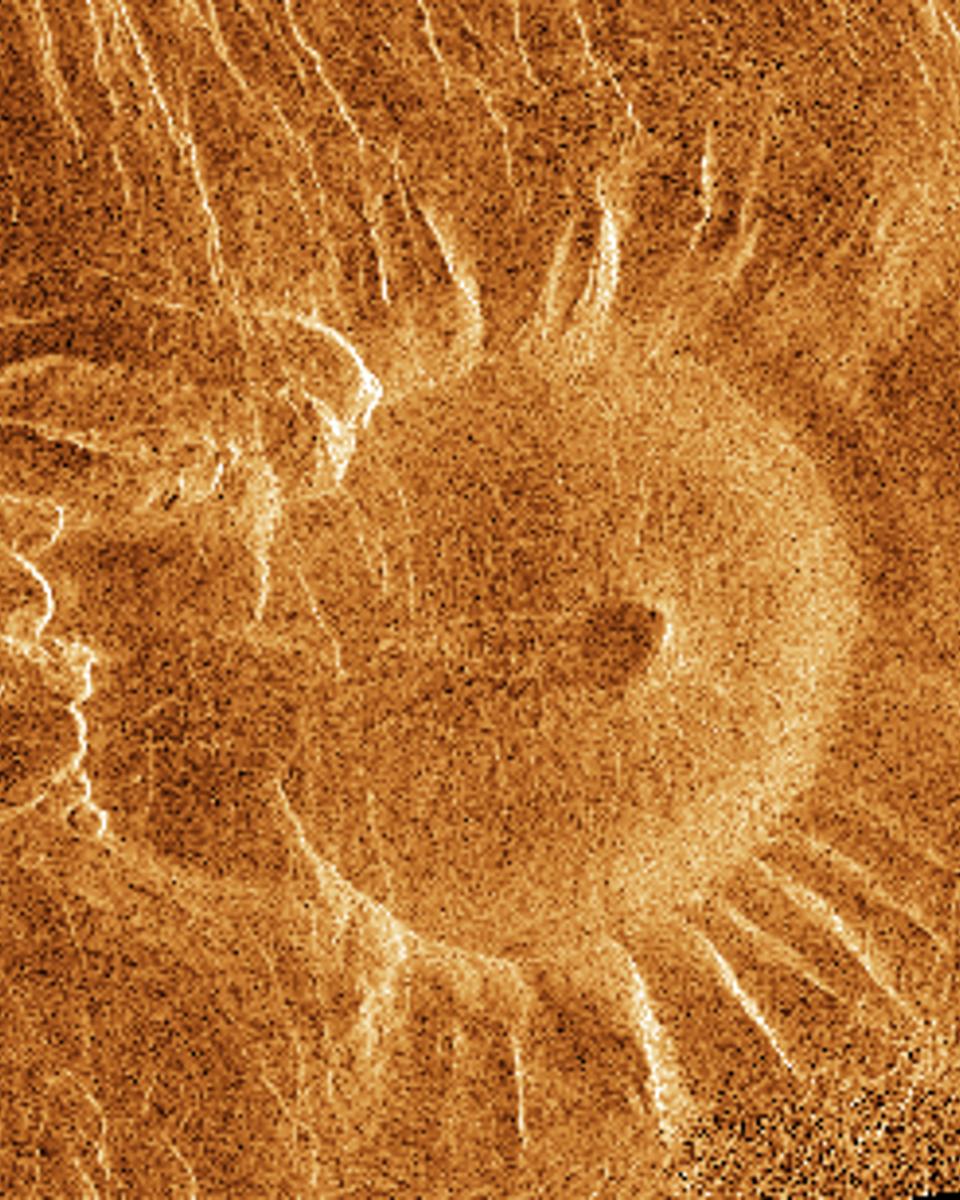
A Venusian Tick
Data from the Magellan spacecraft has shown the Face of Venus to contain a host of volcanic features. This image shows an example of a fairly common type of venusian volcanic…
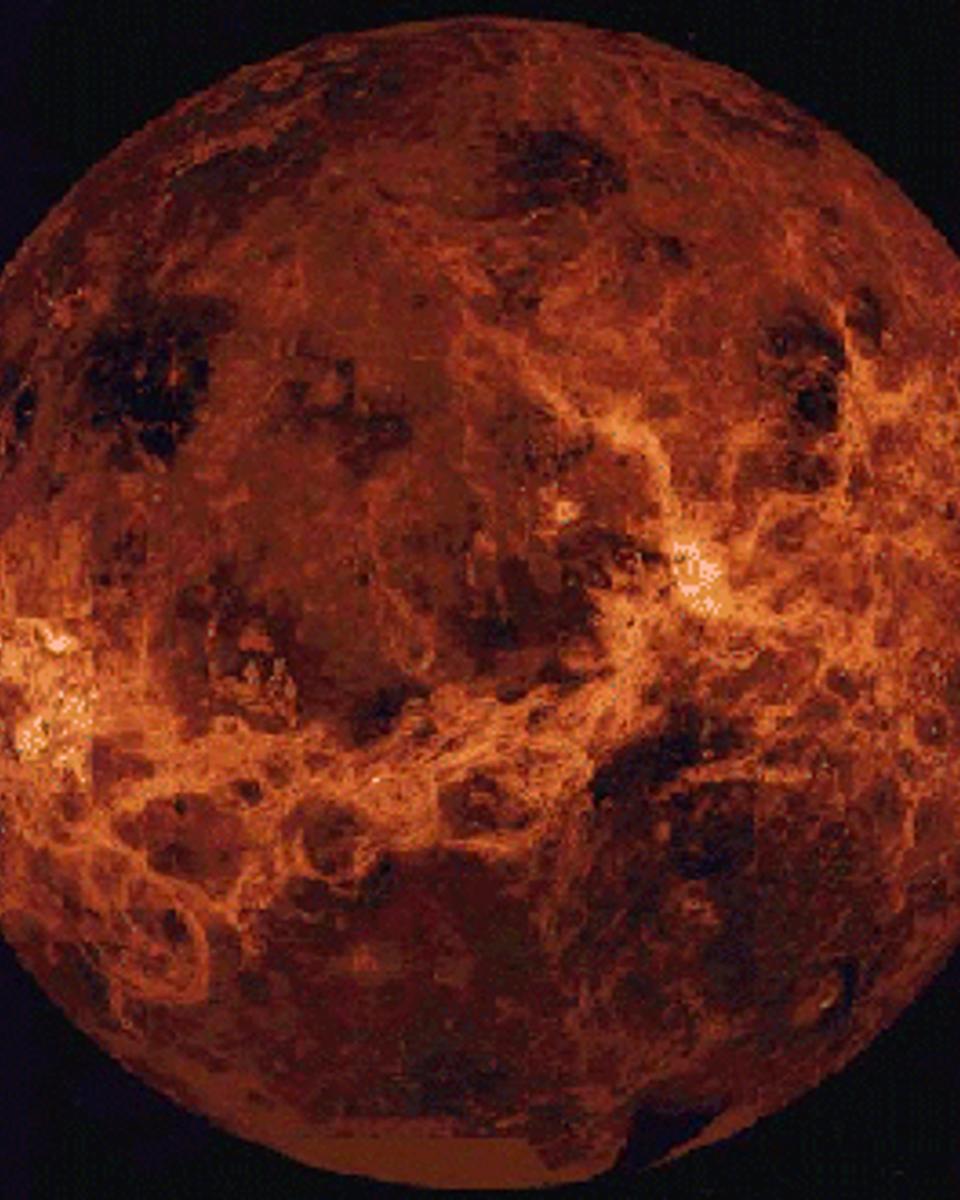
Venus UnVeiled
The surface of Venus is perpetually covered by a veil of thick clouds and remains hidden from even the powerful telescopic eyes of earth-based astronomers. However, using an…
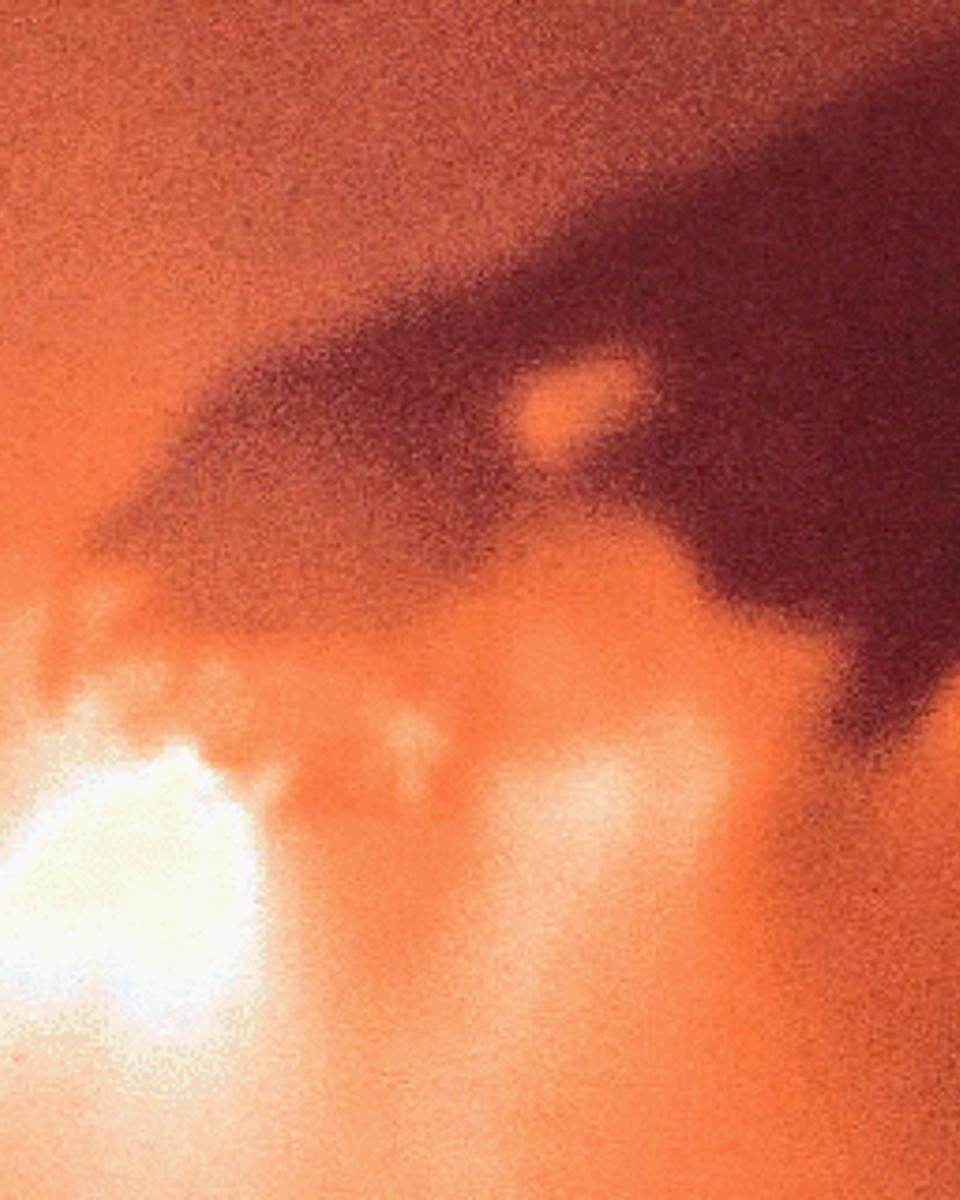
An Orbiting Iceberg
A comet nucleus , formed from the primordial stuff of the solar system, resembles a very dirty iceberg. Orbiting far from our Sun, it can remain frozen, preserved for billions of…
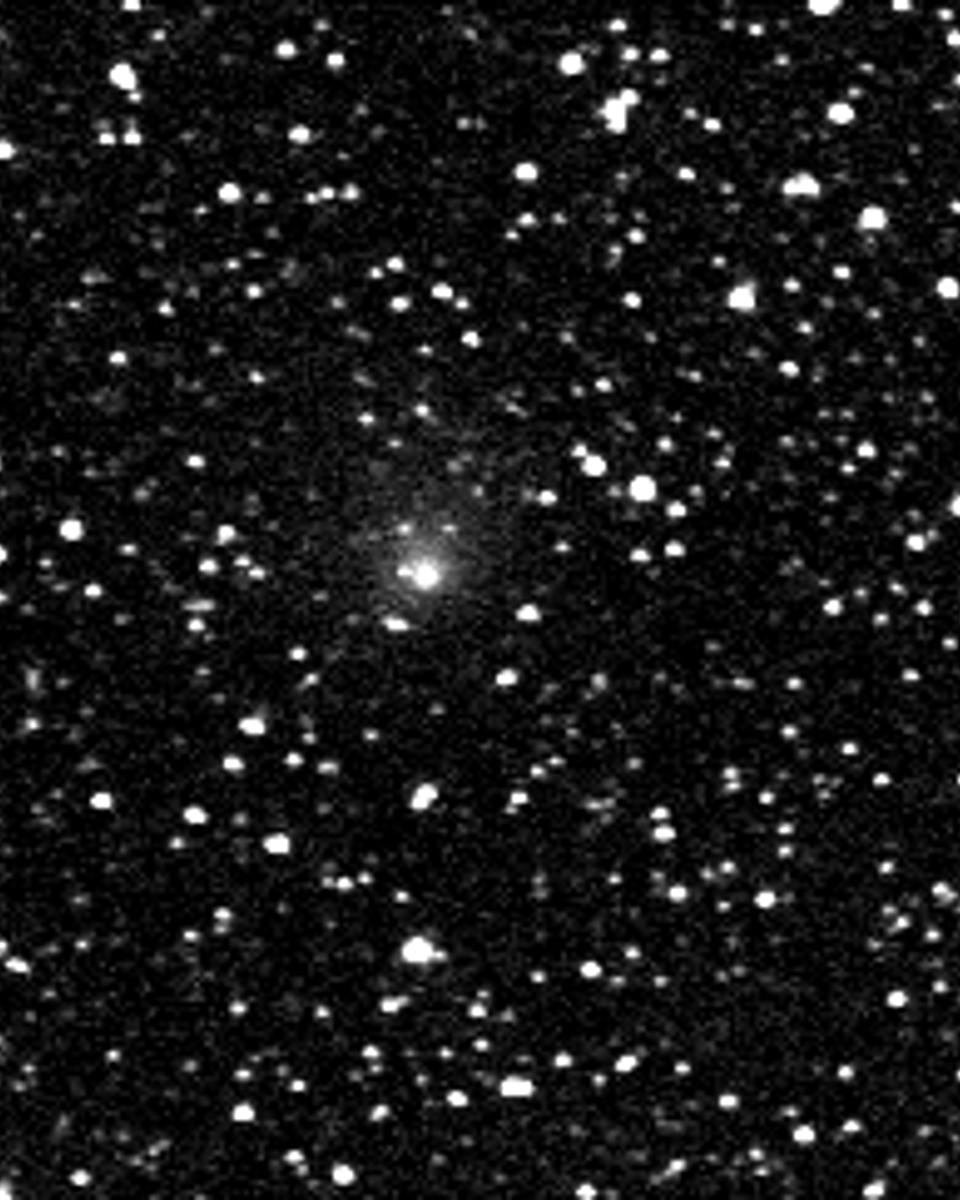
Announcing Comet Hale-Bopp
The pictured fuzzy patch may become one of the most spectacular comets this century. Although it is very hard to predict how bright a comet will become, Comet Hale-Bopp , named…
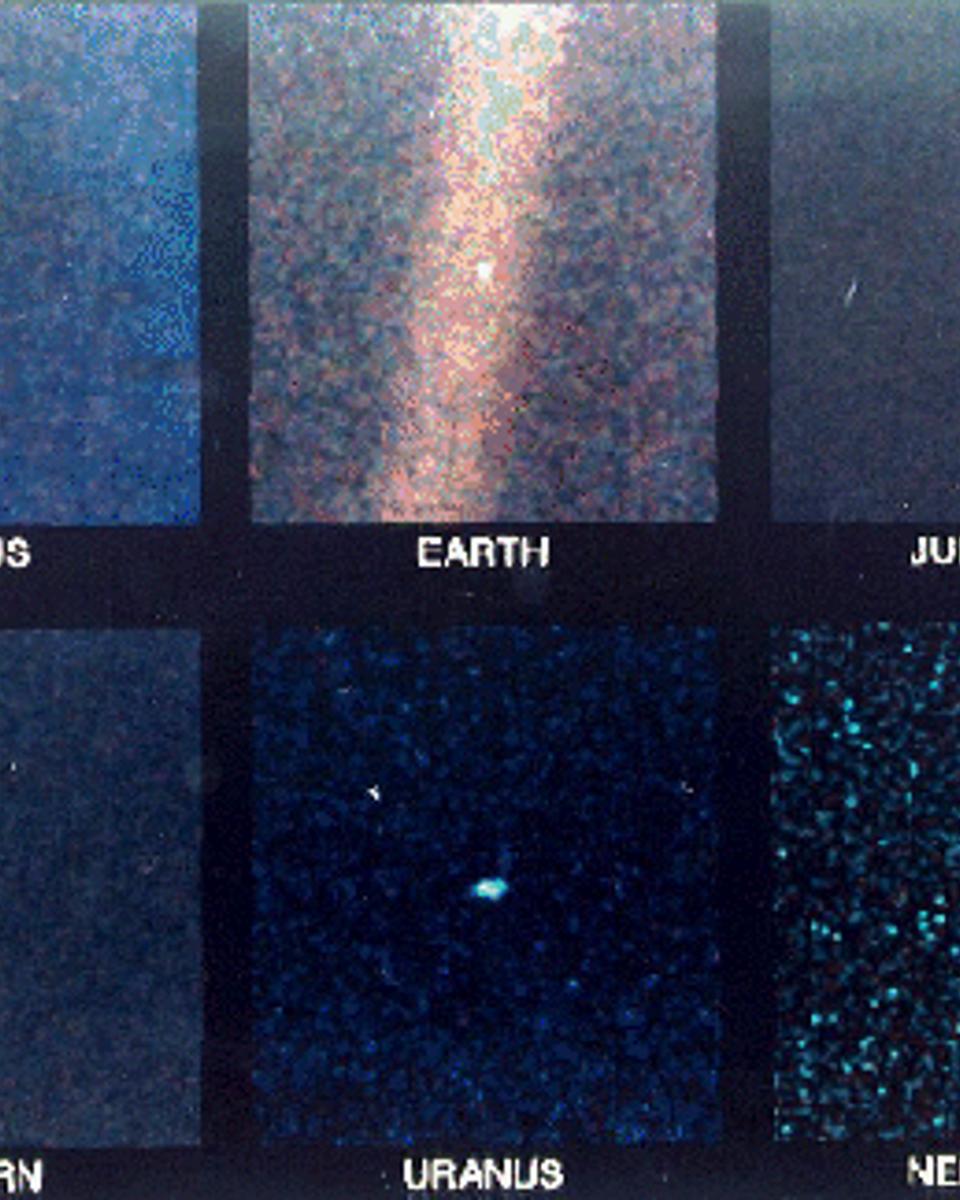
Our Solar System from Voyager
After taking its spectacular pictures of the outer solar system planets, Voyager 1 looked back at six planets from the inner solar system. Here Venus , Earth , Jupiter , Saturn ,…

Pluto: The Frozen Planet
The Hubble Space Telescope imaged Pluto and its moon Charon in 1994. Pluto is usually the most distant planet from the Sun but because of its elliptic orbit Pluto crossed inside…
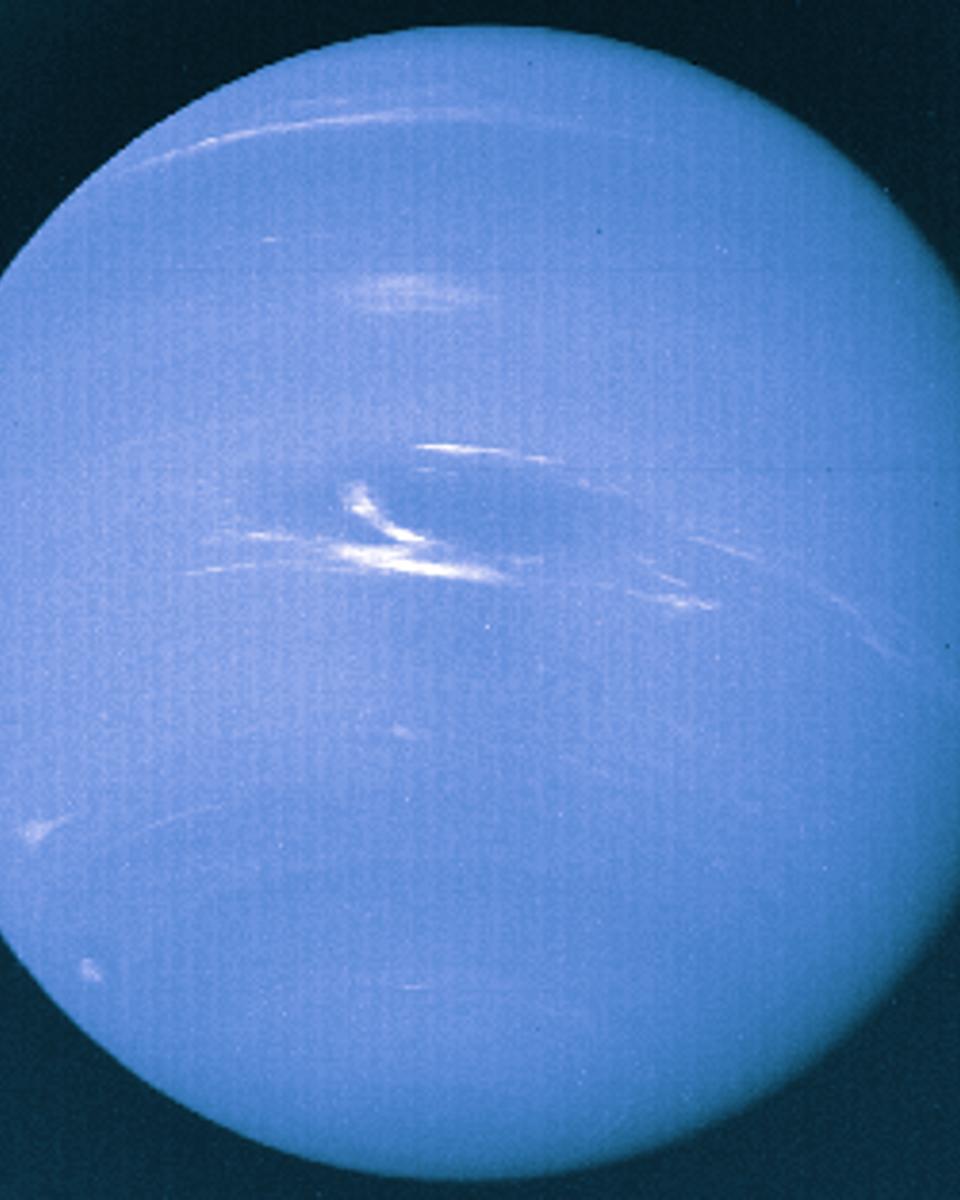
Neptune: Big Blue Giant
This picture was taken by the Voyager 2 spacecraft in 1986 - the only spacecraft ever to visit Neptune. Neptune will be the farthest planet from the Sun until 1999, when the…
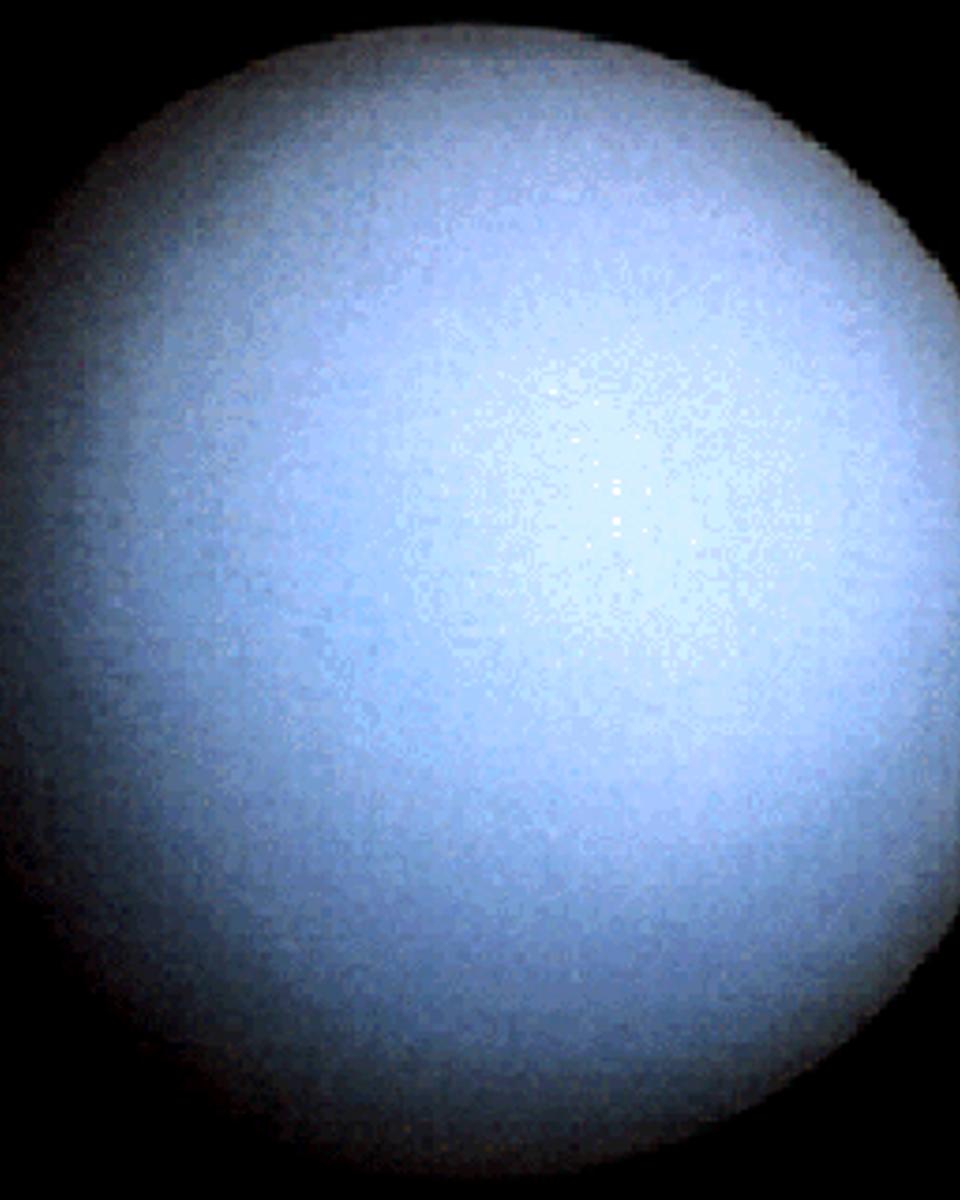
Uranus: The Tilted Planet
This picture was snapped by the Voyager 2 spacecraft in 1986 - the only spacecraft ever to visit Uranus. Uranus is the third largest planet after Jupiter and Saturn . Uranus has…
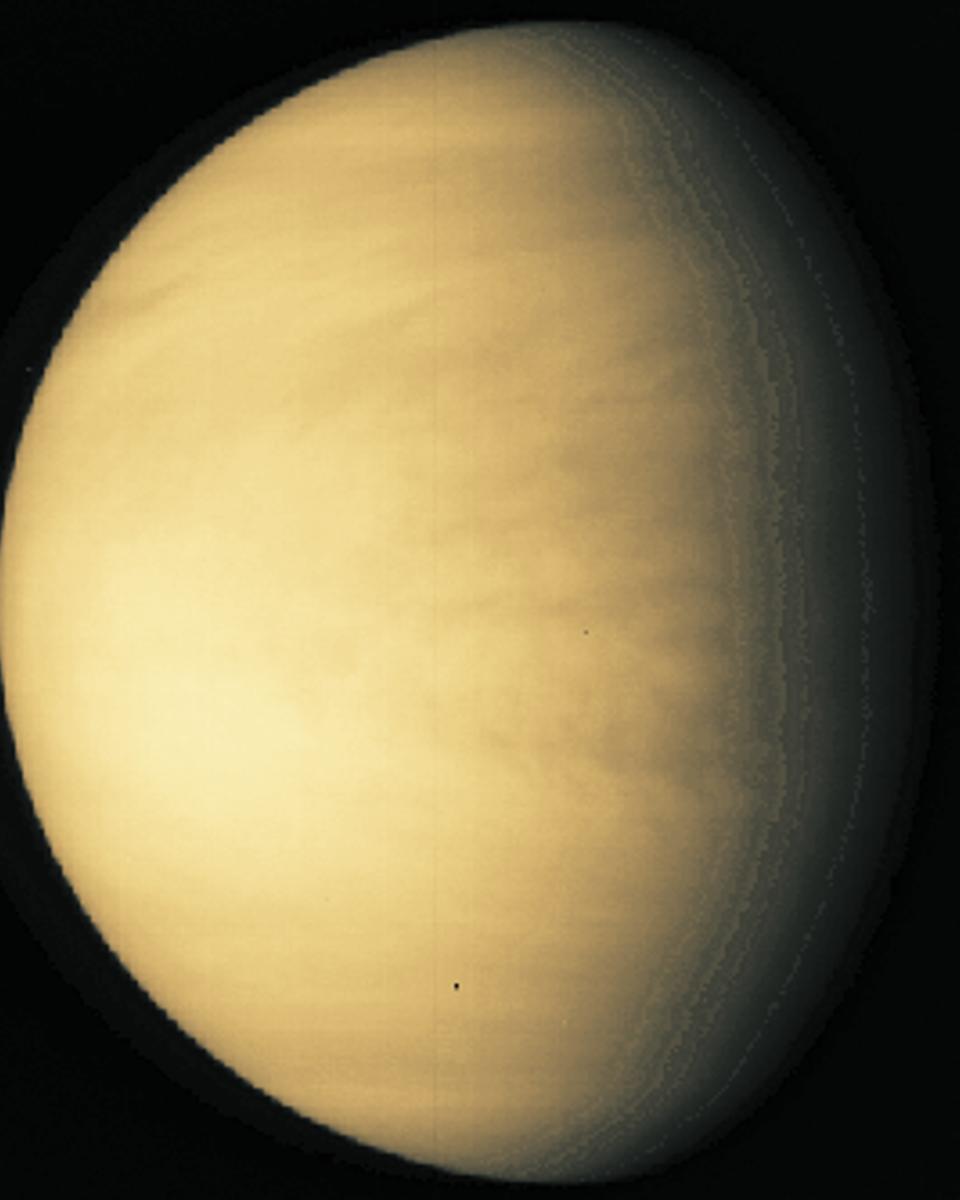
Venus: Earth's Sister Planet
This picture in visible light was taken by the Galileo spacecraft. Venus is very similar to Earth in size and mass - and so is sometimes referred to as Earth's sister planet - but…
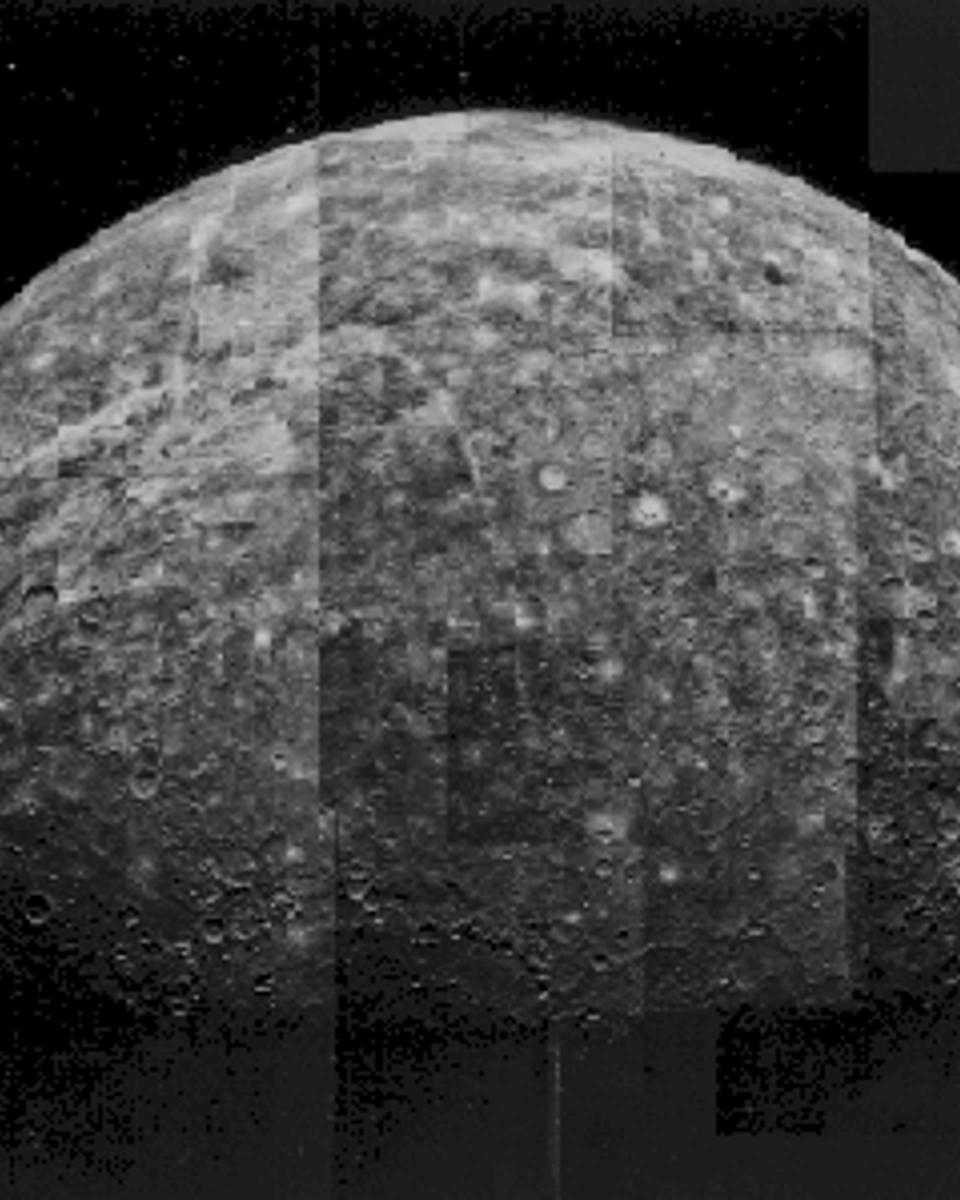
Mercury: Closest Planet to the Sun
This picture was compiled from images taken by the NASA spacecraft Mariner 10 which flew by the planet three times in 1974. Mercury is the closest planet to the Sun , the second…
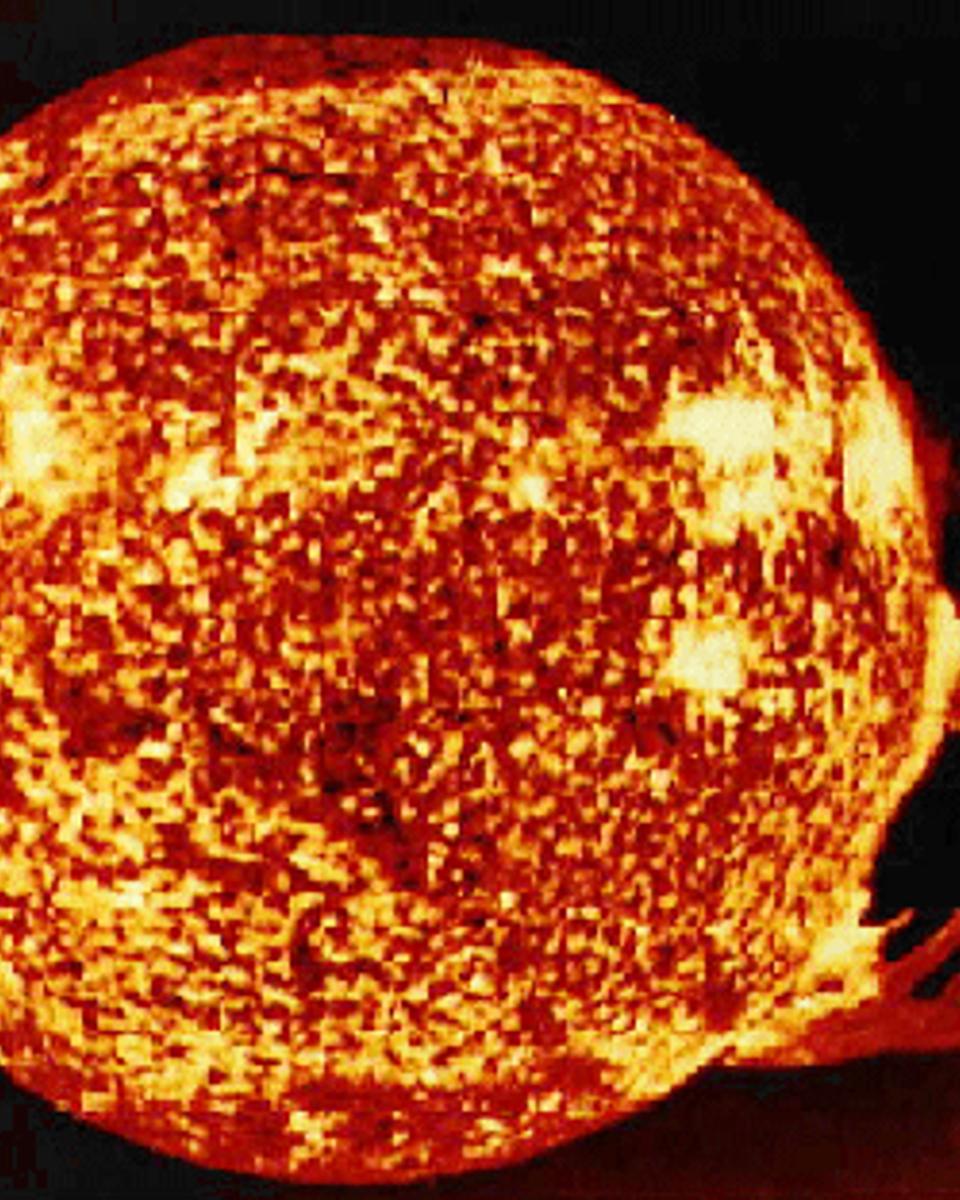
The Sun Erupts
The sun was captured in 1973 throwing one of the largest eruptive prominences ever recorded. Sol, our sun, is a normal star. It formed about 5 billion years ago, and will last…
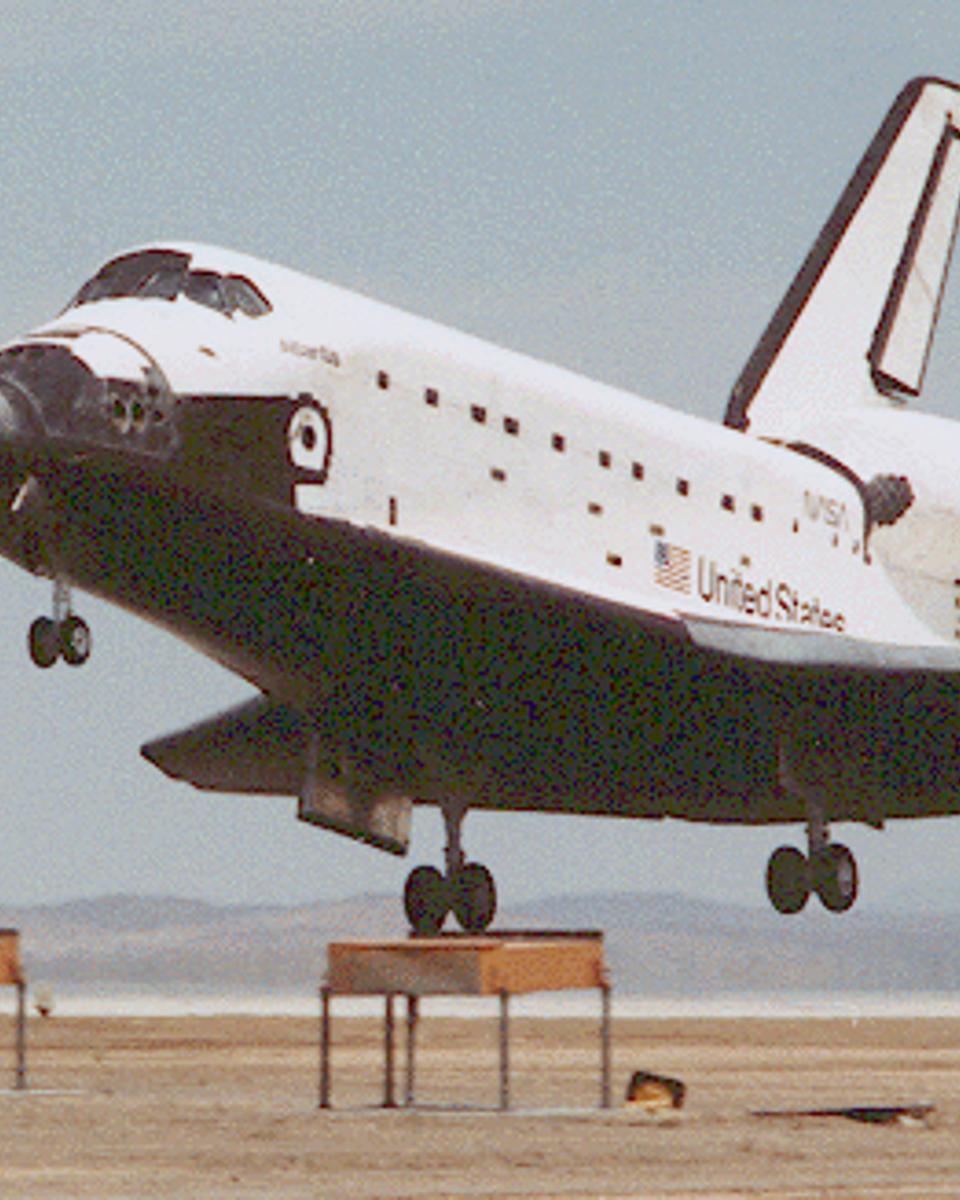
Atlantis Landing
Space Shuttle Atlantis lands at Edwards Air Force Base in California. The Space Shuttle is the first orbital space vehicle to land on a runway like an airplane. Space Shuttles…
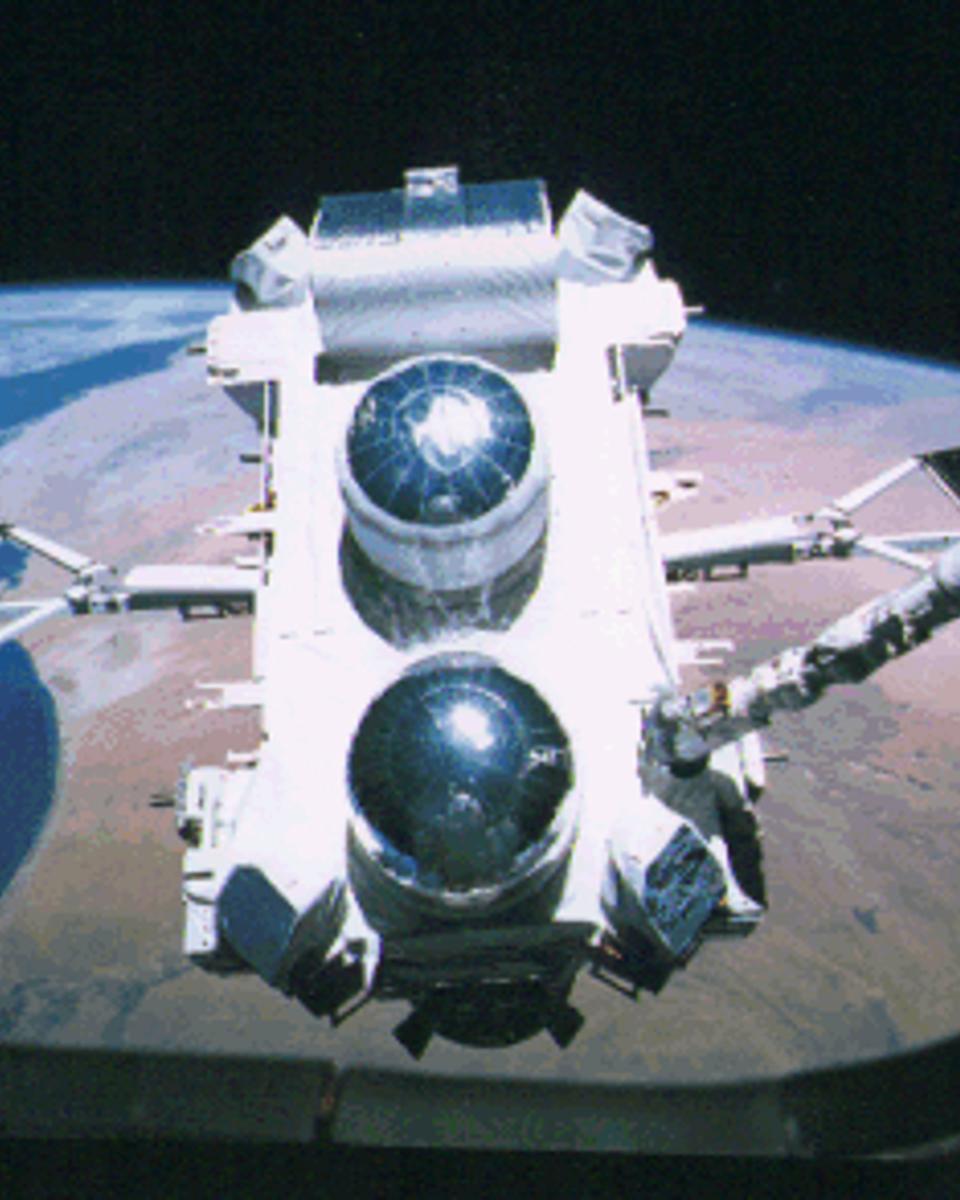
The Compton Gamma Ray Observatory
The Compton Gamma Ray Observatory (CGRO) was the most massive instrument ever launched by a NASA Space Shuttle and continues to revolutionize gamma-ray astronomy. This orbiting…
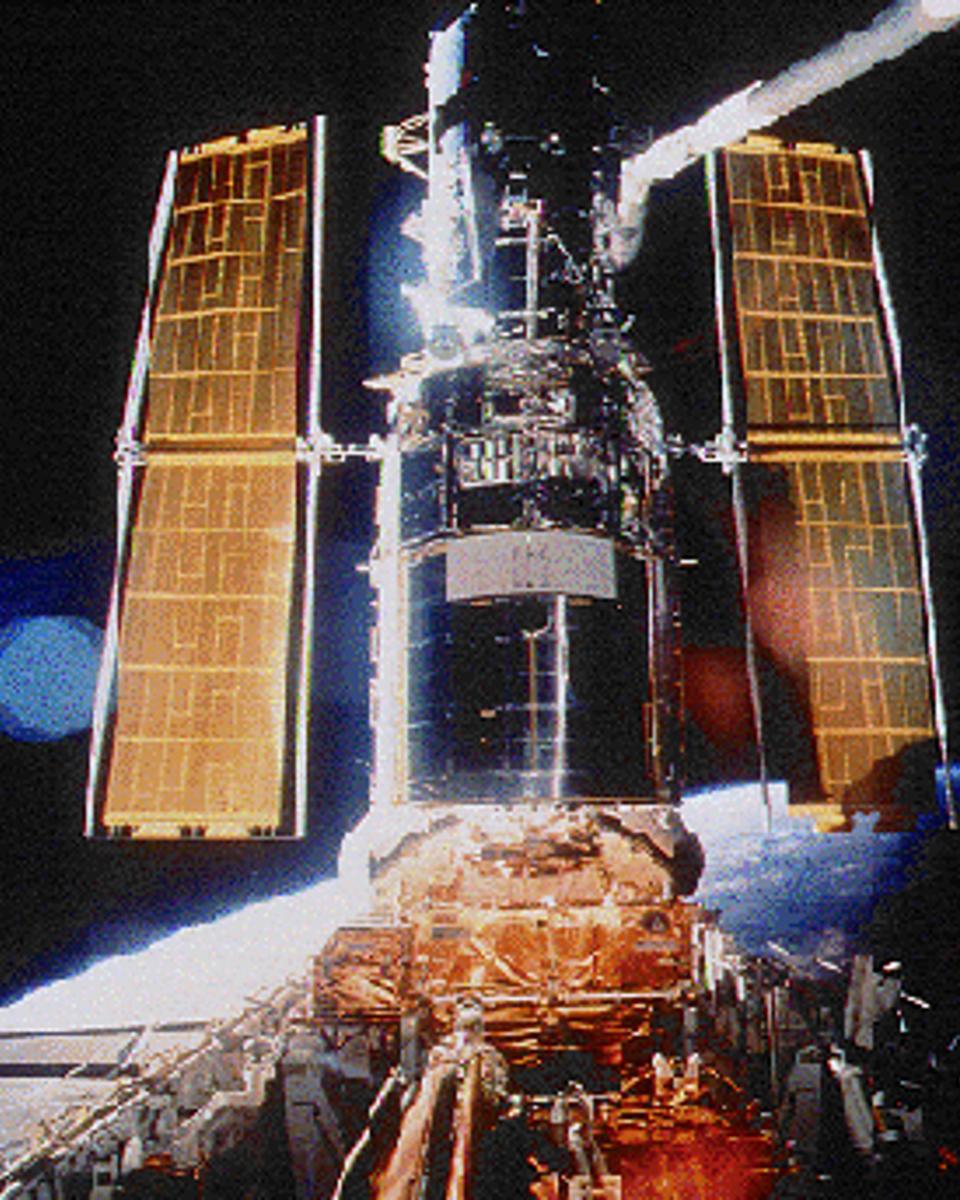
The Orbiting Hubble Space Telescope
The Hubble Space Telescope (HST) is the largest orbiting public optical telescope in history. Its 2.4 meter diameter reflecting mirror and its perch above Earth's atmosphere allow…
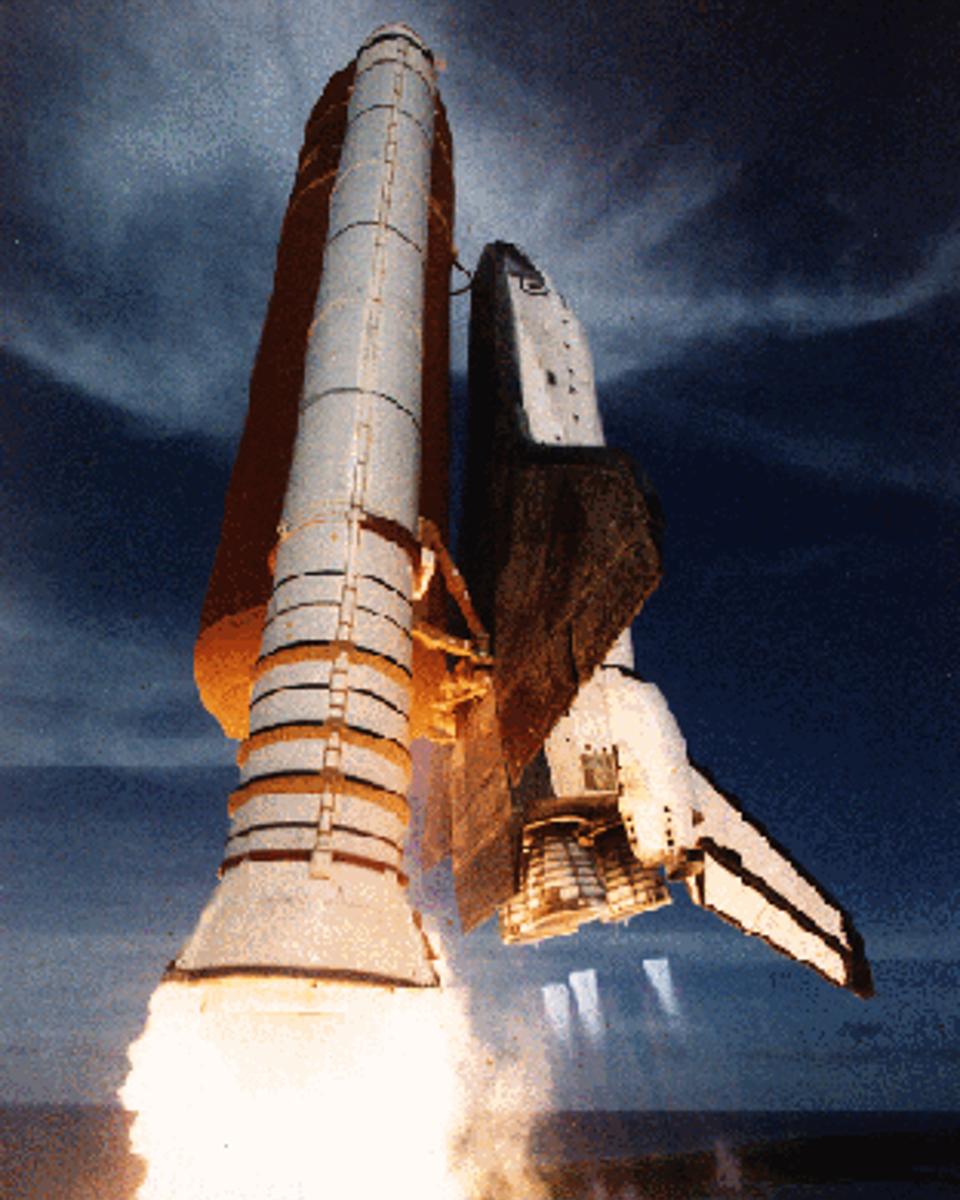
Challenger Launches Spacelab 2
Space Shuttle Challenger jumps off the launch pad in 1985 to begin a successful mission. The main purpose of this mission was to test a new space based laboratory named Spacelab…
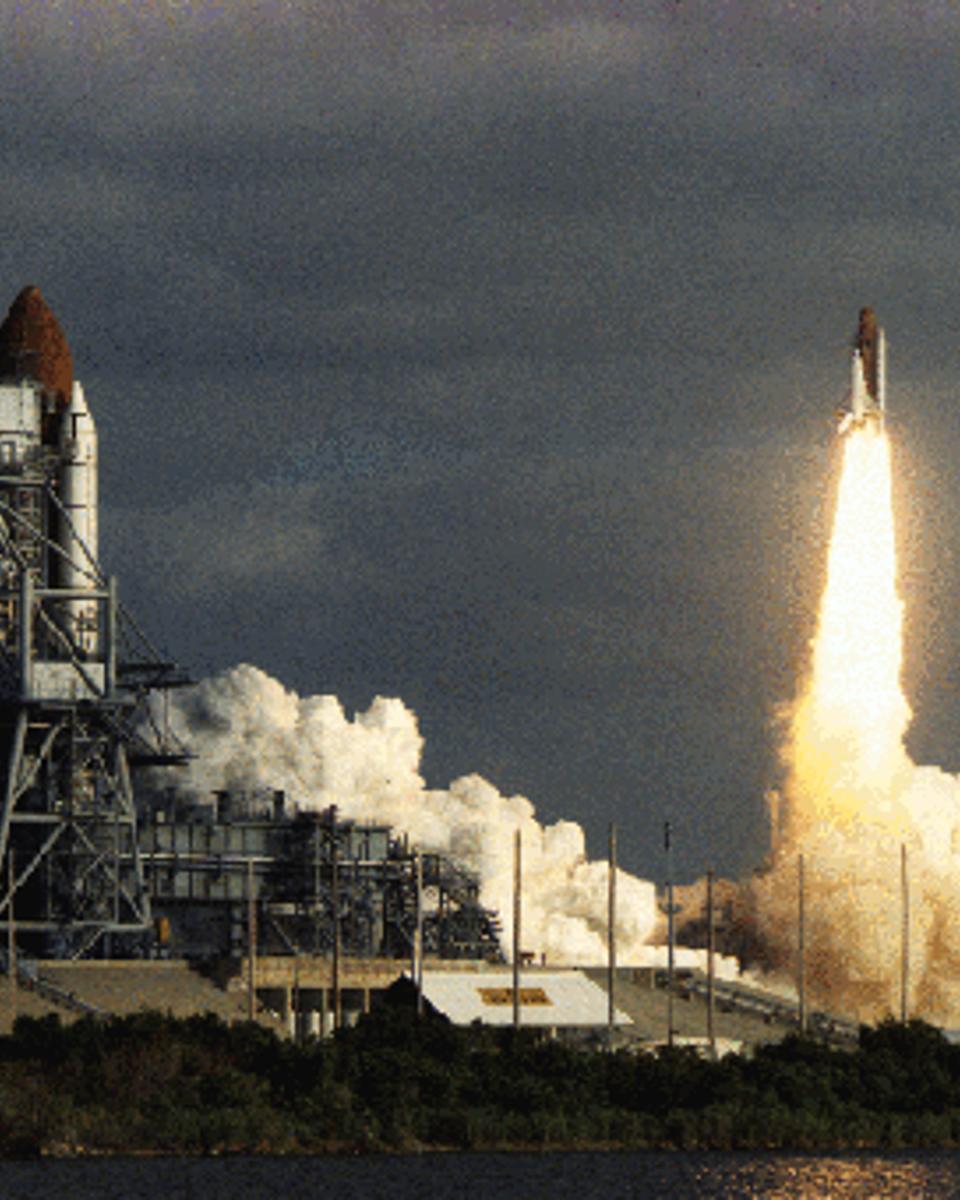
Columbia Waits, Discovery Launches
Space Shuttle Discovery launches while the Space Shuttle Columbia is readied for a future mission. Space shuttles are launched from the Kennedy Space Center in Florida. At this…
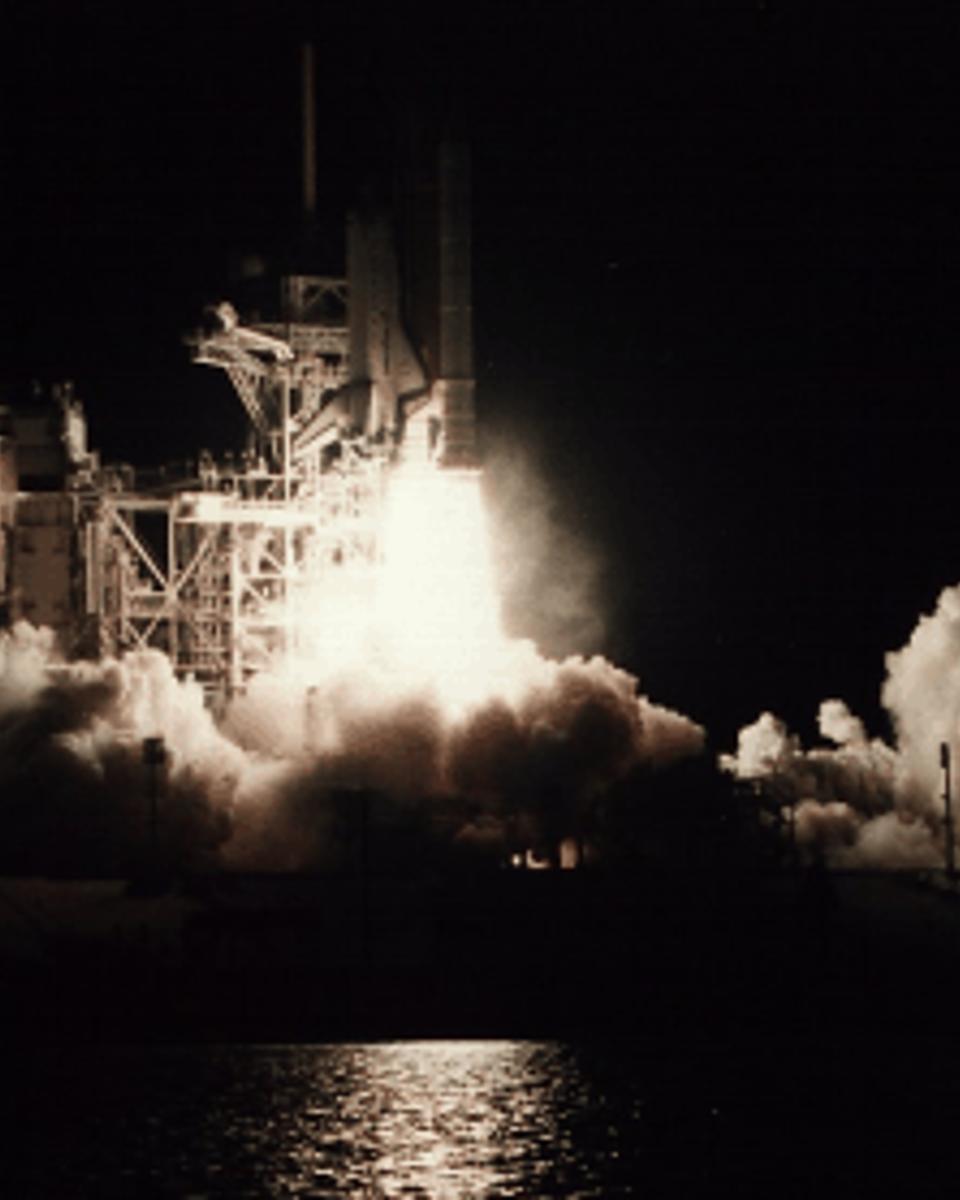
Night Launch of Endeavour
Space Shuttle Endeavour thunders off into orbit in a rare night launch. This March 1995 mission is most famous for operating the set of astronomical telescopes known as Astro-2 .…
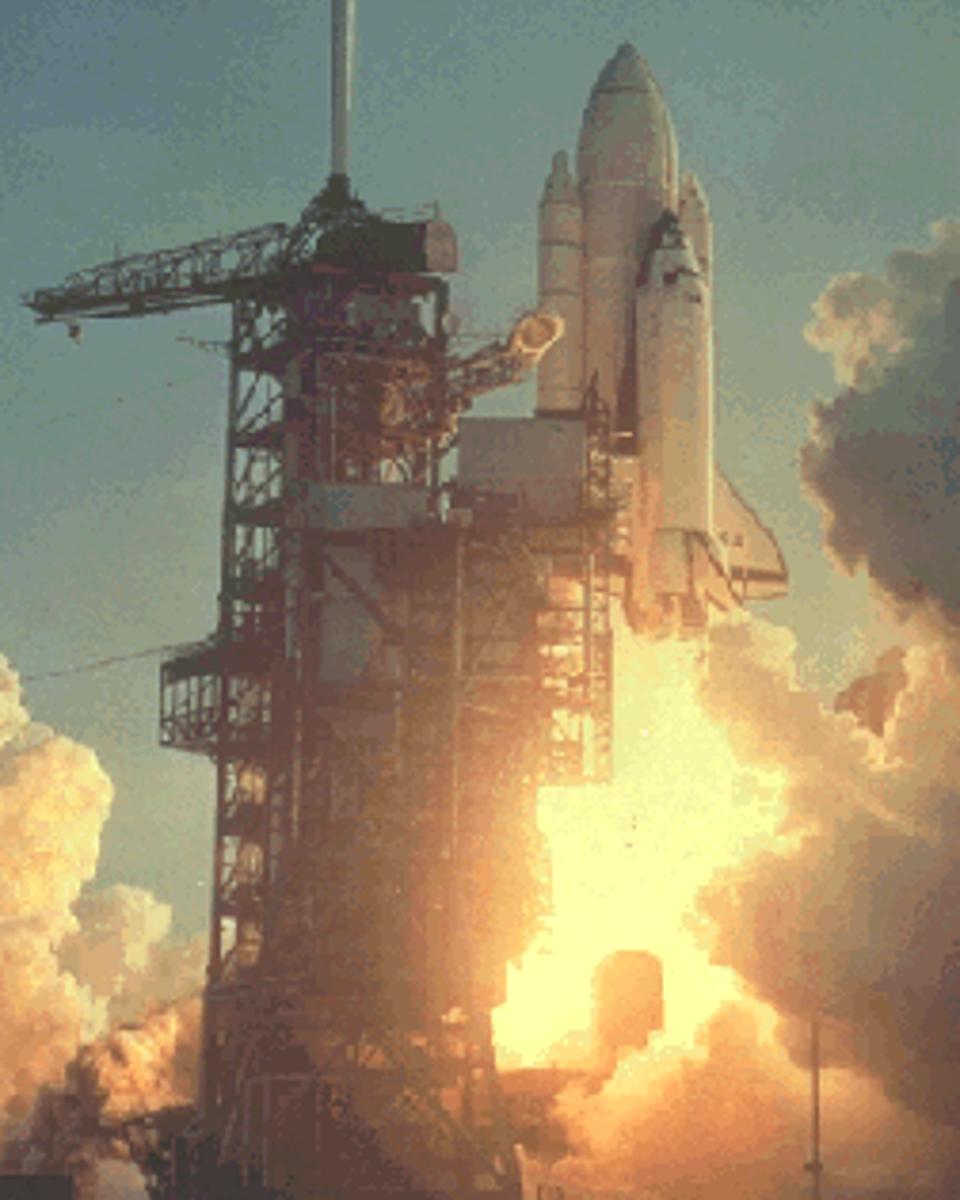
Liftoff of Space Shuttle Columbia
On April 12, 1981, space flight entered a new era with the first launch of Space Shuttle Columbia , shown above. NASA's Space Shuttles land like a normal plane, carry a heavy…
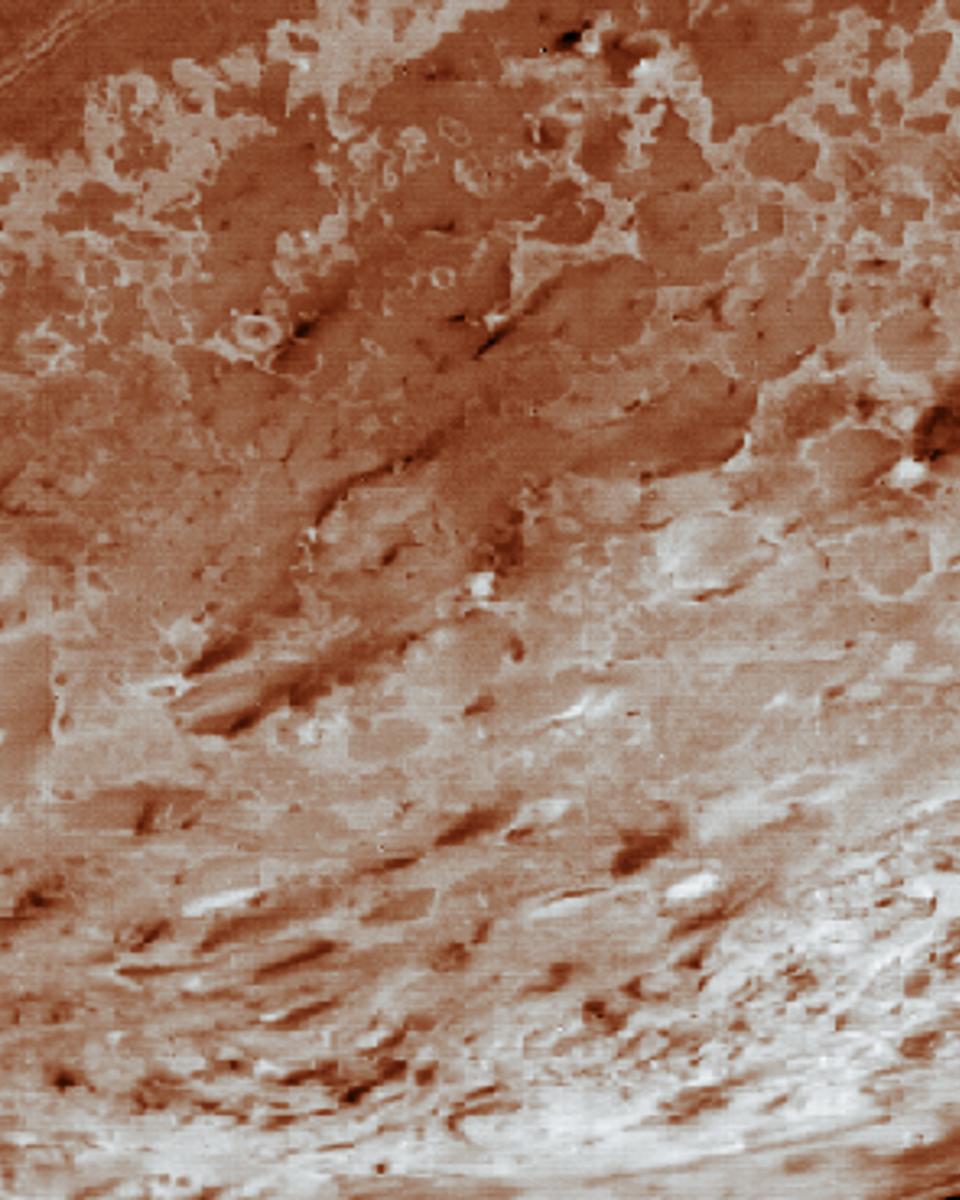
Geysers on Triton
In August of 1989 NASA's Voyager 2 spacecraft passed by Neptune, the most distant of the solar system's gas giant planets. Its encounter with Neptune climaxed with its closest…
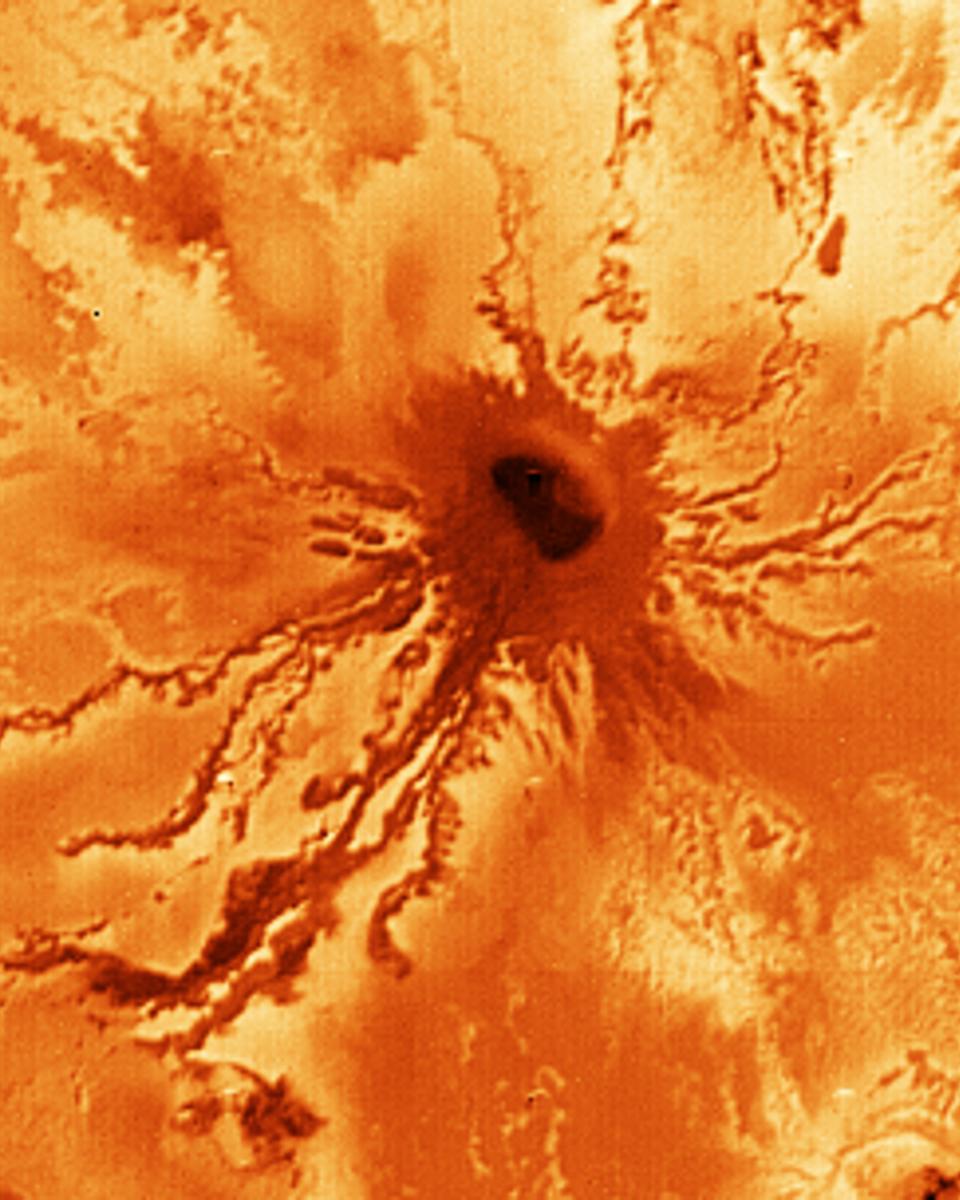
Closeup of an Io Volcano
In 1979, one of NASA's Voyager spacecraft made a spectacular and unexpected discovery. Io, the innermost Galilean moon of Jupiter, was covered with volcanoes and some of them were…
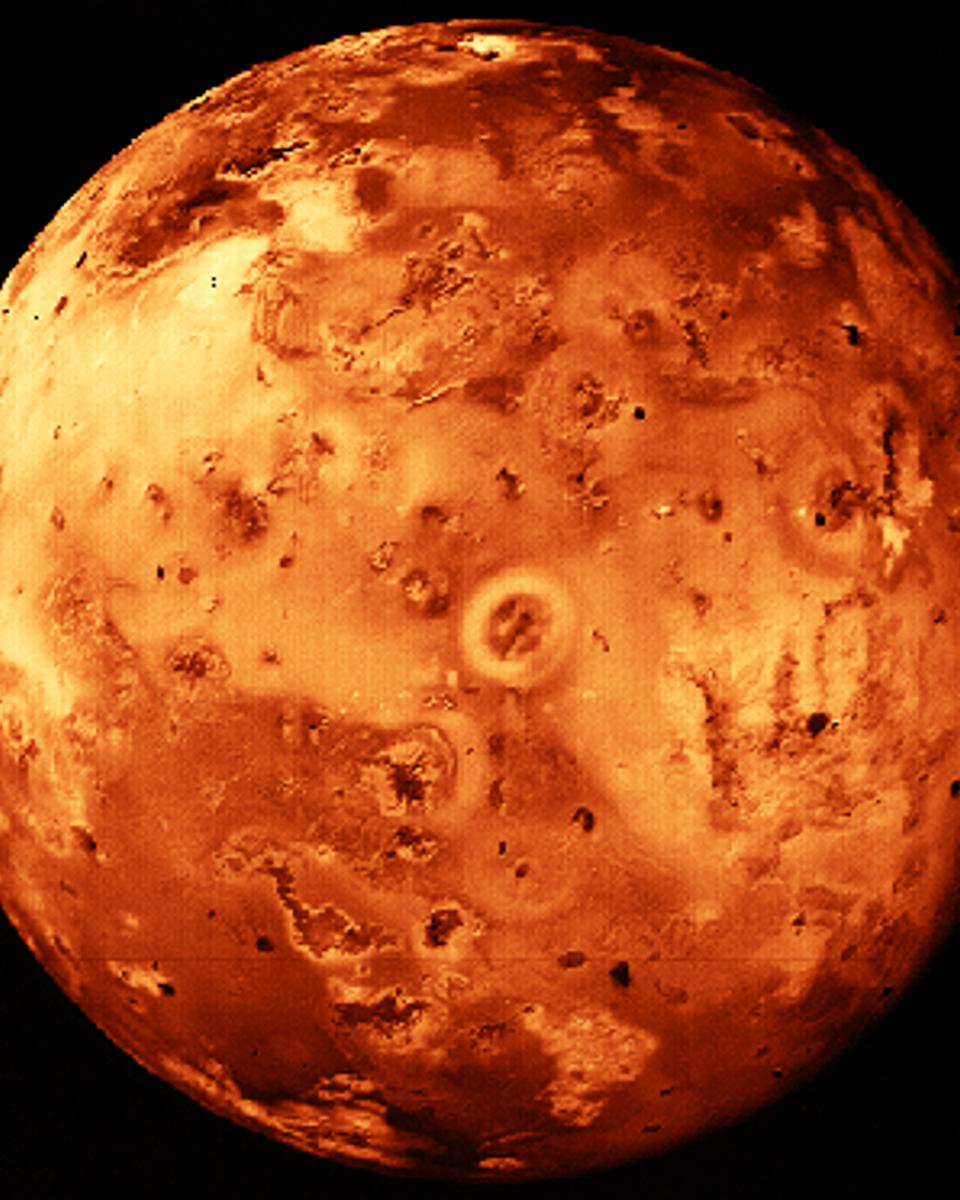
Io: A Volcanic Moon
In 1610, Galileo turned his telescope to the heavens and discovered that the planet Jupiter had four bright moons. The innermost of these Galilean moons, Io , turned out to be one…
Viewing discoveries from 26 August 1995 through 3 August 1995.