Browse NASA Astronomy Picture of the Day archive by date and media: Archive Discoveries
Browse the NASA APOD archive without needing the exact date first. Filter by media type and keep moving deeper into older images and videos.
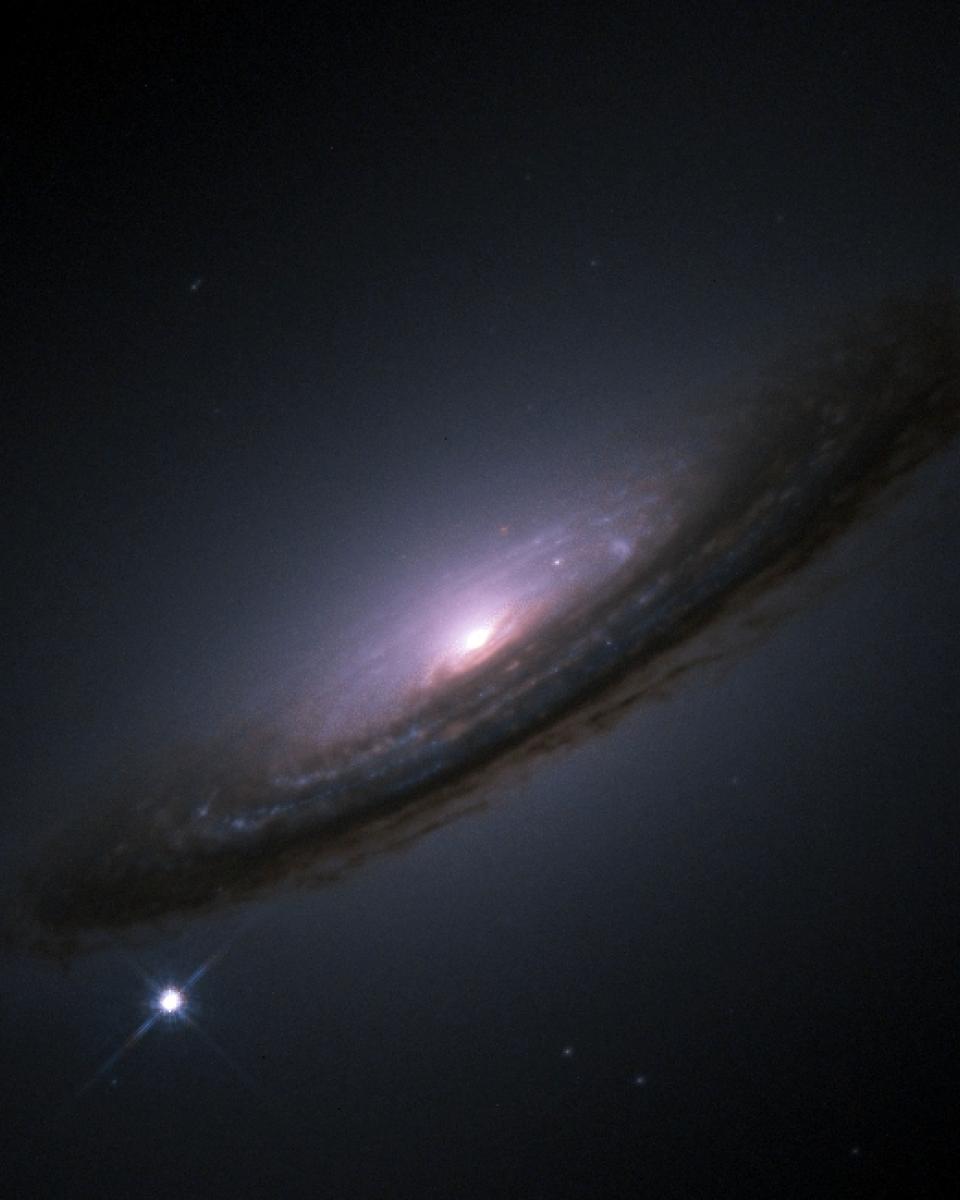
Signals of a Strange Universe
Eleven years ago results were first presented indicating that most of the energy in our universe is not in stars or galaxies but is tied to space itself. In the language of…

Almahata Sitta 15
Small asteroid 2008 TC3 fell to Earth at dawn on October 7, 2008, tracking through the skies over the Nubian Desert in northern Sudan. That event was remarkable because it was the…
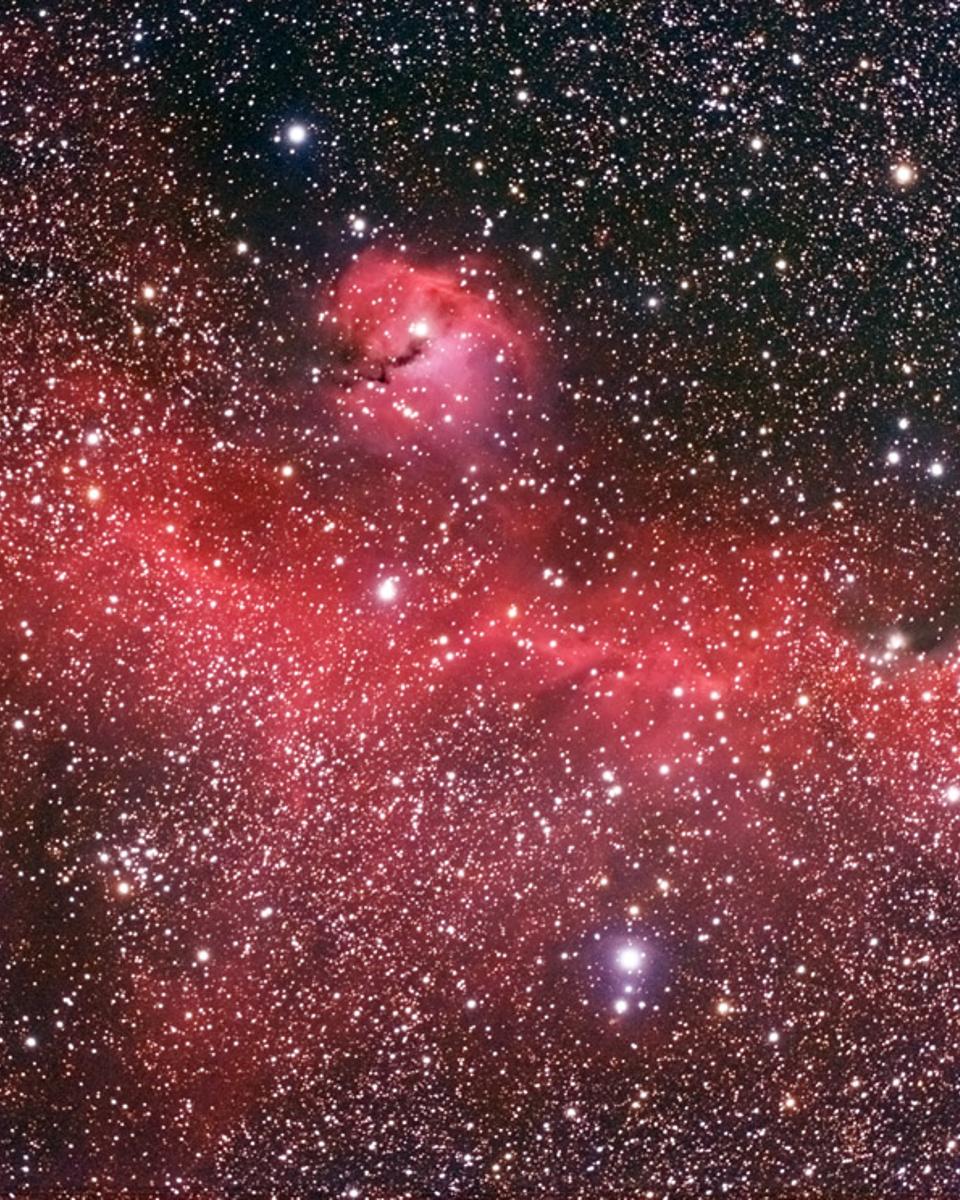
The Seagull Nebula
Images from two different cameras, a digital SLR and an astronomical CCD camera, are combined in this color starscape. Both cameras made use of the same telescope at the oceanside…
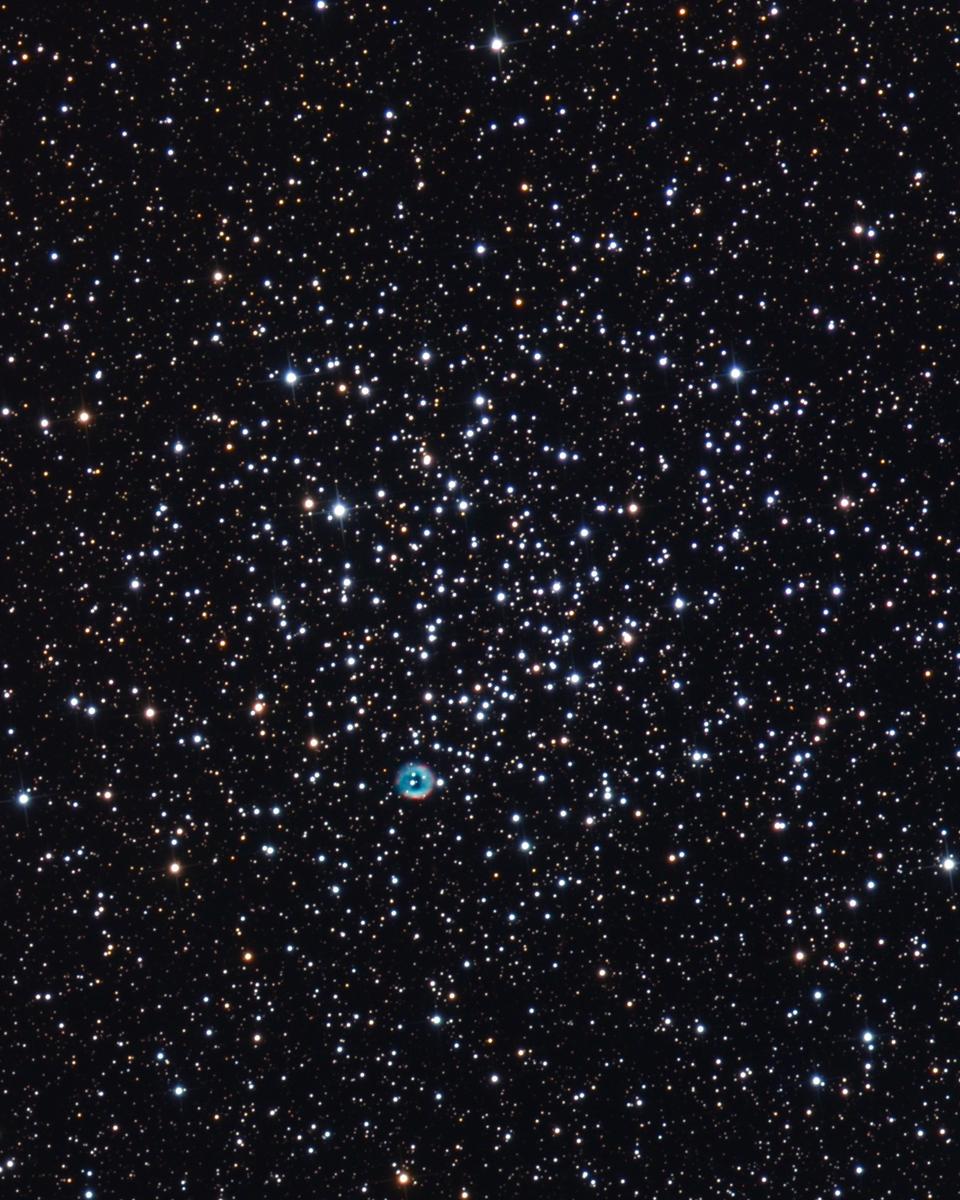
Stars Young and Old
Galactic or open star clusters are relatively young. These swarms of stars are born near the plane of the Milky Way, but their numbers steadily dwindle as cluster members are…
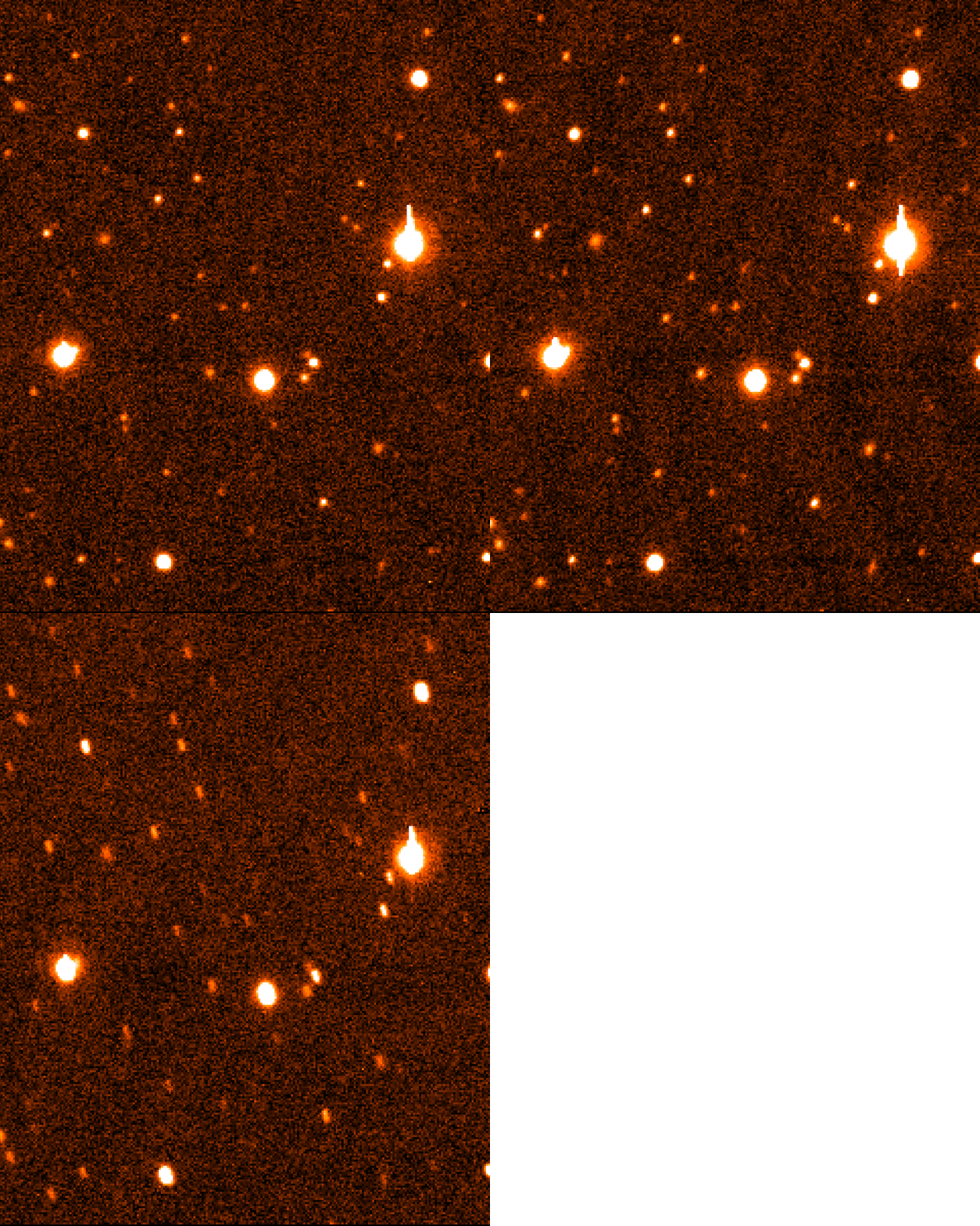
Orcus of the Outer Solar System
A newly discovered object in the outer Solar System moves like an anti-Pluto. 90482 Orcus was first discovered in 2004 and is slightly smaller than Pluto , although still one of…
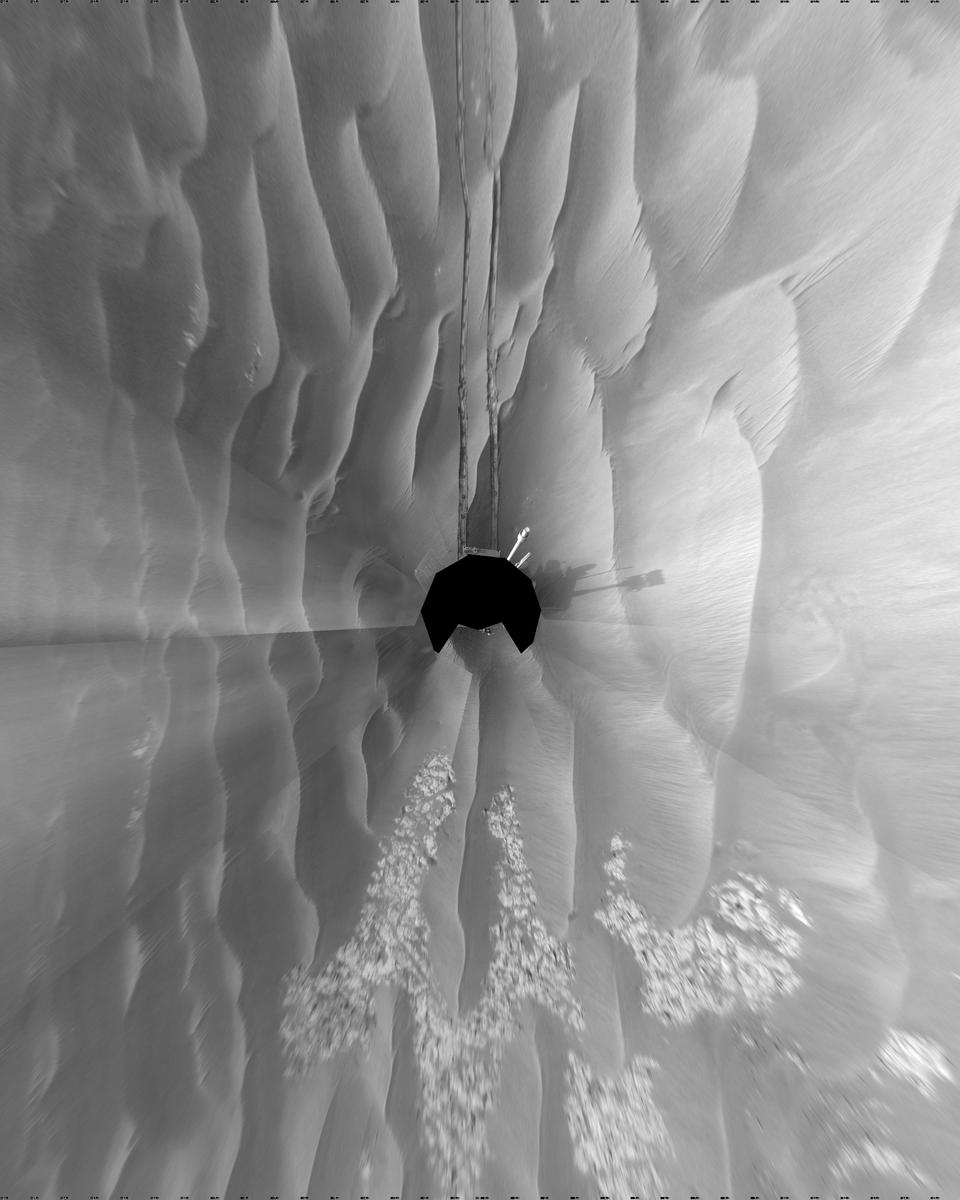
Martian Dunes and the Shadow of Opportunity
Human made robots continue to roll across the surface of Mars. Both Opportunity and its sister rover Spirit are in their sixth year on Mars , exploring the red planet for years…
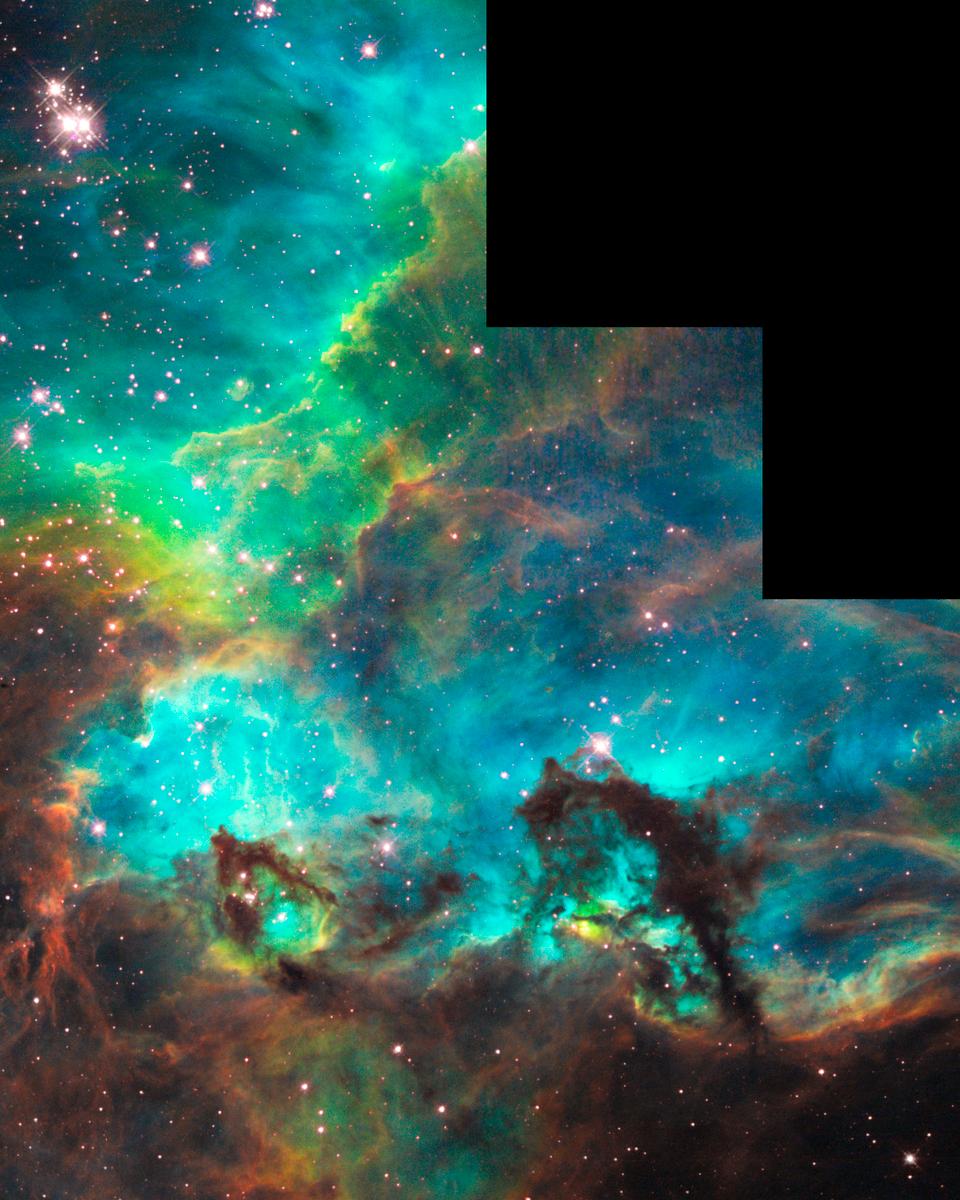
The Seahorse of the Large Magellanic Cloud
It may look like a grazing seahorse , but the dark object toward the image right is actually a pillar of smoky dust about 20 light years long. The curiously-shaped dust structure…
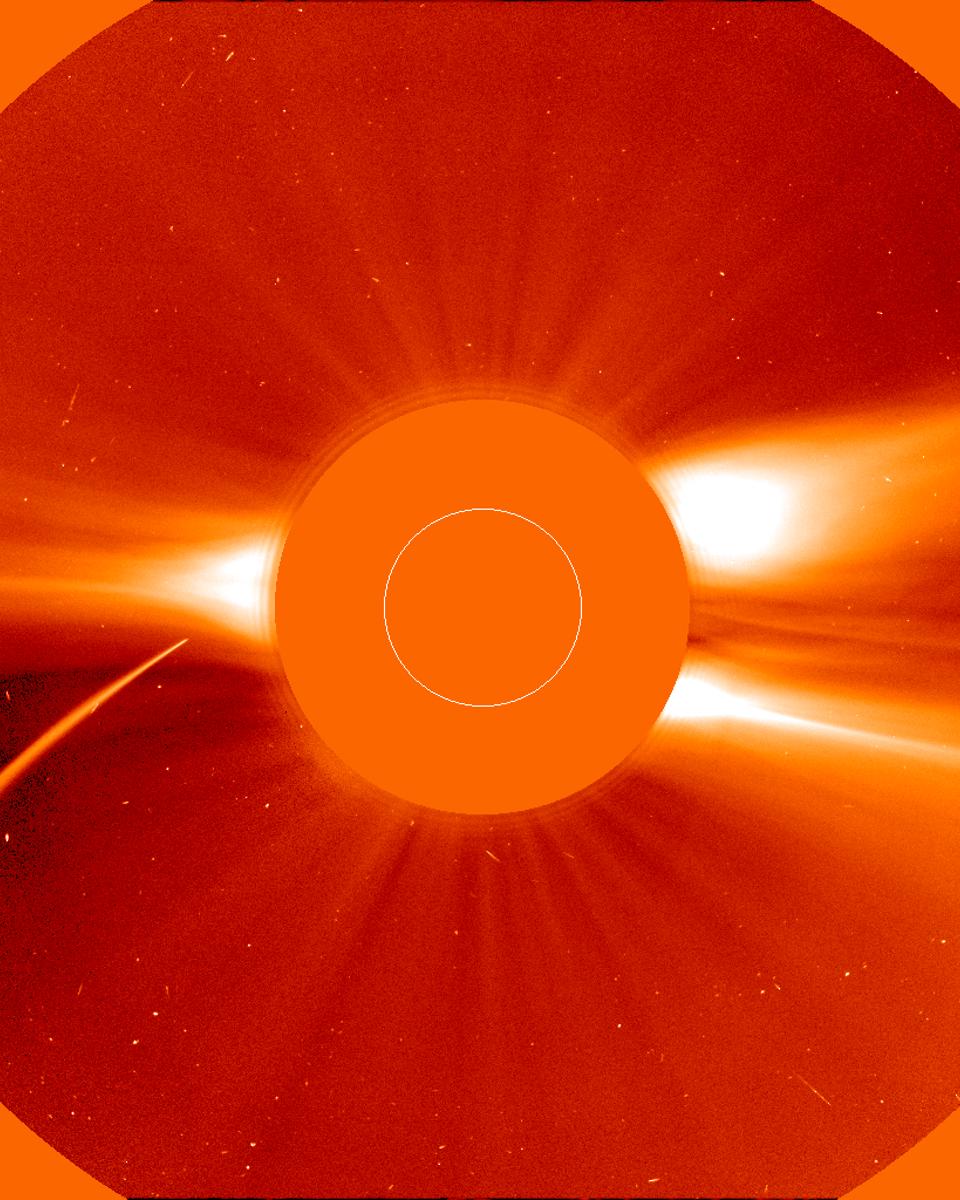
Sungrazer
The Sun destroyed this comet. Arcing toward a fiery fate, this Sungrazer comet was recorded by the SOHO spacecraft's Large Angle Spectrometric COronagraph (LASCO) on 1996 Dec. 23.…
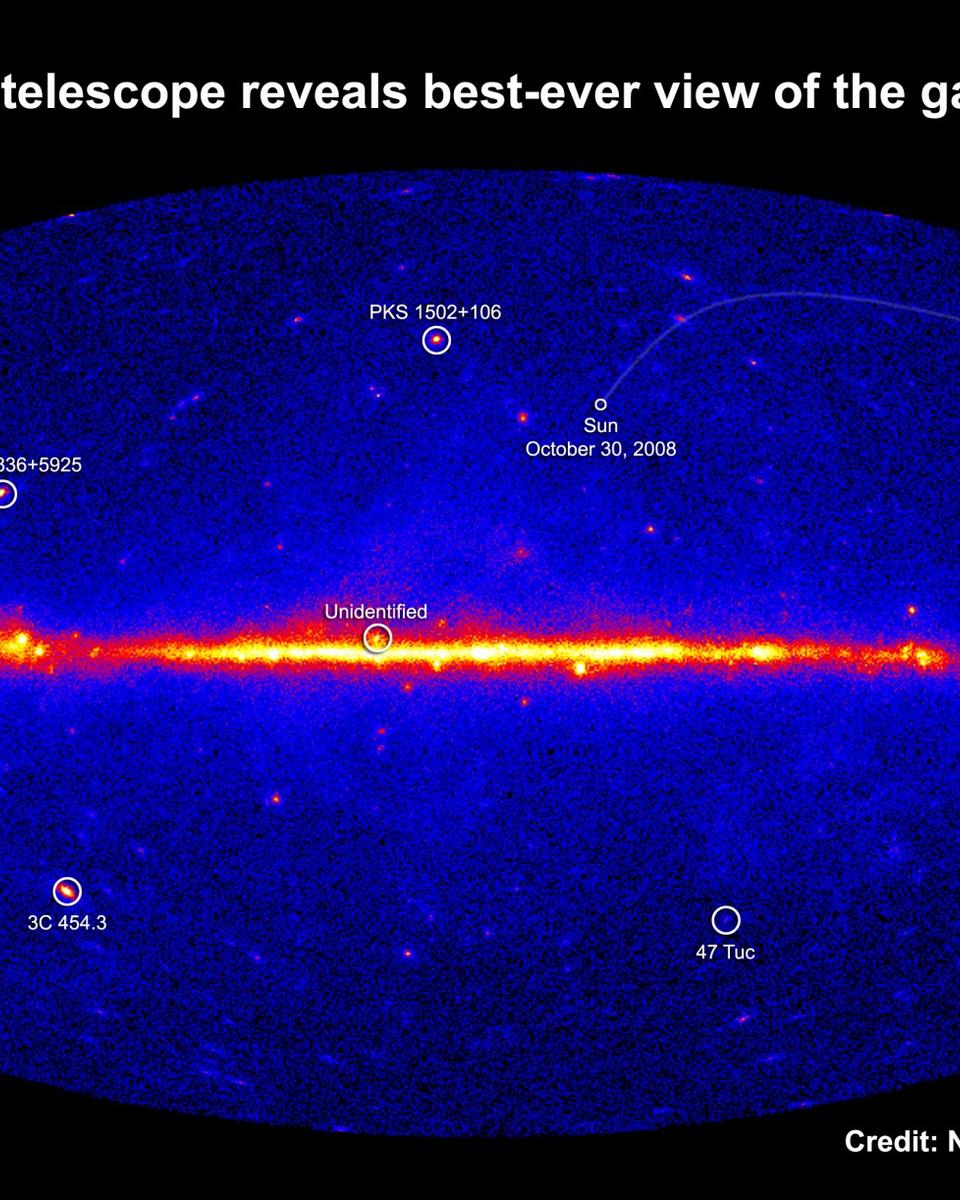
Fermi's Gamma-Ray Sky
Scanning the entire sky in gamma-rays, photons with over 50 million times the energy of visible light, the Fermi mission's Large Area Telescope (LAT) explores the high-energy…

Sunset at the Portara
Today, the Sun crosses the celestial equator heading north at 11:44 UT . Known as an equinox, this astronomical event marks the first day of spring in the northern hemisphere and…
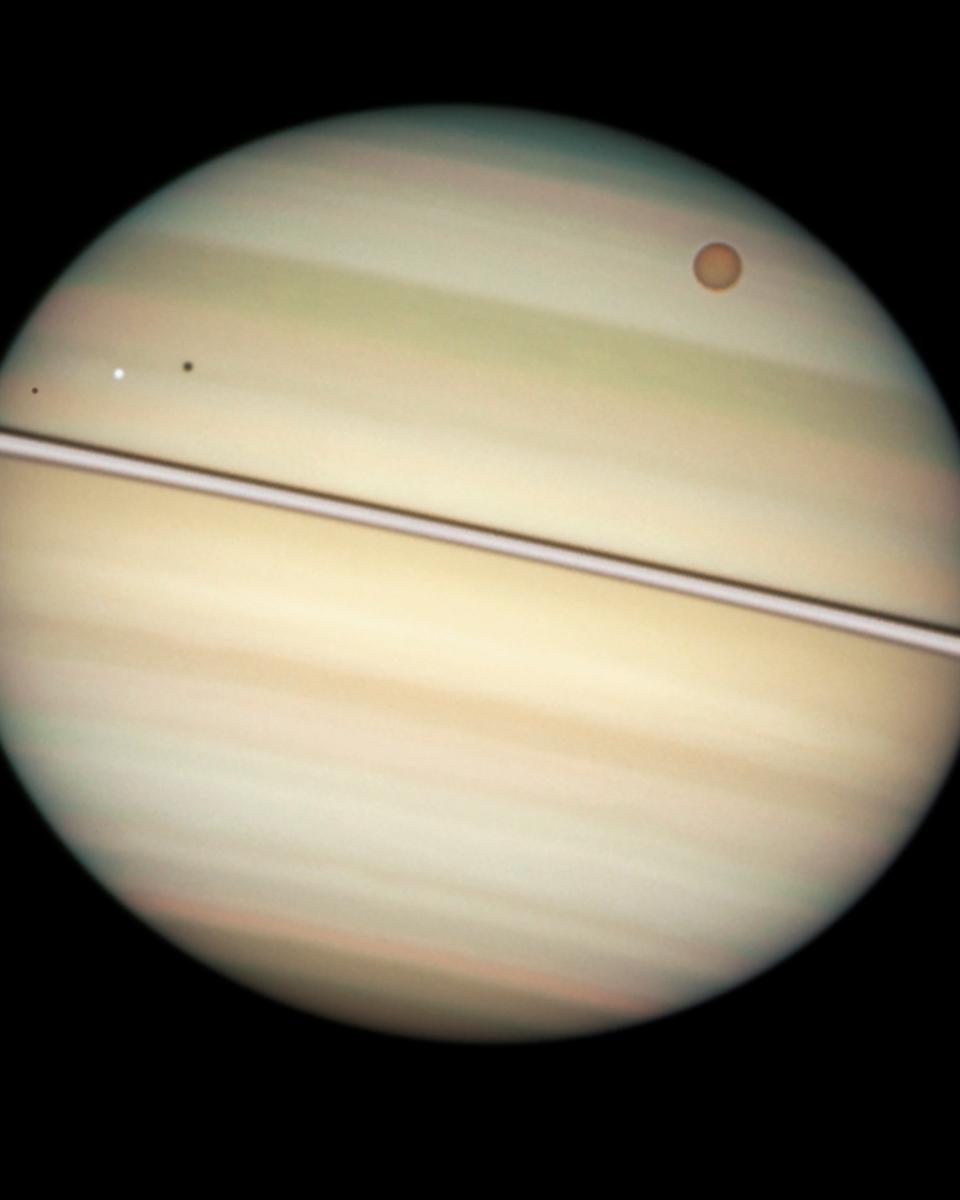
Saturn: Moons in Transit
Every 14 to 15 years, Saturn's rings are tilted edge-on to our line of sight. As the bright, beautiful rings seem to grow narrower it becomes increasingly difficult to see them,…

GLOBE at Night: Help Track Light Pollution
How many stars can you see? Through next week, the GLOBE at Night project invites people from all over the world to go outside at night, look up, and see! Specifically, people are…
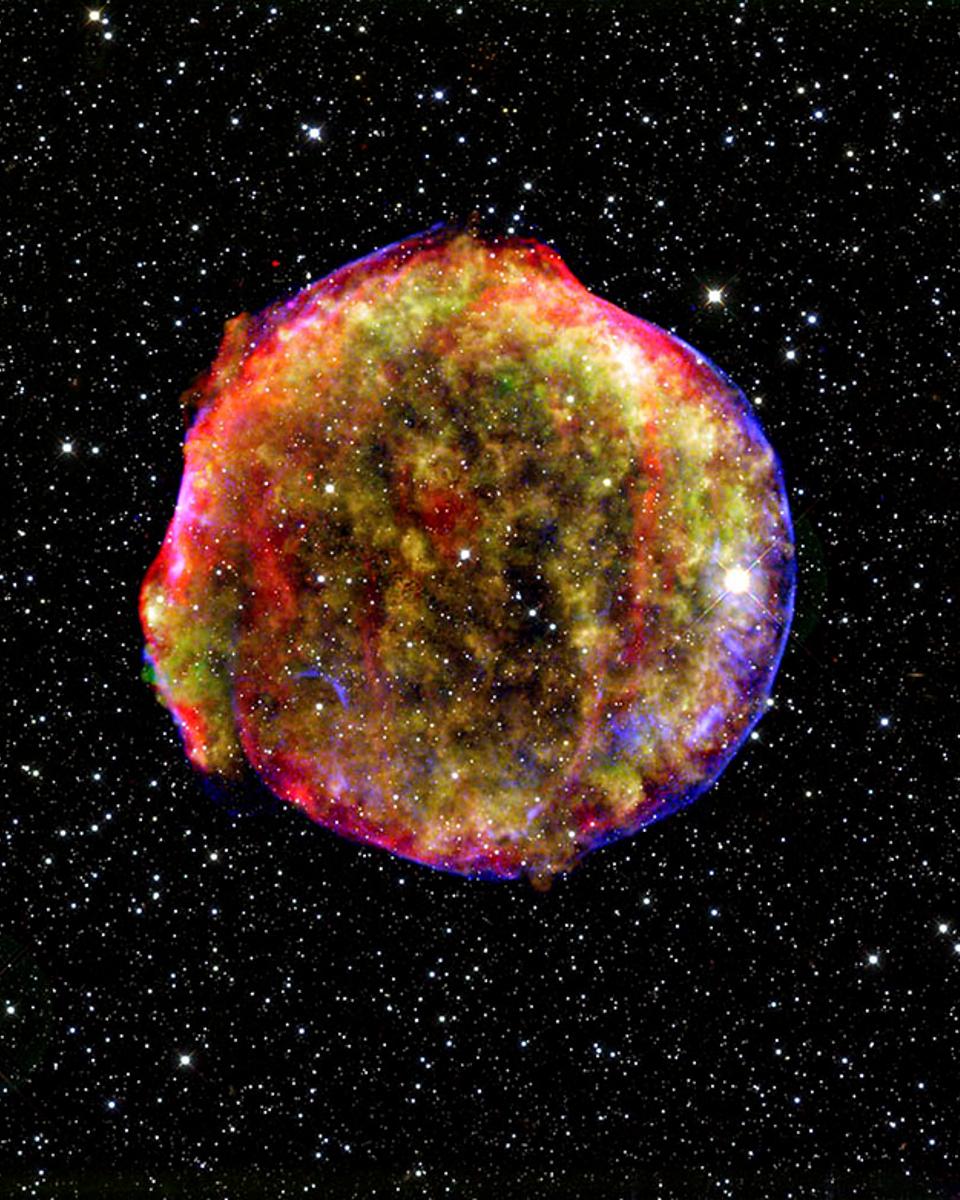
Tycho's Supernova Remnant
What star created this huge puffball? Pictured above is the best multi-wavelength image yet of Tycho's supernova remnant , the result of a stellar explosion first recorded over…
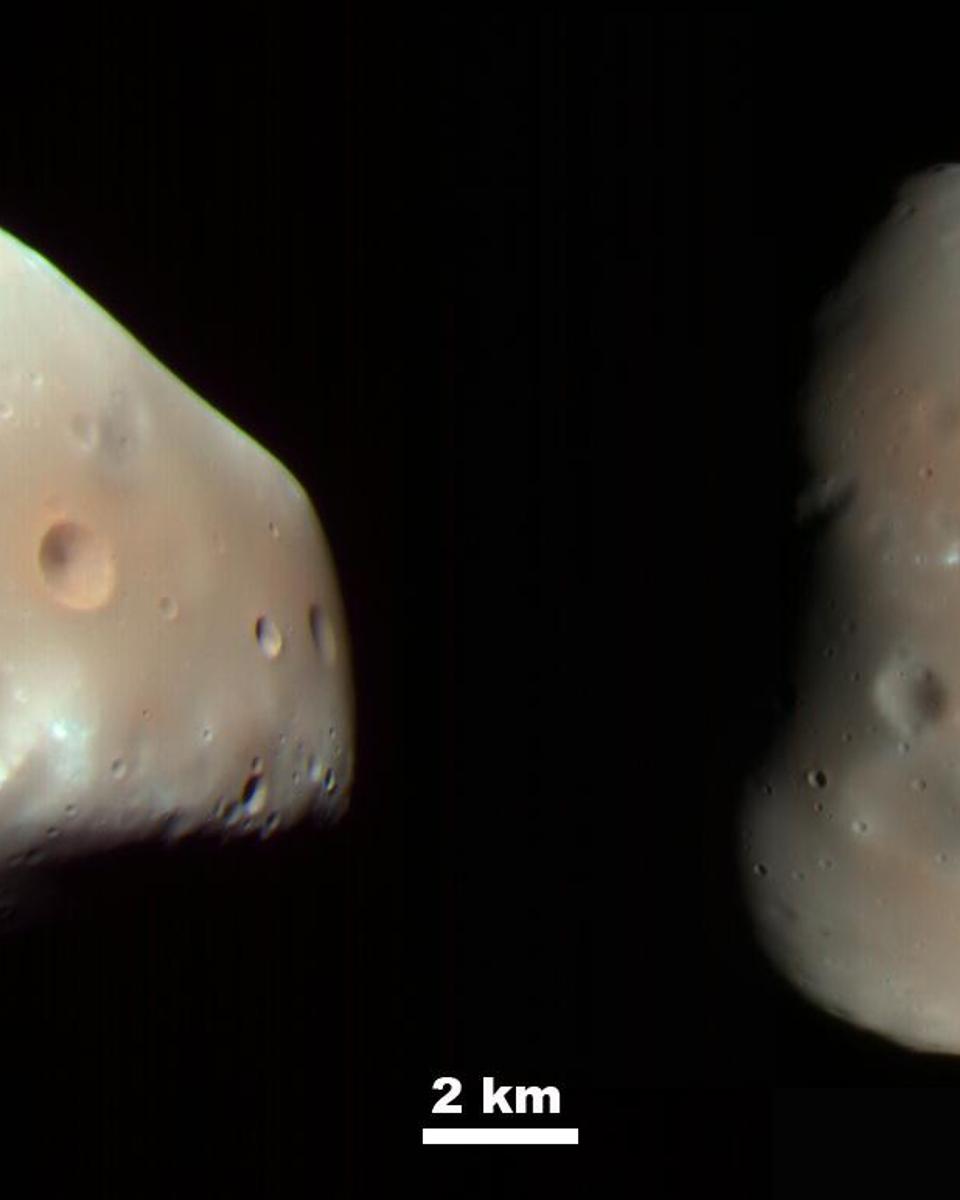
Martian Moon Deimos from MRO
Mars has two tiny moons, Phobos and Deimos . Pictured above , in a recently release image by HiRISE camera onboard the Mars-orbiting Mars Reconnaissance Orbiter (MRO), is Deimos ,…
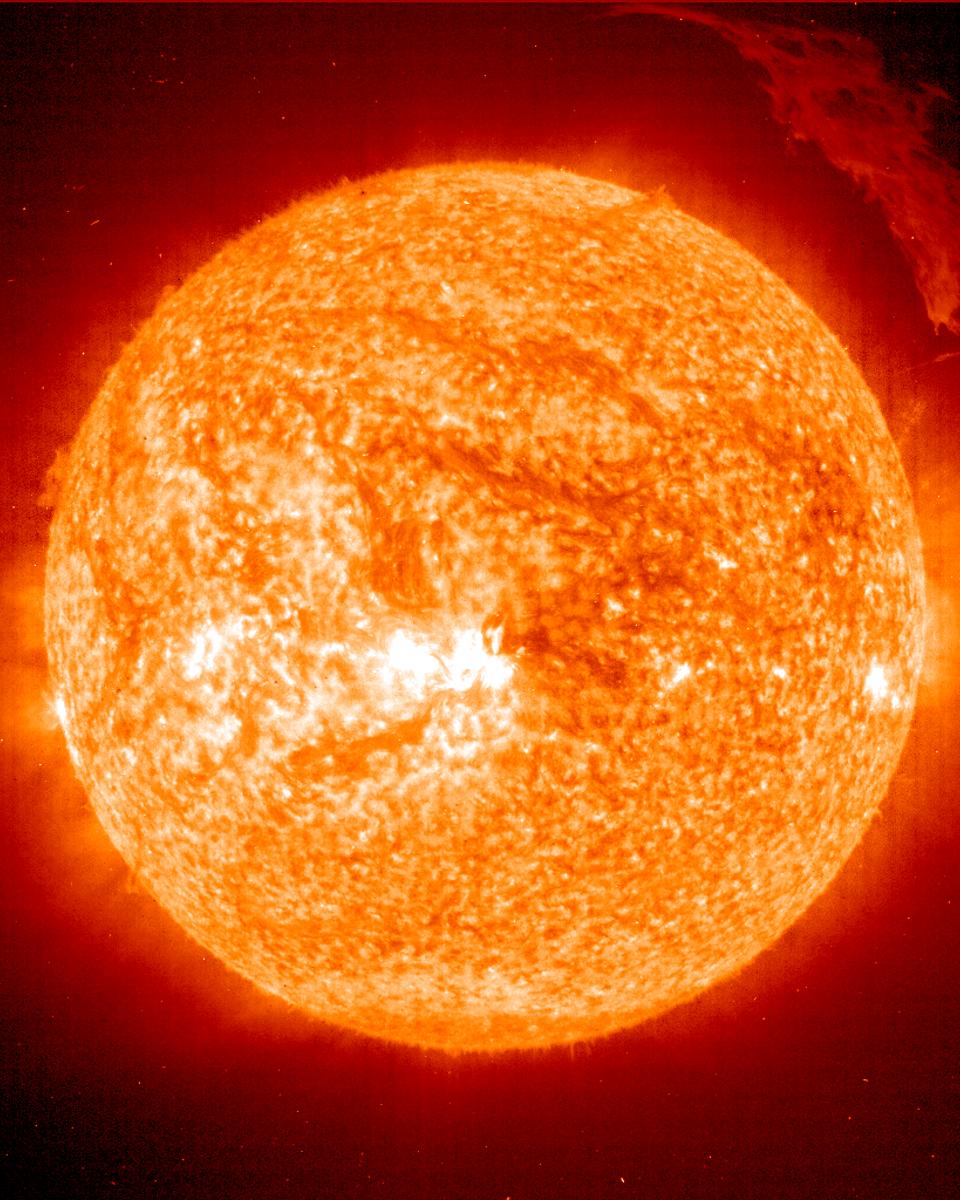
A Prominent Solar Prominence from SOHO
What's happened to our Sun? It was sporting a spectacular -- but not very unusual -- solar prominence. A solar prominence is a cloud of solar gas held above the Sun's surface by…
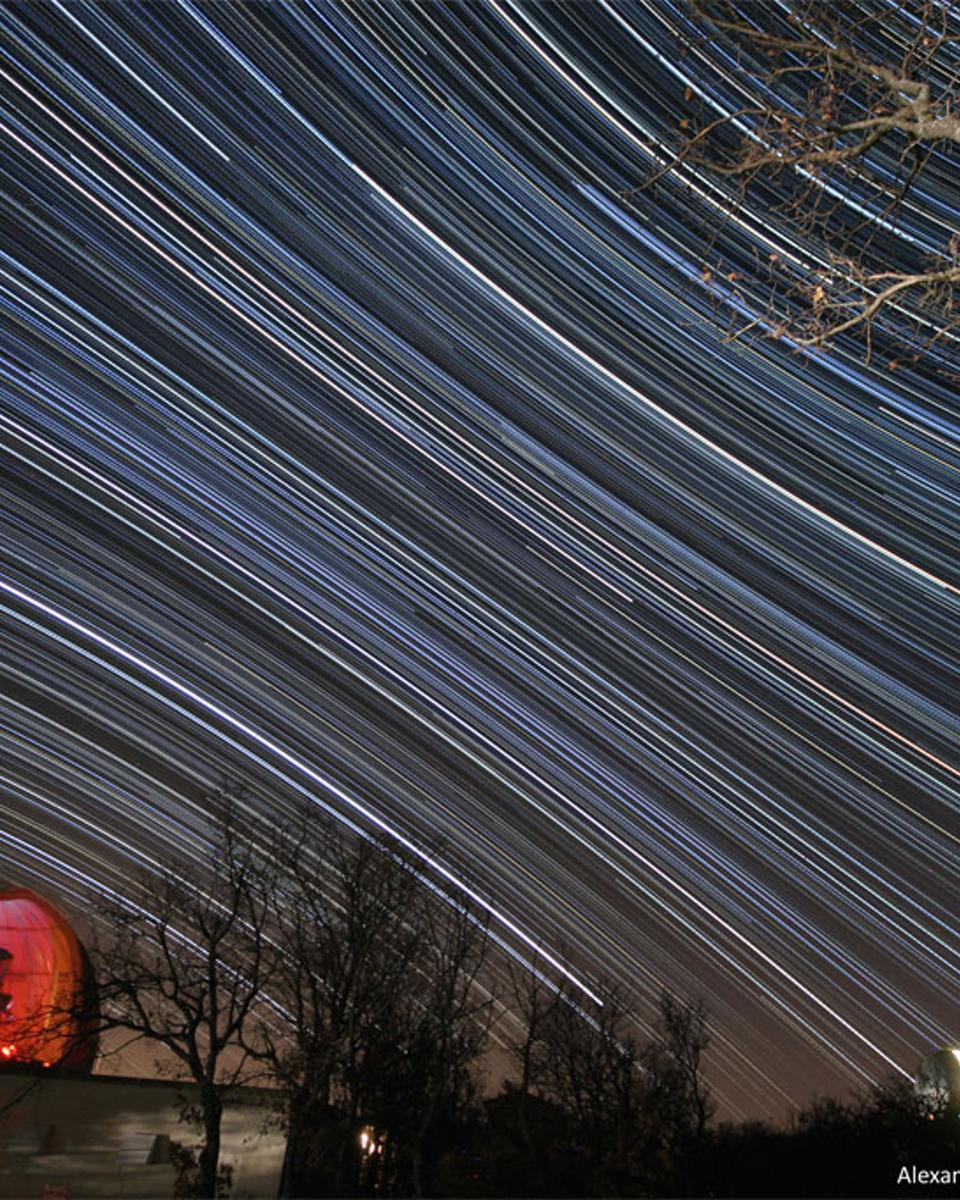
Haute-Provence Star Trails
Fix your camera to a tripod and you can record the graceful trails traced by the stars as planet Earth rotates on its axis . For example, this dramatic 5 hour long exposure was…
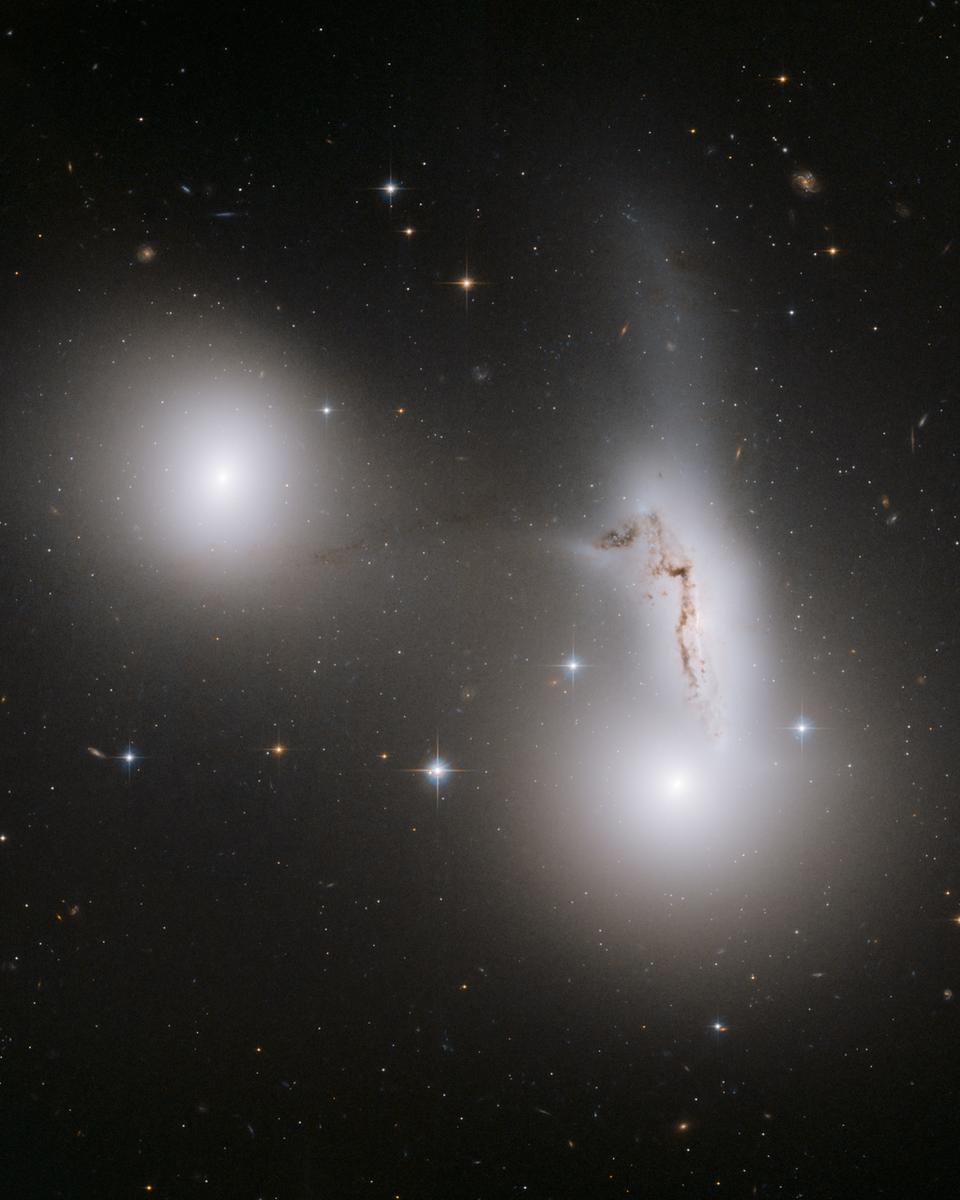
Hickson Compact Group 90
Scanning the skies for galaxies, Canadian astronomer Paul Hickson and colleagues identified some 100 compact groups of galaxies , now appropriately called Hickson Compact Groups…
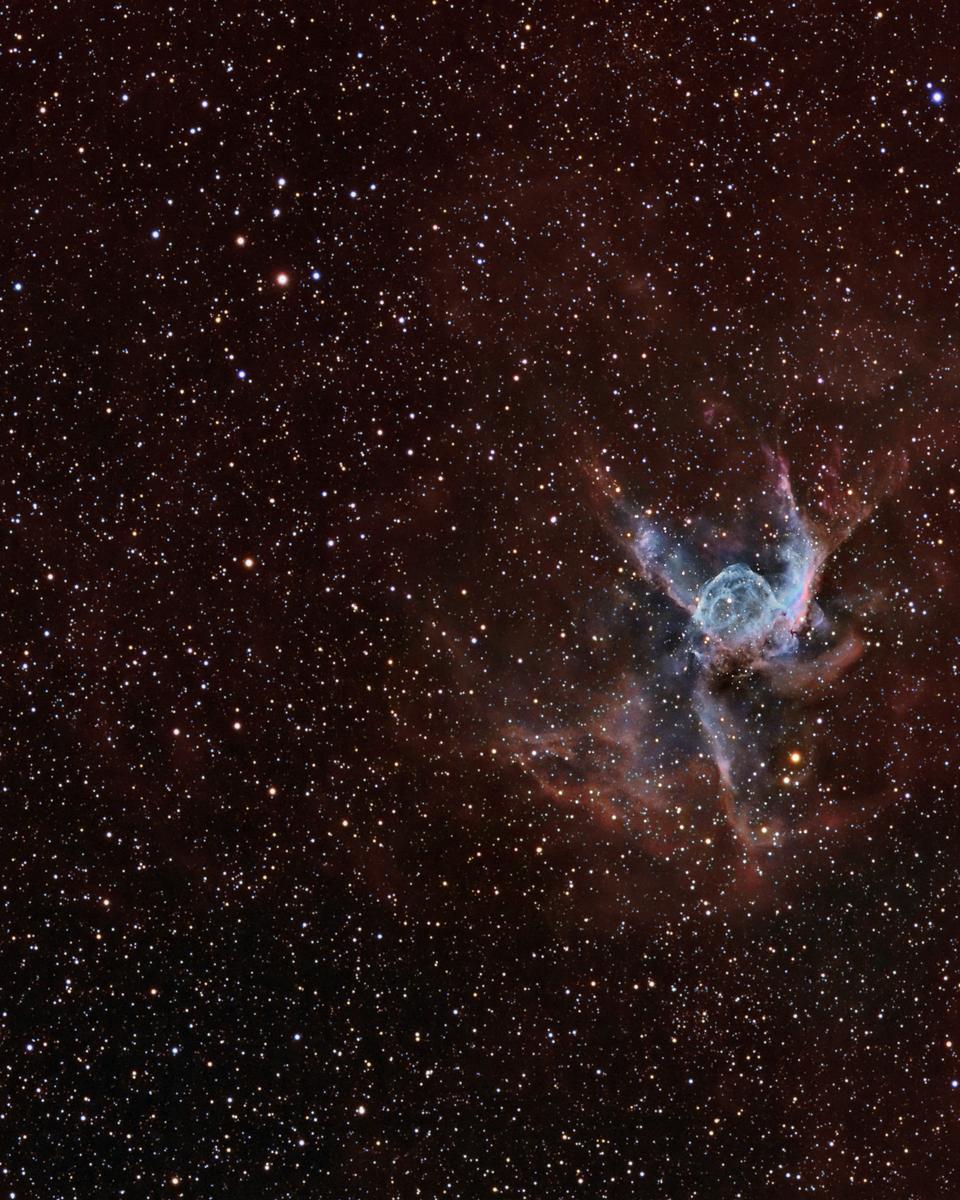
Thor's Helmet (NGC 2359) and Planetary Nebula
At the right, Thor's Helmet (NGC 2359) seems to gaze across a lovely star field. The broad skyscape itself covers about 1.5 degrees or 3 full moons toward the constellation Canis…

Lunar X
The striking X near the center of this lunarscape is easily visible in binoculars or a small telescope. Yet, not too many have seen it. The catch is, this lunar X is only apparent…
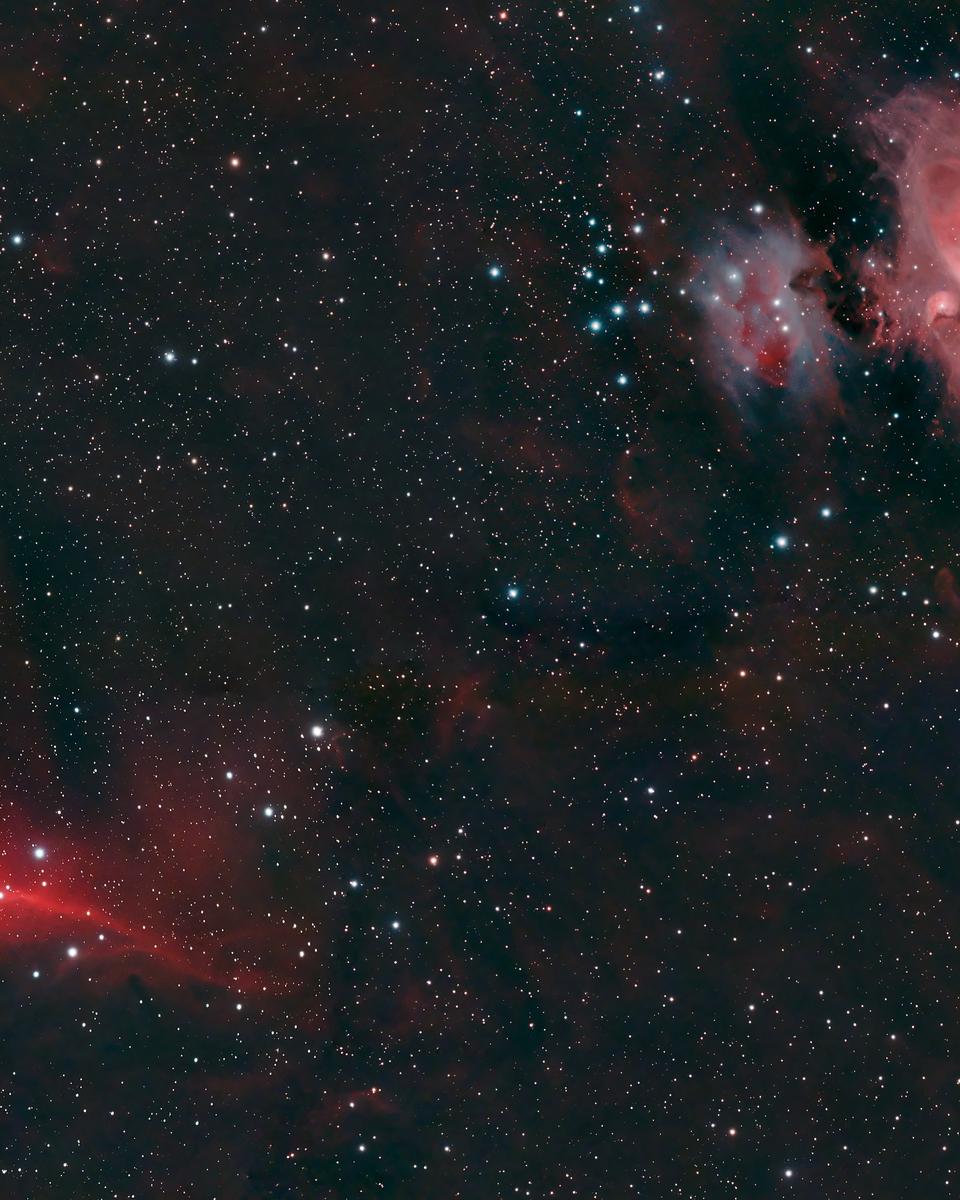
Horsehead and Orion Nebulae
Adrift 1,500 light-years away in one of the night sky's most recognizable constellations , the glowing Orion Nebula and the dark Horsehead Nebula are contrasting cosmic vistas.…
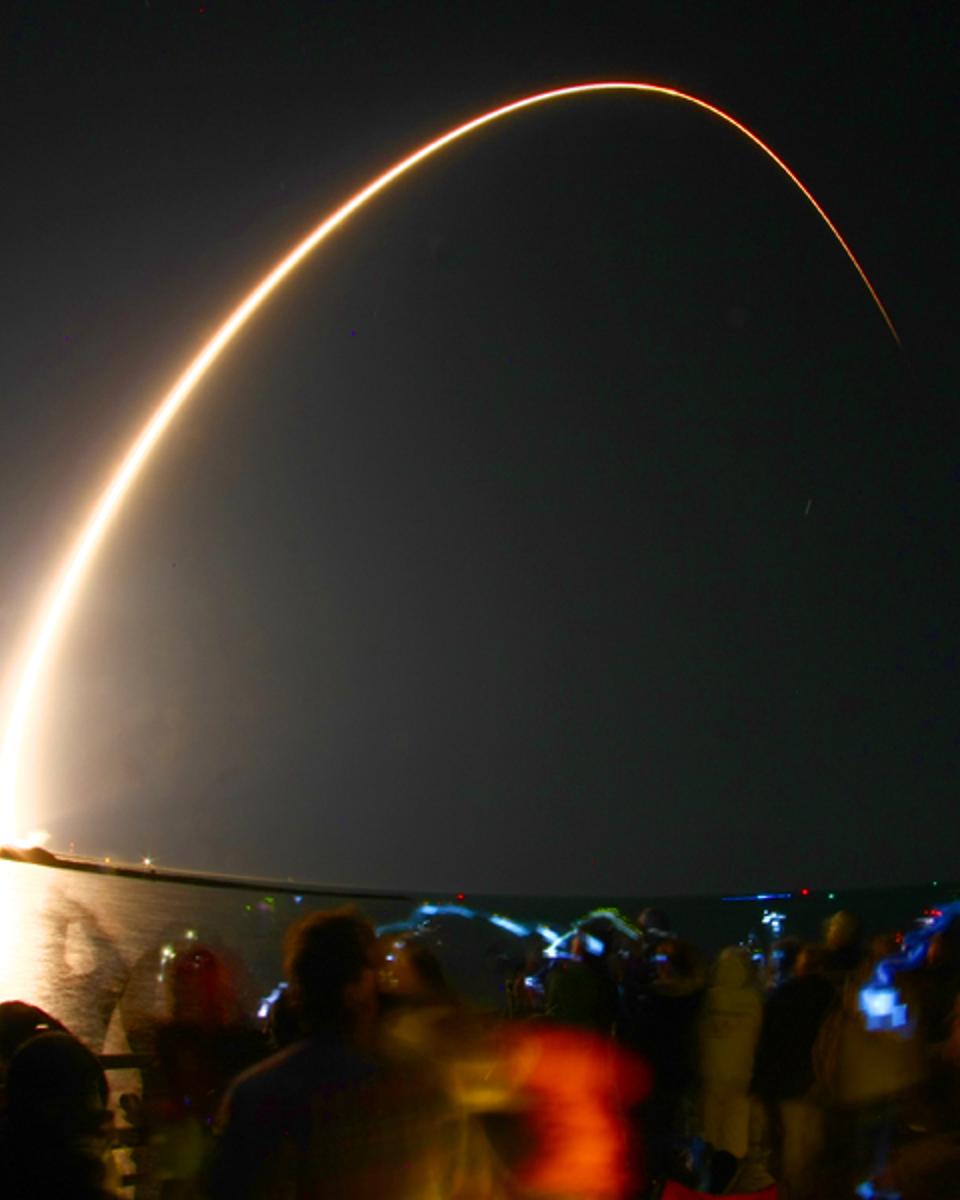
Kepler's Streak
Streaking skyward , a Delta II rocket carries NASA's Kepler spacecraft aloft into the clear night of March 6. The dramatic scene was recorded in a time exposure from the crowded…
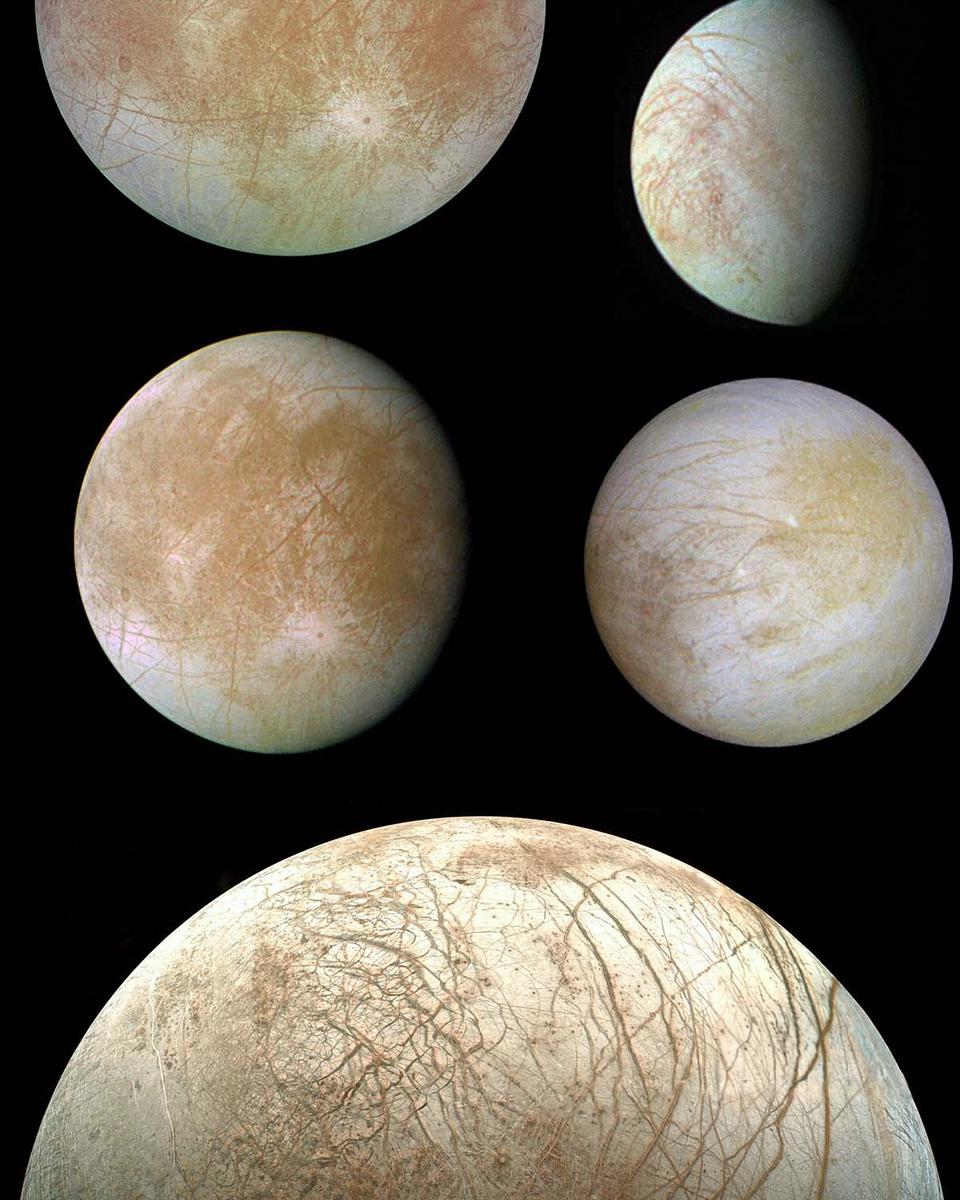
Gibbous Europa
Although the phase of this moon might appear familiar, the moon itself might not. In fact, this gibbous phase shows part of Jupiter 's moon Europa . The robot spacecraft Galileo…
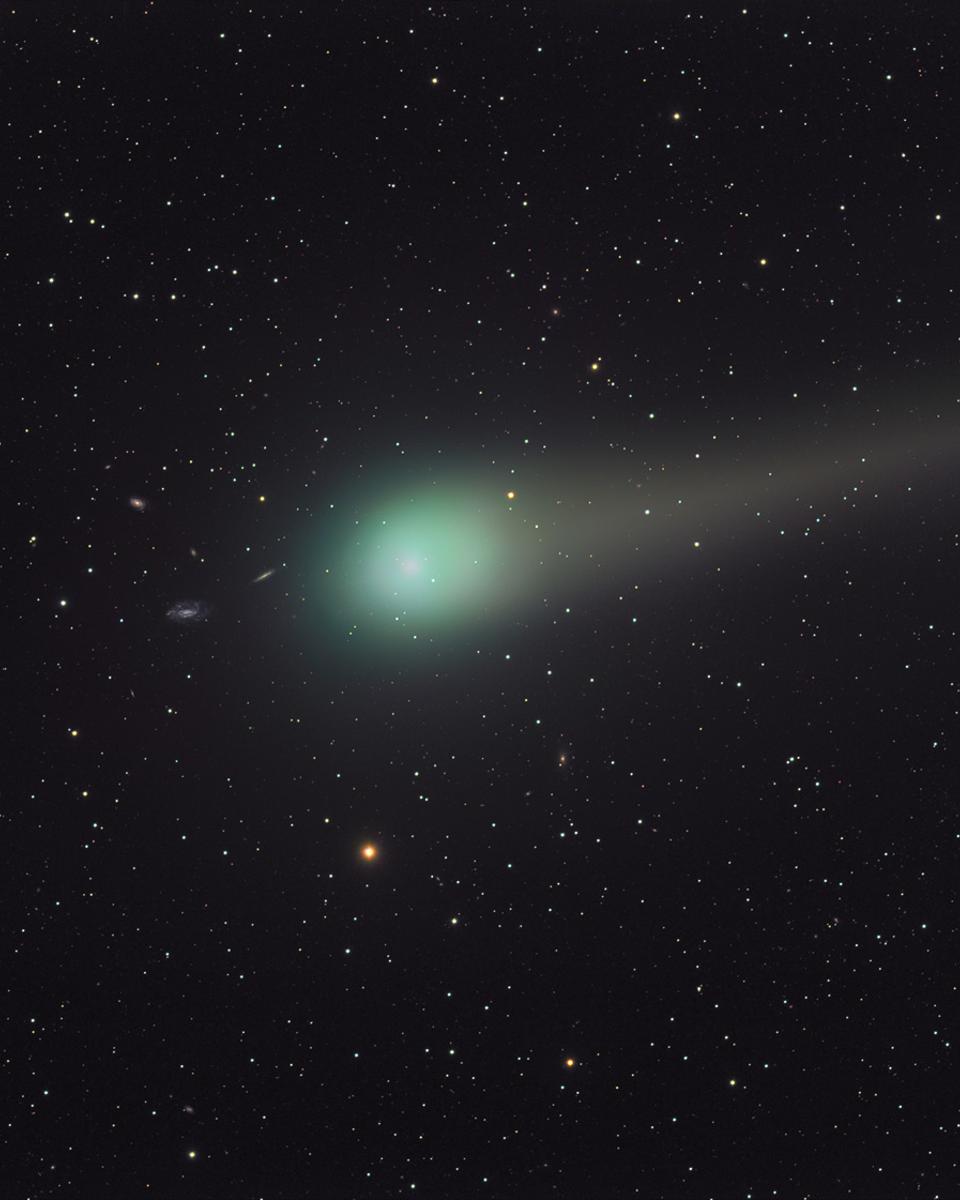
Comet Lulin and Distant Galaxies
Now fading in our night sky, Comet Lulin has provided some lovely cosmic vistas . Moving rapidly against the background of stars , Lulin briefly posed with the likes of Saturn ,…
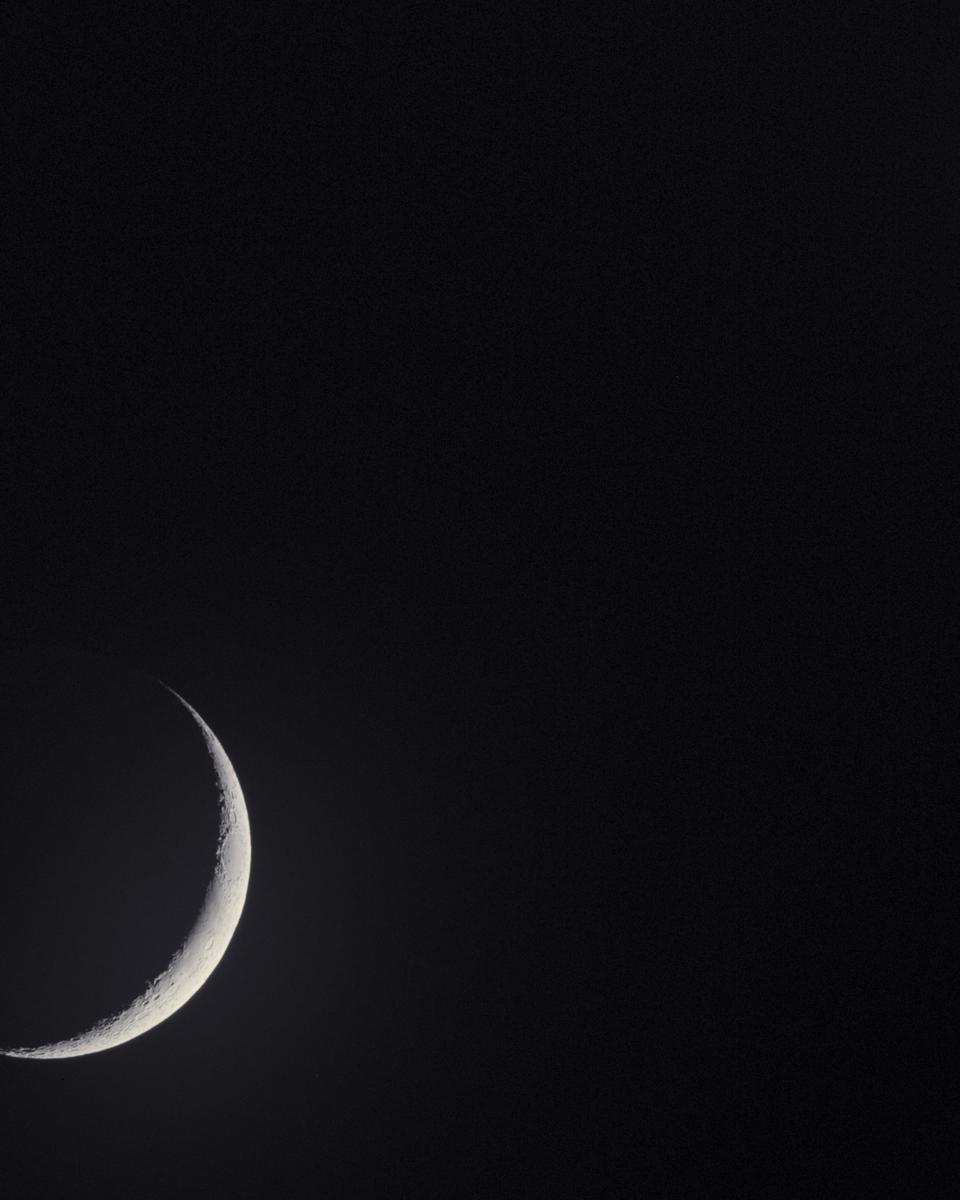
Crescent Moon and Venus
Last Friday, the Moon and Venus shared the early evening sky in a beautiful conjunction. Separated by only about 2 degrees, they also were both in a crescent phase . Just like our…
Viewing discoveries from 29 March 2009 through 6 March 2009.