Browse NASA Astronomy Picture of the Day archive by date and media: Archive Discoveries
Browse the NASA APOD archive without needing the exact date first. Filter by media type and keep moving deeper into older images and videos.
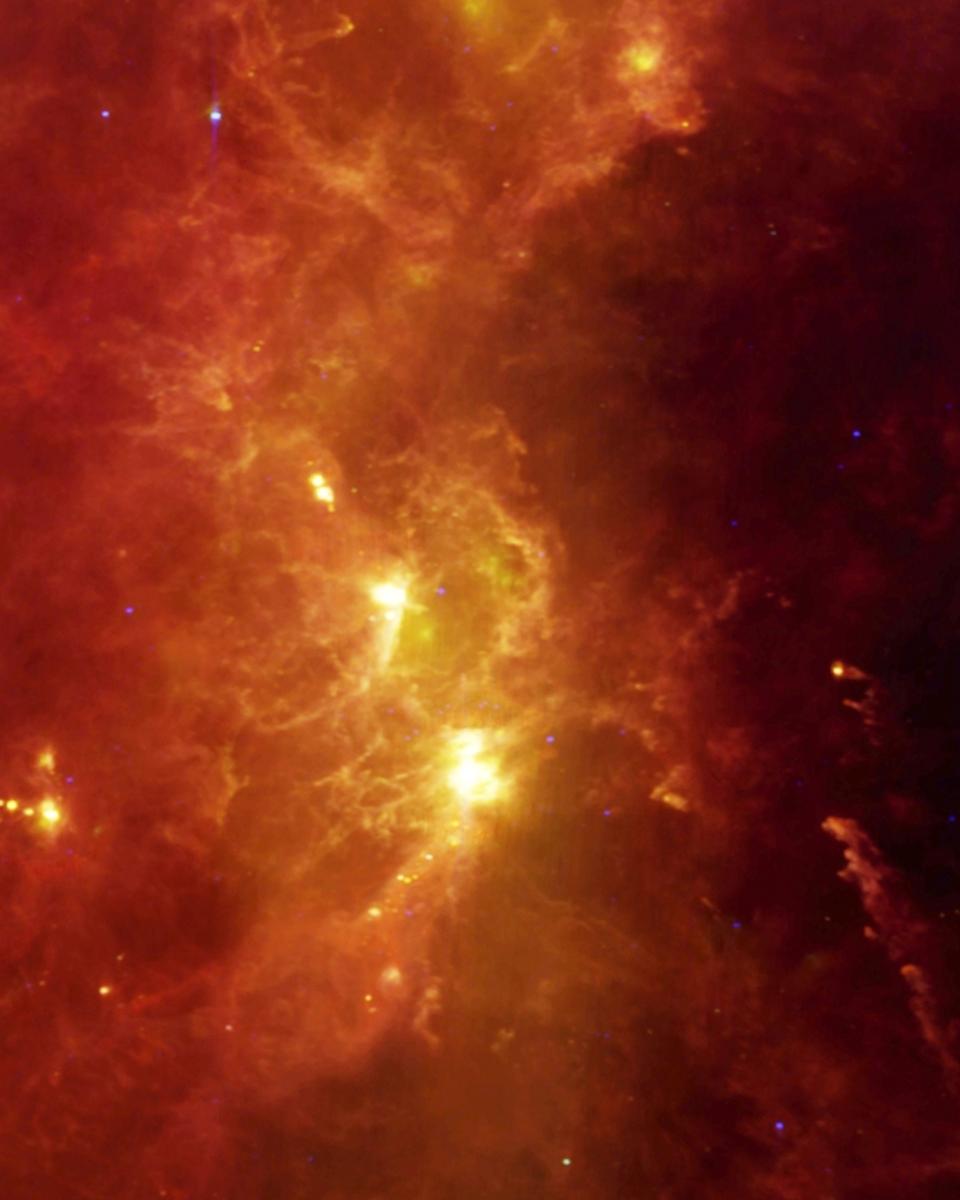
Orion in Infrared
Do you recognize the constellation Orion? This striking but unfamiliar looking picture of the familiar Orion region of the sky was produced using survey data from the now-defunct…
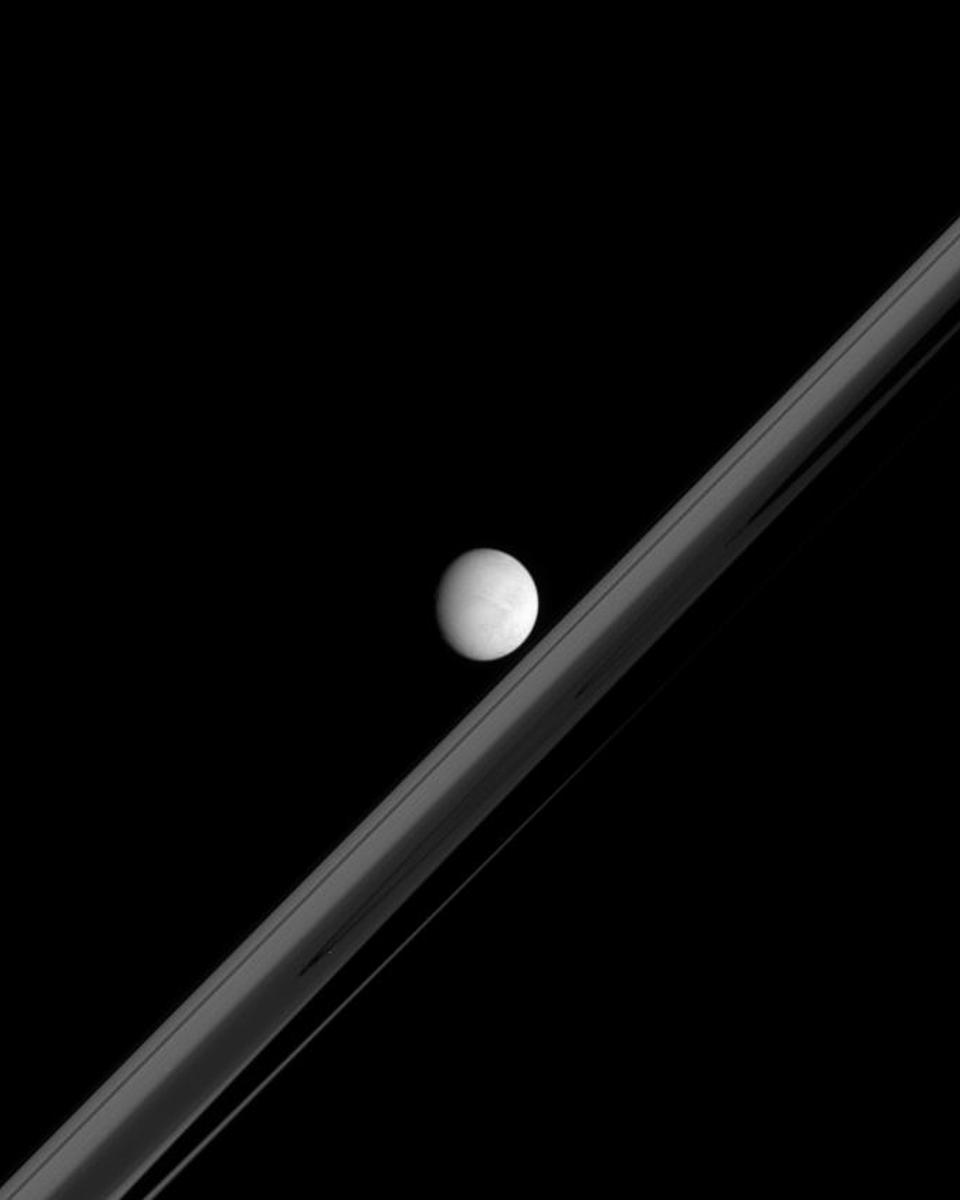
Saturnian Moon and Rings
When can a robot produce art ? When it glides past the rings of Saturn . As the robot spacecraft Cassini orbiting Saturn crossed outside the famous photogenic ring plane of the…
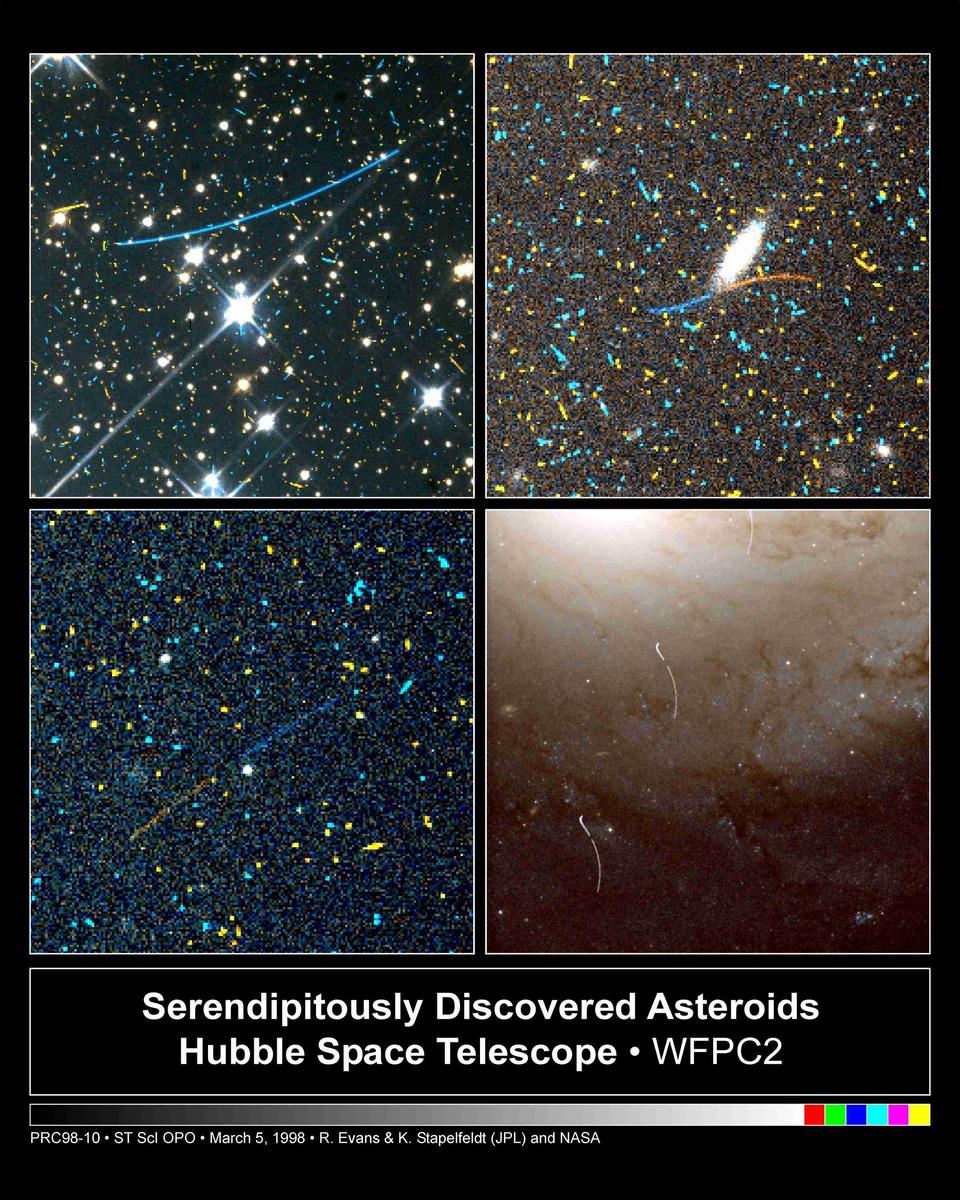
Asteroids in the Distance
Rocks from space hit Earth every day. The larger the rock, though, the less often Earth is struck. Many kilograms of space dust pitter to Earth daily. Larger bits appear initially…
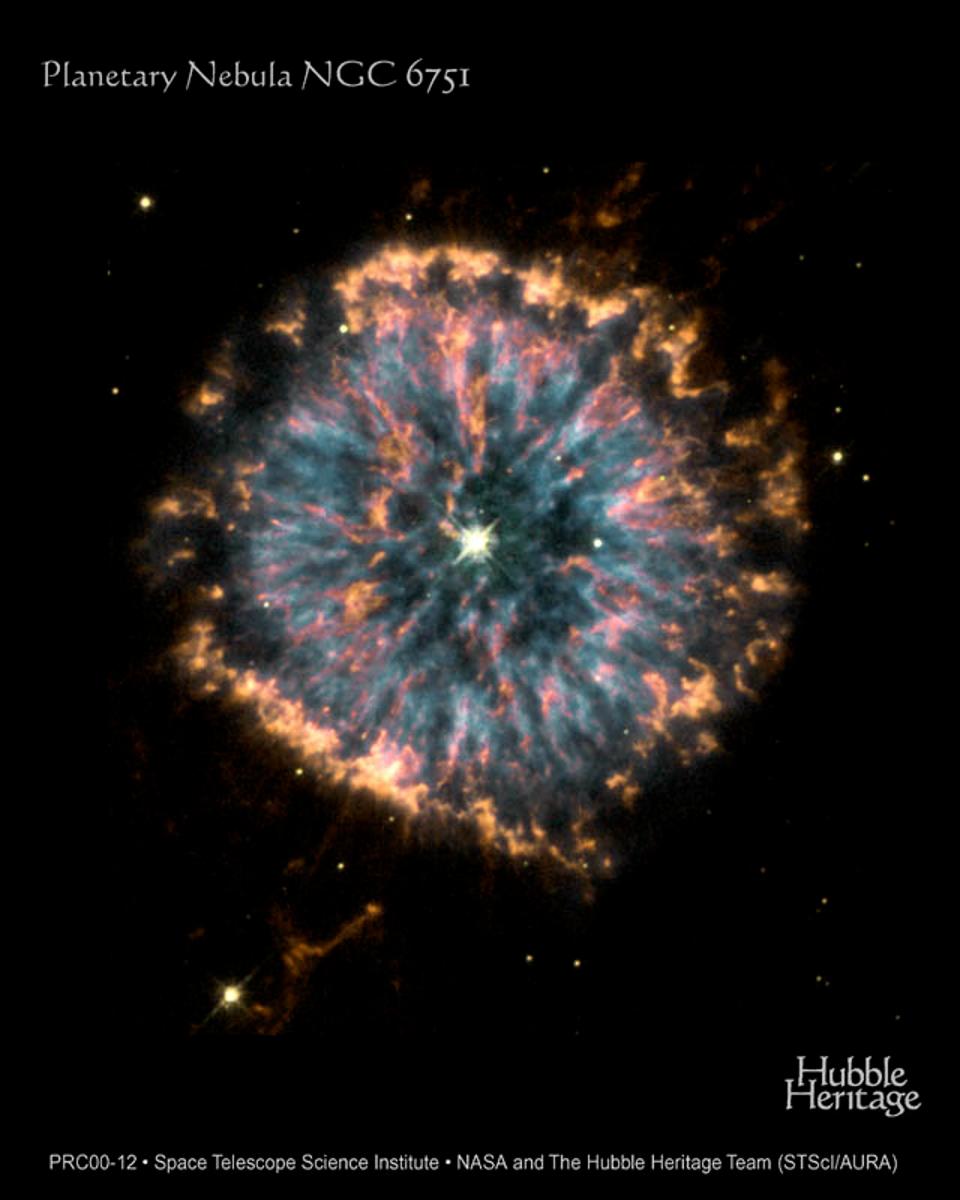
Celebrating Hubble With NGC 6751
Planetary nebulae can look simple, round, and planet-like in small telescopes. But images from the orbiting Hubble Space Telescope have become well known for showing these…
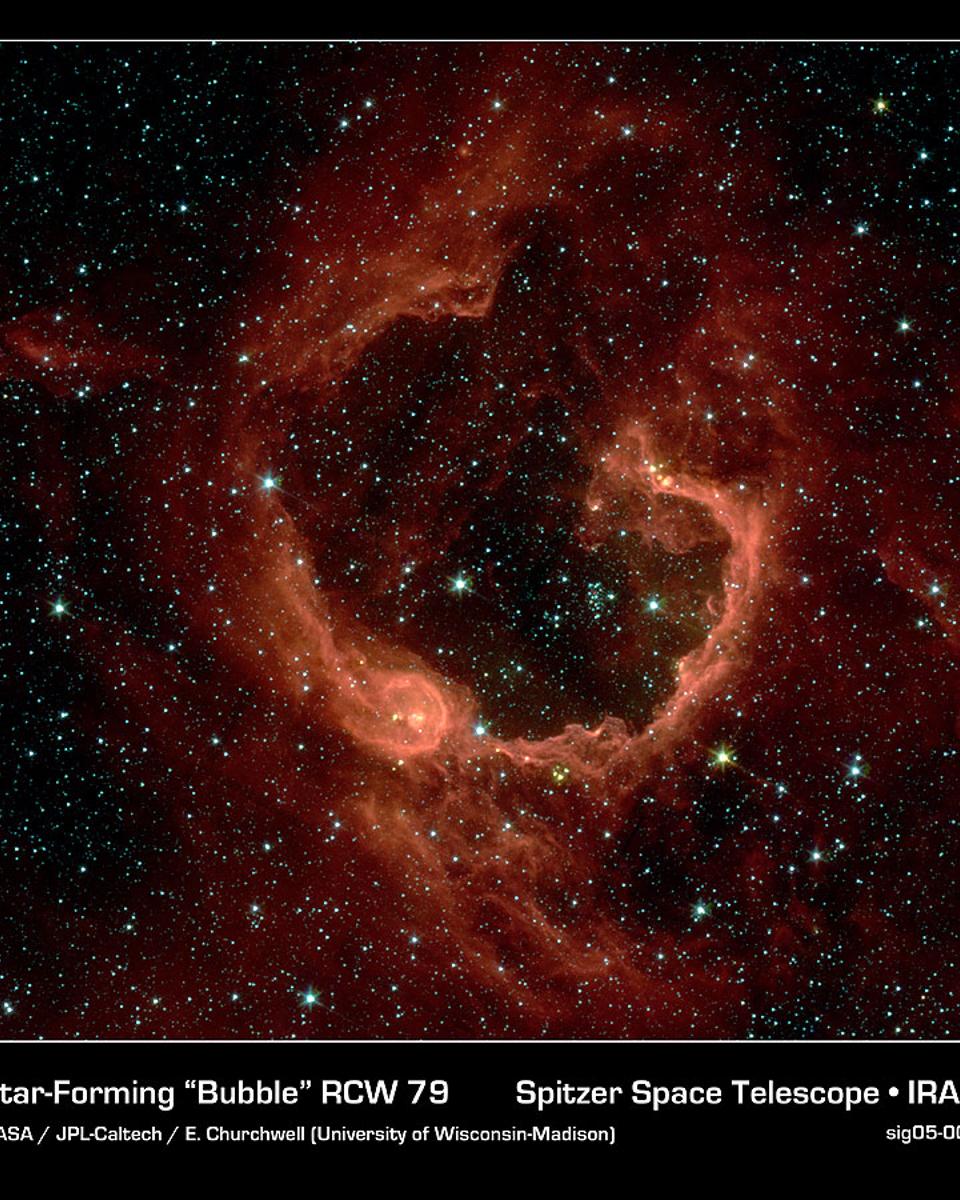
RCW 79: Stars in a Bubble
A cosmic bubble of gas and dust, RCW 79 has grown to about 70 light-years in diameter, blown by the winds and radiation from hot young stars. Infrared light from the dust embedded…
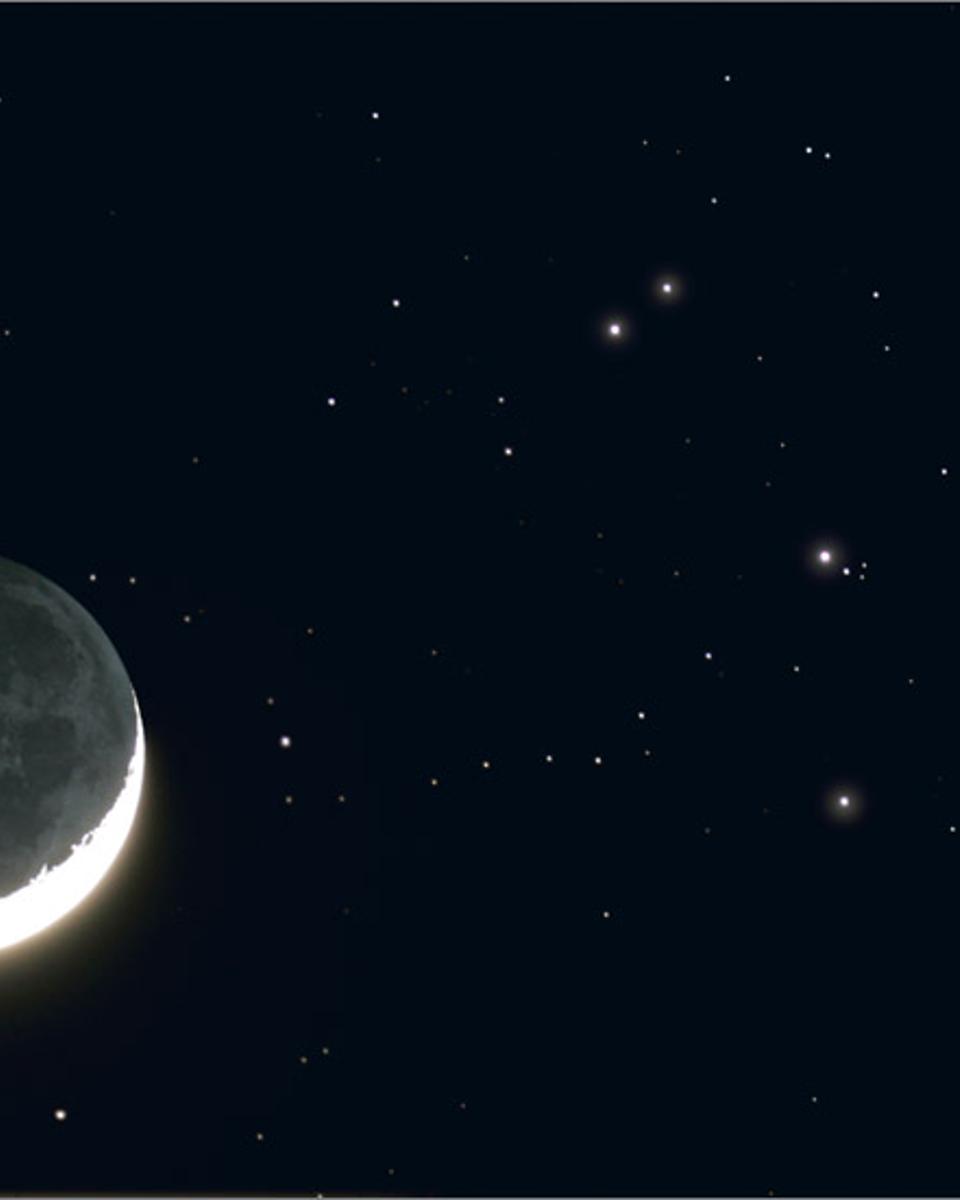
April's Moon and the Pleiades
After parting with the Sun late last week, April's moon graced the early evening sky. Its slender , three-day-old crescent shares this lovely telescopic skyview with the nearby…
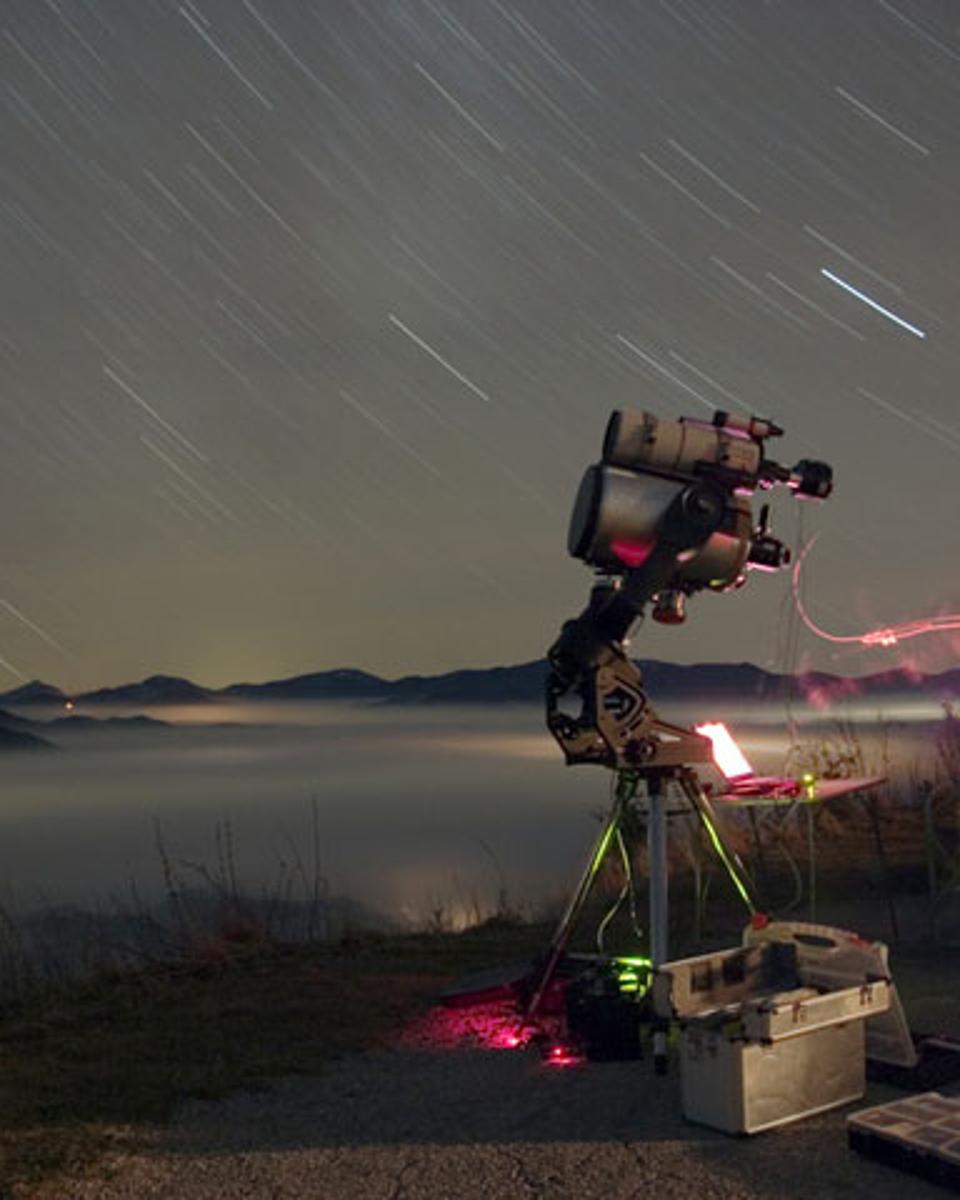
A Window to the Once Secret Sky
If there were a window nearby to the distant universe -- would you look through it? Quite possibly, there is, in the form of a small telescope . A local skykeeper could be a…
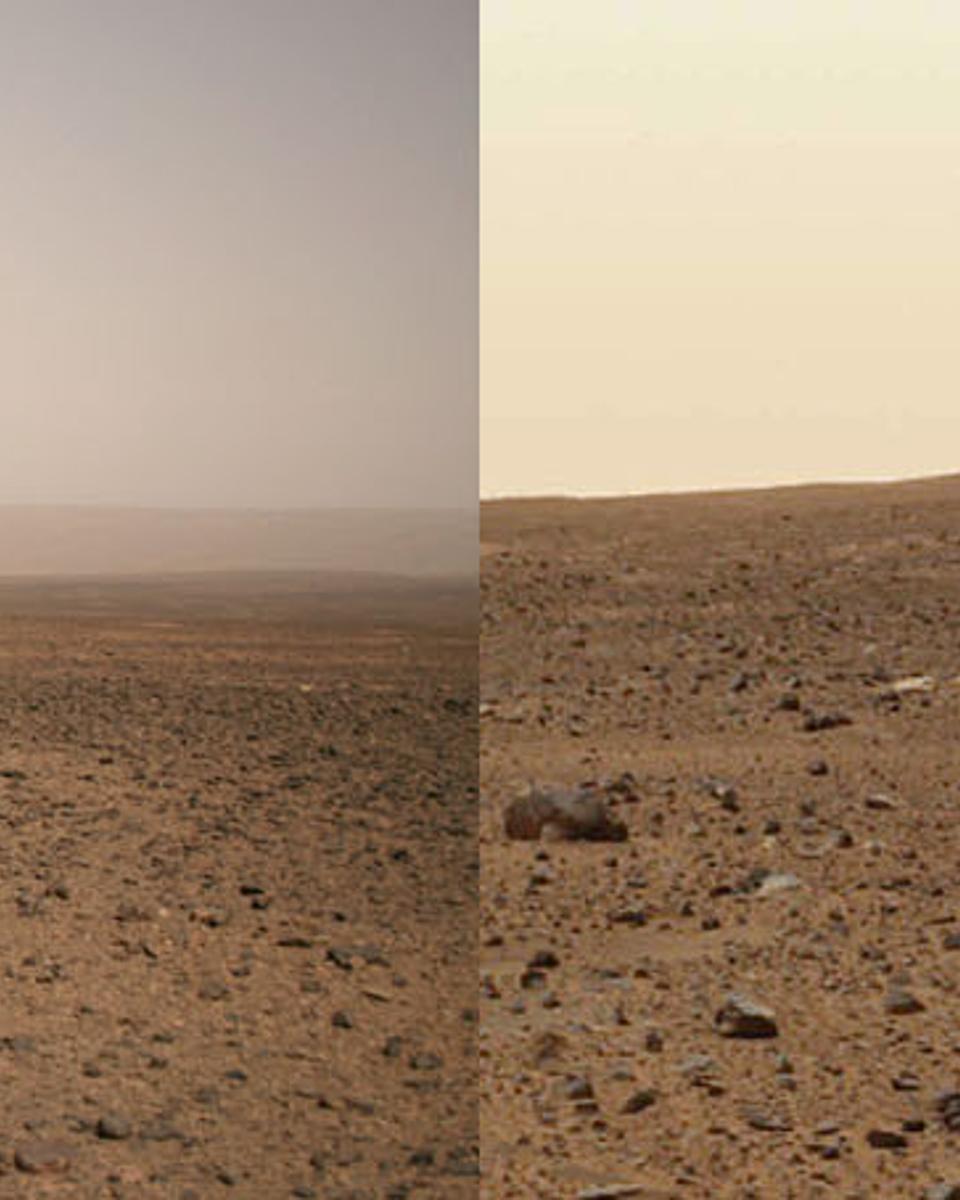
Earth or Mars?
Which image is Earth, and which is Mars? One of the above image s was taken by the robot Spirit rover currently climbing Husband Hill on Mars . The other image was taken by a…
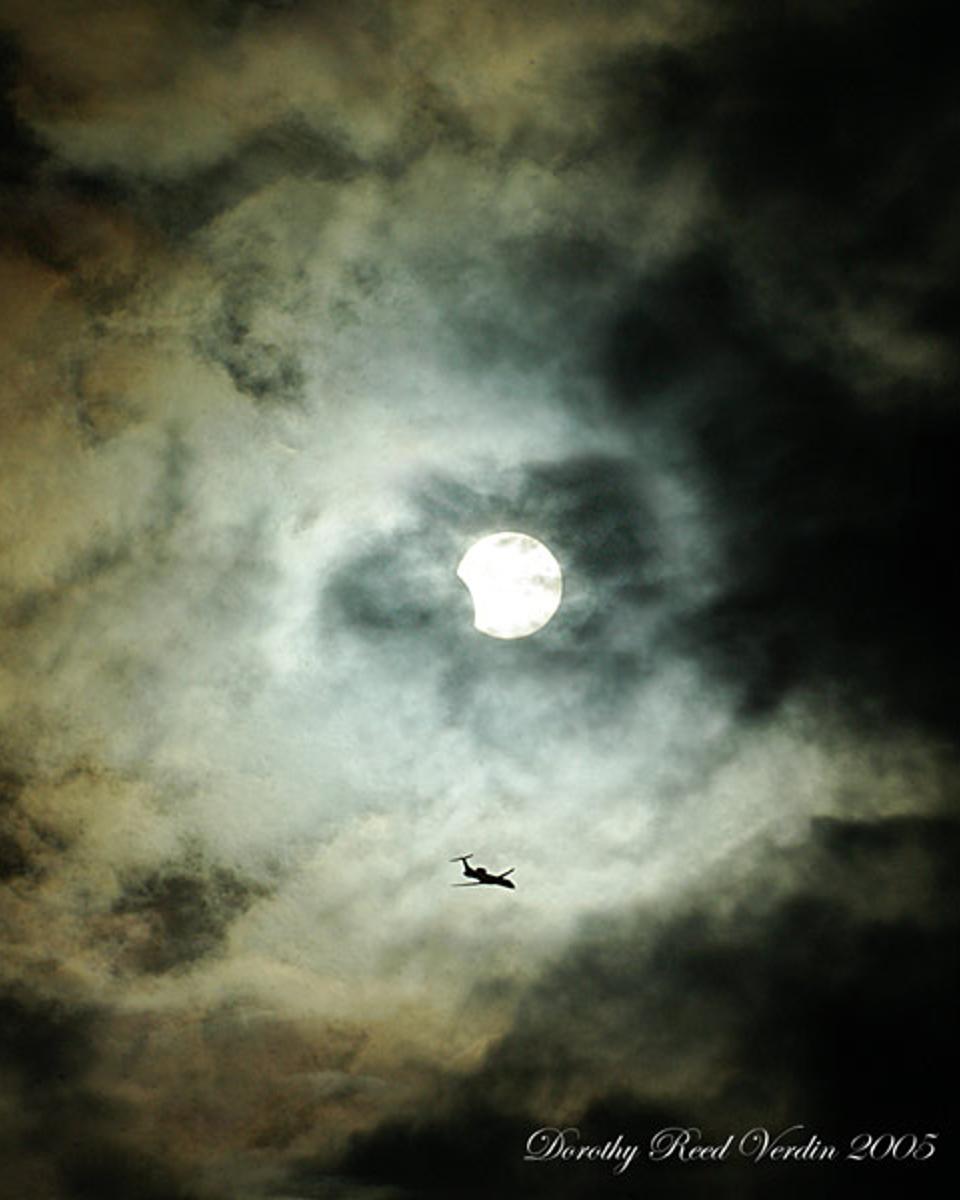
Clouds, Plane, Sun, Eclipse
How can part of the Sun just disappear? When that part is really hiding behind the Moon . Last Friday, the first partial solar eclipse of 2005 and the last total eclipse of the…
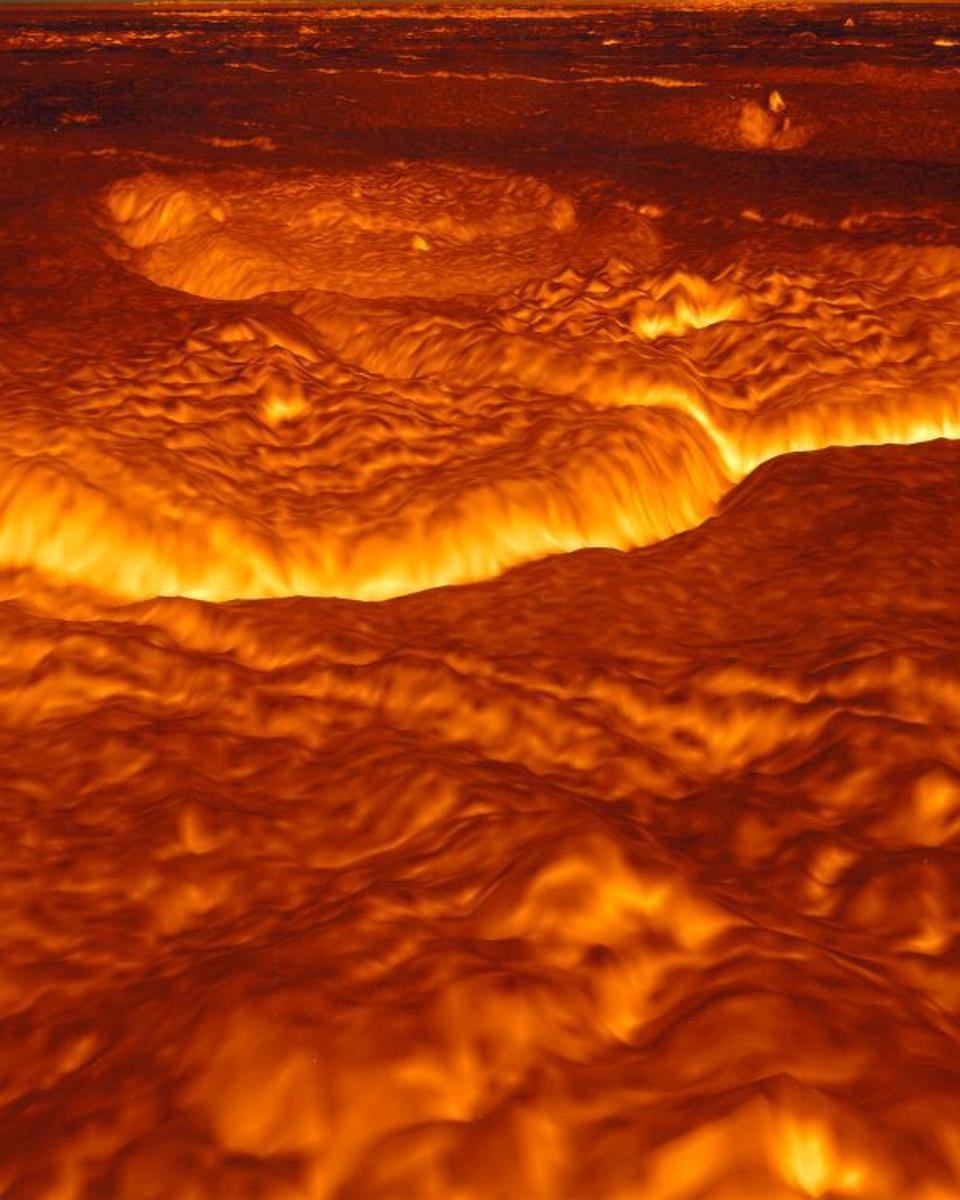
Venus' Once Molten Surface
If you could look at Venus with radar eyes - this is what you might see. This computer reconstruction of the surface of Venus was created from data from the Magellan spacecraft.…
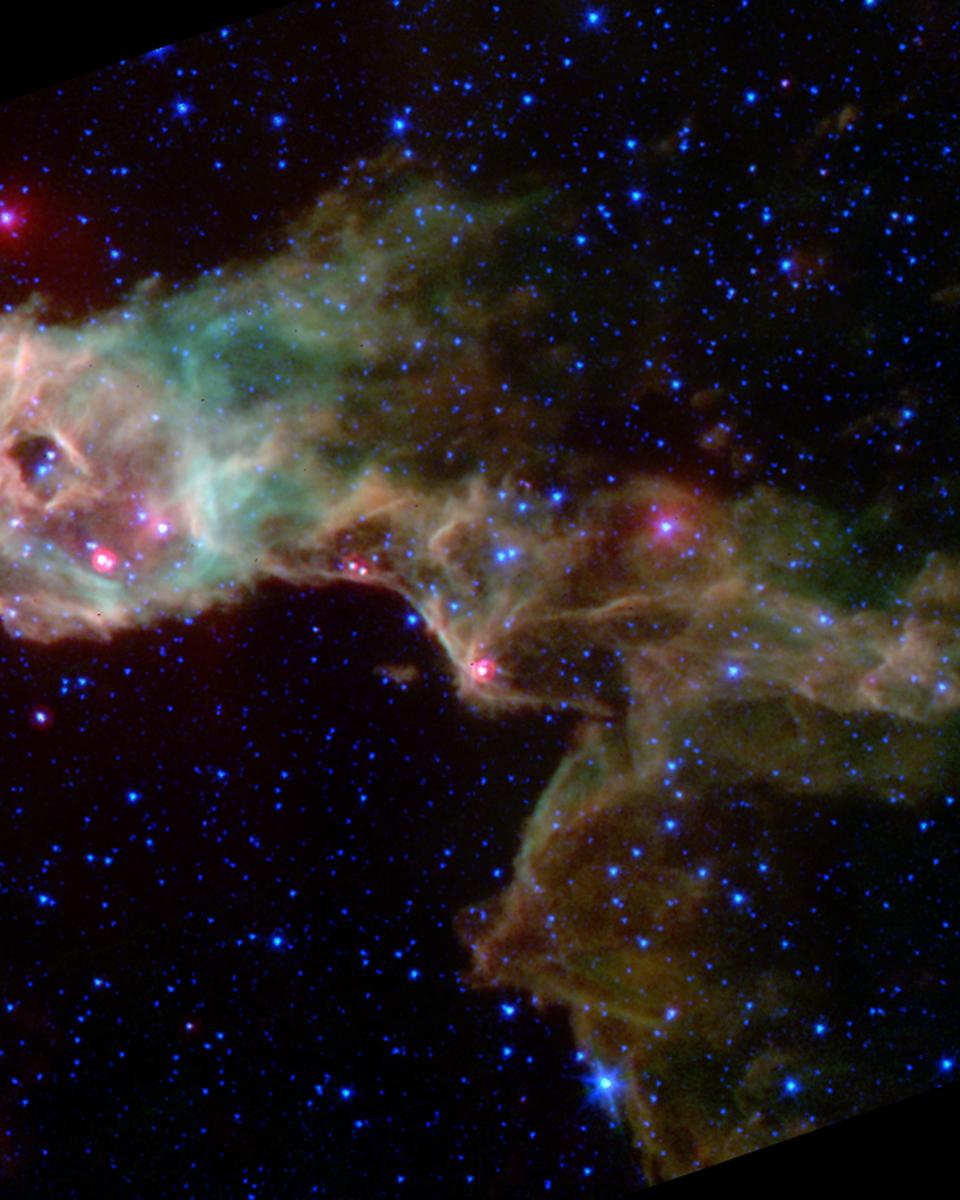
Inside the Elephant's Trunk
In December of 2003, the world saw spectacular first images from the Spitzer Space Telescope , including this penetrating interior view of an otherwise opaque dark globule known…
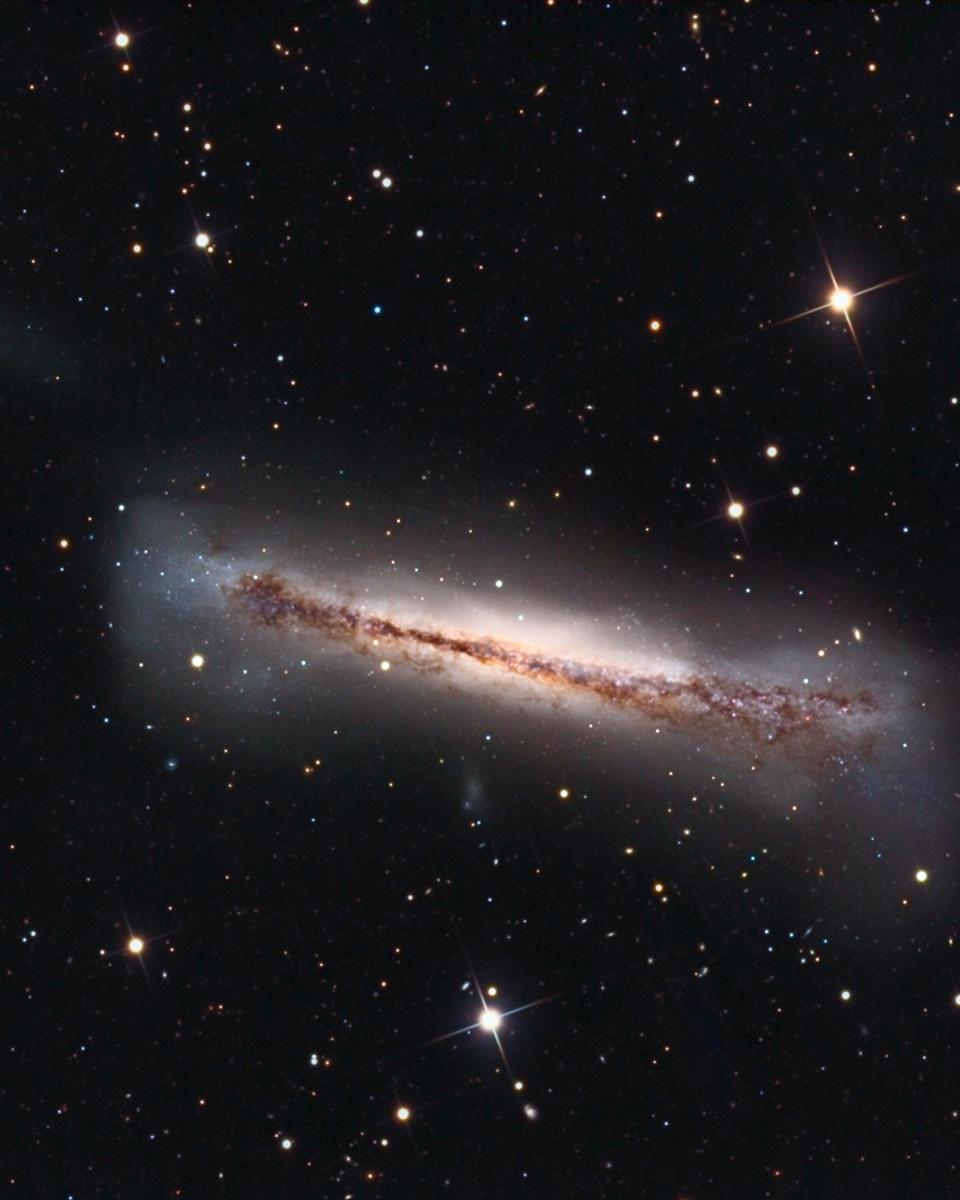
Sideways Galaxy NGC 3628
Dark dust lanes cutting across the middle of this gorgeous island universe strongly hint that NGC 3628 is a spiral galaxy seen sideways . About 35 million light-years away in the…
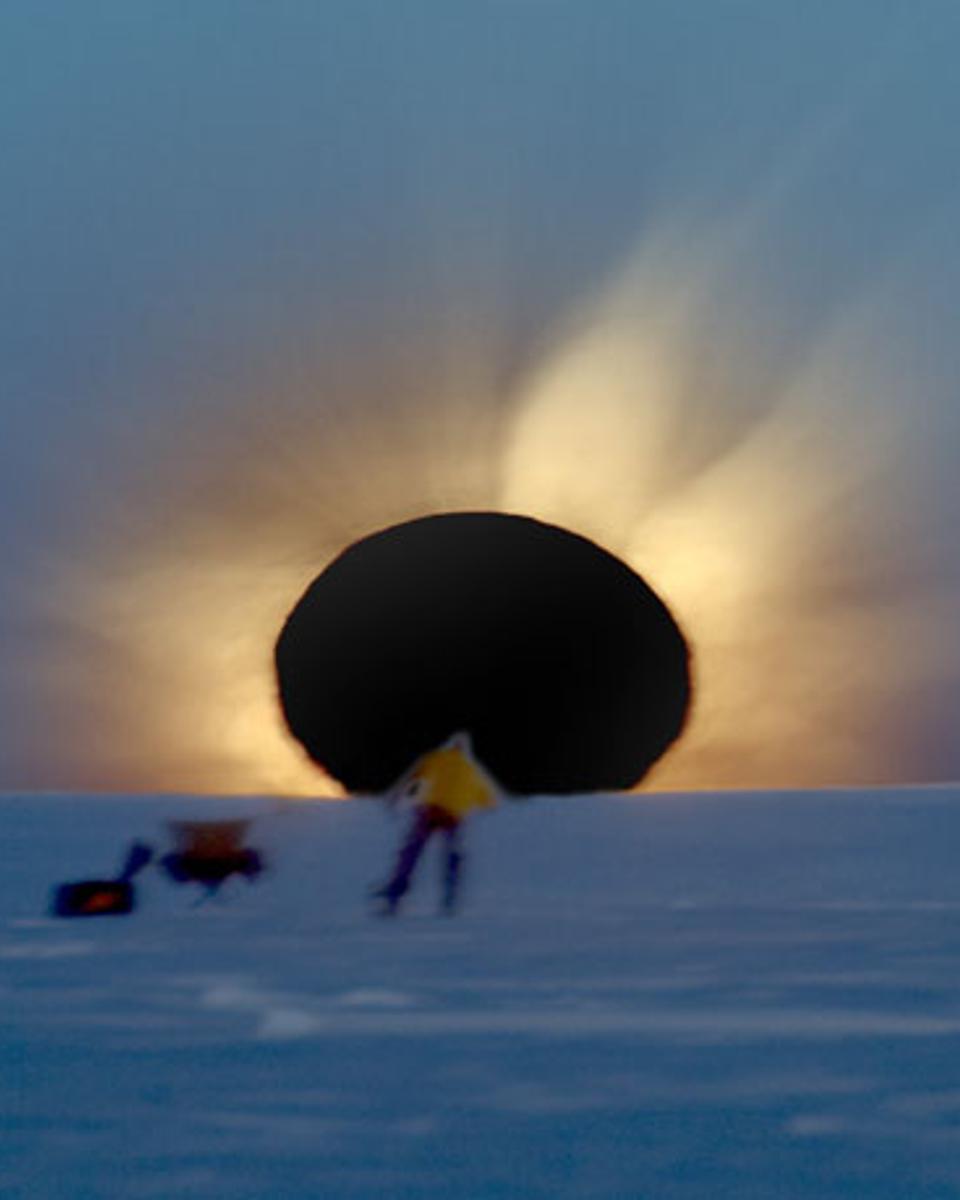
Solar Eclipse in View
Friday's solar eclipse will be a rare hybrid - briefly appearing as either an annular eclipse or a total eclipse when viewed from along the narrow track of the Moon's shadow .…
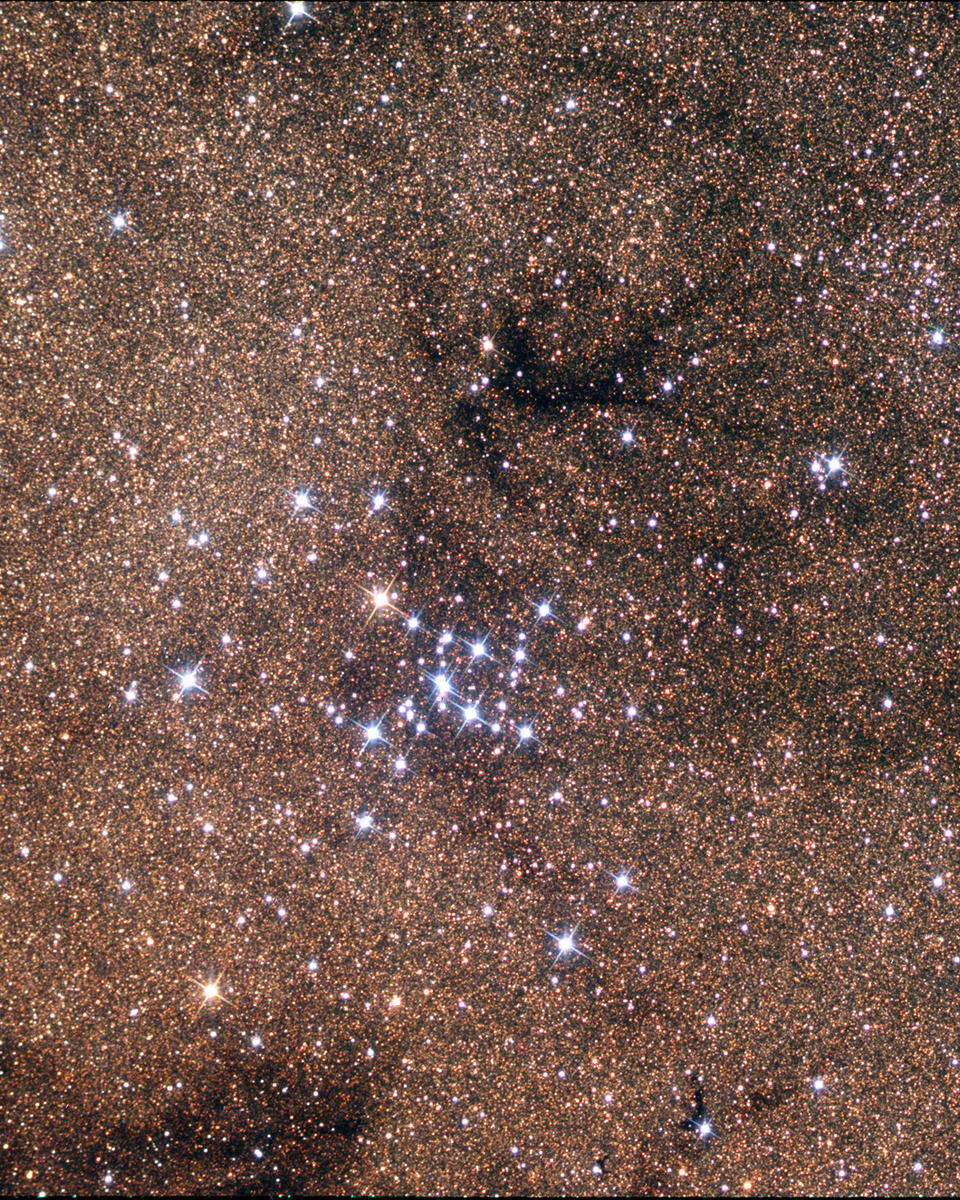
The M7 Open Star Cluster in Scorpius
M7 is one of the most prominent open clusters of stars on the sky. The cluster, dominated by bright blue stars , can be seen with the naked eye in a dark sky in the tail of the…
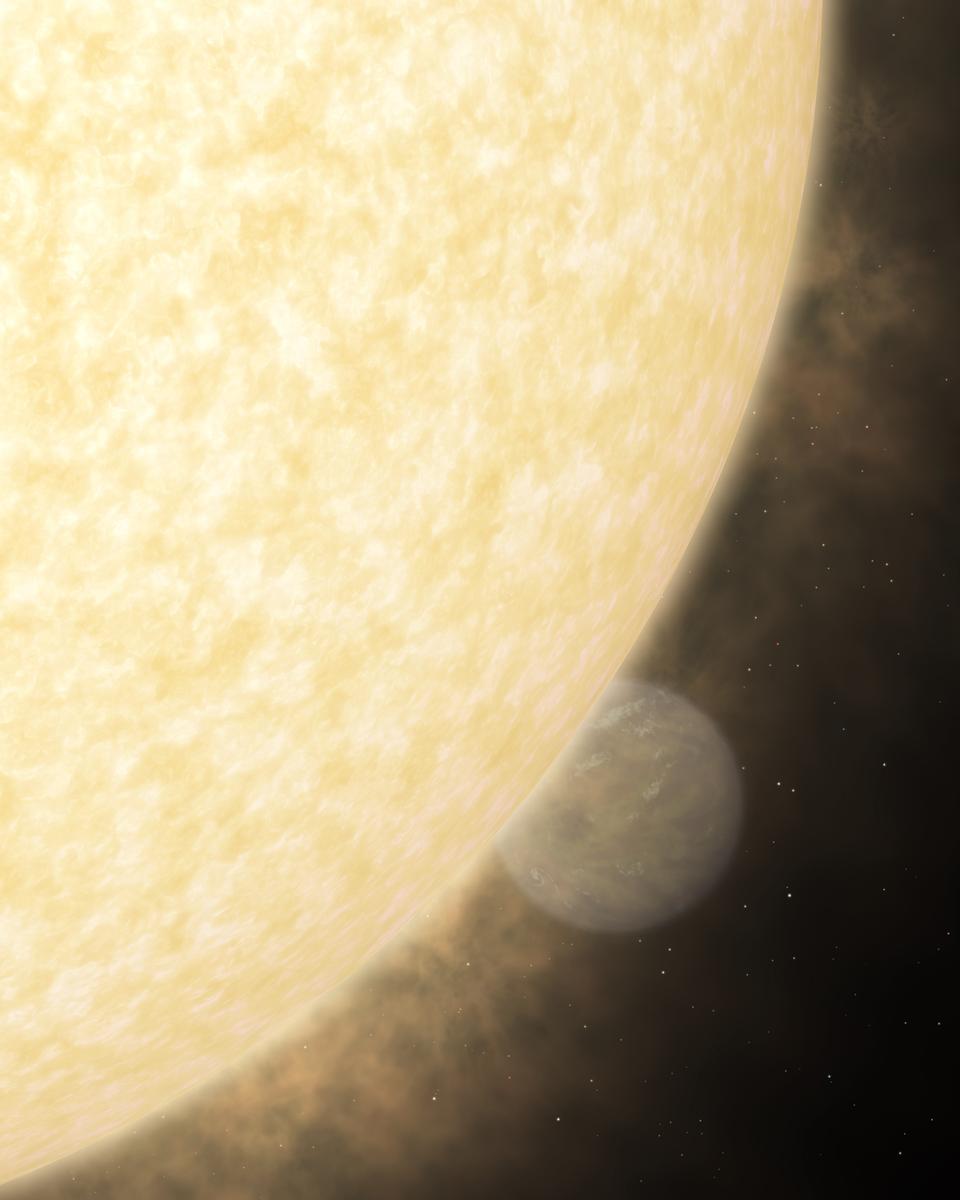
Light From A Distant Planet
Light emitted by a planet far beyond our Solar System has been identified for the first time. The planet, illustrated in the above drawing , had its light detected by comparing…
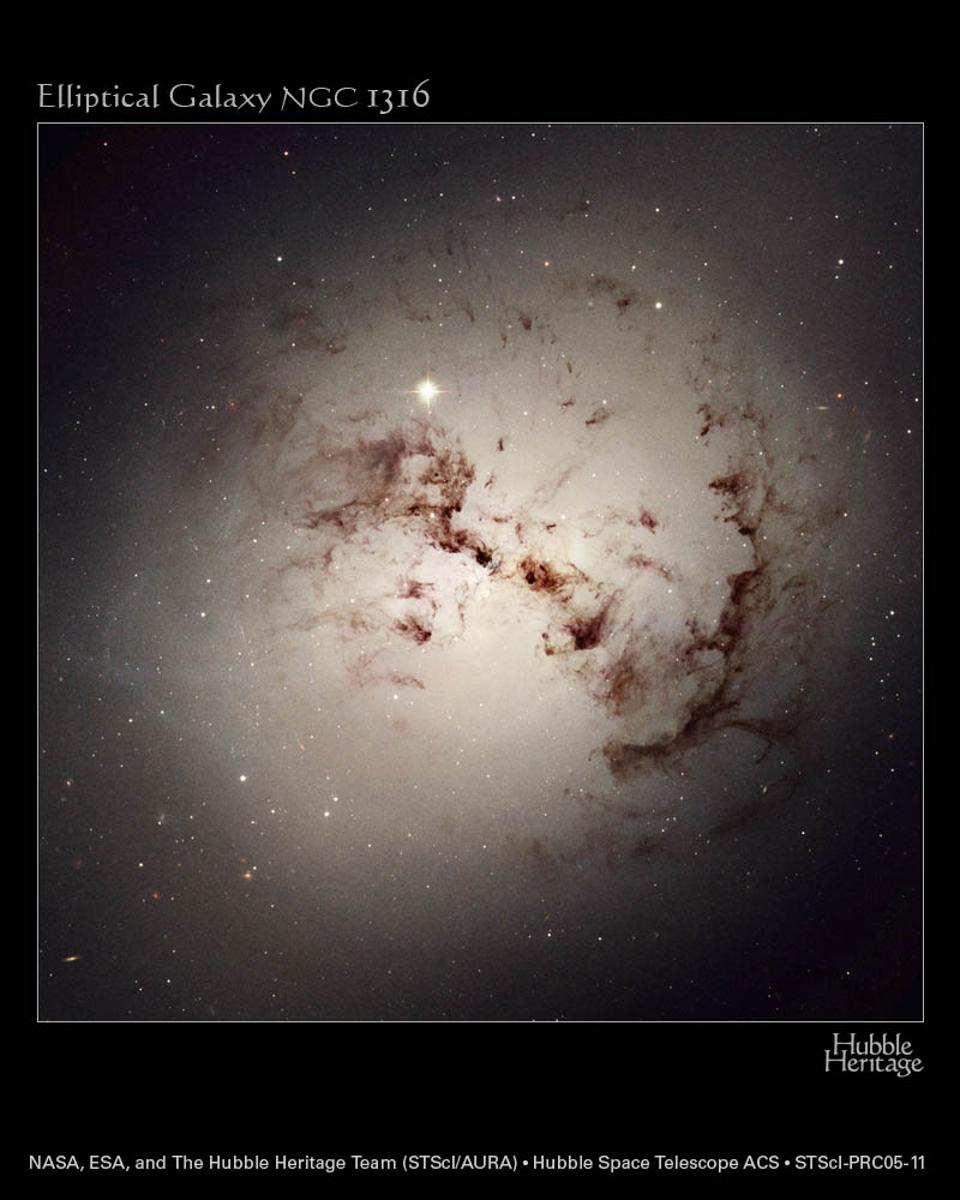
NGC 1316: After Galaxies Collide
How did this strange-looking galaxy form? Astronomers turn detectives when trying to figure out the cause of unusual jumbles of stars, gas, and dust like NGC 1316 . A preliminary…
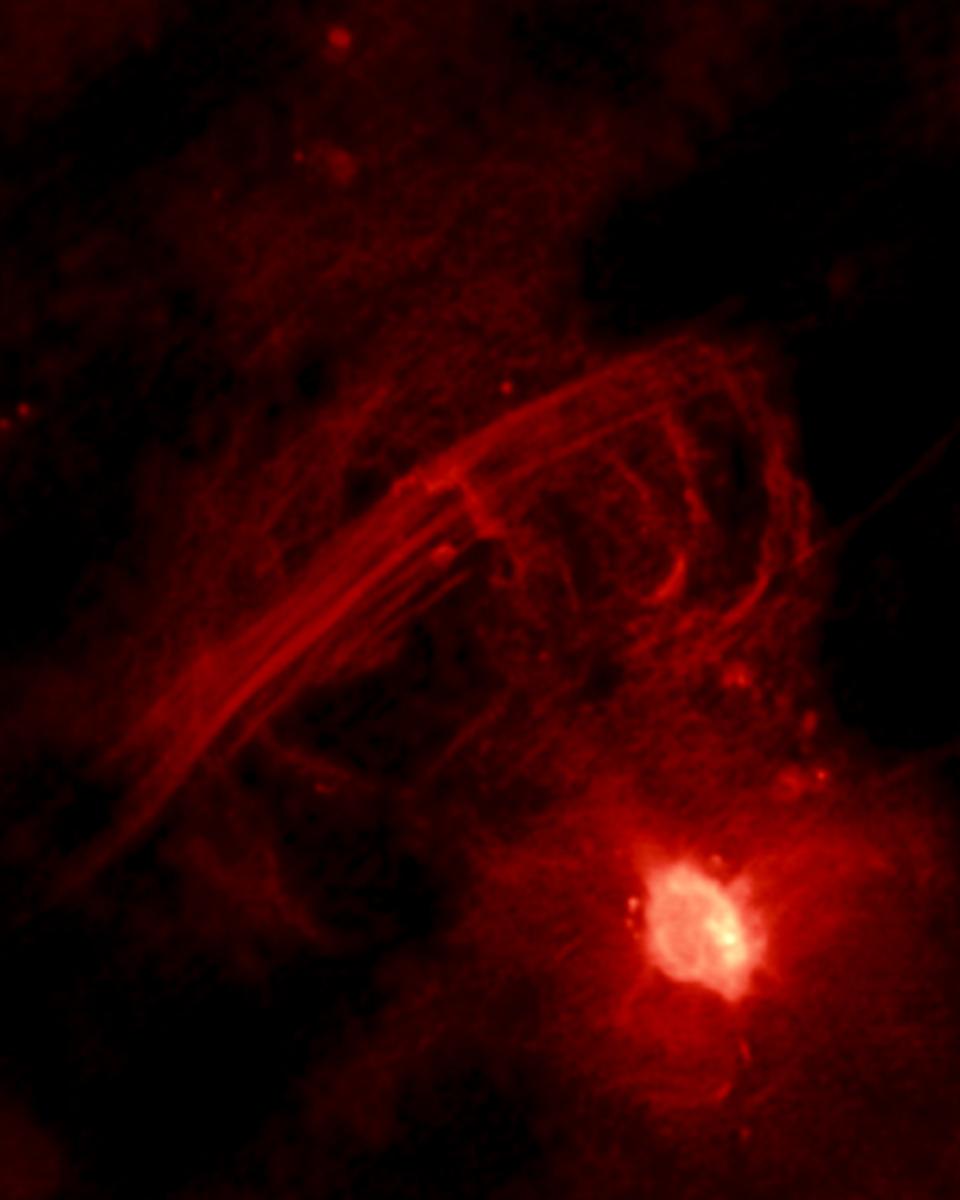
The Galactic Center Radio Arc
What causes this unusual structure near the center of our Galaxy? The long parallel rays slanting across the top of the above radio image are known collectively as the Galactic…
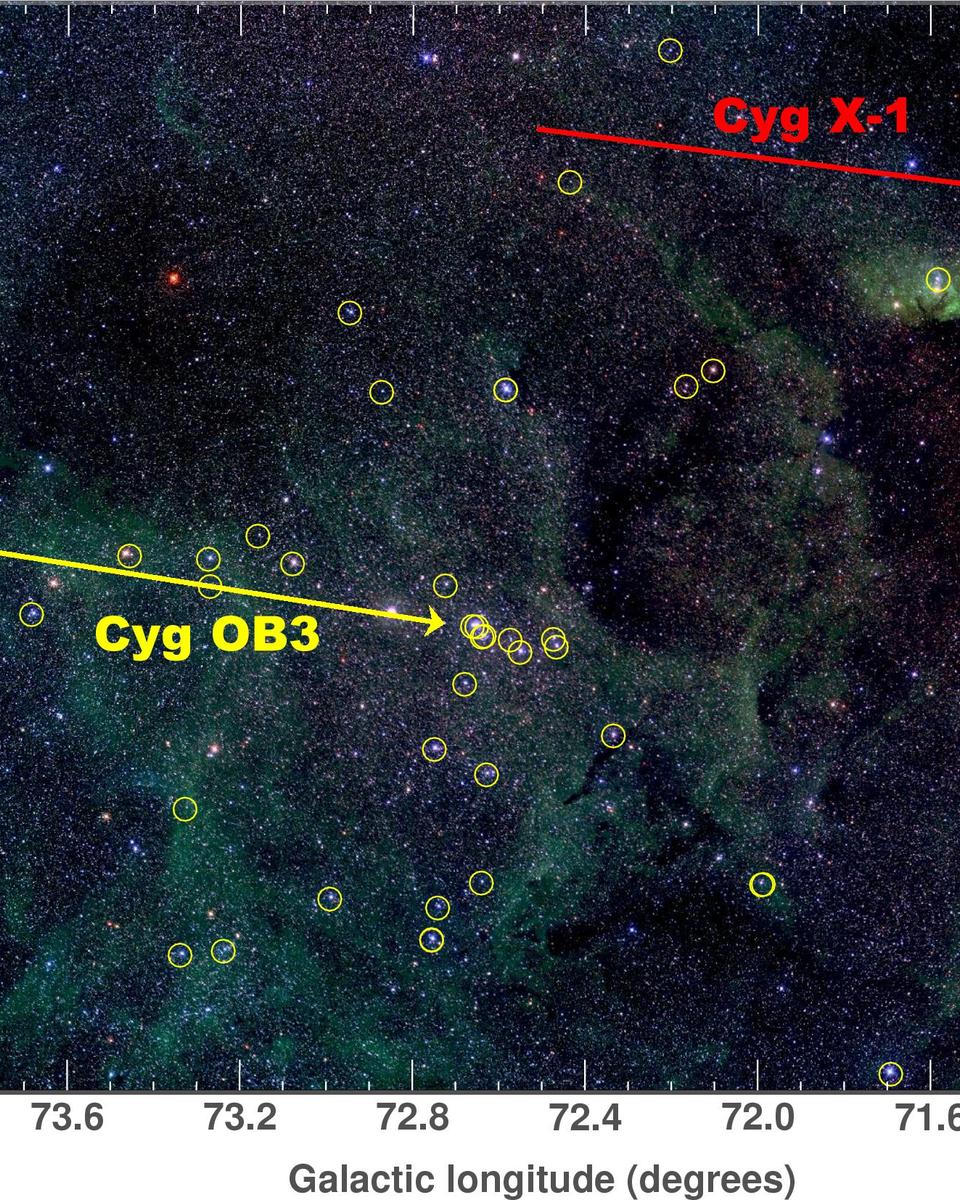
Cyg X-1: Can Black Holes Form in the Dark?
The formation of a black hole from the collapsing core of a massive star is thought to be heralded by a spectacular supernova explosion. Such an extremely energetic collapse is…

Water On Mars
Can you help discover water on Mars? Finding water on different regions on Mars has implications for understanding its complex geologic history , the possible existence of past…
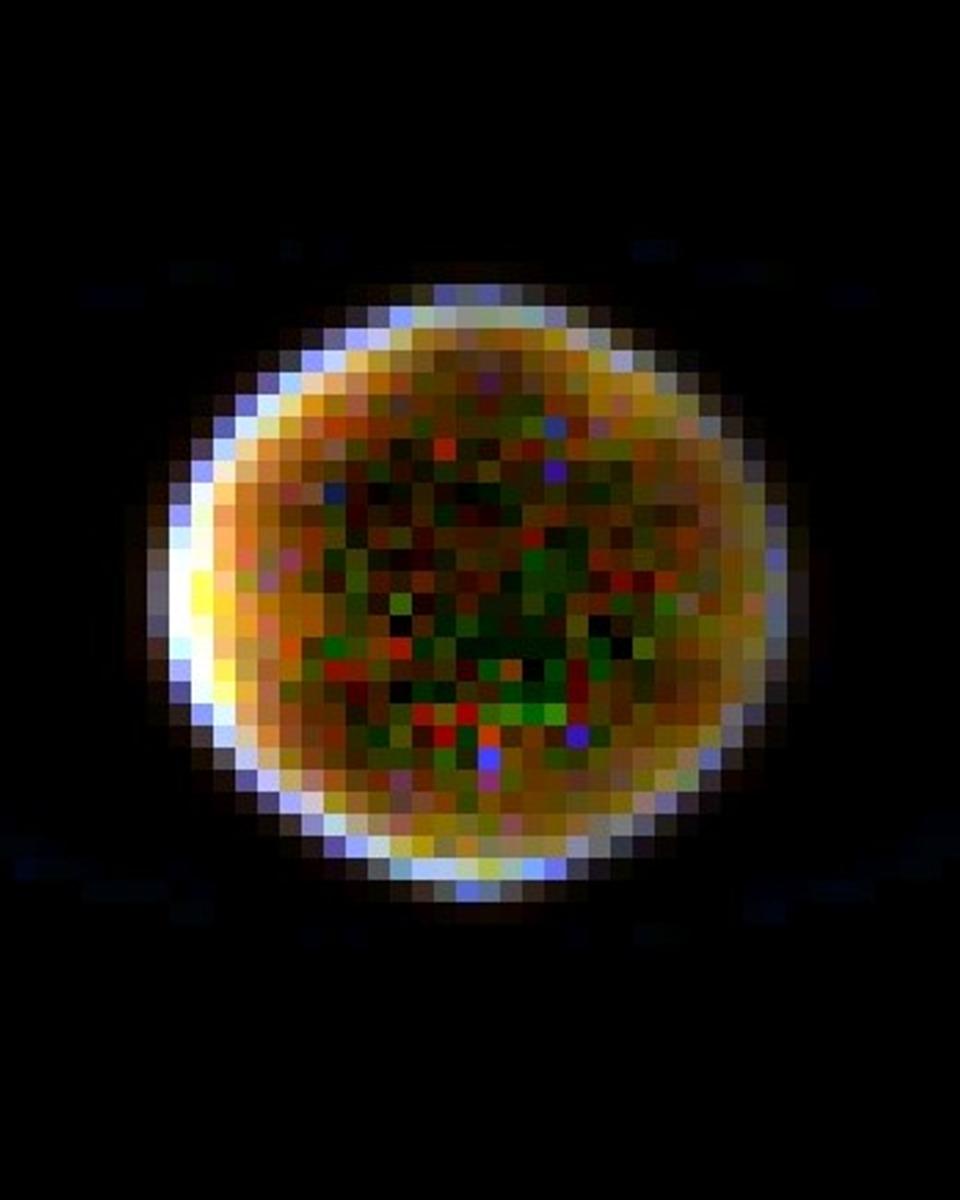
Gamma-Ray Earth
The pixelated planet above is actually our own planet Earth seen in gamma rays - the most energetic form of light. In fact, the gamma rays used to construct this view pack over 35…
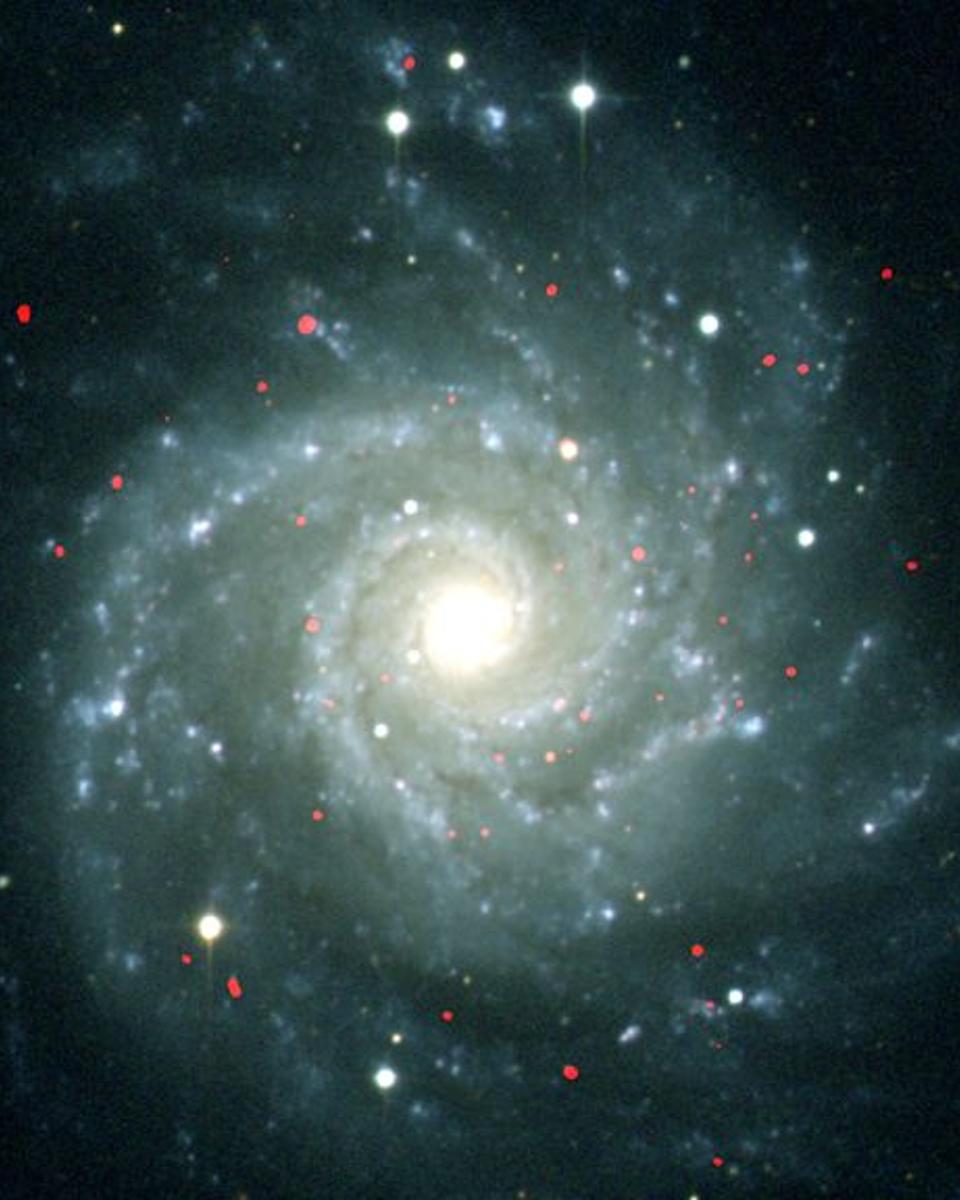
ULXs in M74
In visual appearance, M74 is a nearly perfect face-on spiral galaxy, about 30 million light-years away toward the constellation Pisces. The red blotches seen in this composite…
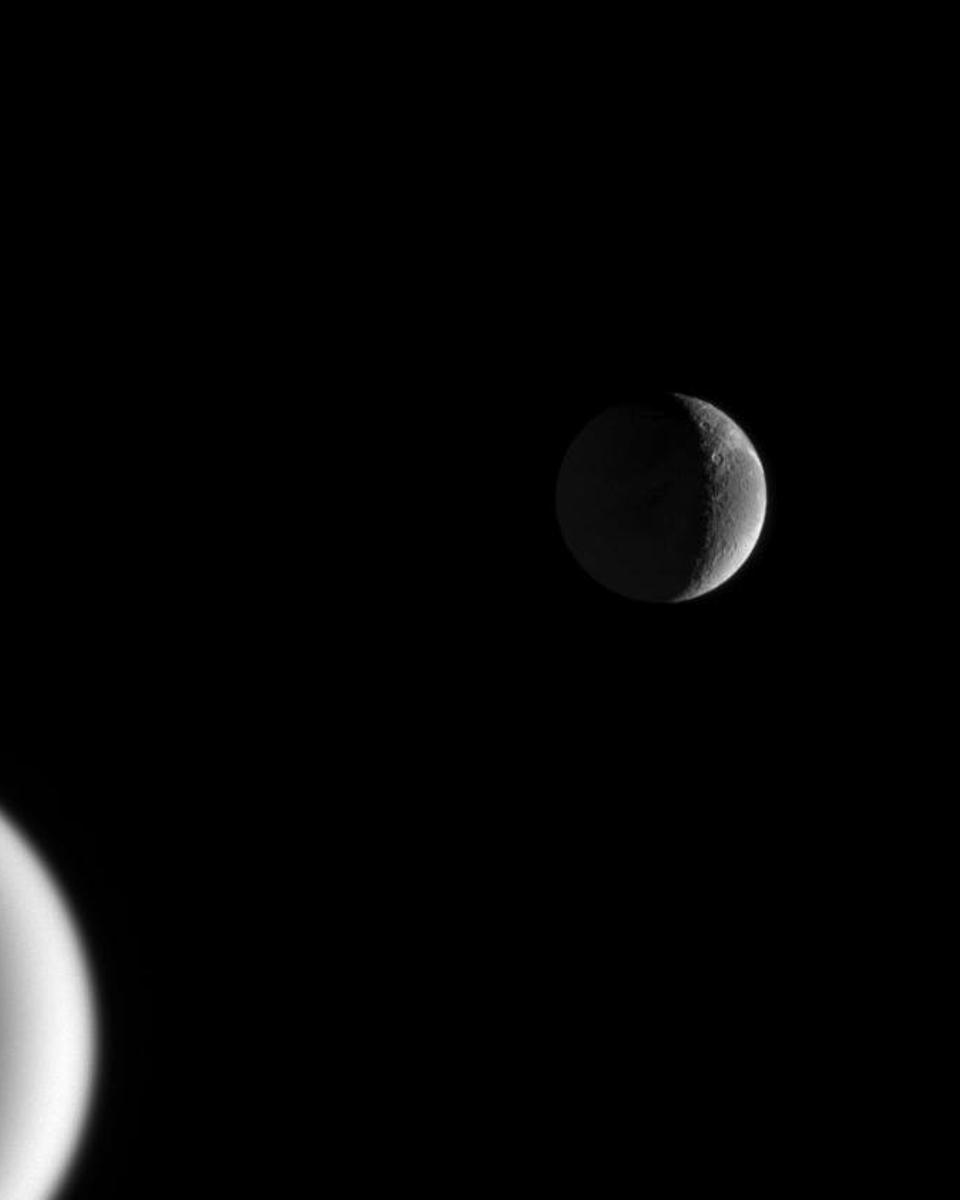
Crescents of Titan and Dione
What would it be like to see a sky with many moons? Such is the sky above Saturn . When appearing close to each other, moons will show a similar phase . A view with two of the…
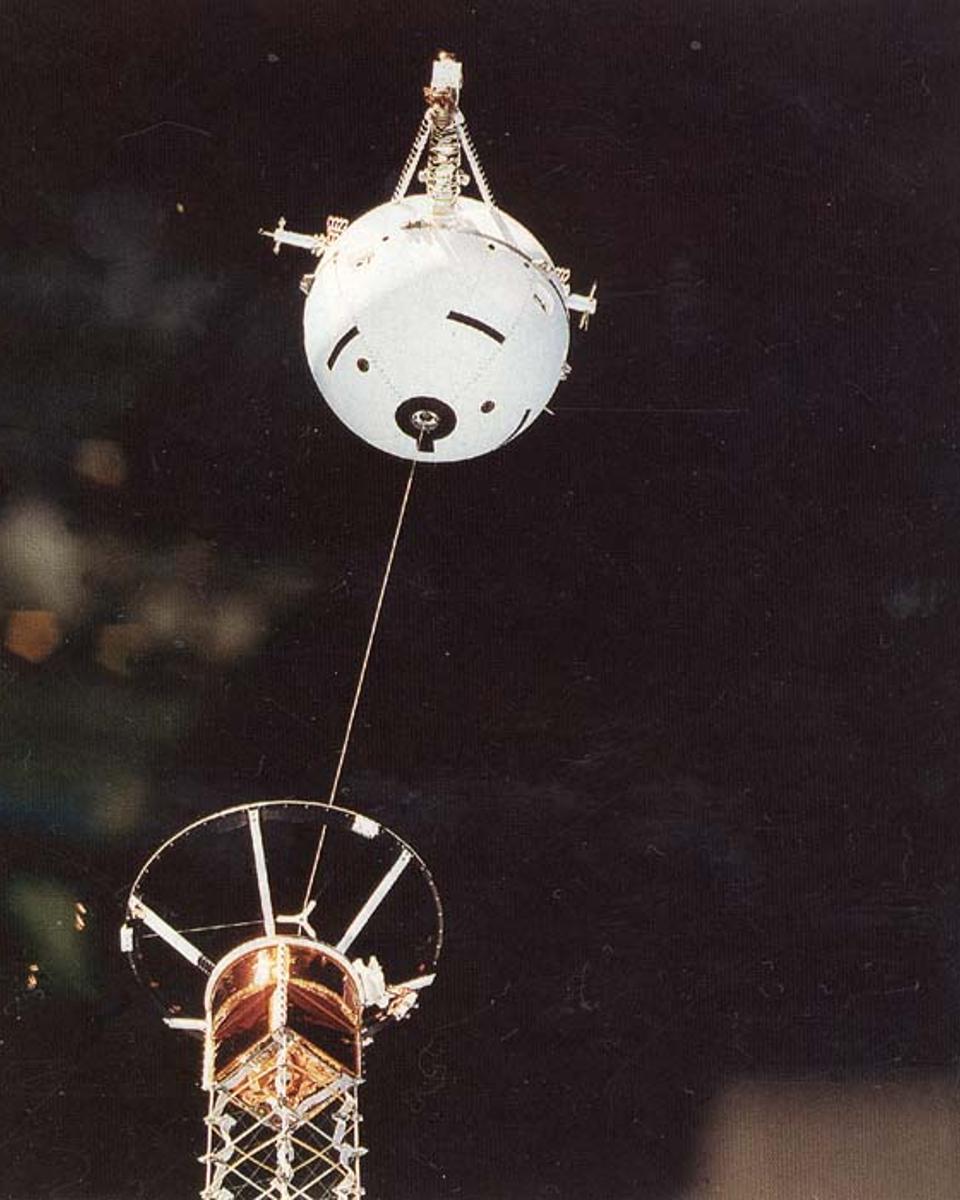
A Tether in Space
One of the greatest unrequited legends of outer space is the tether. Tethers , long strands of material, hold the promise of stabilizing satellites , generating electricity , and…
The Einstein Cross Gravitational Lens
Most galaxies have a single nucleus -- does this galaxy have four? The strange answer leads astronomers to conclude that the nucleus of the surrounding galaxy is not even visible…
Viewing discoveries from 19 April 2005 through 27 March 2005.