Browse NASA Astronomy Picture of the Day archive by date and media: Archive Discoveries
Browse the NASA APOD archive without needing the exact date first. Filter by media type and keep moving deeper into older images and videos.
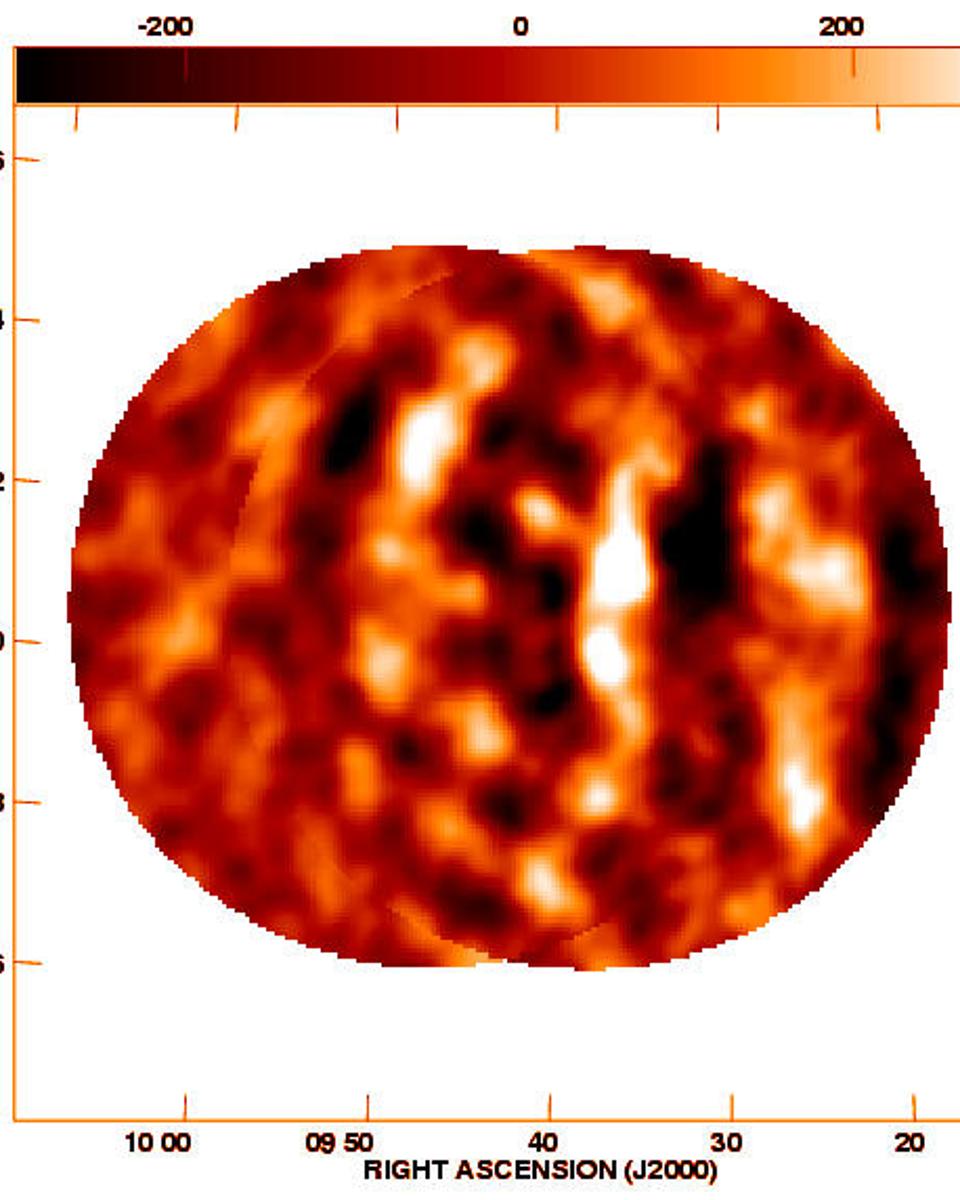
Cosmic Ripples Implicate Dark Universe
What may appear fuzzy to some makes things crystal clear to others. The cosmic microwave background radiation emanating from the universe could only have the above fuzzy pattern…
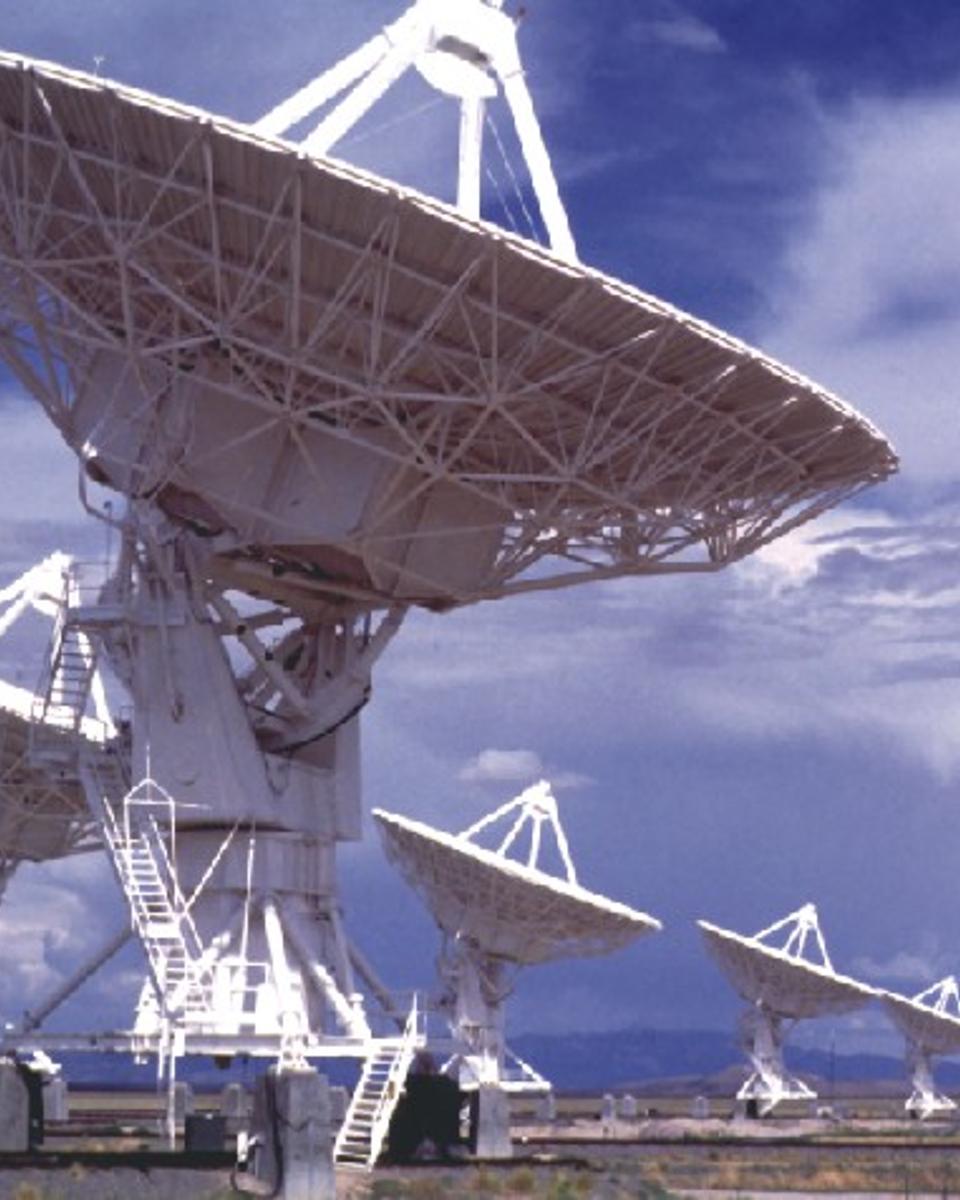
The Very Large Array of Radio Telescopes
The most photogenic array of radio telescopes in the world has also been one of the most productive. Each of the 27 radio telescopes in the Very Large Array (VLA) is the size of a…

Antarctic Ice Shelf Vista
It's all gone but the mountains. Most of the sprawling landscape of ice that lies between the mountains visible above has now disintegrated. The above picture was taken in…
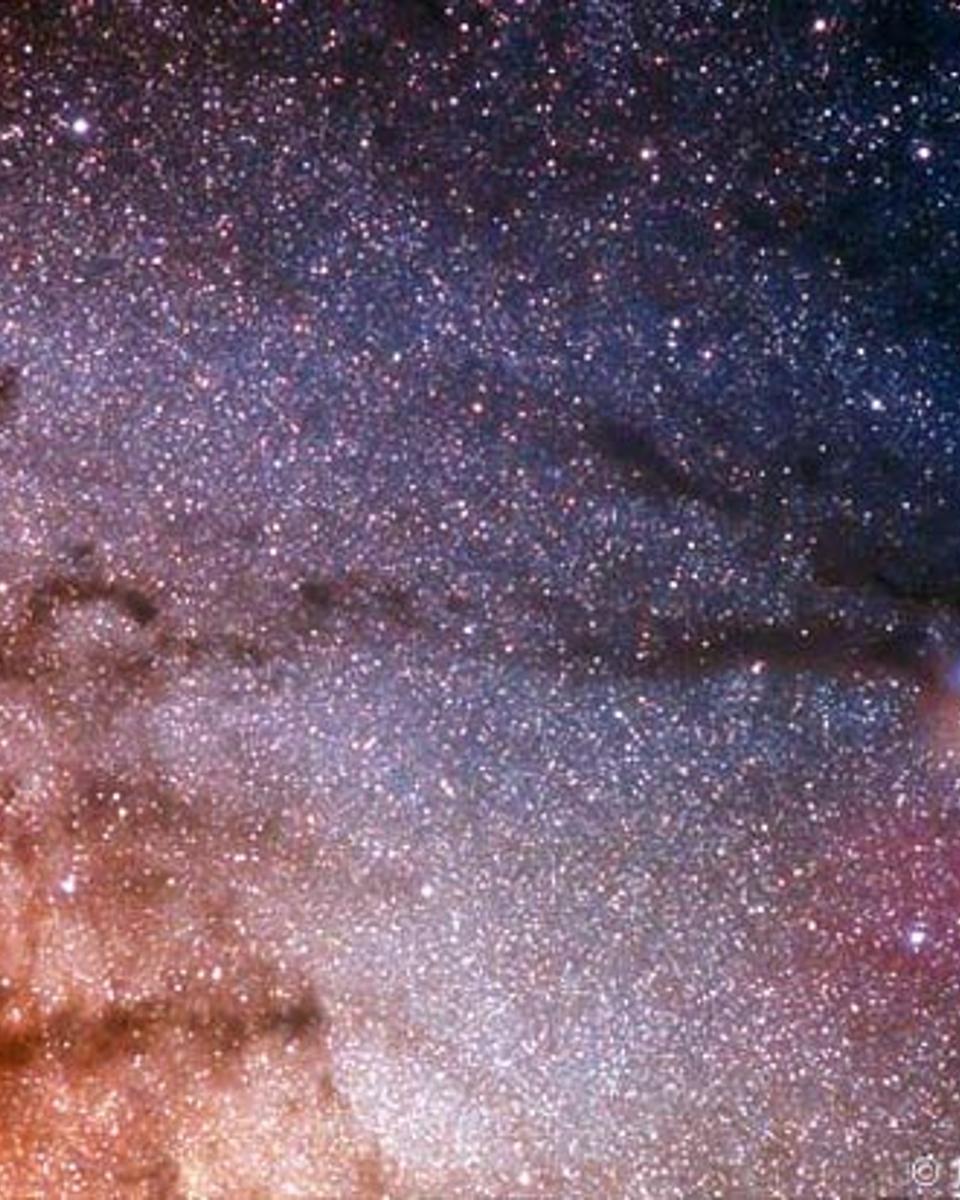
The Pipe Dark Nebula
The dark nebula predominant at the lower left of the above photograph is known as the Pipe Nebula . The dark clouds, suggestively shaped like smoke rising from a pipe, are caused…
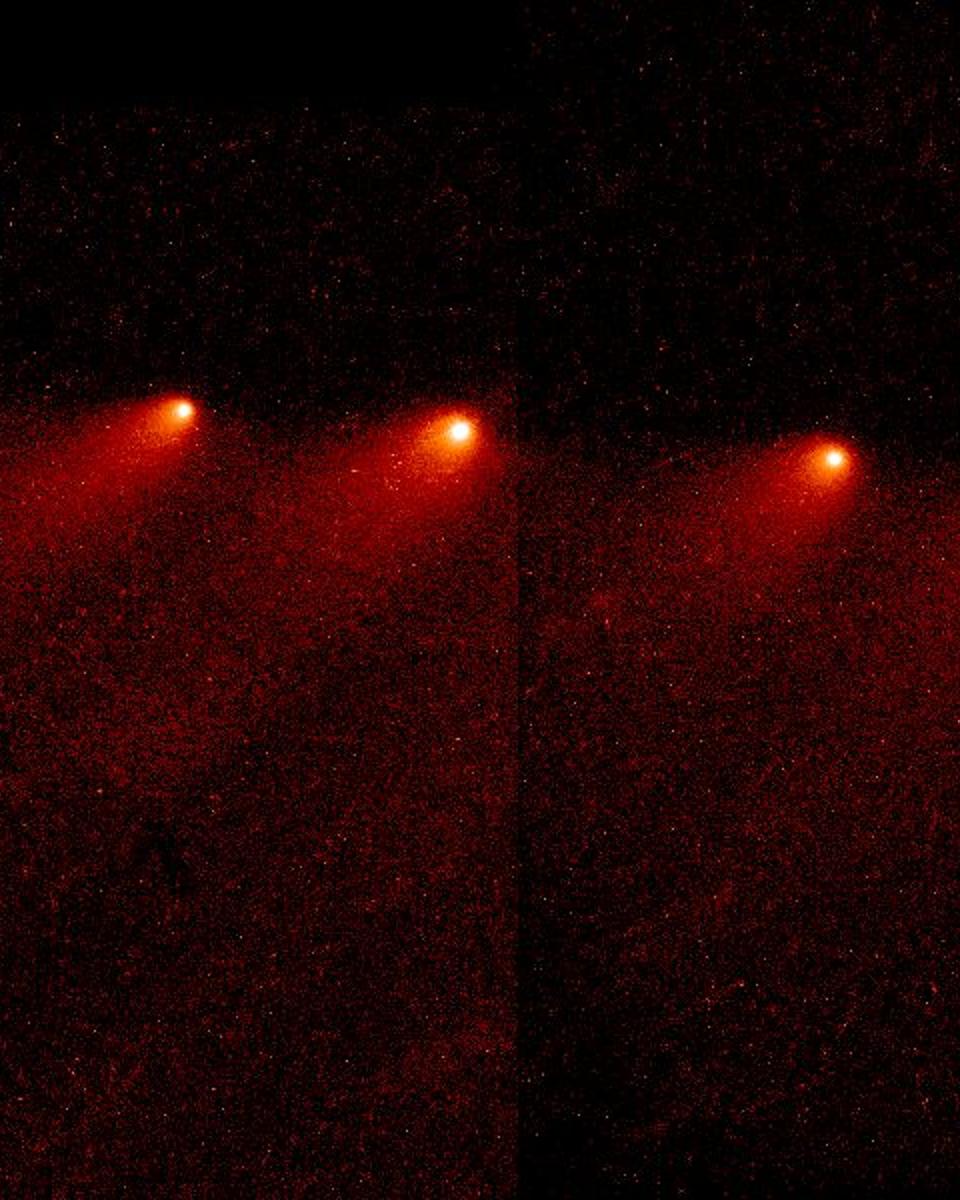
A String Of Pearls
Comet Shoemaker-Levy 9 , named after its co-discoverers , was often referred to as the “string of pearls” comet. It is famous for its suggestive appearance as well as its…
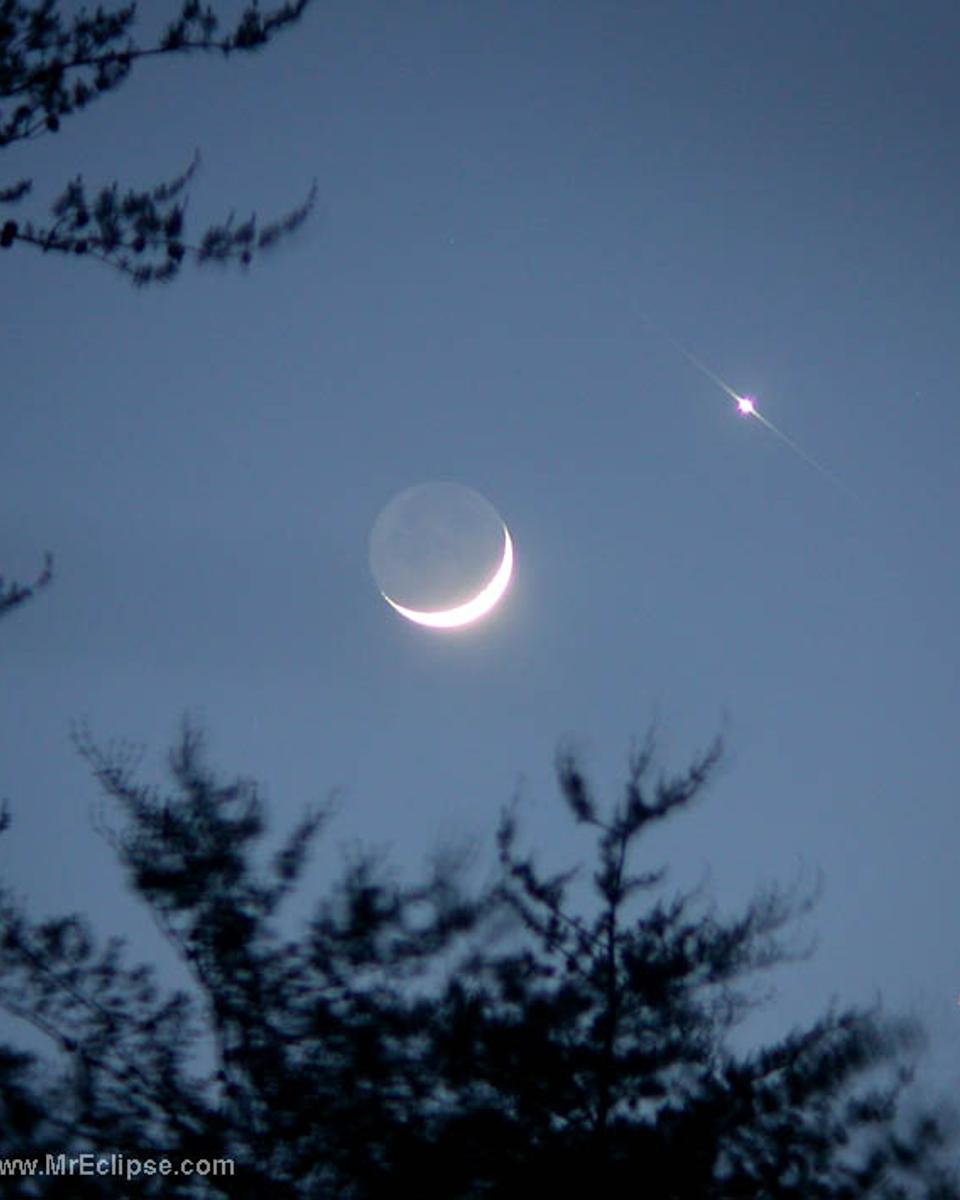
Love and War by Moonlight
Venus , named for the Roman goddess of love, and Mars , the war god's namesake, approach each other by moonlight in this lovely sky view recorded on May 14th from Dunkirk,…
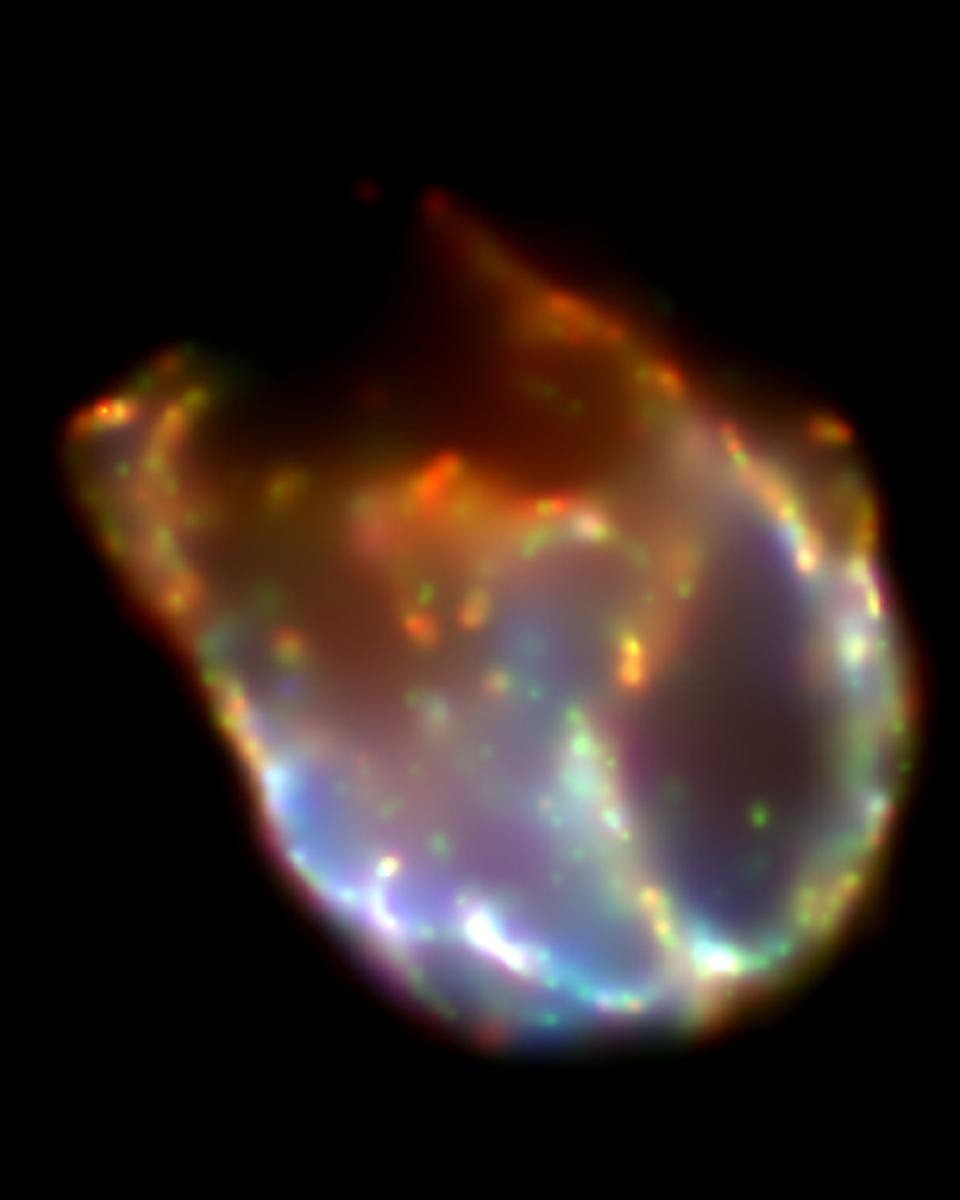
N132D and the Color of X-Rays
Supernova remnant N132D shows off complex structures in this sharp, color x-ray image . Still, overall this cosmic debris from a massive star's explosive death has a strikingly…
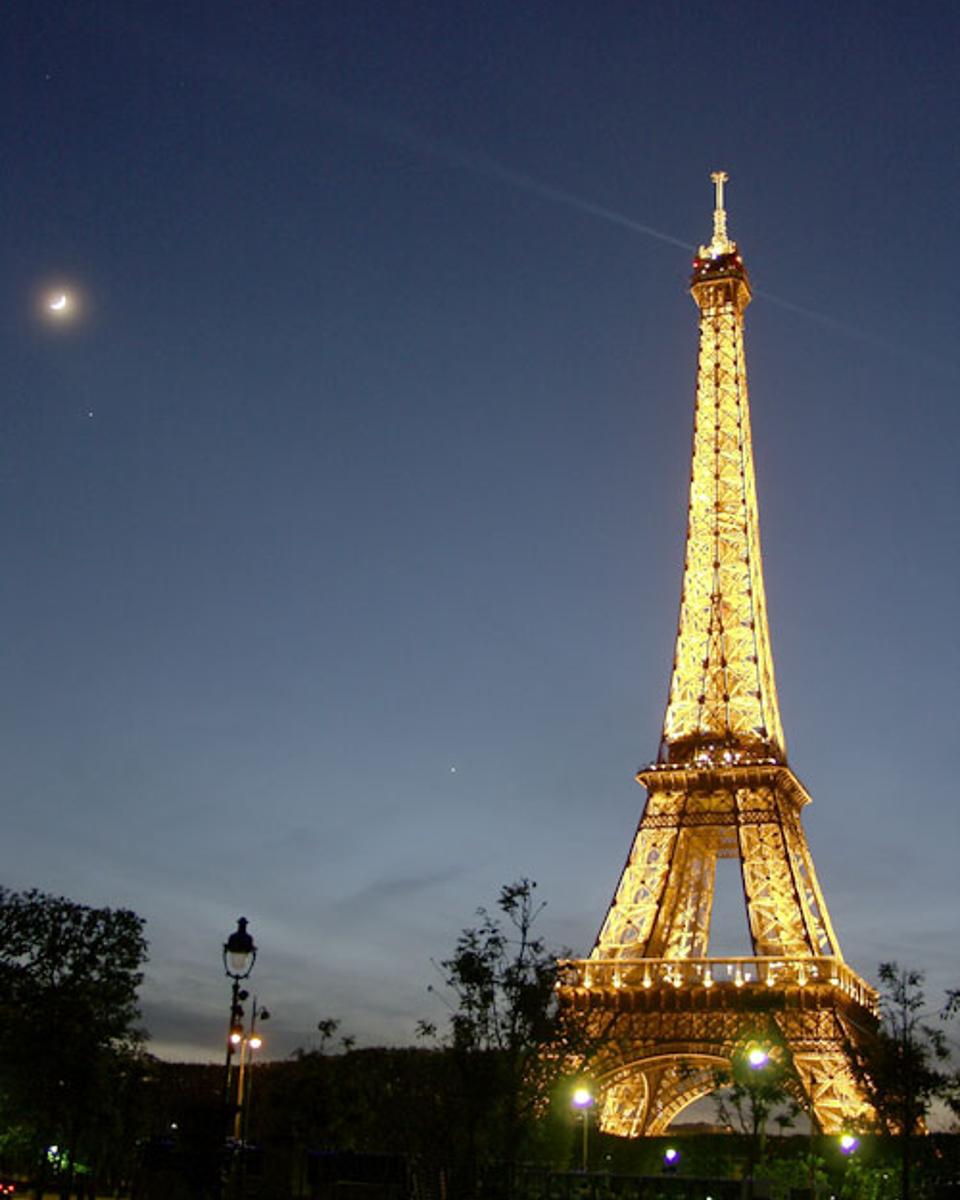
Moon and Planets by the Eiffel Tower
The great evening grouping of planets is coming to an end. Before all the planets went their own separate directions , however, the Moon was kind enough to pose with some of them.…
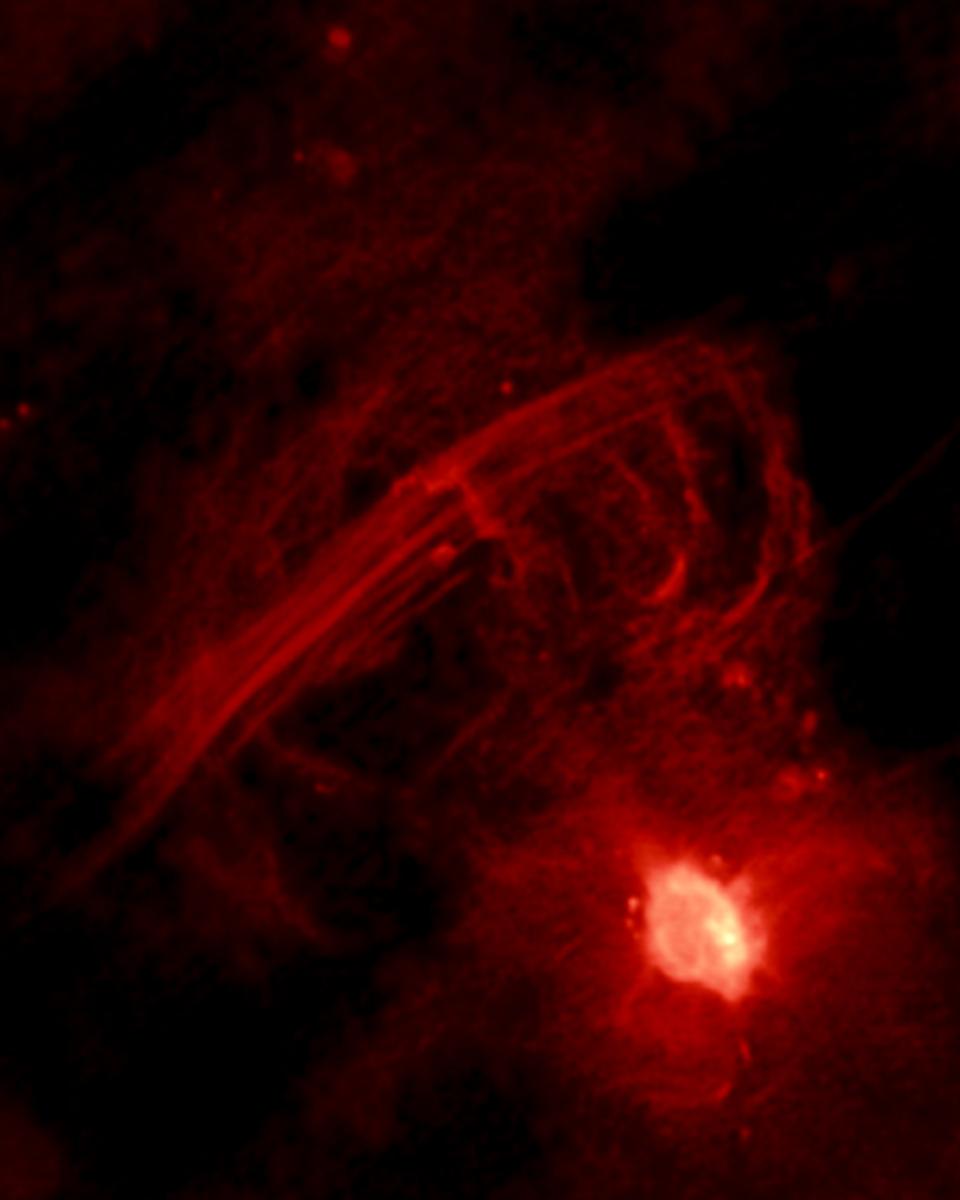
The Galactic Center Radio Arc
What causes this unusual structure near the center of our Galaxy? The long parallel rays slanting across the top of the above radio image are known collectively as the Galactic…
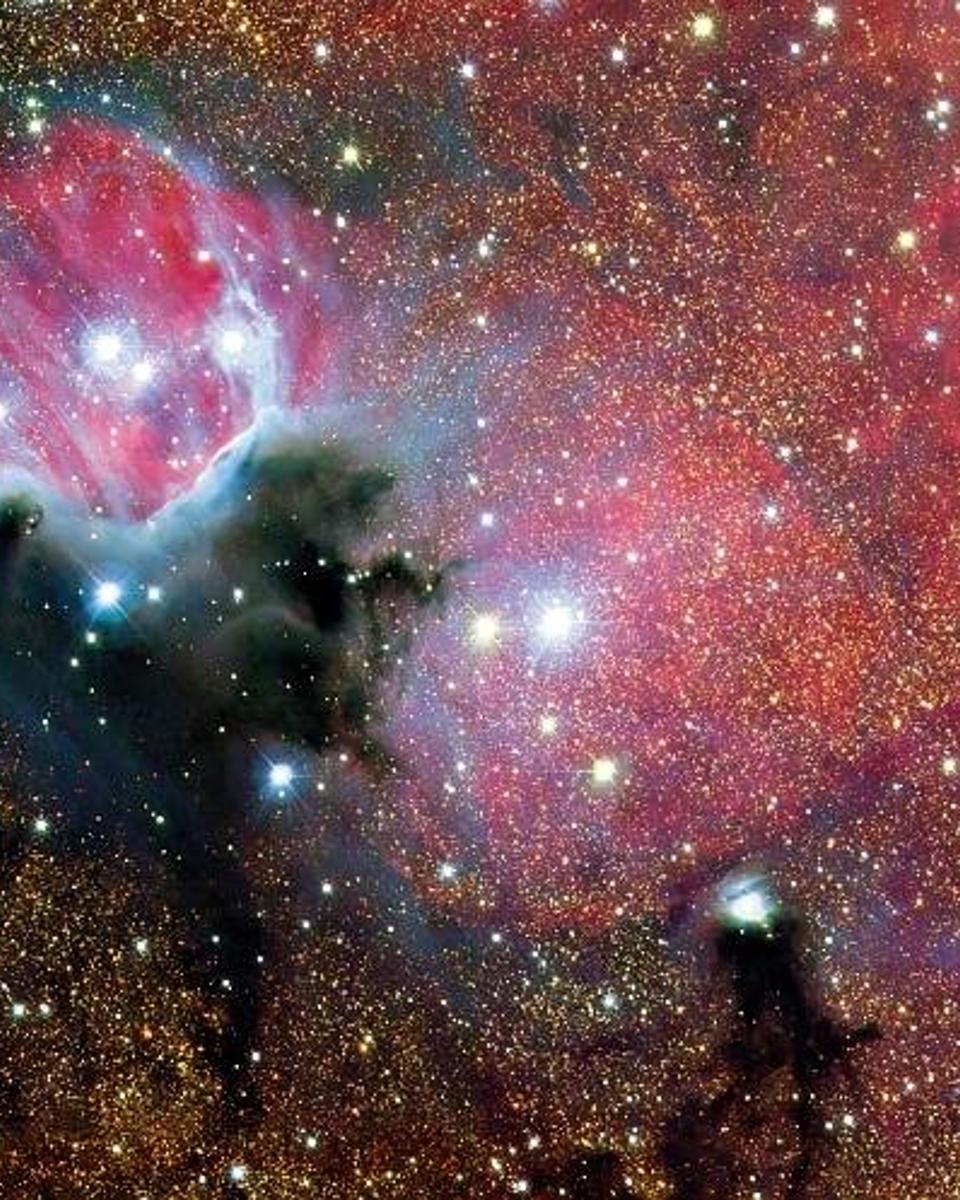
East of the Lagoon Nebula
To the east of the Lagoon Nebula is a star field rich in diversity. On the lower left are clouds rich in dark dust that hide background stars and young star systems still forming.…
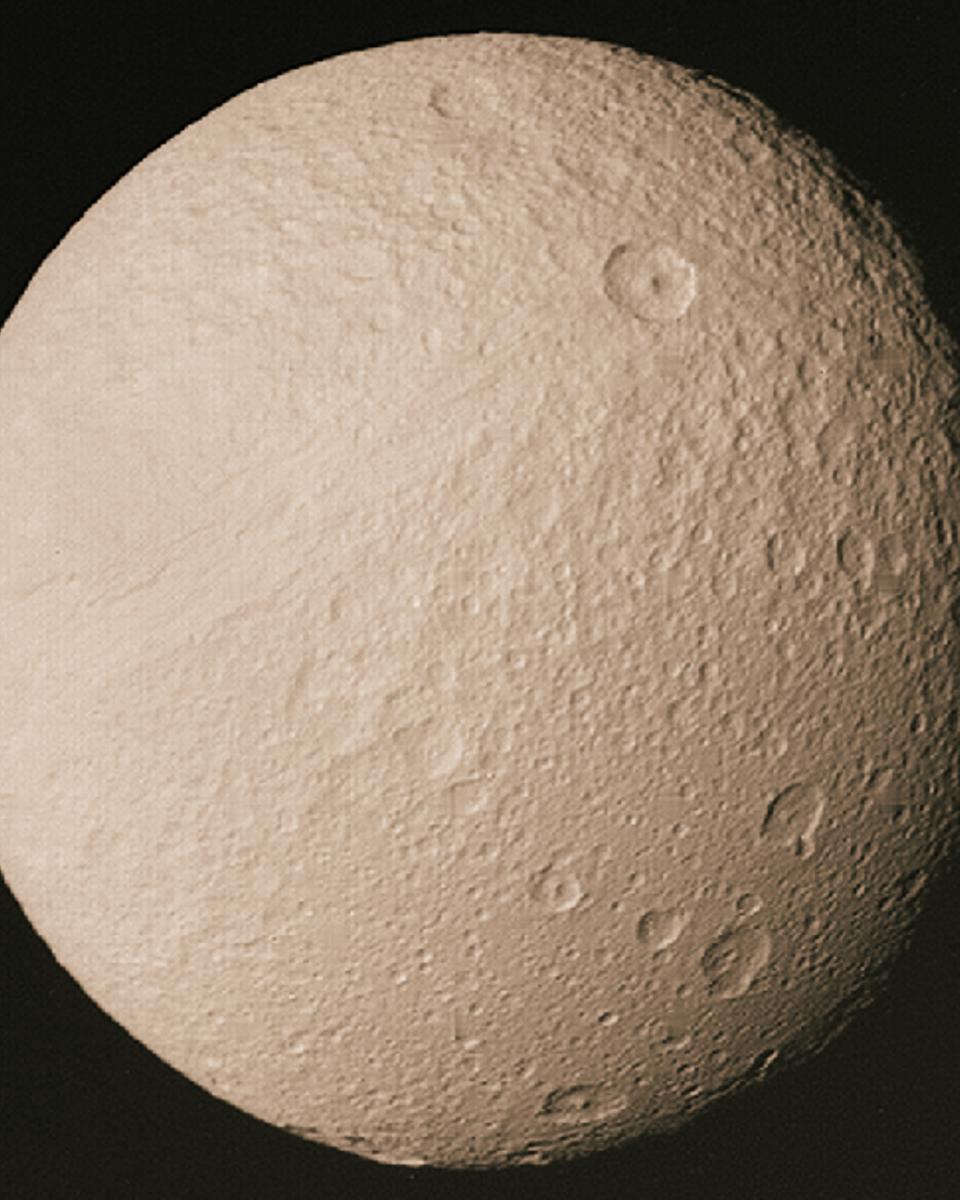
Saturn's Moon Tethys
Tethys is one of the larger and closer moons of Saturn. It was visited by both Voyager spacecraft - Voyager 1 in November 1980 and by Voyager 2 in August 1981. Tethys is now known…
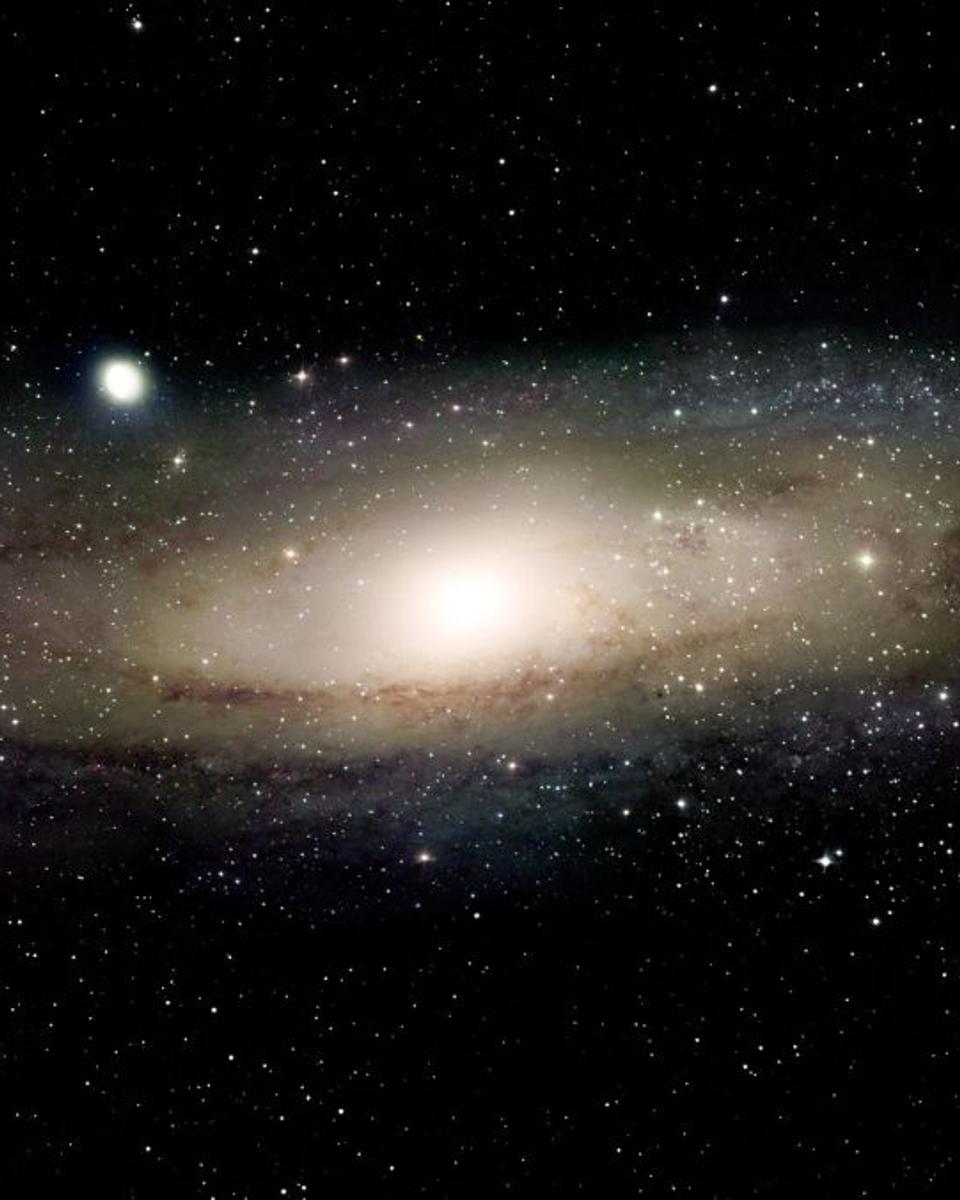
Andromeda Island Universe
How far can you see? The most distant object easily visible to the unaided eye is M31 , the great Andromeda Galaxy some two million light-years away. Without a telescope, even…
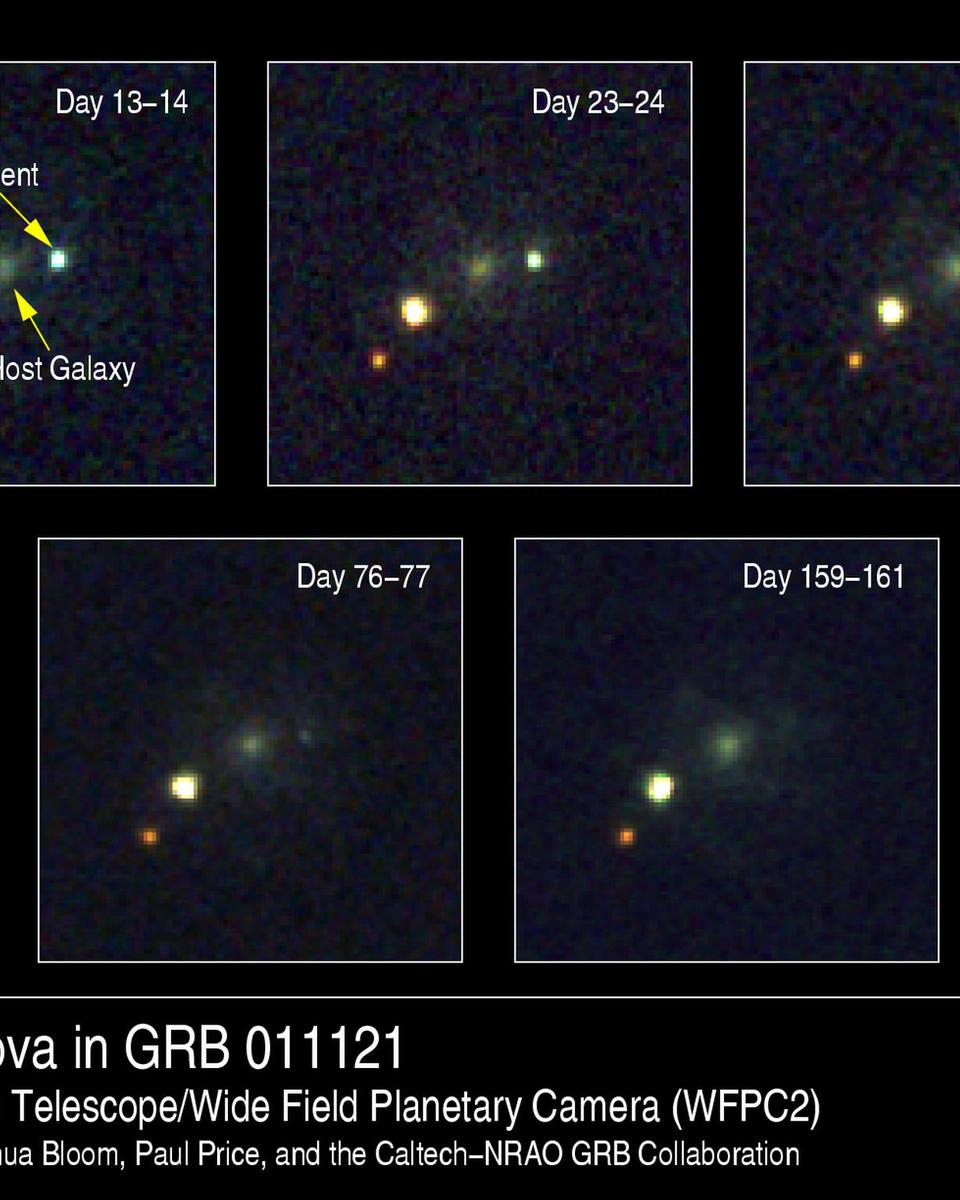
Gamma-Ray Burst, Supernova Bump
On the 21st of November 2001, satellites detected yet another burst of gamma-rays from the cosmos. While this flash of high-energy photons lasted for less than a minute, eager…
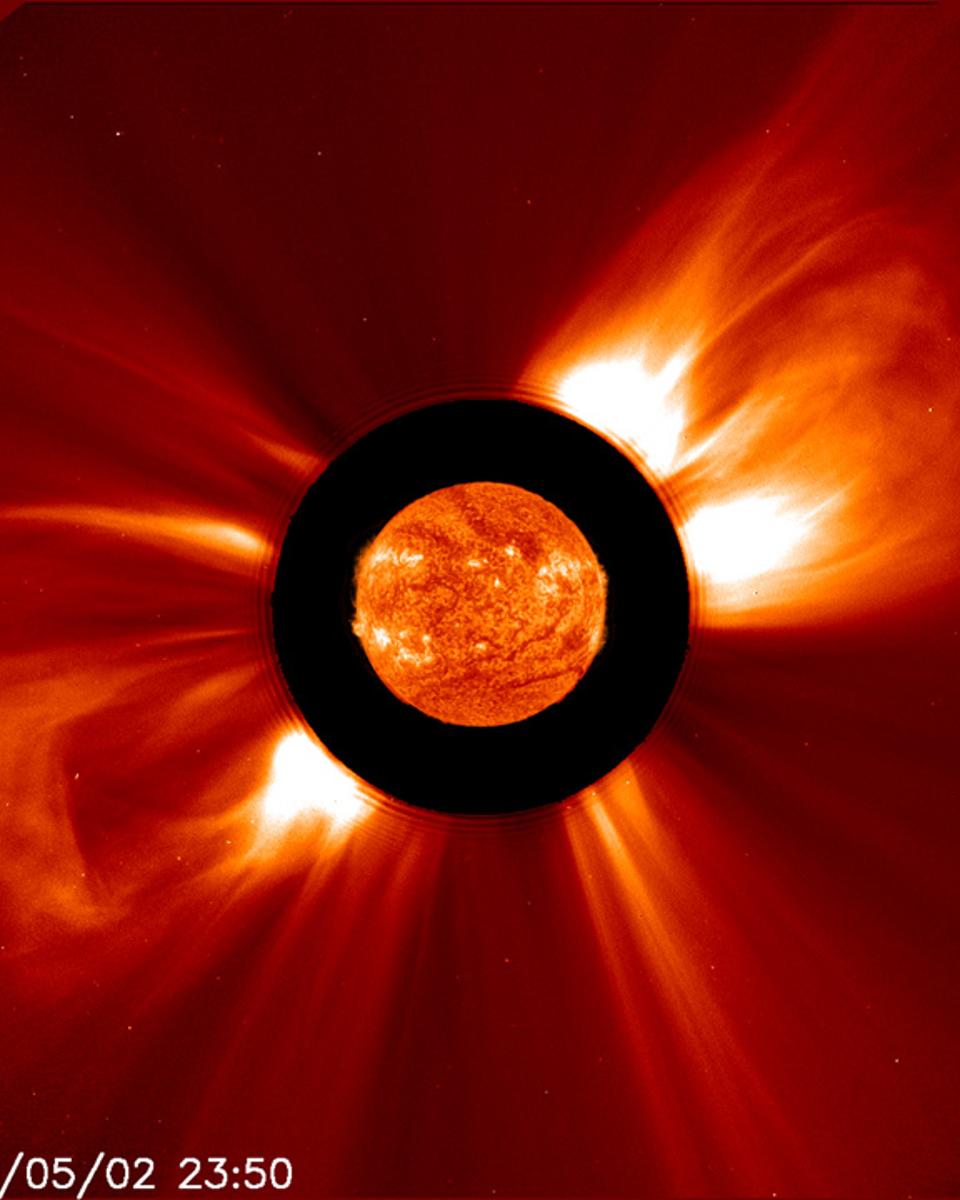
Double Trouble Solar Bubbles
During April and May, attention has been focused on the western evening sky , presenting its spectacle of bright planets and crescent moons shortly after sunset. Meanwhile , the…
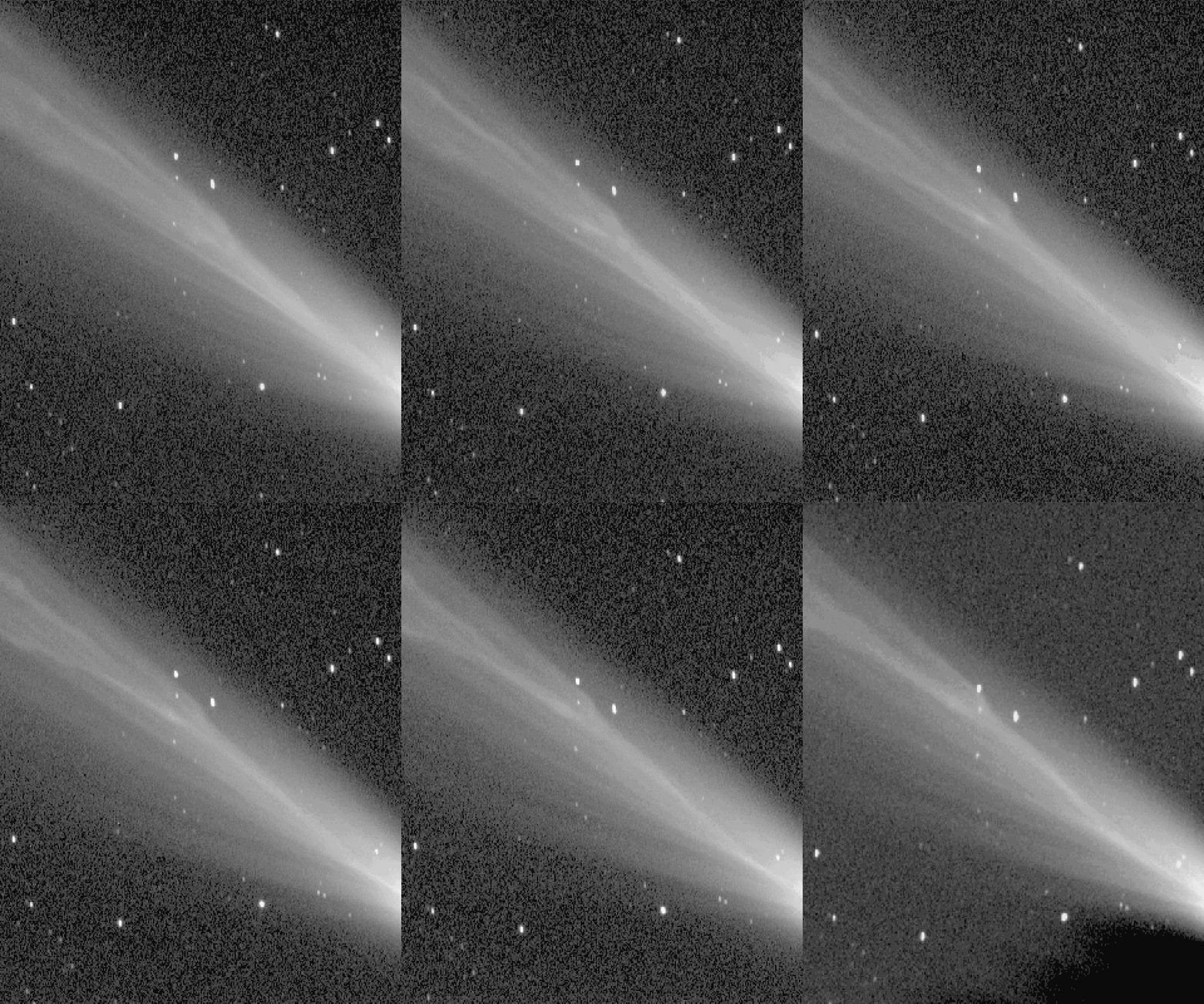
Tail Wags of Comet Ikeya-Zhang
As Comet Ikeya-Zhang approached the Sun two months ago, it developed a complex blue ion tail . The tail was composed of ions that boiled off the nucleus and were pushed away from…
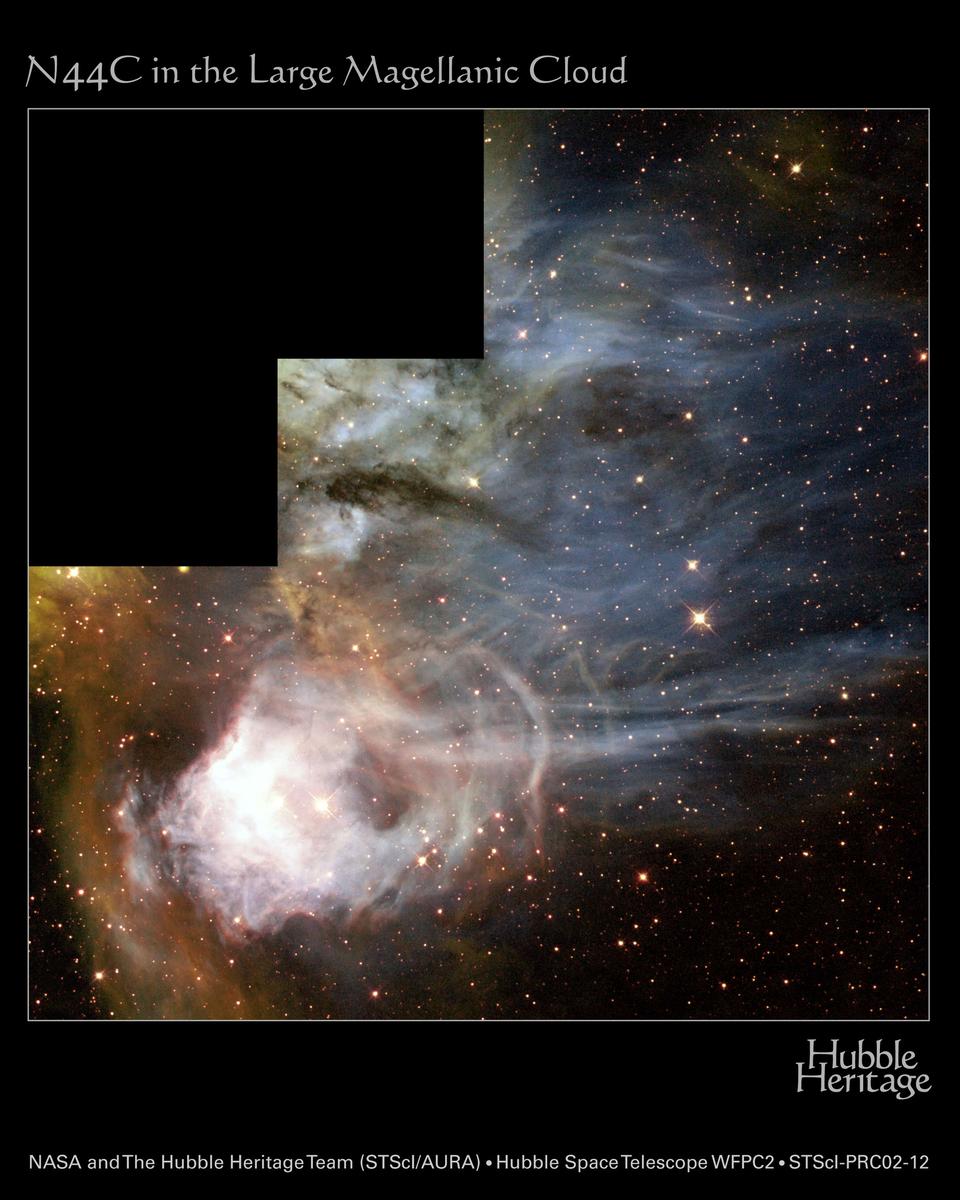
N44C: A Nebular Mystery
Why is N44C glowing so strangely? The star that appears to power the nebula, although young and bright, does not seem hot enough to create some of the colors observed. A search…
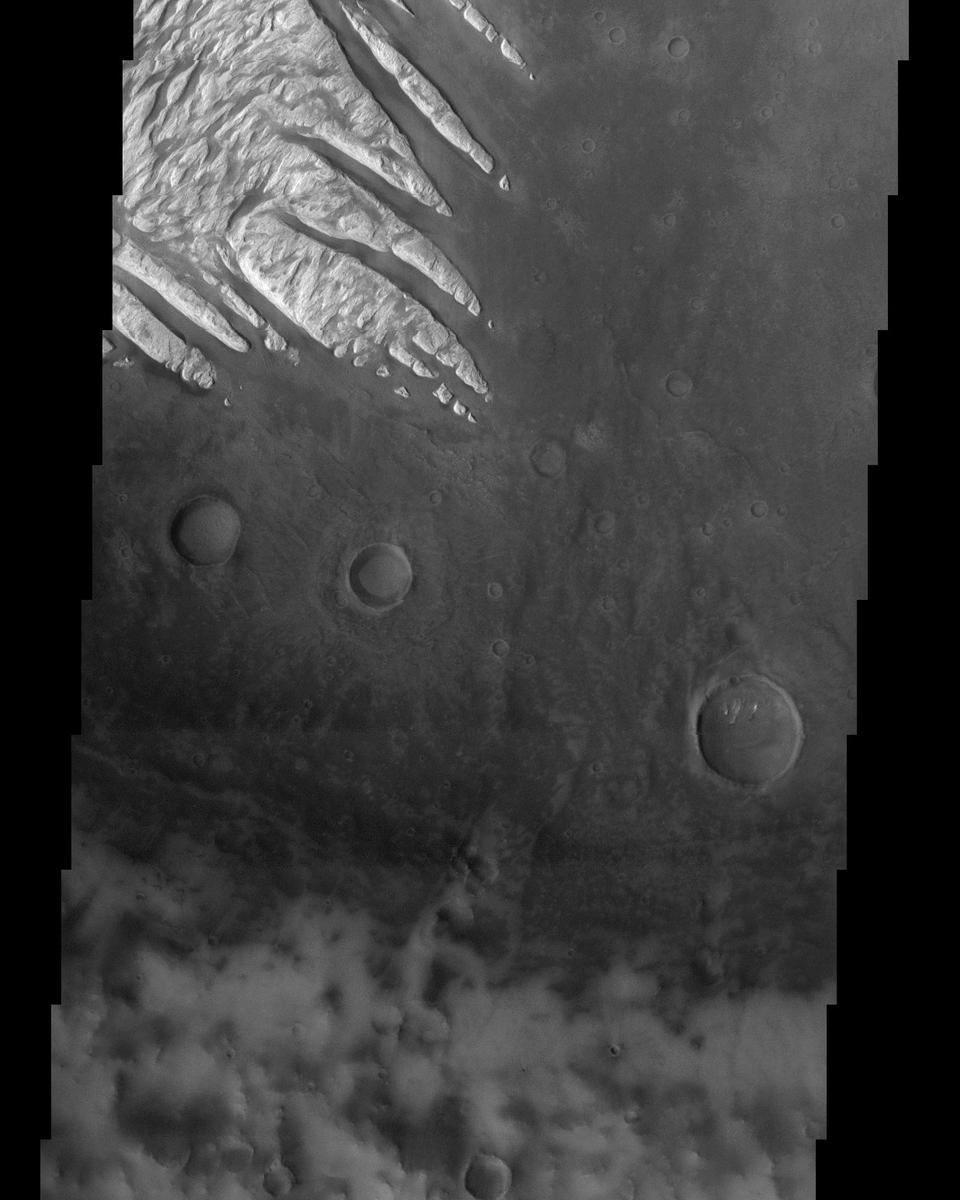
White Rock Fingers on Mars
What caused this unusual white rock formation on Mars? Intrigued by the possibility that they could be salt deposits left over as an ancient lakebed dried-up , detailed studies of…
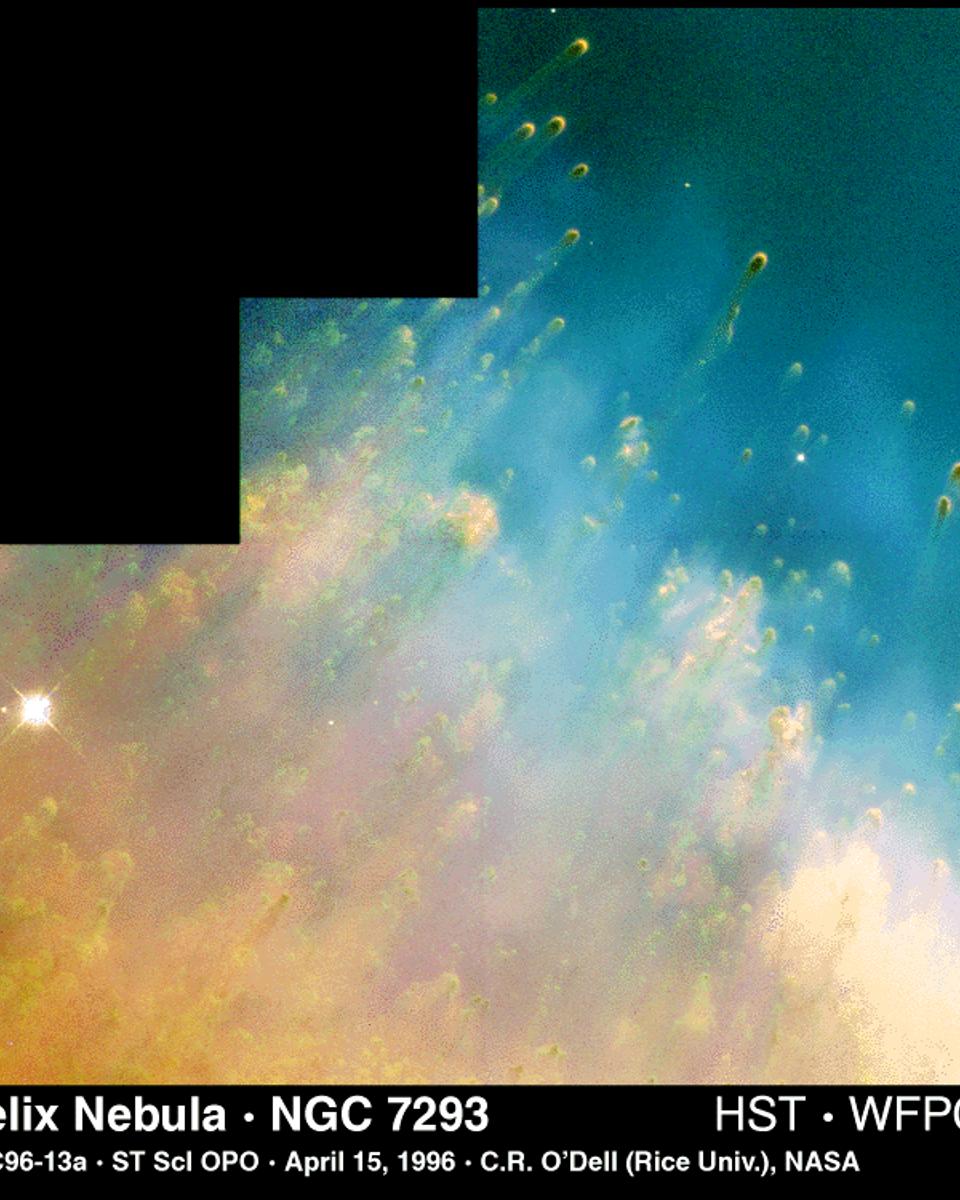
At the Edge of the Helix Nebula
While exploring the inner edge of the Helix Nebula with the Hubble Space Telescope 's Wide Field Planetary Camera 2 , astronomers were able to produce this striking image - rich…
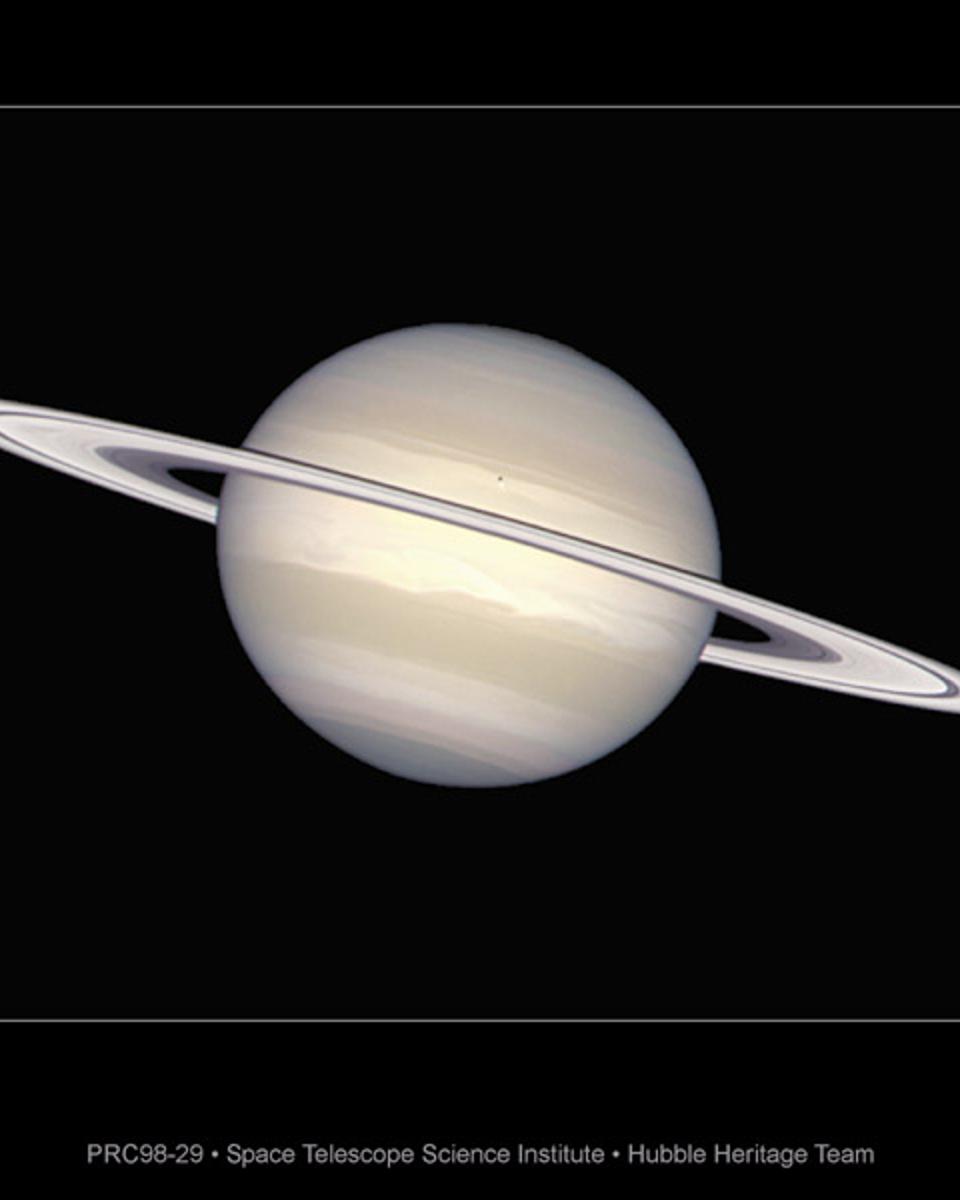
Natural Saturn On The Cassini Cruise
What could you see approaching Saturn aboard an interplanetary cruise ship? Your view would likely resemble this subtly shaded image of the gorgeous ringed gas giant. Processed by…
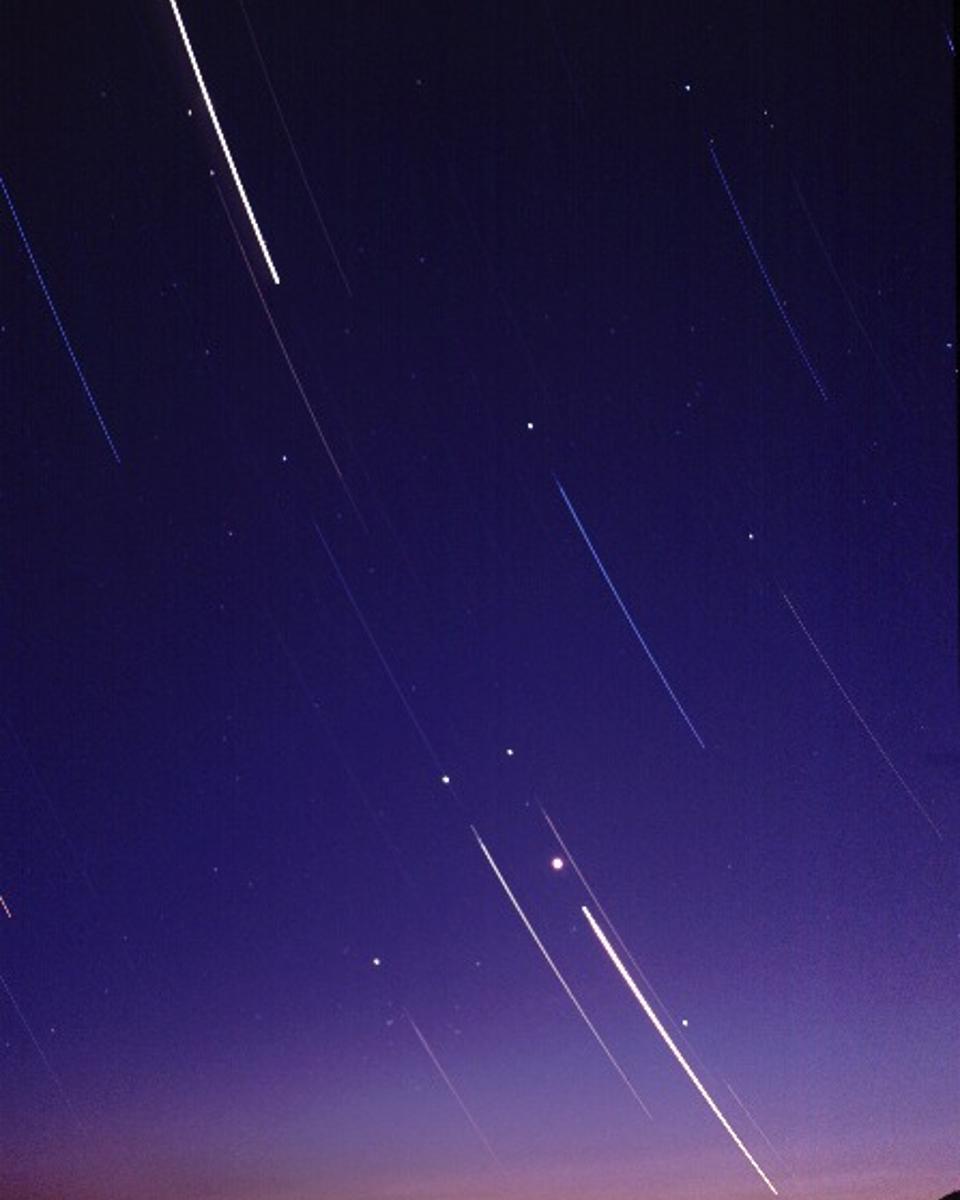
Trailing Planets
Positioning his camera and tripod on planet Earth, near Maricopa, Arizona, USA, astrophotographer Joe Orman created this trailing display of the ongoing sky-full-of-planets on May…
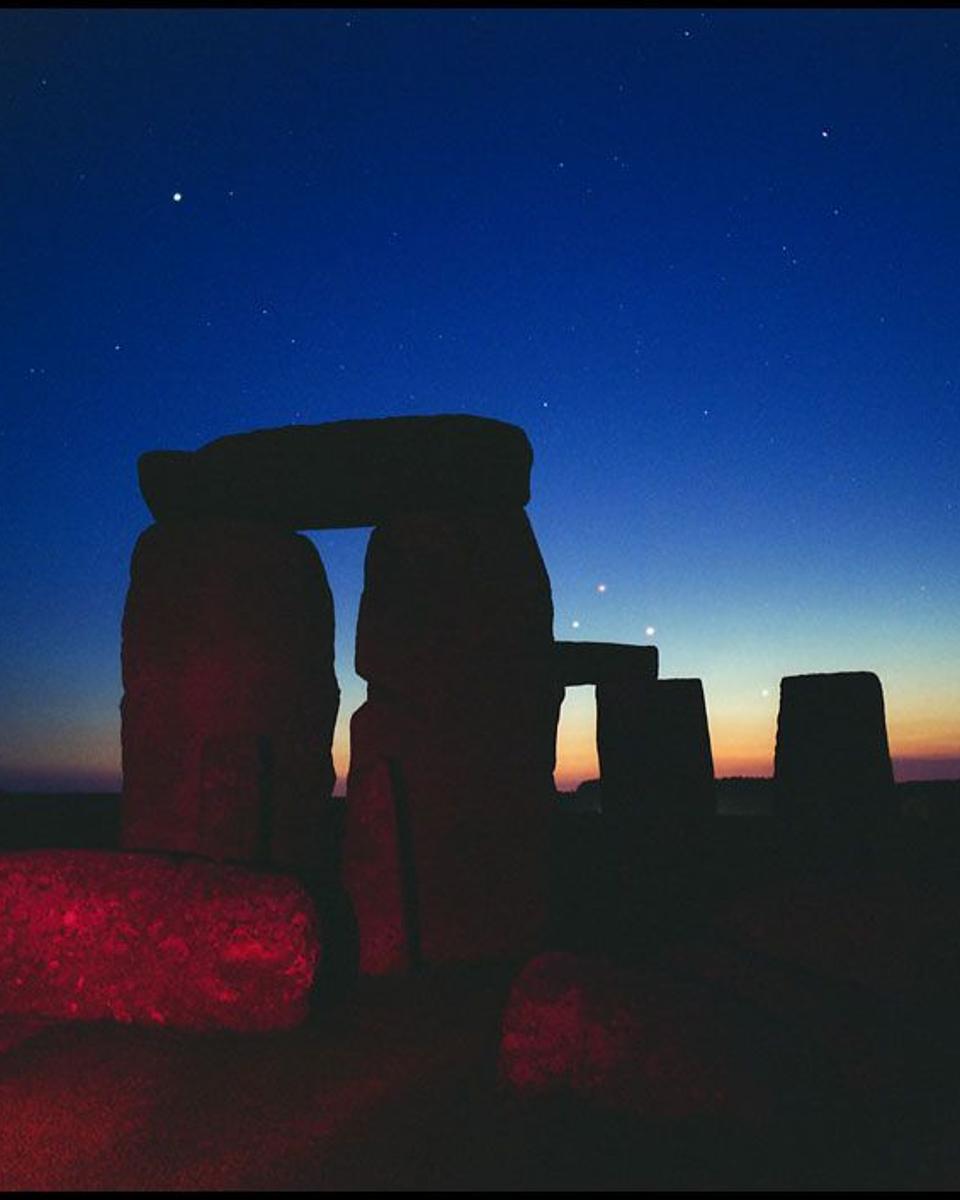
Planets Over Stonehenge
Stonehenge , four thousand year old monument to the Sun , provides an appropriate setting for this delightful snapshot of the Sun's children gathering in planet Earth's sky. While…
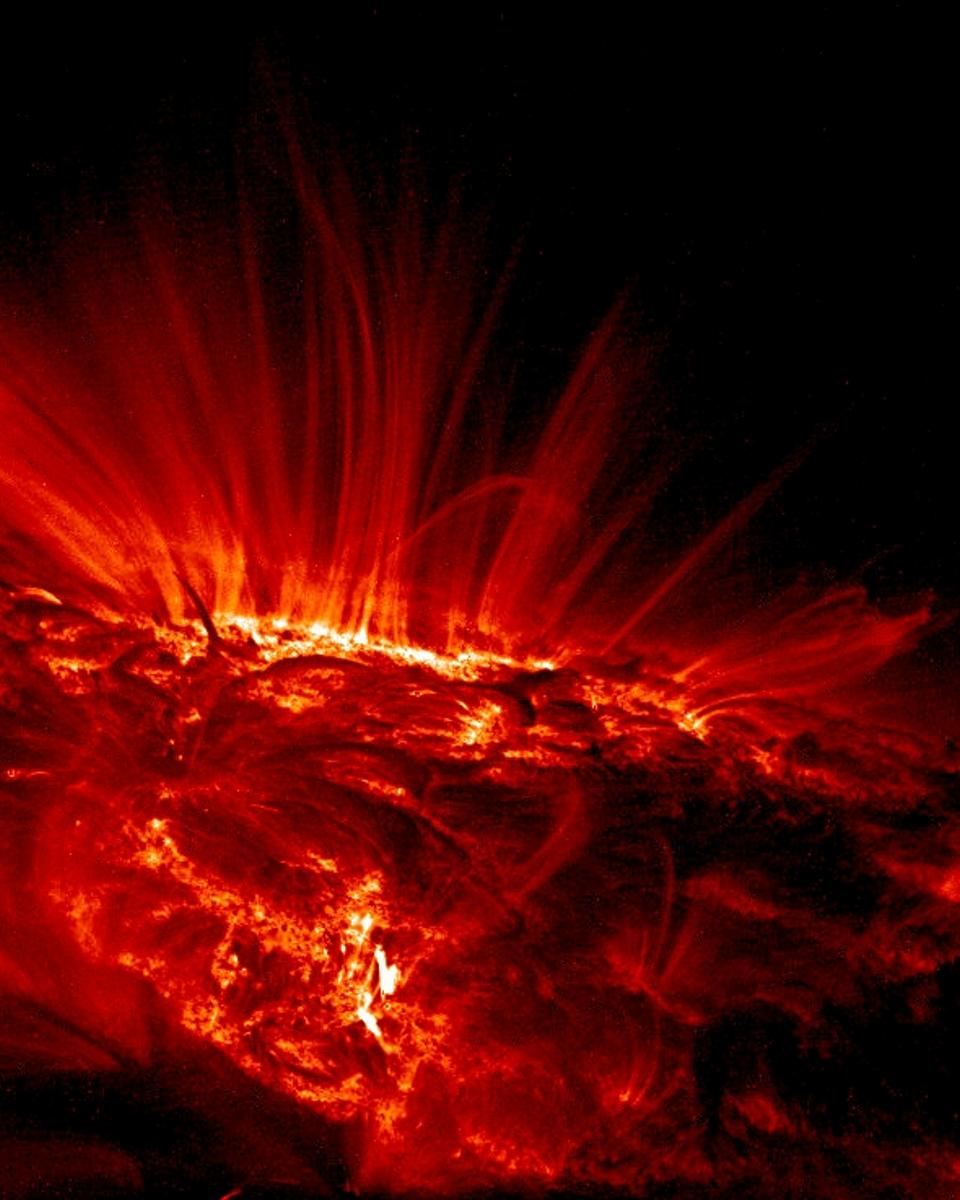
Sunspot Loops in Ultraviolet
It was a quiet day on the Sun . The above image shows, however, that even during off days the Sun's surface is a busy place. Shown in ultraviolet light , the relatively cool dark…
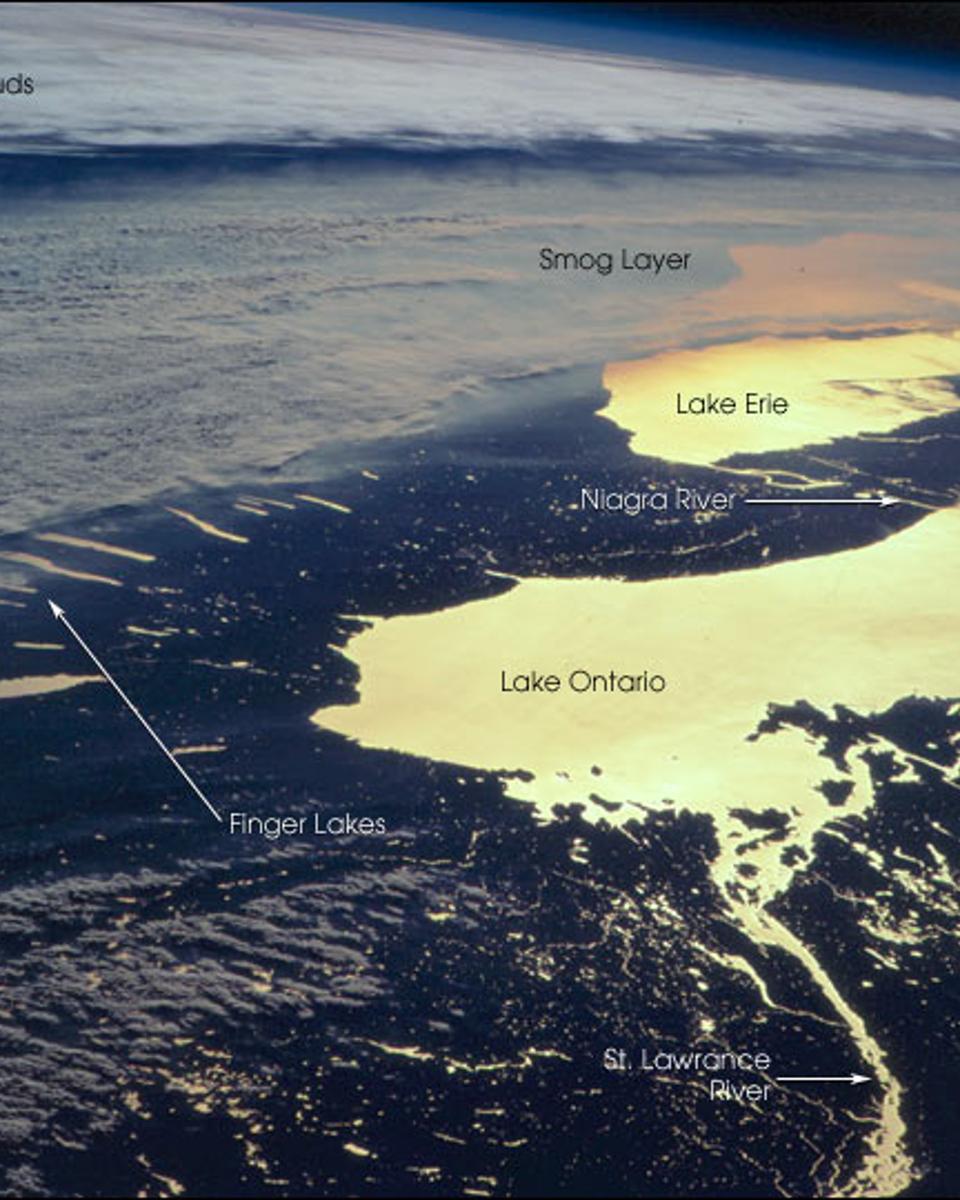
Smog Over New York
What is not pretty about the above picture ? In a word: smog . In 2000 October the orbiting Space Shuttle Discovery photographed upstate New York just at sunset. Visible is golden…
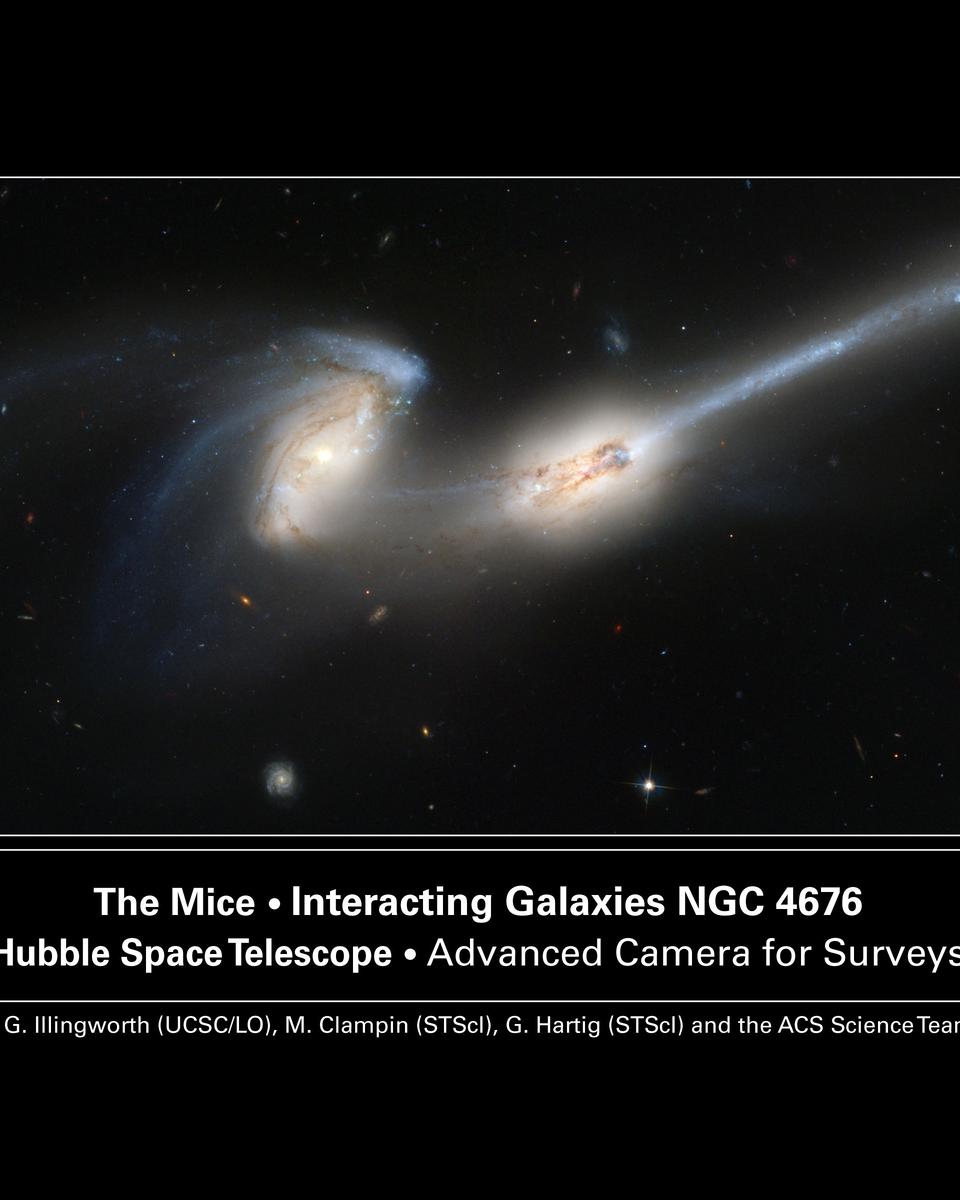
NGC 4676: When Mice Collide
These two galaxies are pulling each other apart. Known as “ The Mice ” because they have such long tails, each spiral galaxy has likely already passed through the other and will…
Viewing discoveries from 29 May 2002 through 6 May 2002.