Browse NASA Astronomy Picture of the Day archive by date and media: Archive Discoveries
Browse the NASA APOD archive without needing the exact date first. Filter by media type and keep moving deeper into older images and videos.
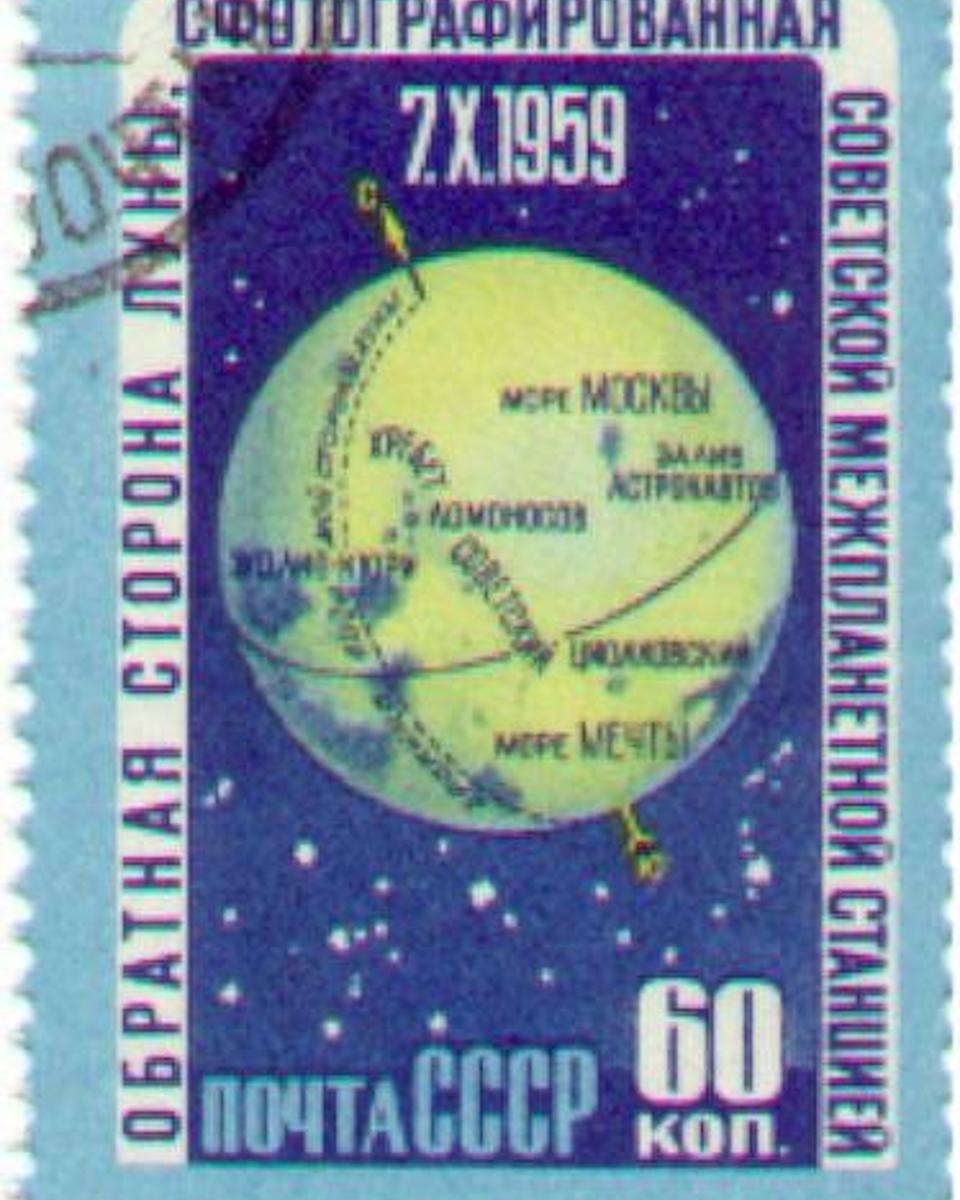
The Averted Side Of The Moon
This vintage 60-kopek stamp celebrates a dramatic achievement. On the 7th of October, 1959 (7/X/1959), the Soviet interplanetary station which has come to be called “Luna 3”…
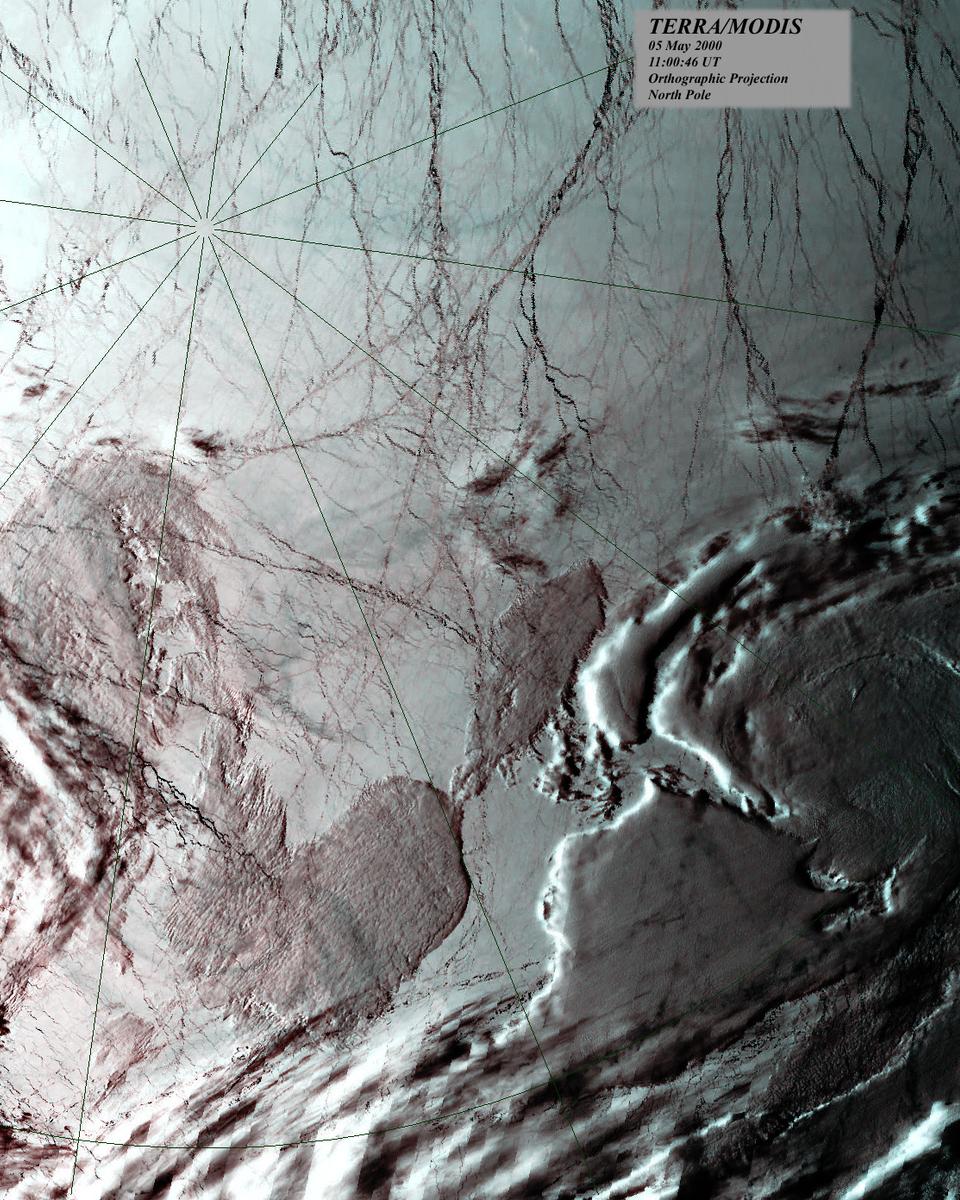
North Pole Below
Orbiting over the north pole of planet Earth on May 5, the MODIS instrument on-board the Terra spacecraft , recorded this view of the ice cap 700 kilometers below. A radial grid…
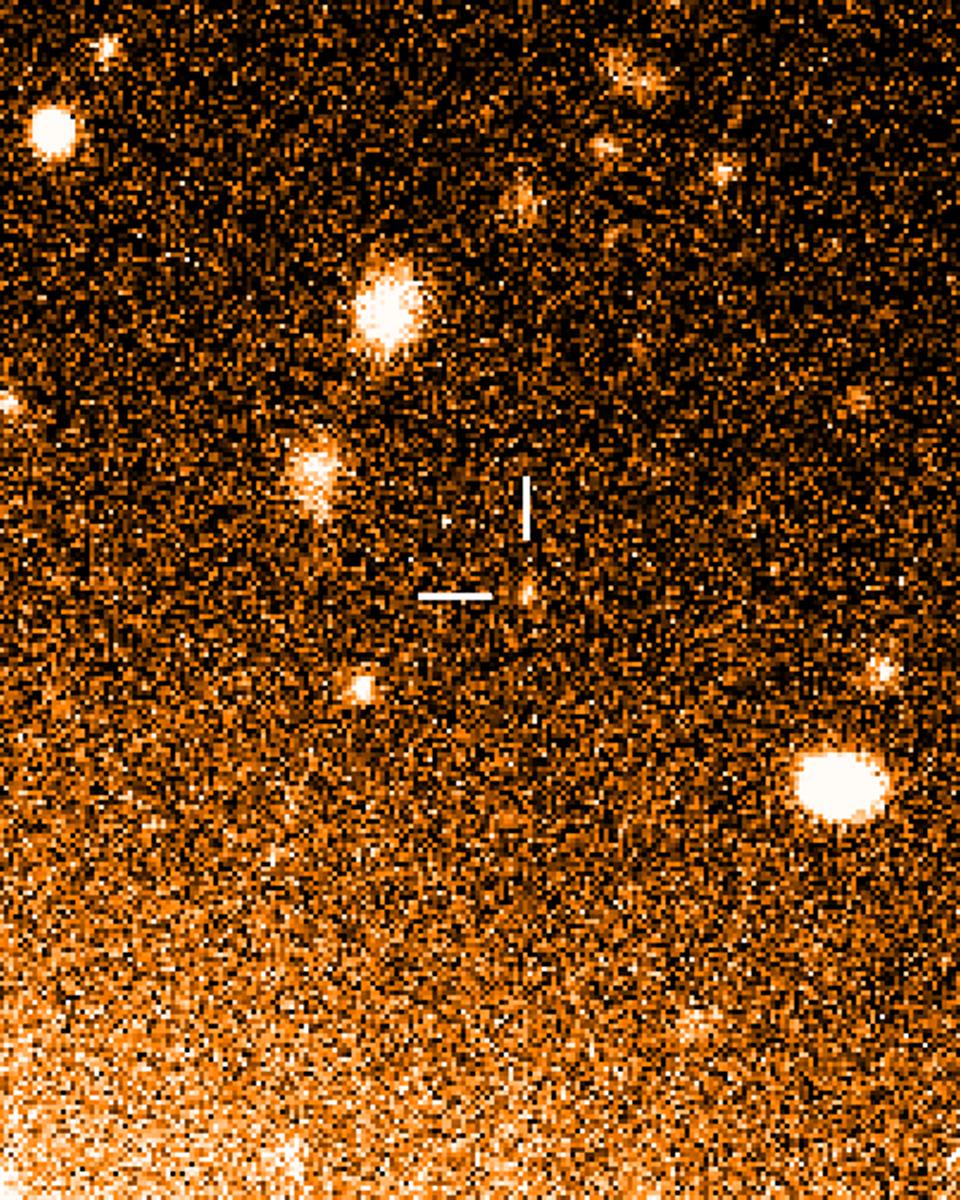
The Farthest Explosion Yet Measured
It happened so far away that common human distance measures are inadequate to describe it. Furthermore, astronomers do not even claim to know exactly what happened. What is known…
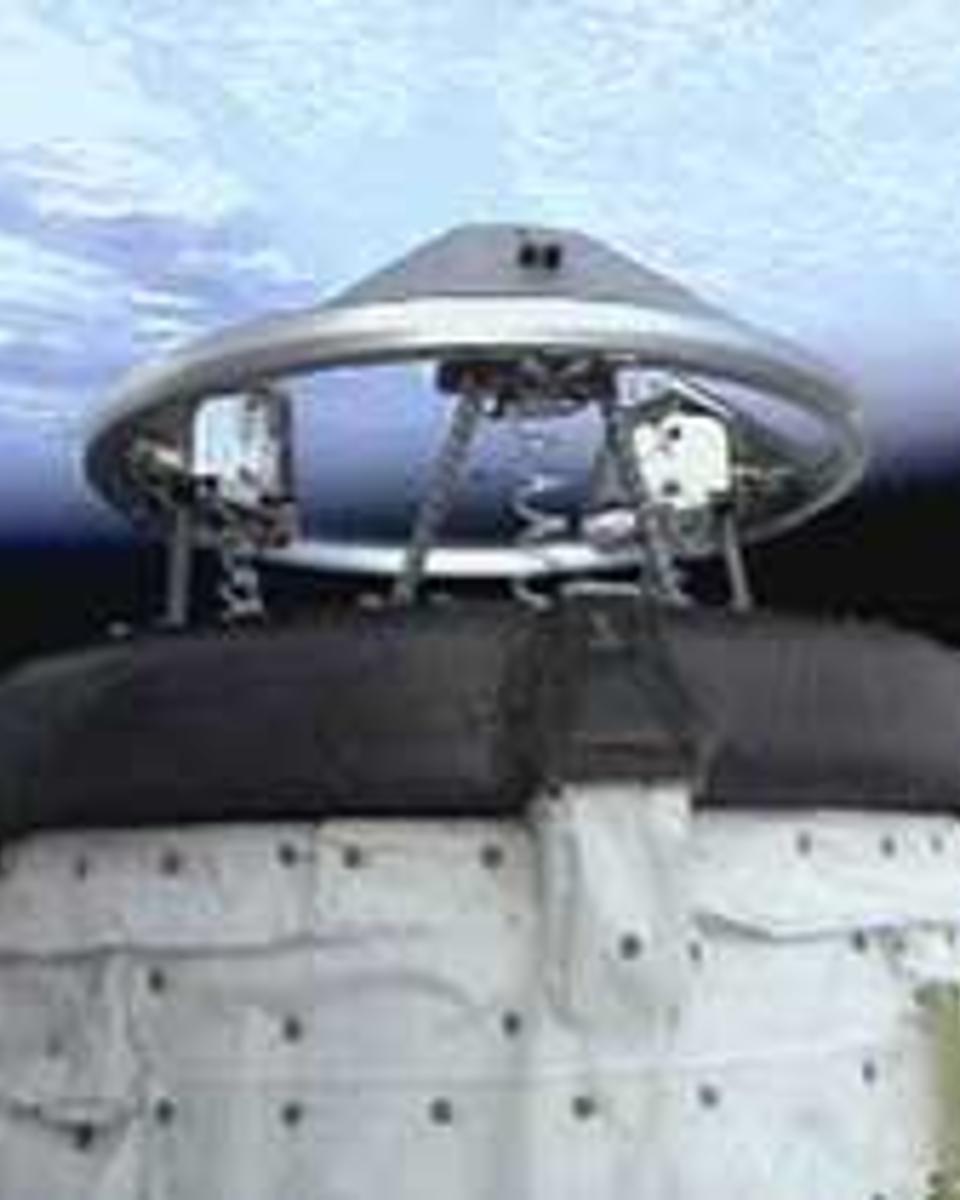
The Space Shuttle Docking Ring
A space shuttle is again visiting the International Space Station (ISS). The STS-92 crew aboard Discovery have already delivered and installed a truss and a docking port on the…
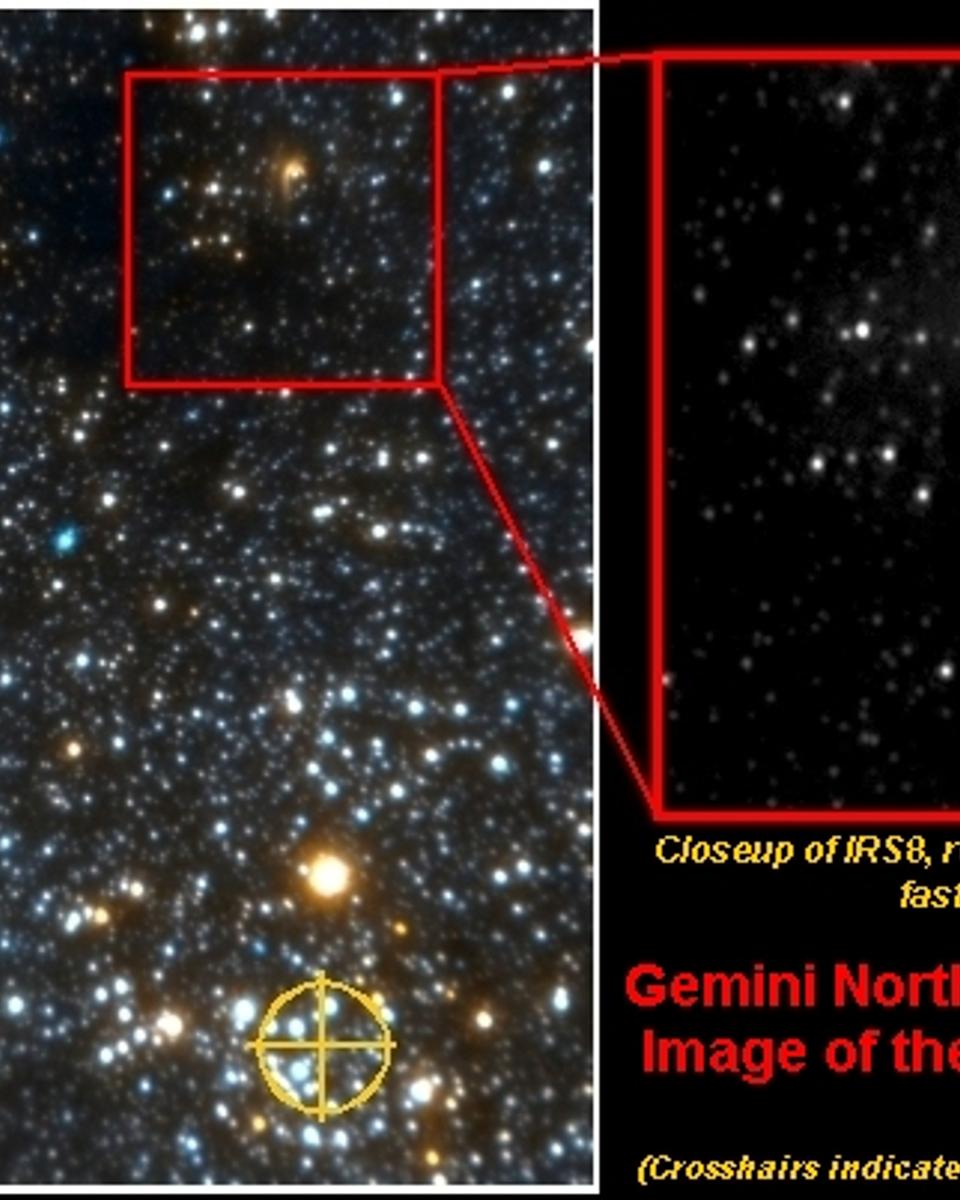
Gemini North Images Bow Shock Near Galactic Center
What's going on near the center of our Galaxy? Glowing across the electromagnetic spectrum , the center of our Milky Way Galaxy is thought to be home to massive stars, rotating…
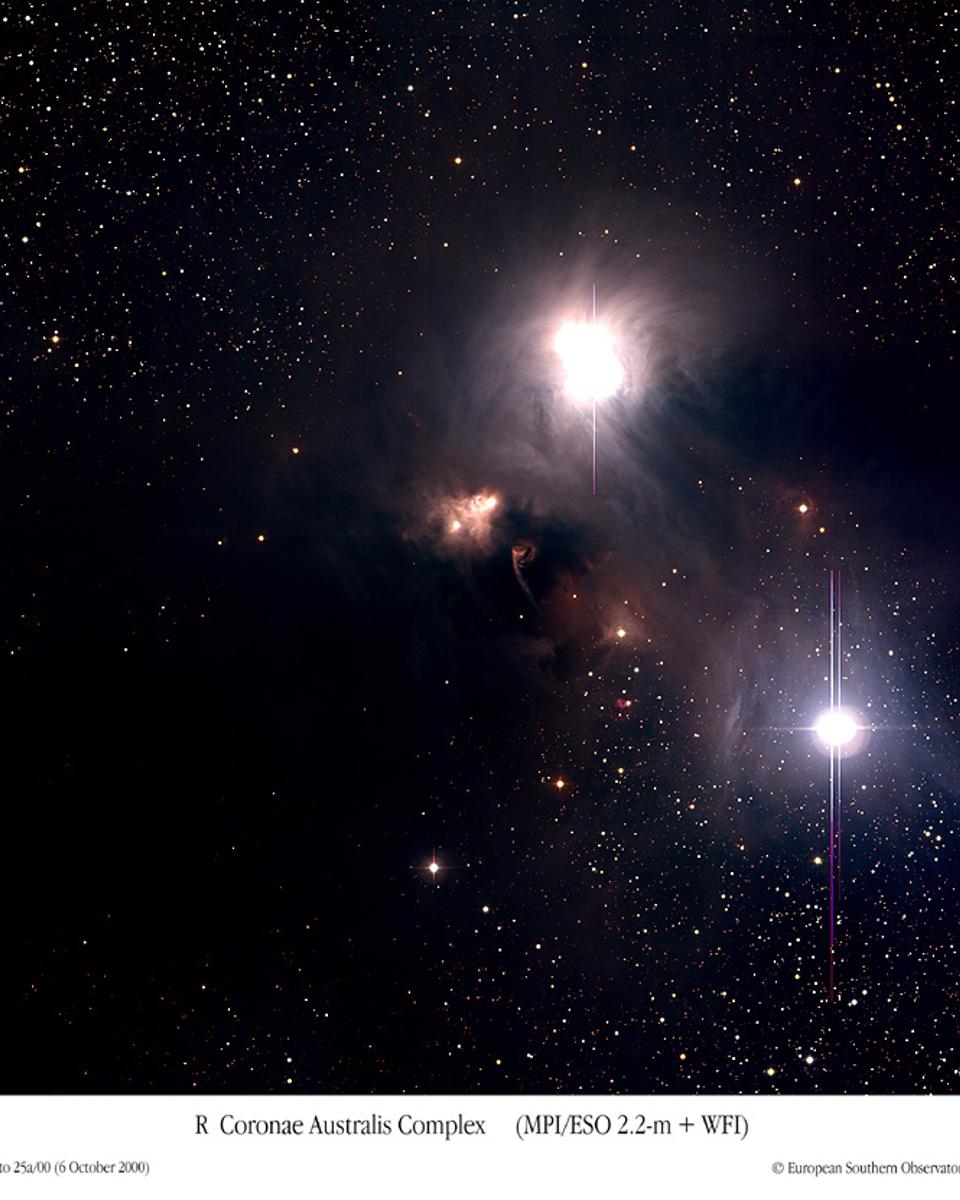
Dust and Gas Surrounding Star R Coronae Australis
Young star R Coronae Australis has a dusty home. The dust is so thick on the upper left of the above photograph that little light from background stars comes through. Thinner dust…
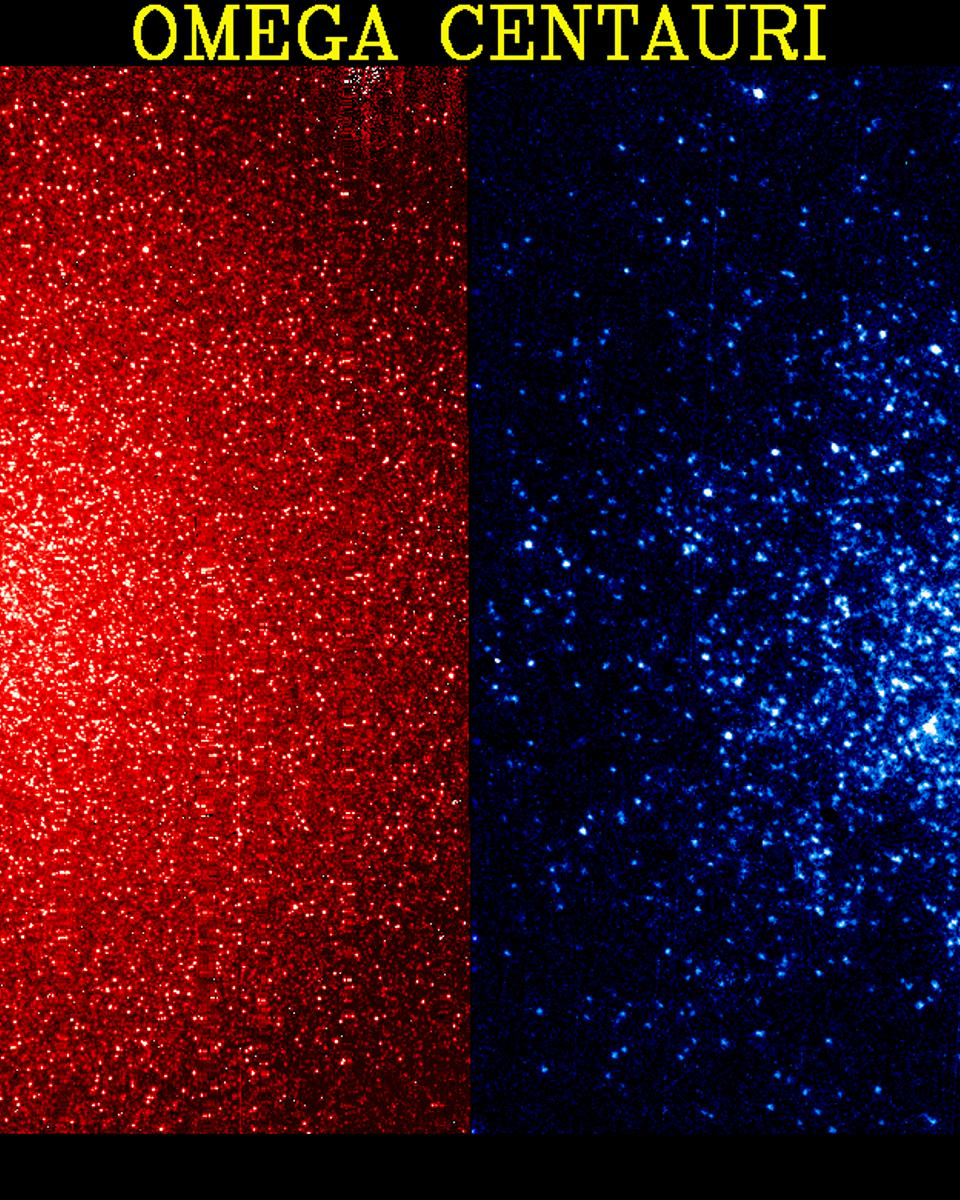
Globular Cluster Omega Centauri
Does an old, red globular cluster have any hot, blue stars? The rightmost picture, taken by the Ultraviolet Imaging Telescope in ultraviolet light, shows that indeed it does.…
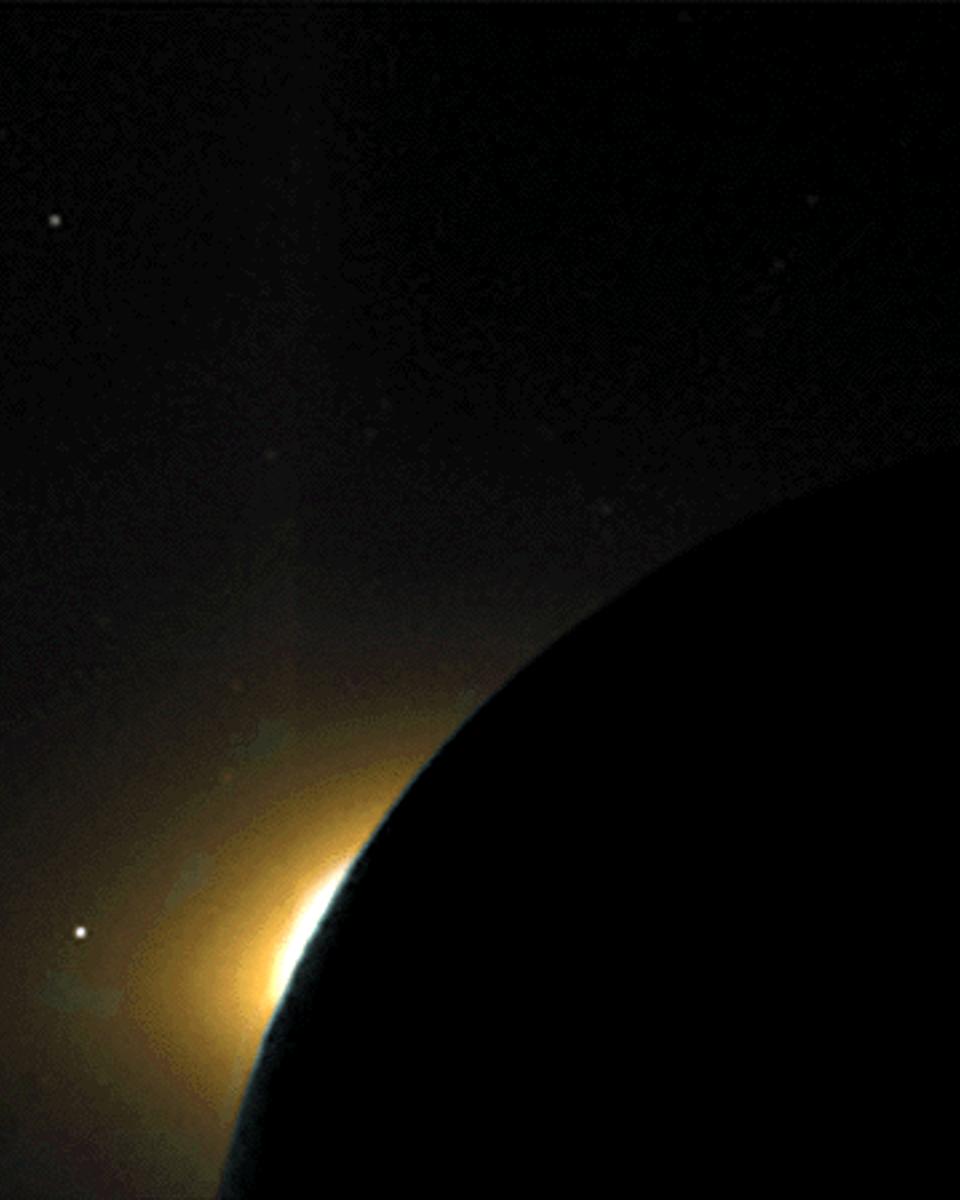
The Ecliptic Plane
The Plane of the Ecliptic is well illustrated in this picture from the 1994 lunar prospecting Clementine spacecraft. Clementine's star tracker camera image reveals (from right to…
Eclipse Moon Trail
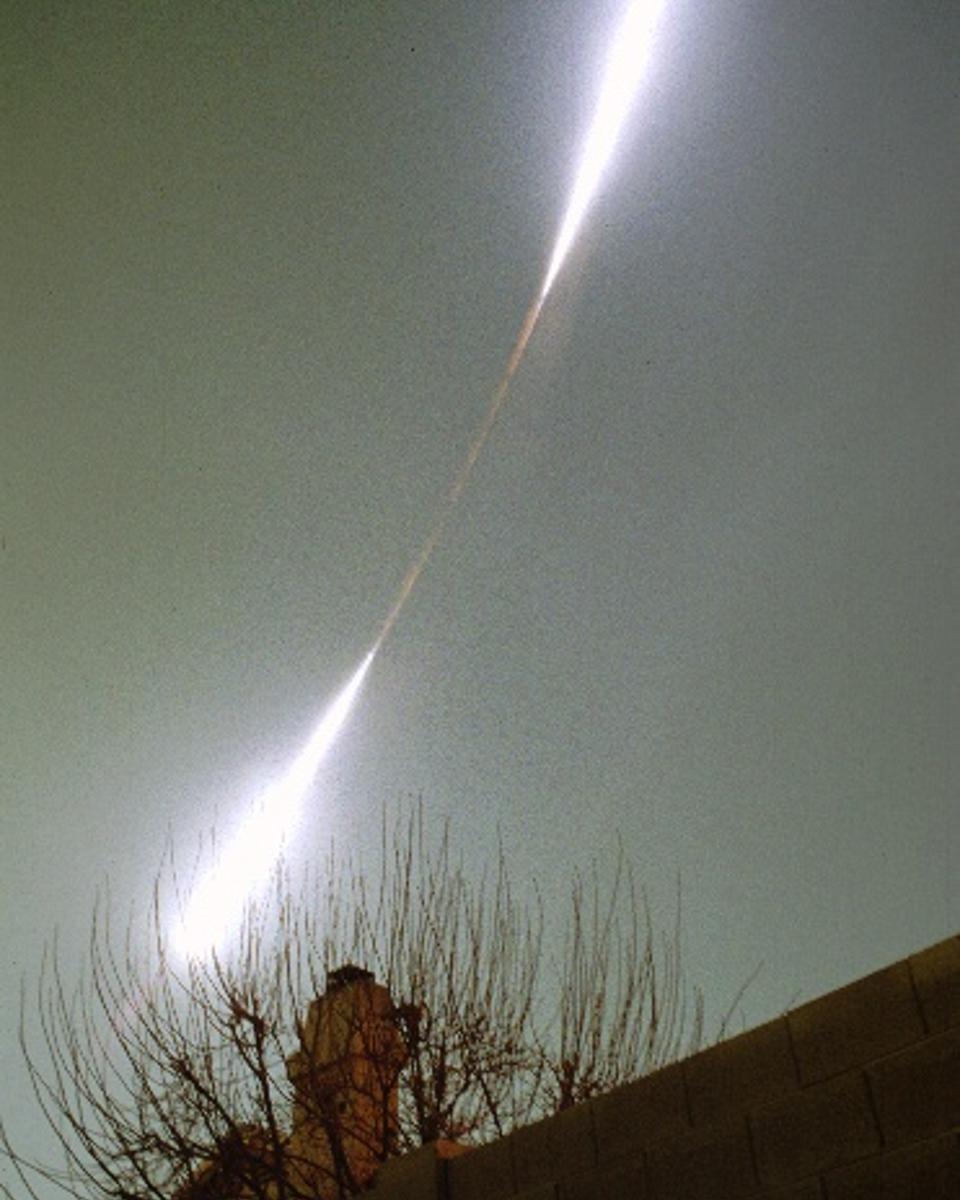
Tonight, Friday the 13th, October's big, bright, beautiful full Moon will be in the sky, rising as the sun sets. A time exposure of this evening's full Moon would show a brilliant…
HETE-2 Rides Pegasus
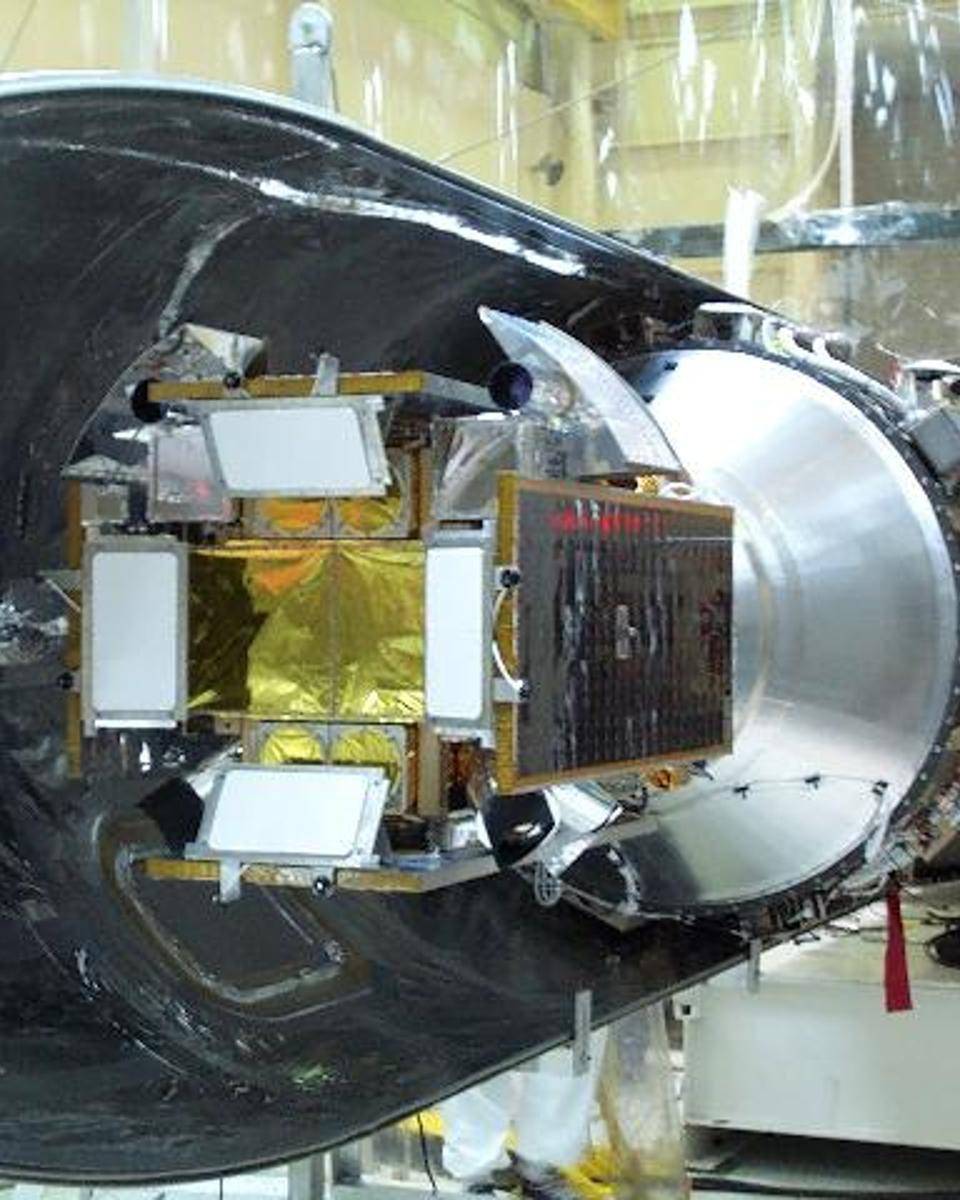
The Stargazer , a modified Lockheed L-1011 aircraft, soared into the skies above Kwajalein Atoll in the pacific on October 9th. A small satellite observatory known as the High…
Cassini Spacecraft Approaches Jupiter
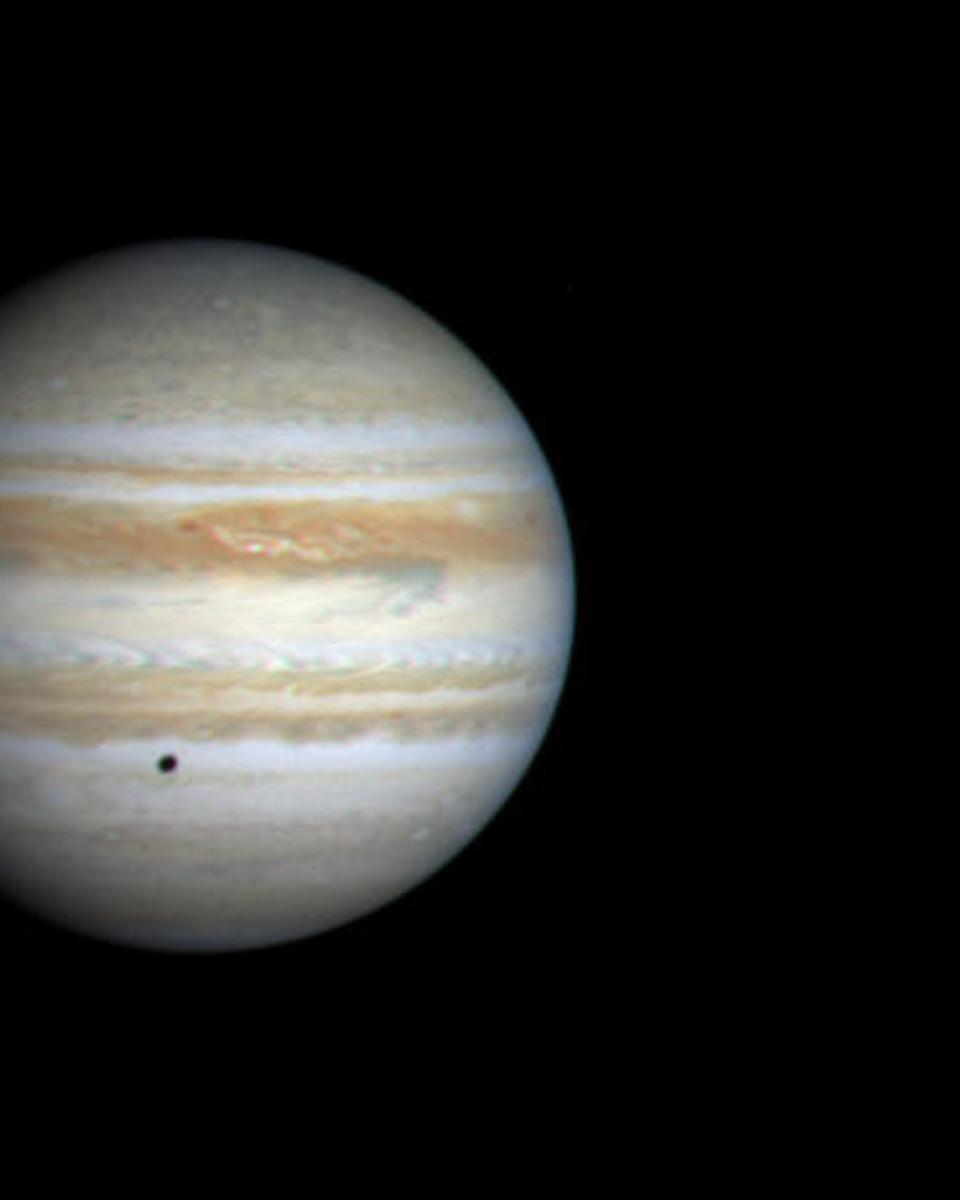
A new spacecraft has entered the outer Solar System: Cassini . Launched in 1997 and bound for Saturn in 2004, Cassini sent back the above image last week while approaching the…
The Einstein Cross Gravitational Lens
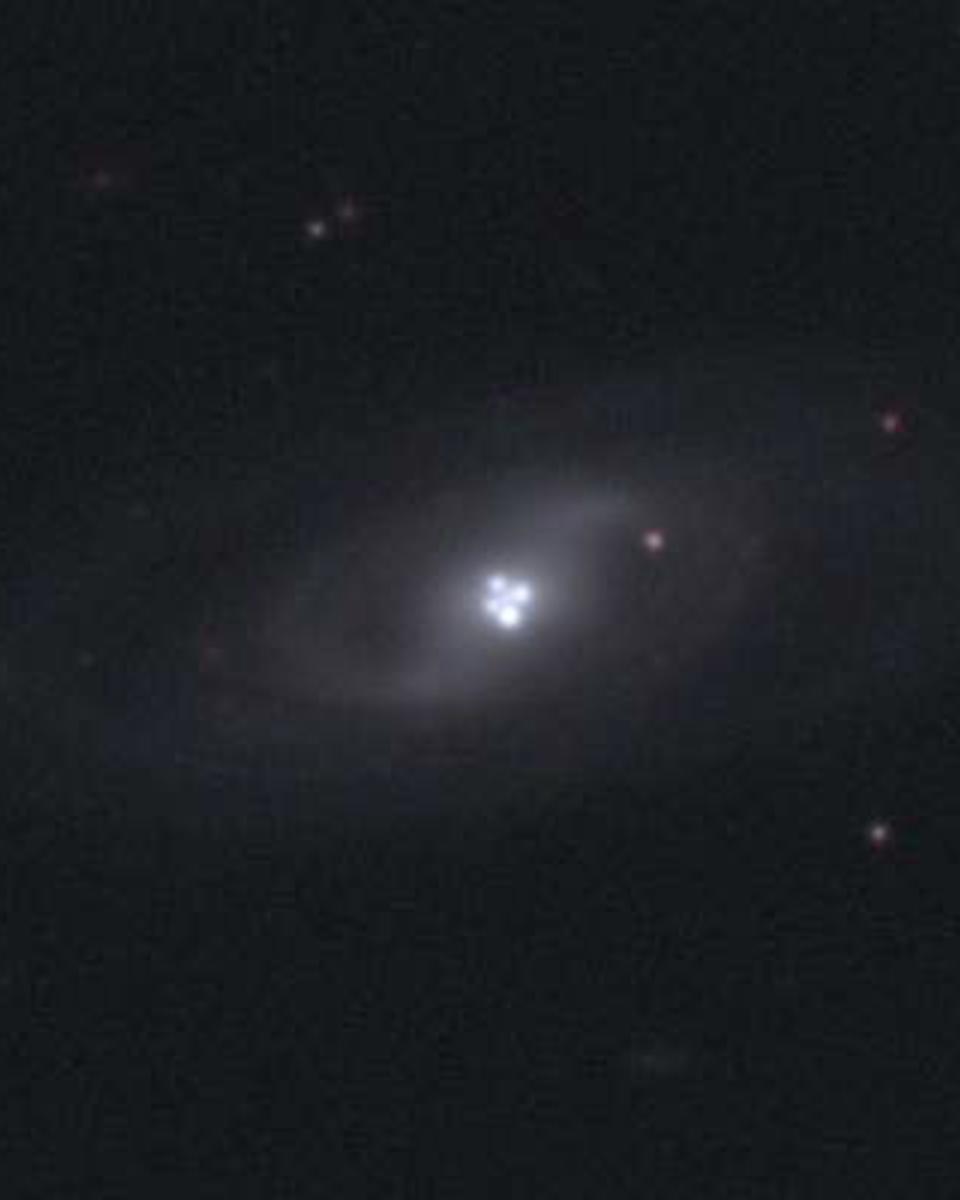
Most galaxies have a single nucleus -- does this galaxy have four? The strange answer leads astronomers to conclude that the nucleus of the surrounding galaxy is not even visible…
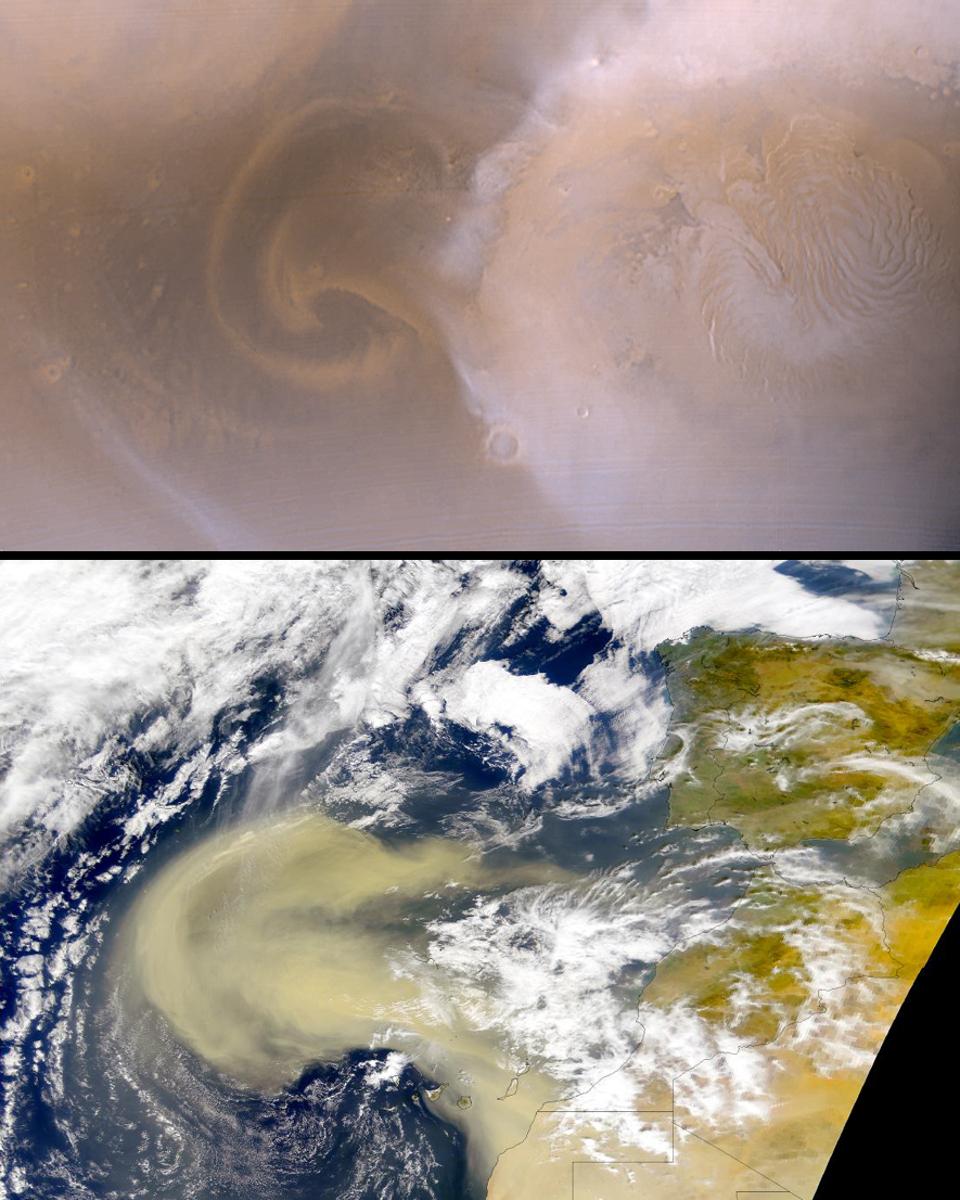
A Polar Martian Dust Storm
On August 29, a large dust storm was photographed erupting out from the north polar cap of Mars . Such dust storms are not uncommon as summer advances in the north. In the above…
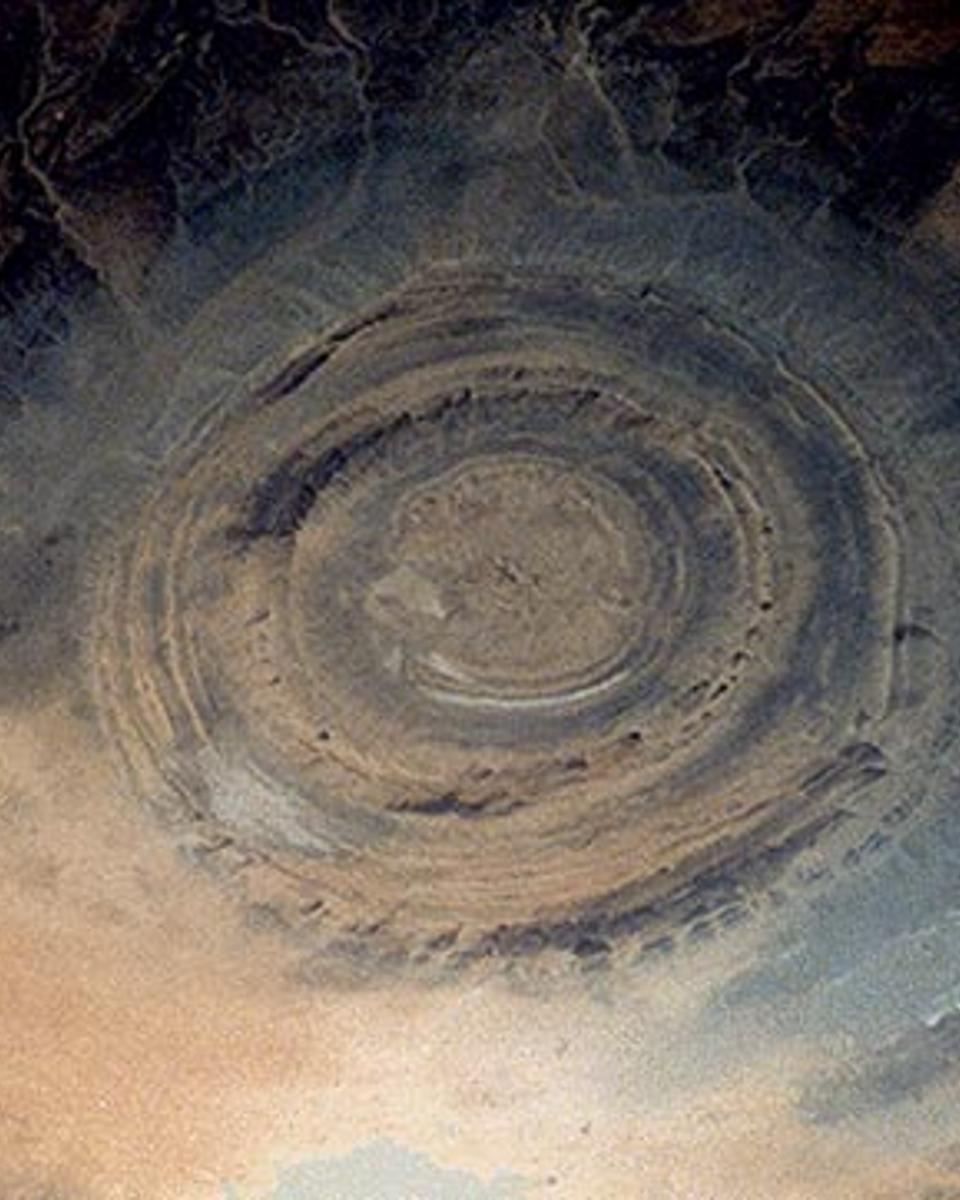
Earth's Richat Structure
What on Earth is that? The Richat Structure in the Sahara Desert of Mauritania is easily visible from space because it is nearly 50 kilometers across. Once thought to be an impact…
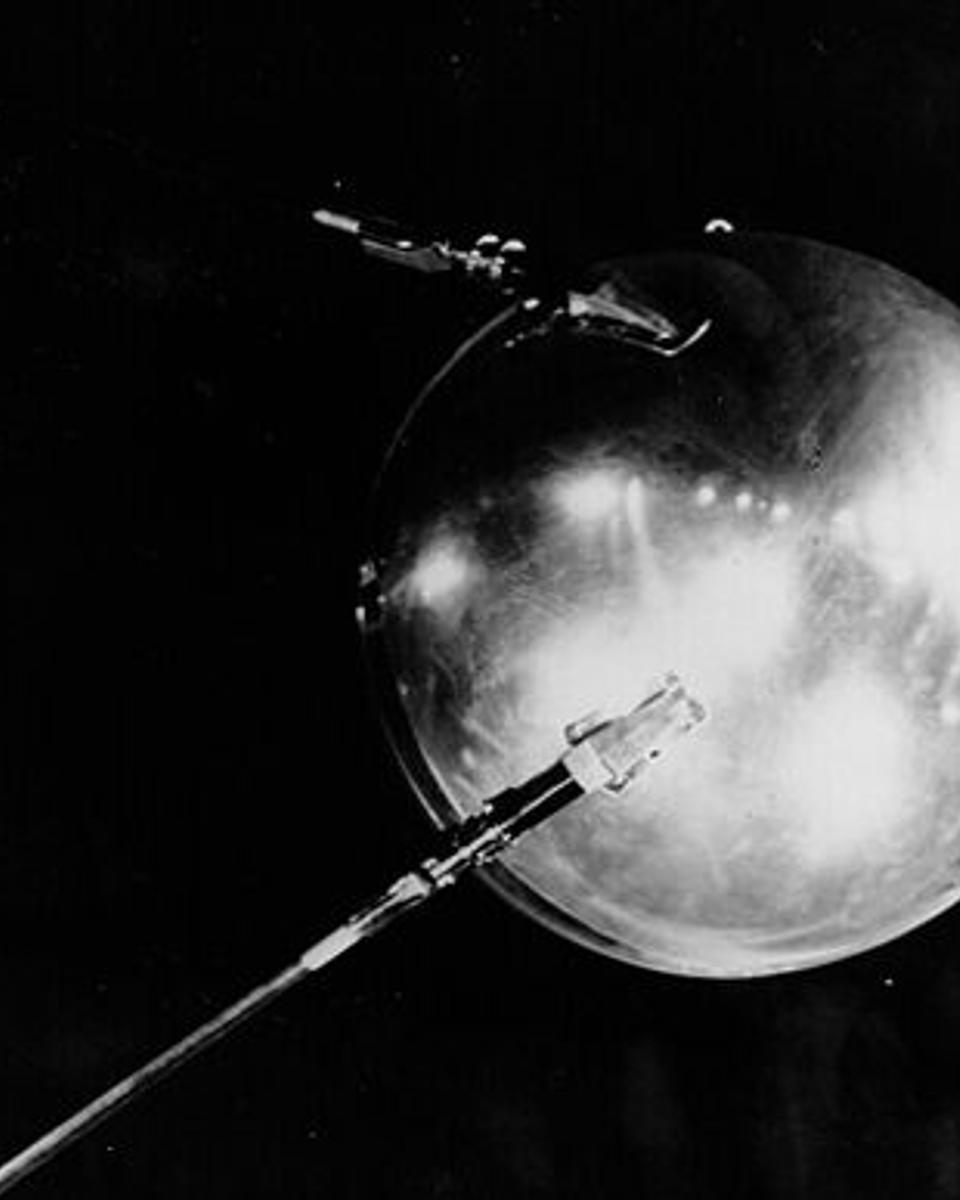
Sputnik: Traveling Companion
Sputnik means “traveling companion”. Despite the innocuous sounding name, the launch of the Earth's first “artificial moon”, Sputnik 1 , by the Soviet Union on October 4, 1957…
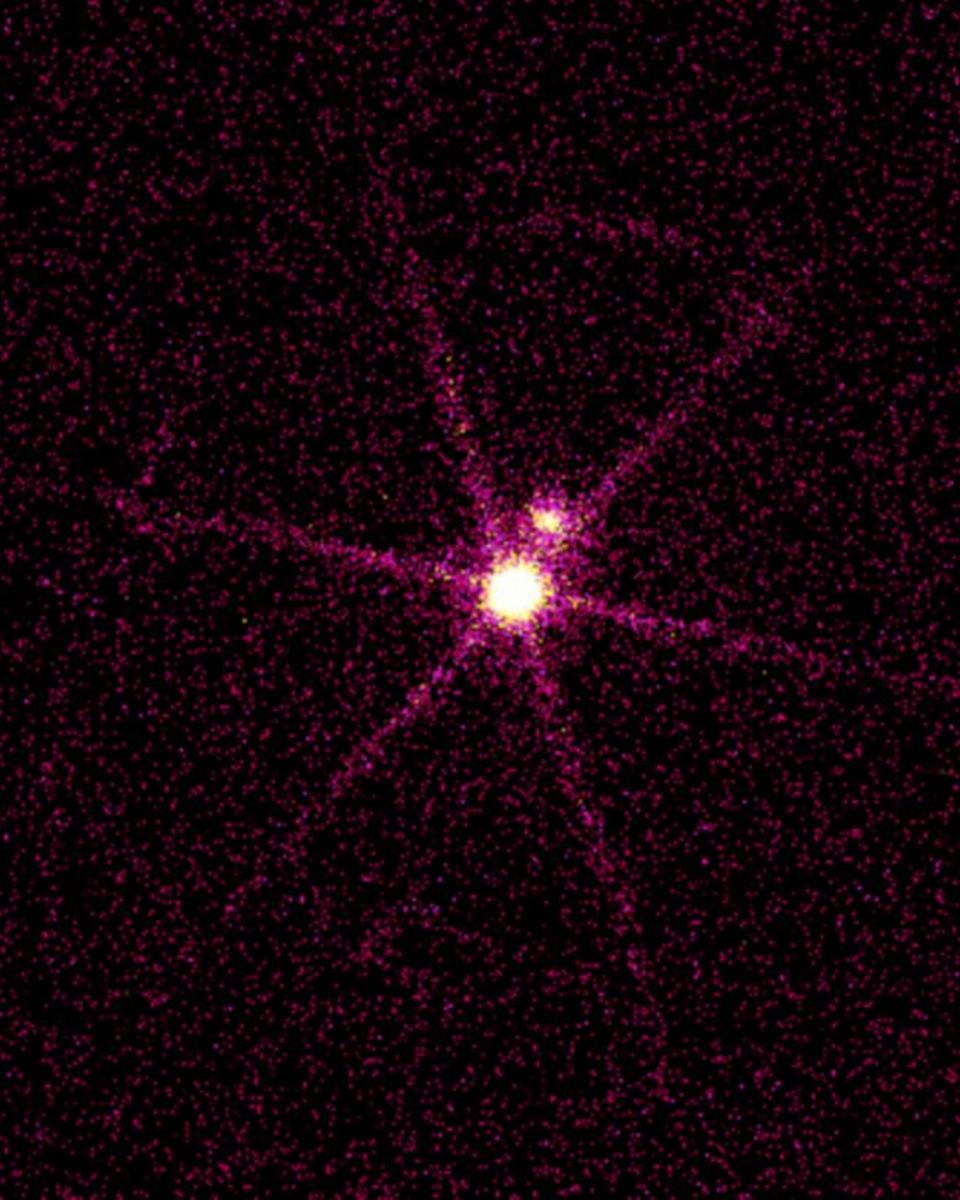
X-Rays From Sirius B
In visible light Sirius A (Alpha Canis Majoris) is the brightest star in the night sky, a closely watched celestial beacon throughout recorded history . Part of a binary star…
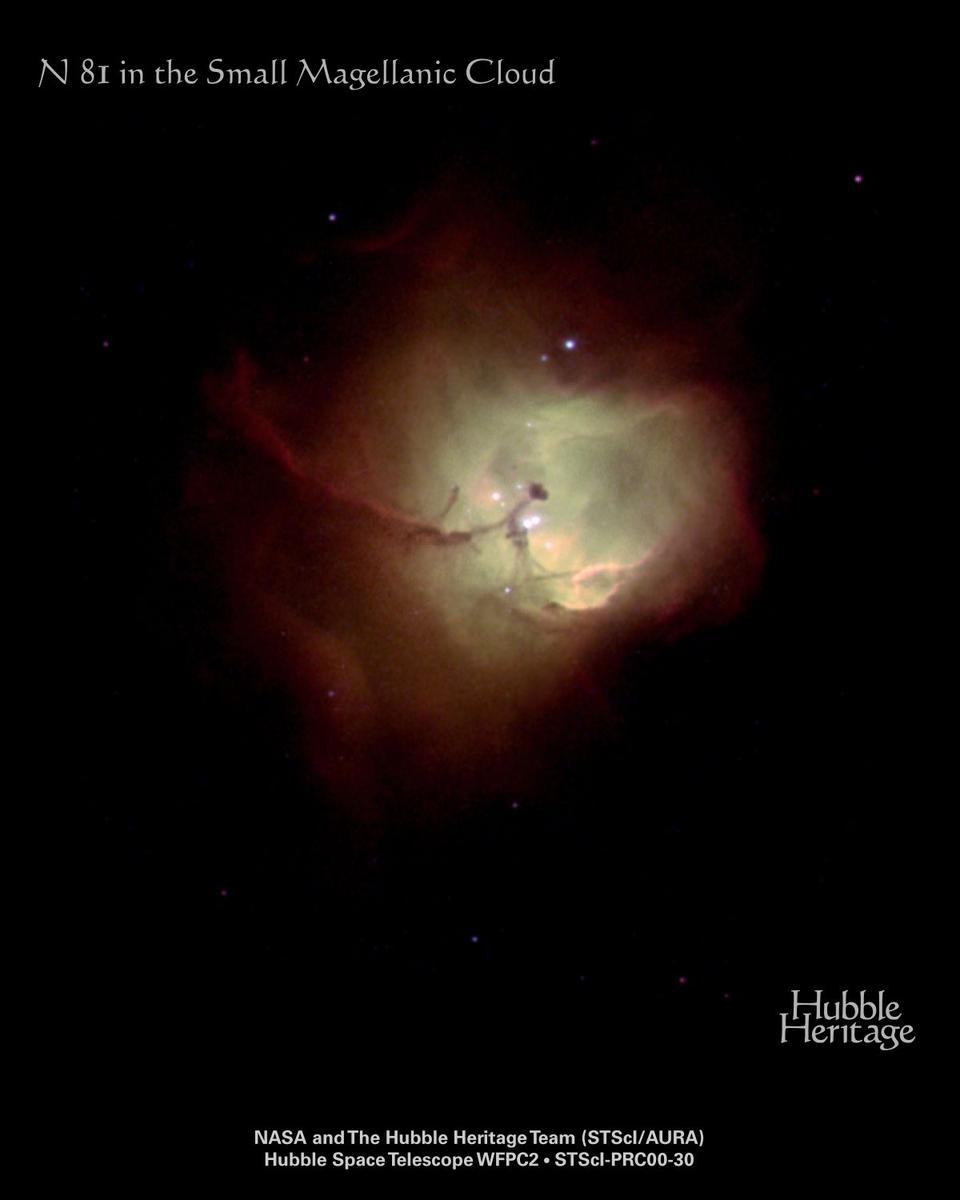
N81: Star Cradle in the SMC
This dramatic Hubble Space Telescope image captures the birth of a cluster of massive stars. The newborn stars are seen just as they emerge from their natal nebula. Only 12…
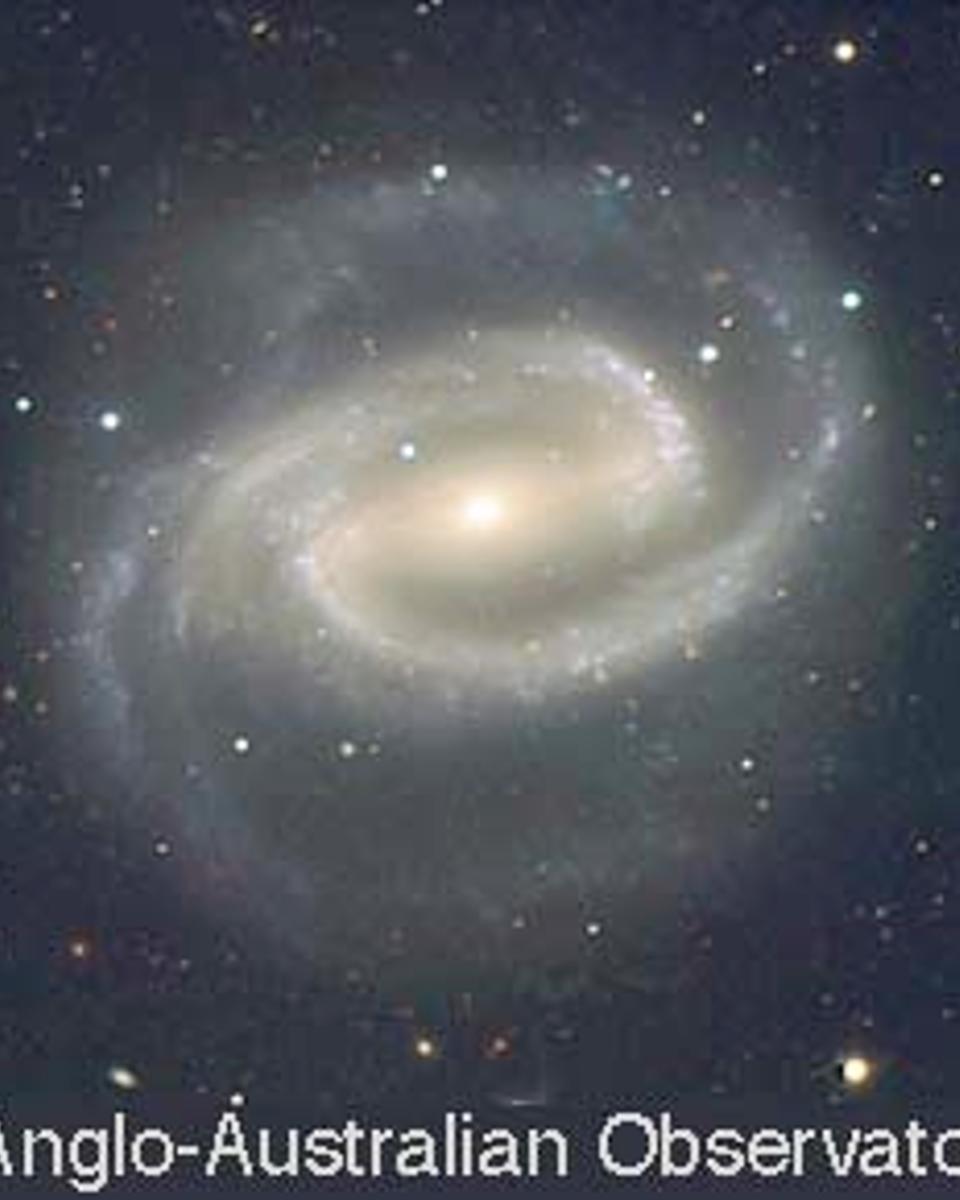
Barred Spiral Galaxy NGC 1300
NGC 1300 is a large spiral galaxy that appears as a flattened figure eight. A huge bar that spans over 150,000 light-years across the galaxy center dominates its appearance. The…
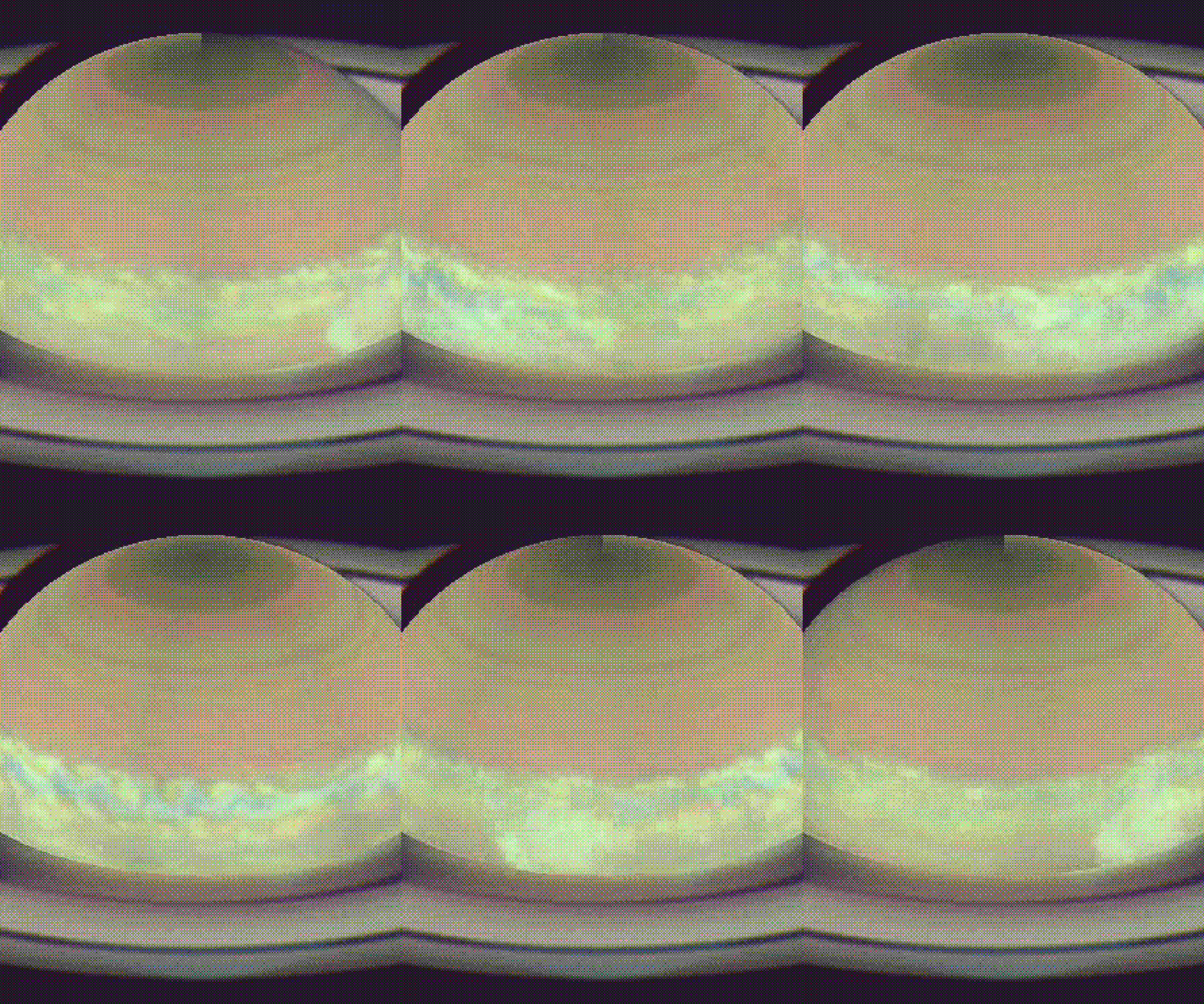
Saturn Rotates
The dramatic rotation of the cloud-tops of Saturn every ten-hours is particularly evident from orbit around the gas giant planet. With a good enough telescope, however, such…
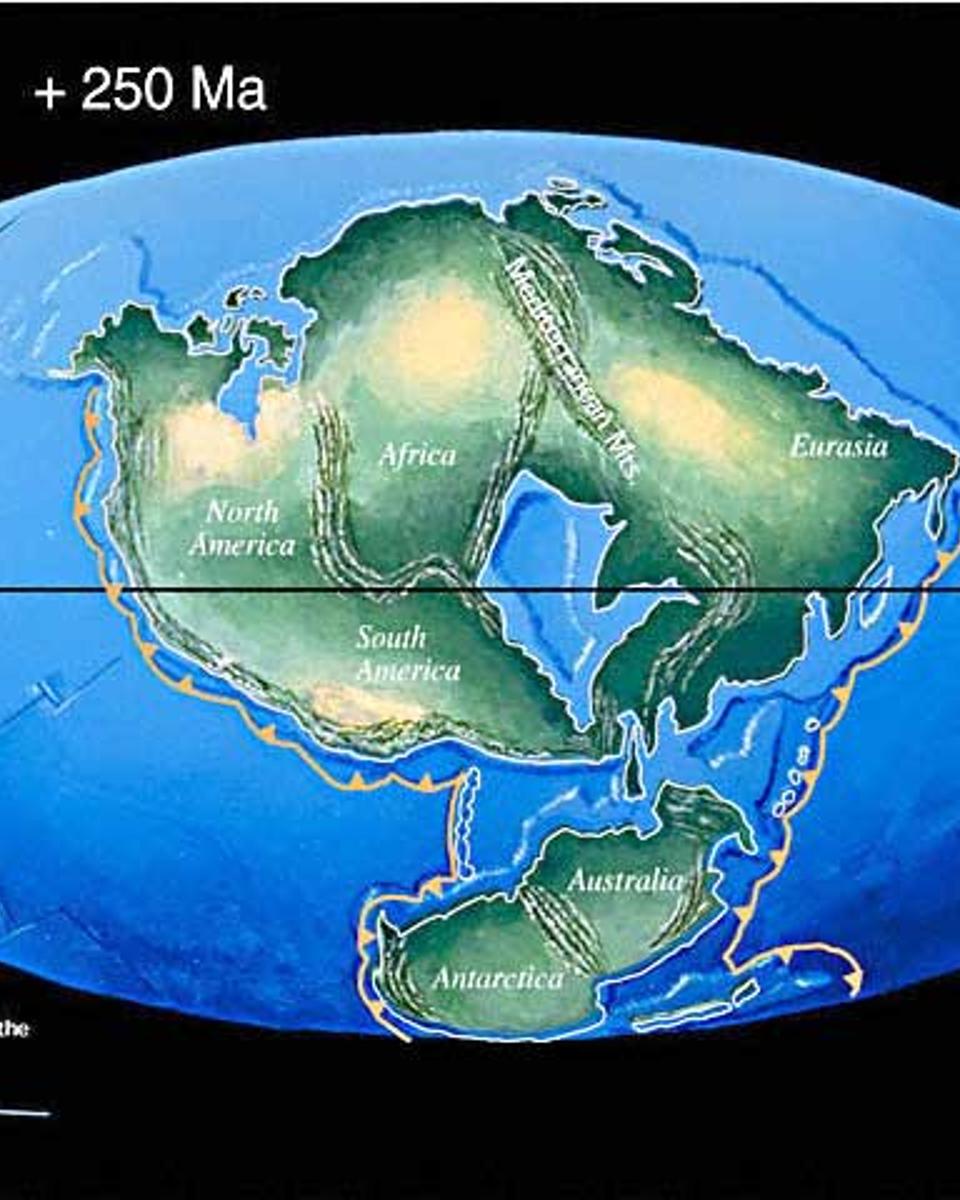
Pangea Ultima: Earth in 250 Million Years?
Is this what will become of the Earth's surface? The surface of the Earth is broken up into several large plates that are slowly shifting. About 250 million years ago, the plates…
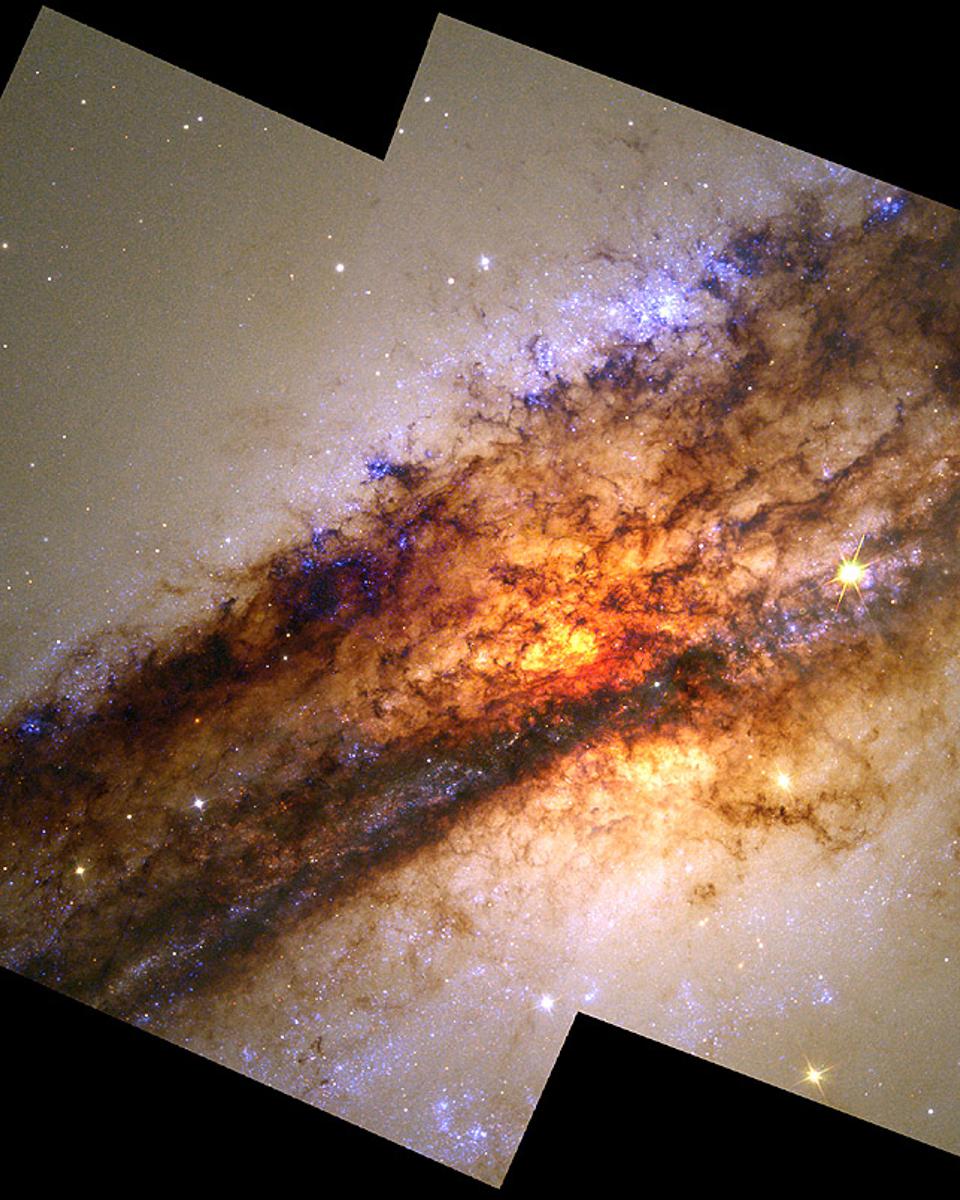
The Center of Centaurus A
A fantastic jumble of young blue star clusters, gigantic glowing gas clouds, and imposing dark dust lanes surrounds the central region of the active galaxy Centaurus A. This…
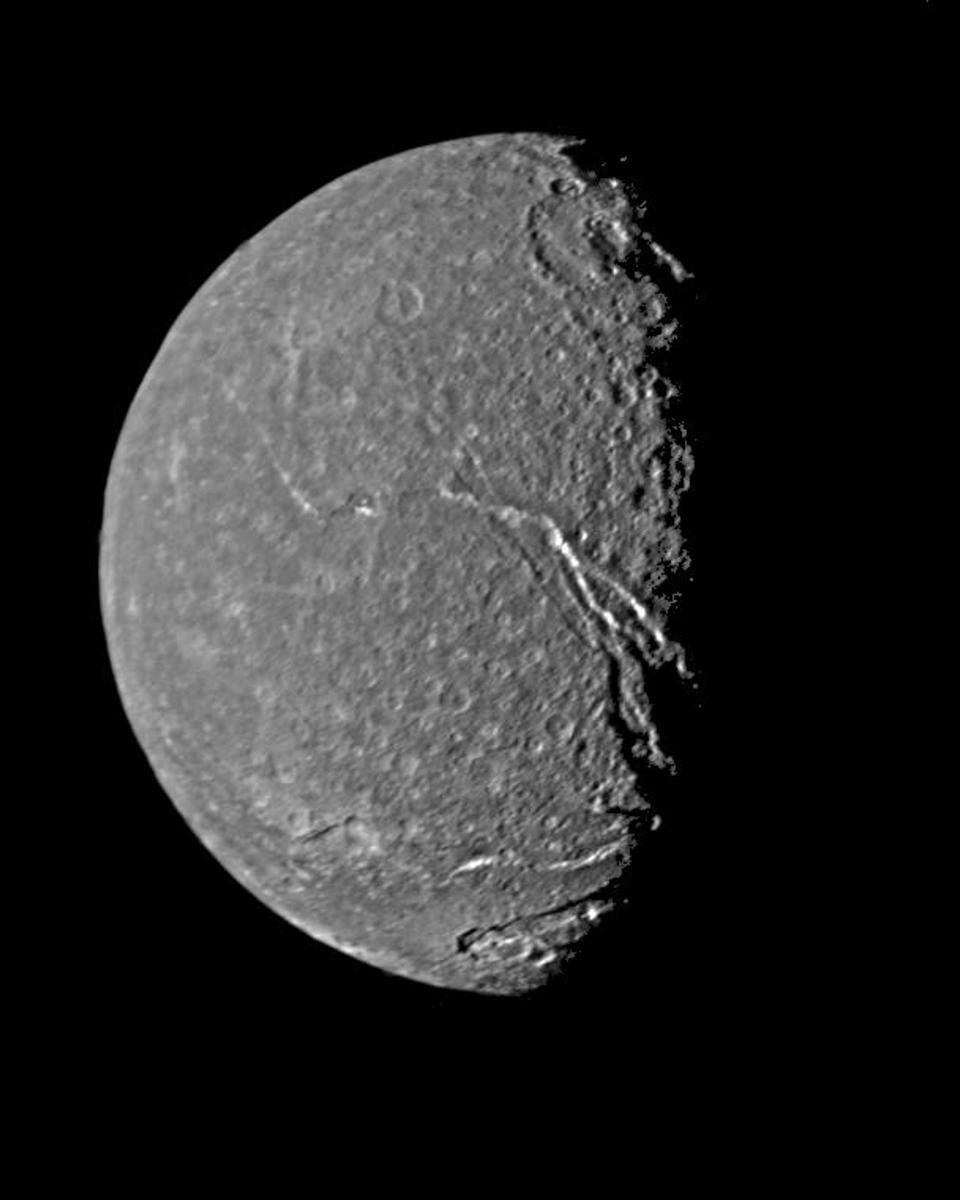
Titania's Trenches
British astronomer Sir William Herschel discovered Titania and Oberon in January of 1787. He wasn't reading Shakespeare's A Midsummer Night's Dream though, he was making the first…
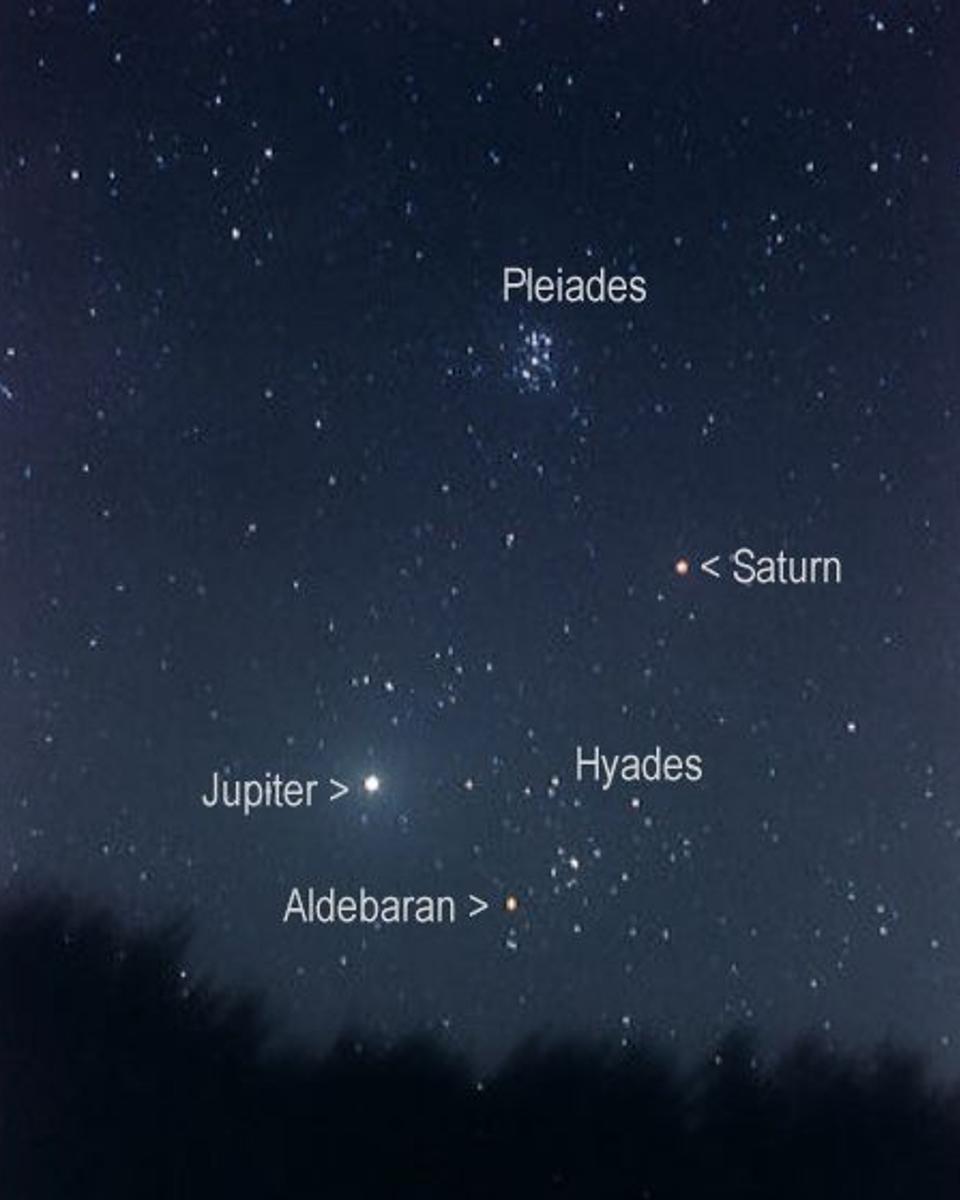
September Sky
Star clusters, planets, and a red giant posed for this portrait of the night sky from rural Jasper County, Iowa, USA. Astrophotographer Stan Richard recorded the four minute time…
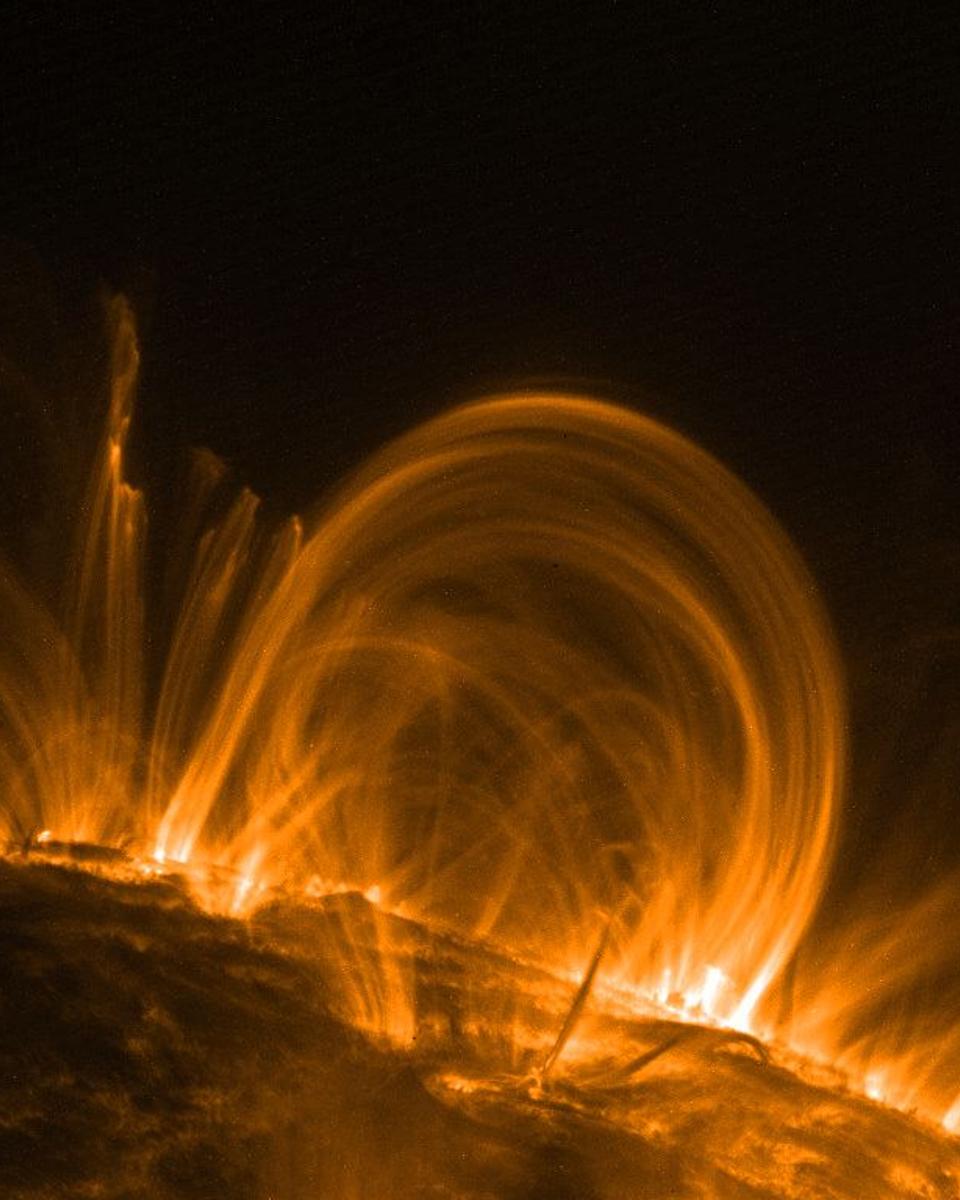
Heating Coronal Loops
Extending above the photosphere or visible surface of the Sun , the faint, tenuous solar corona can't be easily seen from Earth, but it is measured to be hundreds of times hotter…
Viewing discoveries from 21 October 2000 through 28 September 2000.