Browse NASA Astronomy Picture of the Day archive by date and media: Archive Discoveries
Browse the NASA APOD archive without needing the exact date first. Filter by media type and keep moving deeper into older images and videos.
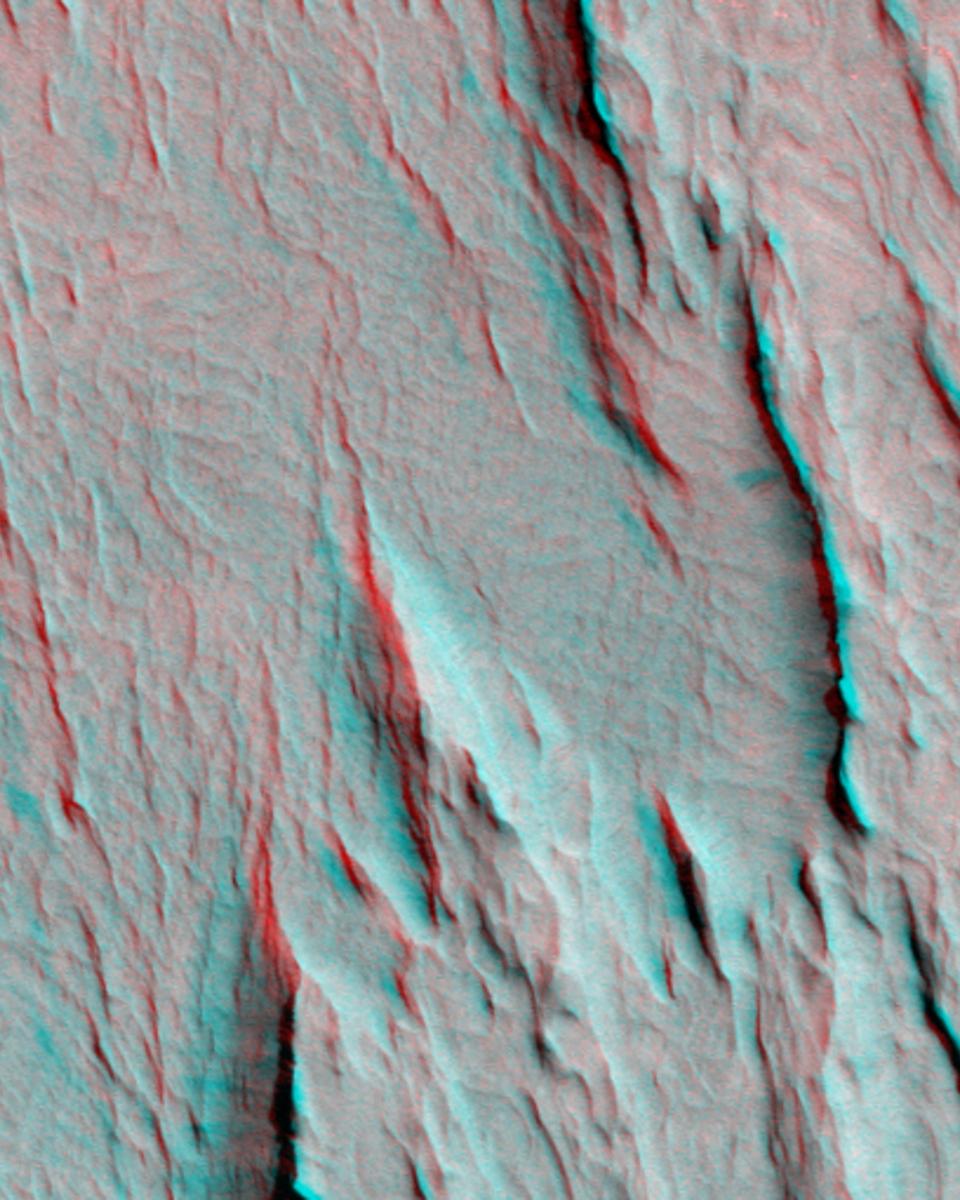
The Yardangs Of Mars
OK, fans of classic science fiction might be disappointed. The yardangs are not barsoomian warriors in a newly discovered Edgar Rice Burroughs tale of adventure and conquest on…
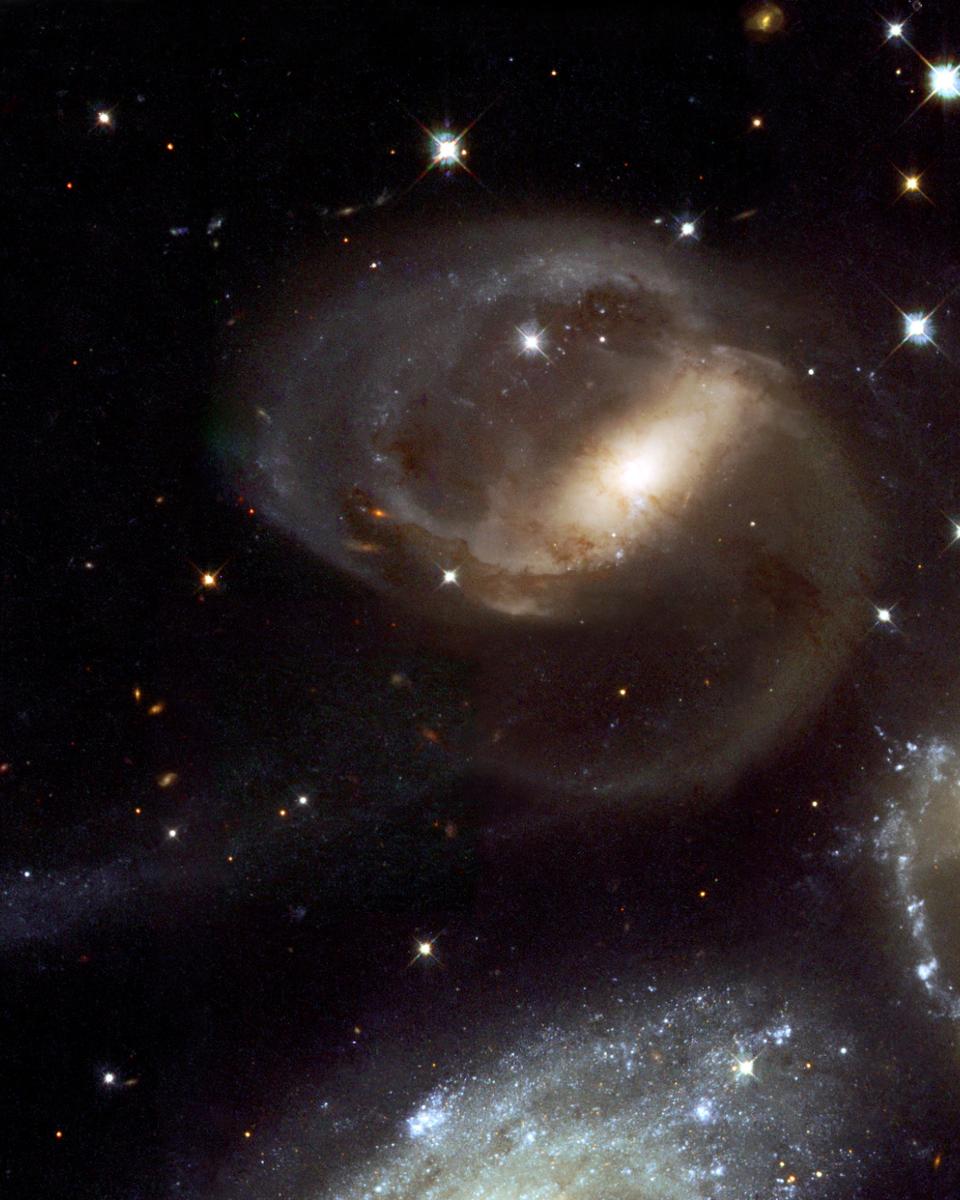
Disorder in Stephan's Quintet
What are four closely grouped galaxies doing in this image ? The grouping composes a majority of the large galaxies in Stephan's Quintet , with the fifth prominent galaxy located…
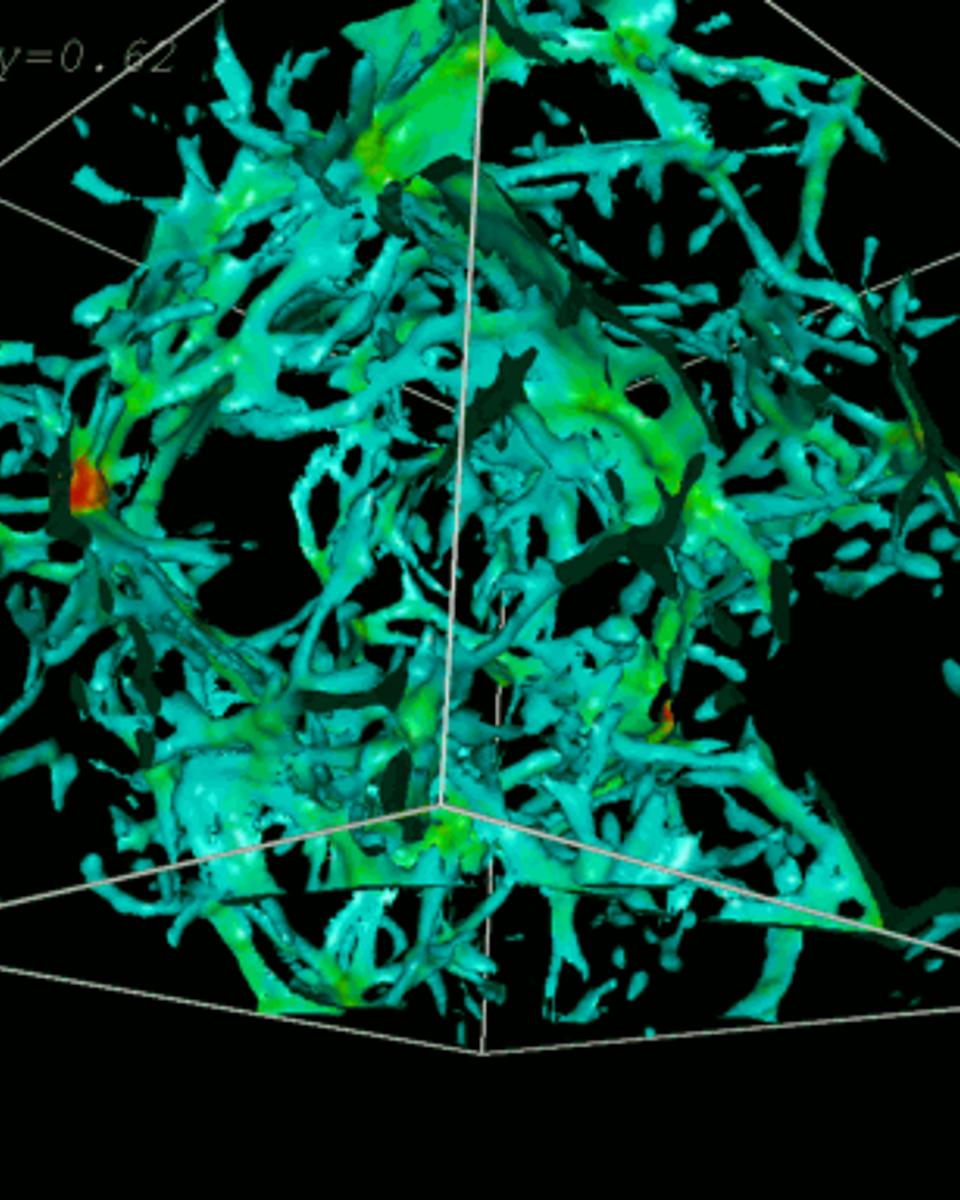
The Lyman Alpha Forest
We live in a forest. Strewn throughout the universe are “trees” of hydrogen gas that absorb light from distant objects. These gas clouds leave numerous absorption lines in a…
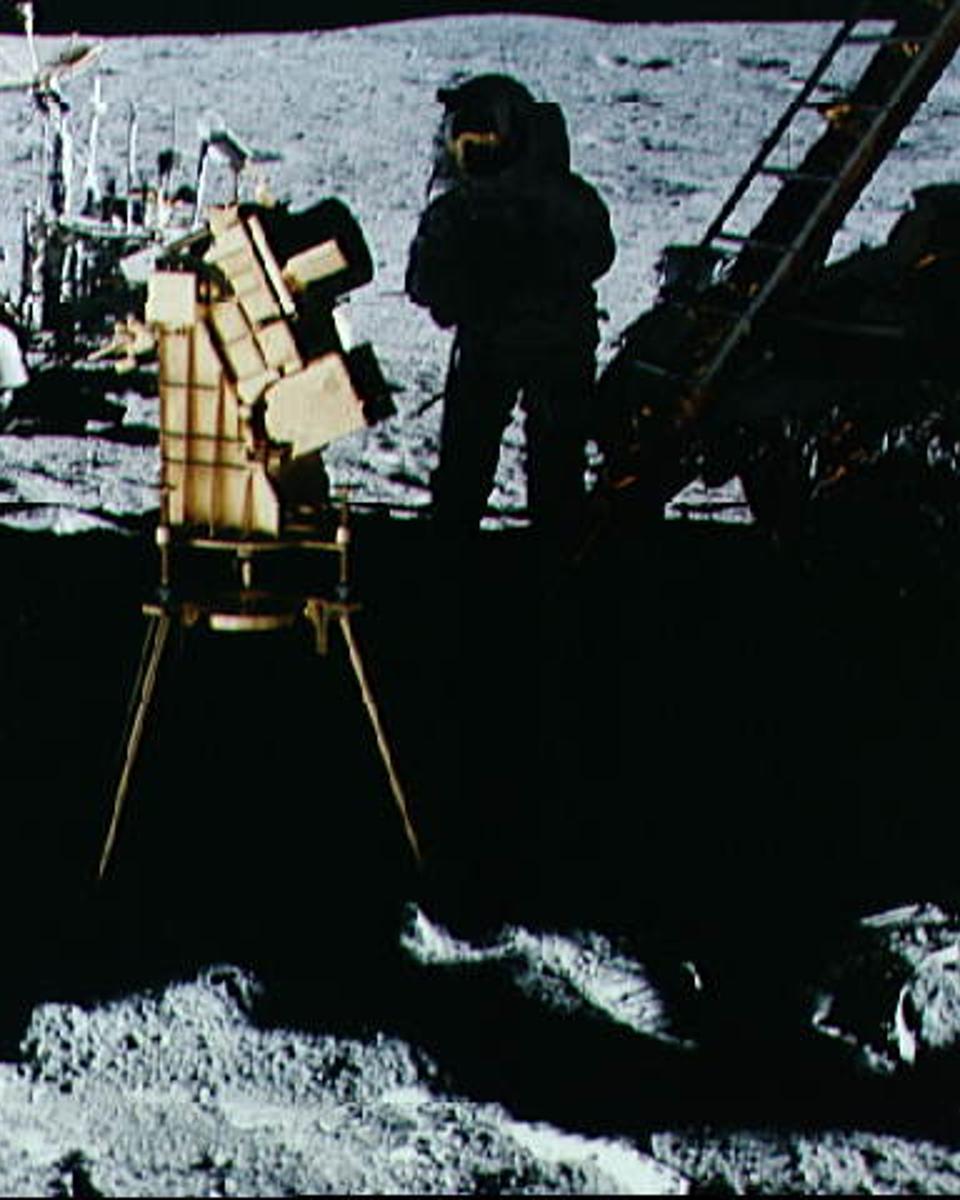
The First Lunar Observatory
The first, and so far only, lunar astronomical observatory was deployed by the Apollo 16 crew in 1972. The Far Ultraviolet Camera / Spectrograph used a 3-inch diameter Schmidt…
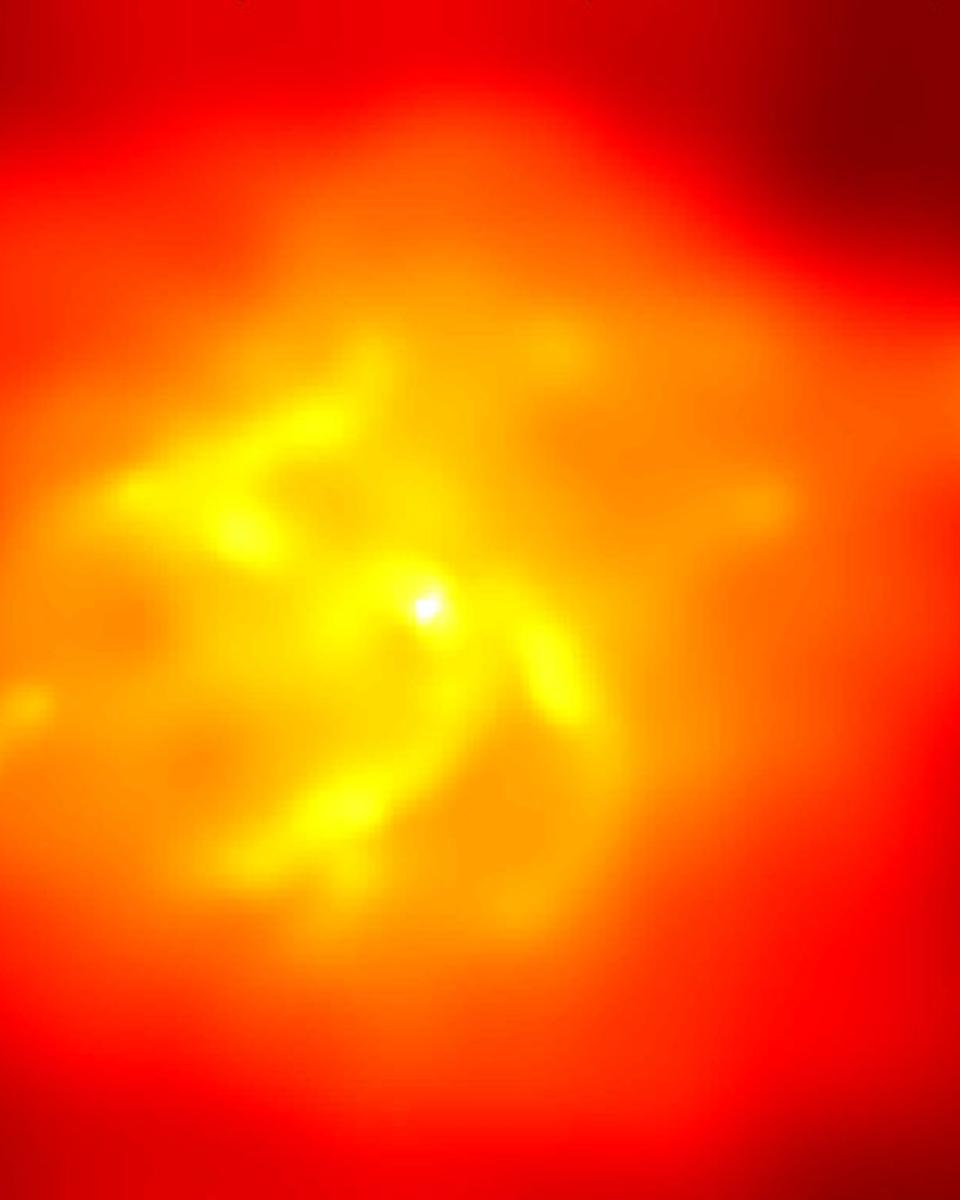
X-Ray Cygnus A
Amazingly detailed, this false-color x-ray image is centered on the galaxy Cygnus A. Recorded by the orbiting Chandra Observatory , Cygnus A is seen here as a spectacular high…
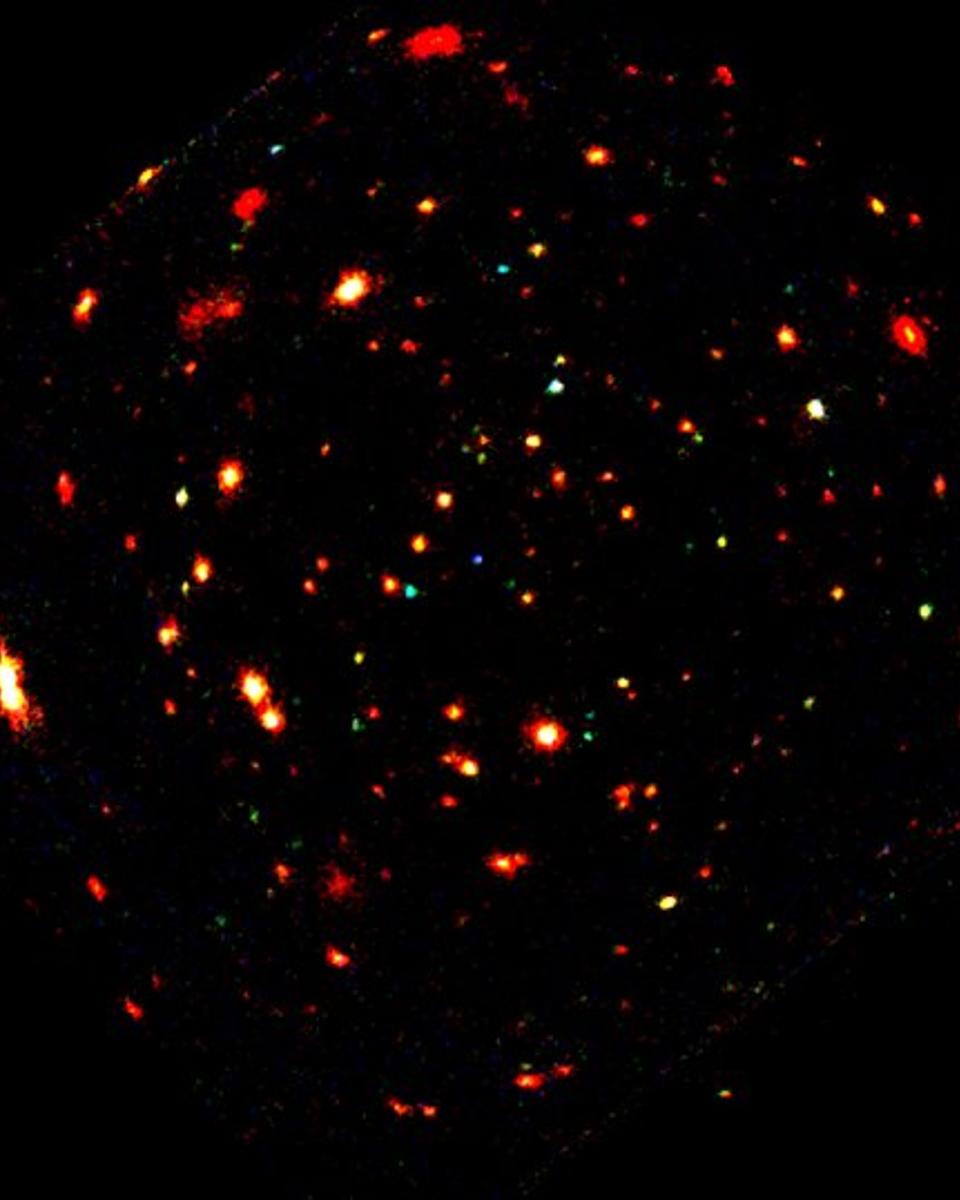
The Cosmic X-Ray Background
Early on, x-ray satellites revealed a surprising cosmic background glow of x-rays and astronomers have struggled to understand its origin. Now, peering through a hole in the…
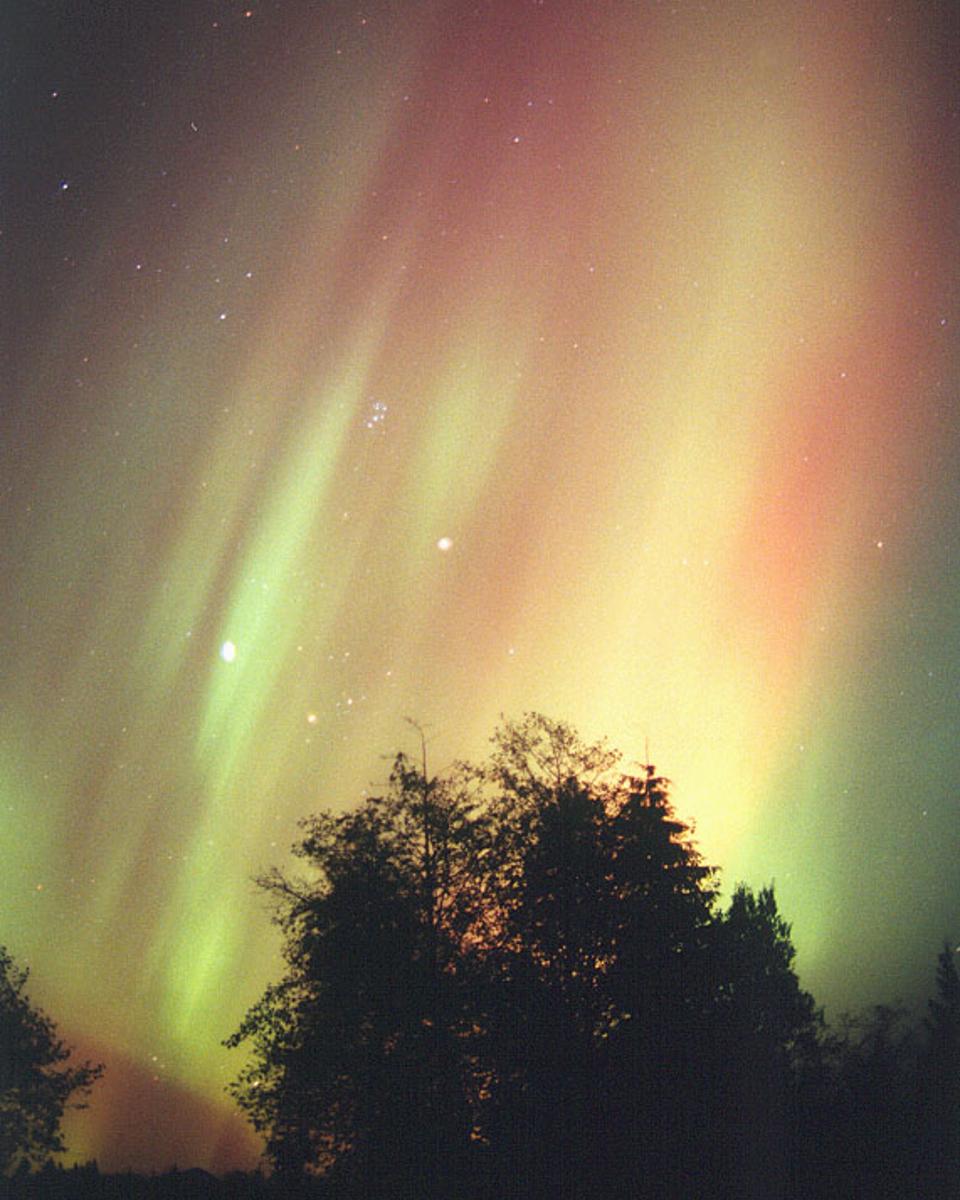
October Skylights
With brilliant Venus above the western horizon at sunset and Jupiter and Saturn high in the east by early evening, November's night sky is filled with bright planets. October's…
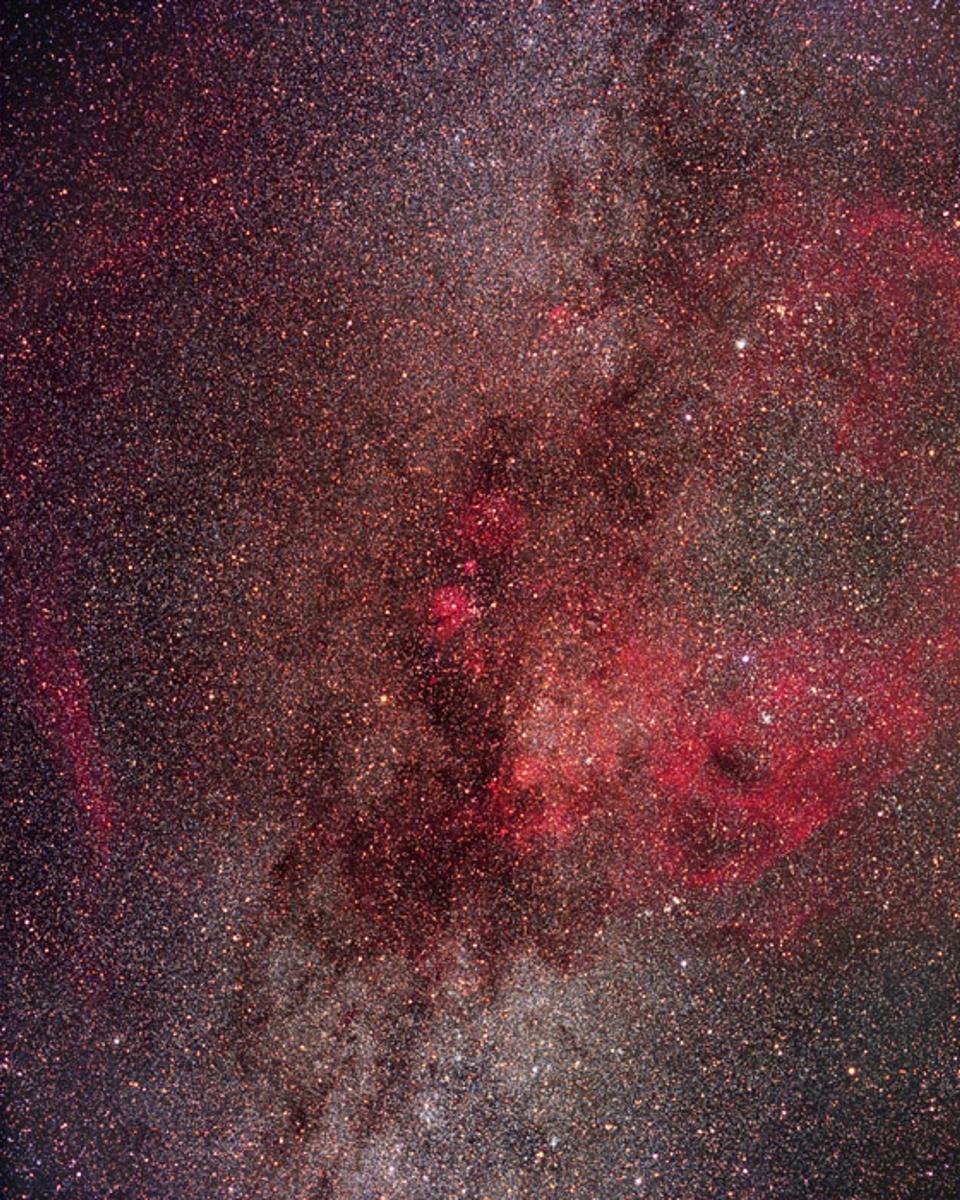
The Gum Nebula Supernova Remnant
Because the Gum Nebula is the closest supernova remnant , it is actually hard to see. Spanning 40 degrees across the sky, the nebula is so large and faint it is easily lost in the…
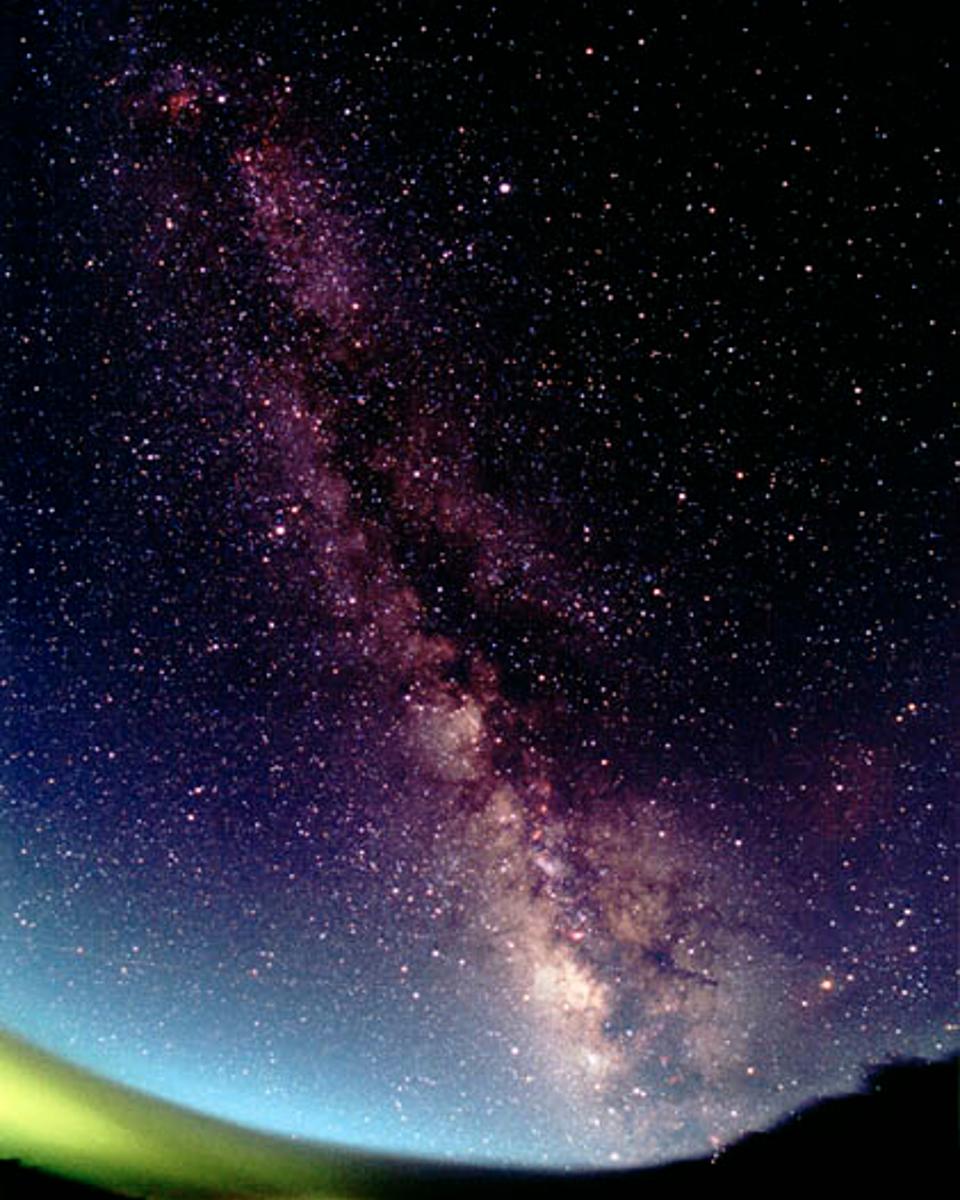
Heaven on Earth
If sometimes it appears that the entire Milky Way Galaxy is raining down on your head, do not despair. It happens twice a day. As the Sun rises in the East, wonders of the night…
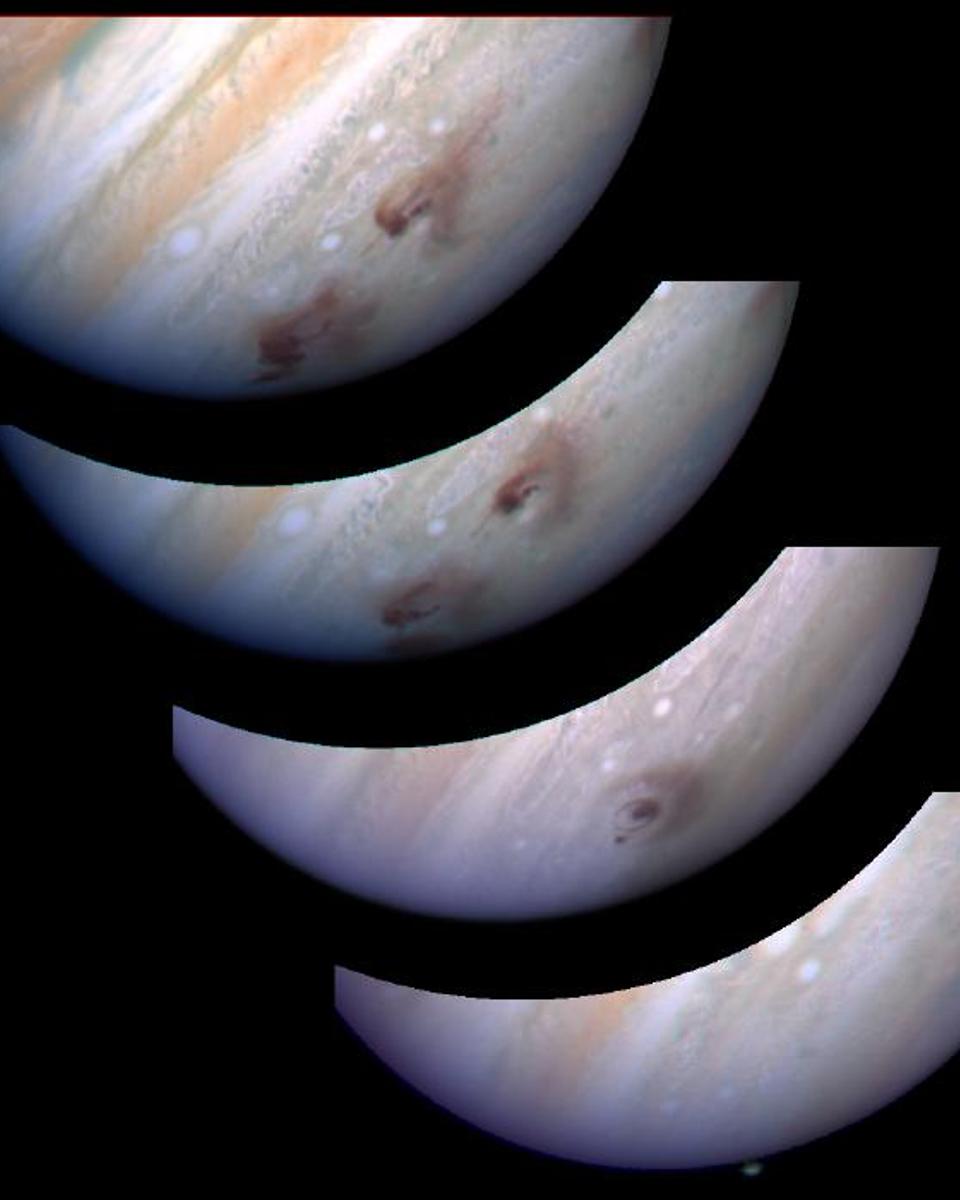
Jupiter Swallows Comet Shoemaker Levy 9
What happens when a comet encounters a planet? If the planet has a rocky surface, a huge impact feature will form. A giant planet like Jupiter , however, is mostly gas . When…
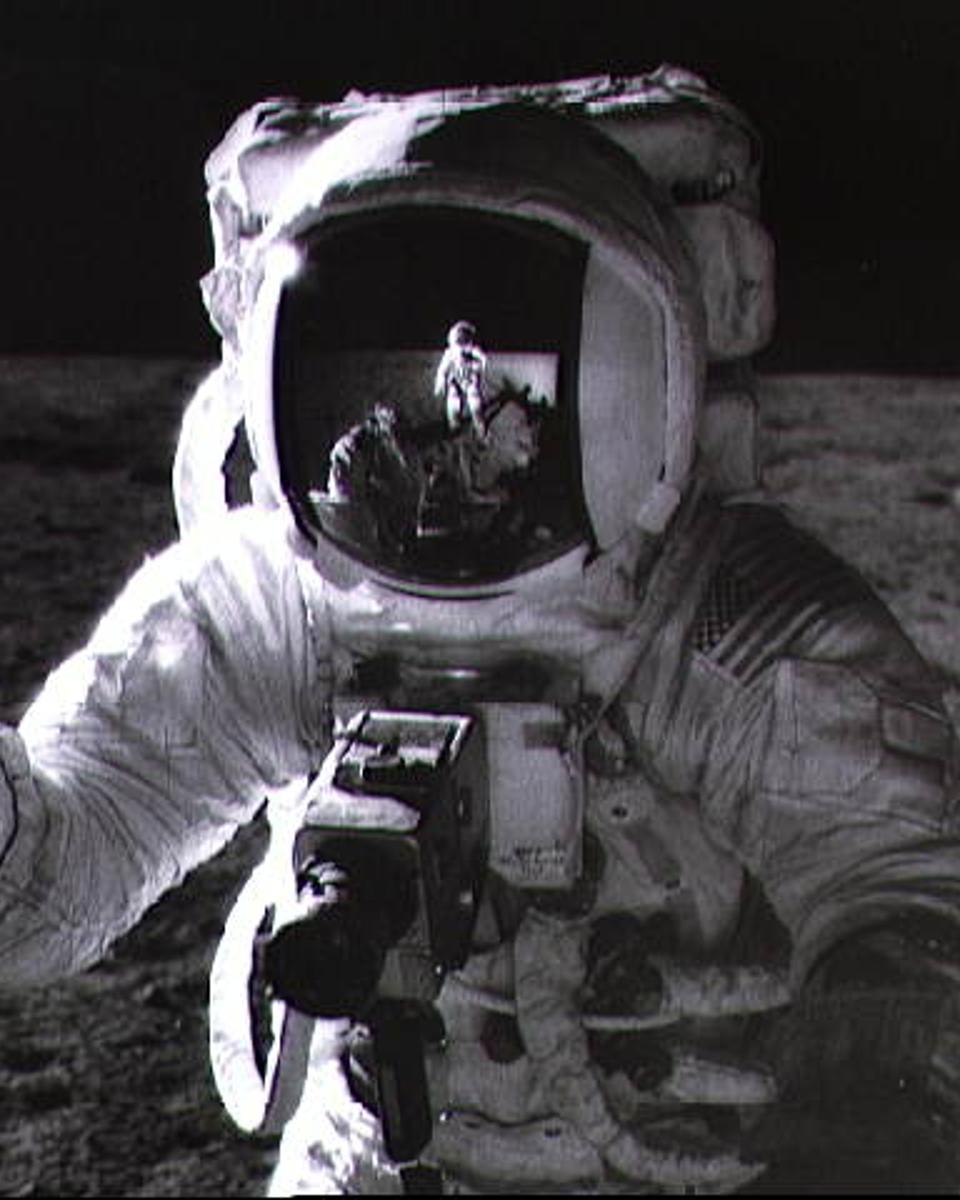
Apollo 12: Self-Portrait
Is it art? In November of 1969, Apollo 12 astronaut-photographer Charles “Pete” Conrad recorded this masterpiece while documenting colleague Alan Bean's lunar soil collection…
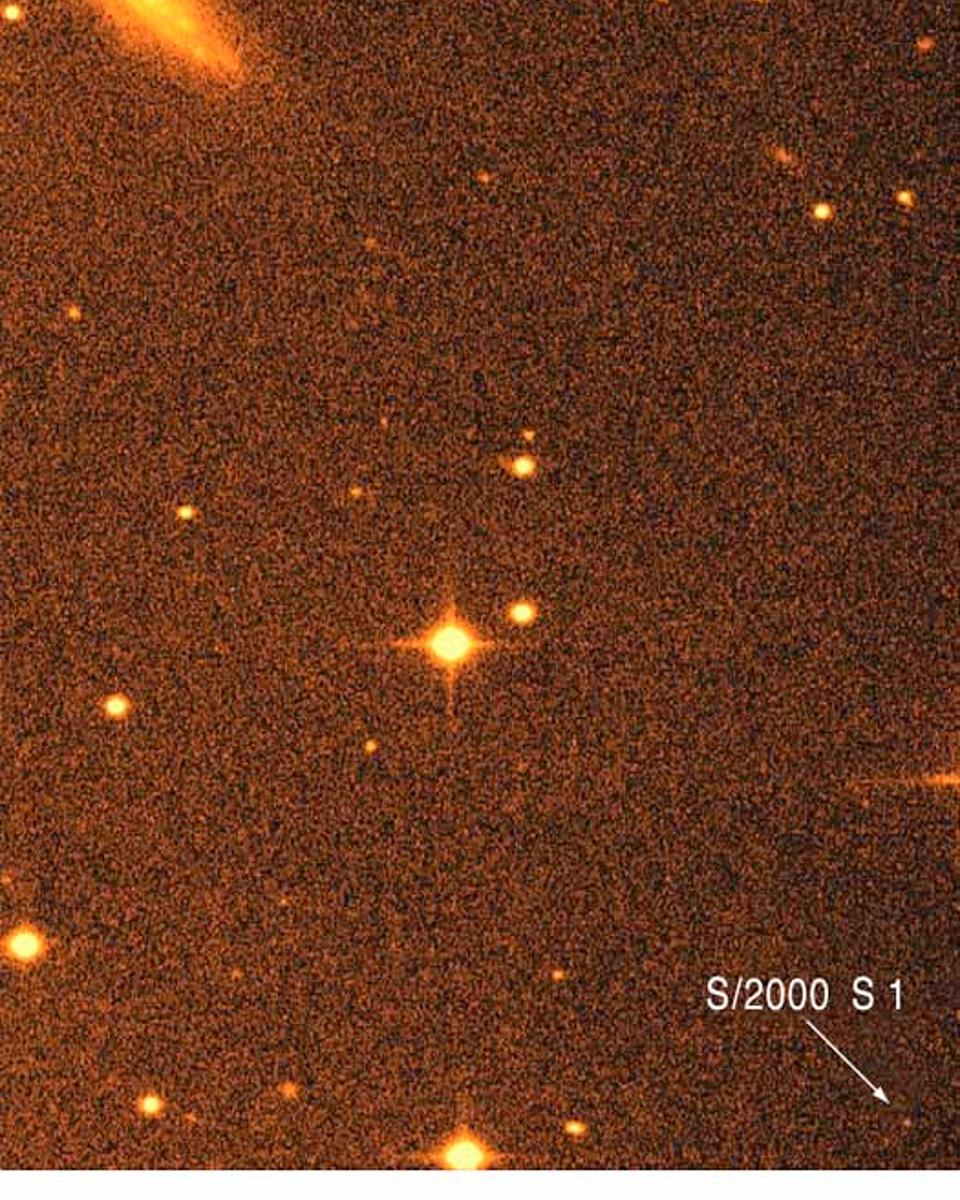
New Moons For Saturn
Which planet has the most moons? For now, it's Saturn. Four newly discovered satellites bring the ringed planet's total to twenty-two, just edging out Uranus' twenty-one for the…
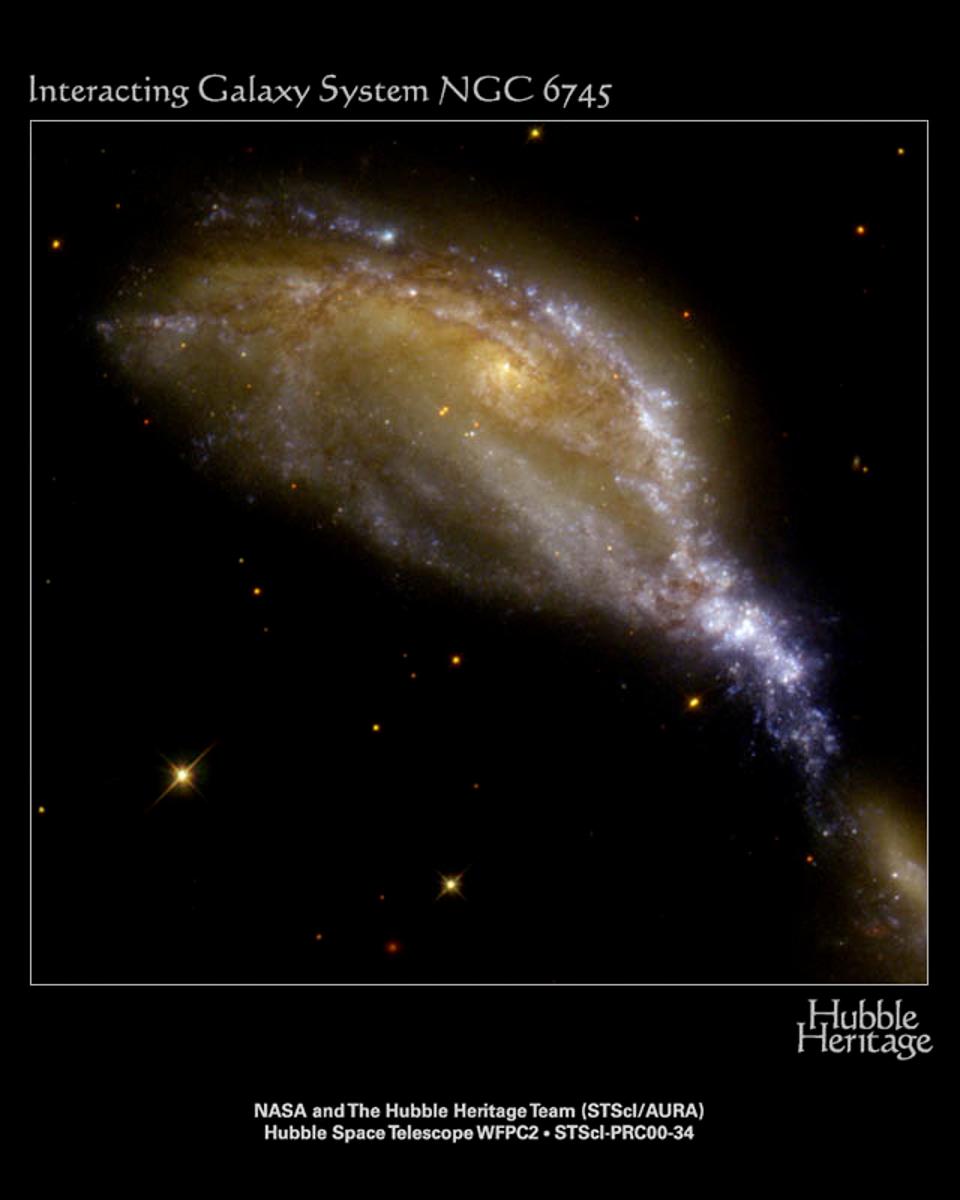
A Galaxy Collision in NGC 6745
Galaxies don't normally look like this. NGC 6745 actually shows the results of two galaxies that have been colliding for only hundreds of millions of years. Just off the above…
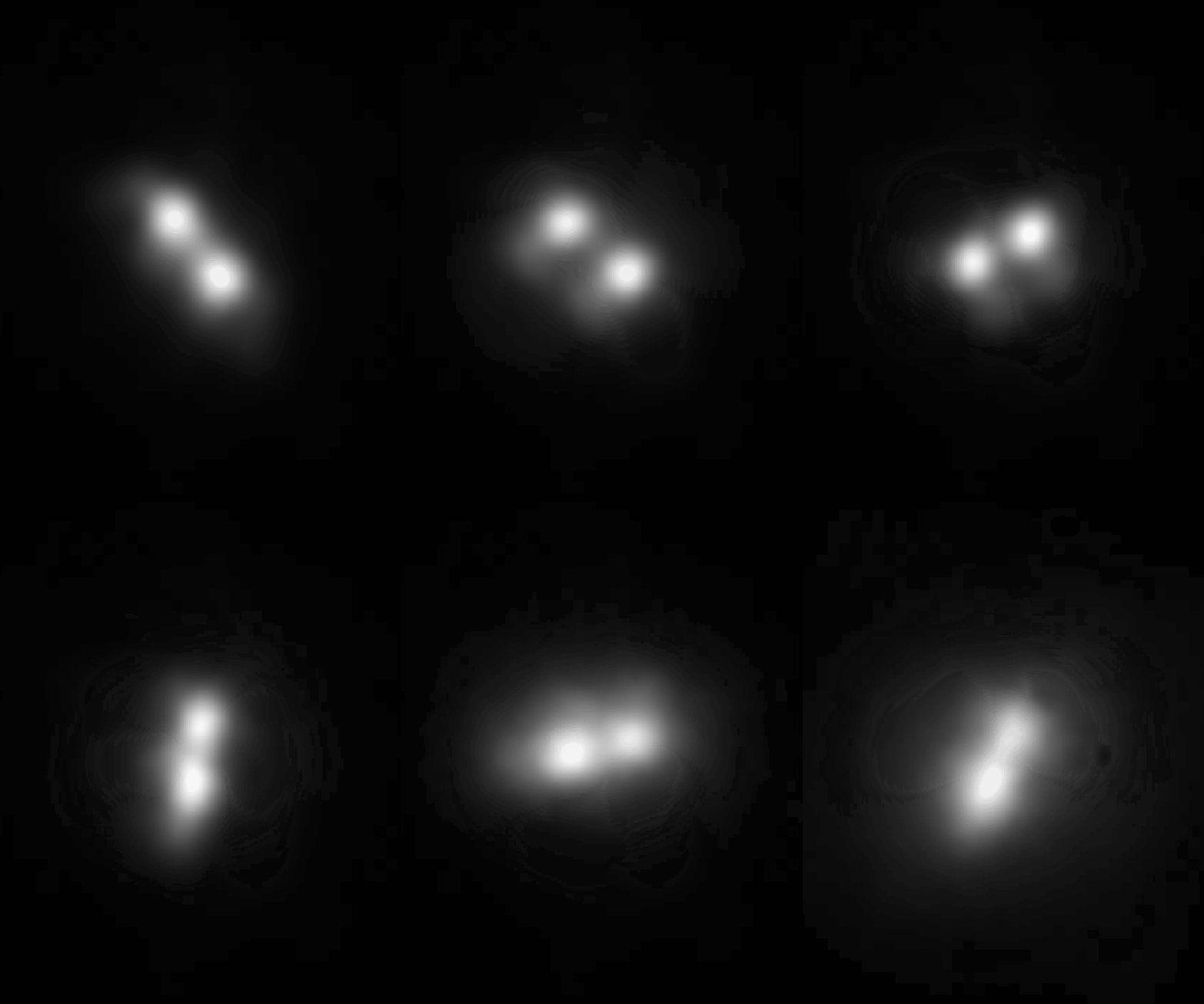
Double Asteroid 90 Antiope
This eight-frame animation is based on the first ever images of a double asteroid ! Formerly thought to be a single enormous chunk of rock, asteroid 90 Antiope resides in the…
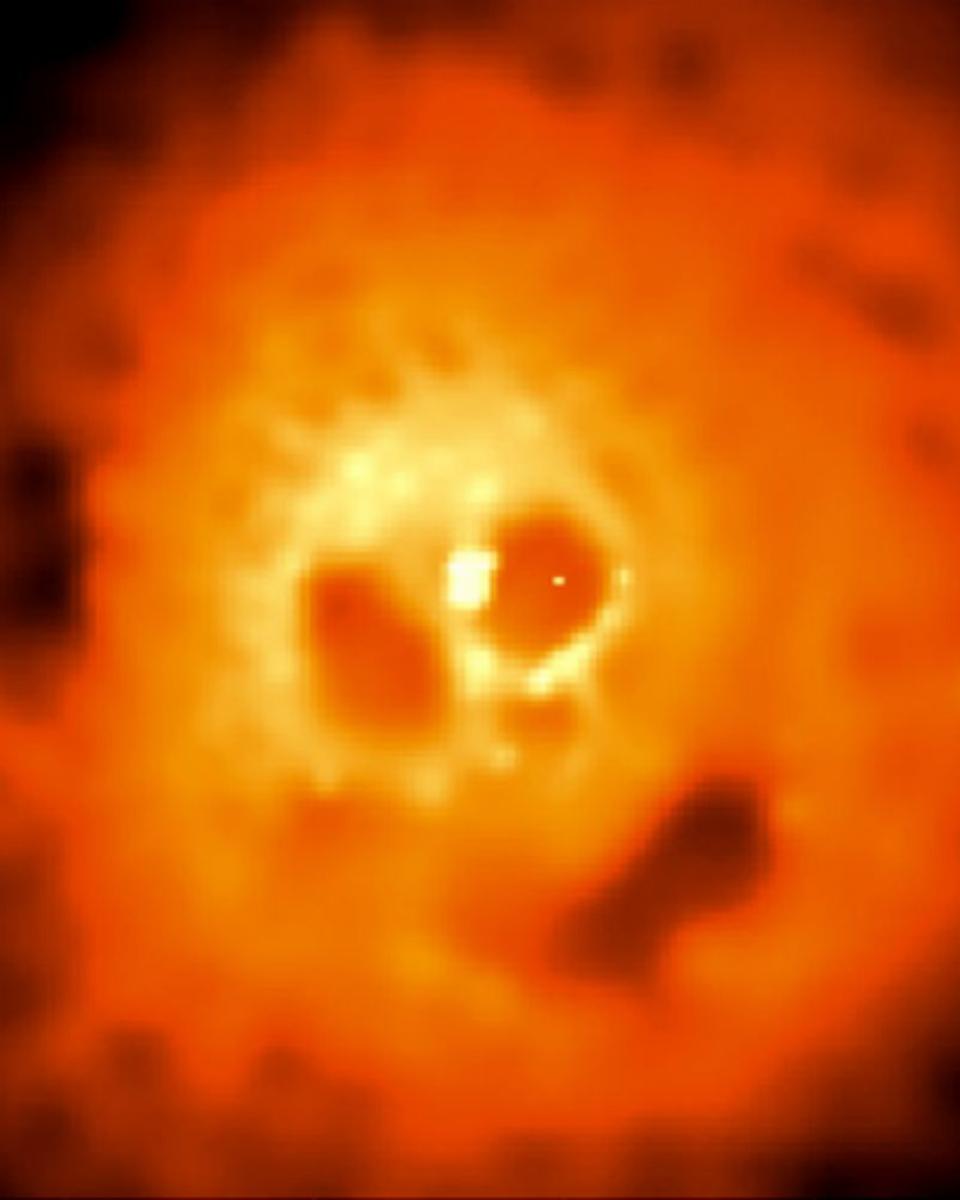
The Perseus Cluster's X-Ray Skull
This haunting image from the orbiting Chandra Observatory reveals the Perseus Cluster of Galaxies in x-rays , photons with a thousand or more times the energy of visible light.…
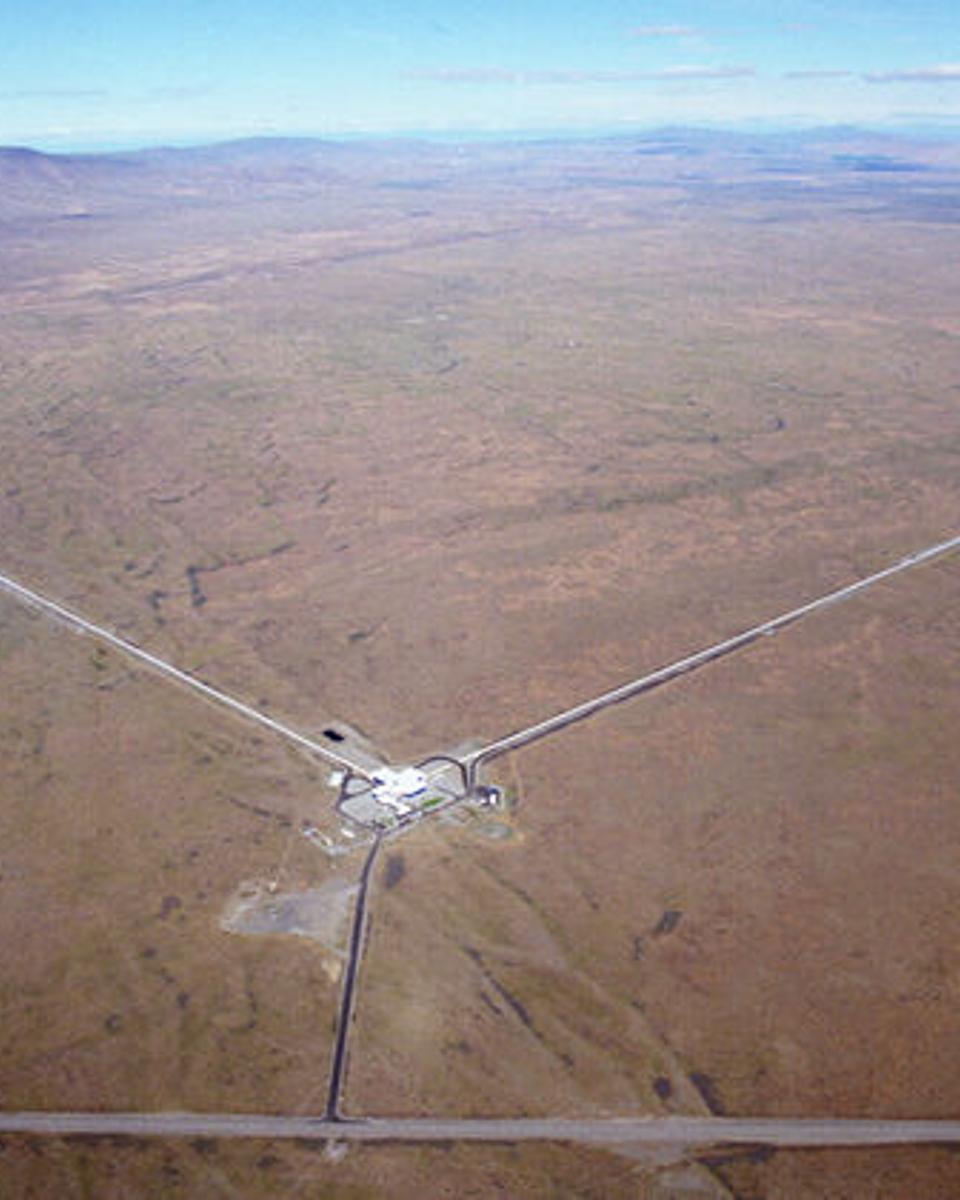
A Step Toward Gravitational Wave Detection
Accelerate a charge and you'll get electromagnetic radiation : light. But accelerate any mass and you'll get gravitational radiation . Light is seen all the time, but, so far, a…
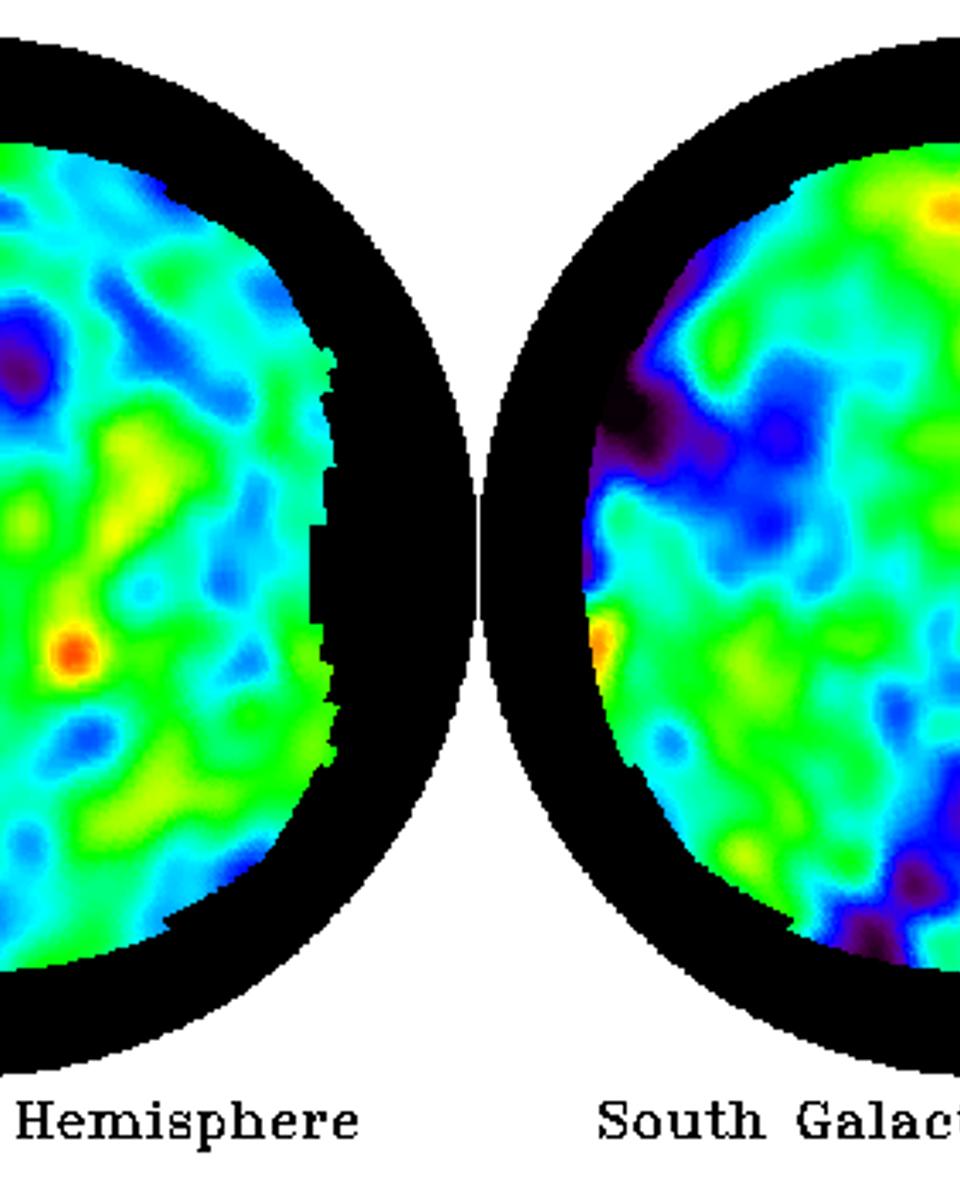
Microwave Hotspots: The Oldest Structures Known
These spots are the oldest, most distant structures known. They are seen on the above two images of the microwave sky, north and south of our galaxy's equator, based on…
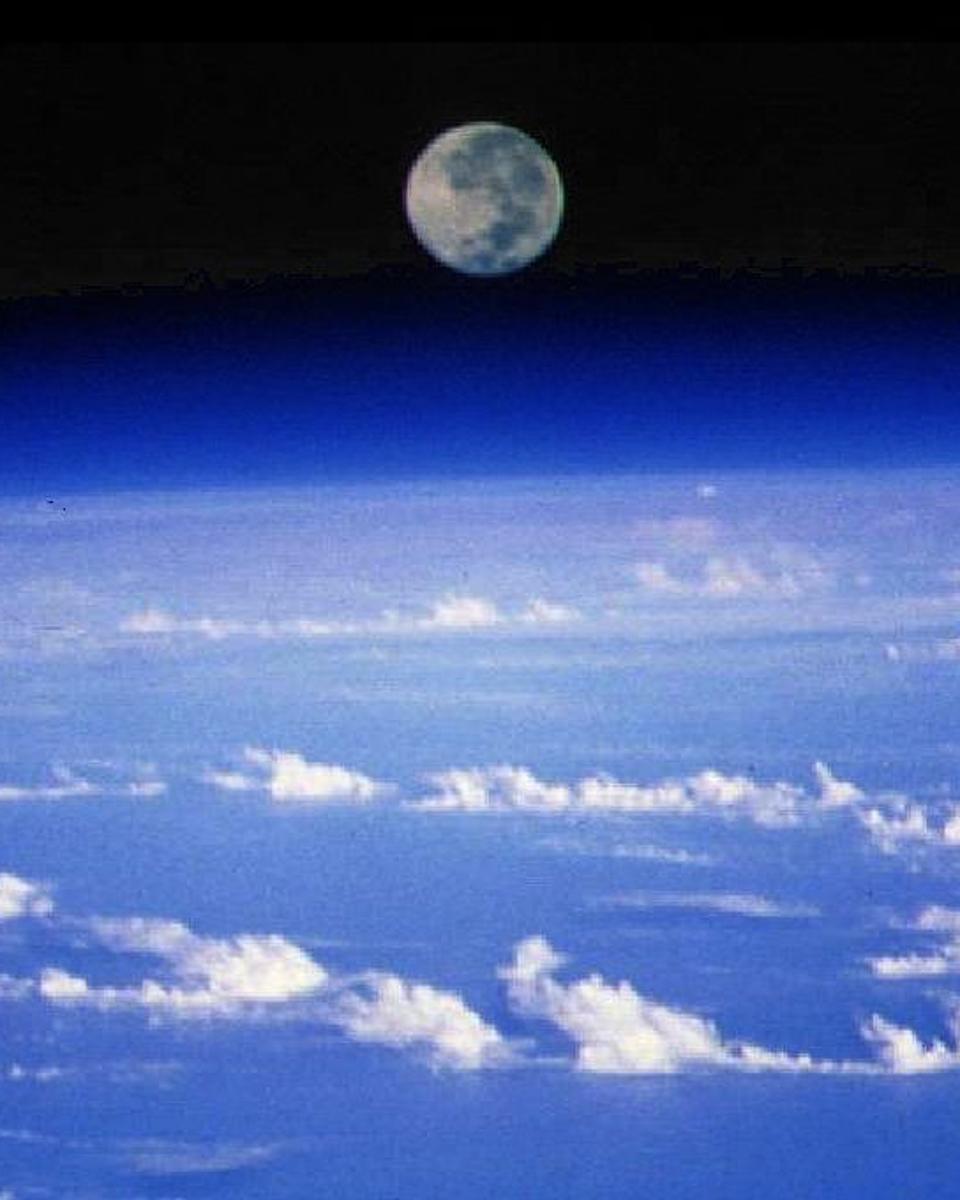
Moonset, Planet Earth
During the Astro-1 astronomy mission of December, 1990, Space Shuttle astronauts photographed this stunning view of the setting full moon above the Earth's limb. In the…
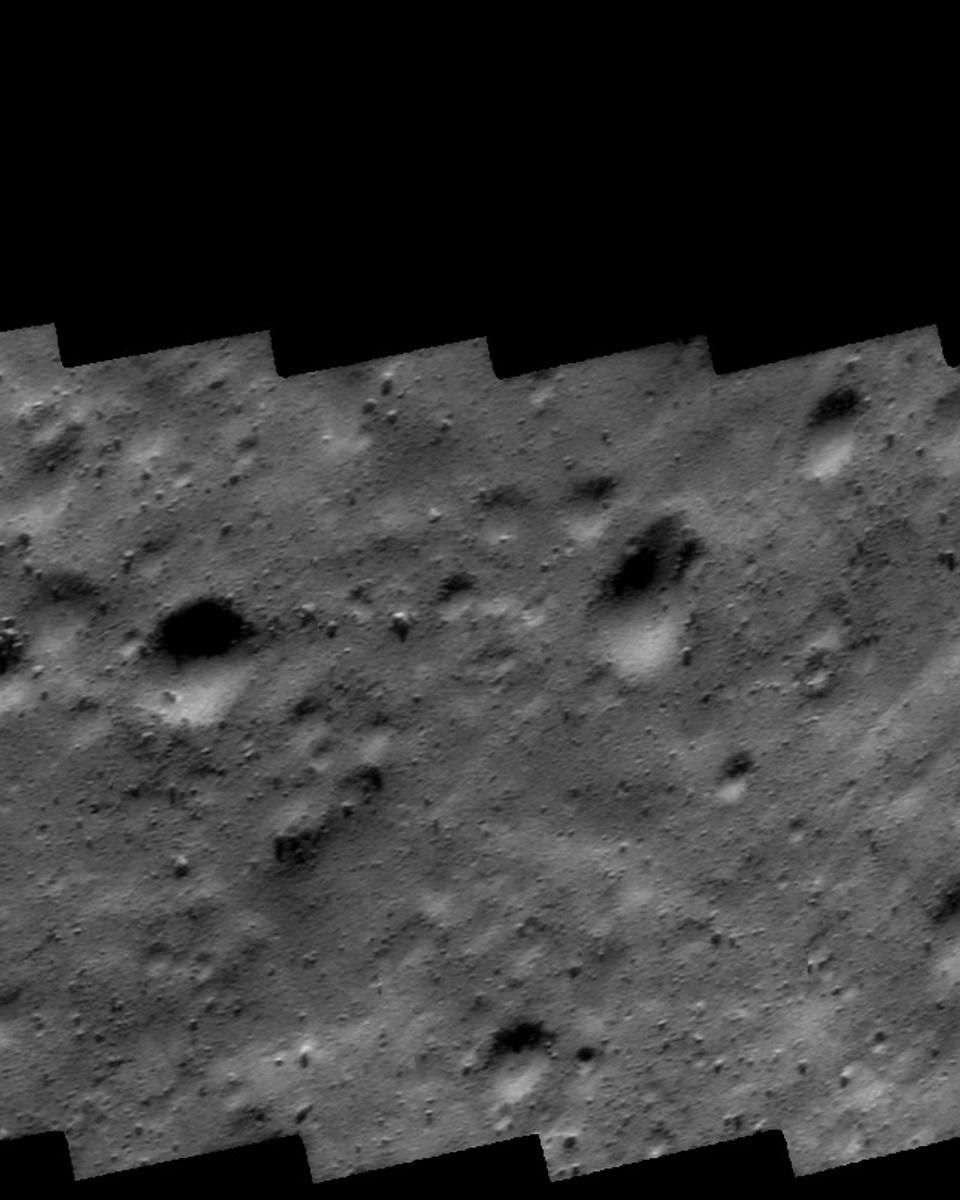
Close To Eros
Scroll right and fly close over asteroid Eros! This long mosaic was constructed of images returned yesterday by the NEAR Shoemaker spacecraft as it orbited to within 6.4…
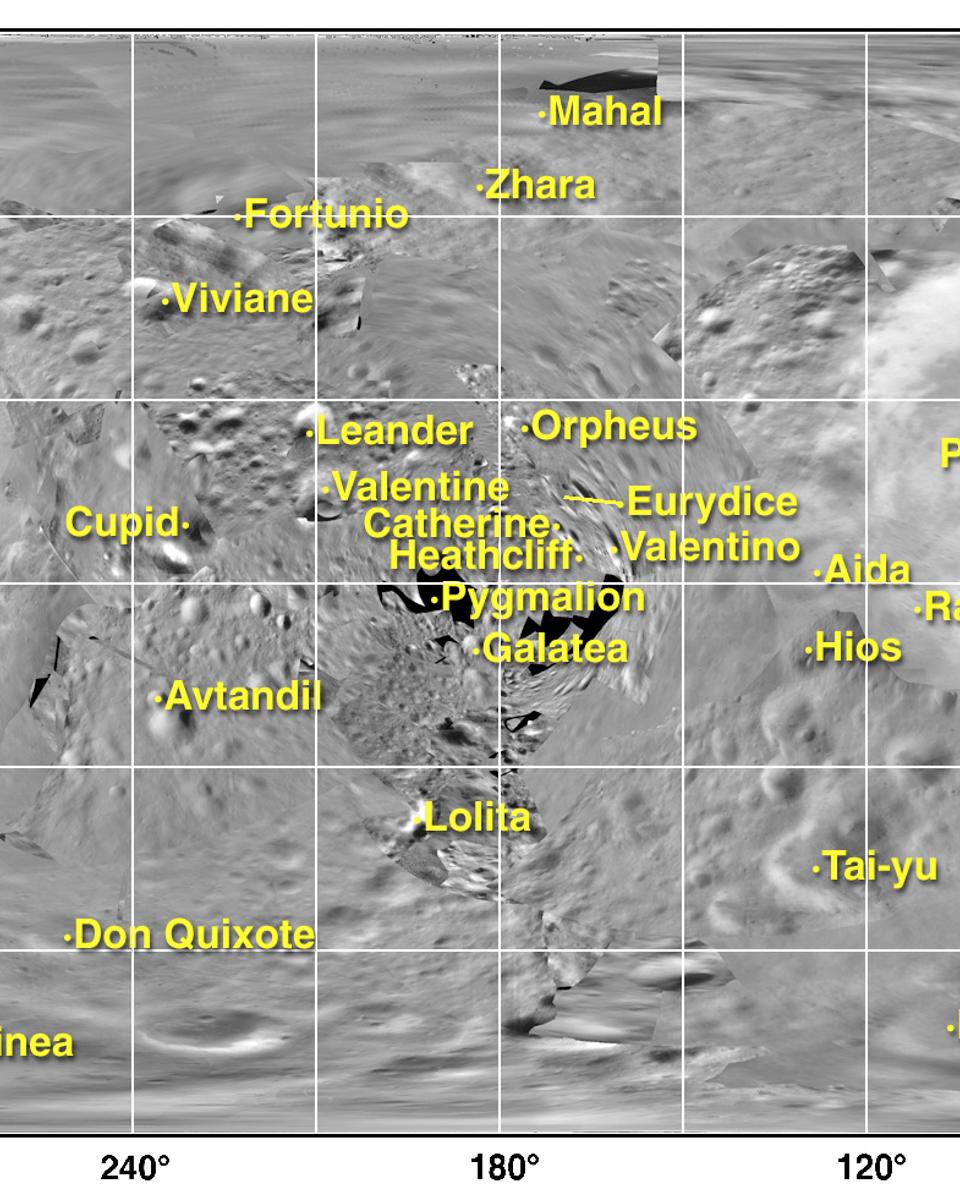
The Map Of Eros
This map of Eros was constructed from a mosaic of images recorded by the NEAR Shoemaker spacecraft, currently orbiting the 40 x 14 x 14 kilometer asteroid. A simple cylindrical…
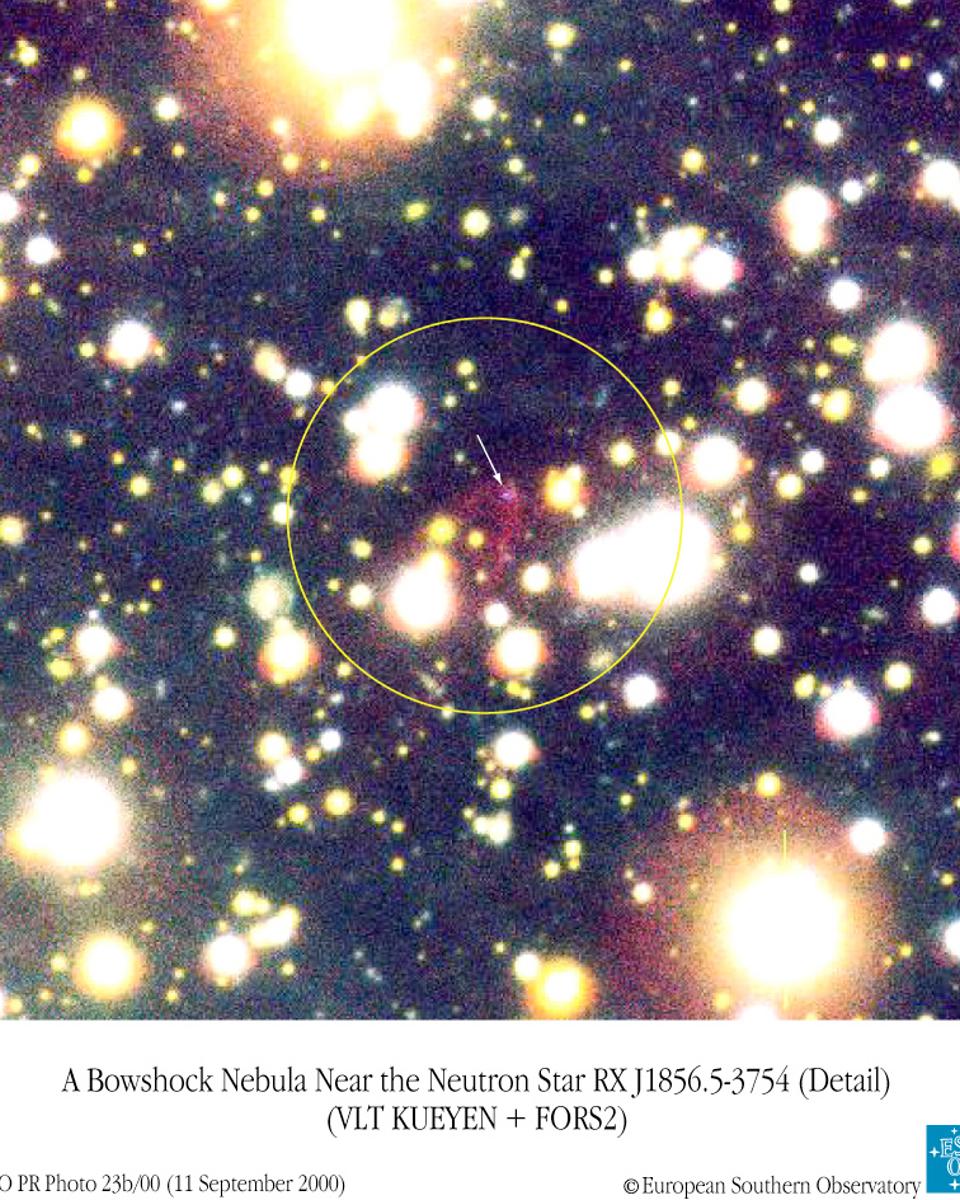
The Nebula And The Neutron Star
The lonely RX J1856.5-3754 was formed from the collapsed core of an exploding star. At a distance of 180 light-years it is the closest known neutron star. More massive than the…
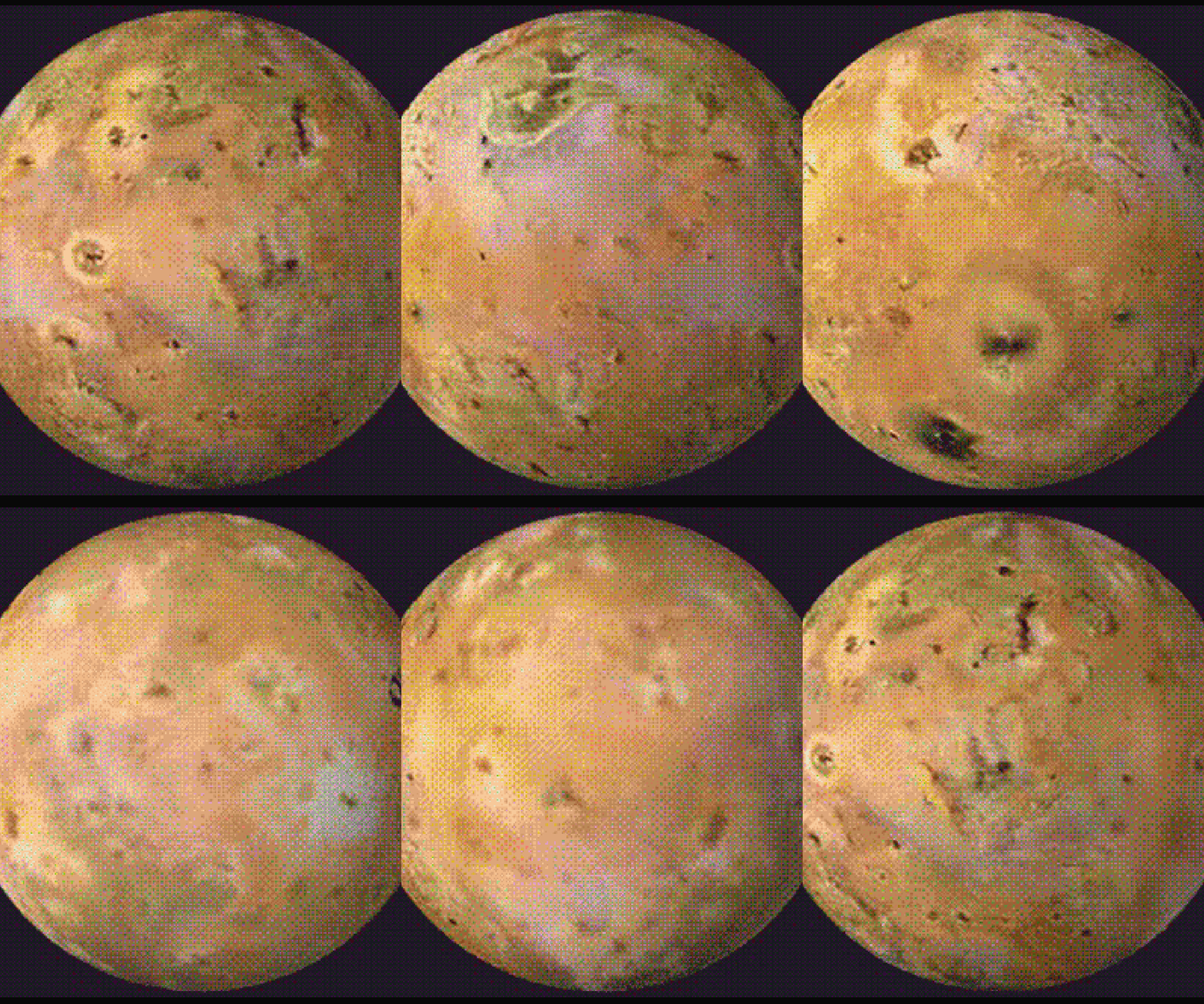
Io Rotating
The surface of Io is continually changing. Jupiter's moon is the home to many powerful volcanoes so active they are effectively turning the moon inside out. The above time-lapse…
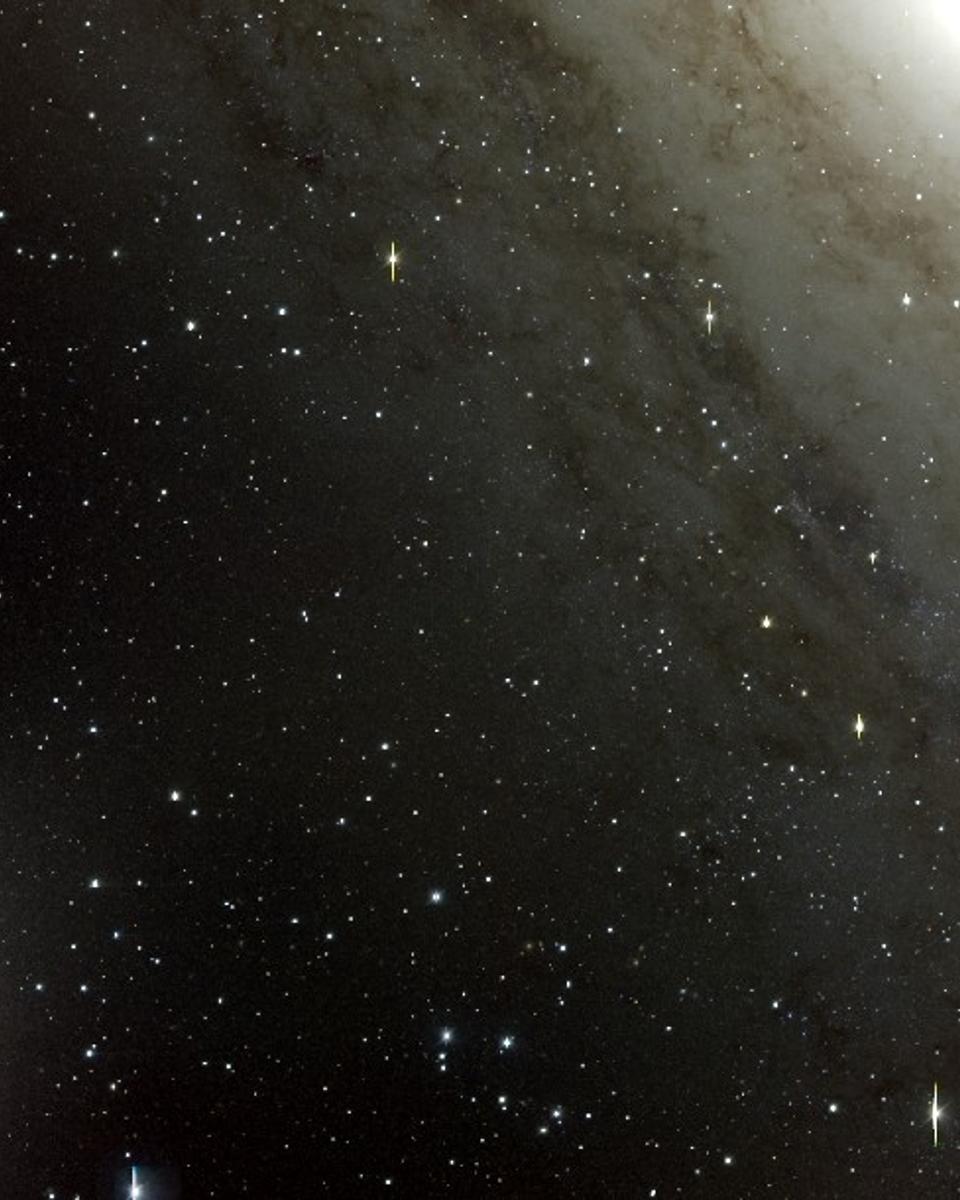
Dwarf Elliptical Galaxy NGC 205 in the Local Group
Our Milky Way Galaxy is not alone. It is part of a gathering of about 25 galaxies known as the Local Group . Members include the Great Andromeda Galaxy (M31), M32 , M33 , the…
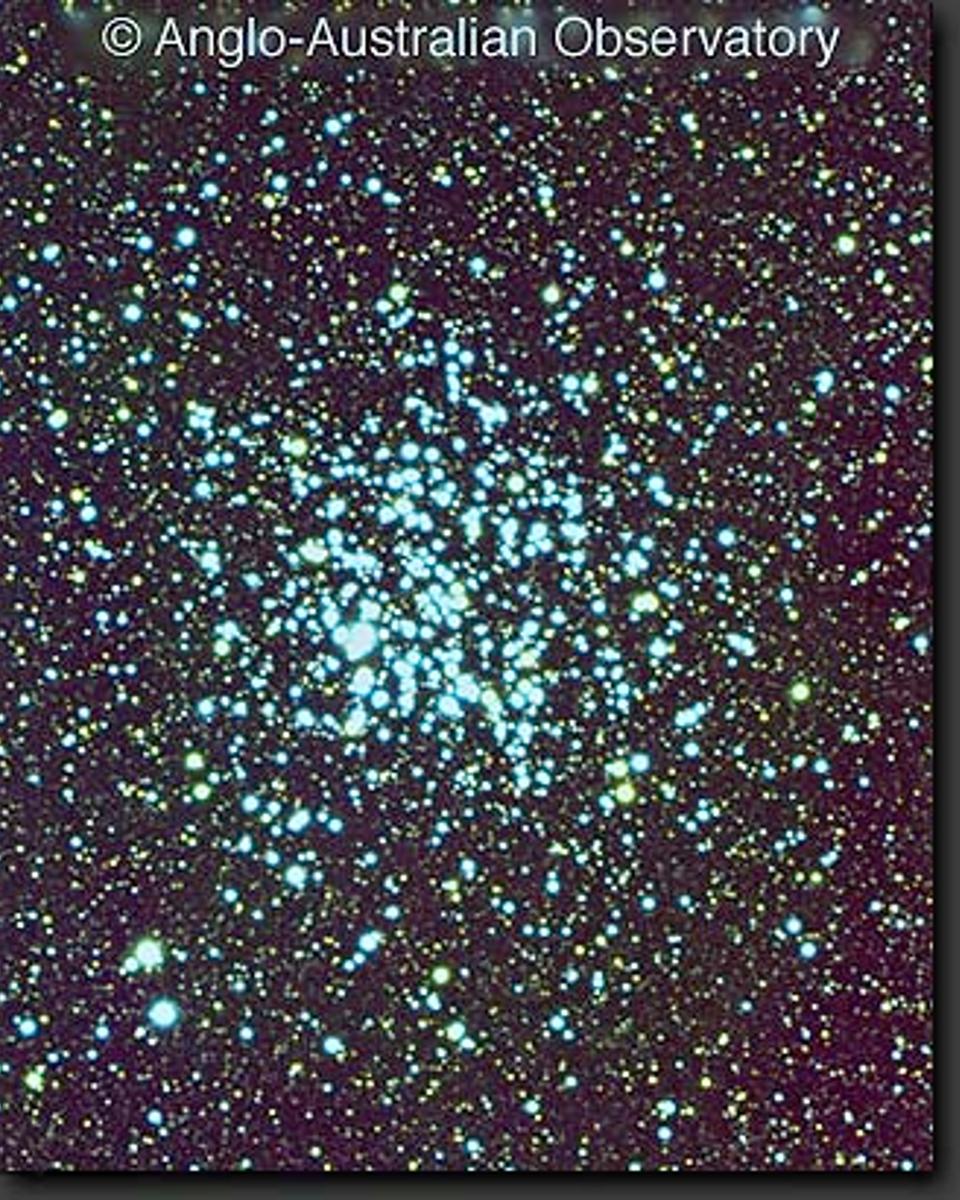
Wild Duck Open Cluster M11
Many stars like our Sun were formed in open clusters . The above open cluster, M11 , contains thousands of stars and is just over three thousand light years distant. The stars in…
Viewing discoveries from 14 November 2000 through 22 October 2000.