Browse NASA Astronomy Picture of the Day archive by date and media: Archive Discoveries
Browse the NASA APOD archive without needing the exact date first. Filter by media type and keep moving deeper into older images and videos.
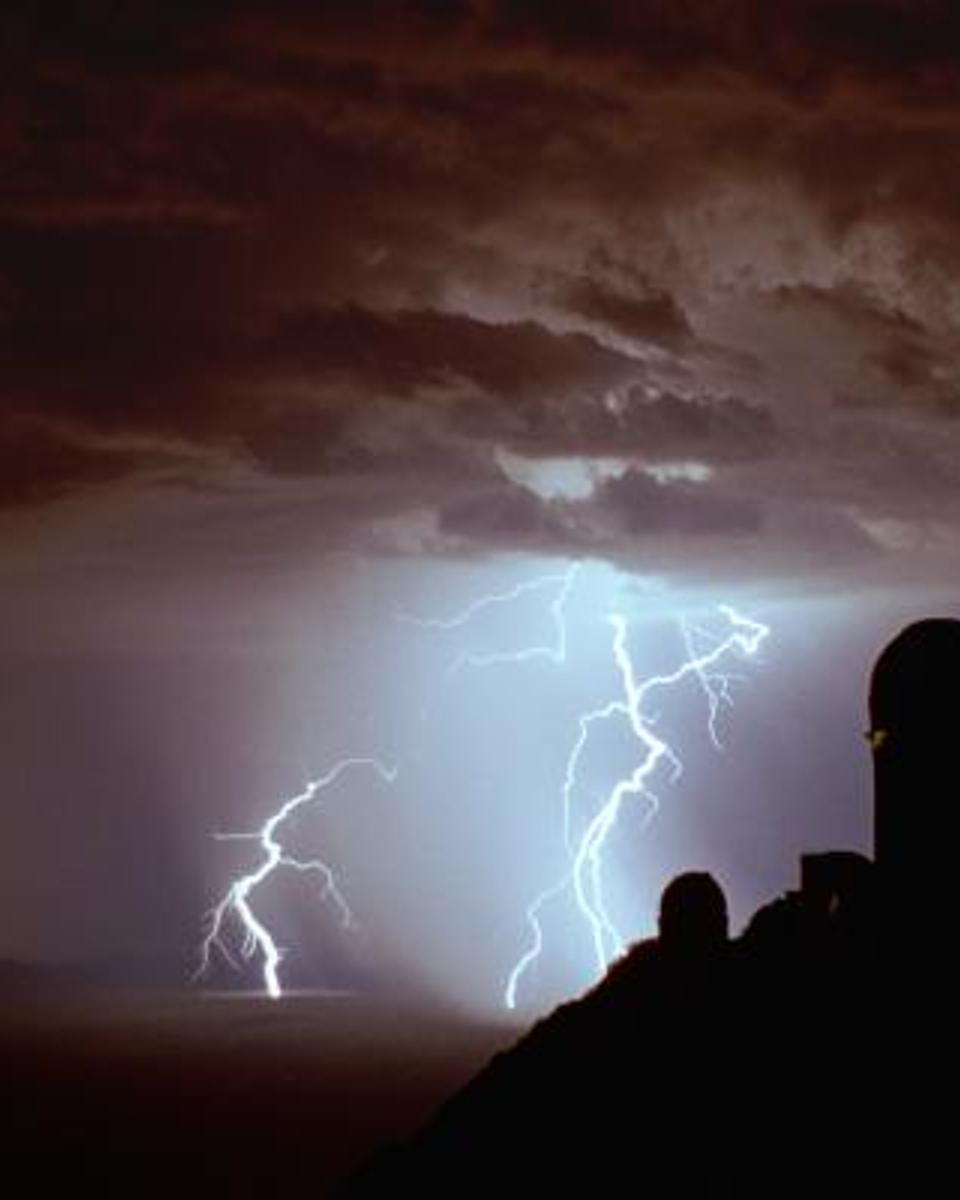
Lightning on Earth
Nobody knows what causes lightning. It is known that charges slowly separate in some clouds causing rapid electrical discharges (lightning), but how electrical charges get…
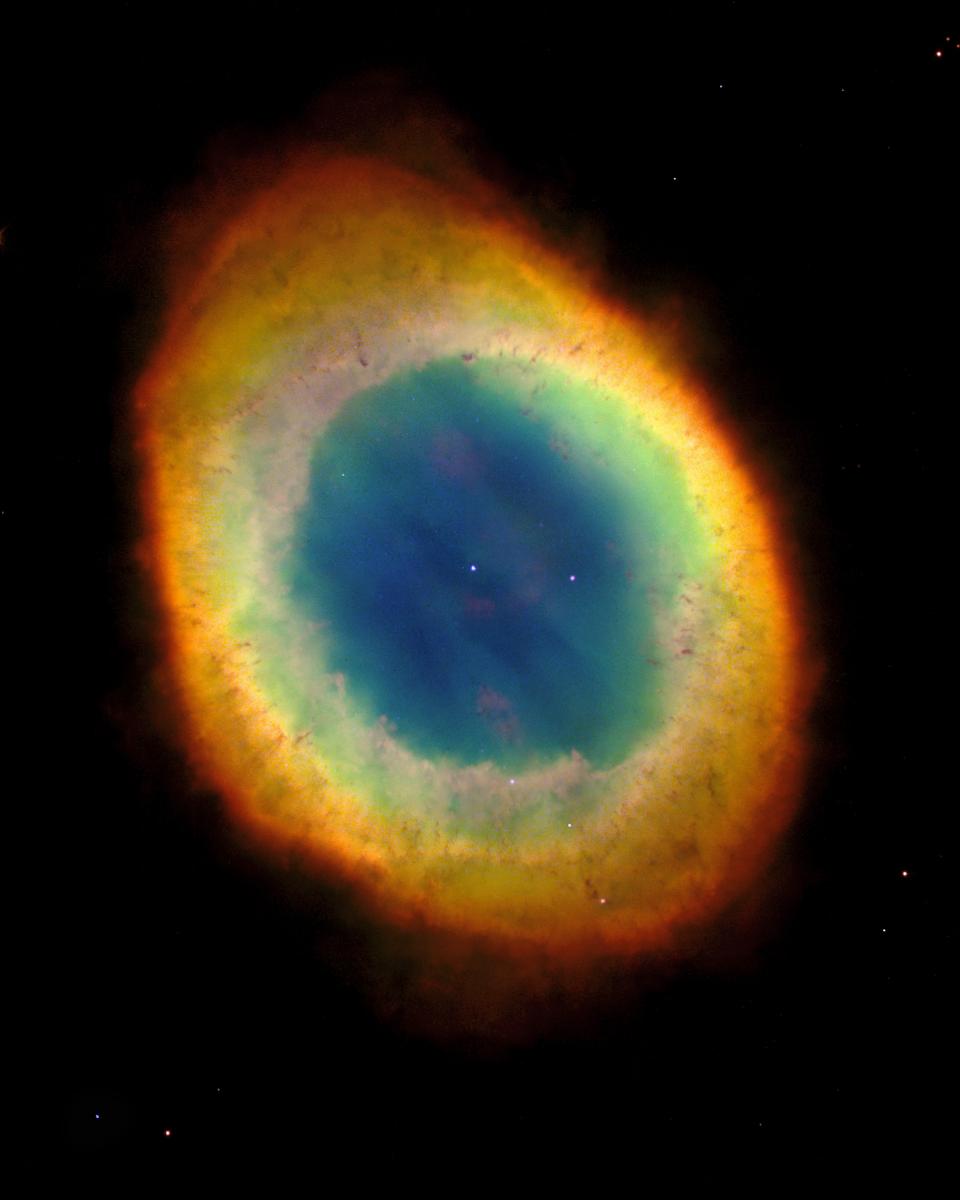
M57: The Ring Nebula
Except for the rings of Saturn , The Ring Nebula (M57) is probably the most famous celestial band. This planetary nebula's simple, graceful appearance is thought to be due to…
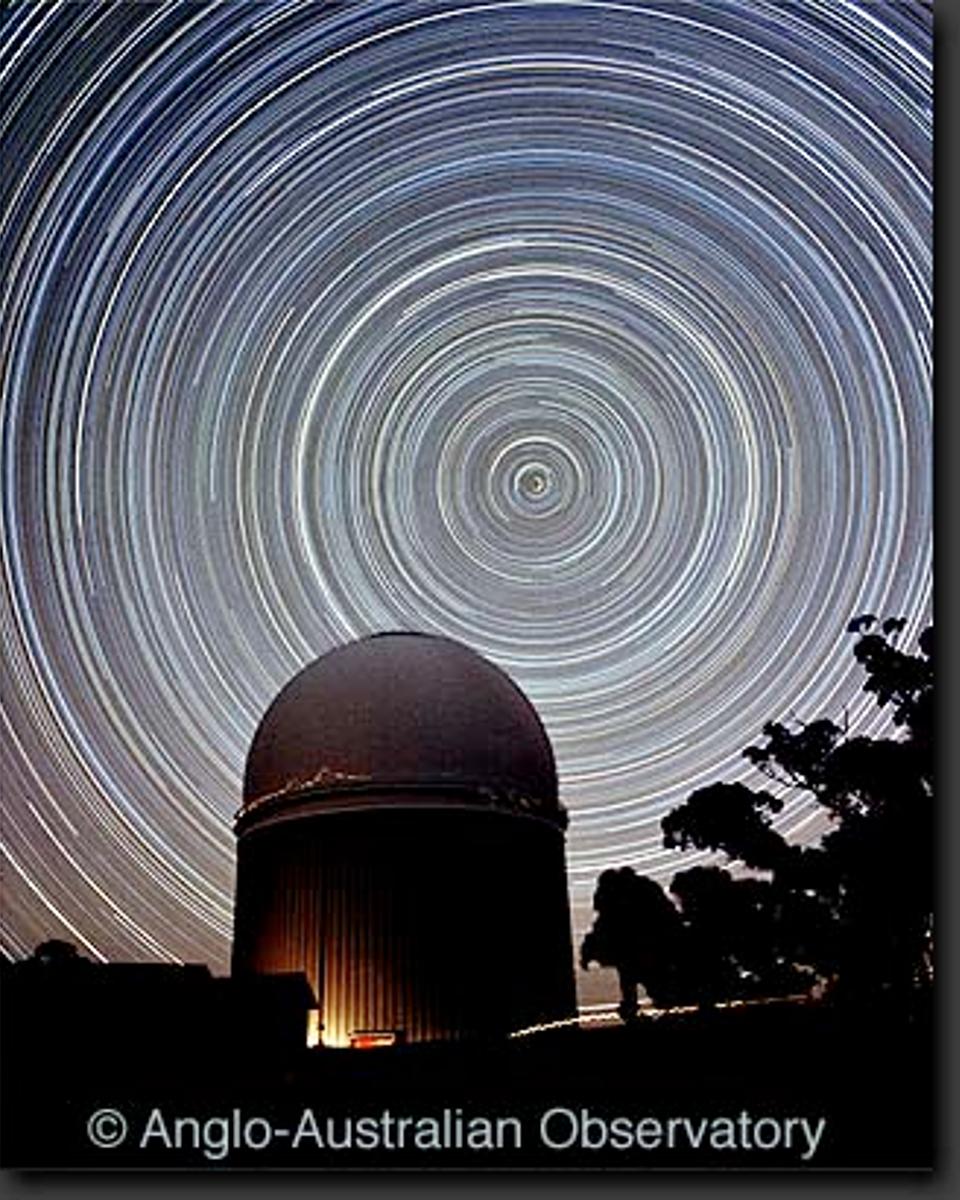
Star Trails In Southern Skies
As the Earth spins on its axis, the stars seem to rotate around us. This motion produces the beautiful concentric arcs traced out by the stars in this time exposure of the…
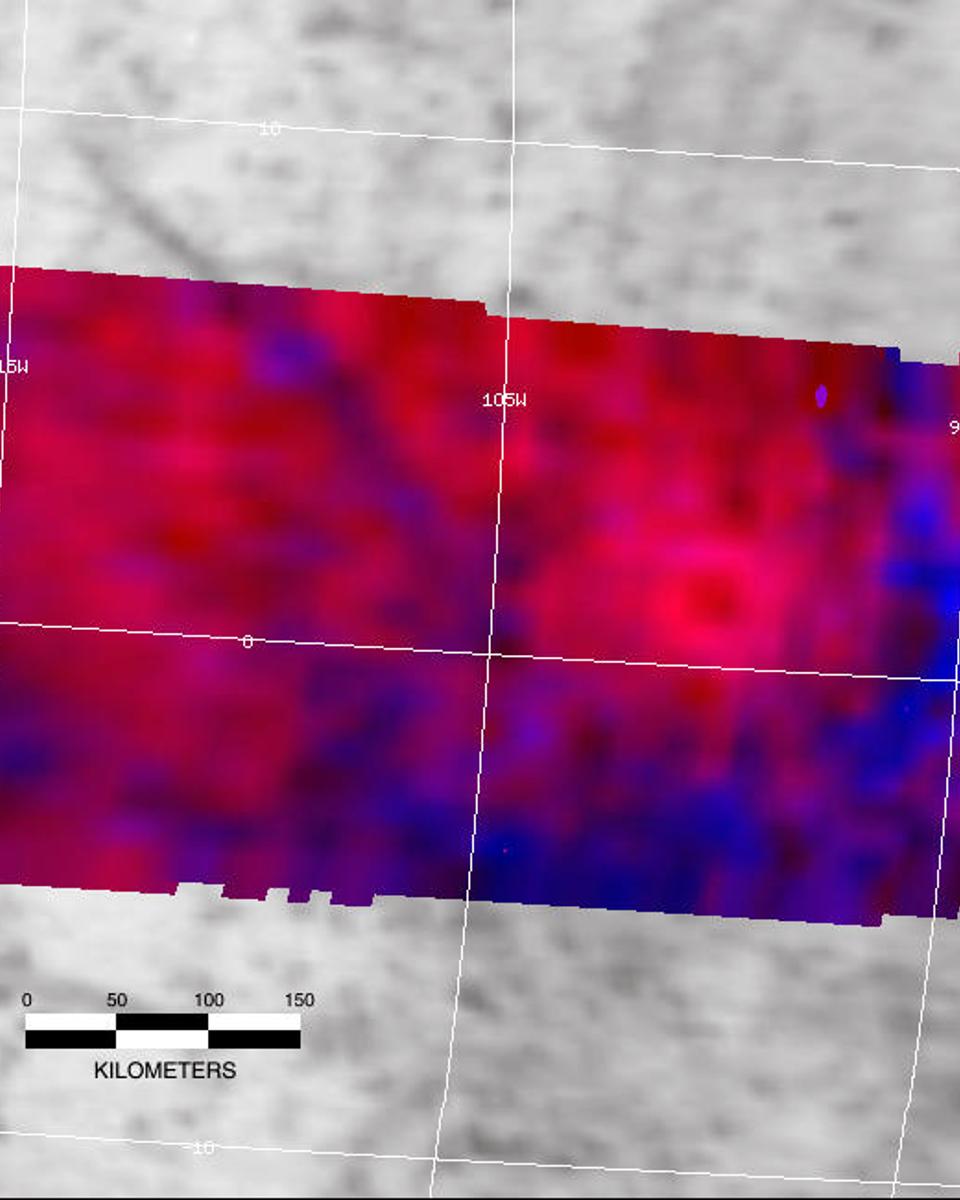
Crater On Ice
Impact craters are common on Earth's moon but on Jupiter's large ice moon Europa , they are very rare. Over time, both bodies have been subjected to an intense pounding by the…
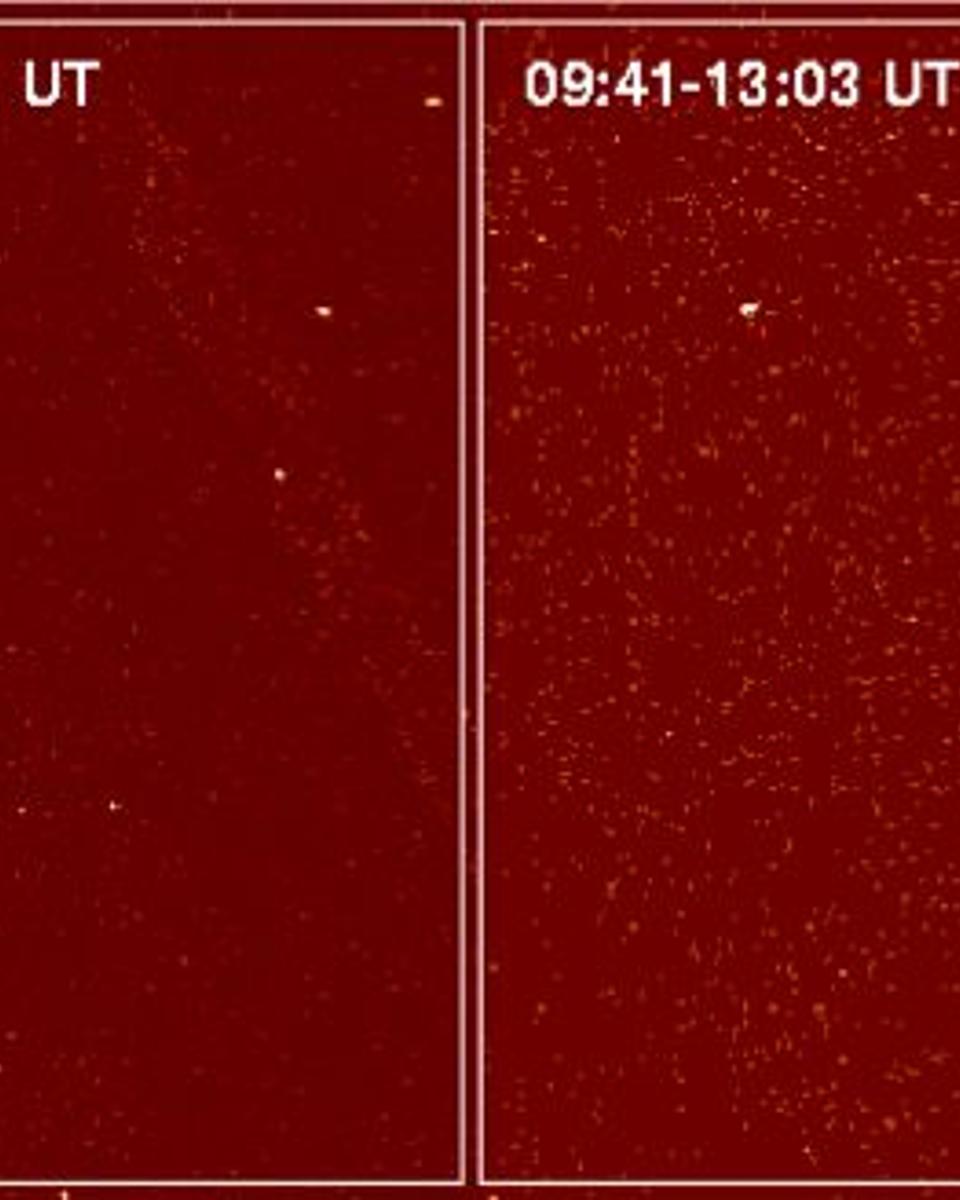
LP 944-20: A Failed Star Flares
The tiny spot circled on the right actually represents a big astronomical discovery -- the first detected flare from a failed star. Failed stars, termed brown dwarfs in…
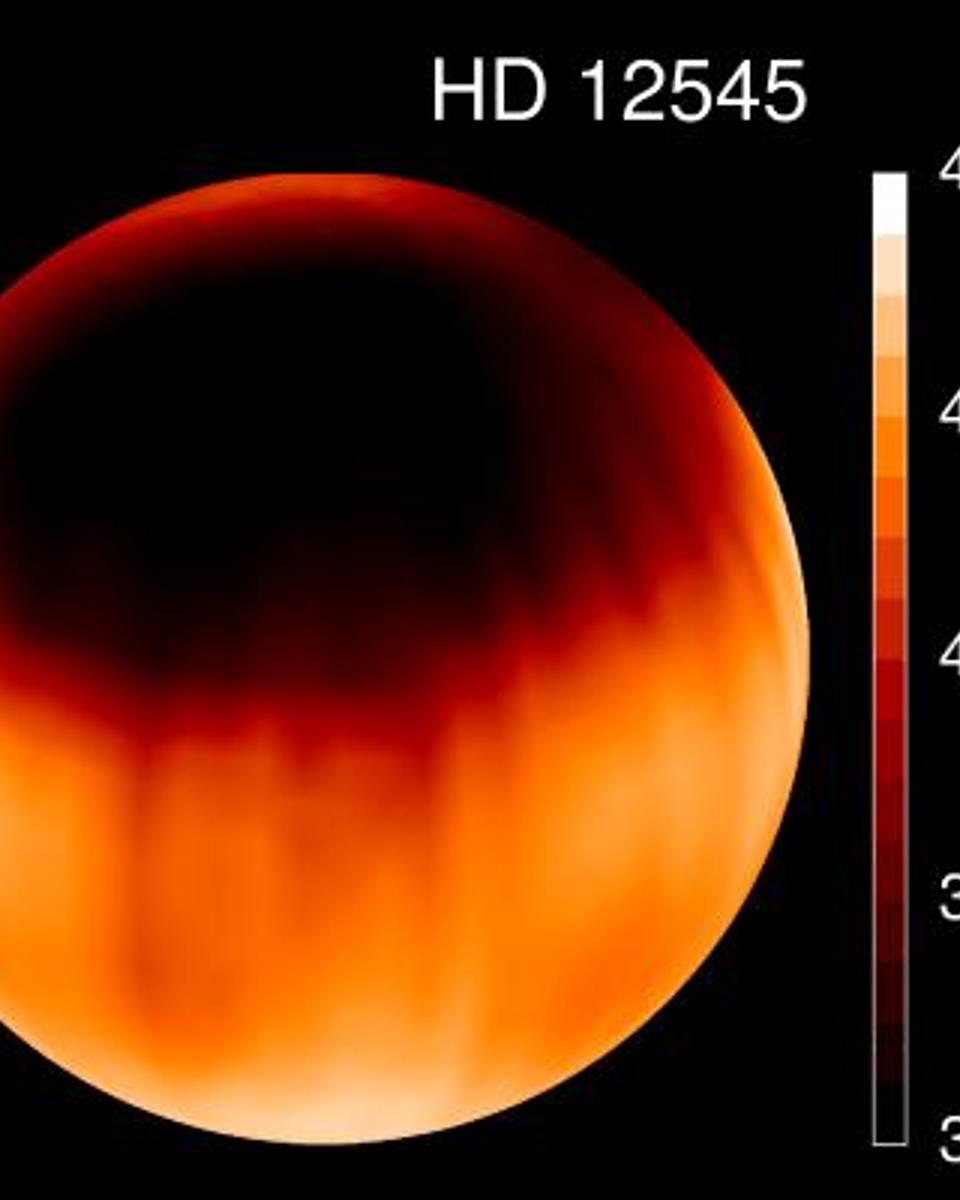
A Giant Starspot on HD 12545
What could cause a star to have such a large spot? Our Sun itself frequently has sunspots , relatively cool dark magnetic depressions that move across its surface. HD 12545 ,…
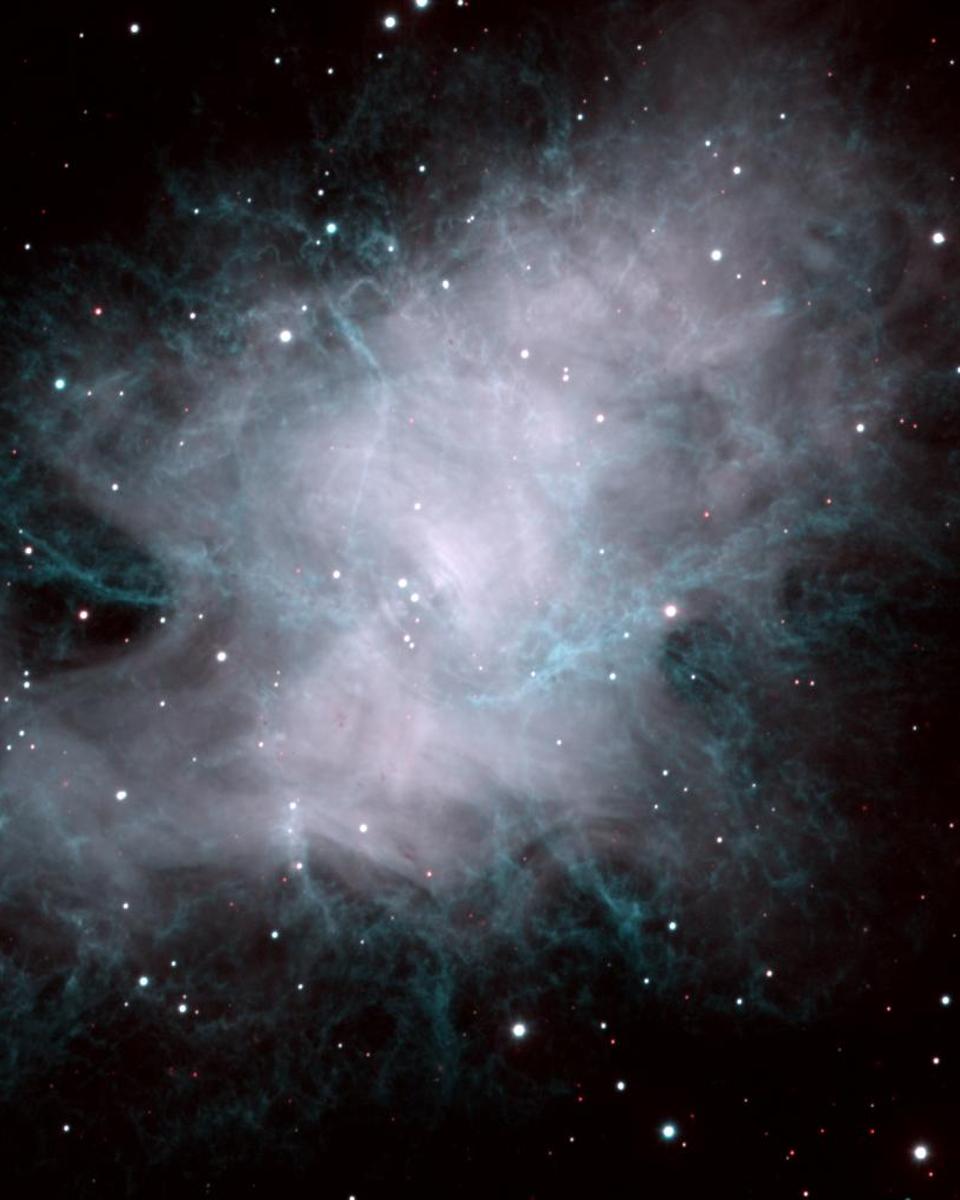
The Crab Nebula in Blue and White
The Crab Nebula is a complex shell of expanding gas. The Crab Nebula formed from a star that was seen to explode in a supernova about 1000 years ago. This two color composite…
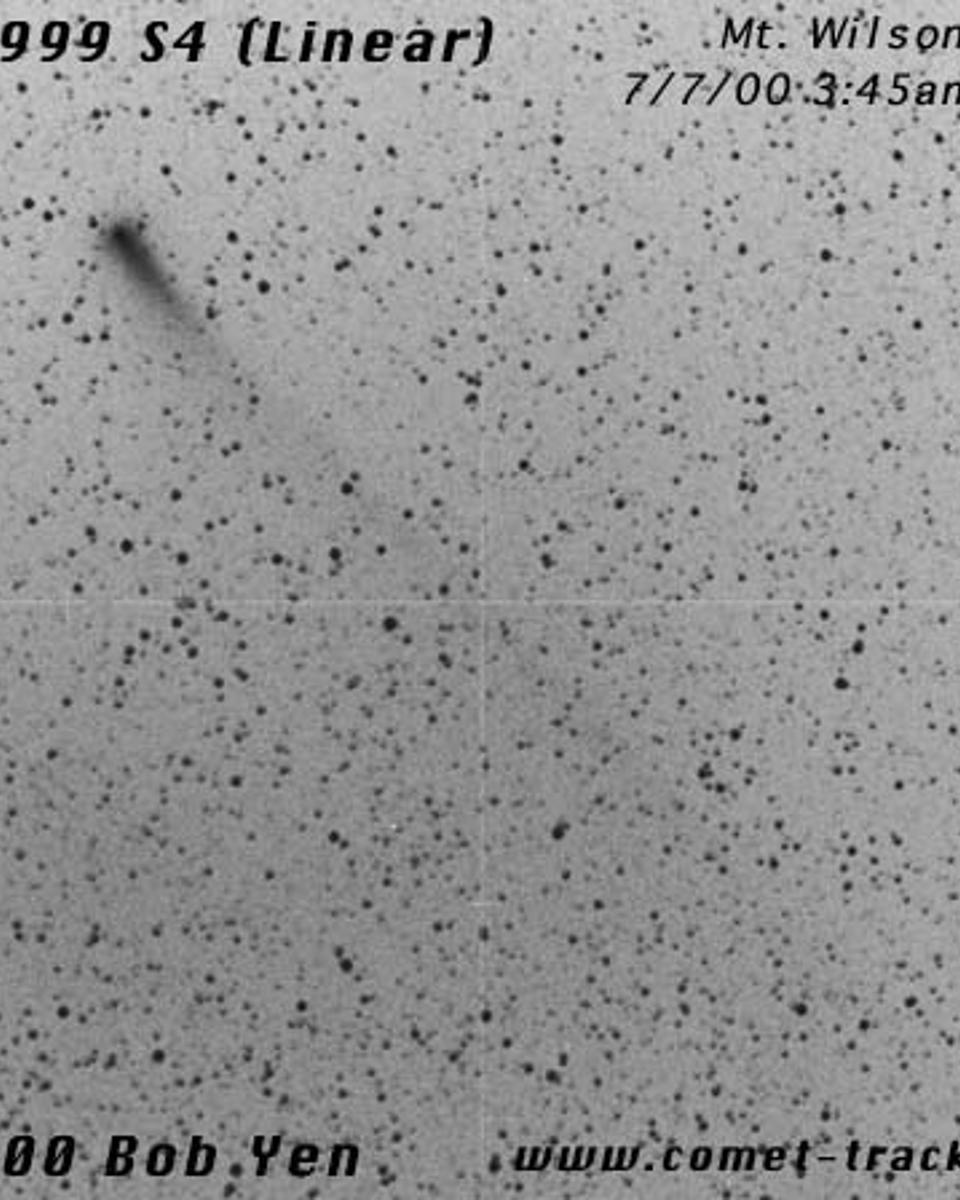
Comet LINEAR Extends
Comet LINEAR's tail appears to be extending. Many sky watchers are closely following Comet C/1999 S4 LINEAR and wondering if it will develop an impressive tail or become visible…
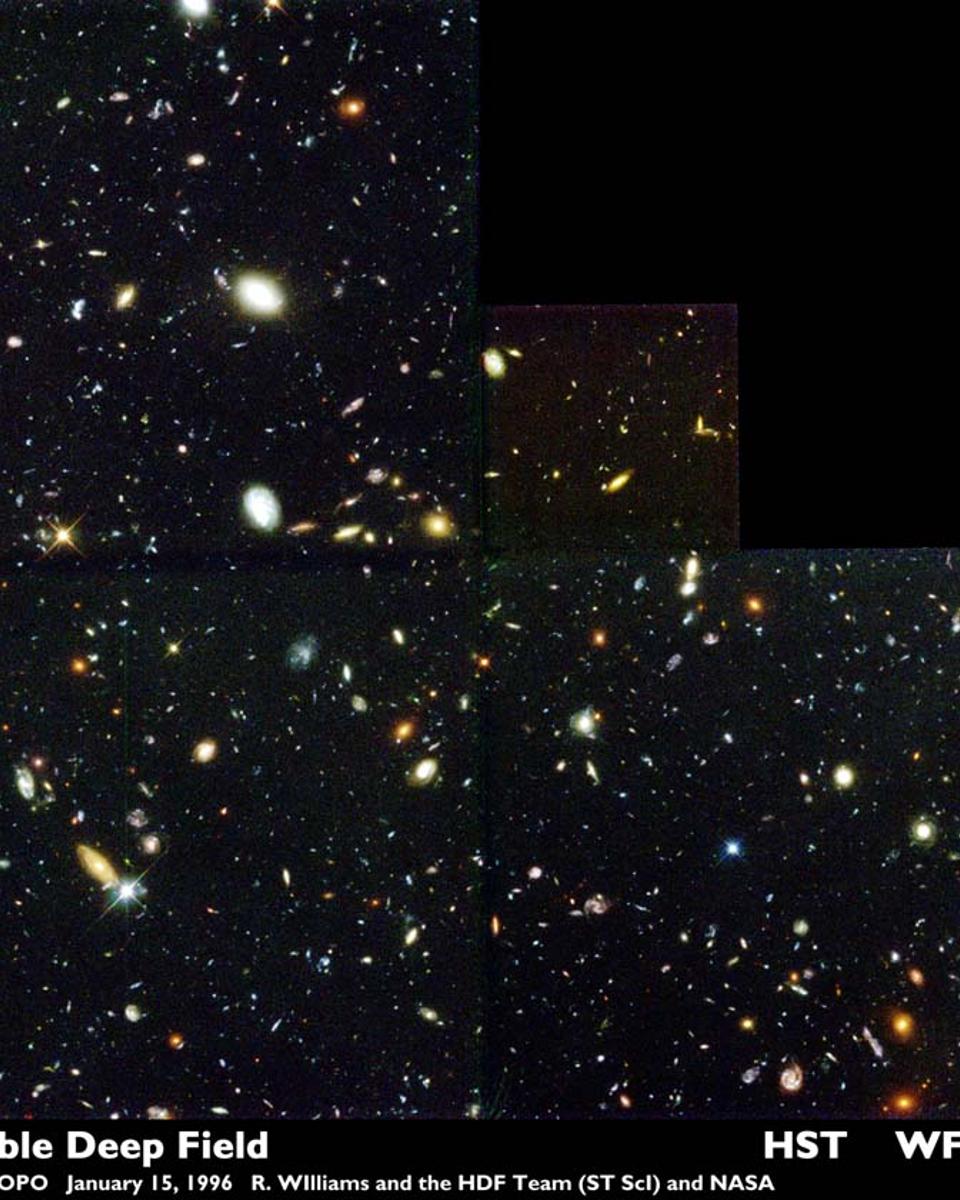
The Hubble Deep Field
Galaxies like colorful pieces of candy fill the Hubble Deep Field - one of humanity's most distant optical views of the Universe . The dimmest, some as faint as 30th magnitude…
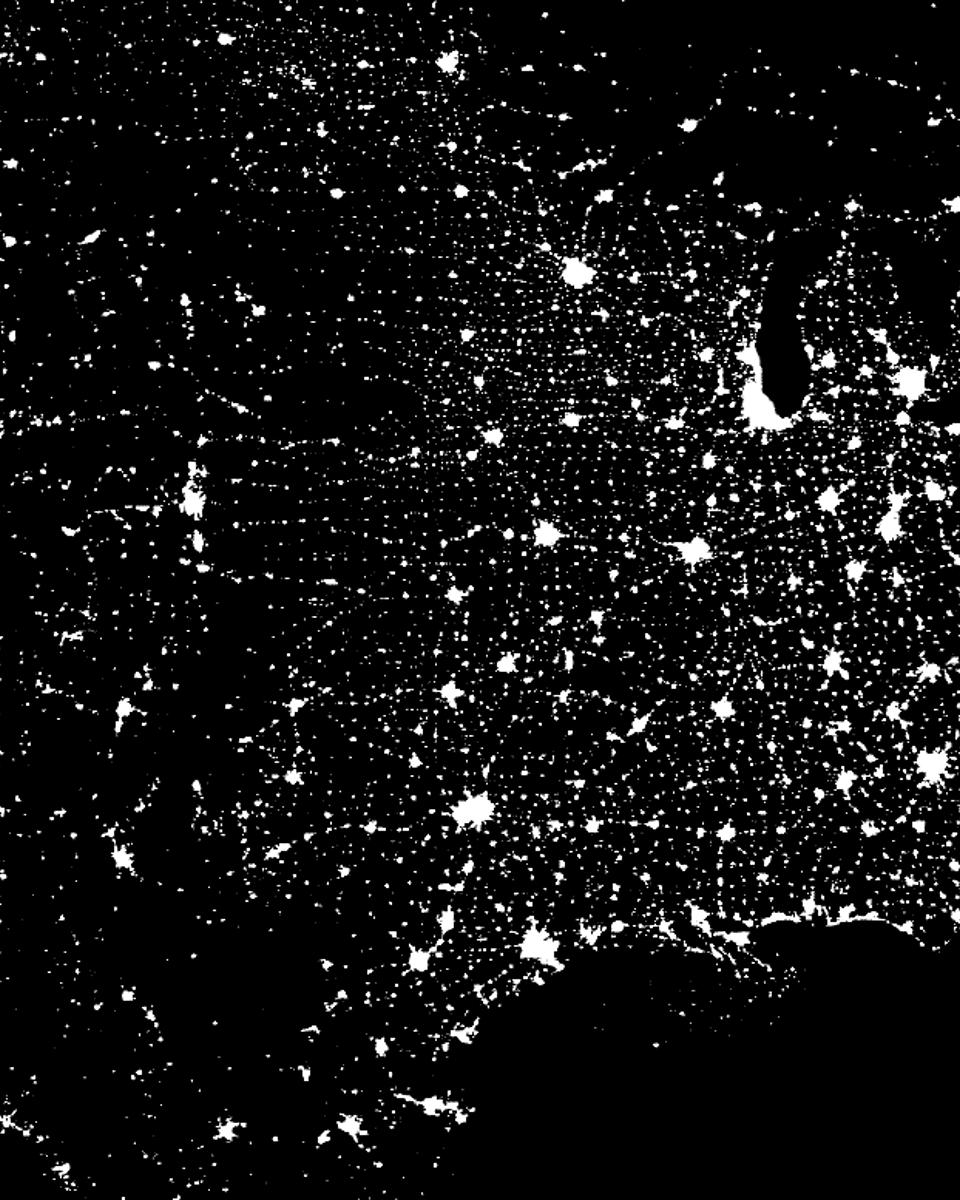
The United States At Night
This is what the United States of America looks like at night! Can you find your favorite US city in this image? Surprisingly, city lights make this task quite possible. The above…
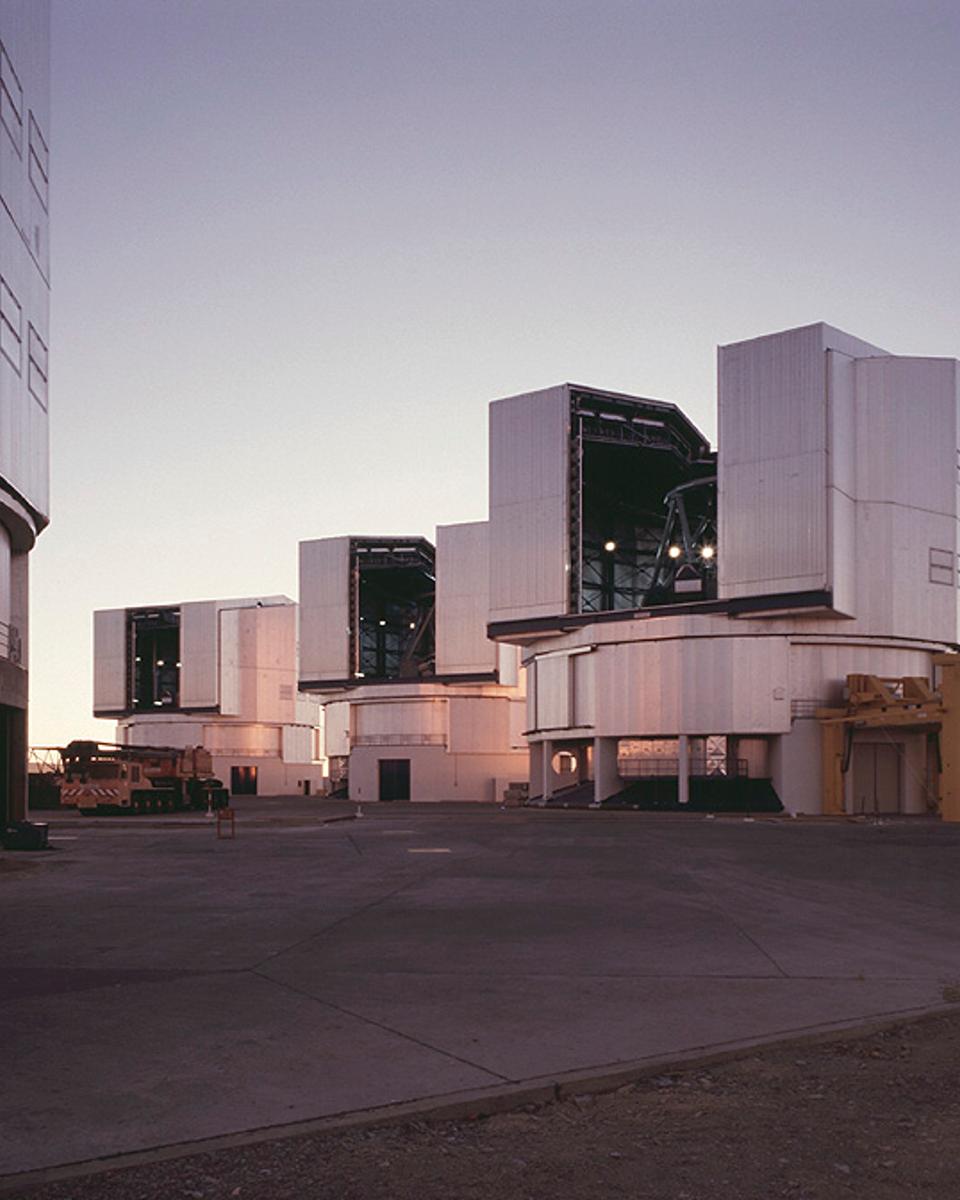
Sirius, Sun, Moon, and Southern Cross
From left to right are the enclosures of Yepun ( ye-poon ; Sirius ), Antu ( an-too ; Sun ), Kueyen ( qua-yen ; Moon ), and Melipal ( me-li-pal ; Southern Cross ), pictured here as…
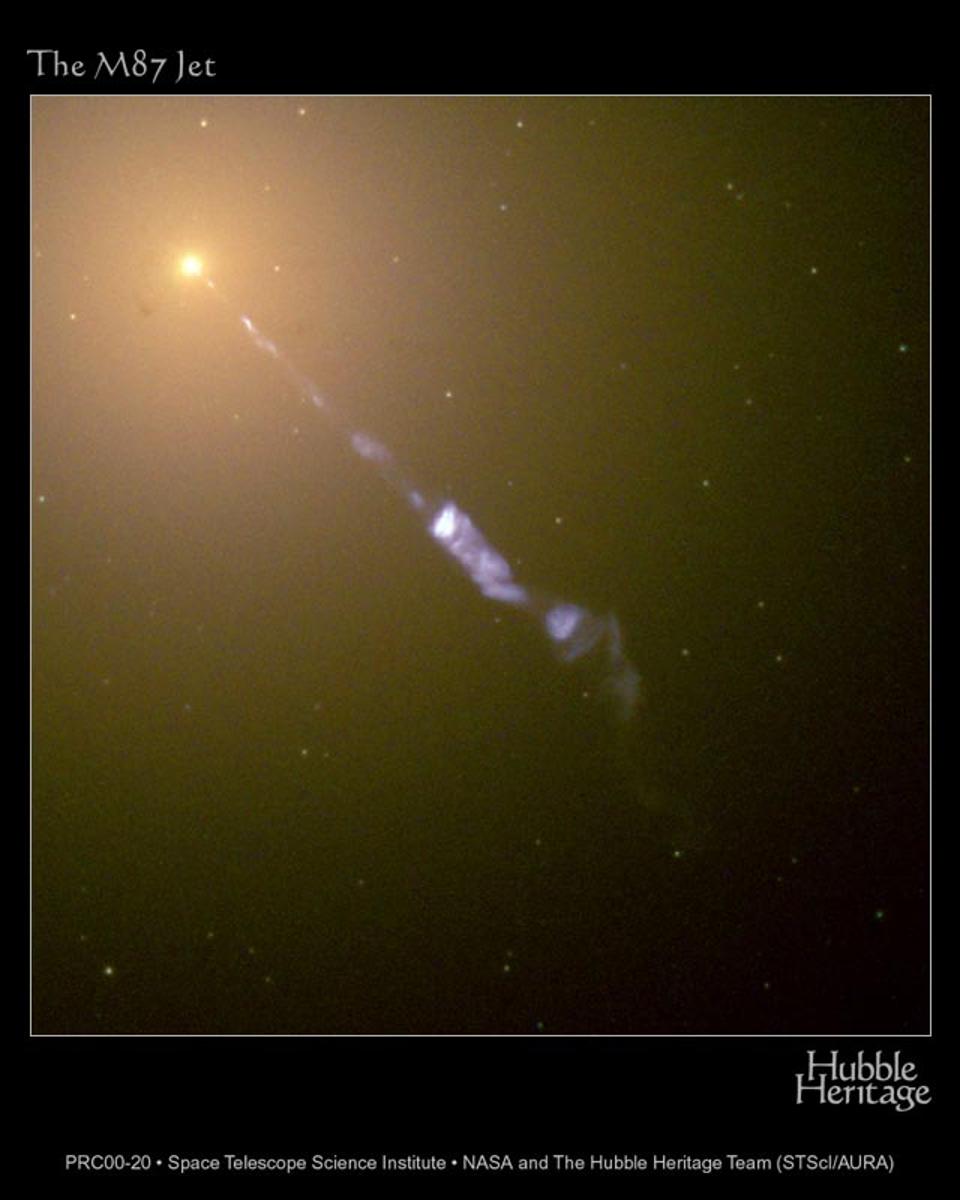
A Jet from Galaxy M87
What's causing a huge jet to emanate from the center of galaxy M87 ? Although the unusual jet was first noticed early in the twentieth century , the exact cause is still debated.…
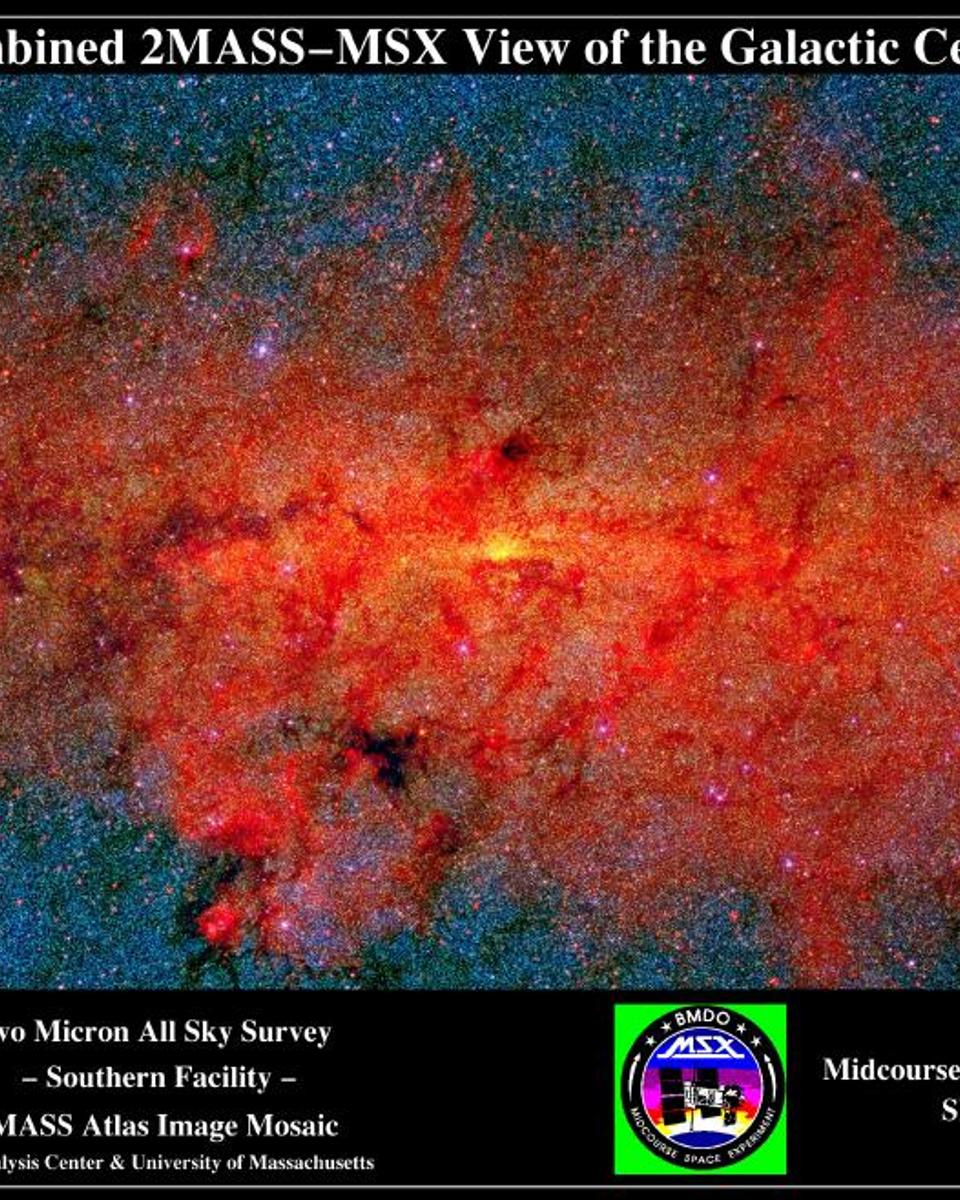
The Galactic Center Across the Infrared
The center of our Galaxy is obscured in visible light by dark dust that rotates with the stars in the Galactic Plane . In this century, however, sensors have been developed that…
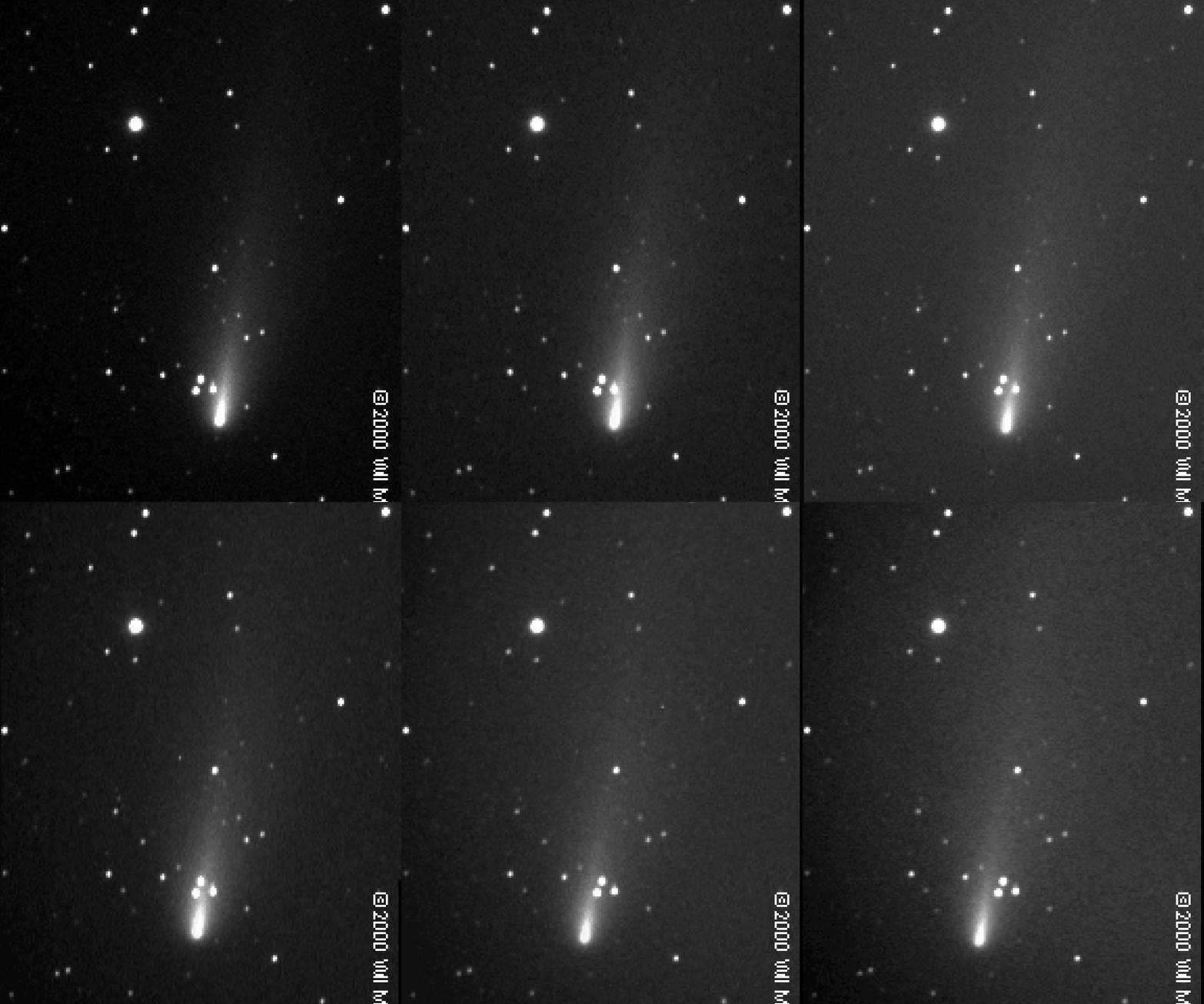
Comet LINEAR Approaches
Just possibly, a new comet may become bright enough to see without binoculars later this month. Comet C/1999 S4 LINEAR is rapidly approaching both the Earth and the Sun from the…
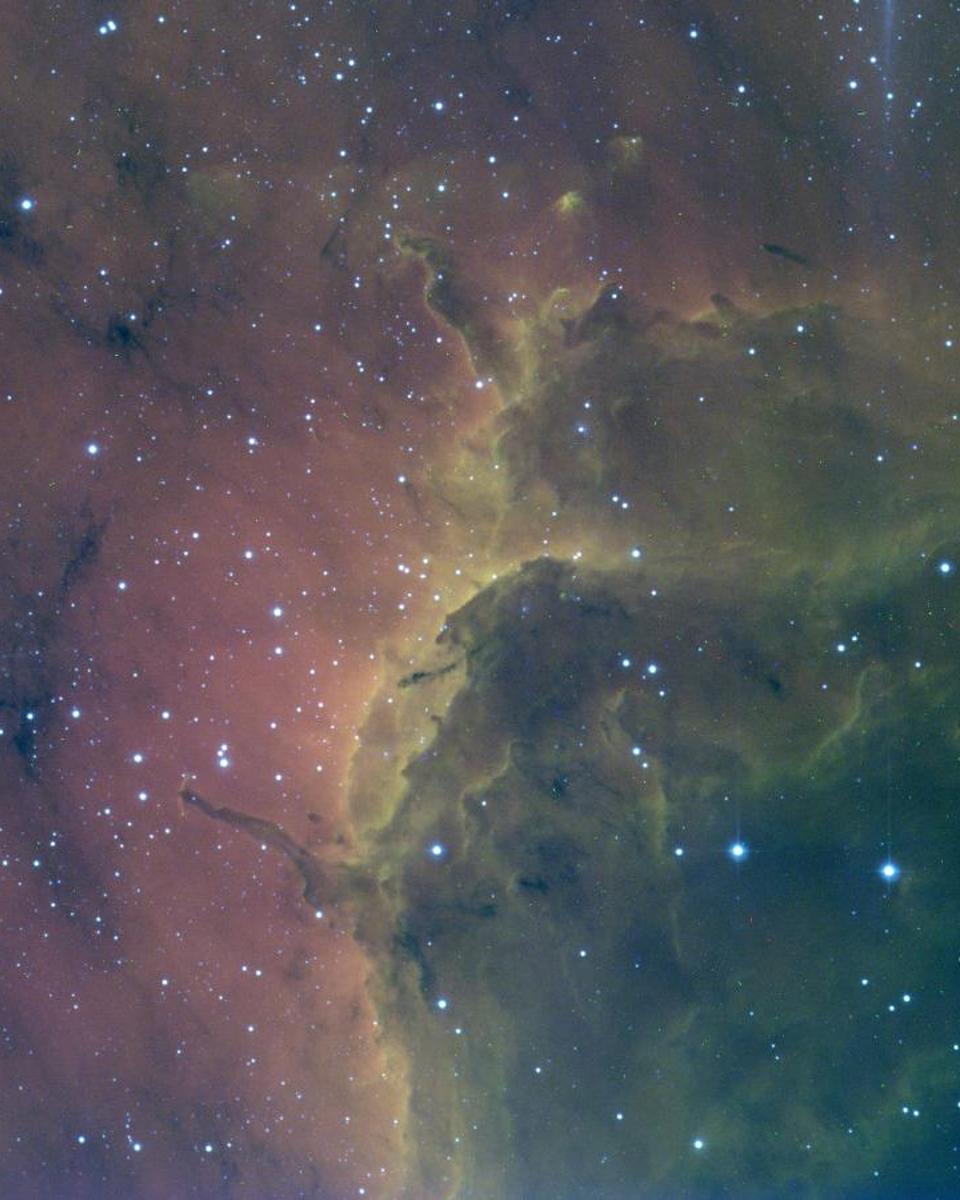
Pelican Nebula Ionization Front
The Pelican Nebula is slowly being transformed. IC 5070, the official designation, is divided from the larger North America Nebula by a molecular cloud filled with dark dust . The…
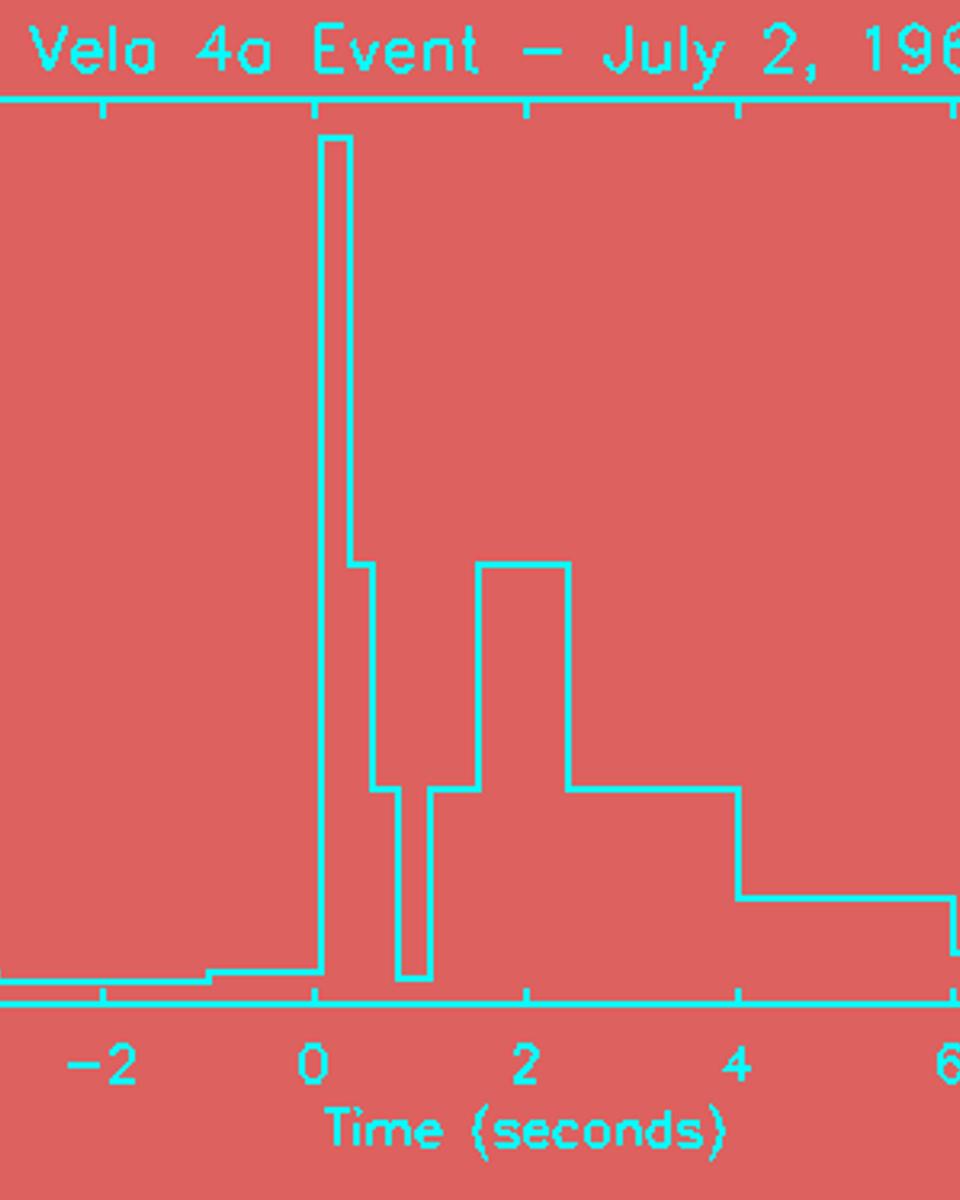
Gamma-Ray Burst: A Milestone Explosion
Gamma-Ray Bursts (GRBs) were discovered by accident. Thirty three years ago today, satellites first recorded a GRB . The data plotted here show that the count rate of the…
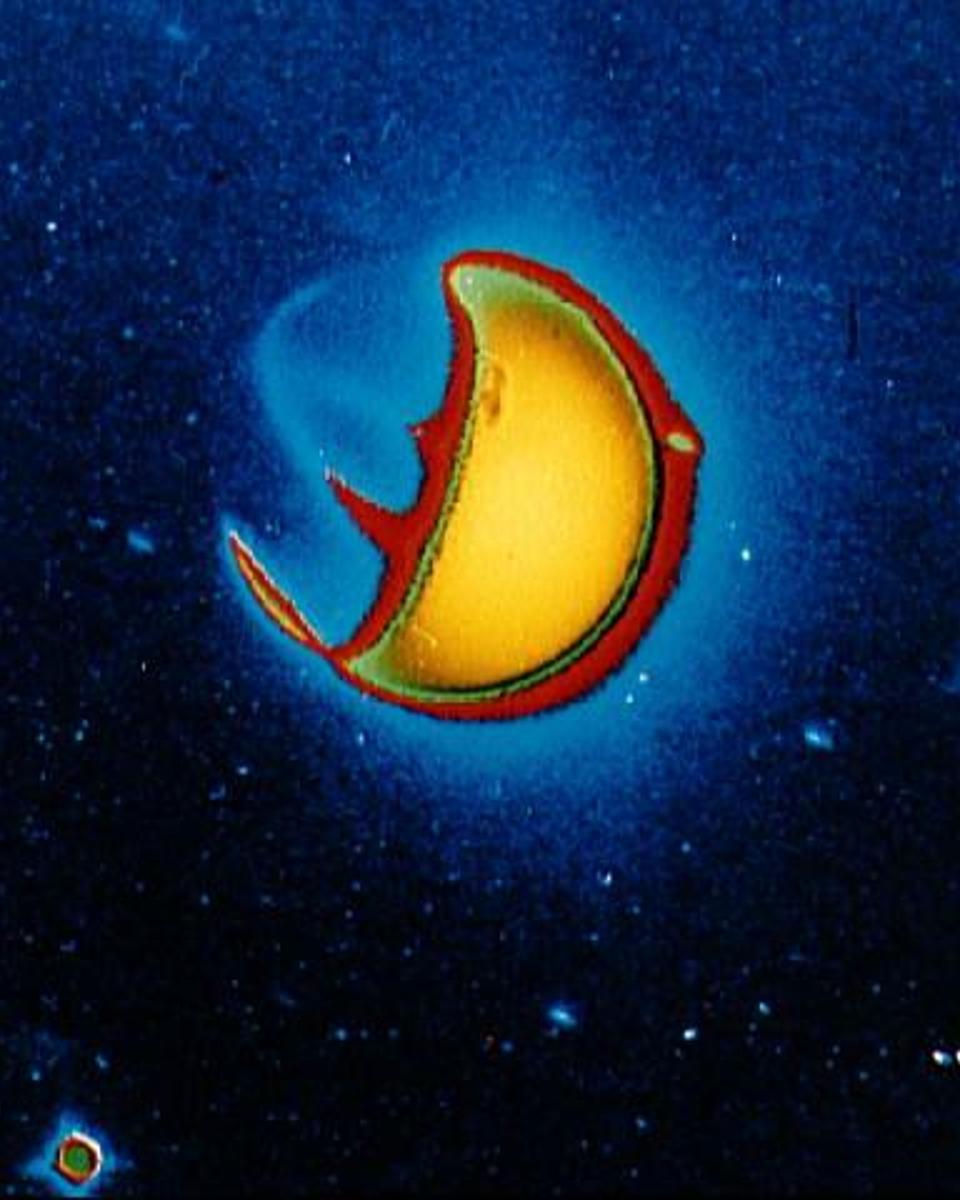
Ultraviolet Earth from the Moon
Here's a switch: the above picture is of the Earth taken from a lunar observatory! This false color picture shows how the Earth glows in ultraviolet (UV) light. UV light is so…
Vintage Gamma-Rays
Gamma-rays are the most energetic form of electromagnetic radiation. But these high energy photons penetrate and interact in normal materials and so cannot be focused by lenses…
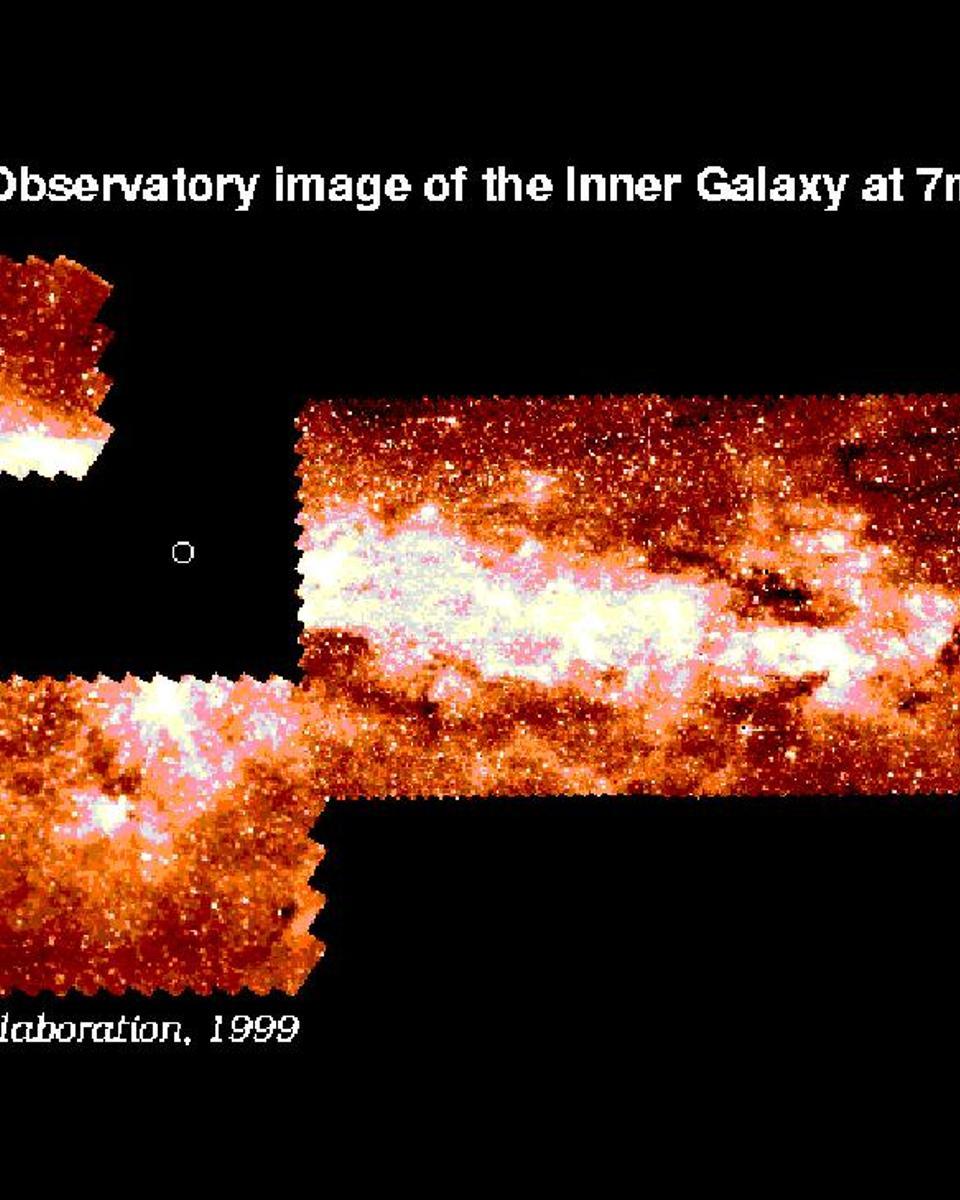
Galactic Centre Starscape
Thirty thousand light-years distant, beyond the majestic dust clouds of the constellation Sagittarius, lies the centre of our Milky Way Galaxy. Hidden from optical view by the…
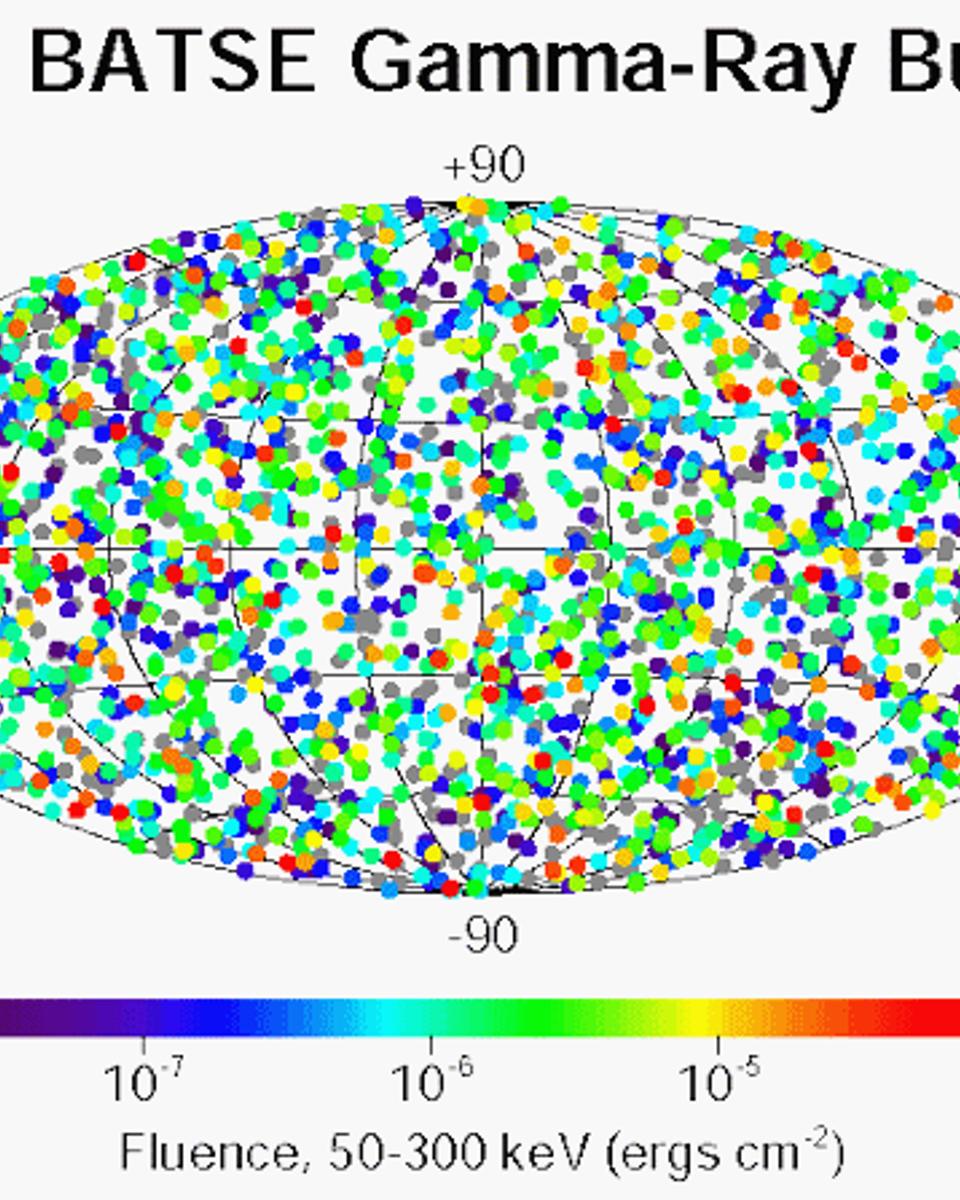
BATSE GRB Final Sky Map
What causes the most powerful explosions in the universe? The BATSE modules that flew on the Compton Gamma Ray Observatory allowed more insight into enigmatic gamma-ray burst…
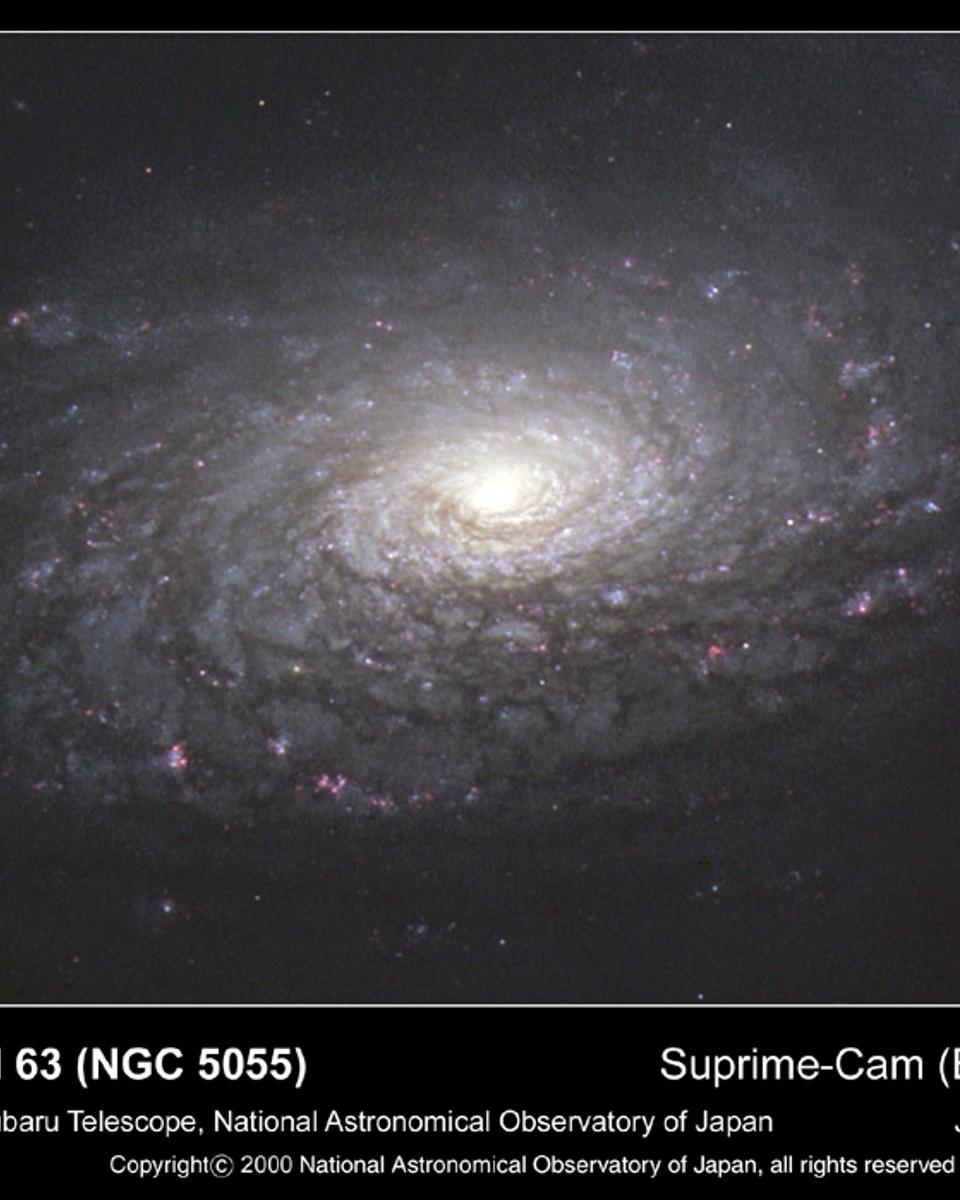
M63: The Sunflower Galaxy
One of the bright spiral galaxies visible in the north sky is M63, the Sunflower Galaxy. M63, also catalogued as NGC 5055, can be found with a small telescope in the constellation…
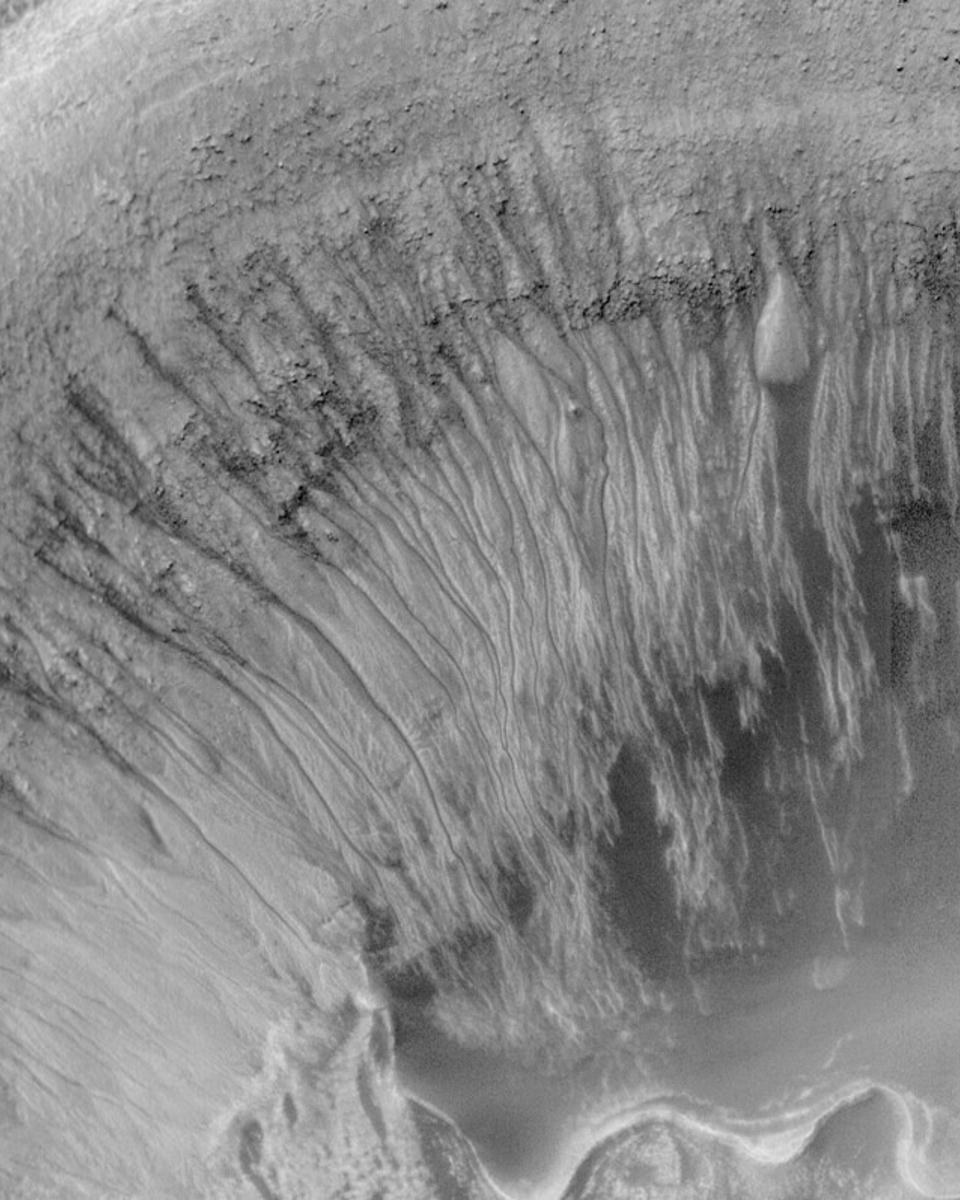
Newton Crater: Evidence for Recent Water on Mars
What could have formed these unusual channels? Inside a small crater that lies inside large Newton Crater on Mars , numerous narrow channels run from the top down to the crater…
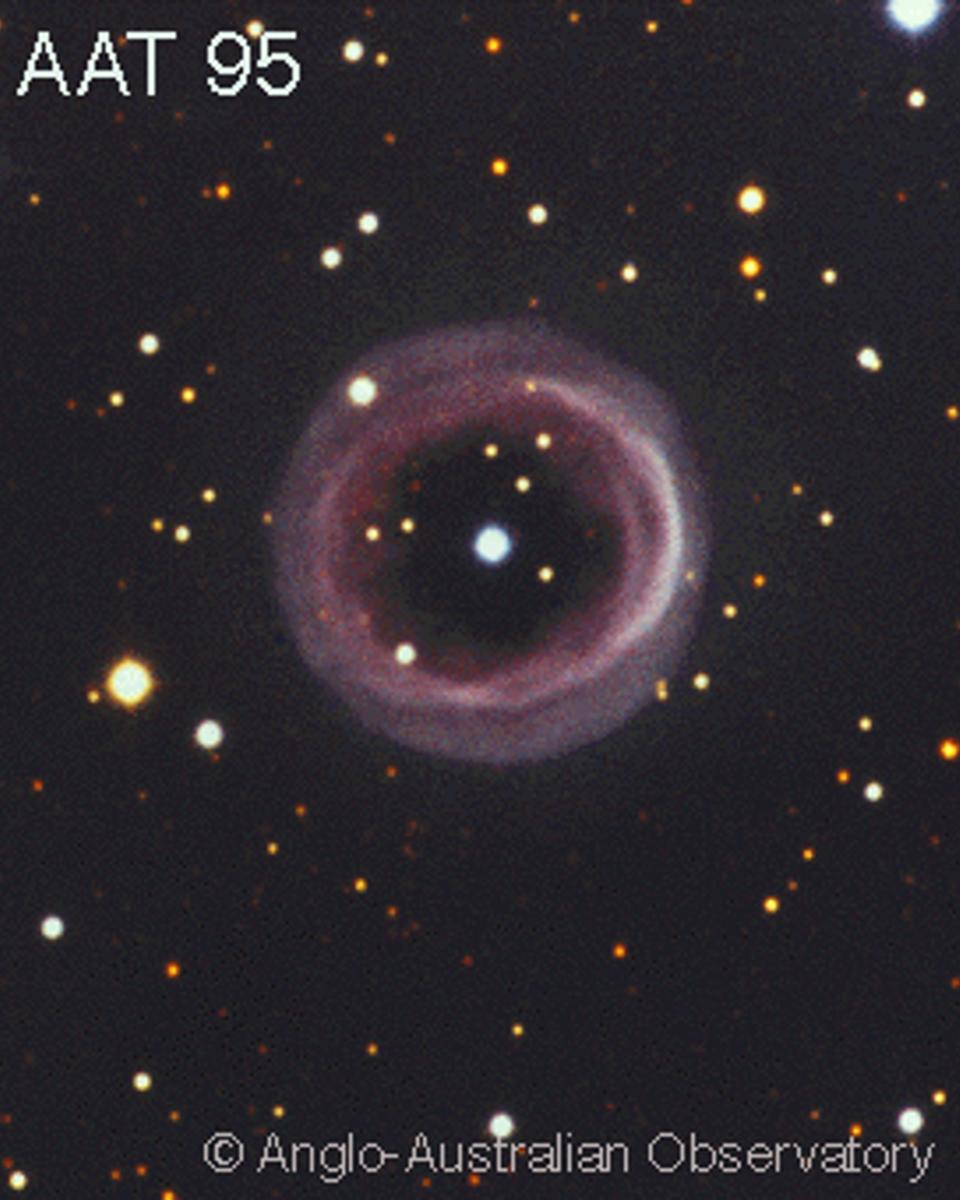
Shapley 1: An Annular Planetary Nebula
What happens when a star runs out of nuclear fuel ? The center condenses into a white dwarf while the outer atmospheric layers are expelled into space and appear as a planetary…
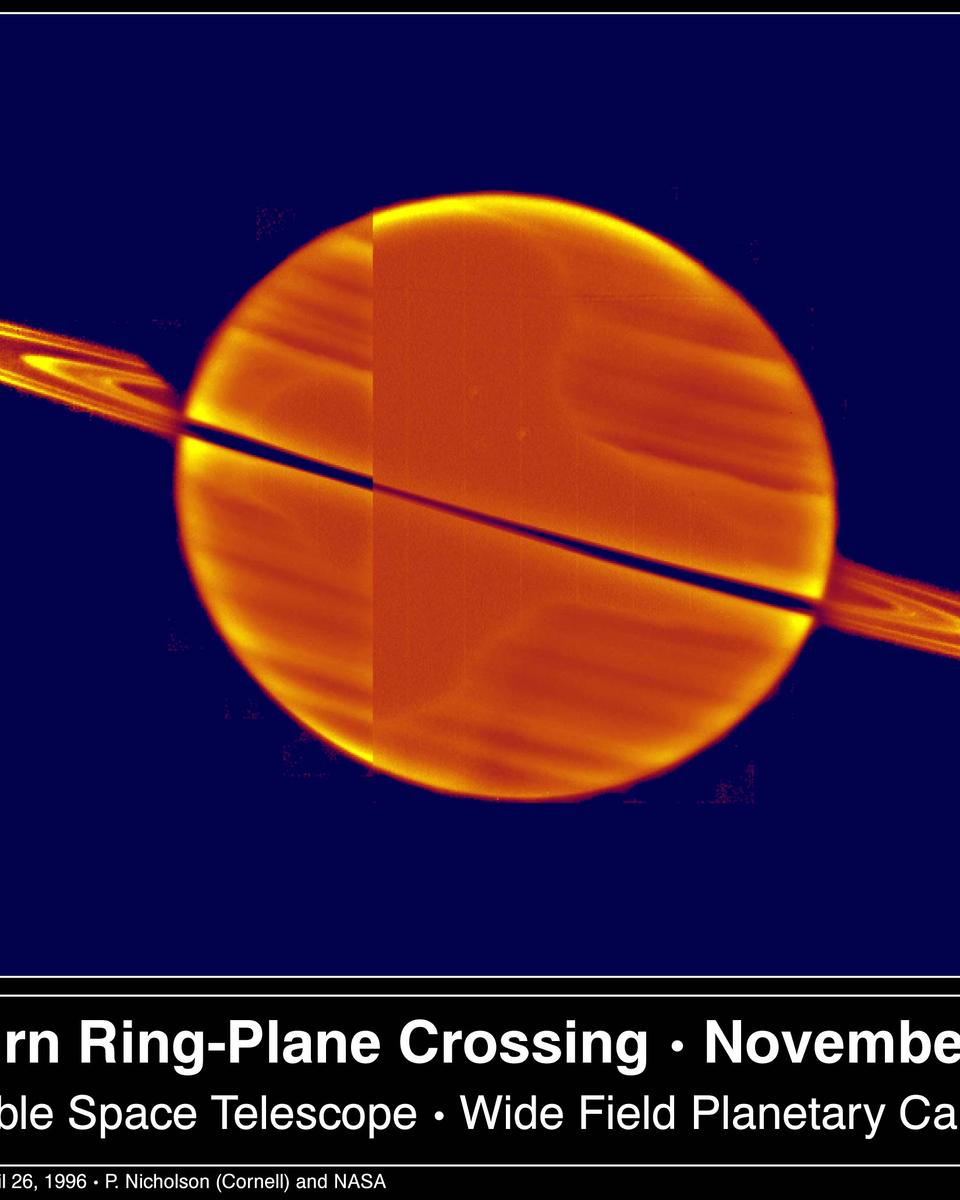
Sunlight Through Saturn's Rings
Normally, earth-bound astronomers view Saturn's spectacular ring system fully illuminated by reflected sunlight. However, this intriguing picture was made to take advantage of an…
Viewing discoveries from 17 July 2000 through 24 June 2000.