Browse NASA Astronomy Picture of the Day archive by date and media: Archive Discoveries
Browse the NASA APOD archive without needing the exact date first. Filter by media type and keep moving deeper into older images and videos.

Other Worlds and HD 38529
After the latest round of discovery announcements , the list of known worlds of distant suns has grown to 50 . While extrasolar planet discoveries are sure to continue, none - so…
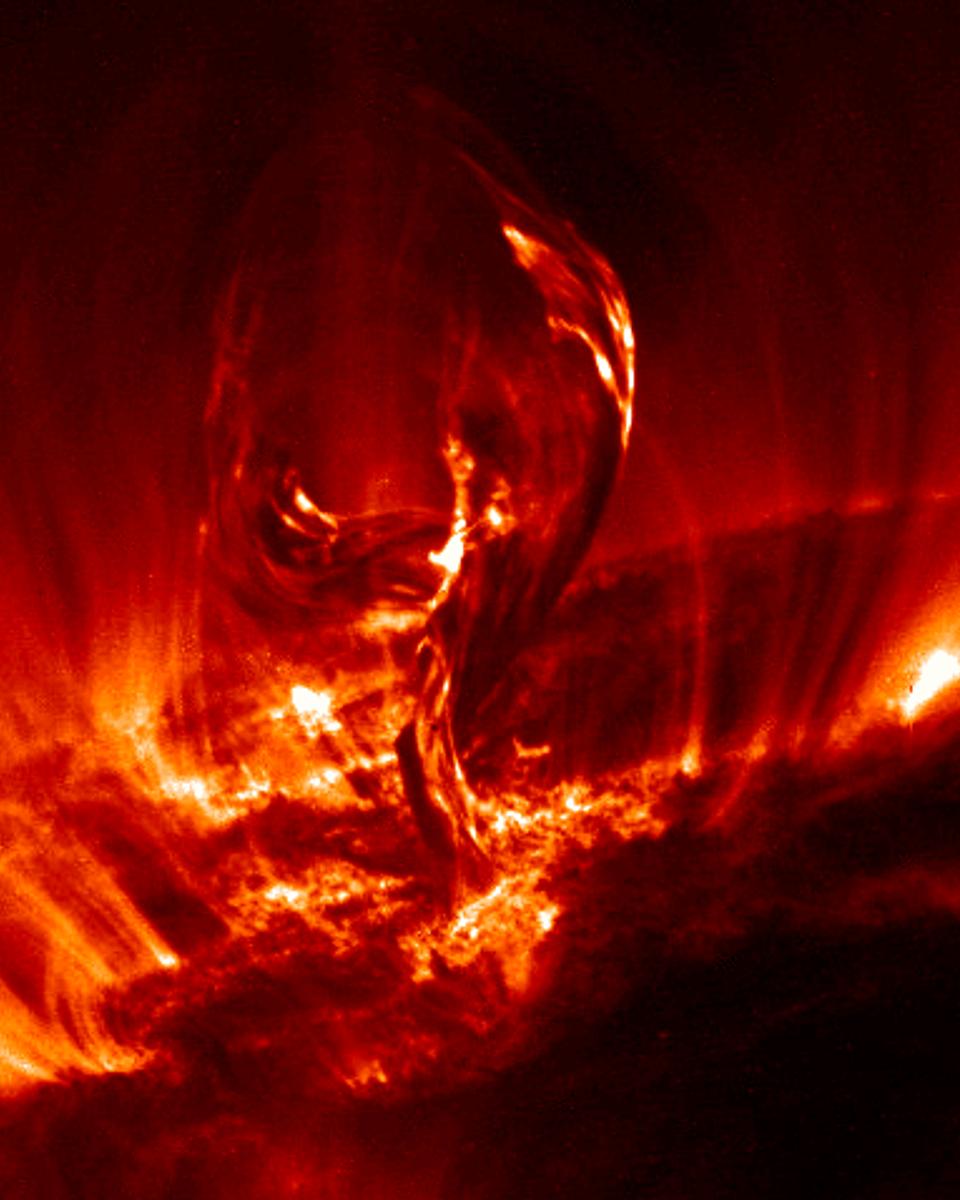
A Solar Filament Lifts Off
Hot gas frequently erupts from the Sun. One such eruption produced the glowing filament pictured above , which was captured on July 19 by the Earth-orbiting TRACE satellite . The…
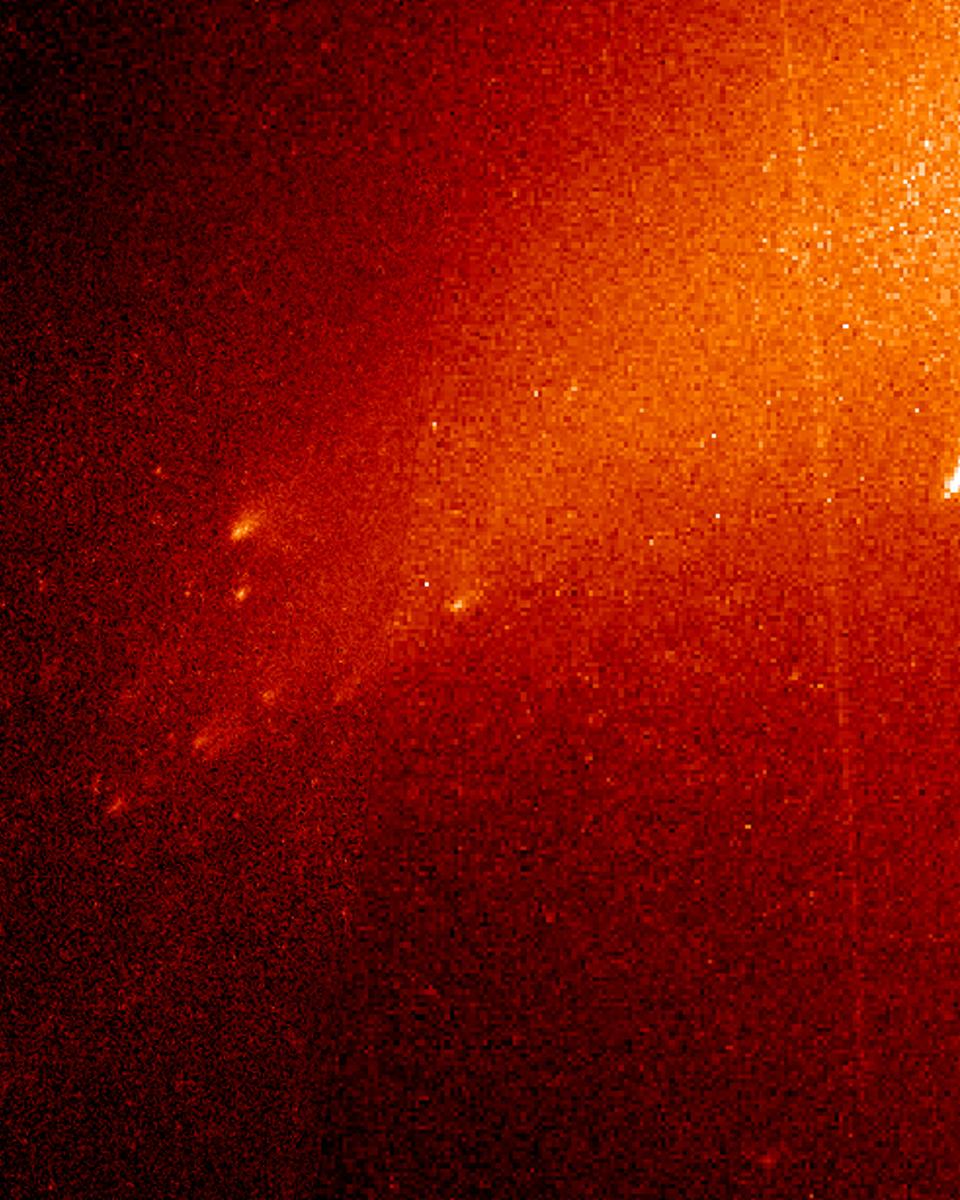
Comet LINEAR Disperses
What's happened to the nucleus of Comet LINEAR? The brightest comet this year has unexpectedly broken up into many smaller pieces. The break-up occurred on or about July 25 and…
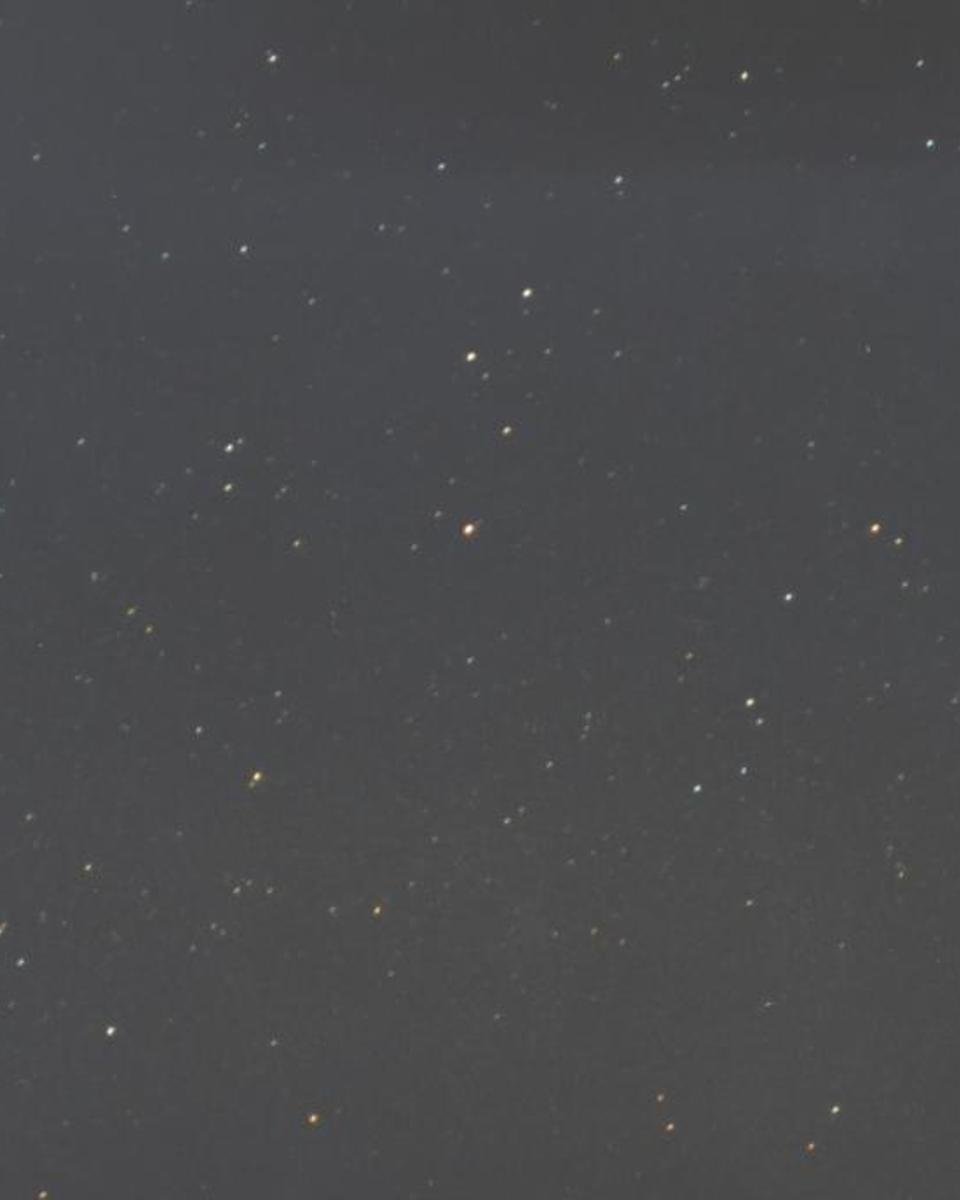
Nearby Star Episilon Eridani Has a Planet
A planet has been found orbiting a Sun-like star only 10 light-years away. No direct picture of the planet was taken - the planet was discovered by the gravitational wobble it…
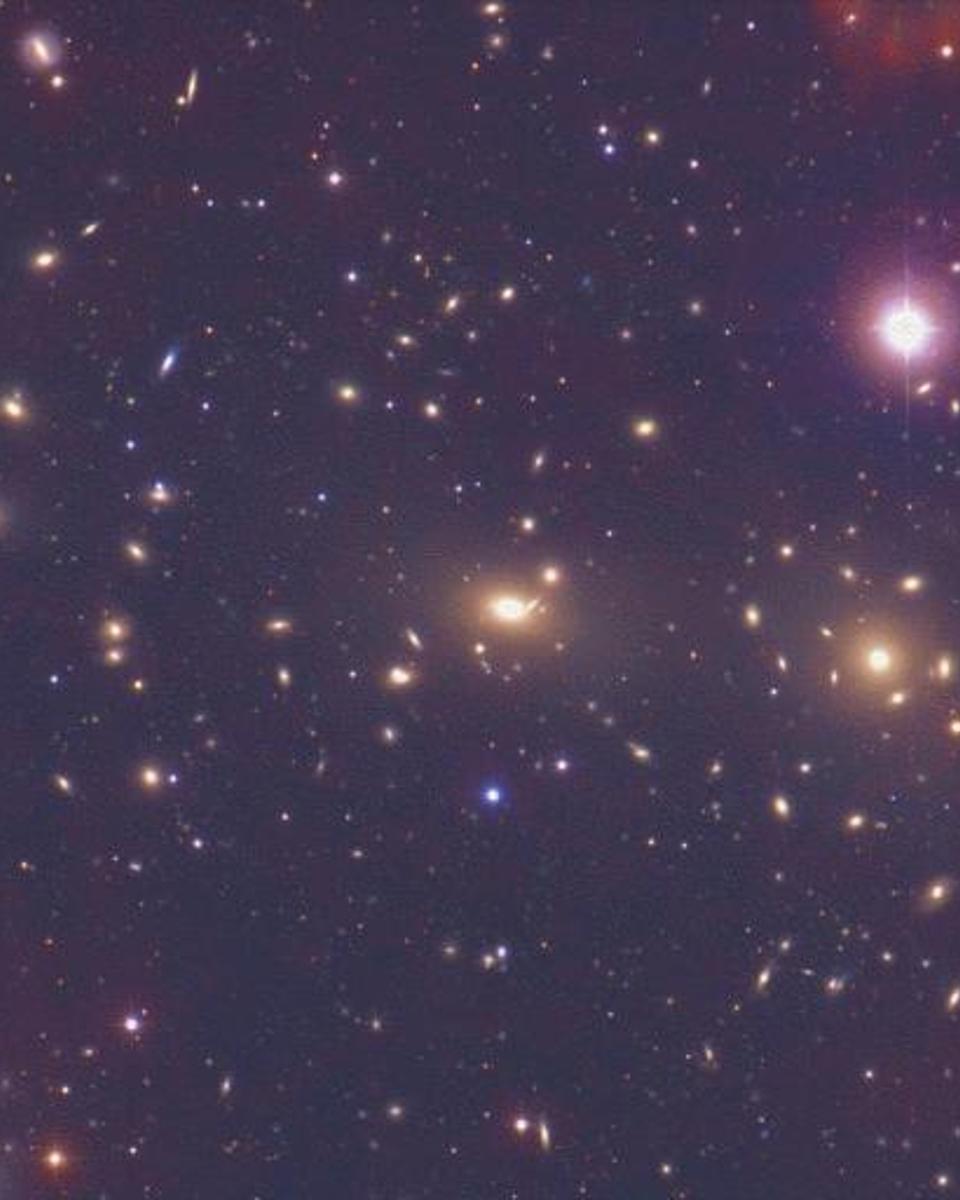
The Coma Cluster of Galaxies
Almost every object in the above photograph is a galaxy. The Coma Cluster of Galaxies pictured above is one of the densest clusters known - it contains thousands of galaxies .…
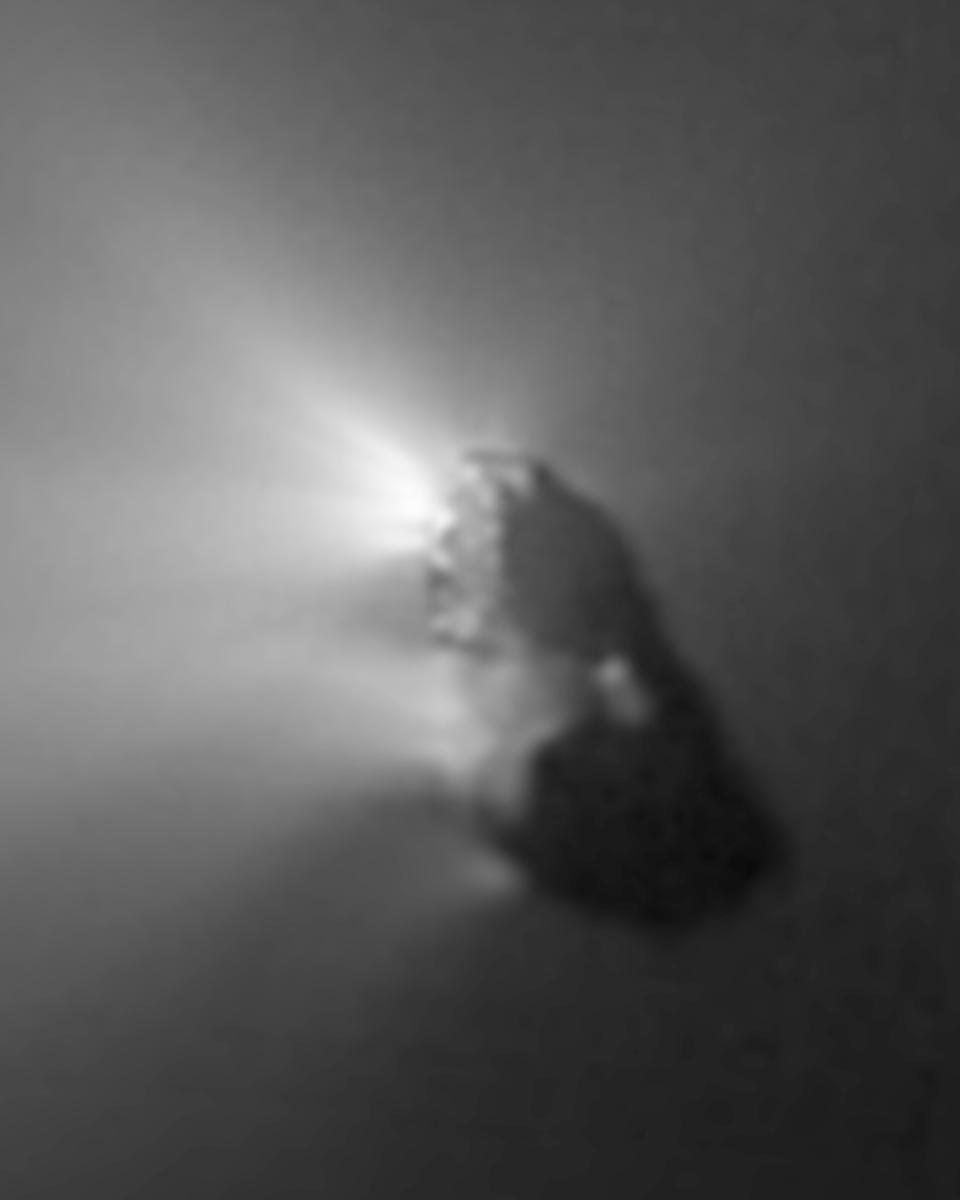
Halley's Nucleus: An Orbiting Iceberg
What does a comet nucleus look like? Formed from the primordial stuff of the solar system, it is thought to resemble a very dirty iceberg. But for active comets, telescopic images…
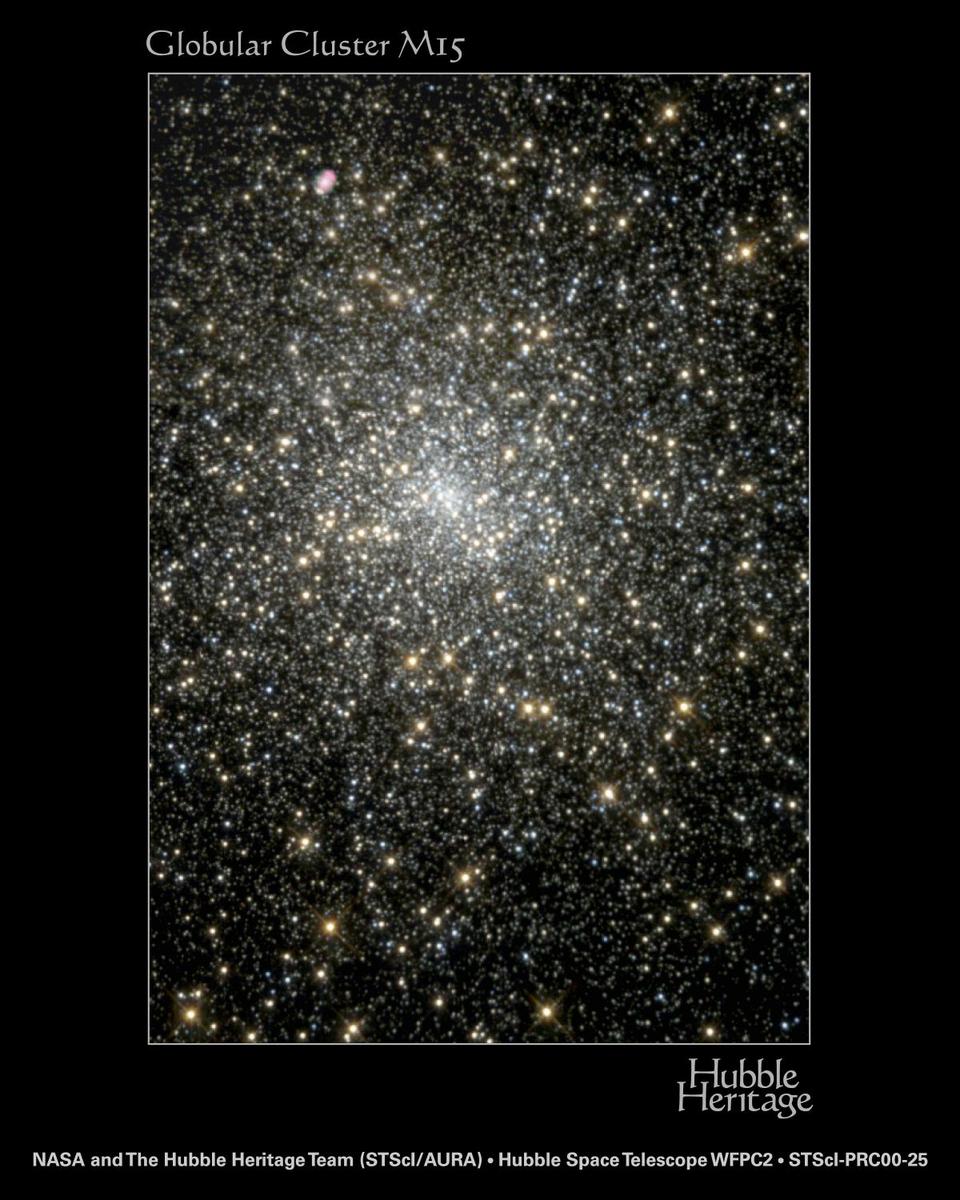
M15: Dense Globular Star Cluster
Life might get dull at the core of M15 but the sky would always be bright with stars! In fact, only 40,000 light-years away in the constellation Pegasus, M15 is one of the most…
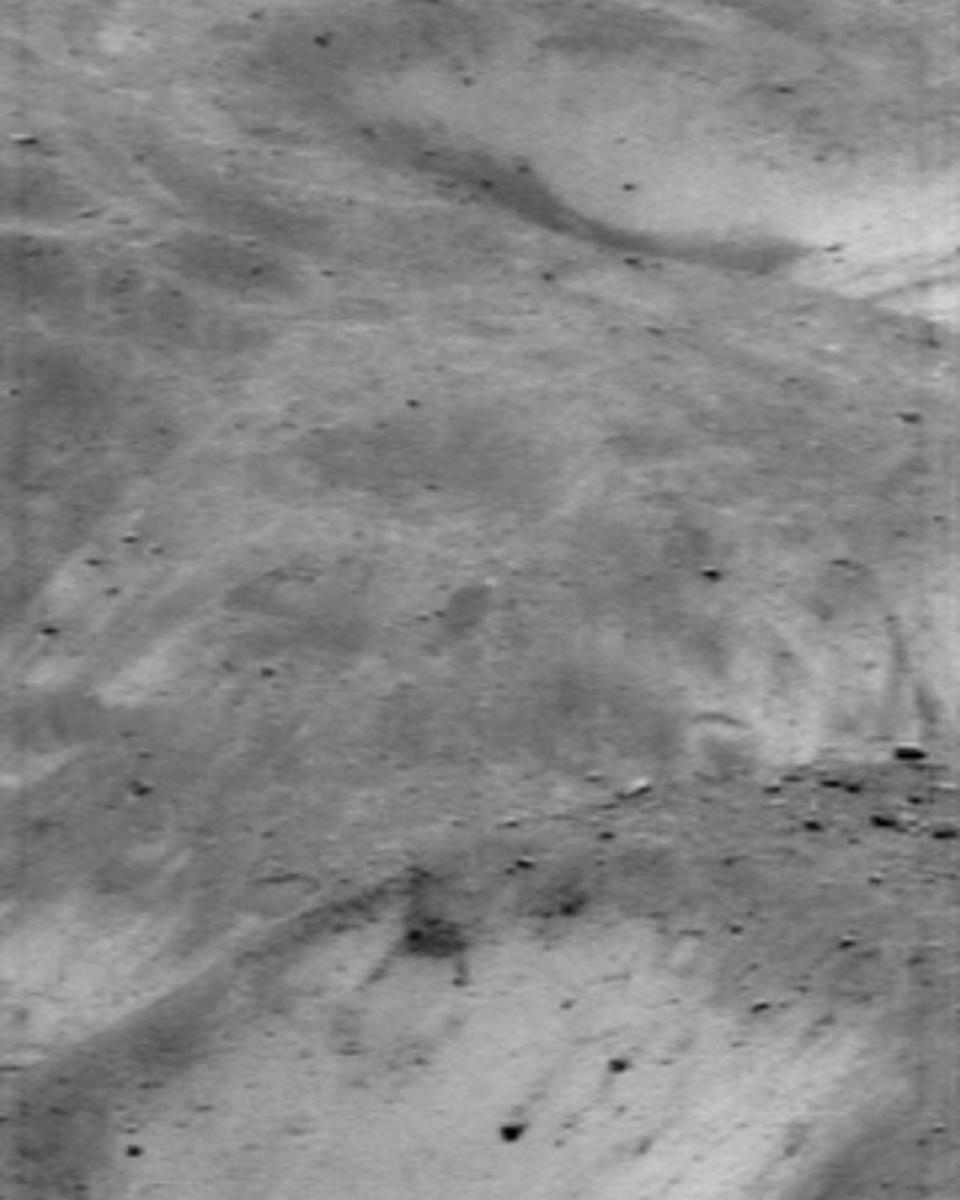
22 Miles From Eros
Last month the NEAR Shoemaker spacecraft swooped closer to Eros, orbiting only 22 miles (36 kilometers) from the center of the asteroid. These two images taken on July 19 (left)…
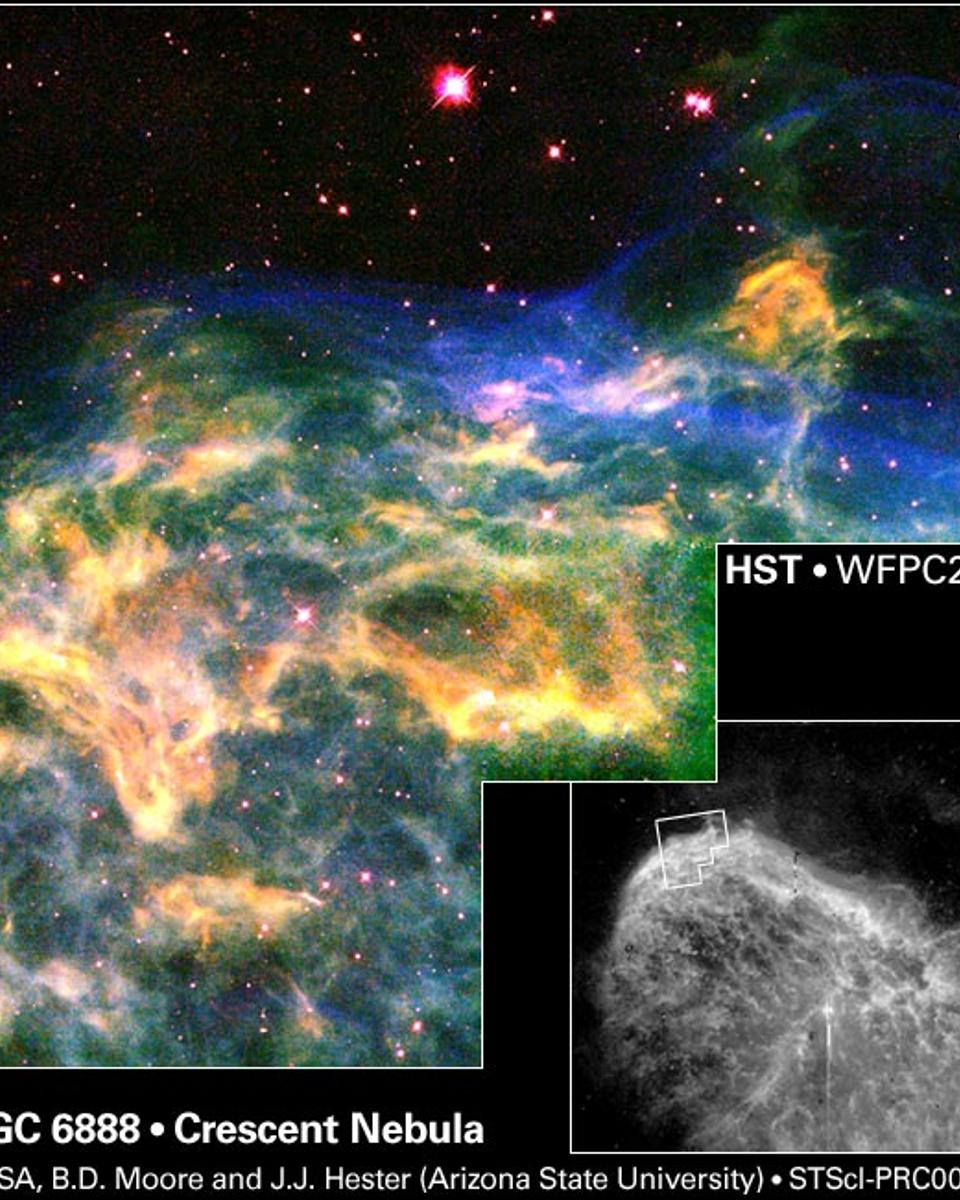
At the Edge of the Crescent Nebula
The Crescent Nebula is a rapidly expanding shell of gas surrounding a dying star. In this recently released image by the Hubble Space Telescope , a bright dynamic part of the…
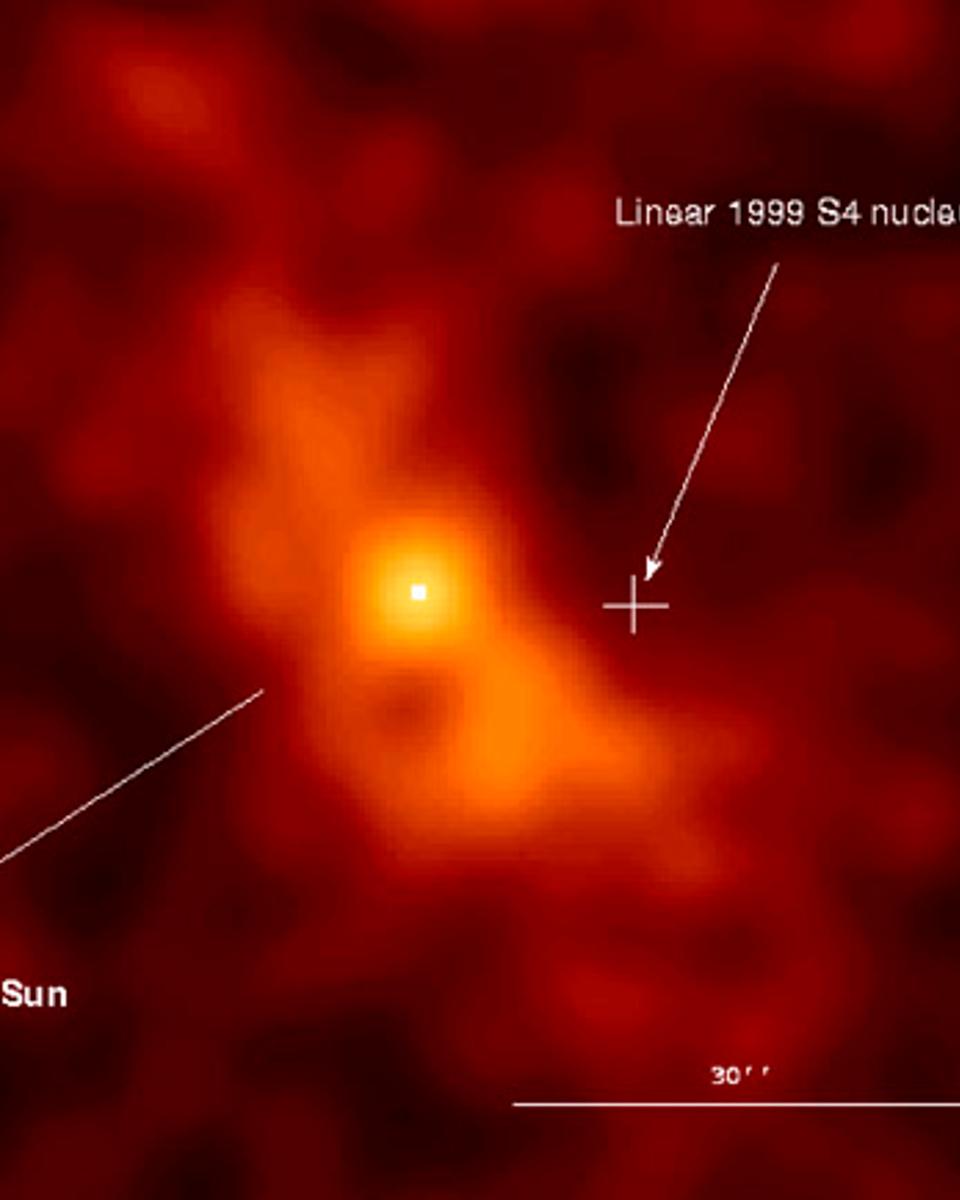
X-Rays from Comet LINEAR
Why do comets emit X-rays? First discovered during the passing of Comet Hyakutake in 1996, the reason a cold comet would produce hot X-rays has since remained a mystery. On July…
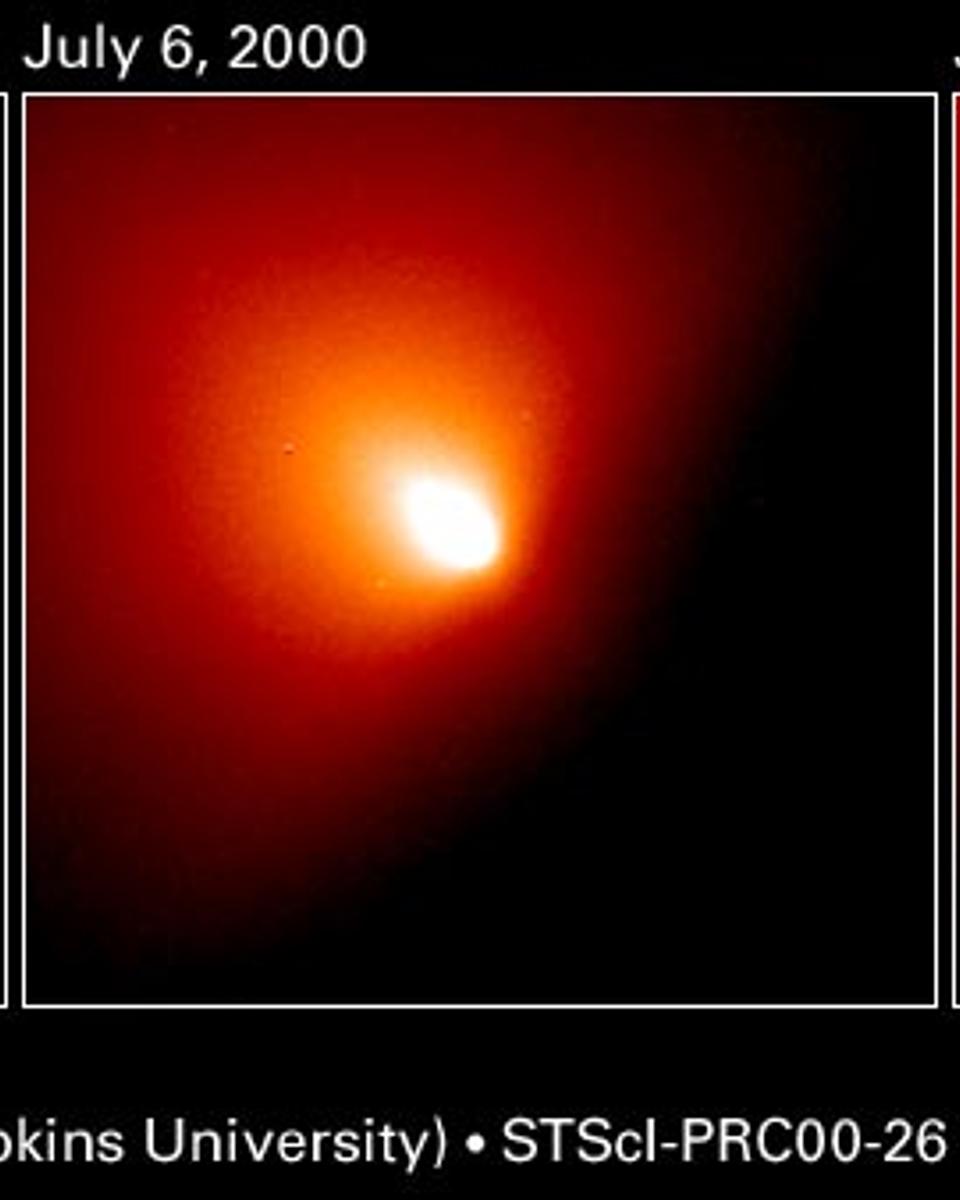
Comet LINEAR Breaks Up
Unexpectedly, Comet LINEAR is breaking up . In retrospect, clues of its demise have been surfacing all month as the new comet has been approaching the Sun and brightening with…
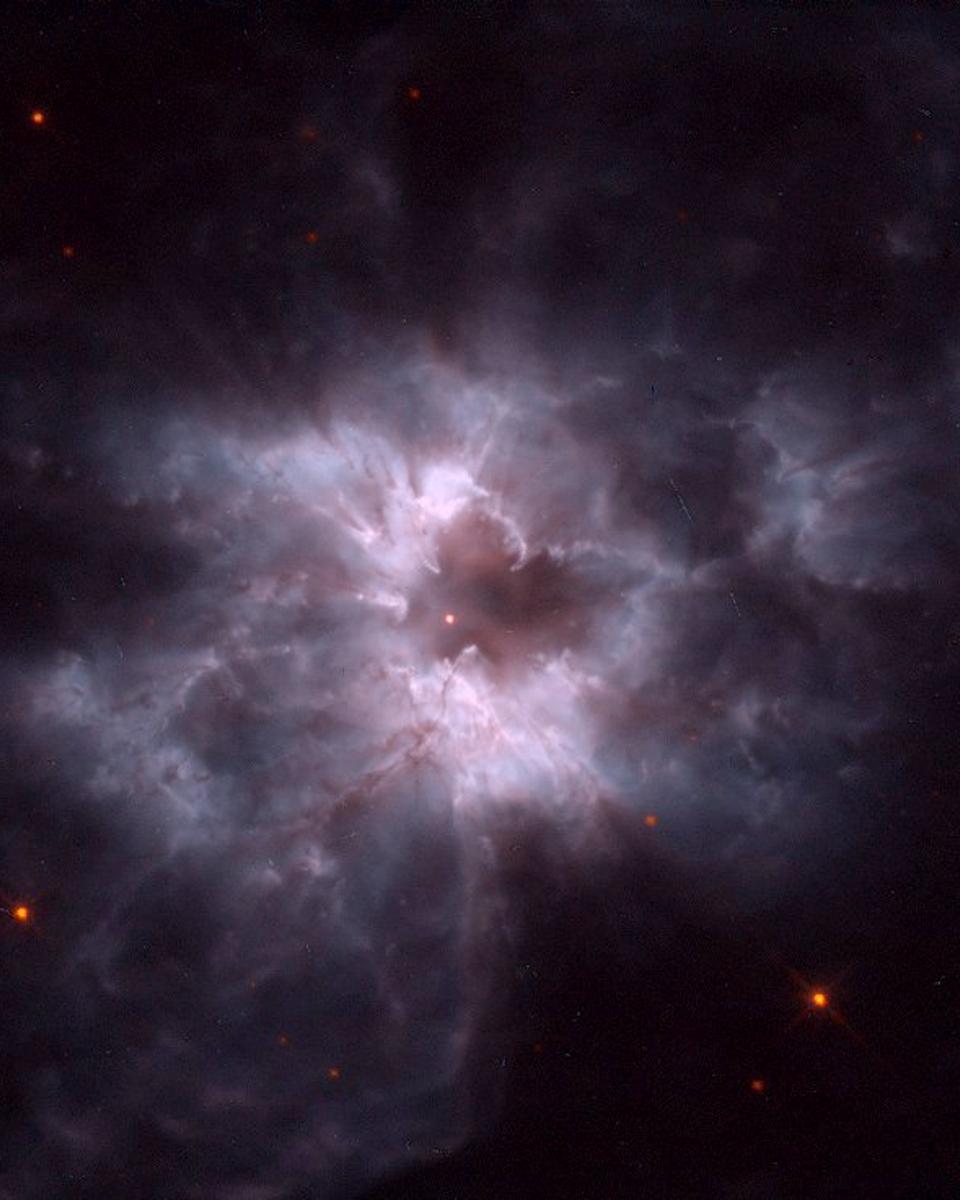
NGC 2440: Cocoon of a New White Dwarf
Like a butterfly , a white dwarf star begins its life by casting off a cocoon that enclosed its former self. In this analogy, however, the Sun would be a caterpillar and the…
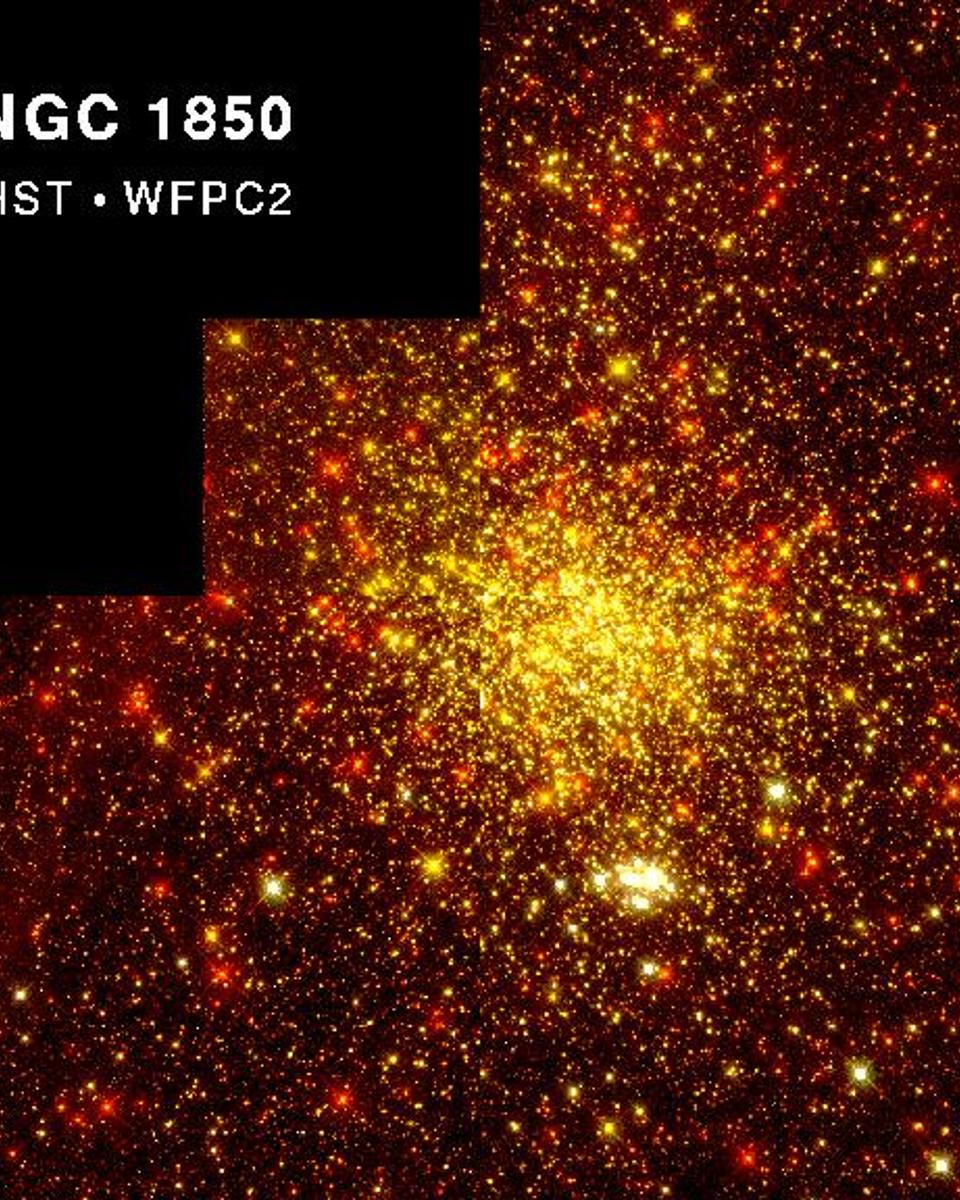
NGC1850: Star Cluster in the LMC
NGC1850 is a large cluster of stars located a mere 166,000 light-years from Earth in our neighboring galaxy the Large Magellanic Cloud (LMC). The colors in this beautiful Hubble…
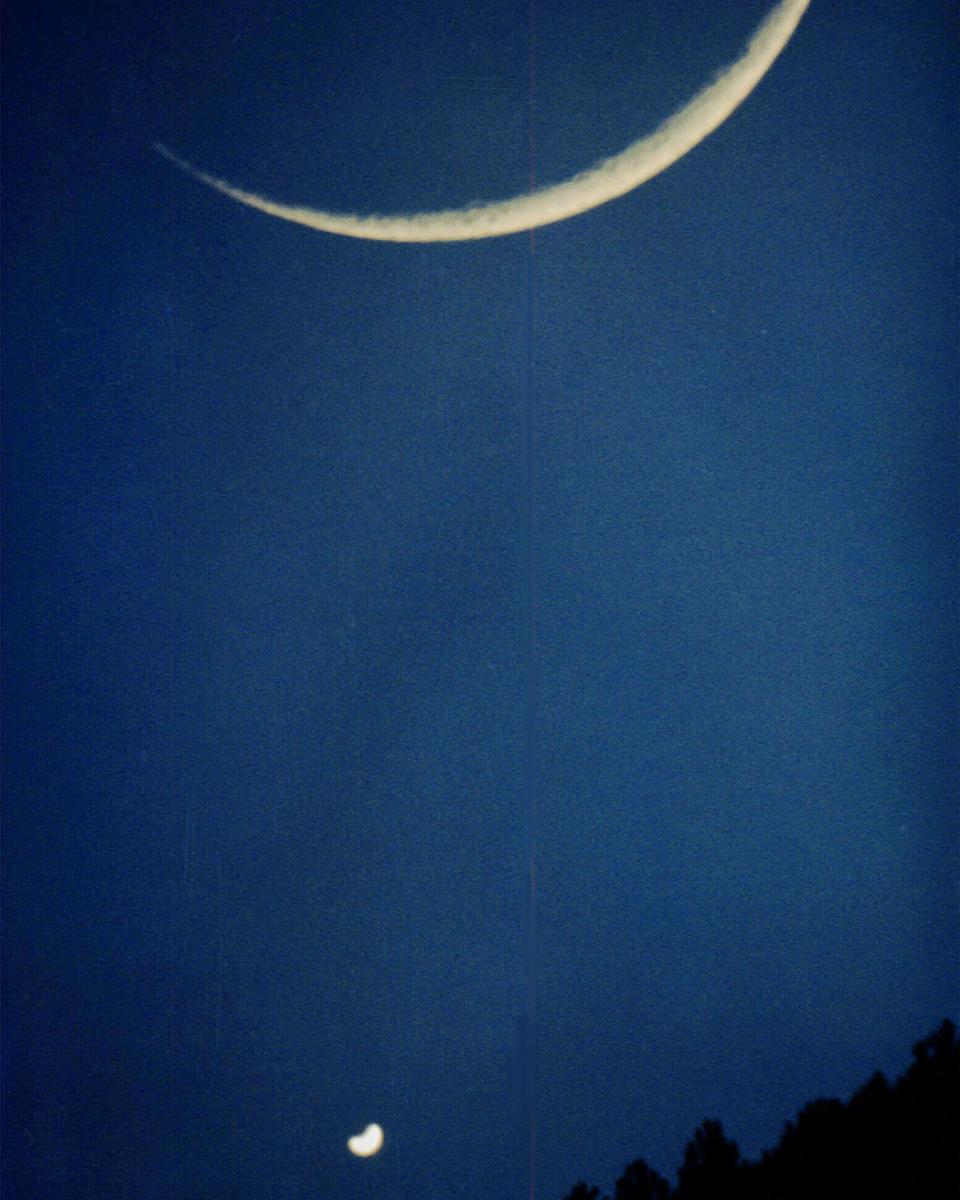
Moon And Venus Share The Sky
July is drawing to a close and in the past few days, some early morning risers could have looked east and seen a crescent Moon sharing the pre-dawn skies with planets Jupiter and…
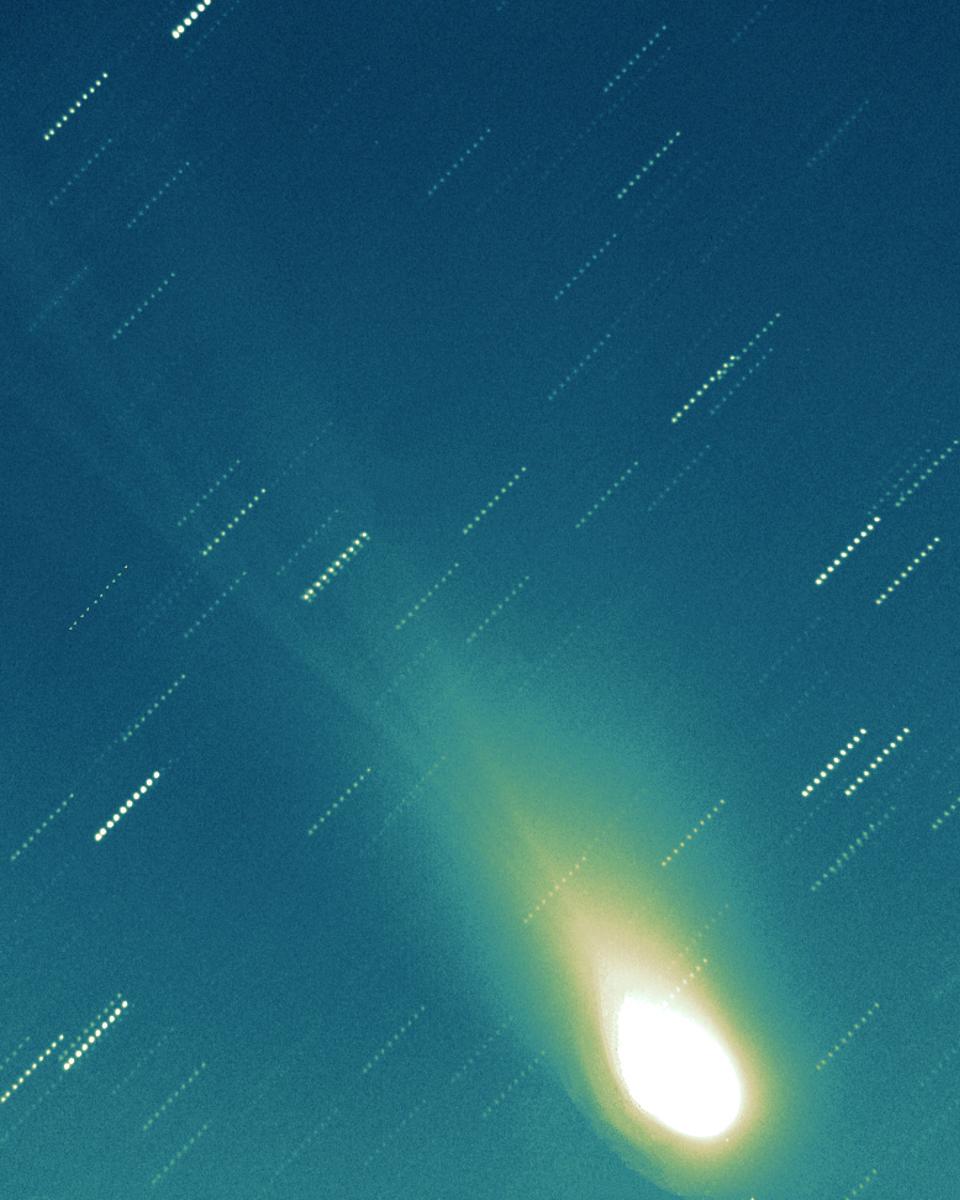
Tails Of Comet LINEAR
Comet C/1999 S4 LINEAR is only one of many comets discovered with the Lincoln Near Earth Asteroid Research (LINEAR) telescope operating near Soccoro, New Mexico, USA. Traveling…
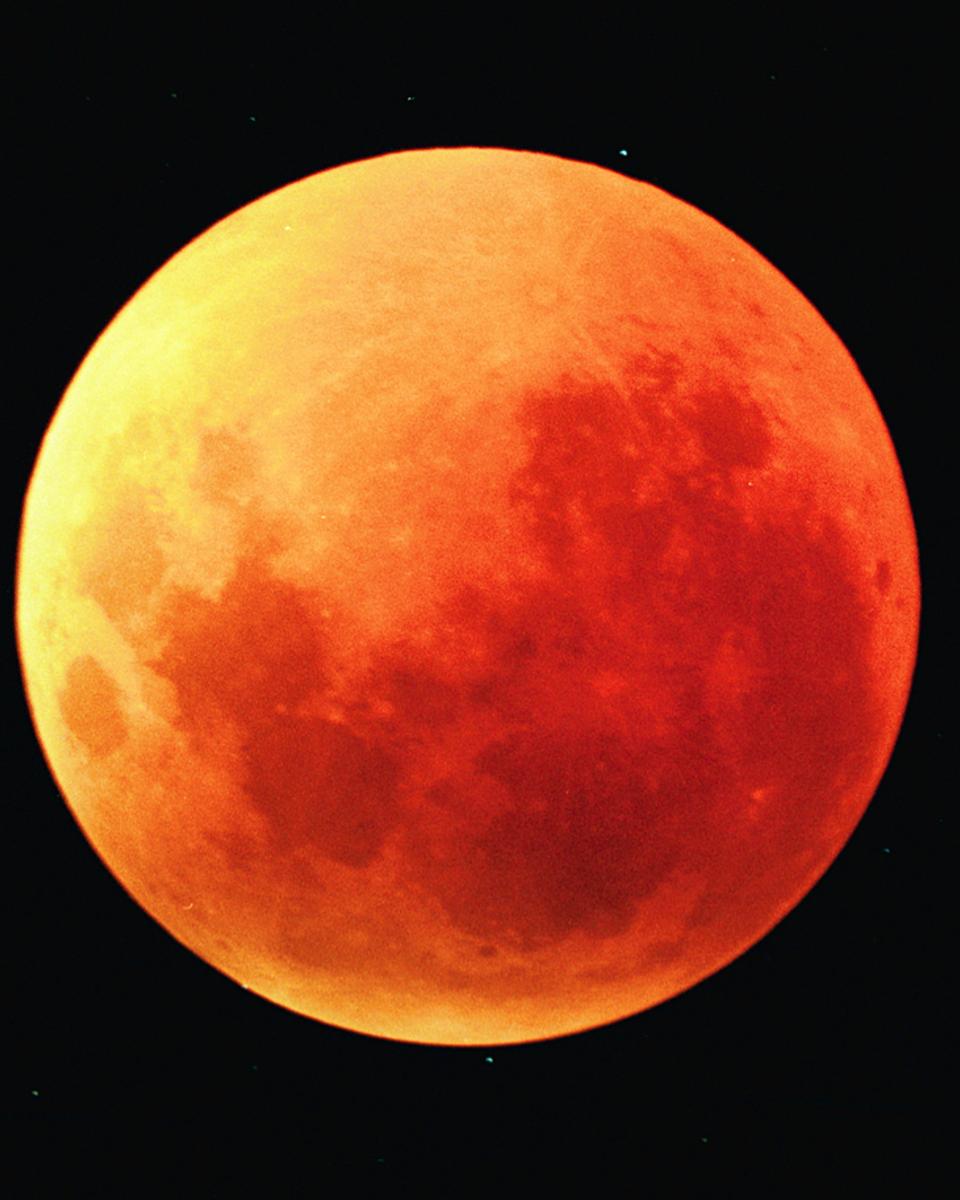
Lingering Lunar Eclipse
As the Moon passed almost directly through the center of Earth's shadow on July 16th, sky gazers in the Pacific hemisphere were graced by a lingering lunar eclipse . The total…
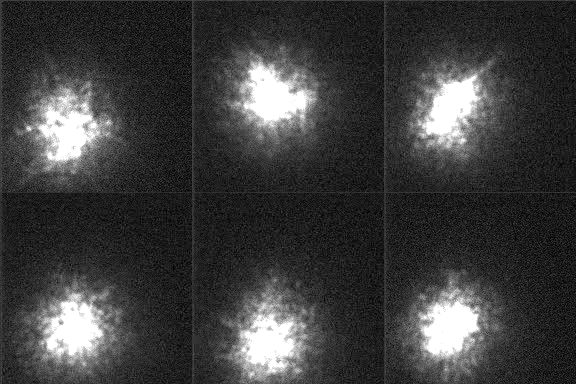
Why Stars Twinkle
This is what a star really looks like from the surface of the Earth. To the best the human eye can see, stars are so far away they appear the same as would infinitesimal points of…
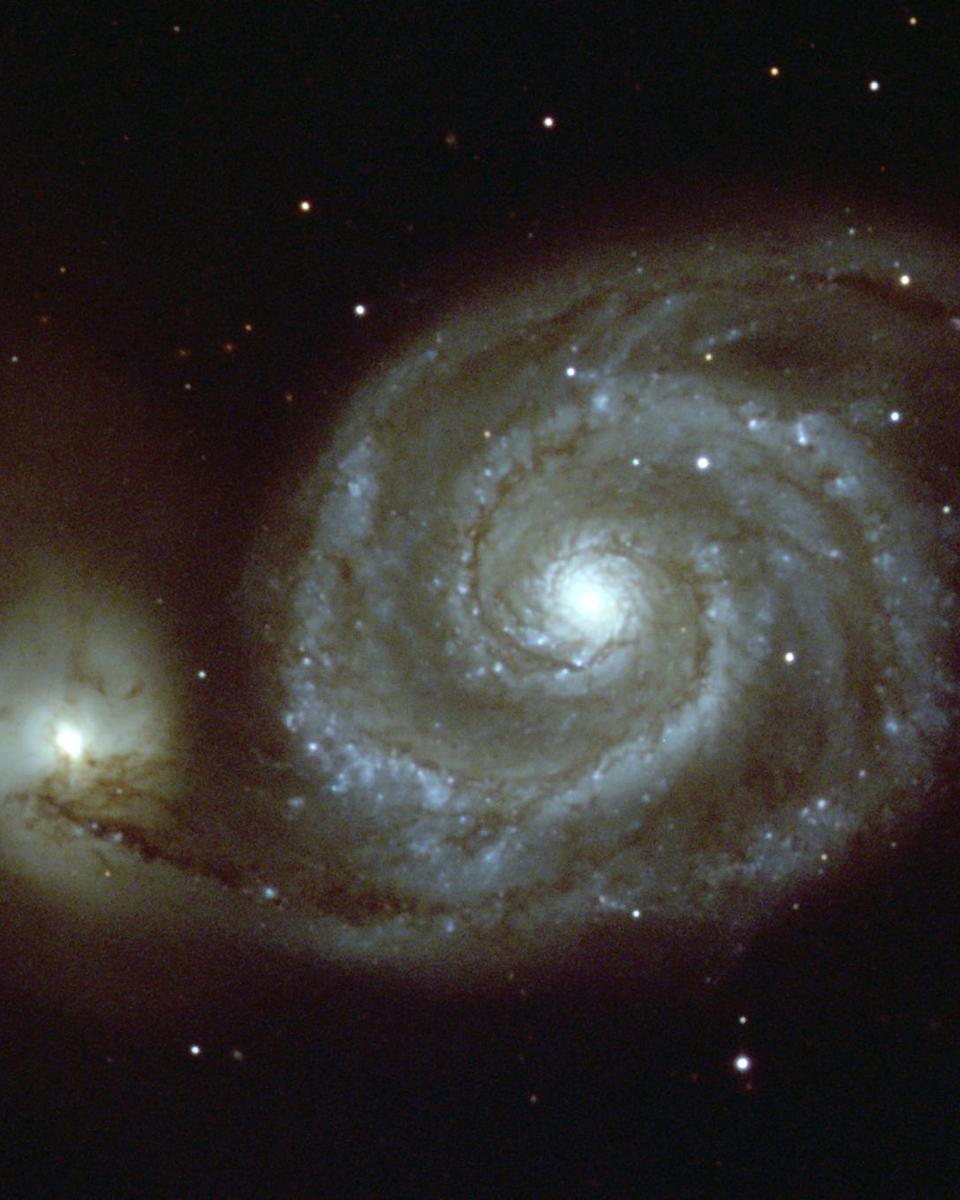
M51: The Whirlpool Galaxy
The Whirlpool Galaxy is a classic spiral galaxy. At only 23 million light years distant and fully 65 thousand light years across, M51 , also known as NGC 5194, is one of the…

Isaac Newton Explains the Solar System
Sir Isaac Newton changed the world. Born in 1643, Newton was only an above-average student. But he went home from Cambridge one summer in 1665, thought a lot about the physical…

GLAST Gamma Ray Sky Simulation
What shines in the gamma-ray sky? This simulated image models the intensities of gamma rays with over 40 million times the energy of visible light, and represents how the sky…
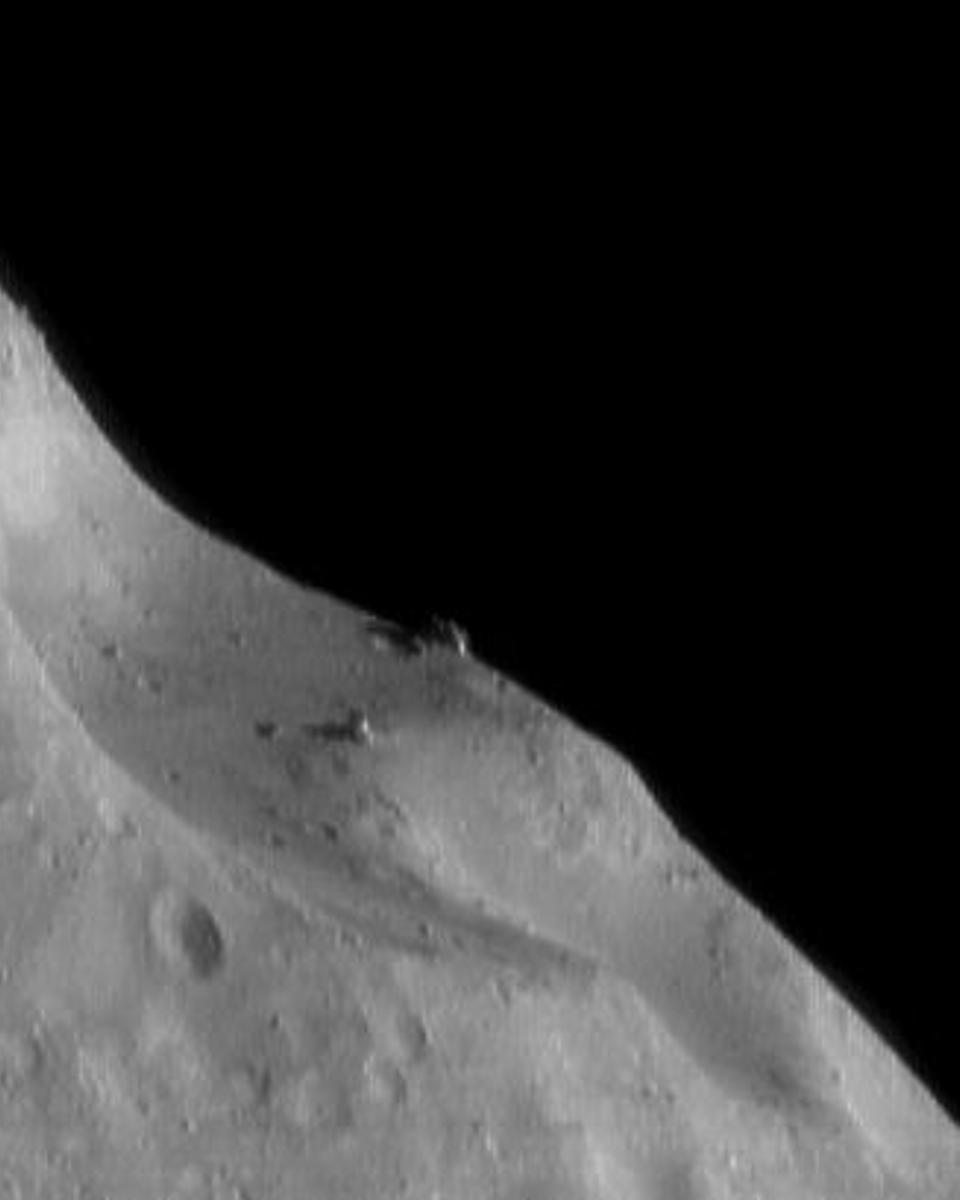
Eros Craters And Boulders
From a delicate orbit around asteroid 433 Eros, the NEAR Shoemaker spacecraft's camera has now imaged the entire surface of the small oddly-shaped world at least once. Recorded on…
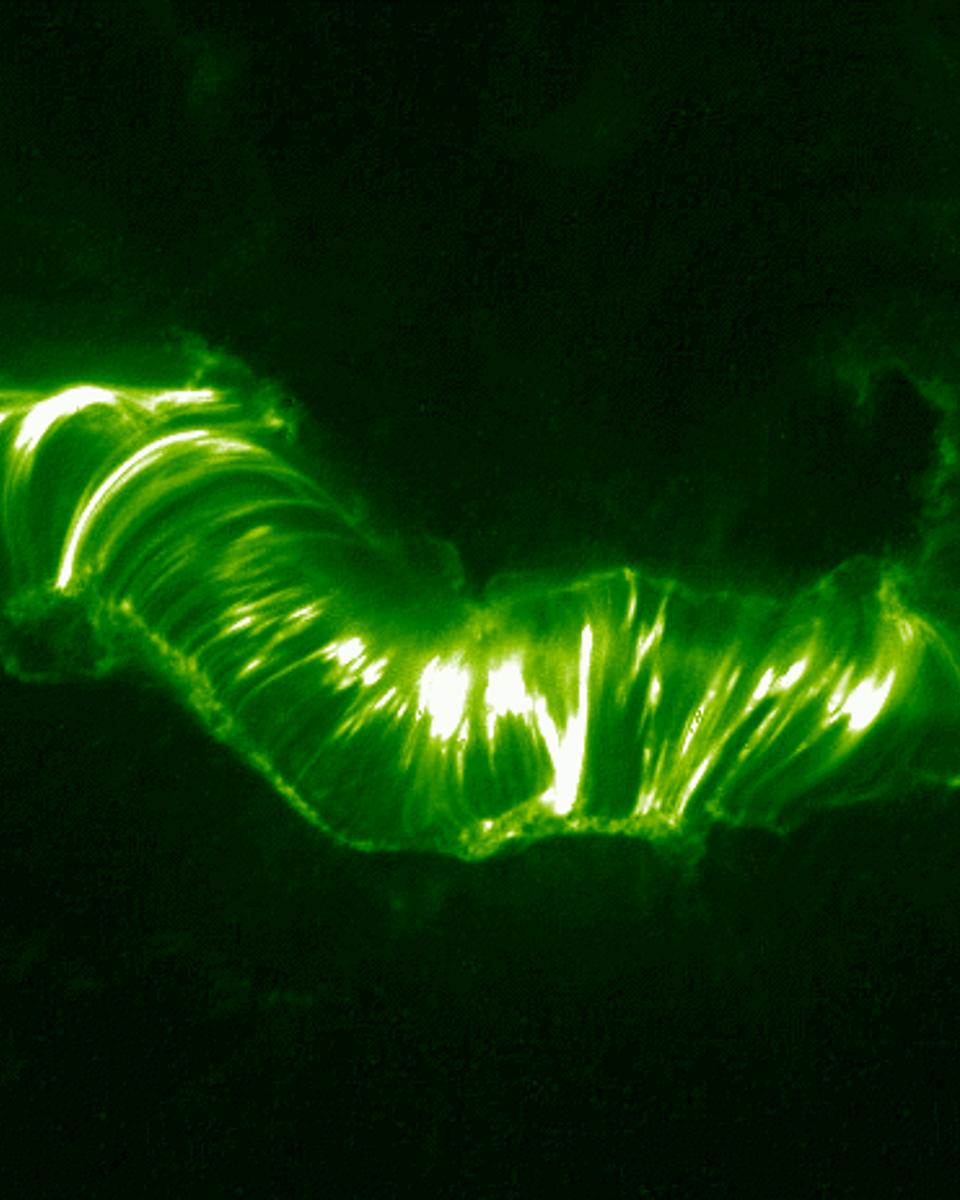
AR9077: Solar Magnetic Arcade
On July 14th , solar active region 9077 (AR9077) produced a massive flare . The event also blasted an enormous cloud of energetic charged particles toward planet Earth, triggering…
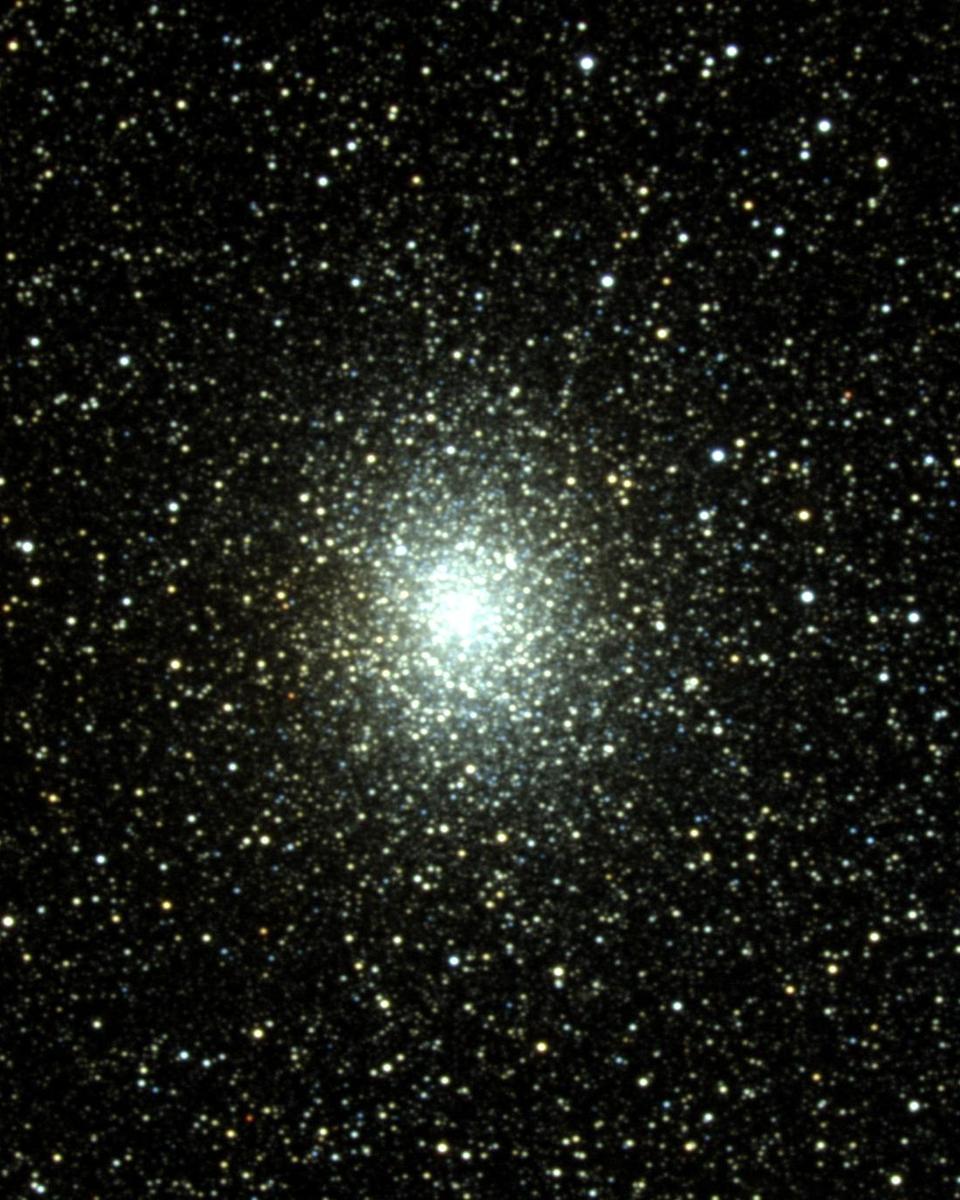
Globular Cluster M19
M19 appears to be a typical globular cluster of stars - except for its shape. If one looks closely at the cluster, pictured above , it appears to be longer (top to bottom) than it…

A Russian Proton Rocket Launches Zvezda
The Russian Proton rocket is the tallest rocket in routine use. First deployed in 1965, the rocket stands typically 40 meters tall, can carry unusually heavy payloads into space,…
Viewing discoveries from 10 August 2000 through 18 July 2000.