Browse NASA Astronomy Picture of the Day archive by date and media: Archive Discoveries
Browse the NASA APOD archive without needing the exact date first. Filter by media type and keep moving deeper into older images and videos.
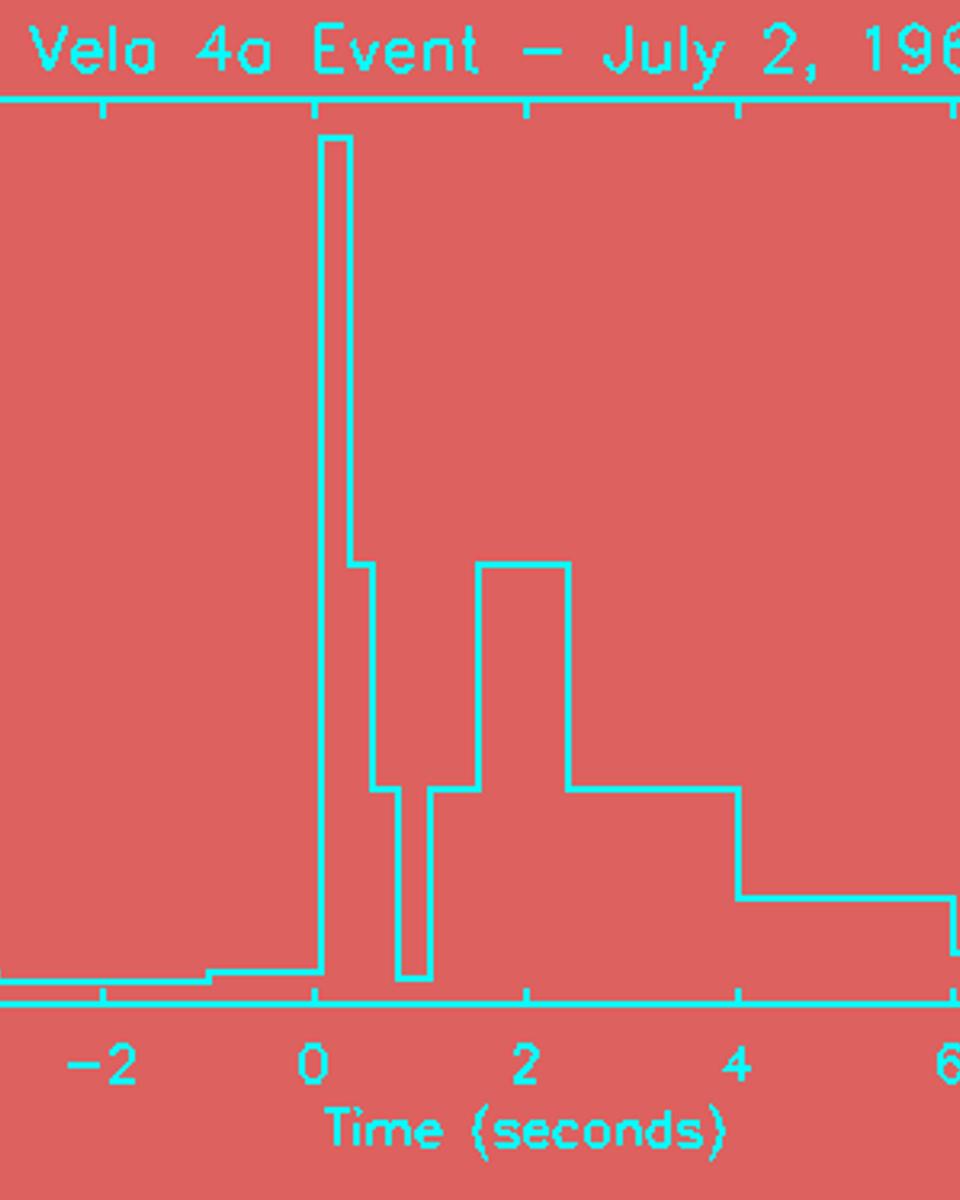
Gamma-Ray Burst: A Milestone Explosion
Gamma-Ray Bursts (GRBs) were discovered by accident. Thirty three years ago today, satellites first recorded a GRB . The data plotted here show that the count rate of the…
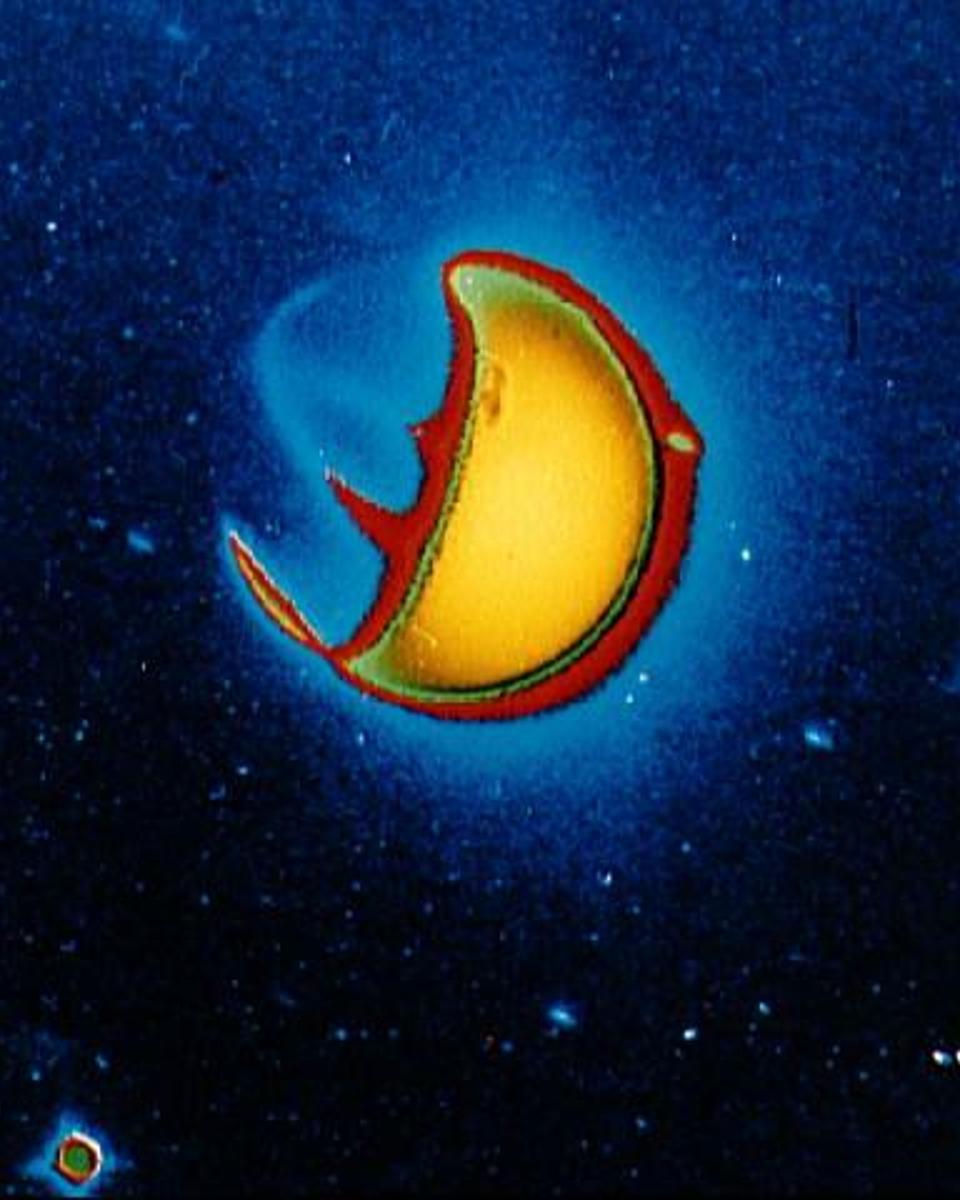
Ultraviolet Earth from the Moon
Here's a switch: the above picture is of the Earth taken from a lunar observatory! This false color picture shows how the Earth glows in ultraviolet (UV) light. UV light is so…
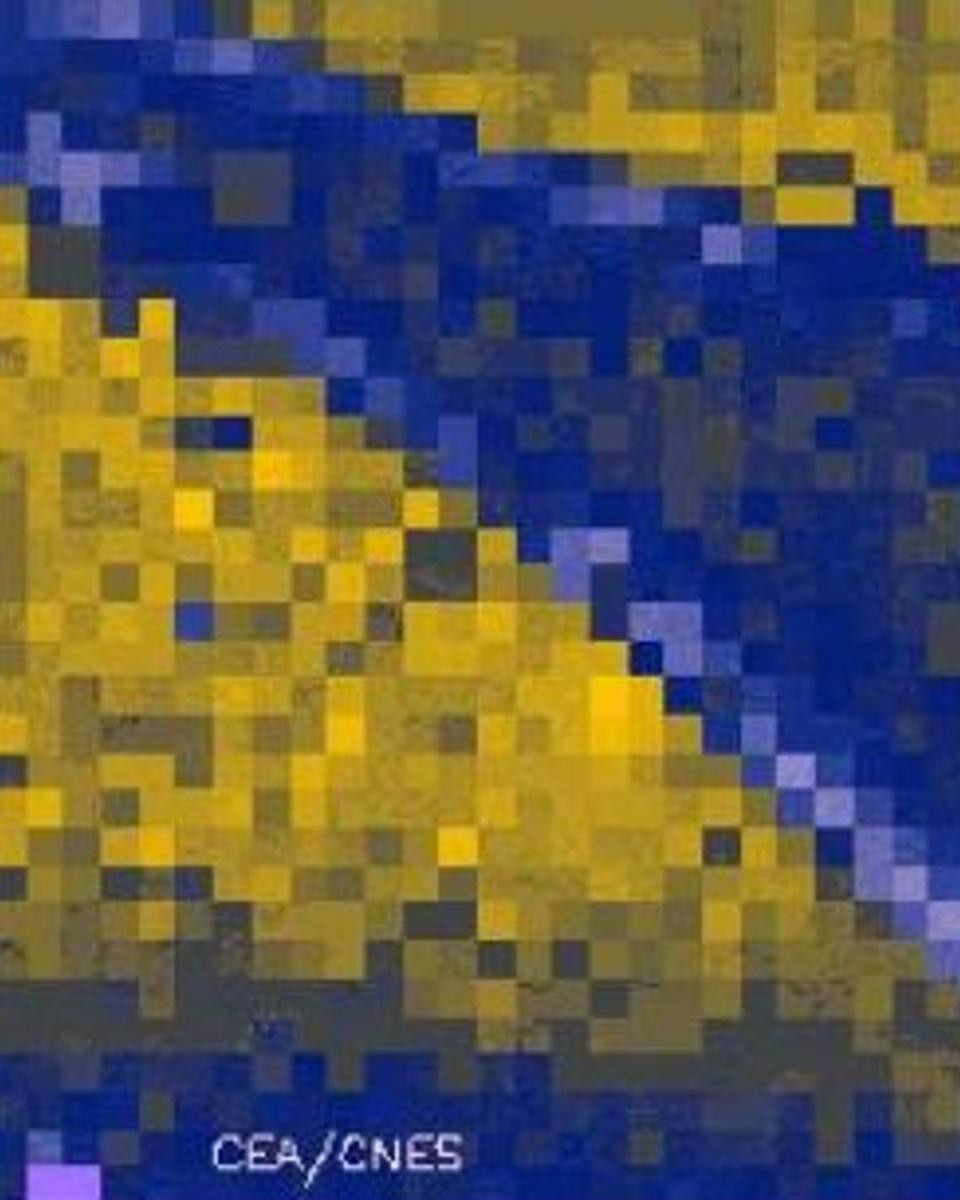
Vintage Gamma-Rays
Gamma-rays are the most energetic form of electromagnetic radiation. But these high energy photons penetrate and interact in normal materials and so cannot be focused by lenses…
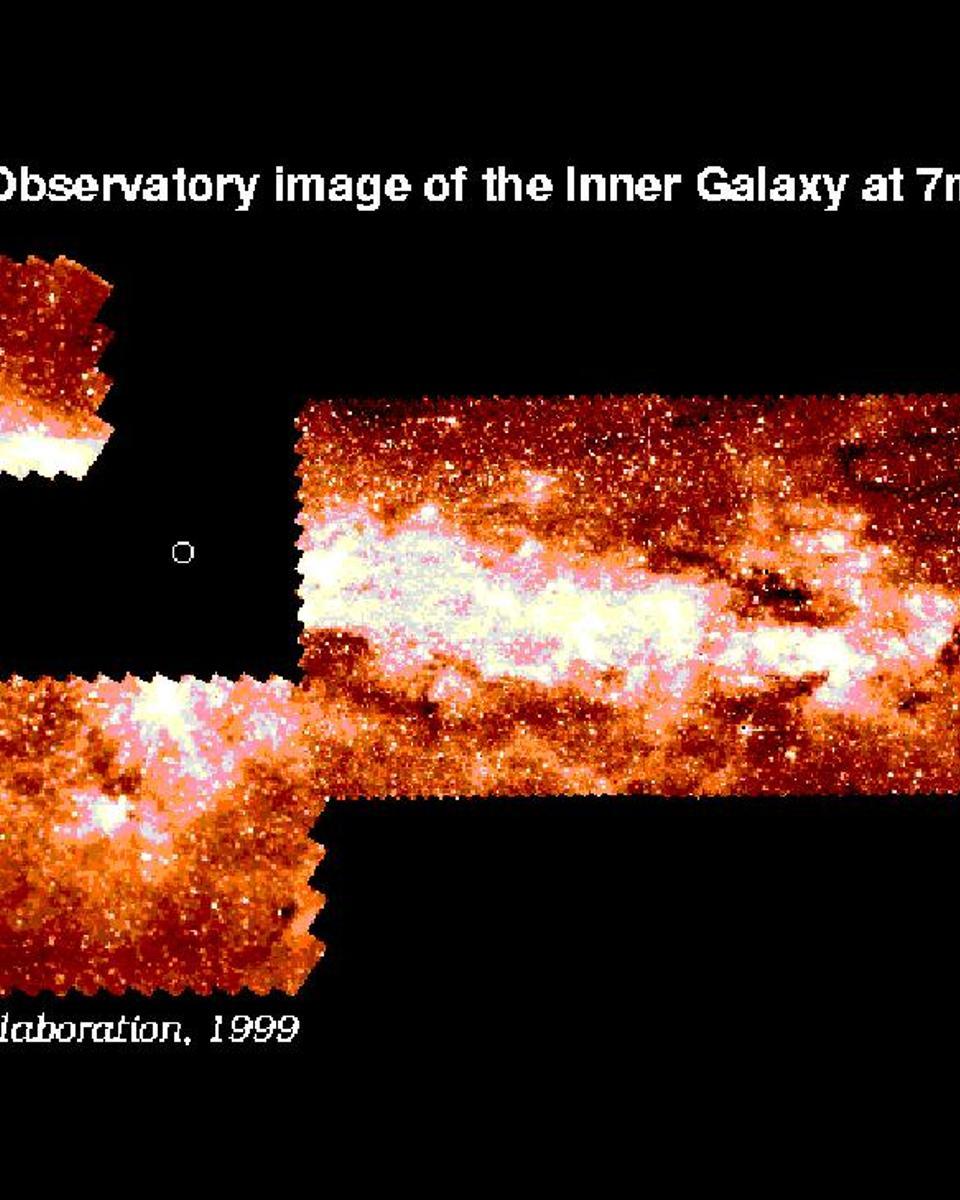
Galactic Centre Starscape
Thirty thousand light-years distant, beyond the majestic dust clouds of the constellation Sagittarius, lies the centre of our Milky Way Galaxy. Hidden from optical view by the…
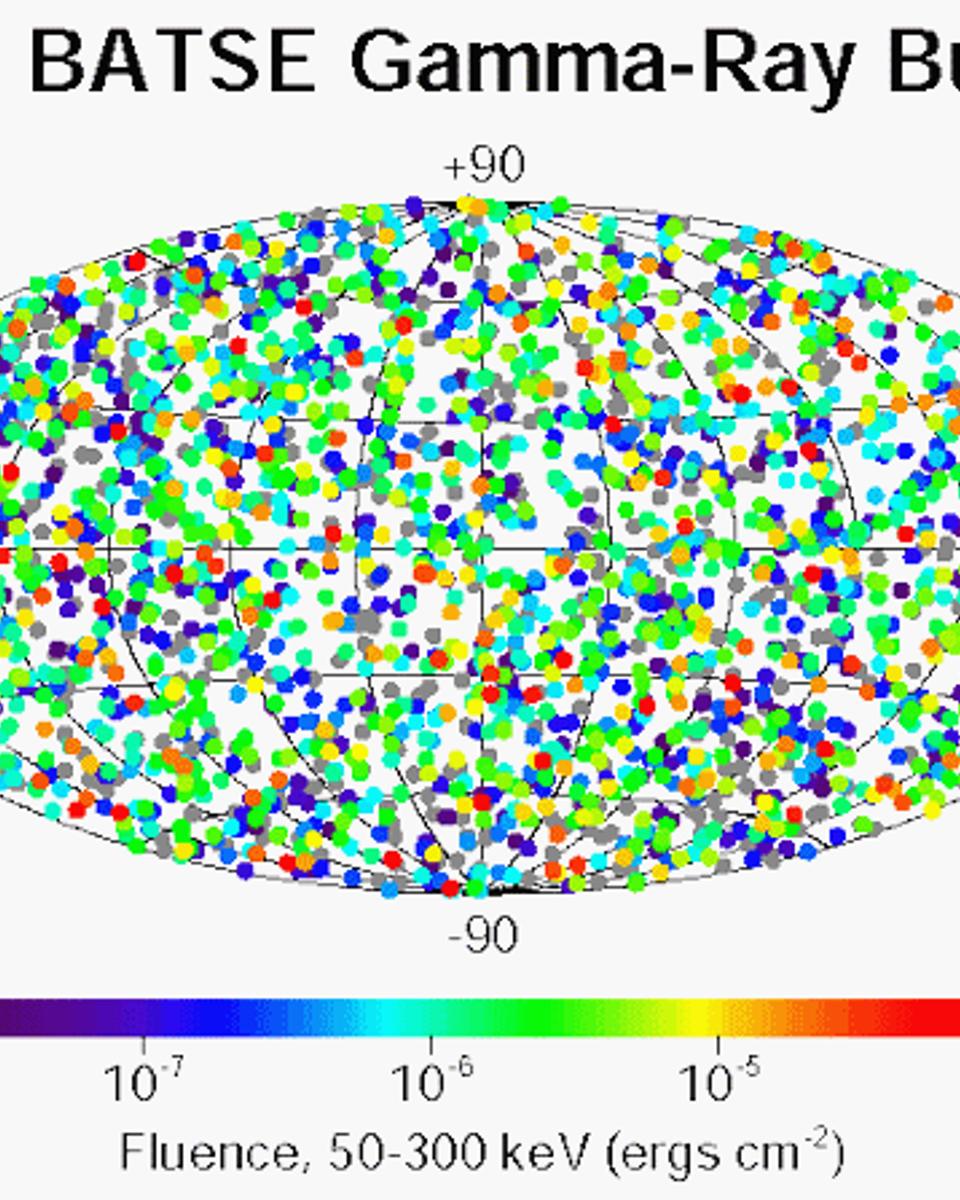
BATSE GRB Final Sky Map
What causes the most powerful explosions in the universe? The BATSE modules that flew on the Compton Gamma Ray Observatory allowed more insight into enigmatic gamma-ray burst…
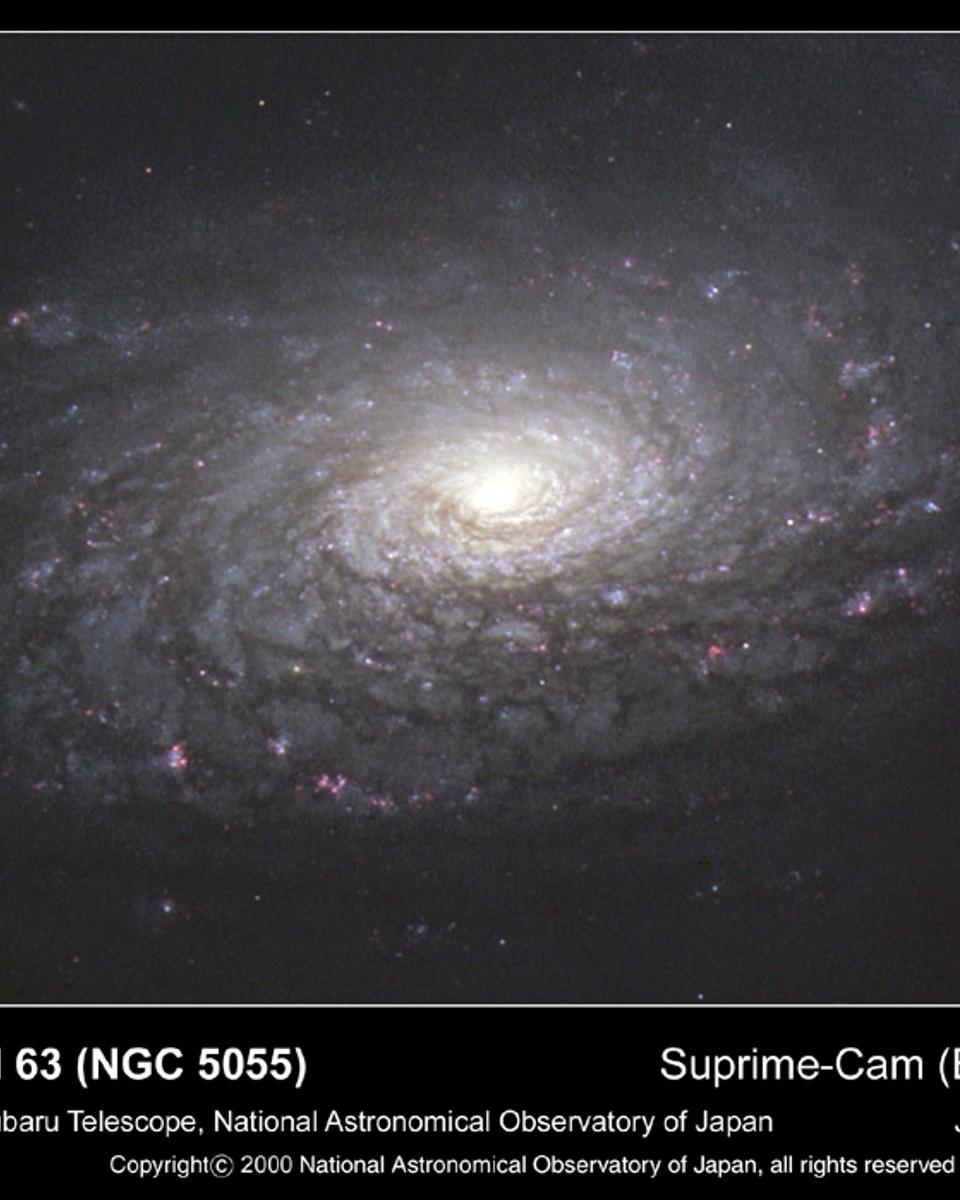
M63: The Sunflower Galaxy
One of the bright spiral galaxies visible in the north sky is M63, the Sunflower Galaxy. M63, also catalogued as NGC 5055, can be found with a small telescope in the constellation…
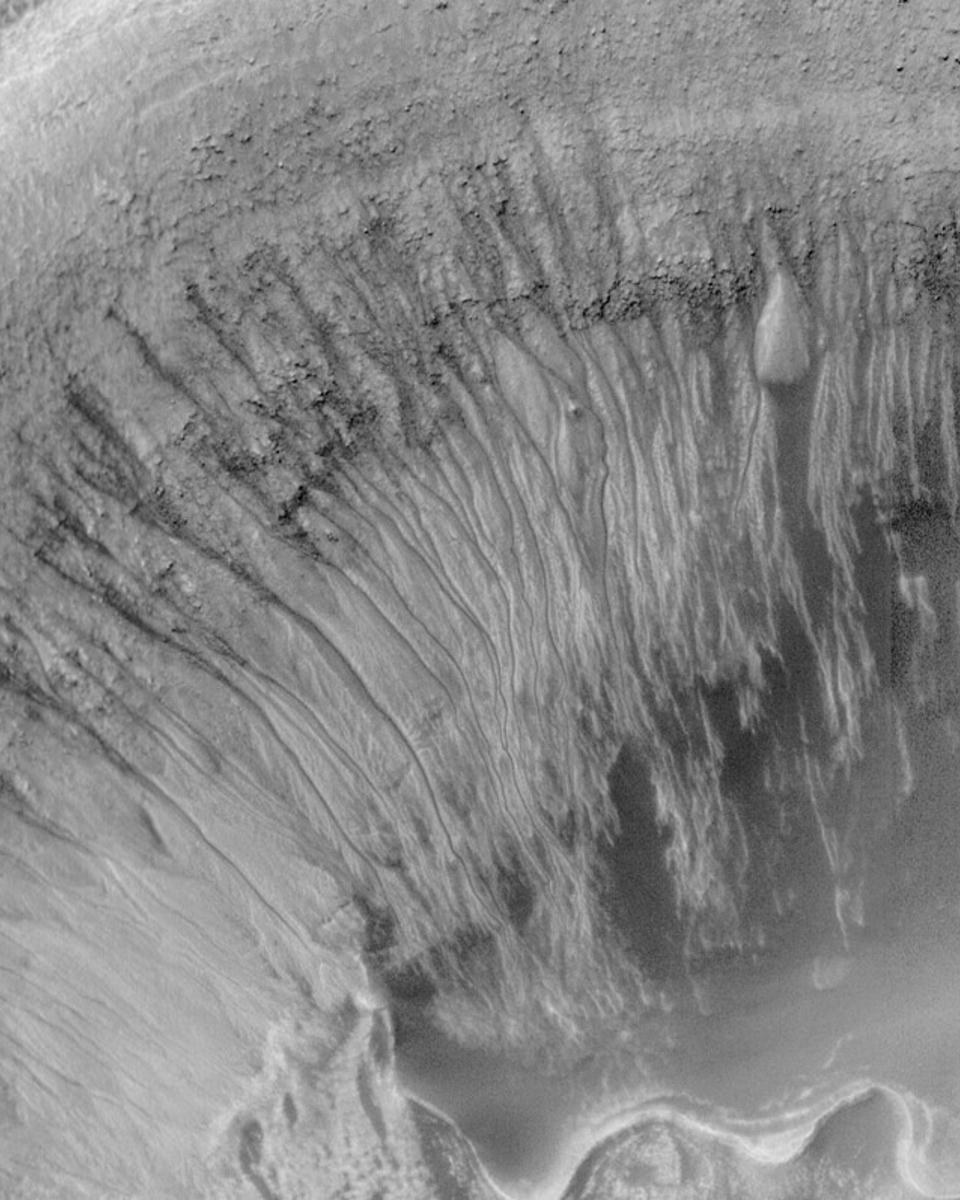
Newton Crater: Evidence for Recent Water on Mars
What could have formed these unusual channels? Inside a small crater that lies inside large Newton Crater on Mars , numerous narrow channels run from the top down to the crater…
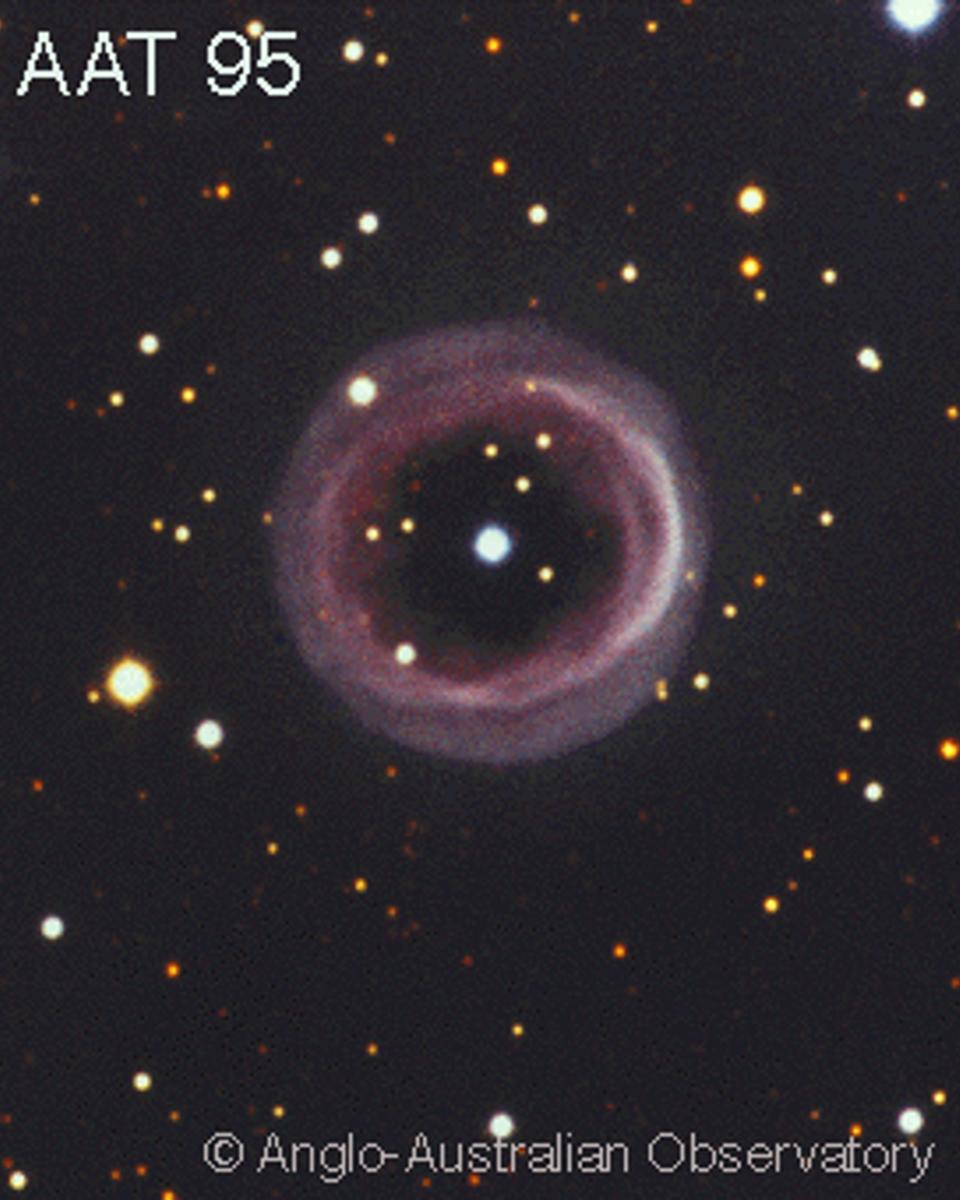
Shapley 1: An Annular Planetary Nebula
What happens when a star runs out of nuclear fuel ? The center condenses into a white dwarf while the outer atmospheric layers are expelled into space and appear as a planetary…
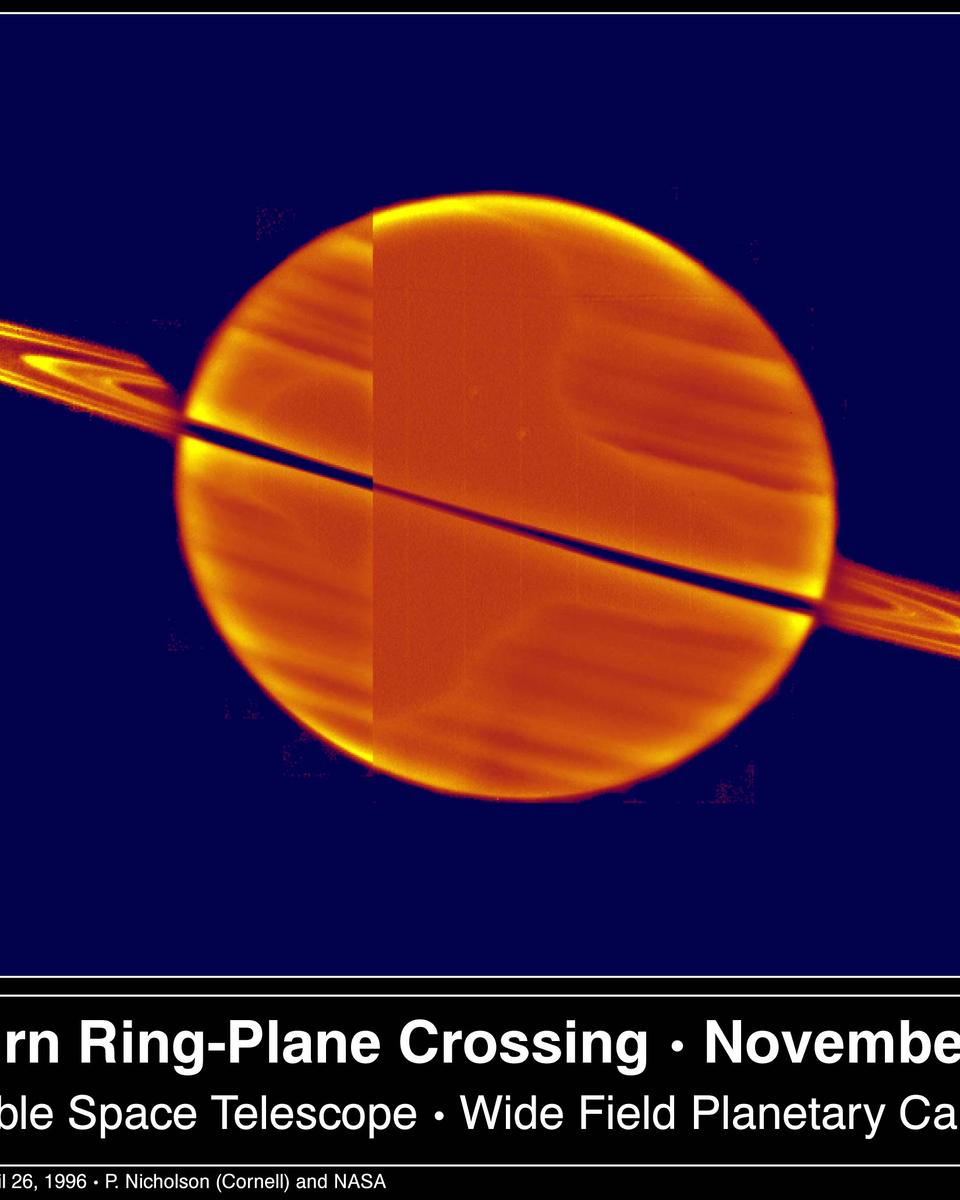
Sunlight Through Saturn's Rings
Normally, earth-bound astronomers view Saturn's spectacular ring system fully illuminated by reflected sunlight. However, this intriguing picture was made to take advantage of an…
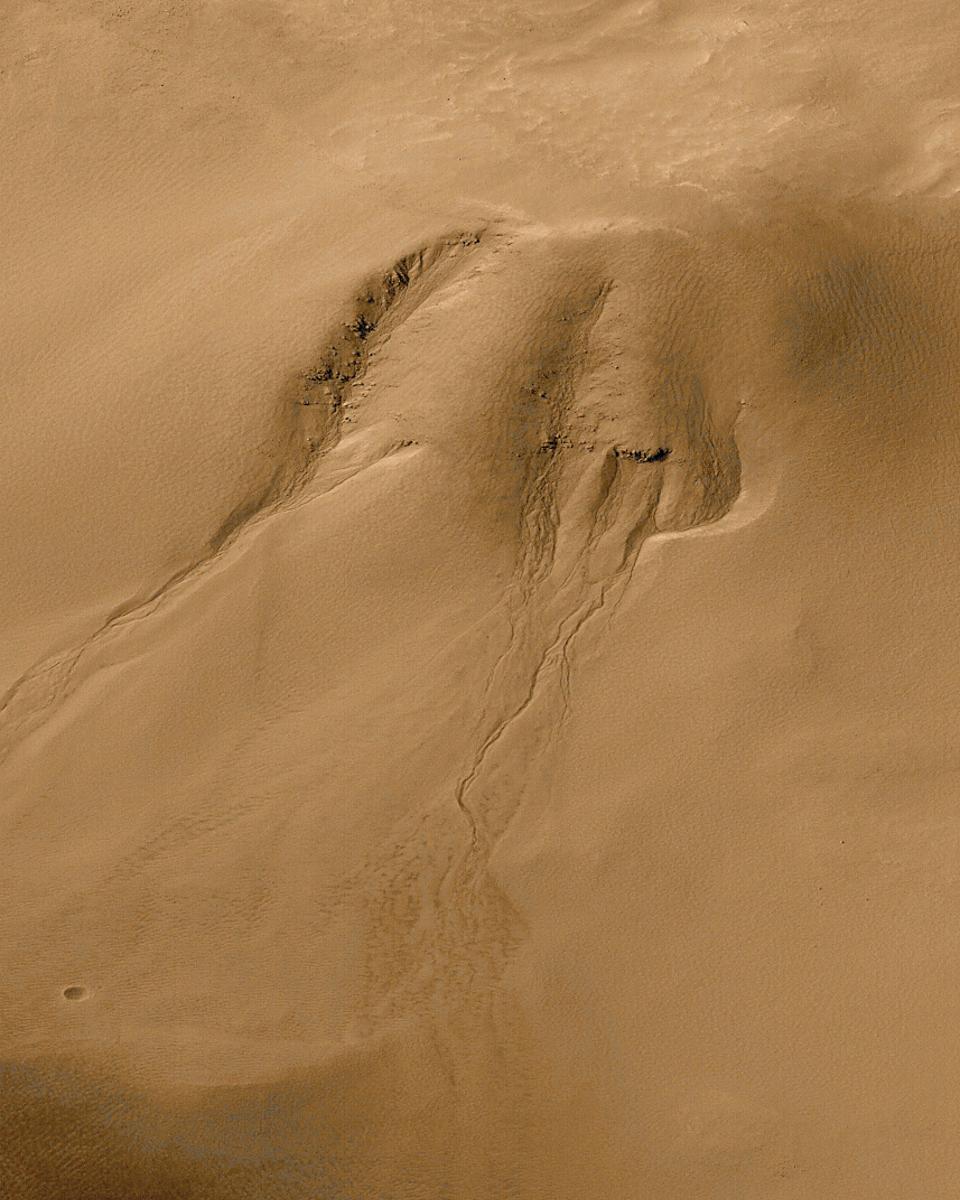
The Gullies Of Mars
The recently revealed gullies on Mars are rare. But they may prove to be sites of present day, near surface, liquid water , holding out the tantalizing possibility of martian life…
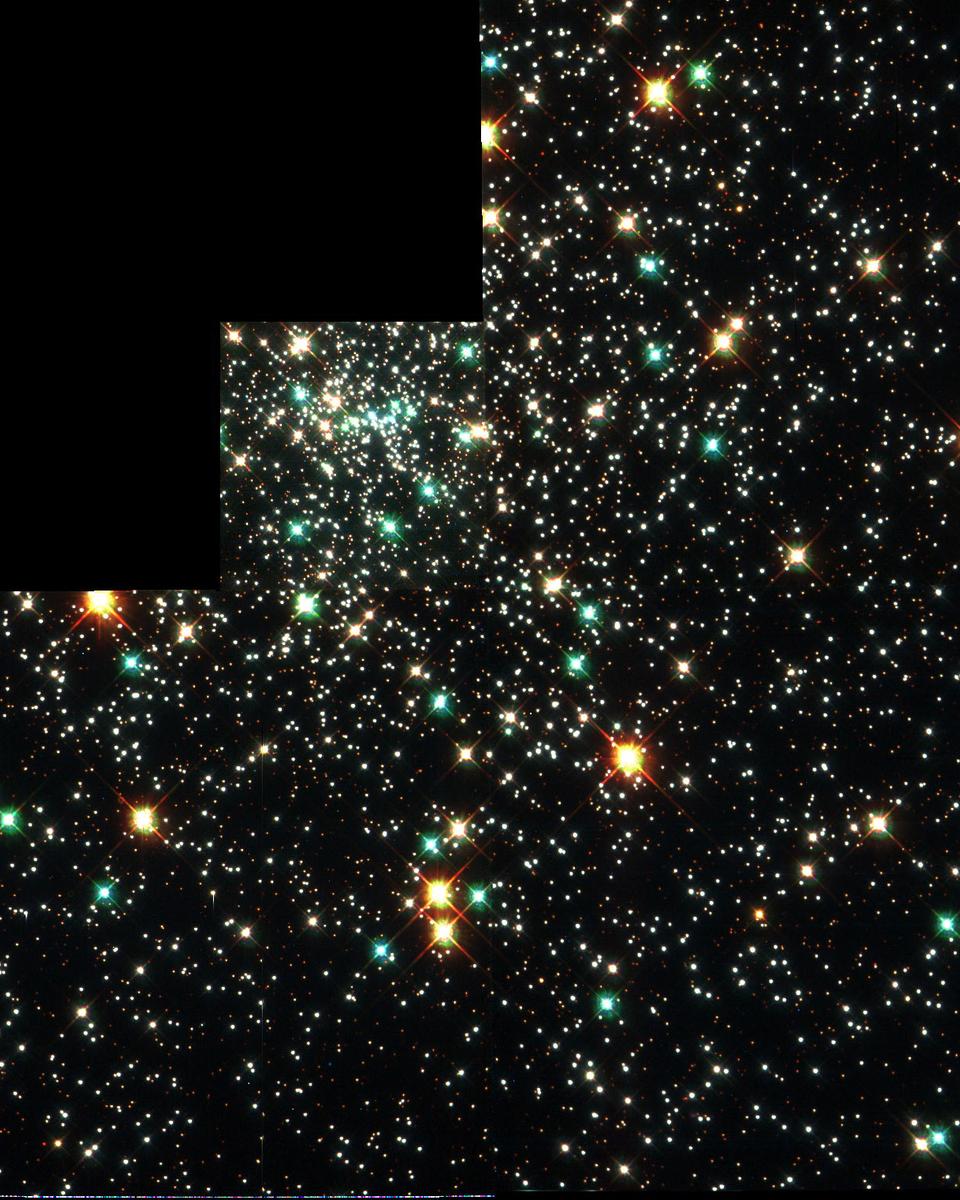
Blue Stragglers In NGC 6397
In our neck of the Galaxy stars are too far apart to be in danger of colliding, but in the dense cores of globular star clusters star collisions may be relatively common. In fact,…
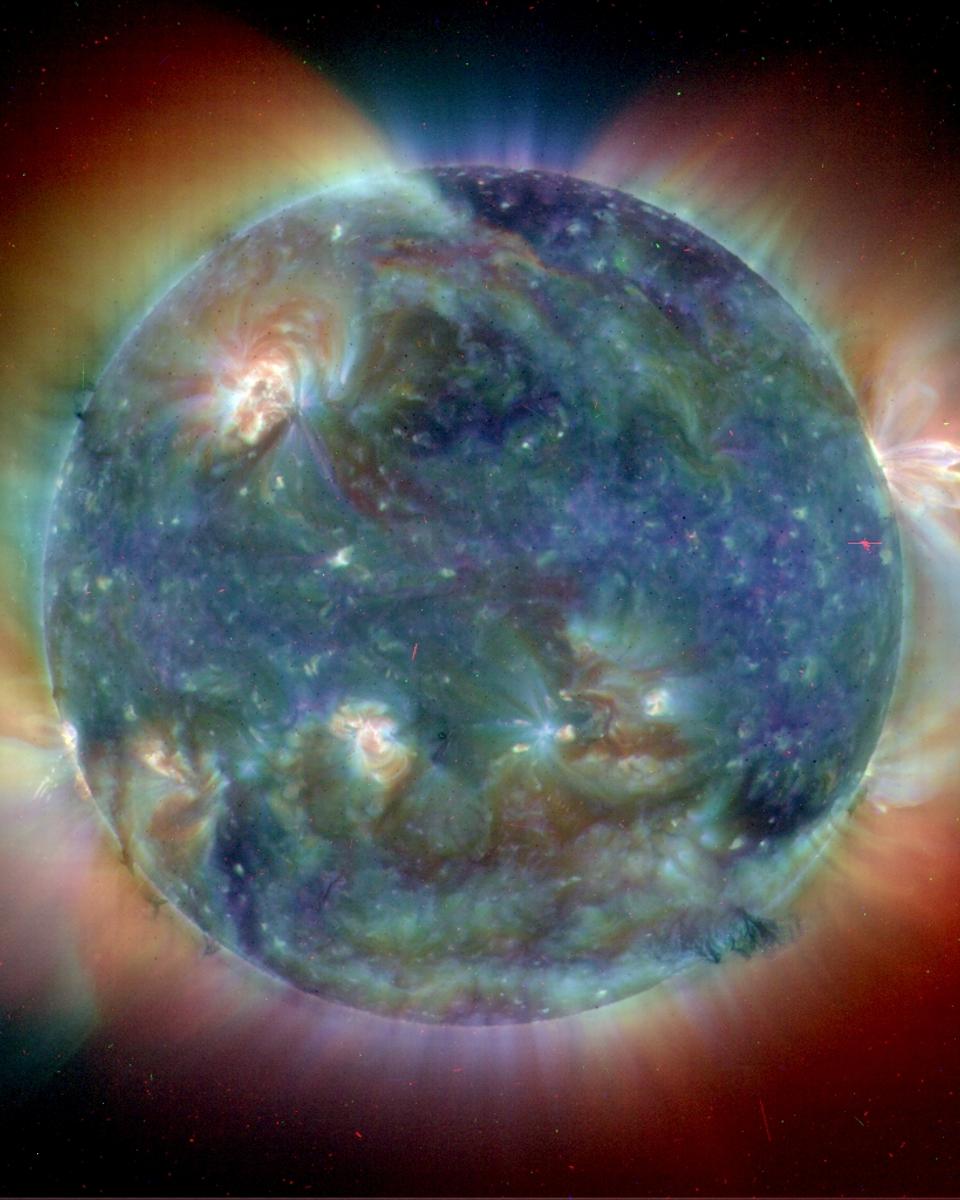
Solstice Celebration
Season's greetings! At 01:48 Universal Time on June 21 the Sun reaches its northernmost point in planet Earth's sky marking a season change and the first solstice of the year…
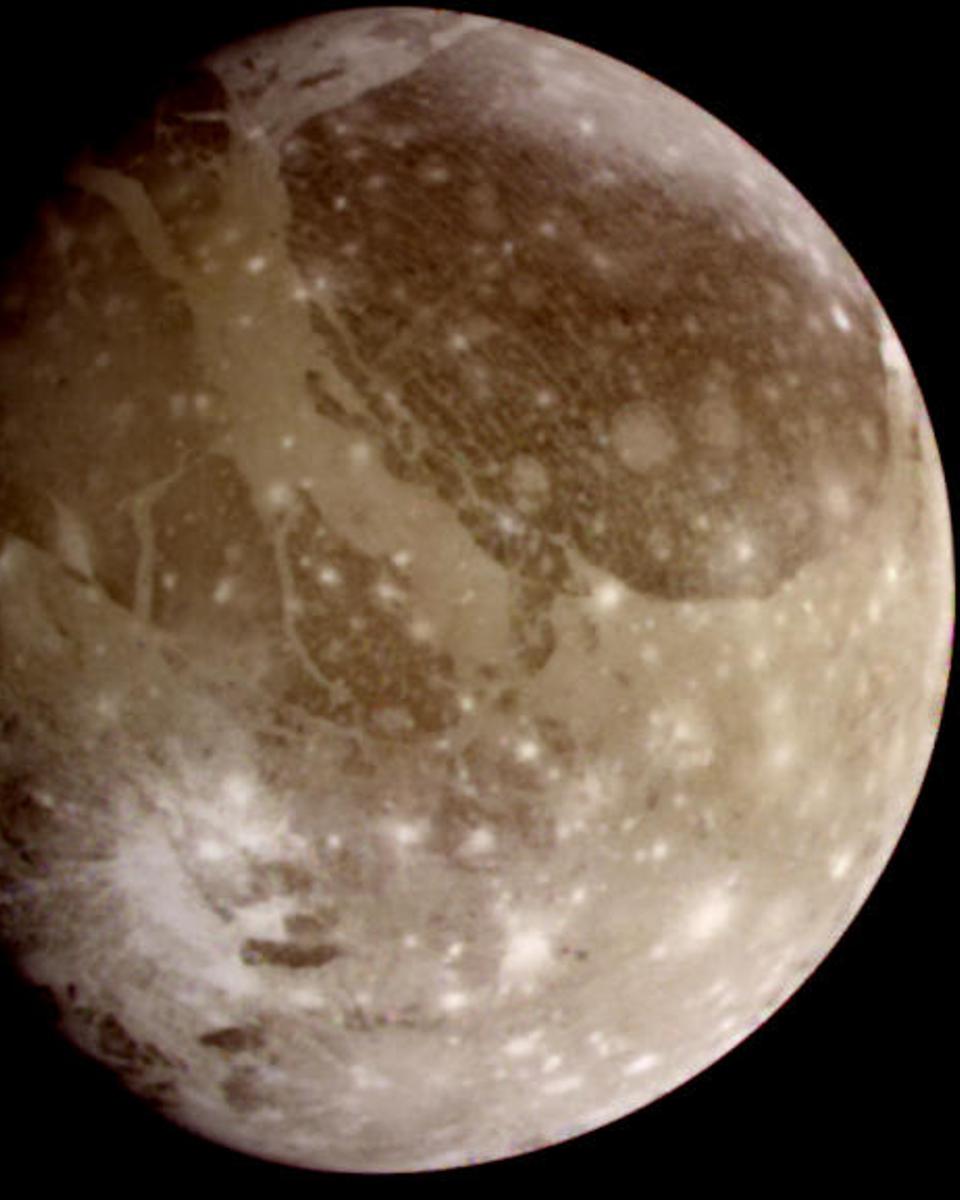
Ganymede: The Largest Moon in the Solar System
If Ganymede orbited the Sun, it would be considered a planet. The reason is that Jupiter 's moon Ganymede is not only the largest moon in the Solar System , it is larger than…
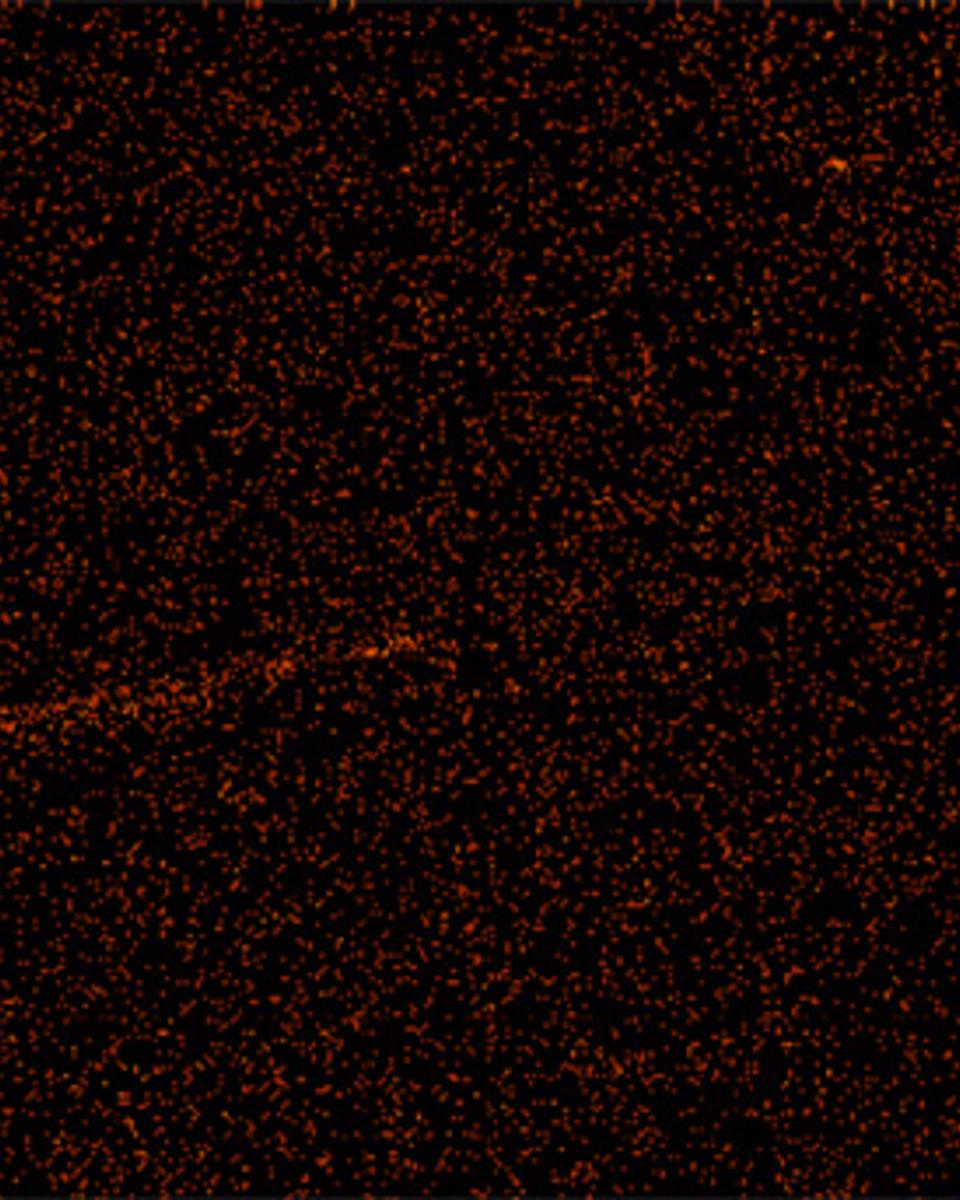
The Long Jet of Pictor A
A jet stretching nearly a million light years has been imaged emanating from galaxy Pictor A. The thin jet of electrons and protons shoots out at nearly light-speed likely from…
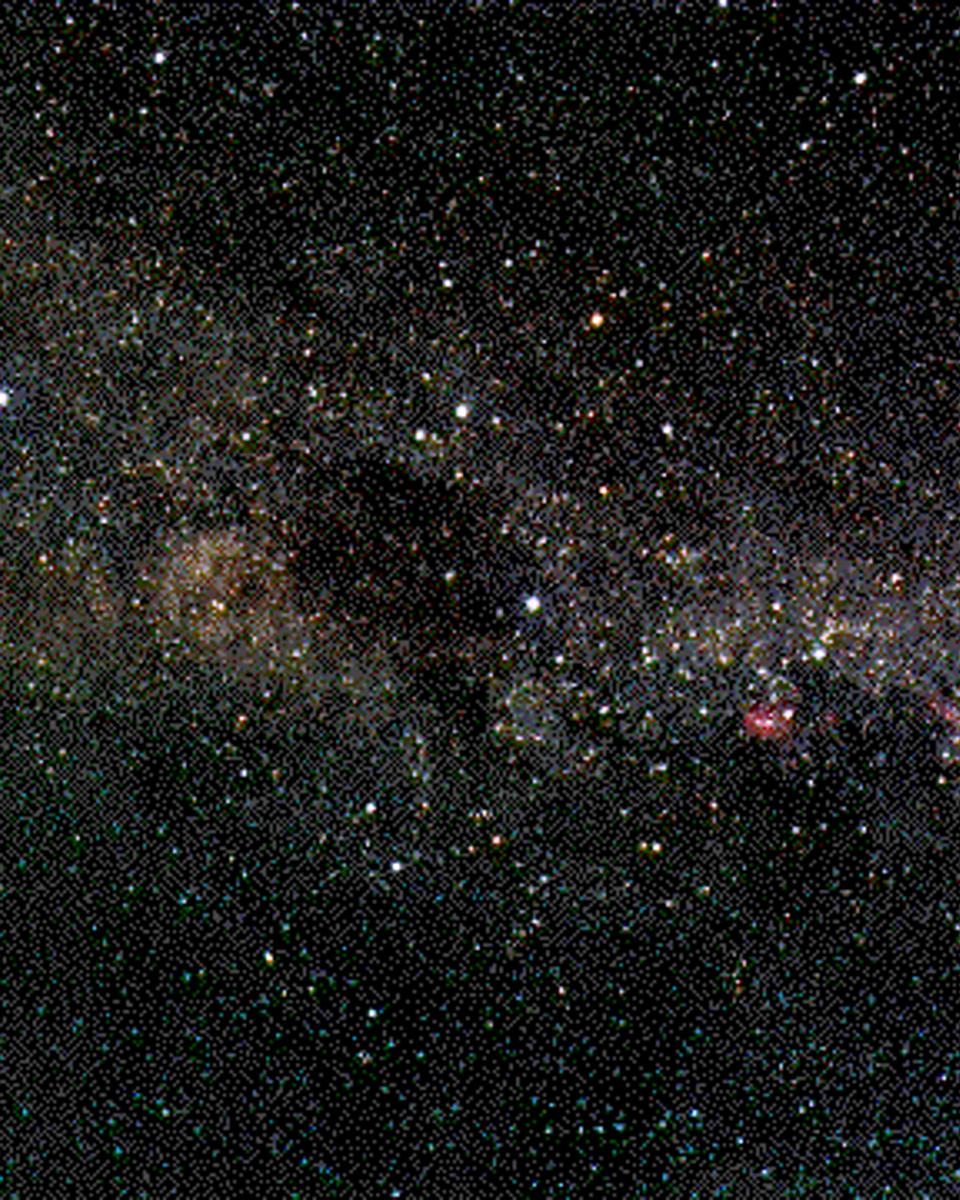
The Milky Way Near the Southern Cross
This breathtaking patch of sky would be above you were you to stand at the South Pole of the Earth . Just above and to the right of this photograph's center are the four stars…
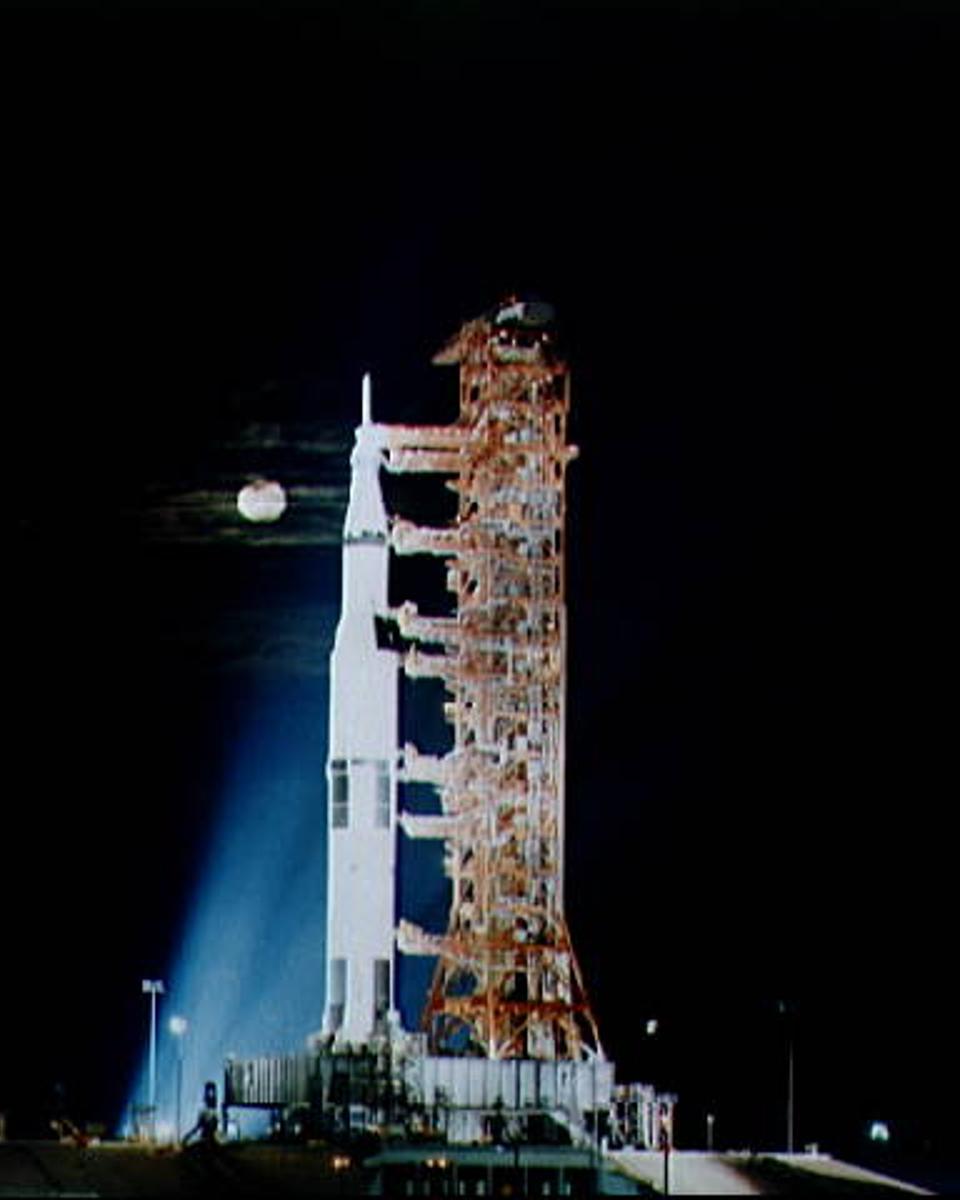
The Last Moon Shot
In 1865 Jules Verne predicted the invention of a space capsule that could carry people. In his science fiction story “From the Earth to the Moon” , he outlined his vision of a…
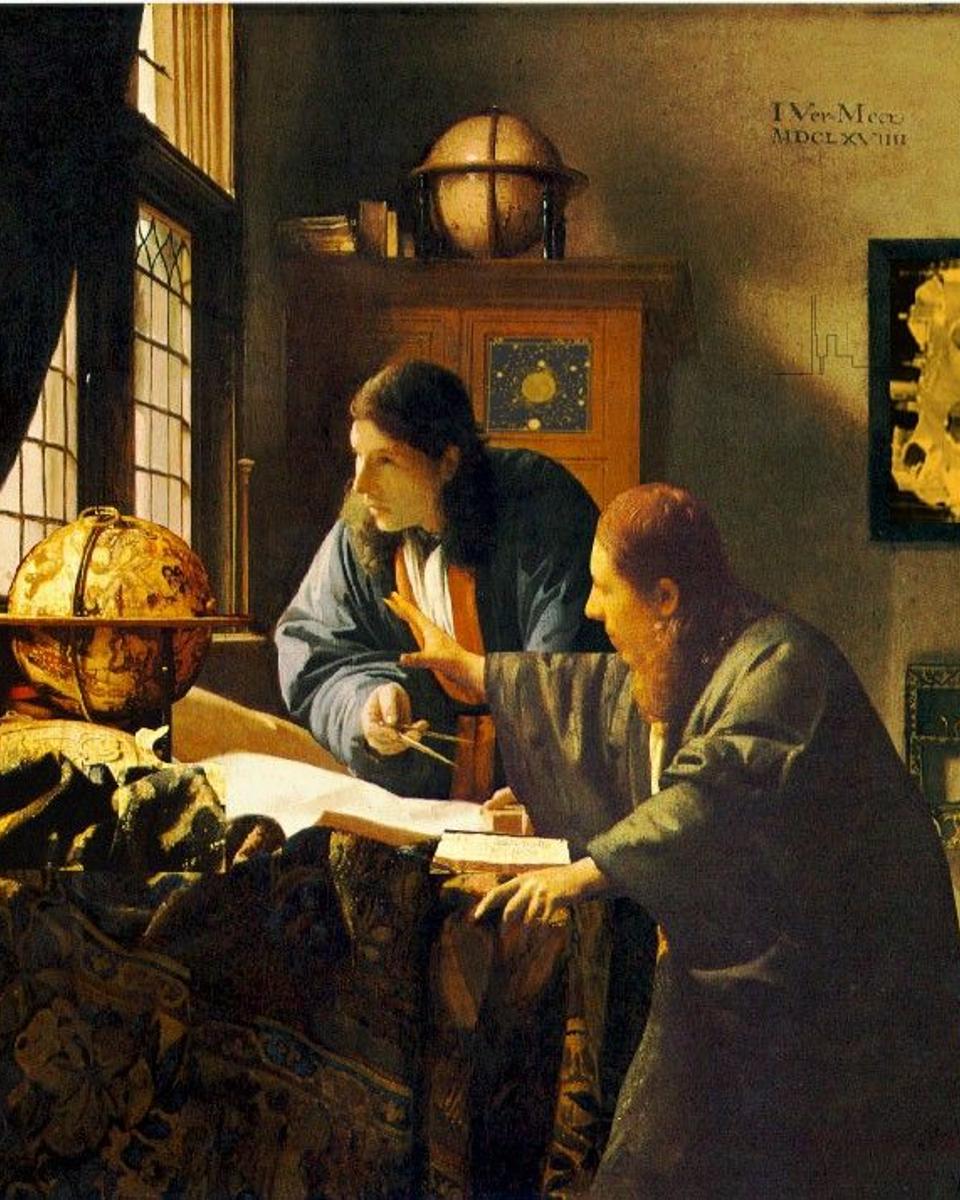
APOD Is Five Years Old Today
Welcome to the sixth year of Astronomy Picture of the Day ( APOD )! Above are the industrious Robert Nemiroff (left) and persistent Jerry Bonnell (right), still engaged in…
X-rays From The Perseus Cluster Core
The Perseus Cluster of thousands of galaxies, 320 million light-years distant, is one of the most massive objects in the Universe . At its core lies the giant cannibal galaxy…
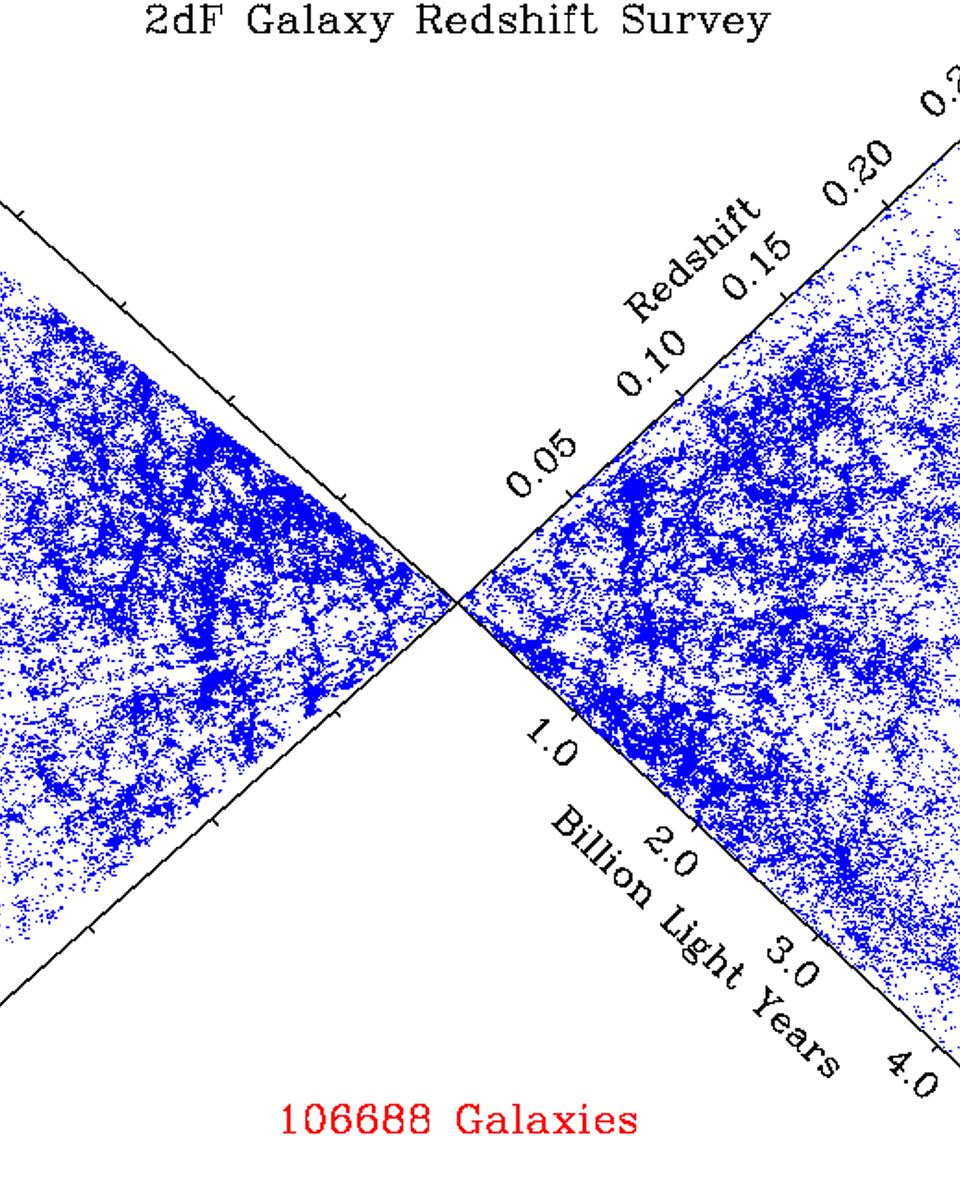
A Slice of the Universe with 2dF
What can 100,000 galaxies tell you? Perhaps the structure and composition of the universe. Astronomers using the Two Degree Field (2dF) spectrograph on the Anglo-Australian…
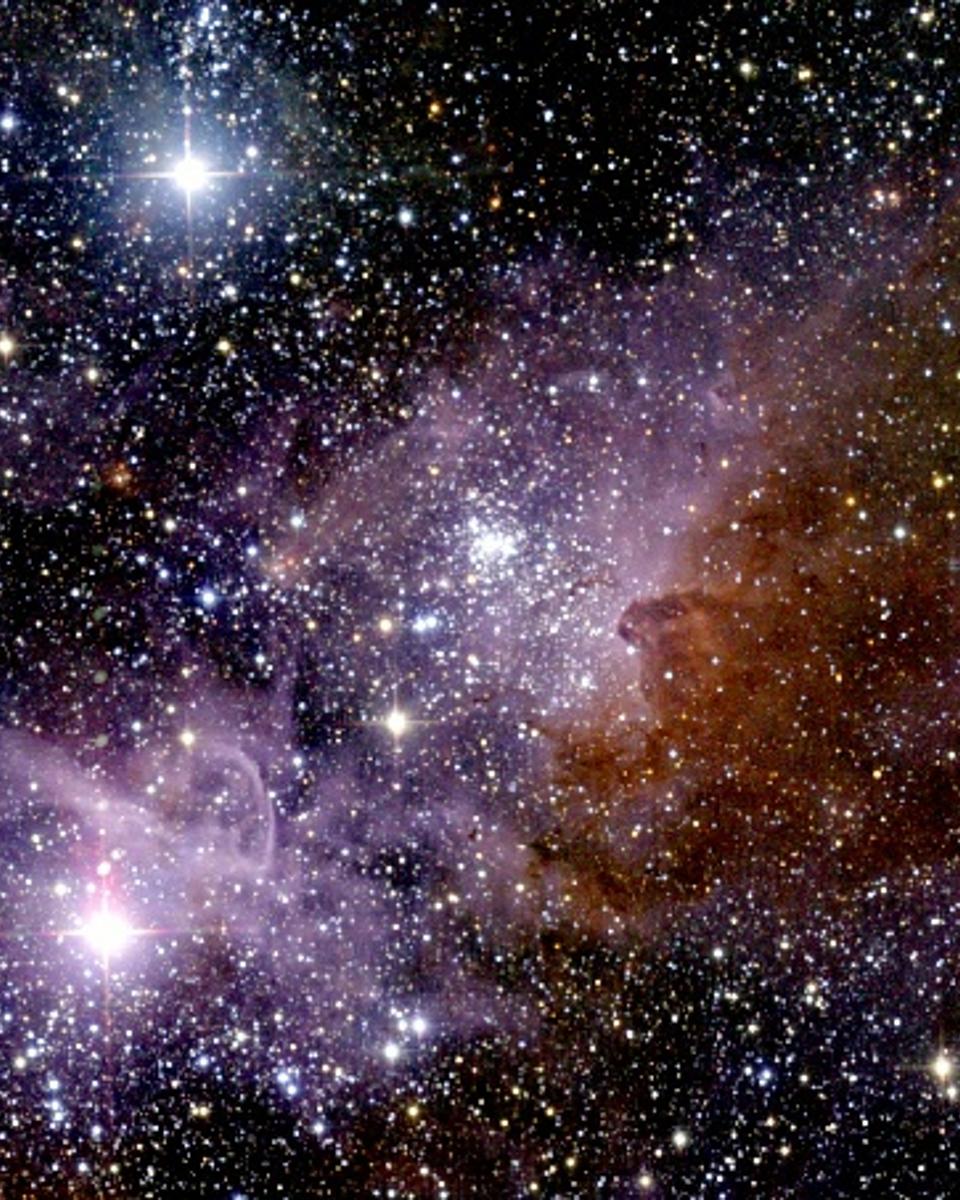
The Carina Nebula in Infrared
About three million years ago, the stars in the Keyhole Nebula began to form. The above picture of the Keyhole Nebula , also known as the Carina Nebula or NGC 3372, shows in…
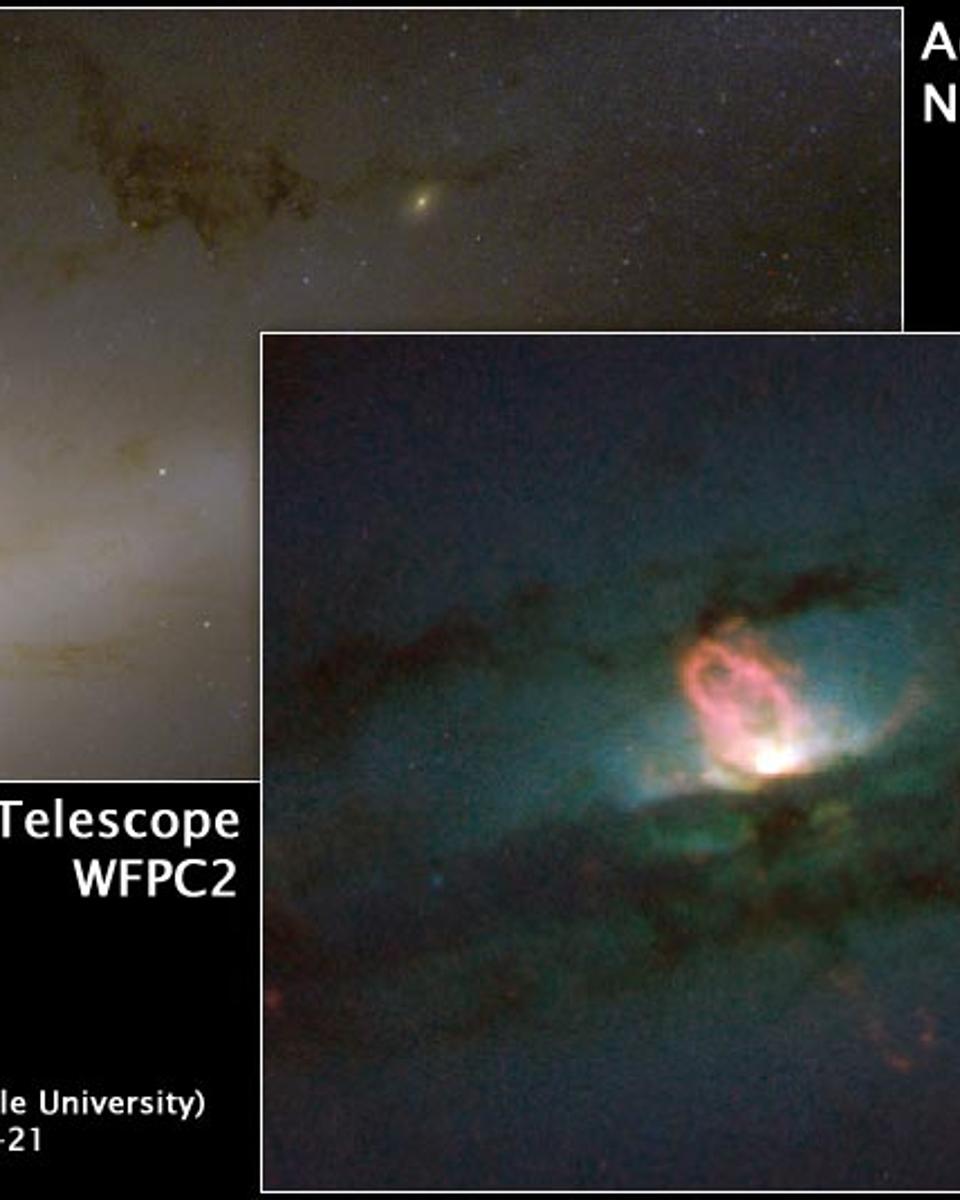
A Bubbling Galaxy Center
What's happening in the center of this galaxy? Close inspection of the center of NGC 4438 , as visible in this recently released representative-color image by the Hubble Space…
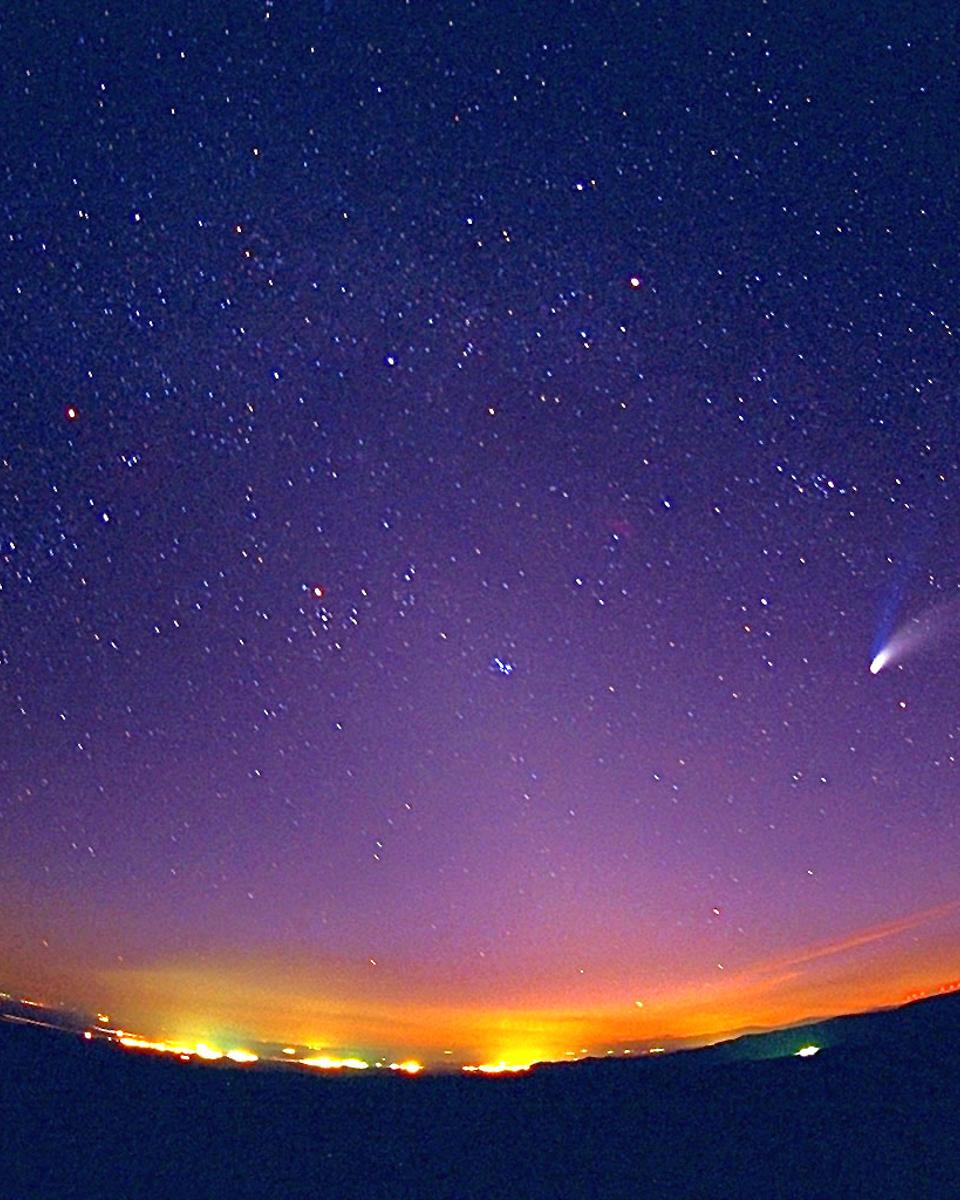
Sirius: The Brightest Star in the Night
Sirius is the brightest star in the night sky. Sirius is visible on the far left of the above photograph, to the left of the constellation of Orion and Comet Hale-Bopp .…
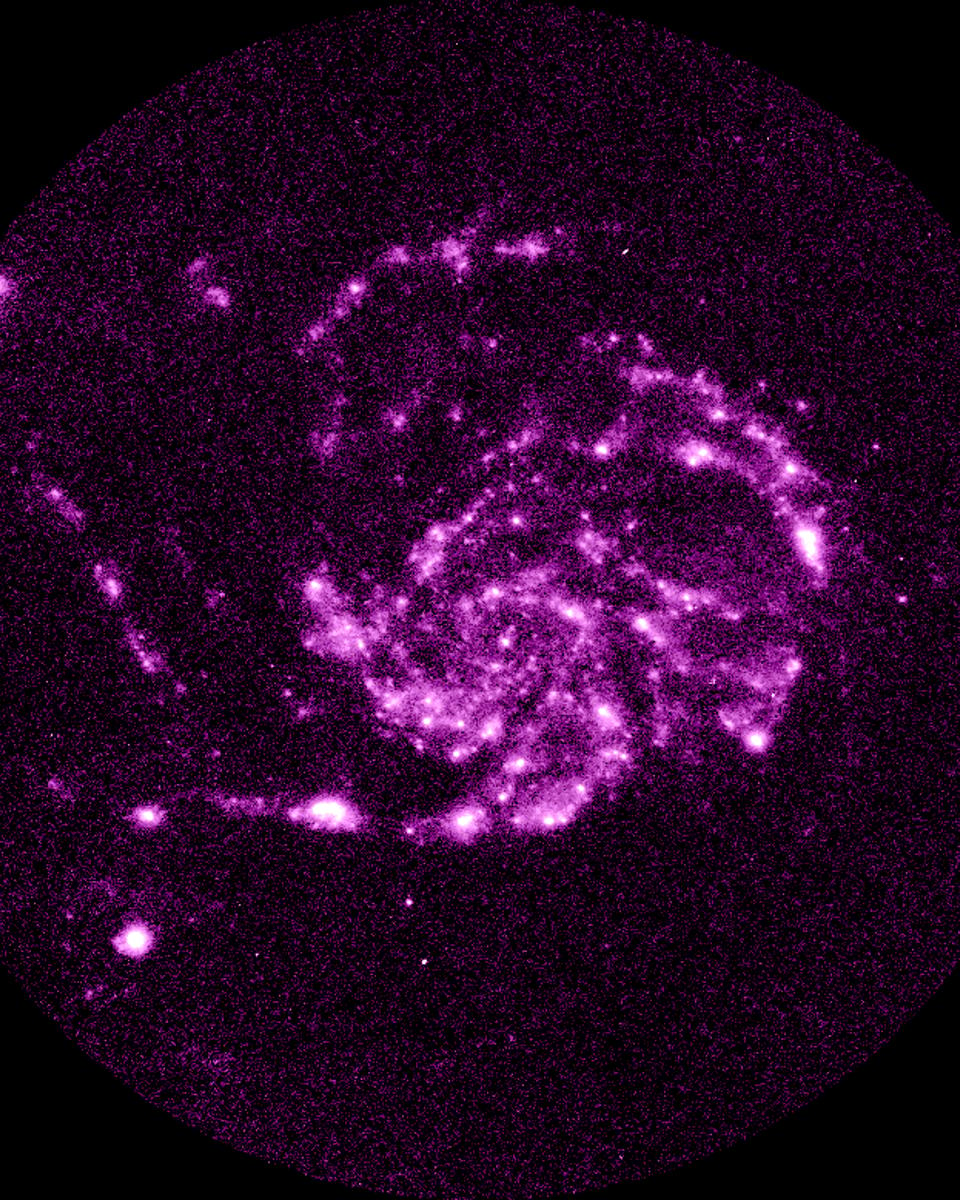
M101: An Ultraviolet View
This picture of giant spiral galaxy Messier 101 (M101) was taken by the Ultraviolet Imaging Telescope (UIT). UIT flew into orbit as part of the Astro 2 mission on-board the Space…
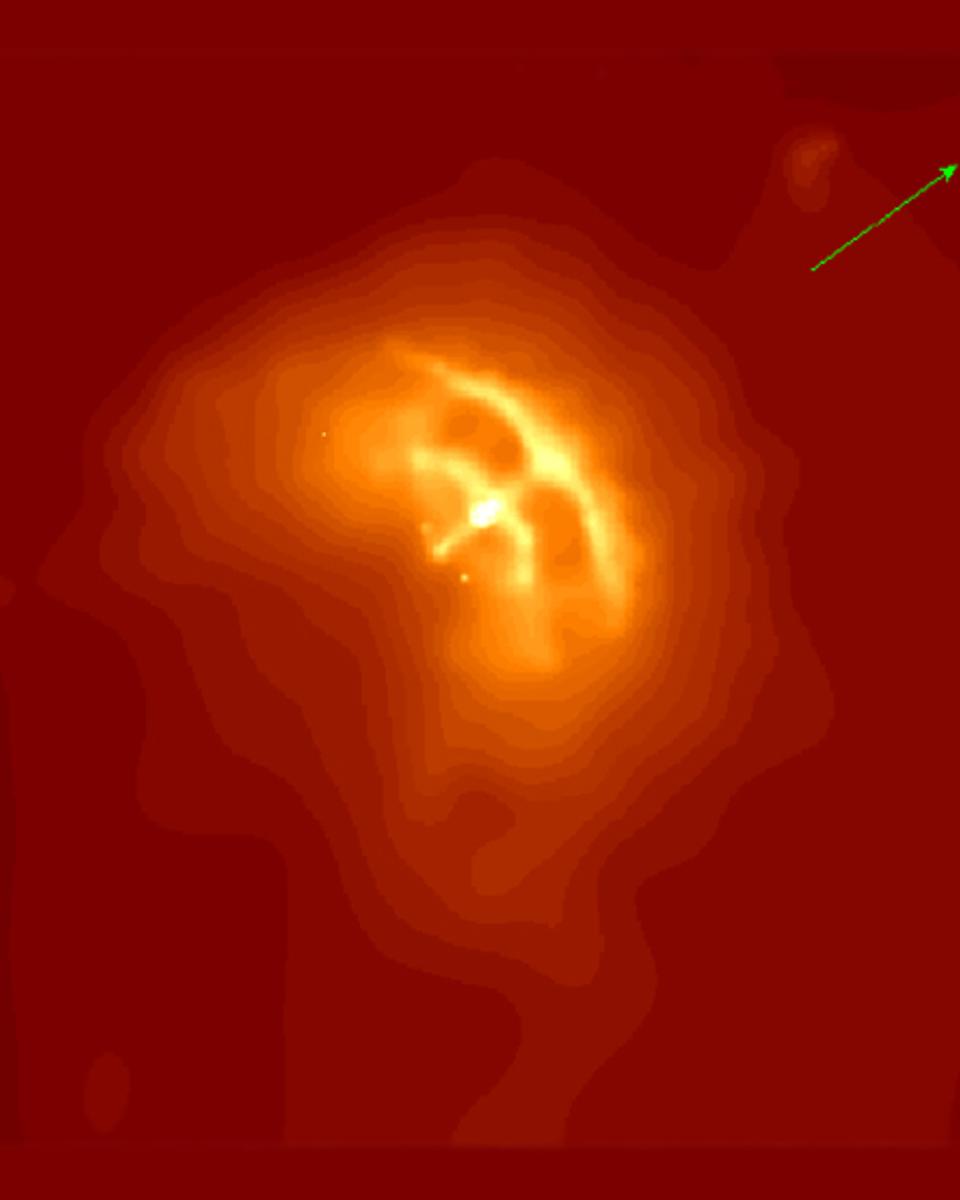
Vela Pulsar: Neutron Star-Ring-Jet
This stunning image from the orbiting Chandra X-ray Observatory is centered on the Vela pulsar -- the collapsed stellar core within the Vela supernova remnant some 800 light-years…
Viewing discoveries from 2 July 2000 through 9 June 2000.