Browse NASA Astronomy Picture of the Day archive by date and media: Archive Discoveries
Browse the NASA APOD archive without needing the exact date first. Filter by media type and keep moving deeper into older images and videos.
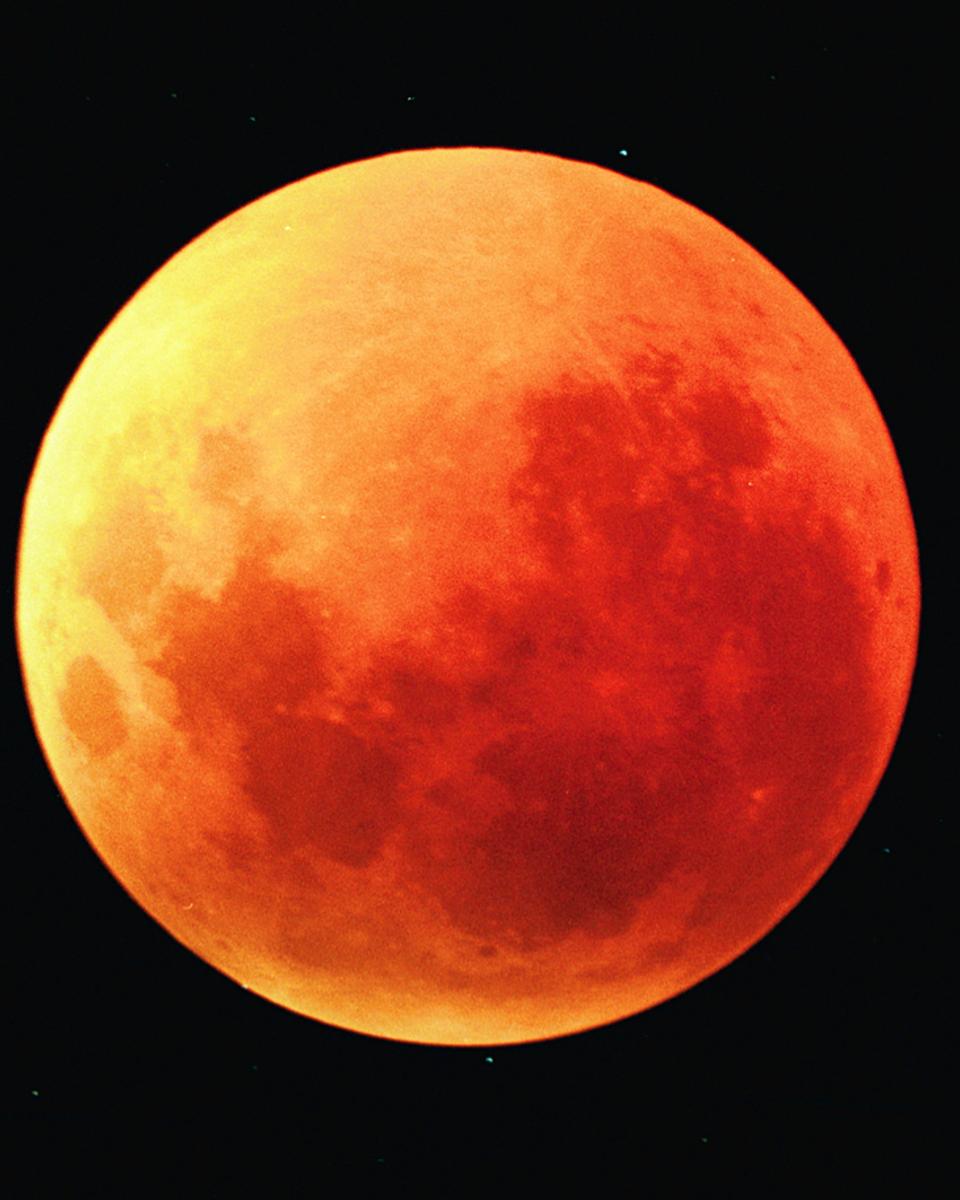
Lingering Lunar Eclipse
As the Moon passed almost directly through the center of Earth's shadow on July 16th, sky gazers in the Pacific hemisphere were graced by a lingering lunar eclipse . The total…
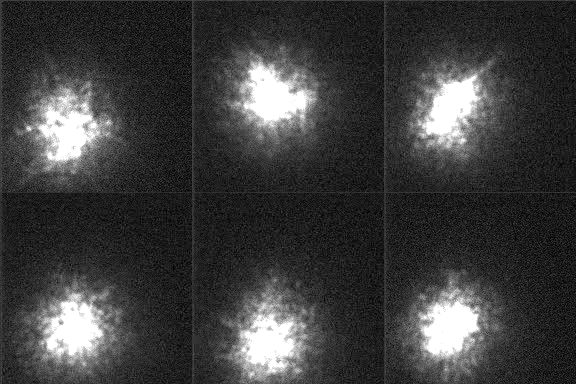
Why Stars Twinkle
This is what a star really looks like from the surface of the Earth. To the best the human eye can see, stars are so far away they appear the same as would infinitesimal points of…
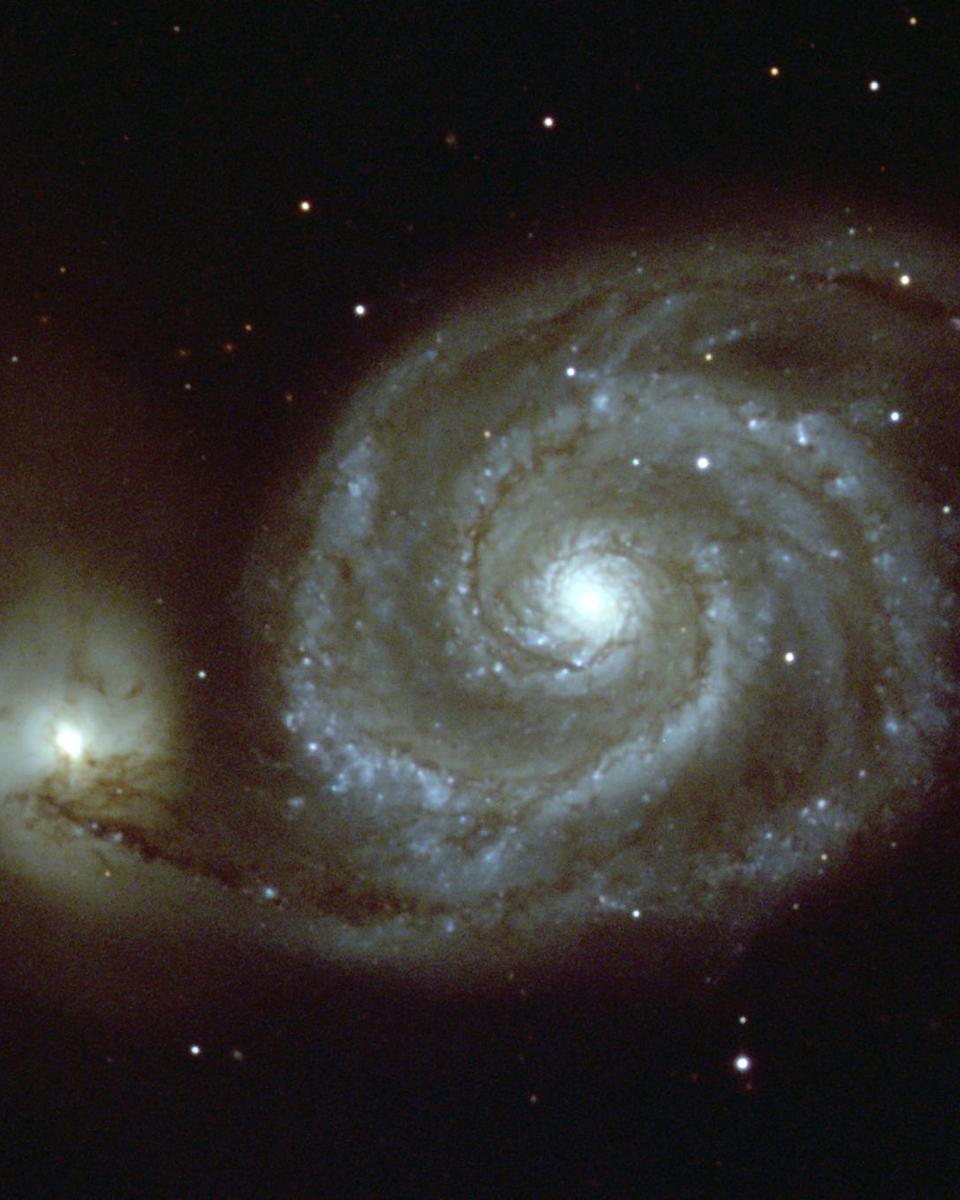
M51: The Whirlpool Galaxy
The Whirlpool Galaxy is a classic spiral galaxy. At only 23 million light years distant and fully 65 thousand light years across, M51 , also known as NGC 5194, is one of the…

Isaac Newton Explains the Solar System
Sir Isaac Newton changed the world. Born in 1643, Newton was only an above-average student. But he went home from Cambridge one summer in 1665, thought a lot about the physical…
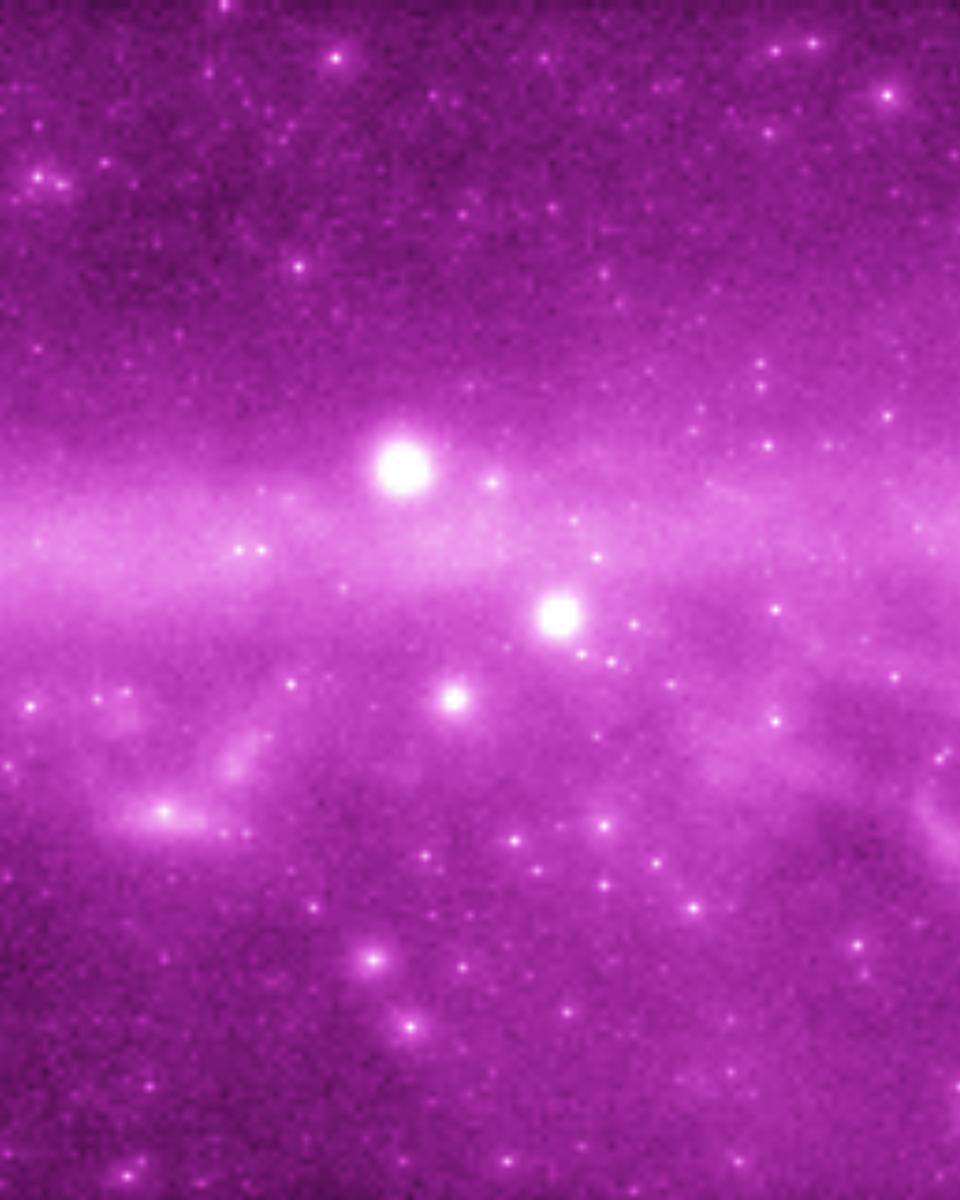
GLAST Gamma Ray Sky Simulation
What shines in the gamma-ray sky? This simulated image models the intensities of gamma rays with over 40 million times the energy of visible light, and represents how the sky…
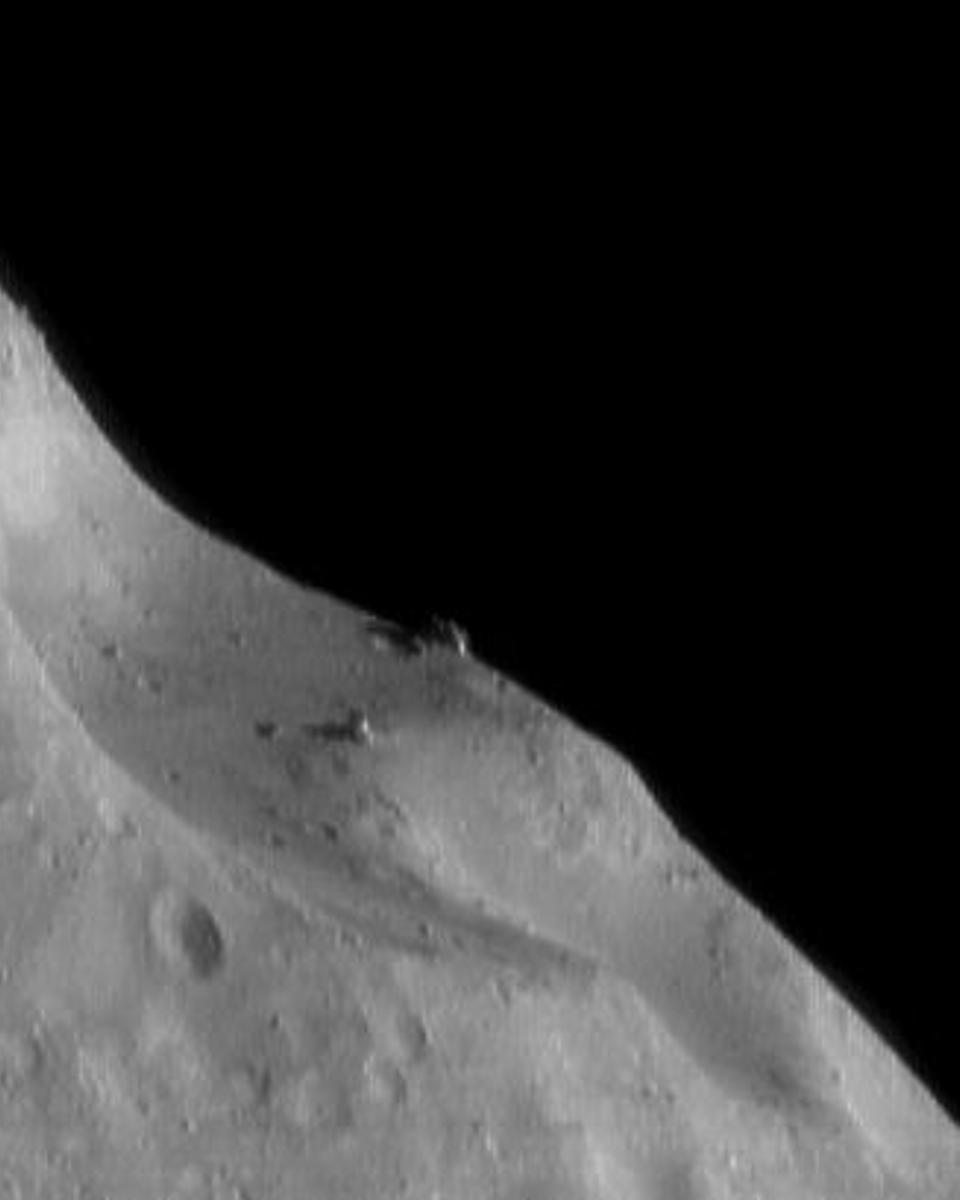
Eros Craters And Boulders
From a delicate orbit around asteroid 433 Eros, the NEAR Shoemaker spacecraft's camera has now imaged the entire surface of the small oddly-shaped world at least once. Recorded on…
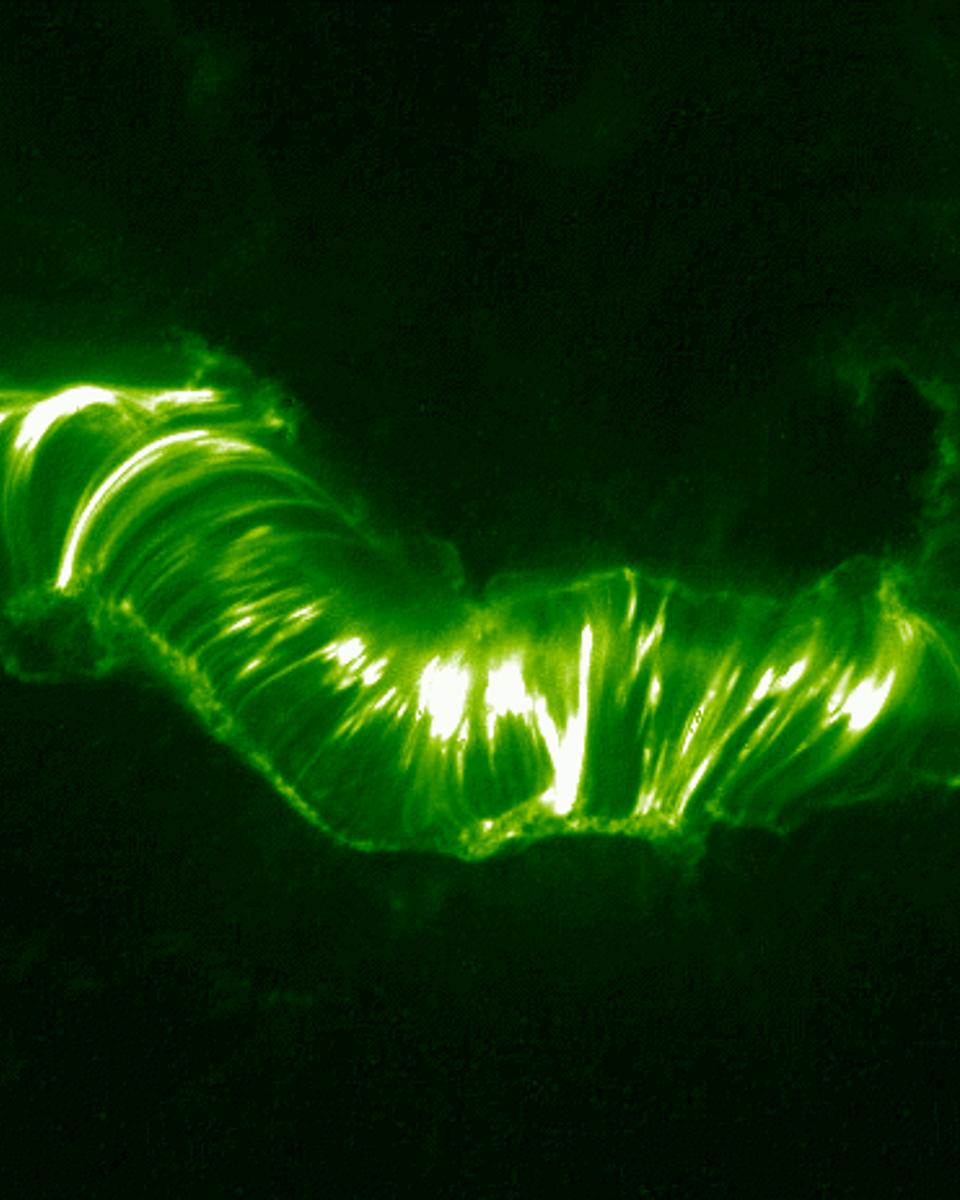
AR9077: Solar Magnetic Arcade
On July 14th , solar active region 9077 (AR9077) produced a massive flare . The event also blasted an enormous cloud of energetic charged particles toward planet Earth, triggering…
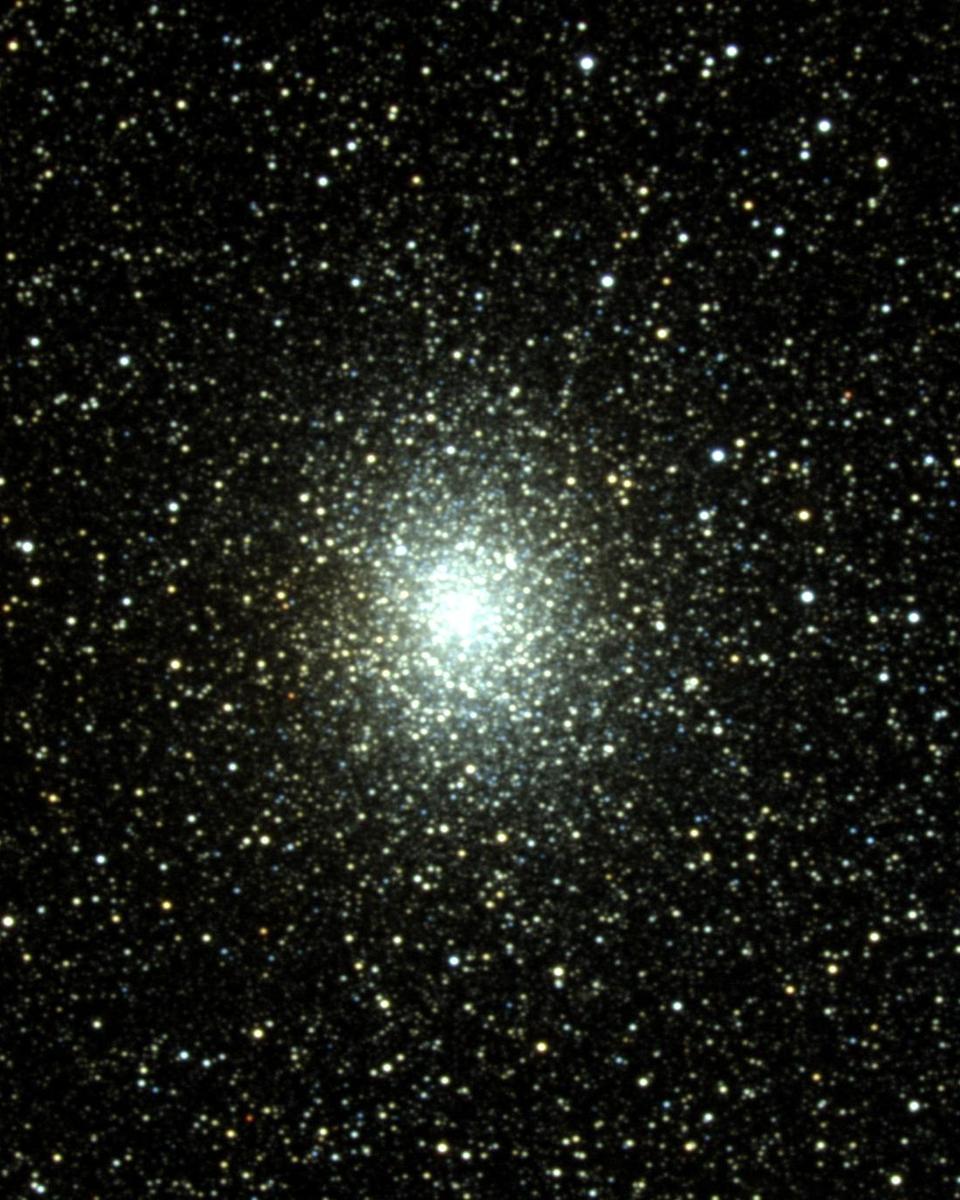
Globular Cluster M19
M19 appears to be a typical globular cluster of stars - except for its shape. If one looks closely at the cluster, pictured above , it appears to be longer (top to bottom) than it…
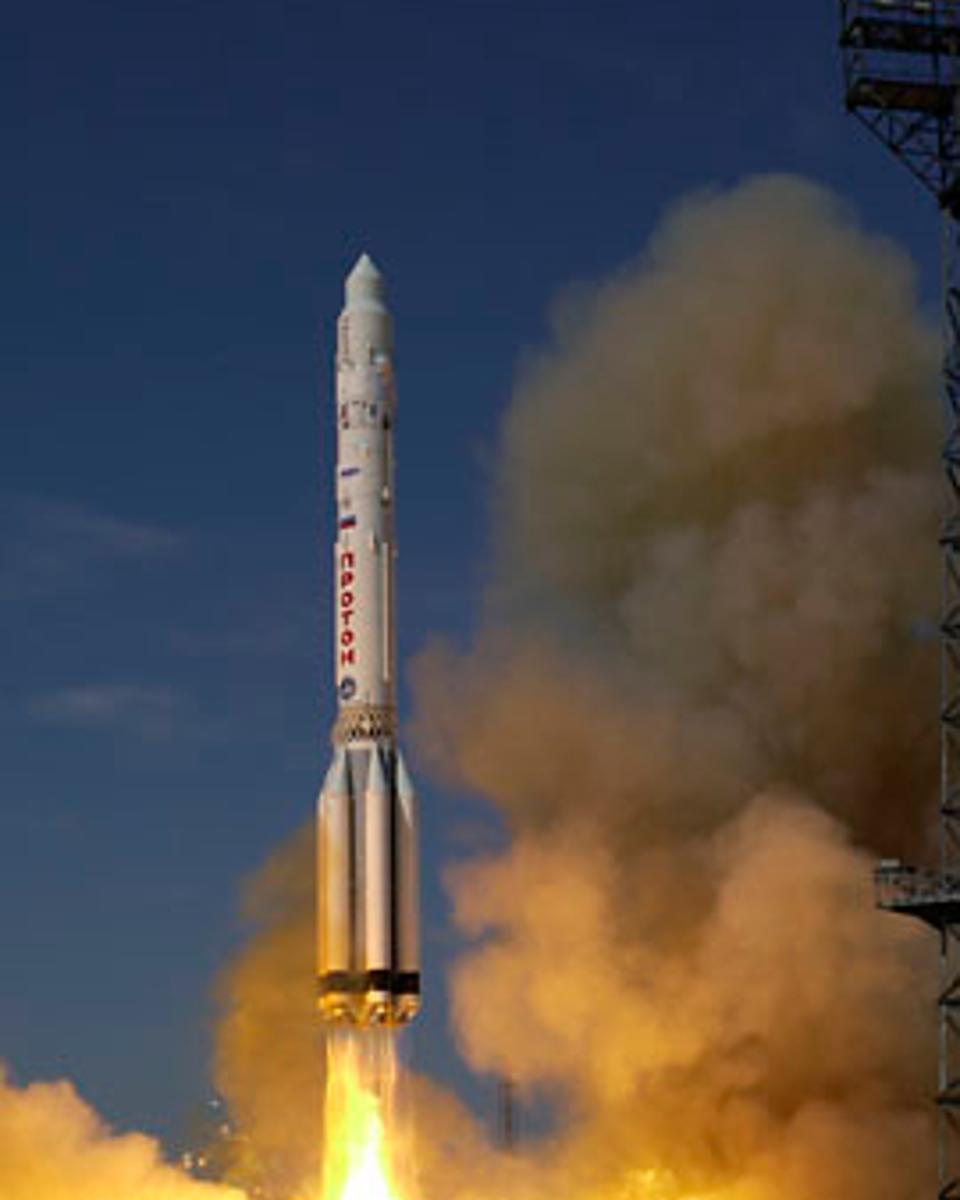
A Russian Proton Rocket Launches Zvezda
The Russian Proton rocket is the tallest rocket in routine use. First deployed in 1965, the rocket stands typically 40 meters tall, can carry unusually heavy payloads into space,…
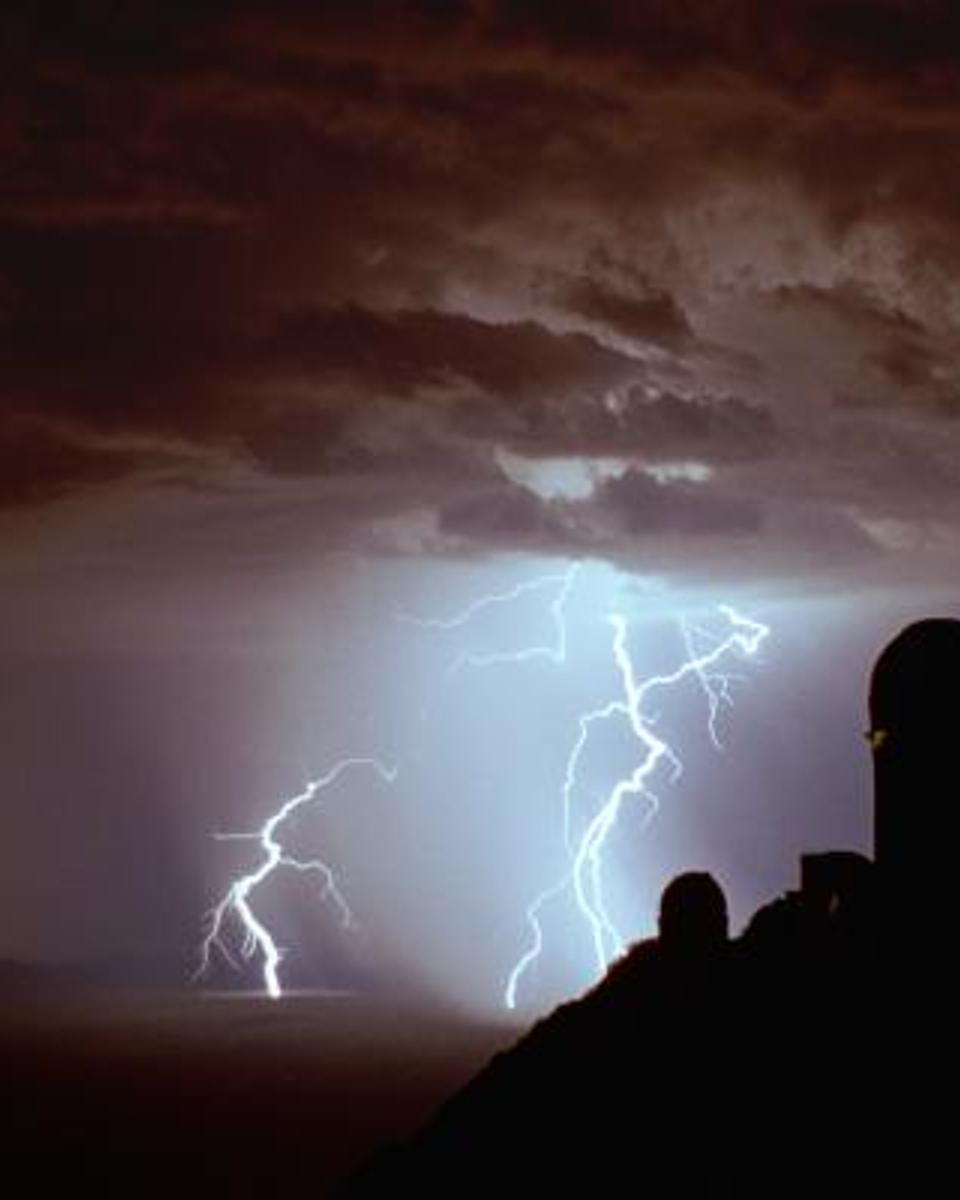
Lightning on Earth
Nobody knows what causes lightning. It is known that charges slowly separate in some clouds causing rapid electrical discharges (lightning), but how electrical charges get…
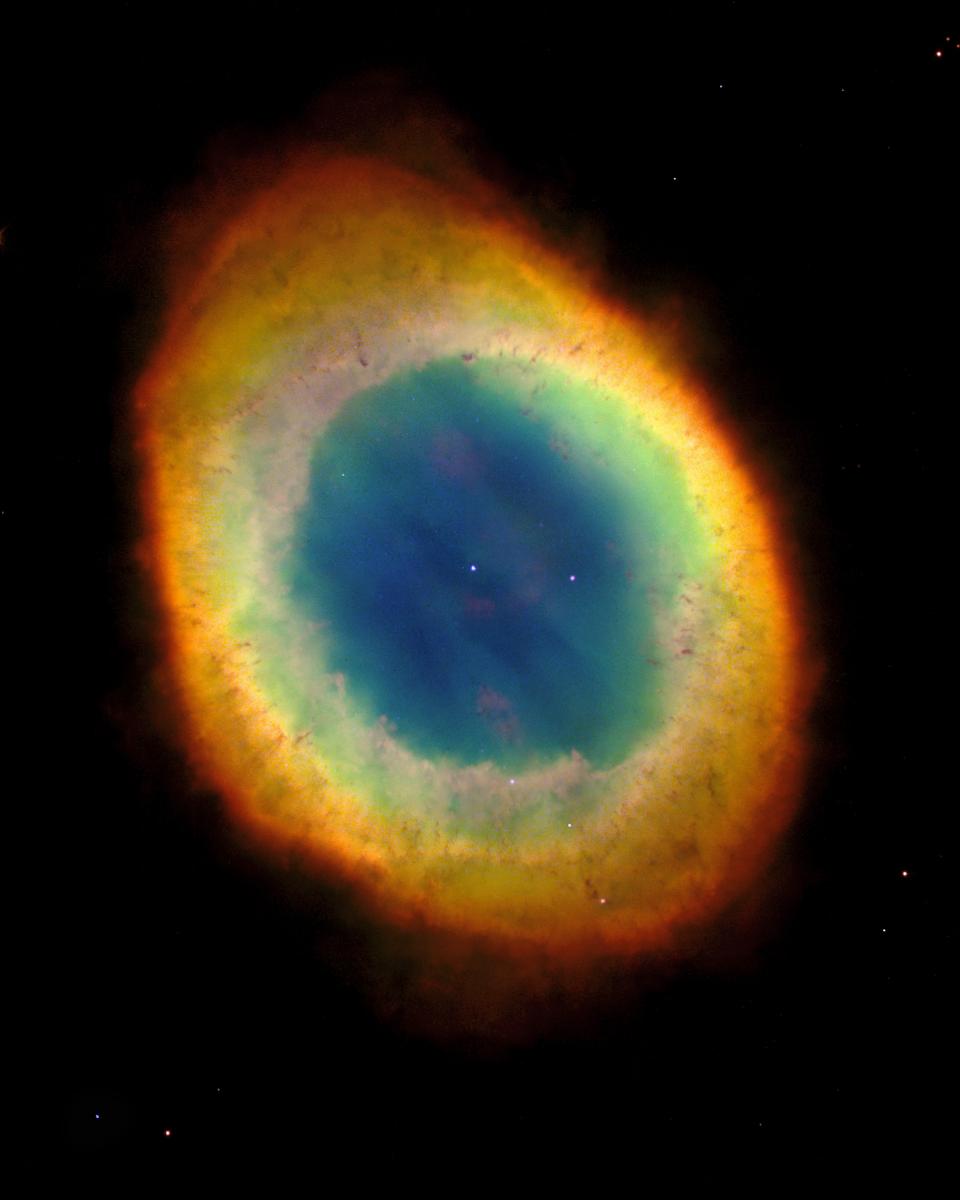
M57: The Ring Nebula
Except for the rings of Saturn , The Ring Nebula (M57) is probably the most famous celestial band. This planetary nebula's simple, graceful appearance is thought to be due to…
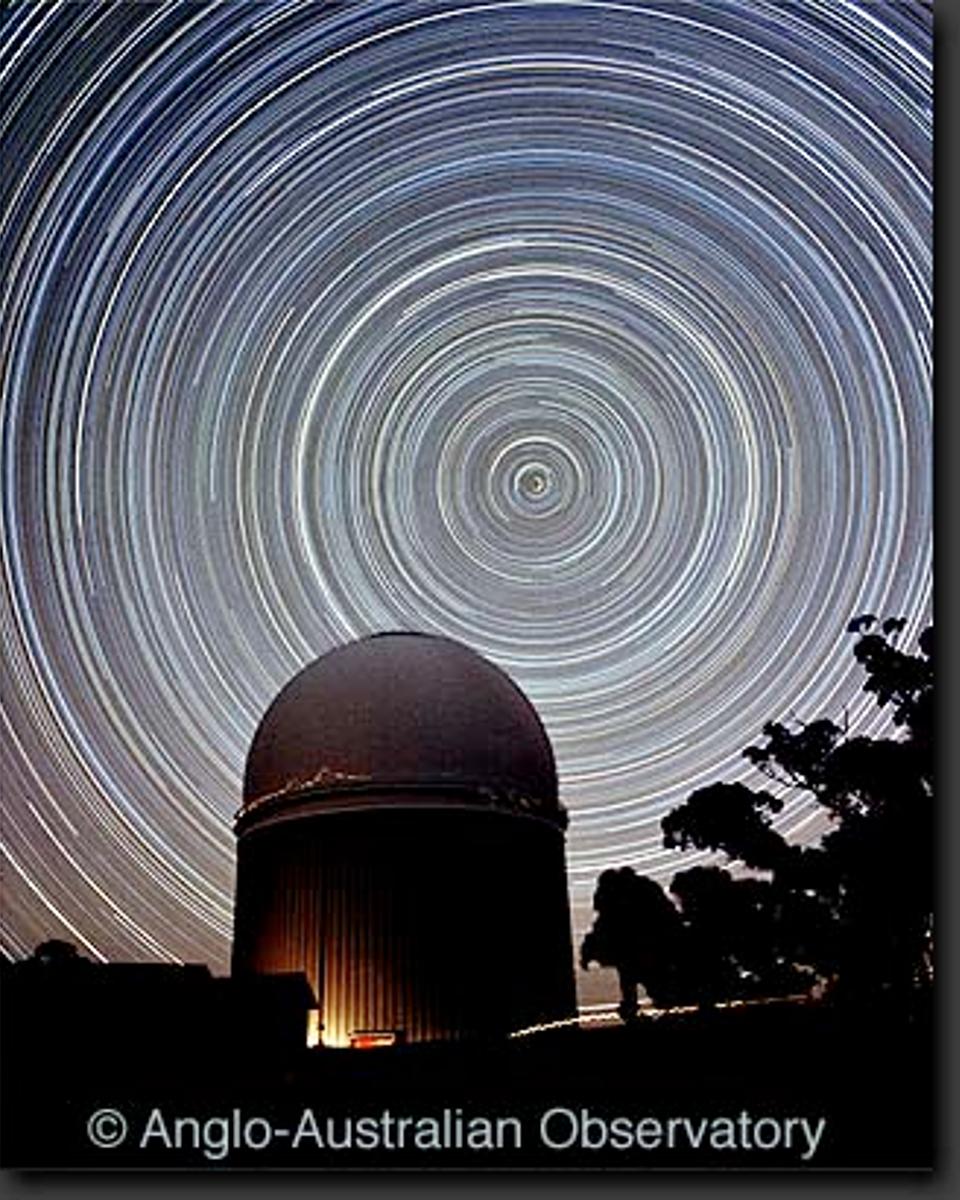
Star Trails In Southern Skies
As the Earth spins on its axis, the stars seem to rotate around us. This motion produces the beautiful concentric arcs traced out by the stars in this time exposure of the…
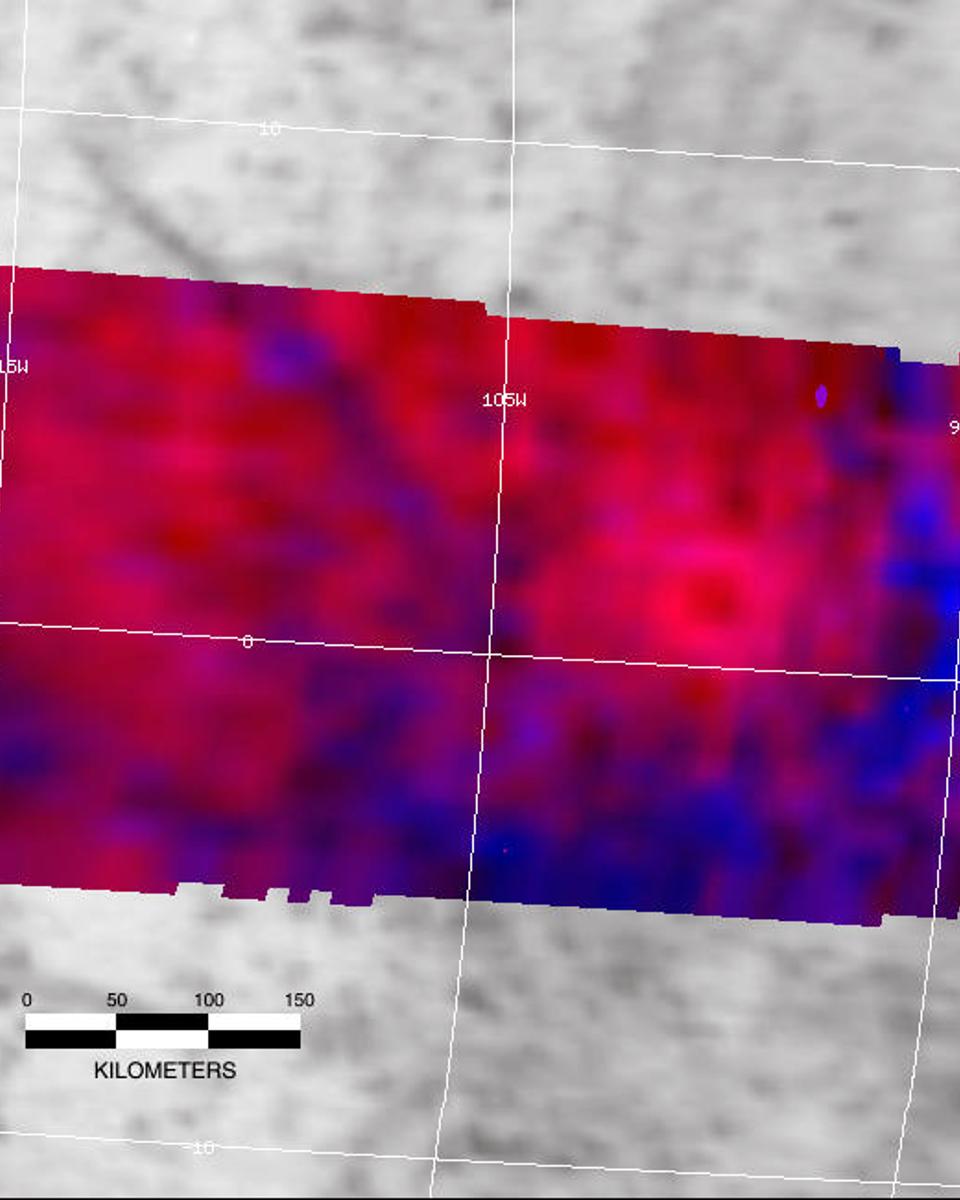
Crater On Ice
Impact craters are common on Earth's moon but on Jupiter's large ice moon Europa , they are very rare. Over time, both bodies have been subjected to an intense pounding by the…
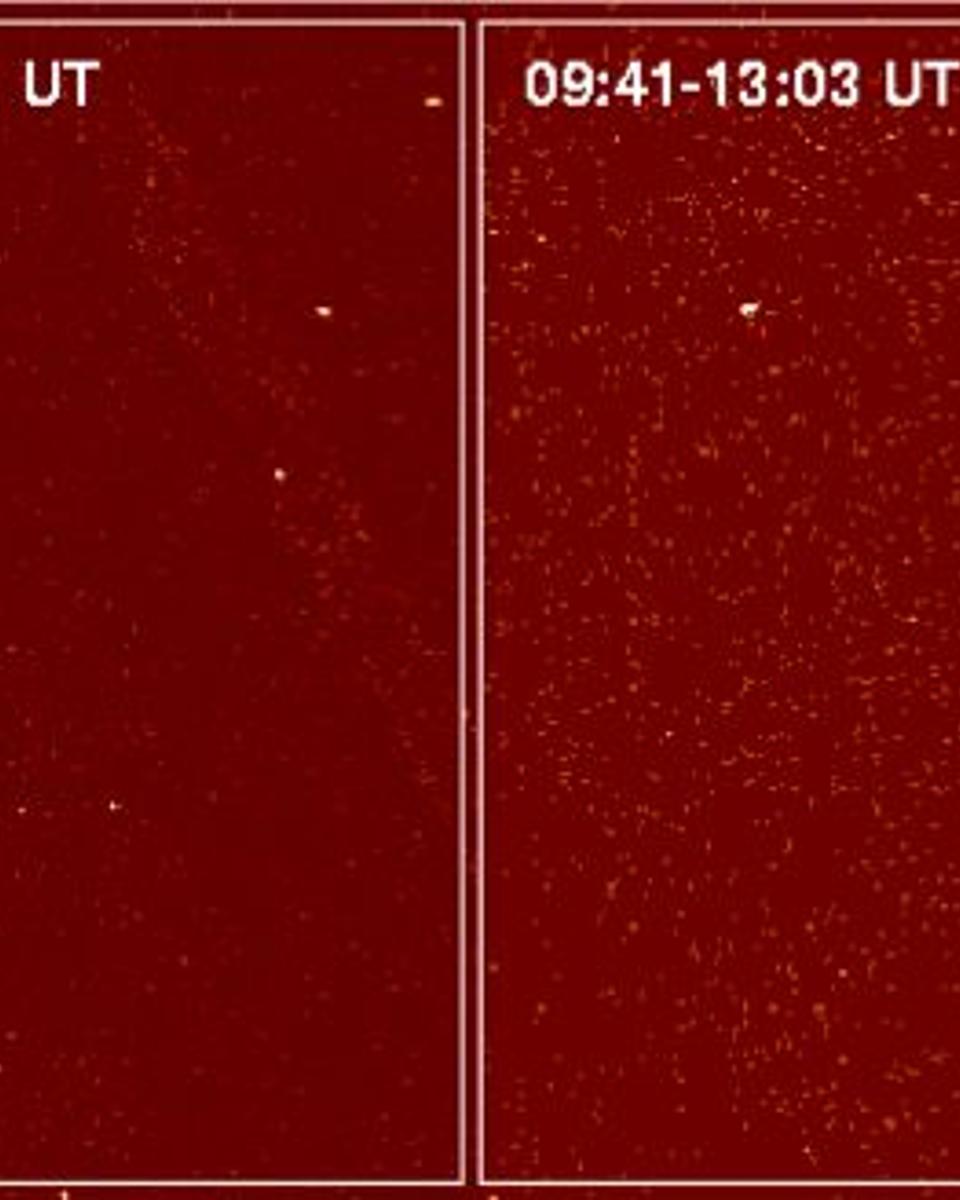
LP 944-20: A Failed Star Flares
The tiny spot circled on the right actually represents a big astronomical discovery -- the first detected flare from a failed star. Failed stars, termed brown dwarfs in…
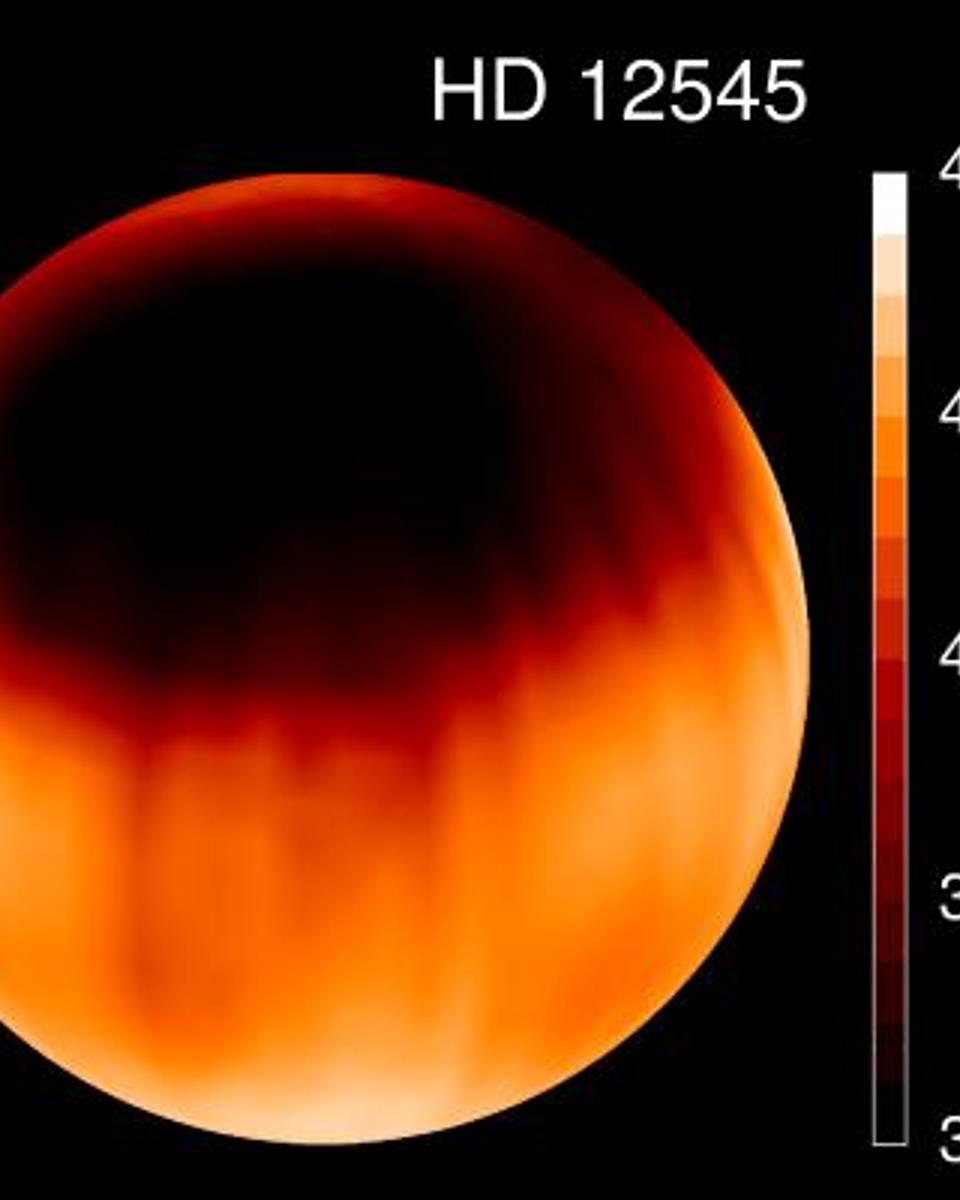
A Giant Starspot on HD 12545
What could cause a star to have such a large spot? Our Sun itself frequently has sunspots , relatively cool dark magnetic depressions that move across its surface. HD 12545 ,…
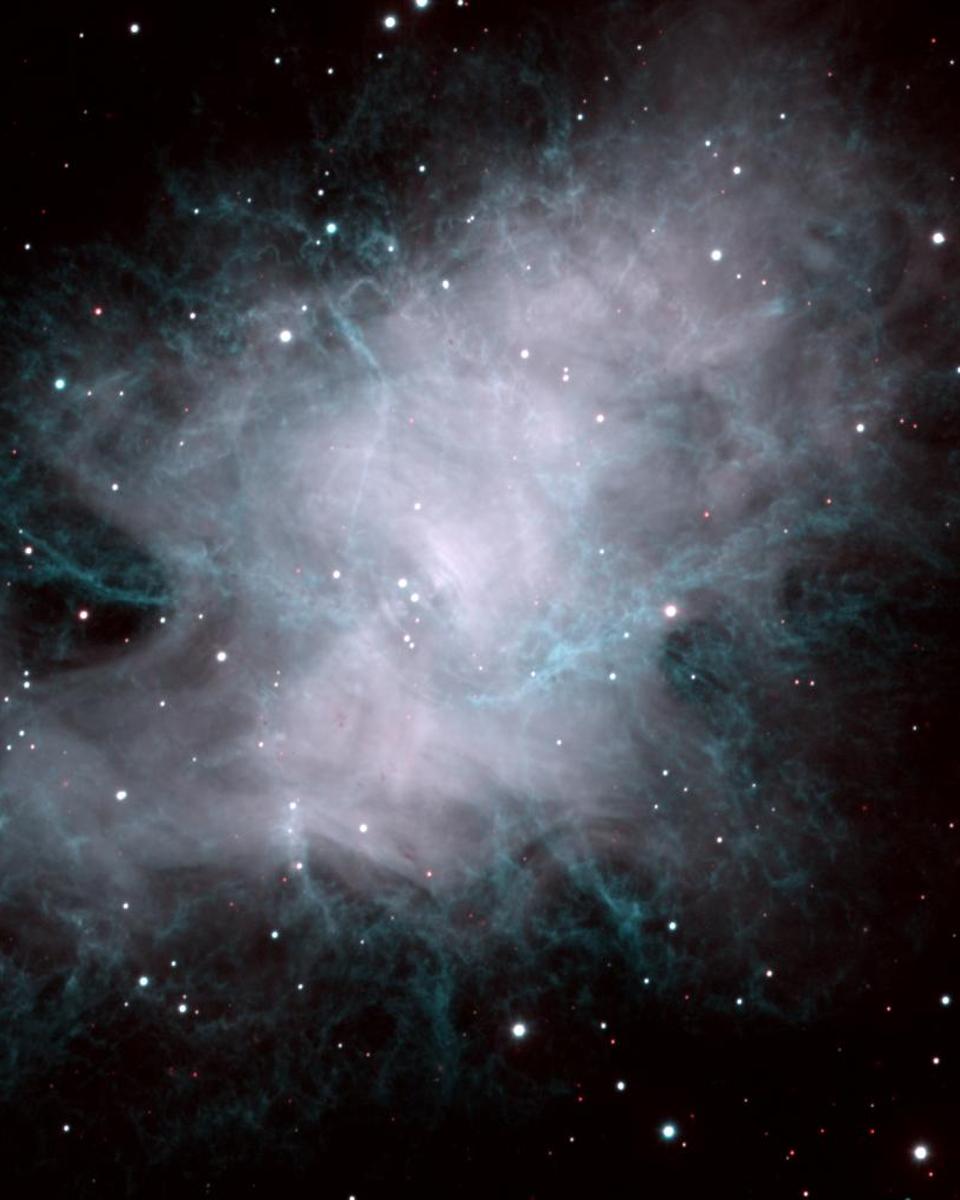
The Crab Nebula in Blue and White
The Crab Nebula is a complex shell of expanding gas. The Crab Nebula formed from a star that was seen to explode in a supernova about 1000 years ago. This two color composite…
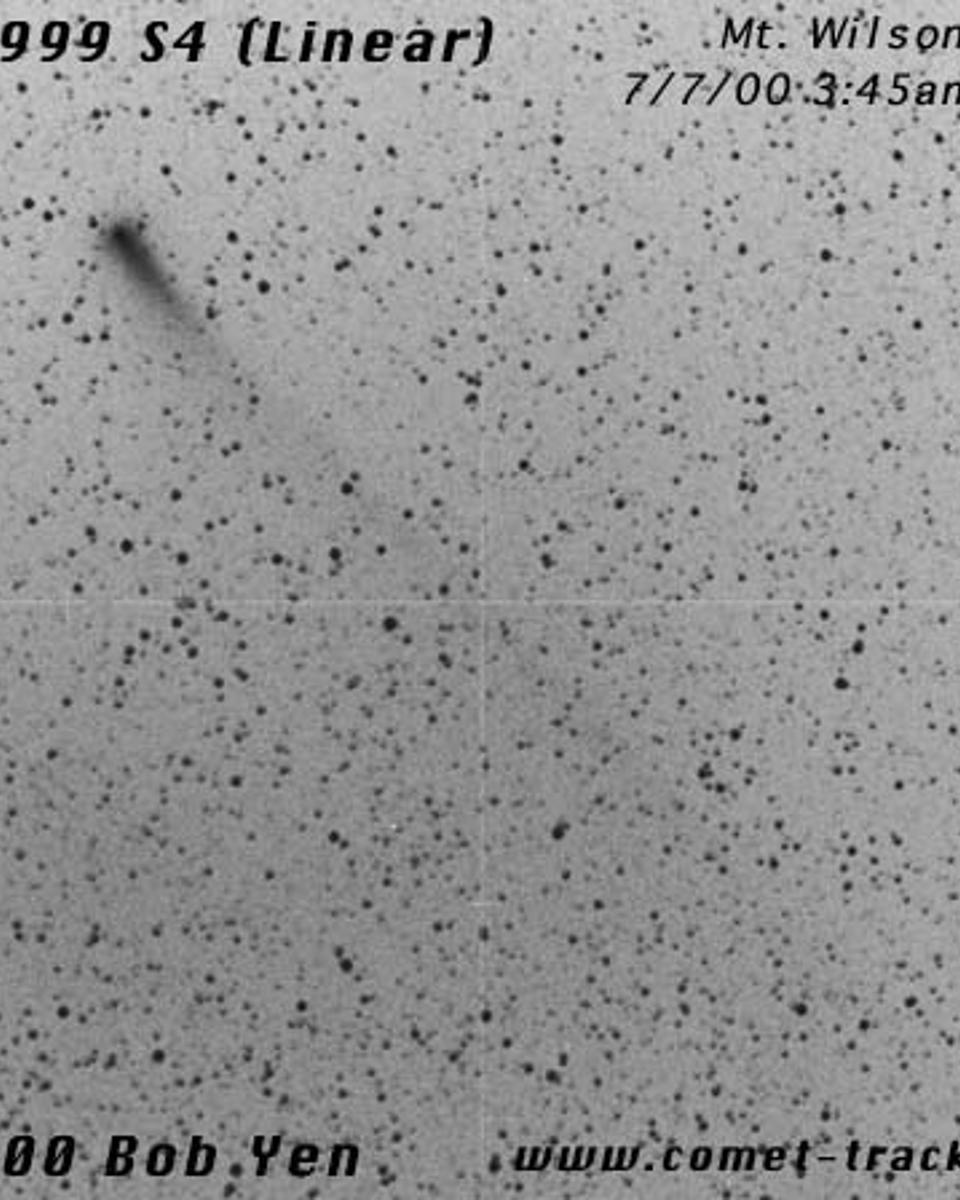
Comet LINEAR Extends
Comet LINEAR's tail appears to be extending. Many sky watchers are closely following Comet C/1999 S4 LINEAR and wondering if it will develop an impressive tail or become visible…
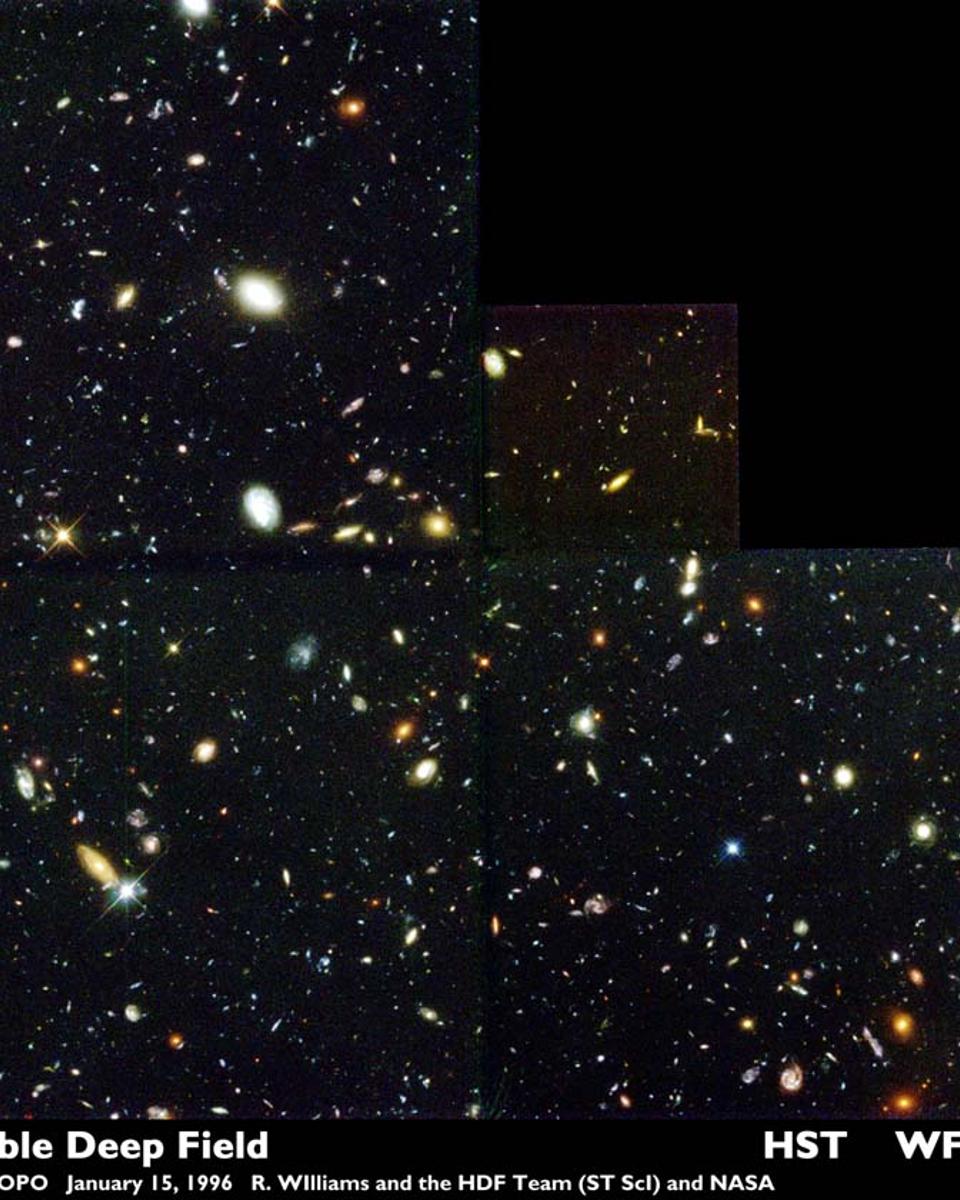
The Hubble Deep Field
Galaxies like colorful pieces of candy fill the Hubble Deep Field - one of humanity's most distant optical views of the Universe . The dimmest, some as faint as 30th magnitude…
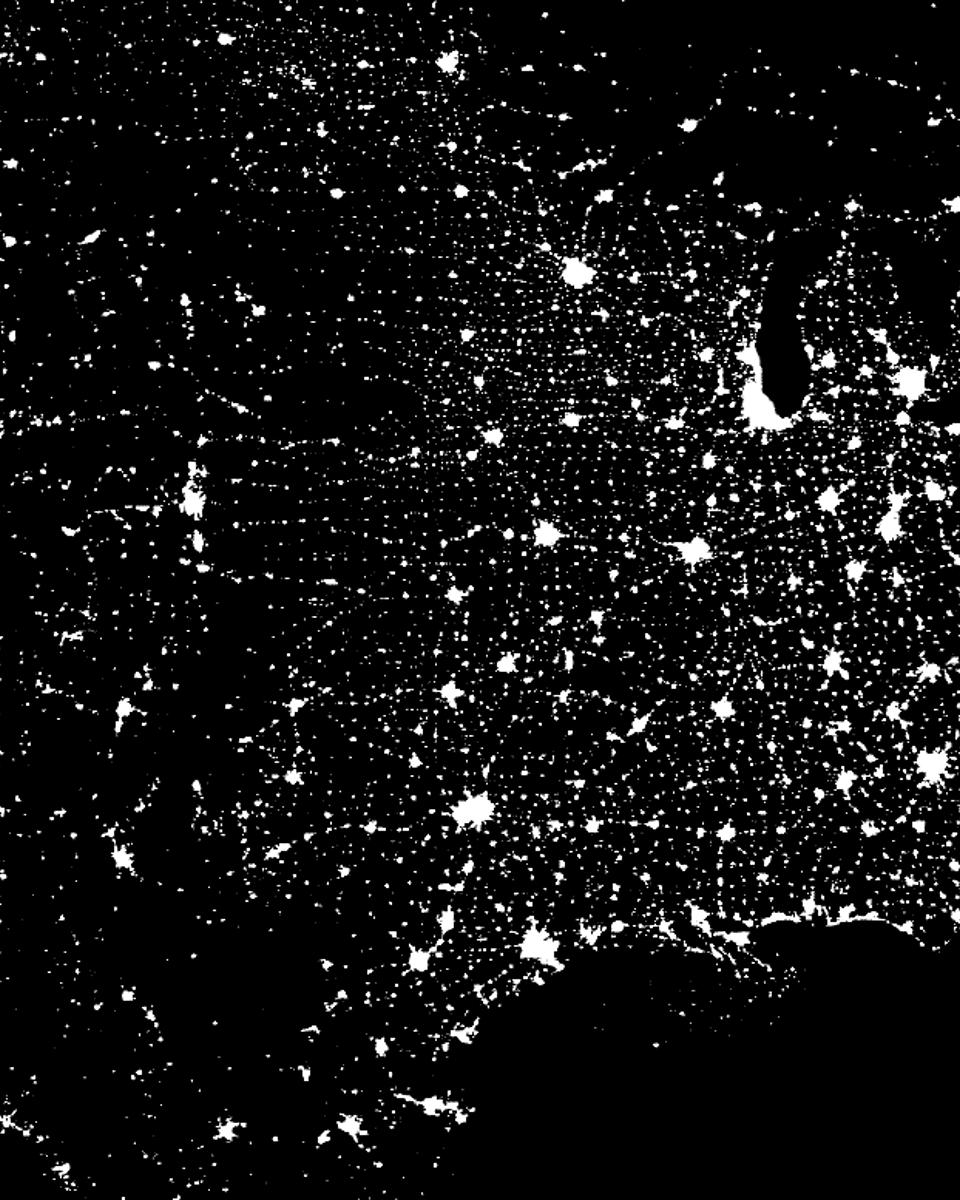
The United States At Night
This is what the United States of America looks like at night! Can you find your favorite US city in this image? Surprisingly, city lights make this task quite possible. The above…
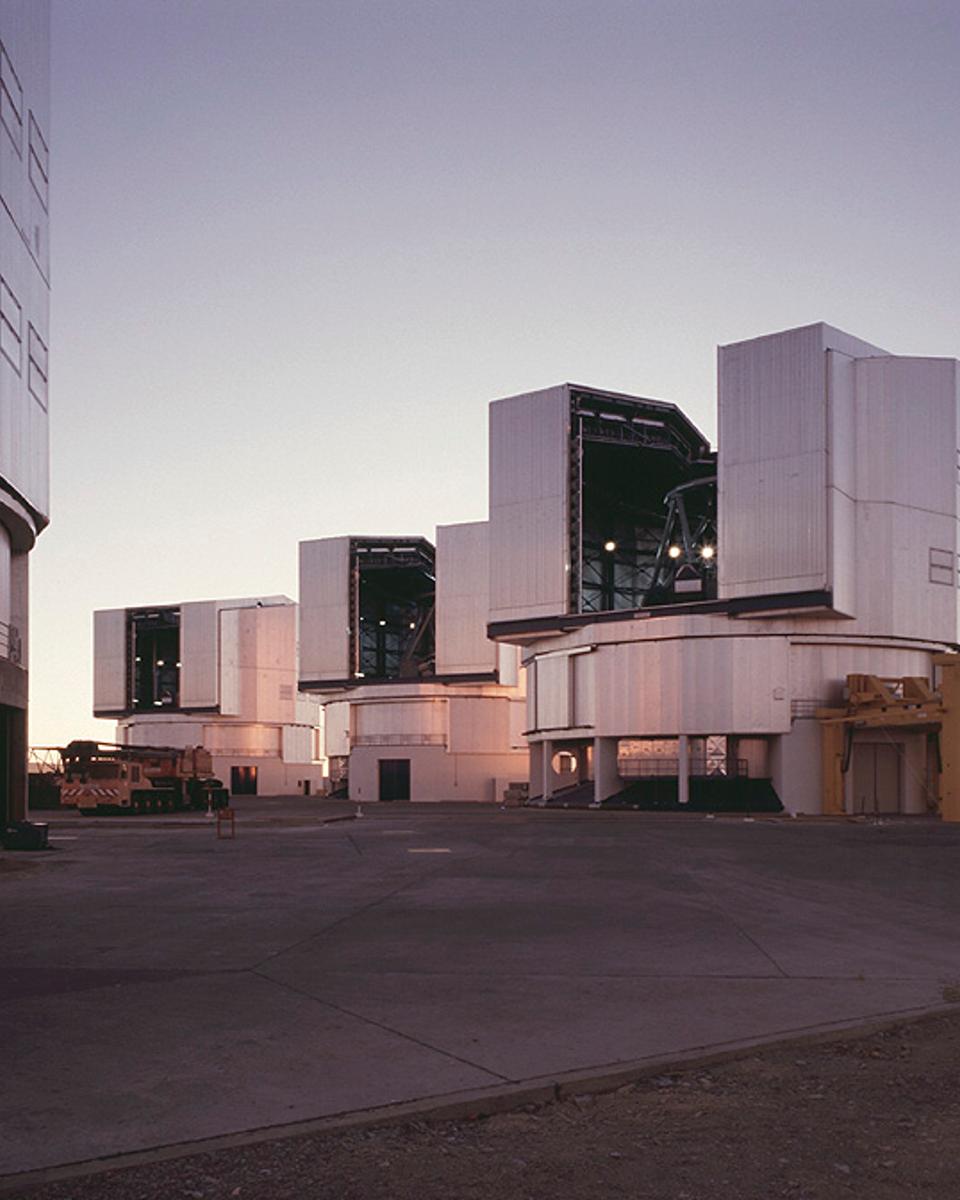
Sirius, Sun, Moon, and Southern Cross
From left to right are the enclosures of Yepun ( ye-poon ; Sirius ), Antu ( an-too ; Sun ), Kueyen ( qua-yen ; Moon ), and Melipal ( me-li-pal ; Southern Cross ), pictured here as…
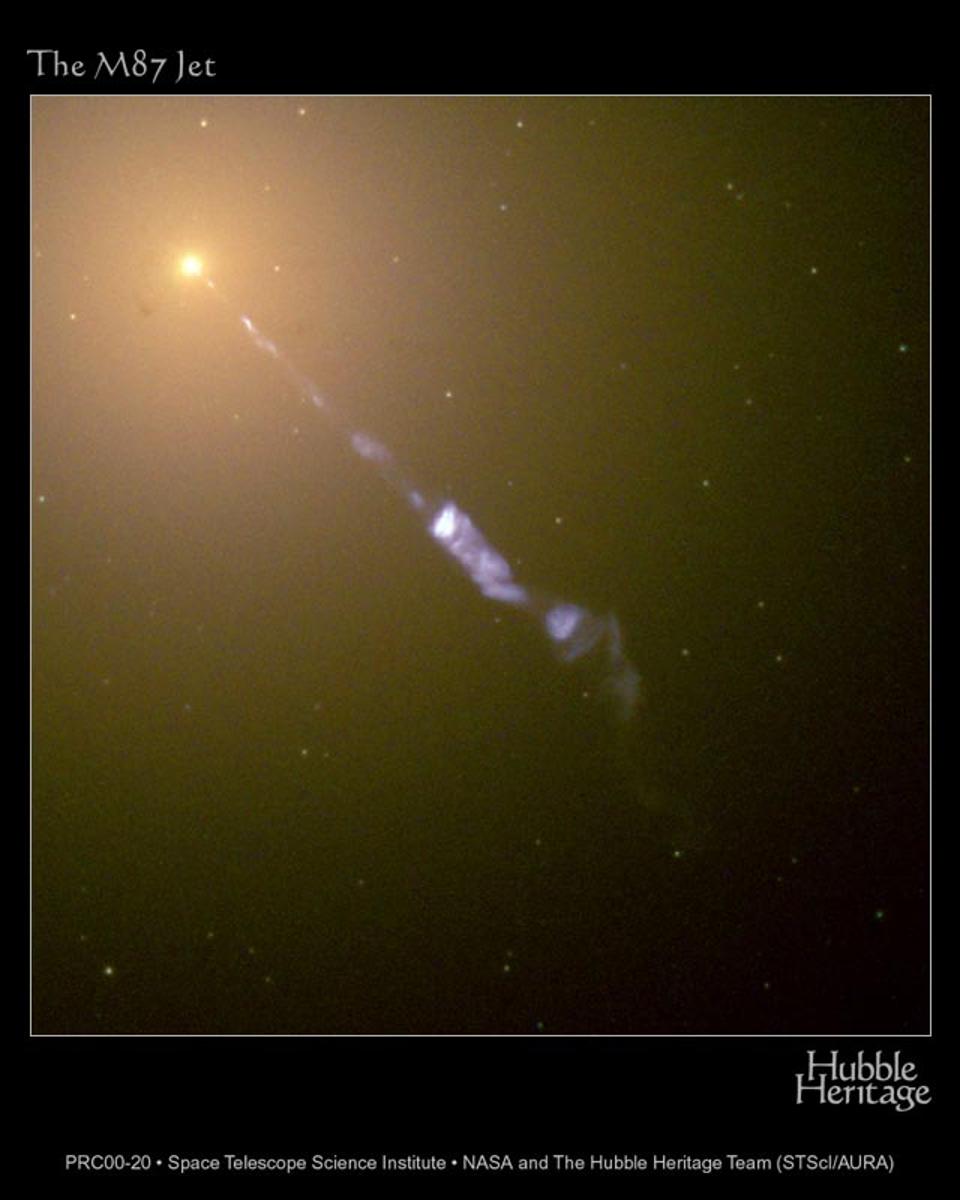
A Jet from Galaxy M87
What's causing a huge jet to emanate from the center of galaxy M87 ? Although the unusual jet was first noticed early in the twentieth century , the exact cause is still debated.…
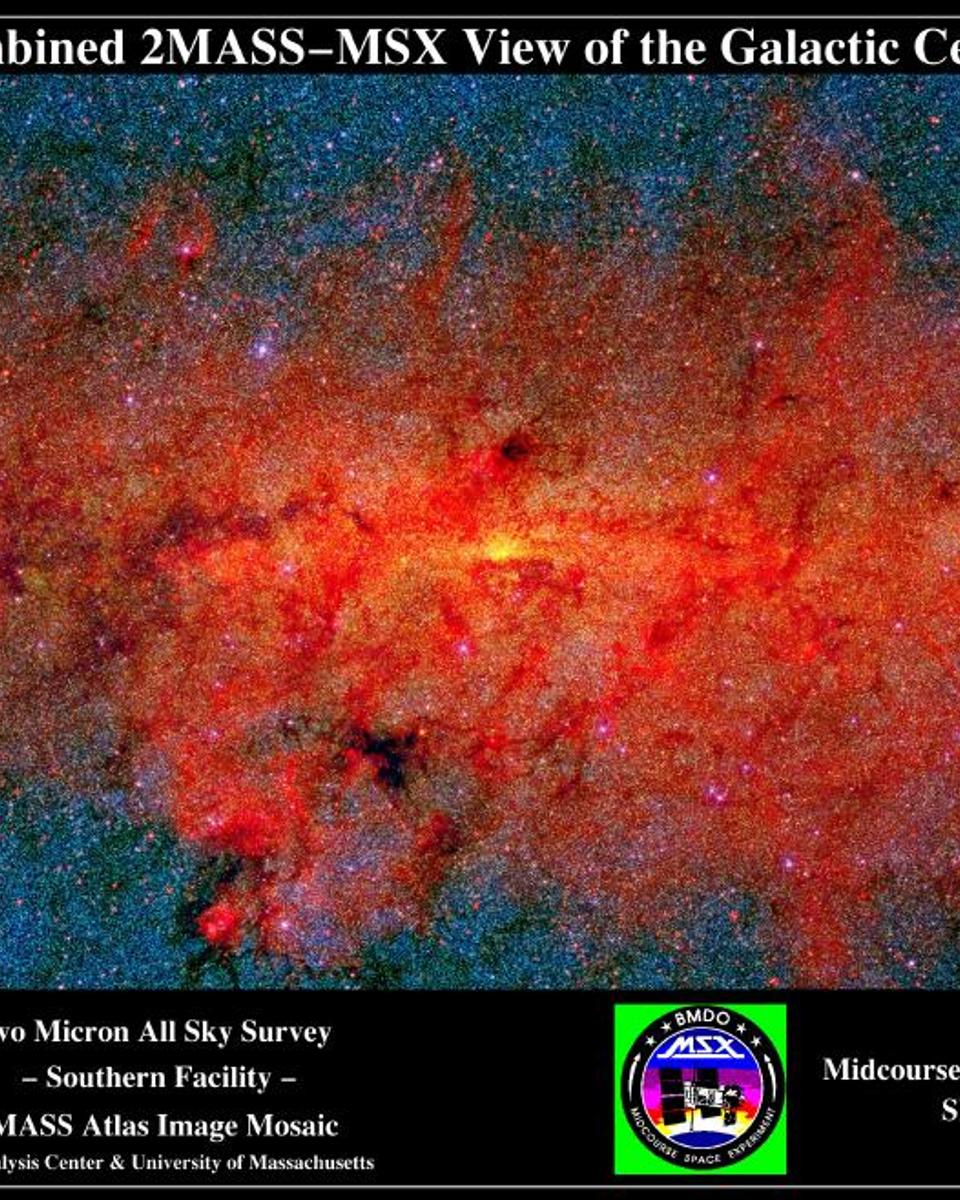
The Galactic Center Across the Infrared
The center of our Galaxy is obscured in visible light by dark dust that rotates with the stars in the Galactic Plane . In this century, however, sensors have been developed that…
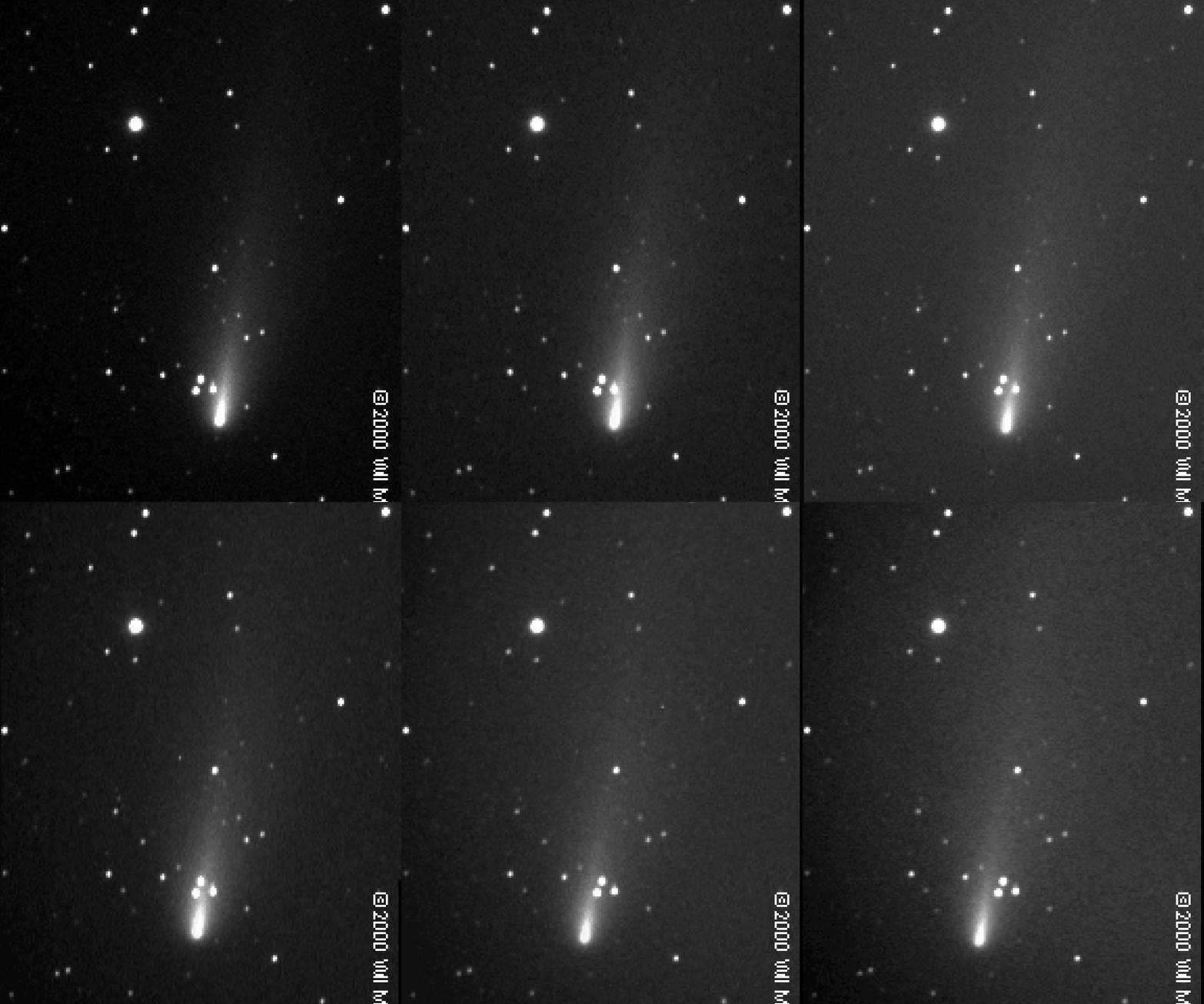
Comet LINEAR Approaches
Just possibly, a new comet may become bright enough to see without binoculars later this month. Comet C/1999 S4 LINEAR is rapidly approaching both the Earth and the Sun from the…
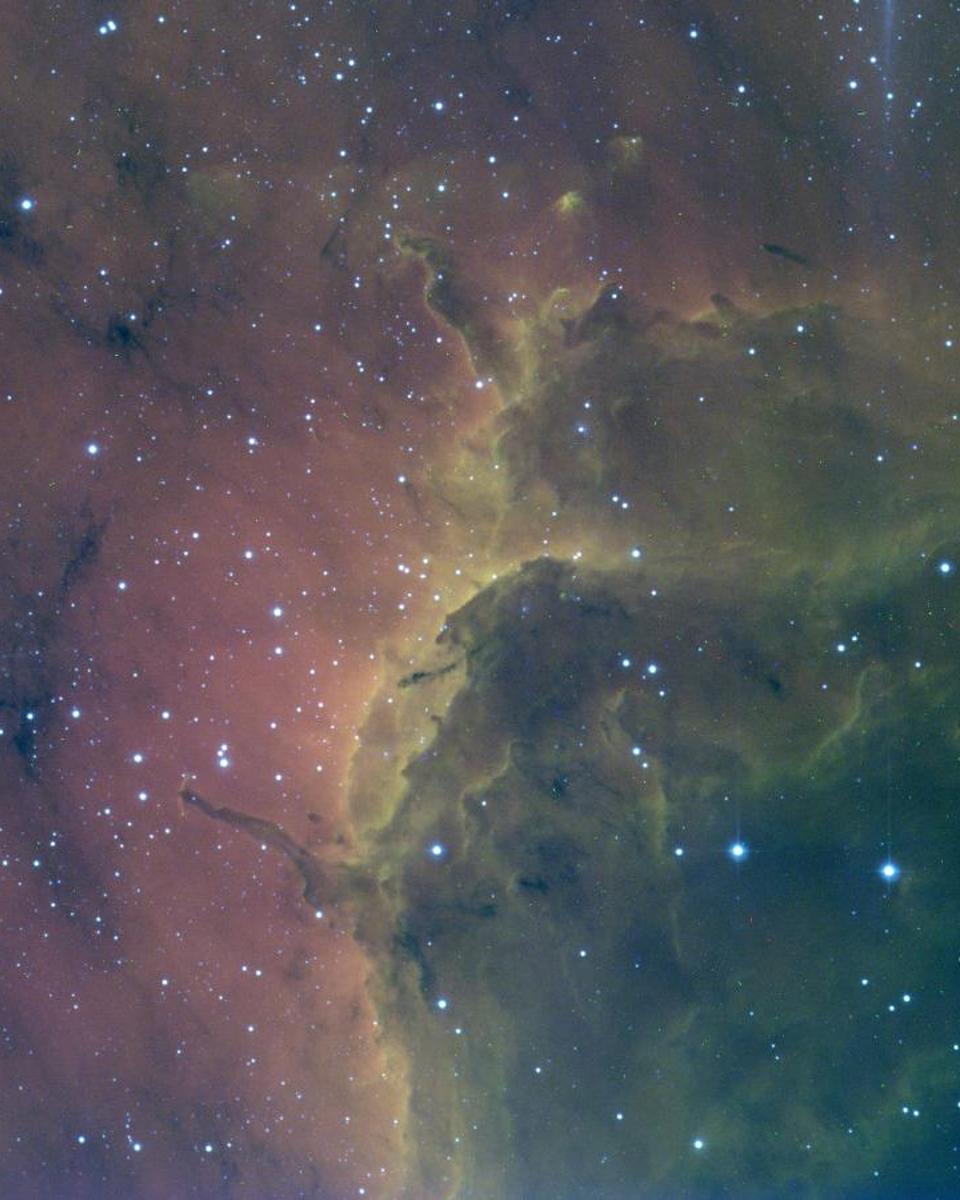
Pelican Nebula Ionization Front
The Pelican Nebula is slowly being transformed. IC 5070, the official designation, is divided from the larger North America Nebula by a molecular cloud filled with dark dust . The…
Viewing discoveries from 26 July 2000 through 3 July 2000.