Browse NASA Astronomy Picture of the Day archive by date and media: Archive Discoveries
Browse the NASA APOD archive without needing the exact date first. Filter by media type and keep moving deeper into older images and videos.
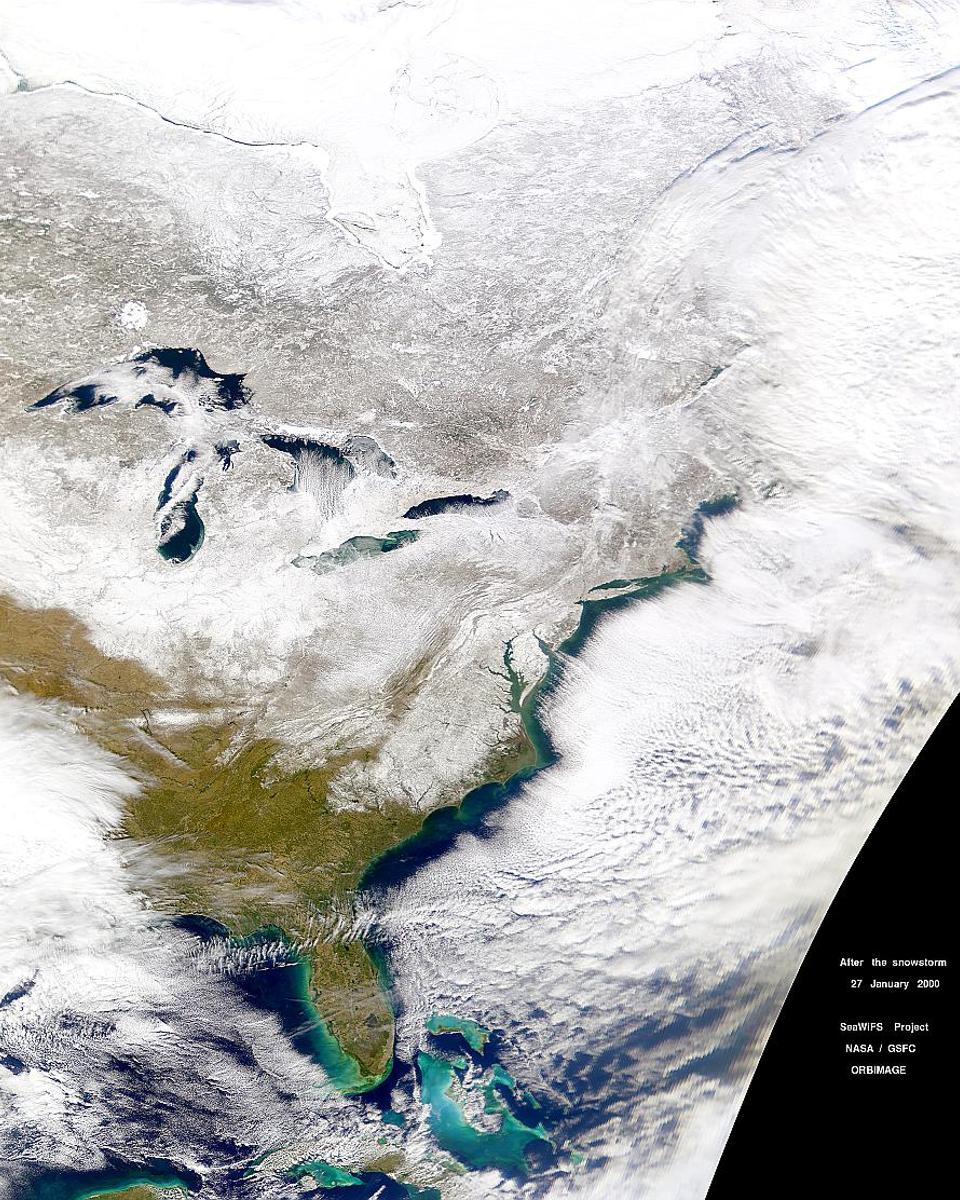
Snowstorm on Planet Earth
Earth is an ocean planet . From low Earth orbit, the Sea-viewing Wide Field-of-view Sensor (SeaWiFS) instrument onboard NASA's SeaStar spacecraft globally maps ocean color,…
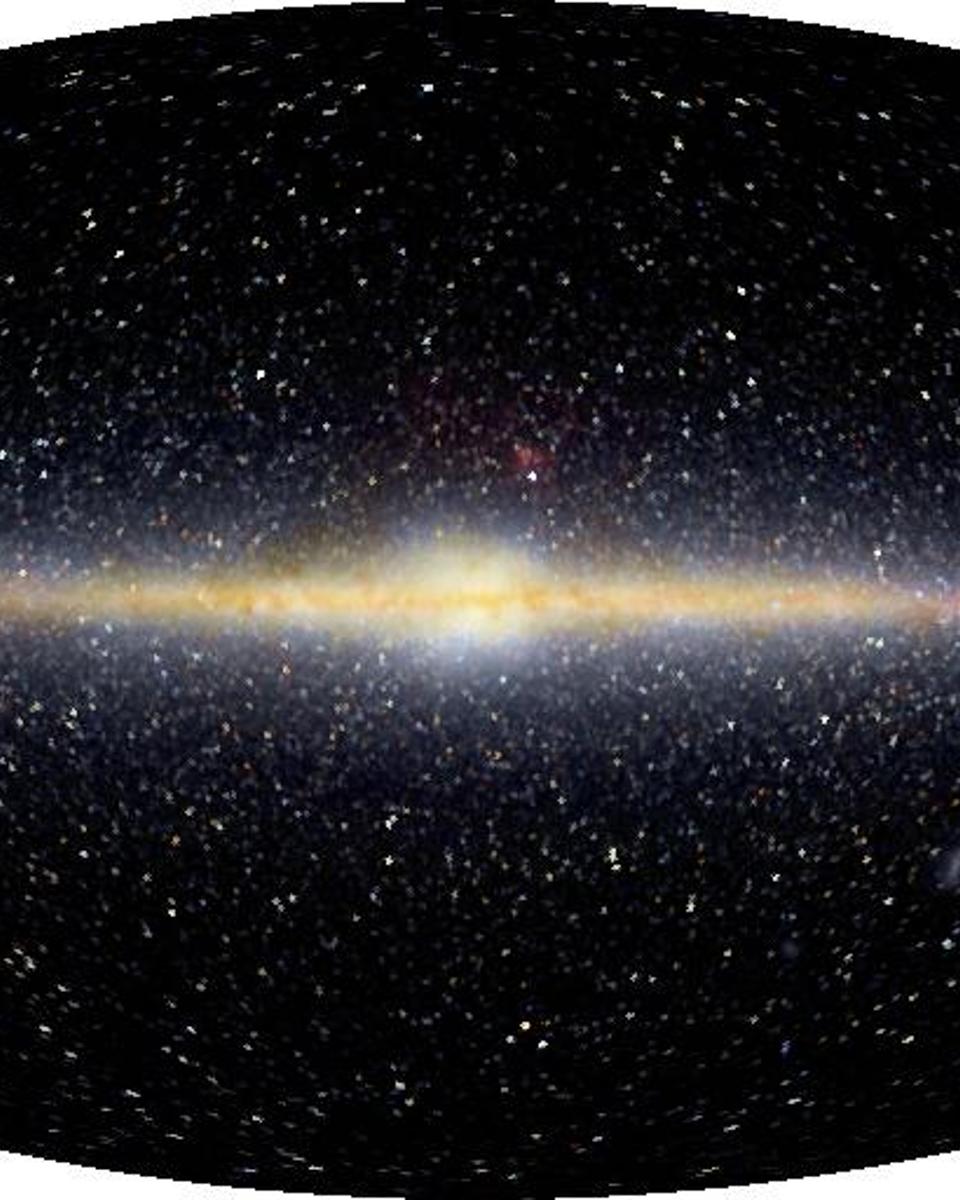
The Milky Way in Infrared
At night, from a dark location, part of the clear sky looks milky . This unusual swath of dim light is generally visible during any month and from any location. Until the…
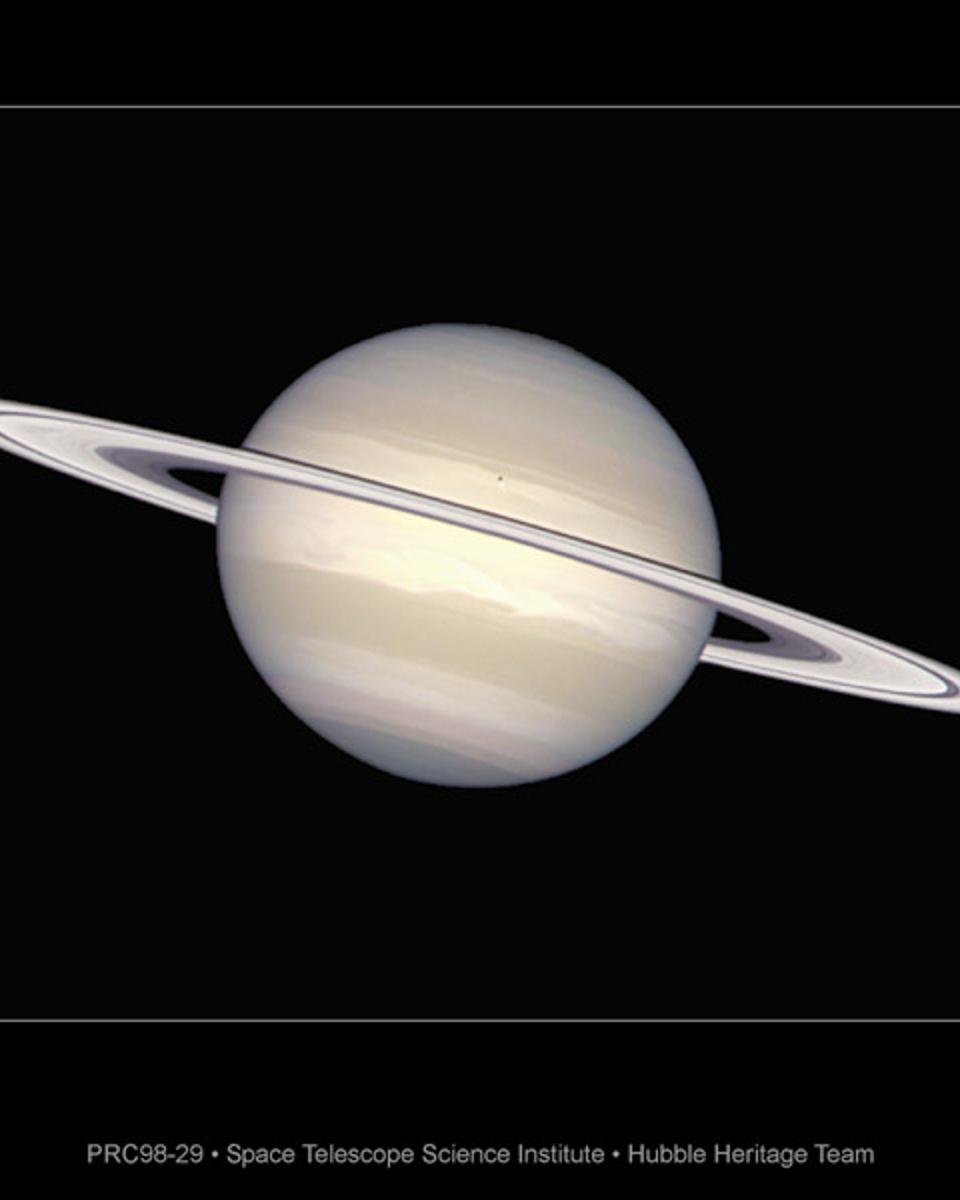
Natural Saturn On The Cassini Cruise
What could you see approaching Saturn aboard an interplanetary cruise ship? Your view would likely resemble this subtly shaded image of the gorgeous ringed gas giant. Processed by…
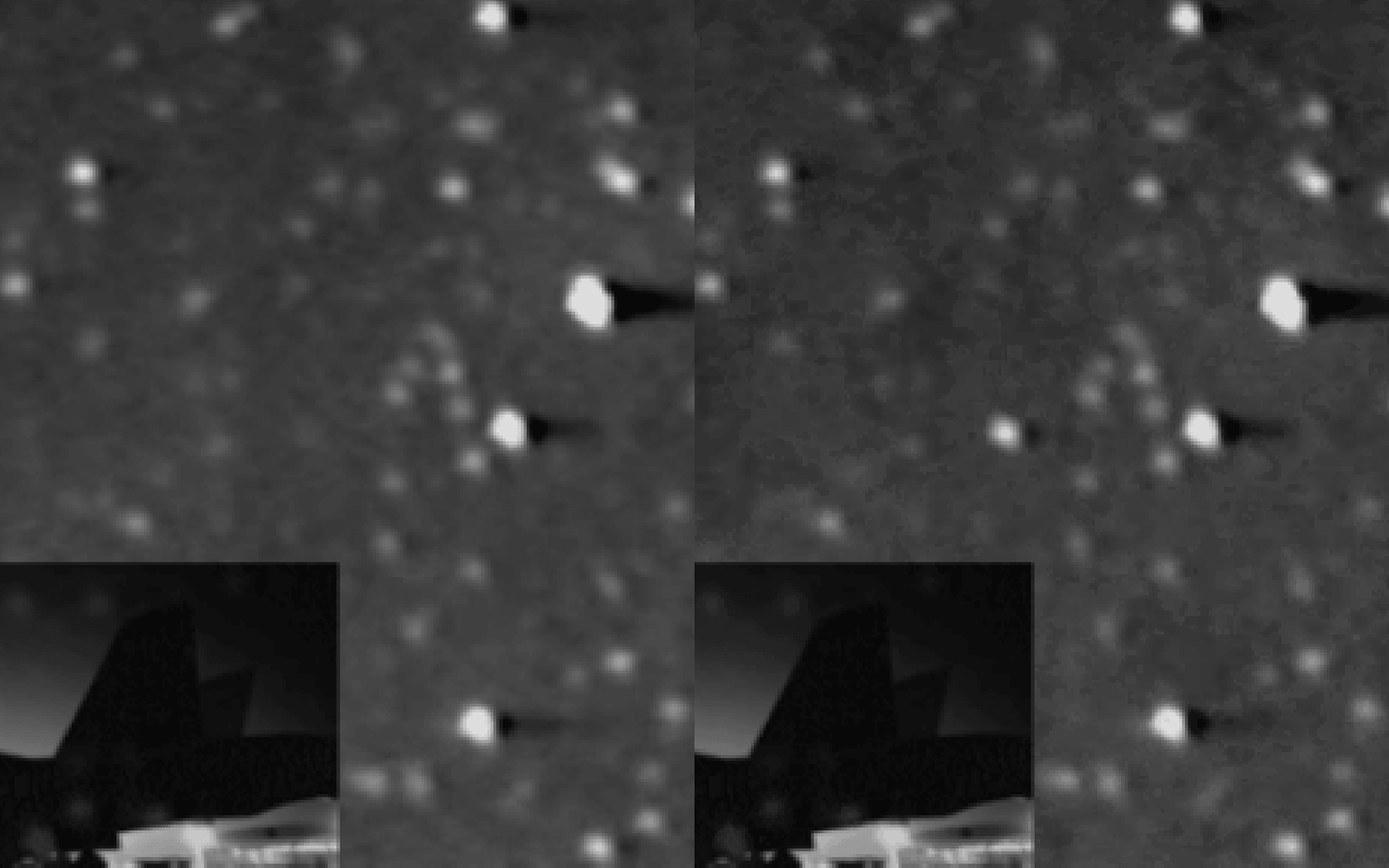
Astronomy From An F-18
In an era of blossoming ground and space-based observatories, astronomers are also pushing the envelope with airborne instrumentation - successfully capturing an asteroid…
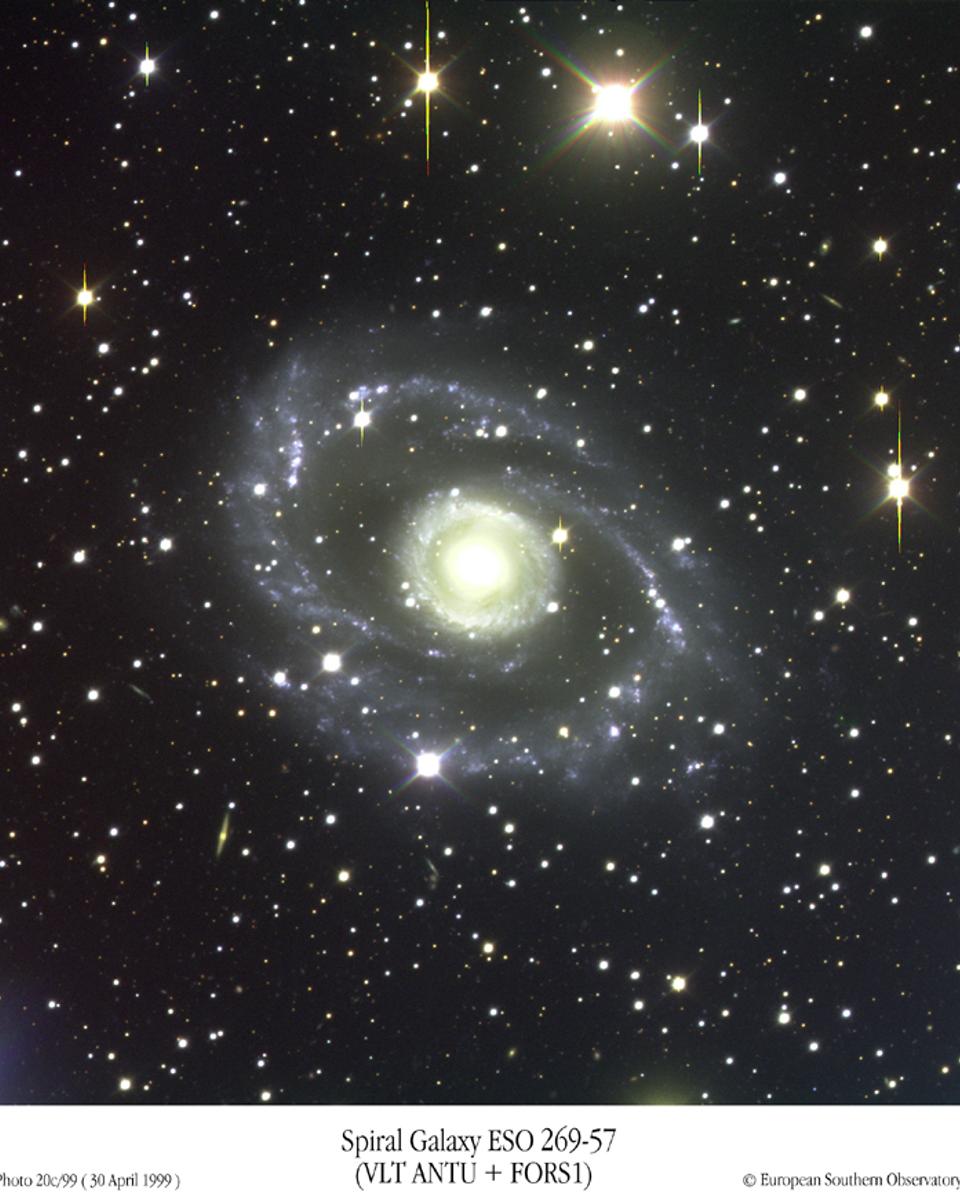
Spiral Galaxy In Centaurus
Centaurus , the Centaur, is one of the most striking constellations in the southern sky. The lovely Milky Way flows through this large constellation whose celestial wonders also…
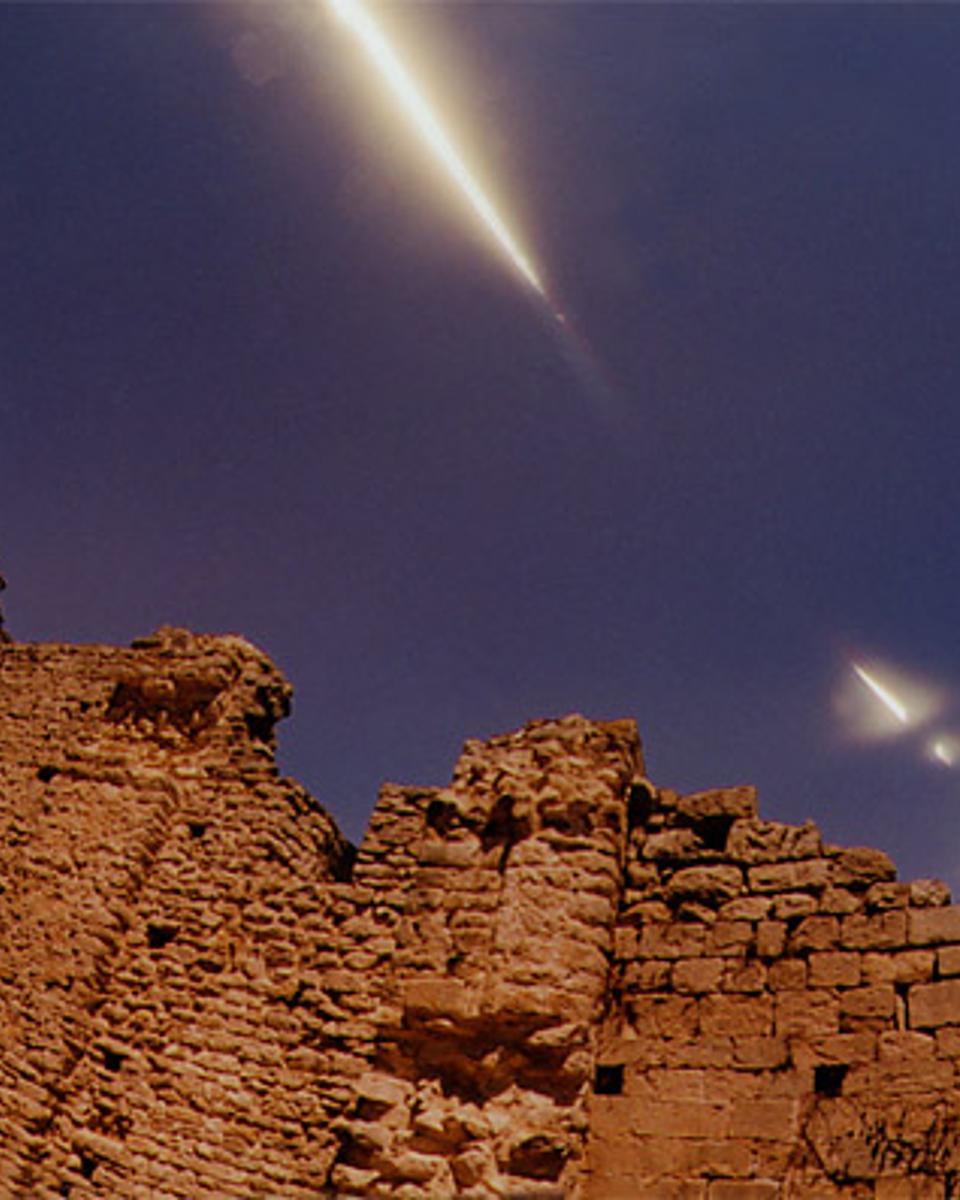
A Lunar Eclipse Over Time
During last week's lunar eclipse , our Moon appeared to disappear. As the Earth moved between the Moon and the Sun, the Earth's shadow fell on the moon, making it quite dark . In…
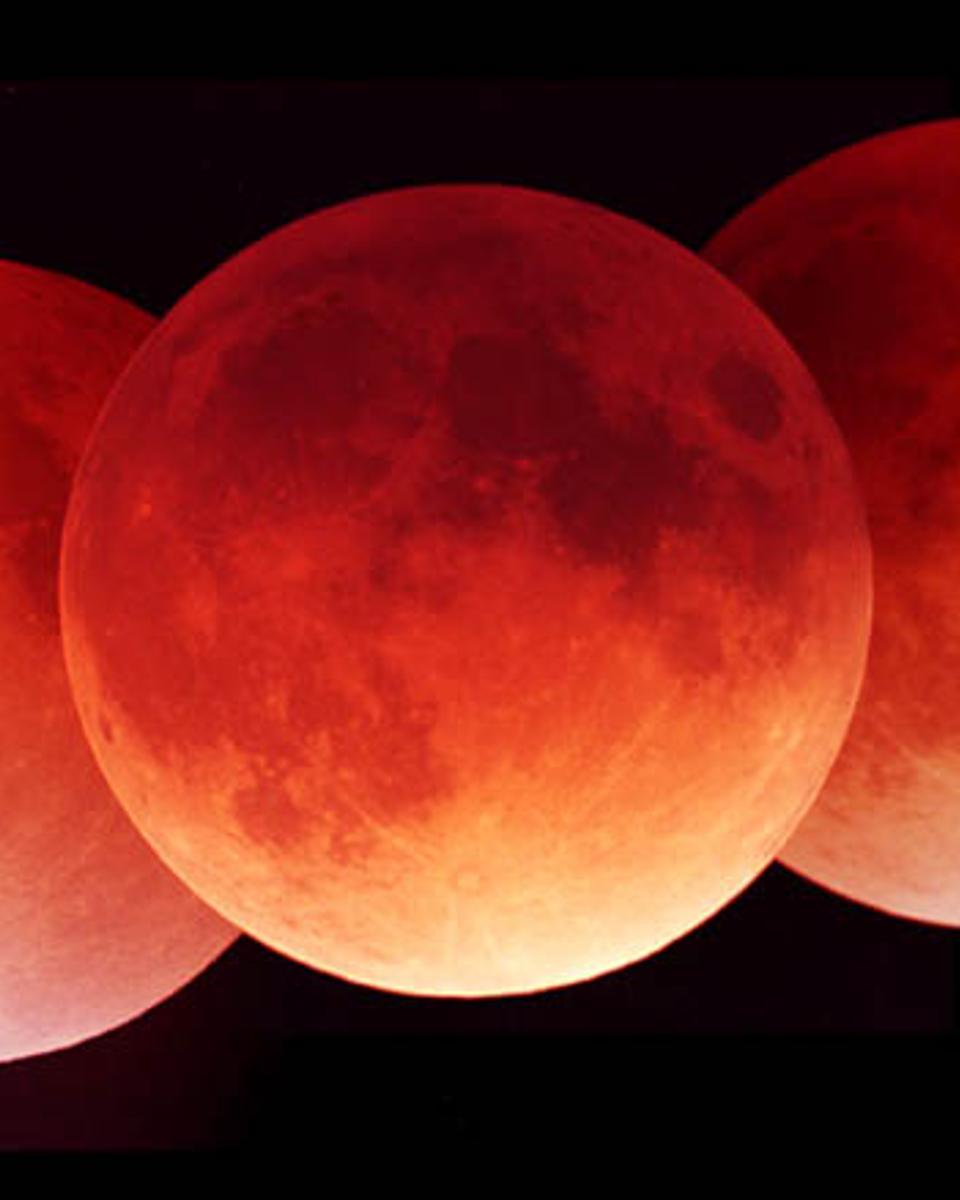
A Lunar Eclipse in Three Exposures
Our Moon turned red last week. The reason was that during the night of January 20, a total lunar eclipse occurred. The above digitally superimposed photographs captured the Moon…
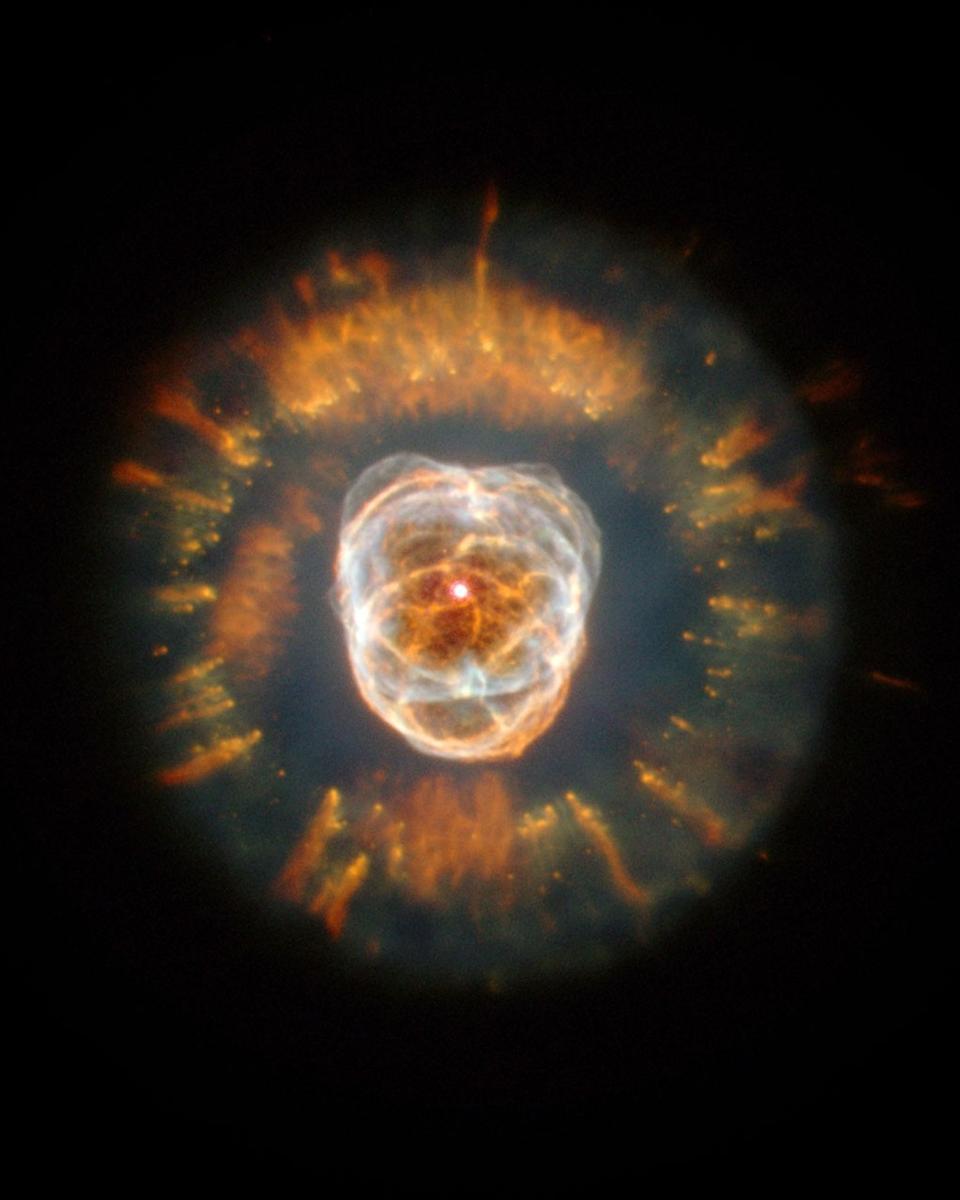
NGC 2392 from the Newly Fixed Hubble
In 1787, astronomer William Herschel discovered NGC 2392 . From the ground, NGC 2392 resembles a person's head surrounded by a parka hood. In 2000, just after being fixed , the…

A Message From Earth
What are these Earthlings trying to tell us? The above message was broadcast from Earth towards the globular star cluster M13 in 1974. During the dedication of the Arecibo…
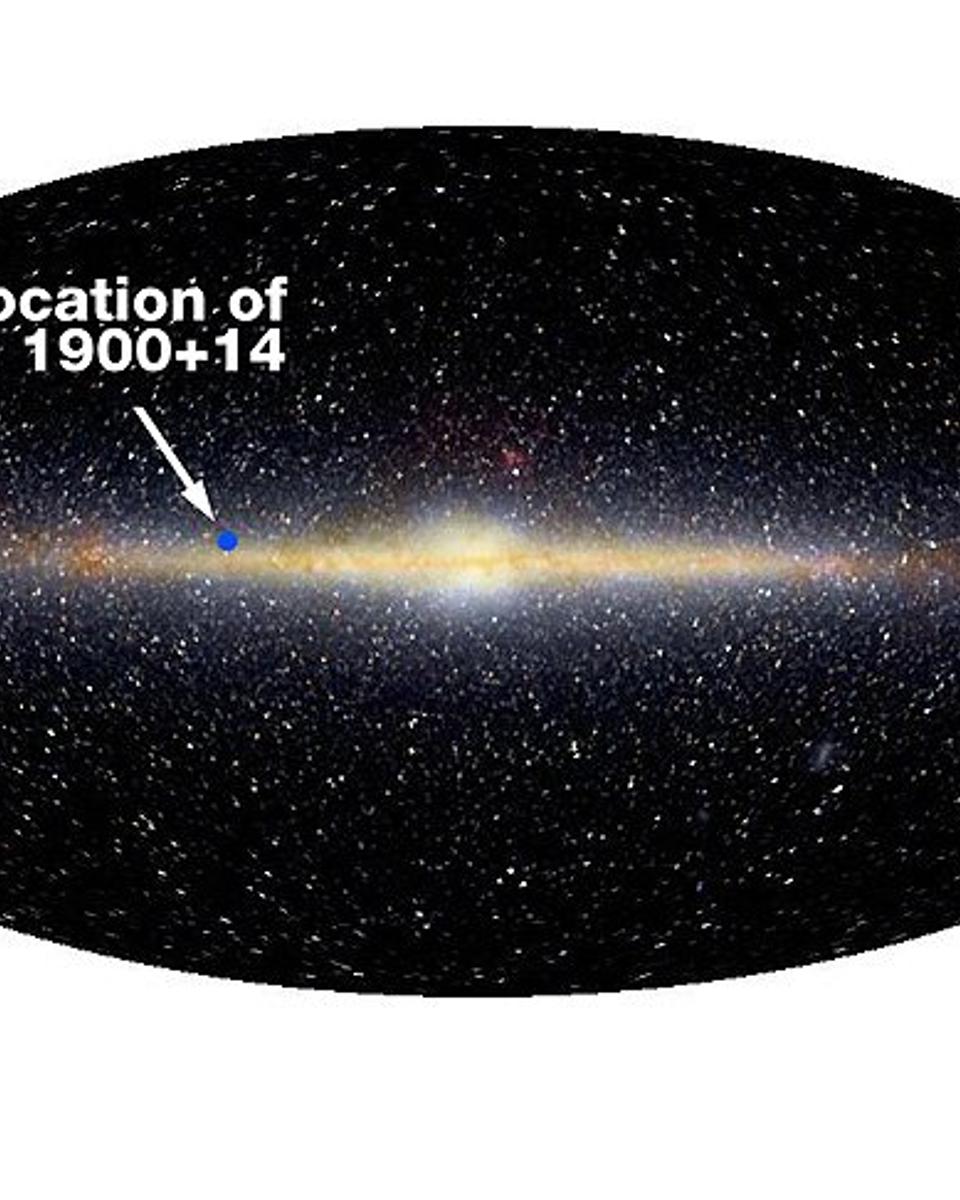
Magnetar In The Sky
Indicated on this infrared image of the galactic center region is the position of SGR 1900+14 - the strongest known magnet in the galaxy. SGR 1900+14 is believed to be a…
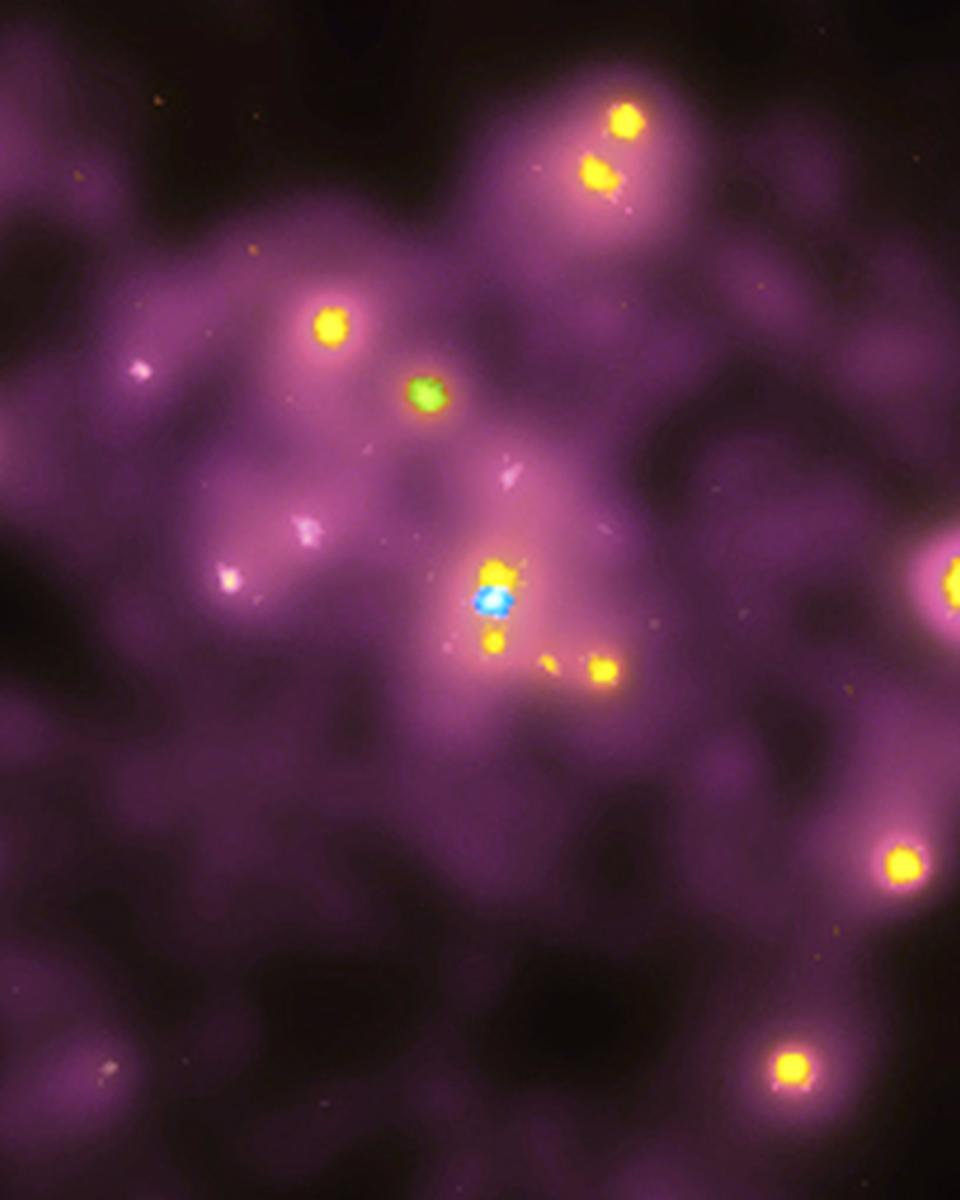
X For Andromeda
A big beautiful spiral galaxy 2 million light-years away, Andromeda (M31) has long been touted as an analog to the Milky Way, a distant mirror of our own galaxy. The popular 1960s…
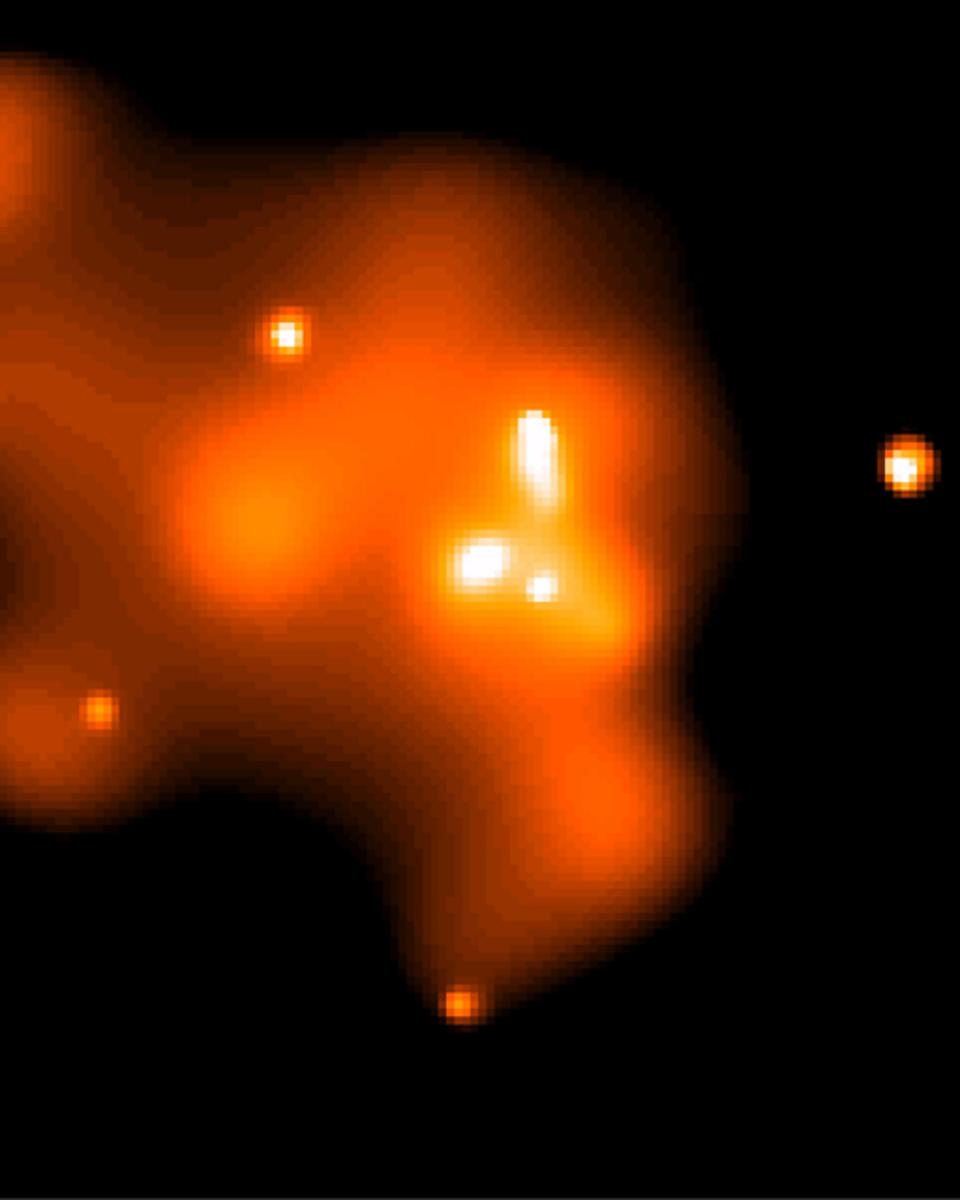
X-Rays From The Galactic Center
Exploring quasars and active galaxies in the distant universe, astronomers have come to believe that most galaxies have massive black holes at their centers. Swirling stars and a…
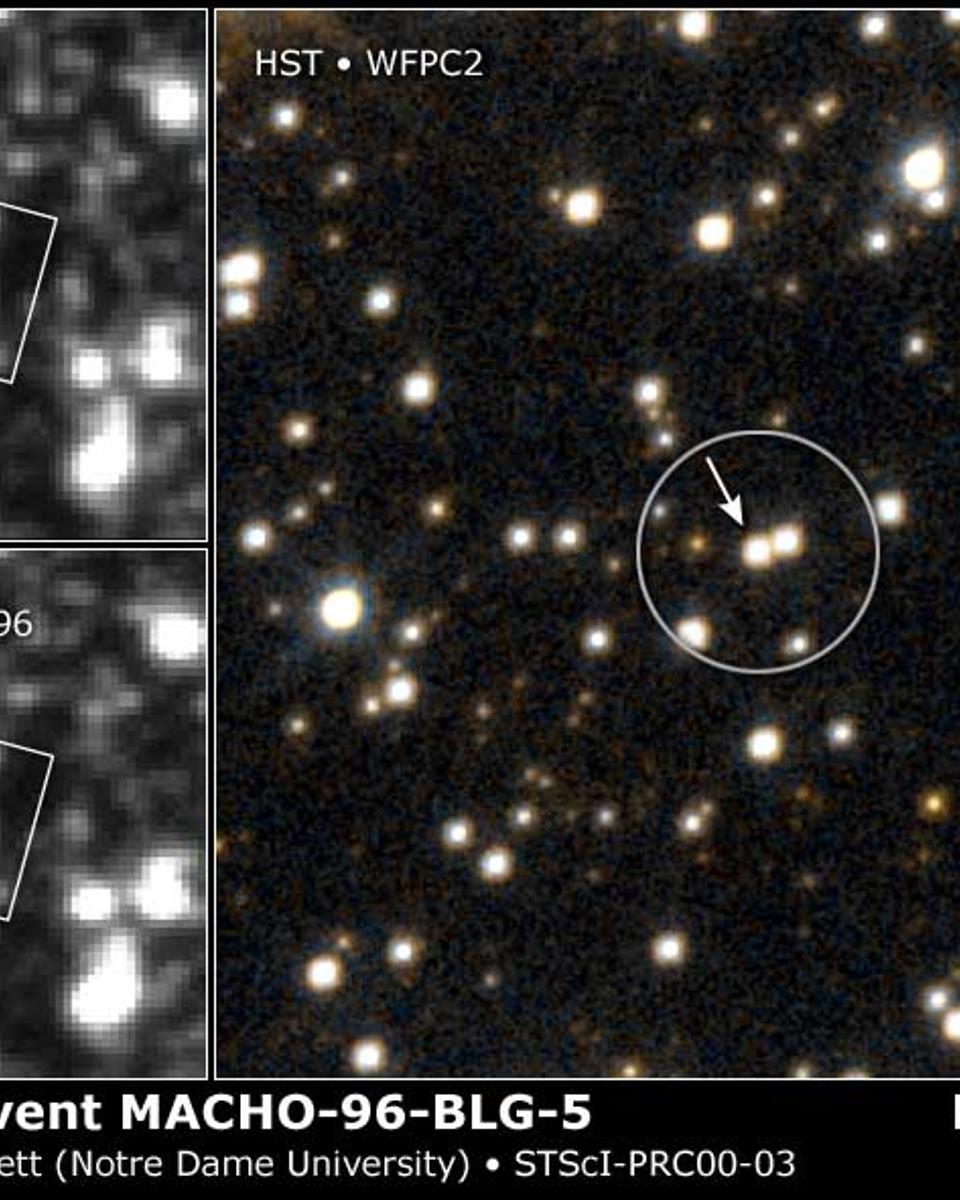
A Big Black Hole Floats By
A black hole glides silently through space. Is there any way to know it's there? Until last week, all objects that might be black holes in our Galaxy were part of binary star…
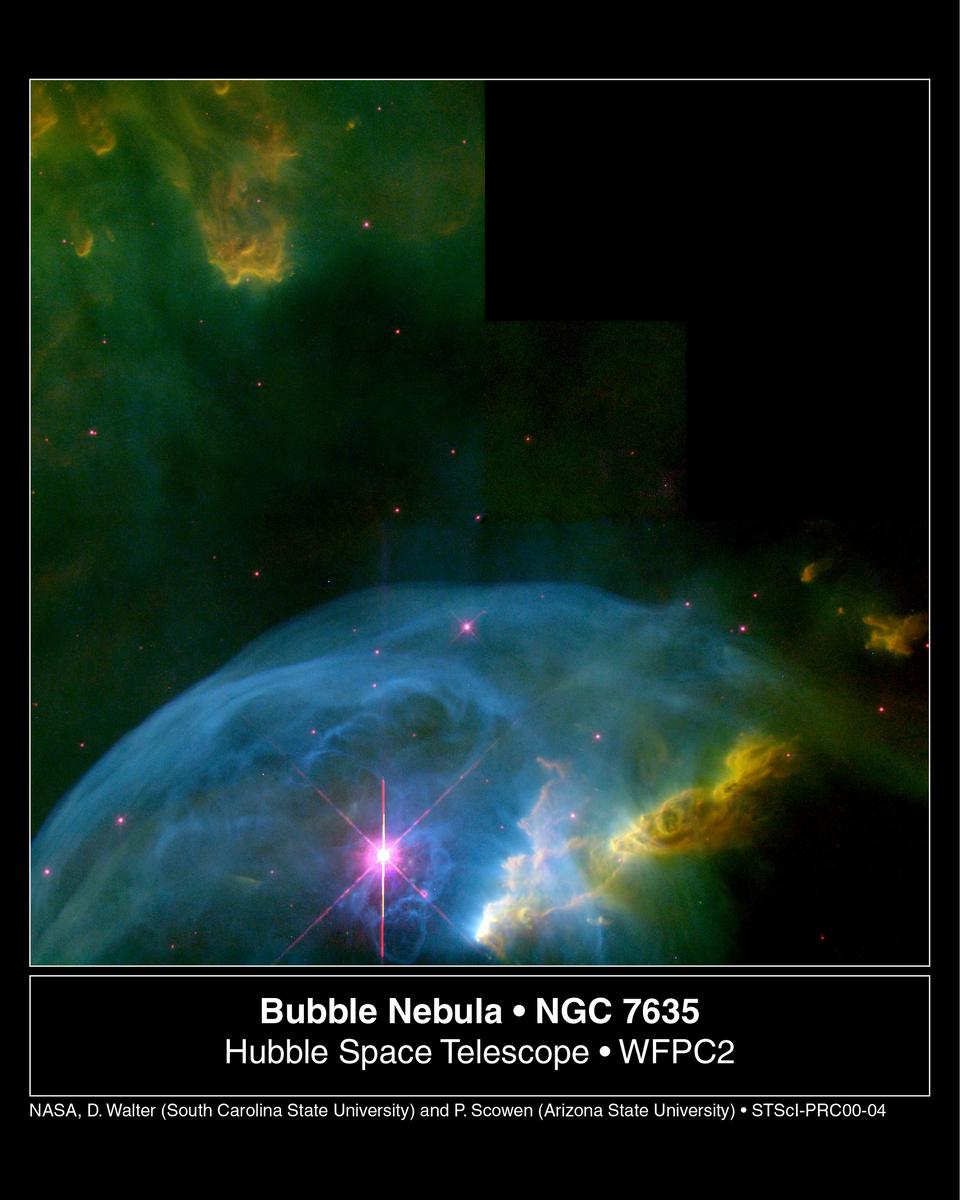
NGC 7635: The Bubble Nebula
What created this huge space bubble? A massive star that is not only bright and blue, but also emitting a fast stellar wind of ionized gas . The Bubble Nebula is actually the…
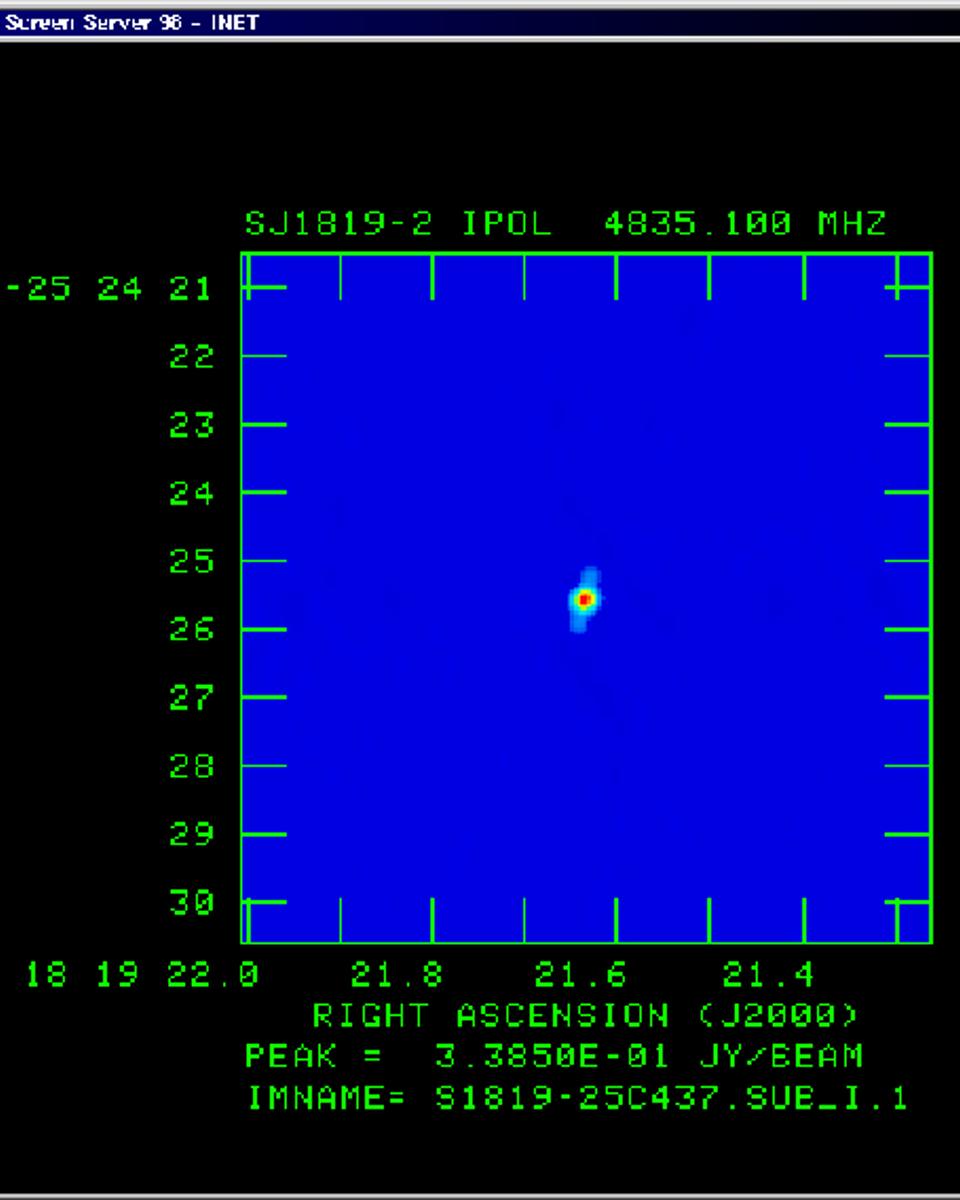
V4641 Sgr: The Closest Black Hole Candidate
An object many astronomers believe is a black hole has been found only 1500 light-years from Earth, making it the closest black hole candidate . Although dramatic explosions…
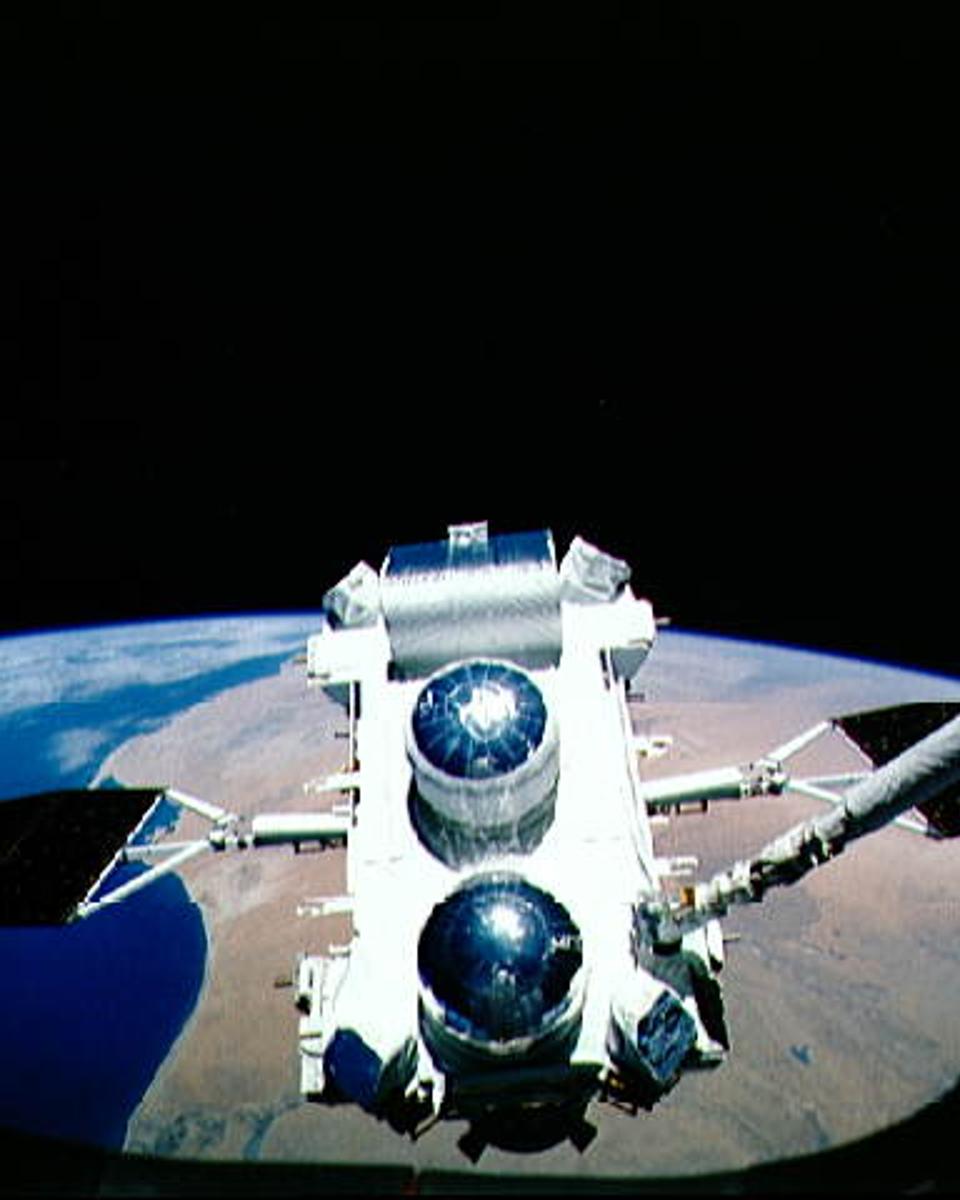
The Compton Gamma Ray Observatory
The Compton Gamma Ray Observatory (CGRO) was the most massive instrument ever launched by a NASA Space Shuttle in 1991 and continues to revolutionize gamma-ray astronomy . Before…
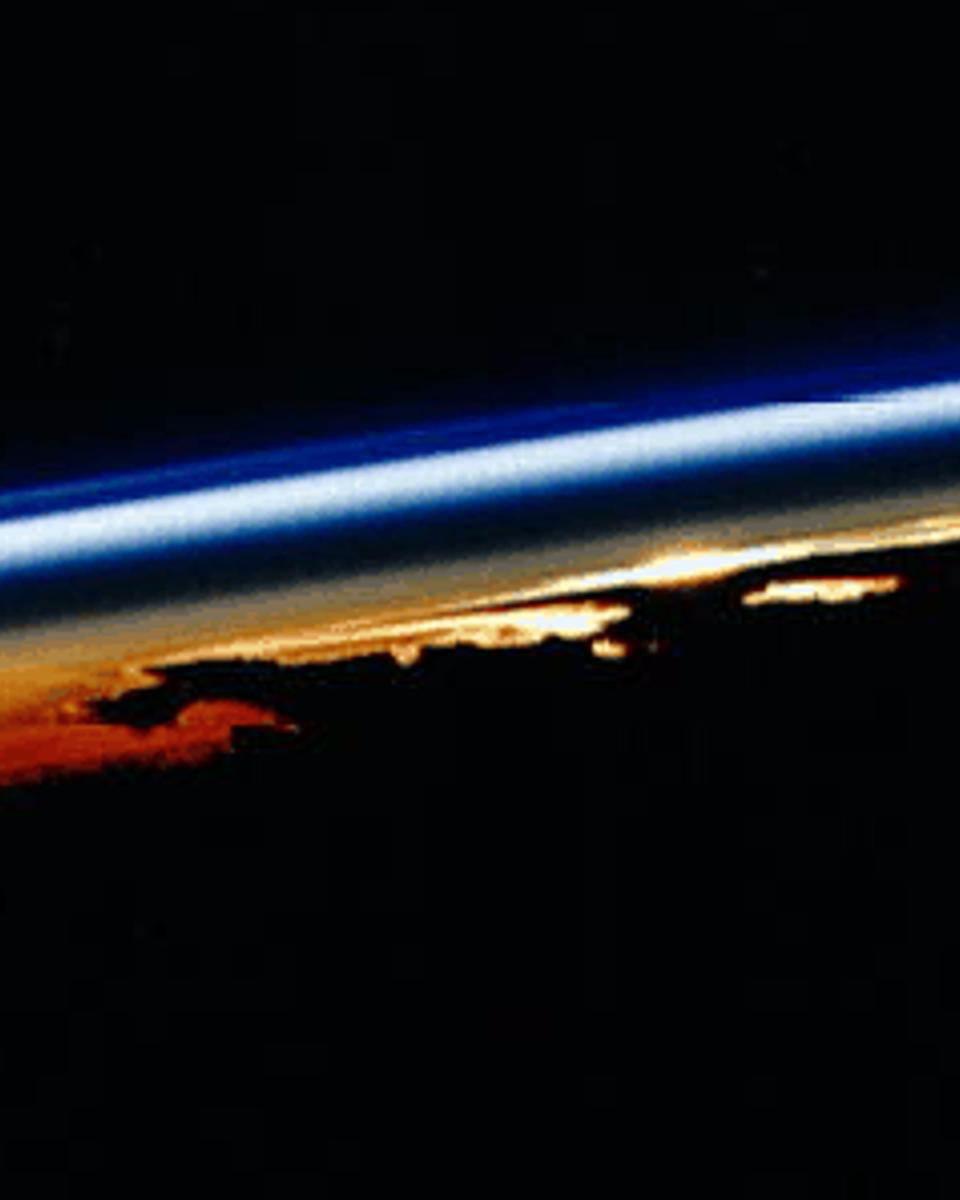
The Sun Also Rises
Sunrise seen from low Earth orbit can be very dramatic indeed (and the authors don't apologize to Hemingway for using his title!). In this breathtaking view from the space shuttle…
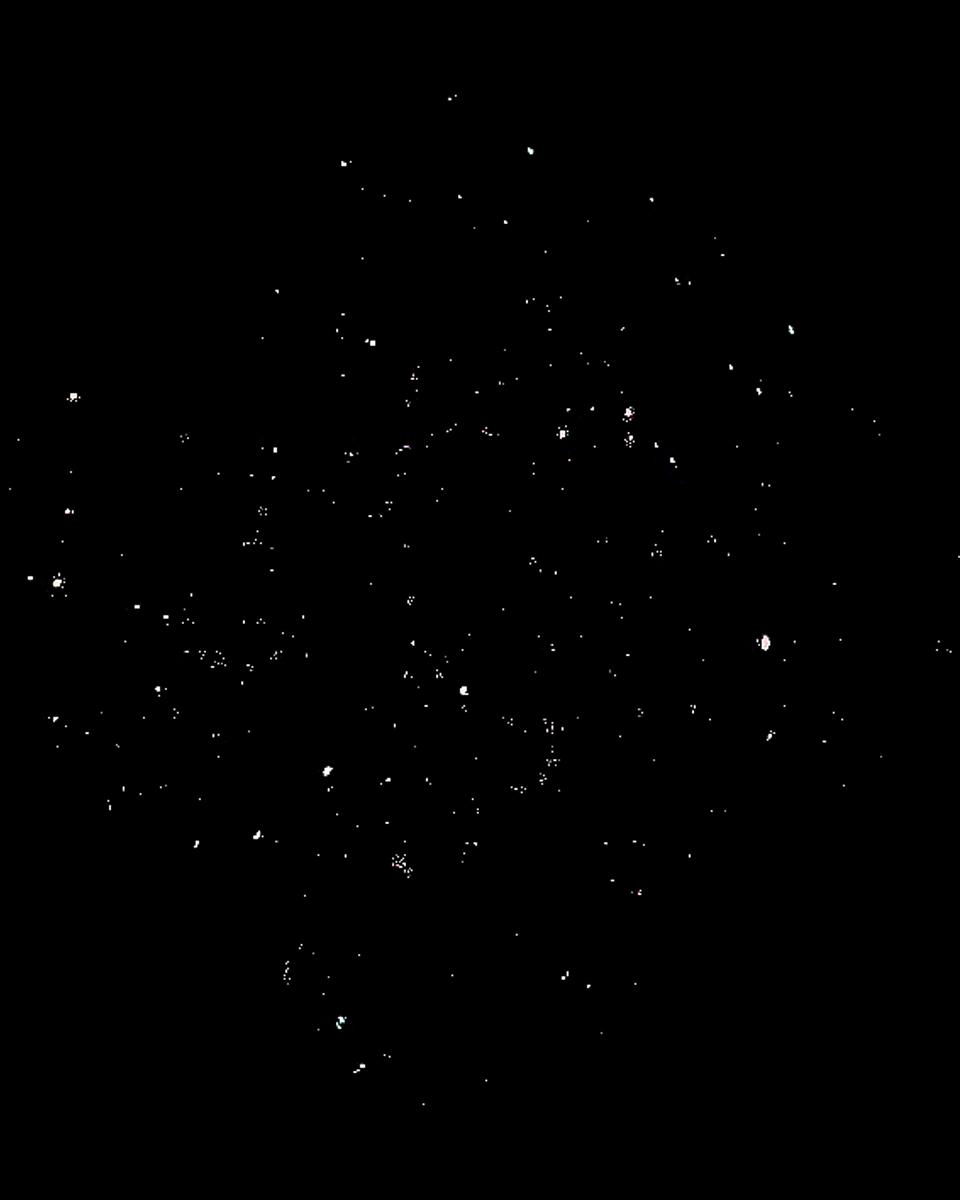
Chandra Resolves the Hard X-Ray Background
It is everywhere but nobody knew why. In every direction at all times, the sky glows in X-rays . The X-ray background phenomenon was discovered over 35 years ago, soon after the…
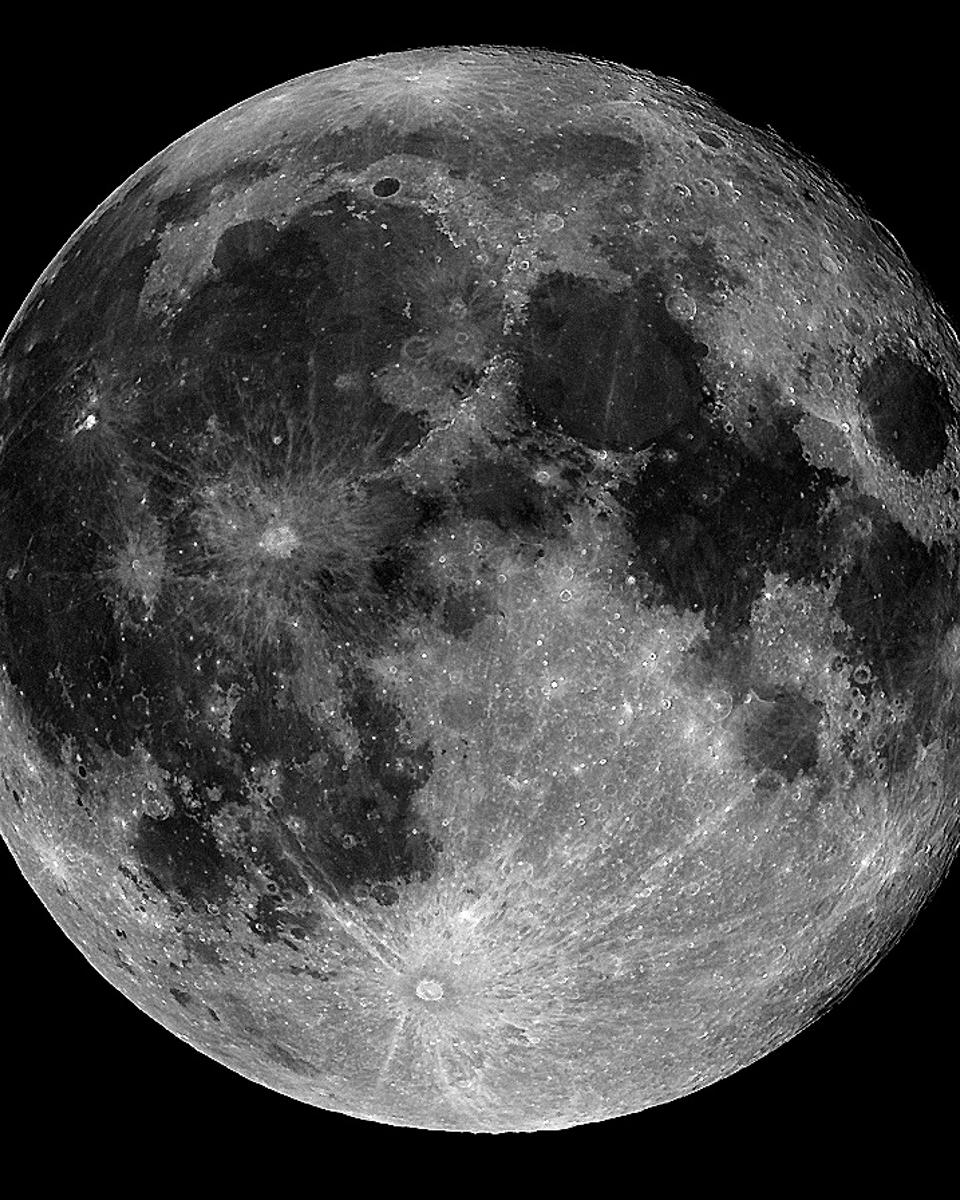
A Skygazer's Full Moon
This dramatically sharp picture of the full moon was recorded on 22 December, 1999 by astroimager Rob Gendler . Big, beautiful, bright, and evocative , it was the last full moon…
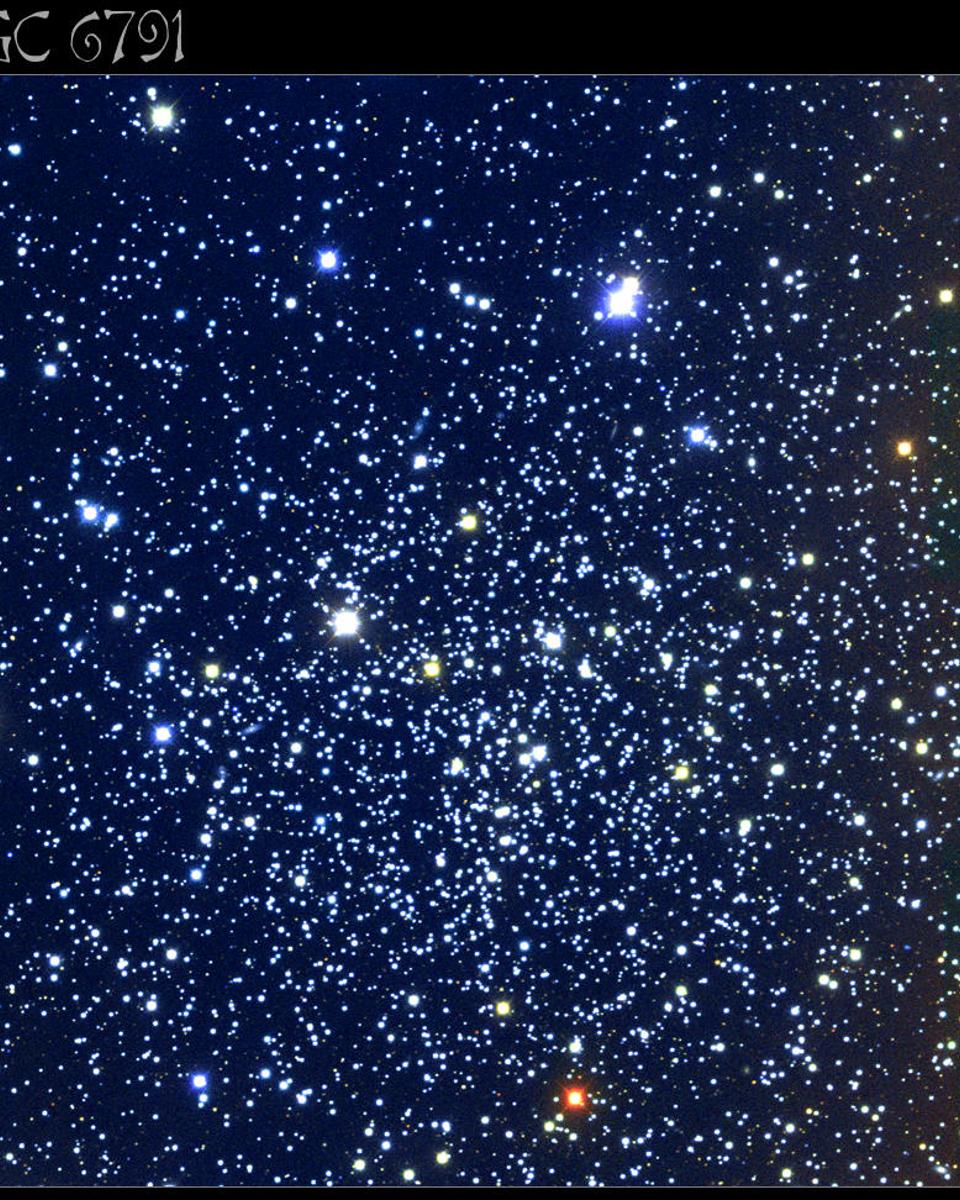
NGC 6791: An Old, Large Open Cluster
NGC 6791 is one of the oldest and largest open clusters of stars known. But how did it get so dirty? Open star clusters usually contain a few hundred stars each less than a…
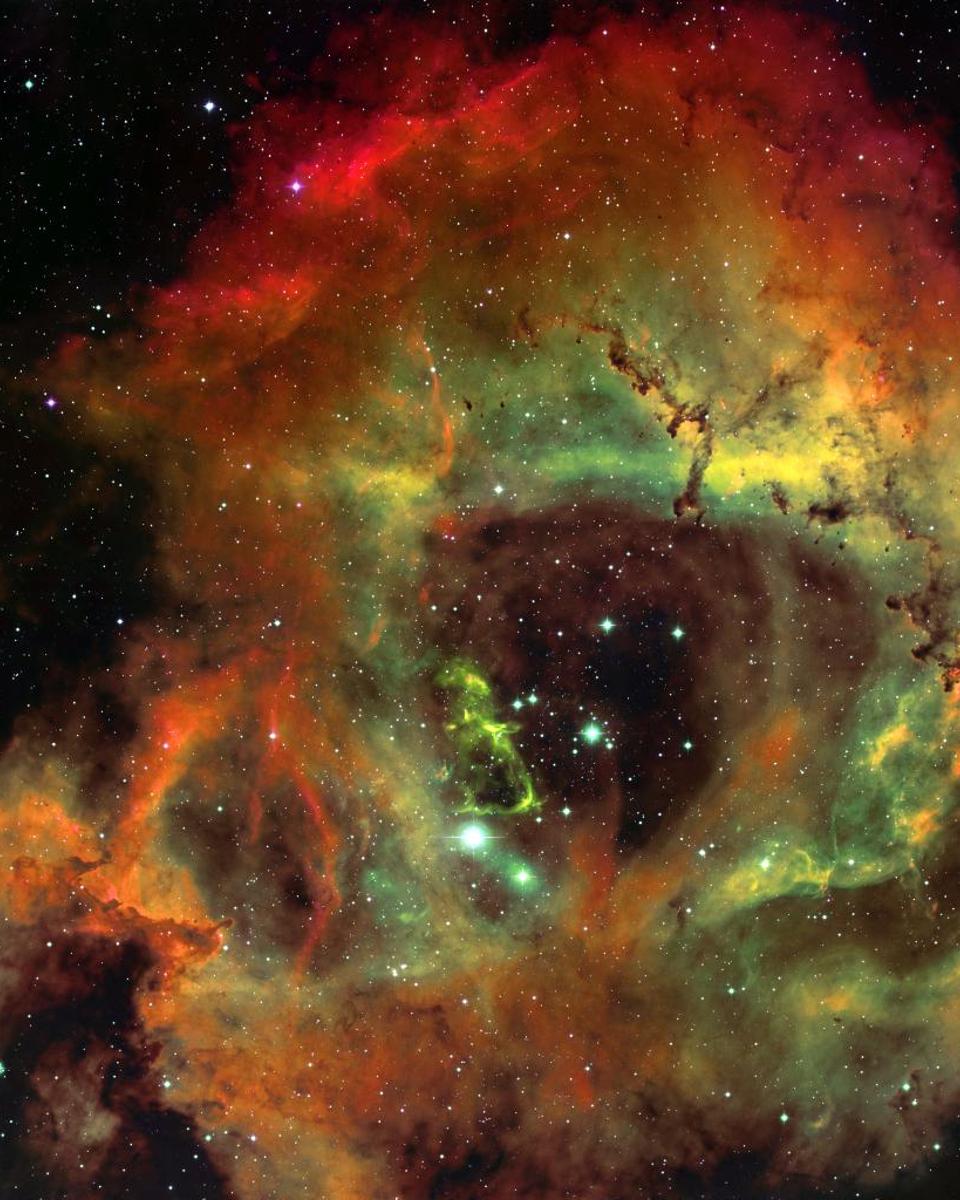
The Rosette Nebula in Hydrogen, Oxygen, and Sulfur
The Rosette Nebula is a large emission nebula located 3000 light-years away. The great abundance of hydrogen gas gives NGC 2237 its red color in most photographs . The wind from…
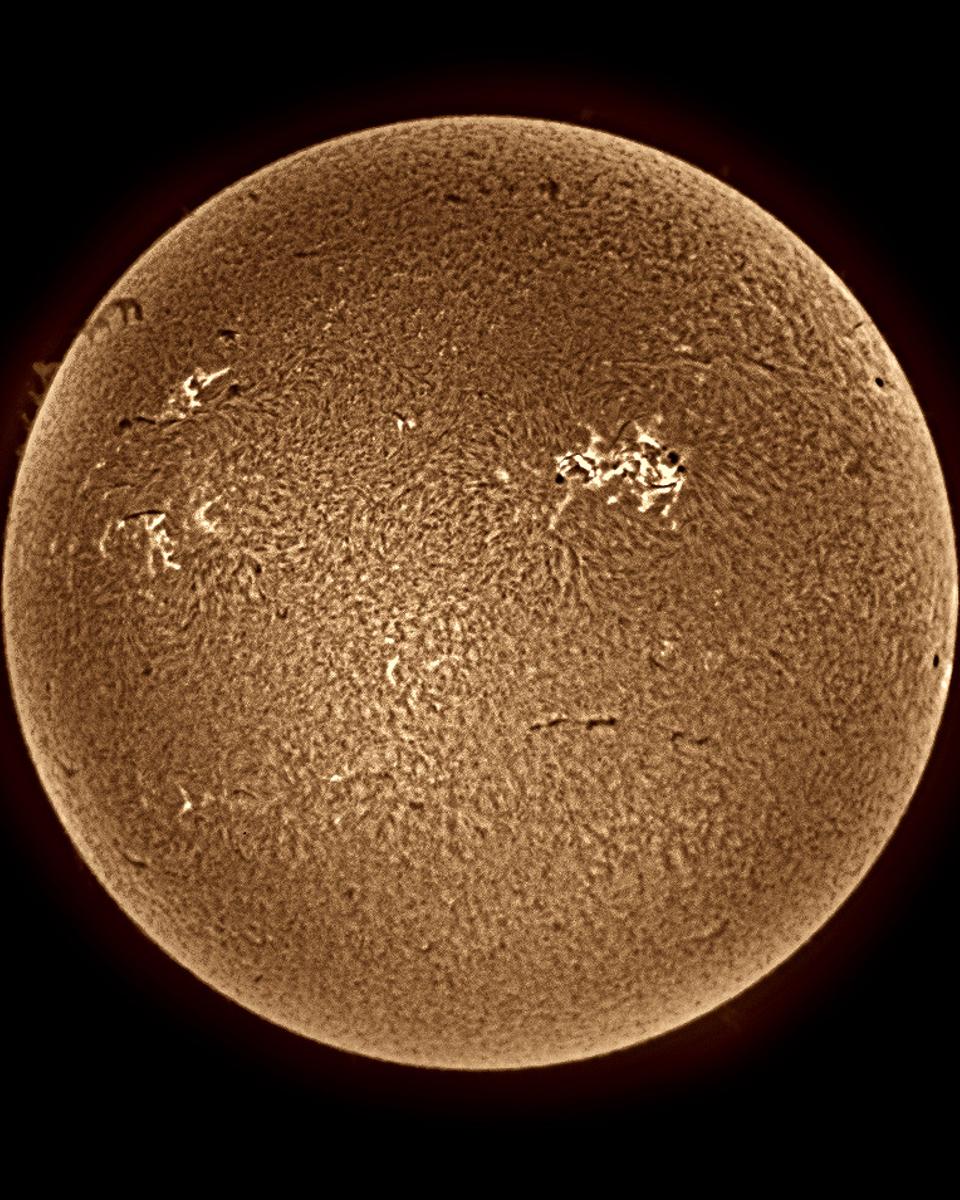
Brown Sun Bubbling
Our Sun may look like all soft and fluffy, but its not. Our Sun is an extremely large ball of bubbling hot gas , mostly hydrogen gas. The above picture was taken in a specific…
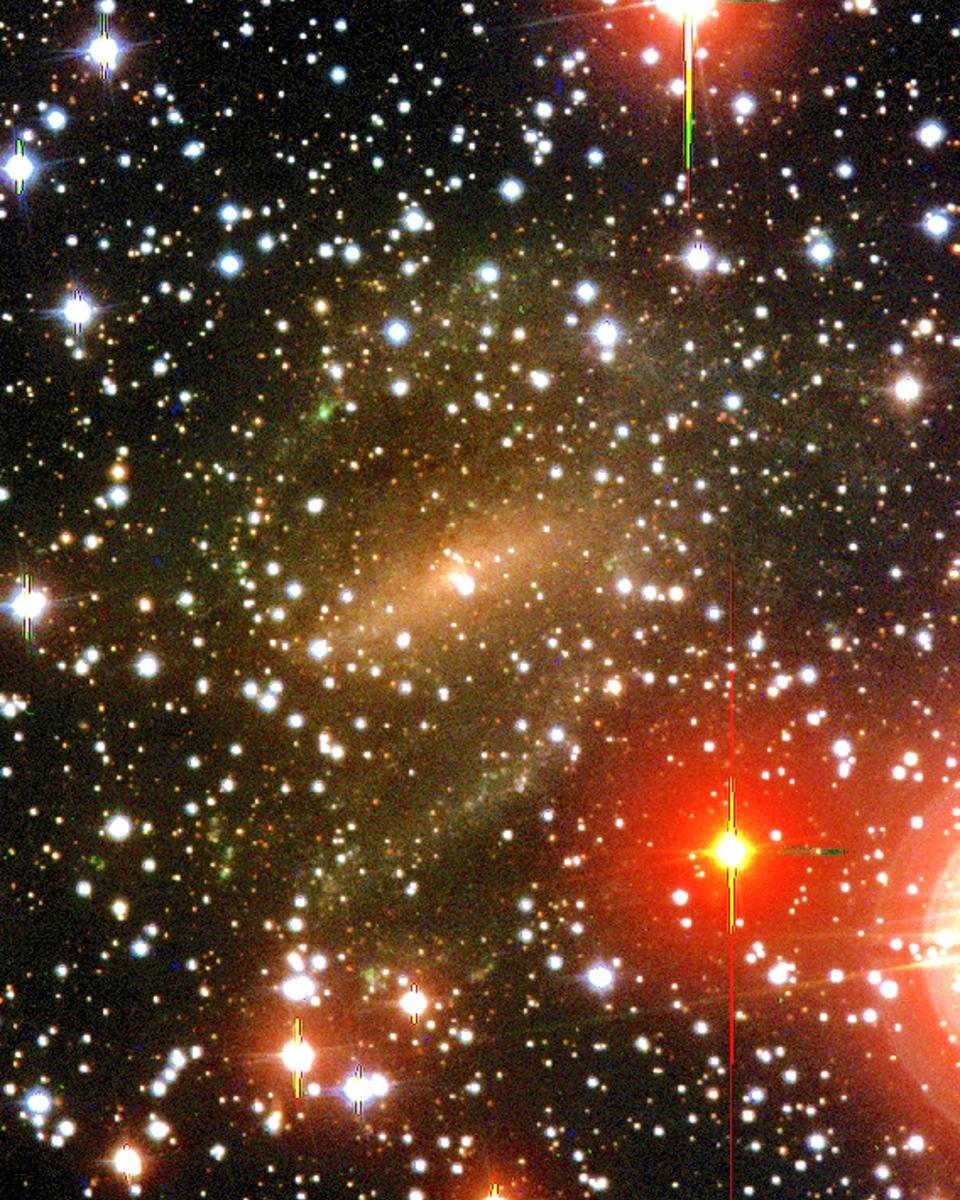
Galaxy Dwingeloo 1 Emerges
Sometimes you can't see the forest for the trees. But if you look closely at the center of the above photograph , you will see a whole spiral galaxy behind the field of stars.…
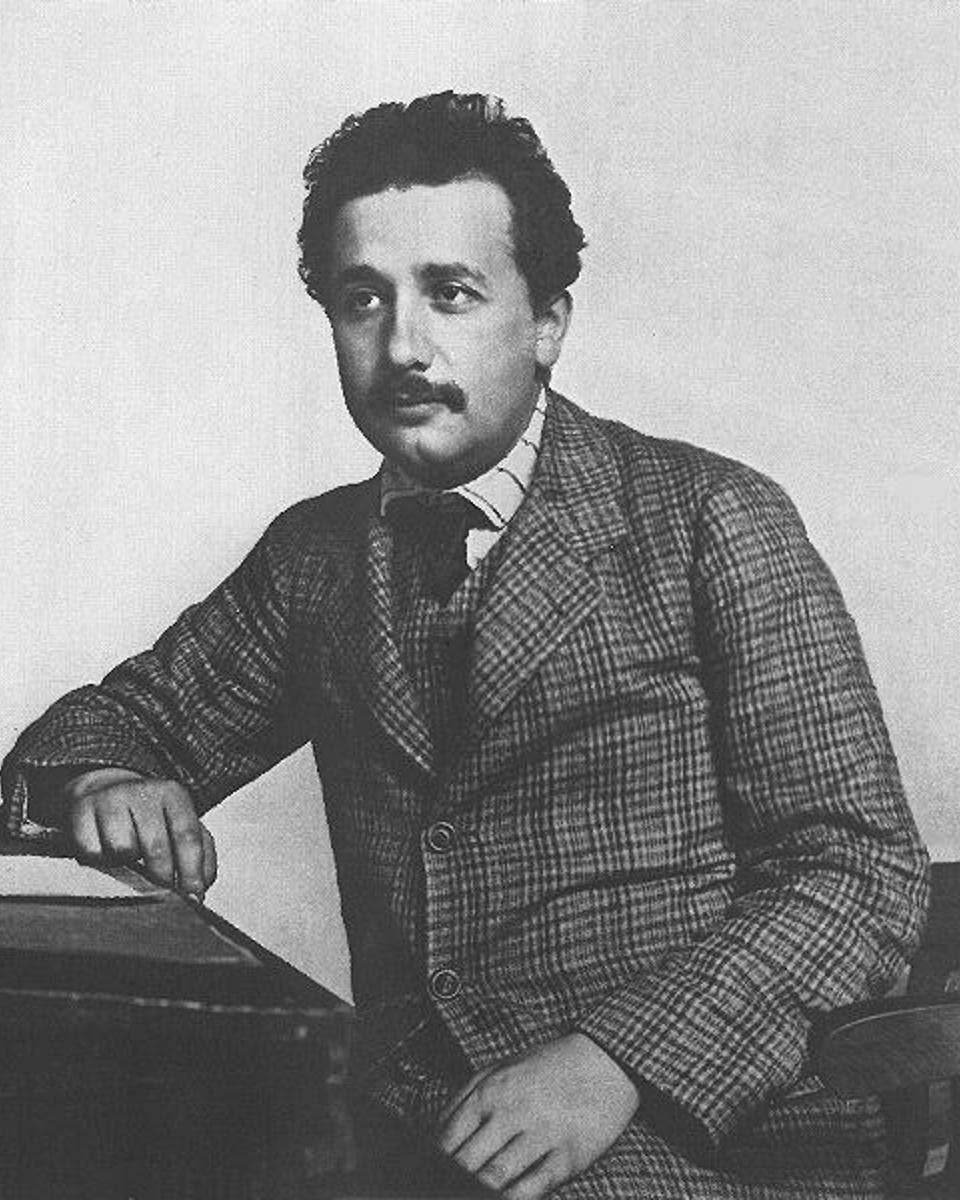
Albert Einstein Describes Space and Time
Albert Einstein (1879-1955) is considered by many the greatest astrophysicist and single most significant Person of the 20th Century . He is pictured here in the Swiss Patent…
Viewing discoveries from 31 January 2000 through 8 January 2000.