Browse NASA Astronomy Picture of the Day archive by date and media: Archive Discoveries
Browse the NASA APOD archive without needing the exact date first. Filter by media type and keep moving deeper into older images and videos.
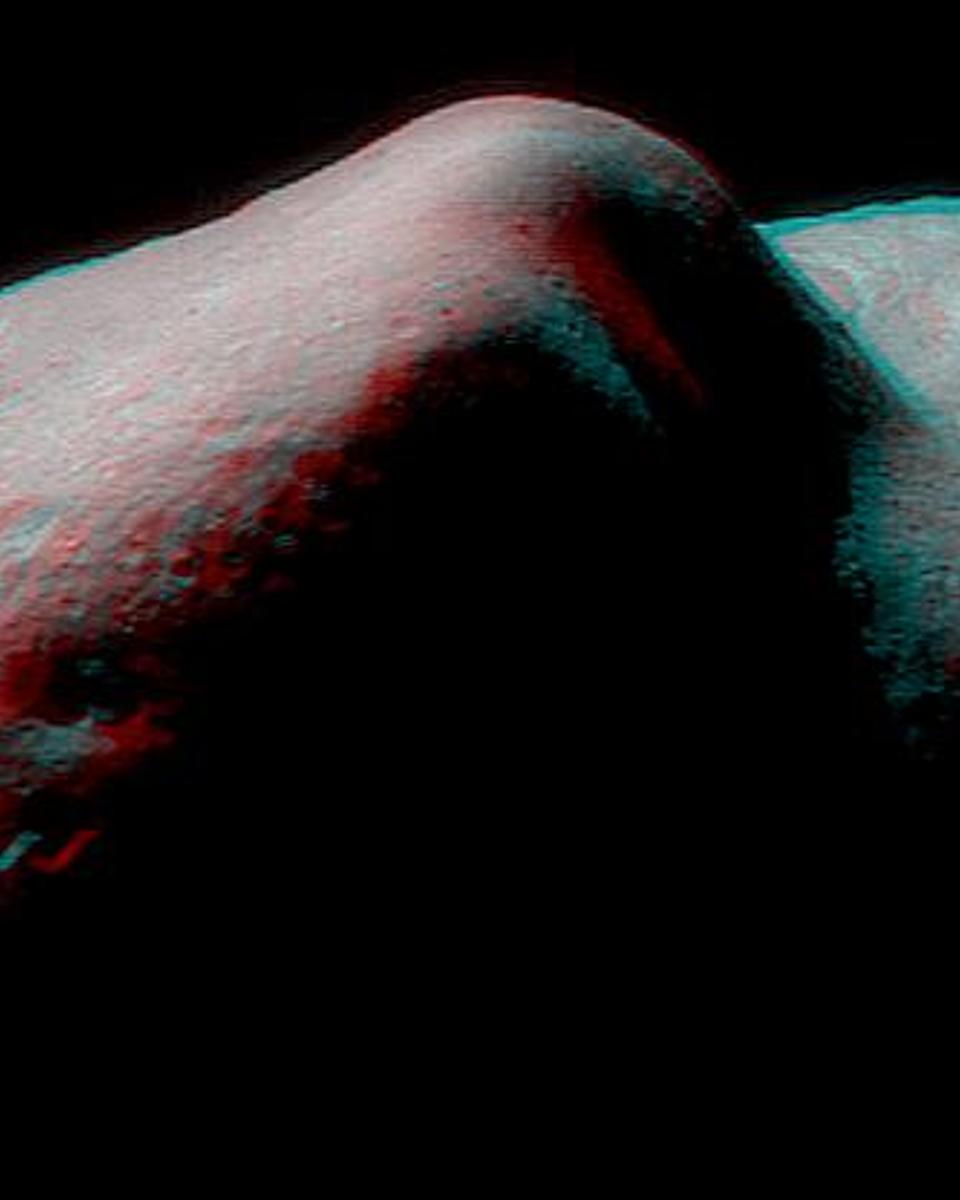
Stereo Eros
Get out your red/blue glasses and float next to asteroid 433 Eros , 260 million kilometers away! Orbiting the Sun once every 1.8 earth-years, asteroid Eros is a diminutive 40 x 14…
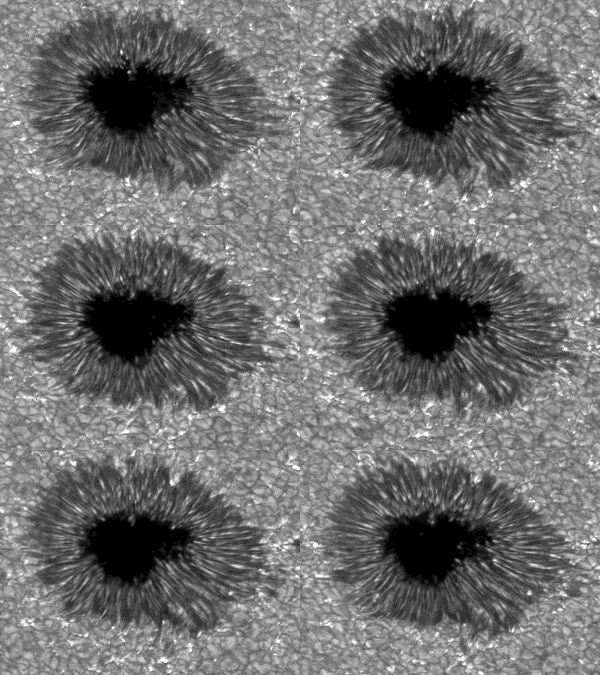
Sunspot Seething
Our Sun's surface is continually changing. This time-lapse movie shows in five seconds what happens in 20 minutes on the Sun's surface near a sunspot . Visible is boiling…
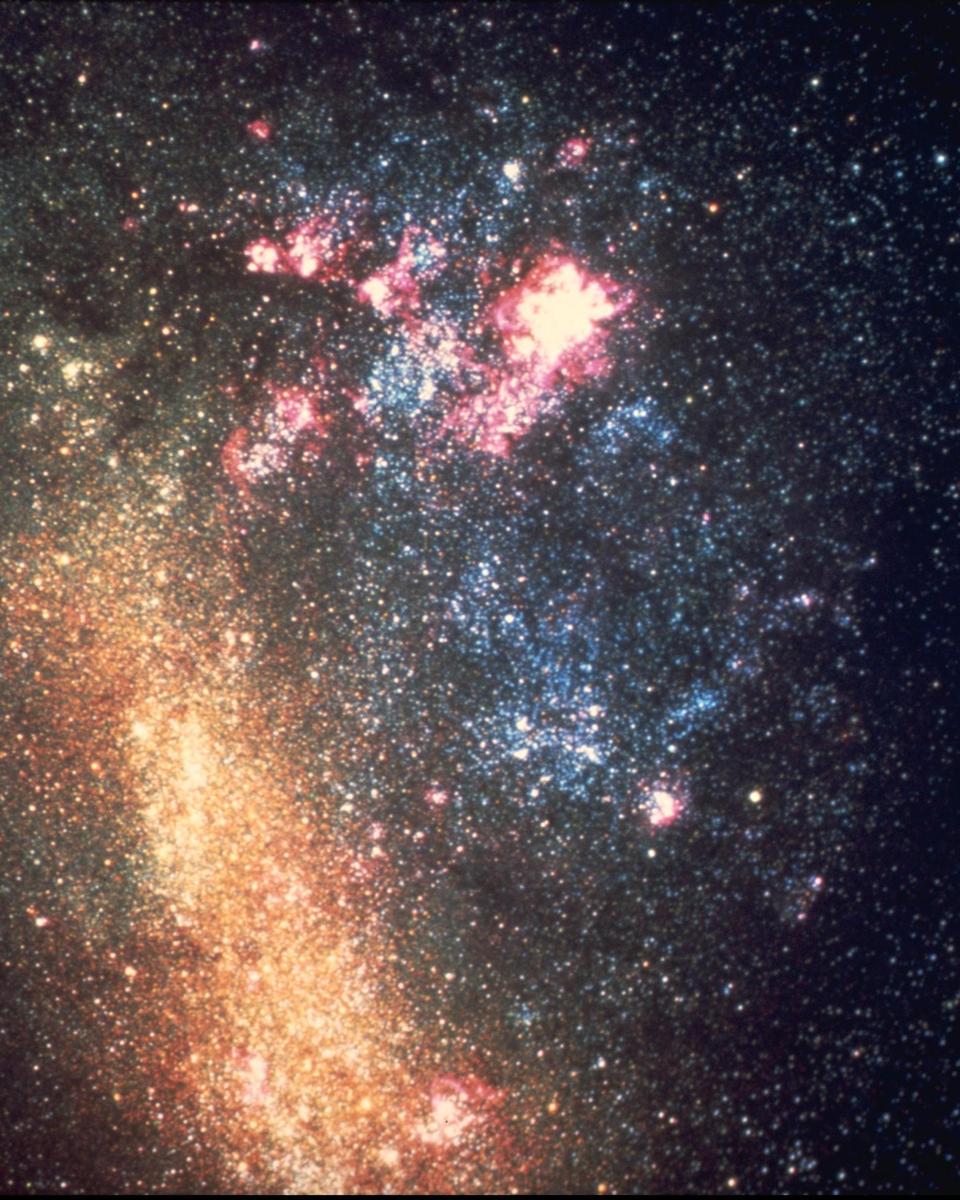
Neighboring Galaxy: The Large Magellanic Cloud
The brightest galaxy visible from our own Milky Way Galaxy is the Large Magellanic Cloud (LMC). Visible predominantly from Earth's Southern Hemisphere , the LMC is the second…
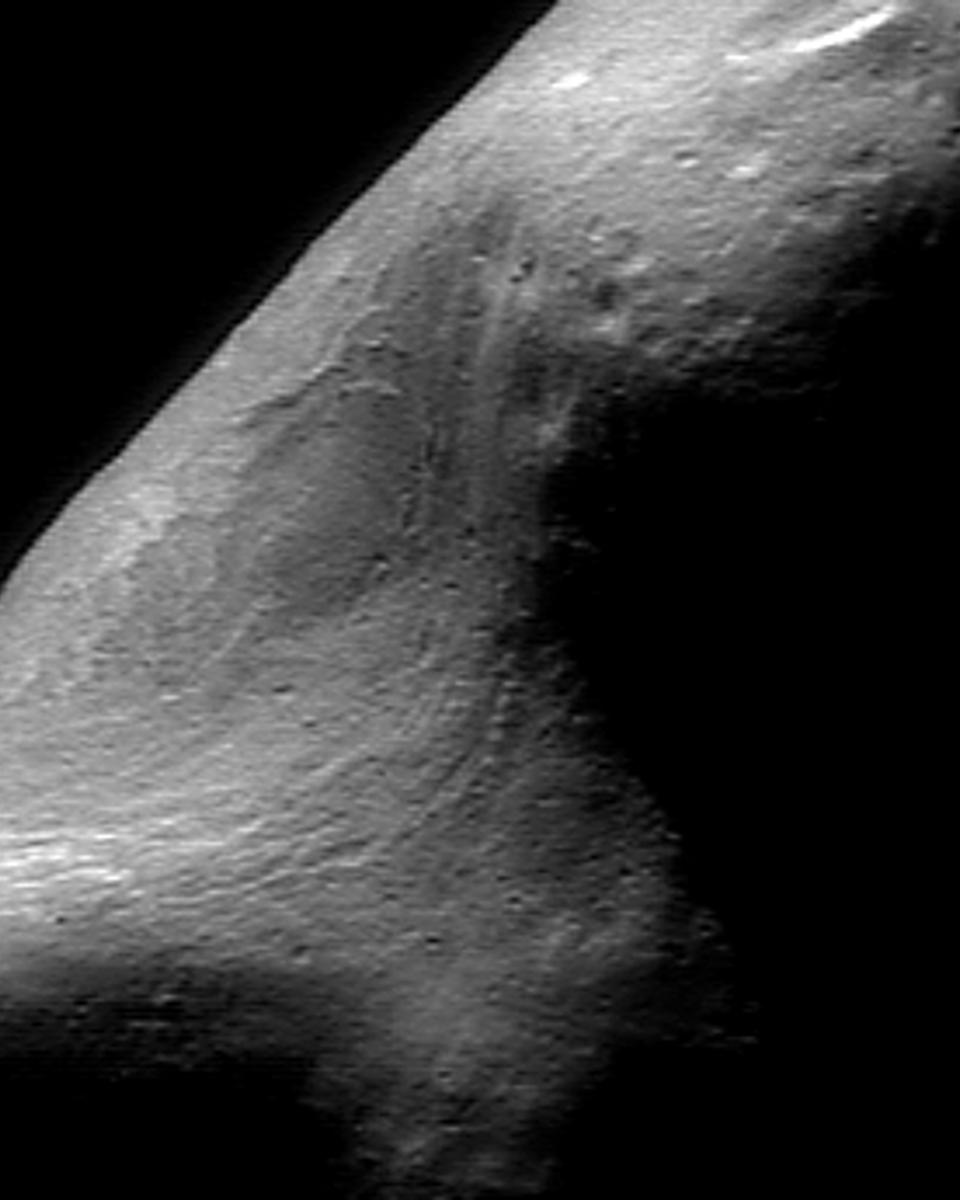
A Giant Gouge on Asteroid Eros
Asteroid 433 Eros is posing several riddles. NASA's robot spacecraft NEAR began orbiting the 30-kilometer space rock last week, and new pictures are now being beamed back to Earth…
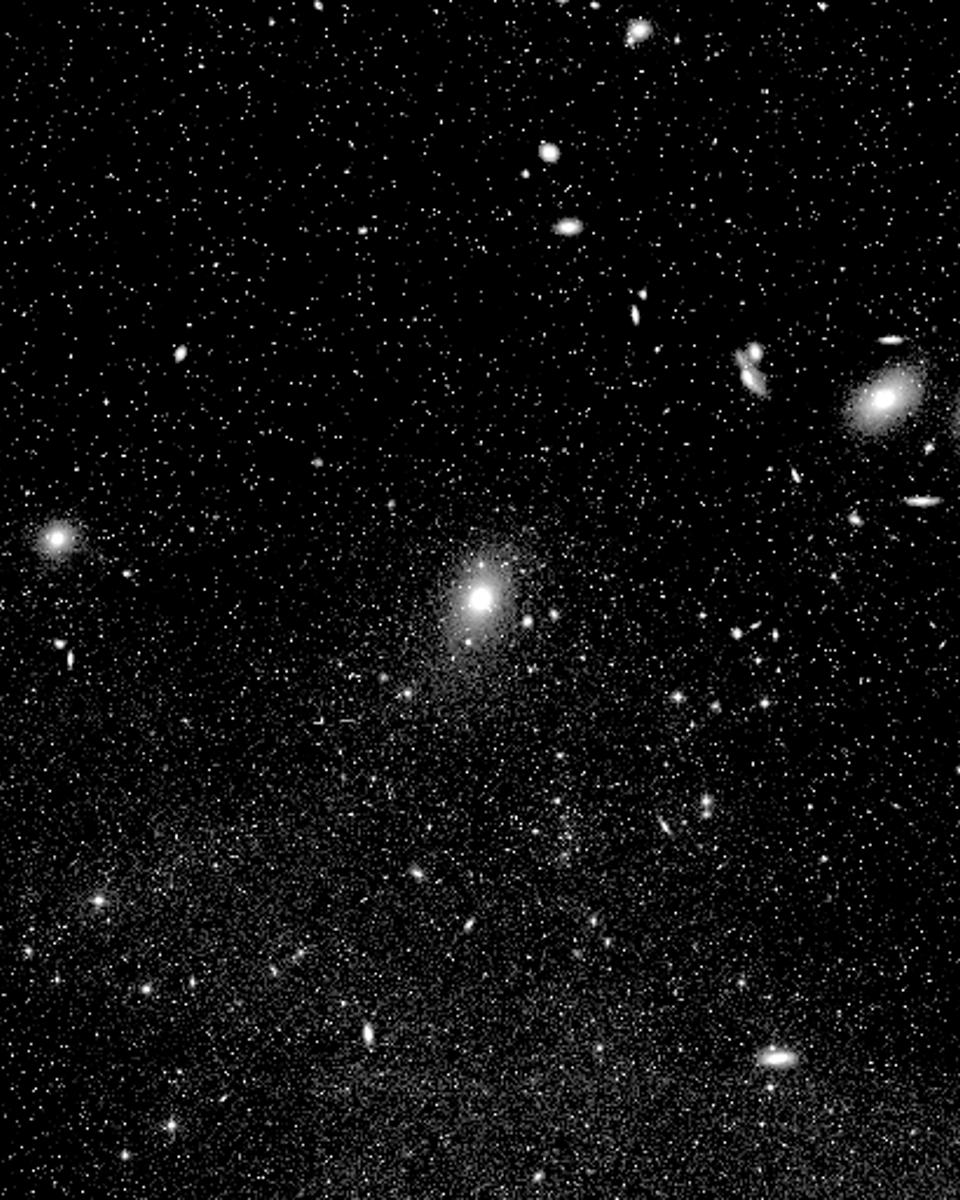
The Virgo Cluster of Galaxies
Pictured are several galaxies of the Virgo Cluster, the closest cluster of galaxies to our Milky Way Galaxy . The Virgo Cluster spans more than 5 degrees on the sky - about 10…
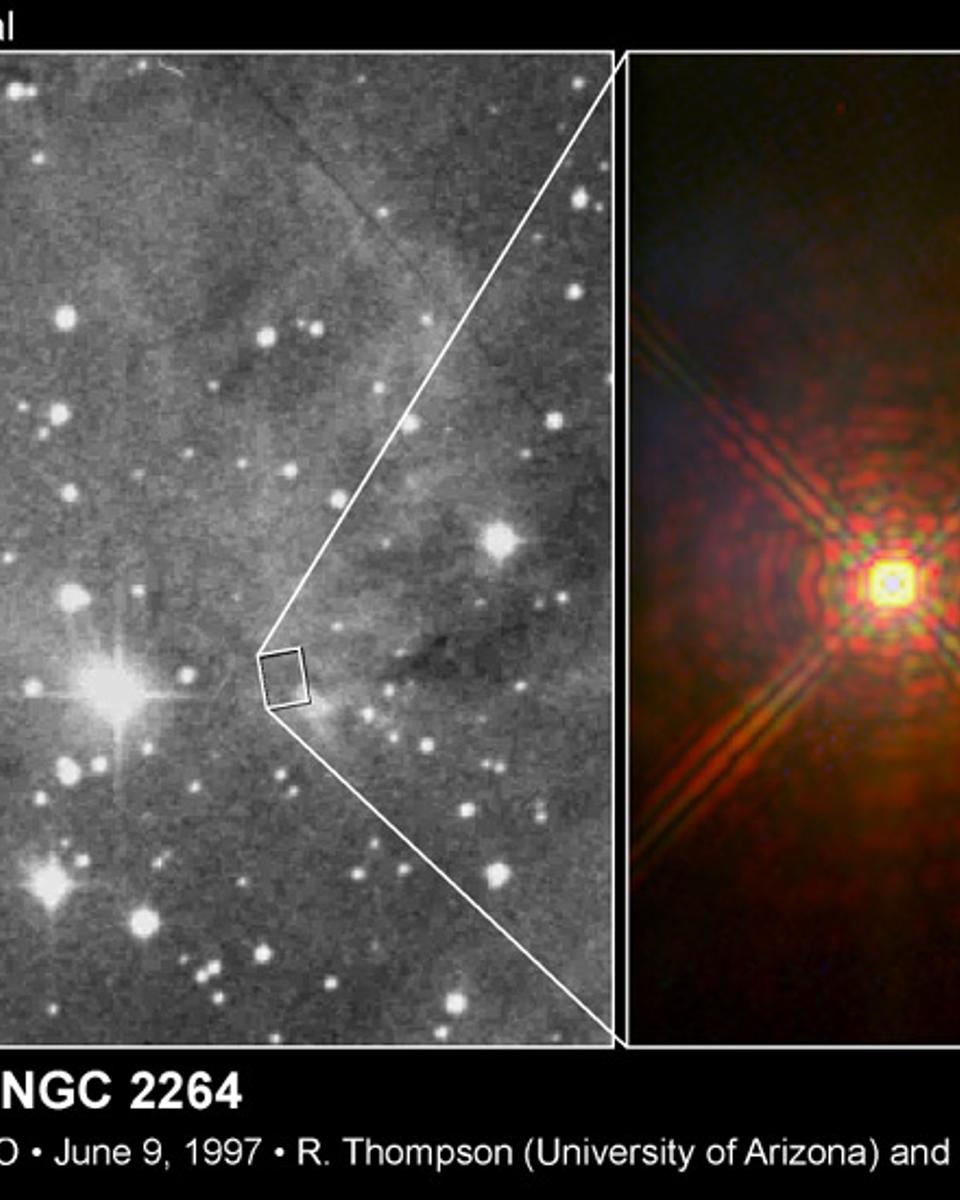
Young Suns
The star cataloged as NGC2264 IRS is normally hidden from the inquiring gaze of optical telescopes . It resides in the midst of the obscuring gas and dust of a nearby star forming…
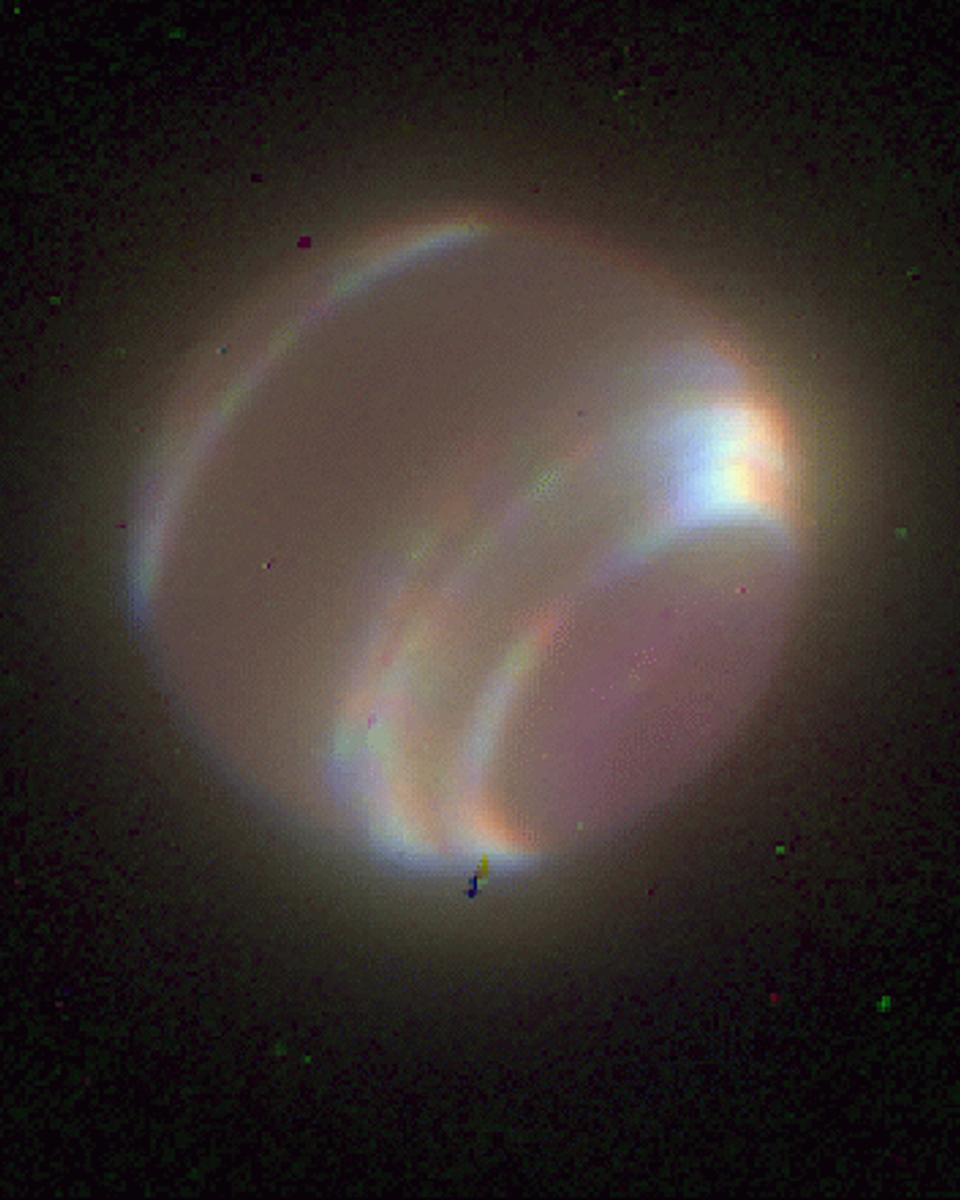
Neptune through Adaptive Optics
From the Earth's surface, Neptune usually appears as a fuzzy blotch. The blurring effects of the Earth's atmosphere deny clearer images. By distorting mirrors in the telescope…
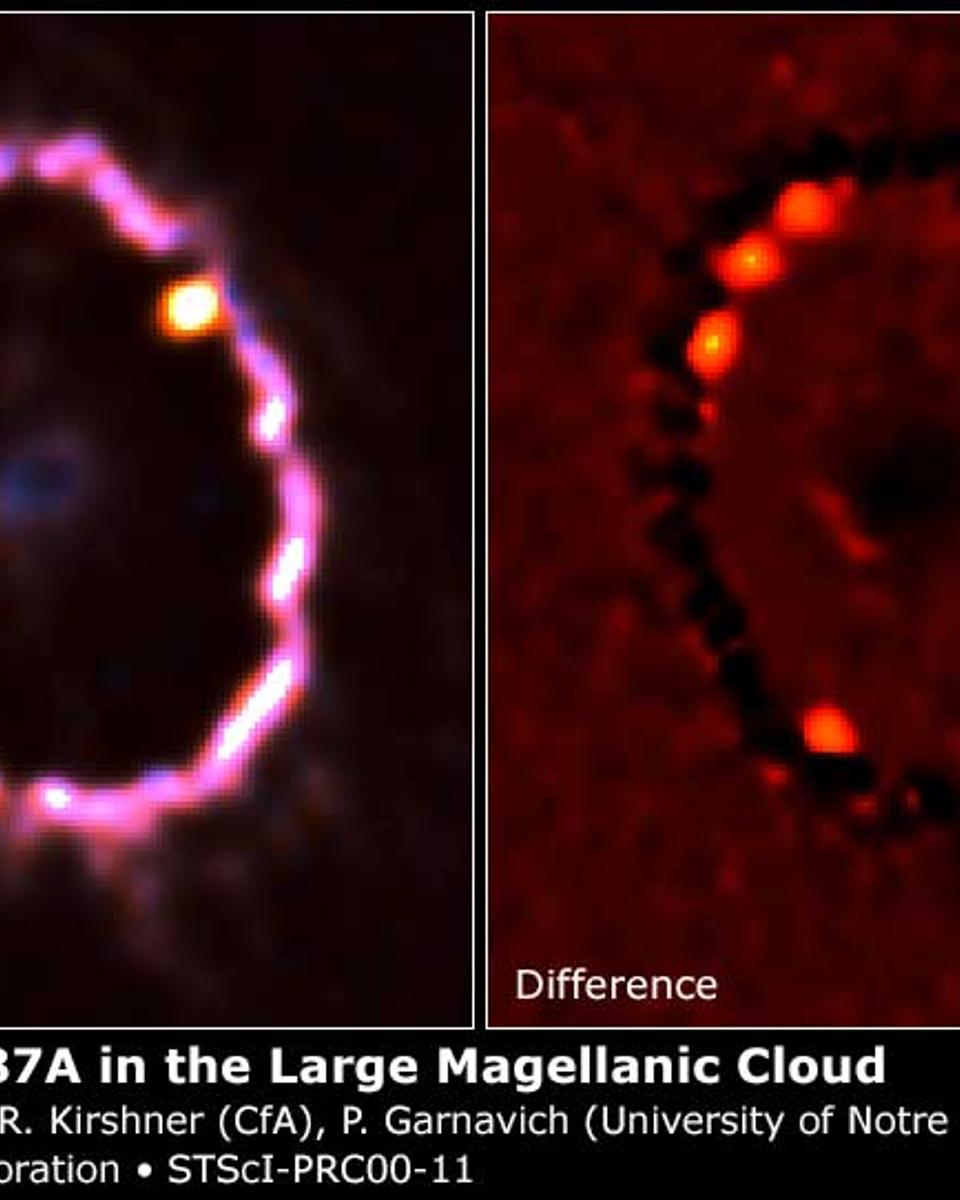
New Shocks For Supernova 1987A
In February of 1987, astronomers witnessed the brightest supernova of modern times - supernova 1987A in the Large Magellanic Cloud . Mysterious rings of material surrounding the…
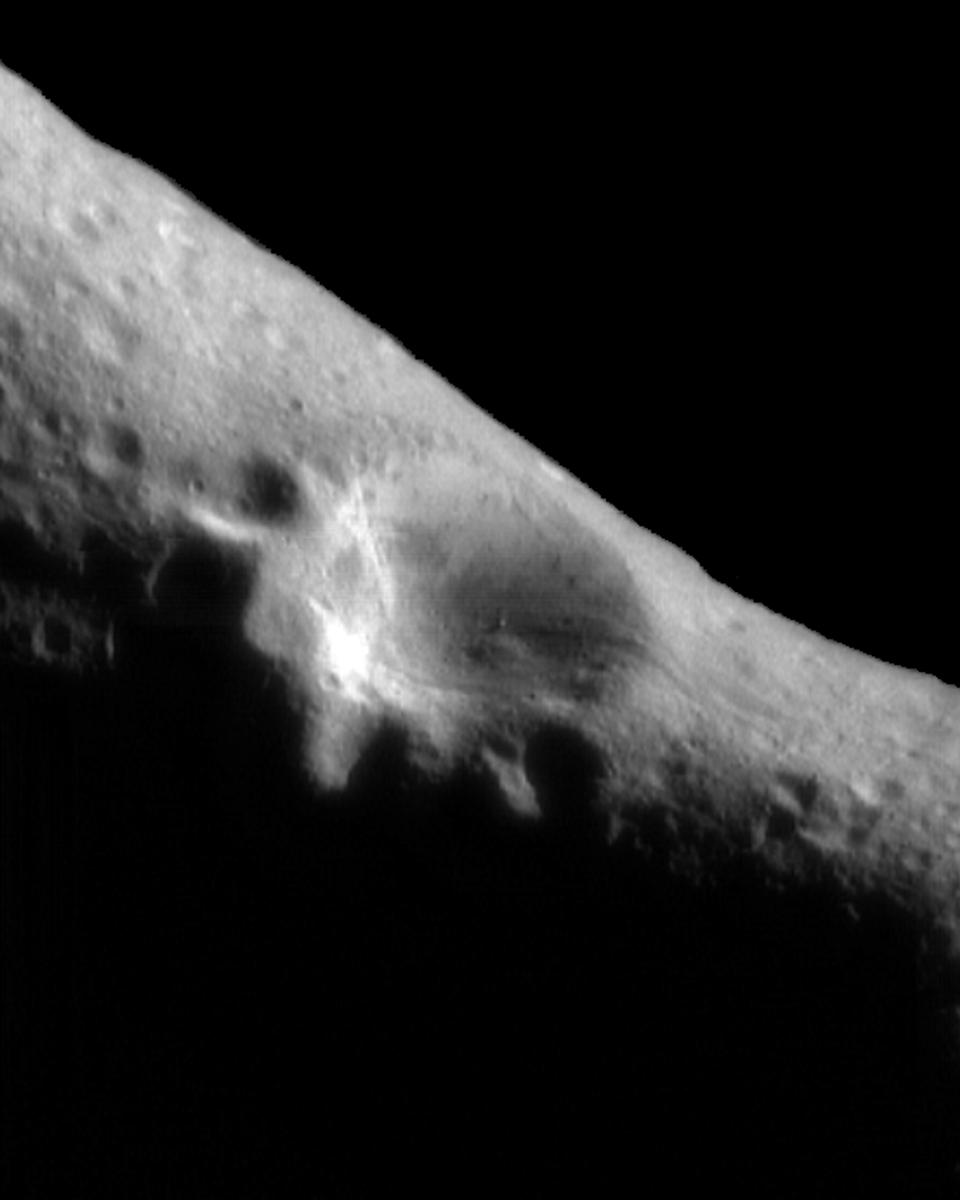
Eros From Orbit
On February 14th, the NEAR spacecraft became the first artificial moon of an asteroid . Captured by the gentle gravity of a 20 mile long slipper-shaped mountain of rock, NEAR…
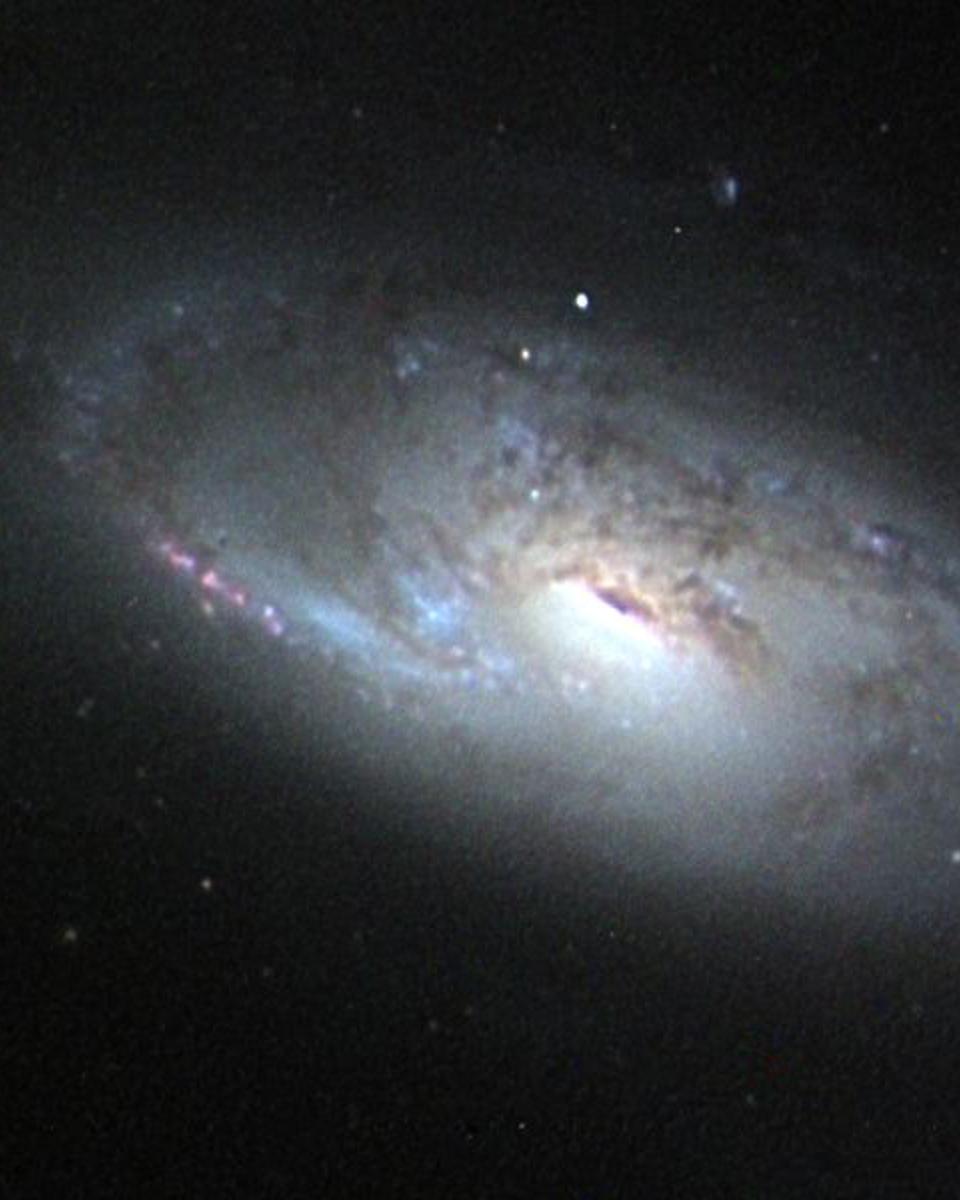
M106: A Spiral Galaxy with a Strange Core
What's happening at the center of spiral galaxy M106? A swirling disk of stars and gas, M106 's appearance is dominated by two bright spiral arms and dark dust lanes near the…
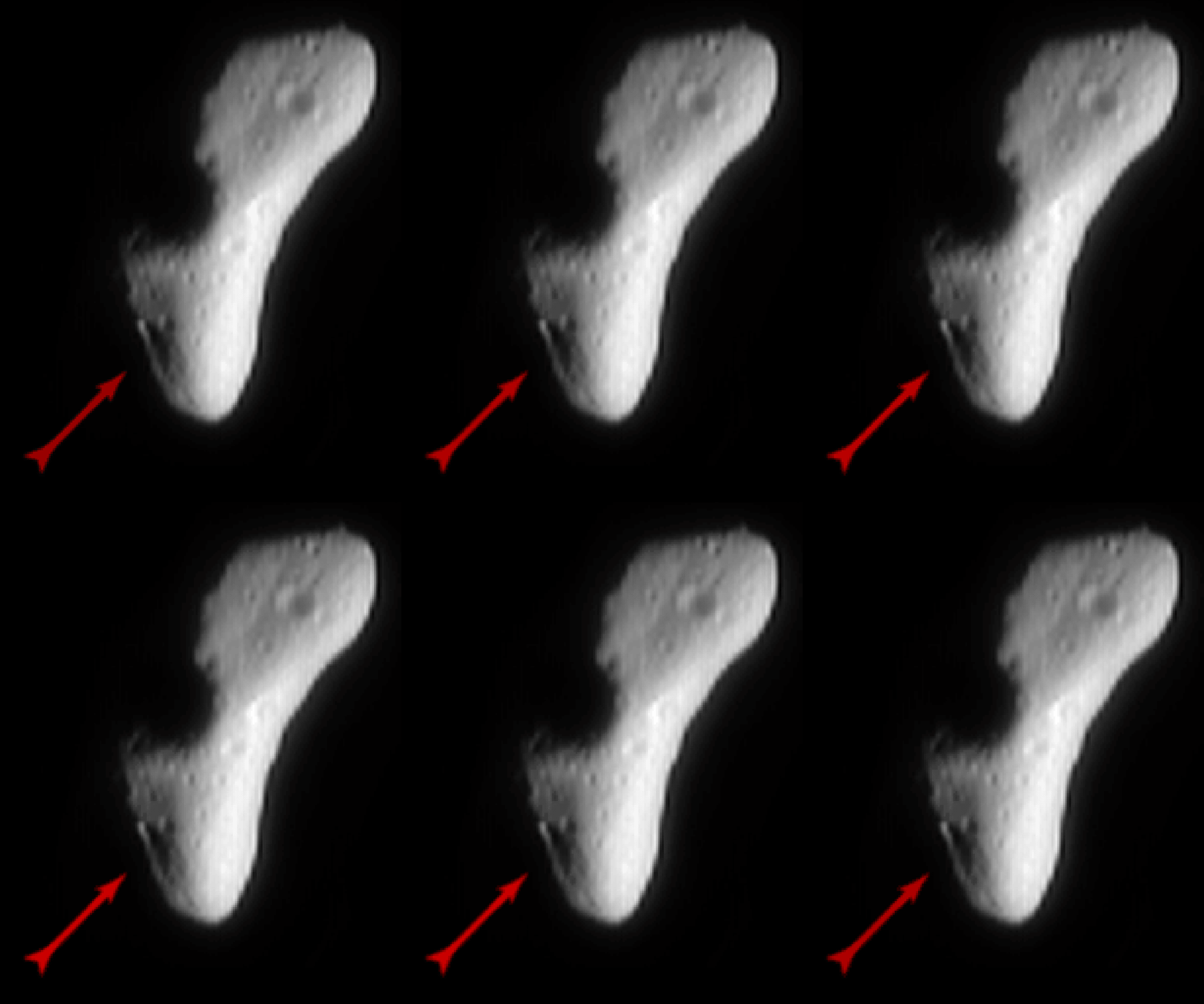
An Unexpected Asteroid Valentine
Maybe the Moon owns our hearts , but this won't stop the occasional asteroid from sending us a valentine . Friday, to the surprise of many, the NEAR mission on approach to…
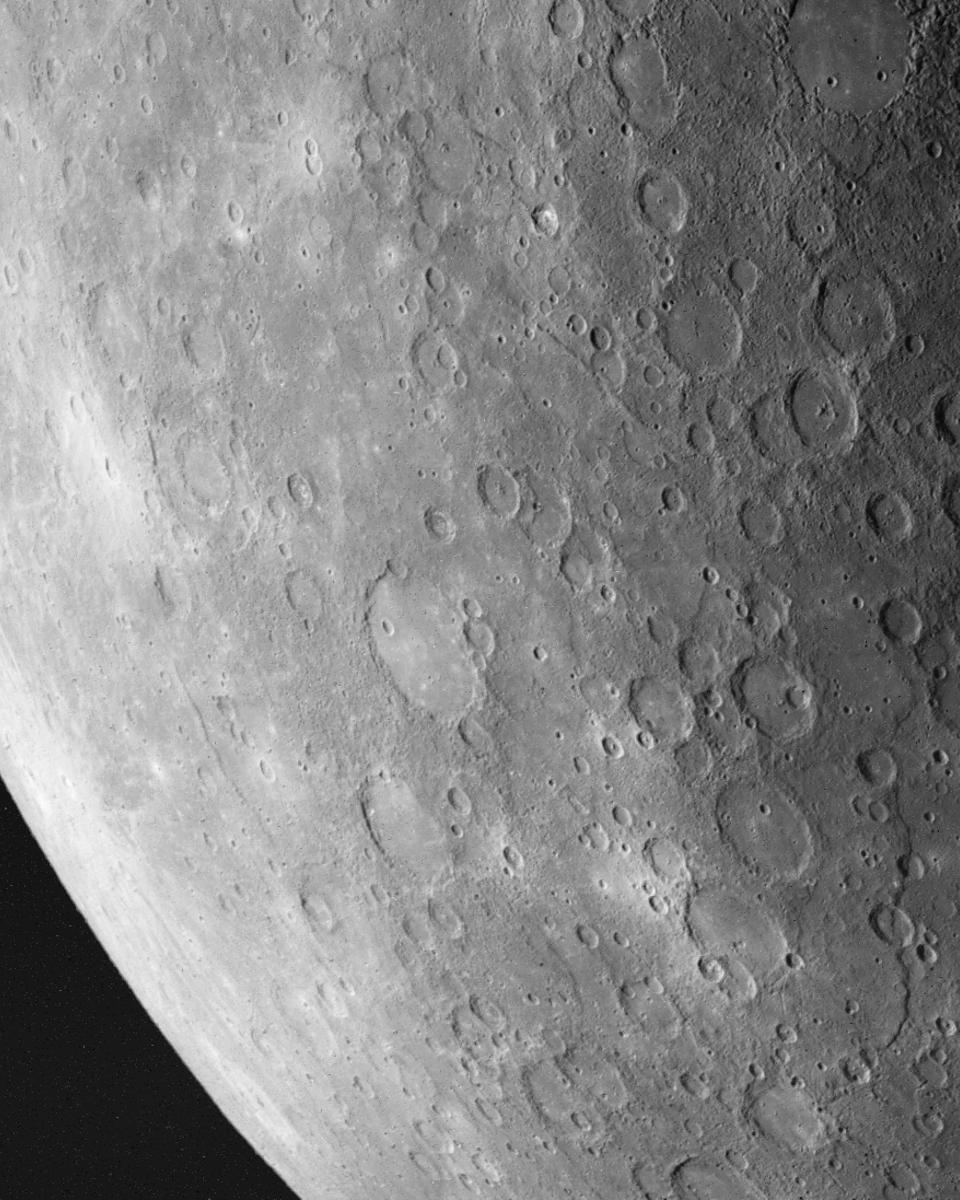
Southwest Mercury
The planet Mercury resembles a moon. Mercury 's old surface is heavily cratered like many moons. Mercury is larger than most moons but smaller than Jupiter 's moon Ganymede and…
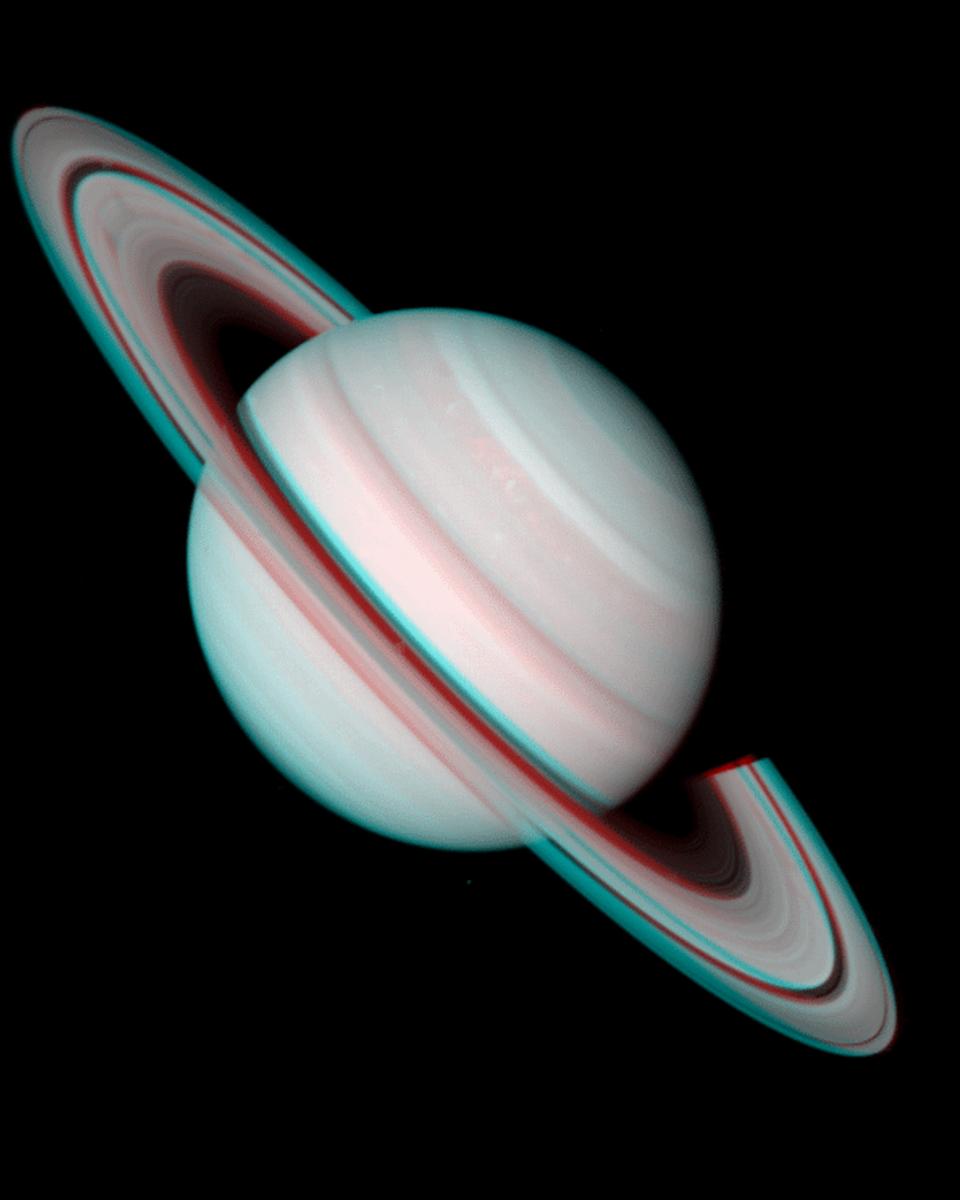
Stereo Saturn
Get out your red/blue glasses and launch yourself into this stereo picture of Saturn! The picture is actually composed from two images recorded weeks apart by the Voyager 2…
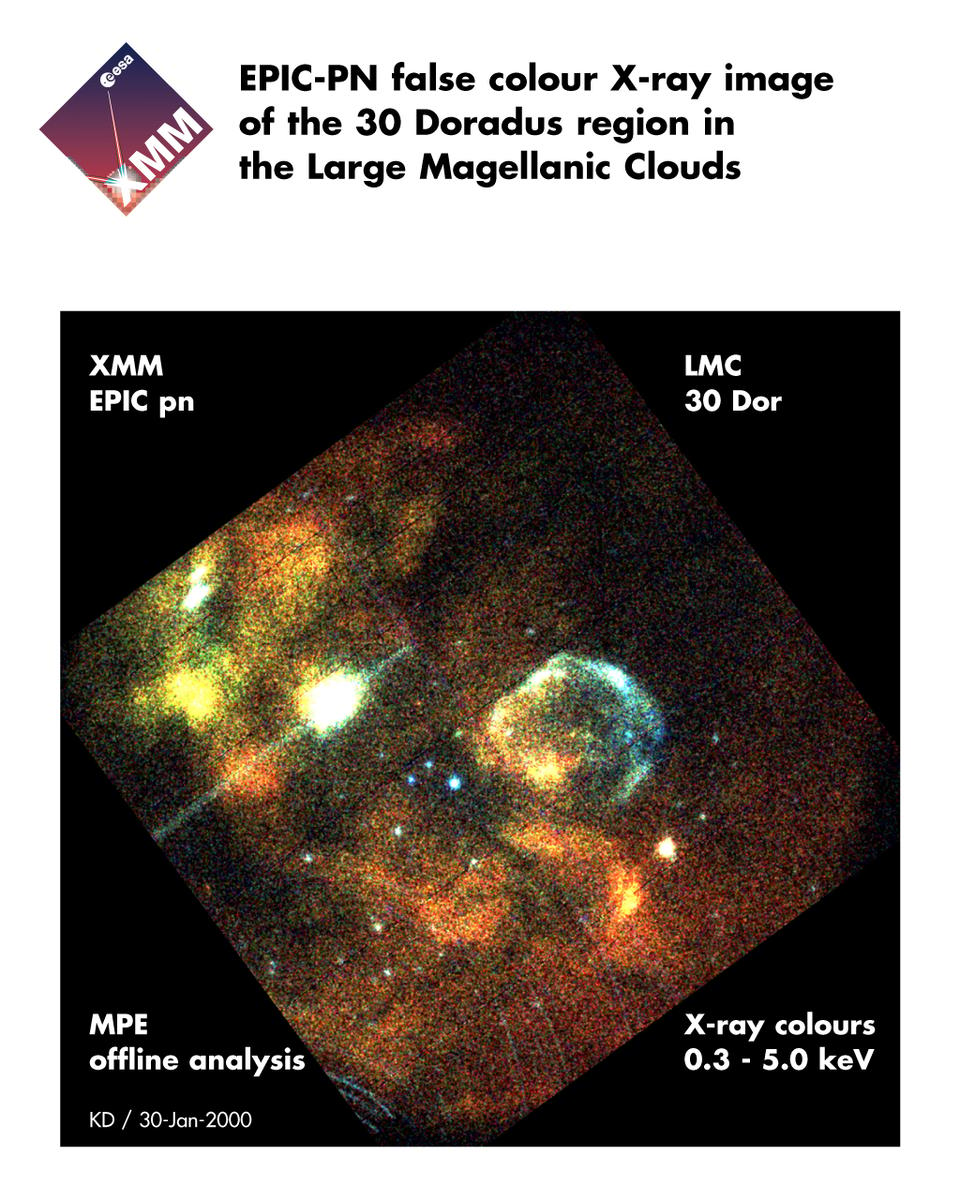
XMM-Newton First Light: X-Rays From The LMC
Recently the European Space Agency released this and other spectacular “first light” pictures from its new orbiting x-ray observatory , christened XMM-Newton . A churning region…
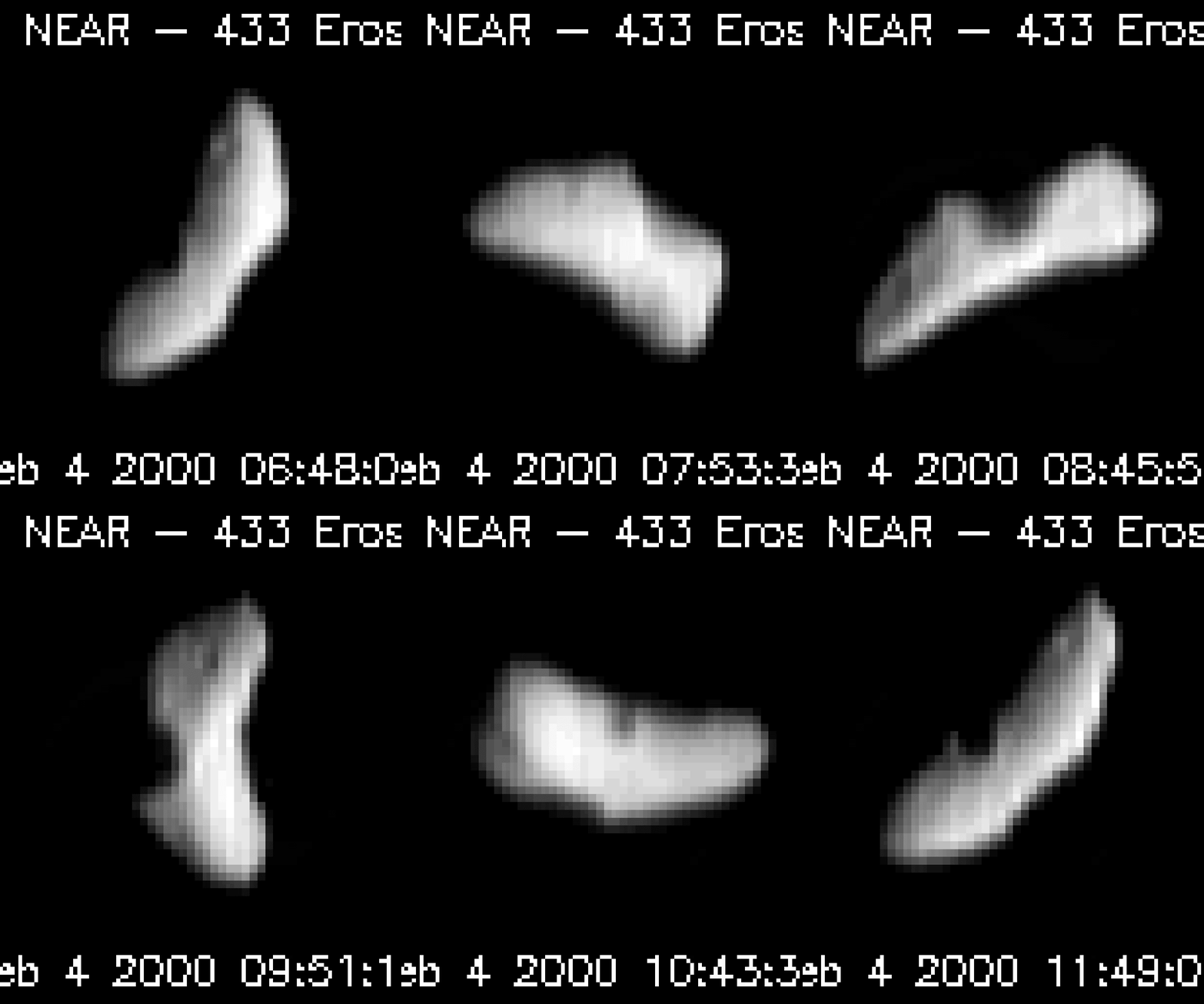
Eros Encounter Nears
After an unanticipated extra trip around the Sun, the NEAR spacecraft is now politely approaching asteroid 433 , Eros , at a respectful relative speed of about 20 miles per hour.…
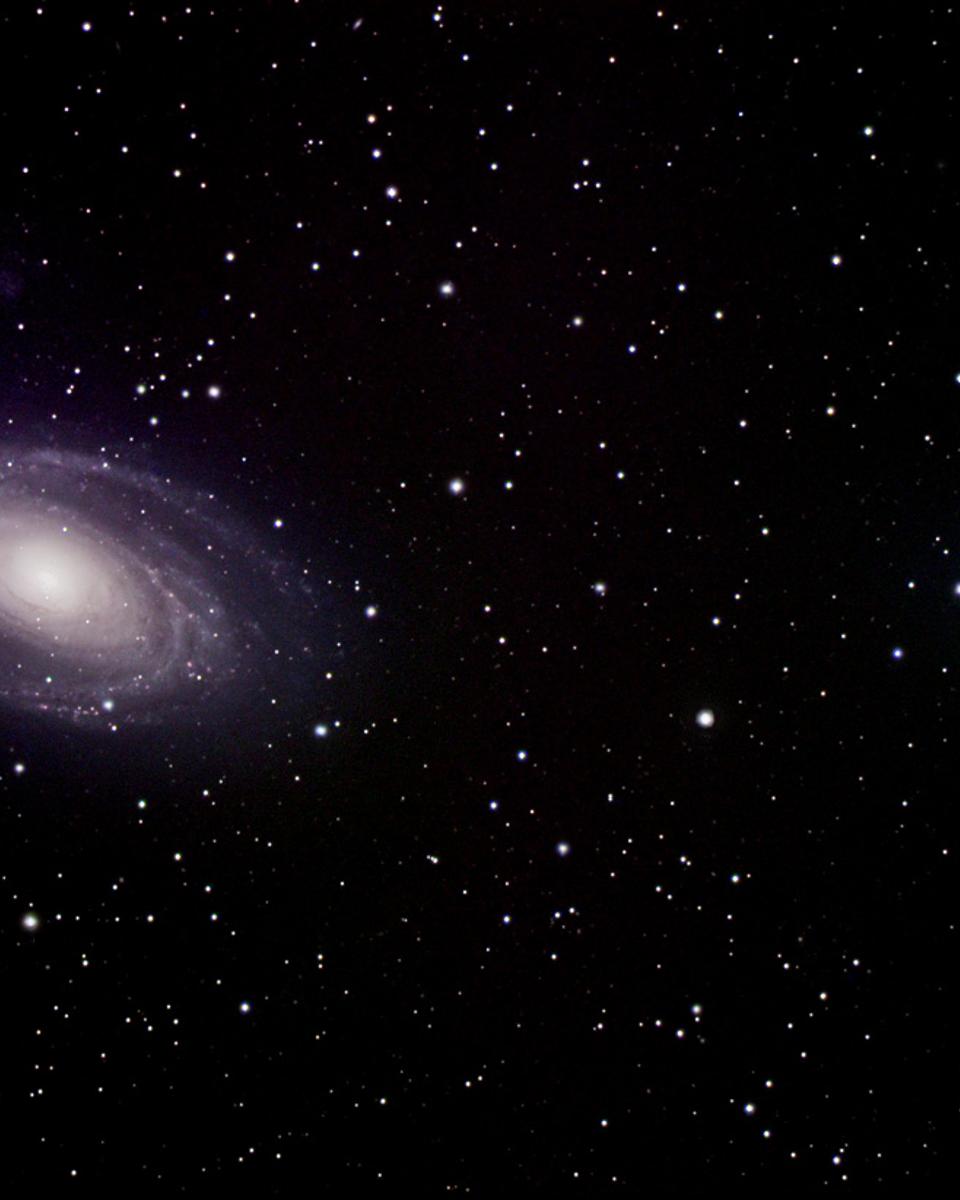
Galaxy Wars: M81 Versus M82
In the left corner, wearing a red nucleus surrounded by blue spiral arms, is M81 . In the right corner, sporting light stars and dark dust lanes, is M82 . These two mammoth…
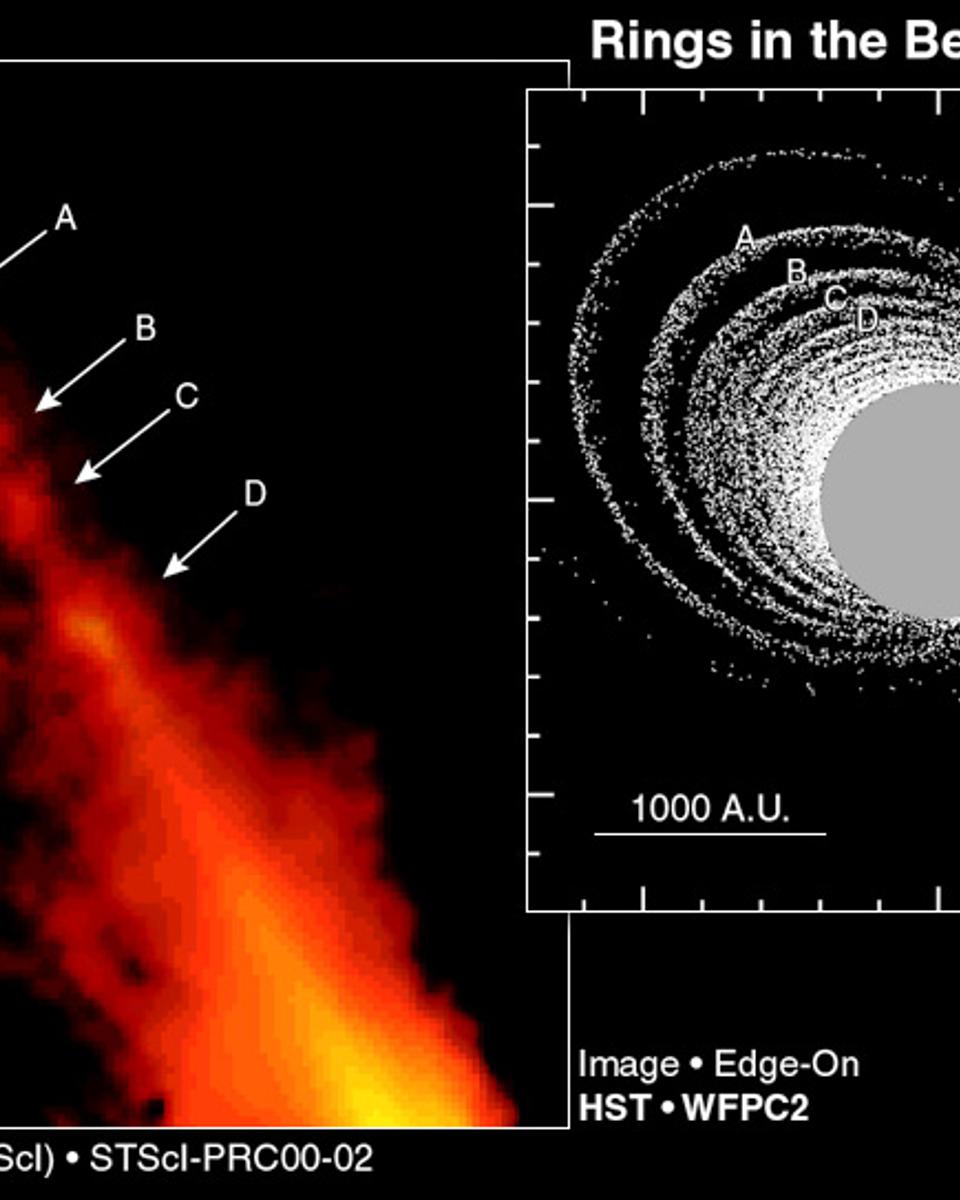
Rings Around Beta Pictoris
An unusual dust disk surrounds nearby star Beta Pictoris . Discovered in 1983, astronomers are still learning just how unusual this disk is. Recent images and computer simulations…
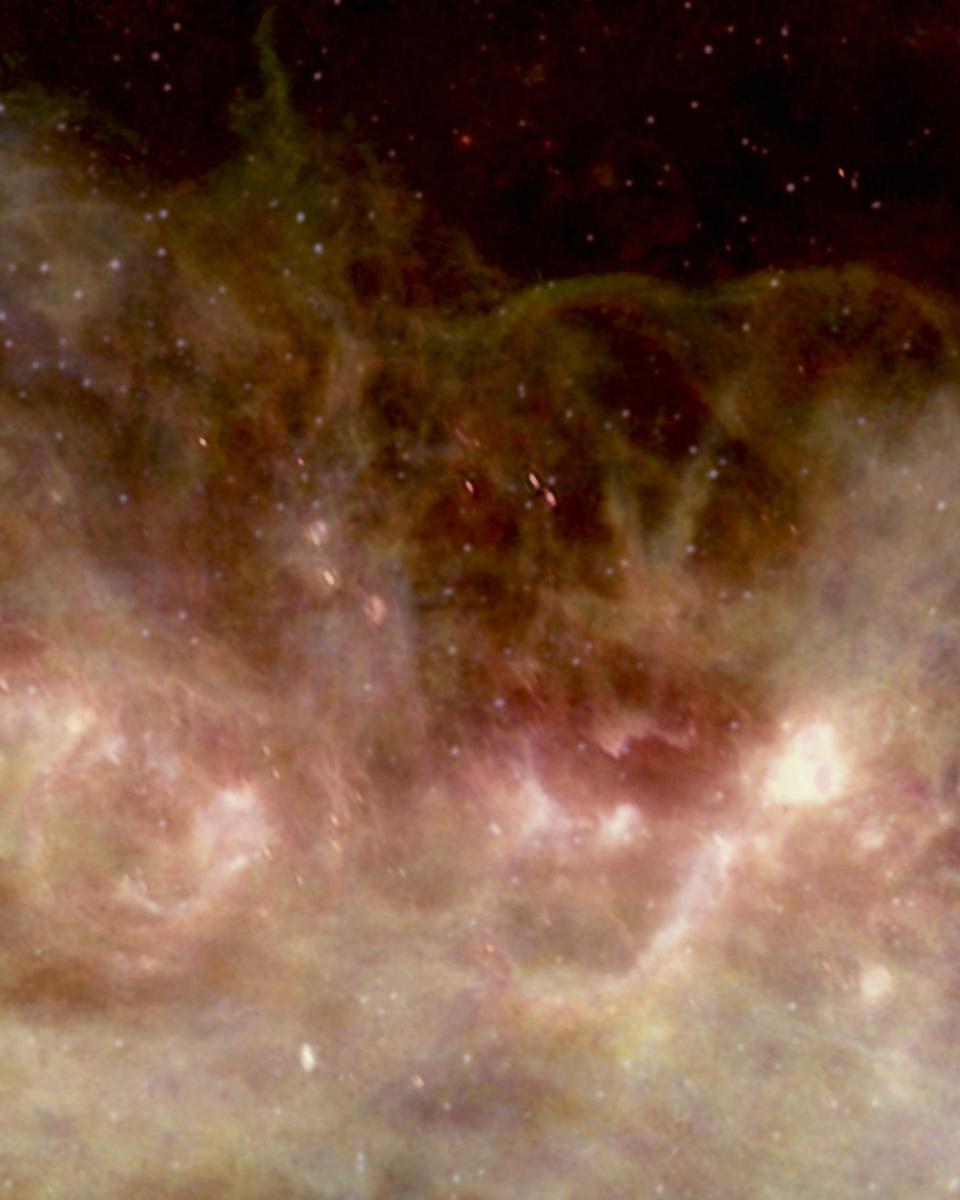
The W4 Chimney
A huge chimney venting hot clouds of gas out from the plane of our Milky Way Galaxy has recently been imaged in radio waves . The Canadian Galactic Plane Survey team used an array…
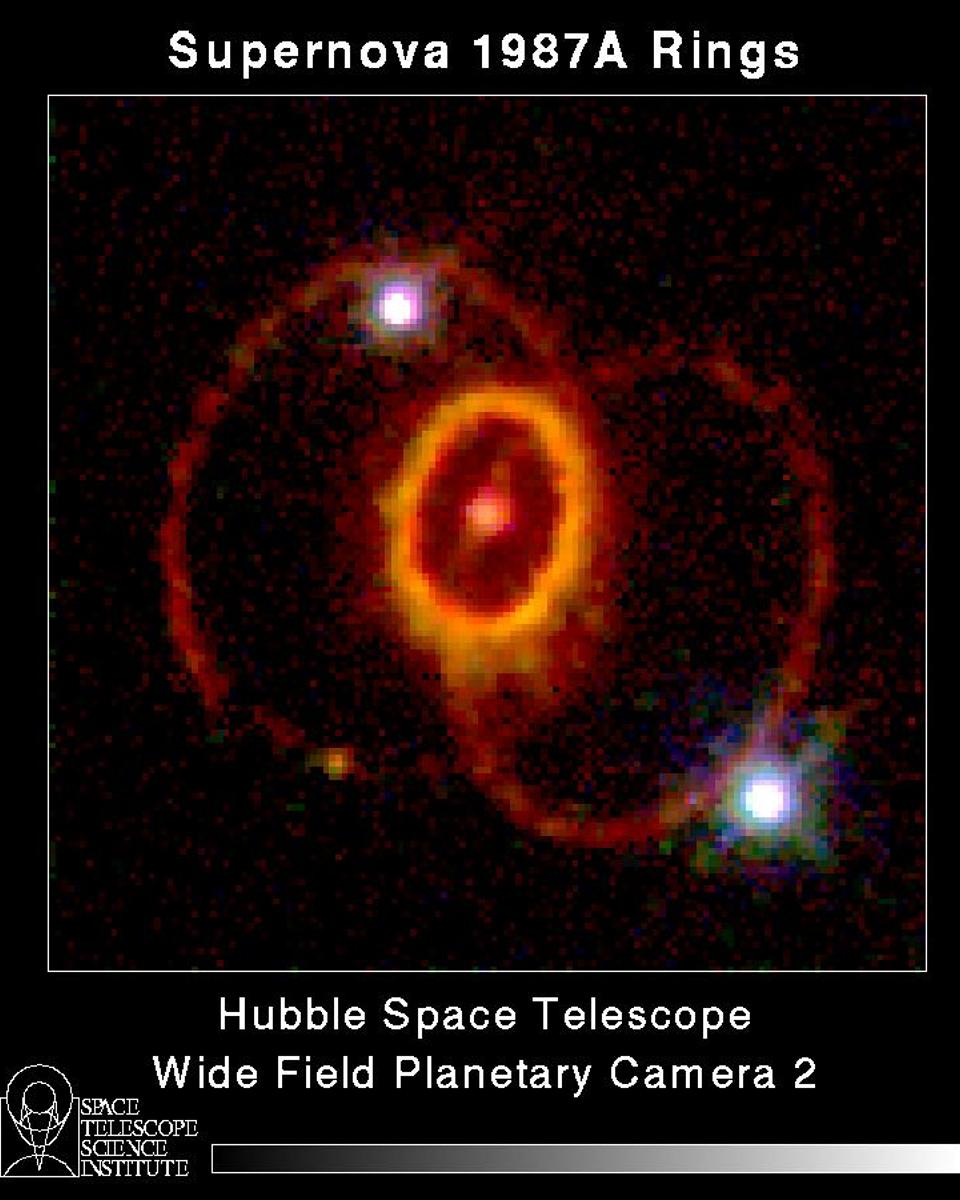
The Mysterious Rings of Supernova 1987A
What's causing those odd rings in supernova 1987A? In 1987, the brightest supernova in recent history occurred in the Large Magellanic Clouds . At the center of the picture is an…
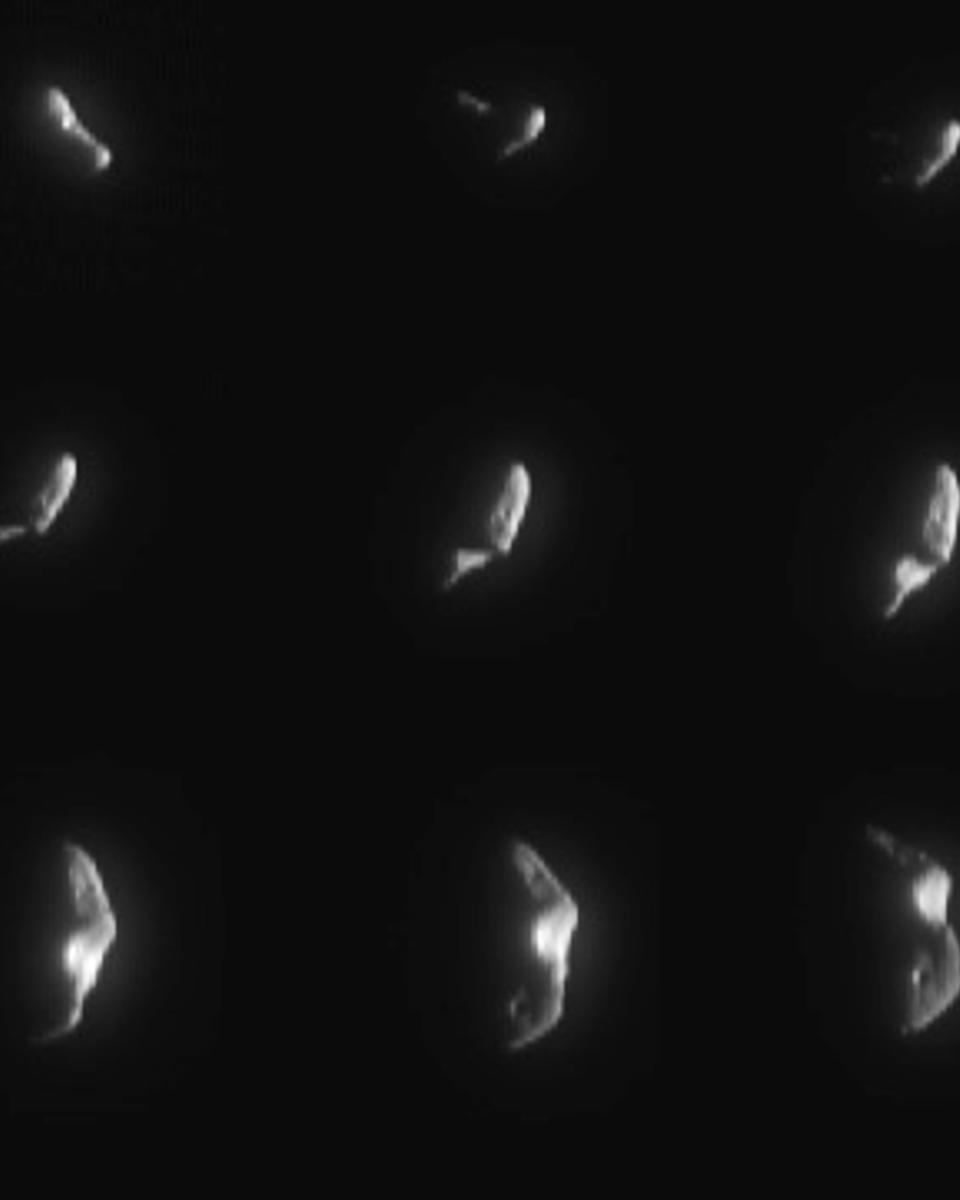
NEAR to Asteroid Eros
On December 23, 1998 the Near Earth Asteroid Rendezvous (NEAR) spacecraft flew by asteroid 433 Eros . The robotic spacecraft was intended to brake and orbit Eros, but an…
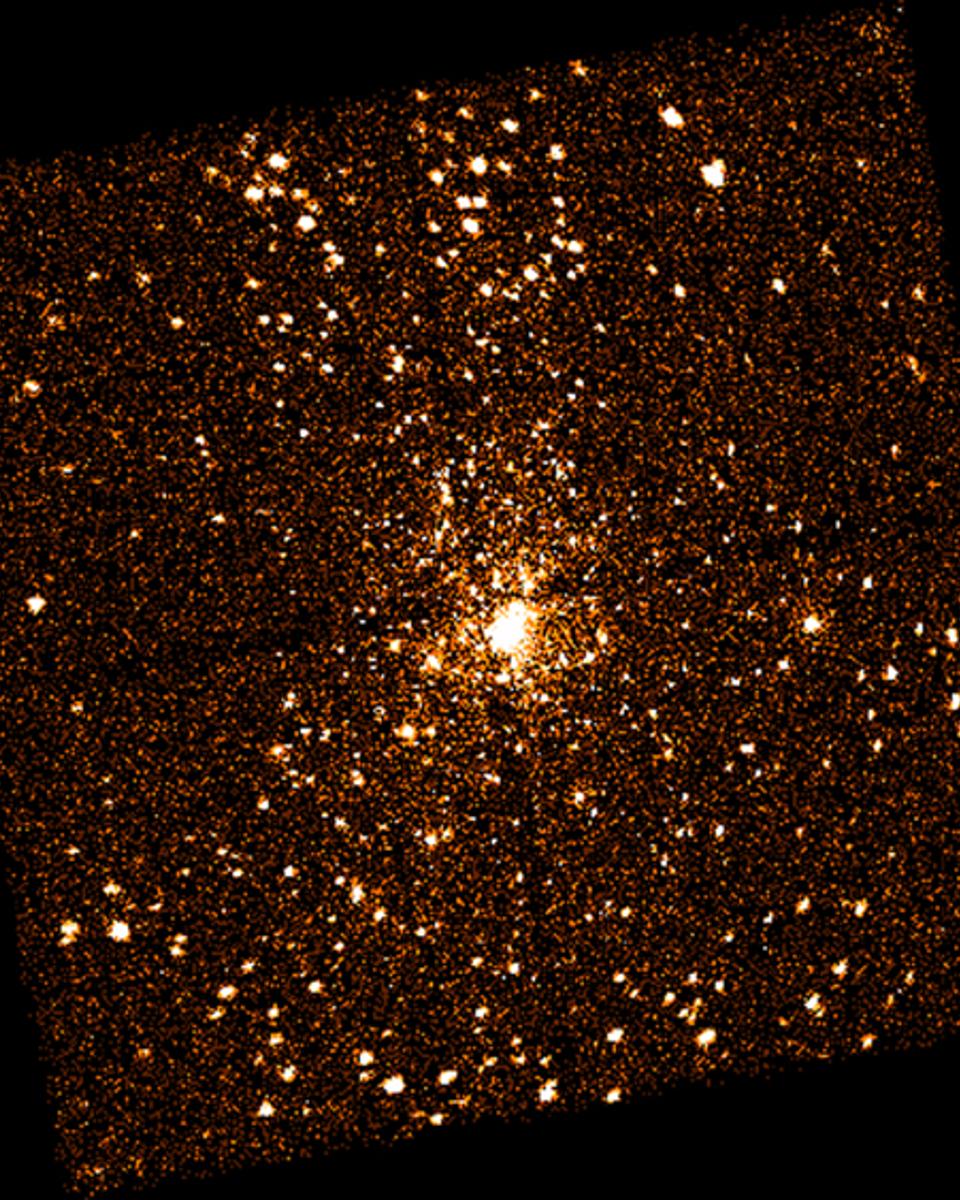
X-Ray Stars Of Orion
The stars of Orion shine brightly in northern winter skies where the constellation harbors the closest large stellar nursery, the Great Nebula of Orion , a mere 1500 light-years…
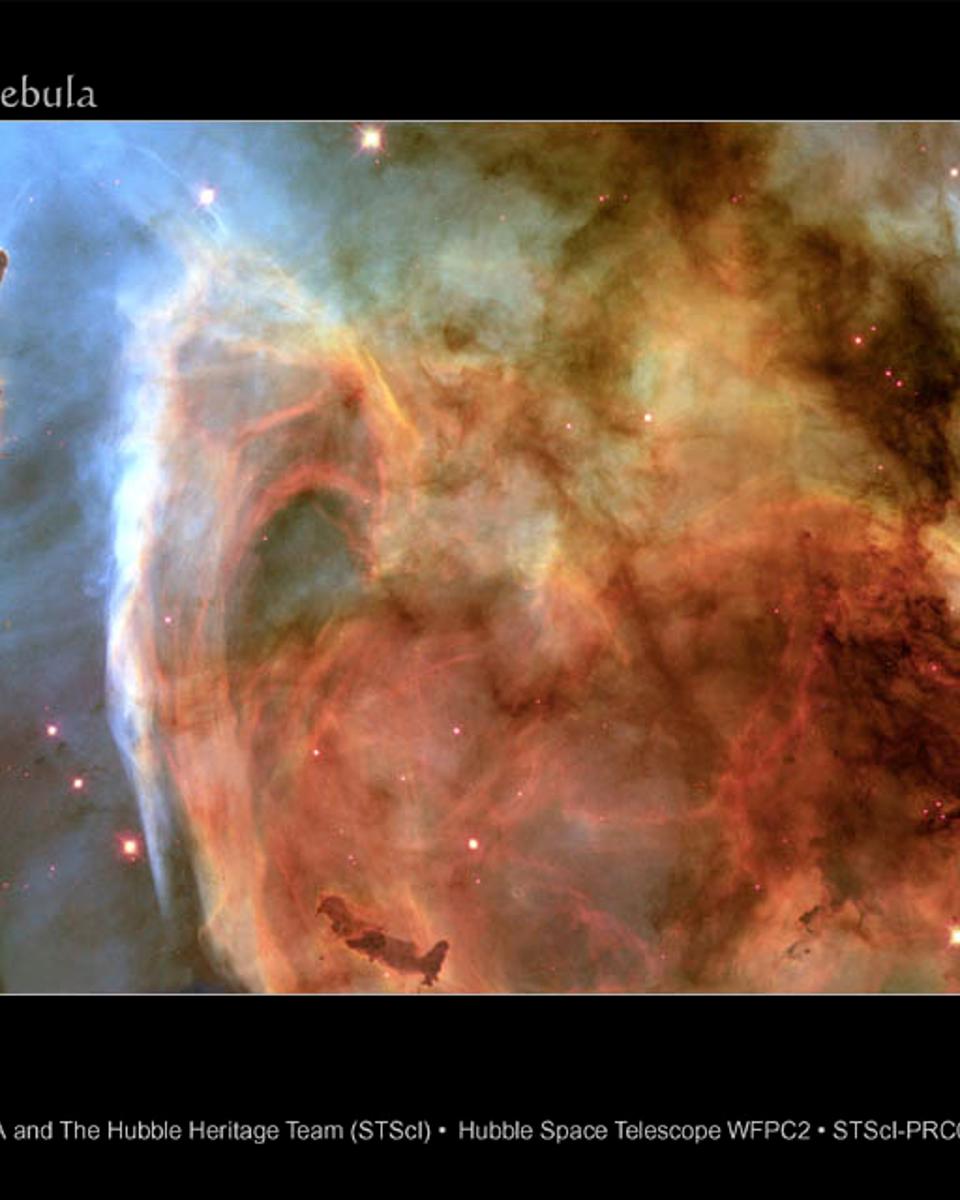
Colorful Clouds Of Carina
Tumultuous clouds of the Carina Nebula , 8000 light-years away, glow in planet Earth's southern sky . Striking and detailed, this close-up of a portion of the famous nebula is a…
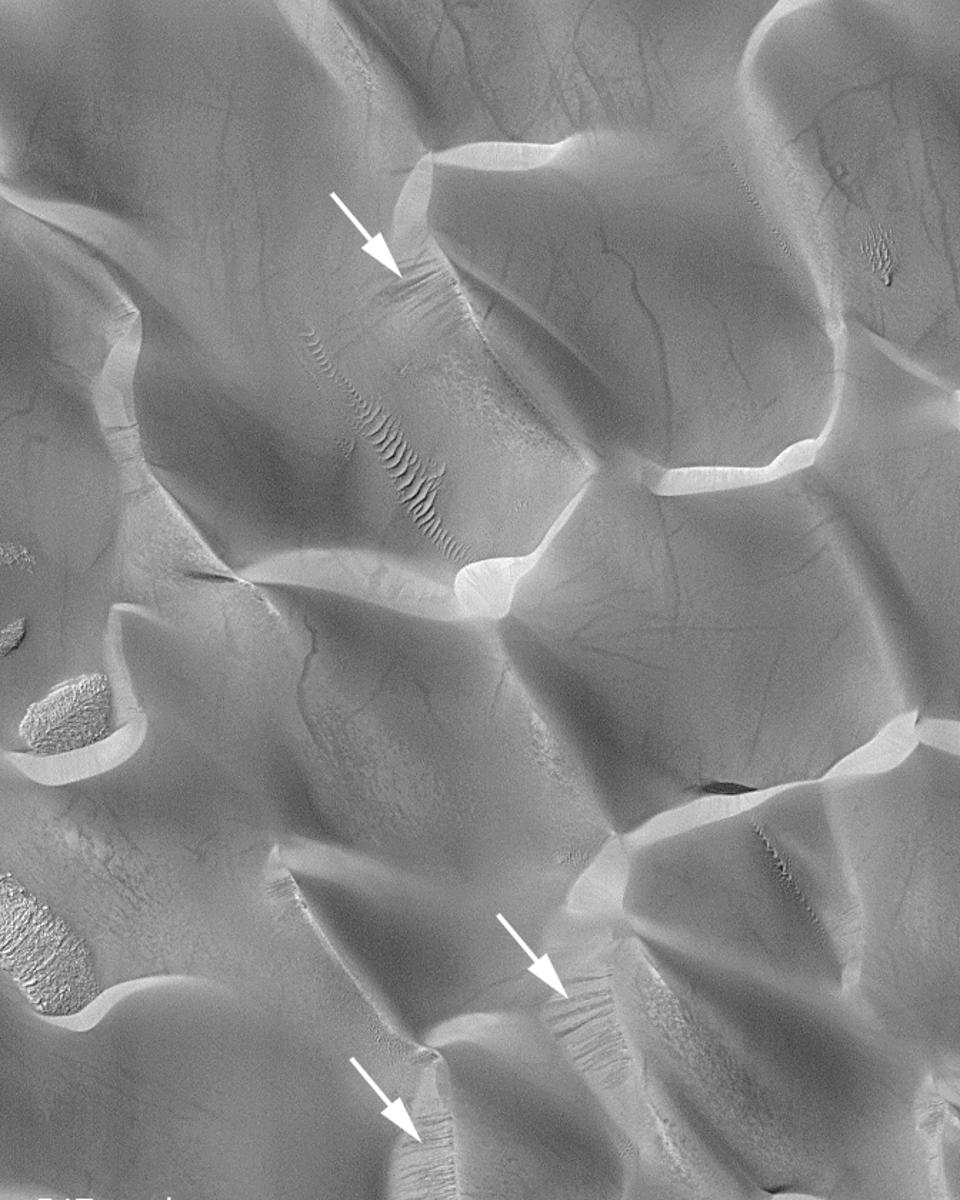
Aeolian Mars
Mars' atmosphere is relatively thin, still when martian winds blow they weather and shape its surface . Like familiar aeolian features on Earth , this field of dunes within Mars'…
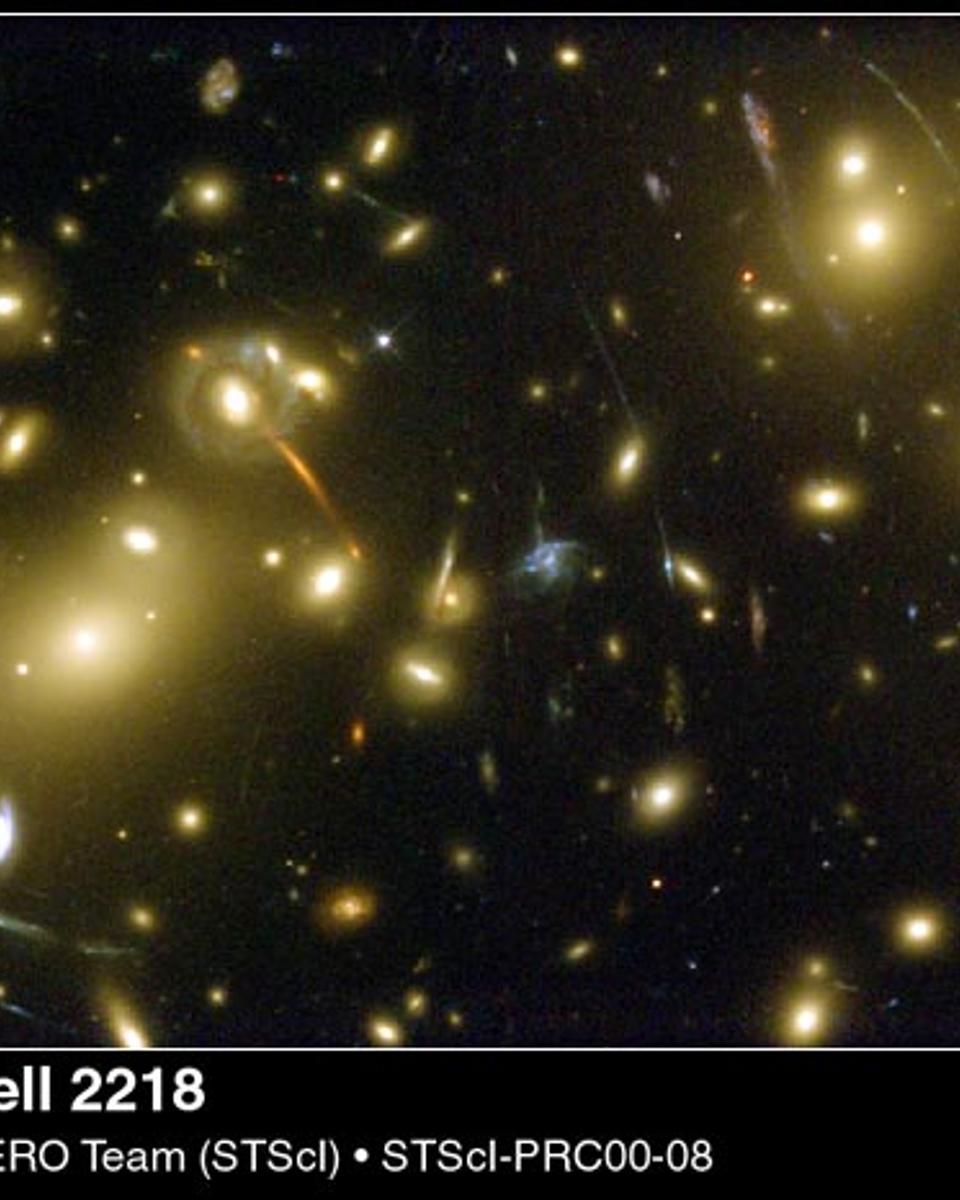
Abell 2218: A Galaxy Cluster Lens
Gravity can bend light. Almost all of the bright objects in this recently released Hubble Space Telescope image are galaxies in the cluster known as Abell 2218. The cluster is so…
Viewing discoveries from 24 February 2000 through 1 February 2000.