Browse NASA Astronomy Picture of the Day archive by date and media: Archive Discoveries
Browse the NASA APOD archive without needing the exact date first. Filter by media type and keep moving deeper into older images and videos.
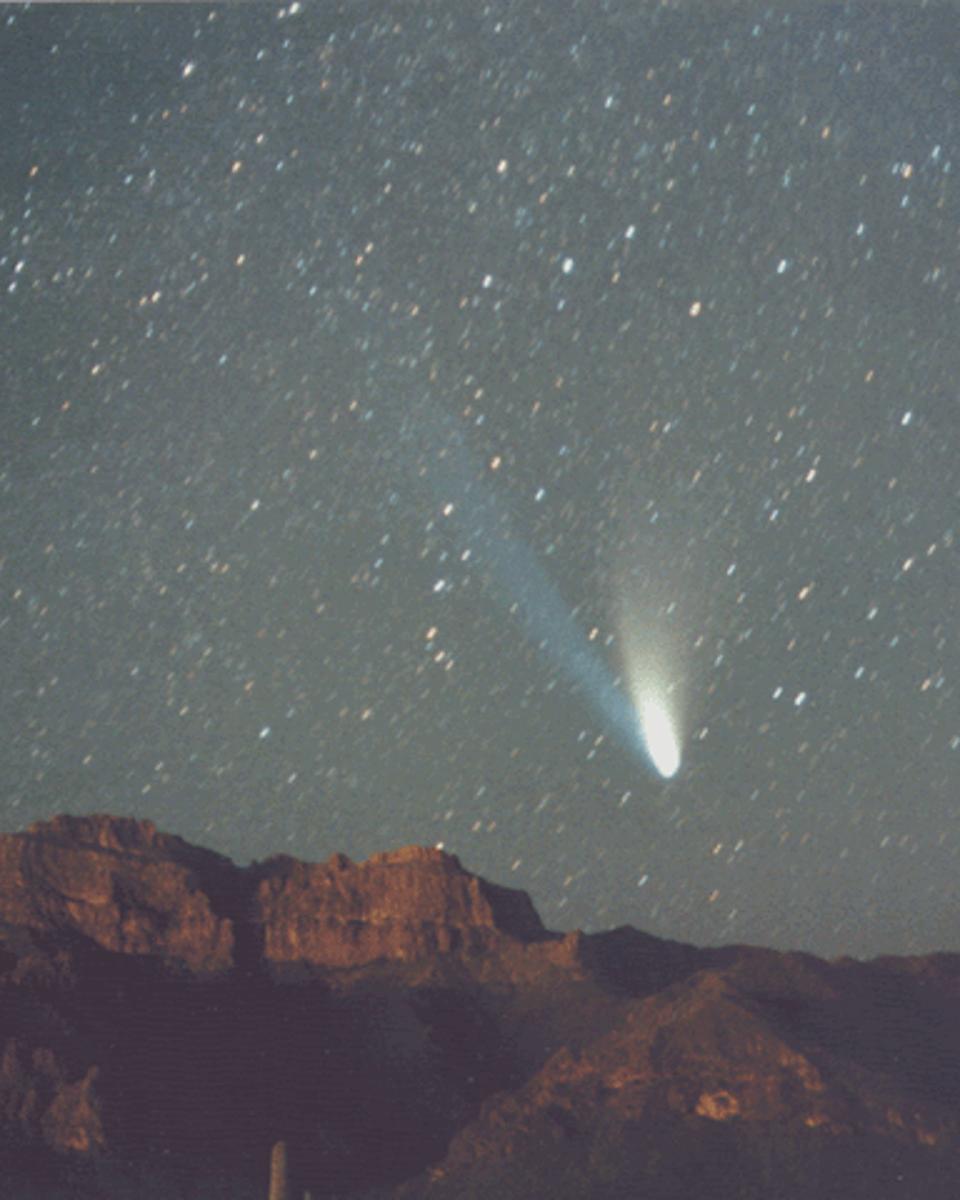
Comet Hale-Bopp Over the Superstition Mountains
Four years ago, Comet Hale-Bopp was discovered out near Jupiter falling toward the inner Solar System . Two years ago, it provided spectacular pictures as it neared its closest…
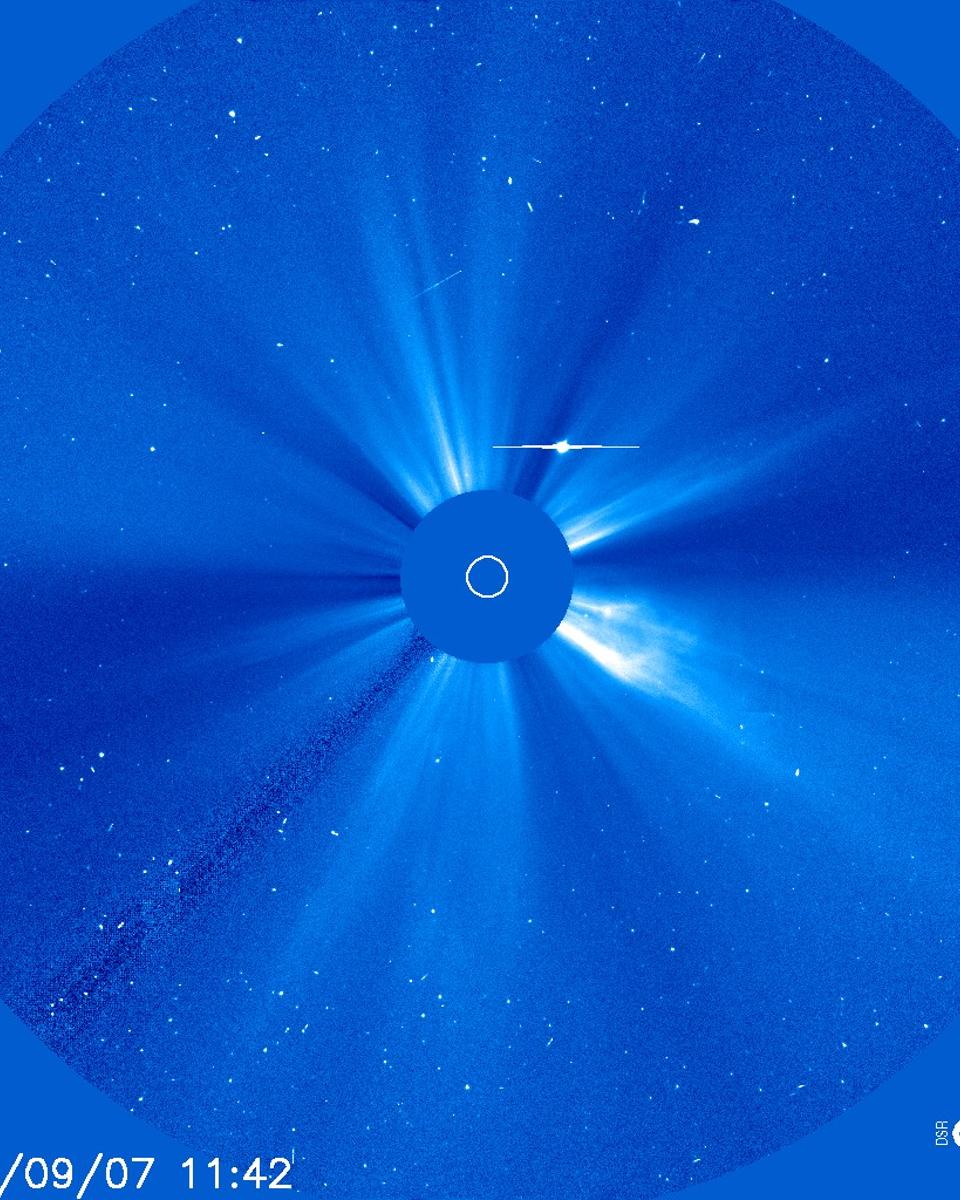
A Superior Conjunction Of Mercury
In astronomical parlance , an interior planet is at superior conjunction when it is located on the opposite side of the Sun from Earth. Mercury , the solar system's innermost…

Water Found in Space Rock
What would you do if it rained blue water from space? On 1998 March 22, no umbrella was needed, as the blue water came attached to a stony meteorite that landed in Monahans ,…
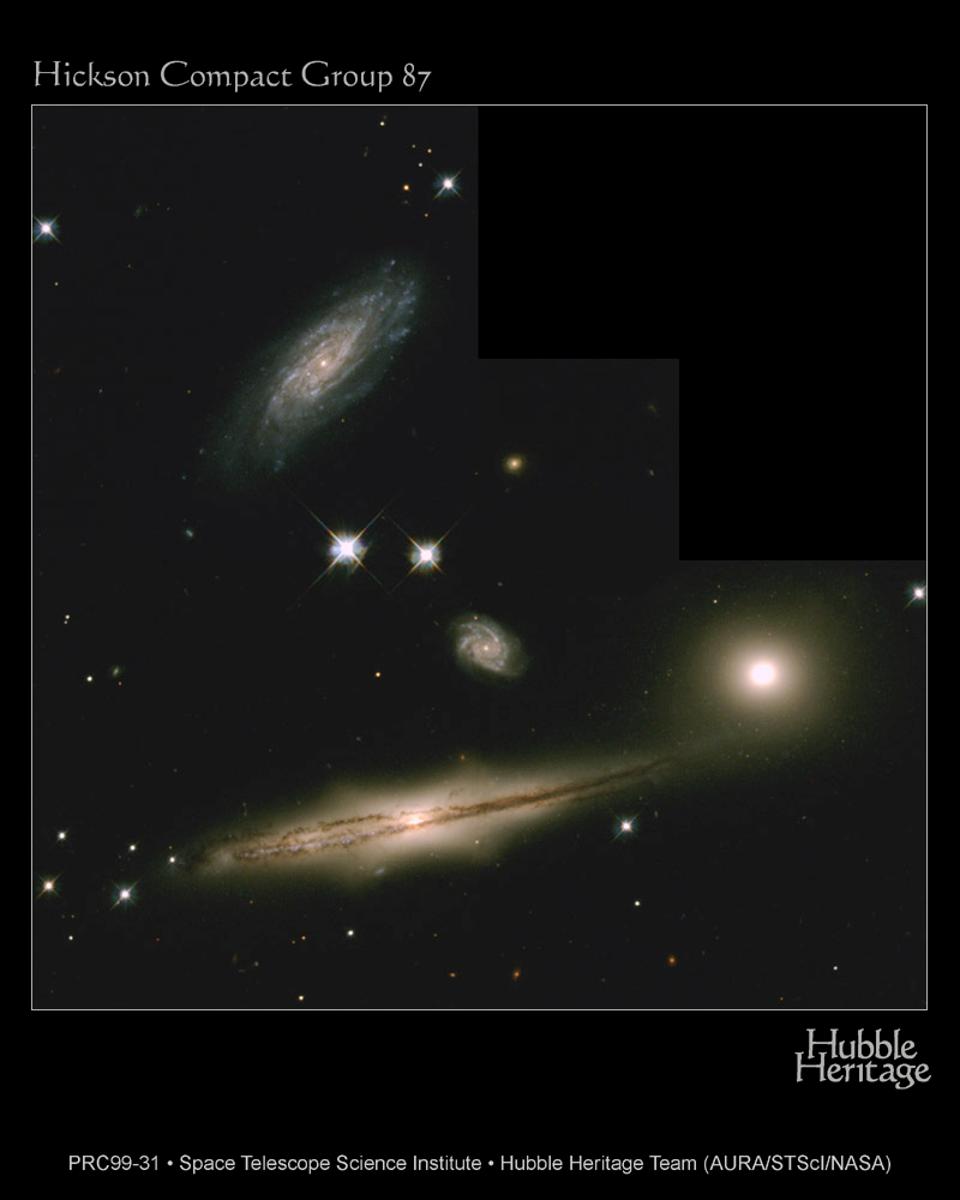
HCG 87: A Small Group of Galaxies
Sometimes galaxies form groups. For example, our own Milky Way Galaxy is part of the Local Group of Galaxies . Small, compact groups, like Hickson Compact Group 87 (HCG 87) shown…
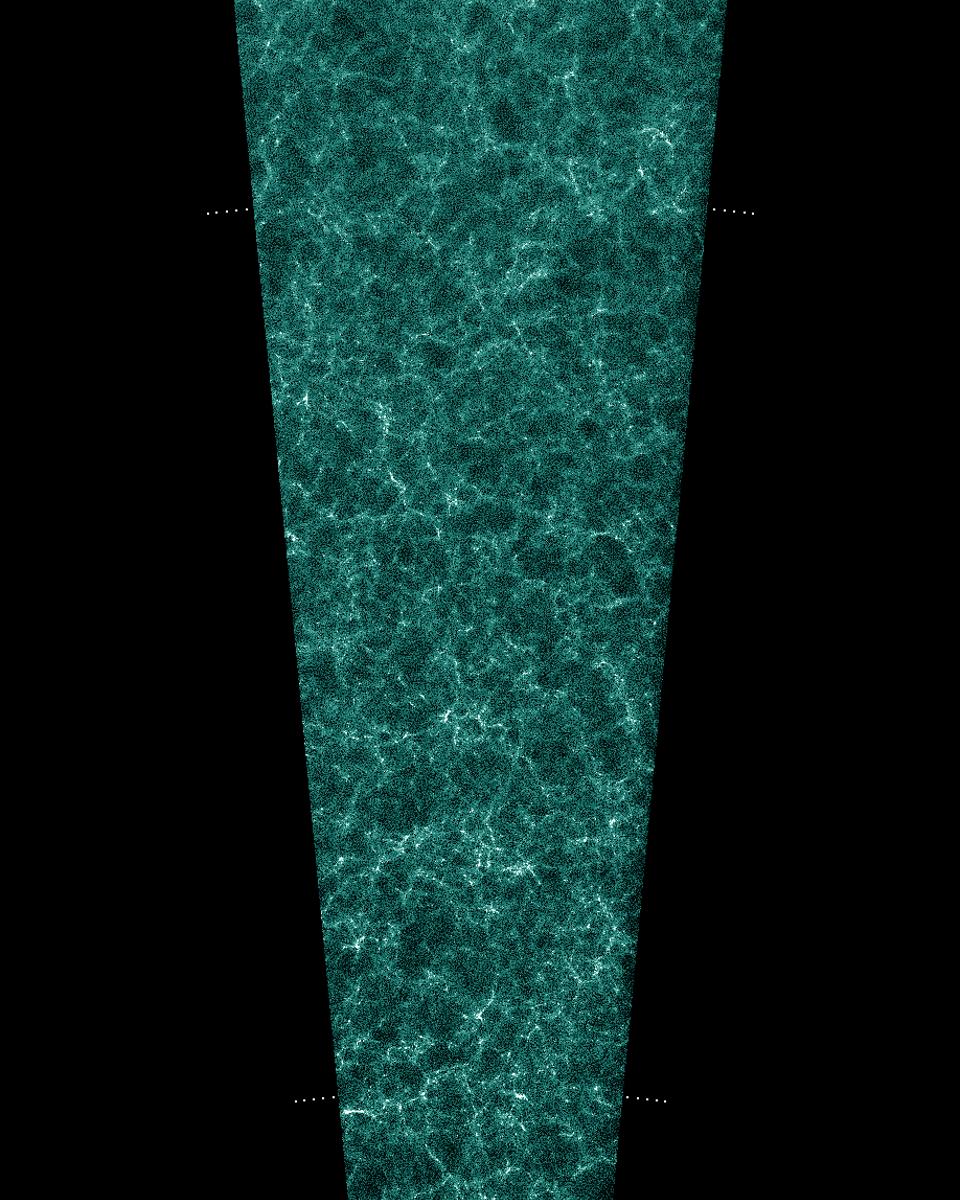
The Universe Evolves
Scroll right and watch the universe evolve. Above is a computer simulation depicting the evolution of our entire universe. On the far left is a slice of the universe soon after…
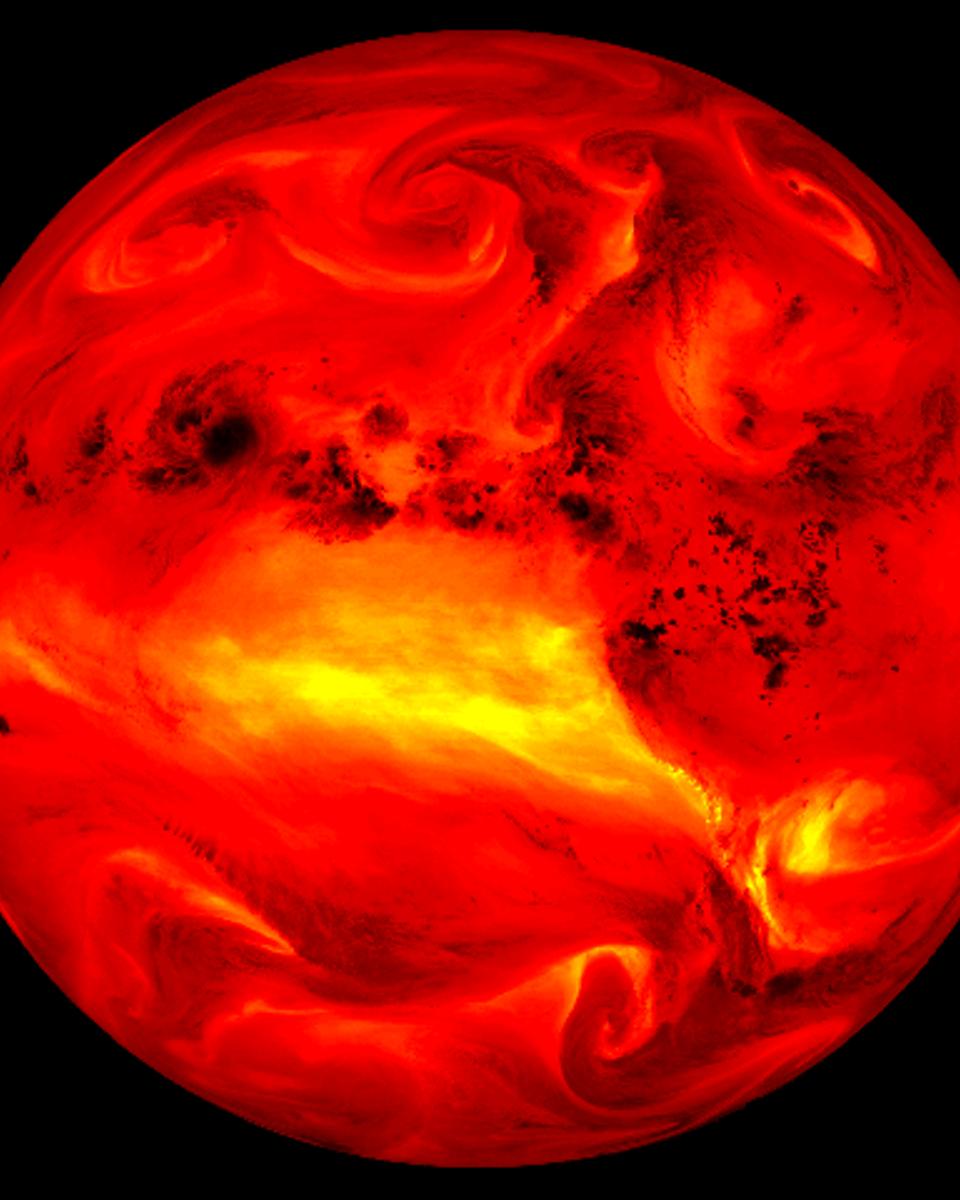
The Water Vapor Channel
What alien planet's bizarre landscape lurks below these fiery-looking clouds? It's only Planet Earth , of course ... as seen on the Water Vapor Channel. Hourly, images like this…
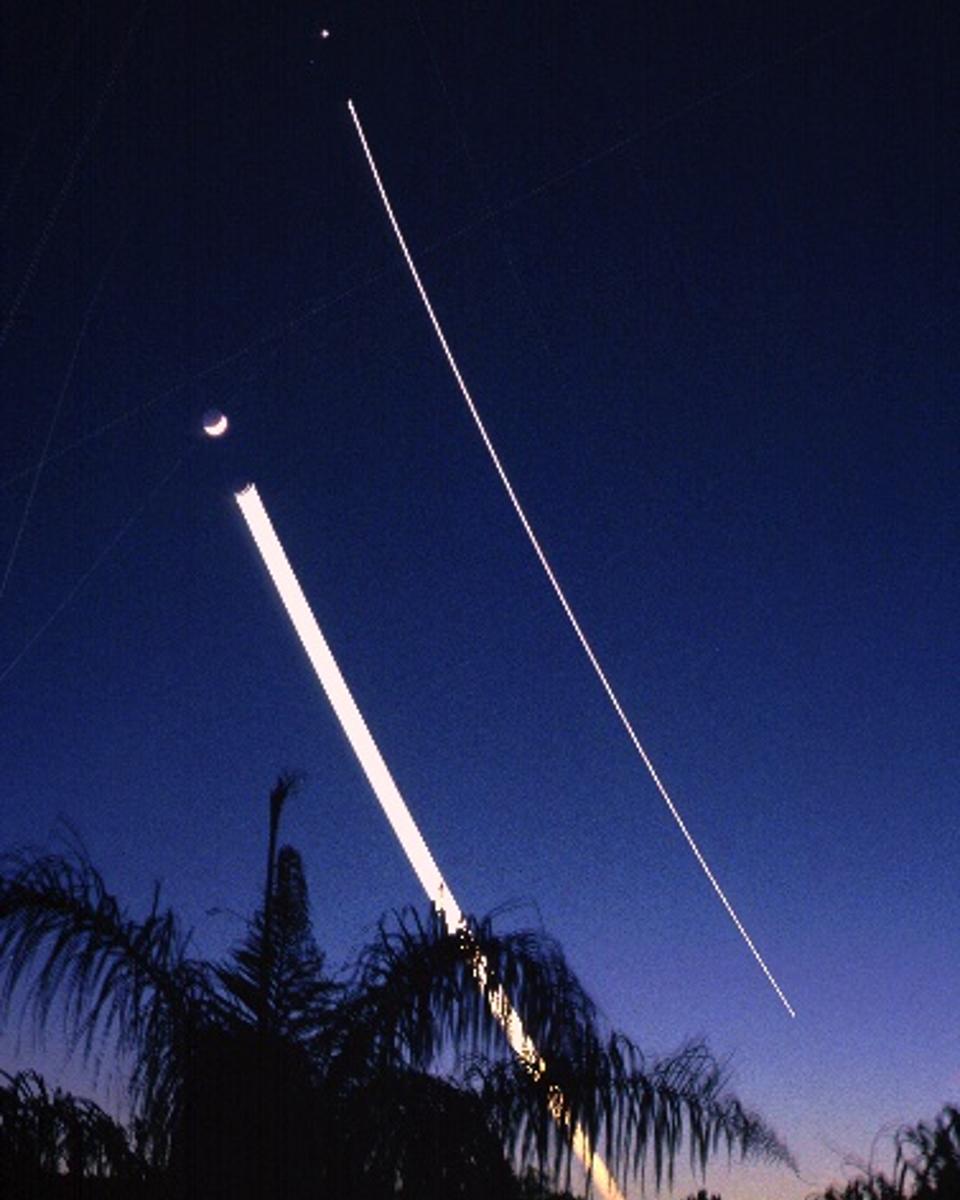
Venus Falls Out of the Evening Sky
Orbiting closer to the Sun than planet Earth, bright Venus always appears to be near the Sun's position in our sky and often shines near the horizon in twilight hours . In fact,…
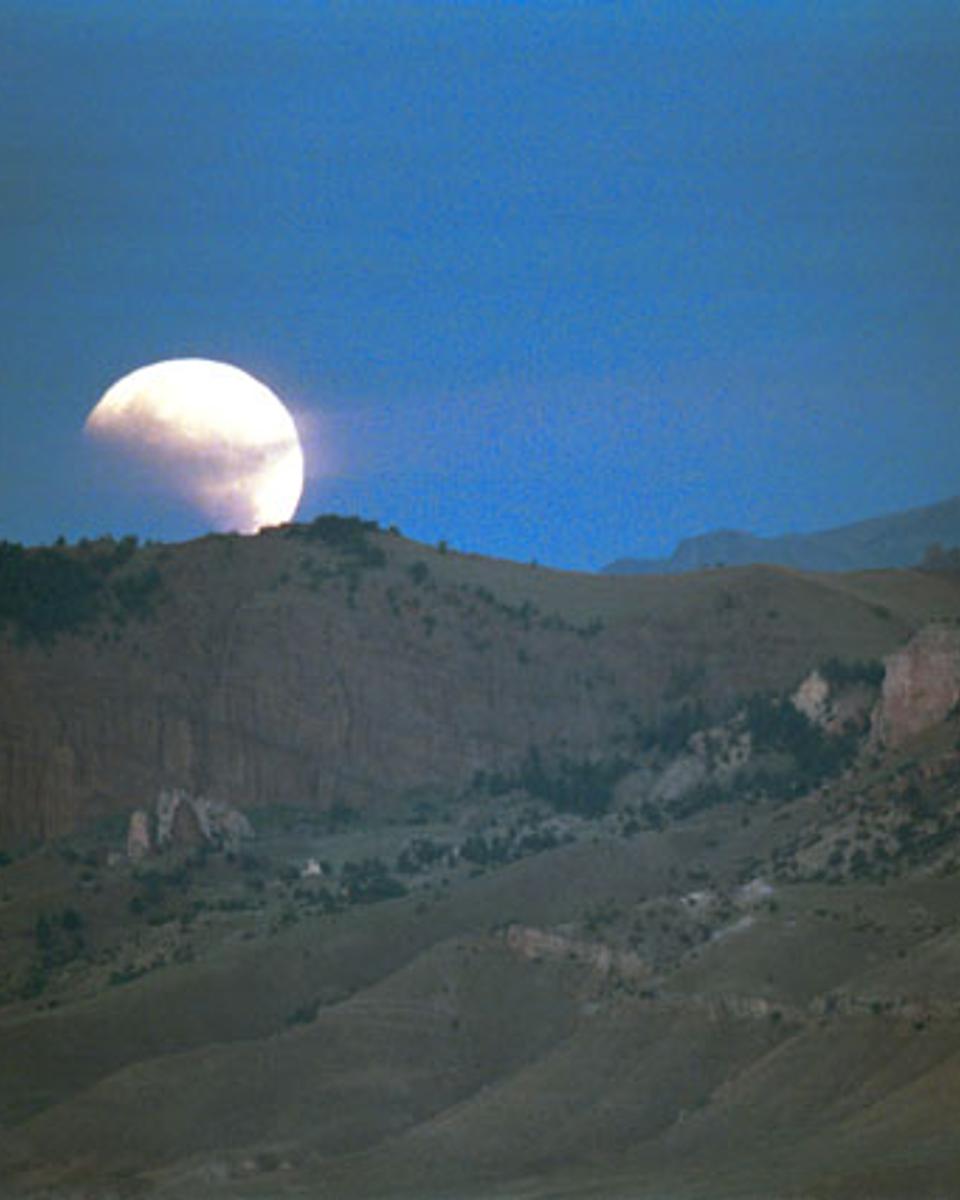
Eclipse Over The Mountain
Undaunted by world wide anticipation of the August 11 total solar eclipse, the moon also performed a lunar eclipse just two weeks earlier, on July 28 . Crossing the edge of…
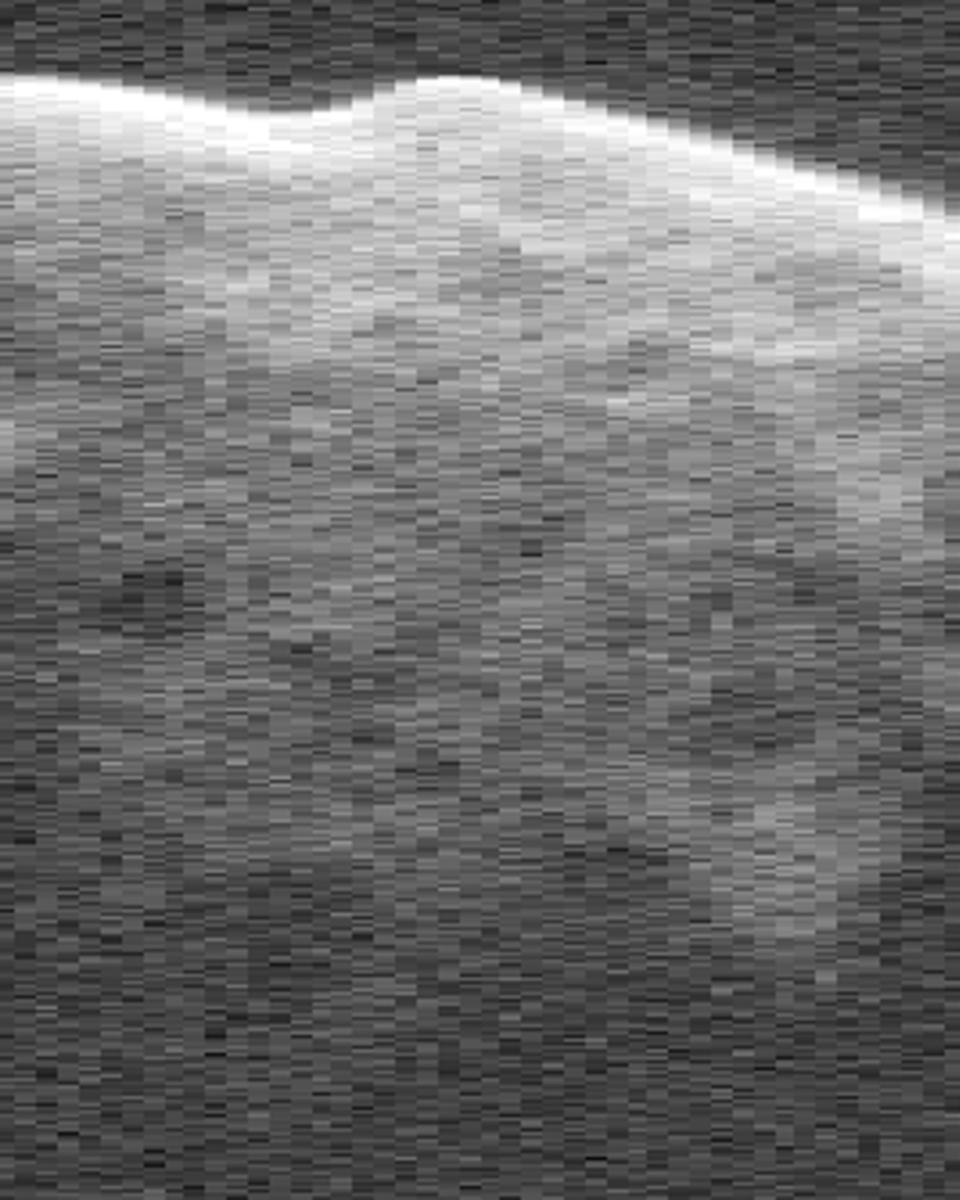
1999 JM8: A Rock Too Close
Nearly four kilometers across, the huge rock known as 1999 JM8 silently passed only 8.5 million kilometers from the Earth in early August. The small asteroid was completely…
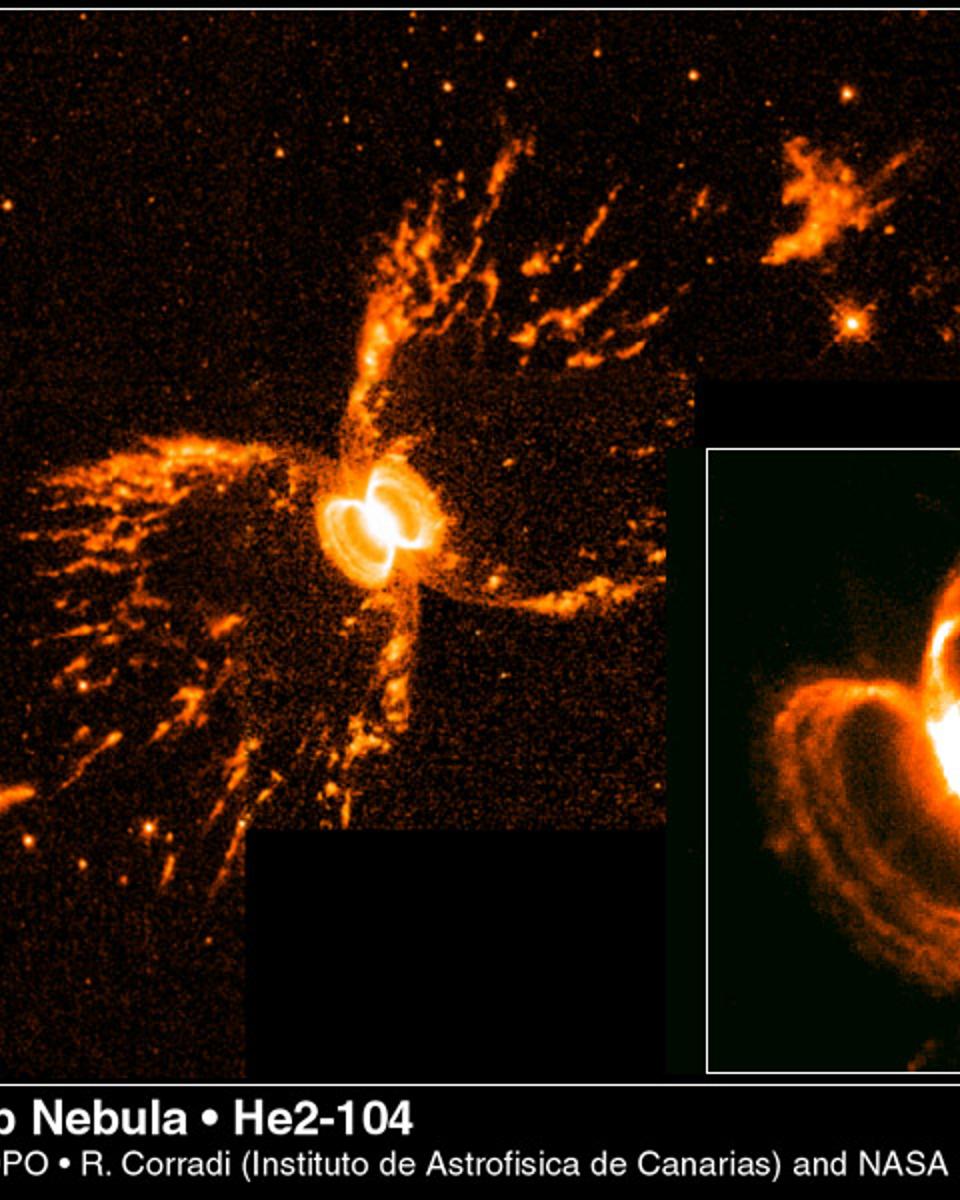
Symbiotic Star Bubbles
The two stars at the center of this nebula are very different. One is a white dwarf star with a mass similar to our Sun but with a radius as small as our Earth . The other star is…
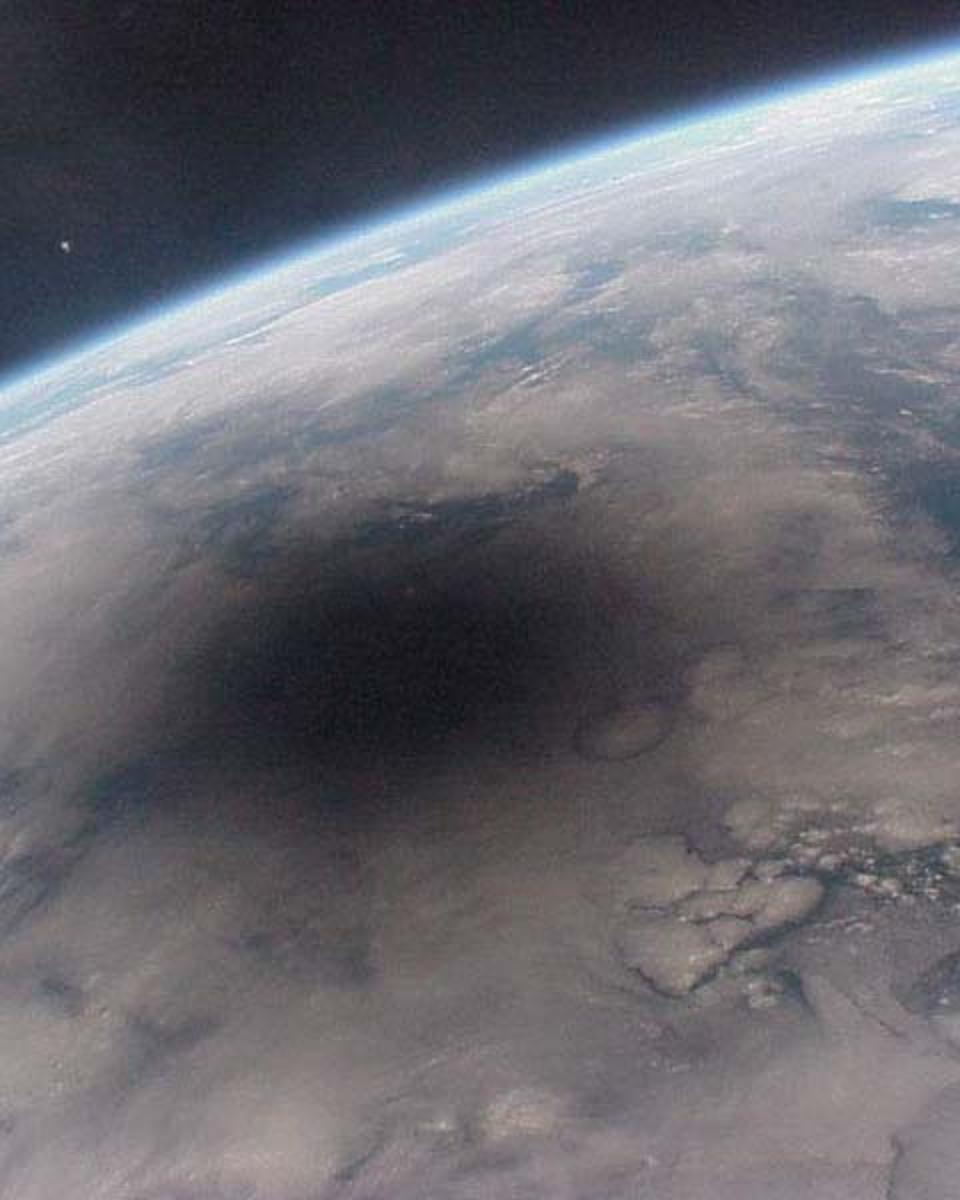
Looking Back on an Eclipsed Earth
Here is what the Earth looks like during a solar eclipse. The shadow of the Moon can be seen darkening part of Earth. This shadow moves across the Earth at nearly 2000 kilometers…
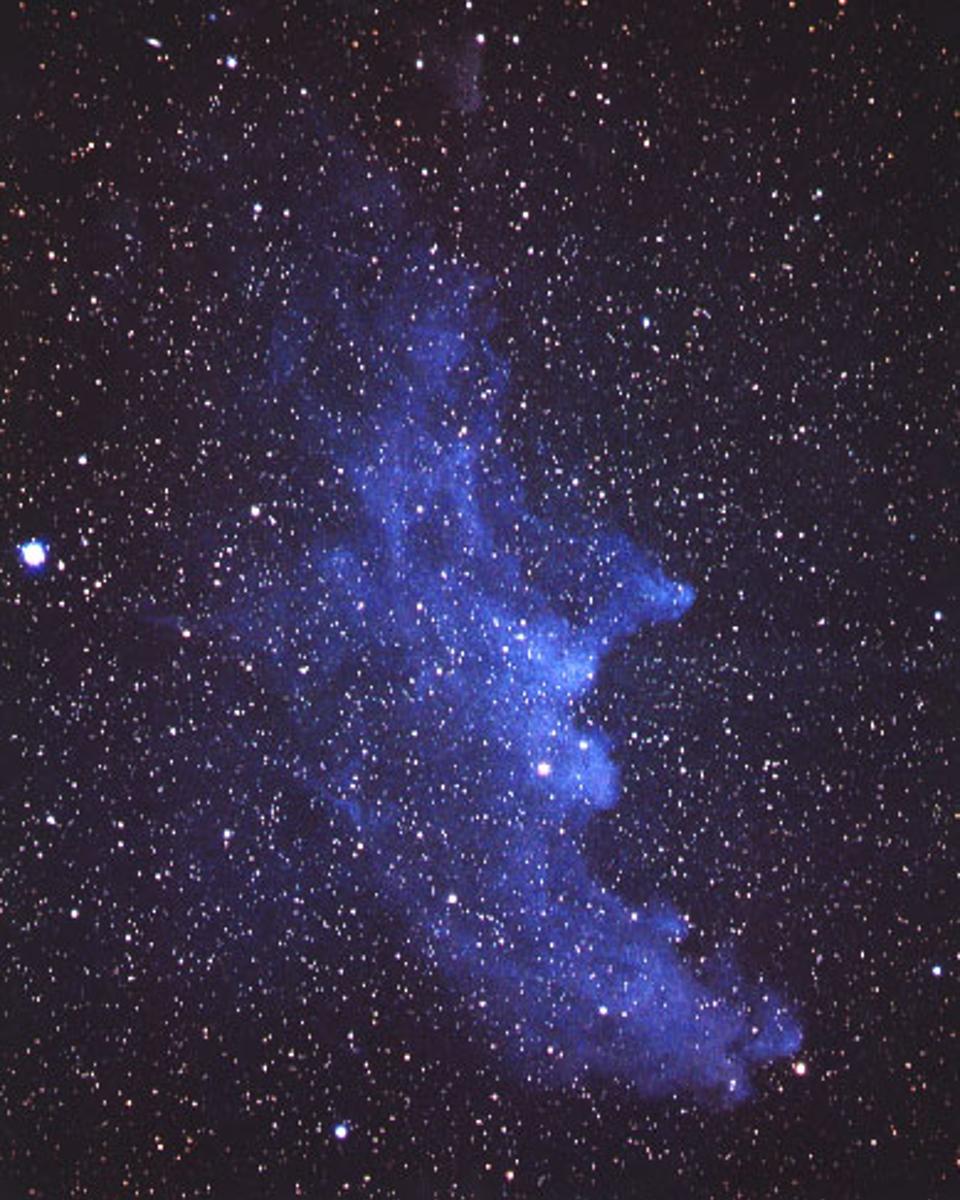
The Witch Head Nebula
Double, double toil and trouble; Fire burn, and cauldron bubble ... Maybe Macbeth should have consulted the Witch Head Nebula . This suggestively shaped reflection nebula is…
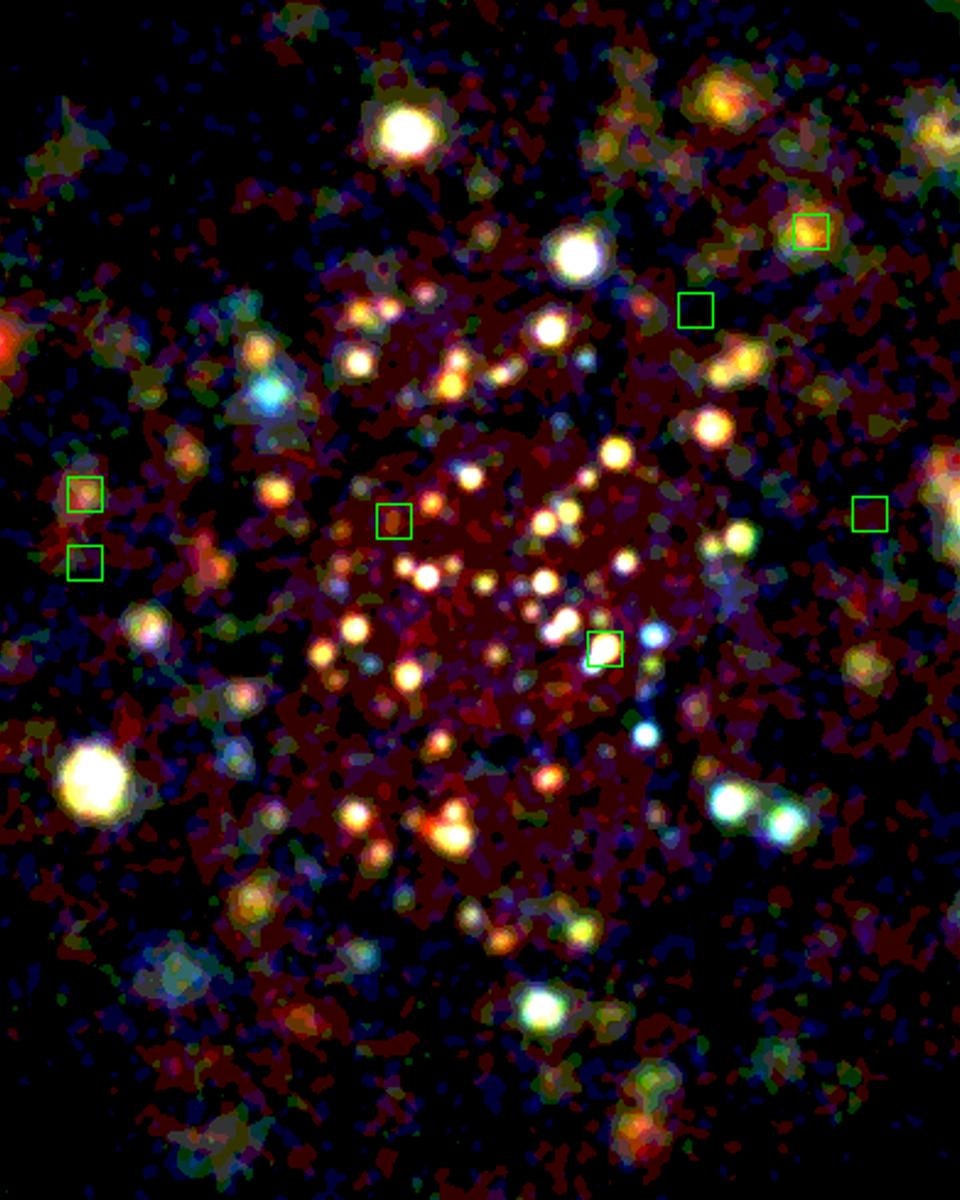
X-Ray Pleiades
The Pleiades star cluster is one of the jewels of the northern sky . To the unaided eye it appears as an alluring group of stars in the constellation Taurus , while telescopic…
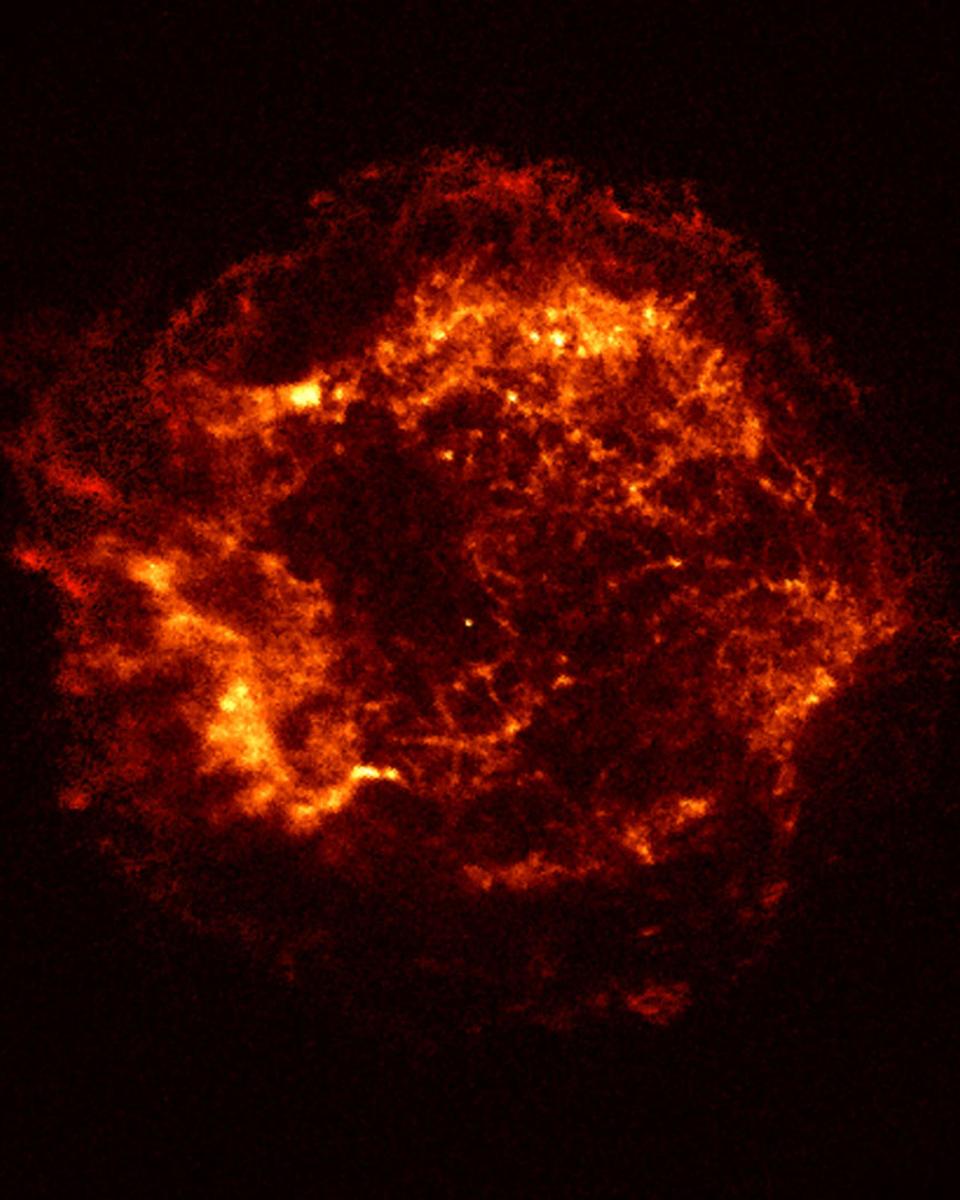
Chandra's First Light: Cassiopeia A
Cosmic wreckage from the detonation of a massive star is the subject of this official first image from NASA's Chandra X-ray Observatory . The supernova remnant, known as…
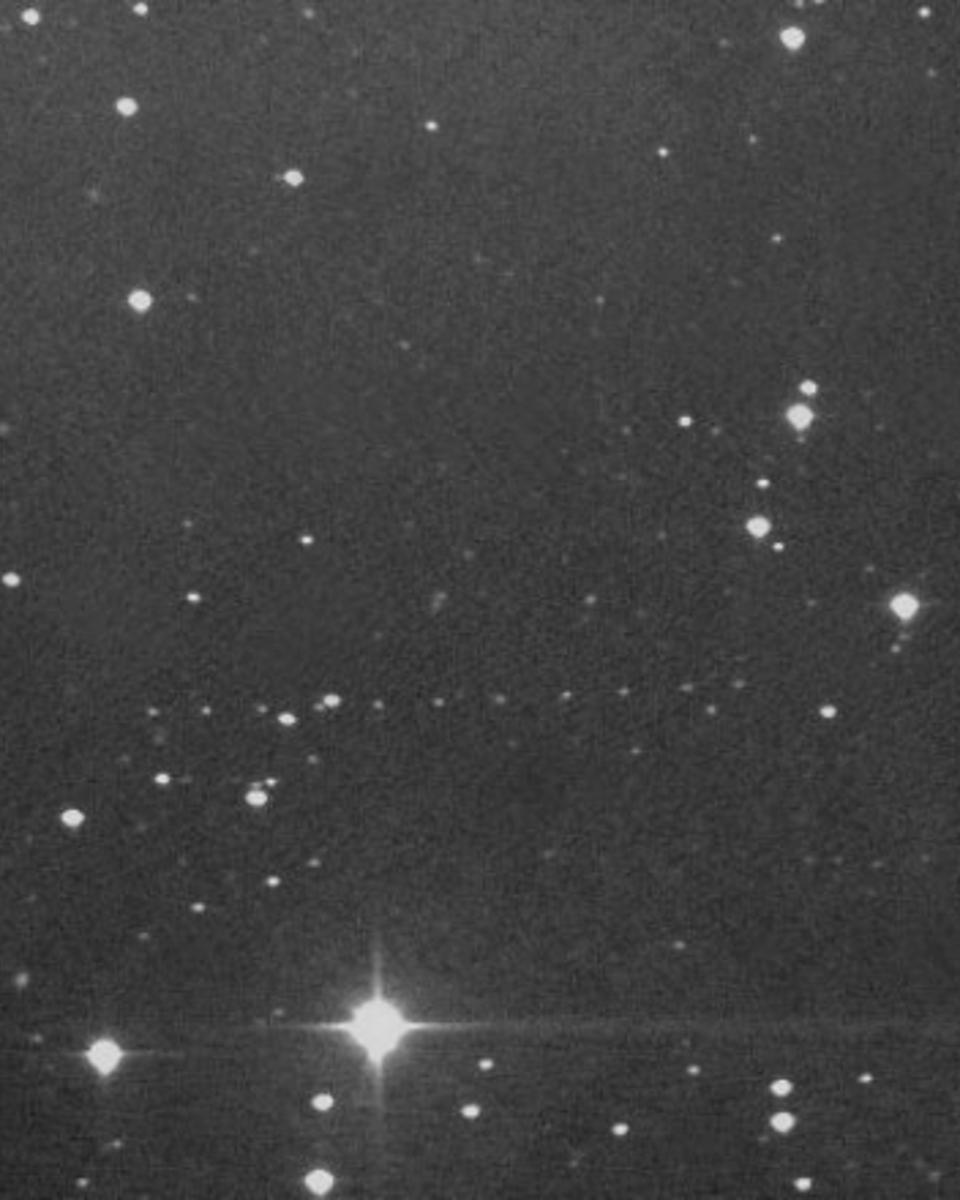
Cassini Flyby
Connect the dots and you'll trace the path of the Cassini spacecraft as it took a final turn by Earth on its way to the outer solar system. The dots (in a horizontal row just…
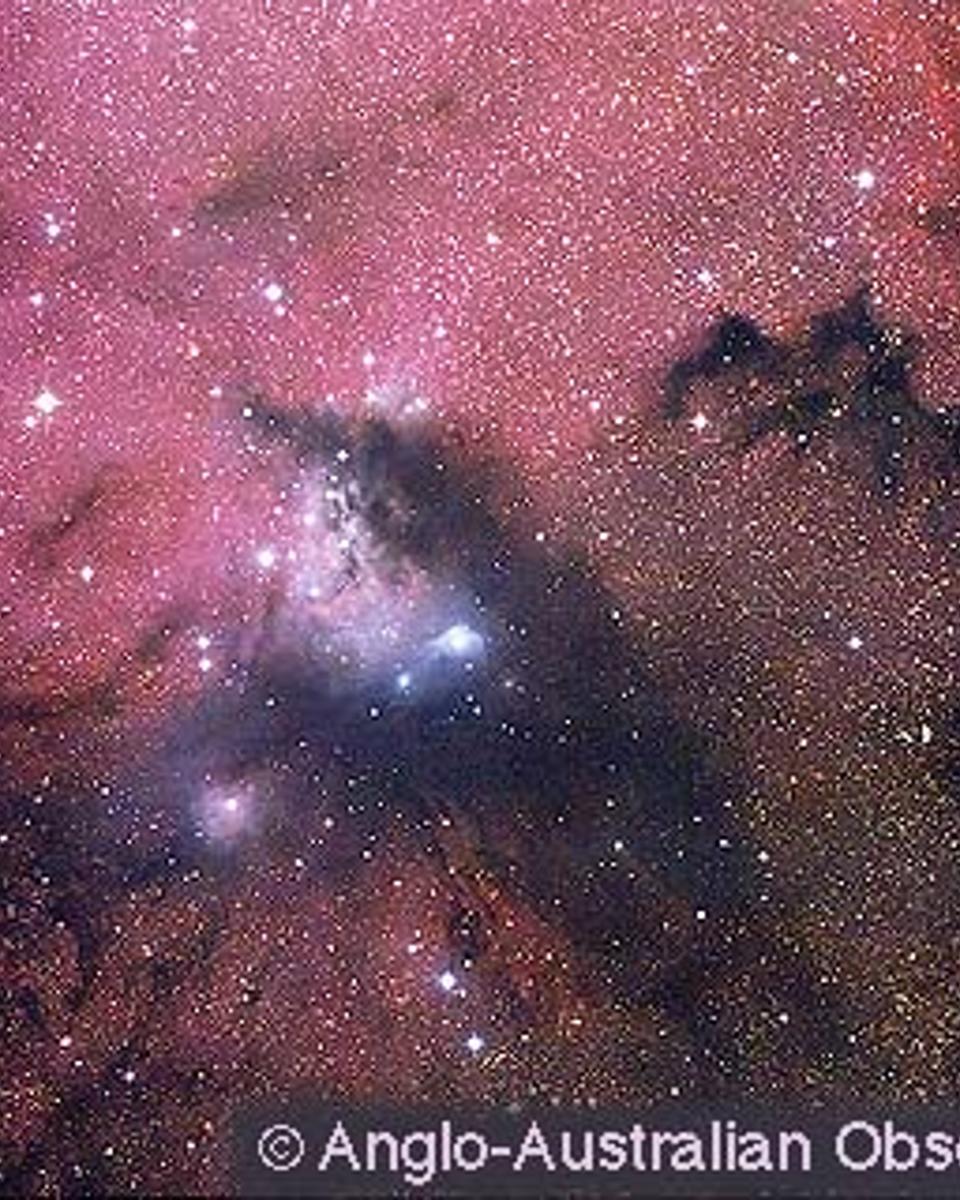
Reflections on NGC 6188
NGC 6188 is an interstellar carnival of young blue stars , hot red gas , and cool dark dust . Located 4000 light years away in the disk of our Galaxy, NGC 6188 is home to the Ara…
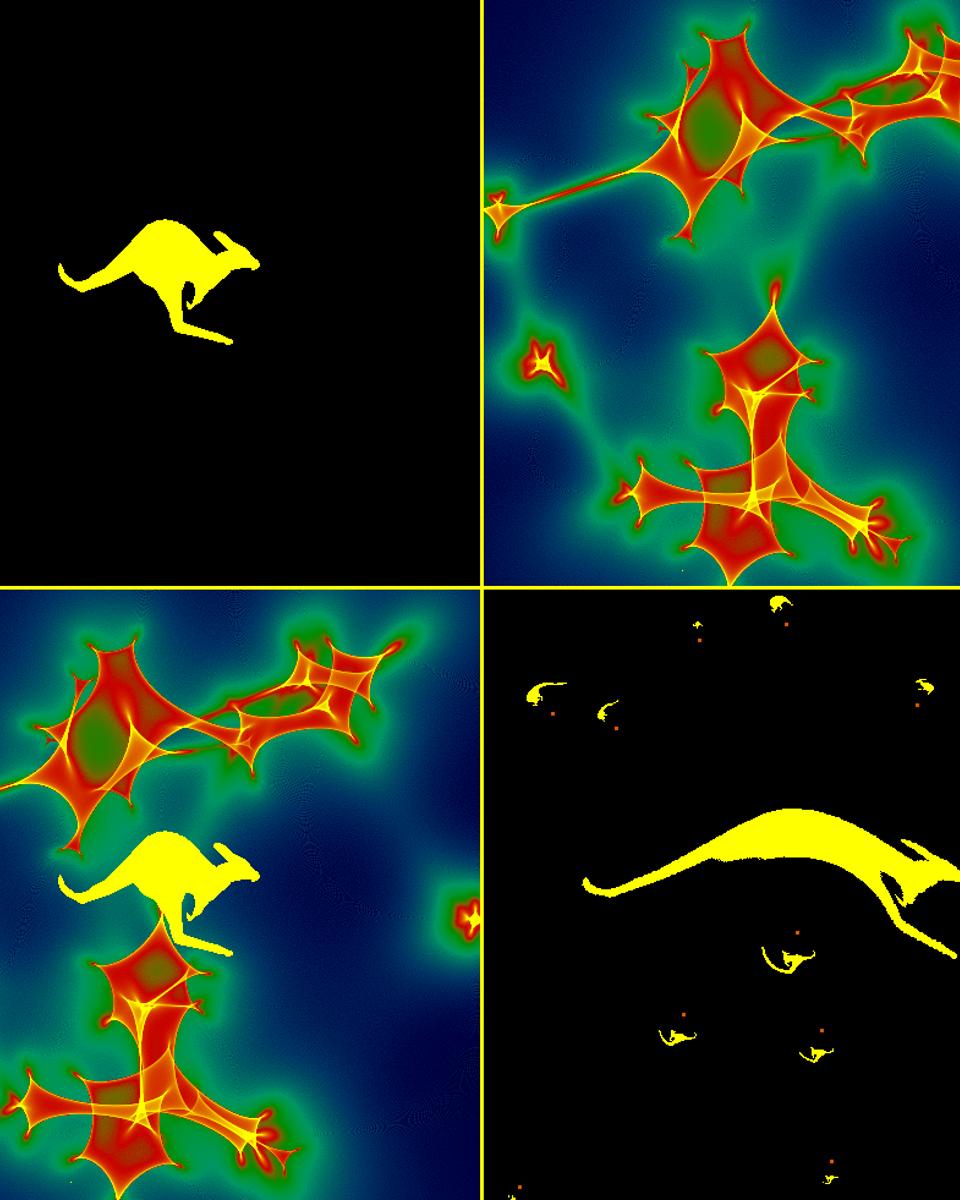
A Network of Microlensing Caustics
A virtual sky map like this would be of interest to astronomers studying gravitational microlensing. In microlensing , the gravity of stars near the line of sight can act to…
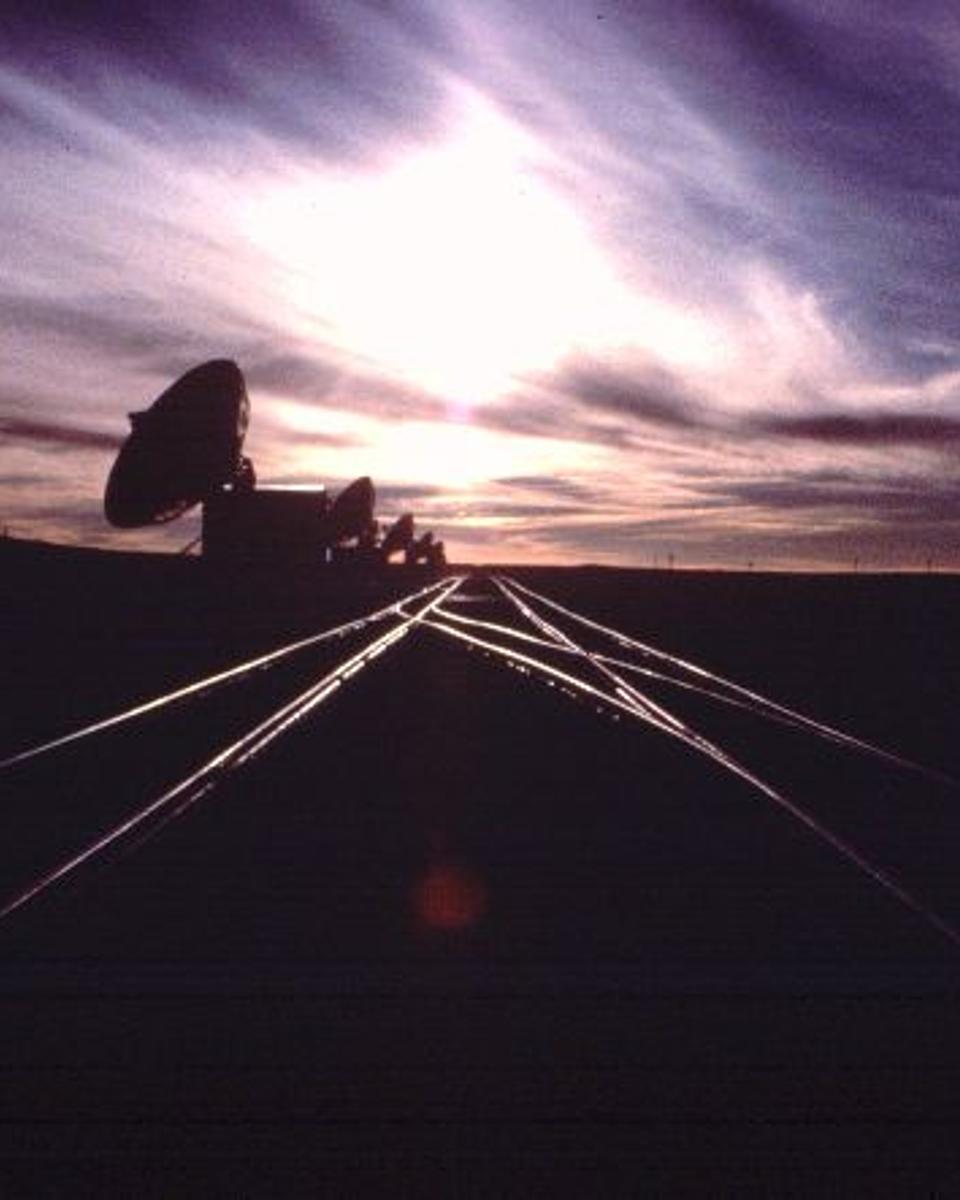
Sundogs over the VLA
What if you woke up one morning and saw more than one Sun in the sky? Most probably, you would be seeing sundogs , extra-images of the Sun created by falling ice-crystals in the…
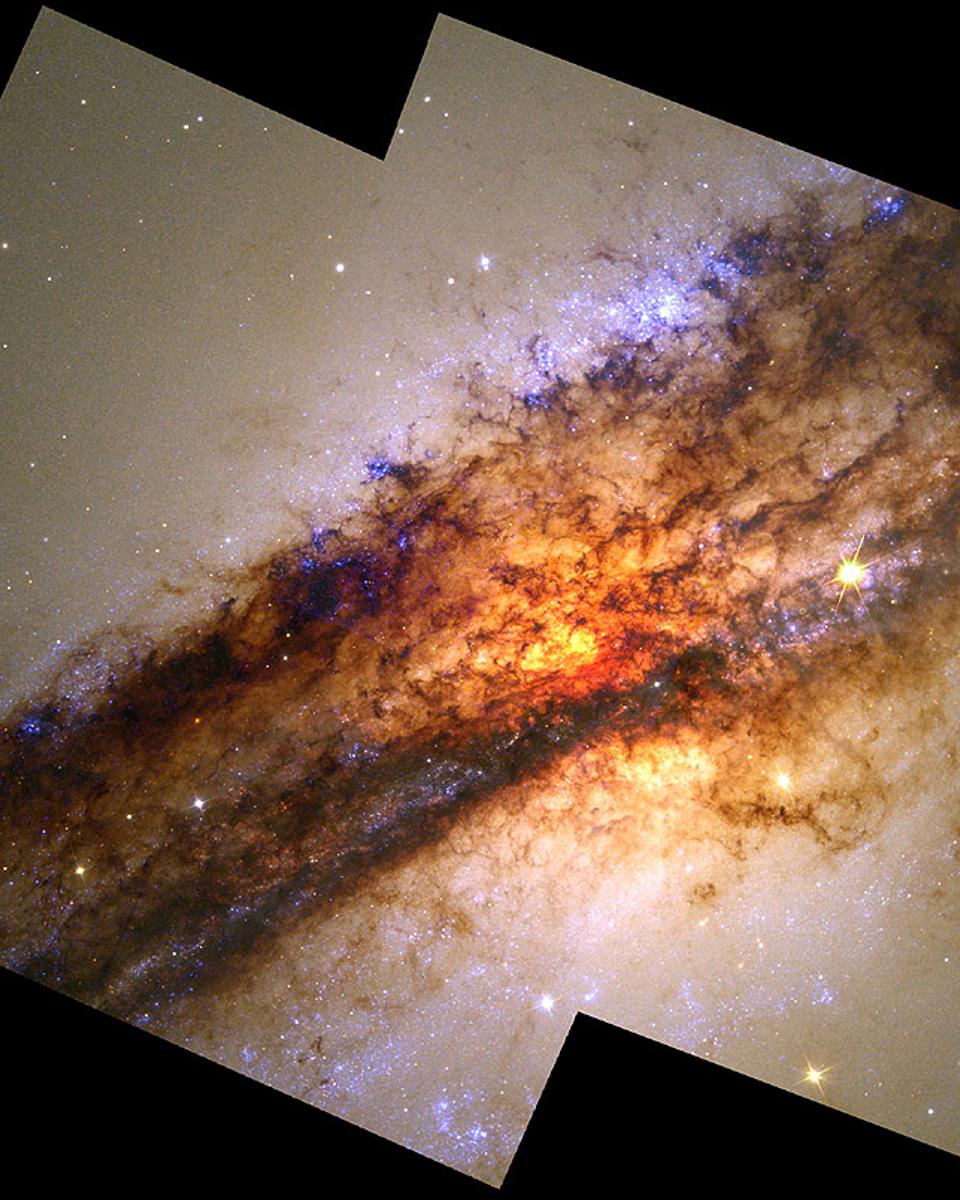
The Center of Centaurus A
A fantastic jumble of young blue star clusters, gigantic glowing gas clouds, and imposing dark dust lanes surrounds the central region of the active galaxy Centaurus A. This…
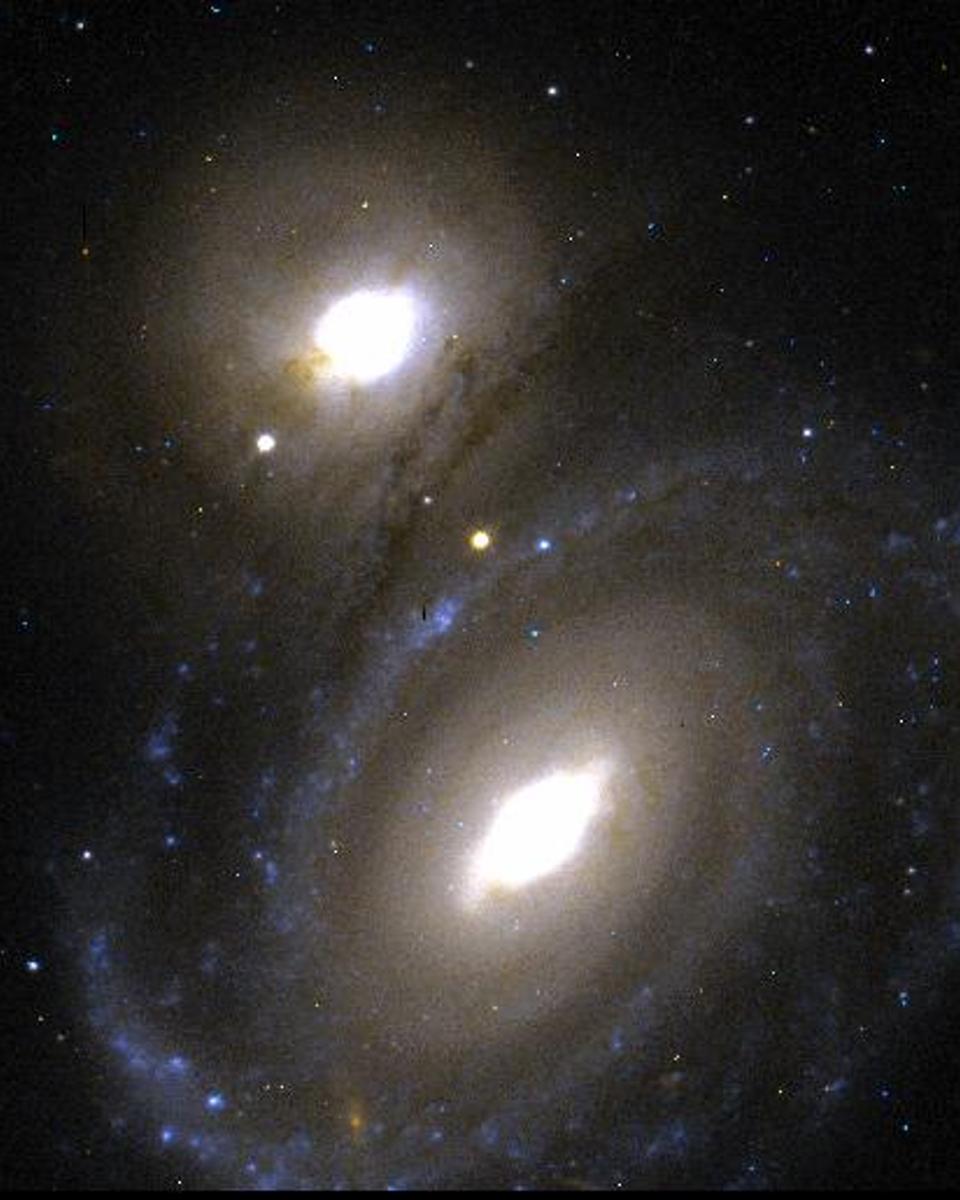
Galaxies Away
This striking pair of galaxies is far, far away ... about 350 million light-years from Earth . Cataloged as AM0500-620 , the pair is located in the southern constellation Dorado .…
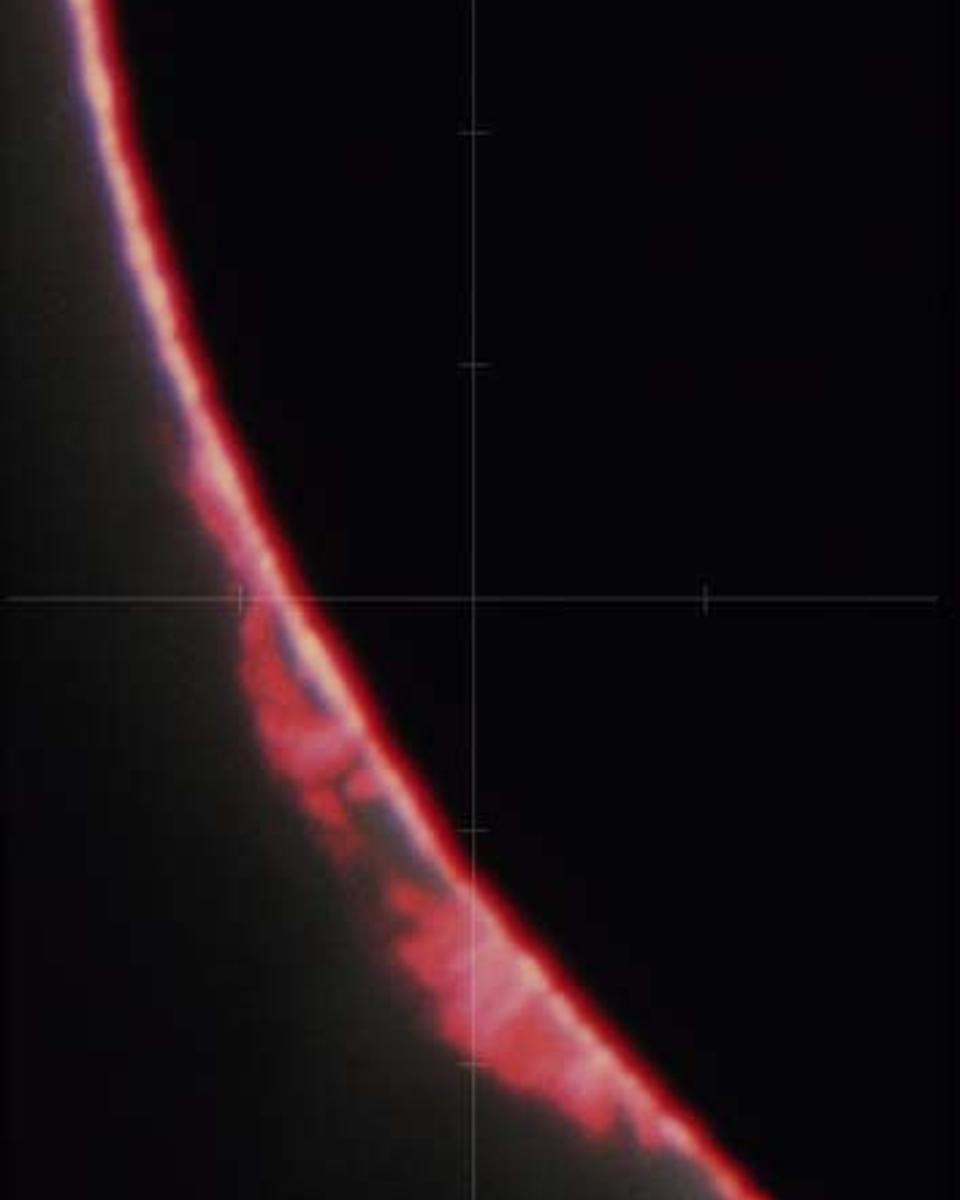
At The Sun's Edge
This dramatic set of prominences looms beyond the edge of the sun. The image was captured by astrophotographer Bob Yen as he stood in the moon's shadow near Bagdere, Turkey on…
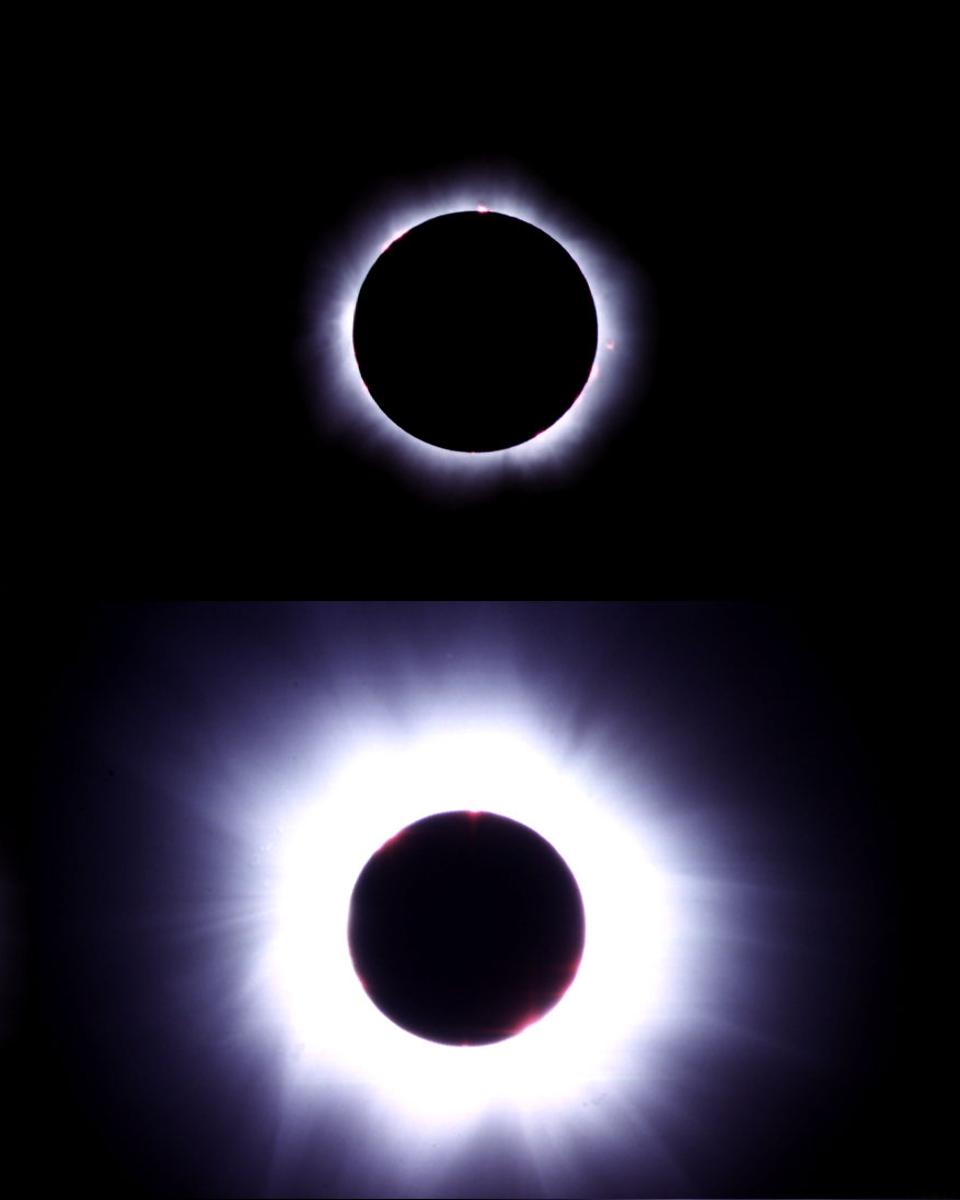
Light From The Dark Sun
Only in the fleeting darkness of a total solar eclipse is the light of the solar corona easily visible from Earth. Normally overwhelmed by the bright solar disk, the expansive…
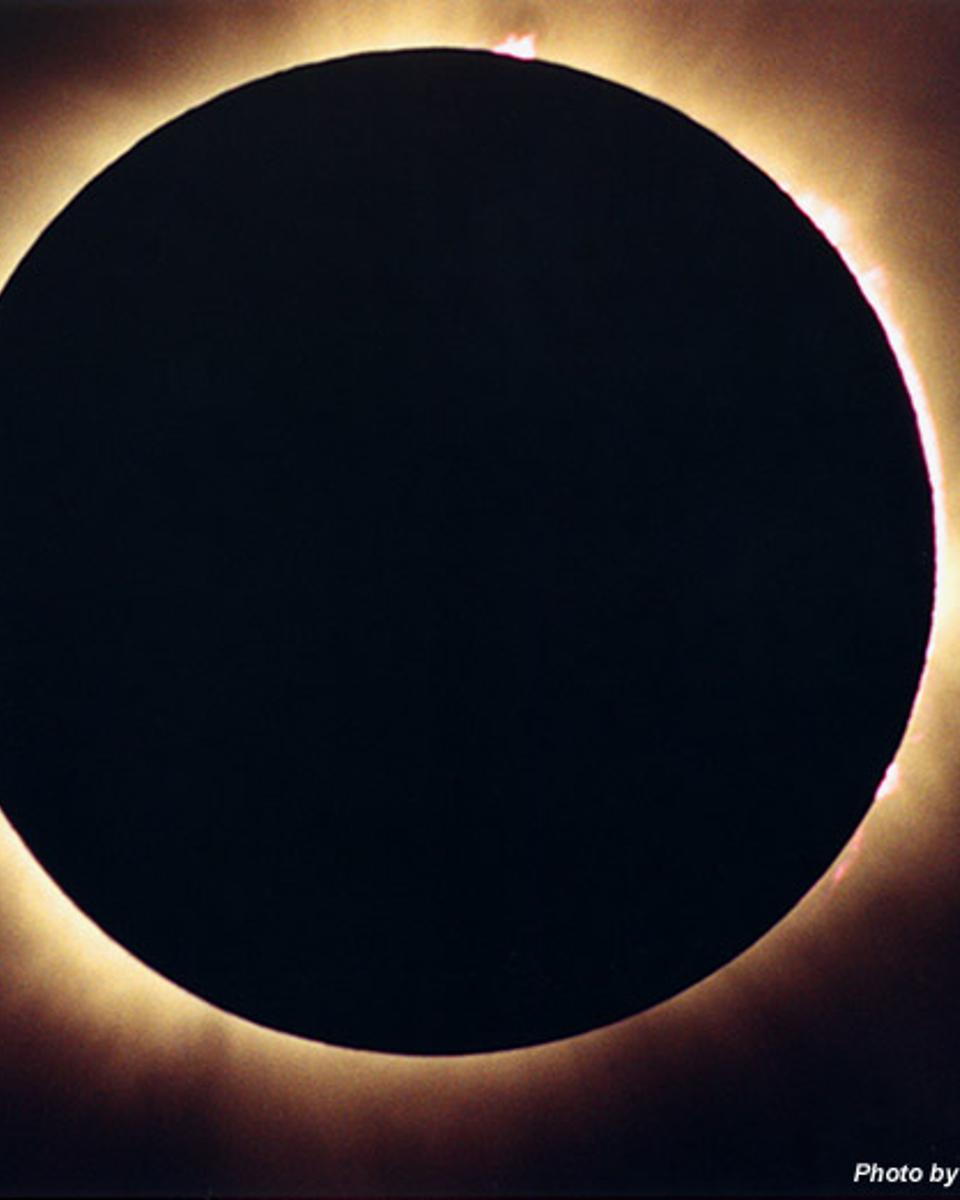
Sun Block
During a total solar eclipse, Earth's moon blocks the sun - almost exactly. While the sun is about 400 times wider than the moon, it is also about 400 times farther away and each…
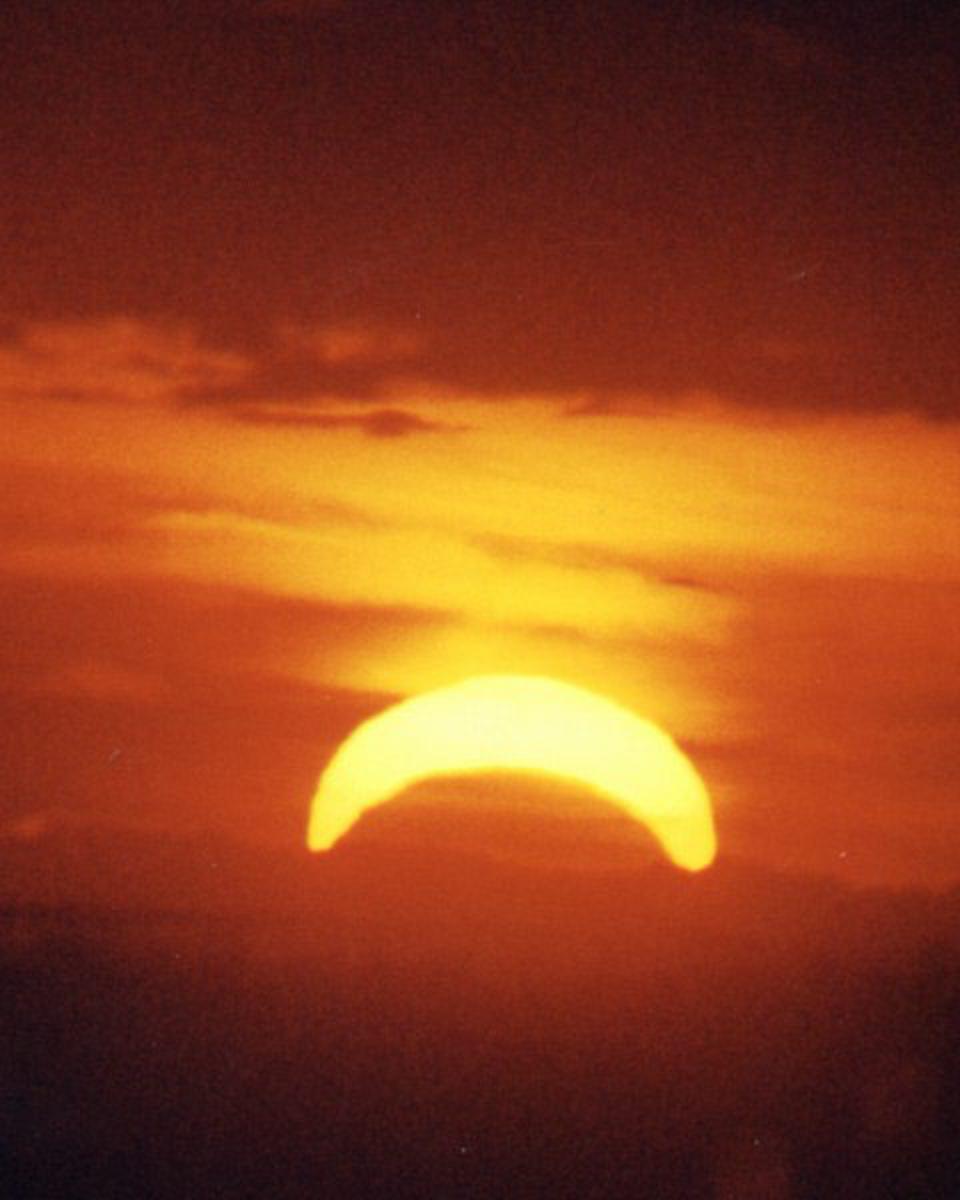
A Crescent Sunrise
Normally, the Moon shows phases, but the Sun does not. The reason is founded in the fact that the Moon shines only by reflected sunlight. When the Moon is closer to the Sun than…
Viewing discoveries from 9 September 1999 through 17 August 1999.