Browse NASA Astronomy Picture of the Day archive by date and media: Archive Discoveries
Browse the NASA APOD archive without needing the exact date first. Filter by media type and keep moving deeper into older images and videos.
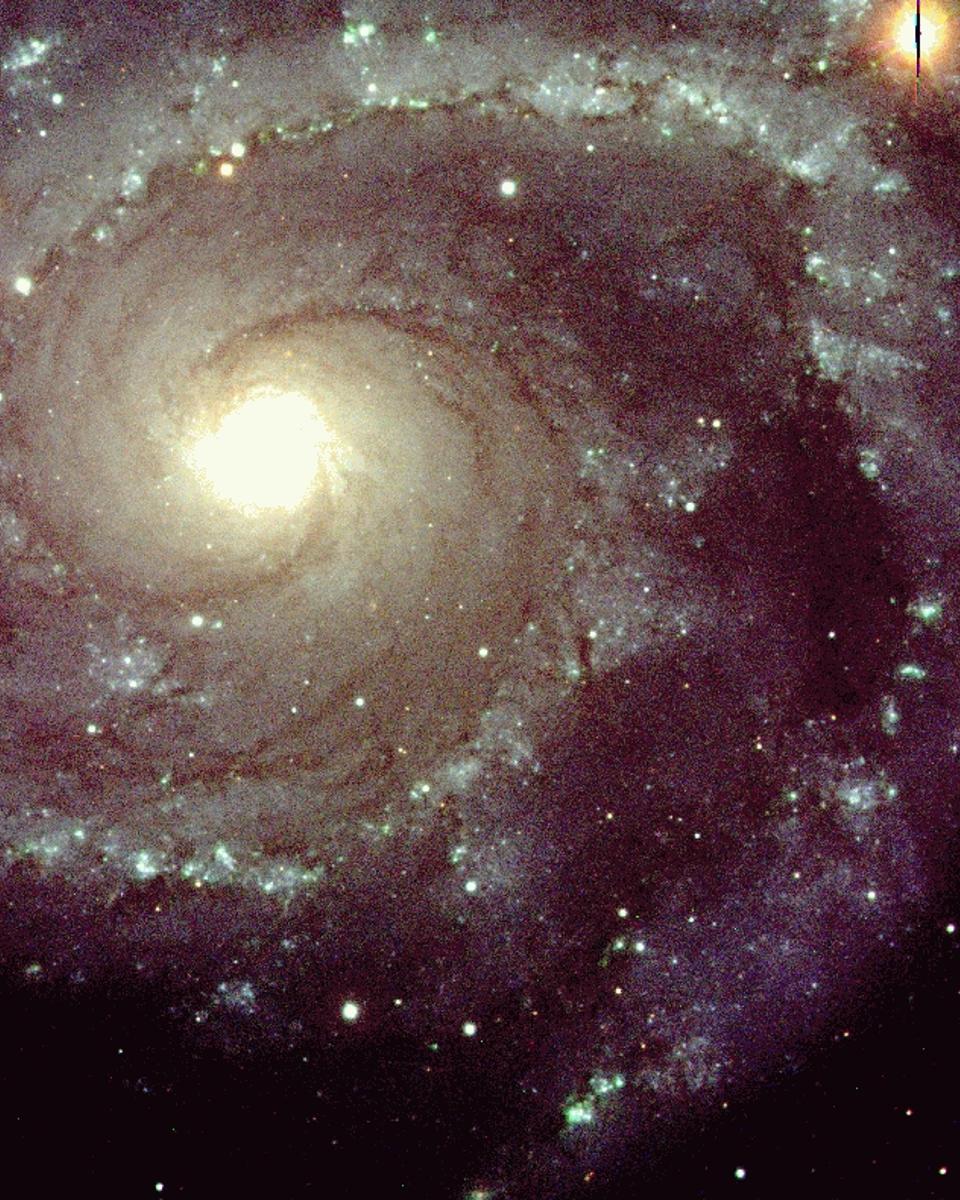
NGC 2997 from VLT
Add another 8-meter telescope to the list of modern optical telescope giants . Kueyen achieved a first-light photograph of a bright star on March 1, ahead of schedule. The above…
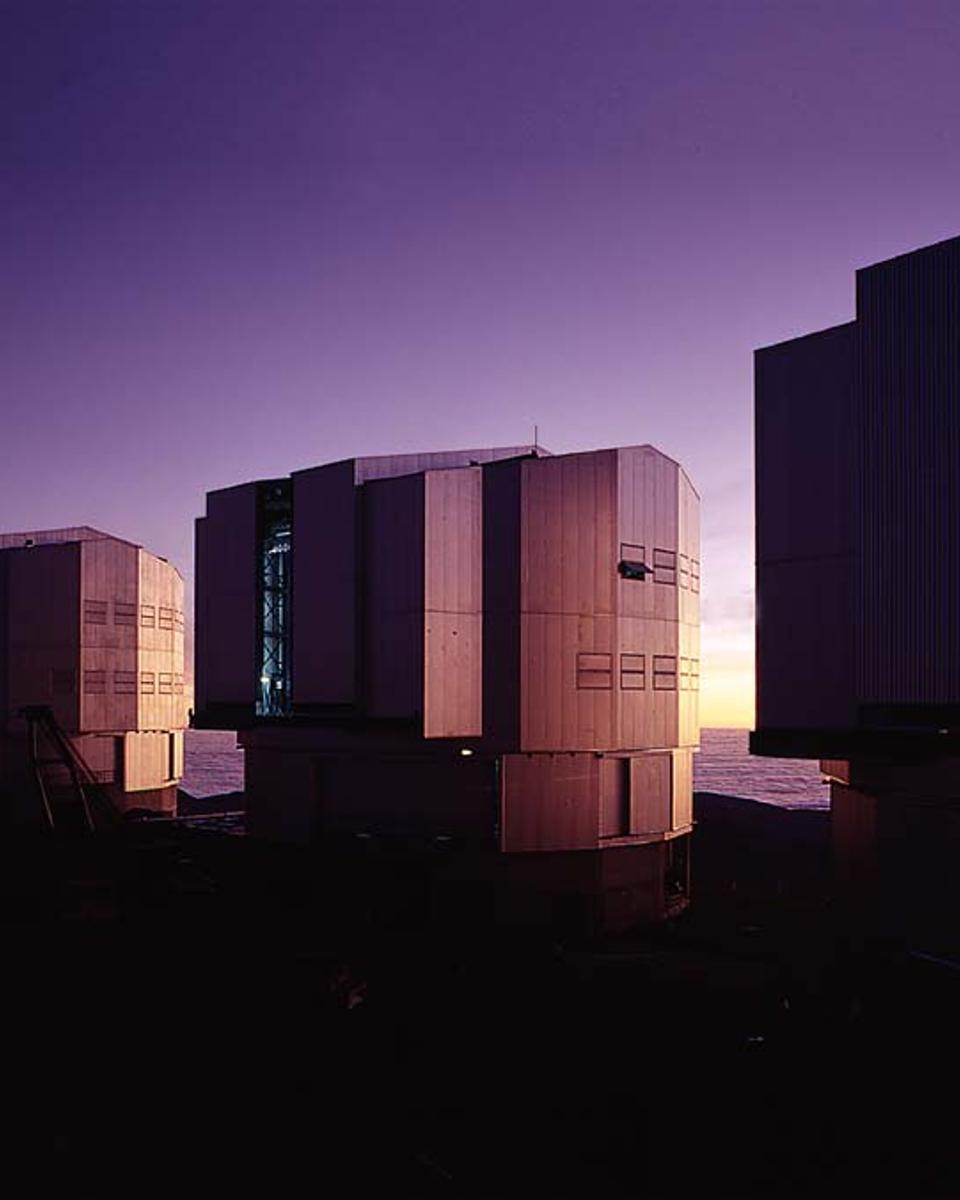
The VLT Interferometric Array
The Very Large Telescope (VLT) Interferometric Array will be able to act as individual telescopes or as one huge telescope. Of the four planned VLTs in Chile , two have now…
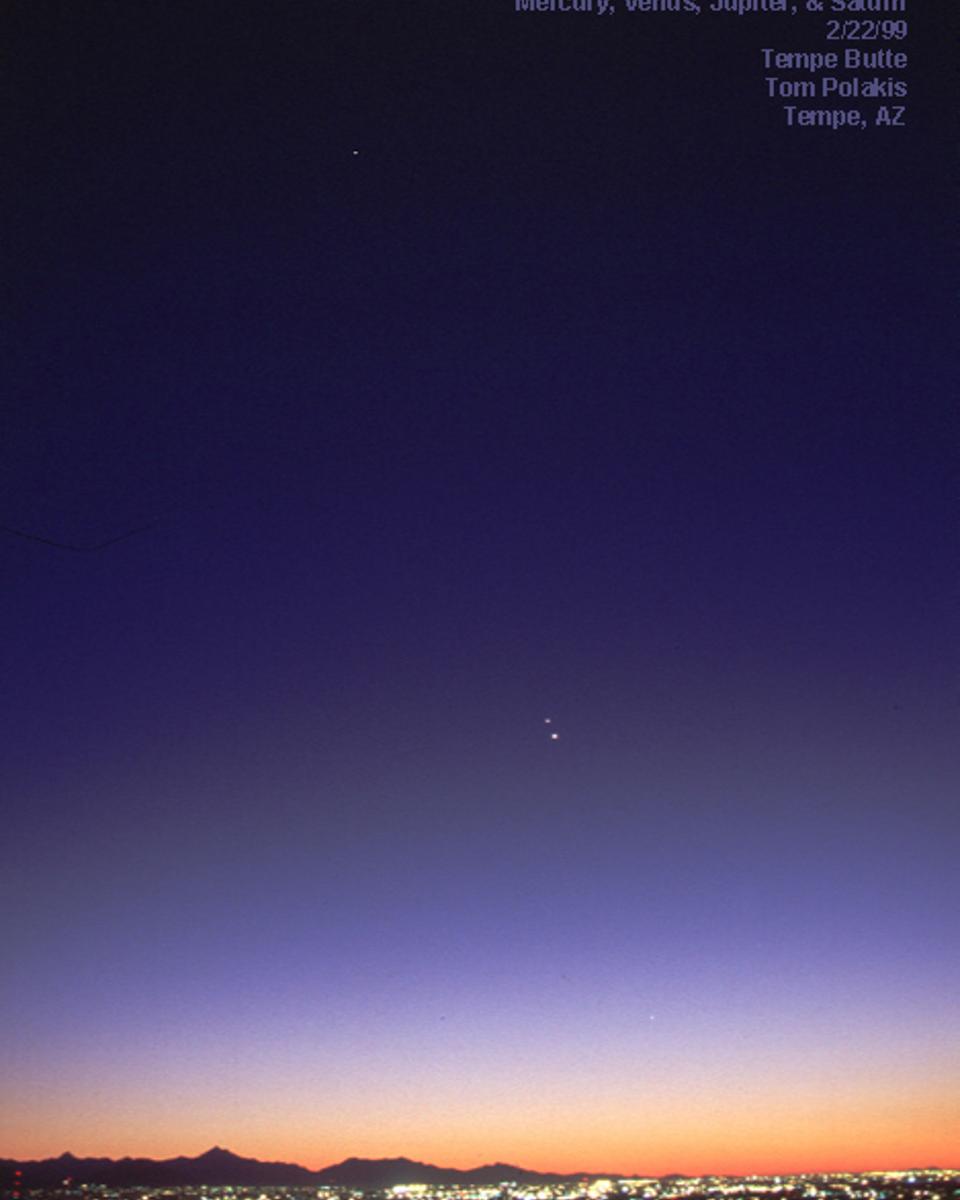
A Jupiter-Venus Conjunction
Venus and Jupiter appeared unusually close together in the sky last month. The conjunction was easily visible to the unaided eye because Venus appears brighter than any background…
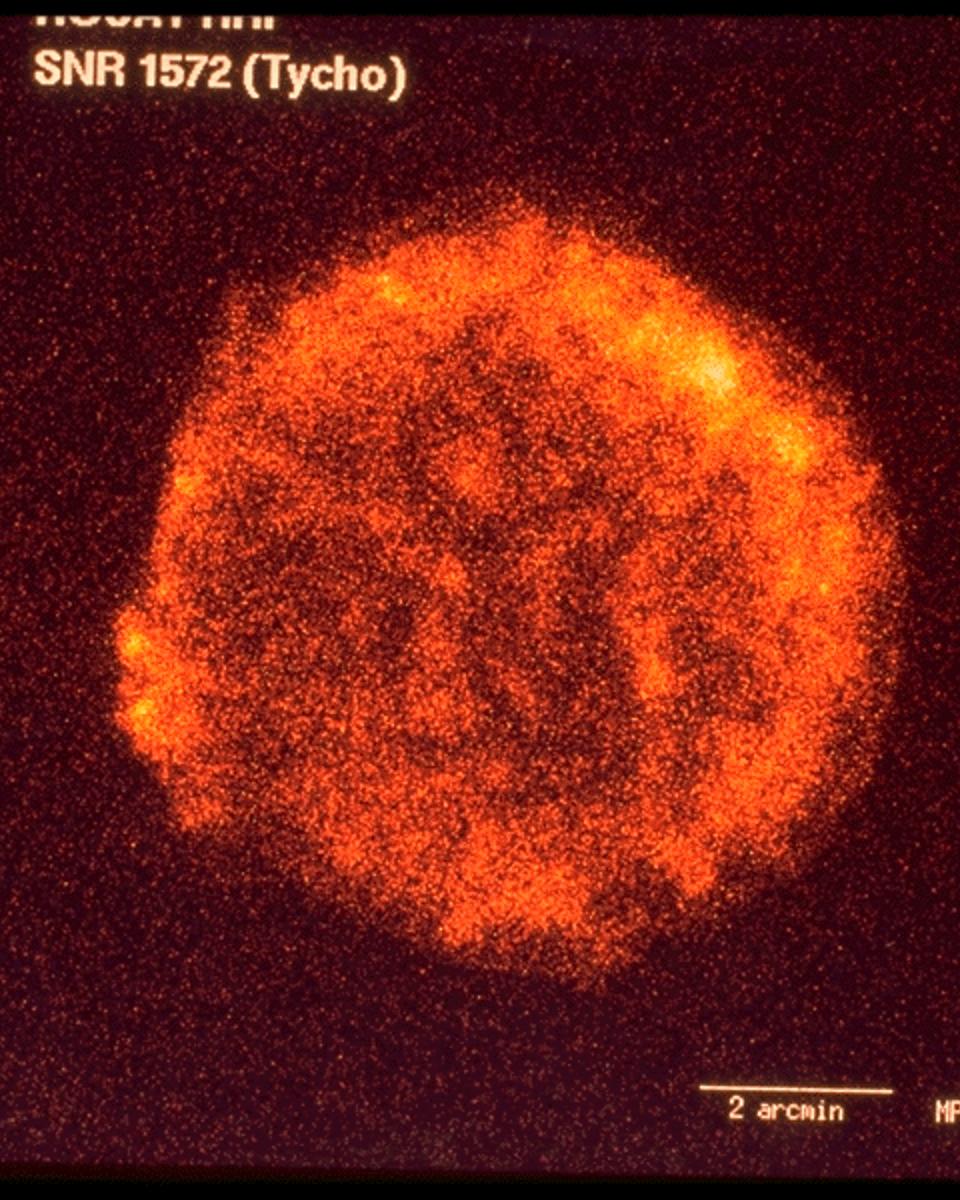
Tycho's Supernova Remnant in X-ray
How often do stars explode? By looking at external galaxies, astronomers can guess that these events, known as a supernovae , should occur about once every 30 years in a typical…
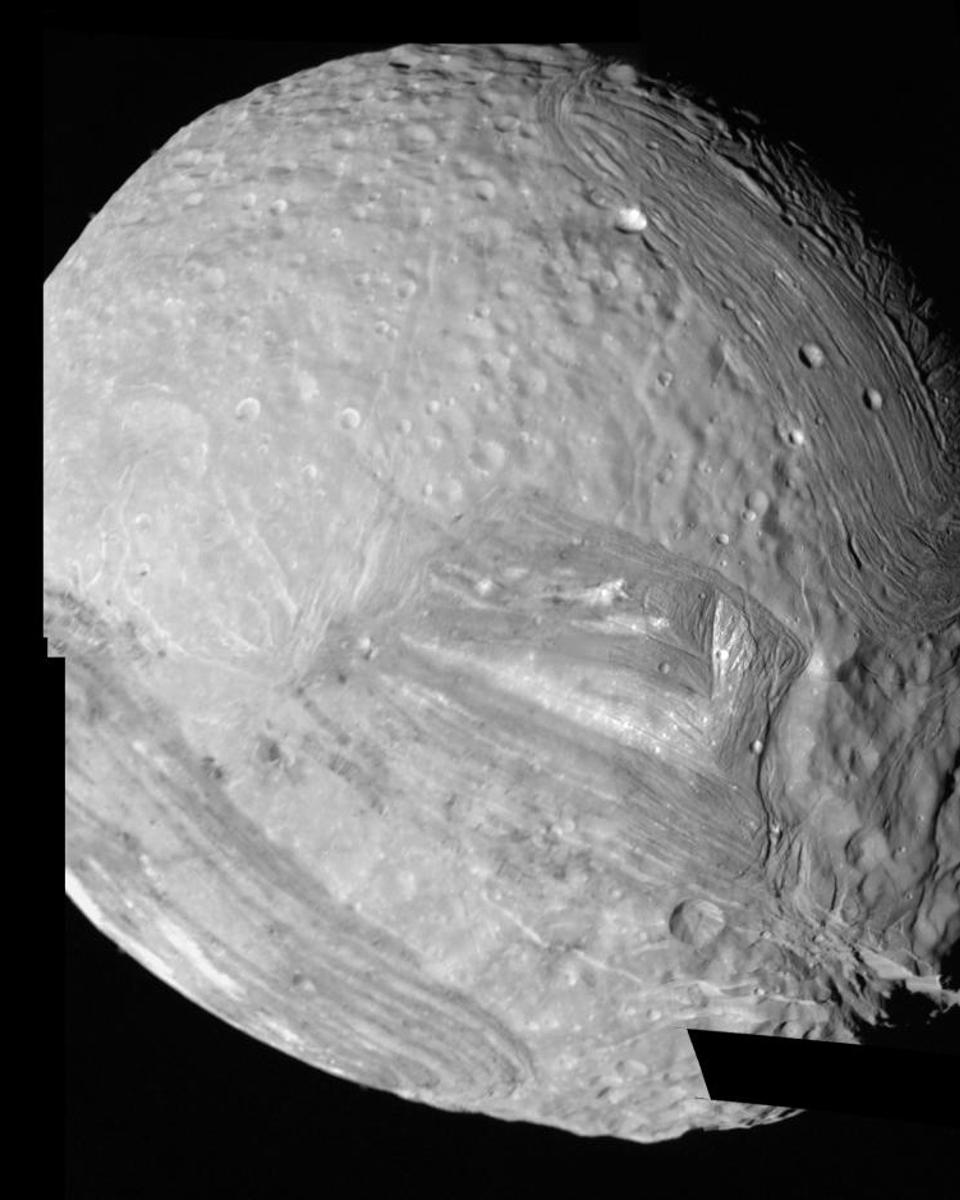
Miranda, Chevron, and Alonso
Miranda is a bizarre world which surely had a tempest uous past. The innermost of the larger Uranian moons, Miranda is almost 300 miles in diameter and was discovered in 1948 by…
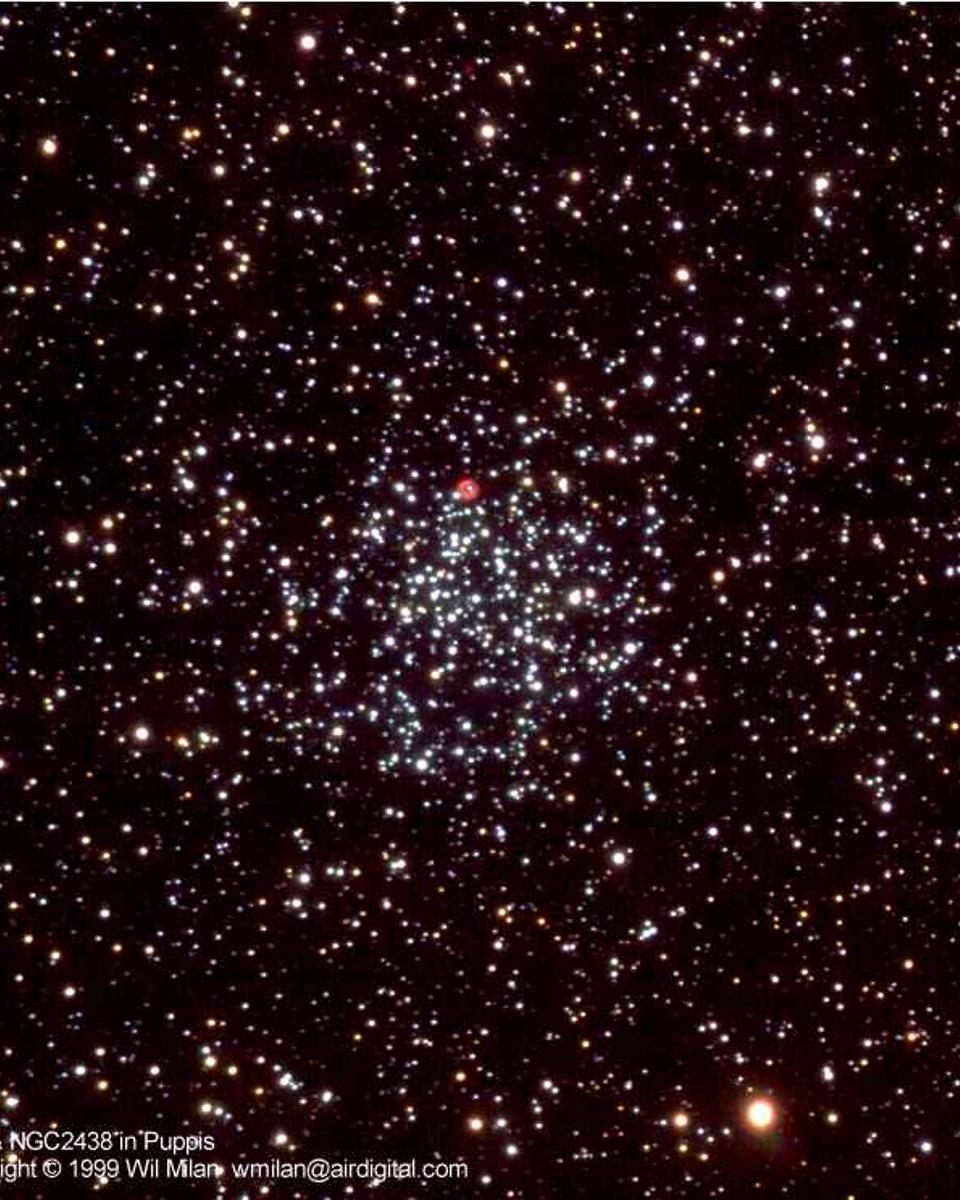
M46 And NGC 2438: Young And Old
Galactic or open star clusters are relatively young. These swarms of bright stars are born near the plane of the Milky Way, but their numbers steadily dwindle as cluster members…
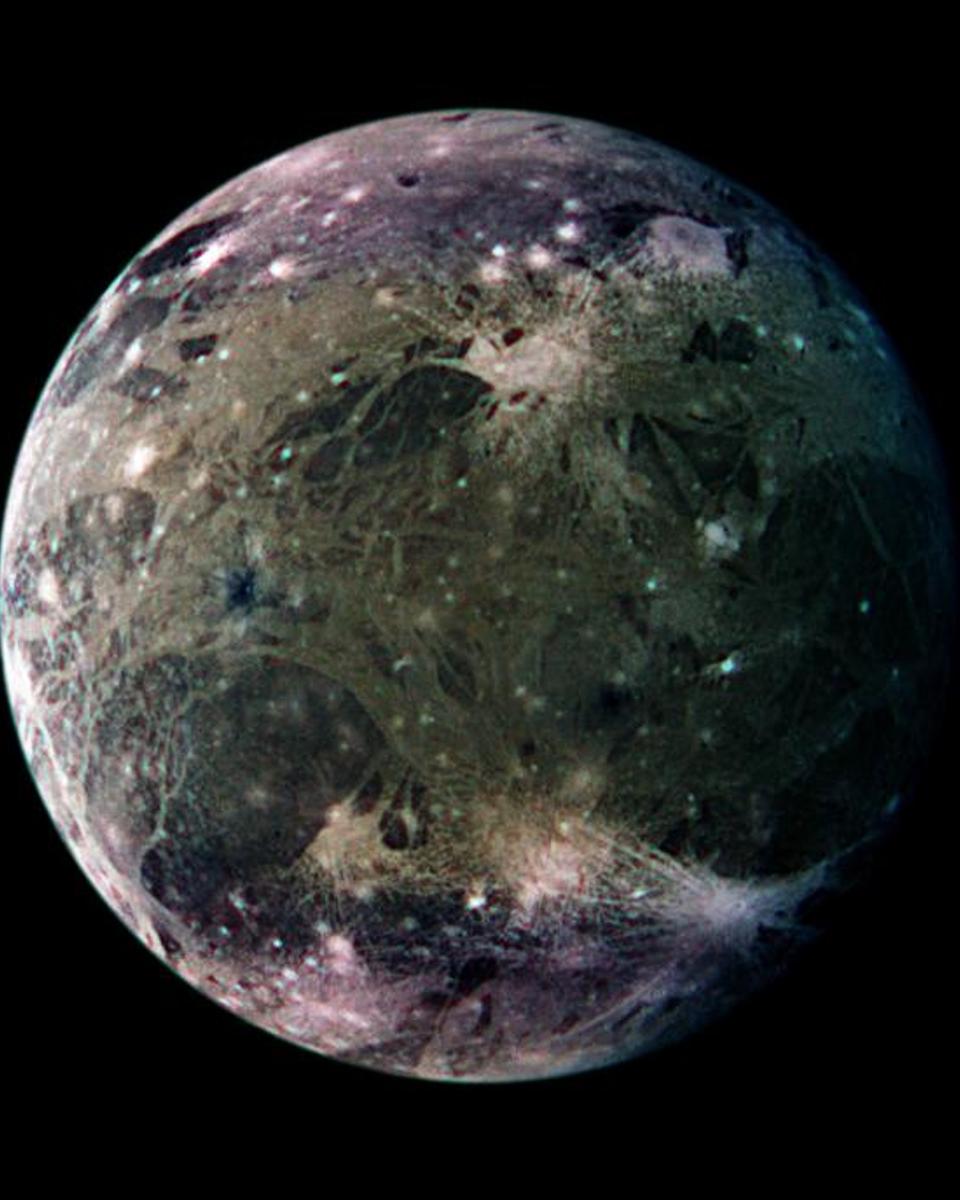
Ganymede Mosaic
Ganymede , one of the four Galilean moons of Jupiter, is the largest moon in the Solar System. With a diameter of 5,260 kilometers it is even larger than planets Mercury and Pluto…
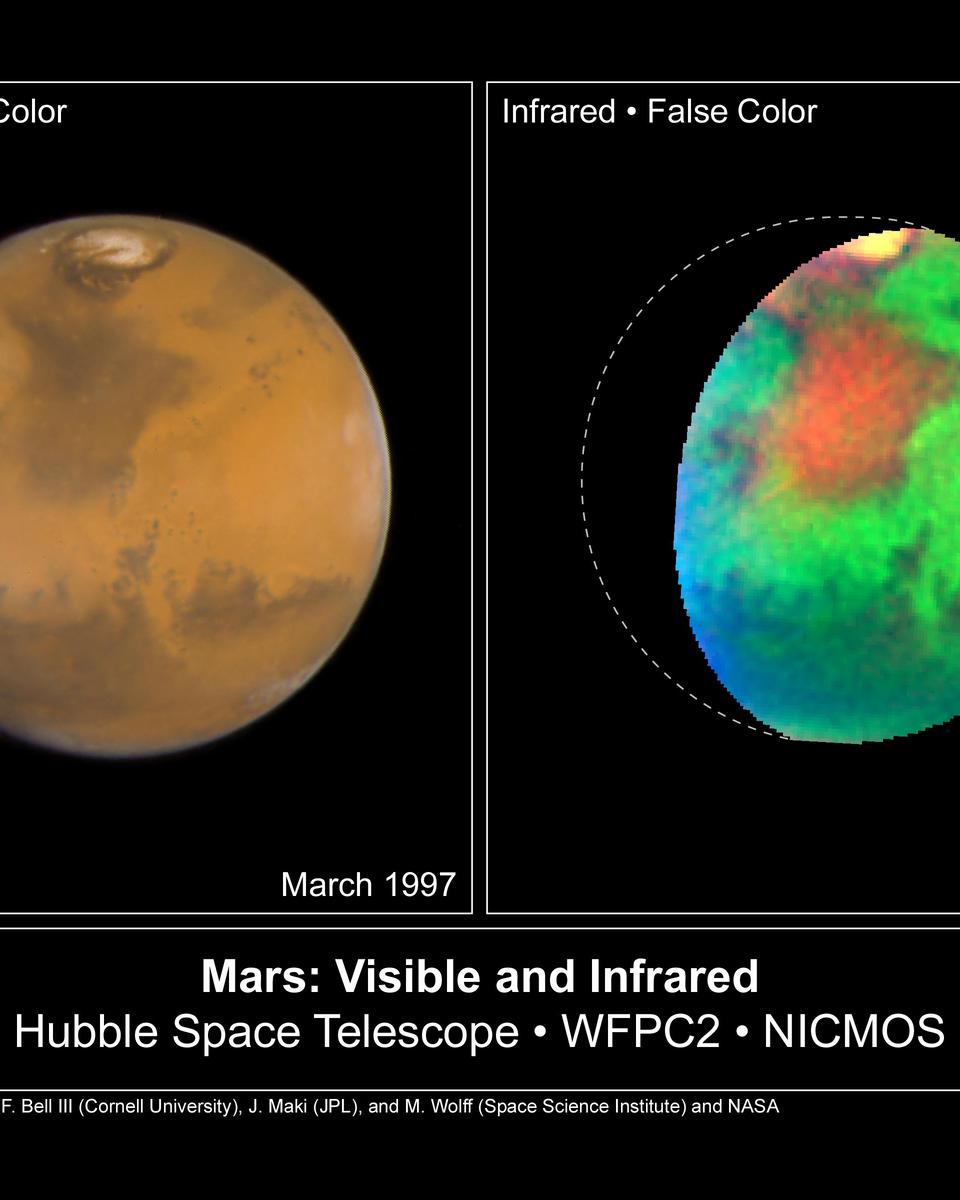
Infrared Mars
Was Mars wetter and more Earth-like in its distant past? This false-color composite image of Mars is part of the mounting evidence that liquid water once did play a significant…
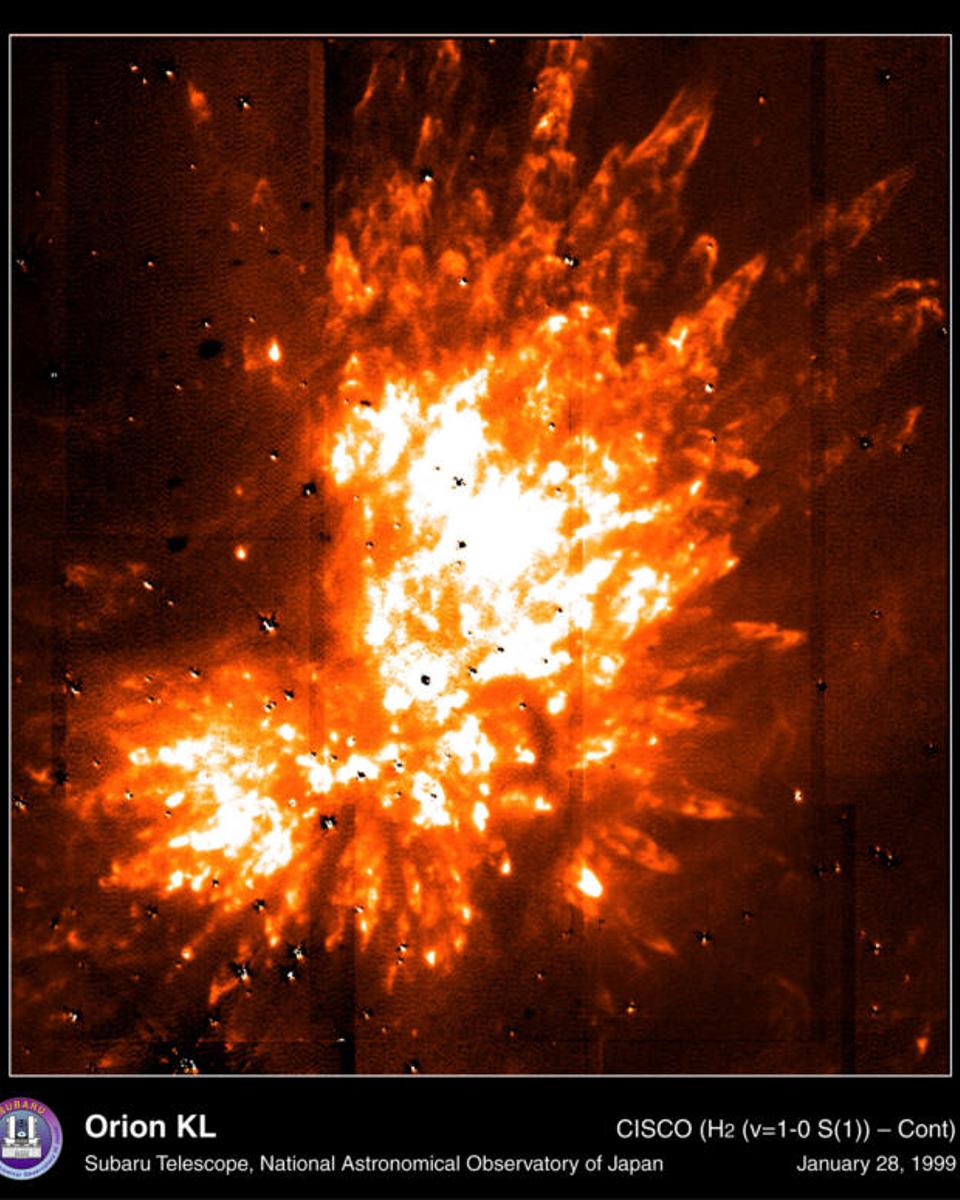
The Kleinmann-Low Nebula
The most active part of the Orion Nebular Cloud Complex is an area known as the Kleinmann-Low Nebula . There, a cluster of young and forming stars is embedded in a molecular cloud…
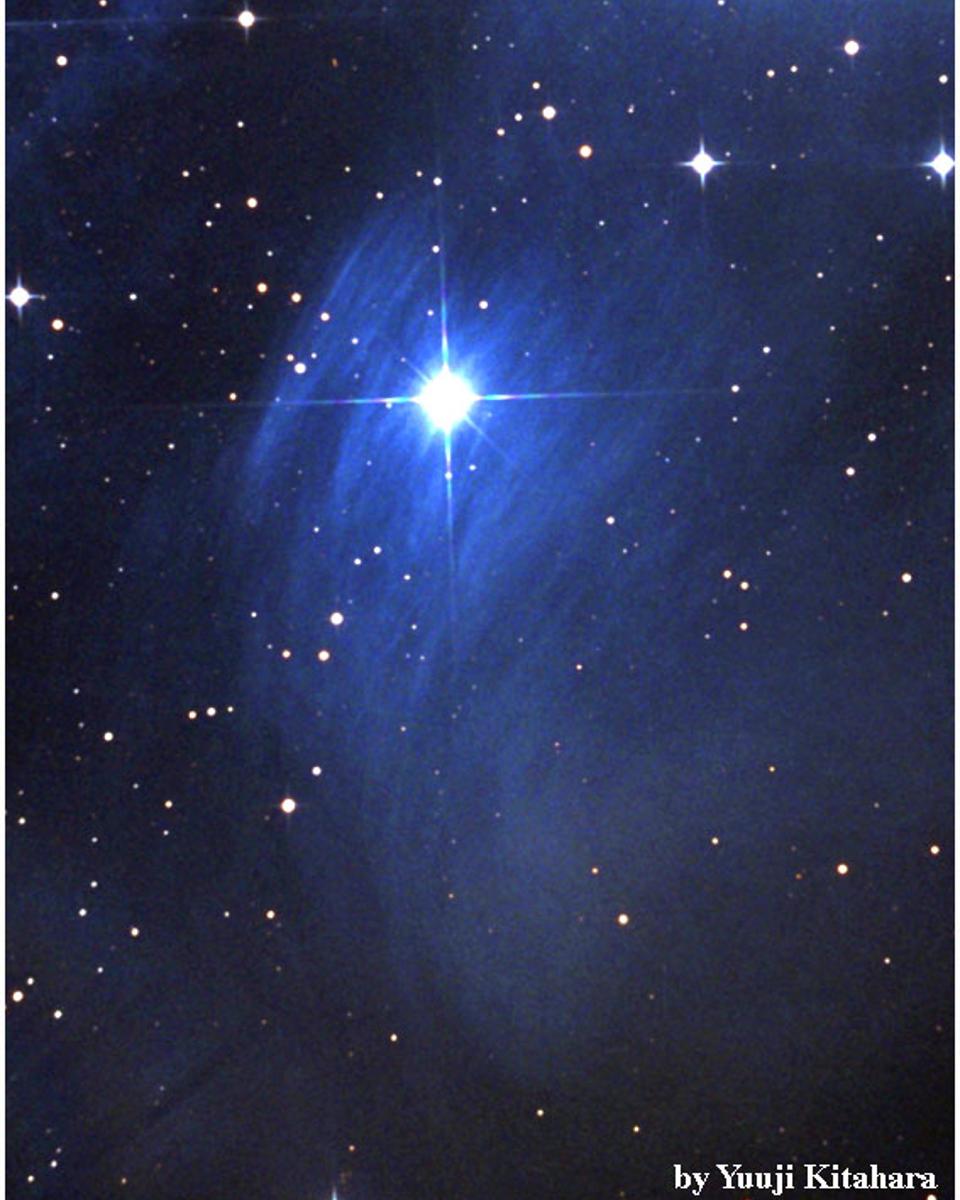
Reflection Nebula NGC 1435
Reflection nebulae reflect light from a nearby star. Many small carbon grains in the nebula reflect the light. The blue color typical of reflection nebula is caused by blue light…
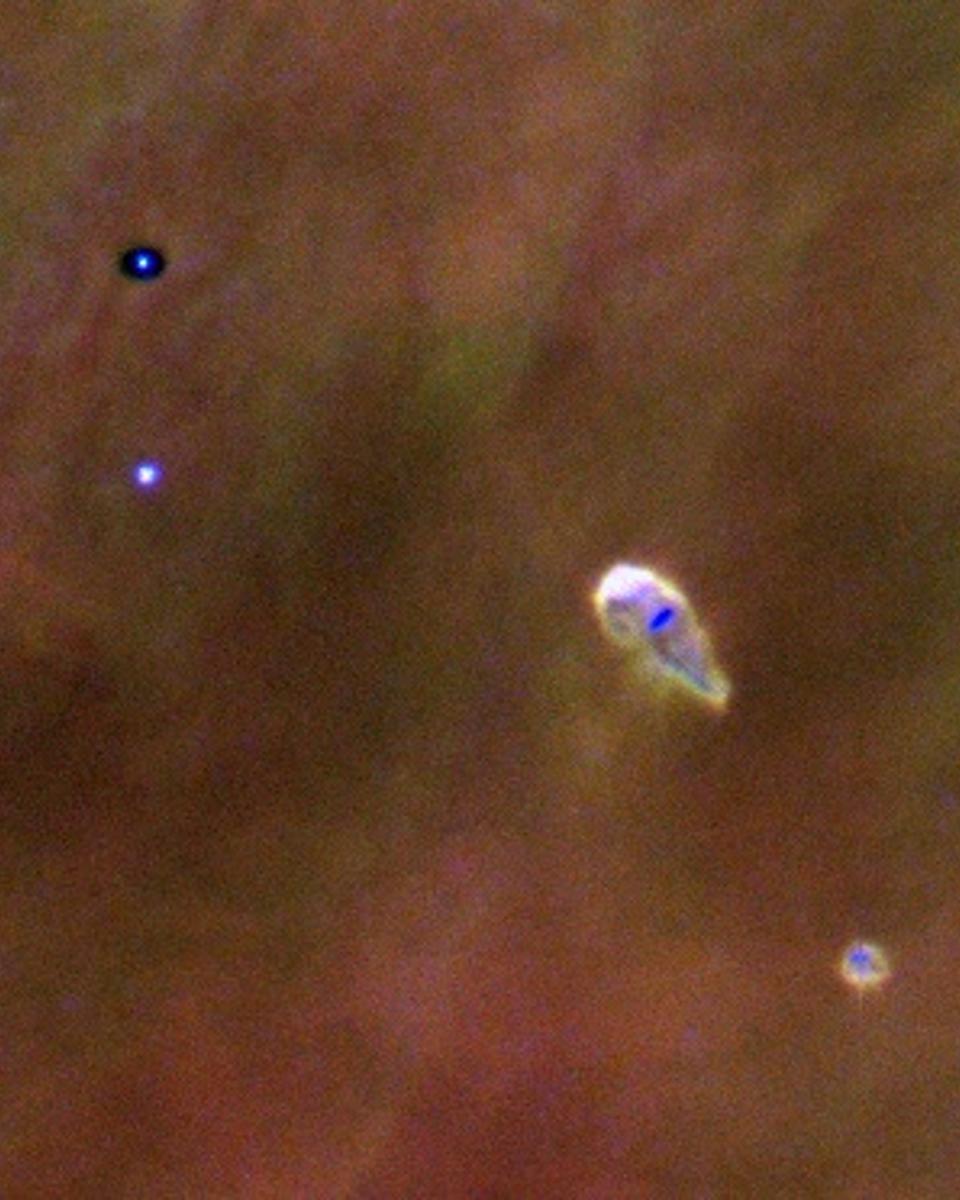
Trapezium: Teardrops in My Skies
Sometimes the unexpected comes in a familiar shape. In this picture , the seemingly familiar teardrop-shaped object just right of center is actually an unusually situated disk of…
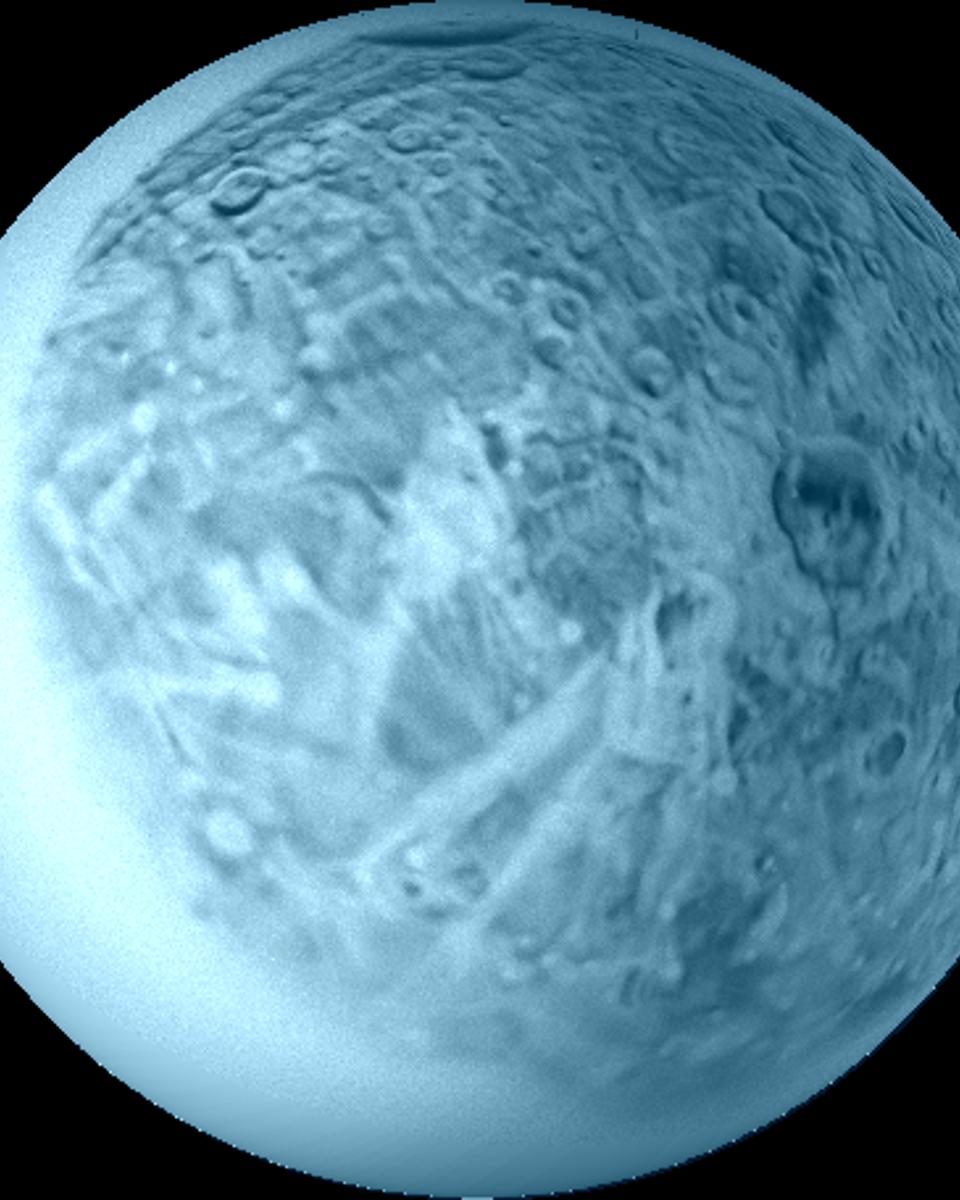
Hamlet of Oberon
What's in a name? Since 1919, the International Astronomical Union has been charged with the task of establishing “conventional” nomenclature for planets, satellites, and surface…
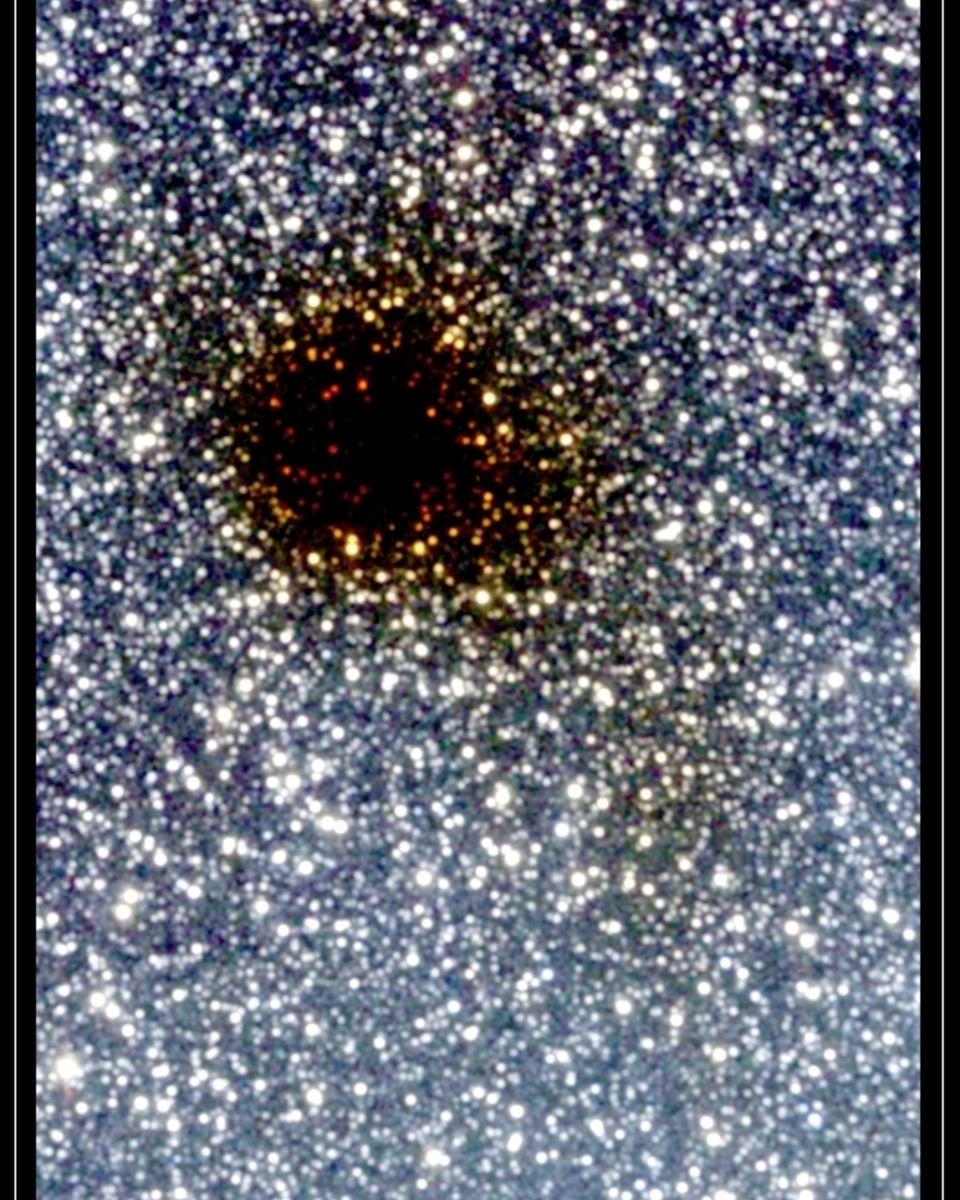
Dark Cloud
Ominously foreshadowing events to come, a dark cloud of obscuring dust stands out against a luminous star field in the Milky Way . Cataloged as Feitzinger and Stuwe object “1-457”…
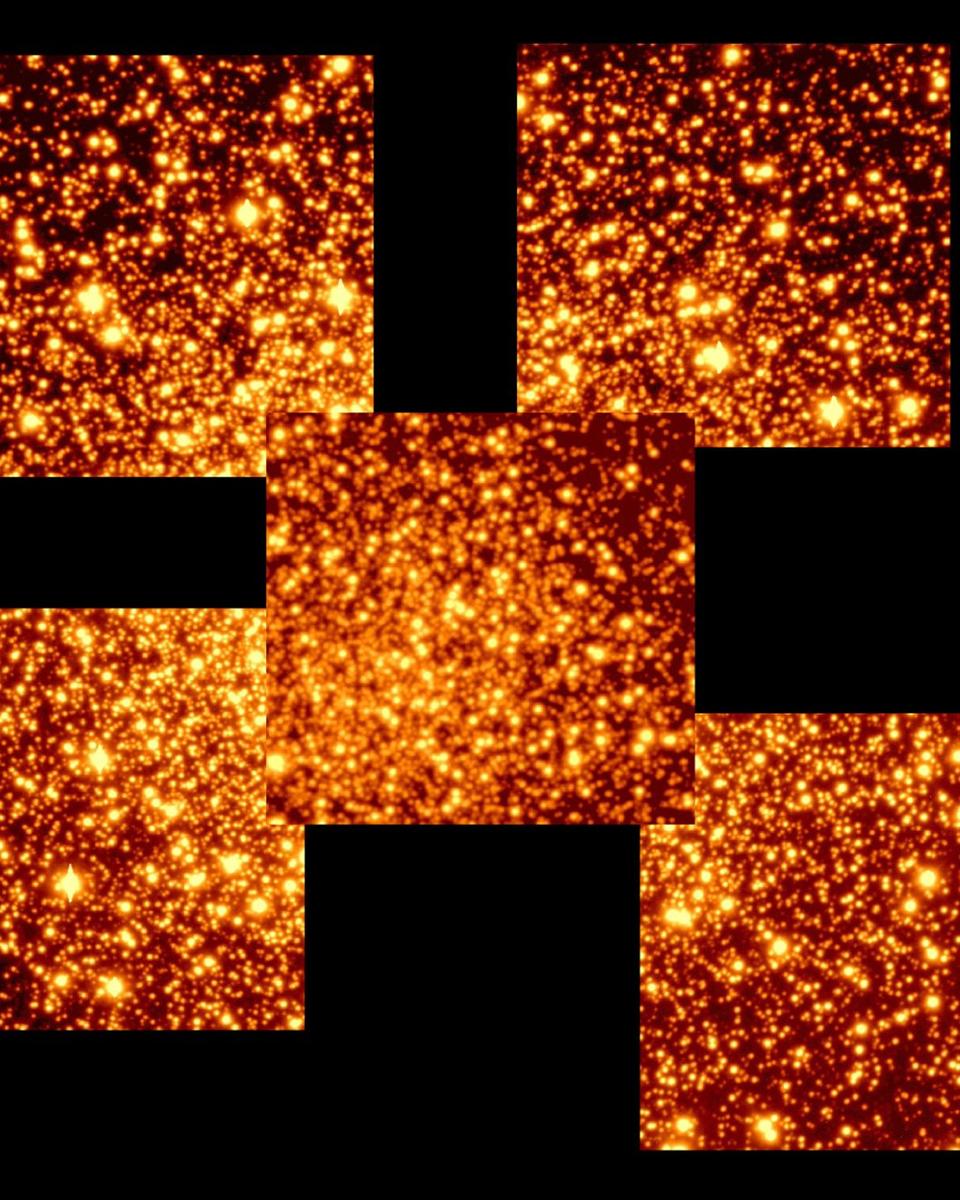
NGC 6712: Galactic Globular Cluster
Following orbits which loop high above the galactic plane , globular star clusters are probably 12 to 14 billion years old - truly ancient denizens of our Milky Way Galaxy. After…
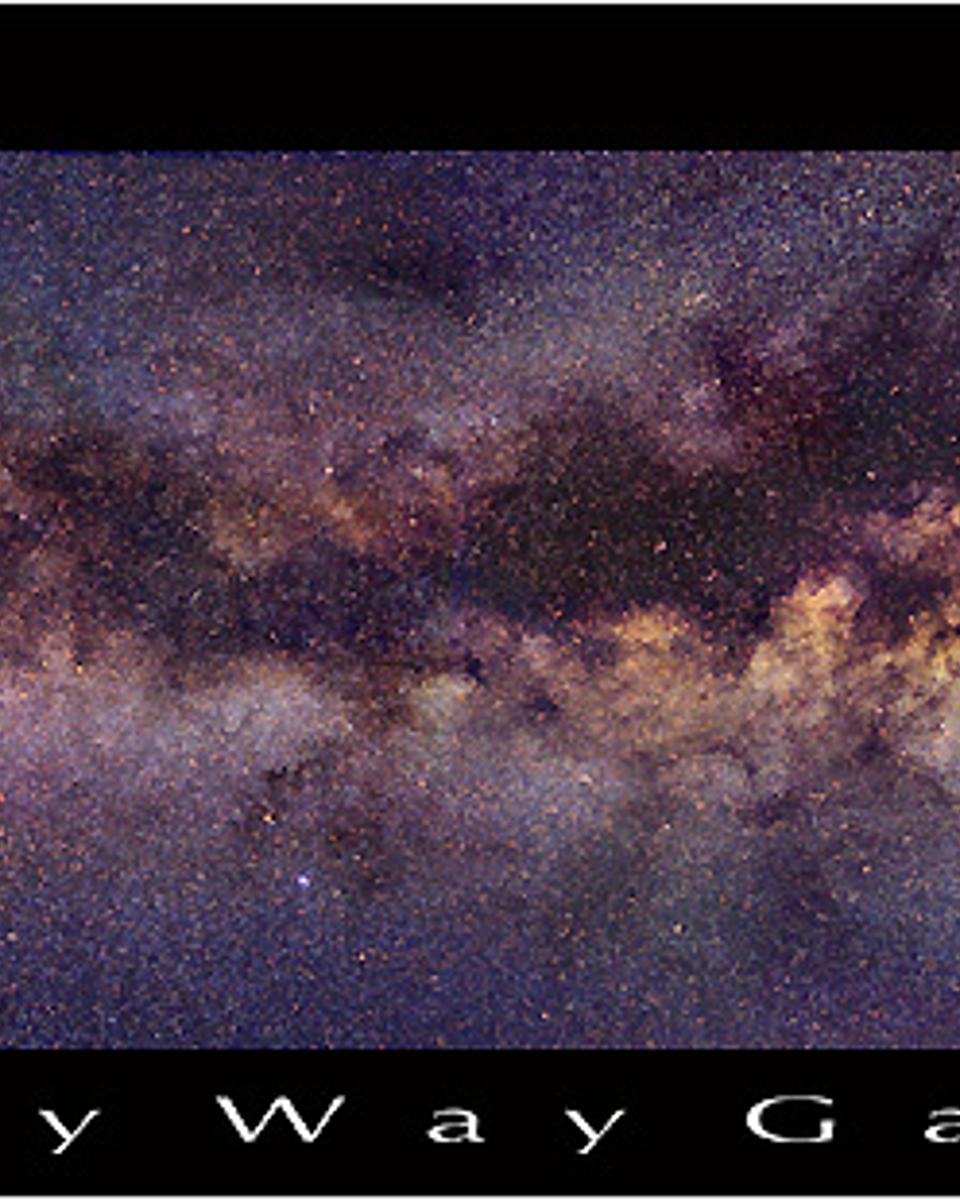
A Milky-Way Band
Most bright stars in our Milky Way Galaxy reside in a disk. Since our Sun also resides in this disk, these stars appear to us as a diffuse band that circles the sky. The above…
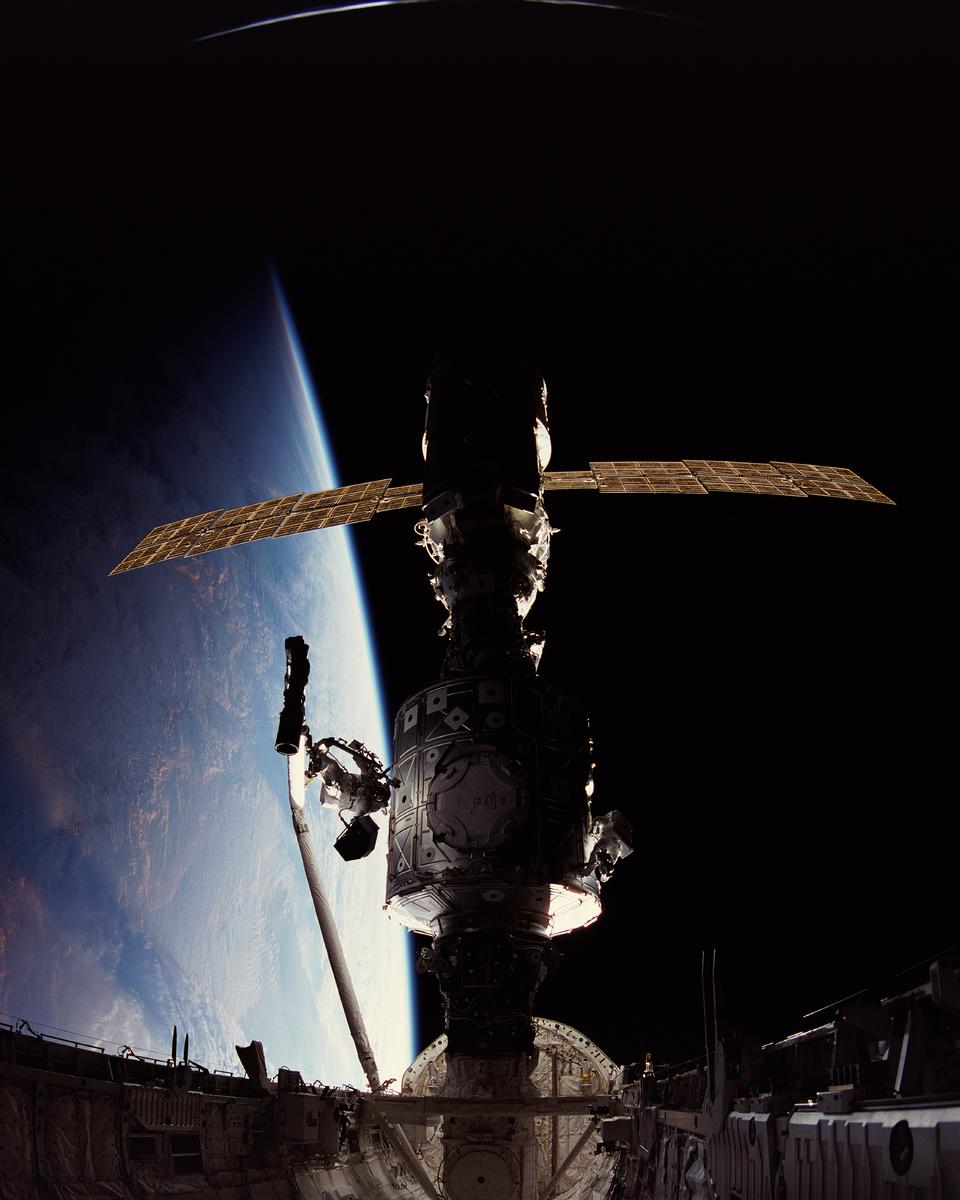
Construction of International Space Station Begins
Move over Mir , here comes the International Space Station . In December 1998, the crew of Space Shuttle Endeavour started construction by joining the U.S.-built Unity node with…
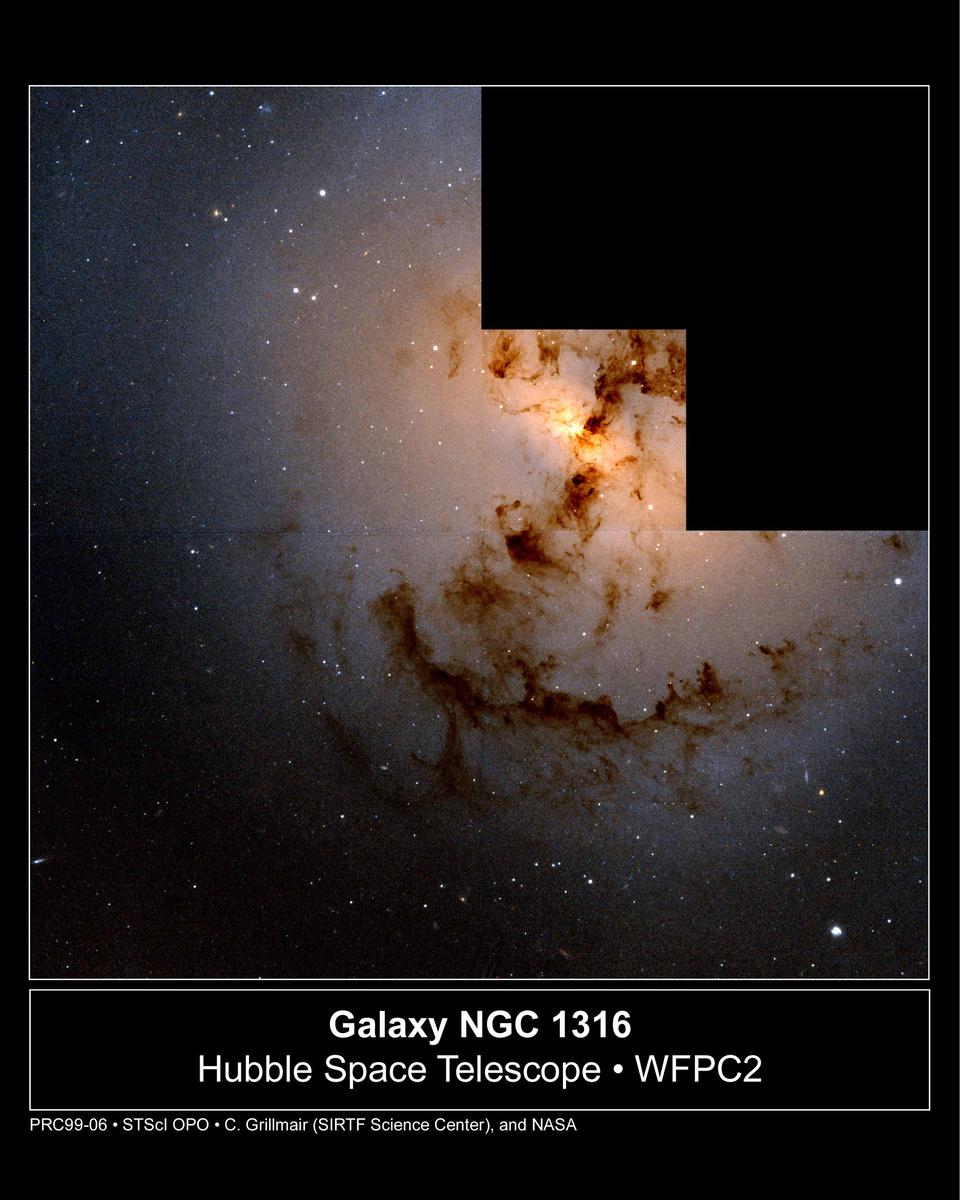
NGC 1316: After Galaxies Collide
Astronomers turn detectives when trying to figure out the cause of unusual sites like NGC 1316 . A preliminary inspection indicates that NGC 1316 is an enormous elliptical galaxy…
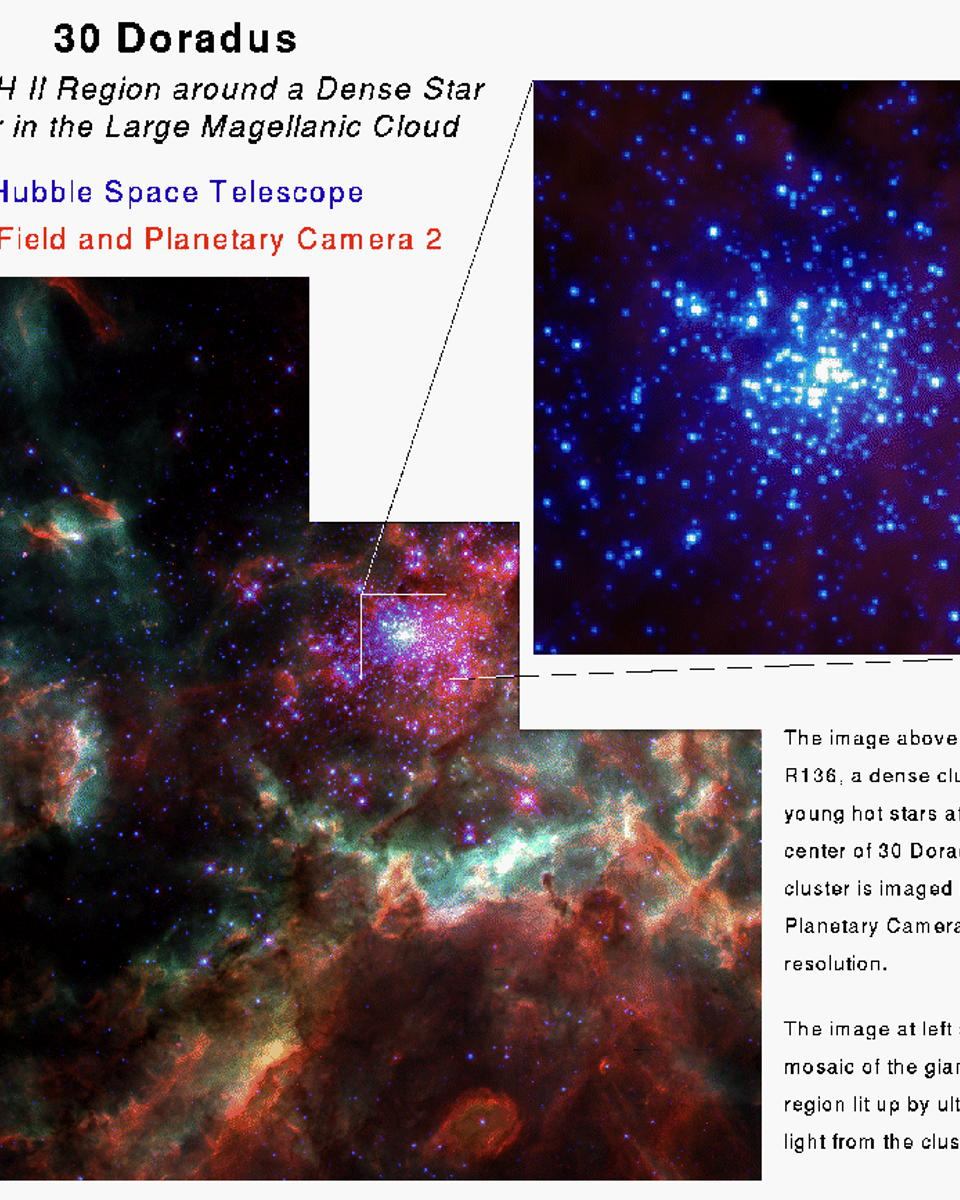
In the Center of 30 Doradus
In the center of 30 Doradus lies a huge cluster of the largest, hottest, most massive stars known. The center of this cluster, known as R136 , is boxed in the upper right portion…
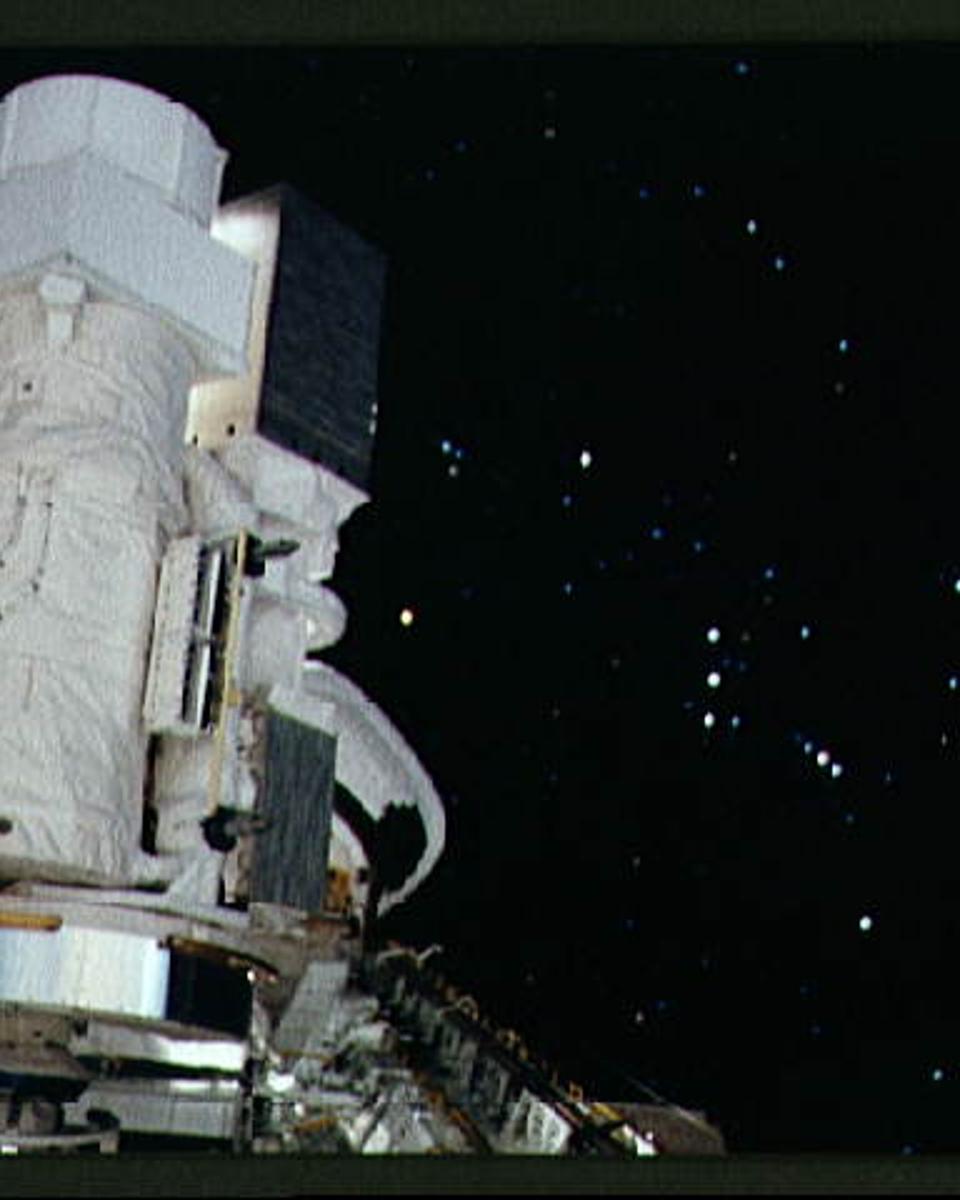
Astro 1 In Orbit
In December of 1990, the Space Shuttle Columbia carried an array of astronomical telescopes high above the Earth's obscuring atmosphere to observe the Universe at ultraviolet and…
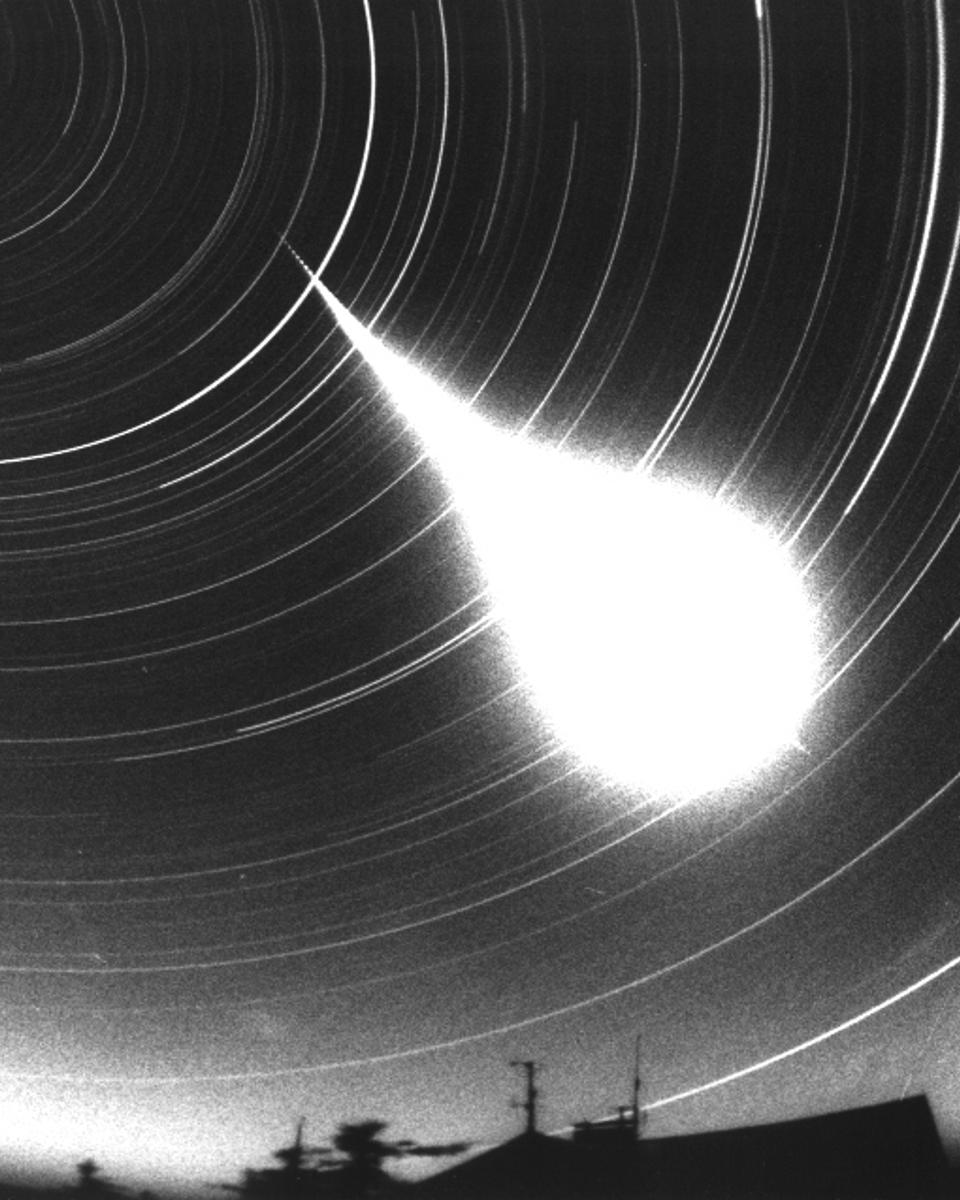
On The Trail Of A Fireball
This exceptionally bright fireball meteor trail was photographed with a fish-eye camera at a Czech Republic station of the European Fireball Network on January 21, 1999. Of the…
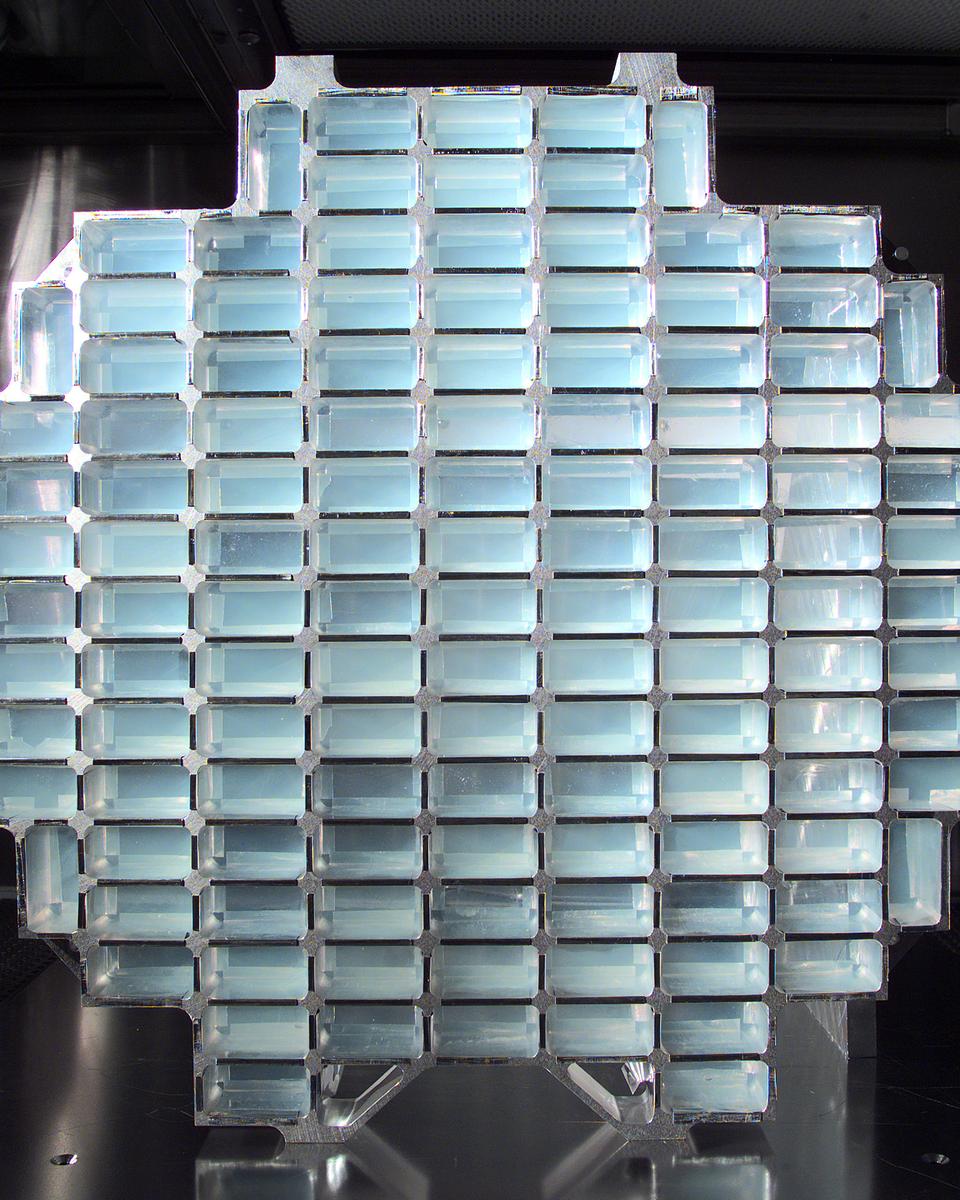
Aerogel For STARDUST
On February 7th, this honey comb of aluminum cells filled with aerogel was launched on the STARDUST mission to interplanetary space. STARDUST's goal is to capture dust from a…
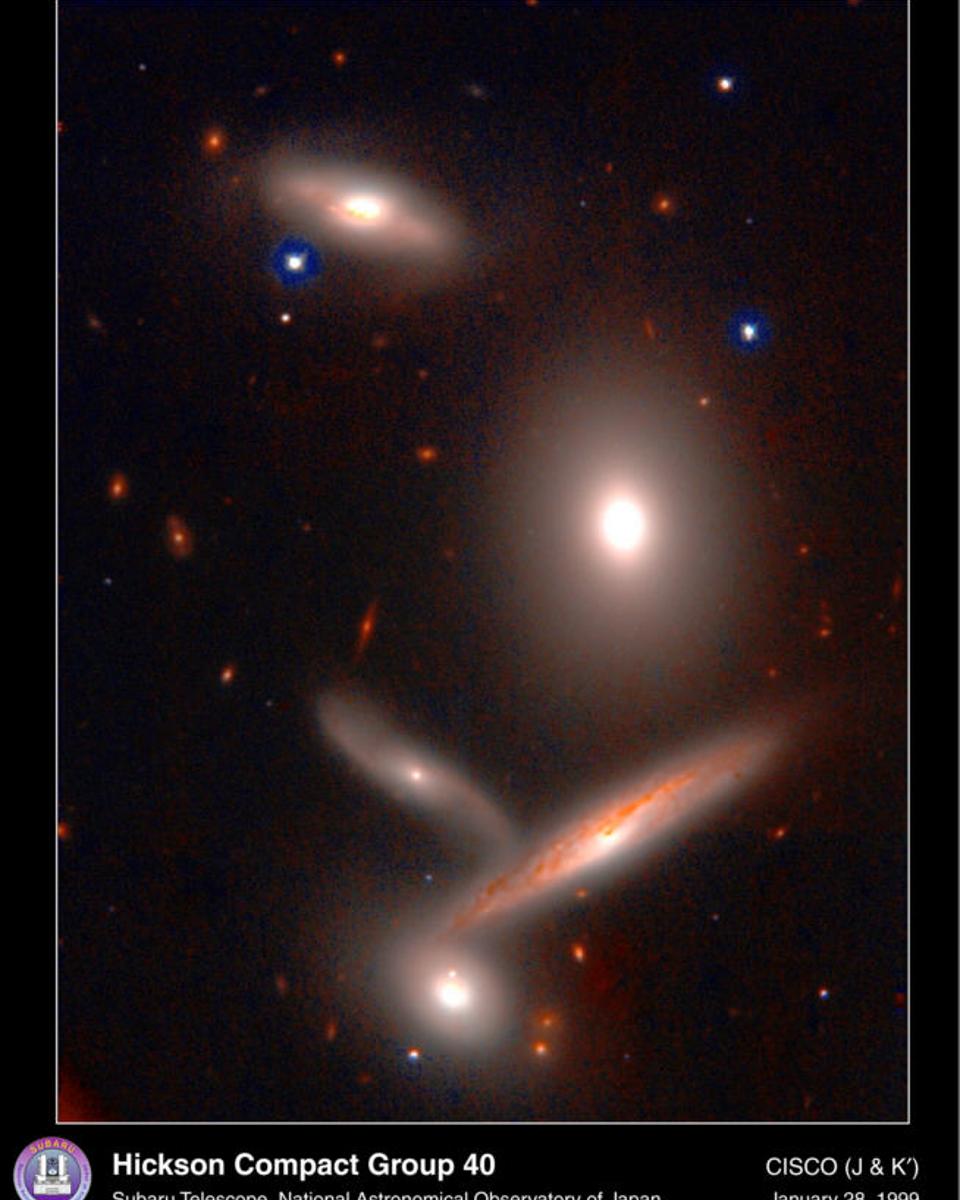
Hickson Compact Group 40
Galaxies , like stars, frequently form groups. A group of galaxies is a system containing more than two galaxies but less than the tens or hundreds typically found in a cluster of…
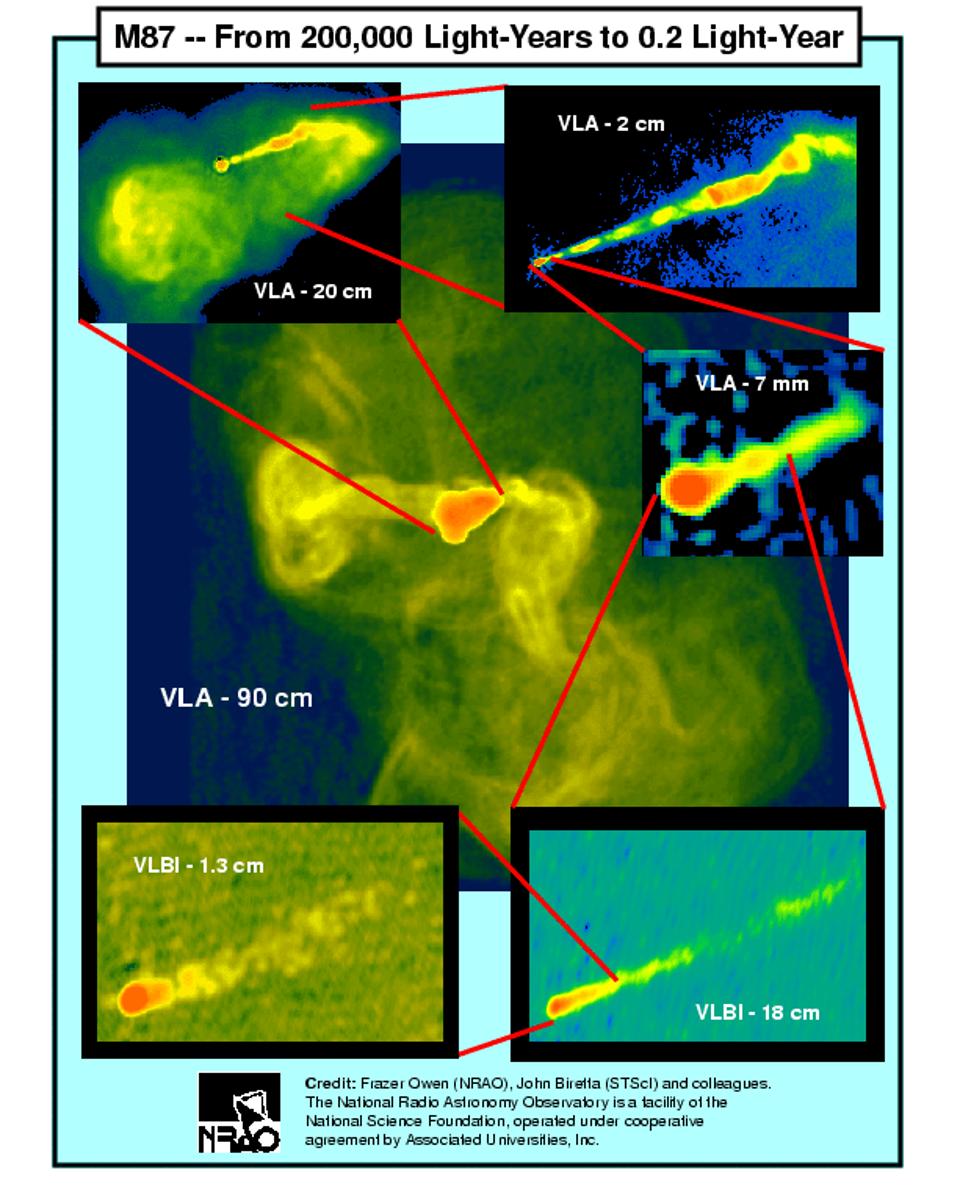
The Large and Small of M87
The small core of elliptical galaxy M87 appears to be energizing its whole galactic neighborhood. Recent images from the Very Large Array (VLA) of radio telescopes indicate that…
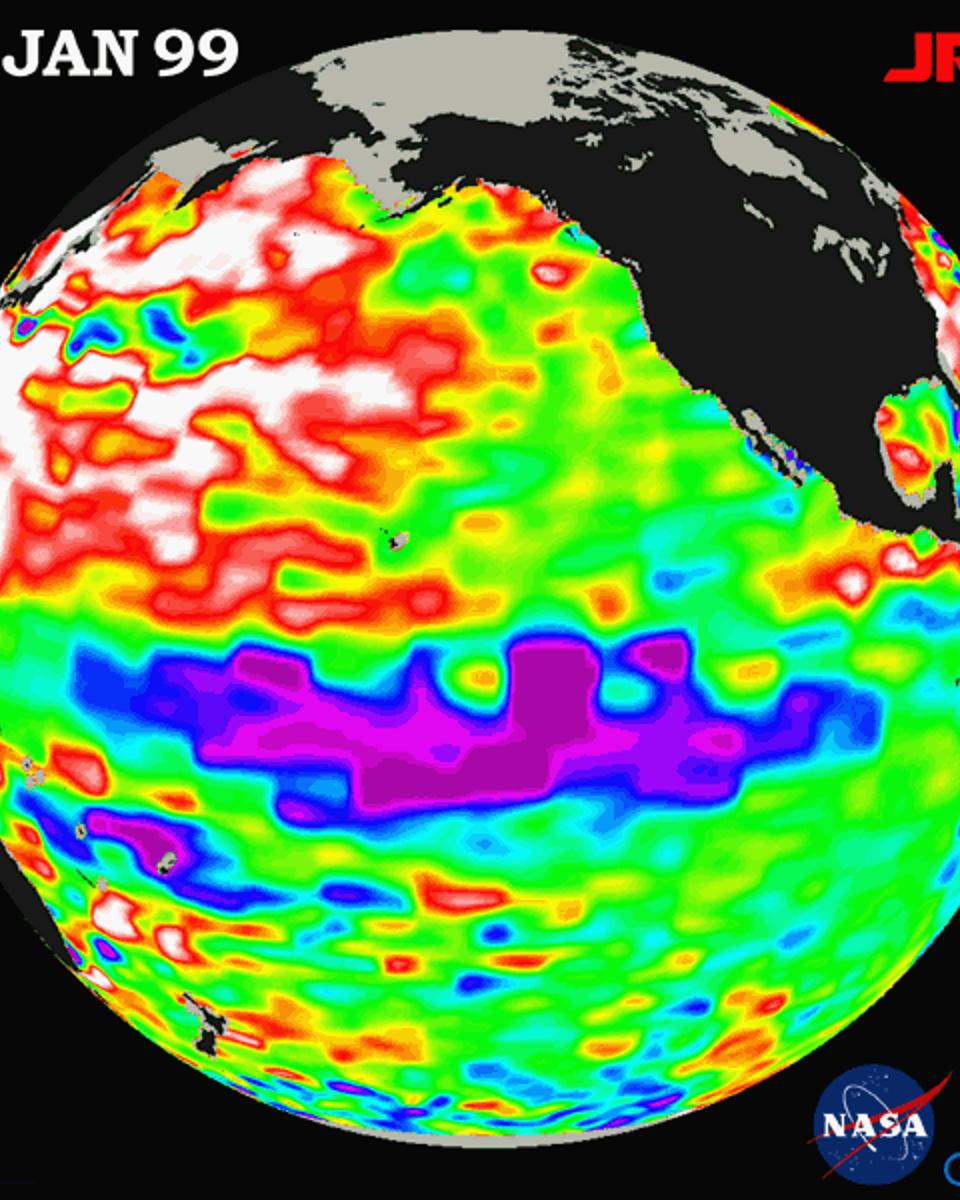
La Niña Earth
La Niña is a temporary climate change caused by unusually cold water in the central Pacific Ocean . Cold water topping an unusually low sea level is shown as purple in the above…
Viewing discoveries from 10 March 1999 through 15 February 1999.