Browse NASA Astronomy Picture of the Day archive by date and media: Archive Discoveries
Browse the NASA APOD archive without needing the exact date first. Filter by media type and keep moving deeper into older images and videos.
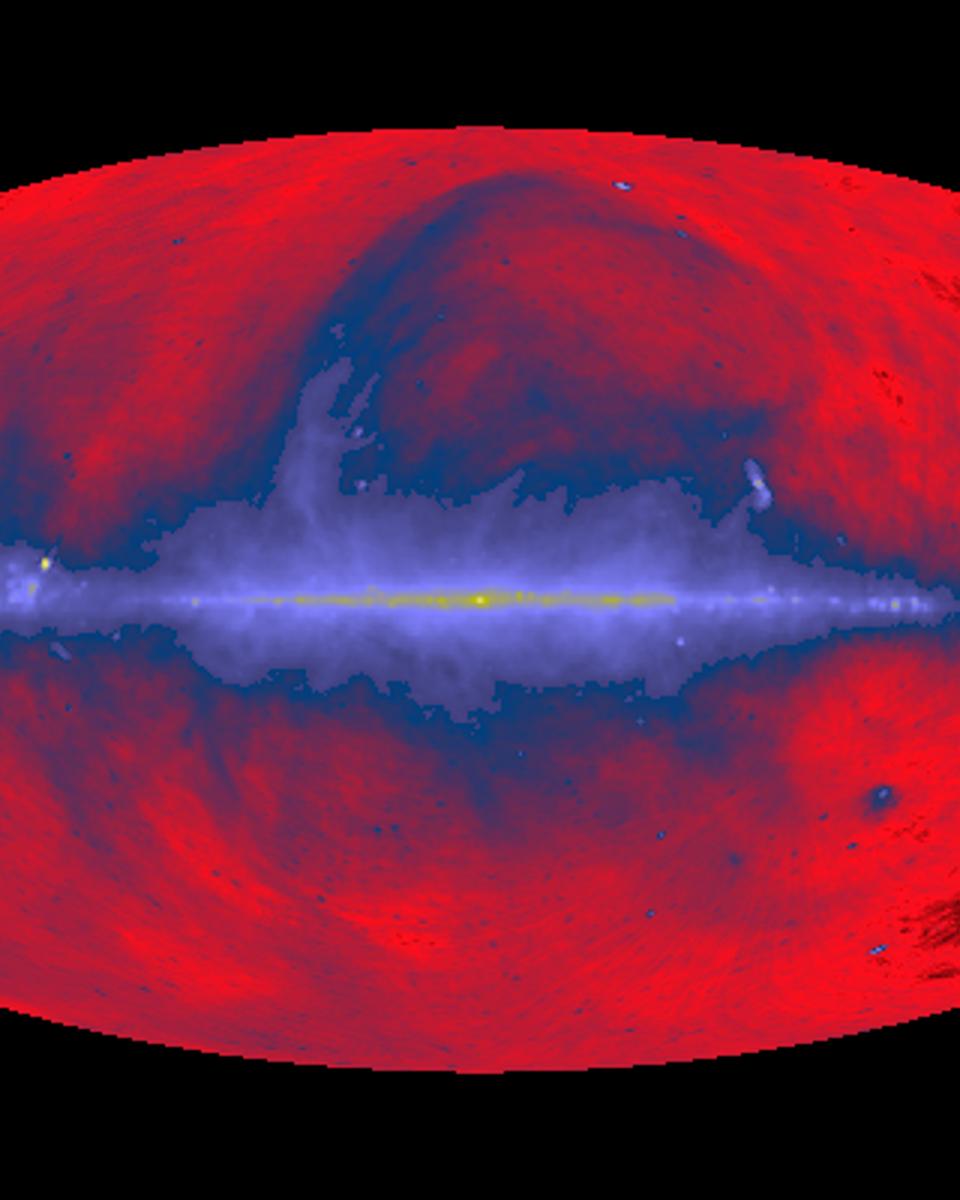
The Radio Sky: Tuned to 408MHz
Tune your radio telescope to 408MHz (408 million cycles per second) and check out the Radio Sky! You should find that frequency on your dial somewhere between US broadcast…
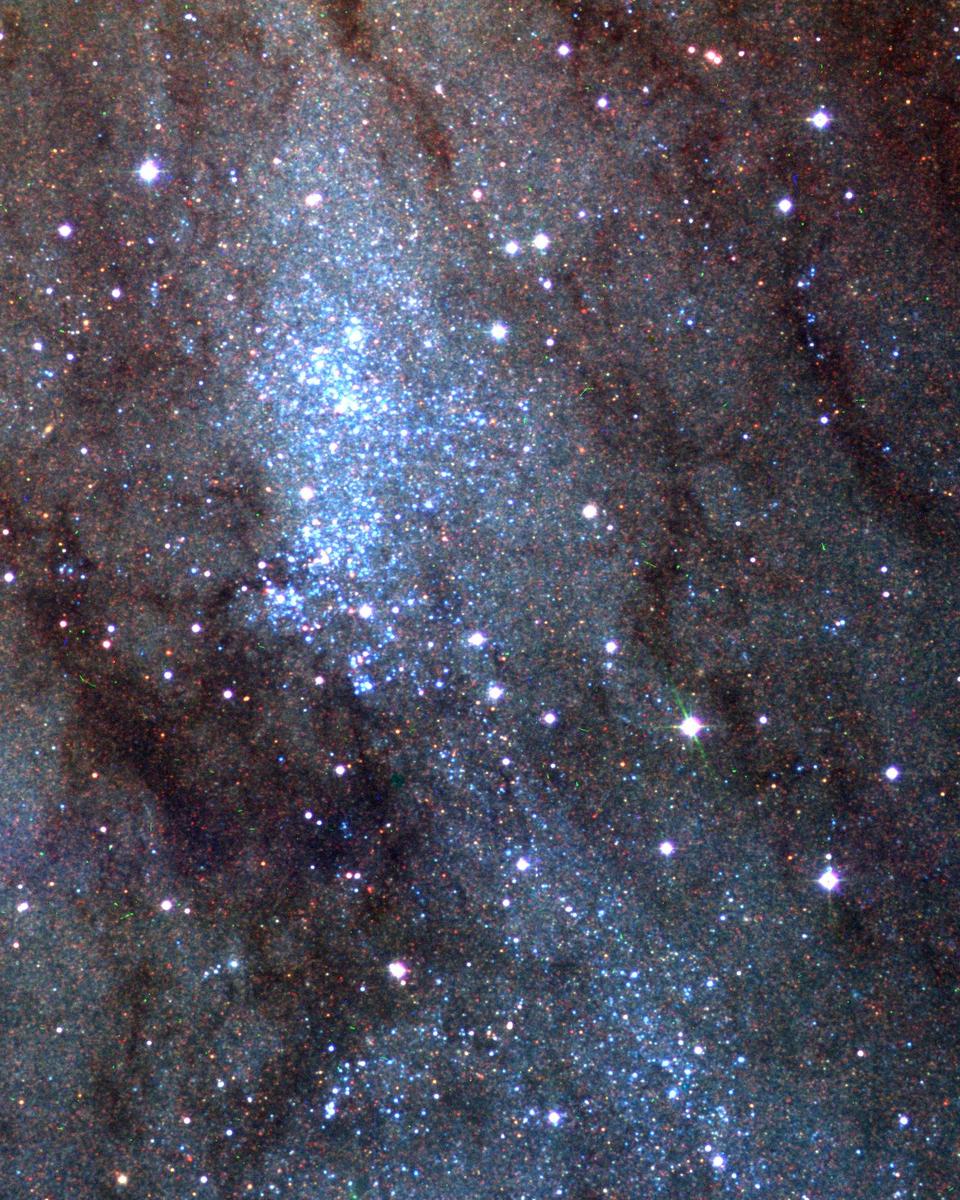
Stars of NGC 206
Nestled within the dusty arms of the large spiral galaxy Andromeda (M31), the star cluster NGC 206 is one of the largest star forming regions known in our local group of galaxies.…
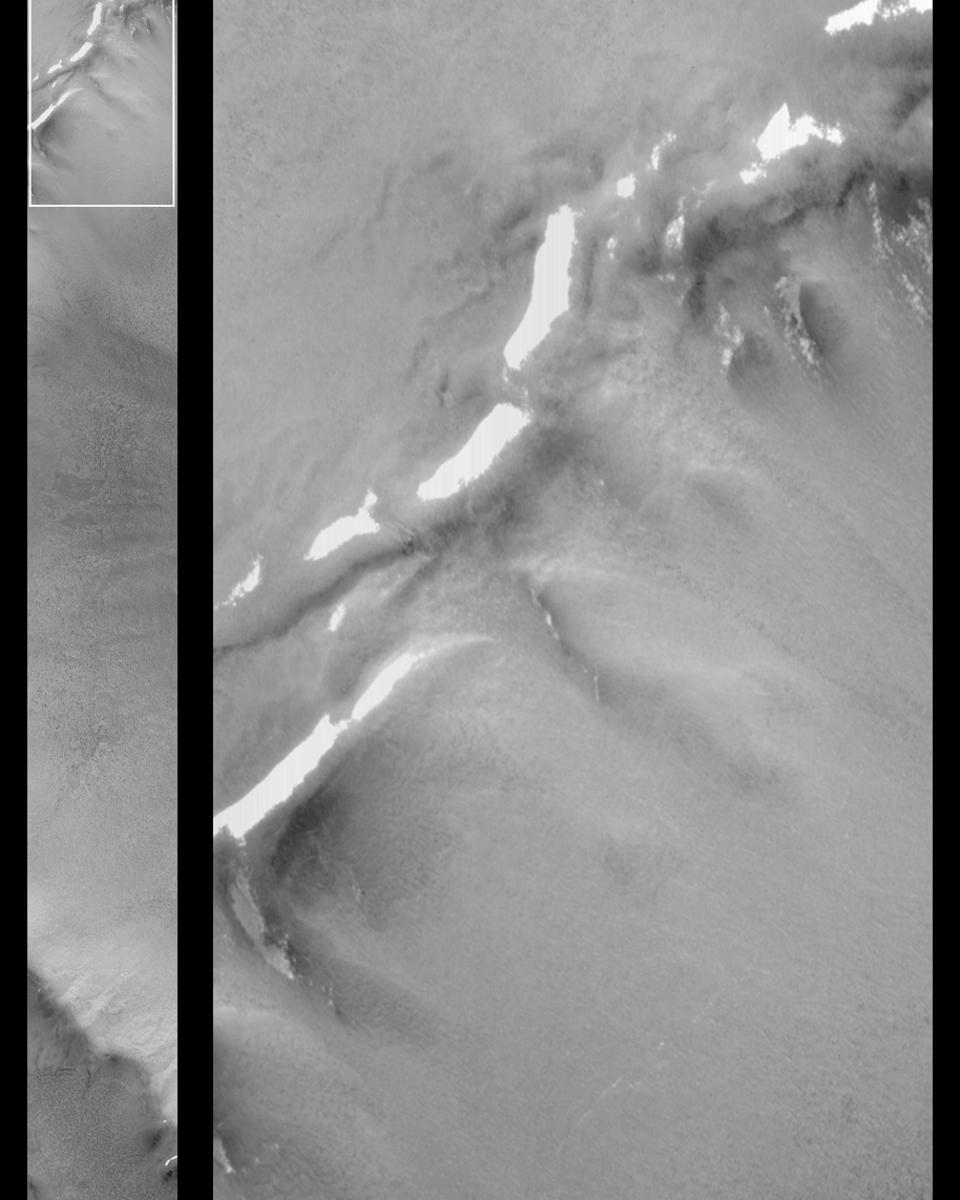
Ski Mars!
These brightly reflecting fields of snow or frost are on the slopes of a crater rim in the northern hemisphere of Mars . They are 500 meters or so long and have lasted through…
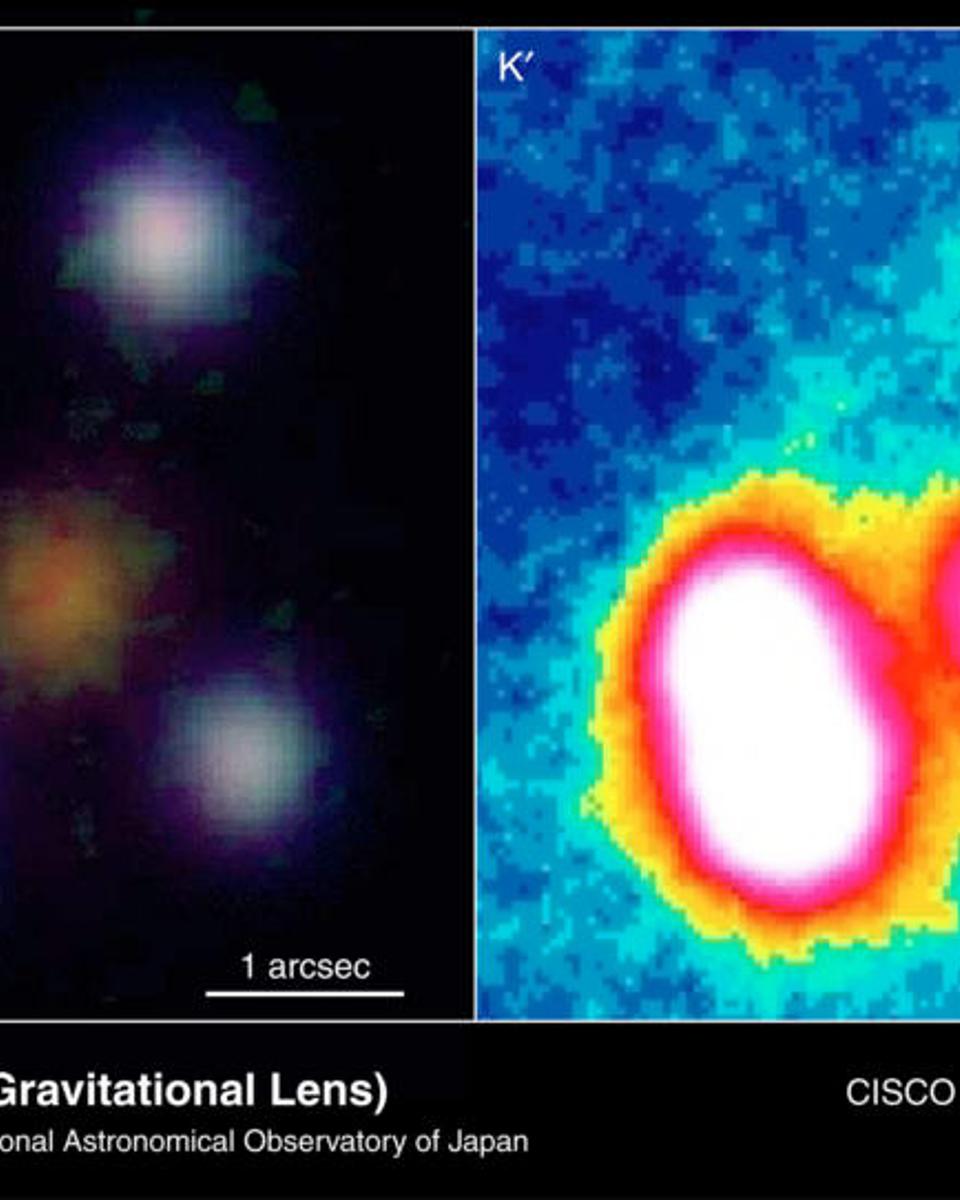
PG 1115+080: A Gravitational Cloverleaf
All four blue images in the above photograph are the same object. The gravitational lens effect of the red, foreground, elliptical galaxy visible near image center creates a…
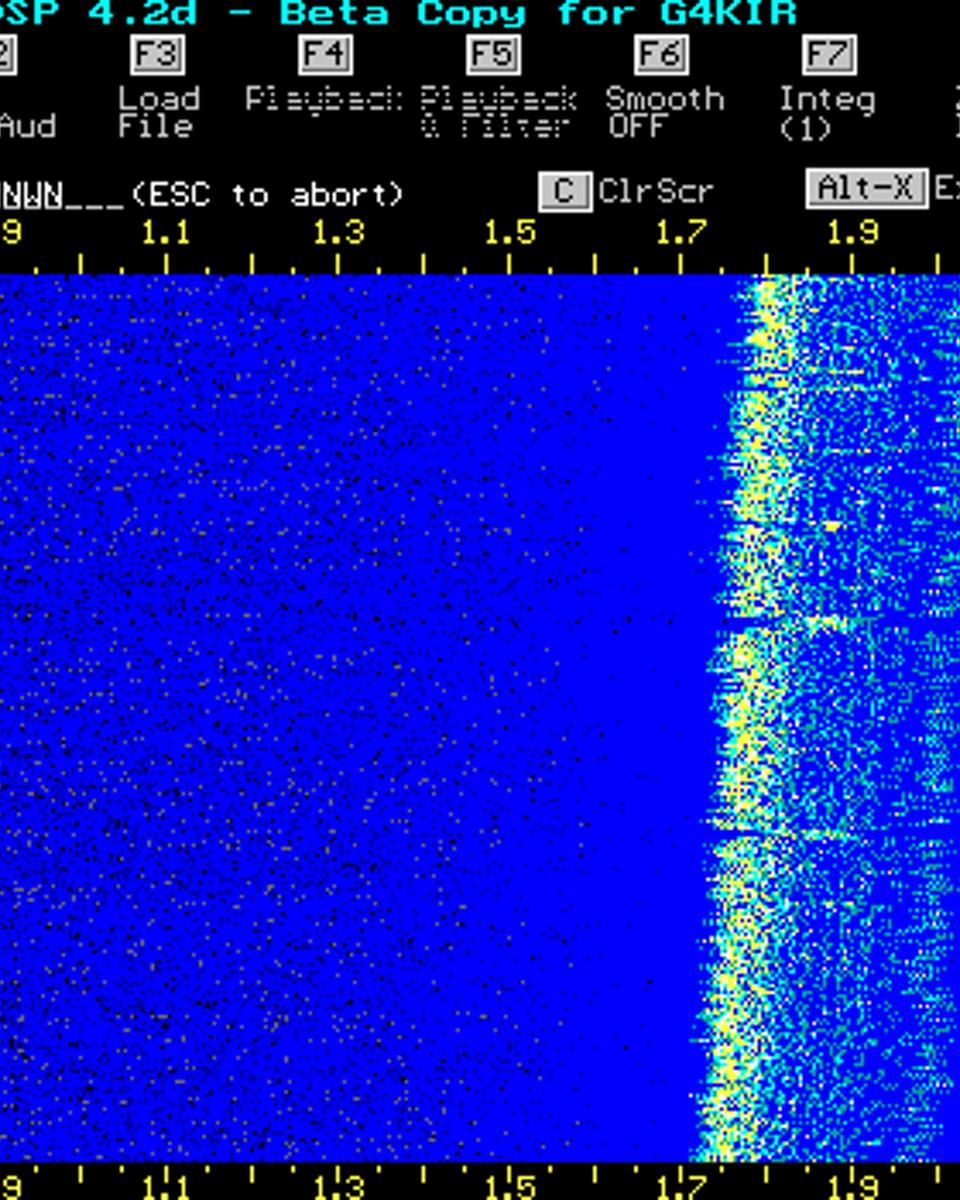
An Anomalous SETI Signal
No one knows for sure what caused this signal . The bright colors on the blue background indicate that an anomalous signal was received here on Earth by a radio telescope involved…
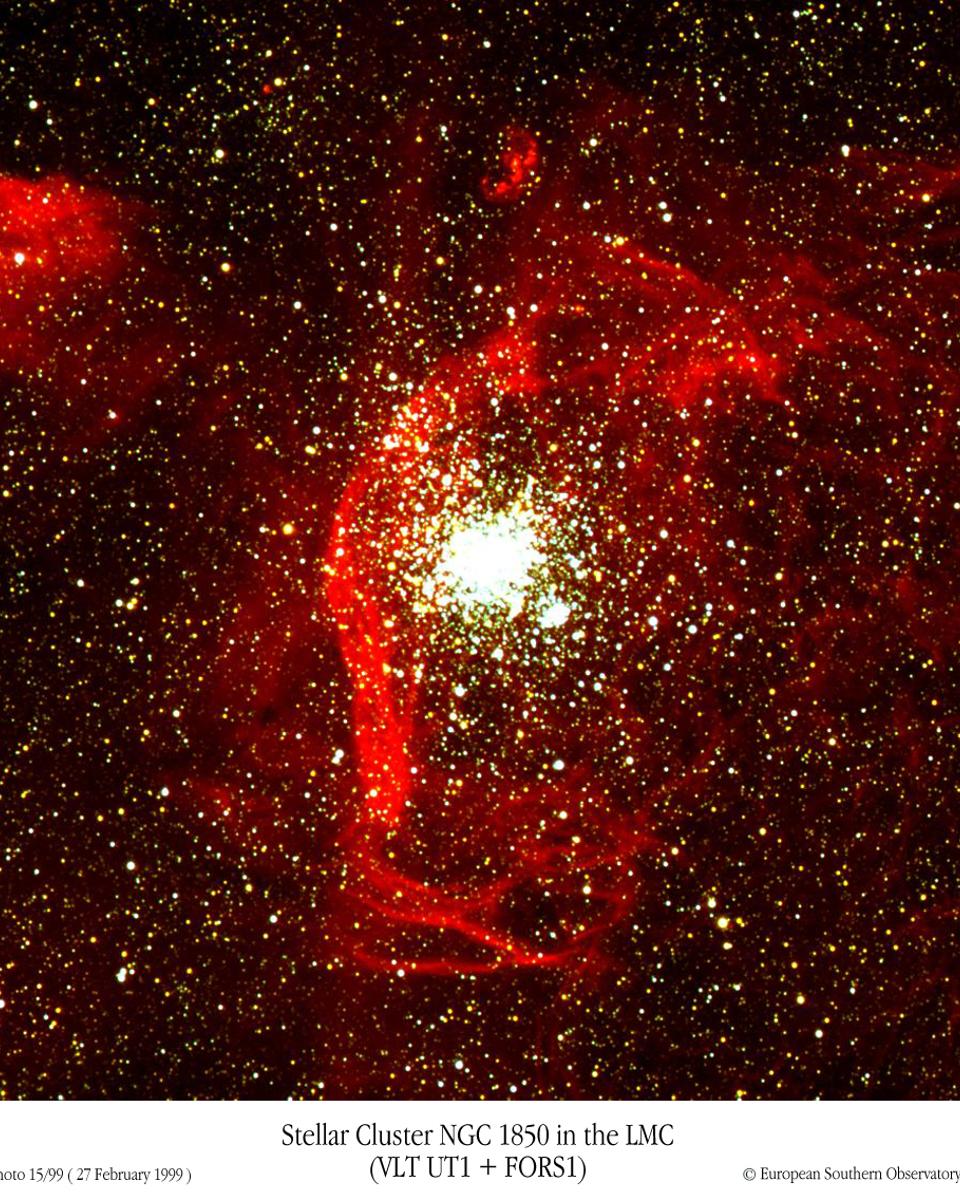
NGC 1850: Gas Clouds and Star Clusters
There's nothing like it in our own Galaxy . Globular clusters as young as NGC 1850 don't exist here. Globular clusters only 40 millions of years old can still be found in the…
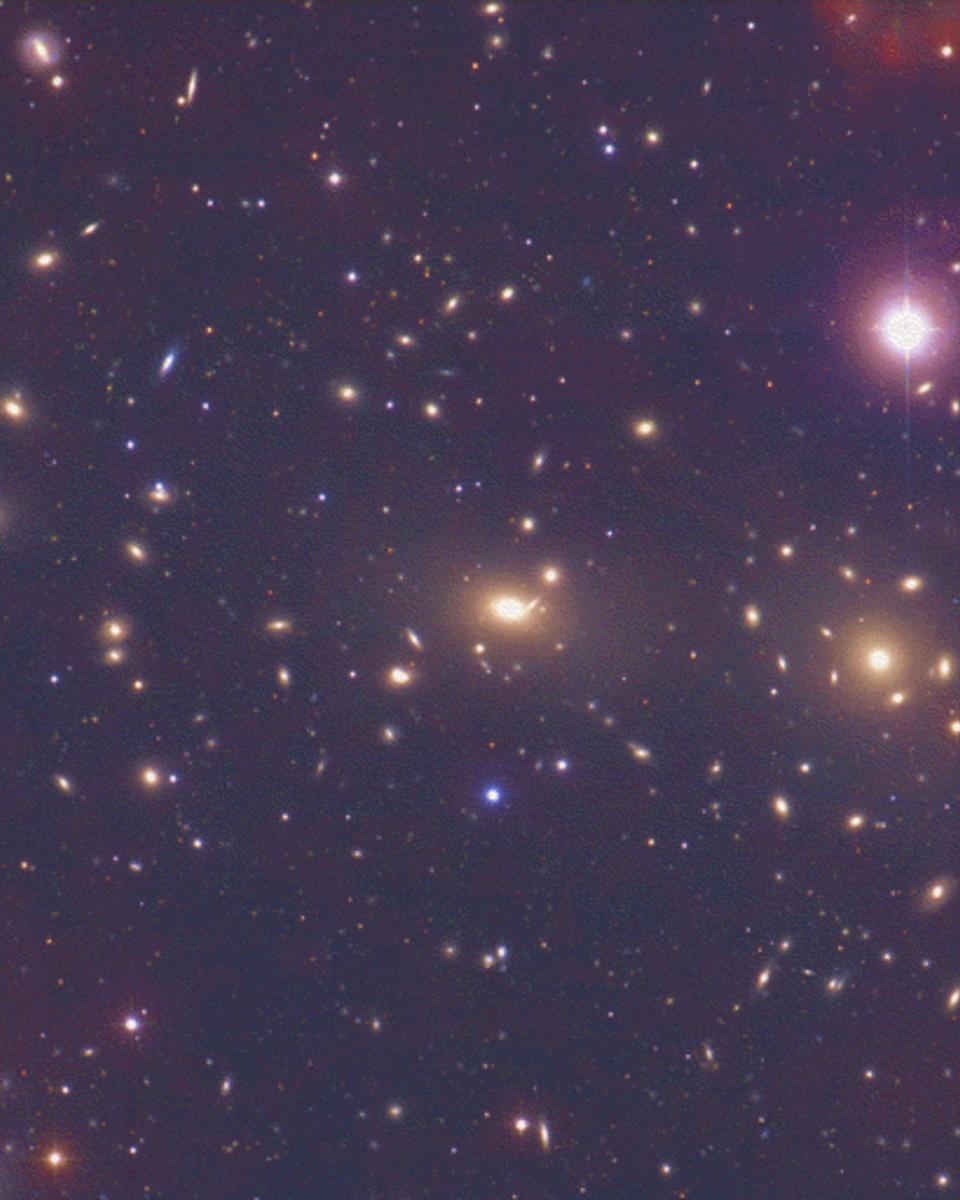
The Coma Cluster of Galaxies
Almost every object in the above photograph is a galaxy. The Coma Cluster of Galaxies pictured is one of the densest clusters known - it contains thousands of galaxies . Each of…
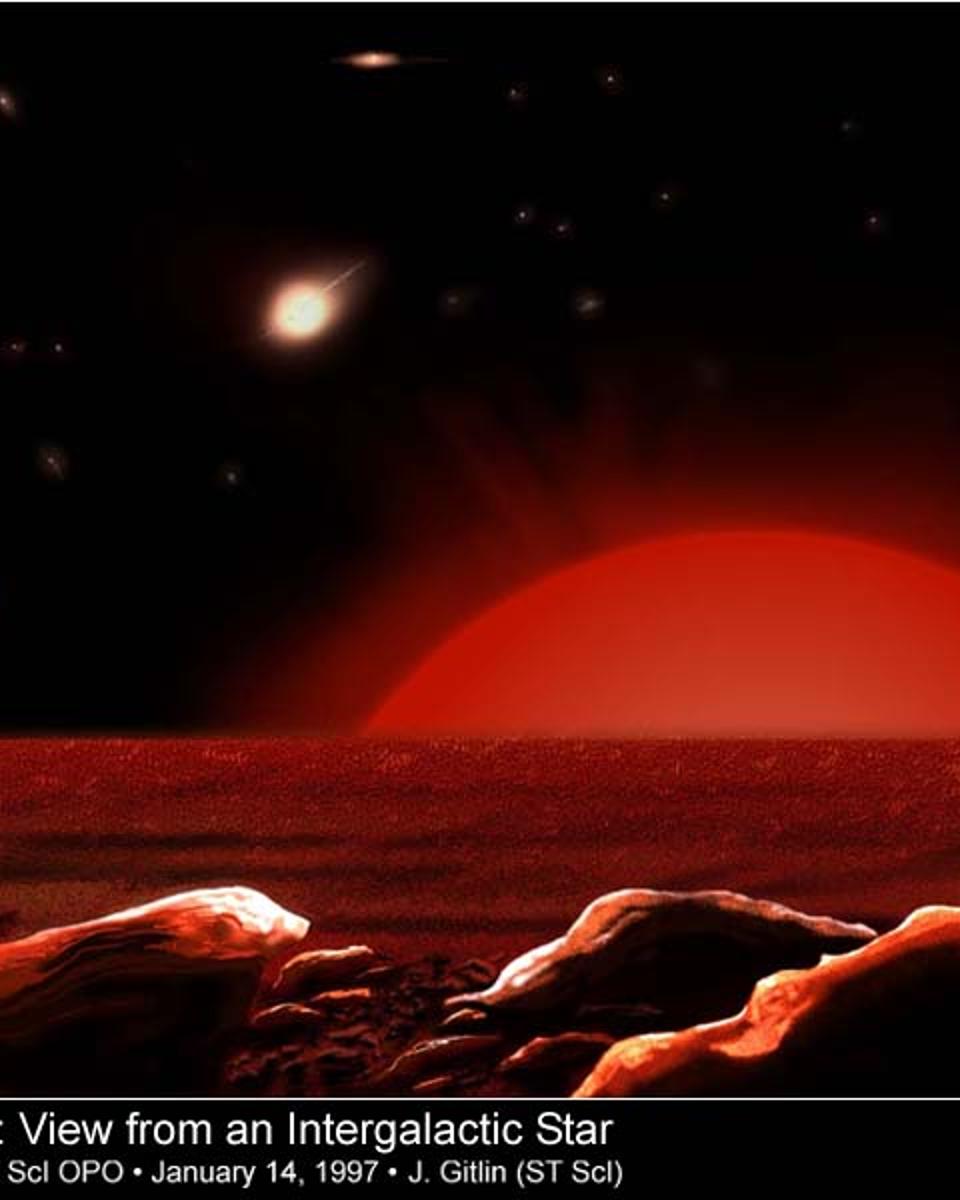
Stars Without Galaxies
Galaxies are made up of stars, but are all stars found within galaxies? Using the Hubble Space Telescope , researchers exploring the Virgo Cluster of galaxies have now found about…
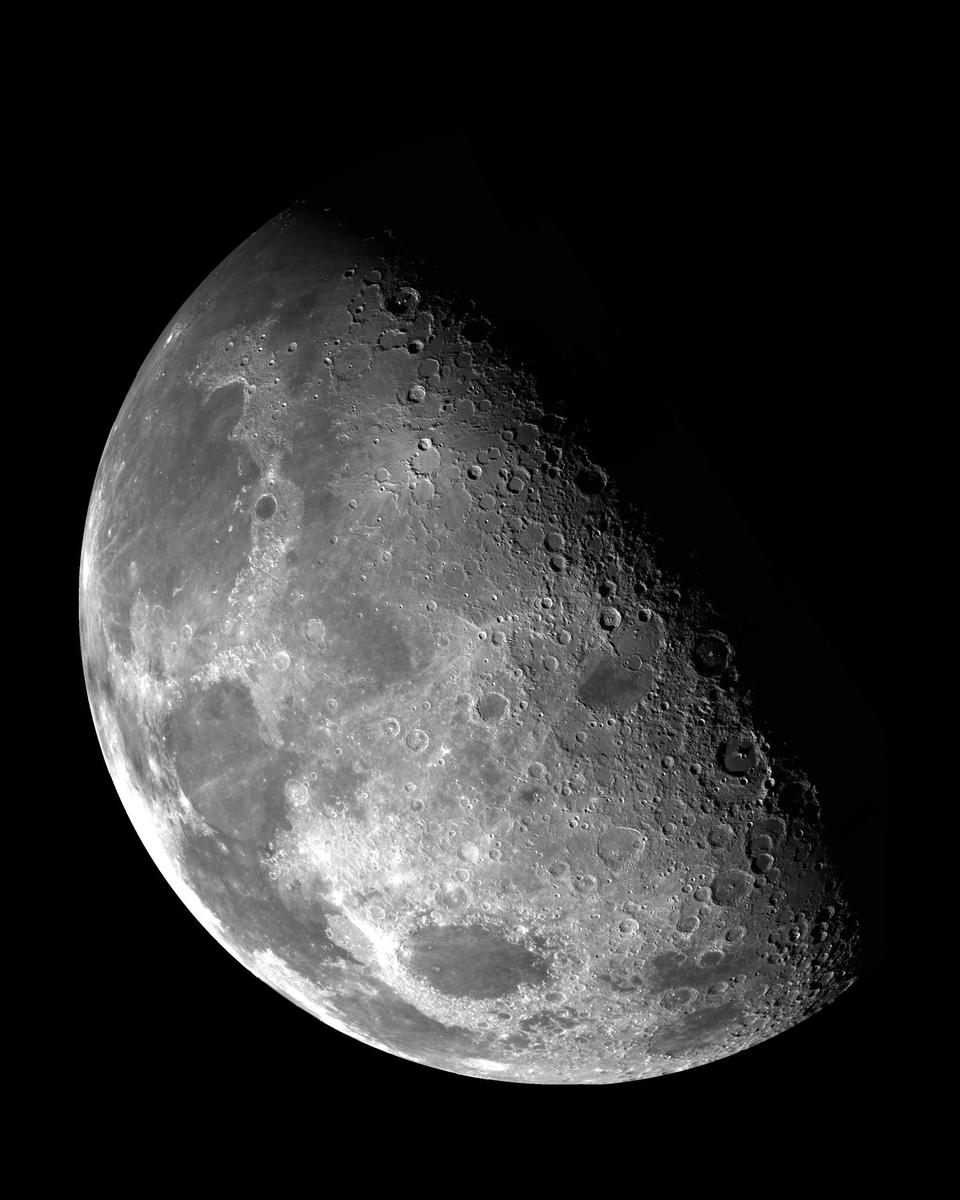
Impact Moon
The Moon's surface is covered with craters, scars of frequent impacts during the early history of the solar system. Now, recent results from the Lunar Prospector spacecraft…
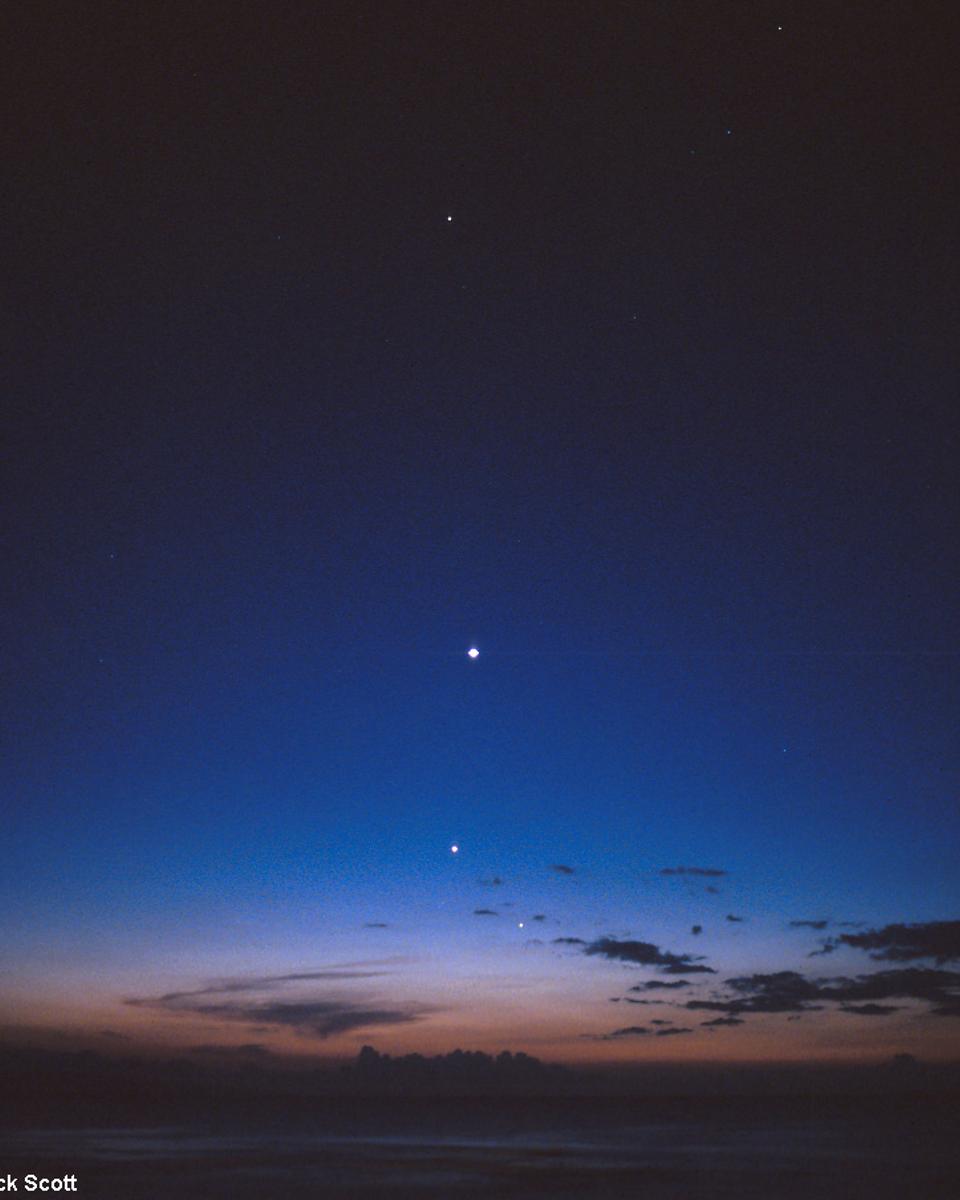
March of the Planets
This March stargazers have been treated to eye-catching formations of bright planets in western evening skies. On March 3rd, looking toward a beautiful sunset from a beach on the…
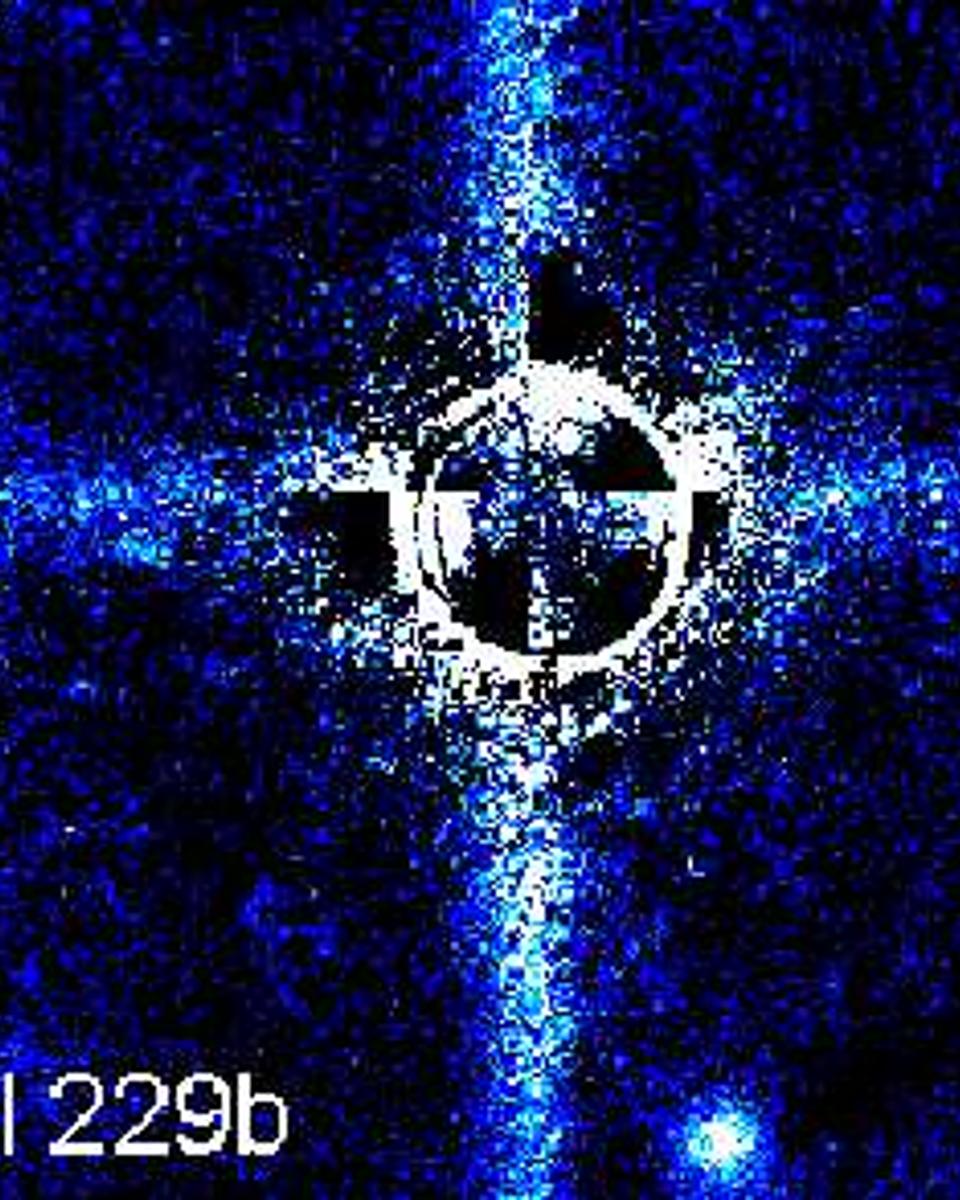
Brown Dwarf Gliese 229B
The spot near the bottom is an image of an unusual type of object: a brown dwarf . A brown dwarf is sometimes called a “failed star” because it does not have enough mass to shine…
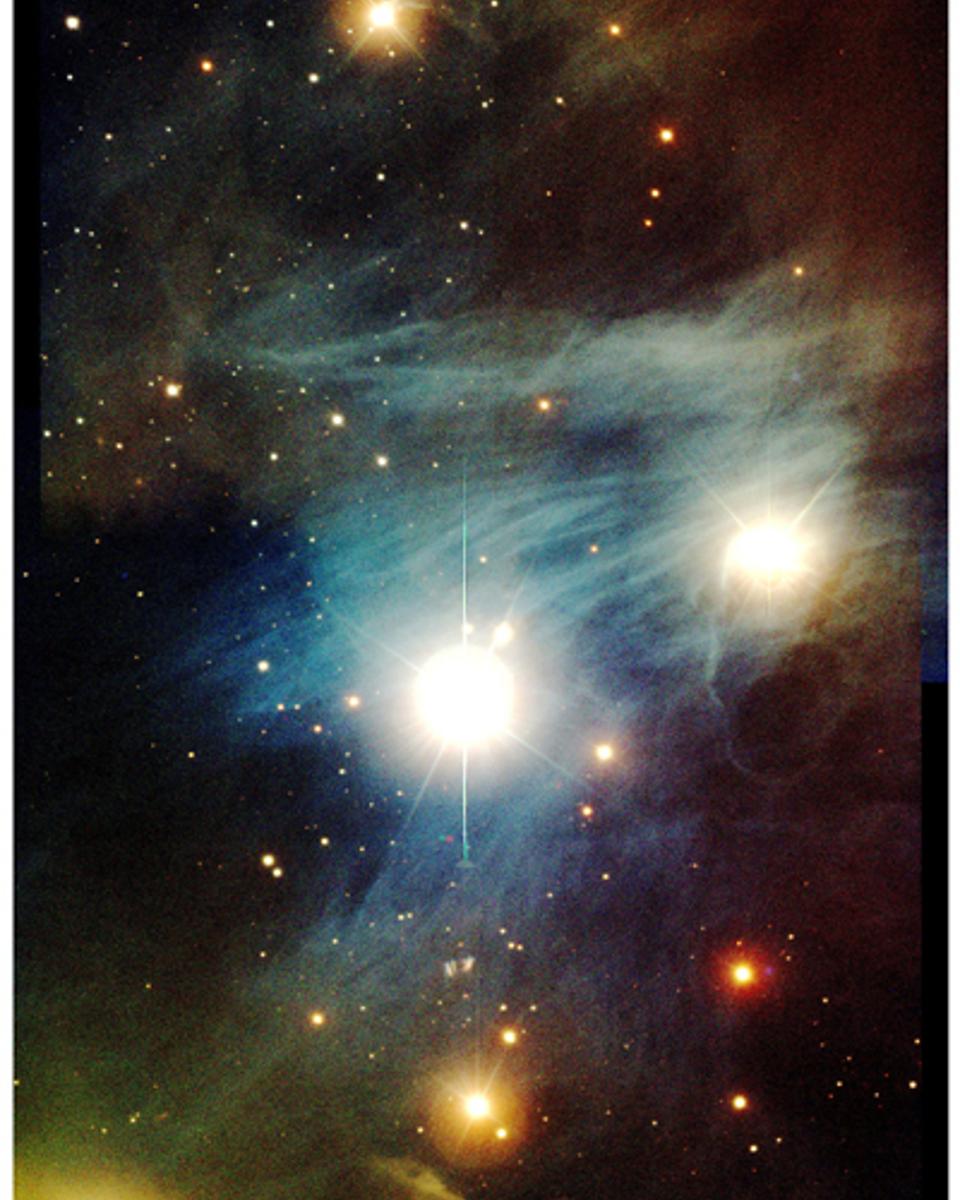
A Chamaeleon Sky
A photogenic group of nebulae can be found in Chamaeleon , a constellation visible predominantly in skies south of the Earth's equator . Towards Chamaeleon , dark molecular clouds…
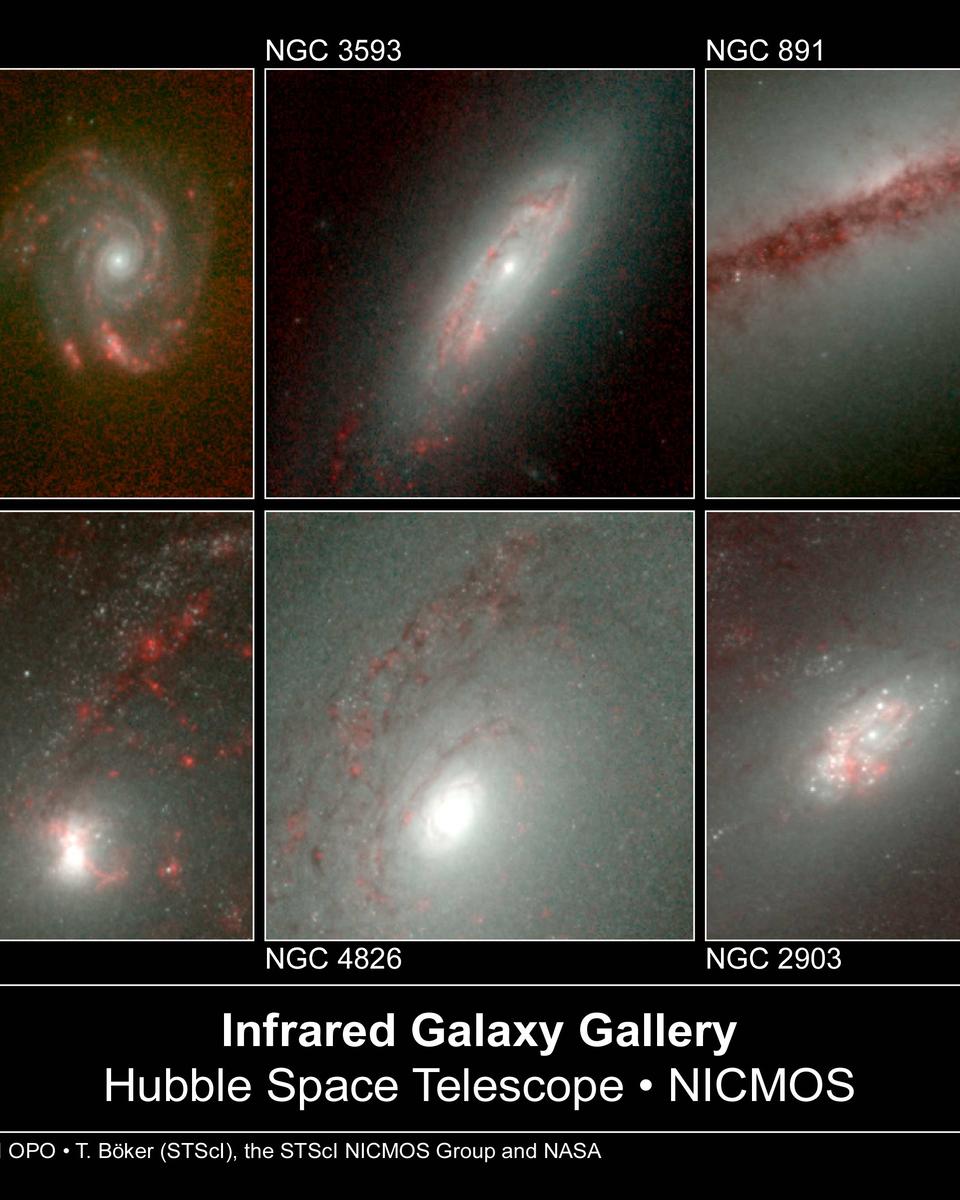
An Infrared Galaxy Gallery
Where do stars form in galaxies? One way to find this out it to look for glowing hydrogen , a material common to hot star-forming regions . To find large areas of glowing hydrogen…
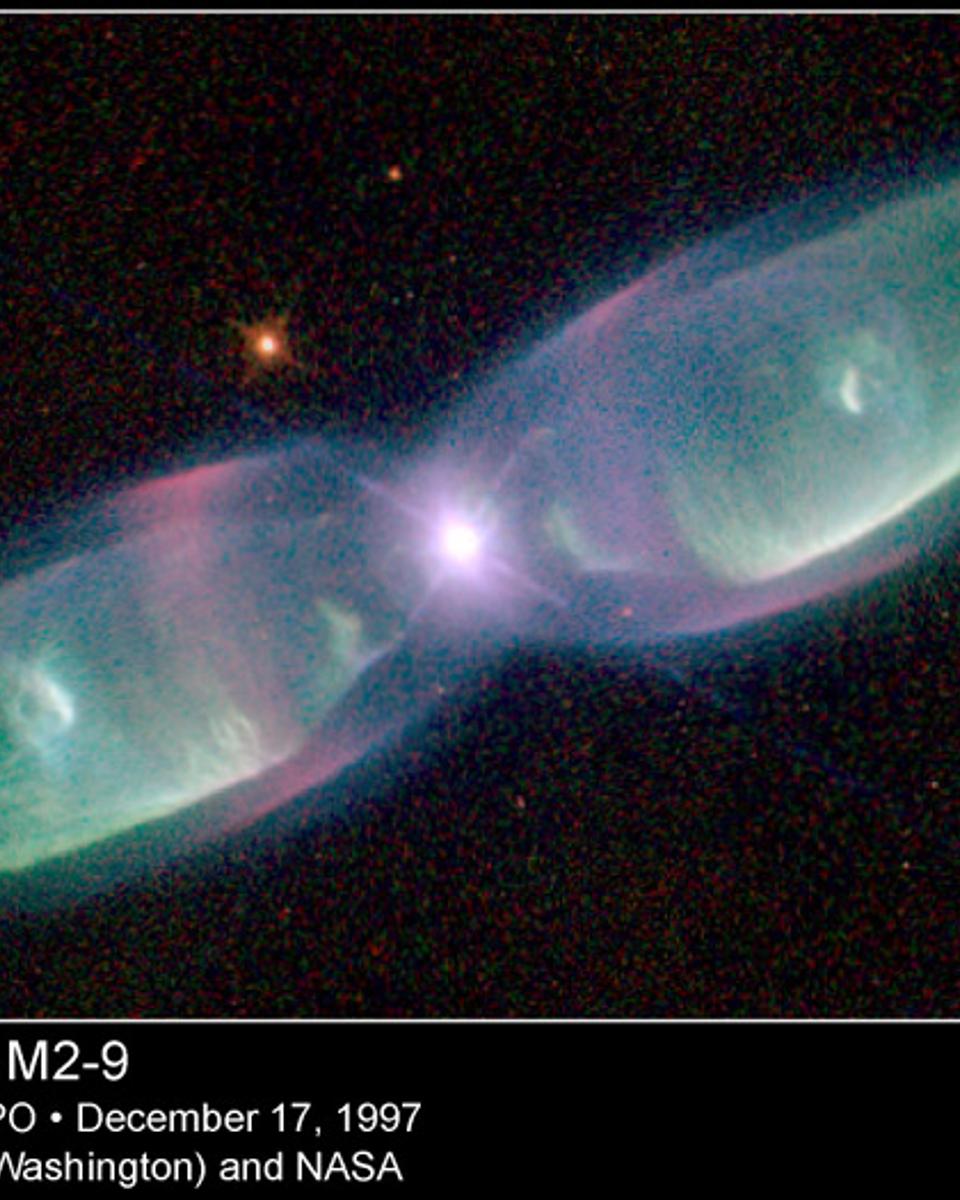
M2-9: Wings of a Butterfly Nebula
Are stars better appreciated for their art after they die? Actually, stars usually create their most artistic displays as they die. In the case of low-mass stars like our Sun and…
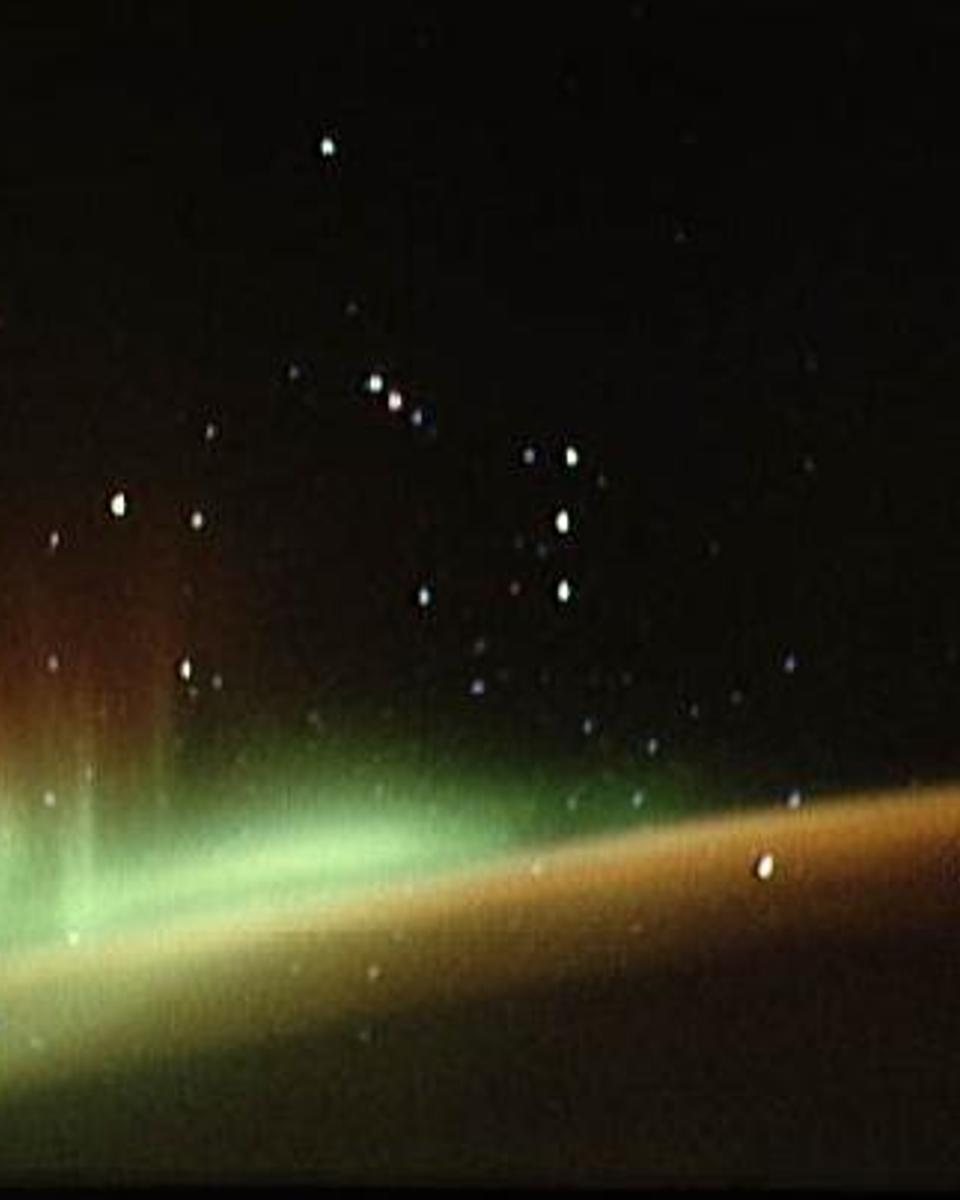
Aurora and Orion
Looking toward the south from low Earth orbit, the crew of the Space Shuttle Endeavor made this stunning time exposure of the Aurora Australis or southern lights in April of 1994.…
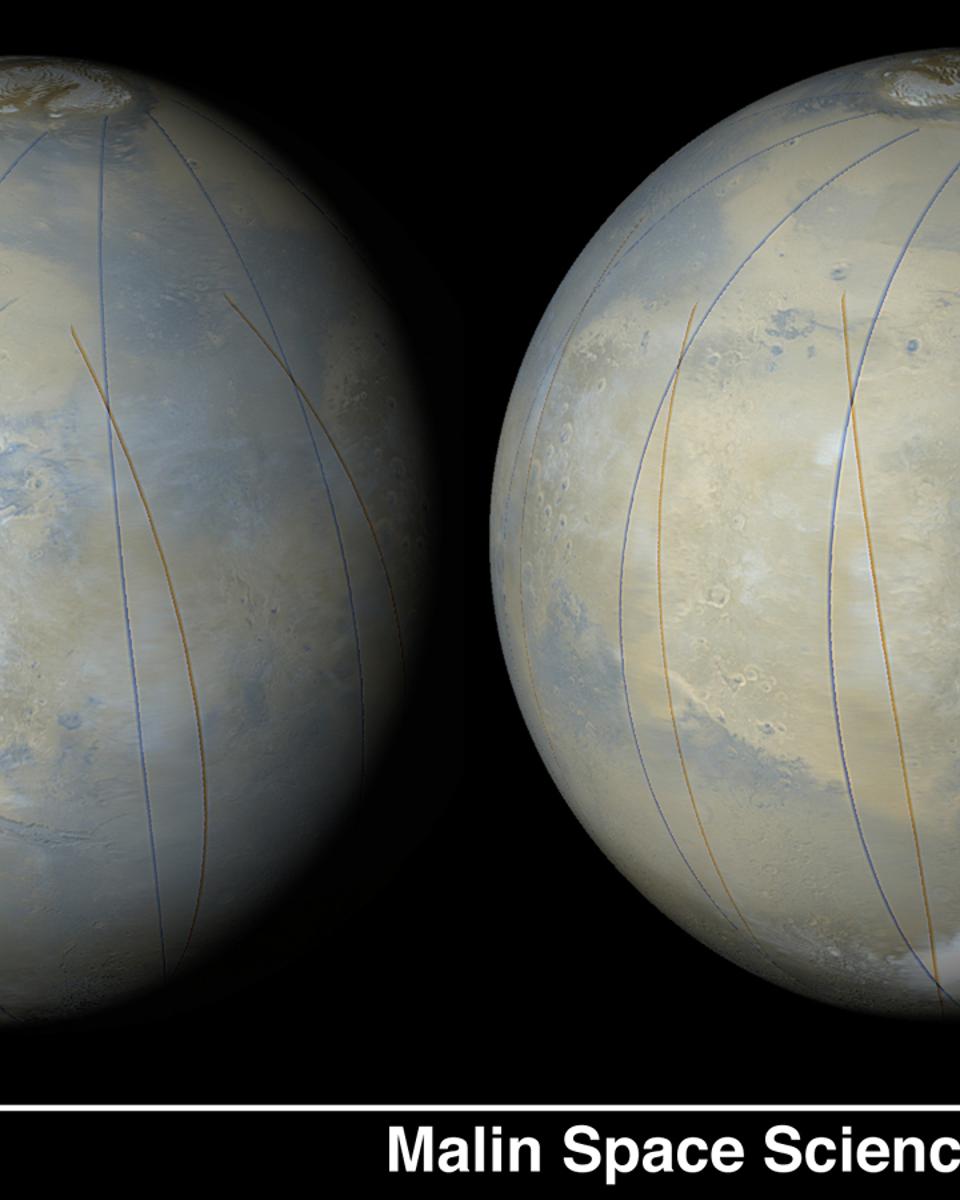
Mapping Mars
This month, the Mars Global Surveyor (MGS) spacecraft began its primary mission to the red planet. Orbiting about once every two hours at an altitude of over 200 miles,…
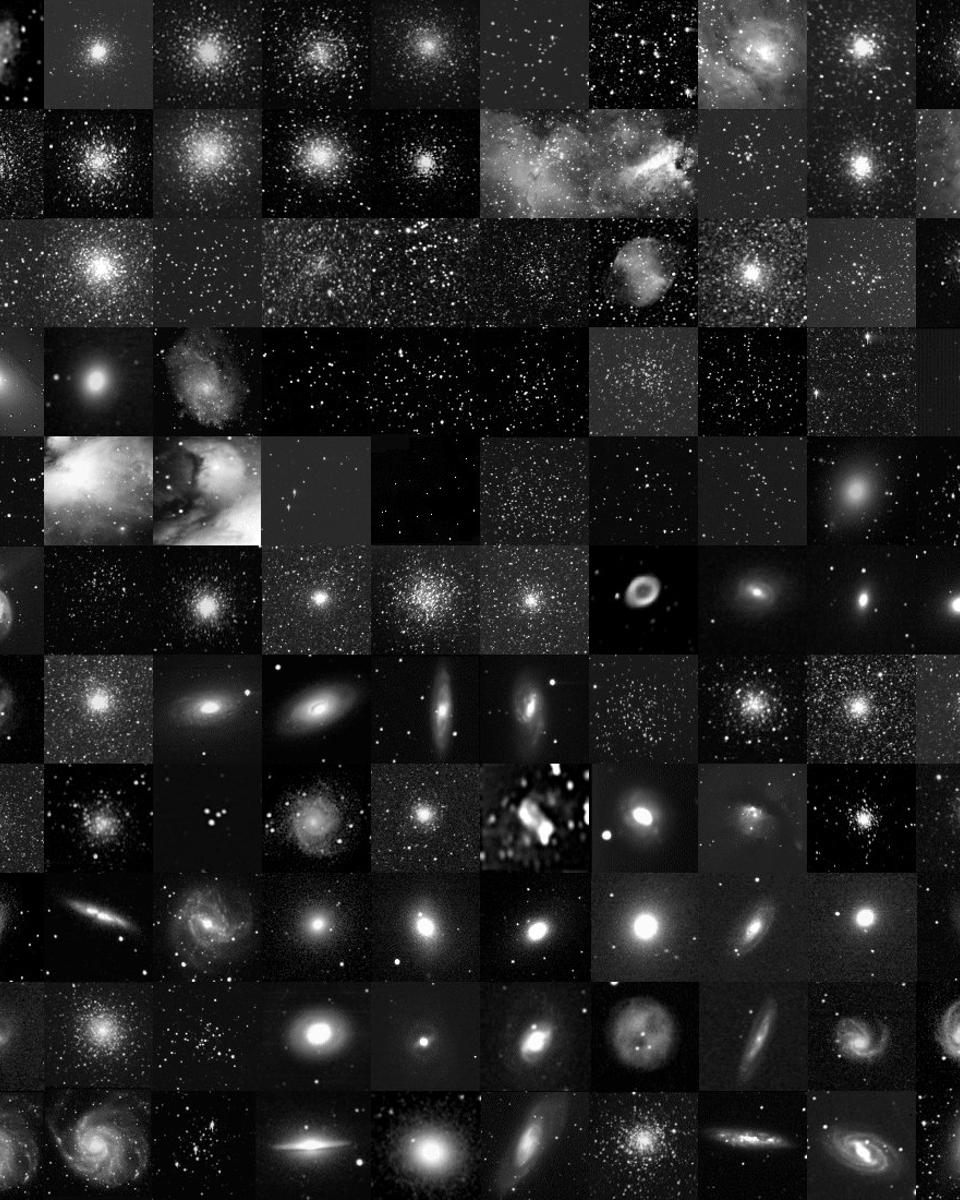
Messier Marathon
Gripped by an astronomical spring fever , this week many amateur stargazers embark on a Messier Marathon . The Vernal Equinox occurs Saturday, March 20, marking the first day of…
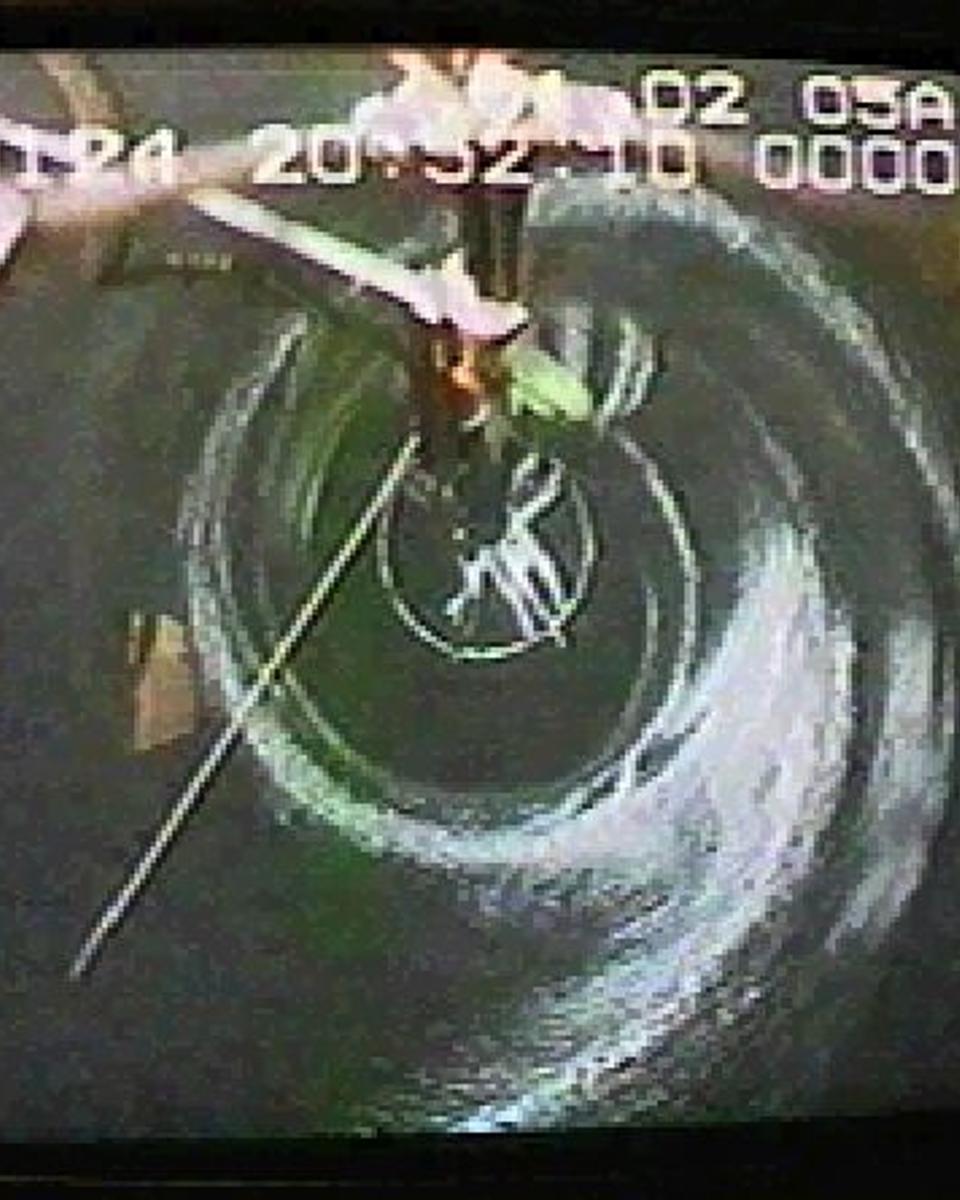
Ice Fishing for Cosmic Neutrinos
In 1996, scientists melted a hole in the bottom of the world. In fact, several holes have been melted near the South Pole , and they are now being used as astronomical…
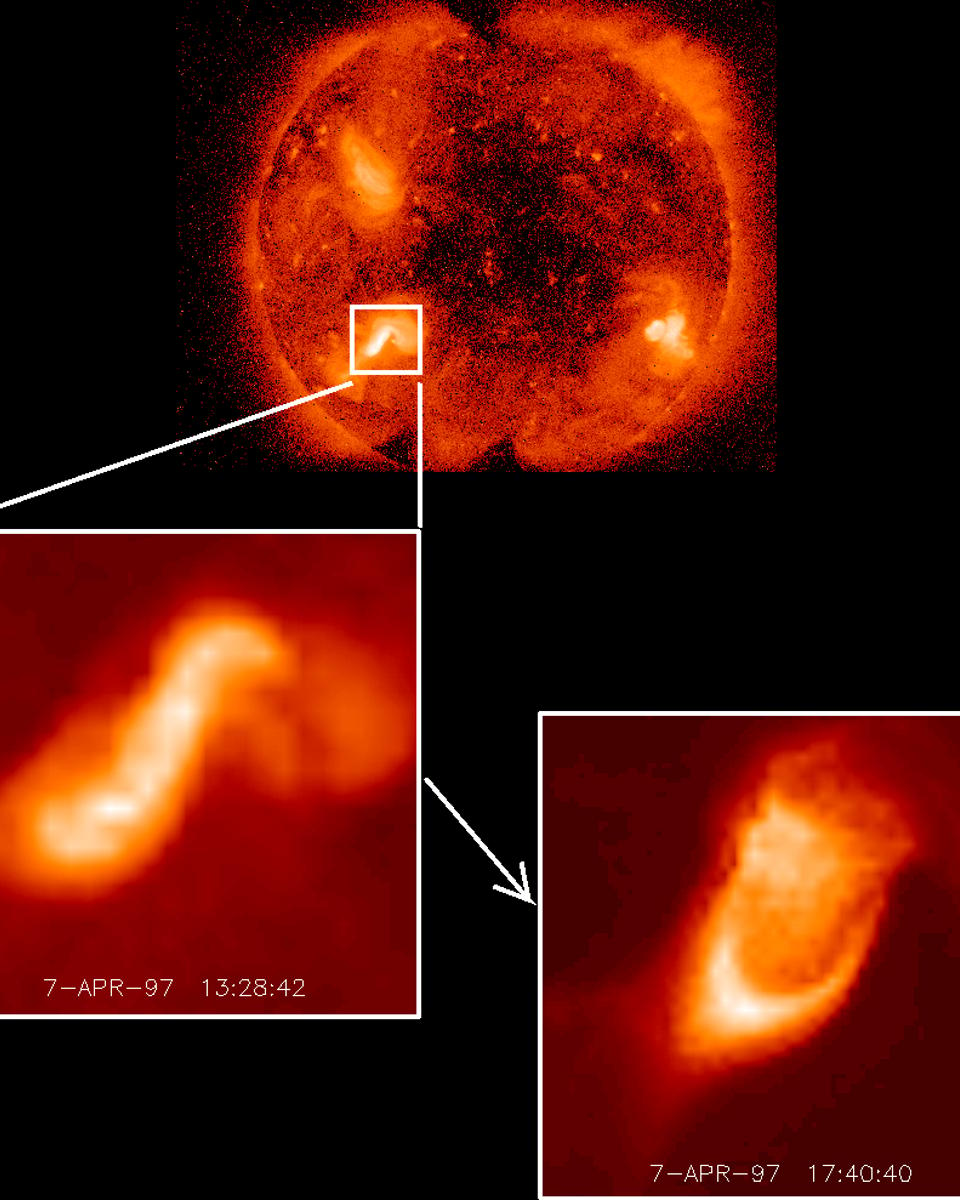
Sigmoids Predict Solar Eruptions
On the Sun , S marks the spot. Solar explosions have been discovered to explode preferentially from regions marked with this letter. The surface of the quiet Sun is a maze of hot…
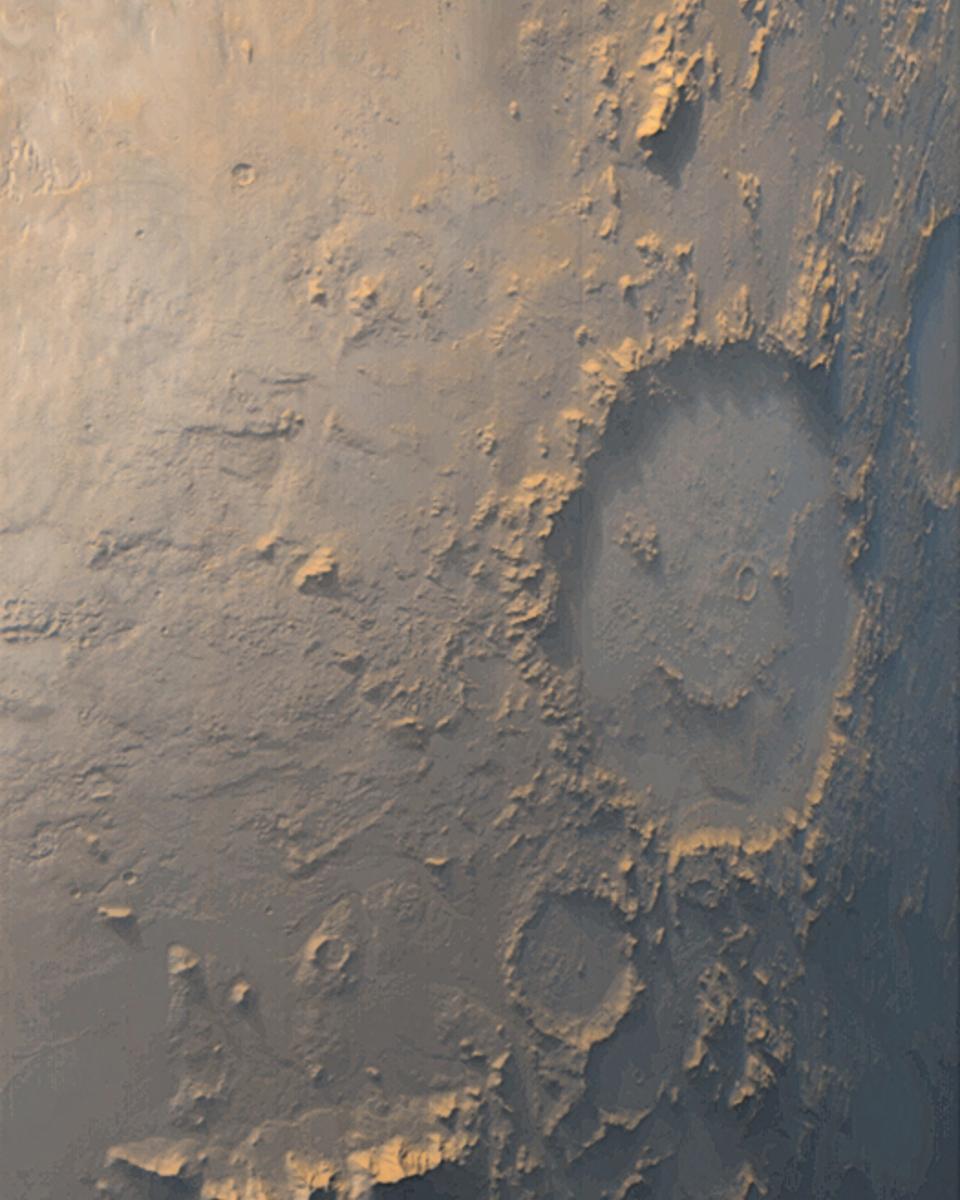
Happy Face Crater on Mars
Even Mars can put on a happy face. The Martian crater Galle has internal markings reminiscent of a smiley face symbol. Such markings were originally discovered in the late 1970s…
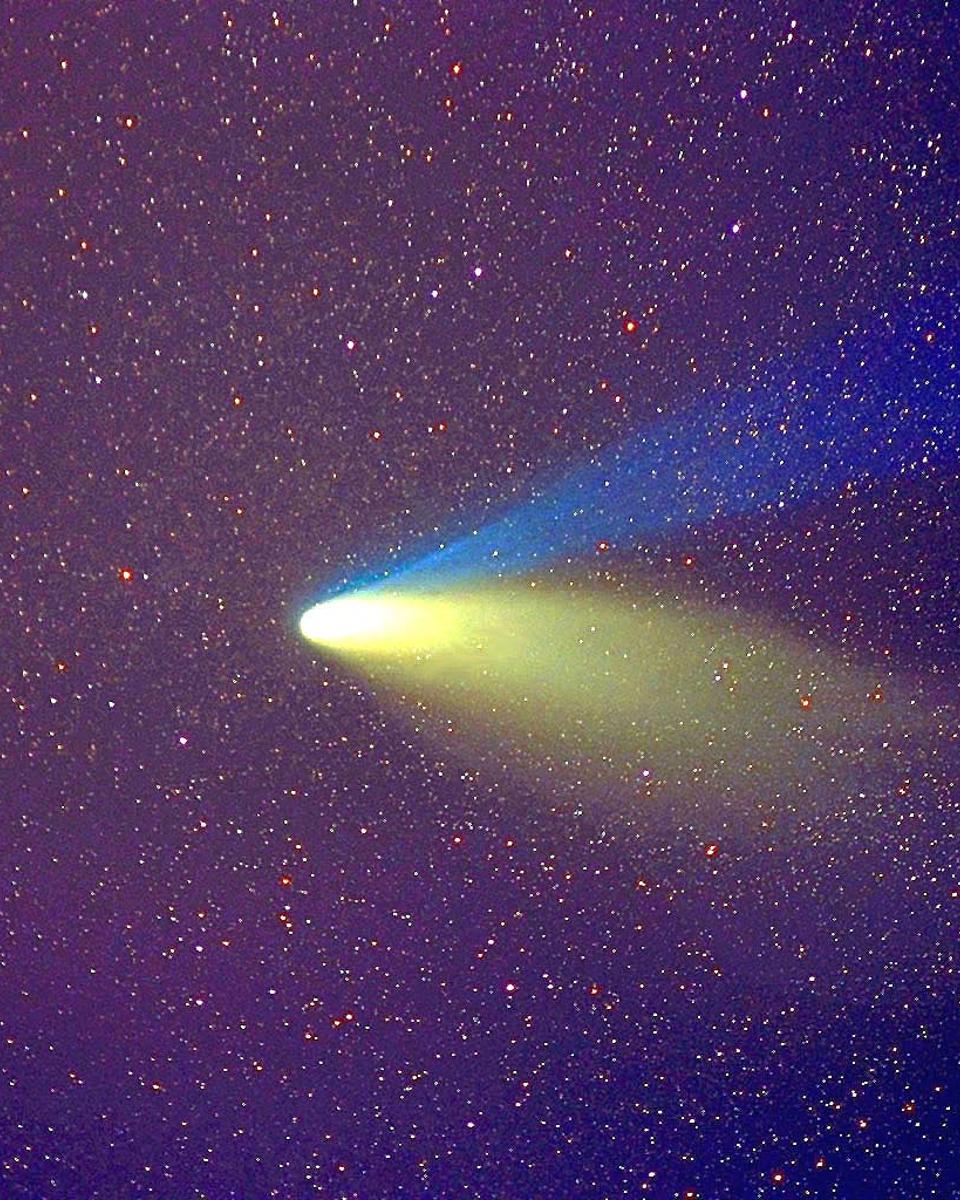
The Comet and the Galaxy
The Moon almost ruined this photograph. During late March and early April 1997, Comet Hale-Bopp passed nearly in front of the Andromeda Galaxy . Here the Great Comet of 1997 and…
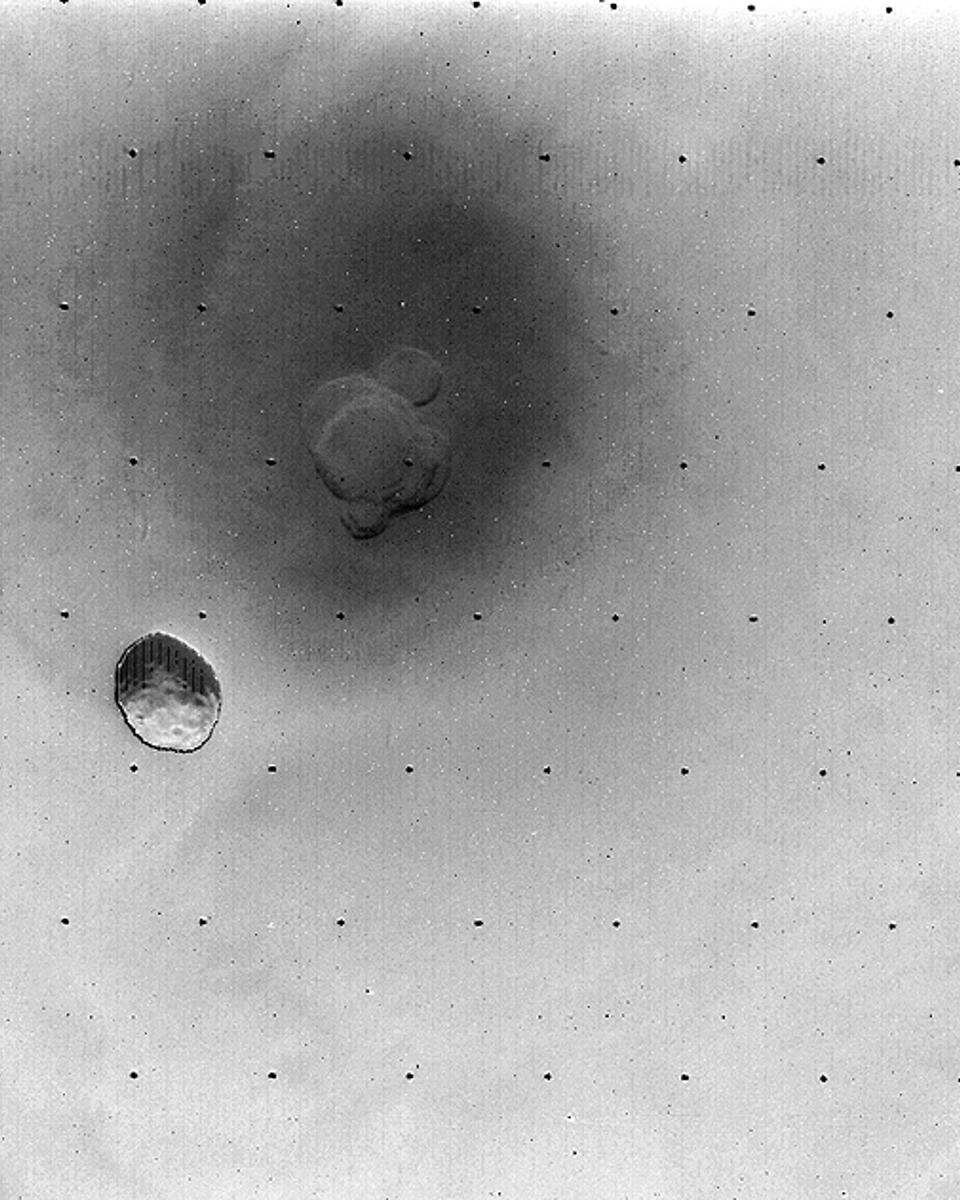
Phobos Over Mars
Hurtling through space a mere 3,000 miles above the Martian surface , the diminutive moon Phobos (below and left of center) was imaged against the backdrop of a large shield…
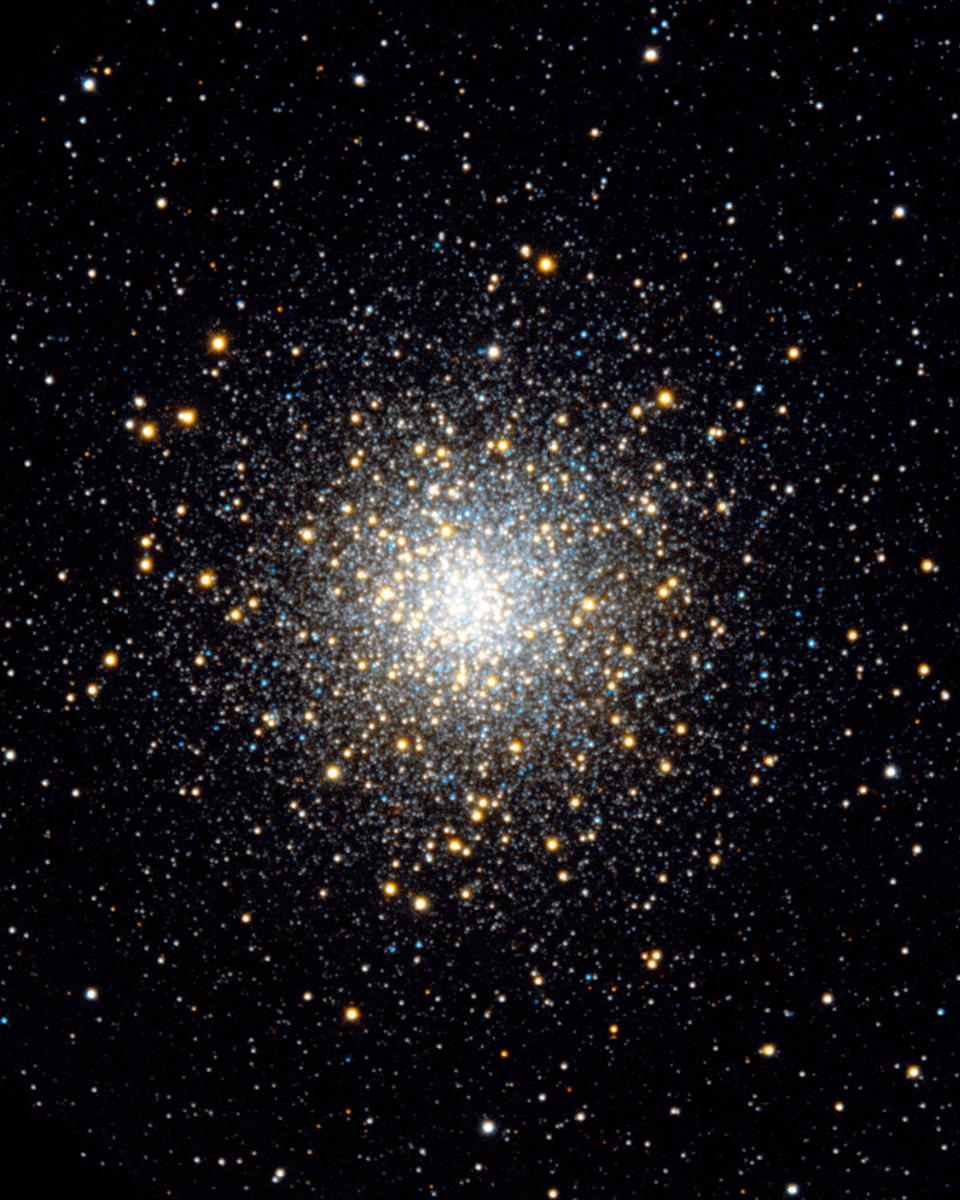
Hydrogen, Helium, and the Stars of M10
Stars like the Sun use hydrogen for fuel, “burning” hydrogen into helium at their cores through nuclear fusion . But what happens when that hydrogen runs out? For a while,…
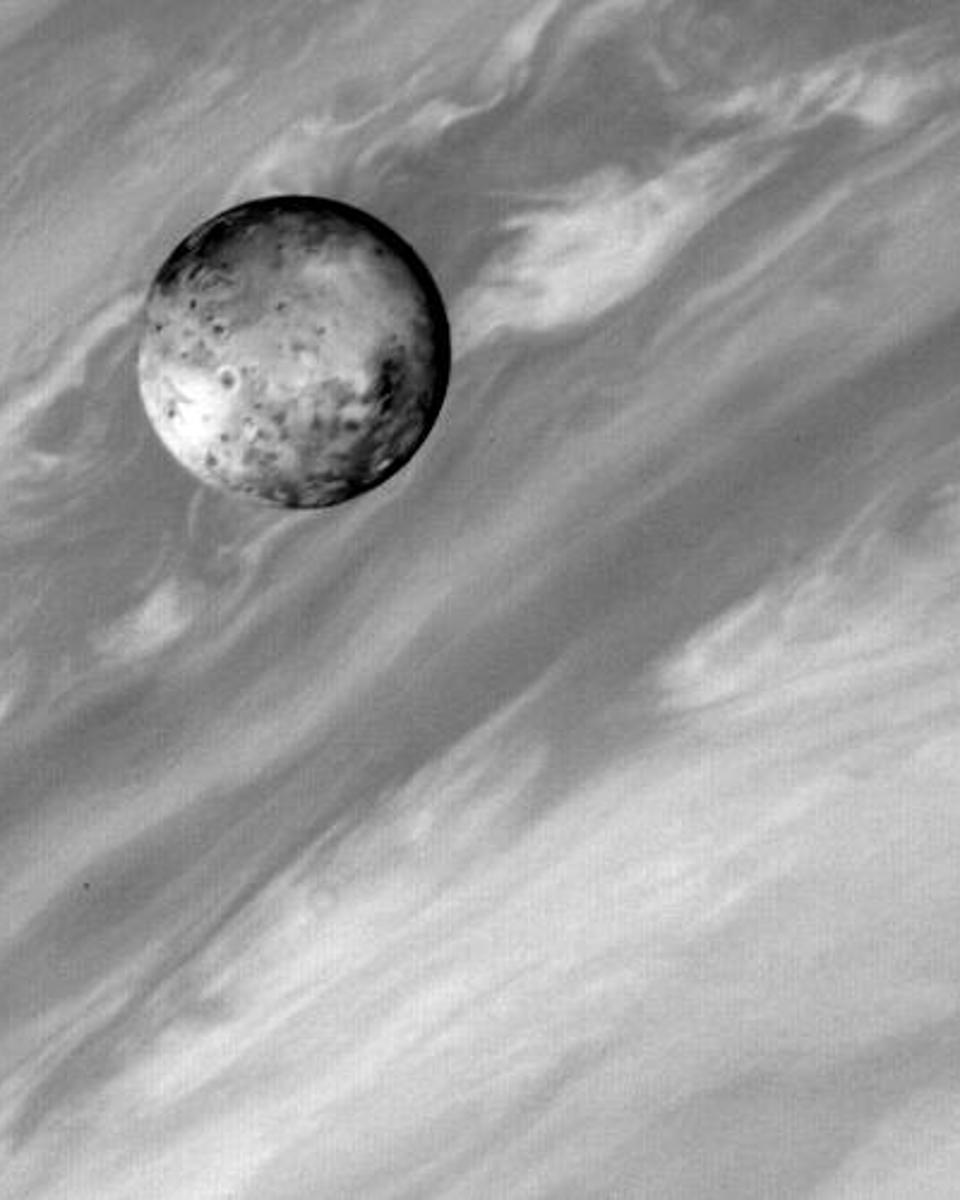
5 Million Miles From Io
Twenty years ago this month, NASA's Voyager 1 spacecraft flew past Jupiter and its moons. This sharp picture of moon Io against a background of gas giant Jupiter's diffuse…
Viewing discoveries from 3 April 1999 through 11 March 1999.