Browse NASA Astronomy Picture of the Day archive by date and media: Archive Discoveries
Browse the NASA APOD archive without needing the exact date first. Filter by media type and keep moving deeper into older images and videos.
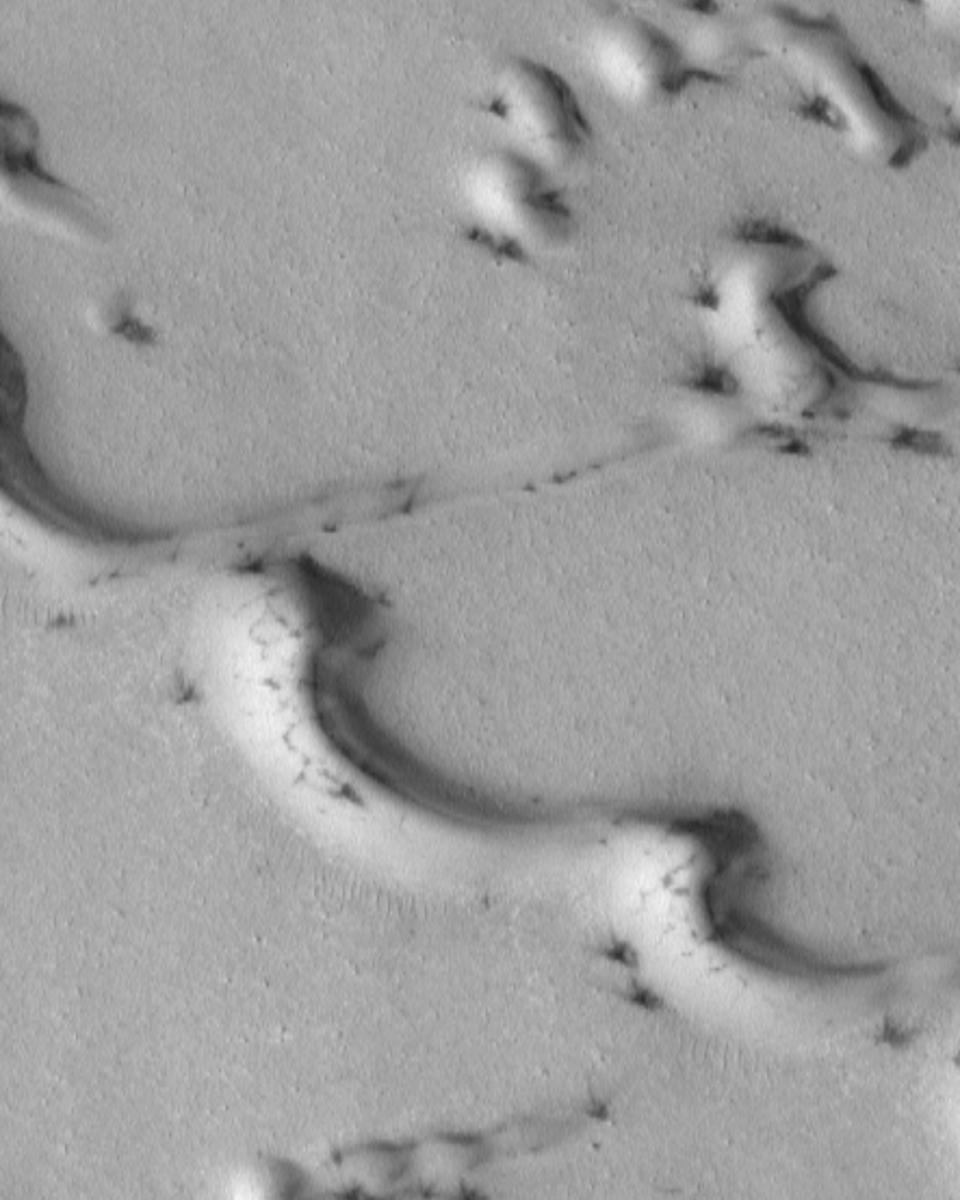
The Wind on Mars
Wind erosion has been discovered on Mars. Pictures of regions surrounding the north polar cap show sand dunes covered in frost. In places , however, this frost has been eroded to…
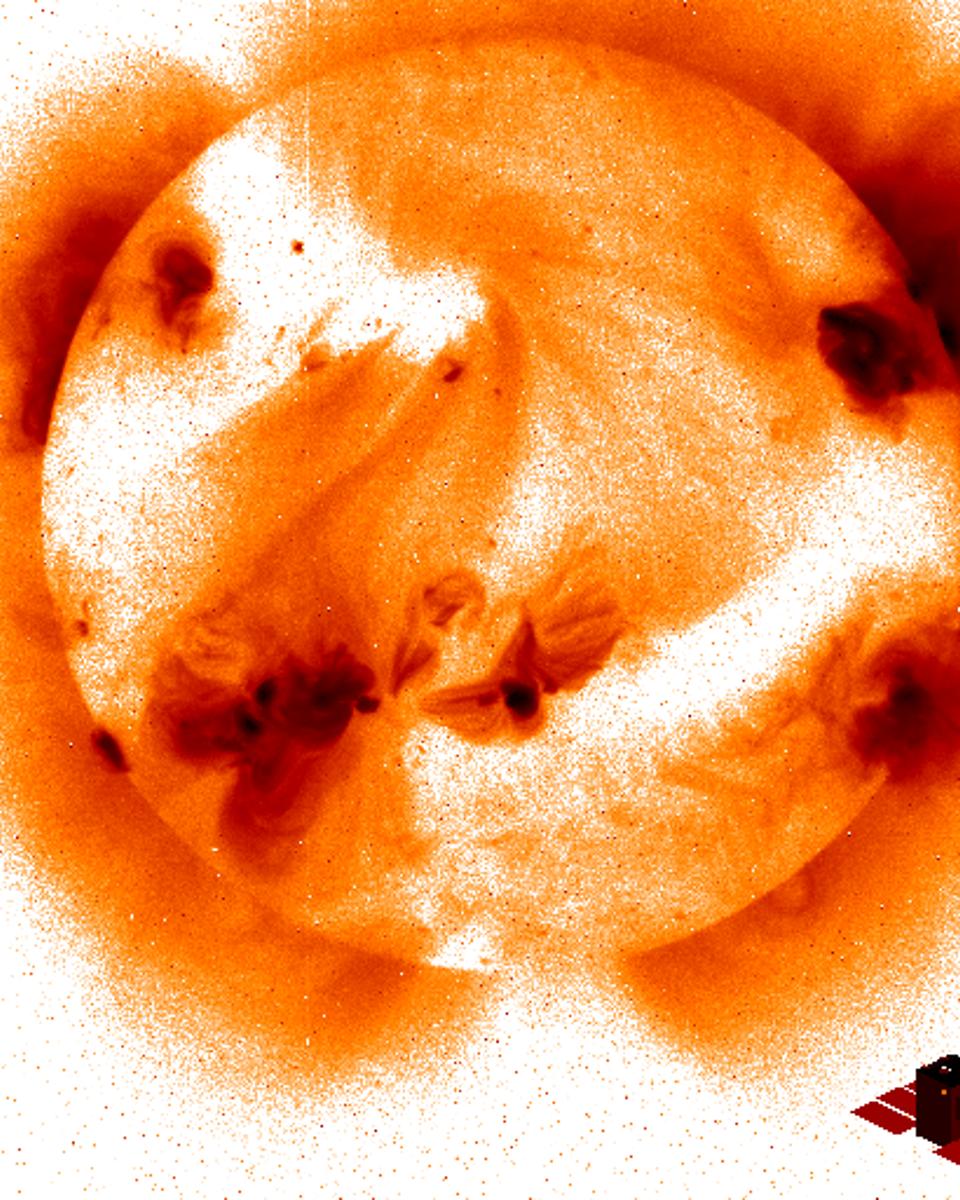
Perihelion Sun
The Earth's orbit is not a perfect, sun-centered circle. At aphelion , the most distant point in Earth's orbit , the Sun is 150 million kilometers away and at perihelion , the…
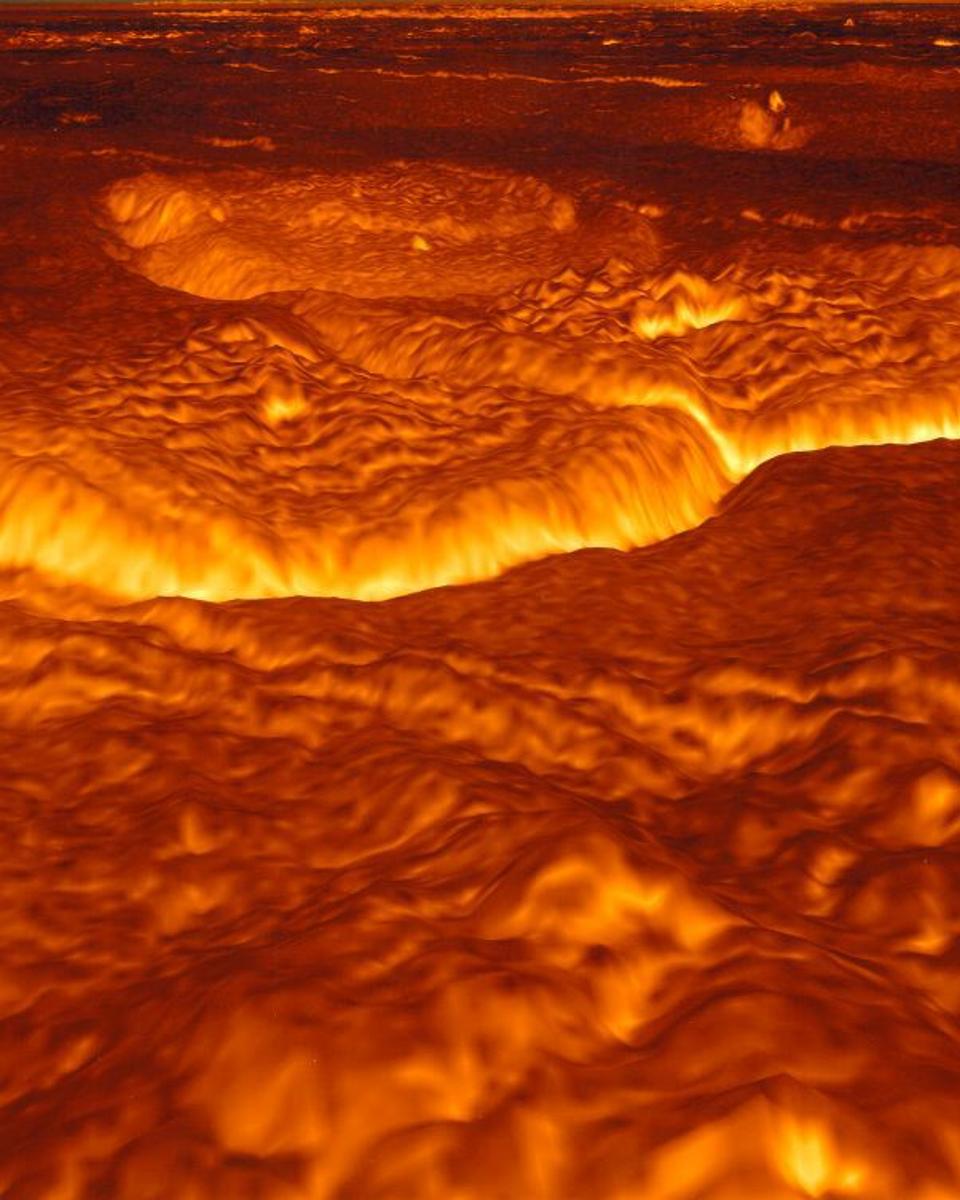
Venus' Once Molten Surface
If you could look at Venus with radar eyes - this is what you might see. This computer reconstruction of the surface of Venus was created from data from the Magellan spacecraft .…
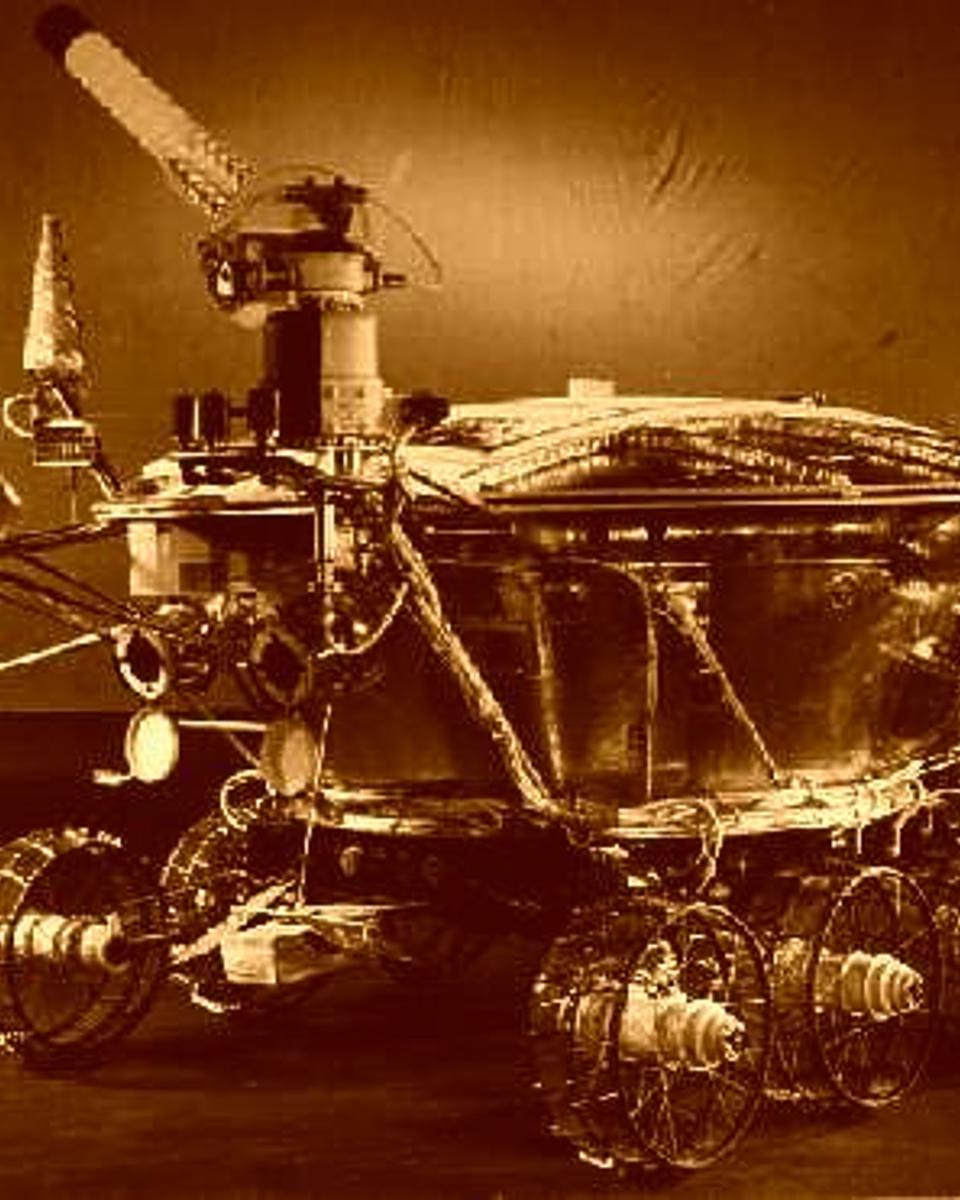
Lunokhod: Moon Robot
On November 17, 1970 the Soviet Luna 17 spacecraft landed the first roving remote-controlled robot on the Moon . Known as Lunokhod 1, it weighed just under 2,000 pounds and was…
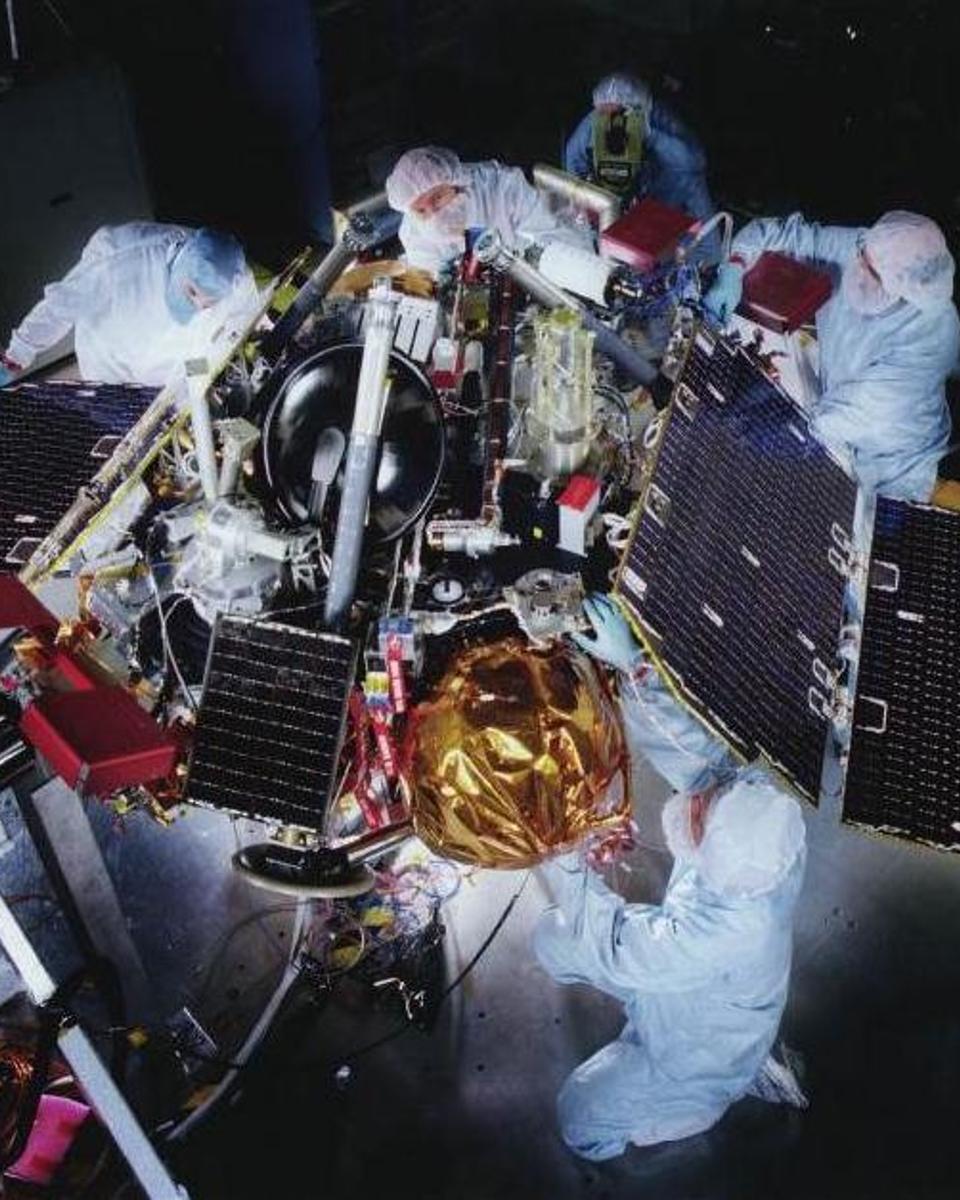
Invader From Earth
These technicians are working on the solar-paneled Mars Polar Lander - yet another robotic spacecraft scheduled to invade the red planet . Mars Polar Lander is part of a series of…
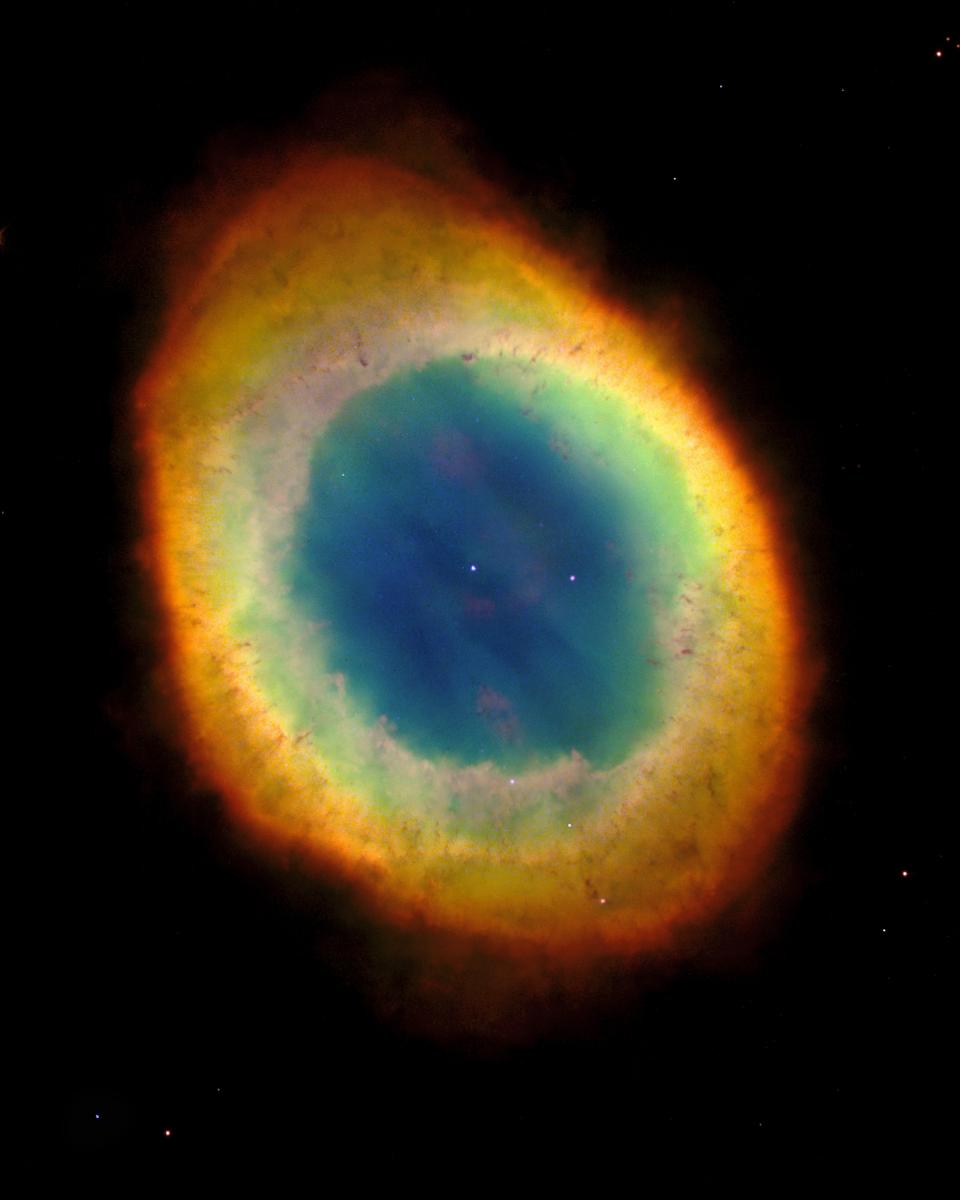
The Ring
Except for the Rings of Saturn , The Ring Nebula (M57) is probably the most famous celestial band. This planetary nebula's simple, graceful appearance is thought to be due to…
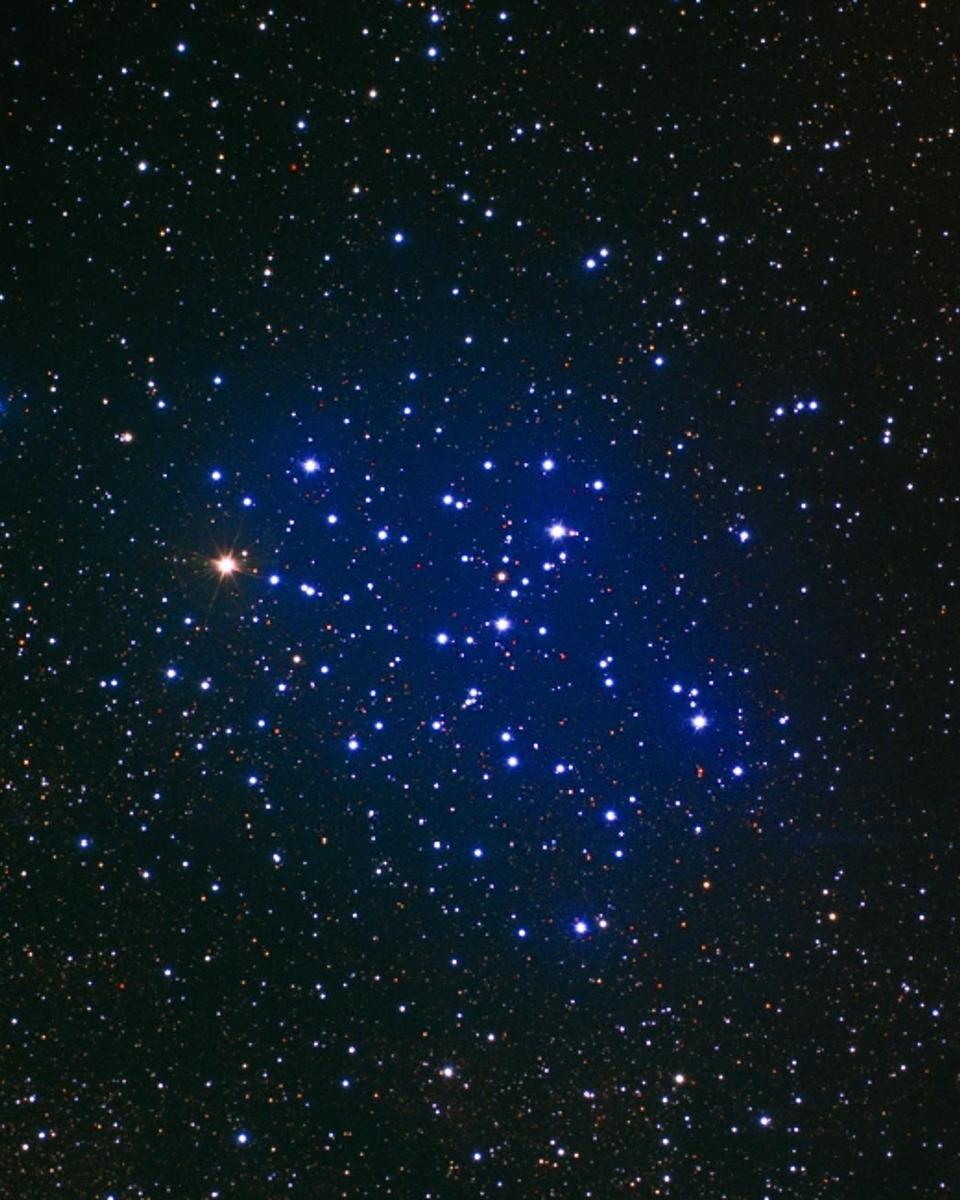
M6: The Butterfly Cluster
To some, the outline of the open cluster of stars M6 resembles a butterfly. M6 , also known as NGC 6405, spans about 20 light-years and lies about 2,000 light years distant. M6…
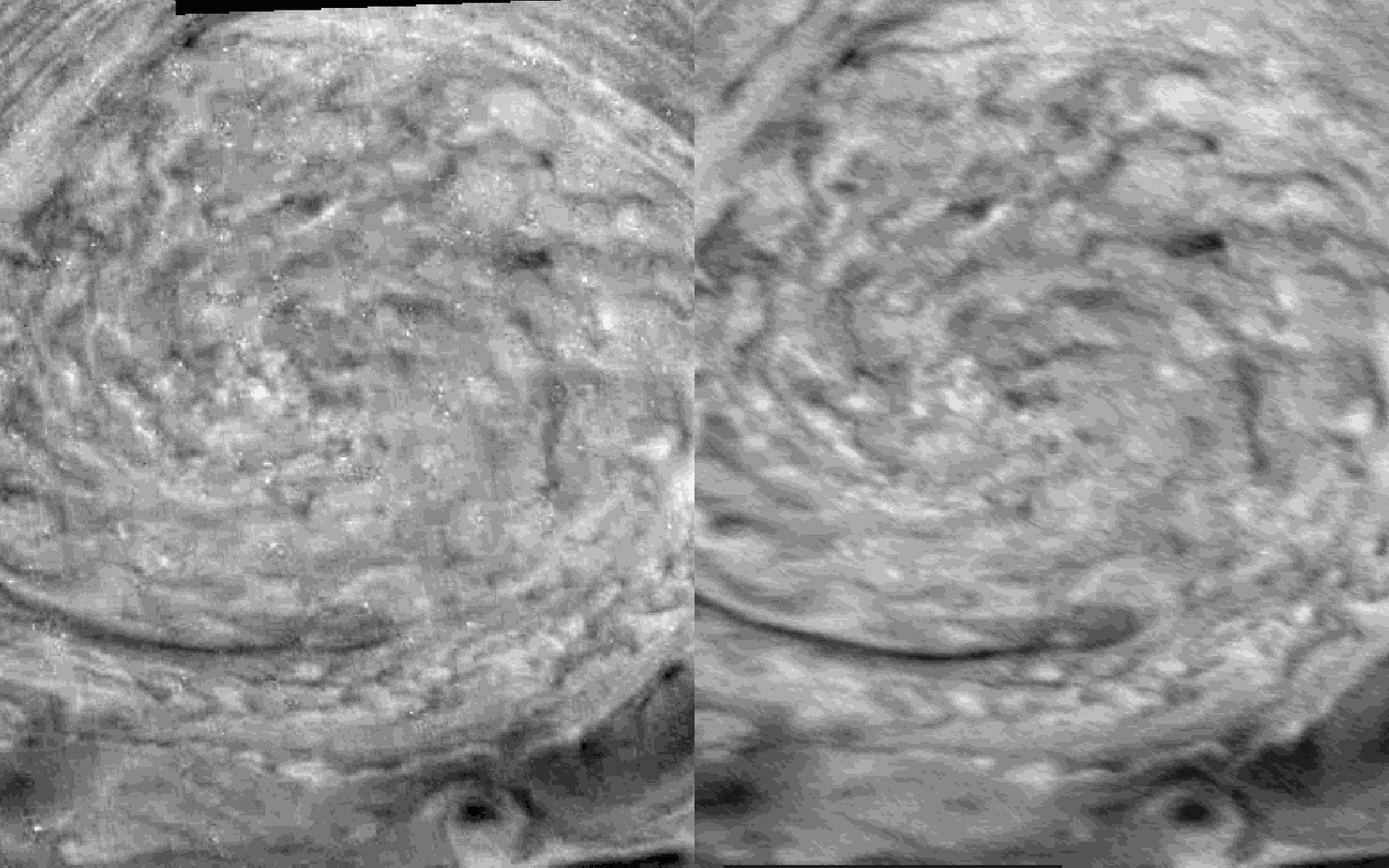
A New Jupiter Oval Rotates
Even Jupiter can do the twist. Large cloud systems on Jupiter rotate, and the newly formed oval pictured above is no different. This new oval formed earlier this year from the…
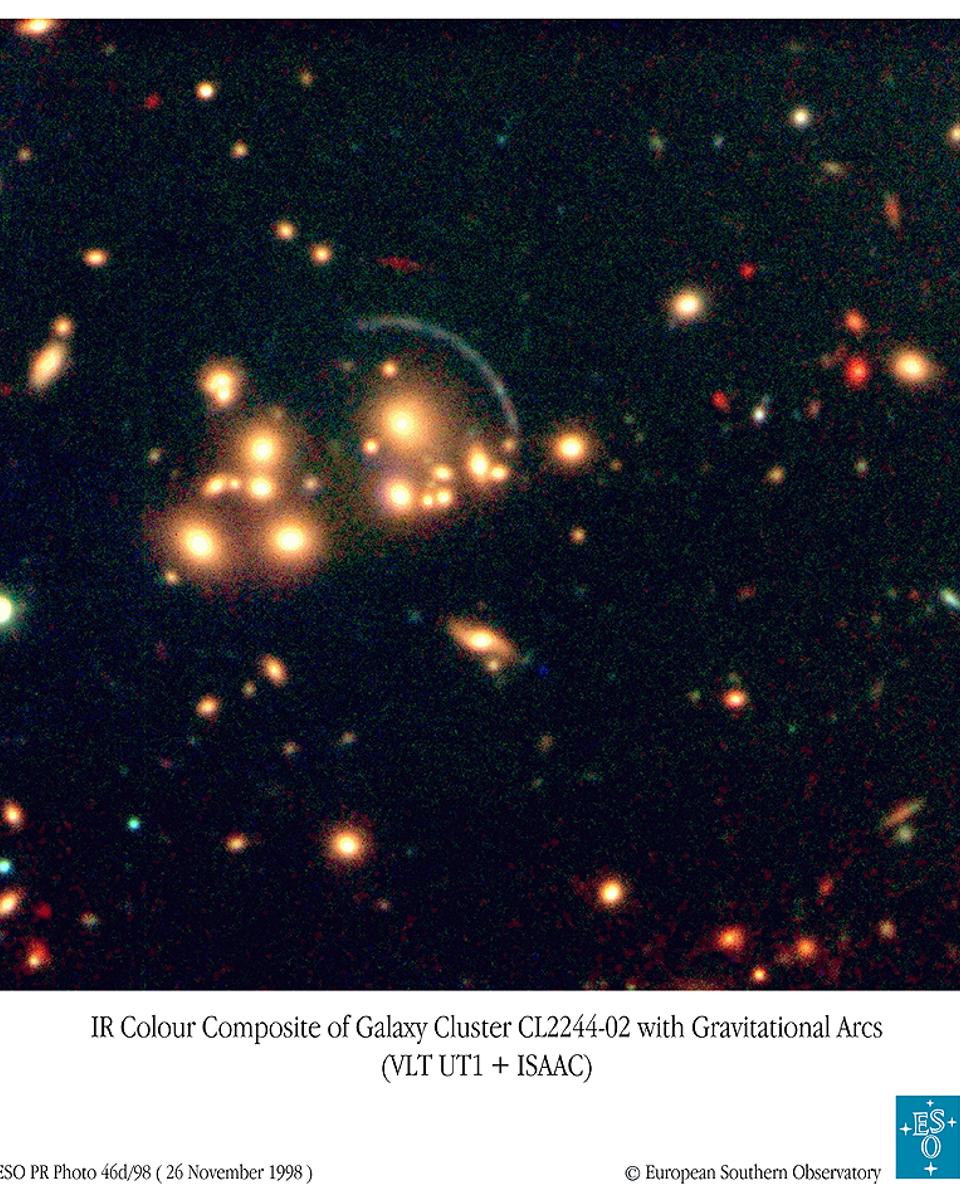
Ring Around the Cluster
It is difficult to hide a galaxy behind a cluster of galaxies. The closer cluster's gravity will act like a huge lens , pulling images of the distant galaxy around the sides and…
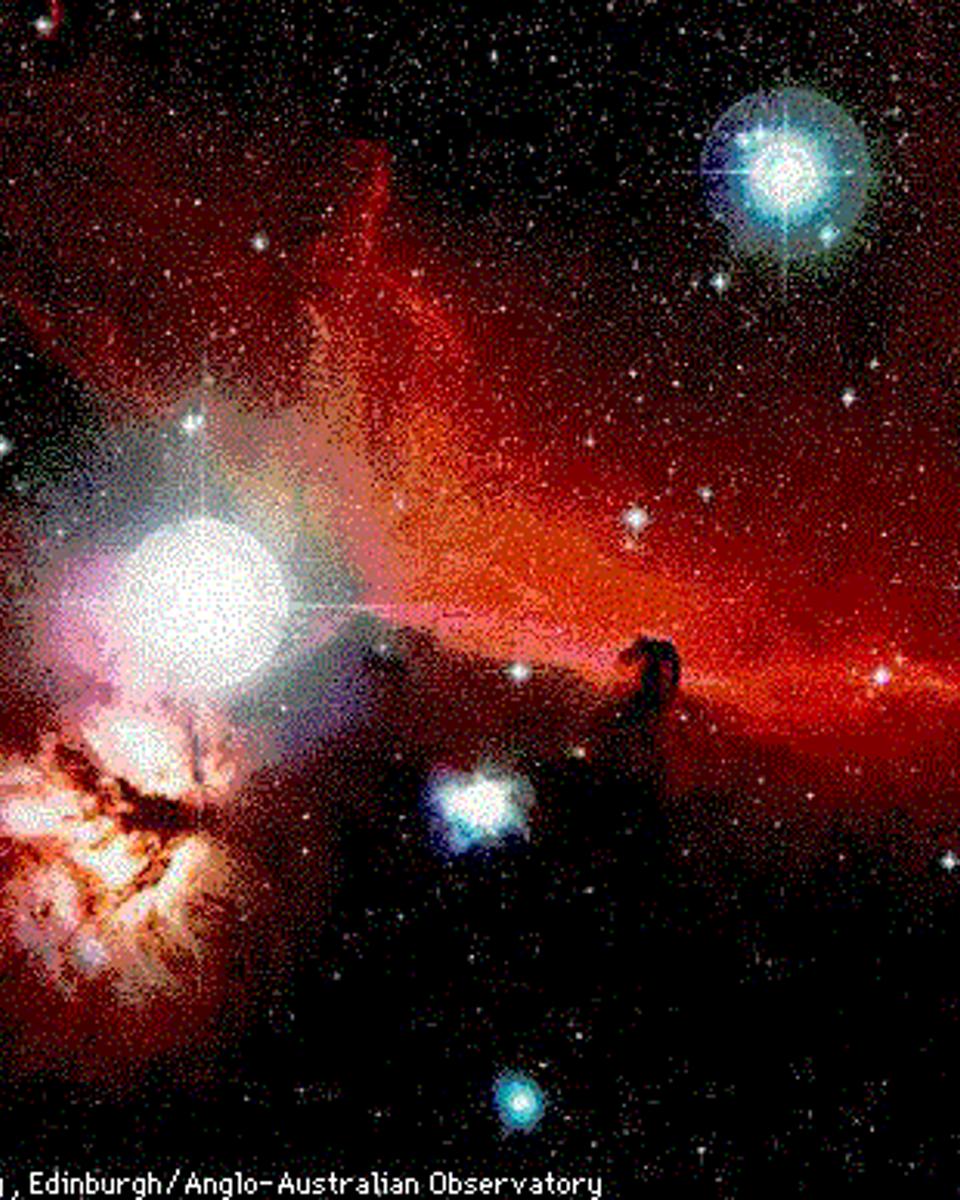
Orion's Horsehead Nebula
The Horsehead Nebula is one of the most famous nebulae on the sky. It is visible as the black indentation to the red emission nebula seen just to the right of center of the above…
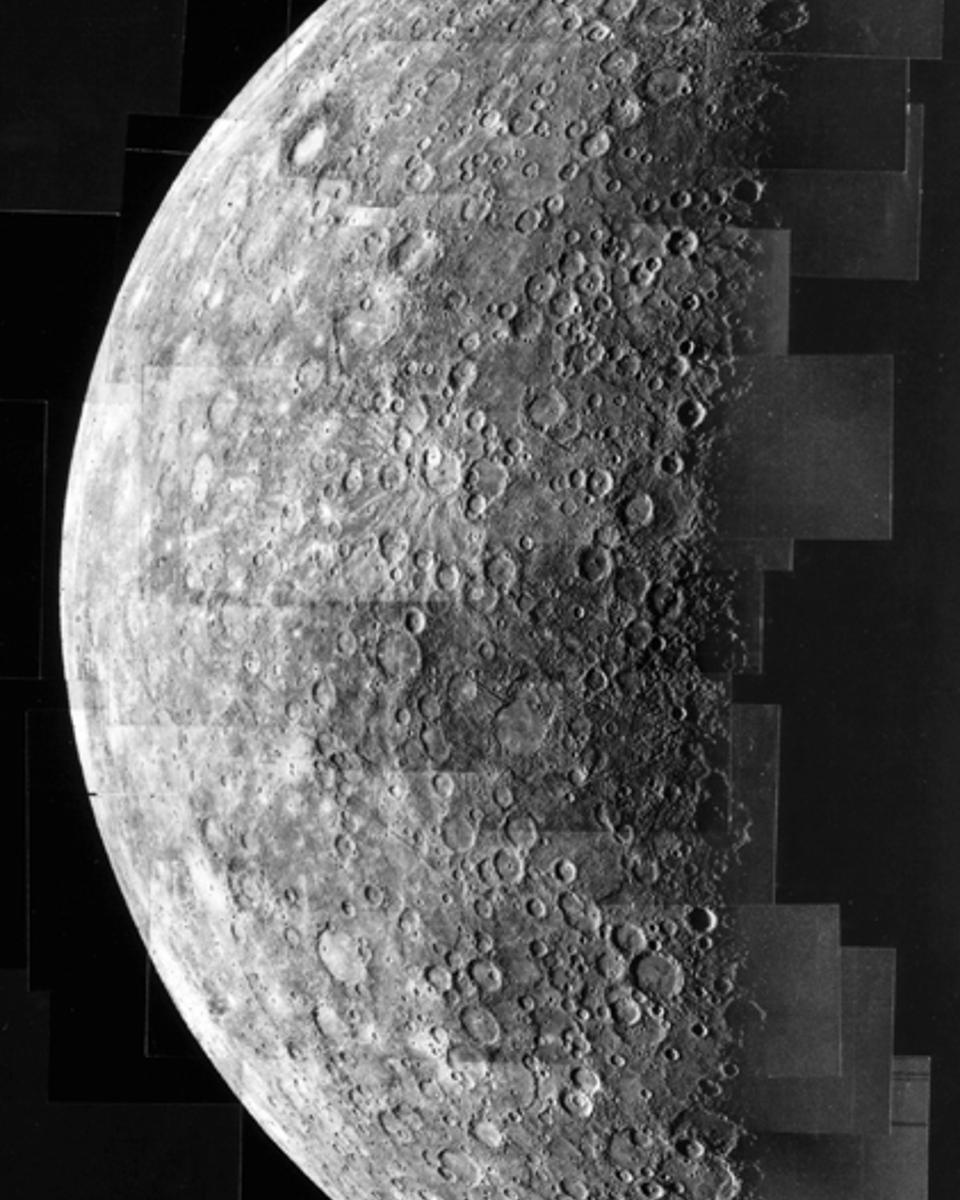
Mercury: A Cratered Inferno
Mercury's surface looks similar to our Moon's. Each is heavily cratered and made of rock. Mercury 's diameter is about 4800 km, while the Moon 's is slightly less at about 3500 km…
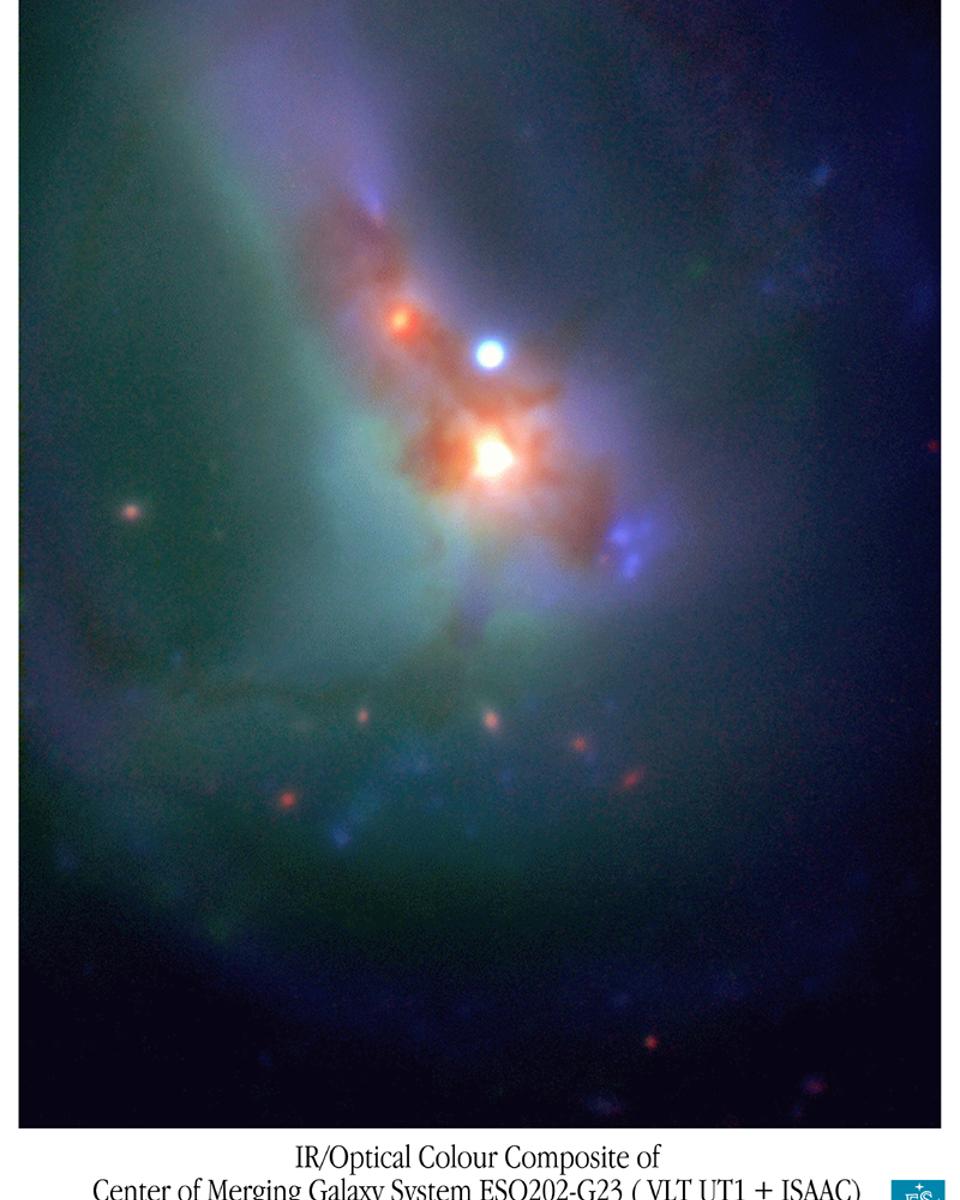
ESO202-G23: Merging Galaxies
ESO202-G23 is a colorful mess. It is a collision between two galaxies taking place over hundreds of millions of years. The representative colors give astronomers some idea of what…
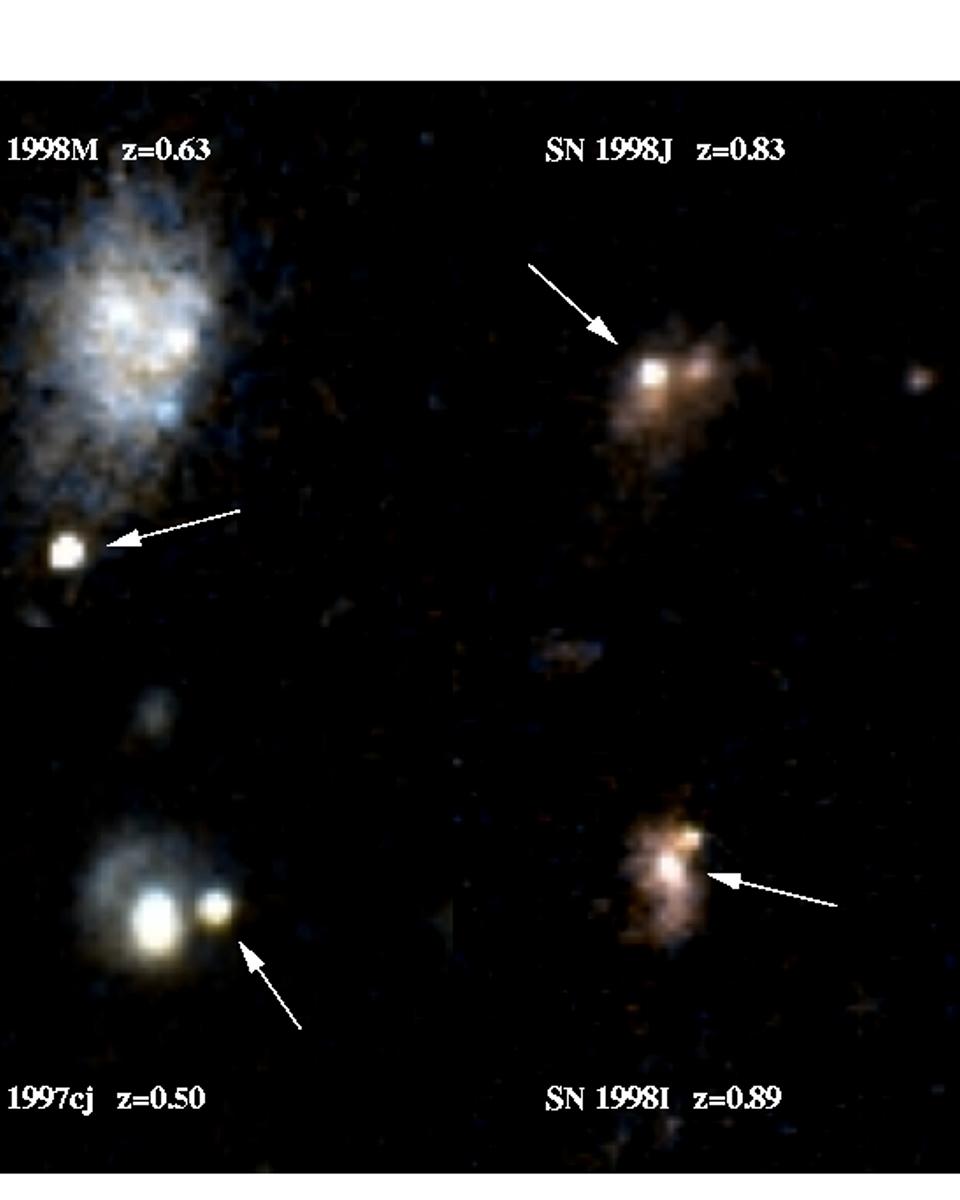
The Year of Distant Supernovae
Distant supernovae were among topics at the forefront of astronomy during 1998. Two independent groups raced to deploy large telescopes to scan the sky, discovering and analyzing…
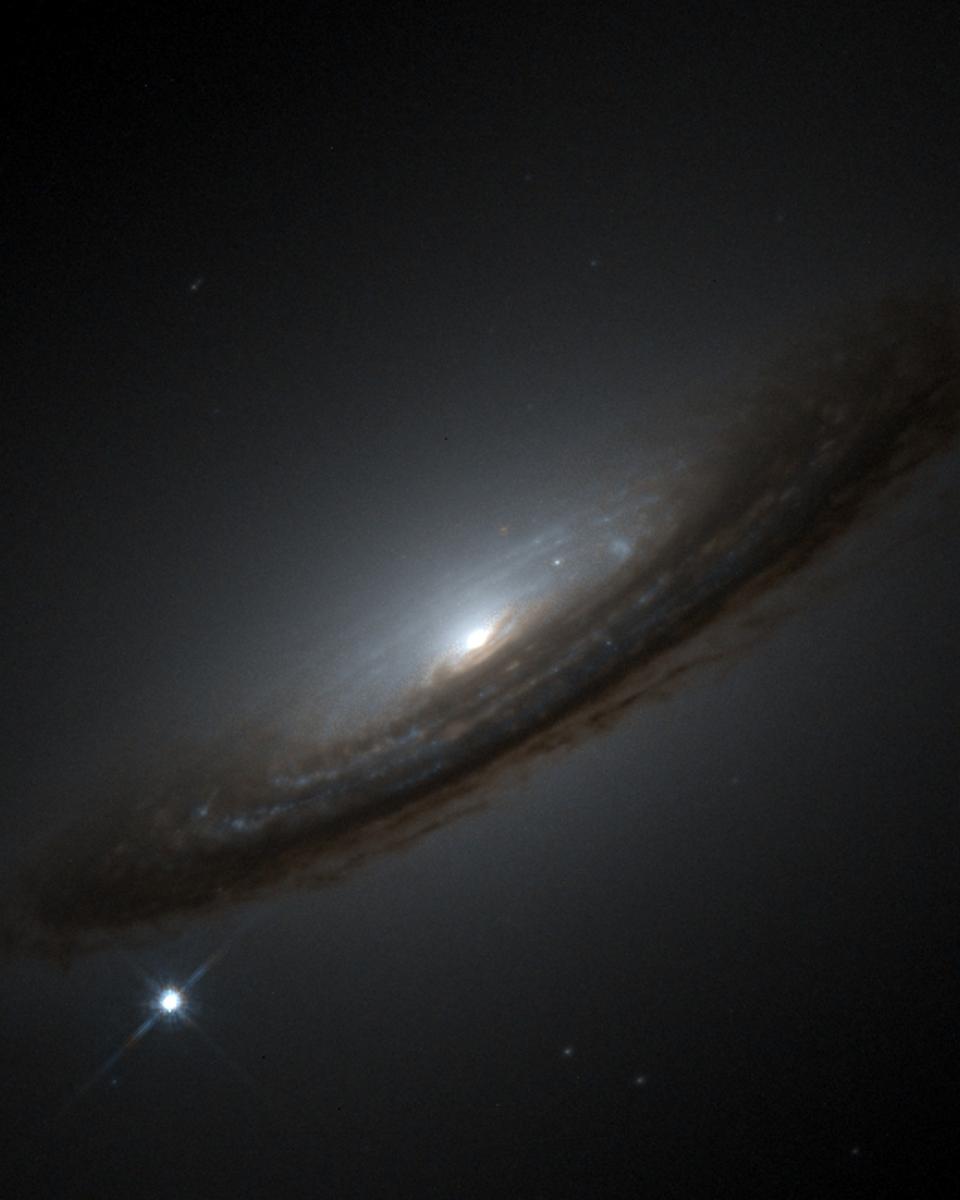
Supernova 1994D and the Unexpected Universe
Far away, long ago, a star exploded. Supernova 1994D , visible as the bright spot on the lower left, occurred in the outskirts of disk galaxy NGC 4526 . Supernova 1994D was not of…
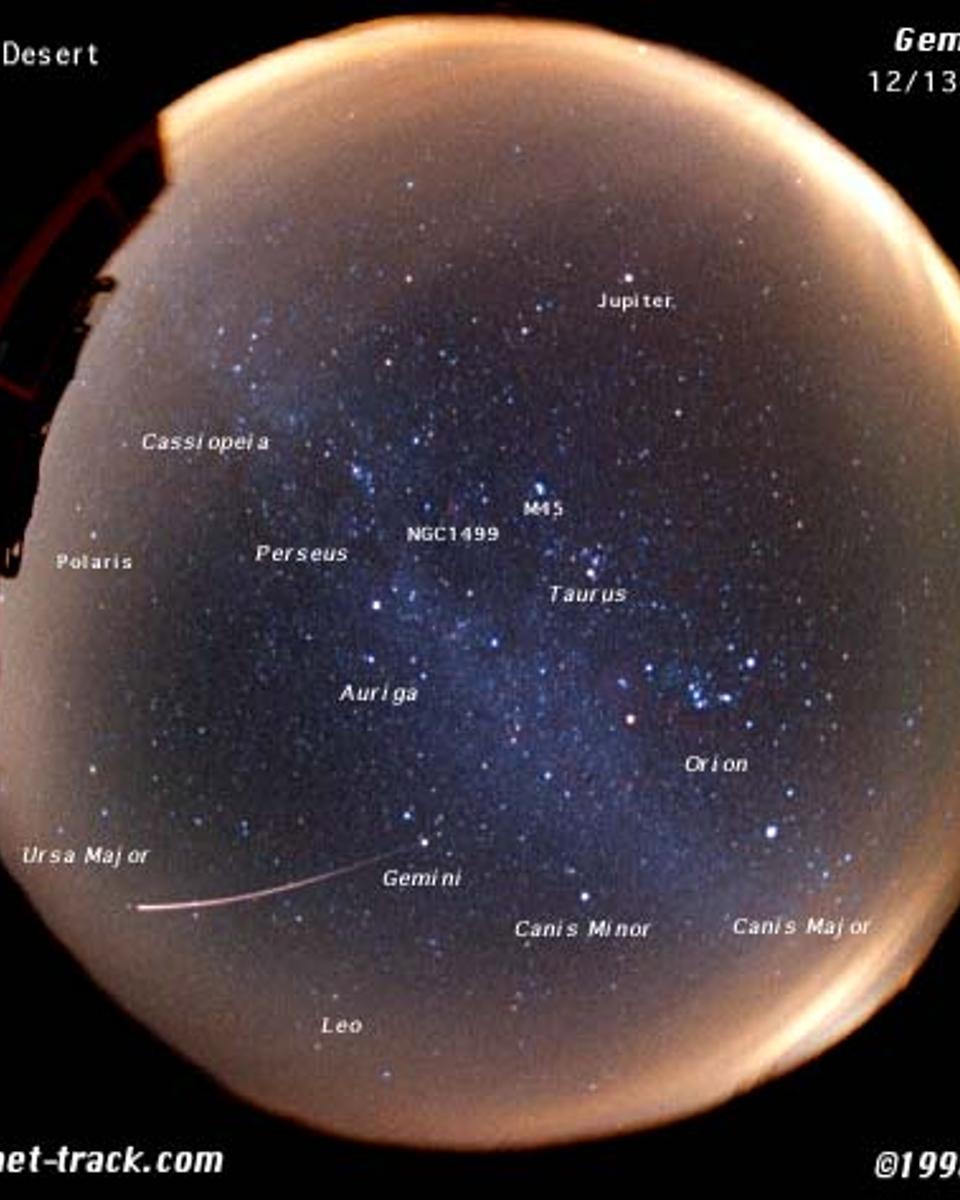
A Geminid From Gemini
The Leonid meteor shower was not the only good meteor shower this season. Earlier this month, the annual Geminids meteor shower peaked, featuring as many as 140 meteors per hour…
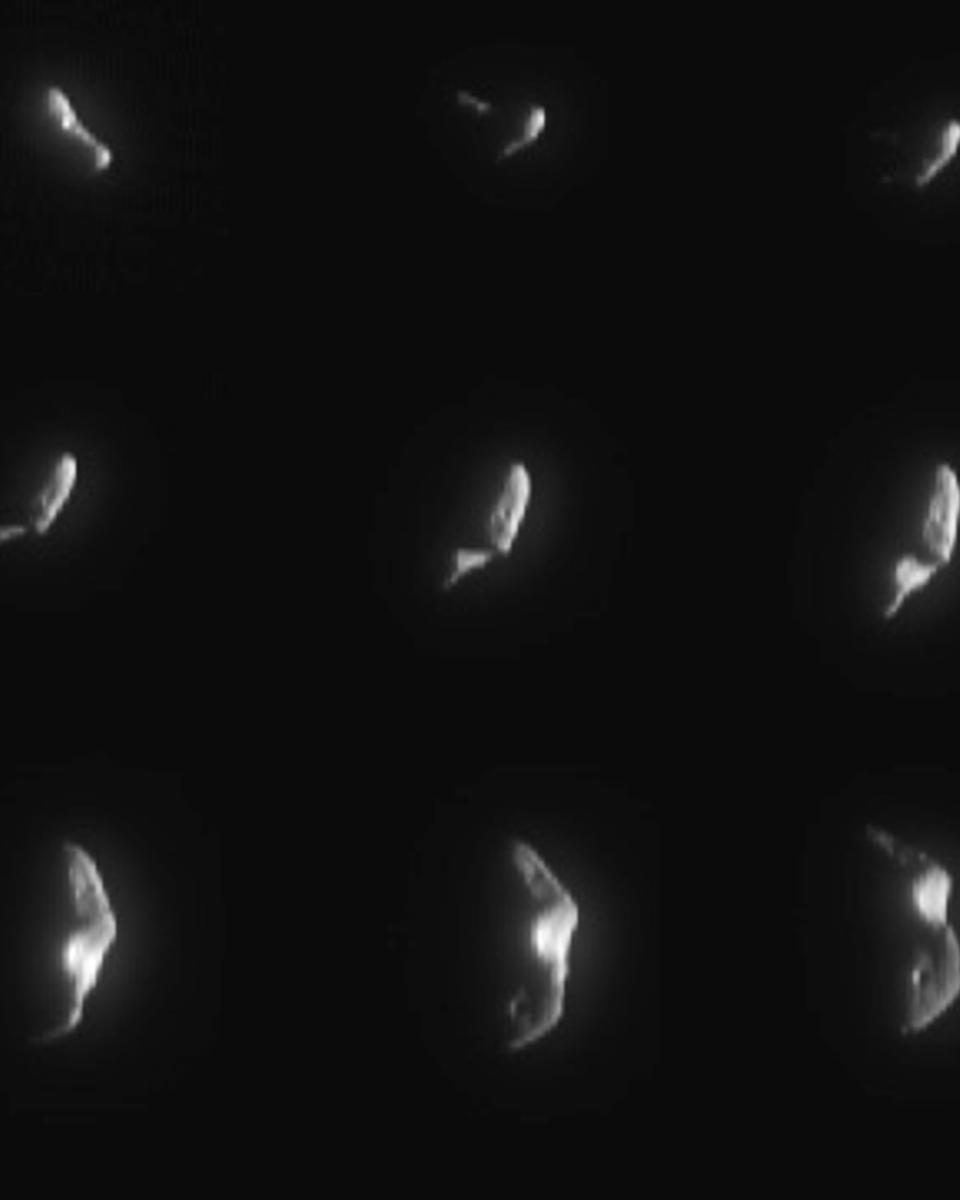
NEAR to Asteroid Eros
On December 23, the NEAR spacecraft flew by asteroid 433 Eros . NEAR was originally scheduled to brake and orbit Eros, but an unexpected shutdown of its main engine caused this…
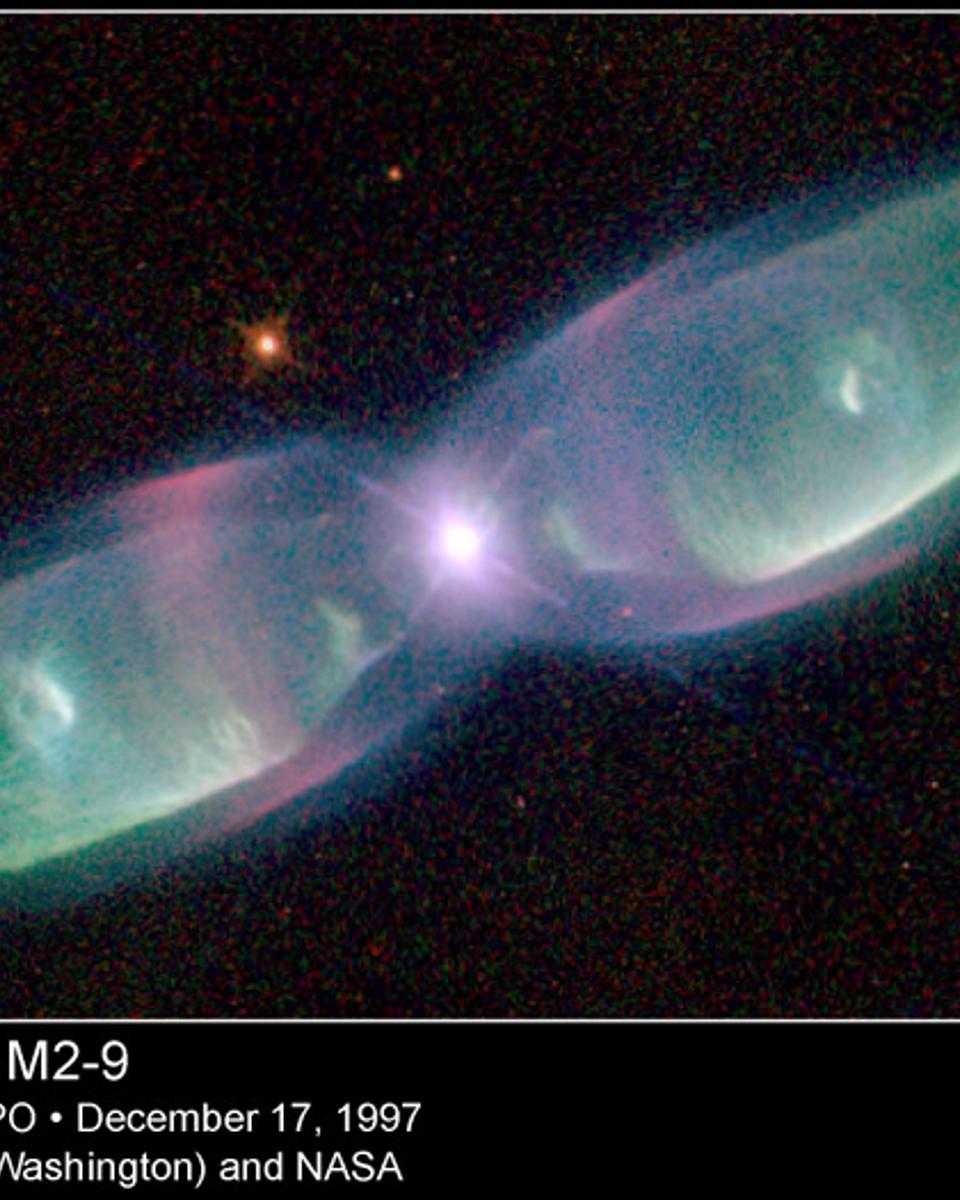
M2-9: Wings of a Butterfly Nebula
Are stars better appreciated for their art after they die? Actually, stars usually create their most artistic displays as they die. In the case of low-mass stars like our Sun and…
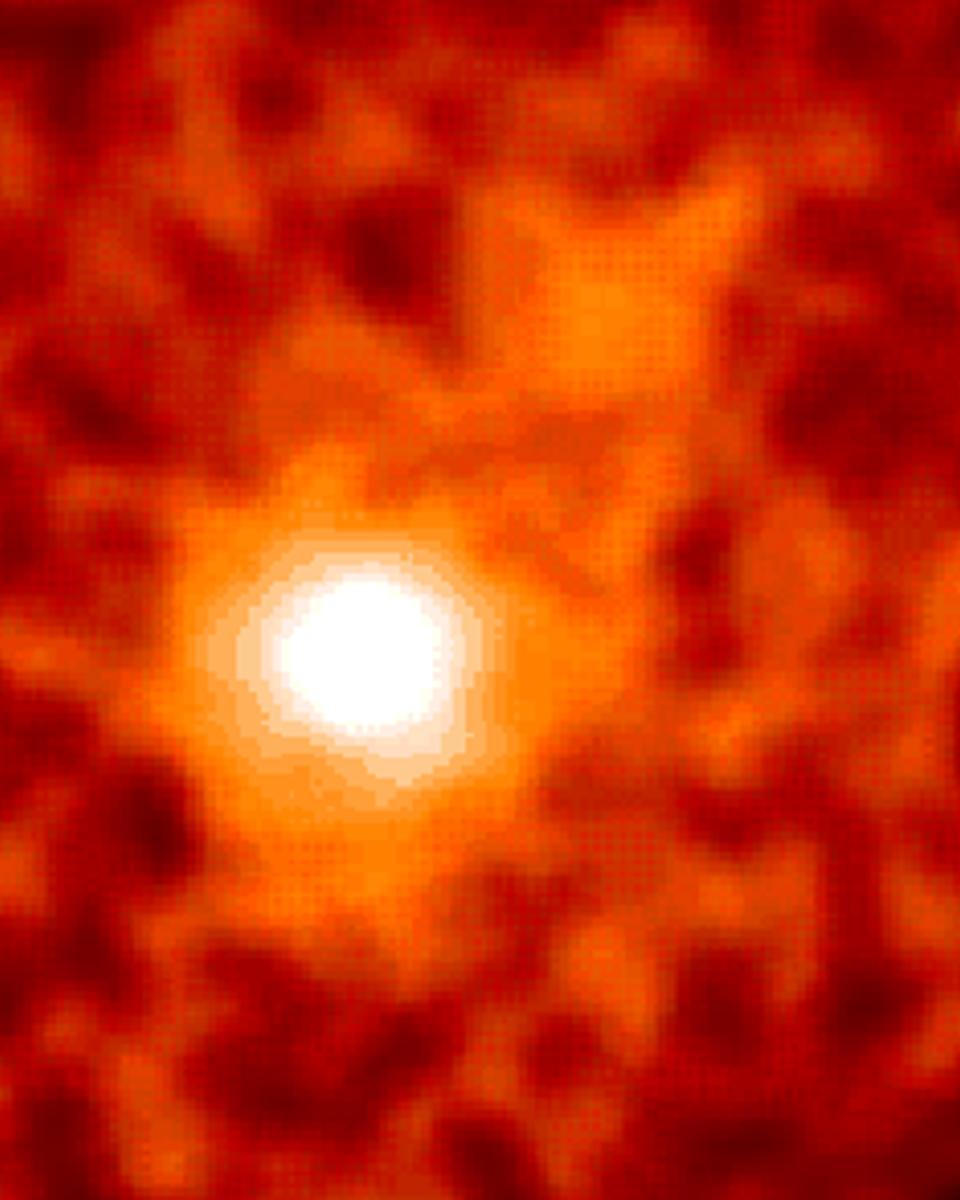
Gamma-Ray Quasar
The bright object in the center of the false color image above is quasar 3C279 viewed in gamma-rays , photons with more than 40 million times the energy of visible light. Like all…
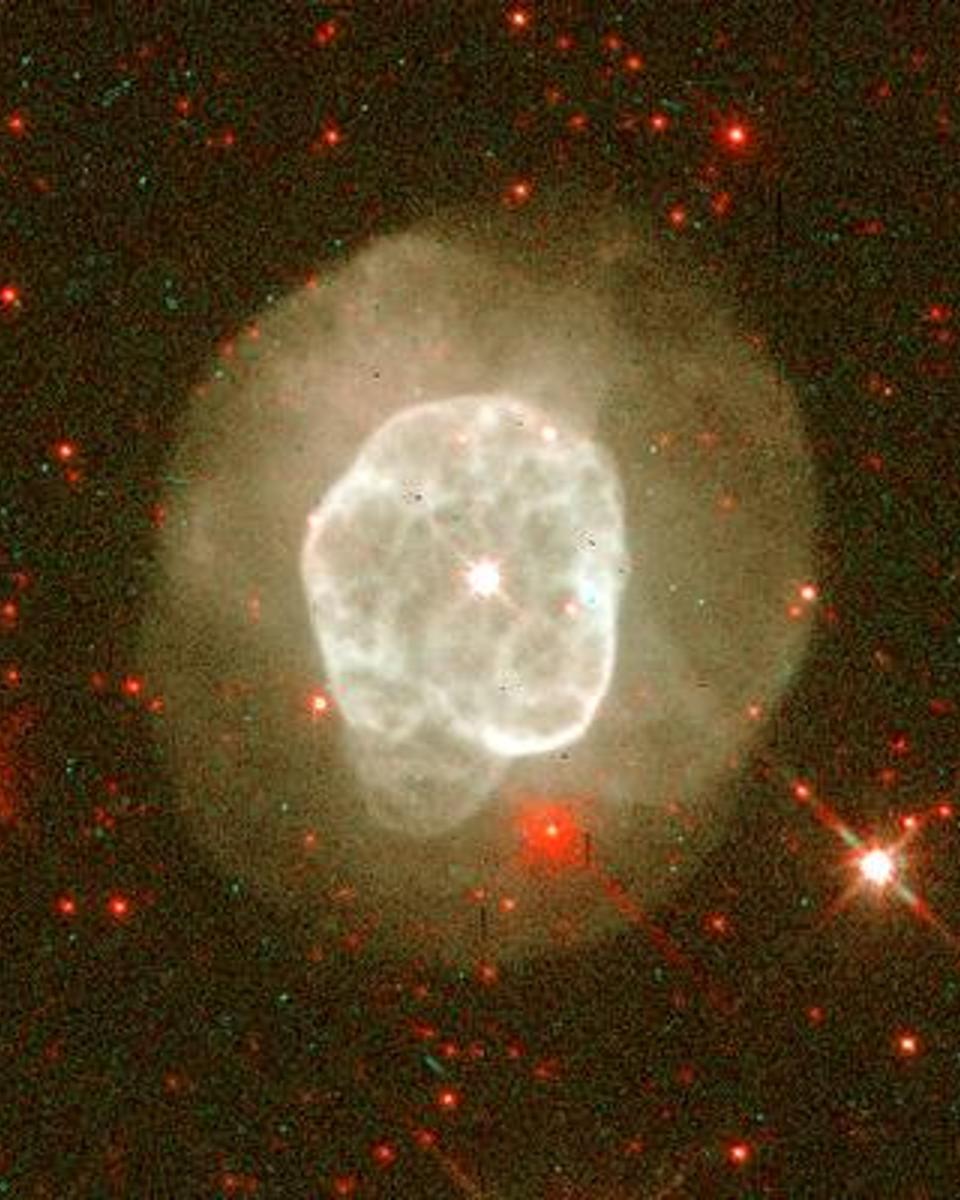
Nebulae For Christmas
If our Galaxy were a Christmas tree , planetary nebulae would adorn it like colorful lighted ornaments twinkling on a cosmic scale. Glowing shrouds of gas ejected by red giant…
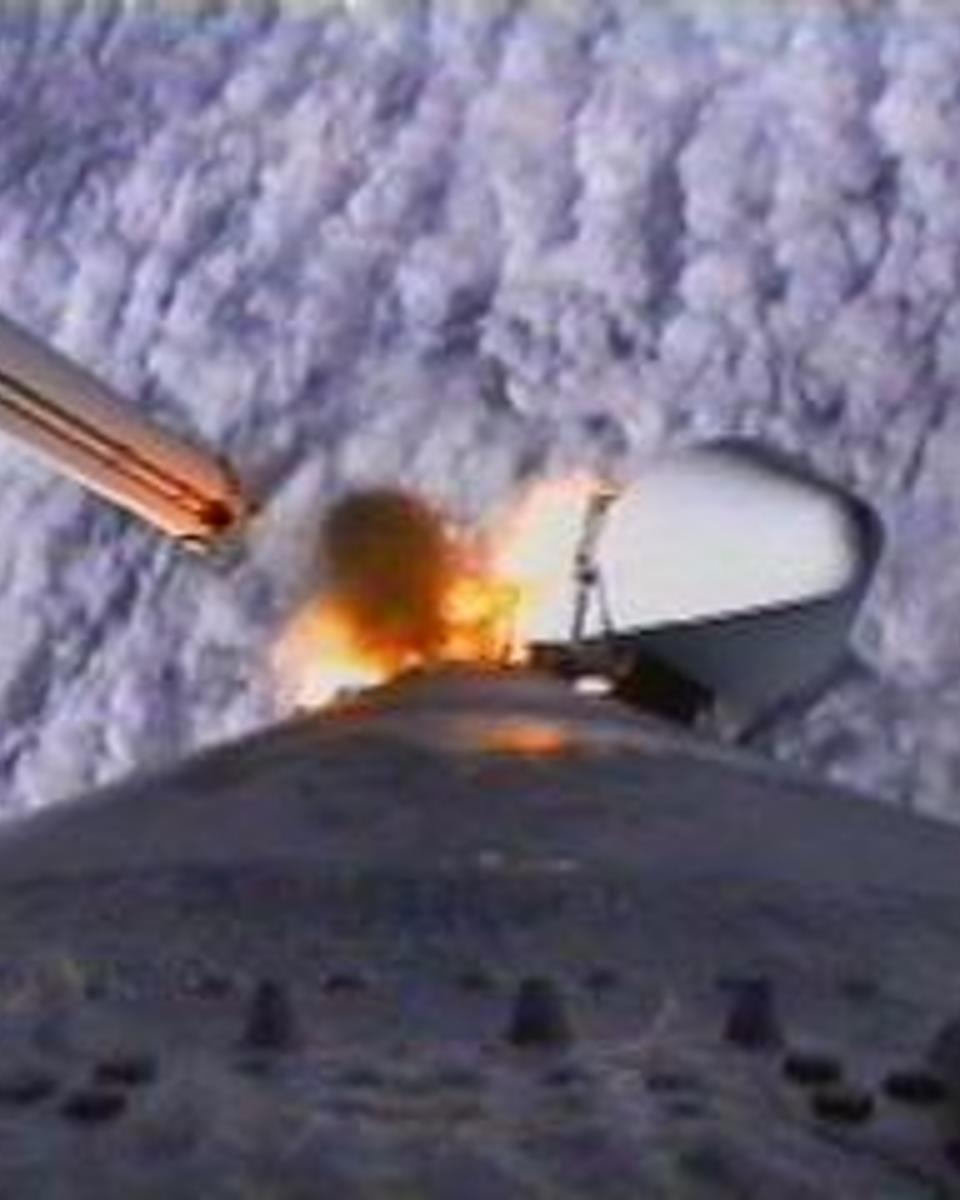
Mars Climate Orbiter Launches
Looking down from atop a Delta II rocket blasting skyward , solid fuel boosters fall away (left) and the Earth's limb slides into view. These pictures from the launch of the Mars…
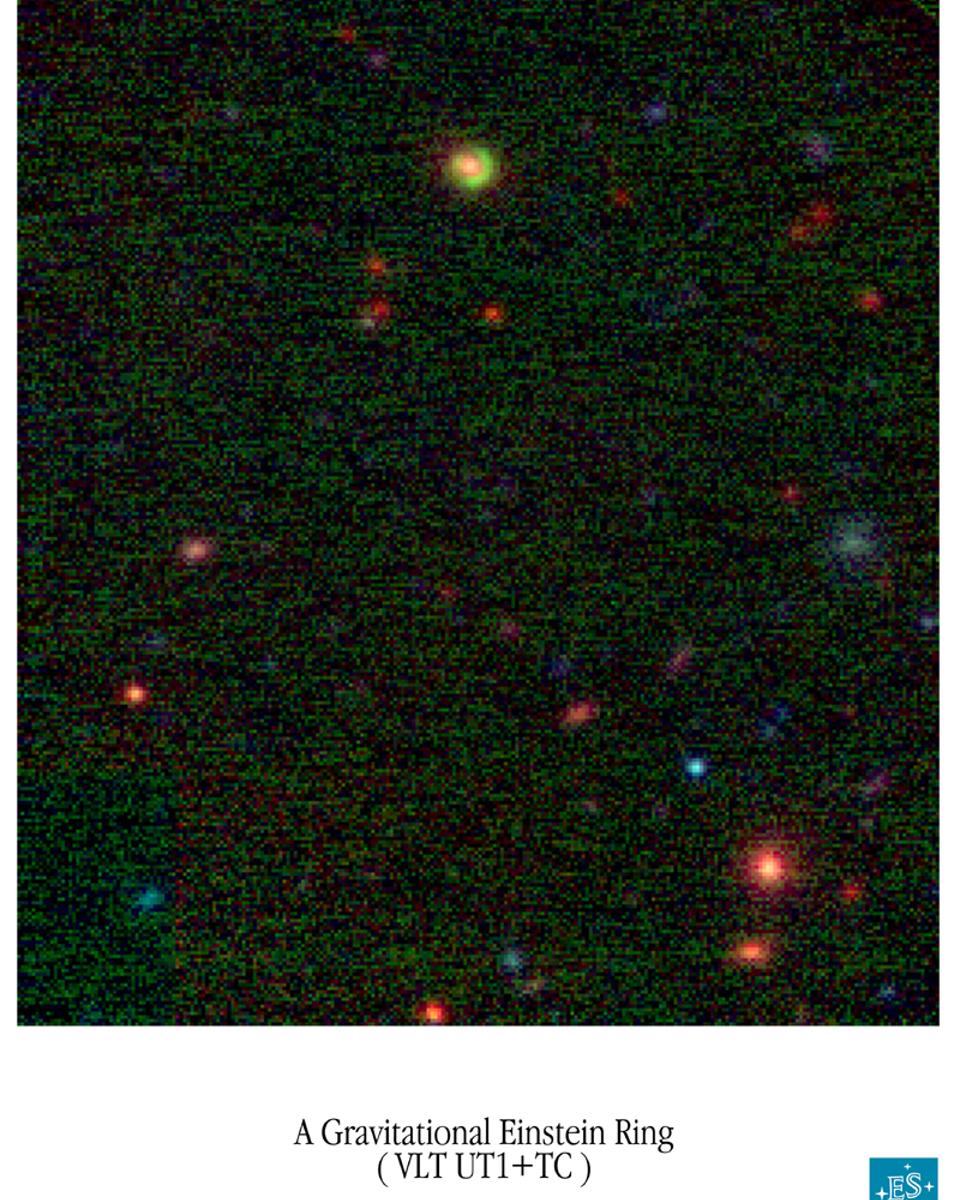
Ring Around the Galaxy
It is difficult to hide one galaxy far behind another. The closer galaxy's gravity will act like a huge lens , pulling images of the background galaxy around both sides. This is…
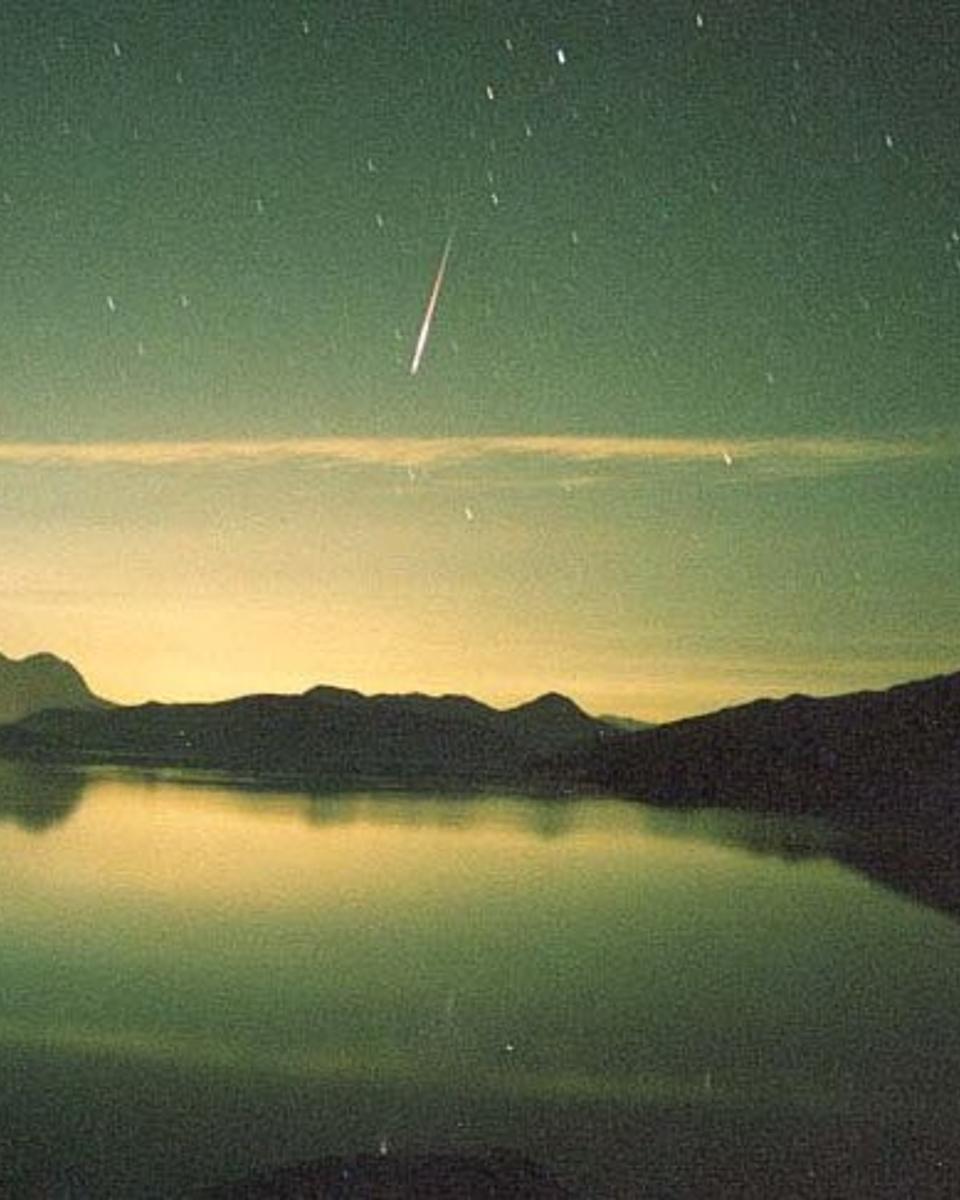
Dawn of the Leonids
Many of the 1998 Leonid shower meteors were so bright they could be seen even during sunrise. The above photograph was taken near the dawn of November 16 close to Hong Kong ,…
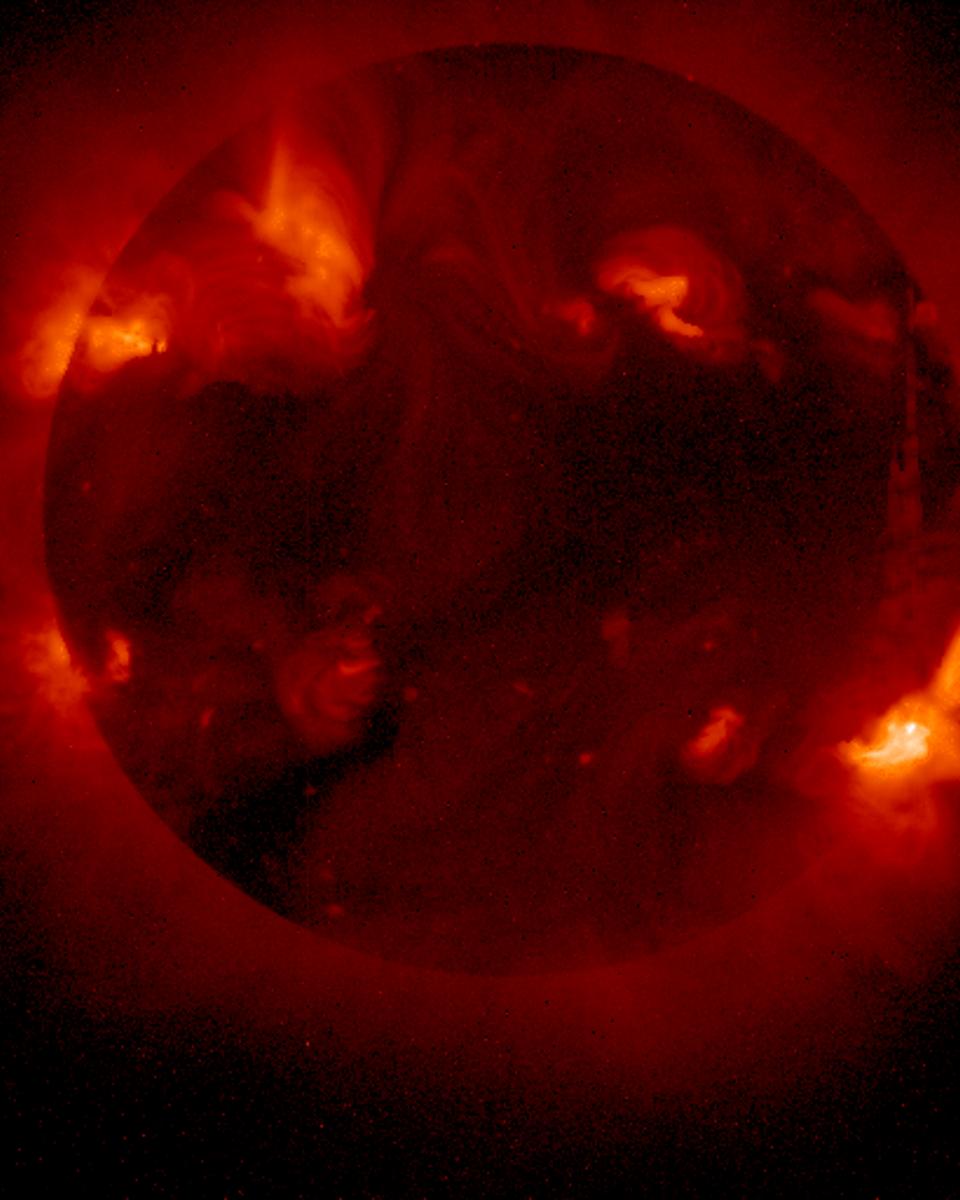
Solstice Sun In Soft X-rays
The solstice occurs today at 8:56 PM Eastern Standard Time. At the solstice the sun reaches its most southerly position in the sky and winter begins for the Northern Hemisphere…
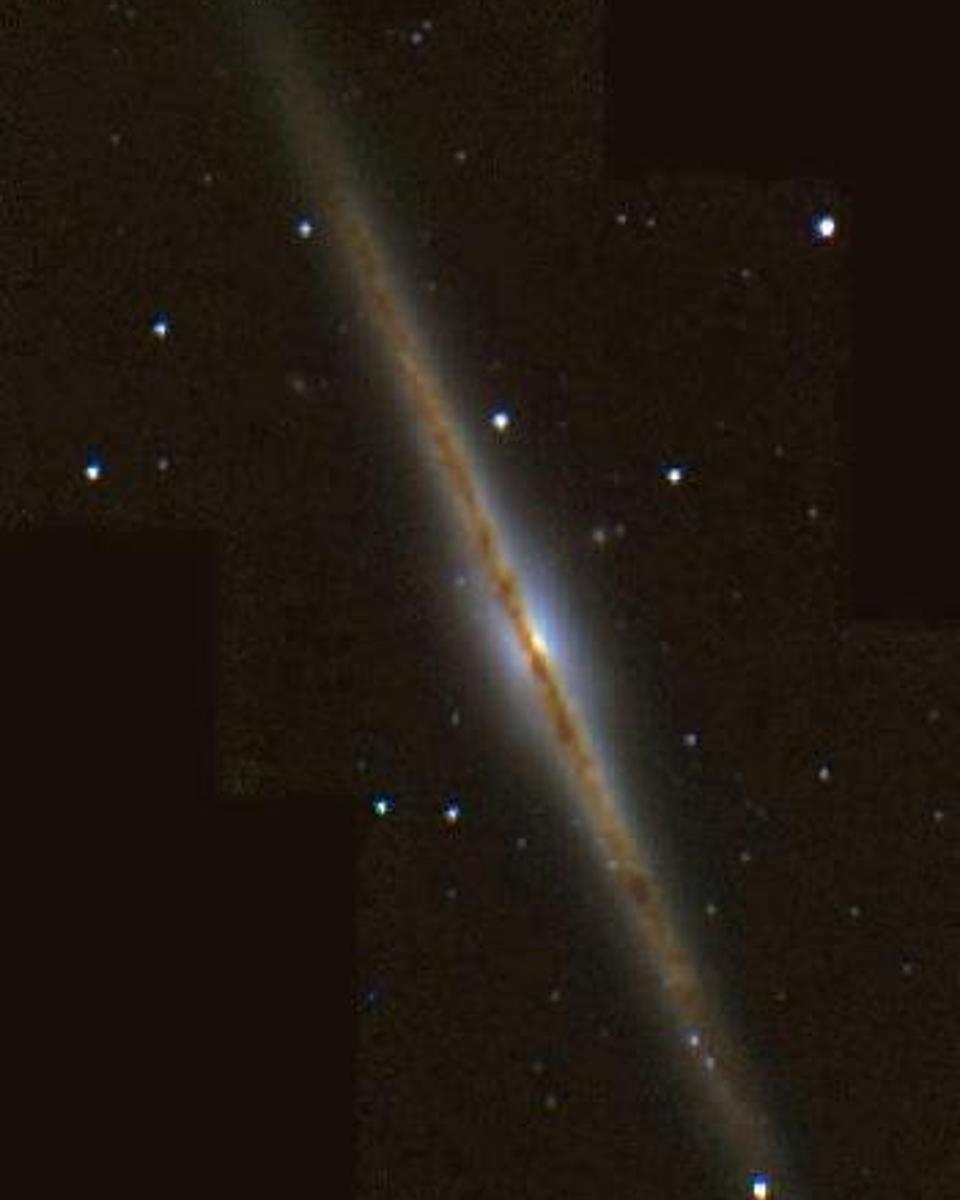
Edge-On Spiral Galaxy NGC 891
Is our Galaxy this thin? We believe so. The Milky Way , like NGC 891 pictured above , has the width of a typical spiral galaxy . Spirals have most of their bright stars, gas, and…
Viewing discoveries from 12 January 1999 through 20 December 1998.