Browse NASA Astronomy Picture of the Day archive by date and media: Archive Discoveries
Browse the NASA APOD archive without needing the exact date first. Filter by media type and keep moving deeper into older images and videos.
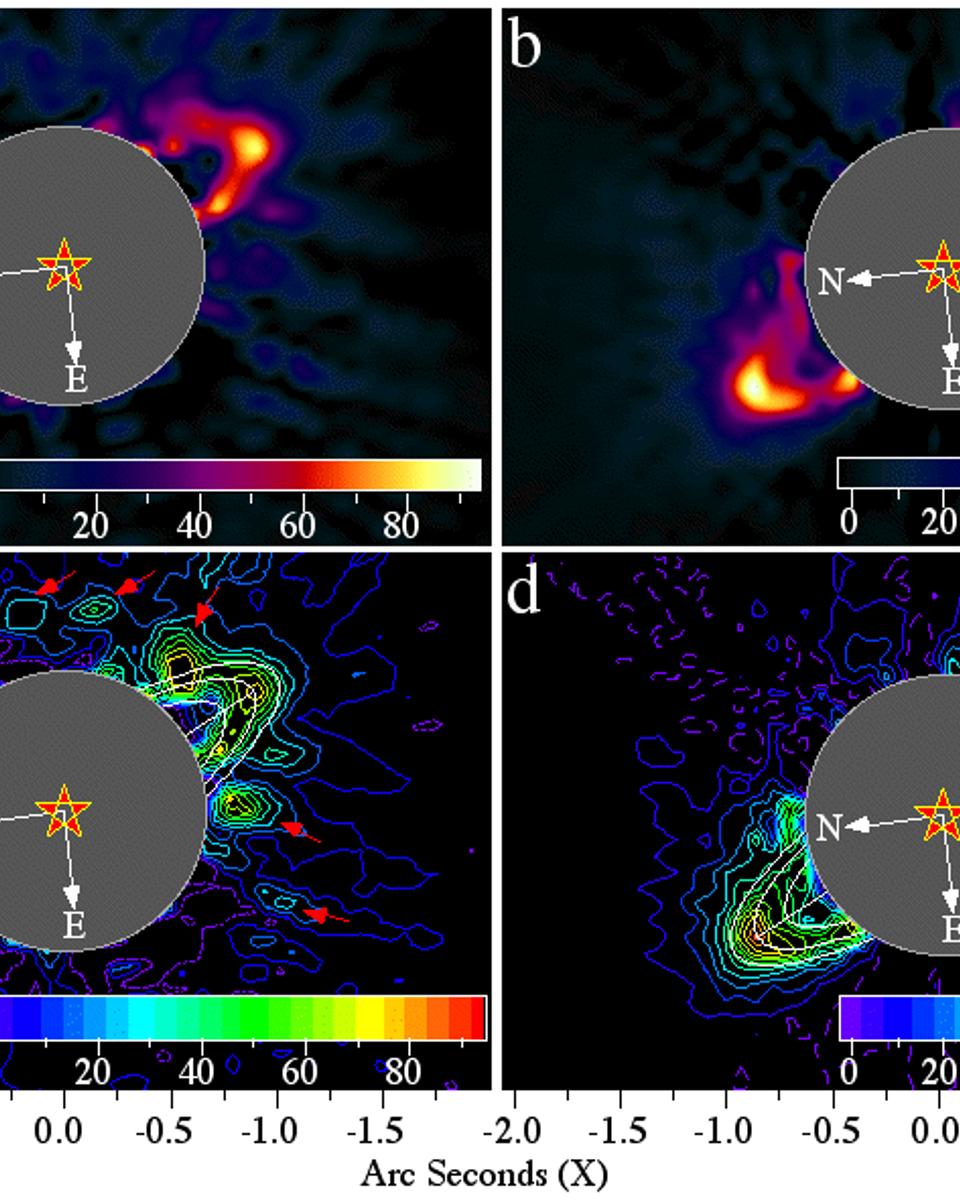
HR 4796A: Not Saturn
These are not false-color renderings of the latest observations of Saturn's magnificent rings . Instead, the panels show a strikingly similar system on a much larger scale - a…
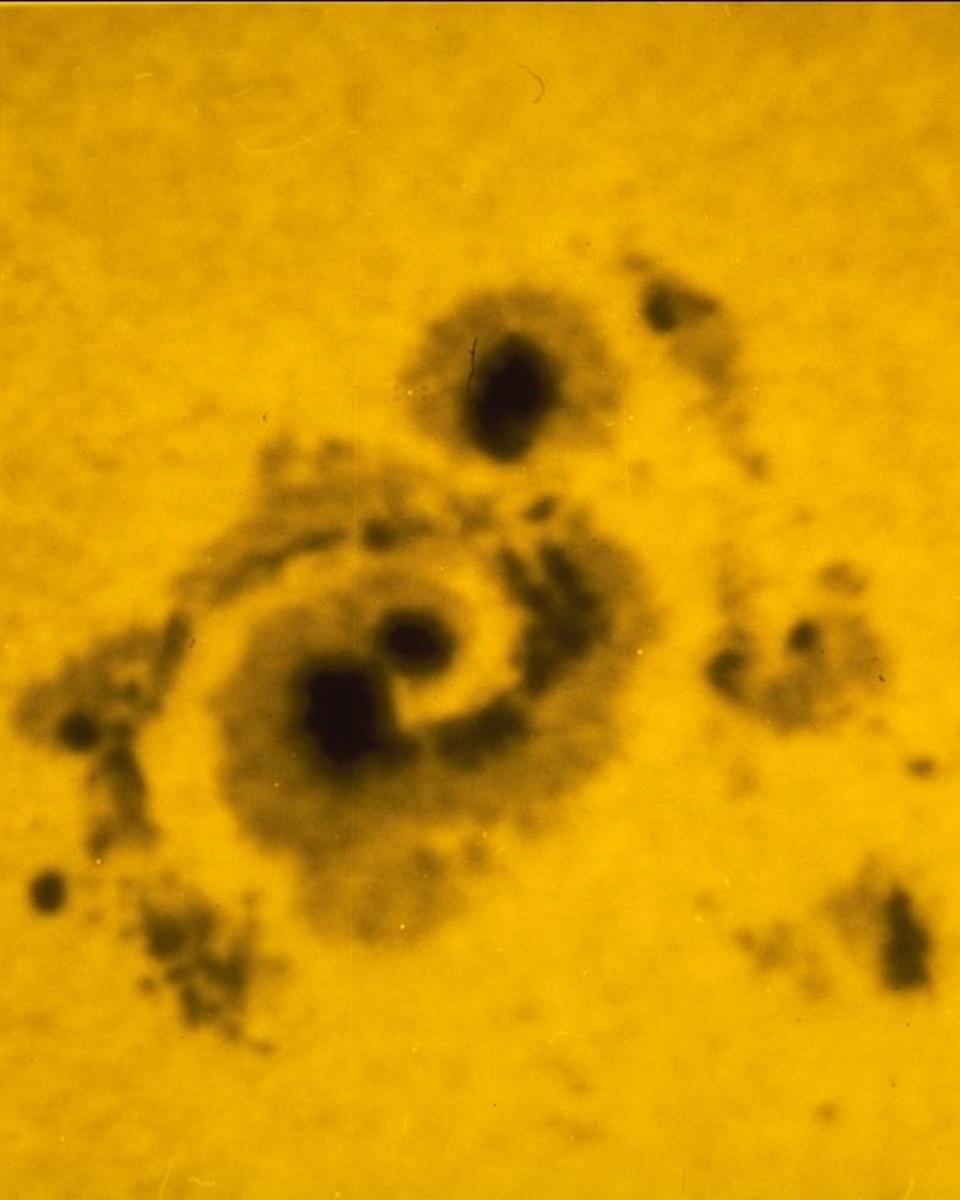
Spiral Sunspot
Spiral galaxies abound in the universe, but spiral sunspots are definitely an unusual twist. This distinctive spiral-shaped sunspot caught the attention of National Solar…
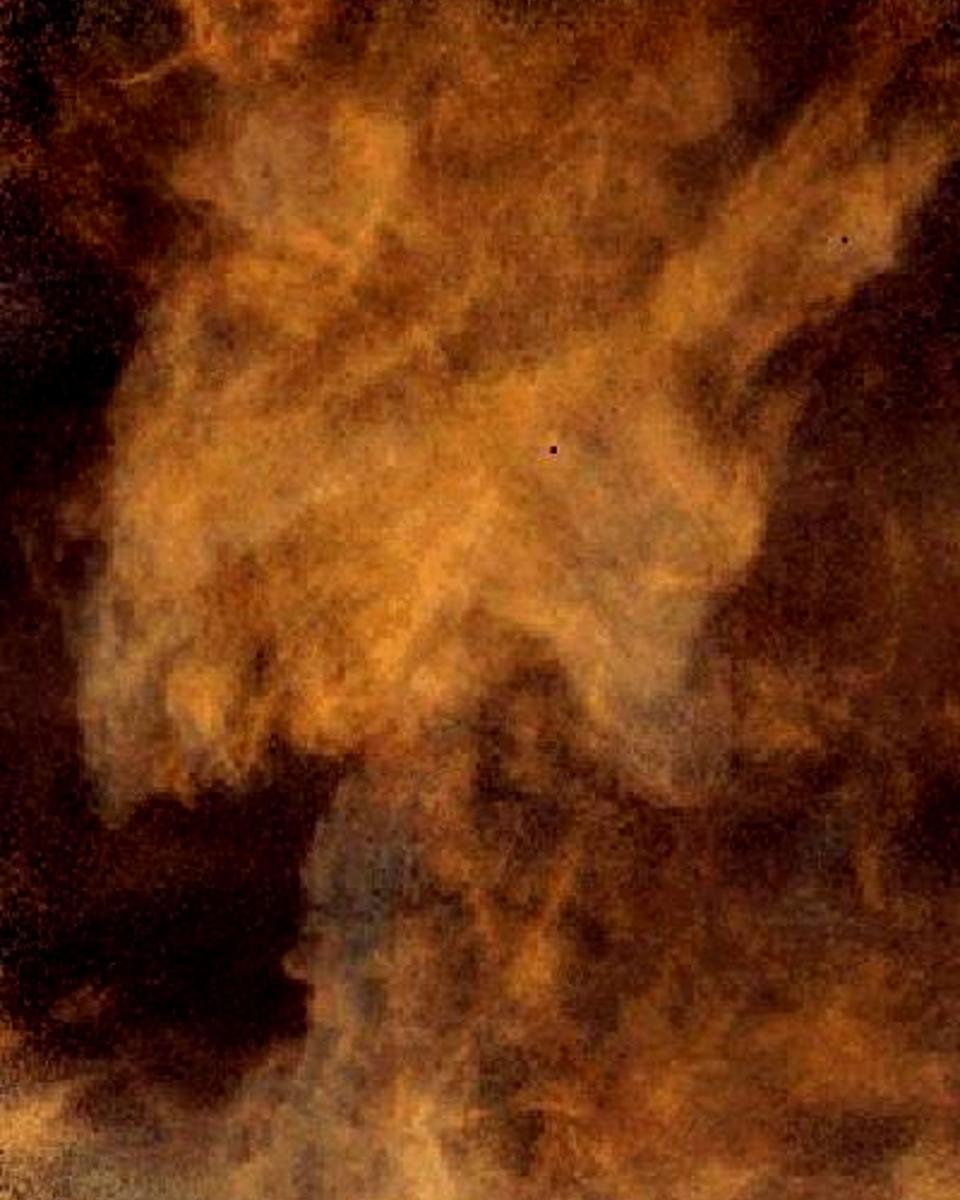
A Galactic Mushroom Cloud
Part of our Galaxy is exploding. Recent radio observations show new details of hot gas expanding rapidly from an energetic star-forming region in our Galactic disk out into our…
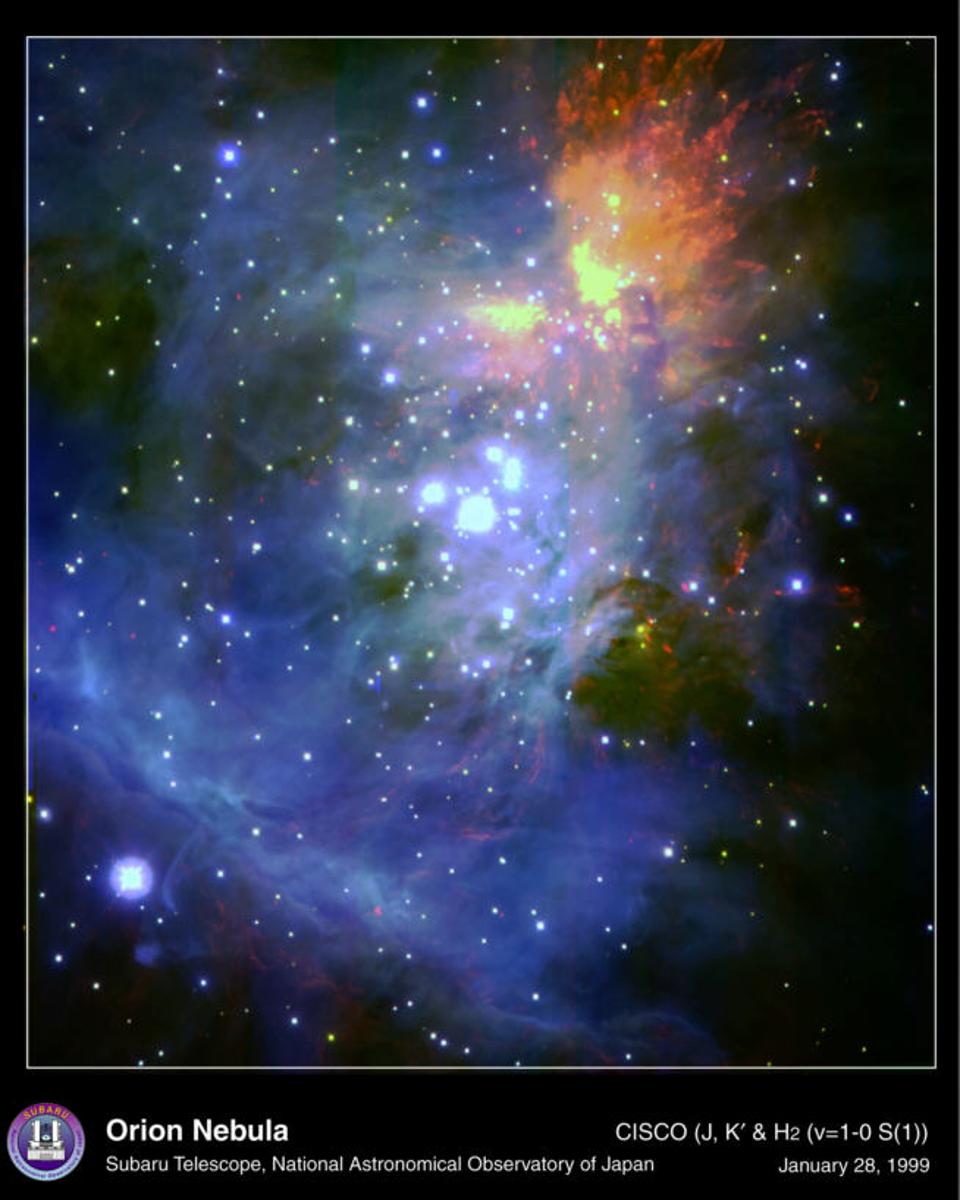
The Orion Nebula from Subaru
The Orion Nebula (M42) shows a host of treasures when viewed in infrared light. Some stars in the Trapezium , an open cluster of stars at the center, are only visible in infrared…
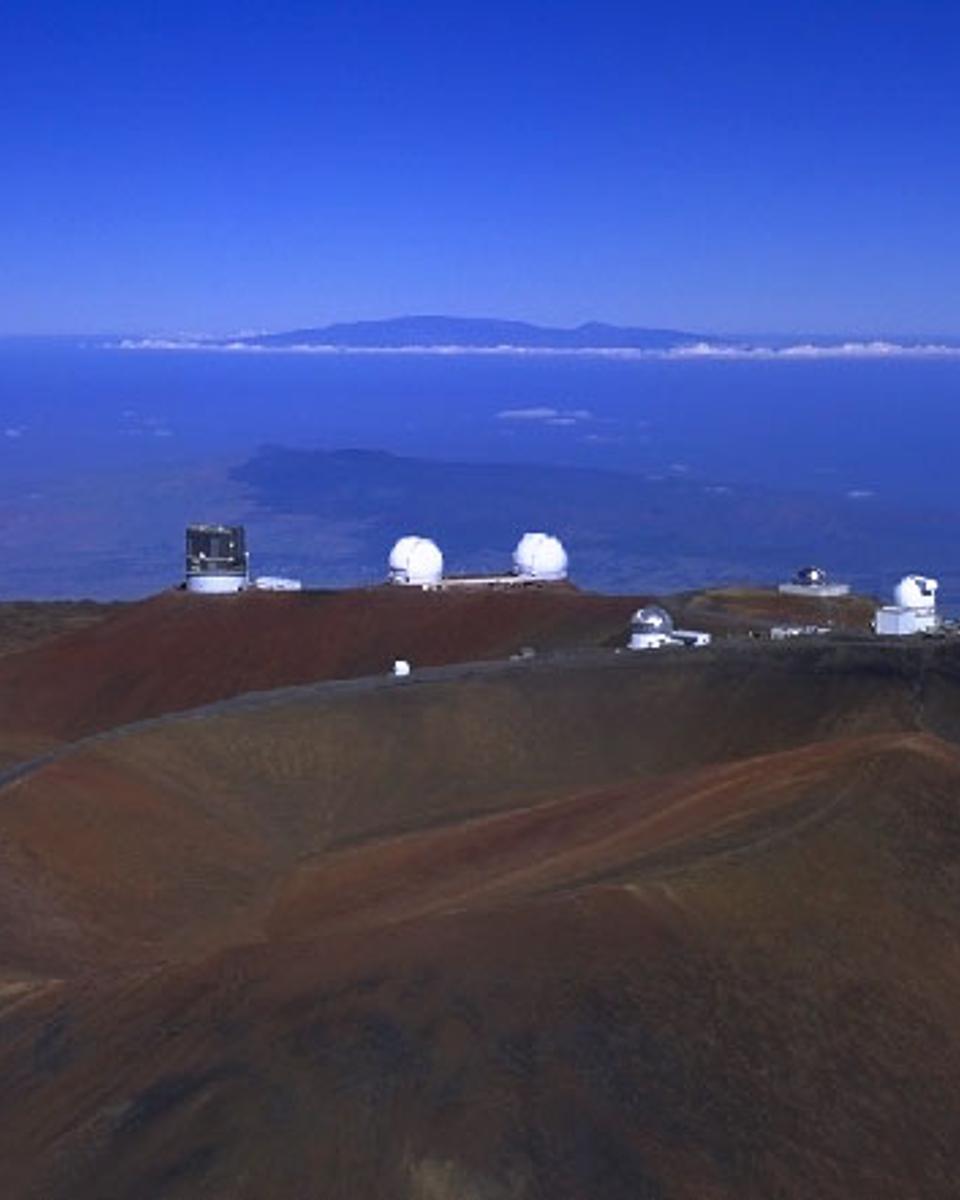
The Subaru Telescope
Last week, Japan's new Subaru Telescope made its first observations of the sky. The gray building housing Subaru is visible just left of the white Keck domes near the photo's…
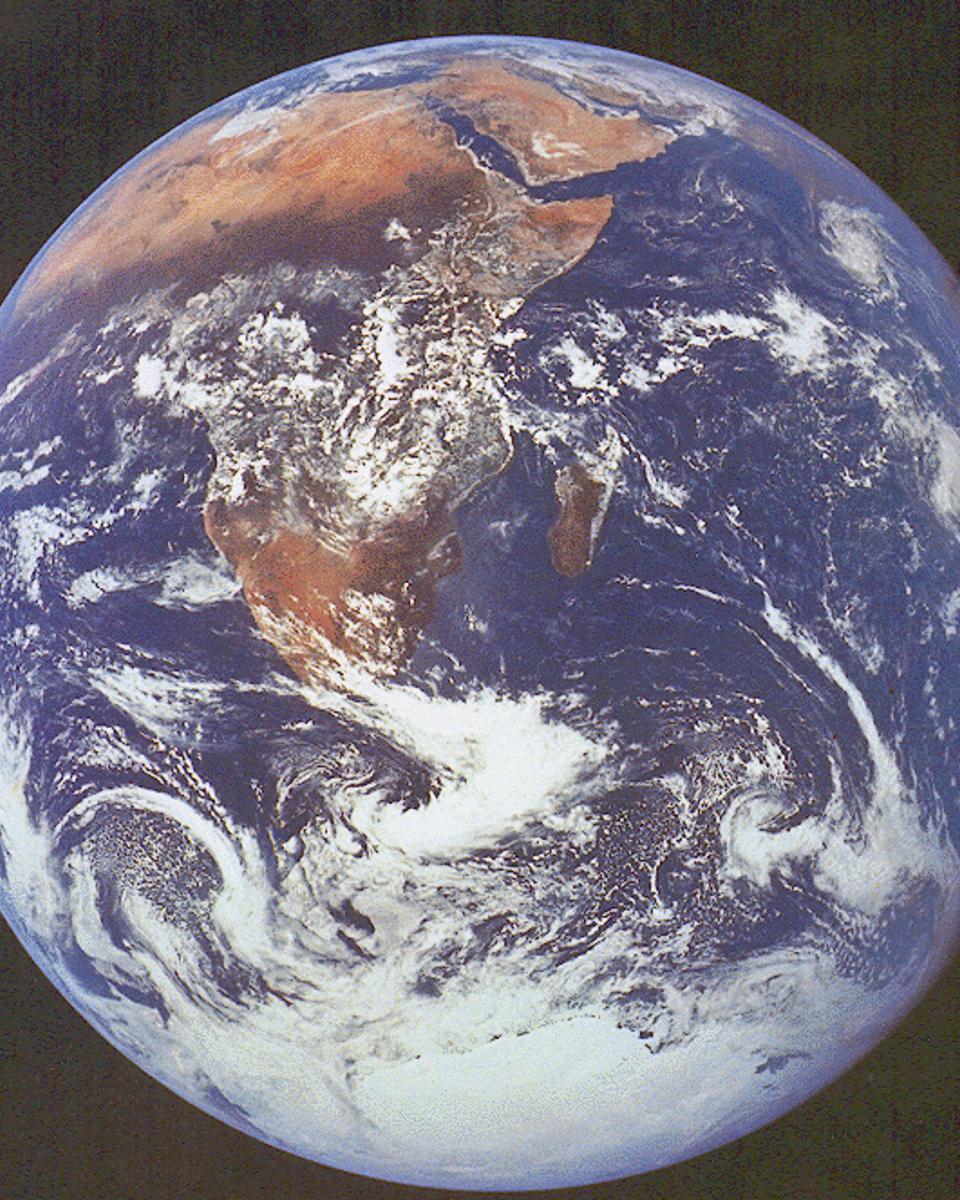
Welcome to the Planet Earth
Welcome to Planet Earth , the third planet from a star named the Sun . The Earth is shaped like a sphere and composed mostly of rock . Over 70 percent of the Earth's surface is…
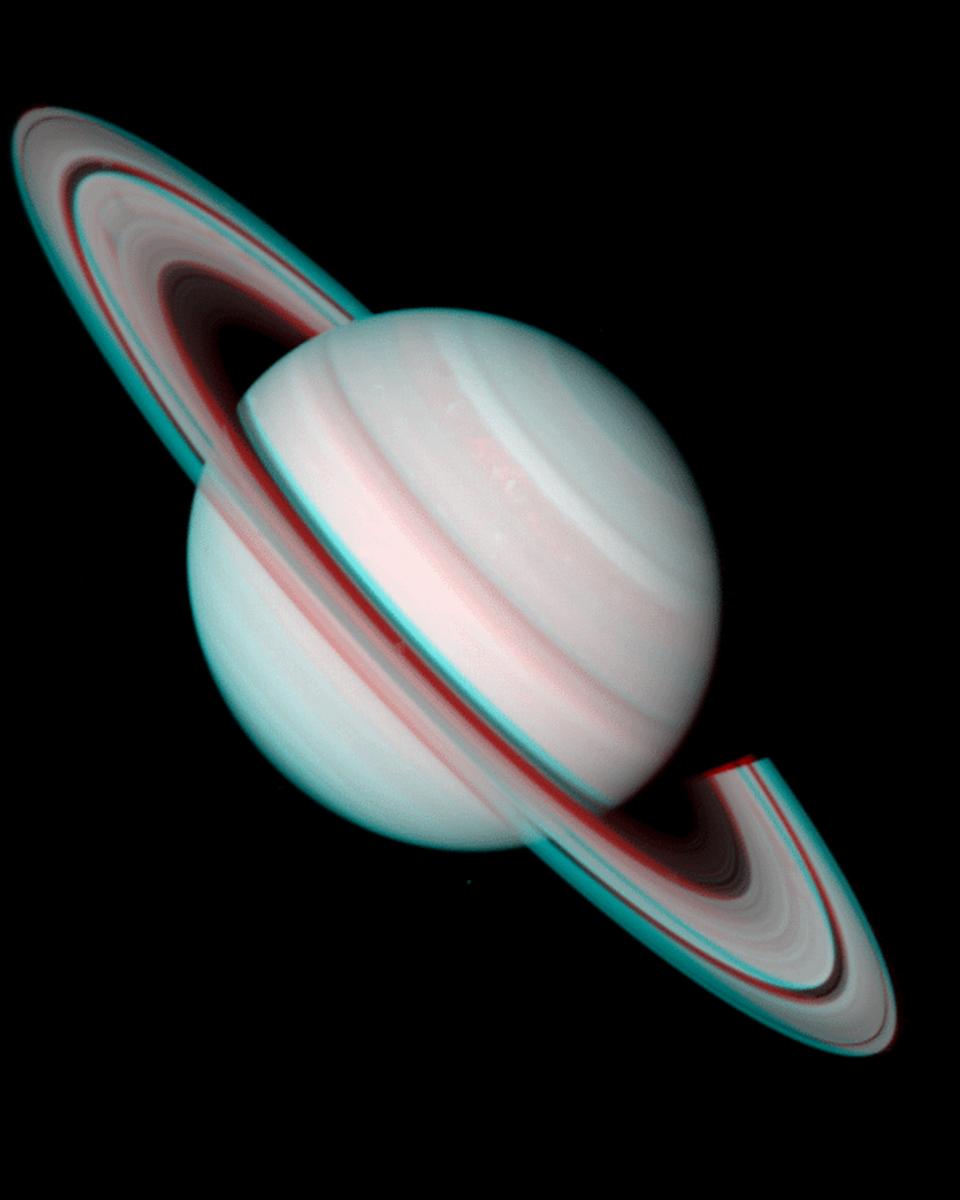
Stereo Saturn
Get out your red/blue glasses and launch yourself into this stereo picture of Saturn! The picture is actually composed from two images recorded weeks apart by the Voyager 2…
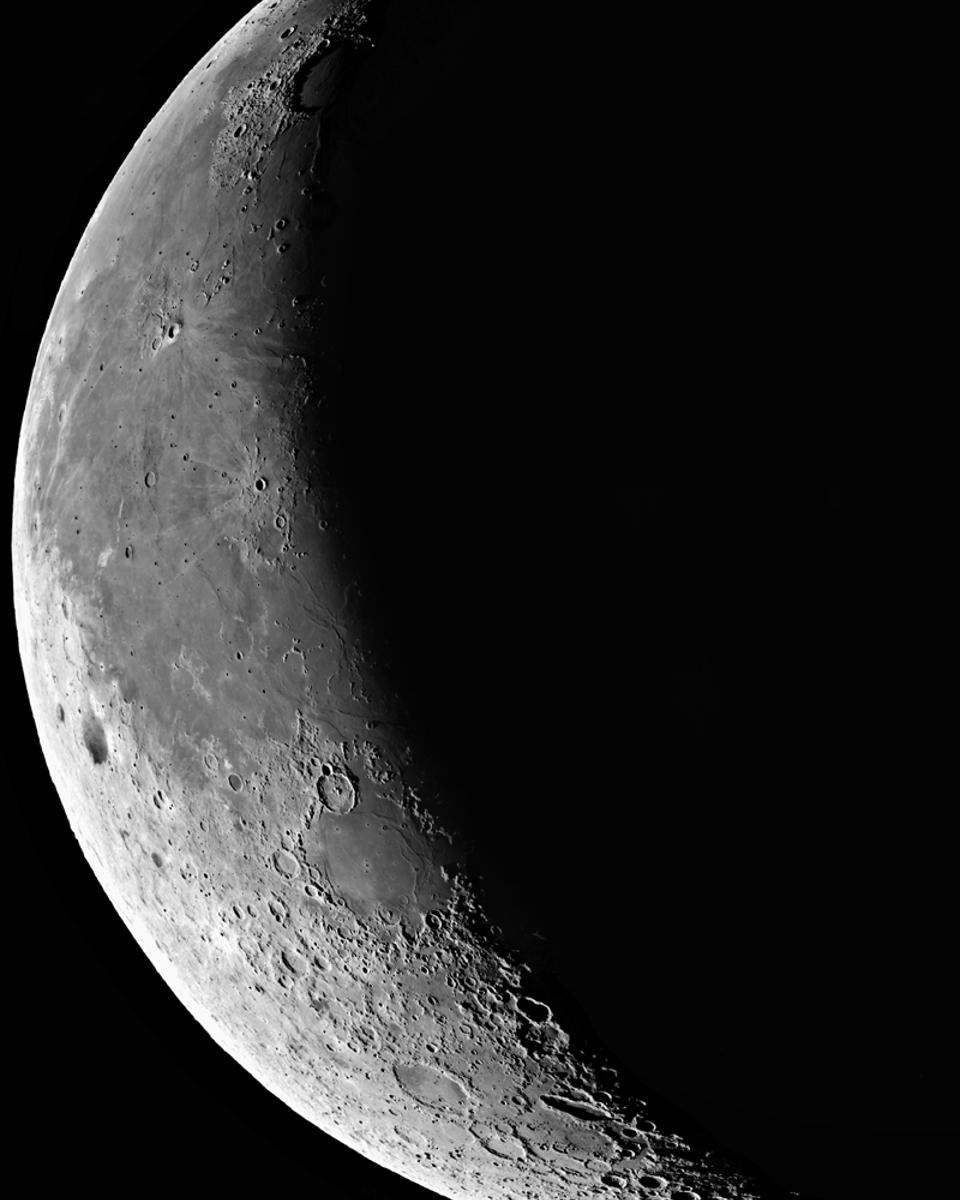
The Moon In January
Reckoning dates by Universal Time, the next full moon will be on Sunday, January 31. Since the last was on January 2nd, Sunday's full moon will be the second this month. Perhaps…
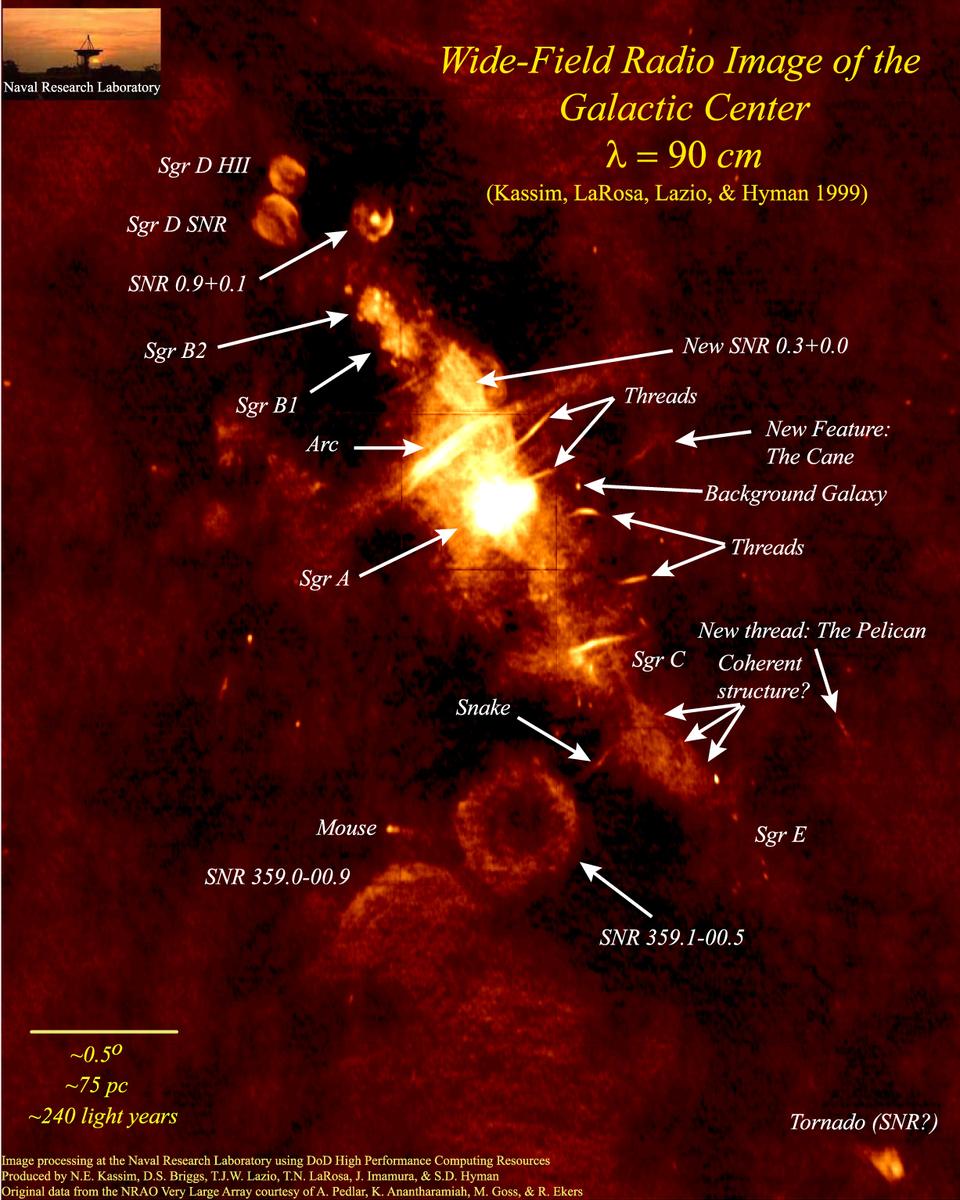
The Galactic Center - A Radio Mystery
Tuning in to the center of our Milky Way galaxy, radio astronomers explore a complex, mysterious place. A premier high resolution view, this startlingly beautiful picture covers a…

Hypatia of Alexandria
Sixteen hundred years ago, Hypatia became one of the world's leading scholars in mathematics and astronomy. Hypatia 's legendary knowledge, modesty, and public speaking ability…
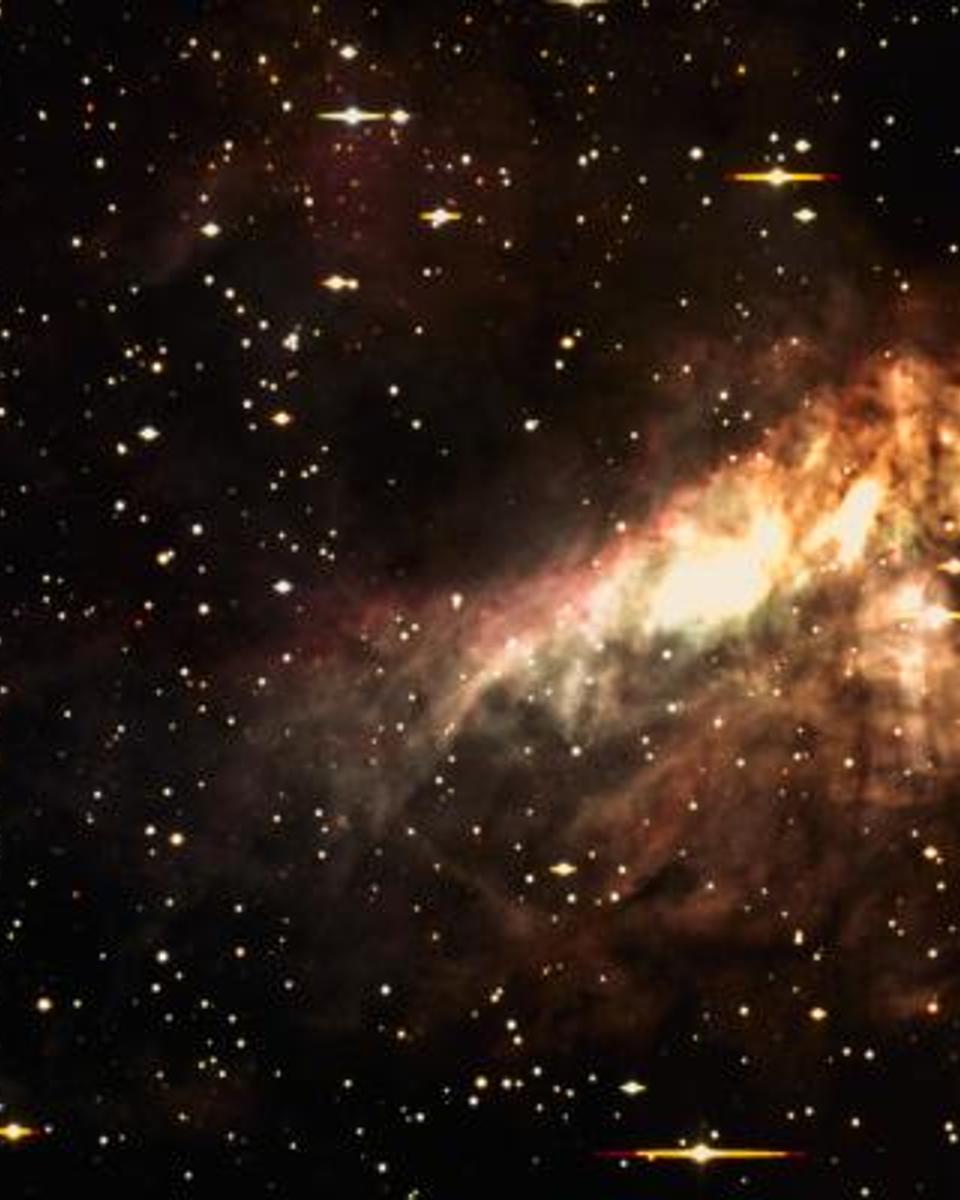
M17: The Omega Nebula
The Omega Nebula contains glowing gas , dark dust , and some unusually massive stars . Also known as the M17 and the Swan Nebula , the Omega Nebula is about 5000 light-years away,…
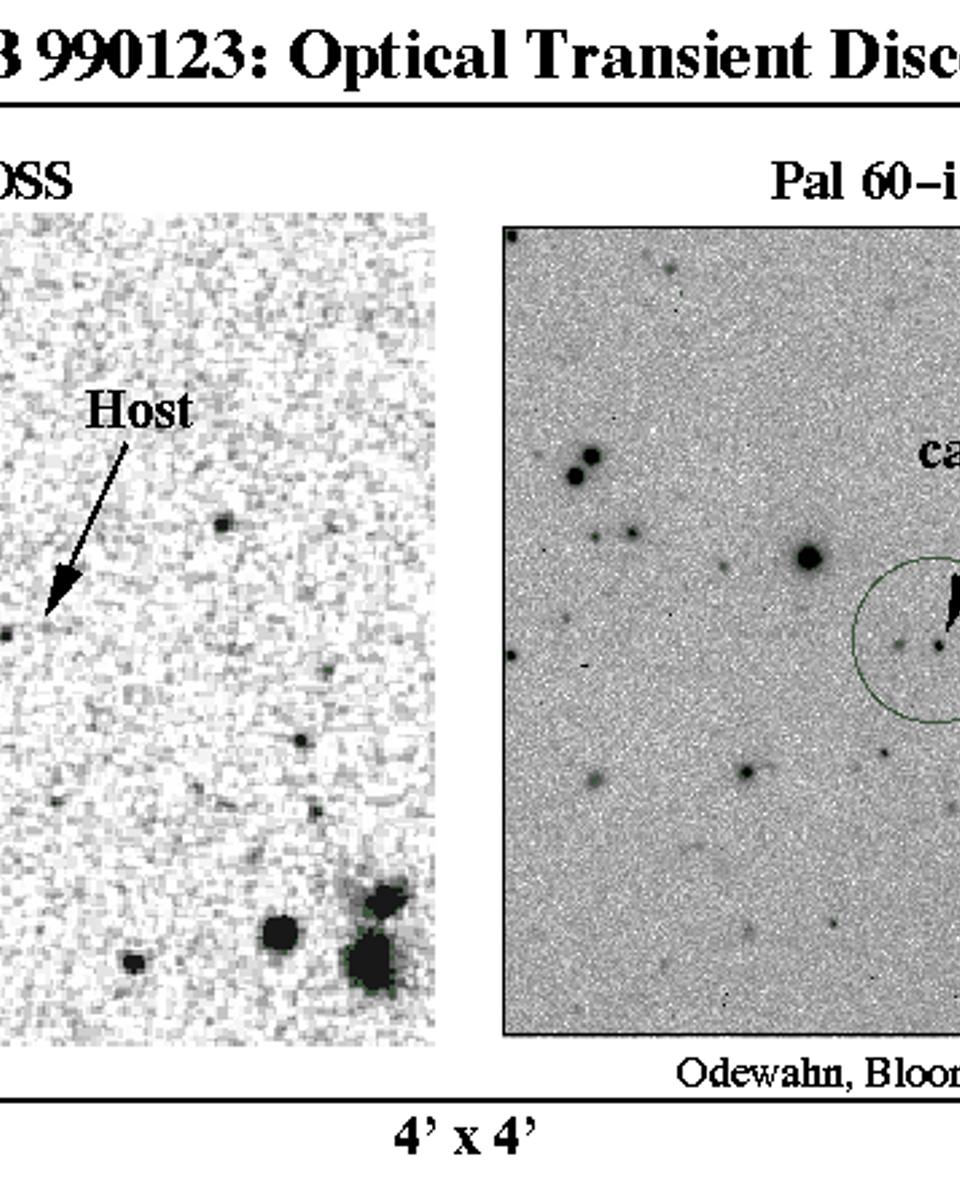
Galaxy And Gamma-ray Burst
Gamma-ray bursts rule the high-energy sky and Saturday another brief, intense flash of gamma-rays from the cosmos triggered space-based detectors. The orbiting Compton…
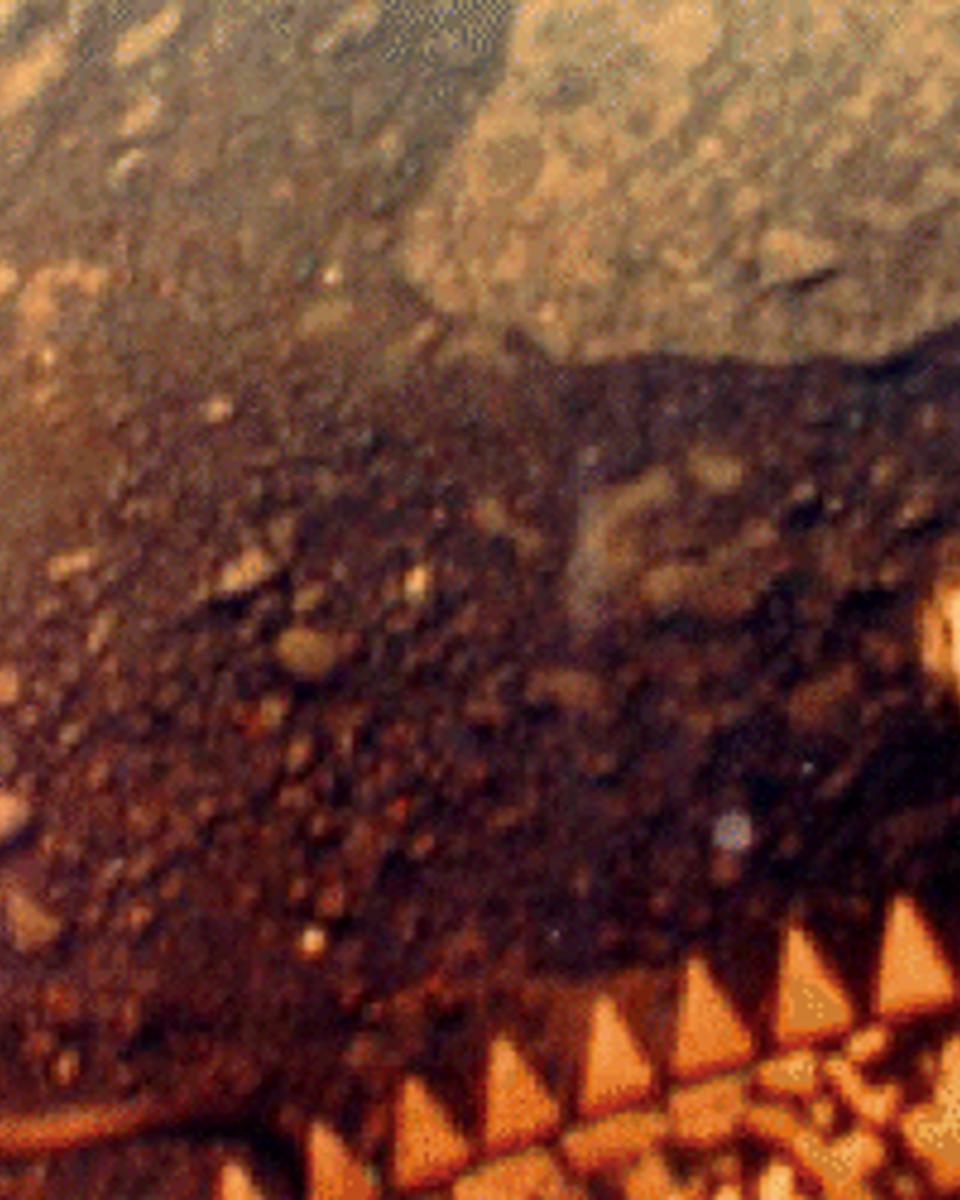
A Venus Landing
This image is part of the first color panoramic view from Venus . It was transmitted by a TV camera on the Soviet Venera 13 lander which parachuted to the surface on March 1,…
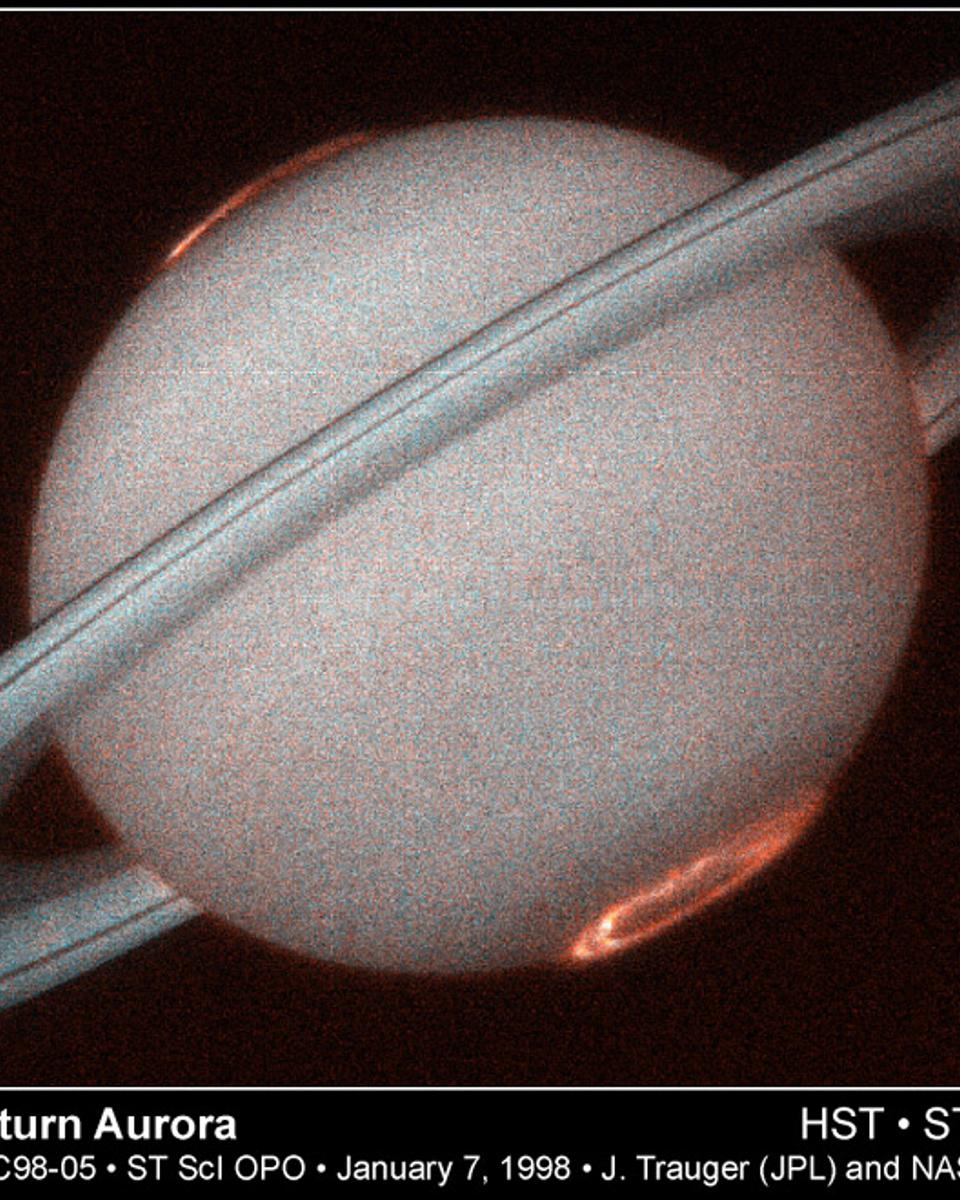
Saturnian Aurora
Girdling the second largest planet in the Solar System, Saturn's Rings are one of the most spectacular sights for earthbound telescopes. This image from the orbiting Hubble Space…
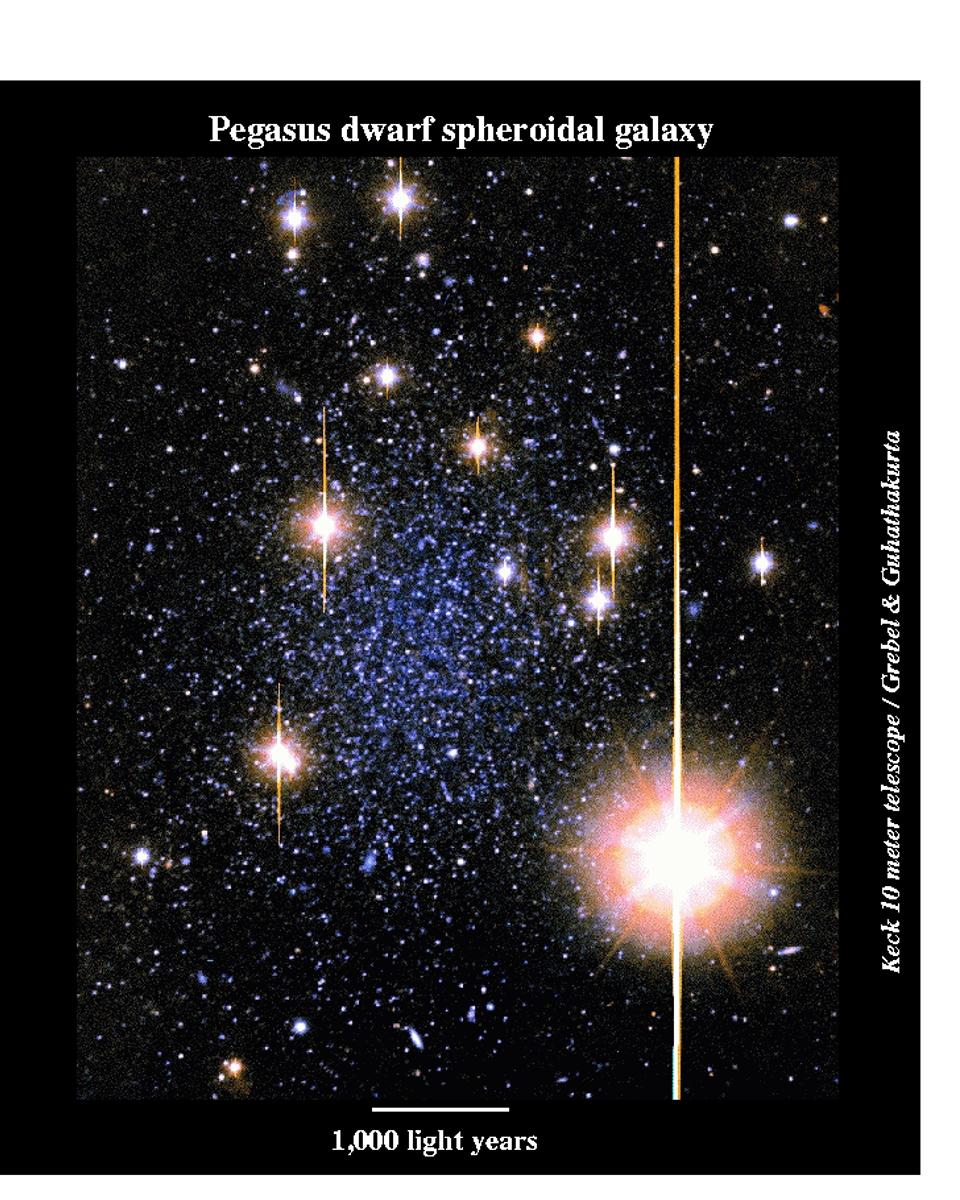
Pegasus dSph: Little Galaxy of the Local Group
The Pegasus dwarf spheroidal galaxy (Peg dSph) is a small, newly recognized member of the Local Group of Galaxies . Likely a satellite companion of the Local Group's dominant…
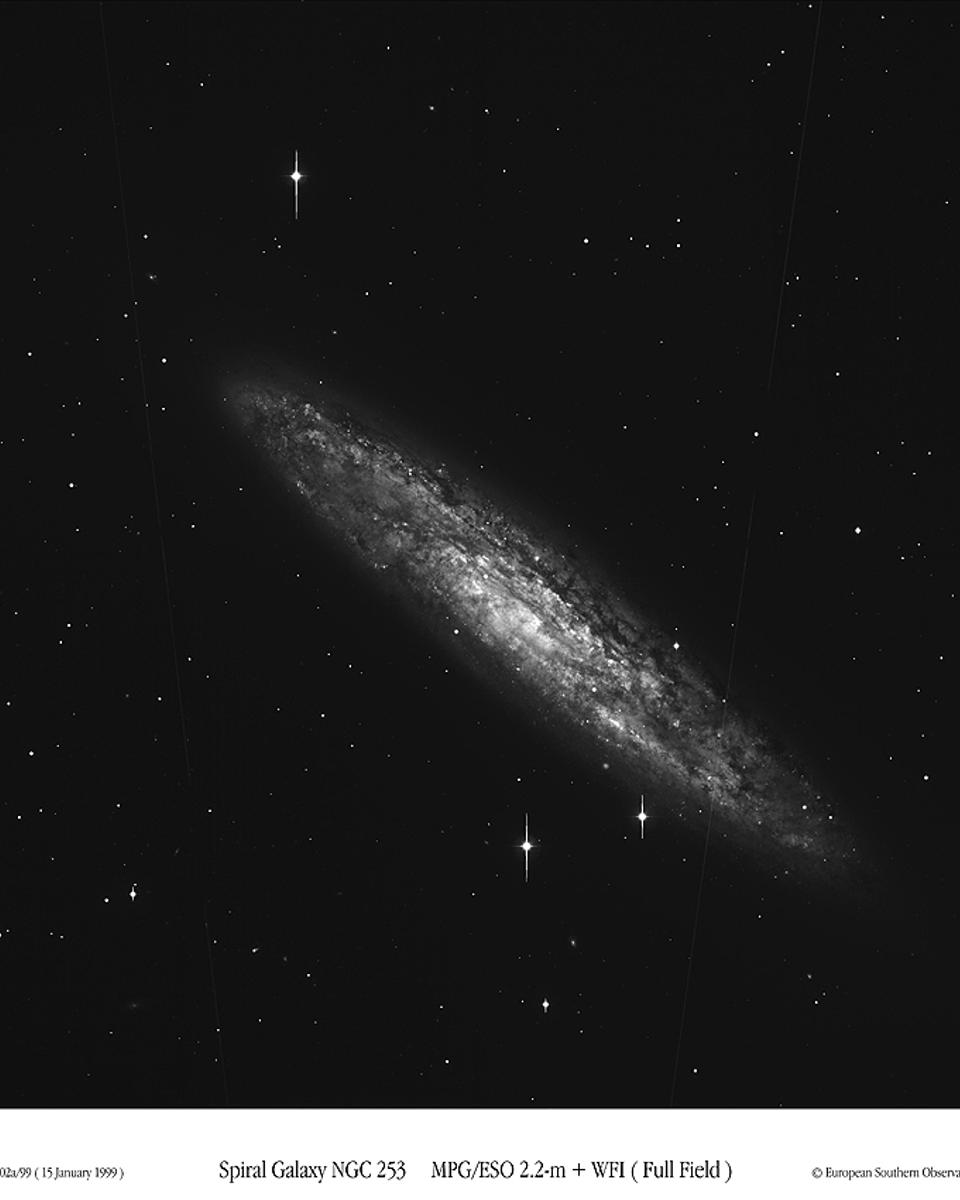
Spiral Galaxy NGC 253
A camera with over 67 million pixels (digital picture elements) was used to record this stunning image of spiral galaxy NGC 253 . Known as the Wide Field Imager (WFI), the camera…
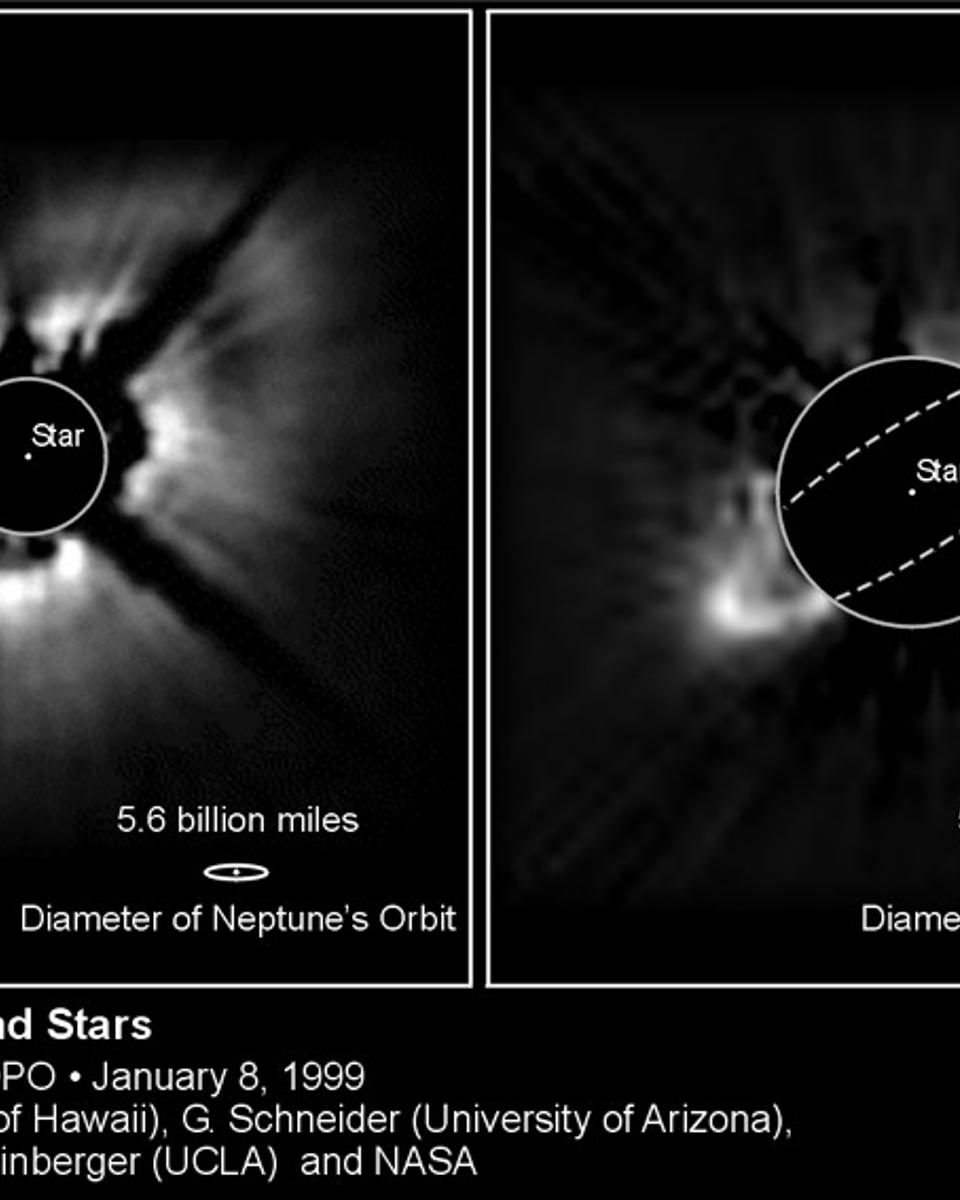
Possible Planets And Infrared Dust
These near-infrared Hubble images of dust surrounding young stars offer the latest tantalizing evidence for planets beyond our Solar System . At left, the dark gap seen in the…
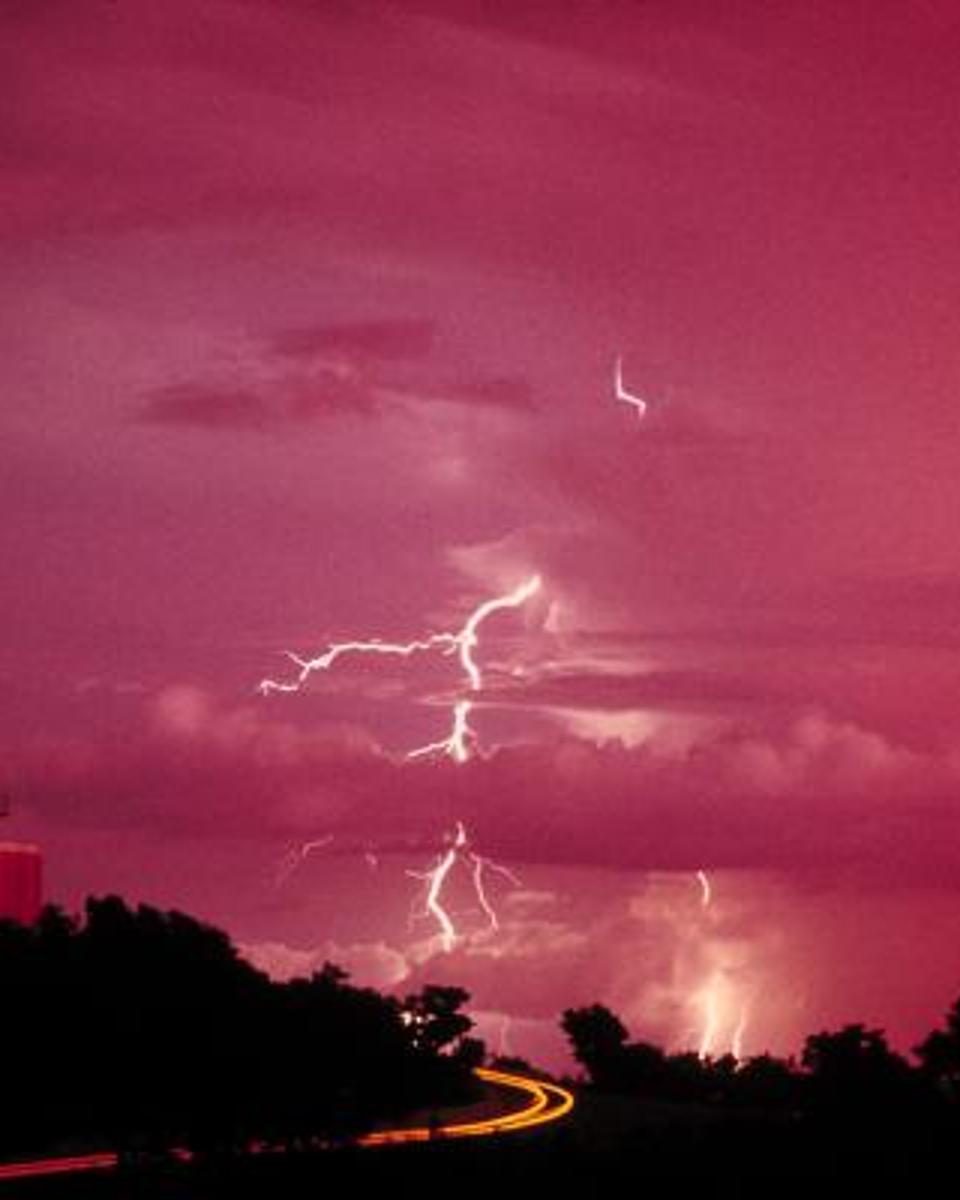
Telescope with Lightning
Telescopes are not very useful during lightning storms. Nevertheless, with lightning illuminating a dark landscape, the picturesque dome of the famous Kitt Peak 2.1-meter…
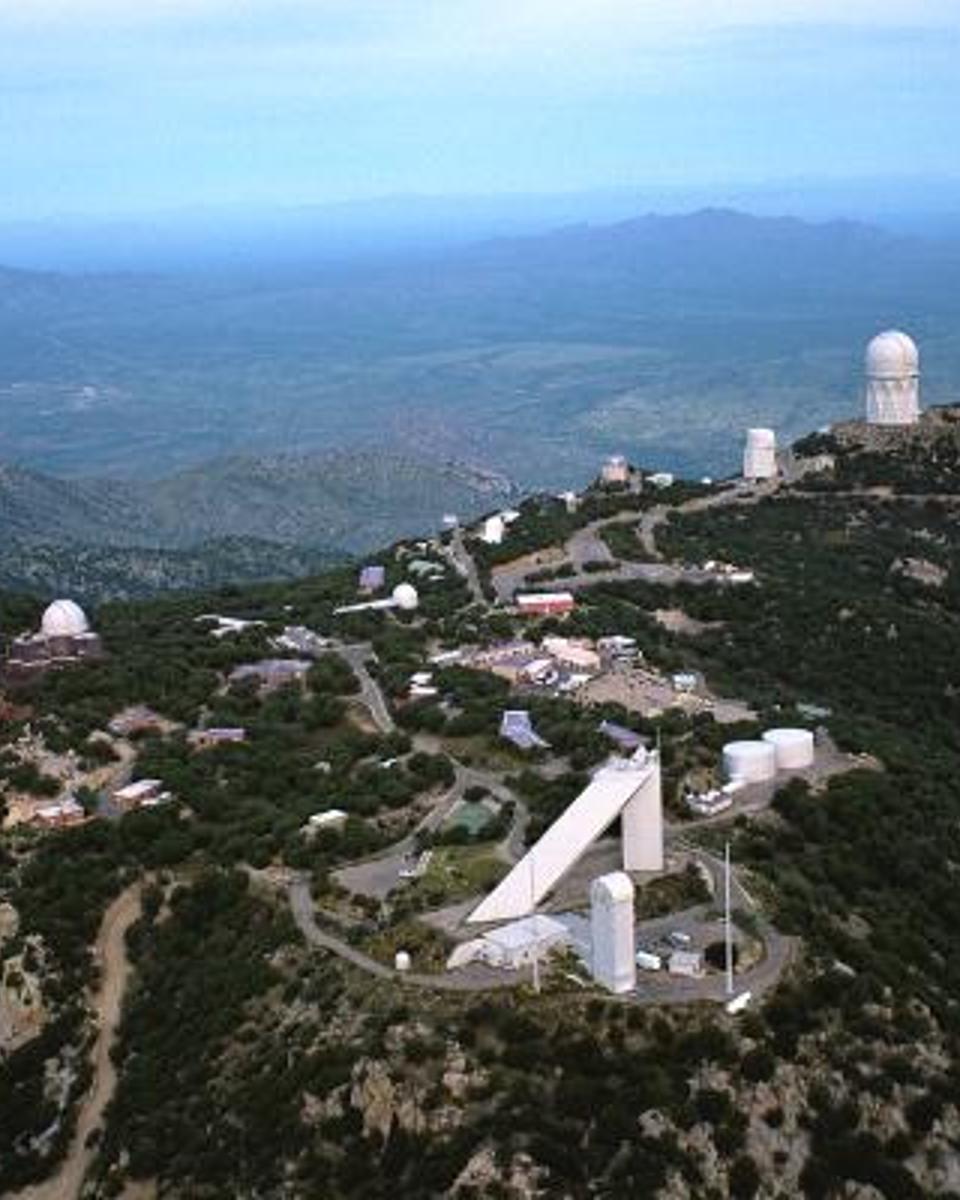
Kitt Peak National Observatory
At the top of Kitt Peak Mountain near Tucson , Arizona lies one of the world's great collections of telescopes. As pictured , in the dome at the far left lies the 3.5-meter WIYN…
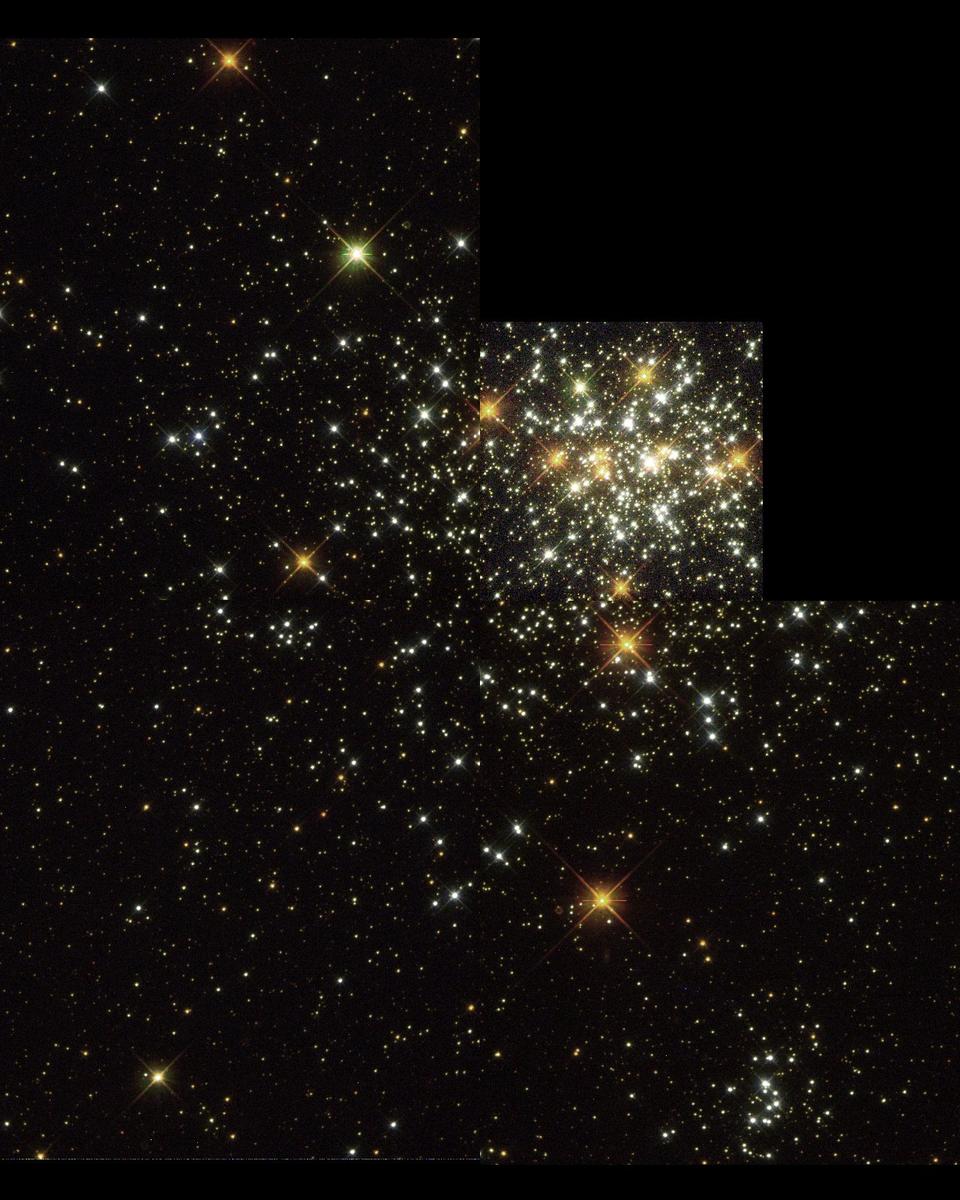
NGC 1818: A Young Globular Cluster
Globular clusters once ruled the Milky Way . Back in the old days , back when our Galaxy first formed, perhaps thousands of globular clusters roamed our Galaxy. Today, there are…
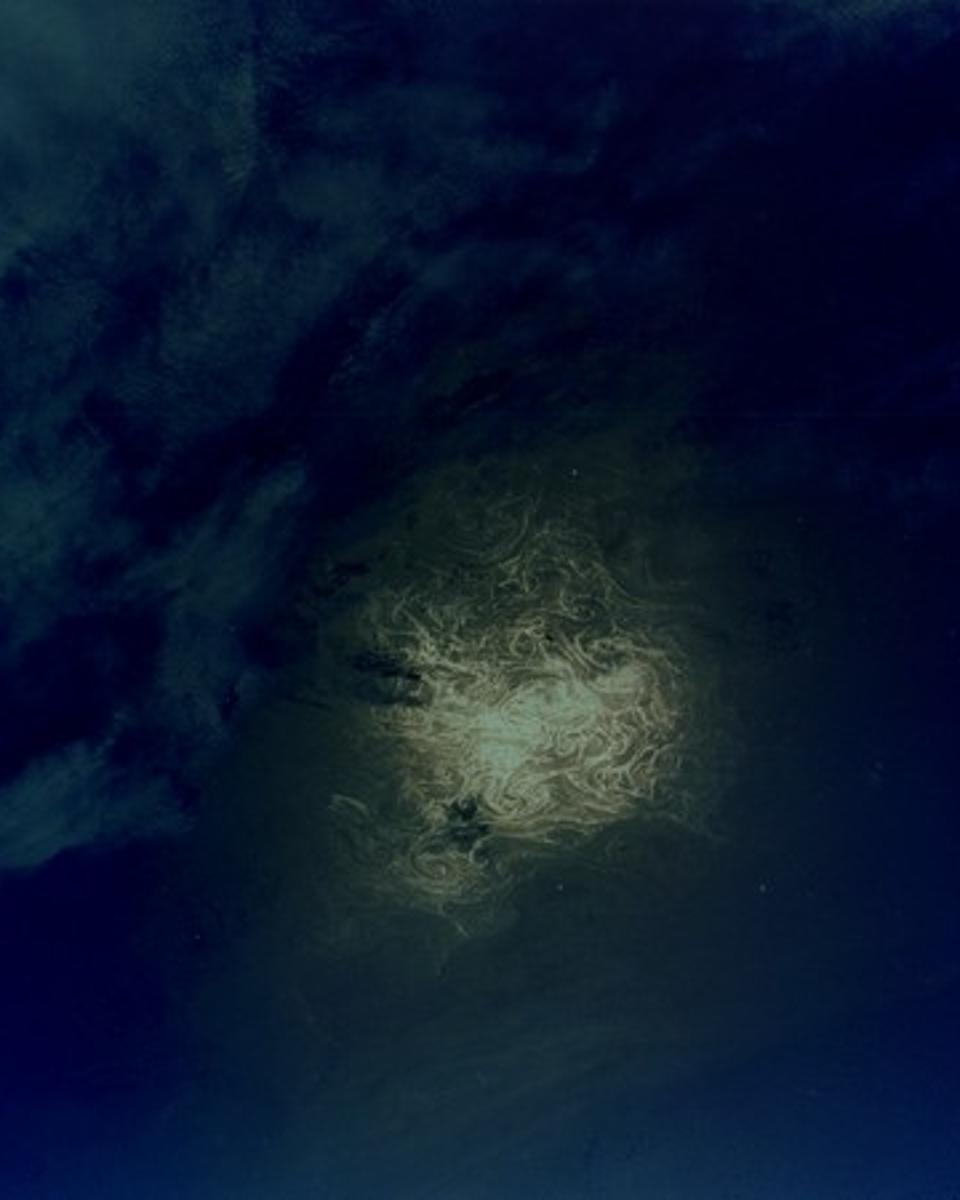
Spiral Eddies On Planet Earth
Can you identify this wispy stellar nebula ? How many light-years from Earth did you say? Resembling a twisting cloud of gas and dust between the stars this swirling form is…
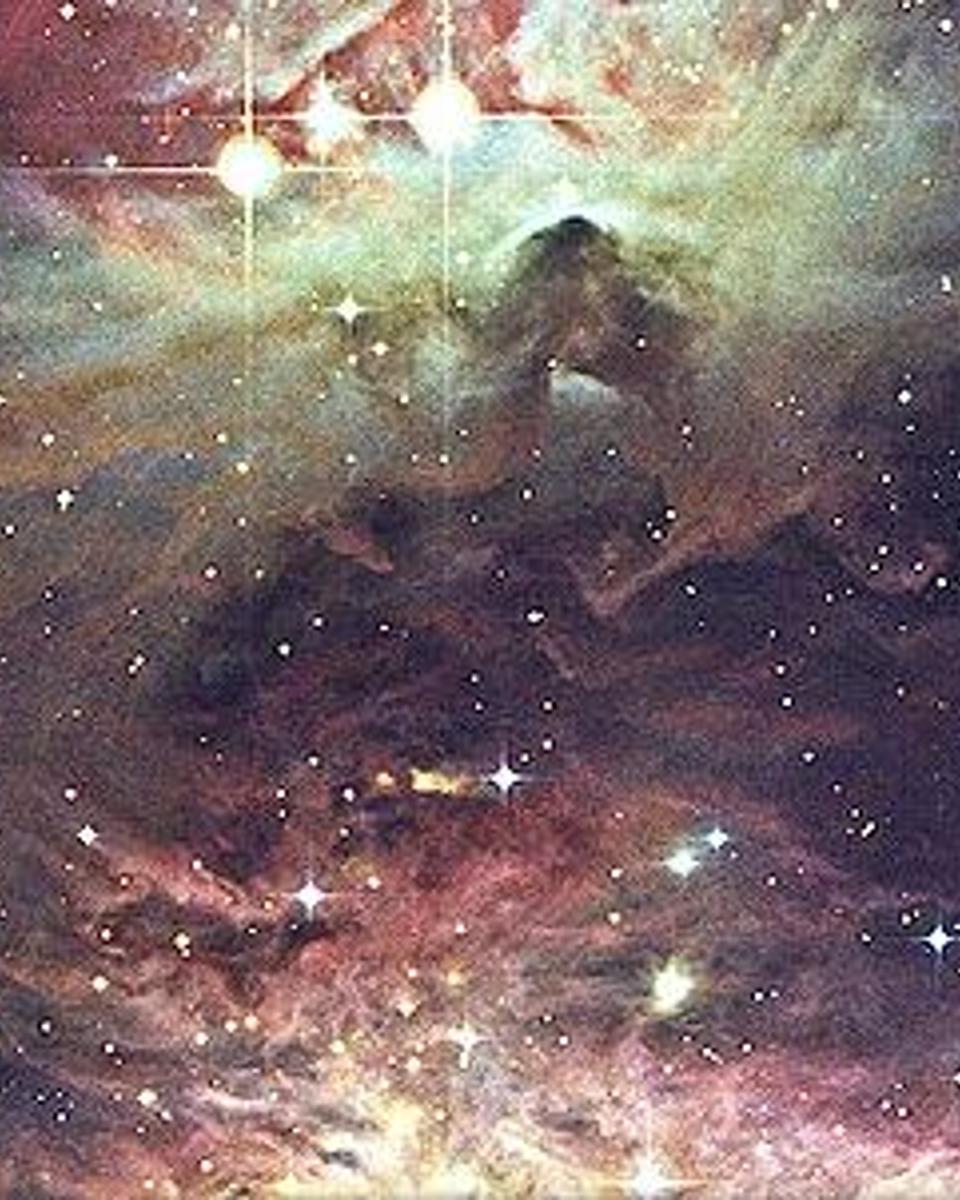
Reflections Of Orion
The Orion Nebula and its surroundings present skygazers with a wondrous jumble of newborn stars, gas, and dust. Emission nebulae - glowing energized clouds of gas, and reflection…
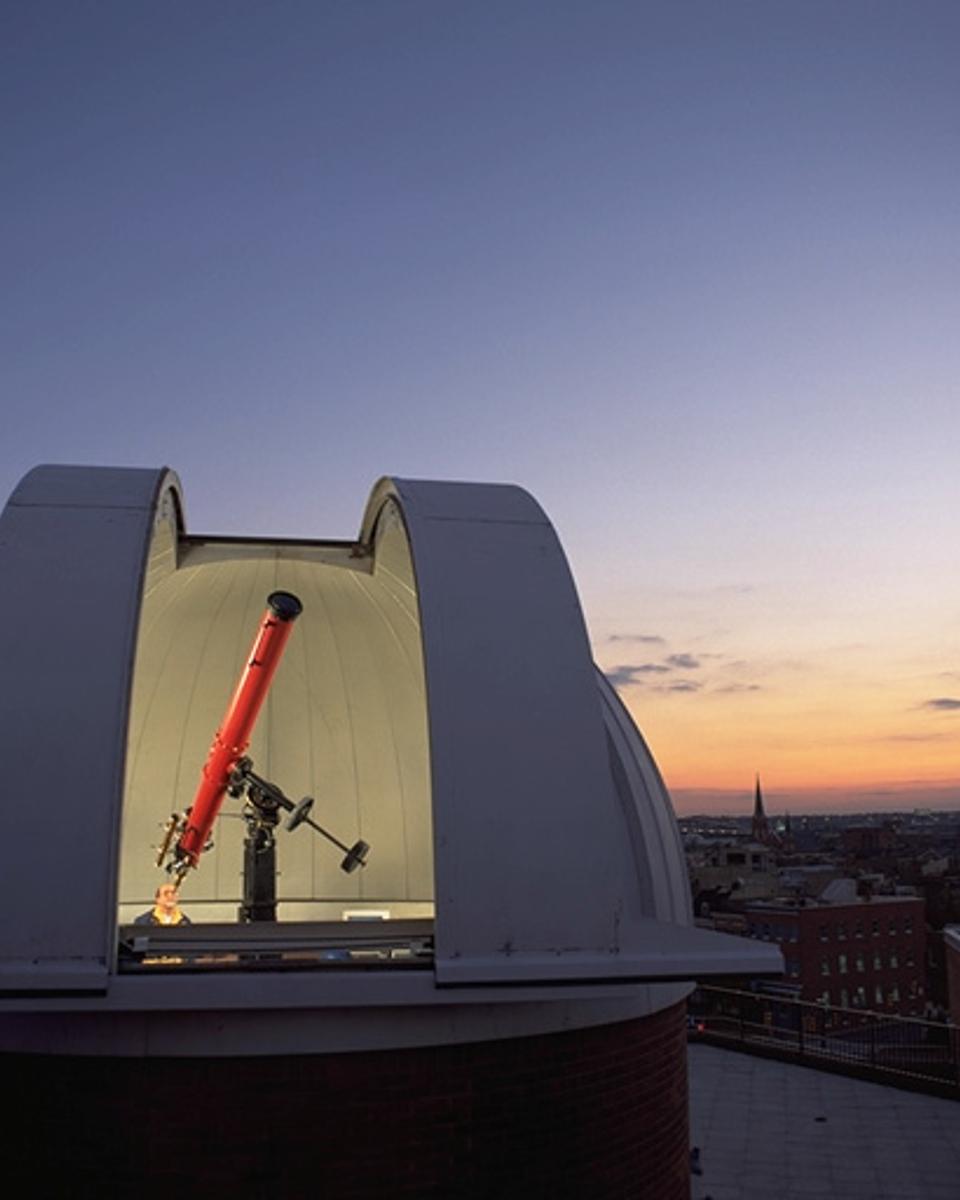
Crosby Ramsey Memorial Observatory Refractor
The Massachusetts-based firm of Alvan Clark and Sons became famous for making telescope optics near the end of the last century. Near the end of this century, major astronomical…
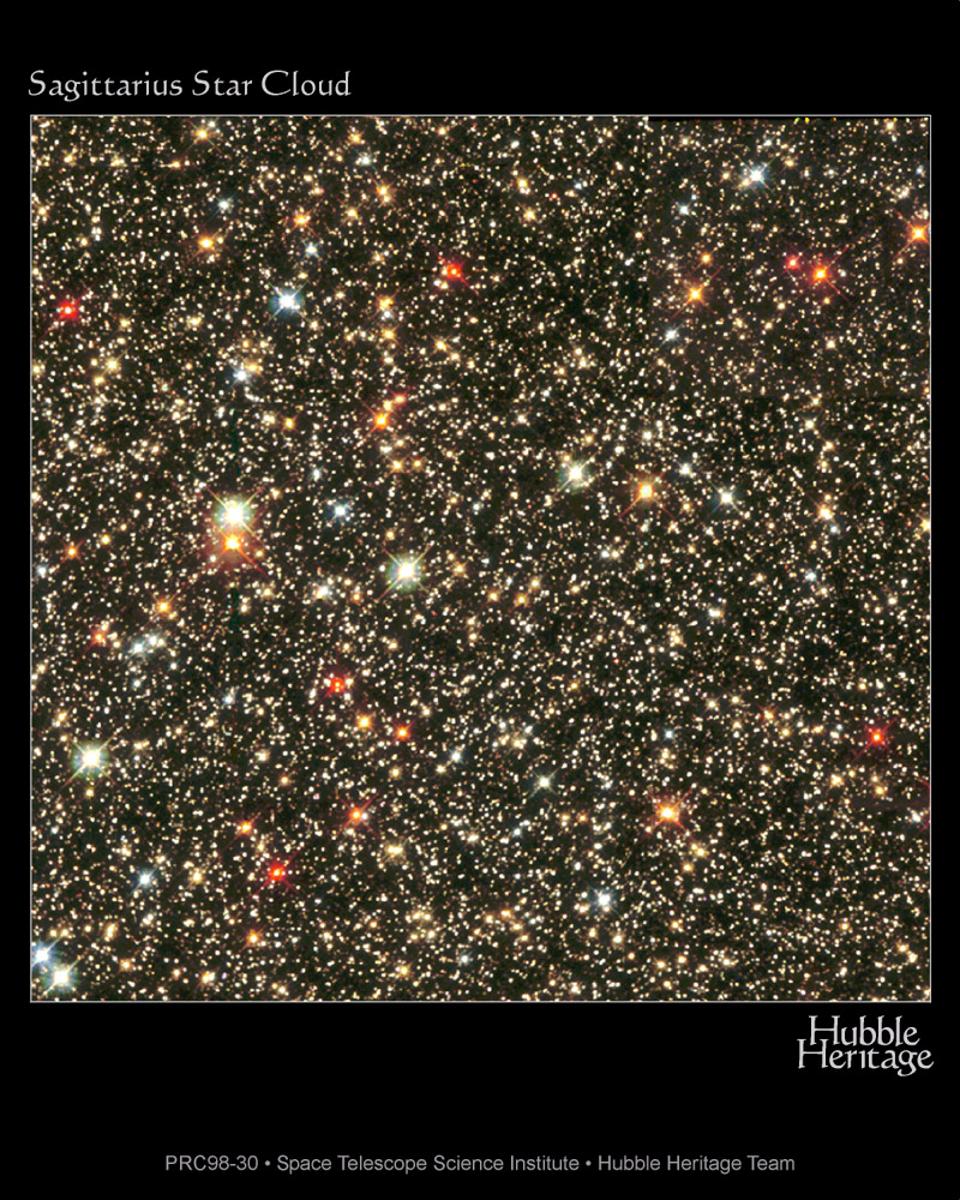
Sagittarius Star Cloud
Stars come in all different colors. The color of a star indicates its surface temperature , an important property used to assign each star a spectral type . Most stars in the…
Viewing discoveries from 5 February 1999 through 13 January 1999.