Browse NASA Astronomy Picture of the Day archive by date and media: Archive Discoveries
Browse the NASA APOD archive without needing the exact date first. Filter by media type and keep moving deeper into older images and videos.
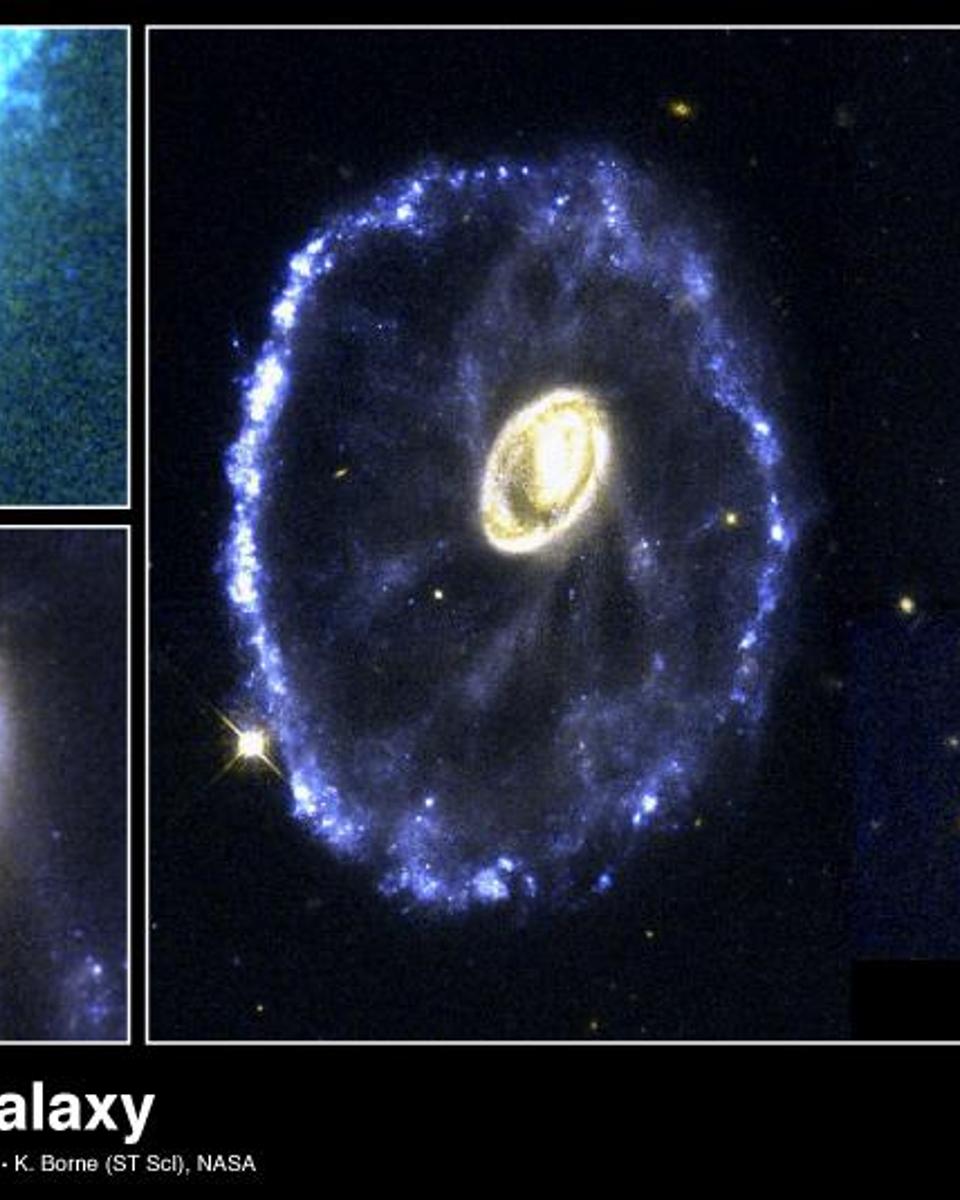
Cartwheel Of Fortune
By chance, a collision of two galaxies has created a surprisingly recognizable shape on a cosmic scale - “The Cartwheel Galaxy” . The Cartwheel is part of a group of galaxies…
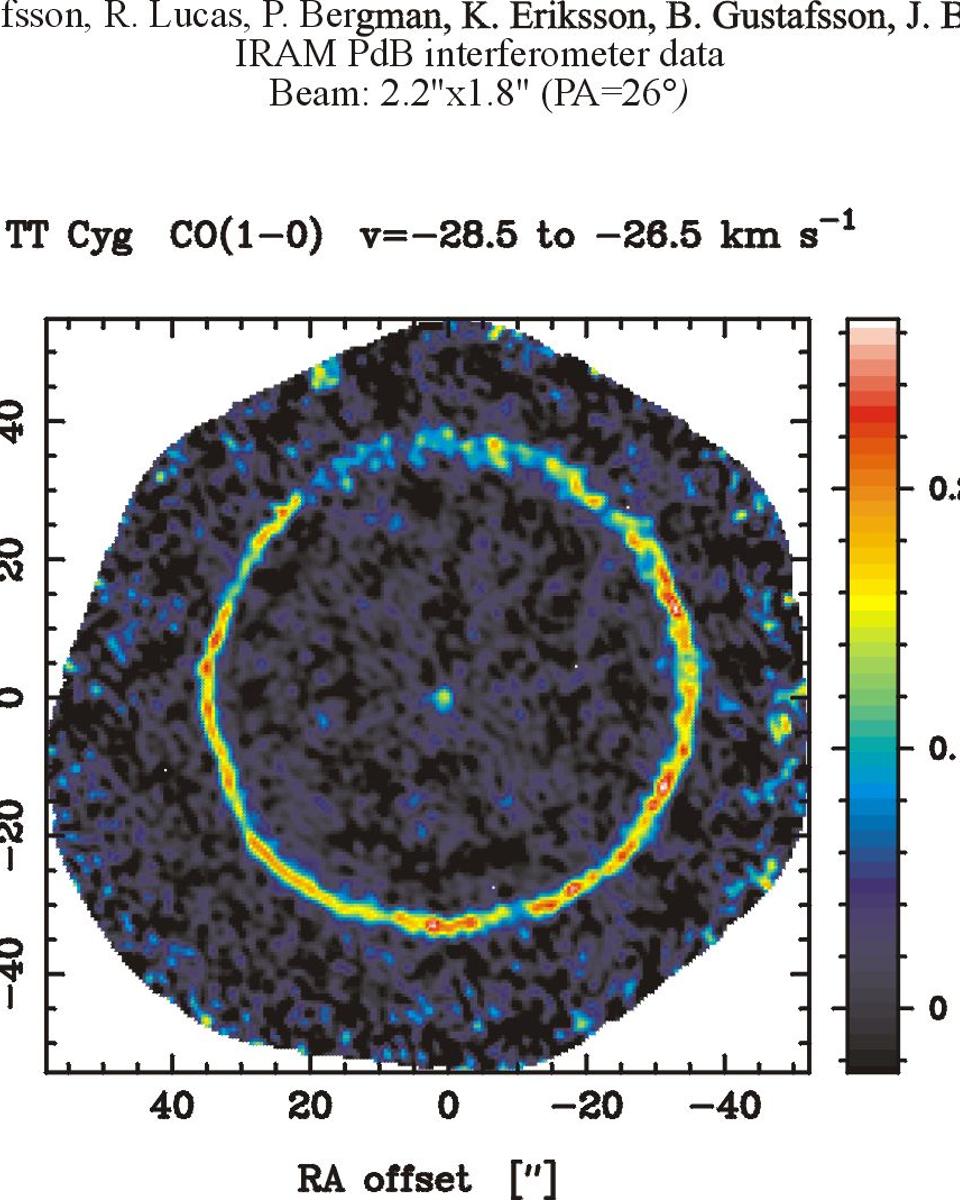
TT Cygni: Carbon Star
TT Cygni is a cool red giant star with a wind. This false-color picture of TT Cyg was made using a coordinated array of millimeter wavelength radio telescopes and shows radio…
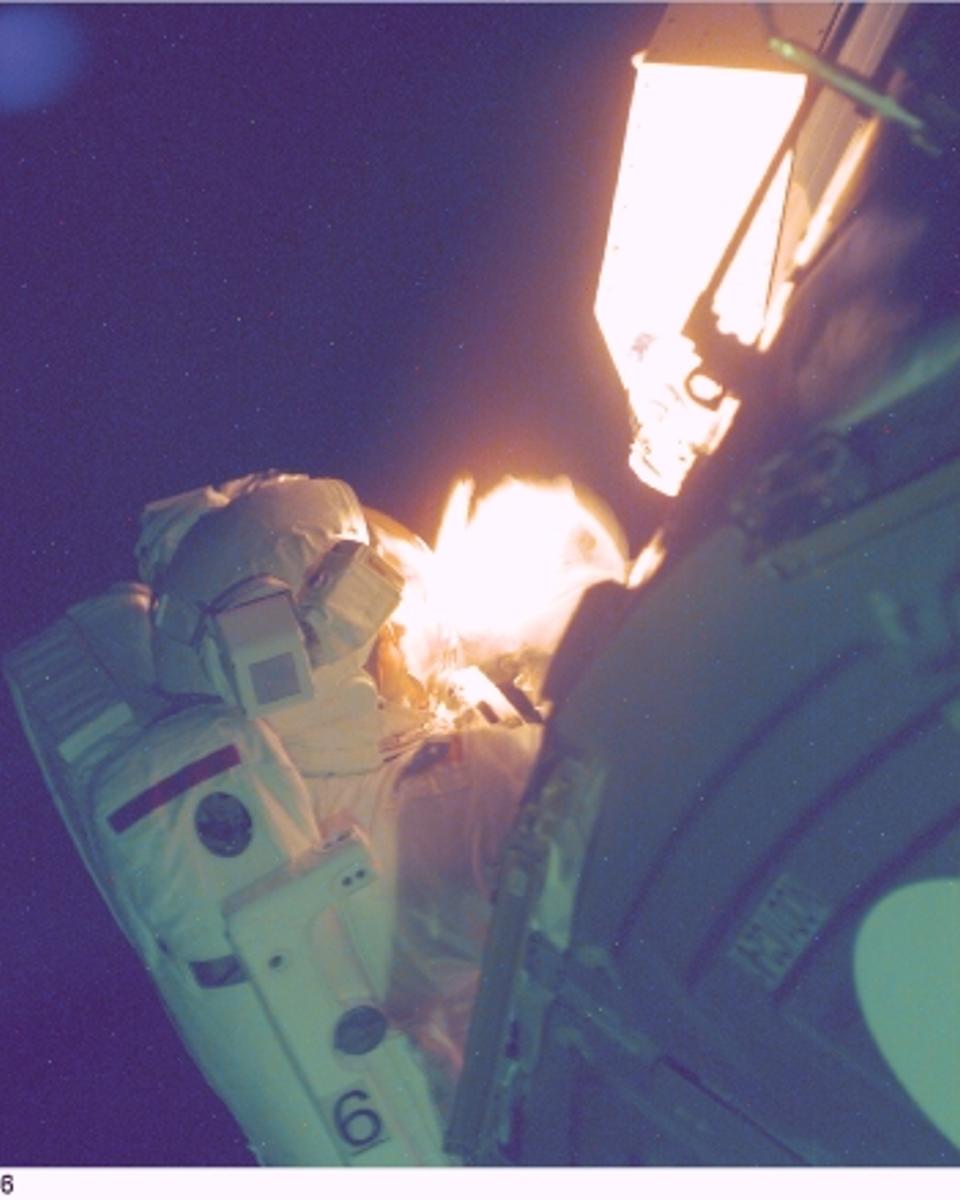
The Night Shift
For the orbiting International Space Station (ISS), the sun sets every 90 minutes . But working through the night, spacewalking astronauts can rely on artificial lighting. Here,…
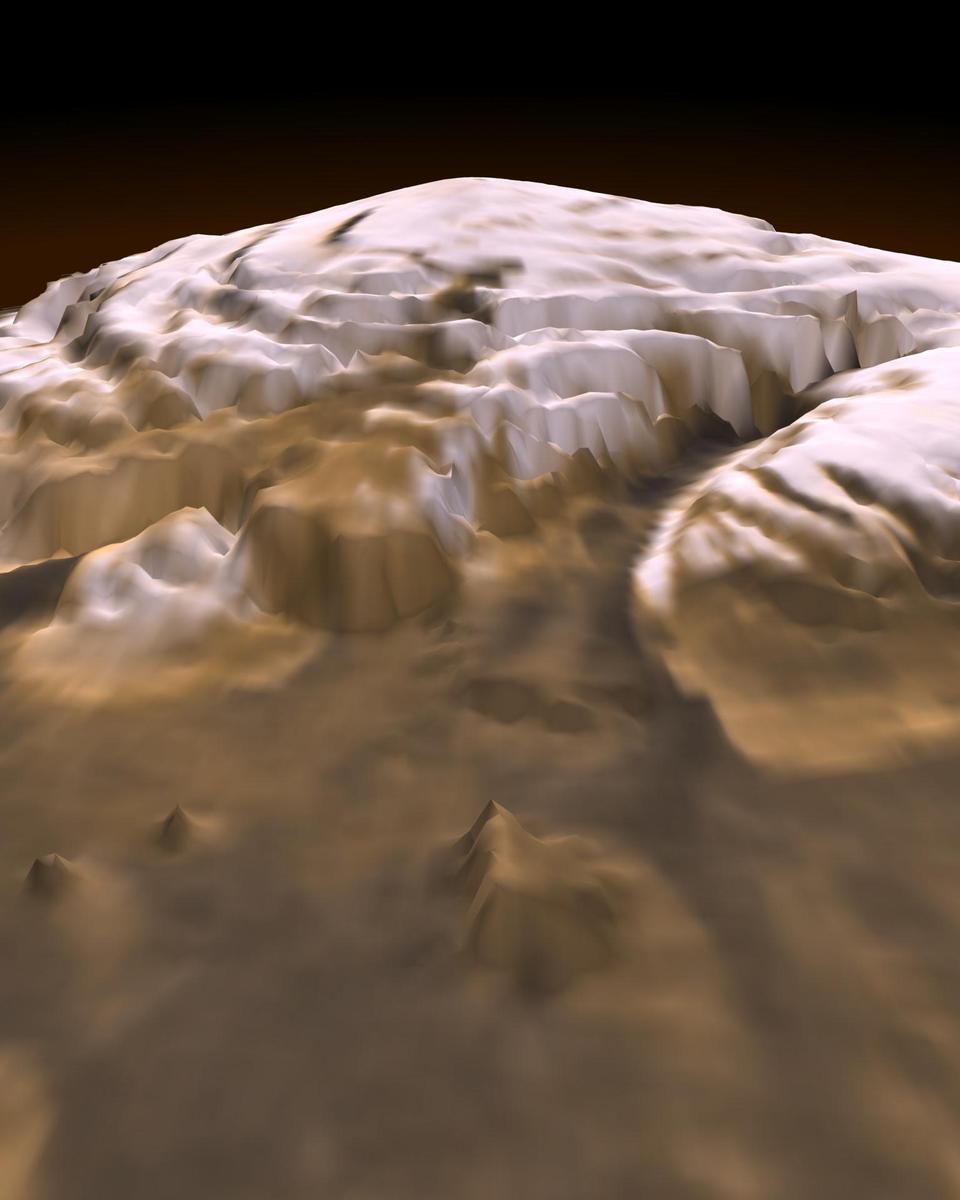
3-D Mars' North Pole
This dramatic premier three-dimensional visualization of Mars' north pole is based on elevation measurements made by an orbiting laser. During the Spring and Summer of 1998 the…
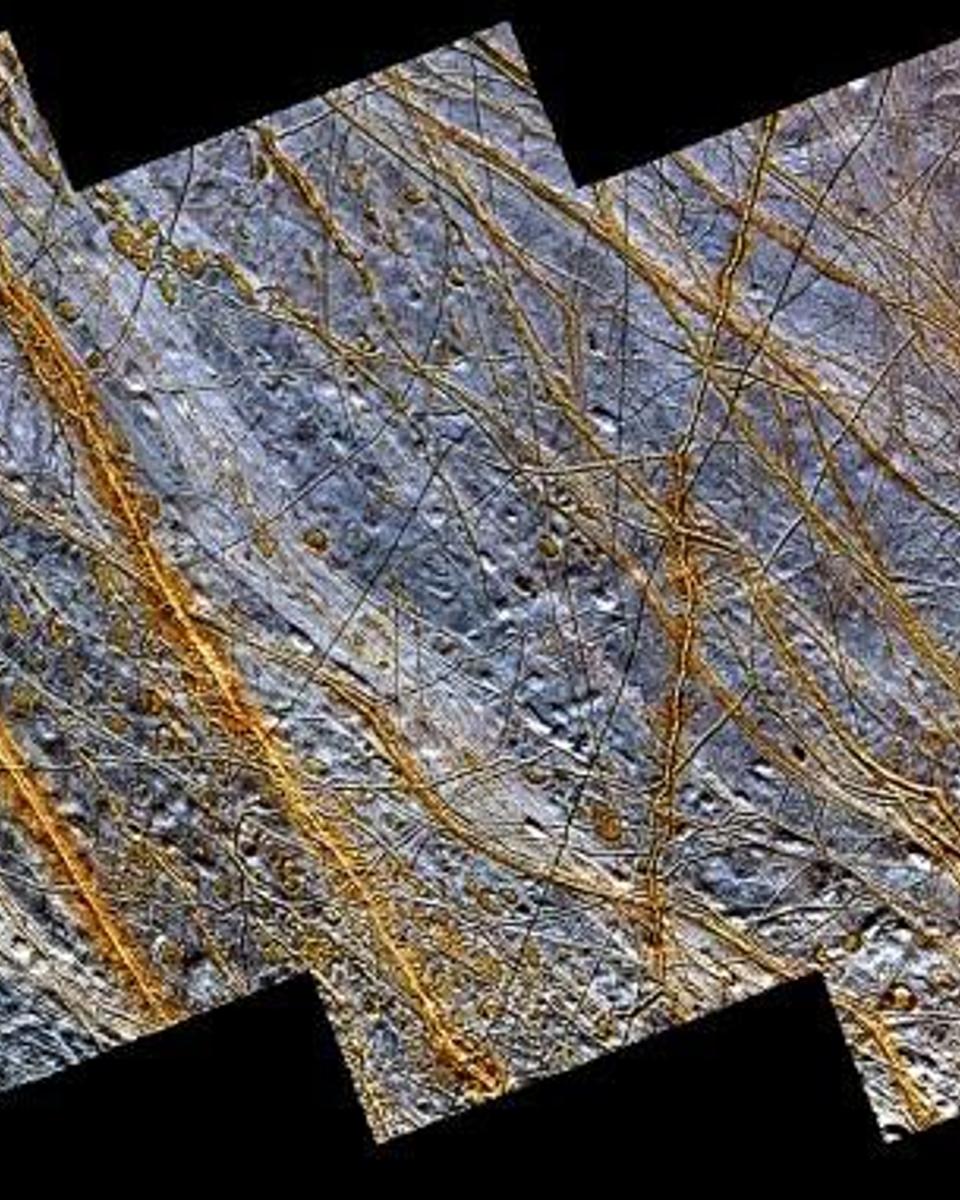
Plains and Ridges on Europa
The ridges on Europa may be caused by cold water volcanoes. Europa , one of the largest moons of Jupiter , has been the source of intense scrutiny since speculation increased of…
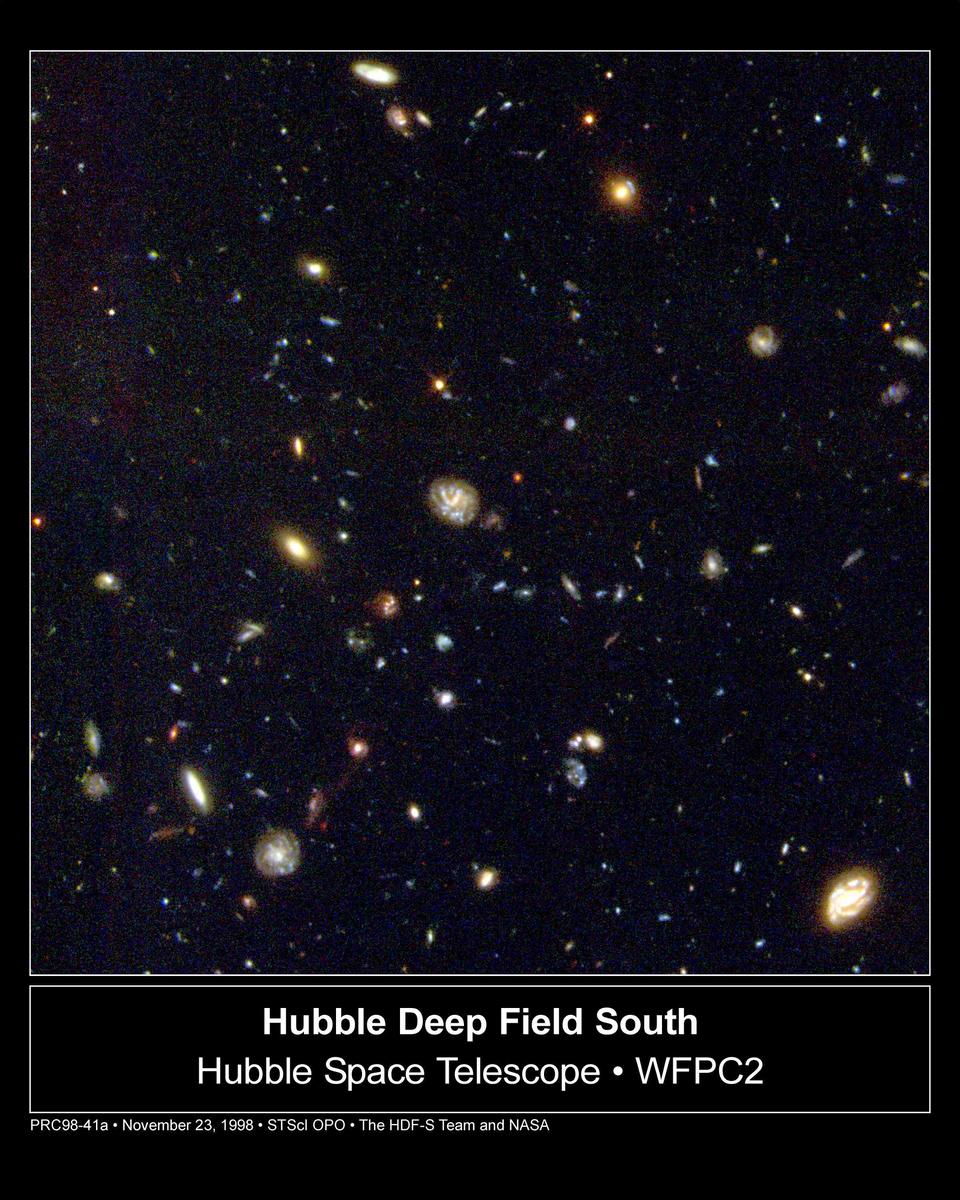
The Hubble Deep Field South
Among the faintest objects are some of the most unusual objects. The Hubble Deep Field South was released after much anticipation earlier this month, delivering a unique view of…
Blasting Off from the Moon
How did the astronauts get back from the Moon ? The Lunar Module that landed two astronauts on the Moon actually came apart. The top part containing the astronauts carried…
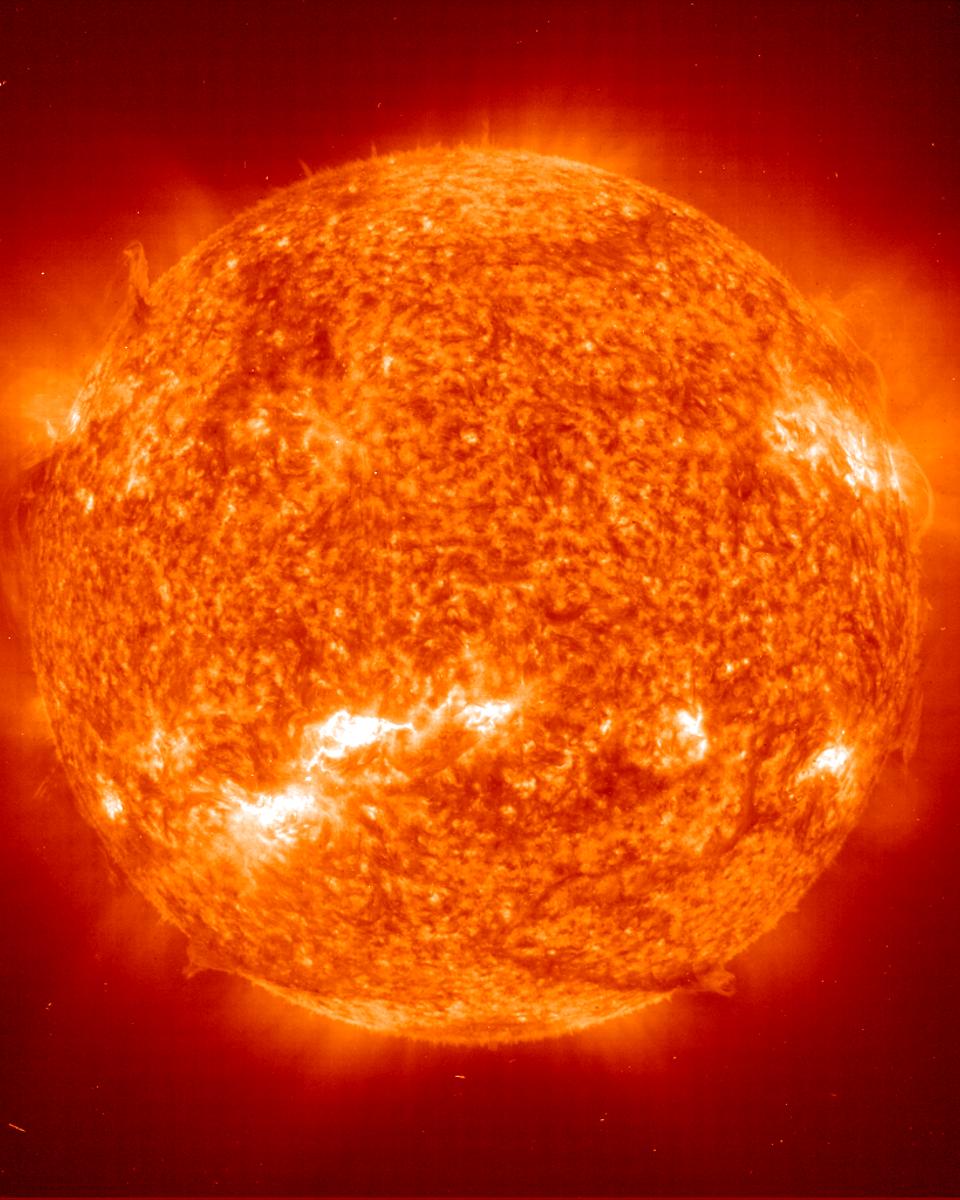
Driving To The Sun
How long would it take to drive to the Sun? Brittany, age 7, and D.J., age 12, ponder this question over dinner one evening. James, also age 7, suggests taking a really fast…
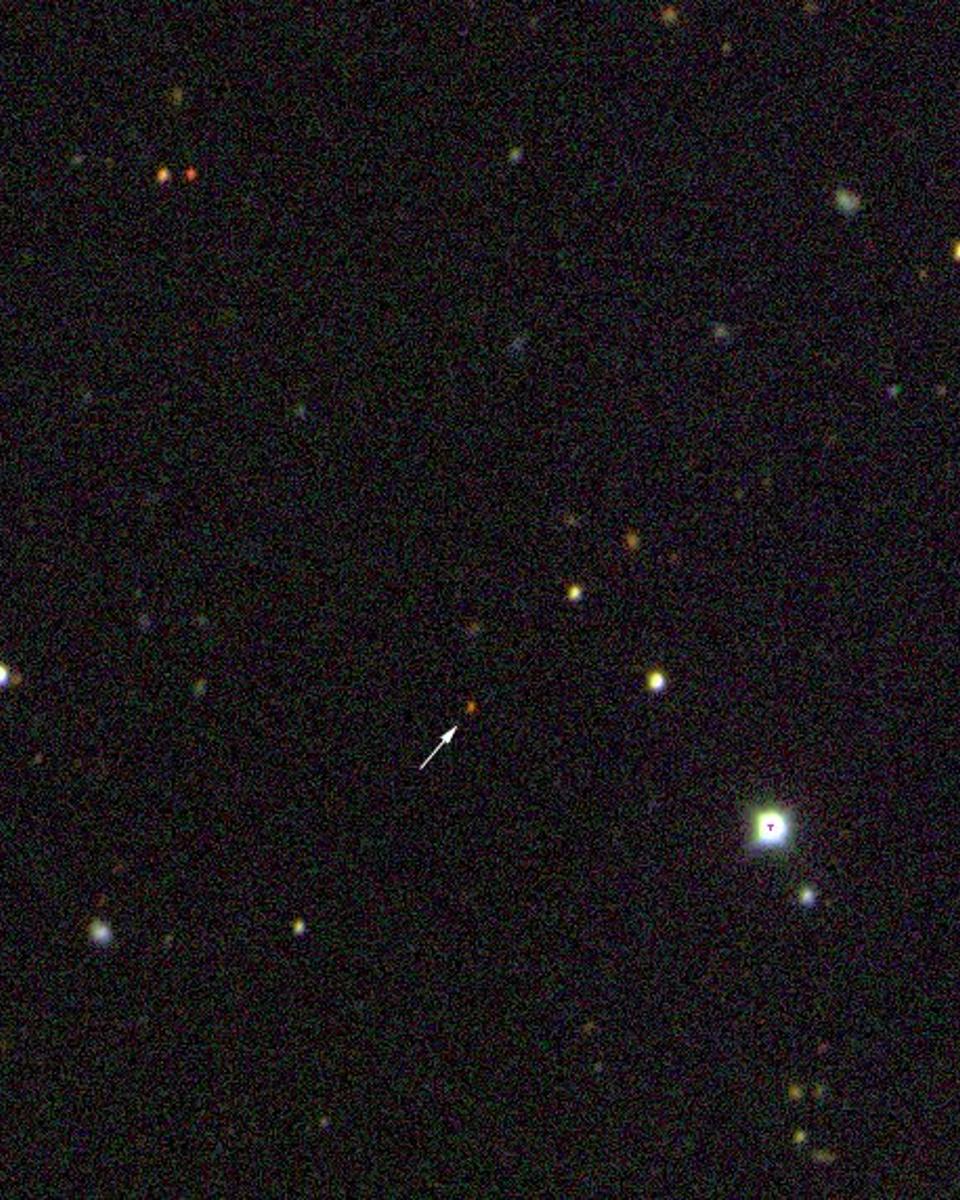
High Redshift Quasars
Each red speck indicated above is a powerful quasar estimated to be over 100 times brighter than a galaxy. Yet in these Sloan Digital Sky Survey discovery images the quasars…
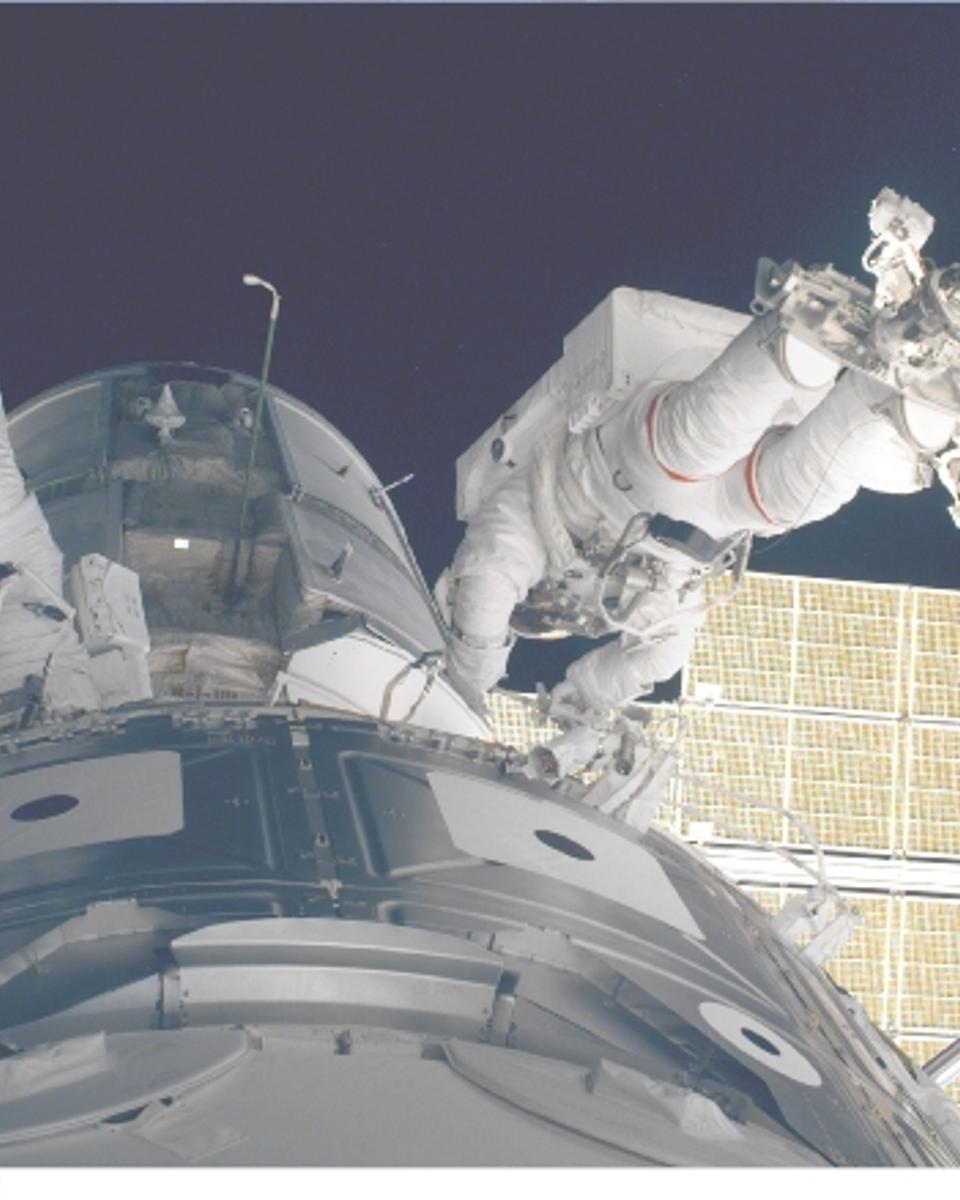
Assembling The International Space Station
Batteries and solar panels were included with this version of the International Space Station (ISS) but some assembly is still required . On Saturday, December 5th, the STS-88…
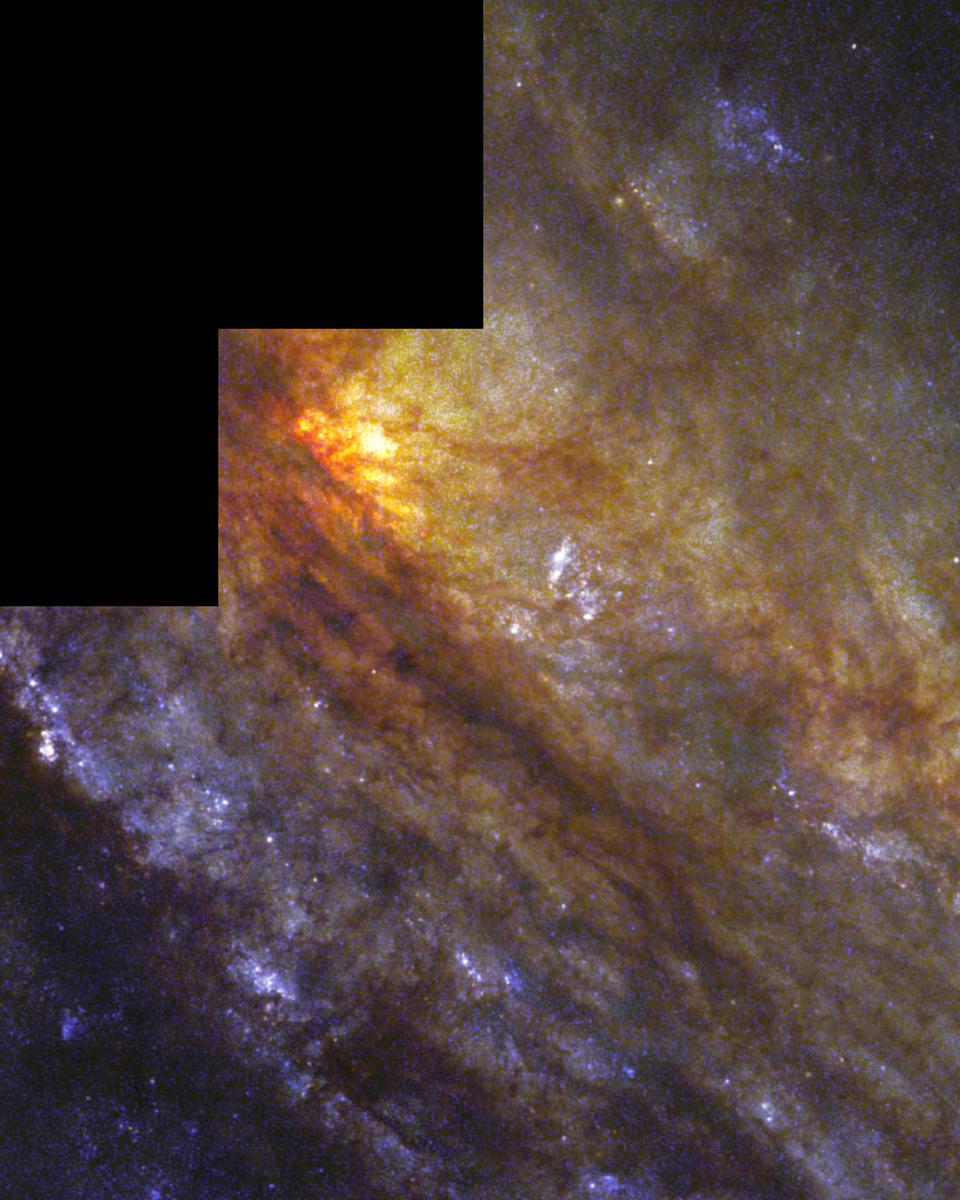
NGC 253: The Sculptor Galaxy
NGC 253 is not only one of the brightest spiral galaxies visible, it is also one of the dustiest . Discovered in 1783 by Caroline Herschel in the constellation of Sculptor , NGC…
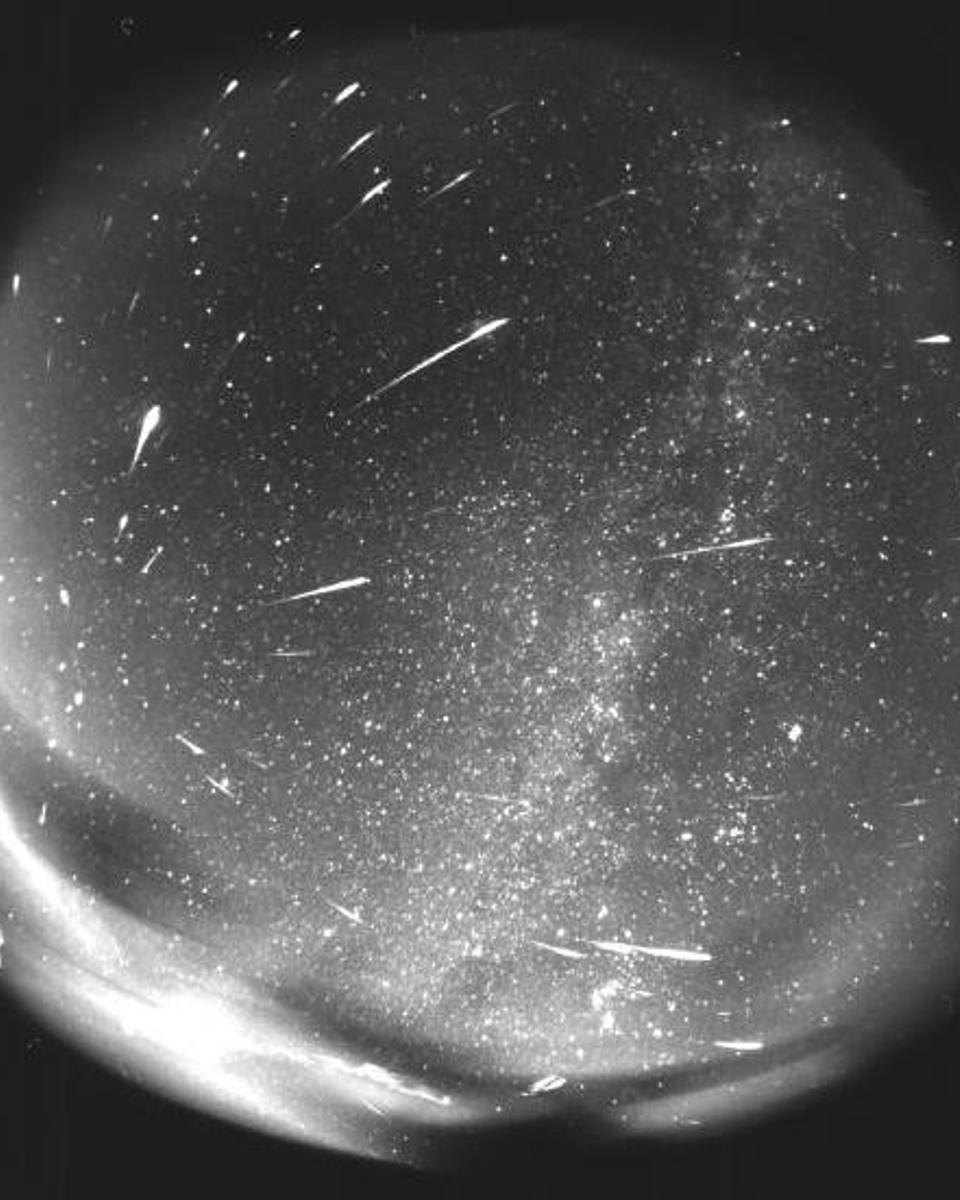
Leonids from Leo
Is Leo leaking? Leo , the famous sky constellation visible on the left of the above all-sky photograph , appears to be the source of all the meteors seen in this year's Leonids…
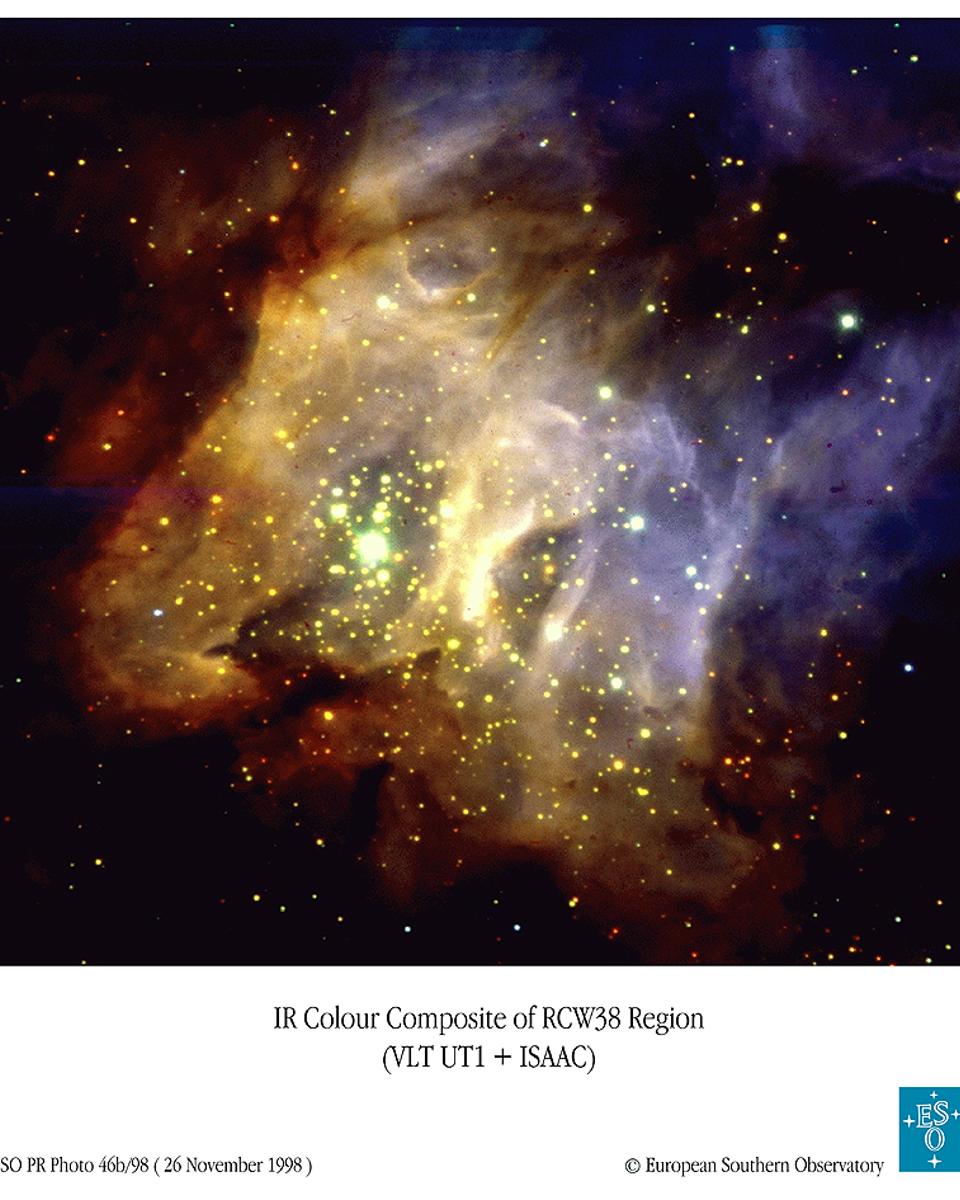
Star-Forming Region RCW38
Star cluster RCW38 was hiding. This open cluster of stars is located about 5000 light years away towards the constellation of Vela . Looking there will not normally reveal most of…
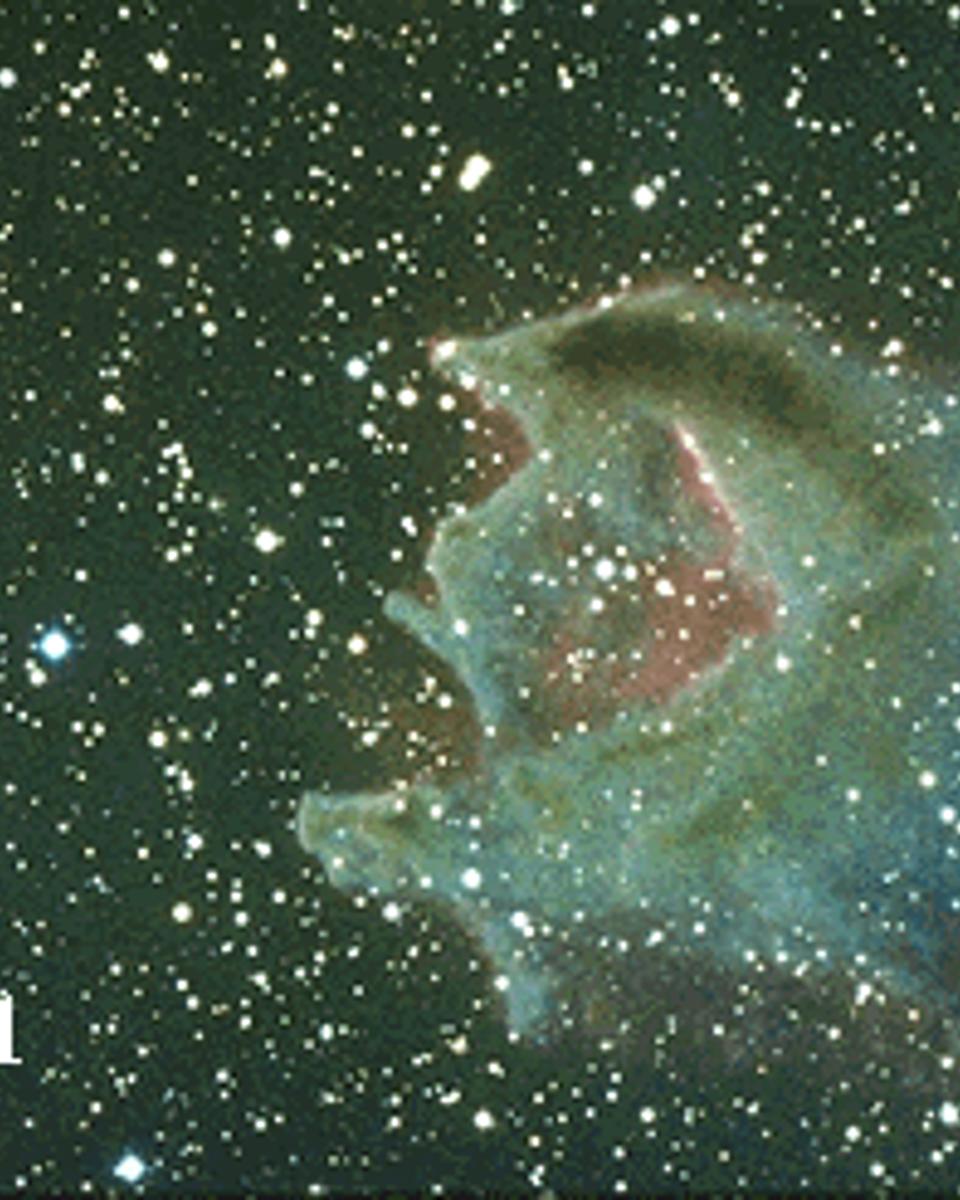
CG4: A Ruptured Cometary Globule
The odd looking “creature” to the right of center in the above photo is a gas cloud known as a cometary globule . This globule, however, has ruptured. Cometary globules are…
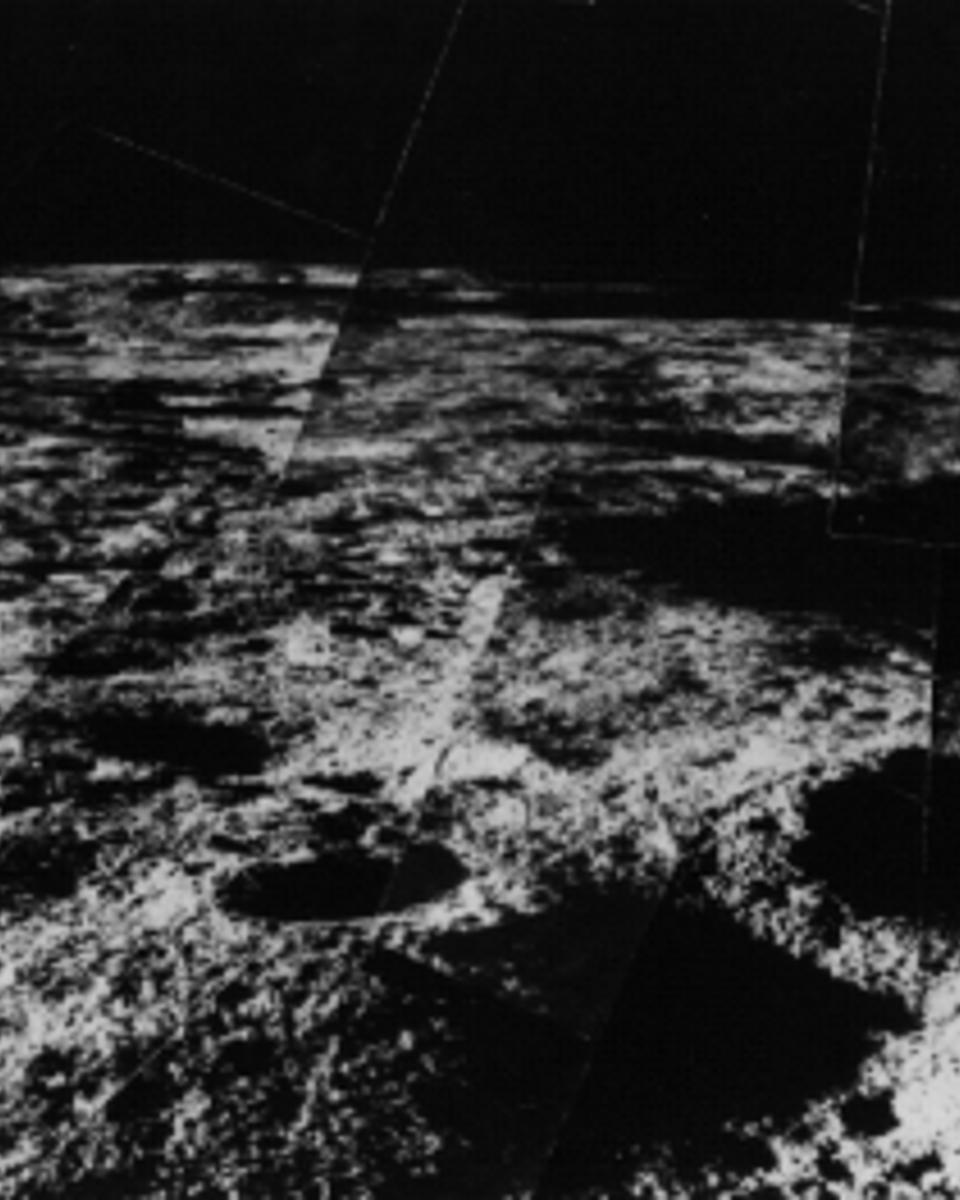
Surveyor Hops
This panorama of the cratered lunar surface was constructed from images returned by the US Surveyor 6 lander. Surveyor 6 was not the first spacecraft to accomplish a soft landing…
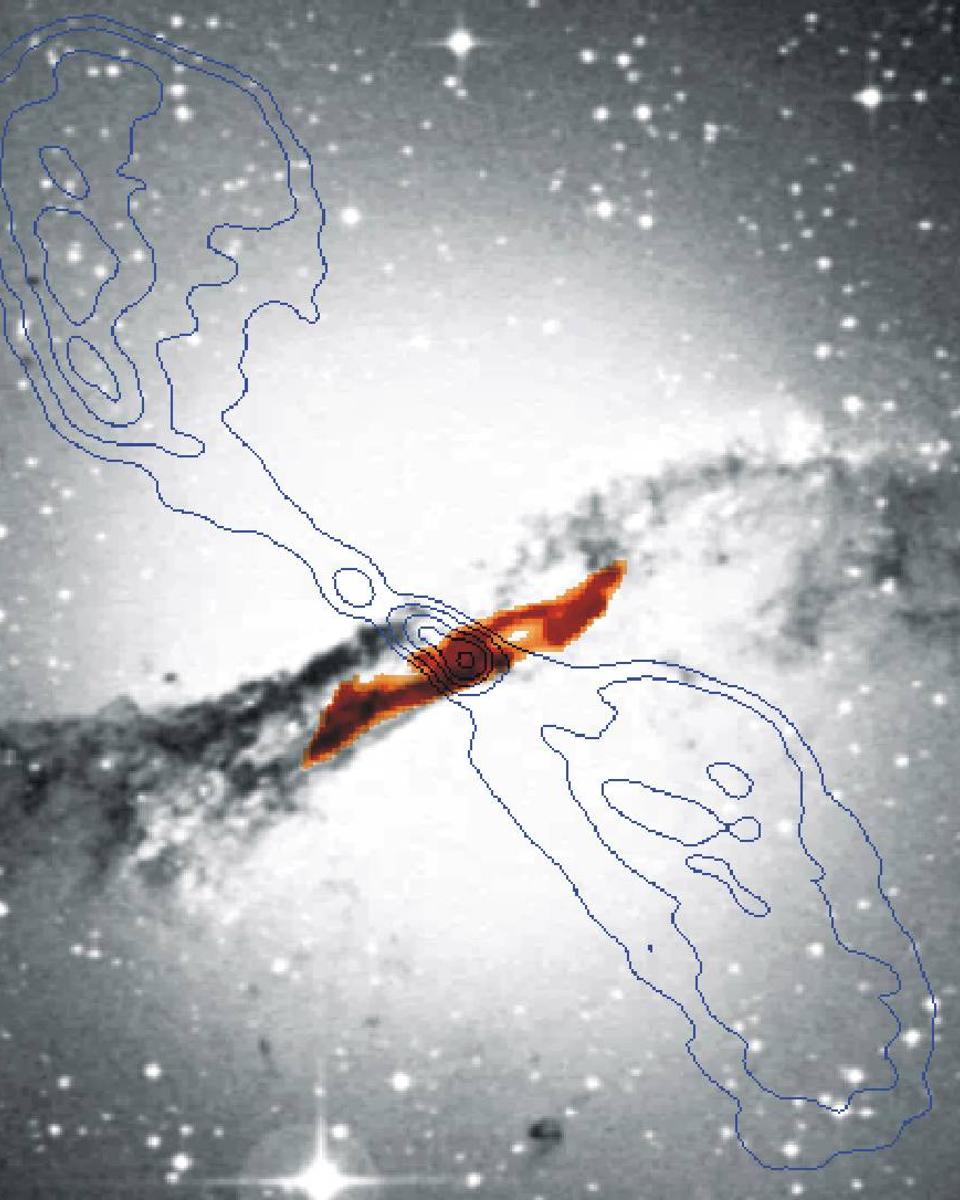
Centaurus A: The Galaxy Deep Inside
Deep inside Centaurus A , the closest active galaxy to Earth, lies ... another galaxy! Cen A is a giant elliptical galaxy a mere 10 million light-years distant with a central…
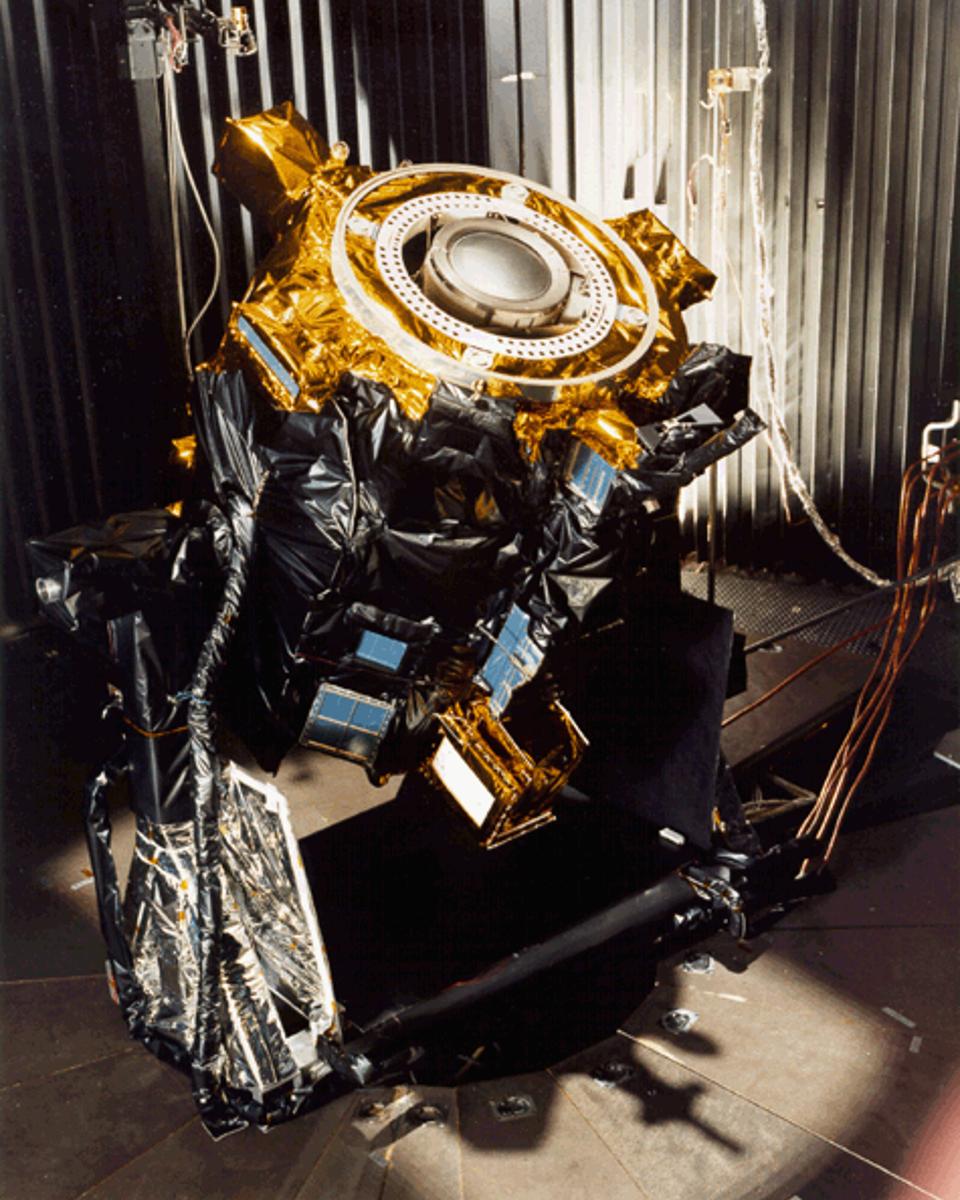
Deep Space 1
Going gently into the night, Deep Space 1's ion drive has been running smoothly since it was restarted on November 24 . How powerful is this high-tech spacecraft's ion propulsion…
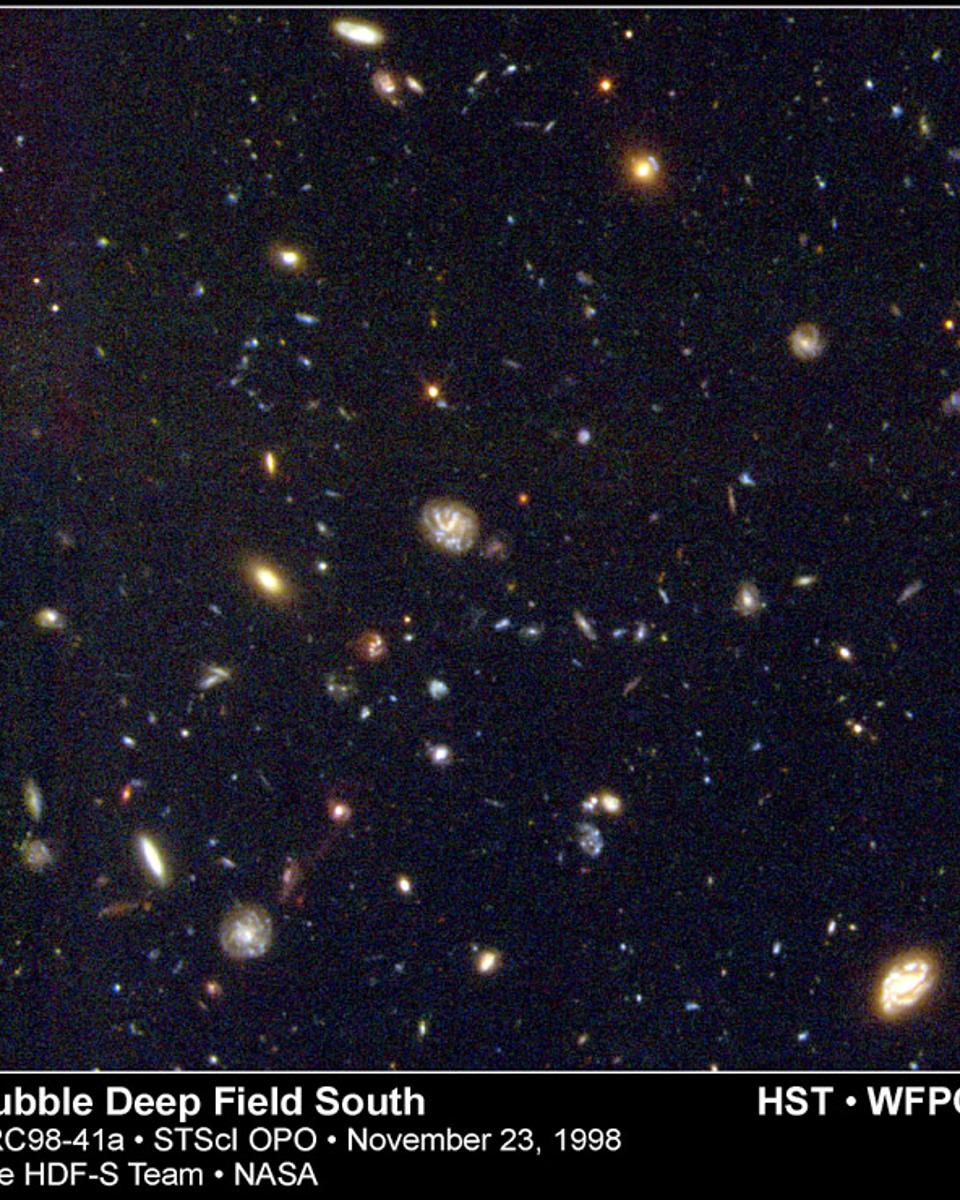
A Deep Field In The Southern Sky
This new deep view of the cosmos is the sequel to the 1995 hit Hubble Space Telescope Deep Field . Billed as the Hubble Deep Field South , it was produced by pointing the space…
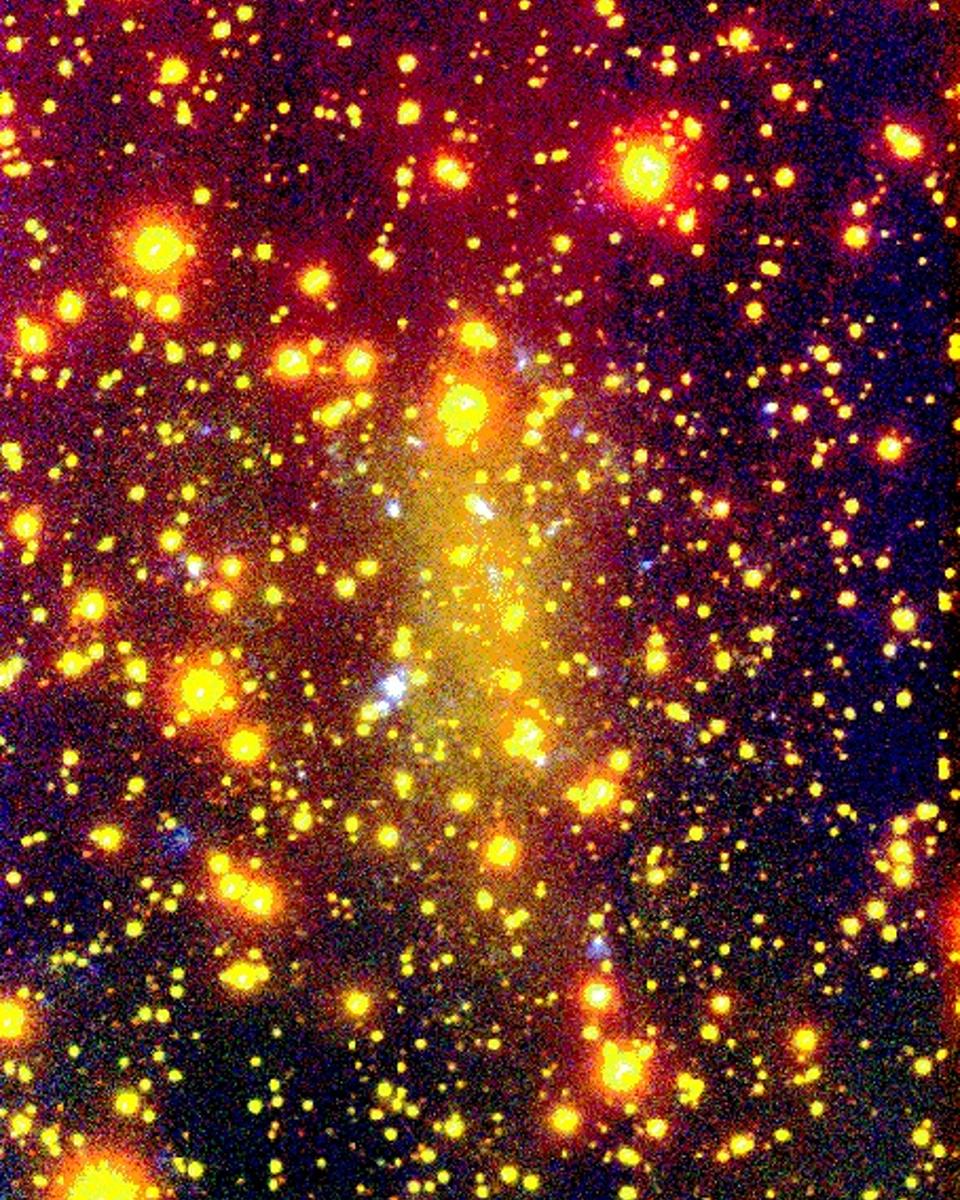
Cepheus 1: Nearby Galaxy Hiding
Some galaxies are hard to find. Besides being hidden behind the dust and bright foreground stars of our Milky Way Galaxy , recently discovered Cepheus 1 was missed previously…
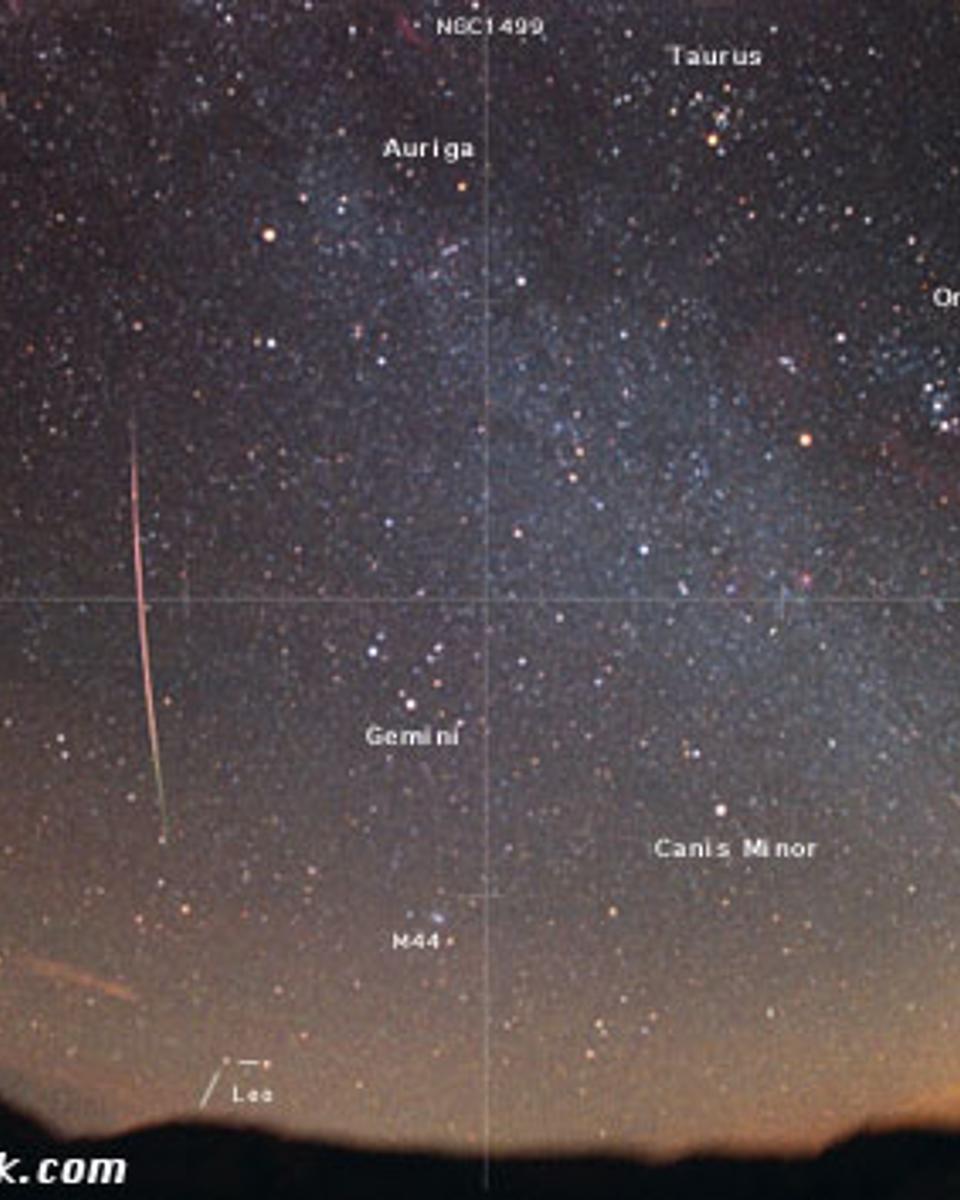
An Annotated Leonid
The 1998 Leonids Meteor Shower was perhaps the most photographed meteor event in history. Patient observers saw bright meteors streak across dark skies every few minutes,…
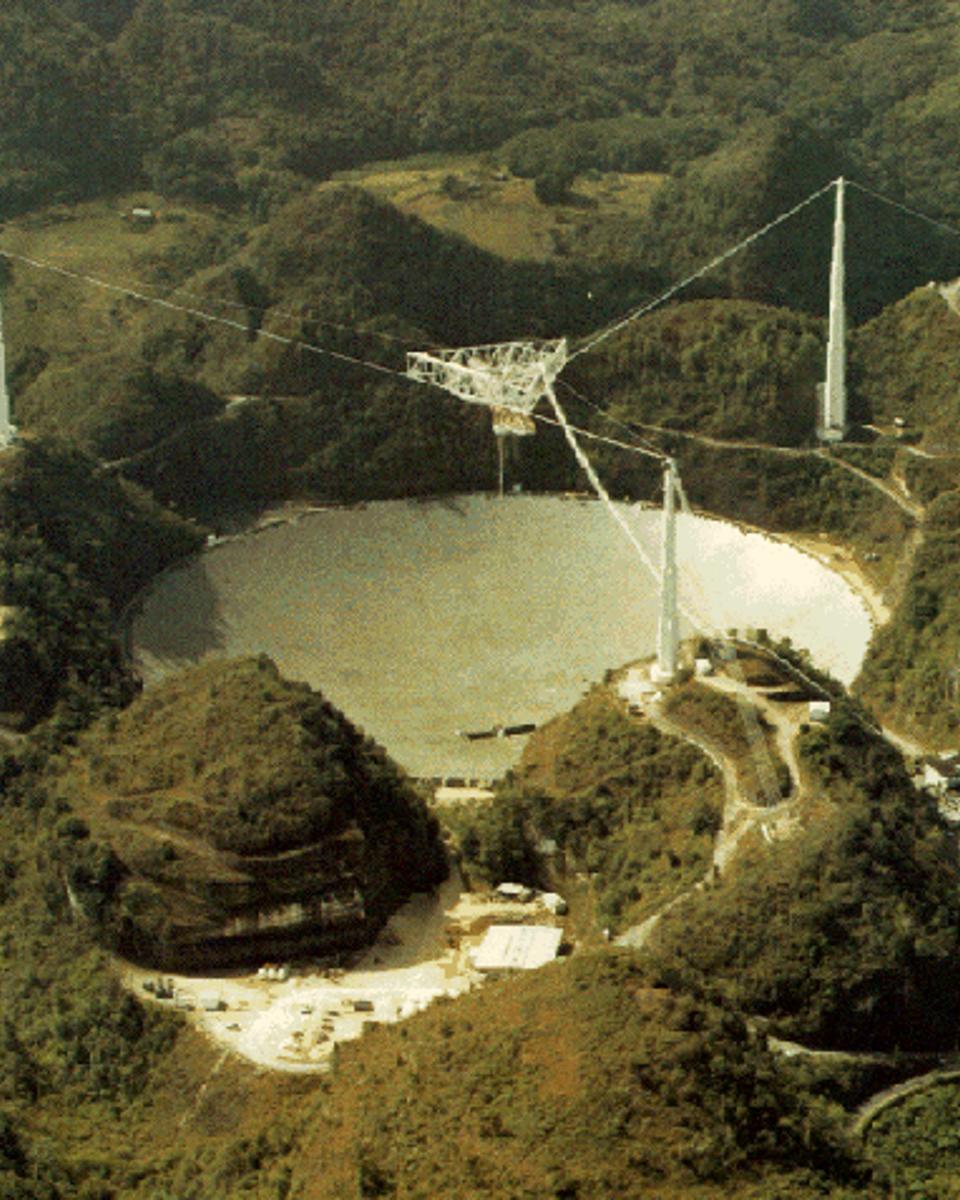
Arecibo: The Largest Telescope
The Arecibo radio telescope is currently the largest single-dish telescope in the world. First opening in 1963, this 305 meter (1000 foot) radio telescope resides in a natural…
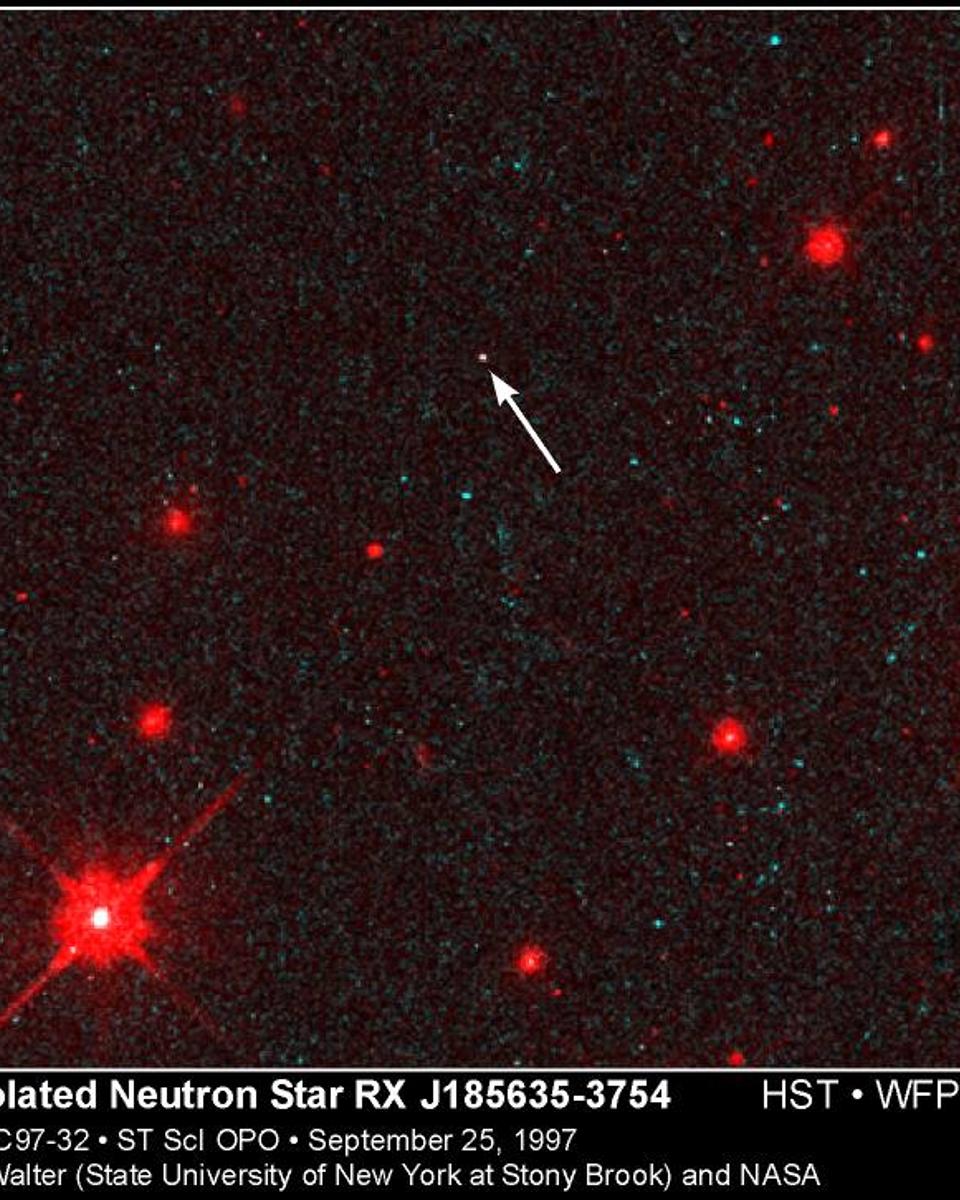
A Lonely Neutron Star
How massive can a star get without imploding into a black hole? These limits are being tested by the discovery of a lone neutron star in space. Observations by the Hubble Space…
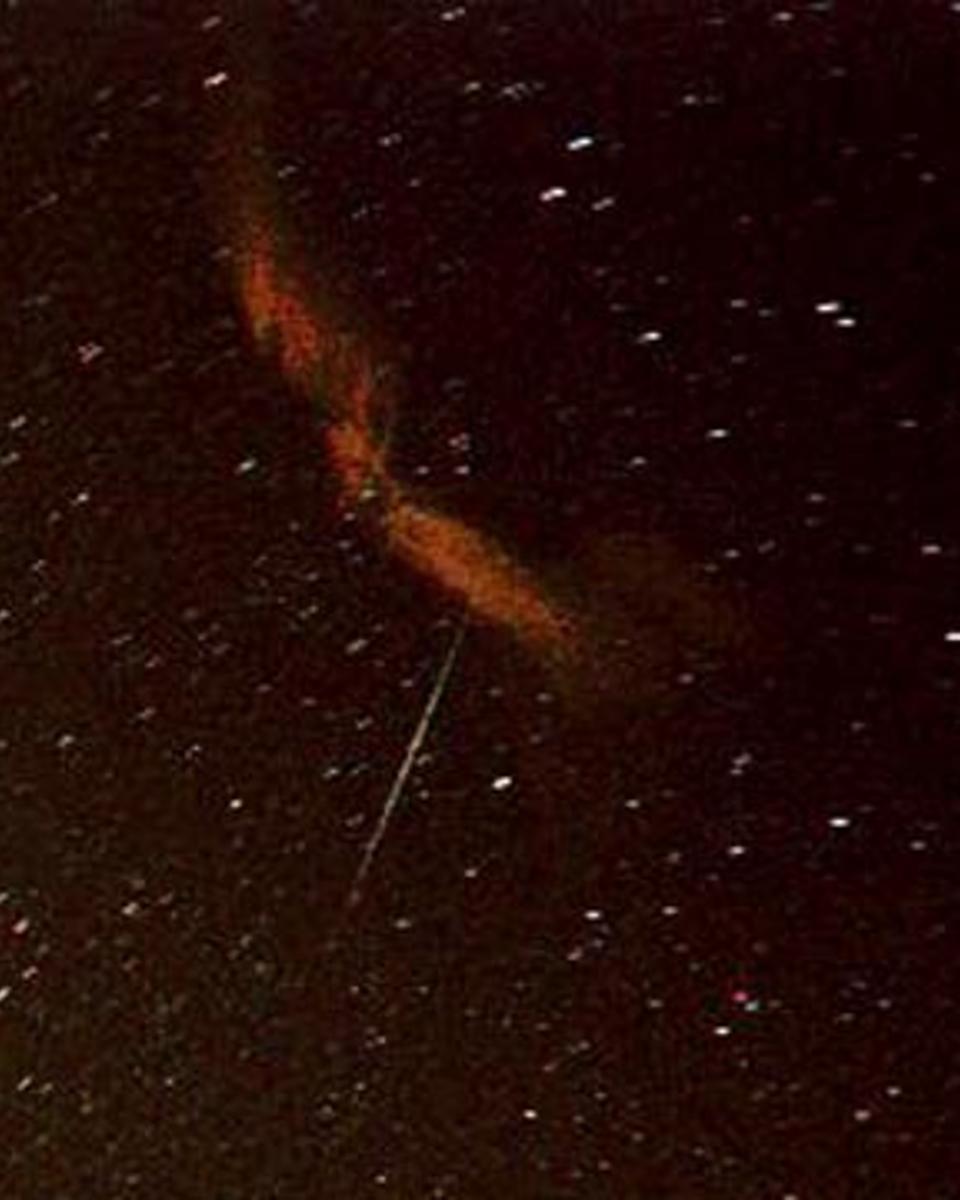
Twisting Meteor Train
Blazing through the sky at 70 kilometers per second, 100 kilometers or so above planet Earth, many bright Leonid meteors left behind a persistent, smoke-like trail of glowing,…
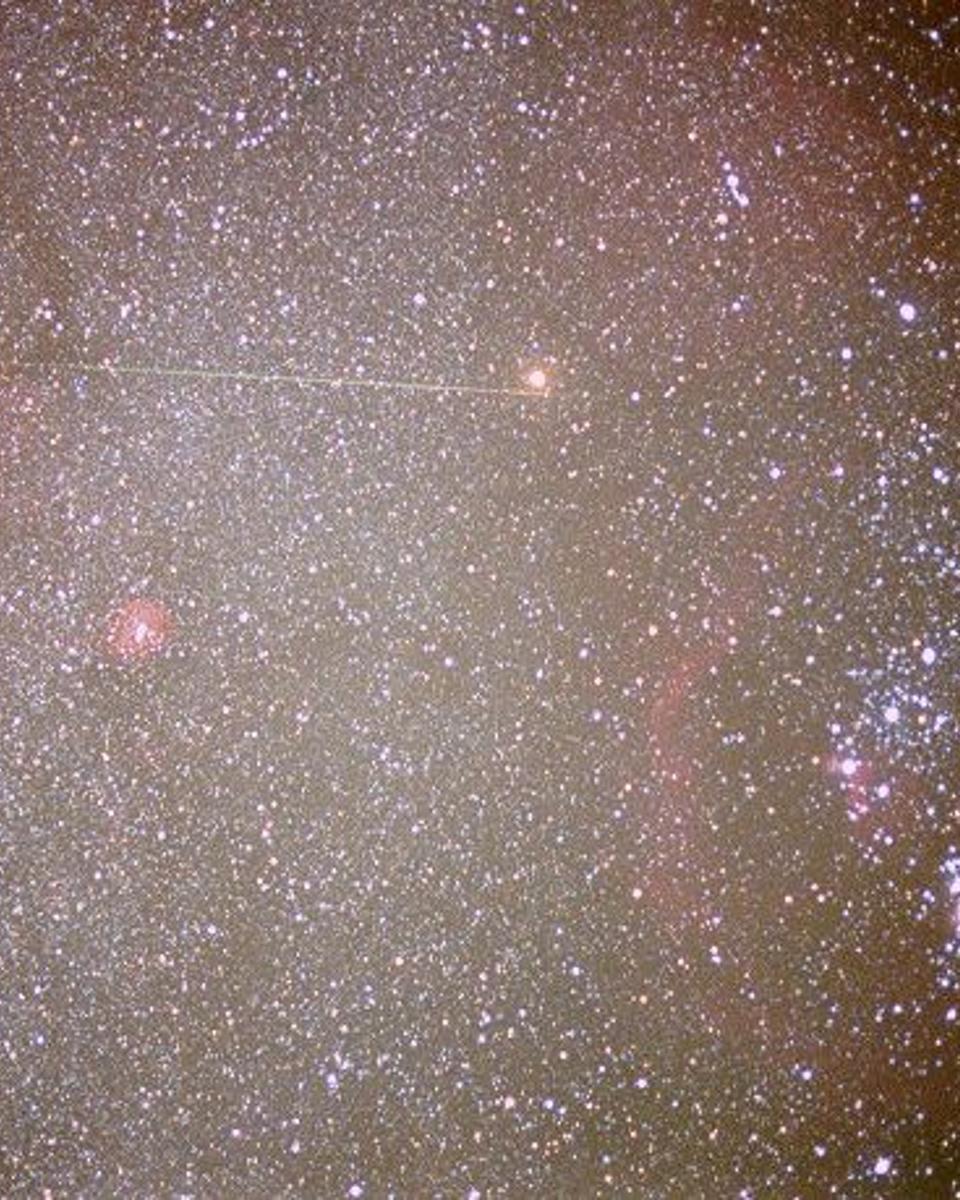
Meteor Milky Way
The bold, bright star patterns of Orion (right) are a familiar sight to even casual skygazers. But this gorgeous color photo also features a subtler spectacle - the faint stars of…
Viewing discoveries from 19 December 1998 through 26 November 1998.