Browse NASA Astronomy Picture of the Day archive by date and media: Archive Discoveries
Browse the NASA APOD archive without needing the exact date first. Filter by media type and keep moving deeper into older images and videos.
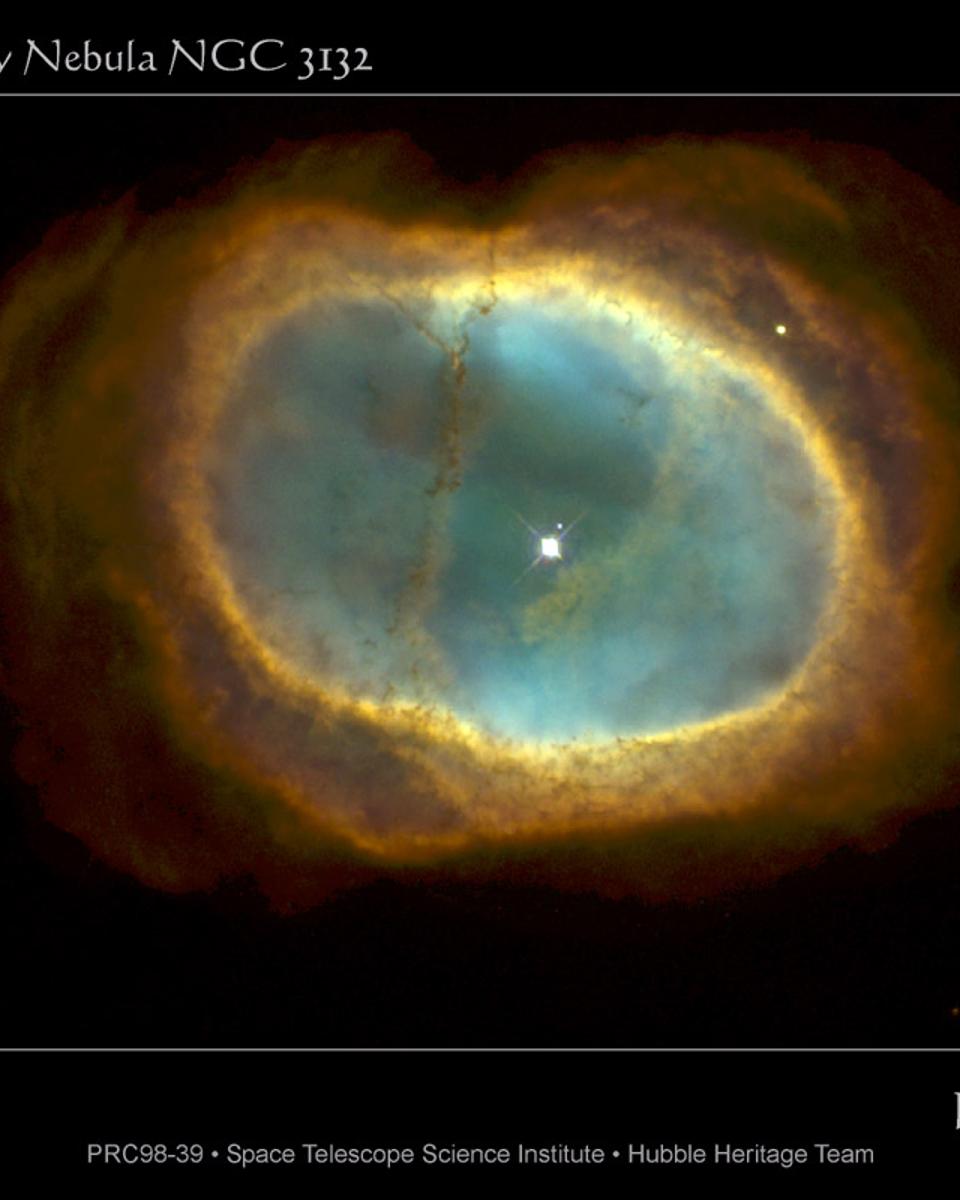
NGC 3132: The Eight Burst Nebula
It's the dim star, not the bright one, near the center of NGC 3132 that created this odd but beautiful planetary nebula . Nicknamed the Eight-Burst Nebula and the Southern Ring…
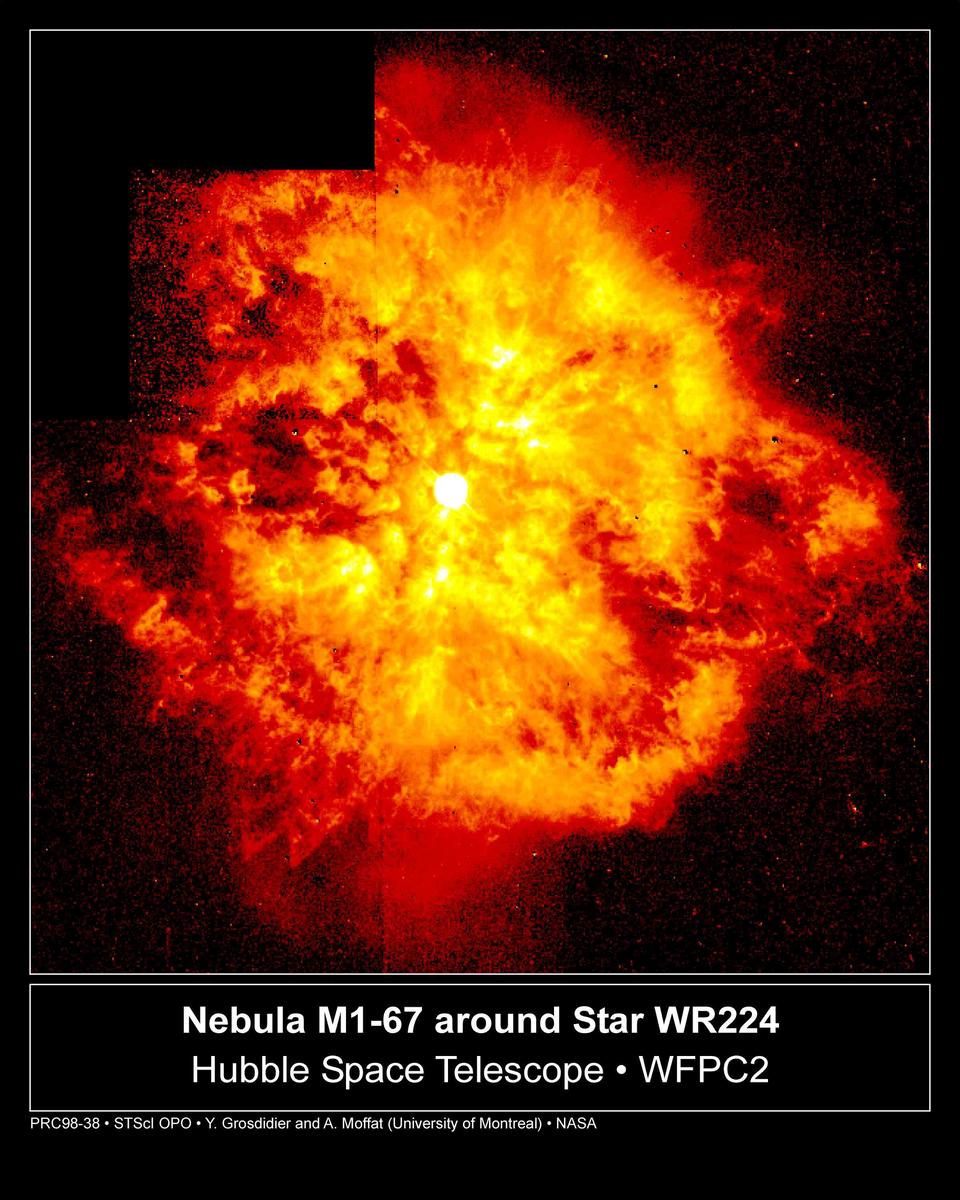
WR124: Stellar Fireball
Some stars explode in slow motion. Rare, massive Wolf-Rayet stars are so tumultuous and hot they are disintegrating right before our telescopes. Glowing gas globs each over 30…
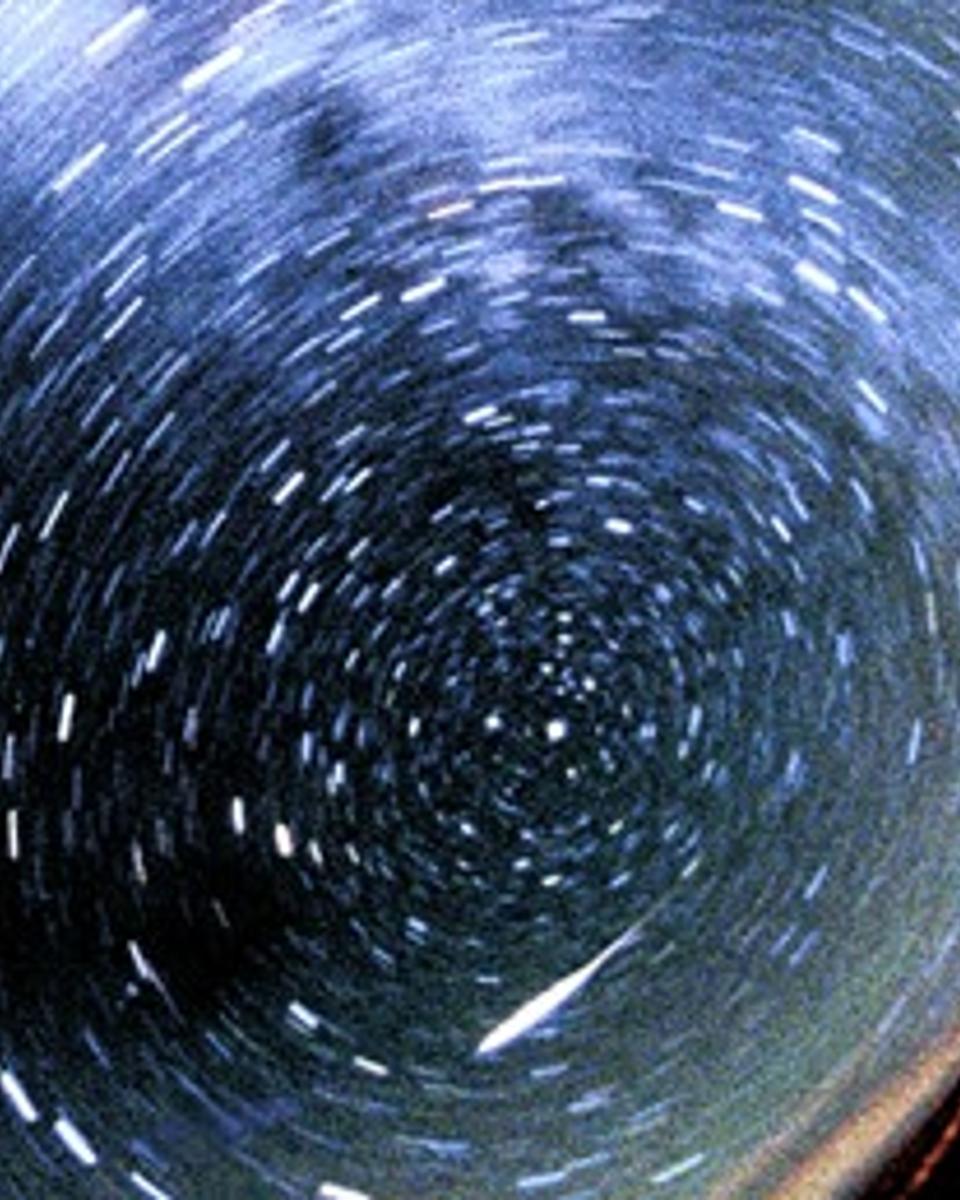
Leonid Meteor Shower Next Week
Early next week, a spectacular meteor storm is expected: the 1998 Leonids . It is widely thought that that the meteors from the Leonids meteor shower are just small pieces of…
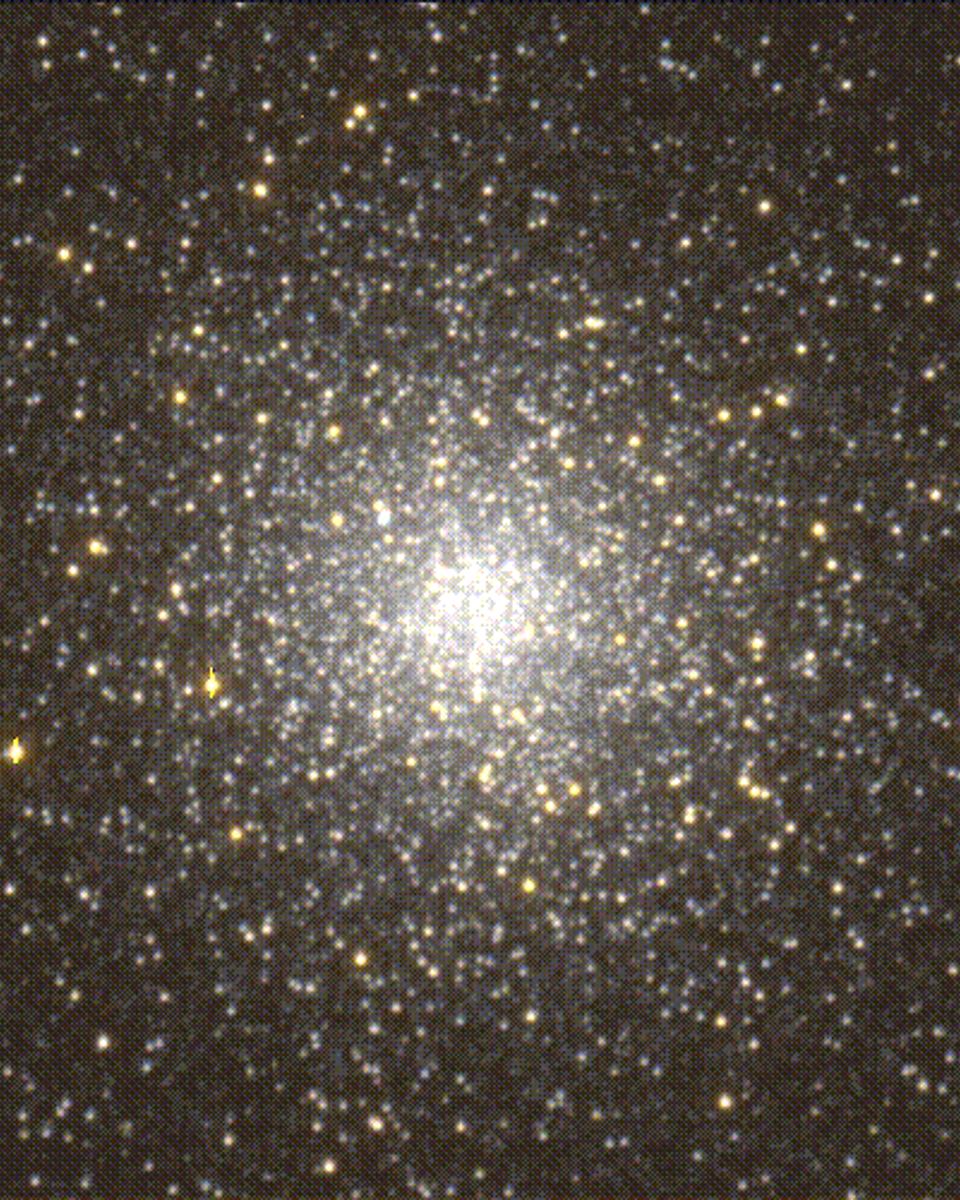
Globular Cluster 47 Tucanae
Stars come in bunches. Of the over 200 globular star clusters that orbit the center of our Milky Way Galaxy , 47 Tucanae is the second brightest globular cluster (behind Omega…
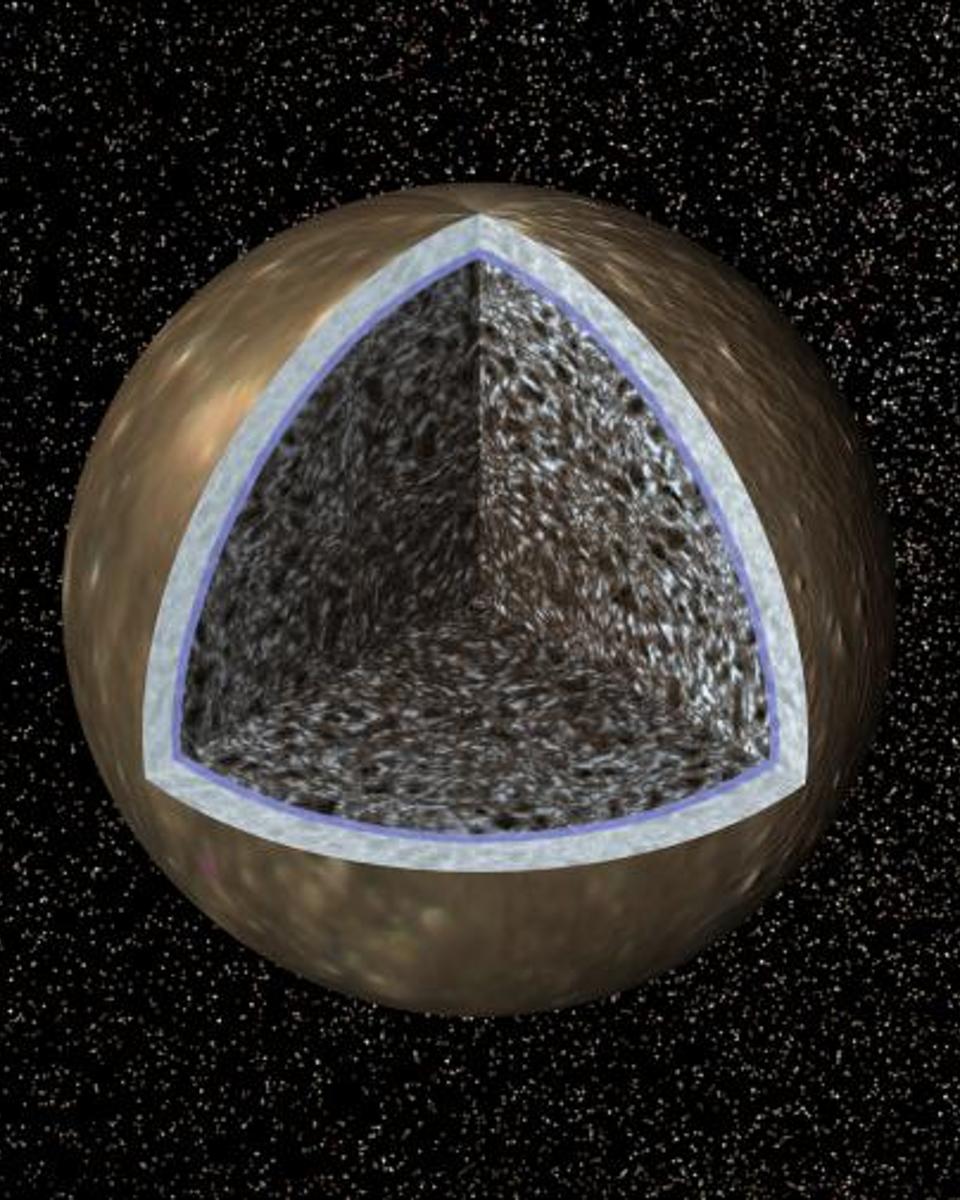
Cutaway Callisto: Ice, Rock, and Ocean?
Cruising past the moons of reigning gas giant Jupiter, Voyager and Galileo have returned tantalizing evidence for a liquid water ocean beneath the surface of Europa . Now…
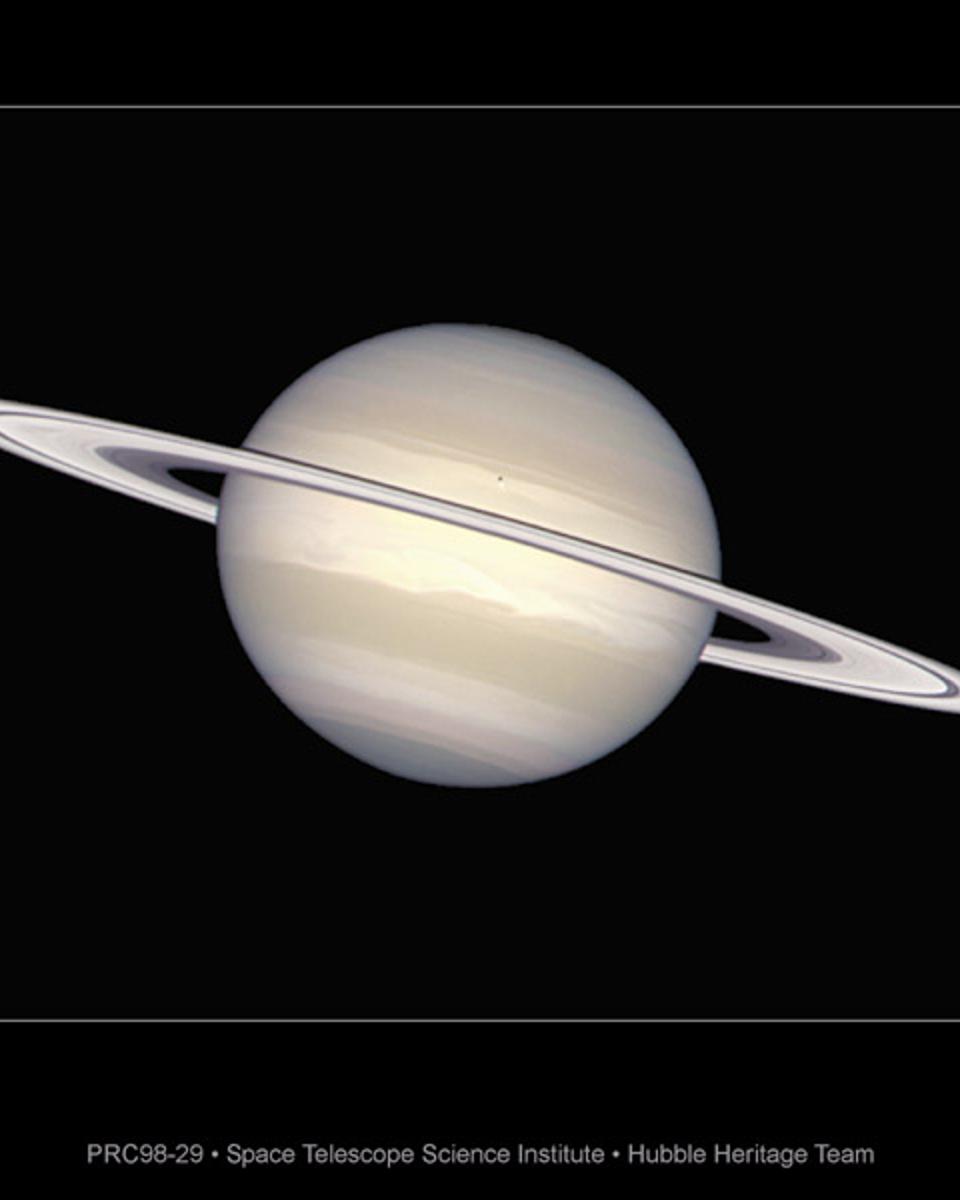
Natural Saturn On The Cassini Cruise
What you could see approaching Saturn aboard an interplanetary cruise ship would closely resemble this subtly shaded view of the gorgeous ringed gas giant. Processed by the Hubble…
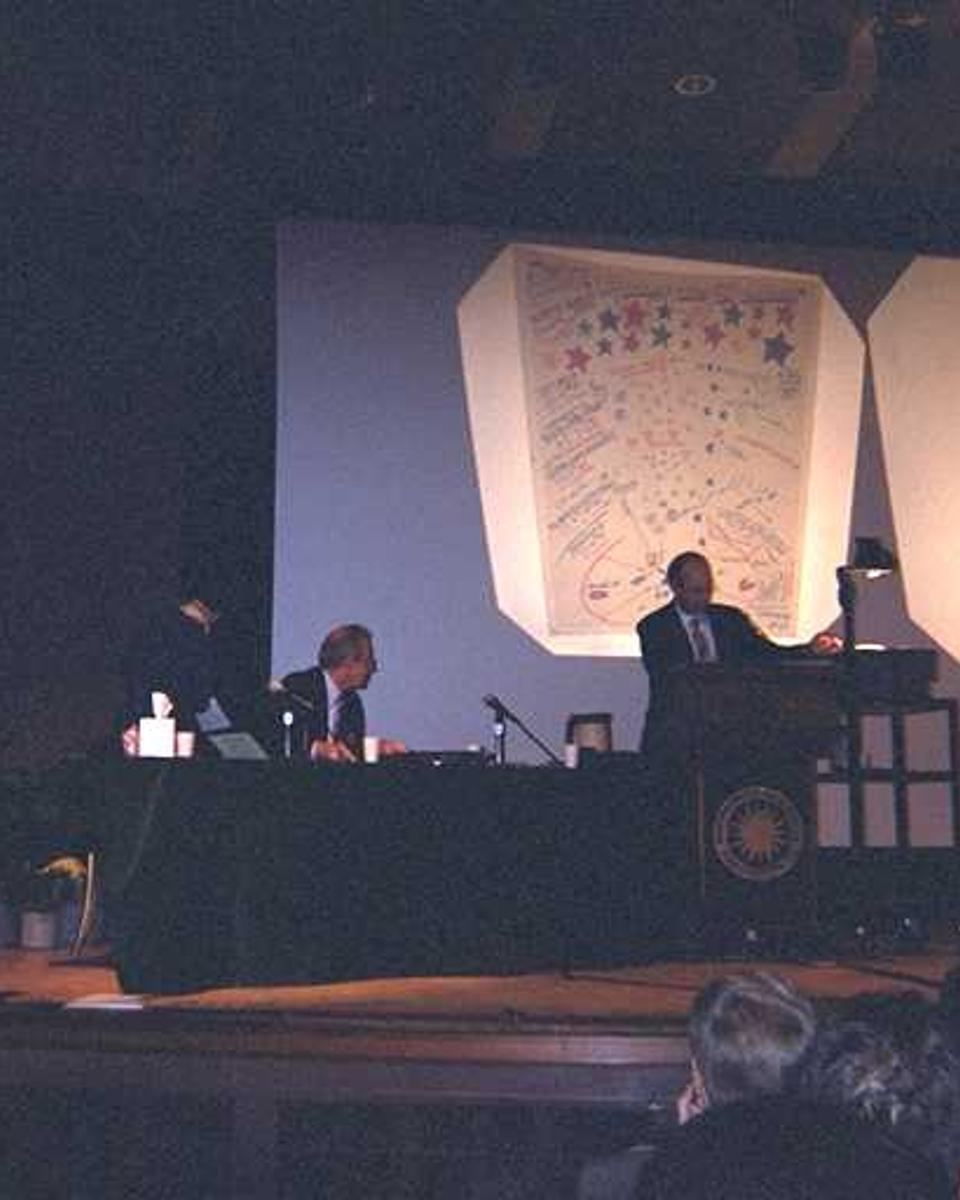
Cosmology Solved?
At the Nature of the Universe Debate held last month at the Smithsonian , top cosmologists P. James E. Peebles ( Princeton ) and Michael S. Turner ( Chicago ) argued over whether…
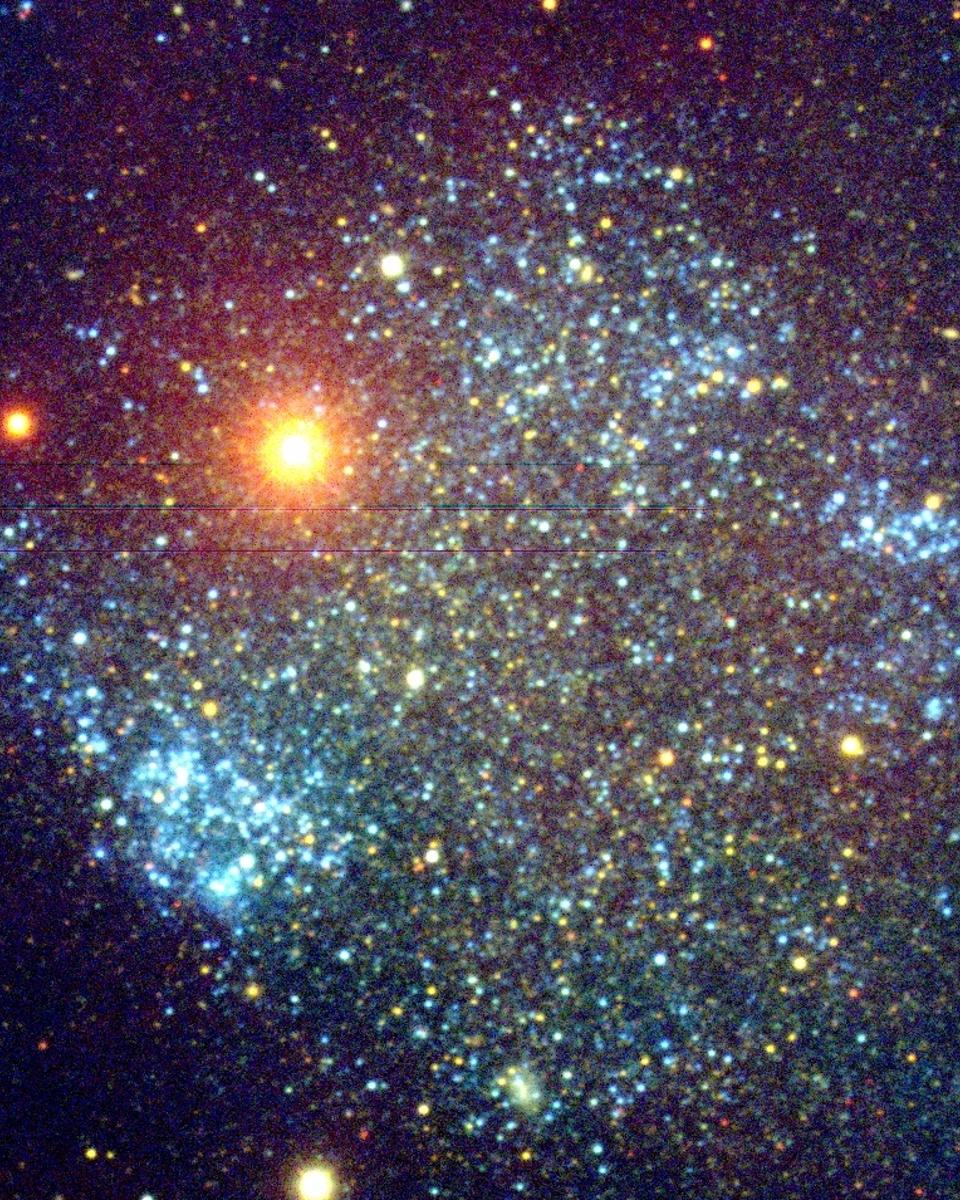
Sextans A: A Seemingly Square Galaxy
What's bothering local galaxy Sextans A ? A small dwarf irregular galaxy spanning 5 thousand light years across, Sextans A is located only 5 million light-years away. Named for…
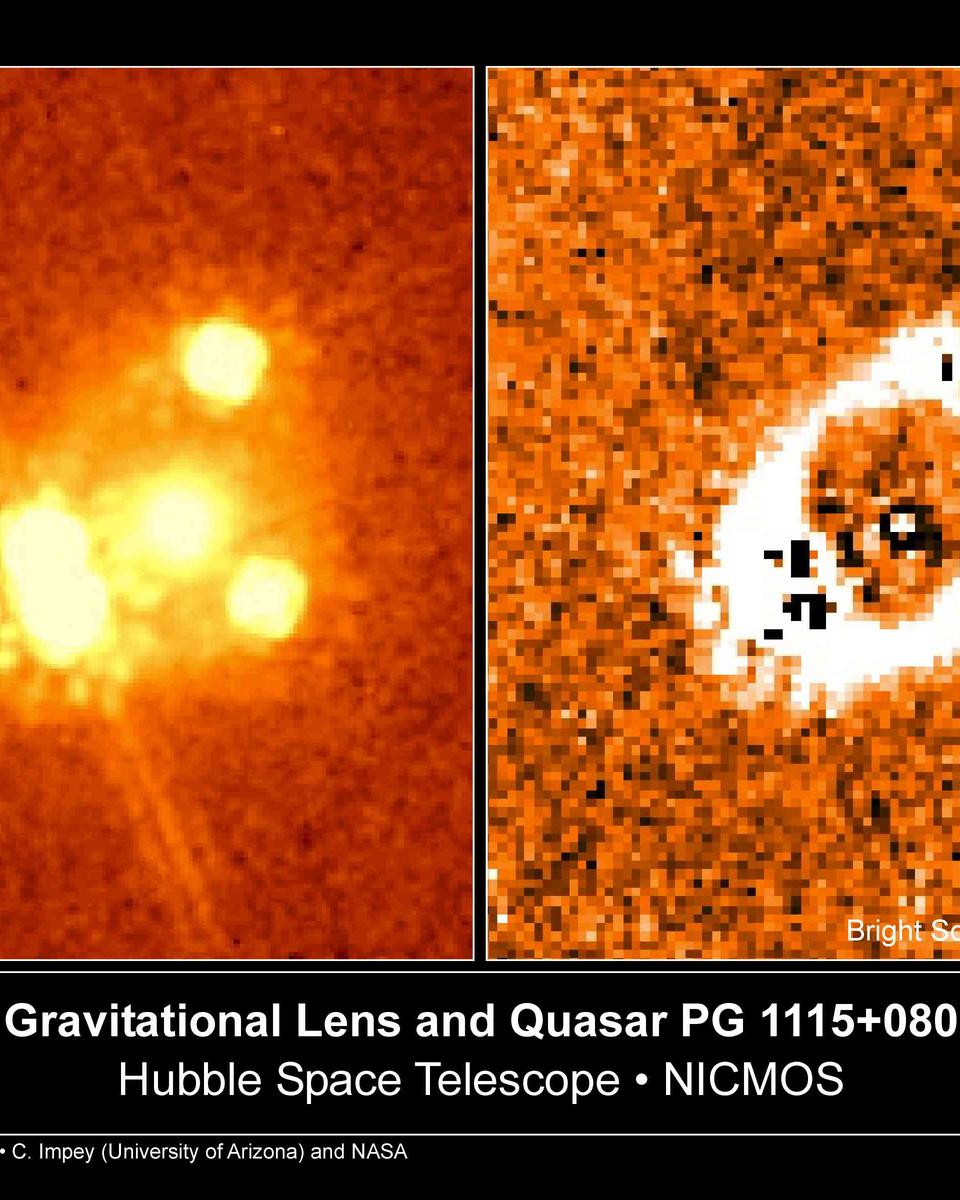
PG 1115+080 A Ghost of Lensing Past
In this tangle of quasars and galaxies lies a clue to the expansion rate of the universe. A diffuse glow evident in the picture on the left reveals a normal elliptical galaxy .…
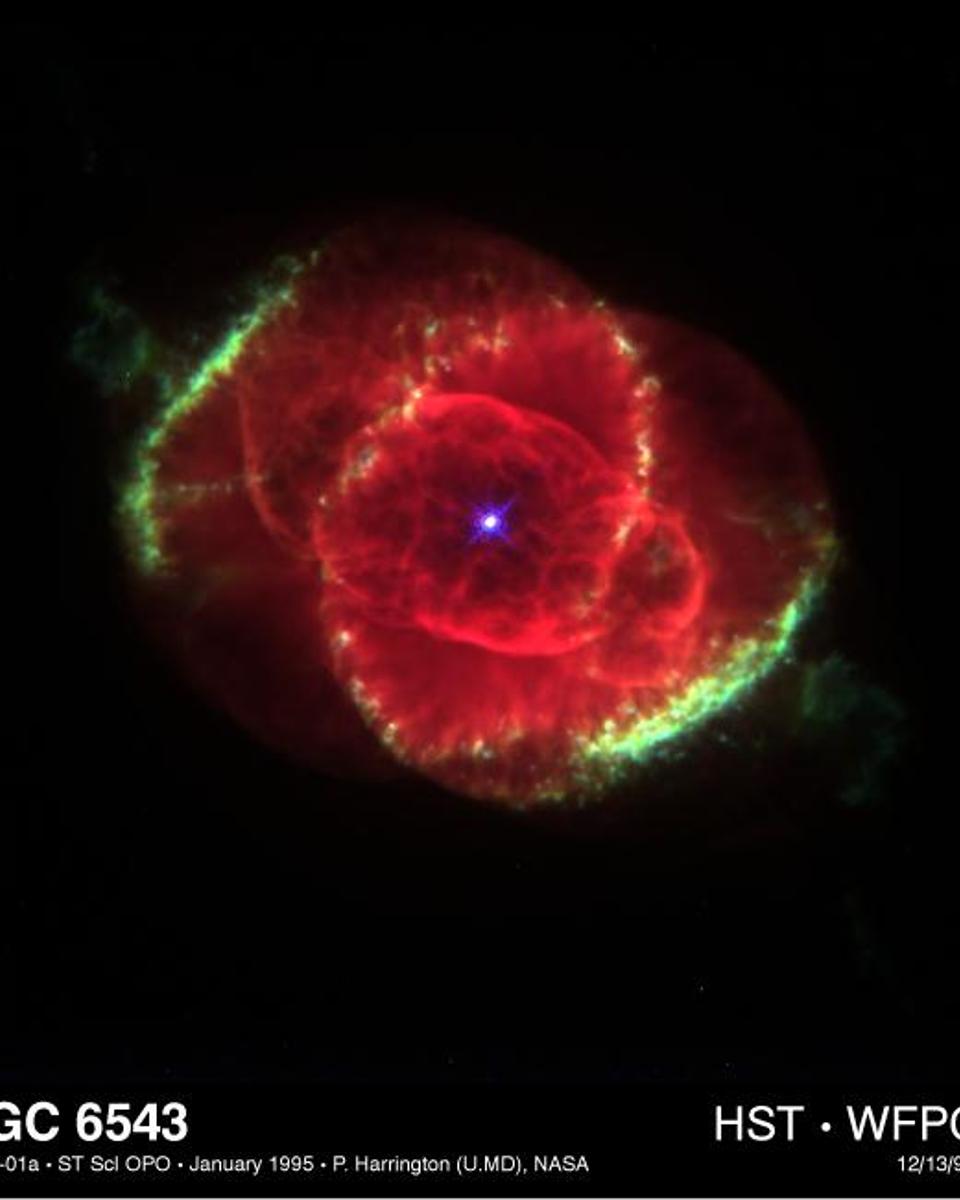
The Cat's Eye Nebula
Three thousand light years away, a dying star throws off shells of glowing gas. This image from the Hubble Space Telescope reveals The Cat's Eye Nebula to be one of the most…
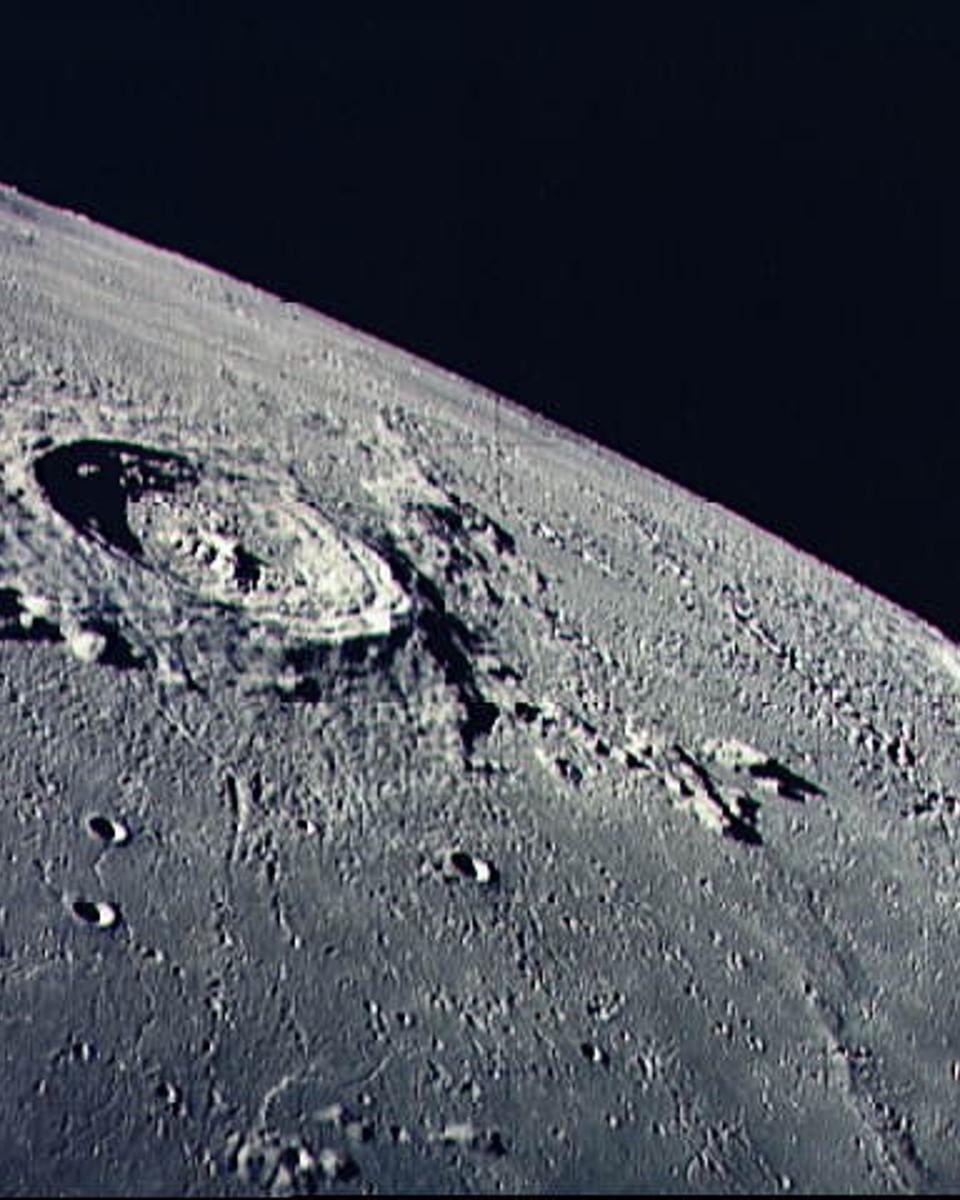
Bats And The Barren Moon
This picture , taken as the Apollo 17 astronauts orbited the Moon in 1972, depicts the stark lunar surface around the Eratosthenes and Copernicus craters. Images of a Moon devoid…
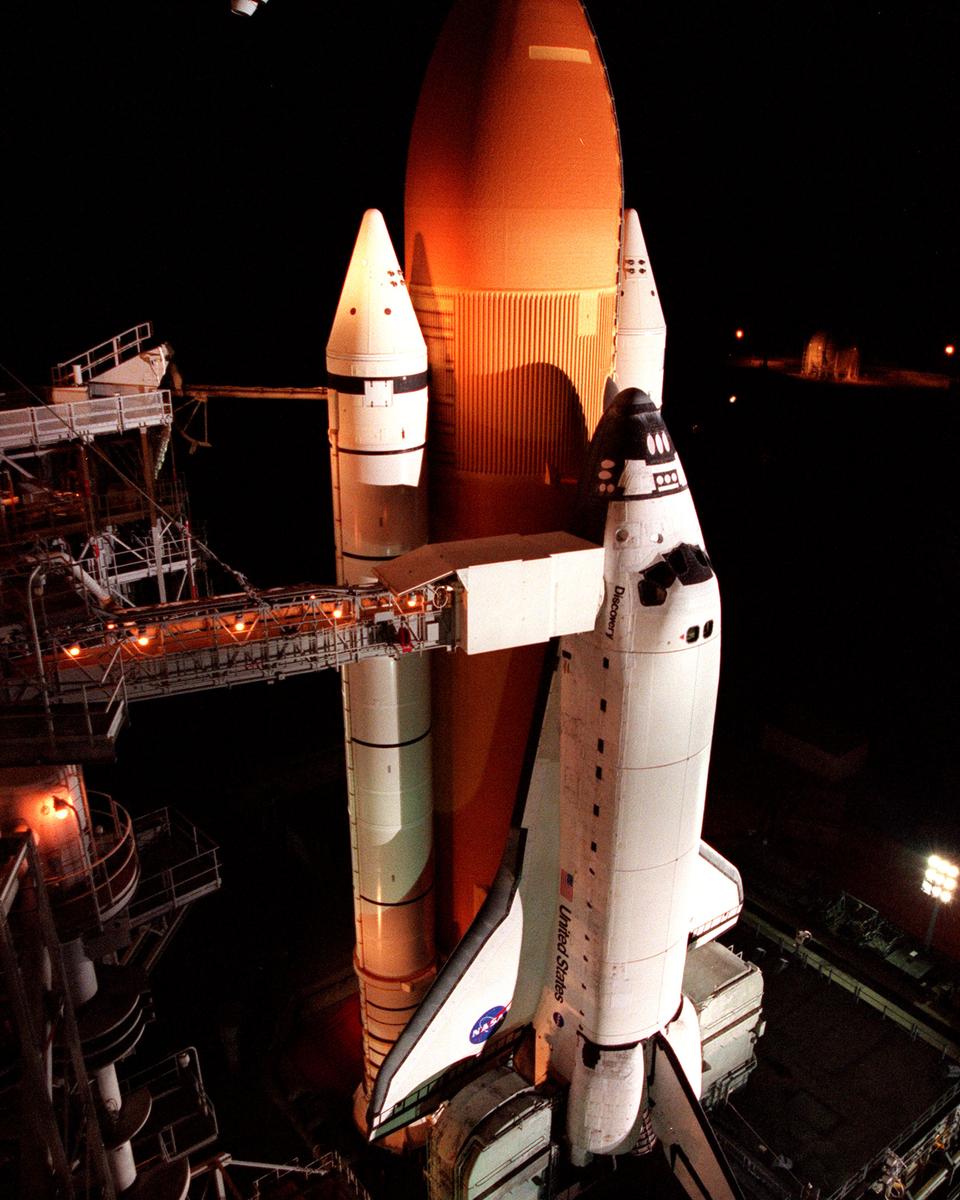
John Glenn: Discovery Launch
At left , the Space Shuttle Discovery waits in darkness on Kennedy Space Center's launch pad 39B . At right , on Thursday October 29, Discovery blasts through a bright afternoon…
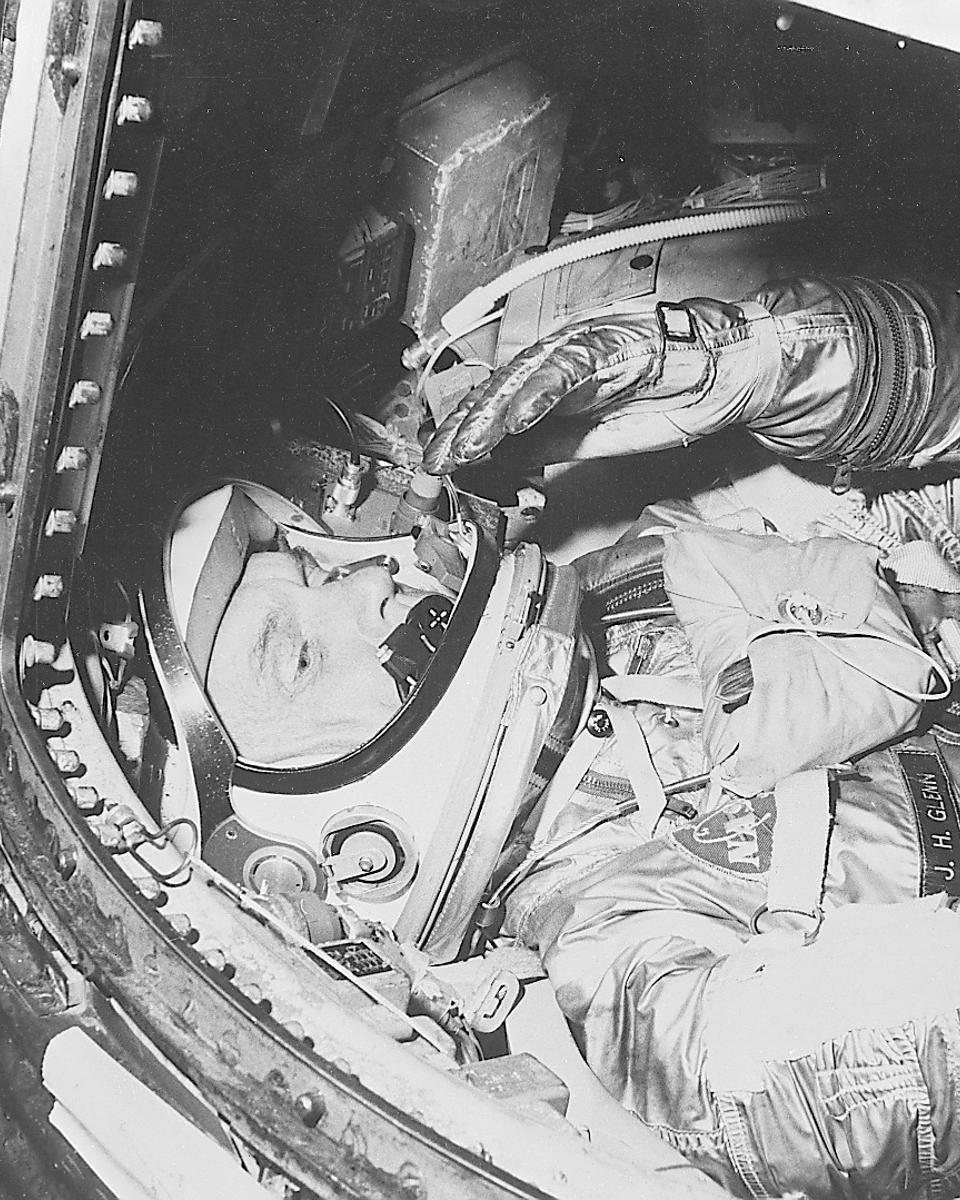
John Glenn: Friendship 7 To Discovery
Rehearsing for his historic flight on February 20, 1962, Mercury program astronaut John H. Glenn Jr. works in a cramped training capsule preparing for a few hours' voyage through…
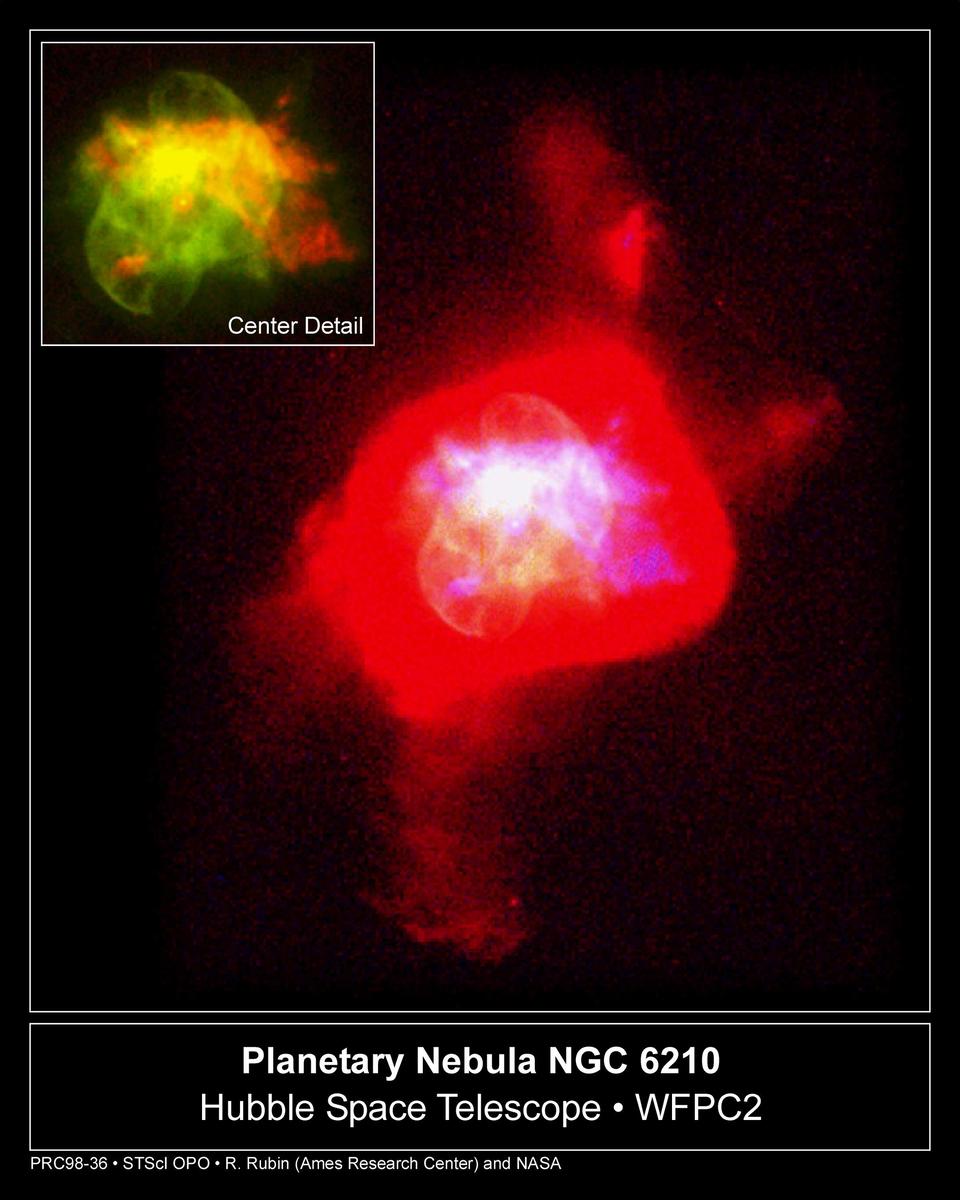
NGC 6210: The “Turtle in Space” Planetary Nebula
A Turtle in Space? Planetary nebula NGC 6210 may look like a giant space turtle, but it is actually much more massive and violent. Fortunately, this gas cloud in Hercules lies…

Henrietta Leavitt Calibrates the Stars
Humanity's understanding of the relative brightness and variability of stars was revolutionized by the work of Henrietta Swan Leavitt (1868-1921). Working at Harvard College…
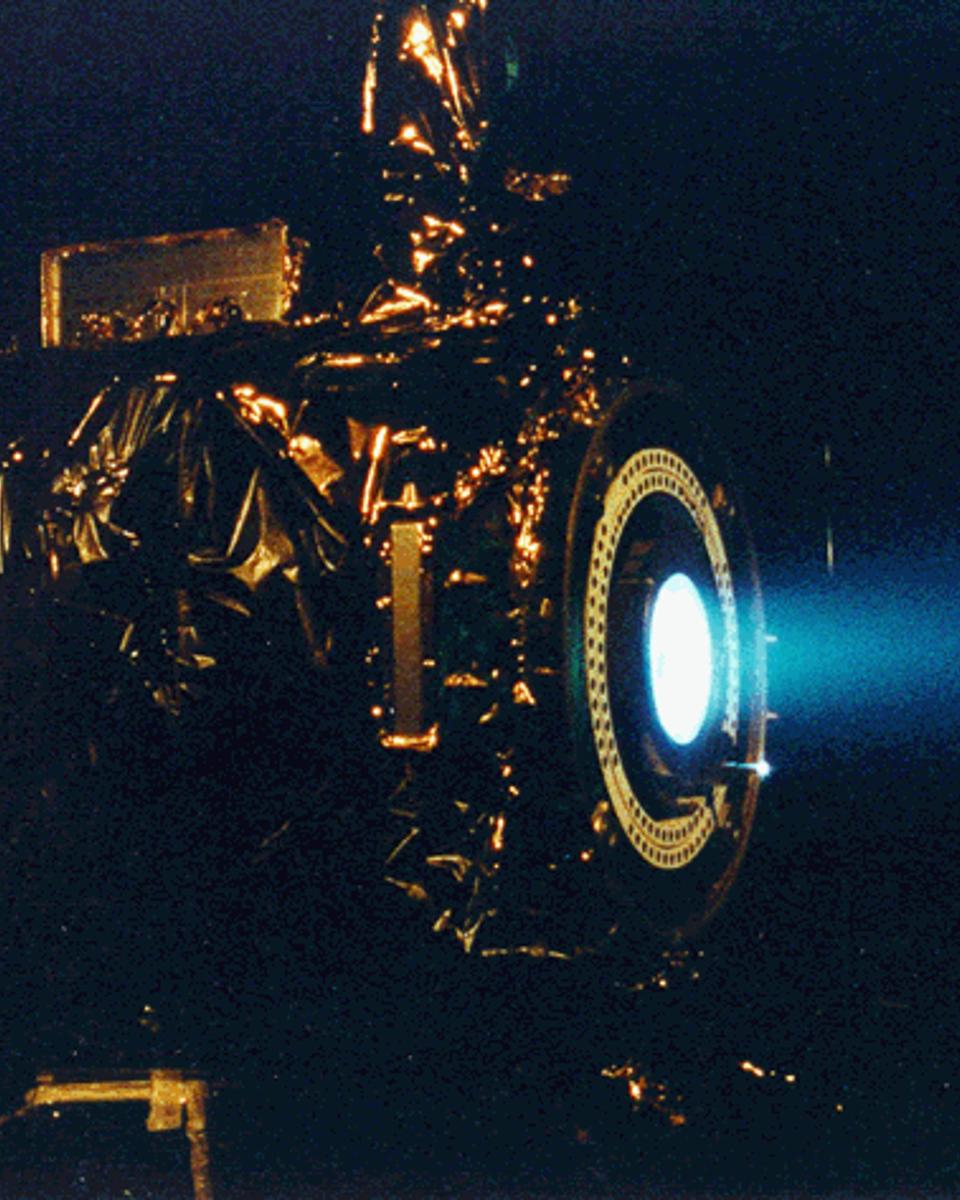
An Ion Drive for Deep Space 1
Space travel entered the age of the ion drive Saturday with the launch of Deep Space 1 , a NASA mission designed primarily to test new technologies. Deep Space 1 is bound for…
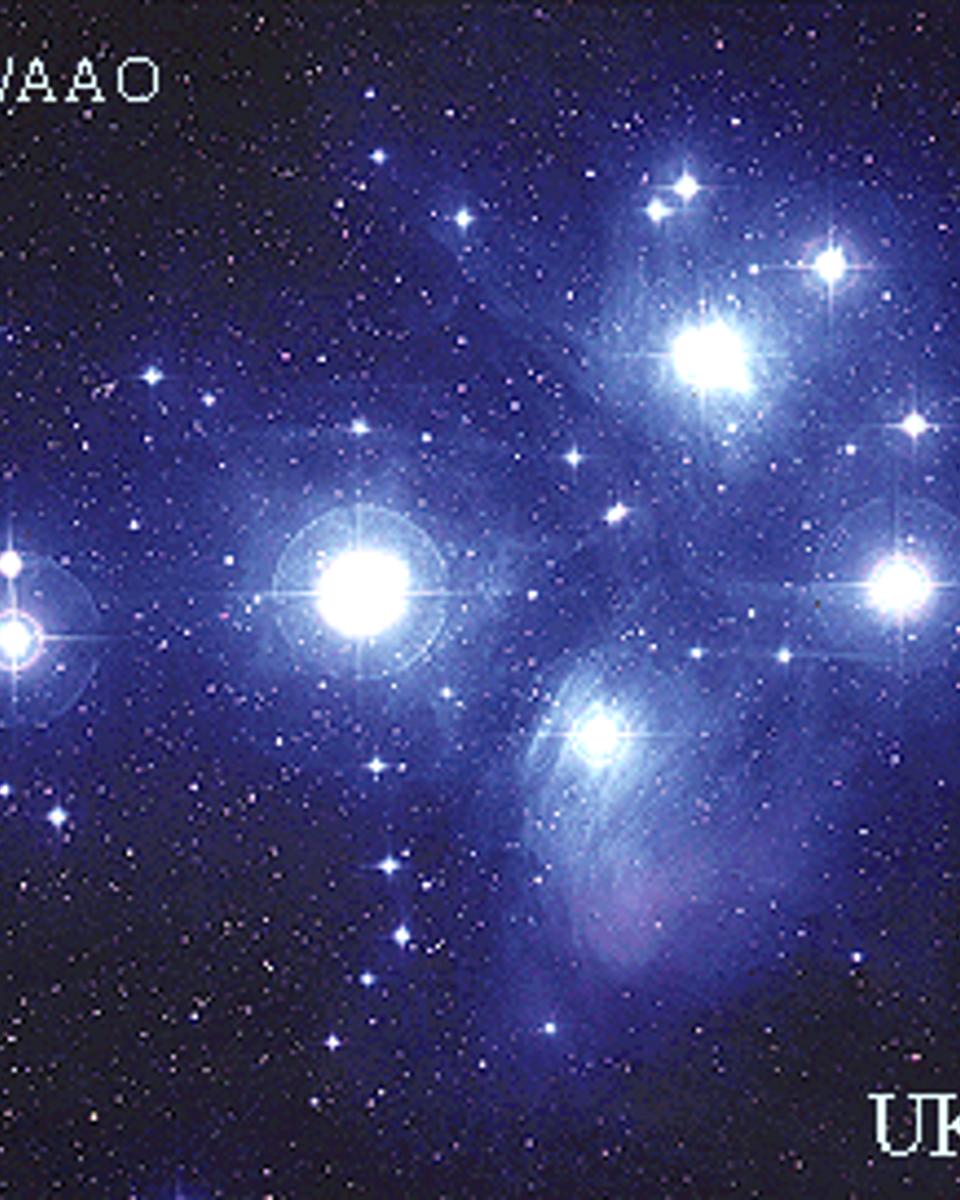
The Pleiades Star Cluster
It is the most famous star cluster on the sky. The Pleiades can be seen without binoculars from even the depths of a light-polluted city . Also known as the Seven Sisters and M45…
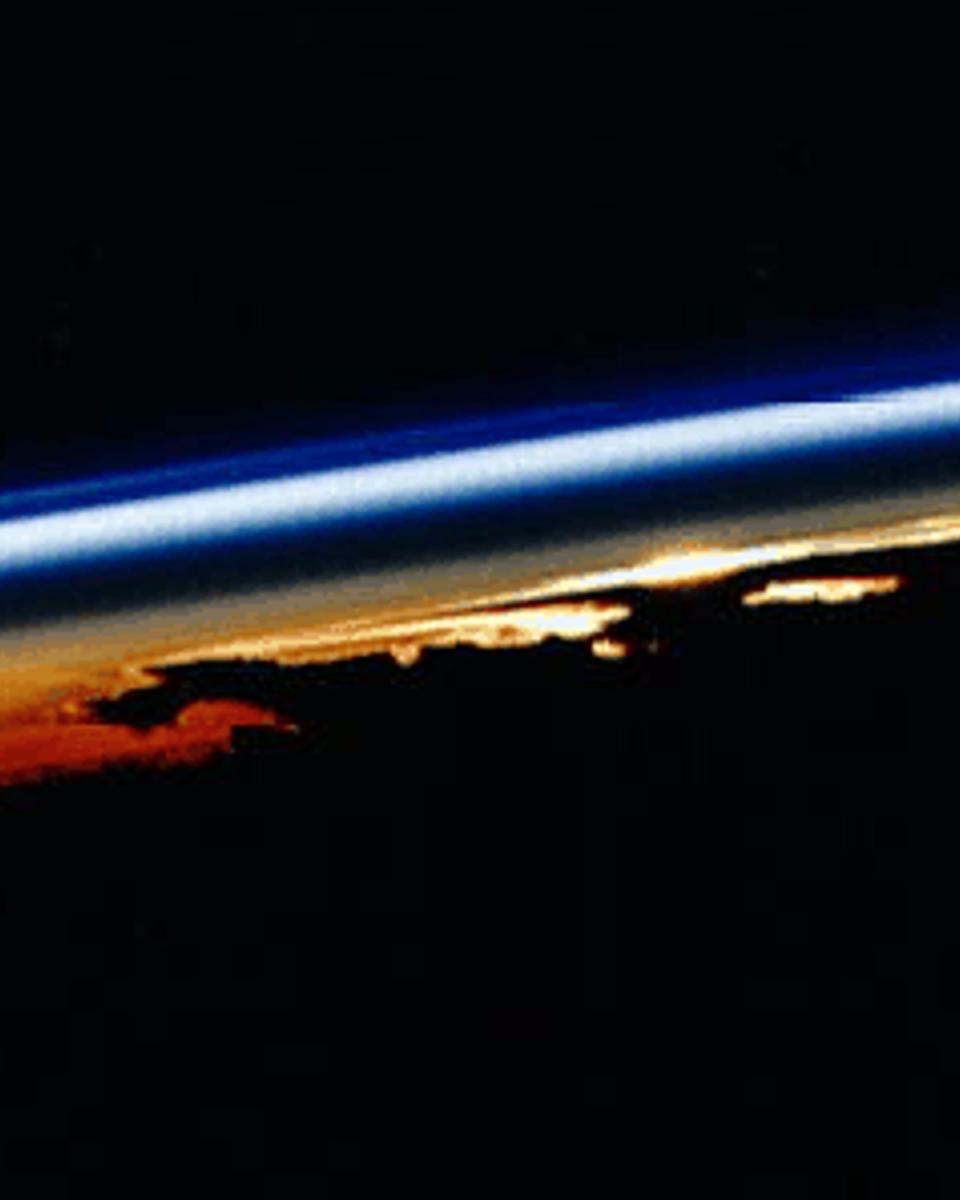
The Sun Also Rises
Sunrise seen from low Earth orbit by the shuttle astronauts can be very dramatic indeed ( and the authors apologize to Hemingway for using his title!). In this breathtaking view,…
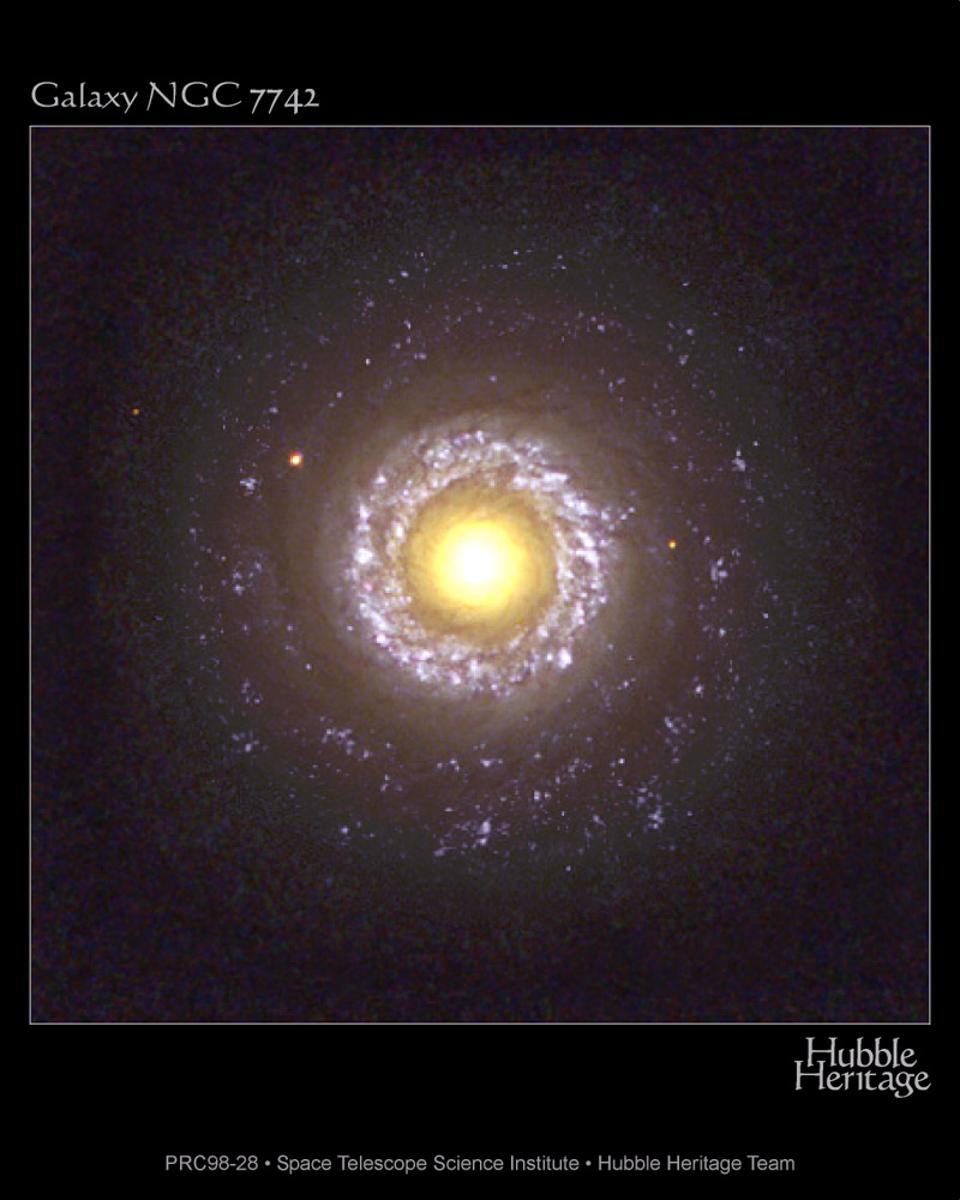
Seyfert Galaxy NGC 7742
This might resemble a fried egg you've had for breakfast , but it's actually much larger. In fact, ringed by blue-tinted star forming regions and faintly visible spiral arms , the…
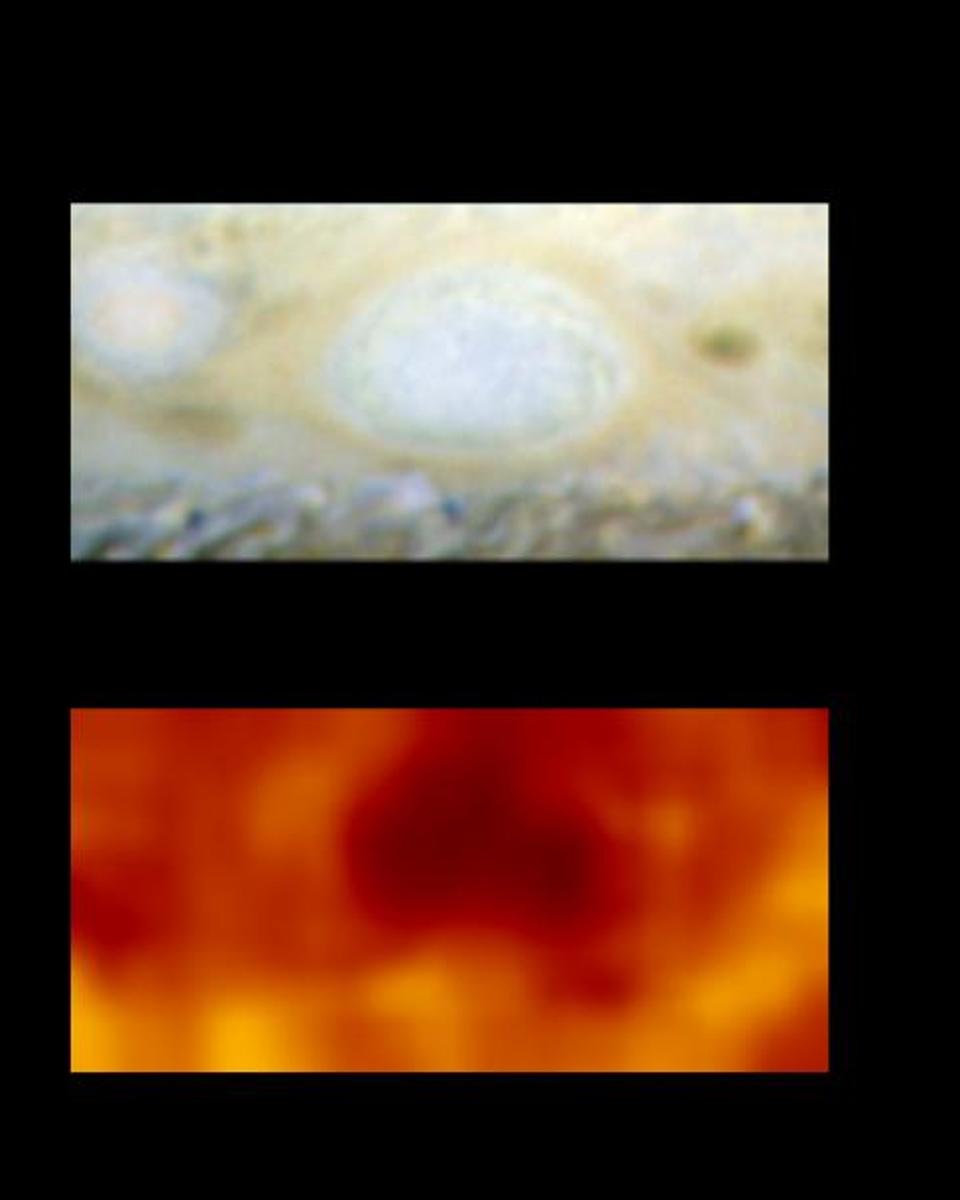
Jupiter: When Storms Collide
Sometime in February , two of three long-lived Jovian storm systems known as “white ovals” apparently collided and merged -- forming what is now likely the second largest storm in…
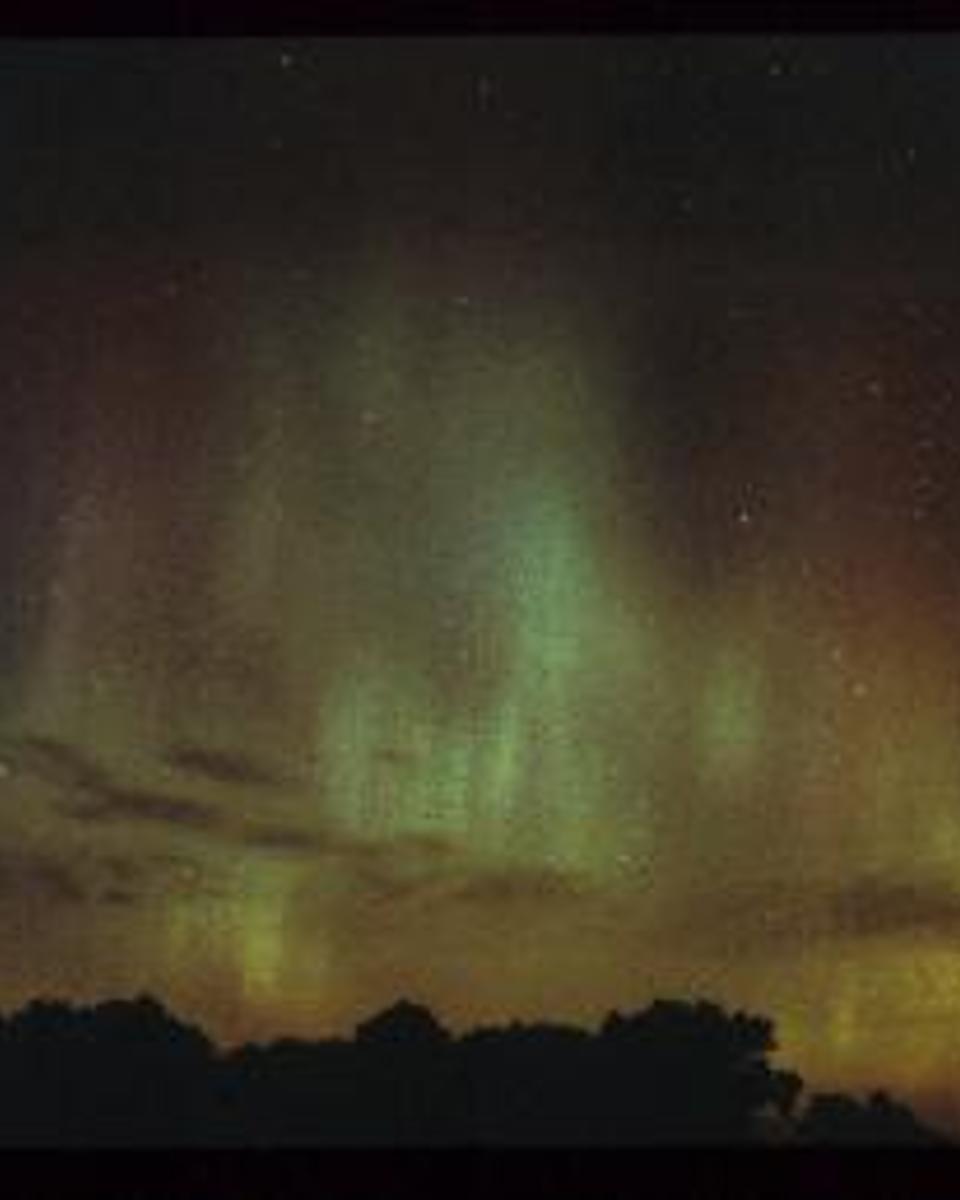
The Case of the Missing Aurora
Sometimes, near midnight, auroras suddenly stop . Nobody knows why. This nightside gap in aurora was confirmed recently by D. Chua ( U. Washington ) and colleagues in data from…
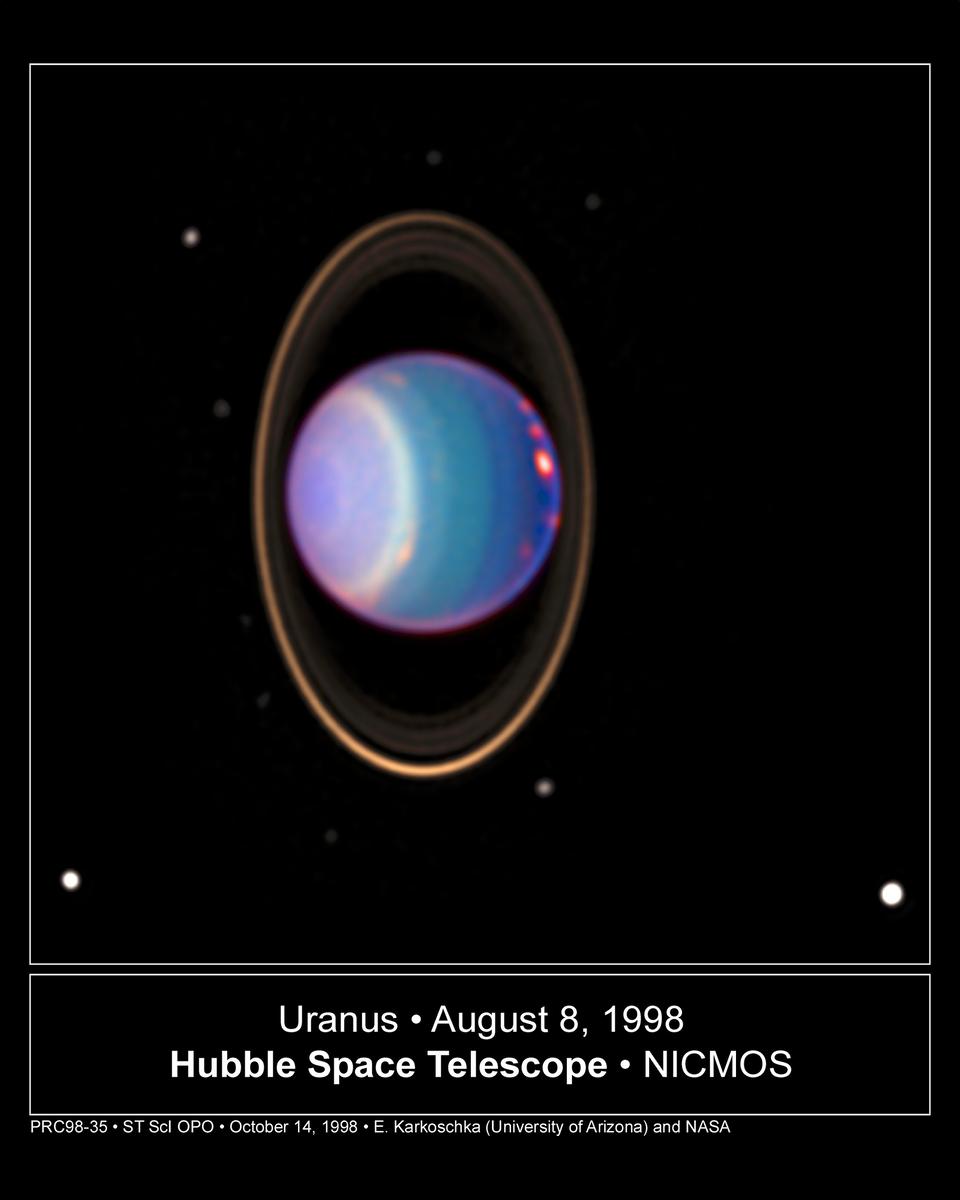
Infrared Uranus
The Sun 's third largest planet usually looks quite dull. Uranus typically appears as a featureless small spot in a small telescope or a featureless large orb in a large…
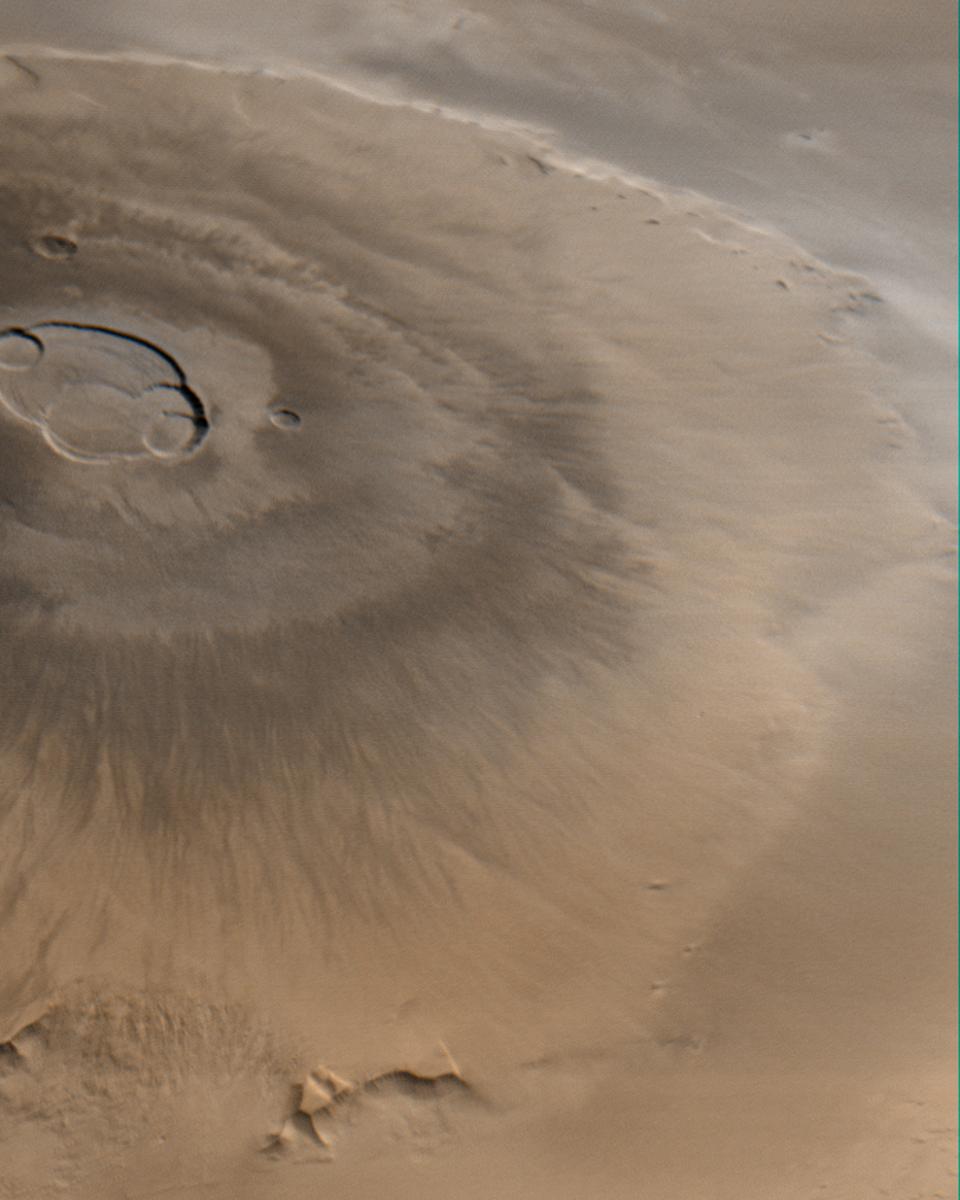
Olympus Mons from Orbit
Olympus Mons on Mars is the largest volcano in the Solar System . Although three times higher than Earth's Mount Everest , Olympus Mons would not be difficult to climb because of…
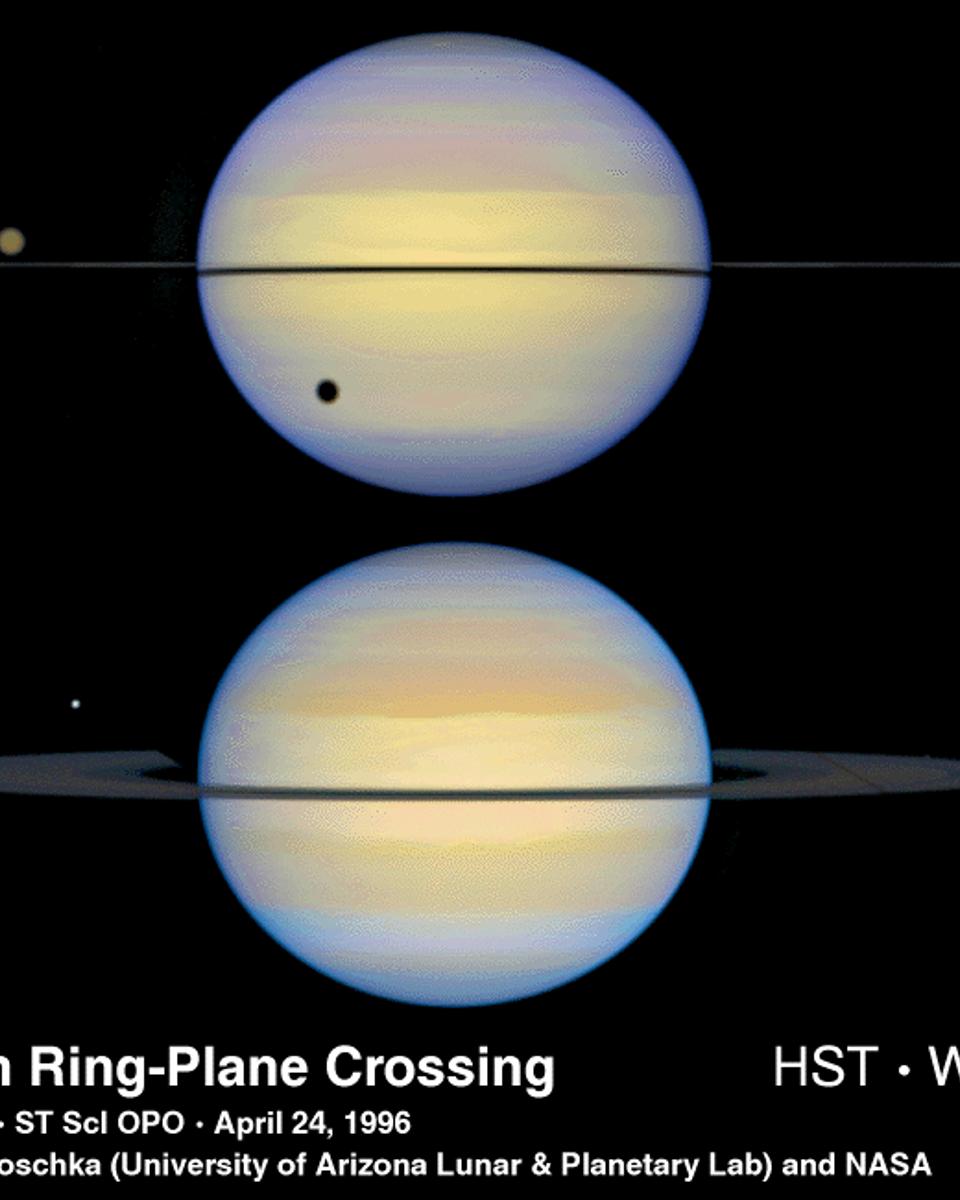
Saturn's Rings Seen Sideways
Saturn's rings are actually very thin. This picture from the Hubble Space Telescope was taken on August 6, 1995 when the rings lined up sideways as seen from Earth . Saturn 's…
Viewing discoveries from 10 November 1998 through 18 October 1998.