Browse NASA Astronomy Picture of the Day archive by date and media: Archive Discoveries
Browse the NASA APOD archive without needing the exact date first. Filter by media type and keep moving deeper into older images and videos.
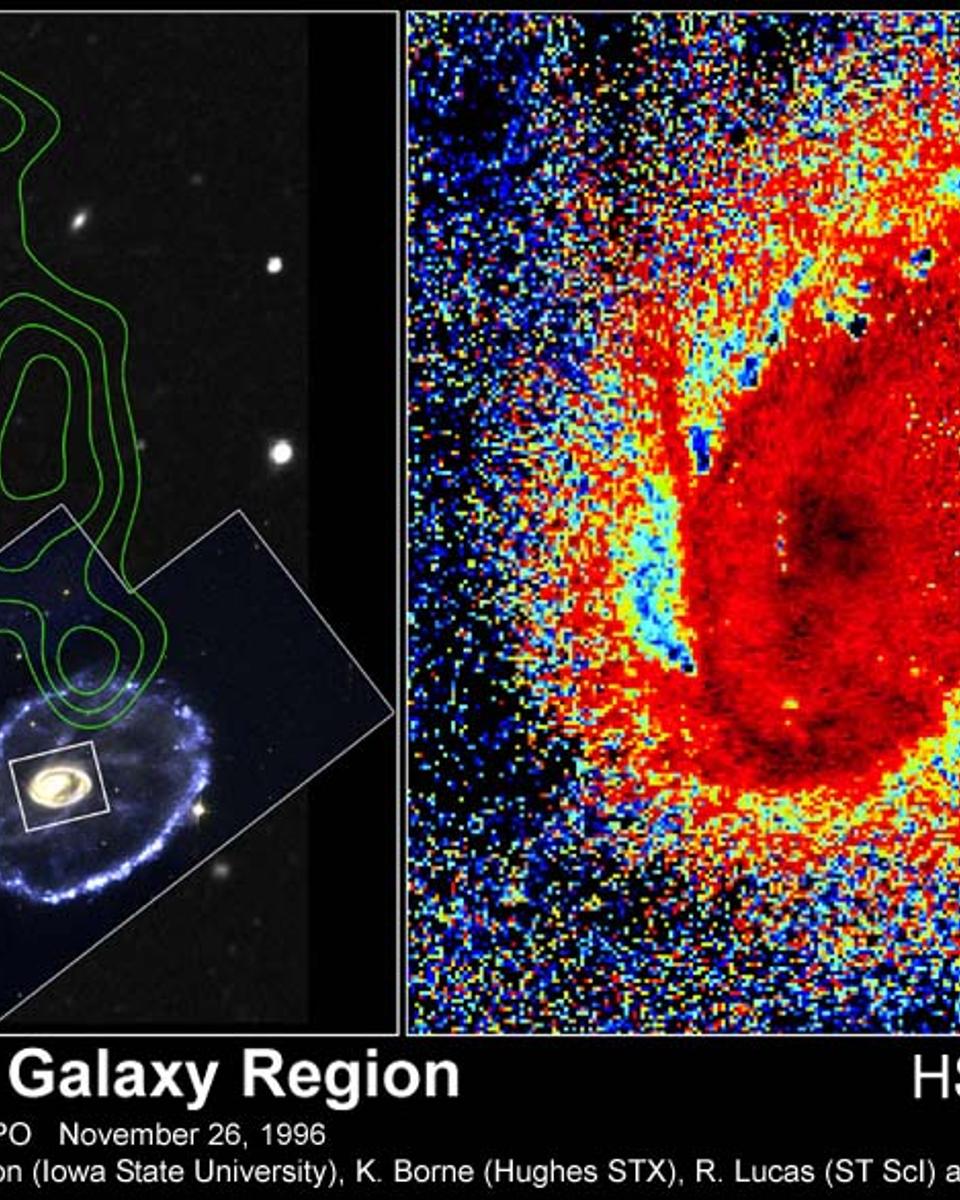
The Trail of the Intruder
Explanation : In yesterday's episode our hero, the Cartwheel galaxy , had survived a chance cosmic collision with a small intruder galaxy - triggering an expanding ring of star…
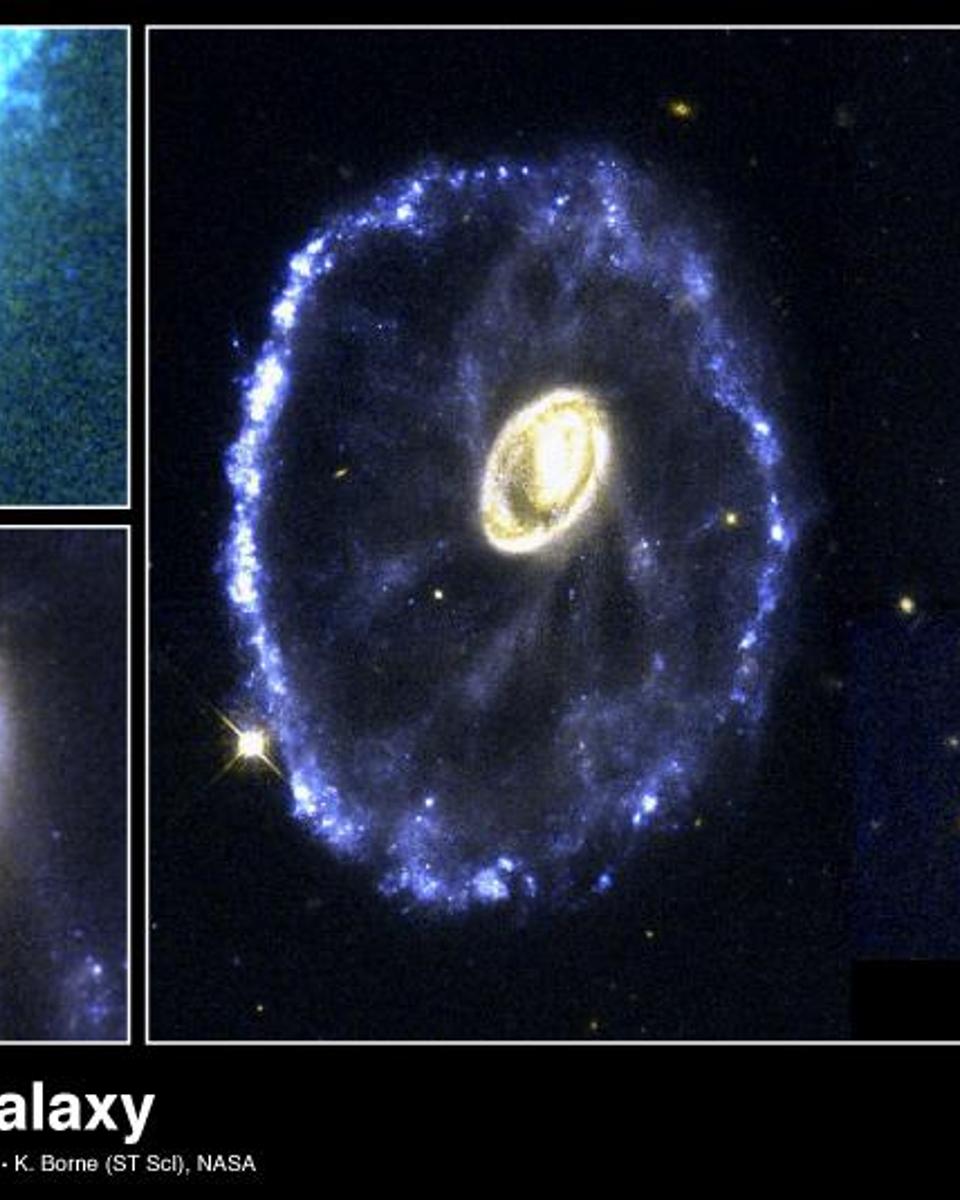
Cartwheel of Fortune
Explanation : By chance, a collision of two galaxies has created a surprisingly recognizable shape on a cosmic scale - “The Cartwheel Galaxy” . The Cartwheel is part of a group of…
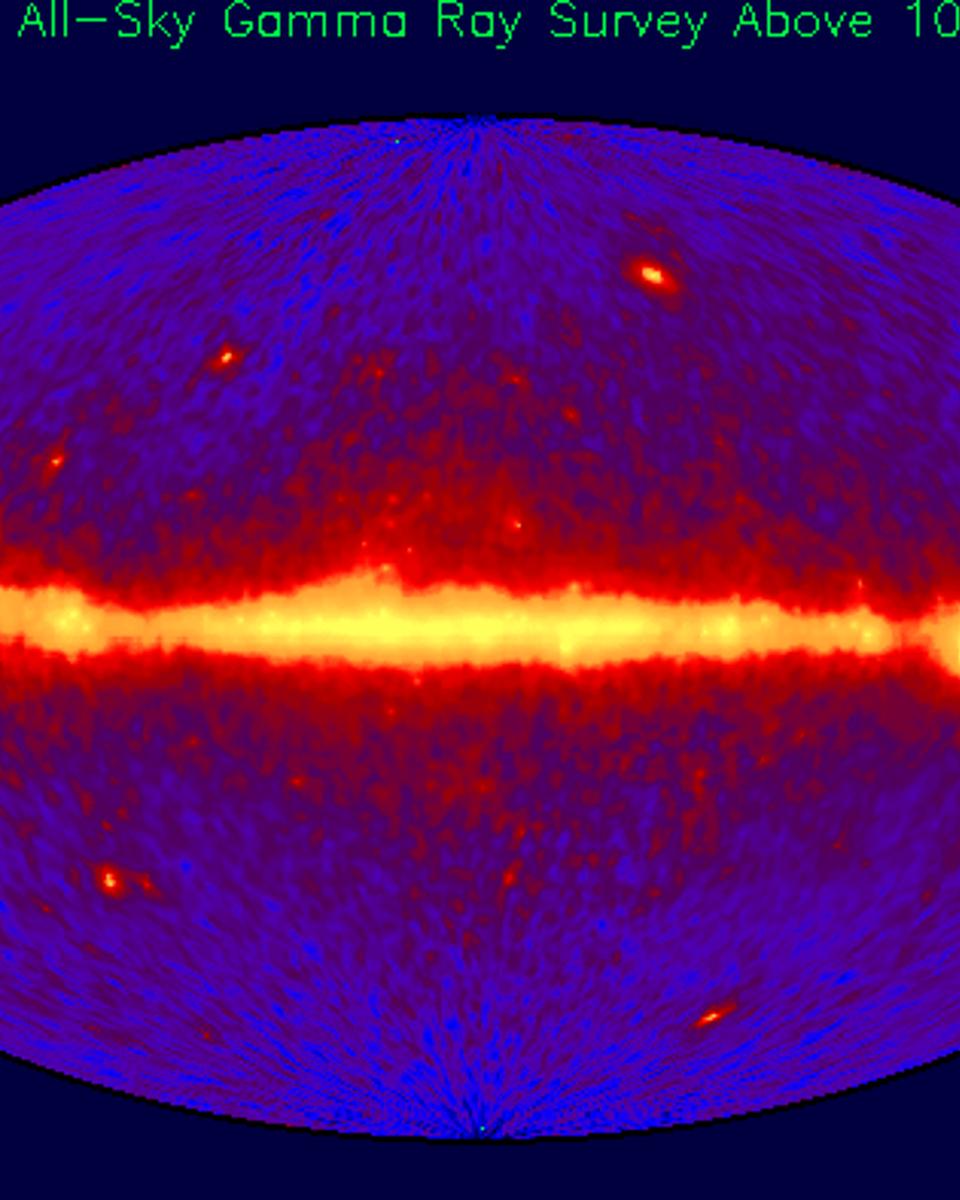
The Gamma Ray Sky
Explanation : What if you could “see” gamma rays? If you could, the sky would seem to be filled with a shimmering high-energy glow from the most exotic and mysterious objects in…
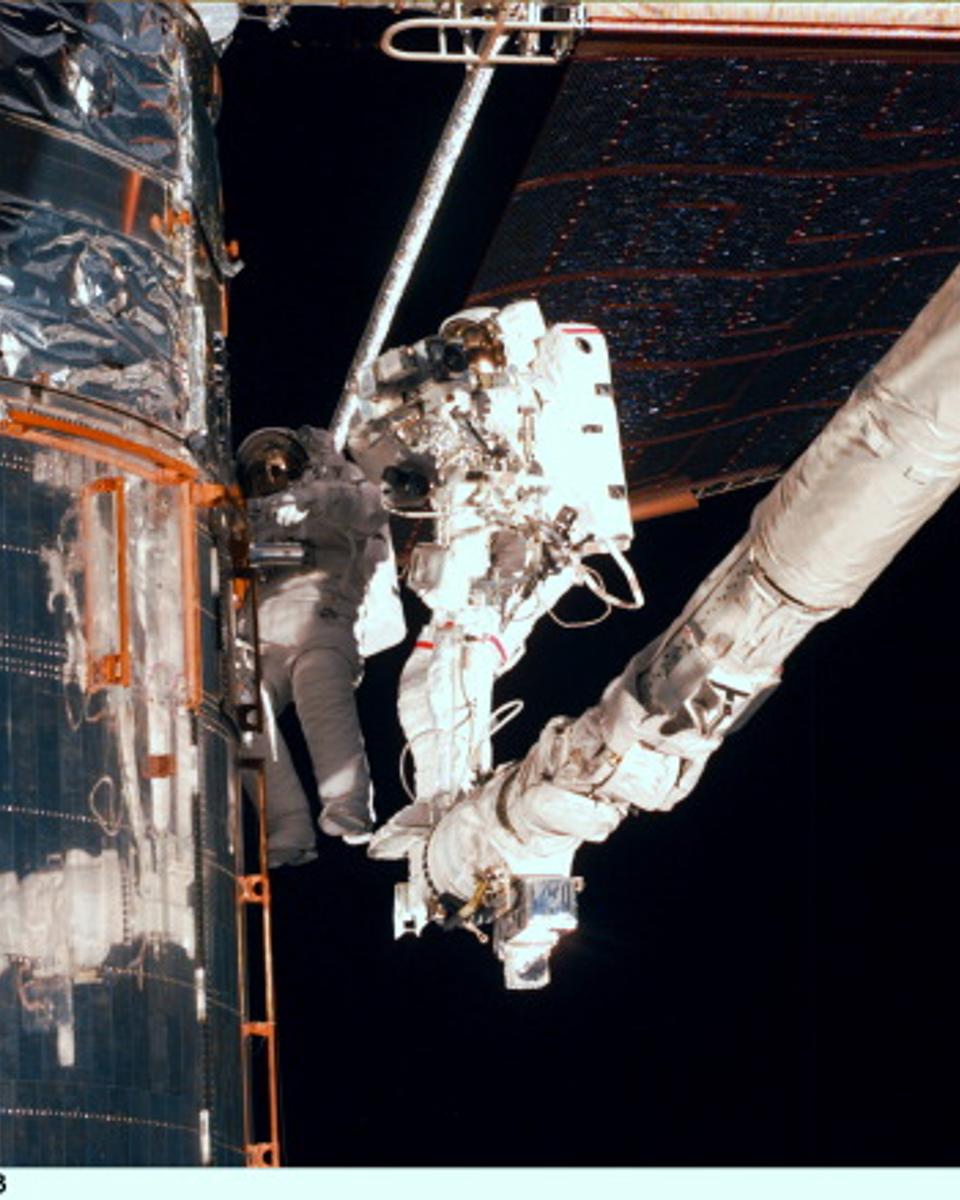
New Eyes for the Hubble Space Telescope
Explanation : The Hubble Space Telescope 's second servicing mission has been completed. Every few years, the telescope is visited by a Space Shuttle to allow astronauts to switch…
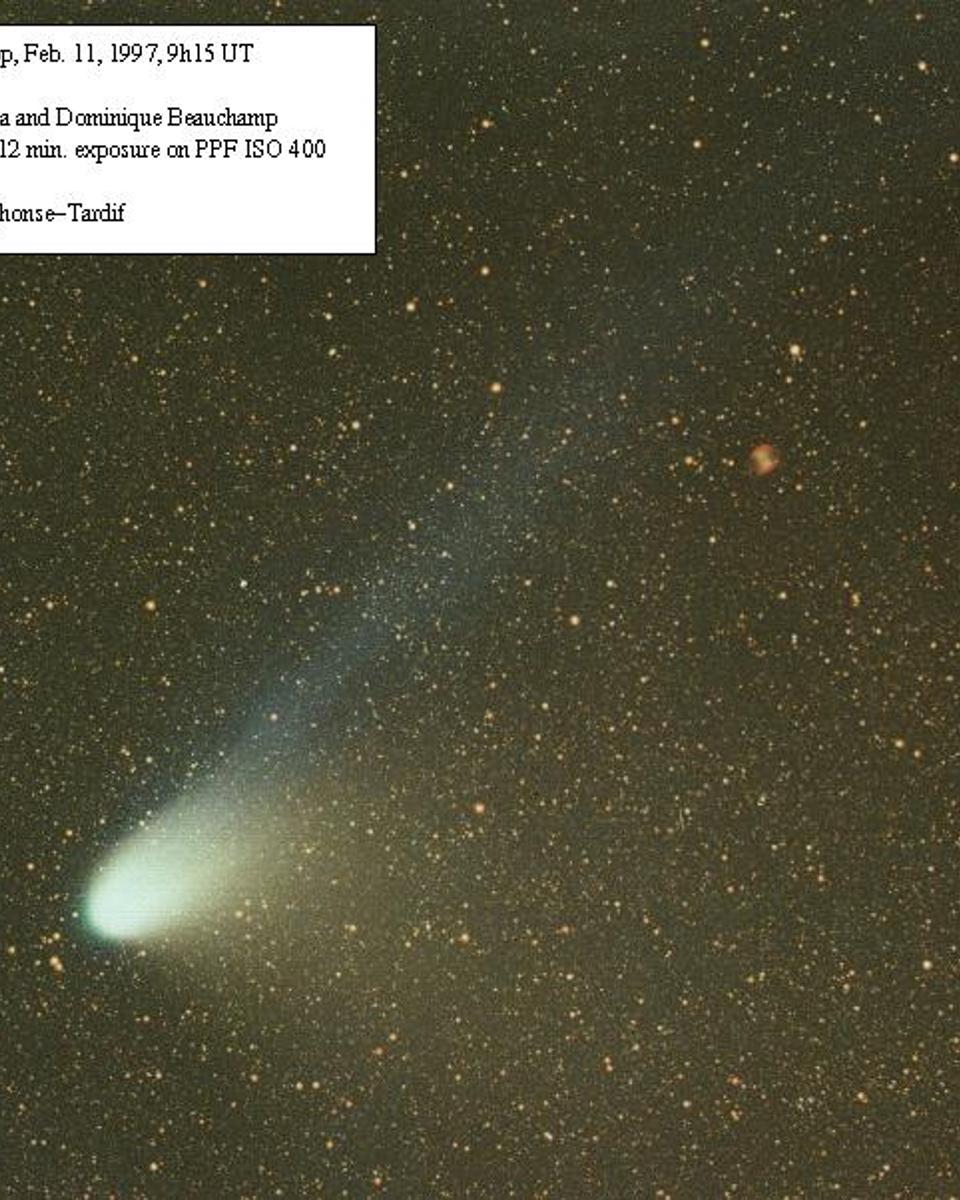
Comet Hale-Bopp and the Dumbbell Nebula
Explanation : Comet Hale-Bopp is now slowly moving across the morning sky . During its trip to our inner Solar System , the comet passes in front of several notable objects. Here…
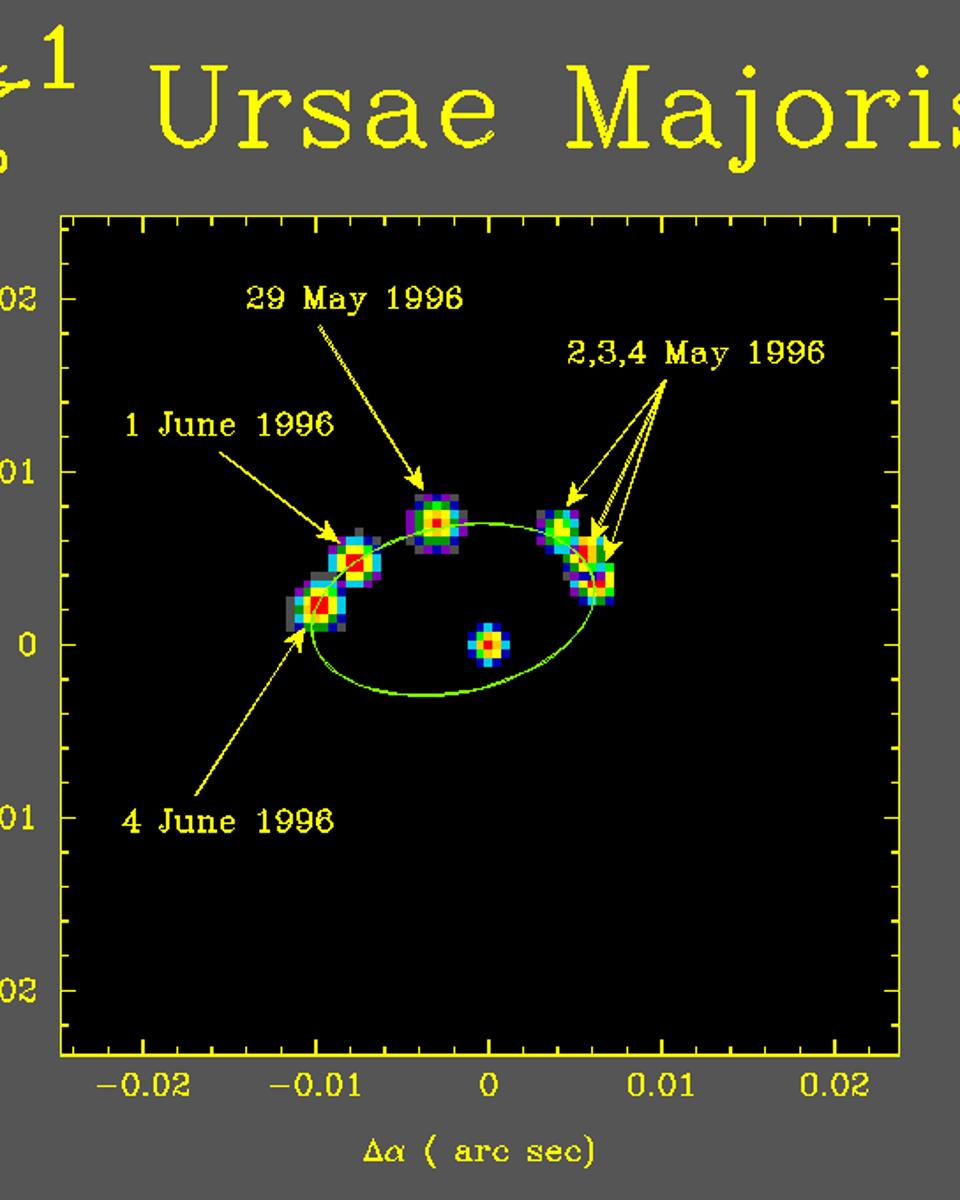
Mizar Binary Star
Explanation : Mizar (sounds like “My Czar”) is a binary star. In fact, most stars are binary stars . In a binary star system , each star of the pair follows an elliptical orbital…
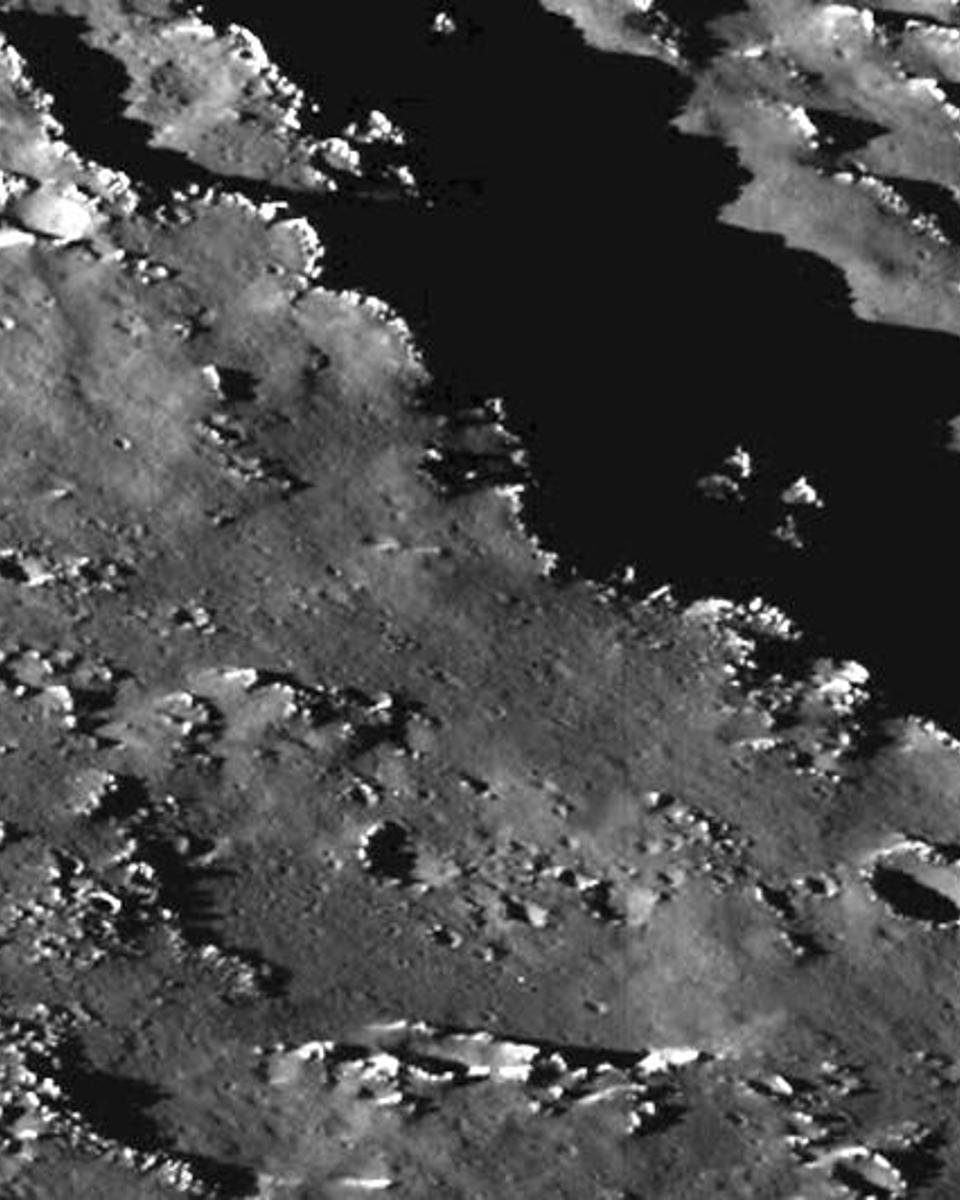
A Big Cliff on Jupiter's Callisto
Explanation : Callisto 's surface is not without fault. In fact, an explorer crossing the surface of this large moon of Jupiter would need climbing equipment to pass this large,…
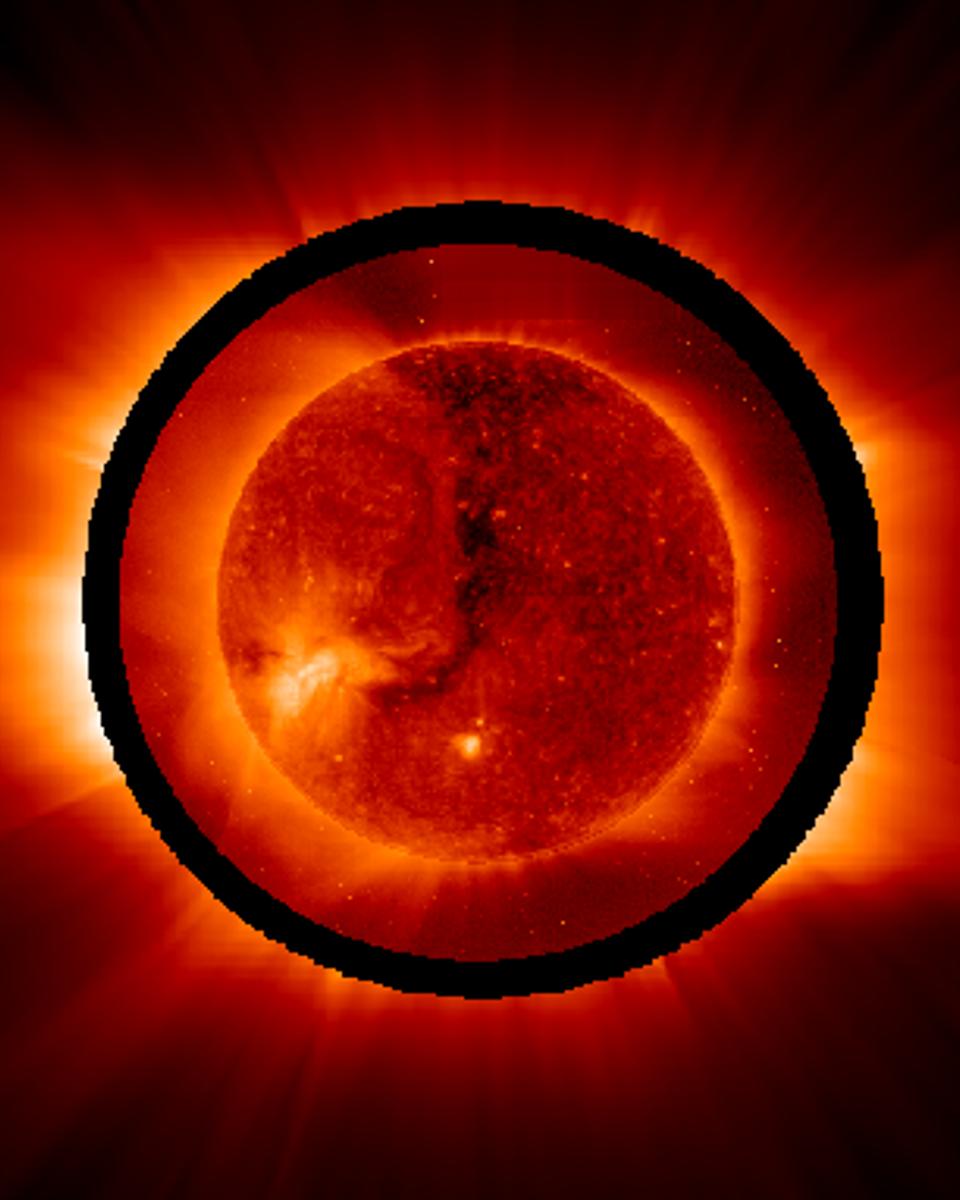
A Wind From The Sun
Explanation : A wind from the Sun blows through our Solar System . The behaviour of comet tails as they flapped and waved in this interplanetary breeze gave astronomers the first…
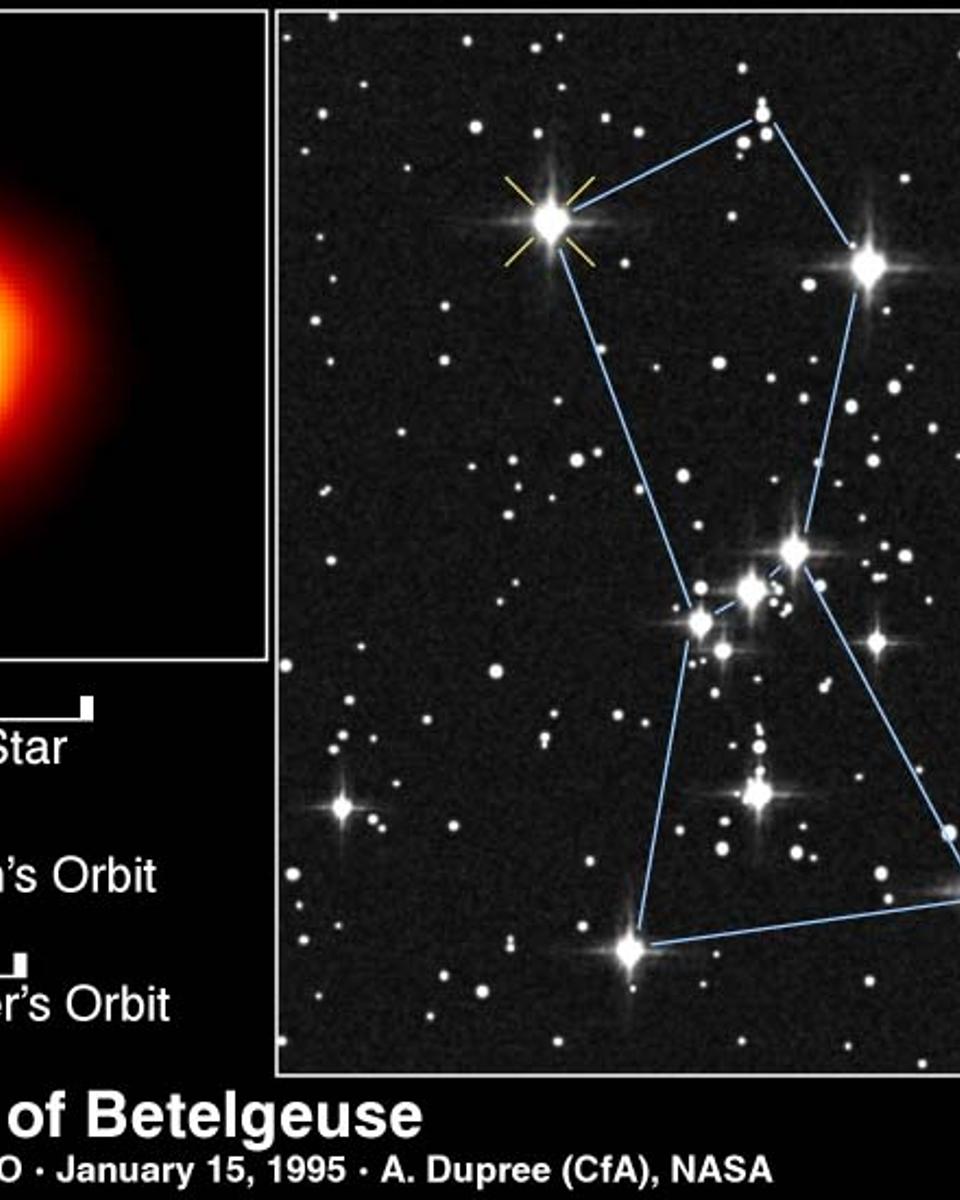
Betelgeuse, Betelgeuse, Betelgeuse
Explanation : Betelgeuse (sounds a lot like “beetle juice”), a red supergiant star about 600 light years distant, is seen in this Hubble Space Telescope image -- the first direct…
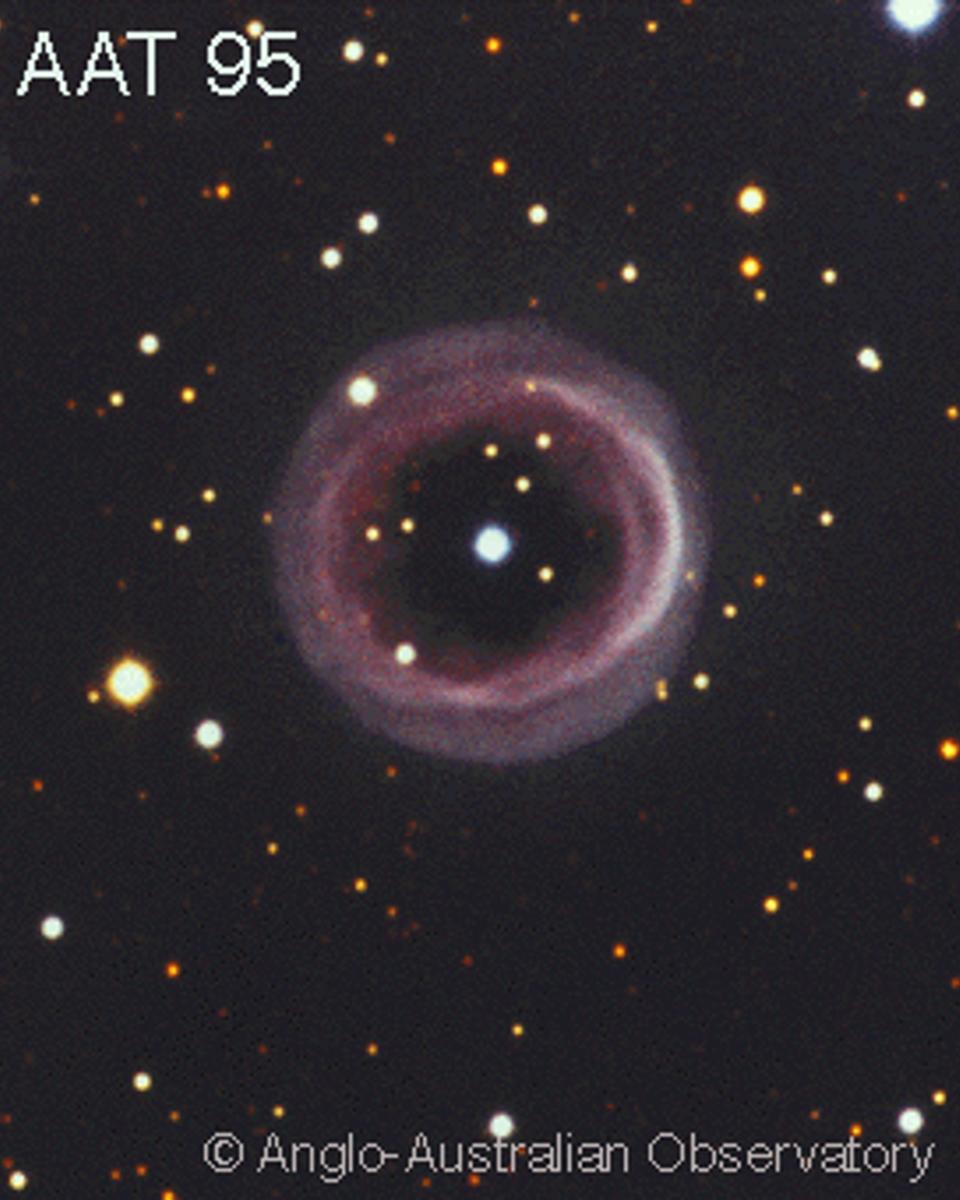
Shapley 1: An Annular Planetary Nebula
Explanation : What happens when a star runs out of nuclear fuel ? The center condenses into a white dwarf while the outer atmospheric layers are expelled into space and appear as…
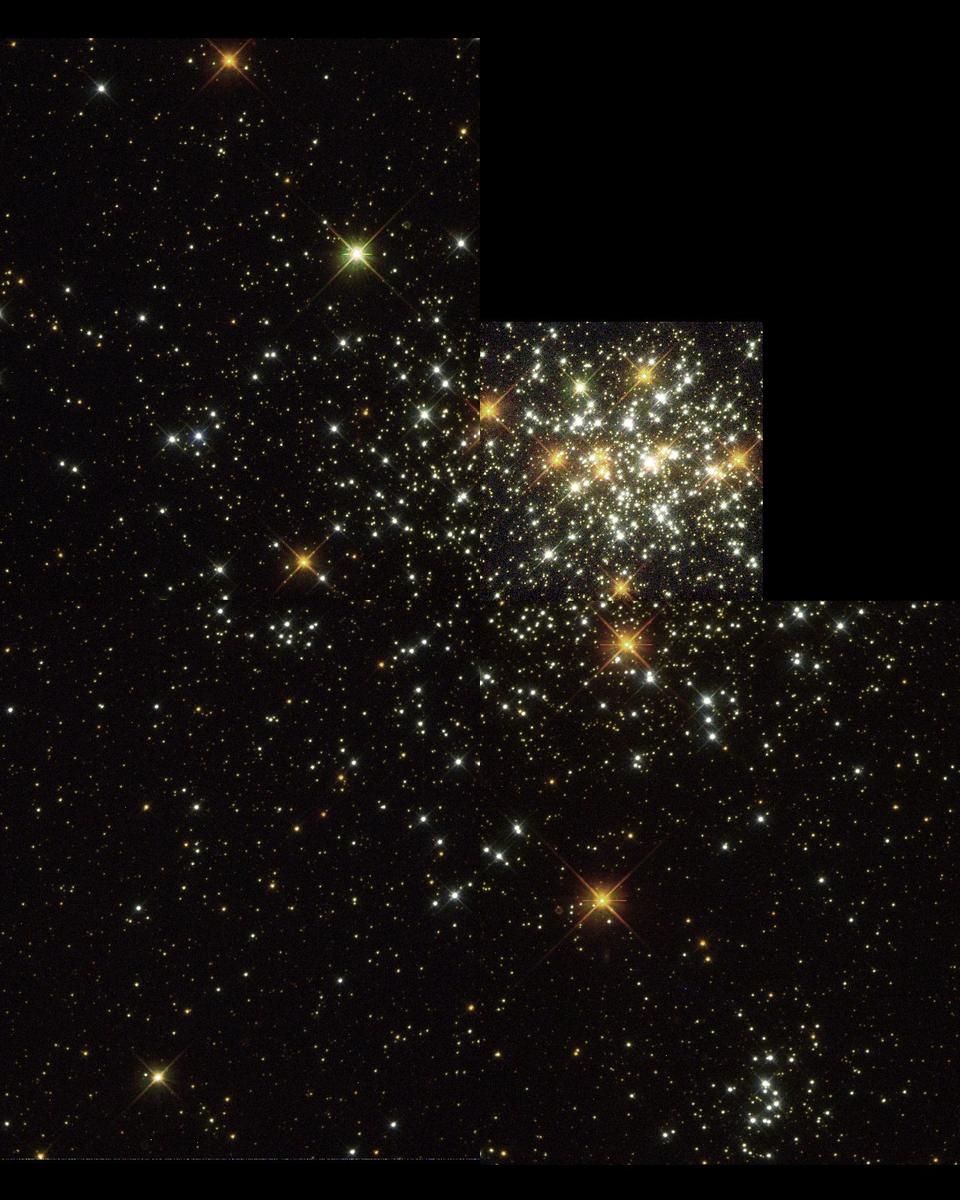
NGC 1818: A Young Globular Cluster
Explanation : Globular clusters once ruled the Milky Way . Back in the old days , back when our Galaxy first formed, perhaps thousands of globular clusters roamed our Galaxy.…
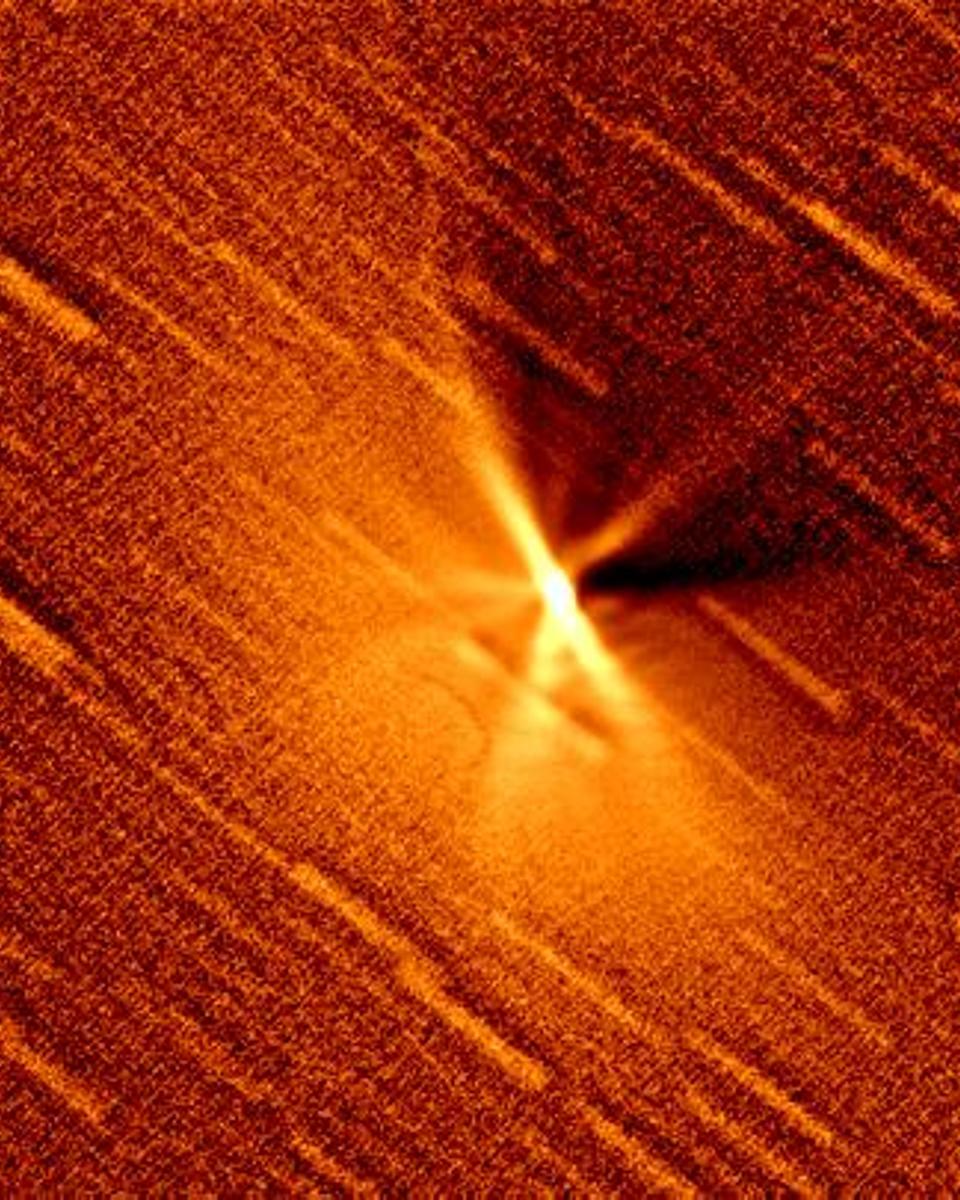
More Jets from Comet Hale-Bopp
Explanation : Comets become fountains of gas and dust as they get near the Sun . Solar heat vaporizes the outer layers of these spectacular orbiting icebergs , exposing caverns of…
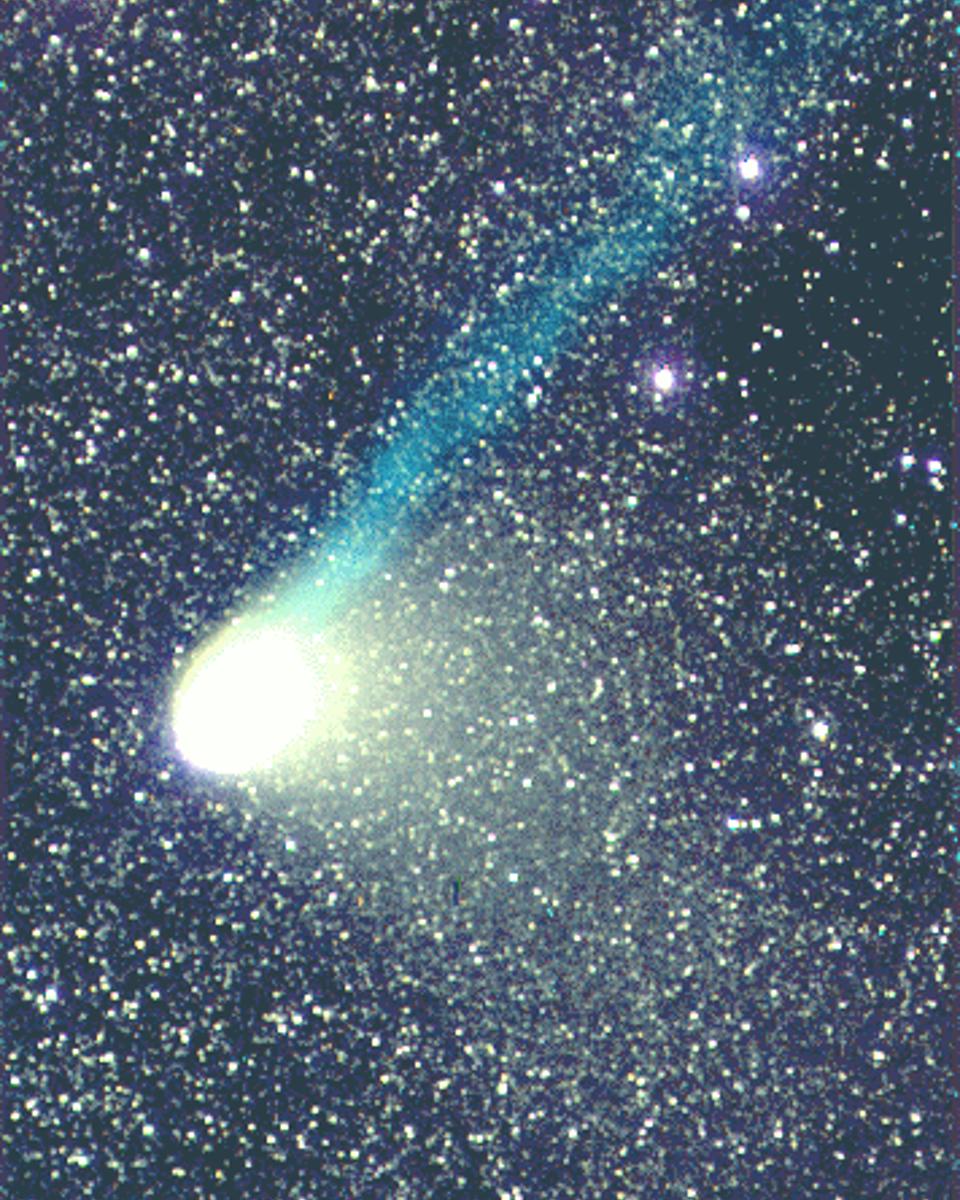
Comet Hale-Bopp Develops a Tail
Explanation : Comet Hale-Bopp has quite a tail to tell already. This remarkable comet was first discovered in 1995, even before Comet Hyakutake . Since then, this erupting…
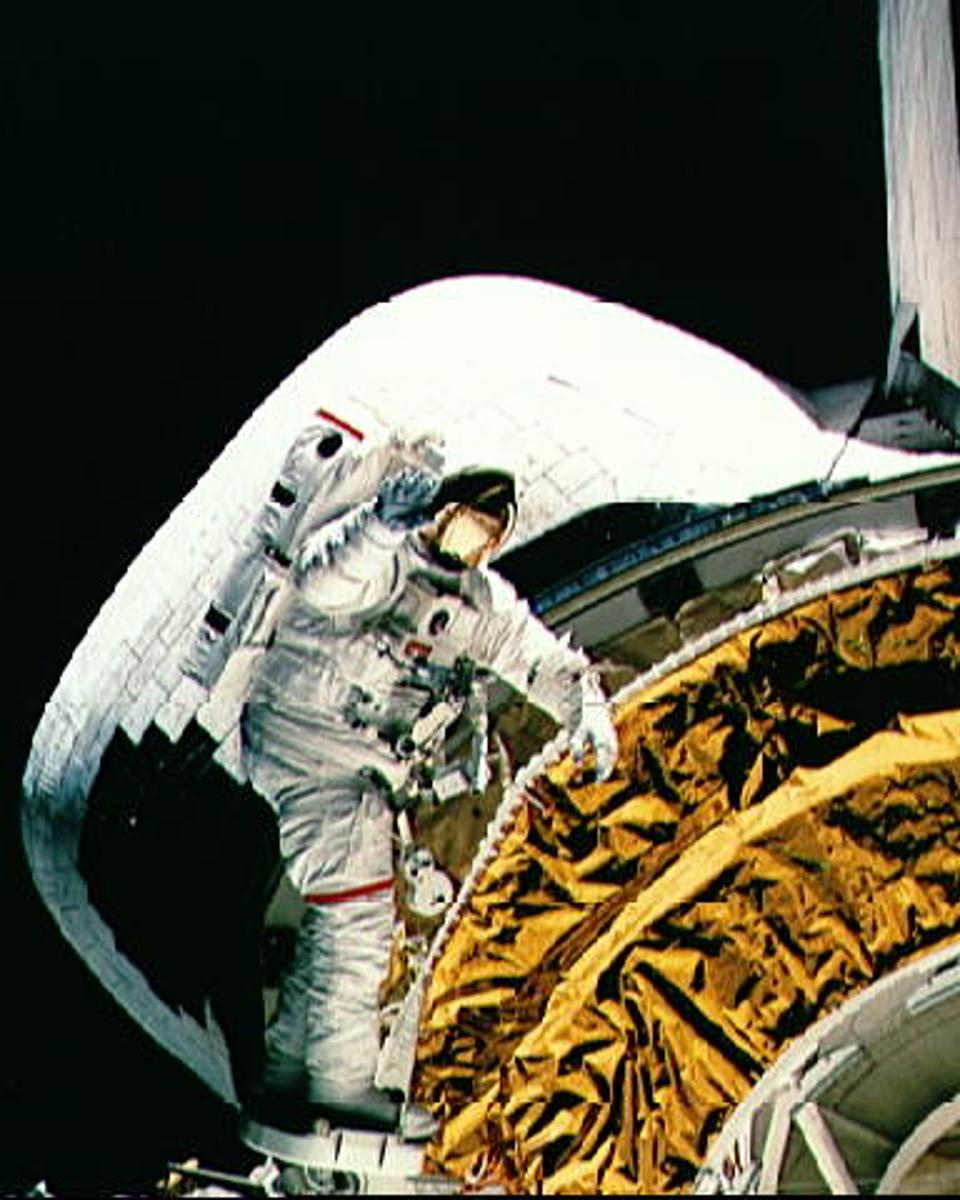
Space Walz
Explanation : Astronaut Carl Walz waves at his colleagues from the aft end of the Space Shuttle Discovery's payload bay - during a 1993 spacewalk to evaluate tools, tethers, and a…
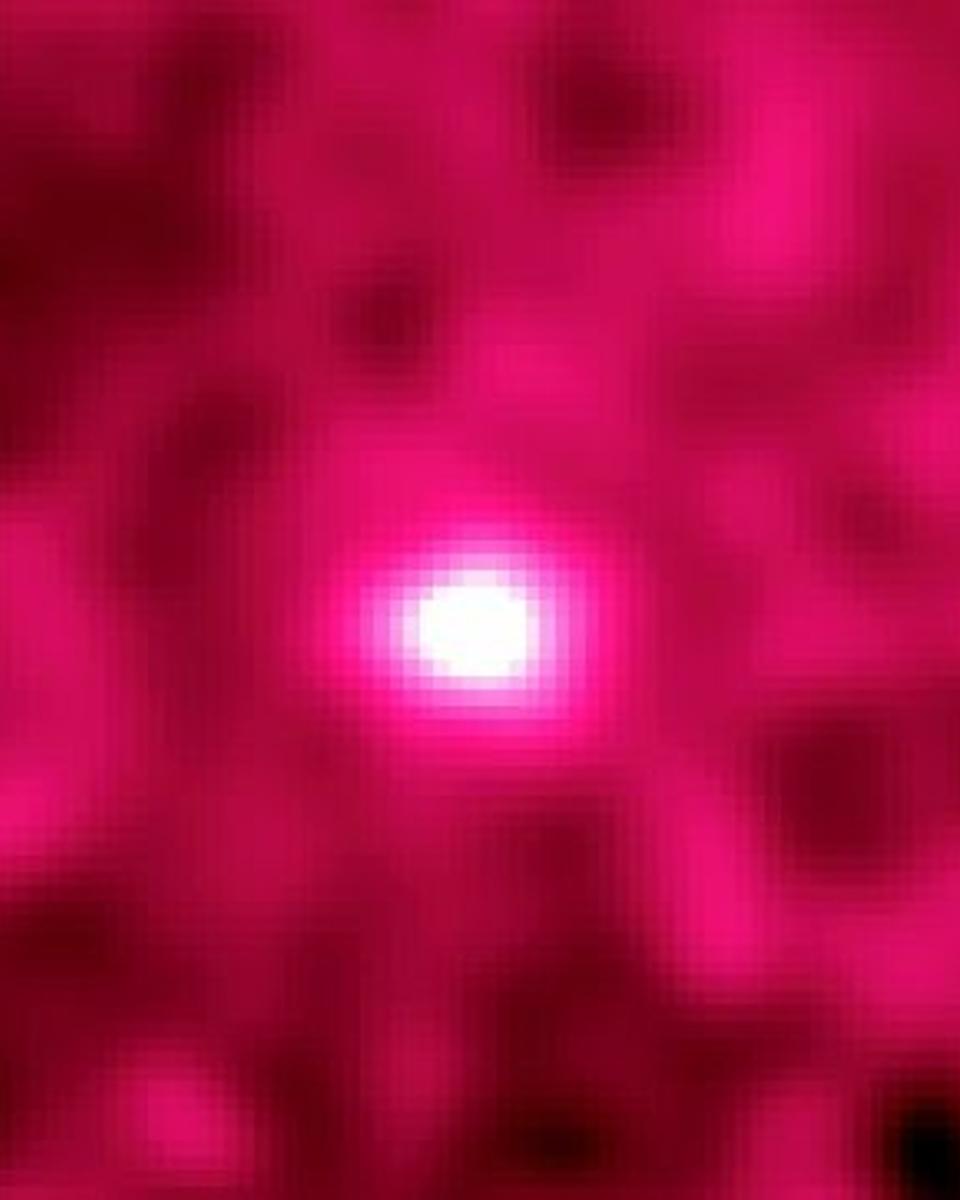
The Gamma Ray Moon
Explanation : What if you could see gamma rays (photons with more than 40 million times the energy of visible light)? If you could, the Moon would appear brighter than the Sun!…
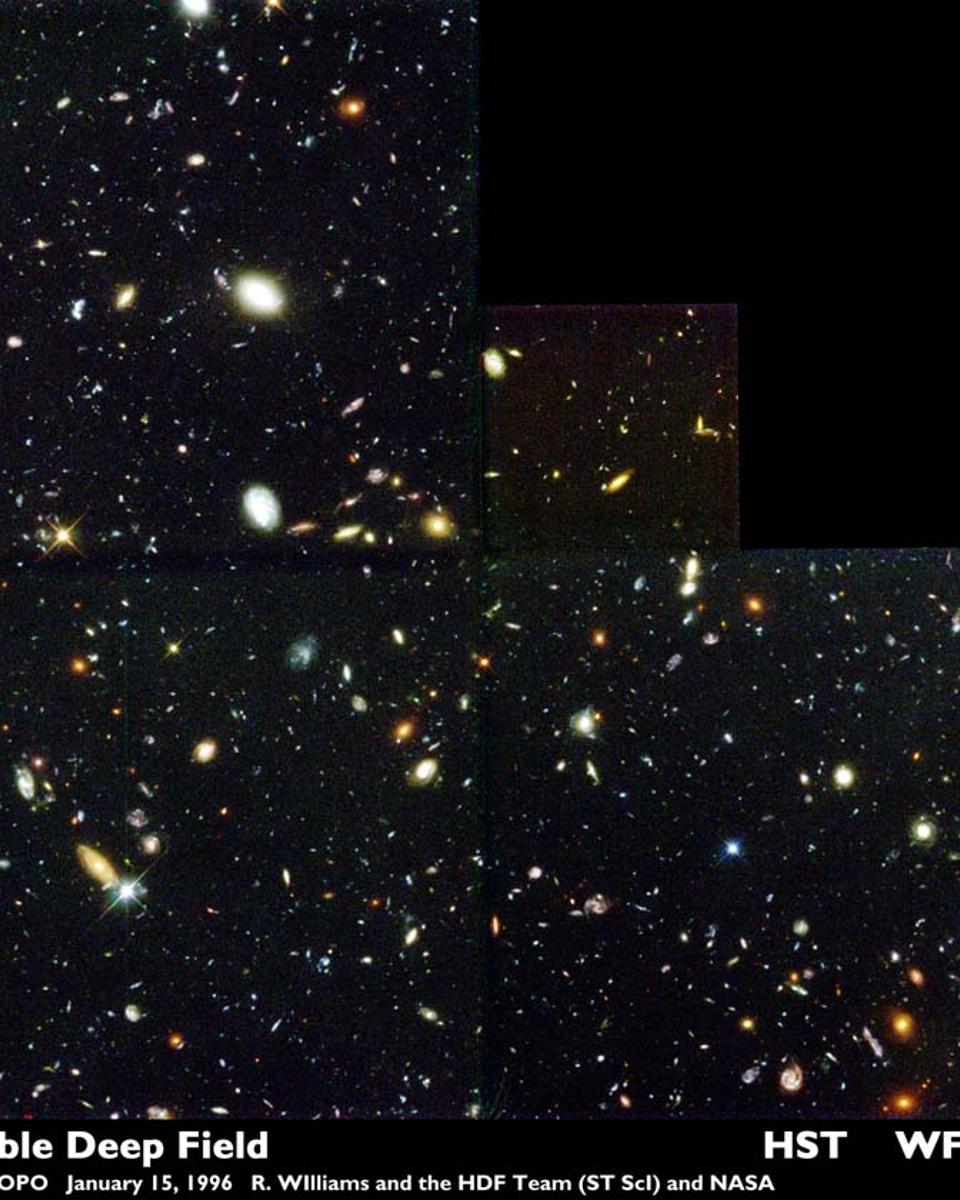
The Deep Field
Explanation : Galaxies like colorful pieces of candy fill the Hubble Deep Field - humanity's most distant yet optical view of the Universe . The dimmest, some as faint as 30th…
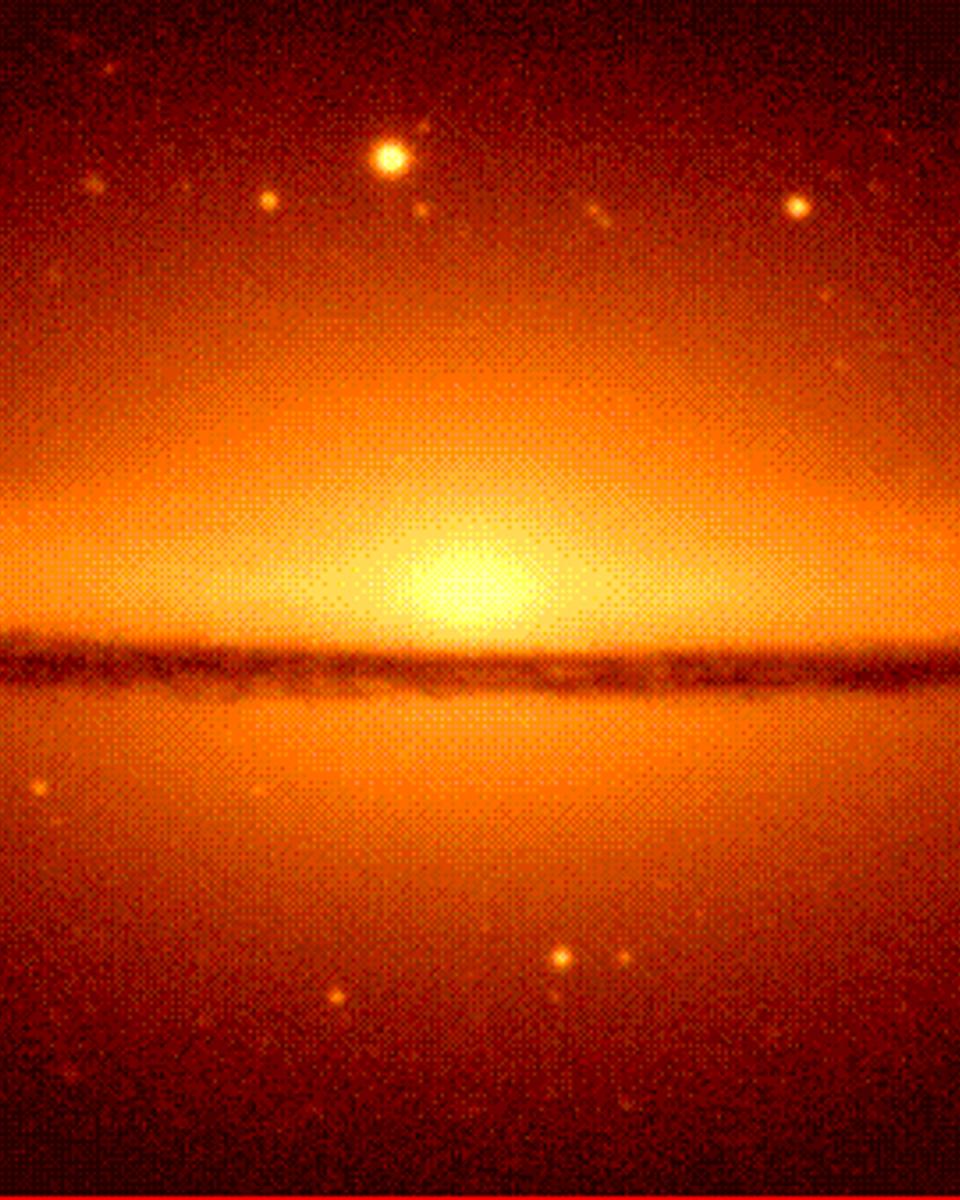
M104: The Sombrero Galaxy
Explanation : The famous Sombrero galaxy (M104) is a bright nearby spiral galaxy . The prominent dust lane and halo of stars and globular clusters give this galaxy its name.…
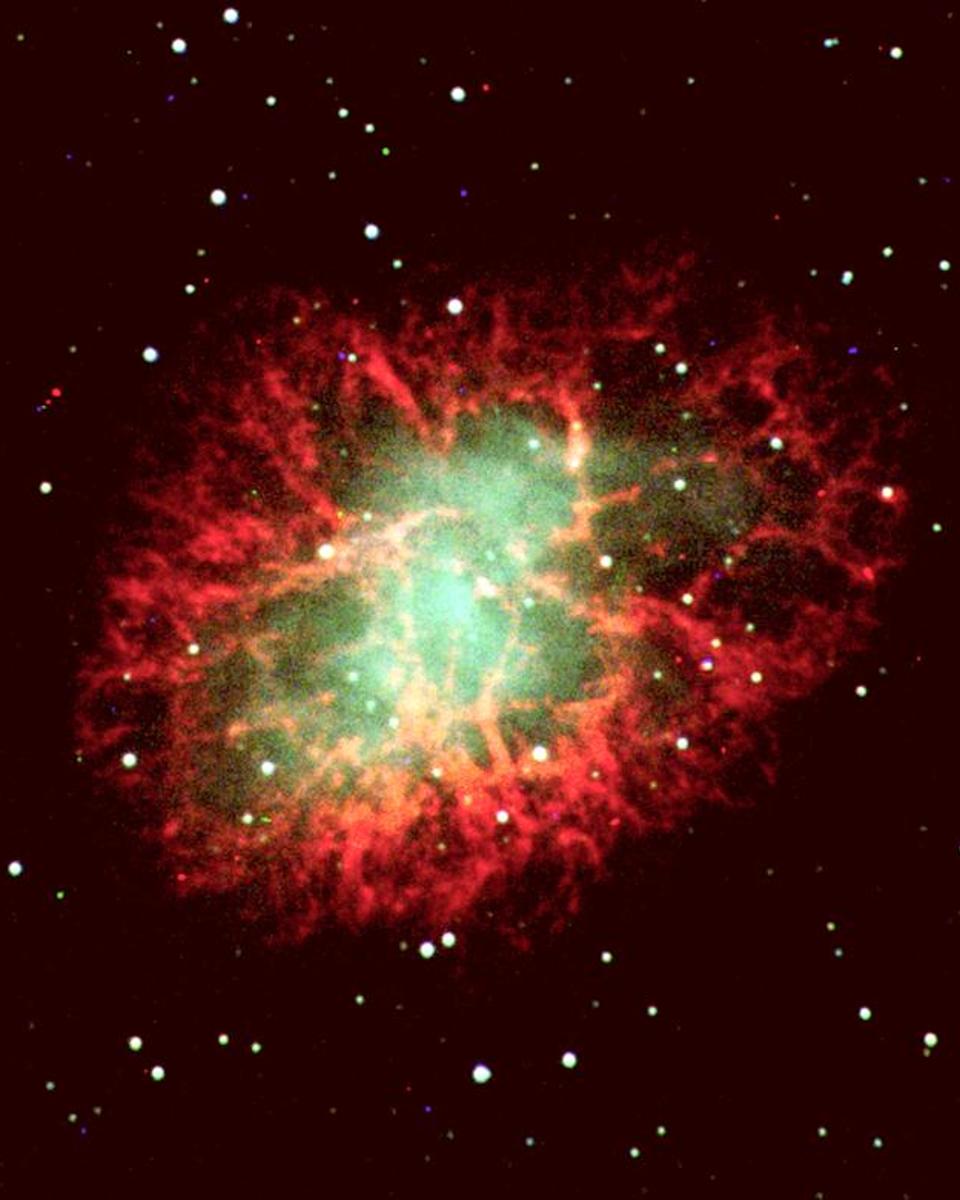
M1: Filaments of the Crab Nebula
Explanation : The Crab Nebula is filled with mysterious filaments. The Crab Nebula is the result of a star that exploded in 1054 AD . This spectacular supernova explosion was…
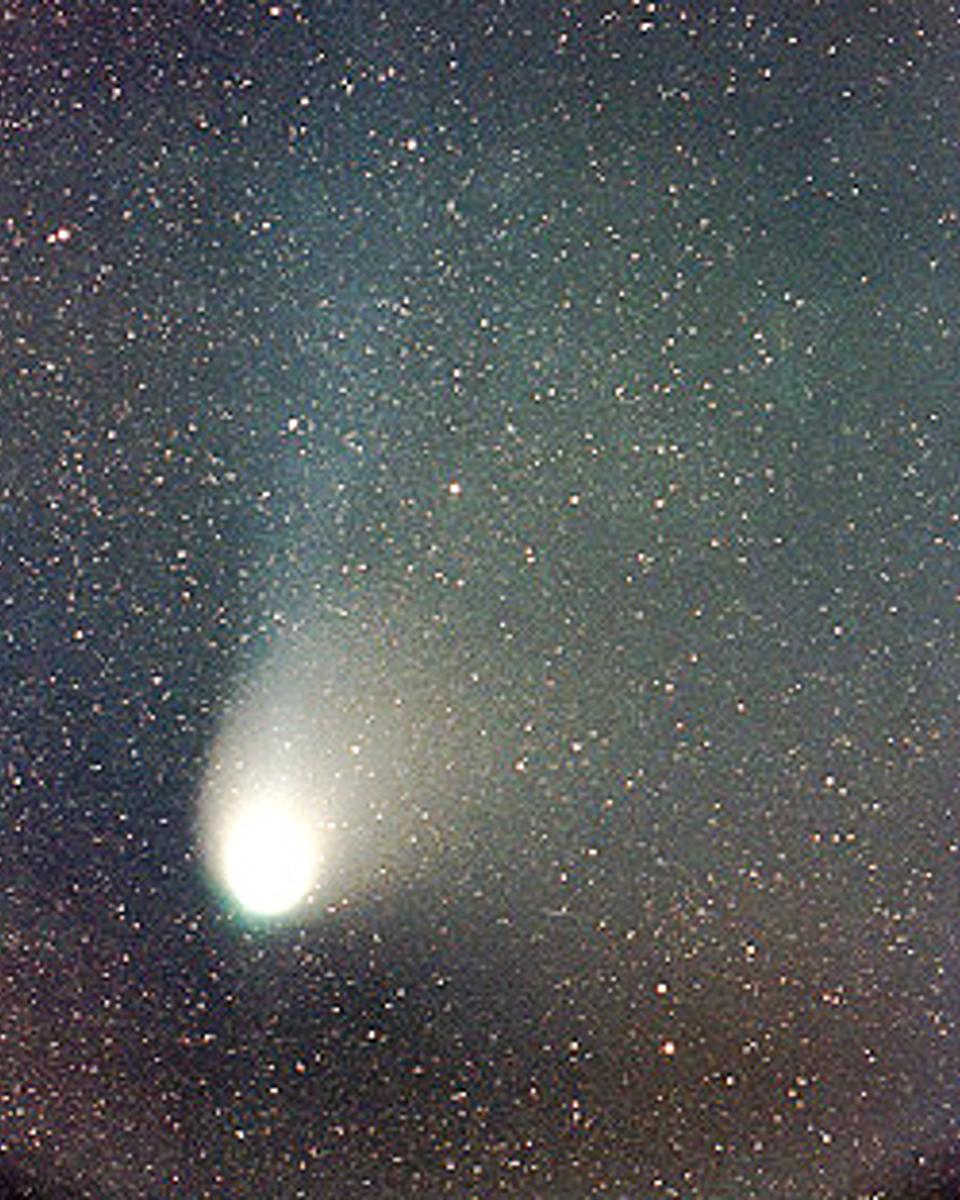
Comet Hale-Bopp Returns
Explanation : Comet Hale-Bopp has returned from behind the Sun. In December and early January, Comet Hale-Bopp was too near the Sun to be easily visible from Earth . Now the comet…
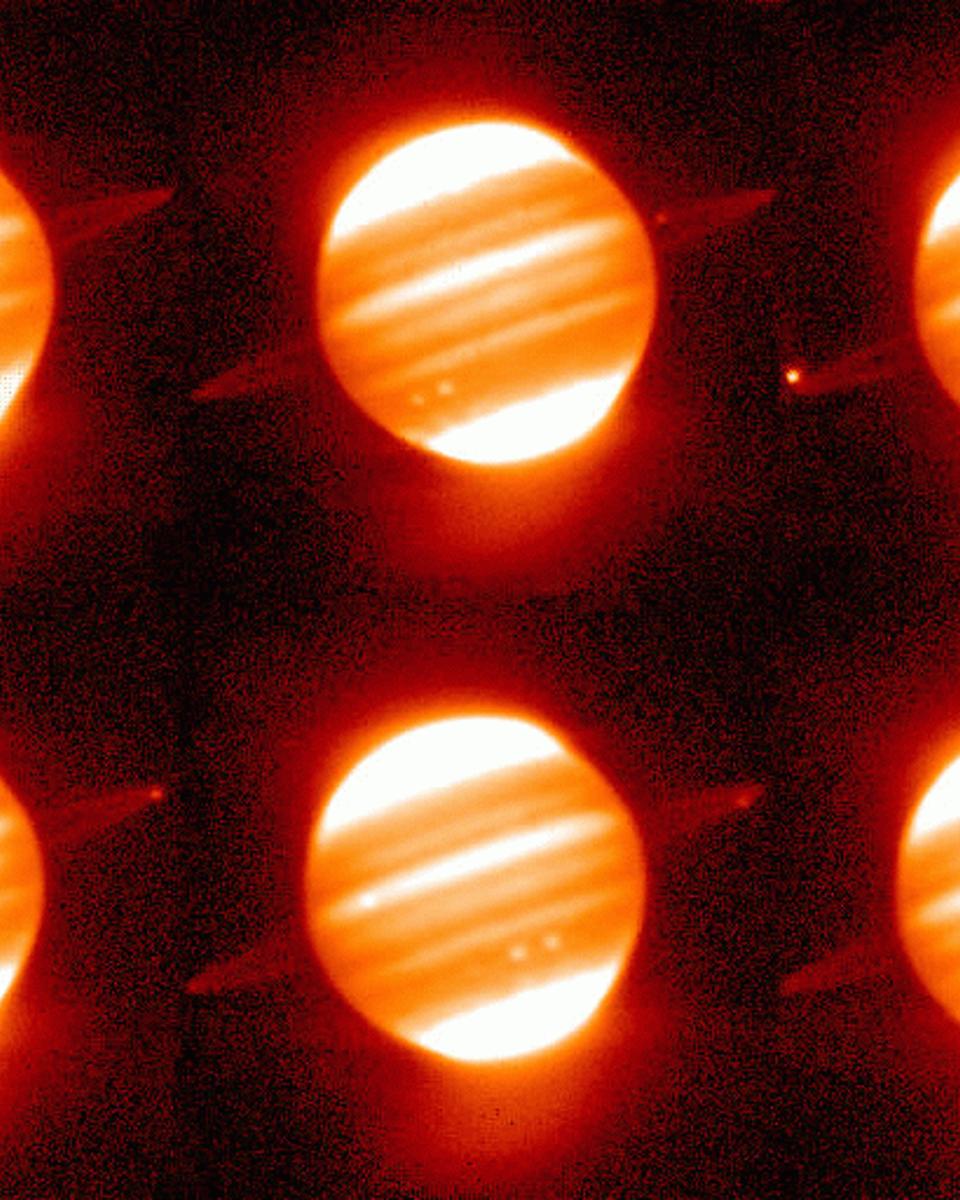
Running Red Rings Around Jupiter
Explanation : Jupiter has rings, too. Unlike Saturn's bright rings which are composed of chunks of ice, Jupiter's rings are darker and appear to consist of fine particles of rock.…
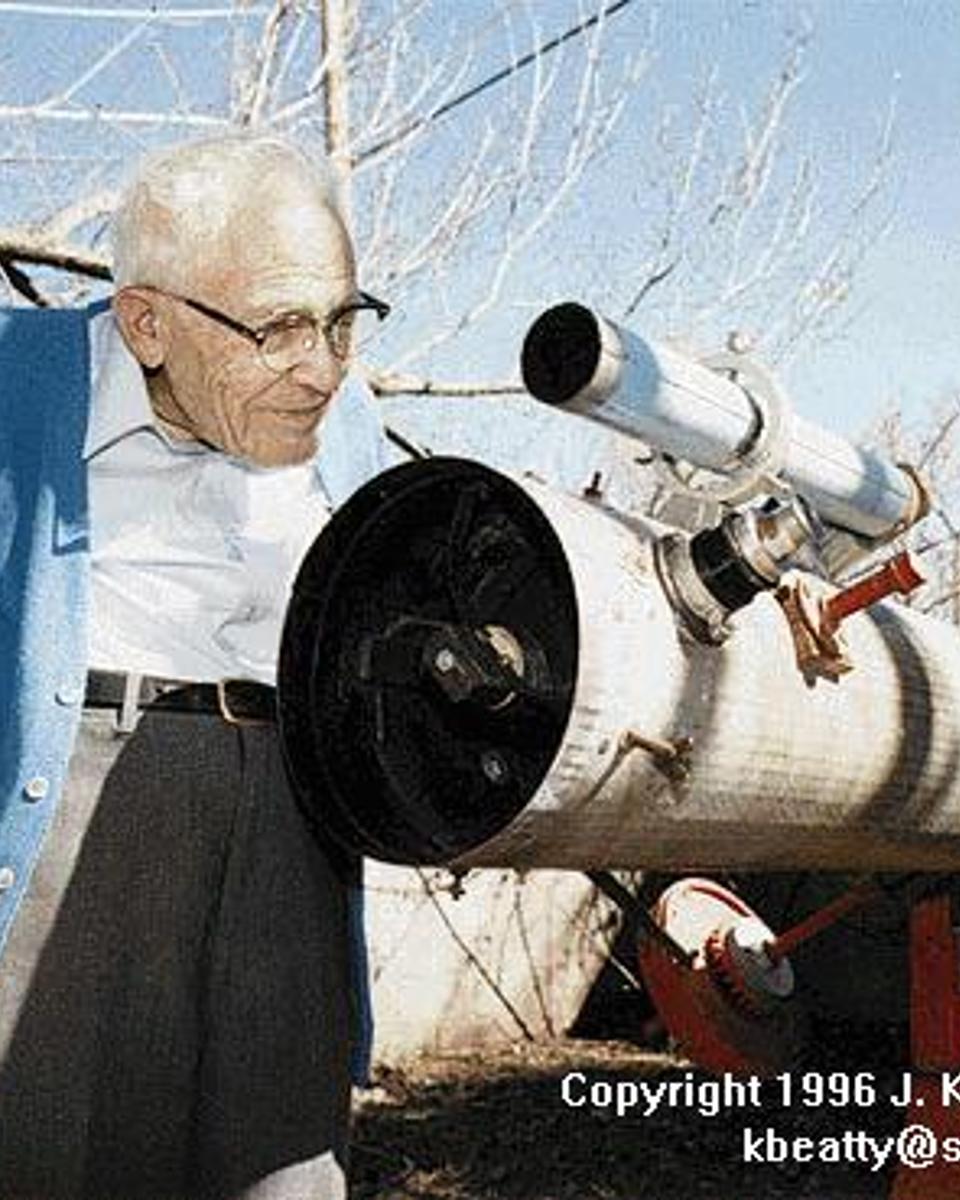
Clyde W. Tombaugh: 1906-1997
Explanation : Astronomer Clyde Tombaugh , discoverer of Pluto, died on January 17th. Inspiring many during his long and exceptional career, he had been living in Las Cruces, New…
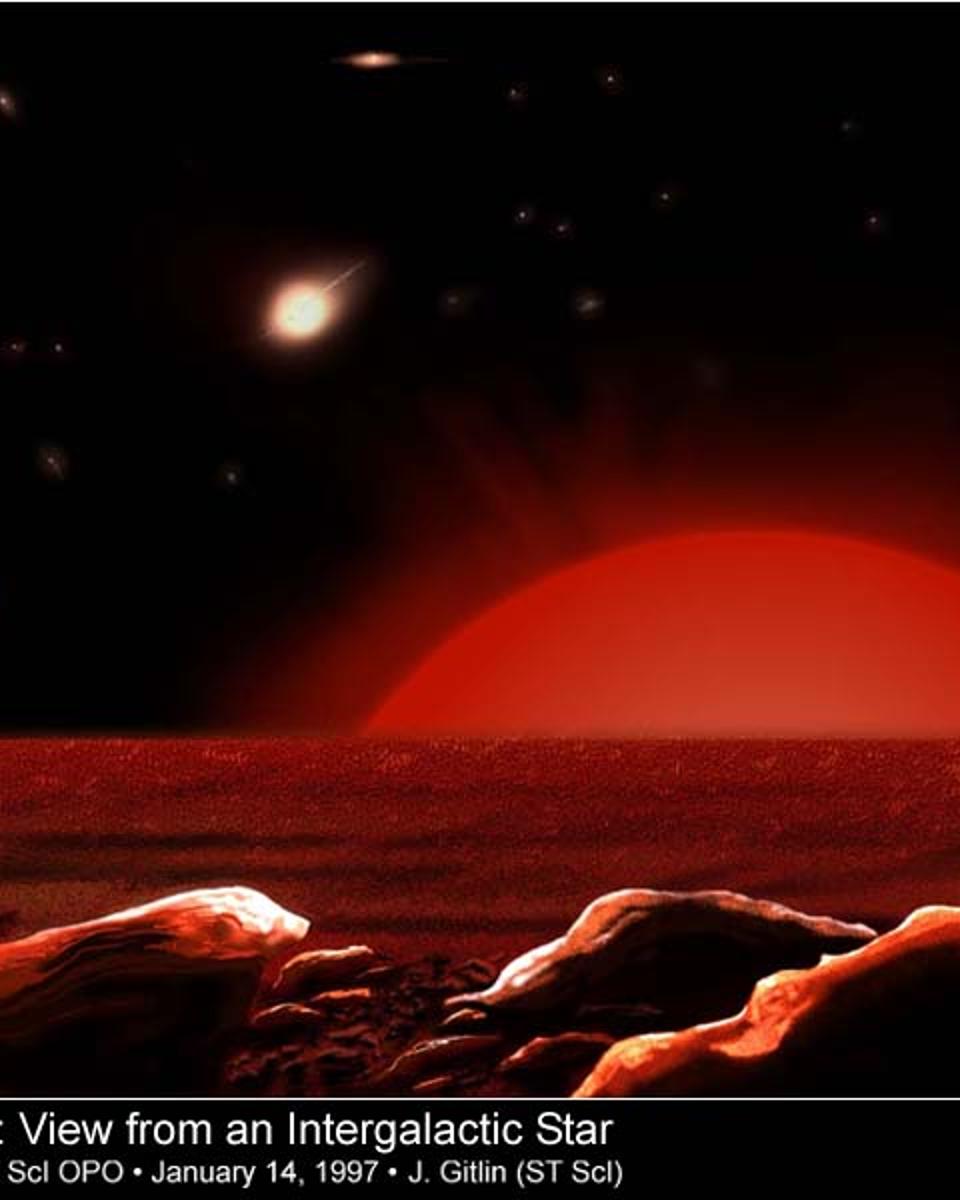
Stars Without Galaxies
Explanation : Galaxies are made up of stars, but are all stars found within galaxies ? Apparently not. Using the Hubble Space Telescope, researchers exploring the Virgo Cluster of…

Standing on the Moon
Explanation : Humans once walked on the Moon. Pictured above is the second person to stand on the lunar surface: Edwin “Buzz” Aldrin. During this Apollo 11 mission, Neil Armstrong…
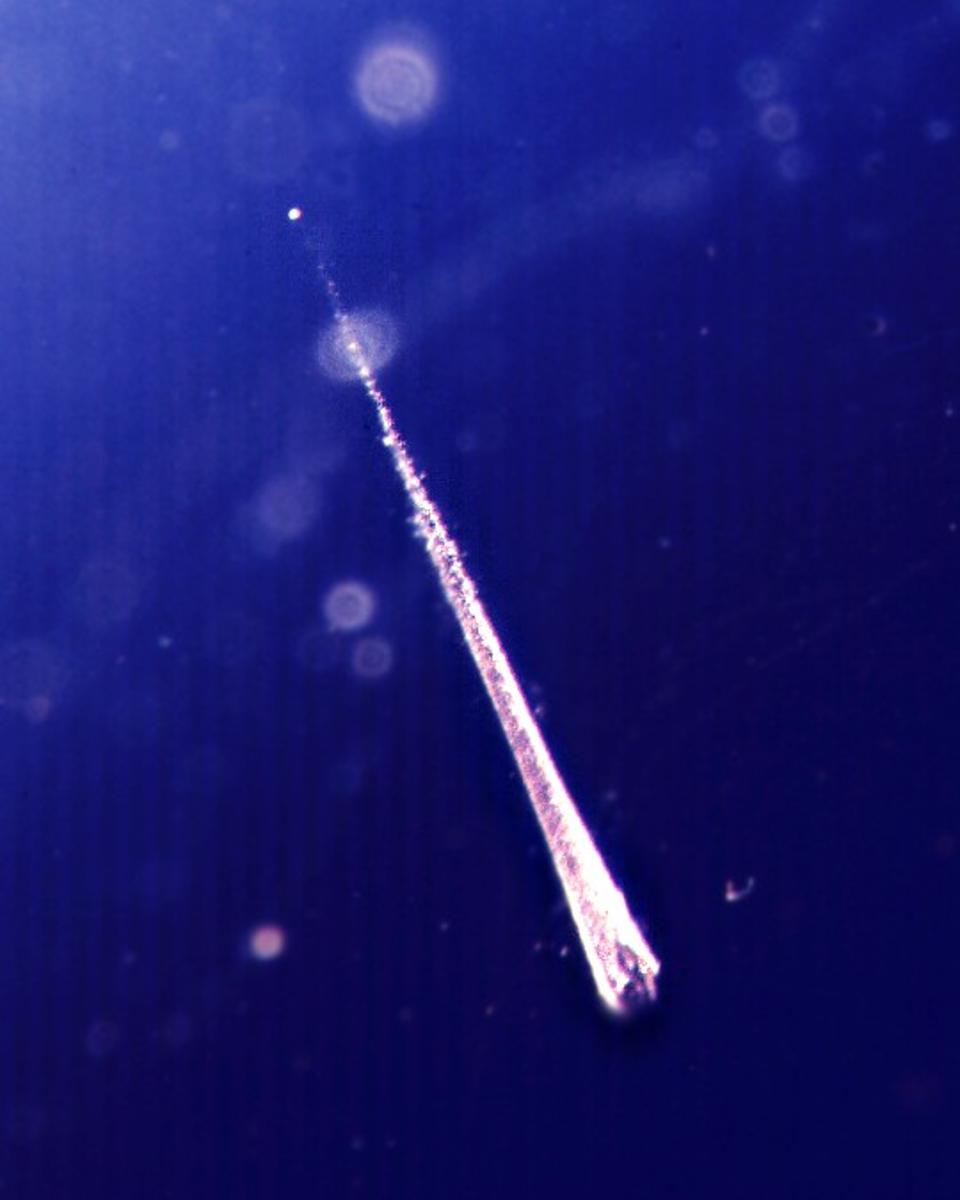
Catching Falling Stardust
Explanation : This carrot shaped track is actually little more than 5 hundredths of an inch long. It is the trail of a meteroid through aerogel exposed to space by the shuttle…
Viewing discoveries from 24 February 1997 through 1 February 1997.