Browse NASA Astronomy Picture of the Day archive by date and media: Archive Discoveries
Browse the NASA APOD archive without needing the exact date first. Filter by media type and keep moving deeper into older images and videos.
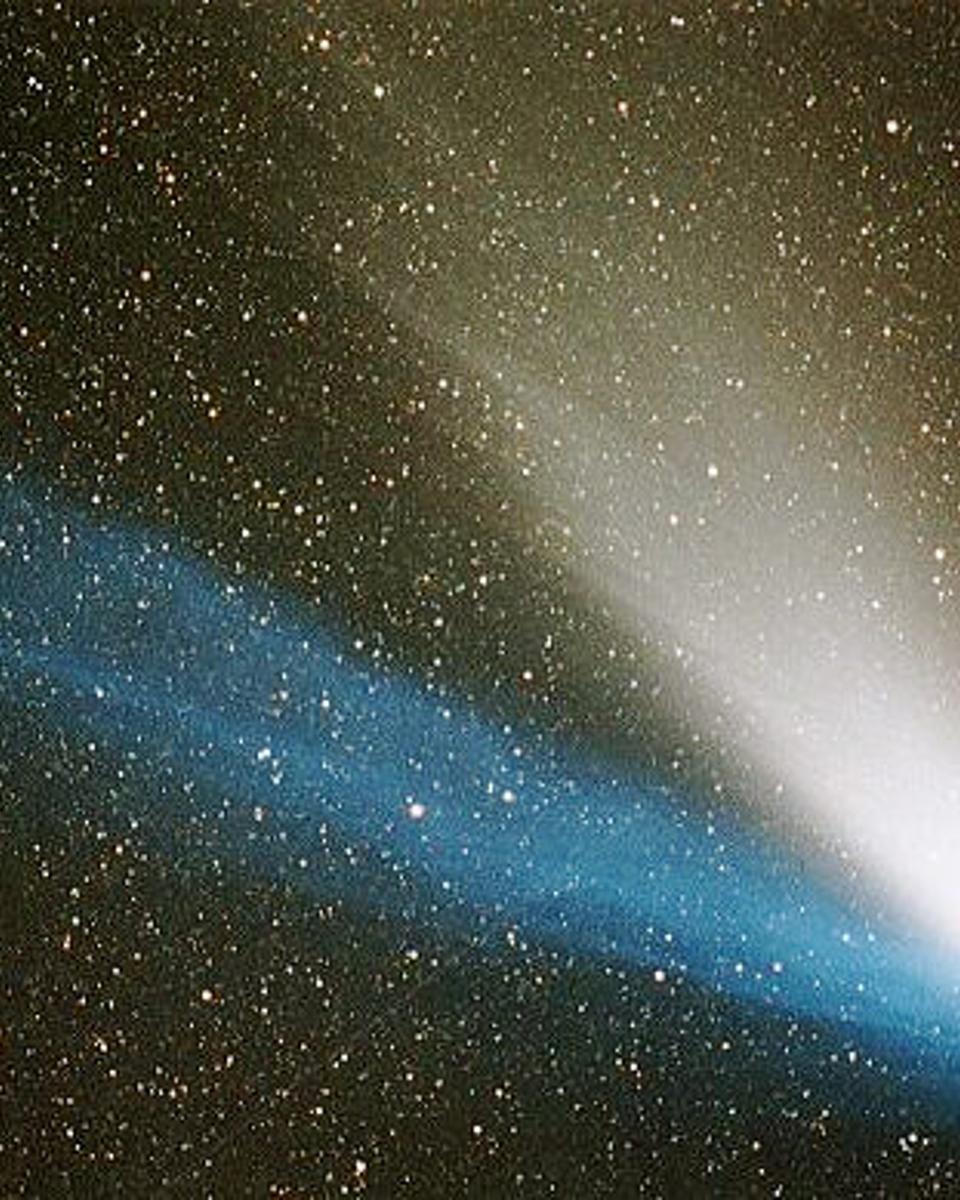
Springtime Comet Fever
Explanation : Today marks the Vernal Equinox , the first day of Spring for planet Earth's northern hemisphere. Despite recent attempts by other spectacular and dramatic celestial…
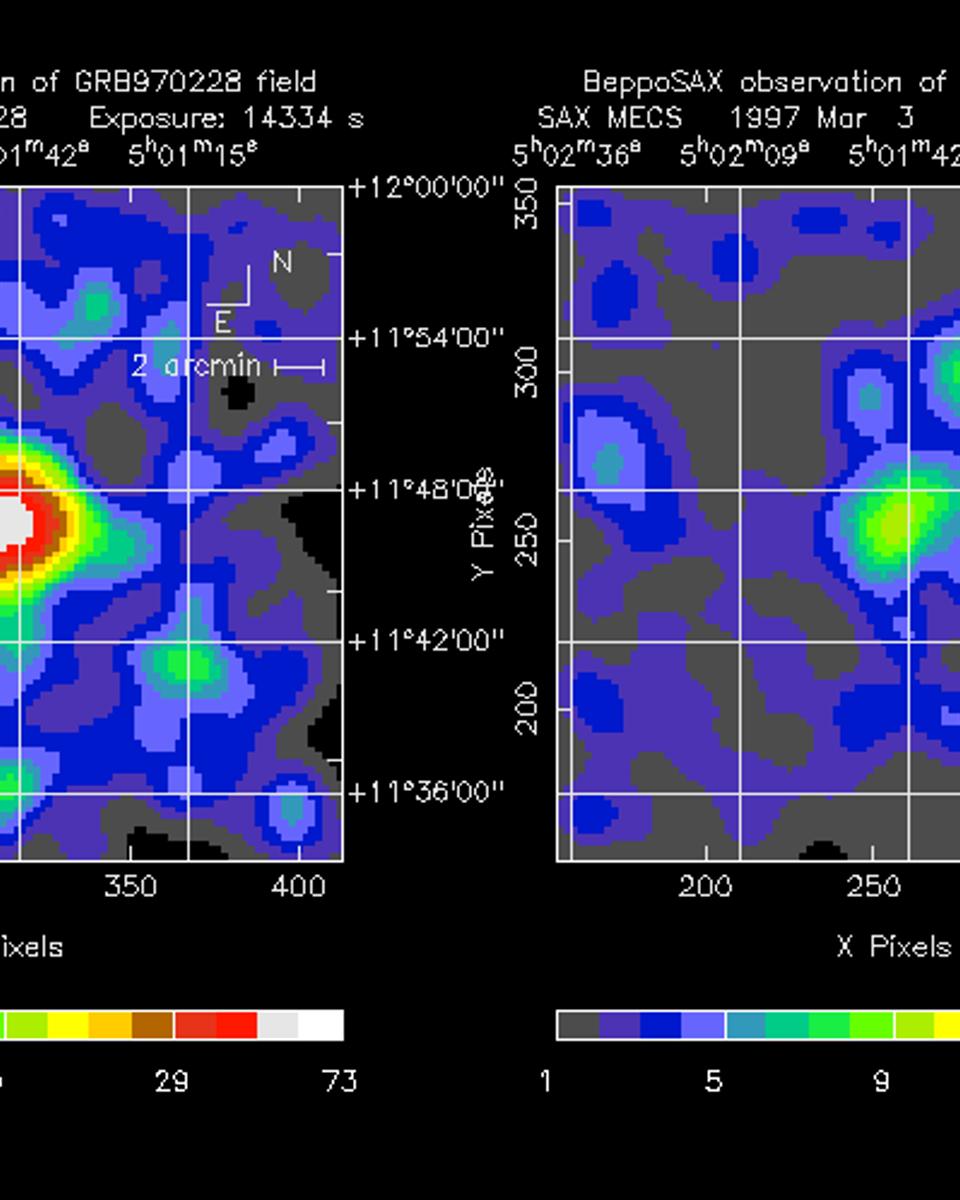
Gamma-Ray Burster
Explanation : What and where are the Gamma-Ray Bursters ? Since their discovery in the early 1970s, nobody has been able to explain the cause of mysterious flashes of gamma rays…
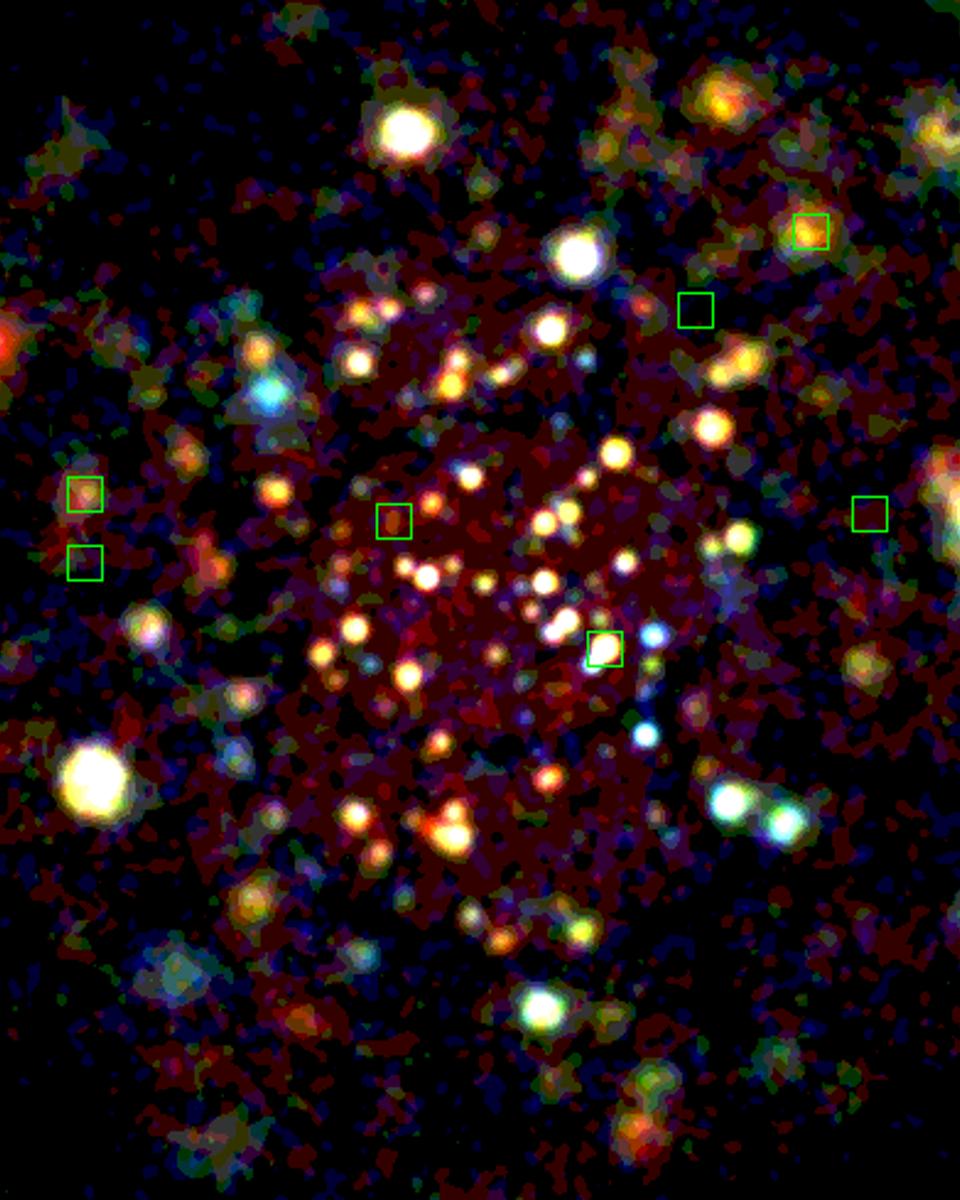
X-Ray Pleiades
Explanation : The Pleiades star cluster is one of the jewels of the northern sky . To the unaided eye it appears as a lovely and tantalizing grouping of stars in the constellation…
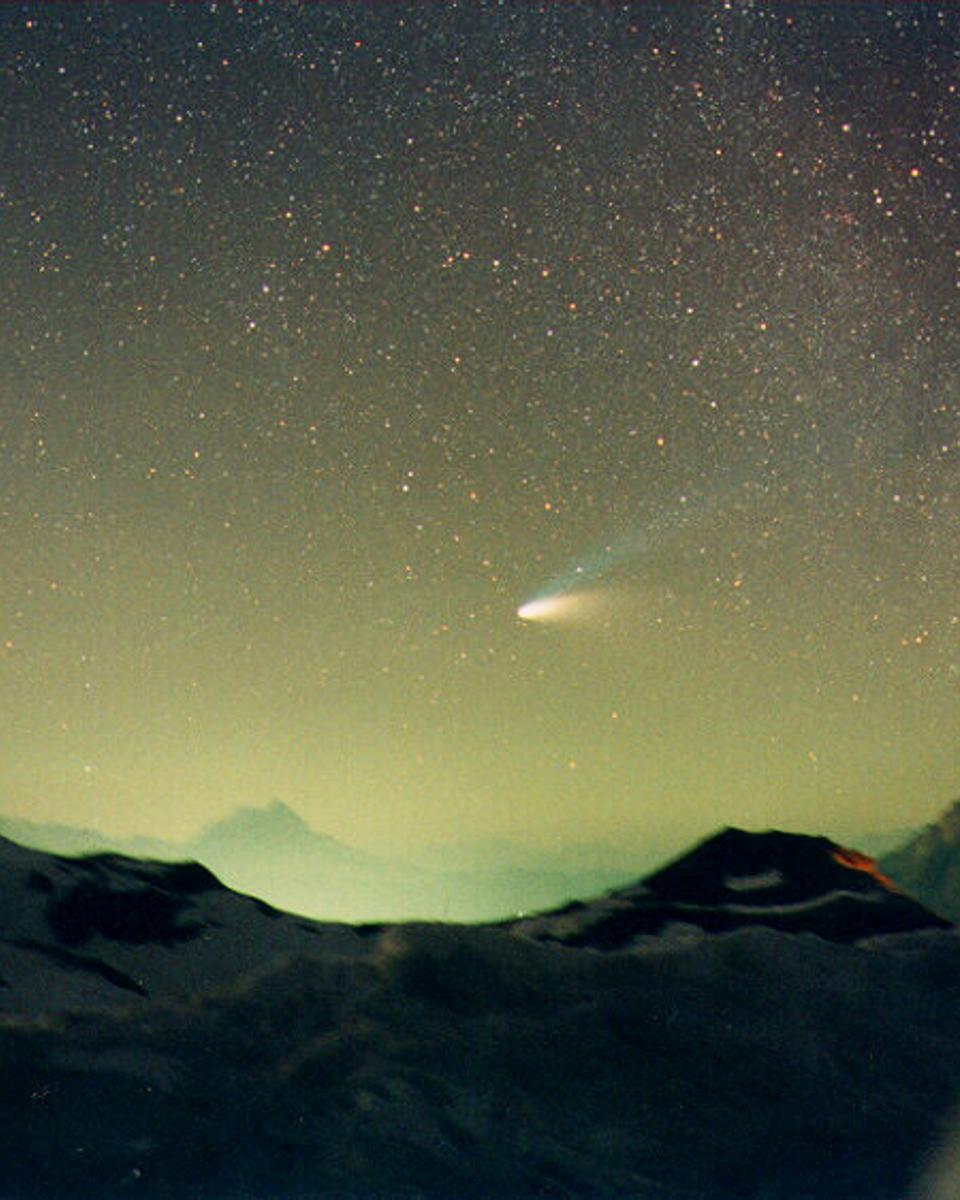
Comet Hale-Bopp Over Val Parola Pass
Explanation : Comet Hale-Bopp is now much brighter than any surrounding stars. It can be seen even over bright city lights. Out away from city lights, however, it is putting on…
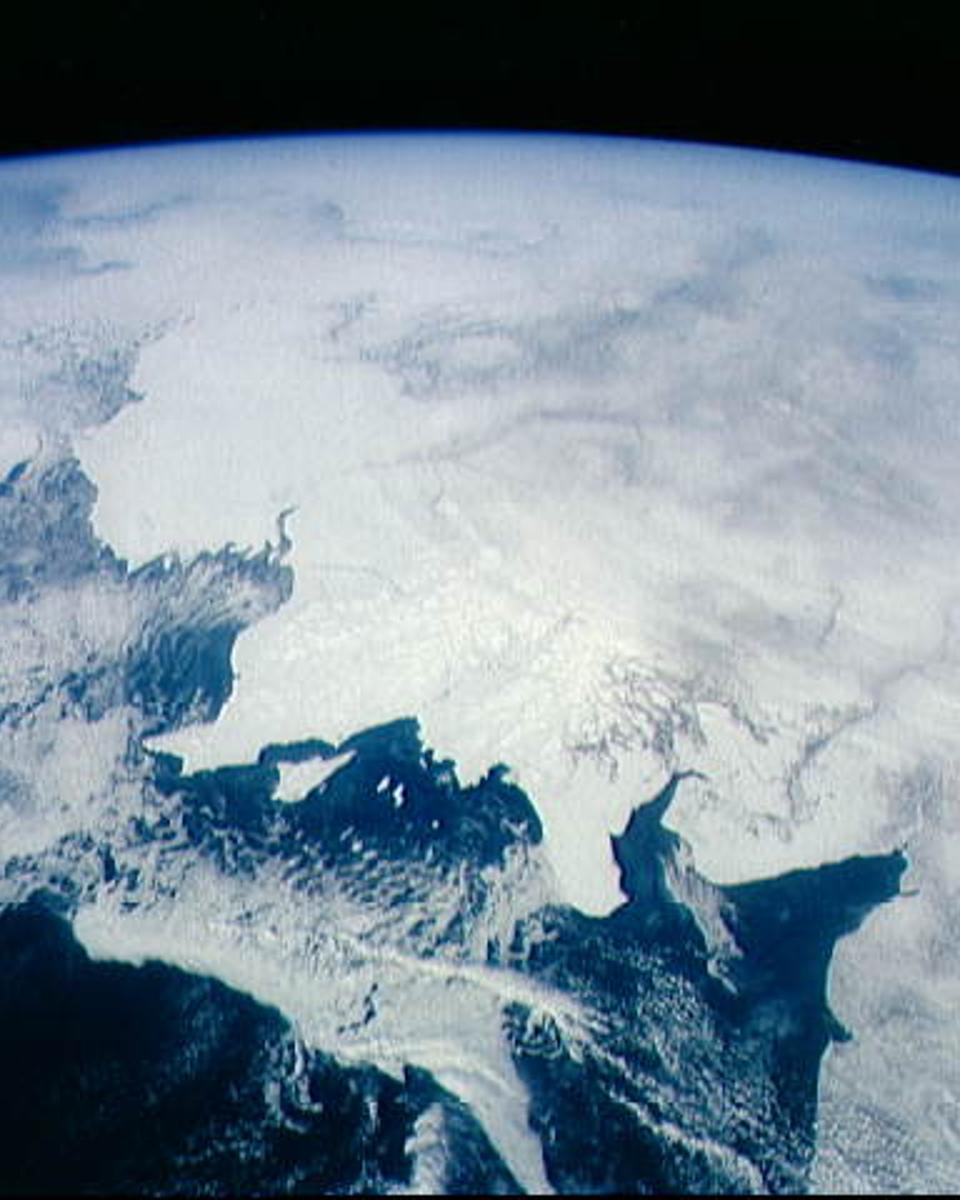
Water World
Explanation : Water (Dihydrogen Oxide, H2O) is a truly remarkable chemical compound, fundamental to life on Earth . Earth is the only planet in the Solar System where the surface…
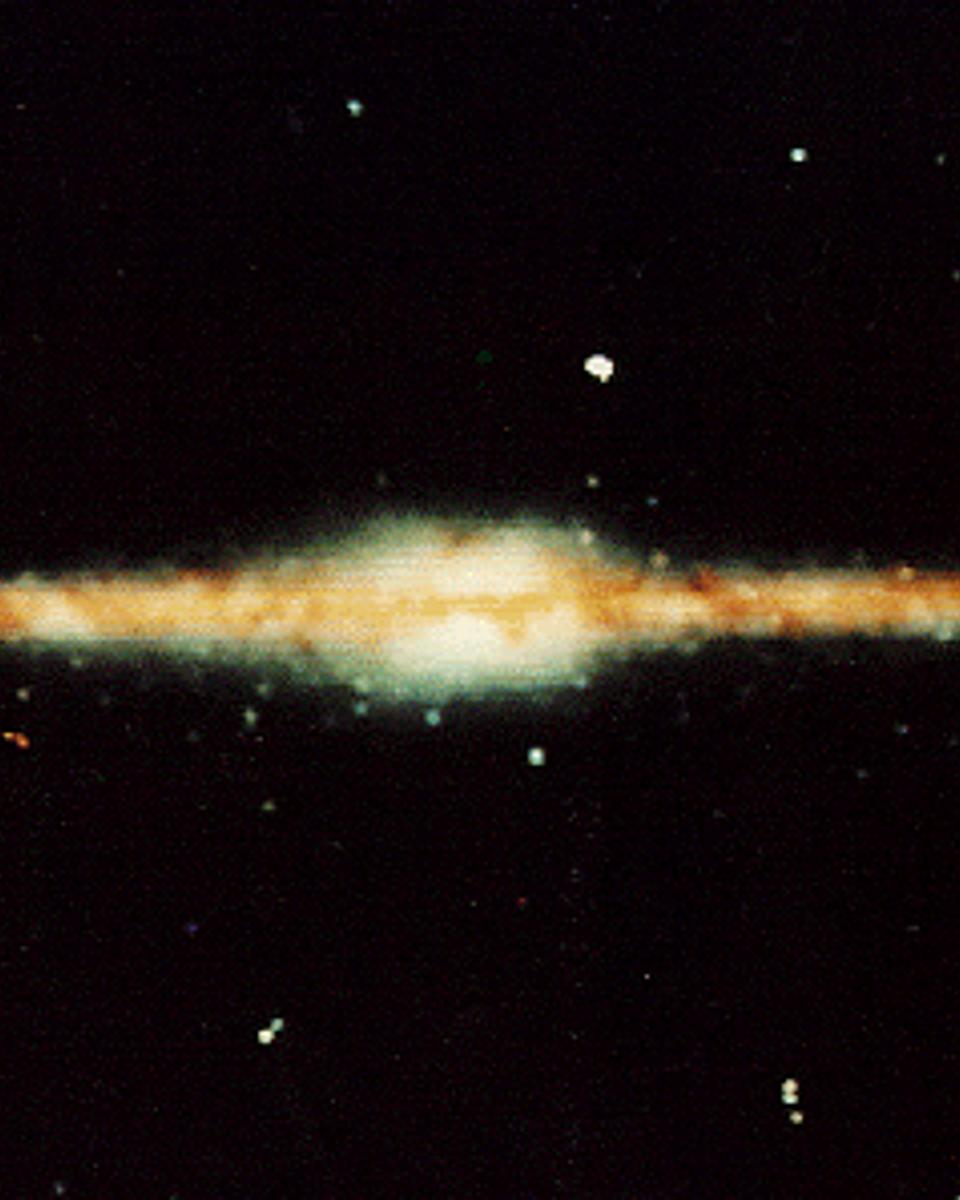
The Milky Way's Center
Explanation : Although the Earth is round, our Galaxy appears truly flat. This was shown in dramatic fashion by the COsmic Background Explorer (COBE) satellite which produced this…
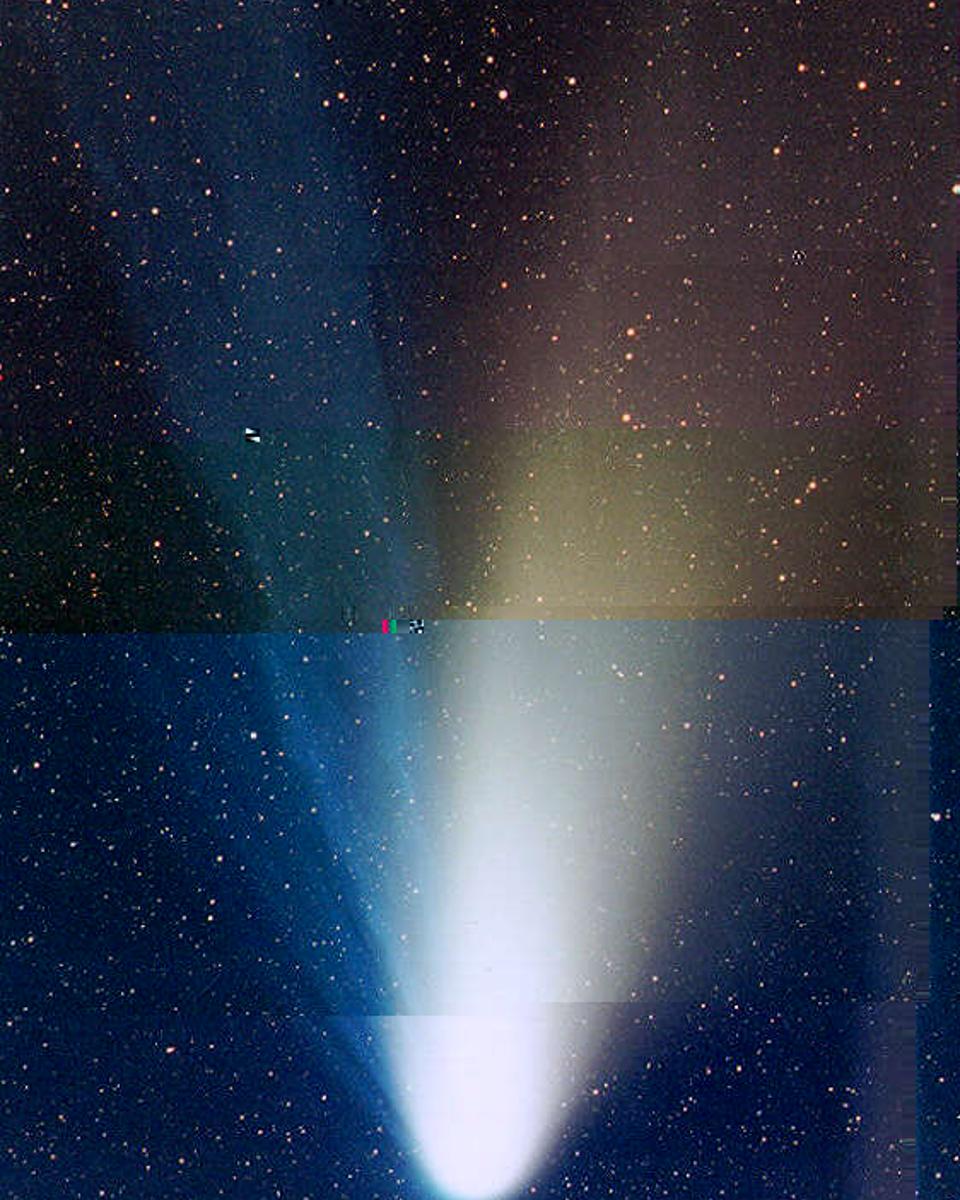
Comet Hale-Bopp's Developing Tail
Explanation : Comet Hale-Bopp is living up to its expectations. Besides the brightness of its coma , a comet is typically remembered by the length of its tails . As visible in the…
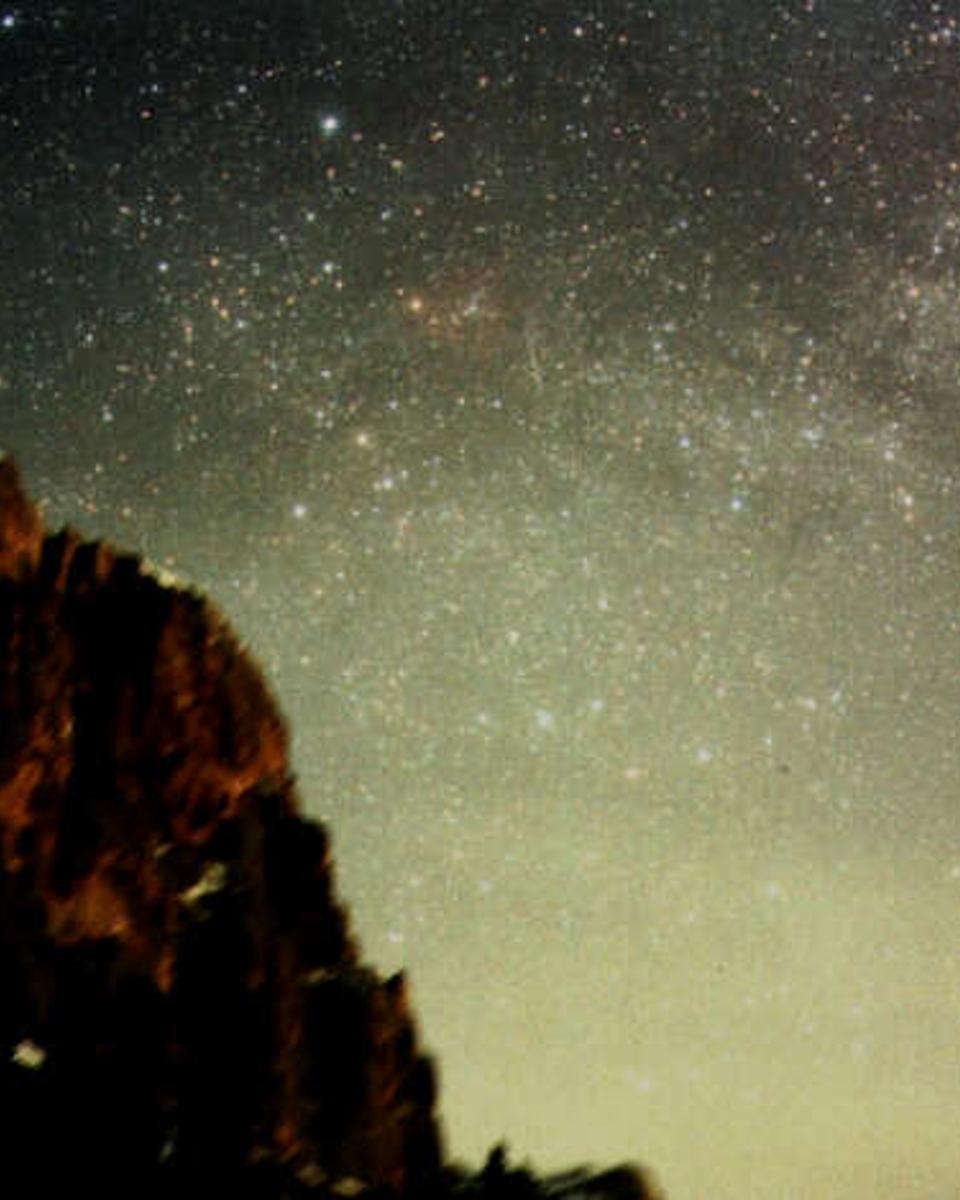
Hale-Bopp Brightest Comet This Decade
Explanation : The Great Comet of 1997 is now brighter than the Great Comet of 1996 ever was. In fact, it is brighter than almost every star in the sky. Yet Comet Hale-Bopp is…
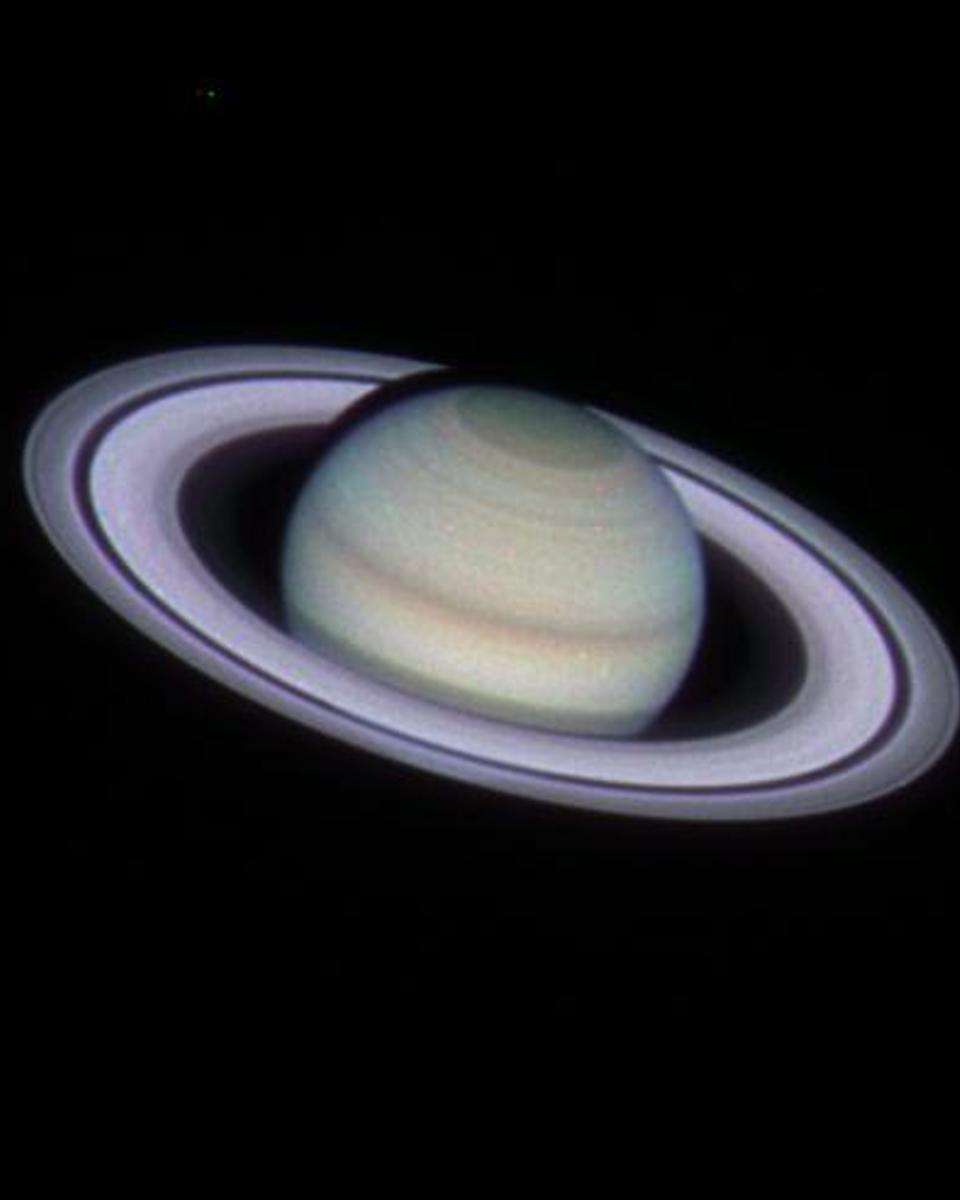
Saturn in Color
Explanation : Saturn is unusual but photogenic. The second largest planet in our Solar System , behind Jupiter , has been easily identifiable at night since history has been…
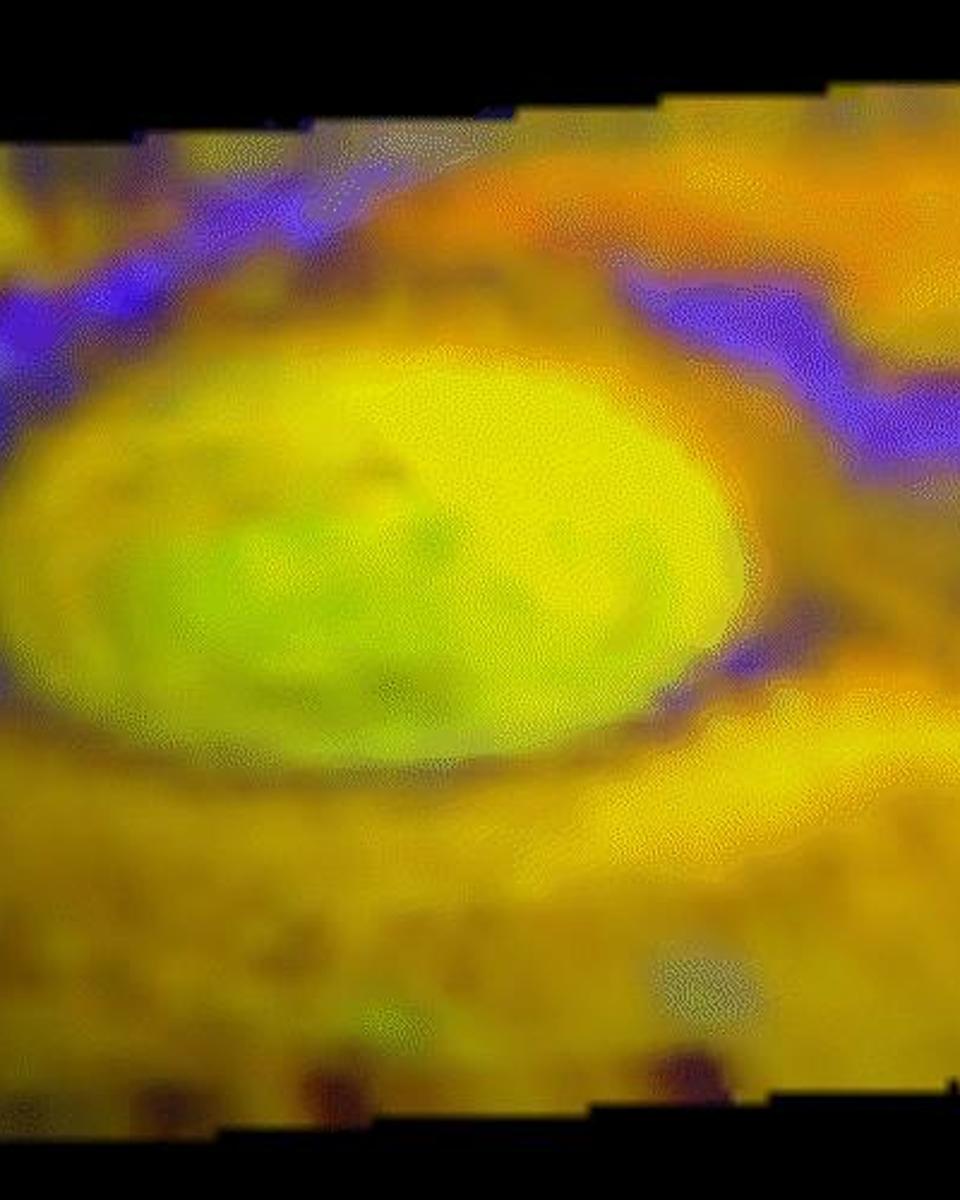
Jupiter: The Great Yellow Spot
Explanation : What happened to Jupiter's Great Red Spot ? Operating at a chilly 55 degrees Kelvin , the Galileo Spacecraft's Near Infrared Mapping Spectrometer (NIMS) recorded…
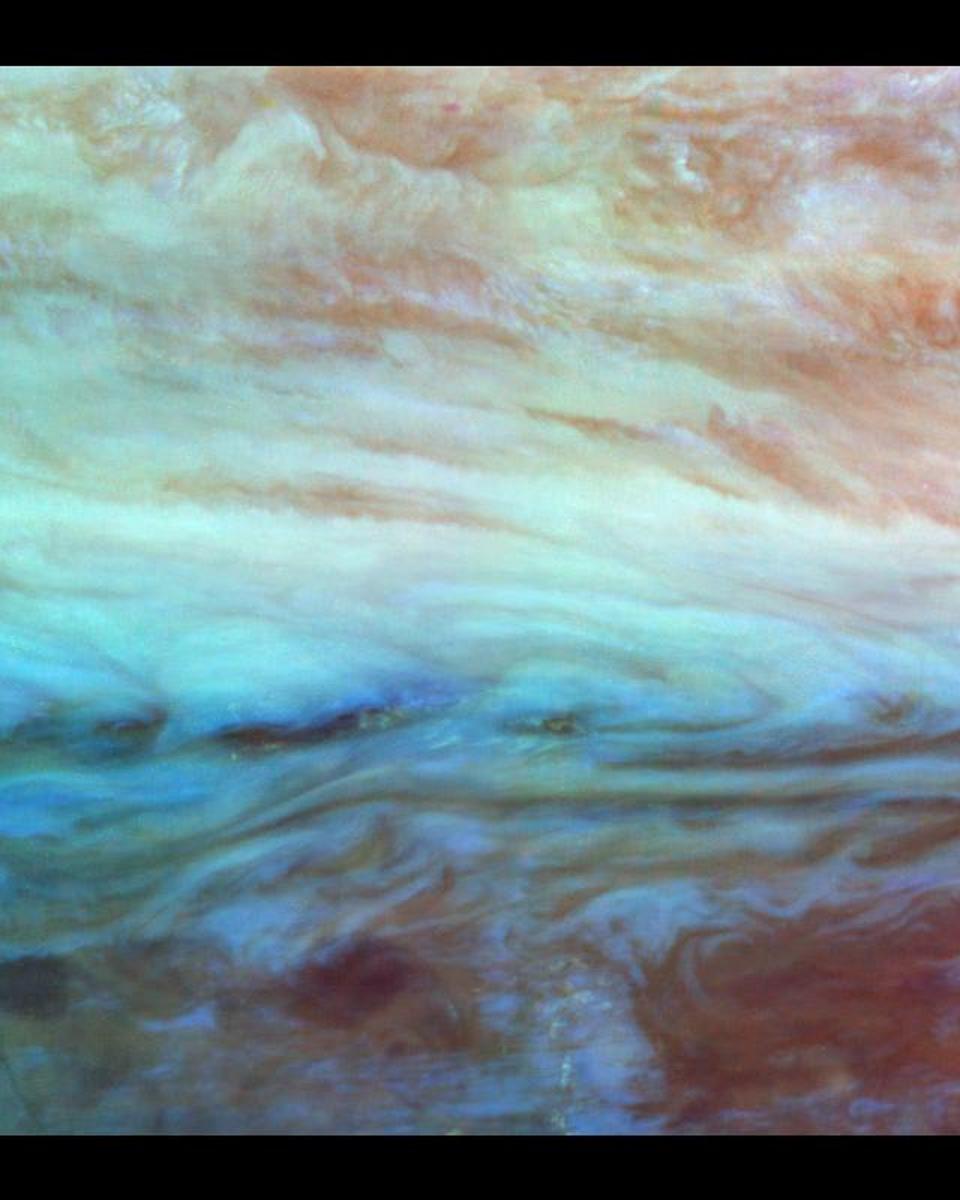
Jupiter: At The Belt-Zone Boundary
Explanation : Jupiter's thick atmosphere is striped by wind-driven cloud bands that remain fixed in latitude - dark colored bands are known as belts while light colored bands are…
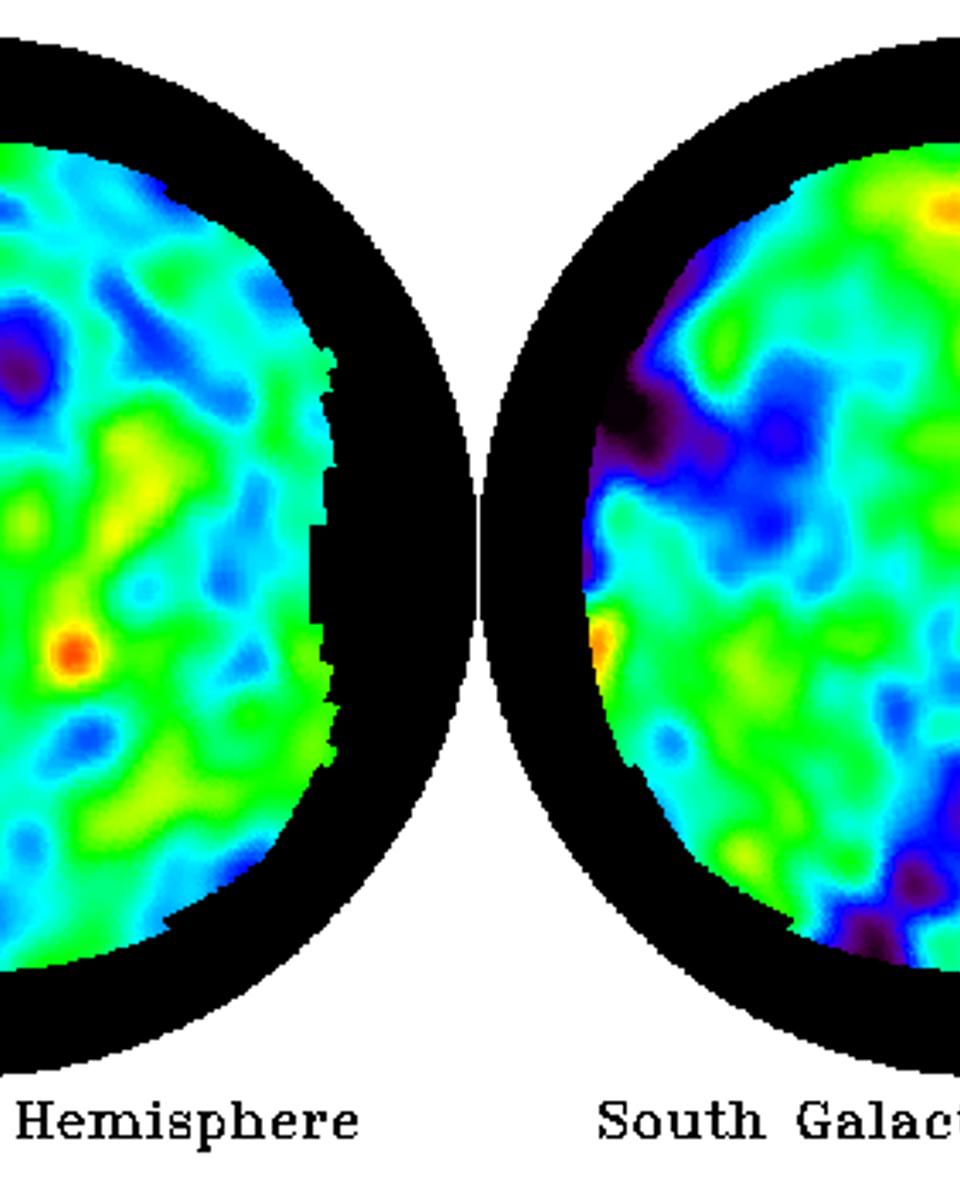
COBE Hotspots:The Oldest Structures Known
Explanation : Above are two images of the microwave sky, north and south of our galaxy's equator , based on data from NASA's COsmic Background Explorer (COBE) satellite . After…
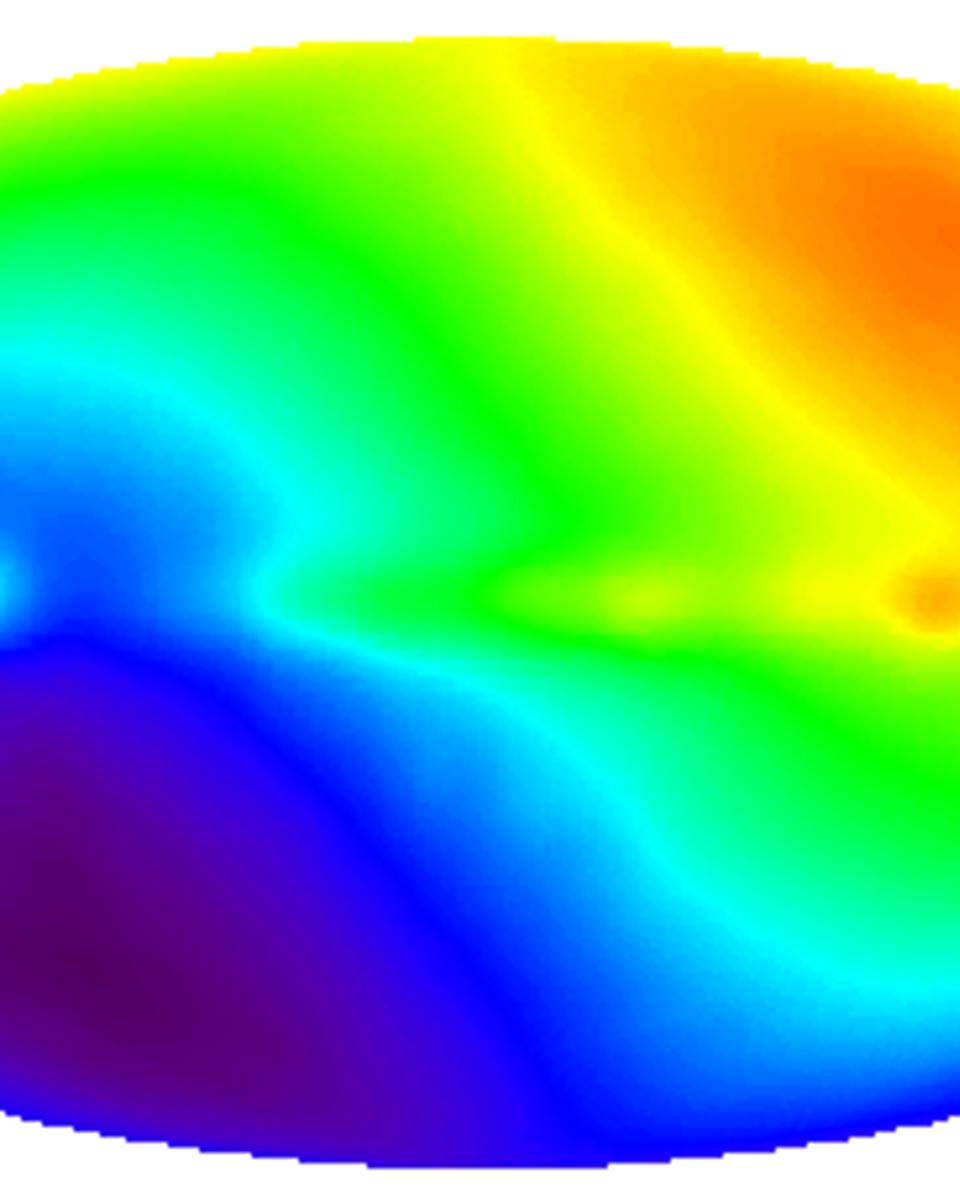
COBE Dipole: Speeding Through the Universe
Explanation : Our Earth is not at rest. The Earth moves around the Sun . The Sun orbits the center of the Milky Way Galaxy . The Milky Way Galaxy orbits in the Local Group . The…
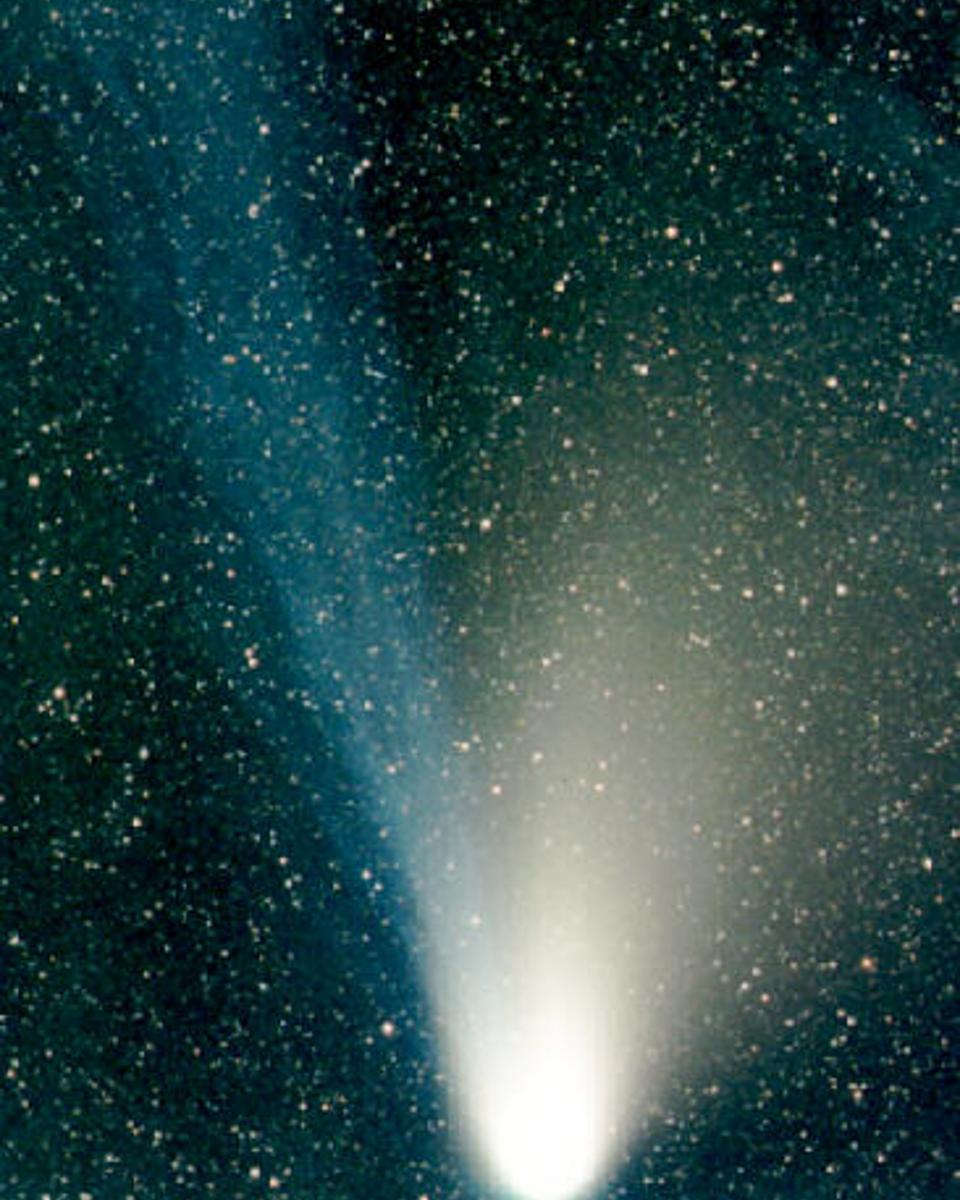
Comet Hale-Bopp Enters the Evening Sky
Explanation : You no longer have to wake-up early to see Comet Hale-Bopp . From many northern locations, you can now go outside just after sunset and see Comet Hale-Bopp above the…
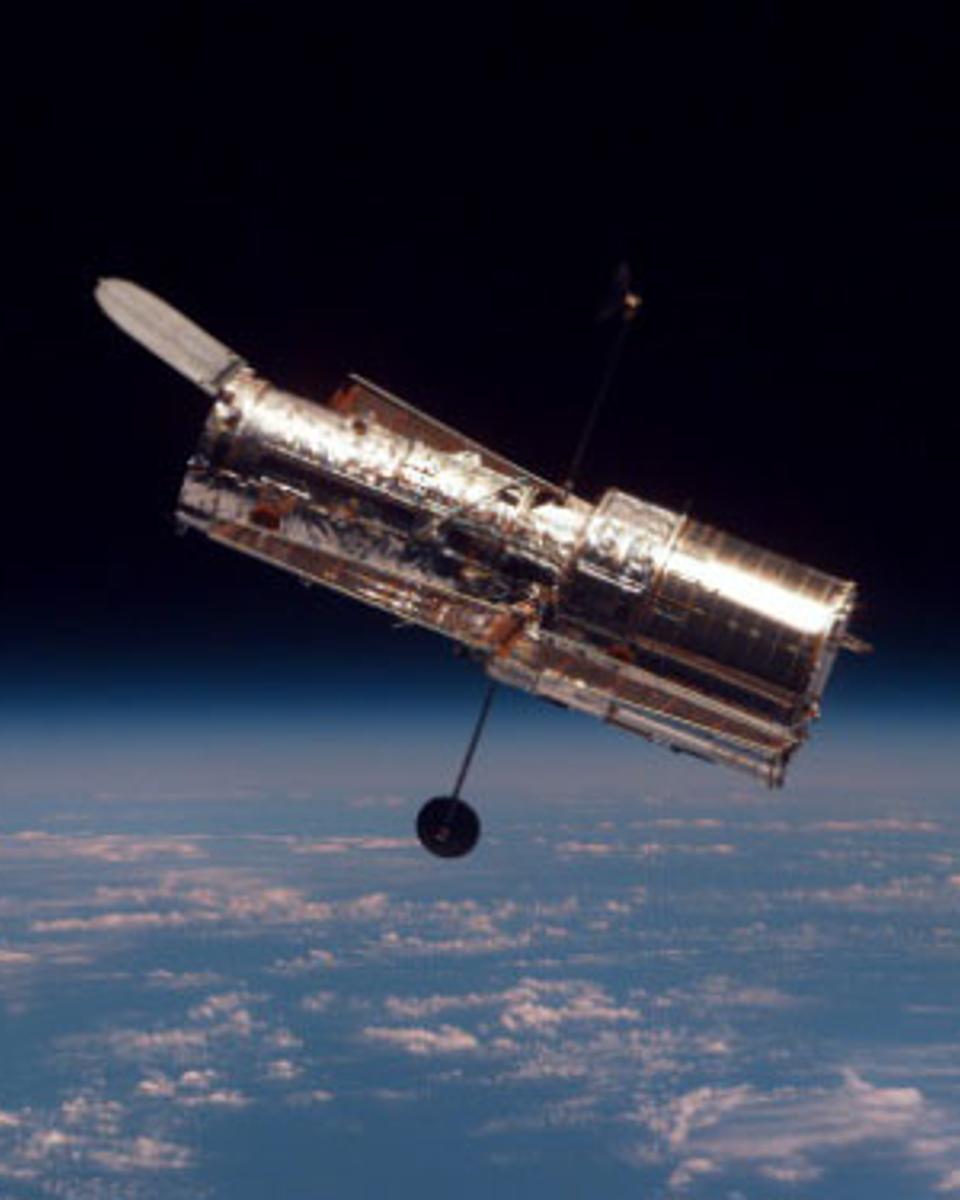
Hubble Floats Free
Explanation : Why put observatories in space? Most telescopes are on the ground. On the ground, you can deploy a heavier telescope and upgrade it more easily. The trouble is that…
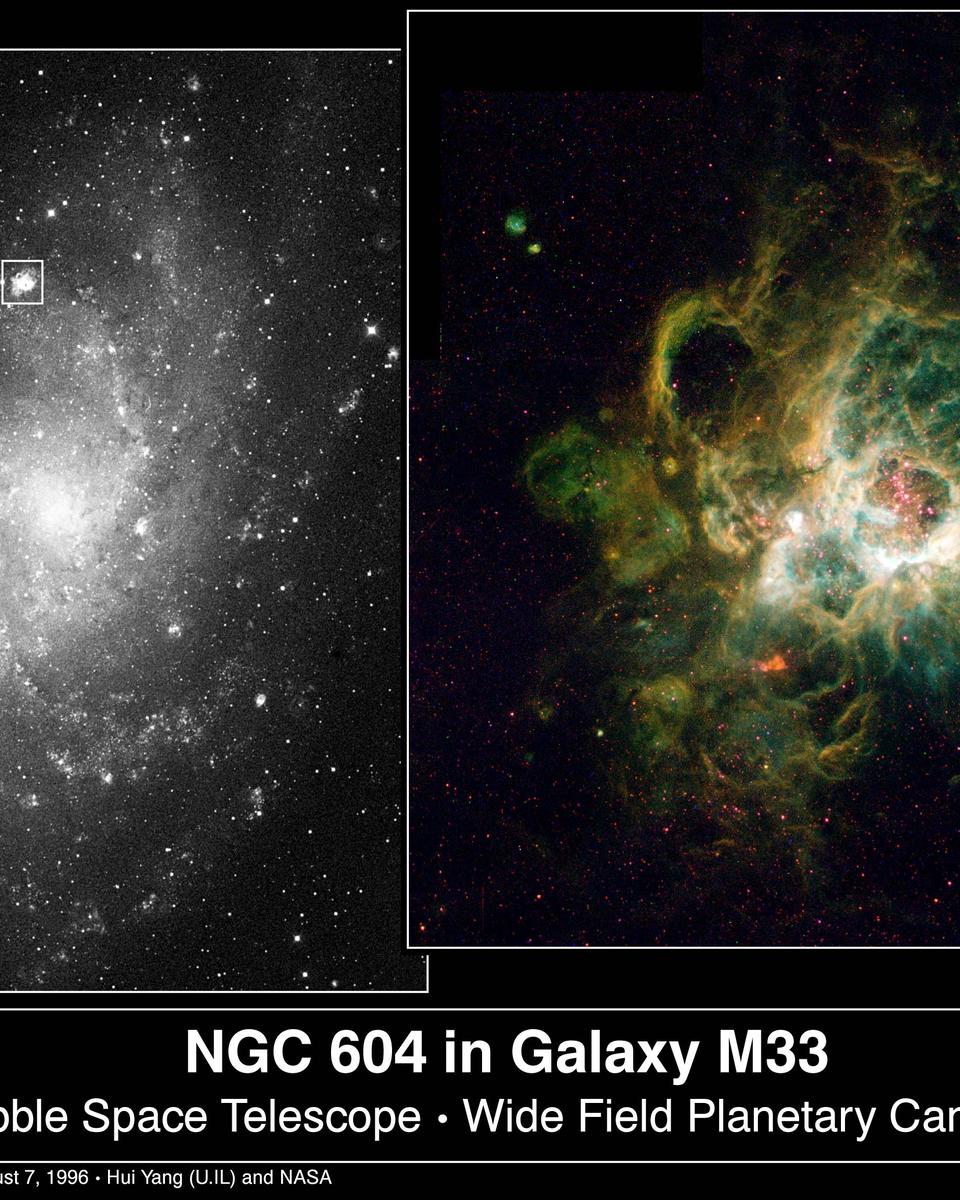
In the Center of NGC 604
Explanation : Stars are sometimes born in the midst of chaos. About 3 million years ago in the nearby galaxy M33 , a large cloud of gas spawned dense internal knots which…
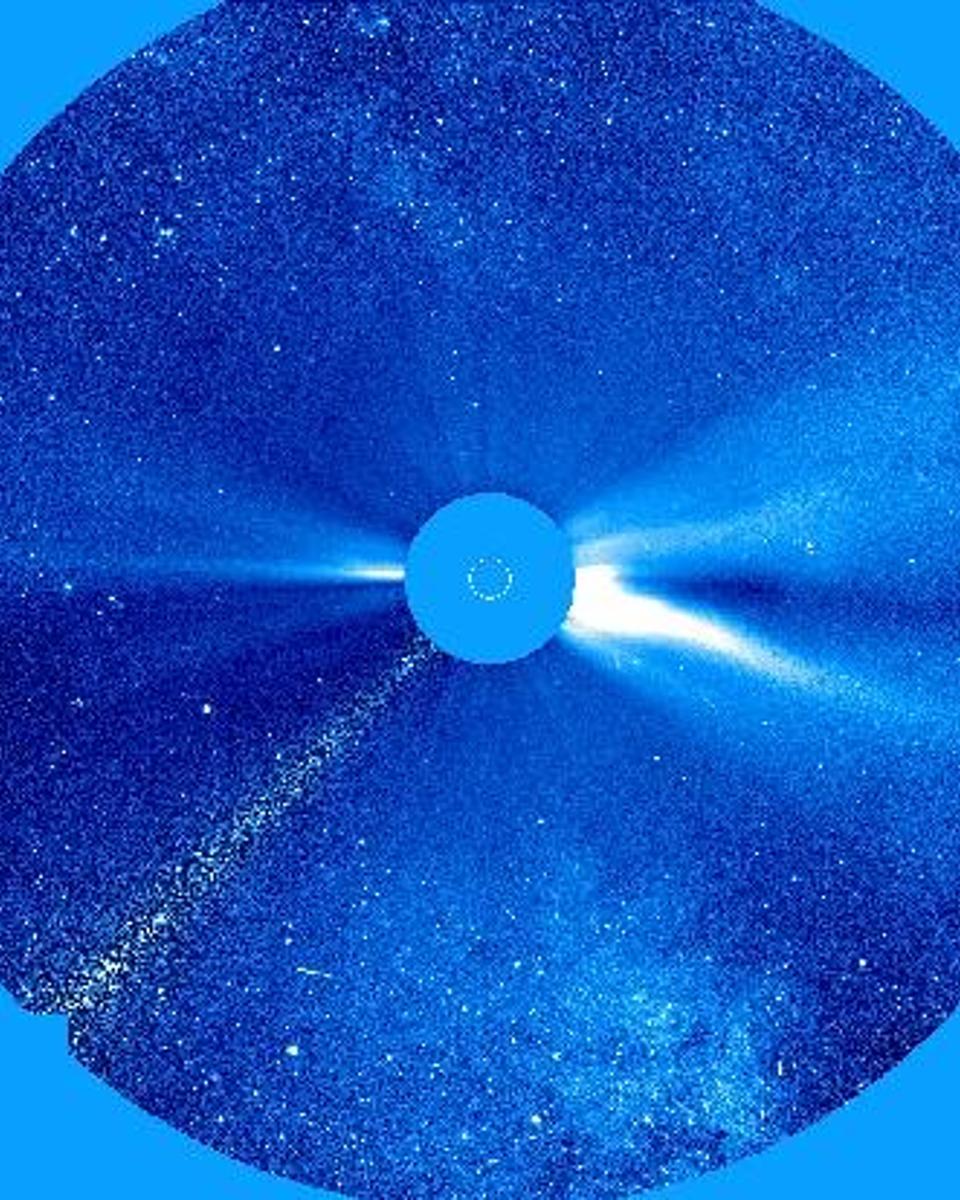
Solar Wind And Milky Way
Explanation: The Sun is bright, so bright that it overwhelms the light from other stars even for most satellite-borne telescopes. But LASCO, a coronograph onboard the space-based…
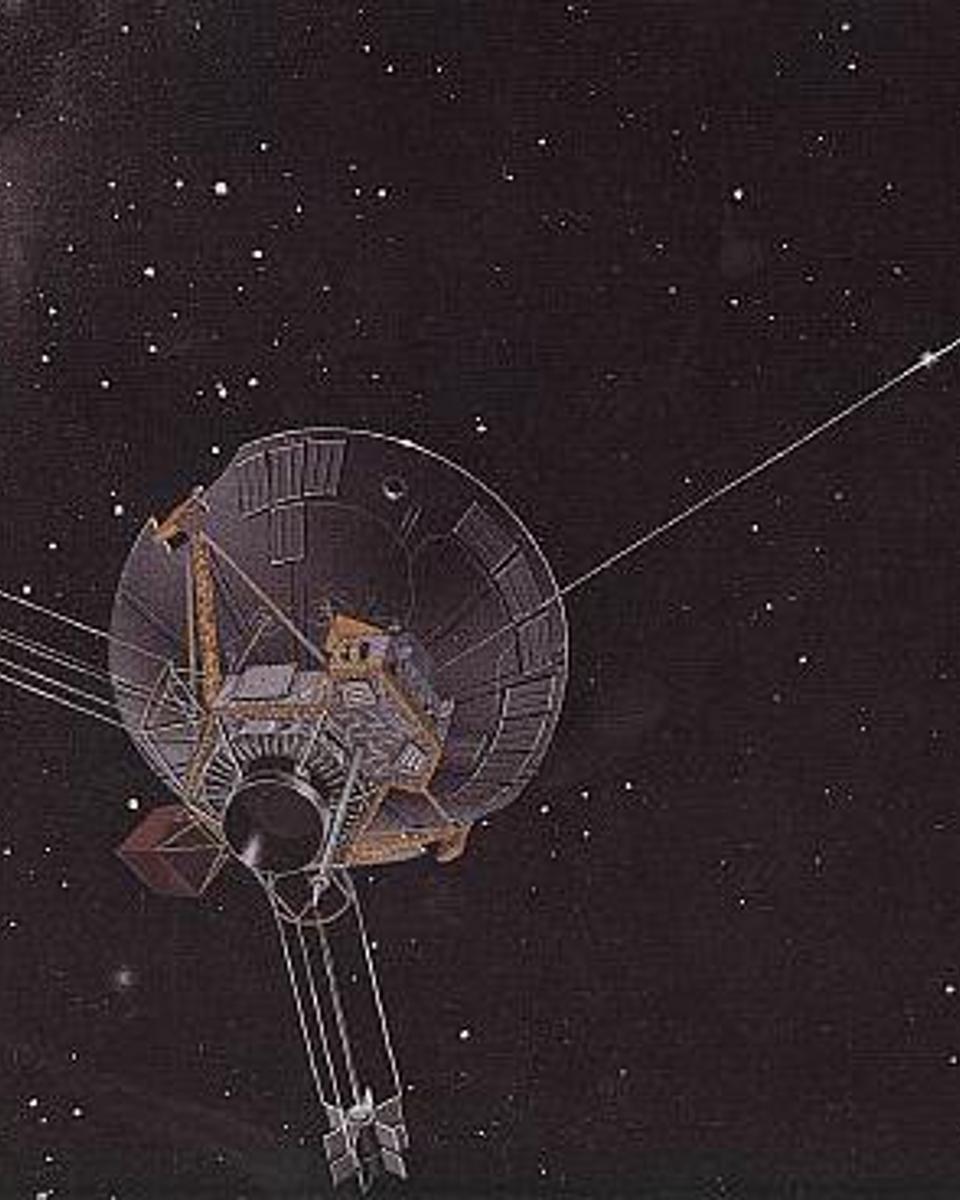
Pioneer 10: The First 6 Billion Miles
Explanation : Q: What was made by humans and is 6 billion miles away? A: Pioneer 10 - and yesterday was the 25th anniversary of its launch . More than 9 light hours distant,…
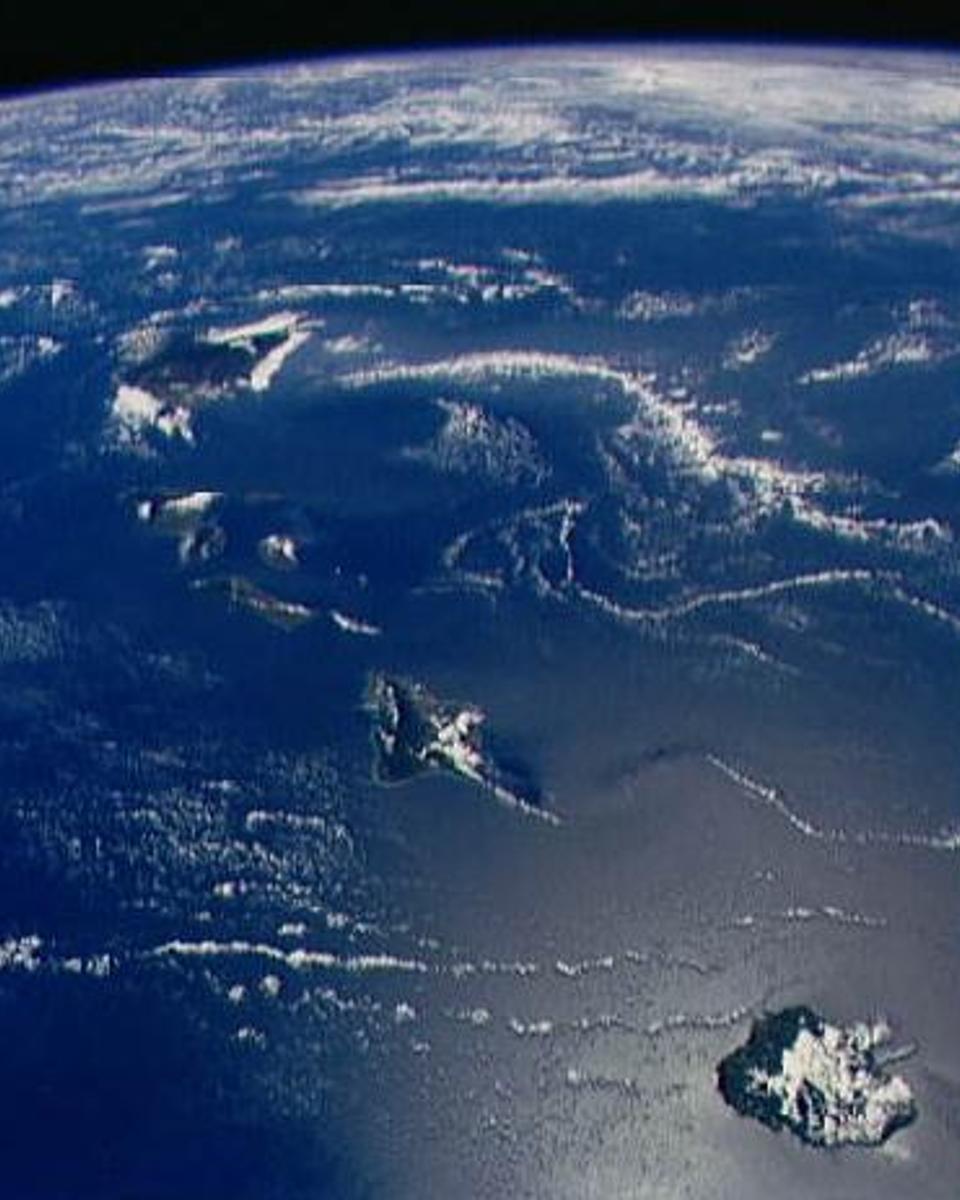
Hawaii
Explanation : Aloha! With the graceful arc of the Earth's limb in the background, the entire Hawaiian Island archipelago is visible in this stunning photo taken by the astronauts…
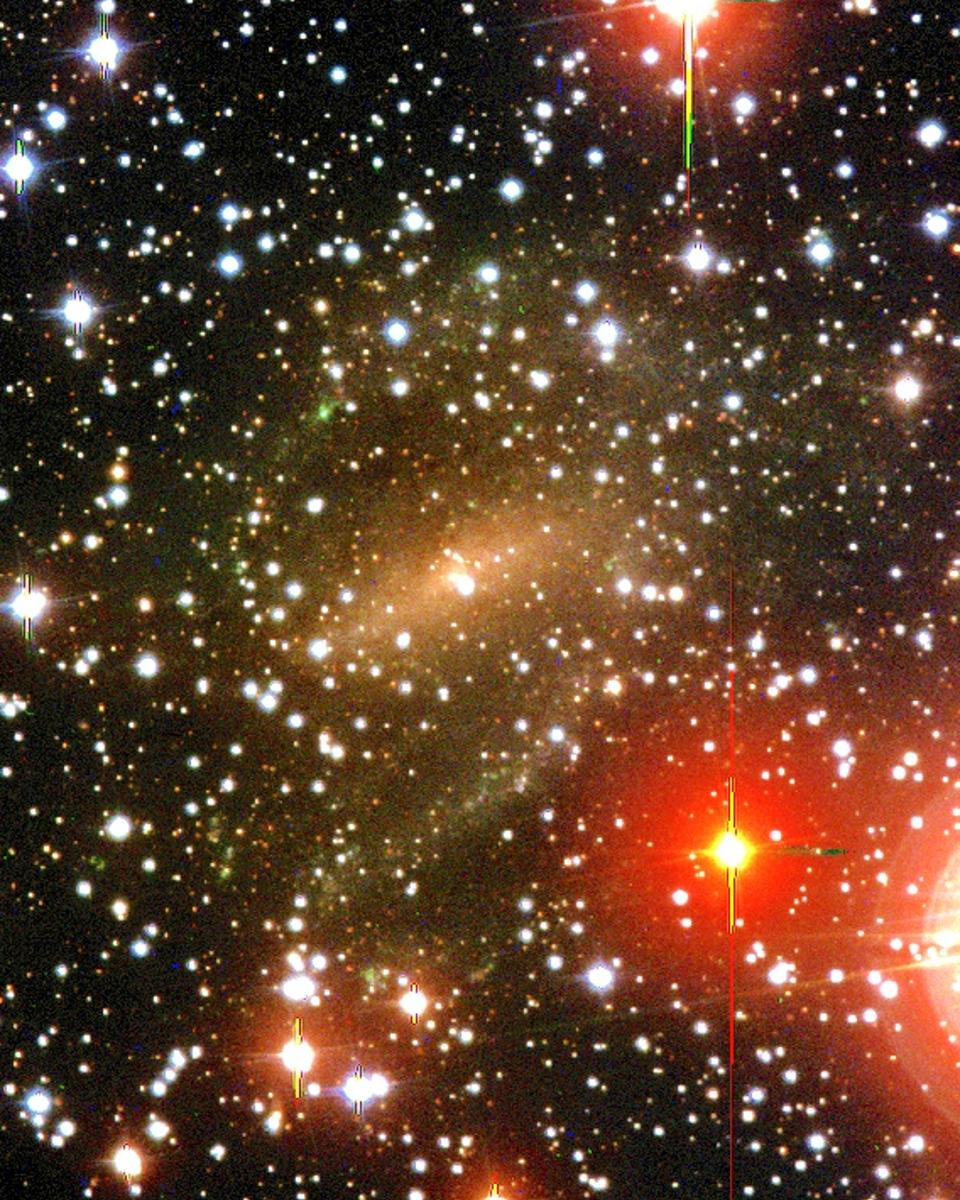
Galaxy Dwingeloo 1 Emerges
Explanation : Sometimes you can't see the forest for the trees. But if you look closely at the center of the above photograph , you will see a whole spiral galaxy behind the field…
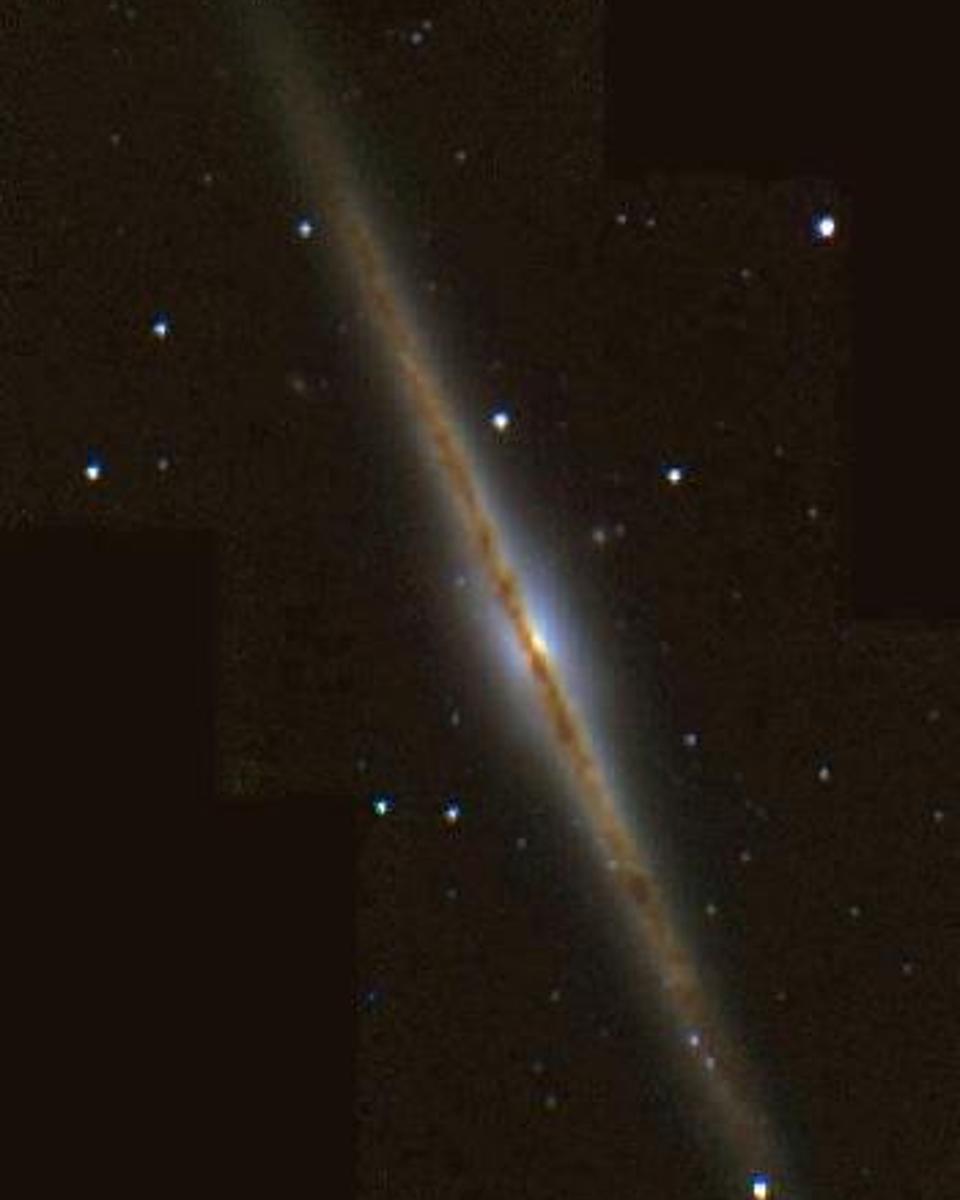
Edge-On Spiral Galaxy NGC 891
Explanation : Is our Galaxy this thin? We believe so. The Milky Way , like NGC 891 pictured above , has the width of a typical spiral galaxy . Spirals have most of their bright…
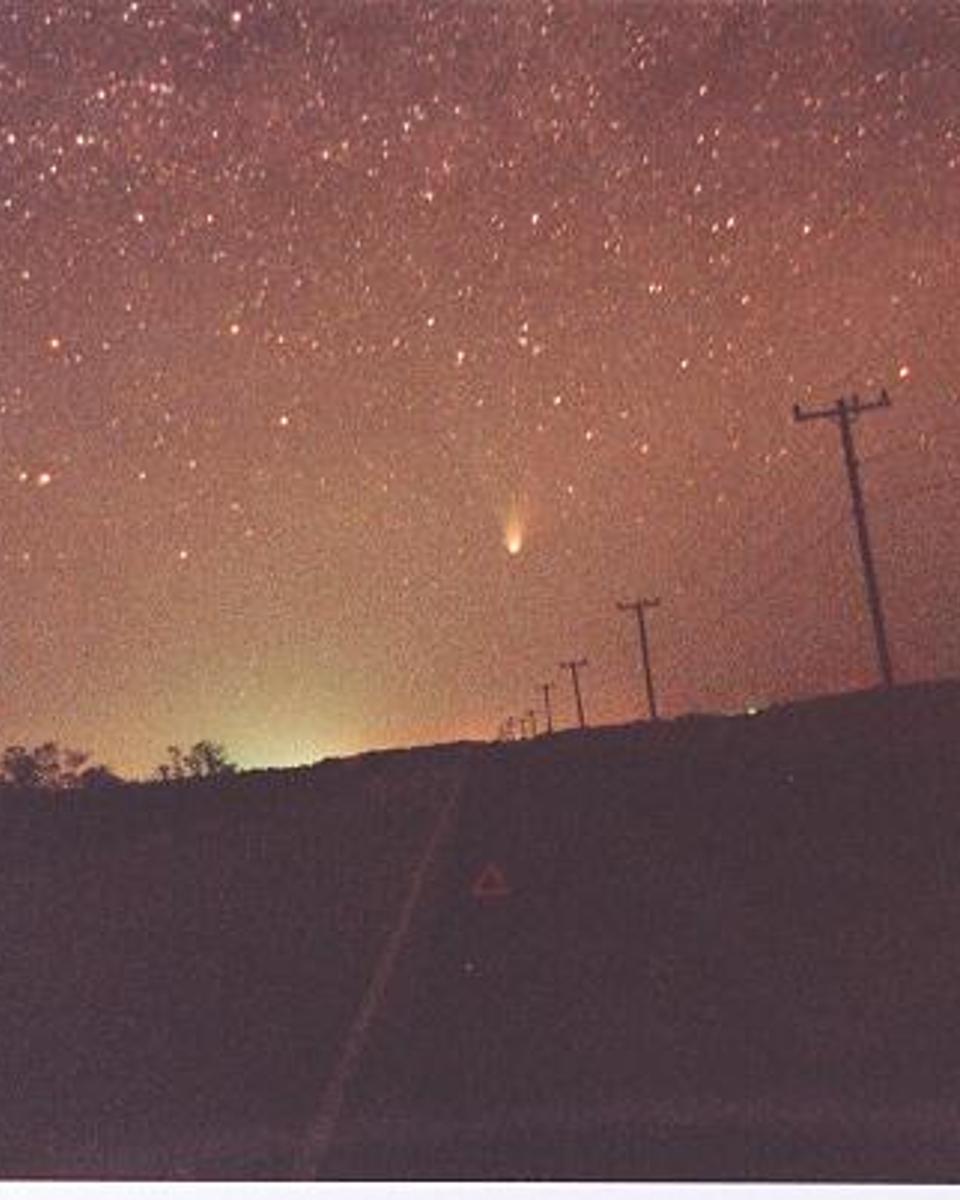
Comet Hale-Bopp is That Bright
Explanation : What's that fuzzy star? It's not a star, it's Comet Hale-Bopp . Not only has Comet Hale-Bopp become easy to see in the morning sky , it has become hard not to see…
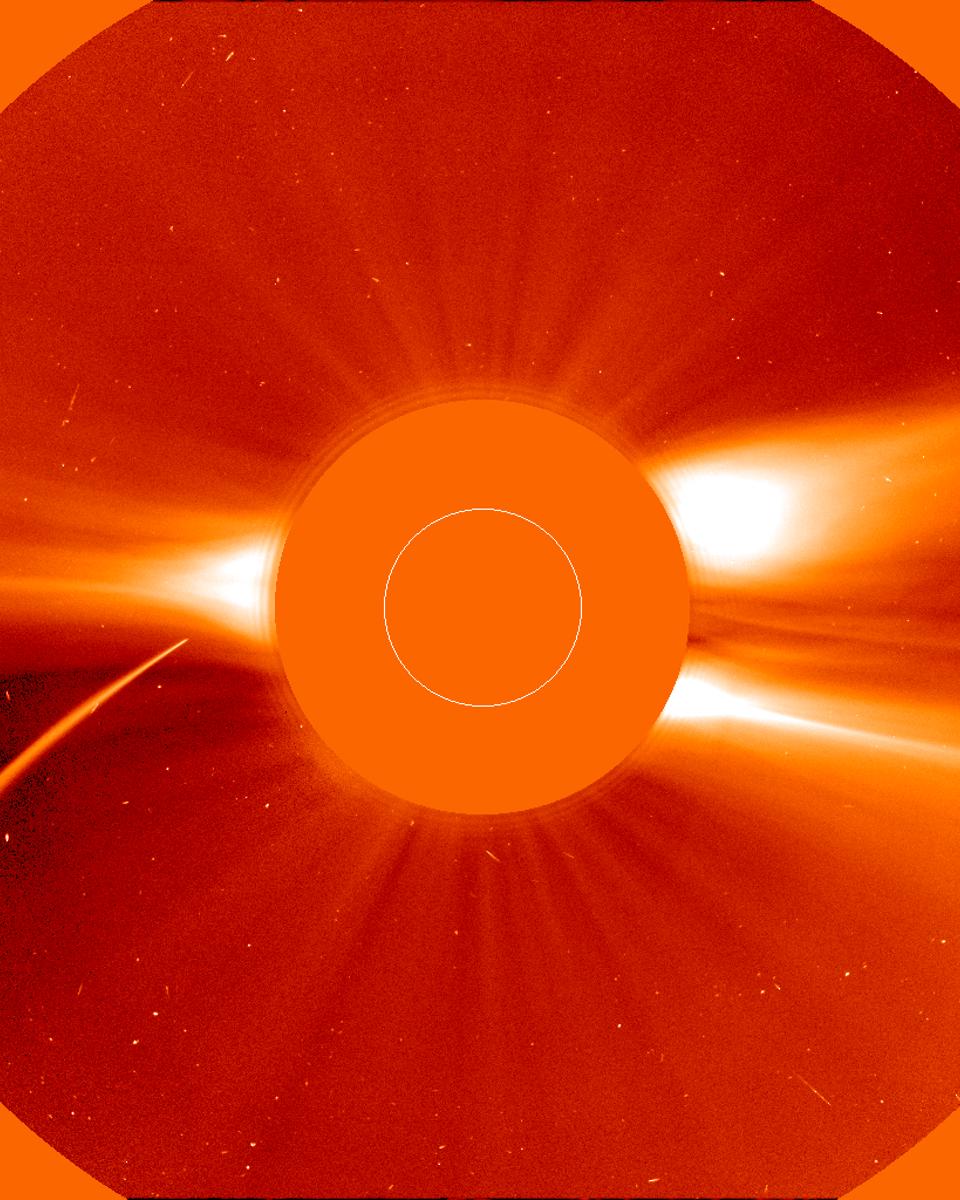
Sungrazer
Explanation : Arcing toward a fiery fate, this Sungrazer comet was recorded by the SOHO spacecraft's Large Angle Spectrometric COronagraph (LASCO) on Dec. 23rd, 1996. LASCO uses…
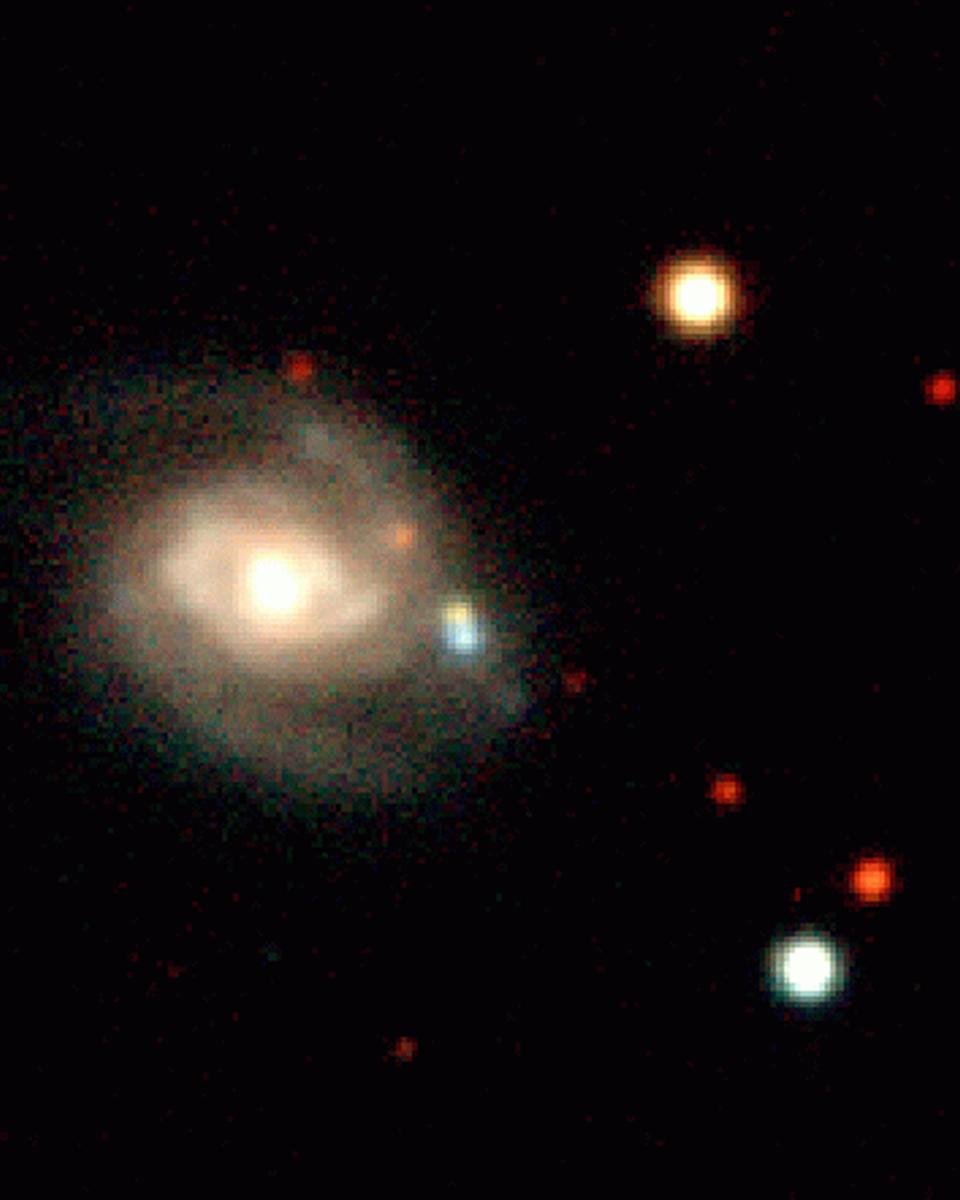
Star Wars in NGC 664
Explanation : Long ago in a galaxy far, far away, locked in their final desperate struggle against the force of gravity ... two stars exploded! Stellar explosions - Supernovae -…
Viewing discoveries from 20 March 1997 through 25 February 1997.