Browse NASA Astronomy Picture of the Day archive by date and media: Archive Discoveries
Browse the NASA APOD archive without needing the exact date first. Filter by media type and keep moving deeper into older images and videos.
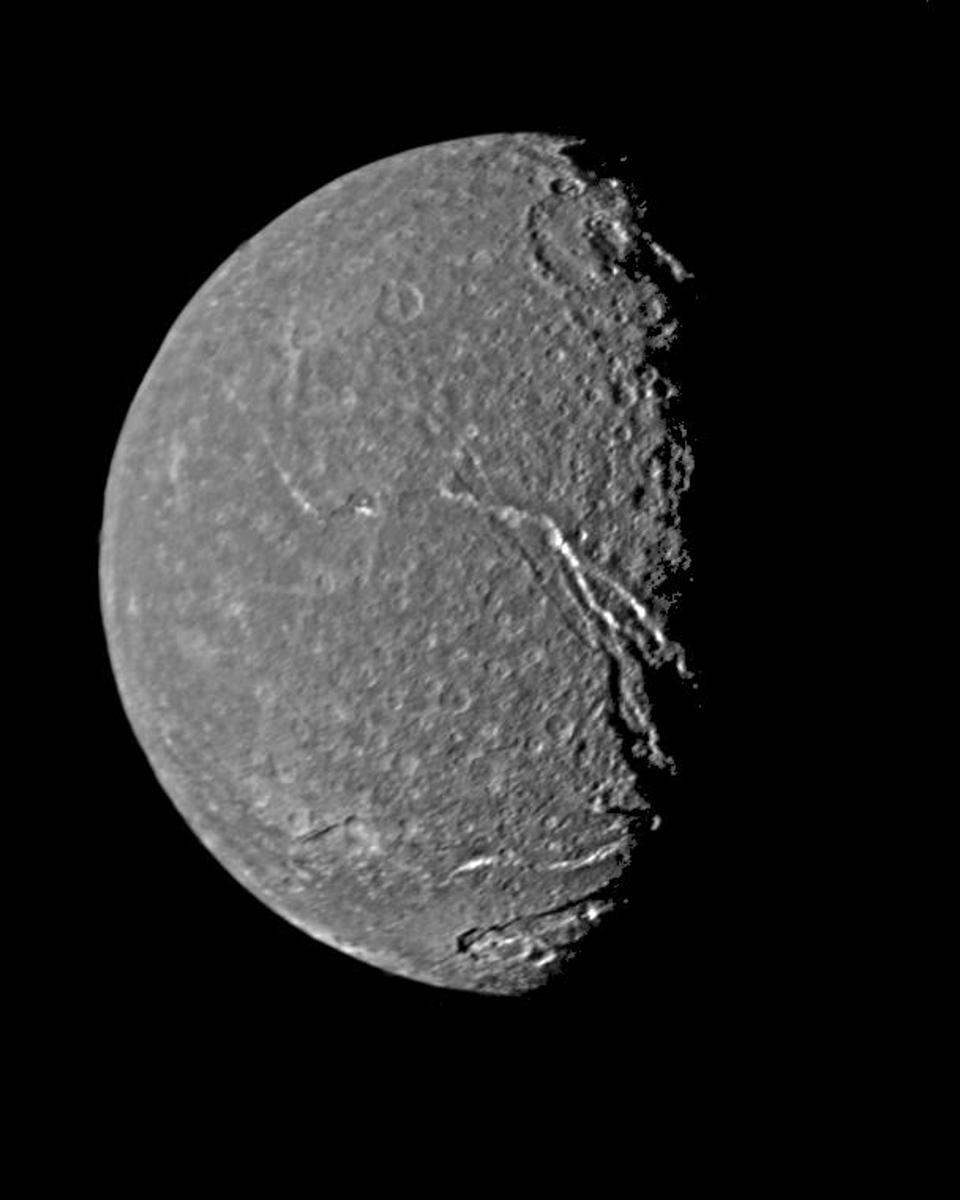
Titania's Trenches
Explanation : British astronomer Sir William Herschel discovered Titania and Oberon in 1787, 210 years ago today. He wasn't reading Shakespeare's A Midsummer Night's Dream though,…
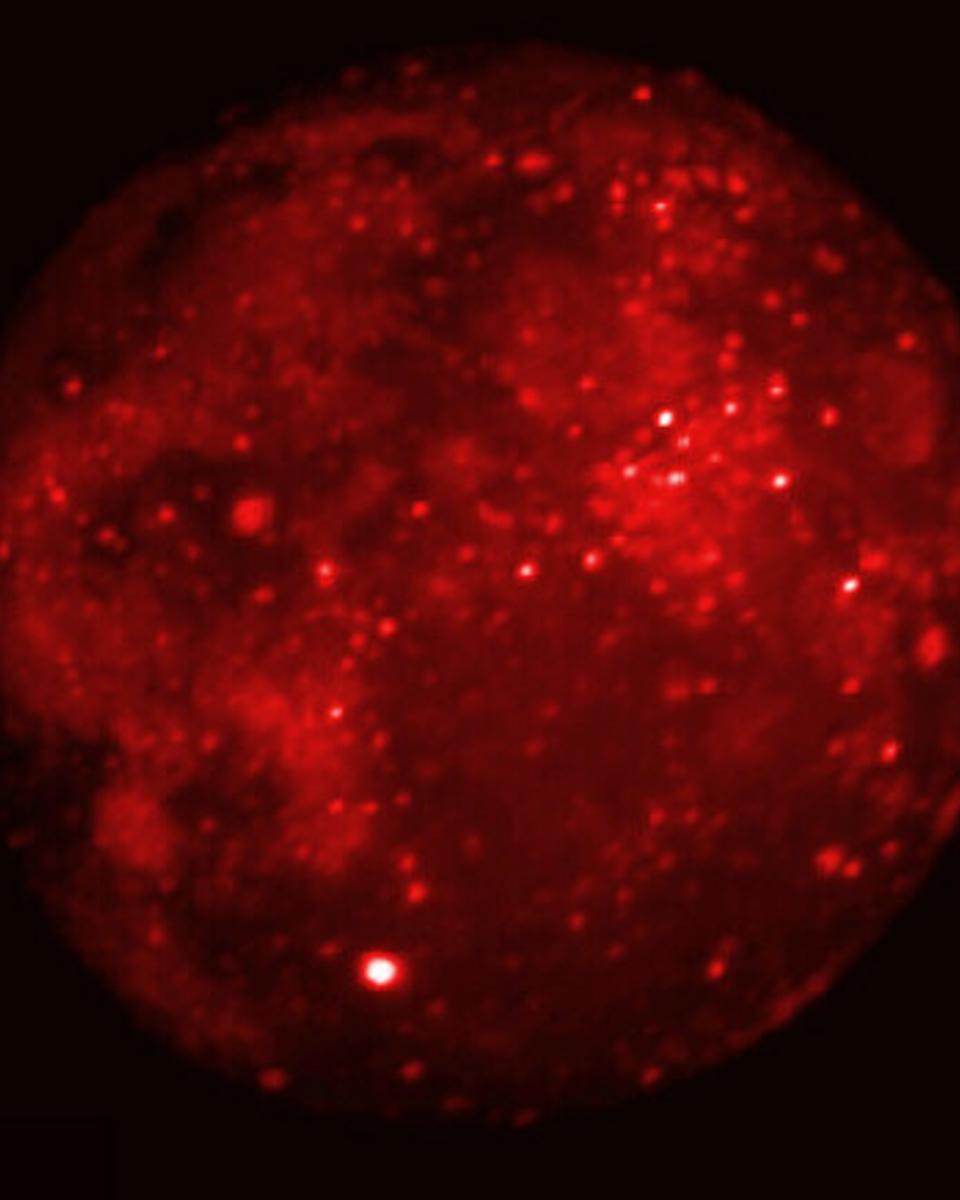
Eclipsed Moon in Infrared
Explanation : Last September's total lunar eclipse disappointed many observers in the Eastern and Midwestern US who were cursed with cloudy skies. However, the Midcourse Space…
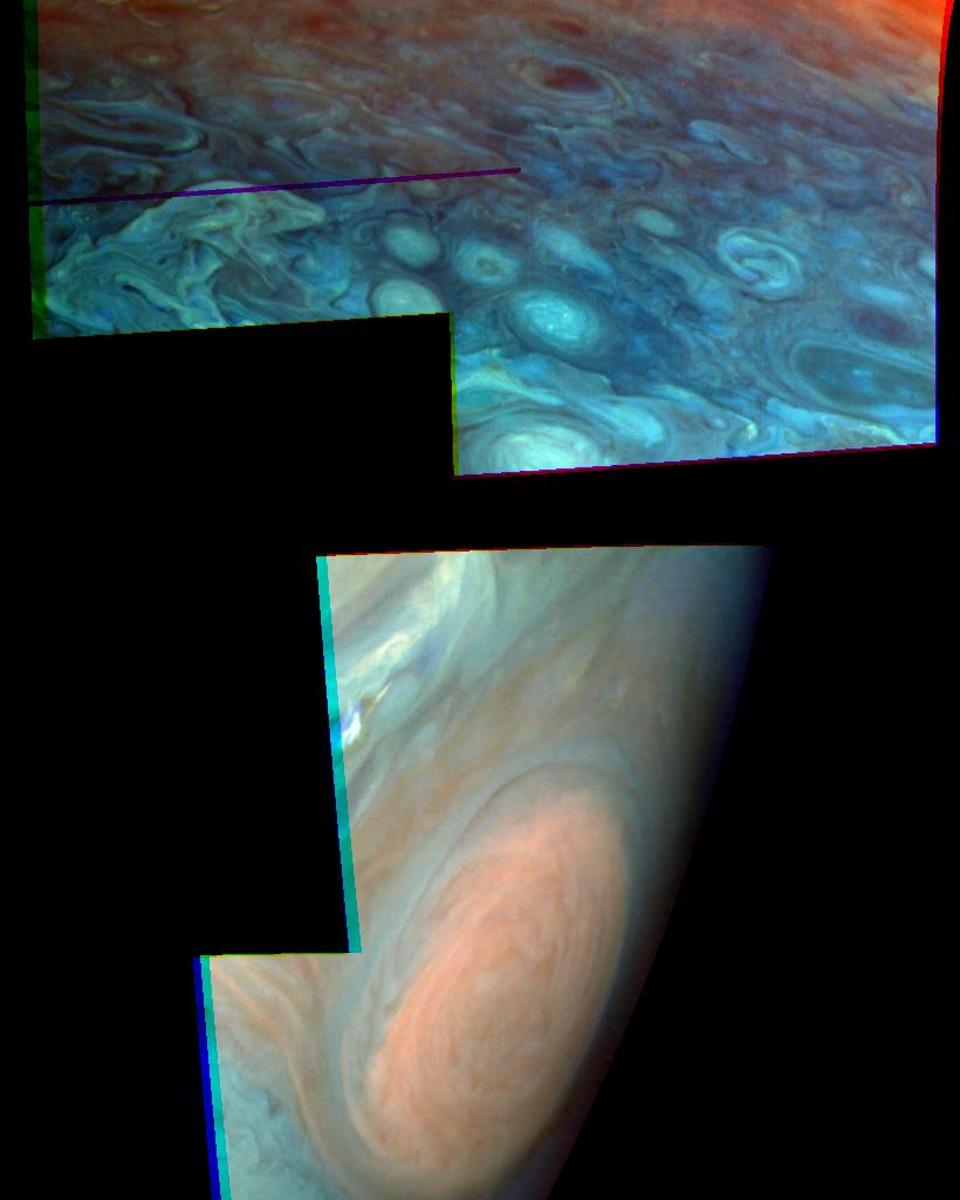
Hazing Jupiter
Explanation : A dramatic mosaic of recent images from the Galileo spacecraft reveals details of swirling clouds and a thick stratospheric haze in the atmosphere of Jupiter , the…
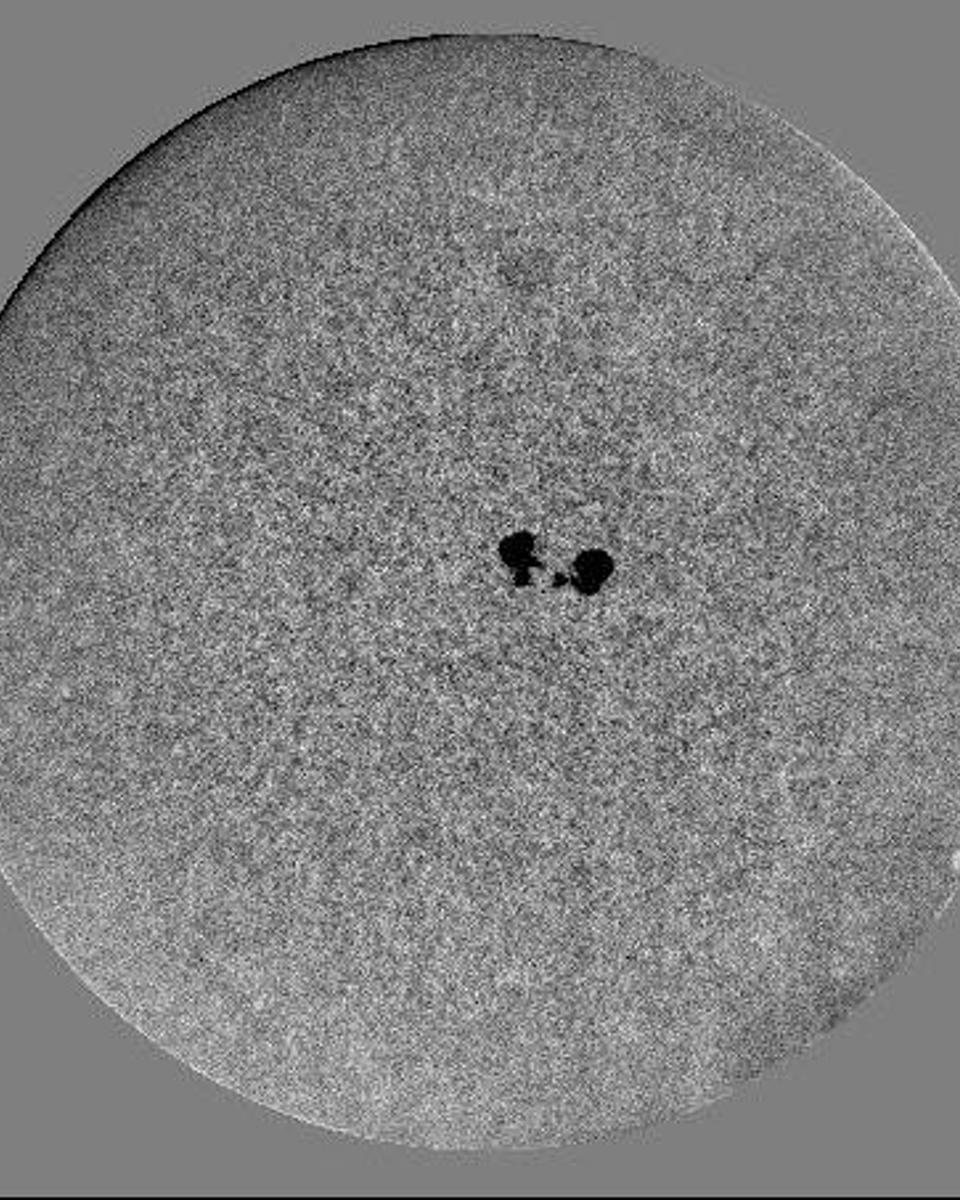
Grey Sun Seething
Explanation : The Sun 's surface is not smooth. It has thousands of bumps called granules and usually a few dark depressions called sunspots. Each of the numerous granules is the…
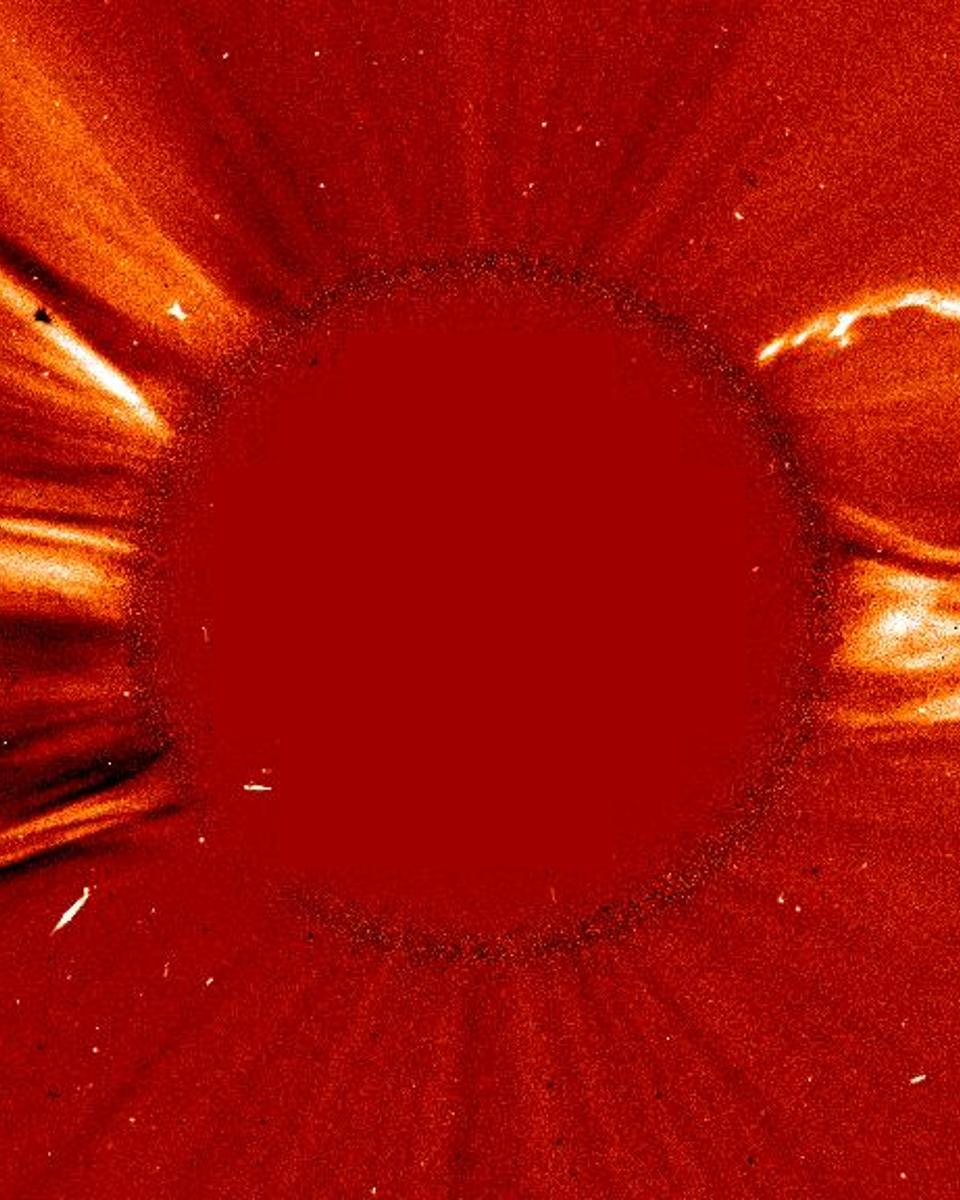
Red Sun Streaming
Explanation : The Sun is leaking. In fact, it is gushing: particles stream away from the Sun at hundreds of kilometers per second. Some of these particles strike the Earth and…
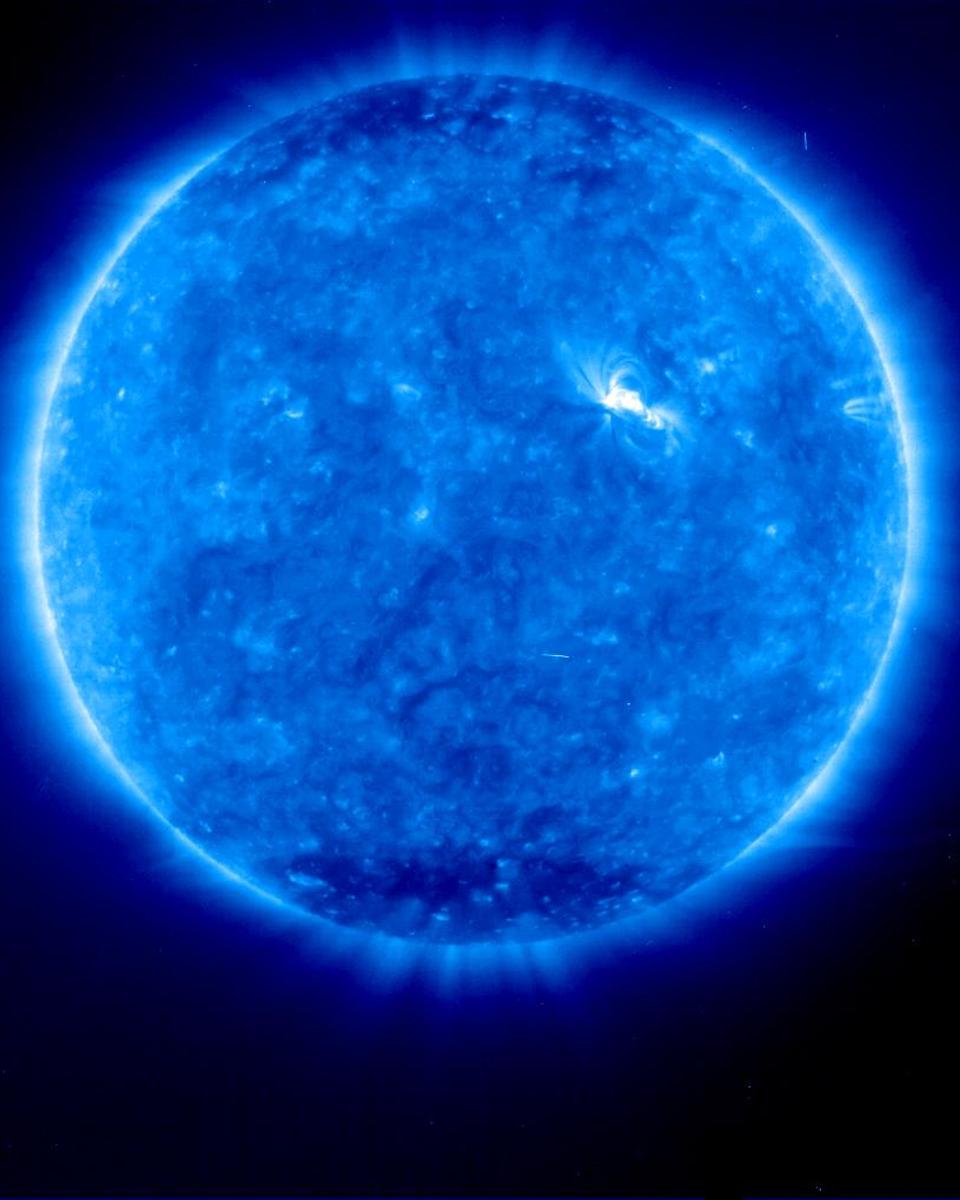
Blue Sun Glaring
Explanation : The Sun is a bubbling ball of extremely hot gas. In this false-color picture , light blue regions are extremely hot - over 1 million degrees , while dark blue…
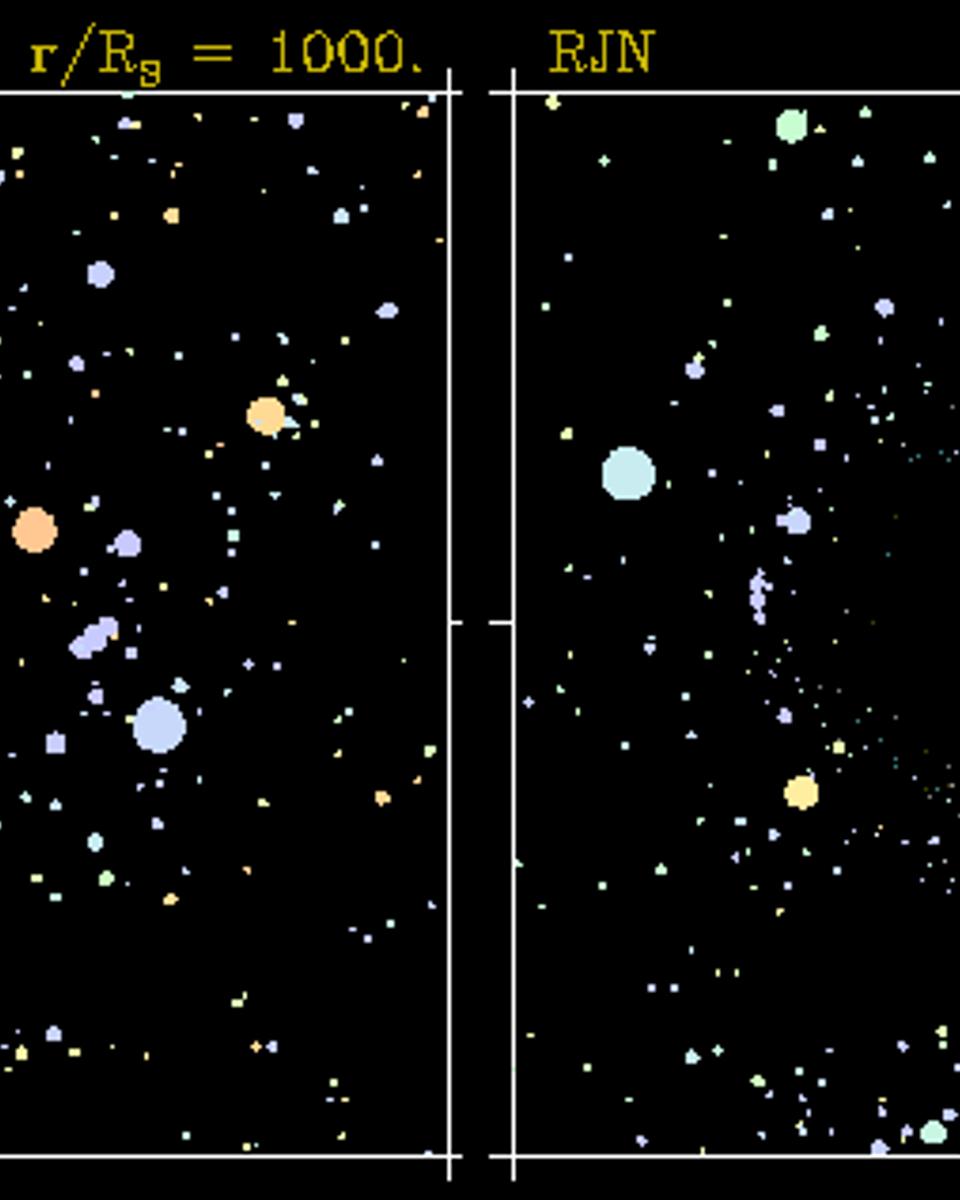
Too Close to a Black Hole
Explanation : What would you see if you went right up to a black hole ? Above are two computer generated pictures highlighting how strange things would look. On the left is a…
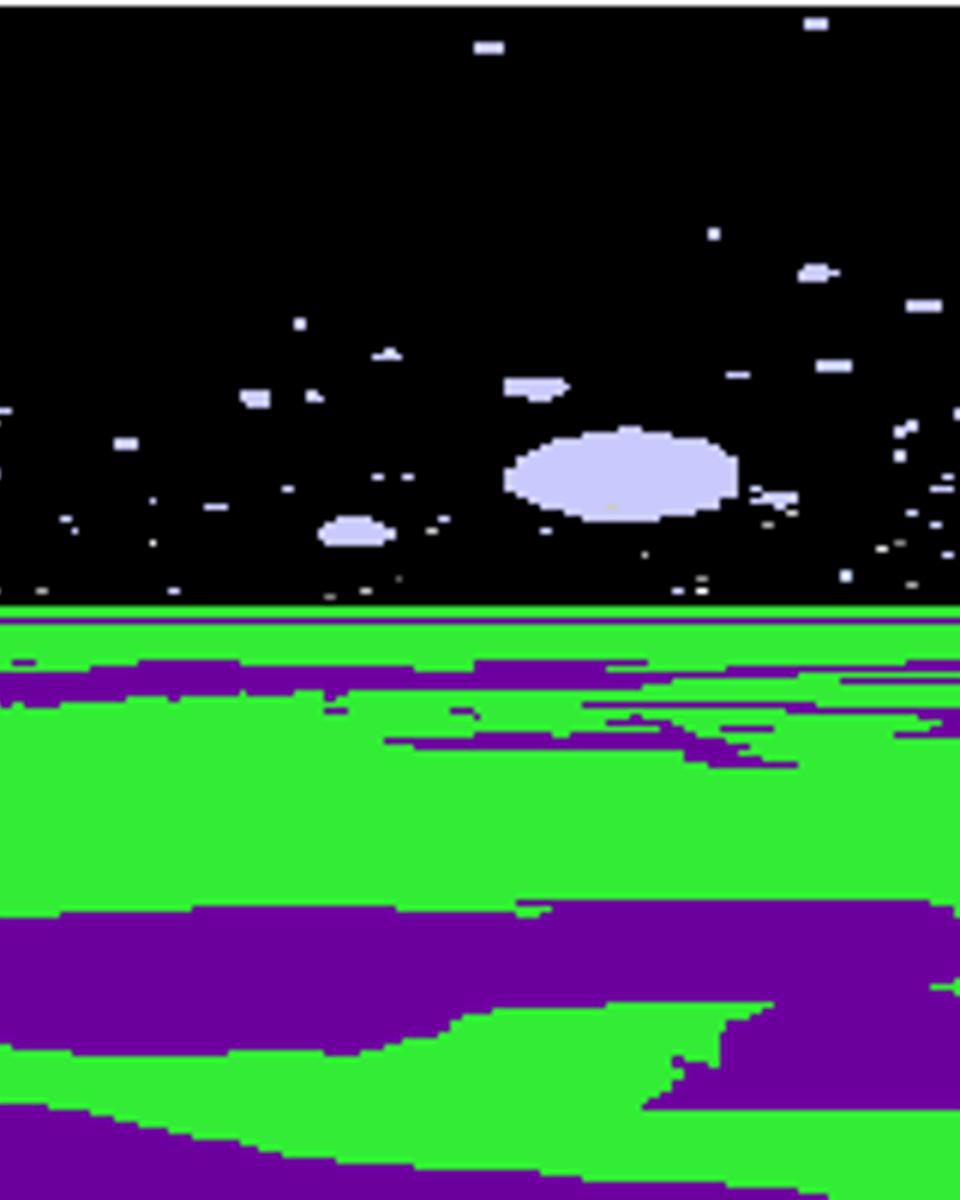
A Star Where Photons Orbit
Explanation : The above computer animated picture depicts how a very compact star would look to a nearby observer. The star pictured is actually more compact that any known except…
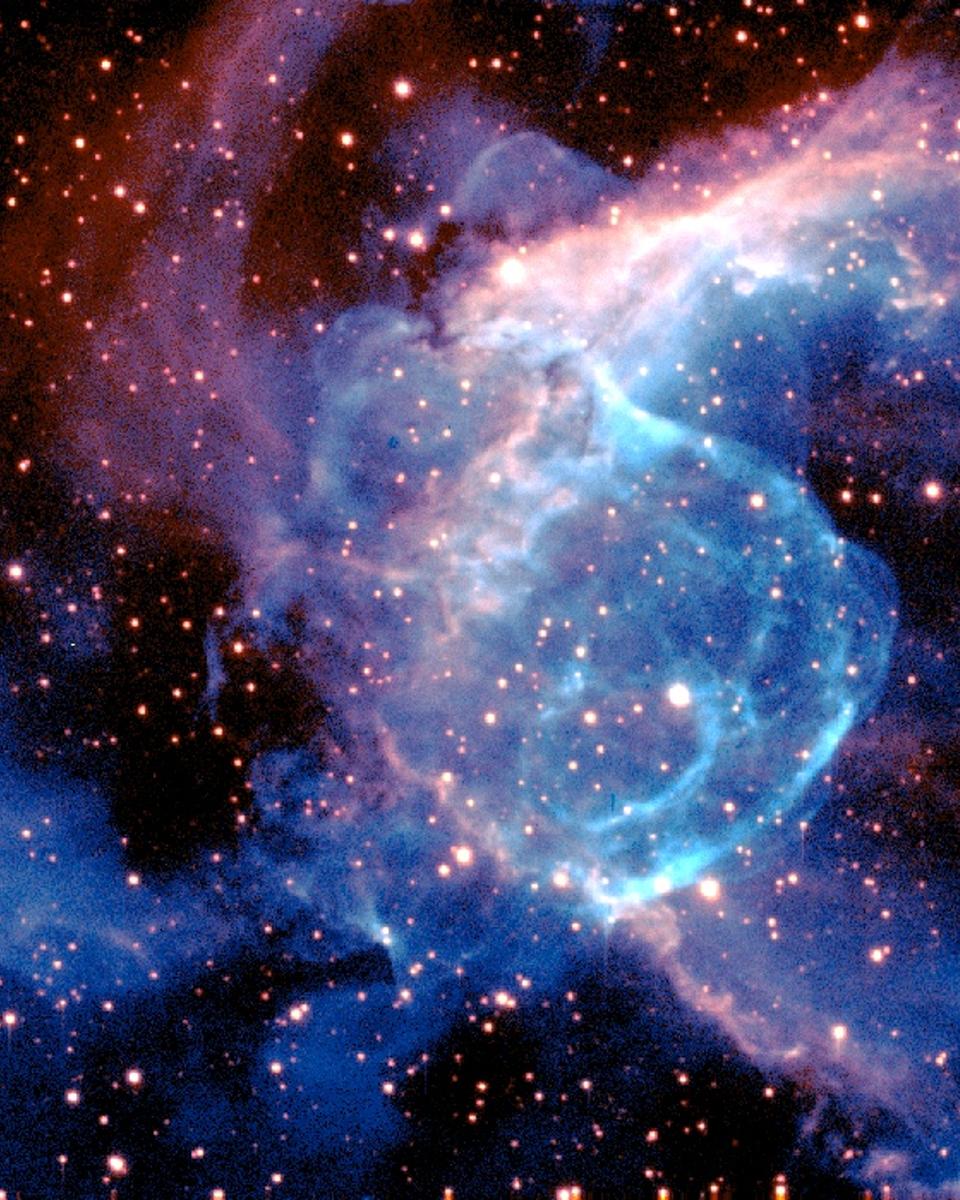
A Wolf-Rayet Star Blows Bubbles
Explanation : Wolf-Rayet stars can blow bubbles. These unusual stars are much hotter and more luminous than our Sun . All extremely massive stars will eventually evolve though a…
Bubbles and Arcs in NGC 2359
Explanation : What caused the bubbles and arcs in NGC 2359? The main suspect is the Wolf-Rayet star in the center of one of the bubbles - visible slightly below and to the right…
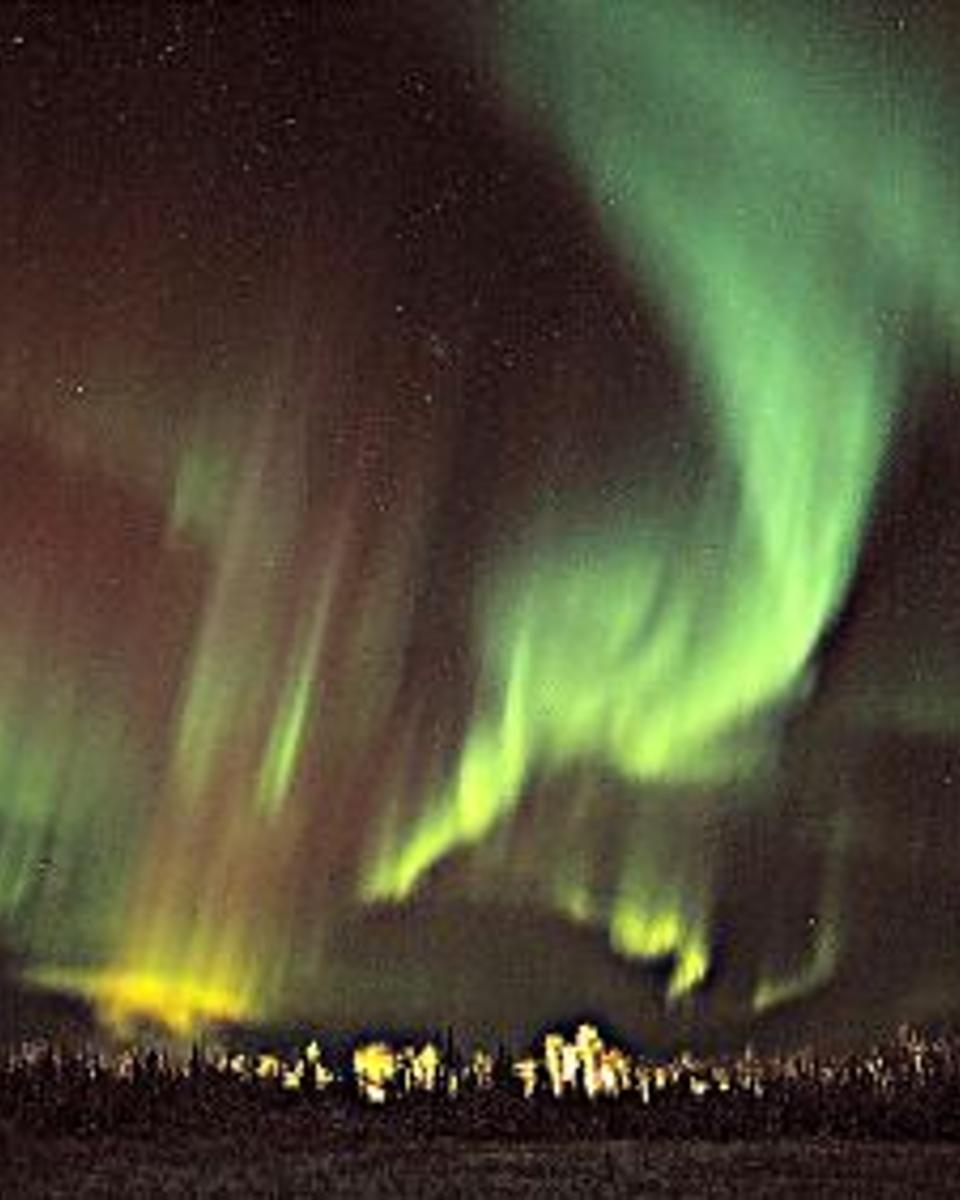
Aurora Over Circle, Alaska
Explanation : Aurora can make spectacular sights. This particular aurora was photographed hovering over the town of Circle, Alaska. Although Aurora might first appear to be…
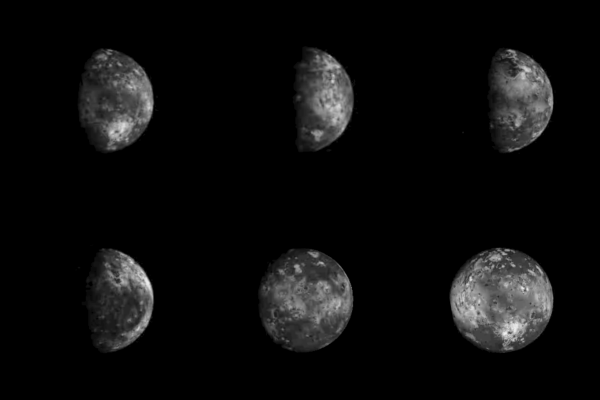
Io Rotating
Explanation : Are any volcanoes on Io currently erupting? To help answer this, scientists instructed the robot spacecraft Galileo to take hourly pictures of this moon of Jupiter…
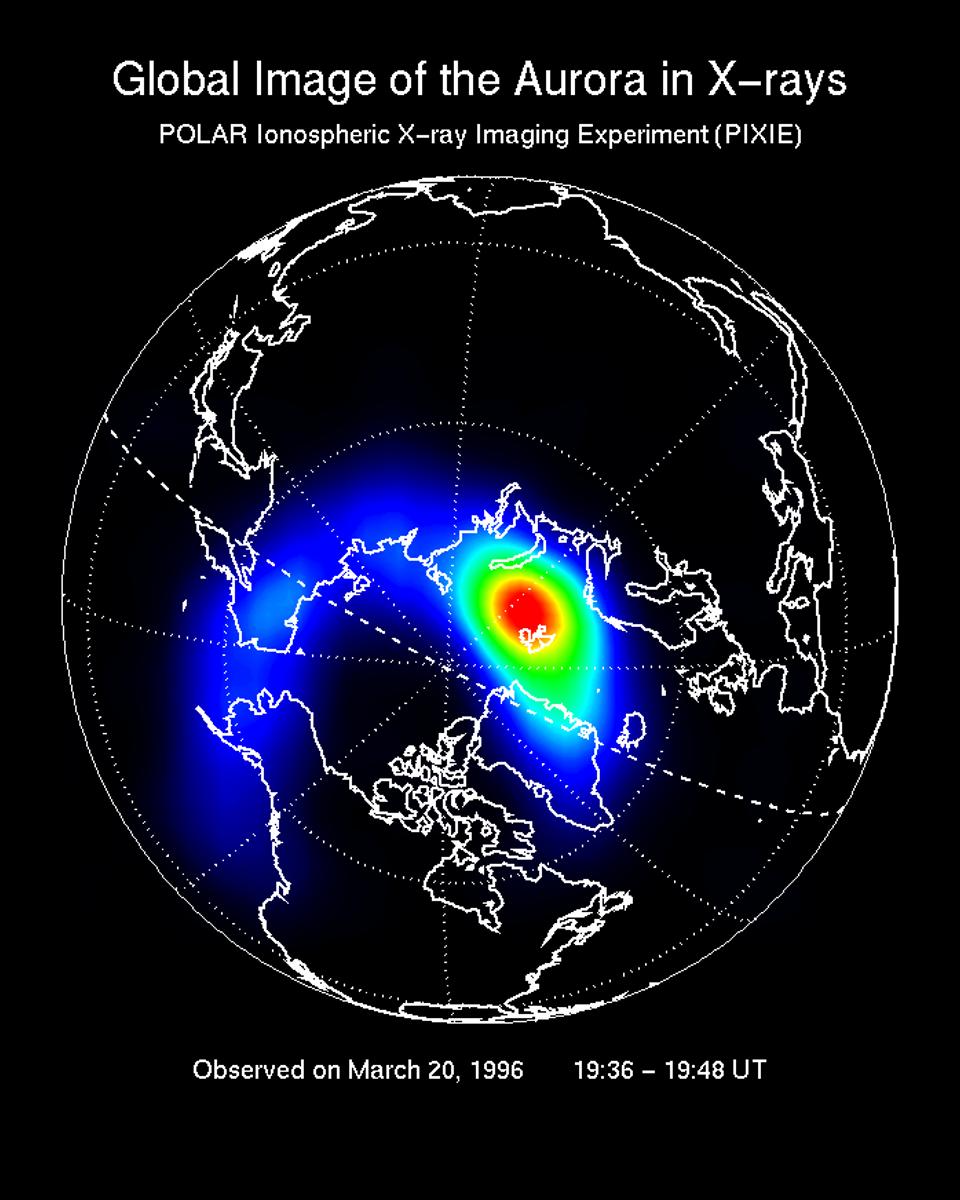
X-Ray Earth
Explanation : The Earth glows in many kinds of light, including the energetic X-ray band. Actually, the Earth itself does not glow - only aurora produced high in the Earth's…
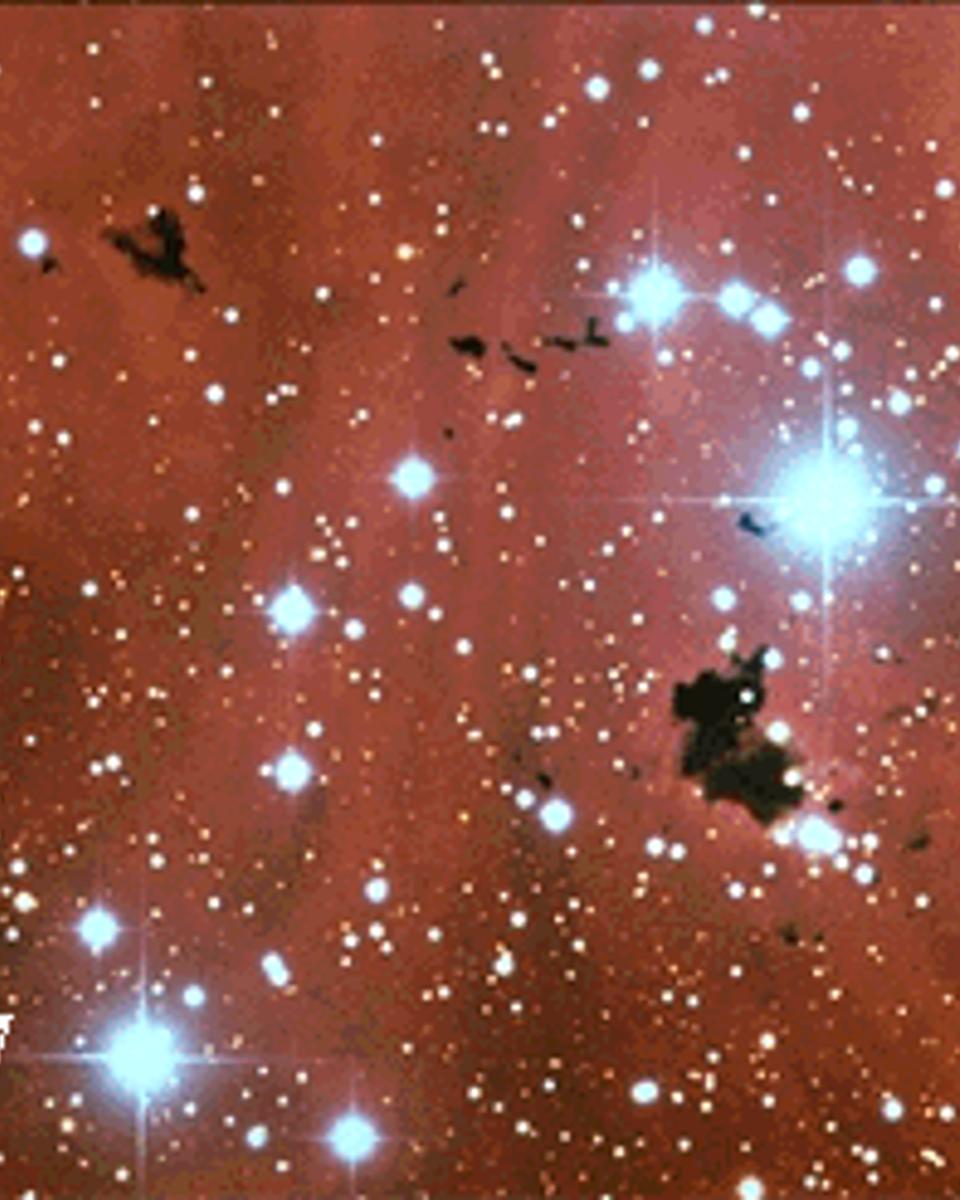
Dark Bok Globules in IC 2944
Explanation : The dark spots in the above picture are not photographic defects but an unusual type of interstellar cloud known as a Bok globule . Bok globules, named after…
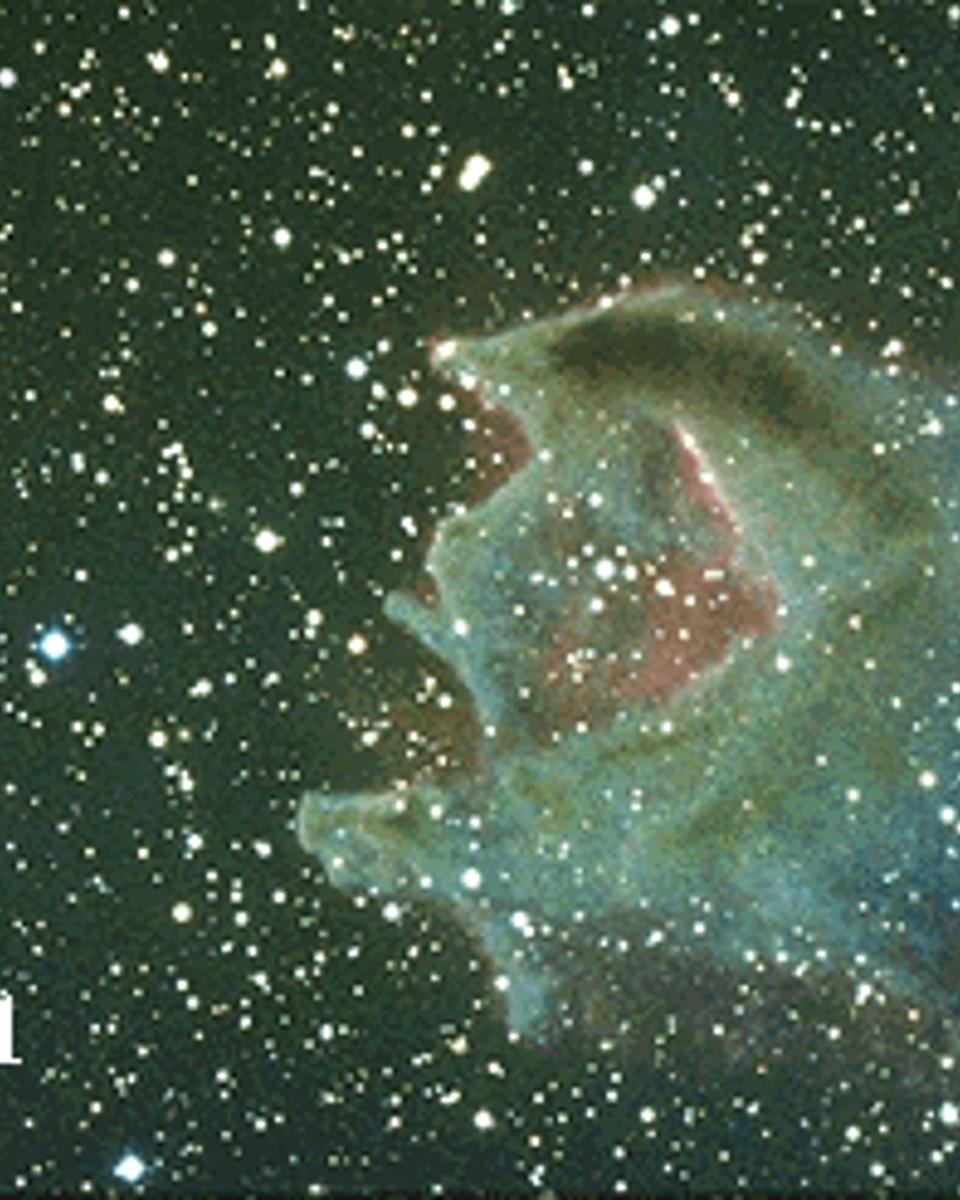
CG4: A Ruptured Cometary Globule
Explanation : The odd looking “creature” to the right of center in the above photo is a gas cloud known as a cometary globule . This globule, however, has ruptured. Cometary…
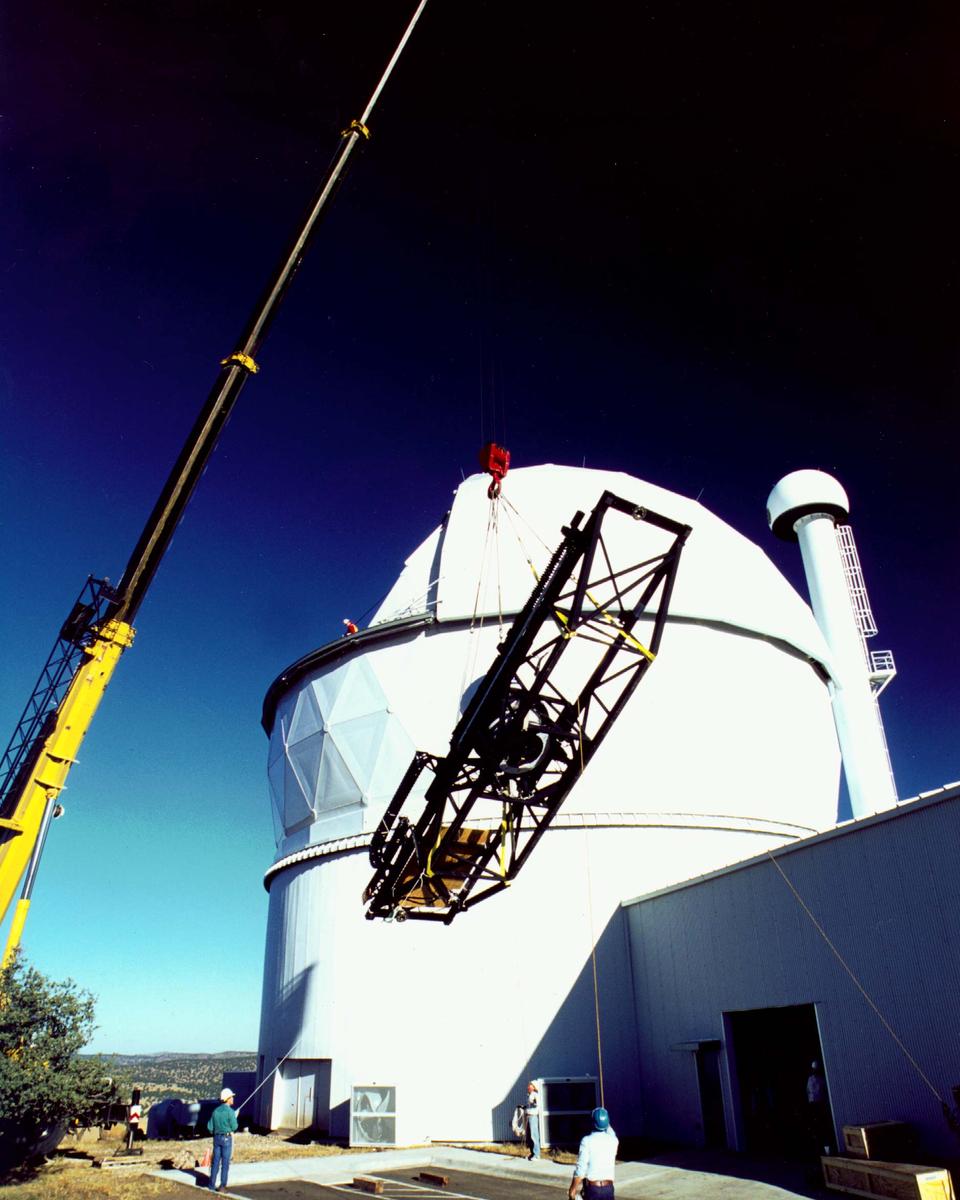
HET: The New Largest Optical Telescope
Explanation : Most of our universe is too dim to see. To peer into our cosmos' unknown depths, astronomers must deploy new tools - and the classic new tool is a larger telescope.…

Carl Sagan 1934-1996
Explanation : Carl Sagan died last Friday at the age of 62. Sagan was the world's most famous astronomer. Among his many activities as a scientist, he contributed to the discovery…
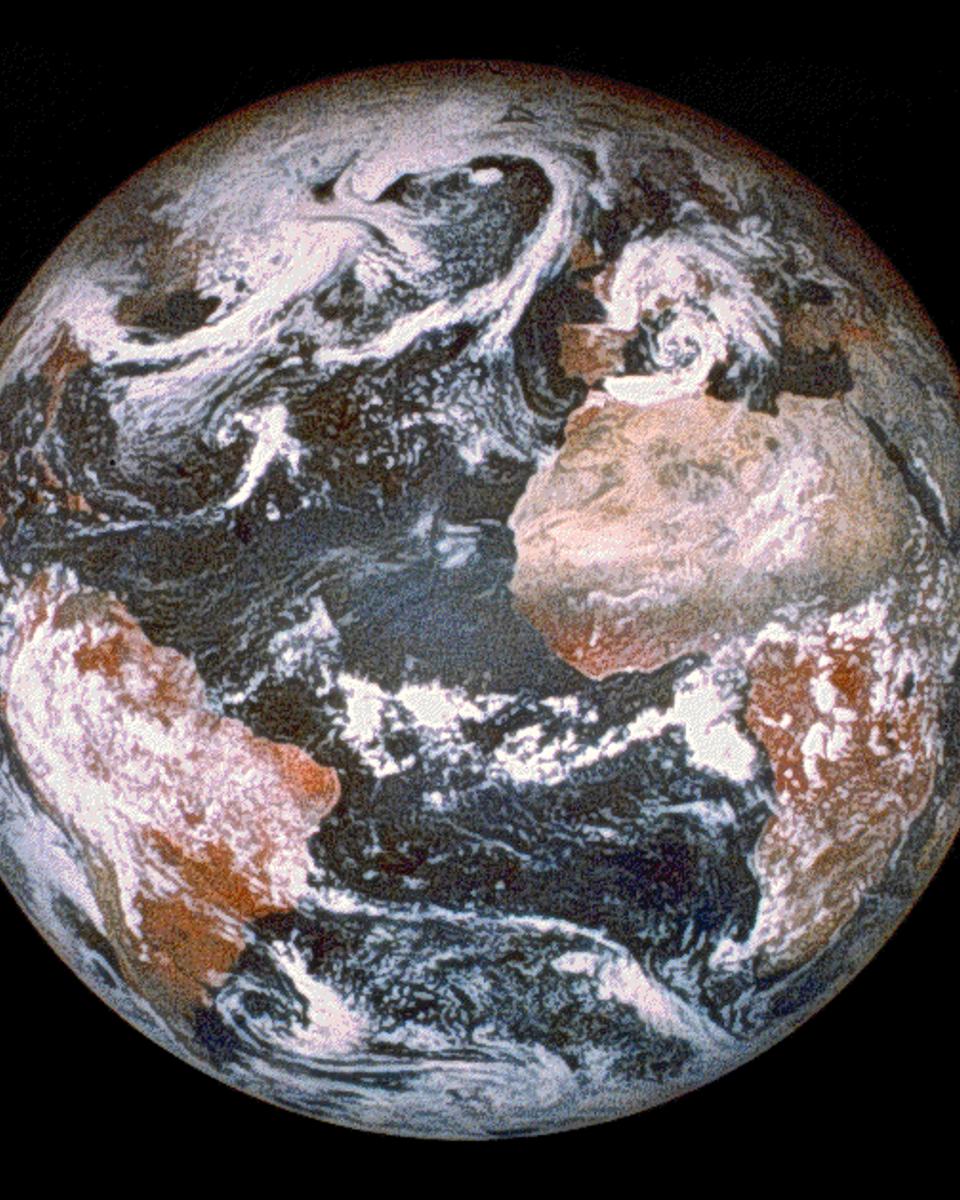
An Earth Ornament
Explanation : The Apollo 8 astronauts spent the 1968 Christmas Season in lunar orbit, returning with striking images of the Moon and Earth from space which inspired the world.…
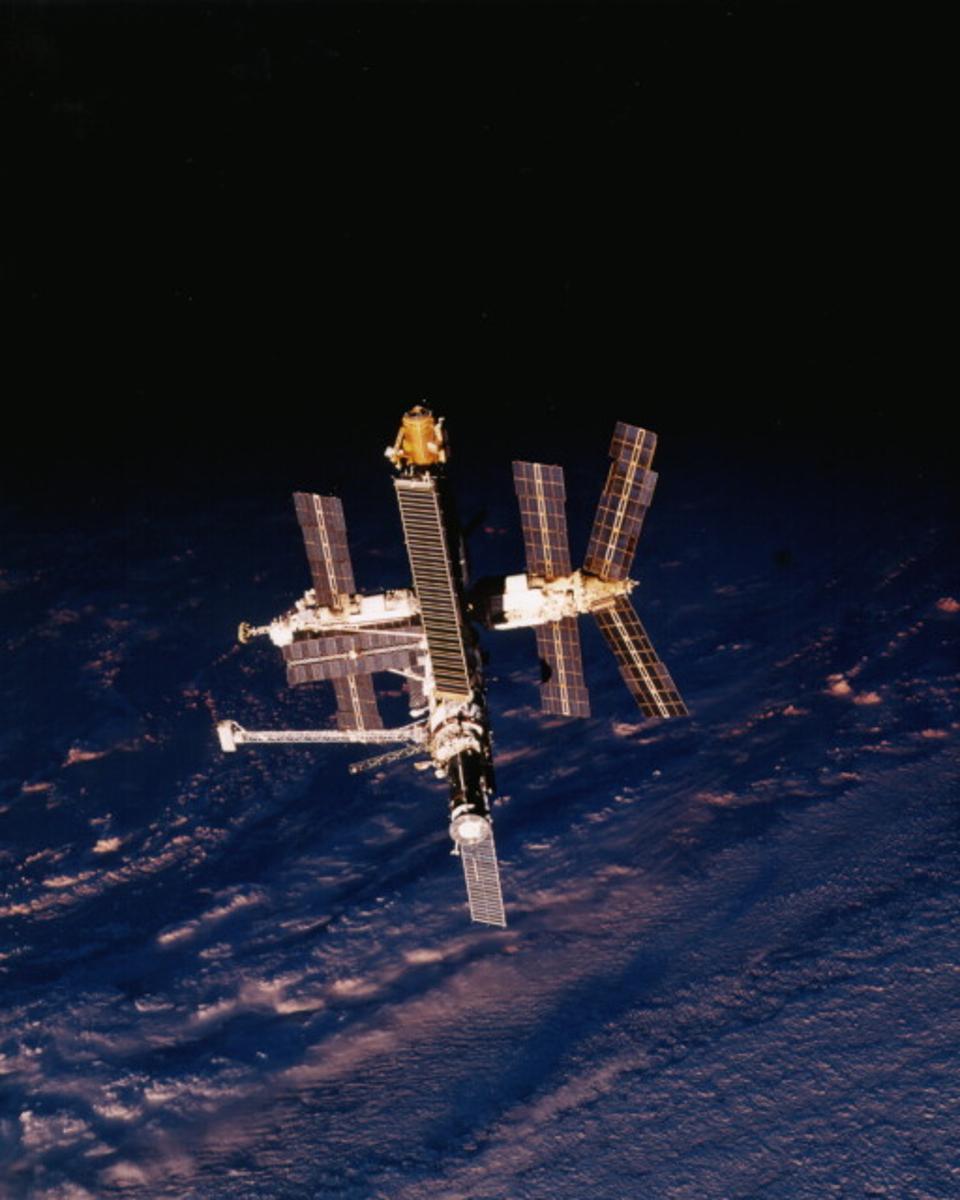
A Mirry Christmas
Explanation : Thinking about spending the Holiday Season in low Earth orbit? Astronaut John Blaha and his cosmonaut colleagues Valeri Korzun and Alexander Kaleri are doing just…
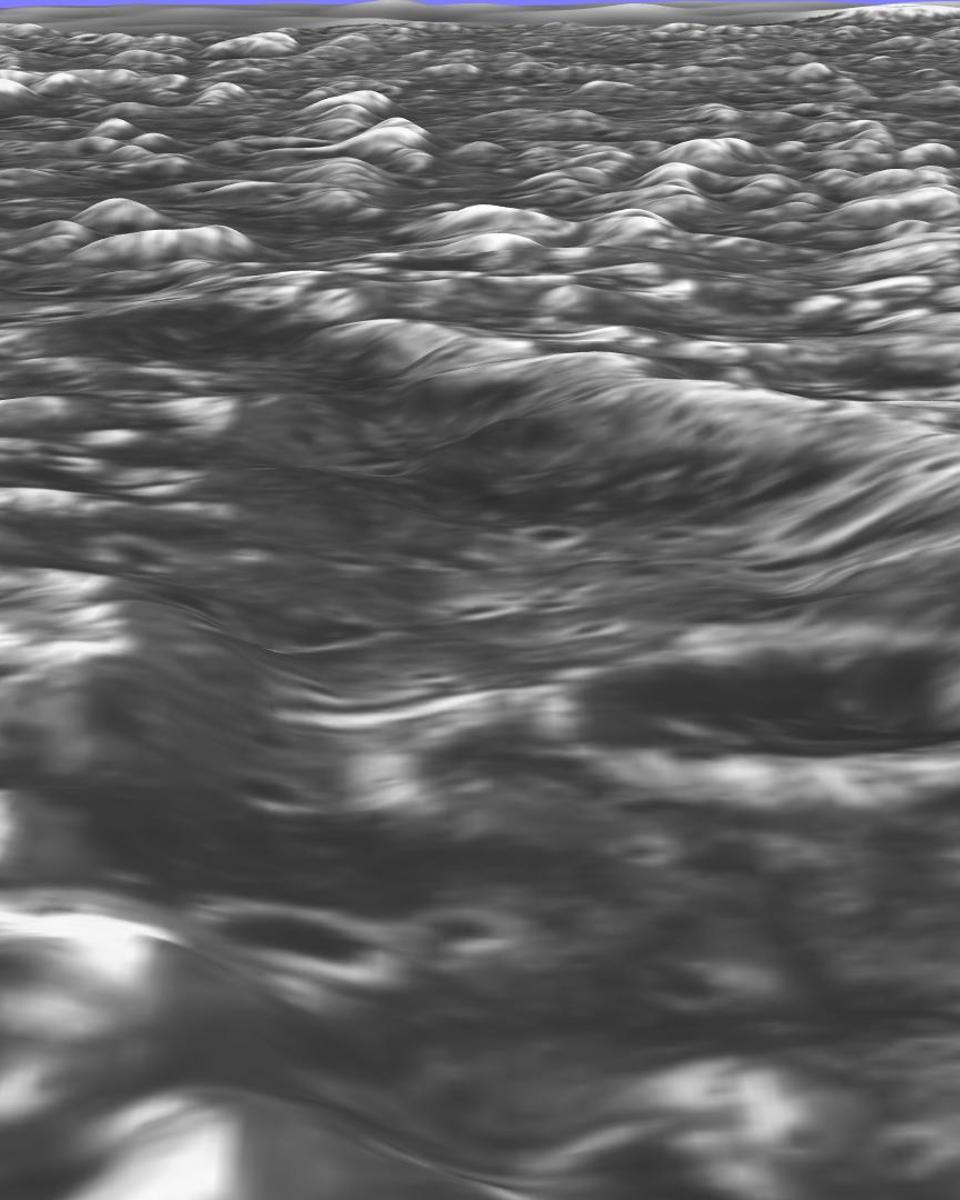
The Hills of Ganymede
Explanation : This computer generated 3D close-up view of Jupiter's large moon Ganymede was created using image data from NASA's Galileo spacecraft. Simulating stereo vision by…
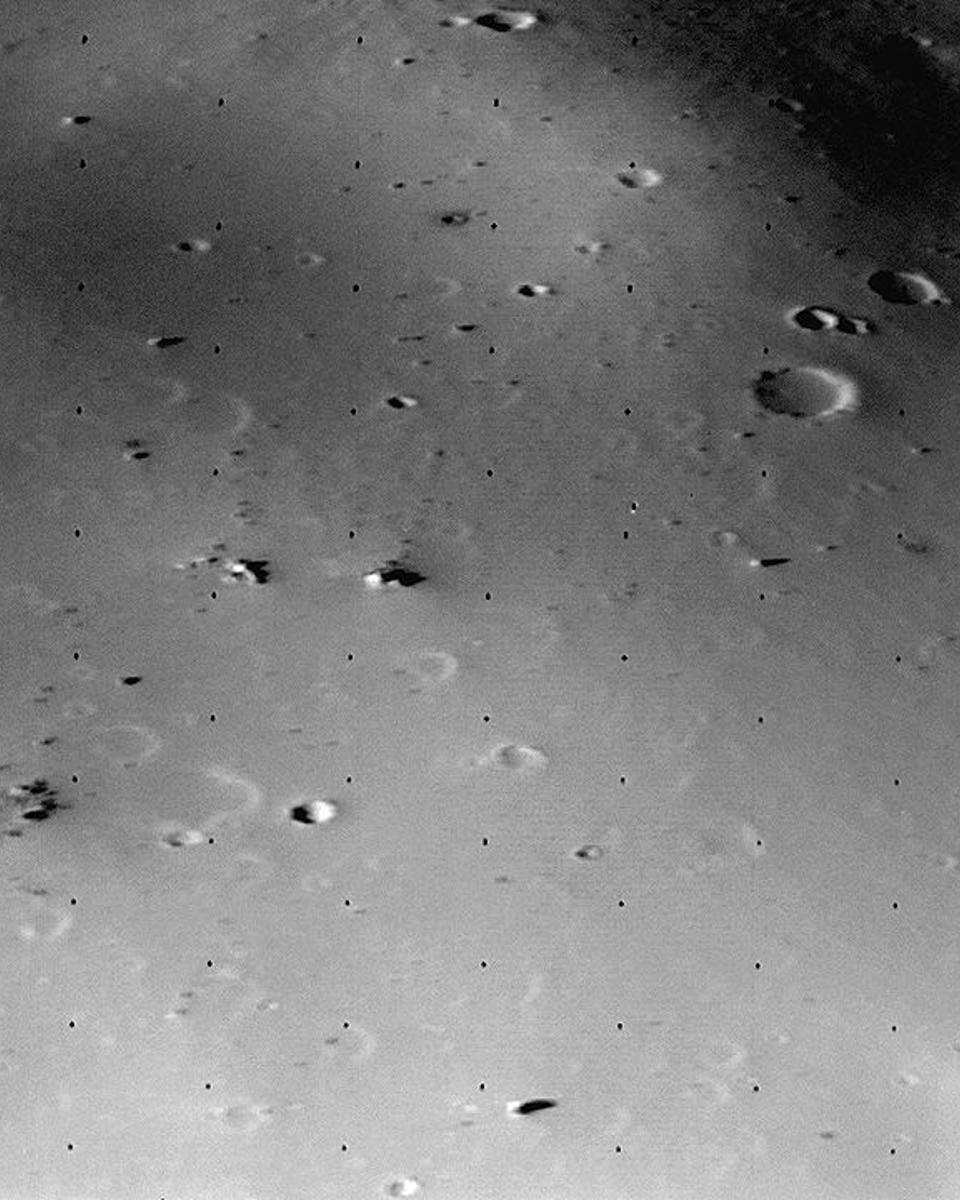
18 Miles From Deimos
Explanation : Diminutive Deimos is the smallest of the two tiny Moons of Mars. Potato shaped and barely 6 miles wide this asteroid-like body was visited by the Viking 2 orbiter in…
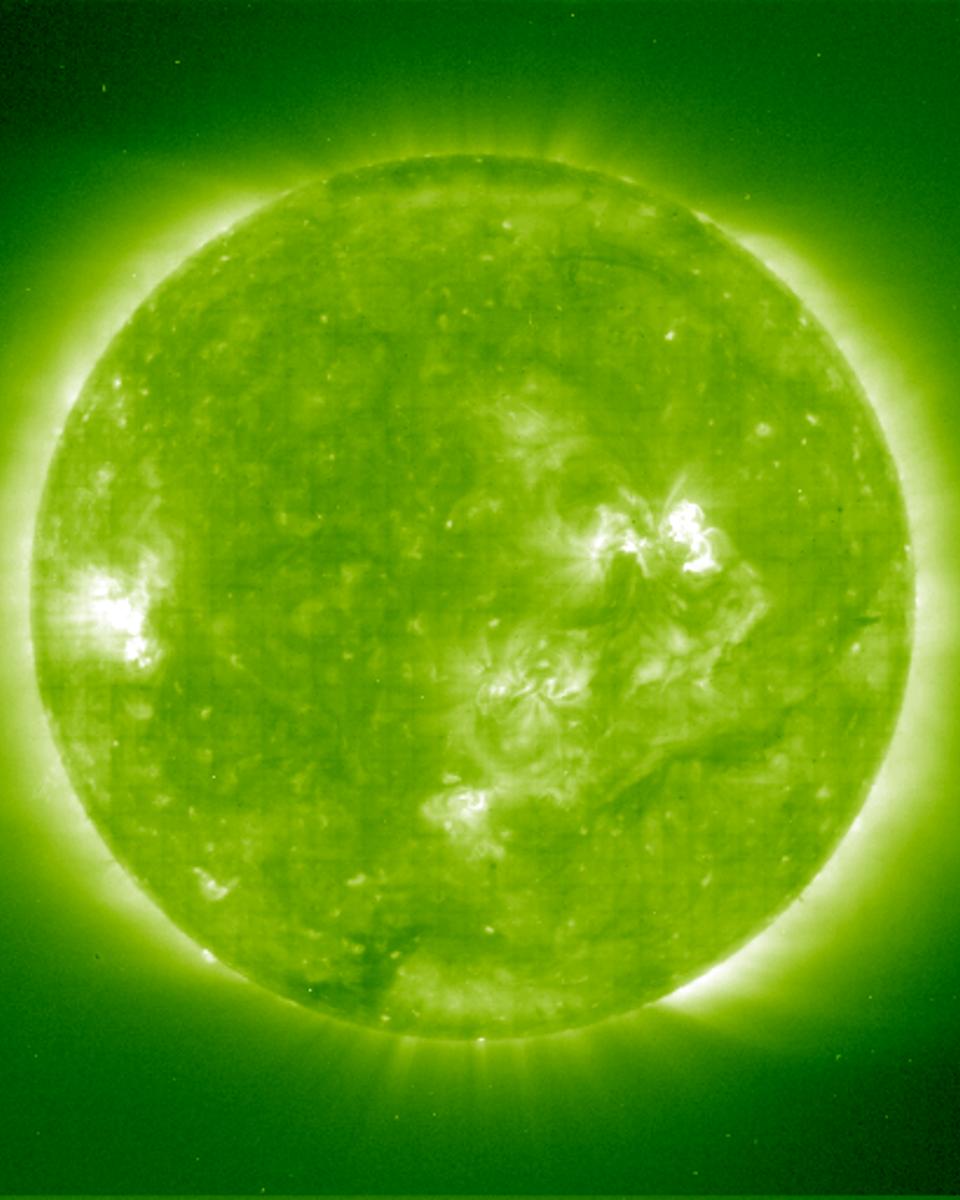
Sun and Winter Solstice 1996
Explanation : Today is the Winter Solstice for 1996. After steadily sinking in Northern Hemisphere skies , the Sun is now at its lowest declination - marking the first day of…
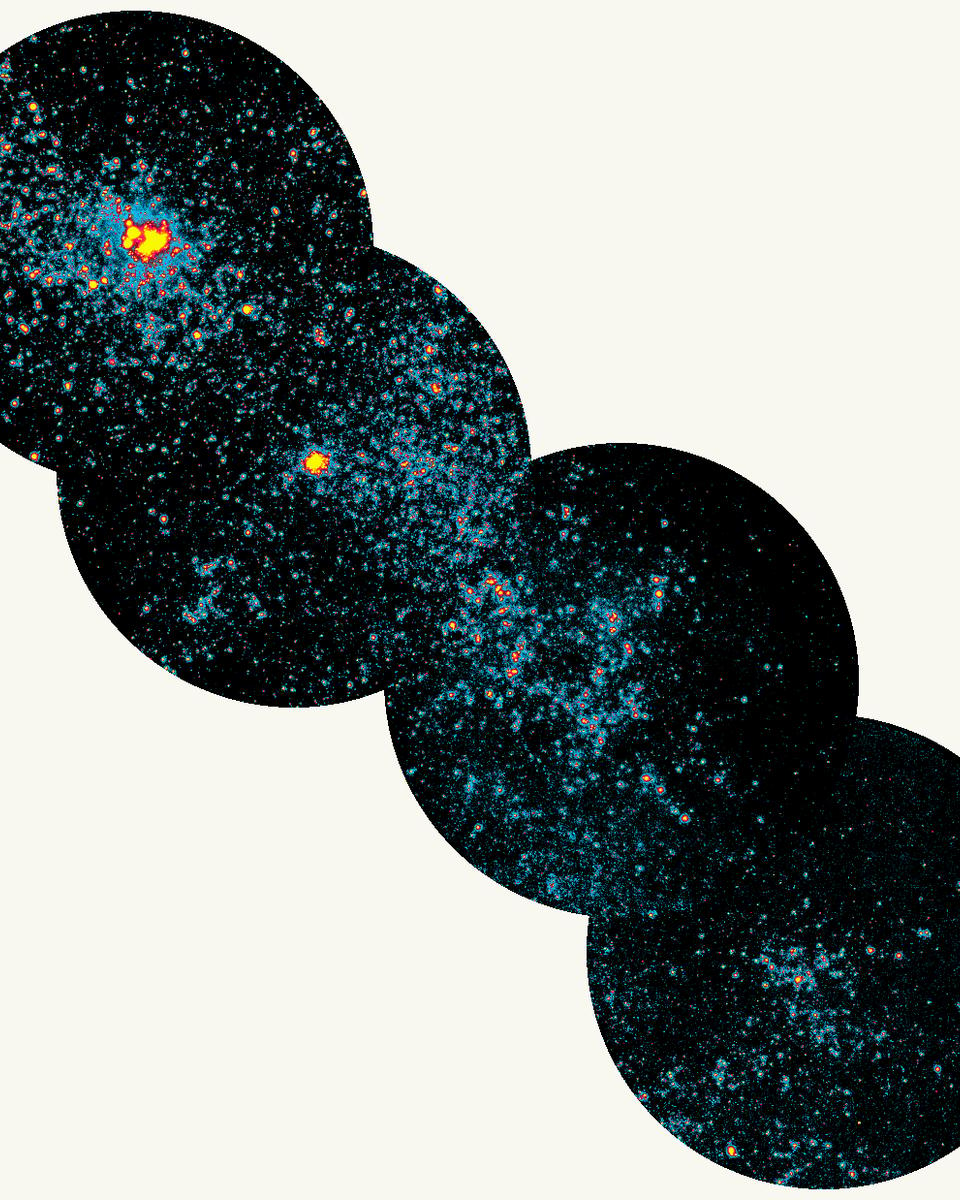
The UV SMC from UIT
Explanation : Translated from the “acronese” the title reads - The U ltra V iolet S mall M agellanic C loud from the U ltraviolet I maging T elescope. FYI, the four ultraviolet…
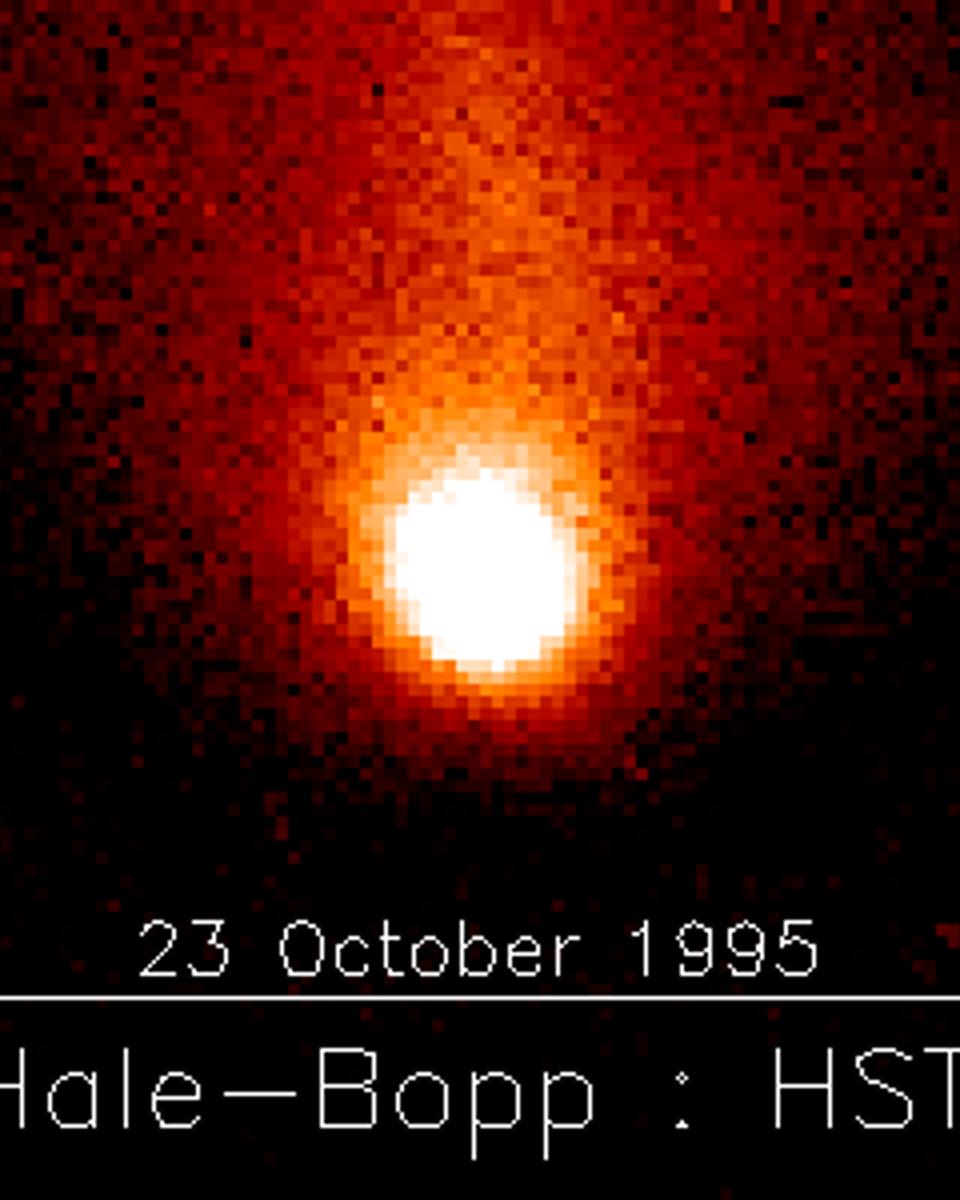
Comet Hale-Bopp Inbound
Explanation : Headed toward the inner Solar System, the much anticipated Comet Hale-Bopp has promised to put on a big show next spring. The comet's apparent brightness is…
Viewing discoveries from 11 January 1997 through 19 December 1996.