Browse NASA Astronomy Picture of the Day archive by date and media: Archive Discoveries
Browse the NASA APOD archive without needing the exact date first. Filter by media type and keep moving deeper into older images and videos.
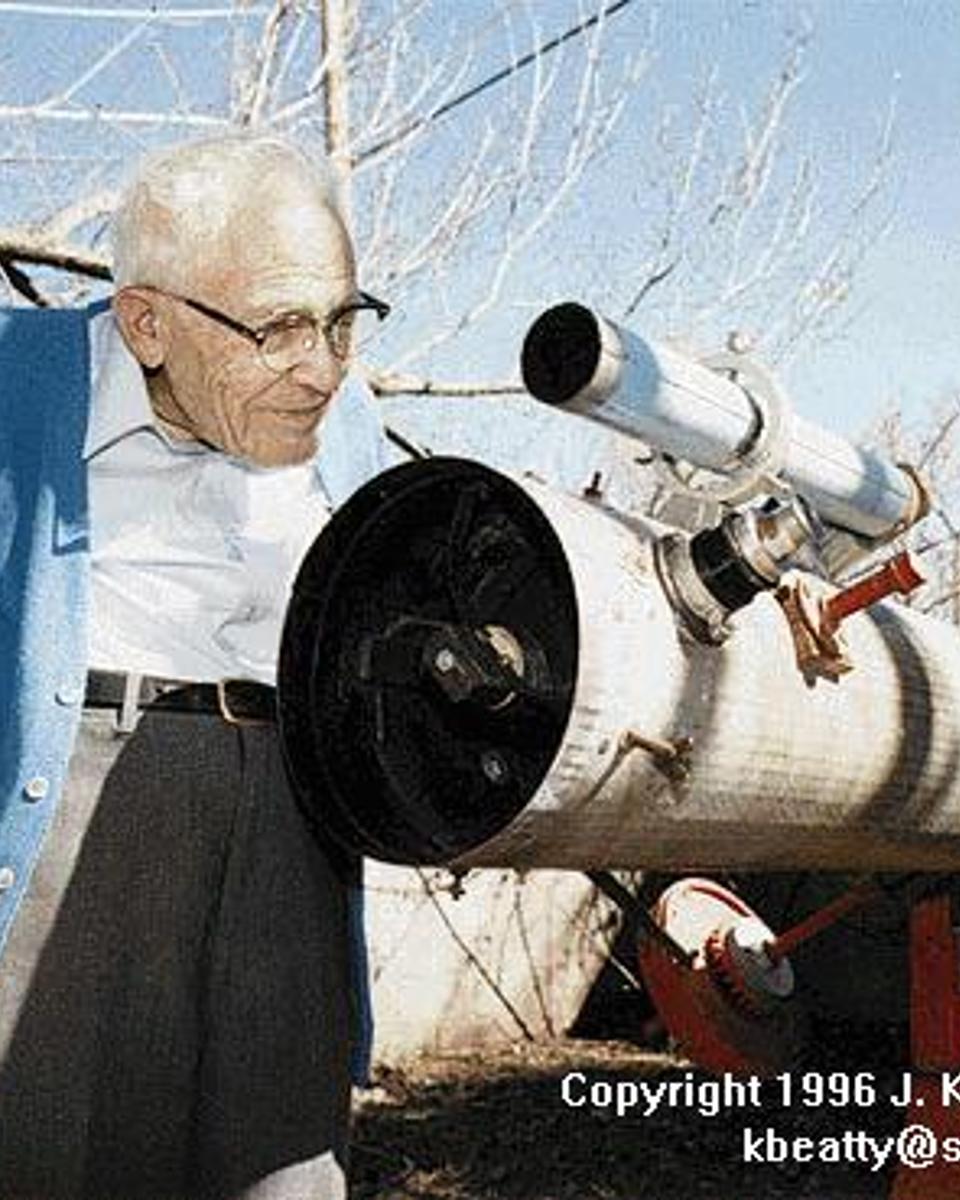
Clyde W. Tombaugh: 1906-1997
Explanation : Astronomer Clyde Tombaugh , discoverer of Pluto, died on January 17th. Inspiring many during his long and exceptional career, he had been living in Las Cruces, New…
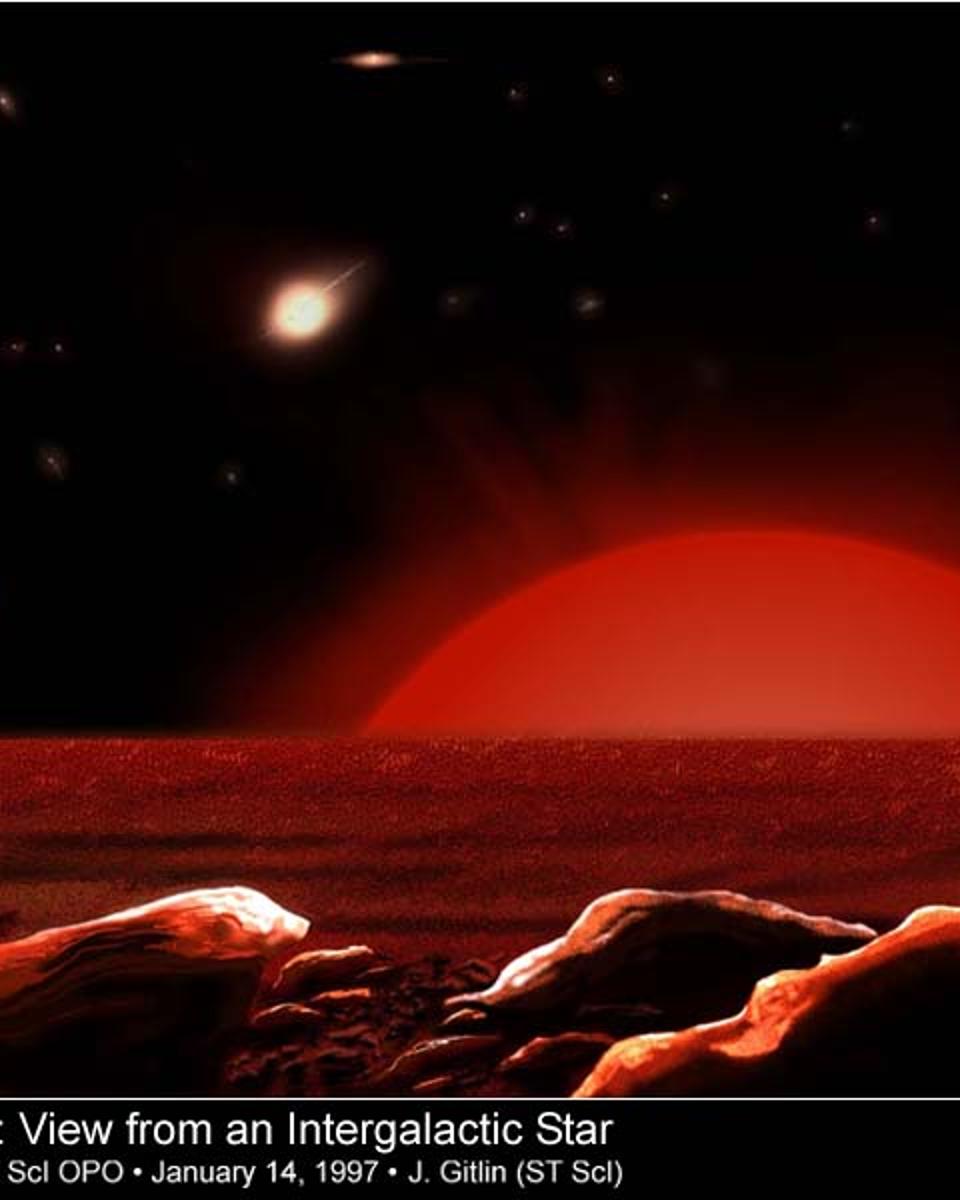
Stars Without Galaxies
Explanation : Galaxies are made up of stars, but are all stars found within galaxies ? Apparently not. Using the Hubble Space Telescope, researchers exploring the Virgo Cluster of…

Standing on the Moon
Explanation : Humans once walked on the Moon. Pictured above is the second person to stand on the lunar surface: Edwin “Buzz” Aldrin. During this Apollo 11 mission, Neil Armstrong…
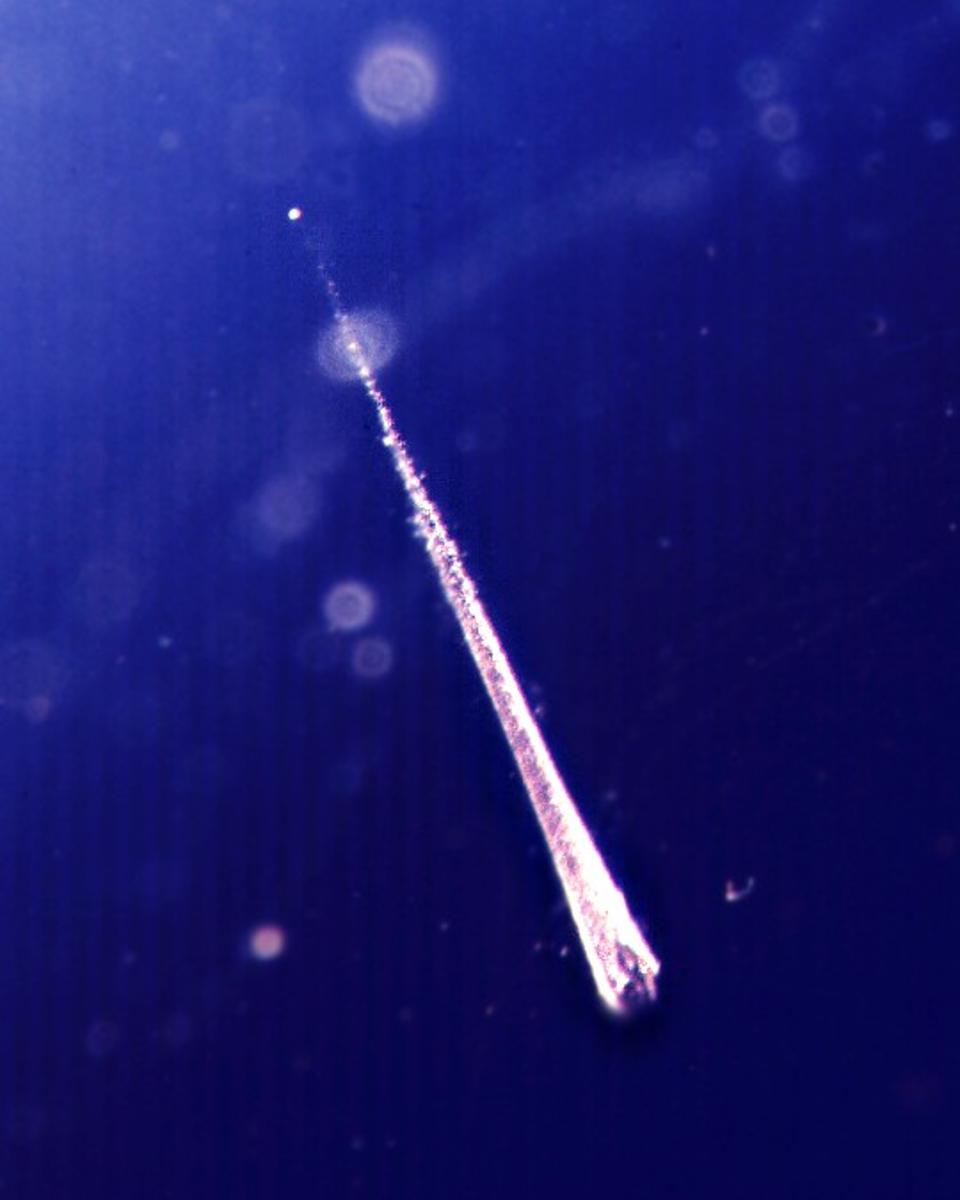
Catching Falling Stardust
Explanation : This carrot shaped track is actually little more than 5 hundredths of an inch long. It is the trail of a meteroid through aerogel exposed to space by the shuttle…
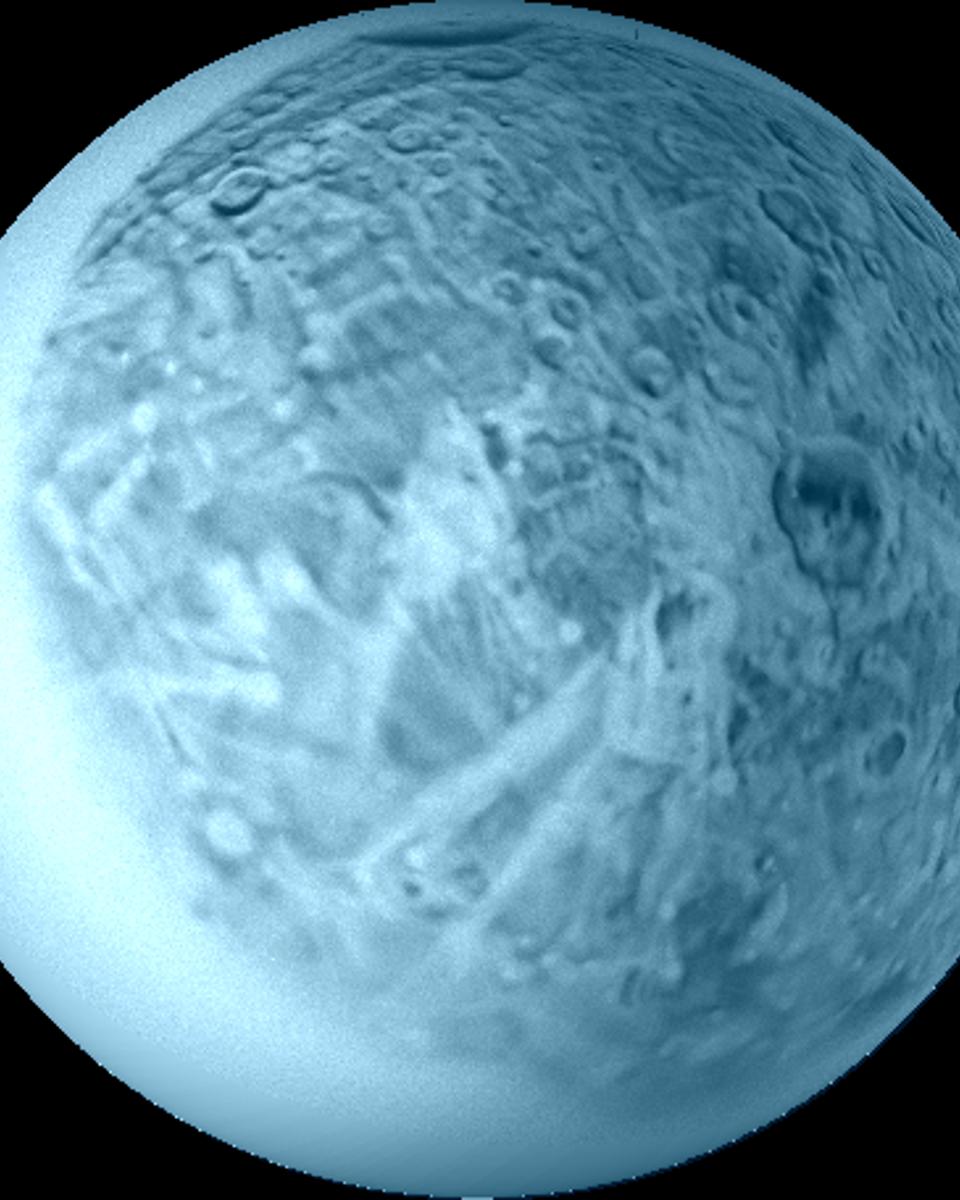
Hamlet of Oberon
Explanation : What's in a name? Since 1919, the International Astronomical Union has been charged with the task of establishing “conventional” nomenclature for planets,…
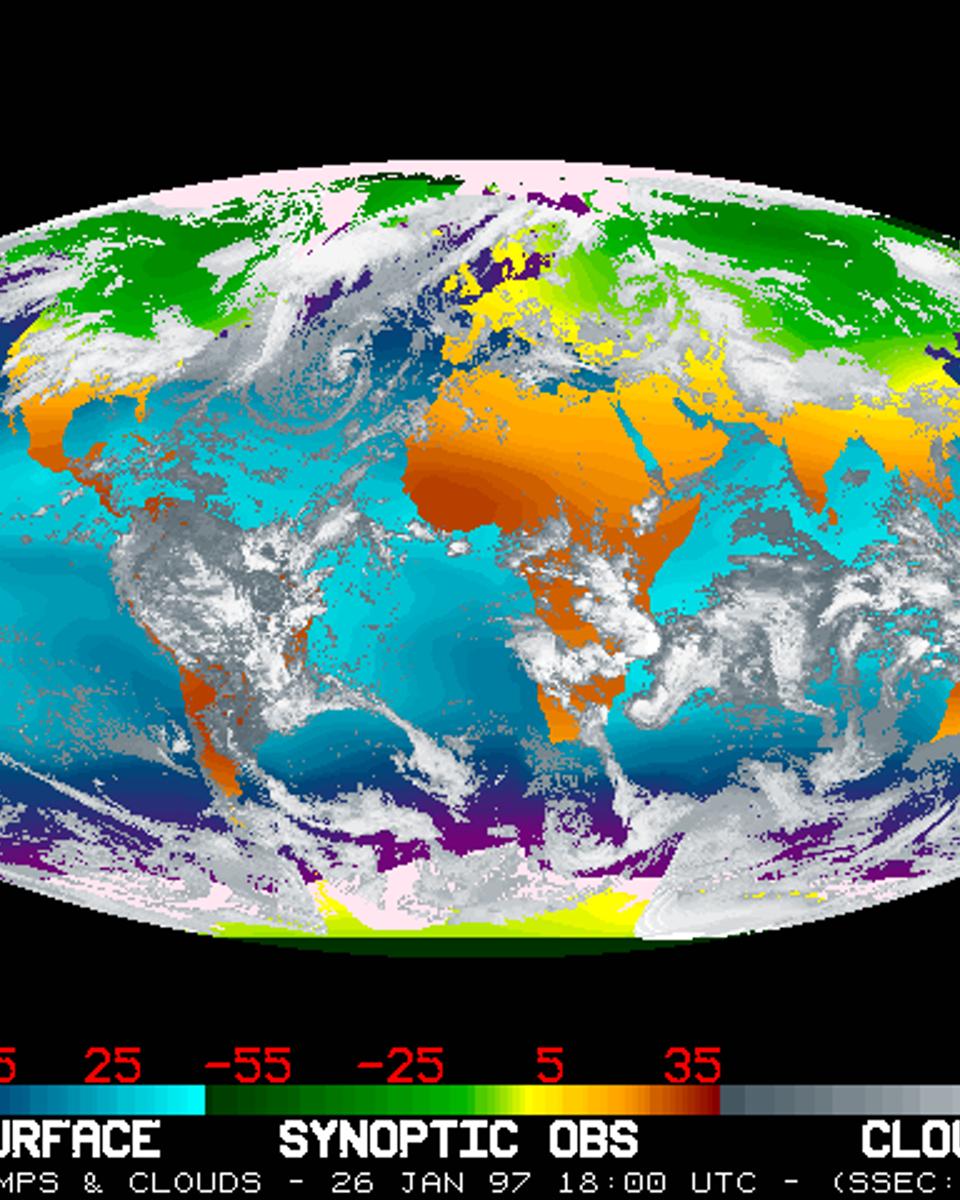
Earth's Temperature
Explanation : What's the temperature outside? No matter where you are on Earth , the above map can tell you. This global montage was created using the temperature data from…
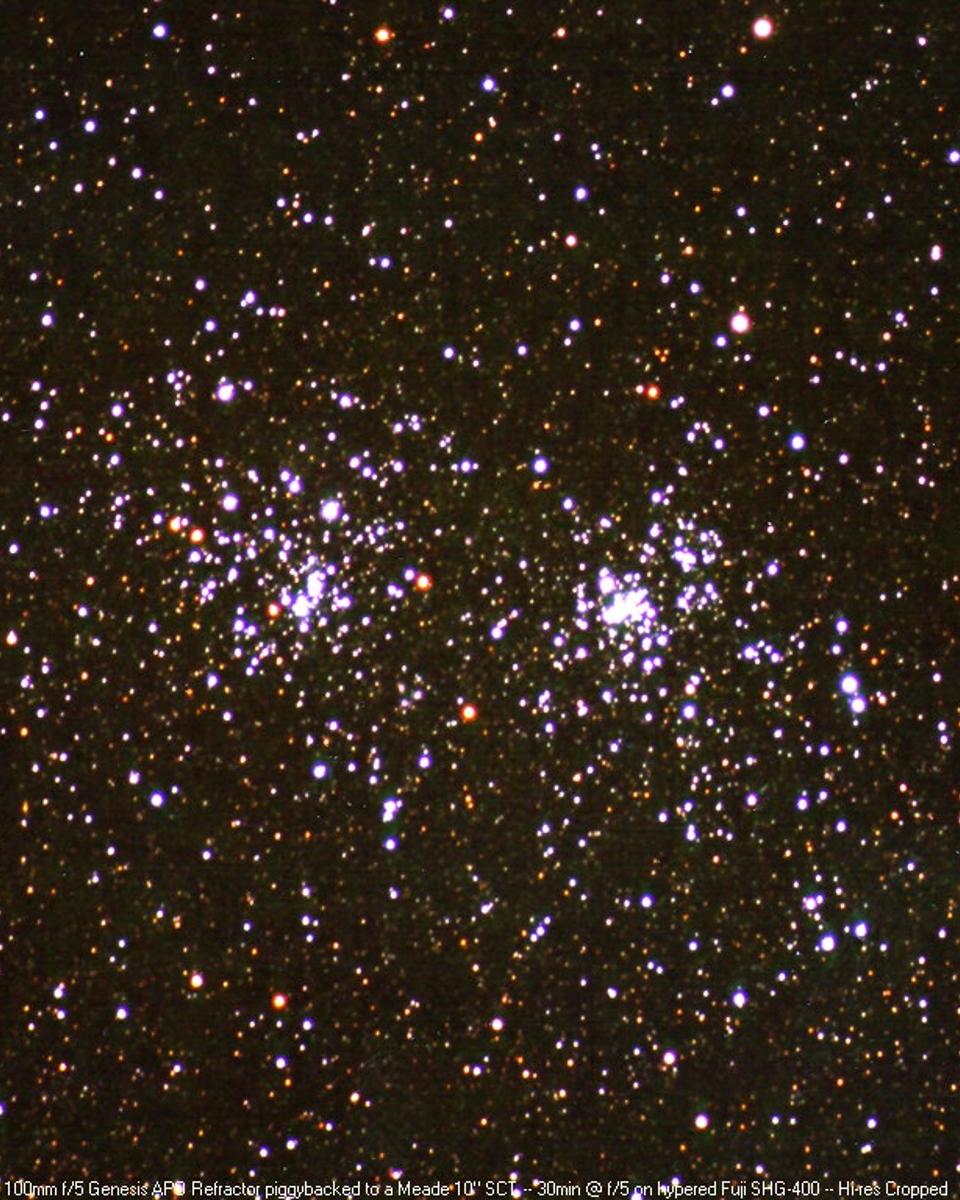
NGC 869 & NGC 884: A Double Open Cluster
Explanation : Most star clusters are singularly impressive. But open clusters NGC 869 and NGC 884 are doubly impressive. Also known as “h and chi Persei”, this rare double…
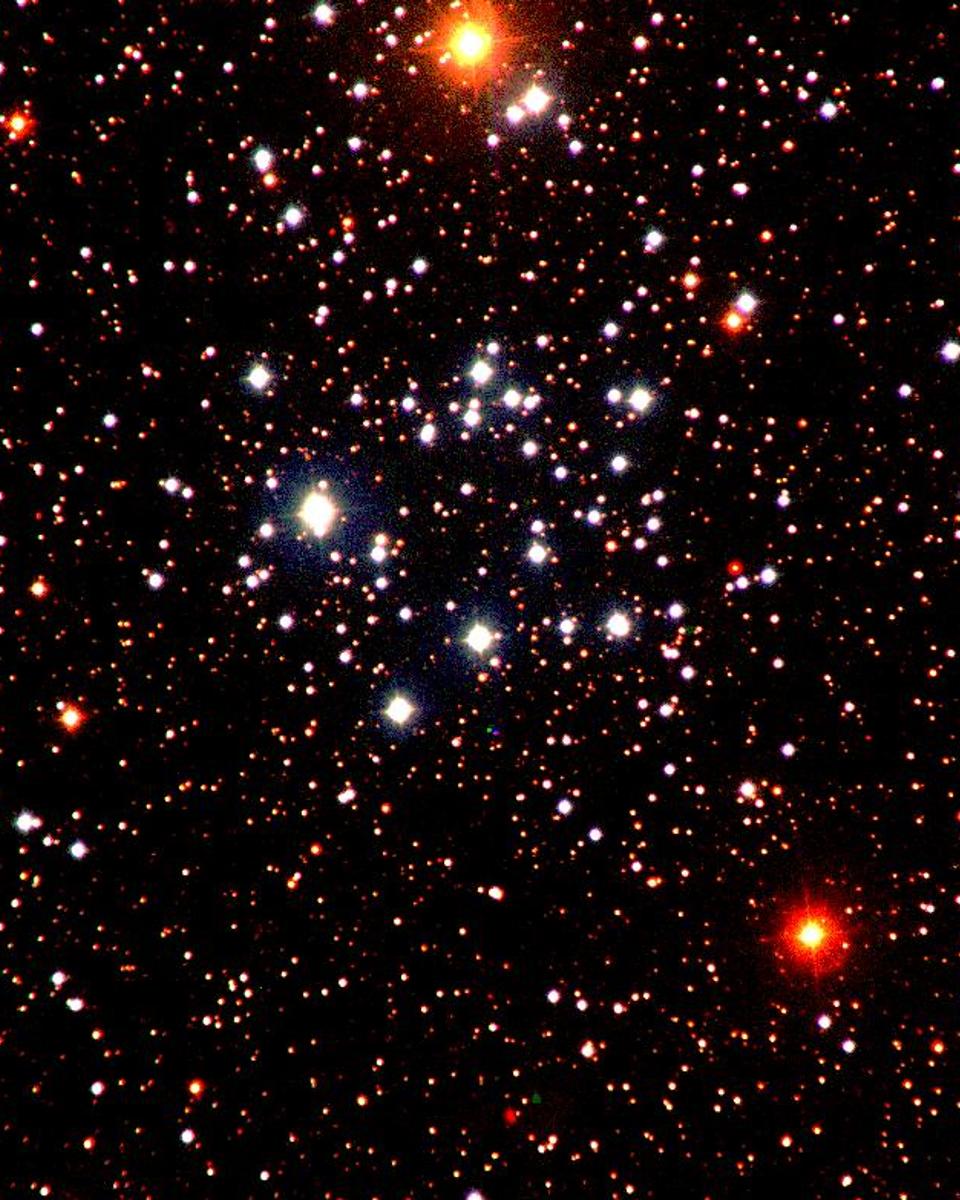
Open Cluster M50
Explanation : Many stars form in clusters. Two types of star clusters are visible in our Milky Way Galaxy : open clusters and globular clusters . Open clusters like M50, shown…
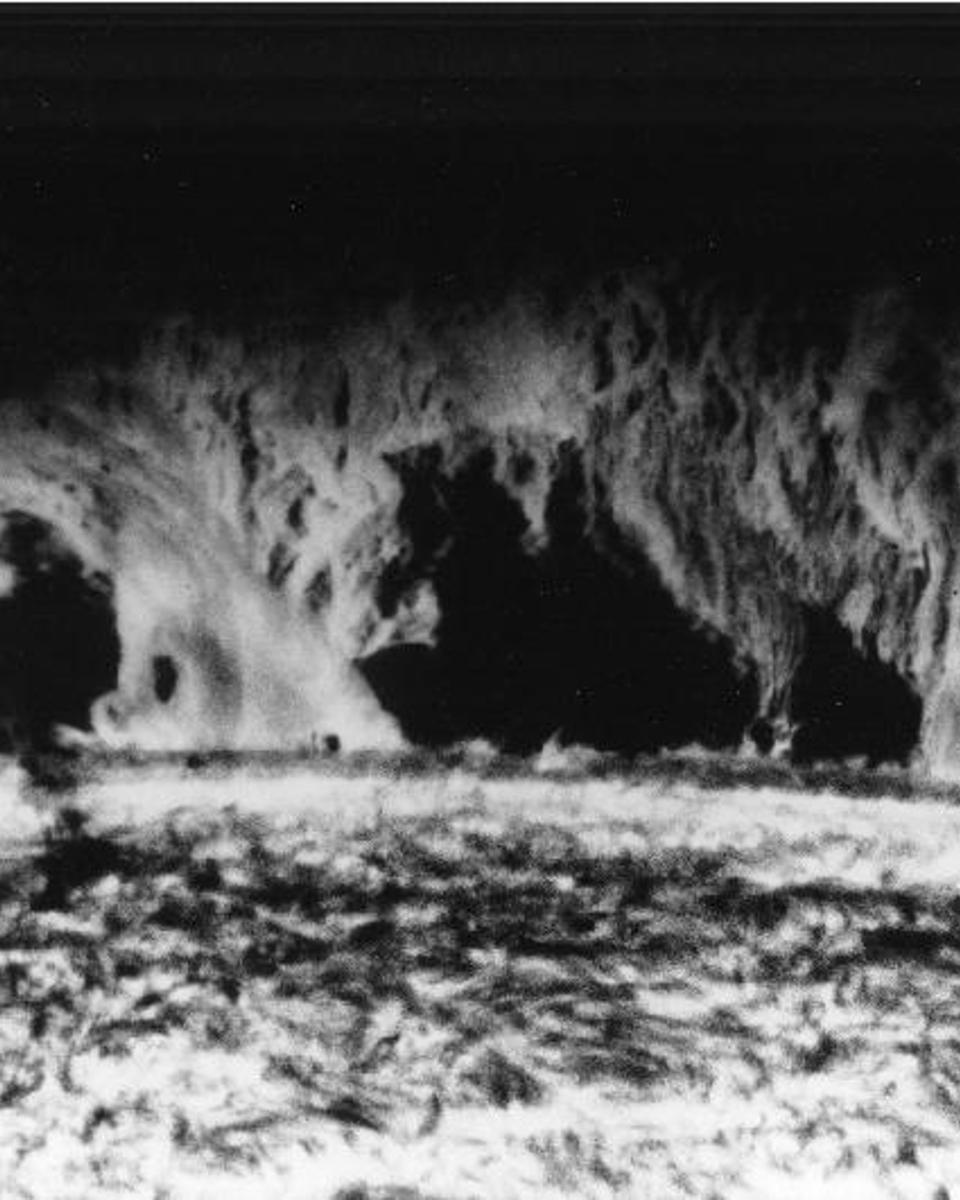
A Prominent Solar Prominence
Explanation : One of the most spectacular solar sights is a prominence. A solar prominence is a cloud of solar gas held above the Sun 's surface by the Sun 's magnetic field. The…
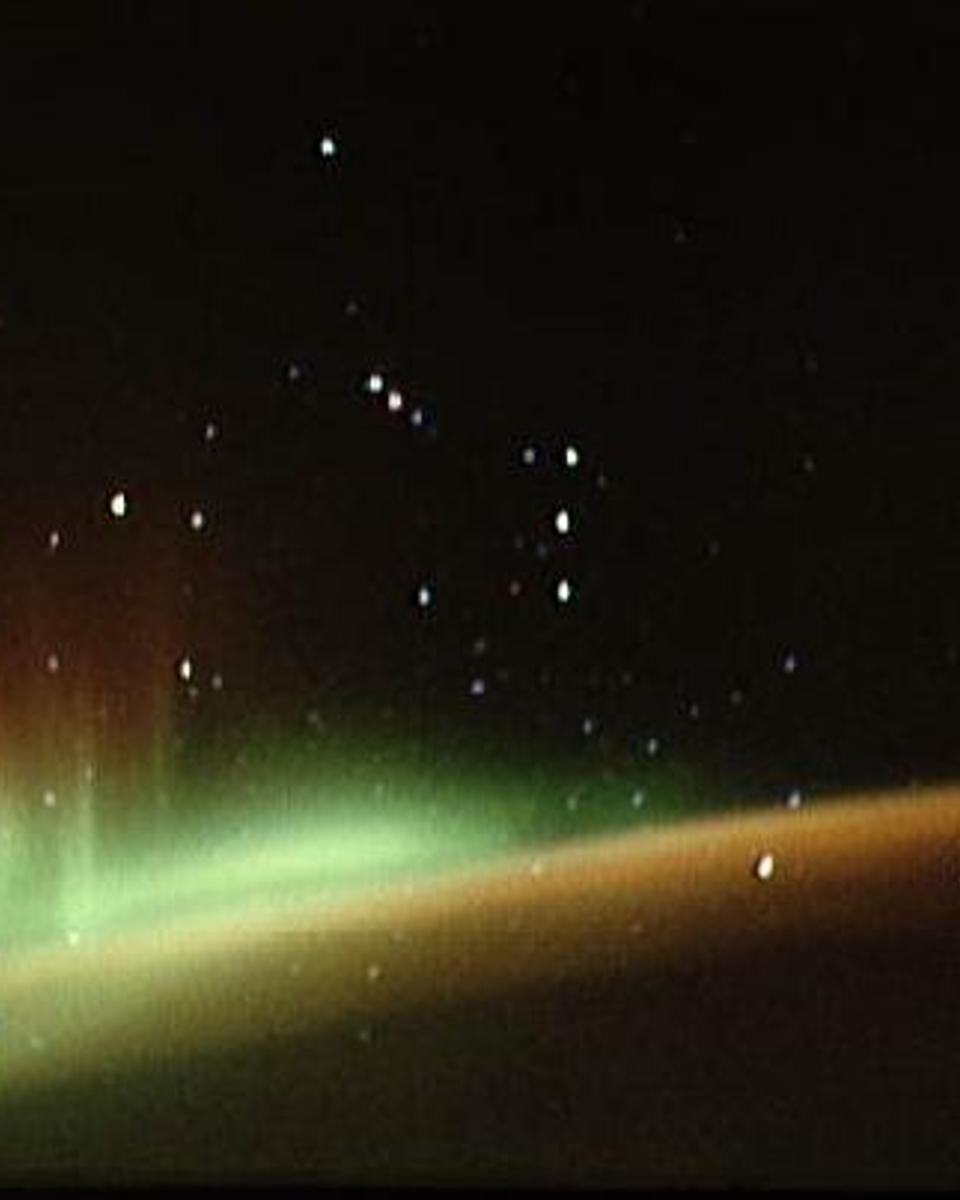
Aurora and Orion
Explanation : Looking toward the south from low Earth orbit, the crew of the Space Shuttle Endeavor made this stunning time exposure of the Aurora Australis or southern lights in…
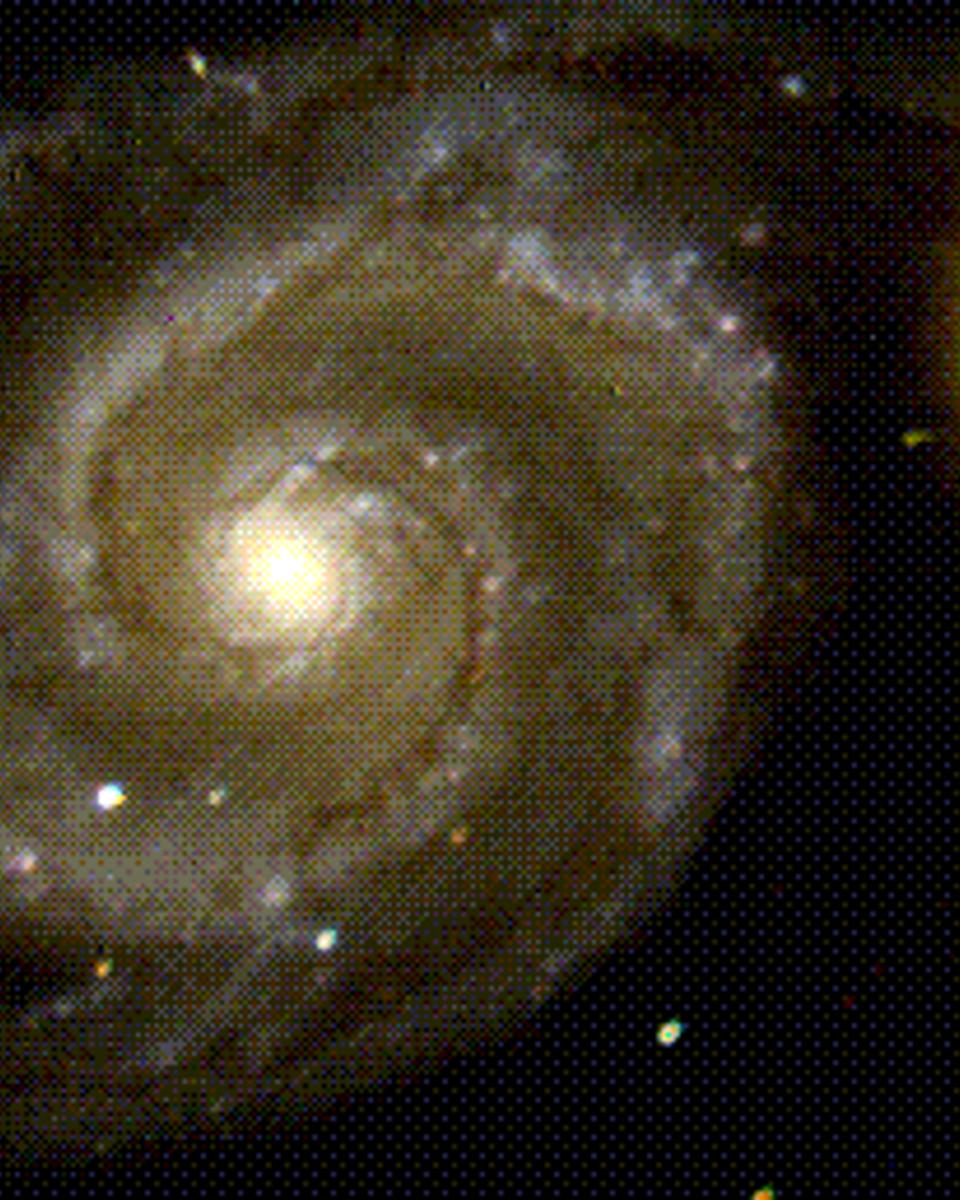
M51: The Whirlpool Galaxy
Explanation : The Whirlpool Galaxy is a classic spiral galaxy . At only 15 million light years distant, M 51, also cataloged as NGC 5194 , is one of the brighter and more…
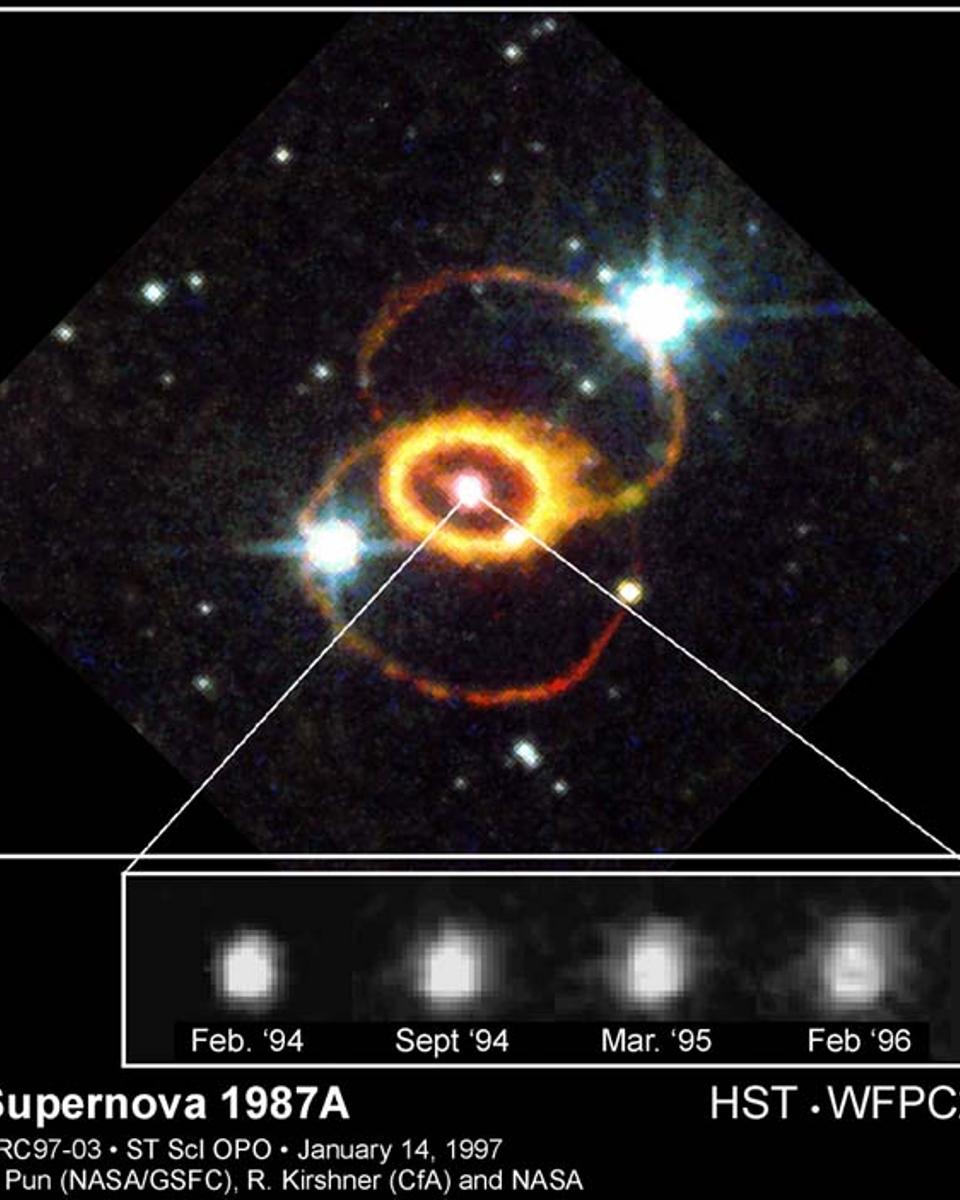
Supernova 1987a Fireball Resolved
Explanation : Ten years ago the most notable supernova of modern times was observed. In February 1987, light reached Earth from a star which exploded in the nearby Large…
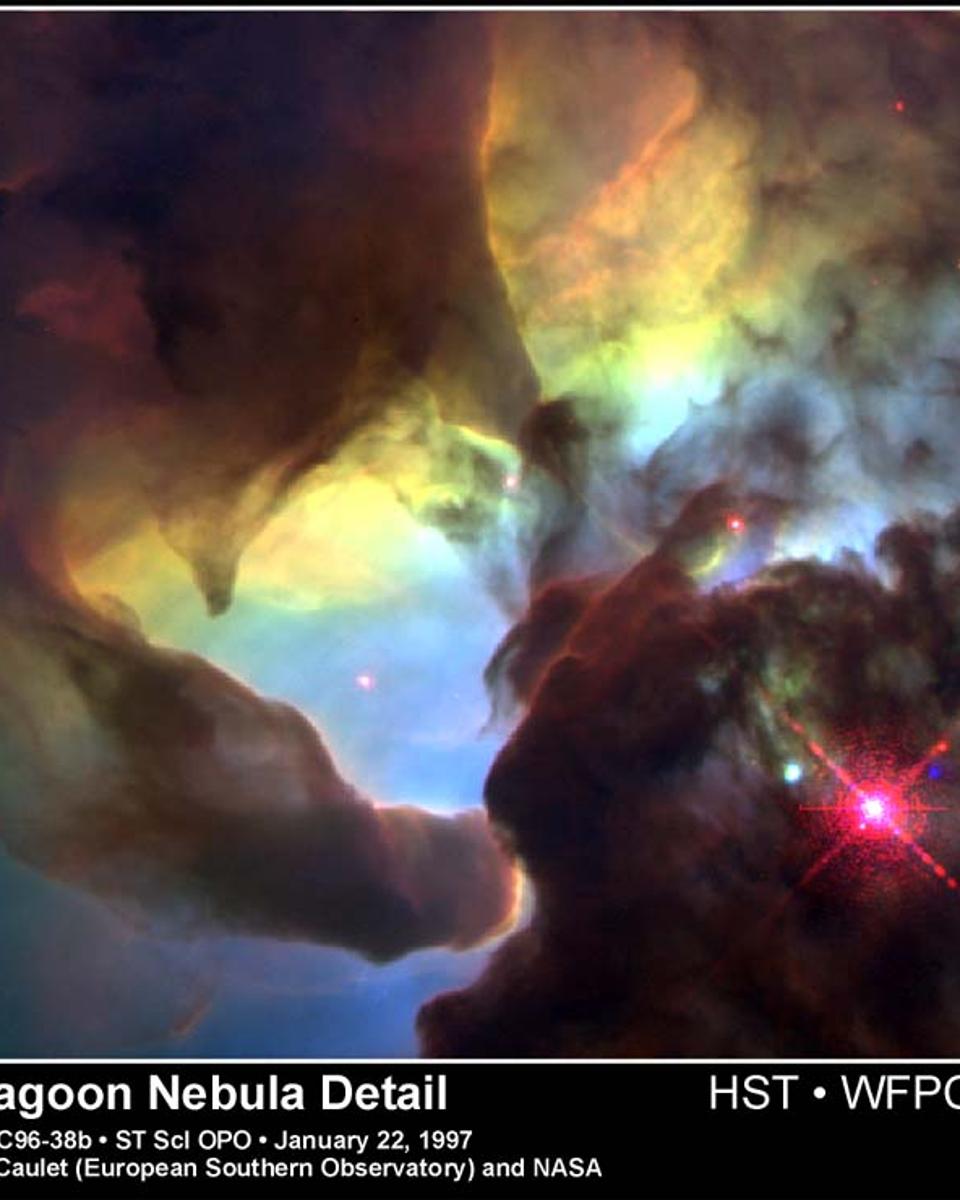
Twistin' by the Lagoon
Explanation : The awesome spectacle of starbirth produces extreme stellar winds and intense energetic starlight -- bombarding dusty molecular clouds inside the Lagoon Nebula ( M8…
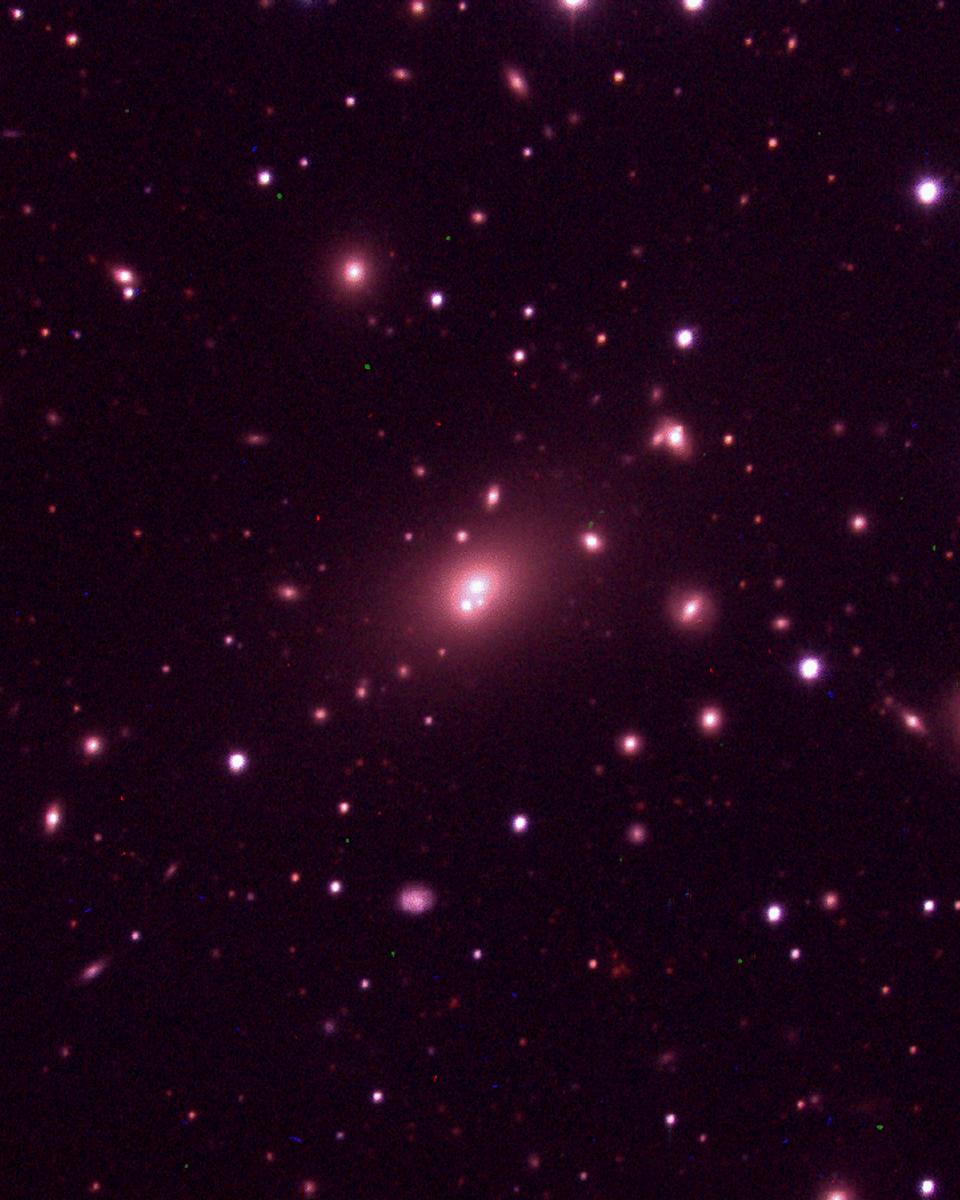
Galaxy Cluster A2199
Explanation : It's bigger than a bread box. In fact, it's much bigger than all bread boxes put together. Abell 2199 is huge. In fact, it is a close, large cluster of galaxies ,…
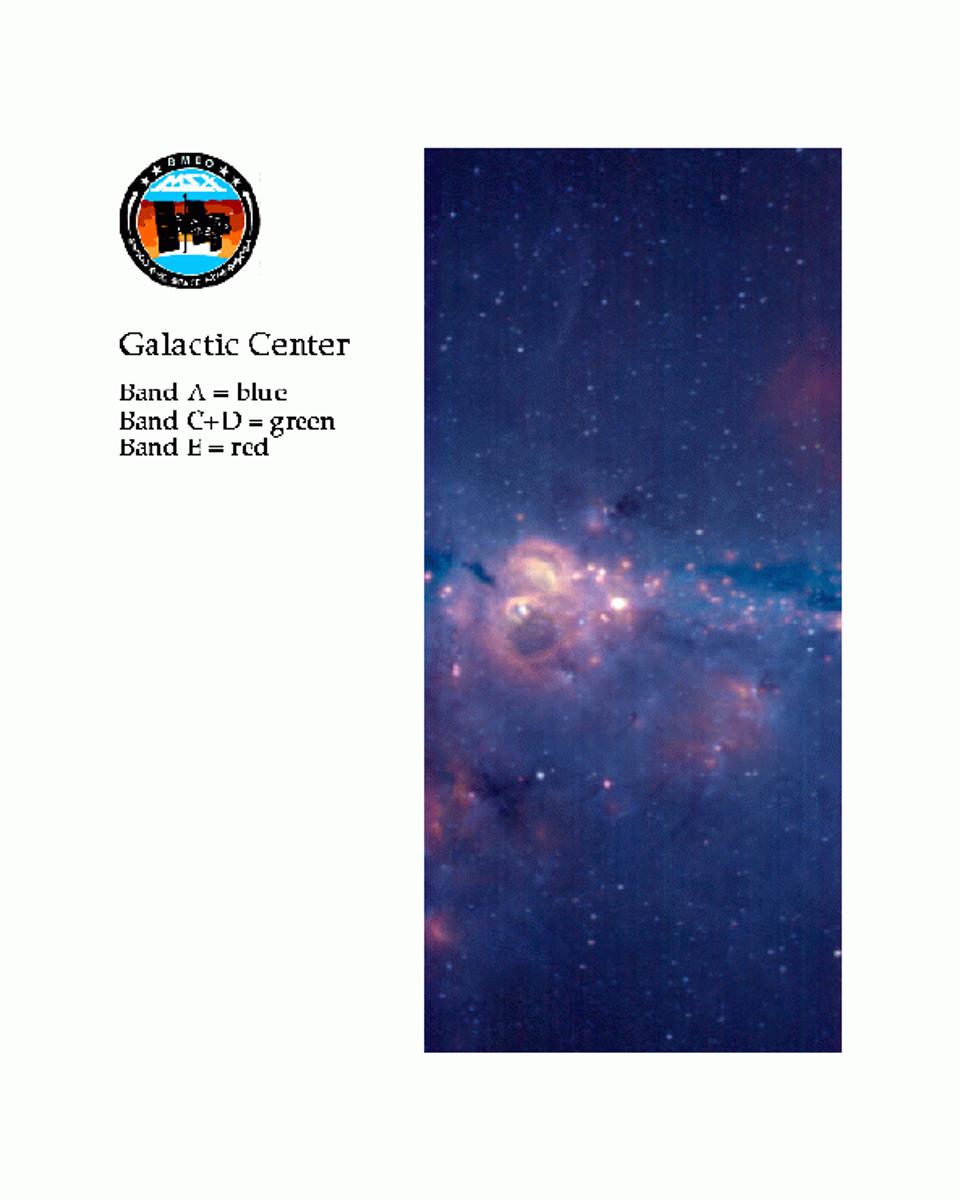
Journey to the Center of the Galaxy
Explanation : In Jules Verne 's science fiction classic A Journey to the Center of the Earth , Professor Hardwigg and his fellow explorers encounter many strange and exciting…
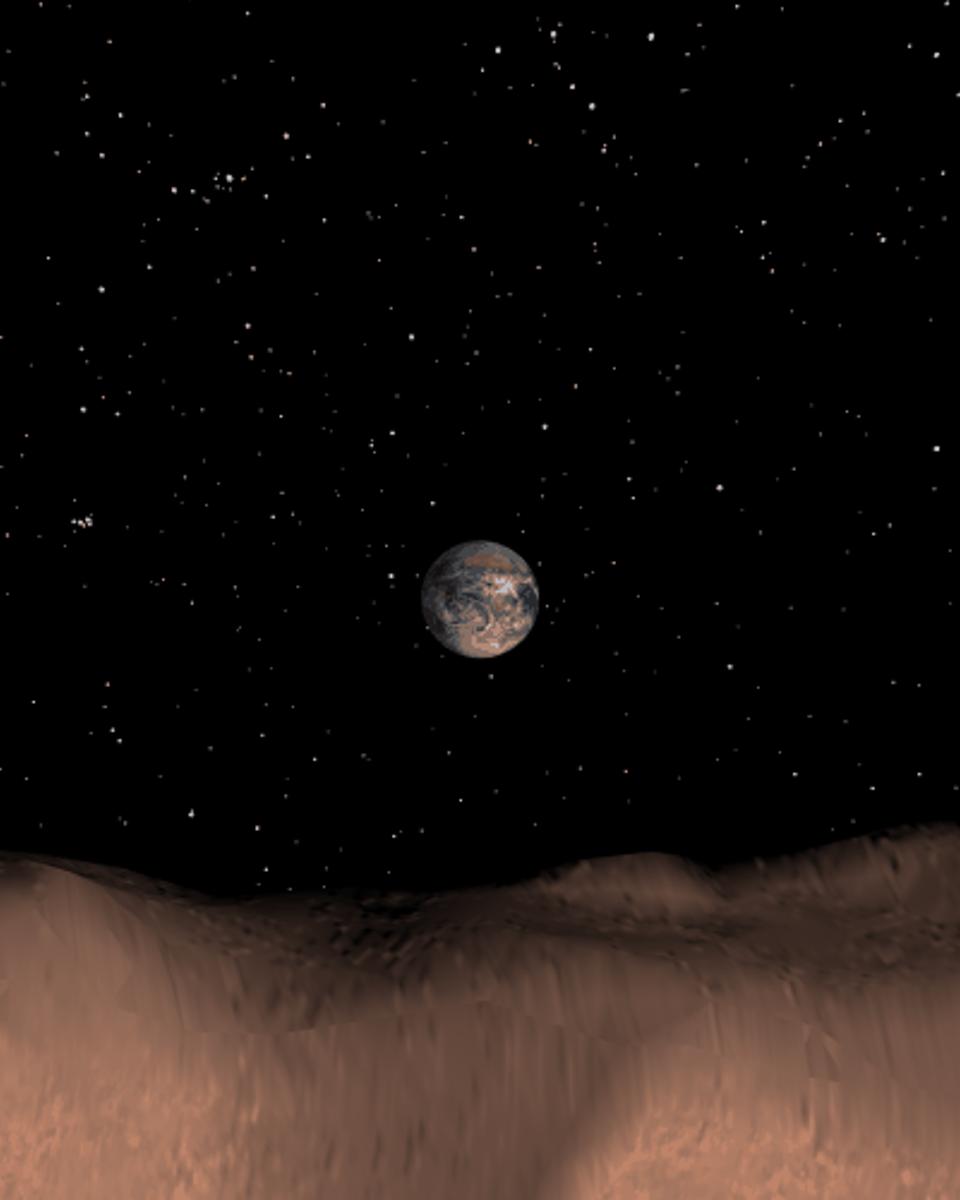
Earth Nears Asteroid Toutatis
Explanation : On November 29, 1996 the Earth came within 3.3 million miles of the asteroid Toutatis. Above is a computer simulated picture of this spectacle from the surface of…
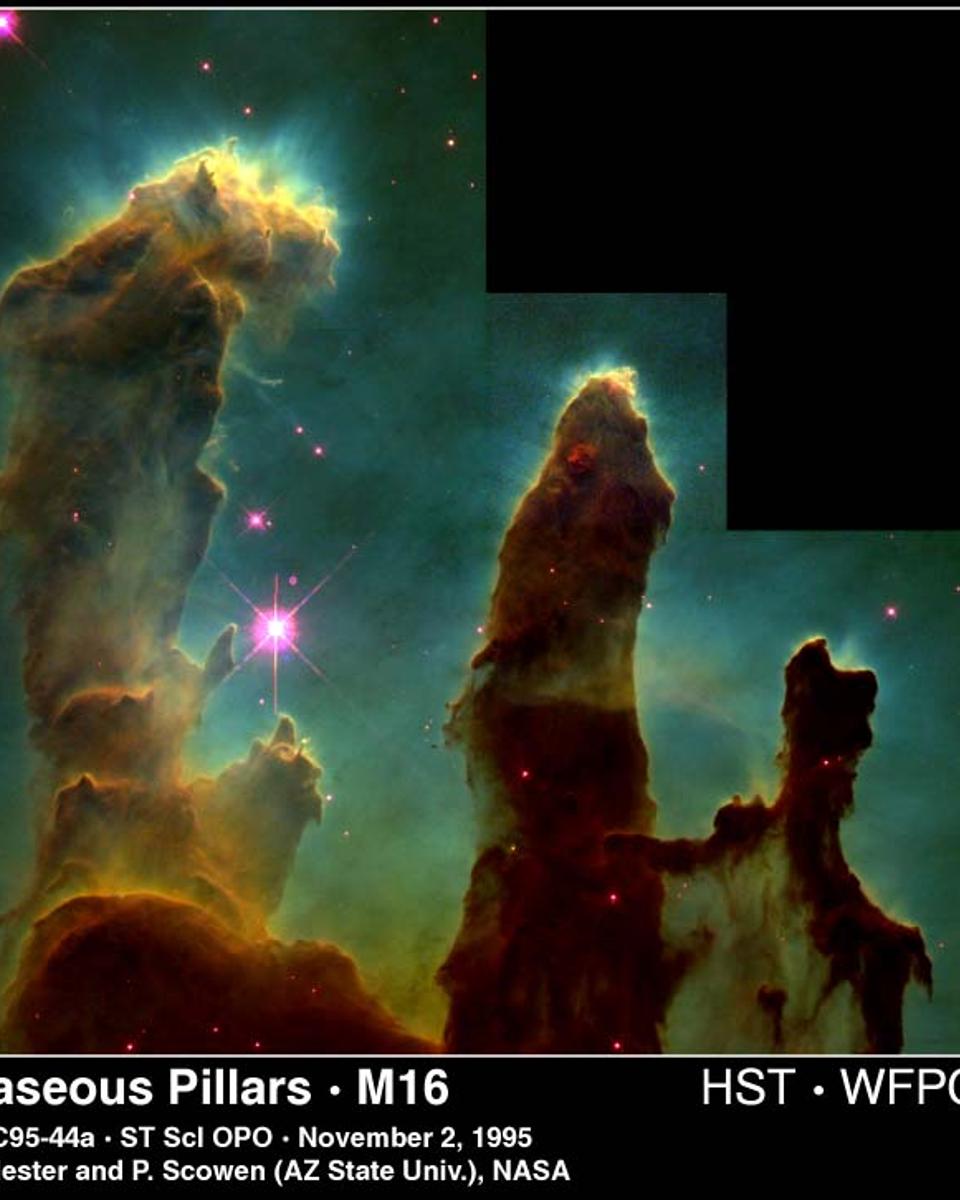
From Eagle's EGGs A Star Is Born
Explanation : Perhaps the most famous astronomical image in recent years reveals newborn stars upon pillars of gas and dust - uncovered as researchers used the Hubble Space…
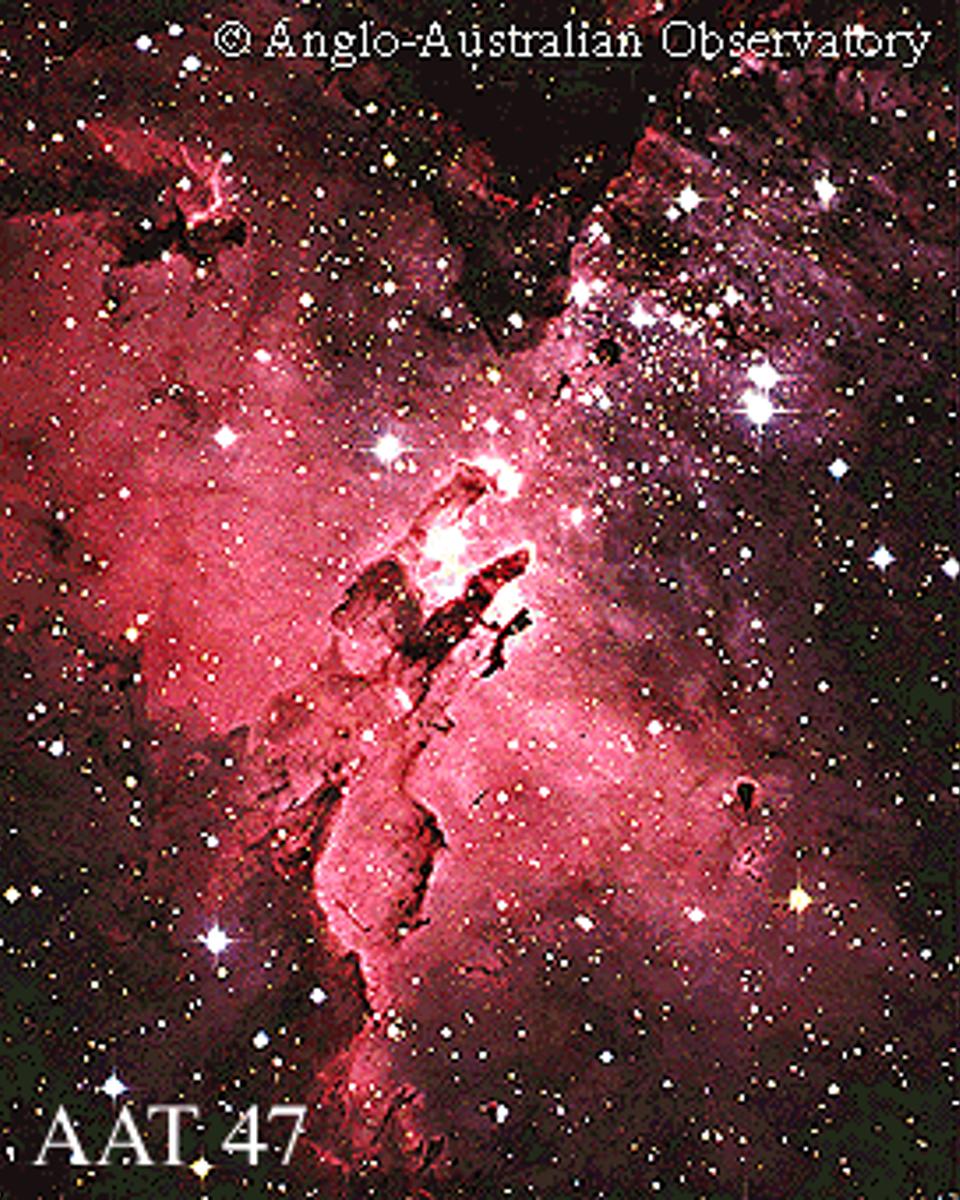
M16: Nebula With Star Cluster
Explanation : The photogenic M 16 shown above is composed of a young star cluster associated with a spectacular emission nebulae lined with clouds of interstellar dust . The…
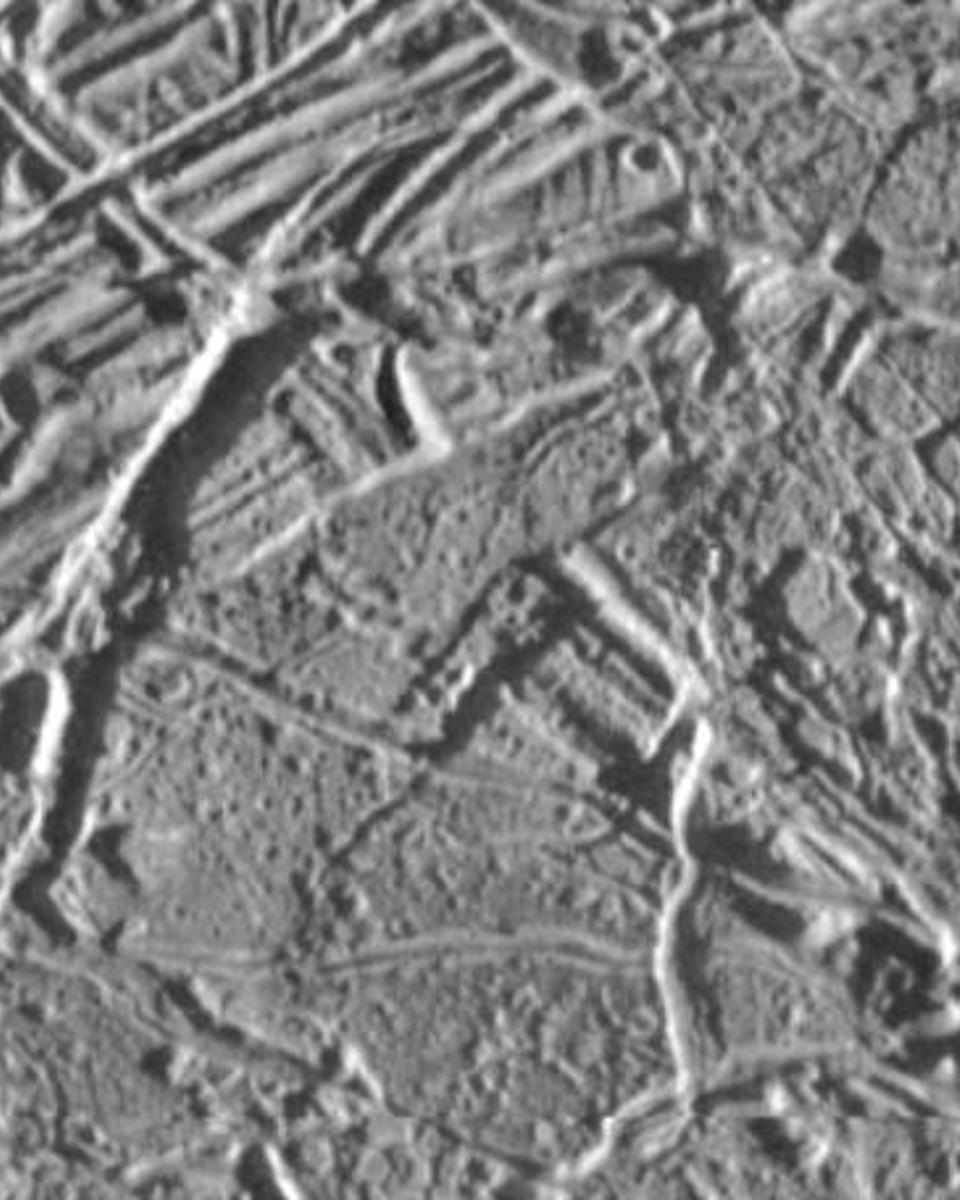
Europa: The Latest From Galileo
Explanation : Today, NASA revealed recent results from the Galileo Probe's December 19th flyby of Europa, Jupiter's ice-covered moon - including this close-up image of fractured…
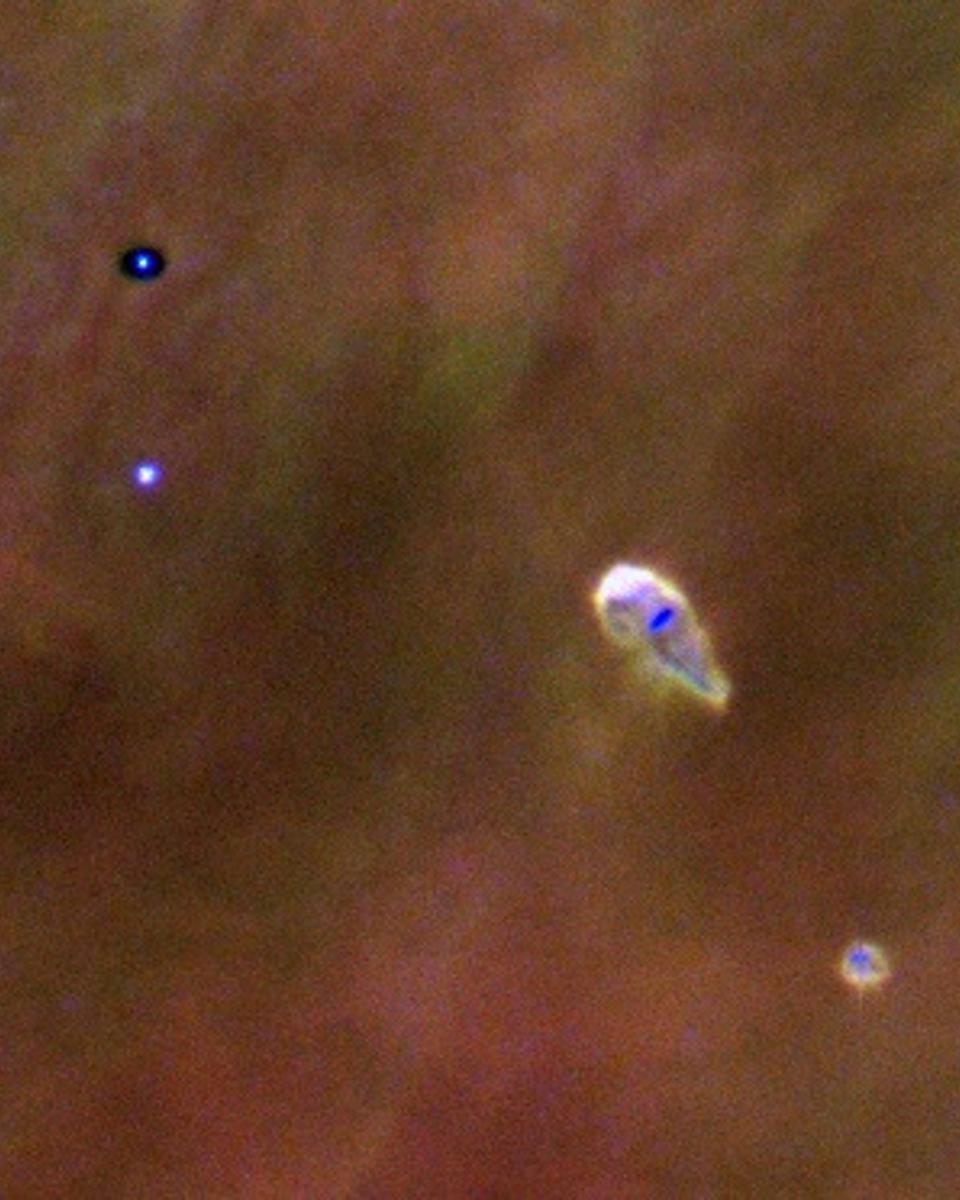
Trapezium: Teardrops in My Skies
Explanation : Sometimes the unexpected comes in a familiar shape. In this recently released picture , the seemingly familiar teardrop-shaped object just right of center is…
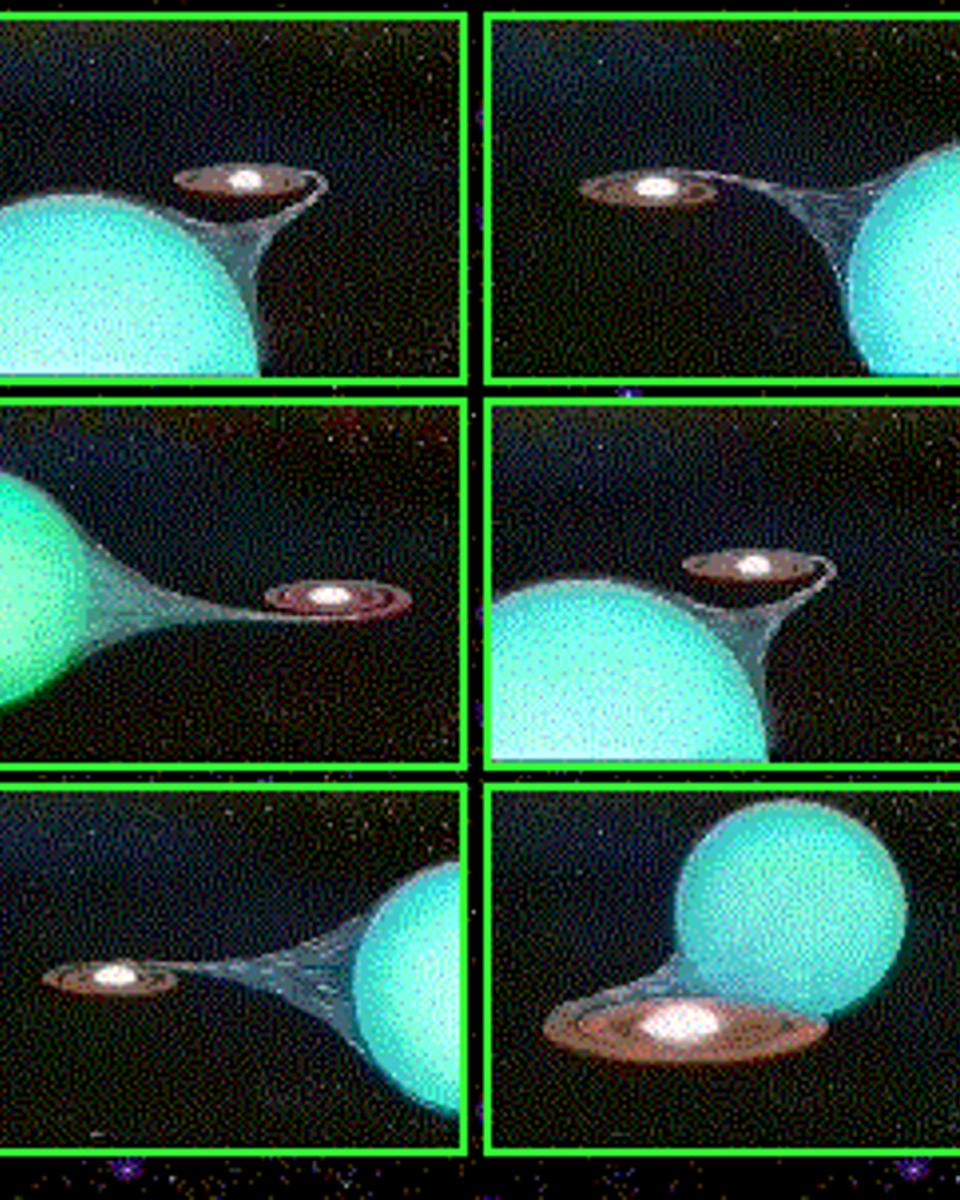
Black Hole Signature From Advective Disks
Explanation : What does a black hole look like? If alone, a black hole would indeed appear quite black, but many black hole candidates are part of binary star systems . So how…
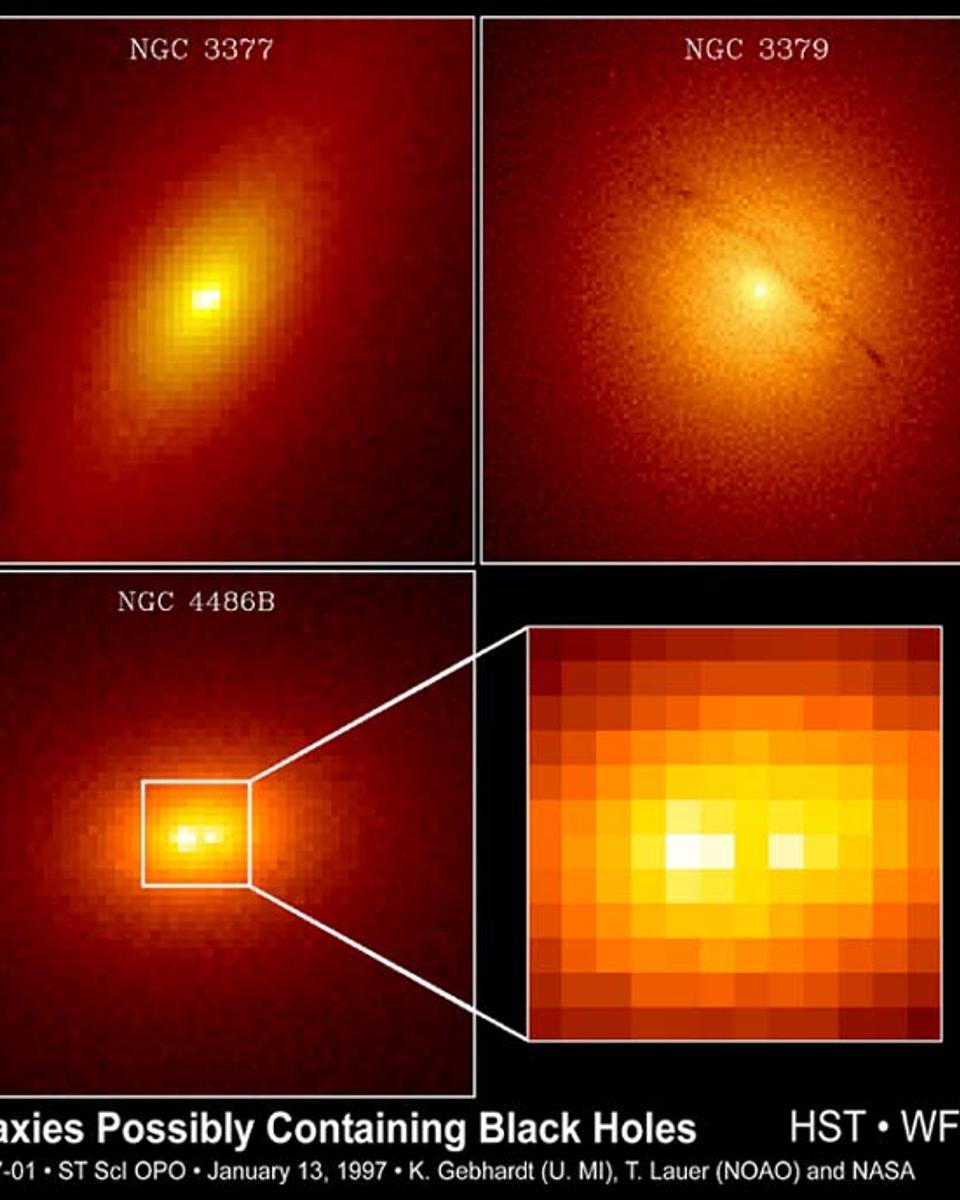
Black Holes in Galactic Centers
Explanation : Do all galaxies have black holes at their centers? Although not even a single galaxy has yet been proven to have a central black hole , the list of candidates has…
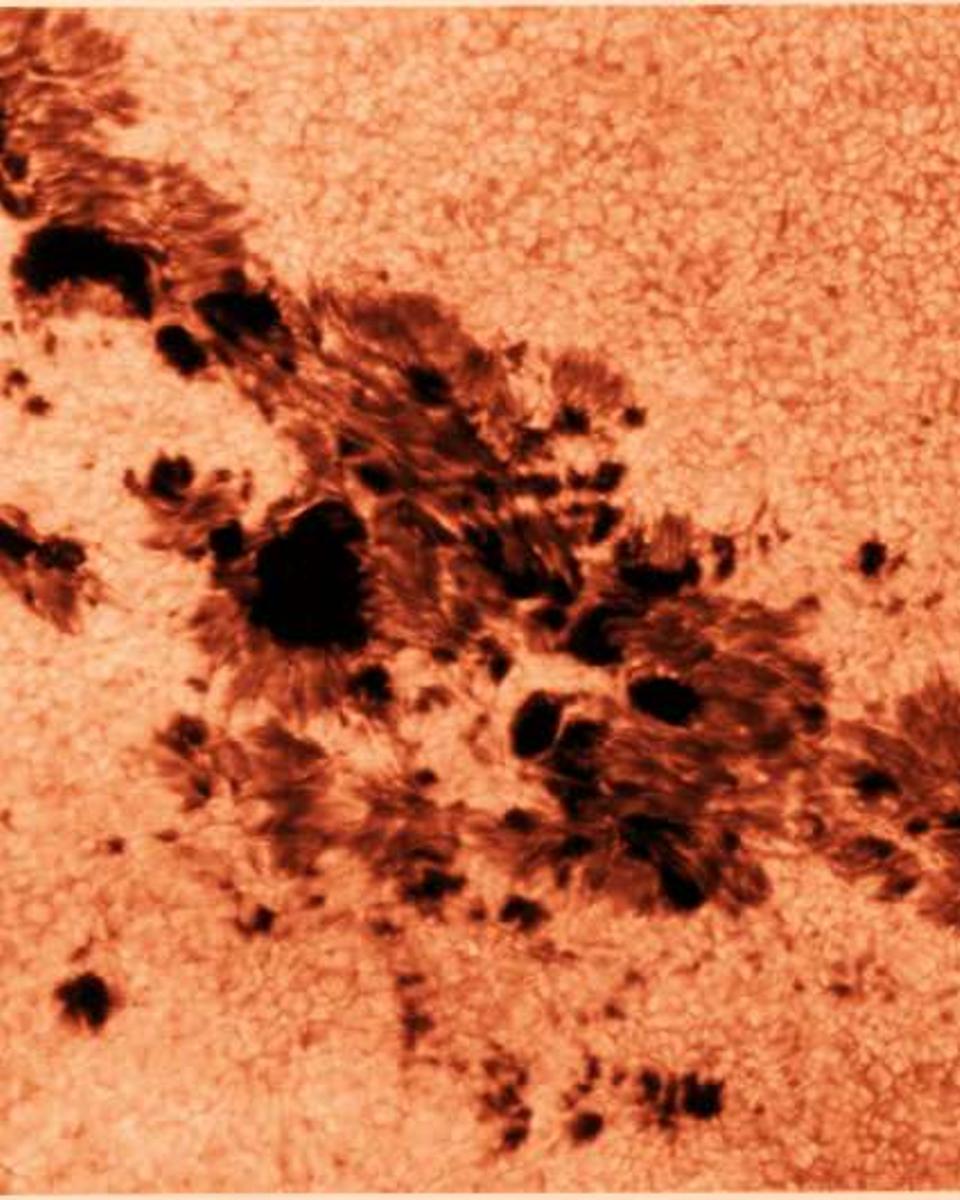
Sunspots: Magnetic Depressions
Explanation : Our Sun has spots! These spots appear dark in photographs like the one above, but in fact sunspots are quite bright - they are just dark compared to the rest of the…
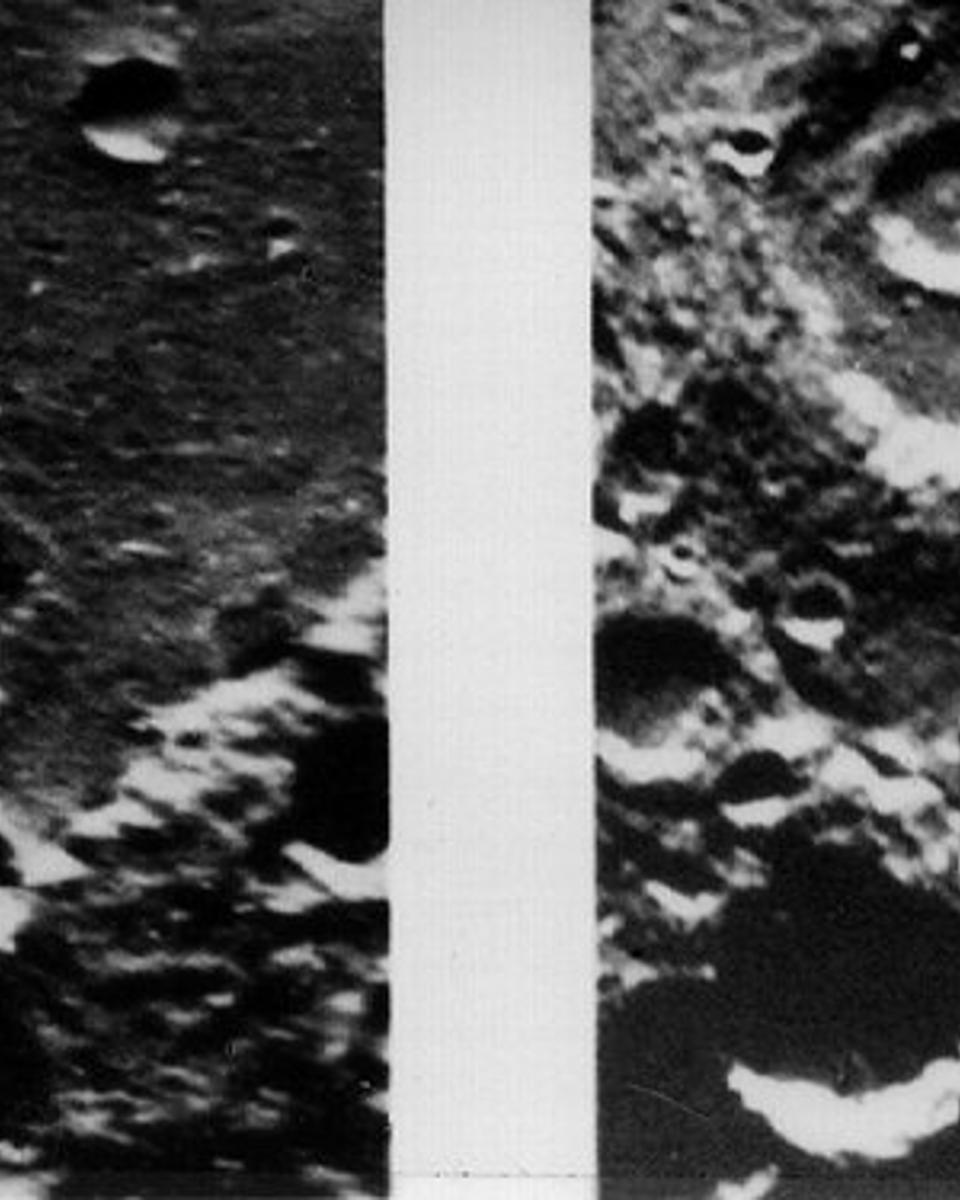
Mercury in Stereo: Craters Within Craters
Explanation : This Stereo image pair of craters on on Mercury was produced using data from NASA's robot explorer Mariner 10 which performed three close flybys of the Sun's closest…
Viewing discoveries from 4 February 1997 through 12 January 1997.