Browse NASA Astronomy Picture of the Day archive by date and media: Archive Discoveries
Browse the NASA APOD archive without needing the exact date first. Filter by media type and keep moving deeper into older images and videos.
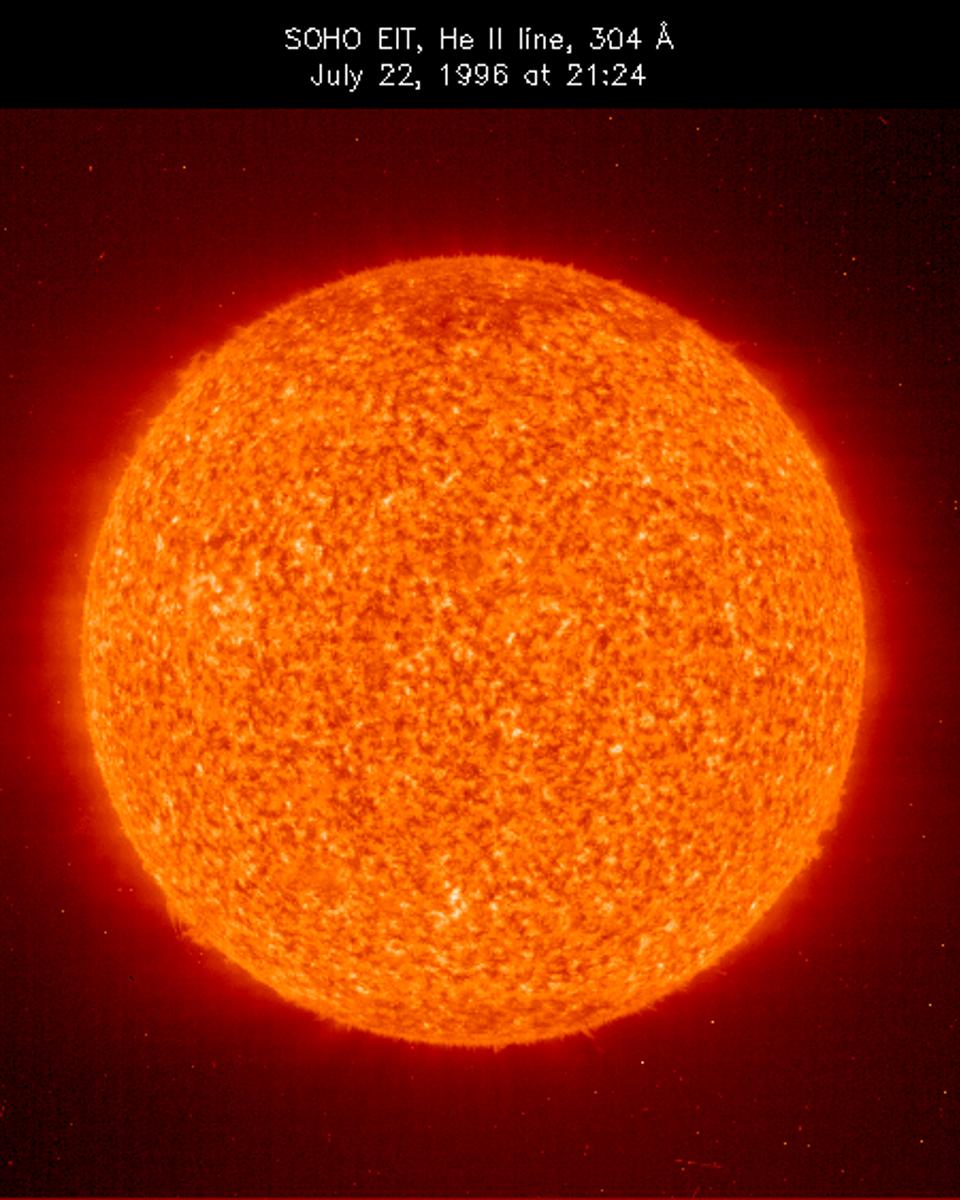
Driving to the Sun
How long would it take to drive to the Sun? Brittany, age 7, and D.J., age 12, ponder this question over dinner one evening. James, also age 7, suggests taking a really fast…
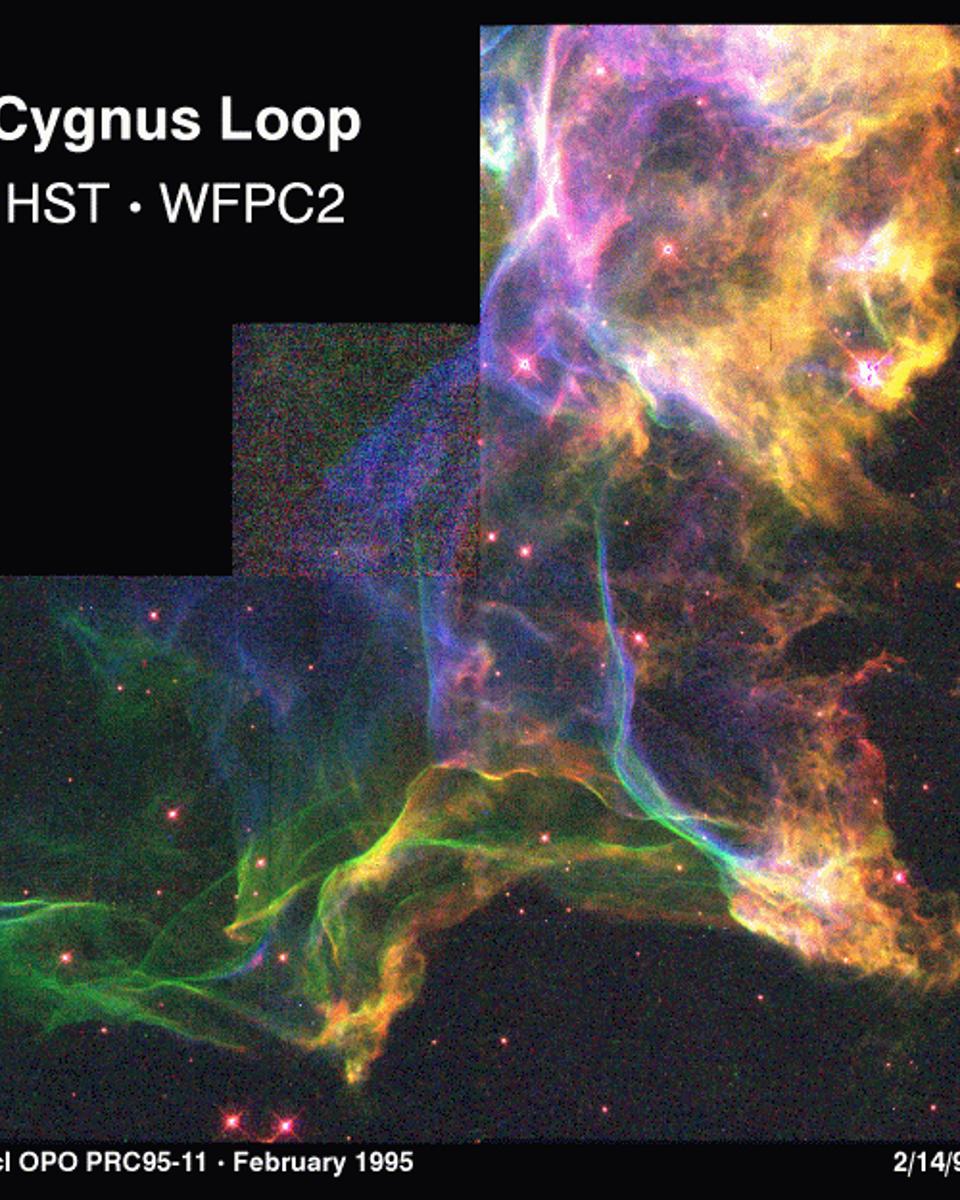
The Cygnus Loop
15,000 years ago a star in the constellation of Cygnus exploded -- the shockwave from this supernova explosion is still expanding into interstellar space! The collision of this…
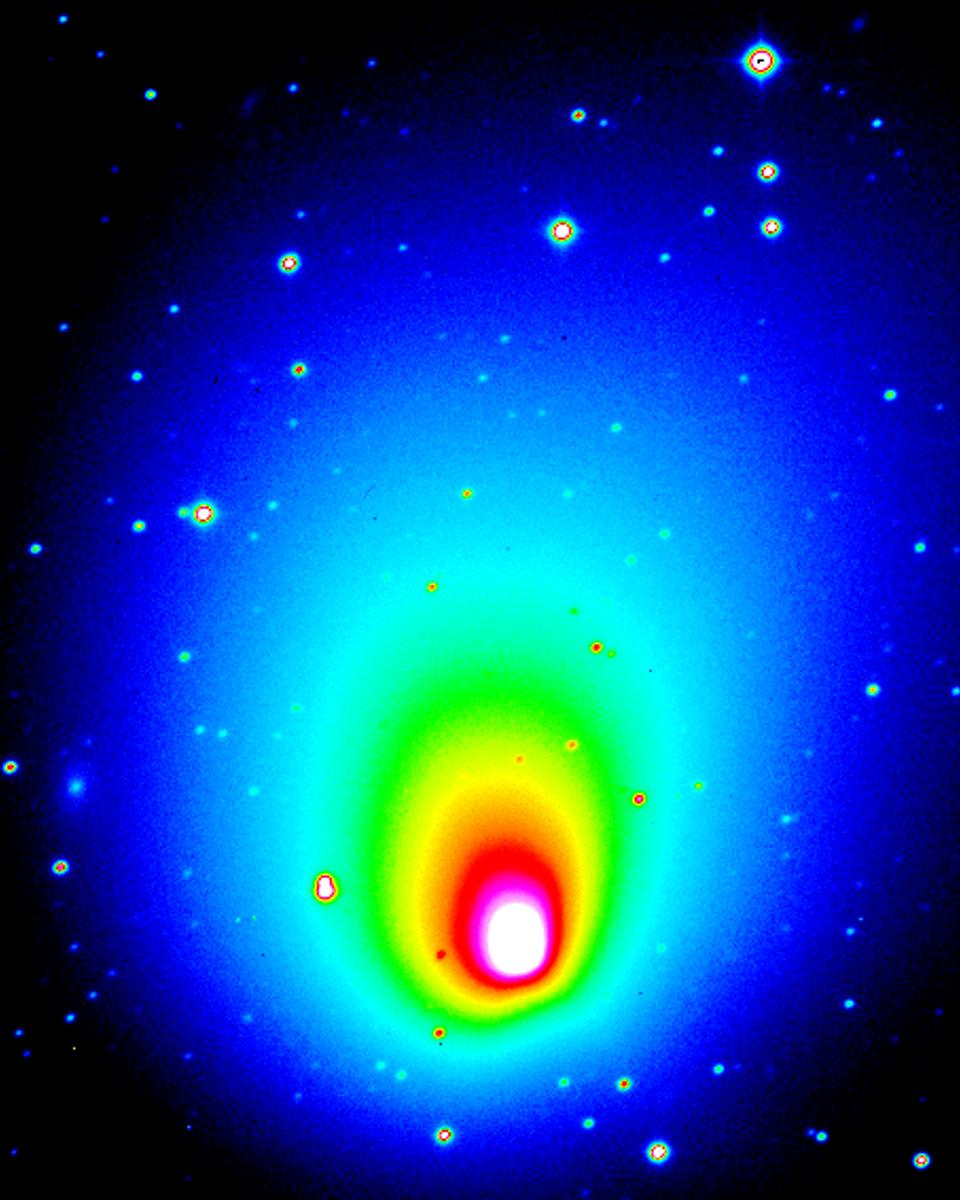
Hale-Bopp on Schedule
Late March and early April of 1996 marked a banner season for viewing the spectacular naked-eye comet Hyakutake . The spring of 1997 could well offer a similar cometary wonder,…
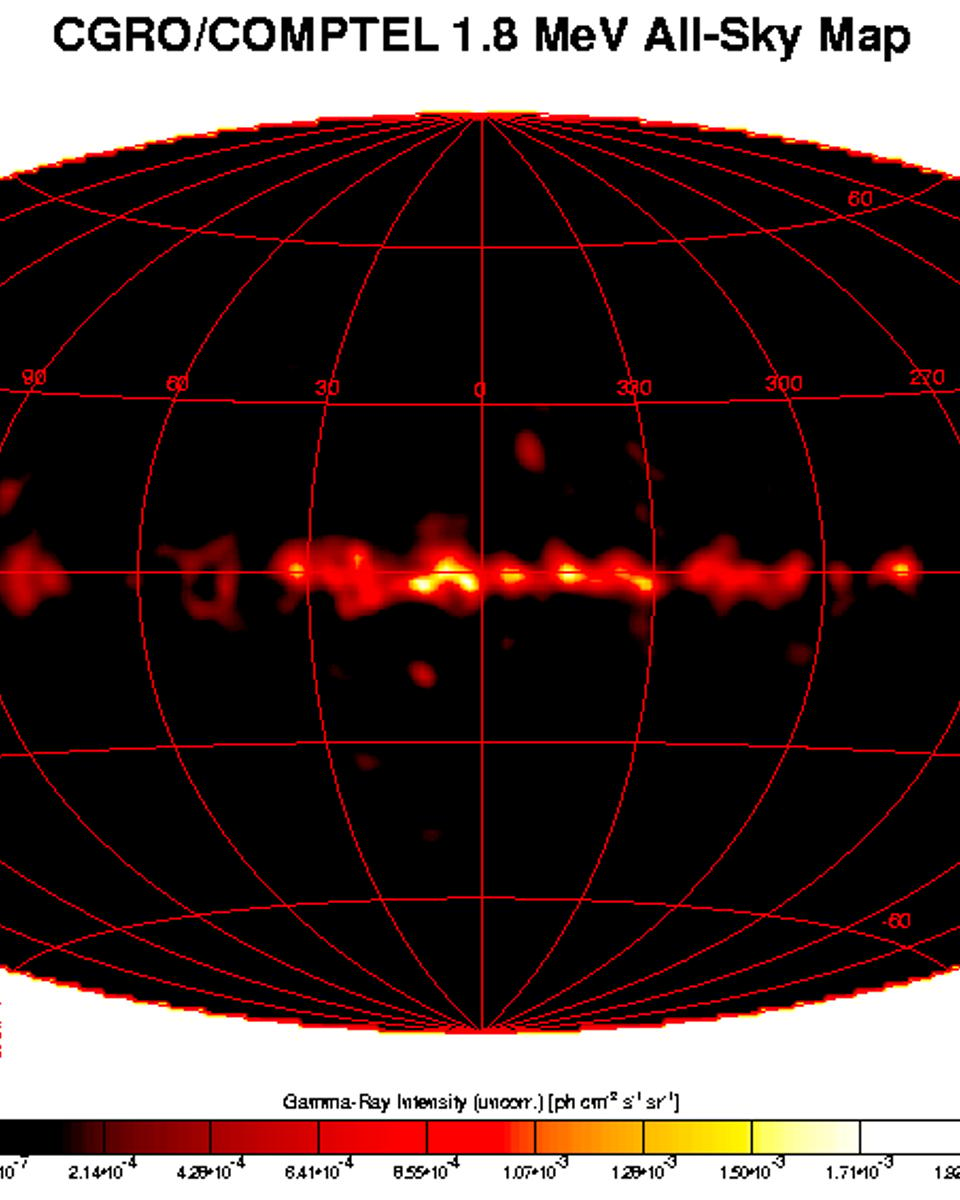
COMPTEL Explores The Radioactive Sky
Diffuse gas clouds laced with radioactive aluminum atoms (Al26) line the plane of our Milky Way Galaxy! How do we see them? Relying on the Compton Effect , the COMPTEL instrument…
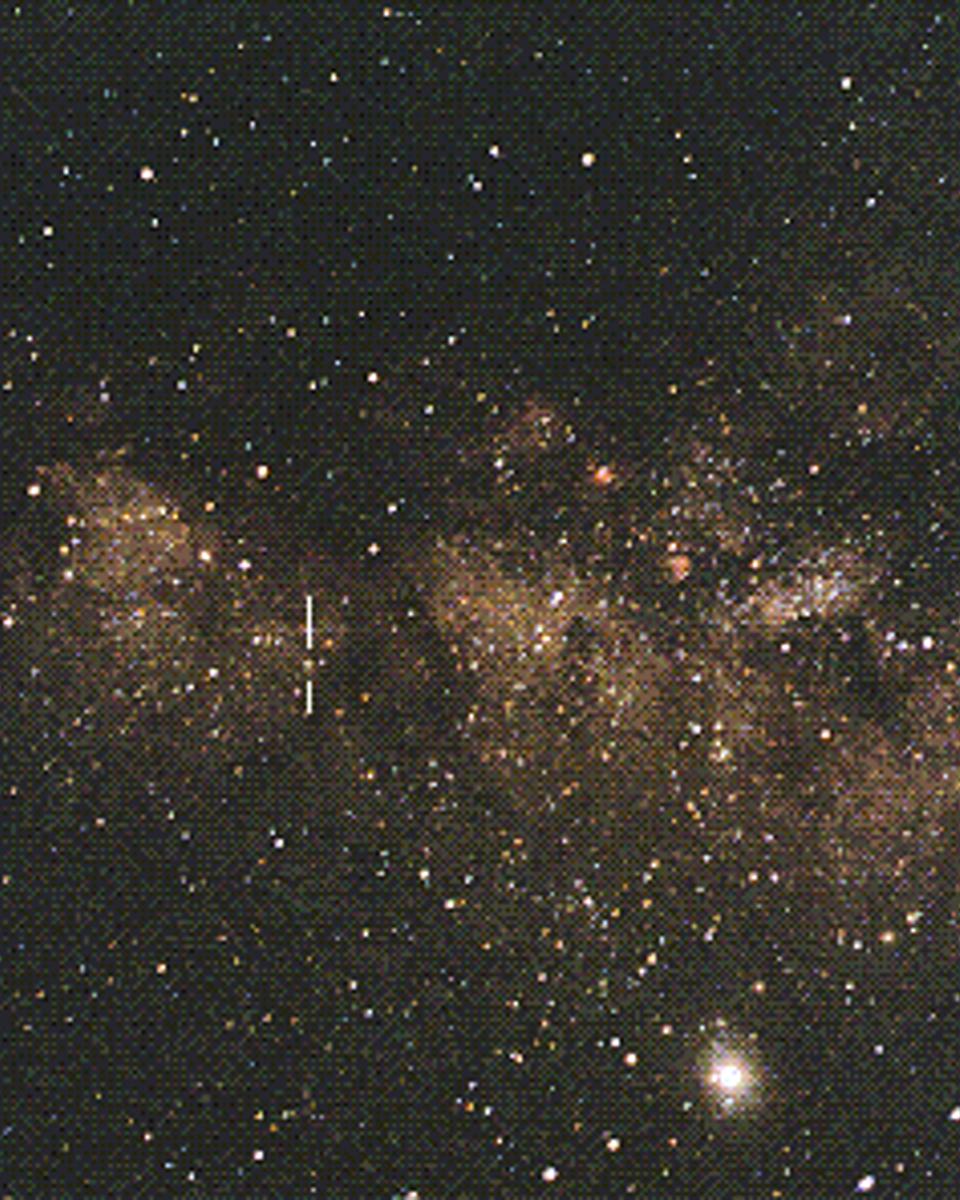
Hale-Bopp, Jupiter, and the Milky Way
Shining brightly, the mighty Jupiter rules this gorgeous Kodacolor photo of the Milky Way near Sagittarius . Astronomer Bill Keel took the picture earlier this month (July 7)…
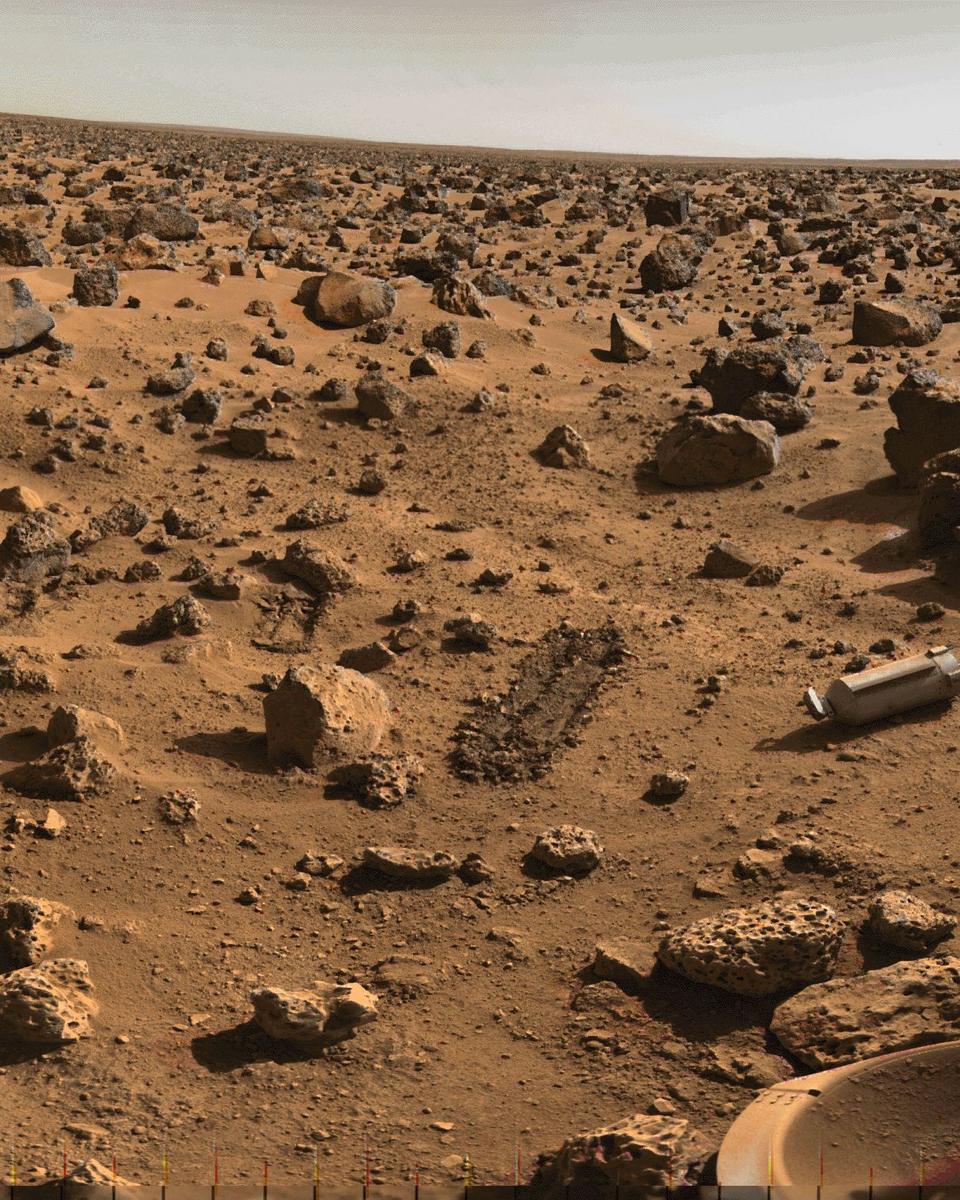
Utopia on Mars
The Viking 2 spacecraft was launched on the Road to Utopia in September of 1975 (30 years after Bing, Dotty, and Bob). In August of 1976, after making the second successful…
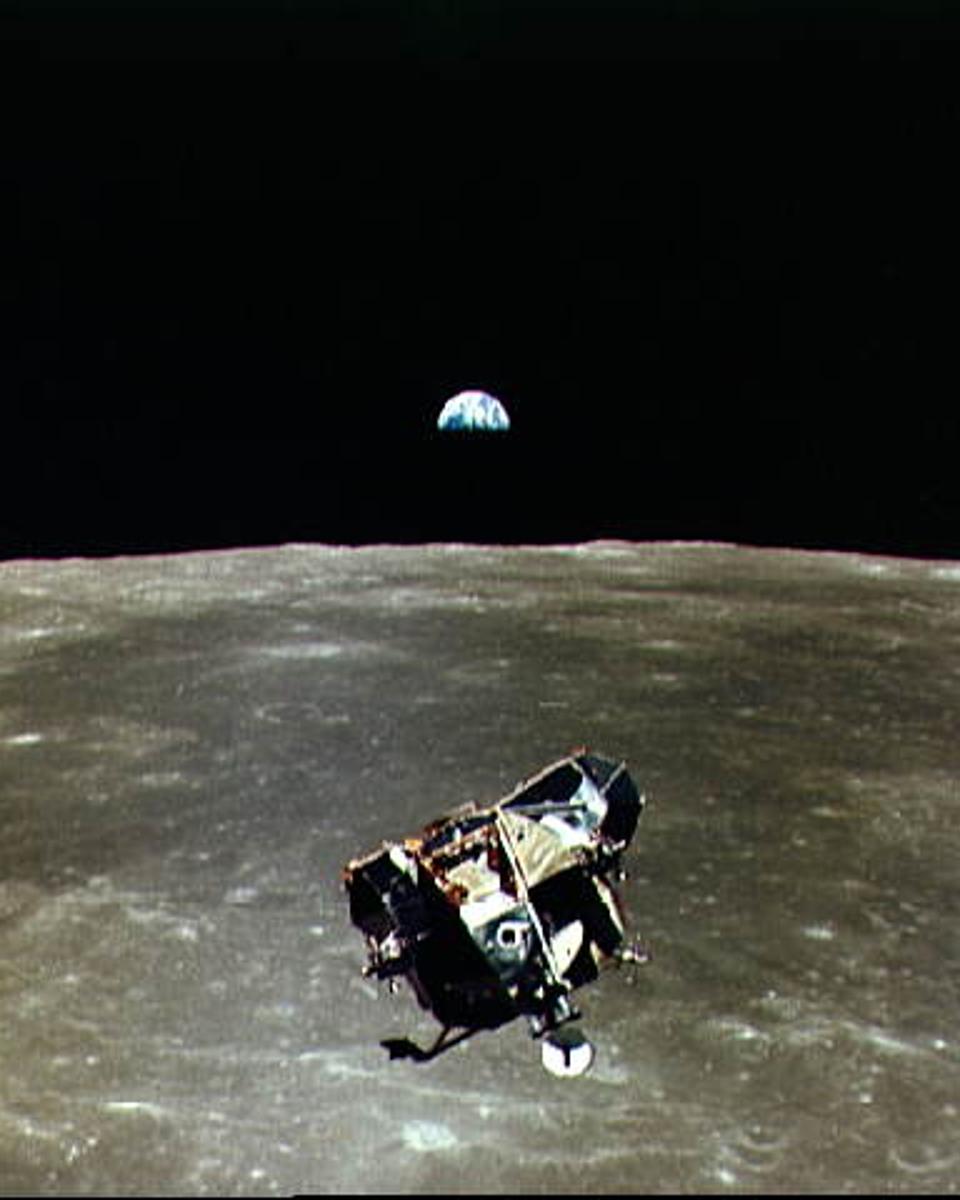
The Eagle Soars
On July 21, 1969 Apollo 11 astronauts Neil A. Armstrong and Edwin E. “Buzz” Aldrin Jr. lifted off the lunar surface in the ascent stage of their lunar module dubbed “The Eagle” --…
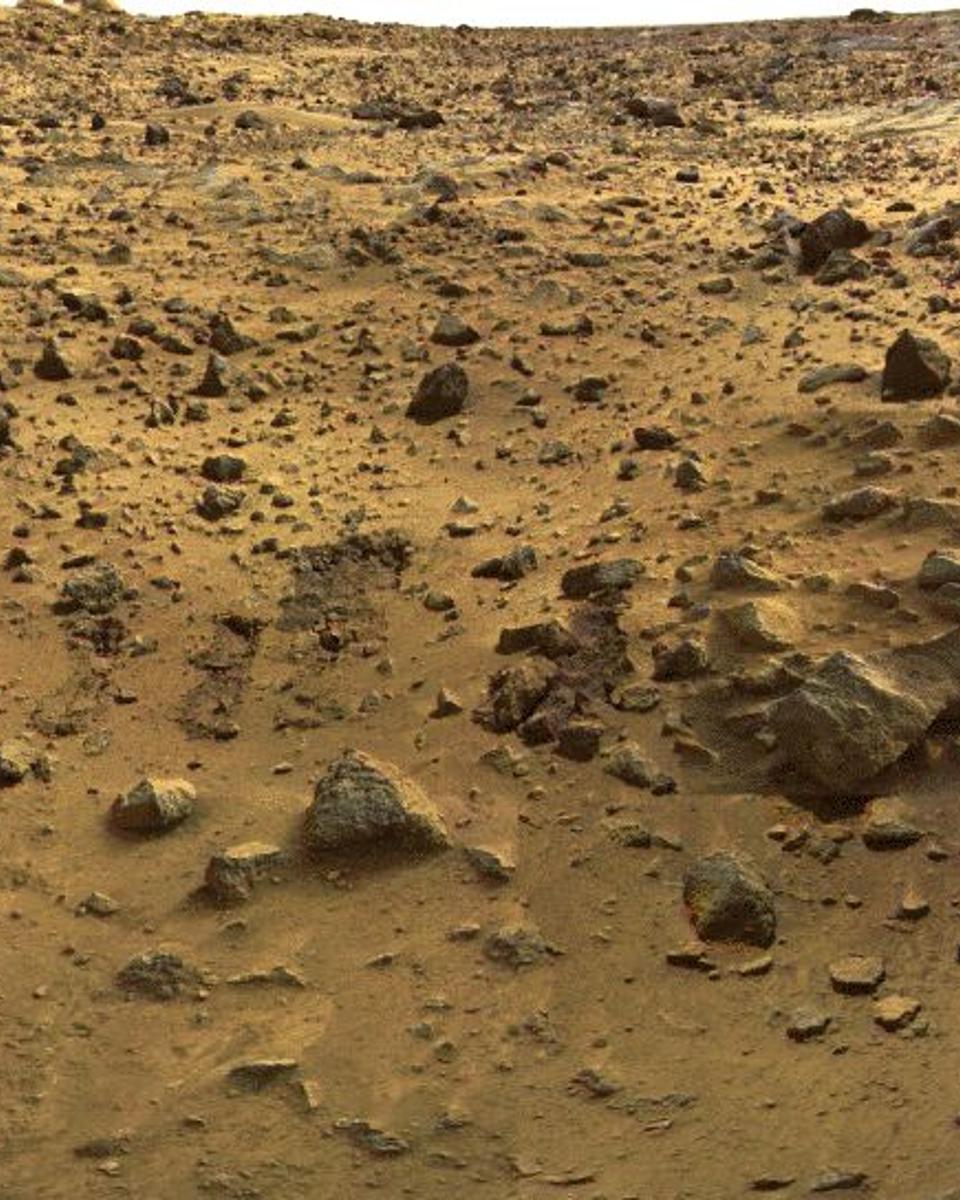
20 Years Ago: Vikings on Mars
On July 20, 1976 , NASA's Viking 1 lander become the first spacecraft to land on Mars , followed weeks later by its twin robot explorer, the Viking 2 lander. Operating on the…
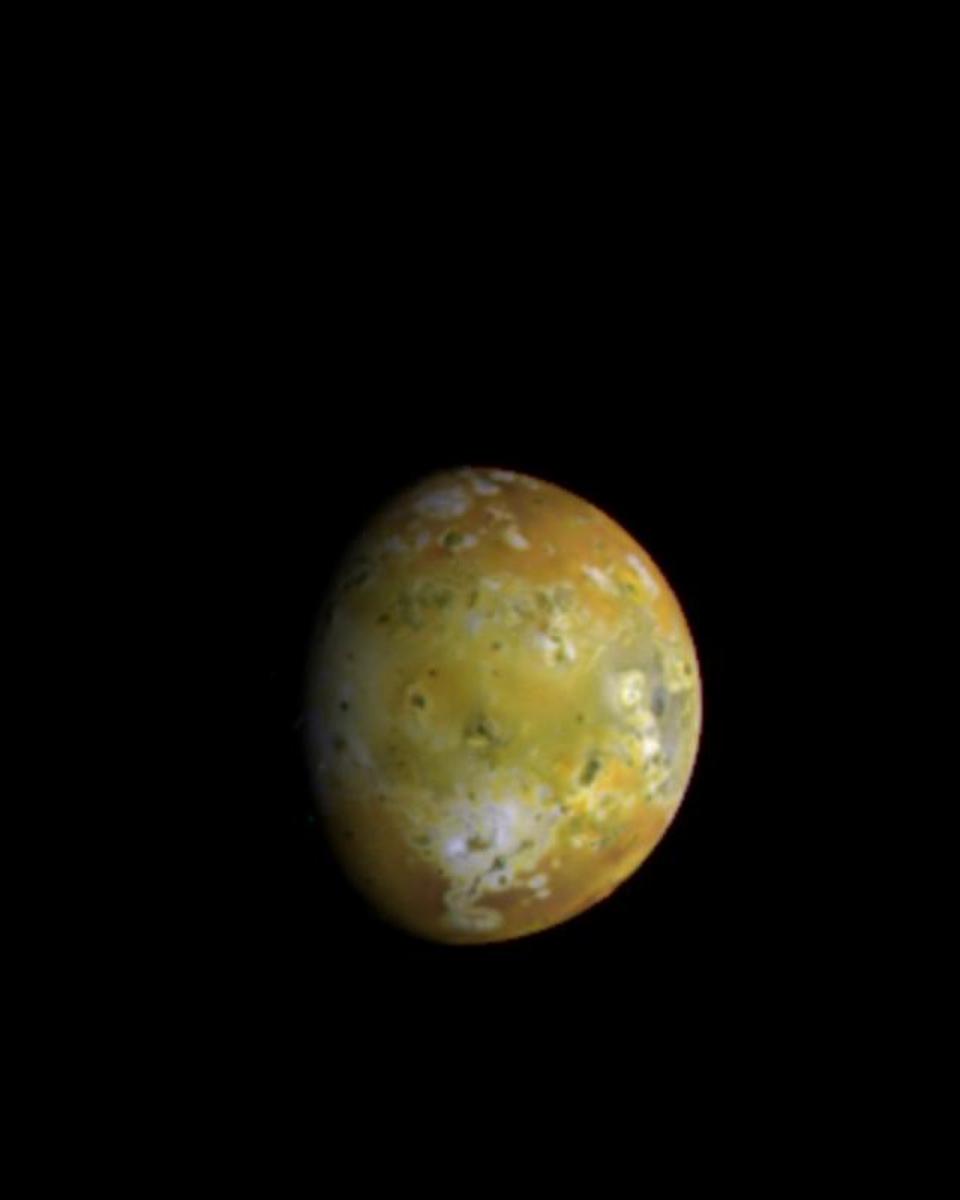
Galileo's First Color Image of Io
Above is the first color image of Jupiter's volcanic moon Io released by the Galileo Project. (Io sounds like “eye-oh”.) The image was made on June 25 when the Galileo spacecraft…
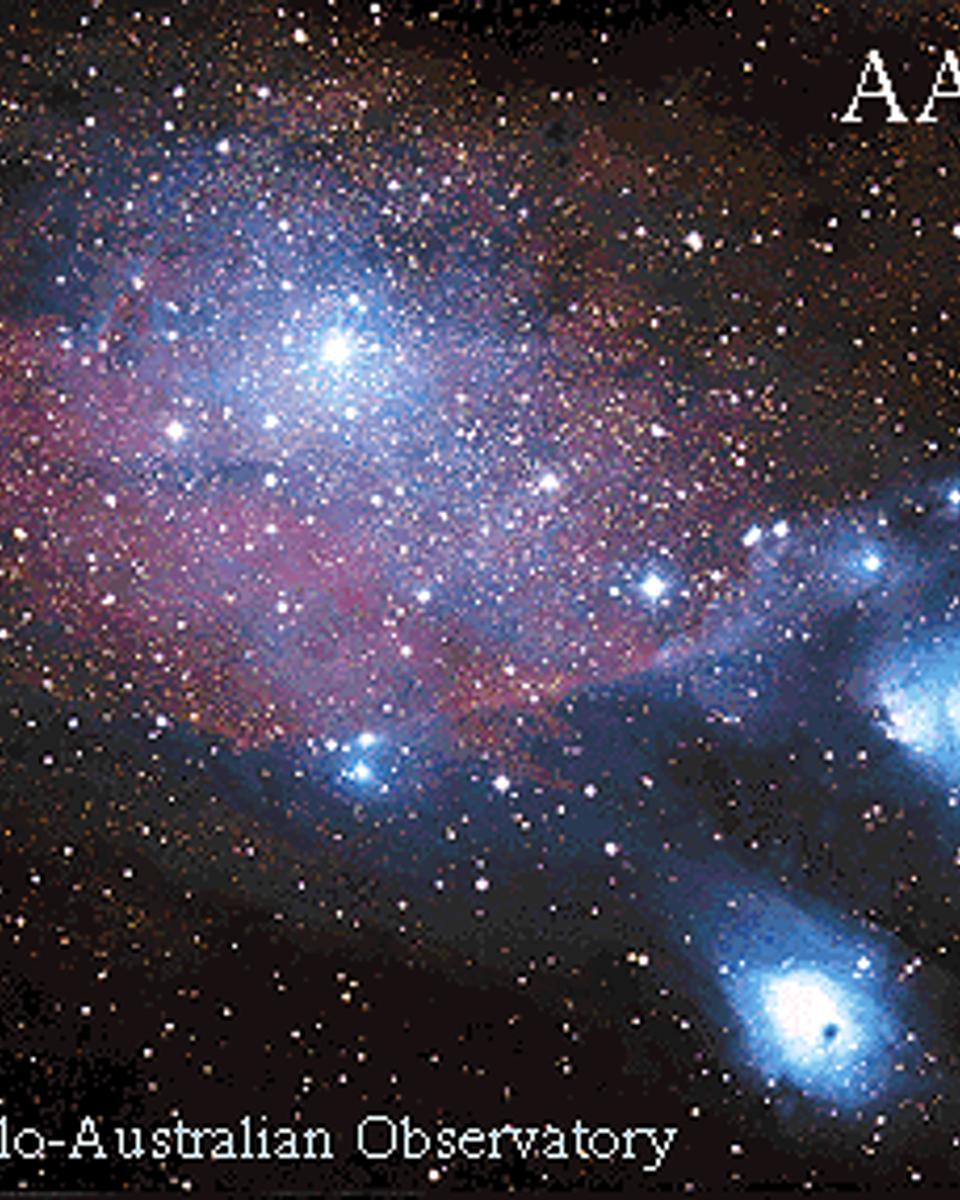
Nebulosity in Sagittarius
What causes the colors in this beautiful nebulosity in Sagittarius? Dubbed NGC 6589 and NGC 6590, the colors of this nebulosity, are caused by gas and dust . The blue color of the…
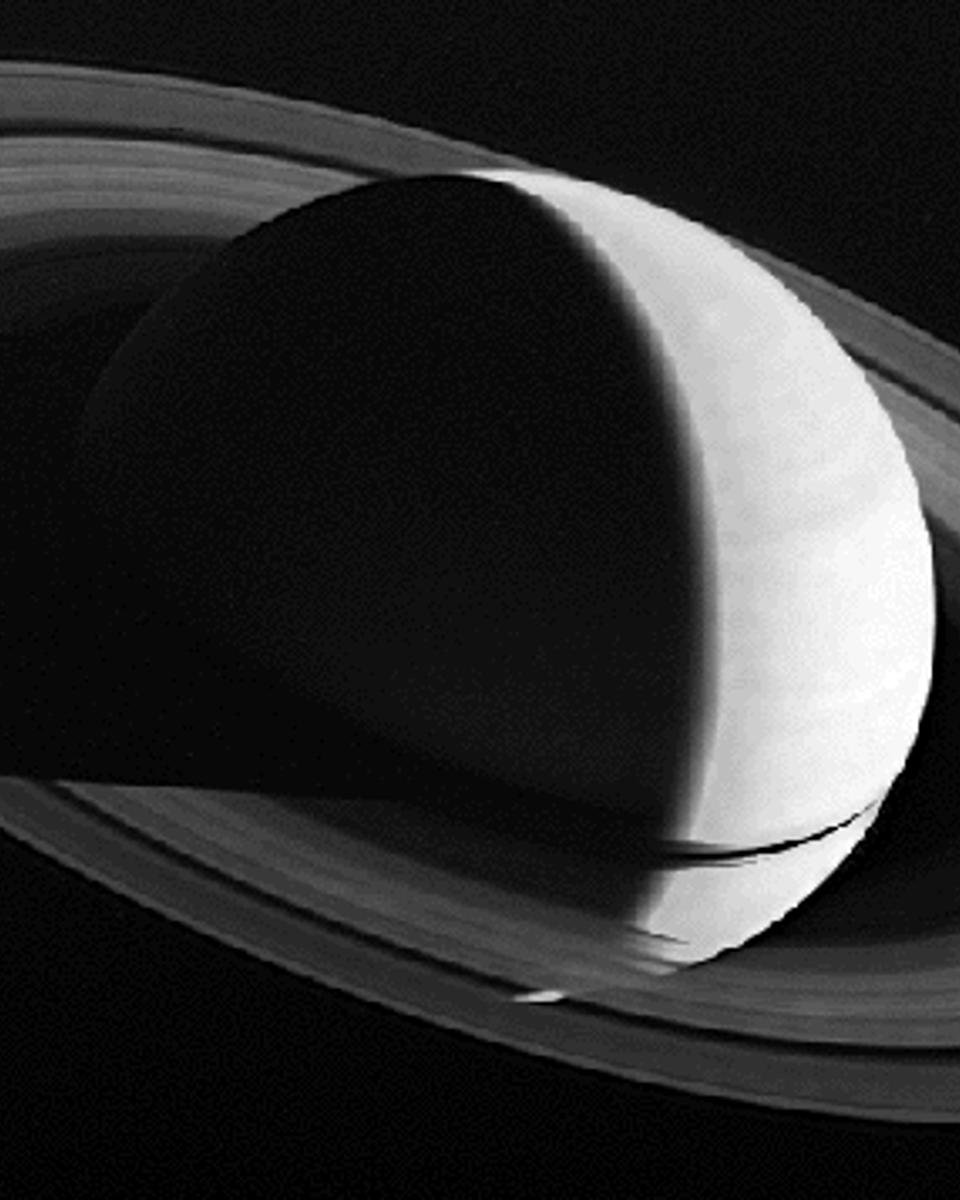
Looking Down on Saturn
This picture of Saturn could not have been taken from Earth . No Earth based picture could possibly view the night side of Saturn and the corresponding shadow cast across Saturn's…
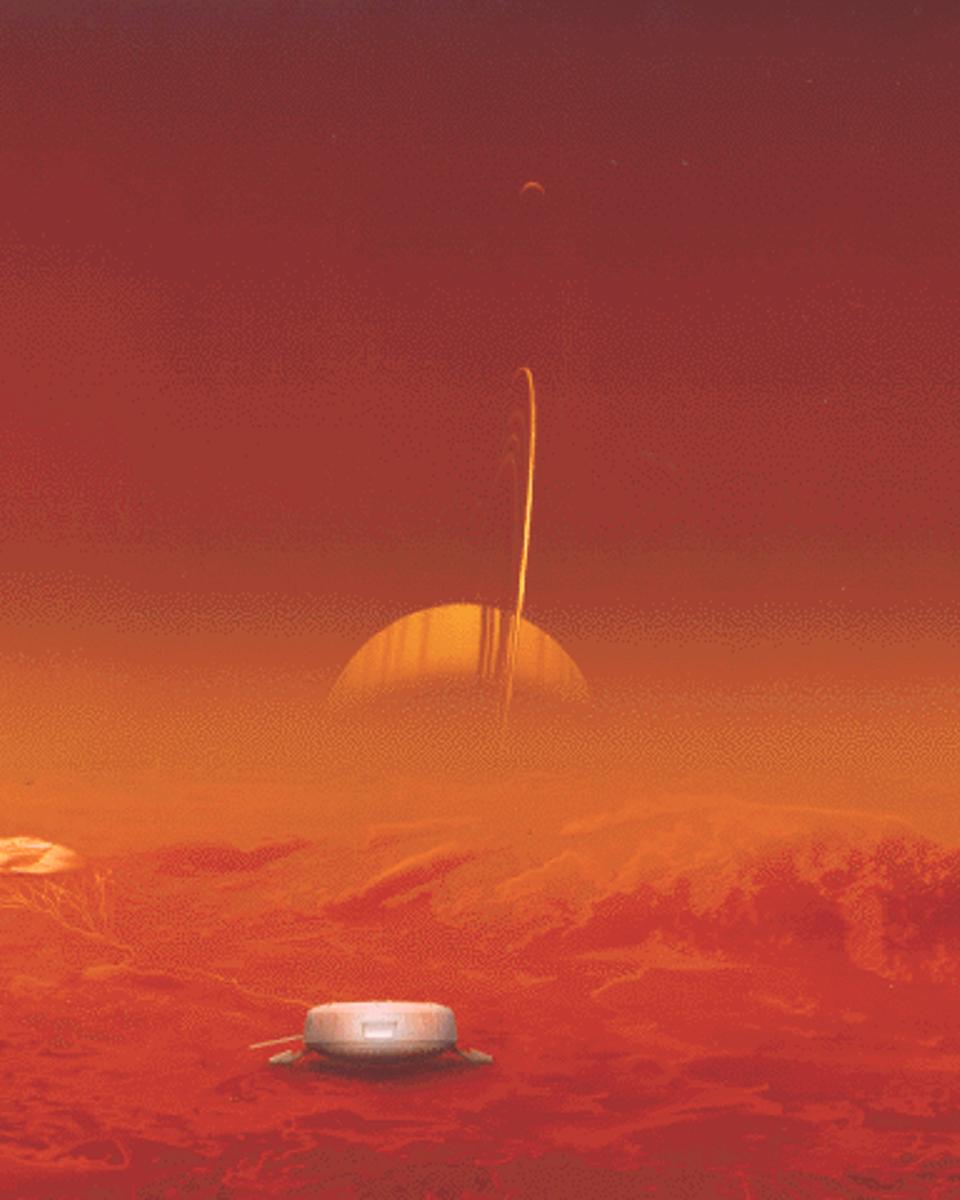
A Portrait of Saturn from Titan
The above artistic portrait of Saturn depicts how it might look from Titan , Saturn's largest moon. In the foreground sits ESA's Huygens probe , which will be released by NASA's…
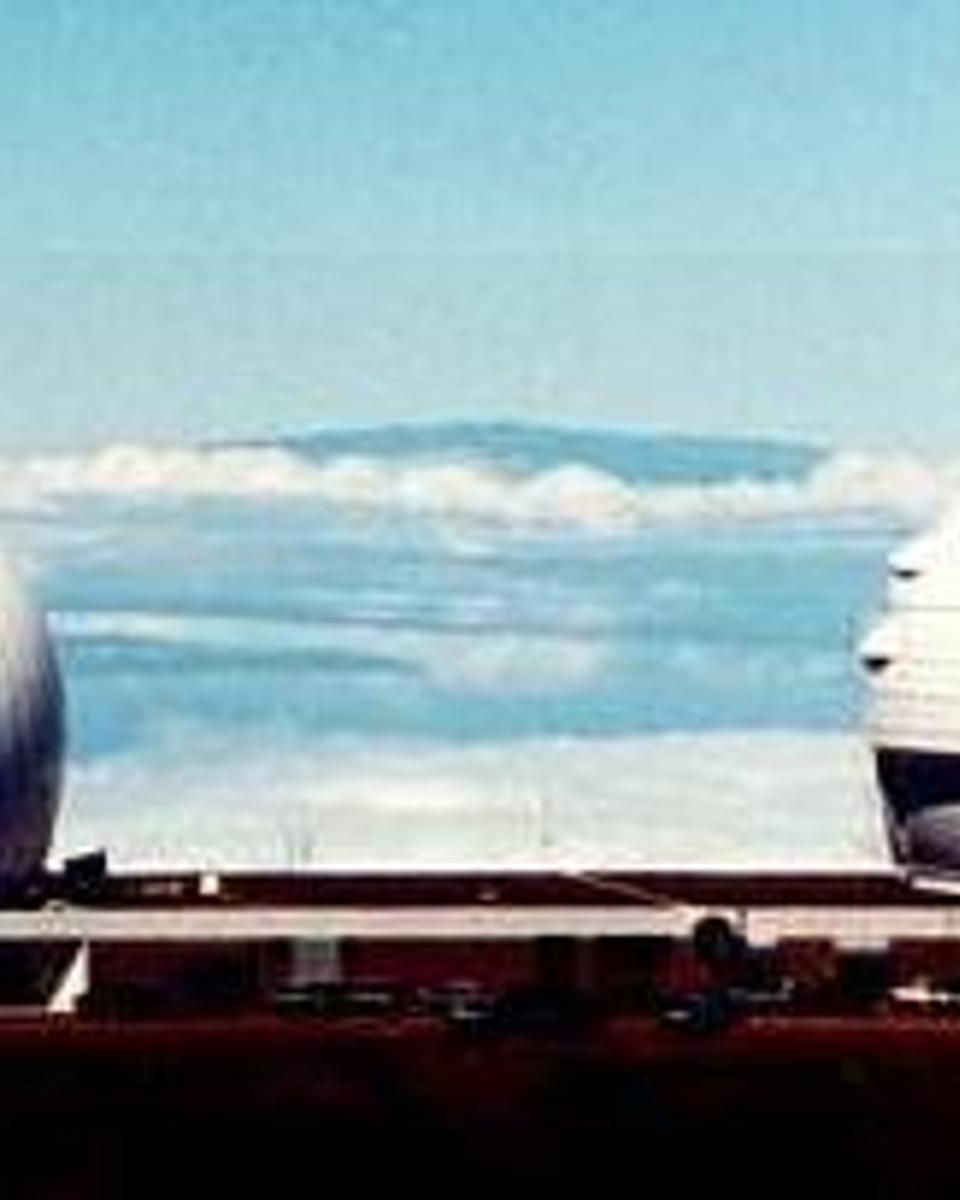
Keck: The Largest Optical Telescope
In buildings eight stories tall rest mirrors ten meters across that are slowly allowing humanity to map the universe. Alone, each is the world's largest optical telescope : Keck .…
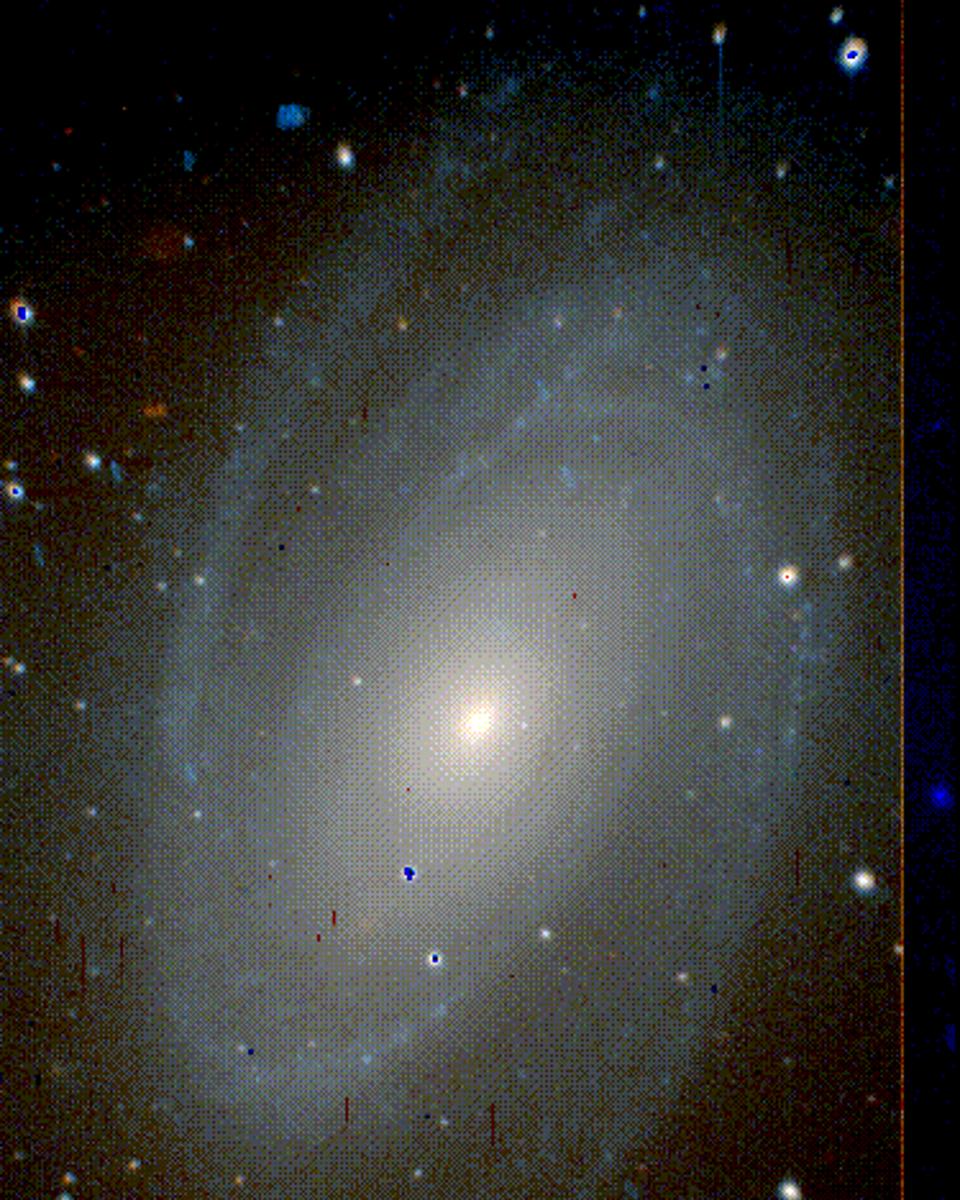
M81 in True Color
Here's what a spiral galaxy REALLY looks like. Yesterday, M81 was shown in two colors only, but here we see M81 at its most colorful . In the above picture , note how blue the…
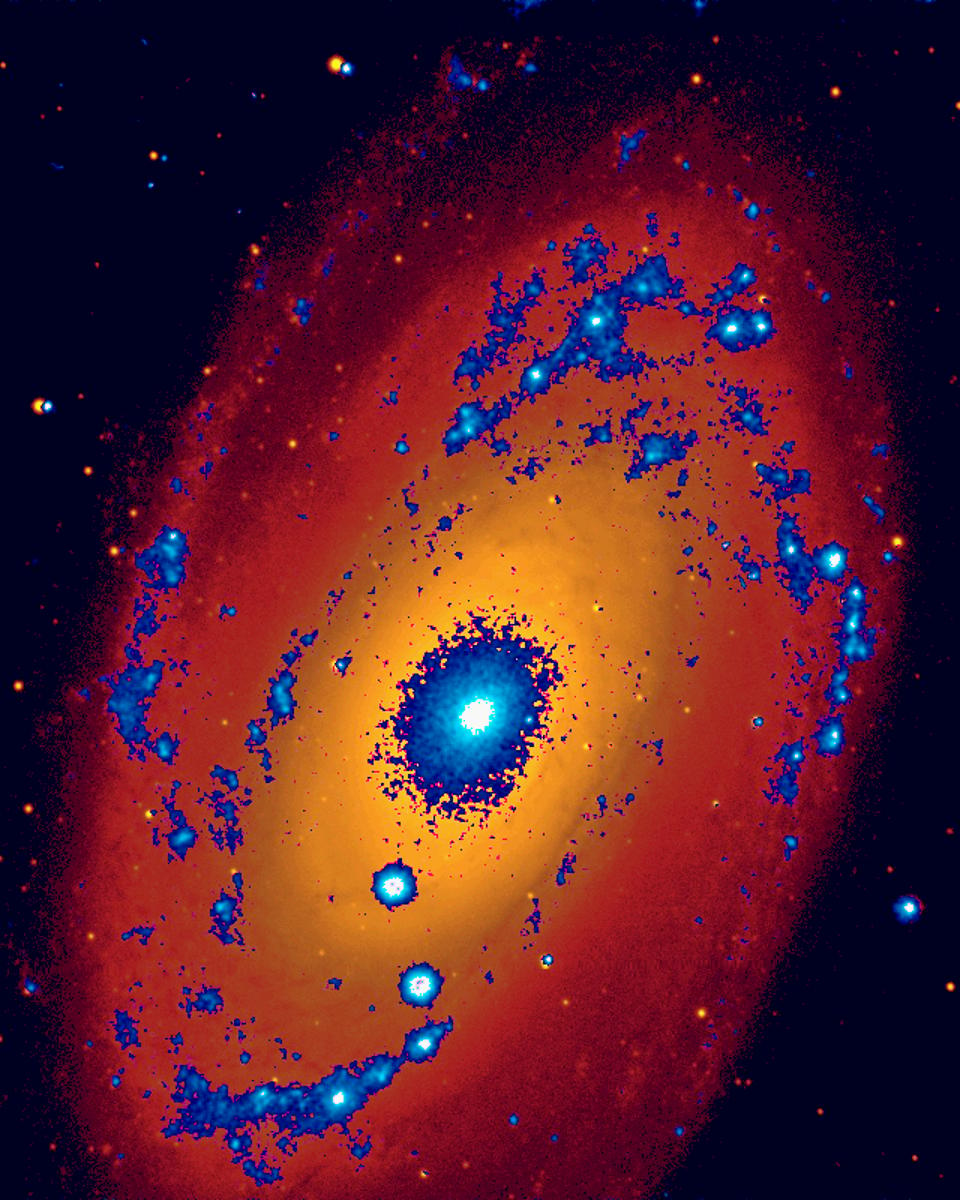
M81: A Bulging Spiral Galaxy
Few stars are still forming in the old giant spiral galaxy M81. The blue regions in this picture - representing ultraviolet light - highlight regions of bright young stars and…
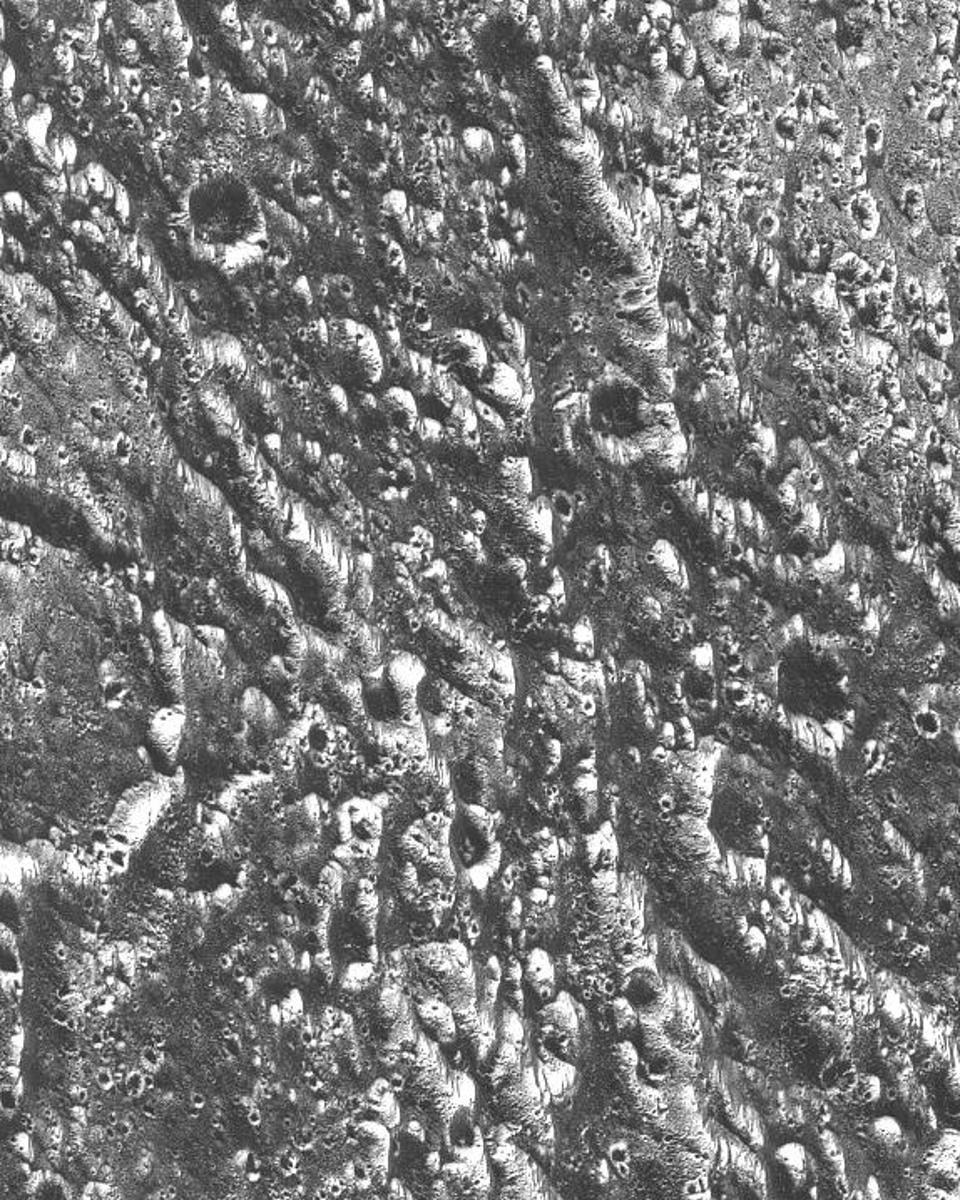
Ancient Cratered Plains on Ganymede
The largest moon in the Solar System shows regions that are ancient and battered. The high density of craters demonstrate that patches of Ganymede are indeed billions of years…
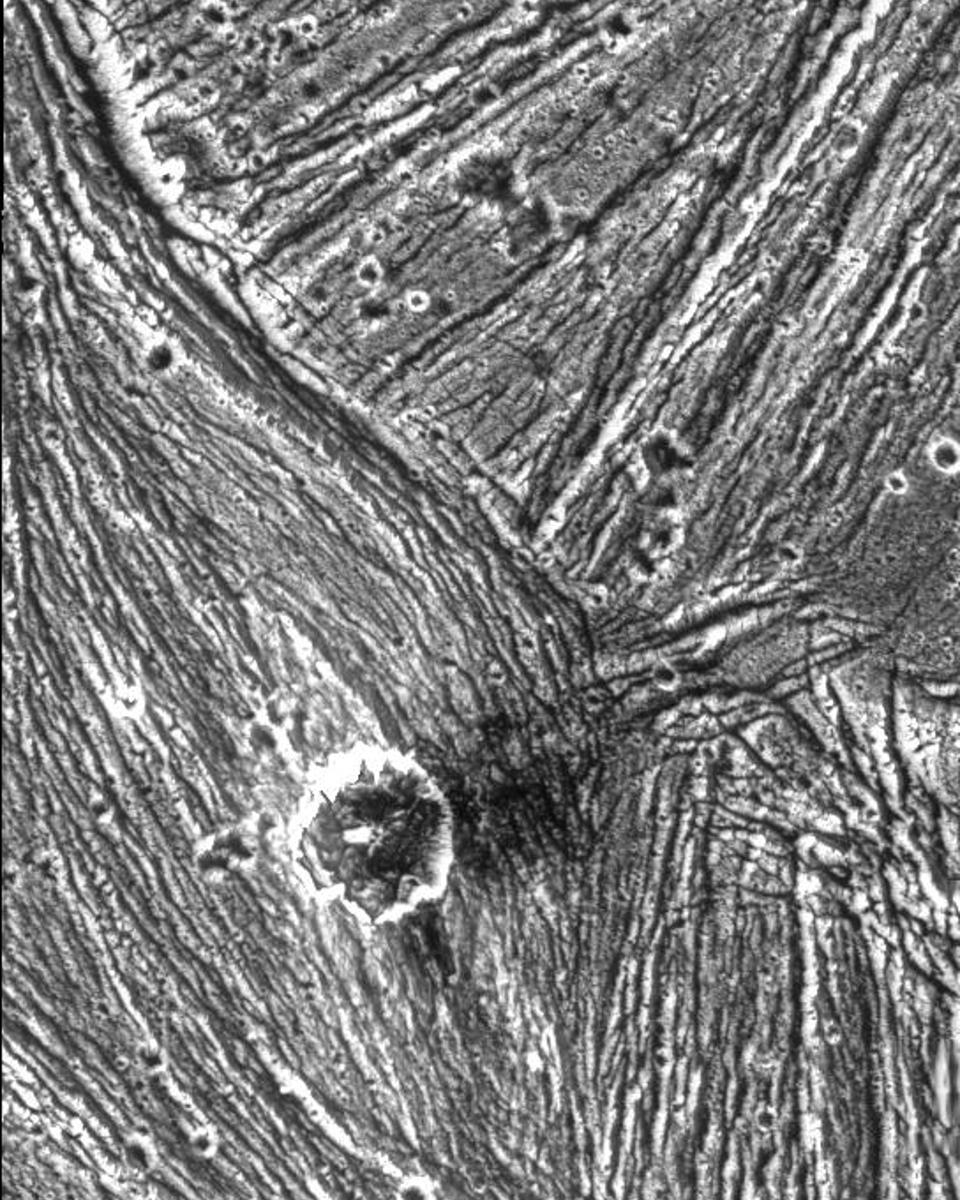
Ganymede: A Really Groovy Moon
Ganymede's surface is a wrinkled mess. As large ice-sheets shift on the moon's surface , parts of the surface buckle causing high ridges, deep furrows, and parallel grooves. This…
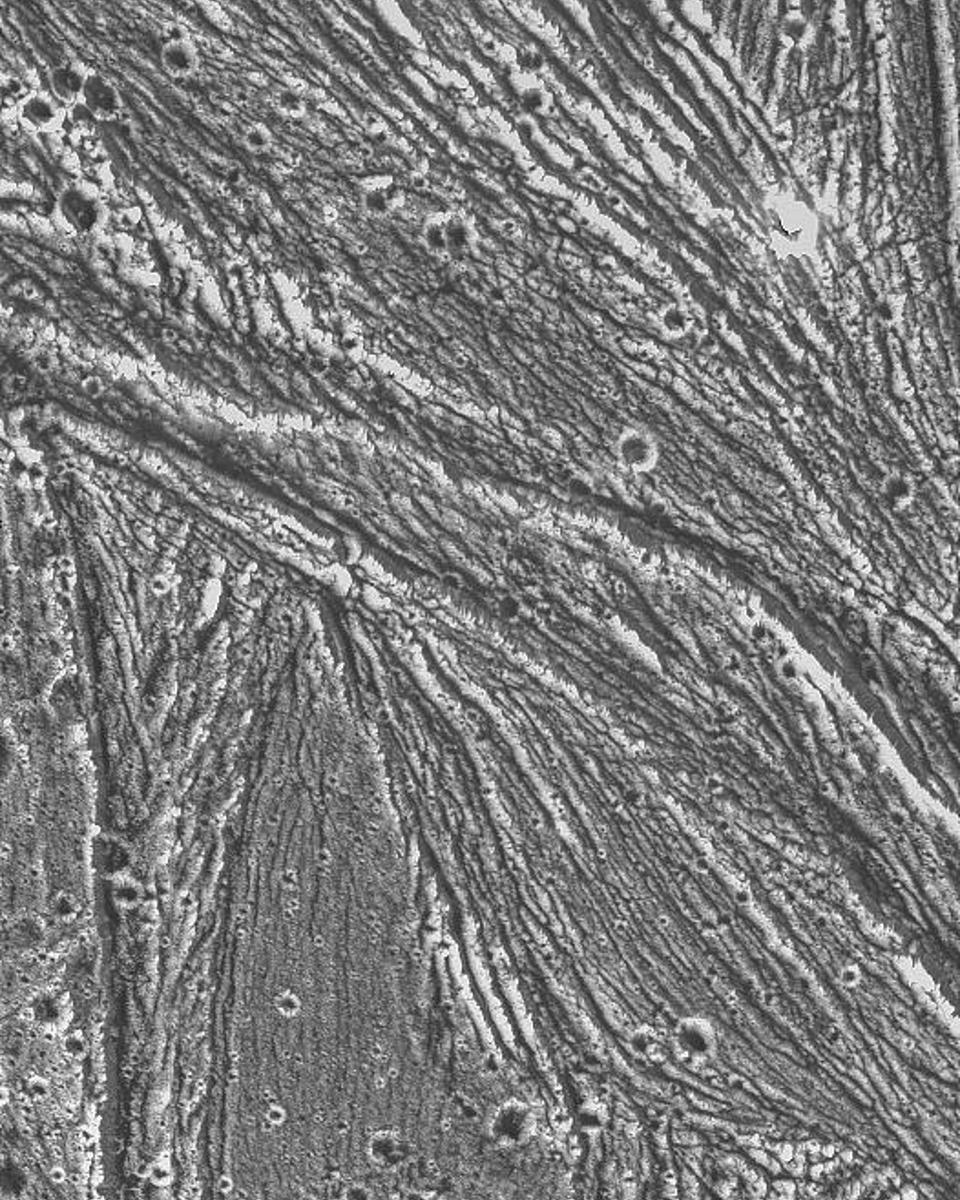
Galileo Photographs Ganymede
Ganymede's surface is slowly being pulled apart. This photo of Ganymede was released earlier today by the Galileo team at NASA. The Galileo Spacecraft arrived at Jupiter in…
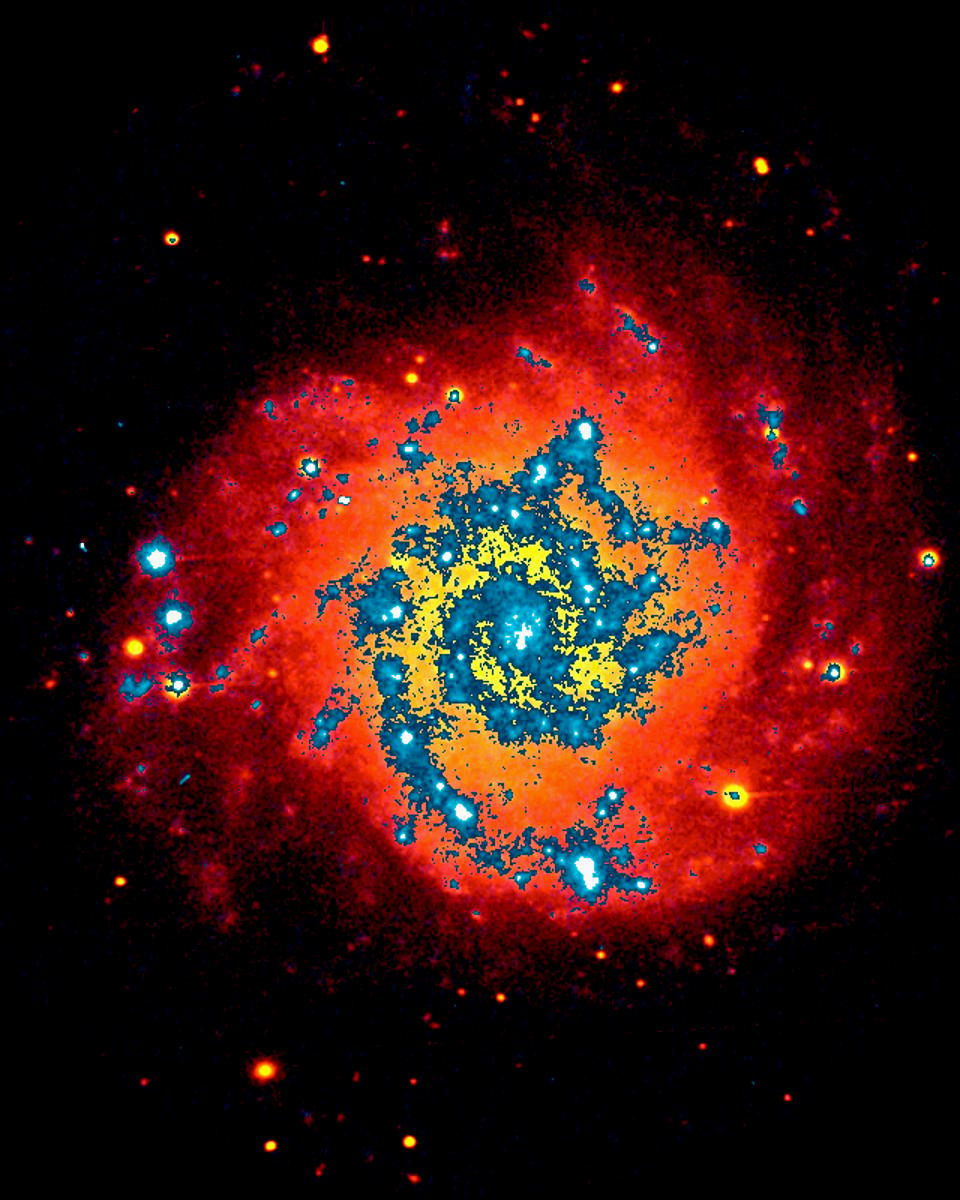
M74: A Grand Design Spiral Galaxy
M74 is about the same size as our own Milky Way Galaxy. Like our Milky Way , M74 is classified a spiral galaxy. M74's sweeping lanes of stars and dust combined with its small…
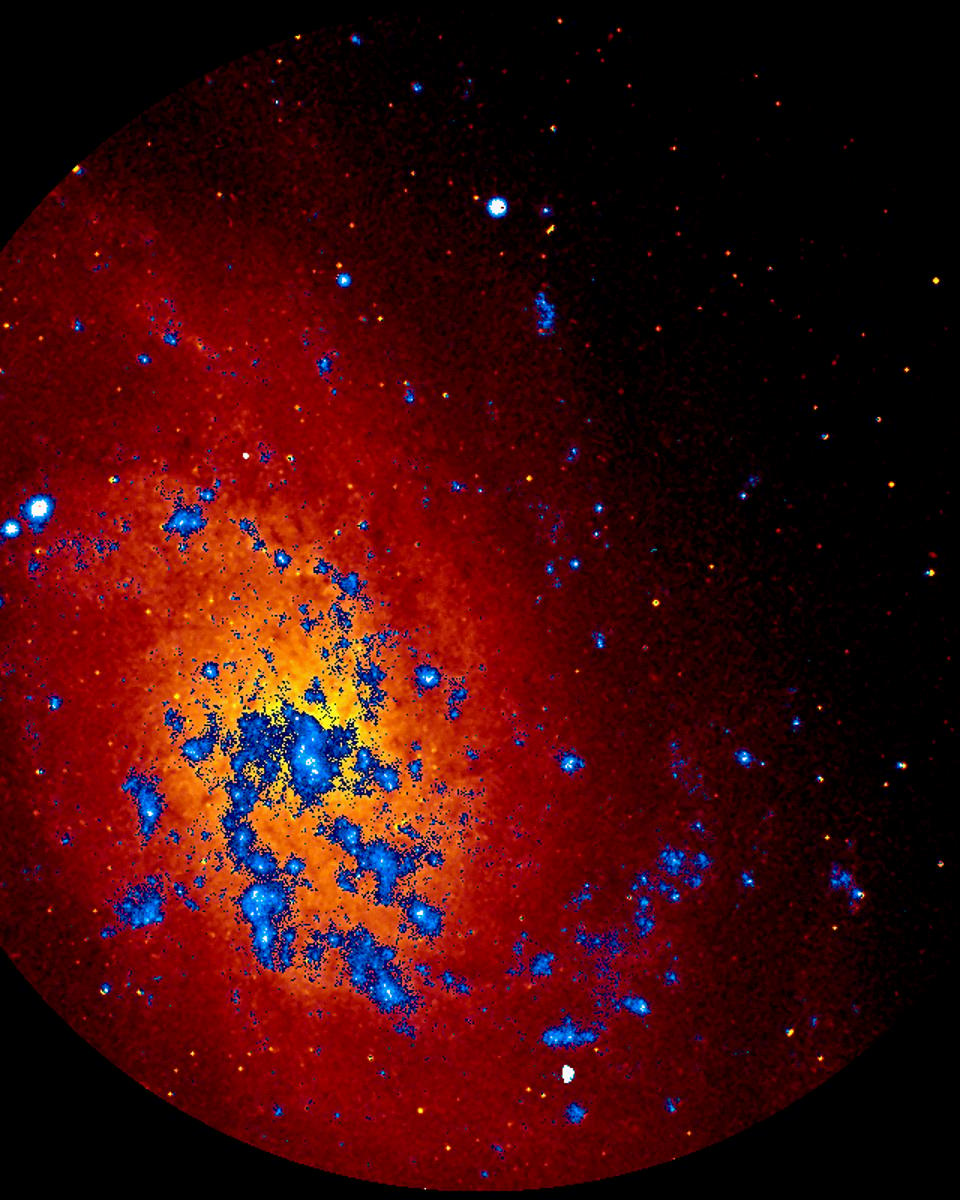
M33: The Triangulum Galaxy
The spiral galaxy M33 is a mid-sized member of our Local Group of galaxies . M33 is also called the Triangulum Galaxy for the constellation in which it resides. About four times…
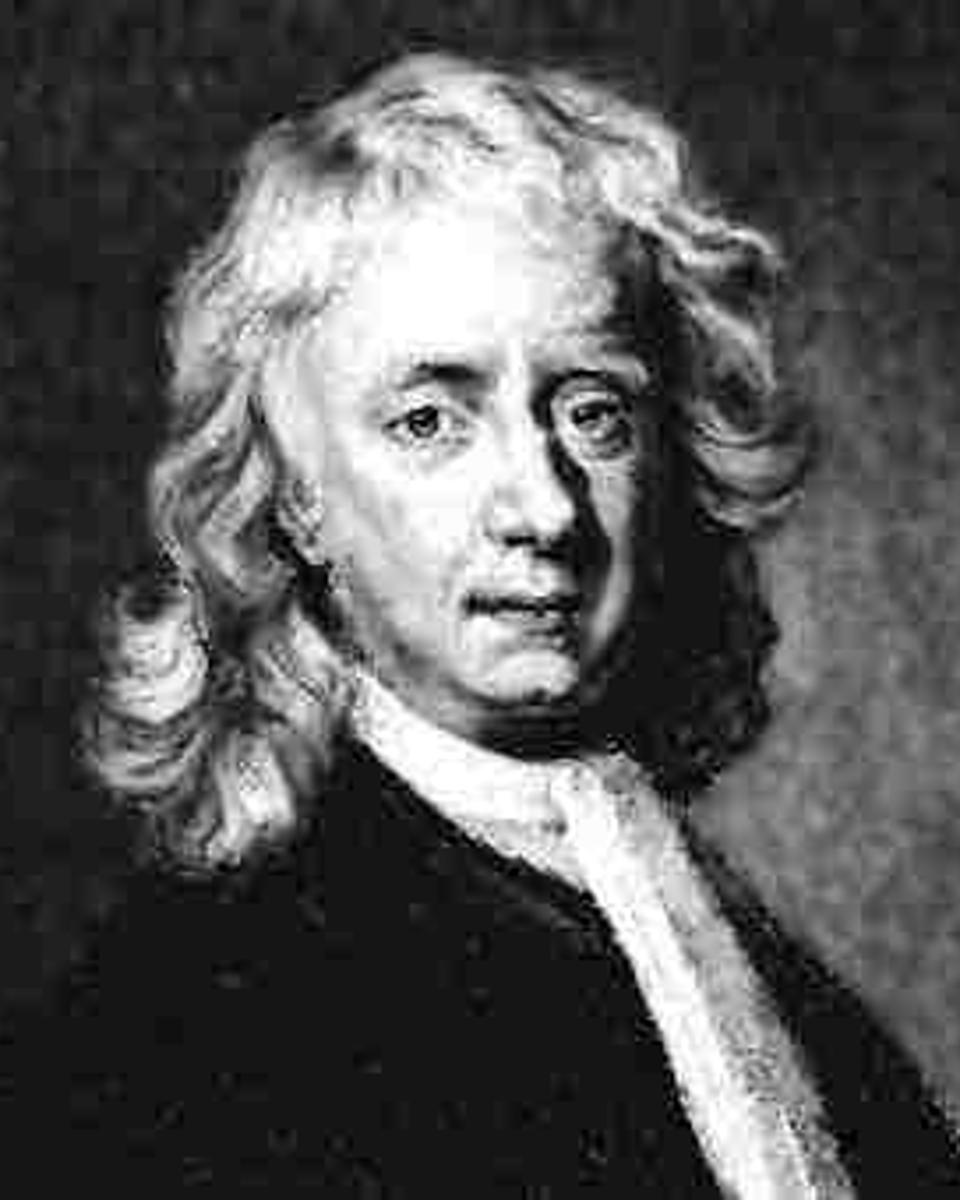
Isaac Newton Explains the Solar System
Sir Isaac Newton changed the world. Born in 1643, Newton was only an above-average student. But he went home from Cambridge one summer in 1665, thought a lot about the physical…
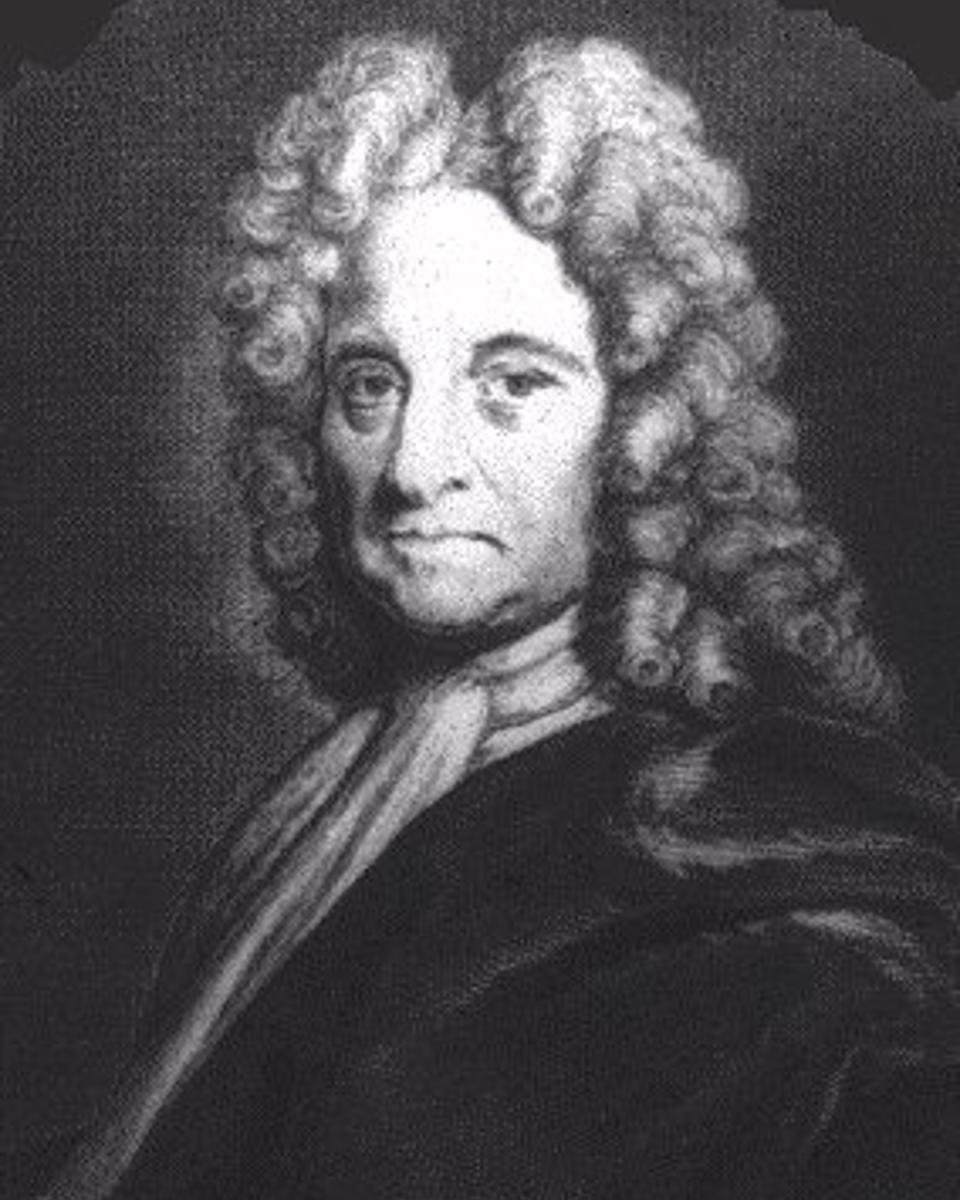
Edmond Halley's Greatest Discoveries
Sir Edmond Halley was quite a discoverer. Born in 1656, he computed in 1705 that a bright comet was periodic and would make another appearance in 1758. The comet appeared as…
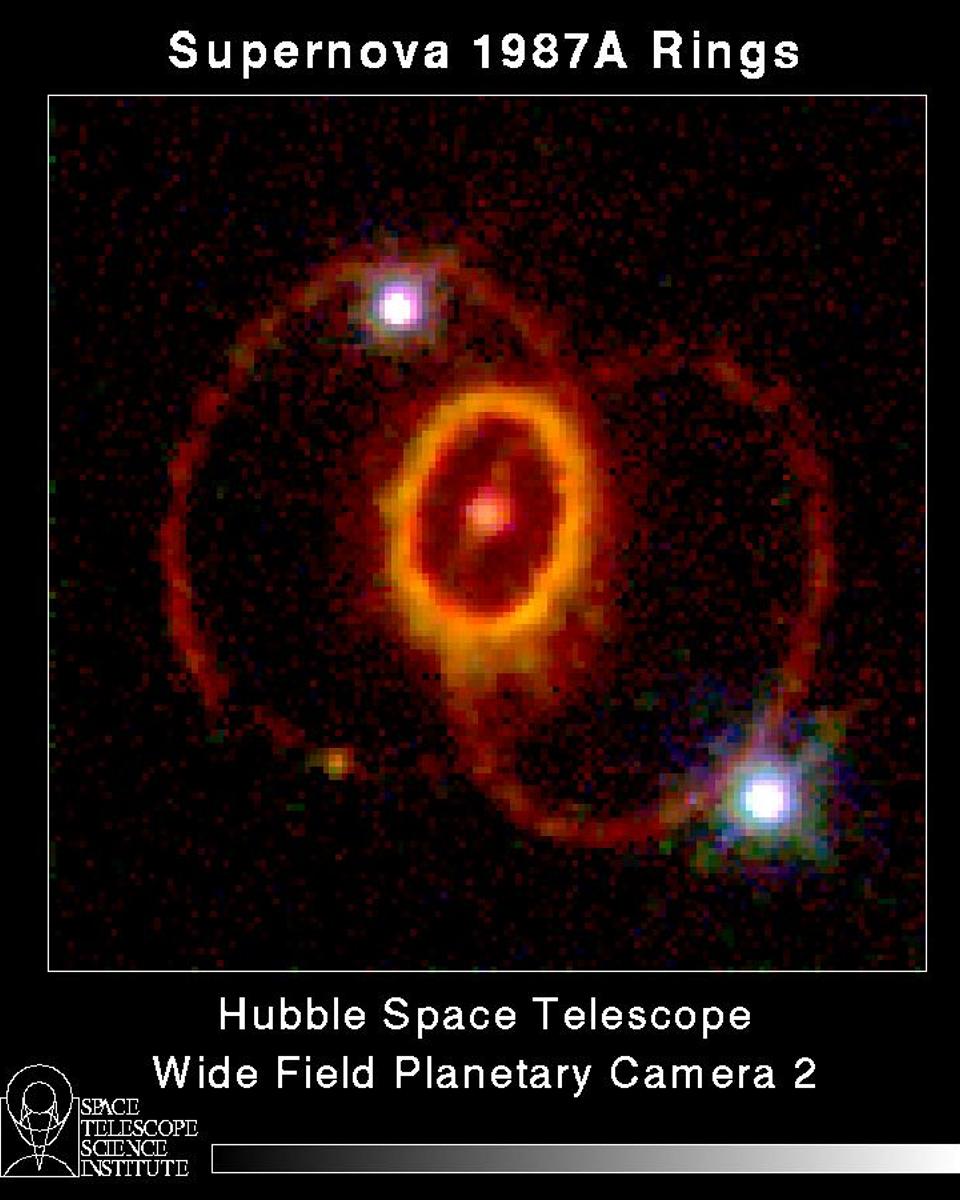
The Mysterious Rings of Supernova 1987a
What's causing those odd rings in supernova 1987a? In 1987, the brightest supernova in recent history occurred in the Large Magellanic Clouds . At the center of the picture is an…
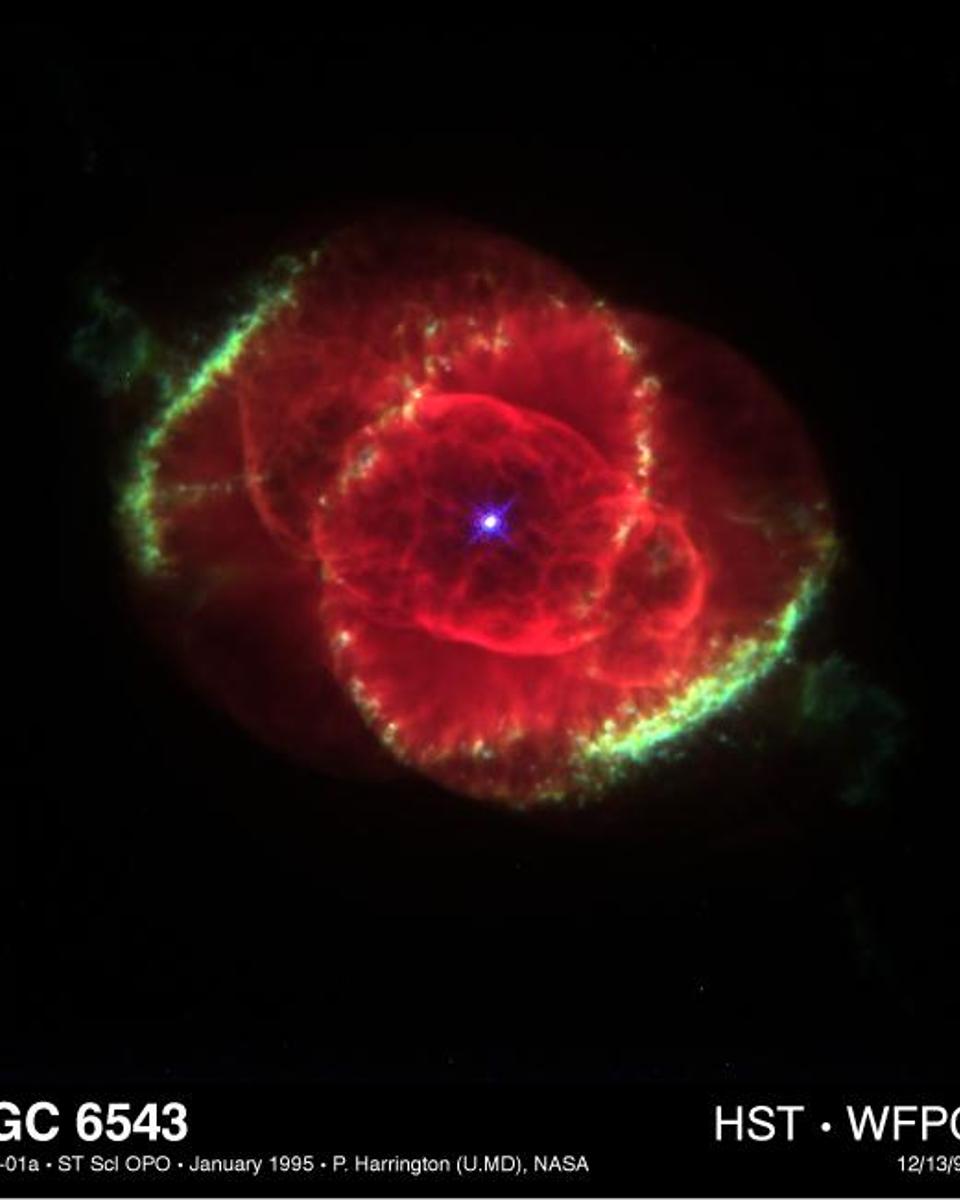
The Cat's Eye Nebula (Revisited)
Three thousand light years away, a dying star throws off shells of glowing gas. This image from the Hubble Space Telescope reveals “The Cat's Eye Nebula” to be one of the most…
Viewing discoveries from 27 July 1996 through 4 July 1996.